Sanofi Pasteur Inc.

Manufacturer Details

There are currently no manufacturer details available.

Share This Page

Sanofi Pasteur Inc. Drugs

  • Fluzone (Influenza A Virus A/california/7/2009 X-179a (H1n1) Antigen (Formaldehyde Inactivated), Influenza A Virus A/switzerland/9715293/2013 Nib-88 (H3n2) Antigen (Formaldehyde Inactivated), And Influenza B Virus B/phuket/3073/2013 Antigen (Formaldehyde Inactivated)) Injection, Suspension [Sanofi Pasteur Inc.]

    Fluzone

    Fluzone (Influenza A Virus A/california/7/2009 X-179a (H1n1) Antigen (Formaldehyde Inactivated), Influenza A Virus A/switzerland/9715293/2013 Nib-88 (H3n2) Antigen (Formaldehyde Inactivated), And Influenza B Virus B/phuket/3073/2013 Antigen (Formaldehyde Inactivated)) Injection, Suspension [Sanofi Pasteur Inc.]

    For intramuscular use only

    2.1 Dose and Schedule

    The dose and schedule for Fluzone are presented in Table 1.

    Table 1: Dose and Schedule for Fluzone Age Dose Schedule "-" Indicates information is not applicable * 1 or 2 doses depends on vaccination history as per Advisory Committee on Immunization Practices annual recommendations on prevention and control of influenza with vaccines 6 months through 35 months One or two doses*, 0.25 mL each If 2 doses, administer at least 1 month apart 36 months through 8 years One or two doses*, 0.5 mL each If 2 doses, administer at least 1 month apart 9 years and older One dose, 0.5 mL -

    2.2 Administration

    Inspect Fluzone visually for particulate matter and/or discoloration prior to administration. If either of these conditions exist, the vaccine should not be administered.

    Before administering a dose of vaccine, shake the prefilled syringe or multi-dose vial. Withdraw a single dose of vaccine using a sterile needle and syringe. Use a separate sterile needle and syringe for each dose withdrawn from the multi-dose vial.

    The preferred sites for intramuscular injection are the anterolateral aspect of the thigh in infants 6 months through 11 months of age, the anterolateral aspect of the thigh (or the deltoid muscle if muscle mass is adequate) in persons ≥12 months through 35 months of age, or the deltoid muscle in persons ≥36 months of age. The vaccine should not be injected into the gluteal area or areas where there may be a major nerve trunk.

    Do not administer this product intravenously or subcutaneously.

    Fluzone should not be combined through reconstitution or mixed with any other vaccine.

  • Quadracel (Diphtheria And Tetanus Toxoids And Acellular Pertussis Adsorbed And Inactivated Poliovirus Vaccine) Injection, Suspension [Sanofi Pasteur Inc.]

    Quadracel

    Quadracel (Diphtheria And Tetanus Toxoids And Acellular Pertussis Adsorbed And Inactivated Poliovirus Vaccine) Injection, Suspension [Sanofi Pasteur Inc.]

    For intramuscular use only.

    Just before use, shake the vial well, until a uniform, white, cloudy suspension results. Parenteral drug products should be inspected visually for particulate matter and discoloration prior to administration, whenever solution and container permit. If either of these conditions exist, the product should not be administered.

    Using a sterile needle and syringe and aseptic technique, withdraw and administer a 0.5 mL dose of Quadracel vaccine intramuscularly into the deltoid muscle of the upper arm.

    Quadracel should not be combined through reconstitution or mixed with any other vaccine.

  • Divalproex Sodium Extended-release (Divalproex Sodium) Tablet, Extended Release [Cardinal Health]

    Divalproex Sodium Extended-release

    Divalproex Sodium Extended-release (Divalproex Sodium) Tablet, Extended Release [Cardinal Health]

    For intradermal use only

    2.1 Dose and Schedule

    Fluzone Intradermal Quadrivalent should be administered as a single 0.1 mL injection by the intradermal route in adults 18 through 64 years of age.

    2.2 Administration

    Inspect Fluzone Intradermal Quadrivalent visually for particulate matter and/or discoloration prior to administration. If either of these conditions exist, the vaccine should not be administered.

    The preferred site of injection is the skin in the region of the deltoid. Note: A potential way to make vaccination more efficient is to have the patient place the hand of the arm being immunized on his/her hip, so the arm bends at the elbow. This can help create a more accessible angle to the skin in the deltoid region.

    Fluzone Intradermal Quadrivalent should not be combined through reconstitution or mixed with any other vaccine.

    1. Gently shake the device and remove needle cap To prepare for vaccination, gently shake the device and remove needle cap before administering the vaccine.

    2. Position the device in your hand between the thumb and middle finger, keeping the index finger free Hold the device by placing the thumb and middle finger on the finger pads above device window. Keep the index finger free.

    3. Gently pierce the skin over the deltoid region Using light pressure, gently pierce the skin perpendicular to the deltoid region.

    4. Press the plunger to inject the vaccine Using index finger, gently press the plunger to inject the vaccine. Do not aspirate. When the plunger stops, vaccination is complete. Note: Excessive pressure on the plunger may prematurely activate the needle shield on the patient's arm. Because the vaccine is injected into the skin, a wheal (superficial bump) and/or redness may be visible at the injection site.

    5. Activate the needle shield and dispose Remove the needle from the skin. Direct the needle away from you and others. Push very firmly with the thumb on the plunger to activate the needle shield. You will hear a click when the shield extends to cover the needle. Dispose the device in an appropriate container.

  • Decavac (Clostridium Tetani Toxoid Antigen (Formaldehyde Inactivated) And Corynebacterium Diphtheriae Toxoid Antigen (Formaldehyde Inactivated)) Suspension [Sanofi Pasteur Inc.]

    Decavac

    Decavac (Clostridium Tetani Toxoid Antigen (Formaldehyde Inactivated) And Corynebacterium Diphtheriae Toxoid Antigen (Formaldehyde Inactivated)) Suspension [Sanofi Pasteur Inc.]

    2.1. Dosage and Schedule

    Primary Immunization

    DECAVAC vaccine may be used in persons 7 years of age and older who have not been immunized previously against tetanus and diphtheria or who have begun a primary immunization series but did not complete it. The primary immunization series consists of three 0.5 mL doses. The first two doses are administered at least 4 weeks apart and the third dose is administered at least 6 months after the second dose.

    DECAVAC vaccine may be used to complete the primary immunization series for tetanus and diphtheria in persons 7 years of age or older who have received one or two doses of Diphtheria and Tetanus Toxoids and Pertussis Vaccine Adsorbed (whole-cell DTP), Diphtheria and Tetanus Toxoids and Acellular Pertussis Vaccine Adsorbed (DTaP) and/or Diphtheria and Tetanus Toxoids Adsorbed (DT). However, the safety and efficacy of DECAVAC vaccine in such regimens have not been evaluated.

    Routine Booster Immunization

    DECAVAC vaccine may be used for routine booster immunization against tetanus and diphtheria in persons 7 years of age and older who have completed primary immunization against tetanus and diphtheria. Routine booster immunization against tetanus and diphtheria is recommended in children 11-12 years of age and every 10 years thereafter. (1)

    Tetanus Prophylaxis in Wound Management

    For active tetanus immunization in wound management of patients 7 years of age and older, a preparation containing tetanus and diphtheria toxoids is preferred instead of single-antigen tetanus toxoid to enhance diphtheria protection. (2) DECAVAC vaccine is approved for wound management of patients 7 years of age and older.

    The need for active immunization with a tetanus toxoid-containing preparation, with or without Tetanus Immune Globulin (TIG) (Human) depends on both the condition of the wound and the patient's vaccination history (Table 1).

    When indicated, TIG (Human) should be administered using a separate needle and syringe at a different anatomic site, according to the manufacturer's package insert. If a contraindication to using a tetanus toxoid-containing vaccine exists in a person who has not completed tetanus primary immunization and other than a clean, minor wound is sustained, only passive immunization with TIG (Human) should be given. (2)

    Table 1: Guide to Use of Tetanus and Diphtheria Toxoids Adsorbed (Td) and Tetanus Immune Globulin (TIG) (Human) for Tetanus Prophylaxis in Routine Wound Management for Persons 7 Years of Age and Older History of Adsorbed Tetanus Toxoid (doses) Clean, Minor Wounds All Other Wounds* Td TIG Td TIG * Such as, but not limited to, wounds contaminated with dirt, feces, soil, and saliva; puncture wounds; avulsions; and wounds resulting from missiles, crushing, burns, and frostbite. † If only three doses of fluid tetanus toxoid have been received, then a fourth dose of toxoid, preferably, an adsorbed toxoid should be given. ‡ Yes, if ≥10 years since the last tetanus toxoid-containing vaccine dose. § Yes, if ≥5 years since the last tetanus toxoid-containing vaccine dose. (More frequent boosters are not needed and can accentuate side effects.) Unknown or <three Yes No Yes Yes ≥three† No‡ No No§ No

    Diphtheria Prophylaxis for Case Contacts

    DECAVAC vaccine may be used for post-exposure diphtheria prophylaxis in persons 7 years of age and older who have not completed primary vaccination, whose vaccination status is unknown, or who have not been vaccinated with diphtheria toxoid within the previous 5 years. Consult ACIP recommendations for additional interventions for post-exposure diphtheria prophylaxis. (2)

    2.2. Administration

    Parenteral drug products should be inspected visually for particulate matter and discoloration prior to administration, whenever solution and container permit. If these conditions exist, DECAVAC vaccine should not be administered.

    DECAVAC vaccine, after shaking, is a turbid liquid, whitish-gray in color.

    For DECAVAC vaccine supplied in vials, shake the vial well before withdrawing the dose. Discard vial if DECAVAC vaccine cannot be resuspended.

    For DECAVAC vaccine supplied in syringes, shake the syringe well before administering the dose. Discard syringe if DECAVAC vaccine cannot be resuspended.

    Inject 0.5 mL intramuscularly. The preferred site is the deltoid muscle. DECAVAC vaccine should not be injected into the gluteal area or areas where there may be a major nerve trunk.

    Do not administer DECAVAC vaccine intravenously or subcutaneously.

    DECAVAC vaccine should not be combined through reconstitution or mixed with any other vaccine.

  • Tenivac
    Tenivac (Clostridium Tetani Toxoid Antigen (Formaldehyde Inactivated) And Corynebacterium Diphtheriae Toxoid Antigen (Formaldehyde Inactivated)) Injection, Suspension [Sanofi Pasteur Inc.]

    Tenivac

    Tenivac (Clostridium Tetani Toxoid Antigen (Formaldehyde Inactivated) And Corynebacterium Diphtheriae Toxoid Antigen (Formaldehyde Inactivated)) Injection, Suspension [Sanofi Pasteur Inc.]

    2.1 Primary Immunization

    In persons who have not been immunized previously against tetanus and diphtheria, primary immunization with TENIVAC vaccine consists of three 0.5 mL doses. The first 2 doses are administered 2 months apart and the third dose is administered 6-8 months after the second dose.

    TENIVAC vaccine may be used to complete the primary immunization series for tetanus and diphtheria, following one or two doses of Diphtheria and Tetanus Toxoids and Pertussis Vaccine Adsorbed (whole-cell DTP), Diphtheria and Tetanus Toxoids and Acellular Pertussis Vaccine Adsorbed (DTaP), and/or Diphtheria and Tetanus Toxoids Adsorbed (DT). However, the safety and efficacy of TENIVAC vaccine in such regimens have not been evaluated.

    2.2 Routine Booster Immunization

    TENIVAC vaccine may be used for routine booster immunization against tetanus and diphtheria in persons 7 years of age and older. Routine booster immunization against tetanus and diphtheria is recommended in children 11-12 years of age and every 10 years thereafter.

    2.3 Diphtheria Prophylaxis for Case Contacts

    TENIVAC vaccine may be used for post-exposure diphtheria prophylaxis in persons 7 years of age and older who have not completed primary vaccination, whose vaccination status is unknown, or who have not been vaccinated with diphtheria toxoid within the previous 5 years. Consult recommendations of the Advisory Committee on Immunization Practices for additional interventions for diphtheria prophylaxis in close contacts of diphtheria patients. (1)

    2.4 Tetanus Prophylaxis in Wound Management

    For active tetanus immunization in wound management of patients 7 years of age and older, a preparation containing tetanus and diphtheria toxoids is preferred instead of single-antigen tetanus toxoid to enhance diphtheria protection. (1) TENIVAC vaccine is approved for wound management of patients 7 years of age and older.

    The need for active immunization with a tetanus toxoid-containing preparation, with or without passive immunization with Tetanus Immune Globulin (TIG) (Human) depends on both the condition of the wound and the patient's vaccination history. (See Table 1.)

    When indicated, TIG (Human) should be administered at a separate site, with a separate needle and syringe, according to the manufacturer's package insert. If a contraindication to using tetanus toxoid-containing preparations exists in a person who has not completed a primary immunizing course of tetanus toxoid and other than a clean, minor wound is sustained, only passive immunization with TIG (Human) should be given. (1)

    Table 1: Guide for use of Tetanus and Diphtheria Toxoids Adsorbed (Td) for Tetanus Prophylaxis in Routine Wound Management in Persons 7 Years of Age and Older History of Adsorbed Tetanus Toxoid (Doses) Clean, Minor Wounds All Other Wounds* Td TIG Td TIG * Such as, but not limited to, wounds contaminated with dirt, puncture wounds and traumatic wounds. † If only three doses of fluid tetanus toxoid have been received, then a fourth dose of toxoid, preferably an adsorbed toxoid should be given. ‡ Yes, if >10 years since last dose. § Yes, if >5 years since last dose. (More frequent boosters are not needed and can accentuate side effects.) Unknown or <three Yes No Yes Yes ≥Three† No‡ No No§ No

    2.5 Administration

    Just before use, shake the vial or syringe well until a uniform, white, cloudy suspension results. Parenteral drug products should be inspected visually for particulate matter and discoloration prior to administration, whenever solution and container permit. If these conditions exist, the product should not be administered.

    When withdrawing a dose from a rubber-stoppered vial, do not remove either the rubber stopper or the metal seal holding it in place.

    Each 0.5 mL dose of TENIVAC vaccine is to be administered intramuscularly. The preferred site is the deltoid muscle. The vaccine should not be injected into the gluteal area or areas where there may be a major nerve trunk.

    Do not administer this product intravenously or subcutaneously.

    TENIVAC vaccine should not be combined through reconstitution or mixed with any other vaccine.

  • Sklice (Ivermectin) Lotion [Sanofi Pasteur, Inc]

    Sklice

    Sklice (Ivermectin) Lotion [Sanofi Pasteur, Inc]

    For topical use only.  SKLICE Lotion is not for oral, ophthalmic, or intravaginal use.

    Apply SKLICE Lotion to dry hair in an amount sufficient (up to 1 tube) to thoroughly coat the hair and scalp.  Leave SKLICE Lotion on the hair and scalp for 10 minutes, and then rinse off with water.

    The tube is intended for single use; discard any unused portion.

    Avoid contact with eyes.

  • Tetanus Toxoid Adsorbed (Clostridium Tetani Toxoid Antigen (Formaldehyde Inactivated)) Injection, Suspension [Sanofi Pasteur Inc.]

    Tetanus Toxoid Adsorbed

    Tetanus Toxoid Adsorbed (Clostridium Tetani Toxoid Antigen (Formaldehyde Inactivated)) Injection, Suspension [Sanofi Pasteur Inc.]

    Parenteral drug products should be inspected visually for extraneous particulate matter and/or discoloration prior to administration whenever solution and container permit. (See DESCRIPTION section.) If these conditions exist, the vaccine should not be administered.

    SHAKE VIAL WELL before withdrawing each dose. Discard vial if vaccine cannot be resuspended.

    Before injection, the skin over the site to be injected should be cleansed with a suitable germicide.

    Inject intramuscularly in the area of the vastus lateralis (mid-thigh laterally) or deltoid. The vaccine should not be injected into the gluteal area or areas where there may be a major nerve trunk.

    Primary Immunization

    For persons 7 years of age and older who have not been immunized previously against tetanus, the primary immunization series of Tetanus Toxoid Adsorbed manufactured by Sanofi Pasteur Inc. consists of three 0.5 mL doses. The intervals between doses recommended by the ACIP are 4 to 8 weeks between the first and second dose, and 6 to 12 months between the second and third dose.1

    Tetanus Toxoid Adsorbed manufactured by Sanofi Pasteur Inc. may be used to complete the primary immunization series for tetanus in children 7 years of age or older who have received one or two doses of whole-cell pertussis DTP, DTaP, and/or DT vaccine. However the safety and efficacy of Tetanus Toxoid Adsorbed manufactured by Sanofi Pasteur Inc. in such children have not been evaluated.

    Interruption of the recommended schedule with a delay between doses should not interfere with the final immunity achieved with Tetanus Toxoid Adsorbed manufactured by Sanofi Pasteur Inc. There is no need to start the series over again, regardless of the time elapsed between doses.

    Routine Booster Immunization

    Tetanus Toxoid Adsorbed manufactured by Sanofi Pasteur Inc. is approved for booster immunization in persons 7 years of age and older who have completed primary immunization against tetanus.

    Booster immunization against tetanus is recommended by the ACIP in persons 11-12 years of age if at least 5 years have elapsed since the last dose of a tetanus and diphtheria toxoid-containing vaccine.4 Subsequent routine booster immunization against tetanus is recommended every 10 years.4,11 If a dose of a tetanus toxoid-containing vaccine is given sooner than 10 years, as part of wound management or on exposure to diphtheria, the next booster is not needed for 10 years thereafter.1 MORE FREQUENT BOOSTER IMMUNIZATION AGAINST TETANUS IS NOT RECOMMENDED AND MAY BE ASSOCIATED WITH INCREASED INCIDENCE AND SEVERITY OF ADVERSE REACTIONS.1,3 (See WARNINGS section).

    TETANUS PROPHYLAXIS IN WOUND MANAGEMENT

    The need for active immunization with a tetanus toxoid-containing preparation, with or without passive immunization with TIG (Human) depends on both the condition of the wound and the patient's vaccination history (TABLE 1).

    A thorough attempt must be made to determine whether a patient has completed primary immunization. Persons who have completed primary immunization against tetanus, and who sustain wounds which are minor and uncontaminated, should receive a booster dose of a tetanus toxoid-containing preparation only if they have not received tetanus toxoid within the preceding 10 years. For tetanus prone wounds (eg, wounds contaminated with dirt, feces, soil, and saliva; puncture wounds; avulsions; and wounds resulting from missiles, crushing, burns, and frostbite), a booster is appropriate if the patient has not received a tetanus toxoid-containing preparation within the preceding 5 years. If a booster dose is given sooner than 10 years as part of wound management, the next routine booster should not be given for 10 years thereafter.1

    Persons who have not completed primary immunization against tetanus, or whose immunization history is unknown or uncertain, should be immunized with a tetanus toxoid-containing product. Completion of primary immunization thereafter should be ensured. In addition, if these persons have sustained a tetanus-prone wound, the use of TIG (Human) is recommended. TIG (Human) should be administered at a separate site, with a separate needle and syringe, according to the manufacturer's package insert. If a contraindication to using tetanus toxoid-containing preparations exists in a person who has not completed a primary immunizing course of tetanus toxoid and other than a clean, minor wound is sustained, only passive immunization with TIG (Human) should be given.1

    Tetanus Toxoid Adsorbed manufactured by Sanofi Pasteur Inc. is approved for wound management in patients 7 years of age and older.

    TABLE 11 SUMMARY GUIDE TO TETANUS PROPHYLAXIS IN ROUTINE WOUND MANAGEMENT, FOR PERSONS 7 YEARS OF AGE AND OLDER* History of Adsorbed Tetanus Clean, Minor Wounds All Other Wounds† Toxoid (Doses) Td‡ TIG Td‡ TIG * Important details are in the text of the DOSAGE AND ADMINISTRATION section. † Such as, but not limited to, wounds contaminated with dirt, feces, soil, and saliva; puncture wounds; avulsions; and wounds resulting from missiles, crushing, burns, and frostbite. ‡ Td is preferred by the ACIP to tetanus toxoid alone to enhance diphtheria protection. Tetanus Toxoid Adsorbed manufactured by Sanofi Pasteur Inc. is approved for wound management in persons 7 years of age or older. § If only three doses of fluid tetanus toxoid have been received, then a fourth dose of toxoid, preferably an adsorbed toxoid should be given. ¶ Yes, if >10 years since last dose. # Yes, if >5 years since last dose. (More frequent boosters are not needed and can accentuate side effects.) Unknown or < three Yes No Yes Yes ≥ Three§ No¶ No No# No

    CONCOMITANT VACCINE ADMINISTRATION

    No safety and immunogenicity data are available on the concomitant administration of Tetanus Toxoid Adsorbed manufactured by Sanofi Pasteur Inc. with other US licensed vaccines.

  • Imogam Rabies-ht (Human Rabies Virus Immune Globulin) Injection, Solution [Sanofi Pasteur Inc.]

    Imogam Rabies-ht

    Imogam Rabies-ht (Human Rabies Virus Immune Globulin) Injection, Solution [Sanofi Pasteur Inc.]

    For wound infiltration and intramuscular administration only.

    Inspect parenteral drug products visually for particulate matter and/or discoloration prior to administration, whenever solution and container permit. If either of these conditions exist, do not administer the product.

    Use Imogam® Rabies – HT in conjunction with rabies vaccines such as Rabies Vaccine, Imovax® Rabies, for intramuscular immunization, a vaccine prepared from human diploid cell cultures. The recommended dose of Imogam® Rabies – HT is 20 IU/kg (0.133 mL/kg) or 9 IU/lb (0.06 mL/lb) of body weight administered at the time of the first vaccine dose. (3) (8) (9)

    If anatomically feasible, use the full dose of Rabies Immune Globulin (Human) to thoroughly infiltrate the area around and into the wounds. Inject any remaining volume intramuscularly, using a separate needle, at a site distant from vaccine administration. (1) (10)

    Never administer Rabies Immune Globulin (Human) in the same syringe or into the same anatomical site as rabies vaccine. Because Rabies Immune Globulin (Human) may partially suppress active production of antibody, do not give more than the recommended dose. (1) (11)

  • Menactra (Neisseria Meningitidis Group A Capsular Polysaccharide Diphtheria Toxoid Conjugate Antigen, Neisseria Meningitidis Group C Capsular Polysaccharide Diphtheria Toxoid Conjugate Antigen, Neisseria Meningitidis Group Y Capsular Polysaccharide Diphtheria Toxoid Conjugate Antigen, And Neisseria Meningitidis Group W-135 Capsular Polysaccharide Diphtheria Toxoid Conjugate Antigen) Injection, Solution [Sanofi Pasteur Inc.]

    Menactra

    Menactra (Neisseria Meningitidis Group A Capsular Polysaccharide Diphtheria Toxoid Conjugate Antigen, Neisseria Meningitidis Group C Capsular Polysaccharide Diphtheria Toxoid Conjugate Antigen, Neisseria Meningitidis Group Y Capsular Polysaccharide Diphtheria Toxoid Conjugate Antigen, And Neisseria Meningitidis Group W-135 Capsular Polysaccharide Diphtheria Toxoid Conjugate Antigen) Injection, Solution [Sanofi Pasteur Inc.]

    2.1 Preparation for Administration

    Menactra vaccine is a clear to slightly turbid solution. Parenteral drug products should be inspected visually for particulate matter and discoloration prior to administration, whenever solution and container permit. If any of these conditions exist, the vaccine should not be administered.

    Withdraw the 0.5 mL dose of vaccine from the single-dose vial using a sterile needle and syringe.

    2.2 Dose and Schedule

    Menactra vaccine is administered as a 0.5 mL dose by intramuscular injection. Do not administer this product intravenously or subcutaneously.

    Primary Vaccination:

    In children 9 through 23 months of age, Menactra vaccine is given as a 2-dose series three months apart. Individuals 2 through 55 years of age, Menactra vaccine is given as a single dose.

    Booster Vaccination:

    A single booster dose may be given to individuals 15 through 55 years of age at continued risk for meningococcal disease, if at least 4 years have elapsed since the prior dose.
  • Tubersol (Tuberculin Purified Protein Derivative) Injection, Solution [Sanofi Pasteur Inc.]

    Tubersol

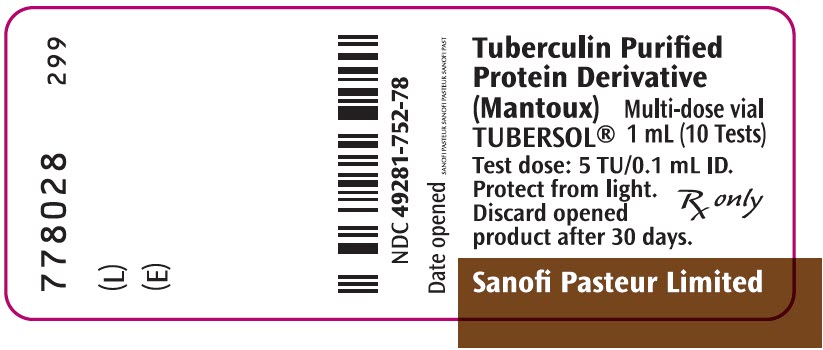
    Tubersol (Tuberculin Purified Protein Derivative) Injection, Solution [Sanofi Pasteur Inc.]

    DOSAGE

    Five (5) tuberculin units (TU) per test dose of 0.1 mL is the standard strength used for intradermal (Mantoux) testing.

    METHOD OF ADMINISTRATION

    TUBERSOL is indicated for intradermal injection only. Do not inject intravenously, intramuscularly, or subcutaneously. If subcutaneous injection occurs, the test cannot be interpreted.

    Inspect for extraneous particulate matter and/or discoloration before use. If these conditions exist, do not administer the product.

    Use a separate syringe and needle for each injection.

    The following procedure is recommended for performing the Mantoux test:

    The preferred site of the test is the volar aspect of the forearm. Avoid areas on the skin that are red or swollen. Avoid visible veins. Clean the skin site with a suitable germicide and allow the site to dry prior to injection of the antigen. Administer the test dose (0.1 mL) of TUBERSOL with a 1 mL syringe calibrated in tenths and fitted with a short, one-quarter to one-half inch, 26 or 27 gauge needle. Wipe the stopper of the vial with a suitable germicide and allow to dry before needle insertion. Then insert the needle gently through the stopper and draw 0.1 mL of TUBERSOL into the syringe. Avoid injection of excess air with removal of each dose so as not to over pressurize the vial and possibly cause seepage at the puncture site. Insert the point of the needle into the most superficial layers of the skin with the needle bevel pointing upward and administer the dose by slow intradermal injection. If the intradermal injection is performed properly, a definite pale bleb will rise at the needle point, about 10 mm (⅜") in diameter. This bleb will disperse within minutes. Do not dress the site. A drop of blood may appear at the administration site following injection. Blot the site lightly to remove the blood but avoid squeezing out the injected tuberculin test fluid.

    In the event of an improperly performed injection (ie, no bleb formed), repeat the test immediately at another site, at least 2 inches from the first site and circle the second injection site as an indication that this is the site to be read.

    Inform the patient of the need to return for the reading of the test by a trained health professional. Self-reading may be inaccurate and is strongly discouraged.

    INTERPRETATION OF THE TEST

    The skin test should be read by a trained health professional 48 to 72 hours after administration of TUBERSOL. Skin test sensitivity is indicated by induration only; redness should not be measured.

    Measure the diameter of induration transversely to the long axis of the forearm and record the measurement in millimetres (including 0 mm). (8) The tip of a ballpoint pen, gently pushed at a 45° angle toward the site of injection, will stop at the edge of induration.

    Also record presence and size (if present) of necrosis and edema, although these are not used in the interpretation of the test.

    Positive Reactions

    Tuberculin reactivity may indicate latent infection, prior infection and/or disease with M. tuberculosis and does not necessarily indicate the presence of active tuberculous disease. Persons showing positive tuberculin reactions should be considered positive by current public health guidelines and referred for further medical evaluation. (8) (10) The repeated testing of uninfected persons does not sensitize them to TUBERSOL. (7) (8) (10) (13)

    The significance of induration measurements in diagnosing latent TB infection must be considered in terms of the patient's history and the risk of developing active TB disease as indicated in Table 1. (10)

    Table 1: Criteria for tuberculin positivity, by risk group Reaction ≥5 mm of Induration Reaction ≥10 mm of Induration Reaction ≥15 mm of Induration * Risk of TB in patients treated with corticosteroids increases with higher dose and longer duration. † For persons who are otherwise at low risk and are tested at the start of employment, a reaction of ≥15 mm induration is considered positive.

    HIV-positive persons

    Recent contacts of tuberculosis (TB) case patients

    Fibrotic changes on chest radiograph consistent with prior TB

    Patients with organ transplants and other immunosuppressed patients (receiving the equivalent of ≥15 mg/d of prednisone for 1 month or more)*

    Recent immigrants (i.e., within the last 5 yrs) from high prevalence countries

    Injection drug users

    Residents or employees† of the following high-risk congregate settings: prisons and jails, nursing homes and other long-term facilities for the elderly, hospitals and other health care facilities, residential facilities for patients with acquired immunodeficiency syndrome (AIDS) and homeless shelters

    Mycobacteriology laboratory personnel

    Persons with the following clinical conditions that place them at high risk: silicosis, diabetes mellitus, chronic renal failure, some hematologic disorders (e.g., leukemias and lymphomas), other specific malignancies (e.g., carcinoma of the head or neck and lung), weight loss of ≥10% of ideal body weight, gastrectomy and jejunoileal bypass

    Children younger than 4 yrs of age or infants, children, and adolescents exposed to adults at high-risk

    Persons with no risk factors for TB

    A TST conversion is defined as an increase of ≥ 10 mm of induration within a 2-year period, regardless of age. (10)

    The possibility should be considered that the skin test sensitivity may also be due to a previous contact with atypical mycobacteria or previous BCG vaccination. (8) (10) (13)

    Negative Reactions

    An individual who does not show a positive reaction to 5 TU on the first test, but is suspected of being TB positive, may be retested with 5 TU. (See Booster Effect and Two-Step Testing) Any individual who does not show a positive reaction to an initial injection of 5 TU, or a second test with 5 TU may be considered as tuberculin negative.

    False Positive Reactions

    False positive tuberculin reactions can occur in individuals who have been infected with other mycobacteria, including vaccination with BCG. (8) (13) However, a diagnosis of M. tuberculosis infection and the use of preventive therapy should be considered for any BCG-vaccinated person who has a positive TST reaction, especially if the person has been, or is, at increased risk of acquiring TB infection. (See INDICATIONS AND USAGE) (15) (16)

    False-Negative Reactions

    Not all infected persons will have a delayed hypersensitivity reaction to a tuberculin test.

    In those who are elderly or those who are being tested for the first time, reactions may develop slowly and may not peak until after 72 hours.

    Since tuberculin sensitivity may take up to 8 weeks to develop following exposure to M. tuberculosis (See Mechanism of Action), persons who have a negative tuberculin test <8 weeks following possible TB exposure should be retested ≥8-10 weeks following the last known or suspected exposure. (17)

    Altered Immune Status

    Impaired or attenuated cell mediated immunity (CMI) can potentially cause a false negative tuberculin reaction. Many factors have been reported to cause a decreased ability to respond to the tuberculin test in the presence of tuberculous infection including viral infections (e.g., measles, mumps, chickenpox and HIV), live virus vaccinations (e.g., measles, mumps, rubella, oral polio and yellow fever), overwhelming tuberculosis, other bacterial infections, leukemia, sarcoidosis, fungal infections, metabolic derangements, low protein states, diseases affecting lymphoid organs, drugs (corticosteroids and many other immunosuppressive agents), and malignancy or stress. (8) (18) (19) A TST should be deferred for patients with major viral infections or live-virus vaccination in the past month. Persons with the common cold may be tuberculin tested.

    Because TST results in HIV-infected individuals are less reliable as CD4 counts decline, screening should be completed as early as possible after HIV-infection occurs. (19)

    BOOSTER EFFECT AND TWO-STEP TESTING

    If tuberculin testing will be conducted at regular intervals, for instance among health-care workers or prison workers, two-step testing should be performed as a baseline to avoid interpreting a booster effect as a tuberculin conversion. If the first test showed either no reaction or a small reaction, the second test should be performed one to four weeks later. Both tests should be read and recorded at 48 to 72 hours. Patients with a second tuberculin test (booster) response of ≥ 10 mm should be considered to have experienced past TB infection. (15) (20)

    Persons who do not boost when given repeat tests at one week, but whose tuberculin reactions change to positive after one year, should be considered to have newly acquired tuberculosis infection and managed accordingly. (7)

  • Diphtheria And Tetanus Toxoids Adsorbed (Corynebacterium Diphtheriae Toxoid Antigen (Formaldehyde Inactivated) And Clostridium Tetani Toxoid Antigen (Formaldehyde Inactivated)) Injection, Suspension [Sanofi Pasteur Inc.]

    Diphtheria And Tetanus Toxoids Adsorbed

    Diphtheria And Tetanus Toxoids Adsorbed (Corynebacterium Diphtheriae Toxoid Antigen (Formaldehyde Inactivated) And Clostridium Tetani Toxoid Antigen (Formaldehyde Inactivated)) Injection, Suspension [Sanofi Pasteur Inc.]

    For intramuscular use only.

    2.1 Dosage and Schedule

    Diphtheria and Tetanus Toxoids Adsorbed is approved for administration as a 5 dose series at 2, 4, 6, 15-18 months, and 4-6 years. The first dose of Diphtheria and Tetanus Toxoids Adsorbed may be administered as early as 6 weeks of age.

    2.2 Administration

    Parenteral drug products should be inspected visually for particulate matter and discoloration prior to administration, whenever solution and container permit. If these conditions exist, the product should not be administered.

    After removing the "flip-off" cap, cleanse the vaccine vial stopper with a suitable germicide. Do not remove either the rubber stopper or the metal seal holding it in place. Just before use, shake the vial well until a uniform, white, cloudy suspension results.

    Using a sterile needle and syringe and aseptic technique, withdraw and administer a single 0.5 mL dose of Diphtheria and Tetanus Toxoids Adsorbed intramuscularly. Use a separate sterile needle and syringe for each injection. Changing needles between withdrawing the vaccine from the vial and injecting it into a recipient is not necessary unless the needle has been damaged or contaminated. In infants younger than 1 year, the anterolateral aspect of the thigh provides the largest muscle and is the preferred site of injection. In older children, the deltoid muscle is usually large enough for injection. The vaccine should not be injected into the gluteal area or areas where there may be a major nerve trunk.

    Diphtheria and Tetanus Toxoids Adsorbed vaccine should not be combined through reconstitution or mixed with any other vaccine.

  • Imovax Rabies (Rabies Virus Strain Pm-1503-3m Antigen (Propiolactone Inactivated) And Water) Kit [Sanofi Pasteur Inc.]

    Imovax Rabies

    Imovax Rabies (Rabies Virus Strain Pm-1503-3m Antigen (Propiolactone Inactivated) And Water) Kit [Sanofi Pasteur Inc.]

    Parenteral drug products should be inspected for particulate matter and discoloration prior to administration, whenever solution and container permit. The syringe and its package should also be inspected prior to use for evidence of leakage, premature activation of the plunger, or a faulty tip seal. If evidence of such defects is observed, the product should not be used.

    The package contains a vial of freeze-dried vaccine, a syringe containing 1.0 mL of diluent, a plunger for the syringe, and a sterile needle for reconstitution. Cleanse the vaccine vial stopper with a suitable germicide. Do not remove the stopper or the metal seal holding it in place. Attach the plunger and reconstitution needle to the syringe and reconstitute the freeze-dried vaccine by injecting the diluent into the vaccine vial. Gently swirl the contents until completely dissolved and withdraw the total contents of the vial into the syringe. Remove the reconstitution needle and discard. Attach a sterile needle of your choice that is suitable for intramuscular injection of your patient.

    The supplied syringe is intended for single use only, must not be reused, and must be disposed of properly and promptly following its use.

    To help avoid transmission of infectious diseases due to accidental needle sticks, needles should not be recapped but disposed of according to recommended guidelines.

    The reconstituted vaccine should not be mixed with any other vaccine and should be used immediately.

    After preparation of the injection site with an appropriate germicide, immediately inject the vaccine intramuscularly. For adults and older children, the vaccine should be injected into the deltoid muscle. (10) (18) (19) In infants and small children, the anterolateral aspect of the thigh may be preferable, depending on age and body mass. Care should be taken to avoid injection into or near blood vessels and nerves. If blood or any suspicious discoloration appears in the syringe, do not inject but discard contents and repeat procedure using a new dose of vaccine at a different site.

    The gluteal area should not be used for administration of the vaccine as administration in this area may result in lower neutralizing antibody titers. (11)

    NOTE: The freeze-dried vaccine is creamy white to orange. After reconstitution, it is pink to red.

    A. Pre-exposure dosage

    1. Primary vaccination

    In the United States, the Immunization Practices Advisory Committee (ACIP) recommends three injections of 1.0 mL each, one injection on Day 0, one on Day 7, and one either on Day 21 or 28. (11)

    2. Booster dose

    A booster dose consists of one injection of 1.0 mL of Imovax Rabies vaccine. To ensure the presence of a primed immune response over time among persons at higher than normal risk for exposure, titers should be checked periodically, with booster doses administered only as needed. Persons working with live rabies virus in research laboratories and in vaccine production facilities (continuous risk category) should have rabies antibody titers checked every six months and boosters given as needed to maintain an adequate titer defined as virus neutralization at a 1:5 dilution by a RFFIT. Other laboratory workers (eg, those performing rabies diagnostic testing), cavers, veterinarians and staff, animal-control and wildlife officers in areas where rabies is enzootic, and bat handlers regardless of location, (frequent risk category), should have their serum tested for rabies antibody every 2 years. If their titer is inadequate, they should receive a single booster dose of vaccine. Veterinarians, veterinary students, and terrestrial animal-control and wildlife officers, working in areas of low rabies endemicity (infrequent risk category) and certain at-risk international travelers who have completed a full pre-exposure vaccination series with licensed vaccines and according to schedule do not require routine booster serologic verification of detectable antibody titers or routine pre-exposure booster doses of vaccine (see Table 1). (11)

    Persons who have experienced "immune complex-like" hypersensitivity reactions should receive no further doses of Imovax Rabies vaccine unless they are exposed to rabies or they are truly likely to be inapparently and/or unavoidably exposed to rabies virus and have unsatisfactory antibody titers.

    B. Post-exposure dosage

    1. Post-exposure dosage for previously unimmunized persons

    Dose

    Previously unvaccinated persons should receive 5 intramuscular doses (1 mL each) of Imovax Rabies vaccine, one dose immediately after exposure (Day 0) and one dose 3, 7, 14, and 28 days later.

    RIG

    Rabies immune globulin (RIG) 20 IU/kg on Day 0 in conjunction with the first vaccine dose. If possible, the full calculated dose of RIG should be used to infiltrate the wound(s). If it is not possible to do so, any remaining portion of the dose should be administered intramuscularly at a site different from the site used to administer the vaccine.

    Because the antibody response following the recommended vaccination regimen with HDCV has been satisfactory, routine post-vaccination serologic testing is not recommended. Serologic testing is indicated in unusual circumstances, as when the patient is known to be immunosuppressed. Contact local or state health department or CDC for recommendations. (11)

    2. Post-exposure dosage for previously immunized persons

    When an immunized person who was vaccinated using the recommended pre-exposure regimen or a prior post-exposure regimen with a cell culture vaccine or who had previously demonstrated rabies antibody is exposed to rabies, that person should receive two intramuscular doses (1.0 mL each) of Imovax Rabies vaccine, one dose immediately after the exposure and one dose 3 days later. RIG should not be given in these cases.

    If the immune status of a previously vaccinated person who did not receive the recommended HDCV regimen is not known, full primary post-exposure antirabies treatment (RIG plus 5 doses of HDCV) may be necessary. In such cases, if antibody levels of greater than 1:5 dilution by a RFFIT can be demonstrated in a serum sample collected before vaccine is given, treatment can be discontinued after at least two doses of HDCV. (20)

  • Pentacel (Diphtheria And Tetanus Toxoids And Acellular Pertussis Adsorbed, Inactivated Poliovirus And Haemophilus B Conjugate (Tetanus Toxoid Conjugate) Vaccine) Kit [Sanofi Pasteur Inc.]

    Pentacel

    Pentacel (Diphtheria And Tetanus Toxoids And Acellular Pertussis Adsorbed, Inactivated Poliovirus And Haemophilus B Conjugate (Tetanus Toxoid Conjugate) Vaccine) Kit [Sanofi Pasteur Inc.]

    2.1 Immunization Series

    Pentacel vaccine is to be administered as a 4 dose series at 2, 4, 6 and 15-18 months of age. The first dose may be given as early as 6 weeks of age. Four doses of Pentacel vaccine constitute a primary immunization course against pertussis. Three doses of Pentacel vaccine constitute a primary immunization course against diphtheria, tetanus, H influenzae type b invasive disease, and poliomyelitis; the fourth dose is a booster for diphtheria, tetanus, H influenzae type b invasive disease, and poliomyelitis immunizations. [See 14 Clinical Studies (14.1, 14.2, 14.3, 14.4, 14.5).]

    Mixed Sequences of Pentacel Vaccine and DTaP Vaccine

    While Pentacel and DAPTACEL (Diphtheria and Tetanus Toxoids and Acellular Pertussis Vaccine Adsorbed [DTaP], Sanofi Pasteur Limited) vaccines contain the same pertussis antigens, manufactured by the same process, Pentacel vaccine contains twice the amount of detoxified pertussis toxin (PT) and four times the amount of filamentous hemagglutinin (FHA) as DAPTACEL vaccine. Pentacel vaccine may be used to complete the first 4 doses of the 5-dose DTaP series in infants and children who have received 1 or more doses of DAPTACEL vaccine and are also scheduled to receive the other antigens of Pentacel vaccine. However, data are not available on the safety and immunogenicity of such mixed sequences of Pentacel vaccine and DAPTACEL vaccine for successive doses of the primary DTaP series. Children who have completed a 4-dose series with Pentacel vaccine should receive a fifth dose of DTaP vaccine using DAPTACEL at 4-6 years of age. (1)

    Data are not available on the safety and effectiveness of using mixed sequences of Pentacel vaccine and DTaP vaccine from different manufacturers.

    Mixed Sequences of Pentacel Vaccine and IPV Vaccine

    Pentacel vaccine may be used in infants and children who have received 1 or more doses of another licensed IPV vaccine and are scheduled to receive the antigens of Pentacel vaccine. However, data are not available on the safety and immunogenicity of Pentacel vaccine in such infants and children.

    The Advisory Committee on Immunization Practices (ACIP) recommends that the final dose in the 4-dose IPV series be administered at age ≥4 years. (2) When Pentacel vaccine is administered at ages 2, 4, 6, and 15-18 months, an additional booster dose of IPV vaccine should be administered at age 4-6 years, resulting in a 5-dose IPV series. (2)

    Mixed Sequences of Pentacel Vaccine and Haemophilus b Conjugate Vaccine

    Pentacel vaccine may be used to complete the vaccination series in infants and children previously vaccinated with one or more doses of Haemophilus b Conjugate Vaccine (either separately administered or as part of another combination vaccine), who are also scheduled to receive the other antigens of Pentacel vaccine. However, data are not available on the safety and immunogenicity of Pentacel vaccine in such infants and children. If different brands of Haemophilus b Conjugate Vaccines are administered to complete the series, three primary immunizing doses are needed, followed by a booster dose.

    2.2 Administration

    The package contains a vial of the DTaP-IPV component and a vial of lyophilized ActHIB vaccine component.

    After removing the "flip-off" caps, cleanse the DTaP-IPV and ActHIB vial stoppers with a suitable germicide. Do not remove the vial stoppers or metal seals holding them in place. Just before use, thoroughly but gently shake the vial of DTaP-IPV component, withdraw the entire liquid content and inject into the vial of the lyophilized ActHIB vaccine component. Gently swirl the vial now containing Pentacel vaccine until a cloudy, uniform, white to off-white (yellow tinge) suspension results.

    Parenteral drug products should be inspected visually for particulate matter and discoloration prior to administration, whenever solution and container permit. If these conditions exist, Pentacel vaccine should not be administered.

    Using a sterile needle and syringe and aseptic technique, withdraw and administer a single 0.5 mL dose of Pentacel vaccine intramuscularly. Use a separate sterile needle and syringe for each injection. Changing needles between withdrawing the vaccine from the vial and injecting it into a recipient is not necessary unless the needle has been damaged or contaminated. Pentacel vaccine should be used immediately after reconstitution. Refer to Figures 1, 2, 3, 4 and 5.

    Pentacel Vaccine: Instructions for Reconstitution of ActHIB Vaccine Component with DTaP-IPV Component

    In infants younger than 1 year, the anterolateral aspect of the thigh provides the largest muscle and is the preferred site of injection. In older children, the deltoid muscle is usually large enough for injection. The vaccine should not be injected into the gluteal area or areas where there may be a major nerve trunk.

    Do not administer this product intravenously or subcutaneously.

    Pentacel vaccine should not be mixed in the same syringe with other parenteral products.

  • Theracys (Bacillus Calmette-guerin Substrain Connaught Live Antigen) Injection, Powder, Lyophilized, For Solution [Sanofi Pasteur Inc.]

    Theracys

    Theracys (Bacillus Calmette-guerin Substrain Connaught Live Antigen) Injection, Powder, Lyophilized, For Solution [Sanofi Pasteur Inc.]

    For intravesical instillation only.

    Do not inject intravenously, subcutaneously, intradermally or intramuscularly.

    2.1 Dose and Schedule

    Begin intravesical treatment of the urinary bladder a minimum of 14 days after biopsy or transurethral resection. Treatment consists of induction and maintenance therapy. For the induction therapy, administer one dose (81mg) of TheraCys each week for 6 consecutive weeks. For the maintenance therapy, administer one dose at 3, 6, 12, 18, and 24 months following the initial dose.

    2.2 Preparation

    To avoid cross-contamination, do not prepare parenteral drugs in areas where TheraCys has been prepared. Handle and dispose of all equipment, supplies and receptacles in contact with TheraCys as biohazardous waste (or material). Wear gloves and eye protection and take precautions to avoid contact of BCG with broken skin. In addition, if the preparation cannot be performed in a biocontainment hood, wear a mask and gown.

    Use aseptic techniques.

    Clean surface of the rubber stopper of the vial of TheraCys with a suitable antiseptic. Do not remove the rubber stopper from the vial. Using a syringe, draw up 3 mL of sterile preservative-free saline solution. Pierce the rubber stopper in the vial of freeze-dried material. Hold the vial of freeze-dried material upright and pull the plunger of the syringe back to create a mild vacuum in the vial. Release the plunger and allow the vacuum to pull the saline from the syringe into the vial of freeze-dried material. After all the saline has passed into the freeze-dried material, remove the syringe. Shake the vial gently until a fine, even suspension results. Avoid foaming since this will prevent withdrawal of the proper dose. Withdraw the entire contents (approximately 3 mL) of the reconstituted material into the syringe. Return the vial to an upright position before removing the syringe from the vial. Further dilute the reconstituted material from the vial (1 dose) in sterile, preservative-free saline to a final volume of 50 mL for intravesical instillation. Use TheraCys immediately after reconstitution. Any delay between reconstitution and administration must not exceed 2 hours at a temperature between 2° and 25°C (35° and 77°F).

    Do not use any reconstituted product that exhibits flocculation or clumping that cannot be dispersed with gentle shaking.

    Do not expose reconstituted product to sunlight, direct or indirect.

    Keep exposure to artificial light to a minimum.

    2.3 Administration

    Insert a urethral catheter into the bladder under aseptic conditions, drain the bladder, instill 50 mL suspension of TheraCys slowly by gravity, and then withdraw the catheter.

    Have the patient retain the suspension for as long as possible for up to two hours. During the first 15 minutes following instillation, the patient should lie prone. Thereafter, allow the patient to be in an upright position.

    At the end of 2 hours, have the patient void in a seated position for safety reasons.

    Instruct the patient to increase fluid intake in order to flush the bladder in the hours following BCG treatment.

    2.4 Instructions for Disposal

    Immediately place unused product, packaging, and all equipment and materials used for instillation of the product (e.g., syringes, catheters) in a container for biohazardous materials, and dispose of them according to local requirements applicable to biohazardous materials.

    Properly dispose of voided urine during the 6 hr period following TheraCys instillation with an equal volume of 5% hypochlorite solution. [See Patient Counseling Information (17)]

  • Daptacel (Corynebacterium Diphtheriae Toxoid Antigen (Formaldehyde Inactivated), Clostridium Tetani Toxoid Antigen (Formaldehyde Inactivated), Bordetella Pertussis Toxoid Antigen (Glutaraldehyde Inactivated), Bordetella Pertussis Filamentous Hemagglutinin Antigen (Formaldehyde Inactivated), Bordetella Pertussis Pertactin Antigen, And Bordetella Pertussis Fimbriae 2/3 Antigen) Injection, Suspension [Sanofi Pasteur Inc.]

    Daptacel

    Daptacel (Corynebacterium Diphtheriae Toxoid Antigen (Formaldehyde Inactivated), Clostridium Tetani Toxoid Antigen (Formaldehyde Inactivated), Bordetella Pertussis Toxoid Antigen (Glutaraldehyde Inactivated), Bordetella Pertussis Filamentous Hemagglutinin Antigen (Formaldehyde Inactivated), Bordetella Pertussis Pertactin Antigen, And Bordetella Pertussis Fimbriae 2/3 Antigen) Injection, Suspension [Sanofi Pasteur Inc.]

    2.1 Immunization Series

    DAPTACEL vaccine is to be administered as a 5 dose series at 2, 4 and 6 months of age (at intervals of 6-8 weeks), at 15-20 months of age and at 4-6 years of age. The first dose may be given as early as 6 weeks of age. Four doses of DAPTACEL vaccine constitute a primary immunization course for pertussis. The fifth dose is a booster for pertussis immunization. Three doses of DAPTACEL vaccine constitute a primary immunization course for diphtheria and tetanus. The fourth and fifth doses are boosters for diphtheria and tetanus immunization. [See Clinical Studies (14.1, 14.2, 14.3).]

    DAPTACEL vaccine should be used as the fifth dose of the DTaP series in children who initially received 4 doses of Pentacel® [(Diphtheria and Tetanus Toxoids and Acellular Pertussis Adsorbed, Inactivated Poliovirus and Haemophilus b Conjugate (Tetanus Toxoid Conjugate) vaccine, Sanofi Pasteur Limited]. Pentacel and DAPTACEL vaccines contain the same pertussis antigens, manufactured by the same process, although Pentacel vaccine contains twice the amount of detoxified pertussis toxin (PT) and four times the amount of filamentous hemagglutinin (FHA) as DAPTACEL vaccine.

    Data are not available on the safety and effectiveness of using mixed sequences of DAPTACEL vaccine and DTaP vaccines from different manufacturers for successive doses of the DTaP vaccination series. DAPTACEL vaccine may be used to complete the immunization series in infants who have received 1 or more doses of whole-cell pertussis DTP. However, the safety and efficacy of DAPTACEL vaccine in such infants have not been fully demonstrated.

    If a decision is made to withhold any recommended dose of pertussis vaccine, [see Contraindications (4.2), (4.3) and Warnings and Precautions (5.2)], Diphtheria and Tetanus Toxoids Adsorbed For Pediatric Use (DT) should be administered.

    2.2 Administration

    Parenteral drug products should be inspected visually for particulate matter and discoloration prior to administration, whenever solution and container permit. If either of these conditions exist, the product should not be administered.

    After removing the "flip-off" cap, cleanse the vaccine vial stopper with a suitable germicide. Do not remove either the rubber stopper or the metal seal holding it in place. Just before use, shake the vial well, until a uniform, white, cloudy suspension results.

    Using a sterile needle and syringe and aseptic technique, withdraw and administer a single 0.5 mL dose of DAPTACEL vaccine intramuscularly. Use a separate sterile needle and syringe for each injection. Changing needles between withdrawing the vaccine from the vial and injecting it into a recipient is not necessary unless the needle has been damaged or contaminated. In infants younger than 1 year, the anterolateral aspect of the thigh provides the largest muscle and is the preferred site of injection. In older children, the deltoid muscle is usually large enough for injection. The vaccine should not be injected into the gluteal area or areas where there may be a major nerve trunk.

    Do not administer this product intravenously or subcutaneously.

    DAPTACEL vaccine should not be combined through reconstitution or mixed with any other vaccine.

  • Dorzolamide Hydrochloride Ophthalmic Solution 2%, 10ml Ophthalmic Solution 2%, 10ml (Dorzolamide Hydrochloride Ophthalmic Solution 2%, 10ml) Solution [Alvogen Inc.]

    Dorzolamide Hydrochloride Ophthalmic Solution 2%

    Dorzolamide Hydrochloride Ophthalmic Solution 2%, 10ml Ophthalmic Solution 2%, 10ml (Dorzolamide Hydrochloride Ophthalmic Solution 2%, 10ml) Solution [Alvogen Inc.]

    For intramuscular use only

    2.1 Dose and Schedule

    The dose and schedule for Fluzone Quadrivalent are presented in Table 1.

    Table 1: Dose and Schedule for Fluzone Quadrivalent Age Dose Schedule "-" Indicates information is not applicable * 1 or 2 doses depends on vaccination history as per Advisory Committee on Immunization Practices annual recommendations on prevention and control of influenza with vaccines 6 months through 35 months One or two doses*, 0.25 mL each If 2 doses, administer at least 4 weeks apart 36 months through 8 years One or two doses*, 0.5 mL each If 2 doses, administer at least 4 weeks apart 9 years and older One dose, 0.5 mL -

    2.2 Administration

    Inspect Fluzone Quadrivalent visually for particulate matter and/or discoloration prior to administration. If any of these defects or conditions exist, the vaccine should not be administered.

    Before administering a dose of vaccine, shake the prefilled syringe or vial. Withdraw one dose of vaccine from the single-dose vial using a sterile needle and syringe. Use a separate sterile needle and syringe for each dose withdrawn from the multi-dose vial.

    The preferred sites for intramuscular injection are the anterolateral aspect of the thigh in infants 6 months through 11 months of age, the anterolateral aspect of the thigh (or the deltoid muscle if muscle mass is adequate) in persons 12 months through 35 months of age, or the deltoid muscle in persons ≥36 months of age. The vaccine should not be injected into the gluteal area or areas where there may be a major nerve trunk.

    Do not administer this product intravenously, intradermally, or subcutaneously.

    Fluzone Quadrivalent should not be combined through reconstitution or mixed with any other vaccine.

  • Menomune – A/c/y/w-135 Combined (Neisseria Meningitidis Group A Capsular Polysaccharide Antigen, Neisseria Meningitidis Group C Capsular Polysaccharide Antigen, Neisseria Meningitidis Group Y Capsular Polysaccharide Antigen And Neisseria Meningitidis Group W-135 Capsular Polysaccharide Antigen) Kit [Sanofi Pasteur Inc.]

    Menomune – Acyw-135 Combined

    Menomune – A/c/y/w-135 Combined (Neisseria Meningitidis Group A Capsular Polysaccharide Antigen, Neisseria Meningitidis Group C Capsular Polysaccharide Antigen, Neisseria Meningitidis Group Y Capsular Polysaccharide Antigen And Neisseria Meningitidis Group W-135 Capsular Polysaccharide Antigen) Kit [Sanofi Pasteur Inc.]

    2.1. Administration

    The package contains a vial of lyophilized vaccine and a vial of diluent. The lyophilized vaccine should be a white or off-white color to a light beige color. The diluent used for reconstitution is a clear liquid.

    After removing the "flip-off" caps, cleanse the vaccine and diluent vial stoppers with a suitable germicide. Do not remove the vial stoppers or metal seals holding them in place. Using a suitable sterile needle and syringe and aseptic technique, withdraw the supplied diluent (0.6 mL for single dose presentation and 6.0 mL for multidose presentation) (Refer to Figure 1) and inject into the vial containing the lyophilized vaccine (Refer to Figure 2). Swirl the vial until the vaccine is thoroughly dissolved (Refer to Figure 3). When reconstituted, the vaccine should be a clear, colorless liquid.

    Parenteral drug products should be inspected visually for particulate matter and discoloration prior to administration, whenever solution and container permit. If either of these conditions exists, the vaccine should not be administered.

    Using a suitable sterile needle and syringe and aseptic technique, withdraw (Refer to Figure 4) and administer a 0.5 mL dose of Menomune – A/C/Y/W-135 vaccine by subcutaneous injection. Use a separate sterile needle and syringe and aseptic technique for each dose withdrawn from the multidose vial.

    Do not administer this product intravenously or intramuscularly.

    The preferred site of administration is the deltoid region.

    Menomune vaccine: Instructions for reconstitution

    Figure 1

    For the single-dose presentation, withdraw 0.6 mL of the supplied diluent; for the multidose presentation, withdraw 6.0 mL.

    Figure 2

    Insert the syringe needle through the stopper of the vial of lyophilized Menomune vaccine component and inject the diluent into the vial.

    Figure 3

    Swirl the vial until the lyophilized vaccine component is thoroughly dissolved.

    Figure 4

    After reconstitution, withdraw 0.5 mL of Menomune vaccine and administer subcutaneously. Use the single-dose presentation immediately after reconstitution. The multidose presentation may be used for up to 35 days after reconstitution if stored at 2° to 8°C.

    The vaccine should not be combined through reconstitution or mixed with any other vaccine.

    Vaccine supplied in single dose vials should be used immediately after reconstitution. Vaccine supplied in multidose vials may be used for up to 35 days after reconstitution if stored at 2° to 8°C (35° to 46°F). [See How Supplied/Storage and Handling (16.2).]

    2.2. Primary Immunization

    Primary immunization with Menomune – A/C/Y/W-135 vaccine consists of a single 0.5 mL dose administered subcutaneously.

    The ACIP (Advisory Committee on Immunization Practices) has specific recommendations for use of meningococcal vaccines. (1) (2) (3)

    2.3. Revaccination

    The ACIP has recommendations for revaccination against meningococcal disease for persons at high risk who were previously vaccinated with Menomune – A/C/Y/W-135 vaccine. (1) (3) If Menomune – A/C/Y/W-135 vaccine is used for revaccination, the dose is 0.5 mL administered subcutaneously.

  • Menomune – A/c/y/w-135 Combined (Neisseria Meningitidis Group A Capsular Polysaccharide Antigen, Neisseria Meningitidis Group C Capsular Polysaccharide Antigen, Neisseria Meningitidis Group Y Capsular Polysaccharide Antigen, And Neisseria Meningitidis Group W-135 Capsular Polysaccharide Antigen) Kit [Sanofi Pasteur Inc.]

    Menomune – Acyw-135 Combined

    Menomune – A/c/y/w-135 Combined (Neisseria Meningitidis Group A Capsular Polysaccharide Antigen, Neisseria Meningitidis Group C Capsular Polysaccharide Antigen, Neisseria Meningitidis Group Y Capsular Polysaccharide Antigen, And Neisseria Meningitidis Group W-135 Capsular Polysaccharide Antigen) Kit [Sanofi Pasteur Inc.]

    2.1. Administration

    The package contains a vial of lyophilized vaccine and a vial of diluent. The lyophilized vaccine should be a white or off-white color to a light beige color. The diluent used for reconstitution is a clear liquid.

    After removing the "flip-off" caps, cleanse the vaccine and diluent vial stoppers with a suitable germicide. Do not remove the vial stoppers or metal seals holding them in place. Using a suitable sterile needle and syringe and aseptic technique, withdraw the supplied diluent (0.6 mL for single dose presentation and 6.0 mL for multidose presentation) (Refer to Figure 1) and inject into the vial containing the lyophilized vaccine (Refer to Figure 2). Swirl the vial until the vaccine is thoroughly dissolved (Refer to Figure 3). When reconstituted, the vaccine should be a clear, colorless liquid.

    Parenteral drug products should be inspected visually for particulate matter and discoloration prior to administration, whenever solution and container permit. If either of these conditions exists, the vaccine should not be administered.

    Using a suitable sterile needle and syringe and aseptic technique, withdraw (Refer to Figure 4) and administer a 0.5 mL dose of Menomune – A/C/Y/W-135 vaccine by subcutaneous injection. Use a separate sterile needle and syringe and aseptic technique for each dose withdrawn from the multidose vial.

    Do not administer this product intravenously or intramuscularly.

    The preferred site of administration is the deltoid region.

    Menomune vaccine: Instructions for reconstitution

    Figure 1

    For the single-dose presentation, withdraw 0.6 mL of the supplied diluent; for the multidose presentation, withdraw 6.0 mL.

    Figure 2

    Insert the syringe needle through the stopper of the vial of lyophilized Menomune vaccine component and inject the diluent into the vial.

    Figure 3

    Swirl the vial until the lyophilized vaccine component is thoroughly dissolved.

    Figure 4

    After reconstitution, withdraw 0.5 mL of Menomune vaccine and administer subcutaneously. Use the single-dose presentation immediately after reconstitution. The multidose presentation may be used for up to 35 days after reconstitution if stored at 2° to 8°C.

    The vaccine should not be combined through reconstitution or mixed with any other vaccine.

    Vaccine supplied in single dose vials should be used immediately after reconstitution. Vaccine supplied in multidose vials may be used for up to 35 days after reconstitution if stored at 2° to 8°C (35° to 46°F). [See How Supplied/Storage and Handling (16.2).]

    2.2. Primary Immunization

    Primary immunization with Menomune – A/C/Y/W-135 vaccine consists of a single 0.5 mL dose administered subcutaneously.

    The ACIP (Advisory Committee on Immunization Practices) has specific recommendations for use of meningococcal vaccines. (1) (2) (3)

    2.3. Revaccination

    The ACIP has recommendations for revaccination against meningococcal disease for persons at high risk who were previously vaccinated with Menomune – A/C/Y/W-135 vaccine. (1) (3) If Menomune – A/C/Y/W-135 vaccine is used for revaccination, the dose is 0.5 mL administered subcutaneously.

  • Ipol (Poliovirus Type 1 Antigen (Formaldehyde Inactivated), Poliovirus Type 2 Antigen (Formaldehyde Inactivated), And Poliovirus Type 3 Antigen (Formaldehyde Inactivated)) Injection, Suspension [Sanofi Pasteur Inc.]

    Ipol

    Ipol (Poliovirus Type 1 Antigen (Formaldehyde Inactivated), Poliovirus Type 2 Antigen (Formaldehyde Inactivated), And Poliovirus Type 3 Antigen (Formaldehyde Inactivated)) Injection, Suspension [Sanofi Pasteur Inc.]

    Parenteral drug products should be inspected visually for particulate matter and discoloration prior to administration, whenever solution and container permit. The vial and its packaging should be inspected prior to use for evidence of leakage or a faulty seal. If evidence of such defects are observed, the vaccine should not be used. Do not remove the vial stopper or the metal seal holding it in place.

    After preparation of the injection site, using a suitable sterile needle and aseptic technique, immediately administer IPOL vaccine intramuscularly or subcutaneously. In infants and small children, the mid-lateral aspect of the thigh is the preferred site. In older children and adults, IPOL vaccine should be administered intramuscularly or subcutaneously in the deltoid area. IPOL should not be combined through reconstitution or mixed with any other vaccine.

    To help avoid HIV (AIDS), HBV (Hepatitis), and other infectious diseases due to accidental needlesticks, contaminated needles should not be recapped or removed, unless there is no alternative or that such action is required by a specific medical procedure.

    Care should be taken to avoid administering the injection into or near blood vessels and nerves. If blood or any suspicious discoloration appears in the syringe, do not inject but discard contents and repeat procedures using a new dose of vaccine administered at a different site.

    DO NOT ADMINISTER VACCINE INTRAVENOUSLY.

    Children

    The primary series of IPOL vaccine consists of three 0.5 mL doses administered intramuscularly or subcutaneously, preferably eight or more weeks apart and usually at ages 2, 4, and 6 to 18 months. Under no circumstances should the vaccine be given more frequently than four weeks apart. The first immunization may be administered as early as six weeks of age. For this series, a booster dose of IPOL vaccine is administered at 4 to 6 years of age. (41)

    Use with Other Vaccines

    From historical data on the antibody responses to diphtheria, tetanus, whole-cell or acellular pertussis, Hib, or hepatitis B vaccines used concomitantly with IPOL vaccine, no interferences have been observed on the immunological end points accepted for clinical protection. (11) (16) (36) (See DRUG INTERACTIONS section.)

    If the third dose of IPOL vaccine is given between 12 to 18 months of age, it may be desirable to administer this dose with Measles, Mumps, and Rubella (MMR) vaccine and/or other vaccines using separate syringes at separate sites, (28) but no data on the immunological interference between IPOL vaccine and these vaccines exist.

    Use in Previously Vaccinated Children

    Children and adolescents with a previously incomplete series of polio vaccine should receive sufficient additional doses of IPOL vaccine to complete the series.

    Interruption of the recommended schedule with a delay between doses does not interfere with the final immunity. There is no need to start the series over again, regardless of the time elapsed between doses.

    The need to routinely administer additional doses is unknown at this time. (28)

    Adults

    Unvaccinated Adults

    A primary series of IPOL vaccine is recommended for unvaccinated adults at increased risk of exposure to poliovirus. While the responses of adults to primary series have not been studied, the recommended schedule for adults is two 0.5 mL doses given at a 1 to 2 month interval and a third 0.5 mL dose given 6 to 12 months later. If less than 3 months but more than 2 months are available before protection is needed, three doses of IPOL vaccine should be given at least 1 month apart. Likewise, if only 1 or 2 months are available, two 0.5 mL doses of IPOL vaccine should be given at least 1 month apart. If less than 1 month is available, a single 0.5 mL dose of IPOL vaccine is recommended. (28)

    Incompletely Vaccinated Adults

    Adults who are at an increased risk of exposure to poliovirus and who have had at least one dose of OPV, fewer than three doses of conventional IPV or a combination of conventional IPV or OPV totaling fewer than three doses should receive at least one 0.5 mL dose of IPOL vaccine. Additional doses needed to complete a primary series should be given if time permits. (28)

    Completely Vaccinated Adults

    Adults who are at an increased risk of exposure to poliovirus and who have previously completed a primary series with one or a combination of polio vaccines can be given a 0.5 mL dose of IPOL vaccine.

    The preferred injection site of IPOL vaccine for adults is in the deltoid area.

  • Acthib (Haemophilus Influenzae Type B Strain 1482 Capsular Polysaccharide Tetanus Toxoid Conjugate Antigen) Kit [Sanofi Pasteur Inc.]

    Acthib

    Acthib (Haemophilus Influenzae Type B Strain 1482 Capsular Polysaccharide Tetanus Toxoid Conjugate Antigen) Kit [Sanofi Pasteur Inc.]

    For intramuscular injection only

    The ActHIB vaccine, reconstituted with saline diluent (0.4% Sodium Chloride), appears clear and colorless. TriHIBit vaccine, the reconstituted vaccine using Tripedia vaccine, is a homogenous white suspension.

    Parenteral drug products should be inspected visually for particulate matter and/or discoloration prior to administration, whenever solution and container permit. If these conditions exist, the vaccine should not be administered.

    RECONSTITUTION

    ActHIB is to be reconstituted only with the accompanying saline diluent (0.4% Sodium Chloride) or Tripedia vaccine to formulate TriHIBit vaccine. TriHIBit vaccine, ActHIB vaccine combined with Tripedia vaccine by reconstitution, should not be administered to infants younger than 15 months of age.

    To prepare ActHIB vaccine, withdraw 0.6 mL of saline diluent (0.4% Sodium Chloride) and inject into the vial of lyophilized ActHIB vaccine. Agitate the vial to ensure complete reconstitution. The vaccine will appear clear and colorless. Withdraw a 0.5 mL dose of the reconstituted vaccine and inject intramuscularly. After reconstitution with saline diluent (0.4% Sodium Chloride), ActHIB vaccine should be administered promptly or stored refrigerated between 2° to 8°C (35° to 46°F) and administered within 24 hours. If the vaccine is not administered promptly, agitate the vial again before injection. Refer to Figures 1, 2, 3, 4, and 5.

    To prepare TriHIBit vaccine, thoroughly agitate the vial of Sanofi Pasteur Inc. Tripedia vaccine then withdraw 0.6 mL and inject into the vial of lyophilized ActHIB vaccine. After reconstitution and thorough agitation, the combined vaccines will appear whitish in color. Withdraw a 0.5 mL dose of the combined vaccines and inject intramuscularly. TriHIBit vaccine (ActHIB reconstituted with Tripedia vaccine) should be administered within 30 minutes of reconstitution. Refer to Figures 1, 2, 3, 4, and 5.

    Instructions for Reconstitution of ActHIB Vaccine with Saline Diluent (0.4% Sodium Chloride) or Tripedia Vaccine (TriHIBit Vaccine)

    Figure 1.Agitate vial prior to disinfecting the vial stopper to avoid possible contamination. Figure 2.Withdraw 0.6 mL of 0.4% Sodium Chloride or Tripedia vaccine as indicated. Figure 3.Cleanse the ActHIB vaccine stopper, insert the syringe needle into the vial, and inject the total volume of diluent. Figure 4.Agitate vial thoroughly. Figure 5.After reconstitution, cleanse vial stopper. Using a new needle and syringe, withdraw 0.5 mL of reconstituted vaccine and administer intramuscularly.

    Before injection, the skin over the site to be injected should be cleansed with a suitable germicide.

    Each dose of ActHIB vaccine reconstituted with saline diluent (0.4% Sodium Chloride) or Tripedia vaccine (TriHIBit vaccine) is administered intramuscularly in the outer aspect of the vastus lateralis (mid-thigh) or deltoid. The vaccine should not be injected into the gluteal area or areas where there may be a nerve trunk.

    A 0.5 mL dose of ActHIB is approved for intramuscular administration in infants and children, 2 months through 5 years of age as a 4-dose series. The series consists of a primary immunization course of 3 doses administered at 2, 4, and 6 months of age, followed by one booster dose, administered at 15-18 months of age. The booster dose at 15-18 months of age may be given as TriHibit vaccine (ActHIB reconstituted with Tripedia).

    For previously unvaccinated children, the number of doses of Haemophilus b Conjugate Vaccine needed depends on the age at which the immunization series is begun. A previously unvaccinated infant, 7 to 11 months of age, should receive as primary immunizations, two doses of Haemophilus b Conjugate Vaccine at 8-week intervals, followed by a booster dose at 15 to 18 months of age. A previously unvaccinated child 12 to 14 months of age should receive one dose of Haemophilus b Conjugate Vaccine followed by a booster dose at 15 to 18 months of age (doses to be separated by an interval of 8 weeks). A previously unvaccinated child 15 months through 5 years of age should receive one dose of ActHIB vaccine.

    Preterm infants should be vaccinated according to their chronological age from birth. (19)

    Interruption of the recommended schedule with a delay between doses should not interfere with the final immunity achieved with ActHIB vaccine reconstituted with saline diluent (0.4% Sodium Chloride) or with Tripedia vaccine (TriHIBit vaccine). There is no need to start the series over again, regardless of the time elapsed between doses.

  • Adacel Tdap
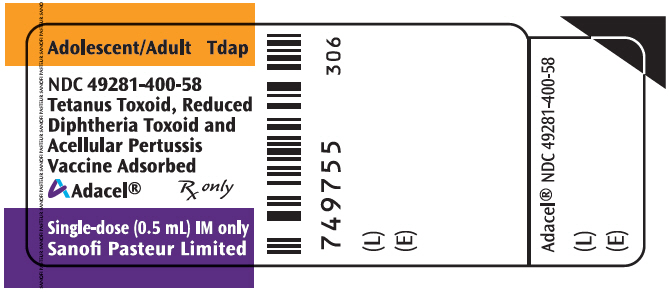
    Adacel Tdap (Clostridium Tetani Toxoid Antigen (Formaldehyde Inactivated), Corynebacterium Diphtheriae Toxoid Antigen (Formaldehyde Inactivated), Bordetella Pertussis Toxoid Antigen (Glutaraldehyde Inactivated), Bordetella Pertussis Filamentous Hemagglutinin Antigen (Formaldehyde Inactivated), Bordetella Pertussis Pertactin Antigen, And Bordetella Pertussis Fimbriae 2/3 Antigen) Injection, Suspension [Sanofi Pasteur Inc.]

    Adacel Tdap

    Adacel Tdap (Clostridium Tetani Toxoid Antigen (Formaldehyde Inactivated), Corynebacterium Diphtheriae Toxoid Antigen (Formaldehyde Inactivated), Bordetella Pertussis Toxoid Antigen (Glutaraldehyde Inactivated), Bordetella Pertussis Filamentous Hemagglutinin Antigen (Formaldehyde Inactivated), Bordetella Pertussis Pertactin Antigen, And Bordetella Pertussis Fimbriae 2/3 Antigen) Injection, Suspension [Sanofi Pasteur Inc.]

    2.1 Preparation for Administration

    Just before use, shake the vial or syringe well until a uniform, white, cloudy suspension results.

    Parenteral drug products should be inspected visually for particulate matter and discoloration prior to administration, whenever solution and container permit. If either of these conditions exist, the vaccine should not be administered.

    When withdrawing a dose from a stoppered vial, do not remove either the stopper or the metal seal holding it in place. Use a separate sterile needle and syringe for each injection. Using a sterile needle and syringe, withdraw the 0.5 mL dose of vaccine from the single-dose vial and administer the vaccine to the individual. Changing needles between withdrawing the vaccine from the vial and injecting it into a recipient is not necessary unless the needle has been damaged or contaminated.

    Adacel vaccine should not be combined through reconstitution or mixed with any other vaccine.

    2.2 Administration, Dose and Schedule

    Adacel vaccine is administered as a single 0.5 mL intramuscular injection into the deltoid muscle of the upper arm.

    Do not administer this product intravenously, subcutaneously or intradermally.

    There are no data to support repeat administration of Adacel vaccine.

    Five years should have elapsed since the recipient's last dose of tetanus toxoid, diphtheria toxoid and/or pertussis containing vaccine and the administration of Adacel vaccine.

    2.3 Additional Dosing Information

    Primary series: The safety and effectiveness of Adacel vaccine used as a primary series or to complete the primary series, for diphtheria, tetanus, or pertussis has not been demonstrated.

    Wound management: If tetanus prophylaxis is needed for wound management, Adacel may be given if no previous dose of any Tetanus Toxoid, Reduced Diphtheria Toxoid and Acellular Pertussis Vaccine, Adsorbed (Tdap) has been administered.

  • Typhim Vi
    Typhim Vi (Salmonella Typhi Ty2 Vi Polysaccharide Antigen) Injection, Solution [Sanofi Pasteur Inc.]

    Typhim Vi

    Typhim Vi (Salmonella Typhi Ty2 Vi Polysaccharide Antigen) Injection, Solution [Sanofi Pasteur Inc.]

    Parenteral drug products should be inspected visually for particulate matter and discoloration prior to administration, whenever solution and container permit. The syringe or vial and its packaging should also be inspected prior to use for evidence of leakage, premature activation of the plunger, or a faulty tip seal. If any of these conditions exists, the vaccine should not be administered.

    For intramuscular use only. Do NOT inject intravenously.

    The immunizing dose for adults and children is a single injection of 0.5 mL. The dose for adults is typically given intramuscularly in the deltoid, and the dose for children is given IM either in the deltoid or the anterolateral thigh. The vaccine should not be injected into the gluteal area or areas where there may be a nerve trunk.

    A reimmunizing dose is 0.5 mL. Reimmunization consisting of a single dose for US travelers every two years under conditions of repeated or continued exposure to the S typhi organism is recommended at this time. (14)

    The syringe is intended for single use only, must not be reused, and must be disposed of properly and promptly following its use.

    The skin at the site of injection first should be cleansed and disinfected. Tear off upper seal of vial cap. Cleanse top of rubber stopper of the vial with a suitable antiseptic and wipe away all excess antiseptic before withdrawing vaccine.

  • Yf-vax (Yellow Fever Virus Strain 17d-204 Live Antigen) Injection, Powder, Lyophilized, For Suspension Sodium Chloride Injection [Sanofi Pasteur Inc.]

    Yf-vax

    Yf-vax (Yellow Fever Virus Strain 17d-204 Live Antigen) Injection, Powder, Lyophilized, For Suspension Sodium Chloride Injection [Sanofi Pasteur Inc.]

    Primary Vaccination

    For all eligible persons, a single subcutaneous injection of 0.5 mL of reconstituted vaccine (formulated to contain not less than 4.74 log10 PFU throughout the life of the product) should be administered. Immunity develops by the 10th day after primary vaccination. (11) (25) (46)

    Booster Doses

    Re-immunization with 17D vaccine is recommended every 10 years for those at continuing risk of exposure and is required by International Health Regulations. (23) Revaccination boosts antibody titer, although evidence from several studies suggests that yellow fever vaccine immunity persists for at least 30 to 35 years and probably for life, (47) and epidemiologic data suggest that a single infection with wild-type yellow fever virus provides lifelong immunity against illness due to subsequent exposure.

    Concomitant Administration with other Vaccines

    Determination of whether to administer yellow fever vaccine and other immunobiologics simultaneously should be made on the basis of convenience to the traveler in completing the desired vaccinations before travel and on information regarding possible interference. Limited data are available related to administration of YF-VAX vaccine with other vaccines. (See PRECAUTIONS section, Drug Interactions subsection.) In those specific instances where vaccines may be given concurrently, injections should be administered at separate sites. Where there are no data to support administration of YF-VAX vaccine concurrently with other vaccines, 4 weeks should elapse between sequential vaccinations. (2)

    Vaccine Preparation

    Reconstitute the vaccine using only the diluent supplied (0.6 mL vial of Sodium Chloride Injection USP for single dose vial of vaccine and 3 mL vial of Sodium Chloride Injection USP for 5 dose vial of vaccine). Draw the volume of the diluent, shown on the diluent label, into a suitable size syringe and slowly inject into the vial containing the vaccine. Allow the reconstituted vaccine to sit for one to two minutes and then carefully swirl mixture until a uniform suspension is achieved. Avoid vigorous shaking as this tends to cause foaming of the suspension. Do not dilute reconstituted vaccine. YF-VAX vaccine is a slight pink-brown suspension after reconstitution. If the product contains extraneous particulate matter or is discolored, do not administer the vaccine. SWIRL VACCINE WELL before withdrawing each dose. Administer the single immunizing dose of 0.5 mL subcutaneously using a 5/8- to 3/4-inch long needle (23) within 60 minutes of reconstituting the vial.

    Properly dispose of all reconstituted vaccine and containers that remain unused after one hour (eg, sterilized or disposed in red hazardous waste containers). (2)

    Desensitization

    (23)

    If immunization is imperative and the individual has a history of severe egg sensitivity and has a positive skin test to the vaccine, this desensitization procedure may be used to administer the vaccine.

    The following successive doses should be administered subcutaneously at 15- to 20-minute intervals:

    1. 0.05 mL of 1:10 dilution 2. 0.05 mL of full strength 3. 0.10 mL of full strength 4. 0.15 mL of full strength 5. 0.20 mL of full strength

    Desensitization should only be performed under the direct supervision of a physician experienced in the management of anaphylaxis with necessary emergency equipment immediately available.

  • Fluzone Intradermal (Influenza A Virus A/california/7/2009 X-179a (H1n1) Antigen (Formaldehyde Inactivated), Influenza A Virus A/texas/50/2012 X-223a (H3n2) Antigen (Formaldehyde Inactivated), And Influenza B Virus B/massachusetts/2/2012 Bx-51b Antigen (Formaldehyde Inactivated)) Injection, Suspension [Sanofi Pasteur Inc.]

    Fluzone Intradermal

    Fluzone Intradermal (Influenza A Virus A/california/7/2009 X-179a (H1n1) Antigen (Formaldehyde Inactivated), Influenza A Virus A/texas/50/2012 X-223a (H3n2) Antigen (Formaldehyde Inactivated), And Influenza B Virus B/massachusetts/2/2012 Bx-51b Antigen (Formaldehyde Inactivated)) Injection, Suspension [Sanofi Pasteur Inc.]

    For intradermal use only

    2.1 Dose and Schedule

    Fluzone Intradermal should be administered as a single 0.1 mL injection by the intradermal route in adults 18 through 64 years of age.

    2.2 Administration

    Inspect Fluzone Intradermal visually for particulate matter and/or discoloration prior to administration. If either of these conditions exist, the vaccine should not be administered.

    The preferred site of injection is the skin in the region of the deltoid.

    Fluzone Intradermal should not be combined through reconstitution or mixed with any other vaccine.

    Gently shake the microinjection system before administering the vaccine.

    1. Remove Needle Cap

    Remove the needle cap from the microinjection system.

    2. Hold Microinjection System Between Thumb and Middle Finger

    Hold the system by placing the thumb and middle finger only on the finger pads, the index finger remains free. Do not place fingers on the windows.

    3. Insert Needle Rapidly and Perpendicular to the Skin

    Insert the needle perpendicular to the skin, in the region of the deltoid, in a short, quick movement.

    4. Inject Using the Index Finger

    Once the needle has been inserted, maintain light pressure on the surface of the skin and inject using the index finger to push on the plunger. Do not aspirate. Once the intradermal vaccine has been administered, a wheal may be visible at the injection site.

    5. Remove Needle from Skin and Activate Needle Shield by Pushing Firmly on Plunger

    Remove the needle from the skin. Direct the needle away from you and others. With the same hand, push very firmly with the thumb on the plunger to activate the needle shield. You will hear a click when the shield extends to cover the needle.

  • Fluzone (Influenza A Virus A/california/7/2009 X-179a (H1n1) Antigen (Formaldehyde Inactivated), Influenza A Virus A/texas/50/2012 X-223a (H3n2) Antigen (Formaldehyde Inactivated), And Influenza B Virus B/massachusetts/2/2012 Bx-51b Antigen (Formaldehyde Inactivated)) Injection, Suspension [Sanofi Pasteur Inc.]

    Fluzone

    Fluzone (Influenza A Virus A/california/7/2009 X-179a (H1n1) Antigen (Formaldehyde Inactivated), Influenza A Virus A/texas/50/2012 X-223a (H3n2) Antigen (Formaldehyde Inactivated), And Influenza B Virus B/massachusetts/2/2012 Bx-51b Antigen (Formaldehyde Inactivated)) Injection, Suspension [Sanofi Pasteur Inc.]

    For intramuscular use only

    2.1 Dose and Schedule

    The dose and schedule for Fluzone are presented in Table 1.

    Table 1: Dose and Schedule for Fluzone Age Dose Schedule "-" Indicates information is not applicable * 1 or 2 doses depends on vaccination history as per Advisory Committee on Immunization Practices annual recommendations on prevention and control of influenza with vaccines 6 months through 35 months One or two doses*, 0.25 mL each If 2 doses, administer at least 1 month apart 36 months through 8 years One or two doses*, 0.5 mL each If 2 doses, administer at least 1 month apart 9 years and older One dose, 0.5 mL -

    2.2 Administration

    Inspect Fluzone visually for particulate matter and/or discoloration prior to administration. If either of these conditions exist, the vaccine should not be administered.

    Before administering a dose of vaccine, shake the prefilled syringe or multi-dose vial. Withdraw a single dose of vaccine using a sterile needle and syringe. Use a separate sterile needle and syringe for each dose withdrawn from the multi-dose vial.

    The preferred sites for intramuscular injection are the anterolateral aspect of the thigh in infants 6 months through 11 months of age, the anterolateral aspect of the thigh (or the deltoid muscle if muscle mass is adequate) in persons ≥12 months through 35 months of age, or the deltoid muscle in persons ≥36 months of age. The vaccine should not be injected into the gluteal area or areas where there may be a major nerve trunk.

    Do not administer this product intravenously or subcutaneously.

    Fluzone should not be combined through reconstitution or mixed with any other vaccine.