Atlantic Biologicals Corps

Manufacturer Details

There are currently no manufacturer details available.

Share This Page

Atlantic Biologicals Corps Drugs

  • Prochlorperazine Maleate Tablet [Proficient Rx Lp]

    Prochlorperazine Maleate

    Prochlorperazine Maleate Tablet [Proficient Rx Lp]

    Dosage should be adjusted according to severity of the pain and the response of the patient. However, it should be kept in mind that tolerance to hydrocodone can develop with continued use and that the incidence of untoward effects is dose related.

    The usual adult dosage is one tablespoonful every 4 to 6 hours as needed for pain. The total daily dosage for adults should not exceed 6 tablespoonfuls.

    The usual dosages for children are given by the table on the next page, and are to be given every 4 to 6 hours as needed for pain. These dosages correspond to an average individual dose of 0.27 mL/kg of hydrocodone bitartrate and acetaminophen oral solution (providing 0.135 mg/kg of hydrocodone bitartrate and 5.85 mg/kg of acetaminophen). Dosing should be based on the weight whenever possible.

    The total daily dosage for children should not exceed 6 doses per day.

    It is of utmost importance that the dose of hydrocodone bitartrate and acetaminophen oral solution be administered accurately. A household teaspoon or tablespoon is not an adequate measuring device, especially when one-half or three-fourths of a teaspoonful is to be measured. Given the inexactitude of the household spoon measure and the possibility of using a tablespoon instead of a teaspoon, which could lead to overdosage, it is strongly recommended that caregivers obtain and use a calibrated measuring device. Health care providers should recommend a dropper that can measure and deliver the prescribed dose accurately, and instruct caregivers to use extreme caution in measuring the dosage.

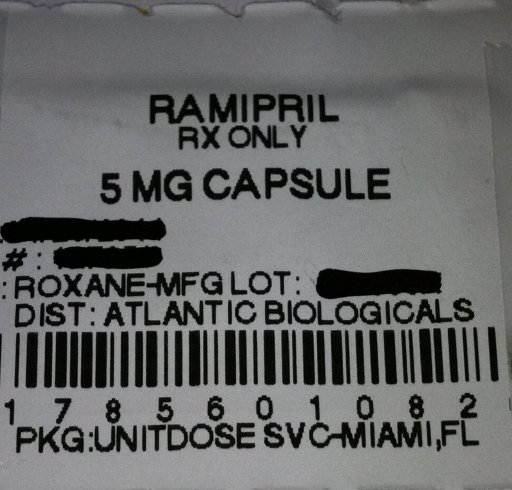
  • Ramipril Capsule [Atlantic Biologicals Corps]

    Ramipril

    Ramipril Capsule [Atlantic Biologicals Corps]

    2.1 Hypertension

    The recommended initial dose for patients not receiving a diuretic is 2.5 mg once a day. Adjust dose according to blood pressure response. The usual maintenance dosage range is 2.5 mg to 20 mg per day administered as a single dose or in two equally divided doses. In some patients treated once daily, the antihypertensive effect may diminish toward the end of the dosing interval. In such patients, consider an increase in dosage or twice daily administration. If blood pressure is not controlled with ramipril alone, a diuretic can be added.

    2.4 General Dosing Information

    Generally, swallow ramipril capsules whole. The ramipril capsule can also be opened and the contents sprinkled on a small amount (about 4 oz.) of applesauce or mixed in 4 oz. (120 mL) of water or apple juice. To be sure that ramipril is not lost when such a mixture is used, the mixture should be consumed in its entirety. The described mixtures can be pre-prepared and stored for up to 24 hours at room temperature or up to 48 hours under refrigeration.

    Concomitant administration of ramipril with potassium supplements, potassium salt substitutes, or potassium­sparing diuretics can lead to increases of serum potassium [see 5 WARNINGS AND PRECAUTIONS (5.8)].

    2.5 Dosage Adjustment

    Renal Impairment

    Establish baseline renal function in patients initiating ramipril. Usual regimens of therapy with ramipril may be followed in patients with estimated creatinine clearance >40 mL/min. However, in patients with worse impairment, 25% of the usual dose of ramipril is expected to produce full therapeutic levels of ramiprilat [see 8 USE IN SPECIFIC POPULATIONS (8.6)].

    Hypertension

    For patients with hypertension and renal impairment, the recommended initial dose is 1.25 mg ramipril once daily. Dosage may be titrated upward until blood pressure is controlled or to a maximum total daily dose of 5 mg.

    Volume Depletion or Renal Artery Stenosis

    Blood pressure decreases associated with any dose of ramipril depend, in part, on the presence or absence of volume depletion (e.g., past and current diuretic use) or the presence or absence of renal artery stenosis. If such circumstances are suspected to be present, initiate dosing at 1.25 mg once daily. Adjust dosage according to blood pressure response.

  • Chlorhexidine Gluconate Rinse [Atlantic Biologicals Corps]

    Chlorhexidine Gluconate Rinse

    Chlorhexidine Gluconate Rinse [Atlantic Biologicals Corps]

    Chlorhexidine gluconate oral rinse therapy should be initiated directly following a dental prophylaxis. Patients using chlorhexidine gluconate oral rinse should be reevaluated and given a thorough prophylaxis at intervals no longer than six months.

    Recommended use is twice daily oral rinsing for 30 seconds, morning and evening after tooth brushing. Usual dosage is 15 ml (marked in cap) of undiluted chlorhexidine gluconate oral rinse. Patients should be instructed to not rinse with water, or other mouthwashes, brush teeth, or eat immediately after using chlorhexidine gluconate oral rinse. Chlorhexidine gluconate oral rinse is not intended for ingestion and should be expectorated after rinsing.

  • Diazepam Solution [Atlantic Biologicals Corps]

    Diazepam Solution

    Diazepam Solution [Atlantic Biologicals Corps]

    Dosage should be individualized for maximum beneficial effect. While the usual daily dosages given below will meet the needs of most patients, there will be some who may require higher doses. In such cases dosage should be increased cautiously to avoid adverse effects.

    Adults: Usual Daily Dosage Management of Anxiety Disorders and Relief of Symptoms of Anxiety. Depending upon severity of symptoms – 2 mg to 10 mg, 2 to 4 times daily. Symptomatic Relief in Acute Alcohol Withdrawal. 10 mg, 3 or 4 times during the first 24 hours, reducing to 5 mg, 3 or 4 times daily as needed. Adjunctively for Relief of Skeletal Muscle Spasm. 2 mg to 10 mg, 3 or 4 times daily. Adjunctively in Convulsive Disorders. 2 mg to 10 mg, 2 to 4 times daily. Geriatric Patients or in the presence of debilitating disease. 2 mg to 2 1/2 mg, 1 or 2 times daily initially; increase gradually as needed and tolerated. Children: Because of varied responses to CNS-acting drugs, initiate therapy with lowest dose and increase as required. Not for use in children under 6 months. 1 mg to 2 1/2 mg, 3 or 4 times daily initially; increase gradually as needed and tolerated.

    Proper Use of an Intensol™

    An Intensol is a concentrated oral solution as compared to standard oral liquid medications. It is recommended that an Intensol be mixed with liquid or semi-solid food such as water, juices, soda or soda-like beverages, applesauce and puddings.

    Use only the calibrated dropper provided with this product. Draw into the dropper the amount prescribed for a single dose. Then squeeze the dropper contents into a liquid or semi-solid food. Stir the liquid or food gently for a few seconds. The Intensol formulation blends quickly and completely. The entire amount of the mixture, of drug and liquid or drug and food, should be consumed immediately. Do not store for future use.

  • Promethazine Hydrochloride Syrup [Atlantic Biologicals Corps]

    Promethazine Hydrochloride Syrup

    Promethazine Hydrochloride Syrup [Atlantic Biologicals Corps]

    (see ). Promethazine Syrup is contraindicated for children under 2 years of ageand WARNINGS-Black Box WarningUse in Pediatric Patients

    Allergy

    The average oral dose is 25 mg taken before retiring; however, 12.5 mg may be taken before meals and on retiring, if necessary. Single 25-mg doses at bedtime or 6.25 to 12.5 mg taken three times daily will usually suffice. After initiation of treatment in children or adults, dosage should be adjusted to the smallest amount adequate to relieve symptoms. The administration of promethazine HCl in 25-mg doses will control minor transfusion reactions of an allergic nature.

    Motion Sickness

    The average adult dose is 25 mg taken twice daily. The initial dose should be taken one-half to one hour before anticipated travel and be repeated 8 to 12 hours later, if necessary. On succeeding days of travel, it is recommended that 25 mg be given on arising and again before the evening meal. For children, Promethazine Syrup, 12.5 to 25 mg, twice daily, may be administered.

    Nausea and Vomiting

    Antiemetics should not be used in vomiting of unknown etiology in children and adolescents (see ). WARNINGS-Use in Pediatric Patients

    The average effective dose of Promethazine for the active therapy of nausea and vomiting in children or adults is 25 mg. When oral medication cannot be tolerated, the dose should be given parenterally (cf. Promethazine Injection) or by rectal suppository. 12.5- to 25-mg doses may be repeated, as necessary, at 4- to 6-hour intervals.

    For nausea and vomiting in children, the usual dose is 0.5 mg per pound of body weight, and the dose should be adjusted to the age and weight of the patient and the severity of the condition being treated.

    For prophylaxis of nausea and vomiting, as during surgery and the postoperative period, the average dose is 25 mg repeated at 4- to 6-hour intervals, as necessary.

    Sedation

    This product relieves apprehension and induces a quiet sleep from which the patient can be easily aroused. Administration of 12.5 to 25 mg Promethazine by the oral route will provide sedation in children. Adults usually require 25 to 50 mg for nighttime, presurgical, or obstetrical sedation.

    Pre- and Postoperative Use

    Promethazine in 12.5- to 25-mg doses for children and 50-mg doses for adults the night before surgery relieves apprehension and produces a quiet sleep.

    For preoperative medication, children require doses of 0.5 mg per pound of body weight in combination with an appropriately reduced dose of narcotic or barbiturate and the appropriate dose of an atropine-like drug. Usual adult dosage is 50 mg Promethazine with an appropriately reduced dose of narcotic or barbiturate and the required amount of a belladonna alkaloid.

    Postoperative sedation and adjunctive use with analgesics may be obtained by the administration of 12.5 to 25 mg in children and 25- to 50-mg doses in adults.

    Promethazine Syrup is contraindicated for children under 2 years of age.

  • Dextromethorphan Hydrob...
    Dextromethorphan Hydrobromide And Promethazine Hydrochloride Syrup [Atlantic Biologicals Corps]

    Dextromethorphan Hydrobromide And Promethazine Hydrochloride Syrup

    Dextromethorphan Hydrobromide And Promethazine Hydrochloride Syrup [Atlantic Biologicals Corps]

    (see ). Promethazine hydrochloride and dextromethorphan hydrobromide syrup is contraindicated for children under 2 years of ageand WARNINGS – Black Box WarningUse in Pediatric Patients

    The average effective dose is given in the following table:

    Adults 1 teaspoonful (5 mL) every 4 to 6 hours, not to exceed 30 mL in 24 hours. Children 6 years to under 12 years ½ to 1 teaspoonful (2.5 to 5 mL) every 4 to 6 hours, not to exceed 20 mL in 24 hours. Children 2 years to under 6 years ¼ to ½ teaspoonful (1.25 to 2.5 mL) every 4 to 6 hours, not to exceed 10 mL in 24 hours.
  • Risperidone Solution [Atlantic Biologicals Corps]

    Risperidone Solution

    Risperidone Solution [Atlantic Biologicals Corps]

    2.1 Schizophrenia

    Adults

    Usual Initial Dose

    Risperidone oral solution, USP can be administered once or twice daily. Initial dosing is generally 2 mg/day. Dose increases should then occur at intervals not less than 24 hours, in increments of 1 to 2 mg/day, as tolerated, to a recommended dose of 4 to 8 mg/day. In some patients, slower titration may be appropriate. Efficacy has been demonstrated in a range of 4 to 16 mg/day . However, doses above 6 mg/day for twice daily dosing were not demonstrated to be more efficacious than lower doses, were associated with more extrapyramidal symptoms and other adverse effects, and are generally not recommended. In a single study supporting once-daily dosing, the efficacy results were generally stronger for 8 mg than for 4 mg. The safety of doses above 16 mg/day has not been evaluated in clinical trials. [seeClinical Studies (14.1)]

    Maintenance Therapy

    While it is unknown how long a patient with schizophrenia should remain on risperidone oral solution, USP, the effectiveness of risperidone oral solution, USP 2 mg/day to 8 mg/day at delaying relapse was demonstrated in a controlled trial in patients who had been clinically stable for at least 4 weeks and were then followed for a period of 1 to 2 years . Patients should be periodically reassessed to determine the need for maintenance treatment with an appropriate dose. [seeClinical Studies (14.1)]

    Adolescents

    The dosage of risperidone oral solution, USP should be initiated at 0.5 mg once daily, administered as a single-daily dose in either the morning or evening. Dosage adjustments, if indicated, should occur at intervals not less than 24 hours, in increments of 0.5 or 1 mg/day, as tolerated, to a recommended dose of 3 mg/day. Although efficacy has been demonstrated in studies of adolescent patients with schizophrenia at doses between 1 and 6 mg/day, no additional benefit was seen above 3 mg/day, and higher doses were associated with more adverse events. Doses higher than 6 mg/day have not been studied.

    Patients experiencing persistent somnolence may benefit from administering half the daily dose twice daily.

    There are no controlled data to support the longer term use of risperidone oral solution, USP beyond 8 weeks in adolescents with schizophrenia. The physician who elects to use risperidone oral solution, USP for extended periods in adolescents with schizophrenia should periodically re-evaluate the long-term risks and benefits of the drug for the individual patient.

    Reinitiation of Treatment in Patients Previously Discontinued

    Although there are no data to specifically address reinitiation of treatment, it is recommended that after an interval off risperidone oral solution, USP, the initial titration schedule should be followed.

    Switching From Other Antipsychotics

    There are no systematically collected data to specifically address switching schizophrenic patients from other antipsychotics to risperidone oral solution, USP, or treating patients with concomitant antipsychotics. While immediate discontinuation of the previous antipsychotic treatment may be acceptable for some schizophrenic patients, more gradual discontinuation may be most appropriate for others. The period of overlapping antipsychotic administration should be minimized. When switching schizophrenic patients from depot antipsychotics, initiate risperidone oral solution, USP therapy in place of the next scheduled injection. The need for continuing existing EPS medication should be re-evaluated periodically.

    2.2 Bipolar Mania

    Usual Dose

    Adults

    Risperidone oral solution, USP should be administered on a once-daily schedule, starting with 2 mg to 3 mg per day. Dosage adjustments, if indicated, should occur at intervals of not less than 24 hours and in dosage increments/decrements of 1 mg per day, as studied in the short-term, placebo-controlled trials. In these trials, short-term (3 week) anti-manic efficacy was demonstrated in a flexible dosage range of 1 to 6 mg per day . Risperidone oral solution, USP doses higher than 6 mg per day were not studied. [seeClinical Studies (14.2,14.3)]

    Pediatrics

    The dosage of risperidone oral solution, USP should be initiated at 0.5 mg once daily, administered as a single-daily dose in either the morning or evening. Dosage adjustments, if indicated, should occur at intervals not less than 24 hours, in increments of 0.5 or 1 mg/day, as tolerated, to a recommended dose of 2.5 mg/day. Although efficacy has been demonstrated in studies of pediatric patients with bipolar mania at doses between 0.5 and 6 mg/day, no additional benefit was seen above 2.5 mg/day, and higher doses were associated with more adverse events. Doses higher than 6 mg/day have not been studied.

    Patients experiencing persistent somnolence may benefit from administering half the daily dose twice daily.

    Maintenance Therapy

    There is no body of evidence available from controlled trials to guide a clinician in the longer-term management of a patient who improves during treatment of an acute manic episode with risperidone oral solution, USP. While it is generally agreed that pharmacological treatment beyond an acute response in mania is desirable, both for maintenance of the initial response and for prevention of new manic episodes, there are no systematically obtained data to support the use of risperidone oral solution, USP in such longer-term treatment (i.e., beyond 3 weeks). The physician who elects to use risperidone oral solution, USP for extended periods should periodically re-evaluate the long-term risks and benefits of the drug for the individual patient.

    2.3 Irritability Associated with Autistic Disorder – Pediatrics (Children and Adolescents)

    The safety and effectiveness of risperidone oral solution, USP in pediatric patients with autistic disorder less than 5 years of age have not been established.

    The dosage of risperidone oral solution, USP should be individualized according to the response and tolerability of the patient. The total daily dose of risperidone oral solution, USP can be administered once daily, or half the total daily dose can be administered twice daily.

    Dosing should be initiated at 0.25 mg per day for patients < 20 kg and 0.5 mg per day for patients ≥ 20 kg. After a minimum of four days from treatment initiation, the dose may be increased to the recommended dose of 0.5 mg per day for patients < 20 kg and 1 mg per day for patients ≥ 20 kg. This dose should be maintained for a minimum of 14 days. In patients not achieving sufficient clinical response, dose increases may be considered at ≥ 2-week intervals in increments of 0.25 mg per day for patients < 20 kg or 0.5 mg per day for patients ≥ 20 kg. Caution should be exercised with dosage for smaller children who weigh less than 15 kg.

    In clinical trials, 90% of patients who showed a response (based on at least 25% improvement on ABC-I, ) received doses of risperidone oral solution, USP between 0.5 mg and 2.5 mg per day. The maximum daily dose of risperidone oral solution, USP in one of the pivotal trials, when the therapeutic effect reached plateau, was 1 mg in patients < 20 kg, 2.5 mg in patients ≥ 20 kg, or 3 mg in patients > 45 kg. No dosing data is available for children who weighed less than 15 kg. [seeClinical Studies (14.4)]

    Once sufficient clinical response has been achieved and maintained, consideration should be given to gradually lowering the dose to achieve the optimal balance of efficacy and safety. The physician who elects to use risperidone oral solution, USP for extended periods should periodically re-evaluate the long-term risks and benefits of the drug for the individual patient.

    Patients experiencing persistent somnolence may benefit from a once-daily dose administered at bedtime or administering half the daily dose twice daily, or a reduction of the dose.

    2.4 Dosage in Special Populations

    The recommended initial dose is 0.5 mg twice daily in patients who are elderly or debilitated, patients with severe renal or hepatic impairment, and patients either predisposed to hypotension or for whom hypotension would pose a risk. Dosage increases in these patients should be in increments of no more than 0.5 mg twice daily. Increases to dosages above 1.5 mg twice daily should generally occur at intervals of at least 1 week. In some patients, slower titration may be medically appropriate.

    Elderly or debilitated patients, and patients with renal impairment, may have less ability to eliminate risperidone oral solution, USP than normal adults. Patients with impaired hepatic function may have increases in the free fraction of risperidone, possibly resulting in an enhanced effect . Patients with a predisposition to hypotensive reactions or for whom such reactions would pose a particular risk likewise need to be titrated cautiously and carefully monitored . If a once-daily dosing regimen in the elderly or debilitated patient is being considered, it is recommended that the patient be titrated on a twice-daily regimen for 2 to 3 days at the target dose. Subsequent switches to a once-daily dosing regimen can be done thereafter. [seeClinical Pharmacology (12.3)][seeWarnings and Precautions (5.2,5.7,5.17)]

    2.5 Co-Administration of Risperidone Oral Solution with Certain Other Medications

    Co-administration of carbamazepine and other enzyme inducers (e.g., phenytoin, rifampin, phenobarbital) with risperidone oral solution, USP would be expected to cause decreases in the plasma concentrations of the sum of risperidone and 9-hydroxyrisperidone combined, which could lead to decreased efficacy of risperidone oral solution, USP treatment. The dose of risperidone oral solution, USP needs to be titrated accordingly for patients receiving these enzyme inducers, especially during initiation or discontinuation of therapy with these inducers [seeDrug Interactions (7.11)].

    Fluoxetine and paroxetine have been shown to increase the plasma concentration of risperidone 2.5 to 2.8 fold and 3 to 9 fold, respectively. Fluoxetine did not affect the plasma concentration of 9-hydroxyrisperidone. Paroxetine lowered the concentration of 9-hydroxyrisperidone by about 10%. The dose of risperidone oral solution, USP needs to be titrated accordingly when fluoxetine or paroxetine is co-administered [seeDrug Interactions (7.10)].

    2.6 Administration of Risperidone Oral Solution

    Risperidone oral solution, USP can be administered directly from the calibrated pipette, or can be mixed with a beverage prior to administration. Risperidone oral solution, USP is compatible in the following beverages: water, coffee, orange juice, and low-fat milk; it is NOT compatible with either cola or tea.

  • Phenytoin Suspension [Atlantic Biologicals Corps]

    Phenytoin Suspension

    Phenytoin Suspension [Atlantic Biologicals Corps]

    Serum concentrations should be monitored and care should be taken when switching a patient from the sodium salt to the free acid form. The free acid form of phenytoin is used in Phenytoin Oral Suspension. Because there is approximately an 8% increase in drug content with the free acid form over that of the sodium salt, dosage adjustments and serum level monitoring may be necessary when switching from a product formulated with the free acid to a product formulated with the sodium salt and vice versa.

    General

    Dosage should be individualized to provide maximum benefit. In some cases serum blood level determinations may be necessary for optimal dosage adjustments—the clinically effective serum level is usually 10–20 mcg/mL. With recommended dosage, a period of seven to ten days may be required to achieve steady-state blood levels with phenytoin and changes in dosage (increase or decrease) should not be carried out at intervals shorter than seven to ten days.

    Adult Dose

    Patients who have received no previous treatment may be started on one teaspoonful (5 mL) of Phenytoin Oral Suspension three times daily, and the dose is then adjusted to suit individual requirements. An increase to five teaspoonfuls daily may be made, if necessary.

    Pediatric Dose

    Initially, 5 mg/kg/day in two or three equally divided doses, with subsequent dosage individualized to a maximum of 300 mg daily. A recommended daily maintenance dosage is usually 4 to 8 mg/kg. Children over 6 years and adolescents may require the minimum adult dose (300 mg/day).

  • Elixophyllin
    Elixophyllin (Theophylline Anhydrous) Liquid [Atlantic Biologicals Corps]

    Elixophyllin

    Elixophyllin (Theophylline Anhydrous) Liquid [Atlantic Biologicals Corps]

    General Considerations

    The steady-state peak serum theophylline concentration is a function of the dose, the dosing interval, and the rate of theophylline absorption and clearance in the individual patient. Because of marked individual differences in the rate of theophylline clearance, the dose required to achieve a peak serum theophylline concentration in the 10-20 mcg/mL range varies fourfold among otherwise similar patients in the absence of factors known to alter theophylline clearance (e.g., 400-1600 mg/day in adults <60 years old and 10-36 mg/kg/day in children 1-9 years old). For a given population there is no single theophylline dose that will provide both safe and effective serum concentrations for all patients. Administration of the median theophylline dose required to achieve a therapeutic serum theophylline concentration in a given population may result in either sub-therapeutic or potentially toxic serum theophylline concentrations in individual patients. For example, at a dose of 900 mg/d in adults <60 years or 22 mg/kg/d in children 1-9 years, the steady state peak serum theophylline concentration will be <10 mcg/mL in about 30% of patients, 10-20 mcg/mL in about 50% and 20-30 mcg/mL in about 20% of patients. The dose of theophylline must be individualized on the basis of peak serum theophylline concentration measurements in order to achieve a dose that will provide maximum potential benefit with minimal risk to adverse effects.

    Transient caffeine-like adverse effects and excessive serum concentrations in slow metabolizers can be avoided in most patients by starting with a sufficiently low dose and slowly increasing the dose, if judged to be clinically indicated, in small increments (See Table V). Dose increases should only be made if the previous dosage is well tolerated and at intervals of no less than 3 days to allow serum theophylline concentrations to reach the new steady state. Dosage adjustment should be guided by serum theophylline concentration measurement (see and ). Health care providers should instruct patients and care givers to discontinue any dosage that causes adverse effects, to withhold the medication until these symptoms are gone and to then resume therapy at a lower, previously tolerated dosage (see ). PRECAUTIONS, Laboratory TestsDOSAGE AND ADMINISTRATION, Table VIWARNINGS

    If the patient’s symptoms are well controlled, there are no apparent adverse effects, and no intervening factors that might alter dosage requirements (see and ), serum theophylline concentrations should be monitored at 6 month intervals for rapidly growing children and at yearly intervals for all others. In acutely ill patients, serum theophylline concentrations should be monitored at frequent intervals, e.g., every 24 hours. WARNINGSPRECAUTIONS

    Theophylline distributes poorly into body fat, therefore, mg/kg dose should be calculated on the basis of ideal body weight.

    Table V contains theophylline dosing titration schema recommended for patients in various age groups and clinical circumstances. Table VI contains recommendations for theophylline dosage adjustment based upon serum theophylline concentrations. Application of these general dosing recommendations to individual patients must take into account the unique clinical characteristics of each patient. In general, these recommendations should serve as the upper limit for dosage adjustments in order to decrease the risk of potentially serious adverse events associated with unexpected large increases in serum theophylline concentration.

    Table V. Dosing initiation and titration (as anhydrous theophylline).*

    A. Infants <1 year old.

    Initial Dosage.

    Premature Neonates:

    < 24 days postnatal age; 1.0 mg/kg every 12 hr

    ≥  24 days postnatal age; 1.5 mg/kg every 12 hr

    Full term infants and infants up to 52 weeks of age:

    Total daily dose (mg) = [(0.2 x  age in weeks)+5.0] x  (Kg body Wt).

    up to age 26 weeks; divide dose into 3 equal amounts administered at 8 hour intervals.

    >26 weeks of age; divide dose into 4 equal amounts administered at 6 hour intervals.

    Adjusted to maintain a peak steady state serum theophylline concentration of 5-10 mcg/ml in neonates and 10-15 mcg/mL in older infants (see Table VI). Since the time required to reach steady-state is a function of theophylline half-life, up to 5 days may be required to achieve steady state in a premature neonate while only 2-3 days may be required in a 6 month old infant without other risk factors for impaired clearance in the absence of a loading dose. Final Dosage. If a serum theophylline concentration is obtained before steady state is achieved, the maintenance dose should not be increased, even if the serum theophylline concentration is <10 mcg/mL.

    B. Children (1-15 years) and adults (16-60 years) without risk factors for impaired clearance. Titration Step Children < 45 kg Children > 45 kg and adults 1. Starting Dosage 12-14 mg/kg/day up to a maximum of 300 mg/day divided Q4-6 hrs* 300 mg/day divided Q6-8 hrs*  2. After 3 days, if tolerated, increase dose to: 16 mg/kg/day up to a maximum of 400 mg/day divided Q4-6 hrs* 400 mg/day divided Q6-8 hrs* 3. After 3 more days, , increase dose to: if tolerated 20 mg/kg/day up to a maximum of 600 mg/day divided Q4-6 hrs* 600 mg/day divided Q6-8 hrs*

    C.Patients With Risk Factors For Impaired Clearance, The Elderly (>60 Years), And Those In Whom It Is Not Feasible To Monitor Serum Theophylline Concentrations:

    In children 1-15 years of age, the final theophylline dose should not exceed 16 mg/kg/day up to a maximum of 400 mg/day in the presence of risk factors for reduced theophylline clearance (see ) or if it is not feasible to monitor serum theophylline concentrations. WARNINGS

    In adolescents ≥16 years and adults, including the elderly, the final theophylline dose should not exceed 400 mg/day in the presence of risk factors for reduced theophylline clearance (see ) or if it is not feasible to monitor serum theophylline concentrations. WARNINGS

    D.Loading Dose for Acute Bronchodilatation:

    An inhaled beta-2 selective agonist, alone or in combination with a systemically administered corticosteroid, is the most effective treatment for acute exacerbations of reversible airways obstruction. Theophylline is a relatively weak bronchodilator, is less effective than an inhaled beta-2 selective agonist and provides no added benefit in the treatment of acute bronchospasm. If an inhaled or parenteral beta agonist is not available, a loading dose of an oral immediate release theophylline can be used as a temporary measure. A single 5 mg/kg dose of theophylline, in a patient who has not received any theophylline in the previous 24 hours, will produce an average peak serum theophylline concentration of 10 mcg/mL (range 5-15 mcg/mL). If dosing with theophylline is to be continued beyond the loading dose, the guidelines in Sections A.1.b., B.3, or C., above, should be utilized and serum theophylline concentration monitored at 24 hour intervals to adjust final dosage.

    * Patients with more rapid metabolism, clinically identified by higher than average dose requirements, should receive a smaller dose more frequently to prevent breakthrough symptoms resulting from low trough concentrations before the next dose. A reliably absorbed slow-release formulation will decrease fluctuations and permit longer dosing intervals.

    Table VI. Dosage adjustment guided by serum theophylline concentration. Peak Serum Concentration Dosage Adjustment ¶ Dose reduction and/or serum theophylline concentration measurement is indicated whenever adverse effects are present, physiologic abnormalities that can reduce theophylline clearance occur (e.g., sustained fever), or a drug that interacts with theophylline is added or discontinued (see ). WARNINGS <9.9 mcg/mL If symptoms are not controlled and current dosage is tolerated, increase dose about 25%. Recheck serum concentration after three days for further dosage adjustment. 10 to 14.9 mcg/mL If symptoms are controlled and current dosage is tolerated, maintain dose and recheck serum concentration at 6-12 month intervals.¶ If symptoms are not controlled and current dosage is tolerated consider adding additional medication(s) to treatment regimen. 15-19.9 mcg/mL Consider 10% decrease in dose to provide greater margin of safety even if current dosage is tolerated.¶ 20-24.9 mcg/mL Decrease dose by 25% even if no adverse effects are present. Recheck serum concentration after 3 days to guide further dosage adjustment. 25-30 mcg/mL Skip next dose and decrease subsequent doses at least 25% even if no adverse effects are present. Recheck serum concentration after 3 days to guide further dosage adjustment. If symptomatic, consider whether overdose treatment is indicated (see recommendations for chronic overdosage). >30 mcg/mL Treat overdose as indicated (see recommendations for chronic overdosage). If theophylline is subsequently resumed, decrease dose by at least 50% and recheck serum concentration after 3 days to guide further dosage adjustment.
  • Tussin Sugar Free Cough...
    Tussin Sugar Free Cough (Dextromethorphan Hydrobromide, Guaifenesin) Liquid [Atlantic Biologicals Corps]

    Tussin Sugar Free Cough

    Tussin Sugar Free Cough (Dextromethorphan Hydrobromide, Guaifenesin) Liquid [Atlantic Biologicals Corps]

    • do not exceed 6 doses in a 24-hour period • this adult product is not intended for use in children under 12 years of age

                                                                    adults and children 12 years and over     2 teaspoonfuls (tsps) every 4 hours children under 12 years                              do not use AgeDose

  • Ondansetron Solution [Atlantic Biologicals Corps]

    Ondansetron Solution

    Ondansetron Solution [Atlantic Biologicals Corps]

    The recommended adult oral dosage is 24 mg given as three 8 mg tablets administered 30 minutes before the start of single-day highly emetogenic chemotherapy, including cisplatin ≥50 mg/m2. Multiday, single-dose administration of a 24 mg dosage has not been studied. Prevention of Nausea and Vomiting Associated With Highly Emetogenic Cancer Chemotherapy:

    There is no experience with the use of a 24 mg dosage in pediatric patients. Pediatric Use:

    The dosage recommendation is the same as for the general population. Geriatric Use:

    The recommended adult oral dosage is 10 mL (2 teaspoonfuls equivalent to 8 mg of ondansetron) of Ondansetron Oral Solution, USP given twice a day. The first dose should be administered 30 minutes before the start of emetogenic chemotherapy, with a subsequent dose 8 hours after the first dose. 10 mL (2 teaspoonfuls equivalent to 8 mg of ondansetron) of Ondansetron Oral Solution, USP should be administered twice a day (every 12 hours) for 1 to 2 days after completion of chemotherapy. Prevention of Nausea and Vomiting Associated With Moderately Emetogenic Cancer Chemotherapy:

    For pediatric patients 12 years of age and older, the dosage is the same as for adults. For pediatric patients 4 through 11 years of age, the dosage is 5 mL (1 teaspoonful equivalent to 4 mg of ondansetron) of Ondansetron Oral Solution, USP given 3 times a day. The first dose should be administered 30 minutes before the start of emetogenic chemotherapy, with subsequent doses 4 and 8 hours after the first dose. 5 mL (1 teaspoonful equivalent to 4 mg of ondansetron) of Ondansetron Oral Solution, USP should be administered 3 times a day (every 8 hours) for 1 to 2 days after completion of chemotherapy. Pediatric Use:

    The dosage is the same as for the general population. Geriatric Use:

    The recommended oral dosage is 10 mL (2 teaspoonfuls equivalent to 8 mg of ondansetron) of Ondansetron Oral Solution, USP given 3 times a day. Prevention of Nausea and Vomiting Associated With Radiotherapy, Either Total Body Irradiation, or Single High-Dose Fraction or Daily Fractions to the Abdomen:

    , 10 mL (2 teaspoonfuls equivalent to 8 mg of ondansetron) of Ondansetron Oral Solution, USP should be administered 1 to 2 hours before each fraction of radiotherapy administered each day. For total body irradiation

    , 10 mL (2 teaspoonfuls equivalent to 8 mg of ondansetron) of Ondansetron Oral Solution, USP should be administered 1 to 2 hours before radiotherapy, with subsequent doses every 8 hours after the first dose for 1 to 2 days after completion of radiotherapy. For single high-dose fraction radiotherapy to the abdomen

    , 10 mL (2 teaspoonfuls equivalent to 8 mg of ondansetron) of Ondansetron Oral Solution, USP should be administered 1 to 2 hours before radiotherapy, with subsequent doses every 8 hours after the first dose for each day radiotherapy is given. For daily fractionated radiotherapy to the abdomen

    There is no experience with the use of Ondansetron Oral Solution, USP in the prevention of radiation-induced nausea and vomiting in pediatric patients. Pediatric Use:

    The dosage recommendation is the same as for the general population. Postoperative The recommended dosage is 20 mL (4 teaspoonfuls equivalent to 16 mg of ondansetron) of Ondansetron Oral Solution, USP 1 hour before induction of anesthesia. Geriatric Use:Nausea and Vomiting:

    There is no experience with the use of Ondansetron Oral Solution, USP in the prevention of postoperative nausea and vomiting in pediatric patients. Pediatric Use:

    The dosage is the same as for the general population. Geriatric Use:

    The dosage recommendation is the same as for the general population. There is no experience beyond first-day administration of ondansetron. Dosage Adjustment for Patients With Impaired Renal Function:

    In patients with severe hepatic impairment (Child-Pugh score of 10 or greater), clearance is reduced and apparent volume of distribution is increased with a resultant increase in plasma half-life. In such patients, a total daily dose of 8 mg should not be exceeded. Dosage Adjustment for Patients With Impaired Hepatic Function:2

  • Lidocaine Hydrochloride Solution [Atlantic Biologicals Corps]

    Lidocaine Hydrochloride Solution

    Lidocaine Hydrochloride Solution [Atlantic Biologicals Corps]

    Adult:

    The maximum recommended single dose of Lidocaine Hydrochloride Oral Topical Solution, USP (Viscous) 2% for healthy adults should be such that the dose of lidocaine HCI does not exceed 4.5 mg/kg or 2 mg/lb body weight and does not in any case exceed a total of 300 mg.

    For symptomatic treatment of irritated or inflamed mucous membranes of the mouth and pharynx, the usual adult dose is one 15 mL tablespoonful undiluted. For use in the mouth, the solution should be swished around in the mouth and spit out. For use in the pharynx, the undiluted solution should be gargled and may be swallowed. This dose should not be administered at intervals of less than three hours, and not more than eight doses should be given in a 24-hour period.

    The dosage should be adjusted commensurate with the patient's age, weight and physical condition. (See ). PRECAUTIONS

    Pediatric:

    Care must be taken to ensure correct dosage in all pediatric patients as there have been cases of overdose due to inappropriate dosing.

    It is difficult to recommend a maximum dose of any drug for children since this varies as a function of age and weight. For children over 3 years of age who have a normal lean body mass and normal body development, the maximum dose is determined by the child's weight or age. For example: in a child of 5 years weighing 50 lbs., the dose of lidocaine hydrochloride should not exceed 75-100 mg (3/4 to 1 teaspoonful).

    For infants and in children under 3 years of age, 1/4 teaspoonful of the solution should be accurately measured and applied to the immediate area with a cotton-tipped applicator. This dose should not be administered at intervals of less than three hours. Not more than four doses should be given in a 12-hour period.

  • Midazolam Hydrochloride Syrup [Atlantic Biologicals Corps]

    Midazolam Hydrochloride Syrup

    Midazolam Hydrochloride Syrup [Atlantic Biologicals Corps]

    Midazolam hydrochloride syrup is indicated for use as a single dose (0.25 to 1 mg/kg with a maximum dose of 20 mg) for preprocedural sedation and anxiolysis in pediatric patients. Midazolam hydrochloride syrup is not intended for chronic administration.

    Monitoring

    Midazolam hydrochloride syrup should only be used in hospital or ambulatory care settings, including physicians’ and dentists’ offices, that can provide for continuous monitoring of respiratory and cardiac function. Immediate availability of resuscitative drugs and age- and size-appropriate equipment for bag/valve/mask ventilation and intubation, and personnel trained in their use and skilled in airway management should be assured (see ). For deeply sedated patients, a dedicated individual whose sole responsibility it is to observe the patient, other than the practitioner performing the procedure, should monitor the patient throughout the procedure. Continuous monitoring of respiratory and cardiac function is required. WARNINGS

    Midazolam hydrochloride syrup should only be administered by persons specifically trained in the use of anesthetic drugs and the management of respiratory effects of anesthetic drugs, including respiratory and cardiac resuscitation of patients in the age group being treated. Midazolam hydrochloride syrup must be given only to patients if they will be monitored by direct visual observation by a health care professional.

    Patient response to sedative agents, and resultant respiratory status, is variable. Regardless of the intended level of sedation or route of administration, sedation is a continuum; a patient may move easily from light to deep sedation, with potential loss of protective reflexes, particularly when coadministered with anesthetic agents, other CNS depressants, and concomitant medications which may potentially cause a more intense and prolonged sedation (see : ). This is especially true in pediatric patients. The health care practitioner who uses this medication in pediatric patients should be aware of and follow accepted professional guidelines for pediatric sedation appropriate to their situation. PRECAUTIONSDrug Interactions

    Sedation guidelines recommend a careful presedation history to determine how a patient’s underlying medical conditions or concomitant medications might affect their response to sedation/analgesia as well as a physical examination including a focused examination of the airway for abnormalities. Further recommendations include appropriate presedation fasting.

    Intravenous access is not thought to be necessary for all pediatric patients sedated for a diagnostic or therapeutic procedure because in some cases the difficulty of gaining IV access would defeat the purpose of sedating the child; rather, emphasis should be placed upon having the intravenous equipment available and a practitioner skilled in establishing vascular access in pediatric patients immediately available.

    Midazolam hydrochloride syrup must never be used without individualization of dosage, particularly when used with other medications capable of producing CNS depression. Younger (<6 years of age) pediatric patients may require higher dosages (mg/kg) than older pediatric patients, and may require close monitoring.

    When midazolam hydrochloride syrup is given in conjunction with opioids or other sedatives, the potential for respiratory depression, airway obstruction, or hypoventilation is increased. For appropriate patient monitoring, see and subsection of . The health care practitioner who uses this medication in pediatric patients should be aware of and follow accepted professional guidelines for pediatric sedation appropriate to their situation. WARNINGSMonitoringDOSAGE AND ADMINISTRATION

    The recommended dose for pediatric patients is a single dose of 0.25 to 0.5 mg/kg, depending on the status of the patient and desired effect, up to a maximum dose of 20 mg. In general, it is recommended that the dose be individualized and modified based on patient age, level of anxiety, concomitant medications, and medical need (see and ). The younger (6 months to <6 years of age) and less cooperative patients may require a higher than usual dose up to 1.0 mg/kg. A dose of 0.25 mg/kg may suffice for older (6 to <16 years of age) or cooperative patients, especially if the anticipated intensity and duration of sedation is less critical. For all pediatric patients, a dose of 0.25 mg/kg should be considered when midazolam hydrochloride syrup is administered to patients with cardiac or respiratory compromise, other higher risk surgical patients, and patients who have received concomitant narcotics or other CNS depressants. As with any potential respiratory depressant, these patients must be monitored for signs of cardiorespiratory depression after receiving midazolam hydrochloride syrup. In obese pediatric patients, the dose should be calculated based on ideal body weight. Midazolam hydrochloride syrup has not been studied, nor is it intended for chronic use. WARNINGSPRECAUTIONS

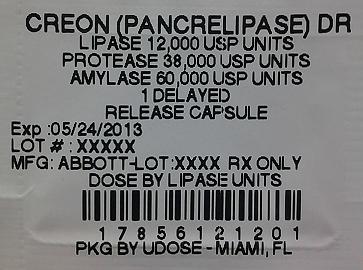
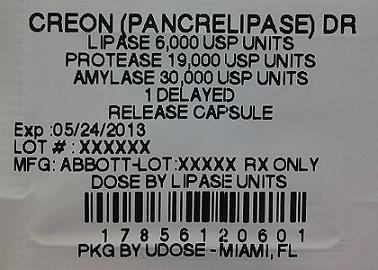
  • Creon (Pancrelipase) Capsule, Delayed Release Pellets [Atlantic Biologicals Corps]

    Creon

    Creon (Pancrelipase) Capsule, Delayed Release Pellets [Atlantic Biologicals Corps]

    CREON is not interchangeable with other pancrelipase products.

    CREON is orally administered. Therapy should be initiated at the lowest recommended dose and gradually increased. The dosage of CREON should be individualized based on clinical symptoms, the degree of steatorrhea present, and the fat content of the diet as described in the Limitations on Dosing below . [see Dosage and Administration ( ) and Warnings and Precautions ( )] 2.25.1

    2.1 Administration

    Infants (up to 12 months)

    CREON should be administered to infants immediately prior to each feeding, using a dosage of lipase units per 120 mL of formula or prior to breast-feeding. Contents of the capsule may be administered directly to the mouth or with a small amount of applesauce. Administration should be followed by breast milk or formula. Contents of the capsule be mixed directly into formula or breast milk as this may diminish efficacy. Care should be taken to ensure that CREON is not crushed or chewed or retained in the mouth, to avoid irritation of the oral mucosa. 3,000should not

    Children and Adults

    CREON should be taken during meals or snacks, with sufficient fluid. Capsules should be swallowed whole. CREON capsules and capsule contents should not be crushed or chewed.

    For patients who are unable to swallow intact capsules, the capsules may be carefully opened and the contents added to a small amount of acidic soft food with a pH of 4.5 or less, such as applesauce, at room temperature. The CREON-soft food mixture should be swallowed immediately without crushing or chewing, and followed with water or juice to ensure complete ingestion. Care should be taken to ensure that no drug is retained in the mouth.

    2.2 Dosage

    Dosage recommendations for pancreatic enzyme replacement therapy were published following the Cystic Fibrosis Foundation Consensus Conferences. CREON should be administered in a manner consistent with the recommendations of the Patients may be dosed on a fat ingestion-based or actual body weight-based dosing scheme. 1, 2, 3Cystic Fibrosis Foundation Consensus Conferences (also known as Conferences) provided in the following paragraphs, except for infants. Although the Conferences recommend doses of 2,000 to 4,000 lipase units in infants up to 12 months, CREON is available in a 3,000 lipase unit capsule. Therefore, the recommended dose of CREON in infants up to 12 months is 3,000 lipase units per 120 mL of formula or per breast-feeding.

    Additional recommendations for pancreatic enzyme therapy in patients with exocrine pancreatic insufficiency due to chronic pancreatitis or pancreatectomy are based on a clinical trial conducted in these populations.

    Infants (up to 12 months)

    CREON is available in the strength of 3,000 USP units of lipase thus infants may be given 3,000 lipase units (one capsule) per 120 mL of formula or per breast-feeding. Do not mix CREON capsule contents directly into formula or breast milk prior to administration . [see Administration ( )] 2.1

    Children Older than 12 Months and Younger than 4 Years

    Enzyme dosing should begin with 1,000 lipase units/kg of body weight per meal for children less than age 4 years to a maximum of 2,500 lipase units/kg of body weight per meal (or less than or equal to 10,000 lipase units/kg of body weight per day), or less than 4,000 lipase units/g fat ingested per day.

    Children 4 Years and Older and Adults

    Enzyme dosing should begin with 500 lipase units/kg of body weight per meal for those older than age 4 years to a maximum of 2,500 lipase units/kg of body weight per meal (or less than or equal to 10,000 lipase units/kg of body weight per day), or less than 4,000 lipase units/g fat ingested per day.

    Usually, half of the prescribed CREON dose for an individualized full meal should be given with each snack. The total daily dose should reflect approximately three meals plus two or three snacks per day.

    Enzyme doses expressed as lipase units/kg of body weight per meal should be decreased in older patients because they weigh more but tend to ingest less fat per kilogram of body weight.

    Adults with Exocrine Pancreatic Insufficiency Due to Chronic Pancreatitis or Pancreatectomy

    The initial starting dose and increases in the dose per meal should be individualized based on clinical symptoms, the degree of steatorrhea present, and the fat content of the diet.

    In one clinical trial, patients received CREON at a dose of 72,000 lipase units per meal while consuming at least 100 g of fat per day . Lower starting doses recommended in the literature are consistent with the 500 lipase units/kg of body weight per meal lowest starting dose recommended for adults in the Cystic Fibrosis Foundation Consensus Conferences Guidelines. Usually, half of the prescribed CREON dose for an individualized full meal should be given with each snack. [see Clinical Studies ( )] 14.21, 2, 3, 4

    Limitations on Dosing

    Dosing should not exceed the recommended maximum dosage set forth by the Cystic Fibrosis Foundation Consensus Conferences Guidelines. If symptoms and signs of steatorrhea persist, the dosage may be increased by the healthcare professional. Patients should be instructed not to increase the dosage on their own. There is great inter-individual variation in response to enzymes; thus, a range of doses is recommended. Changes in dosage may require an adjustment period of several days. If doses are to exceed 2,500 lipase units/kg of body weight per meal, further investigation is warranted. Doses greater than 2,500 lipase units/kg of body weight per meal (or greater than 10,000 lipase units/kg of body weight per day) should be used with caution and only if they are documented to be effective by 3-day fecal fat measures that indicate a significantly improved coefficient of fat absorption. Doses greater than 6,000 lipase units/kg of body weight per meal have been associated with colonic stricture, indicative of fibrosing colonopathy, in children less than 12 years of age . Patients currently receiving higher doses than 6,000 lipase units/kg of body weight per meal should be examined and the dosage either immediately decreased or titrated downward to a lower range. 1, 2, 3[see Warnings and Precautions ( )] 5.1

  • Bismatrol
    Bismatrol (Bismuth Subsalicylate) Liquid [Atlantic Biologicals Corps]

    Bismatrol

    Bismatrol (Bismuth Subsalicylate) Liquid [Atlantic Biologicals Corps]

    shake well before use for accurate dosing, use dose cup adults and children 12 years and over: 1 dose (2 tbsp or 30 mL) every 1/2 to 1 hour as needed do not exceed 8 doses (16 tbsp or 240 mL) in 24 hours use until diarrhea stops but not more than 2 days children under 12 years: ask a doctor drink plenty of clear fluids to help prevent dehydration caused by diarrhea

  • Phenobarbital Elixir
    Phenobarbital Elixir [Atlantic Biologicals Corps]

    Phenobarbital Elixir

    Phenobarbital Elixir [Atlantic Biologicals Corps]

    The dose of phenobarbital must be individualized with full knowledge of its particular characteristics. Factors of consideration are the patient’s age, weight, and condition.

    : For sedation, the drug may be administered in single doses of 30 to 120 mg repeated at intervals; frequency will be determined by the patient’s response. It is generally considered that no more than 400 mg of phenobarbital should be administered during a 24-hour period. Sedation

    : Daytime Sedation: 30 to 120 mg daily in 2 to 3 divided doses. Adults

    : 100 to 200 mg Oral Hypnotic

    –Clinical laboratory reference values should be used to determine the therapeutic anticonvulsant level of phenobarbital in the serum. To achieve the blood levels considered therapeutic in pediatric patients, higher per-kilogram dosages are generally necessary for phenobarbital and most other anticonvulsants. In pediatric patients and infants, phenobarbital at a loading dose of 15 to 20 mg/kg produces blood levels of about 20 mcg/mL shortly after administration. Anticonvulsant Use

    Phenobarbital has been used in the treatment and prophylaxis of febrile seizures. However, it has not been established that prevention of febrile seizures influences the subsequent development of epilepsy.

    Adults: 60 to 200 mg/day. Pediatric Patients: 3 to 6 mg/kg/day.

    –Dosage should be reduced in the elderly or debilitated because these patients may be more sensitive to barbiturates. Dosage should be reduced for patients with impaired renal function or hepatic disease. Special Patient Population

  • Hydrocodone Bitartrate And Acetaminophen Solution [Atlantic Biologicals Corps]

    Hydrocodone Bitartrate And Acetaminophen Solution

    Hydrocodone Bitartrate And Acetaminophen Solution [Atlantic Biologicals Corps]

    Dosage should be adjusted according to severity of pain and response of the patient. However, it should be kept in mind that tolerance to hydrocodone can develop with continued use and that the incidence of untoward effects is dose-related.

    The usual adult dosage is one tablespoonful every 4 to 6 hours as needed for pain. The total daily dosage for adults should not exceed 6 tablespoonfuls.

    The usual dosages for children are given by the table below, and are to be given every 4 to 6 hours as needed for pain. These dosages correspond to an average individual dose of 0.27 mL/kg of hydrocodone bitartrate and acetaminophen oral solution (providing 0.135 mg/kg of hydrocodone bitartrate and 9 mg/kg of acetaminophen). Dosing should be based on weight whenever possible.

    BODY WEIGHT APPROXIMATE AGE DOSE Every 4 to 6 hours MAXIMUM TOTAL DAILY DOSE (6 doses per day) 12 to 15 kg (27 to 34 lbs.) 2 to 3 years ¾ teaspoonful = 3.75 mL 4½ teaspoonfuls = 22.5 mL 16 to 22 kg (35 to 50 lbs.) 4 to 6 years 1 teaspoonful = 5 mL 6 teaspoonfuls = 30 mL 23 to 31 kg (51 to 69 lbs.) 7 to 9 years 1½ teaspoonfuls = 7.5 mL 9 teaspoonfuls = 45 mL 32 to 45 kg (70 to 100 lbs.) 10 to 13 years 2 teaspoonfuls = 10 mL 12 teaspoonfuls = 60 mL 46 kg and up (101 lbs. and up) 14 years to adult 1 Tablespoonful = 15 mL 6 Tablespoonfuls = 90 mL

    The total daily dosage for children should not exceed 6 doses per day.

    It is of utmost importance that the dose of hydrocodone bitartrate and acetaminophen oral solution be administered accurately. A household teaspoon or tablespoon is not an adequate measuring device, especially when one-half or three-fourths of a teaspoonful is to be measured. Given the inexactitude of the household spoon measure and the possibility of using a tablespoon instead of a teaspoon, which could lead to overdosage, it is strongly recommended that caregivers obtain and use a calibrated measuring device. Health care providers should recommend a dropper that can measure and deliver the prescribed dose accurately, and instruct caregivers to use extreme caution in measuring the dosage.

  • Milk Of Magnesia Original (Magnesium Hydroxide) Liquid [Atlantic Biologicals Corps]

    Milk Of Magnesia Original

    Milk Of Magnesia Original (Magnesium Hydroxide) Liquid [Atlantic Biologicals Corps]

    • shake well before use • do not exceed the maximum recommended daily dose in a 24 hour period • dose may be taken once a day preferably at bedtime, in divided doses, or as directed by a doctor • drink a full glass (8 oz) of liquid with each dose adults and children 12 years and older: 2 to 4 tablespoonfuls (TBSP) children 6 to 11 years: 1 to 2 tablespoonfuls (TBSP) children under 6 years: ask a doctor

  • Prednisolone Sodium Phosphate Solution [Atlantic Biologicals Corps]

    Prednisolone Sodium Phosphate Solution

    Prednisolone Sodium Phosphate Solution [Atlantic Biologicals Corps]

    The initial dosage of PREDNISOLONE SODIUM PHOSPHATE ORAL SOLUTION (15 mg Prednisolone per 5 mL) may vary from 1.67 mL to 20 mL (5 to 60 mg prednisolone base) per day depending on the specific disease entity being treated. In situations of less severity, lower doses will generally suffice while in selected patients higher initial doses may be required. The initial dosage should be maintained or adjusted until a satisfactory response is noted. If after a reasonable period of time, there is a lack of satisfactory clinical response, PREDNISOLONE SODIUM PHOSPHATE ORAL SOLUTION (15 mg Prednisolone per 5 mL) should be discontinued and the patient placed on other appropriate therapy. After a favorable response is noted, the proper maintenance dosage should be determined by decreasing the initial drug dosage in small decrements at appropriate time intervals until the lowest dosage which will maintain an adequate clinical response is reached. It should be kept in mind that constant monitoring is needed in regard to drug dosage. Included in the situations which may make dosage adjustments necessary are changes in clinical status secondary to remissions or exacerbations in the disease process, the patient's individual drug responsiveness, and the effect of patient exposure to stressful situations not directly related to the disease entity under treatment; in this latter situation it may be necessary to increase the dosage of PREDNISOLONE SODIUM PHOSPHATE ORAL SOLUTION (15 mg Prednisolone per 5 mL) for a period of time consistent with the patient's condition. If after long term therapy the drug is to be stopped, it is recommended that it be withdrawn gradually rather than abruptly. IT SHOULD BE EMPHASIZED THAT DOSAGE REQUIREMENTS ARE VARIABLE AND MUST BE INDIVIDUALIZED ON THE BASIS OF THE DISEASE UNDER TREATMENT AND THE RESPONSE OF THE PATIENT.

    In the treatment of acute exacerbations of multiple sclerosis, daily doses of 200 mg of prednisolone for a week followed by 80 mg every other day or 4 to 8 mg dexamethasone every other day for one month have been shown to be effective.

    In pediatric patients, the initial dose of PREDNISOLONE SODIUM PHOSPHATE ORAL SOLUTION (15 mg Prednisolone per 5 mL) may vary depending on the specific disease entity being treated. The range of initial doses is 0.14 to 2 mg/kg/day in three or four divided doses (4 to 60 mg/m bsa/day). 2

    The standard regimen used to treat nephrotic syndrome in pediatric patients is 60 mg/m /day given in three divided doses for 4 weeks, followed by 4 weeks of single dose alternate-day therapy at 40 mg/m /day. 22

    The National Heart, Lung, and Blood Institute (NHLBI) recommended dosing for systemic in children whose asthma is uncontrolled by inhaled corticosteroids and long-acting bronchodilators is 1-2 mg/kg/day in single or divided doses. It is further recommended that short course, or "burst" therapy, be continued until a child achieves a peak expiratory flow rate of 80% of his or her personal best or symptoms resolve. This usually requires 3 to 10 days of treatment, although it can take longer. There is no evidence that tapering the dose after improvement will prevent a relapse. prednisone, prednisolone or methylprednisolone

    For the purpose of comparison, 5 mL of PREDNISOLONE SODIUM PHOSPHATE ORAL SOLUTION (20.2 mg prednisolone sodium phosphate) is equivalent to the following milligram dosage of the various glucocorticoids:

    Cortisone, 75 Triamcinolone, 12 Hydrocortisone, 60 Paramethasone, 6 Prednisolone, 15 Betamethasone, 2.25 Prednisone, 15 Dexamethasone, 2.25 Methylprednisolone, 12

    These dose relationships apply only to oral or intravenous administration of these compounds. When these substances or their derivatives are injected intramuscularly or into joint spaces, their relative properties may be greatly altered.

  • Levetiracetam Solution [Atlantic Biologicals Corps]

    Levetiracetam Solution

    Levetiracetam Solution [Atlantic Biologicals Corps]

    2.1 Important Administrations Instructions

    Levetiracetam oral solution is given orally with or without food. The levetiracetam dosing regimen depends on the indication, age group, dosage form (tablets or oral solution), and renal function.

    Prescribe the oral solution for pediatric patients with body weight ≤20 kg. Prescribe the oral solution or tablets for pediatric patients with body weight above 20 kg.

    When using the oral solution in pediatric patients, dosing is weight-based (mg per kg) using a calibrated measuring device (not a household teaspoon or tablespoon).

    2.2 Partial Onset Seizures

    Adults 16 Years And Older

    In clinical trials, daily doses of 1000 mg, 2000 mg, and 3000 mg, given as twice-daily dosing, were shown to be effective. Although in some studies there was a tendency toward greater response with higher dose [ ], a consistent increase in response with increased dose has not been shown. see Clinical Studies ( ) 14.1

    Treatment should be initiated with a daily dose of 1000 mg/day, given as twice-daily dosing (500 mg twice daily). Additional dosing increments may be given (1000 mg/day additional every 2 weeks) to a maximum recommended daily dose of 3000 mg. Doses greater than 3000 mg/day have been used in open-label studies for periods of 6 months and longer. There is no evidence that doses greater than 3000 mg/day confer additional benefit.

    Pediatric Patients

    1 Month To <6 Months

    Treatment should be initiated with a daily dose of 14 mg/kg in 2 divided doses (7 mg/kg twice daily). The daily dose should be increased every 2 weeks by increments of 14 mg/kg to the recommended daily dose of 42 mg/kg (21 mg/kg twice daily). In the clinical trial, the mean daily dose was 35 mg/kg in this age group. The effectiveness of lower doses has not been studied.

    6 Months To <4 Years

    Treatment should be initiated with a daily dose of 20 mg/kg in 2 divided doses (10 mg/kg twice daily). The daily dose should be increased every 2 weeks by increments of 20 mg/kg to the recommended daily dose of 50 mg/kg (25 mg/kg twice daily). If a patient cannot tolerate a daily dose of 50 mg/kg, the daily dose may be reduced. In the clinical trial, the mean daily dose was 47 mg/kg in this age group.

    4 To <16 Years

    Treatment should be initiated with a daily dose of 20 mg/kg in 2 divided doses (10 mg/kg twice daily). The daily dose should be increased every 2 weeks by increments of 20 mg/kg to the recommended daily dose of 60 mg/kg (30 mg/kg twice daily). If a patient cannot tolerate a daily dose of 60 mg/kg, the daily dose may be reduced. In the clinical efficacy trial, the mean daily dose was 44 mg/kg. The maximum daily dose was 3000 mg/day.

    Levetiracetam Oral Solution Weight-Based Dosing Calculation For Pediatric Patients

    The following calculation should be used to determine the appropriate daily dose of oral solution for pediatric patients:

    2.3 Myoclonic Seizures In Patients 12 Years Of Age And Older With Juvenile Myoclonic Epilepsy

    Treatment should be initiated with a dose of 1000 mg/day, given as twice-daily dosing (500 mg twice daily). Dosage should be increased by 1000 mg/day every 2 weeks to the recommended daily dose of 3000 mg. The effectiveness of doses lower than 3000 mg/day has not been studied.

    2.4 Primary Generalized Tonic-Clonic Seizures

    Adults 16 Years And Older

    Treatment should be initiated with a dose of 1000 mg/day, given as twice-daily dosing (500 mg twice daily). Dosage should be increased by 1000 mg/day every 2 weeks to the recommended daily dose of 3000 mg. The effectiveness of doses lower than 3000 mg/day has not been adequately studied.

    Pediatric Patients Ages 6 To <16 Years

    Treatment should be initiated with a daily dose of 20 mg/kg in 2 divided doses (10 mg/kg twice daily). The daily dose should be increased every 2 weeks by increments of 20 mg/kg to the recommended daily dose of 60 mg/kg (30 mg/kg twice daily). The effectiveness of doses lower than 60 mg/kg/day has not been adequately studied. Patients with body weight ≤20 kg should be dosed with oral solution. Patients with body weight above 20 kg can be dosed with either tablets or oral solution [ ]. see Dosage and Administration ( ) 2.1

    2.5 Adult Patients With Impaired Renal Function

    Levetiracetam oral solution dosing must be individualized according to the patient’s renal function status. Recommended doses and adjustment for dose for adults are shown in Table 1. In order to calculate the dose recommended for patients with renal impairment, creatinine clearance adjusted for body surface area must be calculated. To do this, an estimate of the patient's creatinine clearance (CLcr) in mL/min must first be calculated using the following formula:

    The CLcr is adjusted for body surface area (BSA) as follows:

    Table 1: Dosing Adjustment Regimen For Adult Patients With Impaired Renal Function Group Creatinine Clearance      (mL/min/1.73m ) 2 Dosage (mg)      Frequency Following dialysis, a 250 to 500 mg supplemental dose is recommended. 1 Normal >80 500 to 1,500 Every 12 hours Mild 50 - 80 500 to 1,000 Every 12 hours Moderate 30 - 50 250 to 750 Every 12 hours Severe <30 250 to 500 Every 12 hours ESRD patients using dialysis      ---- 500 to 1,000 1 Every 24 hours 1
  • Nortriptyline Hydrochloride Capsule [Preferred Pharmaceuticals, Inc]

    Nortriptyline Hydrochloride

    Nortriptyline Hydrochloride Capsule [Preferred Pharmaceuticals, Inc]

    2.1 Important General Information

    The peak respiratory depressant effect of methadone occurs later and persists longer than its peak therapeutic effect.The peak respiratory depressant effect of methadone occurs later and persists longer than its peak therapeutic effect. A high degree of opioid tolerance does not eliminate the possibility of methadone overdose, iatrogenic or otherwise. Deaths have been reported during conversion to methadone from chronic, high-dose treatment with other opioid agonists and during initiation of methadone treatment of addiction in subjects previously abusing high doses of other agonists.A high degree of opioid tolerance does not eliminate the possibility of methadone overdose, iatrogenic or otherwise. Deaths have been reported during conversion to methadone from chronic, high-dose treatment with other opioid agonists and during initiation of methadone treatment of addiction in subjects previously abusing high doses of other agonists. With repeated dosing, methadone is retained in the liver and then slowly released, prolonging the duration of potential toxicity.With repeated dosing, methadone is retained in the liver and then slowly released, prolonging the duration of potential toxicity. Methadone has a narrow therapeutic index, especially when combined with other drugs.Methadone has a narrow therapeutic index, especially when combined with other drugs.

    2.2 Initial Dosing for Management of Pain

    Methadone should be prescribed only by healthcare professionals who are knowledgeable in the use of potent opioids for the management of chronic pain.

    Consider the following important factors that differentiate methadone from other opioid analgesics:

    There is high interpatient variability in absorption, metabolism, and relative analgesic potency. Population-based equianalgesic conversion ratios between methadone and other opioids are not accurate when applied to individuals.There is high interpatient variability in absorption, metabolism, and relative analgesic potency. Population-based equianalgesic conversion ratios between methadone and other opioids are not accurate when applied to individuals. The duration of analgesic action of methadone is 4 to 8 hours (based on single-dose studies) but the plasma elimination half-life is 8 to 59 hours.The duration of analgesic action of methadone is 4 to 8 hours (based on single-dose studies) but the plasma elimination half-life is 8 to 59 hours. Steady-state plasma concentrations, and full analgesic effects, are not attained until 3 to 5 days after initiation of dosing.Steady-state plasma concentrations, and full analgesic effects, are not attained until 3 to 5 days after initiation of dosing.

    Initiate the dosing regimen for each patient individually, taking into account the patient’s prior analgesic treatment experience and risk factors for addiction, abuse, and misuse [seeWarnings and Precautions (5.1)] . Monitor patients closely for respiratory depression, especially within the first 24-72 hours of initiating therapy with methadone [seeWarnings and Precautions (5.2)] .

    : Initiate treatment with methadone with 2.5 mg orally every 8 to 12 hours. Use of Methadone as the First Opioid Analgesic

    : Discontinue all other around-the-clock opioid drugs when methadone therapy is initiated. Conversion from Other Oral Opioids to MethadoneDeaths have occurred in opioid-tolerant patients during conversion to methadone.

    While there are useful tables of opioid equivalents readily available, there is substantial inter-patient variability in the relative potency of different opioid drugs and products. As such, it is safer to underestimate a patient’s 24-hour oral methadone requirements and provide rescue medication (e.g., immediate-release opioid) than to overestimate the 24-hour oral methadone requirements which could result in adverse reactions. With repeated dosing, the potency of methadone increases due to systemic accumulation.

    Consider the following when using the information in Table 1:

    This is a table of equianalgesic doses. notThis is a table of equianalgesic doses. not The conversion factors in this table are only for the conversion another oral opioid analgesic methadone. fromtoThe conversion factors in this table are only for the conversion another oral opioid analgesic methadone. fromto The table be used to convert methadone another opioid. Doing so will result in an overestimation of the dose of the new opioid and may result in fatal overdose. cannotfromtoThe table be used to convert methadone another opioid. Doing so will result in an overestimation of the dose of the new opioid and may result in fatal overdose. cannotfromto Table 1: Conversion Factors to Methadone

    Total Daily Baseline Total Daily Baseline Oral

    Morphine Equivalent Dose

    Estimated Daily Estimated Daily Methadone Requirement Oral

    as Percent of Total Daily Morphine Equivalent Dose

    < 100 mg< 100 mg

    20% to 30%20% to 30%

    100 to 300 mg100 to 300 mg

    10% to 20%10% to 20%

    300 to 600 mg300 to 600 mg

    8% to 12%8% to 12%

    600 mg to 1000 mg600 mg to 1000 mg

    5% to 10%5% to 10%

    > 1000 mg> 1000 mg

    < 5 %< 5 %

    : To calculate the estimated methadone dose using Table 1

    For patients on a single opioid, sum the current total daily dose of the opioid, convert it to a Morphine Equivalent Dose according to specific conversion factor for that specific opioid, then multiply the Morphine Equivalent Dose by the corresponding percentage in the above table to calculate the approximate oral methadone daily dose. Divide the total daily methadone dose derived from the table above to reflect the intended dosing schedule (i.e., for administration every 8 hours, divide total daily methadone dose by 3).For patients on a single opioid, sum the current total daily dose of the opioid, convert it to a Morphine Equivalent Dose according to specific conversion factor for that specific opioid, then multiply the Morphine Equivalent Dose by the corresponding percentage in the above table to calculate the approximate oral methadone daily dose. Divide the total daily methadone dose derived from the table above to reflect the intended dosing schedule (i.e., for administration every 8 hours, divide total daily methadone dose by 3). For patients on a regimen of more than one opioid, calculate the approximate oral methadone dose for each opioid and sum the totals to obtain the approximate total methadone daily dose. Divide the total daily methadone dose derived from the table above to reflect the intended dosing schedule (i.e., for administration every 8 hours, divide total daily methadone dose by 3).For patients on a regimen of more than one opioid, calculate the approximate oral methadone dose for each opioid and sum the totals to obtain the approximate total methadone daily dose. Divide the total daily methadone dose derived from the table above to reflect the intended dosing schedule (i.e., for administration every 8 hours, divide total daily methadone dose by 3). For patients on a regimen of fixed-ratio opioid/non-opioid analgesic products, use only the opioid component of these products in the conversion.For patients on a regimen of fixed-ratio opioid/non-opioid analgesic products, use only the opioid component of these products in the conversion.

    Always round the dose down, if necessary, to the appropriate methadone strength(s) available.

    : Example conversion from a single opioid to methadone

    : Sum the total daily dose of the opioid (in this case, Morphine Extended Release Tablets 50 mg twice daily) Step 1: Sum the total daily dose of the opioid (in this case, Morphine Extended Release Tablets 50 mg twice daily) Step 1 50 mg Morphine Extended Release Tablets 2 times daily = 100 mg total daily dose of Morphine50 mg Morphine Extended Release Tablets 2 times daily = 100 mg total daily dose of Morphine : Calculate the approximate equivalent dose of Methadone Hydrochloride Oral Solution USP based on the total daily dose of Morphine using Table 1. Step 2: Calculate the approximate equivalent dose of Methadone Hydrochloride Oral Solution USP based on the total daily dose of Morphine using Table 1. Step 2 100 mg total daily dose of Morphine x 15% (10% to 20% per Table 1) = 15 mg Methadone Hydrochloride Oral Solution USP daily100 mg total daily dose of Morphine x 15% (10% to 20% per Table 1) = 15 mg Methadone Hydrochloride Oral Solution USP daily : Calculate the approximate starting dose of Methadone Hydrochloride Oral Solution USP to be given every 12 hours. Round down, if necessary, to the appropriate methadone tablets strengths available. Step 3: Calculate the approximate starting dose of Methadone Hydrochloride Oral Solution USP to be given every 12 hours. Round down, if necessary, to the appropriate methadone tablets strengths available. Step 3 15 mg daily / 2 = 7.5 mg Methadone Hydrochloride Oral Solution USP every 12 hours15 mg daily / 2 = 7.5 mg Methadone Hydrochloride Oral Solution USP every 12 hours Then 7.5 mg is rounded down to 5 mg Methadone Hydrochloride Oral Solution USP every 12 hoursThen 7.5 mg is rounded down to 5 mg Methadone Hydrochloride Oral Solution USP every 12 hours

    Close observation and frequent titration are warranted until pain management is stable on the new opioid. Monitor patients for signs and symptoms of opioid withdrawal or for signs of over-sedation/toxicity after converting patients to Methadone Hydrochloride Oral Solution USP.

    : Use a conversion ratio of 1:2 mg for parenteral to oral methadone (e.g., 5 mg parenteral methadone to 10 mg oral methadone). Conversion from Parenteral Methadone to Methadone Hydrochloride Oral Solution USP

    2.3 Titration and Maintenance of Therapy for Pain

    Individually titrate methadone to a dose that provides adequate analgesia and minimizes adverse reactions. Continually reevaluate patients receiving methadone to assess the maintenance of pain control and the relative incidence of adverse reactions, as well as monitoring for the development of addiction, abuse, or misuse. Frequent communication is important among the prescriber, other members of the healthcare team, the patient, and the caregiver/family during periods of changing analgesic requirements, including initial titration. During chronic therapy, periodically reassess the continued need for the use of opioid analgesics.

    Because steady-state plasma concentrations are approximated within 24 to 36 hours, methadone dosage adjustments may be done every 1 to 2 days.

    Patients who experience breakthrough pain may require a dose increase of methadone, or may need rescue medication with an appropriate dose of an immediate-release medication. If the level of pain increases after dose stabilization, attempt to identify the source of increased pain before increasing the methadone dose.

    If unacceptable opioid-related adverse reactions are observed, the subsequent doses may be reduced and/or the dosing interval adjusted (i.e., every 8 hours or every 12 hours). Adjust the dose to obtain an appropriate balance between management of pain and opioid-related adverse reactions.

    2.4 Discontinuation of Methadone for Pain

    When a patient no longer requires therapy with methadone for pain, use a gradual downward titration, of the dose every two to four days, to prevent signs and symptoms of withdrawal in the physically-dependent patient. Do not abruptly discontinue methadone.

    2.5 Induction/Initial Dosing for Detoxification and Maintenance Treatment of Opioid Addiction

    For detoxification and maintenance of opioid dependence methadone should be administered in accordance with the treatment standards cited in 42 CFR Section 8.12, including limitations on unsupervised administration.

    Administer the initial methadone dose under supervision, when there are no signs of sedation or intoxication, and the patient shows symptoms of withdrawal. An initial single dose of 20 to 30 mg of methadone will often be sufficient to suppress withdrawal symptoms. The initial dose should not exceed 30 mg.

    To make same-day dosing adjustments, have the patient wait 2 to 4 hours for further evaluation, when peak levels have been reached. Provide an additional 5 to 10 mg of methadone if withdrawal symptoms have not been suppressed or if symptoms reappear.

    The total daily dose of methadone on the first day of treatment should not ordinarily exceed 40 mg. Adjust the dose over the first week of treatment based on control of withdrawal symptoms at the time of expected peak activity (e.g., 2 to 4 hours after dosing). When adjusting the dose, keep in mind that methadone levels will accumulate over the first several days of dosing; deaths have occurred in early treatment due to the cumulative effects. Instruct patients that the dose will “hold” for a longer period of time as tissue stores of methadone accumulate.

    Use lower initial doses for patients whose tolerance is expected to be low at treatment entry. Any patient who has not taken opioids for more than 5 days may no longer be tolerant. Do not determine initial doses based on previous treatment episodes or dollars spent per day on illicit drug use.

    For a brief course of stabilization followed by a period of medically supervised withdrawal, titrate the patient to a total daily dose of about 40 mg in divided doses to achieve an adequate stabilizing level. After 2 to 3 days of stabilization, gradually decrease the dose of methadone. Decrease the dose of methadone on a daily basis or at 2-day intervals, keeping the amount of methadone sufficient to keep withdrawal symptoms at a tolerable level. Hospitalized patients may tolerate a daily reduction of 20% of the total daily dose. Ambulatory patients may need a slower schedule. Short-Term Detoxification:

    2.6 Titration and Maintenance Treatment of Opioid Dependence Detoxification

    Titrate patients in maintenance treatment to a dose that prevents opioid withdrawal symptoms for 24 hours, reduces drug hunger or craving, and blocks or attenuates the euphoric effects of self-administered opioids, ensuring that the patient is tolerant to the sedative effects of methadone. Most commonly, clinical stability is achieved at doses between 80 to 120 mg/day.

    2.7 Medically Supervised Withdrawal After a Period of Maintenance Treatment for Opioid Addiction

    There is considerable variability in the appropriate rate of methadone taper in patients choosing medically supervised withdrawal from methadone treatment. Dose reductions should generally be less than 10% of the established tolerance or maintenance dose, and 10 to 14-day intervals should elapse between dose reductions. Apprise patients of the high risk of relapse to illicit drug use associated with discontinuation of methadone maintenance treatment.

    2.8 Risk of Relapse in Patients on Methadone Maintenance Treatment of Opioid Addiction

    Abrupt opioid discontinuation can lead to development of opioid withdrawal symptoms . Opioid withdrawal symptoms have been associated with an increased risk of relapse to illicit drug use in susceptible patients. [see ] Drug Abuse and Dependence (9.3)

    2.9 Considerations for Management of Acute Pain During Methadone Maintenance Treatment

    Patients in methadone maintenance treatment for opioid dependence who experience physical trauma, postoperative pain or other acute pain cannot be expected to derive analgesia from their existing dose of methadone. Such patients should be administered analgesics, including opioids, in doses that would otherwise be indicated for non-methadone-treated patients with similar painful conditions. When opioids are required for management of acute pain in methadone maintenance patients, somewhat higher and/or more frequent doses will often be required than would be the case for non-tolerant patients due to the opioid tolerance induced by methadone.

    2.10 Dosage Adjustment During Pregnancy

    Methadone clearance may be increased during pregnancy. During pregnancy, a woman’s methadone dose may need to be increased or the dosing interval decreased. Methadone should be used in pregnancy only if the potential benefit justifies the potential risk to the fetus [see ]. Use in Specific Populations (8.1)

  • Dicyclomine Hydrochloride Solution [Atlantic Biologicals Corps]

    Dicyclomine Hydrochloride Solution

    Dicyclomine Hydrochloride Solution [Atlantic Biologicals Corps]

    DOSAGE MUST BE ADJUSTED TO INDIVIDUAL PATIENT NEEDS. (See .) CLINICAL PHARMACOLOGY

    Adults-Oral

    The only oral dose clearly shown to be effective is 160 mg per day (in 4 equally divided doses). Since this dose is associated with a significant incidence of side effects, it is prudent to begin with 80 mg per day (in 4 equally divided doses). Depending upon the patient’s response during the first week of therapy, the dose should be increased to 160 mg per day unless side effects limit dosage escalation.

    If efficacy is not achieved within 2 weeks or side effects require doses below 80 mg per day, the drug should be discontinued. Documented safety data are not available for doses above 80 mg daily for periods longer than 2 weeks.

    Elderly

    In general, dose selection for an elderly patient should be cautious, usually starting at the low end of the dosing range, reflecting the greater frequency of decreased hepatic, renal, or cardiac function, and of concomitant disease or other drug therapy. (See : ) PRECAUTIONSGeriatric Use

  • Ondansetron Solution [Atlantic Biologicals Corps]

    Ondansetron Solution

    Ondansetron Solution [Atlantic Biologicals Corps]

    The recommended adult oral dosage is 24 mg given as three 8 mg tablets administered 30 minutes before the start of single-day highly emetogenic chemotherapy, including cisplatin ≥50 mg/m2. Multiday, single-dose administration of a 24 mg dosage has not been studied. Prevention of Nausea and Vomiting Associated With Highly Emetogenic Cancer Chemotherapy:

    There is no experience with the use of a 24 mg dosage in pediatric patients. Pediatric Use:

    The dosage recommendation is the same as for the general population. Geriatric Use:

    The recommended adult oral dosage is 10 mL (2 teaspoonfuls equivalent to 8 mg of ondansetron) of Ondansetron Oral Solution, USP given twice a day. The first dose should be administered 30 minutes before the start of emetogenic chemotherapy, with a subsequent dose 8 hours after the first dose. 10 mL (2 teaspoonfuls equivalent to 8 mg of ondansetron) of Ondansetron Oral Solution, USP should be administered twice a day (every 12 hours) for 1 to 2 days after completion of chemotherapy. Prevention of Nausea and Vomiting Associated With Moderately Emetogenic Cancer Chemotherapy:

    For pediatric patients 12 years of age and older, the dosage is the same as for adults. For pediatric patients 4 through 11 years of age, the dosage is 5 mL (1 teaspoonful equivalent to 4 mg of ondansetron) of Ondansetron Oral Solution, USP given 3 times a day. The first dose should be administered 30 minutes before the start of emetogenic chemotherapy, with subsequent doses 4 and 8 hours after the first dose. 5 mL (1 teaspoonful equivalent to 4 mg of ondansetron) of Ondansetron Oral Solution, USP should be administered 3 times a day (every 8 hours) for 1 to 2 days after completion of chemotherapy. Pediatric Use:

    The dosage is the same as for the general population. Geriatric Use:

    The recommended oral dosage is 10 mL (2 teaspoonfuls equivalent to 8 mg of ondansetron) of Ondansetron Oral Solution, USP given 3 times a day. Prevention of Nausea and Vomiting Associated With Radiotherapy, Either Total Body Irradiation, or Single High-Dose Fraction or Daily Fractions to the Abdomen:

    , 10 mL (2 teaspoonfuls equivalent to 8 mg of ondansetron) of Ondansetron Oral Solution, USP should be administered 1 to 2 hours before each fraction of radiotherapy administered each day. For total body irradiation

    , 10 mL (2 teaspoonfuls equivalent to 8 mg of ondansetron) of Ondansetron Oral Solution, USP should be administered 1 to 2 hours before radiotherapy, with subsequent doses every 8 hours after the first dose for 1 to 2 days after completion of radiotherapy. For single high-dose fraction radiotherapy to the abdomen

    , 10 mL (2 teaspoonfuls equivalent to 8 mg of ondansetron) of Ondansetron Oral Solution, USP should be administered 1 to 2 hours before radiotherapy, with subsequent doses every 8 hours after the first dose for each day radiotherapy is given. For daily fractionated radiotherapy to the abdomen

    There is no experience with the use of Ondansetron Oral Solution, USP in the prevention of radiation-induced nausea and vomiting in pediatric patients. Pediatric Use:

    The dosage recommendation is the same as for the general population. Postoperative The recommended dosage is 20 mL (4 teaspoonfuls equivalent to 16 mg of ondansetron) of Ondansetron Oral Solution, USP 1 hour before induction of anesthesia. Geriatric Use:Nausea and Vomiting:

    There is no experience with the use of Ondansetron Oral Solution, USP in the prevention of postoperative nausea and vomiting in pediatric patients. Pediatric Use:

    The dosage is the same as for the general population. Geriatric Use:

    The dosage recommendation is the same as for the general population. There is no experience beyond first-day administration of ondansetron. Dosage Adjustment for Patients With Impaired Renal Function:

    In patients with severe hepatic impairment (Child-Pugh score of 10 or greater), clearance is reduced and apparent volume of distribution is increased with a resultant increase in plasma half-life. In such patients, a total daily dose of 8 mg should not be exceeded. Dosage Adjustment for Patients With Impaired Hepatic Function:2

  • Mucinex (Guaifenesin) Tablet, Extended Release [Atlantic Biologicals Corps]

    Mucinex

    Mucinex (Guaifenesin) Tablet, Extended Release [Atlantic Biologicals Corps]

    do not crush, chew, or break tablet take with a full glass of water this product can be administered without regard for the timing of meals adults and children 12 years of age and over: 1 or 2 tablets every 12 hours. Do not exceed 4 tablets in 24 hours. children under 12 years of age: do not use

  • Suphedrine Pe (Phenylephrine Hcl) Tablet, Film Coated [Nash-finch Company]

    Suphedrine Pe

    Suphedrine Pe (Phenylephrine Hcl) Tablet, Film Coated [Nash-finch Company]

    Morphine Sulfate Oral Solution is available in three concentrations: 10 mg per 5 mL, 20 mg per 5 mL and 100 mg per 5 mL (20 mg/mL).

    Take care when prescribing and administering Morphine Sulfate Oral Solution to avoid dosing errors due to confusion between different concentrations and between mg and mL, which could result in accidental overdose and death. Take care to ensure the proper dose is communicated and dispensed. When writing prescriptions, include both the total dose in mg and the total dose in volume. Always use the enclosed calibrated oral syringe when administering Morphine Sulfate Oral Solution 100 mg per 5 mL (20 mg/mL) to ensure the dose is measured and administered accurately.

    Selection of patients for treatment with morphine sulfate should be governed by the same principles that apply to the use of similar opioid analgesics. Individualize treatment in every case, using non-opioid analgesics, opioids on an as needed basis and/or combination products, and chronic opioid therapy in a progressive plan of pain management such as outlined by the World Health Organization, the Agency for Healthcare Research and Quality, and the American Pain Society.

    2.1 Individualization of Dosage

    As with any opioid drug product, adjust the dosing regimen for each patient individually, taking into account the patient’s prior analgesic treatment experience. In the selection of the initial dose of morphine sulfate, give attention to the following:

    • the total daily dose, potency and specific characteristics of the opioid the patient has been taking previously; • the reliability of the relative potency estimate used to calculate the equivalent morphine sulfate dose needed; • the patient’s degree of opioid tolerance; • the general condition and medical status of the patient; • concurrent medications; • the type and severity of the patient’s pain; • risk factors for abuse, addiction or diversion, including a prior history of abuse, addiction or diversion.

    The following dosing recommendations, therefore, can only be considered suggested approaches to what is actually a series of clinical decisions over time in the management of the pain of each individual patient.

    Continual re-evaluation of the patient receiving morphine sulfate is important, with special attention to the maintenance of pain control and the relative incidence of side effects associated with therapy. During chronic therapy, especially for non-cancer-related pain, periodically re-assess the continued need for the use of opioid analgesics.

    During periods of changing analgesic requirements, including initial titration, frequent contact is recommended between physician, other members of the healthcare team, the patient, and the caregiver/family.

    2.2 Initiation of Therapy in Opioid-Naïve Patients

    Start patients who have not been receiving opioid analgesics on morphine sulfate in the following dosing range using Oral Solution, 10 mg per 5 mL or 20 mg per 5 mL strengths:

    Morphine Sulfate Oral Solution: 10 to 20 mg every 4 hours as needed for pain.

    Titrate the dose based upon the individual patient’s response to their initial dose of morphine sulfate. Adjust the dose to an acceptable level of analgesia taking into account the improvement in pain intensity and the tolerability of the morphine by the patient.

    The 100 mg per 5 mL (20 mg/mL) oral solution formulation is for use in opioid-tolerant patients only who have already been receiving opioid therapy. Use this strength only for patients that have already been titrated to a stable analgesic regimen using lower strengths of morphine sulfate and who can benefit from use of a smaller volume of oral solution.

    2.3 Conversion to Oral Morphine Sulfate

    There is inter-patient variability in the potency of opioid drugs and opioid formulations. Therefore, a conservative approach is advised when determining the total daily dose of morphine sulfate. It is better to underestimate a patient’s 24-hour oral morphine sulfate dose and make available rescue medication than to overestimate the 24-hour oral morphine sulfate dose and manage an adverse experience of overdose.

    Consider the following general points regarding opioid conversions.

    Conversion From Parenteral Morphine to Oral Morphine Sulfate

    For conversion from parenteral to oral morphine sulfate, anywhere from 3 to 6 mg of oral morphine sulfate may be required to provide pain relief equivalent to 1 mg of parenteral morphine.

    Conversion From Parenteral Oral Non-Morphine Opioids to Oral Morphine Sulfate  

    In converting patients from other opioids to morphine sulfate, close observation and adjustment of dosage based upon the patient’s response to morphine sulfate is imperative. Physicians and other healthcare professionals are advised to refer to published relative potency information, keeping in mind that conversion ratios are only approximate.

    Conversion From Controlled-Release Oral Morphine to Oral Morphine Sulfate

    For a given dose, the same total amount of morphine sulfate is available from Morphine Sulfate Oral Solution, Morphine Sulfate Tablets, and controlled-release and extended-release morphine capsules. The extended duration of release of morphine sulfate from controlled-release tablets or extended-release tablets results in reduced maximum and increased minimum plasma morphine sulfate concentrations than with shorter acting morphine sulfate products. Conversion from oral solution or immediate-release tablets to the same total daily dose of controlled-release tablets or extended-release tablets could lead to excessive sedation at peak serum levels. Therefore, dosage adjustment with close observation is necessary.

    2.4 Maintenance of Therapy

    Continual re-evaluation of the patient receiving morphine sulfate is important, with special attention to the maintenance of pain control and the relative incidence of side effects associated with therapy. If the level of pain increases, effort should be made to identify the source of increased pain, while adjusting the dose as described above to decrease the level of pain. During chronic therapy, especially for non-cancer-related pain (or pain associated with other terminal illnesses), periodically reassess the continued need for the use of opioid analgesics.

    2.5 Cessation of Therapy

    When the patient no longer requires therapy with morphine sulfate, gradually taper the dose to prevent signs and symptoms of withdrawal in the physically dependent patient.

  • Nasal (Oxymetazoline Hcl) Spray [Rite Aid Corporation]

    Nasal

    Nasal (Oxymetazoline Hcl) Spray [Rite Aid Corporation]

    (see ). It is important that hydrocodone polistirex and chlorpheniramine polistirex extended-release oral suspension is measured with an accurate measuring devicePRECAUTIONS, Information for Patients

    The dosing cup is provided with the 4 fl. oz. (115 mL) packaged product. The dosing cup fills for a 2.5 mL and for a 5 mL dose. Instruct the patient to fill to the line for the dose that has been prescribed. Do not fill over the dose prescribed. Rinse with water after each use.

    For prescriptions where a dosing device is not provided, a pharmacist can provide an appropriate measuring device and can provide instructions for measuring the correct dose. A household teaspoon is not an accurate measuring device and could lead to overdosage.

    Each 5 mL of hydrocodone polistirex and chlorpheniramine polistirex ER oral suspension contains hydrocodone polistirex equivalent to 10 mg hydrocodone bitartrate, and chlorpheniramine polistirex equivalent to 8 mg chlorpheniramine maleate. Shake well before using. Rinse the measuring device with water after each use.

    Shake well before using.

    Adults and Children 12 Years and Older

    5 mL every 12 hours; do not exceed 10 mL in 24 hours.

    Children 6 to 11 Years of Age

    2.5 mL every 12 hours; do not exceed 5 mL in 24 hours.

    This medicine is contraindicated in children under 6 years of age (see ). CONTRAINDICATIONS

  • Promethazine Hydrochloride And Codeine Phosphate Syrup [Atlantic Biologicals Corps]

    Promethazine Hydrochloride And Codeine Phosphate Syrup

    Promethazine Hydrochloride And Codeine Phosphate Syrup [Atlantic Biologicals Corps]

    The combination of promethazine hydrochloride and codeine phosphate is contraindicated in pediatric patients less than 6 years of age, because the combination may cause fatal respiratory depression in this age population.

    It is important that promethazine hydrochloride and codeine phosphate syrup is measured with an accurate measuring device (see ). A household teaspoon is not an accurate measuring device and could lead to overdosage, especially when half a teaspoon is to be measured. It is strongly recommended that an accurate measuring device be used. A pharmacist can provide an appropriate device and can provide instructions for measuring the correct dose. The average effective dose for adults and children 12 years and over is: 1 teaspooonful (5 mL) every 4 to 6 hours, not to exceed 30 mL in 24 hours. The average effective dose for children 6 years to under 12 years of age is ½ to 1 teaspoonful (2.5 mL to 5 mL) every 4 to 6 hours, not to exceed 30 mL in 24 hours. PRECAUTIONS - Information for patients

  • Promethazine With Codeine (Promethazine Hydrochloride And Codeine Phosphate) Syrup [Atlantic Biologicals Corps]

    Promethazine With Codeine

    Promethazine With Codeine (Promethazine Hydrochloride And Codeine Phosphate) Syrup [Atlantic Biologicals Corps]

    The combination of promethazine hydrochloride and codeine phosphate is contraindicated in pediatric patients less than 6 years of age, because the combination may cause fatal respiratory depression in this age population.

    It is important that promethazine with codeine syrup is measured with an accurate measuring device (see ). A household teaspoon is not an accurate measuring device and could lead to overdosage, especially when half a teaspoon is to be measured. It is strongly recommended that an accurate measuring device be used. A pharmacist can provide an appropriate device and can provide instructions for measuring the correct dose. PRECAUTIONS-Information For Patients

    The average effective dose for adults and children 12 years of age and over is: 1 teaspoonful (5 mL) every 4 to 6 hours, not to exceed 30 mL in 24 hours.

    The average effective dose for children 6 years to under 12 years of age is 1/2 to 1 teaspoonful (2.5 mL to 5 mL) every 4 to 6 hours, not to exceed 30 mL in 24 hours.

  • Ranitidine Solution [Atlantic Biologicals Corps]

    Ranitidine Solution

    Ranitidine Solution [Atlantic Biologicals Corps]

    The current recommended adult dosage of Ranitidine Oral Solution for duodenal ulcer is 150 mg or 10 mL of oral solution (2 teaspoonfuls of solution equivalent to 150 mg of ranitidine) twice daily. An alternative dosage of 300 mg or 20 mL of oral solution (4 teaspoonfuls of solution equivalent to 300 mg of ranitidine) once daily after the evening meal or at bedtime can be used for patients in whom dosing convenience is important. The advantages of one treatment regimen compared to the other in a particular patient population have yet to be demonstrated (see Smaller doses have been shown to be equally effective in inhibiting gastric acid secretion in US studies, and several foreign trials have shown that 100 mg twice daily is as effective as the 150-mg dose. Active Duodenal Ulcer:Clinical Trials: Active Duodenal Ulcer).

    Antacid should be given as needed for relief of pain (see ). CLINICAL PHARMACOLOGY: Pharmacokinetics

    The current recommended adult dosage is 150 mg or 10 mL of Ranitidine Oral Solution (2 teaspoonfuls of solution equivalent to 150 mg of ranitidine) at bedtime. Maintenance of Healing of Duodenal Ulcers:

    The current recommended adult dosage is 150 mg or 10 mL of Ranitidine Oral Solution (2 teaspoonfuls of solution equivalent to 150 mg of ranitidine) twice a day. In some patients it may be necessary to administer Ranitidine Oral Solution 150-mg doses more frequently. Dosages should be adjusted to individual patient needs, and should continue as long as clinically indicated. Dosages up to 6 g/day have been employed in patients with severe disease. Pathological Hypersecretory Conditions (such as Zollinger-Ellison syndrome):

    The current recommended adult dosage is 150 mg or 10 mL of Ranitidine Oral Solution (2 teaspoonfuls of solution equivalent to 150 mg of ranitidine) twice a day. Benign Gastric Ulcer:

    The current recommended adult dosage is 150 mg or 10 mL of Ranitidine Oral Solution (2 teaspoonfuls of solution equivalent to 150 mg of ranitidine) at bedtime. Maintenance of Healing of Gastric Ulcers:

    The current recommended adult dosage is 150 mg or 10 mL of Ranitidine Oral Solution (2 teaspoonfuls of solution equivalent to 150 mg of ranitidine) twice a day. GERD:

    The current recommended adult dosage is 150 mg or 10 mL of Ranitidine Oral Solution (2 teaspoonfuls of solution equivalent to 150 mg of ranitidine) 4 times a day. Erosive Esophagitis:

    The current recommended adult dosage is 150 mg or 10 mL of Ranitidine Oral Solution (2 teaspoonfuls of solution equivalent to 150 mg of ranitidine) twice a day. Maintenance of Healing of Erosive Esophagitis:

    The safety and effectiveness of Ranitidine Oral Solution have been established in the age-group of 1 month to 16 years. There is insufficient information about the pharmacokinetics of ranitidine hydrochloride in neonatal patients (less than 1 month of age) to make dosing recommendations. Pediatric Use:

    The following 3 subsections provide dosing information for each of the pediatric indications.

    The recommended oral dose for the treatment of active duodenal and gastric ulcers is 2 to 4 mg/kg twice daily to a maximum of 300 mg/day. This recommendation is derived from adult clinical studies and pharmacokinetic data in pediatric patients. Treatment of Duodenal and Gastric Ulcers:

    The recommended oral dose for the maintenance of healing of duodenal and gastric ulcers is 2 to 4 mg/kg once daily to a maximum of 150 mg/day. This recommendation is derived from adult clinical studies and pharmacokinetic data in pediatric patients. Maintenance of Healing of Duodenal and Gastric Ulcers:

    Although limited data exist for these conditions in pediatric patients, published literature supports a dosage of 5 to 10 mg/kg per day, usually given as 2 divided doses. Treatment of GERD and Erosive Esophagitis:

    On the basis of experience with a group of subjects with severely impaired renal function treated with ranitidine hydrochloride, the recommended dosage in patients with a creatinine clearance <50 mL/min is 150 mg or 10 mL of Ranitidine Oral Solution (2 teaspoonfuls of solution equivalent to 150 mg of ranitidine) every 24 hours. Should the patient's condition require, the frequency of dosing may be increased to every 12 hours or even further with caution. Hemodialysis reduces the level of circulating ranitidine. Ideally, the dosing schedule should be adjusted so that the timing of a scheduled dose coincides with the end of hemodialysis. Dosage Adjustment for Patients With Impaired Renal Function:

    Elderly patients are more likely to have decreased renal function, therefore caution should be exercised in dose selection, and it may be useful to monitor renal function (see and ). CLINICAL PHARMACOLOGY: Pharmacokinetics: GeriatricsPRECAUTIONS: Geriatric Use

  • Renagel Tablet [Atlantic Biologicals Corps]

    Renagel

    Renagel Tablet [Atlantic Biologicals Corps]

    . The recommended starting dose of Renagel is 800 to 1600 mg, which can be administered as one or two 800 mg Renagel Tablets or two to four 400 mg Renagel Tablets, with meals based on serum phosphorus level. provides recommended starting doses of Renagel for patients not taking a phosphate binder. Patients Not Taking a Phosphate Binder®®Table 1

    Table 1. Starting Dose for Dialysis Patients Not Taking a Phosphate Binder Serum Phosphorus Renagel®800 mg Renagel®400 mg

    > 5.5 and < 7.5 mg/dL

    1 tablet three times daily with meals

    2 tablets three times daily with meals

    ≥ 7.5 and < 9.0 mg/dL

    2 tablets three times daily with meals

    3 tablets three times daily with meals

    ≥ 9.0 mg/dL

    2 tablets three times daily with meals

    4 tablets three times daily with meals

    . In a study in 84 CKD patients on hemodialysis, a similar reduction in serum phosphorus was seen with equivalent doses (approximately mg for mg) of Renagel and calcium acetate. gives recommended starting doses of Renagel based on a patient’s current calcium acetate dose. Patients Switching From Calcium AcetateTable 2

    Table 2. Starting Dose for Dialysis Patients Switching From Calcium Acetate to Renagel Calcium Acetate 667 mg (Tablets per meal) Renagel 800 ®mg (Tablets per meal) Renagel®400mg(Tablets per meal)

    1 tablet

    1 tablet

    2 tablets

    2 tablets

    2 tablets

    3 tablets

    3 tablets

    3 tablets

    5 tablets

    . Dosage should be adjusted based on the serum phosphorus concentration with a goal of lowering serum phosphorus to 5.5 mg/dL or less. The dose may be increased or decreased by one tablet per meal at two week intervals as necessary. gives a dose titration guideline. The average dose in a Phase 3 trial designed to lower serum phosphorus to 5.0 mg/dL or less was approximately three Renagel 800 mg tablets per meal. The maximum average daily Renagel dose studied was 13 grams. Dose Titration for All Patients Taking RenagelTable 3

    Table 3. Dose Titration Guideline Serum Phosphorus Renagel Dose ®

    >5.5 mg/dL

    Increase 1 tablet per meal at 2 week intervals

    3.5 - 5.5 mg/dL

    Maintain current dose

    <3.5 mg/dL

    Decrease 1 tablet per meal

  • Naproxen Sodium Tablet [Atlantic Biologicals Corps]

    Naproxen Sodium

    Naproxen Sodium Tablet [Atlantic Biologicals Corps]

    Carefully consider the potential benefits and risks of naproxen sodium tablets and other treatment options before deciding to use naproxen sodium tablets. Use the lowest effective dose for the shortest duration consistent with individual patient treatment goals (see ). WARNINGS

    After observing the response to initial therapy with naproxen sodium tablets, the dose and frequency should be adjusted to suit an individual patient's needs.

    Different dose strengths and formulations (i.e., tablets, suspension) of the drug are not necessarily bioequivalent. The difference should be taken into consideration when changing formulation.

    Although naproxen tablets, naproxen suspension, naproxen delayed-release tablets, and naproxen sodium tablets all circulate in the plasma as naproxen, they have pharmacokinetic differences that may affect onset of action. Onset of pain relief can begin within 30 minutes in patients taking naproxen sodium and within 1 hour in patients taking naproxen. Because naproxen delayed-release tablets dissolve in the small intestine rather than in the stomach, the absorption of the drug is delayed compared to the other naproxen formulations (see ). CLINICAL PHARMACOLOGY

    The recommended strategy for initiating therapy is to choose a formulation and a starting dose likely to be effective for the patient and then adjust the dosage based on observation of benefit and/or adverse events. A lower dose should be considered in patients with renal or hepatic impairment or in elderly patients (see and ). WARNINGSPRECAUTIONS

    Geriatric Patients

    Studies indicate that although total plasma concentration of naproxen is unchanged, the unbound plasma fraction of naproxen is increased in the elderly. Caution is advised when high doses are required and some adjustment of dosage may be required in elderly patients. As with other drugs used in the elderly, it is prudent to use the lowest effective dose.

    Patients With Moderate to Severe Renal Impairment

    Naproxen-containing products are not recommended for use in patients with moderate to severe and severe renal impairment (creatinine clearance <30 mL/min) (see ). WARNINGS: Renal Effects

    Rheumatoid Arthritis, Osteoarthritis and Ankylosing Spondylitis

    During long-term administration, the dose of naproxen may be adjusted up or down depending on the clinical response of the patient. A lower daily dose may suffice for long-term administration. The morning and evening doses do not have to be equal in size and the administration of the drug more frequently than twice daily is not necessary.

    In patients who tolerate lower doses well, the dose may be increased to naproxen sodium 1650 mg/day for limited periods of up to 6 months when a higher level of antiinflammatory/analgesic activity is required. When treating such patients with naproxen sodium 1650 mg/day, the physician should observe sufficient increased clinical benefits to offset the potential increased risk. The morning and evening doses do not have to be equal in size and administration of the drug more frequently than twice daily does not generally make a difference in response (see ). CLINICAL PHARMACOLOGY

    Juvenile Arthritis

    For the relief of juvenile arthritis, the recommended dose is approximately 10 mg/kg given orally in 2 divided doses (i.e., 5 mg/kg given twice a day). Naproxen sodium tablets are not well suited to this dosage so use of naproxen oral suspension is recommended for this indication.

    Management of Pain, Primary Dysmenorrhea, and Acute Tendonitis and Bursitis:

    The recommended starting dose is 550 mg of naproxen sodium followed by 550 mg every 12 hours or 275 mg every 6 to 8 hours as required. The initial total daily dose should not exceed 1375 mg of naproxen sodium. Thereafter, the total daily dose should not exceed 1100 mg of naproxen sodium. Because the sodium salt of naproxen is more rapidly absorbed, naproxen sodium tablets are recommended for the management of acute painful conditions when prompt onset of pain relief is desired.

    The recommended starting dose is 825 mg of naproxen sodium tablets followed by 275 mg every 8 hours until the attack has subsided. Acute Gout:

  • Calcium Acetate Capsule [Atlantic Biologicals Corps]

    Calcium Acetate

    Calcium Acetate Capsule [Atlantic Biologicals Corps]

    The recommended initial dose of calcium acetate capsules for the adult dialysis patient is 2 capsules with each meal. Increase the dose gradually to lower serum phosphorus levels to the target range, as long as hypercalcemia does not develop. Most patients require 3 to 4 capsules with each meal.

  • Phenytoin Suspension [Atlantic Biologicals Corps]

    Phenytoin Suspension

    Phenytoin Suspension [Atlantic Biologicals Corps]

    FOR ORAL ADMINISTRATION ONLY; NOT FOR PARENTERAL USE

    Serum concentrations should be monitored and care should be taken when switching a patient from the sodium salt to the free acid form. Phenytoin capsules is formulated with the sodium salt of phenytoin. The free acid form of phenytoin is used in phenytoin oral suspension and phenytoin tablets. Because there is approximately an 8% increase in drug content with the free acid form over that of the sodium salt, dosage adjustments and serum level monitoring may be necessary when switching from a product formulated with the free acid to a product formulated with the sodium salt and vice versa.

    General

    Dosage should be individualized to provide maximum benefit. In some cases serum blood level determinations may be necessary for optimal dosage adjustments—the clinically effective serum level is usually 10–20 mcg/mL. With recommended dosage, a period of seven to ten days may be required to achieve steady-state blood levels with phenytoin and changes in dosage (increase or decrease) should not be carried out at intervals shorter than seven to ten days.

    Adult Dose

    Patients who have received no previous treatment may be started on one teaspoonful (5 mL) of phenytoin oral suspension three times daily, and the dose is then adjusted to suit individual requirements. An increase to five teaspoonfuls daily may be made, if necessary.

    Dosing in Special Populations

    Patients with Renal or Hepatic Disease

    Due to an increased fraction of unbound phenytoin in patients with renal or hepatic disease, or in those with hypoalbuminemia, the interpretation of total phenytoin plasma concentrations should be made with caution. Unbound phenytoin concentrations may be more useful in these patient populations.

    Elderly Patients

    Phenytoin clearance is decreased slightly in elderly patients and lower or less frequent dosing may be required.

    Pediatric

    Initially, 5 mg/kg/day in two or three equally divided doses, with subsequent dosage individualized to a maximum of 300 mg daily. A recommended daily maintenance dosage is usually 4 to 8 mg/kg. Children over 6 years and adolescents may require the minimum adult dose (300 mg/day).

  • Stool Softener Extra Strength (Docusate Sodium) Capsule, Liquid Filled [Atlantic Biologicals Corps]

    Stool Softener Extra Strength

    Stool Softener Extra Strength (Docusate Sodium) Capsule, Liquid Filled [Atlantic Biologicals Corps]

    take 1 softgel daily or as directed by a doctor adults and children over 12 years of age and over: : take as directed by a doctor children under 12 years of age

  • Senexon
    Senexon (Sennosides A And B) Syrup [Atlantic Biologicals Corps]

    Senexon

    Senexon (Sennosides A And B) Syrup [Atlantic Biologicals Corps]

    take preferably at bedtime or as directed by a doctor age starting dose maximum dose adults and children 12 years and older 2 - 3 teaspoons once a day 3 teaspoons twice a day children 6 to under 12 years 1 - 1 1/2 teaspoons once a day 1 1/2 teaspoons twice a day children 2 to under 6 years 1/2 - 3/4 teaspoon once a day 3/4 teaspoon twice a day children under 2 years ask a doctor ask a doctor

  • Prenatal Plus (Vitamin A Acetate, .beta.-carotene, Ascorbic Acid, Cholecalciferol, .alpha.-tocopherol Acetate, Dl-, Thiamine Mononitrate, Riboflavin, Niacinamide, Pyridoxine Hydrochloride, Folic Acid, Cyanocobalamin, Calcium Carbonate, Ferrous Fumarate, Zinc Oxide, Cupric Oxide) Tablet, Film Coated [Atlantic Biologicals Corps]

    Prenatal Plus

    Prenatal Plus (Vitamin A Acetate, .beta.-carotene, Ascorbic Acid, Cholecalciferol, .alpha.-tocopherol Acetate, Dl-, Thiamine Mononitrate, Riboflavin, Niacinamide, Pyridoxine Hydrochloride, Folic Acid, Cyanocobalamin, Calcium Carbonate, Ferrous Fumarate, Zinc Oxide, Cupric Oxide) Tablet, Film Coated [Atlantic Biologicals Corps]

     As a dietary adjunct before, during and after pregnancy, take one tablet daily with a meal, or as directed by a physician.

  • Donnatal (Phenobarbital Elixir) Elixir [Atlantic Biologicals Corps]

    Donnatal

    Donnatal (Phenobarbital Elixir) Elixir [Atlantic Biologicals Corps]

    The dosage of Donnatal® Elixir should be adjusted to the needs of the individual patient to assure symptomatic control with a minimum of adverse effects.

    One or two teaspoonfuls of elixir three or four times a day according to conditions and severity of symptoms. Donnatal®Elixir. Adults:

    may be dosed every 4 to 6 hours. Pediatric patients:

    Starting dosage

    Body weight q4h q6h

    10 lb. (4.5 kg) 0.5 mL 0.75 mL

    20 lb. (9.1 kg) 1.0 mL 1.5 mL

    30 lb. (13.6 kg) 1.5 mL 2.0 mL

    50 lb. (22.7 kg) ½ tsp ¾ tsp

    75 lb. (34 kg) ¾ tsp 1 tsp

    100 lb. (45.4 kg) 1 tsp 1½ tsp

  • Loperamide Hydrochlorid...
    Loperamide Hydrochloride Solution [Atlantic Biologicals Corps]

    Loperamide Hydrochloride Solution

    Loperamide Hydrochloride Solution [Atlantic Biologicals Corps]

    use enclosed dosage cup to accurately measure dosage as noted below drink plenty of clear fluids to help prevent dehydration, which may accompany diarrhea find right dose on chart. If possible, use weight to dose; otherwise, use age. adults and children 12 years and older 4 teaspoonfuls (1 dosage cup) after the first loose bowel movement; 2 teaspoonfuls (1/2 dosage cup) after each subsequent loose bowel movement; but no more than 8 teaspoonfuls a day children 9-11 years (60-95 lbs) 2 teaspoonfuls (1/2 dosage cup) after the first loose bowel movement; 1 teaspoonful (1/4 dosage cup) after each subsequent loose bowel movement; but no more than 6 teaspoonfuls a day children 6-8 years (48-59 lbs) 2 teaspoonfuls (1/2 dosage cup) after the first loose bowel movement; 1 teaspoonful (1/4 dosage cup) after each subsequent loose bowel movement; but no more than 4 teaspoonfuls a day children under 6 years (up to 47 lbs) ask a doctor (not intended for use in children under 6 years old)

  • Digoxin Solution
    Digoxin Solution [Atlantic Biologicals Corps]

    Digoxin Solution

    Digoxin Solution [Atlantic Biologicals Corps]

    2.1 General Dosing Considerations

    The dose of digoxin should be based on clinical assessment but individual patient factors should be taken into consideration. Those factors are:

    Lean body weight Renal function Patient age Concurrent disease ] [see Warnings and Precautions (5) Concomitant medication [see ] Drug Interactions (7)

    Because the pharmacokinetics of digoxin are complex, and because toxic levels of digoxin are only slightly higher than therapeutic levels, digoxin dosing can be difficult. The recommended approach is to

    estimate the patient’s daily maintenance dose adjust the estimate to account for patient-specific factors choose a dosing regimen decide whether to initiate therapy with a loading dose monitor the patient for toxicity and for therapeutic effect adjust the dose

    Dose titration may be accomplished by either of two general approaches that differ in dosage and frequency of administration, but reach the same total amount of digoxin accumulated in the body.

    If rapid titration is considered medically appropriate, administer a loading dose based upon projected peak digoxin body stores. Maintenance dose can be calculated as a percentage of the loading dose. More gradual titration may be obtained by beginning an appropriate maintenance dose, thus allowing digoxin body stores to accumulate slowly. Steady-state serum digoxin concentrations will be achieved in approximately five half-lives of the drug for the individual patient. Depending upon the patient’s renal function, this will take between 1 and 3 weeks.

    2.2 Serum Digoxin Concentrations

    In general, the dose of digoxin used should be determined on clinical grounds. However, measurement of serum digoxin concentrations can be helpful to the clinician in determining the adequacy of digoxin therapy and in assigning certain probabilities to the likelihood of digoxin intoxication.

    Studies have shown diminished efficacy at serum levels < 0.5 ng/mL, while levels above 2 ng/mL are associated with increased toxicity without increased benefit. The inotropic effects of digoxin tend to appear at lower concentrations than the electrophysiological effects. Based on retrospective analysis, adverse events may be higher in the upper therapeutic range.

    Perform sampling of serum concentrations just before the next scheduled dose of the drug. If this is not possible, sample at least 6 hours or later after the last dose, regardless of the route of administration or the formulation used. On a once-daily dosing schedule, the concentration of digoxin will be 10% to 25% lower when sampled at 24 versus 8 hours, depending upon the patient’s renal function. On a twice-daily dosing schedule, there will be only minor differences in serum digoxin concentrations whether sampling is done at 8 or 12 hours after a dose. The serum concentration of digoxin should always be interpreted in the overall clinical context, and an isolated measurement should not be used alone as the basis for increasing or decreasing the dose of the drug.

    When decision-making is to be guided by serum digoxin levels, the clinician must consider the possibility of reported concentrations that have been falsely elevated by endogenous digoxin-like immunoreactive substances If the assay being used is sensitive to these substances, it may be prudent to obtain a baseline measurement before digoxin therapy is started, and correct later values by the reported baseline level. [see ] Drug Interactions (7.4). 

    2.3 Loading Dose

    Loading doses for each age group are given in Table 1 below.

    In pediatric patients, if a loading dose is needed, it can be administered with roughly half the total given as the first dose. Additional fractions of this planned total dose may be given at 4- to 8-hour intervals, with careful assessment of clinical response before each additional dose. If the patient’s clinical response necessitates a change from the calculated loading dose of digoxin, then calculation of the maintenance dose should be based upon the amount actually given as the loading dose [see and ]. Table 12

    Table 1: Estimate the Loading Dose Age Oral Loading Dose, mcg/kg Premature 20 - 30 Full-Term 25 - 35 1 to 24 months 35 - 60 2 to 5 years 30 - 45 5 to 10 years 20 - 35 Over 10 years 10 - 15

     More gradual attainment of digoxin levels can also be accomplished by beginning an appropriate maintenance dose. The range of percentages provided in Table 2 (2.4 Estimate of Daily Maintenance Dose) can be used in calculating this dose for patients with normal renal function. Steady state will be attained after approximately 5 days in subjects with normal renal function.

    2.4 Estimate of Daily Maintenance Dose

    The recommended daily maintenance doses for each age group are given in Table 2 below. These recommendations assume the presence of normal renal function.

    Table 2: Estimate of the Daily Maintenance Dose Age Daily Oral Maintenance Dose, mcg/kg/day Dose Regimen, mcg/kg/dose Premature 4.7 – 7.8 2.3 – 3.9 Twice daily Full-Term 7.5 – 11.3 3.8 – 5.6 Twice daily 1 to 24 months 11.3 – 18.8 5.6 – 9.4 Twice daily 2 to 5 years 9.4 – 13.1 4.7 – 6.6 Twice daily 5 to 10 years 5.6 – 11.3 2.8 – 5.6 Twice daily Over 10 years 3.0 – 4.5 3.0 – 4.5 Once daily

    Dosage guidelines provided are based upon average patient response and substantial individual variation can be expected. Accordingly, dosage selection must be based upon clinical assessment and ultimately therapeutic drug level monitoring of the patient.

    Divided daily dosing is recommended for pediatric patients under age 10. In the newborn period, renal clearance of digoxin is diminished and suitable dosage adjustments must be made as shown in Tables 1 and 2. Renal clearance is further reduced in the premature infant. Beyond the immediate newborn period, pediatric patients generally require proportionally larger doses than adults on the basis of body weight or body surface area. Pediatric patients over 10 years of age require adult dosages in proportion to their body weight. Some researchers have suggested that infants and young pediatric patients tolerate slightly higher serum concentrations than do adults. For pediatric patients with known or suspected renal dysfunction, lower starting doses should be considered combined with frequent monitoring of digoxin levels.

    The calibrated dropper supplied with the 60 mL bottle of digoxin oral solution is not appropriate to measure doses below 0.2 mL. Doses less than 0.2 mL require appropriate methods or measuring devices designed to administer an accurate amount to the patient, such as a graduated syringe. NOTE:

    2.5 Adjustment of Dose

    The body’s handling of digoxin can be affected by many different patient-specific factors. Some of the possible effects are small, so anticipatory dose adjustment might not be required, but others should be considered before initial dosing . [see and Clinical Pharmacology (12.2)] Drug Interactions (7)

    Both adults and pediatric patients with abnormal renal function need to have the dose of digoxin proportionally reduced. Recommended maintenance doses based upon lean body weight and renal function are listed in . Developmental changes in pediatric renal function were factored into Table 3. However, age-related and other changes in adult renal function were not. Table 3

    The volume of distribution of digoxin is proportional to lean body weight and doses listed in Table 3 assume average body composition. The dose of digoxin must be reduced in patients whose lean weight is an abnormally small fraction of their total body mass because of obesity or edema. 

    Table 3: Usual Maintenance Dose Requirements (mcg) of Digoxin Based upon Age, Lean Body Weight and Renal Function * Ccr is creatinine clearance, corrected to 70 kg body weight or 1.73 m body surface area. , if only serum creatinine concentrations (Scr) are available, a Ccr (corrected to 70 kg body weight) may be estimated in men as (140 – Age)/Scr. For women, this result should be multiplied by 0.85. 2 For adults † The doses are rounded to whole numbers. ‡ Twice daily dosing is recommended for pediatric patients under 10 years of age. Once daily dosing is recommended for pediatric patients above 10 years of age and adults.

    Corrected Ccr

    (mL/min per 70 kg) *   Dose to be given †Twice Daily ‡ Dose to be given Once Daily

    Number of Days Before Steady State Achieve

      < 10 years of age > 10 years of age and adults Lean Body Weight Lean Body Weight kg 5 10 20 30 40 50 60 40 50 60 70 80 90 100 lb 11 22 44 66 88 110 132 88 110 132 154 176 198 220 10 10 20 40 60 80 100 120 80 100 120 140 160 180 200 19 20 11 23 45 68 90 113 135 90 113 135 158 180 203 225 16 30 13 25 50 75 100 125 150 100 125 150 175 200 225 250 14 40 14 28 55 83 110 138 165 110 138 165 193 220 248 275 13 50 15 30 60 90 120 150 180 120 150 180 210 240 270 300 12 60 16 33 65 98 130 163 195 130 163 195 228 260 293 325 11 70 18 35 70 105 140 175 210 140 175 210 245 280 315 350 10 80 19 38 75 113 150 188 225 150 188 225 263 300 338 375 9 90 20 40 80 120 160 200 240 160 200 240 280 320 360 400 8 100 21 43 85 128 170 213 255 170 213 255 298 340 383 425 7

    Determination of the target dose in milliliters of Digoxin Oral Solution based on body weight is shown in . Provided is the volume required per dose, NOT per day.  Table 4

    Table 4: Dose in Milliliters


    Target Dose in mcg/kg   Volume to be given in mL 2 3 4 5 6 8 10 12 14 16 18 20 30  

    Weight in kg


    2 0.08 b 0.12 b 0.16 b 0.2 0.2 0.3 0.4 0.5 0.6 0.6 0.7 0.8 1.2 3 0.12 b 0.18 b 0.2 0.3 0.4 0.5 0.6 0.7 0.8 1.0 1.1 1.2 1.8 4 0.16 b 0.2 0.3 0.4 0.5 0.6 0.8 1.0 1.1 1.3 1.4 1.6 2.4 5 0.2 0.3 0.4 0.5 0.6 0.8 1.0 1.2 1.4 1.6 1.8 2.0 3.0 6 0.2 0.4 0.5 0.6 0.7 1.0 1.2 1.4 1.7 1.9 2.2 2.4 3.6 7 0.3 0.4 0.6 0.7 0.8 1.1 1.4 1.7 2.0 2.2 2.5 2.8 4.2 8 0.3 0.5 0.6 0.8 1.0 1.3 1.6 1.9 2.2 2.6 2.9 3.2 4.8 9 0.4 0.5 0.7 0.9 1.1 1.4 1.8 2.2 2.5 2.9 3.2 3.6 5.4 10 0.4 0.6 0.8 1.0 1.2 1.6 2.0 2.4 2.8 3.2 3.6 4.0 6.0 11 0.4 0.7 0.9 1.1 1.3 1.8 2.2 2.6 3.1 3.5 4.0 4.4 6.6 12 0.5 0.7 1.0 1.2 1.4 1.9 2.4 2.9 3.4 3.8 4.3 4.8 7.2 13 0.5 0.8 1.0 1.3 1.6 2.1 2.6 3.1 3.6 4.2 4.7 5.2 7.8 14 0.6 0.8 1.1 1.4 1.7 2.2 2.8 3.4 3.9 4.5 5.0 5.6 8.4 15 0.6 0.9 1.2 1.5 1.8 2.4 3.0 3.6 4.2 4.8 5.4 6.0 9.0 20 0.8 1.2 1.6 2.0 2.4 3.2 4.0 4.8 5.6 6.4 7.2 8.0 12.0 30 1.2 1.8 2.4 3.0 3.6 4.8 6.0 7.2 8.4 9.6 10.8 12.0 18.0 40 1.6 2.4 3.2 4.0 4.8 6.4 8.0 9.6 11.2 12.8 14.4 16.0 24.0 50 2.0 3.0 4.0 5.0 6.0 8.0 10.0 12.0 14.0 16.0 18 20.0 30.0 60 2.4 3.6 4.8 6.0 7.2 9.6 12.0 14.4 16.8 19.2 21.6 24.0 36.0 70 2.8 4.2 5.6 7.0 8.4 11.2 14.0 16.8 19.6 22.4 25.2 28.0 42.0 80 3.2 4.8 6.4 8.0 9.6 12.8 16.0 19.2 22.4 25.6 28.8 32.0 48.0 90 3.6 5.4 7.2 9.0 10.8 14.4 18.0 21.6 25.2 28.8 32.4 36.0 54.0 100 4.0 6.0 8.0 10.0 12.0 16.0 20.0 24.0 28.0 32.0 36.0 40.0 60.0

    Recommended dosing regimen for pediatric patients under 10 years of age is twice daily. Recommended dosing regimen for pediatric patients over 10 years of age and adults is once daily. a

    Use calibrated dropper for measurement. In the case of required volume less than 0.2 mL, a separate device such as a graduated syringe is recommended for adequate measurement. b

    On the left side of the chart, locate the patient’s weight in kilograms. At the top of the chart, identify which dose in mcg/kg will be used for this patient. The block on the chart at which the two rows (weight and target dose) intersect is the milliliter amount that should be given to the patient.

    The monitoring described in Section 2.2 may suggest increases or decreases in digoxin doses. Additional monitoring, and in some cases anticipatory dose adjustment, may be indicated around the time of various changes to the patient including:

    normal development through childhood; concomitant drug use should be considered when adjusting the estimated digoxin dose ; [see] Drug Interactions (7) new co-administration of an antibiotic, especially if the patient had required high doses of digoxin in order to achieve modest serum concentrations, raising the suspicion that a substantial fraction of administered digoxin was being destroyed by colonic bacteria; and changes in renal function . [see above] Table 3: Usual Maintenance Dose Requirements (mcg) of Digoxin
  • Valproic Acid Solution [Atlantic Biologicals Corps]

    Valproic Acid Solution

    Valproic Acid Solution [Atlantic Biologicals Corps]

    Valproic acid is administered orally. Valproic acid is indicated as monotherapy and adjunctive therapy in complex partial seizures in adults and pediatric patients down to the age of 10 years, and in simple and complex absence seizures. As the valproic acid dosage is titrated upward, concentrations of phenobarbital, carbamazepine, and/or phenytoin may be affected (see ). PRECAUTIONS - Drug Interactions

    Complex Partial Seizures:

    For adults and children 10 years of age or older.

    Monotherapy (Initial Therapy):

    Valproic acid has not been systematically studied as initial therapy. Patients should initiate therapy at 10 to 15 mg/kg/day. The dosage should be increased by 5 to 10 mg/kg/week to achieve optimal clinical response. Ordinarily, optimal clinical response is achieved at daily doses below 60 mg/kg/day. If satisfactory clinical response has not been achieved, plasma levels should be measured to determine whether or not they are in the usually accepted therapeutic range (50 to 100 μg/mL). No recommendation regarding the safety of valproate for use at doses above 60 mg/kg/day can be made.

    The probability of thrombocytopenia increases significantly at total trough valproate plasma concentrations above 110 μg/mL in females and 135 μg/mL in males. The benefit of improved seizure control with higher doses should be weighed against the possibility of a greater incidence of adverse reactions.

    Conversion to Monotherapy:

    Patients should initiate therapy at 10 to 15 mg/kg/day. The dosage should be increased by 5 to 10 mg/kg/week to achieve optimal clinical response. Ordinarily, optimal clinical response is achieved at daily doses below 60 mg/kg/day. If satisfactory clinical response has not been achieved, plasma levels should be measured to determine whether or not they are in the usually accepted therapeutic range (50 to 100 μg/mL). No recommendation regarding the safety of valproate for use at doses above 60 mg/kg/day can be made. Concomitant antiepilepsy drug (AED) dosage can ordinarily be reduced by approximately 25% every 2 weeks. This reduction may be started at initiation of valproic acid therapy, or delayed by 1 to 2 weeks if there is a concern that seizures are likely to occur with a reduction. The speed and duration of withdrawal of the concomitant AED can be highly variable, and patients should be monitored closely during this period for increased seizure frequency.

    Adjunctive Therapy:

    Valproic acid may be added to the patient's regimen at a dosage of 10 to 15 mg/kg/day. The dosage may be increased by 5 to 10 mg/kg/week to achieve optimal clinical response. Ordinarily, optimal clinical response is achieved at daily doses below 60 mg/kg/day. If satisfactory clinical response has not been achieved, plasma levels should be measured to determine whether or not they are in the usually accepted therapeutic range (50 to 100 μg/mL). No recommendation regarding the safety of valproate for use at doses above 60 mg/kg/day can be made. If the total daily dose exceeds 250 mg, it should be given in divided doses.

    In a study of adjunctive therapy for complex partial seizures in which patients were receiving either carbamazepine or phenytoin in addition to divalproex sodium tablets, no adjustment of carbamazepine or phenytoin dosage was needed (see ). However, since valproate may interact with these or other concurrently administered AEDs as well as other drugs (see ), periodic plasma concentration determinations of concomitant AEDs are recommended during the early course of therapy (see ). CLINICAL STUDIESDrug InteractionsPRECAUTIONS - Drug Interactions

    Simple and Complex Absence Seizures:

    The recommended initial dose is 15 mg/kg/day, increasing at one week intervals by 5 to 10 mg/kg/day until seizures are controlled or side effects preclude further increases. The maximum recommended dosage is 60 mg/kg/day. If the total daily dose exceeds 250 mg, it should be given in divided doses.

    A good correlation has not been established between daily dose, serum concentrations, and therapeutic effect. However, therapeutic valproate serum concentrations for most patients with absence seizures is considered to range from 50 to 100 μg/mL. Some patients may be controlled with lower or higher serum concentrations (see ). CLINICAL PHARMACOLOGY

    As the valproic acid dosage is titrated upward, blood concentrations of phenobarbital and/or phenytoin may be affected (see ). PRECAUTIONS

    Antiepilepsy drugs should not be abruptly discontinued in patients in whom the drug is administered to prevent major seizures because of the strong possibility of precipitating status epilepticus with attendant hypoxia and threat to life.

    The following table is a guide for the initial daily dose of valproic acid (15 mg/kg/day):

    (Kg) (Lb)

    Weight

    Dose (mg)

    Total

    Daily

    of Oral Solution

    Number of Teaspoonfuls

    Dose 1 Dose 2 Dose 3 10 - 24.9 22 - 54.9 250 0 0 1 25 - 39.9 55 - 87.9 500 1 0 1 40 - 59.9 88 - 131.9 750 1 1 1 60 - 74.9 132 - 164.9 1,000 1 1 2 75 - 89.9 165 - 197.9 1,250 2 1 2

     General Dosing Advice

    Dosing in Elderly Patients

    Due to a decrease in unbound clearance of valproate and possibly a greater sensitivity to somnolence in the elderly, the starting dose should be reduced in these patients. Dosage should be increased more slowly and with regular monitoring for fluid and nutritional intake, dehydration, somnolence, and other adverse events. Dose reductions or discontinuation of valproate should be considered in patients with decreased food or fluid intake and in patients with excessive somnolence. The ultimate therapeutic dose should be achieved on the basis of both tolerability and clinical response (see ). WARNINGS

    Dose-Related Adverse Events

    The frequency of adverse effects (particularly elevated liver enzymes and thrombocytopenia) may be dose-related. The probability of thrombocytopenia appears to increase significantly at total valproate concentrations of ≥ 110 μg/mL (females) or ≥ 135 μg/mL (males) (see ). The benefit of improved therapeutic effect with higher doses should be weighed against the possibility of a greater incidence of adverse reactions. PRECAUTIONS

    G.I. Irritation

    Patients who experience G.I. irritation may benefit from administration of the drug with food or by slowly building up the dose from an initial low level.

  • Acyclovir Suspension [Atlantic Biologicals Corps]

    Acyclovir Suspension

    Acyclovir Suspension [Atlantic Biologicals Corps]

    Acute Treatment of Herpes Zoster:

    800 mg every 4 hours orally, 5 times daily for 7 to 10 days.

    Genital Herpes:

    Treatment of Initial Genital Herpes:

    200 mg every 4 hours, 5 times daily for 10 days.

    Chronic Suppressive Therapy for Recurrent Disease:

    400 mg 2 times daily for up to 12 months, followed by re-evaluation. Alternative regimens have included doses ranging from 200 mg 3 times daily to 200 mg 5 times daily.

    The frequency and severity of episodes of untreated genital herpes may change over time. After 1 year of therapy, the frequency and severity of the patient’s genital herpes infection should be re-evaluated to assess the need for continuation of therapy with acyclovir oral suspension.

    Intermittent Therapy:

    200 mg every 4 hours, 5 times daily for 5 days. Therapy should be initiated at the earliest sign or symptom (prodrome) of recurrence.

    Treatment of Chickenpox:

    Children (2 years of age and older):

    20 mg/kg orally 4 times daily (80 mg/kg per day) for 5 days. Children over 40 kg should receive the adult dose for chickenpox. per dose

    Adults and Children over 40 kg:

    800 mg 4 times daily for 5 days.

    Intravenous acyclovir oral suspension is indicated for the treatment of varicellazoster infections in immunocompromised patients.

    When therapy is indicated, it should be initiated at the earliest sign or symptom of chickenpox. There is no information about the efficacy of therapy initiated more than 24 hours after onset of signs and symptoms.

    Patients With Acute or Chronic Renal Impairment:

    In patients with renal impairment, the dose of acyclovir oral suspension should be modified as shown in Table 3:

    Table 3: Dosage Modification for Renal Impairment Normal Dosage Regimen

    Creatinine

    Clearance (mL/min/1.73 m ) 2

    Adjusted Dosage Regimen

    Dose

    (mg)

    Dosing Interval

    200 mg every 4 hours

    > 10

    0-10

    200

    200

    every 4 hours, 5x daily

    every 12 hours

    400 mg every 12 hours

    > 10

    0-10

    400

    200

    every 12 hours

    every 12 hours

    800 mg every 4 hours

    > 25

    10-25

    0-10

    800

    800

    800

    every 4 hours, 5x daily

    every 8 hours

    every 12 hours

    Hemodialysis:

    For patients who require hemodialysis, the mean plasma half-life of acyclovir during hemodialysis is approximately 5 hours. This results in a 60% decrease in plasma concentrations following a 6-hour dialysis period. Therefore, the patient’s dosing schedule should be adjusted so that an additional dose is administered after each dialysis.

    Peritoneal Dialysis:

    No supplemental dose appears to be necessary after adjustment of the dosing interval.

  • Acetaminophen And Codeine Phosphate Solution [Atlantic Biologicals Corps]

    Acetaminophen And Codeine Phosphate Solution

    Acetaminophen And Codeine Phosphate Solution [Atlantic Biologicals Corps]

    Dosage should be adjusted according to severity of pain and response of the patient. However, it should be kept in mind that tolerance to codeine can develop with continued use and that the incidence of untoward effects is dose related. Adult doses of codeine higher than 60 mg fail to give commensurate relief of pain but merely prolong analgesia and are associated with an appreciable increased incidence of undesirable side effects. Equivalently high doses in children would have similar effects.

    Acetaminophen and codeine phosphate oral solution contains 120 mg of acetaminophen and 12 mg of codeine phosphate per 5 mL (teaspoonful) and is given orally.

    The recommended dose of codeine phosphate in children is 0.5 mg/kg of body weight. The usual doses are:

    Children:

    (7 to 12 years):

    10 mL (2 teaspoonfuls) 3 or 4 times daily.

    (3 to 6 years):

    5 mL (1 teaspoonful) 3 or 4 times daily.

    (under 3 years):

    safe dosage has not been established.

    Adults:

    15 mL (1 tablespoonful) every 4 hours as needed.

  • Megestrol Acetate Suspension [Atlantic Biologicals Corps]

    Megestrol Acetate Suspension

    Megestrol Acetate Suspension [Atlantic Biologicals Corps]

    The recommended adult initial dosage of megestrol acetate oral suspension is 800 mg/day (20 mL/day). Shake container well before using.

    In clinical trials evaluating different dose schedules, daily doses of 400 and 800 mg/day were found to be clinically effective.

  • Lactulose Solution [Atlantic Biologicals Corps]

    Lactulose Solution

    Lactulose Solution [Atlantic Biologicals Corps]

    The usual dose is 1 to 2 tablespoonfuls (15 to 30 mL, containing 10 g to 20 g of lactulose) daily. The dose may be increased to 60 mL daily if necessary. Twenty-four to 48 hours may be required to produce a normal bowel movement.

    Note: Some patients have found that lactulose solution may be more acceptable when mixed with fruit juice, water or milk.

  • Ibuprofen Suspension [Atlantic Biologicals Corps]

    Ibuprofen Suspension

    Ibuprofen Suspension [Atlantic Biologicals Corps]

    this product does not contain directions or complete warnings for adult use do not give more than directed shake well before using find right dose on chart. If possible, use weight to dose; otherwise use age. use only enclosed measuring cup if needed, repeat dose every 6-8 hours do not use more than 4 times a day replace original bottle cap to maintain child resistance wash dosage cup after each use Dosing Chart Weight (lb) Age(yrs) Dose (teaspoonful or mL) under 2 years ask a doctor 24-35 lbs 2-3 years 1 tsp or 5 mL 36-47 lbs 4-5 years 1 ½ tsp or 7.5 mL 48-59 lbs 6-8 years 2 tsp or 10 mL 60-71 lbs 9-10 years 2 ½ tsp or 12.5 mL 72-95 lbs 11 years 3 tsp or 15 mL