Galantamine label

Galantamine

Galantamine Recall

Get an alert when a recall is issued.

Side Effects & Adverse Reactions

Anesthesia

Galantamine, as a cholinesterase inhibitor, is likely to exaggerate the neuromuscular blocking effects of succinylcholine-type and similar neuromuscular blocking agents during anesthesia.

Cardiovascular Conditions

Because of their pharmacological action, cholinesterase inhibitors have vagotonic effects on the sinoatrial and atrioventricular nodes, leading to bradycardia and AV block. These actions may be particularly important to patients with supraventricular cardiac conduction disorders or to patients taking other drugs concomitantly that significantly slow heart rate. Postmarketing surveillance of marketed anticholinesterase inhibitors has shown, however, that bradycardia and all types of heart block have been reported in patients both with and without known underlying cardiac conduction abnormalities. Therefore all patients should be considered at risk for adverse effects on cardiac conduction.

In randomized controlled trials, bradycardia was reported more frequently in galantamine-treated patients than in placebo-treated patients, but was rarely severe and rarely led to treatment discontinuation. The overall frequency of this event was 2 to 3% for galantamine doses up to 24 mg/day compared with <1% for placebo. No increased incidence of heart block was observed at the recommended doses.

Patients treated with galantamine up to 24 mg/day using the recommended dosing schedule showed a dose-related increase in risk of syncope (placebo 0.7% [2/286]; 4 mg BID 0.4% [3/692]; 8 mg BID 1.3% [7/552]; 12 mg BID 2.2% [6/273]).

Gastrointestinal Conditions

Through their primary action, cholinomimetics may be expected to increase gastric acid secretion due to increased cholinergic activity. Therefore, patients should be monitored closely for symptoms of active or occult gastrointestinal bleeding, especially those with an increased risk for developing ulcers, e.g., those with a history of ulcer disease or patients using concurrent nonsteroidal anti-inflammatory drugs (NSAIDS). Clinical studies of galantamine have shown no increase, relative to placebo, in the incidence of either peptic ulcer disease or gastrointestinal bleeding.

Galantamine, as a predictable consequence of its pharmacological properties, has been shown to produce nausea, vomiting, diarrhea, anorexia, and weight loss (see ADVERSE REACTIONS).

Genitourinary

Although this was not observed in clinical trials with galantamine, cholinomimetics may cause bladder outflow obstruction.

Neurological Conditions

Seizures:

Cholinesterase inhibitors are believed to have some potential to cause generalized convulsions. However, seizure activity may also be a manifestation of Alzheimer’s disease. In clinical trials, there was no increase in the incidence of convulsions with galantamine, compared to placebo.

Pulmonary Conditions

Because of its cholinomimetic action, galantamine should be prescribed with care to patients with a history of severe asthma or obstructive pulmonary disease.

FDA Safety Alerts

There are currently no FDA safety alerts available for this drug.

Manufacturer Warnings

There is currently no manufacturer warning information available for this drug.

FDA Labeling Changes

There are currently no FDA labeling changes available for this drug.

Uses

Galantamine hydrobromide is indicated for the treatment of mild to moderate dementia of the Alzheimer’s type.

History

There is currently no drug history available for this drug.

Other Information

Galantamine hydrobromide is a reversible, competitive acetylcholinesterase inhibitor. Galantamine hydrobromide is known chemically as (4aS,6R,8aS)-4a,5,9,10,11,12-hexahydro-3-methoxy-11-methyl-6H-benzofuro [3a,3,2-ef][2]benzazepin-6-ol hydrobromide. It has an empirical formula of C17H21NO3•HBr and a molecular weight of 368.27. Galantamine hydrobromide is a white to almost white powder and is sparingly soluble in water. The structural formula for galantamine hydrobromide is:

Image from Drug Label Content

Galantamine hydrobromide for oral use is available in round, white film-coated tablets of 4 mg, 8 mg, and 12 mg. Each 4, 8, and 12 mg (base equivalent) tablet contains 5.128, 10.256, and 15.384 mg of galantamine hydrobromide USP, respectively. Inactive ingredients are colloidal silicon dioxide, crospovidone, hypromellose, lactose monohydrate, magnesium stearate, polyethylene glycol and titanium dioxide.

Galantamine Manufacturers

  • Alphapharm Pty Ltd
    Galantamine | Alphapharm Pty Ltd
    No Recall

    Galantamine | Alphapharm Pty Ltd

    Galantamine | Alphapharm Pty Ltd

    The dosage of galantamine shown to be effective in controlled clinical trials is 16 to 32 mg/day given as twice daily dosing. As the dose of 32 mg/day is less well tolerated than lower doses and does not provide increased effectiveness, the recommended dose range is 16 to 24 mg/day given in a BID regimen. The dose of 24 mg/day did not provide a statistically significant greater clinical benefit than 16 mg/day. It is possible, however, that a daily dose of 24 mg of galantamine might provide additional benefit for some patients.

    The recommended starting dose of galantamine is 4 mg twice a day (8 mg/day). The dose should be increased to the initial maintenance dose of 8 mg twice a day (16 mg/day) after a minimum of 4 weeks. A further increase to 12 mg twice a day (24 mg/day) should be attempted after a minimum of 4 weeks at 8 mg twice a day (16 mg/day). Dose increases should be based upon assessment of clinical benefit and tolerability of the previous dose.

    Galantamine should be administered twice a day, preferably with morning and evening meals.

    Patients and caregivers should be advised to ensure adequate fluid intake during treatment. If therapy has been interrupted for several days or longer, the patient should be restarted at the lowest dose and the dose escalated to the current dose.

    The abrupt withdrawal of galantamine in those patients who had been receiving doses in the effective range was not associated with an increased frequency of adverse events in comparison with those continuing to receive the same doses of that drug. The beneficial effects of galantamine are lost, however, when the drug is discontinued.

    Doses in Special Populations

    Galantamine plasma concentrations may be increased in patients with moderate to severe hepatic impairment. In patients with moderately impaired hepatic function (Child-Pugh score of 7 to 9), the total daily dose should generally not exceed 16 mg/day. The use of galantamine in patients with severe hepatic impairment (Child-Pugh score of 10 to 15) is not recommended.

    For patients with moderate renal impairment the dose should generally not exceed 16 mg/day. In patients with severe renal impairment (creatinine clearance <9 mL/min), the use of galantamine is not recommended.

  • Ncs Healthcare Of Ky, Inc Dba Vangard Labs
    Galantamine | Ncs Healthcare Of Ky, Inc Dba Vangard Labs
    No Recall

    Galantamine | Ncs Healthcare Of Ky, Inc Dba Vangard Labs

    Galantamine | Ncs Healthcare Of Ky, Inc Dba Vangard Labs

    The dosage of galantamine tablets shown to be effective in controlled clinical trials is 16 to 32 mg/day given as twice daily dosing. As the dose of 32 mg/day is less well tolerated than lower doses and does not provide increased effectiveness, the recommended dose range is 16 to 24 mg/day given in a BID regimen. The dose of 24 mg/day did not provide a statistically significant greater clinical benefit than 16 mg/day. It is possible, however, that a daily dose of 24 mg of galantamine tablets might provide additional benefit for some patients.

    The recommended starting dose of galantamine tablets is 4 mg twice a day (8 mg/day). The dose should be increased to the initial maintenance dose of 8 mg twice a day (16 mg/day) after a minimum of 4 weeks. A further increase to 12 mg twice a day (24 mg/day) should be attempted after a minimum of 4 weeks at 8 mg twice a day (16 mg/day). Dose increases should be based upon assessment of clinical benefit and tolerability of the previous dose.

    Galantamine tablets should be administered twice a day, preferably with morning and evening meals.

    Patients and caregivers should be advised to ensure adequate fluid intake during treatment. If therapy has been interrupted for several days or longer, the patient should be restarted at the lowest dose and the dose escalated to the current dose.

    The abrupt withdrawal of galantamine tablets in those patients who had been receiving doses in the effective range was not associated with an increased frequency of adverse events in comparison with those continuing to receive the same doses of that drug. The beneficial effects of galantamine tablets are lost, however, when the drug is discontinued.

    Doses in Special Populations

    Galantamine plasma concentrations may be increased in patients with moderate to severe hepatic impairment. In patients with moderately impaired hepatic function (Child-Pugh score of 7 to 9), the total daily dose should generally not exceed 16 mg/day. The use of galantamine tablets in patients with severe hepatic impairment (Child-Pugh score of 10 to 15) is not recommended.

    For patients with moderate renal impairment the dose should generally not exceed 16 mg/day. In patients with severe renal impairment (creatinine clearance < 9 mL/min), the use of galantamine tablets is not recommended.

  • Mylan Institutional Inc.
    Galantamine | Mylan Institutional Inc.
    No Recall

    Galantamine | Mylan Institutional Inc.

    Galantamine | Mylan Institutional Inc.
    2.2 Galantamine Tablets

    The dosage of galantamine tablets shown to be effective in controlled clinical trials is 16-32 mg/day given as twice daily dosing. As the dosage of 32 mg/day is less well tolerated than lower dosages and does not provide increased effectiveness, the recommended dosage range is 16-24 mg/day given twice daily. The dosage of 24 mg/day did not provide a statistically significant greater clinical benefit than 16 mg/day. It is possible, however, that a daily dosage of 24 mg of galantamine tablets might provide additional benefit for some patients.

    The recommended starting dosage of galantamine tablets is 4 mg twice a day (8 mg/day). The dosage should be increased to the initial maintenance dosage of 8 mg twice a day (16 mg/day) after a minimum of 4 weeks. A further increase to 12 mg twice a day (24 mg/day) should be attempted after a minimum of 4 weeks at 8 mg twice a day (16 mg/day).

    Dosage increases should be based upon assessment of clinical benefit and tolerability of the previous dose.

    Galantamine tablets should be administered twice a day, preferably with morning and evening meals.

    Patients and caregivers should be advised to ensure adequate fluid intake during treatment. If therapy has been interrupted for more than three days, the patient should be restarted at the lowest dosage and the dosage escalated to the current dose.

    The abrupt withdrawal of galantamine tablets in those patients who had been receiving dosages in the effective range was not associated with an increased frequency of adverse events in comparison with those continuing to receive the same dosages of that drug. The beneficial effects of galantamine tablets are lost, however, when the drug is discontinued.

    2.3Hepatic Impairment

    Galantamine plasma concentrations may be increased in patients with moderate to severe hepatic impairment. In patients with moderately impaired hepatic function (Child-Pugh score of 7 to 9), the total daily dosage should generally not exceed 16 mg/day. The use of galantamine tablets in patients with severe hepatic impairment (Child-Pugh score of 10 to 15) is not recommended.

    2.4Renal Impairment

    For patients with moderate renal impairment the dosage should generally not exceed 16 mg/day. In patients with severe renal impairment (creatinine clearance < 9 mL/min), the use of galantamine tablets is not recommended.

  • Galantamine | Cadila Healthcare Limited
    No Recall

    Galantamine | Cadila Healthcare Limited

    Galantamine | Cadila Healthcare Limited

    The dosage of galantamine tablets shown to be effective in controlled clinical trials is 16 to 32 mg/day given as twice daily dosing. As the dose of 32 mg/day is less well tolerated than lower doses and does not provide increased effectiveness, the recommended dose range is 16 to 24 mg/day given in a BID regimen. The dose of 24 mg/day did not provide a statistically significant greater clinical benefit than 16 mg/day. It is possible, however, that a daily dose of 24 mg of galantamine might provide additional benefit for some patients.

    The recommended starting dose of galantamine tablets is 4 mg twice a day (8 mg/day). The dose should be increased to the initial maintenance dose of 8 mg twice a day (16 mg/day) after a minimum of 4 weeks. A further increase to 12 mg twice a day (24 mg/day) should be attempted after a minimum of 4 weeks at 8 mg twice a day (16 mg/day). Dose increases should be based upon assessment of clinical benefit and tolerability of the previous dose.

    Galantamine tablets should be administered twice a day, preferably with morning and evening meals.

    Patients and caregivers should be advised to ensure adequate fluid intake during treatment. If therapy has been interrupted for several days or longer, the patient should be restarted at the lowest dose and the dose escalated to the current dose.

    The abrupt withdrawal of galantamine in those patients who had been receiving doses in the effective range was not associated with an increased frequency of adverse events in comparison with those continuing to receive the same doses of that drug. The beneficial effects of galantamine are lost, however, when the drug is discontinued.

    Doses in Special Populations:

    Galantamine plasma concentrations may be increased in patients with moderate to severe hepatic impairment. In patients with moderately impaired hepatic function (Child-Pugh score of 7 to 9), the total daily dose should generally not exceed 16 mg/day. The use of galantamine in patients with severe hepatic impairment (Child-Pugh score of 10 to 15) is not recommended.

    For patients with moderate renal impairment the dose should generally not exceed 16 mg/day. In patients with severe renal impairment (creatinine clearance < 9 mL/min), the use of galantamine are not recommended.

  • Galantamine | Zydus Pharmaceuticals (usa) Inc.
    No Recall

    Galantamine | Zydus Pharmaceuticals (usa) Inc.

    Galantamine | Zydus Pharmaceuticals (usa) Inc.
    2.2 Galantamine Tablets, USP

    The dosage of galantamine tablets shown to be effective in controlled clinical trials is 16 to 32 mg/day given as twice daily dosing. As the dosage of 32 mg/day is less well tolerated than lower dosages and does not provide increased effectiveness, the recommended dosage range is 16 to 24 mg/day given twice daily. The dosage of 24 mg/day did not provide a statistically significant greater clinical benefit than 16 mg/day. It is possible, however, that a daily dosage of 24 mg of galantamine might provide additional benefit for some patients.

    The recommended starting dosage of galantamine tablets is 4 mg twice a day (8 mg/day). The dosage should be increased to the initial maintenance dosage of 8 mg twice a day (16 mg/day) after a minimum of 4 weeks. A further increase to 12 mg twice a day (24 mg/day) should be attempted after a minimum of 4 weeks at 8 mg twice a day (16 mg/day).

    Dosage increases should be based upon assessment of clinical benefit and tolerability of the previous dose.

    Galantamine tablets should be administered twice a day, preferably with morning and evening meals.

    Patients and caregivers should be advised to ensure adequate fluid intake during treatment. If therapy has been interrupted for more than three days, the patient should be restarted at the lowest dosage and the dosage escalated to the current dose.

    The abrupt withdrawal of galantamine in those patients who had been receiving dosages in the effective range was not associated with an increased frequency of adverse events in comparison with those continuing to receive the same dosages of that drug. The beneficial effects of galantamine are lost, however, when the drug is discontinued.

    2.3 Dosage in Patients with Hepatic Impairment

    In patients with moderate hepatic impairment (Child-Pugh score of 7 to 9), the dosage should generally not exceed 16 mg/day. The use of galantamine in patients with severe hepatic impairment (Child-Pugh score of 10 to 15) is not recommended [see Clinical Pharmacology (12.3)].

    2.4 Dosage in Patients with Renal Impairment

    In patients with creatinine clearance of 9 to 59 mL/min, the dosage should generally not exceed 16 mg/day. In patients with creatinine clearance less than 9 mL/min, the use of galantamine is not recommended [see Clinical Pharmacology (12.3)].

  • Aurobindo Pharma Limited
    Galantamine | Aurobindo Pharma Limited
    No Recall

    Galantamine | Aurobindo Pharma Limited

    Galantamine | Aurobindo Pharma Limited
    2.2 Galantamine Immediate-Release Tablets

    The dosage of galantamine tablets shown to be effective in controlled clinical trials is 16 to 32 mg/day given as twice daily dosing. As the dosage of 32 mg/day is less well tolerated than lower dosages and does not provide increased effectiveness, the recommended dosage range is 16 to 24 mg/day given twice daily. The dosage of 24 mg/day did not provide a statistically significant greater clinical benefit than 16 mg/day. It is possible, however, that a daily dosage of 24 mg of galantamine tablets might provide additional benefit for some patients.

    The recommended starting dosage of galantamine tablets is 4 mg twice a day (8 mg/day). The dosage should be increased to the initial maintenance dosage of 8 mg twice a day (16 mg/day) after a minimum of 4 weeks. A further increase to 12 mg twice a day (24 mg/day) should be attempted after a minimum of 4 weeks at 8 mg twice a day (16 mg/day).

    Dosage increases should be based upon assessment of clinical benefit and tolerability of the previous dose.

    Galantamine tablets should be administered twice a day, preferably with morning and evening meals.

    Patients and caregivers should be advised to ensure adequate fluid intake during treatment. If therapy has been interrupted for more than three days, the patient should be restarted at the lowest dosage and the dosage escalated to the current dose.

    The abrupt withdrawal of galantamine tablets in those patients who had been receiving dosages in the effective range was not associated with an increased frequency of adverse events in comparison with those continuing to receive the same dosages of that drug. The beneficial effects of galantamine tablets are lost, however, when the drug is discontinued.

    2.3 Dosage in Patients with Hepatic Impairment

    In patients with moderate hepatic impairment (Child-Pugh score of 7 to 9), the dosage should generally not exceed 16 mg/day. The use of galantamine tablets in patients with severe hepatic impairment (Child-Pugh score of 10 to 15) is not recommended [see Clinical Pharmacology (12.3)].

    2.4 Dosage in Patients with Renal Impairment

    In patients with creatinine clearance of 9 to 59 mL/min, the dosage should generally not exceed 16 mg/day. In patients with creatinine clearance less than 9 mL/min, the use of and galantamine tablets is not recommended [see Clinical Pharmacology (12.3)].

  • Galantamine | Apotex Corp.
    No Recall

    Galantamine | Apotex Corp.

    Galantamine | Apotex Corp.
    2.2 Galantamine hydrobromide immediate release tablets

    The dosage of galantamine hydrobromide tablets shown to be effective in controlled clinical trials is 16 to 32 mg/day given as twice daily dosing. As the dosage of 32 mg/day is less well tolerated than lower dosages and does not provide increased effectiveness, the recommended dosage range is 16 to 24 mg/day given twice daily. The dosage of 24 mg/day did not provide a statistically significant greater clinical benefit than 16 mg/day. It is possible, however, that a daily dosage of 24 mg of galantamine hydrobromide tablets might provide additional benefit for some patients.

    The recommended starting dosage of Galantamine hydrobromide tablets is 4 mg twice a day (8 mg/day). The dosage should be increased to the initial maintenance dosage of 8 mg twice a day (16 mg/day) after a minimum of 4 weeks. A further increase to 12 mg twice a day (24 mg/day) should be attempted after a minimum of 4 weeks at 8 mg twice a day (16 mg/day). 

    Dosage increases should be based upon assessment of clinical benefit and tolerability of the previous dose. 

    Galantamine hydrobromide tablets should be administered twice a day, preferably with morning and evening meals.

    Patients and caregivers should be advised to ensure adequate fluid intake during treatment. If therapy has been interrupted for more than three days, the patient should be restarted at the lowest dosage and the dosage escalated to the current dose.

    The abrupt withdrawal of galantamine hydrobromide tablets in those patients who had been receiving dosages in the effective range was not associated with an increased frequency of adverse events in comparison with those continuing to receive the same dosages of that drug. The beneficial effects of galantamine hydrobromide tablets are lost, however, when the drug is discontinued.

    2.3 Dosage in Patients with Hepatic Impairment

    In patients with moderate hepatic impairment (Child-Pugh score of 7 to 9), the dosage should generally not exceed 16 mg/day. The use of Galantamine hydrobromide tablets in patients with severe hepatic impairment (Child-Pugh score of 10 to 15) is not recommended [see Clinical Pharmacology (12.3)].

    2.4 Dosage in Patients with Renal Impairment

    In patients with creatinine clearance of 9 to 59 mL/min, the dosage should generally not exceed 16 mg/day. In patients with creatinine clearance less than 9 mL/min, the use of galantamine hydrobromide tablets is not recommended [see Clinical Pharmacology (12.3)]. 

    2.2 Galantamine hydrobromide immediate release tablets

    The dosage of galantamine hydrobromide tablets shown to be effective in controlled clinical trials is 16 to 32 mg/day given as twice daily dosing. As the dosage of 32 mg/day is less well tolerated than lower dosages and does not provide increased effectiveness, the recommended dosage range is 16 to 24 mg/day given twice daily. The dosage of 24 mg/day did not provide a statistically significant greater clinical benefit than 16 mg/day. It is possible, however, that a daily dosage of 24 mg of galantamine hydrobromide tablets might provide additional benefit for some patients.

    The recommended starting dosage of Galantamine hydrobromide tablets is 4 mg twice a day (8 mg/day). The dosage should be increased to the initial maintenance dosage of 8 mg twice a day (16 mg/day) after a minimum of 4 weeks. A further increase to 12 mg twice a day (24 mg/day) should be attempted after a minimum of 4 weeks at 8 mg twice a day (16 mg/day). 

    Dosage increases should be based upon assessment of clinical benefit and tolerability of the previous dose. 

    Galantamine hydrobromide tablets should be administered twice a day, preferably with morning and evening meals.

    Patients and caregivers should be advised to ensure adequate fluid intake during treatment. If therapy has been interrupted for more than three days, the patient should be restarted at the lowest dosage and the dosage escalated to the current dose.

    The abrupt withdrawal of galantamine hydrobromide tablets in those patients who had been receiving dosages in the effective range was not associated with an increased frequency of adverse events in comparison with those continuing to receive the same dosages of that drug. The beneficial effects of galantamine hydrobromide tablets are lost, however, when the drug is discontinued.

    2.3 Dosage in Patients with Hepatic Impairment

    In patients with moderate hepatic impairment (Child-Pugh score of 7 to 9), the dosage should generally not exceed 16 mg/day. The use of Galantamine hydrobromide tablets in patients with severe hepatic impairment (Child-Pugh score of 10 to 15) is not recommended [see Clinical Pharmacology (12.3)].

    2.4 Dosage in Patients with Renal Impairment

    In patients with creatinine clearance of 9 to 59 mL/min, the dosage should generally not exceed 16 mg/day. In patients with creatinine clearance less than 9 mL/min, the use of galantamine hydrobromide tablets is not recommended [see Clinical Pharmacology (12.3)]. 

  • Citron Pharma Llc
    Galantamine | Jafra Cosmetics International
    No Recall

    Galantamine | Jafra Cosmetics International

    Galantamine | Jafra Cosmetics International

    Directions

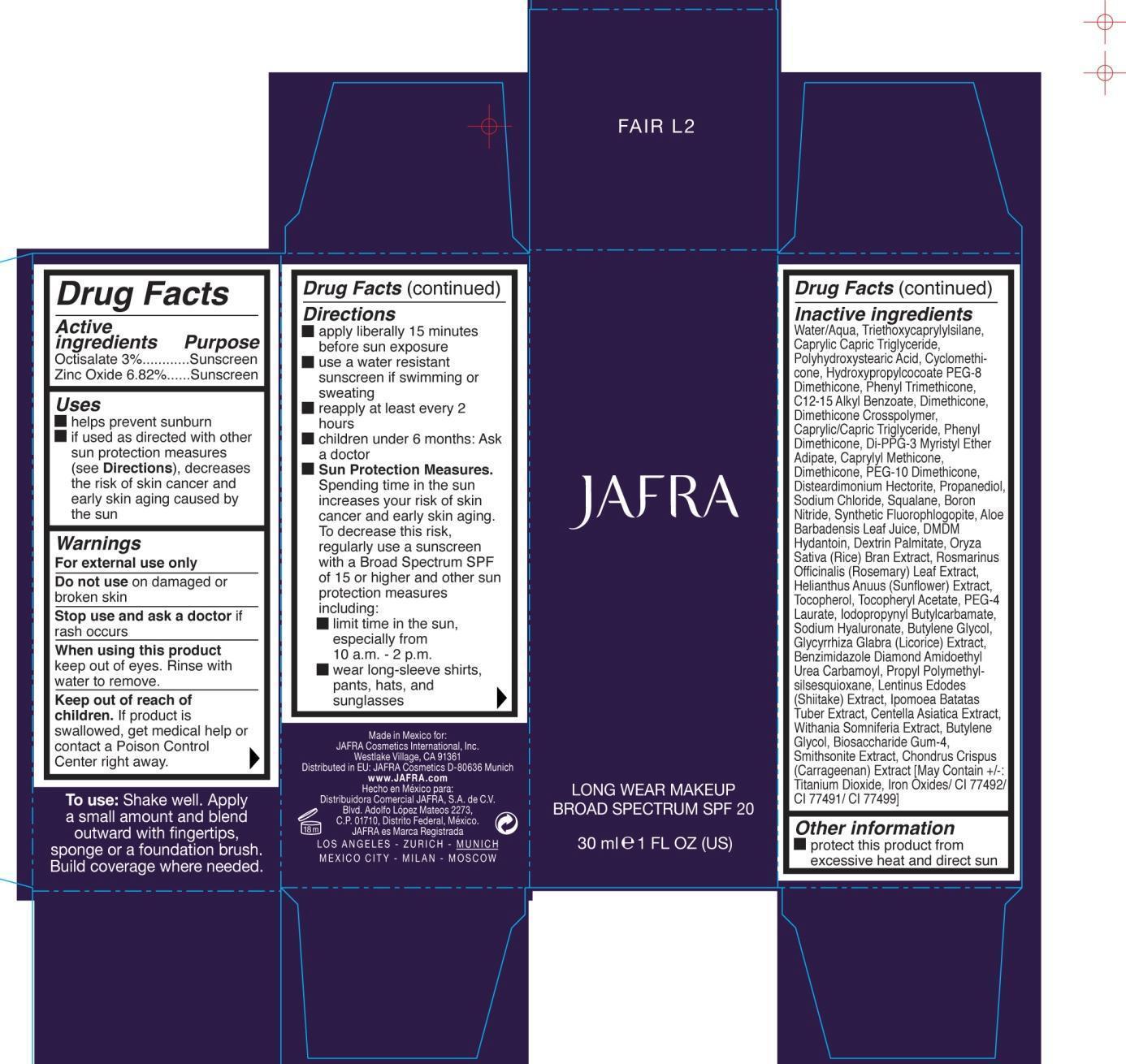
    apply liberally 15 minutes before sun exposure use a water resistant sunscreen if swimming or sweating reapply at least every 2 hours children under 6 months: Ask a doctor Sun Protection Measures. Spending time in the sun increases your risk of skin cancer and early skin aging. To decrease this risk, regularly use a sunscreen with a Broad Spectrum SPF of 15 or higher and other sun protection measures including: limit time in the sun, especially from 10 a.m. - 2 p.m. wear long-sleeve shirts, pants, hats, and sunglasses
  • Galantamine | Greenstone Llc
    No Recall

    Galantamine | Greenstone Llc

    Galantamine | Greenstone Llc

    The dosage of galantamine tablets shown to be effective in controlled clinical trials is 16 to 32 mg/day given as twice daily dosing. As the dose of 32 mg/day is less well tolerated than lower doses and does not provide increased effectiveness, the recommended dose range is 16 to 24 mg/day given in a BID regimen. The dose of 24 mg/day did not provide a statistically significant greater clinical benefit than 16 mg/day. It is possible, however, that a daily dose of 24 mg of galantamine tablets might provide additional benefit for some patients.

    The recommended starting dose of galantamine tablets is 4 mg twice a day (8 mg/day). The dose should be increased to the initial maintenance dose of 8 mg twice a day (16 mg/day) after a minimum of 4 weeks. A further increase to 12 mg twice a day (24 mg/day) should be attempted after a minimum of 4 weeks at 8 mg twice a day (16 mg/day). Dose increases should be based upon assessment of clinical benefit and tolerability of the previous dose.

    Galantamine tablets should be administered twice a day, preferably with morning and evening meals.

    Patients and caregivers should be advised to ensure adequate fluid intake during treatment. If therapy has been interrupted for several days or longer, the patient should be restarted at the lowest dose and the dose escalated to the current dose.

    The abrupt withdrawal of galantamine tablets in those patients who had been receiving doses in the effective range was not associated with an increased frequency of adverse events in comparison with those continuing to receive the same doses of that drug. The beneficial effects of galantamine tablets are lost, however, when the drug is discontinued.

    Doses in Special Populations
     
    Galantamine plasma concentrations may be increased in patients with moderate to severe hepatic impairment. In patients with moderately impaired hepatic function (Child-Pugh score of 7 to 9), the total daily dose should generally not exceed 16 mg/day. The use of galantamine tablets in patients with severe hepatic impairment (Child-Pugh score of 10 to 15) is not recommended.

    For patients with moderate renal impairment the dose should generally not exceed 16 mg/day. In patients with severe renal impairment (creatinine clearance <9 mL/min), the use of galantamine tablets is not recommended.

  • Mylan Pharmaceuticals Inc.
    Galantamine | Mylan Pharmaceuticals Inc.
    No Recall

    Galantamine | Mylan Pharmaceuticals Inc.

    Galantamine | Mylan Pharmaceuticals Inc.
    2.2 Galantamine Tablets

    The dosage of galantamine tablets shown to be effective in controlled clinical trials is 16 to 32 mg/day given as twice daily dosing. As the dosage of 32 mg/day is less well tolerated than lower dosages and does not provide increased effectiveness, the recommended dosage range is 16 to 24 mg/day given twice daily. The dosage of 24 mg/day did not provide a statistically significant greater clinical benefit than 16 mg/day. It is possible, however, that a daily dosage of 24 mg of galantamine tablets might provide additional benefit for some patients.

    The recommended starting dosage of galantamine tablets is 4 mg twice a day (8 mg/day). The dosage should be increased to the initial maintenance dosage of 8 mg twice a day (16 mg/day) after a minimum of 4 weeks. A further increase to 12 mg twice a day (24 mg/day) should be attempted after a minimum of 4 weeks at 8 mg twice a day (16 mg/day).

    Dosage increases should be based upon assessment of clinical benefit and tolerability of the previous dose.

    Galantamine tablets should be administered twice a day, preferably with morning and evening meals.

    Patients and caregivers should be advised to ensure adequate fluid intake during treatment. If therapy has been interrupted for more than 3 days, the patient should be restarted at the lowest dosage and the dosage escalated to the current dose.

    The abrupt withdrawal of galantamine tablets in those patients who had been receiving dosages in the effective range was not associated with an increased frequency of adverse events in comparison with those continuing to receive the same dosages of that drug. The beneficial effects of galantamine tablets are lost, however, when the drug is discontinued.

    2.3 Dosage in Patients with Hepatic Impairment

    In patients with moderate hepatic impairment (Child-Pugh score of 7 to 9), the dosage should generally not exceed 16 mg/day. The use of galantamine tablets in patients with severe hepatic impairment (Child-Pugh score of 10 to 15) is not recommended [see Clinical Pharmacology (12.3)].

    2.4 Dosage in Patients with Renal Impairment

    In patients with creatinine clearance of 9 to 59 mL/min, the dosage should generally not exceed 16 mg/day. In patients with creatinine clearance < 9 mL/min, the use of galantamine tablets is not recommended [see Clinical Pharmacology (12.3)].

  • Galantamine | American Health Packaging
    No Recall

    Galantamine | American Health Packaging

    Galantamine | American Health Packaging
    2.2 Galantamine Immediate-Release Tablets


    The dosage of galantamine tablets shown to be effective in controlled clinical trials is 16 to 32 mg/day given as twice daily dosing. As the dosage of 32 mg/day is less well tolerated than lower dosages and does not provide increased effectiveness, the recommended dosage range is 16 to 24 mg/day given twice daily. The dosage of 24 mg/day did not provide a statistically significant greater clinical benefit than 16 mg/day. It is possible, however, that a daily dosage of 24 mg of galantamine tablets might provide additional benefit for some patients.

    The recommended starting dosage of galantamine tablets is 4 mg twice a day (8 mg/day). The dosage should be increased to the initial maintenance dosage of 8 mg twice a day (16 mg/day) after a minimum of 4 weeks. A further increase to 12 mg twice a day (24 mg/day) should be attempted after a minimum of 4 weeks at 8 mg twice a day (16 mg/day).

    Dosage increases should be based upon assessment of clinical benefit and tolerability of the previous dose.

    Galantamine tablets should be administered twice a day, preferably with morning and evening meals.

    Patients and caregivers should be advised to ensure adequate fluid intake during treatment. If therapy has been interrupted for more than three days, the patient should be restarted at the lowest dosage and the dosage escalated to the current dose.

    The abrupt withdrawal of galantamine tablets in those patients who had been receiving dosages in the effective range was not associated with an increased frequency of adverse events in comparison with those continuing to receive the same dosages of that drug. The beneficial effects of galantamine tablets are lost, however, when the drug is discontinued.

    2.3 Hepatic Impairment

    Galantamine plasma concentrations may be increased in patients with moderate to severe hepatic impairment. In patients with moderately impaired hepatic function (Child-Pugh score of 7 to 9), the total daily dosage should generally not exceed 16 mg/day. The use of galantamine tablets in patients with severe hepatic impairment (Child-Pugh score of 10 to 15) is not recommended.

    2.4 Renal Impairment

    For patients with moderate renal impairment the dosage should generally not exceed 16 mg/day. In patients with severe renal impairment (creatinine clearance <9 mL/min), the use of galantamine tablets is not recommended.

  • Mckesson Packaging Services A Business Unit Of Mckesson Corporation
    Galantamine | Best Choice (valu Merchandisers Company)
    No Recall

    Galantamine | Best Choice (valu Merchandisers Company)

    Galantamine | Best Choice (valu Merchandisers Company)
    shake well before using mL = milliliter measure only with dosing cup provided. Do not use any other dosing device keep dosing cup with product adults and children 12 years and over: 30 mL( 1 dose) every 1 hour as needed do not take more than 4 doses (120 mL) in 24 hours use until diarrhea stops but not more than 2 days children under 12 years of age: ask a doctor drink plently of clear fluids to help prevent dehydration caused by diarrhea