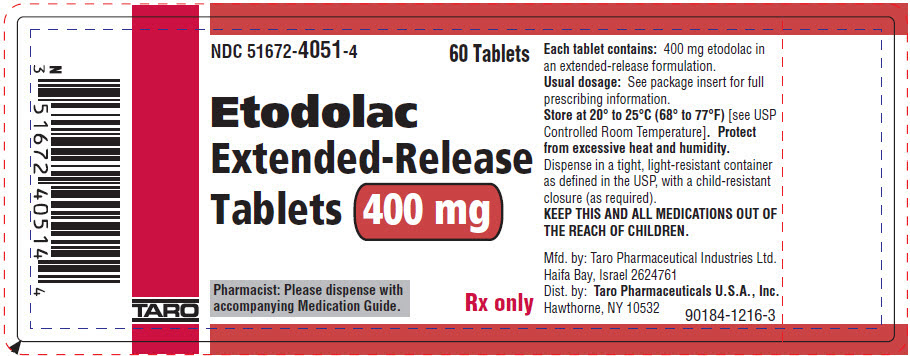
Linezolid label

Linezolid

Linezolid Recall

Get an alert when a recall is issued.

Side Effects & Adverse Reactions

There is currently no warning information available for this product. We apologize for any inconvenience.

FDA Safety Alerts

There are currently no FDA safety alerts available for this drug.

Manufacturer Warnings

There is currently no manufacturer warning information available for this drug.

FDA Labeling Changes

There are currently no FDA labeling changes available for this drug.

Uses

Linezolid is indicated for the treatment of infections caused by susceptible strains of the designated microorganisms in the specific conditions listed below. Linezolid is not indicated for the treatment of Gram-negative infections. It is critical that specific Gram-negative therapy be initiated immediately if a concomitant Gram-negative pathogen is documented or suspected [see Warnings and Precautions (5.4)].

1.1 Pneumonia

Nosocomial pneumonia caused by Staphylococcus aureus (methicillin-susceptible and -resistant isolates) or Streptococcus pneumoniae [see Clinical Studies (14)].

Community-acquired pneumonia caused by Streptococcus pneumoniae, including cases with concurrent bacteremia, or Staphylococcus aureus (methicillin-susceptible isolates only) [see Clinical Studies (14)].

1.2 Skin and Skin Structure Infections

Complicated skin and skin structure infections, including diabetic foot infections, without concomitant osteomyelitis, caused by Staphylococcus aureus (methicillin-susceptible and -resistant isolates), Streptococcus pyogenes, or Streptococcus agalactiae. Linezolid has not been studied in the treatment of decubitus ulcers [see Clinical Studies (14)].

1.3 Vancomycin-resistant Enterococcus faecium Infections

Vancomycin-resistant Enterococcus faecium infections, including cases with concurrent bacteremia [see Clinical Studies (14)].

1.4 Usage

To reduce the development of drug-resistant bacteria and maintain the effectiveness of linezolid and other antibacterial drugs, linezolid should be used only to treat infections that are proven or strongly suspected to be caused by susceptible bacteria. When culture and susceptibility information are available, they should be considered in selecting or modifying antibacterial therapy. In the absence of such data, local epidemiology and susceptibility patterns may contribute to the empiric selection of therapy.

The safety and efficacy of linezolid formulations given for longer than 28 days have not been evaluated in controlled clinical trials.

History

There is currently no drug history available for this drug.

Other Information

Linezolid Injection contains linezolid, which is a synthetic antibacterial agent of the oxazolidinone class. The chemical name for linezolid is (S)-N-[[3-[3-Fluoro-4-(4-morpholinyl)phenyl]-2-oxo-5-oxazolidinyl] methyl]-acetamide.

The empirical formula is C16H20FN3O4. Its molecular weight is 337.35, and its chemical structure is represented below:

Linezolid Structural Formula

Linezolid Injection is supplied as a ready-to-use sterile isotonic solution for intravenous infusion. Each mL contains 2 mg of linezolid. Inactive ingredients are sodium hydroxide, citric acid and dextrose in an aqueous vehicle for intravenous administration. Sodium hydroxide and/or hydrochloric acid may be used to adjust the pH to 4.4 to 5.2. The sodium (Na+) content is 0.38 mg/mL (5 mEq/300-mL container).

Linezolid Manufacturers

  • Linezolid | Hospira, Inc.
    No Recall

    Linezolid | Hospira, Inc.

    Linezolid | Hospira, Inc.
    2.1 General Dosage and Administration

    The recommended dosage for linezolid formulations for the treatment of infections is described in Table 1.

    Table 1. Dosage Guidelines for Linezolid Injection * Due to the designated pathogens [ see Indications and Usage (1)] † Neonates less than 7 days: Most pre-term neonates less than 7 days of age (gestational age less than 34 weeks) have lower systemic linezolid clearance values and larger AUC values than many full-term neonates and older infants. These neonates should be initiated with a dosing regimen of 10 mg/kg every 12 hours. Consideration may be given to the use of 10 mg/kg every 8 hours regimen in neonates with a suboptimal clinical response. All neonatal patients should receive 10 mg/kg every 8 hours by 7 days of life [ see Use in Specific Populations (8.4) and Clinical Pharmacology (12.3)].

    Infection*

    Dosage and Route of Administration

    Recommended
    Duration of
    Treatment

    (consecutive days)

    Pediatric Patients†
    (Birth through
    11 Years of Age)

    Adults and
    Adolescents (12 Years and Older)

    Nosocomial pneumonia

    10 mg/kg intravenously every 8 hours

    600 mg intravenously every 12 hours

    10 to 14

    Community-acquired pneumonia, including concurrent bacteremia

    Complicated skin and skin structure infections

    Vancomycin-resistant Enterococcus faecium infections, including concurrent bacteremia

    10 mg/kg intravenously every 8 hours

    600 mg intravenously every 12 hours

    14 to 28

    No dose adjustment is necessary when switching from intravenous to oral administration.

    2.2 Intravenous Administration

    Linezolid Injection is supplied in single-use, ready-to-use container (VisIV™ Container). Parenteral drug products should be inspected visually for particulate matter prior to administration. Check for minute leaks by firmly squeezing the bag. If leaks are detected, discard the solution, as sterility may be impaired. Keep the containers in the overwrap until ready to use. Store at room temperature. Protect from freezing. Linezolid Injection may exhibit a yellow color that can intensify over time without adversely affecting potency.

    Linezolid Injection should be administered by intravenous infusion over a period of 30 to 120 minutes. Do not use this intravenous container in series connections. Additives should not be introduced into this solution. If Linezolid Injection is to be given concomitantly with another drug, each drug should be given separately in accordance with the recommended dosage and route of administration for each product.

    If the same intravenous line is used for sequential infusion of several drugs, the line should be flushed before and after infusion of Linezolid Injection with an infusion solution compatible with Linezolid Injection and with any other drug(s) administered via this common line.

    2.3 Compatibilities

    Compatible intravenous solutions include 0.9% Sodium Chloride Injection, USP, 5% Dextrose Injection, USP, and Lactated Ringer’s Injection, USP.

    2.4 Incompatibilities

    Physical incompatibilities resulted when Linezolid Injection was combined with the following drugs during simulated Y-site administration: amphotericin B, chlorpromazine HCl, diazepam, pentamidine isothionate, erythromycin lactobionate, phenytoin sodium, and trimethoprim-sulfamethoxazole. Additionally, chemical incompatibility resulted when Linezolid Injection was combined with ceftriaxone sodium.

  • Linezolid | Taro Pharmaceuticals Laboratories, Inc.
    No Recall

    Linezolid | Taro Pharmaceuticals Laboratories, Inc.

    Linezolid | Taro Pharmaceuticals Laboratories, Inc.

    Carefully consider the potential benefits and risks of etodolac capsules and tablets, USP and other treatment options before deciding to use etodolac capsules and tablets, USP. Use the lowest effective dose for the shortest duration consistent with individual patient treatment goals (see WARNINGS).

    After observing the response to initial therapy with etodolac capsules and tablets, USP, the dose and frequency should be adjusted to suit an individual patient's needs.

    Dosage adjustment of etodolac capsules and tablets, USP is generally not required in patients with mild to moderate renal impairment. Etodolac should be used with caution in such patients, because, as with other NSAIDs, it may further decrease renal function in some patients with impaired renal function (see WARNINGS, Renal Effects).

    Analgesia

    The recommended total daily dose of etodolac for acute pain is up to 1000 mg, given as 200-400 mg every 6 to 8 hours. Doses of etodolac greater than 1000 mg/day have not been adequately evaluated in well-controlled trials.

    Osteoarthritis and Rheumatoid Arthritis

    The recommended starting dose of etodolac for the management of the signs and symptoms of osteoarthritis or rheumatoid arthritis is: 300 mg b.i.d., t.i.d., or 400 mg b.i.d., or 500 mg b.i.d. A lower dose of 600 mg/day may suffice for long-term administration. Physicians should be aware that doses above 1000 mg/day have not been adequately evaluated in well-controlled clinical trials.

    In chronic conditions, a therapeutic response to therapy with etodolac is sometimes seen within one week of therapy, but most often is observed by two weeks. After a satisfactory response has been achieved, the patient's dose should be reviewed and adjusted as required.

  • Linezolid | Taro Pharmaceuticals U.s.a., Inc.
    No Recall

    Linezolid | Taro Pharmaceuticals U.s.a., Inc.

    Linezolid | Taro Pharmaceuticals U.s.a., Inc.

    Carefully consider the potential benefits and risks of etodolac extended-release tablets and other treatment options before deciding to use etodolac extended-release tablets. Use the lowest effective dose for the shortest duration consistent with individual patient treatment goals (see WARNINGS).

    After observing the response to initial therapy with etodolac extended-release tablets, the dose and frequency should be adjusted to suit an individual patient's needs.

    Juvenile Rheumatoid Arthritis

    For relief of signs and symptoms of juvenile rheumatoid arthritis in patients 6 to 16 years of age, the recommended dose given orally once per day should be based on body weight, according to the following table:

    Table 4. Body Weight Range (kg) Dose 20 to 30 400 mg Tablet × 1 31 to 45 600 mg Tablet × 1 46 to 60 400 mg Tablet × 2 >60 500 mg Tablet × 2 Rheumatoid Arthritis and Osteoarthritis

    For relief of the signs and symptoms of osteoarthritis or rheumatoid arthritis, the recommended starting dose of etodolac extended-release is 400 to 1000 mg, given once daily. As with other NSAIDs, the lowest effective dose should be sought for each patient. In chronic conditions, a therapeutic response to therapy with etodolac extended-release tablets is sometimes seen within one week of therapy, but most often is observed by two weeks.

  • Linezolid | Hospira, Inc.
    No Recall

    Linezolid | Hospira, Inc.

    Linezolid | Hospira, Inc.
    2.1 General Dosage and Administration

    The recommended dosage for linezolid injection for the treatment of infections is described in Table 1. No dose adjustment is necessary when switching from intravenous to oral administration.

    Table 1. Dosage Guidelines for Linezolid Injection * Due to the designated pathogens [ see Indications and Usage (1)]

    Infection*

    Dosage, Route, and Frequency of Administration

    Recommended Duration of Treatment

    (consecutive days)

    Pediatric Patients less than 12 Years of Age

    Adults and Adolescents (12 Years and Older)

    Nosocomial pneumonia

    10 mg/kg intravenously every 8 hours

    600 mg intravenously every 12 hours

    10 to 14

    Community-acquired pneumonia, including concurrent bacteremia

    Complicated skin and skin structure infections

    Vancomycin-resistant Enterococcus faecium infections, including concurrent bacteremia

    10 mg/kg intravenously every 8 hours

    600 mg intravenously every 12 hours

    14 to 28

    The maximum dose for pediatric patients should not exceed the recommended adult dose. The recommended dose is 10 mg per kg intravenously every 8 hours. Linezolid injection in a single use VisIV™ Container should be used only in pediatric patients who require the entire 600 mg dose and not any fraction thereof.

    2.2 Intravenous Administration

    Linezolid injection is supplied in single-use, ready-to-use container (VisIV™ Container) [see How Supplied/Storage and Handling (16)]. Parenteral drug products should be inspected visually for particulate matter prior to administration. Check for minute leaks by firmly squeezing the bag. If leaks are detected, discard the solution, as sterility may be impaired. Keep the containers in the overwrap until ready to use. Store at room temperature. Protect from freezing. Linezolid injection may exhibit a yellow color that can intensify over time without adversely affecting potency.

    Linezolid injection should be administered by intravenous infusion over a period of 30 to 120 minutes. Do not use this intravenous container in series connections. Additives should not be introduced into this solution. If Linezolid injection is to be given concomitantly with another drug, each drug should be given separately in accordance with the recommended dosage and route of administration for each product.

    If the same intravenous line is used for sequential infusion of several drugs, the line should be flushed before and after infusion of Linezolid injection with an infusion solution compatible with Linezolid injection and with any other drug(s) administered via this common line.

    2.3 Compatibilities

    Compatible intravenous solutions include 0.9% Sodium Chloride Injection, USP, 5% Dextrose Injection, USP, and Lactated Ringer’s Injection, USP.

    2.4 Incompatibilities

    Physical incompatibilities resulted when Linezolid injection was combined with the following drugs during simulated Y-site administration: amphotericin B, chlorpromazine HCl, diazepam, pentamidine isothionate, erythromycin lactobionate, phenytoin sodium, and trimethoprim-sulfamethoxazole. Additionally, chemical incompatibility resulted when Linezolid injection was combined with ceftriaxone sodium.

    2.1 General Dosage and Administration

    The recommended dosage for linezolid injection for the treatment of infections is described in Table 1. No dose adjustment is necessary when switching from intravenous to oral administration.

    Table 1. Dosage Guidelines for Linezolid Injection * Due to the designated pathogens [ see Indications and Usage (1)]

    Infection*

    Dosage, Route, and Frequency of Administration

    Recommended Duration of Treatment

    (consecutive days)

    Pediatric Patients less than 12 Years of Age

    Adults and Adolescents (12 Years and Older)

    Nosocomial pneumonia

    10 mg/kg intravenously every 8 hours

    600 mg intravenously every 12 hours

    10 to 14

    Community-acquired pneumonia, including concurrent bacteremia

    Complicated skin and skin structure infections

    Vancomycin-resistant Enterococcus faecium infections, including concurrent bacteremia

    10 mg/kg intravenously every 8 hours

    600 mg intravenously every 12 hours

    14 to 28

    The maximum dose for pediatric patients should not exceed the recommended adult dose. The recommended dose is 10 mg per kg intravenously every 8 hours. Linezolid injection in a single use VisIV™ Container should be used only in pediatric patients who require the entire 600 mg dose and not any fraction thereof.

    2.2 Intravenous Administration

    Linezolid injection is supplied in single-use, ready-to-use container (VisIV™ Container) [see How Supplied/Storage and Handling (16)]. Parenteral drug products should be inspected visually for particulate matter prior to administration. Check for minute leaks by firmly squeezing the bag. If leaks are detected, discard the solution, as sterility may be impaired. Keep the containers in the overwrap until ready to use. Store at room temperature. Protect from freezing. Linezolid injection may exhibit a yellow color that can intensify over time without adversely affecting potency.

    Linezolid injection should be administered by intravenous infusion over a period of 30 to 120 minutes. Do not use this intravenous container in series connections. Additives should not be introduced into this solution. If Linezolid injection is to be given concomitantly with another drug, each drug should be given separately in accordance with the recommended dosage and route of administration for each product.

    If the same intravenous line is used for sequential infusion of several drugs, the line should be flushed before and after infusion of Linezolid injection with an infusion solution compatible with Linezolid injection and with any other drug(s) administered via this common line.

    2.3 Compatibilities

    Compatible intravenous solutions include 0.9% Sodium Chloride Injection, USP, 5% Dextrose Injection, USP, and Lactated Ringer’s Injection, USP.

    2.4 Incompatibilities

    Physical incompatibilities resulted when Linezolid injection was combined with the following drugs during simulated Y-site administration: amphotericin B, chlorpromazine HCl, diazepam, pentamidine isothionate, erythromycin lactobionate, phenytoin sodium, and trimethoprim-sulfamethoxazole. Additionally, chemical incompatibility resulted when Linezolid injection was combined with ceftriaxone sodium.

  • Teva Parenteral Medicines, Inc.
    Linezolid | Xeransis Llc
    No Recall

    Linezolid | Xeransis Llc

    Linezolid | Xeransis Llc

    Apply to underarms only. Apply 2-3 sprays to each underarm immediately before bedtime. Apply every other day for the first week of use and then 2-4 times weekly thereafter as needed. Shaving the application area may be necessary to ensure proper skin contact. Do not apply within 24 hours after shaving. Delay application after bathing by at least an hour.