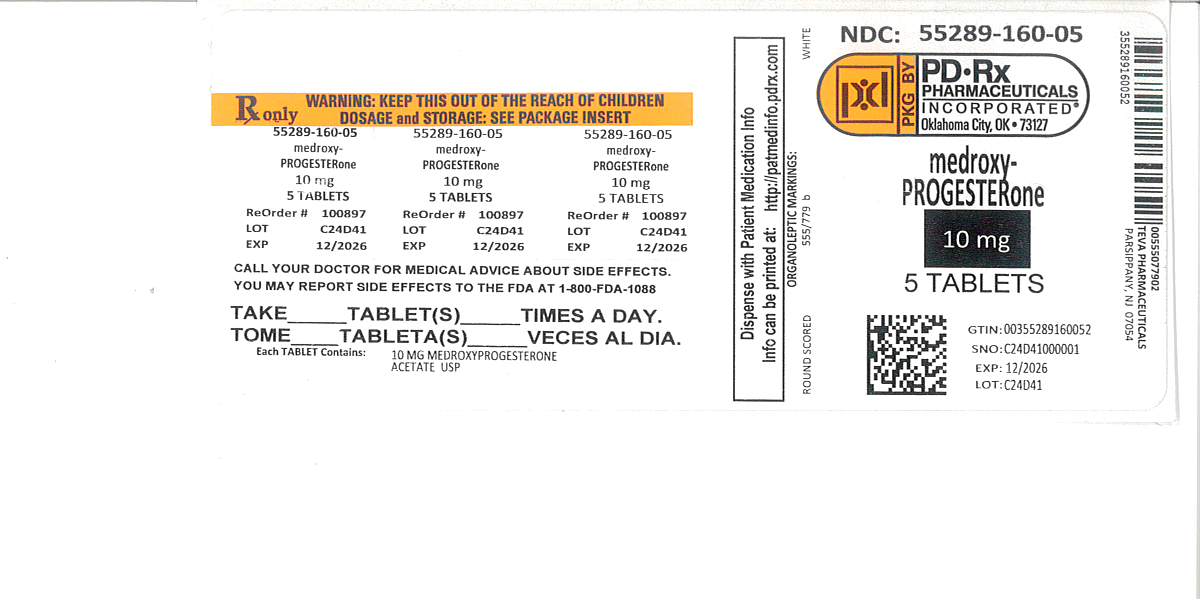
Medroxyprogesterone Acetate label

Medroxyprogesterone Acetate

Medroxyprogesterone Acetate Recall

Get an alert when a recall is issued.

Side Effects & Adverse Reactions

Allergy Alert: Do not use if allergic to Asteraceae or Compositae (daisy) family or to any other ingredient contained in this product.

  • For external use only.
  • Discontinue use if appearance of rash, irritation, reddening, dermatitis or eczema.
  • Do not apply on wounds.
  • Avoid contact with eyes and mucous membranes.
  • Do not apply bandage or heat (heating pad) on the affected body part.
  • Consult a healthcare practitioner prior to use if you are pregnant or breastfeeding.
  • Do not inhale or swallow.
  • Keep safely out of reach of children. In case of overdose or accidental ingestion, call a poison control center immediately.

FDA Safety Alerts

There are currently no FDA safety alerts available for this drug.

Manufacturer Warnings

There is currently no manufacturer warning information available for this drug.

FDA Labeling Changes

There are currently no FDA labeling changes available for this drug.

Uses

For fast and soothing relief of foot pain, dry itchy skin and rough cracking heels. Moisturizes and revitalizes from ankles to toes.

History

There is currently no drug history available for this drug.

Other Information

There are no additional details available for this product.

Medroxyprogesterone Acetate Manufacturers

  • Medroxyprogesterone Acetate | Xcentrik Inc.
    No Recall

    Medroxyprogesterone Acetate | Xcentrik Inc.

    Medroxyprogesterone Acetate | Xcentrik Inc.
    For adults and children 12 years and older, apply generously and rub on affected area until the cream has penetrated through the skin. Repeat as needed up to 4 times daily. If pain persists or worsens more than seven days, discontinue use and consult a doctor.
  • Remedyrepack Inc.
    Medroxyprogesterone Acetate | Remedyrepack Inc.
    No Recall

    Medroxyprogesterone Acetate | Remedyrepack Inc.

    Medroxyprogesterone Acetate | Remedyrepack Inc.

    MPA tablets may be given in dosages of 5 or 10 mg daily for 5 to 10 days. A dose for inducing an optimum secretory transformation of an endometrium that has been adequately primed with either endogenous or exogenous estrogen is 10 mg of MPA daily for 10 days. In cases of secondary amenorrhea, therapy may be started at any time. Progestin withdrawal bleeding usually occurs within three to seven days after discontinuing MPA therapy.


    Beginning on the calculated 16th or 21st day of the menstrual cycle, 5 or 10 mg of medroxyprogesterone acetate may be given daily for 5 to 10 days. To produce an optimum secretory transformation of an endometrium that has been adequately primed with either endogenous or exogenous estrogen, 10 mg of medroxyprogesterone acetate daily for 10 days beginning on the 16th day of the cycle is suggested. Progestin withdrawal bleeding usually occurs within three to seven days after discontinuing therapy with MPA tablets. Patients with a past history of recurrent episodes of abnormal uterine bleeding may benefit from planned menstrual cycling with MPA tablets.


    When estrogen is prescribed for a postmenopausal woman with a uterus, a progestin should also be initiated to reduce the risk of endometrial cancer. A woman without a uterus does not need progestin. Use of estrogen, alone or in combination with a progestin, should be with the lowest effective dose and for the shortest duration consistent with treatment goals and risks for the individual woman. Patients should be re-evaluated periodically as clinically appropriate (for example, 3-month to 6-month intervals) to determine if treatment is still necessary (see WARNINGS). For women who have a uterus, adequate diagnostic measures, such as endometrial sampling, when indicated, should be undertaken to rule out malignancy in cases of undiagnosed persistent or recurring abnormal vaginal bleeding.

    MPA tablets may be given in dosages of 5 or 10 mg daily for 12 to 14 consecutive days per month, in postmenopausal women receiving daily 0.625 mg conjugated estrogens, either beginning on the 1st day of the cycle or the 16th day of the cycle.

    Patients should be started at the lowest dose.

    The lowest effective dose of MPA has not been determined.


  • Physicians Total Care, Inc.
    Medroxyprogesterone Acetate | Physicians Total Care, Inc.
    No Recall

    Medroxyprogesterone Acetate | Physicians Total Care, Inc.

    Medroxyprogesterone Acetate | Physicians Total Care, Inc.

    Both the 1 mL vial and the 1 mL prefilled syringe of Medroxyprogesterone Acetate Injectable Suspension, USP should be vigorously shaken just before use to ensure that the dose being administered represents a uniform suspension.

    The recommended dose is 150 mg of Medroxyprogesterone Acetate Injectable Suspension, USP every 3 months (13 weeks) administered by deep, IM injection in the gluteal or deltoid muscle. To ensure the patient is not pregnant at the time of the first injection, the first injection MUST be given ONLY during the first 5 days of a normal menstrual period; ONLY within the first 5-days postpartum if not breast-feeding; and if exclusively breast-feeding, ONLY at the sixth postpartum week. If the time interval between injections is greater than 13 weeks, the physician should determine that the patient is not pregnant before administering the drug. The efficacy of depends on adherence to the dosage schedule of a Medroxyprogesterone Acetate Injectable Suspension, USP administration.

  • Physicians Total Care, Inc.
    Medroxyprogesterone Acetate | Physicians Total Care, Inc.
    No Recall

    Medroxyprogesterone Acetate | Physicians Total Care, Inc.

    Medroxyprogesterone Acetate | Physicians Total Care, Inc.
    Secondary Amenorrhea

    MPA tablets may be given in dosages of 5 or 10 mg daily for 5 to 10 days. A dose for inducing an optimum secretory transformation of an endometrium that has been adequately primed with either endogenous or exogenous estrogen is 10 mg of MPA daily for 10 days. In cases of secondary amenorrhea, therapy may be started at any time. Progestin withdrawal bleeding usually occurs within three to seven days after discontinuing MPA therapy.

    Abnormal Uterine Bleeding Due to Hormonal Imbalance in the Absence of Organic Pathology

    Beginning on the calculated 16th or 21st day of the menstrual cycle, 5 or 10 mg of medroxyprogesterone acetate may be given daily for 5 to 10 days. To produce an optimum secretory transformation of an endometrium that has been adequately primed with either endogenous or exogenous estrogen, 10 mg of medroxyprogesterone acetate daily for 10 days beginning on the 16th day of the cycle is suggested. Progestin withdrawal bleeding usually occurs within three to seven days after discontinuing therapy with MPA tablets. Patients with a past history of recurrent episodes of abnormal uterine bleeding may benefit from planned menstrual cycling with MPA tablets.

    Reduction of Endometrial Hyperplasia in Postmenopausal Women Receiving Daily 0.625 mg Conjugated Estrogens

    When estrogen is prescribed for a postmenopausal woman with a uterus, a progestin should also be initiated to reduce the risk of endometrial cancer. A woman without a uterus does not need progestin. Use of estrogen, alone or in combination with a progestin, should be with the lowest effective dose and for the shortest duration consistent with treatment goals and risks for the individual woman. Patients should be re-evaluated periodically as clinically appropriate (for example, 3-month to 6-month intervals) to determine if treatment is still necessary (see WARNINGS). For women who have a uterus, adequate diagnostic measures, such as endometrial sampling, when indicated, should be undertaken to rule out malignancy in cases of undiagnosed persistent or recurring abnormal vaginal bleeding.

    MPA tablets may be given in dosages of 5 or 10 mg daily for 12 to 14 consecutive days per month, in postmenopausal women receiving daily 0.625 mg conjugated estrogens, either beginning on the 1st day of the cycle or the 16th day of the cycle.

    Patients should be started at the lowest dose.

    The lowest effective dose of MPA has not been determined.

  • Blenheim Pharmacal, Inc.
    Medroxyprogesterone Acetate | Value Merchandisers Company, Inc.
    No Recall

    Medroxyprogesterone Acetate | Value Merchandisers Company, Inc.

    Medroxyprogesterone Acetate | Value Merchandisers Company, Inc.
    do not use more than directed drink a full glass of water with each dose adults and children 12 years and over take 2 tablets every 6 hours do not take more than 8 tablets in 24 hours children under 12 years: ask a doctor
  • Remedyrepack Inc.
    Medroxyprogesterone Acetate | Remedyrepack Inc.
    No Recall

    Medroxyprogesterone Acetate | Remedyrepack Inc.

    Medroxyprogesterone Acetate | Remedyrepack Inc.
    Secondary Amenorrhea
    MPA tablets may be given in dosages of 5 or 10 mg daily for 5 to 10 days. A dose for inducing an optimum secretory transformation of an endometrium that has been adequately primed with either endogenous or exogenous estrogen is 10 mg of MPA daily for 10 days. In cases of secondary amenorrhea, therapy may be started at any time. Progestin withdrawal bleeding usually occurs within three to seven days after discontinuing MPA therapy.

    Abnormal Uterine Bleeding Due to Hormonal Imbalance in the Absence of Organic Pathology
    Beginning on the calculated 16th or 21st day of the menstrual cycle, 5 or 10 mg of medroxyprogesterone acetate may be given daily for 5 to 10 days. To produce an optimum secretory transformation of an endometrium that has been adequately primed with either endogenous or exogenous estrogen, 10 mg of medroxyprogesterone acetate daily for 10 days beginning on the 16th day of the cycle is suggested. Progestin withdrawal bleeding usually occurs within three to seven days after discontinuing therapy with MPA tablets. Patients with a past history of recurrent episodes of abnormal uterine bleeding may benefit from planned menstrual cycling with MPA tablets.

    Reduction of Endometrial Hyperplasia in Postmenopausal Women Receiving Daily 0.625 mg Conjugated Estrogens
    When estrogen is prescribed for a postmenopausal woman with a uterus, a progestin should also be initiated to reduce the risk of endometrial cancer. A woman without a uterus does not need progestin. Use of estrogen, alone or in combination with a progestin, should be with the lowest effective dose and for the shortest duration consistent with treatment goals and risks for the individual woman. Patients should be re-evaluated periodically as clinically appropriate (for example, 3-month to 6-month intervals) to determine if treatment is still necessary (see WARNINGS). For women who have a uterus, adequate diagnostic measures, such as endometrial sampling, when indicated, should be undertaken to rule out malignancy in cases of undiagnosed persistent or recurring abnormal vaginal bleeding.
    MPA tablets may be given in dosages of 5 or 10 mg daily for 12 to 14 consecutive days per month, in postmenopausal women receiving daily 0.625 mg conjugated estrogens, either beginning on the 1st day of the cycle or the 16th day of the cycle.
    Patients should be started at the lowest dose.
    The lowest effective dose of MPA has not been determined.

  • Medroxyprogesterone Acetate | Cardinal Health
    No Recall

    Medroxyprogesterone Acetate | Cardinal Health

    Medroxyprogesterone Acetate | Cardinal Health

    Secondary Amenorrhea– Medroxyprogesterone acetate tablets may be given in dosages of 5 or 10 mg daily for 5 to 10 days. A dose for inducing an optimum secretory transformation of an endometrium that has been adequately primed with either endogenous or exogenous estrogen is 10 mg of medroxyprogesterone acetate daily for 10 days. In cases of secondary amenorrhea, therapy may be started at any time. Progestin withdrawal bleeding usually occurs within three to seven days after discontinuing medroxyprogesterone acetate tablets therapy.

    Abnormal Uterine Bleeding Due to Hormonal Imbalance in theAbsence of Organic Pathology– Beginning on the calculated 16th or 21st day of the menstrual cycle, 5 or 10 mg of medroxyprogesterone acetate may be given daily for 5 to 10 days. To produce an optimum secretory transformation of an endometrium that has been adequately primed with either endogenous or exogenous estrogen, 10 mg of medroxyprogesterone acetate daily for 10 days beginning on the 16th day of the cycle is suggested. Progestin withdrawal bleeding usually occurs within three to seven days after discontinuing therapy with medroxyprogesterone acetate tablets. Patients with a past history of recurrent episodes of abnormal uterine bleeding may benefit from planned menstrual cycling with medroxyprogesterone acetate tablets.

    Reduction of endometrial hyperplasia in post-menopausal women receiving 0.625 mg conjugated estrogens– Medroxyprogesterone acetate tablets may be given in dosages of 5 or 10 mg daily for 12 to 14 consecutive days per month, either beginning on the 1st day of the cycle or the 16th day of the cycle.

  • Rebel Distributors Corp.
    Medroxyprogesterone Acetate | Rebel Distributors Corp.
    No Recall

    Medroxyprogesterone Acetate | Rebel Distributors Corp.

    Medroxyprogesterone Acetate | Rebel Distributors Corp.
    Secondary Amenorrhea

    Medroxyprogesterone acetate tablets may be given in dosages of 5 or 10 mg daily for 5 to 10 days. A dose for inducing an optimum secretory transformation of an endometrium that has been adequately primed with either endogenous or exogenous estrogen is 10 mg of medroxyprogesterone acetate daily for 10 days. In cases of secondary amenorrhea, therapy may be started at any time. Progestin withdrawal bleeding usually occurs within three to seven days after discontinuing medroxyprogesterone acetate therapy.

    Abnormal Uterine Bleeding Due to Hormonal Imbalance in the Absence of Organic Pathology

    Beginning on the calculated 16th or 21st day of the menstrual cycle, 5 or 10 mg of medroxyprogesterone acetate may be given daily for 5 to 10 days. To produce an optimum secretory transformation of an endometrium that has been adequately primed with either endogenous or exogenous estrogen, 10 mg of medroxyprogesterone acetate daily for 10 days beginning on the 16th day of the cycle is suggested. Progestin withdrawal bleeding usually occurs within three to seven days after discontinuing therapy with medroxyprogesterone acetate. Patients with a past history of recurrent episodes of abnormal uterine bleeding may benefit from planned menstrual cycling with medroxyprogesterone acetate.

    Reduction of Endometrial Hyperplasia in Postmenopausal Women Receiving Daily 0.625 mg Conjugated Estrogens

    When estrogen is prescribed for a postmenopausal woman with a uterus, a progestin should also be initiated to reduce the risk of endometrial cancer. A woman without a uterus does not need progestin. Use of estrogen, alone or in combination with a progestin, should be with the lowest effective dose and for the shortest duration consistent with treatment goals and risks for the individual woman. Patients should be re-evaluated periodically as clinically appropriate (for example, 3-month to 6-month intervals) to determine if treatment is still necessary (see WARNINGS). For women who have a uterus, adequate diagnostic measures, such as endometrial sampling, when indicated, should be undertaken to rule out malignancy in cases of undiagnosed persistent or recurring abnormal vaginal bleeding.

    Medroxyprogesterone acetate tablets may be given in dosages of 5 or 10 mg daily for 12 to 14 consecutive days per month, in postmenopausal women receiving daily 0.625 mg conjugated estrogens, either beginning on the 1st day of the cycle or the 16th day of the cycle.

    Patients should be started at the lowest dose.

    The lowest effective dose of medroxyprogesterone acetate has not been determined.

  • Pd-rx Pharmaceuticals, Inc.
    Medroxyprogesterone Acetate | Pd-rx Pharmaceuticals, Inc.
    No Recall

    Medroxyprogesterone Acetate | Pd-rx Pharmaceuticals, Inc.

    Medroxyprogesterone Acetate | Pd-rx Pharmaceuticals, Inc.
    Secondary Amenorrhea

    Medroxyprogesterone Acetate Tablets USP may be given in dosages of 5 or 10 mg daily for 5 to 10 days. A dose for inducing an optimum secretory transformation of an endometrium that has been adequately primed with either endogenous or exogenous estrogen is 10 mg of medroxyprogesterone acetate daily for 10 days. In cases of secondary amenorrhea, therapy may be started at any time. Progestin withdrawal bleeding usually occurs within three to seven days after discontinuing medroxyprogesterone acetate therapy.

    Abnormal Uterine Bleeding Due to Hormonal Imbalance in the Absence of Organic Pathology

    Beginning on the calculated 16th or 21st day of the menstrual cycle, 5 or 10 mg of medroxyprogesterone acetate may be given daily for 5 to 10 days. To produce an optimum secretory transformation of an endometrium that has been adequately primed with either endogenous or exogenous estrogen, 10 mg of medroxyprogesterone acetate daily for 10 days beginning on the 16th day of the cycle is suggested. Progestin withdrawal bleeding usually occurs within three to seven days after discontinuing therapy with medroxyprogesterone acetate. Patients with a past history of recurrent episodes of abnormal uterine bleeding may benefit from planned menstrual cycling with medroxyprogesterone acetate.

    Reduction of Endometrial Hyperplasia in Postmenopausal Women Receiving Daily 0.625 mg Conjugated Estrogens

    When estrogen is prescribed for a postmenopausal woman with a uterus, a progestin should also be initiated to reduce the risk of endometrial cancer. A woman without a uterus does not need progestin. Use of estrogen, alone or in combination with a progestin, should be with the lowest effective dose and for the shortest duration consistent with treatment goals and risks for the individual woman. Patients should be re-evaluated periodically as clinically appropriate (for example, 3-month to 6-month intervals) to determine if treatment is still necessary (see WARNINGS). For women who have a uterus, adequate diagnostic measures, such as endometrial sampling, when indicated, should be undertaken to rule out malignancy in cases of undiagnosed persistent or recurring abnormal vaginal bleeding.

    Medroxyprogesterone Acetate Tablets USP may be given in dosages of 5 or 10 mg daily for 12 to 14 consecutive days per month, in postmenopausal women receiving daily 0.625 mg conjugated estrogens, either beginning on the 1st day of the cycle or the 16th day of the cycle.

    Patients should be started at the lowest dose.

    The lowest effective dose of medroxyprogesterone acetate has not been determined.

  • Preferred Pharmaceuticals, Inc
    Medroxyprogesterone Acetate | Preferred Pharmaceuticals, Inc
    No Recall

    Medroxyprogesterone Acetate | Preferred Pharmaceuticals, Inc

    Medroxyprogesterone Acetate | Preferred Pharmaceuticals, Inc
    2.1 Prevention of Pregnancy

    Both the 1 mL vial and the 1 mL prefilled syringe of Medroxyprogesterone Acetate Injectable Suspension, USP should be vigorously shaken just before use to ensure that the dose being administered represents a uniform suspension.

    The recommended dose is 150 mg of Medroxyprogesterone Acetate Injectable Suspension, USP every 3 months (13 weeks) administered by deep IM injection in the gluteal or deltoid muscle. Medroxyprogesterone Acetate Injectable Suspension, USP should not be used as a long-term birth control method (i.e. longer than 2 years) unless other birth control methods are considered inadequate. Dosage does not need to be adjusted for body weight [See Clinical Studies (14.1)].

    To ensure the patient is not pregnant at the time of the first injection, the first injection should be given ONLY during the first 5 days of a normal menstrual period; ONLY within the first 5-days postpartum if not breast-feeding; and if exclusively breast-feeding, ONLY at the sixth postpartum week. If the time interval between injections is greater than 13 weeks, the physician should determine that the patient is not pregnant before administering the drug. The efficacy of Medroxyprogesterone Acetate Injectable Suspension, USP depends on adherence to the dosage schedule of administration.

    2.2 Switching from other Methods of Contraception

    When switching from other contraceptive methods, Medroxyprogesterone Acetate Injectable Suspension, USP should be given in a manner that ensures continuous contraceptive coverage based upon the mechanism of action of both methods, (e.g., patients switching from oral contraceptives should have their first injection of Medroxyprogesterone Acetate Injectable Suspension, USP on the day after the last active tablet or at the latest, on the day following the final inactive tablet).

  • Preferred Pharmaceuticals, Inc
    Medroxyprogesterone Acetate | Preferred Pharmaceuticals, Inc.
    No Recall

    Medroxyprogesterone Acetate | Preferred Pharmaceuticals, Inc.

    Medroxyprogesterone Acetate | Preferred Pharmaceuticals, Inc.
    Secondary Amenorrhea

    Medroxyprogesterone Acetate Tablets USP may be given in dosages of 5 or 10 mg daily for 5 to 10 days. A dose for inducing an optimum secretory transformation of an endometrium that has been adequately primed with either endogenous or exogenous estrogen is 10 mg of medroxyprogesterone acetate daily for 10 days. In cases of secondary amenorrhea, therapy may be started at any time. Progestin withdrawal bleeding usually occurs within three to seven days after discontinuing medroxyprogesterone acetate therapy.

    Abnormal Uterine Bleeding Due to Hormonal Imbalance in the Absence of Organic Pathology

    Beginning on the calculated 16th or 21st day of the menstrual cycle, 5 or 10 mg of medroxyprogesterone acetate may be given daily for 5 to 10 days. To produce an optimum secretory transformation of an endometrium that has been adequately primed with either endogenous or exogenous estrogen, 10 mg of medroxyprogesterone acetate daily for 10 days beginning on the 16th day of the cycle is suggested. Progestin withdrawal bleeding usually occurs within three to seven days after discontinuing therapy with medroxyprogesterone acetate. Patients with a past history of recurrent episodes of abnormal uterine bleeding may benefit from planned menstrual cycling with medroxyprogesterone acetate.

    Reduction of Endometrial Hyperplasia in Postmenopausal Women Receiving Daily 0.625 mg Conjugated Estrogens

    When estrogen is prescribed for a postmenopausal woman with a uterus, a progestin should also be initiated to reduce the risk of endometrial cancer. A woman without a uterus does not need progestin. Use of estrogen, alone or in combination with a progestin, should be with the lowest effective dose and for the shortest duration consistent with treatment goals and risks for the individual woman. Patients should be re-evaluated periodically as clinically appropriate (for example, 3-month to 6-month intervals) to determine if treatment is still necessary (see WARNINGS). For women who have a uterus, adequate diagnostic measures, such as endometrial sampling, when indicated, should be undertaken to rule out malignancy in cases of undiagnosed persistent or recurring abnormal vaginal bleeding.

    Medroxyprogesterone Acetate Tablets USP may be given in dosages of 5 or 10 mg daily for 12 to 14 consecutive days per month, in postmenopausal women receiving daily 0.625 mg conjugated estrogens, either beginning on the 1st day of the cycle or the 16th day of the cycle.

    Patients should be started at the lowest dose.

    The lowest effective dose of medroxyprogesterone acetate has not been determined.

  • Teva Parenteral Medicines, Inc
    Medroxyprogesterone Acetate | Teva Parenteral Medicines, Inc.
    No Recall

    Medroxyprogesterone Acetate | Teva Parenteral Medicines, Inc.

    Medroxyprogesterone Acetate | Teva Parenteral Medicines, Inc.
    2.1 Prevention of Pregnancy

    The 1 mL vial of medroxyprogesterone acetate injectable suspension should be vigorously shaken just before use to ensure that the dose being administered represents a uniform suspension. The recommended dose is 150 mg of medroxyprogesterone acetate injectable suspension every 3 months (13 weeks) administered by deep IM injection in the gluteal or deltoid muscle. Medroxyprogesterone acetate injectable suspension should not be used as a long-term birth control method (i.e., longer than 2 years) unless other birth control methods are considered inadequate. Dosage does not need to be adjusted for body weight [see Clinical Studies (14.1)].

    To ensure the patient is not pregnant at the time of the first injection, the first injection should be given ONLY during the first 5 days of a normal menstrual period; ONLY within the first 5-days postpartum if not breast-feeding; and if exclusively breast-feeding, ONLY at the sixth postpartum week. If the time interval between injections is greater than 13 weeks, the physician should determine that the patient is not pregnant before administering the drug. The efficacy of medroxyprogesterone acetate injectable suspension depends on adherence to the dosage schedule of administration.

    2.2 Switching from other Methods of Contraception

    When switching from other contraceptive methods, medroxyprogesterone acetate injectable suspension should be given in a manner that ensures continuous contraceptive coverage based upon the mechanism of action of both methods, (e.g., patients switching from oral contraceptives should have their first injection of medroxyprogesterone acetate injectable suspension on the day after the last active tablet or at the latest, on the day following the final inactive tablet).

  • Dispensing Solutions, Inc.
    Medroxyprogesterone Acetate | Dispensing Solutions, Inc.
    No Recall

    Medroxyprogesterone Acetate | Dispensing Solutions, Inc.

    Medroxyprogesterone Acetate | Dispensing Solutions, Inc.
    Secondary Amenorrhea

    Medroxyprogesterone Acetate Tablets USP may be given in dosages of 5 or 10 mg daily for 5 to 10 days. A dose for inducing an optimum secretory transformation of an endometrium that has been adequately primed with either endogenous or exogenous estrogen is 10 mg of medroxyprogesterone acetate daily for 10 days. In cases of secondary amenorrhea, therapy may be started at any time. Progestin withdrawal bleeding usually occurs within three to seven days after discontinuing medroxyprogesterone acetate therapy.

    Abnormal Uterine Bleeding Due to Hormonal Imbalance in the Absence of Organic Pathology

    Beginning on the calculated 16th or 21st day of the menstrual cycle, 5 or 10 mg of medroxyprogesterone acetate may be given daily for 5 to 10 days. To produce an optimum secretory transformation of an endometrium that has been adequately primed with either endogenous or exogenous estrogen, 10 mg of medroxyprogesterone acetate daily for 10 days beginning on the 16th day of the cycle is suggested. Progestin withdrawal bleeding usually occurs within three to seven days after discontinuing therapy with medroxyprogesterone acetate. Patients with a past history of recurrent episodes of abnormal uterine bleeding may benefit from planned menstrual cycling with medroxyprogesterone acetate.

    Reduction of Endometrial Hyperplasia in Postmenopausal Women Receiving Daily 0.625 mg Conjugated Estrogens

    When estrogen is prescribed for a postmenopausal woman with a uterus, a progestin should also be initiated to reduce the risk of endometrial cancer. A woman without a uterus does not need progestin. Use of estrogen, alone or in combination with a progestin, should be with the lowest effective dose and for the shortest duration consistent with treatment goals and risks for the individual woman. Patients should be re-evaluated periodically as clinically appropriate (for example, 3-month to 6-month intervals) to determine if treatment is still necessary (see WARNINGS). For women who have a uterus, adequate diagnostic measures, such as endometrial sampling, when indicated, should be undertaken to rule out malignancy in cases of undiagnosed persistent or recurring abnormal vaginal bleeding.

    Medroxyprogesterone Acetate Tablets USP may be given in dosages of 5 or 10 mg daily for 12 to 14 consecutive days per month, in postmenopausal women receiving daily 0.625 mg conjugated estrogens, either beginning on the 1st day of the cycle or the 16th day of the cycle.

    Patients should be started at the lowest dose.

    The lowest effective dose of medroxyprogesterone acetate has not been determined.

  • Bryant Ranch Prepack
    Medroxyprogesterone Acetate | Bryant Ranch Prepack
    No Recall

    Medroxyprogesterone Acetate | Bryant Ranch Prepack

    Medroxyprogesterone Acetate | Bryant Ranch Prepack
    Secondary Amenorrhea

    Medroxyprogesterone Acetate Tablets USP may be given in dosages of 5 or 10 mg daily for 5 to 10 days. A dose for inducing an optimum secretory transformation of an endometrium that has been adequately primed with either endogenous or exogenous estrogen is 10 mg of medroxyprogesterone acetate daily for 10 days. In cases of secondary amenorrhea, therapy may be started at any time. Progestin withdrawal bleeding usually occurs within three to seven days after discontinuing medroxyprogesterone acetate therapy.

    Abnormal Uterine Bleeding Due to Hormonal Imbalance in the Absence of Organic Pathology

    Beginning on the calculated 16th or 21st day of the menstrual cycle, 5 or 10 mg of medroxyprogesterone acetate may be given daily for 5 to 10 days. To produce an optimum secretory transformation of an endometrium that has been adequately primed with either endogenous or exogenous estrogen, 10 mg of medroxyprogesterone acetate daily for 10 days beginning on the 16th day of the cycle is suggested. Progestin withdrawal bleeding usually occurs within three to seven days after discontinuing therapy with medroxyprogesterone acetate. Patients with a past history of recurrent episodes of abnormal uterine bleeding may benefit from planned menstrual cycling with medroxyprogesterone acetate.

    Reduction of Endometrial Hyperplasia in Postmenopausal Women Receiving Daily 0.625 mg Conjugated Estrogens

    When estrogen is prescribed for a postmenopausal woman with a uterus, a progestin should also be initiated to reduce the risk of endometrial cancer. A woman without a uterus does not need progestin. Use of estrogen, alone or in combination with a progestin, should be with the lowest effective dose and for the shortest duration consistent with treatment goals and risks for the individual woman. Patients should be re-evaluated periodically as clinically appropriate (for example, 3-month to 6-month intervals) to determine if treatment is still necessary (see WARNINGS). For women who have a uterus, adequate diagnostic measures, such as endometrial sampling, when indicated, should be undertaken to rule out malignancy in cases of undiagnosed persistent or recurring abnormal vaginal bleeding.

    Medroxyprogesterone Acetate Tablets USP may be given in dosages of 5 or 10 mg daily for 12 to 14 consecutive days per month, in postmenopausal women receiving daily 0.625 mg conjugated estrogens, either beginning on the 1st day of the cycle or the 16th day of the cycle.

    Patients should be started at the lowest dose.

    The lowest effective dose of medroxyprogesterone acetate has not been determined.

  • Bryant Ranch Prepack
    Medroxyprogesterone Acetate | Bryant Ranch Prepack
    No Recall

    Medroxyprogesterone Acetate | Bryant Ranch Prepack

    Medroxyprogesterone Acetate | Bryant Ranch Prepack
    Secondary Amenorrhea

    Medroxyprogesterone Acetate Tablets USP may be given in dosages of 5 or 10 mg daily for 5 to 10 days. A dose for inducing an optimum secretory transformation of an endometrium that has been adequately primed with either endogenous or exogenous estrogen is 10 mg of medroxyprogesterone acetate daily for 10 days. In cases of secondary amenorrhea, therapy may be started at any time. Progestin withdrawal bleeding usually occurs within three to seven days after discontinuing medroxyprogesterone acetate therapy.

    Abnormal Uterine Bleeding Due to Hormonal Imbalance in the Absence of Organic Pathology

    Beginning on the calculated 16th or 21st day of the menstrual cycle, 5 or 10 mg of medroxyprogesterone acetate may be given daily for 5 to 10 days. To produce an optimum secretory transformation of an endometrium that has been adequately primed with either endogenous or exogenous estrogen, 10 mg of medroxyprogesterone acetate daily for 10 days beginning on the 16th day of the cycle is suggested. Progestin withdrawal bleeding usually occurs within three to seven days after discontinuing therapy with medroxyprogesterone acetate. Patients with a past history of recurrent episodes of abnormal uterine bleeding may benefit from planned menstrual cycling with medroxyprogesterone acetate.

    Reduction of Endometrial Hyperplasia in Postmenopausal Women Receiving Daily 0.625 mg Conjugated Estrogens

    When estrogen is prescribed for a postmenopausal woman with a uterus, a progestin should also be initiated to reduce the risk of endometrial cancer. A woman without a uterus does not need progestin. Use of estrogen, alone or in combination with a progestin, should be with the lowest effective dose and for the shortest duration consistent with treatment goals and risks for the individual woman. Patients should be re-evaluated periodically as clinically appropriate (for example, 3-month to 6-month intervals) to determine if treatment is still necessary (see WARNINGS). For women who have a uterus, adequate diagnostic measures, such as endometrial sampling, when indicated, should be undertaken to rule out malignancy in cases of undiagnosed persistent or recurring abnormal vaginal bleeding.

    Medroxyprogesterone Acetate Tablets USP may be given in dosages of 5 or 10 mg daily for 12 to 14 consecutive days per month, in postmenopausal women receiving daily 0.625 mg conjugated estrogens, either beginning on the 1st day of the cycle or the 16th day of the cycle.

    Patients should be started at the lowest dose.

    The lowest effective dose of medroxyprogesterone acetate has not been determined.

  • Pd-rx Pharmaceuticals, Inc.
    Medroxyprogesterone Acetate | Pd-rx Pharmaceuticals, Inc.
    No Recall

    Medroxyprogesterone Acetate | Pd-rx Pharmaceuticals, Inc.

    Medroxyprogesterone Acetate | Pd-rx Pharmaceuticals, Inc.
    Secondary Amenorrhea

    MPA tablets may be given in dosages of 5 or 10 mg daily for 5 to 10 days. A dose for inducing an optimum secretory transformation of an endometrium that has been adequately primed with either endogenous or exogenous estrogen is 10 mg of MPA daily for 10 days. In cases of secondary amenorrhea, therapy may be started at any time. Progestin withdrawal bleeding usually occurs within three to seven days after discontinuing MPA therapy.

    Abnormal Uterine Bleeding Due to Hormonal Imbalance in the Absence of Organic Pathology

    Beginning on the calculated 16th or 21st day of the menstrual cycle, 5 or 10 mg of medroxyprogesterone acetate may be given daily for 5 to 10 days. To produce an optimum secretory transformation of an endometrium that has been adequately primed with either endogenous or exogenous estrogen, 10 mg of medroxyprogesterone acetate daily for 10 days beginning on the 16th day of the cycle is suggested. Progestin withdrawal bleeding usually occurs within three to seven days after discontinuing therapy with MPA tablets. Patients with a past history of recurrent episodes of abnormal uterine bleeding may benefit from planned menstrual cycling with MPA tablets.

    Reduction of Endometrial Hyperplasia in Postmenopausal Women Receiving Daily 0.625 mg Conjugated Estrogens

    When estrogen is prescribed for a postmenopausal woman with a uterus, a progestin should also be initiated to reduce the risk of endometrial cancer. A woman without a uterus does not need progestin. Use of estrogen, alone or in combination with a progestin, should be with the lowest effective dose and for the shortest duration consistent with treatment goals and risks for the individual woman. Patients should be re-evaluated periodically as clinically appropriate (for example, 3-month to 6-month intervals) to determine if treatment is still necessary (see WARNINGS). For women who have a uterus, adequate diagnostic measures, such as endometrial sampling, when indicated, should be undertaken to rule out malignancy in cases of undiagnosed persistent or recurring abnormal vaginal bleeding.

    MPA tablets may be given in dosages of 5 or 10 mg daily for 12 to 14 consecutive days per month, in postmenopausal women receiving daily 0.625 mg conjugated estrogens, either beginning on the 1st day of the cycle or the 16th day of the cycle.

    Patients should be started at the lowest dose.

    The lowest effective dose of MPA has not been determined.

  • Remedyrepack Inc.
    Medroxyprogesterone Acetate | Remedyrepack Inc.
    No Recall

    Medroxyprogesterone Acetate | Remedyrepack Inc.

    Medroxyprogesterone Acetate | Remedyrepack Inc.

    Medroxyprogesterone Acetate Tablets USP may be given in dosages of 5 or 10 mg daily for 5 to 10 days. A dose for inducing an optimum secretory transformation of an endometrium that has been adequately primed with either endogenous or exogenous estrogen is 10 mg of medroxyprogesterone acetate daily for 10 days. In cases of secondary amenorrhea, therapy may be started at any time. Progestin withdrawal bleeding usually occurs within three to seven days after discontinuing medroxyprogesterone acetate therapy.


    Beginning on the calculated 16th or 21st day of the menstrual cycle, 5 or 10 mg of medroxyprogesterone acetate may be given daily for 5 to 10 days. To produce an optimum secretory transformation of an endometrium that has been adequately primed with either endogenous or exogenous estrogen, 10 mg of medroxyprogesterone acetate daily for 10 days beginning on the 16th day of the cycle is suggested. Progestin withdrawal bleeding usually occurs within three to seven days after discontinuing therapy with medroxyprogesterone acetate. Patients with a past history of recurrent episodes of abnormal uterine bleeding may benefit from planned menstrual cycling with medroxyprogesterone acetate.


    When estrogen is prescribed for a postmenopausal woman with a uterus, a progestin should also be initiated to reduce the risk of endometrial cancer. A woman without a uterus does not need progestin. Use of estrogen, alone or in combination with a progestin, should be with the lowest effective dose and for the shortest duration consistent with treatment goals and risks for the individual woman. Patients should be re-evaluated periodically as clinically appropriate (for example, 3-month to 6-month intervals) to determine if treatment is still necessary (see WARNINGS). For women who have a uterus, adequate diagnostic measures, such as endometrial sampling, when indicated, should be undertaken to rule out malignancy in cases of undiagnosed persistent or recurring abnormal vaginal bleeding.

    Medroxyprogesterone Acetate Tablets USP may be given in dosages of 5 or 10 mg daily for 12 to 14 consecutive days per month, in postmenopausal women receiving daily 0.625 mg conjugated estrogens, either beginning on the 1st day of the cycle or the 16th day of the cycle.

    Patients should be started at the lowest dose.

    The lowest effective dose of medroxyprogesterone acetate has not been determined.


  • Remedyrepack Inc.
    Medroxyprogesterone Acetate | Remedyrepack Inc.
    No Recall

    Medroxyprogesterone Acetate | Remedyrepack Inc.

    Medroxyprogesterone Acetate | Remedyrepack Inc.

    The recommended dose is 150 mg of Medroxyprogesterone Acetate Injectable Suspension, USP every 3 months (13 weeks) administered by deep, intramuscular (IM) injection in the gluteal or deltoid muscle. (2.1)


    Both the 1 mL vial and the 1 mL prefilled syringe of Medroxyprogesterone Acetate Injectable Suspension, USP should be vigorously shaken just before use to ensure that the dose being administered represents a uniform suspension.

    The recommended dose is 150 mg of Medroxyprogesterone Acetate Injectable Suspension, USP every 3 months (13 weeks) administered by deep IM injection in the gluteal or deltoid muscle. Medroxyprogesterone Acetate Injectable Suspension, USP should not be used as a long-term birth control method (i.e. longer than 2 years) unless other birth control methods are considered inadequate. Dosage does not need to be adjusted for body weight [See Clinical Studies (14.1)].

    To ensure the patient is not pregnant at the time of the first injection, the first injection should be given ONLY during the first 5 days of a normal menstrual period; ONLY within the first 5-days postpartum if not breast-feeding; and if exclusively breast-feeding, ONLY at the sixth postpartum week. If the time interval between injections is greater than 13 weeks, the physician should determine that the patient is not pregnant before administering the drug. The efficacy of Medroxyprogesterone Acetate Injectable Suspension, USP depends on adherence to the dosage schedule of administration.


    When switching from other contraceptive methods, Medroxyprogesterone Acetate Injectable Suspension, USP should be given in a manner that ensures continuous contraceptive coverage based upon the mechanism of action of both methods, (e.g., patients switching from oral contraceptives should have their first injection of Medroxyprogesterone Acetate Injectable Suspension, USP on the day after the last active tablet or at the latest, on the day following the final inactive tablet).


  • Medroxyprogesterone Acetate | A-s Medication Solutions Llc
    No Recall

    Medroxyprogesterone Acetate | A-s Medication Solutions Llc

    Medroxyprogesterone Acetate | A-s Medication Solutions Llc
    Secondary Amenorrhea

    Medroxyprogesterone Acetate Tablets USP may be given in dosages of 5 or 10 mg daily for 5 to 10 days. A dose for inducing an optimum secretory transformation of an endometrium that has been adequately primed with either endogenous or exogenous estrogen is 10 mg of medroxyprogesterone acetate daily for 10 days. In cases of secondary amenorrhea, therapy may be started at any time. Progestin withdrawal bleeding usually occurs within three to seven days after discontinuing medroxyprogesterone acetate therapy.

    Abnormal Uterine Bleeding Due to Hormonal Imbalance in the Absence of Organic Pathology

    Beginning on the calculated 16th or 21st day of the menstrual cycle, 5 or 10 mg of medroxyprogesterone acetate may be given daily for 5 to 10 days. To produce an optimum secretory transformation of an endometrium that has been adequately primed with either endogenous or exogenous estrogen, 10 mg of medroxyprogesterone acetate daily for 10 days beginning on the 16th day of the cycle is suggested. Progestin withdrawal bleeding usually occurs within three to seven days after discontinuing therapy with medroxyprogesterone acetate. Patients with a past history of recurrent episodes of abnormal uterine bleeding may benefit from planned menstrual cycling with medroxyprogesterone acetate.

    Reduction of Endometrial Hyperplasia in Postmenopausal Women Receiving Daily 0.625 mg Conjugated Estrogens

    When estrogen is prescribed for a postmenopausal woman with a uterus, a progestin should also be initiated to reduce the risk of endometrial cancer. A woman without a uterus does not need progestin. Use of estrogen, alone or in combination with a progestin, should be with the lowest effective dose and for the shortest duration consistent with treatment goals and risks for the individual woman. Patients should be re-evaluated periodically as clinically appropriate (for example, 3-month to 6-month intervals) to determine if treatment is still necessary (see WARNINGS). For women who have a uterus, adequate diagnostic measures, such as endometrial sampling, when indicated, should be undertaken to rule out malignancy in cases of undiagnosed persistent or recurring abnormal vaginal bleeding.

    Medroxyprogesterone Acetate Tablets USP may be given in dosages of 5 or 10 mg daily for 12 to 14 consecutive days per month, in postmenopausal women receiving daily 0.625 mg conjugated estrogens, either beginning on the 1st day of the cycle or the 16th day of the cycle.

    Patients should be started at the lowest dose.

    The lowest effective dose of medroxyprogesterone acetate has not been determined.

  • Pd-rx Pharmaceuticals, Inc.
    Medroxyprogesterone Acetate | Pd-rx Pharmaceuticals, Inc.
    No Recall

    Medroxyprogesterone Acetate | Pd-rx Pharmaceuticals, Inc.

    Medroxyprogesterone Acetate | Pd-rx Pharmaceuticals, Inc.
    Secondary Amenorrhea

    MPA tablets may be given in dosages of 5 or 10 mg daily for 5 to 10 days. A dose for inducing an optimum secretory transformation of an endometrium that has been adequately primed with either endogenous or exogenous estrogen is 10 mg of MPA daily for 10 days. In cases of secondary amenorrhea, therapy may be started at any time. Progestin withdrawal bleeding usually occurs within three to seven days after discontinuing MPA therapy.

    Abnormal Uterine Bleeding Due to Hormonal Imbalance in the Absence of Organic Pathology

    Beginning on the calculated 16th or 21st day of the menstrual cycle, 5 or 10 mg of medroxyprogesterone acetate may be given daily for 5 to 10 days. To produce an optimum secretory transformation of an endometrium that has been adequately primed with either endogenous or exogenous estrogen, 10 mg of medroxyprogesterone acetate daily for 10 days beginning on the 16th day of the cycle is suggested. Progestin withdrawal bleeding usually occurs within three to seven days after discontinuing therapy with MPA tablets. Patients with a past history of recurrent episodes of abnormal uterine bleeding may benefit from planned menstrual cycling with MPA tablets.

    Reduction of Endometrial Hyperplasia in Postmenopausal Women Receiving Daily 0.625 mg Conjugated Estrogens

    When estrogen is prescribed for a postmenopausal woman with a uterus, a progestin should also be initiated to reduce the risk of endometrial cancer. A woman without a uterus does not need progestin. Use of estrogen, alone or in combination with a progestin, should be with the lowest effective dose and for the shortest duration consistent with treatment goals and risks for the individual woman. Patients should be re-evaluated periodically as clinically appropriate (for example, 3-month to 6-month intervals) to determine if treatment is still necessary (see WARNINGS). For women who have a uterus, adequate diagnostic measures, such as endometrial sampling, when indicated, should be undertaken to rule out malignancy in cases of undiagnosed persistent or recurring abnormal vaginal bleeding.

    MPA tablets may be given in dosages of 5 or 10 mg daily for 12 to 14 consecutive days per month, in postmenopausal women receiving daily 0.625 mg conjugated estrogens, either beginning on the 1st day of the cycle or the 16th day of the cycle.

    Patients should be started at the lowest dose.

    The lowest effective dose of MPA has not been determined.

  • Remedyrepack Inc.
    Medroxyprogesterone Acetate | Remedyrepack Inc.
    No Recall

    Medroxyprogesterone Acetate | Remedyrepack Inc.

    Medroxyprogesterone Acetate | Remedyrepack Inc.

    Medroxyprogesterone Acetate Tablets USP may be given in dosages of 5 or 10 mg daily for 5 to 10 days. A dose for inducing an optimum secretory transformation of an endometrium that has been adequately primed with either endogenous or exogenous estrogen is 10 mg of medroxyprogesterone acetate daily for 10 days. In cases of secondary amenorrhea, therapy may be started at any time. Progestin withdrawal bleeding usually occurs within three to seven days after discontinuing medroxyprogesterone acetate therapy.


    Beginning on the calculated 16th or 21st day of the menstrual cycle, 5 or 10 mg of medroxyprogesterone acetate may be given daily for 5 to 10 days. To produce an optimum secretory transformation of an endometrium that has been adequately primed with either endogenous or exogenous estrogen, 10 mg of medroxyprogesterone acetate daily for 10 days beginning on the 16th day of the cycle is suggested. Progestin withdrawal bleeding usually occurs within three to seven days after discontinuing therapy with medroxyprogesterone acetate. Patients with a past history of recurrent episodes of abnormal uterine bleeding may benefit from planned menstrual cycling with medroxyprogesterone acetate.


    When estrogen is prescribed for a postmenopausal woman with a uterus, a progestin should also be initiated to reduce the risk of endometrial cancer. A woman without a uterus does not need progestin. Use of estrogen, alone or in combination with a progestin, should be with the lowest effective dose and for the shortest duration consistent with treatment goals and risks for the individual woman. Patients should be re-evaluated periodically as clinically appropriate (for example, 3-month to 6-month intervals) to determine if treatment is still necessary (see WARNINGS). For women who have a uterus, adequate diagnostic measures, such as endometrial sampling, when indicated, should be undertaken to rule out malignancy in cases of undiagnosed persistent or recurring abnormal vaginal bleeding.

    Medroxyprogesterone Acetate Tablets USP may be given in dosages of 5 or 10 mg daily for 12 to 14 consecutive days per month, in postmenopausal women receiving daily 0.625 mg conjugated estrogens, either beginning on the 1st day of the cycle or the 16th day of the cycle.

    Patients should be started at the lowest dose.

    The lowest effective dose of medroxyprogesterone acetate has not been determined.


  • Medroxyprogesterone Acetate | Cardinal Health
    No Recall

    Medroxyprogesterone Acetate | Cardinal Health

    Medroxyprogesterone Acetate | Cardinal Health
    2.1 Administration Information

    Administer gabapentin tablets orally with or without food. Inform patients that, should they break the scored 600 mg or 800 mg gabapentin tablets in order to administer a half-tablet, they should take the unused half-tablet as the next dose. Half-tablets not used within 28 days of breaking the scored tablet should be discarded.

    If gabapentin dose is reduced, discontinued, or substituted with an alternative medication, this should be done gradually over a minimum of 1 week (a longer period may be needed at the discretion of the prescriber).

    2.2 Dosage for Postherpetic Neuralgia

    In adults with postherpetic neuralgia, gabapentin may be initiated on Day 1 as a single 300 mg dose, on Day 2 as 600 mg/day (300 mg two times a day), and on Day 3 as 900 mg/day (300 mg three times a day). The dose can subsequently be titrated up as needed for pain relief to a dose of 1800 mg/day (600 mg three times a day). In clinical studies, efficacy was demonstrated over a range of doses from 1800 mg/day to 3600 mg/day with comparable effects across the dose range; however, in these clinical studies, the additional benefit of using doses greater than 1800 mg/day was not demonstrated.

    2.3 Dosage for Epilepsy with Partial Onset Seizures

    Patients 12 years of age and above: The starting dose is 300 mg three times a day. The recommended maintenance dose of gabapentin is 300 mg to 600 mg three times a day. Dosages up to 2400 mg/day have been well tolerated in long-term clinical studies. Doses of 3600 mg/day have also been administered to a small number of patients for a relatively short duration, and have been well tolerated. Administer gabapentin three times a day using 600 mg or 800 mg tablets. The maximum time between doses should not exceed 12 hours.

    Pediatric Patients Age 3 to 11 years: The starting dose range is 10 mg/kg/day to 15 mg/kg/day, given in three divided doses, and the recommended maintenance dose reached by upward titration over a period of approximately 3 days. The recommended maintenance dose of gabapentin in patients 3 to 4 years of age is 40 mg/kg/day, given in three divided doses. The recommended maintenance dose of gabapentin in patients 5 to 11 years of age is 25 mg/kg/day to 35 mg/kg/day, given in three divided doses. Dosages up to 50 mg/kg/day have been well tolerated in a long-term clinical study. The maximum time interval between doses should not exceed 12 hours.

    2.4 Dosage Adjustment in Patients with Renal Impairment

    Dosage adjustment in patients 12 years of age and older with renal impairment or undergoing hemodialysis is recommended, as follows (see dosing recommendations above for effective doses in each indication): 

    TABLE 1 Gabapentin Dosage Based on Renal Function TID = Three times a day; BID = Two times a day; QD = Single daily dose
    a For patients with creatinine clearance < 15 mL/min, reduce daily dose in proportion to creatinine clearance (e.g., patients with a creatinine clearance of 7.5 mL/min should receive one-half the daily dose that patients with a creatinine clearance of 15 mL/min receive).
    b Patients on hemodialysis should receive maintenance doses based on estimates of creatinine clearance as indicated in the upper portion of the table and a supplemental post-hemodialysis dose administered after each 4 hours of hemodialysis as indicated in the lower portion of the table.

    Renal Function 
    Creatinine Clearance 
    (mL/min)

    Total Daily Dose Range
    (mg/day)

    Dose Regimen
    (mg)

    ≥ 60 

    900 to 3600

    300 TID

    400 TID

    600 TID

    800 TID

    1200 TID

    >30 to 59 

    400 to 1400

    200 BID

    300 BID

    400 BID

    500 BID

    700 BID

    >15 to 29 

    200 to 700

    200 QD

    300 QD

    400 QD

    500 QD

    700 QD

    15a 

    100 to 300

    100 QD

    125 QD

    150 QD

    200 QD

    300 QD

    Post-Hemodialysis Supplemental Dose (mg)b

    Hemodialysis 

    125b

    150b

    200b

    250b

    350b

    Creatinine clearance (CLCr) is difficult to measure in outpatients. In patients with stable renal function, creatinine clearance can be reasonably well estimated using the equation of Cockcroft and Gault:

    The use of gabapentin in patients less than 12 years of age with compromised renal function has not been studied.

    2.5 Dosage in Elderly

    Because elderly patients are more likely to have decreased renal function, care should be taken in dose selection, and dose should be adjusted based on creatinine clearance values in these patients.

  • Aidarex Pharmaceuticals Llc
    Medroxyprogesterone Acetate | Aidarex Pharmaceuticals Llc
    No Recall

    Medroxyprogesterone Acetate | Aidarex Pharmaceuticals Llc

    Medroxyprogesterone Acetate | Aidarex Pharmaceuticals Llc
    Secondary Amenorrhea

    Medroxyprogesterone Acetate Tablets USP may be given in dosages of 5 or 10 mg daily for 5 to 10 days. A dose for inducing an optimum secretory transformation of an endometrium that has been adequately primed with either endogenous or exogenous estrogen is 10 mg of medroxyprogesterone acetate daily for 10 days. In cases of secondary amenorrhea, therapy may be started at any time. Progestin withdrawal bleeding usually occurs within three to seven days after discontinuing medroxyprogesterone acetate therapy.

    Abnormal Uterine Bleeding Due to Hormonal Imbalance in the Absence of Organic Pathology

    Beginning on the calculated 16th or 21st day of the menstrual cycle, 5 or 10 mg of medroxyprogesterone acetate may be given daily for 5 to 10 days. To produce an optimum secretory transformation of an endometrium that has been adequately primed with either endogenous or exogenous estrogen, 10 mg of medroxyprogesterone acetate daily for 10 days beginning on the 16th day of the cycle is suggested. Progestin withdrawal bleeding usually occurs within three to seven days after discontinuing therapy with medroxyprogesterone acetate. Patients with a past history of recurrent episodes of abnormal uterine bleeding may benefit from planned menstrual cycling with medroxyprogesterone acetate.

    Reduction of Endometrial Hyperplasia in Postmenopausal Women Receiving Daily 0.625 mg Conjugated Estrogens

    When estrogen is prescribed for a postmenopausal woman with a uterus, a progestin should also be initiated to reduce the risk of endometrial cancer. A woman without a uterus does not need progestin. Use of estrogen, alone or in combination with a progestin, should be with the lowest effective dose and for the shortest duration consistent with treatment goals and risks for the individual woman. Patients should be re-evaluated periodically as clinically appropriate (for example, 3-month to 6-month intervals) to determine if treatment is still necessary (see WARNINGS). For women who have a uterus, adequate diagnostic measures, such as endometrial sampling, when indicated, should be undertaken to rule out malignancy in cases of undiagnosed persistent or recurring abnormal vaginal bleeding.

    Medroxyprogesterone Acetate Tablets USP may be given in dosages of 5 or 10 mg daily for 12 to 14 consecutive days per month, in postmenopausal women receiving daily 0.625 mg conjugated estrogens, either beginning on the 1st day of the cycle or the 16th day of the cycle.

    Patients should be started at the lowest dose.

    The lowest effective dose of medroxyprogesterone acetate has not been determined.

  • Readymeds
    Medroxyprogesterone Acetate | Readymeds
    No Recall

    Medroxyprogesterone Acetate | Readymeds

    Medroxyprogesterone Acetate | Readymeds
    Secondary Amenorrhea

    Medroxyprogesterone Acetate Tablets USP may be given in dosages of 5 or 10 mg daily for 5 to 10 days. A dose for inducing an optimum secretory transformation of an endometrium that has been adequately primed with either endogenous or exogenous estrogen is 10 mg of medroxyprogesterone acetate daily for 10 days. In cases of secondary amenorrhea, therapy may be started at any time. Progestin withdrawal bleeding usually occurs within three to seven days after discontinuing medroxyprogesterone acetate therapy.

    Abnormal Uterine Bleeding Due to Hormonal Imbalance in the Absence of Organic Pathology

    Beginning on the calculated 16th or 21st day of the menstrual cycle, 5 or 10 mg of medroxyprogesterone acetate may be given daily for 5 to 10 days. To produce an optimum secretory transformation of an endometrium that has been adequately primed with either endogenous or exogenous estrogen, 10 mg of medroxyprogesterone acetate daily for 10 days beginning on the 16th day of the cycle is suggested. Progestin withdrawal bleeding usually occurs within three to seven days after discontinuing therapy with medroxyprogesterone acetate. Patients with a past history of recurrent episodes of abnormal uterine bleeding may benefit from planned menstrual cycling with medroxyprogesterone acetate.

    Reduction of Endometrial Hyperplasia in Postmenopausal Women Receiving Daily 0.625 mg Conjugated Estrogens

    When estrogen is prescribed for a postmenopausal woman with a uterus, a progestin should also be initiated to reduce the risk of endometrial cancer. A woman without a uterus does not need progestin. Use of estrogen, alone or in combination with a progestin, should be with the lowest effective dose and for the shortest duration consistent with treatment goals and risks for the individual woman. Patients should be re-evaluated periodically as clinically appropriate (for example, 3-month to 6-month intervals) to determine if treatment is still necessary (see WARNINGS). For women who have a uterus, adequate diagnostic measures, such as endometrial sampling, when indicated, should be undertaken to rule out malignancy in cases of undiagnosed persistent or recurring abnormal vaginal bleeding.

    Medroxyprogesterone Acetate Tablets USP may be given in dosages of 5 or 10 mg daily for 12 to 14 consecutive days per month, in postmenopausal women receiving daily 0.625 mg conjugated estrogens, either beginning on the 1st day of the cycle or the 16th day of the cycle.

    Patients should be started at the lowest dose.

    The lowest effective dose of medroxyprogesterone acetate has not been determined.

  • Medroxyprogesterone Acetate | A-s Medication Solutions Llc
    No Recall

    Medroxyprogesterone Acetate | A-s Medication Solutions Llc

    Medroxyprogesterone Acetate | A-s Medication Solutions Llc
    2.1 Prevention of Pregnancy

    Both the 1 mL vial and the 1 mL prefilled syringe of Medroxyprogesterone Acetate Injectable Suspension, USP should be vigorously shaken just before use to ensure that the dose being administered represents a uniform suspension.

    The recommended dose is 150 mg of Medroxyprogesterone Acetate Injectable Suspension, USP every 3 months (13 weeks) administered by deep IM injection in the gluteal or deltoid muscle. Medroxyprogesterone Acetate Injectable Suspension, USP should not be used as a long-term birth control method (i.e. longer than 2 years) unless other birth control methods are considered inadequate. Dosage does not need to be adjusted for body weight [See Clinical Studies (14.1)].

    To ensure the patient is not pregnant at the time of the first injection, the first injection should be given ONLY during the first 5 days of a normal menstrual period; ONLY within the first 5-days postpartum if not breast-feeding; and if exclusively breast-feeding, ONLY at the sixth postpartum week. If the time interval between injections is greater than 13 weeks, the physician should determine that the patient is not pregnant before administering the drug. The efficacy of Medroxyprogesterone Acetate Injectable Suspension, USP depends on adherence to the dosage schedule of administration.

    2.2 Switching from other Methods of Contraception

    When switching from other contraceptive methods, Medroxyprogesterone Acetate Injectable Suspension, USP should be given in a manner that ensures continuous contraceptive coverage based upon the mechanism of action of both methods, (e.g., patients switching from oral contraceptives should have their first injection of Medroxyprogesterone Acetate Injectable Suspension, USP on the day after the last active tablet or at the latest, on the day following the final inactive tablet).

  • Bryant Ranch Prepack
    Medroxyprogesterone Acetate | Bryant Ranch Prepack
    No Recall

    Medroxyprogesterone Acetate | Bryant Ranch Prepack

    Medroxyprogesterone Acetate | Bryant Ranch Prepack
    Secondary Amenorrhea

    Medroxyprogesterone Acetate Tablets USP may be given in dosages of 5 or 10 mg daily for 5 to 10 days. A dose for inducing an optimum secretory transformation of an endometrium that has been adequately primed with either endogenous or exogenous estrogen is 10 mg of medroxyprogesterone acetate daily for 10 days. In cases of secondary amenorrhea, therapy may be started at any time. Progestin withdrawal bleeding usually occurs within three to seven days after discontinuing medroxyprogesterone acetate therapy.

    Abnormal Uterine Bleeding Due to Hormonal Imbalance in the Absence of Organic Pathology

    Beginning on the calculated 16th or 21st day of the menstrual cycle, 5 or 10 mg of medroxyprogesterone acetate may be given daily for 5 to 10 days. To produce an optimum secretory transformation of an endometrium that has been adequately primed with either endogenous or exogenous estrogen, 10 mg of medroxyprogesterone acetate daily for 10 days beginning on the 16th day of the cycle is suggested. Progestin withdrawal bleeding usually occurs within three to seven days after discontinuing therapy with medroxyprogesterone acetate. Patients with a past history of recurrent episodes of abnormal uterine bleeding may benefit from planned menstrual cycling with medroxyprogesterone acetate.

    Reduction of Endometrial Hyperplasia in Postmenopausal Women Receiving Daily 0.625 mg Conjugated Estrogens

    When estrogen is prescribed for a postmenopausal woman with a uterus, a progestin should also be initiated to reduce the risk of endometrial cancer. A woman without a uterus does not need progestin. Use of estrogen, alone or in combination with a progestin, should be with the lowest effective dose and for the shortest duration consistent with treatment goals and risks for the individual woman. Patients should be re-evaluated periodically as clinically appropriate (for example, 3-month to 6-month intervals) to determine if treatment is still necessary (see WARNINGS). For women who have a uterus, adequate diagnostic measures, such as endometrial sampling, when indicated, should be undertaken to rule out malignancy in cases of undiagnosed persistent or recurring abnormal vaginal bleeding.

    Medroxyprogesterone Acetate Tablets USP may be given in dosages of 5 or 10 mg daily for 12 to 14 consecutive days per month, in postmenopausal women receiving daily 0.625 mg conjugated estrogens, either beginning on the 1st day of the cycle or the 16th day of the cycle.

    Patients should be started at the lowest dose.

    The lowest effective dose of medroxyprogesterone acetate has not been determined.

  • Medroxyprogesterone Acetate | Barr Laboratories Inc.
    No Recall

    Medroxyprogesterone Acetate | Barr Laboratories Inc.

    Medroxyprogesterone Acetate | Barr Laboratories Inc.
    Secondary Amenorrhea

    Medroxyprogesterone acetate tablets may be given in dosages of 5 or 10 mg daily for 5 to 10 days. A dose for inducing an optimum secretory transformation of an endometrium that has been adequately primed with either endogenous or exogenous estrogen is 10 mg of medroxyprogesterone acetate daily for 10 days. In cases of secondary amenorrhea, therapy may be started at any time. Progestin withdrawal bleeding usually occurs within three to seven days after discontinuing medroxyprogesterone acetate therapy.

    Abnormal Uterine Bleeding Due to Hormonal Imbalance in the Absence of Organic Pathology

    Beginning on the calculated 16th or 21st day of the menstrual cycle, 5 or 10 mg of medroxyprogesterone acetate may be given daily for 5 to 10 days. To produce an optimum secretory transformation of an endometrium that has been adequately primed with either endogenous or exogenous estrogen, 10 mg of medroxyprogesterone acetate daily for 10 days beginning on the 16th day of the cycle is suggested. Progestin withdrawal bleeding usually occurs within three to seven days after discontinuing therapy with medroxyprogesterone acetate. Patients with a past history of recurrent episodes of abnormal uterine bleeding may benefit from planned menstrual cycling with medroxyprogesterone acetate.

    Reduction of Endometrial Hyperplasia in Postmenopausal Women Receiving Daily 0.625 mg Conjugated Estrogens

    When estrogen is prescribed for a postmenopausal woman with a uterus, a progestin should also be initiated to reduce the risk of endometrial cancer. A woman without a uterus does not need progestin. Use of estrogen, alone or in combination with a progestin, should be with the lowest effective dose and for the shortest duration consistent with treatment goals and risks for the individual woman. Patients should be re-evaluated periodically as clinically appropriate (for example, 3 to 6 month intervals) to determine if treatment is still necessary (see WARNINGS). For women who have a uterus, adequate diagnostic measures, such as endometrial sampling, when indicated, should be undertaken to rule out malignancy in cases of undiagnosed persistent or recurring abnormal vaginal bleeding.

    Medroxyprogesterone acetate tablets may be given in dosages of 5 or 10 mg daily for 12 to 14 consecutive days per month, in postmenopausal women receiving daily 0.625 mg conjugated estrogens, either beginning on the 1st day of the cycle or the 16th day of the cycle.

    Patients should be started at the lowest dose.

    The lowest effective dose of medroxyprogesterone acetate has not been determined.

  • Medroxyprogesterone Acetate |
    No Recall

    Medroxyprogesterone Acetate |

    Medroxyprogesterone Acetate |
    2.1 Instructions for Safe Use

    The potency Units of BOTOX (onabotulinumtoxinA) for injection are specific to the preparation and assay method utilized. They are not interchangeable with other preparations of botulinum toxin products and, therefore, units of biological activity of BOTOX cannot be compared to nor converted into units of any other botulinum toxin products assessed with any other specific assay method [see Warnings and Precautions (5.1) and Description (11)].

    Indication specific dosage and administration recommendations should be followed. When initiating treatment, the lowest recommended dose should be used. In treating adult patients for one or more indications, the maximum cumulative dose should not exceed 400 Units, in a 3 month interval.

    The safe and effective use of BOTOX depends upon proper storage of the product, selection of the correct dose, and proper reconstitution and administration techniques. An understanding of standard electromyographic techniques is also required for treatment of strabismus and of upper limb spasticity, and may be useful for the treatment of cervical dystonia. Physicians administering BOTOX must understand the relevant neuromuscular and structural anatomy of the area involved and any alterations to the anatomy due to prior surgical procedures and disease, especially when injecting near the lungs.

    2.2 Preparation and Dilution Technique

    Prior to injection, reconstitute each vacuum-dried vial of BOTOX with only sterile, preservative-free 0.9% Sodium Chloride Injection USP. Draw up the proper amount of diluent in the appropriate size syringe (see Table 1, or for specific instructions for detrusor overactivity associated with a neurologic condition see Section 2.3), and slowly inject the diluent into the vial. Discard the vial if a vacuum does not pull the diluent into the vial. Gently mix BOTOX with the saline by rotating the vial. Record the date and time of reconstitution on the space on the label. BOTOX should be administered within 24 hours after reconstitution. During this time period, reconstituted BOTOX should be stored in a refrigerator (2° to 8°C).

    Table 1: Dilution Instructions for BOTOX Vials (100 Units and 200 Units)**

    *Preservative-free 0.9% Sodium Chloride Injection, USP Only

    **For Detrusor Overactivity associated with a Neurologic Condition Dilution see Section 2.3

    Diluent* Added to
    100 Unit Vial Resulting Dose Units per 0.1 mL Diluent* Added to
    200 Unit Vial Resulting Dose Units per 0.1 mL 1 mL
    2 mL
    4 mL
    8 mL
    10 mL 10 Units
    5 Units
    2.5 Units
    1.25 Units
    1 Unit 1 mL
    2 mL
    4 mL
    8 mL
    10 mL 20 Units
    10 Units
    5 Units
    2.5 Units
    2 Units

    Note: These dilutions are calculated for an injection volume of 0.1 mL. A decrease or increase in the BOTOX dose is also possible by administering a smaller or larger injection volume - from 0.05 mL (50% decrease in dose) to 0.15 mL (50% increase in dose).

    An injection of BOTOX is prepared by drawing into an appropriately sized sterile syringe an amount of the properly reconstituted toxin slightly greater than the intended dose. Air bubbles in the syringe barrel are expelled and the syringe is attached to an appropriate injection needle. Patency of the needle should be confirmed. A new, sterile needle and syringe should be used to enter the vial on each occasion for removal of BOTOX.

    Reconstituted BOTOX should be clear, colorless, and free of particulate matter. Parenteral drug products should be inspected visually for particulate matter and discoloration prior to administration and whenever the solution and the container permit.

    2.3 Bladder Dysfunction

    General

    Patients must not have a urinary tract infection (UTI) at the time of treatment. Prophylactic antibiotics, except aminoglycosides, [see Drug Interactions (7.1)] should be administered 1-3 days pre-treatment, on the treatment day, and 1-3 days post-treatment to reduce the likelihood of procedure-related UTI.

    Patients should discontinue anti-platelet therapy at least 3 days before the injection procedure. Patients on anti-coagulant therapy need to be managed appropriately to decrease the risk of bleeding.

    Appropriate caution should be exercised when performing a cystoscopy.

    Overactive Bladder

    An intravesical instillation of diluted local anesthetic with or without sedation may be used prior to injection, per local site practice. If a local anesthetic instillation is performed, the bladder should be drained and irrigated with sterile saline before injection.

    The recommended dose is 100 Units of BOTOX, and is the maximum recommended dose. The recommended dilution is 100 Units/10 mL with preservative-free 0.9% Sodium Chloride Injection, USP (see Table 1). Dispose of any unused saline.

    Reconstituted BOTOX (100 Units/10 mL) is injected into the detrusor muscle via a flexible or rigid cystoscope, avoiding the trigone. The bladder should be instilled with enough saline to achieve adequate visualization for the injections, but over-distension should be avoided.

    The injection needle should be filled (primed) with approximately 1 mL of reconstituted BOTOX prior to the start of injections (depending on the needle length) to remove any air.

    The needle should be inserted approximately 2 mm into the detrusor, and 20 injections of 0.5 mL each (total volume of 10 mL) should be spaced approximately 1 cm apart (see Figure 1). For the final injection, approximately 1 mL of sterile normal saline should be injected so that the remaining BOTOX in the needle is delivered to the bladder. After the injections are given, patients should demonstrate their ability to void prior to leaving the clinic. The patient should be observed for at least 30 minutes post-injection and until a spontaneous void has occurred.

    Patients should be considered for reinjection when the clinical effect of the previous injection has diminished (median time until patients qualified for the second treatment of BOTOX in double-blind, placebo-controlled clinical studies was 169 days [~24 weeks]), but no sooner than 12 weeks from the prior bladder injection.

    Figure 1: Injection Pattern for Intradetrusor Injections for Treatment of Overactive Bladder and Detrusor Overactivity associated with a Neurologic Condition

    Detrusor Overactivity associated with a Neurologic Condition

    An intravesical instillation of diluted local anesthetic with or without sedation, or general anesthesia may be used prior to injection, per local site practice. If a local anesthetic instillation is performed, the bladder should be drained and irrigated with sterile saline before injection.

    The recommended dose is 200 Units of BOTOX per treatment, and should not be exceeded.

    200 Unit Vial of BOTOX

    Reconstitute a 200 Unit vial of BOTOX with 6 mL of preservative-free 0.9% Sodium Chloride Injection, USP and mix the vial gently. Draw 2 mL from the vial into each of three 10 mL syringes. Complete the reconstitution by adding 8 mL of preservative-free 0.9% Sodium Chloride Injection, USP into each of the 10 mL syringes, and mix gently. This will result in three 10 mL syringes each containing 10 mL (~67 Units in each), for a total of 200 Units of reconstituted BOTOX. Use immediately after reconstitution in the syringe. Dispose of any unused saline.

    100 Unit Vial of BOTOX

    Reconstitute two 100 Unit vials of BOTOX, each with 6 mL of preservative-free 0.9% Sodium Chloride Injection, USP and mix the vials gently. Draw 4 mL from each vial into each of two 10 mL syringes. Draw the remaining 2 mL from each vial into a third 10 mL syringe for a total of 4 mL in each syringe. Complete the reconstitution by adding 6 mL of preservative-free 0.9% Sodium Chloride Injection, USP into each of the 10 mL syringes, and mix gently. This will result in three 10 mL syringes each containing 10 mL (~67 Units in each), for a total of 200 Units of reconstituted BOTOX. Use immediately after reconstitution in the syringe. Dispose of any unused saline.

    Reconstituted BOTOX (200 Units/30 mL) is injected into the detrusor muscle via a flexible or rigid cystoscope, avoiding the trigone. The bladder should be instilled with enough saline to achieve adequate visualization for the injections, but over-distension should be avoided.

    The injection needle should be filled (primed) with approximately 1 mL of reconstituted BOTOX prior to the start of injections (depending on the needle length) to remove any air.

    The needle should be inserted approximately 2 mm into the detrusor, and 30 injections of 1 mL (~6.7 Units) each (total volume of 30 mL) should be spaced approximately 1 cm apart (see Figure 1). For the final injection, approximately 1 mL of sterile normal saline should be injected so that the remaining BOTOX in the needle is delivered to the bladder. After the injections are given, the saline used for bladder wall visualization should be drained. The patient should be observed for at least 30 minutes post-injection.

    Patients should be considered for re-injection when the clinical effect of the previous injection diminishes (median time to qualification for re-treatment in the double-blind, placebo-controlled clinical studies was 295-337 days [42-48 weeks] for BOTOX 200 Units), but no sooner than 12 weeks from the prior bladder injection.

    2.4 Chronic Migraine

    The recommended dilution is 200 Units/4 mL or 100 Units/2 mL, with a final concentration of 5 Units per 0.1 mL (see Table 1). The recommended dose for treating chronic migraine is 155 Units administered intramuscularly using a sterile 30-gauge, 0.5 inch needle as 0.1 mL (5 Units) injections per each site. Injections should be divided across 7 specific head/neck muscle areas as specified in the diagrams and Table 2 below. A one inch needle may be needed in the neck region for patients with thick neck muscles. With the exception of the procerus muscle, which should be injected at one site (midline), all muscles should be injected bilaterally with half the number of injection sites administered to the left, and half to the right side of the head and neck. The recommended re-treatment schedule is every 12 weeks.

    Diagrams 1-4: Recommended Injection Sites (A through G) for Chronic Migraine

    Table 2: BOTOX Dosing by Muscle for Chronic Migraine

    a Each IM injection site = 0.1 mL = 5 Units BOTOX

    b Dose distributed bilaterally

    Head/Neck Area Recommended Dose (Number of Sitesa) Frontalisb 20 Units divided in 4 sites Corrugatorb 10 Units divided in 2 sites Procerus 5 Units in 1 site Occipitalisb 30 Units divided in 6 sites Temporalisb 40 Units divided in 8 sites Trapeziusb 30 Units divided in 6 sites Cervical Paraspinal
    Muscle Groupb 20 Units divided in 4 sites Total Dose: 155 Units divided in 31 sites 2.5 Upper Limb Spasticity

    Dosing in initial and sequential treatment sessions should be tailored to the individual based on the size, number and location of muscles involved, severity of spasticity, the presence of local muscle weakness, the patient's response to previous treatment, or adverse event history with BOTOX. In clinical trials, doses ranging from 75 Units to 400 Units were divided among selected muscles (see Table 3 and Figure 2) at a given treatment session.

    Table 3: BOTOX Dosing by Muscle for Upper Limb Spasticity Muscle Recommended Dose
    Total Dosage (Number of Sites) Biceps Brachii 100 Units-200 Units divided in 4 sites Flexor Carpi Radialis 12.5 Units-50 Units in 1 site Flexor Carpi Ulnaris 12.5 Units-50 Units in 1 site Flexor Digitorum Profundus 30 Units-50 Units in 1 site Flexor Digitorum Sublimis 30 Units-50 Units in 1 site Adductor Pollicis 20 Units in 1 site Flexor Pollicis Longus 20 Units in 1 site

    Figure 2: Injection Sites for Upper Limb Spasticity

    The recommended dilution is 200 Units/4 mL or 100 Units/2 mL with preservative-free 0.9% Sodium Chloride Injection, USP (see Table 1). The lowest recommended starting dose should be used, and no more than 50 Units per site should generally be administered. An appropriately sized needle (e.g., 25-30 gauge) may be used for superficial muscles, and a longer 22 gauge needle may be used for deeper musculature. Localization of the involved muscles with techniques such as needle electromyographic guidance or nerve stimulation is recommended.

    Repeat BOTOX treatment may be administered when the effect of a previous injection has diminished, but generally no sooner than 12 weeks after the previous injection. The degree and pattern of muscle spasticity at the time of re-injection may necessitate alterations in the dose of BOTOX and muscles to be injected.

    2.6 Cervical Dystonia

    A double-blind, placebo-controlled study enrolled patients who had extended histories of receiving and tolerating BOTOX injections, with prior individualized adjustment of dose. The mean BOTOX dose administered to patients in this study was 236 Units (25th to 75th percentile range of 198 Units to 300 Units). The BOTOX dose was divided among the affected muscles [see Clinical Studies (14.5)].

    Dosing in initial and sequential treatment sessions should be tailored to the individual patient based on the patient's head and neck position, localization of pain, muscle hypertrophy, patient response, and adverse event history. The initial dose for a patient without prior use of BOTOX should be at a lower dose, with subsequent dosing adjusted based on individual response. Limiting the total dose injected into the sternocleidomastoid muscle to 100 Units or less may decrease the occurrence of dysphagia [see Warnings and Precautions (5.2, 5.5, 5.6)].

    The recommended dilution is 200 Units/2 mL, 200 Units/4 mL, 100 Units/1 mL, or 100 Units/2 mL with preservative-free 0.9% Sodium Chloride Injection, USP, depending on volume and number of injection sites desired to achieve treatment objectives (see Table 1). In general, no more than 50 Units per site should be administered. An appropriately sized needle (e.g., 25-30 gauge) may be used for superficial muscles, and a longer 22 gauge needle may be used for deeper musculature. Localization of the involved muscles with electromyographic guidance may be useful.

    Clinical improvement generally begins within the first two weeks after injection with maximum clinical benefit at approximately six weeks post-injection. In the double-blind, placebo-controlled study most subjects were observed to have returned to pre-treatment status by 3 months post-treatment.

    2.7 Primary Axillary Hyperhidrosis

    The recommended dose is 50 Units per axilla. The hyperhidrotic area to be injected should be defined using standard staining techniques, e.g., Minor's Iodine-Starch Test. The recommended dilution is 100 Units/4 mL with 0.9% preservative-free sterile saline (see Table 1). Using a 30 gauge needle, 50 Units of BOTOX (2 mL) is injected intradermally in 0.1 to 0.2 mL aliquots to each axilla evenly distributed in multiple sites (10-15) approximately 1-2 cm apart.

    Repeat injections for hyperhidrosis should be administered when the clinical effect of a previous injection diminishes.

    Instructions for the Minor's Iodine-Starch Test Procedure:

    Patients should shave underarms and abstain from use of over-the-counter deodorants or antiperspirants for 24 hours prior to the test. Patient should be resting comfortably without exercise, hot drinks for approximately 30 minutes prior to the test. Dry the underarm area and then immediately paint it with iodine solution. Allow the area to dry, then lightly sprinkle the area with starch powder. Gently blow off any excess starch powder. The hyperhidrotic area will develop a deep blue-black color over approximately 10 minutes.

    Each injection site has a ring of effect of up to approximately 2 cm in diameter. To minimize the area of no effect, the injection sites should be evenly spaced as shown in Figure 3.

    Figure 3: Injection Pattern for Primary Axillary Hyperhidrosis


    Each dose is injected to a depth of approximately 2 mm and at a 45° angle to the skin surface, with the bevel side up to minimize leakage and to ensure the injections remain intradermal. If injection sites are marked in ink, do not inject BOTOX directly through the ink mark to avoid a permanent tattoo effect.

    2.8 Blepharospasm

    For blepharospasm, reconstituted BOTOX is injected using a sterile, 27-30 gauge needle without electromyographic guidance. The initial recommended dose is 1.25 Units-2.5 Units (0.05 mL to 0.1 mL volume at each site) injected into the medial and lateral pre-tarsal orbicularis oculi of the upper lid and into the lateral pre-tarsal orbicularis oculi of the lower lid. Avoiding injection near the levator palpebrae superioris may reduce the complication of ptosis. Avoiding medial lower lid injections, and thereby reducing diffusion into the inferior oblique, may reduce the complication of diplopia. Ecchymosis occurs easily in the soft eyelid tissues. This can be prevented by applying pressure at the injection site immediately after the injection.

    The recommended dilution to achieve 1.25 Units is 100 Units/8 mL; for 2.5 Units it is 100 Units/4 mL (see Table 1).

    In general, the initial effect of the injections is seen within three days and reaches a peak at one to two weeks post-treatment. Each treatment lasts approximately three months, following which the procedure can be repeated. At repeat treatment sessions, the dose may be increased up to two-fold if the response from the initial treatment is considered insufficient, usually defined as an effect that does not last longer than two months. However, there appears to be little benefit obtainable from injecting more than 5 Units per site. Some tolerance may be found when BOTOX is used in treating blepharospasm if treatments are given any more frequently than every three months, and is rare to have the effect be permanent.

    The cumulative dose of BOTOX treatment for blepharospasm in a 30-day period should not exceed 200 Units.

    2.9 Strabismus

    BOTOX is intended for injection into extraocular muscles utilizing the electrical activity recorded from the tip of the injection needle as a guide to placement within the target muscle. Injection without surgical exposure or electromyographic guidance should not be attempted. Physicians should be familiar with electromyographic technique.

    To prepare the eye for BOTOX injection, it is recommended that several drops of a local anesthetic and an ocular decongestant be given several minutes prior to injection.

    The volume of BOTOX injected for treatment of strabismus should be between 0.05-0.15 mL per muscle.

    The initial listed doses of the reconstituted BOTOX [see Dosage and Administration (2.2)] typically create paralysis of the injected muscles beginning one to two days after injection and increasing in intensity during the first week. The paralysis lasts for 2-6 weeks and gradually resolves over a similar time period. Overcorrections lasting over six months have been rare. About one half of patients will require subsequent doses because of inadequate paralytic response of the muscle to the initial dose, or because of mechanical factors such as large deviations or restrictions, or because of the lack of binocular motor fusion to stabilize the alignment.

    Initial doses in Units

    Use the lower listed doses for treatment of small deviations. Use the larger doses only for large deviations.

    For vertical muscles, and for horizontal strabismus of less than 20 prism diopters: 1.25 Units-2.5 Units in any one muscle. For horizontal strabismus of 20 prism diopters to 50 prism diopters: 2.5 Units-5 Units in any one muscle. For persistent VI nerve palsy of one month or longer duration: 1.25 Units-2.5 Units in the medial rectus muscle.

    Subsequent doses for residual or recurrent strabismus

    It is recommended that patients be re-examined 7-14 days after each injection to assess the effect of that dose. Patients experiencing adequate paralysis of the target muscle that require subsequent injections should receive a dose comparable to the initial dose. Subsequent doses for patients experiencing incomplete paralysis of the target muscle may be increased up to two-fold compared to the previously administered dose. Subsequent injections should not be administered until the effects of the previous dose have dissipated as evidenced by substantial function in the injected and adjacent muscles. The maximum recommended dose as a single injection for any one muscle is 25 Units.

    The recommended dilution to achieve 1.25 Units is 100 Units/8 mL; for 2.5 Units it is 100 Units/4 mL (see Table 1).

  • Medroxyprogesterone Acetate | Mayo Clinic
    No Recall

    Medroxyprogesterone Acetate | Mayo Clinic

    Medroxyprogesterone Acetate | Mayo Clinic
    2.1 Rest Imaging Study Aseptically withdraw Ammonia N 13 Injection USP from its container and administer 0.368-0.736 GBq (10-20 mCi) as a bolus through a catheter inserted into a large peripheral vein. Start imaging 3 minutes after the injection and acquire images for a total of 10-20 minutes. 2.2 Stress Imaging Study If a rest imaging study is performed, begin the stress imaging study 40 minutes or more after the first Ammonia N 13 injection USP to allow sufficient isotope decay. Administer a pharmacologic stress-inducing drug in accordance with its labeling. Aseptically withdraw Ammonia N 13 Injection USP from its container and administer 0.368-0.736 GBq (10-20 mCi) of Ammonia N 13 Injection USP as a bolus at 8 minutes after the administration of the pharmacologic stress-inducing drug. Start imaging 3 minutes after the Ammonia N 13 Injection USP and acquire images for a total of 10-20 minutes. 2.3 Patient Preparation

    To increase renal clearance of radioactivity and to minimize radiation dose to the bladder, ensure that the patient is well hydrated before the procedure and encourage voiding as soon as a study is completed and as often as possible thereafter for at least one hour.

    2.4 Radiation Dosimetry

    The converted radiation absorbed doses in rem/mCi are shown in Table 1. These estimates are calculated from the Task Group of Committee 2 of the International Commission on Radiation Protection.1

      *Upper large intestine, ** Lower large intestine  Table 1: N 13 Absorbed Radiation Dose Per Unit Activity (rem/mCi) for Adults and Pediatric Groups.   Organ   Age (years)   Adult   15   10   5   1   Adrenals   0.0085   0.0096   0.016   0.025   0.048   Bladder wall   0.030   0.037   0.056   0.089   0.17   Bone surfaces   0.0059   0.0070   0.011   0.019   0.037   Brain   0.016   0.016   0.017   0.019   0.027   Breast   0.0067   0.0067   0.010   0.017   0.033   Stomach wall   0.0063   0.0078   0.012   0.019   0.037   Small intestine   0.0067   0.0081   0.013   0.021   0.041   *ULI   0.0067   0.0078   0.013   0.021   0.037   **LLI   0.0070   0.0078   0.013   0.020   0.037   Heart   0.0078   0.0096   0.015   0.023   0.041   Kidneys   0.017   0.021   0.031   0.048   0.089   Liver   0.015   0.018   0.029   0.044   0.085   Lungs   0.0093   0.011   0.018   0.029   0.056   Ovaries   0.0063   0.0085   0.014   0.021   0.041   Pancreas   0.0070   0.0085   0.014   0.021   0.041   Red marrow   0.0063   0.0078   0.012   0.020   0.037   Spleen   0.0093   0.011   0.019   0.030   0.056   Testes   0.0067   0.0070   0.011   0.018   0.035   Thyroid   0.0063   0.0081   0.013   0.021   0.041   Uterus   0.0070   0.0089   0.014   0.023   0.041   Other tissues   0.0059   0.0070   0.011   0.018   0.035 2.5 Drug Handling Inspect Ammonia N 13 Injection USP visually for particulate matter and discoloration before administration, whenever solution and container permit. Do not administer Ammonia N 13 Injection USP containing particulate matter or discoloration; dispose of these unacceptable or unused preparations in a safe manner, in compliance with applicable regulations. Wear sterile gloves and effective shielding when handling Ammonia N 13 Injection USP. Use aseptic technique to maintain sterility during all operations involved in the manipulation and administration of Ammonia N 13 Injection USP. The contents of each vial are sterile and non-pyrogenic. Use appropriate safety measures, including shielding, consistent with proper patient management to avoid unnecessary radiation exposure to the patient, occupational workers, clinical personnel, and other persons. Radiopharmaceuticals should be used by or under the control of physicians who are qualified by specific training and experience in the safe use and handling of radionuclides, and whose experience and training have been approved by the appropriate governmental agency authorized to license the use of radionuclides. Before administration of Ammonia N 13 Injection USP, assay the dose in a properly calibrated dose calibrator.