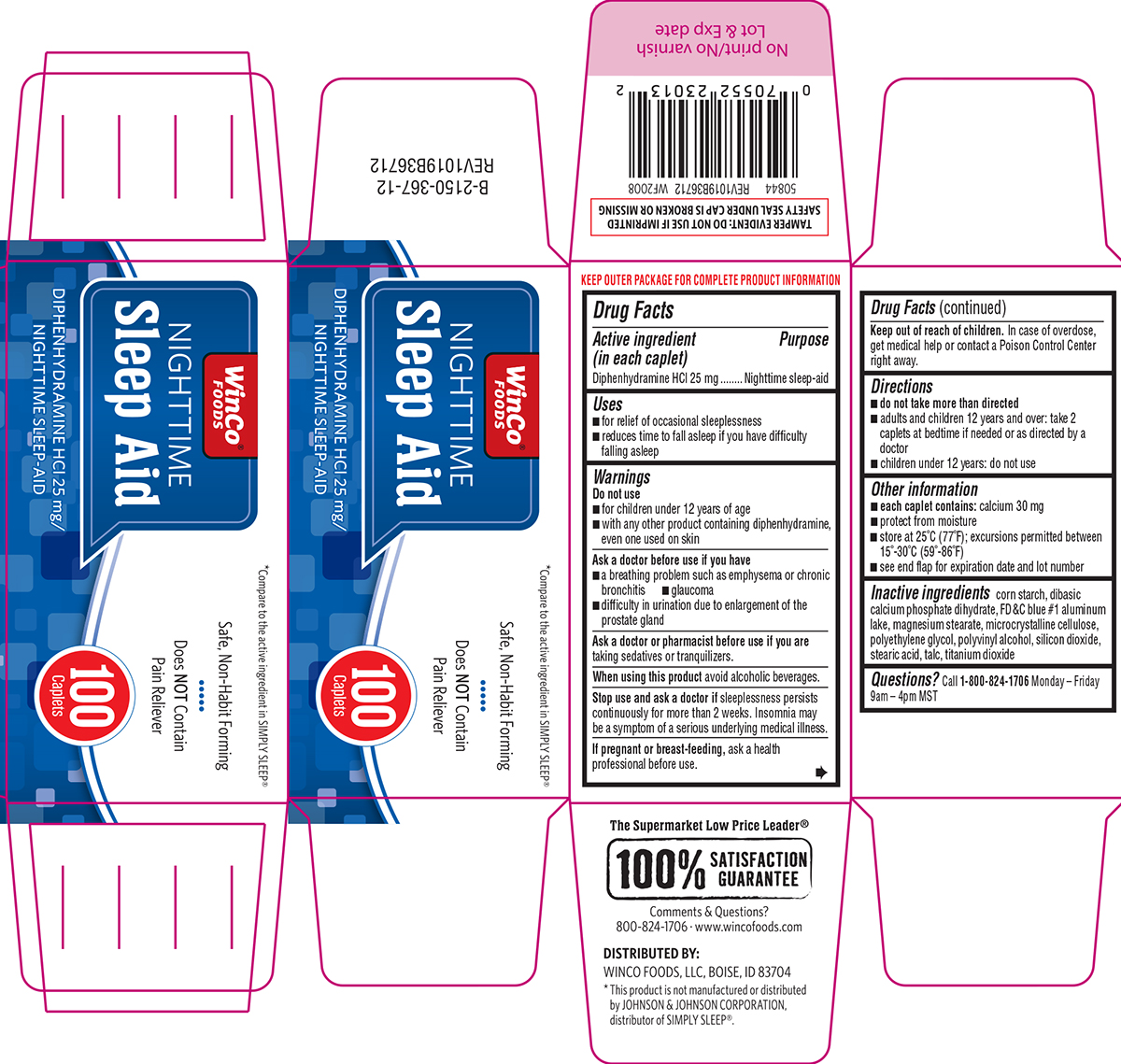
Nighttime Sleep Aid label

Nighttime Sleep Aid

Nighttime Sleep Aid Recall

Get an alert when a recall is issued.

Side Effects & Adverse Reactions

Do not use

  • in children under 12 years of age
  • with any other product containing diphenhydramine, even one used on skin 
Ask a doctor before use if you have

  • glaucoma
  • a breathing problem such as emphysema or chronic bronchitis
  • trouble urinating due to an enlarged prostate gland 
Ask a doctor or pharmacist before use if you are

taking sedatives or tranquilizers. 

When using this product

  • drowsiness will occur
  • avoid alcoholic drinks
  • do not drive a motor vehicle or operate machinery 
Stop use and ask a doctor if

sleeplessness persists continuously for more than 2 weeks. Insomnia may be a symptom of a serious underlying medical illness. 

If pregnant or breast-feeding,

ask a health professional before use. 

Keep out of reach of children.

In case of overdose, get medical help or contact a Poison Control Center (1-800-222-1222) right away. 

Do not use

  • in children under 12 years of age
  • with any other product containing diphenhydramine, even one used on skin 

Ask a doctor before use if you have

  • glaucoma
  • a breathing problem such as emphysema or chronic bronchitis
  • trouble urinating due to an enlarged prostate gland 

Ask a doctor or pharmacist before use if you are

taking sedatives or tranquilizers. 

Stop use and ask a doctor if

sleeplessness persists continuously for more than 2 weeks. Insomnia may be a symptom of a serious underlying medical illness. 

FDA Safety Alerts

There are currently no FDA safety alerts available for this drug.

Manufacturer Warnings

There is currently no manufacturer warning information available for this drug.

FDA Labeling Changes

There are currently no FDA labeling changes available for this drug.

Uses

for relief of occasional sleeplessness 

History

There is currently no drug history available for this drug.

Other Information

There are no additional details available for this product.

Nighttime Sleep Aid Manufacturers

  • Winco Foods, Llc
    Nighttime Sleep Aid | Winco Foods, Llc
    No Recall

    Nighttime Sleep Aid | Winco Foods, Llc

    Nighttime Sleep Aid | Winco Foods, Llc
    do not take more than directed adults and children 12 years and over: take 2 caplets at bedtime if needed or as directed by a doctor children under 12 years: do not use
  • Nighttime Sleep Aid | H E B
    No Recall

    Nighttime Sleep Aid | H E B

    Nighttime Sleep Aid | H E B
    take only one dose per day (24 hours) - see Overdose warning swallow whole; do not crush, chew, or dissolve adults & children 12 yrs & over one dose = TWO 25 mg softgels (50 mg) at bedtime if needed or as directed by a doctor
  • Winco Foods, Llc
    Nighttime Sleep Aid | Winco Foods, Llc
    No Recall

    Nighttime Sleep Aid | Winco Foods, Llc

    Nighttime Sleep Aid | Winco Foods, Llc
    take only one dose per day (24 hours) - see Overdose warning swallow whole; do not crush, chew, or dissolve adults & children 12 yrs & over one dose= TWO 25 mg softgels (50 mg) at bedtime if needed or as directed by a doctor
  • Freds Inc
    Nighttime Sleep Aid | Chain Drug Consortium, Llc
    No Recall

    Nighttime Sleep Aid | Chain Drug Consortium, Llc

    Nighttime Sleep Aid | Chain Drug Consortium, Llc
    shake well before using use only with enclosed dosing cup    adults and children 12 years of age and over    take 2 teaspoonfuls (10 mL) every 12 hours; do not take more than 4 teaspoonfuls (20 mL) in 24 hours    children 2 to under 12 years of age    take 1 teaspoonful (5 mL) every 12 hours; do not take more than 2 teaspoonfuls (10 mL) in 24 hours    children under 2 years of age    ask a doctor    adults 65 years of age and older    ask a doctor    consumers with kidney disease    ask a doctor
  • Nighttime Sleep Aid | Avpak
    No Recall

    Nighttime Sleep Aid | Avpak

    Nighttime Sleep Aid | Avpak

    THE USUAL DOSAGE AND FREQUENCY OF ADMINISTRATION OF MINOCYCLINE DIFFERS FROM THAT OF THE OTHER TETRACYCLINES. EXCEEDING THE RECOMMENDED DOSAGE MAY RESULT IN AN INCREASED INCIDENCE OF SIDE EFFECTS.

    Minocycline hydrochloride capsules may be taken with or without food. (See CLINICAL PHARMACOLOGY.)

    Ingestion of adequate amounts of fluids along with capsule and tablet forms of drugs in the tetracycline-class is recommended to reduce the risk of esophageal irritation and ulceration. The capsules should be swallowed whole.

    For Pediatric Patients Above 8 Years of Age

    Usual pediatric dose: 4 mg/kg initially followed by 2 mg/kg every 12 hours, not to exceed the usual adult dose.

    Adults

    The usual dosage of minocycline hydrochloride is 200 mg initially followed by 100 mg every 12 hours. Alternatively, if more frequent doses are preferred, two or four 50 mg capsules may be given initially followed by one 50 mg capsule 4 times daily.

    Uncomplicated gonococcal infections other than urethritis and anorectal infections in men: 200 mg initially, followed by 100 mg every 12 hours for a minimum of 4 days, with post-therapy cultures within 2 to 3 days.

    In the treatment of uncomplicated gonococcal urethritis in men, 100 mg every 12 hours for 5 days is recommended.

    For the treatment of syphilis, the usual dosage of minocycline hydrochloride should be administered over a period of 10 to 15 days. Close follow-up, including laboratory tests, is recommended.

    In the treatment of meningococcal carrier state, the recommended dosage is 100 mg every 12 hours for 5 days.

    Mycobacterium marinum infections: Although optimal doses have not been established, 100 mg every 12 hours for 6 to 8 weeks have been used successfully in a limited number of cases.

    Uncomplicated urethral, endocervical, or rectal infection in adults caused by Chlamydia trachomatis or Ureaplasma urealyticum: 100 mg orally, every 12 hours for at least 7 days.

    Ingestion of adequate amounts of fluids along with capsule and tablet forms of drugs in the tetracycline-class is recommended to reduce the risk of esophageal irritation and ulceration.

    The pharmacokinetics of minocycline in patients with renal impairment (CLCR <80 mL/min) have not been fully characterized. Current data are insufficient to determine if a dosage adjustment is warranted. The total daily dosage should not exceed 200 mg in 24 hours. However, due to the anti-anabolic effect of tetracyclines, BUN and creatinine should be monitored. (See WARNINGS.)

  • Meijer Distribution Inc
    Nighttime Sleep Aid | Haun Welding Supply, Inc.
    No Recall

    Nighttime Sleep Aid | Haun Welding Supply, Inc.

    Nighttime Sleep Aid | Haun Welding Supply, Inc.

    There is currently no dosage information available for this product. We apologize for any inconvenience.

  • Nighttime Sleep Aid | Hyvee Inc
    No Recall

    Nighttime Sleep Aid | Hyvee Inc

    Nighttime Sleep Aid | Hyvee Inc
    • take only one dose per day (24 hours) – see Overdose warning   adults & children 12 yrs & over   2 softgels at bedtime if needed or as directed by a doctor   children under 12 yrs   do not use Other information • store at 20-25°C (68-77°F) • avoid excessive heat above 40°C (104°F) • protect from light
  • Chain Drug Marketing Association
    Nighttime Sleep Aid | Chain Drug Marketing Association
    No Recall

    Nighttime Sleep Aid | Chain Drug Marketing Association

    Nighttime Sleep Aid | Chain Drug Marketing Association
    adults and children 12 years of age and over: take 2 tablets at bedtime if needed, or as directed by a doctor
  • Cvs Pharmacy
    Nighttime Sleep Aid | Cvs Pharmacy
    No Recall

    Nighttime Sleep Aid | Cvs Pharmacy

    Nighttime Sleep Aid | Cvs Pharmacy
    adults and children 12 years of age and over: take one tablet 30 minutes before going to bed; take once daily or as directed by a doctor children under 12 years of age: do not use
  • Nighttime Sleep Aid | H E B
    No Recall

    Nighttime Sleep Aid | H E B

    Nighttime Sleep Aid | H E B

    adults and children 12

    years and over take 2 caplets at bedtime if needed or as directed by a doctor children under 12 years do not use
  • Nighttime Sleep Aid | Rohto Pharmaceutical Co Ltd
    No Recall

    Nighttime Sleep Aid | Rohto Pharmaceutical Co Ltd

    Nighttime Sleep Aid | Rohto Pharmaceutical Co Ltd

    put 1 or 2 drops in the affected eye(s) up to 4 times daily

    tightly snap on cap to seal

    Other information

    • do not store above 25°C (77°F)
  • Chain Drug Consortium, Llc (Premier Value)
    Nighttime Sleep Aid | H And M Hennes And Mauritz Lp
    No Recall

    Nighttime Sleep Aid | H And M Hennes And Mauritz Lp

    Nighttime Sleep Aid | H And M Hennes And Mauritz Lp
    Use as a normal foundation. Apply liberally 15 minutes before sun exposure. Children under 6 months: Ask a doctor. Reapply at least every 2 hours. Use a water resistant sunscreen if swimming or sweating.
  • Western Family Foods, Inc.
    Nighttime Sleep Aid | Western Family Foods, Inc.
    No Recall

    Nighttime Sleep Aid | Western Family Foods, Inc.

    Nighttime Sleep Aid | Western Family Foods, Inc.
    adults and children 12 years of age and over: take 2 tablets at bedtime if needed or as directed by a doctor. For best results, take recommended dose. This will provide approximately 6 to 8 hours of restful sleep.
  • Western Family Foods, Inc.
    Nighttime Sleep Aid | Western Family Foods, Inc.
    No Recall

    Nighttime Sleep Aid | Western Family Foods, Inc.

    Nighttime Sleep Aid | Western Family Foods, Inc.
    adults and children 12 years of age and over: take 1 softgel at bedtime if needed or as directed by a doctor
  • Nighttime Sleep Aid | General Injectables & Vaccines, Inc
    No Recall

    Nighttime Sleep Aid | General Injectables & Vaccines, Inc

    Nighttime Sleep Aid | General Injectables & Vaccines, Inc

    Dosing Information

    Supraventricular Tachycardia

    Dosage needs to be titrated, using ventricular rate as the guide.

    An initial loading dose of 0.5 mg/kg (500 mcg/kg) infused over a minute duration followed by a maintenance infusion of 0.05 mg/kg/min (50 mcg/kg/min) for the next 4 minutes is recommended. This should give a rough guide with respect to the responsiveness of ventricular rate.

    After the 4 minutes of initial maintenance infusion (total treatment duration being 5 minutes), depending upon the desired ventricular response, the maintenance infusion may be continued at 0.05 mg/kg/min or increased step-wise (e.g. 0.1 mg/kg/min, 0.15 mg/kg/min to a maximum of 0.2 mg/kg/min) with each step being maintained for 4 or more minutes.

    If more rapid slowing of ventricular response is imperative, the 0.5 mg/kg loading dose infused over a 1 minute period may be repeated, followed by a maintenance infusion of 0.1 mg/kg/min for 4 minutes. Then, depending upon ventricular rate, another (and final) loading dose of 0.5 mg/kg/min infused over a 1 minute period may be administered followed by a maintenance infusion of 0.15 mg/kg/min. If needed, after 4 minutes of the 0.15 mg/kg/min maintenance infusion, the maintenance infusion may be increased to a maximum of 0.2 mg/kg/min.

    In the absence of loading doses, constant infusion of a single concentration of esmolol reaches pharmacokinetic and pharmacodynamic steady-state in about 30 minutes. Maintenance infusions (with or without loading doses) may be continued for as long as 24 hours.

    The following table summarizes the above and assumes that 3 loading doses (the maximum recommended) are infused over 1 minute and incremental maintenance doses are required after each loading dose. There should be no 4th loading dose, but the maintenance dose may be incremented one more time.

    * As the desired heart rate or endpoint is approached, the loading infusion may be omitted and the maintenance infusion titrated to 300 mcg/kg/min (0.3 mg/kg/min) or downward as appropriate. Maintenance dosages above 200 mcg/kg/min (0.2 mg/kg/min) have not been shown to have significantly increased benefits. The interval between titration steps may be increased.

    In the treatment of supraventricular tachycardia, responses to Esmolol Hydrochloride Injection usually (over 95%) occur within the range of 50 to 200 mcg/kg/min (0.05 to 0.2 mg/kg/min). The average effective dosage is approximately 100 mcg/kg/min (0.1 mg/kg/min) although dosages as low as 25 mcg/kg/min (0.025 mg/kg/min) have been adequate in some patients. Dosages as high as 300 mcg/kg/min (0.3 mg/kg/min) have been used, but these provide little added effect and increase the rate of adverse effects, so doses greater than 200 micrograms/kg/min are not recommended. Dosage of Esmolol Hydrochloride Injection in supraventricular tachycardia must be individualized by titration in which each step consists of a loading dosage followed by a maintenance dosage.

    This specific dosage regimen has not been studied intraoperatively and, because of the time required for titration, may not be optimal for intraoperative use.

    The safety of dosages above 300 mcg/kg/min (0.3 mg/kg/min) has not been studied.

    In the event of an adverse reaction, the dosage of Esmolol Hydrochloride Injection may be reduced or discontinued. If a local infusion site reaction develops, an alternate infusion site should be used and caution should be taken to prevent extravasation. The use of butterfly needles should be avoided.

    Abrupt cessation of Esmolol Hydrochloride Injection in patients has not been reported to produce the withdrawal effects which may occur with abrupt withdrawal of beta blockers following chronic use in coronary artery disease (CAD) patients. However, caution should still be used in abruptly discontinuing infusions of Esmolol Hydrochloride Injection in CAD patients.

    After achieving an adequate control of the heart rate and a stable clinical status in patients with supraventricular tachycardia, transition to alternative antiarrhythmic agents such as propranolol, digoxin, or verapamil, may be accomplished.

    A recommended guideline for such a transition is given below but the physician should carefully consider the labeling instructions for  the alternative agent selected.

    Alternative Agent Dosage Propranolol hydrochloride 10 to 20 mg q 4 to 6 hrs Digoxin 0.125 to 0.5 mg q 6 hrs (p.o. or i.v.) Verapamil 80 mg q 6 hrs


    The dosage of Esmolol Hydrochloride Injection should be reduced as follows:

    1. Thirty minutes following the first dose of the alternative agent, reduce the infusion rate of Esmolol Hydrochloride Injection by one-half (50%).

    2. Following the second dose of the alternative agent, monitor the patient's response and if satisfactory response is maintained for the first hour, discontinue Esmolol Hydrochloride Injection.

    The use of infusions of Esmolol Hydrochloride Injection up to 24 hours has been well documented; in addition, limited data from 24 to 48 hrs (N=48) indicate that Esmolol Hydrochloride Injection is well tolerated up to 48 hours.

    Intraoperative and Postoperative Tachycardia and/or HypertensionIn the intraoperative and postoperative settings it is not always advisable to slowly titrate the dose of esmolol hydrochloride to a therapeutic effect. Therefore, two dosing options are presented:  immediate control dosing and a gradual control when the physician has time to titrate.

    1. Immediate ControlFor intraoperative treatment of tachycardia and/or hypertension give an 80 mg (approximately 1 mg/kg) bolus dose over 30 seconds followed by a 150 mcg/kg/min infusion, if necessary. Adjust the infusion rate as required up to 300 mcg/kg/min to maintain desired heart rate and/or blood pressure.

    2. Gradual ControlFor postoperative tachycardia and hypertension, the dosing schedule is the same as that used in supraventricular tachycardia. To initiate treatment, administer a loading dosage infusion of 500 mcg/kg/min of Esmolol Hydrochloride Injection for one minute followed by a four-minute maintenance infusion of 50 mcg/kg/min. If an adequate therapeutic effect is not observed within five minutes, repeat the same loading dosage and follow with a maintenance infusion increased to 100 mcg/kg/min (see above Supraventricular Tachycardia).

    Notes:1. Higher dosages (250 to 300 mcg/kg/min) may be required for adequate control of blood pressure than those required for the treatment of atrial fibrillation , flutter and sinus bradycardia. One third of the postoperative hypertensive patients required these higher doses.

    2. Parenteral drug products should be inspected visually for particulate matter and discoloration prior to administration, whenever solution and container permit.

    Direction for useEsmolol Hydrochloride Injection is recommended for intravenous administration. It may be used to administer the appropriate loading dosage infusions by hand-held syringe while the maintenance infusion is being prepared.

    Esmolol Hydrochloride Injection has a concentration of 10 mg/mL. When using this concentration, a loading dose of 0.5 mg/kg infused over a 1 minute period of time, for a 70 kg patient is 3.5 mL.

    Compatibility with Commonly Used Intravenous FluidsEsmolol Hydrochloride Injection was tested for compatibility with 10 commonly used intravenous fluids at a final concentration of 10 mg esmolol hydrochloride per mL. Esmolol Hydrochloride Injection was found to be compatible with the following solutions and was stable for at least 24 hours at controlled room temperature or under refrigeration:

    Dextrose (5%) Injection, USP
    Dextrose (5%) in Lactated Ringer's Injection
    Dextrose (5%) in Ringer's Injection
    Dextrose (5%) and Sodium Chloride (0.45%) Injection, USP
    Dextrose (5%) and Sodium Chloride (0.9%) Injection, USP
    Lactated Ringer's Injection, USP
    Potassium Chloride (40 mEq/liter) in Dextrose (5%) Injection, USP
    Sodium Chloride (0.45%) Injection, USP
    Sodium Chloride (0.9%) Injection, USP
    Esmolol Hydrochloride Injection is NOT compatible with Sodium Bicarbonate (5%) Injection, USP.

  • Valu Merchandisers Company (Best Choice)
    Nighttime Sleep Aid | Valu Merchandisers Company (best Choice)
    No Recall

    Nighttime Sleep Aid | Valu Merchandisers Company (best Choice)

    Nighttime Sleep Aid | Valu Merchandisers Company (best Choice)
    adults and children 12 years of age and over: take 1 softgel at bedtime if needed or as directed by a doctor
  • Supervalu (Equaline)
    Nighttime Sleep Aid | Supervalu (equaline)
    No Recall

    Nighttime Sleep Aid | Supervalu (equaline)

    Nighttime Sleep Aid | Supervalu (equaline)

    Do not take more than directed

    adults and children 12 years of age and over: take 2 caplets at bedtime if needed or as directed by a doctor children under 12 years of age: do not use
  • Puravation Pharmaceuticals Inc
    Nighttime Sleep Aid | Puravation Pharmaceuticals Inc
    No Recall

    Nighttime Sleep Aid | Puravation Pharmaceuticals Inc

    Nighttime Sleep Aid | Puravation Pharmaceuticals Inc
    adults and children 12 years of age and over: 1 softgel (50 mg) at bedtime if needed, or as directed by a doctor.
  • Nighttime Sleep Aid | Good Sense (geiss, Destin & Dunn, Inc.)
    No Recall

    Nighttime Sleep Aid | Good Sense (geiss, Destin & Dunn, Inc.)

    Nighttime Sleep Aid | Good Sense (geiss, Destin & Dunn, Inc.)
    adults and children 12 years of age and over: take 1 softgel at bedtime if needed or as directed by a doctor
  • Nighttime Sleep Aid | Equaline (supervalu)
    No Recall

    Nighttime Sleep Aid | Equaline (supervalu)

    Nighttime Sleep Aid | Equaline (supervalu)
    adults and children 12 years of age and over: take 1 softgel at bedtime if needed or as directed by a doctor
  • Supervalu Inc.
    Nighttime Sleep Aid | Supervalu Inc.
    No Recall

    Nighttime Sleep Aid | Supervalu Inc.

    Nighttime Sleep Aid | Supervalu Inc.
    do not take more than directed adults and children 12 years and over: take 2 caplets at bedtime if needed or as directed by a doctor children under 12 years: do not use
  • Woonsocket Prescription Center,incorporated
    Nighttime Sleep Aid | Sandoz Inc
    No Recall

    Nighttime Sleep Aid | Sandoz Inc

    Nighttime Sleep Aid | Sandoz Inc

    The penicillinase-resistant penicillins are available for oral administration and for intramuscular and intravenous injection. The sodium salts of methicillin, oxacillin, and nafcillin may be administered parenterally and the sodium salts of cloxacillin, dicloxacillin, oxacillin, and nafcillin are available for oral use.

    Bacteriologic studies to determine the causative organisms and their susceptibility to oxacillin should always be performed. Duration of therapy varies with the type and severity of infection as well as the overall condition of the patient, therefore it should be determined by the clinical and bacteriological response of the patient. In severe staphylococcal infections, therapy with oxacillin should be continued for at least 14 days. Therapy should be continued for at least 48 hours after the patient has become afebrile, asymptomatic, and cultures are negative. The treatment of endocarditis and osteomyelitis may require a longer term of therapy.

    Concurrent administration of oxacillin and probenecid increases and prolongs serum penicillin levels. Probenecid decreases the apparent volume of distribution and slows the rate of excretion by competitively inhibiting renal tubular secretion of penicillin. Penicillin-probenecid therapy is generally limited to those infections where very high serum levels of penicillin are necessary.

    Oral preparations of the penicillinase-resistant penicillins should not be used as initial therapy in serious, life-threatening infections (See PRECAUTIONS: General). Oral therapy with the penicillinase-resistant penicillins may be used to follow-up the previous use of a parenteral agent as soon as the clinical condition warrants. With intravenous administration, particularly in elderly patients, care should be taken because of the possibility of thrombophlebitis.

    Recommended Dosages for Oxacillin Sodium for Injection, USP

    In ADD-Vantage® System: For Intravenous Use Only

    Adults: 1 to 6 grams per 24-hour period.

    NOTE: For doses smaller than 1 gram use the conventional vial. Insert for conventional vial lists dosages for infants and children.

    Directions for use

    Oxacillin for Injection Vials in the ADD-Vantage® Drug Delivery System are for intravenous use only and are to be used with ADDVantage® diluent containers of 0.9% Sodium Chloride Injection, USP, 50 mL and 100 mL, or 5% Dextrose Injection, USP, 50 mL and 100 mL.

    Reconstitute ADD-Vantage® vials as directed in the INSTRUCTIONS FOR USE section.

    Only 0.9% Sodium Chloride Injection, USP, and 5% Dextrose Injection, USP, are available for use in the ADD-Vantage® Delivery System for intravenous infusion of Oxacillin Sodium. The concentration of the antibiotic should fall within the range specified. The drug concentration and the rate and volume of the infusion should be adjusted so that the total dose of oxacillin is administered before the drug loses its stability in the solution in use.

    If another agent is used in conjunction with oxacillin therapy, it should not be physically mixed with oxacillin but should be administered separately.

    INSTRUCTIONS FOR USE

    To Open Diluent Container:

    Peel overwrap from the corner and remove container. Some opacity of the plastic due to moisture absorption during the sterilization process may be observed. This is normal and does not affect the solution quality or safety. The opacity will diminish gradually.

    To Assemble Vial and Flexible Diluent Container:

    (Use Aseptic Technique)

    1. Remove the protective covers from the top of the vial and the vial port on the diluent container as follows:
    a. To remove the breakaway vial cap, swing the pull ring over the top of the vial and pull down far enough to start the opening (SEE FIGURE 1), then pull straight up to remove the cap. (SEE FIGURE 2.)
    NOTE: Do not access vial with syringe.


    b. To remove the vial port cover, grasp the tab on the pull ring, pull up to break the three tie strings, then pull back to remove the cover. (SEE FIGURE 3.) 2. Screw the vial into the vial port until it will go no further. THE VIAL MUST BE SCREWED IN TIGHTLY TO ASSURE A SEAL. This occurs approximately 1/2 turn (180°) after the first audible click. (SEE FIGURE 4.) The clicking sound does not assure a seal; the vial must be turned as far as it will go. NOTE: Once vial is seated, do not attempt to remove. (SEE FIGURE 4.) 3. Recheck the vial to assure that it is tight by trying to turn it further in the direction of assembly. 4. Label appropriately.

    To Prepare Admixture:

    1. Squeeze the bottom of the diluent container gently to inflate the portion of the container surrounding the end of the drug vial. 2. With the other hand, push the drug vial down into the container telescoping the walls of the container. Grasp the inner cap of the vial through the walls of the container. (SEE FIGURE 5.) 3. Pull the inner cap from the drug vial. (SEE FIGURE 6.) Verify that the rubber stopper has been pulled out, allowing the drug and diluent to mix. 4. Mix container contents thoroughly and use within the specified time.

    Preparation for Administration:

    (Use Aseptic Technique)

    1. Confirm the activation and admixture of vial contents. 2. Check for leaks by squeezing container firmly. If leaks are found, discard unit as sterility may be impaired. 3. Close flow control clamp of administration set. 4. Remove cover from outlet port at bottom of container. 5. Insert piercing pin of administration set into port with a twisting motion until the pin is firmly seated.
    NOTE: See full directions on administration set carton. 6. Lift the free end of the hanger loop on the bottom of the vial, breaking the two tie strings. Bend the loop outward to lock it in the upright position, then suspend container from hanger. 7. Squeeze and release drip chamber to establish proper fluid level in chamber. 8. Open flow control clamp and clear air from set. Close clamp. 9. Attach set to venipuncture device. If device is not indwelling, prime and make venipuncture. 10. Regulate rate of administration with flow control clamp.

    WARNING: Do not use flexible container in series connections.

    At concentrations ranging from 10 to 40 mg/mL in 0.9% Sodium Chloride Injection, USP, Oxacillin will have utility times of 4 days at room temperature (25°C).

    In 5% Dextrose Injection, USP, at concentrations from 10 to 40 mg/mL Oxacillin will have utility times of 6 hours at room temperature (25°C).

  • Target Corporation
    Nighttime Sleep Aid | Target Corporation
    No Recall

    Nighttime Sleep Aid | Target Corporation

    Nighttime Sleep Aid | Target Corporation

    do not take more than directed

    adults and children 12 years and over: take 2 caplets at bedtime if needed or as directed by a doctor

    children under 12 years: do not use

  • Nighttime Sleep Aid | Army And Air Force Exchange Service
    No Recall

    Nighttime Sleep Aid | Army And Air Force Exchange Service

    Nighttime Sleep Aid | Army And Air Force Exchange Service
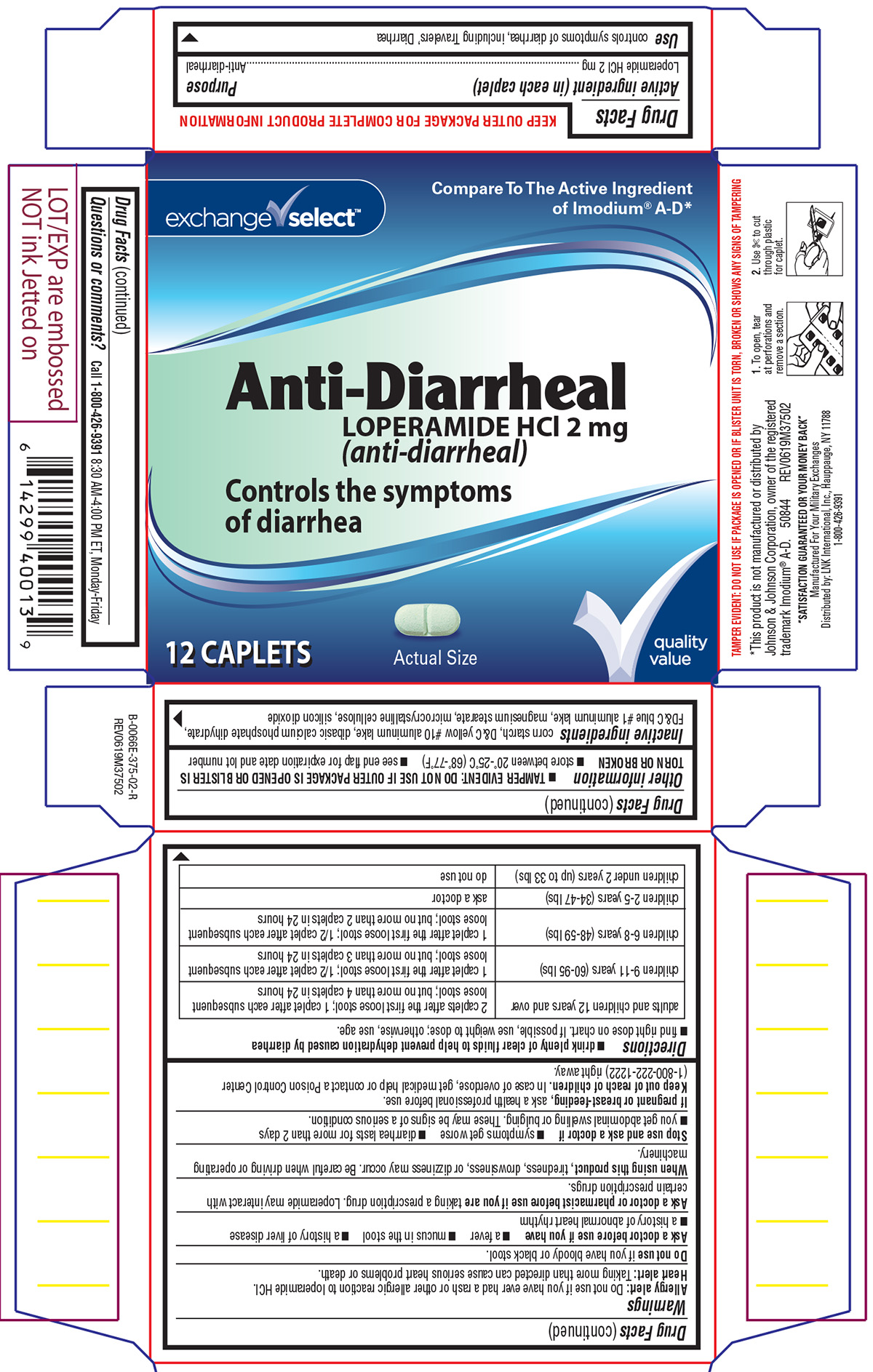
    drink plenty of clear fluids to help prevent dehydration caused by diarrhea find right dose on chart. If possible, use weight to dose; otherwise, use age. adults and children 12 years and older  2 caplets after the first loose stool; 
    1 caplet after each subsequent
    loose stool; but no more than 4
    caplets in 24 hours children 9-11 years
    (60-95 lbs) 1 caplet after the first loose stool;
    1/2 caplet after each subsequent
    loose stool; but no more than 3
    caplets in 24 hours children 6-8 years
    (48-59 lbs) 1 caplet after the first loose stool;
    1/2 caplet after each subsequent
    loose stool; but no more than 2
    caplets in 24 hours children under
    6 years
    (up to 47 lbs) ask a doctor
  • Wal-mart Stores Inc
    Nighttime Sleep Aid | E.fougera & Company A Division Of Fougera Pharmaceuticals Inc.
    No Recall

    Nighttime Sleep Aid | E.fougera & Company A Division Of Fougera Pharmaceuticals Inc.

    Nighttime Sleep Aid | E.fougera & Company A Division Of Fougera Pharmaceuticals Inc.

    Topical corticosteroids are generally applied to the affected area as a thin film from two to four times daily depending on the severity of the condition. Occlusive dressings may be used for the management of psoriasis or recalcitrant conditions.

    If an infection develops, the use of occlusive dressings should be discontinued and appropriate antimicrobial therapy instituted.

  • Safeway
    Nighttime Sleep Aid | Pd-rx Pharmaceuticals, Inc.
    No Recall

    Nighttime Sleep Aid | Pd-rx Pharmaceuticals, Inc.

    Nighttime Sleep Aid | Pd-rx Pharmaceuticals, Inc.
    General Considerations

    Dosage of Glyburide and Metformin Hydrochloride must be individualized on the basis of both effectiveness and tolerance while not exceeding the maximum recommended daily dose of 20 mg glyburide/2000 mg metformin. Glyburide and Metformin Hydrochloride should be given with meals and should be initiated at a low dose, with gradual dose escalation as described below, in order to avoid hypoglycemia (largely due to glyburide), to reduce GI side effects (largely due to metformin), and to permit determination of the minimum effective dose for adequate control of blood glucose for the individual patient.

    With initial treatment and during dose titration, appropriate blood glucose monitoring should be used to determine the therapeutic response to Glyburide and Metformin Hydrochloride and to identify the minimum effective dose for the patient. Thereafter, HbA 1c should be measured at intervals of approximately 3 months to assess the effectiveness of therapy. The therapeutic goal in all patients with type 2 diabetes is to decrease FPG, PPG, and HbA 1c to normal or as near normal as possible. Ideally, the response to therapy should be evaluated using HbA 1c (glycosylated hemoglobin), which is a better indicator of long-term glycemic control than FPG alone.

    No studies have been performed specifically examining the safety and efficacy of switching to Glyburide and Metformin Hydrochloride therapy in patients taking concomitant glyburide (or other sulfonylurea) plus metformin. Changes in glycemic control may occur in such patients, with either hyperglycemia or hypoglycemia possible. Any change in therapy of type 2 diabetes should be undertaken with care and appropriate monitoring.

    Glyburide and Metformin Hydrochloride in Patients with Inadequate Glycemic Control on Diet and Exercise

    Recommended starting dose: 1.25 mg/250 mg once or twice daily with meals.

    For patients with type 2 diabetes whose hyperglycemia cannot be satisfactorily managed with diet and exercise alone, the recommended starting dose of Glyburide and Metformin Hydrochloride is 1.25 mg/250 mg once a day with a meal. As initial therapy in patients with baseline HbA 1c >9% or an FPG >200 mg/dL, a starting dose of Glyburide and Metformin Hydrochloride 1.25 mg/250 mg twice daily with the morning and evening meals may be used. Dosage increases should be made in increments of 1.25 mg/250 mg per day every two weeks up to the minimum effective dose necessary to achieve adequate control of blood glucose. In clinical trials of Glyburide and Metformin Hydrochloride as initial therapy, there was no experience with total daily doses greater than 10 mg/2000 mg per day. Glyburide and Metformin Hydrochloride 5 mg/500 mg should not be used as initial therapy due to an increased risk of hypoglycemia.

    Glyburide and Metformin Hydrochloride Use in Patients with Inadequate Glycemic Control on a Sulfonylurea and/or Metformin

    Recommended starting dose: 2.5 mg/500 mg or 5 mg/500 mg twice daily with meals.

    For patients not adequately controlled on either glyburide (or another sulfonylurea) or metformin alone, the recommended starting dose of Glyburide and Metformin Hydrochloride is 2.5 mg/500 mg or 5 mg/500 mg twice daily with the morning and evening meals. In order to avoid hypoglycemia, the starting dose of Glyburide and Metformin Hydrochloride should not exceed the daily doses of glyburide or metformin already being taken. The daily dose should be titrated in increments of no more than 5 mg/500 mg up to the minimum effective dose to achieve adequate control of blood glucose or to a maximum dose of 20 mg/2000 mg per day.

    For patients previously treated with combination therapy of glyburide (or another sulfonylurea) plus metformin, if switched to Glyburide and Metformin Hydrochloride, the starting dose should not exceed the daily dose of glyburide (or equivalent dose of another sulfonylurea) and metformin already being taken. Patients should be monitored closely for signs and symptoms of hypoglycemia following such a switch and the dose of Glyburide and Metformin Hydrochloride should be titrated as described above to achieve adequate control of blood glucose.

    Addition of Thiazolidinediones to Glyburide and Metformin Hydrochloride Therapy

    For patients not adequately controlled on Glyburide and Metformin Hydrochloride, a thiazolidinedione can be added to Glyburide and Metformin Hydrochloride therapy. When a thiazolidinedione is added to Glyburide and Metformin Hydrochloride therapy, the current dose of Glyburide and Metformin Hydrochloride can be continued and the thiazolidinedione initiated at its recommended starting dose. For patients needing additional glycemic control, the dose of the thiazolidinedione can be increased based on its recommended titration schedule. The increased glycemic control attainable with Glyburide and Metformin Hydrochloride plus a thiazolidinedione may increase the potential for hypoglycemia at any time of day.

    In patients who develop hypoglycemia when receiving Glyburide and Metformin Hydrochloride and a thiazolidinedione, consideration should be given to reducing the dose of the glyburide component of Glyburide and Metformin Hydrochloride. As clinically warranted, adjustment of the dosages of the other components of the antidiabetic regimen should also be considered.

    Specific Patient Populations

    Glyburide and Metformin Hydrochloride is not recommended for use during pregnancy. The initial and maintenance dosing of Glyburide and Metformin Hydrochloride should be conservative in patients with advanced age, due to the potential for decreased renal function in this population. Any dosage adjustment requires a careful assessment of renal function. Generally, elderly, debilitated, and malnourished patients should not be titrated to the maximum dose of Glyburide and Metformin Hydrochloride to avoid the risk of hypoglycemia. Monitoring of renal function is necessary to aid in prevention of metformin-associated lactic acidosis, particularly in the elderly. (See WARNINGS.)

  • The Kroger Co.
    Nighttime Sleep Aid | The Kroger Co.
    No Recall

    Nighttime Sleep Aid | The Kroger Co.

    Nighttime Sleep Aid | The Kroger Co.

    Do not take more than directed

    adults and children 12 years of age and over: take 2 caplets at bedtime if needed or as directed by a doctor children under 12 years of age: do not use
  • Equate (Walmart Stores, Inc.)
    Nighttime Sleep Aid | Equate (walmart Stores, Inc.)
    No Recall

    Nighttime Sleep Aid | Equate (walmart Stores, Inc.)

    Nighttime Sleep Aid | Equate (walmart Stores, Inc.)

    Do not take more than directed

    adults and children 12 years of age and over: take 2 caplets at bedtime if needed or as directed by a doctor children under 12 years of age: do not use
  • Nighttime Sleep Aid | H E B
    No Recall

    Nighttime Sleep Aid | H E B

    Nighttime Sleep Aid | H E B
    take only one dose per day (24 hours) - see Overdose warning swallow whole; do not crush, chew, or dissolve adults & children 12 yrs & over one dose = TWO 25 mg softgels (50 mg) at bedtime if needed or as directed by a doctor
  • Woonsocket Prescription Center,incorporated
    Nighttime Sleep Aid | Woonsocket Prescription Center,incorporated
    No Recall

    Nighttime Sleep Aid | Woonsocket Prescription Center,incorporated

    Nighttime Sleep Aid | Woonsocket Prescription Center,incorporated
    adults and children 12 years and over:
    1 softgel at bedtime if needed, or as directed by a doctor
  • Nighttime Sleep Aid | Cardinal Health
    No Recall

    Nighttime Sleep Aid | Cardinal Health

    Nighttime Sleep Aid | Cardinal Health

    Chew one or two tablets thoroughly as needed after meals and at bedtime.

  • Our Family (Nash Finch Company)
    Nighttime Sleep Aid | Our Family (nash Finch Company)
    No Recall

    Nighttime Sleep Aid | Our Family (nash Finch Company)

    Nighttime Sleep Aid | Our Family (nash Finch Company)
    take only one dose per day (24 hours) - see Overdose warning   swallow whole; do not crush, chew, or dissolve adults & children 12 yrs & over one dose = TWO 25 mg softgels (50 mg) at bedtime if needed or as directed by a doctor
  • Safeway, Inc.
    Nighttime Sleep Aid | Safeway, Inc.
    No Recall

    Nighttime Sleep Aid | Safeway, Inc.

    Nighttime Sleep Aid | Safeway, Inc.
    take only one dose per day (24 hours) - see Overdose warning swallow whole; do not crush, chew, or dissolve adults & children 12 yrs & over one dose = TWO 25 mg softgels (50 mg) at bedtime if needed or as directed by a doctor
  • Fred’s, Inc.
    Nighttime Sleep Aid | Fred's, Inc.
    No Recall

    Nighttime Sleep Aid | Fred's, Inc.

    Nighttime Sleep Aid | Fred's, Inc.
    take only one dose per day (24 hours) – see Overdose warning use dose cup or tablespoon adults & children 12 yrs & over One Dose = 30 mL (2 tablespoons) at bed time if needed or as directed by a doctor
  • Woonsocket Prescription Center,incorporated
    Nighttime Sleep Aid | Mirapharm., Inc.
    No Recall

    Nighttime Sleep Aid | Mirapharm., Inc.

    Nighttime Sleep Aid | Mirapharm., Inc.
    Take 3 capsules a day (immediately after having breakfast and dinner.)
  • Best Choice (Valu Merchandisers Company)
    Nighttime Sleep Aid | Best Choice (valu Merchandisers Company)
    No Recall

    Nighttime Sleep Aid | Best Choice (valu Merchandisers Company)

    Nighttime Sleep Aid | Best Choice (valu Merchandisers Company)
    adults and children 12 years of age and over: 1 softgel (50 mg) at bedtime if needed, or as directed by a doctor
  • Nighttime Sleep Aid | Kroger Company
    No Recall

    Nighttime Sleep Aid | Kroger Company

    Nighttime Sleep Aid | Kroger Company
    • adults and children 12 years of age and over: take one tablet 30 minutes before going to bed; take once daily or as directed by a doctor • children under 12 years of age: do not use
  • Greenbrier International, Inc.
    Nighttime Sleep Aid | General Injectables & Vaccines, Inc
    No Recall

    Nighttime Sleep Aid | General Injectables & Vaccines, Inc

    Nighttime Sleep Aid | General Injectables & Vaccines, Inc

    If diarrhea occurs during therapy, this antibiotic should be discontinued. (See WARNING box).

    Adults

    Parenteral (IM or IV Administration):

    Serious infections due to aerobic gram-positive cocci and the more susceptible anaerobes (NOT generally including Bacteroides fragilis, Peptococcus species and Clostridium species other than Clostridium perfringens):

    600 to 1200 mg/day in 2, 3 or 4 equal doses.

    More severe infections, particularly those due to proven or suspected Bacteroides fragilis, Peptococcus species, or Clostridium species
    other than Clostridium perfringens:

    1200 to 2700 mg/day in 2, 3 or 4 equal doses.

    For more serious infections, these doses may have to be increased. In life-threatening situations due to either aerobes or anaerobes these doses may be increased. Doses of as much as 4800 mg daily have been given intravenously to adults. See Dilution and Infusion Rates section below.

    Single IM injections of greater than 600 mg are not recommended.

    Alternatively, drug may be administered in the form of a single rapid infusion of the first dose followed by continuous IV infusion as follows:

    Neonates (less than 1 month)

    15 to 20 mg/kg/day in three to four equal doses. The lower dosage may be adequate for small prematures.

    Pediatric patients (1 month of age to 16 years)

    Parenteral (IM or IV) administration:  20 to 40 mg/kg/day in 3 or 4 equal doses. The higher doses would be used for more severe infections. As an alternative to dosing on a body weight basis, pediatric patients may be dosed on the basis of square meters body surface:  350 mg/m2/day for serious infections and 450 mg/m2/day for more severe infections.

    Parenteral therapy may be changed to clindamycin palmitate hydrochloride for oral solution or clindamycin hydrochloride capsules when the condition warrants and at the discretion of the physician.

    In cases of B-hemolytic streptococcal infections, treatment should be continued for at least 10 days.

    Dilution and Infusion Rates

    Clindamycin phosphate must be diluted prior to I.V. administration. The concentration of clindamycin in diluent for infusion should not exceed 18 mg per mL. Infusion rates should not exceed 30 mg per minute.

    The usual infusion dilutions and rates are as follows:

    Administration of more than 1200 mg in a single 1-hour infusion is not recommended.

    Parenteral drug products should be inspected visually for particulate matter and discoloration prior to administration, whenever solution and container permit.

    Dilution and Compatibility

    Physical and biological compatibility studies monitored for 24 hours at room temperature have demonstrated no inactivation or incompatibility with the use of clindamycin phosphate in IV solutions containing sodium chloride, glucose, calcium or potassium, and solutions containing vitamin B complex in concentrations usually used clinically. No incompatibility has been demonstrated with the antibiotics cephalothin, kanamycin, gentamicin, penicillin or carbenicillin.

    The following drugs are physically incompatible with clindamycin phosphate:  ampicillin sodium, phenytoin sodium, barbiturates, aminophylline, calcium gluconate, and magnesium sulfate.

    The compatibility and duration of stability of drug admixtures will vary depending on concentration and other conditions.

    Physico-Chemical Stability of Diluted Solutions of Clindamycin

    Room temperature:  6, 9, and 12 mg/mL (equivalent to clindamycin base) in 5% Dextrose Injection, 0.9% Sodium Chloride Injection, or Lactated Ringer’s Injection in glass bottles or minibags, demonstrated physical and chemical stability for at least 16 days at 25°C. Also, 18 mg/mL (equivalent to clindamycin base) in 5% Dextrose Injection, in minibags, demonstrated physical and chemical stability for at least 16 days at 25°C.

    Refrigeration:  6, 9 and 12 mg/mL (equivalent to clindamycin base) in 5% Dextrose Injection, 0.9% Sodium Chloride Injection, or Lactated Ringer’s Injection in glass bottles or minibags, demonstrated physical and chemical stability for at least 32 days at 4°C.

    IMPORTANT:  This chemical stability information in no way indicates that it would be acceptable practice to use this product well after the preparation time. Good professional practice suggests that compounded admixtures should be administered as soon after preparation as is feasible.

    Frozen:  6, 9 and 12 mg/mL (equivalent to clindamycin base) in 5% Dextrose Injection, 0.9% Sodium Chloride Injection, or Lactated Ringer’s Injection in minibags demonstrated physical and chemical stability for at least eight weeks at -10°C.

    Frozen solutions should be thawed at room temperature and not refrozen.

    Caution:  Do not use plastic containers in series connections. Such use could result in air embolism due to residual air being drawn
    from the primary container before administration of the fluid from the secondary container is complete.