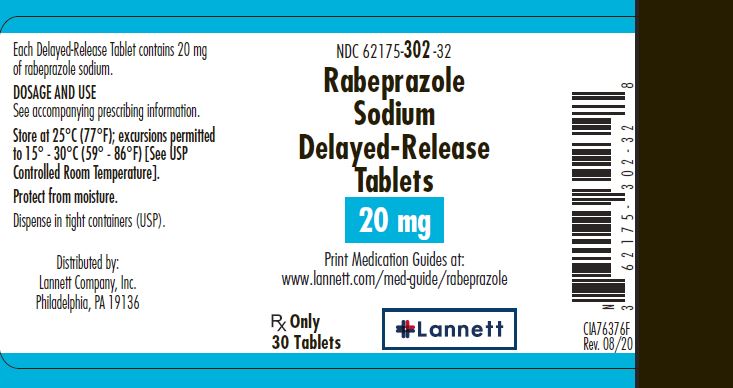
Rabeprazole Sodium label

Rabeprazole Sodium

Rabeprazole Sodium Recall

Get an alert when a recall is issued.

Side Effects & Adverse Reactions

There is currently no warning information available for this product. We apologize for any inconvenience.

FDA Safety Alerts

There are currently no FDA safety alerts available for this drug.

Manufacturer Warnings

There is currently no manufacturer warning information available for this drug.

FDA Labeling Changes

There are currently no FDA labeling changes available for this drug.

Uses

1.1 Healing of Erosive or Ulcerative GERD in Adults

Rabeprazole sodium delayed-release tablets are indicated for short-term (4 to 8 weeks) treatment in the healing and symptomatic relief of erosive or ulcerative gastroesophageal reflux disease (GERD). For those patients who have not healed after 8 weeks of treatment, an additional 8-week course of rabeprazole sodium delayed-release tablets may be considered.

1.2 Maintenance of Healing of Erosive or Ulcerative GERD in Adults

Rabeprazole sodium delayed-release tablets are indicated for maintaining healing and reduction in relapse rates of heartburn symptoms in patients with erosive or ulcerative gastroesophageal reflux disease (GERD Maintenance). Controlled studies do not extend beyond 12 months.

1.3 Treatment of Symptomatic GERD in Adults

Rabeprazole sodium delayed-release tablets are indicated for the treatment of daytime and nighttime heartburn and other symptoms associated with GERD in adults.

1.4 Healing of Duodenal Ulcers in Adults

Rabeprazole sodium delayed-release tablets are indicated for short-term (up to four weeks) treatment in the healing and symptomatic relief of duodenal ulcers. Most patients heal within four weeks.

1.5 Helicobacter pylori Eradication to Reduce the Risk of Duodenal Ulcer Recurrence in Adults

Rabeprazole sodium delayed-release tablets in combination with amoxicillin and clarithromycin as a three drug regimen, is indicated for the treatment of patients with H. pylori infection and duodenal ulcer disease (active or history within the past 5 years) to eradicate H. pylori. Eradication of H. pylori has been shown to reduce the risk of duodenal ulcer recurrence [see Clinical Studies (14.5) and Dosage and Administration (2.5)].

In patients who fail therapy, susceptibility testing should be done. If resistance to clarithromycin is demonstrated or susceptibility testing is not possible, alternative antimicrobial therapy should be instituted [see Clinical Pharmacology (12.2) and the clarithromycin package insert, Clinical Pharmacology (12.2)].

1.6 Treatment of Pathological Hypersecretory Conditions, Including Zollinger-Ellison Syndrome in Adults

Rabeprazole sodium delayed-release tablets are indicated for the long-term treatment of pathological hypersecretory conditions, including Zollinger-Ellison syndrome.

1.7 Short-term Treatment of Symptomatic GERD in Adolescent Patients 12 Years of Age and Older

Rabeprazole sodium delayed-release tablets are indicated for the treatment of symptomatic GERD in adolescents 12 years of age and above for up to 8 weeks.

History

There is currently no drug history available for this drug.

Other Information

The active ingredient in rabeprazole sodium delayed-release tablets is rabeprazole sodium, which is a proton pump inhibitor. It is a substituted benzimidazole known chemically as 2-[[[4-(3-methoxypropoxy)-3-methyl-2-pyridinyl]-methyl]sulfinyl]-1H–benzimidazole sodium salt. It has an empirical formula of C18H20N3NaO3S and a molecular weight of 381.42. Rabeprazole sodium is a white to slightly yellowish-white solid. It is very soluble in water and methanol, freely soluble in ethanol, chloroform and ethyl acetate and insoluble in ether and n-hexane. The stability of rabeprazole sodium is a function of pH; it is rapidly degraded in acid media, and is more stable under alkaline conditions. The structural figure is:

structure

Rabeprazole sodium is available for oral administration as delayed-release, enteric-coated tablets containing 20 mg of rabeprazole sodium.

Inactive ingredients of the 20 mg tablet are diethyl phthalate, ethyl cellulose, hypromellose phthalate, magnesium oxide, magnesium stearate, mannitol, povidone, sodium starch glycolate, talc, and titanium dioxide. Ferric oxide yellow is the coloring agent for the tablet coating.

Rabeprazole Sodium Manufacturers

  • Preferred Pharmaceuticals Inc.
    Rabeprazole Sodium | Preferred Pharmaceuticals Inc.
    No Recall

    Rabeprazole Sodium | Preferred Pharmaceuticals Inc.

    Rabeprazole Sodium | Preferred Pharmaceuticals Inc.
    2.1 Healing of Erosive or Ulcerative GERD in Adults

    The recommended adult oral dose is one rabeprazole sodium 20 mg delayed-release tablet to be taken once daily for four to eight weeks [see Indications and Usage (1.1)]. For those patients who have not healed after 8 weeks of treatment, an additional 8-week course of rabeprazole sodium delayed-release tablets may be considered.

    2.2 Maintenance of Healing of Erosive or Ulcerative GERD in Adults

    The recommended adult oral dose is one rabeprazole sodium 20 mg delayed-release tablet to be taken once daily [see Indications and Usage (1.2)].

    2.3 Treatment of Symptomatic GERD in Adults

    The recommended adult oral dose is one rabeprazole sodium 20 mg delayed-release tablet to be taken once daily for 4 weeks [see Indications and Usage (1.3)]. If symptoms do not resolve completely after 4 weeks, an additional course of treatment may be considered. The recommended adolescent dosing is one rabeprazole sodium 20 mg delayed-release tablet to be taken once daily for 8 weeks.

    2.4 Healing of Duodenal Ulcers in Adults

    The recommended adult oral dose is one rabeprazole sodium 20 mg delayed-release tablet to be taken once daily after the morning meal for a period up to four weeks [see Indications and Usage (1.5)]. Most patients with duodenal ulcer heal within four weeks. A few patients may require additional therapy to achieve healing.

    2.5 Helicobacter pylori Eradication to Reduce the Risk of Duodenal Ulcer Recurrence in Adults

                                                                                                                                    TABLE 1

    THREE DRUG REGIMEN a All three medications should be taken twice daily with the morning and evening meals.
    aIt is important that patients comply with the full 7-day regimen [see Clinical Studies (14.5)].

    Rabeprazole sodium delayed-release tablet

    20 mg

    Twice Daily for 7 Days

    Amoxicillin

    1000 mg

    Twice Daily for 7 Days

    Clarithromycin

    500 mg

    Twice Daily for 7 Days

    2.6 Treatment of Pathological Hypersecretory Conditions, Including Zollinger-Ellison Syndrome in Adults

    The dosage of rabeprazole sodium delayed-release tablets in patients with pathologic hypersecretory conditions varies with the individual patient. The recommended adult oral starting dose is 60 mg once daily. Doses should be adjusted to individual patient needs and should continue for as long as clinically indicated. Some patients may require divided doses. Doses up to 100 mg QD and 60 mg BID have been administered. Some patients with Zollinger-Ellison syndrome have been treated continuously with rabeprazole sodium delayed-release tablets for up to one year.

    2.7 Short-term Treatment of Symptomatic GERD in Adolescent Patients 12 Years of Age and Older

    The recommended oral dose for adolescents 12 years of age and older is one 20 mg delayed-release tablet once daily for up to 8 weeks [see Use in Specific Populations (8.4) and Clinical Studies (14.7)].

    2.9 Elderly, Renal and Hepatic Impaired Patients

    No dosage adjustment is necessary in elderly patients, in patients with renal disease or in patients with mild to moderate hepatic impairment. Administration of rabeprazole to patients with mild to moderate liver impairment resulted in increased exposure and decreased elimination. Due to the lack of clinical data on rabeprazole in patients with severe hepatic impairment, caution should be exercised in those patients.

    2.10 Administration Recommendations

                                                                                                                                    TABLE 2

    Administration Recommendations

    Formulation 

    Population

    Instructions

    Delayed-release tablet

    Adults and adolescents 12 years of age and older

    Swallow tablets whole. Do not chew, crush or split tablets.
    Tablets can be taken with or without food.

  • Proficient Rx Lp
    Rabeprazole Sodium | Laboratoires Clarins S.a
    No Recall

    Rabeprazole Sodium | Laboratoires Clarins S.a

    Rabeprazole Sodium | Laboratoires Clarins S.a

    • apply liberally 15 minutes before sun exposure. • apply to all skin exposed to the sun. • children under 6 months: Ask a doctor.
    • Sun Protection Measures. Spending time in the sun in creases your risk of skin cancer and early skin aging. To decrease this risk, regularly use a sunscreen with broad spectrum SPF of 15 or higher and other sun protection measures including:  - limit time in the sun, especially from 10 a.m. – 2 p.m. - wear long-sleeved shirts, pants, hats and sunglasses. • reapply at least every 2 hours. • use a water resistant sun screen if swimming or sweating.

  • Lupin Pharmaceuticals, Inc.
    Rabeprazole Sodium | Lupin Pharmaceuticals, Inc.
    No Recall

    Rabeprazole Sodium | Lupin Pharmaceuticals, Inc.

    Rabeprazole Sodium | Lupin Pharmaceuticals, Inc.
    2.1 Healing of Erosive or Ulcerative GERD in Adults

    The recommended adult oral dose is one rabeprazole sodium delayed-release tablets 20 mg to be taken once daily for four to eight weeks [See INDICATIONS AND USAGE (1.1)]. For those patients who have not healed after 8 weeks of treatment, an additional 8-week course of rabeprazole sodium delayed-release tablets may be considered.

    2.2 Maintenance of Healing of Erosive or Ulcerative GERD in Adults

    The recommended adult oral dose is one rabeprazole sodium delayed-release tablet 20 mg to be taken once daily [see INDICATIONS AND USAGE (1.2)].

    2.3 Treatment of Symptomatic GERD in Adults

    The recommended adult oral dose is one rabeprazole sodium delayed-release tablet 20 mg to be taken once daily for 4 weeks [see INDICATIONS AND USAGE (1.3)]. If symptoms do not resolve completely after 4 weeks, an additional course of treatment may be considered. The recommended adolescent dosing is one rabeprazole sodium delayed-release tablets 20 mg to be taken once daily for 8 weeks.

    2.4 Healing of Duodenal Ulcers in Adults

    The recommended adult oral dose is one rabeprazole sodium delayed-release tablet to be taken once daily after the morning meal for a period up to four weeks [see INDICATIONS AND USAGE (1.5)]. Most patients with duodenal ulcer heal within four weeks. A few patients may require additional therapy to achieve healing.

    2.5 Helicobacter pylori Eradication to Reduce the Risk of Duodenal Ulcer Recurrence in Adults TABLE 1 THREE DRUG REGIMEN* Rabeprazole sodium delayed-
    release tablet
    20 mg
    Twice Daily for 7 Days 

    All three medications should be taken twice daily with the morning and evening meals.

    * It is important that patients comply with the full 7-day regimen. [See  CLINICAL STUDIES section (14.5)] Amoxicillin 
    1000 mg
    Twice Daily for 7 Days 
    Clarithromycin 
    500 mg
    Twice Daily for 7 Days 
    2.6 Treatment of Pathological Hypersecretory Conditions, Including Zollinger-Ellison Syndrome in Adults

    The dosage of rabeprazole sodium delayed-release tablets in patients with pathologic hypersecretory conditions varies with the individual patient. The recommended adult oral starting dose is 60 mg once daily. Doses should be adjusted to individual patient needs and should continue for as long as clinically indicated. Some patients may require divided doses. Doses up to 100 mg QD and 60 mg BID have been administered. Some patients with Zollinger-Ellison syndrome have been treated continuously with rabeprazole sodium delayed-release tablets for up to one year.

    2.7 Short-term Treatment of Symptomatic GERD in Adolescent Patients 12 Years of Age and Older

    The recommended oral dose for adolescents 12 years of age and older is one 20 mg delayed-release tablet once daily for up to 8 weeks [see USE IN SPECIFIC POPULATIONS (8.4) and CLINICAL STUDIES (14.7)].

    2.9 Elderly, Renal and Hepatic Impaired Patients

    No dosage adjustment is necessary in elderly patients, in patients with renal disease or in patients with mild to moderate hepatic impairment. Administration of rabeprazole to patients with mild to moderate liver impairment resulted in increased exposure and decreased elimination. Due to the lack of clinical data on rabeprazole in patients with severe hepatic impairment, caution should be exercised in those patients.

    2.10 Administration Recommendations TABLE 2 ADMINISTRATION RECOMMENDATIONS Formulation
    Population
    Instructions
    Delayed-
    Adults and 
    Swallow tablets whole. Do not chew, 
    Release 
    adolescents 12 
    crush or split tablets. 
    Tablet 
    years of age and older 
    Tablets can be taken with or without food. 
  • Kremers Urban Pharmaceuticals Inc.
    Rabeprazole Sodium | Kremers Urban Pharmaceuticals Inc.
    No Recall

    Rabeprazole Sodium | Kremers Urban Pharmaceuticals Inc.

    Rabeprazole Sodium | Kremers Urban Pharmaceuticals Inc.
    2.1 Healing of Erosive or Ulcerative GERD in Adults

    The recommended adult oral dose is one Rabeprazole Sodium 20 mg Delayed-Release Tablet to be taken once daily for four to eight weeks [see Indications and Usage (1.1)]. For those patients who have not healed after 8 weeks of treatment, an additional 8-week course of Rabeprazole Sodium Delayed-Release Tablets may be considered.

    2.2 Maintenance of Healing of Erosive or Ulcerative GERD in Adults

    The recommended adult oral dose is one Rabeprazole Sodium 20 mg Delayed-Release Tablet to be taken once daily. Controlled studies do not extend beyond 12 months [see Indications and Usage (1.2)].

    2.3 Treatment of Symptomatic GERD in Adults

    The recommended adult oral dose is one Rabeprazole Sodium 20 mg Delayed-Release Tablet to be taken once daily for 4 weeks [see Indications and Usage (1.3)]. If symptoms do not resolve completely after 4 weeks, an additional course of treatment may be considered.

    2.4 Healing of Duodenal Ulcers in Adults

    The recommended adult oral dose is one Rabeprazole Sodium 20 mg Delayed-Release Tablet to be taken once daily after the morning meal for a period up to four weeks [see Indications and Usage (1.5)]. Most patients with duodenal ulcer heal within four weeks. A few patients may require additional therapy to achieve healing.

    2.5 Helicobacter pylori Eradication to Reduce the Risk of Duodenal Ulcer Recurrence in Adults TABLE 1 THREE DRUG REGIMEN*  All three medications should be taken twice daily with the morning and evening meals. * It is important that patients comply with the full 7-day regimen [ see Clinical Studies (14.5)].  Rabeprazole Sodium Delayed-Release Tablet  20 mg  Twice Daily for 7 Days  Amoxicillin  1000 mg  Twice Daily for 7 Days  Clarithromycin  500 mg  Twice Daily for 7 Days 2.6 Treatment of Pathological Hypersecretory Conditions, Including Zollinger-Ellison Syndrome in Adults

    The dosage of Rabeprazole Sodium Delayed-Release Tablets in patients with pathologic hypersecretory conditions varies with the individual patient. The recommended adult oral starting dose is 60 mg once daily. Doses should be adjusted to individual patient needs and should continue for as long as clinically indicated. Some patients may require divided doses. Doses up to 100 mg QD and 60 mg BID have been administered. Some patients with Zollinger-Ellison syndrome have been treated continuously with Rabeprazole Sodium Delayed-Release Tablets for up to one year.

    2.7 Short-term Treatment of Symptomatic GERD in Adolescent Patients 12 Years of Age and Older

    The recommended oral dose for adolescents 12 years of age and older is one 20 mg Delayed-Release Tablet once daily for up to 8 weeks [see Use in Specific Populations (8.4) and Clinical Studies (14.7)].

    2.9 Elderly, Renal and Hepatic Impaired Patients

    No dosage adjustment is necessary in elderly patients, in patients with renal disease or in patients with mild to moderate hepatic impairment. Administration of rabeprazole to patients with mild to moderate liver impairment resulted in increased exposure and decreased elimination. Due to the lack of clinical data on rabeprazole in patients with severe hepatic impairment, caution should be exercised in those patients.

    2.10 Administration Recommendations TABLE 2 Administration Recommendations Formulation Population Instructions  Delayed-Release Tablet  Adults and adolescents 12 years of age and older  Swallow tablets whole. Do not chew, crush or split tablets.
    Tablets can be taken with or without food.
  • Mylan Pharmaceuticals Inc.
    Rabeprazole Sodium | Corepharma, Llc
    No Recall

    Rabeprazole Sodium | Corepharma, Llc

    Rabeprazole Sodium | Corepharma, Llc

    Selection of patients for treatment with Oxymorphone Hydrochloride Tablets should be governed by the same principles that apply to the use of similar opioid analgesics [see Indications and Usage (1)]. Physicians should individualize treatment in every case [see Dosage and Administration (2.1)], using non-opioid analgesics, opioids on an as needed basis, combination products, and chronic opioid therapy in a progressive plan of pain management such as outlined by the World Health Organization, the Agency for Healthcare Research and Quality, and the American Pain Society.

    Oxymorphone Hydrochloride Tablets should be administered on an empty stomach, at least one hour prior to or two hours after eating [see Clinical Pharmacology (12.3)].

    2.1 Individualization of Dosage

    As with any opioid drug product, it is necessary to adjust the dosing regimen for each patient individually, taking into account the patient's prior analgesic treatment experience. In the selection of the initial dose of Oxymorphone Hydrochloride Tablets, attention should be given to the following:

    The total daily dose, potency and specific characteristics of the opioid the patient has been taking previously; The relative potency estimate used to calculate the equivalent oxymorphone dose needed; The patient’s degree of opioid tolerance; The age, general condition, and medical status of the patient; Concurrent non-opioid analgesics and other medications; The type and severity of the patient's pain; The balance between pain control and adverse experiences; Risk factors for abuse or addiction, including a prior history of abuse or addiction.

    Once therapy is initiated, frequently assess pain relief and other opioid effects. Titrate dose to adequate pain relief (generally mild or no pain). Patients who experience breakthrough pain may require dosage adjustment.

    If signs of excessive opioid-related adverse experiences are observed, the next dose may be reduced. Adjust dosing to obtain an appropriate balance between pain relief and opioid-related adverse experiences. If significant adverse events occur before the therapeutic goal of mild or no pain is achieved, the events should be treated aggressively. Once adverse events are adequately managed, continue upward titration to an acceptable level of pain control.

    During periods of changing analgesic requirements, including initial titration, frequent contact is recommended between physician, other members of the healthcare team, the patient, and the caregiver/family. Advise patients and family members of the potential common adverse reactions associated with changing opioid doses.

    The dosing recommendations below, therefore, can only be considered as suggested approaches to what is actually a series of clinical decisions over time in the management of the pain of each individual patient.

    2.2 Initiation of Therapy

    Titrate dose to adequate pain relief (generally mild or no pain).

    Opioid-Naïve Patients

    Patients who have not been receiving opioid analgesics should be started on Oxymorphone Hydrochloride Tablets in a dosing range of 10 to 20 mg every four to six hours depending on the initial pain intensity. If deemed necessary to initiate therapy at a lower dose (e.g., for renal or hepatic impairment or for geriatric patients), patients may be started with Oxymorphone Hydrochloride Tablets 5 mg. The dose should be titrated based upon the individual patient’s response to their initial dose of Oxymorphone Hydrochloride Tablets. This dose can then be adjusted to an acceptable level of analgesia taking into account the pain intensity and adverse reactions experienced by the patient.

    Initiation of therapy with doses higher than 20 mg is not recommended because of potential serious adverse reactions [see Clinical Studies (14.1)].

    Conversion from Parenteral Oxymorphone to Oxymorphone Hydrochloride Tablets

    Given Oxymorphone Hydrochloride Tablets' absolute oral bioavailability of approximately 10%, patients receiving parenteral oxymorphone may be converted to Oxymorphone Hydrochloride Tablets by administering 10 times the patient’s total daily parenteral oxymorphone dose as Oxymorphone Hydrochloride Tablets, in four or six equally divided doses (e.g., [IV dose x 10] divided by 4 or 6). For example, approximately 10 mg of Oxymorphone Hydrochloride Tablets four times daily may be required to provide pain relief equivalent to a total daily IM dose of 4 mg oxymorphone. Due to patient variability with regard to opioid analgesic response, upon conversion patients should be closely monitored to ensure adequate analgesia and to minimize side effects.

    Conversion from Other Oral Opioids to Oxymorphone Hydrochloride Tablets

    For conversion from other opioids to Oxymorphone Hydrochloride Tablets, physicians and other healthcare professionals are advised to refer to published relative potency information, keeping in mind that conversion ratios are only approximate. In general, it is safest to start Oxymorphone Hydrochloride Tablets therapy by administering half of the calculated total daily dose of Oxymorphone Hydrochloride Tablets in 4 to 6 equally divided doses, every 4-6 hours. The initial dose of Oxymorphone Hydrochloride Tablets can be gradually adjusted until adequate pain relief and acceptable side effects have been achieved.

    2.3 Maintenance of Therapy

    During therapy, continual re-evaluation of the patient receiving Oxymorphone Hydrochloride Tablets is important, with special attention to the maintenance of pain control and the relative incidence of side effects associated with therapy. If the level of pain increases, effort should be made to identify the source of increased pain, while adjusting the dose [see Dosage and Administration (2.1)].

    2.4 Cessation of Therapy

    When the patient no longer requires therapy with Oxymorphone Hydrochloride Tablets, doses should be tapered gradually to prevent signs and symptoms of withdrawal in the physically dependent patient [see Drug Abuse and Dependence (9.3)].

    2.5 Patients with Hepatic Impairment

    Oxymorphone Hydrochloride Tablets are contraindicated in patients with moderate or severe hepatic impairment. Use Oxymorphone Hydrochloride Tablets with caution in patients with mild hepatic impairment, starting with the lowest dose (e.g., 5 mg) and titrating slowly while carefully monitoring side effects [see Warnings and Precautions (5.6) and Clinical Pharmacology (12.3)].

    2.6 Patients with Renal Impairment

    There are 57% and 65% increases in oxymorphone bioavailability in patients with moderate and severe renal impairment, respectively; treated with extended-release oxymorphone tablets [see Clinical Pharmacology (12.3)]. Accordingly, Oxymorphone Hydrochloride Tablets should be administered cautiously and in reduced dosages to patients with creatinine clearance rates less than 50 mL/min.

    2.7 Use with Central Nervous System Depressants

    Oxymorphone Hydrochloride Tablets, like all opioid analgesics, should be started at 1/3 to 1/2 of the usual dose in patients who are concurrently receiving other central nervous system (CNS) depressants including sedatives or hypnotics, general anesthetics, phenothiazines, tranquilizers, and alcohol, because respiratory depression, hypotension and profound sedation, coma or death may result [see Warnings and Precautions (5.3) and Drug Interactions (7.1)]. When combined therapy with any of the above medications is considered, the dose of one or both agents should be reduced.

    Although no specific interaction between oxymorphone and monoamine oxidase inhibitors has been observed, Oxymorphone Hydrochloride Tablets are not recommended for use in patients who have received MAO inhibitors within 14 days [see Drug Interactions (7.5)].

    2.8 Geriatric Patients

    Exercise caution in the selection of the starting dose of Oxymorphone Hydrochloride Tablets for an elderly patient by starting at the low end of the dosing range (e.g., 5 mg) [see Use in Specific Populations (8.5)].

  • Rabeprazole Sodium | Value Merchandisers Company, Inc.
    No Recall

    Rabeprazole Sodium | Value Merchandisers Company, Inc.

    Rabeprazole Sodium | Value Merchandisers Company, Inc.
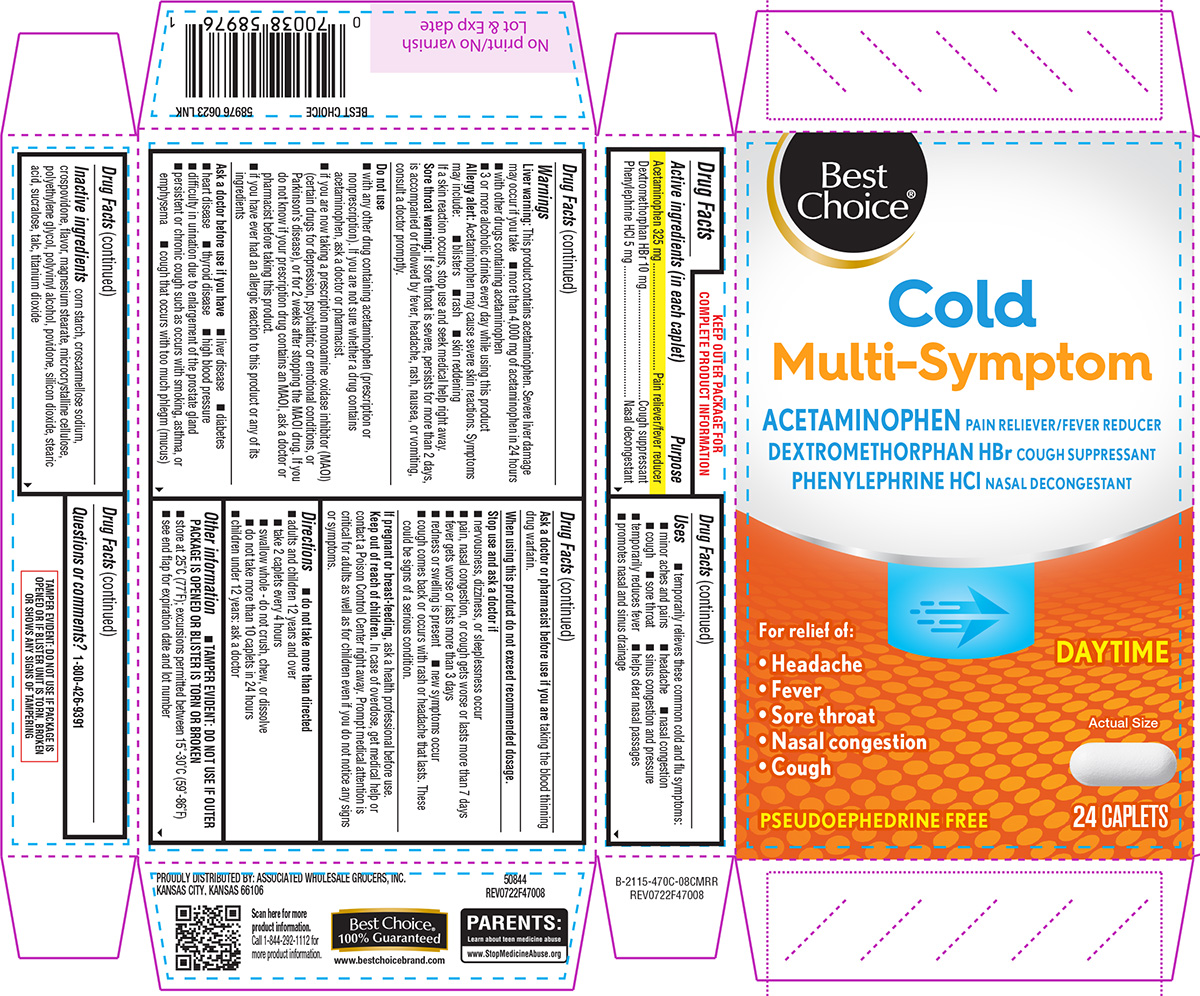
    do not take more than directed (see overdose warning) adults and children 12 years and over: take 2 caplets every 4 hours swallow whole - do not crush, chew, or dissolve do not take more than 10 caplets in 24 hours children under 12 years: ask a doctor
  • Torrent Pharmaceuticals Limited
    Rabeprazole Sodium | Torrent Pharmaceuticals Limited
    No Recall

    Rabeprazole Sodium | Torrent Pharmaceuticals Limited

    Rabeprazole Sodium | Torrent Pharmaceuticals Limited
    2.1 Healing of Erosive or Ulcerative GERD in Adults

    The recommended adult oral dose is one rabeprazole sodium 20 mg delayed-release tablet to be taken once daily for four to eight weeks [see Indications and Usage (1.1)]. For those patients who have not healed after 8 weeks of treatment, an additional 8-week course of rabeprazole sodium delayed-release tablets may be considered.

    2.2 Maintenance of Healing of Erosive or Ulcerative GERD in Adults

    The recommended adult oral dose is one rabeprazole sodium 20 mg delayed-release tablet to be taken once daily [see Indications and Usage (1.2)].

    2.3 Treatment of Symptomatic GERD in Adults

    The recommended adult oral dose is one rabeprazole sodium 20 mg delayed-release tablet to be taken once daily for 4 weeks [see Indications and Usage (1.3)]. If symptoms do not resolve completely after 4 weeks, an additional course of treatment may be considered. The recommended adolescent dosing is one rabeprazole sodium 20 mg delayed-release tablet to be taken once daily for 8 weeks.

    2.4 Healing of Duodenal Ulcers in Adults

    The recommended adult oral dose is one rabeprazole sodium 20 mg delayed-release tablet to be taken once daily after the morning meal for a period up to four weeks [see Indications and Usage (1.5)]. Most patients with duodenal ulcer heal within four weeks. A few patients may require additional therapy to achieve healing.

    2.5 Helicobacter pylori Eradication to Reduce the Risk of Duodenal Ulcer Recurrence in Adults

                                                                                                                                    TABLE 1

    THREE DRUG REGIMEN a

    All three medications should be taken twice daily with the morning and evening meals.

    aIt is important that patients comply with the full 7-day regimen [see Clinical Studies (14.5)].

    Rabeprazole sodium delayed-release tablet
    20 mg
    Twice Daily for 7 Days
    Amoxicillin
    1000 mg
    Twice Daily for 7 Days
    Clarithromycin
    500 mg
    Twice Daily for 7 Days
    2.6 Treatment of Pathological Hypersecretory Conditions, Including Zollinger-Ellison Syndrome in Adults

    The dosage of rabeprazole sodium delayed-release tablets in patients with pathologic hypersecretory conditions varies with the individual patient. The recommended adult oral starting dose is 60 mg once daily. Doses should be adjusted to individual patient needs and should continue for as long as clinically indicated. Some patients may require divided doses. Doses up to 100 mg QD and 60 mg BID have been administered. Some patients with Zollinger-Ellison syndrome have been treated continuously with rabeprazole sodium delayed-release tablets for up to one year.

    2.7 Short-term Treatment of Symptomatic GERD in Adolescent Patients 12 Years of Age and Older

    The recommended oral dose for adolescents 12 years of age and older is one 20 mg delayed-release tablet once daily for up to 8 weeks [see Use in Specific Populations (8.4) and Clinical Studies (14.7)].

    2.9 Elderly, Renal and Hepatic Impaired Patients

    No dosage adjustment is necessary in elderly patients, in patients with renal disease or in patients with mild to moderate hepatic impairment. Administration of rabeprazole to patients with mild to moderate liver impairment resulted in increased exposure and decreased elimination. Due to the lack of clinical data on rabeprazole in patients with severe hepatic impairment, caution should be exercised in those patients.

    2.10 Administration Recommendations

                                                                                                                                    TABLE 2

    Administration Recommendations Formulation 
    Population
    Instructions
    Delayed-release tablet
    Adults and adolescents 12 years of age and older
    Swallow tablets whole. Do not chew, crush or split tablets.
    Tablets can be taken with or without food.
  • Avkare, Inc.
    Rabeprazole Sodium | Procter & Gamble Manufacturing Company
    No Recall

    Rabeprazole Sodium | Procter & Gamble Manufacturing Company

    Rabeprazole Sodium | Procter & Gamble Manufacturing Company
    adults and children 12 yrs. & older: apply at least a 1-inch strip of the product onto a soft bristled toothbrush. Brush teeth thoroughly for at least 1 minute twice a day (morning and evening) or as recommended by a dentist. Make sure to brush all sensitive areas of the teeth. do not swallow children under 12 yrs.: ask a dentist
  • Major Pharmaceuticals
    Rabeprazole Sodium | Major Pharmaceuticals
    No Recall

    Rabeprazole Sodium | Major Pharmaceuticals

    Rabeprazole Sodium | Major Pharmaceuticals
    2.1 Healing of Erosive or Ulcerative GERD in Adults

    The recommended adult oral dose is one rabeprazole sodium 20 mg delayed-release tablet to be taken once daily for four to eight weeks [see Indications and Usage (1.1)]. For those patients who have not healed after 8 weeks of treatment, an additional 8-week course of rabeprazole sodium delayed-release tablets may be considered.

    2.2 Maintenance of Healing of Erosive or Ulcerative GERD in Adults

    The recommended adult oral dose is one rabeprazole sodium 20 mg delayed-release tablet to be taken once daily [see Indications and Usage (1.2)].

    2.3 Treatment of Symptomatic GERD in Adults

    The recommended adult oral dose is one rabeprazole sodium 20 mg delayed-release tablet to be taken once daily for 4 weeks [see Indications and Usage (1.3)]. If symptoms do not resolve completely after 4 weeks, an additional course of treatment may be considered. The recommended adolescent dosing is one rabeprazole sodium 20 mg delayed-release tablet to be taken once daily for 8 weeks.

    2.4 Healing of Duodenal Ulcers in Adults

    The recommended adult oral dose is one rabeprazole sodium 20 mg delayed-release tablet to be taken once daily after the morning meal for a period up to four weeks [see Indications and Usage (1.5)]. Most patients with duodenal ulcer heal within four weeks. A few patients may require additional therapy to achieve healing.

    2.5 Helicobacter pylori Eradication to Reduce the Risk of Duodenal Ulcer Recurrence in Adults

                                                                                                                                    TABLE 1

    THREE DRUG REGIMEN a  

    All three medications should be taken twice daily with the morning and evening meals.


    aIt is important that patients comply with the full 7-day regimen [see Clinical Studies (14.5)].

     Rabeprazole sodium delayed-release tablet
     20 mg
     Twice Daily for 7 Days
     Amoxicillin
     1000 mg
     Twice Daily for 7 Days
     Clarithromycin
     500 mg
     Twice Daily for 7 Days
    2.6 Treatment of Pathological Hypersecretory Conditions, Including Zollinger-Ellison Syndrome in Adults

    The dosage of rabeprazole sodium delayed-release tablets in patients with pathologic hypersecretory conditions varies with the individual patient. The recommended adult oral starting dose is 60 mg once daily. Doses should be adjusted to individual patient needs and should continue for as long as clinically indicated. Some patients may require divided doses. Doses up to 100 mg QD and 60 mg BID have been administered. Some patients with Zollinger-Ellison syndrome have been treated continuously with rabeprazole sodium delayed-release tablets for up to one year.

    2.7 Short-term Treatment of Symptomatic GERD in Adolescent Patients 12 Years of Age and Older

    The recommended oral dose for adolescents 12 years of age and older is one 20 mg delayed-release tablet once daily for up to 8 weeks [see Use in Specific Populations (8.4) and Clinical Studies (14.7)].

    2.9 Elderly, Renal and Hepatic Impaired Patients

    No dosage adjustment is necessary in elderly patients, in patients with renal disease or in patients with mild to moderate hepatic impairment. Administration of rabeprazole to patients with mild to moderate liver impairment resulted in increased exposure and decreased elimination. Due to the lack of clinical data on rabeprazole in patients with severe hepatic impairment, caution should be exercised in those patients.

    2.10 Administration Recommendations

                                                                                                                                    TABLE 2

    Administration Recommendations  Formulation 
     Population
     Instructions
     Delayed-release tablet
     Adults and adolescents 12 years of age and older
     Swallow tablets whole. Do not chew, crush or split tablets.
    Tablets can be taken with or without food.
  • Avkare, Inc.
    Rabeprazole Sodium | Avkare, Inc.
    No Recall

    Rabeprazole Sodium | Avkare, Inc.

    Rabeprazole Sodium | Avkare, Inc.
    2.1 Healing of Erosive or Ulcerative GERD in Adults

    The recommended adult oral dose is one rabeprazole sodium 20 mg delayed-release tablet to be taken once daily for four to eight weeks [see Indications and Usage (1.1)]. For those patients who have not healed after 8 weeks of treatment, an additional 8 week course of rabeprazole sodium delayed-release tablets may be considered.

    2.2 Maintenance of Healing of Erosive or Ulcerative GERD in Adults

    The recommended adult oral dose is one rabeprazole sodium 20 mg delayed-release tablet to be taken once daily [see Indications and Usage (1.2)].

    2.3 Treatment of Symptomatic GERD in Adults

    The recommended adult oral dose is one rabeprazole sodium 20 mg delayed-release tablet to be taken once daily for 4 weeks [see Indications and Usage (1.3)]. If symptoms do not resolve completely after 4 weeks, an additional course of treatment may be considered. The recommended adolescent dosing is one rabeprazole sodium 20 mg delayed-release tablet to be taken once daily for 8 weeks.

    2.4 Healing of Duodenal Ulcers in Adults

    The recommended adult oral dose is one rabeprazole sodium 20 mg delayed-release tablet to be taken once daily after the morning meal for a period up to four weeks [see Indications and Usage (1.5)]. Most patients with duodenal ulcer heal within four weeks. A few patients may require additional therapy to achieve healing.

    2.5 Helicobacter pylori Eradication to Reduce the Risk of Duodenal Ulcer Recurrence in Adults TABLE 1: THREE DRUG REGIMEN* * It is important that patients comply with the full 7 day regimen [ see Clinical Studies (14.5)]. Rabeprazole Sodium Delayed-Release Tablet 20 mg Twice Daily for 7 Days Amoxicillin 1000 mg Twice Daily for 7 Days Clarithromycin 500 mg Twice Daily for 7 Days All three medications should be taken twice daily with the morning and evening meals. 2.6 Treatment of Pathological Hypersecretory Conditions, Including Zollinger-Ellison Syndrome in Adults

    The dosage of rabeprazole sodium delayed-release tablets in patients with pathologic hypersecretory-conditions varies with the individual patient. The recommended adult oral starting dose is 60 mg once daily. Doses should be adjusted to individual patient needs and should continue for as long as clinically indicated. Some patients may require divided doses. Doses up to 100 mg QD and 60 mg BID have been administered. Some patients with Zollinger-Ellison syndrome have been treated continuously with rabeprazole sodium delayed-release tablets for up to one year.

    2.7 Short-Term Treatment of Symptomatic GERD in Adolescent Patients 12 Years of Age and Older

    The recommended oral dose for adolescents 12 years of age and older is one 20 mg delayed-release tablet once daily for up to 8 weeks [see Use in Specific Populations (8.4) and Clinical Studies (14.7)].

    2.9 Elderly, Renal and Hepatic Impaired Patients

    No dosage adjustment is necessary in elderly patients, in patients with renal disease or in patients with mild to moderate hepatic impairment. Administration of rabeprazole to patients with mild to moderate liver impairment resulted in increased exposure and decreased elimination. Due to the lack of clinical data on rabeprazole in patients with severe hepatic impairment, caution should be exercised in those patients.

    2.10 Administration Recommendations TABLE 2: Administration Recommendations Formulation Population Instructions Delayed-Release Tablet Adults and adolescents 12 years of age and older

    Swallow tablets whole. Do not chew, crush or split tablets.

    Tablets can be taken with or without food.

  • Rabeprazole Sodium | Unit Dose Services
    No Recall

    Rabeprazole Sodium | Unit Dose Services

    Rabeprazole Sodium | Unit Dose Services
    2.1 Healing of Erosive or Ulcerative GERD in Adults

    The recommended adult oral dose is one Rabeprazole Sodium 20 mg Delayed-Release Tablet to be taken once daily for four to eight weeks [ ]. For those patients who have not healed after 8 weeks of treatment, an additional 8-week course of Rabeprazole Sodium Delayed-Release Tablets may be considered. see Indications and Usage (1.1)

    2.2 Maintenance of Healing of Erosive or Ulcerative GERD in Adults

    The recommended adult oral dose is one Rabeprazole Sodium 20 mg Delayed-Release Tablet to be taken once daily [ ]. see Indications and Usage (1.2)

    2.3 Treatment of Symptomatic GERD in Adults

    The recommended adult oral dose is one Rabeprazole Sodium 20 mg Delayed-Release Tablet to be taken once daily for 4 weeks [ ]. If symptoms do not resolve completely after 4 weeks, an additional course of treatment may be considered. The recommended adolescent dosing is one Rabeprazole Sodium 20 mg Delayed-Release Tablet to be taken once daily for 8 weeks. see Indications and Usage (1.3)

    2.4 Healing of Duodenal Ulcers in Adults

    The recommended adult oral dose is one Rabeprazole Sodium 20 mg Delayed-Release Tablet to be taken once daily after the morning meal for a period up to four weeks [ ]. Most patients with duodenal ulcer heal within four weeks. A few patients may require additional therapy to achieve healing. see Indications and Usage (1.4)

    2.5 Eradication to Reduce the Risk of Duodenal Ulcer Recurrence in Adults Helicobacter pylori TABLE 1 THREE DRUG REGIMEN *  All three medications should be taken twice daily with the morning and evening meals. * It is important that patients comply with the full 7-day regimen [ ]. see Clinical Studies (14.5)  Rabeprazole Sodium Delayed-Release Tablet  20 mg  Twice Daily for 7 Days  Amoxicillin  1000 mg  Twice Daily for 7 Days  Clarithromycin  500 mg  Twice Daily for 7 Days 2.6 Treatment of Pathological Hypersecretory Conditions, Including Zollinger-Ellison Syndrome in Adults

    The dosage of Rabeprazole Sodium Delayed-Release Tablets in patients with pathologic hypersecretory conditions varies with the individual patient. The recommended adult oral starting dose is 60 mg once a day. Doses should be adjusted to individual patient needs and should continue for as long as clinically indicated. Some patients may require divided doses. Doses up to 100 mg QD and 60 mg BID have been administered. Some patients with Zollinger-Ellison syndrome have been treated continuously with Rabeprazole Sodium Delayed-Release Tablets for up to one year.

    2.7 Short-term Treatment of Symptomatic GERD in Adolescent Patients 12 Years of Age and Older

    The recommended oral dose for adolescents 12 years of age and older is one 20 mg Delayed-Release Tablet once daily for up to 8 weeks [ ]. see and Use in Specific Populations (8.4)Clinical Studies (14.7)

    2.9 Elderly, Renal and Hepatic Impaired Patients

    No dosage adjustment is necessary in elderly patients, in patients with renal disease or in patients with mild to moderate hepatic impairment. Administration of rabeprazole to patients with mild to moderate liver impairment resulted in increased exposure and decreased elimination. Due to the lack of clinical data on rabeprazole in patients with severe hepatic impairment, caution should be exercised in those patients.

    2.10 Administration Recommendations TABLE 2 Administration Recommendations Formulation Population Instructions  Delayed-Release Tablet  Adults and adolescents 12 years of age and older  Swallow tablets whole. Do not chew, crush or split tablets. Tablets can be taken with or without food.
  • Proficient Rx Lp
    Rabeprazole Sodium | Ncs Healthcare Of Ky, Inc Dba Vangard Labs
    No Recall

    Rabeprazole Sodium | Ncs Healthcare Of Ky, Inc Dba Vangard Labs

    Rabeprazole Sodium | Ncs Healthcare Of Ky, Inc Dba Vangard Labs

    Dosage should be adjusted according to severity of pain and response of the patient.

    The usual adult dosage is:


    Single Doses (range)


    Maximum 24 Hour Dose


    Codeine Phosphate


    15 mg to 60 mg


    360 mg


    Acetaminophen


    300 mg to 1000 mg


    4000 mg

    The usual dose of codeine phosphate in children is 0.5 mg/kg.

    Doses may be repeated up to every 4 hours.

    The prescriber must determine the number of tablets per dose, and the maximum number of tablets per 24 hours based upon the above dosage guidance. This information should be conveyed in the prescription.

    It should be kept in mind, however, that tolerance to codeine can develop with continued use and that the incidence of untoward effects is dose related. Adult doses of codeine higher than 60 mg fail to give commensurate relief of pain but merely prolong analgesia and are associated with an appreciably increased incidence of undesirable side effects. Equivalently high doses in children would have similar effects.

  • Preferred Pharmaceuticals Inc.
    Rabeprazole Sodium | Preferred Pharmaceuticals Inc.
    No Recall

    Rabeprazole Sodium | Preferred Pharmaceuticals Inc.

    Rabeprazole Sodium | Preferred Pharmaceuticals Inc.
    2.1 Healing of Erosive or Ulcerative GERD in Adults

    The recommended adult oral dose is one rabeprazole sodium 20 mg delayed-release tablet to be taken once daily for four to eight weeks [see Indications and Usage (1.1)]. For those patients who have not healed after 8 weeks of treatment, an additional 8 week course of rabeprazole sodium delayed-release tablets may be considered.

    2.2 Maintenance of Healing of Erosive or Ulcerative GERD in Adults

    The recommended adult oral dose is one rabeprazole sodium 20 mg delayed-release tablet to be taken once daily. Controlled studies do not extend beyond 12 months [see Indications and Usage (1.2)].

    2.3 Treatment of Symptomatic GERD in Adults

    The recommended adult oral dose is one rabeprazole sodium 20 mg delayed-release tablet to be taken once daily for 4 weeks [see Indications and Usage (1.3)]. If symptoms do not resolve completely after 4 weeks, an additional course of treatment may be considered.

    2.4 Healing of Duodenal Ulcers in Adults

    The recommended adult oral dose is one rabeprazole sodium 20 mg delayed-release tablet to be taken once daily after the morning meal for a period up to four weeks [see Indications and Usage (1.5)]. Most patients with duodenal ulcer heal within four weeks. A few patients may require additional therapy to achieve healing.

    2.5 Helicobacter pylori Eradication to Reduce the Risk of Duodenal Ulcer Recurrence in Adults TABLE 1: THREE DRUG REGIMEN* * It is important that patients comply with the full 7 day regimen [see Clinical Studies (14.5)].

    Rabeprazole Sodium Delayed-Release Tablet

    20 mg

    Twice Daily for 7 Days

    Amoxicillin

    1000 mg

    Twice Daily for 7 Days

    Clarithromycin

    500 mg

    Twice Daily for 7 Days

    All three medications should be taken twice daily with the morning and evening meals.

    2.6 Treatment of Pathological Hypersecretory Conditions, Including Zollinger-Ellison Syndrome in Adults

    The dosage of rabeprazole sodium delayed-release tablets in patients with pathologic hypersecretory conditions varies with the individual patient. The recommended adult oral starting dose is 60 mg once daily. Doses should be adjusted to individual patient needs and should continue for as long as clinically indicated. Some patients may require divided doses. Doses up to 100 mg QD and 60 mg BID have been administered. Some patients with Zollinger-Ellison syndrome have been treated continuously with rabeprazole sodium delayed-release tablets for up to one year.

    2.7 Short-Term Treatment of Symptomatic GERD in Adolescent Patients 12 Years of Age and Older

    The recommended oral dose for adolescents 12 years of age and older is one 20 mg delayed-release tablet once daily for up to 8 weeks [see Use in Specific Populations (8.4) and Clinical Studies (14.7)].

    2.9 Elderly, Renal, and Hepatic Impaired Patients

    No dosage adjustment is necessary in elderly patients, in patients with renal disease, or in patients with mild to moderate hepatic impairment. Administration of rabeprazole to patients with mild to moderate liver impairment resulted in increased exposure and decreased elimination. Due to the lack of clinical data on rabeprazole in patients with severe hepatic impairment, caution should be exercised in those patients.

    2.10 Administration Recommendations TABLE 2: ADMINISTRATION RECOMMENDATIONS

    Formulation

    Population

    Instructions

    Delayed-Release Tablet

    Adults and adolescents 12 years of age and older

    Swallow tablets whole. Do not chew, crush, or split tablets.

    Tablets can be taken with or without food.

  • Rabeprazole Sodium | Golden State Medical Supply, Inc.
    No Recall

    Rabeprazole Sodium | Golden State Medical Supply, Inc.

    Rabeprazole Sodium | Golden State Medical Supply, Inc.
    2.1 Healing of Erosive or Ulcerative GERD in Adults

    The recommended adult oral dose is one rabeprazole sodium 20 mg delayed-release tablet to be taken once daily for 4 to 8 weeks [see Indications and Usage (1.1)]. For those patients who have not healed after 8 weeks of treatment, an additional 8 week course of rabeprazole sodium delayed-release tablets may be considered.

    2.2 Maintenance of Healing of Erosive or Ulcerative GERD in Adults

    The recommended adult oral dose is one rabeprazole sodium 20 mg delayed-release tablet to be taken once daily. Controlled studies do not extend beyond 12 months [see Indications and Usage (1.2)].

    2.3 Treatment of Symptomatic GERD in Adults

    The recommended adult oral dose is one rabeprazole sodium 20 mg delayed-release tablet to be taken once daily for 4 weeks [see Indications and Usage (1.3)]. If symptoms do not resolve completely after 4 weeks, an additional course of treatment may be considered.

    2.4 Healing of Duodenal Ulcers in Adults

    The recommended adult oral dose is one rabeprazole sodium 20 mg delayed-release tablet to be taken once daily after the morning meal for a period up to 4 weeks [see Indications and Usage (1.5)]. Most patients with duodenal ulcer heal within 4 weeks. A few patients may require additional therapy to achieve healing.

    2.5 Helicobacter pylori Eradication to Reduce the Risk of Duodenal Ulcer Recurrence in Adults Table 1: Three Drug Regimen* All three medications should be taken twice daily with the morning and evening meals. * It is important that patients comply with the full 7-day regimen [see Clinical Studies (14.5)].

    Rabeprazole Sodium Delayed-Release Tablet

    20 mg

    Twice Daily for 7 Days

    Amoxicillin

    1000 mg

    Twice Daily for 7 Days

    Clarithromycin

    500 mg

    Twice Daily for 7 Days

    2.6 Treatment of Pathological Hypersecretory Conditions, Including Zollinger-Ellison Syndrome in Adults

    The dosage of rabeprazole sodium delayed-release tablets in patients with pathologic hypersecretory conditions varies with the individual patient. The recommended adult oral starting dose is 60 mg once daily. Doses should be adjusted to individual patient needs and should continue for as long as clinically indicated. Some patients may require divided doses. Doses up to 100 mg QD and 60 mg BID have been administered. Some patients with Zollinger-Ellison syndrome have been treated continuously with rabeprazole sodium delayed-release tablets for up to one year.

    2.7 Short-Term Treatment of Symptomatic GERD in Adolescent Patients 12 Years of Age and Older

    The recommended oral dose for adolescents 12 years of age and older is one 20 mg delayed-release tablet once daily for up to 8 weeks [see Use in Specific Populations (8.4) and Clinical Studies (14.7)].

    2.9 Elderly, Renal, and Hepatic Impaired Patients

    No dosage adjustment is necessary in elderly patients, in patients with renal disease, or in patients with mild to moderate hepatic impairment. Administration of rabeprazole to patients with mild to moderate liver impairment resulted in increased exposure and decreased elimination. Due to the lack of clinical data on rabeprazole in patients with severe hepatic impairment, caution should be exercised in those patients.

    2.10 Administration Recommendations Table 2: Administration Recommendations

    Formulation

    Population

    Instructions

    Delayed-Release Tablet

    Adults and adolescents 12 years of age and older

    Swallow tablets whole. Do not chew, crush, or split tablets.

    Tablets can be taken with or without food.

  • Proficient Rx Lp
    Rabeprazole Sodium | Proficient Rx Lp
    No Recall

    Rabeprazole Sodium | Proficient Rx Lp

    Rabeprazole Sodium | Proficient Rx Lp
    2.1 Healing of Erosive or Ulcerative GERD in Adults

    The recommended adult oral dose is one rabeprazole sodium 20 mg delayed-release tablet to be taken once daily for four to eight weeks [see Indications and Usage (1.1)]. For those patients who have not healed after 8 weeks of treatment, an additional 8-week course of rabeprazole sodium delayed-release tablets may be considered.

    2.2 Maintenance of Healing of Erosive or Ulcerative GERD in Adults

    The recommended adult oral dose is one rabeprazole sodium 20 mg delayed-release tablet to be taken once daily [see Indications and Usage (1.2)].

    2.3 Treatment of Symptomatic GERD in Adults

    The recommended adult oral dose is one rabeprazole sodium 20 mg delayed-release tablet to be taken once daily for 4 weeks [see Indications and Usage (1.3)]. If symptoms do not resolve completely after 4 weeks, an additional course of treatment may be considered. The recommended adolescent dosing is one rabeprazole sodium 20 mg delayed-release tablet to be taken once daily for 8 weeks.

    2.4 Healing of Duodenal Ulcers in Adults

    The recommended adult oral dose is one rabeprazole sodium 20 mg delayed-release tablet to be taken once daily after the morning meal for a period up to four weeks [see Indications and Usage (1.5)]. Most patients with duodenal ulcer heal within four weeks. A few patients may require additional therapy to achieve healing.

    2.5 Helicobacter pylori Eradication to Reduce the Risk of Duodenal Ulcer Recurrence in Adults

                                                                                                                                    TABLE 1

    THREE DRUG REGIMEN a All three medications should be taken twice daily with the morning and evening meals.
    aIt is important that patients comply with the full 7-day regimen [see Clinical Studies (14.5)].

    Rabeprazole sodium delayed-release tablet

    20 mg

    Twice Daily for 7 Days

    Amoxicillin

    1000 mg

    Twice Daily for 7 Days

    Clarithromycin

    500 mg

    Twice Daily for 7 Days

    2.6 Treatment of Pathological Hypersecretory Conditions, Including Zollinger-Ellison Syndrome in Adults

    The dosage of rabeprazole sodium delayed-release tablets in patients with pathologic hypersecretory conditions varies with the individual patient. The recommended adult oral starting dose is 60 mg once daily. Doses should be adjusted to individual patient needs and should continue for as long as clinically indicated. Some patients may require divided doses. Doses up to 100 mg QD and 60 mg BID have been administered. Some patients with Zollinger-Ellison syndrome have been treated continuously with rabeprazole sodium delayed-release tablets for up to one year.

    2.7 Short-term Treatment of Symptomatic GERD in Adolescent Patients 12 Years of Age and Older

    The recommended oral dose for adolescents 12 years of age and older is one 20 mg delayed-release tablet once daily for up to 8 weeks [see Use in Specific Populations (8.4) and Clinical Studies (14.7)].

    2.9 Elderly, Renal and Hepatic Impaired Patients

    No dosage adjustment is necessary in elderly patients, in patients with renal disease or in patients with mild to moderate hepatic impairment. Administration of rabeprazole to patients with mild to moderate liver impairment resulted in increased exposure and decreased elimination. Due to the lack of clinical data on rabeprazole in patients with severe hepatic impairment, caution should be exercised in those patients.

    2.10 Administration Recommendations

                                                                                                                                    TABLE 2

    Administration Recommendations

    Formulation 

    Population

    Instructions

    Delayed-release tablet

    Adults and adolescents 12 years of age and older

    Swallow tablets whole. Do not chew, crush or split tablets.
    Tablets can be taken with or without food.