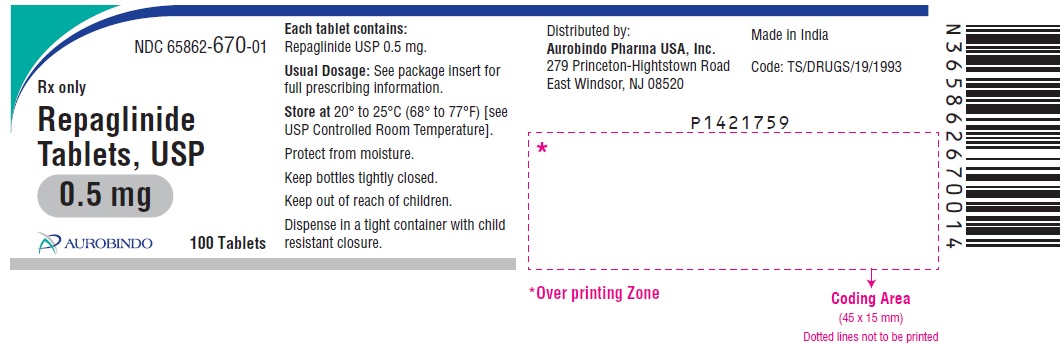
Repaglinide label

Repaglinide

Repaglinide Recall

Get an alert when a recall is issued.

Side Effects & Adverse Reactions

There is currently no warning information available for this product. We apologize for any inconvenience.

FDA Safety Alerts

There are currently no FDA safety alerts available for this drug.

Manufacturer Warnings

There is currently no manufacturer warning information available for this drug.

FDA Labeling Changes

There are currently no FDA labeling changes available for this drug.

Uses

Repaglinide is indicated as an adjunct to diet and exercise to improve glycemic control in adults with type 2 diabetes mellitus.

History

There is currently no drug history available for this drug.

Other Information

Repaglinide is an oral blood glucose-lowering drug of the meglitinide class used in the management of type 2 diabetes mellitus (also known as non-insulin dependent diabetes mellitus or NIDDM). Repaglinide, S(+)2-ethoxy-4(2((3-methyl-1-(2-(1-piperidinyl) phenyl)-butyl) amino)-2-oxoethyl) benzoic acid, is chemically unrelated to the oral sulfonylurea insulin secretagogues.

The structural formula is as shown below:

Repaglinide Structural formula

Repaglinide is a white to off-white powder with molecular formula C27H36N2O4 and a molecular weight of 452.6. Repaglinide tablets contain 1 mg or 2 mg of repaglinide. In addition each tablet contains the following inactive ingredients: dicalcium phosphate (anhydrous), microcrystalline cellulose, corn starch, meglumine, croscarmellose sodium, povidone, poloxamer, magnesium stearate, and colloidal silicon dioxide. The 1 mg and 2 mg tablets contain iron oxides (yellow and red, respectively) as coloring agents.

Repaglinide Manufacturers

  • Repaglinide | American Health Packaging
    No Recall

    Repaglinide | American Health Packaging

    Repaglinide | American Health Packaging

    There is no fixed dosage regimen for the management of type 2 diabetes with Repaglinide.

    The patient’s blood glucose should be monitored periodically to determine the minimum effective dose for the patient; to detect primary failure, i.e., inadequate lowering of blood glucose at the maximum recommended dose of medication; and to detect secondary failure, i.e., loss of an adequate blood glucose-lowering response after an initial period of effectiveness. Glycosylated hemoglobin levels are of value in monitoring the patient’s longer term response to therapy.

    Short-term administration of Repaglinide may be sufficient during periods of transient loss of control in patients usually well controlled on diet.

    Repaglinide doses are usually taken within 15 minutes of the meal but time may vary from immediately preceding the meal to as long as 30 minutes before the meal.

    Starting Dose

    For patients not previously treated or whose HbA1c is < 8%, the starting dose should be 0.5 mg with each meal. For patients previously treated with blood glucose-lowering drugs and whose HbA1c is ≥8%, the initial dose is 1 or 2 mg with each meal preprandially (see previous paragraph).

    Dose Adjustment

    Dosing adjustments should be determined by blood glucose response, usually fasting blood glucose. Postprandial glucose levels testing may be clinically helpful in patients whose pre-meal blood glucose levels are satisfactory but whose overall glycemic control (HbA1c) is inadequate. The preprandial dose should be doubled up to 4 mg with each meal until satisfactory blood glucose response is achieved. At least one week should elapse to assess response after each dose adjustment.

    The recommended dose range is 0.5 mg to 4 mg taken with meals. Repaglinide may be dosed preprandially 2, 3, or 4 times a day in response to changes in the patient’s meal pattern. The maximum recommended daily dose is 16 mg.

    Patient Management

    Long-term efficacy should be monitored by measurement of HbA1c levels approximately every 3 months. Failure to follow an appropriate dosage regimen may precipitate hypoglycemia or hyperglycemia. Patients who do not adhere to their prescribed dietary and drug regimen are more prone to exhibit unsatisfactory response to therapy including hypoglycemia. When hypoglycemia occurs in patients taking a combination of Repaglinide and a thiazolidinedione, the dose of Repaglinide should be reduced.

    Patients Receiving Other Oral Hypoglycemic Agents

    When Repaglinide is used to replace therapy with other oral hypoglycemic agents, Repaglinide may be started on the day after the final dose is given. Patients should then be observed carefully for hypoglycemia due to potential overlapping of drug effects. When transferred from longer half-life sulfonylurea agents (e.g., chlorpropamide) to repaglinide, close monitoring may be indicated for up to one week or longer.

    Combination Therapy

    If Repaglinide monotherapy does not result in adequate glycemic control, a thiazolidinedione may be added. If thiazolidinedione monotherapy does not provide adequate control, Repaglinide may be added. The starting dose and dose adjustments for Repaglinide combination therapy is the same as for Repaglinide monotherapy. The dose of each drug should be carefully adjusted to determine the minimal dose required to achieve the desired pharmacologic effect. Failure to do so could result in an increase in the incidence of hypoglycemic episodes. Appropriate monitoring of FPG and HbA1c measurements should be used to ensure that the patient is not subjected to excessive drug exposure or increased probability of secondary drug failure.

  • Caraco Pharmaceutical Laboratories, Ltd.
    Repaglinide | Crossing Cultures, Llc Dba Goddess Garden
    No Recall

    Repaglinide | Crossing Cultures, Llc Dba Goddess Garden

    Repaglinide | Crossing Cultures, Llc Dba Goddess Garden

    • Spray liberally and spread evenly by hand 15 minutes before sun exposure. • Hold container 4 to 6 inches from skin to apply. • Should spray white lotion. • Rub in. • Do not spray directly into face. Spray on hands and apply to face. • Do not apply in windy conditions. • Use in a well ventilated area. • Avoid inhaling or exposing others to spray. • Reapply: • After 40 minutes of swimming or sweating. • Immediately after towel drying. • At least every 2 hours. • For use on children less than 6 months of age, consult a doctor. • Sun Protection Measures: Spending time in the sun increases your risk of skin cancer and early skin aging. To decrease this risk, regularly use sunscreen with a Broad Spectrum SPF value of 15 or higher and other sun protection measures including: • Limit time in the sun, especially from 10am to 2pm. • Wear long-sleeved shirts, pants, hats and sunglasses.

  • Avkare, Inc.
    Repaglinide | Avkare, Inc.
    No Recall

    Repaglinide | Avkare, Inc.

    Repaglinide | Avkare, Inc.

    There is no fixed dosage regimen for the management of type 2 diabetes with Repaglinide.

    The patient's blood glucose should be monitored periodically to determine the minimum effective dose for the patient; to detect primary failure, i.e., inadequate lowering of blood glucose at the maximum recommended dose of medication; and to detect secondary failure, i.e., loss of an adequate blood glucose-lowering response after an initial period of effectiveness. Glycosylated hemoglobin levels are of value in monitoring the patient's longer term response to therapy.

    Short-term administration of Repaglinide may be sufficient during periods of transient loss of control in patients usually well controlled on diet.

    Repaglinide doses are usually taken within 15 minutes of the meal but time may vary from immediately preceding the meal to as long as 30 minutes before the meal.

    Starting Dose

    For patients not previously treated or whose HbA1c is < 8%, the starting dose should be 0.5 mg with each meal. For patients previously treated with blood glucose-lowering drugs and whose HbA1c is ≥ 8%, the initial dose is 1 or 2 mg with each meal preprandially (see previous paragraph).

    Dose Adjustment

    Dosing adjustments should be determined by blood glucose response, usually fasting blood glucose. Postprandial glucose levels testing may be clinically helpful in patients whose pre-meal blood glucose levels are satisfactory but whose overall glycemic control (HbA1c) is inadequate. The preprandial dose should be doubled up to 4 mg with each meal until satisfactory blood glucose response is achieved. At least one week should elapse to assess response after each dose adjustment.

    The recommended dose range is 0.5 mg to 4 mg taken with meals. Repaglinide may be dosed preprandially 2, 3, or 4 times a day in response to changes in the patient’s meal pattern. The maximum recommended daily dose is 16 mg.

    Patient Management

    Long-term efficacy should be monitored by measurement of HbA1c levels approximately every 3 months. Failure to follow an appropriate dosage regimen may precipitate hypoglycemia or hyperglycemia. Patients who do not adhere to their prescribed dietary and drug regimen are more prone to exhibit unsatisfactory response to therapy including hypoglycemia. When hypoglycemia occurs in patients taking a combination of Repaglinide and a thiazolidinedione or Repaglinide and metformin, the dose of Repaglinide should be reduced.

    Patients Receiving Other Oral Hypoglycemic Agents

    When Repaglinide is used to replace therapy with other oral hypoglycemic agents, Repaglinide may be started on the day after the final dose is given. Patients should then be observed carefully for hypoglycemia due to potential overlapping of drug effects. When transferred from longer half-life sulfonylurea agents (e.g., chlorpropamide) to repaglinide, close monitoring may be indicated for up to one week or longer.

    Combination Therapy

    If Repaglinide monotherapy does not result in adequate glycemic control, metformin or a thiazolidinedione may be added. If metformin or thiazolidinedione monotherapy does not provide adequate control, Repaglinide may be added. The starting dose and dose adjustments for Repaglinide combination therapy is the same as for Repaglinide monotherapy. The dose of each drug should be carefully adjusted to determine the minimal dose required to achieve the desired pharmacologic effect. Failure to do so could result in an increase in the incidence of hypoglycemic episodes. Appropriate monitoring of FPG and HbA1c measurements should be used to ensure that the patient is not subjected to excessive drug exposure or increased probability of secondary drug failure.

  • Aurobindo Pharma Limited
    Repaglinide | Aurobindo Pharma Limited
    No Recall

    Repaglinide | Aurobindo Pharma Limited

    Repaglinide | Aurobindo Pharma Limited

    There is no fixed dosage regimen for the management of type 2 diabetes with repaglinide tablets.

    The patient’s blood glucose should be monitored periodically to determine the minimum effective dose for the patient; to detect primary failure, i.e., inadequate lowering of blood glucose at the maximum recommended dose of medication; and to detect secondary failure, i.e., loss of an adequate blood glucose-lowering response after an initial period of effectiveness. Glycosylated hemoglobin levels are of value in monitoring the patient’s longer term response to therapy.

    Short-term administration of repaglinide tablets may be sufficient during periods of transient loss of control in patients usually well controlled on diet.

    Repaglinide tablets doses are usually taken within 15 minutes of the meal but time may vary from immediately preceding the meal to as long as 30 minutes before the meal.

    Starting Dose
     
    For patients not previously treated or whose HbA1c is < 8%, the starting dose should be 0.5 mg with each meal. For patients previously treated with blood glucose-lowering drugs and whose HbA1c is ≥ 8%, the initial dose is 1 or 2 mg with each meal preprandially (see previous paragraph).

    Dose Adjustment
     
    Dosing adjustments should be determined by blood glucose response, usually fasting blood glucose. Postprandial glucose levels testing may be clinically helpful in patients whose pre-meal blood glucose levels are satisfactory but whose overall glycemic control (HbA1c) is inadequate.  The preprandial dose should be doubled up to 4 mg with each meal until satisfactory blood glucose response is achieved. At least one week should elapse to assess response after each dose adjustment.

    The recommended dose range is 0.5 mg to 4 mg taken with meals. Repaglinide tablets may be dosed preprandially 2, 3, or 4 times a day in response to changes in the patient’s meal pattern. The maximum recommended daily dose is 16 mg.

    Patient Management
     
    Long-term efficacy should be monitored by measurement of HbA1c levels approximately every 3 months. Failure to follow an appropriate dosage regimen may precipitate hypoglycemia or hyperglycemia. Patients who do not adhere to their prescribed dietary and drug regimen are more prone to exhibit unsatisfactory response to therapy including hypoglycemia. When hypoglycemia occurs in patients taking a combination of repaglinide tablets and a thiazolidinedione or repaglinide tablets and metformin, the dose of repaglinide tablets should be reduced.

    Patients Receiving Other Oral Hypoglycemic Agents
     
    When repaglinide tablets are used to replace therapy with other oral hypoglycemic agents, repaglinide tablets may be started on the day after the final dose is given.  Patients should then be observed carefully for hypoglycemia due to potential overlapping of drug effects.  When transferred from longer half-life sulfonylurea agents (e.g., chlorpropamide) to repaglinide, close monitoring may be indicated for up to one week or longer.

    Combination Therapy
     
    If repaglinide tablets monotherapy does not result in adequate glycemic control, metformin or a thiazolidinedione may be added. If metformin or thiazolidinedione monotherapy does not provide adequate control, repaglinide tablets may be added.  The starting dose and dose adjustments for repaglinide tablets combination therapy is the same as for repaglinide tablets monotherapy. The dose of each drug should be carefully adjusted to determine the minimal dose required to achieve the desired pharmacologic effect. Failure to do so could result in an increase in the incidence of hypoglycemic episodes. Appropriate monitoring of FPG and HbA1c measurements should be used to ensure that the patient is not subjected to excessive drug exposure or increased probability of secondary drug failure.

  • Sandoz Inc
    Repaglinide | Sandoz Inc
    No Recall

    Repaglinide | Sandoz Inc

    Repaglinide | Sandoz Inc

    There is no fixed dosage regimen for the management of type 2 diabetes with repaglinide.

    The patient's blood glucose should be monitored periodically to determine the minimum effective dose for the patient; to detect primary failure, i.e., inadequate lowering of blood glucose at the maximum recommended dose of medication; and to detect secondary failure, i.e., loss of an adequate blood glucose-lowering response after an initial period of effectiveness. Glycosylated hemoglobin levels are of value in monitoring the patient's longer term response to therapy.

    Short-term administration of repaglinide may be sufficient during periods of transient loss of control in patients usually well controlled on diet.

    Repaglinide doses are usually taken within 15 minutes of the meal but time may vary from immediately preceding the meal to as long as 30 minutes before the meal.

    Starting Dose

    For patients not previously treated or whose HbA1c is <8%, the starting dose should be 0.5 mg with each meal. For patients previously treated with blood glucose-lowering drugs and whose HbA1c is ≥8%, the initial dose is 1 or 2 mg with each meal preprandially (see previous paragraph).

    Dose Adjustment

    Dosing adjustments should be determined by blood glucose response, usually fasting blood glucose. Postprandial glucose levels testing may be clinically helpful in patients whose pre-meal blood glucose levels are satisfactory but whose overall glycemic control (HbA1c) is inadequate. The preprandial dose should be doubled up to 4 mg with each meal until satisfactory blood glucose response is achieved. At least one week should elapse to assess response after each dose adjustment.

    The recommended dose range is 0.5 mg to 4 mg taken with meals. Repaglinide may be dosed preprandially 2, 3, or 4 times a day in response to changes in the patient's meal pattern. The maximum recommended daily dose is 16 mg.

    Patient Management

    Long-term efficacy should be monitored by measurement of HbA1c levels approximately every 3 months. Failure to follow an appropriate dosage regimen may precipitate hypoglycemia or hyperglycemia. Patients who do not adhere to their prescribed dietary and drug regimen are more prone to exhibit unsatisfactory response to therapy including hypoglycemia. When hypoglycemia occurs in patients taking a combination of repaglinide and a thiazolidinedione or repaglinide and metformin, the dose of repaglinide should be reduced.

    Patients Receiving Other Oral Hypoglycemic Agents

    When repaglinide is used to replace therapy with other oral hypoglycemic agents, repaglinide may be started on the day after the final dose is given. Patients should then be observed carefully for hypoglycemia due to potential overlapping of drug effects. When transferred from longer half-life sulfonylurea agents (e.g., chlorpropamide) to repaglinide, close monitoring may be indicated for up to one week or longer.

    Combination Therapy

    If repaglinide monotherapy does not result in adequate glycemic control, metformin or a thiazolidinedione may be added. If metformin or thiazolidinedione monotherapy does not provide adequate control, repaglinide may be added. The starting dose and dose adjustments for repaglinide combination therapy is the same as for repaglinide monotherapy. The dose of each drug should be carefully adjusted to determine the minimal dose required to achieve the desired pharmacologic effect. Failure to do so could result in an increase in the incidence of hypoglycemic episodes. Appropriate monitoring of FPG and HbA1c measurements should be used to ensure that the patient is not subjected to excessive drug exposure or increased probability of secondary drug failure.
  • Paddock Laboratories, Llc
    Repaglinide | Paddock Laboratories, Llc
    No Recall

    Repaglinide | Paddock Laboratories, Llc

    Repaglinide | Paddock Laboratories, Llc

    There is no fixed dosage regimen for the management of type 2 diabetes with Repaglinide Tablets, USP.

    The patient's blood glucose should be monitored periodically to determine the minimum effective dose for the patient; to detect primary failure, i.e., inadequate lowering of blood glucose at the maximum recommended dose of medication; and to detect secondary failure, i.e., loss of an adequate blood glucose-lowering response after an initial period of effectiveness. Glycosylated hemoglobin levels are of value in monitoring the patient's longer term response to therapy.

    Short-term administration of Repaglinide Tablets, USP may be sufficient during periods of transient loss of control in patients usually well controlled on diet.

    Repaglinide Tablets, USP doses are usually taken within 15 minutes of the meal but time may vary from immediately preceding the meal to as long as 30 minutes before the meal.

    Starting Dose

    For patients not previously treated or whose HbA1c is < 8%, the starting dose should be 0.5 mg with each meal. For patients previously treated with blood glucose-lowering drugs and whose HbA1c is ≥ 8%, the initial dose is 1 or 2 mg with each meal preprandially (see previous paragraph).

    Dose Adjustment

    Dosing adjustments should be determined by blood glucose response, usually fasting blood glucose. Postprandial glucose levels testing may be clinically helpful in patients whose pre-meal blood glucose levels are satisfactory but whose overall glycemic control (HbA1c) is inadequate. The preprandial dose should be doubled up to 4 mg with each meal until satisfactory blood glucose response is achieved. At least one week should elapse to assess response after each dose adjustment.

    The recommended dose range is 0.5 mg to 4 mg taken with meals. Repaglinide Tablets, USP may be dosed preprandially 2, 3, or 4 times a day in response to changes in the patient's meal pattern. The maximum recommended daily dose is 16 mg.

    Patient Management

    Long-term efficacy should be monitored by measurement of HbA1c levels approximately every 3 months. Failure to follow an appropriate dosage regimen may precipitate hypoglycemia or hyperglycemia. Patients who do not adhere to their prescribed dietary and drug regimen are more prone to exhibit unsatisfactory response to therapy including hypoglycemia. When hypoglycemia occurs in patients taking a combination of Repaglinide Tablets, USP and a thiazolidinedione, the dose of Repaglinide Tablets, USP should be reduced.

    Patients Receiving Other Oral Hypoglycemic Agents

    When Repaglinide Tablets, USP are used to replace therapy with other oral hypoglycemic agents, Repaglinide Tablets, USP may be started on the day after the final dose is given. Patients should then be observed carefully for hypoglycemia due to potential overlapping of drug effects. When transferred from longer half-life sulfonylurea agents (e.g., chlorpropamide) to repaglinide, close monitoring may be indicated for up to one week or longer.

    Combination Therapy

    If Repaglinide Tablets, USP monotherapy does not result in adequate glycemic control, a thiazolidinedione may be added. If thiazolidinedione monotherapy does not provide adequate control, Repaglinide Tablets, USP may be added. The starting dose and dose adjustments for Repaglinide Tablets, USP combination therapy is the same as for Repaglinide Tablets, USP monotherapy. The dose of each drug should be carefully adjusted to determine the minimal dose required to achieve the desired pharmacologic effect. Failure to do so could result in an increase in the incidence of hypoglycemic episodes. Appropriate monitoring of FPG and HbA1c measurements should be used to ensure that the patient is not subjected to excessive drug exposure or increased probability of secondary drug failure.

  • Mylan Institutional Inc.
    Repaglinide | Mylan Institutional Inc.
    No Recall

    Repaglinide | Mylan Institutional Inc.

    Repaglinide | Mylan Institutional Inc.

    There is no fixed dosage regimen for the management of type 2 diabetes with repaglinide tablets.

    The patient's blood glucose should be monitored periodically to determine the minimum effective dose for the patient; to detect primary failure, i.e., inadequate lowering of blood glucose at the maximum recommended dose of medication; and to detect secondary failure, i.e., loss of an adequate blood glucose-lowering response after an initial period of effectiveness. Glycosylated hemoglobin levels are of value in monitoring the patient's longer term response to therapy.

    Short-term administration of repaglinide tablets may be sufficient during periods of transient loss of control in patients usually well controlled on diet.

    Repaglinide tablets doses are usually taken within 15 minutes of the meal but time may vary from immediately preceding the meal to as long as 30 minutes before the meal.

    Starting Dose

    For patients not previously treated or whose HbA1c is < 8%, the starting dose should be 0.5 mg with each meal. For patients previously treated with blood glucose-lowering drugs and whose HbA1c is ≥ 8%, the initial dose is 1 mg or 2 mg with each meal preprandially (see previous paragraph).

    Dose Adjustment

    Dosing adjustments should be determined by blood glucose response, usually fasting blood glucose. Postprandial glucose levels testing may be clinically helpful in patients whose pre-meal blood glucose levels are satisfactory but whose overall glycemic control (HbA1c) is inadequate. The preprandial dose should be doubled up to 4 mg with each meal until satisfactory blood glucose response is achieved. At least one week should elapse to assess response after each dose adjustment.

    The recommended dose range is 0.5 mg to 4 mg taken with meals. Repaglinide may be dosed preprandially 2, 3, or 4 times a day in response to changes in the patient’s meal pattern. The maximum recommended daily dose is 16 mg.

    Patient Management

    Long-term efficacy should be monitored by measurement of HbA1c levels approximately every 3 months. Failure to follow an appropriate dosage regimen may precipitate hypoglycemia or hyperglycemia. Patients who do not adhere to their prescribed dietary and drug regimen are more prone to exhibit unsatisfactory response to therapy including hypoglycemia. When hypoglycemia occurs in patients taking a combination of repaglinide tablets and a thiazolidinedione, the dose of repaglinide tablets should be reduced.

    Patients Receiving Other Oral Hypoglycemic Agents

    When repaglinide tablets are used to replace therapy with other oral hypoglycemic agents, repaglinide tablets may be started on the day after the final dose is given. Patients should then be observed carefully for hypoglycemia due to potential overlapping of drug effects. When transferred from longer half-life sulfonylurea agents (e.g., chlorpropamide) to repaglinide, close monitoring may be indicated for up to one week or longer.

    Combination Therapy

    If repaglinide monotherapy does not result in adequate glycemic control, a thiazolidinedione may be added. If thiazolidinedione monotherapy does not provide adequate control, repaglinide may be added. The starting dose and dose adjustments for repaglinide combination therapy is the same as for repaglinide monotherapy. The dose of each drug should be carefully adjusted to determine the minimal dose required to achieve the desired pharmacologic effect. Failure to do so could result in an increase in the incidence of hypoglycemic episodes. Appropriate monitoring of FPG and HbA1c measurements should be used to ensure that the patient is not subjected to excessive drug exposure or increased probability of secondary drug failure.

  • Mylan Pharmaceuticals Inc.
    Repaglinide | Mylan Pharmaceuticals Inc.
    No Recall

    Repaglinide | Mylan Pharmaceuticals Inc.

    Repaglinide | Mylan Pharmaceuticals Inc.

    There is no fixed dosage regimen for the management of type 2 diabetes with repaglinide tablets.

    The patient's blood glucose should be monitored periodically to determine the minimum effective dose for the patient; to detect primary failure, i.e., inadequate lowering of blood glucose at the maximum recommended dose of medication; and to detect secondary failure, i.e., loss of an adequate blood glucose-lowering response after an initial period of effectiveness. Glycosylated hemoglobin levels are of value in monitoring the patient's longer term response to therapy.

    Short-term administration of repaglinide tablets may be sufficient during periods of transient loss of control in patients usually well controlled on diet.

    Repaglinide tablets doses are usually taken within 15 minutes of the meal but time may vary from immediately preceding the meal to as long as 30 minutes before the meal.

    Starting Dose

    For patients not previously treated or whose HbA1c is < 8%, the starting dose should be 0.5 mg with each meal. For patients previously treated with blood glucose-lowering drugs and whose HbA1c is ≥ 8%, the initial dose is 1 mg or 2 mg with each meal preprandially (see previous paragraph).

    Dose Adjustment

    Dosing adjustments should be determined by blood glucose response, usually fasting blood glucose. Postprandial glucose levels testing may be clinically helpful in patients whose pre-meal blood glucose levels are satisfactory but whose overall glycemic control (HbA1c) is inadequate. The preprandial dose should be doubled up to 4 mg with each meal until satisfactory blood glucose response is achieved. At least one week should elapse to assess response after each dose adjustment.

    The recommended dose range is 0.5 mg to 4 mg taken with meals. Repaglinide may be dosed preprandially 2, 3, or 4 times a day in response to changes in the patient’s meal pattern. The maximum recommended daily dose is 16 mg.

    Patient Management

    Long-term efficacy should be monitored by measurement of HbA1c levels approximately every 3 months. Failure to follow an appropriate dosage regimen may precipitate hypoglycemia or hyperglycemia. Patients who do not adhere to their prescribed dietary and drug regimen are more prone to exhibit unsatisfactory response to therapy including hypoglycemia. When hypoglycemia occurs in patients taking a combination of repaglinide tablets and a thiazolidinedione or repaglinide tablets and metformin, the dose of repaglinide tablets should be reduced.

    Patients Receiving Other Oral Hypoglycemic Agents

    When repaglinide tablets are used to replace therapy with other oral hypoglycemic agents, repaglinide tablets may be started on the day after the final dose is given. Patients should then be observed carefully for hypoglycemia due to potential overlapping of drug effects. When transferred from longer half-life sulfonylurea agents (e.g., chlorpropamide) to repaglinide, close monitoring may be indicated for up to one week or longer.

    Combination Therapy

    If repaglinide monotherapy does not result in adequate glycemic control, metformin or a thiazolidinedione may be added. If metformin or thiazolidinedione monotherapy does not provide adequate control, repaglinide may be added. The starting dose and dose adjustments for repaglinide combination therapy is the same as for repaglinide monotherapy. The dose of each drug should be carefully adjusted to determine the minimal dose required to achieve the desired pharmacologic effect. Failure to do so could result in an increase in the incidence of hypoglycemic episodes. Appropriate monitoring of FPG and HbA1c measurements should be used to ensure that the patient is not subjected to excessive drug exposure or increased probability of secondary drug failure.

  • Repaglinide | American Health Packaging
    No Recall

    Repaglinide | American Health Packaging

    Repaglinide | American Health Packaging

    There is no fixed dosage regimen for the management of type 2 diabetes with Repaglinide.

    The patient’s blood glucose should be monitored periodically to determine the minimum effective dose for the patient; to detect primary failure, i.e., inadequate lowering of blood glucose at the maximum recommended dose of medication; and to detect secondary failure, i.e., loss of an adequate blood glucose-lowering response after an initial period of effectiveness. Glycosylated hemoglobin levels are of value in monitoring the patient’s longer term response to therapy.

    Short-term administration of Repaglinide may be sufficient during periods of transient loss of control in patients usually well controlled on diet.

    Repaglinide doses are usually taken within 15 minutes of the meal but time may vary from immediately preceding the meal to as long as 30 minutes before the meal.

    Starting Dose

    For patients not previously treated or whose HbA1c is < 8%, the starting dose should be 0.5 mg with each meal. For patients previously treated with blood glucose-lowering drugs and whose HbA1c is ≥8%, the initial dose is 1 or 2 mg with each meal preprandially (see previous paragraph).

    Dose Adjustment

    Dosing adjustments should be determined by blood glucose response, usually fasting blood glucose. Postprandial glucose levels testing may be clinically helpful in patients whose pre-meal blood glucose levels are satisfactory but whose overall glycemic control (HbA1c) is inadequate. The preprandial dose should be doubled up to 4 mg with each meal until satisfactory blood glucose response is achieved. At least one week should elapse to assess response after each dose adjustment.

    The recommended dose range is 0.5 mg to 4 mg taken with meals. Repaglinide may be dosed preprandially 2, 3, or 4 times a day in response to changes in the patient’s meal pattern. The maximum recommended daily dose is 16 mg.

    Patient Management

    Long-term efficacy should be monitored by measurement of HbA1c levels approximately every 3 months. Failure to follow an appropriate dosage regimen may precipitate hypoglycemia or hyperglycemia. Patients who do not adhere to their prescribed dietary and drug regimen are more prone to exhibit unsatisfactory response to therapy including hypoglycemia. When hypoglycemia occurs in patients taking a combination of Repaglinide and a thiazolidinedione, the dose of Repaglinide should be reduced.

    Patients Receiving Other Oral Hypoglycemic Agents

    When Repaglinide is used to replace therapy with other oral hypoglycemic agents, Repaglinide may be started on the day after the final dose is given. Patients should then be observed carefully for hypoglycemia due to potential overlapping of drug effects. When transferred from longer half-life sulfonylurea agents (e.g., chlorpropamide) to repaglinide, close monitoring may be indicated for up to one week or longer.

    Combination Therapy

    If Repaglinide monotherapy does not result in adequate glycemic control, a thiazolidinedione may be added. If thiazolidinedione monotherapy does not provide adequate control, Repaglinide may be added. The starting dose and dose adjustments for Repaglinide combination therapy is the same as for Repaglinide monotherapy. The dose of each drug should be carefully adjusted to determine the minimal dose required to achieve the desired pharmacologic effect. Failure to do so could result in an increase in the incidence of hypoglycemic episodes. Appropriate monitoring of FPG and HbA1c measurements should be used to ensure that the patient is not subjected to excessive drug exposure or increased probability of secondary drug failure.

  • Citron Pharma Llc
    Repaglinide | Citron Pharma Llc
    No Recall

    Repaglinide | Citron Pharma Llc

    Repaglinide | Citron Pharma Llc

    There is no fixed dosage regimen for the management of type 2 diabetes with repaglinide tablets.

    The patient’s blood glucose should be monitored periodically to determine the minimum effective dose for the patient; to detect primary failure, i.e., inadequate lowering of blood glucose at the maximum recommended dose of medication; and to detect secondary failure, i.e., loss of an adequate blood glucose-lowering response after an initial period of effectiveness. Glycosylated hemoglobin levels are of value in monitoring the patient’s longer term response to therapy.

    Short-term administration of repaglinide tablets may be sufficient during periods of transient loss of control in patients usually well controlled on diet.

    Repaglinide tablets doses are usually taken within 15 minutes of the meal but time may vary from immediately preceding the meal to as long as 30 minutes before the meal.

    Starting Dose
     
    For patients not previously treated or whose HbA1c is < 8%, the starting dose should be 0.5 mg with each meal. For patients previously treated with blood glucose-lowering drugs and whose HbA1c is ≥ 8%, the initial dose is 1 or 2 mg with each meal preprandially (see previous paragraph).

    Dose Adjustment
     
    Dosing adjustments should be determined by blood glucose response, usually fasting blood glucose. Postprandial glucose levels testing may be clinically helpful in patients whose pre-meal blood glucose levels are satisfactory but whose overall glycemic control (HbA1c) is inadequate.  The preprandial dose should be doubled up to 4 mg with each meal until satisfactory blood glucose response is achieved. At least one week should elapse to assess response after each dose adjustment.

    The recommended dose range is 0.5 mg to 4 mg taken with meals. Repaglinide tablets may be dosed preprandially 2, 3, or 4 times a day in response to changes in the patient’s meal pattern. The maximum recommended daily dose is 16 mg.

    Patient Management
     
    Long-term efficacy should be monitored by measurement of HbA1c levels approximately every 3 months. Failure to follow an appropriate dosage regimen may precipitate hypoglycemia or hyperglycemia. Patients who do not adhere to their prescribed dietary and drug regimen are more prone to exhibit unsatisfactory response to therapy including hypoglycemia. When hypoglycemia occurs in patients taking a combination of repaglinide tablets and a thiazolidinedione or repaglinide tablets and metformin, the dose of repaglinide tablets should be reduced.

    Patients Receiving Other Oral Hypoglycemic Agents
     
    When repaglinide tablets are used to replace therapy with other oral hypoglycemic agents, repaglinide tablets may be started on the day after the final dose is given.  Patients should then be observed carefully for hypoglycemia due to potential overlapping of drug effects.  When transferred from longer half-life sulfonylurea agents (e.g., chlorpropamide) to repaglinide, close monitoring may be indicated for up to one week or longer.

    Combination Therapy
     
    If repaglinide tablets monotherapy does not result in adequate glycemic control, metformin or a thiazolidinedione may be added. If metformin or thiazolidinedione monotherapy does not provide adequate control, repaglinide tablets may be added.  The starting dose and dose adjustments for repaglinide tablets combination therapy is the same as for repaglinide tablets monotherapy. The dose of each drug should be carefully adjusted to determine the minimal dose required to achieve the desired pharmacologic effect. Failure to do so could result in an increase in the incidence of hypoglycemic episodes. Appropriate monitoring of FPG and HbA1c measurements should be used to ensure that the patient is not subjected to excessive drug exposure or increased probability of secondary drug failure.
