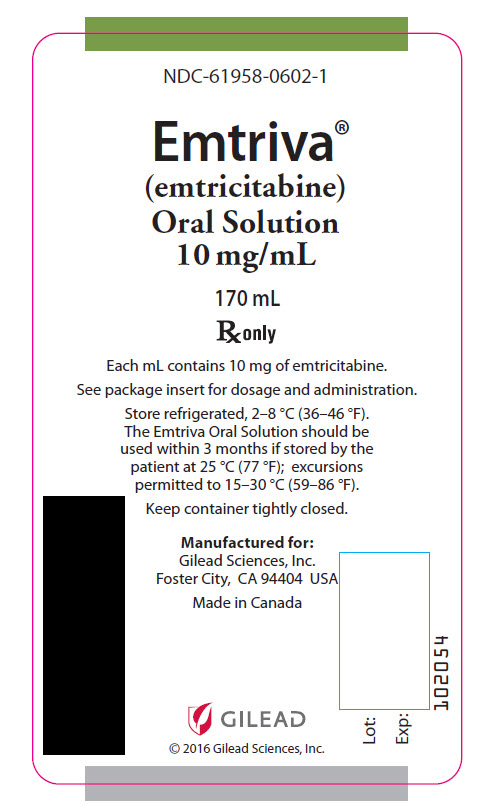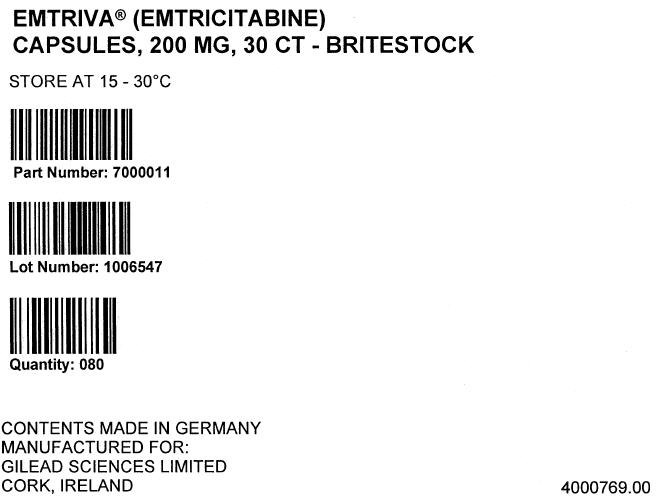
Emtriva label

Emtriva

Emtriva Recall

Get an alert when a recall is issued.

Side Effects & Adverse Reactions

There is currently no warning information available for this product. We apologize for any inconvenience.

FDA Safety Alerts

There are currently no FDA safety alerts available for this drug.

Manufacturer Warnings

There is currently no manufacturer warning information available for this drug.

FDA Labeling Changes

There are currently no FDA labeling changes available for this drug.

Uses

EMTRIVA® is indicated in combination with other antiretroviral agents for the treatment of HIV-1 infection.

Additional important information regarding the use of EMTRIVA for the treatment of HIV-1 Infection:

  • EMTRIVA should not be coadministered with ATRIPLA®, TRUVADA®, or lamivudine-containing products [See Warnings and Precautions (5.3)].
  • In treatment-experienced patients, the use of EMTRIVA should be guided by laboratory testing and treatment history [See Clinical Pharmacology (12.4)].

History

There is currently no drug history available for this drug.

Other Information

EMTRIVA is the brand name of emtricitabine, a synthetic nucleoside analog with activity against human immunodeficiency virus type 1 (HIV-1) reverse transcriptase.

The chemical name of emtricitabine is 5-fluoro-1-(2R,5S)-[2-(hydroxymethyl)-1,3-oxathiolan-5-yl]cytosine. Emtricitabine is the (-) enantiomer of a thio analog of cytidine, which differs from other cytidine analogs in that it has a fluorine in the 5-position.

It has a molecular formula of C8H10FN3O3S and a molecular weight of 247.24. It has the following structural formula:
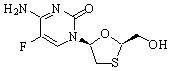
Chemical Structure

Emtricitabine is a white to off-white powder with a solubility of approximately 112 mg/mL in water at 25 °C. The log P for emtricitabine is -0.43 and the pKa is 2.65.

EMTRIVA is available as capsules or as an oral solution.

EMTRIVA capsules are for oral administration. Each capsule contains 200 mg of emtricitabine and the inactive ingredients, crospovidone, magnesium stearate, microcrystalline cellulose, and povidone.

EMTRIVA oral solution is for oral administration. One milliliter (1 mL) of EMTRIVA oral solution contains 10 mg of emtricitabine in an aqueous solution with the following inactive ingredients: cotton candy flavor, FD&C yellow No. 6, edetate disodium, methylparaben, and propylparaben (added as preservatives), sodium phosphate (monobasic), propylene glycol, water, and xylitol (added as a sweetener). Sodium hydroxide and hydrochloric acid may be used to adjust pH.

Emtriva Manufacturers

  • Excella Gmbh
    Emtriva | Excella Gmbh
    No Recall

    Emtriva | Excella Gmbh

    Emtriva | Excella Gmbh
    2.1 Recommended Dose

    EMTRIVA may be taken without regard to food.

    2.2 Adult Patients (18 years of age and older) EMTRIVA capsules: one 200 mg capsule administered once daily orally. EMTRIVA oral solution: 240 mg (24 mL) administered once daily orally. 2.3 Pediatric Patients (0–3 months of age) EMTRIVA oral solution: 3 mg/kg administered once daily orally. 2.4 Pediatric Patients (3 months through 17 years) EMTRIVA oral solution: 6 mg/kg up to a maximum of 240 mg (24 mL) administered once daily orally. EMTRIVA capsules: for children weighing more than 33 kg who can swallow an intact capsule, one 200 mg capsule administered once daily orally. 2.5 Dose Adjustment in Adult Patients with Renal Impairment

    Significantly increased drug exposures were seen when EMTRIVA was administered to patients with renal impairment [See Clinical Pharmacology (12.3)]. Therefore, the dosing interval or dose of EMTRIVA should be adjusted in patients with baseline creatinine clearance <50 mL/min using the following guidelines (see Table 1). The safety and effectiveness of these dose adjustment guidelines have not been clinically evaluated. Therefore, clinical response to treatment and renal function should be closely monitored in these patients.

    Table 1 Dose Adjustment in Adult Patients with Renal Impairment Creatinine Clearance (mL/min) Formulation ≥50 mL/min 30–49 mL/min 15–29 mL/min <15 mL/min
    or on hemodialysis* * Hemodialysis Patients: If dosing on day of dialysis, give dose after dialysis Capsule
    (200 mg) 200 mg every
    24 hours 200 mg every
    48 hours 200 mg every
    72 hours 200 mg
    every
    96 hours Oral Solution
    (10 mg/mL) 240 mg every
    24 hours
    (24 mL) 120 mg every
    24 hours
    (12 mL) 80 mg every
    24 hours
    (8 mL) 60 mg every
    24 hours
    (6 mL)

    Although there are insufficient data to recommend a specific dose adjustment of EMTRIVA in pediatric patients with renal impairment, a reduction in the dose and/or an increase in the dosing interval similar to adjustments for adults should be considered.

  • State Of Florida Doh Central Pharmacy
    Emtriva | State Of Florida Doh Central Pharmacy
    No Recall

    Emtriva | State Of Florida Doh Central Pharmacy

    Emtriva | State Of Florida Doh Central Pharmacy
    2.1 Recommended Dose

    EMTRIVA may be taken without regard to food.

    2.2 Adult Patients (18 years of age and older) EMTRIVA capsules: one 200 mg capsule administered once daily orally. EMTRIVA oral solution: 240 mg (24 mL) administered once daily orally. 2.3 Pediatric Patients (0–3 months of age) EMTRIVA oral solution: 3 mg/kg administered once daily orally. 2.4 Pediatric Patients (3 months through 17 years) EMTRIVA oral solution: 6 mg/kg up to a maximum of 240 mg (24 mL) administered once daily orally. EMTRIVA capsules: for children weighing more than 33 kg who can swallow an intact capsule, one 200 mg capsule administered once daily orally. 2.5 Dose Adjustment in Adult Patients with Renal Impairment

    Significantly increased drug exposures were seen when EMTRIVA was administered to patients with renal impairment [See Clinical Pharmacology (12.3)]. Therefore, the dosing interval or dose of EMTRIVA should be adjusted in patients with baseline creatinine clearance <50 mL/min using the following guidelines (see Table 1). The safety and effectiveness of these dose adjustment guidelines have not been clinically evaluated. Therefore, clinical response to treatment and renal function should be closely monitored in these patients.

    Table 1 Dose Adjustment in Adult Patients with Renal Impairment Creatinine Clearance (mL/min) Formulation ≥50 mL/min 30–49 mL/min 15–29 mL/min <15 mL/min
    or on hemodialysis* * Hemodialysis Patients: If dosing on day of dialysis, give dose after dialysis Capsule
    (200 mg) 200 mg every
    24 hours 200 mg every
    48 hours 200 mg every
    72 hours 200 mg
    every
    96 hours Oral Solution
    (10 mg/mL) 240 mg every
    24 hours
    (24 mL) 120 mg every
    24 hours
    (12 mL) 80 mg every
    24 hours
    (8 mL) 60 mg every
    24 hours
    (6 mL)

    Although there are insufficient data to recommend a specific dose adjustment of EMTRIVA in pediatric patients with renal impairment, a reduction in the dose and/or an increase in the dosing interval similar to adjustments for adults should be considered.

  • Physicians Total Care, Inc.
    Emtriva | Physicians Total Care, Inc.
    No Recall

    Emtriva | Physicians Total Care, Inc.

    Emtriva | Physicians Total Care, Inc.
    2.1 Recommended Dose

    EMTRIVA may be taken without regard to food.

    2.2 Adult Patients (18 years of age and older) EMTRIVA capsules: one 200 mg capsule administered once daily orally. EMTRIVA oral solution: 240 mg (24 mL) administered once daily orally. 2.3 Pediatric Patients (0–3 months of age) EMTRIVA oral solution: 3 mg/kg administered once daily orally. 2.4 Pediatric Patients (3 months through 17 years) EMTRIVA oral solution: 6 mg/kg up to a maximum of 240 mg (24 mL) administered once daily orally. EMTRIVA capsules: for children weighing more than 33 kg who can swallow an intact capsule, one 200 mg capsule administered once daily orally. 2.5 Dose Adjustment in Adult Patients with Renal Impairment

    Significantly increased drug exposures were seen when EMTRIVA was administered to patients with renal impairment [See Clinical Pharmacology (12.3)]. Therefore, the dosing interval or dose of EMTRIVA should be adjusted in patients with baseline creatinine clearance <50 mL/min using the following guidelines (see Table 1). The safety and effectiveness of these dose adjustment guidelines have not been clinically evaluated. Therefore, clinical response to treatment and renal function should be closely monitored in these patients.

    Table 1 Dose Adjustment in Adult Patients with Renal Impairment Creatinine Clearance (mL/min) Formulation ≥50 mL/min 30–49 mL/min 15–29 mL/min <15 mL/min
    or on hemodialysis* * Hemodialysis Patients: If dosing on day of dialysis, give dose after dialysis Capsule
    (200 mg) 200 mg every
    24 hours 200 mg every
    48 hours 200 mg every
    72 hours 200 mg
    every
    96 hours Oral Solution
    (10 mg/mL) 240 mg every
    24 hours
    (24 mL) 120 mg every
    24 hours
    (12 mL) 80 mg every
    24 hours
    (8 mL) 60 mg every
    24 hours
    (6 mL)

    Although there are insufficient data to recommend a specific dose adjustment of EMTRIVA in pediatric patients with renal impairment, a reduction in the dose and/or an increase in the dosing interval similar to adjustments for adults should be considered.

  • Emtriva | Gilead Sciences, Inc.
    No Recall

    Emtriva | Gilead Sciences, Inc.

    Emtriva | Gilead Sciences, Inc.
    2.1 Recommended Dose

    EMTRIVA may be taken without regard to food.

    2.2 Adult Patients (18 years of age and older) EMTRIVA capsules: one 200 mg capsule administered once daily orally. EMTRIVA oral solution: 240 mg (24 mL) administered once daily orally. 2.3 Pediatric Patients (0–3 months of age) EMTRIVA oral solution: 3 mg per kg administered once daily orally. 2.4 Pediatric Patients (3 months through 17 years) EMTRIVA oral solution: 6 mg per kg up to a maximum of 240 mg (24 mL) administered once daily orally. EMTRIVA capsules: for children weighing more than 33 kg who can swallow an intact capsule, one 200 mg capsule administered once daily orally. 2.5 Dose Adjustment in Adult Patients with Renal Impairment

    Significantly increased drug exposures were seen when EMTRIVA was administered to subjects with renal impairment [See Clinical Pharmacology (12.3)]. Therefore, the dosing interval or dose of EMTRIVA should be adjusted in patients with baseline creatinine clearance less than 50 mL per min using the following guidelines (see Table 1). The safety and effectiveness of these dose adjustment guidelines have not been clinically evaluated. Therefore, clinical response to treatment and renal function should be closely monitored in these patients.

    Table 1 Dose Adjustment in Adult Patients with Renal Impairment Creatinine Clearance (mL/min) Formulation ≥50 mL/min 30–49 mL/min 15–29 mL/min <15 mL/min or on hemodialysis* * Hemodialysis Patients: If dosing on day of dialysis, give dose after dialysis. Capsule
    (200 mg) 200 mg every 24 hours 200 mg every 48 hours 200 mg every 72 hours 200 mg every 96 hours Oral Solution
    (10 mg/mL) 240 mg every 24 hours
    (24 mL) 120 mg every 24 hours
    (12 mL) 80 mg every 24 hours
    (8 mL) 60 mg every 24 hours
    (6 mL)

    Although there are insufficient data to recommend a specific dose adjustment of EMTRIVA in pediatric patients with renal impairment, a reduction in the dose and/or an increase in the dosing interval similar to adjustments for adults should be considered.