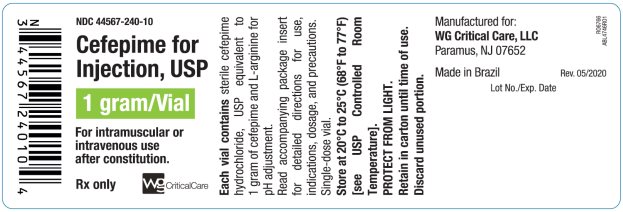
Cefepime label

Cefepime

Cefepime Recall

Get an alert when a recall is issued.

Side Effects & Adverse Reactions

There is currently no warning information available for this product. We apologize for any inconvenience.

FDA Safety Alerts

There are currently no FDA safety alerts available for this drug.

Manufacturer Warnings

There is currently no manufacturer warning information available for this drug.

FDA Labeling Changes

There are currently no FDA labeling changes available for this drug.

Uses

Didanosine delayed-release capsules USP, also known as ddI, in combination with other antiretroviral agents are indicated for the treatment of human immunodeficiency virus (HIV)-1 infection [see Clinical Studies (14)].

History

There is currently no drug history available for this drug.

Other Information

Didanosine delayed-release capsules, USP are an enteric-coated formulation of didanosine, USP, a synthetic purine nucleoside analogue active against HIV-1. Didanosine delayed-release capsules, containing enteric-coated beadlets, are available for oral administration in strengths of 125 mg, 200 mg, 250 mg, and 400 mg of didanosine, USP. The inactive ingredients in the beadlets include carboxymethylcellulose sodium, colloidal silicon dioxide, diethyl phthalate, hypromellose, methacrylic acid copolymer, sodium citrate hydrous, sodium lauryl sulfate, sodium starch glycolate and talc. The capsule shells contain gelatin, sodium lauryl sulfate and titanium dioxide. The 200 mg, 250 mg and 400 mg capsules also contain red iron oxide and yellow iron oxide. The capsules are imprinted with edible inks which contain black iron oxide, potassium hydroxide, propylene glycol, shellac and strong ammonia solution.

Didanosine is also available in a powder formulation. Please consult the prescribing information for didanosine pediatric powder for oral solution for additional information.

The chemical name for didanosine is 2′,3′-dideoxyinosine. The structural formula is:

Didanosine structural formula

Didanosine, USP is a white to off-white crystalline powder with the molecular formula C10H12N4O3 and a molecular weight of 236.23. The aqueous solubility of didanosine at 25° C and pH of approximately 6 is 27.3 mg/mL. Didanosine is unstable in acidic solutions. For example, at pH less than 3 and 37°C, 10% of didanosine decomposes to hypoxanthine in less than 2 minutes. In didanosine delayed-release capsules, an enteric coating is used to protect didanosine from degradation by stomach acid.

Cefepime Manufacturers

  • App Pharmaceuticals, Llc
    Cefepime | Mylan Pharmaceuticals Inc.
    No Recall

    Cefepime | Mylan Pharmaceuticals Inc.

    Cefepime | Mylan Pharmaceuticals Inc.

    Didanosine delayed-release capsules should be administered on an empty stomach. Didanosine delayed-release capsules should be swallowed intact.

    2.1 Recommended Dosage (Adult and Pediatric Patients)

    The recommended total daily dose is based on body weight and is administered as one capsule given on a once-daily schedule as outlined in Table 1.


    The recommended total daily dose to be administered once daily to pediatric patients weighing at least 20 kg who can swallow capsules is based on body weight (kg), consistent with the recommended adult dosing guidelines (see Table 1). Please consult the complete prescribing information for didanosine pediatric powder for oral solution for dosage and administration of didanosine to pediatric patients weighing less than 20 kg or who can not swallow capsules.


    Table 1: Recommended Dosage (Adult and Pediatric Patients)

    Body Weight

    Dose

    20 kg to less than 25 kg

    200 mg once daily

    25 kg to less than 60 kg

    250 mg once daily

    at least 60 kg

    400 mg once daily

    2.2 Renal Impairment

    Dosing recommendations for didanosine delayed-release capsules and didanosine pediatric powder for oral solution are different for patients with renal impairment. Please consult the complete prescribing information on administration of didanosine pediatric powder for oral solution to patients with renal impairment.

    Adult Patients

    In adult patients with impaired renal function, the dose of didanosine delayed-release capsules should be adjusted to compensate for the slower rate of elimination. The recommended doses and dosing intervals of didanosine delayed-release capsules in adult patients with renal insufficiency are presented in Table 2.

    Table 2: Recommended Dosage in Patients with Renal Impairment by Body Weight* * Based on studies using a buffered formulation of didanosine. † Not suitable for use in patients less than 60 kg with CL cr less than 10 mL/min. An alternate formulation of didanosine should be used.

    Creatinine Clearance
    (mL/min)

    Dosage (mg)

    at least 60 kg

    less than 60 kg

    at least 60

    400 once daily

    250 once daily

    30 to 59

    200 once daily

    125 once daily

    10 to 29

    125 once daily

    125 once daily

    less than 10

    125 once daily

    †

    Pediatric Patients

    Urinary excretion is also a major route of elimination of didanosine in pediatric patients, therefore the clearance of didanosine may be altered in pediatric patients with renal impairment. Although there are insufficient data to recommend a specific dose adjustment of didanosine in this patient population, a reduction in the dose should be considered (see Table 2).


    Patients Requiring Continuous Ambulatory Peritoneal Dialysis (CAPD) or Hemodialysis

    For patients requiring CAPD or hemodialysis, follow dosing recommendations for patients with creatinine clearance of less than 10 mL/min, shown in Table 2. It is not necessary to administer a supplemental dose of didanosine following hemodialysis.

    2.3 Dose Adjustment Concomitant Therapy with Tenofovir Disoproxil Fumarate

    In patients who are also taking tenofovir disoproxil fumarate, a dose reduction of didanosine delayed-release capsules to 250 mg (adults weighing at least 60 kg with creatinine clearance of at least 60 mL/min) or 200 mg (adults weighing less than 60 kg with creatinine clearance of at least 60 mL/min) once daily taken together with tenofovir disoproxil fumarate and a light meal (400 kcalories or less, 20% fat or less) or in the fasted state is recommended. The appropriate dose of didanosine delayed-release capsules coadministered with tenofovir disoproxil fumarate in patients with creatinine clearance of less than 60 mL/min has not been established [see Drug Interactions (7) and Clinical Pharmacology (12.3)].

    Hepatic Impairment

    No dose adjustment is required in patients with hepatic impairment [see Warnings and Precautions (5.3) and Clinical Pharmacology (12.3)].


  • Sandoz Inc
    Cefepime | Sandoz Inc
    No Recall

    Cefepime | Sandoz Inc

    Cefepime | Sandoz Inc

    The recommended adult and pediatric dosages and routes of administration are outlined in the following table. Cefepime for injection should be administered intravenously over approximately 30 minutes.

    Table 12: Recommended Dosage Schedule for Cefepime for Injection, USP in Patients with CrCL >60 mL/min Site and Type of Infection Dose Frequency Duration (days) Adults * including cases associated with concurrent bacteremia † or until resolution of neutropenia. In patients whose fever resolves but who remain neutropenic for more than 7 days, the need for continued antimicrobial therapy should be re-evaluated frequently. ‡ intramuscular route of administration is indicated only for mild to moderate, uncomplicated or complicated UTIs due to E. coli when the intramuscular route is considered to be a more appropriate route of drug administration. Moderate to Severe Pneumonia due to S. pneumoniae*, P. aeruginosa, K. pneumoniae, or Enterobacter species 1-2 g IV every 12 hours 10 Empiric therapy for febrile neutropenic patients (See INDICATIONS AND USAGE and CLINICAL STUDIES.) 2 g IV every 8 hours 7† Mild to Moderate Uncomplicated or Complicated Urinary Tract Infections, including pyelonephritis, due to E. coli, K. pneumoniae, or P. mirabilis* 0.5-1 g
    IV/IM‡ every 12 hours 7-10 Severe Uncomplicated or Complicated Urinary Tract Infections, including pyelonephritis, due to E. coli or K. pneumoniae* 2 g IV every 12 hours 10 Moderate to Severe Uncomplicated Skin and Skin Structure Infections due to S. aureus or S. pyogenes 2 g IV every 12 hours 10 Complicated Intra-abdominal Infections (used in combination with metronidazole) caused by E. coli, viridans group streptococci, P. aeruginosa, K. pneumoniae, Enterobacter species, or B. fragilis. (See CLINICAL STUDIES.) 2 g IV every 12 hours 7-10 Pediatric Patients (2 months up to 16 years) The maximum dose for pediatric patients should not exceed the recommended adult dose.
    The usual recommended dosage in pediatric patients up to 40 kg in weight for uncomplicated and complicated urinary tract infections (including pyelonephritis), uncomplicated skin and skin structure infections, and pneumonia is 50 mg/kg/dose, administered every 12 hours (50 mg/kg/dose, every 8 hours for febrile neutropenic patients), for durations as given above. Impaired Hepatic Function

    No adjustment is necessary for patients with hepatic impairment.

    Impaired Renal Function

    In patients with creatinine clearance less than or equal to 60 mL/min, the dose of cefepime for injection should be adjusted to compensate for the slower rate of renal elimination. The recommended initial dose of cefepime for injection should be the same as in patients with normal renal function except in patients undergoing hemodialysis. The recommended doses of cefepime for injection in patients with renal impairment are presented in Table 13.

    When only serum creatinine is available, the following formula (Cockcroft and Gault equation)3 may be used to estimate creatinine clearance. The serum creatinine should represent a steady state of renal function:

    Males: Creatinine Clearance (mL/min) = Weight (kg) × (140-age) 72 × serum creatinine (mg/dL) Females: 0.85 × above value Table 13: Recommended Dosing Schedule for Cefepime for Injection in Adult Patients (Normal Renal Function, Renal Impairment, and Hemodialysis) Creatinine
    Clearance (mL/min) Recommended Maintenance Schedule * On hemodialysis days, cefepime should be administered following hemodialysis.
    Whenever possible, cefepime should be administered at the same time each day. >60 Normal recommended dosing schedule 500 mg every 12 hours 1 g every 12 hours 2 g every 12 hours 2 g every 8 hours 30-60 500 mg every 24 hours 1 g every 24 hours 2 g every 24 hours 2 g every 12 hours 11-29 500 mg every 24 hours 500 mg every 24 hours 1 g every 24 hours 2 g every 24 hours <11 250 mg every 24 hours 250 mg every 24 hours 500 mg every 24 hours 1 g every 24 hours CAPD 500 mg every 48 hours 1 g every 48 hours 2 g every 48 hours 2g every 48 hours Hemodialysis* 1 g on day 1, then 500 mg every 24 hours thereafter 1 g every 24 hours

    In patients undergoing continuous ambulatory peritoneal dialysis, cefepime for injection may be administered at normally recommended doses at a dosage interval of every 48 hours (see Table 13).

    In patients undergoing hemodialysis, approximately 68% of the total amount of cefepime present in the body at the start of dialysis will be removed during a 3-hour dialysis period. The dosage of cefepime for injection for hemodialysis patients is 1 g on Day 1 followed by 500 mg every 24 hours for the treatment of all infections except febrile neutropenia, which is 1 g every 24 hours. Cefepime for injection should be administered at the same time each day and following the completion of hemodialysis on hemodialysis days (see Table 13).

    Data in pediatric patients with impaired renal function are not available; however, since cefepime pharmacokinetics are similar in adults and pediatric patients (see CLINICAL PHARMACOLOGY), changes in the dosing regimen proportional to those in adults (see Tables 12 and 13) are recommended for pediatric patients.

    Administration For Intravenous Infusion

    Constitute the 500 mg, 1 g, or 2 g vial, and add an appropriate quantity of the resulting solution to an intravenous container with one of the compatible intravenous fluids listed in the Compatibility and Stability subsection. THE RESULTING SOLUTION SHOULD BE ADMINISTERED OVER APPROXIMATELY 30 MINUTES.

    Intermittent intravenous infusion with a Y-type administration set can be accomplished with compatible solutions. However, during infusion of a solution containing cefepime, it is desirable to discontinue the other solution.

    Intramuscular Administration

    For intramuscular administration, cefepime for injection (cefepime hydrochloride) should be constituted with one of the following diluents: Sterile Water for Injection, 0.9% Sodium Chloride, 5% Dextrose Injection, 0.5% or 1.0% Lidocaine Hydrochloride, or Sterile Bacteriostatic Water for Injection with Parabens or Benzyl Alcohol (refer to Table 14).

    Preparation of cefepime for injection solutions is summarized in Table 14.

    Table 14: Preparation of Solutions of Cefepime for Injection Single-Dose Vials for Intravenous/
    Intramuscular Administration Amount of Diluent to be added (mL) Approximate Available Volume (mL) Approximate Cefepime Concentration (mg/mL) cefepime vial content 500 mg (IV) 5 5.6 100 500 mg (IM) 1.3 1.8 280 1 g (IV) 10 11.3 100 1 g (IM) 2.4 3.6 280 2 g (IV) 10 12.5 160 Compatibility and Stability Intravenous

    Cefepime for injection is compatible at concentrations between 1 mg/mL and 40 mg/mL with the following intravenous infusion fluids: 0.9% Sodium Chloride Injection, 5% and 10% Dextrose Injection, M/6 Sodium Lactate Injection, 5% Dextrose and 0.9% Sodium Chloride Injection, Lactated Ringers and 5% Dextrose Injection, Normosol-R™, and Normosol-M™ in 5% Dextrose Injection. These solutions may be stored up to 24 hours at controlled room temperature 20° to 25° C (68° to 77° F) or 7 days in a refrigerator 2° to 8° C (36° to 46° F).

    Cefepime for injection admixture compatibility information is summarized in Table 15.

    Table 15: Cefepime Admixture Stability Stability Time for Cefepime for Injection Concentration Admixture and Concentration IV Infusion Solutions RT/L
    (20°-25° C) Refrigeration
    (2°-8° C) NS = 0.9% Sodium Chloride Injection
    D5W = 5% Dextrose Injection
    na = not applicable
    RT/L = Ambient room temperature and light 40 mg/mL Amikacin 6 mg/mL NS or D5W 24 hours 7 days 40 mg/mL Ampicillin 1 mg/mL D5W 8 hours 8 hours 40 mg/mL Ampicillin 10 mg/mL D5W 2 hours 8 hours 40 mg/mL Ampicillin 1 mg/mL NS 24 hours 48 hours 40 mg/mL Ampicillin 10 mg/mL NS 8 hours 48 hours 4 mg/mL Ampicillin 40 mg/mL NS 8 hours 8 hours 4-40 mg/mL Clindamycin Phosphate 0.25-6 mg/mL NS or D5W 24 hours 7 days 4 mg/mL Heparin 10-50 units/mL NS or D5W 24 hours 7 days 4 mg/mL Potassium Chloride 10-40 mEq/L NS or D5W 24 hours 7 days 4 mg/mL Theophylline 0.8 mg/mL D5W 24 hours 7 days 1-4 mg/mL na Aminosyn II® 4.25% with electrolytes and calcium 8 hours 3 days 0.125-0.25 mg/mL na Inpersol™ with 4.25% dextrose 24 hours 7 days

    Solutions of cefepime for injection, like those of most beta-lactam antibiotics, should not be added to solutions of ampicillin at a concentration greater than 40 mg/mL, and should not be added to metronidazole, vancomycin, gentamicin, tobramycin, netilmicin sulfate or aminophylline because of potential interaction. However, if concurrent therapy with cefepime for injection is indicated, each of these antibiotics can be administered separately.

    Intramuscular

    Cefepime for injection (cefepime hydrochloride) constituted as directed is stable for 24 hours at controlled room temperature 20° to 25° C (68° to 77° F) or for 7 days in a refrigerator 2° to 8° C (36° to 46° F) with the following diluents: Sterile Water for Injection, 0.9% Sodium Chloride Injection, 5% Dextrose Injection, Sterile Bacteriostatic Water for Injection with Parabens or Benzyl Alcohol, or 0.5% or 1% Lidocaine Hydrochloride.

    NOTE: PARENTERAL DRUGS SHOULD BE INSPECTED VISUALLY FOR PARTICULATE MATTER BEFORE ADMINISTRATION.

    As with other cephalosporins, the color of cefepime for injection powder, as well as its solutions, tend to darken depending on storage conditions; however, when stored as recommended, the product potency is not adversely affected.

  • Cefepime | Hospira, Inc.
    No Recall

    Cefepime | Hospira, Inc.

    Cefepime | Hospira, Inc.

    The recommended adult and pediatric dosages and routes of administration are outlined in the following table. Cefepime for injection should be administered intravenously over approximately 30 minutes. 

    Table 11: Recommended Dosage Schedule for Cefepime for Injection in Patients with CrCL Greater Than 60 mL/min

    Site and Type of Infection

    Dose

    Frequency

    Duration

    (Days)

    Adults

    Moderate to Severe Pneumonia due
    to S. pneumoniae*, P. aeruginosa,
    K. pneumoniae, or Enterobacter species

    1 to 2 g IV

    Every 12 hours

    10

    Empiric therapy for febrile neutropenic
    patients (See INDICATIONS AND
    USAGE and CLINICAL STUDIES.)

    2 g IV

    Every 8 hours

    7**

    Mild to Moderate Uncomplicated or
    Complicated Urinary Tract Infections,
    including pyelonephritis, due to E. coli,
    K. pneumoniae, or P. mirabilis*

    0.5 to 1 g IV

    Every 12 hours

    7 to 10

    Severe Uncomplicated or Complicated
    Urinary Tract Infections, including
    pyelonephritis, due to E. coli or K. pneumoniae*

    2 g IV

    Every 12 hours

    10

    Moderate to Severe Uncomplicated
    Skin and Skin Structure Infections due
    to S. aureus or S. pyogenes

    2 g IV

    Every 12 hours

    10

    Complicated Intra-abdominal
    Infections (used in combination with
    metronidazole) caused by E. coli,
    viridans group streptococci,
    P. aeruginosa, K. pneumoniae,
    Enterobacter species, or B. fragilis.
    (See CLINICAL STUDIES.)

    2 g IV

    Every 12 hours

    7 to 10

    Pediatric Patients (2 months up to 16 years)

    The maximum dose for pediatric patients should not exceed the recommended adult dose. The usual recommended dosage in pediatric patients up to 40 kg in weight for uncomplicated and complicated urinary tract infections (including pyelonephritis), uncomplicated skin and skin structure infections, and pneumonia is 50 mg per kg per dose, administered every 12 hours (50 mg per kg per dose, every 8 hours for febrile neutropenic patients), for durations as given above.

    * including cases associated with concurrent bacteremia

    ** or until resolution of neutropenia. In patients whose fever resolves but who remain neutropenic for more than 7 days, the need for continued antimicrobial therapy should be re-evaluated frequently.

    Patients with Hepatic Impairment

    No adjustment is necessary for patients with hepatic impairment.

    Patients with Renal Impairment

    In patients with creatinine clearance less than or equal to 60 mL/min, the dose of cefepime for injection should be adjusted to compensate for the slower rate of renal elimination. The recommended initial dose of cefepime for injection should be the same as in patients with normal renal function except in patients undergoing hemodialysis. The recommended doses of cefepime for injection in patients with renal impairment are presented in Table 12.

    When only serum creatinine is available, the following formula (Cockcroft and Gault Equation)3 may be used to estimate creatinine clearance. The serum creatinine should represent a steady state of renal function:

    Males: Creatinine Clearance (mL/min) =   
       Weight (kg) x (140 – age)  72 x serum creatinine (mg/dL)  Females: 0.85 x above value Table 12: Recommended Dosing Schedule for Cefepime for Injection in Adult Patients (Normal Renal Function, Renal Impairment, and Hemodialysis)

    Creatinine
    Clearance
    (mL/min)

    Recommended Maintenance Schedule

    Greater than 60
    Normal recommended
    dosing  schedule

    500 mg
    every 12 hours

    1 g
    every 12 hours

    2 g
    every 12 hours

    2 g
    every 8 hours

    30 to 60

    500 mg
    every 24 hours

    1 g
    every 24 hours

    2 g
    every 24 hours

    2 g
    every 12 hours

    11 to 29

    500 mg
    every 24 hours

    500 mg
    every 24 hours

    1 g
    every 24 hours

    2 g
    every 24 hours

    Less than 11

    250 mg
    every 24 hours

    250 mg
    every 24 hours

    500 mg
    every 24 hours

    1 g
    every 24 hours

    CAPD

    500 mg
    every 48 hours

    1 g
    every 48 hours

    2 g
    every 48 hours

    2 g
    every 48 hours

    Hemodialysis*

    1 g on day 1, then 500 mg every 24 hours thereafter

    1 g
    every 24 hours

    *On hemodialysis days, cefepime should be administered following hemodialysis.  Whenever possible, cefepime should be administered at the same time each day.

    In patients undergoing continuous ambulatory peritoneal dialysis, cefepime for injection may be administered at normally recommended doses at a dosage interval of every 48 hours (see Table 12).

    In patients undergoing hemodialysis, approximately 68% of the total amount of cefepime present in the body at the start of dialysis will be removed during a 3-hour dialysis period. The dosage of cefepime for injection for hemodialysis patients is 1 g on Day 1 followed by 500 mg every 24 hours for the treatment of all infections except febrile neutropenia, which is 1 g every 24 hours.

    Cefepime for injection should be administered at the same time each day and following the completion of hemodialysis on hemodialysis days (see Table 12).

    Data in pediatric patients with impaired renal function are not available; however, since cefepime pharmacokinetics are similar in adults and pediatric patients (see CLINICAL PHARMACOLOGY), changes in the dosing regimen proportional to those in adults (see Tables 11 and 12) are recommended for pediatric patients.

    Administration

    ADD-VantageTM vials are to be constituted only with 50 mL or 100 mL of 5% Dextrose Injection or 0.9% Sodium Chloride Injection in Hospira ADD-VantageTM flexible diluent containers. (See INSTRUCTIONS FOR USE) THE RESULTING SOLUTION SHOULD BE ADMINISTERED OVER APPROXIMATELY 30 MINUTES.

    Intermittent intravenous infusion with a Y-type administration set can be accomplished with compatible solutions. However, during infusion of a solution containing cefepime, it is desirable to discontinue the other solution.

    Preparation of cefepime for injection solutions is summarized in Table 13.

    Table 13: Preparation of Solutions of Cefepime for Injection

    Single-Dose Vials
    for Intravenous
    Administration

    Amount of Diluent
    to be added (mL)

    Approximate
    Available Volume
    (mL)

    Approximate
    Cefepime
    Concentration
    (mg/mL)

    ADD-VantageTM

    1 g vial

    50

    50

    20

    1 g vial

    100

    100

    10

    2 g vial

    50

    50

    40

    2 g vial

    100

    100

    20

    Compatibility and Stability

    Cefepime for injection in ADD-VantageTM vials is stable at concentrations of  10 to 40 mg per mL in 5% Dextrose Injection or 0.9% Sodium Chloride Injection for 24 hours at controlled room temperature 20° to 25°C or 7 days in a refrigerator 2° to 8°C.

    Solutions of cefepime for injection, like those of most beta-lactam antibiotics, should not be added to solutions of ampicillin at a concentration greater than 40 mg per mL, and should not be added to metronidazole, vancomycin, gentamicin, tobramycin, netilmicin sulfate, or aminophylline because of potential interaction. However, if concurrent therapy with cefepime for injection is indicated, each of these antibiotics can be administered separately.

    NOTE: PARENTERAL DRUGS SHOULD BE INSPECTED VISUALLY FOR PARTICULATE MATTER BEFORE ADMINISTRATION. IF PARTICULATE MATTER IS EVIDENT IN RECONSTITUTED FLUIDS, THE DRUG SOLUTION SHOULD BE DISCARDED.

    As with other cephalosporins, the color of cefepime for injection, as well as its solutions, tend to darken depending on storage conditions; however, when stored as recommended, the product potency is not adversely affected.

    INSTRUCTIONS FOR USE

    These instructions for use should be made available to the individuals who perform the reconstitution steps.

    To Open:

    Peel overwrap at corner and remove solution container. Some opacity of the plastic due to moisture absorption during the sterilization process may be observed. This is normal and does not affect the solution quality or safety. The opacity will diminish gradually.

    To Assemble Vial and Flexible Diluent Container:

    (Use Aseptic Technique)

    1.    Remove the protective covers from the top of the vial and the vial port on the diluent container as follows:

    a.    To remove the breakaway vial cap, swing the pull ring over the top of the vial and pull down far enough to start the opening (SEE FIGURE 1.), then pull straight up to remove the cap. (SEE FIGURE 2.)

    NOTE: Once the breakaway cap has been removed, do not access vial with syringe.


    b.    To remove the vial port cover, grasp the tab on the pull ring, pull up to break the three tie strings, then pull back to remove the cover. (SEE FIGURE 3.)

    2.    Screw the vial into the vial port until it will go no further. THE VIAL MUST BE SCREWED IN TIGHTLY TO ASSURE A SEAL. This occurs approximately 1/2 turn (180°) after the first audible click. (SEE FIGURE 4.) The clicking sound does not assure a seal; the vial must be turned as far as it will go.

    NOTE: Once vial is seated, do not attempt to remove. (SEE FIGURE 4.)

    3.    Recheck the vial to assure that it is tight by trying to turn it further in the direction of assembly.

    4.    Label appropriately.


    To Reconstitute the Drug:

    1. Squeeze the bottom of the diluent container gently to inflate the portion of the container surrounding the end of the drug vial.

    2. With the other hand, push the drug vial down into the container telescoping the walls of the container. Grasp the inner cap of the vial through the walls of the container. (SEE FIGURE 5.)

    3. Pull the inner cap from the drug vial. (SEE FIGURE 6.) Verify that the rubber stopper has been pulled out, allowing the drug and diluent to mix.

    4. Mix container contents thoroughly and use within the specified time.

    5. Look through the bottom of the vial to verify that the stopper has been removed and complete mixing has occurred. (SEE FIGURE 7.)

    If the rubber stopper is not removed from the vial and medication is not released on the first attempt, the inner cap may be manipulated back into the rubber stopper without removing the drug vial from the diluent container. Repeat steps 3 through 5.


    Preparation for Administration:

    (Use Aseptic Technique)

    Confirm the activation and admixture of vial contents. Check for leaks by squeezing container firmly. If leaks are found, discard unit as sterility may be impaired. Close flow control clamp of administration set. Remove cover from outlet port at bottom of container. Insert piercing pin of administration set into port with a twisting motion until the pin is firmly seated. NOTE: See full directions on administration set carton. Lift the free end of the hanger loop on the bottom of the vial, breaking the two tie strings. Bend the loop outward to lock it in the upright position, then suspend container from hanger. Squeeze and release drip chamber to establish proper fluid level in chamber. Open flow control clamp and clear air from set. Close clamp. Attach set to venipuncture device. If device is not indwelling, prime and make venipuncture. Regulate rate of administration with flow control clamp.

    WARNING: Do not use flexible container in series connections.

  • Sagent Pharmaceuticals
    Cefepime | Sagent Pharmaceuticals
    No Recall

    Cefepime | Sagent Pharmaceuticals

    Cefepime | Sagent Pharmaceuticals

    The recommended adult and pediatric dosages and routes of administration are outlined in the following Table 10. Cefepime for injection should be administered intravenously over approximately 30 minutes.

    Table 10: Recommended Dosage Schedule for Cefepime for Injection in Patients with CrCL Greater Than 60 mL/min†

    †Adjust dose in patients with CrCL less than or equal to 60 mL/min

    *including cases associated with concurrent bacteremia.

    **or until resolution of neutropenia. In patients whose fever resolves but who remain neutropenic for more than 7 days, the need for continued antimicrobial therapy should be re-evaluated frequently.

    ***Intramuscular route of administration is indicated only for mild to moderate, uncomplicated or complicated UTIs due to E. coli when the intramuscular route is considered to be a more appropriate route of drug administration.

    §For Pseudomonas aeruginosa, use 2 g IV every 8 hours (50 mg per kg per dose in pediatric patients 2 months up to 16 years)

    Site and Type of Infection Dose Frequency Duration
    (days) Adults Moderate to Severe Pneumonia due to S. pneumoniae*, P. aeruginosa§, K. pneumoniae, or Enterobacter species 1 to 2 g IV Every 8 to 12 hours 10 Empiric therapy for febrile neutropenic patients (see INDICATIONS AND USAGE and CLINICAL STUDIES.) 2 g IV Every 8 hours 7** Mild to Moderate Uncomplicated or Complicated Urinary Tract Infections, including pyelonephritis, due to E. coli, K. pneumoniae, or P. mirabilis* 0.5 to 1 g IV/IM*** Every 12 hours 7 to 10 Severe Uncomplicated or Complicated Urinary Tract Infections,
    including pyelonephritis, due to E. coli or K. pneumoniae* 2 g IV Every 12 hours 10 Moderate to Severe Uncomplicated Skin and Skin Structure Infections due to S. aureus or S. pyogenes 2 g IV Every 12 hours 10 Complicated Intra-abdominal Infections (used in combination with metronidazole) caused by E. coli, viridans group streptococci,
    P. aeruginosa§, K. pneumoniae, Enterobacter species, or B. fragilis (see CLINICAL STUDIES.) 2 g IV Every 8 to 12 hours 7 to 10 Pediatric Patients (2 months up to 16 years)
    The maximum dose for pediatric patients should not exceed the recommended adult dose. The usual recommended dosage in pediatric patients up to 40 kg in weight for uncomplicated and complicated urinary tract infections (including pyelonephritis), uncomplicated skin and skin structure infections, and pneumonia is 50 mg per kg per dose, administered every 12 hours (50 mg per kg per dose, every 8 hours for febrile neutropenic patients), for durations as given above. Patients with Hepatic Impairment

    No adjustment is necessary for patients with hepatic impairment.

    Patients with Renal Impairment

    In patients with creatinine clearance less than or equal to 60 mL/min, the dose of cefepime for injection should be adjusted to compensate for the slower rate of renal elimination. The recommended initial dose of cefepime for injection should be the same as in patients with normal renal function except in patients undergoing hemodialysis. The recommended doses of cefepime for injection in patients with renal impairment are presented in Table 11.

    When only serum creatinine is available, the following formula (Cockcroft and Gault equation)4 may be used to estimate creatinine clearance. The serum creatinine should represent a steady state of renal function:

    Table 11: Recommended Dosing Schedule for Cefepime for Injection in Adult Patients (Normal Renal Function, Renal Impairment, and Hemodialysis)

    *On hemodialysis days, cefepime should be administered following hemodialysis. Whenever possible, cefepime should be administered at the same time each day.

    Creatinine Clearance (mL/min) Recommended Maintenance Schedule Greater than 60 Normal recommended dosing schedule 500 mg
    every 12 hours 1 g
    every 12 hours 2 g
    every 12 hours 2 g
    every 8 hours 30 to 60 500 mg
    every 24 hours 1 g
    every 24 hours 2 g
    every 24 hours 2 g
    every 12 hours 11 to 29 500 mg
    every 24 hours 500 mg
    every 24 hours 1 g
    every 24 hours 2 g
    every 24 hours Less than 11 250 mg
    every 24 hours 250 mg
    every 24 hours 500 mg
    every 24 hours 1 g
    every 24 hours CAPD 500 mg
    every 48 hours 1 g
    every 48 hours 2 g
    every 48 hours 2 g
    every 48 hours Hemodialysis* 1 g on day 1, then 500 mg every 24 hours thereafter 1 g
    every 24 hours

    In patients undergoing continuous ambulatory peritoneal dialysis, cefepime for injection may be administered at normally recommended doses at a dosage interval of every 48 hours (see Table 11).

    In patients undergoing hemodialysis, approximately 68% of the total amount of cefepime present in the body at the start of dialysis will be removed during a 3-hour dialysis period. The dosage of cefepime for injection for hemodialysis patients is 1 g on Day 1 followed by 500 mg every 24 hours for the treatment of all infections except febrile neutropenia, which is 1 g every 24 hours.

    Cefepime for injection should be administered at the same time each day and following the completion of hemodialysis on hemodialysis days (see Table 11).

    Data in pediatric patients with impaired renal function are not available; however, since cefepime pharmacokinetics are similar in adults and pediatric patients (see CLINICAL PHARMACOLOGY), changes in the dosing regimen proportional to those in adults (see Tables 10 and 11) are recommended for pediatric patients.

    Administration

    For Intravenous Infusion, Dilute with a suitable parenteral vehicle prior to intravenous infusion. Constitute the 1 g, or 2 g vial, and add an appropriate quantity of the resulting solution to an intravenous container with one of the compatible intravenous fluids listed in the Compatibility and Stability subsection. THE RESULTING SOLUTION SHOULD BE ADMINISTERED OVER APPROXIMATELY 30 MINUTES.

    Intermittent intravenous infusion with a Y-type administration set can be accomplished with compatible solutions. However, during infusion of a solution containing cefepime, it is desirable to discontinue the other solution.

    Intramuscular Administration: For intramuscular administration, cefepime for injection should be constituted with one of the following diluents: Sterile Water for Injection, 0.9% Sodium Chloride, 5% Dextrose Injection, 0.5% or 1% Lidocaine Hydrochloride, or Sterile Bacteriostatic Water for Injection with Parabens or Benzyl Alcohol (refer to Table 12).

    Preparation of cefepime for injection solutions is summarized in Table 12.

    Table 12: Preparation of Solutions of Cefepime for Injection Single-Dose Vials for Intravenous/Intramuscular Administration Amount of Diluent to be added (mL) Approximate Available Volume (mL) Approximate Cefepime Concentration (mg/mL) cefepime vial content 1 g (IV) 10 11.3 100 1 g (IM) 2.4 3.6 280 2 g (IV) 10 12.5 160 Compatibility and Stability

    Intravenous: Cefepime for injection is compatible at concentrations between 1 mg per mL and 40 mg per mL with the following intravenous infusion fluids: 0.9% Sodium Chloride Injection, 5% and 10% Dextrose Injection, M/6 Sodium Lactate Injection, 5% Dextrose and 0.9% Sodium Chloride Injection, Lactated Ringers and 5% Dextrose Injection, NormosolTM-R, and NormosolTM-M in 5% Dextrose Injection. These solutions may be stored up to 24 hours at controlled room temperature 20°C to 25°C (68°F to 77°F) or 7 days in a refrigerator 2°C to 8°C (36°F to 46°F).

    Cefepime for injection admixture compatibility information is summarized in Table 13.

    Table 13: Cefepime Admixture Stability

    NS = 0.9% Sodium Chloride Injection

    D5W = 5% Dextrose Injection

    na = not applicable

    RT/L = Ambient room temperature and light

    Stability Time for Cefepime for Injection Concentration Admixture and Concentration IV Infusion Solutions RT/L
    (20º to 25ºC) Refrigeration
    (2º to 8ºC) 40 mg/mL Amikacin
    6 mg/mL NS or D5W 24 hours 7 days 40 mg/mL Ampicillin
    1 mg/mL D5W 8 hours 8 hours 40 mg/mL Ampicillin
    10 mg/mL D5W 2 hours 8 hours 40 mg/mL Ampicillin
    1 mg/mL NS 24 hours 48 hours 40 mg/mL Ampicillin
    10 mg/mL NS 8 hours 48 hours 4 mg/mL Ampicillin
    40 mg/mL NS 8 hours 8 hours 4 to 40 mg/mL Clindamycin Phosphate 0.25 to 6 mg/mL NS or D5W 24 hours 7 days 4 mg/mL Heparin
    10 to 50 units/mL NS or D5W 24 hours 7 days 4 mg/mL Potassium Chloride
    10 to 40 mEq/L NS or D5W 24 hours 7 days 4 mg/mL Theophylline
    0.8 mg/mL D5W 24 hours 7 days 1 to 4 mg/mL na AminosynTM II 4.25% with electrolytes and calcium 8 hours 3 days 0.125 to 0.25 mg/mL na InpersolTM with 4.25% dextrose 24 hours 7 days

    Solutions of cefepime for injection, like those of most beta-lactam antibiotics, should not be added to solutions of ampicillin at a concentration greater than 40 mg per mL, and should not be added to metronidazole, vancomycin, gentamicin, tobramycin, netilmicin sulfate, or aminophylline because of potential interaction. However, if concurrent therapy with cefepime for injection is indicated, each of these antibiotics can be administered separately.

    Intramuscular: Cefepime for injection constituted as directed is stable for 24 hours at controlled room temperature 20°C to 25°C (68°F to 77°F) or for 7 days in a refrigerator 2°C to 8°C (36°F to 46°F) with the following diluents: Sterile Water for Injection, 0.9% Sodium Chloride Injection, 5% Dextrose Injection, Sterile Bacteriostatic Water for Injection with Parabens or Benzyl Alcohol, or 0.5% or 1% Lidocaine Hydrochloride.

    NOTE: PARENTERAL DRUGS SHOULD BE INSPECTED VISUALLY FOR PARTICULATE MATTER BEFORE ADMINISTRATION. IF PARTICULATE MATTER IS EVIDENT IN RECONSTITUTED FLUIDS, THE DRUG SOLUTION SHOULD BE DISCARDED.

    As with other cephalosporins, the color of cefepime for injection powder, as well as its solutions, tend to darken depending on storage conditions; however, when stored as recommended, the product potency is not adversely affected.

  • Apotex Corporation
    Cefepime | Apotex Corporation
    No Recall

    Cefepime | Apotex Corporation

    Cefepime | Apotex Corporation

    The recommended adult and pediatric dosages and routes of administration are outlined in the following table. Cefepime for injection should be administered intravenously over approximately 30 minutes.

    Table 12: Recommended Dosage Schedule for Cefepime for injection in Patients with CrCL Greater Than 60 mL/min

    Site and Type of Infection

    Dose

    Frequency

    Duration
    (days)

    Adults 

    Moderate to Severe Pneumonia due to S. pneumoniae*,   P. aeruginosa, K. pneumoniae, or Enterobacter species

    1 to 2 g IV

    Every 12 hours

    10

    Empiric therapy for febrile neutropenic patients (See INDICATIONS AND USAGE and CLINICAL STUDIES.)

    2 g IV

    Every 8 hours

    7**

    Mild to Moderate Uncomplicated or Complicated Urinary Tract Infections, including pyelonephritis, due to E. coli,  K. pneumoniae, or P. mirabilis*

    0.5 to 1 g
    IV/IM***

    Every 12 hours

    7 to 10

    Severe Uncomplicated or Complicated Urinary Tract Infections, including pyelonephritis, due to E. coli or        K.pneumoniae*

    2 g IV

    Every 12 hours

    10

    Moderate to Severe Uncomplicated Skin and Skin Structure Infections due to S. aureus or S. pyogenes

    2 g IV

    Every 12 hours

    10 

    Complicated Intra-abdominal Infections (used in combination with metronidazole) caused by E. coli, viridans group streptococci, P. aeruginosa, K.pneumoniae, Enterobacter species, or B. fragilis. (See CLINICAL STUDIES.)

    2 g IV

    Every 12 hours

    7 to 10

    Pediatric Patients (2 months up to 16 years)

    The maximum dose for pediatric patients should not exceed the recommended adult dose. The usual recommended dosage in pediatric patients up to 40 kg in weight for uncomplicated and complicated urinary tract infections (including pyelonephritis), uncomplicated skin and skin structure infections, and pneumonia is 50 mg per kg per dose, administered every 12 hours (50 mg per kg per dose, every 8 hours for febrile neutropenic patients), for durations as given above.

    *including cases associated with concurrent bacteremia

    **or until resolution of neutropenia. In patients whose fever resolves but who remain neutropenic for more than 7 days, the need for continued antimicrobial therapy should be re-evaluated frequently.

    ***Intramuscular route of administration is indicated only for mild to moderate, uncomplicated or complicated UTIs due to E. coli when the intramuscular route is considered to be a more appropriate route of drug administration.

    Patients with Hepatic Impairment

    No adjustment is necessary for patients with hepatic impairment.

    Patients with Renal Impairment

    In patients with creatinine clearance less than or equal to 60 mL/min, the dose of cefepime should be adjusted to compensate for the slower rate of renal elimination. The recommended initial dose of cefepime should be the same as in patients with normal renal function except in patients undergoing hemodialysis. The recommended doses of cefepime in patients with renal impairment are presented in Table 13.

    When only serum creatinine is available, the following formula (Cockcroft and Gault equation)3 may be used to estimate creatinine clearance. The serum creatinine should represent a steady state of renal function:

    Males: Creatinine Clearance (mL/min)   =      Weight (kg) x (140–age)       
     72 x serum creatinine (mg/dL) Females: 0.85 x above value   Table 13: Recommended Dosing Schedule for Cefepime for injection in Adult Patients (Normal Renal Function, Renal Impairment, and Hemodialysis)

    Creatinine
    Clearance
    (mL/min)

    Recommended Maintenance Schedule 

    Greater than 60
    Normal
    recommended
    dosing schedule

    500 mg
    every 12 hours

    1 g
    every 12 hours

    2 g
    every 12 hours

    2 g
    every 8 hours

    30 to 60

    500 mg
    every 24 hours

    1 g
    every 24 hours

    2 g
    every 24 hours

    2 g
    every 12 hours

    11 to 29

    500 mg
    every 24 hours

    500 mg
    every 24 hours

    1 g
    every 24 hours

    2 g
    every 24 hours

    Less than 11

    250 mg
    every 24 hours

    250 mg
    every 24 hours

    500 mg
    every 24 hours

    1 g
    every 24 hours

    CAPD

    500 mg
    every 48 hours

    1 g
    every 48 hours

    2 g
    every 48 hours

    2 g
    every 48 hours

    Hemodialysis*

    1 g on day 1, then 500 mg every 24 hours thereafter

    1 g
    every 24 hours

    *On hemodialysis days, cefepime should be administered following hemodialysis.     Whenever possible, cefepime should be administered at the same time each day.

    In patients undergoing continuous ambulatory peritoneal dialysis, cefepime for injection may be administered at normally recommended doses at a dosage interval of every 48 hours (see Table 13).

    In patients undergoing hemodialysis, approximately 68% of the total amount of cefepime present in the body at the start of dialysis will be removed during a 3 hour dialysis period. The dosage of cefepime for injection for hemodialysis patients is 1 g on Day 1 followed by 500 mg every 24 hours for the treatment of all infections except febrile neutropenia, which is 1 g every 24 hours. Cefepime for injection should be administered at the same time each day and following the completion of hemodialysis on hemodialysis days (see Table 13).

    Data in pediatric patients with impaired renal function are not available; however, since cefepime pharmacokinetics are similar in adults and pediatric patients (see CLINICAL PHARMACOLOGY), changes in the dosing regimen proportional to those in adults (see Tables 12 and 13) are recommended for pediatric patients.

    Administration

    For Intravenous Infusion

    Dilute with a suitable parenteral vehicle prior to intravenous infusion. Constitute the 500 mg, 1 g, or 2 g vial, and add an appropriate quantity of the resulting solution to an intravenous container with one of the compatible intravenous fluids listed in the Compatibility and Stability subsection. THE RESULTING SOLUTION SHOULD BE ADMINISTERED OVER APPROXIMATELY 30 MINUTES.

    Intermittent intravenous infusion with a Y-type administration set can be accomplished with compatible solutions. However, during infusion of a solution containing cefepime, it is desirable to discontinue the other solution.

    Intramuscular Administration

    For intramuscular administration, cefepime hydrochloride should be constituted with one of the following diluents: Sterile Water for Injection, 0.9% Sodium Chloride, 5% Dextrose Injection, 0.5% or 1% Lidocaine Hydrochloride, or Sterile Bacteriostatic Water for Injection with Parabens or Benzyl Alcohol (refer to Table 14).

    Preparation of cefepime for injection solutions is summarized in Table 14.

    Table 14: Preparation of Solutions of Cefepime for injection Single-Dose Vials for
    Intravenous/Intramuscular
    Administration 

    Amount of Diluent
    to be added (mL)

    Approximate
    Available
    Volume (mL)

    Approximate
    Cefepime
    Concentration
    (mg/mL)

    cefepime vial content


    500 mg (IV)

    5

    5.6

    100

    500 mg (IM)

    1.3

    1.8

    280

    1 g (IV)

    10

    11.3

    100

    1 g (IM)

    2.4

    3.6

    280

    2 g (IV)

    10

    12.5

    160

    Compatibility and Stability

    Intravenous

    Cefepime for injection is compatible at concentrations between 1 mg per mL and 40 mg per mL with the following intravenous infusion fluids: 0.9% Sodium Chloride Injection, 5% and 10% Dextrose Injection, M/6 Sodium Lactate Injection, 5% Dextrose and 0.9% Sodium Chloride Injection, Lactated Ringers and 5% Dextrose Injection, NormosolTM-R, and NormosolTM-M in 5% Dextrose Injection. These solutions may be stored up to 24 hours at controlled room temperature 20° to 25° C (68° to 77° F) or 7 days in a refrigerator 2° to 8° C (36° to 46° F).

    Cefepime for injection admixture compatibility information is summarized in Table 15.

    Table 15: Cefepime Admixture Stability

     Cefepime
    Concentration

    Admixture and
    Concentration  IV Infusion
    Solutions  Stability Time for 

    RT/L
    (20°to 25° C)

    Refrigeration
    (2°to 8° C) 

    40 mg/mL

    Amikacin
    6 mg/mL

    NS or D5W

    24 hours

    7 days

    40 mg/mL

    Ampicillin
    1 mg/mL

    D5W

    8 hours

    8 hours

    40 mg/mL

    Ampicillin
    10 mg/mL

    D5W

    2 hours

    8 hours

    40 mg/mL

    Ampicillin
    1 mg/mL

    NS

    24 hours

    48 hours

    40 mg/mL

    Ampicillin
    10 mg/mL

    NS

    8 hours

    48 hours

    4 mg/mL

    Ampicillin
    40 mg/mL

    NS

    8 hours

    8 hours 

    4 to 40 mg/mL

    Clindamycin
    Phosphate
    0.25 to 6 mg/mL

    NS or D5W

    24 hours

    7 days

    4 mg/mL

    Heparin
    10 to 50 units/mL

    NS or D5W

    24 hours

    7 days

    4 mg/mL

    Potassium Chloride
    10 to 40 mEq/L

    NS or D5W

    24 hours

    7 days

    4 mg/mL

    Theophylline
    0.8 mg/mL

    D5W

    24 hours

    7 days

    1 to 4 mg/mL

    na

    AminosynTM II
    4.25% with
    electrolytes
    and
    calcium

    8 hours

    3 days

    0.125 to 0.25 mg/mL

    na

    InpersolTM 
    with
    4.25% dextrose

    24 hours

    7 days

    NS = 0.9% Sodium Chloride Injection

    D5W = 5% Dextrose Injection

    na = not applicable

    RT/L = Ambient room temperature and light

    Solutions of cefepime for injection, like those of most beta-lactam antibiotics, should not be added to solutions of ampicillin at a concentration greater than 40 mg per mL, and should not be added to metronidazole, vancomycin, gentamicin, tobramycin, netilmicin sulfate, or aminophylline because of potential interaction. However, if concurrent therapy with cefepime is indicated, each of these antibiotics can be administered separately.

    Intramuscular

    Cefepime for injection constituted as directed is stable for 24 hours at controlled room temperature 20° to 25° C (68° to 77° F) or for 7 days in a refrigerator 2° to 8° C (36° to 46° F) with the following diluents: Sterile Water for Injection, 0.9% Sodium Chloride Injection, 5% Dextrose Injection, Sterile Bacteriostatic Water for Injection with Parabens or Benzyl Alcohol, or 0.5% or 1% Lidocaine Hydrochloride.

    NOTE: PARENTERAL DRUGS SHOULD BE INSPECTED VISUALLY FOR PARTICULATE MATTER BEFORE ADMINISTRATION. IF PARTICULATE MATTER IS EVIDENT IN RECONSTITUTED FLUIDS, THE DRUG SOLUTION SHOULD BE DISCARDED.

    As with other cephalosporins, the color of cefepime powder, as well as its solutions, tend to darken depending on storage conditions; however, when stored as recommended, the product potency is not adversely affected.

  • Apotex Corporation
    Cefepime | Apotex Corporation
    No Recall

    Cefepime | Apotex Corporation

    Cefepime | Apotex Corporation

    The recommended adult and pediatric dosages and routes of administration are outlined in the following table. Cefepime for injection should be administered intravenously over approximately 30 minutes.

    Table 12: Recommended Dosage Schedule for Cefepime for injection in Patients with CrCL Greater Than 60 mL/min

    Site and Type of Infection

    Dose

    Frequency

    Duration
    (days)

    Adults

    Moderate to Severe Pneumonia due to S. pneumoniae*, P. aeruginosa, K. pneumoniae, or Enterobacter species

    1 to 2 g IV

    Every 12 hours

    10

    Empiric therapy for febrile neutropenic patients (See INDICATIONS AND USAGE and CLINICAL STUDIES.)

    2 g IV

    Every 8 hours

    7**

    Mild to Moderate Uncomplicated or Complicated Urinary Tract Infections, including pyelonephritis, due to E. coli,  K. pneumoniae, or P. mirabilis*

    0.5 to 1 g
    IV/IM***

    Every 12 hours

    7 to 10

    Severe Uncomplicated or Complicated Urinary Tract Infections, including pyelonephritis, due to E. coli or K.pneumoniae*

    2 g IV

    Every 12 hours

    10

    Moderate to Severe Uncomplicated Skin and Skin Structure Infections due to S. aureus or S. pyogenes

    2 g IV

    Every 12 hours

    10

    Complicated Intra-abdominal Infections (used in combination with metronidazole) caused by E. coli, viridans group streptococci, P. aeruginosa, K.pneumoniae, Enterobacter species, or B. fragilis. (See CLINICAL STUDIES.)

    2 g IV

    Every 12 hours

    7 to 10

    Pediatric Patients (2 months up to 16 years)

    The maximum dose for pediatric patients should not exceed the recommended adult dose. The usual recommended dosage in pediatric patients up to 40 kg in weight for uncomplicated and complicated urinary tract infections (including pyelonephritis), uncomplicated skin and skin structure infections, and pneumonia is 50 mg per kg per dose, administered every 12 hours (50 mg per kg per dose, every 8 hours for febrile neutropenic patients), for durations as given above.

    *including cases associated with concurrent bacteremia

    **or until resolution of neutropenia. In patients whose fever resolves but who remain neutropenic for more than 7 days, the need for continued antimicrobial therapy should be re-evaluated frequently.

    ***Intramuscular route of administration is indicated only for mild to moderate, uncomplicated or complicated UTIs due to E. coli when the intramuscular route is considered to be a more appropriate route of drug administration.

    Patients with Hepatic Impairment

    No adjustment is necessary for patients with hepatic impairment.

    Patients with Renal Impairment

    In patients with creatinine clearance less than or equal to 60 mL/min, the dose of cefepime should be adjusted to compensate for the slower rate of renal elimination. The recommended initial dose of cefepime should be the same as in patients with normal renal function except in patients undergoing hemodialysis. The recommended doses of cefepime in patients with renal impairment are presented in Table 13.

    When only serum creatinine is available, the following formula (Cockcroft and Gault equation)3 may be used to estimate creatinine clearance. The serum creatinine should represent a steady state of renal function:

    Males: Creatinine Clearance (mL/min) = 
             Weight (kg) x (140–age) 
    72 x serum creatinine (mg/dL) Females: 0.85 x above value Table 13: Recommended Dosing Schedule for Cefepime for injection in Adult Patients (Normal Renal Function, Renal Impairment, and Hemodialysis)

    Creatinine
    Clearance
    (mL/min)

    Recommended Maintenance Schedule

    Greater than 60
    Normal recommended
    dosing schedule

    500 mg
    every 12 hours

    1 g
    every 12 hours

    2 g
    every 12 hours

    2 g
    every 8 hours

    30 to 60

    500 mg
    every 24 hours

    1 g
    every 24 hours

    2 g
    every 24 hours

    2 g
    every 12 hours

    11 to 29

    500 mg
    every 24 hours

    500 mg
    every 24 hours

    1 g
    every 24 hours

    2 g
    every 24 hours

    Less than 11

    250 mg
    every 24 hours

    250 mg
    every 24 hours

    500 mg
    every 24 hours

    1 g
    every 24 hours 

    CAPD

    500 mg
    every 48 hours

    1 g
    every 48 hours

    2 g
    every 48 hours

    2 g
    every 48 hours

    Hemodialysis*

    1 g on day 1, then 500 mg every 24 hours thereafter

    1 g
    every 24 hours

    *On hemodialysis days, cefepime should be administered following hemodialysis. Whenever possible, cefepime should be administered at the same time each day.

    In patients undergoing continuous ambulatory peritoneal dialysis, cefepime for injection may be administered at normally recommended doses at a dosage interval of every 48 hours  (see Table 13).

    In patients undergoing hemodialysis, approximately 68% of the total amount of cefepime present in the body at the start of dialysis will be removed during a 3 hour dialysis period. The dosage of cefepime for injection for hemodialysis patients is 1 g on Day 1 followed by 500 mg every 24 hours for the treatment of all infections except febrile neutropenia, which is 1 g every 24 hours. Cefepime for injection should be administered at the same time each day and following the completion of hemodialysis on hemodialysis days (see Table 13).

    Data in pediatric patients with impaired renal function are not available; however, since cefepime pharmacokinetics are similar in adults and pediatric patients (see CLINICAL PHARMACOLOGY), changes in the dosing regimen proportional to those in adults (see Tables 12 and 13) are recommended for pediatric patients.

    Administration

    For Intravenous Infusion

    Dilute with a suitable parenteral vehicle prior to intravenous infusion. Constitute the 1 g, or 2 g vial, and add an appropriate quantity of the resulting solution to an intravenous container with one of the compatible intravenous fluids listed in the Compatibility and Stability subsection. THE RESULTING SOLUTION SHOULD BE ADMINISTERED OVER APPROXIMATELY 30 MINUTES.

    Intermittent intravenous infusion with a Y-type administration set can be accomplished with compatible solutions. However, during infusion of a solution containing cefepime, it is desirable to discontinue the other solution.

    Intramuscular Administration

    For intramuscular administration, cefepime hydrochloride should be constituted with one of the following diluents: Sterile Water for Injection, 0.9% Sodium Chloride, 5% Dextrose Injection, 0.5% or 1% Lidocaine Hydrochloride, or Sterile Bacteriostatic Water for Injection with Parabens or Benzyl Alcohol (refer to Table 14).

    Preparation of cefepime for injection solutions is summarized in Table 14.

    Table 14: Preparation of Solutions of Cefepime for injection Single-Dose Vials for
    Intravenous/Intramuscular
    Administration 

    Amount of Diluent
    to be added (mL)

    Approximate
    Available
    Volume (mL)

    Approximate
    Cefepime
    Concentration
    (mg/mL)

    cefepime vial content


    1 g (IV)

    10

    11.3

    100

    1 g (IM)

    2.4

    3.6

    280

    2 g (IV)

    10

    12.5

    160

    Compatibility and Stability

    Intravenous

    Cefepime for injection is compatible at concentrations between 1 mg per mL and 40 mg per mL with the following intravenous infusion fluids: 0.9% Sodium Chloride Injection, 5% and 10% Dextrose Injection, M/6 Sodium Lactate Injection, 5% Dextrose and 0.9% Sodium Chloride Injection, Lactated Ringers and 5% Dextrose Injection, NormosolTM-R, and NormosolTM-M in 5% Dextrose Injection. These solutions may be stored up to 24 hours at controlled room temperature 20° to 25° C (68° to 77° F) or 7 days in a refrigerator 2° to 8° C (36° to 46° F).

    Cefepime for injection admixture compatibility information is summarized in Table 15.

    Table 15: Cefepime Admixture Stability

    Cefepime
    Concentration

    Admixture
    and
    Concentration

    IV Infusion
    Solutions

    Stability Time for

    RT/L
    (20° to 25° C)

    Refrigeration
    (2° to 8° C)

    40 mg/mL

    Amikacin
    6 mg/mL

    NS or D5W

    24 hours

    7 days 

    40 mg/mL

    Ampicillin
    1 mg/mL

    D5W

    8 hours

    8 hours

    40 mg/mL

    Ampicillin
    10 mg/mL

    D5W

    2 hours

    8 hours

    40 mg/mL

    Ampicillin
    1 mg/mL

    NS

    24 hours

    48 hours

    40 mg/mL

    Ampicillin
    10 mg/mL

    NS

    8 hours

    48 hours

    4 mg/mL

    Ampicillin
    40 mg/mL

    NS

    8 hours

    8 hours 

    4 to 40 mg/mL

    Clindamycin
    Phosphate
    0.25 to 6 mg/mL

    NS or D5W

    24 hours

    7 days

    4 mg/mL

    Heparin
    10 to 50 units/mL

    NS or D5W

    24 hours

    7 days

    4 mg/mL

    Potassium Chloride
    10 to 40 mEq/L

    NS or D5W

    24 hours

    7 days

    4 mg/mL

    Theophylline
    0.8 mg/mL

    D5W

    24 hours

    7 days

    1 to 4 mg/mL

    na

    AminosynTM II
    4.25% with
    electrolytes and calcium

    8 hours

    3 days 

    0.125 to 0.25 mg/mL

    na

    InpersolTM with
    4.25% dextrose

    24 hours

    7 days

    NS = 0.9% Sodium Chloride Injection

    D5W = 5% Dextrose Injection

    na = not applicable

    RT/L = Ambient room temperature and light

    Solutions of cefepime for injection like those of most beta-lactam antibiotics, should not be added to solutions of ampicillin at a concentration greater than 40 mg per mL, and should not be added to metronidazole, vancomycin, gentamicin, tobramycin, netilmicin sulfate, or aminophylline because of potential interaction. However, if concurrent therapy with cefepime is indicated, each of these antibiotics can be administered separately.

    Intramuscular

    Cefepime for injection constituted as directed is stable for 24 hours at controlled room temperature 20° to 25° C (68° to 77° F) or for 7 days in a refrigerator 2° to 8° C (36° to 46° F) with the following diluents: Sterile Water for Injection, 0.9% Sodium Chloride Injection, 5% Dextrose Injection, Sterile Bacteriostatic Water for Injection with Parabens or Benzyl Alcohol, or 0.5% or 1% Lidocaine Hydrochloride.

    NOTE: PARENTERAL DRUGS SHOULD BE INSPECTED VISUALLY FOR PARTICULATE MATTER BEFORE ADMINISTRATION. IF PARTICULATE MATTER IS EVIDENT IN RECONSTITUTED FLUIDS, THE DRUG SOLUTION SHOULD BE DISCARDED.

    As with other cephalosporins, the color of cefepime powder, as well as its solutions, tend to darken depending on storage conditions; however, when stored as recommended, the product potency is not adversely affected.

  • Baxter Healthcare Corporation
    Cefepime | Smiths Medical Asd, Inc.
    No Recall

    Cefepime | Smiths Medical Asd, Inc.

    Cefepime | Smiths Medical Asd, Inc.

    The dose of any local anesthetic administered varies with the anesthetic procedure, the area to be anesthetized, the vascularity of the tissues, the number of neuronal segments to be blocked, the depth of anesthesia and degree of muscle relaxation required, the duration of anesthesia desired, individual tolerance, and the physical condition of the patient. The smallest dose and concentration required to produce the desired result should be administered. Dosages of Bupivacaine Spinal (Bupivacaine in Dextrose Injection, USP) should be reduced for elderly and debilitated patients and patients with cardiac and/or liver disease.

    For specific techniques and procedures, refer to standard textbooks.

    There have been adverse event reports of chondrolysis in patients receiving intra-articular infusions of local anesthetics following arthroscopic and other surgical procedures. Bupivacaine Spinal is not approved for this use (see WARNINGS and DOSAGE AND ADMINISTRATION).

    The extent and degree of spinal anesthesia depends upon several factors including dosage, specific gravity of the anesthetic solution, volume of solution used, force of injection, level of puncture, and position of the patient during and immediately after injection.

    Seven and one-half mg (7.5 mg or 1.0 mL) Bupivacaine Spinal has generally proven satisfactory for spinal anesthesia for lower extremity and perineal procedures including TURP and vaginal hysterectomy. Twelve mg (12 mg or 1.6 mL) has been used for lower abdominal procedures such as abdominal hysterectomy, tubal ligation, and appendectomy. These doses are recommended as a guide for use in the average adult and may be reduced for elderly or debilitated patients. Because experience with Bupivacaine Spinal is limited in patients below the age of 18 years, dosage recommendations in this age group cannot be made.

    Obstetrical Use: Doses as low as 6 mg bupivacaine hydrochloride have been used for vaginal delivery under spinal anesthesia. The dose range of 7.5 mg to 10.5 mg (1 mL to 1.4 mL) bupivacaine hydrochloride has been used for Cesarean section under spinal anesthesia.

    In recommended doses, Bupivacaine Spinal produces complete motor and sensory block.

    Unused portions of solutions should be discarded following initial use.

    Bupivacaine Spinal should be inspected visually for discoloration and particulate matter prior to administration; solutions which are discolored or which contain particulate matter should not be administered.

    Bupivacaine Spinal may be autoclaved once at 15 pounds pressure, 121°C (250°F) for 15 minutes. Do not administer any solution which is discolored or contains particulate matter.

    Table 1 (Recommended Dosages) summarizes the recommended volumes and concentrations of Lidocaine Hydrochloride Injection, USP for various types of anesthetic procedures. The dosages suggested in this table are for normal healthy adults and refer to the use of epinephrine-free solutions. When larger volumes are required only solutions containing epinephrine should be used, except in those cases where vasopressor drugs may be contraindicated.

    There have been adverse event reports of chondrolysis in patients receiving intra-articular infusions of local anesthetics following arthroscopic and other surgical procedures. Lidocaine is not approved for this use (see WARNINGS and DOSAGE AND ADMINISTRATION).

    These recommended doses serve only as a guide to the amount of anesthetic required for most routine procedures. The actual volumes and concentrations to be used depend on a number of factors such as type and extent of surgical procedure, depth of anesthesia and degree of muscular relaxation required, duration of anesthesia required, and the physical condition of the patient. In all cases the lowest concentration and smallest dose that will produce the desired result should be given. Dosages should be reduced for children and for elderly and debilitated patients and patients with cardiac and/or liver disease.

    The onset of anesthesia, the duration of anesthesia and the degree of muscular relaxation are proportional to the volume and concentration (i.e., total dose) of local anesthetic used. Thus, an increase in volume and concentration of Lidocaine Hydrochloride Injection will decrease the onset of anesthesia, prolong the duration of anesthesia, provide a greater degree of muscular relaxation and increase the segmental spread of anesthesia. However, increasing the volume and concentration of Lidocaine Hydrochloride Injection may result in a more profound fall in blood pressure when used in epidural anesthesia. Although the incidence of side effects with lidocaine is quite low, caution should be exercised when employing large volumes and concentrations, since the incidence of side effects is directly proportional to the total dose of local anesthetic agent injected.

    For intravenous regional anesthesia, only the 50 mL single-dose vial containing 0.5% Lidocaine Hydrochloride Injection, USP should be used.

    Epidural Anesthesia

    For epidural anesthesia, only the following available specific products of Lidocaine Hydrochloride Injection by Hospira are recommended:

    1%. . . . . . . . . . . . . . . . . . . . 30 mL single-dose teartop vials

    1.5%. . . . . . . . . . . . . . . . . . . . . . . 20 mL single-dose ampuls

    2%. . . . . . . . . . . . . . . . . . . . . . . . . 10 mL single-dose ampuls

    Although these solutions are intended specifically for epidural anesthesia, they may also be used for infiltration and peripheral nerve block provided they are employed as single dose units. These solutions contain no bacteriostatic agent. In epidural anesthesia, the dosage varies with the number of dermatomes to be anesthetized (generally 2−3 mL of the indicated concentration per dermatome).

    Caudal and Lumbar Epidural Block: As a precaution against the adverse experiences sometimes observed following unintentional penetration of the subarachnoid space, a test dose such as 2−3 mL of 1.5% lidocaine hydrochloride should be administered at least 5 minutes prior to injecting the total volume required for a lumbar or caudal epidural block. The test dose should be repeated if the patient is moved in a manner that may have displaced the catheter. Epinephrine, if contained in the test dose (10−15 mcg have been suggested), may serve as a warning of unintentional intravascular injection. If injected into a blood vessel, this amount of epinephrine is likely to produce a transient "epinephrine response" within 45 seconds, consisting of an increase in heart rate and systolic blood pressure, circumoral pallor, palpitations and nervousness in the unsedated patient. The sedated patient may exhibit only a pulse rate increase of 20 or more beats per minute for 15 or more seconds. Patients on beta-blockers may not manifest changes in heart rate, but blood pressure monitoring can detect an evanescent rise in systolic blood pressure. Adequate time should be allowed for onset of anesthesia after administration of each test dose. The rapid injection of a large volume of Lidocaine Hydrochloride Injection through the catheter should be avoided, and, when feasible, fractional doses should be administered.

    In the event of the known injection of a large volume of local anesthetic solutions into the subarachnoid space, after suitable resuscitation and if the catheter is in place, consider attempting the recovery of drug by draining a moderate amount of cerebrospinal fluid (such as 10 mL) through the epidural catheter.

    Maximum Recommended Dosages

    NOTE: The products accompanying this insert do not contain epinephrine.

    Adults: For normal healthy adults, the individual maximum recommended dose of lidocaine HCl with epinephrine should not exceed 7 mg/kg (3.5 mg/lb) of body weight and in general it is recommended that the maximum total dose not exceed 500 mg. When used without epinephrine, the maximum individual dose should not exceed 4.5 mg/kg (2 mg/lb) of body weight and in general it is recommended that the maximum total dose does not exceed 300 mg. For continuous epidural or caudal anesthesia, the maximum recommended dosage should not be administered at intervals of less than 90 minutes. When continuous lumbar or caudal epidural anesthesia is used for non-obstetrical procedures, more drug may be administered if required to produce adequate anesthesia.

    The maximum recommended dose per 90 minute period of lidocaine hydrochloride for paracervical block in obstetrical patients and non-obstetrical patients is 200 mg total. One-half of the total dose is usually administered to each side. Inject slowly five minutes between sides. (See also discussion of paracervical block in PRECAUTIONS).

    For intravenous regional anesthesia, the dose administered should not exceed 4 mg/kg in adults.

    Children: It is difficult to recommend a maximum dose of any drug for children, since this varies as a function of age and weight. For children over 3 years of age who have a normal lean body mass and normal body development, the maximum dose is determined by the child’s age and weight. For example, in a child of 5 years weighing 50 lbs., the dose of lidocaine HCl should not exceed 75 — 100 mg (1.5 — 2 mg/lb). The use of even more dilute solutions (i.e., 0.25 — 0.5%) and total dosages not to exceed 3 mg/kg (1.4 mg/lb) are recommended for induction of intravenous regional anesthesia in children.

    In order to guard against systemic toxicity, the lowest effective concentration and lowest effective dose should be used at all times. In some cases it will be necessary to dilute available concentrations with 0.9% sodium chloride injection in order to obtain the required final concentration.

    Parenteral drug products should be inspected visually for particulate matter and discoloration prior to administration whenever the solution and container permit. Solutions that are discolored and/or contain particulate matter should not be used.

    Table 1

    Recommended Dosages of Lidocaine Hydrochloride Injection, USP for Various Anesthetic

    Procedures in Normal Healthy Adults

    Lidocaine Hydrochloride Injection, USP (without Epinephrine)

    Procedure

    Conc. (%)

    Vol. (mL)

    Total Dose (mg)

    Infiltration

    Percutaneous

    0.5 or 1.0

    1−60

    5−300

    Intravenous Regional

    0.5

    10−60

    50−300

    Peripheral Nerve Blocks, e.g.

    Brachial

    1.5

    15−20

    225−300

    Dental

    2.0

    1−5

    20−100

    Intercostal

    1.0

    3

    30

    Paravertebral

    1.0

    3−5

    30−50

    Pudendal (each side)

    1.0

    10

    100

    Paracervical

    Obstetrical Analgesia

    (each side)

    1.0

    10

    100

    Sympathetic Nerve Blocks, e.g.

    Cervical (stellate ganglion)

    1.0

    5

    50

    Lumbar

    1.0

    5−10

    50−100

    Central Neural Blocks

    Epidural*

    Thoracic

    1.0

    20−30

    200−300

    Lumbar

    Analgesia

    1.0

    25−30

    250−300

    Anesthesia

    1.5

    15−20

    225−300

    2.0

    10−15

    200−300

    Caudal

    Obstetrical Analgesia

    1.0

    20−30

    200−300

    Surgical Anesthesia

    1.5

    15−20

    225−300

    *Dose determined by number of dermatomes to be anesthetized (2 to 3 mL/dermatome).

    THE ABOVE SUGGESTED CONCENTRATIONS AND VOLUMES SERVE ONLY AS A GUIDE. OTHER VOLUMES AND CONCENTRATIONS MAY BE USED PROVIDED THE TOTAL MAXIMUM RECOMMENDED DOSE IS NOT EXCEEDED.

    Sterilization, Storage and Technical Procedures: Disinfecting agents containing heavy metals, which cause release of respective ions (mercury, zinc, copper, etc.) should not be used for skin or mucous membrane disinfection as they have been related to incidence of swelling and edema. When chemical disinfection of multi-dose vials is desired, either isopropyl alcohol (91%) or 70% ethyl alcohol is recommended. Many commercially available brands of rubbing alcohol, as well as solutions of ethyl alcohol not of USP grade, contain denaturants which are injurious to rubber and, therefore, are not to be used. It is recommended that chemical disinfection be accomplished by wiping the vial stopper thoroughly with cotton or gauze that has been moistened with the recommended alcohol just prior to use.

  • Wg Critical Care, Llc
    Cefepime | Wg Critical Care, Llc
    No Recall

    Cefepime | Wg Critical Care, Llc

    Cefepime | Wg Critical Care, Llc

    The recommended adult and pediatric dosages and routes of administration are outlined in the following Table 10. Cefepime for injection should be administered intravenously over approximately 30 minutes.

    Table 10: Recommended Dosage Schedule for Cefepime for Injection in Patients with CrCL Greater Than 60 mL/minError! Reference source not found. * including cases associated with concurrent bacteremia † For Pseudomonas aeruginosa, use 2 g IV every 8 hours (50 mg per kg per dose in pediatric patients 2 months up to 16 years) ‡ or until resolution of neutropenia. In patients whose fever resolves but who remain neutropenic for more than 7 days, the need for continued antimicrobial therapy should be re-evaluated frequently. § Intramuscular route of administration is indicated only for mild to moderate, uncomplicated or complicated UTIs due to E. coli when the intramuscular route is considered to be a more appropriate route of drug administration.

    Site and Type of Infection

    Dose

    Frequency

    Duration

    (days)

    Adults

    Moderate to Severe Pneumonia due to S. pneumoniae*, P. aeruginosa†, K. pneumoniae, or Enterobacter species

    1 to 2 g IV

    Every 8 to 12 hours

    10

    Empiric therapy for febrile neutropenic patients (seeINDICATIONS AND USAGE and CLINICAL STUDIES.)

    2 g IV

    Every 8 hours

    7‡

    Mild to Moderate Uncomplicated or Complicated Urinary Tract Infections, including pyelonephritis, due to E. coli, K. pneumoniae, or P. mirabilis*

    0.5 to 1 g IV/IM§

    Every 12 hours

    7 to 10

    Severe Uncomplicated or Complicated Urinary Tract Infections,

    including pyelonephritis, due to E. coli or K. pneumoniae*

    2 g IV

    Every 12 hours

    10

    Moderate to Severe Uncomplicated Skin and Skin Structure Infections due to S. aureus or S. pyogenes

    2 g IV

    Every 12 hours

    10

    Complicated Intra-abdominal Infections (used in combination with metronidazole) caused by E. coli, viridans group streptococci, P. aeruginosa†, K. pneumoniae, Enterobacter species, or B. fragilis (see CLINICAL STUDIES.)

    2 g IV

    Every 8 to 12 hours

    7 to 10

    Pediatric Patients (2 months up to 16 years)

    The maximum dose for pediatric patients should not exceed the recommended adult dose. The usual recommended dosage in pediatric patients up to 40 kg in weight for uncomplicated and complicated urinary tract infections (including pyelonephritis), uncomplicated skin and skin structure infections, and pneumonia is 50 mg per kg per dose, administered every 12 hours (50 mg per kg per dose, every 8 hours for febrile neutropenic patients), for durations as given above.

    Patients with Hepatic Impairment

    No adjustment is necessary for patients with hepatic impairment.

    Patients with Renal Impairment

    In patients with creatinine clearance less than or equal to 60 mL/min, the dose of cefepime for injection should be adjusted to compensate for the slower rate of renal elimination. The recommended initial dose of cefepime for injection should be the same as in patients with normal renal function except in patients undergoing hemodialysis. The recommended doses of cefepime for injection in patients with renal impairment are presented in Table 11.

    When only serum creatinine is available, the following formula (Cockcroft and Gault equation)4 may be used to estimate creatinine clearance. The serum creatinine should represent a steady state of renal function:

    Males: Creatinine Clearance (mL/min) =

    Weight (kg) × (140-age)

    72 × serum creatinine (mg/dL)

    Females: 0.85 × above value

    Table 11: Recommended Dosing Schedule for Cefepime for Injection in Adult Patients (Normal Renal Function, Renal Impairment, and Hemodialysis) * On hemodialysis days, cefepime should be administered following hemodialysis. Whenever possible, cefepime should be administered at the same time each day.

    Creatinine Clearance (mL/min)

    Recommended Maintenance Schedule

    Greater than 60 Normal recommended dosing schedule

    500 mg

    every 12 hours

    1 g

    every 12 hours

    2 g

    every 12 hours

    2 g

    every 8 hours

    30 to 60

    500 mg

    every 24 hours

    1 g

    every 24 hours

    2 g

    every 24 hours

    2 g

    every 12 hours

    11 to 29

    500 mg

    every 24 hours

    500 mg

    every 24 hours

    1 g

    every 24 hours

    2 g

    every 24 hours

    Less than 11

    250 mg

    every 24 hours

    250 mg

    every 24 hours

    500 mg

    every 24 hours

    1 g

    every 24 hours

    CAPD

    500 mg

    every 48 hours

    1 g

    every 48 hours

    2 g

    every 48 hours

    2 g

    every 48 hours

    Hemodialysis*

    1 g on day 1, then 500 mg every 24 hours thereafter

    1 g

    every 24 hours

    In patients undergoing continuous ambulatory peritoneal dialysis, cefepime for injection may be administered at normally recommended doses at a dosage interval of every 48 hours (see Table 11).

    In patients undergoing hemodialysis, approximately 68% of the total amount of cefepime present in the body at the start of dialysis will be removed during a 3-hour dialysis period. The dosage of cefepime for injection for hemodialysis patients is 1 g on Day 1 followed by 500 mg every 24 hours for the treatment of all infections except febrile neutropenia, which is 1 g every 24 hours.

    Cefepime for injection should be administered at the same time each day and following the completion of hemodialysis on hemodialysis days (see Table 11).

    Data in pediatric patients with impaired renal function are not available; however, since cefepime pharmacokinetics are similar in adults and pediatric patients (see CLINICAL PHARMACOLOGY), changes in the dosing regimen proportional to those in adults (see Tables 10 and 11) are recommended for pediatric patients.

    Administration

    For Intravenous Infusion, Dilute with a suitable parenteral vehicle prior to intravenous infusion. Constitute the 1 g, or 2 g vial, and add an appropriate quantity of the resulting solution to an intravenous container with one of the compatible intravenous fluids listed in the Compatibility and Stability subsection. THE RESULTING SOLUTION SHOULD BE ADMINISTERED OVER APPROXIMATELY 30 MINUTES.

    Intermittent intravenous infusion with a Y-type administration set can be accomplished with compatible solutions. However, during infusion of a solution containing cefepime, it is desirable to discontinue the other solution.

    Intramuscular Administration: For intramuscular administration, cefepime for injection should be constituted with one of the following diluents: Sterile Water for Injection, 0.9% Sodium Chloride, 5% Dextrose Injection, 0.5% or 1% Lidocaine Hydrochloride, or Sterile Bacteriostatic Water for Injection with Parabens or Benzyl Alcohol (refer to Table 12).

    Preparation of cefepime for injection solutions is summarized in Table 12.

    Table 12: Preparation of Solutions of Cefepime for Injection

    Single-Dose Vials for Intravenous/Intramuscular Administration

    Amount of Diluent to be added (mL)

    Approximate Available

    Volume (mL)

    Approximate Cefepime Concentration

    (mg/mL)

    cefepime vial content

    1 g (IV)

    10

    11.3

    100

    1 g (IM)

    2.4

    3.6

    280

    2 g (IV)

    10

    12.5

    160

    Compatibility and Stability

    Intravenous: Cefepime for injection is compatible at concentrations between 1 mg per mL and 40 mg per mL with the following intravenous infusion fluids: 0.9% Sodium Chloride Injection, 5% and 10% Dextrose Injection, M/6 Sodium Lactate Injection, 5% Dextrose and 0.9% Sodium Chloride Injection, Lactated Ringers and 5% Dextrose Injection, Normosol™-R, and Normosol™-M in 5% Dextrose Injection. These solutions may be stored up to 24 hours at controlled room temperature 20° to 25°C (68° to 77°F) or 7 days in a refrigerator 2° to 8°C (36° to 46°F).

    Cefepime for injection admixture compatibility information is summarized in Table 13.

    Table 13: Cefepime Admixture Stability

    Cefepime for Injection Concentration

    Admixture and Concentration

    IV Infusion Solutions

    Stability Time for

    RT/L

    (20º to 25ºC)

    Refrigeration

    (2º to 8ºC)

    40 mg/mL

    Amikacin

    6 mg/mL

    NS or D5W

    24 hours

    7 days

    40 mg/mL

    Ampicillin

    1 mg/mL

    D5W

    8 hours

    8 hours

    40 mg/mL

    Ampicillin

    10 mg/mL

    D5W

    2 hours

    8 hours

    40 mg/mL

    Ampicillin

    1 mg/mL

    NS

    24 hours

    48 hours

    40 mg/mL

    Ampicillin

    10 mg/mL

    NS

    8 hours

    48 hours

    4 mg/mL

    Ampicillin

    40 mg/mL

    NS

    8 hours

    8 hours

    4 to 40 mg/mL

    Clindamycin Phosphate 0.25 to 6 mg/mL

    NS or D5W

    24 hours

    7 days

    4 mg/mL

    Heparin

    10 to 50 units/mL

    NS or D5W

    24 hours

    7 days

    4 mg/mL

    Potassium Chloride

    10 to 40 mEq/L

    NS or D5W

    24 hours

    7 days

    4 mg/mL

    Theophylline 0.8 mg/mL

    D5W

    24 hours

    7 days

    1 to 4 mg/mL

    na

    Aminosyn™ II 4.25% with electrolytes and calcium

    8 hours

    3 days

    0.125 to 0.25 mg/mL

    na

    Inpersol™ with 4.25% dextrose

    24 hours

    7 days

    NS = 0.9% Sodium Chloride Injection

    D5W = 5% Dextrose Injection

    na = not applicable

    RT/L = Ambient room temperature and light

    Solutions of cefepime for injection, like those of most beta-lactam antibiotics, should not be added to solutions of ampicillin at a concentration greater than 40 mg per mL, and should not be added to metronidazole, vancomycin, gentamicin, tobramycin, netilmicin sulfate, or aminophylline because of potential interaction. However, if concurrent therapy with cefepime for injection is indicated, each of these antibiotics can be administered separately.

    Intramuscular: Cefepime for injection constituted as directed is stable for 24 hours at controlled room temperature 20° to 25°C (68° to 77°F) or for 7 days in a refrigerator 2° to 8°C (36° to 46°F) with the following diluents: Sterile Water for Injection, 0.9% Sodium Chloride Injection, 5% Dextrose Injection, Sterile Bacteriostatic Water for Injection with Parabens or Benzyl Alcohol, or 0.5% or 1% Lidocaine Hydrochloride.

    NOTE: PARENTERAL DRUGS SHOULD BE INSPECTED VISUALLY FOR PARTICULATE MATTER BEFORE ADMINISTRATION. IF PARTICULATE MATTER IS EVIDENT IN RECONSTITUTED FLUIDS, THE DRUG SOLUTION SHOULD BE DISCARDED.

    As with other cephalosporins, the color of cefepime for injection powder, as well as its solutions, tend to darken depending on storage conditions; however, when stored as recommended, the product potency is not adversely affected.