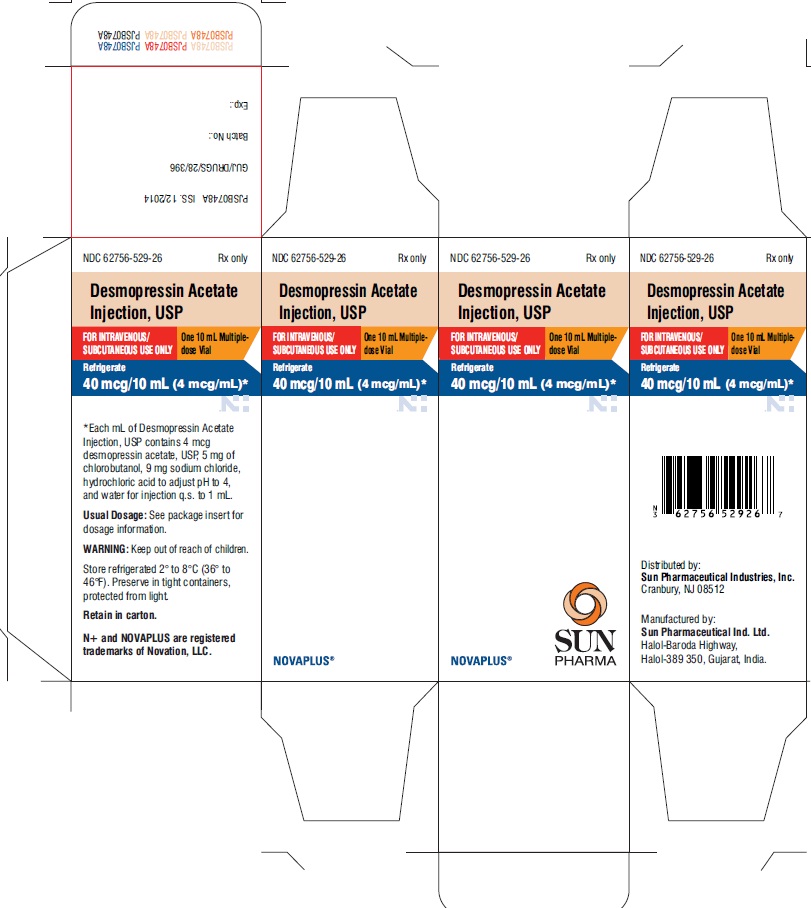
Desmopressin Acetate label

Desmopressin Acetate

Desmopressin Acetate Recall

Get an alert when a recall is issued.

Side Effects & Adverse Reactions

  1. Very rare cases of hyponatremia have been reported from world-wide postmarketing experience in patients treated with desmopressin acetate. Desmopressin acetate is a potent antidiuretic which, when administered, may lead to water intoxication and/or hyponatremia. Unless properly diagnosed and treated hyponatremia can be fatal. Therefore, fluid restriction is recommended and should be discussed with the patient and/or guardian. Careful medical supervision is required.

  2. When Desmopressin Acetate Injection is administered to patients who do not have need of antidiuretic hormone for its antidiuretic effect, in particular in pediatric and geriatric patients, fluid intake should be adjusted downward to decrease the potential occurrence of water intoxication and hyponatremia. See PRECAUTIONS, Pediatric Use and Geriatric Use. All patients receiving desmopressin acetate therapy should be observed for the following signs of symptoms associated with hyponatremia: headache, nausea/vomiting, decreased serum sodium, weight gain, restlessness, fatigue, lethargy, disorientation, depressed reflexes, loss of appetite, irritability, muscle weakness, muscle spasms or cramps and abnormal mental status such as hallucinations, decreased consciousness and confusion. Severe symptoms may include one or a combination of the following: seizure, coma and/or respiratory arrest. Particular attention should be paid to the possibility of the rare occurrence of an extreme decrease in plasma osmolality that may result in seizures which could lead to coma.

  3. Desmopressin acetate should not be used to treat patients with Type IIB von Willebrand’s disease since platelet aggregation may be induced.

  4. Desmopressin acetate should be used with caution in patients with habitual or psychogenic polydipsia who may be more likely to drink excessive amounts of water, putting them at greater risk of hyponatremia.

FDA Safety Alerts

There are currently no FDA safety alerts available for this drug.

Manufacturer Warnings

There is currently no manufacturer warning information available for this drug.

FDA Labeling Changes

There are currently no FDA labeling changes available for this drug.

Uses

Hemophilia A: Desmopressin Acetate Injection 4 mcg/mL is indicated for patients with hemophilia A with factor VIII coagulant activity levels greater than 5%.

Desmopressin acetate will often maintain hemostasis in patients with hemophilia A during surgical procedures and postoperatively when administered 30 minutes prior to scheduled procedure.

Desmopressin acetate will also stop bleeding in hemophilia A patients with episodes of spontaneous or trauma-induced injuries such as hemarthroses, intramuscular hematomas or mucosal bleeding.

Desmopressin acetate is not indicated for the treatment of hemophilia A with factor VIII coagulant activity levels equal to or less than 5%, or for the treatment of hemophilia B, or in patients who have factor VIII antibodies.

In certain clinical situations, it may be justified to try desmopressin acetate in patients with factor VIII levels between 2% to 5%; however, these patients should be carefully monitored.

von Willebrand’s Disease (Type I): Desmopressin Acetate Injection 4 mcg/mL is indicated for patients with mild to moderate classic von Willebrand’s disease (Type I) with factor VIII levels greater than 5%. Desmopressin acetate will often maintain hemostasis in patients with mild to moderate von Willebrand’s disease during surgical procedures and postoperatively when administered 30 minutes prior to the scheduled procedure.

Desmopressin acetate will usually stop bleeding in mild to moderate von Willebrand’s patients with episodes of spontaneous or trauma-induced injuries such as hemarthroses, intramuscular hematomas or mucosal bleeding.

Those von Willebrand’s disease patients who are least likely to respond are those with severe homozygous von Willebrand’s disease with factor VIII coagulant activity and factor VIII von Willebrand factor antigen levels less than 1%. Other patients may respond in a variable fashion depending on the type of molecular defect they have. Bleeding time and factor VIII coagulant activity, ristocetin cofactor activity, and von Willebrand factor antigen should be checked during administration of desmopressin acetate to ensure that adequate levels are being achieved.

Desmopressin acetate is not indicated for the treatment of severe classic von Willebrand’s disease (Type I) and when there is evidence of an abnormal molecular form of factor VIII antigen. See WARNINGS.

Diabetes Insipidus: Desmopressin Acetate Injection 4 mcg/mL is indicated as antidiuretic replacement therapy in the management of central (cranial) diabetes insipidus and for the management of the temporary polyuria and polydipsia following head trauma or surgery in the pituitary region. Desmopressin acetate is ineffective for the treatment of nephrogenic diabetes insipidus.

Desmopressin acetate is also available as an intranasal preparation. However, this means of delivery can be compromised by a variety of factors that can make nasal insufflation ineffective or inappropriate. These include poor intranasal absorption, nasal congestion and blockage, nasal discharge, atrophy of nasal mucosa, and severe atrophic rhinitis. Intranasal delivery may be inappropriate where there is an impaired level of consciousness. In addition, cranial surgical procedures, such as transsphenoidal hypophysectomy, create situations where an alternative route of administration is needed as in cases of nasal packing or recovery from surgery.

History

There is currently no drug history available for this drug.

Other Information

Desmopressin Acetate Injection, USP 4 mcg/mL is a synthetic analogue of the natural pituitary hormone 8-arginine vasopressin (ADH), an antidiuretic hormone affecting renal water conservation. It is chemically defined as follows:

Mol. Wt. 1183.31

Molecular Formula: C46H64N14O12S2 • C2H4O2 • 3H2O

structural formula desmopressin acetate injection

1-(3-mercaptopropionic acid)-8-D-arginine vasopressin monoacetate (salt) trihydrate.

Desmopressin Acetate Injection, USP 4 mcg/mL is provided as a sterile, aqueous solution for intravenous or subcutaneous use. Each mL contains desmopressin acetate, 4 mcg (equivalent to 0.004 mg of desmopressin) and sodium chloride, 9 mg. May contain hydrochloric acid for pH adjustment. The pH range is 3.5 to 6.0.

Desmopressin Acetate Manufacturers

  • Desmopressin Acetate | Hospira, Inc.
    No Recall

    Desmopressin Acetate | Hospira, Inc.

    Desmopressin Acetate | Hospira, Inc.

    Hemophilia A and von Willebrand's Disease (Type I): Desmopressin Acetate Injection 4 mcg/mL is administered as an intravenous infusion at a dose of 0.3 mcg desmopressin acetate/kg body weight diluted in sterile physiological saline and infused slowly over 15 to 30 minutes. In adults and children weighing more than 10 kg, 50 mL of diluent is recommended; in children weighing 10 kg or less, 10 mL of diluent is recommended. Blood pressure and pulse should be monitored during infusion. If Desmopressin Acetate Injection 4 mcg/mL is used preoperatively, it should be administered 30 minutes prior to the scheduled procedure.

    The necessity for repeat administration of desmopressin acetate or use of any blood products for hemostasis should be determined by laboratory response as well as the clinical condition of the patient. The tendency toward tachyphylaxis (lessening of response) with repeated administration given more frequently than every 48 hours should be considered in treating each patient.

    Fluid restriction should be observed. See WARNINGS, PRECAUTIONS, Pediatric Use and Geriatric Use.

    Diabetes Insipidus: This formulation is administered subcutaneously or by direct intravenous injection. Desmopressin Acetate Injection 4 mcg/mL dosage must be determined for each patient and adjusted according to the pattern of response. Response should be estimated by two parameters: adequate duration of sleep and adequate, not excessive, water turnover.

    The usual dosage range in adults is 0.5 mL (2 mcg) to 1 mL (4 mcg) daily, administered intravenously or subcutaneously, usually in two divided doses. The morning and evening doses should be separately adjusted for an adequate diurnal rhythm of water turnover. For patients who have been controlled on intranasal desmopressin acetate and who must be switched to the injection form, either because of poor intranasal absorption or because of the need for surgery, the comparable antidiuretic dose of the injection is about one-tenth the intranasal dose.

    Fluid restriction should be observed. See WARNINGS, PRECAUTIONS, Pediatric Use and Geriatric Use.

    Parenteral drug products should be inspected visually for particulate matter and discoloration prior to administration whenever solution and container permit.

    Geriatric Use: This drug is known to be substantially excreted by the kidney, and the risk of toxic reactions to this drug may be greater in patients with impaired renal function. Because elderly patients are more likely to have decreased renal function, care should be taken in dose selection, and it may be useful to monitor renal function. See CLINICAL PHARMACOLOGY: Human Pharmacokinetics, CONTRAINDICATIONS, and PRECAUTIONS: Geriatric Use.

  • Desmopressin Acetate | American Health Packaging
    No Recall

    Desmopressin Acetate | American Health Packaging

    Desmopressin Acetate | American Health Packaging
    Central Diabetes Insipidus

    The dosage of desmopressin acetate tablets must be determined for each individual patient and adjusted according to the diurnal pattern of response. Response should be estimated by two parameters: adequate duration of sleep and adequate, not excessive, water turnover. Patients previously on intranasal desmopressin acetate therapy should begin tablet therapy twelve hours after the last intranasal dose. During the initial dose titration period, patients should be observed closely and appropriate safety parameters measured to assure adequate response. Patients should be monitored at regular intervals during the course of desmopressin acetate tablet therapy to assure adequate antidiuretic response. Modifications in dosage regimen should be implemented as necessary to assure adequate water turnover.

    Adults and Children

    It is recommended that patients be started on doses of 0.05 mg (½ of the 0.1 mg tablet) two times a day and individually adjusted to their optimum therapeutic dose. Most patients in clinical trials found that the optimal dosage range is 0.1 mg to 0.8 mg daily, administered in divided doses. Each dose should be separately adjusted for an adequate diurnal rhythm of water turnover. Total daily dosage should be increased or decreased in the range of 0.1 mg to 1.2 mg divided into two or three daily doses as needed to obtain adequate antidiuresis. See Pediatric use subsection for special considerations when administering desmopressin acetate to pediatric diabetes insipidus patients.

    Geriatric Use

    This drug is known to be substantially excreted by the kidney, and the risk of toxic reactions to this drug may be greater in patients with impaired renal function. Because elderly patients are more likely to have decreased renal function, care should be taken in dose selection, and it may be useful to monitor renal function (see CLINICAL PHARMACOLOGY, Human Pharmacokinetics, CONTRAINDICATIONS, and PRECAUTIONS, Geriatric use).

    Primary Nocturnal Enuresis

    The dosage of desmopressin acetate tablets must be determined for each individual patient and adjusted according to response. Patients previously on intranasal desmopressin acetate therapy can begin tablet therapy the night following (24 hours after) the last intranasal dose. The recommended initial dose for patients age 6 years and older is 0.2 mg at bedtime. The dose may be titrated up to 0.6 mg to achieve the desired response.

  • Physicians Total Care, Inc.
    Desmopressin Acetate | Physicians Total Care, Inc.
    No Recall

    Desmopressin Acetate | Physicians Total Care, Inc.

    Desmopressin Acetate | Physicians Total Care, Inc.
    Central Diabetes Insipidus

    The dosage of desmopressin acetate tablets must be determined for each individual patient and adjusted according to the diurnal pattern of response. Response should be estimated by two parameters: adequate duration of sleep and adequate, not excessive, water turnover. Patients previously on intranasal desmopressin acetate therapy should begin tablet therapy twelve hours after the last intranasal dose. During the initial dose titration period, patients should be observed closely and appropriate safety parameters measured to assure adequate response. Patients should be monitored at regular intervals during the course of desmopressin acetate tablet therapy to assure adequate antidiuretic response. Modifications in dosage regimen should be implemented as necessary to assure adequate water turnover. Fluid restriction should be observed (see WARNINGS; PRECAUTIONS, Pediatric Use and Geriatric Use).

    Adults and Children

    It is recommended that patients be started on doses of 0.05 mg (½ of the 0.1 mg tablet) two times a day and individually adjusted to their optimum therapeutic dose. Most patients in clinical trials found that the optimal dosage range is 0.1 mg to 0.8 mg daily, administered in divided doses. Each dose should be separately adjusted for an adequate diurnal rhythm of water turnover. Total daily dosage should be increased or decreased in the range of 0.1 mg to 1.2 mg divided into two or three daily doses as needed to obtain adequate antidiuresis. See Pediatric Use subsection for special considerations when administering desmopressin acetate to pediatric diabetes insipidus patients.

    Geriatric Use

    This drug is known to be substantially excreted by the kidney, and the risk of toxic reactions to this drug may be greater in patients with impaired renal function. Because elderly patients are more likely to have decreased renal function, care should be taken in dose selection, and it may be useful to monitor renal function (see CLINICAL PHARMACOLOGY, HumanPharmacokinetics; CONTRAINDICATIONS; and PRECAUTIONS, Geriatric Use).

    Primary Nocturnal Enuresis

    The dosage of desmopressin acetate tablets must be determined for each individual patient and adjusted according to response. Patients previously on intranasal desmopressin acetate therapy can begin tablet therapy the night following (24 hours after) the last intranasal dose. The recommended initial dose for patients age 6 years and older is 0.2 mg at bedtime. The dose may be titrated up to 0.6 mg to achieve the desired response. Fluid restriction should be observed, and fluid intake should be limited to a minimum from 1 hour before desmopressin administration, until the next morning, or at least 8 hours after administration (see WARNINGS and PRECAUTIONS, Pediatric Use and Geriatric Use).

  • Ncs Healthcare Of Ky, Inc Dba Vangard Labs
    Desmopressin Acetate | Ncs Healthcare Of Ky, Inc Dba Vangard Labs
    No Recall

    Desmopressin Acetate | Ncs Healthcare Of Ky, Inc Dba Vangard Labs

    Desmopressin Acetate | Ncs Healthcare Of Ky, Inc Dba Vangard Labs
    Central Diabetes Insipidus

    The dosage of desmopressin acetate tablets must be determined for each individual patient and adjusted according to the diurnal pattern of response. Response should be estimated by two parameters: adequate duration of sleep and adequate, not excessive, water turnover. Patients previously on intranasal desmopressin acetate therapy should begin tablet therapy twelve hours after the last intranasal dose. During the initial dose titration period, patients should be observed closely and appropriate safety parameters measured to assure adequate response. Patients should be monitored at regular intervals during the course of desmopressin acetate tablet therapy to assure adequate antidiuretic response. Modifications in dosage regimen should be implemented as necessary to assure adequate water turnover. Fluid restriction should be observed (see WARNINGS; PRECAUTIONS, Pediatric Use and Geriatric Use).

    Adults and Children

    It is recommended that patients be started on doses of 0.05 mg (½ of the 0.1 mg tablet) two times a day and individually adjusted to their optimum therapeutic dose. Most patients in clinical trials found that the optimal dosage range is 0.1 mg to 0.8 mg daily, administered in divided doses. Each dose should be separately adjusted for an adequate diurnal rhythm of water turnover. Total daily dosage should be increased or decreased in the range of 0.1 mg to 1.2 mg divided into two or three daily doses as needed to obtain adequate antidiuresis. See Pediatric Use subsection for special considerations when administering desmopressin acetate to pediatric diabetes insipidus patients.

    Geriatric Use

    This drug is known to be substantially excreted by the kidney, and the risk of toxic reactions to this drug may be greater in patients with impaired renal function. Because elderly patients are more likely to have decreased renal function, care should be taken in dose selection, and it may be useful to monitor renal function (see CLINICAL PHARMACOLOGY, HumanPharmacokinetics; CONTRAINDICATIONS; and PRECAUTIONS, Geriatric Use).

    Primary Nocturnal Enuresis

    The dosage of desmopressin acetate tablets must be determined for each individual patient and adjusted according to response. Patients previously on intranasal desmopressin acetate therapy can begin tablet therapy the night following (24 hours after) the last intranasal dose. The recommended initial dose for patients age 6 years and older is 0.2 mg at bedtime. The dose may be titrated up to 0.6 mg to achieve the desired response. Fluid restriction should be observed, and fluid intake should be limited to a minimum from 1 hour before desmopressin administration, until the next morning, or at least 8 hours after administration (see WARNINGS and PRECAUTIONS, Pediatric Use and Geriatric Use).

  • Desmopressin Acetate | Teva Pharmaceuticals Usa Inc
    No Recall

    Desmopressin Acetate | Teva Pharmaceuticals Usa Inc

    Desmopressin Acetate | Teva Pharmaceuticals Usa Inc
    Central Diabetes Insipidus

    The dosage of desmopressin acetate tablets must be determined for each individual patient and adjusted according to the diurnal pattern of response. Response should be estimated by two parameters: adequate duration of sleep and adequate, not excessive, water turnover. Patients previously on intranasal desmopressin acetate therapy should begin tablet therapy twelve hours after the last intranasal dose. During the initial dose titration period, patients should be observed closely and appropriate safety parameters measured to assure adequate response. Patients should be monitored at regular intervals during the course of desmopressin acetate tablet therapy to assure adequate antidiuretic response. Modifications in dosage regimen should be implemented as necessary to assure adequate water turnover. Fluid restriction should be observed (see WARNINGS; PRECAUTIONS, Pediatric Use and Geriatric Use).

    Adults and Children

    It is recommended that patients be started on doses of 0.05 mg (½ of the 0.1 mg tablet) two times a day and individually adjusted to their optimum therapeutic dose. Most patients in clinical trials found that the optimal dosage range is 0.1 mg to 0.8 mg daily, administered in divided doses. Each dose should be separately adjusted for an adequate diurnal rhythm of water turnover. Total daily dosage should be increased or decreased in the range of 0.1 mg to 1.2 mg divided into two or three daily doses as needed to obtain adequate antidiuresis. See Pediatric Use subsection for special considerations when administering desmopressin acetate to pediatric diabetes insipidus patients.

    Geriatric Use

    This drug is known to be substantially excreted by the kidney, and the risk of toxic reactions to this drug may be greater in patients with impaired renal function. Because elderly patients are more likely to have decreased renal function, care should be taken in dose selection, and it may be useful to monitor renal function (see CLINICAL PHARMACOLOGY, HumanPharmacokinetics; CONTRAINDICATIONS; and PRECAUTIONS, Geriatric Use).

    Primary Nocturnal Enuresis

    The dosage of desmopressin acetate tablets must be determined for each individual patient and adjusted according to response. Patients previously on intranasal desmopressin acetate therapy can begin tablet therapy the night following (24 hours after) the last intranasal dose. The recommended initial dose for patients age 6 years and older is 0.2 mg at bedtime. The dose may be titrated up to 0.6 mg to achieve the desired response. Fluid restriction should be observed, and fluid intake should be limited to a minimum from 1 hour before desmopressin administration, until the next morning, or at least 8 hours after administration (see WARNINGS and PRECAUTIONS, Pediatric Use and Geriatric Use).

  • Teva Parenteral Medicines, Inc.
    Desmopressin Acetate | Teva Parenteral Medicines, Inc.
    No Recall

    Desmopressin Acetate | Teva Parenteral Medicines, Inc.

    Desmopressin Acetate | Teva Parenteral Medicines, Inc.
    Hemophilia A and von Willebrand's Disease (Type I)

    Desmopressin acetate injection is administered as an intravenous infusion at a dose of 0.3 mcg desmopressin acetate/kg body weight diluted in sterile physiological saline and infused slowly over 15 to 30 minutes. In adults and children weighing more than 10 kg, 50 mL of diluent is recommended; in children weighing 10 kg or less, 10 mL of diluent is recommended. Blood pressure and pulse should be monitored during infusion. If desmopressin acetate injection is used preoperatively, it should be administered 30 minutes prior to the scheduled procedure.

    The necessity for repeat administration of desmopressin acetate or use of any blood products for hemostasis should be determined by laboratory response as well as the clinical condition of the patient. The tendency toward tachyphylaxis (lessening of response) with repeated administration given more frequently than every 48 hours should be considered in treating each patient.

    Fluid restriction should be observed. (See WARNINGS, PRECAUTIONS, Pediatric Use and Geriatric Use.)

    Diabetes Insipidus

    This formulation is administered subcutaneously or by direct intravenous injection. Desmopressin acetate injection 4 mcg/mL dosage must be determined for each patient and adjusted according to the pattern of response. Response should be estimated by two parameters: adequate duration of sleep and adequate, not excessive, water turnover.

    The usual dosage range in adults is 0.5 mL (2 mcg) to 1 mL (4 mcg) daily, administered intravenously or subcutaneously, usually in two divided doses. The morning and evening doses should be separately adjusted for an adequate diurnal rhythm of water turnover. For patients who have been controlled on intranasal desmopressin acetate and who must be switched to the injection form, either because of poor intranasal absorption or because of the need for surgery, the comparable antidiuretic dose of the injection is about one-tenth the intranasal dose.

    Fluid restriction should be observed. (See WARNINGS, PRECAUTIONS, Pediatric Use and Geriatric Use.)

    Parenteral drug products should be inspected visually for particulate matter and discoloration prior to administration whenever solution and container permit.

    Geriatric Use

    This drug is known to be substantially excreted by the kidney, and the risk of toxic reactions to this drug may be greater in patients with impaired renal function. Because elderly patients are more likely to have decreased renal function, care should be taken in dose selection, and it may be useful to monitor renal function. (See CLINICAL PHARMACOLOGY, Human Pharmacokinetics, CONTRAINDICATIONS, and PRECAUTIONS, Geriatric Use.)

  • Sun Pharmaceutical Industries Limited
    Desmopressin Acetate | Sun Pharmaceutical Industries Limited
    No Recall

    Desmopressin Acetate | Sun Pharmaceutical Industries Limited

    Desmopressin Acetate | Sun Pharmaceutical Industries Limited

    Hemophilia A and von Willebrand’s Disease (Type I): Desmopressin acetate injection 4 mcg/mL is administered as an intravenous infusion at a dose of 0.3 mcg desmopressin acetate/kg body weight diluted in sterile physiological saline and infused slowly over 15 to 30 minutes. In adults and children weighing more than 10 kg, 50 mL of diluent is recommended; in children weighing 10 kg or less, 10 mL of diluent is recommended. Blood pressure and pulse should be monitored during infusion. If desmopressin acetate injection 4 mcg/mL is used preoperatively, it should be administered 30 minutes prior to the scheduled procedure.

    The necessity for repeat administration of desmopressin acetate injection or use of any blood products for hemostasis should be determined by laboratory response as well as the clinical condition of the patient. The tendency toward tachyphylaxis (lessening of response) with repeated administration given more frequently than every 48 hours should be considered in treating each patient.

    Fluid restriction should be observed. (See WARNINGS, PRECAUTIONS, Pediatric Use and Geriatric Use.)

    Diabetes Insipidus: This formulation is administered subcutaneously or by direct intravenous injection. Desmopressin acetate injection 4 mcg/mL dosage must be determined for each patient and adjusted according to the pattern of response. Response should be estimated by two parameters: adequate duration of sleep and adequate, not excessive, water turnover.

    The usual dosage range in adults is 0.5 mL (2 mcg) to 1 mL (4 mcg) daily, administered intravenously or subcutaneously, usually in two divided doses. The morning and evening doses should be separately adjusted for an adequate diurnal rhythm of water turnover. For patients who have been controlled on intranasal desmopressin acetate and who must be switched to the injection form, either because of poor intranasal absorption or because of the need for surgery, the comparable antidiuretic dose of the injection is about one-tenth the intranasal dose.

    Fluid restriction should be observed. (See WARNINGS, PRECAUTIONS, Pediatric Use and Geriatric Use.)

    Parenteral drug products should be inspected visually for particulate matter and discoloration prior to administration whenever solution and container permit.

    Geriatric Use: This drug is known to be substantially excreted by the kidney, and the risk of toxic reactions to this drug may be greater in patients with impaired renal function. Because elderly patients are more likely to have decreased renal function, care should be taken in dose selection, and it may be useful to monitor renal function. (See CLINICAL PHARMACOLOGY, Human Pharmacokinetics, CONTRAINDICATIONS, and PRECAUTIONS, Geriatric Use.)

  • Bryant Ranch Prepack
    Desmopressin Acetate | Bryant Ranch Prepack
    No Recall

    Desmopressin Acetate | Bryant Ranch Prepack

    Desmopressin Acetate | Bryant Ranch Prepack
    Central Diabetes Insipidus:

    The dosage of desmopressin acetate tablets must be determined for each individual patient and adjusted according to the diurnal pattern of response. Response should be estimated by two parameters: adequate duration of sleep and adequate, not excessive, water turnover. Patients previously on intranasal desmopressin acetate therapy should begin tablet therapy twelve hours after the last intranasal dose. During the initial dose titration period, patients should be observed closely and appropriate safety parameters measured to assure adequate response. Patients should be monitored at regular intervals during the course of desmopressin acetate tablets therapy to assure adequate antidiuretic response. Modifications in dosage regimen should be implemented as necessary to assure adequate water turnover. Fluid restriction should be observed. (See WARNINGS, PRECAUTIONS, Pediatric Use and Geriatric Use.)

    Adults and Children: It is recommended that patients be started on doses of 0.05 mg (1/2 of the 0.1 mg tablet) two times a day and individually adjusted to their optimum therapeutic dose. Most patients in clinical trials found that the optimal dosage range is 0.1 mg to 0.8 mg daily, administered in divided doses. Each dose should be separately adjusted for an adequate diurnal rhythm of water turnover. Total daily dosage should be increased or decreased in the range of 0.1 mg to 1.2 mg divided into two or three daily doses as needed to obtain adequate antidiuresis. See Pediatric Use subsection for special considerations when administering desmopressin acetate to pediatric diabetes insipidus patients.

    Geriatric Use:

    This drug is known to be substantially excreted by the kidney, and the risk of toxic reactions to this drug may be greater in patients with impaired renal function. Because elderly patients are more likely to have decreased renal function, care should be taken in dose selection, and it may be useful to monitor renal function. (See CLINICAL PHARMACOLOGY, Human Pharmacokinetics, CONTRAINDICATIONS, and PRECAUTIONS, Geriatric Use.)

    Primary Nocturnal Enuresis:

    The dosage of desmopressin acetate tablets must be determined for each individual patient and adjusted according to response. Patients previously on intranasal desmopressin acetate therapy can begin tablet therapy the night following (24 hours after) the last intranasal dose. The recommended initial dose for patients age 6 years and older is 0.2 mg at bedtime. The dose may be titrated up to 0.6 mg to achieve the desired response.

  • Desmopressin Acetate | Apotex Corp.
    No Recall

    Desmopressin Acetate | Apotex Corp.

    Desmopressin Acetate | Apotex Corp.
    Central Diabetes Insipidus

    The dosage of desmopressin acetate tablets must be determined for each individual patient and adjusted according to the diurnal pattern of response. Response should be estimated by two parameters: adequate duration of sleep and adequate, not excessive, water turnover. Patients previously on intranasal desmopressin acetate therapy should begin tablet therapy twelve hours after the last intranasal dose. During the initial dose titration period, patients should be observed closely and appropriate safety parameters measured to assure adequate response. Patients should be monitored at regular intervals during the course of desmopressin acetate tablet therapy to assure adequate antidiuretic response. Modifications in dosage regimen should be implemented as necessary to assure adequate water turnover. Fluid restriction should be observed. (See WARNINGS, PRECAUTIONS, Pediatric Use and Geriatric Use.)

    Adults and Children

    It is recommended that patients be started on doses of 0.05 mg (1/2 of the 0.1 mg tablet) two times a day and individually adjusted to their optimum therapeutic dose. Most patients in clinical trials found that the optimal dosage range is 0.1 mg to 0.8 mg daily, administered in divided doses. Each dose should be separately adjusted for an adequate diurnal rhythm of water turnover. Total daily dosage should be increased or decreased in the range of 0.1 mg to 1.2 mg divided into two or three daily doses as needed to obtain adequate antidiuresis. See Pediatric Use subsection for special considerations when administering desmopressin acetate to pediatric diabetes insipidus patients.

    Geriatric Use

    This drug is known to be substantially excreted by the kidney, and the risk of toxic reactions to this drug may be greater in patients with impaired renal function. Because elderly patients are more likely to have decreased renal function, care should be taken in dose selection, and it may be useful to monitor renal function. (SeeCLINCAL PHARMACOLOGY, Human Pharmacokinetics , CONTRAINDICATIONS , and PRECAUTIONS , Geriatric Use .)

    Primary Nocturnal Enuresis

    The dosage of desmopressin acetate tablets must be determined for each individual patient and adjusted according to response. Patients previously on intranasal desmopressin acetate therapy can begin tablet therapy the night following (24 hours after) the last intranasal dose. The recommended initial dose for patients age 6 years and older is 0.2 mg at bedtime. The dose may be titrated up to 0.6 mg to achieve the desired response. Fluid restriction should be observed, and fluid intake should be limited to a minimum from 1 hour before desmopressin administration, until the next morning, or at least 8 hours after administration. (See WARNINGS, PRECAUTIONS, Pediatric Use and Geriatric Use.)

  • Desmopressin Acetate | Dolgencorp, Llc
    No Recall

    Desmopressin Acetate | Dolgencorp, Llc

    Desmopressin Acetate | Dolgencorp, Llc
    not intended to replace brushing or flossing

    adults and children 12 years of age and older - vigorously swish 20 mL between teeth for 30 seconds then spit out.

    children under 12 years of age - consult a dentist or doctor

  • Desmopressin Acetate | Preferred Pharmaceuticals, Inc.
    No Recall

    Desmopressin Acetate | Preferred Pharmaceuticals, Inc.

    Desmopressin Acetate | Preferred Pharmaceuticals, Inc.

    Gastric irritation may be reduced if taken before, during, or immediately after meals or with food or milk.

    The maximal activity of the adrenal cortex is between 2 am and 8 am, and it is minimal between 4 pm and midnight. Exogenous corticosteroids suppress adrenocorticoid activity the least when given at the time of maximal activity (am) for single dose administration. Therefore, it is recommended that prednisone be administered in the morning prior to 9 am and when large doses are given, administration of antacids between meals to help prevent peptic ulcers. Multiple dose therapy should be evenly distributed in evenly spaced intervals throughout the day.

    Dietary salt restriction may be advisable in patients.

    Do not stop taking this medicine without first talking to your doctor. Avoid abrupt withdraw of therapy.

    The initial dosage of PredniSONE Tablets may vary from 5 mg to 60 mg per day, depending on the specific disease entity being treated. In situations of less severity lower doses will generally suffice, while in selected patients higher initial doses may be required. The initial dosage should be maintained or adjusted until a satisfactory response is noted. If after a reasonable period of time there is a lack of satisfactory clinical response, PredniSONE should be discontinued and the patient transferred to other appropriate therapy. IT SHOULD BE EMPHASIZED THAT DOSAGE REQUIREMENTS ARE VARIABLE AND MUST BE INDIVIDUALIZED ON THE BASIS OF THE DISEASE UNDER TREATMENT AND THE RESPONSE OF THE PATIENT. After a favorable response is noted, the proper maintenance dosage should be determined by decreasing the initial drug dosage in small increments at appropriate time intervals until the lowest dosage which will maintain an adequate clinical response is reached. It should be kept in mind that constant monitoring is needed in regard to drug dosage. Included in the situations which may make dosage adjustments necessary are changes in clinical status secondary to remissions or exacerbations in the disease process, the patient's individual drug responsiveness, and the effect of patient exposure to stressful situations not directly related to the disease entity under treatment; in this latter situation, it may be necessary to increase the dosage of PredniSONE for a period of time consistent with the patient's condition. If after long-term therapy the drug is to be stopped, it is recommended that it be withdrawn gradually rather than abruptly.

    Multiple Sclerosis

    In the treatment of acute exacerbations of multiple sclerosis daily doses of 200 mg of prednisolone for a week followed by 80 mg every other day for 1 month have been shown to be effective. (Dosage range is the same for prednisone and prednisolone.)

    Alternate Day Therapy

    Alternate day therapy is a corticosteroid dosing regimen in which twice the usual daily dose of corticoid is administered every other morning. The purpose of this mode of therapy is to provide the patient requiring long-term pharmacologic dose treatment with the beneficial effects of corticoids while minimizing certain undesirable effects, including pituitary-adrenal suppression, the Cushingoid state, corticoid withdrawal symptoms, and growth suppression in children.

    The rationale for this treatment schedule is based on two major premises: (a) the anti-inflammatory or therapeutic effect of corticoids persists longer than their physical presence and metabolic effects and (b) administration of the corticosteroid every other morning allows for re-establishment of more nearly normal hypothalamic-pituitary-adrenal (HPA) activity on the off-steroid day.

    A brief review of the HPA physiology may be helpful in understanding this rationale. Acting primarily through the hypothalamus a fall in free cortisol stimulates the pituitary gland to produce increasing amounts of corticotropin (ACTH) while a rise in free cortisol inhibits ACTH secretion. Normally the HPA system is characterized by diurnal (circadian) rhythm. Serum levels of ACTH rise from a low point about 10 pm to a peak level about 6 am. Increasing levels of ACTH stimulate adrenocortical activity resulting in a rise in plasma cortisol with maximal levels occurring between 2 am and 8 am. This rise in cortisol dampens ACTH production and in turn adrenocortical activity. There is a gradual fall in plasma corticoids during the day with lowest levels occurring about midnight.

    The diurnal rhythm of the HPA axis is lost in Cushing's disease, a syndrome of adrenocortical hyperfunction characterized by obesity with centripetal fat distribution, thinning of the skin with easy bruisability, muscle wasting with weakness, hypertension, latent diabetes, osteoporosis, electrolyte imbalance, etc. The same clinical findings of hyperadrenocorticism may be noted during long-term pharmacologic dose corticoid therapy administered in conventional daily divided doses. It would appear, then, that a disturbance in the diurnal cycle with maintenance of elevated corticoid values during the night may play a significant role in the development of undesirable corticoid effects. Escape from these constantly elevated plasma levels for even short periods of time may be instrumental in protecting against undesirable pharmacologic effects.

    During conventional pharmacologic dose corticosteroid therapy, ACTH production is inhibited with subsequent suppression of cortisol production by the adrenal cortex. Recovery time for normal HPA activity is variable depending upon the dose and duration of treatment. During this time the patient is vulnerable to any stressful situation. Although it has been shown that there is considerably less adrenal suppression following a single morning dose of prednisolone (10 mg) as opposed to a quarter of that dose administered every 6 hours, there is evidence that some suppressive effect on adrenal activity may be carried over into the following day when pharmacologic doses are used. Further, it has been shown that a single dose of certain corticosteroids will produce adrenocortical suppression for two or more days. Other corticoids, including methylprednisolone, hydrocortisone, prednisone, and prednisolone, are considered to be short acting (producing adrenocortical suppression for 1¼ to 1½ days following a single dose) and thus are recommended for alternate day therapy.

    The following should be kept in mind when considering alternate day therapy:

      Basic principles and indications for corticosteroid therapy should apply. The benefits of alternate day therapy should not encourage the indiscriminate use of steroids.   Alternate day therapy is a therapeutic technique primarily designed for patients in whom long-term pharmacologic corticoid therapy is anticipated.   In less severe disease processes in which corticoid therapy is indicated, it may be possible to initiate treatment with alternate day therapy. More severe disease states usually will require daily divided high dose therapy for initial control of the disease process. The initial suppressive dose level should be continued until satisfactory clinical response is obtained, usually four to ten days in the case of many allergic and collagen diseases. It is important to keep the period of initial suppressive dose as brief as possible particularly when subsequent use of alternate day therapy is intended. Once control has been established, two courses are available: (a) change to alternate day therapy and then gradually reduce the amount of corticoid given every other day or (b) following control of the disease process reduce the daily dose of corticoid to the lowest effective level as rapidly as possible and then change over to an alternate day schedule. Theoretically, course (a) may be preferable.   Because of the advantages of alternate day therapy, it may be desirable to try patients on this form of therapy who have been on daily corticoids for long periods of time (e.g., patients with rheumatoid arthritis). Since these patients may already have a suppressed HPA axis, establishing them on alternate day therapy may be difficult and not always successful. However, it is recommended that regular attempts be made to change them over. It may be helpful to triple or even quadruple the daily maintenance dose and administer this every other day rather than just doubling the daily dose if difficulty is encountered. Once the patient is again controlled, an attempt should be made to reduce this dose to a minimum.   As indicated above, certain corticosteroids, because of their prolonged suppressive effect on adrenal activity, are not recommended for alternate day therapy (e.g., dexamethasone and betamethasone).   The maximal activity of the adrenal cortex is between 2 am and 8 am, and it is minimal between 4 pm and midnight. Exogenous corticosteroids suppress adrenocortical activity the least, when given at the time of maximal activity (am).   In using alternate day therapy it is important, as in all therapeutic situations to individualize and tailor the therapy to each patient. Complete control of symptoms will not be possible in all patients. An explanation of the benefits of alternate day therapy will help the patient to understand and tolerate the possible flare-up in symptoms which may occur in the latter part of the off-steroid day. Other symptomatic therapy may be added or increased at this time if needed.   In the event of an acute flare-up of the disease process, it may be necessary to return to a full suppressive daily divided corticoid dose for control. Once control is again established alternate day therapy may be re-instituted.   Although many of the undesirable features of corticosteroid therapy can be minimized by alternate day therapy, as in any therapeutic situation, the physician must carefully weigh the benefit-risk ratio for each patient in whom corticoid therapy is being considered. Multiple Sclerosis

    In the treatment of acute exacerbations of multiple sclerosis daily doses of 200 mg of prednisolone for a week followed by 80 mg every other day for 1 month have been shown to be effective. (Dosage range is the same for prednisone and prednisolone.)

    Alternate Day Therapy

    Alternate day therapy is a corticosteroid dosing regimen in which twice the usual daily dose of corticoid is administered every other morning. The purpose of this mode of therapy is to provide the patient requiring long-term pharmacologic dose treatment with the beneficial effects of corticoids while minimizing certain undesirable effects, including pituitary-adrenal suppression, the Cushingoid state, corticoid withdrawal symptoms, and growth suppression in children.

    The rationale for this treatment schedule is based on two major premises: (a) the anti-inflammatory or therapeutic effect of corticoids persists longer than their physical presence and metabolic effects and (b) administration of the corticosteroid every other morning allows for re-establishment of more nearly normal hypothalamic-pituitary-adrenal (HPA) activity on the off-steroid day.

    A brief review of the HPA physiology may be helpful in understanding this rationale. Acting primarily through the hypothalamus a fall in free cortisol stimulates the pituitary gland to produce increasing amounts of corticotropin (ACTH) while a rise in free cortisol inhibits ACTH secretion. Normally the HPA system is characterized by diurnal (circadian) rhythm. Serum levels of ACTH rise from a low point about 10 pm to a peak level about 6 am. Increasing levels of ACTH stimulate adrenocortical activity resulting in a rise in plasma cortisol with maximal levels occurring between 2 am and 8 am. This rise in cortisol dampens ACTH production and in turn adrenocortical activity. There is a gradual fall in plasma corticoids during the day with lowest levels occurring about midnight.

    The diurnal rhythm of the HPA axis is lost in Cushing's disease, a syndrome of adrenocortical hyperfunction characterized by obesity with centripetal fat distribution, thinning of the skin with easy bruisability, muscle wasting with weakness, hypertension, latent diabetes, osteoporosis, electrolyte imbalance, etc. The same clinical findings of hyperadrenocorticism may be noted during long-term pharmacologic dose corticoid therapy administered in conventional daily divided doses. It would appear, then, that a disturbance in the diurnal cycle with maintenance of elevated corticoid values during the night may play a significant role in the development of undesirable corticoid effects. Escape from these constantly elevated plasma levels for even short periods of time may be instrumental in protecting against undesirable pharmacologic effects.

    During conventional pharmacologic dose corticosteroid therapy, ACTH production is inhibited with subsequent suppression of cortisol production by the adrenal cortex. Recovery time for normal HPA activity is variable depending upon the dose and duration of treatment. During this time the patient is vulnerable to any stressful situation. Although it has been shown that there is considerably less adrenal suppression following a single morning dose of prednisolone (10 mg) as opposed to a quarter of that dose administered every 6 hours, there is evidence that some suppressive effect on adrenal activity may be carried over into the following day when pharmacologic doses are used. Further, it has been shown that a single dose of certain corticosteroids will produce adrenocortical suppression for two or more days. Other corticoids, including methylprednisolone, hydrocortisone, prednisone, and prednisolone, are considered to be short acting (producing adrenocortical suppression for 1¼ to 1½ days following a single dose) and thus are recommended for alternate day therapy.

    The following should be kept in mind when considering alternate day therapy:

      Basic principles and indications for corticosteroid therapy should apply. The benefits of alternate day therapy should not encourage the indiscriminate use of steroids.   Alternate day therapy is a therapeutic technique primarily designed for patients in whom long-term pharmacologic corticoid therapy is anticipated.   In less severe disease processes in which corticoid therapy is indicated, it may be possible to initiate treatment with alternate day therapy. More severe disease states usually will require daily divided high dose therapy for initial control of the disease process. The initial suppressive dose level should be continued until satisfactory clinical response is obtained, usually four to ten days in the case of many allergic and collagen diseases. It is important to keep the period of initial suppressive dose as brief as possible particularly when subsequent use of alternate day therapy is intended. Once control has been established, two courses are available: (a) change to alternate day therapy and then gradually reduce the amount of corticoid given every other day or (b) following control of the disease process reduce the daily dose of corticoid to the lowest effective level as rapidly as possible and then change over to an alternate day schedule. Theoretically, course (a) may be preferable.   Because of the advantages of alternate day therapy, it may be desirable to try patients on this form of therapy who have been on daily corticoids for long periods of time (e.g., patients with rheumatoid arthritis). Since these patients may already have a suppressed HPA axis, establishing them on alternate day therapy may be difficult and not always successful. However, it is recommended that regular attempts be made to change them over. It may be helpful to triple or even quadruple the daily maintenance dose and administer this every other day rather than just doubling the daily dose if difficulty is encountered. Once the patient is again controlled, an attempt should be made to reduce this dose to a minimum.   As indicated above, certain corticosteroids, because of their prolonged suppressive effect on adrenal activity, are not recommended for alternate day therapy (e.g., dexamethasone and betamethasone).   The maximal activity of the adrenal cortex is between 2 am and 8 am, and it is minimal between 4 pm and midnight. Exogenous corticosteroids suppress adrenocortical activity the least, when given at the time of maximal activity (am).   In using alternate day therapy it is important, as in all therapeutic situations to individualize and tailor the therapy to each patient. Complete control of symptoms will not be possible in all patients. An explanation of the benefits of alternate day therapy will help the patient to understand and tolerate the possible flare-up in symptoms which may occur in the latter part of the off-steroid day. Other symptomatic therapy may be added or increased at this time if needed.   In the event of an acute flare-up of the disease process, it may be necessary to return to a full suppressive daily divided corticoid dose for control. Once control is again established alternate day therapy may be re-instituted.   Although many of the undesirable features of corticosteroid therapy can be minimized by alternate day therapy, as in any therapeutic situation, the physician must carefully weigh the benefit-risk ratio for each patient in whom corticoid therapy is being considered.

  • Mylan Institutional Inc.
    Desmopressin Acetate | Mylan Institutional Inc.
    No Recall

    Desmopressin Acetate | Mylan Institutional Inc.

    Desmopressin Acetate | Mylan Institutional Inc.
    Central Diabetes Insipidus

    The dosage of desmopressin acetate tablets must be determined for each individual patient and adjusted according to the diurnal pattern of response. Response should be estimated by two parameters: adequate duration of sleep and adequate, not excessive, water turnover. Patients previously on intranasal desmopressin acetate therapy should begin tablet therapy twelve hours after the last intranasal dose. During the initial dose titration period, patients should be observed closely and appropriate safety parameters measured to assure adequate response. Patients should be monitored at regular intervals during the course of desmopressin acetate tablet therapy to assure adequate antidiuretic response. Modifications in dosage regimen should be implemented as necessary to assure adequate water turnover. Fluid restriction should be observed (see WARNINGS; PRECAUTIONS, Pediatric Use and Geriatric Use).

    Adults and Children

    It is recommended that patients be started on doses of 0.05 mg (½ of the 0.1 mg tablet) two times a day and individually adjusted to their optimum therapeutic dose. Most patients in clinical trials found that the optimal dosage range is 0.1 mg to 0.8 mg daily, administered in divided doses. Each dose should be separately adjusted for an adequate diurnal rhythm of water turnover. Total daily dosage should be increased or decreased in the range of 0.1 mg to 1.2 mg divided into two or three daily doses as needed to obtain adequate antidiuresis. See Pediatric Use subsection for special considerations when administering desmopressin acetate to pediatric diabetes insipidus patients.

    Geriatric Use

    This drug is known to be substantially excreted by the kidney, and the risk of toxic reactions to this drug may be greater in patients with impaired renal function. Because elderly patients are more likely to have decreased renal function, care should be taken in dose selection, and it may be useful to monitor renal function (see CLINICAL PHARMACOLOGY, HumanPharmacokinetics; CONTRAINDICATIONS; and PRECAUTIONS, Geriatric Use).

    Primary Nocturnal Enuresis

    The dosage of desmopressin acetate tablets must be determined for each individual patient and adjusted according to response. Patients previously on intranasal desmopressin acetate therapy can begin tablet therapy the night following (24 hours after) the last intranasal dose. The recommended initial dose for patients age 6 years and older is 0.2 mg at bedtime. The dose may be titrated up to 0.6 mg to achieve the desired response. Fluid restriction should be observed, and fluid intake should be limited to a minimum from 1 hour before desmopressin administration, until the next morning, or at least 8 hours after administration (see WARNINGS and PRECAUTIONS, Pediatric Use and Geriatric Use).

  • Watson Laboratories, Inc.
    Desmopressin Acetate | Actavis Pharma, Inc.
    No Recall

    Desmopressin Acetate | Actavis Pharma, Inc.

    Desmopressin Acetate | Actavis Pharma, Inc.
    Central Diabetes Insipidus:

    The dosage of desmopressin acetate tablets must be determined for each individual patient and adjusted according to the diurnal pattern of response. Response should be estimated by two parameters: adequate duration of sleep and adequate, not excessive, water turnover. Patients previously on intranasal desmopressin acetate therapy should begin tablet therapy twelve hours after the last intranasal dose. During the initial dose titration period, patients should be observed closely and appropriate safety parameters measured to assure adequate response. Patients should be monitored at regular intervals during the course of desmopressin acetate tablets therapy to assure adequate antidiuretic response. Modifications in dosage regimen should be implemented as necessary to assure adequate water turnover. Fluid restriction should be observed. (See WARNINGS, PRECAUTIONS, Pediatric Use and Geriatric Use.)

    Adults and Children: It is recommended that patients be started on doses of 0.05 mg (1/2 of the 0.1 mg tablet) two times a day and individually adjusted to their optimum therapeutic dose. Most patients in clinical trials found that the optimal dosage range is 0.1 mg to 0.8 mg daily, administered in divided doses. Each dose should be separately adjusted for an adequate diurnal rhythm of water turnover. Total daily dosage should be increased or decreased in the range of 0.1 mg to 1.2 mg divided into two or three daily doses as needed to obtain adequate antidiuresis. See Pediatric Use subsection for special considerations when administering desmopressin acetate to pediatric diabetes insipidus patients.

    Geriatric Use:

    This drug is known to be substantially excreted by the kidney, and the risk of toxic reactions to this drug may be greater in patients with impaired renal function. Because elderly patients are more likely to have decreased renal function, care should be taken in dose selection, and it may be useful to monitor renal function. (See CLINICAL PHARMACOLOGY, Human Pharmacokinetics, CONTRAINDICATIONS, and PRECAUTIONS, Geriatric Use.)

    Primary Nocturnal Enuresis:

    The dosage of desmopressin acetate tablets must be determined for each individual patient and adjusted according to response. Patients previously on intranasal desmopressin acetate therapy can begin tablet therapy the night following (24 hours after) the last intranasal dose. The recommended initial dose for patients age 6 years and older is 0.2 mg at bedtime. The dose may be titrated up to 0.6 mg to achieve the desired response. Fluid restriction should be observed, and fluid intake should be limited to a minimum from 1 hour before desmopressin administration, until the next morning, or at least 8 hours after administration. (See WARNINGS, PRECAUTIONS, Pediatric Use and Geriatric Use.)

  • Desmopressin Acetate | Hospira, Inc.
    No Recall

    Desmopressin Acetate | Hospira, Inc.

    Desmopressin Acetate | Hospira, Inc.

    Hemophilia A and von Willebrand's Disease (Type I): Desmopressin Acetate Injection 4 mcg/mL is administered as an intravenous infusion at a dose of 0.3 mcg desmopressin acetate/kg body weight diluted in sterile physiological saline and infused slowly over 15 to 30 minutes. In adults and children weighing more than 10 kg, 50 mL of diluent is recommended; in children weighing 10 kg or less, 10 mL of diluent is recommended. Blood pressure and pulse should be monitored during infusion. If Desmopressin Acetate Injection 4 mcg/mL is used preoperatively, it should be administered 30 minutes prior to the scheduled procedure.

    The necessity for repeat administration of desmopressin acetate or use of any blood products for hemostasis should be determined by laboratory response as well as the clinical condition of the patient. The tendency toward tachyphylaxis (lessening of response) with repeated administration given more frequently than every 48 hours should be considered in treating each patient.

    Fluid restriction should be observed. See WARNINGS, PRECAUTIONS, Pediatric Use and Geriatric Use.

    Diabetes Insipidus: This formulation is administered subcutaneously or by direct intravenous injection. Desmopressin Acetate Injection 4 mcg/mL dosage must be determined for each patient and adjusted according to the pattern of response. Response should be estimated by two parameters: adequate duration of sleep and adequate, not excessive, water turnover.

    The usual dosage range in adults is 0.5 mL (2 mcg) to 1 mL (4 mcg) daily, administered intravenously or subcutaneously, usually in two divided doses. The morning and evening doses should be separately adjusted for an adequate diurnal rhythm of water turnover. For patients who have been controlled on intranasal desmopressin acetate and who must be switched to the injection form, either because of poor intranasal absorption or because of the need for surgery, the comparable antidiuretic dose of the injection is about one-tenth the intranasal dose.

    Fluid restriction should be observed. See WARNINGS, PRECAUTIONS, Pediatric Use and Geriatric Use.

    Parenteral drug products should be inspected visually for particulate matter and discoloration prior to administration whenever solution and container permit.

    Geriatric Use: This drug is known to be substantially excreted by the kidney, and the risk of toxic reactions to this drug may be greater in patients with impaired renal function. Because elderly patients are more likely to have decreased renal function, care should be taken in dose selection, and it may be useful to monitor renal function. See CLINICAL PHARMACOLOGY: Human Pharmacokinetics, CONTRAINDICATIONS, and PRECAUTIONS: Geriatric Use.

  • Desmopressin Acetate | Carilion Materials Management
    No Recall

    Desmopressin Acetate | Carilion Materials Management

    Desmopressin Acetate | Carilion Materials Management
    Central Diabetes Insipidus

    The dosage of desmopressin acetate tablets must be determined for each individual patient and adjusted according to the diurnal pattern of response. Response should be estimated by two parameters: adequate duration of sleep and adequate, not excessive, water turnover. Patients previously on intranasal desmopressin acetate therapy should begin tablet therapy twelve hours after the last intranasal dose. During the initial dose titration period, patients should be observed closely and appropriate safety parameters measured to assure adequate response. Patients should be monitored at regular intervals during the course of desmopressin acetate tablet therapy to assure adequate antidiuretic response. Modifications in dosage regimen should be implemented as necessary to assure adequate water turnover. Fluid restriction should be observed (see ; , and ). WARNINGSPRECAUTIONSPediatric UseGeriatric Use

    Adults and Children

    It is recommended that patients be started on doses of 0.05 mg (½ of the 0.1 mg tablet) two times a day and individually adjusted to their optimum therapeutic dose. Most patients in clinical trials found that the optimal dosage range is 0.1 mg to 0.8 mg daily, administered in divided doses. Each dose should be separately adjusted for an adequate diurnal rhythm of water turnover. Total daily dosage should be increased or decreased in the range of 0.1 mg to 1.2 mg divided into two or three daily doses as needed to obtain adequate antidiuresis. See subsection for special considerations when administering desmopressin acetate to pediatric diabetes insipidus patients. Pediatric Use

    Geriatric Use

    This drug is known to be substantially excreted by the kidney, and the risk of toxic reactions to this drug may be greater in patients with impaired renal function. Because elderly patients are more likely to have decreased renal function, care should be taken in dose selection, and it may be useful to monitor renal function (see , ; ; and , ). CLINICAL PHARMACOLOGYHumanPharmacokineticsCONTRAINDICATIONSPRECAUTIONSGeriatric Use

    Primary Nocturnal Enuresis

    The dosage of desmopressin acetate tablets must be determined for each individual patient and adjusted according to response. Patients previously on intranasal desmopressin acetate therapy can begin tablet therapy the night following (24 hours after) the last intranasal dose. The recommended initial dose for patients age 6 years and older is 0.2 mg at bedtime. The dose may be titrated up to 0.6 mg to achieve the desired response. Fluid restriction should be observed, and fluid intake should be limited to a minimum from 1 hour before desmopressin administration, until the next morning, or at least 8 hours after administration (see and , and ). WARNINGSPRECAUTIONSPediatric UseGeriatric Use

  • Ferring Pharmaceuticals Inc.
    Desmopressin Acetate | Ferring Pharmaceuticals Inc.
    No Recall

    Desmopressin Acetate | Ferring Pharmaceuticals Inc.

    Desmopressin Acetate | Ferring Pharmaceuticals Inc.
    Central Diabetes Insipidus

    The dosage of desmopressin acetate tablets must be determined for each individual patient and adjusted according to the diurnal pattern of response. Response should be estimated by two parameters: adequate duration of sleep and adequate, not excessive, water turnover. Patients previously on intranasal desmopressin acetate therapy should begin tablet therapy twelve hours after the last intranasal dose. During the initial dose titration period, patients should be observed closely and appropriate safety parameters measured to assure adequate response. Patients should be monitored at regular intervals during the course of desmopressin acetate tablet therapy to assure adequate antidiuretic response. Modification in dosage regimen should be implemented as necessary to assure adequate water turnover.

    Adults and Children

    It is recommended that patients be started on doses of 0.05 mg (½ of the 0.1 mg tablet) two times a day and individually adjusted to their optimum therapeutic dose. Most patients in clinical trials found that the optimal dosage range is 0.1 mg to 0.8 mg daily, administered in divided doses. Each dose should be separately adjusted for an adequate diurnal rhythm of water turnover. Total daily dosage should be increased or decreased in the range of 0.1mg to 1.2mg divided into two or three daily doses as needed to obtain adequate antidiuretic. See Pediatric Use subsection for special considerations when administering desmopressin acetate to pediatric diabetes insipidus patients.

    Geriatric Use

    This drug is known to be substantially excreted by the kidney, and the risk of toxic reactions to this drug may be greater in patients with impaired renal function. Because elderly patients are more likely to have decreased renal function, care should be taken in dose selection, and it may be useful to monitor renal function. (See CLINICAL PHARMACOLOGY, CONTRAINDICATIONS, and PRECAUTIONS, Geriatric Use.)

    Primary Nocturnal Enuresis

    The dosage of desmopressin acetate tablets must be determined for each individual patient and adjusted according to response. Patients previously on intranasal desmopressin acetate therapy can begin tablet therapy the night following (24 hours after) the last intranasal dose. The recommended initial dose for patients (adults up to 45 years of age and children age 6 years and older) is 0.2 mg at bedtime. The dose may be titrated up to 0.6mg to achieve the desired response. Fluid restriction should be observed, and fluid intake should be limited to aminimum from 1 hour before desmopressin acetate administration, until the next morning, or at least 8 hours after administration. (See WARNINGS, PRECAUTIONS, Pediatric Use and Geriatric Use.)

    Renal Concentration Capacity Test in Pediatrics

    Desmopressin acetate tablets 0.6 mg (3 × 0.2 mg), for children between 3 and 18 years of age, should be taken at bedtime after bladder emptying. Urine osmolality should be measured in the first voided volume occurring >1 hour after administration.

  • Sun Pharmaceutical Industries Limited
    Desmopressin Acetate | Sun Pharmaceutical Industries Limited
    No Recall

    Desmopressin Acetate | Sun Pharmaceutical Industries Limited

    Desmopressin Acetate | Sun Pharmaceutical Industries Limited

    Hemophilia A and von Willebrand’s Disease (Type I): Desmopressin acetate injection 4 mcg/mL is administered as an intravenous infusion at a dose of 0.3 mcg desmopressin acetate/kg body weight diluted in sterile physiological saline and infused slowly over 15 to 30 minutes. In adults and children weighing more than 10 kg, 50 mL of diluent is recommended; in children weighing 10 kg or less, 10 mL of diluent is recommended. Blood pressure and pulse should be monitored during infusion. If desmopressin acetate injection 4 mcg/mL is used preoperatively, it should be administered 30 minutes prior to the scheduled procedure.

    The necessity for repeat administration of desmopressin acetate injection or use of any blood products for hemostasis should be determined by laboratory response as well as the clinical condition of the patient. The tendency toward tachyphylaxis (lessening of response) with repeated administration given more frequently than every 48 hours should be considered in treating each patient.

    Fluid restriction should be observed. (See WARNINGS, PRECAUTIONS, Pediatric Use and Geriatric Use.)

    Diabetes Insipidus: This formulation is administered subcutaneously or by direct intravenous injection. Desmopressin acetate injection 4 mcg/mL dosage must be determined for each patient and adjusted according to the pattern of response. Response should be estimated by two parameters: adequate duration of sleep and adequate, not excessive, water turnover.

    The usual dosage range in adults is 0.5 mL (2 mcg) to 1 mL (4 mcg) daily, administered intravenously or subcutaneously, usually in two divided doses. The morning and evening doses should be separately adjusted for an adequate diurnal rhythm of water turnover. For patients who have been controlled on intranasal desmopressin acetate and who must be switched to the injection form, either because of poor intranasal absorption or because of the need for surgery, the comparable antidiuretic dose of the injection is about one-tenth the intranasal dose.

    Fluid restriction should be observed. (See WARNINGS, PRECAUTIONS, Pediatric Use and Geriatric Use.)

    Parenteral drug products should be inspected visually for particulate matter and discoloration prior to administration whenever solution and container permit.

    Geriatric Use: This drug is known to be substantially excreted by the kidney, and the risk of toxic reactions to this drug may be greater in patients with impaired renal function. Because elderly patients are more likely to have decreased renal function, care should be taken in dose selection, and it may be useful to monitor renal function. (See CLINICAL PHARMACOLOGY, Human Pharmacokinetics, CONTRAINDICATIONS, and PRECAUTIONS, Geriatric Use.)

  • Desmopressin Acetate | Avpak
    No Recall

    Desmopressin Acetate | Avpak

    Desmopressin Acetate | Avpak
    Central Diabetes Insipidus:

    The dosage of desmopressin acetate tablets must be determined for each individual patient and adjusted according to the diurnal pattern of response. Response should be estimated by two parameters: adequate duration of sleep and adequate, not excessive, water turnover. Patients previously on intranasal desmopressin acetate therapy should begin tablet therapy twelve hours after the last intranasal dose. During the initial dose titration period, patients should be observed closely and appropriate safety parameters measured to assure adequate response. Patients should be monitored at regular intervals during the course of desmopressin acetate tablets therapy to assure adequate antidiuretic response. Modifications in dosage regimen should be implemented as necessary to assure adequate water turnover. Fluid restriction should be observed. (See WARNINGS, PRECAUTIONS, Pediatric Use and Geriatric Use.)

    Adults and Children: It is recommended that patients be started on doses of 0.05 mg (1/2 of the 0.1 mg tablet) two times a day and individually adjusted to their optimum therapeutic dose. Most patients in clinical trials found that the optimal dosage range is 0.1 mg to 0.8 mg daily, administered in divided doses. Each dose should be separately adjusted for an adequate diurnal rhythm of water turnover. Total daily dosage should be increased or decreased in the range of 0.1 mg to 1.2 mg divided into two or three daily doses as needed to obtain adequate antidiuresis. See Pediatric Use subsection for special considerations when administering desmopressin acetate to pediatric diabetes insipidus patients.

    Geriatric Use:

    This drug is known to be substantially excreted by the kidney, and the risk of toxic reactions to this drug may be greater in patients with impaired renal function. Because elderly patients are more likely to have decreased renal function, care should be taken in dose selection, and it may be useful to monitor renal function. (See CLINICAL PHARMACOLOGY, Human Pharmacokinetics, CONTRAINDICATIONS, and PRECAUTIONS, Geriatric Use.)

    Primary Nocturnal Enuresis:

    The dosage of desmopressin acetate tablets must be determined for each individual patient and adjusted according to response. Patients previously on intranasal desmopressin acetate therapy can begin tablet therapy the night following (24 hours after) the last intranasal dose. The recommended initial dose for patients age 6 years and older is 0.2 mg at bedtime. The dose may be titrated up to 0.6 mg to achieve the desired response.

  • Desmopressin Acetate | American Health Packaging
    No Recall

    Desmopressin Acetate | American Health Packaging

    Desmopressin Acetate | American Health Packaging
    Central Diabetes Insipidus:

    The dosage of desmopressin acetate tablets must be determined for each individual patient and adjusted according to the diurnal pattern of response. Response should be estimated by two parameters: adequate duration of sleep and adequate, not excessive, water turnover. Patients previously on intranasal desmopressin acetate therapy should begin tablet therapy twelve hours after the last intranasal dose. During the initial dose titration period, patients should be observed closely and appropriate safety parameters measured to assure adequate response. Patients should be monitored at regular intervals during the course of desmopressin acetate tablets therapy to assure adequate antidiuretic response. Modifications in dosage regimen should be implemented as necessary to assure adequate water turnover. Fluid restriction should be observed. (See WARNINGS, PRECAUTIONS, Pediatric Use and Geriatric Use.)

    Adults and Children: It is recommended that patients be started on doses of 0.05 mg (1/2 of the 0.1 mg tablet) two times a day and individually adjusted to their optimum therapeutic dose. Most patients in clinical trials found that the optimal dosage range is 0.1 mg to 0.8 mg daily, administered in divided doses. Each dose should be separately adjusted for an adequate diurnal rhythm of water turnover. Total daily dosage should be increased or decreased in the range of 0.1 mg to 1.2 mg divided into two or three daily doses as needed to obtain adequate antidiuresis. See Pediatric Use subsection for special considerations when administering desmopressin acetate to pediatric diabetes insipidus patients.

    Geriatric Use:

    This drug is known to be substantially excreted by the kidney, and the risk of toxic reactions to this drug may be greater in patients with impaired renal function. Because elderly patients are more likely to have decreased renal function, care should be taken in dose selection, and it may be useful to monitor renal function. (See CLINICAL PHARMACOLOGY, Human Pharmacokinetics, CONTRAINDICATIONS, and PRECAUTIONS, Geriatric Use.)

    Primary Nocturnal Enuresis:

    The dosage of desmopressin acetate tablets must be determined for each individual patient and adjusted according to response. Patients previously on intranasal desmopressin acetate therapy can begin tablet therapy the night following (24 hours after) the last intranasal dose. The recommended initial dose for patients age 6 years and older is 0.2 mg at bedtime. The dose may be titrated up to 0.6 mg to achieve the desired response. Fluid restriction should be observed, and fluid intake should be limited to a minimum from 1 hour before desmopressin administration, until the next morning, or at least 8 hours after administration. (See WARNINGS, PECAUTIONS, Pediatric Use and Geriatric Use).

  • Desmopressin Acetate | Amring Pharmaceuticals Inc.
    No Recall

    Desmopressin Acetate | Amring Pharmaceuticals Inc.

    Desmopressin Acetate | Amring Pharmaceuticals Inc.
    Central Diabetes Insipidus

    The dosage of Desmopressin Acetate Tablets must be determined for each individual patient and adjusted according to the diurnal pattern of response. Response should be estimated by two parameters: adequate duration of sleep and adequate, not excessive, water turnover. Patients previously on intranasal desmopressin acetate therapy should begin tablet therapy twelve hours after the last intranasal dose. During the initial dose titration period, patients should be observed closely and appropriate safety parameters measured to assure adequate response. Patients should be monitored at regular intervals during the course of desmopressin acetate therapy to assure adequate antidiuretic response. Modification in dosage regimen should be implemented as necessary to assure adequate water turnover. Fluid restriction should be observed. (See WARNINGS, PRECAUTIONS, Pediatric Use and Geriatric Use.)

    Adults and Children

    It is recommended that patients be started on doses of 0.05 mg (½ of the 0.1 mg tablet) two times a day and individually adjusted to their optimum therapeutic dose. Most patients in clinical trials found that the optimal dosage range is 0.1 mg to 0.8 mg daily, administered in divided doses. Each dose should be separately adjusted for an adequate diurnal rhythm of water turnover. Total daily dosage should be increased or decreased in the range of 0.1 mg to 1.2 mg divided into two or three daily doses as needed to obtain adequate antidiuretic. See Pediatric Use subsection for special considerations when administering desmopressin acetate to pediatric diabetes insipidus patients.

    Geriatric Use

    This drug is known to be substantially excreted by the kidney, and the risk of toxic reactions to this drug may be greater in patients with impaired renal function. Because elderly patients are more likely to have decreased renal function, care should be taken in dose selection, and it may be useful to monitor renal function. (See CLINICAL PHARMACOLOGY, CONTRAINDICATIONS, and PRECAUTIONS, Geriatric Use.)

    Primary Nocturnal Enuresis

    The dosage of Desmopressin Acetate Tablets must be determined for each individual patient and adjusted according to response. Patients previously on intranasal desmopressin acetate therapy can begin tablet therapy the night following (24 hours after) the last intranasal dose. The recommended initial dose for patients (adults up to 45 years of age and children age 6 years and older) is 0.2 mg at bedtime. The dose may be titrated up to 0.6 mg to achieve the desired response. Fluid restriction should be observed, and fluid intake should be limited to a minimum from 1 hour before desmopressin acetate administration, until the next morning, or at least 8 hours after administration. (See WARNINGS, PRECAUTIONS, Pediatric Use and Geriatric Use.)