
WARNING - FDA records indicate that this drug has been recalled.

Do you use Effexor XR?

This medication may currently be the subject of a legal inquiry, class-action lawsuit, or Mass Tort civil action. If you have been injured by this product, you may be entitled to compensation.
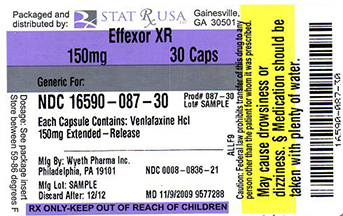
Effexor XR label

Effexor XR

(venlafaxine hydrochloride)

Effexor® (venlafaxine hydrochloride) is an antidepressant medication classified as a serotonin-norepinephrine reuptake inhibitor (SNRI), generally prescribed to adults to treat major depression and anxiety disorders. It is an oral medication available in tablet and capsule form, originally brought to the market by American pharmaceutical manufacturer Wyeth in 1993. It is sold in strengths of 37.5mg, 75mg, 150mg, and 225mg in both original and extended-release (Effexor-XR) formulations.

Effexor XR Recall

Pfizer Us Pharmaceutical Group
Product Description: Effexor XR (venlafaxine HCl) Extended-Release Capsules, 150 mg, packaged in a) 30-count Unit of Use bottles (NDC 0008-0836-21) UPC 3 0008-0836-21 7; b) 90-count Unit of Use bottles (NDC 0008-0836-22) UPC 3 0008-0836-22 4; Rx only, Distributed by Wyeth Pharmaceuticals Inc., A subsidiary of Pfizer Inc., Philadelphia, PA 19101.
Status: Ongoing
City: New York
State: NY
Country: US
Voluntary/Mandated: Voluntary: Firm Initiated
Initial Firm Notification: Two or more of the following: Email, Fax, Letter, Press Release, Telephone, Visit
Distribution Pattern: Nationwide and Puerto Rico
Classification: Class I
Product Quantity: 49,847 bottles
Reason For Recall: Presence of Foreign Tablets/Capsules: A Pharmacist reported that a bottle of Effexor XR 150 mg capsules contained a single peach colored capsule printed TKN250 which was identified as a Tikosyn (dofetilide) capsule.
Recall Initiation Date: 20140306
Report Date: 20140528
Pfizer Us Pharmaceutical Group
Product Description: Effexor XR (venlafaxine HCl) Extended-Release Capsules, 150 mg, packaged in a) 30-count Unit of Use bottles (NDC 0008-0836-21) UPC 3 0008-0836-21 7; b) 90-count Unit of Use bottles (NDC 0008-0836-22) UPC 3 0008-0836-22 4; Rx only, Distributed by Wyeth Pharmaceuticals Inc., A subsidiary of Pfizer Inc., Philadelphia, PA 19101.
Status: Ongoing
City: New York
State: NY
Country: US
Voluntary/Mandated: Voluntary: Firm Initiated
Initial Firm Notification: Two or more of the following: Email, Fax, Letter, Press Release, Telephone, Visit
Distribution Pattern: Nationwide and Puerto Rico
Classification: Class I
Product Quantity: 49,847 bottles
Reason For Recall: Presence of Foreign Tablets/Capsules: A Pharmacist reported that a bottle of Effexor XR 150 mg capsules contained a single peach colored capsule printed TKN250 which was identified as a Tikosyn (dofetilide) capsule.
Recall Initiation Date: 20140306
Report Date: 20140528

March 6,2014

A voluntary recall was issued by Pfizer for multiple lots of Effexor XR, as well as one lot of generic extended release Venlafaxine, after a pharmacist reported finding a different medication, Tikosyn (used to treat heart conditions) in a bottle labeled for Effexor XR. (fda.gov)

Get an Alert if there is another recall

Side Effects & Adverse Reactions

As with all antidepressants, Effexor carries the FDA’s black box warning due to an increased risk of suicidal thoughts/ideation and actions, especially in children and young adults. (.pdf)

Common side effects include headache, nausea, fatigue, asthenia (weakness), insomnia, dry mouth, dizziness, weight gain, sweating, and sexual dysfunction (difficulty achieving arousal, erection and/or orgasm). While rarer than the aforementioned side effects, it is also not uncommon for Effexor to cause high blood pressure. It can also worsen existing glaucoma, and may cause angle-closure glaucoma (a condition where the fluid is suddenly blocked and unable to flow out of the eye causing a quick, severe increase in eye pressure which may lead to a loss of vision). (dailymed.nlm.nih.gov)

Like many other antidepressant medications, the discontinuation of regular use of Effexor can cause numerous unpleasant withdrawal side effects, including flu-like symptoms (nausea, vomiting, sweating, headaches, diarrhea), sleep disturbances (insomnia, nightmares, fatigue), sensory/movement disturbances (vertigo, dizziness, “zap” like electrical sensations in the brain or nerve paths), and mood disturbances (anxiety, dysphoria, agitation). These symptoms are known to be particularly intense with the discontinuation of Effexor, possibly as a reflection of its relatively short half-life. Missing even a single dose can result in withdrawal symptoms. (ncbi.nlm.nih.gov)

Effexor is officially classified by the FDA as Category C, meaning that risk cannot be ruled out. Studies have shown that it may increase the risk of miscarriage in pregnant women. Babies born to women taking Effexor have also shown to suffer similar withdrawal symptoms as adults as the drug leaves their body after birth, as well as requiring extra neonatal hospital care including respiratory support and tubal feeding. Studies also suggest the possibility of birth defects and malformations, with further studies needed to determine specificity and prevalence. (ncbi.nlm.nih.gov)

Possible Adverse Effects/Contraindications

Effexor is not approved for use in pediatric patients. In addition to the black box warning regarding suicidal thoughts and behavior, it may cause stunted growth and weight gain in young children. (nlm.nih.gov)

Effexor is not recommended for use in treatment of depressive episodes in people with bipolar disorder, as it can induce or exacerbate mania. (ncbi.nlm.gov)

Effexor should not be used by patients with a history of high blood pressure, as it can initiate or exacerbate the condition. Regular blood pressure monitoring is strongly recommended. The same can be said of patients with a history of glaucoma, as similar pressure increases can occur in the eyes. (.pdf)

Effexor should not be taken with, or immediately after stopping use of, monoamine oxidase inhibitors (MAOIs), another class of commonly used antidepressants, as this can cause serotonin syndrome or serotonin toxicity, a condition that can be fatal. Similarly, avoidance of other substances with serotonergic properties (triptans, St. John’s Wort, lithium, Tramadol, etc.) is also recommended. (.pdf)

FDA Safety Alerts

There are currently no FDA safety alerts available for this drug.

Manufacturer Warnings

October 17, 2006

A letter was sent out by Wyeth (manufacturer), a subsidiary of Pfizer, Inc., amending previous details about venlafaxine overdose symptoms and complications. (.pdf)

June 3, 2004

A letter was sent out by Wyeth, primarily providing details about the FDA’s black box warning regarding antidepressants and suicidal ideation and behavior, as well as information about discontinuation syndrome (withdrawal) symptoms, neonatal issues with babies born to mothers who had been using Effexor, and other additions and amendments to the Precautions section of the label. (fda.gov)

FDA Labeling Changes

July 2014

An adjustment was made to the Precautions section of the label to provide information regarding an increase in the risk of bleeding events and disorders (hemorrhage, hematomas, petechiae, etc) in patients taking SSRIs and SNRIs. (fda.gov)

December 2012

Contraindications and warnings were added regarding the types of drugs or substances that will interact with use of Effexor/venlafaxine and possibly cause serotonin syndrome, expanding upon the warnings issued in January 2010 and January 2009. (fda.gov)

August 2012

An adjustment was made to the Precautions section of the label to provide information regarding studies of possible fertility changes while using Effexor. (fda.gov)

May 2012

An alert was issued warning that drug urinalysis screenings of people taking Effexor or venlafaxine may receive false positive results for phencyclidine (PCP) and amphetamine. (fda.gov)

January 2010

A labeling adjustment was made to provide further details regarding possible interactions between Effexor/venlafaxine and MAOIs causing serotonin syndrome/serotonin toxicity, expanding upon the warning issued in January 2009. (fda.gov)

November 2009

An adjustment was made to the Precautions section of the label to warn of the possibility of flu-like symptoms as part of withdrawal/discontinuation of Effexor. (fda.gov)

January 2009

A warning was issued regarding the risk of the potentially-fatal complication serotonin syndrome, also known as serotonin storm or serotonin toxicity, or a similar condition called neuroleptic malignant syndrome. Both of these conditions can occur when Effexor is taken in combination with MAOIs, or other drugs that alter the neurotransmission of serotonin. (fda.gov)

May 2008

Adjustments were made to the label to reflect changes in postmarketing reports and possible adverse interactions. (fda.gov)

February 2008

Precautions were added to the label making changes to the following subjects: abnormal bleeding as a potential side effect, and interactions with drugs that interfere with the clotting and flow of blood (Non-selective NSAIDs, aspirin, warfarin, etc.). (fda.gov)

January 2008

Precautions were added to the label to outline possible interactions with drugs that inhibit Cytochrome P450 Isoenzymes (proteins that cause chemical changes in the blood). (fda.gov)

Uses

Effexor is used in the treatment of major depressive disorder, generalized anxiety disorder, panic disorders, social anxiety disorder (social phobia), and other mood disorders. Common off-label uses include treatment of diabetic neuropathy (nerve pain in the extremities caused by diabetes) and hormonal hot flashes. It is thought to work by keeping both serotonin (a neurotransmitter chemical thought to be responsible for happiness and well-being) and norepinephrine (a catecholamine – a combination of a neurotransmitter and a hormone – that directly affects adrenal function and stress levels) levels up in the body by inhibiting them from being reabsorbed and broken down. (ncbi.nlm.nih.gov)

History

There is currently no drug history available for this drug.

Other Information

As an SNRI, Effexor is thought to work by inhibiting the passage of serotonin and norepinephrine between two nerve cells, allowing for these chemicals to stay in the synapse (gap) between the cells, thereby increasing their availability to bind with the proteins in the receiving cell. Changing the balance of these neurotransmitters is believed to positively affect mood and help manage depression.

Other Resources

http://dailymed.nlm.nih.gov/dailymed/drugInfo.cfm?setid=b23637e5-d37f-41b5-ba76-fc053e903bc2
https://www.ncbi.nlm.nih.gov/pubmed/12892015
http://www.accessdata.fda.gov/drugsatfda_docs/label/2014/022104s010lbl.pdf

Effexor XR Manufacturers

  • Stat Rx Usa
    Effexor Xr | Stat Rx Usa
    No Recall

    Effexor Xr | Stat Rx Usa

    Effexor Xr | Stat Rx Usa

    Enter section text here

  • Lake Erie Medical Dba Quality Care Products Llc
    Effexor Xr | Lake Erie Medical Dba Quality Care Products Llc
    No Recall

    Effexor Xr | Lake Erie Medical Dba Quality Care Products Llc

    Effexor Xr | Lake Erie Medical Dba Quality Care Products Llc

    Effexor XR should be administered in a single dose with food either in the morning or in the evening at approximately the same time each day. Each capsule should be swallowed whole with fluid and not divided, crushed, chewed, or placed in water, or it may be administered by carefully opening the capsule and sprinkling the entire contents on a spoonful of applesauce. This drug/food mixture should be swallowed immediately without chewing and followed with a glass of water to ensure complete swallowing of the pellets.

    Initial Treatment Major Depressive Disorder

    For most patients, the recommended starting dose for Effexor XR is 75 mg/day, administered in a single dose. In the clinical trials establishing the efficacy of Effexor XR in moderately depressed outpatients, the initial dose of venlafaxine was 75 mg/day. For some patients, it may be desirable to start at 37.5 mg/day for 4 to 7 days, to allow new patients to adjust to the medication before increasing to 75 mg/day. While the relationship between dose and antidepressant response for Effexor XR has not been adequately explored, patients not responding to the initial 75 mg/day dose may benefit from dose increases to a maximum of approximately 225 mg/day. Dose increases should be in increments of up to 75 mg/day, as needed, and should be made at intervals of not less than 4 days, since steady state plasma levels of venlafaxine and its major metabolites are achieved in most patients by day 4. In the clinical trials establishing efficacy, upward titration was permitted at intervals of 2 weeks or more; the average doses were about 140 to 180 mg/day (see Clinical Trials under CLINICAL PHARMACOLOGY).

    It should be noted that, while the maximum recommended dose for moderately depressed outpatients is also 225 mg/day for Effexor (immediate release), more severely depressed inpatients in one study of the development program for that product responded to a mean dose of 350 mg/day (range of 150 to 375 mg/day). Whether or not higher doses of Effexor XR are needed for more severely depressed patients is unknown; however, the experience with Effexor XR doses higher than 225 mg/day is very limited. (See PRECAUTIONS-General-Use in Patients with Concomitant Illness.)

    Generalized Anxiety Disorder

    For most patients, the recommended starting dose for Effexor XR is 75 mg/day, administered in a single dose. In clinical trials establishing the efficacy of Effexor XR in outpatients with Generalized Anxiety Disorder (GAD), the initial dose of venlafaxine was 75 mg/day. For some patients, it may be desirable to start at 37.5 mg/day for 4 to 7 days, to allow new patients to adjust to the medication before increasing to 75 mg/day. Although a dose-response relationship for effectiveness in GAD was not clearly established in fixed-dose studies, certain patients not responding to the initial 75 mg/day dose may benefit from dose increases to a maximum of approximately 225 mg/day. Dose increases should be in increments of up to 75 mg/day, as needed, and should be made at intervals of not less than 4 days. (See the Use in Patients with Concomitant Illness section of PRECAUTIONS.)

    Social Anxiety Disorder (Social Phobia)

    The recommended dose is 75 mg/day, administered in a single dose. There was no evidence that higher doses confer any additional benefit. (See the Use in Patients with Concomitant Illness section of PRECAUTIONS.)

    Panic Disorder

    It is recommended that initial single doses of 37.5 mg/day of Effexor XR be used for 7 days. In clinical trials establishing the efficacy of Effexor XR in outpatients with panic disorder, initial doses of 37.5 mg/day for 7 days were followed by doses of 75 mg/day and subsequent weekly dose increases of 75 mg/day to a maximum dose of 225 mg/day. Although a dose-response relationship for effectiveness in patients with panic disorder was not clearly established in fixed-dose studies, certain patients not responding to 75 mg/day may benefit from dose increases to a maximum of approximately 225 mg/day. Dose increases should be in increments of up to 75 mg/day, as needed, and should be made at intervals of not less than 7 days. (See the Use in Patients with Concomitant Illness section of PRECAUTIONS.)

    Switching Patients from Effexor Tablets

    Depressed patients who are currently being treated at a therapeutic dose with Effexor (immediate release) may be switched to Effexor XR at the nearest equivalent dose (mg/day), eg, 37.5 mg venlafaxine two-times-a-day to 75 mg Effexor XR once daily. However, individual dosage adjustments may be necessary.

    Special Populations Treatment of Pregnant Women During the Third Trimester

    Neonates exposed to Effexor XR, other SNRIs, or SSRIs, late in the third trimester have developed complications requiring prolonged hospitalization, respiratory support, and tube feeding (see PRECAUTIONS). When treating pregnant women with Effexor XR during the third trimester, the physician should carefully consider the potential risks and benefits of treatment. The physician may consider tapering Effexor XR in the third trimester.

    Patients with Hepatic Impairment

    Given the decrease in clearance and increase in elimination half-life for both venlafaxine and ODV that is observed in patients with hepatic cirrhosis and mild and moderate hepatic impairment compared with normal subjects (see CLINICAL PHARMACOLOGY), it is recommended that the total daily dose be reduced by 50% in patients with mild to moderate hepatic impairment. Since there was much individual variability in clearance between subjects with cirrhosis, it may be necessary to reduce the dose even more than 50%, and individualization of dosing may be desirable in some patients.

    Patients with Renal Impairment

    Given the decrease in clearance for venlafaxine and the increase in elimination half-life for both venlafaxine and ODV that is observed in patients with renal impairment (GFR = 10 to 70 mL/min) compared with normal subjects (see CLINICAL PHARMACOLOGY), it is recommended that the total daily dose be reduced by 25% to 50%. In patients undergoing hemodialysis, it is recommended that the total daily dose be reduced by 50%. Because there was much individual variability in clearance between patients with renal impairment, individualization of dosage may be desirable in some patients.

    Elderly Patients

    No dose adjustment is recommended for elderly patients solely on the basis of age. As with any drug for the treatment of major depressive disorder, Generalized Anxiety Disorder, Social Anxiety Disorder, or panic disorder, however, caution should be exercised in treating the elderly. When individualizing the dosage, extra care should be taken when increasing the dose.

    Maintenance Treatment

    There is no body of evidence available from controlled trials to indicate how long patients with major depressive disorder, Generalized Anxiety Disorder, Social Anxiety Disorder, or panic disorder, should be treated with Effexor XR.

    It is generally agreed that acute episodes of major depressive disorder require several months or longer of sustained pharmacological therapy beyond response to the acute episode. In one study, in which patients responding during 8 weeks of acute treatment with Effexor XR were assigned randomly to placebo or to the same dose of Effexor XR (75, 150, or 225 mg/day, qAM) during 26 weeks of maintenance treatment as they had received during the acute stabilization phase, longer-term efficacy was demonstrated. A second longer-term study has demonstrated the efficacy of Effexor in maintaining a response in patients with recurrent major depressive disorder who had responded and continued to be improved during an initial 26 weeks of treatment and were then randomly assigned to placebo or Effexor for periods of up to 52 weeks on the same dose (100 to 200 mg/day, on a b.i.d. schedule) (see Clinical Trials under CLINICAL PHARMACOLOGY). Based on these limited data, it is not known whether or not the dose of Effexor/Effexor XR needed for maintenance treatment is identical to the dose needed to achieve an initial response. Patients should be periodically reassessed to determine the need for maintenance treatment and the appropriate dose for such treatment.

    In patients with Generalized Anxiety Disorder, Effexor XR has been shown to be effective in 6-month clinical trials. The need for continuing medication in patients with GAD who improve with Effexor XR treatment should be periodically reassessed.

    In patients with Social Anxiety Disorder, Effexor XR has been shown to be effective in a 6-month clinical trial. The need for continuing medication in patients with Social Anxiety Disorder who improve with Effexor XR treatment should be periodically reassessed.

    In a study of panic disorder in which patients responding during 12 weeks of acute treatment with Effexor XR were assigned randomly to placebo or to the same dose of Effexor XR (75, 150, or 225 mg/day), patients continuing Effexor XR experienced a significantly longer time to relapse than patients randomized to placebo. The need for continuing medication in patients with panic disorder who improve with Effexor XR treatment should be periodically reassessed.

    Discontinuing Effexor XR

    Symptoms associated with discontinuation of Effexor XR, other SNRIs, and SSRIs, have been reported (see PRECAUTIONS). Patients should be monitored for these symptoms when discontinuing treatment. A gradual reduction in the dose rather than abrupt cessation is recommended whenever possible. If intolerable symptoms occur following a decrease in the dose or upon discontinuation of treatment, then resuming the previously prescribed dose may be considered. Subsequently, the physician may continue decreasing the dose but at a more gradual rate. In clinical trials with Effexor XR, tapering was achieved by reducing the daily dose by 75 mg at 1 week intervals. Individualization of tapering may be necessary.

    Switching Patients To or From a Monoamine Oxidase Inhibitor

    At least 14 days should elapse between discontinuation of an MAOI and initiation of therapy with Effexor XR. In addition, at least 7 days should be allowed after stopping Effexor XR before starting an MAOI (see CONTRAINDICATIONS and WARNINGS).

  • Lake Erie Medical Dba Quality Care Products Llc
    Effexor Xr | Lake Erie Medical Dba Quality Care Products Llc
    No Recall

    Effexor Xr | Lake Erie Medical Dba Quality Care Products Llc

    Effexor Xr | Lake Erie Medical Dba Quality Care Products Llc

    Effexor XR should be administered in a single dose with food either in the morning or in the evening at approximately the same time each day. Each capsule should be swallowed whole with fluid and not divided, crushed, chewed, or placed in water, or it may be administered by carefully opening the capsule and sprinkling the entire contents on a spoonful of applesauce. This drug/food mixture should be swallowed immediately without chewing and followed with a glass of water to ensure complete swallowing of the pellets.

    Initial Treatment Major Depressive Disorder

    For most patients, the recommended starting dose for Effexor XR is 75 mg/day, administered in a single dose. In the clinical trials establishing the efficacy of Effexor XR in moderately depressed outpatients, the initial dose of venlafaxine was 75 mg/day. For some patients, it may be desirable to start at 37.5 mg/day for 4 to 7 days, to allow new patients to adjust to the medication before increasing to 75 mg/day. While the relationship between dose and antidepressant response for Effexor XR has not been adequately explored, patients not responding to the initial 75 mg/day dose may benefit from dose increases to a maximum of approximately 225 mg/day. Dose increases should be in increments of up to 75 mg/day, as needed, and should be made at intervals of not less than 4 days, since steady state plasma levels of venlafaxine and its major metabolites are achieved in most patients by day 4. In the clinical trials establishing efficacy, upward titration was permitted at intervals of 2 weeks or more; the average doses were about 140 to 180 mg/day (see Clinical Trials under CLINICAL PHARMACOLOGY).

    It should be noted that, while the maximum recommended dose for moderately depressed outpatients is also 225 mg/day for Effexor (immediate release), more severely depressed inpatients in one study of the development program for that product responded to a mean dose of 350 mg/day (range of 150 to 375 mg/day). Whether or not higher doses of Effexor XR are needed for more severely depressed patients is unknown; however, the experience with Effexor XR doses higher than 225 mg/day is very limited. (See PRECAUTIONS-General-Use in Patients with Concomitant Illness.)

    Generalized Anxiety Disorder

    For most patients, the recommended starting dose for Effexor XR is 75 mg/day, administered in a single dose. In clinical trials establishing the efficacy of Effexor XR in outpatients with Generalized Anxiety Disorder (GAD), the initial dose of venlafaxine was 75 mg/day. For some patients, it may be desirable to start at 37.5 mg/day for 4 to 7 days, to allow new patients to adjust to the medication before increasing to 75 mg/day. Although a dose-response relationship for effectiveness in GAD was not clearly established in fixed-dose studies, certain patients not responding to the initial 75 mg/day dose may benefit from dose increases to a maximum of approximately 225 mg/day. Dose increases should be in increments of up to 75 mg/day, as needed, and should be made at intervals of not less than 4 days. (See the Use in Patients with Concomitant Illness section of PRECAUTIONS.)

    Social Anxiety Disorder (Social Phobia)

    The recommended dose is 75 mg/day, administered in a single dose. There was no evidence that higher doses confer any additional benefit. (See the Use in Patients with Concomitant Illness section of PRECAUTIONS.)

    Panic Disorder

    It is recommended that initial single doses of 37.5 mg/day of Effexor XR be used for 7 days. In clinical trials establishing the efficacy of Effexor XR in outpatients with panic disorder, initial doses of 37.5 mg/day for 7 days were followed by doses of 75 mg/day and subsequent weekly dose increases of 75 mg/day to a maximum dose of 225 mg/day. Although a dose-response relationship for effectiveness in patients with panic disorder was not clearly established in fixed-dose studies, certain patients not responding to 75 mg/day may benefit from dose increases to a maximum of approximately 225 mg/day. Dose increases should be in increments of up to 75 mg/day, as needed, and should be made at intervals of not less than 7 days. (See the Use in Patients with Concomitant Illness section of PRECAUTIONS.)

    Switching Patients from Effexor Tablets

    Depressed patients who are currently being treated at a therapeutic dose with Effexor (immediate release) may be switched to Effexor XR at the nearest equivalent dose (mg/day), eg, 37.5 mg venlafaxine two-times-a-day to 75 mg Effexor XR once daily. However, individual dosage adjustments may be necessary.

    Special Populations Treatment of Pregnant Women During the Third Trimester

    Neonates exposed to Effexor XR, other SNRIs, or SSRIs, late in the third trimester have developed complications requiring prolonged hospitalization, respiratory support, and tube feeding (see PRECAUTIONS). When treating pregnant women with Effexor XR during the third trimester, the physician should carefully consider the potential risks and benefits of treatment. The physician may consider tapering Effexor XR in the third trimester.

    Patients with Hepatic Impairment

    Given the decrease in clearance and increase in elimination half-life for both venlafaxine and ODV that is observed in patients with hepatic cirrhosis and mild and moderate hepatic impairment compared with normal subjects (see CLINICAL PHARMACOLOGY), it is recommended that the total daily dose be reduced by 50% in patients with mild to moderate hepatic impairment. Since there was much individual variability in clearance between subjects with cirrhosis, it may be necessary to reduce the dose even more than 50%, and individualization of dosing may be desirable in some patients.

    Patients with Renal Impairment

    Given the decrease in clearance for venlafaxine and the increase in elimination half-life for both venlafaxine and ODV that is observed in patients with renal impairment (GFR = 10 to 70 mL/min) compared with normal subjects (see CLINICAL PHARMACOLOGY), it is recommended that the total daily dose be reduced by 25% to 50%. In patients undergoing hemodialysis, it is recommended that the total daily dose be reduced by 50%. Because there was much individual variability in clearance between patients with renal impairment, individualization of dosage may be desirable in some patients.

    Elderly Patients

    No dose adjustment is recommended for elderly patients solely on the basis of age. As with any drug for the treatment of major depressive disorder, Generalized Anxiety Disorder, Social Anxiety Disorder, or panic disorder, however, caution should be exercised in treating the elderly. When individualizing the dosage, extra care should be taken when increasing the dose.

    Maintenance Treatment

    There is no body of evidence available from controlled trials to indicate how long patients with major depressive disorder, Generalized Anxiety Disorder, Social Anxiety Disorder, or panic disorder, should be treated with Effexor XR.

    It is generally agreed that acute episodes of major depressive disorder require several months or longer of sustained pharmacological therapy beyond response to the acute episode. In one study, in which patients responding during 8 weeks of acute treatment with Effexor XR were assigned randomly to placebo or to the same dose of Effexor XR (75, 150, or 225 mg/day, qAM) during 26 weeks of maintenance treatment as they had received during the acute stabilization phase, longer-term efficacy was demonstrated. A second longer-term study has demonstrated the efficacy of Effexor in maintaining a response in patients with recurrent major depressive disorder who had responded and continued to be improved during an initial 26 weeks of treatment and were then randomly assigned to placebo or Effexor for periods of up to 52 weeks on the same dose (100 to 200 mg/day, on a b.i.d. schedule) (see Clinical Trials under CLINICAL PHARMACOLOGY). Based on these limited data, it is not known whether or not the dose of Effexor/Effexor XR needed for maintenance treatment is identical to the dose needed to achieve an initial response. Patients should be periodically reassessed to determine the need for maintenance treatment and the appropriate dose for such treatment.

    In patients with Generalized Anxiety Disorder, Effexor XR has been shown to be effective in 6-month clinical trials. The need for continuing medication in patients with GAD who improve with Effexor XR treatment should be periodically reassessed.

    In patients with Social Anxiety Disorder, Effexor XR has been shown to be effective in a 6-month clinical trial. The need for continuing medication in patients with Social Anxiety Disorder who improve with Effexor XR treatment should be periodically reassessed.

    In a study of panic disorder in which patients responding during 12 weeks of acute treatment with Effexor XR were assigned randomly to placebo or to the same dose of Effexor XR (75, 150, or 225 mg/day), patients continuing Effexor XR experienced a significantly longer time to relapse than patients randomized to placebo. The need for continuing medication in patients with panic disorder who improve with Effexor XR treatment should be periodically reassessed.

    Discontinuing Effexor XR

    Symptoms associated with discontinuation of Effexor XR, other SNRIs, and SSRIs, have been reported (see PRECAUTIONS). Patients should be monitored for these symptoms when discontinuing treatment. A gradual reduction in the dose rather than abrupt cessation is recommended whenever possible. If intolerable symptoms occur following a decrease in the dose or upon discontinuation of treatment, then resuming the previously prescribed dose may be considered. Subsequently, the physician may continue decreasing the dose but at a more gradual rate. In clinical trials with Effexor XR, tapering was achieved by reducing the daily dose by 75 mg at 1 week intervals. Individualization of tapering may be necessary.

    Switching Patients To or From a Monoamine Oxidase Inhibitor

    At least 14 days should elapse between discontinuation of an MAOI and initiation of therapy with Effexor XR. In addition, at least 7 days should be allowed after stopping Effexor XR before starting an MAOI (see CONTRAINDICATIONS and WARNINGS).

  • Physicians Total Care, Inc.
    Effexor Xr | Physicians Total Care, Inc.
    No Recall

    Effexor Xr | Physicians Total Care, Inc.

    Effexor Xr | Physicians Total Care, Inc.

    Effexor XR should be administered in a single dose with food either in the morning or in the evening at approximately the same time each day. Each capsule should be swallowed whole with fluid and not divided, crushed, chewed, or placed in water, or it may be administered by carefully opening the capsule and sprinkling the entire contents on a spoonful of applesauce. This drug/food mixture should be swallowed immediately without chewing and followed with a glass of water to ensure complete swallowing of the pellets.

    Initial Treatment Major Depressive Disorder

    For most patients, the recommended starting dose for Effexor XR is 75 mg/day, administered in a single dose. In the clinical trials establishing the efficacy of Effexor XR in moderately depressed outpatients, the initial dose of venlafaxine was 75 mg/day. For some patients, it may be desirable to start at 37.5 mg/day for 4 to 7 days, to allow new patients to adjust to the medication before increasing to 75 mg/day. While the relationship between dose and antidepressant response for Effexor XR has not been adequately explored, patients not responding to the initial 75 mg/day dose may benefit from dose increases to a maximum of approximately 225 mg/day. Dose increases should be in increments of up to 75 mg/day, as needed, and should be made at intervals of not less than 4 days, since steady state plasma levels of venlafaxine and its major metabolites are achieved in most patients by day 4. In the clinical trials establishing efficacy, upward titration was permitted at intervals of 2 weeks or more; the average doses were about 140 to 180 mg/day (see Clinical Trials under CLINICAL PHARMACOLOGY).

    It should be noted that, while the maximum recommended dose for moderately depressed outpatients is also 225 mg/day for Effexor (immediate release), more severely depressed inpatients in one study of the development program for that product responded to a mean dose of 350 mg/day (range of 150 to 375 mg/day). Whether or not higher doses of Effexor XR are needed for more severely depressed patients is unknown; however, the experience with Effexor XR doses higher than 225 mg/day is very limited. (See PRECAUTIONS-General-Use in Patients with Concomitant Illness.)

    Generalized Anxiety Disorder

    For most patients, the recommended starting dose for Effexor XR is 75 mg/day, administered in a single dose. In clinical trials establishing the efficacy of Effexor XR in outpatients with Generalized Anxiety Disorder (GAD), the initial dose of venlafaxine was 75 mg/day. For some patients, it may be desirable to start at 37.5 mg/day for 4 to 7 days, to allow new patients to adjust to the medication before increasing to 75 mg/day. Although a dose-response relationship for effectiveness in GAD was not clearly established in fixed-dose studies, certain patients not responding to the initial 75 mg/day dose may benefit from dose increases to a maximum of approximately 225 mg/day. Dose increases should be in increments of up to 75 mg/day, as needed, and should be made at intervals of not less than 4 days. (See the Use in Patients with Concomitant Illness section of PRECAUTIONS.)

    Social Anxiety Disorder (Social Phobia)

    The recommended dose is 75 mg/day, administered in a single dose. There was no evidence that higher doses confer any additional benefit. (See the Use in Patients with Concomitant Illness section of PRECAUTIONS.)

    Panic Disorder

    It is recommended that initial single doses of 37.5 mg/day of Effexor XR be used for 7 days. In clinical trials establishing the efficacy of Effexor XR in outpatients with panic disorder, initial doses of 37.5 mg/day for 7 days were followed by doses of 75 mg/day and subsequent weekly dose increases of 75 mg/day to a maximum dose of 225 mg/day. Although a dose-response relationship for effectiveness in patients with panic disorder was not clearly established in fixed-dose studies, certain patients not responding to 75 mg/day may benefit from dose increases to a maximum of approximately 225 mg/day. Dose increases should be in increments of up to 75 mg/day, as needed, and should be made at intervals of not less than 7 days. (See the Use in Patients with Concomitant Illness section of PRECAUTIONS.)

    Switching Patients from Effexor Tablets

    Depressed patients who are currently being treated at a therapeutic dose with Effexor (immediate release) may be switched to Effexor XR at the nearest equivalent dose (mg/day), eg, 37.5 mg venlafaxine two-times-a-day to 75 mg Effexor XR once daily. However, individual dosage adjustments may be necessary.

    Special Populations Treatment of Pregnant Women During the Third Trimester

    Neonates exposed to Effexor XR, other SNRIs, or SSRIs, late in the third trimester have developed complications requiring prolonged hospitalization, respiratory support, and tube feeding (see PRECAUTIONS). When treating pregnant women with Effexor XR during the third trimester, the physician should carefully consider the potential risks and benefits of treatment. The physician may consider tapering Effexor XR in the third trimester.

    Patients with Hepatic Impairment

    Given the decrease in clearance and increase in elimination half-life for both venlafaxine and ODV that is observed in patients with hepatic cirrhosis and mild and moderate hepatic impairment compared with normal subjects (see CLINICAL PHARMACOLOGY), it is recommended that the total daily dose be reduced by 50% in patients with mild to moderate hepatic impairment. Since there was much individual variability in clearance between subjects with cirrhosis, it may be necessary to reduce the dose even more than 50%, and individualization of dosing may be desirable in some patients.

    Patients with Renal Impairment

    Given the decrease in clearance for venlafaxine and the increase in elimination half-life for both venlafaxine and ODV that is observed in patients with renal impairment (GFR = 10 to 70 mL/min) compared with normal subjects (see CLINICAL PHARMACOLOGY), it is recommended that the total daily dose be reduced by 25% to 50%. In patients undergoing hemodialysis, it is recommended that the total daily dose be reduced by 50%. Because there was much individual variability in clearance between patients with renal impairment, individualization of dosage may be desirable in some patients.

    Elderly Patients

    No dose adjustment is recommended for elderly patients solely on the basis of age. As with any drug for the treatment of major depressive disorder, Generalized Anxiety Disorder, Social Anxiety Disorder, or panic disorder, however, caution should be exercised in treating the elderly. When individualizing the dosage, extra care should be taken when increasing the dose.

    Maintenance Treatment

    There is no body of evidence available from controlled trials to indicate how long patients with major depressive disorder, Generalized Anxiety Disorder, Social Anxiety Disorder, or panic disorder, should be treated with Effexor XR.

    It is generally agreed that acute episodes of major depressive disorder require several months or longer of sustained pharmacological therapy beyond response to the acute episode. In one study, in which patients responding during 8 weeks of acute treatment with Effexor XR were assigned randomly to placebo or to the same dose of Effexor XR (75, 150, or 225 mg/day, qAM) during 26 weeks of maintenance treatment as they had received during the acute stabilization phase, longer-term efficacy was demonstrated. A second longer-term study has demonstrated the efficacy of Effexor in maintaining a response in patients with recurrent major depressive disorder who had responded and continued to be improved during an initial 26 weeks of treatment and were then randomly assigned to placebo or Effexor for periods of up to 52 weeks on the same dose (100 to 200 mg/day, on a b.i.d. schedule) (see Clinical Trials under CLINICAL PHARMACOLOGY). Based on these limited data, it is not known whether or not the dose of Effexor/Effexor XR needed for maintenance treatment is identical to the dose needed to achieve an initial response. Patients should be periodically reassessed to determine the need for maintenance treatment and the appropriate dose for such treatment.

    In patients with Generalized Anxiety Disorder, Effexor XR has been shown to be effective in 6-month clinical trials. The need for continuing medication in patients with GAD who improve with Effexor XR treatment should be periodically reassessed.

    In patients with Social Anxiety Disorder, Effexor XR has been shown to be effective in a 6-month clinical trial. The need for continuing medication in patients with Social Anxiety Disorder who improve with Effexor XR treatment should be periodically reassessed.

    In a study of panic disorder in which patients responding during 12 weeks of acute treatment with Effexor XR were assigned randomly to placebo or to the same dose of Effexor XR (75, 150, or 225 mg/day), patients continuing Effexor XR experienced a significantly longer time to relapse than patients randomized to placebo. The need for continuing medication in patients with panic disorder who improve with Effexor XR treatment should be periodically reassessed.

    Discontinuing Effexor XR

    Symptoms associated with discontinuation of Effexor XR, other SNRIs, and SSRIs, have been reported (see PRECAUTIONS). Patients should be monitored for these symptoms when discontinuing treatment. A gradual reduction in the dose rather than abrupt cessation is recommended whenever possible. If intolerable symptoms occur following a decrease in the dose or upon discontinuation of treatment, then resuming the previously prescribed dose may be considered. Subsequently, the physician may continue decreasing the dose but at a more gradual rate. In clinical trials with Effexor XR, tapering was achieved by reducing the daily dose by 75 mg at 1 week intervals. Individualization of tapering may be necessary.

    Switching Patients To or From a Monoamine Oxidase Inhibitor

    At least 14 days should elapse between discontinuation of an MAOI and initiation of therapy with Effexor XR. In addition, at least 7 days should be allowed after stopping Effexor XR before starting an MAOI (see CONTRAINDICATIONS and WARNINGS).

  • Pd-rx Pharmaceuticals, Inc.
    Effexor Xr | Pd-rx Pharmaceuticals, Inc.
    No Recall

    Effexor Xr | Pd-rx Pharmaceuticals, Inc.

    Effexor Xr | Pd-rx Pharmaceuticals, Inc.

    Effexor XR should be administered in a single dose with food either in the morning or in the evening at approximately the same time each day. Each capsule should be swallowed whole with fluid and not divided, crushed, chewed, or placed in water, or it may be administered by carefully opening the capsule and sprinkling the entire contents on a spoonful of applesauce. This drug/food mixture should be swallowed immediately without chewing and followed with a glass of water to ensure complete swallowing of the pellets.

    Initial Treatment Major Depressive Disorder

    For most patients, the recommended starting dose for Effexor XR is 75 mg/day, administered in a single dose. In the clinical trials establishing the efficacy of Effexor XR in moderately depressed outpatients, the initial dose of venlafaxine was 75 mg/day. For some patients, it may be desirable to start at 37.5 mg/day for 4 to 7 days, to allow new patients to adjust to the medication before increasing to 75 mg/day. While the relationship between dose and antidepressant response for Effexor XR has not been adequately explored, patients not responding to the initial 75 mg/day dose may benefit from dose increases to a maximum of approximately 225 mg/day. Dose increases should be in increments of up to 75 mg/day, as needed, and should be made at intervals of not less than 4 days, since steady state plasma levels of venlafaxine and its major metabolites are achieved in most patients by day 4. In the clinical trials establishing efficacy, upward titration was permitted at intervals of 2 weeks or more; the average doses were about 140 to 180 mg/day (see Clinical Trials under CLINICAL PHARMACOLOGY).

    It should be noted that, while the maximum recommended dose for moderately depressed outpatients is also 225 mg/day for Effexor (immediate release), more severely depressed inpatients in one study of the development program for that product responded to a mean dose of 350 mg/day (range of 150 to 375 mg/day). Whether or not higher doses of Effexor XR are needed for more severely depressed patients is unknown; however, the experience with Effexor XR doses higher than 225 mg/day is very limited. (See PRECAUTIONS-General-Use in Patients with Concomitant Illness.)

    Generalized Anxiety Disorder

    For most patients, the recommended starting dose for Effexor XR is 75 mg/day, administered in a single dose. In clinical trials establishing the efficacy of Effexor XR in outpatients with Generalized Anxiety Disorder (GAD), the initial dose of venlafaxine was 75 mg/day. For some patients, it may be desirable to start at 37.5 mg/day for 4 to 7 days, to allow new patients to adjust to the medication before increasing to 75 mg/day. Although a dose-response relationship for effectiveness in GAD was not clearly established in fixed-dose studies, certain patients not responding to the initial 75 mg/day dose may benefit from dose increases to a maximum of approximately 225 mg/day. Dose increases should be in increments of up to 75 mg/day, as needed, and should be made at intervals of not less than 4 days. (See the Use in Patients with Concomitant Illness section of PRECAUTIONS.)

    Social Anxiety Disorder (Social Phobia)

    The recommended dose is 75 mg/day, administered in a single dose. There was no evidence that higher doses confer any additional benefit. (See the Use in Patients with Concomitant Illness section of PRECAUTIONS.)

    Panic Disorder

    It is recommended that initial single doses of 37.5 mg/day of Effexor XR be used for 7 days. In clinical trials establishing the efficacy of Effexor XR in outpatients with panic disorder, initial doses of 37.5 mg/day for 7 days were followed by doses of 75 mg/day and subsequent weekly dose increases of 75 mg/day to a maximum dose of 225 mg/day. Although a dose-response relationship for effectiveness in patients with panic disorder was not clearly established in fixed-dose studies, certain patients not responding to 75 mg/day may benefit from dose increases to a maximum of approximately 225 mg/day. Dose increases should be in increments of up to 75 mg/day, as needed, and should be made at intervals of not less than 7 days. (See the Use in Patients with Concomitant Illness section of PRECAUTIONS.)

    Switching Patients from Effexor Tablets

    Depressed patients who are currently being treated at a therapeutic dose with Effexor (immediate release) may be switched to Effexor XR at the nearest equivalent dose (mg/day), eg, 37.5 mg venlafaxine two-times-a-day to 75 mg Effexor XR once daily. However, individual dosage adjustments may be necessary.

    Special Populations Treatment of Pregnant Women During the Third Trimester

    Neonates exposed to Effexor XR, other SNRIs, or SSRIs, late in the third trimester have developed complications requiring prolonged hospitalization, respiratory support, and tube feeding (see PRECAUTIONS). When treating pregnant women with Effexor XR during the third trimester, the physician should carefully consider the potential risks and benefits of treatment. The physician may consider tapering Effexor XR in the third trimester.

    Patients with Hepatic Impairment

    Given the decrease in clearance and increase in elimination half-life for both venlafaxine and ODV that is observed in patients with hepatic cirrhosis and mild and moderate hepatic impairment compared with normal subjects (see CLINICAL PHARMACOLOGY), it is recommended that the total daily dose be reduced by 50% in patients with mild to moderate hepatic impairment. Since there was much individual variability in clearance between subjects with cirrhosis, it may be necessary to reduce the dose even more than 50%, and individualization of dosing may be desirable in some patients.

    Patients with Renal Impairment

    Given the decrease in clearance for venlafaxine and the increase in elimination half-life for both venlafaxine and ODV that is observed in patients with renal impairment (GFR = 10 to 70 mL/min) compared with normal subjects (see CLINICAL PHARMACOLOGY), it is recommended that the total daily dose be reduced by 25% to 50%. In patients undergoing hemodialysis, it is recommended that the total daily dose be reduced by 50%. Because there was much individual variability in clearance between patients with renal impairment, individualization of dosage may be desirable in some patients.

    Elderly Patients

    No dose adjustment is recommended for elderly patients solely on the basis of age. As with any drug for the treatment of major depressive disorder, Generalized Anxiety Disorder, Social Anxiety Disorder, or panic disorder, however, caution should be exercised in treating the elderly. When individualizing the dosage, extra care should be taken when increasing the dose.

    Maintenance Treatment

    There is no body of evidence available from controlled trials to indicate how long patients with major depressive disorder, Generalized Anxiety Disorder, Social Anxiety Disorder, or panic disorder, should be treated with Effexor XR.

    It is generally agreed that acute episodes of major depressive disorder require several months or longer of sustained pharmacological therapy beyond response to the acute episode. In one study, in which patients responding during 8 weeks of acute treatment with Effexor XR were assigned randomly to placebo or to the same dose of Effexor XR (75, 150, or 225 mg/day, qAM) during 26 weeks of maintenance treatment as they had received during the acute stabilization phase, longer-term efficacy was demonstrated. A second longer-term study has demonstrated the efficacy of Effexor in maintaining a response in patients with recurrent major depressive disorder who had responded and continued to be improved during an initial 26 weeks of treatment and were then randomly assigned to placebo or Effexor for periods of up to 52 weeks on the same dose (100 to 200 mg/day, on a b.i.d. schedule) (see Clinical Trials under CLINICAL PHARMACOLOGY). Based on these limited data, it is not known whether or not the dose of Effexor/Effexor XR needed for maintenance treatment is identical to the dose needed to achieve an initial response. Patients should be periodically reassessed to determine the need for maintenance treatment and the appropriate dose for such treatment.

    In patients with Generalized Anxiety Disorder, Effexor XR has been shown to be effective in 6-month clinical trials. The need for continuing medication in patients with GAD who improve with Effexor XR treatment should be periodically reassessed.

    In patients with Social Anxiety Disorder, Effexor XR has been shown to be effective in a 6-month clinical trial. The need for continuing medication in patients with Social Anxiety Disorder who improve with Effexor XR treatment should be periodically reassessed.

    In a study of panic disorder in which patients responding during 12 weeks of acute treatment with Effexor XR were assigned randomly to placebo or to the same dose of Effexor XR (75, 150, or 225 mg/day), patients continuing Effexor XR experienced a significantly longer time to relapse than patients randomized to placebo. The need for continuing medication in patients with panic disorder who improve with Effexor XR treatment should be periodically reassessed.

    Discontinuing Effexor XR

    Symptoms associated with discontinuation of Effexor XR, other SNRIs, and SSRIs, have been reported (see PRECAUTIONS). Patients should be monitored for these symptoms when discontinuing treatment. A gradual reduction in the dose rather than abrupt cessation is recommended whenever possible. If intolerable symptoms occur following a decrease in the dose or upon discontinuation of treatment, then resuming the previously prescribed dose may be considered. Subsequently, the physician may continue decreasing the dose but at a more gradual rate. In clinical trials with Effexor XR, tapering was achieved by reducing the daily dose by 75 mg at 1 week intervals. Individualization of tapering may be necessary.

    Switching Patients To or From a Monoamine Oxidase Inhibitor

    At least 14 days should elapse between discontinuation of an MAOI and initiation of therapy with Effexor XR. In addition, at least 7 days should be allowed after stopping Effexor XR before starting an MAOI (see CONTRAINDICATIONS and WARNINGS).

  • Bryant Ranch Prepack
    Effexor Xr | Bryant Ranch Prepack
    No Recall

    Effexor Xr | Bryant Ranch Prepack

    Effexor Xr | Bryant Ranch Prepack

    Effexor XR should be administered in a single dose with food either in the morning or in the evening at approximately the same time each day. Each capsule should be swallowed whole with fluid and not divided, crushed, chewed, or placed in water, or it may be administered by carefully opening the capsule and sprinkling the entire contents on a spoonful of applesauce. This drug/food mixture should be swallowed immediately without chewing and followed with a glass of water to ensure complete swallowing of the pellets.

    Initial Treatment Major Depressive Disorder

    For most patients, the recommended starting dose for Effexor XR is 75 mg/day, administered in a single dose. In the clinical trials establishing the efficacy of Effexor XR in moderately depressed outpatients, the initial dose of venlafaxine was 75 mg/day. For some patients, it may be desirable to start at 37.5 mg/day for 4 to 7 days, to allow new patients to adjust to the medication before increasing to 75 mg/day. While the relationship between dose and antidepressant response for Effexor XR has not been adequately explored, patients not responding to the initial 75 mg/day dose may benefit from dose increases to a maximum of approximately 225 mg/day. Dose increases should be in increments of up to 75 mg/day, as needed, and should be made at intervals of not less than 4 days, since steady state plasma levels of venlafaxine and its major metabolites are achieved in most patients by day 4. In the clinical trials establishing efficacy, upward titration was permitted at intervals of 2 weeks or more; the average doses were about 140 to 180 mg/day (see Clinical Trials under CLINICAL PHARMACOLOGY).

    It should be noted that, while the maximum recommended dose for moderately depressed outpatients is also 225 mg/day for Effexor (immediate release), more severely depressed inpatients in one study of the development program for that product responded to a mean dose of 350 mg/day (range of 150 to 375 mg/day). Whether or not higher doses of Effexor XR are needed for more severely depressed patients is unknown; however, the experience with Effexor XR doses higher than 225 mg/day is very limited. (See PRECAUTIONS-General-Use in Patients with Concomitant Illness.)

    Generalized Anxiety Disorder

    For most patients, the recommended starting dose for Effexor XR is 75 mg/day, administered in a single dose. In clinical trials establishing the efficacy of Effexor XR in outpatients with Generalized Anxiety Disorder (GAD), the initial dose of venlafaxine was 75 mg/day. For some patients, it may be desirable to start at 37.5 mg/day for 4 to 7 days, to allow new patients to adjust to the medication before increasing to 75 mg/day. Although a dose-response relationship for effectiveness in GAD was not clearly established in fixed-dose studies, certain patients not responding to the initial 75 mg/day dose may benefit from dose increases to a maximum of approximately 225 mg/day. Dose increases should be in increments of up to 75 mg/day, as needed, and should be made at intervals of not less than 4 days. (See the Use in Patients with Concomitant Illness section of PRECAUTIONS.)

    Social Anxiety Disorder (Social Phobia)

    The recommended dose is 75 mg/day, administered in a single dose. There was no evidence that higher doses confer any additional benefit. (See the Use in Patients with Concomitant Illness section of PRECAUTIONS.)

    Panic Disorder

    It is recommended that initial single doses of 37.5 mg/day of Effexor XR be used for 7 days. In clinical trials establishing the efficacy of Effexor XR in outpatients with panic disorder, initial doses of 37.5 mg/day for 7 days were followed by doses of 75 mg/day and subsequent weekly dose increases of 75 mg/day to a maximum dose of 225 mg/day. Although a dose-response relationship for effectiveness in patients with panic disorder was not clearly established in fixed-dose studies, certain patients not responding to 75 mg/day may benefit from dose increases to a maximum of approximately 225 mg/day. Dose increases should be in increments of up to 75 mg/day, as needed, and should be made at intervals of not less than 7 days. (See the Use in Patients with Concomitant Illness section of PRECAUTIONS.)

    Switching Patients from Effexor Tablets

    Depressed patients who are currently being treated at a therapeutic dose with Effexor (immediate release) may be switched to Effexor XR at the nearest equivalent dose (mg/day), eg, 37.5 mg venlafaxine two-times-a-day to 75 mg Effexor XR once daily. However, individual dosage adjustments may be necessary.

    Special Populations Treatment of Pregnant Women During the Third Trimester

    Neonates exposed to Effexor XR, other SNRIs, or SSRIs, late in the third trimester have developed complications requiring prolonged hospitalization, respiratory support, and tube feeding (see PRECAUTIONS). When treating pregnant women with Effexor XR during the third trimester, the physician should carefully consider the potential risks and benefits of treatment. The physician may consider tapering Effexor XR in the third trimester.

    Patients with Hepatic Impairment

    Given the decrease in clearance and increase in elimination half-life for both venlafaxine and ODV that is observed in patients with hepatic cirrhosis and mild and moderate hepatic impairment compared with normal subjects (see CLINICAL PHARMACOLOGY), it is recommended that the total daily dose be reduced by 50% in patients with mild to moderate hepatic impairment. Since there was much individual variability in clearance between subjects with cirrhosis, it may be necessary to reduce the dose even more than 50%, and individualization of dosing may be desirable in some patients.

    Patients with Renal Impairment

    Given the decrease in clearance for venlafaxine and the increase in elimination half-life for both venlafaxine and ODV that is observed in patients with renal impairment (GFR = 10 to 70 mL/min) compared with normal subjects (see CLINICAL PHARMACOLOGY), it is recommended that the total daily dose be reduced by 25% to 50%. In patients undergoing hemodialysis, it is recommended that the total daily dose be reduced by 50%. Because there was much individual variability in clearance between patients with renal impairment, individualization of dosage may be desirable in some patients.

    Elderly Patients

    No dose adjustment is recommended for elderly patients solely on the basis of age. As with any drug for the treatment of major depressive disorder, Generalized Anxiety Disorder, Social Anxiety Disorder, or panic disorder, however, caution should be exercised in treating the elderly. When individualizing the dosage, extra care should be taken when increasing the dose.

    Maintenance Treatment

    There is no body of evidence available from controlled trials to indicate how long patients with major depressive disorder, Generalized Anxiety Disorder, Social Anxiety Disorder, or panic disorder, should be treated with Effexor XR.

    It is generally agreed that acute episodes of major depressive disorder require several months or longer of sustained pharmacological therapy beyond response to the acute episode. In one study, in which patients responding during 8 weeks of acute treatment with Effexor XR were assigned randomly to placebo or to the same dose of Effexor XR (75, 150, or 225 mg/day, qAM) during 26 weeks of maintenance treatment as they had received during the acute stabilization phase, longer-term efficacy was demonstrated. A second longer-term study has demonstrated the efficacy of Effexor in maintaining a response in patients with recurrent major depressive disorder who had responded and continued to be improved during an initial 26 weeks of treatment and were then randomly assigned to placebo or Effexor for periods of up to 52 weeks on the same dose (100 to 200 mg/day, on a b.i.d. schedule) (see Clinical Trials under CLINICAL PHARMACOLOGY). Based on these limited data, it is not known whether or not the dose of Effexor/Effexor XR needed for maintenance treatment is identical to the dose needed to achieve an initial response. Patients should be periodically reassessed to determine the need for maintenance treatment and the appropriate dose for such treatment.

    In patients with Generalized Anxiety Disorder, Effexor XR has been shown to be effective in 6-month clinical trials. The need for continuing medication in patients with GAD who improve with Effexor XR treatment should be periodically reassessed.

    In patients with Social Anxiety Disorder, Effexor XR has been shown to be effective in a 6-month clinical trial. The need for continuing medication in patients with Social Anxiety Disorder who improve with Effexor XR treatment should be periodically reassessed.

    In a study of panic disorder in which patients responding during 12 weeks of acute treatment with Effexor XR were assigned randomly to placebo or to the same dose of Effexor XR (75, 150, or 225 mg/day), patients continuing Effexor XR experienced a significantly longer time to relapse than patients randomized to placebo. The need for continuing medication in patients with panic disorder who improve with Effexor XR treatment should be periodically reassessed.

    Discontinuing Effexor XR

    Symptoms associated with discontinuation of Effexor XR, other SNRIs, and SSRIs, have been reported (see PRECAUTIONS). Patients should be monitored for these symptoms when discontinuing treatment. A gradual reduction in the dose rather than abrupt cessation is recommended whenever possible. If intolerable symptoms occur following a decrease in the dose or upon discontinuation of treatment, then resuming the previously prescribed dose may be considered. Subsequently, the physician may continue decreasing the dose but at a more gradual rate. In clinical trials with Effexor XR, tapering was achieved by reducing the daily dose by 75 mg at 1 week intervals. Individualization of tapering may be necessary.

    Switching Patients To or From a Monoamine Oxidase Inhibitor

    At least 14 days should elapse between discontinuation of an MAOI and initiation of therapy with Effexor XR. In addition, at least 7 days should be allowed after stopping Effexor XR before starting an MAOI (see CONTRAINDICATIONS and WARNINGS).

  • Effexor Xr | Cardinal Health
    No Recall

    Effexor Xr | Cardinal Health

    Effexor Xr | Cardinal Health

    Effexor XR should be administered in a single dose with food either in the morning or in the evening at approximately the same time each day. Each capsule should be swallowed whole with fluid and not divided, crushed, chewed, or placed in water, or it may be administered by carefully opening the capsule and sprinkling the entire contents on a spoonful of applesauce. This drug/food mixture should be swallowed immediately without chewing and followed with a glass of water to ensure complete swallowing of the pellets.

    Initial Treatment Major Depressive Disorder

    For most patients, the recommended starting dose for Effexor XR is 75 mg/day, administered in a single dose. In the clinical trials establishing the efficacy of Effexor XR in moderately depressed outpatients, the initial dose of venlafaxine was 75 mg/day. For some patients, it may be desirable to start at 37.5 mg/day for 4 to 7 days, to allow new patients to adjust to the medication before increasing to 75 mg/day. While the relationship between dose and antidepressant response for Effexor XR has not been adequately explored, patients not responding to the initial 75 mg/day dose may benefit from dose increases to a maximum of approximately 225 mg/day. Dose increases should be in increments of up to 75 mg/day, as needed, and should be made at intervals of not less than 4 days, since steady state plasma levels of venlafaxine and its major metabolites are achieved in most patients by day 4. In the clinical trials establishing efficacy, upward titration was permitted at intervals of 2 weeks or more; the average doses were about 140 to 180 mg/day (see Clinical Trials under CLINICAL PHARMACOLOGY).

    It should be noted that, while the maximum recommended dose for moderately depressed outpatients is also 225 mg/day for Effexor (immediate release), more severely depressed inpatients in one study of the development program for that product responded to a mean dose of 350 mg/day (range of 150 to 375 mg/day). Whether or not higher doses of Effexor XR are needed for more severely depressed patients is unknown; however, the experience with Effexor XR doses higher than 225 mg/day is very limited. (See PRECAUTIONS-General-Use in Patients with Concomitant Illness.)

    Generalized Anxiety Disorder

    For most patients, the recommended starting dose for Effexor XR is 75 mg/day, administered in a single dose. In clinical trials establishing the efficacy of Effexor XR in outpatients with Generalized Anxiety Disorder (GAD), the initial dose of venlafaxine was 75 mg/day. For some patients, it may be desirable to start at 37.5 mg/day for 4 to 7 days, to allow new patients to adjust to the medication before increasing to 75 mg/day. Although a dose-response relationship for effectiveness in GAD was not clearly established in fixed-dose studies, certain patients not responding to the initial 75 mg/day dose may benefit from dose increases to a maximum of approximately 225 mg/day. Dose increases should be in increments of up to 75 mg/day, as needed, and should be made at intervals of not less than 4 days. (See the Use in Patients with Concomitant Illness section of PRECAUTIONS.)

    Social Anxiety Disorder (Social Phobia)

    The recommended dose is 75 mg/day, administered in a single dose. There was no evidence that higher doses confer any additional benefit. (See the Use in Patients with Concomitant Illness section of PRECAUTIONS.)

    Panic Disorder

    It is recommended that initial single doses of 37.5 mg/day of Effexor XR be used for 7 days. In clinical trials establishing the efficacy of Effexor XR in outpatients with panic disorder, initial doses of 37.5 mg/day for 7 days were followed by doses of 75 mg/day and subsequent weekly dose increases of 75 mg/day to a maximum dose of 225 mg/day. Although a dose-response relationship for effectiveness in patients with panic disorder was not clearly established in fixed-dose studies, certain patients not responding to 75 mg/day may benefit from dose increases to a maximum of approximately 225 mg/day. Dose increases should be in increments of up to 75 mg/day, as needed, and should be made at intervals of not less than 7 days. (See the Use in Patients with Concomitant Illness section of PRECAUTIONS.)

    Switching Patients from Effexor Tablets

    Depressed patients who are currently being treated at a therapeutic dose with Effexor (immediate release) may be switched to Effexor XR at the nearest equivalent dose (mg/day), eg, 37.5 mg venlafaxine two-times-a-day to 75 mg Effexor XR once daily. However, individual dosage adjustments may be necessary.

    Special Populations Treatment of Pregnant Women During the Third Trimester

    Neonates exposed to Effexor XR, other SNRIs, or SSRIs, late in the third trimester have developed complications requiring prolonged hospitalization, respiratory support, and tube feeding (see PRECAUTIONS). When treating pregnant women with Effexor XR during the third trimester, the physician should carefully consider the potential risks and benefits of treatment. The physician may consider tapering Effexor XR in the third trimester.

    Patients with Hepatic Impairment

    Given the decrease in clearance and increase in elimination half-life for both venlafaxine and ODV that is observed in patients with hepatic cirrhosis and mild and moderate hepatic impairment compared with normal subjects (see CLINICAL PHARMACOLOGY), it is recommended that the total daily dose be reduced by 50% in patients with mild to moderate hepatic impairment. Since there was much individual variability in clearance between subjects with cirrhosis, it may be necessary to reduce the dose even more than 50%, and individualization of dosing may be desirable in some patients.

    Patients with Renal Impairment

    Given the decrease in clearance for venlafaxine and the increase in elimination half-life for both venlafaxine and ODV that is observed in patients with renal impairment (GFR = 10 to 70 mL/min) compared with normal subjects (see CLINICAL PHARMACOLOGY), it is recommended that the total daily dose be reduced by 25% to 50%. In patients undergoing hemodialysis, it is recommended that the total daily dose be reduced by 50%. Because there was much individual variability in clearance between patients with renal impairment, individualization of dosage may be desirable in some patients.

    Elderly Patients

    No dose adjustment is recommended for elderly patients solely on the basis of age. As with any drug for the treatment of major depressive disorder, Generalized Anxiety Disorder, Social Anxiety Disorder, or panic disorder, however, caution should be exercised in treating the elderly. When individualizing the dosage, extra care should be taken when increasing the dose.

    Maintenance Treatment

    There is no body of evidence available from controlled trials to indicate how long patients with major depressive disorder, Generalized Anxiety Disorder, Social Anxiety Disorder, or panic disorder, should be treated with Effexor XR.

    It is generally agreed that acute episodes of major depressive disorder require several months or longer of sustained pharmacological therapy beyond response to the acute episode. In one study, in which patients responding during 8 weeks of acute treatment with Effexor XR were assigned randomly to placebo or to the same dose of Effexor XR (75, 150, or 225 mg/day, qAM) during 26 weeks of maintenance treatment as they had received during the acute stabilization phase, longer-term efficacy was demonstrated. A second longer-term study has demonstrated the efficacy of Effexor in maintaining a response in patients with recurrent major depressive disorder who had responded and continued to be improved during an initial 26 weeks of treatment and were then randomly assigned to placebo or Effexor for periods of up to 52 weeks on the same dose (100 to 200 mg/day, on a b.i.d. schedule) (see Clinical Trials under CLINICAL PHARMACOLOGY). Based on these limited data, it is not known whether or not the dose of Effexor/Effexor XR needed for maintenance treatment is identical to the dose needed to achieve an initial response. Patients should be periodically reassessed to determine the need for maintenance treatment and the appropriate dose for such treatment.

    In patients with Generalized Anxiety Disorder, Effexor XR has been shown to be effective in 6-month clinical trials. The need for continuing medication in patients with GAD who improve with Effexor XR treatment should be periodically reassessed.

    In patients with Social Anxiety Disorder, Effexor XR has been shown to be effective in a 6-month clinical trial. The need for continuing medication in patients with Social Anxiety Disorder who improve with Effexor XR treatment should be periodically reassessed.

    In a study of panic disorder in which patients responding during 12 weeks of acute treatment with Effexor XR were assigned randomly to placebo or to the same dose of Effexor XR (75, 150, or 225 mg/day), patients continuing Effexor XR experienced a significantly longer time to relapse than patients randomized to placebo. The need for continuing medication in patients with panic disorder who improve with Effexor XR treatment should be periodically reassessed.

    Discontinuing Effexor XR

    Symptoms associated with discontinuation of Effexor XR, other SNRIs, and SSRIs, have been reported (see PRECAUTIONS). Patients should be monitored for these symptoms when discontinuing treatment. A gradual reduction in the dose rather than abrupt cessation is recommended whenever possible. If intolerable symptoms occur following a decrease in the dose or upon discontinuation of treatment, then resuming the previously prescribed dose may be considered. Subsequently, the physician may continue decreasing the dose but at a more gradual rate. In clinical trials with Effexor XR, tapering was achieved by reducing the daily dose by 75 mg at 1 week intervals. Individualization of tapering may be necessary.

    Switching Patients To or From a Monoamine Oxidase Inhibitor

    At least 14 days should elapse between discontinuation of an MAOI and initiation of therapy with Effexor XR. In addition, at least 7 days should be allowed after stopping Effexor XR before starting an MAOI (see CONTRAINDICATIONS and WARNINGS).

  • Wyeth Pharmaceuticals Inc., A Subsidiary Of Pfizer Inc.
    Effexor Xr | Wyeth Pharmaceuticals Inc., A Subsidiary Of Pfizer Inc.
    No Recall

    Effexor Xr | Wyeth Pharmaceuticals Inc., A Subsidiary Of Pfizer Inc.

    Effexor Xr | Wyeth Pharmaceuticals Inc., A Subsidiary Of Pfizer Inc.

    Effexor XR should be administered in a single dose with food, either in the morning or in the evening at approximately the same time each day [see Clinical Pharmacology (12.3)]. Each capsule should be swallowed whole with fluid and not divided, crushed, chewed, or placed in water or it may be administered by carefully opening the capsule and sprinkling the entire contents on a spoonful of applesauce. This drug/food mixture should be swallowed immediately without chewing and followed with a glass of water to ensure complete swallowing of the pellets (spheroids).

    2.1 Major Depressive Disorder

    For most patients, the recommended starting dose for Effexor XR is 75 mg per day, administered in a single dose. For some patients, it may be desirable to start at 37.5 mg per day for 4 to 7 days to allow new patients to adjust to the medication before increasing to 75 mg per day. Patients not responding to the initial 75 mg per day dose may benefit from dose increases to a maximum of 225 mg per day. Dose increases should be in increments of up to 75 mg per day, as needed, and should be made at intervals of not less than 4 days, since steady-state plasma levels of venlafaxine and its major metabolites are achieved in most patients by day 4 [see Clinical Pharmacology (12.3)]. In the clinical studies establishing efficacy, upward titration was permitted at intervals of 2 weeks or more.

    It should be noted that, while the maximum recommended dose for moderately depressed outpatients is also 225 mg per day for Effexor (immediate-release), more severely depressed inpatients in one study of the development program for that product responded to a mean dose of 350 mg per day (range of 150 to 375 mg per day). Whether or not higher doses of Effexor XR are needed for more severely depressed patients is unknown; however, the experience with Effexor XR doses higher than 225 mg per day is very limited.

    2.2 Generalized Anxiety Disorder

    For most patients, the recommended starting dose for Effexor XR is 75 mg per day, administered in a single dose. For some patients, it may be desirable to start at 37.5 mg per day for 4 to 7 days to allow new patients to adjust to the medication before increasing to 75 mg per day. Patients not responding to the initial 75 mg per day dose may benefit from dose increases to a maximum of 225 mg per day. Dose increases should be in increments of up to 75 mg per day, as needed, and should be made at intervals of not less than 4 days, since steady-state plasma levels of venlafaxine and its major metabolites are achieved in most patients by day 4 [see Clinical Pharmacology (12.3)].

    2.3 Social Anxiety Disorder (Social Phobia)

    The recommended dose is 75 mg per day, administered in a single dose. There was no evidence that higher doses confer any additional benefit.

    2.4 Panic Disorder

    The recommended starting dose is 37.5 mg per day of Effexor XR for 7 days. Patients not responding to 75 mg per day may benefit from dose increases to a maximum of approximately 225 mg per day. Dose increases should be in increments of up to 75 mg per day, as needed, and should be made at intervals of not less than 7 days.

    2.5 Switching Patients from Effexor Tablets

    Depressed patients who are currently being treated at a therapeutic dose with Effexor (immediate release) may be switched to Effexor XR at the nearest equivalent dose (mg per day), e.g., 37.5 mg venlafaxine twice a day to 75 mg Effexor XR once daily. However, individual dosage adjustments may be necessary.

    2.6 Specific Populations

    Patients with Hepatic Impairment

    The total daily dose should be reduced by 50% in patients with mild (Child-Pugh=5–6) to moderate (Child-Pugh=7–9) hepatic impairment. In patients with severe hepatic impairment (Child-Pugh=10–15) or hepatic cirrhosis, it may be necessary to reduce the dose by 50% or more [See Use in Specific Populations ( 8.7)].

    Patients with Renal Impairment

    The total daily dose should be reduced by 25% to 50% in patients with mild (CLcr= 60–89 mL/min) or moderate (CLcr= 30–59 mL/min) renal impairment. In patients undergoing hemodialysis or with severe renal impairment (CLcr < 30 mL/min), the total daily dose should be reduced by 50% or more. Because there was much individual variability in clearance between patients with renal impairment, individualization of dosage may be desirable in some patients [see Use in Specific Populations ( 8.7)].

    2.7 Maintenance Treatment

    There is no body of evidence available from controlled studies to indicate how long patients with MDD, GAD, SAD, or PD should be treated with Effexor XR.

    It is generally agreed that acute episodes of MDD require several months or longer of sustained pharmacological therapy beyond response to the acute episode. Effexor XR/Effexor have demonstrated continuation of response in clinical studies up to 52 weeks, at the same dose at which patients responded during the initial treatment [see Clinical Studies (14.1)]. It is not known whether or not the dose of Effexor XR needed for maintenance treatment is identical to the dose needed to achieve an initial response. Patients should be periodically reassessed to determine the need for maintenance treatment and the appropriate dose for such treatment.

    In patients with GAD and SAD, Effexor XR has been shown to be effective in 6-month clinical studies. The need for continuing medication in patients with GAD and SAD who improve with Effexor XR treatment should be periodically reassessed.

    In a clinical study for PD, patients continuing Effexor XR at the same dose at which they responded during the initial 12 weeks of treatment experienced a statistically significantly longer time to relapse than patients randomized to placebo [see Clinical Studies (14.4)]. The need for continuing medication in patients with PD who improve with Effexor XR treatment should be periodically reassessed.

    2.8 Discontinuing Effexor XR

    A gradual reduction in the dose, rather than abrupt cessation, is recommended whenever possible. In clinical studies with Effexor XR, tapering was achieved by reducing the daily dose by 75 mg at one-week intervals. Individualization of tapering may be necessary [see Warnings and Precautions (5.7)].

    2.9 Switching Patients to or from a Monoamine Oxidase Inhibitor (MAOI) Intended to Treat Psychiatric Disorders

    At least 14 days should elapse between discontinuation of an MAOI (intended to treat psychiatric disorders) and initiation of therapy with Effexor XR. In addition, at least 7 days should be allowed after stopping Effexor XR before starting an MAOI intended to treat psychiatric disorders [see Contraindications (4.2), Warnings and Precautions (5.2), and Drug Interactions (7.2)].

    Use of Effexor XR with other MAOIs such as Linezolid or Intravenous Methylene Blue

    Do not start Effexor XR in a patient who is being treated with linezolid or intravenous methylene blue, because there is an increased risk of serotonin syndrome. In a patient who requires more urgent treatment of a psychiatric condition, other interventions, including hospitalization should be considered [see Contraindications 4.2)].

    In some cases, a patient already receiving Effexor XR therapy may require urgent treatment with linezolid or intravenous methylene blue. If acceptable alternatives to linezolid or intravenous methylene blue are not available and the potential benefits of linezolid or intravenous methylene blue treatment are judged to outweigh the risks of serotonin syndrome in a particular patient, Effexor XR should be stopped promptly, and linezolid or intravenous methylene blue can be administered. Monitor the patient for symptoms of serotonin syndrome for 7 days or until 24 hours after the last dose of linezolid or intravenous methylene blue, whichever comes first. Therapy with Effexor XR can be resumed 24 hours after the last dose of linezolid or intravenous methylene blue [see Warnings and Precautions (5.2)].

    The risk of administering methylene blue by non-intravenous routes (such as oral tablets or by local injection) or in intravenous doses much lower than 1 mg/kg concomitantly with Effexor XR is unclear. The clinician should, nevertheless, be aware of the possibility of emergent symptoms of serotonin syndrome with such use [see Warnings and Precautions (5.2)].
