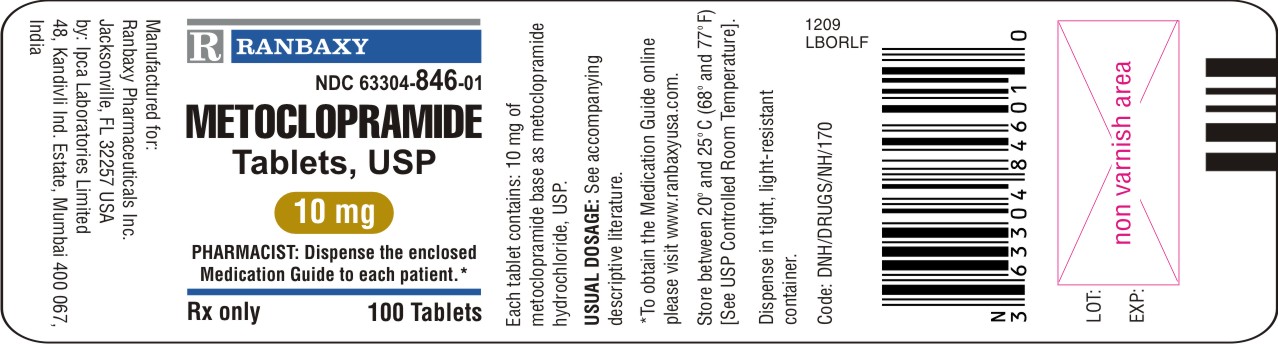
Metoclopramide label

Metoclopramide

Metoclopramide Recall

Get an alert when a recall is issued.

Side Effects & Adverse Reactions

Mental depression has occurred in patients with and without prior history of depression. Symptoms have ranged from mild to severe and have included suicidal ideation and suicide. Metoclopramide should be given to patients with a prior history of depression only if the expected benefits outweigh the potential risks.

Extrapyramidal symptoms, manifested primarily as acute dystonic reactions, occur in approximately 1 in 500 patients treated with the usual adult dosages of 30 to 40 mg/day of metoclopramide. These usually are seen during the first 24 to 48 hours of treatment with metoclopramide, occur more frequently in pediatric patients and adult patients less than 30 years of age and are even more frequent at higher doses. These symptoms may include involuntary movements of limbs and facial grimacing, torticollis, oculogyric crisis, rhythmic protrusion of tongue, bulbar type of speech, trismus, or dystonic reactions resembling tetanus. Rarely, dystonic reactions may present as stridor and dyspnea, possibly due to laryngospasm. If these symptoms should occur, inject 50 mg diphenhydramine hydrochloride intramuscularly, and they usually will subside. Benztropine mesylate, 1 to 2 mg intramuscularly, may also be used to reverse these reactions.

Parkinsonian-like symptoms have occurred, more commonly within the first 6 months after beginning treatment with metoclopramide, but occasionally after longer periods. These symptoms generally subside within 2 to 3 months following discontinuance of metoclopramide. Patients with preexisting Parkinson’s disease should be given metoclopramide cautiously, if at all, since such patients may experience exacerbation of parkinsonian symptoms when taking metoclopramide.

Tardive Dyskinesia (see Boxed Warnings)

Treatment with metoclopramide can cause tardive dyskinesia (TD), a potentially irreversible and disfiguring disorder characterized by involuntary movements of the face, tongue, or extremities. The risk of developing tardive dyskinesia increases with the duration of treatment and the total cumulative dose. An analysis of utilization of patterns showed that about 20% of patients who used metoclopramide took it longer than 12 weeks. Treatment with metoclopramide for longer than the recommended 12 weeks should be avoided in all but rare cases where therapeutic benefit is thought to outweigh the risk of developing TD.

Although the risk of developing TD in the general population may be increased among the elderly, women, and diabetics, it is not possible to predict which patients will develop metoclopramide-induced TD. Both the risk of developing TD and the likelihood that TD will become irreversible increase with duration of treatment and total cumulative dose.

Metoclopramide should be discontinued in patients who develop signs and symptoms of TD. There is no known effective treatment for established cases of TD, although in some patients, TD may remit, partially or completely, within several weeks to months after metoclopramide is withdrawn.

Metoclopramide itself may suppress, or partially suppress, the signs of TD, thereby masking the underlying disease process. The effect of this symptomatic suppression upon the long-term course of TD is unknown. Therefore, metoclopramide should not be used for the symptomatic control of TD.

Neuroleptic Malignant Syndrome (NMS)

There have been rare reports of an uncommon but potentially fatal symptom complex sometimes referred to as Neuroleptic Malignant Syndrome (NMS) associated with metoclopramide. Clinical manifestations of NMS include hyperthermia, muscle rigidity, altered consciousness, and evidence of autonomic instability (irregular pulse or blood pressure, tachycardia, diaphoresis and cardiac arrhythmias).

The diagnostic evaluation of patients with this syndrome is complicated. In arriving at a diagnosis, it is important to identify cases where the clinical presentation includes both serious medical illness (e.g., pneumonia, systemic infection, etc.) and untreated or inadequately treated extrapyramidal signs and symptoms (EPS). Other important considerations in the differential diagnosis include central anticholinergic toxicity, heat stroke, malignant hyperthermia, drug fever and primary central nervous system (CNS) pathology.

The management of NMS should include 1) immediate discontinuation of metoclopramide and other drugs not essential to concurrent therapy, 2) intensive symptomatic treatment and medical monitoring, and 3) treatment of any concomitant serious medical problems for which specific treatments are available. Bromocriptine and dantrolene sodium have been used in treatment of NMS, but their effectiveness have not been established (see ADVERSE REACTIONS).

FDA Safety Alerts

There are currently no FDA safety alerts available for this drug.

Manufacturer Warnings

There is currently no manufacturer warning information available for this drug.

FDA Labeling Changes

There are currently no FDA labeling changes available for this drug.

Uses

The use of metoclopramide tablets is recommended for adults only. Therapy should not exceed 12 weeks in duration.

Symptomatic Gastroesophageal Reflux

Metoclopramide tablets are indicated as short-term (4 to 12 weeks) therapy for adults with symptomatic, documented gastroesophageal reflux who fail to respond to conventional therapy.

The principal effect of metoclopramide is on symptoms of postprandial and daytime heartburn with less observed effect on nocturnal symptoms. If symptoms are confined to particular situations, such as following the evening meal, use of metoclopramide as single doses prior to the provocative situation should be considered, rather than using the drug throughout the day. Healing of esophageal ulcers and erosions has been endoscopically demonstrated at the end of a 12 week trial using doses of 15 mg q.i.d. As there is no documented correlation between symptoms and healing of esophageal lesions, patients with documented lesions should be monitored endoscopically.

Diabetic Gastroparesis (Diabetic Gastric Stasis)

Metoclopramide tablets are indicated for the relief of symptoms associated with acute and recurrent diabetic gastric stasis. The usual manifestations of delayed gastric emptying (e.g., nausea, vomiting, heartburn, persistent fullness after meals, and anorexia) appear to respond to metoclopramide within different time intervals. Significant relief of nausea occurs early and continues to improve over a three-week period. Relief of vomiting and anorexia may precede the relief of abdominal fullness by one week or more.

History

There is currently no drug history available for this drug.

Other Information

Metoclopramide hydrochloride is a white or practically white, crystalline, odorless or practically odorless powder. It is very soluble in water, freely soluble in alcohol, sparingly soluble in chloroform and practically insoluble in ether. Chemically, it is 4-amino-5-chloro-N-[2-(diethylamino)ethyl]-2-methoxy benzamide monohydrochloride monohydrate. Its structural formula is as follows:

metoclopramide hydrochloride structural formula

C14H22ClN3O2 •HCl•H2O          M.W. 354.3

Each tablet for oral administration contains 5 mg or 10 mg metoclopramide (present as the hydrochloride).

Inactive Ingredients

Corn starch, dibasic calcium phosphate, magnesium stearate, microcrystalline cellulose and sodium starch glycolate.

Metoclopramide Manufacturers

  • Metoclopramide | A-s Medication Solutions Llc
    No Recall

    Metoclopramide | A-s Medication Solutions Llc

    Metoclopramide | A-s Medication Solutions Llc

    Therapy with metoclopramide tablets, USP should not exceed 12 weeks in duration.

    For the Relief of Symptomatic Gastroesophageal Reflux

    Administer from 10 mg to 15 mg of metoclopramide tablet, USP orally up to q.i.d. 30 minutes before each meal and at bedtime, depending upon symptoms being treated and clinical response (see CLINICAL PHARMACOLOGY and INDICATIONS AND USAGE). If symptoms occur only intermittently or at specific times of the day, use of metoclopramide in single doses up to 20 mg prior to the provoking situation may be preferred rather than continuous treatment. Occasionally, patients (such as elderly patients) who are more sensitive to the therapeutic or adverse effects of metoclopramide will require only 5 mg per dose.

    Experience with esophageal erosions and ulcerations is limited, but healing has thus far been documented in one controlled trial using q.i.d. therapy at 15 mg/dose, and this regimen should be used when lesions are present, so long as it is tolerated (see ADVERSE REACTIONS). Because of the poor correlation between symptoms and endoscopic appearance of the esophagus, therapy directed at esophageal lesions is best guided by endoscopic evaluation.

    Therapy longer than 12 weeks has not been evaluated and cannot be recommended.

    For the Relief of Symptoms Associated With Diabetic Gastroparesis (Diabetic Gastric Stasis)

    Administer 10 mg of metoclopramide 30 minutes before each meal and at bedtime for two to eight weeks, depending upon response and the likelihood of continued well-being upon drug discontinuation.

    The initial route of administration should be determined by the severity of the presenting symptoms. If only the earliest manifestations of diabetic gastric stasis are present, oral administration of metoclopramide tablets, USP may be initiated. However, if severe symptoms are present, therapy should begin with metoclopramide injection (consult labeling of the injection prior to initiating parenteral administration).

    Administration of metoclopramide injection up to 10 days may be required before symptoms subside, at which time oral administration may be instituted. Since diabetic gastric stasis is frequently recurrent, metoclopramide tablet, USP therapy should be reinstituted at the earliest manifestation.

    Use in Patients With Renal or Hepatic Impairment

    Since metoclopramide is excreted principally through the kidneys, in those patients whose creatinine clearance is below 40 mL/min, therapy should be initiated at approximately one-half the recommended dosage. Depending upon clinical efficacy and safety considerations, the dosage may be increased or decreased as appropriate.

    See OVERDOSAGE section for information regarding dialysis.

    Metoclopramide undergoes minimal hepatic metabolism, except for simple conjugation. Its safe use has been described in patients with advanced liver disease whose renal function was normal.

  • Metoclopramide | Cardinal Health
    No Recall

    Metoclopramide | Cardinal Health

    Metoclopramide | Cardinal Health

    Therapy with metoclopramide tablets should not exceed 12 weeks in duration.

    For The Relief Of Symptomatic Gastroesophageal Reflux: Administer from 10 mg to 15 mg of metoclopramide tablets, USP orally up to q.i.d. 30 minutes before each meal and at bedtime, depending upon symptoms being treated and clinical response (see CLINICAL PHARMACOLOGY and INDICATIONS AND USAGE). If symptoms occur only intermittently or at specific times of the day, use of metoclopramide in single doses up to 20 mg prior to the provoking situation may be preferred rather than continuous treatment. Occasionally, patients (such as elderly patients) who are more sensitive to the therapeutic or adverse effects of metoclopramide will require only 5 mg per dose.

    Experience with esophageal erosions and ulcerations is limited, but healing has thus far been documented in one controlled trial using q.i.d. therapy at 15 mg/dose, and this regimen should be used when lesions are present, so long as it is tolerated (see ADVERSE REACTIONS). Because of the poor correlation between symptoms and endoscopic appearance of the esophagus, therapy directed at esophageal lesions is best guided by endoscopic evaluation.

    Therapy longer than 12 weeks has not been evaluated and cannot be recommended.

    For The Relief Of Symptoms Associated With Diabetic Gastroparesis (Diabetic Gastric Stasis): Administer 10 mg of metoclopramide 30 minutes before each meal and at bedtime for two to eight weeks, depending upon response and the likelihood of continued well-being upon drug discontinuation.

    The initial route of administration should be determined by the severity of the presenting symptoms. If only the earliest manifestations of diabetic gastric stasis are present, oral administration of metoclopramide may be initiated. However, if severe symptoms are present, therapy should begin with metoclopramide injection (consult labeling of the injection prior to initiating parenteral administration).

    Administration of metoclopramide injection up to 10 days may be required before symptoms subside, at which time oral administration may be instituted. Since diabetic gastric stasis is frequently recurrent, metoclopramide therapy should be reinstituted at the earliest manifestation.

    Use in Patients with Renal or Hepatic Impairment: Since metoclopramide is excreted principally through the kidneys, in those patients whose creatinine clearance is below 40 mL/min, therapy should be initiated at approximately one-half the recommended dosage. Depending upon clinical efficacy and safety considerations, the dosage may be increased or decreased as appropriate.

    See OVERDOSAGE section for information regarding dialysis.

    Metoclopramide undergoes minimal hepatic metabolism, except for simple conjugation. Its safe use has been described in patients with advanced liver disease whose renal function was normal.

  • Teva Parenteral Medicines, Inc.
    Metoclopramide | Teva Parenteral Medicines, Inc.
    No Recall

    Metoclopramide | Teva Parenteral Medicines, Inc.

    Metoclopramide | Teva Parenteral Medicines, Inc.
    For the Relief of Symptoms Associated with Diabetic Gastroparesis (Diabetic Gastric Stasis)

    If only the earliest manifestations of diabetic gastric stasis are present, oral administration of metoclopramide may be initiated. However, if severe symptoms are present, therapy should begin with metoclopramide injection USP (IM or IV). Doses of 10 mg may be administered slowly by the intravenous route over a 1- to 2-minute period.

    Administration of metoclopramide injection USP up to 10 days may be required before symptoms subside, at which time oral administration of metoclopramide may be instituted. The physician should make a thorough assessment of the risks and benefits prior to prescribing further metoclopramide treatment.

    For the Prevention of Nausea and Vomiting Associated with Emetogenic Cancer Chemotherapy

    Intravenous infusions should be made slowly over a period of not less than 15 minutes, 30 minutes before beginning cancer chemotherapy and repeated every 2 hours for two doses, then every 3 hours for three doses.

    The initial two doses should be 2 mg/kg if highly emetogenic drugs such as cisplatin or dacarbazine are used alone or in combination. For less emetogenic regimens, 1 mg/kg per dose may be adequate.

    For doses in excess of 10 mg, metoclopramide injection USP should be diluted in 50 mL of a parenteral solution.

    The preferred parenteral solution is Sodium Chloride Injection (normal saline), which when combined with metoclopramide injection USP, can be stored frozen for up to 4 weeks. Metoclopramide injection USP is degraded when admixed and frozen with Dextrose-5% in Water. Metoclopramide injection USP diluted in Sodium Chloride Injection, Dextrose-5% in Water, Dextrose-5% in 0.45% Sodium Chloride, Ringer’s Injection, or Lactated Ringer’s Injection may be stored up to 48 hours (without freezing) after preparation if protected from light. All dilutions may be stored unprotected from light under normal light conditions up to 24 hours after preparation.

    If acute dystonic reactions should occur, inject 50 mg Benadryl® (diphenhydramine hydrochloride) intramuscularly, and the symptoms usually will subside.

    For the Prevention of Postoperative Nausea and Vomiting

    Metoclopramide injection USP should be given intramuscularly near the end of surgery. The usual adult dose is 10 mg; however, doses of 20 mg may be used.

    To Facilitate Small Bowel Intubation

    If the tube has not passed the pylorus with conventional maneuvers in 10 minutes, a single dose (undiluted) may be administered slowly by the intravenous route over a 1- to 2-minute period.

    The recommended single dose is: Pediatric patients above 14 years of age and adults — 10 mg metoclopramide base. Pediatric patients (6-14 years of age) — 2.5 to 5 mg metoclopramide base; (under 6 years of age) — 0.1 mg/kg metoclopramide base.

    To Aid in Radiological Examinations

    In patients where delayed gastric emptying interferes with radiological examination of the stomach and/or small intestine, a single dose may be administered slowly by the intravenous route over a 1- to 2-minute period.

    For dosage, see intubation above.

    Use in Patients With Renal or Hepatic Impairment

    Since metoclopramide is excreted principally through the kidneys, in those patients whose creatinine clearance is below 40 mL/min, therapy should be initiated at approximately one-half the recommended dosage. Depending upon clinical efficacy and safety considerations, the dosage may be increased or decreased as appropriate.

    See OVERDOSAGE section for information regarding dialysis.

    Metoclopramide undergoes minimal hepatic metabolism, except for simple conjugation. Its safe use has been described in patients with advanced liver disease whose renal function was normal.

    NOTE: Parenteral drug products should be inspected visually for particulate matter and discoloration prior to administration, whenever solution and container permit.

    ADMIXTURES COMPATIBILITIES

    Metoclopramide injection USP is compatible for mixing and injection with the following dosage forms to the extent indicated below:

    Physically and Chemically Compatible Up to 48 Hours

    Cimetidine Hydrochloride (SK&F), Mannitol, USP (Abbott), Potassium Acetate, USP (Invenex), Potassium Phosphate, USP (Invenex).

    Physically Compatible Up to 48 Hours

    Ascorbic Acid, USP (Abbott), Benztropine Mesylate, USP (MS&D), Cytarabine, USP (Upjohn), Dexamethasone Sodium Phosphate, USP (ESI, MS&D), Diphenhydramine Hydrochloride, USP (Parke-Davis), Doxorubicin Hydrochloride, USP (Adria), Heparin Sodium, USP (ESI), Hydrocortisone Sodium Phosphate (MS&D), Lidocaine Hydrochloride, USP (ESI), Multi-Vitamin Infusion (must be refrigerated-USV), Vitamin B Complex with Ascorbic Acid (Roche).

    Physically Compatible Up to 24 Hours

    (Do not use if precipitation occurs)

    Clindamycin Phosphate, USP (Upjohn), Cyclophosphamide, USP (Mead-Johnson), Insulin, USP (Lilly).

    Conditionally Compatible

    (Use within one hour after mixing or may be infused directly into the same running IV line)

    Ampicillin Sodium, USP (Bristol), Cisplatin (Bristol), Erythromycin Lactobionate, USP (Abbott), Methotrexate Sodium, USP (Lederle), Penicillin G Potassium, USP (Squibb), Tetracycline Hydrochloride, USP (Lederle).

    Incompatible

    (Do Not Mix)

    Cephalothin Sodium, USP (Lilly), Chloramphenicol Sodium, USP (Parke-Davis), Sodium Bicarbonate, USP (Abbott).

  • Metoclopramide | Cardinal Health
    No Recall

    Metoclopramide | Cardinal Health

    Metoclopramide | Cardinal Health

    Therapy with metoclopramide tablets, USP should not exceed 12 weeks in duration.

    For the Relief of Symptomatic Gastroesophageal Reflux

    Administer from 10 mg to 15 mg of metoclopramide tablet, USP orally up to q.i.d. 30 minutes before each meal and at bedtime, depending upon symptoms being treated and clinical response (see CLINICAL PHARMACOLOGY and INDICATIONS AND USAGE). If symptoms occur only intermittently or at specific times of the day, use of metoclopramide in single doses up to 20 mg prior to the provoking situation may be preferred rather than continuous treatment. Occasionally, patients (such as elderly patients) who are more sensitive to the therapeutic or adverse effects of metoclopramide will require only 5 mg per dose.

    Experience with esophageal erosions and ulcerations is limited, but healing has thus far been documented in one controlled trial using q.i.d. therapy at 15 mg/dose, and this regimen should be used when lesions are present, so long as it is tolerated (see ADVERSE REACTIONS). Because of the poor correlation between symptoms and endoscopic appearance of the esophagus, therapy directed at esophageal lesions is best guided by endoscopic evaluation.

    Therapy longer than 12 weeks has not been evaluated and cannot be recommended.

    For the Relief of Symptoms Associated With Diabetic Gastroparesis (Diabetic Gastric Stasis)

    Administer 10 mg of metoclopramide 30 minutes before each meal and at bedtime for two to eight weeks, depending upon response and the likelihood of continued well-being upon drug discontinuation.

    The initial route of administration should be determined by the severity of the presenting symptoms. If only the earliest manifestations of diabetic gastric stasis are present, oral administration of metoclopramide tablets, USP may be initiated. However, if severe symptoms are present, therapy should begin with metoclopramide injection (consult labeling of the injection prior to initiating parenteral administration).

    Administration of metoclopramide injection up to 10 days may be required before symptoms subside, at which time oral administration may be instituted. Since diabetic gastric stasis is frequently recurrent, metoclopramide tablet, USP therapy should be reinstituted at the earliest manifestation.

    Use in Patients With Renal or Hepatic Impairment

    Since metoclopramide is excreted principally through the kidneys, in those patients whose creatinine clearance is below 40 mL/min, therapy should be initiated at approximately one-half the recommended dosage. Depending upon clinical efficacy and safety considerations, the dosage may be increased or decreased as appropriate.

    See OVERDOSAGE section for information regarding dialysis.

    Metoclopramide undergoes minimal hepatic metabolism, except for simple conjugation. Its safe use has been described in patients with advanced liver disease whose renal function was normal.

  • Proficient Rx Lp
    Metoclopramide | Apotex Corp
    No Recall

    Metoclopramide | Apotex Corp

    Metoclopramide | Apotex Corp
    2.1 Adults

    The recommended starting dose for fluvoxamine maleate tablets in adult patients is 50 mg, administered as a single daily dose at bedtime. In the controlled clinical trials establishing the effectiveness of fluvoxamine maleate tablets in OCD, patients were titrated within a dose range of 100 to 300 mg/day. Consequently, the dose should be increased in 50 mg increments every 4 to 7 days, as tolerated, until maximum therapeutic benefit is achieved, not to exceed 300 mg per day. It is advisable that a total daily dose of more than 100 mg should be given in two divided doses. If the doses are not equal, the larger dose should be given at bedtime.

    2.2 Pediatric Population (children and adolescents)

    The recommended starting dose for fluvoxamine maleate tablets in pediatric populations (ages 8 to 17 years) is 25 mg, administered as a single daily dose at bedtime. In a controlled clinical trial establishing the effectiveness of fluvoxamine maleate tablets in OCD, pediatric patients (ages 8 to 17) were titrated within a dose range of 50 to 200 mg/day. Physicians should consider age and gender differences when dosing pediatric patients. The maximum dose in children up to age 11 should not exceed 200 mg/day. Therapeutic effect in female children may be achieved with lower doses. Dose adjustment in adolescents (up to the adult maximum dose of 300 mg) may be indicated to achieve therapeutic benefit. The dose should be increased in 25 mg increments every 4 to 7 days, as tolerated, until maximum therapeutic benefit is achieved. It is advisable that a total daily dose of more than 50 mg should be given in two divided doses. If the two divided doses are not equal, the larger dose should be given at bedtime.

    2.3 Elderly or Hepatically Impaired Patients

    Elderly patients and those with hepatic impairment have been observed to have a decreased clearance of fluvoxamine maleate. Consequently, it may be appropriate to modify the initial dose and the subsequent dose titration for these patient groups.

    2.4 Pregnant Women During the Third Trimester

    Neonates exposed to fluvoxamine maleate tablets and other SSRIs or SNRIs late in the third trimester have developed complications requiring prolonged hospitalization, respiratory support, and tube feeding and may be at risk for persistent pulmonary hypertension of the newborn (PPHN) [see USE IN SPECIFIC POPULATIONS (8.1)]. When treating pregnant women with fluvoxamine maleate tablets  during the third trimester, the physician should carefully consider the potential risks and benefits of treatment.

    2.5 Switching Patients To or From a Monoamine Oxidase Inhibitor (MAOI) Intended to Treat Psychiatric Disorders

    At least 14 days should elapse between discontinuation of an MAOI intended to treat psychiatric disorders and initiation of therapy with fluvoxamine maleate tablets. Conversely, at least 14 days should be allowed after stopping fluvoxamine maleate tablets before starting an MAOI intended to treat psychiatric disorders [see CONTRAINDICATIONS (4.2)].

    2.6 Use of Fluvoxamine Maleate Tablets with Other MAOIs such as Linezolid or Methylene Blue

    Do not start fluvoxamine maleate tablets in a patient who is being treated with linezolid or intravenous methylene blue because there is an increased risk of serotonin syndrome. In a patient who requires more urgent treatment of a psychiatric condition, other interventions, including hospitalization, should be considered [see CONTRAINDICATIONS (4.2)].

    In some cases, a patient already receiving fluvoxamine maleate tablets therapy may require urgent treatment with linezolid or intravenous methylene blue. If acceptable alternatives to linezolid or intravenous methylene blue treatment are not available and the potential benefits of linezolid or intravenous methylene blue treatment are judged to outweigh the risks of serotonin syndrome in a particular patient, fluvoxamine maleate tablets should be stopped promptly, and linezolid or intravenous methylene blue can be administered. The patient should be monitored for symptoms of serotonin syndrome for two weeks or until 24 hours after the last dose of linezolid or intravenous methylene blue, whichever comes first. Therapy with fluvoxamine maleate tablets may be resumed 24 hours after the last dose of linezolid or intravenous methylene blue [see WARNINGS AND PRECAUTIONS (5.2)].

    The risk of administering methylene blue by non-intravenous routes (such as oral tablets or by local injection) or in intravenous doses much lower than 1 mg/kg with fluvoxamine maleate tablets is unclear. The clinician should, nevertheless, be aware of the possibility of emergent symptoms of serotonin syndrome with such use [see WARNINGS AND PRECAUTIONS (5.2)].

    2.7 Maintenance/Continuation Extended Treatment

    It is generally agreed that obsessive compulsive disorder requires several months or longer of sustained pharmacologic therapy. The benefit of maintaining patients with OCD on fluvoxamine maleate tablets after achieving a response for an average duration of about 4 weeks in a 10-week single-blind phase during which patients were titrated to effect was demonstrated in a controlled trial [see CLINICAL TRIALS (14.2)]. The physician who elects to use fluvoxamine maleate tablets for extended periods should periodically re-evaluate the long-term usefulness of the drug for the individual patient.

    2.8 Discontinuation of Treatment with Fluvoxamine Maleate Tablets

    Symptoms associated with discontinuation of other SSRIs or SNRIs have been reported [see WARNINGS AND PRECAUTIONS (5.9)]. Patients should be monitored for these symptoms when discontinuing treatment. A gradual reduction in the dose rather than abrupt cessation is recommended whenever possible. If intolerable symptoms occur following a decrease in the dose or upon discontinuation of treatment, then resuming the previously prescribed dose may be considered. Subsequently, the physician may continue decreasing the dose but at a more gradual rate.

    2.6 Use of Fluvoxamine Maleate Tablets with Other MAOIs such as Linezolid or Methylene Blue

    Do not start fluvoxamine maleate tablets in a patient who is being treated with linezolid or intravenous methylene blue because there is an increased risk of serotonin syndrome. In a patient who requires more urgent treatment of a psychiatric condition, other interventions, including hospitalization, should be considered [see CONTRAINDICATIONS (4.2)].

    In some cases, a patient already receiving fluvoxamine maleate tablets therapy may require urgent treatment with linezolid or intravenous methylene blue. If acceptable alternatives to linezolid or intravenous methylene blue treatment are not available and the potential benefits of linezolid or intravenous methylene blue treatment are judged to outweigh the risks of serotonin syndrome in a particular patient, fluvoxamine maleate tablets should be stopped promptly, and linezolid or intravenous methylene blue can be administered. The patient should be monitored for symptoms of serotonin syndrome for two weeks or until 24 hours after the last dose of linezolid or intravenous methylene blue, whichever comes first. Therapy with fluvoxamine maleate tablets may be resumed 24 hours after the last dose of linezolid or intravenous methylene blue [see WARNINGS AND PRECAUTIONS (5.2)].

    The risk of administering methylene blue by non-intravenous routes (such as oral tablets or by local injection) or in intravenous doses much lower than 1 mg/kg with fluvoxamine maleate tablets is unclear. The clinician should, nevertheless, be aware of the possibility of emergent symptoms of serotonin syndrome with such use [see WARNINGS AND PRECAUTIONS (5.2)].

    2.7 Maintenance/Continuation Extended Treatment

    It is generally agreed that obsessive compulsive disorder requires several months or longer of sustained pharmacologic therapy. The benefit of maintaining patients with OCD on fluvoxamine maleate tablets after achieving a response for an average duration of about 4 weeks in a 10-week single-blind phase during which patients were titrated to effect was demonstrated in a controlled trial [see CLINICAL TRIALS (14.2)]. The physician who elects to use fluvoxamine maleate tablets for extended periods should periodically re-evaluate the long-term usefulness of the drug for the individual patient.

  • State Of Florida Doh Central Pharmacy
    Metoclopramide | State Of Florida Doh Central Pharmacy
    No Recall

    Metoclopramide | State Of Florida Doh Central Pharmacy

    Metoclopramide | State Of Florida Doh Central Pharmacy

    For the Relief of Symptomatic Gastroesophageal Reflux: Administer from 10 mg to 15 mg metoclopramide orally up to q.i.d. 30 minutes before each meal and at bedtime, depending upon symptoms being treated and clinical response (see CLINICAL PHARMACOLOGY and INDICATIONS AND USAGE). If symptoms occur only intermittently or at specific times of the day, use of metoclopramide in single doses up to 20 mg prior to the provoking situation may be preferred rather than continuous treatment. Occasionally, patients (such as elderly patients) who are more sensitive to the therapeutic or adverse effects of metoclopramide will require only 5 mg per dose.

    Experience with esophageal erosions and ulcerations is limited, but healing has thus far been documented in one controlled trial using q.i.d. therapy at 15 mg per dose, and this regimen should be used when lesions are present, so long as it is tolerated (see ADVERSE REACTIONS). Because of the poor correlation between symptoms and endoscopic appearance of the esophagus, therapy directed at esophageal lesions is best guided by endoscopic evaluation.

    Therapy longer than 12 weeks has not been evaluated and cannot be recommended. For the Relief of Symptoms Associated with Diabetic Gastroparesis (Diabetic Gastric Stasis): Administer 10 mg of metoclopramide 30 minutes before each meal and at bedtime for two to eight weeks, depending upon response and the likelihood of continued well-being upon drug discontinuation.

    The initial route of administration should be determined by the severity of the presenting symptoms. If only the earliest manifestations of diabetic gastric stasis are present, oral administration of metoclopramide may be initiated. However, if severe symptoms are present, therapy should begin with Metoclopramide Injection (I.M. or I.V.) (consult labeling of the injection prior to initiating parenteral administration).

    Administration of the Metoclopramide Injection up to 10 days may be required before symptoms subside, at which time oral administration may be instituted. Since diabetic gastric stasis is frequently recurrent, metoclopramide therapy should be reinstituted at the earliest manifestation.

    Use in Patients with Renal or Hepatic Impairment: Since metoclopramide is excreted principally through the kidneys, in those patients whose creatinine clearance is below 40 mL/min, therapy should be initiated at approximately one-half the recommended dosage. Depending upon clinical efficacy and safety considerations, the dosage may be increased or decreased as appropriate.

    See OVERDOSAGE section for information regarding dialysis.

    Metoclopramide undergoes minimal hepatic metabolism, except for simple conjugation. Its safe use has been described in patients with advanced liver disease whose renal function was normal.

  • General Injectables & Vaccines, Inc
    Metoclopramide | General Injectables & Vaccines, Inc
    No Recall

    Metoclopramide | General Injectables & Vaccines, Inc

    Metoclopramide | General Injectables & Vaccines, Inc

    For the Relief of Symptoms Associated with Diabetic Gastroparesis (Diabetic Gastric Stasis)
    If only the earliest manifestations of diabetic gastric stasis are present, oral administration of metoclopramide may be initiated. However, if severe symptoms are present, therapy should begin with metoclopramide injection (IM or IV). Doses of 10 mg may be administered slowly by the intravenous route over a 1- to 2-minute period. Administration of metoclopramide injection up to 10 days may be required before symptoms subside, at which time oral administration of metoclopramide may be instituted. The physician should make a thorough assessment of the risks and benefits prior to prescribing further metoclopramide treatment.

    For the Prevention of Nausea and Vomiting Associated with Emetogenic Cancer Chemotherapy
    Intravenous infusions should be made slowly over a period of not less than 15 minutes, 30 minutes before beginning cancer chemotherapy and repeated every 2 hours for two doses, then every 3 hours for three doses. The initial two doses should be 2 mg/kg if highly emetogenic drugs such as cisplatin or dacarbazine are used alone or in combination. For less emetogenic regimens, 1 mg/kg per dose may be adequate. For doses in excess of 10 mg, metoclopramide injection should be diluted in 50 mL of a parenteral solution. The preferred parenteral solution is Sodium Chloride Injection (normal saline), which when combined with metoclopramide injection, can be stored frozen for up to 4 weeks. Metoclopramide injection is degraded when admixed and frozen with Dextrose-5% in Water. Metoclopramide injection diluted in Sodium Chloride Injection, Dextrose-5% in Water, Dextrose-5% in 0.45% Sodium Chloride, Ringer’s Injection, or Lactated Ringer’s Injection may be stored up to 48 hours (without freezing) after preparation if protected from light. All dilutions may be stored unprotected from light under normal light conditions up to 24 hours after preparation. If acute dystonic reactions should occur, inject 50 mg Benadryl® (diphenhydramine hydrochloride) intramuscularly, and the symptoms usually will subside.

    For the Prevention of Postoperative Nausea and Vomiting
    Metoclopramide injection should be given intramuscularly near the end of surgery. The usual adult dose is 10 mg; however, doses of 20 mg may be used.

    To Facilitate Small Bowel Intubation
    If the tube has not passed the pylorus with conventional maneuvers in 10 minutes, a single dose (undiluted) may be administered slowly by the intravenous route over a 1- to 2-minute period.
    The recommended single dose is: Pediatric patients above 14 years of age and adults — 10 mg metoclopramide base. Pediatric patients (6-14 years of age) — 2.5 to 5 mg metoclopramide base; (under 6 years of age) — 0.1 mg/kg metoclopramide base.

    To Aid in Radiological Examinations
    In patients where delayed gastric emptying interferes with radiological examination of the stomach and/or small intestine, a single dose may be administered slowly by the intravenous route over a 1- to 2-minute period. For dosage, see intubation above.

    Use in Patients With Renal or Hepatic Impairment
    Since metoclopramide is excreted principally through the kidneys, in those patients whose creatinine clearance is below 40 mL/min, therapy should be initiated at approximately one-half the recommended dosage. Depending upon clinical efficacy and safety considerations, the dosage may be increased or decreased as appropriate. See OVERDOSAGE section for information regarding dialysis. Metoclopramide undergoes minimal hepatic metabolism, except for simple conjugation. Its safe use has been described in patients with advanced liver disease whose renal function was normal.
    NOTE: Parenteral drug products should be inspected visually for particulate matter and discoloration prior to administration, whenever solution and container permit.

    ADMIXTURES COMPATIBILITIES


    Metoclopramide injection is compatible for mixing and injection with the following dosage forms to the extent indicated below:

    Physically and Chemically Compatible Up to 48 Hours
    Cimetidine Hydrochloride (SK and F), Mannitol, USP (Abbott), Potassium Acetate, USP (Invenex), Potassium Phosphate, USP (Invenex).

    Physically Compatible Up to 48 Hours
    Ascorbic Acid, USP (Abbott), Benztropine Mesylate, USP (MS and D), Cytarabine, USP (Upjohn), Dexamethasone Sodium Phosphate, USP (ESI, MS and D), Diphenhydramine Hydrochloride, USP (Parke-Davis), Doxorubicin Hydrochloride, USP (Adria), Heparin Sodium, USP (ESI), Hydrocortisone Sodium Phosphate (MS and D), Lidocaine Hydrochloride, USP (ESI), Multi-Vitamin Infusion (must be refrigerated-USV), Vitamin B Complex with Ascorbic Acid (Roche).

    Physically Compatible Up to 24 Hours (Do not use if precipitation occurs)
    Clindamycin Phosphate, USP (Upjohn), Cyclophosphamide, USP (Mead-Johnson), Insulin, USP (Lilly).

    Conditionally Compatible (Use within one hour after mixing or may be infused directly into the same running IV line)
    Ampicillin Sodium, USP (Bristol), Cisplatin (Bristol), Erythromycin Lactobionate, USP (Abbott), Methotrexate Sodium, USP (Lederle), Penicillin G Potassium, USP (Squibb), Tetracycline Hydrochloride, USP (Lederle).

    Incompatible (Do Not Mix)
    Cephalothin Sodium, USP (Lilly), Chloramphenicol Sodium, USP (Parke-Davis), Sodium Bicarbonate, USP (Abbott).

  • Stat Rx Usa Llc
    Metoclopramide | Stat Rx Usa Llc
    No Recall

    Metoclopramide | Stat Rx Usa Llc

    Metoclopramide | Stat Rx Usa Llc

    Therapy with metoclopramide tablets should not exceed 12 weeks in duration.

    For the Relief of Symptomatic Gastroesophageal Reflux

    Administer from 10 mg to 15 mg metoclopramide hydrochloride orally up to q.i.d. 30 minutes before each meal and at bedtime, depending upon symptoms being treated and clinical response (see CLINICAL PHARMACOLOGY and INDICATIONS AND USAGE). If symptoms occur only intermittently or at specific times of the day, use of metoclopramide in single doses up to 20 mg prior to the provoking situation may be preferred rather than continuous treatment. Occasionally, patients (such as elderly patients) who are more sensitive to the therapeutic or adverse effects of metoclopramide will require only 5 mg per dose.

    Experience with esophageal erosions and ulcerations is limited, but healing has thus far been documented in one controlled trial using q.i.d. therapy at 15 mg/dose, and this regimen should be used when lesions are present, so long as it is tolerated (see ADVERSE REACTIONS). Because of the poor correlation between symptoms and endoscopic appearance of the esophagus, therapy directed at esophageal lesions is best guided by endoscopic evaluation.

    Therapy longer than 12 weeks has not been evaluated and cannot be recommended.

    For the Relief of Symptoms Associated with Diabetic Gastroparesis (Diabetic Gastric Stasis)

    Administer 10 mg of metoclopramide 30 minutes before each meal and at bedtime for two to eight weeks, depending upon response and the likelihood of continued well-being upon drug discontinuation.

    The initial route of administration should be determined by the severity of the presenting symptoms. If only the earliest manifestations of diabetic gastric stasis are present, oral administration of metoclopramide may be initiated. However, if severe symptoms are present, therapy should begin with metoclopramide injection (consult labeling of the injection prior to initiating parenteral administration).

    Administration of metoclopramide injection up to 10 days may be required before symptoms subside, at which time oral administration may be instituted. Since diabetic gastric stasis is frequently recurrent, metoclopramide therapy should be reinstituted at the earliest manifestation.

    USE IN PATIENTS WITH RENAL OR HEPATIC IMPAIRMENT

    Since metoclopramide is excreted principally through the kidneys, in those patients whose creatinine clearance is below 40 mL/min, therapy should be initiated at approximately one-half the recommended dosage. Depending upon clinical efficacy and safety considerations, the dosage may be increased or decreased as appropriate.

    See OVERDOSAGE section for information regarding dialysis.

    Metoclopramide undergoes minimal hepatic metabolism, except for simple conjugation. Its safe use has been described in patients with advanced liver disease whose renal function was normal.

    For the Relief of Symptomatic Gastroesophageal Reflux

    Administer from 10 mg to 15 mg metoclopramide hydrochloride orally up to q.i.d. 30 minutes before each meal and at bedtime, depending upon symptoms being treated and clinical response (see CLINICAL PHARMACOLOGY and INDICATIONS AND USAGE). If symptoms occur only intermittently or at specific times of the day, use of metoclopramide in single doses up to 20 mg prior to the provoking situation may be preferred rather than continuous treatment. Occasionally, patients (such as elderly patients) who are more sensitive to the therapeutic or adverse effects of metoclopramide will require only 5 mg per dose.

    Experience with esophageal erosions and ulcerations is limited, but healing has thus far been documented in one controlled trial using q.i.d. therapy at 15 mg/dose, and this regimen should be used when lesions are present, so long as it is tolerated (see ADVERSE REACTIONS). Because of the poor correlation between symptoms and endoscopic appearance of the esophagus, therapy directed at esophageal lesions is best guided by endoscopic evaluation.

    Therapy longer than 12 weeks has not been evaluated and cannot be recommended.

    For the Relief of Symptoms Associated with Diabetic Gastroparesis (Diabetic Gastric Stasis)

    Administer 10 mg of metoclopramide 30 minutes before each meal and at bedtime for two to eight weeks, depending upon response and the likelihood of continued well-being upon drug discontinuation.

    The initial route of administration should be determined by the severity of the presenting symptoms. If only the earliest manifestations of diabetic gastric stasis are present, oral administration of metoclopramide may be initiated. However, if severe symptoms are present, therapy should begin with metoclopramide injection (consult labeling of the injection prior to initiating parenteral administration).

    Administration of metoclopramide injection up to 10 days may be required before symptoms subside, at which time oral administration may be instituted. Since diabetic gastric stasis is frequently recurrent, metoclopramide therapy should be reinstituted at the earliest manifestation.

    USE IN PATIENTS WITH RENAL OR HEPATIC IMPAIRMENT

    Since metoclopramide is excreted principally through the kidneys, in those patients whose creatinine clearance is below 40 mL/min, therapy should be initiated at approximately one-half the recommended dosage. Depending upon clinical efficacy and safety considerations, the dosage may be increased or decreased as appropriate.

    See OVERDOSAGE section for information regarding dialysis.

    Metoclopramide undergoes minimal hepatic metabolism, except for simple conjugation. Its safe use has been described in patients with advanced liver disease whose renal function was normal.

  • Rebel Distributors Corp.
    Metoclopramide | Rebel Distributors Corp.
    No Recall

    Metoclopramide | Rebel Distributors Corp.

    Metoclopramide | Rebel Distributors Corp.

    For the Relief of Symptomatic Gastroesophageal Reflux: Administer from 10 mg to 15 mg metoclopramide orally up to q.i.d. 30 minutes before each meal and at bedtime, depending upon symptoms being treated and clinical response (see CLINICAL PHARMACOLOGY and INDICATIONS AND USAGE). If symptoms occur only intermittently or at specific times of the day, use of metoclopramide in single doses up to 20 mg prior to the provoking situation may be preferred rather than continuous treatment. Occasionally, patients (such as elderly patients) who are more sensitive to the therapeutic or adverse effects of metoclopramide will require only 5 mg per dose.

    Experience with esophageal erosions and ulcerations is limited, but healing has thus far been documented in one controlled trial using q.i.d. therapy at 15 mg per dose, and this regimen should be used when lesions are present, so long as it is tolerated (see ADVERSE REACTIONS). Because of the poor correlation between symptoms and endoscopic appearance of the esophagus, therapy directed at esophageal lesions is best guided by endoscopic evaluation.

    Therapy longer than 12 weeks has not been evaluated and cannot be recommended. For the Relief of Symptoms Associated with Diabetic Gastroparesis (Diabetic Gastric Stasis): Administer 10 mg of metoclopramide 30 minutes before each meal and at bedtime for two to eight weeks, depending upon response and the likelihood of continued well-being upon drug discontinuation.

    The initial route of administration should be determined by the severity of the presenting symptoms. If only the earliest manifestations of diabetic gastric stasis are present, oral administration of metoclopramide may be initiated. However, if severe symptoms are present, therapy should begin with Metoclopramide Injection (I.M. or I.V.) (consult labeling of the injection prior to initiating parenteral administration).

    Administration of the Metoclopramide Injection up to 10 days may be required before symptoms subside, at which time oral administration may be instituted. Since diabetic gastric stasis is frequently recurrent, metoclopramide therapy should be reinstituted at the earliest manifestation.

    Use in Patients with Renal or Hepatic Impairment: Since metoclopramide is excreted principally through the kidneys, in those patients whose creatinine clearance is below 40 mL/min, therapy should be initiated at approximately one-half the recommended dosage. Depending upon clinical efficacy and safety considerations, the dosage may be increased or decreased as appropriate.

    See OVERDOSAGE section for information regarding dialysis.

    Metoclopramide undergoes minimal hepatic metabolism, except for simple conjugation. Its safe use has been described in patients with advanced liver disease whose renal function was normal.

  • Baxter Healthcare Corporation
    Metoclopramide | Vi-jon
    No Recall

    Metoclopramide | Vi-jon

    Metoclopramide | Vi-jon
    wipe hands thoroughly with product and allow to dry for children under 6, use only under adult supervision not recommended for infants
  • Metoclopramide | Cardinal Health
    No Recall

    Metoclopramide | Cardinal Health

    Metoclopramide | Cardinal Health

    Therapy with metoclopramide tablets, USP should not exceed 12 weeks in duration.

    For the Relief of Symptomatic Gastroesophageal Reflux

    Administer from 10 mg to 15 mg of metoclopramide tablet, USP orally up to q.i.d. 30 minutes before each meal and at bedtime, depending upon symptoms being treated and clinical response (see CLINICAL PHARMACOLOGY and INDICATIONS AND USAGE). If symptoms occur only intermittently or at specific times of the day, use of metoclopramide in single doses up to 20 mg prior to the provoking situation may be preferred rather than continuous treatment. Occasionally, patients (such as elderly patients) who are more sensitive to the therapeutic or adverse effects of metoclopramide will require only 5 mg per dose.

    Experience with esophageal erosions and ulcerations is limited, but healing has thus far been documented in one controlled trial using q.i.d. therapy at 15 mg/dose, and this regimen should be used when lesions are present, so long as it is tolerated (see ADVERSE REACTIONS). Because of the poor correlation between symptoms and endoscopic appearance of the esophagus, therapy directed at esophageal lesions is best guided by endoscopic evaluation.

    Therapy longer than 12 weeks has not been evaluated and cannot be recommended.

    For the Relief of Symptoms Associated With Diabetic Gastroparesis (Diabetic Gastric Stasis)

    Administer 10 mg of metoclopramide 30 minutes before each meal and at bedtime for two to eight weeks, depending upon response and the likelihood of continued well-being upon drug discontinuation.

    The initial route of administration should be determined by the severity of the presenting symptoms. If only the earliest manifestations of diabetic gastric stasis are present, oral administration of metoclopramide tablets, USP may be initiated. However, if severe symptoms are present, therapy should begin with metoclopramide injection (consult labeling of the injection prior to initiating parenteral administration).

    Administration of metoclopramide injection up to 10 days may be required before symptoms subside, at which time oral administration may be instituted. Since diabetic gastric stasis is frequently recurrent, metoclopramide tablet, USP therapy should be reinstituted at the earliest manifestation.

    Use in Patients With Renal or Hepatic Impairment

    Since metoclopramide is excreted principally through the kidneys, in those patients whose creatinine clearance is below 40 mL/min, therapy should be initiated at approximately one-half the recommended dosage. Depending upon clinical efficacy and safety considerations, the dosage may be increased or decreased as appropriate.

    See OVERDOSAGE section for information regarding dialysis.

    Metoclopramide undergoes minimal hepatic metabolism, except for simple conjugation. Its safe use has been described in patients with advanced liver disease whose renal function was normal.

  • Udl Laboratories, Inc.
    Metoclopramide | Udl Laboratories, Inc.
    No Recall

    Metoclopramide | Udl Laboratories, Inc.

    Metoclopramide | Udl Laboratories, Inc.

    Therapy with metoclopramide tablets, USP should not exceed 12 weeks in duration.

    For the Relief of Symptomatic Gastroesophageal Reflux

    Administer from 10 mg to 15 mg of metoclopramide tablet, USP orally up to q.i.d. 30 minutes before each meal and at bedtime, depending upon symptoms being treated and clinical response (see CLINICAL PHARMACOLOGY and INDICATIONS AND USAGE). If symptoms occur only intermittently or at specific times of the day, use of metoclopramide in single doses up to 20 mg prior to the provoking situation may be preferred rather than continuous treatment. Occasionally, patients (such as elderly patients) who are more sensitive to the therapeutic or adverse effects of metoclopramide will require only 5 mg per dose.

    Experience with esophageal erosions and ulcerations is limited, but healing has thus far been documented in one controlled trial using q.i.d. therapy at 15 mg/dose, and this regimen should be used when lesions are present, so long as it is tolerated (see ADVERSE REACTIONS). Because of the poor correlation between symptoms and endoscopic appearance of the esophagus, therapy directed at esophageal lesions is best guided by endoscopic evaluation.

    Therapy longer than 12 weeks has not been evaluated and cannot be recommended.

    For the Relief of Symptoms Associated With Diabetic Gastroparesis (Diabetic Gastric Stasis)

    Administer 10 mg of metoclopramide 30 minutes before each meal and at bedtime for two to eight weeks, depending upon response and the likelihood of continued well-being upon drug discontinuation.

    The initial route of administration should be determined by the severity of the presenting symptoms. If only the earliest manifestations of diabetic gastric stasis are present, oral administration of metoclopramide tablets, USP may be initiated. However, if severe symptoms are present, therapy should begin with metoclopramide injection (consult labeling of the injection prior to initiating parenteral administration).

    Administration of metoclopramide injection up to 10 days may be required before symptoms subside, at which time oral administration may be instituted. Since diabetic gastric stasis is frequently recurrent, metoclopramide tablet, USP therapy should be reinstituted at the earliest manifestation.

    Use in Patients With Renal or Hepatic Impairment

    Since metoclopramide is excreted principally through the kidneys, in those patients whose creatinine clearance is below 40 mL/min, therapy should be initiated at approximately one-half the recommended dosage. Depending upon clinical efficacy and safety considerations, the dosage may be increased or decreased as appropriate.

    See OVERDOSAGE section for information regarding dialysis.

    Metoclopramide undergoes minimal hepatic metabolism, except for simple conjugation. Its safe use has been described in patients with advanced liver disease whose renal function was normal.

  • Qualitest Pharmaceuticals
    Metoclopramide | Qualitest Pharmaceuticals
    No Recall

    Metoclopramide | Qualitest Pharmaceuticals

    Metoclopramide | Qualitest Pharmaceuticals

    Therapy with metoclopramide tablets should not exceed 12 weeks in duration.

    For the Relief of Symptomatic Gastroesophageal Reflux

    Administer from 10 mg to 15 mg metoclopramide hydrochloride orally up to q.i.d. 30 minutes before each meal and at bedtime, depending upon symptoms being treated and clinical response (see CLINICAL PHARMACOLOGY and INDICATIONS AND USAGE). If symptoms occur only intermittently or at specific times of the day, use of metoclopramide in single doses up to 20 mg prior to the provoking situation may be preferred rather than continuous treatment. Occasionally, patients (such as elderly patients) who are more sensitive to the therapeutic or adverse effects of metoclopramide will require only 5 mg per dose.

    Experience with esophageal erosions and ulcerations is limited, but healing has thus far been documented in one controlled trial using q.i.d. therapy at 15 mg/dose, and this regimen should be used when lesions are present, so long as it is tolerated (see ADVERSE REACTIONS). Because of the poor correlation between symptoms and endoscopic appearance of the esophagus, therapy directed at esophageal lesions is best guided by endoscopic evaluation.

    Therapy longer than 12 weeks has not been evaluated and cannot be recommended.

    For the Relief of Symptoms Associated with Diabetic Gastroparesis (Diabetic Gastric Stasis)

    Administer 10 mg of metoclopramide 30 minutes before each meal and at bedtime for two to eight weeks, depending upon response and the likelihood of continued well-being upon drug discontinuation.

    The initial route of administration should be determined by the severity of the presenting symptoms. If only the earliest manifestations of diabetic gastric stasis are present, oral administration of metoclopramide may be initiated. However, if severe symptoms are present, therapy should begin with metoclopramide injection (consult labeling of the injection prior to initiating parenteral administration).

    Administration of metoclopramide injection up to 10 days may be required before symptoms subside, at which time oral administration may be instituted. Since diabetic gastric stasis is frequently recurrent, metoclopramide therapy should be reinstituted at the earliest manifestation.

    Use in Patients with Renal or Hepatic Impairment

    Since metoclopramide is excreted principally through the kidneys, in those patients whose creatinine clearance is below 40 mL/min, therapy should be initiated at approximately one-half the recommended dosage. Depending upon clinical efficacy and safety considerations, the dosage may be increased or decreased as appropriate.

    See OVERDOSAGE section for information regarding dialysis.

    Metoclopramide undergoes minimal hepatic metabolism, except for simple conjugation. Its safe use has been described in patients with advanced liver disease whose renal function was normal.

    For the Relief of Symptomatic Gastroesophageal Reflux

    Administer from 10 mg to 15 mg metoclopramide hydrochloride orally up to q.i.d. 30 minutes before each meal and at bedtime, depending upon symptoms being treated and clinical response (see CLINICAL PHARMACOLOGY and INDICATIONS AND USAGE). If symptoms occur only intermittently or at specific times of the day, use of metoclopramide in single doses up to 20 mg prior to the provoking situation may be preferred rather than continuous treatment. Occasionally, patients (such as elderly patients) who are more sensitive to the therapeutic or adverse effects of metoclopramide will require only 5 mg per dose.

    Experience with esophageal erosions and ulcerations is limited, but healing has thus far been documented in one controlled trial using q.i.d. therapy at 15 mg/dose, and this regimen should be used when lesions are present, so long as it is tolerated (see ADVERSE REACTIONS). Because of the poor correlation between symptoms and endoscopic appearance of the esophagus, therapy directed at esophageal lesions is best guided by endoscopic evaluation.

    Therapy longer than 12 weeks has not been evaluated and cannot be recommended.

    For the Relief of Symptoms Associated with Diabetic Gastroparesis (Diabetic Gastric Stasis)

    Administer 10 mg of metoclopramide 30 minutes before each meal and at bedtime for two to eight weeks, depending upon response and the likelihood of continued well-being upon drug discontinuation.

    The initial route of administration should be determined by the severity of the presenting symptoms. If only the earliest manifestations of diabetic gastric stasis are present, oral administration of metoclopramide may be initiated. However, if severe symptoms are present, therapy should begin with metoclopramide injection (consult labeling of the injection prior to initiating parenteral administration).

    Administration of metoclopramide injection up to 10 days may be required before symptoms subside, at which time oral administration may be instituted. Since diabetic gastric stasis is frequently recurrent, metoclopramide therapy should be reinstituted at the earliest manifestation.

    Use in Patients with Renal or Hepatic Impairment

    Since metoclopramide is excreted principally through the kidneys, in those patients whose creatinine clearance is below 40 mL/min, therapy should be initiated at approximately one-half the recommended dosage. Depending upon clinical efficacy and safety considerations, the dosage may be increased or decreased as appropriate.

    See OVERDOSAGE section for information regarding dialysis.

    Metoclopramide undergoes minimal hepatic metabolism, except for simple conjugation. Its safe use has been described in patients with advanced liver disease whose renal function was normal.

  • Metoclopramide | Ranbaxy Pharmaceuticals Inc.
    No Recall

    Metoclopramide | Ranbaxy Pharmaceuticals Inc.

    Metoclopramide | Ranbaxy Pharmaceuticals Inc.

    Therapy with metoclopramide tablets should not exceed 12 weeks in duration.

    For the Relief of Symptomatic Gastroesophageal Reflux

    Administer from 10 mg to 15 mg metoclopramide tablets, USP orally up to q.i.d. 30 minutes before each meal and at bedtime, depending upon symptoms being treated and clinical response (see CLINICAL PHARMACOLOGY and INDICATIONS AND USAGE). If symptoms occur only intermittently or at specific times of the day, use of metoclopramide in single doses up to 20 mg prior to the provoking situation may be preferred rather than continuous treatment. Occasionally, patients (such as elderly patients) who are more sensitive to the therapeutic or adverse effects of metoclopramide will require only 5 mg per dose.

    Experience with esophageal erosions and ulcerations is limited, but healing has thus far been documented in one controlled trial using q.i.d. therapy at 15 mg/dose, and this regimen should be used when lesions are present, so long as it is tolerated (see ADVERSE REACTIONS). Because of the poor correlation between symptoms and endoscopic appearance of the esophagus, therapy directed at esophageal lesions is best guided by endoscopic evaluation.

    Therapy longer than 12 weeks has not been evaluated and cannot be recommended.

    For the Relief of Symptoms Associated with Diabetic Gastroparesis (Diabetic Gastric Stasis)

    Administer 10 mg of metoclopramide 30 minutes before each meal and at bedtime for two to eight weeks, depending upon response and the likelihood of continued well-being upon drug discontinuation.

    The initial route of administration should be determined by the severity of the presenting symptoms. If only the earliest manifestations of diabetic gastric stasis are present, oral administration of metoclopramide tablets may be initiated. However, if severe symptoms are present, therapy should begin with metoclopramide injection (consult labeling of the injection prior to initiating parenteral administration).

    Administration of metoclopramide injection up to 10 days may be required before symptoms subside, at which time oral administration may be instituted. Since diabetic gastric stasis is frequently recurrent, metoclopramide tablets therapy should be reinstituted at the earliest manifestation.

    Use in Patients with Renal or Hepatic Impairment

    Since metoclopramide is excreted principally through the kidneys, in those patients whose creatinine clearance is below 40 mL/min, therapy should be initiated at approximately one-half the recommended dosage. Depending upon clinical efficacy and safety considerations, the dosage may be increased or decreased as appropriate.

    See OVERDOSAGEsection for information regarding dialysis.

    Metoclopramide undergoes minimal hepatic metabolism, except for simple conjugation. Its safe use has been described in patients with advanced liver disease whose renal function was normal.

  • Metoclopramide | Actavis Elizabeth Llc
    No Recall

    Metoclopramide | Actavis Elizabeth Llc

    Metoclopramide | Actavis Elizabeth Llc

    Therapy with metoclopramide tablets should not exceed 12 weeks in duration.

    For The Relief Of Symptomatic Gastroesophageal Reflux: Administer from 10 mg to 15 mg of metoclopramide tablets, USP orally up to q.i.d. 30 minutes before each meal and at bedtime, depending upon symptoms being treated and clinical response (see CLINICAL PHARMACOLOGY and INDICATIONS AND USAGE). If symptoms occur only intermittently or at specific times of the day, use of metoclopramide in single doses up to 20 mg prior to the provoking situation may be preferred rather than continuous treatment. Occasionally, patients (such as elderly patients) who are more sensitive to the therapeutic or adverse effects of metoclopramide will require only 5 mg per dose.

    Experience with esophageal erosions and ulcerations is limited, but healing has thus far been documented in one controlled trial using q.i.d. therapy at 15 mg/dose, and this regimen should be used when lesions are present, so long as it is tolerated (see ADVERSE REACTIONS). Because of the poor correlation between symptoms and endoscopic appearance of the esophagus, therapy directed at esophageal lesions is best guided by endoscopic evaluation.

    Therapy longer than 12 weeks has not been evaluated and cannot be recommended.

    For The Relief Of Symptoms Associated With Diabetic Gastroparesis (Diabetic Gastric Stasis): Administer 10 mg of metoclopramide 30 minutes before each meal and at bedtime for two to eight weeks, depending upon response and the likelihood of continued well-being upon drug discontinuation.

    The initial route of administration should be determined by the severity of the presenting symptoms. If only the earliest manifestations of diabetic gastric stasis are present, oral administration of metoclopramide may be initiated. However, if severe symptoms are present, therapy should begin with metoclopramide injection (consult labeling of the injection prior to initiating parenteral administration).

    Administration of metoclopramide injection up to 10 days may be required before symptoms subside, at which time oral administration may be instituted. Since diabetic gastric stasis is frequently recurrent, metoclopramide therapy should be reinstituted at the earliest manifestation.

    Use In Patients With Renal Or Hepatic Impairment: Since metoclopramide is excreted principally through the kidneys, in those patients whose creatinine clearance is below 40 mL/min, therapy should be initiated at approximately one-half the recommended dosage. Depending upon clinical efficacy and safety considerations, the dosage may be increased or decreased as appropriate.

    See OVERDOSAGE section for information regarding dialysis.

    Metoclopramide undergoes minimal hepatic metabolism, except for simple conjugation. Its safe use has been described in patients with advanced liver disease whose renal function was normal.

  • Ncs Healthcare Of Ky, Inc Dba Vangard Labs
    Metoclopramide | Walgreen Company
    No Recall

    Metoclopramide | Walgreen Company

    Metoclopramide | Walgreen Company
    • if you are under 18 years of age, ask a doctor before use • before using this product, read the enclosed User’s Guide for complete directions and other important information • begin using the gum on your quit day • if you smoke your first cigarette more than 30 minutes after waking up, use Nicotine Polacrilex Gum, 2 mg • if you smoke your first cigarette within 30 minutes of waking up, use Nicotine Polacrilex Gum, 4 mg according to the following 12 week schedule:

    Weeks 1 to 6

    Weeks 7 to 9

    Weeks 10 to 12

    1 piece every

    1 to 2 hours

    1 piece every

    2 to 4 hours

    1 piece every

    4 to 8 hours

    • nicotine gum is a medicine and must be used a certain way to get the best results • chew the gum slowly until it tingles. Then park it between your cheek and gum. When the tingle is gone, begin chewing again, until the tingle returns. • repeat this process until most of the tingle is gone (about 30 minutes) • do not eat or drink for 15 minutes before chewing the nicotine gum, or while chewing a piece • to improve your chances of quitting, use at least 9 pieces per day for the first 6 weeks • if you experience strong or frequent cravings, you may use a second piece within the hour. However, do not continuously use one piece after another since this may cause you hiccups, heartburn, nausea or other side effects. • do not use more than 24 pieces a day • it is important to complete treatment. If you feel you need to use the gum for a longer period to keep from smoking, talk to your health care provider.
  • General Injectables & Vaccines, Inc.
    Metoclopramide | General Injectables & Vaccines, Inc.
    No Recall

    Metoclopramide | General Injectables & Vaccines, Inc.

    Metoclopramide | General Injectables & Vaccines, Inc.

    For the Relief of Symptoms Associated with Diabetic Gastroparesis (Diabetic Gastric Stasis): If only the earliest manifestations of diabetic gastric stasis are present, oral administration of metoclopramide may be initiated. However, if severe symptoms are present, therapy should begin with metoclopramide injection (IM or IV). Doses of 10 mg may be administered slowly by the intravenous route over a 1 to 2 minute period.

    Administration of Metoclopramide Injection, USP up to 10 days may be required before symptoms subside, at which time oral administration of metoclopramide may be instituted. The physician should make a thorough assessment of the risks and benefits prior to prescribing further metoclopramide treatment.

    For the Prevention of Nausea and Vomiting Associated with Emetogenic Cancer Chemotherapy:

    Intravenous infusions should be made slowly over a period of not less than 15 minutes, 30 minutes before beginning cancer chemotherapy and repeated every 2 hours for two doses, then every 3 hours for three doses. The initial two doses should be 2 mg/kg if highly emetogenic drugs such as cisplatin or dacarbazine are used alone or in combination. For less emetogenic regimens, 1 mg/kg per dose may be adequate.

    For doses in excess of 10 mg, Metoclopramide Injection, USP should be diluted in 50 mL of a parenteral solution.

    The preferred parenteral solution is Sodium Chloride Injection (normal saline), which when combined with Metoclopramide Injection, USP, can be stored frozen for up to 4 weeks. Metoclopramide Injection, USP is degraded when admixed and frozen with Dextrose-5% in Water. Metoclopramide Injection, USP diluted in Sodium Chloride Injection, Dextrose-5% in Water, Dextrose-5% in 0.45% Sodium Chloride, Ringer's Injection, or Lactated Ringer's Injection may be stored up to 48 hours (without freezing) after preparation if protected from light. All dilutions may be stored unprotected from light under normal light conditions up to 24 hours after preparation. If acute dystonic reactions should occur, inject 50 mg Benadryl® (diphenhydramine hydrochloride) intramuscularly, and the symtoms usually will subside.

    For the Prevention of Postoperative Nausea and Vomiting: Metoclopramide Injection, USP should be given intramuscularly near the end of surgery. The usual adult dose is 10 mg; however, doses of 20 mg may be used.

    To Facilitate Small Bowel Intubation: If the tube has not passed the pylorus with conventional maneuvers in 10 minutes, a single dose (undiluted) may be administered slowly by the intravenous route over a 1 to 2 minute period.

    The recommended single dose is: Pediatric patients above 14 years of age and adults − 10 mg metoclopramide base. Pediatric patients (6 − 14 years of age) − 2.5 to 5 mg metoclopramide base; (under 6 years of age) − 0.1 mg/kg metoclopramide base.

    To Aid in Radiological Examinations: In patients where delayed gastric emptying interferes with radiological examination of the stomach and/or small intestine, a single dose may be administered slowly by the intravenous route over a 1 to 2 minute period.

    For dosage, see intubation, above.

    Use in Patients with Renal or Hepatic Impairment: Since metoclopramide is excreted principally through the kidneys, in those patients whose creatinine clearanceis below 40 mL/min, therapy should be initiated at approximately one-half the recommended dosage. Depending upon clinical efficacy and safety considerations, the dosage may be increased or decreased as appropriate.

    See OVERDOSAGE section for information regarding dialysis.

    Metoclopramide undergoes minimal hepatic metabolism, except for simple conjugation. Its safe use has been described in patients with advanced liver disease whose renal function was normal.

    NOTE: Parenteral drug products should be inspected visually for particulate matter and discoloration prior to administration whenever solution and container permit.

    Admixure Compatibilites

    Metoclopramide Injection, USP is compatible for mixing and injection with the following dosage forms to the extent indicated below:

    Physically and Chemically Compatible Up to 48 Hours

    Cimetidine Hydrochloride (SKandF), Mannitol, USP (Hospira), Potassium Acetate, USP (Invenex), Potassium Phosphate, USP (Invenex).

    Physically Compatible Up to 48 Hours

    Ascorbic Acid, USP (hospira), Benztropine Mesylate, USP (MSand D), Cytarabine, USP (Upjohn), Dexamethasone Sodium Phosphate, USP (ESI, MSandD), Diphenhydramine Hydrochloride, USP (Parke-Davis), Doxorubicin Hydrochloride, USP (Adria), Heparin Sodium, USP (ESI), Hydrocortisone Sodium Phosphate (MSandD), Lidocaine Hydrochloride, USP (ESI), Multi-Vitamin Infusion (must be refrigerated USV), Vitamin B Complex with Ascorbic Acid (Roche).

    Physically Compatible Up to 24 Hours (Do not use if precipitation occurs)

    Clindamycin Phosphate, USP (Upjohn), Cyclophosphamide, USP (Mead-Johnson), Insulin, USP (Lilly).

    Conditionally Compatible (Use within one hour after mixing or may be infused directly into the same running IV line)

    Ampicillin Sodium, USP (Bristol), Cisplatin (Bristol), Erythromycin Lctobionate, USP (Hospira), Methotrexate Sodium, USP (Lederle), Penicillin G Potassium, USP (Squibb), Tetracycline Hydrochloride, USP (Lederle).

    Incompatible (Do Not Mix)

    Cephalothin Sodium, USP (Lilly), Chloramphenicol Sodium, USP (Parke-Davis), Sodium Bicarbonate, USP (Hospira)


  • Mckesson Contract Packaging
    Metoclopramide | Mckesson Contract Packaging
    No Recall

    Metoclopramide | Mckesson Contract Packaging

    Metoclopramide | Mckesson Contract Packaging

    Therapy with metoclopramide tablets, USP should not exceed 12 weeks in duration.

    For the Relief of Symptomatic Gastroesophageal Reflux

    Administer from 10 mg to 15 mg of metoclopramide tablet, USP orally up to q.i.d. 30 minutes before each meal and at bedtime, depending upon symptoms being treated and clinical response (see CLINICAL PHARMACOLOGY and INDICATIONS AND USAGE). If symptoms occur only intermittently or at specific times of the day, use of metoclopramide in single doses up to 20 mg prior to the provoking situation may be preferred rather than continuous treatment. Occasionally, patients (such as elderly patients) who are more sensitive to the therapeutic or adverse effects of metoclopramide will require only 5 mg per dose.

    Experience with esophageal erosions and ulcerations is limited, but healing has thus far been documented in one controlled trial using q.i.d. therapy at 15 mg/dose, and this regimen should be used when lesions are present, so long as it is tolerated (see ADVERSE REACTIONS). Because of the poor correlation between symptoms and endoscopic appearance of the esophagus, therapy directed at esophageal lesions is best guided by endoscopic evaluation.

    Therapy longer than 12 weeks has not been evaluated and cannot be recommended.

    For the Relief of Symptoms Associated With Diabetic Gastroparesis (Diabetic Gastric Stasis)

    Administer 10 mg of metoclopramide 30 minutes before each meal and at bedtime for two to eight weeks, depending upon response and the likelihood of continued well-being upon drug discontinuation.

    The initial route of administration should be determined by the severity of the presenting symptoms. If only the earliest manifestations of diabetic gastric stasis are present, oral administration of metoclopramide tablets, USP may be initiated. However, if severe symptoms are present, therapy should begin with metoclopramide injection (consult labeling of the injection prior to initiating parenteral administration).

    Administration of metoclopramide injection up to 10 days may be required before symptoms subside, at which time oral administration may be instituted. Since diabetic gastric stasis is frequently recurrent, metoclopramide tablet, USP therapy should be reinstituted at the earliest manifestation.

    Use in Patients With Renal or Hepatic Impairment

    Since metoclopramide is excreted principally through the kidneys, in those patients whose creatinine clearance is below 40 mL/min, therapy should be initiated at approximately one-half the recommended dosage. Depending upon clinical efficacy and safety considerations, the dosage may be increased or decreased as appropriate.

    See OVERDOSAGE section for information regarding dialysis.

    Metoclopramide undergoes minimal hepatic metabolism, except for simple conjugation. Its safe use has been described in patients with advanced liver disease whose renal function was normal.

  • Mckesson Contract Packaging
    Metoclopramide | Mckesson Contract Packaging
    No Recall

    Metoclopramide | Mckesson Contract Packaging

    Metoclopramide | Mckesson Contract Packaging

    Therapy with metoclopramide tablets should not exceed 12 weeks in duration.

    For The Relief Of Symptomatic Gastroesophageal Reflux: Administer from 10 mg to 15 mg of metoclopramide tablets, USP orally up to q.i.d. 30 minutes before each meal and at bedtime, depending upon symptoms being treated and clinical response (see CLINICAL PHARMACOLOGY and INDICATIONS AND USAGE). If symptoms occur only intermittently or at specific times of the day, use of metoclopramide in single doses up to 20 mg prior to the provoking situation may be preferred rather than continuous treatment. Occasionally, patients (such as elderly patients) who are more sensitive to the therapeutic or adverse effects of metoclopramide will require only 5 mg per dose.

    Experience with esophageal erosions and ulcerations is limited, but healing has thus far been documented in one controlled trial using q.i.d. therapy at 15 mg/dose, and this regimen should be used when lesions are present, so long as it is tolerated (see ADVERSE REACTIONS). Because of the poor correlation between symptoms and endoscopic appearance of the esophagus, therapy directed at esophageal lesions is best guided by endoscopic evaluation.

    Therapy longer than 12 weeks has not been evaluated and cannot be recommended.

    For The Relief Of Symptoms Associated With Diabetic Gastroparesis (Diabetic Gastric Stasis): Administer 10 mg of metoclopramide 30 minutes before each meal and at bedtime for two to eight weeks, depending upon response and the likelihood of continued well-being upon drug discontinuation.

    The initial route of administration should be determined by the severity of the presenting symptoms. If only the earliest manifestations of diabetic gastric stasis are present, oral administration of metoclopramide may be initiated. However, if severe symptoms are present, therapy should begin with metoclopramide injection (consult labeling of the injection prior to initiating parenteral administration).

    Administration of metoclopramide injection up to 10 days may be required before symptoms subside, at which time oral administration may be instituted. Since diabetic gastric stasis is frequently recurrent, metoclopramide therapy should be reinstituted at the earliest manifestation.

    Use In Patients With Renal Or Hepatic Impairment: Since metoclopramide is excreted principally through the kidneys, in those patients whose creatinine clearance is below 40 mL/min, therapy should be initiated at approximately one-half the recommended dosage. Depending upon clinical efficacy and safety considerations, the dosage may be increased or decreased as appropriate.

    See OVERDOSAGE section for information regarding dialysis.

    Metoclopramide undergoes minimal hepatic metabolism, except for simple conjugation. Its safe use has been described in patients with advanced liver disease whose renal function was normal.

  • Metoclopramide | American Health Packaging
    No Recall

    Metoclopramide | American Health Packaging

    Metoclopramide | American Health Packaging

    Therapy with metoclopramide tablets should not exceed 12 weeks in duration.

    For The Relief Of Symptomatic Gastroesophageal Reflux: Administer from 10 mg to 15 mg of metoclopramide tablets, USP orally up to q.i.d. 30 minutes before each meal and at bedtime, depending upon symptoms being treated and clinical response (see CLINICAL PHARMACOLOGY and INDICATIONS AND USAGE). If symptoms occur only intermittently or at specific times of the day, use of metoclopramide in single doses up to 20 mg prior to the provoking situation may be preferred rather than continuous treatment. Occasionally, patients (such as elderly patients) who are more sensitive to the therapeutic or adverse effects of metoclopramide will require only 5 mg per dose.

    Experience with esophageal erosions and ulcerations is limited, but healing has thus far been documented in one controlled trial using q.i.d. therapy at 15 mg/dose, and this regimen should be used when lesions are present, so long as it is tolerated (see ADVERSE REACTIONS). Because of the poor correlation between symptoms and endoscopic appearance of the esophagus, therapy directed at esophageal lesions is best guided by endoscopic evaluation.

    Therapy longer than 12 weeks has not been evaluated and cannot be recommended.

    For The Relief Of Symptoms Associated With Diabetic Gastroparesis (Diabetic Gastric Stasis): Administer 10 mg of metoclopramide 30 minutes before each meal and at bedtime for two to eight weeks, depending upon response and the likelihood of continued well-being upon drug discontinuation.

    The initial route of administration should be determined by the severity of the presenting symptoms. If only the earliest manifestations of diabetic gastric stasis are present, oral administration of metoclopramide may be initiated. However, if severe symptoms are present, therapy should begin with metoclopramide injection (consult labeling of the injection prior to initiating parenteral administration).

    Administration of metoclopramide injection up to 10 days may be required before symptoms subside, at which time oral administration may be instituted. Since diabetic gastric stasis is frequently recurrent, metoclopramide therapy should be reinstituted at the earliest manifestation.

    Use In Patients With Renal Or Hepatic Impairment: Since metoclopramide is excreted principally through the kidneys, inthose patients whose creatinine clearance is below
    40 mL/min., therapy should be initiated at approximately one-half the recommended dosage. Depending upon clinical efficacy and safety considerations, the dosage may be increased or decreased as appropriate.

    See OVERDOSAGE section for information regarding dialysis.

    Metoclopramide undergoes minimal hepatic metabolism, except for simple conjugation. Its safe use has been described in patients with advanced liver disease whose renal function was normal.

  • Metoclopramide | Cardinal Health
    No Recall

    Metoclopramide | Cardinal Health

    Metoclopramide | Cardinal Health
    For the Relief of Symptoms Associated with Diabetic Gastroparesis (Diabetic Gastric Stasis)

    If only the earliest manifestations of diabetic gastric stasis are present, oral administration of metoclopramide may be initiated. However, if severe symptoms are present, therapy should begin with metoclopramide injection (IM or IV). Doses of 10 mg may be administered slowly by the intravenous route over a 1- to 2-minute period.

    Administration of metoclopramide injection up to 10 days may be required before symptoms subside, at which time oral administration of metoclopramide may be instituted. The physician should make a thorough assessment of the risks and benefits prior to prescribing further metoclopramide treatment.

    For the Prevention of Nausea and Vomiting Associated with Emetogenic Cancer Chemotherapy

    Intravenous infusions should be made slowly over a period of not less than 15 minutes, 30 minutes before beginning cancer chemotherapy and repeated every 2 hours for two doses, then every 3 hours for three doses.

    The initial two doses should be 2 mg/kg if highly emetogenic drugs such as cisplatin or dacarbazine are used alone or in combination. For less emetogenic regimens, 1 mg/kg per dose may be adequate.

    For doses in excess of 10 mg, metoclopramide injection should be diluted in 50 mL of a parenteral solution.

    The preferred parenteral solution is Sodium Chloride Injection (normal saline), which when combined with metoclopramide injection, can be stored frozen for up to 4 weeks. Metoclopramide injection is degraded when admixed and frozen with Dextrose-5% in Water. Metoclopramide injection diluted in Sodium Chloride Injection, Dextrose-5% in Water, Dextrose-5% in 0.45% Sodium Chloride, Ringer’s Injection, or Lactated Ringer’s Injection may be stored up to 48 hours (without freezing) after preparation if protected from light. All dilutions may be stored unprotected from light under normal light conditions up to 24 hours after preparation.

    If acute dystonic reactions should occur, inject 50 mg Benadryl® (diphenhydramine hydrochloride) intramuscularly, and the symptoms usually will subside.

    For the Prevention of Postoperative Nausea and Vomiting

    Metoclopramide injection should be given intramuscularly near the end of surgery. The usual adult dose is 10 mg; however, doses of 20 mg may be used.

    To Facilitate Small Bowel Intubation

    If the tube has not passed the pylorus with conventional maneuvers in 10 minutes, a single dose (undiluted) may be administered slowly by the intravenous route over a 1- to 2-minute period.

    The recommended single dose is: Pediatric patients above 14 years of age and adults — 10 mg metoclopramide base. Pediatric patients (6-14 years of age) — 2.5 to 5 mg metoclopramide base; (under 6 years of age) — 0.1 mg/kg metoclopramide base.

    To Aid in Radiological Examinations

    In patients where delayed gastric emptying interferes with radiological examination of the stomach and/or small intestine, a single dose may be administered slowly by the intravenous route over a 1- to 2-minute period.

    For dosage, see intubation above.

    Use in Patients With Renal or Hepatic Impairment

    Since metoclopramide is excreted principally through the kidneys, in those patients whose creatinine clearance is below 40 mL/min, therapy should be initiated at approximately one-half the recommended dosage. Depending upon clinical efficacy and safety considerations, the dosage may be increased or decreased as appropriate.

    See OVERDOSAGE section for information regarding dialysis.

    Metoclopramide undergoes minimal hepatic metabolism, except for simple conjugation. Its safe use has been described in patients with advanced liver disease whose renal function was normal.

    NOTE: Parenteral drug products should be inspected visually for particulate matter and discoloration prior to administration, whenever solution and container permit.

  • Metoclopramide | Teva Pharmaceuticals Usa Inc
    No Recall

    Metoclopramide | Teva Pharmaceuticals Usa Inc

    Metoclopramide | Teva Pharmaceuticals Usa Inc

    Therapy with metoclopramide tablets, USP should not exceed 12 weeks in duration.

    For the Relief of Symptomatic Gastroesophageal Reflux

    Administer from 10 mg to 15 mg of metoclopramide tablet, USP orally up to q.i.d. 30 minutes before each meal and at bedtime, depending upon symptoms being treated and clinical response (see CLINICAL PHARMACOLOGY and INDICATIONS AND USAGE). If symptoms occur only intermittently or at specific times of the day, use of metoclopramide in single doses up to 20 mg prior to the provoking situation may be preferred rather than continuous treatment. Occasionally, patients (such as elderly patients) who are more sensitive to the therapeutic or adverse effects of metoclopramide will require only 5 mg per dose.

    Experience with esophageal erosions and ulcerations is limited, but healing has thus far been documented in one controlled trial using q.i.d. therapy at 15 mg/dose, and this regimen should be used when lesions are present, so long as it is tolerated (see ADVERSE REACTIONS). Because of the poor correlation between symptoms and endoscopic appearance of the esophagus, therapy directed at esophageal lesions is best guided by endoscopic evaluation.

    Therapy longer than 12 weeks has not been evaluated and cannot be recommended.

    For the Relief of Symptoms Associated With Diabetic Gastroparesis (Diabetic Gastric Stasis)

    Administer 10 mg of metoclopramide 30 minutes before each meal and at bedtime for two to eight weeks, depending upon response and the likelihood of continued well-being upon drug discontinuation.

    The initial route of administration should be determined by the severity of the presenting symptoms. If only the earliest manifestations of diabetic gastric stasis are present, oral administration of metoclopramide tablets, USP may be initiated. However, if severe symptoms are present, therapy should begin with metoclopramide injection (consult labeling of the injection prior to initiating parenteral administration).

    Administration of metoclopramide injection up to 10 days may be required before symptoms subside, at which time oral administration may be instituted. Since diabetic gastric stasis is frequently recurrent, metoclopramide tablet, USP therapy should be reinstituted at the earliest manifestation.

    Use in Patients With Renal or Hepatic Impairment

    Since metoclopramide is excreted principally through the kidneys, in those patients whose creatinine clearance is below 40 mL/min, therapy should be initiated at approximately one-half the recommended dosage. Depending upon clinical efficacy and safety considerations, the dosage may be increased or decreased as appropriate.

    See OVERDOSAGE section for information regarding dialysis.

    Metoclopramide undergoes minimal hepatic metabolism, except for simple conjugation. Its safe use has been described in patients with advanced liver disease whose renal function was normal.

  • Bryant Ranch Prepack
    Metoclopramide | Bryant Ranch Prepack
    No Recall

    Metoclopramide | Bryant Ranch Prepack

    Metoclopramide | Bryant Ranch Prepack

    Therapy with metoclopramide tablets should not exceed 12 weeks in duration.

    For the Relief of Symptomatic Gastroesophageal Reflux

    Administer from 10 mg to 15 mg metoclopramide tablets, USP orally up to q.i.d. 30 minutes before each meal and at bedtime, depending upon symptoms being treated and clinical response (see CLINICAL PHARMACOLOGY and INDICATIONS AND USAGE). If symptoms occur only intermittently or at specific times of the day, use of metoclopramide in single doses up to 20 mg prior to the provoking situation may be preferred rather than continuous treatment. Occasionally, patients (such as elderly patients) who are more sensitive to the therapeutic or adverse effects of metoclopramide will require only 5 mg per dose.

    Experience with esophageal erosions and ulcerations is limited, but healing has thus far been documented in one controlled trial using q.i.d. therapy at 15 mg/dose, and this regimen should be used when lesions are present, so long as it is tolerated (see ADVERSE REACTIONS). Because of the poor correlation between symptoms and endoscopic appearance of the esophagus, therapy directed at esophageal lesions is best guided by endoscopic evaluation.

    Therapy longer than 12 weeks has not been evaluated and cannot be recommended.

    For the Relief of Symptoms Associated with Diabetic Gastroparesis (Diabetic Gastric Stasis)

    Administer 10 mg of metoclopramide 30 minutes before each meal and at bedtime for two to eight weeks, depending upon response and the likelihood of continued well-being upon drug discontinuation.

    The initial route of administration should be determined by the severity of the presenting symptoms. If only the earliest manifestations of diabetic gastric stasis are present, oral administration of metoclopramide tablets may be initiated. However, if severe symptoms are present, therapy should begin with metoclopramide injection (consult labeling of the injection prior to initiating parenteral administration).

    Administration of metoclopramide injection up to 10 days may be required before symptoms subside, at which time oral administration may be instituted. Since diabetic gastric stasis is frequently recurrent, metoclopramide tablets therapy should be reinstituted at the earliest manifestation.

    Use in Patients with Renal or Hepatic Impairment

    Since metoclopramide is excreted principally through the kidneys, in those patients whose creatinine clearance is below 40 mL/min, therapy should be initiated at approximately one-half the recommended dosage. Depending upon clinical efficacy and safety considerations, the dosage may be increased or decreased as appropriate.

    See OVERDOSAGEsection for information regarding dialysis.

    Metoclopramide undergoes minimal hepatic metabolism, except for simple conjugation. Its safe use has been described in patients with advanced liver disease whose renal function was normal.

  • Pharmaceutical Associates, Inc.
    Metoclopramide | Pharmaceutical Associates, Inc.
    No Recall

    Metoclopramide | Pharmaceutical Associates, Inc.

    Metoclopramide | Pharmaceutical Associates, Inc.

    Therapy with metoclopramide oral solution should not exceed 12 weeks in duration.

    For the Relief of Symptomatic Gastroesophageal Reflux

    Administer from 10 mg to 15 mg Metoclopramide Oral Solution USP (orally) up to q.i.d. 30 minutes before each meal and at bedtime, depending upon symptoms being treated and clinical response (see CLINICAL PHARMACOLOGY and INDICATIONS AND USAGE). If symptoms occur only intermittently or at specific times of the day, use of metoclopramide in single doses up to 20 mg prior to the provoking situation may be preferred rather than continuous treatment. Occasionally, patients (such as elderly patients) who are more sensitive to the therapeutic or adverse effects of metoclopramide will require only 5 mg per dose.

    Experience with esophageal erosions and ulcerations is limited, but healing has thus far been documented in one controlled trial using q.i.d. therapy at 15 mg/dose, and this regimen should be used when lesions are present, so long as it is tolerated (see ADVERSE REACTIONS). Because of the poor correlation between symptoms and endoscopic appearance of the esophagus, therapy directed at esophageal lesions is best guided by endoscopic evaluation.

    Therapy longer than 12 weeks has not been evaluated and cannot be recommended.

    For the Relief of Symptoms Associated with Diabetic Gastroparesis (diabetic gastric stasis)

    Administer 10 mg of metoclopramide 30 minutes before each meal and at bedtime for two to eight weeks, depending upon response and the likelihood of continued well-being upon drug discontinuation.

    The initial route of administration should be determined by the severity of the presenting symptoms. If only the earliest manifestations of diabetic gastric stasis are present, oral administration of metoclopramide may be initiated. However, if severe symptoms are present, therapy should begin with metoclopramide injection (consult labeling of the injection prior to initiating parenteral administration).

    Administration of the metoclopramide injection up to 10 days may be required before symptoms subside, at which time oral administration may be instituted. Since diabetic gastric stasis is frequently recurrent, metoclopramide therapy should be reinstituted at the earliest manifestation.

    USE IN PATIENTS WITH RENAL OR HEPATIC IMPAIRMENT

    Since metoclopramide is excreted principally through the kidneys, in those patients whose creatinine clearance is below 40 mL/min, therapy should be initiated at approximately one-half the recommended dosage. Depending upon clinical efficacy and safety considerations, the dosage may be increased or decreased as appropriate.

    See OVERDOSAGE section for information regarding dialysis.

    Metoclopramide undergoes minimal hepatic metabolism, except for simple conjugation. Its safe use has been described in patients with advanced liver disease whose renal function was normal.

  • Par Pharmaceutical Inc.
    Metoclopramide | Par Pharmaceutical Inc.
    No Recall

    Metoclopramide | Par Pharmaceutical Inc.

    Metoclopramide | Par Pharmaceutical Inc.

    Therapy with metoclopramide tablets should not exceed 12 weeks in duration.

    For The Relief Of Symptomatic Gastroesophageal Reflux: Administer from 10 mg to 15 mg of metoclopramide tablets, USP orally up to q.i.d. 30 minutes before each meal and at bedtime, depending upon symptoms being treated and clinical response (see CLINICAL PHARMACOLOGY and INDICATIONS AND USAGE). If symptoms occur only intermittently or at specific times of the day, use of metoclopramide in single doses up to 20 mg prior to the provoking situation may be preferred rather than continuous treatment. Occasionally, patients (such as elderly patients) who are more sensitive to the therapeutic or adverse effects of metoclopramide will require only 5 mg per dose.

    Experience with esophageal erosions and ulcerations is limited, but healing has thus far been documented in one controlled trial using q.i.d. therapy at 15 mg/dose, and this regimen should be used when lesions are present, so long as it is tolerated (see ADVERSE REACTIONS). Because of the poor correlation between symptoms and endoscopic appearance of the esophagus, therapy directed at esophageal lesions is best guided by endoscopic evaluation.

    Therapy longer than 12 weeks has not been evaluated and cannot be recommended.

    For The Relief Of Symptoms Associated With Diabetic Gastroparesis (Diabetic Gastric Stasis): Administer 10 mg of metoclopramide 30 minutes before each meal and at bedtime for two to eight weeks, depending upon response and the likelihood of continued well-being upon drug discontinuation.

    The initial route of administration should be determined by the severity of the presenting symptoms. If only the earliest manifestations of diabetic gastric stasis are present, oral administration of metoclopramide may be initiated. However, if severe symptoms are present, therapy should begin with metoclopramide injection (consult labeling of the injection prior to initiating parenteral administration).

    Administration of metoclopramide injection up to 10 days may be required before symptoms subside, at which time oral administration may be instituted. Since diabetic gastric stasis is frequently recurrent, metoclopramide therapy should be reinstituted at the earliest manifestation.

    Use In Patients With Renal Or Hepatic Impairment: Since metoclopramide is excreted principally through the kidneys, in those patients whose creatinine clearance is below 40 mL/min, therapy should be initiated at approximately one-half the recommended dosage. Depending upon clinical efficacy and safety considerations, the dosage may be increased or decreased as appropriate.

    See OVERDOSAGE section for information regarding dialysis.

    Metoclopramide undergoes minimal hepatic metabolism, except for simple conjugation. Its safe use has been described in patients with advanced liver disease whose renal function was normal.

  • Ncs Healthcare Of Ky, Inc Dba Vangard Labs
    Metoclopramide | Ncs Healthcare Of Ky, Inc Dba Vangard Labs
    No Recall

    Metoclopramide | Ncs Healthcare Of Ky, Inc Dba Vangard Labs

    Metoclopramide | Ncs Healthcare Of Ky, Inc Dba Vangard Labs

    Therapy with metoclopramide tablets should not exceed 12 weeks in duration.

    For The Relief Of Symptomatic Gastroesophageal Reflux: Administer from 10 mg to 15 mg of metoclopramide tablets, USP orally up to q.i.d. 30 minutes before each meal and at bedtime, depending upon symptoms being treated and clinical response (see CLINICAL PHARMACOLOGY and INDICATIONS AND USAGE). If symptoms occur only intermittently or at specific times of the day, use of metoclopramide in single doses up to 20 mg prior to the provoking situation may be preferred rather than continuous treatment. Occasionally, patients (such as elderly patients) who are more sensitive to the therapeutic or adverse effects of metoclopramide will require only 5 mg per dose.

    Experience with esophageal erosions and ulcerations is limited, but healing has thus far been documented in one controlled trial using q.i.d. therapy at 15 mg/dose, and this regimen should be used when lesions are present, so long as it is tolerated (see ADVERSE REACTIONS). Because of the poor correlation between symptoms and endoscopic appearance of the esophagus, therapy directed at esophageal lesions is best guided by endoscopic evaluation.

    Therapy longer than 12 weeks has not been evaluated and cannot be recommended.

    For The Relief Of Symptoms Associated With Diabetic Gastroparesis (Diabetic Gastric Stasis): Administer 10 mg of metoclopramide 30 minutes before each meal and at bedtime for two to eight weeks, depending upon response and the likelihood of continued well-being upon drug discontinuation.

    The initial route of administration should be determined by the severity of the presenting symptoms. If only the earliest manifestations of diabetic gastric stasis are present, oral administration of metoclopramide may be initiated. However, if severe symptoms are present, therapy should begin with metoclopramide injection (consult labeling of the injection prior to initiating parenteral administration).

    Administration of metoclopramide injection up to 10 days may be required before symptoms subside, at which time oral administration may be instituted. Since diabetic gastric stasis is frequently recurrent, metoclopramide therapy should be reinstituted at the earliest manifestation.

    Use In Patients With Renal Or Hepatic Impairment: Since metoclopramide is excreted principally through the kidneys, in those patients whose creatinine clearance is below 40 mL/min, therapy should be initiated at approximately one-half the recommended dosage. Depending upon clinical efficacy and safety considerations, the dosage may be increased or decreased as appropriate.

    See OVERDOSAGE section for information regarding dialysis.

    Metoclopramide undergoes minimal hepatic metabolism, except for simple conjugation. Its safe use has been described in patients with advanced liver disease whose renal function was normal.

  • Remedyrepack Inc.
    Metoclopramide | Remedyrepack Inc.
    No Recall

    Metoclopramide | Remedyrepack Inc.

    Metoclopramide | Remedyrepack Inc.

    Therapy with metoclopramide tablets should not exceed 12 weeks in duration.

    For The Relief Of Symptomatic Gastroesophageal Reflux: Administer from 10 mg to 15 mg of metoclopramide tablets, USP orally up to q.i.d. 30 minutes before each meal and at bedtime, depending upon symptoms being treated and clinical response (see CLINICAL PHARMACOLOGY and INDICATIONS AND USAGE). If symptoms occur only intermittently or at specific times of the day, use of metoclopramide in single doses up to 20 mg prior to the provoking situation may be preferred rather than continuous treatment. Occasionally, patients (such as elderly patients) who are more sensitive to the therapeutic or adverse effects of metoclopramide will require only 5 mg per dose.

    Experience with esophageal erosions and ulcerations is limited, but healing has thus far been documented in one controlled trial using q.i.d. therapy at 15 mg/dose, and this regimen should be used when lesions are present, so long as it is tolerated (see ADVERSE REACTIONS). Because of the poor correlation between symptoms and endoscopic appearance of the esophagus, therapy directed at esophageal lesions is best guided by endoscopic evaluation.

    Therapy longer than 12 weeks has not been evaluated and cannot be recommended.

    For The Relief Of Symptoms Associated With Diabetic Gastroparesis (Diabetic Gastric Stasis): Administer 10 mg of metoclopramide 30 minutes before each meal and at bedtime for two to eight weeks, depending upon response and the likelihood of continued well-being upon drug discontinuation.

    The initial route of administration should be determined by the severity of the presenting symptoms. If only the earliest manifestations of diabetic gastric stasis are present, oral administration of metoclopramide may be initiated. However, if severe symptoms are present, therapy should begin with metoclopramide injection (consult labeling of the injection prior to initiating parenteral administration).

    Administration of metoclopramide injection up to 10 days may be required before symptoms subside, at which time oral administration may be instituted. Since diabetic gastric stasis is frequently recurrent, metoclopramide therapy should be reinstituted at the earliest manifestation.

    Use In Patients With Renal Or Hepatic Impairment: Since metoclopramide is excreted principally through the kidneys, in those patients whose creatinine clearance is below 40 mL/min, therapy should be initiated at approximately one-half the recommended dosage. Depending upon clinical efficacy and safety considerations, the dosage may be increased or decreased as appropriate.

    See OVERDOSAGE section for information regarding dialysis.

    Metoclopramide undergoes minimal hepatic metabolism, except for simple conjugation. Its safe use has been described in patients with advanced liver disease whose renal function was normal.


  • Remedyrepack Inc.
    Metoclopramide | Remedyrepack Inc.
    No Recall

    Metoclopramide | Remedyrepack Inc.

    Metoclopramide | Remedyrepack Inc.

    Therapy with metoclopramide tablets should not exceed 12 weeks in duration.


    Administer from 10 mg to 15 mg metoclopramide tablets, USP orally up to q.i.d. 30 minutes before each meal and at bedtime, depending upon symptoms being treated and clinical response (see CLINICAL PHARMACOLOGY and INDICATIONS AND USAGE). If symptoms occur only intermittently or at specific times of the day, use of metoclopramide in single doses up to 20 mg prior to the provoking situation may be preferred rather than continuous treatment. Occasionally, patients (such as elderly patients) who are more sensitive to the therapeutic or adverse effects of metoclopramide will require only 5 mg per dose.

    Experience with esophageal erosions and ulcerations is limited, but healing has thus far been documented in one controlled trial using q.i.d. therapy at 15 mg/dose, and this regimen should be used when lesions are present, so long as it is tolerated (see ADVERSE REACTIONS). Because of the poor correlation between symptoms and endoscopic appearance of the esophagus, therapy directed at esophageal lesions is best guided by endoscopic evaluation.

    Therapy longer than 12 weeks has not been evaluated and cannot be recommended.


    Administer 10 mg of metoclopramide 30 minutes before each meal and at bedtime for two to eight weeks, depending upon response and the likelihood of continued well-being upon drug discontinuation.

    The initial route of administration should be determined by the severity of the presenting symptoms. If only the earliest manifestations of diabetic gastric stasis are present, oral administration of metoclopramide tablets may be initiated. However, if severe symptoms are present, therapy should begin with metoclopramide injection (consult labeling of the injection prior to initiating parenteral administration).

    Administration of metoclopramide injection up to 10 days may be required before symptoms subside, at which time oral administration may be instituted. Since diabetic gastric stasis is frequently recurrent, metoclopramide tablets therapy should be reinstituted at the earliest manifestation.


    Since metoclopramide is excreted principally through the kidneys, in those patients whose creatinine clearance is below 40 mL/min, therapy should be initiated at approximately one-half the recommended dosage. Depending upon clinical efficacy and safety considerations, the dosage may be increased or decreased as appropriate.

    See OVERDOSAGEsection for information regarding dialysis.

    Metoclopramide undergoes minimal hepatic metabolism, except for simple conjugation. Its safe use has been described in patients with advanced liver disease whose renal function was normal.


  • Ncs Healthcare Of Ky, Inc Dba Vangard Labs
    Metoclopramide | Ncs Healthcare Of Ky, Inc Dba Vangard Labs
    No Recall

    Metoclopramide | Ncs Healthcare Of Ky, Inc Dba Vangard Labs

    Metoclopramide | Ncs Healthcare Of Ky, Inc Dba Vangard Labs

    Therapy with metoclopramide tablets should not exceed 12 weeks in duration.

    For The Relief Of Symptomatic Gastroesophageal Reflux: Administer from 10 mg to 15 mg of metoclopramide tablets, USP orally up to q.i.d. 30 minutes before each meal and at bedtime, depending upon symptoms being treated and clinical response (see CLINICAL PHARMACOLOGY and INDICATIONS AND USAGE). If symptoms occur only intermittently or at specific times of the day, use of metoclopramide in single doses up to 20 mg prior to the provoking situation may be preferred rather than continuous treatment. Occasionally, patients (such as elderly patients) who are more sensitive to the therapeutic or adverse effects of metoclopramide will require only 5 mg per dose.

    Experience with esophageal erosions and ulcerations is limited, but healing has thus far been documented in one controlled trial using q.i.d. therapy at 15 mg/dose, and this regimen should be used when lesions are present, so long as it is tolerated (see ADVERSE REACTIONS). Because of the poor correlation between symptoms and endoscopic appearance of the esophagus, therapy directed at esophageal lesions is best guided by endoscopic evaluation.

    Therapy longer than 12 weeks has not been evaluated and cannot be recommended.

    For The Relief Of Symptoms Associated With Diabetic Gastroparesis (Diabetic Gastric Stasis): Administer 10 mg of metoclopramide 30 minutes before each meal and at bedtime for two to eight weeks, depending upon response and the likelihood of continued well-being upon drug discontinuation.

    The initial route of administration should be determined by the severity of the presenting symptoms. If only the earliest manifestations of diabetic gastric stasis are present, oral administration of metoclopramide may be initiated. However, if severe symptoms are present, therapy should begin with metoclopramide injection (consult labeling of the injection prior to initiating parenteral administration).

    Administration of metoclopramide injection up to 10 days may be required before symptoms subside, at which time oral administration may be instituted. Since diabetic gastric stasis is frequently recurrent, metoclopramide therapy should be reinstituted at the earliest manifestation.

    Use In Patients With Renal Or Hepatic Impairment: Since metoclopramide is excreted principally through the kidneys, in those patients whose creatinine clearance is below 40 mL/min, therapy should be initiated at approximately one-half the recommended dosage. Depending upon clinical efficacy and safety considerations, the dosage may be increased or decreased as appropriate.

    See OVERDOSAGE section for information regarding dialysis.

    Metoclopramide undergoes minimal hepatic metabolism, except for simple conjugation. Its safe use has been described in patients with advanced liver disease whose renal function was normal.

  • Remedyrepack Inc.
    Metoclopramide | Remedyrepack Inc.
    No Recall

    Metoclopramide | Remedyrepack Inc.

    Metoclopramide | Remedyrepack Inc.

    Therapy with metoclopramide tablets should not exceed 12 weeks in duration.


    Administer from 10 mg to 15 mg metoclopramide hydrochloride orally up to q.i.d. 30 minutes before each meal and at bedtime, depending upon symptoms being treated and clinical response (see CLINICAL PHARMACOLOGY and INDICATIONS AND USAGE). If symptoms occur only intermittently or at specific times of the day, use of metoclopramide in single doses up to 20 mg prior to the provoking situation may be preferred rather than continuous treatment. Occasionally, patients (such as elderly patients) who are more sensitive to the therapeutic or adverse effects of metoclopramide will require only 5 mg per dose.

    Experience with esophageal erosions and ulcerations is limited, but healing has thus far been documented in one controlled trial using q.i.d. therapy at 15 mg/dose, and this regimen should be used when lesions are present, so long as it is tolerated (see ADVERSE REACTIONS). Because of the poor correlation between symptoms and endoscopic appearance of the esophagus, therapy directed at esophageal lesions is best guided by endoscopic evaluation.

    Therapy longer than 12 weeks has not been evaluated and cannot be recommended.


    Administer 10 mg of metoclopramide 30 minutes before each meal and at bedtime for two to eight weeks, depending upon response and the likelihood of continued well-being upon drug discontinuation.

    The initial route of administration should be determined by the severity of the presenting symptoms. If only the earliest manifestations of diabetic gastric stasis are present, oral administration of metoclopramide may be initiated. However, if severe symptoms are present, therapy should begin with metoclopramide injection (consult labeling of the injection prior to initiating parenteral administration).

    Administration of metoclopramide injection up to 10 days may be required before symptoms subside, at which time oral administration may be instituted. Since diabetic gastric stasis is frequently recurrent, metoclopramide therapy should be reinstituted at the earliest manifestation.


    Since metoclopramide is excreted principally through the kidneys, in those patients whose creatinine clearance is below 40 mL/min, therapy should be initiated at approximately one-half the recommended dosage. Depending upon clinical efficacy and safety considerations, the dosage may be increased or decreased as appropriate.

    See OVERDOSAGE section for information regarding dialysis.

    Metoclopramide undergoes minimal hepatic metabolism, except for simple conjugation. Its safe use has been described in patients with advanced liver disease whose renal function was normal.


  • Mckesson Contract Packager
    Metoclopramide | Mckesson Contract Packager
    No Recall

    Metoclopramide | Mckesson Contract Packager

    Metoclopramide | Mckesson Contract Packager

    Therapy with metoclopramide tablets should not exceed 12 weeks in duration.

    For The Relief Of Symptomatic Gastroesophageal Reflux: Administer from 10 mg to 15 mg of metoclopramide tablets, USP orally up to q.i.d. 30 minutes before each meal and at bedtime, depending upon symptoms being treated and clinical response (see CLINICAL PHARMACOLOGY and INDICATIONS AND USAGE). If symptoms occur only intermittently or at specific times of the day, use of metoclopramide in single doses up to 20 mg prior to the provoking situation may be preferred rather than continuous treatment. Occasionally, patients (such as elderly patients) who are more sensitive to the therapeutic or adverse effects of metoclopramide will require only 5 mg per dose.

    Experience with esophageal erosions and ulcerations is limited, but healing has thus far been documented in one controlled trial using q.i.d. therapy at 15 mg/dose, and this regimen should be used when lesions are present, so long as it is tolerated (see ADVERSE REACTIONS). Because of the poor correlation between symptoms and endoscopic appearance of the esophagus, therapy directed at esophageal lesions is best guided by endoscopic evaluation.

    Therapy longer than 12 weeks has not been evaluated and cannot be recommended.

    For The Relief Of Symptoms Associated With Diabetic Gastroparesis (Diabetic Gastric Stasis): Administer 10 mg of metoclopramide 30 minutes before each meal and at bedtime for two to eight weeks, depending upon response and the likelihood of continued well-being upon drug discontinuation.

    The initial route of administration should be determined by the severity of the presenting symptoms. If only the earliest manifestations of diabetic gastric stasis are present, oral administration of metoclopramide may be initiated. However, if severe symptoms are present, therapy should begin with metoclopramide injection (consult labeling of the injection prior to initiating parenteral administration).

    Administration of metoclopramide injection up to 10 days may be required before symptoms subside, at which time oral administration may be instituted. Since diabetic gastric stasis is frequently recurrent, metoclopramide therapy should be reinstituted at the earliest manifestation.

    Use In Patients With Renal Or Hepatic Impairment: Since metoclopramide is excreted principally through the kidneys, in those patients whose creatinine clearance is below 40 mL/min, therapy should be initiated at approximately one-half the recommended dosage. Depending upon clinical efficacy and safety considerations, the dosage may be increased or decreased as appropriate.

    See OVERDOSAGE section for information regarding dialysis.

    Metoclopramide undergoes minimal hepatic metabolism, except for simple conjugation. Its safe use has been described in patients with advanced liver disease whose renal function was normal.

  • Preferred Pharmaceuticals, Inc
    Metoclopramide | Preferred Pharmaceuticals, Inc.
    No Recall

    Metoclopramide | Preferred Pharmaceuticals, Inc.

    Metoclopramide | Preferred Pharmaceuticals, Inc.
    2.1 General Instructions

    Carefully consider the potential benefits and risks of meloxicam tablets and other treatment options before deciding to use meloxicam tablets. Use the lowest effective dose for the shortest duration consistent with individual patient treatment goals [see Warnings and Precautions (5.4)].

    After observing the response to initial therapy with meloxicam tablets, adjust the dose to suit an individual patient's needs.

    In adults, the maximum recommended daily oral dose of meloxicam tablets are 15 mg regardless of formulation. In patients with hemodialysis, a maximum daily dosage of 7.5 mg is recommended [see Warnings and Precautions (5.6), Use in Specific Populations (8.7) and Clinical Pharmacology (12.3)]. 

    Meloxicam oral suspension 7.5 mg/5 mL or 15 mg/10 mL may be substituted for meloxicam tablets 7.5 mg or 15 mg, respectively.

    Meloxicam tablets may be taken without regard to timing of meals.

    2.2 Osteoarthritis

    For the relief of the signs and symptoms of osteoarthritis the recommended starting and maintenance oral dose of meloxicam tablets is 7.5 mg once daily. Some patients may receive additional benefit by increasing the dose to 15 mg once daily.

    2.3 Rheumatoid Arthritis

    For the relief of the signs and symptoms of rheumatoid arthritis, the recommended starting and maintenance oral dose of meloxicam tablets is 7.5 mg once daily. Some patients may receive additional benefit by increasing the dose to 15 mg once daily.

    2.4 Juvenile Rheumatoid Arthritis (JRA) Pauciarticular and Polyarticular Course

    To improve dosing accuracy in smaller weight children, the use of the meloxicam oral suspension is recommended. For the treatment of juvenile rheumatoid arthritis, the recommended oral dose of meloxicam is 0.125 mg/kg once daily up to a maximum of 7.5 mg. There was no additional benefit demonstrated by increasing the dose above 0.125 mg/kg once daily in these clinical trials.

  • Preferred Pharmaceuticals, Inc.
    Metoclopramide | Medactive Oral Pharmaceuticals, Llc.
    No Recall

    Metoclopramide | Medactive Oral Pharmaceuticals, Llc.

    Metoclopramide | Medactive Oral Pharmaceuticals, Llc.

    Directions

    Use immediately after preparing the rinse.

    For adults and children 6 years of age and older:
    Place both thumbs on Blue Chamber No. 1 and Press down firmly to squeeze fluoride into Chamber No. 2.

    Gently Shake. Snap Tab to Open by bending at line on cap. Dispense half of mixture into mouth and Rinse for 30 seconds. Spit. Gargle with remainder of mixture for 30 seconds. Spit. Avoid any food or drinks for at least 15 minutes after use.

    For children under 6 years of age: consult a dentist or doctor.

  • Bd Rx Inc.
    Metoclopramide | Bd Rx Inc.
    No Recall

    Metoclopramide | Bd Rx Inc.

    Metoclopramide | Bd Rx Inc.
    For the Relief of Symptoms Associated with Diabetic Gastroparesis (Diabetic Gastric Stasis)

    If only the earliest manifestations of diabetic gastric stasis are present, oral administration of metoclopramide may be initiated. However, if severe symptoms are present, therapy should begin with Metoclopramide Injection (intramuscular or intravenous). Doses of 10 mg may be administered slowly by the intravenous route over a 1 to 2 minute period.

    Administration of Metoclopramide Injection, USP up to 10 days may be required before symptoms subside, at which time oral administration of metoclopramide may be instituted. The physician should make a thorough assessment of the risks and benefits prior to prescribing further Metoclopramide treatment.

    For the Prevention of Nausea and Vomiting Associated with Emetogenic Cancer Chemotherapy

    Intravenous infusions should be made slowly over a period of not less than 15 minutes, 30 minutes before beginning cancer chemotherapy and repeated every 2 hours for two doses, then every 3 hours for three doses.

    The initial two doses should be 2 mg/kg if highly emetogenic drugs such as cisplatin or dacarbazine are used alone or in combination. For less emetogenic regimens, 1 mg/kg per dose may be adequate.

    For doses in excess of 10 mg, Metoclopramide Injection, USP should be diluted in 50 mL of a parenteral solution.

    The preferred parenteral solution is Sodium Chloride Injection (normal saline), which when combined with Metoclopramide Injection, USP can be stored frozen for up to 4 weeks. Metoclopramide Injection, USP is degraded when admixed and frozen with Dextrose-5% in Water. Metoclopramide Injection, USP diluted in Sodium Chloride Injection, Dextrose-5% in Water, Dextrose-5% in 0.45% Sodium Chloride, Ringer's Injection or Lactated Ringer's Injection may be stored up to 48 hours (without freezing) after preparation if protected from light. All dilutions may be stored unprotected from light under normal light conditions up to 24 hours after preparation.

    If acute dystonic reactions should occur, inject 50 mg Benadryl® (diphenhydramine hydrochloride) intramuscularly, and the symptoms usually will subside.

    For the Prevention of Postoperative Nausea and Vomiting

    Metoclopramide Injection, USP should be given intramuscularly near the end of surgery. The usual adult dose is 10 mg; however, doses of 20 mg may be used.

    To Facilitate Small Bowel Intubation

    If the tube has not passed the pylorus with conventional maneuvers in 10 minutes, a single dose (undiluted) may be administered slowly by the intravenous route over a 1 to 2 minute period.

    The recommended single dose is: Pediatric patients above 14 years of age and adults –

    10 mg metoclopramide base. Pediatric patients (6 to 14 years of age) – 2.5 to 5 mg metoclopramide base; (under 6 years of age) – 0.1 mg/kg metoclopramide base.

    To Aid in Radiological Examinations

    In patients where delayed gastric emptying interferes with radiological examination of the stomach and/or small intestine, a single dose may be administered slowly by intravenous route over a 1 to 2 minute period.

    For dosage, see intubation above.

    Use in Patients with Renal or Hepatic Impairment

    Since metoclopramide is excreted principally through the kidneys, in those patients whose creatinine clearance is below 40 mL/min, therapy should be initiated at approximately one-half the recommended dosage. Depending upon clinical efficacy and safety considerations, the dosage may be increased or decreased as appropriate.

    See OVERDOSAGE section for information regarding dialysis.

    Metoclopramide undergoes minimal hepatic metabolism, except for simple conjugation. Its safe use has been described in patients with advanced liver disease whose renal function was normal.

    NOTE: Parenteral drug products should be inspected visually for particulate matter and discoloration prior to administration, whenever solution and container permit.

  • Metoclopramide | Cardinal Health
    No Recall

    Metoclopramide | Cardinal Health

    Metoclopramide | Cardinal Health

    Therapy with metoclopramide oral solution should not exceed 12 weeks in duration.

    For the Relief of Symptomatic Gastroesophageal Reflux

    Administer from 10 mg to 15 mg Metoclopramide Oral Solution USP (orally) up to q.i.d. 30 minutes before each meal and at bedtime, depending upon symptoms being treated and clinical response (see CLINICAL PHARMACOLOGY and INDICATIONS AND USAGE). If symptoms occur only intermittently or at specific times of the day, use of metoclopramide in single doses up to 20 mg prior to the provoking situation may be preferred rather than continuous treatment. Occasionally, patients (such as elderly patients) who are more sensitive to the therapeutic or adverse effects of metoclopramide will require only 5 mg per dose.

    Experience with esophageal erosions and ulcerations is limited, but healing has thus far been documented in one controlled trial using q.i.d. therapy at 15 mg/dose, and this regimen should be used when lesions are present, so long as it is tolerated (see ADVERSE REACTIONS). Because of the poor correlation between symptoms and endoscopic appearance of the esophagus, therapy directed at esophageal lesions is best guided by endoscopic evaluation.

    Therapy longer than 12 weeks has not been evaluated and cannot be recommended.

    For the Relief of Symptoms Associated with Diabetic Gastroparesis (diabetic gastric stasis)

    Administer 10 mg of metoclopramide 30 minutes before each meal and at bedtime for two to eight weeks, depending upon response and the likelihood of continued well-being upon drug discontinuation.

    The initial route of administration should be determined by the severity of the presenting symptoms. If only the earliest manifestations of diabetic gastric stasis are present, oral administration of metoclopramide may be initiated. However, if severe symptoms are present, therapy should begin with metoclopramide injection (consult labeling of the injection prior to initiating parenteral administration).

    Administration of the metoclopramide injection up to 10 days may be required before symptoms subside, at which time oral administration may be instituted. Since diabetic gastric stasis is frequently recurrent, metoclopramide therapy should be reinstituted at the earliest manifestation.

    USE IN PATIENTS WITH RENAL OR HEPATIC IMPAIRMENT

    Since metoclopramide is excreted principally through the kidneys, in those patients whose creatinine clearance is below 40 mL/min, therapy should be initiated at approximately one-half the recommended dosage. Depending upon clinical efficacy and safety considerations, the dosage may be increased or decreased as appropriate.

    See OVERDOSAGE section for information regarding dialysis.

    Metoclopramide undergoes minimal hepatic metabolism, except for simple conjugation. Its safe use has been described in patients with advanced liver disease whose renal function was normal.

  • Precision Dose Inc.
    Metoclopramide | Precision Dose Inc.
    No Recall

    Metoclopramide | Precision Dose Inc.

    Metoclopramide | Precision Dose Inc.

    Therapy with metoclopramide oral solution should not exceed 12 weeks in duration.

    For the Relief of Symptomatic Gastroesophageal Reflux

    Administer from 10 mg to 15 mg metoclopramide orally up to q.i.d. 30 minutes before each meal and at bedtime, depending upon symptoms being treated and clinical response (see CLINICAL PHARMACOLOGY and INDICATIONS AND USAGE). If symptoms occur only intermittently or at specific times of the day, use of metoclopramide in single doses up to 20 mg prior to the provoking situation may be preferred rather than continuous treatment. Occasionally, patients (such as elderly patients) who are more sensitive to the therapeutic or adverse effects of metoclopramide will require only 5 mg per dose.

    Experience with esophageal erosions and ulcerations is limited, but healing has thus far been documented in one controlled trial using q.i.d. therapy at 15 mg/dose, and this regimen should be used when lesions are present, so long as it is tolerated (see ADVERSE REACTIONS). Because of the poor correlation between symptoms and endoscopic appearance of the esophagus, therapy directed at esophageal lesions is best guided by endoscopic evaluation.

    Therapy longer than 12 weeks has not been evaluated and cannot be recommended.

    For the Relief of Symptoms Associated with Diabetic Gastroparesis (diabetic gastric stasis)

    Administer 10 mg of metoclopramide 30 minutes before each meal and at bedtime for two to eight weeks, depending upon response and the likelihood of continued well-being upon drug discontinuation.

    The initial route of administration should be determined by the severity of the presenting symptoms. If only the earliest manifestations of diabetic gastric stasis are present, oral administration of metoclopramide may be initiated. However, if severe symptoms are present, therapy should begin with metoclopramide injection (consult labeling of the injection prior to initiating parenteral administration).

    Administration of metoclopramide injection up to 10 days may be required before symptoms subside, at which time oral administration may be instituted. Since diabetic gastric stasis is frequently recurrent, metoclopramide therapy should be reinstituted at the earliest manifestation.

    USE IN PATIENTS WITH RENAL OR HEPATIC IMPAIRMENT

    Since metoclopramide is excreted principally through the kidneys, in those patients whose creatinine clearance is below 40 mL/min, therapy should be initiated at approximately one-half the recommended dosage. Depending upon clinical efficacy and safety considerations, the dosage may be increased or decreased as appropriate.

    See OVERDOSAGE section for information regarding dialysis.

    Metoclopramide undergoes minimal hepatic metabolism, except for simple conjugation. Its safe use has been described in patients with advanced liver disease whose renal function was normal.

  • Remedyrepack Inc.
    Metoclopramide | Remedyrepack Inc.
    No Recall

    Metoclopramide | Remedyrepack Inc.

    Metoclopramide | Remedyrepack Inc.

    Therapy with metoclopramide tablets, USP should not exceed 12 weeks in duration.


    Administer from 10 mg to 15 mg of metoclopramide tablet, USP orally up to q.i.d. 30 minutes before each meal and at bedtime, depending upon symptoms being treated and clinical response (see CLINICAL PHARMACOLOGY and INDICATIONS AND USAGE). If symptoms occur only intermittently or at specific times of the day, use of metoclopramide in single doses up to 20 mg prior to the provoking situation may be preferred rather than continuous treatment. Occasionally, patients (such as elderly patients) who are more sensitive to the therapeutic or adverse effects of metoclopramide will require only 5 mg per dose.

    Experience with esophageal erosions and ulcerations is limited, but healing has thus far been documented in one controlled trial using q.i.d. therapy at 15 mg/dose, and this regimen should be used when lesions are present, so long as it is tolerated (see ADVERSE REACTIONS). Because of the poor correlation between symptoms and endoscopic appearance of the esophagus, therapy directed at esophageal lesions is best guided by endoscopic evaluation.

    Therapy longer than 12 weeks has not been evaluated and cannot be recommended.


    Administer 10 mg of metoclopramide 30 minutes before each meal and at bedtime for two to eight weeks, depending upon response and the likelihood of continued well-being upon drug discontinuation.

    The initial route of administration should be determined by the severity of the presenting symptoms. If only the earliest manifestations of diabetic gastric stasis are present, oral administration of metoclopramide tablets, USP may be initiated. However, if severe symptoms are present, therapy should begin with metoclopramide injection (consult labeling of the injection prior to initiating parenteral administration).

    Administration of metoclopramide injection up to 10 days may be required before symptoms subside, at which time oral administration may be instituted. Since diabetic gastric stasis is frequently recurrent, metoclopramide tablet, USP therapy should be reinstituted at the earliest manifestation.


    Since metoclopramide is excreted principally through the kidneys, in those patients whose creatinine clearance is below 40 mL/min, therapy should be initiated at approximately one-half the recommended dosage. Depending upon clinical efficacy and safety considerations, the dosage may be increased or decreased as appropriate.

    See OVERDOSAGE section for information regarding dialysis.

    Metoclopramide undergoes minimal hepatic metabolism, except for simple conjugation. Its safe use has been described in patients with advanced liver disease whose renal function was normal.


  • Metoclopramide | A-s Medication Solutions Llc
    No Recall

    Metoclopramide | A-s Medication Solutions Llc

    Metoclopramide | A-s Medication Solutions Llc

    Therapy with metoclopramide tablets, USP should not exceed 12 weeks in duration.

    For the Relief of Symptomatic Gastroesophageal Reflux

    Administer from 10 mg to 15 mg of metoclopramide tablet, USP orally up to q.i.d. 30 minutes before each meal and at bedtime, depending upon symptoms being treated and clinical response (see CLINICAL PHARMACOLOGY and INDICATIONS AND USAGE). If symptoms occur only intermittently or at specific times of the day, use of metoclopramide in single doses up to 20 mg prior to the provoking situation may be preferred rather than continuous treatment. Occasionally, patients (such as elderly patients) who are more sensitive to the therapeutic or adverse effects of metoclopramide will require only 5 mg per dose.

    Experience with esophageal erosions and ulcerations is limited, but healing has thus far been documented in one controlled trial using q.i.d. therapy at 15 mg/dose, and this regimen should be used when lesions are present, so long as it is tolerated (see ADVERSE REACTIONS). Because of the poor correlation between symptoms and endoscopic appearance of the esophagus, therapy directed at esophageal lesions is best guided by endoscopic evaluation.

    Therapy longer than 12 weeks has not been evaluated and cannot be recommended.

    For the Relief of Symptoms Associated With Diabetic Gastroparesis (Diabetic Gastric Stasis)

    Administer 10 mg of metoclopramide 30 minutes before each meal and at bedtime for two to eight weeks, depending upon response and the likelihood of continued well-being upon drug discontinuation.

    The initial route of administration should be determined by the severity of the presenting symptoms. If only the earliest manifestations of diabetic gastric stasis are present, oral administration of metoclopramide tablets, USP may be initiated. However, if severe symptoms are present, therapy should begin with metoclopramide injection (consult labeling of the injection prior to initiating parenteral administration).

    Administration of metoclopramide injection up to 10 days may be required before symptoms subside, at which time oral administration may be instituted. Since diabetic gastric stasis is frequently recurrent, metoclopramide tablet, USP therapy should be reinstituted at the earliest manifestation.

    Use in Patients With Renal or Hepatic Impairment

    Since metoclopramide is excreted principally through the kidneys, in those patients whose creatinine clearance is below 40 mL/min, therapy should be initiated at approximately one-half the recommended dosage. Depending upon clinical efficacy and safety considerations, the dosage may be increased or decreased as appropriate.

    See OVERDOSAGE section for information regarding dialysis.

    Metoclopramide undergoes minimal hepatic metabolism, except for simple conjugation. Its safe use has been described in patients with advanced liver disease whose renal function was normal.

  • Remedyrepack Inc.
    Metoclopramide | Remedyrepack Inc.
    No Recall

    Metoclopramide | Remedyrepack Inc.

    Metoclopramide | Remedyrepack Inc.

    Therapy with metoclopramide tablets, USP should not exceed 12 weeks in duration.


    Administer from 10 mg to 15 mg of metoclopramide tablet, USP orally up to q.i.d. 30 minutes before each meal and at bedtime, depending upon symptoms being treated and clinical response (see CLINICAL PHARMACOLOGY and INDICATIONS AND USAGE). If symptoms occur only intermittently or at specific times of the day, use of metoclopramide in single doses up to 20 mg prior to the provoking situation may be preferred rather than continuous treatment. Occasionally, patients (such as elderly patients) who are more sensitive to the therapeutic or adverse effects of metoclopramide will require only 5 mg per dose.

    Experience with esophageal erosions and ulcerations is limited, but healing has thus far been documented in one controlled trial using q.i.d. therapy at 15 mg/dose, and this regimen should be used when lesions are present, so long as it is tolerated (see ADVERSE REACTIONS). Because of the poor correlation between symptoms and endoscopic appearance of the esophagus, therapy directed at esophageal lesions is best guided by endoscopic evaluation.

    Therapy longer than 12 weeks has not been evaluated and cannot be recommended.


    Administer 10 mg of metoclopramide 30 minutes before each meal and at bedtime for two to eight weeks, depending upon response and the likelihood of continued well-being upon drug discontinuation.

    The initial route of administration should be determined by the severity of the presenting symptoms. If only the earliest manifestations of diabetic gastric stasis are present, oral administration of metoclopramide tablets, USP may be initiated. However, if severe symptoms are present, therapy should begin with metoclopramide injection (consult labeling of the injection prior to initiating parenteral administration).

    Administration of metoclopramide injection up to 10 days may be required before symptoms subside, at which time oral administration may be instituted. Since diabetic gastric stasis is frequently recurrent, metoclopramide tablet, USP therapy should be reinstituted at the earliest manifestation.


    Since metoclopramide is excreted principally through the kidneys, in those patients whose creatinine clearance is below 40 mL/min, therapy should be initiated at approximately one-half the recommended dosage. Depending upon clinical efficacy and safety considerations, the dosage may be increased or decreased as appropriate.

    See OVERDOSAGE section for information regarding dialysis.

    Metoclopramide undergoes minimal hepatic metabolism, except for simple conjugation. Its safe use has been described in patients with advanced liver disease whose renal function was normal.


  • Metoclopramide | American Health Packaging
    No Recall

    Metoclopramide | American Health Packaging

    Metoclopramide | American Health Packaging

    Therapy with metoclopramide tablets should not exceed 12 weeks in duration.

    For The Relief Of Symptomatic Gastroesophageal Reflux: Administer from 10 mg to 15 mg of metoclopramide tablets, USP orally up to q.i.d. 30 minutes before each meal and at bedtime, depending upon symptoms being treated and clinical response (see CLINICAL PHARMACOLOGY and INDICATIONS AND USAGE). If symptoms occur only intermittently or at specific times of the day, use of metoclopramide in single doses up to 20 mg prior to the provoking situation may be preferred rather than continuous treatment. Occasionally, patients (such as elderly patients) who are more sensitive to the therapeutic or adverse effects of metoclopramide will require only 5 mg per dose.

    Experience with esophageal erosions and ulcerations is limited, but healing has thus far been documented in one controlled trial using q.i.d. therapy at 15 mg/dose, and this regimen should be used when lesions are present, so long as it is tolerated (see ADVERSE REACTIONS). Because of the poor correlation between symptoms and endoscopic appearance of the esophagus, therapy directed at esophageal lesions is best guided by endoscopic evaluation.

    Therapy longer than 12 weeks has not been evaluated and cannot be recommended.

    For The Relief Of Symptoms Associated With Diabetic Gastroparesis (Diabetic Gastric Stasis): Administer 10 mg of metoclopramide 30 minutes before each meal and at bedtime for two to eight weeks, depending upon response and the likelihood of continued well-being upon drug discontinuation.

    The initial route of administration should be determined by the severity of the presenting symptoms. If only the earliest manifestations of diabetic gastric stasis are present, oral administration of metoclopramide may be initiated. However, if severe symptoms are present, therapy should begin with metoclopramide injection (consult labeling of the injection prior to initiating parenteral administration).

    Administration of metoclopramide injection up to 10 days may be required before symptoms subside, at which time oral administration may be instituted. Since diabetic gastric stasis is frequently recurrent, metoclopramide therapy should be reinstituted at the earliest manifestation.

    Use in Patients with Renal or Hepatic Impairment: Since metoclopramide is excreted principally through the kidneys, in those patients whose creatinine clearance is below 40 mL/min, therapy should be initiated at approximately one-half the recommended dosage. Depending upon clinical efficacy and safety considerations, the dosage may be increased or decreased as appropriate.

    See OVERDOSAGE section for information regarding dialysis.

    Metoclopramide undergoes minimal hepatic metabolism, except for simple conjugation. Its safe use has been described in patients with advanced liver disease whose renal function was normal.

  • Metoclopramide | Cardinal Health
    No Recall

    Metoclopramide | Cardinal Health

    Metoclopramide | Cardinal Health

    Therapy with metoclopramide tablets, USP should not exceed 12 weeks in duration.

    For the Relief of Symptomatic Gastroesophageal Reflux

    Administer from 10 mg to 15 mg of metoclopramide tablet, USP orally up to q.i.d. 30 minutes before each meal and at bedtime, depending upon symptoms being treated and clinical response (see CLINICAL PHARMACOLOGY and INDICATIONS AND USAGE). If symptoms occur only intermittently or at specific times of the day, use of metoclopramide in single doses up to 20 mg prior to the provoking situation may be preferred rather than continuous treatment. Occasionally, patients (such as elderly patients) who are more sensitive to the therapeutic or adverse effects of metoclopramide will require only 5 mg per dose.

    Experience with esophageal erosions and ulcerations is limited, but healing has thus far been documented in one controlled trial using q.i.d. therapy at 15 mg/dose, and this regimen should be used when lesions are present, so long as it is tolerated (see ADVERSE REACTIONS). Because of the poor correlation between symptoms and endoscopic appearance of the esophagus, therapy directed at esophageal lesions is best guided by endoscopic evaluation.

    Therapy longer than 12 weeks has not been evaluated and cannot be recommended.

    For the Relief of Symptoms Associated With Diabetic Gastroparesis (Diabetic Gastric Stasis)

    Administer 10 mg of metoclopramide 30 minutes before each meal and at bedtime for two to eight weeks, depending upon response and the likelihood of continued well-being upon drug discontinuation.

    The initial route of administration should be determined by the severity of the presenting symptoms. If only the earliest manifestations of diabetic gastric stasis are present, oral administration of metoclopramide tablets, USP may be initiated. However, if severe symptoms are present, therapy should begin with metoclopramide injection (consult labeling of the injection prior to initiating parenteral administration).

    Administration of metoclopramide injection up to 10 days may be required before symptoms subside, at which time oral administration may be instituted. Since diabetic gastric stasis is frequently recurrent, metoclopramide tablet, USP therapy should be reinstituted at the earliest manifestation.

    Use in Patients With Renal or Hepatic Impairment

    Since metoclopramide is excreted principally through the kidneys, in those patients whose creatinine clearance is below 40 mL/min, therapy should be initiated at approximately one-half the recommended dosage. Depending upon clinical efficacy and safety considerations, the dosage may be increased or decreased as appropriate.

    See OVERDOSAGE section for information regarding dialysis.

    Metoclopramide undergoes minimal hepatic metabolism, except for simple conjugation. Its safe use has been described in patients with advanced liver disease whose renal function was normal.

  • Metoclopramide | Hospira, Inc.
    No Recall

    Metoclopramide | Hospira, Inc.

    Metoclopramide | Hospira, Inc.

    For the Relief of Symptoms Associated with Diabetic Gastroparesis (Diabetic Gastric Stasis)

    If only the earliest manifestations of diabetic gastric stasis are present, oral administration of metoclopramide may be initiated. However, if severe symptoms are present, therapy should begin with metoclopramide injection (IM or IV). Doses of 10 mg may be administered slowly by the intravenous route over a 1 to 2 minute period.

    Administration of Metoclopramide Injection, USP up to 10 days may be required before symptoms subside, at which time oral administration of metoclopramide may be instituted. The physician should make a thorough assessment of the risks and benefits prior to prescribing further metoclopramide treatment.

    For the Prevention of Nausea and Vomiting Associated with Emetogenic Cancer Chemotherapy

    Intravenous infusions should be made slowly over a period of not less than 15 minutes, 30 minutes before beginning cancer chemotherapy and repeated every 2 hours for two doses, then every 3 hours for three doses.

    The initial two doses should be 2 mg/kg if highly emetogenic drugs such as cisplatin or dacarbazine are used alone or in combination. For less emetogenic regimens, 1 mg/kg per dose may be adequate.

    For doses in excess of 10 mg, Metoclopramide Injection, USP should be diluted in 50 mL of a parenteral solution.

    The preferred parenteral solution is Sodium Chloride Injection (normal saline), which when combined with Metoclopramide Injection, USP, can be stored frozen for up to 4 weeks. Metoclopramide Injection, USP is degraded when admixed and frozen with Dextrose-5% in Water. Metoclopramide Injection, USP diluted in Sodium Chloride Injection, Dextrose-5% in Water, Dextrose-5% in 0.45% Sodium Chloride, Ringer’s Injection, or Lactated Ringer’s Injection may be stored up to 48 hours (without freezing) after preparation if protected from light. All dilutions may be stored unprotected from light under normal light conditions up to 24 hours after preparation.

    If acute dystonic reactions should occur, inject 50 mg Benadryl® (diphenhydramine hydrochloride) intramuscularly, and the symptoms usually will subside.

    For the Prevention of Postoperative Nausea and Vomiting

    Metoclopramide Injection, USP should be given intramuscularly near the end of surgery. The usual adult dose is 10 mg; however, doses of 20 mg may be used.

    To Facilitate Small Bowel Intubation

    If the tube has not passed the pylorus with conventional maneuvers in 10 minutes, a single dose (undiluted) may be administered slowly by the intravenous route over a 1 to 2 minute period.

    The recommended single dose is: Pediatric patients above 14 years of age and adults – 10 mg metoclopramide base. Pediatric patients (6 to 14 years of age) – 2.5 to 5 mg metoclopramide base; (under 6 years of age) – 0.1 mg/kg metoclopramide base.

    To Aid in Radiological Examinations

    In patients where delayed gastric emptying interferes with radiological examination of the stomach and/or small intestine, a single dose may be administered slowly by the intravenous route over a 1 to 2 minute period.

    For dosage, see intubation, above.

    Use in Patients with Renal or Hepatic Impairment

    Since metoclopramide is excreted principally through the kidneys, in those patients whose creatinine clearance is below 40 mL/min, therapy should be initiated at approximately one-half the recommended dosage. Depending upon clinical efficacy and safety considerations, the dosage may be increased or decreased as appropriate.

    See OVERDOSAGE section for information regarding dialysis.

    Metoclopramide undergoes minimal hepatic metabolism, except for simple conjugation. Its safe use has been described in patients with advanced liver disease whose renal function was normal.

    NOTE: Parenteral drug products should be inspected visually for particulate matter and discoloration prior to administration whenever solution and container permit.

    ADMIXTURE COMPATIBILITIES

    Metoclopramide Injection, USP is compatible for mixing and injection with the following dosage forms to the extent indicated below:

    Physically and Chemically Compatible Up to 48 Hours

    Cimetidine Hydrochloride (SK&F), Mannitol, USP (Hospira), Potassium Acetate, USP (Invenex), Potassium Phosphate, USP (Invenex).

    Physically Compatible Up to 48 Hours

    Ascorbic Acid, USP (Hospira), Benztropine Mesylate, USP (MS&D), Cytarabine, USP (Upjohn), Dexamethasone Sodium Phosphate, USP (ESI, MS&D), Diphenhydramine Hydrochloride, USP (Parke-Davis), Doxorubicin Hydrochloride, USP (Adria), Heparin Sodium, USP (ESI), Hydrocortisone Sodium Phosphate (MS&D), Lidocaine Hydrochloride, USP (ESI), Multi-Vitamin Infusion (must be refrigerated-USV), Vitamin B Complex with Ascorbic Acid (Roche).

    Physically Compatible Up to 24 Hours (Do not use if precipitation occurs)

    Clindamycin Phosphate, USP (Upjohn), Cyclophosphamide, USP (Mead-Johnson), Insulin, USP (Lilly).

    Conditionally Compatible (Use within one hour after mixing or may be infused directly into the same running IV line)

    Ampicillin Sodium, USP (Bristol), Cisplatin (Bristol), Erythromycin Lactobionate, USP (Hospira), Methotrexate Sodium, USP (Lederle), Penicillin G Potassium, USP (Squibb), Tetracycline Hydrochloride, USP (Lederle).

    Incompatible (Do Not Mix)

    Cephalothin Sodium, USP (Lilly), Chloramphenicol Sodium, USP (Parke-Davis), Sodium Bicarbonate, USP (Hospira).

  • Lake Erie Medical Dba Quality Care Products Llc
    Metoclopramide | Lake Erie Medical Dba Quality Care Products Llc
    No Recall

    Metoclopramide | Lake Erie Medical Dba Quality Care Products Llc

    Metoclopramide | Lake Erie Medical Dba Quality Care Products Llc

    Therapy with metoclopramide tablets, USP should not exceed 12 weeks in duration.

    For the Relief of Symptomatic Gastroesophageal Reflux

    Administer from 10 mg to 15 mg of metoclopramide tablet, USP orally up to q.i.d. 30 minutes before each meal and at bedtime, depending upon symptoms being treated and clinical response (see CLINICAL PHARMACOLOGY and INDICATIONS AND USAGE). If symptoms occur only intermittently or at specific times of the day, use of metoclopramide in single doses up to 20 mg prior to the provoking situation may be preferred rather than continuous treatment. Occasionally, patients (such as elderly patients) who are more sensitive to the therapeutic or adverse effects of metoclopramide will require only 5 mg per dose.

    Experience with esophageal erosions and ulcerations is limited, but healing has thus far been documented in one controlled trial using q.i.d. therapy at 15 mg/dose, and this regimen should be used when lesions are present, so long as it is tolerated (see ADVERSE REACTIONS). Because of the poor correlation between symptoms and endoscopic appearance of the esophagus, therapy directed at esophageal lesions is best guided by endoscopic evaluation.

    Therapy longer than 12 weeks has not been evaluated and cannot be recommended.

    For the Relief of Symptoms Associated With Diabetic Gastroparesis (Diabetic Gastric Stasis)

    Administer 10 mg of metoclopramide 30 minutes before each meal and at bedtime for two to eight weeks, depending upon response and the likelihood of continued well-being upon drug discontinuation.

    The initial route of administration should be determined by the severity of the presenting symptoms. If only the earliest manifestations of diabetic gastric stasis are present, oral administration of metoclopramide tablets, USP may be initiated. However, if severe symptoms are present, therapy should begin with metoclopramide injection (consult labeling of the injection prior to initiating parenteral administration).

    Administration of metoclopramide injection up to 10 days may be required before symptoms subside, at which time oral administration may be instituted. Since diabetic gastric stasis is frequently recurrent, metoclopramide tablet, USP therapy should be reinstituted at the earliest manifestation.

    Use in Patients With Renal or Hepatic Impairment

    Since metoclopramide is excreted principally through the kidneys, in those patients whose creatinine clearance is below 40 mL/min, therapy should be initiated at approximately one-half the recommended dosage. Depending upon clinical efficacy and safety considerations, the dosage may be increased or decreased as appropriate.

    See OVERDOSAGE section for information regarding dialysis.

    Metoclopramide undergoes minimal hepatic metabolism, except for simple conjugation. Its safe use has been described in patients with advanced liver disease whose renal function was normal.

  • Heritage Pharmaceuticals Inc.
    Metoclopramide | Heritage Pharmaceuticals Inc.
    No Recall

    Metoclopramide | Heritage Pharmaceuticals Inc.

    Metoclopramide | Heritage Pharmaceuticals Inc.

    For the Relief of Symptoms Associated with Diabetic Gastroparesis (Diabetic Gastric Stasis)
    If only the earliest manifestations of diabetic gastric stasis are present, oral administration of metoclopramide may be initiated. However, if severe symptoms are present, therapy should begin with metoclopramide injection (IM or IV). Doses of 10 mg may be administered slowly by the intravenous route over a 1- to 2-minute period.
    Administration of metoclopramide injection up to 10 days may be required before symptoms subside, at which time oral administration of metoclopramide may be instituted. The physician should make a thorough assessment of the risks and benefits prior to prescribing further metoclopramide treatment.

    For the Prevention of Nausea and Vomiting Associated with Emetogenic Cancer Chemotherapy
    Intravenous infusions should be made slowly over a period of not less than 15 minutes, 30 minutes before beginning cancer chemotherapy and repeated every 2 hours for two doses, then every 3 hours for three doses.
    The initial two doses should be 2 mg/kg if highly emetogenic drugs such as cisplatin or dacarbazine are used alone or in combination. For less emetogenic regimens, 1 mg/kg per dose may be adequate.
    For doses in excess of 10 mg, metoclopramide injection should be diluted in 50 mL of a parenteral solution.
    The preferred parenteral solution is Sodium Chloride Injection (normal saline), which when combined with metoclopramide injection, can be stored frozen for up to 4 weeks. Metoclopramide injection is degraded when admixed and frozen with Dextrose-5% in Water. Metoclopramide injection diluted in Sodium Chloride Injection, Dextrose-5% in Water, Dextrose-5% in 0.45% Sodium Chloride, Ringer’s Injection, or Lactated Ringer’s Injection may be stored up to 48 hours (without freezing) after preparation if protected from light. All dilutions may be stored unprotected from light under normal light conditions up to 24 hours after preparation.
    If acute dystonic reactions should occur, inject 50 mg Benadryl® (diphenhydramine hydrochloride) intramuscularly, and the symptoms usually will subside.

    For the Prevention of Postoperative Nausea and Vomiting
    Metoclopramide injection should be given intramuscularly near the end of surgery. The usual adult dose is 10 mg; however, doses of 20 mg may be used.

    To Facilitate Small Bowel Intubation
    If the tube has not passed the pylorus with conventional maneuvers in 10 minutes, a single dose (undiluted) may be administered slowly by the intravenous route over a 1- to 2-minute period.
    The recommended single dose is: Pediatric patients above 14 years of age and adults — 10 mg metoclopramide base. Pediatric patients (6 to 14 years of age) — 2.5 to 5 mg metoclopramide base; (under 6 years of age) — 0.1 mg/kg metoclopramide base.
    To Aid in Radiological Examinations
    In patients where delayed gastric emptying interferes with radiological examination of the stomach and/or small intestine, a single dose may be administered slowly by the intravenous route over a 1- to 2-minute period.
    For dosage, see intubation above.
    Use in Patients With Renal or Hepatic Impairment
    Since metoclopramide is excreted principally through the kidneys, in those patients whose creatinine clearance is below 40 mL/min, therapy should be initiated at approximately one-half the recommended dosage. Depending upon clinical efficacy and safety considerations, the dosage may be increased or decreased as appropriate.
    See OVERDOSAGE section for information regarding dialysis.
    Metoclopramide undergoes minimal hepatic metabolism, except for simple conjugation. Its safe use has been described in patients with advanced liver disease whose renal function was normal.
    NOTE: Parenteral drug products should be inspected visually for particulate matter and discoloration prior to administration, whenever solution and container permit.
    ADMIXTURES COMPATIBILITIES
    Metoclopramide injection is compatible for mixing and injection with the following dosage forms to the extent indicated below:
    Physically and Chemically Compatible Up to 48 Hours
    Cimetidine Hydrochloride (SK&F), Mannitol, USP (Abbott), Potassium Acetate, USP (Invenex), Potassium Phosphate, USP (Invenex).
    Physically Compatible Up to 48 Hours
    Ascorbic Acid, USP (Abbott), Benztropine Mesylate, USP (MS&D), Cytarabine, USP (Upjohn), Dexamethasone Sodium Phosphate, USP (ESI, MS&D), Diphenhydramine Hydrochloride, USP (Parke-Davis), Doxorubicin Hydrochloride, USP (Adria), Heparin Sodium, USP (ESI), Hydrocortisone Sodium Phosphate (MS&D), Lidocaine Hydrochloride, USP (ESI), Multi-Vitamin Infusion (must be refrigerated-USV), Vitamin B Complex with Ascorbic Acid (Roche).
    Physically Compatible Up to 24 Hours
    (Do not use if precipitation occurs)
    Clindamycin Phosphate, USP (Upjohn), Cyclophosphamide, USP (Mead-Johnson), Insulin, USP (Lilly).
    Conditionally Compatible
    (Use within one hour after mixing or may be infused directly into the same running IV line)
    Ampicillin Sodium, USP (Bristol), Cisplatin (Bristol), Erythromycin Lactobionate, USP (Abbott), Methotrexate Sodium, USP (Lederle), Penicillin G Potassium, USP (Squibb), Tetracycline Hydrochloride, USP (Lederle).
    Incompatible
    (Do Not Mix)
    Cephalothin Sodium, USP (Lilly), Chloramphenicol Sodium, USP (Parke-Davis), Sodium Bicarbonate, USP (Abbott).

  • Aidarex Pharmaceuticals Llc
    Metoclopramide | Aidarex Pharmaceuticals Llc
    No Recall

    Metoclopramide | Aidarex Pharmaceuticals Llc

    Metoclopramide | Aidarex Pharmaceuticals Llc

    Therapy with metoclopramide tablets, USP should not exceed 12 weeks in duration.

    For the Relief of Symptomatic Gastroesophageal Reflux

    Administer from 10 mg to 15 mg of metoclopramide tablet, USP orally up to q.i.d. 30 minutes before each meal and at bedtime, depending upon symptoms being treated and clinical response (see CLINICAL PHARMACOLOGY and INDICATIONS AND USAGE). If symptoms occur only intermittently or at specific times of the day, use of metoclopramide in single doses up to 20 mg prior to the provoking situation may be preferred rather than continuous treatment. Occasionally, patients (such as elderly patients) who are more sensitive to the therapeutic or adverse effects of metoclopramide will require only 5 mg per dose.

    Experience with esophageal erosions and ulcerations is limited, but healing has thus far been documented in one controlled trial using q.i.d. therapy at 15 mg/dose, and this regimen should be used when lesions are present, so long as it is tolerated (see ADVERSE REACTIONS). Because of the poor correlation between symptoms and endoscopic appearance of the esophagus, therapy directed at esophageal lesions is best guided by endoscopic evaluation.

    Therapy longer than 12 weeks has not been evaluated and cannot be recommended.

    For the Relief of Symptoms Associated With Diabetic Gastroparesis (Diabetic Gastric Stasis)

    Administer 10 mg of metoclopramide 30 minutes before each meal and at bedtime for two to eight weeks, depending upon response and the likelihood of continued well-being upon drug discontinuation.

    The initial route of administration should be determined by the severity of the presenting symptoms. If only the earliest manifestations of diabetic gastric stasis are present, oral administration of metoclopramide tablets, USP may be initiated. However, if severe symptoms are present, therapy should begin with metoclopramide injection (consult labeling of the injection prior to initiating parenteral administration).

    Administration of metoclopramide injection up to 10 days may be required before symptoms subside, at which time oral administration may be instituted. Since diabetic gastric stasis is frequently recurrent, metoclopramide tablet, USP therapy should be reinstituted at the earliest manifestation.

    Use in Patients With Renal or Hepatic Impairment

    Since metoclopramide is excreted principally through the kidneys, in those patients whose creatinine clearance is below 40 mL/min, therapy should be initiated at approximately one-half the recommended dosage. Depending upon clinical efficacy and safety considerations, the dosage may be increased or decreased as appropriate.

    See OVERDOSAGE section for information regarding dialysis.

    Metoclopramide undergoes minimal hepatic metabolism, except for simple conjugation. Its safe use has been described in patients with advanced liver disease whose renal function was normal.

  • Liberty Pharmaceuticals, Inc.
    Metoclopramide | Liberty Pharmaceuticals, Inc.
    No Recall

    Metoclopramide | Liberty Pharmaceuticals, Inc.

    Metoclopramide | Liberty Pharmaceuticals, Inc.

    Therapy with metoclopramide tablets, USP should not exceed 12 weeks in duration.

    For the Relief of Symptomatic Gastroesophageal Reflux

    Administer from 10 mg to 15 mg of metoclopramide tablet, USP orally up to q.i.d. 30 minutes before each meal and at bedtime, depending upon symptoms being treated and clinical response (see CLINICAL PHARMACOLOGY and INDICATIONS AND USAGE). If symptoms occur only intermittently or at specific times of the day, use of metoclopramide in single doses up to 20 mg prior to the provoking situation may be preferred rather than continuous treatment. Occasionally, patients (such as elderly patients) who are more sensitive to the therapeutic or adverse effects of metoclopramide will require only 5 mg per dose.

    Experience with esophageal erosions and ulcerations is limited, but healing has thus far been documented in one controlled trial using q.i.d. therapy at 15 mg/dose, and this regimen should be used when lesions are present, so long as it is tolerated (see ADVERSE REACTIONS). Because of the poor correlation between symptoms and endoscopic appearance of the esophagus, therapy directed at esophageal lesions is best guided by endoscopic evaluation.

    Therapy longer than 12 weeks has not been evaluated and cannot be recommended.

    For the Relief of Symptoms Associated With Diabetic Gastroparesis (Diabetic Gastric Stasis)

    Administer 10 mg of metoclopramide 30 minutes before each meal and at bedtime for two to eight weeks, depending upon response and the likelihood of continued well-being upon drug discontinuation.

    The initial route of administration should be determined by the severity of the presenting symptoms. If only the earliest manifestations of diabetic gastric stasis are present, oral administration of metoclopramide tablets, USP may be initiated. However, if severe symptoms are present, therapy should begin with metoclopramide injection (consult labeling of the injection prior to initiating parenteral administration).

    Administration of metoclopramide injection up to 10 days may be required before symptoms subside, at which time oral administration may be instituted. Since diabetic gastric stasis is frequently recurrent, metoclopramide tablet, USP therapy should be reinstituted at the earliest manifestation.

    Use in Patients With Renal or Hepatic Impairment

    Since metoclopramide is excreted principally through the kidneys, in those patients whose creatinine clearance is below 40 mL/min, therapy should be initiated at approximately one-half the recommended dosage. Depending upon clinical efficacy and safety considerations, the dosage may be increased or decreased as appropriate.

    See OVERDOSAGE section for information regarding dialysis.

    Metoclopramide undergoes minimal hepatic metabolism, except for simple conjugation. Its safe use has been described in patients with advanced liver disease whose renal function was normal.

  • Teva Parenteral Medicines, Inc.
    Metoclopramide | Teva Parenteral Medicines, Inc.
    No Recall

    Metoclopramide | Teva Parenteral Medicines, Inc.

    Metoclopramide | Teva Parenteral Medicines, Inc.
    For the Relief of Symptoms Associated with Diabetic Gastroparesis (Diabetic Gastric Stasis)

    If only the earliest manifestations of diabetic gastric stasis are present, oral administration of metoclopramide may be initiated. However, if severe symptoms are present, therapy should begin with metoclopramide injection USP (IM or IV). Doses of 10 mg may be administered slowly by the intravenous route over a 1- to 2-minute period.

    Administration of metoclopramide injection USP up to 10 days may be required before symptoms subside, at which time oral administration of metoclopramide may be instituted. The physician should make a thorough assessment of the risks and benefits prior to prescribing further metoclopramide treatment.

    For the Prevention of Nausea and Vomiting Associated with Emetogenic Cancer Chemotherapy

    Intravenous infusions should be made slowly over a period of not less than 15 minutes, 30 minutes before beginning cancer chemotherapy and repeated every 2 hours for two doses, then every 3 hours for three doses.

    The initial two doses should be 2 mg/kg if highly emetogenic drugs such as cisplatin or dacarbazine are used alone or in combination. For less emetogenic regimens, 1 mg/kg per dose may be adequate.

    For doses in excess of 10 mg, metoclopramide injection USP should be diluted in 50 mL of a parenteral solution.

    The preferred parenteral solution is Sodium Chloride Injection (normal saline), which when combined with metoclopramide injection USP, can be stored frozen for up to 4 weeks. Metoclopramide injection USP is degraded when admixed and frozen with Dextrose-5% in Water. Metoclopramide injection USP diluted in Sodium Chloride Injection, Dextrose-5% in Water, Dextrose-5% in 0.45% Sodium Chloride, Ringer’s Injection, or Lactated Ringer’s Injection may be stored up to 48 hours (without freezing) after preparation if protected from light. All dilutions may be stored unprotected from light under normal light conditions up to 24 hours after preparation.

    If acute dystonic reactions should occur, inject 50 mg Benadryl® (diphenhydramine hydrochloride) intramuscularly, and the symptoms usually will subside.

    For the Prevention of Postoperative Nausea and Vomiting

    Metoclopramide injection USP should be given intramuscularly near the end of surgery. The usual adult dose is 10 mg; however, doses of 20 mg may be used.

    To Facilitate Small Bowel Intubation

    If the tube has not passed the pylorus with conventional maneuvers in 10 minutes, a single dose (undiluted) may be administered slowly by the intravenous route over a 1- to 2-minute period.

    The recommended single dose is: Pediatric patients above 14 years of age and adults — 10 mg metoclopramide base. Pediatric patients (6-14 years of age) — 2.5 to 5 mg metoclopramide base; (under 6 years of age) — 0.1 mg/kg metoclopramide base.

    To Aid in Radiological Examinations

    In patients where delayed gastric emptying interferes with radiological examination of the stomach and/or small intestine, a single dose may be administered slowly by the intravenous route over a 1- to 2-minute period.

    For dosage, see intubation above.

    Use in Patients With Renal or Hepatic Impairment

    Since metoclopramide is excreted principally through the kidneys, in those patients whose creatinine clearance is below 40 mL/min, therapy should be initiated at approximately one-half the recommended dosage. Depending upon clinical efficacy and safety considerations, the dosage may be increased or decreased as appropriate.

    See OVERDOSAGE section for information regarding dialysis.

    Metoclopramide undergoes minimal hepatic metabolism, except for simple conjugation. Its safe use has been described in patients with advanced liver disease whose renal function was normal.

    NOTE: Parenteral drug products should be inspected visually for particulate matter and discoloration prior to administration, whenever solution and container permit.

    ADMIXTURES COMPATIBILITIES

    Metoclopramide injection USP is compatible for mixing and injection with the following dosage forms to the extent indicated below:

    Physically and Chemically Compatible Up to 48 Hours

    Cimetidine Hydrochloride (SK&F), Mannitol, USP (Abbott), Potassium Acetate, USP (Invenex), Potassium Phosphate, USP (Invenex).

    Physically Compatible Up to 48 Hours

    Ascorbic Acid, USP (Abbott), Benztropine Mesylate, USP (MS&D), Cytarabine, USP (Upjohn), Dexamethasone Sodium Phosphate, USP (ESI, MS&D), Diphenhydramine Hydrochloride, USP (Parke-Davis), Doxorubicin Hydrochloride, USP (Adria), Heparin Sodium, USP (ESI), Hydrocortisone Sodium Phosphate (MS&D), Lidocaine Hydrochloride, USP (ESI), Multi-Vitamin Infusion (must be refrigerated-USV), Vitamin B Complex with Ascorbic Acid (Roche).

    Physically Compatible Up to 24 Hours

    (Do not use if precipitation occurs)

    Clindamycin Phosphate, USP (Upjohn), Cyclophosphamide, USP (Mead-Johnson), Insulin, USP (Lilly).

    Conditionally Compatible

    (Use within one hour after mixing or may be infused directly into the same running IV line)

    Ampicillin Sodium, USP (Bristol), Cisplatin (Bristol), Erythromycin Lactobionate, USP (Abbott), Methotrexate Sodium, USP (Lederle), Penicillin G Potassium, USP (Squibb), Tetracycline Hydrochloride, USP (Lederle).

    Incompatible

    (Do Not Mix)

    Cephalothin Sodium, USP (Lilly), Chloramphenicol Sodium, USP (Parke-Davis), Sodium Bicarbonate, USP (Abbott).

  • Morton Grove Pharmaceuticals, Inc.
    Metoclopramide | Morton Grove Pharmaceuticals, Inc.
    No Recall

    Metoclopramide | Morton Grove Pharmaceuticals, Inc.

    Metoclopramide | Morton Grove Pharmaceuticals, Inc.

    Therapy with metoclopramide oral solution should not exceed 12 weeks in duration.

    For the Relief of Symptomatic Gastroesophageal Reflux

    Administer from 10 mg to 15 mg metoclopramide orally up to q.i.d. 30 minutes before each meal and at bedtime, depending upon symptoms being treated and clinical response (see CLINICAL PHARMACOLOGY and INDICATIONS AND USAGE).

    If symptoms occur only intermittently or at specific times of the day, use of metoclopramide in single doses up to 20 mg prior to the provoking situation may be preferred rather than continuous treatment. Occasionally, patients (such as elderly patients) who are more sensitive to the therapeutic or adverse effects of metoclopramide will require only 5 mg per dose.

    Experience with esophageal erosions and ulcerations is limited, but healing has thus far been documented in one controlled trial using q.i.d. therapy at 15 mg/dose, and this regimen should be used when lesions are present, so long as it is tolerated (see ADVERSE REACTIONS). Because of the poor correlation between symptoms and endoscopic appearance of the esophagus, therapy directed at esophageal lesions is best guided by endoscopic evaluation.

    Therapy longer than 12 weeks has not been evaluated and cannot be recommended.

    For the Relief of Symptoms Associated with Diabetic Gastroparesis (diabetic gastric stasis)

    Administer 10 mg of metoclopramide 30 minutes before each meal and at bedtime for two to eight weeks, depending upon response and the likelihood of continued well-being upon drug discontinuation.

    The initial route of administration should be determined by the severity of the presenting symptoms. If only the earliest manifestations of diabetic gastric stasis are present, oral administration of metoclopramide may be initiated. However, if severe symptoms are present, therapy should begin with metoclopramide injection (consult labeling of the injection prior to initiating parenteral administration).

    Administration of metoclopramide injection up to 10 days may be required before symptoms subside, at which time oral administration may be instituted. Since diabetic gastric stasis is frequently recurrent, metoclopramide therapy should be reinstituted at the earliest manifestation.

  • Mylan Institutional Inc.
    Metoclopramide | Mylan Institutional Inc.
    No Recall

    Metoclopramide | Mylan Institutional Inc.

    Metoclopramide | Mylan Institutional Inc.

    Therapy with metoclopramide tablets, USP should not exceed 12 weeks in duration.

    For the Relief of Symptomatic Gastroesophageal Reflux

    Administer from 10 mg to 15 mg of metoclopramide tablet, USP orally up to q.i.d. 30 minutes before each meal and at bedtime, depending upon symptoms being treated and clinical response (see CLINICAL PHARMACOLOGY and INDICATIONS AND USAGE). If symptoms occur only intermittently or at specific times of the day, use of metoclopramide in single doses up to 20 mg prior to the provoking situation may be preferred rather than continuous treatment. Occasionally, patients (such as elderly patients) who are more sensitive to the therapeutic or adverse effects of metoclopramide will require only 5 mg per dose.

    Experience with esophageal erosions and ulcerations is limited, but healing has thus far been documented in one controlled trial using q.i.d. therapy at 15 mg/dose, and this regimen should be used when lesions are present, so long as it is tolerated (see ADVERSE REACTIONS). Because of the poor correlation between symptoms and endoscopic appearance of the esophagus, therapy directed at esophageal lesions is best guided by endoscopic evaluation.

    Therapy longer than 12 weeks has not been evaluated and cannot be recommended.

    For the Relief of Symptoms Associated With Diabetic Gastroparesis (Diabetic Gastric Stasis)

    Administer 10 mg of metoclopramide 30 minutes before each meal and at bedtime for two to eight weeks, depending upon response and the likelihood of continued well-being upon drug discontinuation.

    The initial route of administration should be determined by the severity of the presenting symptoms. If only the earliest manifestations of diabetic gastric stasis are present, oral administration of metoclopramide tablets, USP may be initiated. However, if severe symptoms are present, therapy should begin with metoclopramide injection (consult labeling of the injection prior to initiating parenteral administration).

    Administration of metoclopramide injection up to 10 days may be required before symptoms subside, at which time oral administration may be instituted. Since diabetic gastric stasis is frequently recurrent, metoclopramide tablet, USP therapy should be reinstituted at the earliest manifestation.

    Use in Patients With Renal or Hepatic Impairment

    Since metoclopramide is excreted principally through the kidneys, in those patients whose creatinine clearance is below 40 mL/min, therapy should be initiated at approximately one-half the recommended dosage. Depending upon clinical efficacy and safety considerations, the dosage may be increased or decreased as appropriate.

    See OVERDOSAGE section for information regarding dialysis.

    Metoclopramide undergoes minimal hepatic metabolism, except for simple conjugation. Its safe use has been described in patients with advanced liver disease whose renal function was normal.

  • Metoclopramide | Cardinal Health
    No Recall

    Metoclopramide | Cardinal Health

    Metoclopramide | Cardinal Health

    Therapy with metoclopramide tablets, USP should not exceed 12 weeks in duration.

    For the Relief of Symptomatic Gastroesophageal Reflux

    Administer from 10 mg to 15 mg of metoclopramide tablet, USP orally up to q.i.d. 30 minutes before each meal and at bedtime, depending upon symptoms being treated and clinical response (see CLINICAL PHARMACOLOGY and INDICATIONS AND USAGE). If symptoms occur only intermittently or at specific times of the day, use of metoclopramide in single doses up to 20 mg prior to the provoking situation may be preferred rather than continuous treatment. Occasionally, patients (such as elderly patients) who are more sensitive to the therapeutic or adverse effects of metoclopramide will require only 5 mg per dose.

    Experience with esophageal erosions and ulcerations is limited, but healing has thus far been documented in one controlled trial using q.i.d. therapy at 15 mg/dose, and this regimen should be used when lesions are present, so long as it is tolerated (see ADVERSE REACTIONS). Because of the poor correlation between symptoms and endoscopic appearance of the esophagus, therapy directed at esophageal lesions is best guided by endoscopic evaluation.

    Therapy longer than 12 weeks has not been evaluated and cannot be recommended.

    For the Relief of Symptoms Associated With Diabetic Gastroparesis (Diabetic Gastric Stasis)

    Administer 10 mg of metoclopramide 30 minutes before each meal and at bedtime for two to eight weeks, depending upon response and the likelihood of continued well-being upon drug discontinuation.

    The initial route of administration should be determined by the severity of the presenting symptoms. If only the earliest manifestations of diabetic gastric stasis are present, oral administration of metoclopramide tablets, USP may be initiated. However, if severe symptoms are present, therapy should begin with metoclopramide injection (consult labeling of the injection prior to initiating parenteral administration).

    Administration of metoclopramide injection up to 10 days may be required before symptoms subside, at which time oral administration may be instituted. Since diabetic gastric stasis is frequently recurrent, metoclopramide tablet, USP therapy should be reinstituted at the earliest manifestation.

    Use in Patients With Renal or Hepatic Impairment

    Since metoclopramide is excreted principally through the kidneys, in those patients whose creatinine clearance is below 40 mL/min, therapy should be initiated at approximately one-half the recommended dosage. Depending upon clinical efficacy and safety considerations, the dosage may be increased or decreased as appropriate.

    See OVERDOSAGE section for information regarding dialysis.

    Metoclopramide undergoes minimal hepatic metabolism, except for simple conjugation. Its safe use has been described in patients with advanced liver disease whose renal function was normal.

  • Metoclopramide | Qualitest Pharmaceuticals
    No Recall

    Metoclopramide | Qualitest Pharmaceuticals

    Metoclopramide | Qualitest Pharmaceuticals
    clean the affected area apply a small amount of this product (an amount equal to the surface area of the tip of a finger) on the area 1 to 3 times daily may be covered with a sterile bandage
  • Avkare, Inc.
    Metoclopramide | Avkare, Inc.
    No Recall

    Metoclopramide | Avkare, Inc.

    Metoclopramide | Avkare, Inc.

    Therapy with metoclopramide tablets, USP should not exceed 12 weeks in duration.

    For the Relief of Symptomatic Gastroesophageal Reflux

    Administer from 10 mg to 15 mg of metoclopramide tablet, USP orally up to q.i.d. 30 minutes before each meal and at bedtime, depending upon symptoms being treated and clinical response (see CLINICAL PHARMACOLOGY and INDICATIONS AND USAGE). If symptoms occur only intermittently or at specific times of the day, use of metoclopramide in single doses up to 20 mg prior to the provoking situation may be preferred rather than continuous treatment. Occasionally, patients (such as elderly patients) who are more sensitive to the therapeutic or adverse effects of metoclopramide will require only 5 mg per dose.

    Experience with esophageal erosions and ulcerations is limited, but healing has thus far been documented in one controlled trial using q.i.d. therapy at 15 mg/dose, and this regimen should be used when lesions are present, so long as it is tolerated (see ADVERSE REACTIONS). Because of the poor correlation between symptoms and endoscopic appearance of the esophagus, therapy directed at esophageal lesions is best guided by endoscopic evaluation.

    Therapy longer than 12 weeks has not been evaluated and cannot be recommended.

    For the Relief of Symptoms Associated With Diabetic Gastroparesis (Diabetic Gastric Stasis)

    Administer 10 mg of metoclopramide 30 minutes before each meal and at bedtime for two to eight weeks, depending upon response and the likelihood of continued well-being upon drug discontinuation.

    The initial route of administration should be determined by the severity of the presenting symptoms. If only the earliest manifestations of diabetic gastric stasis are present, oral administration of metoclopramide tablets, USP may be initiated. However, if severe symptoms are present, therapy should begin with metoclopramide injection (consult labeling of the injection prior to initiating parenteral administration).

    Administration of metoclopramide injection up to 10 days may be required before symptoms subside, at which time oral administration may be instituted. Since diabetic gastric stasis is frequently recurrent, metoclopramide tablet, USP therapy should be reinstituted at the earliest manifestation.

    Use in Patients With Renal or Hepatic Impairment

    Since metoclopramide is excreted principally through the kidneys, in those patients whose creatinine clearance is below 40 mL/min, therapy should be initiated at approximately one-half the recommended dosage. Depending upon clinical efficacy and safety considerations, the dosage may be increased or decreased as appropriate.

    See OVERDOSAGE section for information regarding dialysis.

    Metoclopramide undergoes minimal hepatic metabolism, except for simple conjugation. Its safe use has been described in patients with advanced liver disease whose renal function was normal.

  • Lake Erie Medical Dba Quality Care Products Llc
    Metoclopramide | Lake Erie Medical Dba Quality Care Products Llc
    No Recall

    Metoclopramide | Lake Erie Medical Dba Quality Care Products Llc

    Metoclopramide | Lake Erie Medical Dba Quality Care Products Llc

    Therapy with metoclopramide tablets, USP should not exceed 12 weeks in duration.

    For the Relief of Symptomatic Gastroesophageal Reflux

    Administer from 10 mg to 15 mg of metoclopramide tablet, USP orally up to q.i.d. 30 minutes before each meal and at bedtime, depending upon symptoms being treated and clinical response (see CLINICAL PHARMACOLOGY and INDICATIONS AND USAGE). If symptoms occur only intermittently or at specific times of the day, use of metoclopramide in single doses up to 20 mg prior to the provoking situation may be preferred rather than continuous treatment. Occasionally, patients (such as elderly patients) who are more sensitive to the therapeutic or adverse effects of metoclopramide will require only 5 mg per dose.

    Experience with esophageal erosions and ulcerations is limited, but healing has thus far been documented in one controlled trial using q.i.d. therapy at 15 mg/dose, and this regimen should be used when lesions are present, so long as it is tolerated (see ADVERSE REACTIONS). Because of the poor correlation between symptoms and endoscopic appearance of the esophagus, therapy directed at esophageal lesions is best guided by endoscopic evaluation.

    Therapy longer than 12 weeks has not been evaluated and cannot be recommended.

    For the Relief of Symptoms Associated With Diabetic Gastroparesis (Diabetic Gastric Stasis)

    Administer 10 mg of metoclopramide 30 minutes before each meal and at bedtime for two to eight weeks, depending upon response and the likelihood of continued well-being upon drug discontinuation.

    The initial route of administration should be determined by the severity of the presenting symptoms. If only the earliest manifestations of diabetic gastric stasis are present, oral administration of metoclopramide tablets, USP may be initiated. However, if severe symptoms are present, therapy should begin with metoclopramide injection (consult labeling of the injection prior to initiating parenteral administration).

    Administration of metoclopramide injection up to 10 days may be required before symptoms subside, at which time oral administration may be instituted. Since diabetic gastric stasis is frequently recurrent, metoclopramide tablet, USP therapy should be reinstituted at the earliest manifestation.

    Use in Patients With Renal or Hepatic Impairment

    Since metoclopramide is excreted principally through the kidneys, in those patients whose creatinine clearance is below 40 mL/min, therapy should be initiated at approximately one-half the recommended dosage. Depending upon clinical efficacy and safety considerations, the dosage may be increased or decreased as appropriate.

    See OVERDOSAGE section for information regarding dialysis.

    Metoclopramide undergoes minimal hepatic metabolism, except for simple conjugation. Its safe use has been described in patients with advanced liver disease whose renal function was normal.