Sinus Congestion And Pain Severe label

Sinus Congestion And Pain Severe

Sinus Congestion And Pain Severe Recall

Get an alert when a recall is issued.

Side Effects & Adverse Reactions

 Liver warning: This product contains acetaminophen. Severe liver damage may occur if you take:

  • more than 12 caplets in 24 hours, which is the maximum daily amount
  • with other drugs containing acetaminophen
  • 3 or more alcoholic drinks every day while using this product

Do not use

  • with any other drug containing acetaminophen (prescription or nonprescription). If you are not sure whether a drug contains acetaminophen, ask a doctor or pharmacist. 
  • if you are now taking a prescription monoamine oxidase inhibitor (MAOI) (certain drugs for depression, psychiatric or emotional conditions, or Parkinson’s disease), or for 2 weeks after stopping the MAOI drug. If you do not know if your prescription drug contains an MAOI, ask a doctor or pharmacist before taking this product.

Ask a doctor before use if you have

  • liver disease
  • diabetes
  • heart disease
  • high blood pressure
  • thyroid disease
  • trouble urinating due to an enlarged prostate gland
  • persistent or chronic cough such as occurs with smoking, asthma, chronic bronchitis, or emphysema
  • cough that occurs with too much phlegm (mucus)

Ask a doctor or pharmacist before use if you are

  • taking the blood thinning drug warfarin 

When using this product

  • do not exceed recommended dosage 

Stop use and ask a doctor if

  • nervousness, dizziness, or sleeplessness occur
  • pain, nasal congestion, or cough gets worse or lasts more than 7 days
  • fever gets worse or lasts more than 3 days
  • redness or swelling is present
  • cough comes back or occurs with rash or headache that lasts
  • new symptoms occur

These could be signs of a serious condition. 

If pregnant or breast-feeding,

 ask a health professional before use.

Keep out of reach of children

Overdose warning: Taking more than the recommended dose (overdose) may cause liver damage. In case of overdose, get medical help or contact a Poison Control Center right away. Quick medical attention is critical for adults as well as for children even if you do not notice any signs or symptoms.

Do not use

  • with any other drug containing acetaminophen (prescription or nonprescription). If you are not sure whether a drug contains acetaminophen, ask a doctor or pharmacist. 
  • if you are now taking a prescription monoamine oxidase inhibitor (MAOI) (certain drugs for depression, psychiatric or emotional conditions, or Parkinson’s disease), or for 2 weeks after stopping the MAOI drug. If you do not know if your prescription drug contains an MAOI, ask a doctor or pharmacist before taking this product.

Ask a doctor before use if you have

  • liver disease
  • diabetes
  • heart disease
  • high blood pressure
  • thyroid disease
  • trouble urinating due to an enlarged prostate gland
  • persistent or chronic cough such as occurs with smoking, asthma, chronic bronchitis, or emphysema
  • cough that occurs with too much phlegm (mucus)

Ask a doctor or pharmacist before use if you are

  • taking the blood thinning drug warfarin 

Stop use and ask a doctor if

  • nervousness, dizziness, or sleeplessness occur
  • pain, nasal congestion, or cough gets worse or lasts more than 7 days
  • fever gets worse or lasts more than 3 days
  • redness or swelling is present
  • cough comes back or occurs with rash or headache that lasts
  • new symptoms occur

These could be signs of a serious condition. 

FDA Safety Alerts

There are currently no FDA safety alerts available for this drug.

Manufacturer Warnings

There is currently no manufacturer warning information available for this drug.

FDA Labeling Changes

There are currently no FDA labeling changes available for this drug.

Uses

  • for the temporary relief of:
    • headache
    • sinus congestion and pressure
    • nasal congestion
    • minor aches and pains
  • helps loosen phlegm (mucus) and thin bronchial secretions to make cough more productive 
  • temporarily relieves nasal congestion due to the common cold and hay fever and other upper respiratory allergies

History

There is currently no drug history available for this drug.

Other Information

There are no additional details available for this product.

Sinus Congestion And Pain Severe Manufacturers

  • Nash-finch Company
    Sinus Congestion And Pain Severe | Nash-finch Company
    No Recall

    Sinus Congestion And Pain Severe | Nash-finch Company

    Sinus Congestion And Pain Severe | Nash-finch Company
    do not take more than directed (see overdose warning) adults and children 12 years and over take 2 caplets every 4 hours swallow whole - do not crush, chew, or dissolve do not take more than 12 caplets in 24 hours children under 12 years: do not use this adult product in children under 12 years of age; this will provide more than the recommended dose (overdose) and may cause liver damage
  • Stephen L. Lafrance Pharmacy, Inc.
    Sinus Congestion And Pain Severe | L&r Distributors, Inc.
    No Recall

    Sinus Congestion And Pain Severe | L&r Distributors, Inc.

    Sinus Congestion And Pain Severe | L&r Distributors, Inc.
    do not take more than directed (see overdose warning) adults and children 12 years and over take 2 caplets every 4 hours swallow whole - do not crush, chew, or dissolve do not take more than 10 caplets in 24 hours children under 12 years: ask a doctor
  • Supervalu Inc.
    Sinus Congestion And Pain Severe | Astrazeneca Pharmaceuticals Lp
    No Recall

    Sinus Congestion And Pain Severe | Astrazeneca Pharmaceuticals Lp

    Sinus Congestion And Pain Severe | Astrazeneca Pharmaceuticals Lp
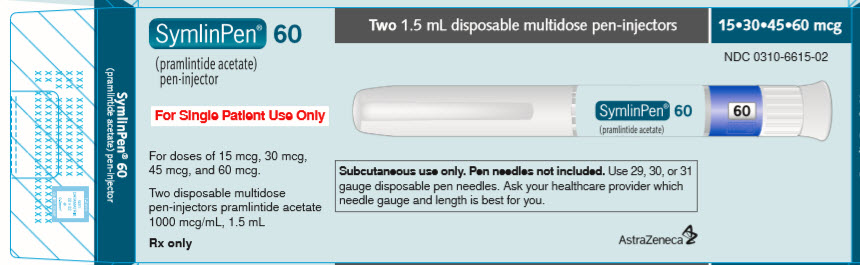
    2.1 Important Considerations Pertaining to SYMLIN and Insulin Dose Adjustments

    SYMLIN dosage differs depending on whether the patient has type 1 or type 2 diabetes [see Dosage and Administration (2.2, 2.3)].

    SYMLIN should be used only in patients who can fully understand and adhere to proper insulin adjustments and glucose monitoring.

    Insulin and SYMLIN dose adjustments should be made only as directed by a healthcare professional skilled in the use of insulin.

    When initiating SYMLIN, reduce mealtime insulin doses, including premixed insulins, by 50% to reduce the risk of hypoglycemia.

    To reduce the risk of nausea, wait at least 3 days before titrating SYMLIN to the next dose increment.

    Monitor blood glucoses frequently, including pre- and post-meals and at bedtime, particularly when initiating SYMLIN or increasing the SYMLIN dose. After the initial 50% reduction in mealtime insulin dose, individualize insulin dose adjustments based on glycemic control and tolerability (e.g., if nausea occurs it may affect the dose of insulin required). An increased frequency of mild-to-moderate hypoglycemia should be viewed as a warning sign of increased risk for severe hypoglycemia.

    If SYMLIN therapy is discontinued for any reason (e.g., surgery or illnesses), the same initiation protocol should be followed when SYMLIN therapy is reinstituted [see Dosage and Administration (2.2)].

    2.2 Patients with Type 2 Diabetes Using Mealtime Insulin

    Reduce mealtime insulin doses (including premixed insulins) by 50%, then initiate SYMLIN at 60 mcg subcutaneously, injecting immediately prior to each major meal.

    Increase the SYMLIN dose from 60 to 120 mcg prior to each major meal when no clinically significant nausea has occurred for at least 3 days.

    If significant nausea persists at the 120 mcg dose, the SYMLIN dose should be decreased to 60 mcg.

    2.3 Patients with Type 1 Diabetes

    Reduce mealtime insulin doses by 50%, then initiate SYMLIN at 15 mcg subcutaneously, injecting immediately prior to each major meal.

    Increase the SYMLIN dose to the next increment (30, 45, or 60 mcg) when no clinically significant nausea has occurred for at least 3 days.

    If significant nausea persists at the 45 or 60 mcg dose level, the SYMLIN dose should be decreased to 30 mcg. If the 30 mcg dose is not tolerated, discontinuation of SYMLIN therapy should be considered.

    2.4 Administration

    SYMLIN should be administered subcutaneously immediately prior to each major meal (≥250 kcal or containing ≥30 grams of carbohydrate).

    SYMLIN should be at room temperature before injecting to reduce potential injection site reactions. Each SYMLIN dose should be administered subcutaneously into the abdomen or thigh. Administration into the arm is not recommended because of variable absorption. Injection sites should be rotated so that the same site is not used repeatedly. The injection site selected should also be distinct from the site chosen for any concomitant insulin injection.

    SYMLIN and insulin should always be administered as separate injections.

    SYMLIN should not be mixed with any type of insulin.

    If a SYMLIN dose is missed, wait until the next scheduled dose and administer the usual amount.

    2.5 Discontinuation of Therapy

    SYMLIN therapy should be discontinued if there is:

    • recurrent unexplained hypoglycemia that requires medical assistance. • persistent clinically significant nausea. • noncompliance with self-monitoring of blood glucose concentrations. • noncompliance with insulin dose adjustments. • noncompliance with scheduled healthcare provider contacts or recommended clinic visits. 2.6 Preparation and Handling

    SYMLIN should be inspected visually for particulate matter or discoloration prior to administration whenever the solution and the container permit.

  • Kinray Inc.
    Sinus Congestion And Pain Severe | Kinray Inc.
    No Recall

    Sinus Congestion And Pain Severe | Kinray Inc.

    Sinus Congestion And Pain Severe | Kinray Inc.
    do not take more than directed (see overdose warning) adults and children 12 years and over take 2 caplets every 4 hours swallow whole – do not crush, chew, or dissolve do not take more than 10 caplets in 24 hours children under 12 years ask a doctor
  • Army And Air Force Exchange Service
    Sinus Congestion And Pain Severe | Apotex Corp.
    No Recall

    Sinus Congestion And Pain Severe | Apotex Corp.

    Sinus Congestion And Pain Severe | Apotex Corp.

    Swallow Duloxetine delayed-release capsules, USP whole. Do not chew or crush. Do not open the capsule and sprinkle its contents on food or mix with liquids. All of these might affect the enteric coating. Duloxetine delayed-release capsules, USP can be given without regard to meals. If a dose of duloxetine delayed-release capsules is missed, take the missed dose as soon as it is remembered. If it is almost time for the next dose, skip the missed dose and take the next dose at the regular time. Do not take two doses of duloxetine delayed-release capsules at the same time. 

    2.1 Dosage for Treatment of Major Depressive Disorder

    Administer duloxetine delayed-release capsules, USP should be administered at a total dose of 40 mg/day (given as 20 mg twice daily) to 60 mg/day (given either once daily or as 30 mg twice daily). For some patients, it may be desirable to start at 30 mg once daily for 1 week, to allow patients to adjust to the medication before increasing to 60 mg once daily. While a 120 mg/day dose was shown to be effective, there is no evidence that doses greater than 60 mg/day confer any additional benefits. The safety of doses above 120 mg/day has not been adequately evaluated. Periodically reassess to determine the need for maintenance treatment and the appropriate dose for such treatment [see Clinical Studies (14.1)].

    2.2 Dosage for Treatment of Generalized Anxiety Disorder

    Adults —For most patients, initiate duloxetine delayed-release capsules 60 mg once daily. For some patients, it may be desirable to start at 30 mg once daily for 1 week, to allow patients to adjust to the medication before increasing to 60 mg once daily. While a 120 mg once daily dose was shown to be effective, there is no evidence that doses greater than 60 mg/day confer additional benefit. Nevertheless, if a decision is made to increase the dose beyond 60 mg once daily, increase dose in increments of 30 mg once daily. The safety of doses above 120 mg once daily has not been adequately evaluated. Periodically reassess to determine the continued need for maintenance treatment and the appropriate dose for such treatment [see Clinical Studies (14.2)].

    Elderly — Initiate duloxetine delayed-release capsules at a dose of 30 mg once daily for 2 weeks before considering an increase to the target dose of 60 mg. Thereafter, patients may benefit from doses above 60 mg once daily. If a decision is made to increase the dose beyond 60 mg once daily, increase dose in increments of 30 mg once daily. The maximum dose studied was 120 mg per day. Safety of doses above 120 mg once daily has not been adequately evaluated [see Clinical Studies (14.2)].

    Children and Adolescents (7 to 17 years of age) — Initiate duloxetine delayed-release capsules at a dose of 30 mg once daily for 2 weeks before considering an increase to 60 mg. The recommended dose range is 30 to 60 mg once daily. Some patients may benefit from doses above 60 mg once daily. If a decision is made to increase the dose beyond 60 mg once daily, increase dose in increments of 30 mg once daily. The maximum dose studied was 120 mg per day. The safety of doses above 120 mg once daily has not been evaluated [see Clinical Studies (14.2)].

    2.3 Dosage for Treatment of Diabetic Peripheral Neuropathic Pain

    Administer duloxetine delayed-release capsules 60 mg once daily. There is no evidence that doses higher than 60 mg confer additional significant benefit and the higher dose is clearly less well tolerated [see Clinical Studies (14.3)]. For patients for whom tolerability is a concern, a lower starting dose may be considered.

    Since diabetes is frequently complicated by renal disease, consider a lower starting dose and gradual increase in dose for patients with renal impairment [see Dosage and Administration (2.6), Use in Specific Populations (8.10), and Clinical Pharmacology (12.3)].

    2.5 Dosage for Treatment of Chronic Musculoskeletal Pain

    Administer duloxetine delayed-release capsules, USP is 60 mg once daily. Begin treatment at 30 mg for one week, to allow patients to adjust to the medication before increasing to 60 mg once daily. There is no evidence that higher doses confer additional benefit, even in patients who do not respond to a 60 mg dose, and higher doses are associated with a higher rate of adverse reactions [see Clinical Studies (14.5)].

    2.6 Dosing in Special Populations

    Hepatic Impairment
    Avoid use in patients with chronic liver disease or cirrhosis [see Warnings and Precautions (5.14) and Use in Specific Populations (8.9)].

    Severe Renal Impairment
    Avoid use in patients with severe renal impairment, GFR <30 mL/min [see Warnings and Precautions (5.14) and Use in Specific Populations (8.10)].

    2.7 Discontinuing Duloxetine Delayed Release Capsules, USP

    Adverse reactions after discontinuation of duloxetine delayed-release capsules, USP, after abrupt or tapered discontinuation, include: dizziness, headache, nausea, diarrhea, paresthesia, irritability, vomiting, insomnia, anxiety, hyperhidrosis, and fatigue. A gradual reduction in dosage rather than abrupt cessation is recommended whenever possible [see Warnings and Precautions (5.7)].

    2.8 Switching a Patient to or from a Monoamine Oxidase Inhibitor (MAOI) Intended to Treat Psychiatric Disorders

    At least 14 days should elapse between discontinuation of an MAOI intended to treat psychiatric disorders and initiation of therapy with duloxetine delayed-release capsules, USP. Conversely, at least 5 days should be allowed after stopping duloxetine delayed-release capsules, USP before starting an MAOI intended to treat psychiatric disorders [see Contraindications (4.1)].

    2.9 Use of Duloxetine Delayed-Release Capsules, USP with Other MAOIs such as Linezolid or Methylene Blue

    Do not start duloxetine delayed-release capsules, USP in a patient who is being treated with linezolid or intravenous methylene blue because there is an increased risk of serotonin syndrome. In a patient who requires more urgent treatment of a psychiatric condition, other interventions, including hospitalization, should be considered [see Contraindications (4)].

    In some cases, a patient already receiving duloxetine delayed-release capsules, USP therapy may require urgent treatment with linezolid or intravenous methylene blue. If acceptable alternatives to linezolid or intravenous methylene blue treatment are not available and the potential benefits of linezolid or intravenous methylene blue treatment are judged to outweigh the risks of serotonin syndrome in a particular patient, duloxetine delayed-release capsules, USP should be stopped promptly, and linezolid or intravenous methylene blue can be administered. The patient should be monitored for symptoms of serotonin syndrome for 5 days or until 24 hours after the last dose of linezolid or intravenous methylene blue, whichever comes first. Therapy with duloxetine delayed-release capsules, USP may be resumed 24 hours after the last dose of linezolid or intravenous methylene blue [see Warnings and Precautions (5.4)].

    The risk of administering methylene blue by non-intravenous routes (such as oral tablets or by local injection) or in intravenous doses much lower than 1 mg/kg with duloxetine delayed-release capsules, USP is unclear. The clinician should, nevertheless, be aware of the possibility of emergent symptoms of serotonin syndrome with such use [see Warnings and Precautions (5.4)].