Cardinal Health

Manufacturer Details

There are currently no manufacturer details available.

Share This Page

Cardinal Health Drugs

  • Levoxyl (Levothyroxine Sodium) Tablet [Cardinal Health]

    Levoxyl

    Levoxyl (Levothyroxine Sodium) Tablet [Cardinal Health]

    General Principles:

    The goal of replacement therapy is to achieve and maintain a clinical and biochemical euthyroid state. The goal of suppressive therapy is to inhibit growth and/or function of abnormal thyroid tissue. The dose of LEVOXYL® that is adequate to achieve these goals depends on a variety of factors including the patient’s age, body weight, cardiovascular status, concomitant medical conditions, including pregnancy, concomitant medications, and the specific nature of the condition being treated (see WARNINGS and PRECAUTIONS ). Hence, the following recommendations serve only as dosing guidelines. Dosing must be individualized and adjustments made based on periodic assessment of the patient’s clinical response and laboratory parameters (see PRECAUTIONS , Laboratory Tests ).

    The LEVOXYL® should be taken in the morning on an empty stomach, at least one-half hour before any food is eaten. LEVOXYL® should be taken at least 4 hours apart from drugs that are known to interfere with its absorption (see PRECAUTIONS , Drug Interactions ).

    LEVOXYL® should be taken with water (see Information for Patients and ADVERSE REACTIONS ).

    Due to the long half-life of levothyroxine, the peak therapeutic effect at a given dose of levothyroxine sodium may not be attained for 4—6 weeks.

    Caution should be exercised when administering LEVOXYL® to patients with underlying cardiovascular disease, to the elderly, and to those with concomitant adrenal insufficiency (see PRECAUTIONS ).

    Specific Patient Populations:

    Hypothyroidism in Adults and in Children in Whom Growth and Puberty are Complete (see WARNINGS and PRECAUTIONS ,Laboratory Tests )Therapy may begin at full replacement doses in otherwise healthy individuals less than 50 years old and in those older than 50 years who have been recently treated for hyperthyroidism or who have been hypothyroid for only a short time (such as a few months). The average full replacement dose of levothyroxine sodium is approximately 1.7 mcg/kg/day (e.g., 100—125 mcg/day for a 70 kg adult). Older patients may require less than 1 mcg/kg/day. Levothyroxine sodium doses greater than 200 mcg/day are seldom required. An inadequate response to daily doses ≥300 mcg/day is rare and may indicate poor compliance, malabsorption, and/or drug interactions.

    For most patients older than 50 years or for patients under 50 years of age with underlying cardiac disease, an initial starting dose of 25—50 mcg/day of levothyroxine sodium is recommended, with gradual increments in dose at 6—8 week intervals, as needed. The recommended starting dose of levothyroxine sodium in elderly patients with cardiac disease is 12.5—25 mcg/day, with gradual dose increments at 4—6 week intervals. The levothyroxine sodium dose is generally adjusted in 12.5—25 mcg increments until the patient with primary hypothyroidism is clinically euthyroid and the serum TSH has normalized.

    In patients with severe hypothyroidism, the recommended initial levothyroxine sodium dose is 12.5—25 mcg/day with increases of 25 mcg/day every 2—4 weeks, accompanied by clinical and laboratory assessment, until the TSH level is normalized.

    In patients with secondary (pituitary) or tertiary (hypothalamic) hypothyroidism, the levothyroxine sodium dose should be titrated until the patient is clinically euthyroid and the serum free-T4 level is restored to the upper half of the normal range.

    Pediatric Dosage — Congenital or Acquired Hypothyroidism (see PRECAUTIONS , Laboratory Tests )

    General Principles

    In general, levothyroxine therapy should be instituted at full replacement doses as soon as possible. Delays in diagnosis and institution of therapy may have deleterious effects on the child’s intellectual and physical growth and development.

    Undertreatment and overtreatment should be avoided (see PRECAUTIONS ,Pediatric Use ).

    LEVOXYL® may be administered to infants and children who cannot swallow intact tablets by crushing the tablet and suspending the freshly crushed tablet in a small amount (5—10 mL or 1—2 teaspoons) of water. This suspension can be administered by spoon or dropper. DO NOT STORE THE SUSPENSION. Foods that decrease absorption of levothyroxine, such as soybean infant formula, should not be used for administering levothyroxine sodium tablets. (see PRECAUTIONS , Drug-Food Interactions ).

    Newborns

    The recommended starting dose of levothyroxine sodium in newborn infants is 10—15 mcg/kg/day. A lower starting dose (e.g., 25 mcg/day) should be considered in infants at risk for cardiac failure, and the dose should be increased in 4—6 weeks as needed based on clinical and laboratory response to treatment. In infants with very low (< 5 mcg/dL) or undetectable serum T4 concentrations, the recommended initial starting dose is 50 mcg/day of levothyroxine sodium.

    Infants and Children

    Levothyroxine therapy is usually initiated at full replacement doses, with the recommended dose per body weight decreasing with age (see TABLE 3). However, in children with chronic or severe hypothyroidism, an initial dose of 25 mcg/day of levothyroxine sodium is recommended with increments of 25 mcg every 2—4 weeks until the desired effect is achieved.

    Hyperactivity in an older child can be minimized if the starting dose is one-fourth of the recommended full replacement dose, and the dose is then increased on a weekly basis by an amount equal to one-fourth the full recommended replacement dose until the full recommended replacement dose is reached.

    Table 3: Levothyroxine Sodium Dosing Guidelines for Pediatric Hypothyroidism

    AGE

    Daily Dose Per Kg Body Weight a

    0—3 months

    10—15 mcg/kg/day

    3—6 months

    8—10 mcg/kg/day

    6—12 months

    6—8 mcg/kg/day

    1—5 years

    5—6 mcg/kg/day

    6—12 years

    4—5 mcg/kg/day

    >12 years

    2—3 mcg/kg/day

    Growth and puberty complete

    1.7 mcg/kg/day

    a - The dose should be adjusted based on clinical response and laboratory parameters (see PRECAUTIONS , Laboratory Tests and Pediatric Use ).

     Pregnancy — Pregnancy may increase levothyroxine requirements (see PREGNANCY).

    Subclinical Hypothyroidism — If this condition is treated, a lower levothyroxine sodium dose (e.g., 1 mcg/kg/day) than that used for full replacement may be adequate to normalize the serum TSH level. Patients who are not treated should be monitored yearly for changes in clinical status and thyroid laboratory parameters.

    TSH Suppression in Well-differentiated Thyroid Cancer and Thyroid Nodules — The target level for TSH suppression in these conditions has not been established with controlled studies. In addition, the efficacy of TSH suppression for benign nodular disease is controversial. Therefore, the dose of LEVOXYL® used for TSH suppression should be individualized based on the specific disease and the patient being treated.

    In the treatment of well differentiated (papillary and follicular) thyroid cancer, levothyroxine is used as an adjunct to surgery and radioiodine therapy. Generally, TSH is suppressed to <0.1 mU/L, and this usually requires a levothyroxine sodium dose of greater than 2 mcg/kg/day. However, in patients with high-risk tumors, the target level for TSH suppression may be <0.01 mU/L.

    In the treatment of benign nodules and nontoxic multinodular goiter, TSH is generally suppressed to a higher target (e.g., 0.1—0.5 mU/L for nodules and 0.5—1.0 mU/L for multinodular goiter) than that used for the treatment of thyroid cancer. Levothyroxine sodium is contraindicated if the serum TSH is already suppressed due to the risk of precipitating overt thyrotoxicosis (see CONTRAINDICATIONS , WARNINGS and PRECAUTIONS ).

    Myxedema Coma — Myxedema coma is a life-threatening emergency characterized by poor circulation and hypometabolism, and may result in unpredictable absorption of levothyroxine sodium from the gastrointestinal tract. Therefore, oral thyroid hormone drug products are not recommended to treat this condition. Thyroid hormone products formulated for intravenous administration should be administered.

  • Ativan (Lorazepam) Tablet [Cardinal Health]

    Ativan

    Ativan (Lorazepam) Tablet [Cardinal Health]

    Ativan (lorazepam) is administered orally. For optimal results, dose, frequency of administration, and duration of therapy should be individualized according to patient response. To facilitate this, 0.5 mg, 1 mg, and 2 mg tablets are available.

    The usual range is 2 to 6 mg/day given in divided doses, the largest dose being taken before bedtime, but the daily dosage may vary from 1 to 10 mg/day.

    For anxiety, most patients require an initial dose of 2 to 3 mg/day given b.i.d. or t.i.d.

    For insomnia due to anxiety or transient situational stress, a single daily dose of 2 to 4 mg may be given, usually at bedtime.

    For elderly or debilitated patients, an initial dosage of 1 to 2 mg/day in divided doses is recommended, to be adjusted as needed and tolerated.

    The dosage of Ativan (lorazepam) should be increased gradu ally when needed to help avoid adverse effects. When higher dosage is indicated, the evening dose should be increased before the daytime doses.

  • Sulfacetamide Sodium Solution/ Drops [Bausch & Lomb Incorporated]

    Sulfacetamide Sodium Solution Drops

    Sulfacetamide Sodium Solution/ Drops [Bausch & Lomb Incorporated]

    do not take more than directed (see Overdose warning) adults and children 12 years and over: take 2 caplets at bedtime if needed or as directed by a doctor children under 12 years: do not use

  • Leader Sinus And Allergy Pe (Chlorpheniramine Maleate, Phenylephrine Hcl) Tablet, Film Coated [Cardinal Health]

    Leader Sinus And Allergy Pe

    Leader Sinus And Allergy Pe (Chlorpheniramine Maleate, Phenylephrine Hcl) Tablet, Film Coated [Cardinal Health]

    adults and children 12 years and over take 1 tablet every 4 to 6 hours do not take more than 6 tablets in 24 hours children under 12 years do not use this product in children under 12 years of age

  • Percocet (Oxycodone Hydrochloride And Acetaminophen) Tablet [Cardinal Health]

    Percocet

    Percocet (Oxycodone Hydrochloride And Acetaminophen) Tablet [Cardinal Health]

    Dosage should be adjusted according to the severity of the pain and the response of the patient. It may occasionally be necessary to exceed the usual dosage recommended below in cases of more severe pain or in those patients who have become tolerant to the analgesic effect of opioids. If pain is constant, the opioid analgesic should be given at regular intervals on an around-the-clock schedule. PERCOCET tablets are given orally.

    Percocet 2.5 mg/325 mg The usual adult dosage is one or 2 tablets every 6 hours. The total daily dose of acetaminophen should not exceed 4 grams.

    Percocet 5 mg/325 mg; Percocet 7.5 mg/500 mg; Percocet 10 mg/650 mg The usual adult dosage is one tablet every 6 hours as needed for pain. The total daily dose of acetaminophen should not exceed 4 grams.

    Percocet 7.5 mg/325 mg; Percocet 10 mg/325 mg The usual adult dosage is one tablet every 6 hours as needed for pain. The total daily dose of acetaminophen should not exceed 4 grams.

    Strength Maximal Daily Dose Percocet 2.5 mg/325 mg 12 Tablets Percocet 5 mg/325 mg 12 Tablets Percocet 7.5 mg/325 mg 8 Tablets Percocet 7.5 mg/500 mg 8 Tablets Percocet 10 mg/325 mg 6 Tablets Percocet 10 mg/650 mg 6 Tablets

    Cessation of Therapy

    In patients treated with PERCOCET tablets for more than a few weeks who no longer require therapy, doses should be tapered gradually to prevent signs and symptoms of withdrawal in the physically dependent patient.

  • Lortab (Hydrocodone Bitartrate And Acetaminophen) Tablet [Cardinal Health]

    Lortab

    Lortab (Hydrocodone Bitartrate And Acetaminophen) Tablet [Cardinal Health]

    Dosage should be adjusted according to severity of pain and response of the patient. However, it should be kept in mind that tolerance to hydrocodone can develop with continued use and that the incidence of untoward effects is dose related.

    The usual adult dosage is one tablet every four to six hours as needed for pain. The total daily dosage should not exceed 6 tablets.

  • Lortab (Hydrocodone Bitartrate And Acetaminophen) Tablet [Cardinal Health]

    Lortab

    Lortab (Hydrocodone Bitartrate And Acetaminophen) Tablet [Cardinal Health]

    Dosage should be adjusted according to severity of pain and response of the patient. However, it should be kept in mind that tolerance to hydrocodone can develop with continued use and that the incidence of untoward effects is dose related.

    The usual adult dosage is one or two tablets every four to six hours as needed for pain. The total daily dosage should not exceed 8 tablets.

  • Cardizem Cd (Diltiazem Hydrochloride) Capsule [Cardinal Health]

    Cardizem Cd

    Cardizem Cd (Diltiazem Hydrochloride) Capsule [Cardinal Health]

    Patients controlled on diltiazem alone or in combination with other medications may be switched to CARDIZEM CD capsules at the nearest equivalent total daily dose. Higher doses of CARDIZEM CD may be needed in some patients. Patients should be closely monitored. Subsequent titration to higher or lower doses may be necessary and should be initiated as clinically warranted. There is limited general clinical experience with doses above 360 mg, but doses to 540 mg have been studied in clinical trials. The incidence of side effects increases as the dose increases with first-degree AV block, dizziness, and sinus bradycardia bearing the strongest relationship to dose.

    Hypertension. Dosage needs to be adjusted by titration to individual patient needs. When used as monotherapy, reasonable starting doses are 180 to 240 mg once daily, although some patients may respond to lower doses. Maximum antihypertensive effect is usually observed by 14 days of chronic therapy; therefore, dosage adjustments should be scheduled accordingly. The usual dosage range studied in clinical trials was 240 to 360 mg once daily. Individual patients may respond to higher doses of up to 480 mg once daily.

    Angina. Dosages for the treatment of angina should be adjusted to each patient’s needs, starting with a dose of 120 or 180 mg once daily. Individual patients may respond to higher doses of up to 480 mg once daily. When necessary, titration may be carried out over a 7- to 14-day period.

    Concomitant Use With Other Cardiovascular Agents

    1. Sublingual NTG. May be taken as required to abort acute anginal attacks during CARDIZEM CD (diltiazem hydrochloride) therapy.

    2. Prophylactic Nitrate Therapy. CARDIZEM CD may be safely coadministered with short- and long-acting nitrates.

    3. Beta-blockers. (See WARNINGS and PRECAUTIONS).

    4. Antihypertensives. CARDIZEM CD has an additive antihypertensive effect when used with other antihypertensive agents. Therefore, the dosage of CARDIZEM CD or the concomitant antihypertensives may need to be adjusted when adding one to the other.

  • Theo-24 (Theophylline, Anhydrous) Capsule, Extended Release [Cardinal Health]

    Theo-24

    Theo-24 (Theophylline, Anhydrous) Capsule, Extended Release [Cardinal Health]

    General Considerations

    Theo-24®, like other extended-release theophylline products, is intended for patients with relatively continuous or recurring symptoms who have a need to maintain therapeutic serum levels of theophylline. It is not intended for patients experiencing an acute episode of bronchospasm (associated with asthma, chronic bronchitis, or emphysema). Such patients require rapid relief of symptoms and should be treated with an immediate-release or intravenous theophylline preparation (or other bronchodilators) and not with extended-release products.

    Patients who metabolize theophylline at a normal or slow rate are reasonable candidates for once-daily dosing with Theo-24®. Patients who metabolize theophylline rapidly (e.g., the young, smokers, and some nonsmoking adults) and who have symptoms repeatedly at the end of a dosing interval, will require either increased doses given once a day or preferably, are likely to be better controlled by a schedule of twice-daily dosing. Those patients who require increased daily doses are more likely to experience relatively wide peak-trough differences and may be candidates for twice-a-day dosing with Theo-24®.

    Patients should be instructed to take this medication each morning at approximately the same time and not to exceed the prescribed dose.

    Recent studies suggest that dosing of extended-release theophylline products at night (after the evening meal) results in serum concentrations of theophylline which are not identical to those recorded during waking hours and may be characterized by early trough and delayed peak levels. This appears to occur whether the drug is given as an immediate-release, extended-release, or intravenous product. To avoid this phenomenon when two doses per day are prescribed, it is recommended that the second dose be given 10 to 12 hours after the morning dose and before the evening meal.

    Food and posture, along with changes associated with circadian rhythm, may influence the rate of absorption and/or clearance rates of theophylline from extended-release dosage forms administered at night. The exact relationship of these and other factors to nighttime serum concentrations and the clinical significance of such findings require additional study. Therefore, it is not recommended that Theo-24® (when used as a once-a-day product) be administered at night.

    Patients who require a relatively high dose of theophylline (i.e., a dose equal to or greater than 900 mg or 13 mg/kg, whichever is less) should not take Theo-24® less than 1 hour before a high-fat-content meal since this may result in a significant increase in peak serum level and in the extent of absorption of theophylline as compared to administration in the fasted state (see PRECAUTIONS, Drug/Food Interactions).

    The steady-state peak serum theophylline concentration is a function of the dose, the dosing interval, and the rate of theophylline absorption and clearance in the individual patient. Because of marked individual differences in the rate of theophylline clearance, the dose required to achieve a peak serum theophylline concentration in the 10-20 mcg/mL range varies fourfold among otherwise similar patients in the absence of factors known to alter theophylline clearance (e.g., 400-1600 mg/day in adults <60 years old and 10-36 mg/kg/day in children 1-9 years old). For a given population there is no single theophylline dose that will provide both safe and effective serum concentrations for all patients. Administration of the median theophylline dose required to achieve a therapeutic serum theophylline concentration in a given population may result in either sub-therapeutic or potentially toxic serum theophylline concentrations in individual patients. For example, at a dose of 900 mg/day in adults <60 years or 22 mg/kg/day in children 1-9 years, the steady-state peak serum theophylline concentration will be <10 mcg/mL in about 30% of patients, 10-20 mcg/mL in about 50% and 20-30 mcg/mL in about 20% of patients. The dose of theophylline must be individualized on the basis of peak serum theophylline concentration measurements in order to achieve a dose that will provide maximum potential benefit with minimal risk of adverse effects.

    Transient caffeine-like adverse effects and excessive serum concentrations in slow metabolizers can be avoided in most patients by starting with a sufficiently low dose and slowly increasing the dose, if judged to be clinically indicated, in small increments (See Table V). Dose increases should only be made if the previous dosage is well tolerated and at intervals of no less than 3 days to allow serum theophylline concentrations to reach the new steady state. Dosage adjustment should be guided by serum theophylline concentration measurement (see PRECAUTIONS, Laboratory Tests and DOSAGE AND ADMINISTRATION, Table VI). Health care providers should instruct patients and care givers to discontinue any dosage that causes adverse effects, to withhold the medication until these symptoms are gone and to then resume therapy at a lower, previously tolerated dosage (see WARNINGS).

    If the patient’s symptoms are well controlled, there are no apparent adverse effects, and no intervening factors that might alter dosage requirements (see WARNINGS and PRECAUTIONS), serum theophylline concentrations should be monitored at 6 month intervals for rapidly growing children and at yearly intervals for all others. In acutely ill patients, serum theophylline concentrations should be monitored at frequent intervals, e.g., every 24 hours.

    Theophylline distributes poorly into body fat, therefore, mg/kg dose should be calculated on the basis of ideal body weight.

    Table V contains theophylline dosing titration schema recommended for patients in various age groups and clinical circumstances. Table VI contains recommendations for theophylline dosage adjustment based upon serum theophylline concentrations. Application of these general dosing recommendations to individual patients must take into account the unique clinical characteristics of each patient. In general, these recommendations should serve as the upper limit for dosage adjustments in order to decrease the risk of potentially serious adverse events associated with unexpected large increases in serum theophylline concentration.

    Table V. Dosing initiation and titration (as anhydrous theophylline).* A. Children (12-15 years) and adults (16-60 years) without risk factors for impaired clearance. Titration Step Children <45 kg Children >45 kg and adults 1. Starting Dosage 12-14 mg/kg/day up to a maximum of 300 mg/day divided Q 24 hrs* 300-400 mg/day1 divided Q 24 hrs* 2. After 3 days, if tolerated, increase dose to: 16 mg/kg/day up to a maximum of 400 mg/day divided Q 24 hrs* 400-600 mg/day1 divided Q 24 hrs* 3. After 3 more days, if tolerated and if needed, increase dose to: 20 mg/kg/day up to a maximum of 600 mg/day divided Q 24 hrs* As with all theophylline products, doses greater than 600 mg should be titrated according to blood level (see Table VI) 1 If caffeine-like adverse effects occur, then consideration should be given to a lower dose and titrating the dose more slowly (see ADVERSE REACTIONS). B. Patients with risk factors for impaired clearance, the elderly (>60 Years), and those in whom it is not feasible to monitor serum theophylline concentrations: In children 12-15 years of age, the final theophylline dose should not exceed 16 mg/kg/day up to a maximum of 400 mg/day in the presence of risk factors for reduced theophylline clearance (see WARNINGS) or if it is not feasible to monitor serum theophylline concentrations. In adolescents ≥16 years and adults, including the elderly, the final theophylline dose should not exceed 400 mg/day in the presence of risk factors for reduced theophylline clearance (see WARNINGS) or if it is not feasible to monitor serum theophylline concentrations. * Patients with more rapid metabolism, clinically identified by higher than average dose requirements, should receive a smaller dose more frequently to prevent breakthrough symptoms resulting from low trough concentrations before the next dose. A reliably absorbed slow-release formulation will decrease fluctuations and permit longer dosing intervals. Table VI. Dosage adjustment guided by serum theophylline concentration. Peak Serum Concentration Dosage Adjustment ¶Dose reduction and/or serum theophylline concentration measurement is indicated whenever adverse effects are present, physiologic abnormalities that can reduce theophylline clearance occur (e.g., sustained fever), or a drug that interacts with theophylline is added or discontinued (see WARNINGS). <9.9 mcg/mL If symptoms are not controlled and current dosage is tolerated, increase dose about 25%. Recheck serum concentration after three days for further dosage adjustment. 10-14.9 mcg/mL If symptoms are controlled and current dosage is tolerated, maintain dose and recheck serum concentration at 6-12 month intervals.¶ If symptoms are not controlled and current dosage is tolerated consider adding additional medication(s) to treatment regimen. 15-19.9 mcg/mL Consider 10% decrease in dose to provide greater margin of safety even if current dosage is tolerated.¶ 20-24.9 mcg/mL Decrease dose by 25% even if no adverse effects are present. Recheck serum concentration after 3 days to guide further dosage adjustment. 25-30 mcg/mL Skip next dose and decrease subsequent doses at least 25% even if no adverse effects are present. Recheck serum concentration after 3 days to guide further dosage adjustment. If symptomatic, consider whether overdosage treatment is indicated (see recommendations for chronic overdosage). >30 mcg/mL Treat overdose as indicated (see recommendations for chronic overdosage). If theophylline is subsequently resumed, decrease dose by at least 50% and recheck serum concentration after 3 days to guide further dosage adjustment.
  • Tylenol With Codeine (Acetaminophen And Codeine Phosphate) Tablet [Cardinal Health]

    Tylenol With Codeine

    Tylenol With Codeine (Acetaminophen And Codeine Phosphate) Tablet [Cardinal Health]

    Dosage should be adjusted according to severity of pain and response of the patient.

    The usual adult dosage is:

    Single Doses (Range) Maximum 24–Hour Dose Codeine Phosphate 15 mg - 60 mg 360 mg Acetaminophen 300 mg - 1000 mg 4000 mg

    Doses may be repeated up to every 4 hours.

    The prescriber must determine the number of tablets per dose, and the maximum number of tablets per 24 hours, based upon the above dosage guidance. This information should be conveyed in the prescription.

    It should be kept in mind, however, that tolerance to codeine can develop with continued use and that the incidence of untoward effects is dose related. Adult doses of codeine higher than 60 mg fail to give commensurate relief of pain but merely prolong analgesia and are associated with an appreciably increased incidence of undesirable side effects. Equivalently high doses in children would have similar effects.

  • Spironolactone Tablet, Film Coated [Udl Laboratories, Inc.]

    Spironolactone

    Spironolactone Tablet, Film Coated [Udl Laboratories, Inc.]

    Divalproex Sodium Extended-Release Tablets are an extended-release product intended for once-a-day oral administration. Divalproex Sodium Extended-Release Tablets should be swallowed whole and should not be crushed or chewed.

    2.1 Mania

    Divalproex Sodium Extended-Release Tablets are administered orally. The recommended initial dose is 25 mg/kg/day given once daily. The dose should be increased as rapidly as possible to achieve the lowest therapeutic dose which produces the desired clinical effect or the desired range of plasma concentrations. In a placebo-controlled clinical trial of acute mania or mixed type, patients were dosed to a clinical response with a trough plasma concentration between 85 and 125 mcg/mL. The maximum recommended dosage is 60 mg/kg/day.

    There is no body of evidence available from controlled trials to guide a clinician in the longer term management of a patient who improves during divalproex sodium extended-release tablets treatment of an acute manic episode. While it is generally agreed that pharmacological treatment beyond an acute response in mania is desirable, both for maintenance of the initial response and for prevention of new manic episodes, there are no data to support the benefits of divalproex sodium extended-release tablets in such longer-term treatment (i.e., beyond 3 weeks).

    2.2 Epilepsy

    Divalproex sodium extended-release tablets are administered orally, and must be swallowed whole. As divalproex sodium extended-release tablets dosage is titrated upward, concentrations of clonazepam, diazepam, ethosuximide, lamotrigine, tolbutamide, phenobarbital, carbamazepine, and/or phenytoin may be affected [see Drug Interactions (7.2)].

    Complex Partial Seizures

    For adults and children 10 years of age or older.

    Monotherapy (Initial Therapy)

    Divalproex sodium extended-release tablets have not been systematically studied as initial therapy. Patients should initiate therapy at 10 to 15 mg/kg/day. The dosage should be increased by 5 to 10 mg/kg/week to achieve optimal clinical response. Ordinarily, optimal clinical response is achieved at daily doses below 60 mg/kg/day. If satisfactory clinical response has not been achieved, plasma levels should be measured to determine whether or not they are in the usually accepted therapeutic range (50 to 100 mcg/mL). No recommendation regarding the safety of valproate for use at doses above 60 mg/kg/day can be made.

    The probability of thrombocytopenia increases significantly at total trough valproate plasma concentrations above 110 mcg/mL in females and 135 mcg/mL in males. The benefit of improved seizure control with higher doses should be weighed against the possibility of a greater incidence of adverse reactions.

    Conversion to Monotherapy

    Patients should initiate therapy at 10 to 15 mg/kg/day. The dosage should be increased by 5 to 10 mg/kg/week to achieve optimal clinical response. Ordinarily, optimal clinical response is achieved at daily doses below 60 mg/kg/day. If satisfactory clinical response has not been achieved, plasma levels should be measured to determine whether or not they are in the usually accepted therapeutic range (50 to 100 mcg/mL). No recommendation regarding the safety of valproate for use at doses above 60 mg/kg/day can be made.

    Concomitant antiepilepsy drug (AED) dosage can ordinarily be reduced by approximately 25% every 2 weeks. This reduction may be started at initiation of divalproex sodium extended-release tablets therapy, or delayed by 1 to 2 weeks if there is a concern that seizures are likely to occur with a reduction. The speed and duration of withdrawal of the concomitant AED can be highly variable, and patients should be monitored closely during this period for increased seizure frequency.

    Adjunctive Therapy

    Divalproex sodium extended-release tablets may be added to the patient's regimen at a dosage of 10 to 15 mg/kg/day. The dosage may be increased by 5 to 10 mg/kg/week to achieve optimal clinical response. Ordinarily, optimal clinical response is achieved at daily doses below 60 mg/kg/day. If satisfactory clinical response has not been achieved, plasma levels should be measured to determine whether or not they are in the usually accepted therapeutic range (50 to 100 mcg/mL). No recommendation regarding the safety of valproate for use at doses above 60 mg/kg/day can be made.

    In a study of adjunctive therapy for complex partial seizures in which patients were receiving either carbamazepine or phenytoin in addition to valproate, no adjustment of carbamazepine or phenytoin dosage was needed [see Clinical Studies (14.2)]. However, since valproate may interact with these or other concurrently administered AEDs as well as other drugs, periodic plasma concentration determinations of concomitant AEDs are recommended during the early course of therapy [see DRUG INTERACTIONS (7)].

    Simple and Complex Absence Seizures

    The recommended initial dose is 15 mg/kg/day, increasing at one week intervals by 5 to 10 mg/kg/day until seizures are controlled or side effects preclude further increases. The maximum recommended dosage is 60 mg/kg/day.

    A good correlation has not been established between daily dose, serum concentrations, and therapeutic effect. However, therapeutic valproate serum concentration for most patients with absence seizures is considered to range from 50 to 100 mcg/mL. Some patients may be controlled with lower or higher serum concentrations [see Clinical Pharmacology (12.3)].

    As divalproex sodium extended-release tablets dosage is titrated upward, blood concentrations of phenobarbital and/or phenytoin may be affected [see Drug Interactions (7.2)].

    Antiepilepsy drugs should not be abruptly discontinued in patients in whom the drug is administered to prevent major seizures because of the strong possibility of precipitating status epilepticus with attendant hypoxia and threat to life.

    2.3 Migraine

    Divalproex sodium extended-release tablets are indicated for prophylaxis of migraine headaches in adults.

    The recommended starting dose is 500 mg once daily for 1 week, thereafter increasing to 1000 mg once daily. Although doses other than 1000 mg once daily of divalproex sodium extended-release tablets have not been evaluated in patients with migraine, the effective dose range of divalproex sodium delayed-release tablets in these patients is 500 to 1000 mg/day. As with other valproate products, doses of divalproex sodium extended-release tablets should be individualized and dose adjustment may be necessary. If a patient requires smaller dose adjustments than that available with divalproex sodium extended-release tablets, divalproex sodium delayed-release tablets should be used instead.

    2.4 Conversion from Divalproex Sodium Delayed-Release Tablets to Divalproex Sodium Extended-Release Tablets

    In adult patients and pediatric patients 10 years of age or older with epilepsy previously receiving divalproex sodium delayed-release tablets, divalproex sodium extended-release tablets should be administered once-daily using a dose 8 to 20% higher than the total daily dose of divalproex sodium delayed-release tablets (Table 1). For patients whose divalproex sodium delayed-release tablets total daily dose cannot be directly converted to divalproex sodium extended-release tablets, consideration may be given at the clinician’s discretion to increase the patient’s divalproex sodium delayed-release tablets total daily dose to the next higher dosage before converting to the appropriate total daily dose of divalproex sodium extended-release tablets.

    Table 1. Dose Conversion * These total daily doses of divalproex sodium delayed-release tablets cannot be directly converted to an 8 to 20% higher total daily dose of divalproex sodium extended-release tablets because the required dosing strengths of divalproex sodium extended-release tablets are not available. Consideration may be given at the clinician’s discretion to increase the patient’s divalproex sodium delayed-release tablets total daily dose to the next higher dosage before converting to the appropriate total daily dose of divalproex sodium extended-release tablets.

    Divalproex Sodium Delayed-Release Tablets Total Daily Dose (mg)

    Divalproex Sodium Extended-Release Tablets (mg)

    500*-625

    750

    750*-875

    1000

    1000*-1125

    1250

    1250-1375

    1500

    1500-1625

    1750

    1750

    2000

    1875-2000

    2250

    2125-2250

    2500

    2375

    2750

    2500-2750

    3000

    2875

    3250

    3000-3125

    3500

    There is insufficient data to allow a conversion factor recommendation for patients with divalproex sodium delayed-release tablet doses above 3125 mg/day. Plasma valproate Cmin concentrations for divalproex sodium extended-release tablets on average are equivalent to divalproex sodium delayed-release tablets, but may vary across patients after conversion. If satisfactory clinical response has not been achieved, plasma levels should be measured to determine whether or not they are in the usually accepted therapeutic range (50 to 100 mcg/mL) [see Clinical Pharmacology (12.2)].

    2.5 General Dosing Advice

    Dosing in Elderly Patients

    Due to a decrease in unbound clearance of valproate and possibly a greater sensitivity to somnolence in the elderly, the starting dose should be reduced in these patients. Starting doses in the elderly lower than 250 mg can only be achieved by the use of divalproex sodium delayed-release tablets. Dosage should be increased more slowly and with regular monitoring for fluid and nutritional intake, dehydration, somnolence, and other adverse reactions. Dose reductions or discontinuation of valproate should be considered in patients with decreased food or fluid intake and in patients with excessive somnolence. The ultimate therapeutic dose should be achieved on the basis of both tolerability and clinical response [see Warnings and Precautions (5.14), Use in Specific Populations (8.5) and Clinical Pharmacology (12.3)].

    Dose-Related Adverse Reactions

    The frequency of adverse effects (particularly elevated liver enzymes and thrombocytopenia) may be dose-related. The probability of thrombocytopenia appears to increase significantly at total valproate concentrations of ≥ 110 mcg/mL (females) or ≥ 135 mcg/mL (males) [see Warnings and Precautions (5.8)]. The benefit of improved therapeutic effect with higher doses should be weighed against the possibility of a greater incidence of adverse reactions.

    G.I. Irritation

    Patients who experience G.I. irritation may benefit from administration of the drug with food or by slowly building up the dose from an initial low level.

    Compliance

    Patients should be informed to take divalproex sodium extended-release tablets every day as prescribed. If a dose is missed it should be taken as soon as possible, unless it is almost time for the next dose. If a dose is skipped, the patient should not double the next dose.

  • Ms Contin (Morphine Sulfate) Tablet, Film Coated, Extended Release [Cardinal Health]

    Ms Contin

    Ms Contin (Morphine Sulfate) Tablet, Film Coated, Extended Release [Cardinal Health]

    (SEE ALSO: CLINICAL PHARMACOLOGY, WARNINGS, AND PRECAUTIONS SECTIONS)

    MS CONTIN IS AN OPIOID AGONIST AND A SCHEDULE II CONTROLLED SUBSTANCE WITH AN ABUSE LIABILITY SIMILAR TO OTHER OPIOID AGONISTS. MORPHINE AND OTHER OPIOIDS USED IN ANALGESIA CAN BE ABUSED AND ARE SUBJECT TO CRIMINAL DIVERSION.

    MS CONTIN TABLETS ARE TO BE SWALLOWED WHOLE, AND ARE NOT TO BE BROKEN, CHEWED, DISSOLVED OR CRUSHED. TAKING BROKEN, CHEWED, DISSOLVED, OR CRUSHED MS CONTIN TABLETS LEADS TO RAPID RELEASE AND ABSORPTION OF A POTENTIALLY FATAL DOSE OF MORPHINE.

    Physicians should individualize treatment in every case, initiating therapy at the appropriate point along a progression from non-opioid analgesics, such as non-steroidal anti-inflammatory drugs and acetaminophen to opioids in a plan of pain management such as those outlined by the World Health Organization, the Federation of State Medical Boards Model Guidelines, or the American Pain Society. Healthcare professionals should follow appropriate pain management principles of careful assessment and ongoing monitoring (see BOXED WARNING).

    MS CONTIN® Tablets are a controlled-release oral formulation of morphine sulfate indicated for the management of moderate to severe pain when a continuous, around-the-clock analgesic is needed for an extended period of time. The controlled-release nature of the formulation allows it to be administered on a more convenient schedule than conventional immediate-release oral morphine products. (See CLINICAL PHARMACOLOGY; PHARMACOKINETICS AND METABOLISM.) However, MS CONTIN does not release morphine continuously over the course of a dosing interval. The administration of single doses of MS CONTIN on a q12h dosing schedule will result in higher peak and lower trough plasma levels than those that occur when an identical daily dose of morphine is administered using conventional oral formulations on a q4h regimen. The clinical significance of greater fluctuations in morphine plasma level has not been systematically evaluated.

    As with any potent opioid drug product, it is critical to adjust the dosing regimen for each patient individually, taking into account the patient's prior opioid and non-opioid analgesic treatment experience. Although it is clearly impossible to enumerate every consideration that is important to the selection of initial dose and dosing interval of MS CONTIN, attention should be given to 1) the daily dose, potency, and precise characteristics of the opioid the patient has been taking previously (e.g., whether it is a pure agonist or mixed agonist/antagonist), 2) the reliability of the relative potency estimate used to calculate the dose of morphine needed [N.B. potency estimates may vary with the route of administration], 3) the degree of opioid tolerance, if any, and 4) the general condition and medical status of the patient.

    The following dosing recommendations, therefore, can only be considered suggested approaches to what is actually a series of clinical decisions in the management of the pain of an individual patient.

    During periods of changing analgesic requirements including initial titration, frequent contact is recommended between physician, other members of the healthcare team, the patient, and the caregiver/family.

    Conversion from Immediate-Release Oral Morphine to MS CONTIN

    A patient's daily morphine requirement is established using immediate-release oral morphine (dosing every 4 to 6 hours). The patient is then converted to MS CONTIN® in either of two ways: 1) by administering one-half of the patient's 24-hour requirement as MS CONTIN on an every 12-hour schedule; or, 2) by administering one-third of the patient's daily requirement as MS CONTIN on an every eight hour schedule. With either method, dose and dosing interval is then adjusted as needed (see discussion below). The 15 mg tablet should be used for initial conversion for patients whose total daily requirement is expected to be less than 60 mg. The 30 mg tablet strength is recommended for patients with a daily morphine requirement of 60 to 120 mg. When the total daily dose is expected to be greater than 120 mg, the appropriate combination of tablet strengths should be employed.

    Conversion from Parenteral Morphine or Other Opioids (Parenteral or Oral) to MS CONTIN

    MS CONTIN can be administered as the initial oral morphine drug product; in this case, however, particular care must be exercised in the conversion process. Because of uncertainty about, and intersubject variation in, relative estimates of opioid potency and cross tolerance, initial dosing regimens should be conservative. It is better to underestimate the 24-hour oral morphine requirement than to overestimate. To this end, initial individual doses of MS CONTIN should be estimated conservatively. In patients whose daily morphine requirements are expected to be less than or equal to 120 mg per day, the 30 mg tablet strength is recommended for the initial titration period. Once a stable dose regimen is reached, the patient can be converted to the 60 mg or 100 mg tablet strength, or an appropriate combination of tablet strengths, if desired.

    Estimates of the relative potency of opioids are only approximate and are influenced by route of administration, individual patient differences, and possibly, by an individual's medical condition. Consequently, it is difficult to recommend any fixed rule for converting a patient to MS CONTIN directly. The following general points should be considered, however.

    Parenteral to oral morphine ratio: Estimates of the oral to parenteral potency of morphine vary. Some authorities suggest that a dose of oral morphine only three times the daily parenteral morphine requirement may be sufficient in chronic use settings. Other parenteral or oral opioids to oral morphine: Because there is lack of systematic evidence bearing on these types of analgesic substitutions, specific recommendations are not possible.

    Physicians are advised to refer to published relative potency data, keeping in mind that such ratios are only approximate. In general, it is safer to underestimate the daily dose of MS CONTIN required and rely upon ad hoc supplementation to deal with inadequate analgesia. (See discussion which follows.)

    Use of MS CONTIN as the First Opioid Analgesic

    There has been no systematic evaluation of MS CONTIN as an initial opioid analgesic in the management of pain. Because it may be more difficult to titrate a patient using a controlled-release morphine, it is ordinarily advisable to begin treatment using an immediate-release formulation. (See Special Instructions for MS CONTIN® 100 and 200 mg Tablets)

    Considerations in the Adjustment of Dosing Regimens

    Whatever the approach, if signs of excessive opioid effects are observed early in a dosing interval, the next dose should be reduced. If this adjustment leads to inadequate analgesia, that is, "breakthrough" pain occurs late in the dosing interval, the dosing interval may be shortened. Alternatively, a supplemental dose of a short-acting analgesic may be given. As experience is gained, adjustments can be made to obtain an appropriate balance between pain relief, opioid side effects, and the convenience of the dosing schedule.

    In adjusting dosing requirements, it is recommended that the dosing interval never be extended beyond 12 hours because the administration of very large single doses may lead to acute overdose. (N.B. MS CONTIN is a controlled-release formulation; it does not release morphine continuously over the dosing interval.)

    For patients with low daily morphine requirements, the 15 mg tablet should be used.

    Special Instructions for MS CONTIN 100 and 200 mg Tablets (For use in opioid-tolerant patients only.)

    MS CONTIN 100 mg and 200 mg tablets are for use only in opioid-tolerant patients requiring daily morphine equivalent dosages of 200 mg or more for the 100 mg tablet and 400 mg or more for the 200 mg tablet. It is recommended that these strengths be reserved for patients that have already been titrated to a stable analgesic regimen using lower strengths of MS CONTIN or other opioids.

    Supplemental Analgesia

    Most patients given around-the-clock therapy with controlled-release opioids may need to have immediate-release medication available for exacerbations of pain or to prevent pain that occurs predictably during certain patient activities (including incident pain).

    Continuation of Therapy

    The intent of the titration period is to establish a patient-specific daily dose that will provide adequate analgesia with acceptable side effects and minimal rescue doses (2 or less) for as long as pain relief is necessary. Should pain recur, the dose can be increased to re-establish pain control as outlined above. During chronic, around-the-clock opioid therapy, especially for non-cancer pain syndromes, the continued need for around-the-clock opioid therapy should be reassessed periodically (e.g. every 6 to 12 months) as appropriate.

    Cessation of Therapy

    When the patient no longer requires therapy with MS CONTIN® tablets, doses should be tapered gradually to prevent signs and symptoms of withdrawal in the physically dependent patient.

    Conversion from MS CONTIN to Parenteral Opioids

    When converting a patient from MS CONTIN to parenteral opioids, it is best to assume that the parenteral to oral potency is high. NOTE THAT THIS IS THE CONVERSE OF THE STRATEGY USED WHEN THE DIRECTION OF CONVERSION IS FROM THE PARENTERAL TO ORAL FORMULATIONS. IN BOTH CASES, HOWEVER, THE AIM IS TO ESTIMATE THE NEW DOSE CONSERVATIVELY. For example, to estimate the required 24-hour dose of morphine for IM use, one could employ a conversion of 1 mg of morphine IM for every 6 mg of morphine as MS CONTIN. The IM 24-hour dose would have to be divided by six and administered on a q4h regimen. This approach is recommended because it is least likely to cause overdose.

  • Vicodin (Hydrocodone Bitartrate And Acetaminophen) Tablet [Cardinal Health]

    Vicodin

    Vicodin (Hydrocodone Bitartrate And Acetaminophen) Tablet [Cardinal Health]

    Dosage should be adjusted according to the severity of the pain and the response of the patient. However, it should be kept in mind that tolerance to hydrocodone can develop with continued use and that the incidence of untoward effects is dose related.

    The usual adult dosage is one or two tablets every four to six hours as needed for pain. The total daily dosage should not exceed 8 tablets.

  • Lotrel (Amlodipine Besylate And Benazepril Hydrochloride) Capsule [Cardinal Health]

    Lotrel

    Lotrel (Amlodipine Besylate And Benazepril Hydrochloride) Capsule [Cardinal Health]

    Amlodipine is an effective treatment of hypertension in once-daily doses of 2.5-10 mg while benazepril is effective in doses of 10-80 mg. In clinical trials of amlodipine/benazepril combination therapy using amlodipine doses of 2.5-10 mg and benazepril doses of 10-40 mg, the antihypertensive effects increased with increasing dose of amlodipine in all patient groups, and the effects increased with increasing dose of benazepril in nonblack groups. All patient groups benefited from the reduction in amlodipine-induced edema (see below).

          The hazards (see WARNINGS) of benazepril are generally independent of dose; those of amlodipine are a mixture of dose-dependent phenomena (primarily peripheral edema) and dose-independent phenomena, the former much more common than the latter. When benazepril is added to a regimen of amlodipine, the incidence of edema is substantially reduced. Therapy with any combination of amlodipine and benazepril will thus be associated with both sets of dose-independent hazards, but the incidence of edema will generally be less than that seen with similar (or higher) doses of amlodipine monotherapy.

          Rarely, the dose-independent hazards of benazepril are serious. To minimize dose-independent hazards, it is usually appropriate to begin therapy with Lotrel only after a patient has either (a) failed to achieve the desired antihypertensive effect with one or the other monotherapy, or (b) demonstrated inability to achieve adequate antihypertensive effect with amlodipine therapy without developing edema.

    Dose Titration Guided by Clinical Effect: A patient whose blood pressure is not adequately controlled with amlodipine (or another dihydropyridine) alone or with benazepril (or another ACE inhibitor) alone may be switched to combination therapy with Lotrel. The addition of benazepril to a regimen of amlodipine should not be expected to provide additional antihypertensive effect in African-Americans. However, all patient groups benefit from the reduction in amlodipine-induced edema. Dosage must be guided by clinical response; steady-state levels of benazepril and amlodipine will be reached after approximately 2 and 7 days of dosing, respectively.

          In patients whose blood pressures are adequately controlled with amlodipine but who experience unacceptable edema, combination therapy may achieve similar (or better) blood pressure control without edema. Especially in nonblacks, it may be prudent to minimize the risk of excessive response by reducing the dose of amlodipine as benazepril is added to the regimen.

    Replacement Therapy: For convenience, patients receiving amlodipine and benazepril from separate tablets may instead wish to receive capsules of Lotrel containing the same component doses.

    Use in Patients With Metabolic Impairments: Regimens of therapy with Lotrel need not take account of renal function as long as the patient’s creatinine clearance is >30 mL/min/1.73m2 (serum creatinine roughly ≤3 mg/dL or 265 µmol/L). In patients with more severe renal impairment, the recommended initial dose of benazepril is 5 mg. Lotrel is not recommended in these patients.

          In small, elderly, frail, or hepatically impaired patients, the recommended initial dose of amlodipine, as monotherapy or as a component of combination therapy, is 2.5 mg.

  • Leader Pain Reliever (Acetaminophen) Tablet, Coated [Cardinal Health]

    Leader Pain Reliever

    Leader Pain Reliever (Acetaminophen) Tablet, Coated [Cardinal Health]

    do not take more than directed (see Liver warning) swallow whole – do not crush, chew or dissolve adults and children 12 years and over take 2 tablets every 6 hours while symptoms last do not take more than 8 tablets in 24 hours do not use for more than 10 days unless directed by a doctor children under 12 years do not use this adult Extra Strength product in children under 12 years of age; this will provide more than the recommended dose (overdose) and may cause liver damage

  • Vicoprofen (Hydrocodone Bitartrate And Ibuprofen) Tablet, Coated [Cardinal Health]

    Vicoprofen

    Vicoprofen (Hydrocodone Bitartrate And Ibuprofen) Tablet, Coated [Cardinal Health]

    Carefully consider the potential benefits and risks of VICOPROFEN and other treatment options before deciding to use VICOPROFEN. Use the lowest effective dose for the shortest duration consistent with individual patient treatment goals (see WARNINGS).

    After observing the response to initial therapy with VICOPROFEN, the dose and frequency should be adjusted to suit an individual patients needs. For the short-term (generally less than 10 days) management of acute pain, the recommended dose of VICOPROFEN is one tablet every 4 to 6 hours, as necessary. Dosage should not exceed 5 tablets in a 24-hour period. It should be kept in mind that tolerance to hydrocodone can develop with continued use and that the incidence of untoward effects is dose related.

    The lowest effective dose or the longest dosing interval should be sought for each patient (see WARNINGS), especially in the elderly. After observing the initial response to therapy with VICOPROFEN, the dose and frequency of dosing should be adjusted to suit the individual patients need, without exceeding the total daily dose recommended.

  • Dyazide (Hydrochlorothiazide And Triamterene) Capsule [Cardinal Health]

    Dyazide

    Dyazide (Hydrochlorothiazide And Triamterene) Capsule [Cardinal Health]

    The usual dose of DYAZIDE is one or two capsules given once daily, with appropriate monitoring of serum potassium and of the clinical effect (see WARNINGS, Hyperkalemia).

  • Avalide (Irbesartan And Hydrochlorothiazide) Tablet [Cardinal Health]

    Avalide

    Avalide (Irbesartan And Hydrochlorothiazide) Tablet [Cardinal Health]

    2.1 General Considerations

    The side effects of irbesartan are generally rare and apparently independent of dose; those of hydrochlorothiazide are a mixture of dose-dependent (primarily hypokalemia) and dose-independent phenomena (eg, pancreatitis), the former much more common than the latter. [See Adverse Reactions (6).]

    Maximum antihypertensive effects are attained within 2 to 4 weeks after a change in dose.

    AVALIDE may be administered with or without food.

    AVALIDE may be administered with other antihypertensive agents.

    Renal impairment. The usual regimens of therapy with AVALIDE may be followed as long as the patient's creatinine clearance is >30 mL/min. In patients with more severe renal impairment, loop diuretics are preferred to thiazides, so AVALIDE is not recommended.

    Hepatic impairment. No dosage adjustment is necessary in patients with hepatic impairment.

    2.2 Add-On Therapy

    In patients not controlled on monotherapy with irbesartan or hydrochlorothiazide, the recommended doses of AVALIDE, in order of increasing mean effect, are (irbesartan-hydrochlorothiazide) 150/12.5 mg, 300/12.5 mg, and 300/25 mg. The largest incremental effect will likely be in the transition from monotherapy to 150/12.5 mg. [See Clinical Studies (14.2).]

    2.3 Replacement Therapy

    AVALIDE may be substituted for the titrated components.

    2.4 Initial Therapy

    The usual starting dose is AVALIDE 150/12.5 mg once daily. The dosage can be increased after 1 to 2 weeks of therapy to a maximum of one 300/25 mg tablet once daily as needed to control blood pressure [see Clinical Studies (14.2)]. AVALIDE is not recommended as initial therapy in patients with intravascular volume depletion [see Warnings and Precautions (5.2)].

  • Tiazac Extended Release (Diltiazem Hydrochloride) Capsule, Extended Release [Cardinal Health]

    Tiazac Extended Release

    Tiazac Extended Release (Diltiazem Hydrochloride) Capsule, Extended Release [Cardinal Health]

    Hypertension: Dosage needs to be adjusted by titration to individual patient needs. When used as monotherapy, usual starting doses are 120 to 240 mg once daily. Maximum antihypertensive effect is usually observed by 14 days of chronic therapy; therefore, dosage adjustments should be scheduled accordingly. The usual dosage range studied in clinical trials was 120 to 540 mg once daily. Current clinical experience with 540 mg dose is limited; however, the dose may be increased to 540 mg once daily.

    Angina: Dosages for the treatment of angina should be adjusted to each patient's needs, starting with a dose of 120 mg to 180 mg once daily. Individual patients may respond to higher doses of up to 540 mg once daily. When necessary, titration should be carried out over 7 to 14 days.

    Concomitant use with Other Cardiovascular Agents.

    1. Sublingual Nitroglycerin may be taken as required to abort acute anginal attacks during diltiazem hydrochloride therapy.

    2. Prophylactic Nitrate Therapy - Diltiazem hydrochloride may be safely co-administered with short- and long-acting nitrates.

    3. Beta-blockers. (See WARNINGS and PRECAUTIONS.)

    4. Antihypertensives — Diltiazem hydrochloride has an additive antihypertensive effect when used with other antihypertensive agents. Therefore, the dosage of diltiazem hydrochloride or the concomitant antihypertensives may need to be adjusted when adding one to the other.

    Hypertensive or anginal patients who are treated with other formulations of diltiazem can safely be switched to Tiazac® capsules at the nearest equivalent total daily dose. Subsequent titration to higher or lower doses may, however, be necessary and should be initiated as clinically indi-cated.

    Sprinkling the Capsule Contents on Food

    Tiazac® (diltiazem hydrochloride) Extended-release Capsules may also be administered by carefully opening the capsule and sprinkling the capsule contents on a spoonful of applesauce. The applesauce should be swallowed immediately without chewing and followed with a glass of cool water to ensure complete swallowing of the capsule contents. The applesauce should not be hot, and it should be soft enough to be swallowed without chewing. Any capsule contents/applesauce mixture should be used immediately and not stored for future use. Subdividing the contents of a Tiazac® (diltiazem hydrochloride) Extended-release Capsule is not recommended.

  • Leader Azo Tabs Urinary Tract Analgesic (Phenazopyridine Hydrochloride) Tablet [Cardinal Health]

    Leader Azo Tabs Urinary Tract Analgesic

    Leader Azo Tabs Urinary Tract Analgesic (Phenazopyridine Hydrochloride) Tablet [Cardinal Health]

    DirectionsAdults and children 12 and over; take 2 tablets 3 times daily with a full glass of water,with or after meals as needed.Children under 12 consult a doctor.Do not use for more than 2 days ;12 tablets; without consulting a doctor.

  • Cardinal Health Sanitiz...
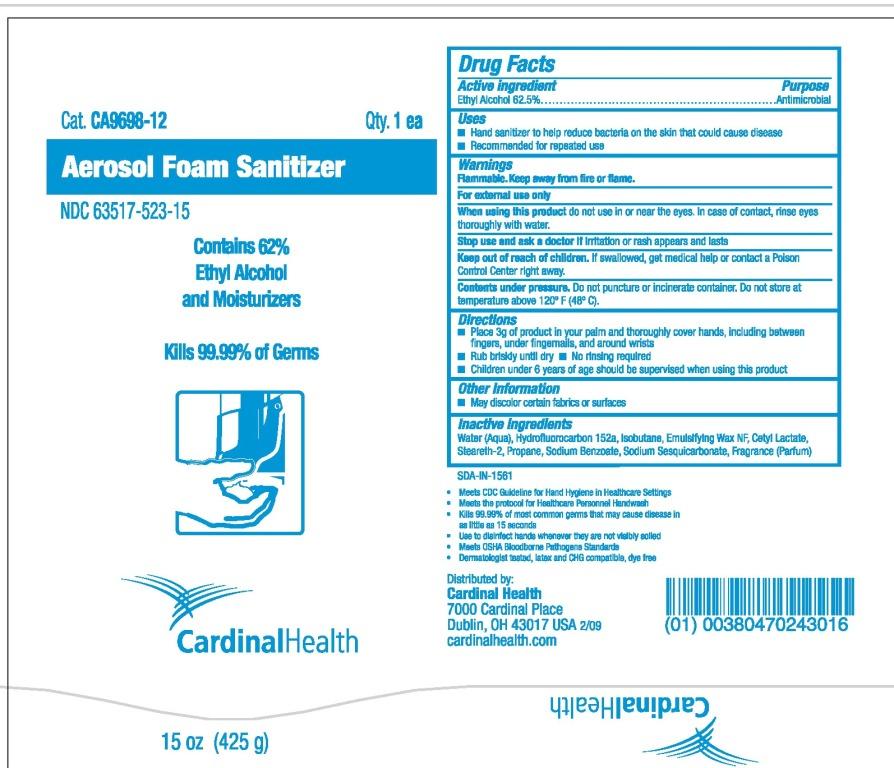
    Cardinal Health Sanitizer (Alcohol) Aerosol, Foam [Cardinal Health]

    Cardinal Health Sanitizer

    Cardinal Health Sanitizer (Alcohol) Aerosol, Foam [Cardinal Health]

    Apply approx. 3g

  • Leader Chest Congestion Relief Pe (Guaifenesin/phenylephrine) Tablet [Cardinal Health]

    Leader Chest Congestion Relief Pe

    Leader Chest Congestion Relief Pe (Guaifenesin/phenylephrine) Tablet [Cardinal Health]

    directionsAdults and Children 12 years of age and over take 1 caplet every 4 hours as neededchildren 6 to under 12 years of age consult a doctordo not exceed 6 doses in a 24 hour period or as directed by a doctor.

  • New Skin Bandage (Benzethonium Chloride) Spray New Skin Bandage (Benzethonium Chloride) Liquid [Medtech Products Inc.]

    New Skin Bandage

    New Skin Bandage (Benzethonium Chloride) Spray New Skin Bandage (Benzethonium Chloride) Liquid [Medtech Products Inc.]

    DOSAGE SHOULD BE INDIVIDUALIZED ACCORDING TO THE NEEDS AND THE RESPONSE OF THE PATIENT.

    A single oral dose of diphenhydramine hydrochloride is quickly absorbed with maximum activity occurring in approximately one hour. The duration of activity following an average dose of diphenhydramine hydrochloride is from four to six hours.

    Adults

    25 to 50 mg three or four times daily. The nighttime sleep-aid dosage is 50 mg at bedtime.

    Pediatric Patients, other than premature infants and neonates

    12.5 to 25 mg three or four times daily. Maximum daily dosage not to exceed 300 mg. For physicians who wish to calculate the dose on the basis of body weight or surface area, the recommended dosage is 5 mg/kg/24 hours or 150 mg/m2/24 hours.

    Data are not available on the use of diphenhydramine hydrochloride as a nighttime sleep-aid in children under 12 years.

    The basis for determining the most effective dosage regimen will be the response of the patient to medication and the condition under treatment.

    In motion sickness, full dosage is recommended for prophylactic use, the first dose to be given 30 minutes before exposure to motion and similar doses before meals and upon retiring for the duration of exposure.

    STORAGE:Keep tightly closed. Store at 20° to 25°C (67° to 77°F). [See USP Controlled Room Temperature]. Protect from freezing and light.

  • Cardinal Health Hand Sanitizer With Aloe (Alcohol) Gel [Cardinal Health]

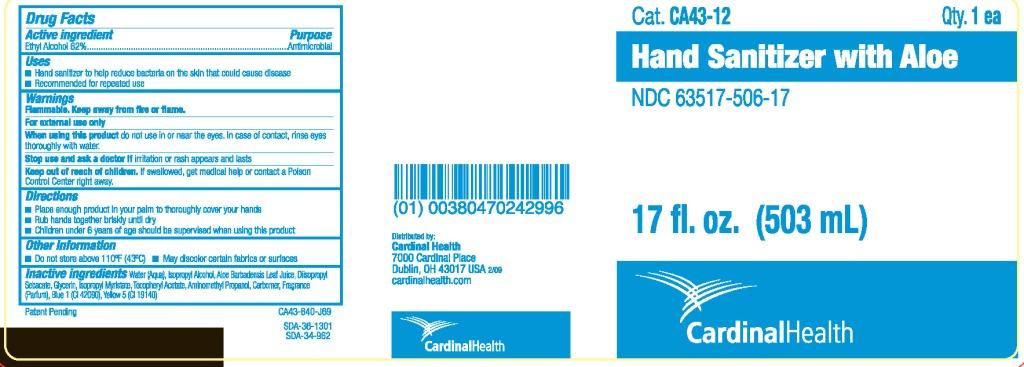
    Cardinal Health Hand Sanitizer With Aloe

    Cardinal Health Hand Sanitizer With Aloe (Alcohol) Gel [Cardinal Health]

    Apply approx. 1.5 mL

  • Cardinal Health Antimicrobial Soap With Triclosan (Triclosan) Liquid [Cardinal Health]

    Cardinal Health Antimicrobial Soap With Triclosan

    Cardinal Health Antimicrobial Soap With Triclosan (Triclosan) Liquid [Cardinal Health]

    Apply approx. 1.5 mL

  • Leader Childrens Pain Reliever (Acetaminophen) Suspension [Cardinal Health]

    Leader Childrens Pain Reliever

    Leader Childrens Pain Reliever (Acetaminophen) Suspension [Cardinal Health]

    do not give more than directed (see Liver warning) shake well before using find right dose on chart. If possible, use weight to dose; otherwise, use age. use only enclosed dosing cup designed for use with this product. Do not use any other dosing device. if needed, repeat dose every 4 hours while symptoms last do not give more than 5 times in 24 hours do not give for more than 5 days unless directed by a doctor this product does not contain directions or complete warnings for adult use Weight(lb) Age(yr) Dose (tsp or mL) under 24 under 2 years ask a doctor 24-35 2–3 years 1 tsp or 5 mL 36–47 4–5 years 1 1/2 tsp or 7.5 mL 48–59 6–8 years 2 tsp or 10 mL 60-71 9–10 years 2 1/2 tsp or 12.5 mL 72-95 11 years 3 tsp or 15 mL

    Attention: use only enclosed dosing cup specifically designed for use with this product. Do not use any other dosing device.

  • Leader Lice Treatment (Piperonyl Butoxide, Pyrethrum Extract) Rinse [Cardinal Health]

    Leader Lice Treatment

    Leader Lice Treatment (Piperonyl Butoxide, Pyrethrum Extract) Rinse [Cardinal Health]

    Shake well before using

    Important: Read warnings before use

    Adults and children 2 years and over:

    Inspect

    check each household member with a magnifying glass in bright light for lice/nits (eggs) look for tiny nits near scalp, beginning at back of neck and behind ears examine small sections of hair at a time unlike dandruff which moves when touched, nits stick to the hair if either lice or nits are found, treat with this product

    Treat

    apply thoroughly to dry hair or other affected area. For head lice, first apply behind ears and to back of neck. allow product to remain for 10 minutes, but no longer wash area thoroughly with warm water and soap or shampoo for head lice, towel dry hair and comb out tangles

    Remove lice and their eggs (nits)

    use a fine-tooth or special lice/nit comb. Remove any remaining nits by hand (using a throw-away glove). hair should remain slightly damp while removing nits if hair dries during combing, dampen slightly with water for head lice, part hair into sections. Do one section at a time starting on top of the head. Longer hair may take 1 to 2 hours. lift a 1 to 2 inch wide strand of hair. Place comb as close to scalp as possible and comb with a firm, even motion away from scalp. pin back each strand of hair after combing clean comb often. Wipe nits away with tissue and discard in a plastic bag. Seal bag and discard to prevent lice from coming back. after combing, thoroughly recheck for lice/nits. Repeat combing if necessary. check daily for any lice/nits that you missed a second treatment must be done in 7 to 10 days to kill any newly hatched lice if infestation continues, see a doctor for other treatments

    Children under 2 years: ask a doctor

  • Leader Tioconastat 1 1 Dose Treatment (Tioconazole) Ointment [Cardinal Health]

    Leader Tioconastat 1 1 Dose Treatment

    Leader Tioconastat 1 1 Dose Treatment (Tioconazole) Ointment [Cardinal Health]

    before using this product read the enclosed brochure and instructions on foil packet for complete directions and information adults and children 12 years and over: open the foil packet just before use and remove purple cap insert entire contents of applicator into the vagina at bedtime. Throw applicator away after use. children under 12 years of age: ask a doctor

  • Childrens Pain Relief (Acetaminophen) Tablet, Chewable [Cardinal Health]

    Childrens Pain Relief

    Childrens Pain Relief (Acetaminophen) Tablet, Chewable [Cardinal Health]

    this product does not contain directions or complete warning for adult use find the right dose on chart. If possible, use weight to dose; otherwise, use age. dissolve in mouth or chew before swallowing if needed, repeat dose every 4 hours while symptoms last do not give more than 5 times in 24 hours do not give for more than 5 days unless directed by a doctor  Weight (lb)  Age (yr)  Tablets  under 24  under 2  Ask a doctor  24-35  2-3  2  36-47  4-5  3  48-59  6-8  4  60-71  9-10  5  72-95  11  6

  • Alprazolam Tablet [Cardinal Health]

    Alprazolam

    Alprazolam Tablet [Cardinal Health]

    Dosage should be individualized for maximum beneficial effect. While the usual daily dosages given below will meet the needs of most patients, there will be some who require doses greater than 4 mg/day. In such cases, dosage should be increased cautiously to avoid adverse effects.

    Anxiety Disorders And Transient Symptoms Of Anxiety:

    Treatment for patients with anxiety should be initiated with a dose of 0.25 to 0.5 mg given three times daily. The dose may be increased to achieve a maximum therapeutic effect, at intervals of 3 to 4 days, to a maximum daily dose of 4 mg, given in divided doses. The lowest possible effective dose should be employed and the need for continued treatment reassessed frequently. The risk of dependence may increase with dose and duration of treatment.

    In elderly patients, in patients with advanced liver disease or in patients with debilitating disease, the usual starting dose is 0.25 mg, given two or three times daily. This may be gradually increased if needed and tolerated. The elderly may be especially sensitive to the effects of benzodiazepines.

    If side effects occur at the recommended starting dose, the dose may be lowered.

    In all patients, dosage should be reduced gradually when discontinuing therapy or when decreasing the daily dosage. Although there are no systematically collected data to support a specific discontinuation schedule, it is suggested that the daily dosage be decreased by no more than 0.5 mg every three days. Some patients may require an even slower dosage reduction.

    Panic Disorder:

    The successful treatment of many panic disorder patients has required the use of alprazolam at doses greater than 4 mg daily. In controlled trials conducted to establish the efficacy of alprazolam in panic disorder, doses in the range of 1 to 10 mg daily were used. The mean dosage employed was approximately 5 to 6 mg daily. Among the approximately 1700 patients participating in the panic disorder development program, about 300 received alprazolam in dosages of greater than 7 mg/day, including approximately 100 patients who received maximum dosages of greater than 9 mg/day. Occasional patients required as much as 10 mg a day to achieve a successful response.

    Generally, therapy should be initiated at a low dose to minimize the risk of adverse responses in patients especially sensitive to the drug. Thereafter, the dose can be increased at intervals equal to at least 5 times the elimination half-life (about 11 hours in young patients, about 16 hours in elderly patients). Longer titration intervals should probably be used because the maximum therapeutic response may not occur until after the plasma levels achieve steady state. Dose should be advanced until an acceptable therapeutic response (ie, a substantial reduction in or total elimination of panic attacks) is achieved, intolerance occurs, or the maximum recommended dose is attained. For patients receiving doses greater than 4 mg/day, periodic reassessment and consideration of dosage reduction is advised. In a controlled postmarketing dose-response study, patients treated with doses of alprazolam greater than 4 mg/day for three months were able to taper to 50% of their total maintenance dose without apparent loss of clinical benefit.

    Because of the danger of withdrawal, abrupt discontinuation of treatment should be avoided. (See WARNINGS, PRECAUTIONS, DRUG ABUSE AND DEPENDENCE).

    The following regimen is one that follows the principles outlined above:

    Treatment may be initiated with a dose of 0.5 mg three times daily. Depending on the response, the dose may be increased at intervals of 3 to 4 days in increments of no more than 1 mg per day. Slower titration to the dose levels greater than 4 mg/day may be advisable to allow full expression of the pharmacodynamic effect of alprazolam. To lessen the possibility of interdose symptoms, the times of administration should be distributed as evenly as possible throughout the waking hours, that is, on a three or four times per day schedule.

    The necessary duration of treatment for panic disorder patients responding to alprazolam is unknown. After a period of extended freedom from attacks, a carefully supervised tapered discontinuation may be attempted, but there is evidence that this may often be difficult to accomplish without recurrence of symptoms and/or the manifestation of withdrawal phenomena.

    In any case, reduction of dose must be undertaken under close supervision and must be gradual. If significant withdrawal symptoms develop, the previous dosing schedule should be reinstituted and, only after stabilization, should a less rapid schedule of discontinuation be attempted. In a controlled postmarketing discontinuation study of panic disorder patients which compared this recommended taper schedule with a slower taper schedule, no difference was observed between the groups in the proportion of patients who tapered to zero dose; however, the slower schedule was associated with a reduction in symptoms associated with a withdrawal syndrome. It is suggested that the dose be reduced by no more than 0.5 mg every three days, with the understanding that some patients may benefit from an even more gradual discontinuation. Some patients may prove resistant to all discontinuation regimens.

  • Diphenoxylate Hydrochloride And Atropine Sulfate Tablet [Cardinal Health]

    Diphenoxylate Hydrochloride And Atropine Sulfate

    Diphenoxylate Hydrochloride And Atropine Sulfate Tablet [Cardinal Health]

    DO NOT EXCEED RECOMMENDED DOSAGE.

    Adults

    The recommended initial dosage is two tablets four times daily (20 mg per day). Most patients will require this dosage until initial control has been achieved, after which the dosage may be reduced to meet individual requirements. Control may often be maintained with as little as 5 mg (two tablets) daily.

    Clinical improvement of acute diarrhea is usually observed within 48 hours. If clinical improvement of chronic diarrhea after treatment with a maximum daily dose of 20 mg of diphenoxylate hydrochloride is not observed within 10 days, symptoms are unlikely to be controlled by further administration.

    Children

    Diphenoxylate hydrochloride and atropine sulfate is not recommended in children under 2 years of age and should be used with special caution in young children (see WARNINGS and PRECAUTIONS). The nutritional status and degree of dehydration must be considered. In children under 13 years of age, use oral solution. Do not use tablets for this age group.

    KEEP THIS AND ALL MEDICATIONS OUT OF THE REACH OF CHILDREN.

  • Azathioprine Tablet [Cardinal Health]

    Azathioprine

    Azathioprine Tablet [Cardinal Health]

    TPMT TESTING CANNOT SUBSTITUTE FOR COMPLETE BLOOD COUNT (CBC) MONITORING IN PATIENTS RECEIVING AZATHIOPRINE TABLETS. TPMT genotyping or phenotyping can be used to identify patients with absent or reduced TPMT activity. Patients with low or absent TPMT activity are at an increased risk of developing severe, life-threatening myelotoxicity from azathioprine if conventional doses are given. Physicians may consider alternative therapies for patients who have low or absent TPMT activity (homozygous for non-functional alleles). Azathioprine should be administered with caution to patients having one non-functional allele (heterozygous) who are at risk for reduced TPMT activity that may lead to toxicity if conventional doses are given. Dosage reduction is recommended in patients with reduced TPMT activity. Early drug discontinuation may be considered in patients with abnormal CBC results that do not respond to dose reduction.

    Renal Homotransplantation

    The dose of azathioprine required to prevent rejection and minimize toxicity will vary with individual patients; this necessitates careful management. The initial dose is usually 3 to 5 mg/kg daily, beginning at the time of transplant. Azathioprine is usually given as a single daily dose on the day of, and in a minority of cases 1 to 3 days before, transplantation. Azathioprine is often initiated with the intravenous administration of the sodium salt, with subsequent use of tablets (at the same dose level) after the postoperative period. Intravenous administration of the sodium salt is indicated only in patients unable to tolerate oral medications. Dose reduction to maintenance levels of 1 to 3 mg/kg daily is usually possible. The dose of azathioprine should not be increased to toxic levels because of threatened rejection. Discontinuation may be necessary for severe hematologic or other toxicity, even if rejection of the homograft may be a consequence of drug withdrawal.

    Rheumatoid Arthritis

    Azathioprine is usually given on a daily basis. The initial dose should be approximately 1.0 mg/kg (50 to 100 mg) given as a single dose or on a twice-daily schedule. The dose may be increased, beginning at 6 to 8 weeks and thereafter by steps at 4-week intervals, if there are no serious toxicities and if initial response is unsatisfactory. Dose increments should be 0.5 mg/kg daily, up to a maximum dose of 2.5 mg/kg per day. Therapeutic response occurs after several weeks of treatment, usually 6 to 8; an adequate trial should be a minimum of 12 weeks. Patients not improved after 12 weeks can be considered refractory. Azathioprine may be continued long-term in patients with clinical response, but patients should be monitored carefully, and gradual dosage reduction should be attempted to reduce risk of toxicities.

    Maintenance therapy should be at the lowest effective dose, and the dose given can be lowered decrementally with changes of 0.5 mg/kg or approximately 25 mg daily every 4 weeks while other therapy is kept constant. The optimum duration of maintenance azathioprine has not been determined. Azathioprine can be discontinued abruptly, but delayed effects are possible.

    Use in Renal Dysfunction

    Relatively oliguric patients, especially those with tubular necrosis in the immediate postcadaveric transplant period, may have delayed clearance of azathioprine or its metabolites, may be particularly sensitive to this drug, and are usually given lower doses.

    Procedures for proper handling and disposal of this immunosuppressive antimetabolite drug should be considered. Several guidelines on this subject have been published.25-31 There is no general agreement that all of the procedures recommended in the guidelines are necessary or appropriate.

  • Leader Pain Reliever Infants Concentrated (Acetaminophen) Suspension/ Drops [Cardinal Health]

    Leader Pain Reliever Infants Concentrated

    Leader Pain Reliever Infants Concentrated (Acetaminophen) Suspension/ Drops [Cardinal Health]

    do not give more than directed (see Liver warning) shake well before using find right dose on chart. If possible, use weight to dose; otherwise use age. use only enclosed dropper designed for use with this product. Do not use any other dosing device. fill to dose level dispense liquid slowly into child’s mouth, toward inner cheek if needed, repeat dose every 4 hours while symptoms last do not give more than 5 times in 24 hours do not give for more than 5 days unless directed by a doctor replace dropper tightly to maintain child resistance this product does not contain directions or complete warnings for adult use Dosing Chart Weight(lb) Age(yr) Dose (mL) under 24 under 2 years ask a doctor 24-35 2–3 years 1.6 mL (0.8 + 0.8 mL)

    Attention: use only enclosed dropper specifically designed for use with this product. Do not use any other dosing device.

  • Acetazolamide Tablet [Cardinal Health]

    Acetazolamide

    Acetazolamide Tablet [Cardinal Health]

    Glaucoma

    Acetazolamide should be used as an adjunct to the usual therapy. The dosage employed in the treatment of chronic simple (open-angle) glaucoma ranges from 250 mg to 1 g of acetazolamide per 24 hours, usually in divided doses for amounts over 250 mg. It has usually been found that a dosage in excess of 1 g per 24 hours does not produce an increased effect. In all cases, the dosage should be adjusted with careful individual attention both to symptomatology and ocular tension. Continuous supervision by a physician is advisable.

    In treatment of secondary glaucoma and in the preoperative treatment of some cases of acute congestive (closed-angle) glaucoma, the preferred dosage is 250 mg every four hours, although some cases have responded to 250 mg twice daily on short-term therapy. In some acute cases, it may be more satisfactory to administer an initial dose of 500 mg followed by 125 or 250 mg every four hours depending on the individual case. A complementary effect has been noted when acetazolamide has been used in conjunction with miotics or mydriatics as the case demanded.

    Epilepsy

    It is not clearly known whether the beneficial effects observed in epilepsy are due to direct inhibition of carbonic anhydrase in the central nervous system or whether they are due to the slight degree of acidosis produced by the divided dosage. The best results to date have been seen in petit mal in children. Good results, however, have been seen in patients, both children and adult, in other types of seizures such as grand mal, mixed seizure patterns, myoclonic jerk patterns, etc. The suggested total daily dose is 8 to 30 mg per kg in divided doses. Although some patients respond to a low dose, the optimum range appears to be from 375 to 1000 mg daily. However, some investigators feel that daily doses in excess of 1 g do not produce any better results than a 1 g dose. When acetazolamide tablets are given in combination with other anticonvulsants, it is suggested that the starting dose should be 250 mg once daily in addition to the existing medications. This can be increased to levels as indicated above.

    The change from other medications to acetazolamide should be gradual and in accordance with usual practice in epilepsy therapy.

    Congestive Heart Failure

    For diuresis in congestive heart failure, the starting dose is usually 250 to 375 mg once daily in the morning (5 mg/kg). If, after an initial response, the patient fails to continue to lose edema fluid, do not increase the dose but allow for kidney recovery by skipping medication for a day. Acetazolamide tablets yield best diuretic results when given on alternate days, or for two days alternating with a day of rest.

    Failures in therapy may be due to overdosage or too frequent dosage. The use of acetazolamide does not eliminate the need for other therapy such as digitalis, bed rest, and salt restriction.

    Drug-Induced Edema

    Recommended dosage is 250 to 375 mg of acetazolamide once a day for one or two days, alternating with a day of rest.

    Acute Mountain Sickness

    Dosage is 500 mg to 1000 mg daily, in divided doses. In circumstances of rapid ascent, such as in rescue or military operations, the higher dose level of 1000 mg is recommended. It is preferable to initiate dosing 24 to 48 hours before ascent and to continue for 48 hours while at high altitude, or longer as necessary to control symptoms.

    Note: The dosage recommendations for glaucoma and epilepsy differ considerably from those for congestive heart failure, since the first two conditions are not dependent upon carbonic anhydrase inhibition in the kidney which requires intermittent dosage if it is to recover from the inhibitory effect of the therapeutic agent.

  • Budeprion Sr
    Budeprion Sr (Bupropion Hydrochloride) Tablet, Extended Release [Cardinal Health]

    Budeprion Sr

    Budeprion Sr (Bupropion Hydrochloride) Tablet, Extended Release [Cardinal Health]

    General Dosing Considerations: It is particularly important to administer BUDEPRION SR® in a manner most likely to minimize the risk of seizure (see WARNINGS). Gradual escalation in dosage is also important if agitation, motor restlessness, and insomnia, often seen during the initial days of treatment, are to be minimized. If necessary, these effects may be managed by temporary reduction of dose or the short-term administration of an intermediate to long-acting sedative hypnotic. A sedative hypnotic usually is not required beyond the first week of treatment. Insomnia may also be minimized by avoiding bedtime doses. If distressing, untoward effects supervene, dose escalation should be stopped. BUDEPRION SR® should be swallowed whole and not crushed, divided, or chewed.

    Initial Treatment: The usual adult target dose for BUDEPRION SR® is 300 mg/day, given as 150 mg twice daily. Dosing with BUDEPRION SR® should begin at 150 mg/day given as a single daily dose in the morning. If the 150 mg initial dose is adequately tolerated, an increase to the 300 mg/day target dose, given as 150 mg twice daily, may be made as early as day 4 of dosing. There should be an interval of at least 8 hours between successive doses.

    Increasing the Dosage Above 300 mg/day: As with other antidepressants, the full antidepressant effect of BUDEPRION SR® may not be evident until 4 weeks of treatment or longer. An increase in dosage to the maximum of 400 mg/day, given as 200 mg twice daily, may be considered for patients in whom no clinical improvement is noted after several weeks of treatment at 300 mg/day.

    Maintenance Treatment: It is generally agreed that acute episodes of depression require several months or longer of sustained pharmacological therapy beyond response to the acute episode. In a study in which patients with major depressive disorder, recurrent type, who had responded during 8 weeks of acute treatment with BUDEPRION SR® were assigned randomly to placebo or to the same dose of BUDEPRION SR® (150 mg twice daily) during 44 weeks of maintenance treatment as they had received during the acute stabilization phase, longer-term efficacy was demonstrated (see CLINICAL TRIALS under CLINICAL PHARMACOLOGY). Based on these limited data, it is unknown whether or not the dose of BUDEPRION SR® needed for maintenance treatment is identical to the dose needed to achieve an initial response. Patients should be periodically reassessed to determine the need for maintenance treatment and the appropriate dose for such treatment.

    Dosage Adjustment for Patients with Impaired Hepatic Function: BUDEPRION SR® should be used with extreme caution in patients with severe hepatic cirrhosis. The dose should not exceed 100 mg every day or 150 mg every other day in these patients. BUDEPRION SR® should be used with caution in patients with hepatic impairment (including mild to moderate hepatic cirrhosis) and a reduced frequency and/or dose should be considered in patients with mild to moderate hepatic cirrhosis (see CLINICAL PHARMACOLOGY, WARNINGS, and PRECAUTIONS).

    Dosage Adjustment for Patients with Impaired Renal Function: BUDEPRION SR® should be used with caution in patients with renal impairment and a reduced frequency and/or dose should be considered (see CLINICAL PHARMACOLOGY and PRECAUTIONS).

  • Dilaudid
    Dilaudid (Hydromorphone Hydrochloride) Tablet [Cardinal Health]

    Dilaudid

    Dilaudid (Hydromorphone Hydrochloride) Tablet [Cardinal Health]

    Dilaudid Oral Liquid

    The usual adult oral dosage of DILAUDID ORAL LIQUID is one-half (2.5 mL) to two teaspoonfuls (10 mL) (2.5 mg - 10 mg) every 3 to 6 hours as directed by the clinical situation. Oral dosages higher than the usual dosages may be required in some patients.

    Dilaudid Tablets

    The usual starting dose for DILAUDID tablets is 2 mg to 4 mg, orally, every 4 to 6 hours. Appropriate use of the DILAUDID TABLETS must be decided by careful evaluation of each clinical situation.

    A gradual increase in dose may be required if analgesia is inadequate, as tolerance develops, or if pain severity increases. The first sign of tolerance is usually a reduced duration of effect. Patients with hepatic and renal impairment should be started on a lower starting dose (See CLINICAL PHARMACOLOGY - Pharmacokineticsand Metabolism).

  • Leader Pain Reliever Pm...
    Leader Pain Reliever Pm (Acetaminophen, Diphenhydramine Hcl) Tablet, Film Coated [Cardinal Health]

    Leader Pain Reliever Pm

    Leader Pain Reliever Pm (Acetaminophen, Diphenhydramine Hcl) Tablet, Film Coated [Cardinal Health]

    do not take more than directed (see Liver warning).

    Adults and children 12 years and over:

    take 2 caplets at bedtime do not take more than 2 caplets of this product in 24 hours

    Children under 12 years:  do not use this adult product in children under 12 years of age; this will provide more than the recommended dose (overdose) and may cause liver damage

  • Tacrolimus Capsule [Cardinal Health]

    Tacrolimus

    Tacrolimus Capsule [Cardinal Health]

    In patients unable to take oral tacrolimus capsules, therapy may be initiated with tacrolimus injection. The initial dose of tacrolimus should be administered no sooner than 6 hours after transplantation.

    Summary of Initial Oral Dosage Recommendations and Observed Whole Blood Trough Concentrations *Note: two divided doses, q12h **In a second smaller study, the initial dose of tacrolimus was 0.15-0.2 mg/kg/day and observed tacrolimus concentrations were 6-16 ng/mL during month 1-3 and 5-12 ng/mL during month 4-12 (see CLINICAL STUDIES). Patient Population Recommended Initial Oral Dosage* Observed Whole Blood Trough Concentrations

    Adult kidney transplant patients

    In combination with azathioprine

    0.2 mg/kg/day

    month 1-3: 7-20 ng/mL month 4-12: 5-15 ng/mL

    In combination with MMF/IL-2

    receptor antagonist ** 0.1 mg/kg/day month 1-12: 4-11 ng/mL Adult liver transplant patients 0.10-0.15 mg/kg/day month 1-12: 5-20 ng/mL Pediatric liver transplant patients 0.15-0.20 mg/kg/day month 1-12: 5-20 ng/mL

    Liver Transplantation

    It is recommended that patients initiate oral therapy with tacrolimus capsules if possible. If IV therapy is necessary, conversion from IV to oral tacrolimus is recommended as soon as oral therapy can be tolerated. This usually occurs within 2-3 days. The initial dose of tacrolimus should be administered no sooner than 6 hours after transplantation. In a patient receiving an IV infusion, the first dose of oral therapy should be given 8-12 hours after discontinuing the IV infusion. The recommended starting oral dose of tacrolimus capsules is 0.1 to 0.15 mg/kg/day administered in two divided daily doses every 12 hours. Co-administered grapefruit juice has been reported to increase tacrolimus blood trough concentrations in liver transplant patients. (See Drugs that May Alter Tacrolimus Concentrations).

    Dosing should be titrated based on clinical assessments of rejection and tolerability. Lower tacrolimus dosages may be sufficient as maintenance therapy. Adjunct therapy with adrenal corticosteroids is recommended early post-transplant.

    Dosage and typical tacrolimus whole blood trough concentrations are shown in the table above; blood concentration details are described in Blood Concentration Monitoring: Liver Transplantation below.

    Kidney Transplantation

    The recommended starting oral dose of tacrolimus (administered every 12 hours in two divided doses) is 0.2 mg/kg/day when used in combination with azathioprine or 0.1 mg/kg/day when used in combination with MMF and IL-2 receptor antagonist (see CLINICAL STUDIES ). The initial dose of tacrolimus may be administered within 24 hours of transplantation, but should be delayed until renal function has recovered (as indicated for example by a serum creatinine ≤ 4 mg/dL). Black patients may require higher doses to achieve comparable blood concentrations. Dosage and typical tacrolimus whole blood trough concentrations are shown in the table above; blood concentration details are described in Blood Concentration MonitoringKidney Transplantationbelow.

    The data in kidney transplant patients indicate that the Black patients required a higher dose to attain comparable trough concentrations compared to Caucasian patients.

    Time After Transplant Caucasian n=114 Black n=56 Dose (mg/kg) Trough Concentrations (ng/mL) Dose (mg/kg) Trough Concentrations (ng/mL) Day 7 0.18 12 0.23 10.9 Month 1 0.17 12.8 0.26 12.9 Month 6 0.14 11.8 0.24 11.5 Month 12 0.13 10.1 0.19 11

    Pediatric Patients

     Pediatric liver transplantation patients without pre-existing renal or hepatic dysfunction have required and tolerated higher doses than adults to achieve similar blood concentrations. Therefore, it is recommended that therapy be initiated in pediatric patients at a starting oral dose of 0.15-0.2 mg/kg/day. Dose adjustments may be required. Experience in pediatric kidney transplantation patients is limited.

    Patients with Hepatic or Renal Dysfunction

    Due to the reduced clearance and prolonged half-life, patients with severe hepatic impairment (Pugh ≥ 10) may require lower doses of tacrolimus. Close monitoring of blood concentrations is warranted.

    Due to the potential for nephrotoxicity, patients with renal or hepatic impairment should receive doses at the lowest value of the recommended oral dosing ranges. Further reductions in dose below these ranges may be required. Tacrolimus therapy usually should be delayed up to 48 hours or longer in patients with post-operative oliguria.

    Conversion from One Immunosuppressive Regimen to Another

    Tacrolimus should not be used simultaneously with cyclosporine. Tacrolimus or cyclosporine should be discontinued at least 24 hours before initiating the other. In the presence of elevated tacrolimus or cyclosporine concentrations, dosing with the other drug usually should be further delayed.

    Blood Concentration Monitoring

    Monitoring of tacrolimus blood concentrations in conjunction with other laboratory and clinical parameters is considered an essential aid to patient management for the evaluation of rejection, toxicity, dose adjustments and compliance. Factors influencing frequency of monitoring include but are not limited to hepatic or renal dysfunction, the addition or discontinuation of potentially interacting drugs and the posttransplant time. Blood concentration monitoring is not a replacement for renal and liver function monitoring and tissue biopsies.

    Two methods have been used for the assay of tacrolimus, a microparticle enzyme immunoassay (MEIA) and ELISA. Both methods have the same monoclonal antibody for tacrolimus. Comparison of the concentrations in published literature to patient concentrations using the current assays must be made with detailed knowledge of the assay methods and biological matrices employed. Whole blood is the matrix of choice and specimens should be collected into tubes containing ethylene diamine tetraacetic acid (EDTA) anticoagulant. Heparin anticoagulation is not recommended because of the tendency to form clots on storage. Samples which are not analyzed immediately should be stored at room temperature or in a refrigerator and assayed within 7 days; if samples are to be kept longer they should be deep frozen at -20° C for up to 12 months.

    Liver Transplantation

    Although there is a lack of direct correlation between tacrolimus concentrations and drug efficacy, data from Phase II and III studies of liver transplant patients have shown an increasing incidence of adverse events with increasing trough blood concentrations. Most patients are stable when trough whole blood concentrations are maintained between 5 to 20 ng/mL. Long-term post-transplant patients often are maintained at the low end of this target range.

    Data from the U.S. clinical trial show that tacrolimus whole blood concentrations, as measured by ELISA, were most variable during the first week post-transplantation. After this early period, the median trough blood concentrations, measured at intervals from the second week to one year post-transplantation, ranged from 9.8 ng/mL to 19.4 ng/mL.

    Therapeutic Drug Monitoring, 1995, Volume 17, Number 6 contains a consensus document and several position papers regarding the therapeutic monitoring of tacrolimus from the 1995 International Consensus Conference on Immunosuppressive Drugs. Refer to these manuscripts for further discussions of tacrolimus monitoring.

    Kidney Transplantation

    Data from a Phase 3 study of tacrolimus in conjunction with azathioprine indicate that trough concentrations of tacrolimus in whole blood, as measured by IMx® were most variable during the first week of dosing. During the first three months of that trial, 80% of the patients maintained trough concentrations between 7-20 ng/mL, and then between 5-15 ng/mL, through 1 year.

    In a separate clinical trial of tacrolimus in conjunction with MMF and daclizumab, approximately 80% of patients maintained tacrolimus whole blood concentrations between 4-11 ng/mL through 1 year post-transplant.

    In another clinical trial of tacrolimus in conjunction with MMF and basiliximab, approximately 80% of patients maintained tacrolimus whole trough blood concentrations between 6-16 ng/mL during month 1-3 and, then, between 5-12 ng/mL from month 4 through 1 year.

    The relative risks of toxicity and efficacy failure are related to tacrolimus whole blood trough concentrations. Therefore, monitoring of whole blood trough concentrations is recommended to assist in the clinical evaluation of toxicity and efficacy failure.

  • Doxycycline Hyclate Capsule Doxycycline Hyclate Tablet [Cardinal Health]

    Doxycycline Hyclate Capsule Doxycycline Hyclate

    Doxycycline Hyclate Capsule Doxycycline Hyclate Tablet [Cardinal Health]

    THE USUAL DOSAGE AND FREQUENCY OF ADMINISTRATION OF DOXYCYCLINE DIFFERS FROM THAT OF THE OTHER TETRACYCLINES. EXCEEDING THE RECOMMENDED DOSAGE MAY RESULT IN AN INCREASED INCIDENCE OF SIDE EFFECTS.

    Adults: The usual dose of oral doxycycline is 200 mg on the first day of treatment (administered 100 mg every 12 hours) followed by a maintenance dose of 100 mg/day. The maintenance dose may be administered as a single dose or as 50 mg every 12 hours.

    In the management of more severe infections (particularly chronic infections of the urinary tract), 100 mg every 12 hours is recommended.

    For children above eight years of age: The recommended dosage schedule for children weighing 100 pounds or less is 2 mg/lb of body weight divided into two doses on the first day of treatment, followed by 1 mg/lb of body weight given as a single daily dose or divided into two doses, on subsequent days. For more severe infections up to 2 mg/lb of body weight may be used. For children over 100 lb the usual adult dose should be used.

    The therapeutic antibacterial serum activity will usually persist for 24 hours following recommended dosage.

    When used in streptococcal infections, therapy should be continued for 10 days.

    Administration of adequate amounts of fluid along with capsule and tablet forms of drugs in the tetracycline class is recommended to wash down the drugs and reduce the risk of esophageal irritation and ulceration. (SeeADVERSE REACTIONS.)

    If gastric irritation occurs, it is recommended that doxycycline be given with food or milk. The absorption of doxycycline is not markedly influenced by simultaneous ingestion of food or milk.

    Studies to date have indicated that administration of doxycycline at the usual recommended doses does not lead to excessive accumulation of the antibiotic in patients with renal impairment.

    Uncomplicated gonococcal infections in adults (except anorectal infections in men): 100 mg, by mouth, twice a day for 7 days. As an alternate single visit dose, administer 300 mg stat followed in one hour by a second 300 mg dose. The dose may be administered with food, including milk or carbonated beverage, as required.

    Uncomplicated urethral, endocervical, or rectal infection in adults caused by Chlamydia trachomatis: 100 mg by mouth twice a day for 7 days.

    Nongonococcal urethritis (NGU) caused by C. trachomatis or U. urealyticum: 100 mg by mouth twice a day for 7 days.

    Syphilis–early: Patients who are allergic to penicillin should be treated with doxycycline 100 mg by mouth twice a day for 2 weeks.

    Syphilis of more than one year’s duration: Patients who are allergic to penicillin should be treated with doxycycline 100 mg by mouth twice a day for 4 weeks.

    Acute epididymo-orchitis caused by N. gonorrhoeae: 100 mg, by mouth, twice a day for at least 10 days.

    Acute epididymo-orchitis caused by C. trachomatis: 100 mg, by mouth, twice a day for at least 10 days.

    For the prophylaxis of malaria: For adults, the recommended dose is 100 mg daily. For children over 8 years of age, the recommended dose is 2 mg/kg given once daily up to the adult dose. Prophylaxis should begin 1 to 2 days before travel to the malarious area. Prophylaxis should be continued daily during travel in the malarious area and for 4 weeks after the traveler leaves the malarious area.

    Inhalational anthrax (post-exposure): ADULTS: 100 mg of doxycycline, by mouth, twice a day for 60 days.

    CHILDREN: weighing less than 100 lb (45 kg); 1 mg/lb (2.2 mg/kg) of body weight, by mouth, twice a day for 60 days. Children weighing 100 lb or more should receive the adult dose.

  • Klor-con M (Potassium Chloride) Tablet, Extended Release [Cardinal Health]

    Klor-con M

    Klor-con M (Potassium Chloride) Tablet, Extended Release [Cardinal Health]

    The usual dietary intake of potassium by the average adult is 50 to 100 mEq per day. Potassium depletion sufficient to cause hypokalemia usually requires the loss of 200 or more mEq of potassium from the total body store.

    Dosage must be adjusted to the individual needs of each patient. The dose for the prevention of hypokalemia is typically in the range of 20 mEq per day. Doses of 40-100 mEq per day or more are used for the treatment of potassium depletion. Dosage should be divided if more than 20 mEq per day is given such that no more than 20 mEq is given in a single dose.

    Each Klor-Con® M20 tablet provides 1500 mg of potassium chloride equivalent to 20 mEq of potassium.

    Each Klor-Con® M15 tablet provides 1125 mg of potassium chloride equivalent to 15 mEq of potassium.

    Each Klor-Con® M10 tablet provides 750 mg of potassium chloride equivalent to 10 mEq of potassium.

    Klor-Con® M tablets should be taken with meals and with a glass of water or other liquid. This product should not be taken on an empty stomach because of its potential for gastric irritation (see WARNINGS).

    Patients having difficulty swallowing whole tablets may try one of the following alternate methods of administration:

    Break the tablet in half and take each half separately with a glass of water. Prepare an aqueous (water) suspension as follows: Place the whole tablet(s) in approximately one-half glass of water (4 fluid ounces). Allow approximately 2 minutes for the tablet(s) to disintegrate. Stir for about half a minute after the tablet(s) has disintegrated. Swirl the suspension and consume the entire contents of the glass immediately by drinking or by the use of a straw. Add another one fluid ounce of water, swirl and consume immediately. Then, add an additional one fluid ounce of water, swirl and consume immediately.   Aqueous suspension of Klor-Con ® M extended-release tablet that is not taken immediately should be discarded. The use of other liquids for suspending Klor-Con ® M tablets is not recommended.
  • Ibuprofen Tablet [Cardinal Health]

    Ibuprofen

    Ibuprofen Tablet [Cardinal Health]

    Carefully consider the potential benefits and risks of ibuprofen tablets and other treatment options before deciding to use ibuprofen tablets. Use the lowest effective dose for the shortest duration consistent with individual patient treatment goals (see WARNINGS).

    After observing the response to initial therapy with ibuprofen tablets the dose and frequency should be adjusted to suit an individual patient's needs.

    Do not exceed 3200 mg total daily dose. If gastrointestinal complaints occur, administer Ibuprofen Tablets, USP with meals or milk.

    Rheumatoid arthritis and osteoarthritis, including flare-ups of chronic disease:

    Suggested Dosage: 1200 mg-3200 mg daily (300 mg qid; 400 mg, 600 mg or 800 mg tid or qid).

    Individual patients may show a better response to 3200 mg daily, as compared with 2400 mg, although in well-controlled clinical trials patients on 3200 mg did not show a better mean response in terms of efficacy. Therefore, when treating patients with 3200 mg/day, the physician should observe sufficient increased clinical benefits to offset potential increased risk.

    The dose should be tailored to each patient, and may be lowered or raised depending on the severity of symptoms either at time of initiating drug therapy or as the patient responds or fails to respond.

    In general, patients with rheumatoid arthritis seem to require higher doses of ibuprofen tablets than do patients with osteoarthritis.

    The smallest dose of ibuprofen tablets that yields acceptable control should be employed. A linear blood level dose-response relationship exists with single doses up to 800 mg (See CLINICAL PHARMACOLOGY for effects of food on rate of absorption). The availability of four tablet strengths facilitates dosage adjustment.

    In chronic conditions, a therapeutic response to therapy with ibuprofen tablets is sometimes seen in a few days to a week but most often is observed by two weeks. After a satisfactory response has been achieved, the patient's dose should be reviewed and adjusted as required.

    Mild to moderate pain: 400 mg every 4 to 6 hours as necessary for relief of pain.

    In controlled analgesic clinical trials, doses of ibuprofen tablets greater than 400 mg were no more effective than the 400 mg dose.

    Dysmenorrhea: For the treatment of dysmenorrhea, beginning with the earliest onset of such pain, ibuprofen tablets should be given in a dose of 400 mg every 4 hours as necessary for the relief of pain.

  • Loperamide Hydrochloride Capsule [Cardinal Health]

    Loperamide Hydrochloride

    Loperamide Hydrochloride Capsule [Cardinal Health]

    (1 capsule = 2 mg): Patients should receive appropriate fluid and electrolyte replacement as needed.

    Acute Diarrhea

    Adults

    The recommended initial dose is 4 mg (two capsules) followed by 2 mg (one capsule) after each unformed stool. Daily dose should not exceed 16 mg (eight capsules). Clinical improvement is usually observed within 48 hours.

    Children

    In children 2 to 5 years of age (20 kg or less), the non-prescription liquid formulation of loperamide should be used; for ages 6 to 12, either loperamide hydrochloride capsules or the non-prescription liquid formulation of loperamide may be used. For children 2 to 12 years of age, the following schedule for capsules or liquid will usually fulfill initial dosage requirements:

    Recommended First Day Dosage Schedule

    Two to five years: 1 mg t.i.d. (3 mg daily dose)(13 to 20 kg) Six to eight years: 2 mg b.i.d. (4 mg daily dose)(20 to 30 kg) Eight to twelve years: 2 mg t.i.d. (6 mg daily dose)(greater than 30 kg)

    Recommended Subsequent Daily Dosage

    Following the first treatment day, it is recommended that subsequent loperamide hydrochloride doses (1 mg/10 kg body weight) be administered only after a loose stool. Total daily dosage should not exceed recommended dosages for the first day.

    Chronic Diarrhea

    Children

    Although loperamide hydrochloride capsule has been studied in a limited number of children with chronic diarrhea; the therapeutic dose for the treatment of chronic diarrhea in a pediatric population has not been established.

    Adults

    The recommended initial dose is 4 mg (two capsules) followed by 2 mg (one capsule) after each unformed stool until diarrhea is controlled, after which the dosage of loperamide hydrochloride capsules should be reduced to meet individual requirements. When the optimal daily dosage has been established, this amount may then be administered as a single-dose or in divided doses.

    The average daily maintenance dosage in clinical trials was 4 to 8 mg (two to four capsules). A dosage of 16 mg (eight capsules) was rarely exceeded. If clinical improvement is not observed after treatment with 16 mg per day for at least 10 days, symptoms are unlikely to be controlled by further administration. Loperamide hydrochloride capsule administration may be continued if diarrhea cannot be adequately controlled with diet or specific treatment.

    Children Under 2 Years

    The use of loperamide hydrochloride capsule in children under 2 years is not recommended. There have been rare reports of paralytic ileus associated with abdominal distention. Most of these reports occurred in the setting of acute dysentery, overdose, and with very young children less than 2 years of age.

    Elderly

    No formal pharmacokinetic studies were conducted in elderly subjects. However, there were no major differences reported in the drug disposition in elderly patients with diarrhea relative to young patients. No dosage adjustment is required for the elderly.

    Renal Impairment

    No pharmacokinetic data are available in patients with renal impairment. Since the metabolites and the unchanged drug are mainly excreted in the feces, no dosage adjustment is required for patients with renal impairment (see PRECAUTIONS).

    Hepatic Impairment

    Although no pharmacokinetic data are available in patients with hepatic impairment, loperamide hydrochloride capsule should be used with caution in such patients because of reduced first pass metabolism (see PRECAUTIONS).

  • Isosorbide (Isosorbide Dinitrate) Tablet [Cardinal Health]

    Isosorbide

    Isosorbide (Isosorbide Dinitrate) Tablet [Cardinal Health]

    As noted under CLINICAL PHARMACOLOGY, multiple studies with ISDN and other nitrates have shown that maintenance of continuous 24-hour plasma levels results in refractory tolerance. Every dosing regimen for isosorbide dinitrate oral tablets must provide a daily dose-free interval to minimize the development of this tolerance. With immediate-release ISDN, it appears that one daily dose-free interval must be at least 14 hours long.

    As also noted under CLINICAL PHARMACOLOGY, the effects of the second and later doses have been smaller and shorter-lasting than the effects of the first.

    Large controlled studies with other nitrates suggest that no dosing regimen with isosorbide dinitrate oral tablets should be expected to provide more than about 12 hours of continuous anti-anginal efficacy per day.

    As with all titratable drugs, it is important to administer the minimum dose which produces the desired clinical effect. The usual starting dose of isosorbide dinitrate oral tablets is 5 mg to 20 mg, two or three times daily. For maintenance therapy, 10 mg to 40 mg, two or three times daily is recommended. Some patients may require higher doses. A daily dose-free interval of at least 14 hours is advisable to minimize tolerance. The optimal interval will vary with the individual patient, dose and regimen.

  • Levetiracetam Tablet, Film Coated [Cardinal Health]

    Levetiracetam

    Levetiracetam Tablet, Film Coated [Cardinal Health]

    Levetiracetam tablets are indicated as adjunctive treatment of partial onset seizures in adults and children 4 years of age and older with epilepsy.

    Partial Onset Seizures

    Adults 16 Years and Older

    In clinical trials, daily doses of 1000 mg, 2000 mg, and 3000 mg, given as twice-daily dosing, were shown to be effective. Although in some studies there was a tendency toward greater response with higher dose (see CLINICAL STUDIES), a consistent increase in response with increased dose has not been shown.

    Treatment should be initiated with a daily dose of 1000 mg/day, given as twice-daily dosing (500 mg BID). Additional dosing increments may be given (1000 mg/day additional every 2 weeks) to a maximum recommended daily dose of 3000 mg. Doses greater than 3000 mg/day have been used in open-label studies for periods of 6 months and longer. There is no evidence that doses greater than 3000 mg/day confer additional benefit.

    Pediatric Patients Ages 4 to < 16 Years

    Treatment should be initiated with a daily dose of 20 mg/kg in two divided doses (10 mg/kg BID). The daily dose should be increased every 2 weeks by increments of 20 mg/kg to the recommended daily dose of 60 mg/kg (30 mg/kg BID). If a patient cannot tolerate a daily dose of 60 mg/kg, the daily dose may be reduced. In the clinical trial, the mean daily dose was 52 mg/kg. Patients with body weight ≤ 20 kg should be dosed with oral solution. Patients with body weight above 20 kg can be dosed with either tablets or oral solution. Table 10 below provides a guideline for tablet dosing based on weight during titration to 60 mg/kg/day. Only whole tablets should be administered.

    Levetiracetam tablets are given orally with or without food.

    Table 10: Levetiracetam Tablet Weight-Based Dosing Guide for Children Daily Dose Patient Weight 20 mg/kg/day (BID dosing) 40 mg/kg/day (BID dosing) 60 mg/kg/day (BID dosing) 20.1 to 40 kg 500 mg/day(1 x 250 mg tablet BID) 1000 mg/day (1 x 500 mg tablet BID) 1500 mg/day (1 x 750 mg tablet BID) > 40 kg 1000 mg/day(1 x 500 mg tablet BID) 2000 mg/day(2 x 500 mg tablets BID) 3000 mg/day(2 x 750 mg tablets BID)

    The following calculation should be used to determine the appropriate daily dose of oral solution for pediatric patients based on a daily dose of 20 mg/kg/day, 40 mg/kg/day, or 60 mg/kg/day:

    A household teaspoon or tablespoon is not an adequate measuring device. It is recommended that a calibrated measuring device be obtained and used. Healthcare providers should recommend a device that can measure and deliver the prescribed dose accurately, and provide instructions for measuring the dosage.

    Adult Patients with Impaired Renal Function

    Levetiracetam tablets dosing must be individualized according to the patient's renal function status. Recommended doses and adjustment for dose for adults are shown in Table 11. To use this dosing table, an estimate of the patient's creatinine clearance (CLcr) in mL/min is needed. CLcr in mL/min may be estimated from serum creatinine (mg/dL) determination using the following formula:

    Table 11: Dosing Adjustment Regimen for Adult Patients with Impaired Renal Function Group Creatinine Clearance Dosage Frequency (mL/min) (mg) * Following dialysis, a 250 mg to 500 mg supplemental dose is recommended. Normal > 80 500 to 1500 Every 12 h Mild 50 to 80 500 to 1000 Every 12 h Moderate 30 to 50 250 to 750 Every 12 h Severe < 30 250 to 500 Every 12 h ESRD patients using dialysis — 500 to 1000 * Every 24 h
  • Rapamune
    Rapamune (Sirolimus) Tablet, Sugar Coated [Cardinal Health]

    Rapamune

    Rapamune (Sirolimus) Tablet, Sugar Coated [Cardinal Health]

    Rapamune is to be administered orally once daily, consistently with or without food [see Dosage and Administration (2.4), Clinical Pharmacology (12.3)].

    Tablets should not be crushed, chewed or split. Patients unable to take the tablets should be prescribed the solution and instructed in its use.

    The initial dose of Rapamune should be administered as soon as possible after transplantation. It is recommended that Rapamune be taken 4 hours after administration of cyclosporine oral solution (MODIFIED) and or/cyclosporine capsules (MODIFIED) [see Drug Interactions (7.2)].

    Frequent Rapamune dose adjustments based on non-steady-state sirolimus concentrations can lead to overdosing or underdosing because sirolimus has a long half-life. Once Rapamune maintenance dose is adjusted, patients should continue on the new maintenance dose for at least 7 to 14 days before further dosage adjustment with concentration monitoring. In most patients, dose adjustments can be based on simple proportion: new Rapamune dose = current dose x (target concentration/current concentration). A loading dose should be considered in addition to a new maintenance dose when it is necessary to increase sirolimus trough concentrations: Rapamune loading dose = 3 x (new maintenance dose - current maintenance dose). The maximum Rapamune dose administered on any day should not exceed 40 mg. If an estimated daily dose exceeds 40 mg due to the addition of a loading dose, the loading dose should be administered over 2 days. Sirolimus trough concentrations should be monitored at least 3 to 4 days after a loading dose(s).

    Two milligrams (2 mg) of Rapamune Oral Solution have been demonstrated to be clinically equivalent to 2 mg Rapamune Tablets; hence, are interchangeable on a mg-to-mg basis. However, it is not known if higher doses of Rapamune Oral Solution are clinically equivalent to higher doses of Rapamune Tablets on a mg‑to‑mg basis [see Clinical Pharmacology (12.3)].

    2.1 Patients at Low- to Moderate-Immunologic Risk

    Rapamune and Cyclosporine Combination Therapy

    For de novo renal transplant patients, it is recommended that Rapamune Oral Solution and Tablets be used initially in a regimen with cyclosporine and corticosteroids. A loading dose of Rapamune equivalent to 3 times the maintenance dose should be given, i.e. a daily maintenance dose of 2 mg should be preceded with a loading dose of 6 mg. Therapeutic drug monitoring should be used to maintain sirolimus drug concentrations within the target-range [see Dosage and Administration (2.3)].

    Rapamune Following Cyclosporine Withdrawal

    At 2 to 4 months following transplantation, cyclosporine should be progressively discontinued over 4 to 8 weeks, and the Rapamune dose should be adjusted to obtain sirolimus whole blood trough concentrations within the target-range [see Dosage and Administration (2.3)]. Because cyclosporine inhibits the metabolism and transport of sirolimus, sirolimus concentrations may decrease when cyclosporine is discontinued, unless the Rapamune dose is increased [see Clinical Pharmacology (12.3)].

    2.2 Patients at High-Immunologic Risk

    In patients with high-immunologic risk, it is recommended that Rapamune be used in combination with cyclosporine and corticosteroids for the first 12 months following transplantation [see Clinical Studies (14.2)]. The safety and efficacy of this combination in high-immunologic risk patients has not been studied beyond the first 12 months. Therefore, after the first 12 months following transplantation, any adjustments to the immunosuppressive regimen should be considered on the basis of the clinical status of the patient.

    For patients receiving Rapamune with cyclosporine, Rapamune therapy should be initiated with a loading dose of up to 15 mg on day 1 post-transplantation. Beginning on day 2, an initial maintenance dose of 5 mg/day should be given. A trough level should be obtained between days 5 and 7, and the daily dose of Rapamune should thereafter be adjusted [see Dosage and Administration (2.3)].

    The starting dose of cyclosporine should be up to 7 mg/kg/day in divided doses and the dose should subsequently be adjusted to achieve target whole blood trough concentrations [see Dosage and Administration (2.3)]. Prednisone should be administered at a minimum of 5 mg/day.

    Antibody induction therapy may be used.

    2.3 Therapeutic Drug Monitoring

    Monitoring of sirolimus trough concentrations is recommended for all patients, especially in those patients likely to have altered drug metabolism, in patients≥ 13 years who weigh less than 40 kg, in patients with hepatic impairment,when a change in the Rapamune dosage form is made, and during concurrent administration of strong CYP3A4 inducers and inhibitors [see Drug Interactions (7)].

    Therapeutic drug monitoring should not be the sole basis for adjusting Rapamune therapy. Careful attention should be made to clinical signs/symptoms, tissue biopsy findings, and laboratory parameters.

    When used in combination with cyclosporine, sirolimus trough concentrations should be maintained within the target-range [see Clinical Studies (14), Clinical Pharmacology (12.3)]. Following cyclosporine withdrawal in transplant patients at low- to moderate-immunologic risk, the target sirolimus trough concentrations should be 16 to 24 ng/mL for the first year following transplantation. Thereafter, the target sirolimus concentrations should be 12 to 20 ng/mL.

    The above recommended 24-hour trough concentration ranges for sirolimus are based on chromatographic methods. On average, chromatographic methods (HPLC UV or LC/MS/MS) yield results that are approximately 20% lower than the immunoassay for whole blood concentration determinations. Currently in clinical practice, sirolimus whole blood concentrations are being measured by both chromatographic and immunoassay methodologies. Because the measured sirolimus whole blood concentrations depend on the type of assay used, the concentrations obtained by these different methodologies are not interchangeable [see Warnings and Precautions (5.14), Clinical Pharmacology (12.3)]. Adjustments to the targeted range should be made according to the assay utilized to determine sirolimus trough concentrations. A discussion of different assay methods is contained in Clinical Therapeutics, Volume 22, Supplement B, April 2000 [see References (15)].

    2.4 Patients with Low Body Weight

    The initial dosage in patients ≥ 13 years who weigh less than 40 kg should be adjusted, based on body surface area, to 1 mg/m2/day. The loading dose should be 3 mg/m2.

    2.5 Patients with Hepatic Impairment

    It is recommended that the maintenance dose of Rapamune be reduced by approximately one third in patients with mild or moderate hepatic impairment and by approximately one half in patients with severe hepatic impairment. It is not necessary to modify the Rapamune loading dose [see Clinical Pharmacology (12.3)].

    2.6 Patients with Renal Impairment

    Dosage adjustment is not needed in patients with impaired renal function [see Use in Specific Populations (8.7)].

    2.7 Instructions for Dilution and Administration of Rapamune Oral Solution

    The amber oral dose syringe should be used to withdraw the prescribed amount of Rapamune Oral Solution from the bottle. Empty the correct amount of Rapamune from the syringe into only a glass or plastic container holding at least two (2) ounces (1/4 cup, 60 mL) of water or orange juice. No other liquids, including grapefruit juice, should be used for dilution [see Drug Interactions (7.3), Clinical Pharmacology (12.3)]. Stir vigorously and drink at once. Refill the container with an additional volume [minimum of four (4) ounces (1/2 cup, 120 mL)] of water or orange juice, stir vigorously, and drink at once.

    Rapamune Oral Solution contains polysorbate 80, which is known to increase the rate of di‑(2‑ethylhexyl)phthalate (DEHP) extraction from polyvinyl chloride (PVC). This should be considered during the preparation and administration of Rapamune Oral Solution. It is important that these recommendations be followed closely.

  • Valium (Diazepam) Tablet [Cardinal Health]

    Valium

    Valium (Diazepam) Tablet [Cardinal Health]

    Dosage should be individualized for maximum beneficial effect. While the usual daily dosages given below will meet the needs of most patients, there will be some who may require higher doses. In such cases dosage should be increased cautiously to avoid adverse effects.

    ADULTS: USUAL DAILY DOSE: Management of Anxiety Disorders and Relief of Symptoms of Anxiety. Depending upon severity of symptoms—2 mg to 10 mg, 2 to 4 times daily Symptomatic Relief in Acute Alcohol Withdrawal. 10 mg, 3 or 4 times during the first 24 hours, reducing to 5 mg, 3 or 4 times daily as needed Adjunctively for Relief of Skeletal Muscle Spasm. 2 mg to 10 mg, 3 or 4 times daily Adjunctively in Convulsive Disorders. 2 mg to 10 mg, 2 to 4 times daily Geriatric Patients,or in the presence of debilitating disease. 2 mg to 2.5 mg, 1 or 2 times daily initially; increase gradually as needed and tolerated PEDIATRIC PATIENTS: Because of varied responses to CNS-acting drugs, initiate therapy with lowest dose and increase as required. Not for use in pediatric patients under 6 months. 1 mg to 2.5 mg, 3 or 4 times daily initially; increase gradually as needed and tolerated
  • Vicodin Hp (Hydrocodone Bitartrate And Acetaminophen) Tablet [Cardinal Health]

    Vicodin Hp

    Vicodin Hp (Hydrocodone Bitartrate And Acetaminophen) Tablet [Cardinal Health]

    Dosage should be adjusted according to the severity of pain and the response of the patient. However, it should be kept in mind that tolerance to hydrocodone can develop with continued use and that the incidence of untoward effects is dose related.

    The usual adult dosage is one tablet every four to six hours as needed for pain. The total daily dosage should not exceed 6 tablets.

  • Vicodin Es (Hydrocodone Bitartrate And Acetaminophen) Tablet [Cardinal Health]

    Vicodin Es

    Vicodin Es (Hydrocodone Bitartrate And Acetaminophen) Tablet [Cardinal Health]

    Dosage should be adjusted according to the severity of the pain and the response of the patient. However, it should be kept in mind that tolerance to hydrocodone can develop with continued use and that the incidence of untoward effects is dose related.

    The usual adult dosage is one tablet every four to six hours as needed for pain. The total daily dosage should not exceed 5 tablets.