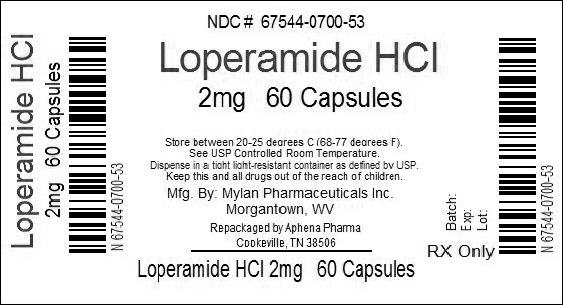
Loperamide Hydrochloride label

Loperamide Hydrochloride

Loperamide Hydrochloride Recall

Get an alert when a recall is issued.

Side Effects & Adverse Reactions

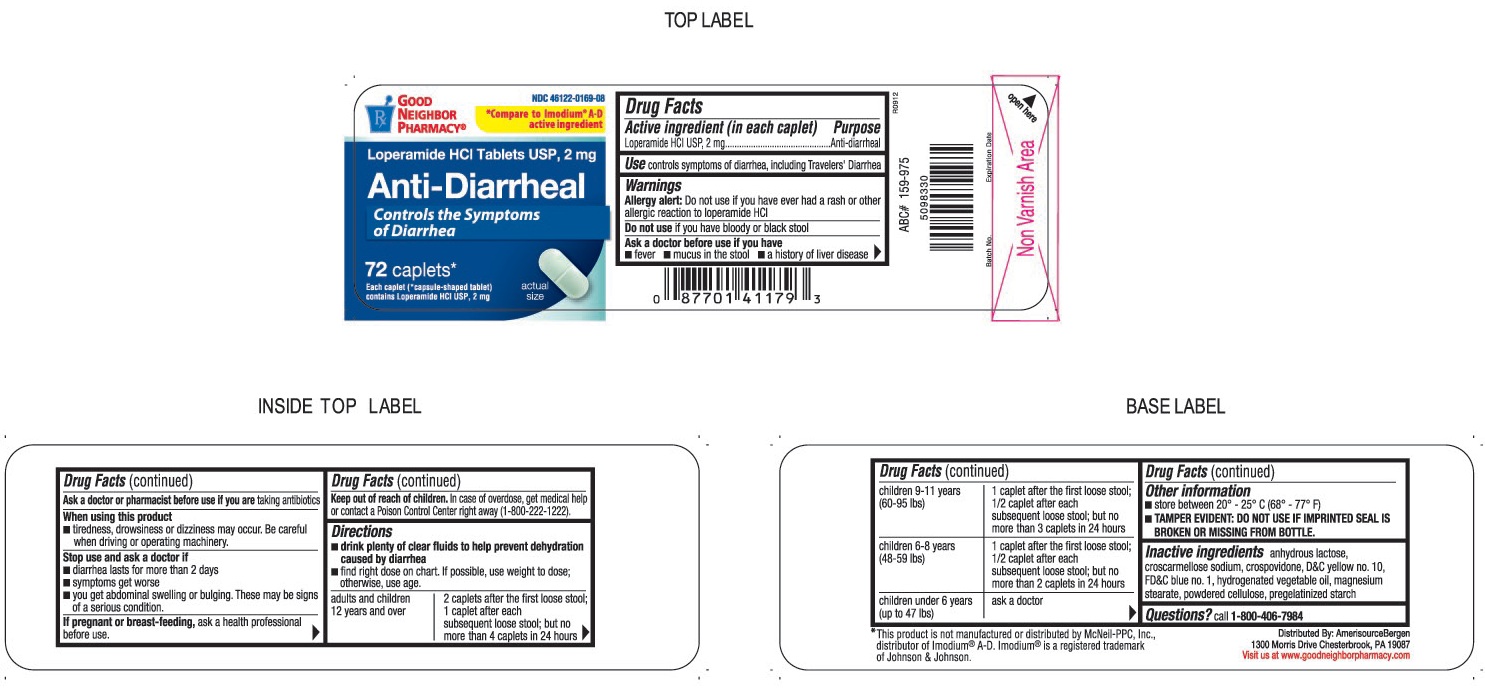
Allergy alert: Do not use if you have ever had a rash or other allergic reaction to loperamide HCI

Do not use

if you have bloody or black stool

Ask a doctor before use if you have

•

fever

•

mucus in the stool

•

a history of liver disease

Ask a doctor or pharmacist before use if you are

taking antibiotics

When using this product

•

tiredness, drowsiness or dizziness may occur. Be careful when driving or operating machinery.

Stop use and ask a doctor if

•

diarrhea lasts for more than 2 days

•

symptoms get worse

•

you get abdominal swelling or bulging. These may be signs of a serious condition.

If pregnant or breast-feeding,

ask a health professional before use.

Keep out of reach of children.

In case of overdose, get medical help or contact a Poison Control Center right away (1-800-222-1222).

Do not use

if you have bloody or black stool

Ask a doctor before use if you have

•

fever

•

mucus in the stool

•

a history of liver disease

Ask a doctor or pharmacist before use if you are

taking antibiotics

Stop use and ask a doctor if

•

diarrhea lasts for more than 2 days

•

symptoms get worse

•

you get abdominal swelling or bulging. These may be signs of a serious condition.

FDA Safety Alerts

There are currently no FDA safety alerts available for this drug.

Manufacturer Warnings

There is currently no manufacturer warning information available for this drug.

FDA Labeling Changes

There are currently no FDA labeling changes available for this drug.

Uses

controls symptoms of diarrhea, including Travelers’ Diarrhea

History

There is currently no drug history available for this drug.

Other Information

There are no additional details available for this product.

Loperamide Hydrochloride Manufacturers

  • Proficient Rx Lp
    Loperamide Hydrochloride | Proficient Rx Lp
    No Recall

    Loperamide Hydrochloride | Proficient Rx Lp

    Loperamide Hydrochloride | Proficient Rx Lp
    • drink plenty of clear fluids to help prevent dehydration caused by diarrhea • find right dose on chart. If possible, use weight to dose; otherwise, use age.

    adults and children
    12 years and over

    2 caplets after the first loose stool;
    1 caplet after each subsequent loose stool; but no more than 4 caplets in 24 hours

    children 9-11 years
    (60-95 lbs)

    1 caplet after the first loose stool;
    ½ caplet after each subsequent loose stool; but no more than 3 caplets in 24 hours

    children 6-8 years
    (48-59 lbs)

    1 caplet after the first loose stool;
    ½ caplet after each subsequent loose stool; but no more than 2 caplets in 24 hours

    children under 6 years
    (up to 47 lbs)

    ask a doctor

  • Remedyrepack Inc.
    Loperamide Hydrochloride | Remedyrepack Inc.
    No Recall

    Loperamide Hydrochloride | Remedyrepack Inc.

    Loperamide Hydrochloride | Remedyrepack Inc.

    (1 capsule = 2 mg)

    Patients should receive appropriate fluid and electrolyte replacement as needed.


    The recommended initial dose is 4 mg (two capsules) followed by 2 mg (one capsule) after each unformed stool. Daily dosage should not exceed 16 mg (eight capsules). Clinical improvement is usually observed within 48 hours.


    In children 2 to 5 years of age (20 kg or less), the non-prescription liquid formulation (loperamide hydrochloride for oral solution, 1 mg/5 mL) should be used; for ages 6 to 12, either loperamide hydrochloride capsules or loperamide hydrochloride for oral solution may be used. For children 2 to 12 years of age, the following schedule for capsules or liquid will usually fulfill initial dosage requirements:

    Recommended First Day Dosage Schedule

    Two to five years: 1 mg t.i.d. (3 mg daily dose) (13 to 20 kg)

    Six to eight years: 2 mg b.i.d. (4 mg daily dose) (20 to 30 kg)

    Eight to twelve years: 2 mg t.i.d. (6 mg daily dose) (greater than 30 kg)

    Recommended Subsequent Daily Dosage

    Following the first treatment day, it is recommended that subsequent loperamide hydrochloride doses (1 mg/10 kg body weight) be administered only after a loose stool. Total daily dosage should not exceed recommended dosages for the first day.


    Although loperamide hydrochloride has been studied in a limited number of children with chronic diarrhea; the therapeutic dose for the treatment of chronic diarrhea in a pediatric population has not been established.


    The recommended initial dose is 4 mg (two capsules) followed by 2 mg (one capsule) after each unformed stool until diarrhea is controlled, after which the dosage of loperamide hydrochloride capsules should be reduced to meet individual requirements. When the optimal daily dosage has been established, this amount may then be administered as a single dose or in divided doses.

    The average daily maintenance dosage in clinical trials was 4 to 8 mg (two to four capsules). A dosage of 16 mg (eight capsules) was rarely exceeded. If clinical improvement is not observed after treatment with 16 mg per day for at least 10 days, symptoms are unlikely to be controlled by further administration. Loperamide hydrochloride capsules administration may be continued if diarrhea cannot be adequately controlled with diet or specific treatment.


    The use of loperamide hydrochloride in children under 2 years is not recommended. There have been rare reports of paralytic ileus associated with abdominal distention. Most of these reports occurred in the setting of acute dysentery, overdose, and with very young children less than two years of age.


    No formal pharmacokinetic studies were conducted in elderly subjects. However, there were no major differences reported in the drug disposition in elderly patients with diarrhea relative to young patients. No dosage adjustment is required for the elderly.


    No pharmacokinetic data are available in patients with renal impairment. Since the metabolites and the unchanged drug are mainly excreted in the feces, no dosage adjustment is required for patients with renal impairment (see PRECAUTIONS).


    Although no pharmacokinetic data are available in patients with hepatic impairment, loperamide hydrochloride should be used with caution in such patients because of reduced first pass metabolism (see PRECAUTIONS).


  • Direct Rx
    Loperamide Hydrochloride | Direct Rx
    No Recall

    Loperamide Hydrochloride | Direct Rx

    Loperamide Hydrochloride | Direct Rx

    (1 capsule = 2 mg)

    Patients should receive appropriate fluid and electrolyte replacement as needed.

    Acute DiarrheaAdults

    The recommended initial dose is 4 mg (two capsules) followed by 2 mg (one capsule) after each unformed stool. Daily dosage should not exceed 16 mg (eight capsules). Clinical improvement is usually observed within 48 hours.

    Children

    In children 2 to 5 years of age (20 kg or less), the non-prescription liquid formulation (loperamide hydrochloride for oral solution, 1 mg/5 mL) should be used; for ages 6 to 12, either loperamide hydrochloride capsules or loperamide hydrochloride for oral solution may be used. For children 2 to 12 years of age, the following schedule for capsules or liquid will usually fulfill initial dosage requirements:

    Recommended First Day Dosage Schedule

    Two to five years: 1 mg t.i.d. (3 mg daily dose) (13 to 20 kg)

    Six to eight years: 2 mg b.i.d. (4 mg daily dose) (20 to 30 kg)

    Eight to twelve years: 2 mg t.i.d. (6 mg daily dose) (greater than 30 kg)

    Recommended Subsequent Daily Dosage

    Following the first treatment day, it is recommended that subsequent loperamide hydrochloride doses (1 mg/10 kg body weight) be administered only after a loose stool. Total daily dosage should not exceed recommended dosages for the first day.

    Chronic DiarrheaChildren

    Although loperamide hydrochloride has been studied in a limited number of children with chronic diarrhea; the therapeutic dose for the treatment of chronic diarrhea in a pediatric population has not been established.

    Adults

    The recommended initial dose is 4 mg (two capsules) followed by 2 mg (one capsule) after each unformed stool until diarrhea is controlled, after which the dosage of loperamide hydrochloride capsules should be reduced to meet individual requirements. When the optimal daily dosage has been established, this amount may then be administered as a single dose or in divided doses.

    The average daily maintenance dosage in clinical trials was 4 to 8 mg (two to four capsules). A dosage of 16 mg (eight capsules) was rarely exceeded. If clinical improvement is not observed after treatment with 16 mg per day for at least 10 days, symptoms are unlikely to be controlled by further administration. Loperamide hydrochloride capsules administration may be continued if diarrhea cannot be adequately controlled with diet or specific treatment.

    Children Under 2 Years

    The use of loperamide hydrochloride in children under 2 years is not recommended. There have been rare reports of paralytic ileus associated with abdominal distention. Most of these reports occurred in the setting of acute dysentery, overdose, and with very young children less than two years of age.

    Elderly

    No formal pharmacokinetic studies were conducted in elderly subjects. However, there were no major differences reported in the drug disposition in elderly patients with diarrhea relative to young patients. No dosage adjustment is required for the elderly.

    Renal Impairment

    No pharmacokinetic data are available in patients with renal impairment. Since the metabolites and the unchanged drug are mainly excreted in the feces, no dosage adjustment is required for patients with renal impairment (see PRECAUTIONS).

    Hepatic Impairment

    Although no pharmacokinetic data are available in patients with hepatic impairment, loperamide hydrochloride should be used with caution in such patients because of reduced first pass metabolism (see PRECAUTIONS

  • Winco Foods, Llc
    Loperamide Hydrochloride | Winco Foods, Llc
    No Recall

    Loperamide Hydrochloride | Winco Foods, Llc

    Loperamide Hydrochloride | Winco Foods, Llc
    • drink plenty of clear fluids to help prevent dehydration caused by diarrhea • find right dose on chart. If possible, use weight to dose; otherwise, use age.

    adults and children
    12 years and over

    2 caplets after the first loose stool;
    1 caplet after each subsequent loose stool; but no more than 4 caplets in 24 hours

    children 9-11 years
    (60-95 lbs)

    1 caplet after the first loose stool;
    ½ caplet after each subsequent loose stool; but no more than 3 caplets in 24 hours

    children 6-8 years
    (48-59 lbs)

    1 caplet after the first loose stool;
    ½ caplet after each subsequent loose stool; but no more than 2 caplets in 24 hours

    children under 6 years
    (up to 47 lbs)

    ask a doctor

  • Northwind Pharmaceuticals, Llc
    Loperamide Hydrochloride | Northwind Pharmaceuticals, Llc
    No Recall

    Loperamide Hydrochloride | Northwind Pharmaceuticals, Llc

    Loperamide Hydrochloride | Northwind Pharmaceuticals, Llc

    There is currently no dosage information available for this product. We apologize for any inconvenience.

  • State Of Florida Doh Central Pharmacy
    Loperamide Hydrochloride | State Of Florida Doh Central Pharmacy
    No Recall

    Loperamide Hydrochloride | State Of Florida Doh Central Pharmacy

    Loperamide Hydrochloride | State Of Florida Doh Central Pharmacy

    (1 capsule = 2 mg)

    Patients should receive appropriate fluid and electrolyte replacement as needed.

    Acute Diarrhea Adults

    The recommended initial dose is 4 mg (two capsules) followed by 2 mg (one capsule) after each unformed stool. Daily dosage should not exceed 16 mg (eight capsules). Clinical improvement is usually observed within 48 hours.

    Children

    In children 2 to 5 years of age (20 kg or less), the non-prescription liquid formulation (loperamide hydrochloride for oral solution, 1 mg/5 mL) should be used; for ages 6 to 12, either loperamide hydrochloride capsules or loperamide hydrochloride for oral solution may be used. For children 2 to 12 years of age, the following schedule for capsules or liquid will usually fulfill initial dosage requirements:

    Recommended First Day Dosage Schedule

    Two to five years: 1 mg t.i.d. (3 mg daily dose) (13 to 20 kg)

    Six to eight years: 2 mg b.i.d. (4 mg daily dose) (20 to 30 kg)

    Eight to twelve years: 2 mg t.i.d. (6 mg daily dose) (greater than 30 kg)

    Recommended Subsequent Daily Dosage

    Following the first treatment day, it is recommended that subsequent loperamide hydrochloride doses (1 mg/10 kg body weight) be administered only after a loose stool. Total daily dosage should not exceed recommended dosages for the first day.

    Chronic Diarrhea Children

    Although loperamide hydrochloride has been studied in a limited number of children with chronic diarrhea; the therapeutic dose for the treatment of chronic diarrhea in a pediatric population has not been established.

    Adults

    The recommended initial dose is 4 mg (two capsules) followed by 2 mg (one capsule) after each unformed stool until diarrhea is controlled, after which the dosage of loperamide hydrochloride capsules should be reduced to meet individual requirements. When the optimal daily dosage has been established, this amount may then be administered as a single dose or in divided doses.

    The average daily maintenance dosage in clinical trials was 4 to 8 mg (two to four capsules). A dosage of 16 mg (eight capsules) was rarely exceeded. If clinical improvement is not observed after treatment with 16 mg per day for at least 10 days, symptoms are unlikely to be controlled by further administration. Loperamide hydrochloride capsules administration may be continued if diarrhea cannot be adequately controlled with diet or specific treatment.

    Children Under 2 Years

    The use of loperamide hydrochloride in children under 2 years is not recommended. There have been rare reports of paralytic ileus associated with abdominal distention. Most of these reports occurred in the setting of acute dysentery, overdose, and with very young children less than two years of age.

    Elderly

    No formal pharmacokinetic studies were conducted in elderly subjects. However, there were no major differences in the drug disposition in elderly patients with diarrhea relative to young patients. No dosage adjustment is required for the elderly.

    Renal Impairment

    No pharmacokinetic data are available in patients with renal impairment. Since the metabolites and the unchanged drug are mainly excreted in the feces, no dosage adjustment is required for patients with renal impairment (see PRECAUTIONS).

    Hepatic Impairment

    Although no pharmacokinetic data are available in patients with hepatic impairment, loperamide hydrochloride should be used with caution in such patients because of reduced first pass metabolism (see PRECAUTIONS).

  • Lake Erie Medical Dba Quality Care Products Llc
    Loperamide Hydrochloride | Lake Erie Medical Dba Quality Care Products Llc
    No Recall

    Loperamide Hydrochloride | Lake Erie Medical Dba Quality Care Products Llc

    Loperamide Hydrochloride | Lake Erie Medical Dba Quality Care Products Llc
    DOSAGE AND ADMINISTRATION

    (1 capsule = 2 mg)

    Patients should receive appropriate fluid and electrolyte replacement as needed.


    Acute Diarrhea Adults

    The recommended initial dose is 4 mg (two capsules) followed by 2 mg (one capsule) after each unformed stool. Daily dosage should not exceed 16 mg (eight capsules). Clinical improvement is usually observed within 48 hours.

    Children

    In children 2 to 5 years of age (20 kg or less), the non-prescription liquid formulation (loperamide hydrochloride for oral solution, 1 mg/5 mL) should be used; for ages 6 to 12, either loperamide hydrochloride capsules or loperamide hydrochloride for oral solution may be used. For children 2 to 12 years of age, the following schedule for capsules or liquid will usually fulfill initial dosage requirements:

    Recommended First Day Dosage Schedule

    Two to five years: 1 mg t.i.d. (3 mg daily dose) (13 to 20 kg)

    Six to eight years: 2 mg b.i.d. (4 mg daily dose) (20 to 30 kg)

    Eight to twelve years: 2 mg t.i.d. (6 mg daily dose) (greater than 30 kg)

    Recommended Subsequent Daily Dosage

    Following the first treatment day, it is recommended that subsequent loperamide hydrochloride doses (1 mg/10 kg body weight) be administered only after a loose stool. Total daily dosage should not exceed recommended dosages for the first day.

    Chronic Diarrhea Children

    Although loperamide hydrochloride has been studied in a limited number of children with chronic diarrhea; the therapeutic dose for the treatment of chronic diarrhea in a pediatric population has not been established.

    Adults

    The recommended initial dose is 4 mg (two capsules) followed by 2 mg (one capsule) after each unformed stool until diarrhea is controlled, after which the dosage of loperamide hydrochloride capsules should be reduced to meet individual requirements. When the optimal daily dosage has been established, this amount may then be administered as a single dose or in divided doses.

    The average daily maintenance dosage in clinical trials was 4 to 8 mg (two to four capsules). A dosage of 16 mg (eight capsules) was rarely exceeded. If clinical improvement is not observed after treatment with 16 mg per day for at least 10 days, symptoms are unlikely to be controlled by further administration. Loperamide hydrochloride capsules administration may be continued if diarrhea cannot be adequately controlled with diet or specific treatment.

    Children Under 2 Years

    The use of loperamide hydrochloride in children under 2 years is not recommended. There have been rare reports of paralytic ileus associated with abdominal distention. Most of these reports occurred in the setting of acute dysentery, overdose, and with very young children less than two years of age.

    Elderly

    No formal pharmacokinetic studies were conducted in elderly subjects. However, there were no major differences in the drug disposition in elderly patients with diarrhea relative to young patients. No dosage adjustment is required for the elderly.

    Renal Impairment

    No pharmacokinetic data are available in patients with renal impairment. Since the metabolites and the unchanged drug are mainly excreted in the feces, no dosage adjustment is required for patients with renal impairment (see PRECAUTIONS).

    Hepatic Impairment

    Although no pharmacokinetic data are available in patients with hepatic impairment, loperamide hydrochloride should be used with caution in such patients because of reduced first pass metabolism (see PRECAUTIONS).

  • Loperamide Hydrochloride | Cardinal Health
    No Recall

    Loperamide Hydrochloride | Cardinal Health

    Loperamide Hydrochloride | Cardinal Health

    (1 capsule = 2 mg): Patients should receive appropriate fluid and electrolyte replacement as needed.

    Acute Diarrhea Adults

    The recommended initial dose is 4 mg (two capsules) followed by 2 mg (one capsule) after each unformed stool. Daily dose should not exceed 16 mg (eight capsules). Clinical improvement is usually observed within 48 hours.

    Children

    In children 2 to 5 years of age (20 kg or less), the non-prescription liquid formulation of loperamide should be used; for ages 6 to 12, either loperamide hydrochloride capsules or the non-prescription liquid formulation of loperamide may be used. For children 2 to 12 years of age, the following schedule for capsules or liquid will usually fulfill initial dosage requirements:

    Recommended First Day Dosage Schedule Two to five years: 1 mg t.i.d. (3 mg daily dose)
    (13 to 20 kg) Six to eight years: 2 mg b.i.d. (4 mg daily dose)
    (20 to 30 kg) Eight to twelve years: 2 mg t.i.d. (6 mg daily dose)
    (greater than 30 kg) Recommended Subsequent Daily Dosage

    Following the first treatment day, it is recommended that subsequent loperamide hydrochloride doses (1 mg/10 kg body weight) be administered only after a loose stool. Total daily dosage should not exceed recommended dosages for the first day.

    Chronic Diarrhea Children

    Although loperamide hydrochloride capsule has been studied in a limited number of children with chronic diarrhea; the therapeutic dose for the treatment of chronic diarrhea in a pediatric population has not been established.

    Adults

    The recommended initial dose is 4 mg (two capsules) followed by 2 mg (one capsule) after each unformed stool until diarrhea is controlled, after which the dosage of loperamide hydrochloride capsules should be reduced to meet individual requirements. When the optimal daily dosage has been established, this amount may then be administered as a single-dose or in divided doses.

    The average daily maintenance dosage in clinical trials was 4 to 8 mg (two to four capsules). A dosage of 16 mg (eight capsules) was rarely exceeded. If clinical improvement is not observed after treatment with 16 mg per day for at least 10 days, symptoms are unlikely to be controlled by further administration. Loperamide hydrochloride capsule administration may be continued if diarrhea cannot be adequately controlled with diet or specific treatment.

    Children Under 2 Years

    The use of loperamide hydrochloride capsule in children under 2 years is not recommended. There have been rare reports of paralytic ileus associated with abdominal distention. Most of these reports occurred in the setting of acute dysentery, overdose, and with very young children less than 2 years of age.

    Elderly

    No formal pharmacokinetic studies were conducted in elderly subjects. However, there were no major differences reported in the drug disposition in elderly patients with diarrhea relative to young patients. No dosage adjustment is required for the elderly.

    Renal Impairment

    No pharmacokinetic data are available in patients with renal impairment. Since the metabolites and the unchanged drug are mainly excreted in the feces, no dosage adjustment is required for patients with renal impairment (see PRECAUTIONS).

    Hepatic Impairment

    Although no pharmacokinetic data are available in patients with hepatic impairment, loperamide hydrochloride capsule should be used with caution in such patients because of reduced first pass metabolism (see PRECAUTIONS).

  • Preferred Pharmaceuticals, Inc
    Loperamide Hydrochloride | Niagara Pharmaceuticals, Inc.
    No Recall

    Loperamide Hydrochloride | Niagara Pharmaceuticals, Inc.

    Loperamide Hydrochloride | Niagara Pharmaceuticals, Inc.
    remove tamper evident seal and cap flush the affected eye as needed, controlling the rate of flow of solution by pressure on the bottle
  • Loperamide Hydrochloride | Rebel Distributors Corp
    No Recall

    Loperamide Hydrochloride | Rebel Distributors Corp

    Loperamide Hydrochloride | Rebel Distributors Corp

    (1 capsule = 2 mg)

    Patients should receive appropriate fluid and electrolyte replacement as needed.

    Acute Diarrhea Adults

    The recommended initial dose is 4 mg (two capsules) followed by 2 mg (one capsule) after each unformed stool. Daily dosage should not exceed 16 mg (eight capsules). Clinical improvement is usually observed within 48 hours.

    Children

    In children 2 to 5 years of age (20 kg or less), the non-prescription liquid formulation (loperamide hydrochloride for oral solution, 1 mg/5 mL) should be used; for ages 6 to 12, either loperamide hydrochloride capsules or loperamide hydrochloride for oral solution may be used. For children 2 to 12 years of age, the following schedule for capsules or liquid will usually fulfill initial dosage requirements:

    Recommended First Day Dosage Schedule

    Two to five years: 1 mg t.i.d. (3 mg daily dose) (13 to 20 kg)

    Six to eight years: 2 mg b.i.d. (4 mg daily dose) (20 to 30 kg)

    Eight to twelve years: 2 mg t.i.d. (6 mg daily dose) (greater than 30 kg)

    Recommended Subsequent Daily Dosage

    Following the first treatment day, it is recommended that subsequent loperamide hydrochloride doses (1 mg/10 kg body weight) be administered only after a loose stool. Total daily dosage should not exceed recommended dosages for the first day.

    Chronic Diarrhea Children

    Although loperamide hydrochloride has been studied in a limited number of children with chronic diarrhea; the therapeutic dose for the treatment of chronic diarrhea in a pediatric population has not been established.

    Adults

    The recommended initial dose is 4 mg (two capsules) followed by 2 mg (one capsule) after each unformed stool until diarrhea is controlled, after which the dosage of loperamide hydrochloride capsules should be reduced to meet individual requirements. When the optimal daily dosage has been established, this amount may then be administered as a single dose or in divided doses.

    The average daily maintenance dosage in clinical trials was 4 to 8 mg (two to four capsules). A dosage of 16 mg (eight capsules) was rarely exceeded. If clinical improvement is not observed after treatment with 16 mg per day for at least 10 days, symptoms are unlikely to be controlled by further administration. Loperamide hydrochloride capsules administration may be continued if diarrhea cannot be adequately controlled with diet or specific treatment.

    Children Under 2 Years

    The use of loperamide hydrochloride in children under 2 years is not recommended. There have been rare reports of paralytic ileus associated with abdominal distention. Most of these reports occurred in the setting of acute dysentery, overdose, and with very young children less than two years of age.

    Elderly

    No formal pharmacokinetic studies were conducted in elderly subjects. However, there were no major differences in the drug disposition in elderly patients with diarrhea relative to young patients. No dosage adjustment is required for the elderly.

    Renal Impairment

    No pharmacokinetic data are available in patients with renal impairment. Since the metabolites and the unchanged drug are mainly excreted in the feces, no dosage adjustment is required for patients with renal impairment (see PRECAUTIONS).

    Hepatic Impairment

    Although no pharmacokinetic data are available in patients with hepatic impairment, loperamide hydrochloride should be used with caution in such patients because of reduced first pass metabolism (see PRECAUTIONS).

  • Remedyrepack Inc.
    Loperamide Hydrochloride | Remedyrepack Inc.
    No Recall

    Loperamide Hydrochloride | Remedyrepack Inc.

    Loperamide Hydrochloride | Remedyrepack Inc.
    (1 capsule = 2 mg)
    Patients should receive appropriate fluid and electrolyte replacement as needed.

    Acute Diarrhea

    Adults
    The recommended initial dose is 4 mg (two capsules) followed by 2 mg (one capsule) after each unformed stool. Daily dosage should not exceed 16 mg (eight capsules). Clinical improvement is usually observed within 48 hours.

    Children

    Recommended First Day Dosage Schedule
    Two to five years: 1 mg t.i.d. (3 mg daily dose) (13 to 20 kg)
    Six to eight years: 2 mg b.i.d. (4 mg daily dose) (20 to 30 kg)
    Eight to twelve years: 2 mg t.i.d. (6 mg daily dose) (greater than 30 kg)
    Recommended Subsequent Daily Dosage
    Following the first treatment day, it is recommended that subsequent loperamide hydrochloride doses (1 mg/10 kg body weight) be administered only after a loose stool. Total daily dosage should not exceed recommended dosages for the first day.

    Chronic Diarrhea

    Children


    Adults
    The recommended initial dose is 4 mg (two capsules) followed by 2 mg (one capsule) after each unformed stool until diarrhea is controlled, after which the dosage of loperamide hydrochloride capsules should be reduced to meet individual requirements. When the optimal daily dosage has been established, this amount may then be administered as a single dose or in divided doses.
    The average daily maintenance dosage in clinical trials was 4 to 8 mg (two to four capsules). A dosage of 16 mg (eight capsules) was rarely exceeded. If clinical improvement is not observed after treatment with 16 mg per day for at least 10 days, symptoms are unlikely to be controlled by further administration. Loperamide hydrochloride capsules administration may be continued if diarrhea cannot be adequately controlled with diet or specific treatment.

    Children Under 2 Years
    The use of loperamide hydrochloride in children under 2 years is not recommended. There have been rare reports of paralytic ileus associated with abdominal distention. Most of these reports occurred in the setting of acute dysentery, overdose, and with very young children less than two years of age.

    Elderly
    No formal pharmacokinetic studies were conducted in elderly subjects. However, there were no major differences reported in the drug disposition in elderly patients with diarrhea relative to young patients. No dosage adjustment is required for the elderly.

    Renal Impairment
    No pharmacokinetic data are available in patients with renal impairment. Since the metabolites and the unchanged drug are mainly excreted in the feces, no dosage adjustment is required for patients with renal impairment (see PRECAUTIONS).

    Hepatic Impairment
    Although no pharmacokinetic data are available in patients with hepatic impairment, loperamide hydrochloride should be used with caution in such patients because of reduced first pass metabolism (see PRECAUTIONS).

  • Pd-rx Pharmaceuticals, Inc.
    Loperamide Hydrochloride | Pd-rx Pharmaceuticals, Inc.
    No Recall

    Loperamide Hydrochloride | Pd-rx Pharmaceuticals, Inc.

    Loperamide Hydrochloride | Pd-rx Pharmaceuticals, Inc.

    (1 capsule = 2 mg)

    Patients should receive appropriate fluid and electrolyte replacement as needed.

    Acute Diarrhea Adults

    The recommended initial dose is 4 mg (two capsules) followed by 2 mg (one capsule) after each unformed stool. Daily dosage should not exceed 16 mg (eight capsules). Clinical improvement is usually observed within 48 hours.

    Children

    In children 2 to 5 years of age (20 kg or less), the non-prescription liquid formulation (loperamide hydrochloride for oral solution, 1 mg/5 mL) should be used; for ages 6 to 12, either loperamide hydrochloride capsules or loperamide hydrochloride for oral solution may be used. For children 2 to 12 years of age, the following schedule for capsules or liquid will usually fulfill initial dosage requirements:

    Recommended First Day Dosage Schedule

    Two to five years: 1 mg t.i.d. (3 mg daily dose) (13 to 20 kg)

    Six to eight years: 2 mg b.i.d. (4 mg daily dose) (20 to 30 kg)

    Eight to twelve years: 2 mg t.i.d. (6 mg daily dose) (greater than 30 kg)

    Recommended Subsequent Daily Dosage

    Following the first treatment day, it is recommended that subsequent loperamide hydrochloride doses (1 mg/10 kg body weight) be administered only after a loose stool. Total daily dosage should not exceed recommended dosages for the first day.

    Chronic Diarrhea Children

    Although loperamide hydrochloride has been studied in a limited number of children with chronic diarrhea; the therapeutic dose for the treatment of chronic diarrhea in a pediatric population has not been established.

    Adults

    The recommended initial dose is 4 mg (two capsules) followed by 2 mg (one capsule) after each unformed stool until diarrhea is controlled, after which the dosage of loperamide hydrochloride capsules should be reduced to meet individual requirements. When the optimal daily dosage has been established, this amount may then be administered as a single dose or in divided doses.

    The average daily maintenance dosage in clinical trials was 4 to 8 mg (two to four capsules). A dosage of 16 mg (eight capsules) was rarely exceeded. If clinical improvement is not observed after treatment with 16 mg per day for at least 10 days, symptoms are unlikely to be controlled by further administration. Loperamide hydrochloride capsules administration may be continued if diarrhea cannot be adequately controlled with diet or specific treatment.

    Children Under 2 Years

    The use of loperamide hydrochloride in children under 2 years is not recommended. There have been rare reports of paralytic ileus associated with abdominal distention. Most of these reports occurred in the setting of acute dysentery, overdose, and with very young children less than two years of age.

    Elderly

    No formal pharmacokinetic studies were conducted in elderly subjects. However, there were no major differences reported in the drug disposition in elderly patients with diarrhea relative to young patients. No dosage adjustment is required for the elderly.

    Renal Impairment

    No pharmacokinetic data are available in patients with renal impairment. Since the metabolites and the unchanged drug are mainly excreted in the feces, no dosage adjustment is required for patients with renal impairment (see PRECAUTIONS).

    Hepatic Impairment

    Although no pharmacokinetic data are available in patients with hepatic impairment, loperamide hydrochloride should be used with caution in such patients because of reduced first pass metabolism (see PRECAUTIONS).

  • Physicians Total Care, Inc.
    Loperamide Hydrochloride | Physicians Total Care, Inc.
    No Recall

    Loperamide Hydrochloride | Physicians Total Care, Inc.

    Loperamide Hydrochloride | Physicians Total Care, Inc.
    drink plenty of clear fluids to help prevent dehydration caused by diarrhea find right dose on chart. If possible, use weight to dose; otherwise, use age. adults and children
    12 years and over 2 caplets after the first loose stool;
    1 caplet after each subsequent loose stool; but no more than 4 caplets in 24 hours children 9-11 years
    (60-95 lbs) 1 caplet after the first loose stool;
    ½ caplet after each subsequent loose stool; but no more than 3 caplets in 24 hours children 6-8 years
    (48-59 lbs) 1 caplet after the first loose stool;
    ½ caplet after each subsequent loose stool; but no more than 2 caplets in 24 hours children under 6 years
    (up to 47 lbs) ask a doctor
  • Mckesson Contract Packaging
    Loperamide Hydrochloride | Mckesson Contract Packaging
    No Recall

    Loperamide Hydrochloride | Mckesson Contract Packaging

    Loperamide Hydrochloride | Mckesson Contract Packaging

    (1 capsule = 2 mg): Patients should receive appropriate fluid and electrolyte replacement as needed.

    Acute Diarrhea Adults

    The recommended initial dose is 4 mg (two capsules) followed by 2 mg (one capsule) after each unformed stool. Daily dose should not exceed 16 mg (eight capsules). Clinical improvement is usually observed within 48 hours.

    Children

    In children 2 to 5 years of age (20 kg or less), the non-prescription liquid formulation of loperamide should be used; for ages 6 to 12, either loperamide hydrochloride capsules or the non-prescription liquid formulation of loperamide may be used. For children 2 to 12 years of age, the following schedule for capsules or liquid will usually fulfill initial dosage requirements:

    Recommended First Day Dosage Schedule Two to five years: 1 mg t.i.d. (3 mg daily dose)
    (13 to 20 kg) Six to eight years: 2 mg b.i.d. (4 mg daily dose)
    (20 to 30 kg) Eight to twelve years: 2 mg t.i.d. (6 mg daily dose)
    (greater than 30 kg) Recommended Subsequent Daily Dosage

    Following the first treatment day, it is recommended that subsequent loperamide hydrochloride doses (1 mg/10 kg body weight) be administered only after a loose stool. Total daily dosage should not exceed recommended dosages for the first day.

    Chronic Diarrhea Children

    Although loperamide hydrochloride capsule has been studied in a limited number of children with chronic diarrhea; the therapeutic dose for the treatment of chronic diarrhea in a pediatric population has not been established.

    Adults

    The recommended initial dose is 4 mg (two capsules) followed by 2 mg (one capsule) after each unformed stool until diarrhea is controlled, after which the dosage of loperamide hydrochloride capsules should be reduced to meet individual requirements. When the optimal daily dosage has been established, this amount may then be administered as a single-dose or in divided doses.

    The average daily maintenance dosage in clinical trials was 4 to 8 mg (two to four capsules). A dosage of 16 mg (eight capsules) was rarely exceeded. If clinical improvement is not observed after treatment with 16 mg per day for at least 10 days, symptoms are unlikely to be controlled by further administration. Loperamide hydrochloride capsule administration may be continued if diarrhea cannot be adequately controlled with diet or specific treatment.

    Children Under 2 Years

    The use of loperamide hydrochloride capsule in children under 2 years is not recommended. There have been rare reports of paralytic ileus associated with abdominal distention. Most of these reports occurred in the setting of acute dysentery, overdose, and with very young children less than 2 years of age.

    Elderly

    No formal pharmacokinetic studies were conducted in elderly subjects. However, there were no major differences reported in the drug disposition in elderly patients with diarrhea relative to young patients. No dosage adjustment is required for the elderly.

    Renal Impairment

    No pharmacokinetic data are available in patients with renal impairment. Since the metabolites and the unchanged drug are mainly excreted in the feces, no dosage adjustment is required for patients with renal impairment (see PRECAUTIONS).

    Hepatic Impairment

    Although no pharmacokinetic data are available in patients with hepatic impairment, loperamide hydrochloride capsule should be used with caution in such patients because of reduced first pass metabolism (see PRECAUTIONS).

  • Loperamide Hydrochloride | Teva Pharmaceuticals Usa Inc
    No Recall

    Loperamide Hydrochloride | Teva Pharmaceuticals Usa Inc

    Loperamide Hydrochloride | Teva Pharmaceuticals Usa Inc

    (1 capsule = 2 mg)

    Patients should receive appropriate fluid and electrolyte replacement as needed.

    Acute Diarrhea Adults

    The recommended initial dose is 4 mg (two capsules) followed by 2 mg (one capsule) after each unformed stool. Daily dosage should not exceed 16 mg (eight capsules). Clinical improvement is usually observed within 48 hours.

    Children

    In children 2 to 5 years of age (20 kg or less), the non-prescription liquid formulation (loperamide hydrochloride for oral solution, 1 mg/5 mL) should be used; for ages 6 to 12, either loperamide hydrochloride capsules or loperamide hydrochloride for oral solution may be used. For children 2 to 12 years of age, the following schedule for capsules or liquid will usually fulfill initial dosage requirements:

    Recommended First Day Dosage Schedule

    Two to five years: 1 mg t.i.d. (3 mg daily dose) (13 to 20 kg)

    Six to eight years: 2 mg b.i.d. (4 mg daily dose) (20 to 30 kg)

    Eight to twelve years: 2 mg t.i.d. (6 mg daily dose) (greater than 30 kg)

    Recommended Subsequent Daily Dosage

    Following the first treatment day, it is recommended that subsequent loperamide hydrochloride doses (1 mg/10 kg body weight) be administered only after a loose stool. Total daily dosage should not exceed recommended dosages for the first day.

    Chronic Diarrhea Children

    Although loperamide hydrochloride has been studied in a limited number of children with chronic diarrhea; the therapeutic dose for the treatment of chronic diarrhea in a pediatric population has not been established.

    Adults

    The recommended initial dose is 4 mg (two capsules) followed by 2 mg (one capsule) after each unformed stool until diarrhea is controlled, after which the dosage of loperamide hydrochloride capsules should be reduced to meet individual requirements. When the optimal daily dosage has been established, this amount may then be administered as a single dose or in divided doses.

    The average daily maintenance dosage in clinical trials was 4 to 8 mg (two to four capsules). A dosage of 16 mg (eight capsules) was rarely exceeded. If clinical improvement is not observed after treatment with 16 mg per day for at least 10 days, symptoms are unlikely to be controlled by further administration. Loperamide hydrochloride capsules administration may be continued if diarrhea cannot be adequately controlled with diet or specific treatment.

    Children Under 2 Years

    The use of loperamide hydrochloride in children under 2 years is not recommended. There have been rare reports of paralytic ileus associated with abdominal distention. Most of these reports occurred in the setting of acute dysentery, overdose, and with very young children less than two years of age.

    Elderly

    No formal pharmacokinetic studies were conducted in elderly subjects. However, there were no major differences reported in the drug disposition in elderly patients with diarrhea relative to young patients. No dosage adjustment is required for the elderly.

    Renal Impairment

    No pharmacokinetic data are available in patients with renal impairment. Since the metabolites and the unchanged drug are mainly excreted in the feces, no dosage adjustment is required for patients with renal impairment (see PRECAUTIONS).

    Hepatic Impairment

    Although no pharmacokinetic data are available in patients with hepatic impairment, loperamide hydrochloride should be used with caution in such patients because of reduced first pass metabolism (see PRECAUTIONS).

  • Ohm Laboratories Inc.
    Loperamide Hydrochloride | Ohm Laboratories Inc.
    No Recall

    Loperamide Hydrochloride | Ohm Laboratories Inc.

    Loperamide Hydrochloride | Ohm Laboratories Inc.
    drink plenty of clear fluids to help prevent dehydration caused by diarrhea find right dose on chart. If possible, use weight to dose; otherwise, use age. adults and children
    12 years and over 2 caplets after the first loose stool;
    1 caplet after each subsequent loose stool; but no more than 4 caplets in 24 hours children 9-11 years
    (60-95 lbs) 1 caplet after the first loose stool;
    ½ caplet after each subsequent loose stool; but no more than 3 caplets in 24 hours children 6-8 years
    (48-59 lbs) 1 caplet after the first loose stool;
    ½ caplet after each subsequent loose stool; but no more than 2 caplets in 24 hours children under 6 years
    (up to 47 lbs) ask a doctor
  • Premier Value
    Loperamide Hydrochloride | Deseret Biologicals, Inc.
    No Recall

    Loperamide Hydrochloride | Deseret Biologicals, Inc.

    Loperamide Hydrochloride | Deseret Biologicals, Inc.

    1-10 drops under the tongue, 3 times a day or as directed by a health professional. Consult a physician for use in children under 12 years of age.

  • Chain Drug Marketing Association Inc.
    Loperamide Hydrochloride | Chain Drug Marketing Association Inc.
    No Recall

    Loperamide Hydrochloride | Chain Drug Marketing Association Inc.

    Loperamide Hydrochloride | Chain Drug Marketing Association Inc.
    drink plenty of clear fluids to help prevent dehydration caused by diarrhea find right dose on chart. If possible, use weight to dose; otherwise, use age. adults and children 12 years and over 2 caplets after the first loose stool;
    1 caplet after each subsequent loose stool; but no more than 4 caplets in 24 hours children 9-11 years
    (60-95 lbs) 1 caplet after the first loose stool;
    ½ caplet after each subsequent loose stool; but no more than 3 caplets in 24 hours children 6-8 years
    (48-59 lbs) 1 caplet after the first loose stool;
    ½ caplet after each subsequent loose stool; but no more than 2 caplets in 24 hours children under 6 years
    (up to 47 lbs) ask a doctor
  • Family Dollar Services, Inc.
    Loperamide Hydrochloride | Family Dollar Services, Inc.
    No Recall

    Loperamide Hydrochloride | Family Dollar Services, Inc.

    Loperamide Hydrochloride | Family Dollar Services, Inc.
    drink plenty of clear fluids to help prevent dehydration caused by diarrhea find right dose on chart. If possible, use weight to dose; otherwise, use age. adults and children 12 years and over 2 caplets after the first loose stool;
    1 caplet after each subsequent loose stool; but no more than 4 caplets in 24 hours children 9-11 years
    (60-95 lbs) 1 caplet after the first loose stool;
    ½ caplet after each subsequent loose stool; but no more than 3 caplets in 24 hours children 6-8 years
    (48-59 lbs) 1 caplet after the first loose stool;
    ½ caplet after each subsequent loose stool; but no more than 2 caplets in 24 hours children under 6 years
    (up to 47 lbs) ask a doctor
  • Dispensing Solutions, Inc.
    Loperamide Hydrochloride | Dispensing Solutions, Inc.
    No Recall

    Loperamide Hydrochloride | Dispensing Solutions, Inc.

    Loperamide Hydrochloride | Dispensing Solutions, Inc.

    (1 capsule = 2 mg)

    Patients should receive appropriate fluid and electrolyte replacement as needed.

    Acute Diarrhea Adults

    The recommended initial dose is 4 mg (two capsules) followed by 2 mg (one capsule) after each unformed stool. Daily dosage should not exceed 16 mg (eight capsules). Clinical improvement is usually observed within 48 hours.

    Children

    In children 2 to 5 years of age (20 kg or less), the non-prescription liquid formulation (loperamide hydrochloride for oral solution, 1 mg/5 mL) should be used; for ages 6 to 12, either loperamide hydrochloride capsules or loperamide hydrochloride for oral solution may be used. For children 2 to 12 years of age, the following schedule for capsules or liquid will usually fulfill initial dosage requirements:

    Recommended First Day Dosage Schedule

    Two to five years: 1 mg t.i.d. (3 mg daily dose) (13 to 20 kg)

    Six to eight years: 2 mg b.i.d. (4 mg daily dose) (20 to 30 kg)

    Eight to twelve years: 2 mg t.i.d. (6 mg daily dose) (greater than 30 kg)

    Recommended Subsequent Daily Dosage

    Following the first treatment day, it is recommended that subsequent loperamide hydrochloride doses (1 mg/10 kg body weight) be administered only after a loose stool. Total daily dosage should not exceed recommended dosages for the first day.

    Chronic Diarrhea Children

    Although loperamide hydrochloride has been studied in a limited number of children with chronic diarrhea; the therapeutic dose for the treatment of chronic diarrhea in a pediatric population has not been established.

    Adults

    The recommended initial dose is 4 mg (two capsules) followed by 2 mg (one capsule) after each unformed stool until diarrhea is controlled, after which the dosage of loperamide hydrochloride capsules should be reduced to meet individual requirements. When the optimal daily dosage has been established, this amount may then be administered as a single dose or in divided doses.

    The average daily maintenance dosage in clinical trials was 4 to 8 mg (two to four capsules). A dosage of 16 mg (eight capsules) was rarely exceeded. If clinical improvement is not observed after treatment with 16 mg per day for at least 10 days, symptoms are unlikely to be controlled by further administration. Loperamide hydrochloride capsules administration may be continued if diarrhea cannot be adequately controlled with diet or specific treatment.

    Children Under 2 Years

    The use of loperamide hydrochloride in children under 2 years is not recommended. There have been rare reports of paralytic ileus associated with abdominal distention. Most of these reports occurred in the setting of acute dysentery, overdose, and with very young children less than two years of age.

    Elderly

    No formal pharmacokinetic studies were conducted in elderly subjects. However, there were no major differences reported in the drug disposition in elderly patients with diarrhea relative to young patients. No dosage adjustment is required for the elderly.

    Renal Impairment

    No pharmacokinetic data are available in patients with renal impairment. Since the metabolites and the unchanged drug are mainly excreted in the feces, no dosage adjustment is required for patients with renal impairment (see PRECAUTIONS).

    Hepatic Impairment

    Although no pharmacokinetic data are available in patients with hepatic impairment, loperamide hydrochloride should be used with caution in such patients because of reduced first pass metabolism (see PRECAUTIONS).

  • Loperamide Hydrochloride | Select Brand
    No Recall

    Loperamide Hydrochloride | Select Brand

    Loperamide Hydrochloride | Select Brand
    drink plenty of clear fluids to help prevent dehydration caused by diarrhea find right dose on chart. If possible, use weight to dose; otherwise, use age. adults and children 12 years and over 2 caplets after the first loose stool;
    1 caplet after each subsequent loose stool; but no more than 4 caplets in 24 hours children 9-11 years
    (60-95 lbs) 1 caplet after the first loose stool;
    ½ caplet after each subsequent loose stool; but no more than 3 caplets in 24 hours children 6-8 years
    (48-59 lbs) 1 caplet after the first loose stool;
    ½ caplet after each subsequent loose stool; but no more than 2 caplets in 24 hours children under 6 years
    (up to 47 lbs) ask a doctor
  • Stat Rx Usa Llc
    Loperamide Hydrochloride | Stat Rx Usa Llc
    No Recall

    Loperamide Hydrochloride | Stat Rx Usa Llc

    Loperamide Hydrochloride | Stat Rx Usa Llc

    (1 capsule = 2 mg)

    Patients should receive appropriate fluid and electrolyte replacement as needed.

    Acute Diarrhea Adults

    The recommended initial dose is 4 mg (two capsules) followed by 2 mg (one capsule) after each unformed stool. Daily dosage should not exceed 16 mg (eight capsules). Clinical improvement is usually observed within 48 hours.

    Children

    In children 2 to 5 years of age (20 kg or less), the non-prescription liquid formulation (loperamide hydrochloride for oral solution, 1 mg/5 mL) should be used; for ages 6 to 12, either loperamide hydrochloride capsules or loperamide hydrochloride for oral solution may be used. For children 2 to 12 years of age, the following schedule for capsules or liquid will usually fulfill initial dosage requirements:

    Recommended First Day Dosage Schedule

    Two to five years: 1 mg t.i.d. (3 mg daily dose) (13 to 20 kg)

    Six to eight years: 2 mg b.i.d. (4 mg daily dose) (20 to 30 kg)

    Eight to twelve years: 2 mg t.i.d. (6 mg daily dose) (greater than 30 kg)

    Recommended Subsequent Daily Dosage

    Following the first treatment day, it is recommended that subsequent loperamide hydrochloride doses (1 mg/10 kg body weight) be administered only after a loose stool. Total daily dosage should not exceed recommended dosages for the first day.

    Chronic Diarrhea Children

    Although loperamide hydrochloride has been studied in a limited number of children with chronic diarrhea; the therapeutic dose for the treatment of chronic diarrhea in a pediatric population has not been established.

    Adults

    The recommended initial dose is 4 mg (two capsules) followed by 2 mg (one capsule) after each unformed stool until diarrhea is controlled, after which the dosage of loperamide hydrochloride capsules should be reduced to meet individual requirements. When the optimal daily dosage has been established, this amount may then be administered as a single dose or in divided doses.

    The average daily maintenance dosage in clinical trials was 4 to 8 mg (two to four capsules). A dosage of 16 mg (eight capsules) was rarely exceeded. If clinical improvement is not observed after treatment with 16 mg per day for at least 10 days, symptoms are unlikely to be controlled by further administration. Loperamide hydrochloride capsules administration may be continued if diarrhea cannot be adequately controlled with diet or specific treatment.

    Children Under 2 Years

    The use of loperamide hydrochloride in children under 2 years is not recommended. There have been rare reports of paralytic ileus associated with abdominal distention. Most of these reports occurred in the setting of acute dysentery, overdose, and with very young children less than two years of age.

    Elderly

    No formal pharmacokinetic studies were conducted in elderly subjects. However, there were no major differences reported in the drug disposition in elderly patients with diarrhea relative to young patients. No dosage adjustment is required for the elderly.

    Renal Impairment

    No pharmacokinetic data are available in patients with renal impairment. Since the metabolites and the unchanged drug are mainly excreted in the feces, no dosage adjustment is required for patients with renal impairment (see PRECAUTIONS).

    Hepatic Impairment

    Although no pharmacokinetic data are available in patients with hepatic impairment, loperamide hydrochloride should be used with caution in such patients because of reduced first pass metabolism (see PRECAUTIONS).

  • Physicians Total Care, Inc.
    Loperamide Hydrochloride | Physicians Total Care, Inc.
    No Recall

    Loperamide Hydrochloride | Physicians Total Care, Inc.

    Loperamide Hydrochloride | Physicians Total Care, Inc.

    (1 capsule = 2 mg): Patients should receive appropriate fluid and electrolyte replacement as needed.

    Acute Diarrhea Adults

    The recommended initial dose is 4 mg (two capsules) followed by 2 mg (one capsule) after each unformed stool. Daily dose should not exceed 16 mg (eight capsules). Clinical improvement is usually observed within 48 hours.

    Children

    In children 2 to 5 years of age (20 kg or less), the non-prescription liquid formulation of loperamide should be used; for ages 6 to 12, either loperamide hydrochloride capsules or the non-prescription liquid formulation of loperamide may be used. For children 2 to 12 years of age, the following schedule for capsules or liquid will usually fulfill initial dosage requirements:

    Recommended First Day Dosage Schedule Two to five years: 1 mg t.i.d. (3 mg daily dose)
    (13 to 20 kg) Six to eight years: 2 mg b.i.d. (4 mg daily dose)
    (20 to 30 kg) Eight to twelve years: 2 mg t.i.d. (6 mg daily dose)
    (greater than 30 kg) Recommended Subsequent Daily Dosage

    Following the first treatment day, it is recommended that subsequent loperamide hydrochloride doses (1 mg/10 kg body weight) be administered only after a loose stool. Total daily dosage should not exceed recommended dosages for the first day.

    Chronic Diarrhea Children

    Although loperamide hydrochloride capsule has been studied in a limited number of children with chronic diarrhea; the therapeutic dose for the treatment of chronic diarrhea in a pediatric population has not been established.

    Adults

    The recommended initial dose is 4 mg (two capsules) followed by 2 mg (one capsule) after each unformed stool until diarrhea is controlled, after which the dosage of loperamide hydrochloride capsules should be reduced to meet individual requirements. When the optimal daily dosage has been established, this amount may then be administered as a single-dose or in divided doses.

    The average daily maintenance dosage in clinical trials was 4 to 8 mg (two to four capsules). A dosage of 16 mg (eight capsules) was rarely exceeded. If clinical improvement is not observed after treatment with 16 mg per day for at least 10 days, symptoms are unlikely to be controlled by further administration. Loperamide hydrochloride capsule administration may be continued if diarrhea cannot be adequately controlled with diet or specific treatment.

    Children Under 2 Years

    The use of loperamide hydrochloride capsule in children under 2 years is not recommended. There have been rare reports of paralytic ileus associated with abdominal distention. Most of these reports occurred in the setting of acute dysentery, overdose, and with very young children less than 2 years of age.

    Elderly

    No formal pharmacokinetic studies were conducted in elderly subjects. However, there were no major differences reported in the drug disposition in elderly patients with diarrhea relative to young patients. No dosage adjustment is required for the elderly.

    Renal Impairment

    No pharmacokinetic data are available in patients with renal impairment. Since the metabolites and the unchanged drug are mainly excreted in the feces, no dosage adjustment is required for patients with renal impairment (see PRECAUTIONS).

    Hepatic Impairment

    Although no pharmacokinetic data are available in patients with hepatic impairment, loperamide hydrochloride capsule should be used with caution in such patients because of reduced first pass metabolism (see PRECAUTIONS).

  • Loperamide Hydrochloride | Amerisource Bergen
    No Recall

    Loperamide Hydrochloride | Amerisource Bergen

    Loperamide Hydrochloride | Amerisource Bergen
    drink plenty of clear fluids to help prevent dehydration caused by diarrhea find right dose on chart. If possible, use weight to dose; otherwise, use age. adults and children 12 years and over 2 caplets after the first loose stool;
    1 caplet after each subsequent loose stool; but no more than 4 caplets in 24 hours children 9-11 years
    (60-95 lbs) 1 caplet after the first loose stool;
    ½ caplet after each subsequent loose stool; but no more than 3 caplets in 24 hours children 6-8 years
    (48-59 lbs) 1 caplet after the first loose stool;
    ½ caplet after each subsequent loose stool; but no more than 2 caplets in 24 hours children under 6 years
    (up to 47 lbs) ask a doctor
  • Remedyrepack Inc.
    Loperamide Hydrochloride | Remedyrepack Inc.
    No Recall

    Loperamide Hydrochloride | Remedyrepack Inc.

    Loperamide Hydrochloride | Remedyrepack Inc.
    (1 capsule = 2 mg)
    Patients should receive appropriate fluid and electrolyte replacement as needed.

    Acute Diarrhea

    Adults
    The recommended initial dose is 4 mg (two capsules) followed by 2 mg (one capsule) after each unformed stool. Daily dosage should not exceed 16 mg (eight capsules). Clinical improvement is usually observed within 48 hours.

    Children

    In children 2 to 5 years of age (20 kg or less), the non-prescription liquid formulation (loperamide hydrochloride for oral solution, 1mg/5 mL) should be used; for ages 6 to 12, either loperamide hydrochloride capsules or loperamide hydrochloride for oral solution may be used. For children 2 to 12 years of age, the following schedule for capsules or liquid will usually fulfill initial dosage requirments:Recommended First Day Dosage Schedule
    Two to five years: 1 mg t.i.d. (3 mg daily dose) (13 to 20 kg)
    Six to eight years: 2 mg b.i.d. (4 mg daily dose) (20 to 30 kg)
    Eight to twelve years: 2 mg t.i.d. (6 mg daily dose) (greater than 30 kg)
    Recommended Subsequent Daily Dosage
    Following the first treatment day, it is recommended that subsequent loperamide hydrochloride doses (1 mg/10 kg body weight) be administered only after a loose stool. Total daily dosage should not exceed recommended dosages for the first day.

    Chronic Diarrhea

    Children

    Although loperamide hydrochloride has been studied in a limited number of children with chronic diarrhea; the therapeutic dose for the treatmet of chronic diarrhea in a pediatric population has not been established.
    Adults
    The recommended initial dose is 4 mg (two capsules) followed by 2 mg (one capsule) after each unformed stool until diarrhea is controlled, after which the dosage of loperamide hydrochloride capsules should be reduced to meet individual requirements. When the optimal daily dosage has been established, this amount may then be administered as a single dose or in divided doses.
    The average daily maintenance dosage in clinical trials was 4 to 8 mg (two to four capsules). A dosage of 16 mg (eight capsules) was rarely exceeded. If clinical improvement is not observed after treatment with 16 mg per day for at least 10 days, symptoms are unlikely to be controlled by further administration. Loperamide hydrochloride capsules administration may be continued if diarrhea cannot be adequately controlled with diet or specific treatment.

    Children Under 2 Years
    The use of loperamide hydrochloride in children under 2 years is not recommended. There have been rare reports of paralytic ileus associated with abdominal distention. Most of these reports occurred in the setting of acute dysentery, overdose, and with very young children less than two years of age.

    Elderly
    No formal pharmacokinetic studies were conducted in elderly subjects. However, there were no major differences reported in the drug disposition in elderly patients with diarrhea relative to young patients. No dosage adjustment is required for the elderly.

    Renal Impairment
    No pharmacokinetic data are available in patients with renal impairment. Since the metabolites and the unchanged drug are mainly excreted in the feces, no dosage adjustment is required for patients with renal impairment (see PRECAUTIONS).

    Hepatic Impairment
    Although no pharmacokinetic data are available in patients with hepatic impairment, loperamide hydrochloride should be used with caution in such patients because of reduced first pass metabolism (see PRECAUTIONS).
  • Bryant Ranch Prepack
    Loperamide Hydrochloride | Bryant Ranch Prepack
    No Recall

    Loperamide Hydrochloride | Bryant Ranch Prepack

    Loperamide Hydrochloride | Bryant Ranch Prepack

    (1 capsule = 2 mg)

    Patients should receive appropriate fluid and electrolyte replacement as needed.

    Acute Diarrhea Adults

    The recommended initial dose is 4 mg (two capsules) followed by 2 mg (one capsule) after each unformed stool. Daily dosage should not exceed 16 mg (eight capsules). Clinical improvement is usually observed within 48 hours.

    Children

    In children 2 to 5 years of age (20 kg or less), the non-prescription liquid formulation (loperamide hydrochloride for oral solution, 1 mg/5 mL) should be used; for ages 6 to 12, either loperamide hydrochloride capsules or loperamide hydrochloride for oral solution may be used. For children 2 to 12 years of age, the following schedule for capsules or liquid will usually fulfill initial dosage requirements:

    Recommended First Day Dosage Schedule

    Two to five years: 1 mg t.i.d. (3 mg daily dose) (13 to 20 kg)

    Six to eight years: 2 mg b.i.d. (4 mg daily dose) (20 to 30 kg)

    Eight to twelve years: 2 mg t.i.d. (6 mg daily dose) (greater than 30 kg)

    Recommended Subsequent Daily Dosage

    Following the first treatment day, it is recommended that subsequent loperamide hydrochloride doses (1 mg/10 kg body weight) be administered only after a loose stool. Total daily dosage should not exceed recommended dosages for the first day.

    Chronic Diarrhea Children

    Although loperamide hydrochloride has been studied in a limited number of children with chronic diarrhea; the therapeutic dose for the treatment of chronic diarrhea in a pediatric population has not been established.

    Adults

    The recommended initial dose is 4 mg (two capsules) followed by 2 mg (one capsule) after each unformed stool until diarrhea is controlled, after which the dosage of loperamide hydrochloride capsules should be reduced to meet individual requirements. When the optimal daily dosage has been established, this amount may then be administered as a single dose or in divided doses.

    The average daily maintenance dosage in clinical trials was 4 to 8 mg (two to four capsules). A dosage of 16 mg (eight capsules) was rarely exceeded. If clinical improvement is not observed after treatment with 16 mg per day for at least 10 days, symptoms are unlikely to be controlled by further administration. Loperamide hydrochloride capsules administration may be continued if diarrhea cannot be adequately controlled with diet or specific treatment.

    Children Under 2 Years

    The use of loperamide hydrochloride in children under 2 years is not recommended. There have been rare reports of paralytic ileus associated with abdominal distention. Most of these reports occurred in the setting of acute dysentery, overdose, and with very young children less than two years of age.

    Elderly

    No formal pharmacokinetic studies were conducted in elderly subjects. However, there were no major differences reported in the drug disposition in elderly patients with diarrhea relative to young patients. No dosage adjustment is required for the elderly.

    Renal Impairment

    No pharmacokinetic data are available in patients with renal impairment. Since the metabolites and the unchanged drug are mainly excreted in the feces, no dosage adjustment is required for patients with renal impairment (see PRECAUTIONS).

    Hepatic Impairment

    Although no pharmacokinetic data are available in patients with hepatic impairment, loperamide hydrochloride should be used with caution in such patients because of reduced first pass metabolism (see PRECAUTIONS).

  • Pd-rx Pharmaceuticals, Inc.
    Loperamide Hydrochloride | Pd-rx Pharmaceuticals, Inc.
    No Recall

    Loperamide Hydrochloride | Pd-rx Pharmaceuticals, Inc.

    Loperamide Hydrochloride | Pd-rx Pharmaceuticals, Inc.

    (1 capsule = 2 mg): Patients should receive appropriate fluid and electrolyte replacement as needed.

    Acute Diarrhea Adults

    The recommended initial dose is 4 mg (two capsules) followed by 2 mg (one capsule) after each unformed stool. Daily dose should not exceed 16 mg (eight capsules). Clinical improvement is usually observed within 48 hours.

    Children

    In children 2 to 5 years of age (20 kg or less), the non-prescription liquid formulation of loperamide should be used; for ages 6 to 12, either loperamide hydrochloride capsules or the non-prescription liquid formulation of loperamide may be used. For children 2 to 12 years of age, the following schedule for capsules or liquid will usually fulfill initial dosage requirements:

    Recommended First Day Dosage Schedule Two to five years: 1 mg t.i.d. (3 mg daily dose)
    (13 to 20 kg) Six to eight years: 2 mg b.i.d. (4 mg daily dose)
    (20 to 30 kg) Eight to twelve years: 2 mg t.i.d. (6 mg daily dose)
    (greater than 30 kg) Recommended Subsequent Daily Dosage

    Following the first treatment day, it is recommended that subsequent loperamide hydrochloride doses (1 mg/10 kg body weight) be administered only after a loose stool. Total daily dosage should not exceed recommended dosages for the first day.

    Chronic Diarrhea Children

    Although loperamide hydrochloride capsule has been studied in a limited number of children with chronic diarrhea; the therapeutic dose for the treatment of chronic diarrhea in a pediatric population has not been established.

    Adults

    The recommended initial dose is 4 mg (two capsules) followed by 2 mg (one capsule) after each unformed stool until diarrhea is controlled, after which the dosage of loperamide hydrochloride capsules should be reduced to meet individual requirements. When the optimal daily dosage has been established, this amount may then be administered as a single-dose or in divided doses.

    The average daily maintenance dosage in clinical trials was 4 to 8 mg (two to four capsules). A dosage of 16 mg (eight capsules) was rarely exceeded. If clinical improvement is not observed after treatment with 16 mg per day for at least 10 days, symptoms are unlikely to be controlled by further administration. Loperamide hydrochloride capsule administration may be continued if diarrhea cannot be adequately controlled with diet or specific treatment.

    Children Under 2 Years

    The use of loperamide hydrochloride capsule in children under 2 years is not recommended. There have been rare reports of paralytic ileus associated with abdominal distention. Most of these reports occurred in the setting of acute dysentery, overdose, and with very young children less than 2 years of age.

    Elderly

    No formal pharmacokinetic studies were conducted in elderly subjects. However, there were no major differences reported in the drug disposition in elderly patients with diarrhea relative to young patients. No dosage adjustment is required for the elderly.

    Renal Impairment

    No pharmacokinetic data are available in patients with renal impairment. Since the metabolites and the unchanged drug are mainly excreted in the feces, no dosage adjustment is required for patients with renal impairment (see PRECAUTIONS).

    Hepatic Impairment

    Although no pharmacokinetic data are available in patients with hepatic impairment, loperamide hydrochloride capsule should be used with caution in such patients because of reduced first pass metabolism (see PRECAUTIONS).

  • Fred’s Inc.
    Loperamide Hydrochloride | Fred's Inc.
    No Recall

    Loperamide Hydrochloride | Fred's Inc.

    Loperamide Hydrochloride | Fred's Inc.
    drink plenty of clear fluids to help prevent dehydration caused by diarrhea find right dose on chart. If possible, use weight to dose; otherwise, use age. adults and children 12 years and over 2 caplets after the first loose stool;
    1 caplet after each subsequent loose stool; but no more than 4 caplets in 24 hours
    children 9-11 years
    (60-95 lbs) 1 caplet after the first loose stool;
    ½ caplet after each subsequent loose stool; but no more than 3 caplets in 24 hours children 6-8 years
    (48-59 lbs) 1 caplet after the first loose stool;
    ½ caplet after each subsequent loose stool; but no more than 2 caplets in 24 hours children under 6 years
    (up to 47 lbs) ask a doctor
  • Remedyrepack Inc.
    Loperamide Hydrochloride | Remedyrepack Inc.
    No Recall

    Loperamide Hydrochloride | Remedyrepack Inc.

    Loperamide Hydrochloride | Remedyrepack Inc.

    (1 capsule = 2 mg): Patients should receive appropriate fluid and electrolyte replacement as needed.


    The recommended initial dose is 4 mg (two capsules) followed by 2 mg (one capsule) after each unformed stool. Daily dose should not exceed 16 mg (eight capsules). Clinical improvement is usually observed within 48 hours.


    In children 2 to 5 years of age (20 kg or less), the non-prescription liquid formulation of loperamide should be used; for ages 6 to 12, either loperamide hydrochloride capsules or the non-prescription liquid formulation of loperamide may be used. For children 2 to 12 years of age, the following schedule for capsules or liquid will usually fulfill initial dosage requirements:


    Two to five years: 1 mg t.i.d. (3 mg daily dose)
    (13 to 20 kg) Six to eight years: 2 mg b.i.d. (4 mg daily dose)
    (20 to 30 kg) Eight to twelve years: 2 mg t.i.d. (6 mg daily dose)
    (greater than 30 kg)


    Following the first treatment day, it is recommended that subsequent loperamide hydrochloride doses (1 mg/10 kg body weight) be administered only after a loose stool. Total daily dosage should not exceed recommended dosages for the first day.


    Although loperamide hydrochloride capsule has been studied in a limited number of children with chronic diarrhea; the therapeutic dose for the treatment of chronic diarrhea in a pediatric population has not been established.


    The recommended initial dose is 4 mg (two capsules) followed by 2 mg (one capsule) after each unformed stool until diarrhea is controlled, after which the dosage of loperamide hydrochloride capsules should be reduced to meet individual requirements. When the optimal daily dosage has been established, this amount may then be administered as a single-dose or in divided doses.

    The average daily maintenance dosage in clinical trials was 4 to 8 mg (two to four capsules). A dosage of 16 mg (eight capsules) was rarely exceeded. If clinical improvement is not observed after treatment with 16 mg per day for at least 10 days, symptoms are unlikely to be controlled by further administration. Loperamide hydrochloride capsule administration may be continued if diarrhea cannot be adequately controlled with diet or specific treatment.


    The use of loperamide hydrochloride capsule in children under 2 years is not recommended. There have been rare reports of paralytic ileus associated with abdominal distention. Most of these reports occurred in the setting of acute dysentery, overdose, and with very young children less than 2 years of age.


    No formal pharmacokinetic studies were conducted in elderly subjects. However, there were no major differences reported in the drug disposition in elderly patients with diarrhea relative to young patients. No dosage adjustment is required for the elderly.


    No pharmacokinetic data are available in patients with renal impairment. Since the metabolites and the unchanged drug are mainly excreted in the feces, no dosage adjustment is required for patients with renal impairment (see PRECAUTIONS).


    Although no pharmacokinetic data are available in patients with hepatic impairment, loperamide hydrochloride capsule should be used with caution in such patients because of reduced first pass metabolism (see PRECAUTIONS).


  • Loperamide Hydrochloride | Valu Merchandisers Company
    No Recall

    Loperamide Hydrochloride | Valu Merchandisers Company

    Loperamide Hydrochloride | Valu Merchandisers Company
    drink plenty of clear fluids to help prevent dehydration caused by diarrhea find right dose on chart. If possible, use weight to dose; otherwise, use age. adults and children 12 years and over 2 caplets after the first loose stool;
    1 caplet after each subsequent loose stool; but no more than 4 caplets in 24 hours children 9-11 years
    (60-95 lbs) 1 caplet after the first loose stool;
    ½ caplet after each subsequent loose stool; but no more than 3 caplets in 24 hours children 6-8 years
    (48-59 lbs) 1 caplet after the first loose stool;
    ½ caplet after each subsequent loose stool; but no more than 2 caplets in 24 hours children under 6 years
    (up to 47 lbs) ask a doctor
  • Preferred Pharmaceuticals, Inc.
    Loperamide Hydrochloride | Cvs Pharmacy
    No Recall

    Loperamide Hydrochloride | Cvs Pharmacy

    Loperamide Hydrochloride | Cvs Pharmacy
    • this product does not contain directions or complete warnings for adult use • do not give more than directed • shake well before using • find right dose on chart. If possible, use weight to dose; otherwise use age. • use only enclosed measuring cup • if needed, repeat dose every 6-8 hours • do not use more than 4 times a day • replace original bottle cap to maintain child resistance • wash dosage cup after each use

    Dosing Chart

    Weight (lbs)

    Age (yrs)

    Dose (teaspoonful or mL)

    under 2 years

    ask a doctor

    24-35 lbs

    2-3 years

    1 tsp or 5 mL

    36-47 lbs

    4-5 years

    1 ½ tsp or 7.5 mL

    48-59 lbs

    6-8 years

    2 tsp or 10 mL

    60-71 lbs

    9-10 years

    2 ½ tsp or 12.5 mL

    72-95 lbs

    11 years

    3 tsp or 15 mL

  • Remedyrepack Inc.
    Loperamide Hydrochloride | Remedyrepack Inc.
    No Recall

    Loperamide Hydrochloride | Remedyrepack Inc.

    Loperamide Hydrochloride | Remedyrepack Inc.

    (1 capsule = 2 mg)

    Patients should receive appropriate fluid and electrolyte replacement as needed.


    The recommended initial dose is 4 mg (two capsules) followed by 2 mg (one capsule) after each unformed stool. Daily dosage should not exceed 16 mg (eight capsules). Clinical improvement is usually observed within 48 hours.


    In children 2 to 5 years of age (20 kg or less), the non-prescription liquid formulation (loperamide hydrochloride for oral solution, 1 mg/5 mL) should be used; for ages 6 to 12, either loperamide hydrochloride capsules or loperamide hydrochloride for oral solution may be used. For children 2 to 12 years of age, the following schedule for capsules or liquid will usually fulfill initial dosage requirements:

    Recommended First Day Dosage Schedule

    Two to five years: 1 mg t.i.d. (3 mg daily dose) (13 to 20 kg)

    Six to eight years: 2 mg b.i.d. (4 mg daily dose) (20 to 30 kg)

    Eight to twelve years: 2 mg t.i.d. (6 mg daily dose) (greater than 30 kg)

    Recommended Subsequent Daily Dosage

    Following the first treatment day, it is recommended that subsequent loperamide hydrochloride doses (1 mg/10 kg body weight) be administered only after a loose stool. Total daily dosage should not exceed recommended dosages for the first day.


    Although loperamide hydrochloride has been studied in a limited number of children with chronic diarrhea; the therapeutic dose for the treatment of chronic diarrhea in a pediatric population has not been established.


    The recommended initial dose is 4 mg (two capsules) followed by 2 mg (one capsule) after each unformed stool until diarrhea is controlled, after which the dosage of loperamide hydrochloride capsules should be reduced to meet individual requirements. When the optimal daily dosage has been established, this amount may then be administered as a single dose or in divided doses.

    The average daily maintenance dosage in clinical trials was 4 to 8 mg (two to four capsules). A dosage of 16 mg (eight capsules) was rarely exceeded. If clinical improvement is not observed after treatment with 16 mg per day for at least 10 days, symptoms are unlikely to be controlled by further administration. Loperamide hydrochloride capsules administration may be continued if diarrhea cannot be adequately controlled with diet or specific treatment.


    The use of loperamide hydrochloride in children under 2 years is not recommended. There have been rare reports of paralytic ileus associated with abdominal distention. Most of these reports occurred in the setting of acute dysentery, overdose, and with very young children less than two years of age.


    No formal pharmacokinetic studies were conducted in elderly subjects. However, there were no major differences reported in the drug disposition in elderly patients with diarrhea relative to young patients. No dosage adjustment is required for the elderly.


    No pharmacokinetic data are available in patients with renal impairment. Since the metabolites and the unchanged drug are mainly excreted in the feces, no dosage adjustment is required for patients with renal impairment (see PRECAUTIONS).


    Although no pharmacokinetic data are available in patients with hepatic impairment, loperamide hydrochloride should be used with caution in such patients because of reduced first pass metabolism (see PRECAUTIONS).


  • Shopko Stores Operating Co., Llc
    Loperamide Hydrochloride | Shopko Stores Operating Co., Llc
    No Recall

    Loperamide Hydrochloride | Shopko Stores Operating Co., Llc

    Loperamide Hydrochloride | Shopko Stores Operating Co., Llc
    drink plenty of clear fluids to help prevent dehydration caused by diarrhea find right dose on chart. If possible, use weight to dose; otherwise, use age. adults and children 12 years and over 2 caplets after the first loose stool;
    1 caplet after each subsequent loose stool; but no more than 4 caplets in 24 hours children 9-11 years
    (60-95 lbs) 1 caplet after the first loose stool;
    ½ caplet after each subsequent loose stool; but no more than 3 caplets in 24 hours children 6-8 years
    (48-59 lbs) 1 caplet after the first loose stool;
    ½ caplet after each subsequent loose stool; but no more than 2 caplets in 24 hours children under 6 years
    (up to 47 lbs) ask a doctor store between 20° – 25° C (68° – 77° F) see side panel for batch number and expiration date TAMPER EVIDENT: THIS PRODUCT PROTECTED WITH SEALED BLISTER UNITS. DO NOT USE IF ANY ARE TORN OR BROKEN.
  • Medline Industries, Inc.
    Loperamide Hydrochloride | Medline Industries, Inc.
    No Recall

    Loperamide Hydrochloride | Medline Industries, Inc.

    Loperamide Hydrochloride | Medline Industries, Inc.
    drink plenty of clear fluids to help prevent dehydration caused by diarrhea find right dose on chart. If possible, use weight to dose; otherwise, use age. adults and children 12 years and over 2 caplets after the first loose stool;
    1 caplet after each subsequent loose stool; but no more than 4 caplets in 24 hours children 9-11 years
    (60-95 lbs) 1 caplet after the first loose stool;
    ½ caplet after each subsequent loose stool; but no more than 3 caplets in 24 hours children 6-8 years
    (48-59 lbs) 1 caplet after the first loose stool;
    ½ caplet after each subsequent loose stool; but no more than 2 caplets in 24 hours children under 6 years
    (up to 47 lbs) ask a doctor
  • Remedyrepack Inc.
    Loperamide Hydrochloride | Remedyrepack Inc.
    No Recall

    Loperamide Hydrochloride | Remedyrepack Inc.

    Loperamide Hydrochloride | Remedyrepack Inc.

    (1 capsule = 2 mg)

    Patients should receive appropriate fluid and electrolyte replacement as needed.


    The recommended initial dose is 4 mg (two capsules) followed by 2 mg (one capsule) after each unformed stool. Daily dosage should not exceed 16 mg (eight capsules). Clinical improvement is usually observed within 48 hours.


    In children 2 to 5 years of age (20 kg or less), the non-prescription liquid formulation (loperamide hydrochloride for oral solution, 1 mg/5 mL) should be used; for ages 6 to 12, either loperamide hydrochloride capsules or loperamide hydrochloride for oral solution may be used. For children 2 to 12 years of age, the following schedule for capsules or liquid will usually fulfill initial dosage requirements:

    Recommended First Day Dosage Schedule

    Two to five years: 1 mg t.i.d. (3 mg daily dose) (13 to 20 kg)

    Six to eight years: 2 mg b.i.d. (4 mg daily dose) (20 to 30 kg)

    Eight to twelve years: 2 mg t.i.d. (6 mg daily dose) (greater than 30 kg)

    Recommended Subsequent Daily Dosage

    Following the first treatment day, it is recommended that subsequent loperamide hydrochloride doses (1 mg/10 kg body weight) be administered only after a loose stool. Total daily dosage should not exceed recommended dosages for the first day.


    Although loperamide hydrochloride has been studied in a limited number of children with chronic diarrhea; the therapeutic dose for the treatment of chronic diarrhea in a pediatric population has not been established.


    The recommended initial dose is 4 mg (two capsules) followed by 2 mg (one capsule) after each unformed stool until diarrhea is controlled, after which the dosage of loperamide hydrochloride capsules should be reduced to meet individual requirements. When the optimal daily dosage has been established, this amount may then be administered as a single dose or in divided doses.

    The average daily maintenance dosage in clinical trials was 4 to 8 mg (two to four capsules). A dosage of 16 mg (eight capsules) was rarely exceeded. If clinical improvement is not observed after treatment with 16 mg per day for at least 10 days, symptoms are unlikely to be controlled by further administration. Loperamide hydrochloride capsules administration may be continued if diarrhea cannot be adequately controlled with diet or specific treatment.


    The use of loperamide hydrochloride in children under 2 years is not recommended. There have been rare reports of paralytic ileus associated with abdominal distention. Most of these reports occurred in the setting of acute dysentery, overdose, and with very young children less than two years of age.


    No formal pharmacokinetic studies were conducted in elderly subjects. However, there were no major differences reported in the drug disposition in elderly patients with diarrhea relative to young patients. No dosage adjustment is required for the elderly.


    No pharmacokinetic data are available in patients with renal impairment. Since the metabolites and the unchanged drug are mainly excreted in the feces, no dosage adjustment is required for patients with renal impairment (see PRECAUTIONS).


    Although no pharmacokinetic data are available in patients with hepatic impairment, loperamide hydrochloride should be used with caution in such patients because of reduced first pass metabolism (see PRECAUTIONS).


  • Pd-rx Pharmaceuticals, Inc.
    Loperamide Hydrochloride | Bausch & Lomb Incorporated
    No Recall

    Loperamide Hydrochloride | Bausch & Lomb Incorporated

    Loperamide Hydrochloride | Bausch & Lomb Incorporated

    Apply the ointment in the affected eye every 3 or 4 hours, depending on the severity of the condition.

    Not more than 8 grams should be prescribed initially and the prescription should not be refilled without further evaluation as outlined in PRECAUTIONS: above.

  • Ncs Healthcare Of Ky, Inc Dba Vangard Labs
    Loperamide Hydrochloride | Lupin Pharmaceuticals, Inc.
    No Recall

    Loperamide Hydrochloride | Lupin Pharmaceuticals, Inc.

    Loperamide Hydrochloride | Lupin Pharmaceuticals, Inc.

    THE USUAL DOSAGE AND FREQUENCY OF ADMINISTRATION OF DOXYCYCLINE DIFFERS FROM THAT OF THE OTHER TETRACYCLINES. EXCEEDING THE RECOMMENDED DOSAGE MAY RESULT IN AN INCREASED INCIDENCE OF SIDE EFFECTS. Adults: The usual dose of oral doxycycline is 200 mg on the first day of treatment (administered 100 mg every 12 hours) followed by a maintenance dose of 100 mg/day.

    In the management of more severe infections (particularly chronic infections of the urinary tract), 100 mg every 12 hours is recommended.

    For children above eight years of age: The recommended dosage schedule for children weighing 100 pounds or less is 2 mg/lb of body weight divided into two doses on the first day of treatment, followed by 1 mg/lb of body weight given as a single daily dose or divided into two doses, on subsequent days. For more severe infections, up to 2 mg/lb of body weight may be used. For children over 100 lb the usual adult dose should be used.

    The therapeutic antibacterial serum activity will usually persist for 24 hours following recommended dosage.

    When used in streptococcal infections, therapy should be continued for 10 days.

    Administration of adequate amounts of fluid along with capsule and tablet forms of drugs in the tetracycline class is recommended to wash down the drugs and reduce the risk of esophageal irritation and ulceration. (See ADVERSE REACTIONS.)

    If gastric irritation occurs, it is recommended that doxycycline be given with food or milk. The absorption of doxycycline is not markedly influenced by simultaneous ingestion of food or milk.

    Studies to date have indicated that administration of doxycycline at the usual recommended doses does not lead to excessive accumulation of doxycycline in patients with renal impairment.

    Uncomplicated gonococcal infections in adults (except anorectal infections in men): 100 mg, by mouth, twice a day for 7 days. As an alternate single visit dose, administer 300 mg stat followed in one hour by a second 300 mg dose. The dose may be administered with food, including milk or carbonated beverage, as required.

    Uncomplicated urethral, endocervical, or rectal infection in adults caused by Chlamydia trachomatis: 100 mg by mouth twice a day for 7 days.

    Nongonococcal urethritis (NGU) caused by C. trachomatis or U. urealyticum: 100 mg by mouth twice a day for 7 days.

    Syphilis – early: Patients who are allergic to penicillin should be treated with doxycycline 100 mg, by mouth, twice a day for 2 weeks.

    Syphilis of more than one year's duration: Patients who are allergic to penicillin should be treated with doxycycline 100 mg, by mouth, twice a day for 4 weeks.

    Acute epididymo-orchitis caused by N. gonorrhoeae: 100 mg, by mouth, twice a day for at least 10 days.

    Acute epididymo-orchitis caused by C. trachomatis: 100 mg, by mouth, twice a day for at least 10 days.

    For prophylaxis of malaria: For adults, the recommended dose is 100 mg daily. For children over 8 years of age, the recommended dose is 2 mg/kg given once daily up to the adult dose. Prophylaxis should begin 1 to 2 days before travel to the malarious area. Prophylaxis should be continued daily during travel in the malarious area and for 4 weeks after the traveler leaves the malarious area.

    Inhalational anthrax (post-exposure):

    ADULTS: 100 mg of doxycycline, by mouth, twice a day for 60 days.

    CHILDREN: weighing less than 100 lb (45 kg); 1 mg/lb (2.2 mg/kg) of body weight by mouth, twice a day for 60 days. Children weighing 100 lb or more should receive the adult dose.

    Mixing Directions:

    Tap bottle lightly to loosen powder. Add 50 mL of water to the bottle to make a total volume of 60 mL. Shake well.

    This prescription, when in suspension, will maintain its potency for two weeks when kept at room temperature. Retain in carton until finished. Shake well before each use. Discard unused portion after two weeks.

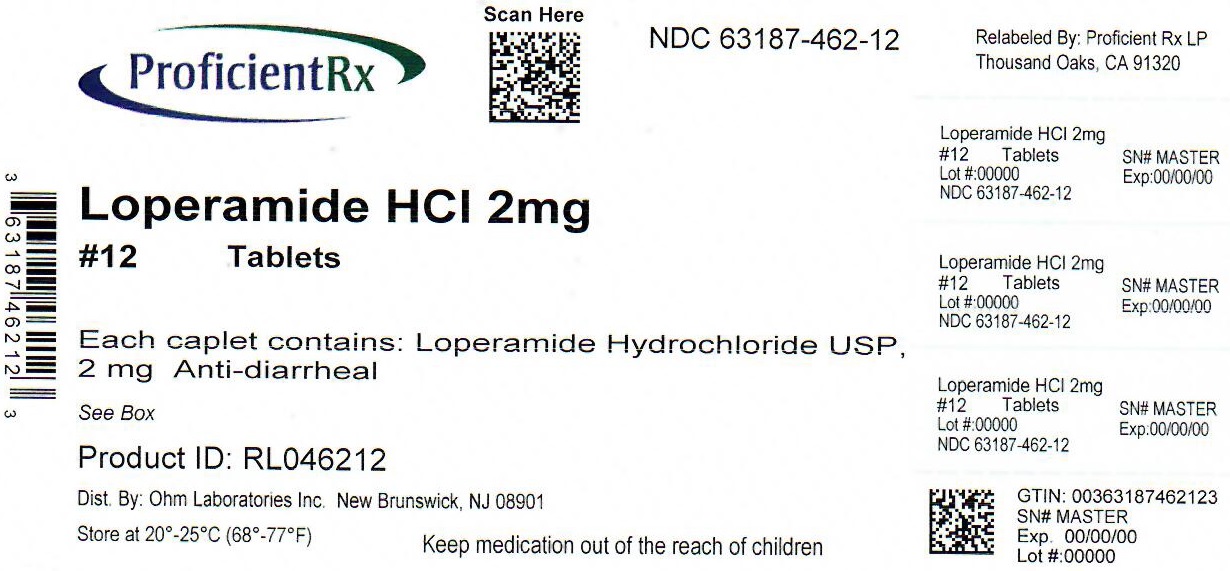
  • Western Family Foods Inc
    Loperamide Hydrochloride | Western Family Foods Inc
    No Recall

    Loperamide Hydrochloride | Western Family Foods Inc

    Loperamide Hydrochloride | Western Family Foods Inc
    • drink plenty of clear fluids to help prevent dehydration caused by diarrhea • find right dose on chart. If possible, use weight to dose; otherwise use age. • shake well before using • only use attached measuring cup to dose product

    adults and children

    12 years and over

    30 mL (6 tsp) after the first loose stool; 15 mL (3 tsp) after each subsequent loose stool; but no more than 60 mL (12 tsp) in 24 hours

    children 9-11 years

    (60-95 lbs)

    15 mL (3 tsp) after the first loose stool; 7.5 mL (1 1/2 tsp) after each subsequent loose stool; but no more than 45 mL (9 tsp) in 24 hours

    children 6-8 years

    (48-59 lbs)

    15 mL (3 tsp) after the first loose stool; 7.5 mL (1 1/2 tsp) after each subsequent loose stool; but no more than 30 mL (6 tsp) in 24 hours

    children under

    6 years

    (up to 47 lbs)

    ask a doctor

  • Remedyrepack Inc.
    Loperamide Hydrochloride | Remedyrepack Inc.
    No Recall

    Loperamide Hydrochloride | Remedyrepack Inc.

    Loperamide Hydrochloride | Remedyrepack Inc.

    (1 capsule = 2 mg)

    Patients should receive appropriate fluid and electrolyte replacement as needed.


    The recommended initial dose is 4 mg (two capsules) followed by 2 mg (one capsule) after each unformed stool. Daily dosage should not exceed 16 mg (eight capsules). Clinical improvement is usually observed within 48 hours.


    In children 2 to 5 years of age (20 kg or less), the non-prescription liquid formulation (loperamide hydrochloride for oral solution, 1 mg/5 mL) should be used; for ages 6 to 12, either loperamide hydrochloride capsules or loperamide hydrochloride for oral solution may be used. For children 2 to 12 years of age, the following schedule for capsules or liquid will usually fulfill initial dosage requirements:

    Recommended First Day Dosage Schedule

    Two to five years: 1 mg t.i.d. (3 mg daily dose) (13 to 20 kg)

    Six to eight years: 2 mg b.i.d. (4 mg daily dose) (20 to 30 kg)

    Eight to twelve years: 2 mg t.i.d. (6 mg daily dose) (greater than 30 kg)

    Recommended Subsequent Daily Dosage

    Following the first treatment day, it is recommended that subsequent loperamide hydrochloride doses (1 mg/10 kg body weight) be administered only after a loose stool. Total daily dosage should not exceed recommended dosages for the first day.


    Although loperamide hydrochloride has been studied in a limited number of children with chronic diarrhea; the therapeutic dose for the treatment of chronic diarrhea in a pediatric population has not been established.


    The recommended initial dose is 4 mg (two capsules) followed by 2 mg (one capsule) after each unformed stool until diarrhea is controlled, after which the dosage of loperamide hydrochloride capsules should be reduced to meet individual requirements. When the optimal daily dosage has been established, this amount may then be administered as a single dose or in divided doses.

    The average daily maintenance dosage in clinical trials was 4 to 8 mg (two to four capsules). A dosage of 16 mg (eight capsules) was rarely exceeded. If clinical improvement is not observed after treatment with 16 mg per day for at least 10 days, symptoms are unlikely to be controlled by further administration. Loperamide hydrochloride capsules administration may be continued if diarrhea cannot be adequately controlled with diet or specific treatment.


    The use of loperamide hydrochloride in children under 2 years is not recommended. There have been rare reports of paralytic ileus associated with abdominal distention. Most of these reports occurred in the setting of acute dysentery, overdose, and with very young children less than two years of age.


    No formal pharmacokinetic studies were conducted in elderly subjects. However, there were no major differences reported in the drug disposition in elderly patients with diarrhea relative to young patients. No dosage adjustment is required for the elderly.


    No pharmacokinetic data are available in patients with renal impairment. Since the metabolites and the unchanged drug are mainly excreted in the feces, no dosage adjustment is required for patients with renal impairment (see PRECAUTIONS).


    Although no pharmacokinetic data are available in patients with hepatic impairment, loperamide hydrochloride should be used with caution in such patients because of reduced first pass metabolism (see PRECAUTIONS).


  • Loperamide Hydrochloride | Unit Dose Services
    No Recall

    Loperamide Hydrochloride | Unit Dose Services

    Loperamide Hydrochloride | Unit Dose Services

    (1 capsule = 2 mg): Patients should receive appropriate fluid and electrolyte replacement as needed.

    Acute Diarrhea Adults

    The recommended initial dose is 4 mg (two capsules) followed by 2 mg (one capsule) after each unformed stool. Daily dose should not exceed 16 mg (eight capsules). Clinical improvement is usually observed within 48 hours.

    Children

    In children 2 to 5 years of age (20 kg or less), the non-prescription liquid formulation of loperamide should be used; for ages 6 to 12, either loperamide hydrochloride capsules or the non-prescription liquid formulation of loperamide may be used. For children 2 to 12 years of age, the following schedule for capsules or liquid will usually fulfill initial dosage requirements:

    Recommended First Day Dosage Schedule Two to five years: 1 mg t.i.d. (3 mg daily dose) (13 to 20 kg)
    Six to eight years: 2 mg b.i.d. (4 mg daily dose) (20 to 30 kg)
    Eight to twelve years: 2 mg t.i.d. (6 mg daily dose) (greater than 30 kg)
    Recommended Subsequent Daily Dosage

    Following the first treatment day, it is recommended that subsequent loperamide hydrochloride doses (1 mg/10 kg body weight) be administered only after a loose stool. Total daily dosage should not exceed recommended dosages for the first day.

    Chronic Diarrhea Children

    Although loperamide hydrochloride capsule has been studied in a limited number of children with chronic diarrhea; the therapeutic dose for the treatment of chronic diarrhea in a pediatric population has not been established.

    Adults

    The recommended initial dose is 4 mg (two capsules) followed by 2 mg (one capsule) after each unformed stool until diarrhea is controlled, after which the dosage of loperamide hydrochloride capsules should be reduced to meet individual requirements. When the optimal daily dosage has been established, this amount may then be administered as a single-dose or in divided doses.

    The average daily maintenance dosage in clinical trials was 4 to 8 mg (two to four capsules). A dosage of 16 mg (eight capsules) was rarely exceeded. If clinical improvement is not observed after treatment with 16 mg per day for at least 10 days, symptoms are unlikely to be controlled by further administration. Loperamide hydrochloride capsule administration may be continued if diarrhea cannot be adequately controlled with diet or specific treatment.

    Children Under 2 Years

    The use of loperamide hydrochloride capsule in children under 2 years is not recommended. There have been rare reports of paralytic ileus associated with abdominal distention. Most of these reports occurred in the setting of acute dysentery, overdose, and with very young children less than 2 years of age.

    Elderly

    No formal pharmacokinetic studies were conducted in elderly subjects. However, there were no major differences reported in the drug disposition in elderly patients with diarrhea relative to young patients. No dosage adjustment is required for the elderly.

    Renal Impairment

    No pharmacokinetic data are available in patients with renal impairment. Since the metabolites and the unchanged drug are mainly excreted in the feces, no dosage adjustment is required for patients with renal impairment (see ). PRECAUTIONS

    Hepatic Impairment

    Although no pharmacokinetic data are available in patients with hepatic impairment, loperamide hydrochloride capsule should be used with caution in such patients because of reduced first pass metabolism (see ). PRECAUTIONS

  • Loperamide Hydrochloride | A-s Medication Solutions Llc
    No Recall

    Loperamide Hydrochloride | A-s Medication Solutions Llc

    Loperamide Hydrochloride | A-s Medication Solutions Llc

    (1 capsule = 2 mg)

    Patients should receive appropriate fluid and electrolyte replacement as needed.

    Acute Diarrhea Adults

    The recommended initial dose is 4 mg (two capsules) followed by 2 mg (one capsule) after each unformed stool. Daily dosage should not exceed 16 mg (eight capsules). Clinical improvement is usually observed within 48 hours.

    Children

    In children 2 to 5 years of age (20 kg or less), the non-prescription liquid formulation (loperamide hydrochloride for oral solution, 1 mg/5 mL) should be used; for ages 6 to 12, either loperamide hydrochloride capsules or loperamide hydrochloride for oral solution may be used. For children 2 to 12 years of age, the following schedule for capsules or liquid will usually fulfill initial dosage requirements:

    Recommended First Day Dosage Schedule

    Two to five years: 1 mg t.i.d. (3 mg daily dose) (13 to 20 kg)

    Six to eight years: 2 mg b.i.d. (4 mg daily dose) (20 to 30 kg)

    Eight to twelve years: 2 mg t.i.d. (6 mg daily dose) (greater than 30 kg)

    Recommended Subsequent Daily Dosage

    Following the first treatment day, it is recommended that subsequent loperamide hydrochloride doses (1 mg/10 kg body weight) be administered only after a loose stool. Total daily dosage should not exceed recommended dosages for the first day.

    Chronic Diarrhea Children

    Although loperamide hydrochloride has been studied in a limited number of children with chronic diarrhea; the therapeutic dose for the treatment of chronic diarrhea in a pediatric population has not been established.

    Adults

    The recommended initial dose is 4 mg (two capsules) followed by 2 mg (one capsule) after each unformed stool until diarrhea is controlled, after which the dosage of loperamide hydrochloride capsules should be reduced to meet individual requirements. When the optimal daily dosage has been established, this amount may then be administered as a single dose or in divided doses.

    The average daily maintenance dosage in clinical trials was 4 to 8 mg (two to four capsules). A dosage of 16 mg (eight capsules) was rarely exceeded. If clinical improvement is not observed after treatment with 16 mg per day for at least 10 days, symptoms are unlikely to be controlled by further administration. Loperamide hydrochloride capsules administration may be continued if diarrhea cannot be adequately controlled with diet or specific treatment.

    Children Under 2 Years

    The use of loperamide hydrochloride in children under 2 years is not recommended. There have been rare reports of paralytic ileus associated with abdominal distention. Most of these reports occurred in the setting of acute dysentery, overdose, and with very young children less than two years of age.

    Elderly

    No formal pharmacokinetic studies were conducted in elderly subjects. However, there were no major differences reported in the drug disposition in elderly patients with diarrhea relative to young patients. No dosage adjustment is required for the elderly.

    Renal Impairment

    No pharmacokinetic data are available in patients with renal impairment. Since the metabolites and the unchanged drug are mainly excreted in the feces, no dosage adjustment is required for patients with renal impairment (see PRECAUTIONS).

    Hepatic Impairment

    Although no pharmacokinetic data are available in patients with hepatic impairment, loperamide hydrochloride should be used with caution in such patients because of reduced first pass metabolism (see PRECAUTIONS).

  • Clinical Solutions Wholesale
    Loperamide Hydrochloride | Clinical Solutions Wholesale
    No Recall

    Loperamide Hydrochloride | Clinical Solutions Wholesale

    Loperamide Hydrochloride | Clinical Solutions Wholesale

    (1 capsule = 2 mg)

    Patients should receive appropriate fluid and electrolyte replacement as needed.

    Acute Diarrhea Adults

    The recommended initial dose is 4 mg (two capsules) followed by 2 mg (one capsule) after each unformed stool. Daily dosage should not exceed 16 mg (eight capsules). Clinical improvement is usually observed within 48 hours.

    Children

    In children 2 to 5 years of age (20 kg or less), the non-prescription liquid formulation (loperamide hydrochloride for oral solution, 1 mg/5 mL) should be used; for ages 6 to 12, either loperamide hydrochloride capsules or loperamide hydrochloride for oral solution may be used. For children 2 to 12 years of age, the following schedule for capsules or liquid will usually fulfill initial dosage requirements:

    Recommended First Day Dosage Schedule

    Two to five years: 1 mg t.i.d. (3 mg daily dose) (13 to 20 kg)

    Six to eight years: 2 mg b.i.d. (4 mg daily dose) (20 to 30 kg)

    Eight to twelve years: 2 mg t.i.d. (6 mg daily dose) (greater than 30 kg)

    Recommended Subsequent Daily Dosage

    Following the first treatment day, it is recommended that subsequent loperamide hydrochloride doses (1 mg/10 kg body weight) be administered only after a loose stool. Total daily dosage should not exceed recommended dosages for the first day.

    Chronic Diarrhea Children

    Although loperamide hydrochloride has been studied in a limited number of children with chronic diarrhea; the therapeutic dose for the treatment of chronic diarrhea in a pediatric population has not been established.

    Adults

    The recommended initial dose is 4 mg (two capsules) followed by 2 mg (one capsule) after each unformed stool until diarrhea is controlled, after which the dosage of loperamide hydrochloride capsules should be reduced to meet individual requirements. When the optimal daily dosage has been established, this amount may then be administered as a single dose or in divided doses.

    The average daily maintenance dosage in clinical trials was 4 to 8 mg (two to four capsules). A dosage of 16 mg (eight capsules) was rarely exceeded. If clinical improvement is not observed after treatment with 16 mg per day for at least 10 days, symptoms are unlikely to be controlled by further administration. Loperamide hydrochloride capsules administration may be continued if diarrhea cannot be adequately controlled with diet or specific treatment.

    Children Under 2 Years

    The use of loperamide hydrochloride in children under 2 years is not recommended. There have been rare reports of paralytic ileus associated with abdominal distention. Most of these reports occurred in the setting of acute dysentery, overdose, and with very young children less than two years of age.

    Elderly

    No formal pharmacokinetic studies were conducted in elderly subjects. However, there were no major differences reported in the drug disposition in elderly patients with diarrhea relative to young patients. No dosage adjustment is required for the elderly.

    Renal Impairment

    No pharmacokinetic data are available in patients with renal impairment. Since the metabolites and the unchanged drug are mainly excreted in the feces, no dosage adjustment is required for patients with renal impairment (see PRECAUTIONS).

    Hepatic Impairment

    Although no pharmacokinetic data are available in patients with hepatic impairment, loperamide hydrochloride should be used with caution in such patients because of reduced first pass metabolism (see PRECAUTIONS).

  • Remedyrepack Inc.
    Loperamide Hydrochloride | Remedyrepack Inc.
    No Recall

    Loperamide Hydrochloride | Remedyrepack Inc.

    Loperamide Hydrochloride | Remedyrepack Inc.

    (1 capsule = 2 mg)

    Patients should receive appropriate fluid and electrolyte replacement as needed.


    The recommended initial dose is 4 mg (two capsules) followed by 2 mg (one capsule) after each unformed stool. Daily dosage should not exceed 16 mg (eight capsules). Clinical improvement is usually observed within 48 hours.


    In children 2 to 5 years of age (20 kg or less), the non-prescription liquid formulation (loperamide hydrochloride for oral solution, 1 mg/5 mL) should be used; for ages 6 to 12, either loperamide hydrochloride capsules or loperamide hydrochloride for oral solution may be used. For children 2 to 12 years of age, the following schedule for capsules or liquid will usually fulfill initial dosage requirements:

    Recommended First Day Dosage Schedule

    Two to five years: 1 mg t.i.d. (3 mg daily dose) (13 to 20 kg)

    Six to eight years: 2 mg b.i.d. (4 mg daily dose) (20 to 30 kg)

    Eight to twelve years: 2 mg t.i.d. (6 mg daily dose) (greater than 30 kg)

    Recommended Subsequent Daily Dosage

    Following the first treatment day, it is recommended that subsequent loperamide hydrochloride doses (1 mg/10 kg body weight) be administered only after a loose stool. Total daily dosage should not exceed recommended dosages for the first day.


    Although loperamide hydrochloride has been studied in a limited number of children with chronic diarrhea; the therapeutic dose for the treatment of chronic diarrhea in a pediatric population has not been established.


    The recommended initial dose is 4 mg (two capsules) followed by 2 mg (one capsule) after each unformed stool until diarrhea is controlled, after which the dosage of loperamide hydrochloride capsules should be reduced to meet individual requirements. When the optimal daily dosage has been established, this amount may then be administered as a single dose or in divided doses.

    The average daily maintenance dosage in clinical trials was 4 to 8 mg (two to four capsules). A dosage of 16 mg (eight capsules) was rarely exceeded. If clinical improvement is not observed after treatment with 16 mg per day for at least 10 days, symptoms are unlikely to be controlled by further administration. Loperamide hydrochloride capsules administration may be continued if diarrhea cannot be adequately controlled with diet or specific treatment.


    The use of loperamide hydrochloride in children under 2 years is not recommended. There have been rare reports of paralytic ileus associated with abdominal distention. Most of these reports occurred in the setting of acute dysentery, overdose, and with very young children less than two years of age.


    No formal pharmacokinetic studies were conducted in elderly subjects. However, there were no major differences reported in the drug disposition in elderly patients with diarrhea relative to young patients. No dosage adjustment is required for the elderly.


    No pharmacokinetic data are available in patients with renal impairment. Since the metabolites and the unchanged drug are mainly excreted in the feces, no dosage adjustment is required for patients with renal impairment (see PRECAUTIONS).


    Although no pharmacokinetic data are available in patients with hepatic impairment, loperamide hydrochloride should be used with caution in such patients because of reduced first pass metabolism (see PRECAUTIONS).


  • Aidarex Pharmaceuticals Llc
    Loperamide Hydrochloride | Aidarex Pharmaceuticals Llc
    No Recall

    Loperamide Hydrochloride | Aidarex Pharmaceuticals Llc

    Loperamide Hydrochloride | Aidarex Pharmaceuticals Llc

    (1 capsule = 2 mg)

    Patients should receive appropriate fluid and electrolyte replacement as needed.

    Acute Diarrhea Adults

    The recommended initial dose is 4 mg (two capsules) followed by 2 mg (one capsule) after each unformed stool. Daily dosage should not exceed 16 mg (eight capsules). Clinical improvement is usually observed within 48 hours.

    Children

    In children 2 to 5 years of age (20 kg or less), the non-prescription liquid formulation (loperamide hydrochloride for oral solution, 1 mg/5 mL) should be used; for ages 6 to 12, either loperamide hydrochloride capsules or loperamide hydrochloride for oral solution may be used. For children 2 to 12 years of age, the following schedule for capsules or liquid will usually fulfill initial dosage requirements:

    Recommended First Day Dosage Schedule

    Two to five years: 1 mg t.i.d. (3 mg daily dose) (13 to 20 kg)

    Six to eight years: 2 mg b.i.d. (4 mg daily dose) (20 to 30 kg)

    Eight to twelve years: 2 mg t.i.d. (6 mg daily dose) (greater than 30 kg)

    Recommended Subsequent Daily Dosage

    Following the first treatment day, it is recommended that subsequent loperamide hydrochloride doses (1 mg/10 kg body weight) be administered only after a loose stool. Total daily dosage should not exceed recommended dosages for the first day.

    Chronic Diarrhea Children

    Although loperamide hydrochloride has been studied in a limited number of children with chronic diarrhea; the therapeutic dose for the treatment of chronic diarrhea in a pediatric population has not been established.

    Adults

    The recommended initial dose is 4 mg (two capsules) followed by 2 mg (one capsule) after each unformed stool until diarrhea is controlled, after which the dosage of loperamide hydrochloride capsules should be reduced to meet individual requirements. When the optimal daily dosage has been established, this amount may then be administered as a single dose or in divided doses.

    The average daily maintenance dosage in clinical trials was 4 to 8 mg (two to four capsules). A dosage of 16 mg (eight capsules) was rarely exceeded. If clinical improvement is not observed after treatment with 16 mg per day for at least 10 days, symptoms are unlikely to be controlled by further administration. Loperamide hydrochloride capsules administration may be continued if diarrhea cannot be adequately controlled with diet or specific treatment.

    Children Under 2 Years

    The use of loperamide hydrochloride in children under 2 years is not recommended. There have been rare reports of paralytic ileus associated with abdominal distention. Most of these reports occurred in the setting of acute dysentery, overdose, and with very young children less than two years of age.

    Elderly

    No formal pharmacokinetic studies were conducted in elderly subjects. However, there were no major differences reported in the drug disposition in elderly patients with diarrhea relative to young patients. No dosage adjustment is required for the elderly.

    Renal Impairment

    No pharmacokinetic data are available in patients with renal impairment. Since the metabolites and the unchanged drug are mainly excreted in the feces, no dosage adjustment is required for patients with renal impairment (see PRECAUTIONS).

    Hepatic Impairment

    Although no pharmacokinetic data are available in patients with hepatic impairment, loperamide hydrochloride should be used with caution in such patients because of reduced first pass metabolism (see PRECAUTIONS).

  • Zee Medical Inc
    Loperamide Hydrochloride | Zee Medical Inc
    No Recall

    Loperamide Hydrochloride | Zee Medical Inc

    Loperamide Hydrochloride | Zee Medical Inc
    drink plenty of clear fluids to help prevent dehydration caused by diarrhea find right dose on chart. If possible, use weight to dose; otherwise, use age. adults and children 12 years and over 2 caplets after the first loose stool; 1 caplet after each subsequent loose stool; but no more than 4 caplets in 24 hours children 9-11 years (60-95 lbs) 1 caplet after the first loose stool; 1/2 caplet after each subsequent loose stool; but no more than 3 caplets in 24 hours children 6-8 years (48-59 lbs) 1 caplet after the first loose stool; 1/2 caplet after each subsequent loose stool; but no more than 2 caplets in 24 hours children under 6 years (up to 47 lbs) ask a doctor
  • Remedyrepack Inc.
    Loperamide Hydrochloride | Remedyrepack Inc.
    No Recall

    Loperamide Hydrochloride | Remedyrepack Inc.

    Loperamide Hydrochloride | Remedyrepack Inc.

    (1 capsule = 2 mg)

    Patients should receive appropriate fluid and electrolyte replacement as needed.


    The recommended initial dose is 4 mg (two capsules) followed by 2 mg (one capsule) after each unformed stool. Daily dosage should not exceed 16 mg (eight capsules). Clinical improvement is usually observed within 48 hours.


    In children 2 to 5 years of age (20 kg or less), the non-prescription liquid formulation (loperamide hydrochloride for oral solution, 1 mg/5 mL) should be used; for ages 6 to 12, either loperamide hydrochloride capsules or loperamide hydrochloride for oral solution may be used. For children 2 to 12 years of age, the following schedule for capsules or liquid will usually fulfill initial dosage requirements:

    Recommended First Day Dosage Schedule

    Two to five years: 1 mg t.i.d. (3 mg daily dose) (13 to 20 kg)

    Six to eight years: 2 mg b.i.d. (4 mg daily dose) (20 to 30 kg)

    Eight to twelve years: 2 mg t.i.d. (6 mg daily dose) (greater than 30 kg)

    Recommended Subsequent Daily Dosage

    Following the first treatment day, it is recommended that subsequent loperamide hydrochloride doses (1 mg/10 kg body weight) be administered only after a loose stool. Total daily dosage should not exceed recommended dosages for the first day.


    Although loperamide hydrochloride has been studied in a limited number of children with chronic diarrhea; the therapeutic dose for the treatment of chronic diarrhea in a pediatric population has not been established.


    The recommended initial dose is 4 mg (two capsules) followed by 2 mg (one capsule) after each unformed stool until diarrhea is controlled, after which the dosage of loperamide hydrochloride capsules should be reduced to meet individual requirements. When the optimal daily dosage has been established, this amount may then be administered as a single dose or in divided doses.

    The average daily maintenance dosage in clinical trials was 4 to 8 mg (two to four capsules). A dosage of 16 mg (eight capsules) was rarely exceeded. If clinical improvement is not observed after treatment with 16 mg per day for at least 10 days, symptoms are unlikely to be controlled by further administration. Loperamide hydrochloride capsules administration may be continued if diarrhea cannot be adequately controlled with diet or specific treatment.


    The use of loperamide hydrochloride in children under 2 years is not recommended. There have been rare reports of paralytic ileus associated with abdominal distention. Most of these reports occurred in the setting of acute dysentery, overdose, and with very young children less than two years of age.


    No formal pharmacokinetic studies were conducted in elderly subjects. However, there were no major differences reported in the drug disposition in elderly patients with diarrhea relative to young patients. No dosage adjustment is required for the elderly.


    No pharmacokinetic data are available in patients with renal impairment. Since the metabolites and the unchanged drug are mainly excreted in the feces, no dosage adjustment is required for patients with renal impairment (see PRECAUTIONS).


    Although no pharmacokinetic data are available in patients with hepatic impairment, loperamide hydrochloride should be used with caution in such patients because of reduced first pass metabolism (see PRECAUTIONS).


  • Shopko Stores Operating Co., Llc
    Loperamide Hydrochloride | Shopko Stores Operating Co., Llc
    No Recall

    Loperamide Hydrochloride | Shopko Stores Operating Co., Llc

    Loperamide Hydrochloride | Shopko Stores Operating Co., Llc
    • drink plenty of clear fluids to help prevent dehydration caused by diarrhea • find right dose on chart. If possible, use weight to dose; otherwise use age. • shake well before using • only use attached measuring cup to dose product

    adults and children

    12 years and over

    30 mL (6 tsp) after the first loose stool; 15 mL (3 tsp) after each subsequent loose stool; but no more than 60 mL (12 tsp) in 24 hours

    children 9-11 years

    (60-95 lbs)

    15 mL (3 tsp) after the first loose stool; 7.5 mL (1 1/2 tsp) after each subsequent loose stool; but no more than 45 mL (9 tsp) in 24 hours

    children 6-8 years

    (48-59 lbs)

    15 mL (3 tsp) after the first loose stool; 7.5 mL (1 1/2 tsp) after each subsequent loose stool; but no more than 30 mL (6 tsp) in 24 hours

    children under

    6 years

    (up to 47 lbs)

    ask a doctor

  • Loperamide Hydrochloride | H E B
    No Recall

    Loperamide Hydrochloride | H E B

    Loperamide Hydrochloride | H E B
    • drink plenty of clear fluids to help prevent dehydration caused by diarrhea • find right dose on chart. If possible, use weight to dose; otherwise use age. • shake well before using • only use attached measuring cup to dose product

    adults and children

    12 years and over

    30 mL (6 tsp) after the first loose stool; 15 mL (3 tsp) after each subsequent loose stool; but no more than 60 mL (12 tsp) in 24 hours

    children 9-11 years

    (60-95 lbs)

    15 mL (3 tsp) after the first loose stool; 7.5 mL (1 1/2 tsp) after each subsequent loose stool; but no more than 45 mL (9 tsp) in 24 hours

    children 6-8 years

    (48-59 lbs)

    15 mL (3 tsp) after the first loose stool; 7.5 mL (1 1/2 tsp) after each subsequent loose stool; but no more than 30 mL (6 tsp) in 24 hours

    children under

    6 years

    (up to 47 lbs)

    ask a doctor

  • Rite Aid Corporation
    Loperamide Hydrochloride | Rite Aid Corporation
    No Recall

    Loperamide Hydrochloride | Rite Aid Corporation

    Loperamide Hydrochloride | Rite Aid Corporation
    • drink plenty of clear fluids to help prevent dehydration caused by diarrhea • find right dose on chart. If possible, use weight to dose; otherwise use age. • shake well before using • only use attached measuring cup to dose product

    adults and children

    12 years and over

    30 mL (6 tsp) after the first loose stool; 15 mL (3 tsp) after each subsequent loose stool; but no more than 60 mL (12 tsp) in 24 hours

    children 9-11 years

    (60-95 lbs)

    15 mL (3 tsp) after the first loose stool; 7.5 mL (1 1/2 tsp) after each subsequent loose stool; but no more than 45 mL (9 tsp) in 24 hours

    children 6-8 years

    (48-59 lbs)

    15 mL (3 tsp) after the first loose stool; 7.5 mL (1 1/2 tsp) after each subsequent loose stool; but no more than 30 mL (6 tsp) in 24 hours

    children under

    6 years

    (up to 47 lbs)

    ask a doctor

  • Major Pharmaceuticals
    Loperamide Hydrochloride | Major Pharmaceuticals
    No Recall

    Loperamide Hydrochloride | Major Pharmaceuticals

    Loperamide Hydrochloride | Major Pharmaceuticals
    • drink plenty of clear fluids to help prevent dehydration caused by diarrhea • find right dose on chart. If possible, use weight to dose; otherwise use age. • shake well before using • only use attached measuring cup to dose product

    adults and children

    12 years and over

    30 mL (6 tsp) after the first loose stool; 15 mL (3 tsp) after each subsequent loose stool; but no more than 60 mL (12 tsp) in 24 hours

    children 9-11 years

    (60-95 lbs)

    15 mL (3 tsp) after the first loose stool; 7.5 mL (1 1/2 tsp) after each subsequent loose stool; but no more than 45 mL (9 tsp) in 24 hours

    children 6-8 years

    (48-59 lbs)

    15 mL (3 tsp) after the first loose stool; 7.5 mL (1 1/2 tsp) after each subsequent loose stool; but no more than 30 mL (6 tsp) in 24 hours

    children under

    6 years

    (up to 47 lbs)

    ask a doctor

  • Walgreen Company
    Loperamide Hydrochloride | Walgreen Company
    No Recall

    Loperamide Hydrochloride | Walgreen Company

    Loperamide Hydrochloride | Walgreen Company
    • drink plenty of clear fluids to help prevent dehydration caused by diarrhea • find right dose on chart. If possible, use weight to dose; otherwise use age. • shake well before using • only use attached measuring cup to dose product

    adults and children

    12 years and over

    30 mL (6 tsp) after the first loose stool; 15 mL (3 tsp) after each subsequent loose stool; but no more than 60 mL (12 tsp) in 24 hours

    children 9-11 years

    (60-95 lbs)

    15 mL (3 tsp) after the first loose stool; 7.5 mL (1 1/2 tsp) after each subsequent loose stool; but no more than 45 mL (9 tsp) in 24 hours

    children 6-8 years

    (48-59 lbs)

    15 mL (3 tsp) after the first loose stool; 7.5 mL (1 1/2 tsp) after each subsequent loose stool; but no more than 30 mL (6 tsp) in 24 hours

    children under

    6 years

    (up to 47 lbs)

    ask a doctor

  • Aphena Pharma Solutions – Tennessee, Llc
    Loperamide Hydrochloride | Aphena Pharma Solutions - Tennessee, Llc
    No Recall

    Loperamide Hydrochloride | Aphena Pharma Solutions - Tennessee, Llc

    Loperamide Hydrochloride | Aphena Pharma Solutions - Tennessee, Llc

    (1 capsule = 2 mg): Patients should receive appropriate fluid and electrolyte replacement as needed.

    Acute Diarrhea Adults

    The recommended initial dose is 4 mg (two capsules) followed by 2 mg (one capsule) after each unformed stool. Daily dose should not exceed 16 mg (eight capsules). Clinical improvement is usually observed within 48 hours.

    Children

    In children 2 to 5 years of age (20 kg or less), the non-prescription liquid formulation of loperamide should be used; for ages 6 to 12, either loperamide hydrochloride capsules or the non-prescription liquid formulation of loperamide may be used. For children 2 to 12 years of age, the following schedule for capsules or liquid will usually fulfill initial dosage requirements:

    Recommended First Day Dosage Schedule Two to five years: 1 mg t.i.d. (3 mg daily dose)
    (13 to 20 kg) Six to eight years: 2 mg b.i.d. (4 mg daily dose)
    (20 to 30 kg) Eight to twelve years: 2 mg t.i.d. (6 mg daily dose)
    (greater than 30 kg) Recommended Subsequent Daily Dosage

    Following the first treatment day, it is recommended that subsequent loperamide hydrochloride doses (1 mg/10 kg body weight) be administered only after a loose stool. Total daily dosage should not exceed recommended dosages for the first day.

    Chronic Diarrhea Children

    Although loperamide hydrochloride capsule has been studied in a limited number of children with chronic diarrhea; the therapeutic dose for the treatment of chronic diarrhea in a pediatric population has not been established.

    Adults

    The recommended initial dose is 4 mg (two capsules) followed by 2 mg (one capsule) after each unformed stool until diarrhea is controlled, after which the dosage of loperamide hydrochloride capsules should be reduced to meet individual requirements. When the optimal daily dosage has been established, this amount may then be administered as a single-dose or in divided doses.

    The average daily maintenance dosage in clinical trials was 4 to 8 mg (two to four capsules). A dosage of 16 mg (eight capsules) was rarely exceeded. If clinical improvement is not observed after treatment with 16 mg per day for at least 10 days, symptoms are unlikely to be controlled by further administration. Loperamide hydrochloride capsule administration may be continued if diarrhea cannot be adequately controlled with diet or specific treatment.

    Children Under 2 Years

    The use of loperamide hydrochloride capsule in children under 2 years is not recommended. There have been rare reports of paralytic ileus associated with abdominal distention. Most of these reports occurred in the setting of acute dysentery, overdose, and with very young children less than 2 years of age.

    Elderly

    No formal pharmacokinetic studies were conducted in elderly subjects. However, there were no major differences reported in the drug disposition in elderly patients with diarrhea relative to young patients. No dosage adjustment is required for the elderly.

    Renal Impairment

    No pharmacokinetic data are available in patients with renal impairment. Since the metabolites and the unchanged drug are mainly excreted in the feces, no dosage adjustment is required for patients with renal impairment (see PRECAUTIONS).

    Hepatic Impairment

    Although no pharmacokinetic data are available in patients with hepatic impairment, loperamide hydrochloride capsule should be used with caution in such patients because of reduced first pass metabolism (see PRECAUTIONS).

  • Mylan Pharmaceuticals Inc.
    Loperamide Hydrochloride | Mylan Pharmaceuticals Inc.
    No Recall

    Loperamide Hydrochloride | Mylan Pharmaceuticals Inc.

    Loperamide Hydrochloride | Mylan Pharmaceuticals Inc.

    (1 capsule = 2 mg): Patients should receive appropriate fluid and electrolyte replacement as needed.

    Acute Diarrhea Adults

    The recommended initial dose is 4 mg (two capsules) followed by 2 mg (one capsule) after each unformed stool. Daily dose should not exceed 16 mg (eight capsules). Clinical improvement is usually observed within 48 hours.

    Children

    In children 2 to 5 years of age (20 kg or less), the non-prescription liquid formulation of loperamide should be used; for ages 6 to 12, either loperamide hydrochloride capsules or the non-prescription liquid formulation of loperamide may be used. For children 2 to 12 years of age, the following schedule for capsules or liquid will usually fulfill initial dosage requirements:

    Recommended First Day Dosage Schedule

    Two to five years:

    1 mg t.i.d. (3 mg daily dose)
    (13 to 20 kg)

    Six to eight years:

    2 mg b.i.d. (4 mg daily dose)
    (20 to 30 kg)

    Eight to twelve years:

    2 mg t.i.d. (6 mg daily dose)
    (greater than 30 kg)

    Recommended Subsequent Daily Dosage

    Following the first treatment day, it is recommended that subsequent loperamide hydrochloride doses (1 mg/10 kg body weight) be administered only after a loose stool. Total daily dosage should not exceed recommended dosages for the first day.

    Chronic Diarrhea Children

    Although loperamide hydrochloride capsule has been studied in a limited number of children with chronic diarrhea; the therapeutic dose for the treatment of chronic diarrhea in a pediatric population has not been established.

    Adults

    The recommended initial dose is 4 mg (two capsules) followed by 2 mg (one capsule) after each unformed stool until diarrhea is controlled, after which the dosage of loperamide hydrochloride capsules should be reduced to meet individual requirements. When the optimal daily dosage has been established, this amount may then be administered as a single-dose or in divided doses.

    The average daily maintenance dosage in clinical trials was 4 to 8 mg (two to four capsules). A dosage of 16 mg (eight capsules) was rarely exceeded. If clinical improvement is not observed after treatment with 16 mg per day for at least 10 days, symptoms are unlikely to be controlled by further administration. Loperamide hydrochloride capsule administration may be continued if diarrhea cannot be adequately controlled with diet or specific treatment.

    Children Under 2 Years

    The use of loperamide hydrochloride capsule in children under 2 years is not recommended. There have been rare reports of paralytic ileus associated with abdominal distention. Most of these reports occurred in the setting of acute dysentery, overdose, and with very young children less than 2 years of age.

    Elderly

    No formal pharmacokinetic studies were conducted in elderly subjects. However, there were no major differences reported in the drug disposition in elderly patients with diarrhea relative to young patients. No dosage adjustment is required for the elderly.

    Renal Impairment

    No pharmacokinetic data are available in patients with renal impairment. Since the metabolites and the unchanged drug are mainly excreted in the feces, no dosage adjustment is required for patients with renal impairment (see PRECAUTIONS).

    Hepatic Impairment

    Although no pharmacokinetic data are available in patients with hepatic impairment, loperamide hydrochloride capsule should be used with caution in such patients because of reduced first pass metabolism (see PRECAUTIONS).

  • Loperamide Hydrochloride | Hyvee Inc
    No Recall

    Loperamide Hydrochloride | Hyvee Inc

    Loperamide Hydrochloride | Hyvee Inc
    • drink plenty of clear fluids to help prevent dehydration caused by diarrhea • find right dose on chart. If possible, use weight to dose; otherwise use age. • shake well before using • only use attached measuring cup to dose product

    adults and children

    12 years and over

    30 mL (6 tsp) after the first loose stool; 15 mL (3 tsp) after each subsequent loose stool; but no more than 60 mL (12 tsp) in 24 hours

    children 9-11 years

    (60-95 lbs)

    15 mL (3 tsp) after the first loose stool; 7.5 mL (1 1/2 tsp) after each subsequent loose stool; but no more than 45 mL (9 tsp) in 24 hours

    children 6-8 years

    (48-59 lbs)

    15 mL (3 tsp) after the first loose stool; 7.5 mL (1 1/2 tsp) after each subsequent loose stool; but no more than 30 mL (6 tsp) in 24 hours

    children under

    6 years

    (up to 47 lbs)

    ask a doctor

  • Meijer Distribution Inc
    Loperamide Hydrochloride | Meijer Distribution Inc
    No Recall

    Loperamide Hydrochloride | Meijer Distribution Inc

    Loperamide Hydrochloride | Meijer Distribution Inc
    • drink plenty of clear fluids to help prevent dehydration caused by diarrhea • find right dose on chart. If possible, use weight to dose; otherwise use age. • shake well before using • only use attached measuring cup to dose product

    adults and children

    12 years and over

    30 mL (6 tsp) after the first loose stool; 15 mL (3 tsp) after each subsequent loose stool; but no more than 60 mL (12 tsp) in 24 hours

    children 9-11 years

    (60-95 lbs)

    15 mL (3 tsp) after the first loose stool; 7.5 mL (1 1/2 tsp) after each subsequent loose stool; but no more than 45 mL (9 tsp) in 24 hours

    children 6-8 years

    (48-59 lbs)

    15 mL (3 tsp) after the first loose stool; 7.5 mL (1 1/2 tsp) after each subsequent loose stool; but no more than 30 mL (6 tsp) in 24 hours

    children under

    6 years

    (up to 47 lbs)

    ask a doctor

  • Loperamide Hydrochloride | Kroger Company
    No Recall

    Loperamide Hydrochloride | Kroger Company

    Loperamide Hydrochloride | Kroger Company
    • drink plenty of clear fluids to help prevent dehydration caused by diarrhea • find right dose on chart. If possible, use weight to dose; otherwise use age. • shake well before using • only use attached measuring cup to dose product

    adults and children 12 years and over

    30 mL (6 tsp) after the first loose stool; 15 mL (3 tsp) after each subsequent loose stool; but no more than 60 mL (12 tsp) in 24 hours

    children 9-11 years (60-95 lbs)

    15 mL (3 tsp) after the first loose stool; 7.5 mL (1 1/2 tsp) after each subsequent loose stool; but no more than 45 mL (9 tsp) in 24 hours

    children 6-8 years (48-59 lbs)

    15 mL (3 tsp) after the first loose stool; 7.5 mL (1 1/2 tsp) after each subsequent loose stool; but no more than 30 mL (6 tsp) in 24 hours

    children under 6 years (up to 47 lbs)

    ask a doctor

  • Mylan Institutional Inc.
    Loperamide Hydrochloride | Mylan Institutional Inc.
    No Recall

    Loperamide Hydrochloride | Mylan Institutional Inc.

    Loperamide Hydrochloride | Mylan Institutional Inc.

    (1 capsule = 2 mg): Patients should receive appropriate fluid and electrolyte replacement as needed.

    Acute Diarrhea Adults

    The recommended initial dose is 4 mg (two capsules) followed by 2 mg (one capsule) after each unformed stool. Daily dose should not exceed 16 mg (eight capsules). Clinical improvement is usually observed within 48 hours.

    Children

    In children 2 to 5 years of age (20 kg or less), the non-prescription liquid formulation of loperamide should be used; for ages 6 to 12, either loperamide hydrochloride capsules or the non-prescription liquid formulation of loperamide may be used. For children 2 to 12 years of age, the following schedule for capsules or liquid will usually fulfill initial dosage requirements:

    Recommended First Day Dosage Schedule

    Two to five years:

    1 mg t.i.d. (3 mg daily dose)
    (13 to 20 kg)

    Six to eight years:

    2 mg b.i.d. (4 mg daily dose)
    (20 to 30 kg)

    Eight to twelve years:

    2 mg t.i.d. (6 mg daily dose)
    (greater than 30 kg)

    Recommended Subsequent Daily Dosage

    Following the first treatment day, it is recommended that subsequent loperamide hydrochloride doses (1 mg/10 kg body weight) be administered only after a loose stool. Total daily dosage should not exceed recommended dosages for the first day.

    Chronic Diarrhea Children

    Although loperamide hydrochloride capsule has been studied in a limited number of children with chronic diarrhea; the therapeutic dose for the treatment of chronic diarrhea in a pediatric population has not been established.

    Adults

    The recommended initial dose is 4 mg (two capsules) followed by 2 mg (one capsule) after each unformed stool until diarrhea is controlled, after which the dosage of loperamide hydrochloride capsules should be reduced to meet individual requirements. When the optimal daily dosage has been established, this amount may then be administered as a single-dose or in divided doses.

    The average daily maintenance dosage in clinical trials was 4 to 8 mg (two to four capsules). A dosage of 16 mg (eight capsules) was rarely exceeded. If clinical improvement is not observed after treatment with 16 mg per day for at least 10 days, symptoms are unlikely to be controlled by further administration. Loperamide hydrochloride capsule administration may be continued if diarrhea cannot be adequately controlled with diet or specific treatment.

    Children Under 2 Years

    The use of loperamide hydrochloride capsule in children under 2 years is not recommended. There have been rare reports of paralytic ileus associated with abdominal distention. Most of these reports occurred in the setting of acute dysentery, overdose, and with very young children less than 2 years of age.

    Elderly

    No formal pharmacokinetic studies were conducted in elderly subjects. However, there were no major differences reported in the drug disposition in elderly patients with diarrhea relative to young patients. No dosage adjustment is required for the elderly.

    Renal Impairment

    No pharmacokinetic data are available in patients with renal impairment. Since the metabolites and the unchanged drug are mainly excreted in the feces, no dosage adjustment is required for patients with renal impairment (see PRECAUTIONS).

    Hepatic Impairment

    Although no pharmacokinetic data are available in patients with hepatic impairment, loperamide hydrochloride capsule should be used with caution in such patients because of reduced first pass metabolism (see PRECAUTIONS).

  • Cvs Pharmacy
    Loperamide Hydrochloride | Cvs Pharmacy
    No Recall

    Loperamide Hydrochloride | Cvs Pharmacy

    Loperamide Hydrochloride | Cvs Pharmacy
    • drink plenty of clear fluids to help prevent dehydration caused by diarrhea • find right dose on chart. If possible, use weight to dose; otherwise use age. • shake well before using • only use attached measuring cup to dose product

    adults and children 12 years and over

    30 mL (6 tsp) after the first loose stool; 15 mL (3 tsp) after each subsequent loose stool; but no more than 60 mL (12 tsp) in 24 hours

    children 9-11 years (60-95 lbs)

    15 mL (3 tsp) after the first loose stool; 7.5 mL (1 1/2 tsp) after each subsequent loose stool; but no more than 45 mL (9 tsp) in 24 hours

    children 6-8 years (48-59 lbs)

    15 mL (3 tsp) after the first loose stool; 7.5 mL (1 1/2 tsp) after each subsequent loose stool; but no more than 30 mL (6 tsp) in 24 hours

    children under 6 years (up to 47 lbs)

    ask a doctor

  • Loperamide Hydrochloride | L&r Distributors, Inc.
    No Recall

    Loperamide Hydrochloride | L&r Distributors, Inc.

    Loperamide Hydrochloride | L&r Distributors, Inc.
    do not take more than directed (see overdose warning) do not take more than 4 doses per 24 hours adults and children 12 years and over: take 2 liquid caps with water every 6 hours children under 12 years: ask a doctor  do not take more than directed (see overdose warning) do not take more than 4 doses per 24 hours adults and children 12 years and over: take 2 liquid caps with water every 6 hours children under 12 years: ask a doctor
  • Cvs Pharmacy
    Loperamide Hydrochloride | Cvs Pharmacy
    No Recall

    Loperamide Hydrochloride | Cvs Pharmacy

    Loperamide Hydrochloride | Cvs Pharmacy
    • drink plenty of clear fluids to help prevent dehydration caused by diarrhea • find right dose on chart. If possible, use weight to dose; otherwise, use age.

    adults and children 12 years and over

    2 caplets after the first loose stool; 1 caplet after each subsequent loose stool; but no more than 4 caplets in 24 hours

    children 9-11 years (60-95 lbs)

    1 caplet after the first loose stool; 1/2 caplet after each subsequent loose stool; but no more than 3 caplets in 24 hours

    children 6-8 years (48-59 lbs)

    1 caplet after the first loose stool; 1/2 caplet after each subsequent loose stool; but no more than 2 caplets in 24 hours

    children under 6 years (up to 47 lbs)

    ask a doctor

  • Remedyrepack Inc.
    Loperamide Hydrochloride | Remedyrepack Inc.
    No Recall

    Loperamide Hydrochloride | Remedyrepack Inc.

    Loperamide Hydrochloride | Remedyrepack Inc.

    (1 capsule = 2 mg)

    Patients should receive appropriate fluid and electrolyte replacement as needed.


    The recommended initial dose is 4 mg (two capsules) followed by 2 mg (one capsule) after each unformed stool. Daily dosage should not exceed 16 mg (eight capsules). Clinical improvement is usually observed within 48 hours.


    In children 2 to 5 years of age (20 kg or less), the non-prescription liquid formulation (loperamide hydrochloride for oral solution, 1 mg/5 mL) should be used; for ages 6 to 12, either loperamide hydrochloride capsules or loperamide hydrochloride for oral solution may be used. For children 2 to 12 years of age, the following schedule for capsules or liquid will usually fulfill initial dosage requirements:

    Recommended First Day Dosage Schedule

    Two to five years: 1 mg t.i.d. (3 mg daily dose) (13 to 20 kg)

    Six to eight years: 2 mg b.i.d. (4 mg daily dose) (20 to 30 kg)

    Eight to twelve years: 2 mg t.i.d. (6 mg daily dose) (greater than 30 kg)

    Recommended Subsequent Daily Dosage

    Following the first treatment day, it is recommended that subsequent loperamide hydrochloride doses (1 mg/10 kg body weight) be administered only after a loose stool. Total daily dosage should not exceed recommended dosages for the first day.


    Although loperamide hydrochloride has been studied in a limited number of children with chronic diarrhea; the therapeutic dose for the treatment of chronic diarrhea in a pediatric population has not been established.


    The recommended initial dose is 4 mg (two capsules) followed by 2 mg (one capsule) after each unformed stool until diarrhea is controlled, after which the dosage of loperamide hydrochloride capsules should be reduced to meet individual requirements. When the optimal daily dosage has been established, this amount may then be administered as a single dose or in divided doses.

    The average daily maintenance dosage in clinical trials was 4 to 8 mg (two to four capsules). A dosage of 16 mg (eight capsules) was rarely exceeded. If clinical improvement is not observed after treatment with 16 mg per day for at least 10 days, symptoms are unlikely to be controlled by further administration. Loperamide hydrochloride capsules administration may be continued if diarrhea cannot be adequately controlled with diet or specific treatment.


    The use of loperamide hydrochloride in children under 2 years is not recommended. There have been rare reports of paralytic ileus associated with abdominal distention. Most of these reports occurred in the setting of acute dysentery, overdose, and with very young children less than two years of age.


    No formal pharmacokinetic studies were conducted in elderly subjects. However, there were no major differences reported in the drug disposition in elderly patients with diarrhea relative to young patients. No dosage adjustment is required for the elderly.


    No pharmacokinetic data are available in patients with renal impairment. Since the metabolites and the unchanged drug are mainly excreted in the feces, no dosage adjustment is required for patients with renal impairment (see PRECAUTIONS).


    Although no pharmacokinetic data are available in patients with hepatic impairment, loperamide hydrochloride should be used with caution in such patients because of reduced first pass metabolism (see PRECAUTIONS).