Cardinal Health

Manufacturer Details

There are currently no manufacturer details available.

Share This Page

Cardinal Health Drugs

  • Leader Flu And Severe Cold And Cough (Acetaminophen, Dextromethorphan Hydrobromide, Phenylephrine Hydrochloride) Powder, For Solution [Cardinal Health]

    Leader Flu And Severe Cold And Cough

    Leader Flu And Severe Cold And Cough (Acetaminophen, Dextromethorphan Hydrobromide, Phenylephrine Hydrochloride) Powder, For Solution [Cardinal Health]

    • do not use more than directed (see overdose warning) • take every 4 hours; do not take more than 5 packets in 24 hours unless directed by a doctor

    Age

    Dose

    children under 4 years of age

    do not use

    children 4 to under 12 years of age

    do not use unless directed by a doctor

    adults and children 12 years of age and over

    one packet

    • dissolve contents of one packet into 8 oz. hot water: sip while hot. Consume entire drink within 10-15 minutes. • if using a microwave, add contents of one packet to 8 oz. of cool water: stir briskly before and after heating. Do not overheat.
  • Azithromycin (Azithromycin Monohydrate) Injection, Powder, Lyophilized, For Solution [Cardinal Health]

    Azithromycin

    Azithromycin (Azithromycin Monohydrate) Injection, Powder, Lyophilized, For Solution [Cardinal Health]

    (See INDICATIONS AND USAGE and CLINICAL PHARMACOLOGY.)

    The recommended dose of Azithromycin for Injection for the treatment of adult patients with community-acquired pneumonia due to the indicated organisms is: 500 mg as a single daily dose by the intravenous route for at least two days.  Intravenous therapy should be followed by azithromycin by the oral route at a single, daily dose of 500 mg, administered as two 250 mg tablets to complete a 7 to 10 day course of therapy.  The timing of the switch to oral therapy should be done at the discretion of the physician and in accordance with clinical response.

    The recommended dose of Azithromycin for Injection for the treatment of adult patients with pelvic inflammatory disease due to the indicated organisms is: 500 mg as a single daily dose by the intravenous route for one or two days.  Intravenous therapy should be followed by azithromycin by the oral route at a single, daily dose of 250 mg to complete a 7 day course of therapy.  The timing of the switch to oral therapy should be done at the discretion of the physician and in accordance with clinical response.  If anaerobic microorganisms are suspected of contributing to the infection, an antimicrobial agent with anaerobic activity should be administered in combination with Azithromycin for Injection.

    Renal Insufficiency

    No dosage adjustment is recommended for subjects with renal impairment (GFR ≤80 mL/min). The mean AUC0-120 was similar in subjects with GFR 10 to 80 mL/min compared to subjects with normal renal function, whereas it increased 35% in subjects with GFR <10 mL/min compared to subjects with normal renal function.  Caution should be exercised when azithromycin is administered to subjects with severe renal impairment (see CLINICAL PHARMACOLOGY, Special Populations , Renal Insufficiency).

    Hepatic Insufficiency

    The pharmacokinetics of azithromycin in subjects with hepatic impairment have not been established.  No dose adjustment recommendations can be made in patients with impaired hepatic function (see CLINICAL PHARMACOLOGY, Special Populations, Hepatic Insufficiency).

    No dosage adjustment is recommended based on age or gender (see CLINICAL PHARMACOLOGY, Special Populations).

    The infusate concentration and rate of infusion for Azithromycin for Injection should be either 1 mg/mL over 3 hours or 2 mg/mL over 1 hour.  Azithromycin for Injection should not be given as a bolus or as an intramuscular injection. 

    Preparation of the solution for intravenous administration is as follows:

    Reconstitution

    Prepare the initial solution of Azithromycin for Injection by adding 4.8 mL of Sterile Water for Injection to the 500 mg vial and shaking the vial until all of the drug is dissolved.  Since Azithromycin for Injection is supplied under vacuum, it is recommended that a standard 5 mL (non-automated) syringe be used to ensure that the exact amount of 4.8 mL of Sterile Water is dispensed.  Each mL of reconstituted solution contains 100 mg azithromycin.  Reconstituted solution is stable for 24 hours when stored below 30°C (86°F).

    Parenteral drug products should be inspected visually for particulate matter prior to administration.  If particulate matter is evident in reconstituted fluids, the drug solution should be discarded.

    Dilute this solution further prior to administration as instructed below.

    Dilution

    To provide azithromycin over a concentration range of 1 to 2 mg/mL, transfer 5 mL of the 100 mg/mL azithromycin solution into the appropriate amount of any of the diluents listed below:

    Normal Saline (0.9% sodium chloride)

    1/2 Normal Saline (0.45% sodium chloride)

    5% Dextrose in Water

    Lactated Ringer’s Solution

    5% Dextrose in 1/2 Normal Saline (0.45% sodium chloride) with 20 mEq KCl

    5% Dextrose in Lactated Ringer’s Solution

    5% Dextrose in 1/3 Normal Saline (0.3% sodium chloride)

    5% Dextrose in 1/2 Normal Saline (0.45% sodium chloride)

    Normosol®-M in 5% Dextrose

    Normosol®-R in 5% Dextrose


    Final Infusion Solution

    Concentration (mg/mL)         Amount of Diluent (mL)

            1 mg/mL                                   500 mL

            2 mg/mL                                   250 mL

    It is recommended that a 500 mg dose of Azithromycin for Injection, diluted as above, be infused over a period of not less than 60 minutes.

    Azithromycin for Injection should not be given as a bolus or as an intramuscular injection.

    Other intravenous substances, additives, or medications should not be added to Azithromycin for Injection or infused simultaneously through the same intravenous line.

    Storage

    Store the white to off-white lyophilized cake at 20° to 25°C (68° to 77°F) [see USP Controlled Room Temperature].  When diluted according to the instructions (1 mg/mL to 2 mg/mL), Azithromycin for Injection is stable for 24 hours at or below room temperature 30°C (86°F), or for 7 days if stored under refrigeration 5°C (41°F).

  • Nifedipine Tablet, Extended Release [Twi Pharmaceuticals, Inc.]

    Nifedipine

    Nifedipine Tablet, Extended Release [Twi Pharmaceuticals, Inc.]

    adults and children 12 years of age and over

    take one 180 mg tablet with water once a day; do not take more than 1 tablet in 24 hours

    children under 12 years of age

    do not use

    adults 65 years of age and older

    ask a doctor

    consumers with kidney disease

    ask a doctor

  • Amlodipine Besylate Tablet [Cardinal Health]

    Amlodipine Besylate

    Amlodipine Besylate Tablet [Cardinal Health]

    2.1. Adults

    The usual initial antihypertensive oral dose of amlodipine besylate tablets is 5 mg once daily with a maximum dose of 10 mg once daily.

    Small, fragile, or elderly patients, or patients with hepatic insufficiency may be started on 2.5 mg once daily and this dose may be used when adding amlodipine besylate tablets to other antihypertensive therapy.

    Adjust dosage according to each patient’s need. In general, titration should proceed over 7 to 14 days so that the physician can fully assess the patient’s response to each dose level. Titration may proceed more rapidly, however, if clinically warranted, provided the patient is assessed frequently.

    The recommended dose for chronic stable or vasospastic angina is 5 to10 mg, with the lower dose suggested in the elderly and in patients with hepatic insufficiency. Most patients will require 10 mg for adequate effect [see Adverse Reactions (6)].

    The recommended dose range for patients with coronary artery disease is 5 to10 mg once daily. In clinical studies, the majority of patients required 10 mg [see Clinical Studies (14.4)].

    2.2. Children

    The effective antihypertensive oral dose in pediatric patients ages 6 to 17 years is 2.5 mg to 5 mg once daily. Doses in excess of 5 mg daily have not been studied in pediatric patients [see Clinical Pharmacology (12.4), Clinical Studies (14.1)].

  • Everlasting Foundation Broad Spectrum Spf15 Honey 110 (Titanium Dioxide) Cream [Laboratoires Clarins S.a.]

    Everlasting Foundation Broad Spectrum Spf15 Honey 110

    Everlasting Foundation Broad Spectrum Spf15 Honey 110 (Titanium Dioxide) Cream [Laboratoires Clarins S.a.]

    • do not take more than directed unless advised by your doctor • adults and children 17 years of age and older: • stir and dissolve one packet (17 g) in any 4 to 8 ounces of beverage (cold, hot or room temperature) then drink • use once a day • use no more than 7 days • children 16 years of age or under: ask a doctor

  • Pain Relief Extra Strength (Acetaminophen) Tablet, Coated [Chain Drug Marketing Association]

    Pain Relief Extra Strength

    Pain Relief Extra Strength (Acetaminophen) Tablet, Coated [Chain Drug Marketing Association]

    2.1 Recommended Dosing

    The usual dosage range is 5 to 40 mg/day. In patients with CHD or at high risk of CHD, simvastatin tablets can be started simultaneously with diet. The recommended usual starting dose is 10 or 20 mg once a day in the evening. For patients at high risk for a CHD event due to existing CHD, diabetes, peripheral vessel disease, history of stroke or other cerebrovascular disease, the recommended starting dose is 40 mg/day. Lipid determinations should be performed after 4 weeks of therapy and periodically thereafter.

    2.2 Restricted Dosing for 80 mg

    Due to the increased risk of myopathy, including rhabdomyolysis, particularly during the first year of treatment, use of the 80-mg dose of simvastatin tablets should be restricted to patients who have been taking simvastatin 80 mg chronically (e.g., for 12 months or more) without evidence of muscle toxicity. [see Warnings and Precautions (5.1)]

    Patients who are currently tolerating the 80-mg dose of simvastatin tablets who need to be initiated on an interacting drug that is contraindicated or is associated with a dose cap for simvastatin should be switched to an alternative statin with less potential for the drug-drug interaction.

    Due to the increased risk of myopathy, including rhabdomyolysis, associated with the 80-mg dose of simvastatin tablets, patients unable to achieve their LDL-C goal utilizing the 40-mg dose of simvastatin tablets should not be titrated to the 80-mg dose, but should be placed on alternative LDL-C-lowering treatment(s) that provides greater LDL-C lowering.

    2.3 Coadministration with Other Drugs

    Patients taking Verapamil, Diltiazem, or Dronedarone

    • The dose of simvastatin tablets should not exceed 10 mg/day [see Warnings and Precautions (5.1), Drug Interactions (7.3), and Clinical Pharmacology (12.3)]. .

    Patients taking Amiodarone, Amlodipine or Ranolazine

    • The dose of simvastatin tablets should not exceed 20 mg/day [see Warnings and Precautions (5.1), Drug Interactions (7.3), and Clinical Pharmacology (12.3)].

    2.4 Patients with Homozygous Familial Hypercholesterolemia

    The recommended dosage is 40 mg/day in the evening [see Dosage and Administration, Restricted Dosing for 80 mg (2.2)] . Simvastatin tablets should be used as an adjunct to other lipid-lowering treatments (e.g., LDL apheresis) in these patients or if such treatments are unavailable.

    Simvastatin exposure is approximately doubled with concomitant use of lomitapide; therefore, the dose of simvastatin tablets should be reduced by 50% if initiating lomitapide. Simvastatin tablets dosage should not exceed 20 mg/day (or 40 mg/day for patients who have previously taken simvastatin tablets 80 mg/day chronically, e.g., for 12 months or more, without evidence of muscle toxicity) while taking lomitapide.

    2.5 Adolescents (10 to 17 years of age) with Heterozygous Familial Hypercholesterolemia

    The recommended usual starting dose is 10 mg once a day in the evening. The recommended dosing range is 10 to 40 mg/day; the maximum recommended dose is 40 mg/day. Doses should be individualized according to the recommended goal of therapy [see NCEP Pediatric Panel Guidelines 1 and Clinical Studies (14.2)]. Adjustments should be made at intervals of 4 weeks or more.

    1 National Cholesterol Education Program (NCEP): Highlights of the Report of the Expert Panel on Blood Cholesterol Levels in Children and Adolescents. Pediatrics 89(3):495-501. 1992.

    2.6 Patients with Renal Impairment

      Because simvastatin tablets do not undergo significant renal excretion, modification of dosage should not be necessary in patients with mild to moderate renal impairment. However, caution should be exercised when simvastatin tablets are administered to patients with severe renal impairment; such patients should be started at 5 mg/day and be closely monitored [see Warnings and Precautions (5.1) and Clinical Pharmacology (12.3) ].

    2.7 Chinese Patients Taking Lipid-Modifying Doses (greater than or equal to 1 g/day Niacin) of Niacin-Containing Products

    Because of an increased risk for myopathy, in Chinese patients taking simvastatin 40 mg coadministered with lipid-modifying doses (greater than or equal to 1 g/day niacin) of niacin-containing products, caution should be used when treating Chinese patients with simvastatin doses exceeding 20 mg/day coadministered with lipid-modifying doses of niacin-containing products. Because the risk for myopathy is dose-related, Chinese patients should not receive simvastatin 80 mg coadministered with lipid-modifying doses of niacin-containing products. The cause of the increased risk of myopathy is not known. It is also unknown if the risk for myopathy with coadministration of simvastatin with lipid-modifying doses of niacin-containing products observed in Chinese patients applies to other Asian patients. [see Warnings and Precautions (5.1)]

  • Furosemide Injection, Solution [Cardinal Health]

    Furosemide

    Furosemide Injection, Solution [Cardinal Health]

    Adults

    Parenteral therapy with Furosemide Injection, USP should be used only in patients unable to take oral medication or in emergency situations and should be replaced with oral therapy as soon as practical.

    Edema

    The usual initial dose of furosemide is 20 to 40 mg given as a single dose injected intramuscularly or intravenously. The intravenous dose should be given slowly (1 to 2 minutes). Ordinarily a prompt diuresis ensues. If needed, another dose may be administered in the same manner 2 hours later or the dose may be increased. The dose may be raised by 20 mg and given not sooner than 2 hours after the previous dose until the desired diuretic effect has been obtained. This individually determined single dose should then be given once or twice daily.

    Therapy should be individualized according to patient response to gain maximal therapeutic response and to determine the minimal dose needed to maintain that response. Close medical supervision is necessary.

    When furosemide is given for prolonged periods, careful clinical observation and laboratory monitoring are particularly advisable. (See PRECAUTIONS: Laboratory Tests.)

    If the physician elects to use high dose parenteral therapy, add the Furosemide Injection to either Sodium Chloride Injection, USP, Lactated Ringer’s Injection, USP, or Dextrose (5%) Injection, USP after pH has been adjusted to above 5.5, and administer as a controlled intravenous infusion at a rate not greater than 4 mg/min. Furosemide Injection is a buffered alkaline solution with a pH of about 9 and drug may precipitate at pH values below 7. Care must be taken to ensure that the pH of the prepared infusion solution is in the weakly alkaline to neutral range. Acid solutions, including other parenteral medications (e.g., labetalol, ciprofloxacin, amrinone, milrinone) must not be administered concurrently in the same infusion because they may cause precipitation of the furosemide. In addition, furosemide injection should not be added to a running intravenous line containing any of these acidic products.

    Acute Pulmonary Edema

    The usual initial dose of furosemide is 40 mg injected slowly intravenously (over 1 to 2 minutes). If a satisfactory response does not occur within 1 hour, the dose may be increased to 80 mg injected slowly intravenously (over 1 to 2 minutes).

    If necessary, additional therapy (e.g., digitalis, oxygen) may be administered concomitantly.

    Geriatric patients

    In general, dose selection for the elderly patient should be cautious, usually starting at the low end of the dosing range (see PRECAUTIONS: Geriatric Use).

    Pediatric Patients

    Parenteral therapy should be used only in patients unable to take oral medication or in emergency situations and should be replaced with oral therapy as soon as practical.

    The usual initial dose of Furosemide (intravenously or intramuscularly) in pediatric patients is 1 mg/kg body weight and should be given slowly under close medical supervision. If the diuretic response to the initial dose is not satisfactory, dosage may be increased by 1 mg/kg not sooner than 2 hours after the previous dose, until the desired diuretic effect has been obtained. Doses greater than 6 mg/kg body weight are not recommended.

    Literature reports suggest that the maximum dose for premature infants should not exceed 1 mg/kg/day (see WARNINGS, Pediatric Use).

    Furosemide Injection should be inspected visually for particulate matter and discoloration prior to administration whenever solution and container permit. Do not use if solution is discolored.

    To prevent needle-stick injuries, needles should not be recapped, purposely bent, or broken by hand.

  • Ibuprofen Tablet [Cardinal Health]

    Ibuprofen

    Ibuprofen Tablet [Cardinal Health]

    Recommended dosage (or as directed by a doctor): Take preferably at bedtime.

    age

    starting dose

    maximum dose

    adults and children 12 years & over

    2 tablets once a day

    4 tablets twice a day

    6 to under 12 years

    1 tablet once a day

    2 tablets twice a day

    2 to under 6 years

    1/2 tablet once a day

    1 tablet twice a day

    under 2 years

    consult a doctor

  • Labetalol Hydrochloride Tablet, Film Coated [Cardinal Health]

    Labetalol Hydrochloride

    Labetalol Hydrochloride Tablet, Film Coated [Cardinal Health]

    DOSAGE MUST BE INDIVIDUALIZED. The recommended initial dose is 100 mg twice daily whether used alone or added to a diuretic regimen. After 2 or 3 days, using standing blood pressure as an indicator, dosage may be titrated in increments of 100 mg b.i.d. every 2 or 3 days. The usual maintenance dosage of labetalol HCl is between 200 and 400 mg twice daily.

    Since the full antihypertensive effect of labetalol HCl is usually seen within the first 1 to 3 hours of the initial dose or dose increment, the assurance of a lack of an exaggerated hypotensive response can be clinically established in the office setting. The antihypertensive effects of continued dosing can be measured at subsequent visits, approximately 12 hours after a dose, to determine whether further titration is necessary.

    Patients with severe hypertension may require from 1200 to 2400 mg per day, with or without thiazide diuretics. Should side effects (principally nausea or dizziness) occur with these doses administered twice daily, the same total daily dose administered three times daily may improve tolerability and facilitate further titration. Titration increments should not exceed 200 mg twice daily.

    When a diuretic is added, an additive antihypertensive effect can be expected. In some cases this may necessitate a labetalol HCl dosage adjustment. As with most antihypertensive drugs, optimal dosages of labetalol HCl tablets are usually lower in patients also receiving a diuretic.

    When transferring patients from other antihypertensive drugs, labetalol HCl tablets should be introduced as recommended and the dosage of the existing therapy progressively decreased.

    Elderly Patients: As in the general patient population, labetalol therapy may be initiated at 100 mg twice daily and titrated upwards in increments of 100 mg b.i.d. as required for control of blood pressure. Since some elderly patients eliminate labetalol more slowly, however, adequate control of blood pressure may be achieved at a lower maintenance dosage compared to the general population. The majority of elderly patients will require between 100 and 200 mg b.i.d.

  • Docusate Sodium Liquid [Cardinal Health]

    Docusate Sodium

    Docusate Sodium Liquid [Cardinal Health]

    As directed by a physician or once daily as follows: Adults and children 12 years of age and over: oral dosage is 5 to 20 mL (1 to 4 teaspoonfuls). Children 6 to under 12 years of age: oral dosage is 5 to 10 mL (1 to 2 teaspoonfuls). Children 3 to under 6 years of age: oral dosage is 2.5 to 5 mL (1⁄2 to 1 teaspoonful). Children under 3 years of age: consult a physician. The higher doses are recommended for initial therapy. Dosage should be adjusted to individual response. If desired, the product may be administered in a 6 to 8 oz glass of milk or fruit juice or in infant formula to mask the bitter taste.

  • Clotrimazole And Betamethasone Dipropionate Cream [E. Fougera & Co. A Division Of Fougera Pharmaceuticals Inc.]

    Clotrimazole And Betamethasone Dipropionate

    Clotrimazole And Betamethasone Dipropionate Cream [E. Fougera & Co. A Division Of Fougera Pharmaceuticals Inc.]

    Hypertension

    Individualize the dosage of metoprolol tartrate tablets. Metoprolol tartrate tablets should be taken with or immediately following meals.

    The usual initial dosage of metoprolol tartrate tablets is 100 mg daily in single or divided doses, whether used alone or added to a diuretic. Increase the dosage at weekly (or longer) intervals until optimum blood pressure reduction is achieved. In general, the maximum effect of any given dosage level will be apparent after one week of therapy. The effective dosage range of metoprolol tartrate tablets is 100 mg to 450 mg per day. Dosages above 450 mg per day have not been studied. While once daily dosing is effective and can maintain a reduction in blood pressure throughout the day, lower doses (especially 100 mg) may not maintain a full effect at the end of the 24-hour period, and larger or more frequent daily doses may be required. This can be evaluated by measuring blood pressure near the end of the dosing interval to determine whether satisfactory control is being maintained throughout the day. Beta1 selectivity diminishes as the dose of metoprolol is increased.

    Angina Pectoris

    The dosage of metoprolol tartrate tablets should be individualized. Metoprolol tartrate tablets should be taken with or immediately following meals.

    The usual initial dosage of metoprolol tartrate tablets is 100 mg daily, given in two divided doses. Gradually increase the dosage at weekly intervals until optimum clinical response has been obtained or there is pronounced slowing of the heart rate. The effective dosage range of metoprolol tartrate tablets is 100 mg to 400 mg per day. Dosages above 400 mg per day have not been studied. If treatment is to be discontinued, gradually decrease the dosage over a period of 1 to 2 weeks (see WARNINGS).

    Myocardial Infarction

    Early Treatment

    During the early phase of definite or suspected acute myocardial infarction, initiate treatment with metoprolol tartrate tablets as soon as possible after the patient’s arrival in the hospital. Such treatment should be initiated in a coronary care or similar unit immediately after the patient’s hemodynamic condition has stabilized.

    Begin treatment in this early phase with the intravenous administration of three bolus injections of 5 mg of metoprolol tartrate each; give the injections at approximately 2 minute intervals. During the intravenous administration of metoprolol, monitor blood pressure, heart rate, and electrocardiogram.

    In patients who tolerate the full intravenous dose (15 mg), initiate metoprolol tartrate tablets, 50 mg every 6 hours, 15 minutes after the last intravenous dose and continue for 48 hours. Thereafter, the maintenance dosage is 100 mg twice daily (see Late Treatment below).

    Start patients who appear not to tolerate the full intravenous dose on metoprolol tartrate tablets either 25 mg or 50 mg every 6 hours (depending on the degree of intolerance) 15 minutes after the last intravenous dose or as soon as their clinical condition allows. In patients with severe intolerance, discontinue metoprolol tartrate tablets (see WARNINGS).

    Late Treatment

    Start patients with contraindications to treatment during the early phase of suspected or definite myocardial infarction, patients who appear not to tolerate the full early treatment, and patients in whom the physician wishes to delay therapy for any other reason on metoprolol tartrate tablets, 100 mg twice daily, as soon as their clinical condition allows. Continue therapy for at least 3 months. Although the efficacy of metoprolol beyond 3 months has not been conclusively established, data from studies with other beta-blockers suggest that treatment should be continued for 1 to 3 years.

    Special Populations

    Pediatric Patients

    No pediatric studies have been performed. The safety and efficacy of metoprolol in pediatric patients have not been established.

    Renal Impairment

    No dose adjustment of metoprolol tartrate tablets is required in patients with renal impairment.

    Hepatic Impairment

    Metoprolol blood levels are likely to increase substantially in patients with hepatic impairment. Therefore, metoprolol tartrate tablets should be initiated at low doses with cautious gradual dose titration according to clinical response.

    Geriatric Patients (> 65 Years)

    In general, use a low initial starting dose in elderly patients given their greater frequency of decreased hepatic, renal or cardiac function, and of concomitant disease or other drug therapy.

    Method of Administration

    For oral treatment, the tablets should be swallowed unchewed with a glass of water. Metoprolol tartrate tablets should always be taken in standardized relation with meals. If the physician asks the patient to take metoprolol tartrate tablets either before breakfast or with breakfast, then the patient should continue taking metoprolol tartrate tablets with the same schedule during the course of therapy.

  • Enteric Coated Aspirin Regular Strength (Aspirin) Tablet, Delayed Release [Cardinal Health]

    Enteric Coated Aspirin Regular Strength

    Enteric Coated Aspirin Regular Strength (Aspirin) Tablet, Delayed Release [Cardinal Health]

    Directions

    • do not take more than directed • do not exceed 12 tablets in 24 hours • adults : take 1 to 2 tablets every 4 hours as needed with water • Children under 12: ask a doctor • When using this product do not take more than directed

    Storage and Handling

    Storage: Store at room temperature. Avoid excess heat and humidity.

    Warning: This package is intended for institutional use only.

  • Amlodipine Besylate Tablet [Cardinal Health]

    Amlodipine Besylate

    Amlodipine Besylate Tablet [Cardinal Health]

    2.1 Adults

    The usual initial antihypertensive oral dose of amlodipine besylate tablets is 5 mg once daily, and the maximum dose is 10 mg once daily.

    Small, fragile, or elderly patients, or patients with hepatic insufficiency may be started on 2.5 mg once daily and this dose may be used when adding amlodipine besylate tablets to other antihypertensive therapy.

    Adjust dosage according to blood pressure goals. In general, wait 7 to 14 days between titration steps. Titrate more rapidly, however, if clinically warranted, provided the patient is assessed frequently.

    Angina: The recommended dose for chronic stable or vasospastic angina is 5–10 mg, with the lower dose suggested in the elderly and in patients with hepatic insufficiency. Most patients will require 10 mg for adequate effect.

    Coronary artery disease: The recommended dose range for patients with coronary artery disease is 5–10 mg once daily. In clinical studies, the majority of patients required 10 mg [see Clinical Studies (14.4)].

    2.2 Children

    The effective antihypertensive oral dose in pediatric patients ages 6–17 years is 2.5 mg to 5 mg once daily. Doses in excess of 5 mg daily have not been studied in pediatric patients [see Clinical Pharmacology (12.4), Clinical Studies (14.1)].

  • Childrens All Day Allergy (Leader) (Cetirizine Hydrochloride) Liquid [Cardinal Health]

    Childrens All Day Allergy

    Childrens All Day Allergy (Leader) (Cetirizine Hydrochloride) Liquid [Cardinal Health]

    use only with enclosed dosing cup adults and children 6 years and over 1 teaspoonful (5 mL) or 2 teaspoonfuls (10 mL) once daily depending upon severity of symptoms; do not take more than 2 teaspoonfuls (10 mL) in 24 hours. adults 65 years and over 1 teaspoonful (5 mL) once daily; do not take more than 1 teaspoonful (5 mL) in 24 hours. children 2 to under 6 years of age 1/2 teaspoonful (2.5 mL) once daily. If needed, dose can be increased to a maximum of 1 teaspoonful (5 mL) once daily or 1/2 teaspoonful (2.5 mL) every 12 hours. Do not give more than 1 teaspoonful (5 mL) in 24 hours. children under 2 years of age ask a doctor consumers with liver or kidney disease ask a doctor

  • Tizanidine Tablet [Dr.reddy’s Laboratories Limited]

    Tizanidine

    Tizanidine Tablet [Dr.reddy’s Laboratories Limited]

    While the recommended usual adult dose is 15 mg before retiring, 7.5 mg may be sufficient for some patients, and others may need 30 mg. In transient insomnia, a 7.5 mg dose may be sufficient to improve sleep latency. In elderly or debilitated patients, it is recommended that therapy be initiated with 7.5 mg until individual responses are determined.

  • Leader Acid Control Acid Reducer (Ranitidine) Tablet [Cardinal Health]

    Leader Acid Control Acid Reducer

    Leader Acid Control Acid Reducer (Ranitidine) Tablet [Cardinal Health]

    adults and children 12 years and over: to relieve symptoms, swallow 1 tablet with a glass of water to prevent symptoms, swallow 1 tablet with a glass of water 30 to 60 minutes before eating food or drinking beverages that cause heartburn can be used up to twice daily (do not take more than 2 tablets in 24 hours) children under 12 years: ask a doctor

  • Leader Allergy D 12 (Cetirizine Hcl, Pseudoephedrine Hcl) Tablet, Extended Release [Cardinal Health]

    Leader Allergy D 12

    Leader Allergy D 12 (Cetirizine Hcl, Pseudoephedrine Hcl) Tablet, Extended Release [Cardinal Health]

    do not break or chew tablet; swallow tablet whole adults and children 12 years and over take 1 tablet every 12 hours; do not take more than 2 tablets in 24 hours. adults 65 years and over ask a doctor children under 12 years of age ask a doctor consumers with liver or kidney disease ask a doctor

  • Leader Acid Reducer Maximum Strength (Famotidine) Tablet [Cardinal Health]

    Leader Acid Reducer Maximum Strength

    Leader Acid Reducer Maximum Strength (Famotidine) Tablet [Cardinal Health]

    adults and children 12 years and over: to relieve symptoms, swallow 1 tablet with a glass of water. Do not chew. to prevent symptoms, swallow 1 tablet with a glass of water at any time from 10 to 60 minutes before eating food or drinking beverages that cause heartburn do not use more than 2 tablets in 24 hours children under 12 years: ask a doctor

  • Leader Sleep Aid (Doxylamine Succinate) Tablet [Cardinal Health]

    Leader Sleep Aid

    Leader Sleep Aid (Doxylamine Succinate) Tablet [Cardinal Health]

    adults and children 12 years of age and over: take one tablet 30 minutes before going to bed; take once daily or as directed by a doctor children under 12 years of age: do not use

  • Leader Allergy Relief (Loratadine) Tablet, Orally Disintegrating [Cardinal Health]

    Leader Allergy Relief

    Leader Allergy Relief (Loratadine) Tablet, Orally Disintegrating [Cardinal Health]

    place 1 tablet on tongue; tablet disintegrates, with or without water adults and children 6 years and over 1 tablet daily; not more than 1 tablet in 24 hours children under 6 years of age ask a doctor consumers with liver or kidney disease ask a doctor

  • Leader Heartburn Relief (Cimetidine) Tablet [Cardinal Health]

    Leader Heartburn Relief

    Leader Heartburn Relief (Cimetidine) Tablet [Cardinal Health]

    adults and children 12 years and over: to relieve symptoms, swallow 1 tablet with a glass of water to prevent symptoms, swallow 1 tablet with a glass of water right before or any time up to 30 minutes before eating food or drinking beverages that cause heartburn do not take more than 2 tablets in 24 hours children under 12 years: ask a doctor

  • Leader Allerhist (Clemastine Fumarate) Tablet [Cardinal Health]

    Leader Allerhist

    Leader Allerhist (Clemastine Fumarate) Tablet [Cardinal Health]

    adults and children 12 years of age and over: take 1 tablet every 12 hours; not more than 2 tablets in 24 hours unless directed by a doctor children under 12 years of age: consult a doctor

  • Tamsulosin Hydrochloride Capsule [Ncs Healthcare Of Ky, Inc Dba Vangard Labs]

    Tamsulosin Hydrochloride

    Tamsulosin Hydrochloride Capsule [Ncs Healthcare Of Ky, Inc Dba Vangard Labs]

    2.1 Adults

    The usual initial antihypertensive oral dose of amlodipine besylate tablets is 5 mg once daily with a maximum dose of 10 mg once daily.

    Small, fragile, or elderly patients, or patients with hepatic insufficiency may be started on 2.5 mg once daily and this dose may be used when adding amlodipine besylate tablets to other antihypertensive therapy.

    Adjust dosage according to each patient’s need. In general, titration should proceed over 7 to 14 days so that the physician can fully assess the patient’s response to each dose level. Titration may proceed more rapidly, however, if clinically warranted, provided the patient is assessed frequently.

    The recommended dose for chronic stable or vasospastic angina is 5 to 10 mg, with the lower dose suggested in the elderly and in patients with hepatic insufficiency. Most patients will require 10 mg for adequate effect [see ADVERSE REACTIONS (6)].

    The recommended dose range for patients with coronary artery disease is 5 to 10 mg once daily. In clinical studies, the majority of patients required 10 mg [see CLINICAL STUDIES (14.4)].

    2.2 Children

    The effective antihypertensive oral dose in pediatric patients ages 6 to 17 years is 2.5 mg to 5 mg once daily. Doses in excess of 5 mg daily have not been studied in pediatric patients [see CLINICAL PHARMACOLOGY (12.4), CLINICAL STUDIES (14.1)].

  • Silenor (Doxepin Hydrochloride) Tablet [Somaxon Pharmaceuticals, Inc.]

    Silenor

    Silenor (Doxepin Hydrochloride) Tablet [Somaxon Pharmaceuticals, Inc.]

    Parenteral drug products should be inspected visually for particulate matter and discoloration prior to administration, whenever solution and container permit. 

    Confirm the choice of the correct Heparin Sodium Injection vial prior to administration of the drug to a patient (see WARNINGS, Fatal Medication Errors). The 1 mL vial must not be confused with a ‘‘catheter lock flush’’ vial or other 1 mL vial of inappropriate strength.  Confirm that you have selected the correct medication and strength prior to administration of the drug.

    When heparin is added to an infusion solution for continuous intravenous administration, the container should be inverted at least six times to ensure adequate mixing and prevent pooling of the heparin in the solution.

    Heparin sodium is not effective by oral administration and should be given by intermittent intravenous injection, intravenous infusion, or deep subcutaneous (intrafat, i.e., above the iliac crest or abdominal fat layer) injection.  The intramuscular route of administration should be avoided because of the frequent occurrence of hematoma at the injection site.

    The dosage of heparin sodium should be adjusted according to the patient’s coagulation test results. When heparin is given by continuous intravenous infusion, the coagulation time should be determined approximately every four hours in the early stages of treatment.  When the drug is administered intermittently by intravenous injection, coagulation tests should be performed before each injection during the early stages of treatment and at appropriate intervals thereafter. Dosage is considered adequate when the activated partial thromboplastin time (APTT) is 1.5 to 2 times normal or when the whole blood clotting time is elevated approximately 2.5 to 3 times the control value.  After deep subcutaneous (intrafat) injections, tests for adequacy of dosage are best performed on samples drawn four to six hours after the injection.

    Periodic platelet counts, hematocrits and tests for occult blood in stool are recommended during the entire course of heparin therapy, regardless of the route of administration.

    Converting to Oral Anticoagulant

    When an oral anticoagulant of the coumarin or similar type is to be begun in patients already receiving heparin sodium, baseline and subsequent tests of prothrombin activity must be determined at a time when heparin activity is too low to affect the prothrombin time.  This is about five hours after the last IV bolus and 24 hours after the last subcutaneous dose.  If continuous IV heparin infusion is used, prothrombin time can usually be measured at any time.

    In converting from heparin to an oral anticoagulant, the dose of the oral anticoagulant should be the usual initial amount and thereafter prothrombin time should be determined at the usual intervals.  To ensure continuous anticoagulation, it is advisable to continue full heparin therapy for several days after the prothrombin time has reached the therapeutic range.  Heparin therapy may then be discontinued without tapering.

    Therapeutic Anticoagulant Effect with Full-Dose Heparin

    Although dosage must be adjusted for the individual patient according to the results of suitable laboratory tests, the following dosage schedules may be used as guidelines:

    METHOD OF

    ADMINISTRATION

    FREQUENCY

    RECOMMENDED DOSE (based on 150 lb [68 kg] patient)

    Deep Subcutaneous

    (Intrafat) Injection


    A different site

    should be used for

    each injection to

    prevent the development

    of massive hematoma

     Initial Dose

     5,000 units by IV injection, followed by 10,000 to 20,000 units of a concentrated solution, subcutaneously


    Every

    8 hours


    or

     Every

    12 hours


    8,000 to 10,000 units of a concentrated solution


    15,000 to 20,000 units of a concentrated solution

    Intermittent

    Intravenous

    Injection


    Initial Dose

    10,000 units, either undiluted or in 50 to 100 mL of 0.9% Sodium Chloride Injection, USP

    Every 4 to

    6 hours

     5,000 to 10,000 units, either undiluted or in 50 to 100 mL of 0.9% Sodium Chloride Injection, USP

    Intravenous

    Infusion

    Initial Dose

    5,000 units by IV injection


    Continuous


    20,000 to 40,000 units/ 24 hours in 1,000 mL of 0.9% Sodium Chloride Injection, USP (or in any compatible solution) for infusion

    Pediatric Use

    Follow recommendations of appropriate pediatric reference texts.  In general, the following dosage schedule may be used as a guideline:

    Initial Dose: 50 units/kg (IV, infusion)

    Maintenance Dose: 100 units/kg (IV, infusion) every four hours, or 20,000 units/m2/24 hours continuously

    Geriatric Use

    Patients over 60 years of age may require lower doses of heparin.

    Surgery of the Heart and Blood Vessels

    Patients undergoing total body perfusion for open-heart surgery should receive an initial dose of not less than 150 units of heparin sodium per kilogram of body weight.  Frequently, a dose of 300 units of heparin sodium per kilogram of body weight is used for procedures estimated to last less than 60 minutes, or 400 units per kilogram for those estimated to last longer than 60 minutes.

    Low-Dose Prophylaxis of Postoperative Thromboembolism

    A number of well-controlled clinical trials have demonstrated that low-dose heparin prophylaxis, given just prior to and after surgery, will reduce the incidence of postoperative deep vein thrombosis in the legs (as measured by the I-125 fibrinogen technique and venography) and of clinical pulmonary embolism.  The most widely used dosage has been 5,000 units 2 hours before surgery and 5,000 units every 8 to 12 hours thereafter for seven days or until the patient is fully ambulatory, whichever is longer.  The heparin is given by deep subcutaneous injection in the arm or abdomen with a fine needle (25 to 26 gauge) to minimize tissue trauma.  A concentrated solution of heparin sodium is recommended.  Such prophylaxis should be reserved for patients over the age of 40 who are undergoing major surgery.  Patients with bleeding disorders and those having neurosurgery, spinal anesthesia, eye surgery or potentially sanguineous operations should be excluded, as well as patients receiving oral anticoagulants or platelet-active drugs (see WARNINGS).  The value of such prophylaxis in hip surgery has not been established.  The possibility of increased bleeding during surgery or postoperatively should be borne in mind.  If such bleeding occurs, discontinuance of heparin and neutralization with protamine sulfate are advisable.  If clinical evidence of thromboembolism develops despite low-dose prophylaxis, full therapeutic doses of anticoagulants should be given unless contraindicated.  All patients should be screened prior to heparinization to rule out bleeding disorders, and monitoring should be performed with appropriate coagulation tests just prior to surgery.  Coagulation test values should be normal or only slightly elevated.  There is usually no need for daily monitoring of the effect of low-dose heparin in patients with normal coagulation parameters.

    Extracorporeal Dialysis

    Follow equipment manufacturers’ operating directions carefully.

    Blood Transfusion

    Addition of 400 to 600 USP units per 100 mL of whole blood is usually employed to prevent coagulation.  Usually, 7,500 USP units of heparin sodium are added to 100 mL of 0.9% Sodium Chloride Injection, USP (or 75,000 USP units/1,000 mL of 0.9% Sodium Chloride Injection, USP) and mixed; from this sterile solution, 6 to 8 mL are added per 100 mL of whole blood.

    Laboratory Samples

    Addition of 70 to 150 units of heparin sodium per 10 to 20 mL sample of whole blood is usually employed to prevent coagulation of the sample.  Leukocyte counts should be performed on heparinized blood within two hours after addition of the heparin.  Heparinized blood should not be used for isoagglutinin, complement, or erythrocyte fragility tests or platelet counts.

    Store at 20° to 25°C (68° to 77°F) [see USP Controlled Room Temperature].

  • Leader Night Time Cough...
    Leader Night Time Cough And Cold Childrens Triacting (Diphenhydramine Hcl, Phenylephrine Hcl) Liquid [Cardinal Health]

    Leader Night Time Cough And Cold Childrens Triacting

    Leader Night Time Cough And Cold Childrens Triacting (Diphenhydramine Hcl, Phenylephrine Hcl) Liquid [Cardinal Health]

    take every 4 hours; not to exceed 6 doses in 24 hours or as directed by a doctor children 6 to under 12 years of age 2 teaspoons (tsp) children 4 to under 6 years of age do not use unless directed by a doctor children under 4 years of age do not use

  • Leader Antacid Regular ...
    Leader Antacid Regular Strength (Calcium Carbonate) Tablet, Chewable [Cardinal Health]

    Leader Antacid Regular Strength

    Leader Antacid Regular Strength (Calcium Carbonate) Tablet, Chewable [Cardinal Health]

    chew 2 to 4 tablets as symptoms occur

  • Cold Sore Treatment
    Cold Sore Treatment (Benzalkonium Chloride) Tincture [Cardinal Health]

    Cold Sore Treatment

    Cold Sore Treatment (Benzalkonium Chloride) Tincture [Cardinal Health]

    Adults and children over 2 years of age: Clean the lip area of any lip preparations, lotions, ointments, residual beverages, or cosmetics including lipstick using warm water and a washcloth Remove the cardboard top from applicator and place onto the glass/plastic vial end - opposite the brush end of the product Squeeze the cardboard to break the inner glass vial open Saturate the applicator end with solution by holding the brush end down and squeezing the container until you can see liquid on the brush applicator For best results, massage the solution into the cold sore by rubbing. Rub firmly, but take care not to damage the tissue. The purpose of the rubbing is to deliver the drug to the infection site. Hold the vial so the solution flows to the sore. To treat most cold sores, usually one treatment is enough. If your symptoms go away and then return later, apply another dose. Do not use more than 3 times per day Discard after use. Children under 2 years of age: ask a doctor.

  • Alcohol Swab With Benzocaine (Benzocaine) Swab [Cardinal Health]

    Alcohol

    Alcohol Swab With Benzocaine (Benzocaine) Swab [Cardinal Health]

    Prior to Injection - Adults and children 2 years of age or older: Apply to the skin just prior to injection. Benzocaine takes a minute to act. for best results, wait briefly and then make injection. Insect bites, skin irritations, minor burns, sunburn - Adults and children 2 years of age or older: Apply to the affected site not more than 3 to 4 times daily. Children under 2 years of age: Ask a doctor.

  • Low Dose Aspirin (Aspirin) Tablet, Coated [Costco Wholesale Corporation]

    Low Dose Aspirin

    Low Dose Aspirin (Aspirin) Tablet, Coated [Costco Wholesale Corporation]

    2.1 Dosing Information

    The recommended dose of VESIcare is 5 mg once daily. If the 5 mg dose is well tolerated, the dose may be increased to 10 mg once daily.

    VESIcare should be taken with water and swallowed whole. VESIcare can be administered with or without food.

    2.2 Dose Adjustment in Patients with Renal Impairment

    For patients with severe renal impairment (CLcr <30 mL/min), a daily dose of VESIcare greater than 5 mg is not recommended [see Warnings and Precautions (5.7); Use in Specific Populations (8.6)].

    2.3 Dose Adjustment in Patients with Hepatic Impairment

    For patients with moderate hepatic impairment (Child-Pugh B), a daily dose of VESIcare greater than 5 mg is not recommended. Use of VESIcare in patients with severe hepatic impairment (Child-Pugh C) is not recommended [see Warnings and Precautions (5.6); Use in Specific Populations (8.7)].

    2.4 Dose Adjustment in Patients Taking CYP3A4 Inhibitors

    When administered with potent CYP3A4 inhibitors such as ketoconazole, a daily dose of VESIcare greater than 5 mg is not recommended [see Drug Interactions (7.1)].

    2.3 Dose Adjustment in Patients with Hepatic Impairment

    For patients with moderate hepatic impairment (Child-Pugh B), a daily dose of VESIcare greater than 5 mg is not recommended. Use of VESIcare in patients with severe hepatic impairment (Child-Pugh C) is not recommended [see Warnings and Precautions (5.6); Use in Specific Populations (8.7)].

  • Leader Childrens Cold And Allergy (Phenylephrine Hcl, Brompheniramine Maleate) Liquid [Cardinal Health]

    Leader Childrens Cold And Allergy

    Leader Childrens Cold And Allergy (Phenylephrine Hcl, Brompheniramine Maleate) Liquid [Cardinal Health]

    do not take more than 6 doses in any 24-hour period age dose adults and children 12 years and over 4 tsp every 4-6 hours children 6 to under 12 years 2 tsp every 4-6 hours children 4 to under 6 years do not use unless directed by a doctor children under 4 years do not use

  • Leader Adult Tussin Chest Congestion (Guaifenesin) Syrup [Cardinal Health]

    Leader Adult Tussin Chest Congestion

    Leader Adult Tussin Chest Congestion (Guaifenesin) Syrup [Cardinal Health]

    do not take more than 6 doses in any 24-hour period this adult product is not intended for use in children under 12 years of age age dose adults and children 12 years and over 2-4 teaspoons every 4 hours children under 12 years do not use

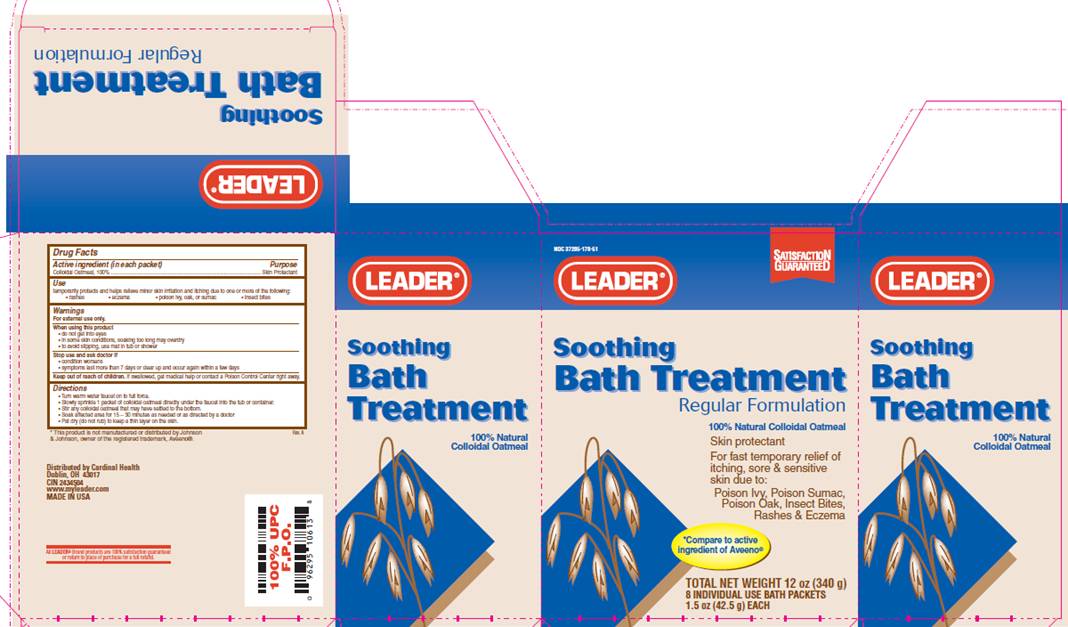
  • Soothing Bath Treatment (Colloidal Oatmeal) Powder [Cardinal Health]

    Soothing Bath Treatment

    Soothing Bath Treatment (Colloidal Oatmeal) Powder [Cardinal Health]

    Turn warm water faucet on to full force. Slowly sprinkle 1 packet of colloidal oatmeal directly under the faucet into the tub or container. Stir any colloidal oatmeal that may have settled to the bottom. Soak affected area for 15-30 minutes as needed or as directed by a doctor. Pat dry (do not rub) to keep a thin layer on the skin.

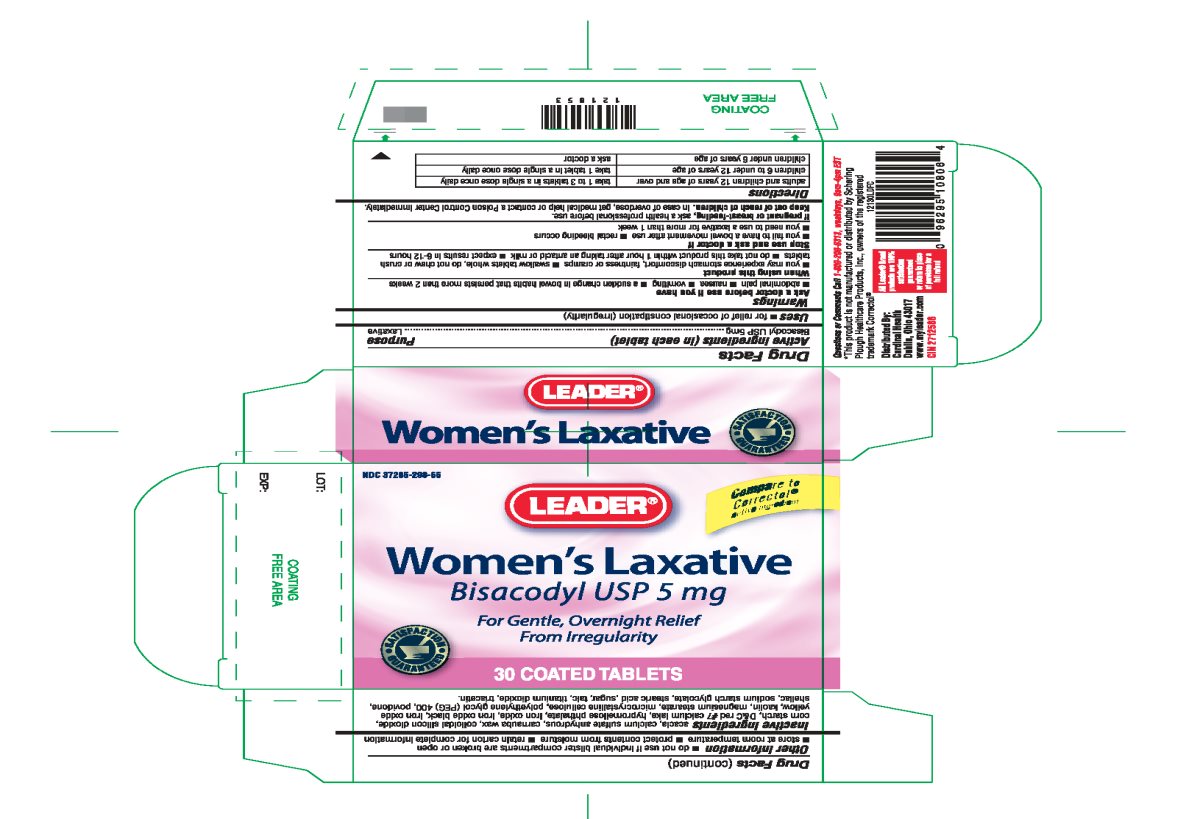
  • Leader Womens Laxative (Bisacodyl) Tablet, Coated [Cardinal Health]

    Leader Womens Laxative

    Leader Womens Laxative (Bisacodyl) Tablet, Coated [Cardinal Health]

    start with one tablet daily and take with water. If one tablet does not produce desired results, then try 2 or 3 tablets daily. Do not take more than 3 tablets daily. adults and children 12 years of age and older take 1-3 tablets in a single dose once daily children 6 to under 12 years of age take 1 tablet once daily children under 6 years of age ask a doctor

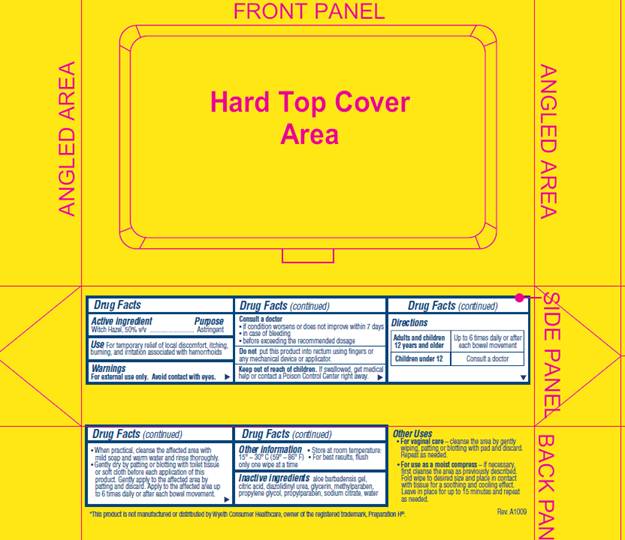
  • Leader Medicated Wipes (Witch Hazel) Solution [Cardinal Health]

    Leader Medicated Wipes

    Leader Medicated Wipes (Witch Hazel) Solution [Cardinal Health]

    Adults and children 12 years and older Up to 6 times daily or after each bowel movement Children under 12 Consult a doctor When practical, cleanse the affected area with mild soap and warm water and rinse thoroughly. Gently dry by patting or blotting with toilet tissue or soft cloth before each application of this product. Gently apply to the affected area by patting and then discard. Apply to the affected area up to 6 times daily or after each bowel movement.

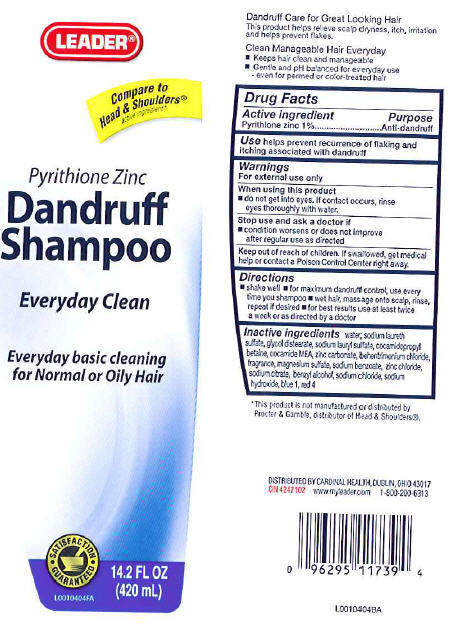
  • Dandruff Shampoo (Pyrithione Zinc) Lotion/shampoo [Cardinal Health]

    Dandruff Shampoo

    Dandruff Shampoo (Pyrithione Zinc) Lotion/shampoo [Cardinal Health]

    Directions • shake well • for maximum dandruff control, use every time you shampoo • wet hair, message onto scalp, rinse, repeat if desired • for best result use at least twice a week or as directed by doctor

  • Leader Alertness Aid (Caffeine) Tablet [Cardinal Health]

    Leader Alertness Aid

    Leader Alertness Aid (Caffeine) Tablet [Cardinal Health]

    adults and children 12 years of age and older: take one tablet not more often than every 3 to 4 hours

  • Pain Reliever Extra Strength (Leader) (Acetaminophen) Tablet [Cardinal Health]

    Pain Reliever Extra Strength

    Pain Reliever Extra Strength (Leader) (Acetaminophen) Tablet [Cardinal Health]

    do not take more than directed (see overdose warning) swallow whole – do not crush, chew or dissolve

    adults and children

    12 years and over take 2 caplets every 6 hours as needed do not take more than 8 caplets in 24 hours do not use for more than 10 days unless directed by a doctor

    children under

    12 years do not use this adult Extra Strength product in children under 12 years of age; this will provide more than the recommended dose (overdose) and may cause liver damage
  • Selegiline Hydrochloride Capsule [Apotex Corp.]

    Selegiline Hydrochloride

    Selegiline Hydrochloride Capsule [Apotex Corp.]

    2.1 Prevention of Nausea and Vomiting Associated with Initial and Repeat Courses of Emetogenic Chemotherapy

    Ondansetron Injection, USP should be diluted in 50 mL of 5% Dextrose Injection or 0.9% Sodium Chloride Injection before administration. 

    Adults  The recommended adult intravenous dosage of Ondansetron is three 0.15-mg/kg doses up to a maximum of 16 mg per dose [see Clinical Pharmacology (12.2)]. The first dose is infused over 15 minutes beginning 30 minutes before the start of emetogenic chemotherapy. Subsequent doses (0.15 mg/kg up to a maximum of 16 mg per dose) are administered 4 and 8 hours after the first dose of Ondansetron. 

    Pediatrics  For pediatric patients 6 months through 18 years of age, the intravenous dosage of Ondansetron is three 0.15-mg/kg doses up to a maximum of 16 mg per dose [see Clinical Studies (14.1) and Clinical Pharmacology (12.2 and 12.3)]. The first dose is to be administered 30 minutes before the start of moderately to highly emetogenic chemotherapy. Subsequent doses (0.15 mg/kg up to a maximum of 16 mg per dose) are administered 4 and 8 hours after the first dose of Ondansetron. The drug should be infused intravenously over 15 minutes.

    2.2 Prevention of Postoperative Nausea and Vomiting

    Ondansetron Injection, USP should not be mixed with solutions for which physical and chemical compatibility have not been established. In particular, this applies to alkaline solutions as a precipitate may form.

    Adults The recommended adult intravenous dosage of Ondansetron is 4 mg undiluted administered intravenously in not less than 30 seconds, preferably over 2 to 5 minutes, immediately before induction of anesthesia, or postoperatively if the patient did not receive prophylactic antiemetics and experiences nausea and/or vomiting occurring within 2 hours after surgery. Alternatively, 4 mg undiluted may be administered intramuscularly as a single injection for adults. While recommended as a fixed dose for patients weighing more than 40 kg, few patients above 80 kg have been studied. In patients who do not achieve adequate control of postoperative nausea and vomiting following a single, prophylactic, preinduction, intravenous dose of ondansetron 4 mg, administration of a second intravenous dose of 4 mg ondansetron postoperatively does not provide additional control of nausea and vomiting.

    Pediatrics For pediatric patients 1 month through 12 years of age, the dosage is a single 0.1-mg/kg dose for patients weighing 40 kg or less, or a single 4-mg dose for patients weighing more than 40 kg. The rate of administration should not be less than 30 seconds, preferably over 2 to 5 minutes immediately prior to or following anesthesia induction, or postoperatively if the patient did not receive prophylactic antiemetics and experiences nausea and/or vomiting occurring shortly after surgery. Prevention of further nausea and vomiting was only studied in patients who had not received prophylactic Ondansetron.

    2.3 Stability and Handling

    After dilution, do not use beyond 24 hours. Although Ondansetron Injection, USP is chemically and physically stable when diluted as recommended, sterile precautions should be observed because diluents generally do not contain preservative.

    Ondansetron Injection, USP is stable at room temperature under normal lighting conditions for 48 hours after dilution with the following intravenous fluids: 0.9% Sodium Chloride Injection, 5% Dextrose Injection, 5% Dextrose and 0.9% Sodium Chloride Injection, 5% Dextrose and 0.45% Sodium Chloride Injection, and 3% Sodium Chloride Injection.

    Note Parenteral drug products should be inspected visually for particulate matter and discoloration before administration whenever solution and container permit.

    Precaution Occasionally, ondansetron precipitates at the stopper/vial interface in vials stored upright. Potency and safety are not affected. If a precipitate is observed, resolubilize by shaking the vial vigorously.

    2.4 Dosage Adjustment for Patients with Impaired Hepatic Function

    In patients with severe hepatic impairment (Child-Pugh score of 10 or greater), a single maximal daily dose of 8 mg infused over 15 minutes beginning 30 minutes before the start of the emetogenic chemotherapy is recommended. There is no experience beyond first-day administration of ondansetron in these patients [see Clinical Pharmacology (12.3)].

  • Leader Day Time Cough And Cold Childrens (Dextromethorphan Hbr, Phenylephrine Hcl) Syrup [Cardinal Health]

    Leader Day Time Cough And Cold Childrens

    Leader Day Time Cough And Cold Childrens (Dextromethorphan Hbr, Phenylephrine Hcl) Syrup [Cardinal Health]

    take every 4 hours; not to exceed 6 doses in 24 hours or as directed by a doctor children 6 to under 12 years of age 2 teaspoons children 4 to under 6 years of age 1 teaspoon children under 4 years of age do not use

  • Leader Pain Reliever Childrens (Acetaminophen) Suspension [Cardinal Health]

    Leader Pain Reliever Childrens

    Leader Pain Reliever Childrens (Acetaminophen) Suspension [Cardinal Health]

    do not give more than directed (see Liver warning) shake well before using find right dose on chart. If possible, use weight to dose; otherwise, use age. use only enclosed dosing cup designed for use with this product. Do not use any other dosing device. if needed, repeat dose every 4 hours while symptoms last do not give more than 5 times in 24 hours do not give for more than 5 days unless directed by a doctor this product does not contain directions or complete warnings for adult use

    Weight(lb) Age(yr) Dose (tsp or mL) under 24 under 2 years ask a doctor 24-35 2–3 years 1 tsp or 5 mL 36–47 4–5 years 1 1/2 tsp or 7.5 mL 48–59 6–8 years 2 tsp or 10 mL 60-71 9–10 years 2 1/2 tsp or 12.5 mL 72-95 11 years 3 tsp or 15 mL

    Attention: use only enclosed dosing cup specifically designed for use with this product. Do not use any other dosing device.

  • Leader Acid Reducer Original Strength (Famotidine) Tablet [Cardinal Health]

    Leader Acid Reducer Original Strength

    Leader Acid Reducer Original Strength (Famotidine) Tablet [Cardinal Health]

    adults and children 12 years and over: to relieve symptoms, swallow 1 tablet with a glass of water. Do not chew. to prevent symptoms, swallow 1 tablet with a glass of water 60 minutes before eating food or drinking beverages that cause heartburn do not use more than 2 tablets in 24 hours children under 12 years: ask a doctor

  • Leader Pain Reliever Infants (Acetaminophen) Suspension/ Drops [Cardinal Health]

    Leader Pain Reliever Infants

    Leader Pain Reliever Infants (Acetaminophen) Suspension/ Drops [Cardinal Health]

    do not give more than directed (see Liver warning) shake well before using find right dose on chart. If possible, use weight to dose; otherwise use age. use only enclosed dropper designed for use with this product. Do not use any other dosing device. fill to dose level dispense liquid slowly into child’s mouth, toward inner cheek if needed, repeat dose every 4 hours while symptoms last do not give more than 5 times in 24 hours do not give for more than 5 days unless directed by a doctor replace dropper tightly to maintain child resistance this product does not contain directions or complete warnings for adult use Dosing Chart Weight(lb) Age(yr) Dose (mL) under 24 under 2 years ask a doctor 24-35 2–3 years 1.6 mL (0.8 + 0.8 mL)

    Attention: use only enclosed dropper specifically designed for use with this product. Do not use any other dosing device.

  • Leader Cold And Allergy (Chlorpheniramine Maleate, Phenylephrine Hcl) Tablet, Film Coated [Cardinal Health]

    Leader Cold And Allergy

    Leader Cold And Allergy (Chlorpheniramine Maleate, Phenylephrine Hcl) Tablet, Film Coated [Cardinal Health]

    adults and children 12 years and over take 1 tablet every 4 to 6 hours do not take more than 6 tablets in 24 hours children under 12 years do not use this product in children under 12 years of age

  • Leader Antacid Extra Strength (Aluminum Hydroxide, Magnesium Carbonate) Tablet, Chewable [Cardinal Health]

    Leader Antacid Extra Strength

    Leader Antacid Extra Strength (Aluminum Hydroxide, Magnesium Carbonate) Tablet, Chewable [Cardinal Health]

    chew 2 to 4 tablets four times a day or as directed by a doctor take after meals and at bedtime or as needed for best results follow by a half glass of water or other liquid do not swallow whole

  • Leader Lice Solution (Piperonyl Butoxide, Pyrethrum Extract) Kit [Cardinal Health]

    Leader Lice Solution

    Leader Lice Solution (Piperonyl Butoxide, Pyrethrum Extract) Kit [Cardinal Health]

    Shake well before using

    Important: Read warnings before use

    Adults and children 2 years and over:

    Inspect

    check each household member with a magnifying glass in bright light for lice/nits (eggs) look for tiny nits near scalp, beginning at back of neck and behind ears examine small sections of hair at a time unlike dandruff which moves when touched, nits stick to the hair if either lice or nits are found, treat with this product

    Treat

    apply thoroughly to DRY HAIR or other affected area. For head lice, first apply behind ears and to back of neck. allow product to remain for 10 minutes, but no longer use warm water to form a lather, shampoo, then thoroughly rinse for head lice, towel dry hair and comb out tangles

    Remove lice and their eggs (nits)

    use a fine-tooth or special lice/nit comb. Remove any remaining nits by hand (using a throw-away glove). hair should remain slightly damp while removing nits if hair dries during combing, dampen slightly with water for head lice, part hair into sections. Do one section at a time starting on top of the head. Longer hair may take 1 to 2 hours. lift a 1- to 2-inch wide strand of hair. Place comb as close to scalp as possible and comb with a firm, even motion away from scalp. pin back each strand of hair after combing clean comb often. Wipe nits away with tissue and discard in a plastic bag. Seal bag and discard to prevent lice from coming back. after combing, thoroughly recheck for lice/nits. Repeat combing if necessary. check daily for any lice/nits that you missed a second treatment must be done in 7 to 10 days to kill any newly hatched lice if infestation continues, see a doctor for other treatments Children under 2 years: ask a doctor
  • First Degree (Calendula Officinalis, Echinacea Angustifolia, Cantharis Vesicatoria) Tincture [The Akshay Wellness Group, Inc.]

    First Degree

    First Degree (Calendula Officinalis, Echinacea Angustifolia, Cantharis Vesicatoria) Tincture [The Akshay Wellness Group, Inc.]

    Valproic Acid Oral Solution USP is administered orally. Valproic acid is indicated as monotherapy and adjunctive therapy in complex partial seizures in adults and pediatric patients down to the age of 10 years, and in simple and complex absence seizures. As the valproic acid dosage is titrated upward, concentrations of phenobarbital, carbamazepine, and/or phenytoin may be affected (see PRECAUTIONS - Drug Interactions).

    Complex Partial Seizures

    For adults and children 10 years of age or older.

    Monotherapy (Initial Therapy)

    Valproic acid has not been systematically studied as initial therapy. Patients should initiate therapy at 10 to 15 mg/kg/day. The dosage should be increased by 5 to 10 mg/kg/week to achieve optimal clinical response. Ordinarily, optimal clinical response is achieved at daily doses below 60 mg/kg/day. If satisfactory clinical response has not been achieved, plasma levels should be measured to determine whether or not they are in the usually accepted therapeutic range (50 to 100 µg/mL). No recommendation regarding the safety of valproate for use at doses above 60 mg/kg/day can be made.

    The probability of thrombocytopenia increases significantly at total trough valproate plasma concentrations above 110 µg/mL in females and 135 µg/mL in males. The benefit of improved seizure control with higher doses should be weighed against the possibility of a greater incidence of adverse reactions.

    Conversion to Monotherapy

    Patients should initiate therapy at 10 to 15 mg/kg/day. The dosage should be increased by 5 to 10 mg/kg/week to achieve optimal clinical response. Ordinarily, optimal clinical response is achieved at daily doses below 60 mg/kg/day. If satisfactory clinical response has not been achieved, plasma levels should be measured to determine whether or not they are in the usually accepted therapeutic range (50 -100 µg/mL). No recommendation regarding the safety of valproate for use at doses above 60 mg/kg/day can be made. Concomitant antiepilepsy drug (AED) dosage can ordinarily be reduced by approximately 25% every 2 weeks. This reduction may be started at initiation of valproic acid therapy, or delayed by 1 to 2 weeks if there is a concern that seizures are likely to occur with a reduction. The speed and duration of withdrawal of the concomitant AED can be highly variable, and patients should be monitored closely during this period for increased seizure frequency.

    Adjunctive Therapy

    Valproic acid may be added to the patient's regimen at a dosage of 10 to 15 mg/kg/day. The dosage may be increased by 5 to 10 mg/kg/week to achieve optimal clinical response. Ordinarily, optimal clinical response is achieved at daily doses below 60 mg/kg/day. If satisfactory clinical response has not been achieved, plasma levels should be measured to determine whether or not they are in the usually accepted therapeutic range (50 to 100 µg/mL). No recommendation regarding the safety of valproate for use at doses above 60 mg/kg/day can be made. If the total daily dose exceeds 250 mg, it should be given in divided doses.

    In a study of adjunctive therapy for complex partial seizures in which patients were receiving either carbamazepine or phenytoin in addition to divalproex sodium tablets, no adjustment of carbamazepine or phenytoin dosage was needed (see CLINICAL STUDIES). However, since valproate may interact with these or other concurrently administered AEDs as well as other drugs (see Drug Interactions), periodic plasma concentration determinations of concomitant AEDs are recommended during the early course of therapy (see PRECAUTIONS - Drug Interactions).

    Simple and Complex Absence Seizures

    The recommended initial dose is 15 mg/kg/day, increasing at one week intervals by 5 to 10 mg/kg/day until seizures are controlled or side effects preclude further increases. The maximum recommended dosage is 60 mg/kg/day. If the total daily dose exceeds 250 mg, it should be given in divided doses.

    A good correlation has not been established between daily dose, serum concentrations, and therapeutic effect. However, therapeutic valproate serum concentrations for most patients with absence seizures is considered to range from 50 to 100 µg/mL. Some patients may be controlled with lower or higher serum concentrations (see CLINICAL PHARMACOLOGY).

    As the valproic acid dosage is titrated upward, blood concentrations of phenobarbital and/or phenytoin may be affected (see PRECAUTIONS).

    Antiepilepsy drugs should not be abruptly discontinued in patients in whom the drug is administered to prevent major seizures because of the strong possibility of precipitating status epilepticus with attendant hypoxia and threat to life.

    The following table is a guide for the initial daily dose of valproic acid (15 mg/kg/day):

    Weight Total Daily Dose (mg) Teaspoonfuls of Syrup (Kg) (Lb) Dose 1 Dose 2 Dose 3

    10 – 24.9

    22 – 54.9

    250

    0

    0

    1

    25 – 39.9

    55 – 87.9

    500

    1

    0

    1

    40 – 59.9

    88 – 131.9

    750

    1

    1

    1

    60 – 74.9

    132 – 164.9

    1,000

    1

    1

    2

    75 – 89.9

    165 – 197.9

    1,250

    2

    1

    2

    General Dosing Advice

    Dosing in Elderly Patients

    Due to a decrease in unbound clearance of valproate and possibly a greater sensitivity to somnolence in the elderly, the starting dose should be reduced in these patients. Dosage should be increased more slowly and with regular monitoring for fluid and nutritional intake, dehydration, somnolence, and other adverse events. Dose reductions or discontinuation of valproate should be considered in patients with decreased food or fluid intake and in patients with excessive somnolence. The ultimate therapeutic dose should be achieved on the basis of both tolerability and clinical response (see WARNINGS).

    Dose-Related Adverse Events

    The frequency of adverse effects (particularly elevated liver enzymes and thrombocytopenia) may be dose-related. The probability of thrombocytopenia appears to increase significantly at total valproate concentrations of ≥110 µg/mL (females) or ≥135 µg/mL (males) (see PRECAUTIONS). The benefit of improved therapeutic effect with higher doses should be weighed against the possibility of a greater incidence of adverse reactions.

    G.I. Irritation

    Patients who experience G.I. irritation may benefit from administration of the drug with food or by slowly building up the dose from an initial low level.

  • Fioricet (Butalbital, Acetaminophen, And Caffeine) Tablet [Cardinal Health]

    Fioricet

    Fioricet (Butalbital, Acetaminophen, And Caffeine) Tablet [Cardinal Health]

    One or 2 tablets every 4 hours as needed. Total daily dosage should not exceed 6 tablets.

    Extended and repeated use of Fioricet is not recommended because of the potential for physical dependence.

  • Klonopin (Clonazepam) Tablet [Cardinal Health]

    Klonopin

    Klonopin (Clonazepam) Tablet [Cardinal Health]

    Clonazepam is available as a tablet or an orally disintegrating tablet (wafer). The tablets should be administered with water by swallowing the tablet whole. The orally disintegrating tablet should be administered as follows: After opening the pouch, peel back the foil on the blister. Do not push tablet through foil. Immediately upon opening the blister, using dry hands, remove the tablet and place it in the mouth. Tablet disintegration occurs rapidly in saliva so it can be easily swallowed with or without water.

    Seizure Disorders

    Adults

    The initial dose for adults with seizure disorders should not exceed 1.5 mg/day divided into three doses. Dosage may be increased in increments of 0.5 to 1 mg every 3 days until seizures are adequately controlled or until side effects preclude any further increase. Maintenance dosage must be individualized for each patient depending upon response. Maximum recommended daily dose is 20 mg.

    The use of multiple anticonvulsants may result in an increase of depressant adverse effects. This should be considered before adding Klonopin to an existing anticonvulsant regimen.

    Pediatric Patients

    Klonopin is administered orally. In order to minimize drowsiness, the initial dose for infants and children (up to 10 years of age or 30 kg of body weight) should be between 0.01 and 0.03 mg/kg/day but not to exceed 0.05 mg/kg/day given in two or three divided doses. Dosage should be increased by no more than 0.25 to 0.5 mg every third day until a daily maintenance dose of 0.1 to 0.2 mg/kg of body weight has been reached, unless seizures are controlled or side effects preclude further increase. Whenever possible, the daily dose should be divided into three equal doses. If doses are not equally divided, the largest dose should be given before retiring.

    Geriatric Patients

    There is no clinical trial experience with Klonopin in seizure disorder patients 65 years of age and older. In general, elderly patients should be started on low doses of Klonopin and observed closely (see PRECAUTIONS: Geriatric Use).

    Panic Disorder

    Adults

    The initial dose for adults with panic disorder is 0.25 mg bid. An increase to the target dose for most patients of 1 mg/day may be made after 3 days. The recommended dose of 1 mg/day is based on the results from a fixed dose study in which the optimal effect was seen at 1 mg/day. Higher doses of 2, 3 and 4 mg/day in that study were less effective than the 1 mg/day dose and were associated with more adverse effects. Nevertheless, it is possible that some individual patients may benefit from doses of up to a maximum dose of 4 mg/day, and in those instances, the dose may be increased in increments of 0.125 to 0.25 mg bid every 3 days until panic disorder is controlled or until side effects make further increases undesired. To reduce the inconvenience of somnolence, administration of one dose at bedtime may be desirable.

    Treatment should be discontinued gradually, with a decrease of 0.125 mg bid every 3 days, until the drug is completely withdrawn.

    There is no body of evidence available to answer the question of how long the patient treated with clonazepam should remain on it. Therefore, the physician who elects to use Klonopin for extended periods should periodically reevaluate the long-term usefulness of the drug for the individual patient.

    Pediatric Patients

    There is no clinical trial experience with Klonopin in panic disorder patients under 18 years of age.

    Geriatric Patients

    There is no clinical trial experience with Klonopin in panic disorder patients 65 years of age and older. In general, elderly patients should be started on low doses of Klonopin and observed closely (see PRECAUTIONS: Geriatric Use).