Cardinal Health

Manufacturer Details

There are currently no manufacturer details available.

Share This Page

Cardinal Health Drugs

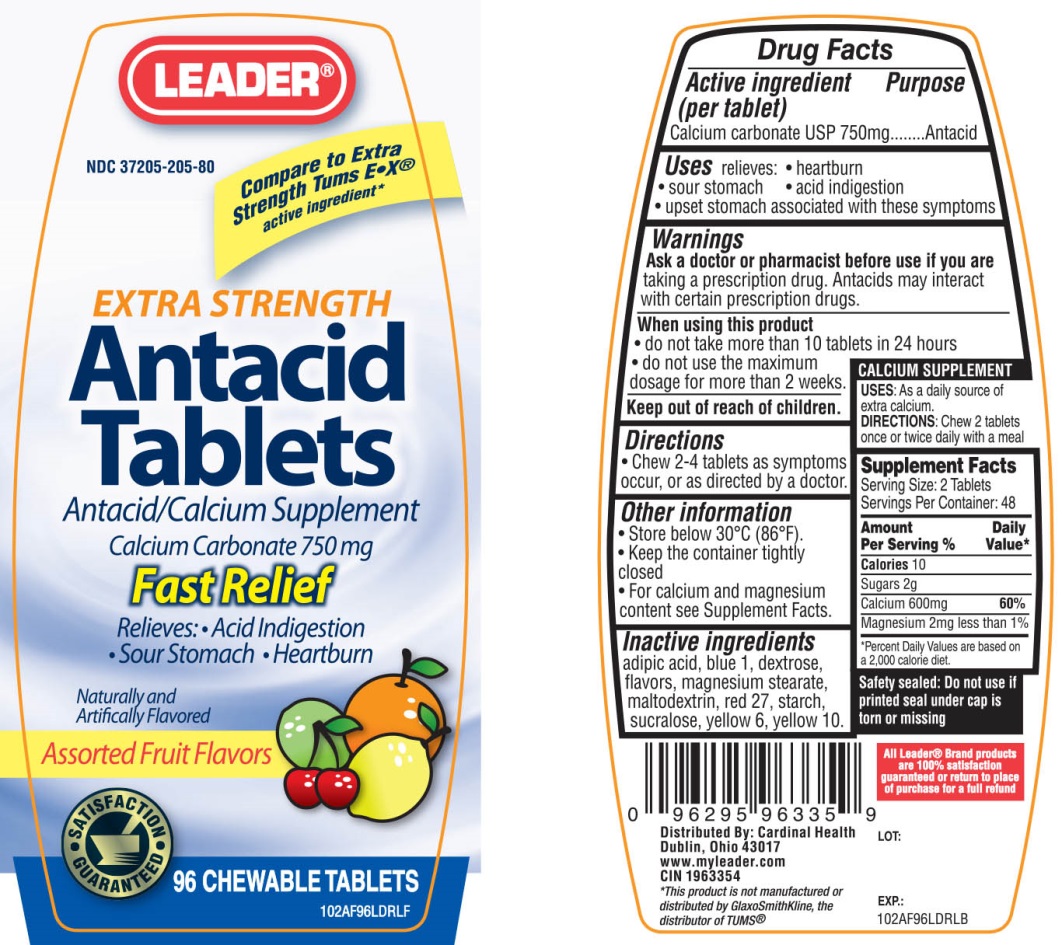
  • Leader Antacid (Calcium Carbonate) Tablet, Chewable [Cardinal Health]

    Leader Antacid

    Leader Antacid (Calcium Carbonate) Tablet, Chewable [Cardinal Health]

    chew 2 to 4 tablets as symptoms occur

  • Leader Headache Formula...
    Leader Headache Formula Added Strength (Acetaminophen, Aspirin, Caffeine) Tablet, Film Coated [Cardinal Health]

    Leader Headache Formula Added Strength

    Leader Headache Formula Added Strength (Acetaminophen, Aspirin, Caffeine) Tablet, Film Coated [Cardinal Health]

    do not use more than directed (see Liver warning) drink a full glass of water with each dose adults and children 12 years and over: take 2 tablets every 6 hours; do not exceed 8 tablets in 24 hours children under 12 years: ask a doctor

  • Tretinoin Gel [Valeant Pharmaceuticals North America Llc]

    Tretinoin Gel

    Tretinoin Gel [Valeant Pharmaceuticals North America Llc]

    The usual dose is 1 to 2 tablespoonfuls (15 to 30 mL, containing 10 g to 20 g of lactulose) daily. The dose may be increased to 60 mL daily if necessary. Twenty-four to 48 hours may be required to produce a normal bowel movement.

    Note: Some patients have found that lactulose solution may be more acceptable when mixed with fruit juice, water or milk.

  • Metformin Hydrochloride Tablet, Film Coated Metformin Hydrochloride Tablet, Extended Release [Cadila Healthcare Limited]

    Metformin Hydrochloride

    Metformin Hydrochloride Tablet, Film Coated Metformin Hydrochloride Tablet, Extended Release [Cadila Healthcare Limited]

    Neoral® Soft Gelatin Capsules (cyclosporine capsules, USP) MODIFIED and Neoral® Oral Solution (cyclosporine oral solution, USP) MODIFIED

    Neoral® has increased bioavailability in comparison to Sandimmune®. Neoral® and Sandimmune® are not bioequivalent and cannot be used interchangeably without physician supervision.

    The daily dose of Neoral® should always be given in two divided doses (BID). It is recommended that Neoral® be administered on a consistent schedule with regard to time of day and relation to meals. Grapefruit and grapefruit juice affect metabolism, increasing blood concentration of cyclosporine, thus should be avoided.

    Specific Populations

    Renal Impairment in Kidney, Liver, and Heart Transplantation

    Cyclosporine undergoes minimal renal elimination and its pharmacokinetics do not appear to be significantly altered in patients with end-stage renal disease who receive routine hemodialysis treatments (See CLINICAL PHARMACOLOGY). However, due to its nephrotoxic potential (See WARNINGS), careful monitoring of renal function is recommended; cyclosporine dosage should be reduced if indicated. (See WARNINGS and PRECAUTIONS)

    Renal Impairment in Rheumatoid Arthritis and Psoriasis

    Patients with impaired renal function should not receive cyclosporine. (See CONTRAINDICATIONS, WARNINGS and PRECAUTIONS)

    Hepatic Impairment

    The clearance of cyclosporine may be significantly reduced in severe liver disease patients (See CLINICAL PHARMACOLOGY). Dose reduction may be necessary in patients with severe liver impairment to maintain blood concentrations within the recommended target range (See WARNINGS and PRECAUTIONS).

    Newly Transplanted Patients

    The initial oral dose of Neoral® can be given 4-12 hours prior to transplantation or be given postoperatively. The initial dose of Neoral® varies depending on the transplanted organ and the other immunosuppressive agents included in the immunosuppressive protocol. In newly transplanted patients, the initial oral dose of Neoral® is the same as the initial oral dose of Sandimmune®. Suggested initial doses are available from the results of a 1994 survey of the use of Sandimmune® in US transplant centers. The mean ± SD initial doses were 9±3 mg/kg/day for renal transplant patients (75 centers), 8±4 mg/kg/day for liver transplant patients (30 centers), and 7±3 mg/kg/day for heart transplant patients (24 centers). Total daily doses were divided into two equal daily doses. The Neoral® dose is subsequently adjusted to achieve a pre-defined cyclosporine blood concentration. (See Blood Concentration Monitoring in Transplant Patients, below) If cyclosporine trough blood concentrations are used, the target range is the same for Neoral® as for Sandimmune®. Using the same trough concentration target range for Neoral® as for Sandimmune® results in greater cyclosporine exposure when Neoral® is administered. (See Pharmacokinetics, Absorption) Dosing should be titrated based on clinical assessments of rejection and tolerability. Lower Neoral® doses may be sufficient as maintenance therapy.

    Adjunct therapy with adrenal corticosteroids is recommended initially. Different tapering dosage schedules of prednisone appear to achieve similar results. A representative dosage schedule based on the patient’s weight started with 2.0 mg/kg/day for the first 4 days tapered to 1.0 mg/kg/day by 1 week, 0.6 mg/kg/day by 2 weeks, 0.3 mg/kg/day by 1 month, and 0.15 mg/kg/day by 2 months and thereafter as a maintenance dose. Steroid doses may be further tapered on an individualized basis depending on status of patient and function of graft. Adjustments in dosage of prednisone must be made according to the clinical situation.

    Conversion from Sandimmune® to Neoral® in Transplant Patients

    In transplanted patients who are considered for conversion to Neoral® from Sandimmune®, Neoral® should be started with the same daily dose as was previously used with Sandimmune® (1:1 dose conversion). The Neoral® dose should subsequently be adjusted to attain the pre-conversion cyclosporine blood trough concentration. Using the same trough concentration target range for Neoral® as for Sandimmune® results in greater cyclosporine exposure when Neoral® is administered. (See Pharmacokinetics, Absorption) Patients with suspected poor absorption of Sandimmune® require different dosing strategies. (See Transplant Patients with Poor Absorption of Sandimmune®, below) In some patients, the increase in blood trough concentration is more pronounced and may be of clinical significance.

    Until the blood trough concentration attains the pre-conversion value, it is strongly recommended that the cyclosporine blood trough concentration be monitored every 4 to 7 days after conversion to Neoral®. In addition, clinical safety parameters such as serum creatinine and blood pressure should be monitored every two weeks during the first two months after conversion. If the blood trough concentrations are outside the desired range and/or if the clinical safety parameters worsen, the dosage of Neoral® must be adjusted accordingly.

    Transplant Patients with Poor Absorption of Sandimmune®

    Patients with lower than expected cyclosporine blood trough concentrations in relation to the oral dose of Sandimmune® may have poor or inconsistent absorption of cyclosporine from Sandimmune®. After conversion to Neoral®, patients tend to have higher cyclosporine concentrations. Due to the increase in bioavailability of cyclosporine following conversion to Neoral®, the cyclosporine blood trough concentration may exceed the target range. Particular caution should be exercised when converting patients to Neoral® at doses greater than 10 mg/kg/day. The dose of Neoral® should be titrated individually based on cyclosporine trough concentrations, tolerability, and clinical response. In this population the cyclosporine blood trough concentration should be measured more frequently, at least twice a week (daily, if initial dose exceeds 10 mg/kg/day) until the concentration stabilizes within the desired range.

    Rheumatoid Arthritis

    The initial dose of Neoral® is 2.5 mg/kg/day, taken twice daily as a divided (BID) oral dose. Salicylates, nonsteroidal anti-inflammatory agents, and oral corticosteroids may be continued. (See WARNINGS and PRECAUTIONS, Drug Interactions) Onset of action generally occurs between 4 and 8 weeks. If insufficient clinical benefit is seen and tolerability is good (including serum creatinine less than 30% above baseline), the dose may be increased by 0.5-0.75 mg/kg/day after 8 weeks and again after 12 weeks to a maximum of 4 mg/kg/day. If no benefit is seen by 16 weeks of therapy, Neoral® therapy should be discontinued.

    Dose decreases by 25%-50% should be made at any time to control adverse events, e.g., hypertension elevations in serum creatinine (30% above patient’s pretreatment level) or clinically significant laboratory abnormalities. (See WARNINGS and PRECAUTIONS)

    If dose reduction is not effective in controlling abnormalities or if the adverse event or abnormality is severe, Neoral® should be discontinued. The same initial dose and dosage range should be used if Neoral® is combined with the recommended dose of methotrexate. Most patients can be treated with Neoral® doses of 3 mg/kg/day or below when combined with methotrexate doses of up to 15 mg/week. (See CLINICAL PHARMACOLOGY, Clinical Trials)

    There is limited long-term treatment data. Recurrence of rheumatoid arthritis disease activity is generally apparent within 4 weeks after stopping cyclosporine.

    Psoriasis

    The initial dose of Neoral® should be 2.5 mg/kg/day. Neoral® should be taken twice daily, as a divided (1.25 mg/kg BID) oral dose. Patients should be kept at that dose for at least 4 weeks, barring adverse events. If significant clinical improvement has not occurred in patients by that time, the patient’s dosage should be increased at 2-week intervals. Based on patient response, dose increases of approximately 0.5 mg/kg/day should be made to a maximum of 4.0 mg/kg/day.

    Dose decreases by 25%-50% should be made at any time to control adverse events, e.g., hypertension, elevations in serum creatinine (≥25% above the patient’s pretreatment level), or clinically significant laboratory abnormalities. If dose reduction is not effective in controlling abnormalities, or if the adverse event or abnormality is severe, Neoral® should be discontinued. (See Special Monitoring of Psoriasis Patients)

    Patients generally show some improvement in the clinical manifestations of psoriasis in 2 weeks. Satisfactory control and stabilization of the disease may take 12-16 weeks to achieve. Results of a dose-titration clinical trial with Neoral® indicate that an improvement of psoriasis by 75% or more (based on PASI) was achieved in 51% of the patients after 8 weeks and in 79% of the patients after 16 weeks. Treatment should be discontinued if satisfactory response cannot be achieved after 6 weeks at 4 mg/kg/day or the patient’s maximum tolerated dose. Once a patient is adequately controlled and appears stable the dose of Neoral® should be lowered, and the patient treated with the lowest dose that maintains an adequate response (this should not necessarily be total clearing of the patient). In clinical trials, cyclosporine doses at the lower end of the recommended dosage range were effective in maintaining a satisfactory response in 60% of the patients. Doses below 2.5 mg/kg/day may also be equally effective.

    Upon stopping treatment with cyclosporine, relapse will occur in approximately 6 weeks (50% of the patients) to 16 weeks (75% of the patients). In the majority of patients rebound does not occur after cessation of treatment with cyclosporine. Thirteen cases of transformation of chronic plaque psoriasis to more severe forms of psoriasis have been reported. There were 9 cases of pustular and 4 cases of erythrodermic psoriasis. Long term experience with Neoral® in psoriasis patients is limited and continuous treatment for extended periods greater than one year is not recommended. Alternation with other forms of treatment should be considered in the long term management of patients with this life long disease.

    Neoral® Oral Solution (cyclosporine oral solution, USP) MODIFIED–Recommendations for Administration

    To make Neoral® Oral Solution (cyclosporine oral solution, USP) MODIFIED more palatable, it should be diluted with orange or apple juice that is at room temperature. Patients should avoid switching diluents frequently. Grapefruit juice affects metabolism of cyclosporine and should be avoided. The combination of Neoral® solution with milk can be unpalatable. The effect of milk on the bioavailability of cyclosporine when administered as Neoral Oral Solution has not been evaluated.

    Take the prescribed amount of Neoral® Oral Solution (cyclosporine oral solution, USP) MODIFIED from the container using the dosing syringe supplied, after removal of the protective cover, and transfer the solution to a glass of orange or apple juice. Stir well and drink at once. Do not allow diluted oral solution to stand before drinking. Use a glass container (not plastic). Rinse the glass with more diluent to ensure that the total dose is consumed. After use, dry the outside of the dosing syringe with a clean towel and replace the protective cover. Do not rinse the dosing syringe with water or other cleaning agents. If the syringe requires cleaning, it must be completely dry before resuming use.

    Blood Concentration Monitoring in Transplant Patients

    Transplant centers have found blood concentration monitoring of cyclosporine to be an essential component of patient management. Of importance to blood concentration analysis are the type of assay used, the transplanted organ, and other immunosuppressant agents being administered. While no fixed relationship has been established, blood concentration monitoring may assist in the clinical evaluation of rejection and toxicity, dose adjustments, and the assessment of compliance.

    Various assays have been used to measure blood concentrations of cyclosporine. Older studies using a nonspecific assay often cited concentrations that were roughly twice those of the specific assays. Therefore, comparison between concentrations in the published literature and an individual patient concentration using current assays must be made with detailed knowledge of the assay methods employed. Current assay results are also not interchangeable and their use should be guided by their approved labeling. A discussion of the different assay methods is contained in Annals of Clinical Biochemistry 1994;31:420-446. While several assays and assay matrices are available, there is a consensus that parent-compound-specific assays correlate best with clinical events. Of these, HPLC is the standard reference, but the monoclonal antibody RIAs and the monoclonal antibody FPIA offer sensitivity, reproducibility, and convenience. Most clinicians base their monitoring on trough cyclosporine concentrations. Applied Pharmacokinetics, Principles of Therapeutic Drug Monitoring (1992) contains a broad discussion of cyclosporine pharmacokinetics and drug monitoring techniques. Blood concentration monitoring is not a replacement for renal function monitoring or tissue biopsies.

  • Vfend (Voriconazole) Tablet, Film Coated [Cardinal Health]

    Vfend

    Vfend (Voriconazole) Tablet, Film Coated [Cardinal Health]

    Administration

    VFEND Tablets or Oral Suspension should be taken at least one hour before, or one hour following, a meal.

    VFEND I.V. for Injection requires reconstitution to 10 mg/mL and subsequent dilution to 5 mg/mL or less prior to administration as an infusion, at a maximum rate of 3 mg/kg per hour over 1–2 hours (see Intravenous Administration).

    NOT FOR IV BOLUS INJECTION

    Use of VFEND I.V. with other Parenteral Drug Products

    Blood products and concentrated electrolytes

    VFEND I.V. must not be infused concomitantly with any blood product or short-term infusion of concentrated electrolytes, even if the two infusions are running in separate intravenous lines (or cannulas). Electrolyte disturbances such as hypokalemia, hypomagnesemia and hypocalcemia should be corrected prior to initiation of VFEND therapy (see PRECAUTIONS).

    Intravenous solutions containing (non-concentrated) electrolytes

    VFEND I.V. can be infused at the same time as other intravenous solutions containing (non-concentrated) electrolytes, but must be infused through a separate line.

    Total parenteral nutrition (TPN)

    VFEND I.V. can be infused at the same time as total parenteral nutrition, but must be infused in a separate line. If infused through a multiple-lumen catheter, TPN needs to be administered using a different port from the one used for VFEND I.V.

    Use in Adults

    Invasive aspergillosis and serious fungal infections due to Fusarium spp. and Scedosporium apiospermum

    For the treatment of adults with invasive aspergillosis and infections due to Fusarium spp. and Scedosporium apiospermum, therapy must be initiated with the specified loading dose regimen of intravenous VFEND to achieve plasma concentrations on Day 1 that are close to steady state. On the basis of high oral bioavailability, switching between intravenous and oral administration is appropriate when clinically indicated (see CLINICAL PHARMACOLOGY). Once the patient can tolerate medication given by mouth, the oral tablet form or oral suspension form of VFEND may be utilized. (See Table 17.)

    Candidemia in nonneutropenic patients and other deep tissue Candida infections

    See Table 17. Patients should be treated for at least 14 days following resolution of symptoms or following last positive culture, whichever is longer.

    Esophageal Candidiasis

    See Table 17. Patients should be treated for a minimum of 14 days and for at least 7 days following resolution of symptoms.

    Table 17: Recommended Dosing Regimen Infection Loading dose Maintenance Dose IV IV Oral* * Patients who weigh 40 kg or more should receive an oral maintenance dose of 200 mg VFEND every 12 hours. Adult patients who weigh less than 40 kg should receive an oral maintenance dose of 100 mg every 12 hours. † In clinical trials, patients with candidemia received 3 mg/kg q12h as primary therapy, while patients with other deep tissue Candida infections received 4 mg/kg as salvage therapy. Appropriate dose should be based on the severity and nature of the infection. ‡ Not evaluated in patients with esophageal candidiasis. Invasive Aspergillosis 6 mg/kg q12h for the first 24 hours 4 mg/kg q12h 200 mg q12h Candidemia in nonneutropenic patients and other deep tissue Candida infections 6 mg/kg q12h for the first 24 hours 3–4 mg/kg q12h † 200 mg q12h Esophageal Candidiasis ‡ ‡ 200 mg q12h Scedosporiosis and Fusariosis 6 mg/kg q12h for the first 24 hours 4 mg/kg q12h 200 mg q12h

    Dosage Adjustment

    If patient response is inadequate, the oral maintenance dose may be increased from 200 mg every 12 hours to 300 mg every 12 hours. For adult patients weighing less than 40 kg, the oral maintenance dose may be increased from 100 mg every 12 hours to 150 mg every 12 hours. If patients are unable to tolerate 300 mg orally every 12 hours, reduce the oral maintenance dose by 50 mg steps to a minimum of 200 mg every 12 hours (or to 100 mg every 12 hours for adult patients weighing less than 40 kg).

    If patients are unable to tolerate 4 mg/kg IV, reduce the intravenous maintenance dose to 3 mg/kg every 12 hours.

    Phenytoin may be coadministered with VFEND if the intravenous maintenance dose of VFEND is increased to 5 mg/kg every 12 hours, or the oral maintenance dose is increased from 200 mg to 400 mg every 12 hours (100 mg to 200 mg every 12 hours in adult patients weighing less than 40 kg) (see CLINICAL PHARMACOLOGY, PRECAUTIONS - Drug Interactions).

    When voriconazole is coadministered with efavirenz, the voriconazole maintenance dose should be increased to 400 mg Q12h and the efavirenz dose should be decreased to 300 mg Q24h. When treatment with voriconazole is stopped, the initial dosage of efavirenz should be restored (see CLINICAL PHARMACOLOGY and PRECAUTIONS – Drug Interactions).

    Duration of therapy should be based on the severity of the patient's underlying disease, recovery from immunosuppression, and clinical response.

    Use in Geriatric Patients

    No dose adjustment is necessary for geriatric patients.

    Use in Patients with Hepatic Insufficiency

    In the clinical program, patients were included who had baseline liver function tests (ALT, AST) up to 5 times the upper limit of normal. No dose adjustment is necessary in patients with this degree of abnormal liver function, but continued monitoring of liver function tests for further elevations is recommended (see WARNINGS).

    It is recommended that the standard loading dose regimens be used but that the maintenance dose be halved in patients with mild to moderate hepatic cirrhosis (Child-Pugh Class A and B).

    VFEND has not been studied in patients with severe hepatic cirrhosis (Child-Pugh Class C) or in patients with chronic hepatitis B or chronic hepatitis C disease. VFEND has been associated with elevations in liver function tests and clinical signs of liver damage, such as jaundice, and should only be used in patients with severe hepatic insufficiency if the benefit outweighs the potential risk. Patients with hepatic insufficiency must be carefully monitored for drug toxicity.

    Use in Patients with Renal Insufficiency

    The pharmacokinetics of orally administered VFEND are not significantly affected by renal insufficiency. Therefore, no adjustment is necessary for oral dosing in patients with mild to severe renal impairment (see CLINICAL PHARMACOLOGY - Special Populations).

    In patients with moderate or severe renal insufficiency (creatinine clearance <50 mL/min), accumulation of the intravenous vehicle, SBECD, occurs. Oral voriconazole should be administered to these patients, unless an assessment of the benefit/risk to the patient justifies the use of intravenous voriconazole. Serum creatinine levels should be closely monitored in these patients, and, if increases occur, consideration should be given to changing to oral voriconazole therapy (see DOSAGE and ADMINISTRATION).

    Voriconazole is hemodialyzed with clearance of 121 mL/min. The intravenous vehicle, SBECD, is hemodialyzed with clearance of 55 mL/min. A 4-hour hemodialysis session does not remove a sufficient amount of voriconazole to warrant dose adjustment.

    Intravenous Administration

    VFEND I.V. For Injection

    Reconstitution

    The powder is reconstituted with 19 mL of Water For Injection to obtain an extractable volume of 20 mL of clear concentrate containing 10 mg/mL of voriconazole. It is recommended that a standard 20 mL (non-automated) syringe be used to ensure that the exact amount (19.0 mL) of Water for Injection is dispensed. Discard the vial if a vacuum does not pull the diluent into the vial. Shake the vial until all the powder is dissolved.

    Dilution

    VFEND must be infused over 1–2 hours, at a concentration of 5 mg/mL or less. Therefore, the required volume of the 10 mg/mL VFEND concentrate should be further diluted as follows (appropriate diluents listed below):

    Calculate the volume of 10 mg/mL VFEND concentrate required based on the patient's weight (see Table 18). In order to allow the required volume of VFEND concentrate to be added, withdraw and discard at least an equal volume of diluent from the infusion bag or bottle to be used. The volume of diluent remaining in the bag or bottle should be such that when the 10 mg/mL VFEND concentrate is added, the final concentration is not less than 0.5 mg/mL nor greater than 5 mg/mL. Using a suitable size syringe and aseptic technique, withdraw the required volume of VFEND concentrate from the appropriate number of vials and add to the infusion bag or bottle. Discard Partially Used Vials.

    The final VFEND solution must be infused over 1–2 hours at a maximum rate of 3 mg/kg per hour.

    Table 18: Required Volumes of 10 mg/mL VFEND Concentrate Body Weight(kg) Volume of VFEND Concentrate (10 mg/mL) required for: 3 mg/kg dose(number of vials) 4 mg/kg dose(number of vials) 6 mg/kg dose(number of vials) 30 9.0 mL (1) 12 mL (1) 18 mL (1) 35 10.5 mL (1) 14 mL (1) 21 mL (2) 40 12.0 mL (1) 16 mL (1) 24 mL (2) 45 13.5 mL (1) 18 mL (1) 27 mL (2) 50 15.0 mL (1) 20 mL (1) 30 mL (2) 55 16.5 mL (1) 22 mL (2) 33 mL (2) 60 18.0 mL (1) 24 mL (2) 36 mL (2) 65 19.5 mL (1) 26 mL (2) 39 mL (2) 70 21.0 mL (2) 28 mL (2) 42 mL (3) 75 22.5 mL (2) 30 mL (2) 45 mL (3) 80 24.0 mL (2) 32 mL (2) 48 mL (3) 85 25.5 mL (2) 34 mL (2) 51 mL (3) 90 27.0 mL (2) 36 mL (2) 54 mL (3) 95 28.5 mL (2) 38 mL (2) 57 mL (3) 100 30.0 mL (2) 40 mL (2) 60 mL (3)

    VFEND I.V. for Injection is a single dose unpreserved sterile lyophile. Therefore, from a microbiological point of view, once reconstituted, the product should be used immediately. If not used immediately, in-use storage times and conditions prior to use are the responsibility of the user and should not be longer than 24 hours at 2° to 8°C (36° to 46°F). This medicinal product is for single use only and any unused solution should be discarded. Only clear solutions without particles should be used.

    The reconstituted solution can be diluted with:

    9 mg/mL (0.9%) Sodium Chloride USP

    Lactated Ringers USP

    5% Dextrose and Lactated Ringers USP

    5% Dextrose and 0.45% Sodium Chloride USP

    5% Dextrose USP

    5% Dextrose and 20 mEq Potassium Chloride USP

    0.45% Sodium Chloride USP

    5% Dextrose and 0.9% Sodium Chloride USP

    The compatibility of VFEND I.V. with diluents other than those described above is unknown (see Incompatibilities below).

    Parenteral drug products should be inspected visually for particulate matter and discoloration prior to administration, whenever solution and container permit.

    Incompatibilities

    VFEND I.V. must not be diluted with 4.2% Sodium Bicarbonate Infusion. The mildly alkaline nature of this diluent caused slight degradation of VFEND after 24 hours storage at room temperature. Although refrigerated storage is recommended following reconstitution, use of this diluent is not recommended as a precautionary measure. Compatibility with other concentrations is unknown.

    VFEND for Oral Suspension

    Reconstitution

    Tap the bottle to release the powder. Add 46 mL of water to the bottle. Shake the closed bottle vigorously for about 1 minute. Remove child-resistant cap and push bottle adaptor into the neck of the bottle. Replace the cap. Write the date of expiration of the reconstituted suspension on the bottle label (the shelf-life of the reconstituted suspension is 14 days at controlled room temperature 15–30°C [59–86°F]).

    Instructions for use

    Shake the closed bottle of reconstituted suspension for approximately 10 seconds before each use. The reconstituted oral suspension should only be administered using the oral dispenser supplied with each pack.

    Incompatibilities

    VFEND for Oral Suspension and the 40 mg/mL reconstituted oral suspension should not be mixed with any other medication or additional flavoring agent. It is not intended that the suspension be further diluted with water or other vehicles.

  • Leader Aller Ease
    Leader Aller Ease (Fexofenadine Hydrochloride) Tablet, Film Coated [Cardinal Health]

    Leader Aller Ease

    Leader Aller Ease (Fexofenadine Hydrochloride) Tablet, Film Coated [Cardinal Health]

    adults and children 12 years of age and over take one 180 mg tablet with water once a day; do not take more than 1 tablet in 24 hours children under 12 years of age do not use adults 65 years of age and older ask a doctor consumers with kidney disease ask a doctor

  • Petroleum Skin Protectant (White Petrolatum) Jelly [Cardinal Health]

    Petroleum Skin Protectant

    Petroleum Skin Protectant (White Petrolatum) Jelly [Cardinal Health]

    Directions apply as needed.

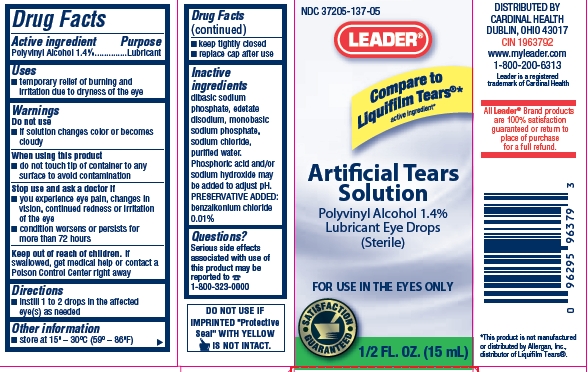
  • Artificial Tears (Polyvinyl Alcohol) Solution/ Drops [Cardinal Health]

    Artificial Tears

    Artificial Tears (Polyvinyl Alcohol) Solution/ Drops [Cardinal Health]

    instill 1 to 2 drops in the affected eye(s) as needed

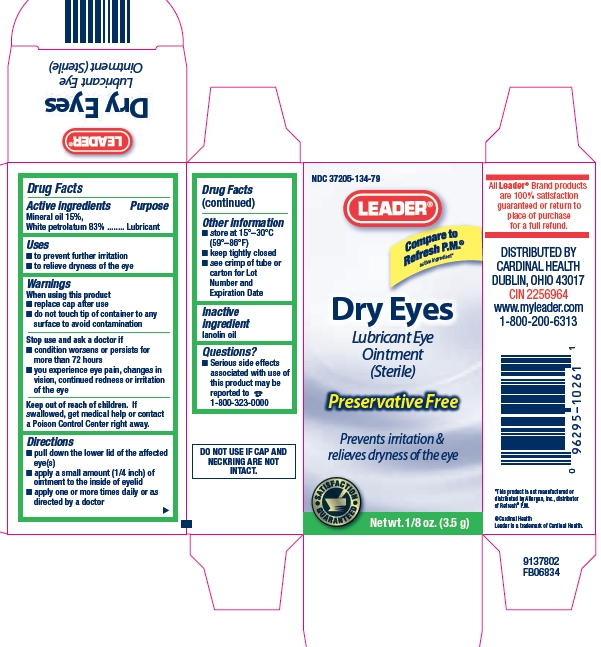
  • Dry Eyes (White Petrolatum Mineral Oil) Ointment [Cardinal Health]

    Dry Eyes

    Dry Eyes (White Petrolatum Mineral Oil) Ointment [Cardinal Health]

      pull down the lower lid of the affected eye(s)   apply a small amount (1/4 inch) of ointment to the inside of eyelid   apply one or more times daily or as directed by a doctor

  • Mineral Oil Liquid [Cardinal Health]

    Mineral Oil

    Mineral Oil Liquid [Cardinal Health]

    Directions  •do not take with meals •take only at bedtime • may be taken as a single daily dose or in divided doses adults and children 12 years of age and over - 1 to 3 Tablespoons (15 to 45 mL) maximum 3 Tablespoons (45 mL) in 24 hours children 6 to under 12 years of age - 1 to 3 teaspoons (5 to 15 mL) maximum 3 teaspoons (15mL) in 24 hours children under 6 years of age - do not use, consult a doctor

  • Poison Oak Ivy
    Poison Oak Ivy (Agaricus Muscarius, Anacardium Orientale, Apis Mellifica, Croton Tiglium, Cypripedium Pubescens, Grindelia, Pyrogenium, Rhus Toxicodendron,) Spray [Liddell Laboratories, Inc.]

    Poison Oak Ivy

    Poison Oak Ivy (Agaricus Muscarius, Anacardium Orientale, Apis Mellifica, Croton Tiglium, Cypripedium Pubescens, Grindelia, Pyrogenium, Rhus Toxicodendron,) Spray [Liddell Laboratories, Inc.]

    There is no fixed dosage regimen for the management of hyperglycemia in patients with type 2 diabetes with metformin hydrochloride or any other pharmacologic agent. Dosage of metformin hydrochloride must be individualized on the basis of both effectiveness and tolerance, while not exceeding the maximum recommended daily doses. The maximum recommended daily dose of metformin hydrochloride is 2550 mg in adults and 2000 mg in pediatric patients (10 to 16 years of age).

    Metformin hydrochloride should be given in divided doses with meals. Metformin hydrochloride should be started at a low dose, with gradual dose escalation, both to reduce gastrointestinal side effects and to permit identification of the minimum dose required for adequate glycemic control of the patient.

    During treatment initiation and dose titration (see Recommended Dosing Schedule), fasting plasma glucose should be used to determine the therapeutic response to metformin hydrochloride and identify the minimum effective dose for the patient. Thereafter, glycosylated hemoglobin should be measured at intervals of approximately three months. The therapeutic goal should be to decrease both fasting plasma glucose and glycosylated hemoglobin levels to normal or near normal by using the lowest effective dose of metformin hydrochloride, either when used as monotherapy or in combination with sulfonylurea or insulin.

    Monitoring of blood glucose and glycosylated hemoglobin will also permit detection of primary failure, i.e., inadequate lowering of blood glucose at the maximum recommended dose of medication, and secondary failure, i.e., loss of an adequate blood glucose lowering response after an initial period of effectiveness.

    Short-term administration of metformin hydrochloride may be sufficient during periods of transient loss of control in patients usually well-controlled on diet alone.

    Recommended Dosing Schedule

    Adults – In general, clinically significant responses are not seen at doses below 1500 mg per day. However, a lower recommended starting dose and gradually increased dosage is advised to minimize gastrointestinal symptoms.

    The usual starting dose of metformin hydrochloride is 500 mg twice a day or 850 mg once a day, given with meals. Dosage increases should be made in increments of 500 mg weekly or 850 mg every 2 weeks, up to a total of 2000 mg per day, given in divided doses. Patients can also be titrated from 500 mg twice a day to 850 mg twice a day after 2 weeks. For those patients requiring additional glycemic control, metformin hydrochloride may be given to a maximum daily dose of 2550 mg per day. Doses above 2000 mg may be better tolerated given three times a day with meals.

    If higher doses of metformin are required, metformin hydrochloride should be used at total daily doses up to 2550 mg administered in divided daily doses, as described above. (See CLINICAL PHARMACOLOGY: Clinical Studies.)

    Pediatrics – The usual starting dose of metformin hydrochloride is 500 mg twice a day, given with meals. Dosage increases should be made in increments of 500 mg weekly up to a maximum of 2000 mg per day, given in divided doses.

    Transfer From Other Antidiabetic Therapy

    When transferring patients from standard oral hypoglycemic agents other than chlorpropamide to metformin hydrochloride, no transition period generally is necessary. When transferring patients from chlorpropamide, care should be exercised during the first two weeks because of the prolonged retention of chlorpropamide in the body, leading to overlapping drug effects and possible hypoglycemia.

    Concomitant Metformin Hydrochloride and Oral Sulfonylurea Therapy in Adult Patients

    If patients have not responded to four weeks of the maximum dose of metformin hydrochloride monotherapy, consideration should be given to gradual addition of an oral sulfonylurea while continuing metformin hydrochloride at the maximum dose, even if prior primary or secondary failure to a sulfonylurea has occurred. Clinical and pharmacokinetic drug-drug interaction data are currently available only for metformin plus glyburide (glibenclamide).

    With concomitant metformin hydrochloride and sulfonylurea therapy, the desired control of blood glucose may be obtained by adjusting the dose of each drug. In a clinical trial of patients with type 2 diabetes and prior failure on glyburide, patients started on metformin hydrochloride 500 mg and glyburide 20 mg were titrated to 1000/20 mg, 1500/20 mg, 2000/20 mg or 2500/20 mg of metformin hydrochloride and glyburide, respectively, to reach the goal of glycemic control as measured by FPG, HbA1c and plasma glucose response (see CLINICAL PHARMACOLOGY: Clinical Studies). However, attempts should be made to identify the minimum effective dose of each drug to achieve this goal. With concomitant metformin hydrochloride and sulfonylurea therapy, the risk of hypoglycemia associated with sulfonylurea therapy continues and may be increased. Appropriate precautions should be taken. (See Package Insert of the respective sulfonylurea.)

    If patients have not satisfactorily responded to one to three months of concomitant therapy with the maximum dose of metformin hydrochloride and the maximum dose of an oral sulfonylurea, consider therapeutic alternatives including switching to insulin with or without metformin hydrochloride.

    Concomitant Metformin Hydrochloride and Insulin Therapy in Adult Patients

    The current insulin dose should be continued upon initiation of metformin hydrochloride therapy. Metformin hydrochloride therapy should be initiated at 500 mg once daily in patients on insulin therapy. For patients not responding adequately, the dose of metformin hydrochloride should be increased by 500 mg after approximately 1 week and by 500 mg every week thereafter until adequate glycemic control is achieved. The maximum recommended daily dose is 2500 mg for metformin hydrochloride. It is recommended that the insulin dose be decreased by 10% to 25% when fasting plasma glucose concentrations decrease to less than 120 mg/dL in patients receiving concomitant insulin and metformin hydrochloride. Further adjustment should be individualized based on glucose-lowering response.

    Specific Patient Populations

    Metformin hydrochloride is not recommended for use in pregnancy. Metformin hydrochloride is not recommended in patients below the age of 10 years.

    The initial and maintenance dosing of metformin hydrochloride should be conservative in patients with advanced age, due to the potential for decreased renal function in this population. Any dosage adjustment should be based on a careful assessment of renal function. Generally, elderly, debilitated, and malnourished patients should not be titrated to the maximum dose of metformin hydrochloride.

    Monitoring of renal function is necessary to aid in prevention of lactic acidosis, particularly in the elderly. (See WARNINGS.)

  • Leader All Day Allergy
    Leader All Day Allergy (Cetirizine Hydrochloride) Tablet [Cardinal Health]

    Leader All Day Allergy

    Leader All Day Allergy (Cetirizine Hydrochloride) Tablet [Cardinal Health]

    adults and children

    6 years and over one 10 mg tablet once daily; do not take more than one 10 mg tablet in 24 hours. A 5 mg product may be appropriate for less severe symptoms. adults 65 years and over ask a doctor children under 6 years of age ask a doctor consumers with liver or kidney disease ask a doctor
  • Health Mart Ibuprofen (Ibuprofen) Suspension/ Drops [Mckesson]

    Health Mart Ibuprofen

    Health Mart Ibuprofen (Ibuprofen) Suspension/ Drops [Mckesson]

    • do not take more than directed (see overdose warning) age dose

    adults and children 12 years of age and over

    20.3 mL (650 mg) every 4 to 6 hours not to exceed 6 doses in a 24-hour period

    children 6 to under 12 years of age

    10.15 mL (325 mg) every 4 hours not to exceed 5 doses in a 24-hour period

    children 4 to under 6 years of age

    7.5 mL (240 mg) every 4 hours not to exceed 5 doses in a 24-hour period

    children 2 to under 4 years of age

    5 mL (160 mg) every 4 hours not to exceed 5 doses in a 24-hour period

    children under 2 years of age

    consult a doctor

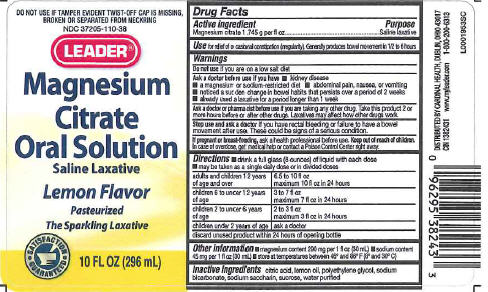
  • Magnesium Citrate Liquid [Cardinal Health]

    Magnesium Citrate

    Magnesium Citrate Liquid [Cardinal Health]

    Directions •drink a full glass (8 ounces) of liquid with each dose •may be taken as a single daily dose or in divided doses adults and children 12 years of age and over - 6.5 to 10 fl oz maximum 10 fl oz in 24 hours children 6 to under 12 years of age - 3 to 7 fl oz maximum 7 fl oz in 24 hours children 2 to under 6 years of age - 2 to 3 fl oz maximum 3 fl oz in 24 hours children under 2 years of age- ask a doctor discard unused product within 24 hours of opening bottle

  • Leader Nose
    Leader Nose (Phenylephrine Hydrochloride) Liquid [Cardinal Health]

    Leader Nose

    Leader Nose (Phenylephrine Hydrochloride) Liquid [Cardinal Health]

    use only as directed adults and children 12 years and over 2 or 3 drops in each nostril not more often than every 4 hours children under 12 years ask a doctor

  • Leader Ibuprofen (Ibuprofen) Tablet, Chewable [Cardinal Health]

    Leader Ibuprofen

    Leader Ibuprofen (Ibuprofen) Tablet, Chewable [Cardinal Health]

    this product does not contain directions or complete warnings for adult use do not give more than directed find the right dose on chart below. If possible, use weight to dose; otherwise use age. if needed, repeat dose every 6-8 hours do not use more than 4 times a day Dosing Chart Weight (lb) Age (yr) Tablets under 24 under 2 ask a doctor 24-35 2-3 1 36-47 4-5 1 ½ 48-59 6-8 2 60-71 9-10 2 ½ 72-95 11 3

  • Cromolyn Sodium Spray, Metered [Cardinal Health]

    Cromolyn Sodium Spray

    Cromolyn Sodium Spray, Metered [Cardinal Health]

    see package insert on how to use pump parent or care provider must supervise the use of this product by young children adults and children 2 years and older: spray once into each nostril. Repeat 3-4 times a day (every 4-6 hours). If needed, may be used up to 6 times a day. use every day while in contact with the cause of your allergies (pollen, molds, pets, and dust) to prevent nasal allergy symptoms, use before contact with the cause of your allergies. For best results, start using up to one week before contact. if desired, you can use this product with other medicines, including other allergy medicines. Children under 2 years: Do not use unless directed by a doctor.

  • Up And Up Nasal
    Up And Up Nasal (Oxymetazoline Hydrochloride) Spray [Target Corporation]

    Up And Up Nasal

    Up And Up Nasal (Oxymetazoline Hydrochloride) Spray [Target Corporation]

    DIRECTIONS

    Adults and children 12 years of age and over - Oral dosage is 5 to 15 mL (1 to 3 teaspoonfuls) with a little water up to four times daily or as directed by a physician. Children under 12 years of age - Consult a physician. SHAKE WELL BEFORE USING.

    DIRECTIONS

    Drink a full glass (8 oz) of liquid following each dose. Adults and children 12 years of age and over - Oral dosage is 30 to 60 mL (2 to 4 tablespoonfuls); Children 6 to under 12 years of age - Oral dosage is 15 to 30 mL (1 to 2 tablespoonfuls); Children 2 to under 6 years of age - Oral dosage is 5 to 15 mL (1 to 3 teaspoonfuls) or as directed by a physician. The dose may be taken as a single daily dose or in divided doses. Children under 2 years of age - Consult a physician. SHAKE WELL BEFORE USING.

  • Miconazole 3 Combinatio...
    Miconazole 3 Combination Pack (Miconazole Nitrate) Kit [Cardinal Health]

    Miconazole 3 Combination Pack

    Miconazole 3 Combination Pack (Miconazole Nitrate) Kit [Cardinal Health]

    before using this product read the enclosed consumer information leaflet for complete directions and information adults and children 12 years of age and over: suppositories: insert 1 suppository into the vagina at bedtime for 3 nights in a row.  Throw applicator away after use. external cream: use cap to puncture seal. Squeeze a small amount of cream onto your fingertip. Gently apply the cream onto the itchy, irritated skin outside the vagina. Use 2 times daily for up to 7 days, as needed. children under 12 years of age:  ask a doctor

    Other Information

    do not use if suppository wrapper is missing or damaged (each suppository is individually wrapped) do not use if seal over tube opening has been punctured or is not visible do not purchase if carton is open store at room temperature 15( - 30(C (59( - 86(F). Avoid heat (over 30(C- 86(F)
  • Terbinafine Hydrochloride Cream [Cardinal Health]

    Terbinafine Hydrochloride

    Terbinafine Hydrochloride Cream [Cardinal Health]

    adults and children 12 years and older use the tip of the cap to break the seal and open the tube wash the affected skin with soap and water and dry completely before applying for athlete's foot wear well-fitting, ventilated shoes. Change shoes and socks at least once daily. between the toes only: apply twice a day (morning and night) for 1 week or as directed by a doctor. on the bottom or sides of the foot: apply twice a day (morning and night) for 2 weeks or as directed by a doctor. for jock itch and ringworm: apply once a day (morning or night) for 1 week or as directed by a doctor. wash hands after each use children under 12 years: ask a doctor 1 weekbetween the toes 2 weeks on the bottomor sides of the foot

  • Leader Ibuprofen (Ibuprofen) Tablet, Film Coated [Cardinal Health]

    Leader Ibuprofen

    Leader Ibuprofen (Ibuprofen) Tablet, Film Coated [Cardinal Health]

    do not take more than directed the smallest effective dose should be used adults and children 12 years and older take 1 tablet every 4 to 6 hours while symptoms persist if pain or fever does not respond to 1 tablet, 2 tablets may be used do not exceed 6 tablets in 24 hours, unless directed by a doctor children under 12 years ask a doctor

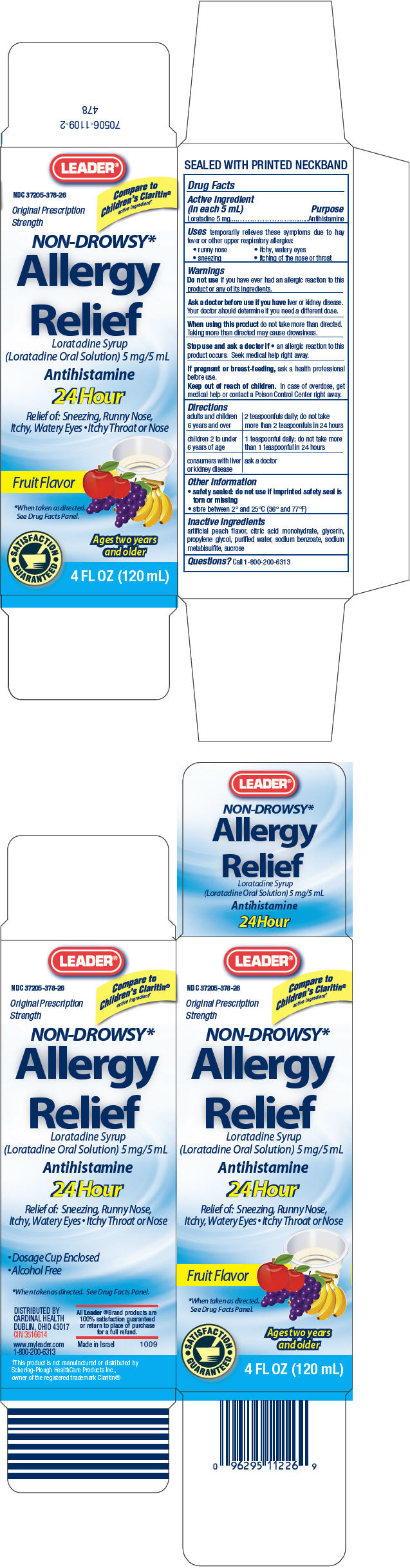
  • Loratadine Solution [Cardinal Health]

    Loratadine Solution

    Loratadine Solution [Cardinal Health]

    adults and children 6 years and over 2 teaspoonfuls daily; do not take more than 2 teaspoonfuls in 24 hours children 2 to under 6 years of age 1 teaspoonful daily; do not take more than 1 teaspoonful in 24 hours consumers with liver or kidney disease ask a doctor

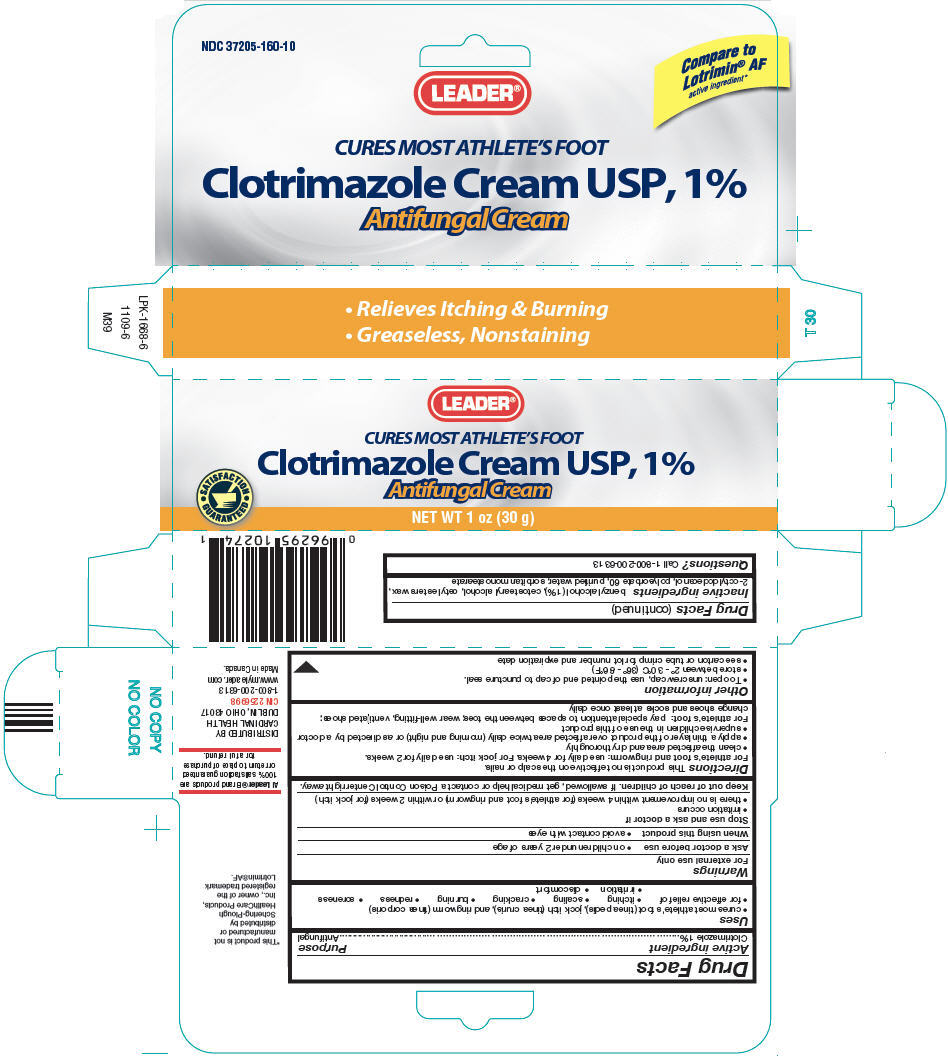
  • Clotrimazole Cream [Cardinal Health]

    Clotrimazole

    Clotrimazole Cream [Cardinal Health]

    This product is not effective on the scalp or nails.

    For athlete's foot and ringworm: use daily for 4 weeks. For jock itch: use daily for 2 weeks.

    clean the affected area and dry thoroughly apply a thin layer of the product over affected area twice daily (morning and night) or as directed by a doctor supervise children in the use of this product

    For athlete's foot: pay special attention to spaces between the toes; wear well-fitting, ventilated shoes; change shoes and socks at least once daily

  • Midazolam Hydrochloride Injection [Cardinal Health]

    Midazolam Hydrochloride

    Midazolam Hydrochloride Injection [Cardinal Health]

    The 1 mL and 2 mL Midazolam Injection vials include a cautionary label that extends above the main label and highlights the drug name and strength per total volume. The purpose of the extended label is to prevent medication errors due to the different strengths of Midazolam Injection. Read the label and confirm you have selected the correct medication and strength. Then locate the “Tear Here” point on the label, and remove this cautionary label prior to removing the flip-off cap.

    Midazolam is a potent sedative agent that requires slow administration and individualization of dosage. Clinical experience has shown midazolam to be 3 to 4 times as potent per mg as diazepam. BECAUSE SERIOUS AND LIFE-THREATENING CARDIORESPIRATORY ADVERSE EVENTS HAVE BEEN REPORTED, PROVISION FOR MONITORING, DETECTION AND CORRECTION OF THESE REACTIONS MUST BE MADE FOR EVERY PATIENT TO WHOM MIDAZOLAM INJECTION IS ADMINISTERED, REGARDLESS OF AGE OR HEALTH STATUS. Excessive single doses or rapid intravenous administration may result in respiratory depression, airway obstruction and/or arrest. The potential for these latter effects is increased in debilitated patients, those receiving concomitant medications capable of depressing the CNS, and patients without an endotracheal tube but undergoing a procedure involving the upper airway such as endoscopy or dental (see BOX WARNING and  WARNINGS.)

    Reactions such as agitation, involuntary movements, hyperactivity and combativeness have been reported in adult and pediatric patients. Should such reactions occur, caution should be exercised before continuing administration of midazolam (see WARNINGS).

    Midazolam Injection should only be administered IM or IV (see WARNINGS).

    Care should be taken to avoid intra-arterial injection or extravasation (see WARNINGS).

    Midazolam Injection may be mixed in the same syringe with the following frequently used premedications: morphine sulfate, meperidine, atropine sulfate or scopolamine. Midazolam, at a concentration of 0.5 mg/mL, is compatible with 5% dextrose in water and 0.9% sodium chloride for up to 24 hours and with lactated Ringer’s solution for up to 4 hours. Both the 1 mg/mL and 5 mg/mL formulations of midazolam may be diluted with 0.9% sodium chloride or 5% dextrose in water.

    Monitoring

    Patient response to sedative agents, and resultant respiratory status, is variable. Regardless of the intended level of sedation or route of administration, sedation is a continuum; a patient may move easily from light to deep sedation, with potential loss of protective reflexes. This is especially true in pediatric patients. Sedative doses should be individually titrated, taking into account patient age, clinical status and concomitant use of other CNS depressants. Continuous monitoring of respiratory and cardiac function is required (i.e., pulse oximetry).

    Adults and Pediatrics

    Sedation guidelines recommend a careful presedation history to determine how a patient’s underlying medical conditions or concomitant medications might affect their response to sedation/analgesia as well as a physical examination including a focused examination of the airway for abnormalities. Further recommendations include appropriate presedation fasting.

    Titration to effect with multiple small doses is essential for safe administration. It should be noted that adequate time to achieve peak central nervous system effect (3 to 5 minutes) for midazolam should be allowed between doses to minimize the potential for oversedation. Sufficient time must elapse between doses of concomitant sedative medications to allow the effect of each dose to be assessed before subsequent drug administration. This is an important consideration for all patients who receive intravenous midazolam.

    Immediate availability of resuscitative drugs and age- and size-appropriate equipment and personnel trained in their use and skilled in airway management should be assured (see WARNINGS).

    Pediatrics

    For deeply sedated pediatric patients, a dedicated individual, other than the practitioner performing the procedure, should monitor the patient throughout the procedure.

    Intravenous access is not thought to be necessary for all pediatric patients sedated for a diagnostic or therapeutic procedure because in some cases the difficulty of gaining IV access would defeat the purpose of sedating the child; rather, emphasis should be placed upon having the intravenous equipment available and a practitioner skilled in establishing vascular access in pediatric patients immediately available.

    Usual Adult Dose

    Intramuscularly

    For preoperative sedation/anxiolysis/amnesia (induction of sleepiness ordrowsiness and relief of apprehensionand to impair memoryof perioperative events). The recommended premedication dose of midazolam for good risk (ASA Physical Status I & II) adult patients below the age of 60 years is 0.07 to 0.08 mg/kg IM (approximately 5 mg IM) administered up to 1 hour before surgery. For intramuscular use, midazolamshould be injected deep in alarge muscle mass. The dose must be individualized and reduced when IM midazolam is administered to patients with chronic obstructive pulmonary disease, other higher risk surgical patients, patients 60 or more years of age, and patients who have received concomitant narcotics or other CNS depressants (see ADVERSE REACTIONS). In a study of patients 60 years or older, who did not receive concomitant administration of narcotics, 2 to 3 mg (0.02 to 0.05 mg/kg) of midazolam produced adequate sedation during the preoperative period. The dose of 1 mg IM midazolam may suffice for some older patients if the anticipated intensity and duration of sedation is less critical. As with any potential respiratory depressant, these patients require observation for signs of cardiorespiratory depression after receiving IM midazolam. Onset is within 15 minutes, peaking at 30 to 60 minutes. It can be administered concomitantly with atropine sulfate or scopolamine hydrochloride and reduced doses of narcotics.

    Intravenously

    Sedation/anxiolysis/amnesia forprocedures (See INDICATIONS AND USAGE):Narcotic premedication results in lessvariability in patient response and areduction in dosage of midazolam.For peroral procedures, the use of anappropriate topical anesthetic isrecommended. For bronchoscopicprocedures, the use of narcoticpremedication is recommended. Midazolam 1 mg/mL formulationis recommended forsedation/anxiolysis/amnesia forprocedures to facilitate slowerinjection. Both the 1 mg/mL and the5 mg/mL formulations may bediluted with 0.9% sodium chloride or5% dextrose in water. When used for sedation/anxiolysis/amnesia for a procedure, dosage must be individualized and titrated. Midazolam should always be titrated slowly; administer over at least 2 minutes and allow an additional 2 or more minutes to fully evaluate the sedative effect. Individual response will vary with age, physical status and concomitant medications, but may also vary independent of these factors. (See WARNINGS concerning cardiac/respiratory arrest/airway obstruction/hypoventilation.) 1. Healthy Adults Below the Age of 60: Titrate slowly to the desired effect, e.g., the initiation of slurred speech. Some patients may respond to as little as 1 mg. No more than 2.5 mg should be given over a period of at least 2 minutes. Wait an additional 2 or more minutes to fully evaluate the sedative effect. If further titration is necessary, continue to titrate, using small increments, to the appropriate level of sedation. Wait an additional 2 or more minutes after each increment to fully evaluate the sedative effect. A total dose greater than 5 mg is not usually necessary to reach the desired endpoint. If narcotic premedication or other CNS depressants are used, patients will require approximately 30% less midazolam than unpremedicated patients. 2. Patients Age 60 or Older, and Debilitated or Chronically Ill Patients: Because the danger of hypoventilation, airway obstruction, or apnea is greater in elderly patients and those with chronic disease states or decreased pulmonary reserve, and because the peak effect may take longer in these patients, increments should be smaller and the rate of injection slower. Titrate slowly to the desired effect, e.g., the initiation of slurred speech. Some patients may respond to as little as 1 mg. No more than 1.5 mg should be given over a period of no less than 2 minutes. Wait an additional 2 or more minutes to fully evaluate the sedative effect. If additional titration is necessary, it should be given at a rate of no more than 1 mg over a period of 2 minutes, waiting an additional 2 or more minutes each time to fully evaluate the sedative effect. Total doses greater than 3.5 mg are not usually necessary. If concomitant CNS depressant premedications are used in these patients, they will require at least 50% less midazolam than healthy young unpremedicated patients. 3. Maintenance Dose:  Additional doses to maintain the desired level of sedation may be given in increments of 25% of the dose used to first reach the sedative endpoint, but again only by slow titration, especially in the elderly and chronically ill or debilitated patient. These additional doses should be given only after a thorough clinical evaluation clearly indicates the need for additional sedation. Induction of Anesthesia: Forinduction of general anesthesia,before administration of otheranesthetic agents. Individual response to the drug is variable, particularly when a narcotic premedication is not used. The dosage should be titrated to the desired effect according to the patient’s age and clinical status. When midazolam is used before other intravenous agents for induction of anesthesia, the initial dose of each agent may be significantly reduced, at times to as low as 25% of the usual initial dose of the individual agents. Unpremedicated Patients In the absence of premedication, an average adult under the age of 55 years will usually require an initial dose of 0.3 to 0.35 mg/kg for induction, administered over 20 to 30 seconds and allowing 2 minutes for effect. If needed to complete induction, increments of approximately 25% of the patient’s initial dose may be used; induction may instead be completed with inhalational anesthetics. In resistant cases, up to 0.6 mg/kg total dose may be used for induction, but such larger doses may prolong recovery. Unpremedicated patients over the age of 55 years usually require less midazolam for induction; an initial dose of 0.3 mg/kg is recommended. Unpremedicated patients with severe systemic disease or other debilitation usually require less midazolam for induction. An initial dose of 0.2 to 0.25 mg/kg will usually suffice; in some cases, as little as 0.15 mg/kg may suffice. Premedicated Patients When the patient has received sedative or narcotic premedication, particularly narcotic premedication, the range of recommended doses is 0.15 to 0.35 mg/kg. In average adults below the age of 55 years, a dose of 0.25 mg/kg, administered over 20 to 30 seconds and allowing 2 minutes for effect, will usually suffice. The initial dose of 0.2 mg/kg is recommended for good risk (ASA I & II) surgical patients over the age of 55 years.In some patients with severe systemic disease or debilitation, as little as 0.15 mg/kg may suffice. Narcotic premedication frequently used during clinical trials included fentanyl (1.5 to 2 mcg/kg IV, administered 5 minutes before induction), morphine (dosage individualized, up to 0.15 mg/kg IM), and meperidine (dosage individualized, up to 1 mg/kg IM). Sedative premedications were hydroxyzine pamoate (100 mg orally) and sodium secobarbital (200 mg orally). Except for intravenous fentanyl, administered 5 minutes before induction, all other premedications should be administered approximately 1 hour prior to the time anticipated for midazolam induction. Injectable midazolam can alsobe used during maintenance ofanesthesia, for surgical procedures, asa component of balanced anesthesia.Effective narcotic premedication isespecially recommended in such cases. Incremental injections of approximately 25% of the induction dose should be given in response to signs of lightening of anesthesia and repeated as necessary.

    Continuous Infusion

    For continuous infusion, midazolam5 mg/mL formulation isrecommended diluted to aconcentration of 0.5 mg/mL with0.9% sodium chloride or 5%dextrose in water. Usual Adult Dose If a loading dose is necessary to rapidly initiate sedation, 0.01 to 0.05 mg/kg (approximately 0.5 to 4 mg for a typical adult) may be given slowly or infused over several minutes. This dose may be repeated at 10 to 15 minute intervals until adequate sedation is achieved. For maintenance of sedation, the usual initial infusion rate is 0.02 to 0.10 mg/kg/hr (1 to 7 mg/hr). Higher loading or maintenance infusion rates may occasionally be required in some patients. The lowest recommended doses should be used in patients with residual effects from anesthetic drugs, or in those concurrently receiving other sedatives or opioids. Individual response to midazolam is variable. The infusion rate should be titrated to the desired level of sedation, taking into account the patient’s age, clinical status and current medications. In general, midazolam should be infused at the lowest rate that produces the desired level of sedation. Assessment of sedation should be performed at regular intervals and the midazolam infusion rate adjusted up or down by 25% to 50% of the initial infusion rate so as to assure adequate titration of sedation level. Larger adjustments or even a small incremental dose may be necessary if rapid changes in the level of sedation are indicated. In addition, the infusion rate should be decreased by 10% to 25% every few hours to find the minimum effective infusion rate. Finding the minimum effective infusion rate decreases the potential accumulation of midazolam and provides for the most rapid recovery once the infusion is terminated. Patients who exhibit agitation, hypertension or tachycardia in response to noxious stimulation, but who are otherwise adequately sedated, may benefit from concurrent administration of an opioid analgesic. Addition of an opioid will generally reduce the minimum effective midazolam infusion rate.

    Pediatric Patients

    UNLIKE ADULT PATIENTS, PEDIATRIC PATIENTS GENERALLY RECEIVE INCREMENTS OF MIDAZOLAM ON A MG/KG BASIS. As a group, pediatric patients generally require higher dosages of midazolam (mg/kg) than do adults. Younger (less than six years) pediatric patients may require higher dosages (mg/kg) than older pediatric patients and may require close monitoring (see tables below). In obese PEDIATRIC PATIENTS, the dose should be calculated based on ideal body weight. When midazolam is given in conjunction with opioids or other sedatives, the potential for respiratory depression, airway obstruction or hypoventilation is increased. For appropriate patient monitoring, see BOX WARNING, WARNINGS, Monitoring subsection of DOSAGE AND ADMINISTRATION. The health care practitioner who uses this medication in pediatric patients should be aware of and follow accepted professional guidelines for pediatric sedation appropriate to their situation. OBSERVER’S ASSESSMENT OF ALERTNESS/SEDATION (OAA/S) Assessment Categories Responsiveness Speech FacialExpression Eyes CompositeScore Responds readily to name spoken in normal tone normal normal clear; no ptosis 5 (alert) Lethargic response to name spoken in normal tone mild slowing or thickening mildrelaxation glazed or mildptosis (less thanhalf the eye) 4 Responds only after name is called loudly and/or repeatedly slurring orprominent slowing markedrelaxation (slack jaw) glazed and marked ptosis(half the eyeor more) 3 Responds only after mild prodding or shaking few recognizablewords —— —— 2 Does not respond to mild prodding or shaking —— —— —— 1(deep sleep) FREQUENCY OF OBSERVER’S ASSESSMENT OF ALERTNESS/SEDATION COMPOSITE SCORES IN ONE STUDY OF CHILDREN UNDERGOING PROCEDURES WITH INTRAVENOUS MIDAZOLAM FOR SEDATION OAA/S Score   AgeRange(years) n 1 (deep sleep) 2 3 4 5 (alert) 1-2 16 6 (38%) 4 (25%) 3 (19%) 3 (19%) 0 >2-5 22 9 (41%) 5 (23%) 8 (36%) 0 0 >5-12 34 1 (3%) 6 (18%) 22 (65%) 5 (15%) 0 >12- 17 18 0 4 (22%) 14 (78%) 0 0 Total (1-17) 90 16 (18%) 19 (21%) 47 (52%) 8 (9%) 0

    Intramuscularly

    For sedation/anxiolysis/amnesia priorto anesthesia or for procedures,intramuscular midazolam can be usedto sedate pediatric patients tofacilitate less traumatic insertion of anintravenous catheter for titration ofadditional medication. USUAL PEDIATRIC DOSE (NON-NEONATAL). Sedation after intramuscular midazolam is age and dose dependent; higher doses may result in deeper and more prolonged sedation. Doses of 0.1 to 0.15 mg/kg are usually effective and do not prolong emergence from general anesthesia. For more anxious patients, doses up to 0.5 mg/kg have been used. Although not systematically studied, the total dose usually does not exceed 10 mg. If midazolam is given with an opioid, the initial dose of each must be reduced.

    Intravenously by Intermittent Injection

    For sedation/anxiolysis/amnesiaprior to and during procedures orprior to anesthesia. USUAL PEDIATRIC DOSE (NON-NEONATAL) It should be recognized that the depth of sedation/anxiolysis needed for pediatric patients depends on the type of procedure to be performed. For example, simple light sedation/anxiolysis in the preoperative period is quite different from the deep sedation and analgesia required for an endoscopic procedure in a child. For this reason, there is a broad range of dosage. For all pediatric patients, regardless of the indications for sedation/anxiolysis, it is vital to titrate midazolam and other concomitant medications slowly to the desired clinical effect. The initial dose of midazolam should be administered over 2 to 3 minutes. Since midazolam HCl is water soluble, it takes approximately three times longer than diazepam to achieve peak EEG effects; therefore, one must wait an additional 2 to 3 minutes to fully evaluate the sedative effect before initiating a procedure or repeating a dose. If further sedation is necessary, continue to titrate with small increments until the appropriate level of sedation is achieved. If other medications capable of depressing the CNS are coadministered, the peak effect of those concomitant medications must be considered and the dose of midazolam adjusted. The importance of drug titration to effect is vital to the safe sedation/anxiolysis of the pediatric patient. The total dose of midazolam will depend on patient response, the type and duration of the procedure, as well as the type and dose of concomitant medications. 1. Pediatric patients less than 6 months of age: Limited information is available in non-intubated pediatric patients less than 6 months of age. It is uncertain when the patient transfers from neonatal physiology to pediatric physiology; therefore, the dosing recommendations are unclear. Pediatric patients less than 6 months of age are particularly vulnerable to airway obstruction and hypoventilation; therefore, titration with small increments to clinical effect and careful monitoring are essential. 2. Pediatric patients 6 months to 5 years of age: Initial dose 0.05 to 0.1 mg/kg. A total dose up to 0.6 mg/kg may be necessary to reach the desired endpoint but usually does not exceed 6 mg. Prolonged sedation and risk of hypoventilation may be associated with the higher doses. 3. Pediatric patients 6 to 12 years of age: Initial dose 0.025 to 0.05 mg/kg; total dose up to 0.4 mg/kg may be needed to reach the desired endpoint but usually does not exceed 10 mg. Prolonged sedation and risk of hypoventilation may be associated with the higher doses. 4. Pediatric patients 12 to 16 years of age: Should be dosed as adults. Prolonged sedation may be associated with higher doses; some patients in this age range will require higher than recommended adult doses but the total dose usually does not exceed 10 mg. The dose of midazolam must be reduced in patients premedicated with opioid or other sedative agents including midazolam. Higher risk or debilitated patients may require lower dosages whether or not concomitant sedating medications have been administered (see WARNINGS).

    Continuous Intravenous Infusion

    For sedation/anxiolysis/amnesia incritical care settings. USUAL PEDIATRIC DOSE (NON-NEONATAL) To initiate sedation, an intravenous loading dose of 0.05 to 0.2 mg/kg administered over at least 2 to 3 minutes can be used to establish the desired clinical effect IN PATIENTS WHOSE TRACHEA IS INTUBATED. (Midazolam should not be administered as a rapid intravenous dose.) This loading dose may be followed by a continuous intravenous infusion to maintain the effect. An infusion of midazolam has been used in patients whose trachea was intubated but who were allowed to breathe spontaneously. Assisted ventilation is recommended for pediatric patients who are receiving other central nervous system depressant medications such as opioids. Based on pharmacokinetic parameters and reported clinical experience, continuous intravenous infusions of midazolam should be initiated at a rate of 0.06 to 0.12 mg/kg/hr (1 to 2 mcg/kg/min). The rate of infusion can be increased or decreased (generally by 25% of the initial or subsequent infusion rate) as required, or supplemental intravenous doses of midazolam can be administered to increase or maintain the desired effect. Frequent assessment at regular intervals using standard pain/sedation scales is recommended. Drug elimination may be delayed in patients receiving erythromycin and/or other P450-3A4 enzyme inhibitors (see Drug Interactions section) and in patients with liver dysfunction, low cardiac output (especially those requiring inotropic support), and in neonates. Hypotension may be observed in patients who are critically ill, particularly those receiving opioids and/or when midazolam is rapidly administered. When initiating an infusion with midazolam in hemodynamically compromised patients, the usual loading dose of midazolam should be titrated in small increments and the patient monitored for hemodynamic instability, e.g., hypotension. These patients are also vulnerable to the respiratory depressant effects of midazolam and require careful monitoring of respiratory rate and oxygen saturation.

    Continuous Intravenous Infusion

    For sedation in critical care settings. USUAL NEONATAL DOSE Based on pharmacokinetic parameters and reported clinical experience in preterm and term neonates WHOSE TRACHEA WAS INTUBATED, continuous intravenous infusions of Midazolam Injection should be initiated at a rate of 0.03 mg/kg/hr (0.5 mcg/kg/min) in neonates <32 weeks and 0.06 mg/kg/hr (1 mcg/kg/min) in neonates >32 weeks. Intravenous loading doses should not be used in neonates, rather the infusion may be run more rapidly for the first several hours to establish therapeutic plasma levels. The rate of infusion should be carefully and frequently reassessed, particularly after the first 24 hours so as to administer the lowest possible effective dose and reduce the potential for drug accumulation. This is particularly important because of the potential for adverse effects related to metabolism of the benzyl alcohol (see Usage in Preterm Infants and Neonates). Hypotension may be observed in patients who are critically ill and in preterm and term infants, particularly those receiving fentanyl and/or when midazolam is administered rapidly. Due to an increased risk of apnea, extreme caution is advised when sedating preterm and former preterm patients whose trachea is not intubated.

    Parenteral drug products should be inspected visually for particulate matter anddiscoloration prior to administration, whenever solution and container permit.

  • Leader Enema
    Leader Enema (Saline) Enema [Cardinal Health]

    Leader Enema

    Leader Enema (Saline) Enema [Cardinal Health]

    Do not use more unless directed by a doctor. See Warnings.

    adults & children 12 years and over one bottle once daily children 2 to under 12 years ½ bottle once daily children under 2 years do not use
  • Diclofenac Sodium Tablet, Delayed Release [Pd-rx Pharmaceuticals, Inc.]

    Diclofenac Sodium

    Diclofenac Sodium Tablet, Delayed Release [Pd-rx Pharmaceuticals, Inc.]

    Carvedilol should be taken with food to slow the rate of absorption and reduce the incidence of orthostatic effects.

    2.1 Left Ventricular Dysfunction Following Myocardial Infarction

    DOSAGE MUST BE INDIVIDUALIZED AND MONITORED DURING UP-TITRATION. Treatment with carvedilol may be started as an inpatient or outpatient and should be started after the patient is hemodynamically stable and fluid retention has been minimized. It is recommended that carvedilol be started at 6.25 mg twice daily and increased after 3 to 10 days, based on tolerability, to 12.5 mg twice daily, then again to the target dose of 25 mg twice daily. A lower starting dose may be used (3.125 mg twice daily) and/or the rate of up-titration may be slowed if clinically indicated (e.g., due to low blood pressure or heart rate, or fluid retention). Patients should be maintained on lower doses if higher doses are not tolerated. The recommended dosing regimen need not be altered in patients who received treatment with an IV or oral β-blocker during the acute phase of the myocardial infarction.

    2.2 Hypertension

    DOSAGE MUST BE INDIVIDUALIZED. The recommended starting dose of carvedilol is 6.25 mg twice daily. If this dose is tolerated, using standing systolic pressure measured about 1 hour after dosing as a guide, the dose should be maintained for 7 to 14 days, and then increased to 12.5 mg twice daily if needed, based on trough blood pressure, again using standing systolic pressure one hour after dosing as a guide for tolerance. This dose should also be maintained for 7 to 14 days and can then be adjusted upward to 25 mg twice daily if tolerated and needed. The full antihypertensive effect of carvedilol is seen within 7 to 14 days. Total daily dose should not exceed 50 mg.

    Concomitant administration with a diuretic can be expected to produce additive effects and exaggerate the orthostatic component of carvedilol action.

    2.3 Hepatic Impairment

    Carvedilol should not be given to patients with severe hepatic impairment [see  CONTRAINDICATIONS (4 )].

  • Leader Dry Eye Relief (Dextran, Hypromellose 2910) Solution [Cardinal Health]

    Leader Dry Eye Relief

    Leader Dry Eye Relief (Dextran, Hypromellose 2910) Solution [Cardinal Health]

    DISTRIBUTED BY CARDINAL HEALTH

    DUBLIN, OH 43017

    CIN 1963776

    www.myleader.com

    1-800-200-6313

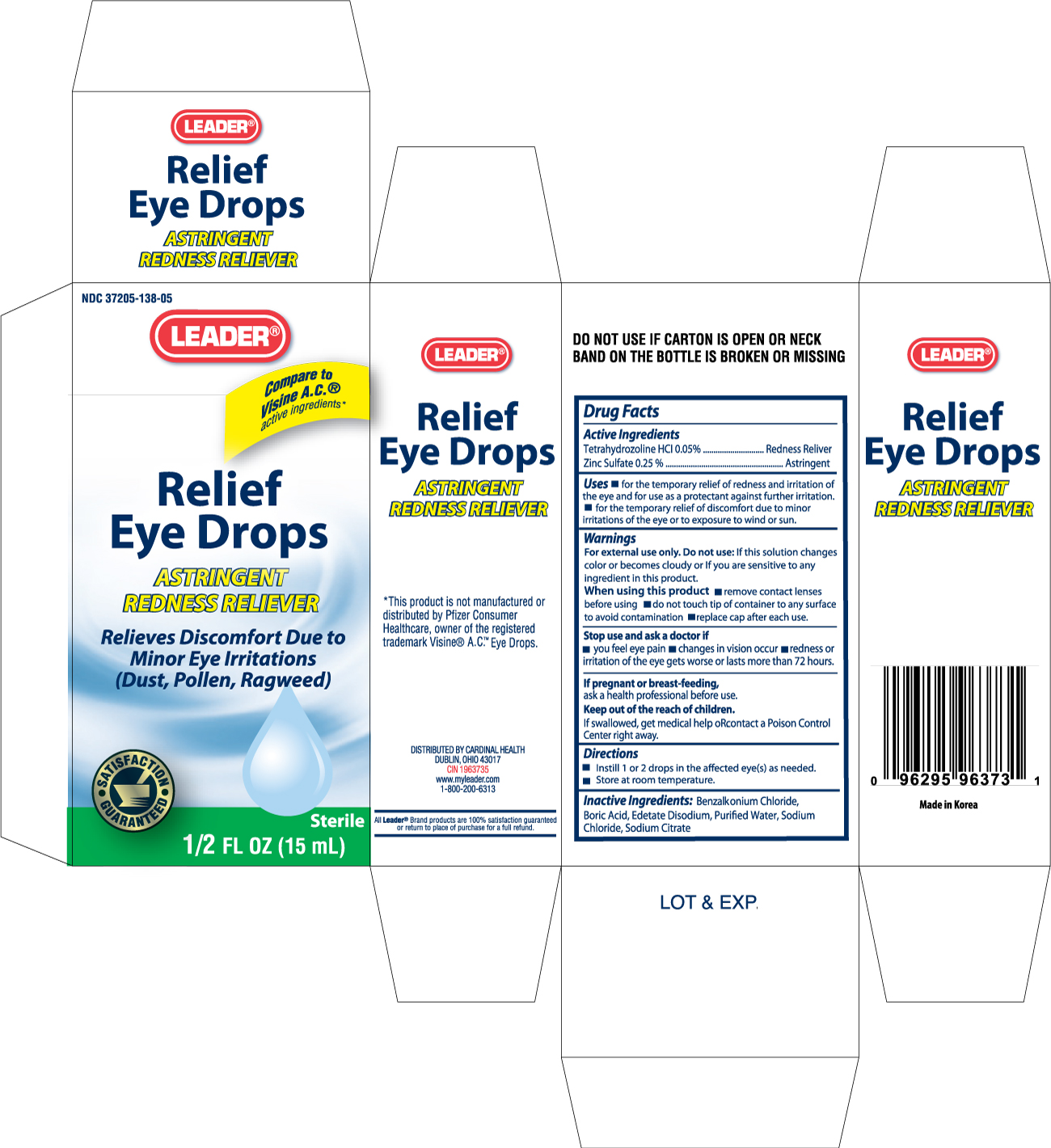
  • Leader Relief Eye (Tetrahydrozoline Hcl, Zinc Sulfate) Solution/ Drops [Cardinal Health]

    Leader Relief Eye

    Leader Relief Eye (Tetrahydrozoline Hcl, Zinc Sulfate) Solution/ Drops [Cardinal Health]

    Distributed By Cardinal Health

    Dublin, OH 43017

    CIN 1963735

    www.myleader.com

    1-800-200-6313

  • Leader Advanced Formula (Dextran70, Polyethylene Glycol, Povidone, Tetrahydrozoline Hcl) Solution [Cardinal Health]

    Leader Advanced Formula

    Leader Advanced Formula (Dextran70, Polyethylene Glycol, Povidone, Tetrahydrozoline Hcl) Solution [Cardinal Health]

    DISTRIBUTED BY CARDINAL HEALTH

    DUBLIN, OHIO 43017

    CIN 3256021

    www.myleader.com

    1-800-200-6313

  • Leader Original Formula (Tetrahydrozoline Hydrochloride) Solution [Cardinal Health]

    Leader Original Formula

    Leader Original Formula (Tetrahydrozoline Hydrochloride) Solution [Cardinal Health]

    DISTRIBUTED BY CARDINAL HEALTH

    DUBLIN, OHIO 43017

    CIN2260040

    www.myleader.com

    1-800-200-6313

  • Mapap (Acetaminophen) Tablet [Cardinal Health]

    Mapap

    Mapap (Acetaminophen) Tablet [Cardinal Health]

  • Acetaminophen Tablet [Cardinal Health]

    Acetaminophen

    Acetaminophen Tablet [Cardinal Health]

    Do not take more than directed.

    adults and children 12 years and over take 2 tablets every 4 to 6 hours while symptoms last do not take more than 12 tablets in 24 hours. children 6 to 11 years take 1 tablet every 4 to 6 hours while symptoms last do not take more than 5 tablets in 24 hours. children under 6 years Do not use adult regular strength products in children under 6 years of age: this will provide more than the recommended dose (overdose) of acetaminophen and may cause liver damage.
  • Buprenorphine Hcl Tablet [Cardinal Health]

    Buprenorphine Hcl

    Buprenorphine Hcl Tablet [Cardinal Health]

    Buprenorphine HCl sublingual tablets are administered sublingually as a single daily dose in the range of 12 to 16 mg/day. Buprenorphine HCl sublingual tablets contain no naloxone and is preferred for use during induction. Following induction, buprenorphine and naloxone HCl sublingual tablets, due to the presence of naloxone, is preferred when clinical use includes unsupervised administration. The use of buprenorphine HCl sublingual tablets for unsupervised administration should be limited to those patients who cannot tolerate buprenorphine and naloxone sublingual tablets, for example those patients who have been shown to be hypersensitive to naloxone.

    Method of Administration

    Buprenorphine HCl sublingual tablets should be placed under the tongue until they are dissolved. For doses requiring the use of more than two tablets, patients are advised to either place all the tablets at once or alternatively (if they cannot fit in more than two tablets comfortably) place two tablets at a time under the tongue. Either way, the patients should continue to hold the tablets under the tongue until they dissolve; swallowing the tablets reduces the bioavailability of the drug. To ensure consistency in bioavailability, patients should follow the same manner of dosing with continued use of the product.

    Induction

    Prior to induction, consideration should be given to the type of opioid dependence (i.e. long- or short-acting opioid), the time since last opioid use, and the degree or level of opioid dependence. To avoid precipitating withdrawal, induction with buprenorphine HCl sublingual tablets should be undertaken when objective and clear signs of withdrawal are evident.

    In a one-month study of buprenorphine and naloxone sublingual tablets induction was conducted with buprenorphine HCl sublingual tablets. Patients received 8 mg of buprenorphine HCl sublingual tablets on day 1 and 16 mg buprenorphine HCl sublingual tablets on day 2. From day 3 onward, patients received buprenorphine and naloxone sublingual tablets at the same buprenorphine dose as day 2. Induction in the studies of buprenorphine solution was accomplished over 3 to 4 days, depending on the target dose. In some studies, gradual induction over several days led to a high rate of drop-out of buprenorphine patients during the induction period. Therefore it is recommended that an adequate maintenance dose, titrated to clinical effectiveness, should be achieved as rapidly as possible to prevent undue opioid withdrawal symptoms.

    Patients Taking Heroin or Other Short-Acting Opioids

    At treatment initiation, the dose of buprenorphine HCl sublingual tablets should be administered at least 4 hours after the patient last used opioids or preferably when early signs of opioid withdrawal appear.

    Patients on Methadone or Other Long-Acting Opioids

    There is little controlled experience with the transfer of methadone-maintained patients to buprenorphine. Available evidence suggests that withdrawal symptoms are possible during induction to buprenorphine treatment. Withdrawal appears more likely in patients maintained on higher doses of methadone (>30 mg) and when the first buprenorphine dose is administered shortly after the last methadone dose.

    Adjusting the Dose Until the Maintenance Dose is Achieved

    Clinical studies have shown that 16 mg of buprenorphine HCl sublingual tablets is a clinically effective dose compared with placebo and indicate that doses as low as 12 mg may be effective in some patients.

    Reducing Dosage and Stopping Treatment

    The decision to discontinue therapy with buprenorphine HCl sublingual tablets after a period of maintenance or brief stabilization should be made as part of a comprehensive treatment plan. Both gradual and abrupt discontinuation have been used, but no controlled trials have been undertaken to determine the best method of dose taper at the end of treatment.

  • Bisacodyl Suppository [Cardinal Health]

    Bisacodyl Suppository

    Bisacodyl Suppository [Cardinal Health]

    adults and children 12 years and over 1 suppository once daily. Remove foil. Insert suppository well into the rectum, pointed end first. Retain about 15 to 20 minutes. children 6 to under 12 years 1/2 suppository once daily children under 6 years ask a doctor

  • Amlodipine Besylate Tablet [Cardinal Health]

    Amlodipine Besylate

    Amlodipine Besylate Tablet [Cardinal Health]

    2.1 Adults

    The usual initial antihypertensive oral dose of amlodipine amlodipine besylate tablets are 5 mg once daily with a maximum dose of 10 mg once daily.

    Small, fragile, or elderly patients, or patients with hepatic insufficiency may be started on 2.5 mg once daily and this dose may be used when adding amlodipine besylate to other antihypertensive therapy.

    Adjust dosage according to each patient's need. In general, titration should proceed over 7 to 14 days so that the physician can fully assess the patient's response to each dose level. Titration may proceed more rapidly, however, if clinically warranted, provided the patient is assessed frequently.

    The recommended dose for chronic stable or vasospastic angina is 5 to 10 mg, with the lower dose suggested in the elderly and in patients with hepatic insufficiency. Most patients will require 10 mg for adequate effect

    [see Adverse Reactions (6)].

    The recommended dose range for patients with coronary artery disease is 5 to 10 mg once daily. In clinical studies, the majority of patients required 10 mg

    [see Clinical Studies (14.4)].

    2.2 Children

    The effective antihypertensive oral dose in pediatric patients ages 6 to 17 years is 2.5 mg to 5 mg once daily. Doses in excess of 5 mg daily have not been studied in pediatric patients

    [see Clinical Pharmacology (12.4), Clinical Studies (14.1)].

  • Leader Nicotine Transdermal System Step 1 (Nicotine) Patch, Extended Release Leader Nicotine Transdermal System Step 2 (Nicotine) Patch, Extended Release Leader Nicotine Transdermal System Step 3 (Nicotine) Patch, Extended Release [Cardinal Health]

    Leader Nicotine Transdermal System Step 1

    Leader Nicotine Transdermal System Step 1 (Nicotine) Patch, Extended Release Leader Nicotine Transdermal System Step 2 (Nicotine) Patch, Extended Release Leader Nicotine Transdermal System Step 3 (Nicotine) Patch, Extended Release [Cardinal Health]

    If you are under 18 years of age, ask a doctor before use before using this product, read the enclosed self-help guide for complete directions and other information stop smoking completely when you begin using the patch if you smoke more than 10 cigarettes per day, use the following schedule below: if you smoke 10 or less cigarettes per day, start with Step 2 for 6 weeks, then Step 3 for 2 weeks and then stop apply one new patch every 24 hours on skin that is dry, clean and hairless remove backing from patch and immediately press onto skin. Hold for 10 seconds. wash hands after applying or removing patch. Save pouch to use for patch disposal. Dispose of the used patches by folding sticky ends together and putting in pouch. the used patch should be removed and a new one applied to a different skin site at the same time each day if you have vivid dreams, you may remove the patch at bedtime and apply a new one in the morning do not wear more than one patch at a time do not cut patch in half or into smaller pieces do not leave patch on for more than 24 hours because it may irritate your skin and loses strength after 24 hours to avoid possible burns, remove patch before undergoing any MRI (magnetic resonance imaging) procedures stop using the patch at the end of 8 weeks. If you still feel the need to use the patch talk to your doctor.

  • Antiseptic (Mouth Rinse) Mouthwash [Cardinal Health]

    Antiseptic

    Antiseptic (Mouth Rinse) Mouthwash [Cardinal Health]

    Directions Adults and children 12 years of age and older - vigorously swish 20 mL (2/3 FL OZ or 4 teaspoonfuls) between teeth for 30 seconds then spit out: do not swallow. Children under 12 years of age - consult a dentist or doctor •this rinse is not intended to replace brushing or flossing

  • Bumetanide Injection [Cardinal Health]

    Bumetanide

    Bumetanide Injection [Cardinal Health]

    Dosage should be individualized with careful monitoring of patient response.

    Parenteral Administration

    Bumetanide injection may be administered parenterally (IV or IM) to patients in whom gastrointestinal absorption may be impaired or in whom oral administration is not practical.

    Parenteral treatment should be terminated and oral treatment instituted as soon as possible.

    The usual initial dose is 0.5 to 1 mg intravenously or intramuscularly. Intravenous administration should be given over a period of 1 to 2 minutes. If the response to an initial dose is deemed insufficient, a second or third dose may be given at intervals of 2 to 3 hours, but should not exceed a daily dosage of 10 mg.

    Miscibility and Parenteral Solutions

    The compatibility tests of bumetanide injection with 5% Dextrose Injection in Water, 0.9% Sodium Chloride Injection, and Lactated Ringer’s Injection in both glass and plasticized PVC (Viaflex) containers have shown no significant absorption effect with either containers, nor a measurable loss of potency due to degradation of the drug. However, solutions should be freshly prepared and used within 24 hours.

    Parenteral drug products should be inspected visually for particulate matter and discoloration prior to administration whenever solution and container permit.

  • Leader Stomach Relief Original Strength (Bismuth Subsalicylate) Tablet, Chewable [Cardinal Health]

    Leader Stomach Relief Original Strength

    Leader Stomach Relief Original Strength (Bismuth Subsalicylate) Tablet, Chewable [Cardinal Health]

    chew or dissolve tablets in mouth drink plenty of clear fluids to help prevent dehydration caused by diarrhea adults and children 12 years and over: 2 tablets every ½ to 1 hour, or 4 tablets every hour as needed do not exceed 16 tablets in 24 hours use until diarrhea stops but not more than 2 days children under 12 years: ask a doctor

  • Bumetanide Injection [Cardinal Health]

    Bumetanide

    Bumetanide Injection [Cardinal Health]

    Dosage should be individualized with careful monitoring of patient response.

    Parenteral Administration

    Bumetanide Injection may be administered parenterally (IV or IM) to patients in whom gastrointestinal absorption may be impaired or in whom oral administration is not practical.

    Parenteral treatment should be terminated and oral treatment instituted as soon as possible.

    The usual initial dose is 0.5 to 1 mg intravenously or intramuscularly. Intravenous administration should be given over a period of 1 to 2 minutes. If the response to an initial dose is deemed insufficient, a second or third dose may be given at intervals of 2 to 3 hours, but should not exceed a daily dosage of 10 mg.

    Miscibility and Parenteral Solutions

    The compatibility tests of bumetanide injection with 5% Dextrose Injection, 0.9% Sodium Chloride Injection, and Lactated Ringer’s Injection in both glass and plasticized PVC (Viaflex) containers have shown no significant absorption effect with either containers, nor a measurable loss of potency due to degradation of the drug. However, solutions should be freshly prepared and used within 24 hours.

    Parenteral drug products should be inspected visually for particulate matter and discoloration prior to administration, whenever solution and container permit.

  • Burn Relief Leader (Lidocaine) Spray [Cardinal Health]

    Burn Relief Leader

    Burn Relief Leader (Lidocaine) Spray [Cardinal Health]

    Directions

    Shake well.  Adults and children 2 years of age and older:  apply to affected area not more than 3 to 4 times daily.  Children under 2 years of age:  ask a doctor.  To apply to face, spray into palm of hand and gently apply.

  • Ceftriaxone Sodium Injection, Powder, For Solution [Cardinal Health]

    Ceftriaxone Sodium

    Ceftriaxone Sodium Injection, Powder, For Solution [Cardinal Health]

    Ceftriaxone in the ADD-Vantage® Vial is intended for intravenous infusion only, after dilution with appropriate volume of ADD-Vantage diluent solution.

    Do not use diluents containing calcium, such as Ringer’s solution or Hartmann’s solution, to reconstitute ceftriaxone vials or to further dilute a reconstituted vial for IV administration because a precipitate can form. Precipitation of ceftriaxone-calcium can also occur when ceftriaxone is mixed with calcium-containing solutions in the same IV administration line. Ceftriaxone must not be administered simultaneously with calcium-containing IV solutions, including continuous calcium-containing infusions such as parenteral nutrition via a Y-site. However, in patients other than neonates, ceftriaxone and calcium-containing solutions may be administered sequentially of one another if the infusion lines are thoroughly flushed between infusions with a compatible fluid (see WARNINGS).

    There have been no reports of an interaction between ceftriaxone and oral calcium-containing products or interaction between intramuscular ceftriaxone and calcium-containing products (IV or oral).

    Neonates

    Hyperbilirubinemic neonates, especially prematures, should not be treated with ceftriaxone for injection (see CONTRAINDICATIONS).

    Ceftriaxone is contraindicated in neonates if they require (or are expected to require) treatment with calcium-containing IV solutions, including continuous calcium-containing infusions such as parenteral nutrition because of the risk of precipitation of ceftriaxone-calcium (see CONTRAINDICATIONS).

    Pediatric Patients

    For the treatment of skin and skin structure infections, the recommended total daily dose is 50 to 75 mg/kg given once a day (or in equally divided doses twice a day). The total daily dose should not exceed 2 grams.

    For the treatment of acute bacterial otitis media, a single intramuscular dose of 50 mg/kg (not to exceed 1 gram) is recommended (see INDICATIONS AND USAGE). (The above is for informational purposes only. Ceftriaxone in ADD-Vantage vials is not intended for intramuscular use.)

    For the treatment of serious miscellaneous infections other than meningitis, the recommended total daily dose is 50 to 75 mg/kg, given in divided doses every 12 hours. The total daily dose should not exceed 2 grams.

    In the treatment of meningitis, it is recommended that the initial therapeutic dose be 100 mg/kg (not to exceed 4 grams). Thereafter, a total daily dose of 100 mg/kg/day (not to exceed 4 grams daily) is recommended. The daily dose may be administered once a day (or in equally divided doses every 12 hours). The usual duration of therapy is 7 to 14 days.

    Adults

    The usual adult daily dose is 1 to 2 grams given once a day (or in equally divided doses twice a day) depending on the type and severity of infection. For infections caused by Staphylococcus aureus (MSSA), the recommended daily dose is 2 to 4 grams, in order to achieve >90% target attainment. The total daily dose should not exceed 4 grams.

    If Chlamydia trachomatis is a suspected pathogen, appropriate antichlamydial coverage should be added, because ceftriaxone sodium has no activity against this organism.

    For the treatment of uncomplicated gonococcal infections, a single intramuscular dose of 250 mg is recommended. (The above is for informational purposes only. Ceftriaxone in ADD-Vantage vials is not intended for intramuscular use.)

    For preoperative use (surgical prophylaxis), a single dose of 1 gram administered intravenously ½ to 2 hours before surgery is recommended.

    Generally, ceftriaxone therapy should be continued for at least 2 days after the signs and symptoms of infection have disappeared. The usual duration of therapy is 4 to 14 days; in complicated infections, longer therapy may be required.

    When treating infections caused by Streptococcus pyogenes, therapy should be continued for at least 10 days.

    No dosage adjustment is necessary for patients with impairment of renal or hepatic function.

    Directions for Use

    Intravenous Administration

    Ceftriaxone should be administered intravenously by infusion over a period of 30 minutes

    ADD-Vantage Vials for IV Use Only contain ceftriaxone sodium equivalent to 1 gm or 2 gm ceftriaxone to be used with 50 mL or 100 mL of 5% Dextrose Injection, USP, or 0.9% Sodium Chloride Injection, USP, in the ADD-Vantage Flexible Diluent Container. (See Instructions For Use of the ADD-Vantage® System at the end of this package insert.)

    Compatibility and Stability

    Ceftriaxone has been shown to be compatible with Flagyl® IV (metronidazole hydrochloride). The concentration should not exceed 5 to 7.5 mg/mL metronidazole hydrochloride with ceftriaxone 10 mg/mL as an admixture. The admixture is stable for 24 hours at room temperature only in 0.9% sodium chloride injection or 5% dextrose in water (D5W). No compatibility studies have been conducted with the Flagyl® IV RTU® (metronidazole) formulation or using other diluents. Metronidazole at concentrations greater than 8 mg/mL will precipitate. Do not refrigerate the admixture as precipitation will occur.

    Vancomycin, amsacrine, aminoglycosides, and fluconazole are physically incompatible with ceftriaxone in admixtures. When any of these drugs are to be administered concomitantly with ceftriaxone by intermittent intravenous infusion, it is recommended that they be given sequentially, with thorough flushing of the intravenous lines (with one of the compatible fluids) between the administrations.

    Do not use diluents containing calcium, such as Ringer’s solution or Hartmann’s solution, to reconstitute ceftriaxone for injection. Particulate formation can result.

    Ceftriaxone solutions should not be physically mixed with or piggybacked into solutions containing other antimicrobial drugs or into diluent solutions other than those listed above, due to the possible incompatibility (see WARNINGS).

    Ceftriaxone sodium sterile powder should be stored at 20°-25°C (68°-77°F) [see USP Controlled Room Temperature] and protected from light. After reconstitution, protection from normal light is not necessary. The color of solutions ranges from light yellow to amber, depending on the length of storage, concentration and diluent used.

    After the indicated stability time periods, unused portions of solutions should be discarded.

    NOTE: Parenteral drug products should be inspected visually for particulate matter before administration. ADD-Vantage Vials – Ceftriaxone for Injection Units: See Instructions For Use of the ADD-Vantage® System at the end of this package insert.

  • Ceftriaxone Sodium Injection, Powder, For Solution [Cardinal Health]

    Ceftriaxone Sodium

    Ceftriaxone Sodium Injection, Powder, For Solution [Cardinal Health]

    Ceftriaxone may be administered intravenously or intramuscularly.

    Do not use diluents containing calcium, such as Ringer's solution or Hartmann's solution, to reconstitute ceftriaxone vials or to further dilute a reconstituted vial for IV administration because a precipitate can form. Precipitation of ceftriaxone-calcium can also occur when ceftriaxone is mixed with calcium-containing solutions in the same IV administration line. Ceftriaxone must not be administered simultaneously with calcium-containing IV solutions, including continuous calcium-containing infusions such as parenteral nutrition via a Y-site. However, in patients other than neonates, ceftriaxone and calcium-containing solutions may be administered sequentially of one another if the infusion lines are thoroughly flushed between infusions with a compatible fluid (see WARNINGS).

    There have been no reports of an interaction between ceftriaxone and oral calcium-containing products or interaction between intramuscular ceftriaxone and calcium-containing products (IV or oral).

    Neonates

    Hyperbilirubinemic neonates, especially prematures, should not be treated with ceftriaxone for injection (see CONTRAINDICATIONS).

    Ceftriaxone is contraindicated in neonates if they require (or are expected to require) treatment with calcium-containing IV solutions, including continuous calcium-containing infusions such as parenteral nutrition because of the risk of precipitation of ceftriaxone-calcium (see CONTRAINDICATIONS).

    Pediatric Patients

    For the treatment of skin and skin structure infections, the recommended total daily dose is 50 to 75 mg/kg given once a day (or in equally divided doses twice a day). The total daily dose should not exceed 2 grams.

    For the treatment of acute bacterial otitis media, a single intramuscular dose of 50 mg/kg (not to exceed 1 gram) is recommended (see INDICATIONS AND USAGE).

    For the treatment of serious miscellaneous infections other than meningitis, the recommended total daily dose is 50 to 75 mg/kg, given in divided doses every 12 hours. The total daily dose should not exceed 2 grams.

    In the treatment of meningitis, it is recommended that the initial therapeutic dose be 100 mg/kg (not to exceed 4 grams). Thereafter, a total daily dose of 100 mg/kg/day (not to exceed 4 grams daily) is recommended. The daily dose may be administered once a day (or in equally divided doses every 12 hours). The usual duration of therapy is 7 to 14 days.

    Adults

    The usual adult daily dose is 1 to 2 grams given once a day (or in equally divided doses twice a day) depending on the type and severity of infection. The total daily dose should not exceed 4 grams.

    If Chlamydia trachomatis is a suspected pathogen, appropriate antichlamydial coverage should be added, because ceftriaxone sodium has no activity against this organism.

    For the treatment of uncomplicated gonococcal infections, a single intramuscular dose of 250 mg is recommended.

    For preoperative use (surgical prophylaxis), a single dose of 1 gram administered intravenously 1/2 to 2 hours before surgery is recommended.

    Generally, ceftriaxone therapy should be continued for at least 2 days after the signs and symptoms of infection have disappeared. The usual duration of therapy is 4 to 14 days; in complicated infections, longer therapy may be required.

    When treating infections caused by Streptococcus pyogenes, therapy should be continued for at least 10 days.

    No dosage adjustment is necessary for patients with impairment of renal or hepatic function.

    Directions for Use

    Intramuscular Administration

    Reconstitute ceftriaxone sodium powder with the appropriate diluent (see DOSAGE AND ADMINISTRATION: Compatibility and Stability).

    Inject diluent into vial, shake vial thoroughly to form solution. Withdraw entire contents of vial into syringe to equal total labeled dose.

    After reconstitution, each 1 mL of solution contains approximately 250 mg or 350 mg equivalent of ceftriaxone according to the amount of diluent indicated below. If required, more dilute solutions could be utilized. A 350 mg/mL concentration is not recommended for the 250 mg vial since it may not be possible to withdraw the entire contents. As with all intramuscular preparations, ceftriaxone should be injected well within the body of a relatively large muscle; aspiration helps to avoid unintentional injection into a blood vessel.

    Vial Dosage Size Amount of Diluent to be Added 250 mg/mL 350 mg/mL 250 mg 0.9 mL – 500 mg 1.8 mL 1 mL 1 gm 3.6 mL 2.1 mL 2 gm 7.2 mL 4.2 mL

    Intravenous Administration

    Ceftriaxone should be administered intravenously by infusion over a period of 30 minutes. Concentrations between 10 mg/mL and 40 mg/mL are recommended; however, lower concentrations may be used if desired. Reconstitute vials with an appropriate IV diluent (see DOSAGE AND ADMINISTRATION: Compatibility and Stability).

    Vial Dosage Size Amount of Diluent to be Added 250 mg 2.4 mL 500 mg 4.8 mL 1 gm 9.6 mL 2 gm 19.2 mL

    After reconstitution, each 1 mL of solution contains approximately 100 mg equivalent of ceftriaxone. Withdraw entire contents and dilute to the desired concentration with the appropriate IV diluent.

    Compatibility and Stability

    Ceftriaxone has been shown to be compatible with Flagyl® IV (metronidazole hydrochloride). The concentration should not exceed 5 to 7.5 mg/mL metronidazole hydrochloride with ceftriaxone 10 mg/mL as an admixture. The admixture is stable for 24 hours at room temperature only in 0.9% sodium chloride injection or 5% dextrose in water (D5W). No compatibility studies have been conducted with the Flagyl® IV RTU® (metronidazole) formulation or using other diluents. Metronidazole at concentrations greater than 8 mg/mL will precipitate. Do not refrigerate the admixture as precipitation will occur.

    Vancomycin, amsacrine, aminoglycosides, and fluconazole are physically incompatible with ceftriaxone in admixtures. When any of these drugs are to be administered concomitantly with ceftriaxone by intermittent intravenous infusion, it is recommended that they be given sequentially, with thorough flushing of the intravenous lines (with one of the compatible fluids) between the administrations.

    Do not use diluents containing calcium, such as Ringer’s solution or Hartmann’s solution, to reconstitute ceftriaxone for injection or to further dilute a reconstituted vial or IV administration. Particulate formation can result.

    Ceftriaxone for injection solutions should not be physically mixed with or piggybacked into solutions containing other antimicrobial drugs or into diluent solutions other than those listed above, due to possible incompatibility (see WARNINGS).

    Ceftriaxone sodium sterile powder should be stored at 20°-25°C (68°-77°F) (see USP Controlled Room Temperature) and protected from light. After reconstitution, protection from normal light is not necessary. The color of solutions ranges from light yellow to amber, depending on the length of storage, concentration and diluent used.

    Ceftriaxone intramuscular solutions remain stable (loss of potency less than 10%) for the following time periods:

    Diluent Concentration Storage mg/mL

    Room Temp.

    (25°C)

    Refrigerated

    (4°C)

    Sterile Water for Injection

    100

    250, 350

    2 days

    24 hours

    10 days

    3 days

    0.9% Sodium Chloride Solution

    100

    250, 350

    2 days

    24 hours

    10 days

    3 days

    5% Dextrose Solution

    100

    250, 350

    2 days

    24 hours

    10 days

    3 days Bacteriostatic Water + 0.9% Benzyl Alcohol

    100

    250, 350

    24 hours

    24 hours

    10 days

    3 days 1% Lidocaine Solution (without epinephrine)

    100

    250, 350

    24 hours

    24 hours

    10 days

    3 days

    Ceftriaxone intravenous solutions, at concentrations of 10, 20 and 40 mg/mL, remain stable (loss of potency less than 10%) for the following time periods stored in glass or PVC containers:

    * Data available for 10 to 40 mg/mL concentrations in this diluent in PVC containers only. Diluent Storage

    Room Temp.

    (25°C)

    Refrigerated

    (4°C) Sterile Water 2 days 10 days

    0.9% Sodium

    Chloride Solution 2 days 10 days 5% Dextrose Solution 2 days 10 days 10% Dextrose Solution 2 days 10 days

    5% Dextrose + 0.9%

    Sodium Chloride Solution* 2 days Incompatible

    5% Dextrose + 0.45%

    Sodium Chloride Solution 2 days Incompatible

    The following intravenous ceftriaxone solutions are stable at room temperature (25°C) for 24 hours, at concentrations between 10 mg/mL and 40 mg/mL: Sodium Lactate (PVC container), 10% Invert Sugar (glass container), 5% Sodium Bicarbonate (glass container), Freamine III (glass container), Normosol-M in 5% Dextrose (glass and PVC containers), Ionosol-B in 5% Dextrose (glass container), 5% Mannitol (glass container), 10% Mannitol (glass container).

    After the indicated stability time periods, unused portions of solutions should be discarded.

    NOTE: Parenteral drug products should be inspected visually for particulate matter before administration.

    Ceftriaxone reconstituted with 5% Dextrose or 0.9% Sodium Chloride solution at concentrations between 10 mg/mL and 40 mg/mL, and then stored in frozen state (-20°C) in PVC or polyolefin containers, remains stable for 26 weeks.

    Frozen solutions of ceftriaxone for injection should be thawed at room temperature before use. After thawing, unused portions should be discarded. DO NOT REFREEZE.

  • Antibacterial (Triclosan) Soap [Cardinal Health]

    Antibacterial

    Antibacterial (Triclosan) Soap [Cardinal Health]

    Directions •Wet hands • Apply palmful to hands • Scrub thoroughly • Rinse Keep out of reach of children.  If swallowed, get medical help or contact a Poison Control Center right away

  • Leader Diaper Rash
    Leader Diaper Rash (Zinc Oxide) Ointment [Cardinal Health]

    Leader Diaper Rash

    Leader Diaper Rash (Zinc Oxide) Ointment [Cardinal Health]

    Distributed By Cardinal Health

    Dublin, Ohio 43017

    CIN 4290698

    www.myleader.com

    1-800-200-6313

    Made in Korea

  • Ketoconazole Cream [Preferred Pharmaceuticals, Inc]

    Ketoconazole

    Ketoconazole Cream [Preferred Pharmaceuticals, Inc]

    All dosing should be given in a twice-a-day regimen. Oxcarbazepine oral suspension and oxcarbazepine film-coated tablets may be interchanged at equal doses.

    Oxcarbazepine tablets should be kept out of the reach and sight of children.

    Oxcarbazepine tablets can be taken with or without food [see Clinical Pharmacology (12.3)].

    2.1 Adjunctive Therapy for Adults

    Treatment with oxcarbazepine tablets should be initiated with a dose of 600 mg/day, given in a twice-a-day regimen. If clinically indicated, the dose may be increased by a maximum of 600 mg/day at approximately weekly intervals; the recommended daily dose is 1200 mg/day. Daily doses above 1200 mg/day show somewhat greater effectiveness in controlled trials, but most patients were not able to tolerate the 2400 mg/day dose, primarily because of CNS effects. It is recommended that the patient be observed closely and plasma levels of the concomitant AEDs be monitored during the period of oxcarbazepine tablets titration, as these plasma levels may be altered, especially at oxcarbazepine tablets doses greater than 1200 mg/day [see Drug Interactions (7.1)].

    2.2 Conversion to Monotherapy for Adults

    Patients receiving concomitant AEDs may be converted to monotherapy by initiating treatment with oxcarbazepine tablets at 600 mg/day (given in a twice-a-day regimen) while simultaneously initiating the reduction of the dose of the concomitant AEDs. The concomitant AEDs should be completely withdrawn over 3-6 weeks, while the maximum dose of oxcarbazepine tablets should be reached in about 2-4 weeks. Oxcarbazepine tablets may be increased as clinically indicated by a maximum increment of 600 mg/day at approximately weekly intervals to achieve the recommended daily dose of 2400 mg/day. A daily dose of 1200 mg/day has been shown in one study to be effective in patients in whom monotherapy has been initiated with oxcarbazepine tablets. Patients should be observed closely during this transition phase.

    2.3 Initiation of Monotherapy for Adults

    Patients not currently being treated with AEDs may have monotherapy initiated with oxcarbazepine tablets. In these patients, oxcarbazepine tablets should be initiated at a dose of 600 mg/day (given in a twice-a-day regimen); the dose should be increased by 300 mg/day every third day to a dose of 1200 mg/day. Controlled trials in these patients examined the effectiveness of a 1200 mg/day dose; a dose of 2400 mg/day has been shown to be effective in patients converted from other AEDs to oxcarbazepine tablets monotherapy (see above).

    2.4 Adjunctive Therapy for Pediatric Patients (Aged 2-16 Years)

    In pediatric patients aged 4-16 years, treatment should be initiated at a daily dose of 8-10 mg/kg generally not to exceed 600 mg/day, given in a twice-a-day regimen. The target maintenance dose of oxcarbazepine tablets should be achieved over two weeks, and is dependent upon patient weight, according to the following chart:

    20-29 kg - 900 mg/day

    29.1-39 kg - 1200 mg/day

    >39 kg - 1800 mg/day

    In the clinical trial, in which the intention was to reach these target doses, the median daily dose was 31 mg/kg with a range of 6-51 mg/kg.

    In pediatric patients aged 2 to <4 years, treatment should also be initiated at a daily dose of 8-10 mg/kg generally not to exceed 600 mg/day, given in a twice-a-day regimen. For patients under 20 kg, a starting dose of 16-20 mg/kg may be considered [see Clinical Pharmacology (12.3)]. The maximum maintenance dose of oxcarbazepine tablets should be achieved over 2-4 weeks and should not exceed 60 mg/kg/day in a twice-a-day regimen.

    In the clinical trial in pediatric patients (2 to 4 years of age) in which the intention was to reach the target dose of 60 mg/kg/day, 50% of patients reached a final dose of at least 55 mg/kg/day.

    Under adjunctive therapy (with and without enzyme-inducing AEDs), when normalized by body weight, apparent clearance (L/hr/kg) decreased when age increased such that children 2 to <4 years of age may require up to twice the oxcarbazepine dose per body weight compared to adults; and children 4 to ≤12 years of age may require a 50% higher oxcarbazepine dose per body weight compared to adults.

    2.5 Conversion to Monotherapy for Pediatric Patients (Aged 4-16 Years)

    Patients receiving concomitant antiepileptic drugs may be converted to monotherapy by initiating treatment with oxcarbazepine tablets at approximately 8-10 mg/kg/day given in a twice-a-day regimen, while simultaneously initiating the reduction of the dose of the concomitant antiepileptic drugs. The concomitant antiepileptic drugs can be completely withdrawn over 3-6 weeks while oxcarbazepine tablets may be increased as clinically indicated by a maximum increment of 10 mg/kg/day at approximately weekly intervals to achieve the recommended daily dose. Patients should be observed closely during this transition phase.

    The recommended total daily dose of oxcarbazepine tablets is shown in the table below.

    2.6 Initiation of Monotherapy for Pediatric Patients (Aged 4-16 Years)

    Patients not currently being treated with antiepileptic drugs may have monotherapy initiated with oxcarbazepine tablets. In these patients, oxcarbazepine tablets should be initiated at a dose of 8-10 mg/kg/day given in a twice-a-day regimen. The dose should be increased by 5 mg/kg/day every third day to the recommended daily dose shown in the table below.

    Table 1 Range of Maintenance Doses of Oxcarbazepine Tablets for Children by Weight During Monotherapy From To Weight in kg Dose (mg/day) Dose (mg/day)

    20

    600

    900

    25

    900

    1200

    30

    900

    1200

    35

    900

    1500

    40

    900

    1500

    45

    1200

    1500

    50

    1200

    1800

    55

    1200

    1800

    60

    1200

    2100

    65

    1200

    2100

    70

    1500

    2100

    2.7 Patients with Hepatic Impairment

    In general, dose adjustments are not required in patients with mild-to-moderate hepatic impairment [see Clinical Pharmacology (12.3).]

    2.8 Patients with Renal Impairment

    In patients with impaired renal function (creatinine clearance <30 mL/min) oxcarbazepine tablets therapy should be initiated at one-half the usual starting dose (300 mg/day) and increased slowly to achieve the desired clinical response [see Clinical Pharmacology (12.3)]

  • Cilostazol Tablet [Cardinal Health]

    Cilostazol

    Cilostazol Tablet [Cardinal Health]

    The recommended dosage of cilostazol tablets is 100 mg b.i.d. taken at least half an hour before or two hours after breakfast and dinner. A dose of 50 mg b.i.d. should be considered during coadministration of such inhibitors of CYP3A4 as ketoconazole, itraconazole, erythromycin and diltiazem, and during coadministration of such inhibitors of CYP2C19 as omeprazole.

    Patients may respond as early as 2 to 4 weeks after the initiation of therapy, but treatment for up to 12 weeks may be needed before a beneficial effect is experienced.

    Discontinuation of Therapy

    The available data suggest that the dosage of cilostazol tablets can be reduced or discontinued without rebound (i.e., platelet hyperaggregability).