Cardinal Health

Manufacturer Details

There are currently no manufacturer details available.

Share This Page

Cardinal Health Drugs

  • Ear Wax Removing Drops Carbamide Peroxide (Leader) Liquid [Cardinal Health]

    Ear Wax Removing Drops Carbamide Peroxide

    Ear Wax Removing Drops Carbamide Peroxide (Leader) Liquid [Cardinal Health]

    Directions

    FOR USE IN THE EAR ONLY.  Adults and children over 12 years of age:  tilt head sideways and place 5 to 10 drops into ear.  Tip of applicator should not enter ear canal.  Keep drops in ear for several minutes by keeping head tilted or placing cotton in ear.  Use twice daily for up to four days if needed, or as directed by a doctor.  Any wax remaining after treatment may be removed by gently flushing the ear with warm water, using a soft rubber bulb ear syringe.  Children under 12 years of age:  consult a doctor.

  • Mesna
    Mesna Injection, Solution [App Pharmaceuticals, Llc]

    Mesna

    Mesna Injection, Solution [App Pharmaceuticals, Llc]

    ■ adults and children 12 years and over:take 2 tablets 3 times daily with a full glass of water, with or after meals as needed

    ■ children under 12 years: consult a doctor

    ■ Do not use for more than 2 days (12 tablets) without consulting a doctor

  • Metformin Hydrochloride Tablet, Film Coated [Legacy Pharmaceutical Packaging]

    Metformin Hydrochloride

    Metformin Hydrochloride Tablet, Film Coated [Legacy Pharmaceutical Packaging]

    Active Duodenal Ulcer

    The recommended adult oral dosage for duodenal ulcer is 1 g (10 mL/2 teaspoonfuls) four times per day. Sucralfate Suspension should be administered on an empty stomach.

    Call your doctor for medical advice about side effects.

    Antacids may be prescribed as needed for relief of pain but should not be taken within one-half hour before or after sucralfate.

    While healing with sucralfate may occur during the first week or two, treatment should be continued for 4 to 8 weeks unless healing has been demonstrated by x-ray or endoscopic examination.

    Elderly

    In general, dose selection for an elderly patient should be cautious, usually starting at the low end of the dosing range, reflecting the greater frequency of decreased hepatic, renal, or cardiac function, and of concomitant disease or other drug therapy. (See PRECAUTIONS Geriatric Use)

    You may report side effects to FDA at 1-800-FDA-1088.

  • Leader Severe Congestion Nasal (Oxymetazoline Hydrochloride) Spray [Cardinal Health]

    Leader Severe Congestion Nasal

    Leader Severe Congestion Nasal (Oxymetazoline Hydrochloride) Spray [Cardinal Health]

    DISTRIBUTED BY CARDINAL HEALTH

    DUBLIN, OHIO 43017

    CIN 3467651

    www.myleader.com

    1-800-200-6313

    Made in Korea

  • Leader Ibuprofen (Ibuprofen) Suspension/ Drops [Cardinal Health]

    Leader Ibuprofen

    Leader Ibuprofen (Ibuprofen) Suspension/ Drops [Cardinal Health]

    • this product does not contain directions or complete warnings for adult use • do not give more than directed • shake well before using • find right dose on chart below. If possible, use weight to dose; otherwise use age. • measure with the dosing device provided. Do not use with any other device. • dispense liquid slowly into the child’s mouth, toward the inner cheek • if needed, repeat dose every 6-8 hours • do not use more than 4 times a day

    Dosing Chart

    Weight (lbs)

    Age (mos)

    Dose (mL)

    under 6 mos

    ask a doctor

    12-17 lbs

    6-11 mos

    1.25 mL

    18-23 lbs

    12-23 mos

    1.875 mL

  • Leader 12 Hour Nasal Decongestant (Pseudoephedrine Hydrochloride) Tablet, Film Coated, Extended Release [Cardinal Health]

    Leader 12 Hour Nasal Decongestant

    Leader 12 Hour Nasal Decongestant (Pseudoephedrine Hydrochloride) Tablet, Film Coated, Extended Release [Cardinal Health]

    adults and children 12 years and over take 1 tablet every 12 hours do not take more than 2 tablets in 24 hours children under 12 years do not use this product in children under 12 years of age

  • Leader Anti Diarrheal
    Leader Anti Diarrheal (Loperamide Hcl) Tablet, Film Coated [Cardinal Health]

    Leader Anti Diarrheal

    Leader Anti Diarrheal (Loperamide Hcl) Tablet, Film Coated [Cardinal Health]

    drink plenty of clear fluids to help prevent dehydration caused by diarrhea find right dose on chart. If possible, use weight to dose; otherwise, use age. adults and children 12 years and over 2 caplets after the first loose stool; 1 caplet after each subsequent loose stool; but no more than 4 caplets in 24 hours children 9-11 years (60-95 lbs) 1 caplet after the first loose stool; 1/2 caplet after each subsequent loose stool; but no more than 3 caplets in 24 hours children 6-8 years (48-59 lbs) 1 caplet after the first loose stool; 1/2 caplet after each subsequent loose stool; but no more than 2 caplets in 24 hours children under 6 years (up to 47 lbs) ask a doctor

  • Leader Bacitracin (Bacitracin) Ointment [Cardinal Health]

    Leader Bacitracin

    Leader Bacitracin (Bacitracin) Ointment [Cardinal Health]

    DISTRIBUTED BY CARDINAL HEALTH

    DUBLIN, OHIO 43017

    CIN 1783984

    www.myleader.com

    1-800-200-6313

    Made in Korea

  • Ice External Analgesic Leader (Menthol) Gel [Cardinal Health]

    Ice External Analgesic Leader

    Ice External Analgesic Leader (Menthol) Gel [Cardinal Health]

    Directions

    Adults and children 2 years of age and older:  apply to affected area not more than 3 to 4 times daily.  Children under 2 years of age: do not use, consult a doctor.

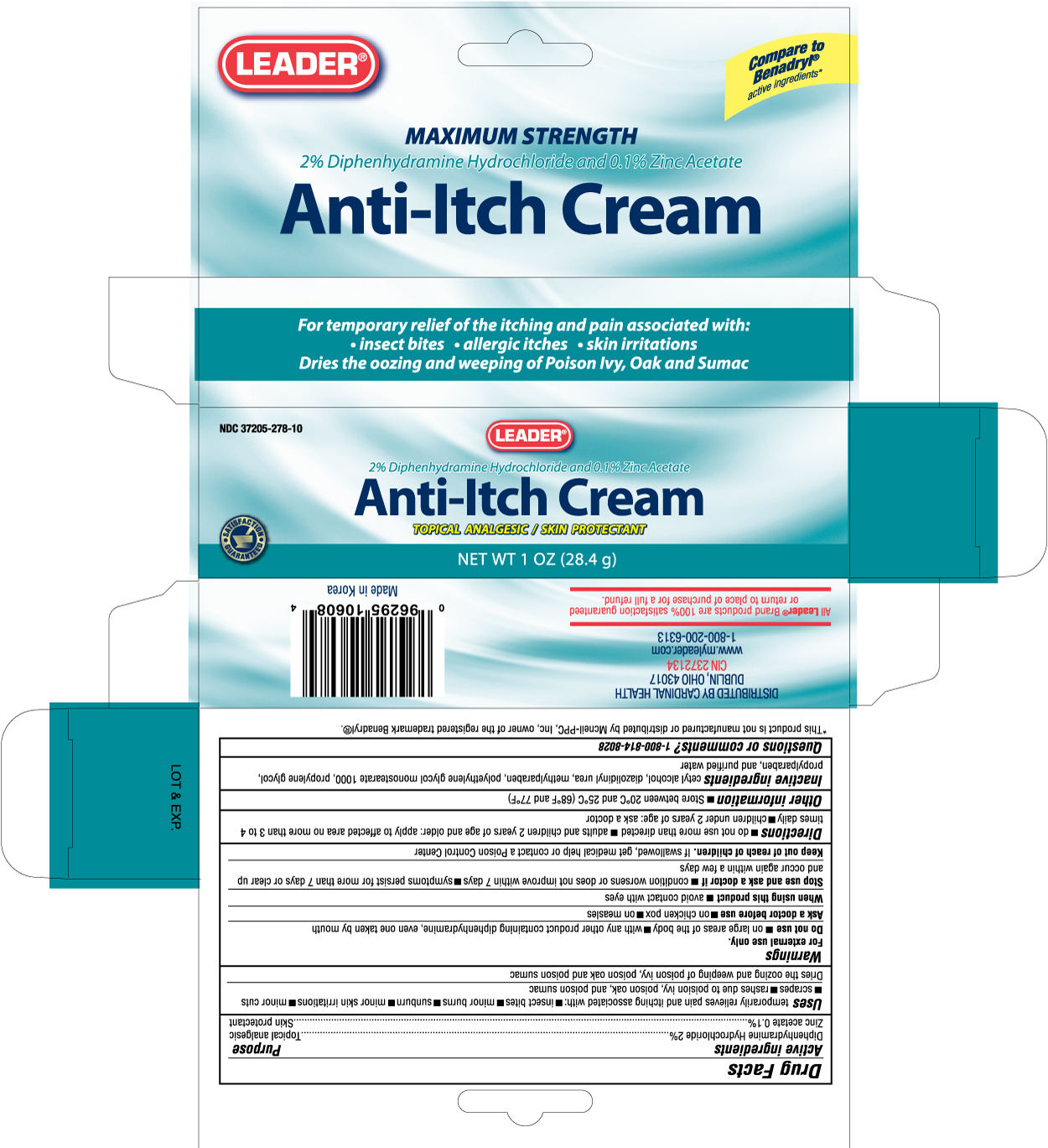
  • Leader Anti Itch Maximum Strength (Diphenhydramine Hydrochloride, Zinc Acetate) Cream [Cardinal Health]

    Leader Anti Itch Maximum Strength

    Leader Anti Itch Maximum Strength (Diphenhydramine Hydrochloride, Zinc Acetate) Cream [Cardinal Health]

    DISTRIBUTED BY CARDINAL HEALTH

    DULIN, OHIO 43017

    CIN 2372134

    www.myleader.com

    1-800-200-6313

  • Antiseptic Mouth Rinse (Eucalyptol) Mouthwash [Cardinal Health]

    Antiseptic Mouth Rinse

    Antiseptic Mouth Rinse (Eucalyptol) Mouthwash [Cardinal Health]

    Directions • this rinse is not intended to replace brushing or flossing adults and children 12 years of age and older - vigorously swish 20 mL (2.3 FL OZ or 4 teaspoonfuls) between teeth for 30 seconds then spit out: do not swallow children under 12 years of age - consult a dentist or doctor

  • Medicated Chest (Rub) Jelly [Cardinal Health]

    Medicated Chest

    Medicated Chest (Rub) Jelly [Cardinal Health]

    Directions See important warnings under "When using this product" •adults + children 2 yrs + over: •rub a thick layer on chest + throat or rub on sore aching muscles •cover with a warm, dry cloth if desired •keep clothing loose about throat/chest to help vapors reach the nose/mouth •repeat up to three times per 24 hours or as directed •children under 2 years of age: ask a doctor

  • Leader Premenstrual
    Leader Premenstrual (Acetaminophen, Pamabrom, Pyrilamine Maleate) Capsule [Cardinal Health]

    Leader Premenstrual

    Leader Premenstrual (Acetaminophen, Pamabrom, Pyrilamine Maleate) Capsule [Cardinal Health]

    do not take more than the recommended dose (see Overdose warning) adults and children 12 years of age and older: take 2 caplets with water repeat every 6 hours, as needed do not exceed 8 caplets per day children under 12 years of age: consult a doctor

  • Leader Hydrocortisone
    Leader Hydrocortisone (Hydrocortisone) Cream [Cardinal Health]

    Leader Hydrocortisone

    Leader Hydrocortisone (Hydrocortisone) Cream [Cardinal Health]

    DISTRIBUTED BY

    CARDINAL HEALTH, DUBLIN, OHIO 43017

    CIN2258972

    www.myleader.com

    1-800-200-6313

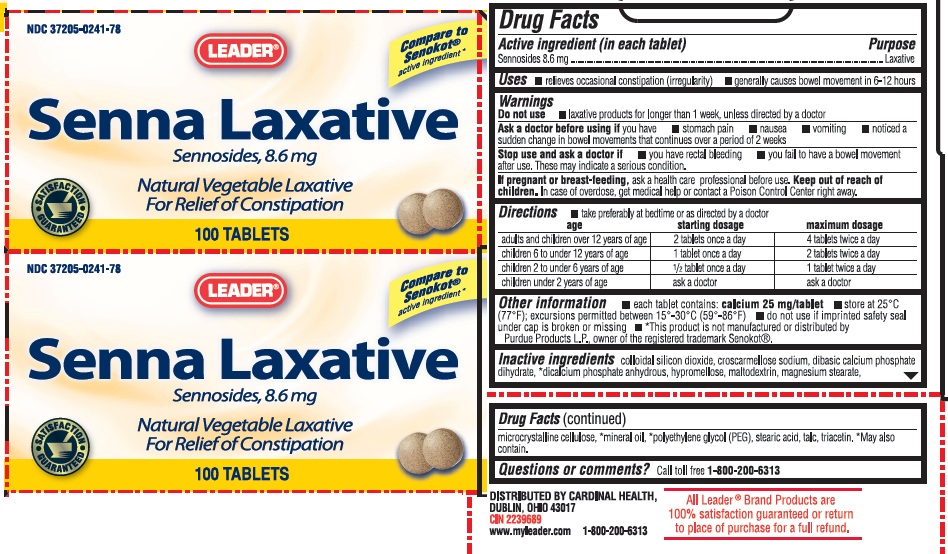
  • Leader Senna Laxative
    Leader Senna Laxative (Sennosides) Tablet [Cardinal Health]

    Leader Senna Laxative

    Leader Senna Laxative (Sennosides) Tablet [Cardinal Health]

    Take preferably at bedtime or as directed by a doctor                                                                                      age; starting dosage; maximum dosage adults and children 12 years of age: 2 tablets once a day; 4 tablets twice a day. children 6 to under 12 years of age: 1 tablet once a day; 2 tablets twice a day children 2 to under 6 years of age:   1/2 tablet once a day; 1 tablet twice a day children under 2: ask a doctor; ask a doctor

  • Leader Stool Softener Plus Stimulant Laxative (Docusate Sodium, Sennosides) Tablet [Cardinal Health]

    Leader Stool Softener Plus Stimulant Laxative

    Leader Stool Softener Plus Stimulant Laxative (Docusate Sodium, Sennosides) Tablet [Cardinal Health]

    Take only by mouth. Doses may be taken as a single daily does or in divided doses. adults and children 12 years and over: take 2-4 tablets daily children 6 to under 12 years of age: take 1-2 tablets daily children 2 to under 6 years of age: take up to 1 tablet daily children under 2: ask a doctor

  • Glycerin Laxative
    Glycerin Laxative (Glycerin) Suppository [Cardinal Health]

    Glycerin Laxative

    Glycerin Laxative (Glycerin) Suppository [Cardinal Health]

    adults and children6 years and over

    1 suppository per day or asdirected by a doctor

    children 2 to under 6 years

    use pediatric glycerin suppositories

    children under 2 years

    ask a doctor

    insert 1 suppository well up into rectum and retain for 15 minutes

    it need not melt to produce laxative action

  • Glycerin Laxative
    Glycerin Laxative (Glycerin) Suppository [Cardinal Health]

    Glycerin Laxative

    Glycerin Laxative (Glycerin) Suppository [Cardinal Health]

    children 2 to under 6 years of age

    insert 1 suppository well into the rectum and retain for 15 minutes; it need not melt to produce laxative action. Do not exceed 1 suppository daily or as directed by a doctor.

    children under 2

    ask a doctor

  • 7 Day Vaginal
    7 Day Vaginal (Miconazole Nitrate) Cream [Cardinal Health]

    7 Day Vaginal

    7 Day Vaginal (Miconazole Nitrate) Cream [Cardinal Health]

    before using this product read the enclosed consumer information leaflet for complete instructions

    adults and children 12 years of age and over:

    applicator: insert one applicatorful into the vagina at bedtime for 7 nights in a row external cream: squeeze a small amount of cream onto your fingertip. Gently apply the cream onto the itchy, irritated skin outside the vagina. Use daily for up to 7 days as needed

    children under 12 years of age: ask a doctor

  • Flomax (Tamsulosin Hydrochloride) Capsule [Cardinal Health]

    Flomax

    Flomax (Tamsulosin Hydrochloride) Capsule [Cardinal Health]

    FLOMAX capsules 0.4 mg once daily is recommended as the dose for the treatment of the signs and symptoms of BPH. It should be administered approximately one-half hour following the same meal each day.

    For those patients who fail to respond to the 0.4 mg dose after two to four weeks of dosing, the dose of FLOMAX capsules can be increased to 0.8 mg once daily. The 0.8 mg dose should not be used in combination with strong inhibitors of CYP3A4 (e.g., ketoconazole) (see WARNINGS).

    If FLOMAX capsules administration is discontinued or interrupted for several days at either the 0.4 mg or 0.8 mg dose, therapy should be started again with the 0.4 mg once daily dose.

  • Gentle Laxative (Bisacodyl) Tablet [Cardinal Health]

    Gentle Laxative

    Gentle Laxative (Bisacodyl) Tablet [Cardinal Health]

    take with a glass of water

    adults and children 12 years and over take 1 to 3 tablets in a single daily dose  children 6 to under 12 years of age take 1 tablet in a single daily dose  children under 6 years of age ask a doctor
  • Leader Hydrocortisone With Aloe (Hydrocortisone) Cream [Cardinal Health]

    Leader Hydrocortisone With Aloe

    Leader Hydrocortisone With Aloe (Hydrocortisone) Cream [Cardinal Health]

    DISTRIBUTED BY

    CARDINAL HEALTH, DUBLIN, OHIO 43017

    CIN 1221209

    www.myleader.com

    1-800-200-6313

    Made in Korea

  • Leader Caldyphen Clear (Pramoxine Hydrochloride, Zinc Acetate) Lotion [Cardinal Health]

    Leader Caldyphen Clear

    Leader Caldyphen Clear (Pramoxine Hydrochloride, Zinc Acetate) Lotion [Cardinal Health]

    Adults and children 2 yrs. of age and older:Apply lotion to the affected area not more than 2 to 4 times daily. Children under 2 yrs. of age: Consult  a doctor.

  • Leader Fiber
    Leader Fiber (Calcium Polycarbophil) Tablet, Film Coated [Cardinal Health]

    Leader Fiber

    Leader Fiber (Calcium Polycarbophil) Tablet, Film Coated [Cardinal Health]

    take this product (child or adult dose) with a full glass of water (8oz) daily maximum 4 doses dosage may vary according to diet, exercise, previous laxative use or severity of constipation continued use for 1 to 3 days is normally required to provide full benefit adults and children 12 years of age and over 2 caplets once a day up to 4 times a day children under 12 years consult a physician

  • Leader Triple Antibiotic Plus (Bacitracin Zinc, Neomycin Sulfate, Polymyxin B Sulfate, Pramoxine Hydrochloride) Ointment [Cardinal Health]

    Leader Triple Antibiotic Plus

    Leader Triple Antibiotic Plus (Bacitracin Zinc, Neomycin Sulfate, Polymyxin B Sulfate, Pramoxine Hydrochloride) Ointment [Cardinal Health]

    DISTRIBUTED BY CARDINAL HEALTH

    DUBLIN, OHIO 43017

    CIN 2372167

    www.myleader.com

    1-800-200-6313

    Made in Korea

  • Leader Camphor Spirit
    Leader Camphor Spirit (Camphor (Natural)) Liquid [Cardinal Health]

    Leader Camphor Spirit

    Leader Camphor Spirit (Camphor (Natural)) Liquid [Cardinal Health]

    Adults and children 2 yrs. of age and older: apply to affected area not more than 3 or 4 times daily Children under 2 yrs. of age: Consult  a doctor.

  • Leader Caldyphen (Zinc Oxide, Pramoxine Hydrochloride) Lotion [Cardinal Health]

    Leader Caldyphen

    Leader Caldyphen (Zinc Oxide, Pramoxine Hydrochloride) Lotion [Cardinal Health]

    Adults and children 2 yrs. of age and older:Apply lotion to the affected area not more than 2 to 4 times daily. Children under 2 yrs. of age: Consult  a doctor.

  • Leader Triple Antibiotic (Bacitracin, Neomycin Sulfate, Polymyxin-b Sulfate) Ointment [Cardinal Health]

    Leader Triple Antibiotic

    Leader Triple Antibiotic (Bacitracin, Neomycin Sulfate, Polymyxin-b Sulfate) Ointment [Cardinal Health]

    DISTRIBUTED BY CARDINAL HEALTH

    DUBLIN, OHIO 43017

    CIN 1068808

    www.myleader.com

    1-800-200-6313

    Made in Korea

  • Leader Mild Iodine
    Leader Mild Iodine (Iodine,sodium Iodide, Alcohol) Tincture [Cardinal Health]

    Leader Mild Iodine

    Leader Mild Iodine (Iodine,sodium Iodide, Alcohol) Tincture [Cardinal Health]

    Clean the affected area. Apply a small amount to th affected area 1 to 3 times daily. May be covered with a sterile bandage. If bandaged, let dry first.

  • Leader Castor (Castor Oil) Oil [Cardinal Health]

    Leader Castor

    Leader Castor (Castor Oil) Oil [Cardinal Health]

    Preferably take on an empty stomach. May be taken with juice to improve taste. Adults and children 12 yrs. and older: 1 to 4 tablespoonfuls in a single daily dose Children 2 to under 12 yrs. of age: 1 to 3 teaspoonfuls in a single daily dose or as directed by a doctor. Children under 2 yrs. of age: consult a doctor.

  • Diazepam Tablet [Cardinal Health]

    Diazepam

    Diazepam Tablet [Cardinal Health]

    Dosage should be individualized for maximum beneficial effect. While the usual daily dosages given below will meet the needs of most patients, there will be some who may require higher doses. In such cases, dosage should be increased cautiously to avoid adverse effects.

    ADULTS: USUAL DAILY DOSE Management of Anxiety Disorders and Relief of Symptoms of Anxiety. Depending upon severity of symptoms – 2 mg to 10 mg, 2 to 4 times daily Symptomatic Relief in Acute Alcohol Withdrawal. 10 mg, 3 or 4 times during the first 24 hours, reducing to 5 mg, 3 or 4 times daily as needed Adjunctively for Relief of Skeletal Muscle Spasm. 2 mg to 10 mg, 3 or 4 times daily Adjunctively in Convulsive Disorders. 2 mg to 10 mg, 2 to 4 times daily Geriatric Patients, or in the presence of debilitating disease. 2 mg to 2.5 mg, 1 or 2 times daily initially; increase gradually as needed and tolerated PEDIATRIC PATIENTS: Because of varied responses to CNS-acting drugs, initiate therapy with lowest dose and increase as required. Not for use in pediatric patients under 6 months. 1 mg to 2.5 mg, 3 or 4 times daily initially increase gradually as needed and tolerated
  • Pantoprazole Sodium Tablet, Delayed Release [Cardinal Health]

    Pantoprazole Sodium

    Pantoprazole Sodium Tablet, Delayed Release [Cardinal Health]

    2.1 Recommended Dosing Schedule

    Pantoprazole sodium is supplied as delayed-release tablets. The recommended dosages are outlined in Table 1.

    Table 1: Recommended Dosing Schedule for Pantoprazole Sodium Delayed-Release Tablets Indication Dose Frequency * For adult patients who have not healed after 8 weeks of treatment, an additional 8-week course of pantoprazole sodium delayed-release tablets may be considered. † Dosage regimens should be adjusted to individual patient needs and should continue for as long as clinically indicated. Doses up to 240 mg daily have been administered. Short-Term Treatment of Erosive Esophagitis Associated With GERD Adults 40 mg Once daily for up to 8 weeks* Maintenance of Healing of Erosive Esophagitis Adults 40 mg Once daily Pathological Hypersecretory Conditions Including Zollinger-Ellison Syndrome Adults 40 mg Twice daily†

    Pediatric dosing information in pediatric patients ages five years and older with erosive esophagitis associated with GERD is approved for Wyeth Pharmaceuticals Inc.’s pantoprazole sodium delayed-release tablets. However, due to Wyeth Pharmaceuticals Inc.’s marketing exclusivity rights, this drug product is not labeled with that pediatric information.

    2.2 Administration Instructions

    Directions for method of administration for each dosage form are presented in Table 2.

    Table 2: Administration Instructions Formulation Route Instructions* * Patients should be cautioned that pantoprazole sodium delayed-release tablets should not be split, chewed, or crushed. Delayed-Release Tablets Oral Swallowed whole, with or without food

    Pantoprazole sodium delayed-release tablets should be swallowed whole, with or without food in the stomach. If patients are unable to swallow a 40 mg tablet, two 20 mg tablets may be taken. Concomitant administration of antacids does not affect the absorption of pantoprazole sodium delayed-release tablets.

  • Hydrocodone Bitartrate And Acetaminophen Tablet [Cardinal Health]

    Hydrocodone Bitartrate And Acetaminophen

    Hydrocodone Bitartrate And Acetaminophen Tablet [Cardinal Health]

    Dosage should be adjusted according to the severity of the pain and the response of the patient. However, it should be kept in mind that tolerance to hydrocodone can develop with continued use and that the incidence of untoward effects is dose related.

    2.5 mg/500 mg5 mg/500 mg The usual adult dosage is one or two tablets every four to six hours as needed for pain. The total daily dosage should not exceed 8 tablets 7.5 mg/325 mg7.5 mg/500 mg7.5 mg/650 mg The usual adult dosage is one tablet every four to six hours as needed for pain. The total daily dosage should not exceed 6 tablets. 7.5 mg/750 mg The usual adult dosage is one tablet every four to six hours as needed for pain. The total daily dosage should not exceed 5 tablets. 10 mg/325 mg10 mg/500 mg10 mg/650 mg10 mg/660 mg The usual adult dosage is one tablet every four to six hours as needed for pain. The total daily dosage should not exceed 6 tablets. 10 mg/750 mg The usual adult dosage is one tablet every four to six hours as needed for pain. The total daily dosage should not exceed 5 tablets.
  • Medique Diphen (Diphenhydramine Hydrochloride) Tablet, Film Coated [Unifirst First Aid Corporation]

    Medique Diphen

    Medique Diphen (Diphenhydramine Hydrochloride) Tablet, Film Coated [Unifirst First Aid Corporation]

    Divalproex sodium extended-release tablets are an extended-release product intended for once-a-day oral administration. Divalproex sodium extended-release tablets should be swallowed whole and should not be crushed or chewed.

    2.1 Mania

    Divalproex sodium extended-release tablets are administered orally. The recommended initial dose is 25 mg/kg/day given once daily. The dose should be increased as rapidly as possible to achieve the lowest therapeutic dose which produces the desired clinical effect or the desired range of plasma concentrations. In a placebo-controlled clinical trial of acute mania or mixed type, patients were dosed to a clinical response with a trough plasma concentration between 85 and 125 mcg/mL. The maximum recommended dosage is 60 mg/kg/day.

    There is no body of evidence available from controlled trials to guide a clinician in the longer term management of a patient who improves during divalproex sodium extended-release tablet treatment of an acute manic episode. While it is generally agreed that pharmacological treatment beyond an acute response in mania is desirable, both for maintenance of the initial response and for prevention of new manic episodes, there are no data to support the benefits of divalproex sodium extended-release tablets in such longer-term treatment (i.e., beyond 3 weeks).

    2.2 Epilepsy

    Divalproex sodium extended-release tablets are administered orally, and must be swallowed whole. As divalproex sodium extended-release tablets dosage is titrated upward, concentrations of clonazepam, diazepam, ethosuximide, lamotrigine, tolbutamide, phenobarbital, carbamazepine, and/or phenytoin may be affected [see Drug Interactions (7.2)].

    Complex Partial Seizures

    For adults and children 10 years of age or older.

    Monotherapy (Initial Therapy)

    Divalproex sodium extended-release tablets have not been systematically studied as initial therapy. Patients should initiate therapy at 10 to 15 mg/kg/day. The dosage should be increased by 5 to 10 mg/kg/week to achieve optimal clinical response. Ordinarily, optimal clinical response is achieved at daily doses below 60 mg/kg/day. If satisfactory clinical response has not been achieved, plasma levels should be measured to determine whether or not they are in the usually accepted therapeutic range (50 to 100 mcg/mL). No recommendation regarding the safety of valproate for use at doses above 60 mg/kg/day can be made.

    The probability of thrombocytopenia increases significantly at total trough valproate plasma concentrations above 110 mcg/mL in females and 135 mcg/mL in males. The benefit of improved seizure control with higher doses should be weighed against the possibility of a greater incidence of adverse reactions.

    Conversion to Monotherapy

    Patients should initiate therapy at 10 to 15 mg/kg/day. The dosage should be increased by 5 to 10 mg/kg/week to achieve optimal clinical response. Ordinarily, optimal clinical response is achieved at daily doses below 60 mg/kg/day. If satisfactory clinical response has not been achieved, plasma levels should be measured to determine whether or not they are in the usually accepted therapeutic range (50 to 100 mcg/mL). No recommendation regarding the safety of valproate for use at doses above 60 mg/kg/day can be made.

    Concomitant antiepilepsy drug (AED) dosage can ordinarily be reduced by approximately 25% every 2 weeks. This reduction may be started at initiation of divalproex sodium extended-release tablets therapy, or delayed by 1 to 2 weeks if there is a concern that seizures are likely to occur with a reduction. The speed and duration of withdrawal of the concomitant AED can be highly variable, and patients should be monitored closely during this period for increased seizure frequency.

    Adjunctive Therapy

    Divalproex sodium extended-release tablets may be added to the patient's regimen at a dosage of 10 to 15 mg/kg/day. The dosage may be increased by 5 to 10 mg/kg/week to achieve optimal clinical response. Ordinarily, optimal clinical response is achieved at daily doses below 60 mg/kg/day. If satisfactory clinical response has not been achieved, plasma levels should be measured to determine whether or not they are in the usually accepted therapeutic range (50 to 100 mcg/mL). No recommendation regarding the safety of valproate for use at doses above 60 mg/kg/day can be made.

    In a study of adjunctive therapy for complex partial seizures in which patients were receiving either carbamazepine or phenytoin in addition to valproate, no adjustment of carbamazepine or phenytoin dosage was needed [see Clinical Studies (14.2)]. However, since valproate may interact with these or other concurrently administered AEDs as well as other drugs, periodic plasma concentration determinations of concomitant AEDs are recommended during the early course of therapy [see Drug Interactions (7)].

    Simple and Complex Absence Seizures

    The recommended initial dose is 15 mg/kg/day, increasing at one week intervals by 5 to 10 mg/kg/day until seizures are controlled or side effects preclude further increases. The maximum recommended dosage is 60 mg/kg/day.

    A good correlation has not been established between daily dose, serum concentrations, and therapeutic effect. However, therapeutic valproate serum concentration for most patients with absence seizures is considered to range from 50 to 100 mcg/mL. Some patients may be controlled with lower or higher serum concentrations [see Clinical Pharmacology (12.3)].

    As divalproex sodium extended-release tablets dosage is titrated upward, blood concentrations of phenobarbital and/or phenytoin may be affected [see Drug Interactions (7.2)].

    Antiepilepsy drugs should not be abruptly discontinued in patients in whom the drug is administered to prevent major seizures because of the strong possibility of precipitating status epilepticus with attendant hypoxia and threat to life.

    2.3 Migraine

    Divalproex sodium extended-release tablets are indicated for prophylaxis of migraine headaches in adults.

    The recommended starting dose is 500 mg once daily for one week, thereafter increasing to 1000 mg once daily. Although doses other than 1000 mg once daily of divalproex sodium extended-release tablets have not been evaluated in patients with migraine, the effective dose range of divalproex sodium delayed-release tablets in these patients is 500 to 1000 mg/day. As with other valproate products, doses of divalproex sodium extended-release tablets should be individualized and dose adjustment may be necessary. If a patient requires smaller dose adjustments than that available with divalproex sodium extended-release tablets, divalproex sodium delayed-release tablets should be used instead.

    2.4 Conversion from Divalproex Sodium Delayed-release Tablets to Divalproex Sodium Extended-release Tablets

    In adult patients and pediatric patients 10 years of age or older with epilepsy previously receiving divalproex sodium delayed-release tablets, divalproex sodium extended-release tablets should be administered once daily using a dose 8% to 20% higher than the total daily dose of divalproex sodium delayed-release tablets (Table 1). For patients whose divalproex sodium delayed-release tablets total daily dose cannot be directly converted to divalproex sodium extended-release tablets, consideration may be given at the clinician’s discretion to increase the patient’s divalproex sodium delayed-release tablets total daily dose to the next higher dosage before converting to the appropriate total daily dose of divalproex sodium extended-release tablets.

    Table 1. Dose Conversion * These total daily doses of divalproex sodium delayed-release tablets cannot be directly converted to an 8% to 20% higher total daily dose of divalproex sodium extended-release tablets because the required dosing strengths of divalproex sodium extended-release tablets are not available. Consideration may be given at the clinician’s discretion to increase the patient’s divalproex sodium delayed-release tablets total daily dose to the next higher dosage before converting to the appropriate total daily dose of divalproex sodium extended-release tablets.

    Divalproex Sodium Delayed-release Tablets Total Daily Dose (mg)

    Divalproex Sodium Extended-release Tablets (mg)

    500* to 625

    750

    750* to 875

    1000

    1000* to 1125

    1250

    1250 to 1375

    1500

    1500 to 1625

    1750

    1750

    2000

    1875 to 2000

    2250

    2125 to 2250

    2500

    2375

    2750

    2500 to 2750

    3000

    2875

    3250

    3000 to 3125

    3500

    There is insufficient data to allow a conversion factor recommendation for patients with divalproex sodium delayed-release tablets doses above 3125 mg/day. Plasma valproate Cmin concentrations for divalproex sodium extended-release tablets on average are equivalent to divalproex sodium delayed-release tablets, but may vary across patients after conversion. If satisfactory clinical response has not been achieved, plasma levels should be measured to determine whether or not they are in the usually accepted therapeutic range (50 to 100 mcg/mL) [see Clinical Pharmacology (12.2)].

    2.5 General Dosing Advice

    Dosing in Elderly Patients

    Due to a decrease in unbound clearance of valproate and possibly a greater sensitivity to somnolence in the elderly, the starting dose should be reduced in these patients. Starting doses in the elderly lower than 250 mg can only be achieved by the use of divalproex sodium delayed-release tablets. Dosage should be increased more slowly and with regular monitoring for fluid and nutritional intake, dehydration, somnolence, and other adverse reactions. Dose reductions or discontinuation of valproate should be considered in patients with decreased food or fluid intake and in patients with excessive somnolence. The ultimate therapeutic dose should be achieved on the basis of both tolerability and clinical response [see Warnings and Precautions (5.14), Use in Specific Populations (8.5) and Clinical Pharmacology (12.3)].

    Dose Related Adverse Reactions

    The frequency of adverse effects (particularly elevated liver enzymes and thrombocytopenia) may be dose related. The probability of thrombocytopenia appears to increase significantly at total valproate concentrations of ≥ 110 mcg/mL (females) or ≥ 135 mcg/mL (males) [see Warnings and Precautions (5.8)]. The benefit of improved therapeutic effect with higher doses should be weighed against the possibility of a greater incidence of adverse reactions.

    G.I. Irritation

    Patients who experience G.I. irritation may benefit from administration of the drug with food or by slowly building up the dose from an initial low level.

    Compliance

    Patients should be informed to take divalproex sodium extended-release tablets every day as prescribed. If a dose is missed it should be taken as soon as possible, unless it is almost time for the next dose. If a dose is skipped, the patient should not double the next dose.

  • Leader Allergy Relief D-24 (Loratadine And Pseudoephedrine Sulfate) Tablet, Film Coated, Extended Release [Cardinal Health]

    Leader Allergy Relief D-24

    Leader Allergy Relief D-24 (Loratadine And Pseudoephedrine Sulfate) Tablet, Film Coated, Extended Release [Cardinal Health]

    do not divide, crush, chew or dissolve the tablet adults and children 12 years and over 1 tablet daily with a full glass of water; not more than 1 tablet in 24 hours children under 12 years of age ask a doctor consumers with liver or kidney disease ask a doctor

  • Leader Lubricating Eye ...
    Leader Lubricating Eye Drop (Carboxymethylcellulose Sodium, Glycerin) Solution [Cardinal Health]

    Leader Lubricating Eye Drop

    Leader Lubricating Eye Drop (Carboxymethylcellulose Sodium, Glycerin) Solution [Cardinal Health]

    DISTRIBUTED BY CARDINAL HEALTH

    DUBLIN, OHIO 43017

    CIN 4290763

    www.myleader.com

    1-800-200-6313

  • Leader Lubricant Eye Dr...
    Leader Lubricant Eye Drops (Polyethylene Glycol 400, Propylene Glycol) Solution [Cardinal Health]

    Leader Lubricant Eye Drops

    Leader Lubricant Eye Drops (Polyethylene Glycol 400, Propylene Glycol) Solution [Cardinal Health]

    DISTRIBUTED BY CARDINAL HEALTH

    DUBLIN, OHIO 43017

    CIN 4290730

    www.myleader.com

    1-800-200-6313

  • Leader Acid Control (Ranitidine) Tablet, Film Coated [Cardinal Health]

    Leader Acid Control

    Leader Acid Control (Ranitidine) Tablet, Film Coated [Cardinal Health]

    adults and children 12 years and over:    to relieve symptoms, swallow 1 tablet with a glass of water   to prevent symptoms, swallow 1 tablet with a glass of water 30 to 60 minutes before eating food or drinking beverages that cause heartburn    can be used up to twice daily (up to 2 tablets in 24 hours)   do not chew tablet   children under 12 years: ask a doctor 

  • Leader Capsaicin
    Leader Capsaicin (Capsaicin) Cream [Cardinal Health]

    Leader Capsaicin

    Leader Capsaicin (Capsaicin) Cream [Cardinal Health]

    DISTRIBUTED BY CARDINAL HEALTH

    DUBLIN, OHIO 43017

    CIN 3696283

    www.myleader.com

    1-800-200-6313

    Made in Korea

  • Zolpidem Tartrate Tablet [Cardinal Health]

    Zolpidem Tartrate

    Zolpidem Tartrate Tablet [Cardinal Health]

    2.1 Dosage in adults

    The dose of zolpidem tartrate tablets should be individualized.

    The recommended dose for adults is 10 mg immediately before bedtime.

    2.2 Special Populations

    Elderly or debilitated patients may be especially sensitive to the effects of zolpidem tartrate tablets. Patients with hepatic insufficiency do not clear the drug as rapidly as normals. An initial 5 mg dose is recommended in these patients [see Warnings and Precautions (5) ].

    2.3 Administration with CNS depressants:

    Downward dosage adjustment may be necessary when zolpidem tartrate tablets are administered with agents having known CNSdepressant effects because of the potentially additive effects [see Warnings and Precautions (5)].

    2.4 Maximum daily dose:

    The total zolpidem tartrate tablet dose should not exceed 10 mg per day.

  • Gabapentin Tablet [Cardinal Health]

    Gabapentin

    Gabapentin Tablet [Cardinal Health]

    Gabapentin tablets USP are given orally with or without food. Patients should be informed that, should they break the scored 600 or 800 mg tablet in order to administer a half-tablet, they should take the unused half-tablet as the next dose. Half-tablets not used within several days of breaking the scored tablet should be discarded.

    If gabapentin tablets USP dose is reduced, discontinued or substituted with an alternative medication, this should be done gradually over a minimum of 1 week (a longer period may be needed at the discretion of the prescriber).

    Postherpetic Neuralgia

    In adults with postherpetic neuralgia, gabapentin tablets USP therapy may be initiated as a single 300 mg dose on Day 1, 600 mg/day on Day 2 (divided BID), and 900 mg/day on Day 3 (divided TID). The dose can subsequently be titrated up as needed for pain relief to a daily dose of 1800 mg (divided TID). In clinical studies, efficacy was demonstrated over a range of doses from 1800 mg/day to 3600 mg/day with comparable effects across the dose range. Additional benefit of using doses greater than 1800 mg/day was not demonstrated.

    Epilepsy

    Gabapentin tablets USP are recommended for add-on therapy in patients 3 years of age and older. Effectiveness in pediatric patients below the age of 3 years has not been established.

    Patients >12 years of age:

    The effective dose of gabapentin tablets USP is 900 to 1800 mg/day and given in divided doses (three times a day) using 600 or 800 mg tablets. The starting dose is 300 mg three times a day. If necessary, the dose may be increased using 600 or 800 mg tablets three times a day up to 1800 mg/day. Dosages up to 2400 mg/day have been well tolerated in long-term clinical studies. Doses of 3600 mg/day have also been administered to a small number of patients for a relatively short duration, and have been well tolerated. The maximum time between doses in the TID schedule should not exceed 12 hours.

    Pediatric Patients Age 3–12 years:

    The starting dose should range from 10-15 mg/kg/day in 3 divided doses, and the effective dose reached by upward titration over a period of approximately 3 days. The effective dose of gabapentin tablets USP in patients 5 years of age and older is 25–35 mg/kg/day and given in divided doses (three times a day). The effective dose in pediatric patients ages 3 and 4 years is 40 mg/kg/day and given in divided doses (three times a day) (see CLINICAL PHARMACOLOGY, Pediatrics). Dosages up to 50 mg/kg/day have been well-tolerated in a long-term clinical study. The maximum time interval between doses should not exceed 12 hours.

    It is not necessary to monitor gabapentin plasma concentrations to optimize gabapentin tablets USP therapy. Further, because there are no significant pharmacokinetic interactions among gabapentin tablets USP and other commonly used antiepileptic drugs, the addition of gabapentin tablets USP does not alter the plasma levels of these drugs appreciably.

    If gabapentin tablets USP are discontinued and/or an alternate anticonvulsant medication is added to the therapy, this should be done gradually over a minimum of 1 week.

    Dosage in Renal Impairment

    Creatinine clearance is difficult to measure in outpatients. In patients with stable renal function, creatinine clearance (CCr) can be reasonably well estimated using the equation of Cockcroft and Gault:

    for females CCr=(0.85)(140-age)(weight)/[(72)(SCr)]

    for males CCr=(140-age)(weight)/[(72)(SCr)]

    where age is in years, weight is in kilograms and SCr is serum creatinine in mg/dL.

    Dosage adjustment in patients ≥12 years of age with compromised renal function or undergoing hemodialysis is recommended as follows (see dosing recommendations above for effective doses in each indication).

    TABLE 6. Gabapentin Tablets USP Dosage Based on Renal Function

    The use of gabapentin tablets USP in patients <12 years of age with compromised renal function has not been studied.

    Dosage in Elderly

    Because elderly patients are more likely to have decreased renal function, care should be taken in dose selection, and dose should be adjusted based on creatinine clearance values in these patients.

  • Carbamazepine Tablet, Chewable [Cardinal Health]

    Carbamazepine

    Carbamazepine Tablet, Chewable [Cardinal Health]

    (See table below.)

    Monitoring of blood levels has increased the efficacy and safety of anticonvulsants (see PRECAUTIONS, Laboratory Tests). Dosage should be adjusted to the needs of the individual patient. A low initial daily dosage with a gradual increase is advised. As soon as adequate control is achieved, the dosage may be reduced very gradually to the minimum effective level. Medication should be taken with meals.

    Conversion of patients from oral carbamazepine tablets to carbamazepine suspension: Patients should be converted by administering the same number of mg per day in smaller, more frequent doses (i.e., b.i.d. tablets to t.i.d. suspension).

    Epilepsy

    (See INDICATIONS AND USAGE.)

    Adults and Children Over 12 Years of Age

    Initial: 200 mg b.i.d. Increase at weekly intervals by adding up to 200 mg/day using a t.i.d. or q.i.d. regimen until the optimal response is obtained. Dosage generally should not exceed 1000 mg daily in children 12 to 15 years of age, and 1200 mg daily in patients above 15 years of age. Doses up to 1600 mg daily have been used in adults in rare instances. Maintenance: Adjust dosage to the minimum effective level, usually 800 to 1200 mg daily.

    Children 6 to 12 Years of Age

    Initial: 100 mg b.i.d. Increase at weekly intervals by adding up to 100 mg/day using a t.i.d. or q.i.d. regimen until the optimal response is obtained. Dosage generally should not exceed 1000 mg daily. Maintenance: Adjust dosage to the minimum effective level, usually 400 to 800 mg daily.

    Children Under 6 Years of Age

    Initial: 10 to 20 mg/kg/day b.i.d. or t.i.d. Increase weekly to achieve optimal clinical response administered t.i.d. or q.i.d. Maintenance: Ordinarily, optimal clinical response is achieved at daily doses below 35 mg/kg. If satisfactory clinical response has not been achieved, plasma levels should be measured to determine whether or not they are in the therapeutic range. No recommendation regarding the safety of carbamazepine for use at doses above 35 mg/kg/24 hours can be made.

    Combination Therapy

    Carbamazepine may be used alone or with other anticonvulsants. When added to existing anticonvulsant therapy, the drug should be added gradually while the other anticonvulsants are maintained or gradually decreased, except phenytoin, which may have to be increased (see PRECAUTIONS, Drug Interactions, and Usage inPregnancy, Teratogenic Effects, Pregnancy category D).

    Trigeminal Neuralgia

    (See INDICATIONS AND USAGE.)

    Initial: On the first day, 100 mg b.i.d. for a total daily dose of 200 mg. This daily dose may be increased by up to 200 mg/day using increments of 100 mg every 12 hours only as needed to achieve freedom from pain. Do not exceed 1200 mg daily. Maintenance: Control of pain can be maintained in most patients with 400 to 800 mg daily. However, some patients may be maintained on as little as 200 mg daily, while others may require as much as 1200 mg daily. At least once every 3 months throughout the treatment period, attempts should be made to reduce the dose to the minimum effective level or even to discontinue the drug.

    Dosage Information * Tablet = Chewable or conventional tablets Initial Dose Subsequent Dose Maximum Daily Dose Indication Tablet* Epilepsy Under 6 yr 10 to 20 mg/kg/day b.i.d. or t.i.d. Increase weekly to achieve optimal clinical response, t.i.d. or q.i.d. 35 mg/kg/24 hr (see DOSAGE AND ADMINISTRATION above) 6 to 12 yr 100 mg b.i.d. (200 mg/day) Add up to 100 mg/day at weekly intervals, t.i.d. or q.i.d. 1000 mg/24 hr Over 12 yr 200 mg b.i.d. (400 mg/day) Add up to 200 mg/day at weekly intervals, t.i.d. or q.i.d. 1000 mg/24 hr (12 to 15 yr) 1200 mg/24 hr (> 15 yr) 1600 mg/24 hr (adults, in rare instances) Trigeminal Neuralgia 100 mg b.i.d. (200 mg/day) Add up to 200 mg/day in increments of 100 mg every 12 hr 1200 mg/24 hr
  • Gabapentin Capsule [Cardinal Health]

    Gabapentin

    Gabapentin Capsule [Cardinal Health]

    Gabapentin is given orally with or without food.

    If gabapentin dose is reduced, discontinued or substituted with an alternative medication, this should be done gradually over a minimum of 1 week (a longer period may be needed at the at the discretion of the prescriber).

    Postherpetic Neuralgia: In adults with postherpetic neuralgia, gabapentin therapy may be initiated as a single 300-mg dose on Day 1, 600 mg/day on Day 2 (divided BID), and 900 mg/day on Day 3 (divided TID). The dose can subsequently be titrated up as needed for pain relief to a daily dose of 1800 mg (divided TID). In clinical studies, efficacy was demonstrated over a range of doses from 1800 mg/day to 3600 mg/day with comparable effects across the dose range. Additional benefit of using doses greater than 1800 mg/day was not demonstrated.

    Epilepsy: Gabapentin is recommended for add-on therapy in patients 3 years of age and older. Effectiveness in pediatric patients below the age of 3 years has not been established.

    Patients >12 Years Of Age: The effective dose of gabapentin is 900 to 1800 mg/day and given in divided doses (three times a day) using 300 or 400 mg capsules. The starting dose is 300 mg three times a day. If necessary, the dose may be increased using 300 or 400 mg capsules three times a day up to 1800 mg/day. Dosages up to 2400 mg/day have been well tolerated in long-term clinical studies. Doses of 3600 mg/day have also been administered to a small number of patients for a relatively short duration, and have been well tolerated. The maximum time between doses in the TID schedule should not exceed 12 hours.

    Pediatric Patients Age 3-12 Years: The starting dose should range from 10-15 mg/kg/day in 3 divided doses, and the effective dose reached by upward titration over a period of approximately 3 days. The effective dose of gabapentin in patients 5 years of age and older is 25-35 mg/kg/day and given in divided doses (three times a day). The effective dose in pediatric patients ages 3 and 4 years is 40 mg/kg/day and given in divided doses (three times a day). (See CLINICAL PHARMACOLOGY, Pediatrics.) Dosages up to 50 mg/kg/day have been well tolerated in a long-term clinical study. The maximum time interval between doses should not exceed 12 hours.

    It is not necessary to monitor gabapentin plasma concentrations to optimize gabapentin therapy. Further, because there are no significant pharmacokinetic interactions among gabapentin and other commonly used antiepileptic drugs, the addition of gabapentin does not alter the plasma levels of these drugs appreciably.

    If gabapentin is discontinued and/or an alternate anticonvulsant medication is added to the therapy, this should be done gradually over a minimum of 1 week.

    Dosage In Renal Impairment: Creatinine clearance is difficult to measure in outpatients. In patients with stable renal function, creatinine clearance (CCr) can be reasonably well estimated using the equation of Cockcroft and Gault:

    for females CCr = (0.85)(140-age)(weight)/[(72)(SCr)]

    for males CCr = (140-age)(weight)/[(72)(SCr)]

    where age is in years, weight is in kilograms and SCr is serum creatinine in mg/dL.

    Dosage adjustment in patients >12 years of age with compromised renal function or undergoing hemodialysis is recommended as follows (see dosing recommendations above for effective doses in each indication).

    Table 6. Gabapentin Dosage Based on Renal Function Renal Function Creatinine Clearance (mL/min) Total Daily Dose Range (mg/day) Dose Regimen(mg) a     For patients with creatinine clearance <15 mL/min, reduce daily dose in proportion to creatinine clearance (e.g., patients with a creatinine clearance of 7.5 mL/min should receive one-half the daily dose that patients with a creatinine clearance of 15 mL/min receive). b    Patients on hemodialysis should receive maintenance doses based on estimates of creatinine clearance as indicated in the upper portion of the table and a supplemental post-hemodialysis dose administered after each 4 hours of hemodialysis as indicated in the lower portion of the table. >60 900-3600 300 TID 400 TID 600 TID 800 TID 1200 TID >30-59 400-1400 200 BID 300 BID 400 BID 500 BID 700 BID >15-29 200-700 200 QD 300 QD 400 QD 500 QD 700 QD 15a 100-300 100 QD 125 QD 150 QD 200 QD 300 QD Post-Hemodialysis Supplemental Dose (mg)b Hemodialysis 125b 150 b 200b 250b 350b

    The use of gabapentin in patients <12 years of age with compromised renal function has not been studied.

    Dosage In Elderly

     Because elderly patients are more likely to have decreased renal function, care should be taken in dose selection, and dose should be adjusted based on creatinine clearance values in these patients.

  • Ranitidine Tablet [Cardinal Health]

    Ranitidine

    Ranitidine Tablet [Cardinal Health]

    Active Duodenal Ulcer:

    The current recommended adult oral dosage of ranitidine for duodenal ulcer is 150 mg twice daily. An alternative dosage of 300 mg once daily after the evening meal or at bedtime can be used for patients in whom dosing convenience is important. The advantages of one treatment regimen compared to the other in a particular patient population have yet to be demonstrated (see Clinical Trials: Active Duodenal Ulcer: ). Smaller doses have been shown to be equally effective in inhibiting gastric acid secretion in US studies, and several foreign trials have been shown that 100 mg b.i.d. is as effective as the 150 mg dose.

    Antacid should be given as needed for relief of pain (see CLINICAL PHARMACOLOGY:Pharmacokinetics).

    Maintenance of Healing of Duodenal Ulcers:

    The current recommended adult oral dosage is 150 mg at bedtime.

    Pathological Hypersecretory Conditions (such as Zollinger-Ellison syndrome):

    The current recommended adult oral dosage is 150 mg twice a day. In some patients it may be necessary to administer ranitidine 150 mg doses more frequently. Dosages should be adjusted to individual patient needs, and should continue as long as clinically indicated. Dosages up to 6 g/day have been employed in patients with severe disease.

    Benign Gastric Ulcer:

    The current recommended adult oral dosage is 150 mg twice a day.

    Maintenance of Healing of Gastric Ulcers:

    The current recommended adult oral dosage is 150 mg at bedtime.

    GERD:

    The current recommended adult oral dosage is 150 mg twice a day.

    Erosive Esophagitis:

    The current recommended adult oral dosage is 150 mg four times a day.

    Maintenance of Healing of Erosive Esophagitis:

    The current recommended adult oral dosage is 150 mg twice a day.

    Pediatric Use:

    The safety and effectiveness of ranitidine have been established in the age-group of 1 month to 16 years. There is insufficient information about the pharmacokinetics of ranitidine in neonatal patients (less that 1 month of age) to make dosing recommendations.

    The following 3 subsections provide dosing information for each of the pediatric indications.

    Treatment of Duodenal and Gastric Ulcers:

    The recommended oral dose for the treatment of active duodenal and gastric ulcers is 2 to 4 mg/kg twice daily to a maximum of 300 mg/day. This recommendation is derived from adult clinical studies and pharmacokinetic data in pediatric patients.

    Maintenance of Healing of Duodenal and Gastric Ulcers:

    The recommended oral dose for the maintenance of healing of duodenal and gastric ulcers is 2 to 4 mg/kg once daily to a maximum of 150 mg/day. This recommendation is derived from adult clinical studies and pharmacokinetic data in pediatric patients.

    Treatment of GERD and Erosive Esophagitis:

    Although limited data exist for these conditions in pediatric patients, published literature supports a dosage of 5 to 10 mg/kg per day, usually given as 2 divided doses.

    Dosage Adjustment for Patients With Impaired Renal Function:

    On the basis of experience with a group of subjects with severely impaired renal function treated with ranitidine, the recommended dosage in patients with a creatinine clearance <50 mL per minute is 150 mg every 24 hours. Should the patient’s condition require, the frequency of dosing may be increased to every 12 hours or even further with caution. Hemodialysis reduces the level of circulating ranitidine. Ideally, the dosing schedule should be adjusted so that the timing of a scheduled dose coincides with the end of hemodialysis.

    Elderly patients are more likely to have decreased renal function, therefore caution should be exercised in dose selection, and it may be useful to monitor renal function (see CLINICAL PHARMACOLOGY: Pharmacokinetics:Geriatrics and PRECAUTIONS: Geriatric Use).

  • Torsemide Tablet [Cardinal Health]

    Torsemide

    Torsemide Tablet [Cardinal Health]

    General

    Torsemide tablets may be given at any time in relation to a meal, as convenient. Special dosage adjustment in the elderly is not necessary.

    Because of the high bioavailability of torsemide, oral and intravenous doses are therapeutically equivalent, so patients may be switched to and from the intravenous form with no change in dose.

    Congestive Heart Failure

    The usual initial dose is 10 mg or 20 mg of once-daily oral torsemide. If the diuretic response is inadequate, the dose should be titrated upward by approximately doubling until the desired diuretic response is obtained. Single doses higher than 200 mg have not been adequately studied.

    Chronic Renal Failure

    The usual initial dose of torsemide is 20 mg of once-daily oral torsemide. If the diuretic response is inadequate, the dose should be titrated upward by approximately doubling until the desired diuretic response is obtained. Single doses higher than 200 mg have not been adequately studied.

    Hepatic Cirrhosis

    The usual initial dose is 5 mg or 10 mg of once-daily oral torsemide, administered together with an aldosterone antagonist or a potassium-sparing diuretic. If the diuretic response is inadequate, the dose should be titrated upward by approximately doubling until the desired diuretic response is obtained. Single doses higher than 40 mg have not been adequately studied.

    Chronic use of any diuretic in hepatic disease has not been studied in adequate and well-controlled trials.

    Hypertension

    The usual initial dose is 5 mg once daily. If the 5 mg dose does not provide adequate reduction in blood pressure within 4 to 6 weeks, the dose may be increased to 10 mg once daily. If the response to 10 mg is insufficient, an additional antihypertensive agent should be added to the treatment regimen.

  • Nifedipine Tablet, Film Coated, Extended Release [Cardinal Health]

    Nifedipine

    Nifedipine Tablet, Film Coated, Extended Release [Cardinal Health]

    Dosage must be adjusted according to each patient's needs. Therapy for either hypertension or angina should be initiated with 30 or 60 mg once daily. Nifedipine extended-release tablets should be swallowed whole and should not be bitten or divided. In general, titration should proceed over a 7–14 day period so that the physician can fully assess the response to each dose level and monitor blood pressure before proceeding to higher doses. Since steady-state plasma levels are achieved on the second day of dosing, if symptoms so warrant, titration may proceed more rapidly provided the patient is assessed frequently. Titration to doses above 120 mg are not recommended.

    Angina patients controlled on nifedipine immediate-release capsules alone or in combination with other antianginal medications may be safely switched to nifedipine extended-release tablets at the nearest equivalent total daily dose (e.g., 30 mg t.i.d. of nifedipine immediate-release capsules may be changed to 90 mg once daily of nifedipine extended-release tablets). Subsequent titration to higher or lower doses may be necessary and should be initiated as clinically warranted. Experience with doses greater than 90 mg in patients with angina is limited. Therefore, doses greater than 90 mg should be used with caution and only when clinically warranted.

    No "rebound effect" has been observed upon discontinuation of nifedipine extended-release tablets. However, if discontinuation of nifedipine is necessary, sound clinical practice suggests that the dosage should be decreased gradually with close physician supervision.

    Care should be taken when dispensing nifedipine extended-release to assure that the extended release dosage form has been prescribed.

    Co-Administration with Other Antianginal Drugs

    Sublingual nitroglycerin may be taken as required for the control of acute manifestations of angina, particularly during nifedipine titration. See PRECAUTIONS: Drug Interactions, for information on co-administration of nifedipine with beta blockers or long-acting nitrates.

  • Prograf (Tacrolimus) Capsule, Gelatin Coated [Cardinal Health]

    Prograf

    Prograf (Tacrolimus) Capsule, Gelatin Coated [Cardinal Health]

    Prograf injection (tacrolimus injection)

    For IV Infusion Only

    NOTE: Anaphylactic reactions have occurred with injectables containing castor oil derivatives. SeeWARNINGS.

    In patients unable to take oral Prograf capsules, therapy may be initiated with Prograf injection. The initial dose of Prograf should be administered no sooner than 6 hours after transplantation. The recommended starting dose of Prograf injection is 0.01 mg/kg/day (heart) or 0.03-0.05 mg/kg/day (liver, kidney) as a continuous IV infusion. Adult patients should receive doses at the lower end of the dosing range. Concomitant adrenal corticosteroid therapy is recommended early post-transplantation. Continuous IV infusion of Prograf injection should be continued only until the patient can tolerate oral administration of Prograf capsules.

    Preparation for Administration/Stability

    Prograf injection must be diluted with 0.9% Sodium Chloride Injection or 5% Dextrose Injection to a concentration between 0.004 mg/mL and 0.02 mg/mL prior to use. Diluted infusion solution should be stored in glass or polyethylene containers and should be discarded after 24 hours. The diluted infusion solution should not be stored in a PVC container due to decreased stability and the potential for extraction of phthalates. In situations where more dilute solutions are utilized (e.g., pediatric dosing, etc.), PVC-free tubing should likewise be used to minimize the potential for significant drug adsorption onto the tubing. Parenteral drug products should be inspected visually for particulate matter and discoloration prior to administration, whenever solution and container permit. Due to the chemical instability of tacrolimus in alkaline media, Prograf injection should not be mixed or co-infused with solutions of pH 9 or greater (e.g., ganciclovir or acyclovir).

    Prograf capsules (tacrolimus capsules)

    Summary of Initial Oral Dosage Recommendations and Observed Whole Blood Trough Concentrations * Note : two divided doses, q12h † In a second smaller study, the initial dose of tacrolimus was 0.15-0.2 mg/kg/day and observed tacrolimus concentrations were 6-16 ng/mL during month 1-3 and 5-12 ng/mL during month 4-12 (see CLINICAL STUDIES). Patient Population

    Recommended Initial

    Oral Dosage* Observed Whole Blood Trough Concentrations

    Adult kidney transplant patients

    In combination with azathioprine

    In combination with MMF/IL-2 receptor

    antagonist †

    0.2 mg/kg/day

    0.1 mg/kg/day

    month 1-3: 7-20 ng/mL

    month 4-12: 5-15 ng/mL

    month 1-12: 4-11 ng/mL

    Adult liver transplant patients 0.10-0.15 mg/kg/day month 1-12: 5-20 ng/mL Pediatric liver transplant patients 0.15-0.20 mg/kg/day month 1-12: 5-20 ng/mL Adult heart transplant patients 0.075 mg/kg/day

    month 1-3: 10-20 ng/mL

    month ≥4: 5-15 ng/mL

    Liver Transplantation

    It is recommended that patients initiate oral therapy with Prograf capsules if possible. If IV therapy is necessary, conversion from IV to oral Prograf is recommended as soon as oral therapy can be tolerated. This usually occurs within 2-3 days. The initial dose of Prograf should be administered no sooner than 6 hours after transplantation. In a patient receiving an IV infusion, the first dose of oral therapy should be given 8-12 hours after discontinuing the IV infusion. The recommended starting oral dose of Prograf capsules is 0.10 to 0.15 mg/kg/day administered in two divided daily doses every 12 hours. Co-administered grapefruit juice has been reported to increase tacrolimus blood trough concentrations in liver transplant patients. (See Drugs that May Alter Tacrolimus Concentrations).

    Dosing should be titrated based on clinical assessments of rejection and tolerability. Lower Prograf dosages may be sufficient as maintenance therapy. Adjunct therapy with adrenal corticosteroids is recommended early post-transplant.

    Dosage and typical tacrolimus whole blood trough concentrations are shown in the table above; blood concentration details are described in Blood Concentration Monitoring: Liver Transplantation below.

    Kidney Transplantation

    The recommended starting oral dose of Prograf (administered every 12 hours in two divided doses) is 0.2 mg/kg/day when used in combination with azathioprine or 0.1 mg/kg/day when used in combination with MMF and IL-2 receptor antagonist (see CLINICAL STUDIES). The initial dose of Prograf may be administered within 24 hours of transplantation, but should be delayed until renal function has recovered (as indicated for example by a serum creatinine ≤ 4 mg/dL). Black patients may require higher doses to achieve comparable blood concentrations. Dosage and typical tacrolimus whole blood trough concentrations are shown in the table above; blood concentration details are described in Blood Concentration Monitoring: Kidney Transplantation below.

    The data in kidney transplant patients indicate that the Black patients required a higher dose to attain comparable trough concentrations compared to Caucasian patients.

    Time After Transplant

    Caucasian

    n=114

    Black

    n=56

    Dose

    (mg/kg)

    Trough Concentrations

    (ng/mL)

    Dose

    (mg/kg) Trough Concentrations (ng/mL) Day 7 0.18 12.0 0.23 10.9 Month 1 0.17 12.8 0.26 12.9 Month 6 0.14 11.8 0.24 11.5 Month 12 0.13 10.1 0.19 11.0

    Heart Transplantation

    The recommended starting oral dose of Prograf is 0.075 mg/kg/day administered every 12 hours in two divided doses. If possible, initiating oral therapy with Prograf capsules is recommended. If IV therapy is necessary, conversion from IV to oral Prograf is recommended as soon as oral therapy can be tolerated. This usually occurs within 2-3 days. The initial dose of Prograf should be administered no sooner than 6 hours after transplantation. In a patient receiving an IV infusion, the first dose of oral therapy should be given 8-12 hours after discontinuing the IV infusion.

    Dosing should be titrated based on clinical assessments of rejection and tolerability. Lower Prograf dosages may be sufficient as maintenance therapy. Adjunct therapy with adrenal corticosteroids is recommended early post transplant.

    Dosage and typical tacrolimus whole blood trough concentrations are shown in the table above; blood concentration details are described in Blood Concentration Monitoring: Heart Transplantationbelow.

    Pediatric Patients

    Pediatric liver transplantation patients without pre-existing renal or hepatic dysfunction have required and tolerated higher doses than adults to achieve similar blood concentrations. Therefore, it is recommended that therapy be initiated in pediatric patients at a starting IV dose of 0.03-0.05 mg/kg/day and a starting oral dose of 0.15-0.20 mg/kg/day. Dose adjustments may be required. Experience in pediatric kidney and heart transplantation patients is limited.

    Patients with Hepatic or Renal Dysfunction

    Due to the reduced clearance and prolonged half-life, patients with severe hepatic impairment (Pugh ≥ 10) may require lower doses of Prograf. Close monitoring of blood concentrations is warranted.

    Due to the potential for nephrotoxicity, patients with renal or hepatic impairment should receive doses at the lowest value of the recommended IV and oral dosing ranges. Further reductions in dose below these ranges may be required. Prograf therapy usually should be delayed up to 48 hours or longer in patients with post-operative oliguria.

    Conversion from One Immunosuppressive Regimen to Another

    Prograf should not be used simultaneously with cyclosporine. Prograf or cyclosporine should be discontinued at least 24 hours before initiating the other. In the presence of elevated Prograf or cyclosporine concentrations, dosing with the other drug usually should be further delayed.

    Blood Concentration Monitoring

    Monitoring of tacrolimus blood concentrations in conjunction with other laboratory and clinical parameters is considered an essential aid to patient management for the evaluation of rejection, toxicity, dose adjustments and compliance. Factors influencing frequency of monitoring include but are not limited to hepatic or renal dysfunction, the addition or discontinuation of potentially interacting drugs and the posttransplant time. Blood concentration monitoring is not a replacement for renal and liver function monitoring and tissue biopsies.

    Two methods have been used for the assay of tacrolimus, a microparticle enzyme immunoassay (MEIA) and ELISA. Both methods have the same monoclonal antibody for tacrolimus. Comparison of the concentrations in published literature to patient concentrations using the current assays must be made with detailed knowledge of the assay methods and biological matrices employed. Whole blood is the matrix of choice and specimens should be collected into tubes containing ethylene diamine tetraacetic acid (EDTA) anti-coagulant. Heparin anti-coagulation is not recommended because of the tendency to form clots on storage. Samples which are not analyzed immediately should be stored at room temperature or in a refrigerator and assayed within 7 days; if samples are to be kept longer they should be deep frozen at -20° C for up to 12 months.

    Liver Transplantation

    Although there is a lack of direct correlation between tacrolimus concentrations and drug efficacy, data from Phase II and III studies of liver transplant patients have shown an increasing incidence of adverse events with increasing trough blood concentrations. Most patients are stable when trough whole blood concentrations are maintained between 5 to 20 ng/mL. Long-term post-transplant patients often are maintained at the low end of this target range.

    Data from the U.S. clinical trial show that tacrolimus whole blood concentrations, as measured by ELISA, were most variable during the first week post-transplantation. After this early period, the median trough blood concentrations, measured at intervals from the second week to one year post-transplantation, ranged from 9.8 ng/mL to 19.4 ng/mL.

    Therapeutic Drug Monitoring, 1995, Volume 17, Number 6 contains a consensus document and several position papers regarding the therapeutic monitoring of tacrolimus from the 1995 International Consensus Conference on Immunosuppressive Drugs. Refer to these manuscripts for further discussions of tacrolimus monitoring.

    Kidney Transplantation

    Data from a Phase 3 study of Prograf in conjunction with azathioprine indicate that trough concentrations of tacrolimus in whole blood, as measured by IMx®  were most variable during the first week of dosing. During the first three months of that trial, 80% of the patients maintained trough concentrations between 7-20 ng/mL, and then between 5-15 ng/mL, through 1 year.

    In a separate clinical trial of Prograf in conjunction with MMF and daclizumab, approximately 80% of patients maintained tacrolimus whole blood concentrations between 4-11 ng/mL through 1 year post-transplant.

    In another clinical trial of Prograf in conjunction with MMF and basiliximab, approximately 80% of patients maintained tacrolimus whole trough blood concentrations between 6-16 ng/mL during month 1-3 and, then, between 5-12 ng/mL from month 4 through 1 year.

    The relative risks of toxicity and efficacy failure are related to tacrolimus whole blood trough concentrations. Therefore, monitoring of whole blood trough concentrations is recommended to assist in the clinical evaluation of toxicity and efficacy failure.

    Heart Transplantation

    Data from a European Phase 3 study indicate that trough concentrations of tacrolimus in whole blood, as measured by IMx®  were most variable during the first week of dosing. From 1 week to 3 months post transplant, approximately 80% of patients maintained trough concentrations between 8-20 ng/mL and, from 3 months through 18 months post transplant, approximately 80% of patients maintained trough concentrations between 6-18 ng/mL.

    The relative risk of toxicity; for example, nephrotoxicity and post-transplant diabetes mellitus, is increased with higher trough concentrations. Therefore, monitoring of whole blood trough concentrations is recommended to assist in the clinical evaluation of toxicity.

  • Ceftriaxone Sodium Injection, Powder, For Solution [Cardinal Health]

    Ceftriaxone Sodium

    Ceftriaxone Sodium Injection, Powder, For Solution [Cardinal Health]

    Ceftriaxone in the ADD-Vantage® Vial is intended for intravenous infusion only, after dilution with appropriate volume of ADD-Vantage diluent solution.

    Do not use diluents containing calcium, such as Ringer’s solution or Hartmann’s solution, to reconstitute ceftriaxone vials or to further dilute a reconstituted vial for IV administration because a precipitate can form. Precipitation of ceftriaxone-calcium can also occur when ceftriaxone is mixed with calcium-containing solutions in the same IV administration line. Ceftriaxone must not be administered simultaneously with calcium-containing IV solutions, including continuous calcium-containing infusions such as parenteral nutrition via a Y-site. However, in patients other than neonates, ceftriaxone and calcium-containing solutions may be administered sequentially of one another if the infusion lines are thoroughly flushed between infusions with a compatible fluid (see WARNINGS).

    There have been no reports of an interaction between ceftriaxone and oral calcium-containing products or interaction between intramuscular ceftriaxone and calcium-containing products (IV or oral).

    Neonates

    Hyperbilirubinemic neonates, especially prematures, should not be treated with ceftriaxone for injection (see CONTRAINDICATIONS).

    Ceftriaxone is contraindicated in neonates if they require (or are expected to require) treatment with calcium-containing IV solutions, including continuous calcium-containing infusions such as parenteral nutrition because of the risk of precipitation of ceftriaxone-calcium (see CONTRAINDICATIONS).

    Pediatric Patients

    For the treatment of skin and skin structure infections, the recommended total daily dose is 50 to 75 mg/kg given once a day (or in equally divided doses twice a day). The total daily dose should not exceed 2 grams.

    For the treatment of acute bacterial otitis media, a single intramuscular dose of 50 mg/kg (not to exceed 1 gram) is recommended (see INDICATIONS AND USAGE). (The above is for informational purposes only. Ceftriaxone in ADD-Vantage vials is not intended for intramuscular use.)

    For the treatment of serious miscellaneous infections other than meningitis, the recommended total daily dose is 50 to 75 mg/kg, given in divided doses every 12 hours. The total daily dose should not exceed 2 grams.

    In the treatment of meningitis, it is recommended that the initial therapeutic dose be 100 mg/kg (not to exceed 4 grams). Thereafter, a total daily dose of 100 mg/kg/day (not to exceed 4 grams daily) is recommended. The daily dose may be administered once a day (or in equally divided doses every 12 hours). The usual duration of therapy is 7 to 14 days.

    Adults

    The usual adult daily dose is 1 to 2 grams given once a day (or in equally divided doses twice a day) depending on the type and severity of infection. For infections caused by Staphylococcus aureus (MSSA), the recommended daily dose is 2 to 4 grams, in order to achieve >90% target attainment. The total daily dose should not exceed 4 grams.

    If Chlamydia trachomatis is a suspected pathogen, appropriate antichlamydial coverage should be added, because ceftriaxone sodium has no activity against this organism.

    For the treatment of uncomplicated gonococcal infections, a single intramuscular dose of 250 mg is recommended. (The above is for informational purposes only. Ceftriaxone in ADD-Vantage vials is not intended for intramuscular use.)

    For preoperative use (surgical prophylaxis), a single dose of 1 gram administered intravenously ½ to 2 hours before surgery is recommended.

    Generally, ceftriaxone therapy should be continued for at least 2 days after the signs and symptoms of infection have disappeared. The usual duration of therapy is 4 to 14 days; in complicated infections, longer therapy may be required.

    When treating infections caused by Streptococcus pyogenes, therapy should be continued for at least 10 days.

    No dosage adjustment is necessary for patients with impairment of renal or hepatic function.

    Directions for Use

    Intravenous Administration

    Ceftriaxone should be administered intravenously by infusion over a period of 30 minutes

    ADD-Vantage Vials for IV Use Only contain ceftriaxone sodium equivalent to 1 gm or 2 gm ceftriaxone to be used with 50 mL or 100 mL of 5% Dextrose Injection, USP, or 0.9% Sodium Chloride Injection, USP, in the ADD-Vantage Flexible Diluent Container. (See Instructions For Use of the ADD-Vantage® System at the end of this package insert.)

    Compatibility and Stability

    Ceftriaxone has been shown to be compatible with Flagyl® IV (metronidazole hydrochloride). The concentration should not exceed 5 to 7.5 mg/mL metronidazole hydrochloride with ceftriaxone 10 mg/mL as an admixture. The admixture is stable for 24 hours at room temperature only in 0.9% sodium chloride injection or 5% dextrose in water (D5W). No compatibility studies have been conducted with the Flagyl® IV RTU® (metronidazole) formulation or using other diluents. Metronidazole at concentrations greater than 8 mg/mL will precipitate. Do not refrigerate the admixture as precipitation will occur.

    Vancomycin, amsacrine, aminoglycosides, and fluconazole are physically incompatible with ceftriaxone in admixtures. When any of these drugs are to be administered concomitantly with ceftriaxone by intermittent intravenous infusion, it is recommended that they be given sequentially, with thorough flushing of the intravenous lines (with one of the compatible fluids) between the administrations.

    Do not use diluents containing calcium, such as Ringer’s solution or Hartmann’s solution, to reconstitute ceftriaxone for injection. Particulate formation can result.

    Ceftriaxone solutions should not be physically mixed with or piggybacked into solutions containing other antimicrobial drugs or into diluent solutions other than those listed above, due to the possible incompatibility (see WARNINGS).

    Ceftriaxone sodium sterile powder should be stored at 20°-25°C (68°-77°F) [see USP Controlled Room Temperature] and protected from light. After reconstitution, protection from normal light is not necessary. The color of solutions ranges from light yellow to amber, depending on the length of storage, concentration and diluent used.

    After the indicated stability time periods, unused portions of solutions should be discarded.

    NOTE: Parenteral drug products should be inspected visually for particulate matter before administration. ADD-Vantage Vials – Ceftriaxone for Injection Units: See Instructions For Use of the ADD-Vantage® System at the end of this package insert.