Cardinal Health

Manufacturer Details

There are currently no manufacturer details available.

Share This Page

Cardinal Health Drugs

  • Azithromycin Injection, Powder, Lyophilized, For Solution [Cardinal Health]

    Azithromycin

    Azithromycin Injection, Powder, Lyophilized, For Solution [Cardinal Health]

    (See INDICATIONS AND USAGE and CLINICAL PHARMACOLOGY.)

    The recommended dose of azithromycin for injection for the treatment of adult patients with community-acquired pneumonia due to the indicated organisms is: 500 mg as a single daily dose by the intravenous route for at least two days. Intravenous therapy should be followed by azithromycin by the oral route at a single, daily dose of 500 mg, administered as two 250-mg tablets to complete a 7- to 10-day course of therapy. The timing of the switch to oral therapy should be done at the discretion of the physician and in accordance with clinical response.

    The recommended dose of azithromycin for the treatment of adult patients with pelvic inflammatory disease due to the indicated organisms is: 500 mg as a single daily dose by the intravenous route for one or two days. Intravenous therapy should be followed by azithromycin by the oral route at a single, daily dose of 250 mg to complete a 7-day course of therapy. The timing of the switch to oral therapy should be done at the discretion of the physician and in accordance with clinical response. If anaerobic microorganisms are suspected of contributing to the infection, an antimicrobial agent with anaerobic activity should be administered in combination with azithromycin.

    The infusate concentration and rate of infusion for azithromycin for injection should be either 1 mg/mL over 3 hours or 2 mg/mL over 1 hour.

    Preparation of the Solution for Intravenous Administration is as Follows:

    Reconstitution

    Prepare the initial solution of azithromycin for injection by adding 4.8 mL of Sterile Water For Injection to the 500 mg vial and shaking the vial until all of the drug is dissolved. Since azithromycin for injection is supplied under vacuum, it is recommended that a standard 5 mL (non-automated) syringe be used to ensure that the exact amount of 4.8 mL of Sterile Water is dispensed. Each mL of reconstituted solution contains 100 mg azithromycin. Reconstituted solution is stable for 24 hours when stored below 25°C or 77°F.

    Parenteral drug products should be inspected visually for particulate matter prior to administration. If particulate matter is evident in reconstituted fluids, the drug solution should be discarded.

    Dilute This Solution Further Prior to Administration as Instructed Below.

    Dilution

    To provide azithromycin over a concentration range of 1-2 mg/mL, transfer 5 mL of the 100 mg/mL azithromycin solution into the appropriate amount of any of the diluents listed below:

    Normal Saline (0.9% sodium chloride)

    1/2 Normal Saline (0.45% sodium chloride)

    5% Dextrose in Water

    Lactated Ringer’s Solution

    5% Dextrose in 1/2 Normal Saline (0.45% sodium chloride) with 20 mEq KCl

    5% Dextrose in Lactated Ringer’s Solution

    5% Dextrose in 1/3 Normal Saline (0.3% sodium chloride)

    5% Dextrose in 1/2 Normal Saline (0.45% sodium chloride)

    Normosol®-M in 5% Dextrose

    Normosol®-R in 5% Dextrose

    Final Infusion Solution Concentration (mg/mL) Amount of Diluent (mL) 1 mg/mL 500 mL 2 mg/mL 250 mL


    It is recommended that a 500-mg dose of azithromycin for injection, diluted as above, be infused over a period of not less than 60 minutes.

    Azithromycin for injection should not be given as a bolus or as an intramuscular injection.

    Other intravenous substances, additives, or medications should not be added to azithromycin for injection, or infused simultaneously through the same intravenous line.

    Storage

    When diluted according to the instructions (1 mg/mL to 2 mg/mL), azithromycin for injection is stable for 24 hours at or below room temperature (25°C or 77°F), or for 7 days if stored under refrigeration (5°C or 41°F).

  • Chlorothiazide Sodium
    Chlorothiazide Sodium Injection, Powder, Lyophilized, For Solution [Sun Pharma Global Fze]

    Chlorothiazide Sodium

    Chlorothiazide Sodium Injection, Powder, Lyophilized, For Solution [Sun Pharma Global Fze]

    Table 1 (Recommended Dosages) summarizes the recommended volumes and concentrations of Lidocaine Hydrochloride Injection, USP for various types of anesthetic procedures. The dosages suggested in this table are for normal healthy adults and refer to the use of epinephrine-free solutions. When larger volumes are required only solutions containing epinephrine should be used, except in those cases where vasopressor drugs may be contraindicated.

    There have been adverse event reports of chondrolysis in patients receiving intra-articular infusions of local anesthetics following arthroscopic and other surgical procedures.  Lidocaine is not approved for this use (see WARNINGS and DOSAGE AND ADMINISTRATION).

    These recommended doses serve only as a guide to the amount of anesthetic required for most routine procedures. The actual volumes and concentrations to be used depend on a number of factors such as type and extent of surgical procedure, depth of anesthesia and degree of muscular relaxation required, duration of anesthesia required, and the physical condition of the patient. In all cases the lowest concentration and smallest dose that will produce the desired result should be given. Dosages should be reduced for children and for elderly and debilitated patients and patients with cardiac and/or liver disease.

    The onset of anesthesia, the duration of anesthesia and the degree of muscular relaxation are proportional to the volume and concentration (i.e., total dose) of local anesthetic used. Thus, an increase in volume and concentration of Lidocaine Hydrochloride Injection will decrease the onset of anesthesia, prolong the duration of anesthesia, provide a greater degree of muscular relaxation and increase the segmental spread of anesthesia. However, increasing the volume and concentration of Lidocaine Hydrochloride Injection may result in a more profound fall in blood pressure when used in epidural anesthesia. Although the incidence of side effects with lidocaine is quite low, caution should be exercised when employing large volumes and concentrations, since the incidence of side effects is directly proportional to the total dose of local anesthetic agent injected.

    For intravenous regional anesthesia, only the 50 mL single-dose vial containing 0.5% Lidocaine Hydrochloride Injection, USP should be used.

    Epidural Anesthesia

    For epidural anesthesia, only the following available specific products of Lidocaine Hydrochloride Injection by Hospira are recommended:

    1%. . . . . . . . . . . . . . . . . . . . 30 mL single-dose teartop vials

    1.5%. . . . . . . . . . . . . . . . . . . . . . . 20 mL single-dose ampuls

    2%. . . . . . . . . . . . . . . . . . . . . . . . . 10 mL single-dose ampuls

    Although these solutions are intended specifically for epidural anesthesia, they may also be used for infiltration and peripheral nerve block provided they are employed as single dose units. These solutions contain no bacteriostatic agent. In epidural anesthesia, the dosage varies with the number of dermatomes to be anesthetized (generally 2−3 mL of the indicated concentration per dermatome).

    Caudal and Lumbar Epidural Block: As a precaution against the adverse experiences sometimes observed following unintentional penetration of the subarachnoid space, a test dose such as 2−3 mL of 1.5% lidocaine hydrochloride should be administered at least 5 minutes prior to injecting the total volume required for a lumbar or caudal epidural block. The test dose should be repeated if the patient is moved in a manner that may have displaced the catheter. Epinephrine, if contained in the test dose (10−15 mcg have been suggested), may serve as a warning of unintentional intravascular injection. If injected into a blood vessel, this amount of epinephrine is likely to produce a transient "epinephrine response" within 45 seconds, consisting of an increase in heart rate and systolic blood pressure, circumoral pallor, palpitations and nervousness in the unsedated patient. The sedated patient may exhibit only a pulse rate increase of 20 or more beats per minute for 15 or more seconds. Patients on beta-blockers may not manifest changes in heart rate, but blood pressure monitoring can detect an evanescent rise in systolic blood pressure. Adequate time should be allowed for onset of anesthesia after administration of each test dose. The rapid injection of a large volume of Lidocaine Hydrochloride Injection through the catheter should be avoided, and, when feasible, fractional doses should be administered.

    In the event of the known injection of a large volume of local anesthetic solutions into the subarachnoid space, after suitable resuscitation and if the catheter is in place, consider attempting the recovery of drug by draining a moderate amount of cerebrospinal fluid (such as 10 mL) through the epidural catheter.

    Maximum Recommended Dosages

    NOTE: The products accompanying this insert do not contain epinephrine.

    Adults: For normal healthy adults, the individual maximum recommended dose of lidocaine HCl with epinephrine should not exceed 7 mg/kg (3.5 mg/lb) of body weight and in general it is recommended that the maximum total dose not exceed 500 mg. When used without epinephrine, the maximum individual dose should not exceed 4.5 mg/kg (2 mg/lb) of body weight and in general it is recommended that the maximum total dose does not exceed 300 mg. For continuous epidural or caudal anesthesia, the maximum recommended dosage should not be administered at intervals of less than 90 minutes. When continuous lumbar or caudal epidural anesthesia is used for non-obstetrical procedures, more drug may be administered if required to produce adequate anesthesia.

    The maximum recommended dose per 90 minute period of lidocaine hydrochloride for paracervical block in obstetrical patients and non-obstetrical patients is 200 mg total. One-half of the total dose is usually administered to each side. Inject slowly five minutes between sides. (See also discussion of paracervical block in PRECAUTIONS).

    For intravenous regional anesthesia, the dose administered should not exceed 4 mg/kg in adults.

    Children: It is difficult to recommend a maximum dose of any drug for children, since this varies as a function of age and weight. For children over 3 years of age who have a normal lean body mass and normal body development, the maximum dose is determined by the child’s age and weight. For example, in a child of 5 years weighing 50 lbs., the dose of lidocaine HCl should not exceed 75 — 100 mg (1.5 — 2 mg/lb). The use of even more dilute solutions (i.e., 0.25 — 0.5%) and total dosages not to exceed 3 mg/kg (1.4 mg/lb) are recommended for induction of intravenous regional anesthesia in children.

    In order to guard against systemic toxicity, the lowest effective concentration and lowest effective dose should be used at all times. In some cases it will be necessary to dilute available concentrations with 0.9% sodium chloride injection in order to obtain the required final concentration.

    Parenteral drug products should be inspected visually for particulate matter and discoloration prior to administration whenever the solution and container permit. Solutions that are discolored and/or contain particulate matter should not be used.

    Table 1

    Recommended Dosages of Lidocaine Hydrochloride Injection, USP for Various Anesthetic

    Procedures in Normal Healthy Adults

    Lidocaine Hydrochloride Injection, USP (without Epinephrine)

    Procedure

    Conc. (%)

    Vol. (mL)

    Total Dose (mg)

    Infiltration

    Percutaneous

    0.5 or 1.0

    1−60

    5−300

    Intravenous Regional

    0.5

    10−60

    50−300

    Peripheral Nerve Blocks, e.g.

    Brachial

    1.5

    15−20

    225−300

    Dental

    2.0

    1−5

    20−100

    Intercostal

    1.0

    3

    30

    Paravertebral

    1.0

    3−5

    30−50

    Pudendal (each side)

    1.0

    10

    100

    Paracervical

    Obstetrical Analgesia

    (each side)

    1.0

    10

    100

    Sympathetic Nerve Blocks, e.g.

    Cervical (stellate ganglion)

    1.0

    5

    50

    Lumbar

    1.0

    5−10

    50−100

    Central Neural Blocks

    Epidural*

    Thoracic

    1.0

    20−30

    200−300

    Lumbar

    Analgesia

    1.0

    25−30

    250−300

    Anesthesia

    1.5

    15−20

    225−300

    2.0

    10−15

    200−300

    Caudal

    Obstetrical Analgesia

    1.0

    20−30

    200−300

    Surgical Anesthesia

    1.5

    15−20

    225−300

    *Dose determined by number of dermatomes to be anesthetized (2 to 3 mL/dermatome).

    THE ABOVE SUGGESTED CONCENTRATIONS AND VOLUMES SERVE ONLY AS A GUIDE. OTHER VOLUMES AND CONCENTRATIONS MAY BE USED PROVIDED THE TOTAL MAXIMUM RECOMMENDED DOSE IS NOT EXCEEDED.

    Sterilization, Storage and Technical Procedures: Disinfecting agents containing heavy metals, which cause release of respective ions (mercury, zinc, copper, etc.) should not be used for skin or mucous membrane disinfection as they have been related to incidence of swelling and edema. When chemical disinfection of multi-dose vials is desired, either isopropyl alcohol (91%) or 70% ethyl alcohol is recommended. Many commercially available brands of rubbing alcohol, as well as solutions of ethyl alcohol not of USP grade, contain denaturants which are injurious to rubber and, therefore, are not to be used. It is recommended that chemical disinfection be accomplished by wiping the vial stopper thoroughly with cotton or gauze that has been moistened with the recommended alcohol just prior to use.

  • Assured Instant Hand Sanitizer With Moisturizers Vitamin E And Aloe (Alcohol) Gel [Greenbrier International, Inc.]

    Assured Instant Hand Sanitizer With Moisturizers Vitamin E And Aloe

    Assured Instant Hand Sanitizer With Moisturizers Vitamin E And Aloe (Alcohol) Gel [Greenbrier International, Inc.]

    The dose of any local anesthetic administered varies with the anesthetic procedure, the area to be anesthetized, the vascularity of the tissues, the number of neuronal segments to be blocked, the depth of anesthesia and degree of muscle relaxation required, the duration of anesthesia desired, individual tolerance, and the physical condition of the patient. The smallest dose and concentration required to produce the desired result should be administered. Dosages of Bupivacaine Hydrochloride should be reduced for elderly and/or debilitated patients and patients with cardiac and/or liver disease. The rapid injection of a large volume of local anesthetic solution should be avoided and fractional (incremental) doses should be used when feasible.

    For specific techniques and procedures, refer to standard textbooks.

    There have been adverse event reports of chondrolysis in patients receiving intra-articular infusions of local anesthetics following arthroscopic and other surgical procedures. Bupivacaine Hydrochloride is not approved for this use (see WARNINGS and DOSAGE AND ADMINISTRATION).

    In recommended doses, Bupivacaine Hydrochloride produces complete sensory block, but the effect on motor function differs among the three concentrations.

    0.25%  ─   when used for caudal, epidural, or peripheral nerve block, produces incomplete motor block. Should be used for operations in which muscle relaxation is not important, or when another means of providing muscle relaxation is used concurrently. Onset of action may be slower than with the 0.5% or 0.75% solutions.

    0.5%   ─    provides motor blockade for caudal, epidural, or nerve block, but muscle relaxation may be inadequate for operations in which complete muscle relaxation is essential.

    0.75%  ─   produces complete motor block. Most useful for epidural block in abdominal operations requiring complete muscle relaxation, and for retrobulbar anesthesia. Not for obstetrical anesthesia.

    The duration of anesthesia with Bupivacaine Hydrochloride is such that for most indications, a single dose is sufficient.

    Maximum dosage limit must be individualized in each case after evaluating the size and physical status of the patient, as well as the usual rate of systemic absorption from a particular injection site. Most experience to date is with single doses of Bupivacaine Hydrochloride up to 225 mg with epinephrine 1:200,000 and 175 mg without epinephrine; more or less drug may be used depending on individualization of each case.

    These doses may be repeated up to once every three hours. In clinical studies to date, total daily doses have been up to 400 mg. Until further experience is gained, this dose should not be exceeded in 24 hours. The duration of anesthetic effect may be prolonged by the addition of epinephrine.

    The dosages in Table 1 have generally proved satisfactory and are recommended as a guide for use in the average adult. These dosages should be reduced for elderly or debilitated patients. Until further experience is gained, Bupivacaine Hydrochloride is not recommended for pediatric patients younger than 12 years. Bupivacaine Hydrochloride is contraindicated for obstetrical paracervical blocks, and is not recommended for intravenous regional anesthesia (Bier Block).

    Use in Epidural Anesthesia: During epidural administration of Bupivacaine Hydrochloride, 0.5% and 0.75% solutions should be administered in incremental doses of 3 mL to 5 mL with sufficient time between doses to detect toxic manifestations of unintentional intravascular or intrathecal injection. In obstetrics, only the 0.5% and 0.25% concentrations should be used; incremental doses of 3 mL to 5 mL of the 0.5% solution not exceeding 50 mg to 100 mg at any dosing interval are recommended. Repeat doses should be preceded by a test dose containing epinephrine if not contraindicated. Use only the single-dose ampuls and single-dose vials for caudal or epidural anesthesia; the multiple-dose vials contain a preservative and therefore should not be used for these procedures.

    Test Dose for Caudal and Lumbar Epidural Blocks: The Test Dose of Bupivacaine Hydrochloride (0.5% bupivacaine with 1:200,000 epinephrine in a 3 mL ampul) is recommended for use as a test dose when clinical conditions permit prior to caudal and lumbar epidural blocks. This may serve as a warning of unintended intravascular or subarachnoid injection. (See PRECAUTIONS.) The pulse rate and other signs should be monitored carefully immediately following each test dose administration to detect possible intravascular injection, and adequate time for onset of spinal block should be allotted to detect possible intrathecal injection. An intravascular or subarachnoid injection is still possible even if results of the test dose are negative. The test dose itself may produce a systemic toxic reaction, high spinal or cardiovascular effects from the epinephrine. (See WARNINGS and OVERDOSAGE.)

    Unused portions of solution not containing preservatives, i.e., those supplied in single-dose ampuls and single-dose vials, should be discarded following initial use.

    This product should be inspected visually for particulate matter and discoloration prior to administration whenever solution and container permit. Solutions which are discolored or which contain particulate matter should not be administered. 

    Table 1. Recommended Concentrations and Doses of Bupivacaine Hydrochloride

    Type of Block

    Conc.

    Each Dose

    Motor Block1

    (mL)

    (mg)

    Local infiltration

    0.25%4

    up to max.

    up to max.

    ─

    Epidural

    0.75%2,4

    10-20

    75-150

    complete

    0.5%4


    10-20


    50-100


    moderate

    to complete

    0.25%4


    10-20


    25-50


    partial

    to moderate

    Caudal

    0.5%4


    15-30


    75-150


    moderate

    to complete

    0.25%4

    15-30

    37.5-75

    moderate

    Peripheral

    nerves

    0.5%4


    5 to

    max.

    25 to

    max.

    moderate

    to complete

    0.25%4


    5 to max.


    12.5 to max.


    moderate

    to complete

    Retrobulbar3

    0.75%4

    2-4

    15-30

    complete

    Sympathetic

    0.25%

    20-50

    50-125

    ─

    Epidural3

    Test Dose

    0.5%

    w/epi


    2-3


    10-15

    (10-15 micrograms

    epinephrine)

    ─

    1   With continuous (intermittent) techniques, repeat doses increase the degree of motor block. The first repeat dose of 0.5% may produce complete motor block. Intercostal nerve block with 0.25% may also produce complete motor block for intra-abdominal surgery.

    2   For single-dose use, not for intermittent epidural technique. Not for obstetrical anesthesia.

    3   See PRECAUTIONS.

    4   Solutions with or without epinephrine.

  • Levorphanol Tartrate Tablet [Roxane Laboratories, Inc]

    Levorphanol Tartrate

    Levorphanol Tartrate Tablet [Roxane Laboratories, Inc]

    Parenteral drug products should be inspected visually for particulate matter and discoloration prior to and during administration whenever solution and container permit.

    Parenteral routes of administration other than intravenous are not recommended.

    PROTONIX I.V. for Injection may be administered intravenously through a dedicated line or through a Y-site. The intravenous line should be flushed before and after administration of PROTONIX I.V. for Injection with either 5% Dextrose Injection, USP, 0.9% Sodium Chloride Injection, USP, or Lactated Ringer's Injection, USP. When administered through a Y-site, PROTONIX I.V. for Injection is compatible with the following solutions: 5% Dextrose Injection, USP, 0.9% Sodium Chloride Injection, USP, or Lactated Ringer's Injection, USP.

    Midazolam HCl has been shown to be incompatible with Y-site administration of PROTONIX I.V. for Injection. PROTONIX I.V. for Injection may not be compatible with products containing zinc. When PROTONIX I.V. for Injection is administered through a Y-site, immediately stop use if precipitation or discoloration occurs.

    2.1 Gastroesophageal Reflux Disease Associated With a History of Erosive Esophagitis

    Recommended Dosage

    The recommended adult dose is 40 mg pantoprazole given once daily by intravenous infusion for 7 to 10 days.

    Treatment with PROTONIX® I.V. (pantoprazole sodium) for Injection should be discontinued as soon as the patient is able to receive treatment with PROTONIX Delayed-Release Tablets or Oral Suspension.

    Administration and Preparation Instructions

    Data on the safe and effective dosing for conditions other than those described [see Indications and Usage (1)] such as life-threatening upper gastrointestinal bleeds, are not available. PROTONIX I.V. 40 mg once daily does not raise gastric pH to levels sufficient to contribute to the treatment of such life-threatening conditions.

    Fifteen Minute Infusion

    PROTONIX I.V. for Injection should be reconstituted with 10 mL of 0.9% Sodium Chloride Injection, USP, and further diluted (admixed) with 100 mL of 5% Dextrose Injection, USP, 0.9% Sodium Chloride Injection, USP, or Lactated Ringer's Injection, USP, to a final concentration of approximately 0.4 mg/mL. The reconstituted solution may be stored for up to 6 hours at room temperature prior to further dilution. The admixed solution may be stored at room temperature and must be used within 24 hours from the time of initial reconstitution. Both the reconstituted solution and the admixed solution do not need to be protected from light.

    PROTONIX I.V. for Injection admixtures should be administered intravenously over a period of approximately 15 minutes at a rate of approximately 7 mL/min.

    Two Minute Infusion

    PROTONIX I.V. for Injection should be reconstituted with 10 mL of 0.9% Sodium Chloride Injection, USP, to a final concentration of approximately 4 mg/mL. The reconstituted solution may be stored for up to 24 hours at room temperature prior to intravenous infusion and does not need to be protected from light. PROTONIX I.V. for Injection should be administered intravenously over a period of at least 2 minutes.

    2.2 Pathological Hypersecretion Including Zollinger-Ellison Syndrome

    Recommended Dosage

    The dosage of PROTONIX I.V. for Injection in patients with pathological hypersecretory conditions including Zollinger-Ellison Syndrome varies with individual patients. The recommended adult dosage is 80 mg intravenously every 12 hours. The frequency of dosing can be adjusted to individual patient needs based on acid output measurements. In those patients who need a higher dosage, 80 mg intravenously every 8 hours is expected to maintain acid output below 10 mEq/h. Daily doses higher than 240 mg or administered for more than 6 days have not been studied [see Clinical Studies (14)]. Transition from oral to intravenous and from intravenous to oral formulations of gastric acid inhibitors should be performed in such a manner to ensure continuity of effect of suppression of acid secretion. Patients with Zollinger-Ellison Syndrome may be vulnerable to serious clinical complications of increased acid production even after a short period of loss of effective inhibition.

    Administration and Preparation Instructions

    Fifteen Minute Infusion

    Each vial of PROTONIX I.V. for Injection should be reconstituted with 10 mL of 0.9% Sodium Chloride Injection, USP. The contents of the two vials should be combined and further diluted (admixed) with 80 mL of 5% Dextrose Injection, USP, 0.9% Sodium Chloride Injection, USP, or Lactated Ringer's Injection, USP, to a total volume of 100 mL with a final concentration of approximately 0.8 mg/mL. The reconstituted solution may be stored for up to 6 hours at room temperature prior to further dilution. The admixed solution may be stored at room temperature and must be used within 24 hours from the time of initial reconstitution. Both the reconstituted solution and the admixed solution do not need to be protected from light.

    PROTONIX I.V. for Injection should be administered intravenously over a period of approximately 15 minutes at a rate of approximately 7 mL/min.

    Two minute Infusion

    PROTONIX I.V. for Injection should be reconstituted with 10 mL of 0.9% Sodium Chloride Injection, USP, per vial to a final concentration of approximately 4 mg/mL. The reconstituted solution may be stored for up to 24 hours at room temperature prior to intravenous infusion and does not need to be protected from light. The total volume from both vials should be administered intravenously over a period of at least 2 minutes.

  • Strattera (Atomoxetine Hydrochloride) Capsule [Cardinal Health]

    Strattera

    Strattera (Atomoxetine Hydrochloride) Capsule [Cardinal Health]

    2.1  Acute Treatment

    Dosing of children and adolescents up to 70 kg body weight — STRATTERA should be initiated at a total daily dose of approximately 0.5 mg/kg and increased after a minimum of 3 days to a target total daily dose of approximately 1.2 mg/kg administered either as a single daily dose in the morning or as evenly divided doses in the morning and late afternoon/early evening. No additional benefit has been demonstrated for doses higher than 1.2 mg/kg/day [see Clinical Studies (14)].

    The total daily dose in children and adolescents should not exceed 1.4 mg/kg or 100 mg, whichever is less.

    Dosing of children and adolescents over 70 kg body weight and adults — STRATTERA should be initiated at a total daily dose of 40 mg and increased after a minimum of 3 days to a target total daily dose of approximately 80 mg administered either as a single daily dose in the morning or as evenly divided doses in the morning and late afternoon/early evening. After 2 to 4 additional weeks, the dose may be increased to a maximum of 100 mg in patients who have not achieved an optimal response. There are no data that support increased effectiveness at higher doses [see Clinical Studies (14)].

    The maximum recommended total daily dose in children and adolescents over 70 kg and adults is 100 mg.

    2.2  Maintenance/Extended Treatment

    It is generally agreed that pharmacological treatment of ADHD may be needed for extended periods. The benefit of maintaining pediatric patients (ages 6-15 years) with ADHD on STRATTERA after achieving a response in a dose range of 1.2 to 1.8 mg/kg/day was demonstrated in a controlled trial. Patients assigned to STRATTERA in the maintenance phase were generally continued on the same dose used to achieve a response in the open label phase. The physician who elects to use STRATTERA for extended periods should periodically reevaluate the long-term usefulness of the drug for the individual patient [see Clinical Studies (14.1)].

    2.3  General Dosing Information

    STRATTERA may be taken with or without food.

    STRATTERA can be discontinued without being tapered.

    STRATTERA capsules are not intended to be opened, they should be taken whole [see Patient Counseling Information (17.6)].

    The safety of single doses over 120 mg and total daily doses above 150 mg have not been systematically evaluated.

    2.4  Dosing in Specific Populations

    Dosing adjustment for hepatically impaired patients — For those ADHD patients who have hepatic insufficiency (HI), dosage adjustment is recommended as follows: For patients with moderate HI (Child–Pugh Class B), initial and target doses should be reduced to 50% of the normal dose (for patients without HI). For patients with severe HI (Child–Pugh Class C), initial dose and target doses should be reduced to 25% of normal [see Use In Specific Populations (8.6)].

    Dosing adjustment for use with a strong CYP2D6 inhibitor or in patients who are known to be CYP2D6 PMs — In children and adolescents up to 70 kg body weight administered strong CYP2D6 inhibitors, e.g., paroxetine, fluoxetine, and quinidine, or in patients who are known to be CYP2D6 PMs, STRATTERA should be initiated at 0.5 mg/kg/day and only increased to the usual target dose of 1.2 mg/kg/day if symptoms fail to improve after 4 weeks and the initial dose is well tolerated.

    In children and adolescents over 70 kg body weight and adults administered strong CYP2D6 inhibitors, e.g., paroxetine, fluoxetine, and quinidine, STRATTERA should be initiated at 40 mg/day and only increased to the usual target dose of 80 mg/day if symptoms fail to improve after 4 weeks and the initial dose is well tolerated.

  • Phoslo (Calcium Acetate) Capsule [Cardinal Health]

    Phoslo

    Phoslo (Calcium Acetate) Capsule [Cardinal Health]

    The recommended initial dose of PhosLo for the adult dialysis patient is 2 gelcaps with each meal. The dosage may be increased gradually to bring the serum phosphate value below 6 mg/dl, as long as hypercalcemia does not develop. Most patients require 3-4 gelcaps with each meal.

  • Leader Childrens All Day Allergy (Cetirizine Hydrochloride) Liquid [Cardinal Health]

    Leader Childrens All Day Allergy

    Leader Childrens All Day Allergy (Cetirizine Hydrochloride) Liquid [Cardinal Health]

    use only with enclosed dosing cup adults and children 6 years and over 1 teaspoonful (5 mL) or 2 teaspoonfuls (10 mL) once daily depending upon severity of symptoms; do not take more than 2 teaspoonfuls (10 mL) in 24 hours. adults 65 years and over 1 teaspoonful (5 mL) once daily; do not take more than 1 teaspoonful (5 mL) in 24 hours. children 2 to under 6 years of age 1/2 teaspoonful (2.5 mL) once daily. If needed, dose can be increased to a maximum of 1 teaspoonful (5 mL) once daily or 1/2 teaspoonful (2.5 mL) every 12 hours. Do not give more than 1 teaspoonful (5 mL) in 24 hours. children under 2 years of age ask a doctor consumers with liver or kidney disease ask a doctor

  • Norco (Hydrocodone Bitartrate And Acetaminophen) Tablet [Cardinal Health]

    Norco

    Norco (Hydrocodone Bitartrate And Acetaminophen) Tablet [Cardinal Health]

    Dosage should be adjusted according to the severity of the pain and the response of the patient. However, it should be kept in mind that tolerance to hydrocodone can develop with continued use and that the incidence of untoward effects is dose related.

    The usual adult dosage is one tablet every four to six hours as needed for pain. The total daily dosage should not exceed 6 tablets.

  • Dexamethasone Sodium Phosphates (Dexamethasone Phosphate) Injection, Solution [Cardinal Health]

    Dexamethasone Sodium Phosphates

    Dexamethasone Sodium Phosphates (Dexamethasone Phosphate) Injection, Solution [Cardinal Health]

    Dexamethasone Sodium Phosphate Injection, USP, 4 mg/mL -- For intravenous, intramuscular, intra-articular, intralesional, and soft tissue injection.

    Dexamethasone Sodium Phosphate Injection, USP can be given directly from the vial, or it can be added to Sodium Chloride Injection or Dextrose Injection and administered by intravenous drip.

    Solutions used for intravenous administration or further dilution of this product should be preservative-free when used in the neonate, especially the premature infant.

    When it is mixed with an infusion solution, sterile precautions should be observed. Since infusion solutions generally do not contain preservatives, mixtures should be used within 24 hours.

    DOSAGE REQUIREMENTS ARE VARIABLE AND MUST BE INDIVIDUALIZED ON THE BASIS OF THE DISEASE AND THE RESPONSE OF THE PATIENT.

    Intravenous and Intramuscular Injection

    The initial dosage of Dexamethasone sodium phosphate injection varies from 0.5 to 9 mg a day depending on the disease being treated. In less severe diseases doses lower than 0.5 mg may suffice, while in severe diseases doses higher than 9 mg may be required.

    The initial dosage should be maintained or adjusted until the patient's response is satisfactory. If a satisfactory clinical response does not occur after a reasonable period of time, discontinue Dexamethasone Sodium Phosphate Injection, USP and transfer the patient to other therapy.

    After a favorable initial response, the proper maintenance dosage should be determined by decreasing the initial dosage in small amounts to the lowest dosage that maintains an adequate clinical response.

    Patients should be observed closely for signs that might require dosage adjustment, including changes in clinical status resulting from remissions or exacerbations of the disease, individual drug responsiveness, and the effect of stress (e.g., surgery, infection, trauma). During stress it may be necessary to increase dosage temporarily.

    If the drug is to be stopped after more than a few days of treatment, it usually should be withdrawn gradually.

    When the intravenous route of administration is used, dosage usually should be the same as the oral dosage. In certain overwhelming, acute, life-threatening situations, however, administration in dosages exceeding the usual dosages may be justified and may be in multiples of the oral dosages. The slower rate of absorption by intramuscular administration should be recognized.

    Shock

    There is a tendency in current medical practice to use high (pharmacologic) doses of corticosteroids for the treatment of unresponsive shock. The following dosages of Dexamethasone sodium phosphate injection have been suggested by various authors:

    *1. Cavanagh, D.; Singh, K.B.: Endotoxin shock in pregnancy and abortion, in: ``Corticosteroids in the Treatment of Shock′′, Schumer, W.; Nyhus, L.M., Editors, Urbana, University of Illinois Press, 1970, pp.86-96. 2. Dietzman, R.H.; Ersek, R.A.; Bloch, J.M.; Lillehei, R. C.: High-output, low-resistance gram-negative septic shock in man, Angiology 20: 691-700. Dec. 1969. 3. Frank, E.: Clinical observations in shock and management (In: Shields, T.F., ed.: Symposium on current concepts and management of shock), J. Maine Med. Ass. 59: 195-200. Oct. 1968. 4. Oaks, W. W.; Cohen, H.E.: Endotoxin shock in the geriatric patient, Geriat. 22: 120-130. Mar. 1967. 5. Schumer, W.; Nyhus, L.M.: Corticosteroid effect on biochemical parameters of human oligemic shock, Arch. Surg. 100: 405-408. Apr. 1970. Author* Dosage Cavanagh1 3 mg/kg of body weight per 24 hours by constant intravenous infusion after an initial intravenous injection of 20 mg Dietzman2 2 to 6 mg/kg of body weight as a single intravenous injection Frank3 40 mg initially followed by repeat intravenous injection every 4 to 6 hours while shock persists Oaks4 40 mg initially followed by repeat intravenous injection every 2 to 6 hours while shock persists Schumer5 1 mg/kg of body weight as a single intravenous injection

    Although adverse reactions associated with high dose, short term corticosteroid therapy are uncommon, peptic ulceration may occur.

    Administration of high dose corticosteroid therapy should be continued only until the patient's condition has stabilized and usually not longer than 48 to 72 hours.

    Cerebral Edema

    Dexamethasone Sodium Phosphate Injection, USP is generally administered initially in a dosage of 10 mg intravenously followed by four mg every six hours intramuscularly until the symptoms of cerebral edema subside. Response is usually noted within 12 to 24 hours and dosage may be reduced after two to four days and gradually discontinued over a period of five to seven days. For palliative management of patients with recurrent or inoperable brain tumors, maintenance therapy with two mg two or three times a day may be effective.

    Acute Allergic Disorders

    In acute, self-limited allergic disorders or acute exacerbations of chronic allergic disorders, the following dosage schedule combining parenteral and oral therapy is suggested:

    Dexamethasone Sodium Phosphate Injection, USP, 4 mg/mL: first day, 1 or 2 mL (4 or 8 mg), intramuscularly.

    This schedule is designed to ensure adequate therapy during acute episodes, while minimizing the risk of overdosage in chronic cases.

    Dexamethasone tablets, 0.75 mg: second and third days, 4 tablets in two divided doses each day; Fourth day, 2 tablets in two divided doses; fifth and sixth days, 1 tablet each day; seventh day, no treatment; eighth day, follow-up visit.

    Intra-articular, Intralesional, and Soft Tissue Injection

    Intra-articular, intralesional, and soft tissue injections are generally employed when the affected joints or areas are limited to one or two sites. Dosage and frequency of injection varies depending on the condition and the site of injection. The usual dose is from 0.2 to 6 mg. The frequency usually ranges from once every three to five days to once every two to three weeks. Frequent intra-articular injection may result in damage to joint tissues.

    Some of the usual single doses are:

    Site of Injection Amount ofDexamethasone sodiumphosphate(mg) Large Joints(e.g., Knee) 2 to 4 Small Joints(e.g., Interphalangeal,Temporomandibular) 0.8 to 1 Bursae 2 to 3 Tendon Sheaths 0.4 to 1 Soft Tissue Infiltration 2 to 6 Ganglia 1 to 2

    Dexamethasone Sodium Phosphate Injection, USP is particularly recommended for use in conjunction with one of the less soluble, longer-acting steroids for intra-articular and soft tissue injection.

    Parenteral drug products should be inspected visually for particulate matter and discoloration prior to administration, whenever the solution and container permit.

  • Erythromycin Base Filmtab (Erythromycin) Tablet, Film Coated [Cardinal Health]

    Erythromycin Base Filmtab

    Erythromycin Base Filmtab (Erythromycin) Tablet, Film Coated [Cardinal Health]

    Optimal blood levels are obtained when Erythromycin Base Filmtab tablets are given in the fasting state (at least 1/2 hour and preferably 2 hours before meals).

    Adults

    The usual dosage of Erythromycin Base Filmtab is one 250 mg tablet four times daily in equally spaced doses or one 500 mg tablet every 12 hours. Dosage may be increased up to 4 g per day according to the severity of the infection. However, twice-a-day dosing is not recommended when doses larger than 1 g daily are administered.

    Children

    Age, weight, and severity of the infection are important factors in determining the proper dosage. The usual dosage is 30 to 50 mg/kg/day, in equally divided doses. For more severe infections this dosage may be doubled but should not exceed 4 g per day.

    In the treatment of streptococcal infections of the upper respiratory tract (e.g., tonsillitis or pharyngitis), the therapeutic dosage of erythromycin should be administered for at least ten days.

    The American Heart Association suggests a dosage of 250 mg of erythromycin orally, twice a day in long-term prophylaxis of streptococcal upper respiratory tract infections for the prevention of recurring attacks of rheumatic fever in patients allergic to penicillin and sulfonamides.3

    Conjunctivitis of the Newborn Caused by Chlamydia trachomatis

    Oral erythromycin suspension 50 mg/kg/day in 4 divided doses for at least 2 weeks.3

    Pneumonia of Infancy Caused by Chlamydia trachomatis

    Although the optimal duration of therapy has not been established, the recommended therapy is oral erythromycin suspension 50 mg/kg/day in 4 divided doses for at least 3 weeks.

    Urogenital Infections During Pregnancy Due to Chlamydia trachomatis

    Although the optimal dose and duration of therapy have not been established, the suggested treatment is 500 mg of erythromycin by mouth four times a day on an empty stomach for at least 7 days. For women who cannot tolerate this regimen, a decreased dose of one erythromycin 500 mg tablet orally every 12 hours or 250 mg by mouth four times a day should be used for at least 14 days.5

    For adults with uncomplicated urethral, endocervical, or rectal infections caused by Chlamydia trachomatis, when tetracycline is contraindicated or not tolerated

    500 mg of erythromycin by mouth four times a day for at least 7 days.5

    For patients with nongonococcal urethritis caused by Ureaplasma urealyticum when tetracycline is contraindicated or not tolerated

    500 mg of erythromycin by mouth four times a day for at least seven days.5

    Primary Syphilis

    30 to 40 g given in divided doses over a period of 10 to 15 days.

    Acute Pelvic Inflammatory Disease Caused by N. gonorrhoeae

    500 mg Erythrocin® Lactobionate-I.V. (erythromycin lactobionate for injection, USP) every 6 hours for 3 days, followed by 500 mg of erythromycin base orally every 12 hours for 7 days.

    Intestinal Amebiasis

    Adults

    500 mg every 12 hours or 250 mg every 6 hours for 10 to 14 days.

    Children

    30 to 50 mg/kg/day in divided doses for 10 to 14 days.

    Pertussis

    Although optimal dosage and duration have not been established, doses of erythromycin utilized in reported clinical studies were 40 to 50 mg/kg/day, given in divided doses for 5 to 14 days.

    Legionnaires' Disease

    Although optimal dosage has not been established, doses utilized in reported clinical data were 1 to 4 g daily in divided doses.

  • Leader Ibuprofen (Ibuprofen) Tablet, Film Coated [Cardinal Health]

    Leader Ibuprofen

    Leader Ibuprofen (Ibuprofen) Tablet, Film Coated [Cardinal Health]

    do not take more than directed the smallest effective dose should be used do not take longer than 10 days, unless directed by a doctor (see Warnings) adults and children 12 years and older take 1 caplet every 4 to 6 hours while symptoms persist if pain or fever does not respond to 1 caplet, 2 caplets may be used do not exceed 6 caplets in 24 hours, unless directed by a doctor children under 12 years ask a doctor

  • Leader Ibuprofen (Ibuprofen) Tablet, Coated [Cardinal Health]

    Leader Ibuprofen

    Leader Ibuprofen (Ibuprofen) Tablet, Coated [Cardinal Health]

    do not take more than directed the smallest effective dose should be used


    adults and children 12 years and older take 1 tablet every 4 to 6 hours while symptoms persist if pain or fever does not respond to 1 tablet, 2 tablets may be used do not exceed 6 tablets in 24 hours, unless directed by a doctor children under 12 years ask a doctor
  • Leader Allergy Relief (Loratadine) Tablet, Orally Disintegrating [Cardinal Health]

    Leader Allergy Relief

    Leader Allergy Relief (Loratadine) Tablet, Orally Disintegrating [Cardinal Health]

    place 1 tablet on tongue; tablet disintegrates, with or without water adults and children 6 years and over 1 tablet daily; not more than 1 tablet in 24 hours children under 6 years of age ask a doctor consumers with liver or kidney disease ask a doctor

  • Leader Maximum Strenght...
    Leader Maximum Strenght Urinary Pain Relief (Phenazopyridine Hydrochloride) Tablet [Cardinal Health]

    Leader Maximum Strenght Urinary Pain Relief

    Leader Maximum Strenght Urinary Pain Relief (Phenazopyridine Hydrochloride) Tablet [Cardinal Health]

    Adults and Children 12 years of age and over; take 2 tablets 3 times daily with a full glass of water,with or after meals as needed.Children under 12 years of age; consult a doctor.Do not use for more than 2 days ( 12 tablets ) without consulting a Doctor.

  • Levothyroxine Sodium Tablet [Preferred Pharmaceuticals, Inc]

    Levothyroxine Sodium

    Levothyroxine Sodium Tablet [Preferred Pharmaceuticals, Inc]

    Donepezil hydrochloride should be taken in the evening, just prior to retiring.

    Donepezil hydrochloride can be taken with or without food.

    2.1. Mild to Moderate Alzheimer's Disease

    The dosages of donepezil hydrochloride shown to be effective in controlled clinical trials are 5 mg and 10 mg administered once per day.

    The higher dose of 10 mg did not provide a statistically significantly greater clinical benefit than 5 mg. There is a suggestion, however, based upon order of group mean scores and dose trend analyses of data from these clinical trials, that a daily dose of 10 mg of donepezil hydrochloride might provide additional benefit for some patients. Accordingly, whether or not to employ a dose of 10 mg is a matter of prescriber and patient preference.

    2.2. Moderate to Severe Alzheimer’s Disease

    Donepezil hydrochloride has been shown to be effective in controlled clinical trials at doses of 10 mg administered once daily.

    2.3. Titration

    The recommended starting dose of donepezil hydrochloride is 5 mg once daily. Evidence from the controlled trials in mild to moderate Alzheimer's disease indicates that the 10 mg dose, with a one week titration, is likely to be associated with a higher incidence of cholinergic adverse events compared to the 5 mg dose. In open-label trials using a 6 week titration, the type and frequency of these same adverse events were similar between the 5 mg and 10 mg dose groups. Therefore, because donepezil hydrochloride steady state is achieved about 15 days after it is started and because the incidence of untoward effects may be influenced by the rate of dose escalation, a dose of 10 mg should not be administered until patients have been on a daily dose of 5 mg for 4 to 6 weeks.

  • Spironolactone Tablet, Film Coated [Cardinal Health]

    Spironolactone

    Spironolactone Tablet, Film Coated [Cardinal Health]

    Primary Hyperaldosteronism

    Spironolactone tablets may be employed as an initial diagnostic measure to provide presumptive evidence of primary hyperaldosteronism while patients are on normal diets.

    Long Test

    Spironolactone tablets are administered at a daily dosage of 400 mg for 3 to 4 weeks. Correction of hypokalemia and of hypertension provides presumptive evidence for the diagnosis of primary hyperaldosteronism.

    Short Test

    Spironolactone tablets are administered at a daily dosage of 400 mg for 4 days. If serum potassium increases during spironolactone tablet administration but drops when spironolactone tablet is discontinued, a presumptive diagnosis of primary hyperaldosteronism should be considered.

    After the diagnosis of hyperaldosteronism has been established by more definitive testing procedures, spironolactone tablets may be administered in doses of 100 mg to 400 mg daily in preparation for surgery. For patients who are considered unsuitable for surgery, spironolactone tablets may be employed for long-term maintenance therapy at the lowest effective dosage determined for the individual patient.

    Edema in Adults (Congestive Heart Failure, Hepatic Cirrhosis or Nephrotic Syndrome)

    An initial daily dosage of 100 mg of spironolactone tablets administered in either single or divided doses is recommended, but may range from 25 mg to 200 mg daily. When given as the sole agent for diuresis, spironolactone tablets should be continued for at least five days at the initial dosage level, after which it may be adjusted to the optimal therapeutic or maintenance level administered in either single or divided daily doses. If, after five days, an adequate diuretic response to spironolactone tablets has not occurred, a second diuretic which acts more proximally in the renal tubule may be added to the regimen. Because of the additive effect of spironolactone tablets when administered concurrently with such diuretics, an enhanced diuresis usually begins on the first day of combined treatment; combined therapy is indicated when more rapid diuresis is desired. The dosage of spironolactone tablets should remain unchanged when other diuretic therapy is added.

    Essential Hypertension

    For adults, an initial daily dosage of 50 mg to 100 mg of spironolactone tablets administered in either single or divided doses is recommended. Spironolactone tablets may also be given with diuretics which act more proximally in the renal tubule or with other antihypertensive agents. Treatment with spironolactone tablets should be continued for at least two weeks, since the maximum response may not occur before this time. Subsequently, dosage should be adjusted according to the response of the patient.

    Hypokalemia

    Spironolactone tablets in a dosage ranging from 25 mg to 100 mg daily is useful in treating a diuretic-induced hypokalemia, when oral potassium supplements or other potassium-sparing regimens are considered inappropriate.

    Severe Heart Failure (NYHA class III to IV)

    Treatment should be initiated with spironolactone 25 mg once daily if the patient's serum potassium is ≤ 5 mEq/L and the patient's serum creatinine is ≤ 2.5 mg/dL. Patients who tolerate 25 mg once daily may have their dosage increased to 50 mg once daily as clinically indicated. Patients who do not tolerate 25 mg once daily dose may have their dosage reduced to 25 mg every other day. See WARNINGS: Hyperkalemia In Patients With Severe Heart Failure for advice on monitoring serum potassium and serum creatinine.

  • Risperidone Tablet, Film Coated [Cardinal Health]

    Risperidone

    Risperidone Tablet, Film Coated [Cardinal Health]

    2.1 Schizophrenia

    Adults

    Usual Initial Dose

    Risperidone tablets can be administered once or twice daily. Initial dosing is generally 2 mg/day. Dose increases should then occur at intervals not less than 24 hours, in increments of 1 to 2 mg/day, as tolerated, to a recommended dose of 4 to 8 mg/day. In some patients, slower titration may be appropriate. Efficacy has been demonstrated in a range of 4 to 16 mg/day [see Clinical Studies (14.1)]. However, doses above 6 mg/day for twice daily dosing were not demonstrated to be more efficacious than lower doses, were associated with more extrapyramidal symptoms and other adverse effects, and are generally not recommended. In a single study supporting once daily dosing, the efficacy results were generally stronger for 8 mg than for 4 mg. The safety of doses above 16 mg/day has not been evaluated in clinical trials.

    Maintenance Therapy

    While it is unknown how long a patient with schizophrenia should remain on risperidone tablets, the effectiveness of risperidone 2 mg/day to 8 mg/day at delaying relapse was demonstrated in a controlled trial in patients who had been clinically stable for at least 4 weeks and were then followed for a period of 1 to 2 years [see Clinical Studies (14.1)]. Patients should be periodically reassessed to determine the need for maintenance treatment with an appropriate dose.

    Adolescents

    Due to Janssen Pharmaceuticals Corporation’s marketing exclusivity rights, this drug product is not labeled for use in pediatric patients with schizophrenia. Dosage and administration information for pediatric patients with schizophrenia, 13 to 17 years of age, is approved for Janssen Pharmaceuticals Corporation’s risperidone drug product.

    Reinitiation of Treatment in Patients Previously Discontinued

    Although there are no data to specifically address reinitiation of treatment, it is recommended that after an interval off risperidone tablets, the initial titration schedule should be followed.

    Switching From Other Antipsychotics

    There are no systematically collected data to specifically address switching schizophrenic patients from other antipsychotics to risperidone tablets, or treating patients with concomitant antipsychotics. While immediate discontinuation of the previous antipsychotic treatment may be acceptable for some schizophrenic patients, more gradual discontinuation may be most appropriate for others. The period of overlapping antipsychotic administration should be minimized. When switching schizophrenic patients from depot antipsychotics, initiate risperidone tablet therapy in place of the next scheduled injection. The need for continuing existing EPS medication should be reevaluated periodically.

    2.2 Bipolar Mania

    Usual Dose

    Adults

    Risperidone tablets should be administered on a once daily schedule, starting with 2 mg to 3 mg per day. Dosage adjustments, if indicated, should occur at intervals of not less than 24 hours and in dosage increments/decrements of 1 mg per day, as studied in the short-term, placebo-controlled trials. In these trials, short-term (3 week) anti-manic efficacy was demonstrated in a flexible dosage range of 1 mg to 6 mg per day [see Clinical Studies (14.2, 14.3)]. Risperidone tablet doses higher than 6 mg per day were not studied.

    Pediatrics

    Due to Janssen Pharmaceuticals Corporation’s marketing exclusivity rights, this drug product is not labeled for use in pediatric patients with bipolar mania. Dosage and administration information for the treatment of pediatric patients with bipolar disorder is approved for Janssen Pharmaceuticals Corporation’s risperidone drug products.

    Maintenance Therapy

    There is no body of evidence available from controlled trials to guide a clinician in the longer term management of a patient who improves during treatment of an acute manic episode with risperidone tablets. While it is generally agreed that pharmacological treatment beyond an acute response in mania is desirable, both for maintenance of the initial response and for prevention of new manic episodes, there are no systematically obtained data to support the use of risperidone tablets in such longer-term treatment (i.e., beyond 3 weeks). The physician who elects to use risperidone tablets for extended periods should periodically reevaluate the long-term risks and benefits of the drug for the individual patient.

    2.3 Irritability Associated with Autistic Disorder – Pediatrics (Children and Adolescents)

    The safety and effectiveness of risperidone in pediatric patients with autistic disorder less than 5 years of age have not been established.

    The dosage of risperidone tablets should be individualized according to the response and tolerability of the patient. The total daily dose of risperidone tablets can be administered once daily, or half the total daily dose can be administered twice daily.

    Dosing should be initiated at 0.25 mg per day for patients < 20 kg and 0.5 mg per day for patients ≥ 20 kg. After a minimum of 4 days from treatment initiation, the dose may be increased to the recommended dose of 0.5 mg per day for patients < 20 kg and 1 mg per day for patients ≥ 20 kg. This dose should be maintained for a minimum of 14 days. In patients not achieving sufficient clinical response, dose increases may be considered at ≥ 2-week intervals in increments of 0.25 mg per day for patients < 20 kg or 0.5 mg per day for patients ≥ 20 kg. Caution should be exercised with dosage for smaller children who weigh less than 15 kg.

    In clinical trials, 90% of patients who showed a response (based on at least 25% improvement on ABC-I, [see Clinical Studies (14.4)]) received doses of risperidone tablets between 0.5 mg and 2.5 mg per day. The maximum daily dose of risperidone tablets in one of the pivotal trials, when the therapeutic effect reached plateau, was 1 mg in patients < 20 kg, 2.5 mg in patients ≥ 20 kg, or 3 mg in patients > 45 kg. No dosing data is available for children who weighed less than 15 kg.

    Once sufficient clinical response has been achieved and maintained, consideration should be given to gradually lowering the dose to achieve the optimal balance of efficacy and safety. The physician who elects to use risperidone tablets for extended periods should periodically reevaluate the long-term risks and benefits of the drug for the individual patient.

    Patients experiencing persistent somnolence may benefit from a once-daily dose administered at bedtime or administering half the daily dose twice daily, or a reduction of the dose.

    2.4 Dosage in Special Populations

    The recommended initial dose is 0.5 mg twice daily in patients who are elderly or debilitated, patients with severe renal or hepatic impairment, and patients either predisposed to hypotension or for whom hypotension would pose a risk. Dosage increases in these patients should be in increments of no more than 0.5 mg twice daily. Increases to dosages above 1.5 mg twice daily should generally occur at intervals of at least one week. In some patients, slower titration may be medically appropriate.

    Elderly or debilitated patients, and patients with renal impairment, may have less ability to eliminate risperidone than normal adults. Patients with impaired hepatic function may have increases in the free fraction of risperidone, possibly resulting in an enhanced effect [see Clinical Pharmacology (12.3)]. Patients with a predisposition to hypotensive reactions or for whom such reactions would pose a particular risk likewise need to be titrated cautiously and carefully monitored [see Warnings and Precautions (5.2, 5.7, 5.17)]. If a once daily dosing regimen in the elderly or debilitated patient is being considered, it is recommended that the patient be titrated on a twice daily regimen for 2 to 3 days at the target dose. Subsequent switches to a once daily dosing regimen can be done thereafter.

    2.5 Coadministration of Risperidone Tablets with Certain Other Medications

    Coadministration of carbamazepine and other enzyme inducers (e.g., phenytoin, rifampin, phenobarbital) with risperidone tablets would be expected to cause decreases in the plasma concentrations of the sum of risperidone and 9-hydroxyrisperidone combined, which could lead to decreased efficacy of risperidone treatment. The dose of risperidone tablets needs to be titrated accordingly for patients receiving these enzyme inducers, especially during initiation or discontinuation of therapy with these inducers [see Drug Interactions (7.11)].

    Fluoxetine and paroxetine have been shown to increase the plasma concentration of risperidone 2.5- to 2.8- fold and 3- to 9-fold, respectively. Fluoxetine did not affect the plasma concentration of 9-hydroxyrisperidone. Paroxetine lowered the concentration of 9-hydroxyrisperidone by about 10%. The dose of risperidone tablets needs to be titrated accordingly when fluoxetine or paroxetine is coadministered [see Drug Interactions (7.10)].

  • Paroxetine (Paroxetine Hydrochloride) Tablet, Film Coated [Cardinal Health]

    Paroxetine

    Paroxetine (Paroxetine Hydrochloride) Tablet, Film Coated [Cardinal Health]

    Major Depressive Disorder:

    Usual Initial Dosage:

    Paroxetine tablets should be administered as a single daily dose with or without food, usually in the morning. The recommended initial dose is 20 mg/day. Patients were dosed in a range of 20 to 50 mg/day in the clinical trials demonstrating the effectiveness of paroxetine tablets in the treatment of major depressive disorder. As with all drugs effective in the treatment of major depressive disorder, the full effect may be delayed. Some patients not responding to a 20-mg dose may benefit from dose increases, in 10-mg/day increments, up to a maximum of 50 mg/day. Dose changes should occur at intervals of at least 1 week.

    Maintenance Therapy:

    There is no body of evidence available to answer the question of how long the patient treated with paroxetine tablets should remain on it. It is generally agreed that acute episodes of major depressive disorder require several months or longer of sustained pharmacologic therapy. Whether the dose needed to induce remission is identical to the dose needed to maintain and/or sustain euthymia is unknown.

    Systematic evaluation of the efficacy of paroxetine tablets has shown that efficacy is maintained for periods of up to 1 year with doses that averaged about 30 mg.

    Obsessive Compulsive Disorder:

    Usual Initial Dosage:

    Paroxetine tablets should be administered as a single daily dose with or without food, usually in the morning. The recommended dose of paroxetine tablets in the treatment of OCD is 40 mg daily. Patients should be started on 20 mg/day and the dose can be increased in 10-mg/day increments. Dose changes should occur at intervals of at least 1 week. Patients were dosed in a range of 20 to 60 mg/day in the clinical trials demonstrating the effectiveness of paroxetine tablets in the treatment of OCD. The maximum dosage should not exceed 60 mg/day.

    Maintenance Therapy:

    Long-term maintenance of efficacy was demonstrated in a 6-month relapse prevention trial. In this trial, patients with OCD assigned to paroxetine demonstrated a lower relapse rate compared to patients on placebo (see CLlNlCAL PHARMACOLOGY— Clinical Trials). OCD is a chronic condition, and it is reasonable to consider continuation for a responding patient. Dosage adjustments should be made to maintain the patient on the lowest effective dosage, and patients should be periodically reassessed to determine the need for continued treatment.

    Panic Disorder:

    Usual Initial Dosage:

    Paroxetine tablets should be administered as a single daily dose with or without food, usually in the morning. The target dose of paroxetine tablets in the treatment of panic disorder is 40 mg/day. Patients should be started on 10 mg/day. Dose changes should occur in 10-mg/day increments and at intervals of at least 1 week. Patients were dosed in a range of 10 to 60 mg/day in the clinical trials demonstrating the effectiveness of paroxetine tablets. The maximum dosage should not exceed 60 mg/day.

    Maintenance Therapy:

    Long-term maintenance of efficacy was demonstrated in a 3-month relapse prevention trial. In this trial, patients with panic disorder assigned to paroxetine demonstrated a lower relapse rate compared to patients on placebo (see CLlNlCAL PHARMACOLOGY—Clinical Trials). Panic disorder is a chronic condition, and it is reasonable to consider continuation for a responding patient. Dosage adjustments should be made to maintain the patient on the lowest effective dosage, and patients should be periodically reassessed to determine the need for continued treatment.

    Social Anxiety Disorder:

    Paroxetine tablets should be administered as a single daily dose with or without food, usually in the morning. The recommended and initial dosage is 20 mg/day. In clinical trials the effectiveness of paroxetine tablets was demonstrated in patients dosed in a range of 20 to 60 mg/day. While the safety of paroxetine tablets has been evaluated in patients with social anxiety disorder at doses up to 60 mg/day, available information does not suggest any additional benefit for doses above 20 mg/day (see CLlNlCAL PHARMACOLOGY—Clinical Trials).

    Maintenance Therapy:

    There is no body of evidence available to answer the question of how long the patient treated with paroxetine tablets should remain on it. Although the efficacy of paroxetine tablets beyond 12 weeks of dosing has not been demonstrated in controlled clinical trials, social anxiety disorder is recognized as a chronic condition, and it is reasonable to consider continuation of treatment for a responding patient. Dosage adjustments should be made to maintain the patient on the lowest effective dosage, and patients should be periodically reassessed to determine the need for continued treatment.

    Generalized Anxiety Disorder:

    Usual Initial Dosage:

    Paroxetine tablets should be administered as a single daily dose with or without food, usually in the morning. In clinical trials the effectiveness of paroxetine tablets was demonstrated in patients dosed in a range of 20 to 50 mg/day. The recommended starting dosage and the established effective dosage is 20 mg/day. There is not sufficient evidence to suggest a greater benefit to doses higher than 20 mg/day. Dose changes should occur in 10 mg/day increments and at intervals of at least 1 week.

    Maintenance Therapy:

    Systematic evaluation of continuing paroxetine tablets for periods of up to 24 weeks in patients with Generalized Anxiety Disorder who had responded while taking paroxetine tablets during an 8-week acute treatment phase has demonstrated a benefit of such maintenance (see CLlNlCAL PHARMACOLOGY—Clinical Trials). Nevertheless, patients should be periodically reassessed to determine the need for maintenance treatment.

    Special Populations:

    Treatment of Pregnant Women During the Third Trimester:

    Neonates exposed to paroxetine tablets and other SSRIs or SNRIs, late in the third trimester have developed complications requiring prolonged hospitalization, respiratory support, and tube feeding (see WARNINGS). When treating pregnant women with paroxetine during the third trimester, the physician should carefully consider the potential risks and benefits of treatment. The physician may consider tapering paroxetine in the third trimester.

    Dosage for Elderly or Debilitated Patients, and Patients with Severe Renal or Hepatic Impairment:

    The recommended initial dose is 10 mg/day for elderly patients, debilitated patients, and/or patients with severe renal or hepatic impairment. Increases may be made if indicated. Dosage should not exceed 40 mg/day.

    Switching Patients to or from a Monoamine Oxidase Inhibitor:

    At least 14 days should elapse between discontinuation of an MAOI and initiation of therapy with paroxetine tablets. Similarly, at least 14 days should be allowed after stopping paroxetine tablets before starting an MAOI.

    Discontinuation of Treatment with Paroxetine Tablets:

    Symptoms associated with discontinuation of paroxetine tablets have been reported (see PRECAUTIONS). Patients should be monitored for these symptoms when discontinuing treatment, regardless of the indication for which paroxetine tablets are being prescribed. A gradual reduction in the dose rather than abrupt cessation is recommended whenever possible. If intolerable symptoms occur following a decrease in the dose or upon discontinuation of treatment, then resuming the previously prescribed dose may be considered. Subsequently, the physician may continue decreasing the dose but at a more gradual rate.

  • Zolpidem Tartrate Tablet, Film Coated [Cardinal Health]

    Zolpidem Tartrate

    Zolpidem Tartrate Tablet, Film Coated [Cardinal Health]

    The dose of zolpidem tartrate tablets should be individualized.

    2.1 Dosage in Adults

    The recommended dose for adults is 10 mg once daily immediately before bedtime. The total zolpidem tartrate dose should not exceed 10 mg per day

    2.2 Special Populations

    Elderly or debilitated patients may be especially sensitive to the effects of zolpidem tartrate. Patients with hepatic insufficiency do not clear the drug as rapidly as normal subjects. The recommended dose of zolpidem tartrate in both of these patient populations is 5 mg once daily immediately before bedtime [see  WARNINGS AND PRECAUTIONS (5.6)].

    2.3 Use with CNS depressants

    Dosage adjustment may be necessary when zolpidem tartrate tablets are combined with other CNS depressant drugs because of the potentially additive effects [see  WARNINGS AND PRECAUTIONS (5.5)].

    2.4 Administration Daily Dose

    The effect of zolpidem tartrate tablets may be slowed by ingestion with or immediately after a meal.

  • Warfarin Sodium Tablet [Cardinal Health]

    Warfarin Sodium

    Warfarin Sodium Tablet [Cardinal Health]

    The dosage and administration of warfarin sodium must be individualized for each patient according to the particular patient's PT/INR response to the drug. The dosage should be adjusted based upon the patient's PT/INR.8,9,10,11,12The bestavailable information supports the following recommendations for dosing of warfarin sodium.

    Venous Thromboembolism (including deep venous thrombosis [DVT] and pulmonary embolism [PE])

    For patients with a first episode of DVT or PE secondary to a transient (reversible) risk factor, treatment with warfarin for 3 months is recommended. For patients with a first episode of idiopathic DVT or PE, warfarin is recommended for at least 6 to 12 months. For patients with two or more episodes of documented DVT or PE, indefinite treatment with warfarin is suggested. For patients with a first episode of DVT or PE who have documented antiphospholipid antibodies or who have two or more thrombophilic conditions, treatment for 12 months is recommended and indefinite therapy is suggested. For patients with a first episode of DVT or PE who have documented deficiency of antithrombin, deficiency of Protein C or Protein S, or the Factor V Leiden or prothrombin 20210 gene mutation, homocystinemia, or high Factor VIII levels (>90th percentile of normal), treatment for 6 to 12 months is recommended and indefinite therapy is suggested for idiopathic thrombosis. The riskbenefit should be reassessed periodically in patients who receive indefinite anticoagulant treatment.5,13 The dose of warfarin should be adjusted to maintain a target INR of 2.5 (INR range, 2.0 to 3.0) for all treatment durations. These recommendations are supported by the 7th ACCP guidelines.8,10,14,15

    Atrial Fibrillation

    Five clinical trials evaluated the effects of warfarin in patients with non-valvular atrial fibrillation (AF). Meta-analysis findings of these studies revealed that the effects of warfarin in reducing thromboembolic events including stroke were similar at either moderately high INR (2.0 to 4.5) or low INR (1.4 to 3.0). There was a significant reduction in minor bleeds at the low INR. There are no adequate and well-controlled studies in populations with atrial fibrillation and valvular heart disease. Similar data from clinical studies in valvular atrial fibrillation patients are not available. The trials in non-valvular atrial fibrillation support the American College of Chest Physicians’ (7th ACCP) recommendation that an INR of 2.0 to 3.0 be used for warfarin therapy in appropriate AF patients.10

    Oral anticoagulation therapy with warfarin is recommended in patients with persistent or paroxysmal AF (PAF) (intermittent AF) at high risk of stroke (i.e., having any of the following features: prior ischemic stroke, transient ischemic attack, or systemic embolism, age >75 years, moderately or severely impaired left ventricular systolic function and/or congestive heart failure, history of hypertension, or diabetes mellitus). In patients with persistent AF or PAF, age 65 to 75 years, in the absence of other risk factors, but who are at intermediate risk of stroke, antithrombotic therapy with either oral warfarin or aspirin, 325 mg/day, is recommended. For patients with AF and mitral stenosis, anticoagulation with oral warfarin is recommended (7th ACCP). For patients with AF and prosthetic heart valves, anticoagulation with oral warfarin should be used; the target INR may be increased and aspirin added depending on valve type and position, and on patient factors.10

    Post-Myocardial Infarction

    The results of the WARIS II study and 7th ACCP guidelines suggest that in most healthcare settings, moderate- and lowrisk patients with a myocardial infarction should be treated with aspirin alone over oral vitamin-K antagonist (VKA) therapy plus aspirin. In healthcare settings in which meticulous INR monitoring is standard and routinely accessible, for both highand low-risk patients after myocardial infarction (Ml), long-term (up to 4 years) high-intensity oral warfarin (target INR, 3.5; range, 3.0 to 4.0) without concomitant aspirin or moderate-intensity oral warfarin (target INR, 2.5; range, 2.0 to 3.0) with aspirin is recommended. For high-risk patients with Ml, including those with a large anterior Ml, those with significant heart failure, those with intracardiac thrombus visible on echocardiography, and those with a history of a thromboembolic event, therapy with combined moderate-intensity (INR, 2.0 to 3.0) oral warfarin plus lowdose aspirin (≤100 mg/day) for 3 months after the Ml is suggested.16

    Mechanical and Bioprosthetic Heart Valves

    For all patients with mechanical prosthetic heart valves, warfarin is recommended. For patients with a St. Jude Medical (St. Paul, MN) bileaflet valve in the aortic position, a target INR of 2.5 (range, 2.0 to 3.0) is recommended. For patients with tilting disk valves and bileaflet mechanical valves in the mitral position, the 7th ACCP recommends a target INR of 3.0 (range, 2.5 to 3.5). For patients with caged ball or caged disk valves, a target INR of 3.0 (range, 2.5 to 3.5) in combination with aspirin, 75 to 100 mg/day is recommended. For patients with bioprosthetic valves, warfarin therapy with a target INR of 2.5 (range, 2.0 to 3.0) is recommended for valves in the mitral position and is suggested for valves in the aortic position for the first 3 months after valve insertion.8

    Recurrent Systemic Embolism and Other Indications

    Oral anticoagulation therapy has not been evaluated by properly designed clinical trials in patients with valvular disease associated with atrial fibrillation, patients with mitral stenosis, and patients with recurrent systemic embolism of unknown etiology. A moderate dose regimen (INR 2.0 to 3.0) is recommended for these patients.10

    An INR of greater than 4.0 appears to provide no additional therapeutic benefit in most patients and is associated with a higher risk of bleeding.

    Initial Dosage

    The dosing of warfarin sodium must be individualized according to patient’s sensitivity to the drug as indicated by the PT/INR. Use of a large loading dose may increase the incidence of hemorrhagic and other complications, does not offer more rapid protection against thrombi formation, and is not recommended. It is recommended that warfarin sodium therapy be initiated with a dose of 2 to 5 mg per day with dosage adjustments based on the results of PT/INR determinations.17,18 The lower initiation doses should be considered for patients with certain genetic variations in CYP2C9 and VKORC1 enzymes as well as for elderly and/or debilitated patients and patients with potential to exhibit greater than expected PT/INR responses to warfarin sodium (see CLINICAL PHARMACOLOGY and PRECAUTIONS).

    Maintenance

    Most patients are satisfactorily maintained at a dose of 2 to 10 mg daily. Flexibility of dosage is provided by breaking scored tablets in half. The individual dose and interval should be gauged by the patient's prothrombin response. Acquired or inherited warfarin resistance is rare, but should be suspected if large daily doses of warfarin sodium are required to maintain a patient’s PT/INR within a normal therapeutic range. Lower maintenance doses are recommended for elderly and/or debilitated patients and patients with a potential to exhibit greater than expected PT/INR response to warfarin sodium (see PRECAUTIONS).

    Duration of Therapy

    The duration of therapy in each patient should be individualized. In general, anticoagulant therapy should be continued until the danger of thrombosis and embolism has passed.7, 8, 10, 11, 14, 15

    Missed Dose

    The anticoagulant effect of warfarin sodium persists beyond 24 hours. If the patient forgets to take the prescribed dose of warfarin sodium at the scheduled time, the dose should be taken as soon as possible on the same day. The patient should not take the missed dose by doubling the daily dose to make up for missed doses, but should refer back to his or her physician.

    Laboratory Control

    The PT reflects the depression of vitamin K dependent Factors VII, X and II. A system of standardizing the PT in oral anticoagulant control was introduced by the World Health Organization in 1983. It is based upon the determination of an International Normalized Ratio (INR) which provides a common basis for communication of PT results and interpretations of therapeutic ranges.17The PT should be determined daily after the administration of the initial dose until PT/INRresults stabilize in the therapeutic range. Intervals between subsequent PT/INR determinations should be based uponthe physician's judgment of the patient's reliability and response to warfarin sodium in order to maintain the individualwithin the therapeutic range. Acceptable intervals for PT/INR determinations are normally within the range of one to four weeks after a stable dosage has been determined. To ensure adequate control, it is recommended that additional PTtests be done when other warfarin products are interchanged with warfarin sodium tablets, USP, as well as wheneverother medications are initiated, discontinued, or taken irregularly (see PRECAUTIONS). Safety and efficacy of warfarin therapy can be improved by increasing the quality of laboratory control. Reports suggest that in usual care monitoring, patients are in therapeutic range only 33% to 64% of the time. Time in therapeutic range is significantly greater (56% to 93%) in patients managed by anticoagulation clinics, among self-testing and self-monitoring patients, and in patients managed with the help of computer programs.18 Self-testing patients had fewer bleeding events than patients in usual care.18

    Treatment During Dentistry and Surgery

    The management of patients who undergo dental and surgical procedures requires close liaison between attending physicians, surgeons and dentists.8,12 PT/INR determination is recommended just prior to any dental or surgical procedure. In patients undergoing minimal invasive procedures who must be anticoagulated prior to, during, or immediately following these procedures, adjusting the dosage of warfarin sodium to maintain the PT/INR at the low end of the therapeutic range may safely allow for continued anticoagulation. The operative site should be sufficiently limited and accessible to permit the effective use of local procedures for hemostasis. Under these conditions, dental and minor surgical procedures may be performed without undue risk of hemorrhage. Some dental or surgical procedures may necessitate the interruption of warfarin sodium therapy. When discontinuing warfarin sodium even for a short period of time, the benefits and risks should be strongly considered.

    Conversion From Heparin Therapy

    Since the anticoagulant effect of warfarin sodium is delayed, heparin is preferred initially for rapid anticoagulation. Conversion to warfarin sodium may begin concomitantly with heparin therapy or may be delayed 3 to 6 days. To ensure continuous anticoagulation, it is advisable to continue full dose heparin therapy and that warfarin sodium therapy be overlapped with heparin for 4 to 5 days, until warfarin sodium has produced the desired therapeutic response as determined by PT/INR. When warfarin sodium has produced the desired PT/INR or prothrombin activity, heparin may be discontinued.

    Warfarin sodium may increase the activated partial thromboplastin time (aPTT) test, even in the absence of heparin. A severe elevation (>50 seconds) in activated partial thromboplastin time (aPTT) with a PT/INR in the desired range has been identified as an indication of increased risk of postoperative hemorrhage.

    During initial therapy with warfarin sodium, the interference with heparin anticoagulation is of minimal clinical significance. As heparin may affect the PT/INR, patients receiving both heparin and warfarin sodium should have blood for PT/INR determination drawn at least:

    5 hours after the last IV bolus dose of heparin, or 4 hours after cessation of a continuous IV infusion of heparin, or 24 hours after the last subcutaneous heparin injection.

  • Leader Ibuprofen (Ibuprofen) Tablet, Chewable [Cardinal Health]

    Leader Ibuprofen

    Leader Ibuprofen (Ibuprofen) Tablet, Chewable [Cardinal Health]

     this product does not contain directions or complete warnings for adult use

    do not give more than directed

    find the right dose on chart below. If possible, use weight to dose; otherwise use age. if needed, repeat dose every 6-8 hours do not use more than 4 times a day Dosing Chart Weight (lb) Age (yr) Tablets under 24 under 2 ask a doctor 24-35 2-3 1 36-47 4-5 1 ½ 48-59 6-8 2 60-71 9-10 2 ½ 72-95 11 3
  • Omeprazole Capsule, Delayed Release [Cardinal Health]

    Omeprazole

    Omeprazole Capsule, Delayed Release [Cardinal Health]

    Omeprazole delayed-release capsules, USP should be taken before eating. In the clinical trials, antacids were used concomitantly with omeprazole.

    Patients should be informed that the omeprazole delayed-release capsule should be swallowed whole.

    For patients unable to swallow an intact capsule, alternative administration options are available. [See DOSAGE AND ADMINISTRATION (2.8)]

    2.1 Short-Term Treatment of Active Duodenal Ulcer

    The recommended adult oral dose of omeprazole delayed-release capsules, USP are 20 mg once daily. Most patients heal within four weeks. Some patients may require an additional four weeks of therapy.

    2.2 H. pylori Eradication for the Reduction of the Risk of Duodenal Ulcer Recurrence

    Triple Therapy (omeprazole/clarithromycin/amoxicillin)

    The recommended adult oral regimen is omeprazole delayed-release capsules 20 mg plus clarithromycin 500 mg plus amoxicillin 1000 mg each given twice daily for 10 days. In patients with an ulcer present at the time of initiation of therapy, an additional 18 days of omeprazole delayed-release capsules 20 mg once daily is recommended for ulcer healing and symptom relief.

    Dual Therapy (omeprazole/clarithromycin)

    The recommended adult oral regimen is omeprazole delayed-release capsules 40 mg once daily plus clarithromycin 500 mg three times daily for 14 days. In patients with an ulcer present at the time of initiation of therapy, an additional 14 days of omeprazole 20 mg once daily is recommended for ulcer healing and symptom relief.

    2.3 Gastric Ulcer

    The recommended adult oral dose is 40 mg once daily for 4 to 8 weeks.

    2.4 Gastroesophageal Reflux Disease (GERD)

    The recommended adult oral dose for the treatment of patients with symptomatic GERD and no esophageal lesions is 20 mg daily for up to 4 weeks. The recommended adult oral dose for the treatment of patients with erosive esophagitis and accompanying symptoms due to GERD is 20 mg daily for 4 to 8 weeks.

    2.5 Maintenance of Healing of Erosive Esophagitis

    The recommended adult oral dose is 20 mg daily. [See CLINICAL STUDIES (14.4)]

    2.6 Pathological Hypersecretory Conditions

    The dosage of omeprazole delayed-release capsules in patients with pathological hypersecretory conditions varies with the individual patient. The recommended adult oral starting dose is 60 mg once daily. Doses should be adjusted to individual patient needs and should continue for as long as clinically indicated. Doses up to 120 mg three times daily have been administered. Daily dosages of greater than 80 mg should be administered in divided doses. Some patients with Zollinger-Ellison syndrome have been treated continuously with omeprazole for more than 5 years.

    2.7 Pediatric Patients

    For the treatment of GERD and maintenance of healing of erosive esophagitis, the recommended daily dose for pediatric patients 1 to 16 years of age is as follows:

    Patient Weight Omeprazole Daily Dose 5 < 10 kg 5 mg 10 < 20 kg 10 mg ≥ 20 kg 20 mg

    On a per kg basis, the doses of omeprazole required to heal erosive esophagitis in pediatric patients are greater than those for adults.

    Alternative administrative options can be used for pediatric patients unable to swallow an intact capsule [see DOSAGE AND ADMINISTRATION (2.8)].

    2.8 Alternative Administration Options

    Omeprazole is available as a delayed-release capsule.

    For patients who have difficulty swallowing capsules, the contents of a omeprazole delayed-release capsule can be added to applesauce. One tablespoon of applesauce should be added to an empty bowl and the capsule should be opened. All of the pellets inside the capsule should be carefully emptied on the applesauce. The pellets should be mixed with the applesauce and then swallowed immediately with a glass of cool water to ensure complete swallowing of the pellets. The applesauce used should not be hot and should be soft enough to be swallowed without chewing. The pellets should not be chewed or crushed. The pellets/applesauce mixture should not be stored for future use.

  • Leader Antacid (Calcium Carbonate) Tablet, Chewable [Cardinal Health]

    Leader Antacid

    Leader Antacid (Calcium Carbonate) Tablet, Chewable [Cardinal Health]

    chew 2 to 3 tablets as symptoms occur

  • Mirtazapine Tablet [Cardinal Health]

    Mirtazapine

    Mirtazapine Tablet [Cardinal Health]

    Initial Treatment

    The recommended starting dose for mirtazapine tablets is 15 mg/day, administered in a single dose, preferably in the evening prior to sleep. In the controlled clinical trials establishing the efficacy of mirtazapine in the treatment of major depressive disorder, the effective dose range was generally 15 to 45 mg/day. While the relationship between dose and satisfactory response in the treatment of major depressive disorder for mirtazapine has not been adequately explored, patients not responding to the initial 15 mg dose may benefit from dose increases up to a maximum of 45 mg/day.

    Mirtazapine has an elimination half-life of approximately 20 to 40 hours; therefore, dose changes should not be made at intervals of less than one to two weeks in order to allow sufficient time for evaluation of the therapeutic response to a given dose.

    Elderly and Patients with Renal or Hepatic Impairment

    The clearance of mirtazapine is reduced in elderly patients and in patients with moderate to severe renal or hepatic impairment. Consequently, the prescriber should be aware that plasma mirtazapine levels may be increased in these patient groups, compared to levels observed in younger adults without renal or hepatic impairment (see PRECAUTIONS and CLINICAL PHARMACOLOGY).

    Maintenance/Extended Treatment

    It is generally agreed that acute episodes of depression require several months or longer of sustained pharmacological therapy beyond response to the acute episode. Systematic evaluation of mirtazapine tablets has demonstrated that its efficacy in major depressive disorder is maintained for periods of up to 40 weeks following 8 to 12 weeks of initial treatment at a dose of 15 to 45 mg/day (see CLINICAL PHARMACOLOGY). Based on these limited data, it is unknown whether or not the dose of mirtazapine needed for maintenance treatment is identical to the dose needed to achieve an initial response. Patients should be periodically reassessed to determine the need for maintenance treatment and the appropriate dose for such treatment.

    Switching Patients To or From a Monoamine Oxidase Inhibitor

    At least 14 days should elapse between discontinuation of an MAOI and initiation of therapy with mirtazapine tablets. In addition, at least 14 days should be allowed after stopping mirtazapine before starting an MAOI.

  • Leader Enema Mineral Oil Ready To Use (Mineral Oil) Liquid [Cardinal Health]

    Leader Enema Mineral Oil Ready To Use

    Leader Enema Mineral Oil Ready To Use (Mineral Oil) Liquid [Cardinal Health]

    Single daily dose

    adults & children

    12 years and over 1 bottle

    children 2 to under

    12 years one-half bottle

    children under

    2 years DO NOT USE
  • Famotidine Tablet, Film Coated [Cardinal Health]

    Famotidine

    Famotidine Tablet, Film Coated [Cardinal Health]

    Duodenal Ulcer

    Acute Therapy

    The recommended adult oral dosage for active duodenal ulcer is 40 mg once a day at bedtime. Most patients heal within 4 weeks; there is rarely reason to use famotidine at full dosage for longer than 6 to 8 weeks. A regimen of 20 mg b.i.d. is also effective.

    Maintenance Therapy

    The recommended adult oral dose is 20 mg once a day at bedtime.

    Benign Gastric Ulcer

    Acute Therapy

    The recommended adult oral dosage for active benign gastric ulcer is 40 mg once a day at bedtime.

    Gastroesophageal Reflux Disease (GERD)

    The recommended oral dosage for treatment of adult patients with symptoms of GERD is 20 mg b.i.d. for up to 6 weeks. The recommended oral dosage for the treatment of adult patients with esophagitis including erosions and ulcerations and accompanying symptoms due to GERD is 20 or 40 mg b.i.d. for up to 12 weeks (see CLINICAL PHARMACOLOGY IN ADULTS, ClinicalStudies).

    Dosage for Pediatric Patients <1 year of age Gastroesophageal Reflux Disease (GERD)

    See PRECAUTIONS, Pediatric Patients < 1 year of age.

    The studies described in PRECAUTIONS, Pediatric Patients<1 year of age suggest the following starting doses in pediatric patients <1 year of age: Gastroesophageal Reflux Disease (GERD) - 0.5 mg/kg/dose of famotidine oral suspension for the treatment of GERD for up to 8 weeks once daily in patients <3 months of age and 0.5 mg/kg/dose twice daily in patients 3 months to <1 year of age. Patients should also be receiving conservative measures (e.g., thickened feedings). The use of intravenous famotidine in pediatric patients <1 year of age with GERD has not been adequately studied.

    Dosage for Pediatric Patients 1 to 16 years of age

    See PRECAUTIONS, Pediatric Patients1 to 16 years of age.

    The studies described in PRECAUTIONS, Pediatric Patients1 to 16 years of age suggest the following starting doses in pediatric patients 1 to 16 years of age:

    Peptic Ulcer

    0.5 mg/kg/day p.o. at bedtime or divided b.i.d. up to 40 mg/day.

    Gastroesophageal Reflux Disease With Or Without Esophagitis Including Erosions And Ulcerations

    1 mg/kg/day p.o. divided b.i.d. up to 40 mg b.i.d.

    While published uncontrolled studies suggest effectiveness of famotidine in the treatment of gastroesophageal reflux disease and peptic ulcer, data in pediatric patients are insufficient to establish percent response with dose and duration of therapy. Therefore, treatment duration (initially based on adult duration recommendations) and dose should be individualized based on clinical response and/or pH determination (gastric or esophageal) and endoscopy. Published uncontrolled clinical studies in pediatric patients 1 to 16 years of age have employed doses up to 1 mg/kg/day for peptic ulcer and 2 mg/kg/day for GERD with or without esophagitis including erosions and ulcerations.

    Pathological Hypersecretory Conditions (e.g., Zollinger-Ellison Syndrome, Multiple Endocrine Adenomas)

    The dosage of famotidine in patients with pathological hypersecretory conditions varies with the individual patient. The recommended adult oral starting dose for pathological hypersecretory conditions is 20 mg q 6 h. In some patients, a higher starting dose may be required. Doses should be adjusted to individual patient needs and should continue as long as clinically indicated. Doses up to 160 mg q 6 h have been administered to some adult patients with severe Zollinger-Ellison syndrome.

    Concomitant Use of Antacids

    Antacids may be given concomitantly if needed.

    Dosage Adjustment for Patients with Moderate or Severe Renal Insufficiency

    In adult patients with moderate (creatinine clearance <50 mL/min) or severe (creatinine clearance <10 mL/min) renal insufficiency, the elimination half-life of famotidine is increased. For patients with severe renal insufficiency, it may exceed 20 hours, reaching approximately 24 hours in anuric patients. Since CNS adverse effects have been reported in patients with moderate and severe renal insufficiency, to avoid excess accumulation of the drug in patients with moderate or severe renal insufficiency, the dose of famotidine may be reduced to half the dose or the dosing interval may be prolonged to 36 to 48 hours as indicated by the patient’s clinical response.

    Based on the comparison of pharmacokinetic parameters for famotidine in adults and pediatric patients, dosage adjustment in pediatric patients with moderate or severe renal insufficiency should be considered.

  • Avandia (Rosiglitazone Maleate) Tablet, Film Coated [Cardinal Health]

    Avandia

    Avandia (Rosiglitazone Maleate) Tablet, Film Coated [Cardinal Health]

    The management of antidiabetic therapy should be individualized. All patients should start AVANDIA at the lowest recommended dose. Further increases in the dose of AVANDIA should be accompanied by careful monitoring for adverse events related to fluid retention [see Boxed Warning and Warnings and Precautions (5.1)].

    AVANDIA may be administered at a starting dose of 4 mg either as a single daily dose or in 2 divided doses. For patients who respond inadequately following 8 to 12 weeks of treatment, as determined by reduction in fasting plasma glucose (FPG), the dose may be increased to 8 mg daily as monotherapy or in combination with metformin, sulfonylurea, or sulfonylurea plus metformin. Reductions in glycemic parameters by dose and regimen are described under Clinical Studies (14.1). AVANDIA may be taken with or without food.

    The total daily dose of AVANDIA should not exceed 8 mg.

    2.1 Monotherapy

    The usual starting dose of AVANDIA is 4 mg administered either as a single dose once daily or in divided doses twice daily. In clinical trials, the 4-mg twice-daily regimen resulted in the greatest reduction in FPG and hemoglobin A1c (HbA1c).

    2.2 Combination With Sulfonylurea or Metformin

    When AVANDIA is added to existing therapy, the current dose(s) of the agent(s) can be continued upon initiation of therapy with AVANDIA.

    Sulfonylurea

    When used in combination with sulfonylurea, the usual starting dose of AVANDIA is 4 mg administered as either a single dose once daily or in divided doses twice daily. If patients report hypoglycemia, the dose of the sulfonylurea should be decreased.

    Metformin

    The usual starting dose of AVANDIA in combination with metformin is 4 mg administered as either a single dose once daily or in divided doses twice daily. It is unlikely that the dose of metformin will require adjustment due to hypoglycemia during combination therapy with AVANDIA.

    2.3 Combination With Sulfonylurea Plus Metformin

    The usual starting dose of AVANDIA in combination with a sulfonylurea plus metformin is 4 mg administered as either a single dose once daily or divided doses twice daily. If patients report hypoglycemia, the dose of the sulfonylurea should be decreased.

    2.4 Specific Patient Populations

    Renal Impairment

    No dosage adjustment is necessary when AVANDIA is used as monotherapy in patients with renal impairment. Since metformin is contraindicated in such patients, concomitant administration of metformin and AVANDIA is also contraindicated in patients with renal impairment.

    Hepatic Impairment

    Liver enzymes should be measured prior to initiating treatment with AVANDIA. Therapy with AVANDIA should not be initiated if the patient exhibits clinical evidence of active liver disease or increased serum transaminase levels (ALT >2.5X upper limit of normal at start of therapy). After initiation of AVANDIA, liver enzymes should be monitored periodically per the clinical judgment of the healthcare professional. [See Warnings and Precautions (5.6) and Clinical Pharmacology (12.3).]

    Pediatric

    Data are insufficient to recommend pediatric use of AVANDIA [see Use in Specific Populations (8.4)].

  • Asacol (Mesalamine) Tablet, Delayed Release [Cardinal Health]

    Asacol

    Asacol (Mesalamine) Tablet, Delayed Release [Cardinal Health]

    For the treatment of mildly to moderately active ulcerative colitis: The usual dosage in adults is two 400-mg tablets to be taken three times a day for a total daily dose of 2.4 grams for a duration of 6 weeks.

    For the maintenance of remission of ulcerative colitis: The recommended dosage in adults is 1.6 grams daily, in divided doses. Treatment duration in the prospective, well-controlled trial was 6 months.

    Two Asacol 400 mg tablets have not been shown to be bioequivalent to one Asacol® HD (mesalamine) delayed-release 800 mg tablet.

  • Ranexa (Ranolazine) Tablet, Film Coated, Extended Release [Cardinal Health]

    Ranexa

    Ranexa (Ranolazine) Tablet, Film Coated, Extended Release [Cardinal Health]

    2.1 Dosing Information

    Initiate Ranexa dosing at 500 mg twice daily and increase to 1000 mg twice daily, as needed, based on clinical symptoms. Take Ranexa with or without meals. Swallow Ranexa tablets whole; do not crush, break, or chew.

    The maximum recommended daily dose of Ranexa is 1000 mg twice daily.

    If a dose of Ranexa is missed, take the prescribed dose at the next scheduled time; do not double the next dose.

    2.2 Dose Modification

    Dose adjustments may be needed when Ranexa is taken in combination with certain other drugs [see Drug Interactions (7.1)]. Limit the maximum dose of Ranexa to 500 mg twice daily in patients on diltiazem, verapamil, and other moderate CYP3A inhibitors. Down-titrate Ranexa based on clinical response in patients concomitantly treated with P-gp inhibitors, such as cyclosporine.

  • Enoxaparin Sodium Injection [Cardinal Health]

    Enoxaparin Sodium

    Enoxaparin Sodium Injection [Cardinal Health]

    All patients should be evaluated for a bleeding disorder before administration of enoxaparin sodium injection, unless the medication is needed urgently. Since coagulation parameters are unsuitable for monitoring enoxaparin sodium injection activity, routine monitoring of coagulation parameters is not required [see Warnings and Precautions (5.9)].

    For subcutaneous use, enoxaparin sodium injection should not be mixed with other injections or infusions. For intravenous use (i.e., for treatment of acute STEMI), enoxaparin sodium injection can be mixed with normal saline solution (0.9%) or 5% dextrose in water.

    Enoxaparin sodium injection is not intended for intramuscular administration.

    2.1 Adult Dosage

    Abdominal Surgery

    In patients undergoing abdominal surgery who are at risk for thromboembolic complications, the recommended dose of enoxaparin sodium injection is 40 mg once a day administered by SC injection with the initial dose given 2 hours prior to surgery. The usual duration of administration is 7 to 10 days; up to 12 days administration has been administered in clinical trials.

    Hip or Knee Replacement Surgery

    In patients undergoing hip or knee replacement surgery, the recommended dose of enoxaparin sodium injection is 30 mg every 12 hours administered by SC injection. Provided that hemostasis has been established, the initial dose should be given 12 to 24 hours after surgery. For hip replacement surgery, a dose of 40 mg once a day SC, given initially 12 (±3) hours prior to surgery, may be considered. Following the initial phase of thromboprophylaxis in hip replacement surgery patients, it is recommended that continued prophylaxis with enoxaparin sodium injection 40 mg once a day be administered by SC injection for 3 weeks. The usual duration of administration is 7 to 10 days; up to 14 days administration has been administered in clinical trials.

    Medical Patients During Acute Illness

    In medical patients at risk for thromboembolic complications due to severely restricted mobility during acute illness, the recommended dose of enoxaparin sodium injection is 40 mg once a day administered by SC injection. The usual duration of administration is 6 to 11 days; up to 14 days of enoxaparin sodium injection has been administered in the controlled clinical trial.

    Treatment of Deep Vein Thrombosis With or Without Pulmonary Embolism

    In outpatient treatment, patients with acute deep vein thrombosis without pulmonary embolism who can be treated at home, the recommended dose of enoxaparin sodium injection is 1 mg/kg every 12 hours administered SC. In inpatient (hospital) treatment, patients with acute deep vein thrombosis with pulmonary embolism or patients with acute deep vein thrombosis without pulmonary embolism (who are not candidates for outpatient treatment), the recommended dose of enoxaparin sodium injection is 1 mg/kg every 12 hours administered SC or 1.5 mg/kg once a day administered SC at the same time every day. In both outpatient and inpatient (hospital) treatments, warfarin sodium therapy should be initiated when appropriate (usually within 72 hours of enoxaparin sodium injection). Enoxaparin sodium injection should be continued for a minimum of 5 days and until a therapeutic oral anticoagulant effect has been achieved (International Normalization Ratio 2.0 to 3.0). The average duration of administration is 7 days; up to 17 days of enoxaparin sodium injection administration has been administered in controlled clinical trials.

    Unstable Angina and Non-Q-Wave Myocardial Infarction

    In patients with unstable angina or non-Q-wave myocardial infarction, the recommended dose of enoxaparin sodium injection is 1 mg/kg administered SC every 12 hours in conjunction with oral aspirin therapy (100 to 325 mg once daily). Treatment with enoxaparin sodium injection should be prescribed for a minimum of 2 days and continued until clinical stabilization. The usual duration of treatment is 2 to 8 days; up to 12.5 days of enoxaparin sodium injection has been administered in clinical trials. [See Warnings and Precautions (5.2) and Clinical Studies (14.5)].

    Treatment of Acute ST-Segment Elevation Myocardial Infarction:

    In patients with acute ST-segment elevation myocardial infarction, the recommended dose of enoxaparin sodium injection is a single IV bolus of 30 mg plus a 1 mg/kg SC dose followed by 1 mg/kg administered SC every 12 hours (maximum 100 mg for the first two doses only, followed by 1 mg/kg dosing for the remaining doses). Dosage adjustments are recommended in patients ≥75 years of age [see Dosage and Administration (2.3)]. All patients should receive aspirin as soon as they are identified as having STEMI and maintained with 75 to 325 mg once daily unless contraindicated.

    When administered in conjunction with a thrombolytic (fibrin-specific or non-fibrin specific), enoxaparin sodium injection should be given between 15 minutes before and 30 minutes after the start of fibrinolytic therapy. In the pivotal clinical study, the enoxaparin sodium injection treatment duration was 8 days or until hospital discharge, whichever came first. An optimal duration of treatment is not known, but it is likely to be longer than 8 days.

    For patients managed with percutaneous coronary intervention (PCI): If the last enoxaparin sodium injection SC administration was given less than 8 hours before balloon inflation, no additional dosing is needed. If the last enoxaparin sodium injection SC administration was given more than 8 hours before balloon inflation, an IV bolus of 0.3 mg/kg of enoxaparin sodium injection should be administered [see Warnings and Precautions (5.2)].

    2.2 Renal Impairment

    Although no dose adjustment is recommended in patients with moderate (creatinine clearance 30-50 mL/min) and mild (creatinine clearance 50-80 mL/min) renal impairment, all such patients should be observed carefully for signs and symptoms of bleeding.

    The recommended prophylaxis and treatment dosage regimens for patients with severe renal impairment (creatinine clearance <30 mL/min) are described in Table 1 [see Use in Specific Populations (8.6) and Clinical Pharmacology (12.3)].

    Table 1 Dosage Regimens for Patients with Severe Renal Impairment(creatinine clearance <30mL/minute) Indication Dosage Regimen Prophylaxis in abdominal surgery 30 mg administered SC once daily Prophylaxis in hip or knee replacement surgery 30 mg administered SC once daily Prophylaxis in medical patients during acute illness 30 mg administered SC once daily Inpatient treatment of acute deep vein thrombosis with or without pulmonary embolism, when administered in conjunction with warfarin sodium 1 mg/kg administered SC once daily Outpatient treatment of acute deep vein thrombosis without pulmonary embolism, when administered in conjunction with warfarin sodium 1 mg/kg administered SC once daily Prophylaxis of ischemic complications of unstable angina and non-Q-wave myocardial infarction, when concurrently administered with aspirin 1 mg/kg administered SC once daily Treatment of acute ST-segment elevation myocardial infarction in patients <75 years of age, when administered in conjunction with aspirin 30 mg single IV bolus plus a 1 mg/kg SC dose followed by 1 mg/kg administered SC once daily. Treatment of acute ST-segment elevation myocardial infarction in geriatric patients ≥75 years of age, when administered in conjunction with aspirin 1 mg/kg administered SC once daily (no initial bolus)

    2.3 Geriatric Patients with Acute ST-Segment Elevation Myocardial Infarction

    For treatment of acute ST-segment elevation myocardial infarction in geriatric patients ≥75 years of age, do not use an initial IV bolus. Initiate dosing with 0.75 mg/kg SC every 12 hours (maximum 75 mg for the first two doses only, followed by 0.75 mg/kg dosing for the remaining doses) [see Use in Specific Populations (8.5) and Clinical Pharmacology (12.3)].

    No dose adjustment is necessary for other indications in geriatric patients unless kidney function is impaired [see Dosage and Administration (2.2)].

    2.4 Administration

    Enoxaparin sodium injection is a clear, colorless to pale yellow sterile solution, and as with other parenteral drug products, should be inspected visually for particulate matter and discoloration prior to administration.

    The use of a tuberculin syringe or equivalent is recommended when using enoxaparin sodium injection multiple-dose vials to assure withdrawal of the appropriate volume of drug.

    Enoxaparin sodium injection must not be administered by intramuscular injection. Enoxaparin sodium injection is intended for use under the guidance of a physician.

    For subcutaneous administration, patients may self-inject only if their physicians determine that it is appropriate and with medical follow-up, as necessary. Proper training in subcutaneous injection technique (with or without the assistance of an injection device) should be provided.

    Subcutaneous Injection Technique

    Patients should be lying down and enoxaparin sodium injection administered by deep SC injection. To avoid the loss of drug when using the 30 and 40 mg prefilled syringes, do not expel the air bubble from the syringe before the injection. Administration should be alternated between the left and right anterolateral and left and right posterolateral abdominal wall. The whole length of the needle should be introduced into a skin fold held between the thumb and forefinger; the skin fold should be held throughout the injection. To minimize bruising, do not rub the injection site after completion of the injection.

    Enoxaparin sodium injection prefilled syringes and graduated prefilled syringes are for single, one-time use only and are available with a system that shields the needle after injection.
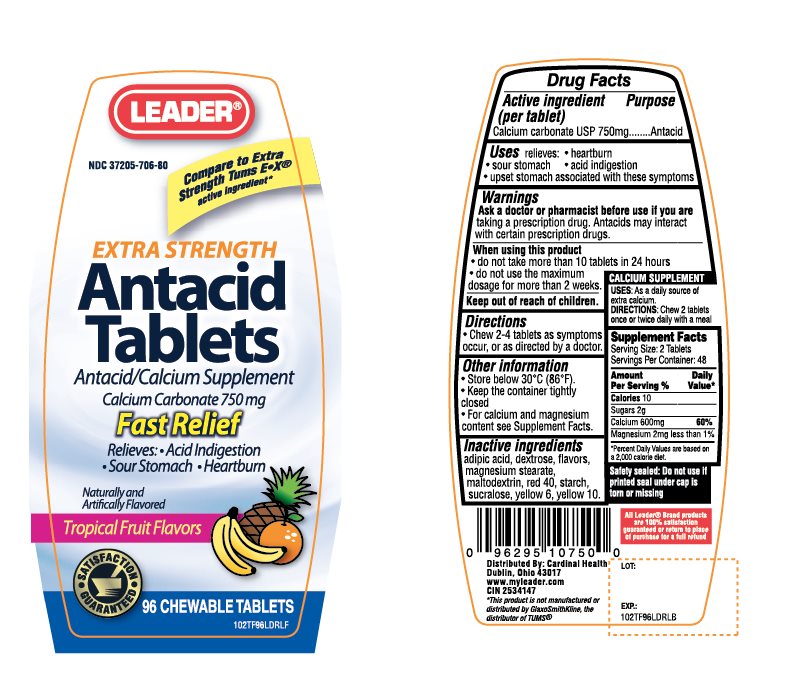
    Remove the needle shield by pulling it straight off the syringe (see Figure A). If adjusting the dose is required, the dose adjustment must be done prior to injecting the prescribed dose to the patient.Figure A

    Inject using standard technique, pushing the plunger to the bottom of the syringe (see Figure B).Figure B

    Remove the syringe from the injection site keeping your finger on the plunger rod (see Figure C).Figure C

    Orient the needle away from you and others, and activate the safety system by firmly pushing the plunger rod. The protective sleeve will automatically cover the needle and an audible “click” will be heard to confirm shield activation (see Figure D).Figure D

    Immediately dispose of the syringe in the nearest sharps container (see Figure E).Figure E

    NOTE:

    The safety system can only be activated once the syringe has been emptied. Activation of the safety system must be done only after removing the needle from the patient's skin. Do not replace the needle shield after injection. The safety system should not be sterilized.

    Activation of the safety system may cause minimal splatter of fluid. For optimal safety activate the system while orienting it downwards away from yourself and others.

    Intravenous (Bolus) Injection Technique

    For intravenous injection, the multiple-dose vial should be used. Enoxaparin sodium injection should be administered through an intravenous line. Enoxaparin sodium injection should not be mixed or co-administered with other medications. To avoid the possible mixture of enoxaparin sodium injection with other drugs, the intravenous access chosen should be flushed with a sufficient amount of saline or dextrose solution prior to and following the intravenous bolus administration of enoxaparin sodium injection to clear the port of drug. Enoxaparin sodium injection may be safely administered with normal saline solution (0.9%) or 5% dextrose in water.

  • Leader Ibuprofen Cold And Sinus (Ibuprofen, Pseudoephedrine Hydrochloride) Tablet, Sugar Coated [Cardinal Health]

    Leader Ibuprofen Cold And Sinus

    Leader Ibuprofen Cold And Sinus (Ibuprofen, Pseudoephedrine Hydrochloride) Tablet, Sugar Coated [Cardinal Health]

    do not take more than directed the smallest effective dose should be used adults and children 12 years of age and over: take 1 caplet every 4 to 6 hours while symptoms persist. If symptoms do not respond to 1 caplet, 2 caplets may be used. do not use more than 6 caplets in any 24-hour period unless directed by a doctor children under 12 years of age: do not use

  • Isosorbide (Isosorbide Mononitrate) Tablet, Film Coated, Extended Release [Cardinal Health]

    Isosorbide

    Isosorbide (Isosorbide Mononitrate) Tablet, Film Coated, Extended Release [Cardinal Health]

    The recommended starting dose of Isosorbide Mononitrate Tablets is 30 mg (given as a single 30 mg tablet or as 1/2 of a 60 mg tablet) or 60 mg (given as a single tablet) once daily. After several days, the dosage may be increased to 120 mg (given as a single 120 mg tablet or as two 60 mg tablets) once daily. Rarely, 240 mg may be required. The daily dose of Isosorbide Mononitrate Tablets should be taken in the morning on arising. Isosorbide Mononitrate Extended-Release Tablets should not be chewed or crushed and should be swallowed together with a half-glassful of fluid.

  • Benztropine Mesylate Tablet [Cardinal Health]

    Benztropine Mesylate

    Benztropine Mesylate Tablet [Cardinal Health]

    Benztropine mesylate tablets should be used when patients are able to take oral medication.

    Because of cumulative action, therapy should be initiated with a low dose which is increased gradually at five- or six-day intervals to the smallest amount necessary for optimal relief. Increases should be made in increments of 0.5 mg, to a maximum of 6 mg, or until optimal results are obtained without excessive adverse reactions.

    Postencephalitic and Idiopathic Parkinsonism

    The usual daily dose is 1 to 2 mg with a range of 0.5 to 6 mg orally.

    As with any agent used in parkinsonism, dosage must be individualized according to age and weight, and the type of parkinsonism being treated. Generally, older patients, and thin patients cannot tolerate large doses. Most patients with postencephalitic parkinsonism need fairly large doses and tolerate them well. Patients with a poor mental outlook are usually poor candidates for therapy.

    In idiopathic parkinsonism, therapy may be initiated with a single daily dose of 0.5 to 1 mg at bedtime. In some patients, this will be adequate; in others 4 to 6 mg a day may be required.

    In postencephalitic parkinsonism, therapy may be initiated in most patients with 2 mg a day in one or more doses. In highly sensitive patients, therapy may be initiated with 0.5 mg at bedtime, and increased as necessary.

    Some patients experience greatest relief by taking the entire dose at bedtime; others react more favorably to divided doses, two to four times a day. Frequently, one dose a day is sufficient, and divided doses may be unnecessary or undesirable.

    The long duration of action of this drug makes it particularly suitable for bedtime medication when its effects may last throughout the night, enabling patients to turn in bed during the night more easily, and to rise in the morning.

    When benztropine mesylate is started, do not terminate therapy with other antiparkinsonian agents abruptly. If the other agents are to be reduced or discontinued, it must be done gradually. Many patients obtain greatest relief with combination therapy.

    Benztropine mesylate may be used concomitantly with carbidopa-levodopa, or with levodopa, in which case periodic dosage adjustment may be required in order to maintain optimum response.

    Drug-Induced Extrapyramidal Disorders

    In treating extrapyramidal disorders due to neuroleptic drugs (e.g., phenothiazines), the recommended dosage is 1 to 4 mg once or twice a day orally. Dosage must be individualized according to the need of the patient. Some patients require more than recommended; others do not need as much.

    When extrapyramidal disorders develop soon after initiation of treatment with neuroleptic drugs (e.g., phenothiazines), they are likely to be transient. One to 2 mg of benztropine mesylate tablets two or three times a day usually provides relief within one or two days. After one or two weeks the drug should be withdrawn to determine the continued need for it. If such disorders recur, benztropine mesylate can be reinstituted.

    Certain drug-induced extrapyramidal disorders that develop slowly may not respond to benztropine mesylate.

    Postencephalitic and Idiopathic Parkinsonism

    The usual daily dose is 1 to 2 mg with a range of 0.5 to 6 mg orally.

    As with any agent used in parkinsonism, dosage must be individualized according to age and weight, and the type of parkinsonism being treated. Generally, older patients, and thin patients cannot tolerate large doses. Most patients with postencephalitic parkinsonism need fairly large doses and tolerate them well. Patients with a poor mental outlook are usually poor candidates for therapy.

    In idiopathic parkinsonism, therapy may be initiated with a single daily dose of 0.5 to 1 mg at bedtime. In some patients, this will be adequate; in others 4 to 6 mg a day may be required.

    In postencephalitic parkinsonism, therapy may be initiated in most patients with 2 mg a day in one or more doses. In highly sensitive patients, therapy may be initiated with 0.5 mg at bedtime, and increased as necessary.

    Some patients experience greatest relief by taking the entire dose at bedtime; others react more favorably to divided doses, two to four times a day. Frequently, one dose a day is sufficient, and divided doses may be unnecessary or undesirable.

    The long duration of action of this drug makes it particularly suitable for bedtime medication when its effects may last throughout the night, enabling patients to turn in bed during the night more easily, and to rise in the morning.

    When benztropine mesylate is started, do not terminate therapy with other antiparkinsonian agents abruptly. If the other agents are to be reduced or discontinued, it must be done gradually. Many patients obtain greatest relief with combination therapy.

    Benztropine mesylate may be used concomitantly with carbidopa-levodopa, or with levodopa, in which case periodic dosage adjustment may be required in order to maintain optimum response.

    Drug-Induced Extrapyramidal Disorders

    In treating extrapyramidal disorders due to neuroleptic drugs (e.g., phenothiazines), the recommended dosage is 1 to 4 mg once or twice a day orally. Dosage must be individualized according to the need of the patient. Some patients require more than recommended; others do not need as much.

    When extrapyramidal disorders develop soon after initiation of treatment with neuroleptic drugs (e.g., phenothiazines), they are likely to be transient. One to 2 mg of benztropine mesylate tablets two or three times a day usually provides relief within one or two days. After one or two weeks the drug should be withdrawn to determine the continued need for it. If such disorders recur, benztropine mesylate can be reinstituted.

    Certain drug-induced extrapyramidal disorders that develop slowly may not respond to benztropine mesylate.

  • Leader Antacid (Calcium Carbonate) Tablet, Chewable [Cardinal Health]

    Leader Antacid

    Leader Antacid (Calcium Carbonate) Tablet, Chewable [Cardinal Health]

    chew 2 to 4 tablets as symptoms occur 

  • Leader Antacid (Calcium Carbonate) Tablet, Chewable [Cardinal Health]

    Leader Antacid

    Leader Antacid (Calcium Carbonate) Tablet, Chewable [Cardinal Health]

      chew 2 - 4 tablets as symptoms occur, or as directed by a doctor

  • Leader Nasal (Oxymetazoline Hcl) Spray [Cardinal Health]

    Leader Nasal

    Leader Nasal (Oxymetazoline Hcl) Spray [Cardinal Health]

    adults and children 6 to under 12 years of age (with adult supervision): 2 or 3 sprays in each nostril not more often than every 10 to 12 hours. Do not exceed 2 doses in any 24-hour period. children under 6 years of age: ask a doctor

    To spray, squeeze bottle quickly and firmly. Do not tilt head backward while spraying. Wipe nozzle clean after use.

  • Leader Ibuprofen Cold C...
    Leader Ibuprofen Cold Childrens (Ibuprofen, Pseudoephedrine Hcl) Suspension [Cardinal Health]

    Leader Ibuprofen Cold Childrens

    Leader Ibuprofen Cold Childrens (Ibuprofen, Pseudoephedrine Hcl) Suspension [Cardinal Health]

    this product does not contain directions or complete warnings for adult use do not give more than directed do not give longer than 10 days, unless directed by a doctor (see Warnings) shake well before using find right dose on chart below. If possible, use weight to dose; otherwise use age. only use enclosed measuring cup if needed, repeat dose every 6 hours do not use more than 4 times a day replace original bottle cap to maintain child resistance wash dosage cup after each use Dosing Chart Weight (lb) Age (yrs) Dose (tsp or mL) under 4 years ask a doctor 36-47 lbs 4 to 5 years 1 tsp or 5 mL 48-95 lbs 6 to 11 years 2 tsp or 10 mL

  • Keppra (Levetiracetam) Injection, Solution, Concentrate [Cardinal Health]

    Keppra

    Keppra (Levetiracetam) Injection, Solution, Concentrate [Cardinal Health]

    2.1 General Information

    KEPPRA injection is for intravenous use only and must be diluted prior to administration. KEPPRA injection (500 mg/5 mL) should be diluted in 100 mL of a compatible diluent [see Dosage and Administration (2.7)] and administered intravenously as a 15-minute IV infusion.

    Product with particulate matter or discoloration should not be used.

    Any unused portion of the KEPPRA injection vial contents should be discarded.

    2.2 Initial Exposure to KEPPRA

    KEPPRA can be initiated with either intravenous or oral administration.

    Partial Onset Seizures

    In clinical trials of oral KEPPRA, daily doses of 1000 mg, 2000 mg, and 3000 mg, given as twice-daily dosing, were shown to be effective. Although in some studies there was a tendency toward greater response with higher dose [see Clinical Studies (14.1)], a consistent increase in response with increased dose has not been shown.

    Treatment should be initiated with a daily dose of 1000 mg/day, given as twice-daily dosing (500 mg twice daily). Additional dosing increments may be given (1000 mg/day additional every 2 weeks) to a maximum recommended daily dose of 3000 mg. Doses greater than 3000 mg/day have been used in open-label studies with KEPPRA tablets for periods of 6 months and longer. There is no evidence that doses greater than 3000 mg/day confer additional benefit.

    Myoclonic Seizures in Patients with Juvenile Myoclonic Epilepsy

    Treatment should be initiated with a dose of 1000 mg/day, given as twice-daily dosing (500 mg twice daily). Dosage should be increased by 1000 mg/day every 2 weeks to the recommended daily dose of 3000 mg. The effectiveness of doses lower than 3000 mg/day has not been studied.

    Primary Generalized Tonic-Clonic Seizures

    Treatment should be initiated with a dose of 1000 mg/day, given as twice-daily dosing (500 mg BID). Dosage should be increased by 1000 mg/day every 2 weeks to the recommended daily dose of 3000 mg. The effectiveness of doses lower than 3000 mg/day has not been adequately studied.

    2.3 Replacement Therapy

    When switching from oral KEPPRA, the initial total daily intravenous dosage of KEPPRA should be equivalent to the total daily dosage and frequency of oral KEPPRA and should be administered as a 15-minute intravenous infusion following dilution in 100 mL of a compatible diluent.

    2.4 Switching to Oral Dosing

    At the end of the intravenous treatment period, the patient may be switched to KEPPRA oral administration at the equivalent daily dosage and frequency of the intravenous administration.

    2.5 Dosing Instructions

    KEPPRA injection is for intravenous use only and must be diluted prior to administration. One vial of KEPPRA injection contains 500 mg levetiracetam (500 mg/5 mL). See Table 1 for the recommended preparation and administration of KEPPRA injection to achieve a dose of 500 mg, 1000 mg, or 1500 mg.

    Table 1: Preparation and Administration of KEPPRA Injection Dose Withdraw Volume Volume of Diluent Infusion Time 500 mg 5 mL (5 mL vial) 100 mL 15 minutes 1000 mg 10 mL (two 5 mL vials) 100 mL 15 minutes 1500 mg 15 mL (three 5 mL vials) 100 mL 15 minutes

    For example, to prepare a 1000 mg dose, dilute 10 mL of KEPPRA injection in 100 mL of a compatible diluent [see Dosage and Administration (2.7)] and administer intravenously as a 15-minute infusion.

    2.6 Adult Patients with Impaired Renal Function

    KEPPRA dosing must be individualized according to the patient's renal function status. Recommended doses and adjustment for dose for adults are shown in Table 2. To use this dosing table, an estimate of the patient's creatinine clearance (CLcr) in mL/min is needed. CLcr in mL/min may be estimated from serum creatinine (mg/dL) determination using the following formula:

    1. For female patients CLcr=   [140-age (years)] x weight (kg)   x 1 0.85 - - - - - - - - - - - - - - - - - - - - - 72 x serum creatinine (mg/dL) Table 2:  Dosing Adjustment Regimen for Adult Patients with Impaired Renal Function 1 Following dialysis, a 250 to 500 mg supplemental dose is recommended. Group Creatinine Clearance (mL/min) Dosage(mg) Frequency Normal > 80 500 to 1,500 Every 12 h Mild 50 – 80 500 to 1,000 Every 12 h Moderate 30 – 50 250 to 750 Every 12 h Severe < 30 250 to 500 Every 12 h ESRD patients using dialysis ---- 500 to 1,000 1Every 24 h

    2.7 Compatibility and Stability

    KEPPRA injection was found to be physically compatible and chemically stable when mixed with the following diluents and antiepileptic drugs for at least 24 hours and stored in polyvinyl chloride (PVC) bags at controlled room temperature 15-30°C (59-86°F).

    Diluents Sodium chloride (0.9%) injection, USP Lactated Ringer’s injection Dextrose 5% injection, USP

    Other Antiepileptic Drugs Lorazepam Diazepam Valproate sodium

    There is no data to support the physical compatibility of KEPPRA injection with antiepileptic drugs that are not listed above.

    Parenteral drug products should be inspected visually for particulate matter and discoloration prior to administration whenever solution and container permit.

  • Angiomax
    Angiomax (Bivalirudin) Injection, Powder, Lyophilized, For Solution [Cardinal Health]

    Angiomax

    Angiomax (Bivalirudin) Injection, Powder, Lyophilized, For Solution [Cardinal Health]

    2.1  Recommended Dose

    Angiomax is for intravenous administration only.

    Angiomax is intended for use with aspirin (300-325 mg daily) and has been studied only in patients receiving concomitant aspirin.

    For patients who do not have HIT/HITTS

    The recommended dose of Angiomax is an intravenous (IV) bolus dose of 0.75 mg/kg, followed by an infusion of 1.75 mg/kg/h for the duration of the PCI/PTCA procedure. Five min after the bolus dose has been administered, an activated clotting time (ACT) should be performed and an additional bolus of 0.3 mg/kg should be given if needed.

    GPI administration should be considered in the event that any of the conditions listed in the REPLACE-2 clinical trial description [see Clinical Studies (14.1)] is present.

    For patients who have HIT/HITTS

    The recommended dose of Angiomax in patients with HIT/HITTS undergoing PCI is an IV bolus of 0.75 mg/kg. This should be followed by a continuous infusion at a rate of 1.75 mg/kg/h for the duration of the procedure.

    For ongoing treatment post procedure

    Continuation of the Angiomax infusion following PCI/PTCA for up to 4 hours post-procedure is optional, at the discretion of the treating physician. After four hours, an additional IV infusion of Angiomax may be initiated at a rate of 0.2 mg/kg/h (low-rate infusion), for up to 20 hours, if needed.

    2.2  Dosing in Renal Impairment

    No reduction in the bolus dose is needed for any degree of renal impairment. The infusion dose of Angiomax may need to be reduced, and anticoagulant status monitored in patients with renal impairment. Patients with moderate renal impairment (30-59 mL/min) should receive an infusion of 1.75 mg/kg/h. If the creatinine clearance is less than 30 mL/min, reduction of the infusion rate to 1 mg/kg/h should be considered. If a patient is on hemodialysis, the infusion rate should be reduced to 0.25 mg/kg/h [see Use In Specific Population (8.6)].

    2.3  Instructions for Administration

    Angiomax is intended for intravenous bolus injection and continuous infusion after reconstitution and dilution. To each 250 mg vial, add 5 mL of Sterile Water for Injection, USP. Gently swirl until all material is dissolved. Each reconstituted vial should be further diluted in 50 mL of 5% Dextrose in Water or 0.9% Sodium Chloride for Injection to yield a final concentration of 5 mg/mL (e.g., 1 vial in 50 mL; 2 vials in 100 mL; 5 vials in 250 mL). The dose to be administered is adjusted according to the patient's weight (See Table 1).

    If the low-rate infusion is used after the initial infusion, a lower concentration bag should be prepared. In order to prepare this bag, reconstitute the 250 mg vial with 5 mL of Sterile Water for Injection, USP. Gently swirl until all material is dissolved. Each reconstituted vial should be further diluted in 500 mL of 5% Dextrose in Water or 0.9% Sodium Chloride for Injection to yield a final concentration of 0.5 mg/mL. The infusion rate to be administered should be selected from the right-hand column in Table 1.

    Table 1. Dosing Table Using 5 mg/mLConcentration Using 0.5 mg/mLConcentration  Weight(kg) Bolus0.75 mg/k(mL) Infusion1.75 mg/kg/h(mL/h) SubsequentLow-rate Infusion0.2 mg/kg/h(mL/h) 43-47 7 16 18 48-52 7.5 17.5 20 53-57 8 19 22 58-62 9 21 24 63-67 10 23 26 68-72 10.5 24.5 28 73-77 11 26 30 78-82 12 28 32 83-87 13 30 34 88-92 13.5 31.5 36 93-97 14 33 38 98-102 15 35 40 103-107 16 37 42 108-112 16.5 38.5 44 113-117 17 40 46 118-122 18 42 48 123-127 19 44 50 128-132 19.5 45.5 52 133-137 20 47 54 138-142 21 49 56 143-147 22 51 58 148-152 22.5 52.5 60

    Angiomax should be administered via an intravenous line. No incompatibilities have been observed with glass bottles or polyvinyl chloride bags and administration sets. The following drugs should not be administered in the same intravenous line with Angiomax, since they resulted in haze formation, microparticulate formation, or gross precipitation when mixed with Angiomax: alteplase, amiodarone HCl, amphotericin B, chlorpromazine HCl, diazepam, prochlorperazine edisylate, reteplase, streptokinase, and vancomycin HCl. Dobutamine was compatible at concentrations up to 4 mg/mL but incompatible at a concentration of 12.5 mg/mL.

    Parenteral drug products should be inspected visually for particulate matter and discoloration prior to administration. Preparations of Angiomax containing particulate matter should not be used. Reconstituted material will be a clear to slightly opalescent, colorless to slightly yellow solution.

    2.4  Storage after Reconstitution

    Do not freeze reconstituted or diluted Angiomax. Reconstituted material may be stored at 2-8°C for up to 24 hours. Diluted Angiomax with a concentration of between 0.5 mg/mL and 5 mg/mL is stable at room temperature for up to 24 hours. Discard any unused portion of reconstituted solution remaining in the vial.

  • Vecuronium Bromide Injection, Powder, Lyophilized, For Solution [Cardinal Health]

    Vecuronium Bromide

    Vecuronium Bromide Injection, Powder, Lyophilized, For Solution [Cardinal Health]

    Vecuronium bromide for injection is for intravenous use only.

    This drug should be administered by or under the supervision of experienced clinicians familiar with the use of neuromuscular blocking agents. Dosage must be individualized in each case. The dosage information which follows is derived from studies based upon units of drug per unit of body weight and is intended to serve as a guide only, especially regarding enhancement of neuromuscular blockade of vecuronium bromide by volatile anesthetics and by prior use of succinylcholine (see PRECAUTIONS- Drug Interactions).

    To obtain maximum clinical benefits of vecuronium bromide and to minimize the possibility of overdosage, the monitoring of muscle twitch response to peripheral nerve stimulation is advised.

    The recommended initial dose of vecuronium bromide is 0.08 to 0.1 mg/kg (1.4 to 1.75 times the ED90) given as an intravenous bolus injection. This dose can be expected to produce good or excellent non-emergency intubation conditions in 2.5 to 3 minutes after injection. Under balanced anesthesia, clinically required neuromuscular blockade lasts approximately 25 to 30 minutes, with recovery to 25% of control achieved approximately 25 to 40 minutes after injection and recovery to 95% of control achieved approximately 45 to 65 minutes after injection. In the presence of potent inhalation anesthetics, the neuromuscular blocking effect of vecuronium bromide is enhanced. If vecuronium bromide is first administered more than 5 minutes after the start of inhalation agent or when steady-state has been achieved, the initial vecuronium bromide dose may be reduced by approximately 15%, i.e., 0.06 to 0.085 mg/kg.

    Prior administration of succinylcholine may enhance the neuromuscular blocking effect and duration of action of vecuronium bromide. If intubation is performed using succinylcholine, a reduction of initial dose of vecuronium bromide to 0.04 to 0.06 mg/kg with inhalation anesthesia and 0.05 to 0.06 mg/kg with balanced anesthesia may be required.

    During prolonged surgical procedures, maintenance doses of 0.01 to 0.015 mg/kg of vecuronium bromide are recommended; after the initial vecuronium bromide injection, the first maintenance dose will generally be required within 25 to 40 minutes. However, clinical criteria should be used to determine the need for maintenance doses.

    Since vecuronium bromide lacks clinically important cumulative effects, subsequent maintenance doses, if required, may be administered at relatively regular intervals for each patient, ranging approximately from 12 to 15 minutes under balanced anesthesia, slightly longer under inhalation agents. (If less frequent administration is desired, higher maintenance doses may be administered.)

    Should there be reason for the selection of larger doses in individual patients, initial doses ranging from 0.15 mg/kg up to 0.28 mg/kg have been administered during surgery under halothane anesthesia without ill effects to the cardiovascular system being noted as long as ventilation is properly maintained (see CLINICAL PHARMACOLOGY- Pharmacokinetics).

    Use by Continuous Infusion

    After an intubating dose of 0.08 to 0.10 mg/kg, a continuous infusion of 1 mcg/kg/min can be initiated approximately 20 to 40 min later. Infusion of vecuronium bromide should be initiated only after early evidence of spontaneous recovery from the bolus dose. Long-term intravenous infusion to support mechanical ventilation in the intensive care unit has not been studied sufficiently to support dosage recommendations. (See PRECAUTIONS- Long-term Use in ICU.)

    The infusion of vecuronium bromide should be individualized for each patient. The rate of administration should be adjusted according to the patient's twitch response as determined by peripheral nerve stimulation. An initial rate of 1 mcg/kg/min is recommended, with the rate of the infusion adjusted thereafter to maintain a 90% suppression of twitch response. Average infusion rates may range from 0.8 to 1.2 mcg/kg/min.

    Inhalation anesthetics, particularly enflurane and isoflurane may enhance the neuromuscular blocking action of nondepolarizing muscle relaxants. In the presence of steadystate concentrations of enflurane or isoflurane, it may be necessary to reduce the rate of infusion 25 to 60%, 45 to 60 minutes after the intubating dose. Under halothane anesthesia it may not be necessary to reduce the rate of infusion.

    Spontaneous recovery and reversal of neuromuscular blockade following discontinuation of vecuronium bromide infusion may be expected to proceed at rates comparable to that following a single bolus dose (see CLINICAL PHARMACOLOGY).

    Infusion solutions of vecuronium bromide can be prepared by adding vecuronium bromide with an appropriate infusion solution such as Dextrose 5% Injection, Sodium Chloride 0.9% Injection, Dextrose 5% and Sodium Chloride 0.9% Injection, or Lactated Ringer’s Injection.

    Unused portions of infusion solutions should be discarded.

    Infusion rates of vecuronium bromide can be individualized for each patient using the following table:

    * 10 mg of Vecuronium bromide in 100 mL solution † 20 mg of Vecuronium bromide in 100 mL solution Drug Delivery Rate Infusion Delivery Rate (mcg/kg/min) (mL/kg/min) 0.1 mg/mL* 0.2 mg/mL†

    0.7

    0.8

    0.9

    1.0

    1.1

    1.2

    1.3

    0.007

    0.008

    0.009

    0.010

    0.011

    0.012

    0.013

    0.0035

    0.0040

    0.0045

    0.0050

    0.0055

    0.0060

    0.0065

    The following table is a guideline for mL/min delivery for a solution of 0.1 mg/mL (10 mg in 100 mL) with an infusion pump.

    VECURONIUM BROMIDE INFUSION RATE - mL/min

    Amount of Drug

    Patient Weight - kg mcg/kg/min 40 50 60 70 80 90 100 0.7 0.28 0.35 0.42 0.49 0.56 0.63 0.70 0.8 0.32 0.40 0.48 0.56 0.64 0.72 0.80 0.9 0.36 0.45 0.54 0.63 0.72 0.81 0.90 1.0 0.40 0.50 0.60 0.70 0.80 0.90 1.00 1.1 0.44 0.55 0.66 0.77 0.88 0.99 1.10 1.2 0.48 0.60 0.72 0.84 0.96 1.08 1.20 1.3 0.52 0.65 0.78 0.91 1.04 1.17 1.30

    NOTE: If a concentration of 0.2 mg/mL is used (20 mg in 100 mL), the rate should be decreased by one-half.

    Use in Pediatrics

    Pediatric patients (10 to 16 years of age) have approximately the same dosage requirements (mg/kg) as adults and may be managed the same way. Younger pediatric patients (1 to 10 years of age) may require a slightly higher initial dose and may also require supplementation slightly more often than adults.

    Infants under 1 year of age but older than 7 weeks are moderately more sensitive to vecuronium bromide on a mg/kg basis than adults and take about 11/2 times as long to recover. (See PRECAUTIONS - Pediatric Use.) Information presently available does not permit recommendation on usage in pediatric patients less than 7 weeks of age (seePRECAUTIONS- Pediatric Use). There are insufficient data concerning continuous infusion of vecuronium in pediatric patients, therefore, no dosing recommendations can be made.

    COMPATIBILITY:

    Vecuronium bromide is compatible in solution with:

    Sodium Chloride 0.9% Injection

    Dextrose 5% Injection

    Sterile Water for Injection

    Dextrose 5% in Sodium Chloride 0.9% Injection

    Lactated Ringer’s Injection

    Use within 24 hours of mixing with the above solutions.

    Vecuronium bromide is also compatible in solution with:

    bacteriostatic water for injection (NOT FOR USE IN NEWBORNS)

    Use within 5 days of mixing with the above solution.

    Reconstituted vecuronium bromide, which has an acid pH, should not be mixed with alkaline solutions (e.g., barbiturate solutions such as thiopental) in the same syringe or administered simultaneously during intravenous infusion through the same needle or through the same intravenous line.

    After Reconstitution

    See DOSAGE AND ADMINISTRATION – COMPATIBILITY: for diluents compatible with Vecuronium Bromide for Injection.

    Single-Dose Use: When reconstituted with compatible IV solutions not containing an antimicrobial preservative (e.g., sterile water for injection), refrigerate and use within 24 hours. Discard unused portion.

    Multi-Dose Use: (NOT FOR USE IN NEWBORNS.) When reconstituted with bacteriostatic water for injection, use within 5 days. The reconstituted solution may be stored at room temperature or refrigerated.

    Parenteral drug products should be inspected visually for particulate matter and discoloration prior to administration whenever solution and container permit.

  • Vecuronium Bromide Injection, Powder, Lyophilized, For Solution [Cardinal Health]

    Vecuronium Bromide

    Vecuronium Bromide Injection, Powder, Lyophilized, For Solution [Cardinal Health]

    Vecuronium bromide for injection is for intravenous use only.

    This drug should be administered by or under the supervision of experienced clinicians familiar with the use of neuromuscular blocking agents. Dosage must be individualized in each case. The dosage information which follows is derived from studies based upon units of drug per unit of body weight and is intended to serve as a guide only, especially regarding enhancement of neuromuscular blockade of vecuronium by volatile anesthetics and by prior use of succinylcholine. (See PRECAUTIONS, Drug Interactions.) Parenteral drug products should be inspected visually for particulate matter and discoloration prior to administration whenever solution and container permit.

    To obtain maximum clinical benefits of vecuronium and to minimize the possibility of overdosage, the monitoring of muscle twitch response to peripheral nerve stimulation is advised.

    The recommended initial dose of vecuronium bromide is 0.08 to 0.10 mg/kg (1.4 to 1.75 times the ED90) given as an intravenous bolus injection. This dose can be expected to produce good or excellent nonemergency intubation conditions in 2.5 to 3 minutes after injection. Under balanced anesthesia, clinically required neuromuscular blockade lasts approximately 25 to 30 minutes, with recovery to 25% of control achieved approximately 25 to 40 minutes after injection and recovery to 95% of control achieved approximately 45 to 65 minutes after injection. In the presence of potent inhalation anesthetics, the neuromuscular blocking effect of vecuronium is enhanced. If vecuronium is first administered more than 5 minutes after the start of inhalation agent or when steady-state has been achieved, the initial vecuronium bromide dose may be reduced by approximately 15%, i.e., 0.060 to 0.085 mg/kg.

    Prior administration of succinylcholine may enhance the neuromuscular blocking effect and duration of action of vecuronium. If intubation is performed using succinylcholine, a reduction of initial dose of vecuronium bromide to 0.04 to 0.06 mg/kg with inhalation anesthesia and 0.05 to 0.06 mg/kg with balanced anesthesia may be required.

    During prolonged surgical procedures, maintenance doses of 0.010 to 0.015 mg/kg of vecuronium bromide are recommended; after the initial vecuronium injection, the first maintenance dose will generally be required within 25 to 40 minutes. However, clinical criteria should be used to determine the need for maintenance doses.

    Since vecuronium lacks clinically important cumulative effects, subsequent maintenance doses, if required, may be administered at relatively regular intervals for each patient, ranging approximately from 12 to 15 minutes under balanced anesthesia, slightly longer under inhalation agents (if less frequent administration is desired, higher maintenance doses may be administered).

    Should there be reason for the selection of larger doses in individual patients, initial doses ranging from 0.15 mg/kg up to 0.28 mg/kg have been administered during surgery under halothane anesthesia without ill effects to the cardiovascular system being noted as long as ventilation is properly maintained. (See CLINICAL PHARMACOLOGY.)

  • Vasopressin Injection [Cardinal Health]

    Vasopressin

    Vasopressin Injection [Cardinal Health]

    Vasopressin may be administered intramuscularly or subcutaneously.

    Ten units of vasopressin (0.5 mL) will usually elicit full physiologic response in adult patients; 5 units will be adequate in many cases. Vasopressin should be given intramuscularly at three- or four-hour intervals as needed. The dosage should be proportionately reduced for children. (For an additional discussion of dosage, consult the sections below.) When determining the dose of vasopressin for a given case, the following should be kept in mind.

    It is particularly desirable to give a dose not much larger than is just sufficient to elicit the desired physiologic response. Excessive doses may cause undesirable side effects - blanching of the skin, abdominal cramps, nausea - which, though not serious, may be alarming to the patient. Spontaneous recovery from such side effects occurs in a few minutes. It has been found that one or two glasses of water given at the time vasopressin is administered reduce such symptoms.

    Abdominal Distention: In the average postoperative adult patient, give 5 units (0.25 mL) initially, increase to 10 units (0.5 mL) at subsequent injections if necessary. It is recommended that vasopressin be given intramuscularly and that injections be repeated at three- or four-hour intervals as required. Dosage to be reduced proportionately for children.

    Vasopressin used in this manner will frequently prevent or relieve postoperative distension. These recommendations apply also to distention complicating pneumonia or other acute toxemias.

    Abdominal Roentgenography: For the average case, two injections of 10 units each (0.5 mL) are suggested. These should be given two hours and one-half hour, respectively, before films are exposed. Many roentgenologists advise giving an enema prior to the first dose of vasopressin.

    Diabetes Insipidus: Vasopressin may be given by injection or administered intranasally on cotton pledgets, by nasal spray, or by dropper. The dose by injection is 5 to 10 units (0.25 to 0.5 mL) repeated two or three times daily as needed. When vasopressin is administered intranasally by spray or on pledgets, the dosage and interval between treatments must be determined for each patient.

    Parenteral drug products should be inspected visually for particulate matter and discoloration prior to use, whenever solution and container permit.

  • Leader Ibuprofen Infants (Ibuprofen) Suspension [Cardinal Health]

    Leader Ibuprofen Infants

    Leader Ibuprofen Infants (Ibuprofen) Suspension [Cardinal Health]

    • this product does not contain directions or complete warnings for adult use • do not give more than directed • shake well before using • find right dose on chart below. If possible, use weight to dose; otherwise use age. • measure with the dosing device provided. Do not use with any other device. • dispense liquid slowly into the child’s mouth, toward the inner cheek • if needed, repeat dose every 6-8 hours • do not use more than 4 times a day

    Dosing Chart

    Weight (lbs)

    Age (mos)

    Dose (mL)

    under 6 mos

    ask a doctor

    12-17 lbs

    6-11 mos

    1.25 mL

    18-23 lbs

    12-23 mos

    1.875 mL

  • Leader Pain Reliever (Acetaminophen) Tablet [Cardinal Health]

    Leader Pain Reliever

    Leader Pain Reliever (Acetaminophen) Tablet [Cardinal Health]

    do not take more than directed (see Liver warning) adults and children 12 years and over take 2 tablets every 4 to 6 hours while symptoms last do not take more than 12 tablets in 24 hours

    children

    6-11 years take 1 tablet every 4 to 6 hours while symptoms last do not take more than 5 tablets in 24 hours

    children under

    6 years do not use this adult Regular Strength product in children under 6 years of age; this will provide more than the recommended dose (overdose) and may cause liver damage
  • Ibuprofen Suspension [Major Pharmaceuticals]

    Ibuprofen Suspension

    Ibuprofen Suspension [Major Pharmaceuticals]

    The usual dietary intake of potassium by the average adult is 50 to 100 mEq per day. Potassium depletion sufficient to cause hypokalemia usually requires the loss of 200 or more mEq of potassium from the total body store.

    Dosage must be adjusted to the individual needs of each patient. The dose for the prevention of hypokalemia is typically in the range of 20 mEq per day. Doses of 40-100 mEq per day or more are used for the treatment of potassium depletion. Dosage should be divided if more than 20 mEq per day is given such that no more than 20 mEq is given in a single dose.

    Each Klor-Con® M20 tablet provides 1500 mg of potassium chloride equivalent to 20 mEq of potassium.

    Each Klor-Con® M15 tablet provides 1125 mg of potassium chloride equivalent to 15 mEq of potassium.

    Each Klor-Con® M10 tablet provides 750 mg of potassium chloride equivalent to 10 mEq of potassium.

    Klor-Con® M tablets should be taken with meals and with a glass of water or other liquid. This product should not be taken on an empty stomach because of its potential for gastric irritation (see WARNINGS).

    Patients having difficulty swallowing whole tablets may try one of the following alternate methods of administration:

    a. Break the tablet in half and take each half separately with a glass of water. b. Prepare an aqueous (water) suspension as follows: 1. Place the whole tablet(s) in approximately one-half glass of water (4 fluid ounces). 2. Allow approximately 2 minutes for the tablet(s) to disintegrate. 3. Stir for about half a minute after the tablet(s) has disintegrated. 4. Swirl the suspension and consume the entire contents of the glass immediately by drinking or by the use of a straw. 5. Add another one fluid ounce of water, swirl, and consume immediately. 6. Then, add an additional one fluid ounce of water, swirl, and consume immediately. Aqueous suspension of Klor-Con ® M extended-release tablet that is not taken immediately should be discarded. The use of other liquids for suspending Klor-Con ® M tablets is not recommended.
  • Acetaminophen And Codeine Phosphate Tablet [Cardinal Health]

    Acetaminophen And Codeine Phosphate

    Acetaminophen And Codeine Phosphate Tablet [Cardinal Health]

    Dosage should be adjusted according to severity of pain and response of the patient.

    The usual adult dosage is:

    Single Doses (range) Maximum 24 Hour Dose Codeine Phosphate 15 mg to 60 mg 360 mg Acetaminophen 300 mg to 1000 mg 4000 mg

    The usual dose of codeine phosphate in children is 0.5 mg/kg.

    Doses may be repeated up to every 4 hours.

    The prescriber must determine the number of tablets per dose, and the maximum number of tablets per 24 hours based upon the above dosage guidance. This information should be conveyed in the prescription.

    It should be kept in mind, however, that tolerance to codeine can develop with continued use and that the incidence of untoward effects is dose related. Adult doses of codeine higher than 60 mg fail to give commensurate relief of pain but merely prolong analgesia and are associated with an appreciably increased incidence of undesirable side effects. Equivalently high doses in children would have similar effects.

  • Leader Milk Of Magnesia (Magnesium Hydroxide) Liquid [Cardinal Health]

    Leader Milk Of Magnesia

    Leader Milk Of Magnesia (Magnesium Hydroxide) Liquid [Cardinal Health]

    • do not exceed the maximum recommended daily dose in a 24 hour period • shake well before use • dose may be taken once a day preferably at bedtime, in divided doses, or as directed by a doctor • drink a full glass (8 oz) of liquid with each dose • for accurate dosing, use dose cup provided • mL = milliliter; TBSP = Tablespoon

    adults and children 12 years and older

    30 mL (2 TBSP) to 60 mL (4 TBSP)

    children 6 to 11 years

    15 mL (1 TBSP) to 30 mL (2 TBSP)

    children under 6 years

    ask a doctor

  • Leader Cold Head Conges...
    Leader Cold Head Congestion (Acetaminophen, Chlorpheniramine Maleate, Dextromethorphan Hydrobromide, Phenylephrine Hydrochloride) Tablet, Film Coated [Cardinal Health]

    Leader Cold Head Congestion

    Leader Cold Head Congestion (Acetaminophen, Chlorpheniramine Maleate, Dextromethorphan Hydrobromide, Phenylephrine Hydrochloride) Tablet, Film Coated [Cardinal Health]

    do not take more than directed (see Liver warning) adults and children 12 years and over take 2 caplets every 4-6 hours swallow whole – do not crush, chew or dissolve do not take more than 12 caplets in 24 hours children under 12 years do not use this adult product in children under 12 years of age