Glaxosmithkline Llc

Manufacturer Details

There are currently no manufacturer details available.

Share This Page

Glaxosmithkline Llc Drugs

  • Epivir Hbv
    Epivir Hbv (Lamivudine) Tablet, Film Coated Epivir Hbv (Lamivudine) Solution [Glaxosmithkline Llc]

    Epivir Hbv

    Epivir Hbv (Lamivudine) Tablet, Film Coated Epivir Hbv (Lamivudine) Solution [Glaxosmithkline Llc]

    2.1 HIV Counseling and Testing

    HIV counseling and testing should be offered to all patients before beginning treatment with EPIVIR-HBV and periodically during treatment because of the risk of emergence of resistant-HIV-1 and limitation of treatment options if EPIVIR-HBV is prescribed to treat chronic hepatitis B infection in a patient who has unrecognized HIV-1 infection or acquires HIV-1 infection during treatment [see Warnings and Precautions (5.3)].

    2.2 Dosage in Adult Patients

    The recommended oral dosage of EPIVIR‑HBV is 100 mg once daily.

    2.3 Dosage in Pediatric Patients

    The recommended oral dosage of EPIVIR‑HBV for pediatric patients aged 2 to 17 years is 3 mg per kg once daily up to a maximum daily dosage of 100 mg. The oral solution formulation should be prescribed for patients requiring a dosage less than 100 mg or if unable to swallow tablets.

    2.4 Dosage Adjustment in Adult Patients With Renal Impairment

    Dosage recommendations for adult patients with reduced renal function are provided in Table 1 [see Clinical Pharmacology (12.3)].

    Table 1. Dosage of EPIVIR-HBV in Adult Patients With Renal Impairment

    Creatinine Clearance (mL/min)

    Recommended Dosage of EPIVIR-HBV

    ≥50

    100 mg once daily

    30-49

    100 mg first dose, then 50 mg once daily

    15-29

    100 mg first dose, then 25 mg once daily

    5-14

    35 mg first dose, then 15 mg once daily

    <5

    35 mg first dose, then 10 mg once daily

    Following correction of the dosage for renal impairment, no additional dosage modification of EPIVIR-HBV is required after routine (4-hour) hemodialysis or peritoneal dialysis [see Clinical Pharmacology (12.3)].

    There are insufficient data to recommend a specific dosage of EPIVIR-HBV in pediatric patients with renal impairment.

    2.5 Important Administration Instructions

    • EPIVIR-HBV tablets and oral solution may be administered with or without food. • The tablets and oral solution may be used interchangeably [see Clinical Pharmacology (12.3)]. • The oral solution should be used for doses less than 100 mg. • EPIVIR-HBV should not be used with other medications that contain lamivudine or medications that contain emtricitabine [see Warnings and Precautions (5.4)].

    2.6 Assessing Patients During Treatment

    Patients should be monitored regularly during treatment by a physician experienced in the management of chronic hepatitis B. During treatment, combinations of such events such as return of persistently elevated ALT, increasing levels of HBV DNA over time after an initial decline below assay limit, progression of clinical signs or symptoms of hepatic disease, and/or worsening of hepatic necroinflammatory findings may be considered as potentially reflecting loss of therapeutic response. Such observations should be taken into consideration when determining the advisability of continuing therapy with EPIVIR-HBV.

    The optimal duration of treatment, the durability of HBeAg seroconversions occurring during treatment, and the relationship between treatment response and long‑term outcomes such as hepatocellular carcinoma or decompensated cirrhosis are not known.

  • Coreg (Carvedilol) Tablet, Film Coated [Glaxosmithkline Llc]

    Coreg

    Coreg (Carvedilol) Tablet, Film Coated [Glaxosmithkline Llc]

    COREG should be taken with food to slow the rate of absorption and reduce the incidence of orthostatic effects.

    2.1 Heart Failure

    DOSAGE MUST BE INDIVIDUALIZED AND CLOSELY MONITORED BY A PHYSICIAN DURING UP-TITRATION. Prior to initiation of COREG, it is recommended that fluid retention be minimized. The recommended starting dose of COREG is 3.125 mg twice daily for 2 weeks. If tolerated, patients may have their dose increased to 6.25, 12.5, and 25 mg twice daily over successive intervals of at least 2 weeks. Patients should be maintained on lower doses if higher doses are not tolerated. A maximum dose of 50 mg twice daily has been administered to patients with mild-to-moderate heart failure weighing over 85 kg (187 lbs).

    Patients should be advised that initiation of treatment and (to a lesser extent) dosage increases may be associated with transient symptoms of dizziness or lightheadedness (and rarely syncope) within the first hour after dosing. During these periods, patients should avoid situations such as driving or hazardous tasks, where symptoms could result in injury. Vasodilatory symptoms often do not require treatment, but it may be useful to separate the time of dosing of COREG from that of the ACE inhibitor or to reduce temporarily the dose of the ACE inhibitor. The dose of COREG should not be increased until symptoms of worsening heart failure or vasodilation have been stabilized.

    Fluid retention (with or without transient worsening heart failure symptoms) should be treated by an increase in the dose of diuretics.

    The dose of COREG should be reduced if patients experience bradycardia (heart rate less than 55 beats per minute).

    Episodes of dizziness or fluid retention during initiation of COREG can generally be managed without discontinuation of treatment and do not preclude subsequent successful titration of, or a favorable response to, carvedilol.

    2.2 Left Ventricular Dysfunction following Myocardial Infarction

    DOSAGE MUST BE INDIVIDUALIZED AND MONITORED DURING UP-TITRATION. Treatment with COREG may be started as an inpatient or outpatient and should be started after the patient is hemodynamically stable and fluid retention has been minimized. It is recommended that COREG be started at 6.25 mg twice daily and increased after 3 to 10 days, based on tolerability, to 12.5 mg twice daily, then again to the target dose of 25 mg twice daily. A lower starting dose may be used (3.125 mg twice daily) and/or the rate of up-titration may be slowed if clinically indicated (e.g., due to low blood pressure or heart rate, or fluid retention). Patients should be maintained on lower doses if higher doses are not tolerated. The recommended dosing regimen need not be altered in patients who received treatment with an IV or oral β-blocker during the acute phase of the myocardial infarction.

    2.3 Hypertension

    DOSAGE MUST BE INDIVIDUALIZED. The recommended starting dose of COREG is 6.25 mg twice daily. If this dose is tolerated, using standing systolic pressure measured about 1 hour after dosing as a guide, the dose should be maintained for 7 to 14 days, and then increased to 12.5 mg twice daily if needed, based on trough blood pressure, again using standing systolic pressure 1 hour after dosing as a guide for tolerance. This dose should also be maintained for 7 to 14 days and can then be adjusted upward to 25 mg twice daily if tolerated and needed. The full antihypertensive effect of COREG is seen within 7 to 14 days. Total daily dose should not exceed 50 mg.

    Concomitant administration with a diuretic can be expected to produce additive effects and exaggerate the orthostatic component of carvedilol action.

    2.4 Hepatic Impairment

    COREG should not be given to patients with severe hepatic impairment [see Contraindications (4)].

  • Imitrex (Sumatriptan) Spray [Glaxosmithkline Llc]

    Imitrex

    Imitrex (Sumatriptan) Spray [Glaxosmithkline Llc]

    The recommended adult dose of IMITREX Nasal Spray for the acute treatment of migraine is 5 mg, 10 mg, or 20 mg. The 20-mg dose may provide a greater effect than the 5-mg and 10-mg doses, but may have a greater risk of adverse reactions [see Clinical Studies (14)].

    The 5-mg and 20-mg doses are given as a single spray in 1 nostril. The 10-mg dose may be achieved by the administration of a single 5-mg dose in each nostril.

    If the migraine has not resolved by 2 hours after taking IMITREX Nasal Spray, or returns after a transient improvement, 1 additional dose may be administered at least 2 hours after the first dose. The maximum daily dose is 40 mg in a 24-hour period.

    The safety of treating an average of more than 4 headaches in a 30‑day period has not been established.

  • Tretinoin Cream Tretinoin Gel [Rouses Point Pharm]

    Tretinoin

    Tretinoin Cream Tretinoin Gel [Rouses Point Pharm]

    2.1 Recommended Dosing

    The recommended starting dose of VOTRIENT is 800 mg orally once daily without food (at least 1 hour before or 2 hours after a meal) [see Clinical Pharmacology (12.3)]. The dose of VOTRIENT should not exceed 800 mg.

    Do not crush tablets due to the potential for increased rate of absorption which may affect systemic exposure [see Clinical Pharmacology (12.3)].

    If a dose is missed, it should not be taken if it is less than 12 hours until the next dose.

    2.2 Dose Modification Guidelines

    In RCC, the initial dose reduction should be 400 mg, and additional dose decrease or increase should be in 200-mg steps based on individual tolerability.

    In STS, a decrease or increase should be in 200-mg steps based on individual tolerability.

    Hepatic Impairment: No dose adjustment is required in patients with mild hepatic impairment. In patients with moderate hepatic impairment, alternatives to VOTRIENT should be considered. If VOTRIENT is used in patients with moderate hepatic impairment, the dose should be reduced to 200 mg per day. VOTRIENT is not recommended in patients with severe hepatic impairment [see Use in Specific Populations (8.6), Clinical Pharmacology (12.3)].

    Concomitant Strong CYP3A4 Inhibitors: The concomitant use of strong CYP3A4 inhibitors (e.g., ketoconazole, ritonavir, clarithromycin) increases pazopanib concentrations and should be avoided. Consider an alternate concomitant medication with no or minimal potential to inhibit CYP3A4. If coadministration of a strong CYP3A4 inhibitor is warranted, reduce the dose of VOTRIENT to 400 mg. Further dose reductions may be needed if adverse effects occur during therapy [see Drug Interactions (7.1), Clinical Pharmacology (12.3)].

    Concomitant Strong CYP3A4 Inducer: The concomitant use of strong CYP3A4 inducers (e.g., rifampin) may decrease pazopanib concentrations and should be avoided. Consider an alternate concomitant medication with no or minimal enzyme induction potential. VOTRIENT should not be used in patients who cannot avoid chronic use of strong CYP3A4 inducers [see Drug Interactions (7.1)].

  • Mekinist
    Mekinist (Trametinib) Tablet, Film Coated [Glaxosmithkline Llc]

    Mekinist

    Mekinist (Trametinib) Tablet, Film Coated [Glaxosmithkline Llc]

    2.1 Patient Selection

    Select patients for treatment of unresectable or metastatic melanoma with MEKINIST based on presence of BRAF V600E or V600K mutation in tumor specimens [see Clinical Studies (14.1)]. Information on FDA-approved tests for the detection of BRAF V600 mutations in melanoma is available at: http://www.fda.gov/CompanionDiagnostics.

    2.2 Recommended Dosing

    The recommended dosage regimens of MEKINIST are:

    • 2 mg orally taken once daily as a single agent • 2 mg orally taken once daily in combination with dabrafenib 150 mg orally taken twice daily

    Continue treatment until disease progression or unacceptable toxicity occurs. Take MEKINIST as a single agent, or MEKINIST in combination with dabrafenib, at least 1 hour before or 2 hours after a meal [see Clinical Pharmacology (12.3)]. Do not take a missed dose of MEKINIST within 12 hours of the next dose of MEKINIST. When administered in combination with dabrafenib, take the once daily dose of MEKINIST at the same time each day with either the morning dose or the evening dose of dabrafenib.

    2.3 Dose Modifications

    For New Primary Cutaneous Malignancies: No dose modifications are required.

    For New Primary Non-Cutaneous Malignancies: No dose modifications are required for MEKINIST. If used in combination with dabrafenib, permanently discontinue dabrafenib in patients who develop RAS mutation-positive non-cutaneous malignancies.

    Table 1. Recommended Dose Reductions

    Dose Reductions for MEKINIST When Administered as a Single Agent or in Combination With Dabrafenib

    First Dose Reduction

    1.5 mg orally once daily

    Second Dose Reduction

    1 mg orally once daily

    Subsequent Modification

    Permanently discontinue if unable to tolerate MEKINIST 1 mg orally once daily

    Dose Reductions for Dabrafenib When Administered in Combination With MEKINIST

    First Dose Reduction

    100 mg orally twice daily

    Second Dose Reduction

    75 mg orally twice daily

    Third Dose Reduction

    50 mg orally twice daily

    Subsequent Modification

    Permanently discontinue dabrafenib if unable to tolerate 50 mg orally twice daily

    Table 2. Recommended Dose Modifications for MEKINIST as a Single Agent and for MEKINIST and Dabrafenib Administered in Combination

    Severity of Adverse Reactiona

    MEKINISTb

    Dabrafenib

    (When Used in Combination)b,c

    Febrile drug reaction

    • Fever of 101.3°F to 104oF

    Do not modify the dose of MEKINIST.

    Withhold dabrafenib until fever resolves. Then resume at same or lower dose level.

    • Fever higher than 104°F • Fever complicated by rigors, hypotension, dehydration, or renal failure

    Withhold MEKINIST until fever resolves. Then resume MEKINIST at same or lower dose level.

    • Withhold dabrafenib until fever resolves. Then resume at a lower dose level. 

    Or

    • Permanently discontinue dabrafenib.

    Cutaneous

    • Intolerable Grade 2 skin toxicity • Grade 3 or 4 skin toxicity

    Withhold MEKINIST for up to 3 weeks.

    • If improved, resume at a lower dose level. • If not improved, permanently discontinue.

    Withhold dabrafenib for up to 3 weeks.

    • If improved, resume at a lower dose level. • If not improved, permanently discontinue.

    Cardiac

    • Asymptomatic, absolute decrease in LVEF of 10% or greater from baseline and is below institutional lower limits of normal (LLN) from pretreatment value

    Withhold MEKINIST for up to 4 weeks.

    • If improved to normal LVEF value, resume at a lower dose level. • If not improved to normal LVEF value, permanently discontinue.

    Do not modify the dose of dabrafenib.

    • Symptomatic congestive heart failure • Absolute decrease in LVEF of greater than 20% from baseline that is below LLN

    Permanently discontinue MEKINIST.

    Withhold dabrafenib, if improved, then resume at the same dose.

    Venous Thromboembolism

    • Uncomplicated DVT or PE

    Withhold MEKINIST for up to 3 weeks.

    • If improved to Grade 0-1, resume at a lower dose level. • If not improved, permanently discontinue.

    Do not modify the dose of dabrafenib.

    • Life Threatening PE

    Permanently discontinue MEKINIST.

    Permanently discontinue dabrafenib.

    Ocular Toxicities

    • Grade 2-3 retinal pigment epithelial detachments (RPED)

    Withhold MEKINIST for up to 3 weeks.

    • If improved to Grade 0-1, resume at a lower dose level. • If not improved, permanently discontinue.

    Do not modify the dose of dabrafenib.

    • Retinal vein occlusion

    Permanently discontinue MEKINIST.

    Do not modify the dose of dabrafenib.

    • Uveitis and Iritis

    Do not modify the dose of MEKINIST.

    Withhold dabrafenib for up to 6 weeks.

    • If improved to Grade 0-1, then resume at the same dose. • If not improved, permanently discontinue.

    Pulmonary

    • Interstitial lung disease/pneumonitis

    Permanently discontinue MEKINIST.

    Do not modify the dose of dabrafenib.

    Other

    • Intolerable Grade 2 adverse reactions • Any Grade 3 adverse reactions

    Withhold MEKINIST for up to 3 weeks.

    • If improved to Grade 0-1, resume at a lower dose level. • If not improved, permanently discontinue.

    Withhold dabrafenib

    • If improved to Grade 0-1, resume at a lower dose level. • If not improved, permanently discontinue. • First occurrence of any Grade 4 adverse reaction • Withhold MEKINIST until adverse reaction improves to Grade 0-1. Then resume at a lower dose level.

    Or

    • Permanently discontinue. • Withhold dabrafenib until adverse reaction improves to Grade 0-1. Then resume at a lower dose level.

    Or

    • Permanently discontinue. • Recurrent Grade 4 adverse reaction

    Permanently discontinue MEKINIST.

    Permanently discontinue dabrafenib.

      a National Cancer Institute Common Terminology Criteria for Adverse Events (CTCAE) version 4.0.   b See Table 1 for recommended dose reductions of MEKINIST and dabrafenib.   c Refer to Full Prescribing Information for dabrafenib.
  • Enalapril Maleate Tablet [Cardinal Health]

    Enalapril Maleate

    Enalapril Maleate Tablet [Cardinal Health]

    ANORO ELLIPTA (umeclidinium/vilanterol 62.5 mcg/25 mcg) should be administered as 1 inhalation once daily by the orally inhaled route only.

    ANORO ELLIPTA should be taken at the same time every day. Do not use ANORO ELLIPTA more than 1 time every 24 hours.

    No dosage adjustment is required for geriatric patients, patients with renal impairment, or patients with moderate hepatic impairment [see Clinical Pharmacology (12.3)].

  • Fluoxetine (Fluoxetine Hydrochloride) Capsule [Aurobindo Pharma Limited]

    Fluoxetine

    Fluoxetine (Fluoxetine Hydrochloride) Capsule [Aurobindo Pharma Limited]

    2.1 Recommended Dosing

    HER2-Positive Metastatic Breast Cancer: The recommended dose of TYKERB is 1,250 mg given orally once daily on Days 1-21 continuously in combination with capecitabine 2,000 mg/m2/day (administered orally in 2 doses approximately 12 hours apart) on Days 1-14 in a repeating 21-day cycle. TYKERB should be taken at least one hour before or one hour after a meal. The dose of TYKERB should be once daily (5 tablets administered all at once); dividing the daily dose is not recommended [see Clinical Pharmacology (12.3)]. Capecitabine should be taken with food or within 30 minutes after food. If a day’s dose is missed, the patient should not double the dose the next day. Treatment should be continued until disease progression or unacceptable toxicity occurs.

    Hormone Receptor-Positive, HER2-Positive Metastatic Breast Cancer: The recommended dose of TYKERB is 1,500 mg given orally once daily continuously in combination with letrozole. When coadministered with TYKERB, the recommended dose of letrozole is 2.5 mg once daily. TYKERB should be taken at least one hour before or one hour after a meal. The dose of TYKERB should be once daily (6 tablets administered all at once); dividing the daily dose is not recommended [see Clinical Pharmacology (12.3)].

    2.2 Dose Modification Guidelines

    Cardiac Events: TYKERB should be discontinued in patients with a decreased left ventricular ejection fraction (LVEF) that is Grade 2 or greater by National Cancer Institute Common Terminology Criteria for Adverse Events (NCI CTCAE v3) and in patients with an LVEF that drops below the institution’s lower limit of normal [see Warnings and Precautions (5.1) and Adverse Reactions (6.1)]. TYKERB in combination with capecitabine may be restarted at a reduced dose (1,000 mg/day) and in combination with letrozole may be restarted at a reduced dose of 1,250 mg/day after a minimum of 2 weeks if the LVEF recovers to normal and the patient is asymptomatic.

    Hepatic Impairment: Patients with severe hepatic impairment (Child-Pugh Class C) should have their dose of TYKERB reduced. A dose reduction from 1,250 mg/day to 750 mg/day (HER2-positive metastatic breast cancer indication) or from 1,500 mg/day to 1,000 mg/day (hormone receptor-positive, HER2-positive breast cancer indication) in patients with severe hepatic impairment is predicted to adjust the area under the curve (AUC) to the normal range and should be considered. However, there are no clinical data with this dose adjustment in patients with severe hepatic impairment.

    Diarrhea: TYKERB should be interrupted in patients with diarrhea which is NCI CTCAE Grade 3 or Grade 1 or 2 with complicating features (moderate to severe abdominal cramping, nausea or vomiting ≥NCI CTCAE Grade 2, decreased performance status, fever, sepsis, neutropenia, frank bleeding, or dehydration). TYKERB may be reintroduced at a lower dose (reduced from 1,250 mg/day to 1,000 mg/day or from 1,500 mg/day to 1,250 mg/day) when diarrhea resolves to Grade 1 or less. TYKERB should be permanently discontinued in patients with diarrhea which is NCI CTCAE Grade 4 [see Warnings and Precautions (5.4) and Adverse Reactions (6.1)].

    Concomitant Strong CYP3A4 Inhibitors: The concomitant use of strong CYP3A4 inhibitors should be avoided (e.g., ketoconazole, itraconazole, clarithromycin, atazanavir, indinavir, nefazodone, nelfinavir, ritonavir, saquinavir, telithromycin, voriconazole). Grapefruit may also increase plasma concentrations of lapatinib and should be avoided. If patients must be coadministered a strong CYP3A4 inhibitor, based on pharmacokinetic studies, a dose reduction to 500 mg/day of lapatinib is predicted to adjust the lapatinib AUC to the range observed without inhibitors and should be considered. However, there are no clinical data with this dose adjustment in patients receiving strong CYP3A4 inhibitors. If the strong inhibitor is discontinued, a washout period of approximately 1 week should be allowed before the lapatinib dose is adjusted upward to the indicated dose [see Drug Interactions (7.2)].

    Concomitant Strong CYP3A4 Inducers: The concomitant use of strong CYP3A4 inducers should be avoided (e.g., dexamethasone, phenytoin, carbamazepine, rifampin, rifabutin, rifapentin, phenobarbital, St. John’s wort). If patients must be coadministered a strong CYP3A4 inducer, based on pharmacokinetic studies, the dose of lapatinib should be titrated gradually from 1,250 mg/day up to 4,500 mg/day (HER2-positive metastatic breast cancer indication) or from 1,500 mg/day up to 5,500 mg/day (hormone receptor-positive, HER2-positive breast cancer indication) based on tolerability. This dose of lapatinib is predicted to adjust the lapatinib AUC to the range observed without inducers and should be considered. However, there are no clinical data with this dose adjustment in patients receiving strong CYP3A4 inducers. If the strong inducer is discontinued the lapatinib dose should be reduced to the indicated dose [see Drug Interactions (7.2)].

    Other Toxicities: Discontinuation or interruption of dosing with TYKERB may be considered when patients develop ≥Grade 2 NCI CTCAE toxicity and can be restarted at the standard dose of 1,250 or 1,500 mg/day when the toxicity improves to Grade 1 or less. If the toxicity recurs, then TYKERB in combination with capecitabine should be restarted at a lower dose (1,000 mg/day) and in combination with letrozole should be restarted at a lower dose of 1,250 mg/day.

    See manufacturer’s prescribing information for the coadministered product dosage adjustment guidelines in the event of toxicity and other relevant safety information or contraindications.

  • Cordran (Flurandrenolide) Tape [Actavis Pharma, Inc.]

    Cordran

    Cordran (Flurandrenolide) Tape [Actavis Pharma, Inc.]

    2.1 Important Administration Instructions

    • CEFTIN tablets and CEFTIN for oral suspension are not bioequivalent and are therefore not substitutable on a milligram-per-milligram basis [see Clinical Pharmacology (12.3)]. • Administer CEFTIN tablets or oral suspension as described in the appropriate dosage guidelines [see Dosage and Administration (2.2, 2.3, 2.4)]. • Administer CEFTIN tablets with or without food. • Administer CEFTIN for oral suspension with food. • Pediatric patients (aged 13 years and older) who cannot swallow the CEFTIN tablets whole should receive CEFTIN for oral suspension because the tablet has a strong, persistent bitter taste when crushed [see Dosage and Administration (2.2)].

    2.2 Dosage for CEFTIN Tablets

    Administer CEFTIN tablets as described in the dosage guidelines table below with or without food.

    Table 1. Adult Patients and Pediatric Patients Dosage Guidelines for CEFTIN Tablets

    Infection

    Dosage

    Duration

    (Days)

    Adults and Adolescents (13 years and older)

    Pharyngitis/tonsillitis (mild to moderate)

    250 mg every 12 hours

    10

    Acute bacterial maxillary sinusitis (mild to moderate)

    250 mg every 12 hours

    10

    Acute bacterial exacerbations of chronic bronchitis (mild to moderate)

    250 or 500 mg every 12 hours

    10a

    Secondary bacterial infections of acute bronchitis

    250 or 500 mg every 12 hours

    5 to 10

    Uncomplicated skin and skin-structure infections

    250 or 500 mg every 12 hours

    10

    Uncomplicated urinary tract infections

    250 mg every 12 hours

    7 to 10

    Uncomplicated gonorrhea

    1,000 mg

    single dose

    Early Lyme disease

    500 mg every 12 hours

    20

    Pediatric Patients younger than 13 years (who can swallow tablets whole)b

    Acute bacterial otitis media

    250 mg every 12 hours

    10

    Acute bacterial maxillary sinusitis

    250 mg every 12 hours

    10

    a The safety and effectiveness of CEFTIN administered for less than 10 days in patients with acute exacerbations of chronic bronchitis have not been established.

    b When crushed, the tablet has a strong, persistent bitter taste. Therefore, patients who cannot swallow the tablet whole should receive the oral suspension.

    2.3 Dosage for CEFTIN for Oral Suspension

    Administer CEFTIN for oral suspension as described in the dosage guidelines table below with food.

    Table 2. Pediatric Patients (3 months to 12 years) Dosage Guidelines for CEFTIN for Oral Suspension

    Infection

      Recommended Daily Dosea   Maximum Daily Dose   Duration (Days)

    Pharyngitis/tonsillitis

      20 mg/kg   500 mg

    10

    Acute bacterial otitis media

      30 mg/kg   1,000 mg

    10

    Acute bacterial maxillary sinusitis

      30 mg/kg   1,000 mg

    10

    Impetigo

      30 mg/kg   1,000 mg

    10

    a Recommended daily dose given twice daily divided in equal doses.

    2.4 Preparation and Administration of CEFTIN for Oral Suspension

    Prepare a suspension at the time of dispensing as follows:

    1. Shake the bottle to loosen the powder. 2. Remove the cap. 3. Add the total amount of water for reconstitution (Table 3) and replace the cap. 4. Invert the bottle and vigorously rock the bottle from side to side so that water rises through the powder. 5. Once the sound of the powder against the bottle disappears, turn the bottle upright and vigorously shake it in a diagonal direction. Table 3. Amount of Water Required for Reconstitution of Labeled Volumes of CEFTIN for Oral Suspension

    Oral Suspension

    Amount of Water Required for Reconstitution

    Labeled Volume after Reconstitution

    125 mg/5 mL

    37 mL

      100 mL

    250 mg/5 mL

    19 mL

      50 mL

    35 mL

      100 mL • Shake the oral suspension well before each use. • Replace cap securely after each opening. • Store the reconstituted suspension refrigerated between 2° and 8°C (36° and 46°F). • Discard the reconstituted suspension after 10 days.

    2.5 Dosage in Patients with Impaired Renal Function

    A dosage interval adjustment is required for patients whose creatinine clearance is <30 mL/min, as listed in Table 4 below, because cefuroxime is eliminated primarily by the kidney [see Clinical Pharmacology (12.3)].

    Table 4. Dosing in Adults with Renal Impairment

    Creatinine Clearance (mL/min)

    Recommended Dosage

    ≥30

    No dosage adjustment

    10 to ˂30

    Standard individual dose given every 24 hours

    ˂10 (without hemodialysis)

    Standard individual dose given every 48 hours

    Hemodialysis

    A single additional standard dose should be given at the end of each dialysis

  • Zyban
    Zyban (Bupropion Hydrochloride) Tablet, Film Coated [Glaxosmithkline Llc]

    Zyban

    Zyban (Bupropion Hydrochloride) Tablet, Film Coated [Glaxosmithkline Llc]

    2.1 Usual Dosage

    Treatment with ZYBAN should be initiated before the patient’s planned quit day, while the patient is still smoking, because it takes approximately 1 week of treatment to achieve steady-state blood levels of bupropion. The patient should set a “target quit date” within the first 2 weeks of treatment with ZYBAN.

    Dosing: To minimize the risk of seizure:

    • Begin dosing with one 150-mg tablet per day for 3 days. • Increase dose to 300 mg/day given as one 150-mg tablet twice each day with an interval of at least 8 hours between each dose. • Do not exceed 300 mg/day.

    ZYBAN should be swallowed whole and not crushed, divided, or chewed, as this may lead to an increased risk of adverse effects including seizures [see Warnings and Precautions (5.3)].

    ZYBAN may be taken with or without food [see Clinical Pharmacology (12.3)].

    2.2 Duration of Treatment

    Treatment with ZYBAN should be continued for 7 to 12 weeks. If the patient has not quit smoking after 7 to 12 weeks, it is unlikely that he or she will quit during that attempt so treatment with ZYBAN should probably be discontinued and the treatment plan reassessed. The goal of therapy with ZYBAN is complete abstinence.

    Discuss discontinuing treatment with ZYBAN after 12 weeks if the patient feels ready but consider whether the patient may benefit from ongoing treatment. Patients who successfully quit after 12 weeks of treatment but do not feel ready to discontinue treatment should be considered for ongoing therapy with ZYBAN; longer treatment should be guided by the relative benefits and risks for individual patients.

    It is important that patients continue to receive counseling and support throughout treatment with ZYBAN and for a period of time thereafter.

    2.3 Individualization of Therapy

    Patients are more likely to quit smoking and remain abstinent if they are seen frequently and receive support from their physicians or other healthcare professionals. It is important to ensure that patients read the instructions provided to them and have their questions answered. Physicians should review the patient’s overall smoking cessation program that includes treatment with ZYBAN. Patients should be advised of the importance of participating in the behavioral interventions, counseling, and/or support services to be used in conjunction with ZYBAN [see Medication Guide].

    Patients who fail to quit smoking during an attempt may benefit from interventions to improve their chances for success on subsequent attempts. Patients who are unsuccessful should be evaluated to determine why they failed. A new quit attempt should be encouraged when factors that contributed to failure can be eliminated or reduced, and conditions are more favorable.

    2.4 Maintenance

    Tobacco dependence is a chronic condition. Some patients may need on-going treatment. Whether to continue treatment with ZYBAN for periods longer than 12 weeks for smoking cessation must be determined for individual patients.

    2.5 Combination Treatment with ZYBAN and a Nicotine Transdermal System (NTS)

    Combination treatment with ZYBAN and NTS may be prescribed for smoking cessation. The prescriber should review the complete prescribing information for both ZYBAN and NTS before using combination treatment [see Clinical Studies (14)]. Monitoring for treatment‑emergent hypertension in patients treated with the combination of ZYBAN and NTS is recommended.

    2.6 Dose Adjustment in Patients with Hepatic Impairment

    In patients with moderate to severe hepatic impairment (Child-Pugh score: 7 to 15), the maximum dose should not exceed 150 mg every other day. In patients with mild hepatic impairment (Child-Pugh score: 5 to 6), consider reducing the dose and/or frequency of dosing [see Use in Specific Populations (8.7), Clinical Pharmacology (12.3)].

    2.7 Dose Adjustment in Patients with Renal Impairment

    Consider reducing the dose and/or frequency of ZYBAN in patients with renal impairment (Glomerular Filtration Rate less than 90 mL/min) [see Use in Specific Populations (8.6), Clinical Pharmacology (12.3)].

    2.8 Use of ZYBAN with Reversible MAOIs Such as Linezolid or Methylene Blue

    Do not start ZYBAN in a patient who is being treated with a reversible MAOI such as linezolid or intravenous methylene blue. Drug interactions can increase the risk of hypertensive reactions [see Contraindications (4), Drug Interactions (7.6)].

    In some cases, a patient already receiving therapy with ZYBAN may require urgent treatment with linezolid or intravenous methylene blue. If acceptable alternatives to linezolid or intravenous methylene blue treatment are not available and the potential benefits of linezolid or intravenous methylene blue treatment are judged to outweigh the risks of hypertensive reactions in a particular patient, ZYBAN should be stopped promptly, and linezolid or intravenous methylene blue can be administered. The patient should be monitored for 2 weeks or until 24 hours after the last dose of linezolid or intravenous methylene blue, whichever comes first. Therapy with ZYBAN may be resumed 24 hours after the last dose of linezolid or intravenous methylene blue.

    The risk of administering methylene blue by non-intravenous routes (such as oral tablets or by local injection) or in intravenous doses much lower than 1 mg/kg with ZYBAN is unclear. The clinician should, nevertheless, be aware of the possibility of a drug interaction with such use [see Contraindications (4), Drug Interactions (7.6)].

  • Acetaminophen And Codeine Phosphate Tablet [Cardinal Health]

    Acetaminophen And Codeine Phosphate

    Acetaminophen And Codeine Phosphate Tablet [Cardinal Health]

    A small amount of BACTROBAN Cream should be applied to the affected area 3 times daily for 10 days. The area treated may be covered with gauze dressing if desired. Patients not showing a clinical response within 3 to 5 days should be re-evaluated.

  • Promacta
    Promacta (Eltrombopag Olamine) Tablet, Film Coated [Glaxosmithkline Llc]

    Promacta

    Promacta (Eltrombopag Olamine) Tablet, Film Coated [Glaxosmithkline Llc]

    2.1 Chronic Immune (Idiopathic) Thrombocytopenia

    Use the lowest dose of PROMACTA to achieve and maintain a platelet count greater than or equal to 50 x 109/L as necessary to reduce the risk for bleeding. Dose adjustments are based upon the platelet count response. Do not use PROMACTA to normalize platelet counts [see Warnings and Precautions (5.3)]. In clinical trials, platelet counts generally increased within 1 to 2 weeks after starting PROMACTA and decreased within 1 to 2 weeks after discontinuing PROMACTA [see Clinical Studies (14.1)].

    Initial Dose Regimen:Adult and Pediatric Patients 6 Years and Older with ITP: Initiate PROMACTA at a dose of 50 mg once daily, except in patients who are of East Asian ancestry (such as Chinese, Japanese, Taiwanese, or Korean) or who have mild to severe hepatic impairment (Child-Pugh Class A, B, C).

    For patients of East Asian ancestry with ITP, initiate PROMACTA at a reduced dose of 25 mg once daily [see Use in Specific Populations (8.8), Clinical Pharmacology (12.3)].

    For patients with ITP and mild, moderate, or severe hepatic impairment (Child-Pugh Class A, B, C), initiate PROMACTA at a reduced dose of 25 mg once daily [see Use in Specific Populations (8.6), Clinical Pharmacology (12.3)].

    For patients of East Asian ancestry with ITP and hepatic impairment (Child-Pugh Class A, B, C), consider initiating PROMACTA at a reduced dose of 12.5 mg once daily [see Clinical Pharmacology (12.3)].

    Monitoring and Dose Adjustment: After initiating PROMACTA, adjust the dose to achieve and maintain a platelet count greater than or equal to 50 x 109/L as necessary to reduce the risk for bleeding. Do not exceed a dose of 75 mg daily. Monitor clinical hematology and liver tests regularly throughout therapy with PROMACTA and modify the dosage regimen of PROMACTA based on platelet counts as outlined in Table 1. During therapy with PROMACTA, assess CBCs with differentials, including platelet counts, weekly until a stable platelet count has been achieved. Obtain CBCs with differentials, including platelet counts, monthly thereafter.

    Table 1. Dose Adjustments of PROMACTA in Patients with Chronic Immune (Idiopathic) Thrombocytopenia

    Platelet Count Result

    Dose Adjustment or Response

    <50 x 109/L following at least 2 weeks of PROMACTA

    Increase daily dose by 25 mg to a maximum of 75 mg/day.

    For patients taking 12.5 mg once daily, increase the dose to 25 mg daily before increasing the dose amount by 25 mg.

    ≥200 x 109/L to ≤400 x 109/L at any time

    Decrease the daily dose by 25 mg. Wait 2 weeks to assess the effects of this and any subsequent dose adjustments.

    For patients taking 25 mg once daily, decrease the dose to 12.5 mg once daily.

    >400 x 109/L

    Stop PROMACTA; increase the frequency of platelet monitoring to twice weekly.

    Once the platelet count is <150 x 109/L, reinitiate therapy at a daily dose reduced by 25 mg.

    For patients taking 25 mg once daily, reinitiate therapy at a daily dose of 12.5 mg.

    >400 x 109/L after 2 weeks of therapy at lowest dose of PROMACTA

    Discontinue PROMACTA.

    In patients with ITP and hepatic impairment (Child-Pugh Class A, B, C), after initiating PROMACTA or after any subsequent dosing increase, wait 3 weeks before increasing the dose.

    Modify the dosage regimen of concomitant ITP medications, as medically appropriate, to avoid excessive increases in platelet counts during therapy with PROMACTA. Do not administer more than one dose of PROMACTA within any 24-hour period.

    Discontinuation: Discontinue PROMACTA if the platelet count does not increase to a level sufficient to avoid clinically important bleeding after 4 weeks of therapy with PROMACTA at the maximum daily dose of 75 mg. Excessive platelet count responses, as outlined in Table 1, or important liver test abnormalities also necessitate discontinuation of PROMACTA [see Warnings and Precautions (5.2)]. Obtain CBCs with differentials, including platelet counts, weekly for at least 4 weeks following discontinuation of PROMACTA.

    2.2 Chronic Hepatitis C-associated Thrombocytopenia

    Use the lowest dose of PROMACTA to achieve and maintain a platelet count necessary to initiate and maintain antiviral therapy with pegylated interferon and ribavirin. Dose adjustments are based upon the platelet count response. Do not use PROMACTA to normalize platelet counts [see Warnings and Precautions (5.3)]. In clinical trials, platelet counts generally began to rise within the first week of treatment with PROMACTA [see Clinical Studies (14.2)].

    Initial Dose Regimen: Initiate PROMACTA at a dose of 25 mg once daily.

    Monitoring and Dose Adjustment: Adjust the dose of PROMACTA in 25-mg increments every 2 weeks as necessary to achieve the target platelet count required to initiate antiviral therapy. Monitor platelet counts every week prior to starting antiviral therapy.

    During antiviral therapy, adjust the dose of PROMACTA to avoid dose reductions of peginterferon. Monitor CBCs with differentials, including platelet counts, weekly during antiviral therapy until a stable platelet count is achieved. Monitor platelet counts monthly thereafter. Do not exceed a dose of 100 mg daily. Monitor clinical hematology and liver tests regularly throughout therapy with PROMACTA.

    For specific dosage instructions for peginterferon or ribavirin, refer to their respective prescribing information.

    Table 2. Dose Adjustments of PROMACTA in Adults with Thrombocytopenia due to Chronic Hepatitis C

    Platelet Count Result

    Dose Adjustment or Response

    <50 x 109/L following at least 2 weeks of PROMACTA

    Increase daily dose by 25 mg to a maximum of 100 mg/day.

    ≥200 x 109/L to ≤400 x 109/L at any time

    Decrease the daily dose by 25 mg.

    Wait 2 weeks to assess the effects of this and any subsequent dose adjustments.

    >400 x 109/L

    Stop PROMACTA; increase the frequency of platelet monitoring to twice weekly.

    Once the platelet count is <150 x 109/L, reinitiate therapy at a daily dose reduced by 25 mg.

    For patients taking 25 mg once daily, reinitiate therapy at a daily dose of 12.5 mg.

    >400 x 109/L after 2 weeks of therapy at lowest dose of PROMACTA

    Discontinue PROMACTA.

    Discontinuation: The prescribing information for pegylated interferon and ribavirin include recommendations for antiviral treatment discontinuation for treatment futility. Refer to pegylated interferon and ribavirin prescribing information for discontinuation recommendations for antiviral treatment futility.

    PROMACTA should be discontinued when antiviral therapy is discontinued. Excessive platelet count responses, as outlined in Table 2, or important liver test abnormalities also necessitate discontinuation of PROMACTA [see Warnings and Precautions (5.2)].

    2.3 Severe Aplastic Anemia

    Use the lowest dose of PROMACTA to achieve and maintain a hematologic response. Dose adjustments are based upon the platelet count. Hematologic response requires dose titration, generally up to 150 mg, and may take up to 16 weeks after starting PROMACTA [see Clinical Studies (14.3)].

    Initial Dose Regimen: Initiate PROMACTA at a dose of 50 mg once daily.

    For patients with severe aplastic anemia of East Asian ancestry or those with mild, moderate, or severe hepatic impairment (Child-Pugh Class A, B, C), initiate PROMACTA at a reduced dose of 25 mg once daily [see Use in Specific Populations (8.6, 8.8), Clinical Pharmacology (12.3)].

    Monitoring and Dose Adjustment: Adjust the dose of PROMACTA in 50-mg increments every 2 weeks as necessary to achieve the target platelet count greater than or equal to 50 x 109/L as necessary. Do not exceed a dose of 150 mg daily. Monitor clinical hematology and liver tests regularly throughout therapy with PROMACTA and modify the dosage regimen of PROMACTA based on platelet counts as outlined in Table 3.

    Table 3. Dose Adjustments of PROMACTA in Patients with Severe Aplastic Anemia

    Platelet Count Result

    Dose Adjustment or Response

    <50 x 109/L following at least 2 weeks of PROMACTA

    Increase daily dose by 50 mg to a maximum of 150 mg/day.

    For patients taking 25 mg once daily, increase the dose to 50 mg daily before increasing the dose amount by 50 mg.

    ≥200 x 109/L to ≤400 x 109/L at any time

    Decrease the daily dose by 50 mg. Wait 2 weeks to assess the effects of this and any subsequent dose adjustments.

    >400 x 109/L

    Stop PROMACTA for 1 week.

    Once the platelet count is <150 x 109/L, reinitiate therapy at a dose reduced by 50 mg.

    >400 x 109/L after 2 weeks of therapy at lowest dose of PROMACTA

    Discontinue PROMACTA.

    For patients who achieve tri-lineage response, including transfusion independence, lasting at least 8 weeks: the dose of PROMACTA may be reduced by 50% [see Clinical Studies (14.3)]. If counts remain stable after 8 weeks at the reduced dose, then discontinue PROMACTA and monitor blood counts. If platelet counts drop to less than 30 x 109/L, hemoglobin to less than 9 g/dL, or ANC to less than 0.5 x 109/L, PROMACTA may be reinitiated at the previous effective dose.

    Discontinuation: If no hematologic response has occurred after 16 weeks of therapy with PROMACTA, discontinue therapy. If new cytogenetic abnormalities are observed, consider discontinuation of PROMACTA [see Adverse Reactions (6.1)]. Excessive platelet count responses (as outlined in Table 3) or important liver test abnormalities also necessitate discontinuation of PROMACTA [see Warnings and Precautions (5.2)].

    2.4 Administration

    Take PROMACTA on an empty stomach (1 hour before or 2 hours after a meal) [see Clinical Pharmacology (12.3)].

    Allow at least a 4-hour interval between PROMACTA and other medications (e.g., antacids), calcium-rich foods (e.g., dairy products and calcium-fortified juices), or supplements containing polyvalent cations such as iron, calcium, aluminum, magnesium, selenium, and zinc [see Drug Interactions (7.1)].

  • Requip
    Requip (Ropinirole) Tablet, Film Coated [Glaxosmithkline Llc]

    Requip

    Requip (Ropinirole) Tablet, Film Coated [Glaxosmithkline Llc]

    REQUIP can be taken with or without food [see Clinical Pharmacology (12.3)].

    If a significant interruption in therapy with REQUIP has occurred, retitration of therapy may be warranted.

    2.1 General Dosing Recommendations

    REQUIP can be taken with or without food [see Clinical Pharmacology (12.3)].

    If a significant interruption in therapy with REQUIP has occurred, retitration of therapy may be warranted.

    2.2 Dosing for Parkinson’s Disease

    The recommended starting dose for Parkinson’s disease is 0.25 mg three times daily. Based on individual patient therapeutic response and tolerability, if necessary, the dose should then be titrated with weekly increments as described in Table 1. After Week 4, if necessary, the daily dose may be increased by 1.5 mg/day on a weekly basis up to a dose of 9 mg/day, and then by up to 3 mg/day weekly up to a maximum recommended total daily dose of 24 mg/day (8 mg three times daily). Doses greater than 24 mg/day have not been tested in clinical trials.

    Table 1. Ascending-dose Schedule of REQUIP for Parkinson’s Disease

    Week

    Dosage

    Total Daily Dose

    1

    0.25 mg 3 times daily

    0.75 mg

    2

    0.5 mg 3 times daily

    1.5 mg

    3

    0.75 mg 3 times daily

    2.25 mg

    4

    1 mg 3 times daily

    3 mg

    REQUIP should be discontinued gradually over a 7-day period in patients with Parkinson’s disease. The frequency of administration should be reduced from three times daily to twice daily for 4 days. For the remaining 3 days, the frequency should be reduced to once daily prior to complete withdrawal of REQUIP.

    Renal Impairment

    No dose adjustment is necessary in patients with moderate renal impairment (creatinine clearance of 30 to 50 mL/min). The recommended initial dose of ropinirole for patients with end-stage renal disease on hemodialysis is 0.25 mg three times a day. Further dose escalations should be based on tolerability and need for efficacy. The recommended maximum total daily dose is 18 mg/day in patients receiving regular dialysis. Supplemental doses after dialysis are not required. The use of REQUIP in patients with severe renal impairment without regular dialysis has not been studied.

    2.3 Dosing for Restless Legs Syndrome

    The recommended adult starting dose for RLS is 0.25 mg once daily 1 to 3 hours before bedtime. After 2 days, if necessary, the dose can be increased to 0.5 mg once daily, and to 1 mg once daily at the end of the first week of dosing, then as shown in Table 2 as needed to achieve efficacy. Titration should be based on individual patient therapeutic response and tolerability, up to a maximum recommended dose of 4 mg daily. For RLS, the safety and effectiveness of doses greater than 4 mg once daily have not been established.

    Table 2. Dose Titration Schedule of REQUIP for Restless Legs Syndrome

    Day/Week

    Dose to be taken once daily

    1 to 3 hours before bedtime

    Days 1 and 2

    0.25 mg

    Days 3 – 7

    0.5 mg

    Week 2

    1 mg

    Week 3

    1.5 mg

    Week 4

    2 mg

    Week 5

    2.5 mg

    Week 6

    3 mg

    Week 7

    4 mg

    In clinical trials of patients treated for RLS with doses up to 4 mg once daily, REQUIP was discontinued without a taper.

    Renal Impairment

    No dose adjustment is necessary in patients with moderate renal impairment (creatinine clearance of 30 to 50 mL/min). The recommended initial dose of ropinirole for patients with end-stage renal disease on hemodialysis is 0.25 mg once daily. Further dose escalations should be based on tolerability and need for efficacy. The recommended maximum total daily dose is 3 mg/day in patients receiving regular dialysis. Supplemental doses after dialysis are not required. The use of REQUIP in patients with severe renal impairment without regular dialysis has not been studied.

  • Bactroban (Mupirocin) Ointment [Glaxosmithkline Llc]

    Bactroban

    Bactroban (Mupirocin) Ointment [Glaxosmithkline Llc]

    A small amount of BACTROBAN Ointment should be applied to the affected area 3 times daily. The area treated may be covered with a gauze dressing if desired. Patients not showing a clinical response within 3 to 5 days should be re-evaluated.

  • Requip Xl (Ropinirole Hydrochloride) Tablet, Film Coated, Extended Release [Glaxosmithkline Llc]

    Requip Xl

    Requip Xl (Ropinirole Hydrochloride) Tablet, Film Coated, Extended Release [Glaxosmithkline Llc]

    2.1 General Dosing Recommendations

    • REQUIP XL extended-release tablets are taken once daily, with or without food [see Clinical Pharmacology (12.3)]. • Tablets must be swallowed whole and must not be chewed, crushed, or divided. • If a significant interruption in therapy with REQUIP XL has occurred, retitration of therapy may be warranted.

    2.2 Dosing for Parkinson’s Disease

    The starting dose is 2 mg taken once daily for 1 to 2 weeks, followed by increases of 2 mg/day at 1-week or longer intervals as appropriate, based on therapeutic response and tolerability. The maximum recommended dose of REQUIP XL is 24 mg/day.

    In clinical trials, dosage was initiated at 2 mg/day and gradually titrated based on individual patient therapeutic response and tolerability. Doses greater than 24 mg/day have not been studied in clinical trials. Patients should be assessed for therapeutic response and tolerability at a minimal interval of 1 week or longer after each dose increment. Monitor patients during dose titration because too rapid a rate of titration may lead to dose selection that may not provide additional benefit, but that may increase the risk of adverse reactions [see Clinical Studies (14.2)]. Due to the flexible dosing design used in clinical trials, specific dose-response information could not be determined.

    REQUIP XL should be discontinued gradually over a 7-day period.

    Renal Impairment

    No dose adjustment is necessary in patients with moderate renal impairment (creatinine clearance of 30 to 50 mL/min). The recommended initial dose of REQUIP XL for patients with end-stage renal disease on hemodialysis is 2 mg once daily. Further dose escalations should be based on tolerability and need for efficacy. The recommended maximum total daily dose is 18 mg/day in patients receiving regular dialysis. Supplemental doses after dialysis are not required. The use of REQUIP XL in patients with severe renal impairment without regular dialysis has not been studied.

    2.3 Switching from Immediate-release Ropinirole Tablets to REQUIP XL

    Patients may be switched directly from immediate-release ropinirole to REQUIP XL tablets. The initial dose of REQUIP XL should most closely match the total daily dose of the immediate-release formulation of REQUIP®, as shown in Table 1.

    Table 1. Conversion from Immediate-release REQUIP to REQUIP XL

    Immediate-release Ropinirole Tablets

    Total Daily Dose (mg)

    REQUIP XL Tablets

    Total Daily Dose (mg)

    0.75 to 2.25

    2

    3 to 4.5

    4

    6

    6

    7.5 to 9

    8

    12

    12

    15

    16

    18

    18

    21

    20

    24

    24

    Following conversion to REQUIP XL, the dose may be adjusted depending on therapeutic response and tolerability[see Dosage and Administration (2.2)].

    2.4 Effect of Gastrointestinal Transit Time on Medication Release

    REQUIP XL is designed to release medication over a 24-hour period. If rapid gastrointestinal transit occurs, there may be risk of incomplete release of medication and medication residue being passed in the stool.

  • Arixtra (Fondaparinux Sodium) Injection, Solution [Glaxosmithkline Llc]

    Arixtra

    Arixtra (Fondaparinux Sodium) Injection, Solution [Glaxosmithkline Llc]

    Do not mix other medications or solutions with ARIXTRA. Administer ARIXTRA only subcutaneously.

    2.1 Deep Vein Thrombosis Prophylaxis Following Hip Fracture, Hip Replacement, and Knee Replacement Surgery

    In patients undergoing hip fracture, hip replacement, or knee replacement surgery, the recommended dose of ARIXTRA is 2.5 mg administered by subcutaneous injection once daily after hemostasis has been established. Administer the initial dose no earlier than 6 to 8 hours after surgery. Administration of ARIXTRA earlier than 6 hours after surgery increases the risk of major bleeding. The usual duration of therapy is 5 to 9 days; up to 11 days of therapy was administered in clinical trials.

    In patients undergoing hip fracture surgery, an extended prophylaxis course of up to 24 additional days is recommended. In patients undergoing hip fracture surgery, a total of 32 days (peri-operative and extended prophylaxis) was administered in clinical trials. [See Warnings and Precautions (5.6), Adverse Reactions (6), and Clinical Studies (14).]

    2.2 Deep Vein Thrombosis Prophylaxis Following Abdominal Surgery

    In patients undergoing abdominal surgery, the recommended dose of ARIXTRA is 2.5 mg administered by subcutaneous injection once daily after hemostasis has been established. Administer the initial dose no earlier than 6 to 8 hours after surgery. Administration of ARIXTRA earlier than 6 hours after surgery increases the risk of major bleeding. The usual duration of administration is 5 to 9 days, and up to 10 days of ARIXTRA was administered in clinical trials.

    2.3 Deep Vein Thrombosis and Pulmonary Embolism Treatment

    In patients with acute symptomatic DVT and in patients with acute symptomatic PE, the recommended dose of ARIXTRA is 5 mg (body weight <50 kg), 7.5 mg (body weight 50 to 100 kg), or 10 mg (body weight >100 kg) by subcutaneous injection once daily (ARIXTRA treatment regimen). Initiate concomitant treatment with warfarin sodium as soon as possible, usually within 72 hours. Continue treatment with ARIXTRA for at least 5 days and until a therapeutic oral anticoagulant effect is established (INR 2 to 3). The usual duration of administration of ARIXTRA is 5 to 9 days; up to 26 days of ARIXTRA injection was administered in clinical trials. [See Warnings and Precautions (5.6), Adverse Reactions (6), and Clinical Studies (14).]

    2.4 Hepatic Impairment

    No dose adjustment is recommended in patients with mild to moderate hepatic impairment, based upon single-dose pharmacokinetic data. Pharmacokinetic data are not available for patients with severe hepatic impairment. Patients with hepatic impairment may be particularly vulnerable to bleeding during ARIXTRA therapy. Observe these patients closely for signs and symptoms of bleeding. [See Clinical Pharmacology (12.4).]

    2.5 Instructions for Use

    ARIXTRA Injection is provided in a single-dose, prefilled syringe affixed with an automatic needle protection system. ARIXTRA is administered by subcutaneous injection. It must not be administered by intramuscular injection. ARIXTRA is intended for use under a physician’s guidance. Patients may self-inject only if their physician determines that it is appropriate and the patients are trained in subcutaneous injection techniques.

    Prior to administration, visually inspect ARIXTRA to ensure the solution is clear and free of particulate matter.

    To avoid the loss of drug when using the prefilled syringe, do not expel the air bubble from the syringe before the injection. Administration should be made in the fatty tissue, alternating injection sites (e.g., between the left and right anterolateral or the left and right posterolateral abdominal wall).

    To administer ARIXTRA:

    1. Wipe the surface of the injection site with an alcohol swab.

    2. Hold the syringe with either hand and use your other hand to twist the rigid needle guard (covers the needle) counter-clockwise. Pull the rigid needle guard straight off the needle (Figure 1). Discard the needle guard.

    3. Do not try to remove the air bubbles from the syringe before giving the injection.

    4. Pinch a fold of skin at the injection site between your thumb and forefinger and hold it throughout the injection.

    5. Hold the syringe with your thumb on the top pad of the plunger rod and your next 2 fingers on the finger grips on the syringe barrel. Pay attention to avoid sticking yourself with the exposed needle (Figure 2).

    6. Insert the full length of the syringe needle perpendicularly into the skin fold held between the thumb and forefinger (Figure 3).

    7. Push the plunger rod firmly with your thumb as far as it will go. This will ensure you have injected all the contents of the syringe (Figure 4).

    8. When you have injected all the contents of the syringe, the plunger should be released. The plunger will then rise automatically while the needle withdraws from the skin and retracts into the security sleeve. Discard the syringe into the sharps container.

    9. You will know that the syringe has worked when:

    • The needle is pulled back into the security sleeve and the white safety indicator appears above the upper body. • You may also hear or feel a soft click when the plunger rod is released fully.
  • Coreg Cr
    Coreg Cr (Carvedilol Phosphate) Capsule, Extended Release [Glaxosmithkline Llc]

    Coreg Cr

    Coreg Cr (Carvedilol Phosphate) Capsule, Extended Release [Glaxosmithkline Llc]

    COREG CR is an extended-release capsule intended for once‑daily administration. Patients controlled with immediate‑release carvedilol tablets alone or in combination with other medications may be switched to COREG CR extended‑release capsules based on the total daily doses shown in Table 1.

    Table 1. Dosing Conversion

    Daily Dose of Immediate-Release Carvedilol Tablets

    Daily Dose of COREG CR Capsulesa

    6.25 mg (3.125 mg twice daily)

    10 mg once daily

    12.5 mg (6.25 mg twice daily)

    20 mg once daily

    25 mg (12.5 mg twice daily)

    40 mg once daily

    50 mg (25 mg twice daily)

    80 mg once daily

    a When switching from carvedilol 12.5 mg or 25 mg twice daily, a starting dose of COREG CR 20 mg or 40 mg once daily, respectively, may be warranted for elderly patients or those at increased risk of hypotension, dizziness, or syncope. Subsequent titration to higher doses should, as appropriate, be made after an interval of at least 2 weeks.

    COREG CR should be taken once daily in the morning with food. COREG CR should be swallowed as a whole capsule. COREG CR and/or its contents should not be crushed, chewed, or taken in divided doses.

    Alternative Administration

    The capsules may be carefully opened and the beads sprinkled over a spoonful of applesauce. The applesauce should not be warm because it could affect the modified-release properties of this formulation. The mixture of drug and applesauce should be consumed immediately in its entirety. The drug and applesauce mixture should not be stored for future use. Absorption of the beads sprinkled on other foods has not been tested.

    2.1 Heart Failure

    DOSAGE MUST BE INDIVIDUALIZED AND CLOSELY MONITORED BY A PHYSICIAN DURING UP‑TITRATION. Prior to initiation of COREG CR, it is recommended that fluid retention be minimized. The recommended starting dose of COREG CR is 10 mg once daily for 2 weeks. Patients who tolerate a dose of 10 mg once daily may have their dose increased to 20, 40, and 80 mg over successive intervals of at least 2 weeks. Patients should be maintained on lower doses if higher doses are not tolerated.

    Patients should be advised that initiation of treatment and (to a lesser extent) dosage increases may be associated with transient symptoms of dizziness or lightheadedness (and rarely syncope) within the first hour after dosing. Thus, during these periods, they should avoid situations such as driving or hazardous tasks, where symptoms could result in injury. Vasodilatory symptoms often do not require treatment, but it may be useful to separate the time of dosing of COREG CR from that of the ACE inhibitor or to reduce temporarily the dose of the ACE inhibitor. The dose of COREG CR should not be increased until symptoms of worsening heart failure or vasodilation have been stabilized.

    Fluid retention (with or without transient worsening heart failure symptoms) should be treated by an increase in the dose of diuretics.

    The dose of COREG CR should be reduced if patients experience bradycardia (heart rate less than 55 beats per minute).

    Episodes of dizziness or fluid retention during initiation of COREG CR can generally be managed without discontinuation of treatment and do not preclude subsequent successful titration of, or a favorable response to, COREG CR.

    2.2 Left Ventricular Dysfunction following Myocardial Infarction

    DOSAGE MUST BE INDIVIDUALIZED AND MONITORED DURING UP‑TITRATION. Treatment with COREG CR may be started as an inpatient or outpatient and should be started after the patient is hemodynamically stable and fluid retention has been minimized. It is recommended that COREG CR be started at 20 mg once daily and increased after 3 to 10 days, based on tolerability, to 40 mg once daily, then again to the target dose of 80 mg once daily. A lower starting dose may be used (10 mg once daily) and/or the rate of up‑titration may be slowed if clinically indicated (e.g., due to low blood pressure or heart rate, or fluid retention). Patients should be maintained on lower doses if higher doses are not tolerated. The recommended dosing regimen need not be altered in patients who received treatment with an IV or oral β‑blocker during the acute phase of the myocardial infarction.

    2.3 Hypertension

    DOSAGE MUST BE INDIVIDUALIZED. The recommended starting dose of COREG CR is 20 mg once daily. If this dose is tolerated, using standing systolic pressure measured about 1 hour after dosing as a guide, the dose should be maintained for 7 to 14 days, and then increased to 40 mg once daily if needed, based on trough blood pressure, again using standing systolic pressure 1 hour after dosing as a guide for tolerance. This dose should also be maintained for 7 to 14 days and can then be adjusted upward to 80 mg once daily if tolerated and needed. Although not specifically studied, it is anticipated the full antihypertensive effect of COREG CR would be seen within 7 to 14 days as had been demonstrated with immediate‑release carvedilol. Total daily dose should not exceed 80 mg.

    Concomitant administration with a diuretic can be expected to produce additive effects and exaggerate the orthostatic component of carvedilol action.

    2.4 Hepatic Impairment

    COREG CR should not be given to patients with severe hepatic impairment [see Contraindications (4)].

    2.5 Geriatric Use

    When switching elderly patients (aged 65 years or older) who are taking the higher doses of immediate-release carvedilol tablets (25 mg twice daily) to COREG CR, a lower starting dose (40 mg) of COREG CR is recommended to minimize the potential for dizziness, syncope, or hypotension [see Dosage and Administration (2)]. Patients who have switched and who tolerate COREG CR should, as appropriate, have their dose increased after an interval of at least 2 weeks [see Use in Specific Populations (8.5)].

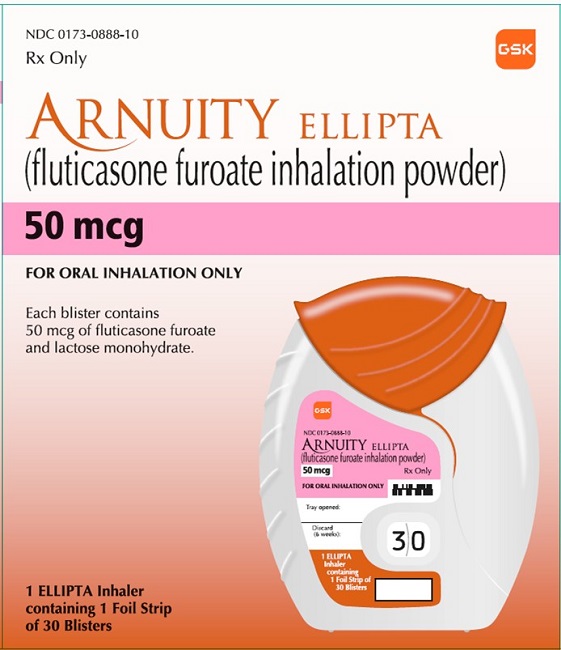
  • Arnuity Ellipta
    Arnuity Ellipta (Fluticasone Furoate) Powder [Glaxosmithkline Llc]

    Arnuity Ellipta

    Arnuity Ellipta (Fluticasone Furoate) Powder [Glaxosmithkline Llc]

    2.1 General

    ARNUITY ELLIPTA should be administered only by the orally inhaled route [see Instructions for Use in the Patient Information leaflet]. Advise the patient to rinse his/her mouth with water without swallowing after each dose.

    2.2 Dosing

    ARNUITY ELLIPTA should be administered as 1 inhalation once daily by the orally inhaled route. ARNUITY ELLIPTA should be used at the same time every day. Do not use ARNUITY ELLIPTA more than 1 time every 24 hours.

    The starting dosage for ARNUITY ELLIPTA is based upon patients’ asthma severity. The usual recommended starting dose for patients not on an inhaled corticosteroid is 100 mcg. For other patients, the starting dose should be based on previous asthma drug therapy and disease severity. For patients who do not respond to ARNUITY ELLIPTA 100 mcg after 2 weeks of therapy, replacement with ARNUITY ELLIPTA 200 mcg may provide additional asthma control.

    If a dosage regimen of ARNUITY ELLIPTA fails to provide adequate control of asthma, the therapeutic regimen should be re-evaluated and additional therapeutic options, e.g., replacing the current strength of ARNUITY ELLIPTA with a higher strength, initiating an inhaled corticosteroid and long-acting beta2-agonist (LABA) combination product, or initiating oral corticosteroids, should be considered.

    The highest recommended daily dose is 200 mcg. If symptoms arise between doses, an inhaled short-acting beta2-agonist should be used for immediate relief.

    The maximum benefit may not be achieved for up to 2 weeks or longer after starting treatment. Individual patients may experience a variable time to onset and degree of symptom relief.

    After asthma stability has been achieved, it is desirable to titrate to the lowest effective dosage to help reduce the possibility of side effects.

  • Flovent Diskus (Fluticasone Propionate) Powder, Metered [Glaxosmithkline Llc]

    Flovent Diskus

    Flovent Diskus (Fluticasone Propionate) Powder, Metered [Glaxosmithkline Llc]

    Flovent DISKUS should be administered by the orally inhaled route only in patients aged 4 years and older. After inhalation, the patient should rinse his/her mouth with water without swallowing to help reduce the risk of oropharyngeal candidiasis.

    Individual patients will experience a variable time to onset and degree of symptom relief. Maximum benefit may not be achieved for 1 to 2 weeks or longer after starting treatment.

    After asthma stability has been achieved, it is always desirable to titrate to the lowest effective dosage to reduce the possibility of side effects. For patients who do not respond adequately to the starting dosage after 2 weeks of therapy, higher dosages may provide additional asthma control. The safety and efficacy of FLOVENT DISKUS when administered in excess of recommended dosages have not been established.

    The recommended starting dosage and the highest recommended dosage of FLOVENT DISKUS, based on prior asthma therapy, are listed in Table 1.

    Table 1. Recommended Dosages of FLOVENT DISKUS

    NOTE: In all patients, it is desirable to titrate to the lowest effective dosage once asthma stability is achieved.

    Previous Therapy

    Recommended Starting Dosage

    Highest Recommended Dosage

    Adult and adolescent patients (aged 12 years and older)

    Bronchodilators alone

    100 mcg twice daily

    500 mcg twice daily

    Inhaled corticosteroids

    100-250 mcg twice dailya

    500 mcg twice daily

    Oral corticosteroidsb

    500-1,000 mcg twice dailyc

    1,000 mcg twice daily

    Pediatric patients (aged 4-11 years)d

    50 mcg twice dailya

    100 mcg twice daily

    aStarting dosages above 100 mcg twice daily for adult and adolescent patients and 50 mcg twice daily for pediatric patients aged 4 to 11 years may be considered for patients with poorer asthma control or those who have previously required doses of inhaled corticosteroids that are in the higher range for the specific agent.

    bFor patients currently receiving chronic oral corticosteroid therapy, prednisone should be reduced no faster than 2.5 to 5 mg/day on a weekly basis beginning after at least 1 week of therapy with FLOVENT DISKUS. Patients should be carefully monitored for signs of asthma instability, including serial objective measures of airflow, and for signs of adrenal insufficiency [see Warnings and Precautions (5.4)]. Once prednisone reduction is complete, the dosage of FLOVENT DISKUS should be reduced to the lowest effective dosage.

    cThe choice of starting dosage should be made on the basis of individual patient assessment. A controlled clinical trial of 111 oral corticosteroid-dependent subjects with asthma showed few significant differences between the 2 doses of FLOVENT DISKUS on safety and efficacy endpoints. However, inability to decrease the dose of oral corticosteroids further during corticosteroid reduction may be indicative of the need to increase the dose of fluticasone propionate up to the maximum of 1,000 mcg twice daily.

    dBecause individual responses may vary, pediatric patients previously maintained on other inhaled corticosteroids may require dosage adjustments upon transfer to FLOVENT DISKUS.

  • Avodart (Dutasteride) Capsule, Liquid Filled [Glaxosmithkline Llc]

    Avodart

    Avodart (Dutasteride) Capsule, Liquid Filled [Glaxosmithkline Llc]

    The capsules should be swallowed whole and not chewed or opened, as contact with the capsule contents may result in irritation of the oropharyngeal mucosa. AVODART may be administered with or without food.

    2.1 Monotherapy

    The recommended dose of AVODART is 1 capsule (0.5 mg) taken once daily.

    2.2 Combination with Alpha-adrenergic Antagonist

    The recommended dose of AVODART is 1 capsule (0.5 mg) taken once daily and tamsulosin 0.4 mg taken once daily.

  • Fluoxetine Capsule [Teva Pharmaceuticals Usa Inc]

    Fluoxetine

    Fluoxetine Capsule [Teva Pharmaceuticals Usa Inc]

    FLOVENT HFA should be administered by the orally inhaled route only in patients aged 4 years and older. After inhalation, the patient should rinse his/her mouth with water without swallowing to help reduce the risk of oropharyngeal candidiasis.

    Individual patients will experience a variable time to onset and degree of symptom relief. Maximum benefit may not be achieved for 1 to 2 weeks or longer after starting treatment.

    After asthma stability has been achieved, it is always desirable to titrate to the lowest effective dosage to reduce the possibility of side effects. For patients who do not respond adequately to the starting dosage after 2 weeks of therapy, higher dosages may provide additional asthma control. The safety and efficacy of FLOVENT HFA when administered in excess of recommended dosages have not been established.

    The recommended starting dosage and the highest recommended dosage of FLOVENT HFA, based on prior asthma therapy, are listed in Table 1.

    Table 1. Recommended Dosages of FLOVENT HFA Inhalation Aerosol

    NOTE: In all patients, it is desirable to titrate to the lowest effective dosage once asthma stability is achieved.

    Previous Therapy

    Recommended Starting Dosage

    Highest Recommended Dosage

    Adult and adolescent patients (aged 12 years and older)

    Bronchodilators alone

    Inhaled corticosteroids

    Oral corticosteroidsb

    88 mcg twice daily

    88-220 mcg twice dailya

    440 mcg twice daily

    440 mcg twice daily

    440 mcg twice daily

    880 mcg twice daily

    Pediatric patients (aged 4-11 years)c

    88 mcg twice daily

    88 mcg twice daily

    a Starting dosages above 88 mcg twice daily may be considered for patients with poorer asthma control or those who have previously required doses of inhaled corticosteroids that are in the higher range for the specific agent.

    b For patients currently receiving chronic oral corticosteroid therapy, prednisone should be reduced no faster than 2.5 to 5 mg/day on a weekly basis beginning after at least 1 week of therapy with FLOVENT HFA. Patients should be carefully monitored for signs of asthma instability, including serial objective measures of airflow, and for signs of adrenal insufficiency [see Warnings and Precautions (5.4)]. Once prednisone reduction is complete, the dosage of FLOVENT HFA should be reduced to the lowest effective dosage.

    c Recommended pediatric dosage is 88 mcg twice daily regardless of prior therapy. A valved holding chamber and mask may be used to deliver FLOVENT HFA to young patients.

    Prime FLOVENT HFA before using for the first time by releasing 4 sprays into the air away from the face, shaking well for 5 seconds before each spray. In cases where the inhaler has not been used for more than 7 days or when it has been dropped, prime the inhaler again by shaking well for 5 seconds and releasing 1 spray into the air away from the face.

  • Fluvoxamine Maleate
    Fluvoxamine Maleate Capsule, Extended Release [Actavis Elizabeth Llc]

    Fluvoxamine Maleate

    Fluvoxamine Maleate Capsule, Extended Release [Actavis Elizabeth Llc]

    2.1 Dosage for the Prevention of P. jiroveci Pneumonia

    The recommended oral dosage is 1,500 mg (10 mL) once daily administered with food.

    2.2 Dosage for the Treatment of Mild-to-Moderate P. jiroveci Pneumonia

    The recommended oral dosage is 750 mg (5 mL) twice daily (total daily dose = 1,500 mg) administered with food for 21 days.

    2.3 Important Administration Instructions

    Administer MEPRON oral suspension with food to avoid lower plasma atovaquone concentrations that may limit response to therapy [see Warnings and Precautions (5.1), Clinical Pharmacology (12.3)].

    MEPRON Foil Pouch

    • Open each 5-mL pouch by removing tab at perforation and tear at notch. • For a 5-mL dose, take entire contents either by placing directly into the mouth or by dispensing into a dosing spoon (5 mL) or cup prior to administration by mouth. • For a 10-mL dose, take the entire contents of two pouches.

    MEPRON Bottle

    Shake bottle gently before administering the recommended dosage.

  • Zofran (Ondansetron Hydrochloride) Solution Zofran Odt (Ondansetron Hydrochloride) Tablet, Orally Disintegrating Zofran (Ondansetron Hydrochloride) Tablet, Film Coated [Glaxosmithkline Llc]

    Zofran

    Zofran (Ondansetron Hydrochloride) Solution Zofran Odt (Ondansetron Hydrochloride) Tablet, Orally Disintegrating Zofran (Ondansetron Hydrochloride) Tablet, Film Coated [Glaxosmithkline Llc]

    Instructions for Use/Handling ZOFRAN ODT Orally Disintegrating Tablets:

    Do not attempt to push ZOFRAN ODT Tablets through the foil backing. With dry hands, PEEL BACK the foil backing of 1 blister and GENTLY remove the tablet. IMMEDIATELY place the ZOFRAN ODT Tablet on top of the tongue where it will dissolve in seconds, then swallow with saliva. Administration with liquid is not necessary.

    Prevention of Nausea and Vomiting Associated with Highly Emetogenic Cancer Chemotherapy:

    The recommended adult oral dosage of ZOFRAN is 24 mg given as three 8-mg tablets administered 30 minutes before the start of single-day highly emetogenic chemotherapy, including cisplatin ≥50 mg/m2. Multiday, single-dose administration of a 24-mg dosage has not been studied.

    Pediatric Use:

    There is no experience with the use of a 24-mg dosage in pediatric patients.

    Geriatric Use:

    The dosage recommendation is the same as for the general population.

    Prevention of Nausea and Vomiting Associated with Moderately Emetogenic Cancer Chemotherapy:

    The recommended adult oral dosage is one 8-mg ZOFRAN Tablet or one 8-mg ZOFRAN ODT Tablet or 10 mL (2 teaspoonfuls equivalent to 8 mg of ondansetron) of ZOFRAN Oral Solution given twice a day. The first dose should be administered 30 minutes before the start of emetogenic chemotherapy, with a subsequent dose 8 hours after the first dose. One 8-mg ZOFRAN Tablet or one 8-mg ZOFRAN ODT Tablet or 10 mL (2 teaspoonfuls equivalent to 8 mg of ondansetron) of ZOFRAN Oral Solution should be administered twice a day (every 12 hours) for 1 to 2 days after completion of chemotherapy.

    Pediatric Use:

    For pediatric patients aged 12 years and older, the dosage is the same as for adults. For pediatric patients aged 4 through 11 years, the dosage is one 4-mg ZOFRAN Tablet or one 4-mg ZOFRAN ODT Tablet or 5 mL (1 teaspoonful equivalent to 4 mg of ondansetron) of ZOFRAN Oral Solution given 3 times a day. The first dose should be administered 30 minutes before the start of emetogenic chemotherapy, with subsequent doses 4 and 8 hours after the first dose. One 4-mg ZOFRAN Tablet or one 4-mg ZOFRAN ODT Tablet or 5 mL (1 teaspoonful equivalent to 4 mg of ondansetron) of ZOFRAN Oral Solution should be administered 3 times a day (every 8 hours) for 1 to 2 days after completion of chemotherapy.

    Geriatric Use:

    The dosage is the same as for the general population.

    Prevention of Nausea and Vomiting Associated with Radiotherapy, Either Total Body Irradiation, or Single High-dose Fraction or Daily Fractions to the Abdomen:

    The recommended oral dosage is one 8-mg ZOFRAN Tablet or one 8-mg ZOFRAN ODT Tablet or 10 mL (2 teaspoonfuls equivalent to 8 mg of ondansetron) of ZOFRAN Oral Solution given 3 times a day.

    For total body irradiation, one 8-mg ZOFRAN Tablet or one 8-mg ZOFRAN ODT Tablet or 10 mL (2 teaspoonfuls equivalent to 8 mg of ondansetron) of ZOFRAN Oral Solution should be administered 1 to 2 hours before each fraction of radiotherapy administered each day.

    For single high-dose fraction radiotherapy to the abdomen, one 8-mg ZOFRAN Tablet or one 8-mg ZOFRAN ODT Tablet or 10 mL (2 teaspoonfuls equivalent to 8 mg of ondansetron) of ZOFRAN Oral Solution should be administered 1 to 2 hours before radiotherapy, with subsequent doses every 8 hours after the first dose for 1 to 2 days after completion of radiotherapy.

    For daily fractionated radiotherapy to the abdomen, one 8-mg ZOFRAN Tablet or one 8-mg ZOFRAN ODT Tablet or 10 mL (2 teaspoonfuls equivalent to 8 mg of ondansetron) of ZOFRAN Oral Solution should be administered 1 to 2 hours before radiotherapy, with subsequent doses every 8 hours after the first dose for each day radiotherapy is given.

    Pediatric Use:

    There is no experience with the use of ZOFRAN Tablets, ZOFRAN ODT Tablets, or ZOFRAN Oral Solution in the prevention of radiation-induced nausea and vomiting in pediatric patients.

    Geriatric Use:

    The dosage recommendation is the same as for the general population.

    Postoperative Nausea and Vomiting:

    The recommended dosage is 16 mg given as two 8-mg ZOFRAN Tablets or two 8-mg ZOFRAN ODT Tablets or 20 mL (4 teaspoonfuls equivalent to 16 mg of ondansetron) of ZOFRAN Oral Solution 1 hour before induction of anesthesia.

    Pediatric Use:

    There is no experience with the use of ZOFRAN Tablets, ZOFRAN ODT Tablets, or ZOFRAN Oral Solution in the prevention of postoperative nausea and vomiting in pediatric patients.

    Geriatric Use:

    The dosage is the same as for the general population.

    Dosage Adjustment for Patients with Impaired Renal Function:

    The dosage recommendation is the same as for the general population. There is no experience beyond first-day administration of ondansetron.

    Dosage Adjustment for Patients with Impaired Hepatic Function:

    In patients with severe hepatic impairment (Child-Pugh2 score of 10 or greater), clearance is reduced and apparent volume of distribution is increased with a resultant increase in plasma half-life. In such patients, a total daily dose of 8 mg should not be exceeded.

  • Zofran (Ondansetron Hydrochloride) Injection [Glaxosmithkline Llc]

    Zofran

    Zofran (Ondansetron Hydrochloride) Injection [Glaxosmithkline Llc]

    2.1 Prevention of Nausea and Vomiting Associated with Initial and Repeat Courses of Emetogenic Chemotherapy

    ZOFRAN Injection should be diluted in 50 mL of 5% Dextrose Injection or 0.9% Sodium Chloride Injection before administration.

    Adults

    The recommended adult intravenous dosage of ZOFRAN is three 0.15-mg/kg doses up to a maximum of 16 mg per dose [see Clinical Pharmacology (12.2)]. The first dose is infused over 15 minutes beginning 30 minutes before the start of emetogenic chemotherapy. Subsequent doses (0.15 mg/kg up to a maximum of 16 mg per dose) are administered 4 and 8 hours after the first dose of ZOFRAN.

    Pediatrics

    For pediatric patients aged 6 months through 18 years, the intravenous dosage of ZOFRAN is three 0.15-mg/kg doses up to a maximum of 16 mg per dose [see Clinical Studies (14.1), Clinical Pharmacology (12.2, 12.3)]. The first dose is to be administered 30 minutes before the start of moderately to highly emetogenic chemotherapy. Subsequent doses (0.15 mg/kg up to a maximum of 16 mg per dose) are administered 4 and 8 hours after the first dose of ZOFRAN. The drug should be infused intravenously over 15 minutes.

    2.2 Prevention of Postoperative Nausea and Vomiting

    ZOFRAN Injection should not be mixed with solutions for which physical and chemical compatibility have not been established. In particular, this applies to alkaline solutions as a precipitate may form.

    Adults

    The recommended adult intravenous dosage of ZOFRAN is 4 mg undiluted administered intravenously in not less than 30 seconds, preferably over 2 to 5 minutes, immediately before induction of anesthesia, or postoperatively if the patient did not receive prophylactic antiemetics and experiences nausea and/or vomiting occurring within 2 hours after surgery. Alternatively, 4 mg undiluted may be administered intramuscularly as a single injection for adults. While recommended as a fixed dose for patients weighing more than 40 kg, few patients above 80 kg have been studied. In patients who do not achieve adequate control of postoperative nausea and vomiting following a single, prophylactic, preinduction, intravenous dose of ondansetron 4 mg, administration of a second intravenous dose of 4 mg ondansetron postoperatively does not provide additional control of nausea and vomiting.

    Pediatrics

    For pediatric patients aged 1 month through 12 years, the dosage is a single 0.1-mg/kg dose for patients weighing 40 kg or less, or a single 4-mg dose for patients weighing more than 40 kg. The rate of administration should not be less than 30 seconds, preferably over 2 to 5 minutes immediately prior to or following anesthesia induction, or postoperatively if the patient did not receive prophylactic antiemetics and experiences nausea and/or vomiting occurring shortly after surgery. Prevention of further nausea and vomiting was only studied in patients who had not received prophylactic ZOFRAN.

    2.3 Stability and Handling

    After dilution, do not use beyond 24 hours. Although ZOFRAN Injection is chemically and physically stable when diluted as recommended, sterile precautions should be observed because diluents generally do not contain preservative.

    ZOFRAN Injection is stable at room temperature under normal lighting conditions for 48 hours after dilution with the following intravenous fluids: 0.9% Sodium Chloride Injection, 5% Dextrose Injection, 5% Dextrose and 0.9% Sodium Chloride Injection, 5% Dextrose and 0.45% Sodium Chloride Injection, and 3% Sodium Chloride Injection.

    Note: Parenteral drug products should be inspected visually for particulate matter and discoloration before administration whenever solution and container permit.

    Precaution: Occasionally, ondansetron precipitates at the stopper/vial interface in vials stored upright. Potency and safety are not affected. If a precipitate is observed, resolubilize by shaking the vial vigorously.

    2.4 Dosage Adjustment for Patients with Impaired Hepatic Function

    In patients with severe hepatic impairment (Child-Pugh score of 10 or greater), a single maximal daily dose of 8 mg infused over 15 minutes beginning 30 minutes before the start of the emetogenic chemotherapy is recommended. There is no experience beyond first-day administration of ondansetron in these patients [see Clinical Pharmacology (12.3)].

  • Zovirax (Acyclovir) Capsule Zovirax (Acyclovir) Tablet Zovirax (Acyclovir) Suspension [Glaxosmithkline Llc]

    Zovirax

    Zovirax (Acyclovir) Capsule Zovirax (Acyclovir) Tablet Zovirax (Acyclovir) Suspension [Glaxosmithkline Llc]

    Acute Treatment of Herpes Zoster:

    800 mg every 4 hours orally, 5 times daily for 7 to 10 days.

    Genital Herpes:

    Treatment of Initial Genital Herpes: 200 mg every 4 hours, 5 times daily for 10 days.

    Chronic Suppressive Therapy for Recurrent Disease: 400 mg 2 times daily for up to 12 months, followed by re-evaluation. Alternative regimens have included doses ranging from 200 mg 3 times daily to 200 mg 5 times daily.

    The frequency and severity of episodes of untreated genital herpes may change over time. After 1 year of therapy, the frequency and severity of the patient’s genital herpes infection should be re-evaluated to assess the need for continuation of therapy with ZOVIRAX.

    Intermittent Therapy: 200 mg every 4 hours, 5 times daily for 5 days. Therapy should be initiated at the earliest sign or symptom (prodrome) of recurrence.

    Treatment of Chickenpox:

    Children (2 years of age and older): 20 mg/kg per dose orally 4 times daily (80 mg/kg/day) for 5 days. Children over 40 kg should receive the adult dose for chickenpox.

    Adults and Children over 40 kg: 800 mg 4 times daily for 5 days.

    Intravenous ZOVIRAX is indicated for the treatment of varicella-zoster infections in immunocompromised patients.

    When therapy is indicated, it should be initiated at the earliest sign or symptom of chickenpox. There is no information about the efficacy of therapy initiated more than 24 hours after onset of signs and symptoms.

    Patients With Acute or Chronic Renal Impairment:

    In patients with renal impairment, the dose of ZOVIRAX Capsules, Tablets, or Suspension should be modified as shown in Table 3.

    Table 3. Dosage Modification for Renal Impairment

    Normal Dosage

    Regimen

    Creatinine

    Clearance

    (mL/min/1.73 m2)

    Adjusted Dosage Regimen

    Dose

    (mg)

    Dosing Interval

    200 mg every 4 hours

    >10

    0-10

    200

    200

    every 4 hours, 5x daily

    every 12 hours

    400 mg every 12 hours

    >10

    0-10

    400

    200

    every 12 hours

    every 12 hours

    800 mg every 4 hours

    >25

    10-25

    0-10

    800

    800

    800

    every 4 hours, 5x daily

    every 8 hours

    every 12 hours

    Hemodialysis:

    For patients who require hemodialysis, the mean plasma half-life of acyclovir during hemodialysis is approximately 5 hours. This results in a 60% decrease in plasma concentrations following a 6-hour dialysis period. Therefore, the patient’s dosing schedule should be adjusted so that an additional dose is administered after each dialysis.

    Peritoneal Dialysis:

    No supplemental dose appears to be necessary after adjustment of the dosing interval.

    Bioequivalence of Dosage Forms:

    ZOVIRAX Suspension was shown to be bioequivalent to ZOVIRAX Capsules (n = 20) and 1 ZOVIRAX 800-mg tablet was shown to be bioequivalent to 4 ZOVIRAX 200-mg capsules (n = 24).