Glimepiride label

Glimepiride

Glimepiride Recall

Get an alert when a recall is issued.

Side Effects & Adverse Reactions

There is currently no warning information available for this product. We apologize for any inconvenience.

FDA Safety Alerts

There are currently no FDA safety alerts available for this drug.

Manufacturer Warnings

There is currently no manufacturer warning information available for this drug.

FDA Labeling Changes

There are currently no FDA labeling changes available for this drug.

Uses

Glimepiride tablets are indicated as an adjunct to diet and exercise to improve glycemic control in adults with type 2 diabetes mellitus [see Clinical Studies (14.1)].

Glimepiride tablets should not be used for the treatment of type 1 diabetes mellitus or diabetic ketoacidosis, as it would not be effective in these settings.

History

There is currently no drug history available for this drug.

Other Information

Glimepiride tablets USP, are an oral sulfonylurea that contains the active ingredient glimepiride USP. Chemically, glimepiride USP is identified as 1-[[p-[2-(3-ethyl-4-methyl-2-oxo-3-pyrroline-1-carboxamido) ethyl]phenyl]sulfonyl]-3-(trans-4-methylcyclohexyl)urea (C24H34N4O5S) with a molecular weight of 490.62. Glimepiride USP is a white to yellowish-white, crystalline, odorless to practically odorless powder and is practically insoluble in water.

The structural formula is:

MM1

Glimepiride tablets meets USP drug release test 2. 

Glimepiride tablets USP, contain the active ingredient glimepiride USP and the following inactive ingredients: lactose monohydrate, magnesium stearate, microcrys­talline cellulose, povidone and sodium starch glycolate. In addition, glimepiride 1 mg tablets contain ferric oxide red, glimepiride 2 mg tablets contain lake blend green (contains D&C yellow # 10 aluminium lake and FD&C blue #1/ brilliant blue FCF aluminium lake) and glimepiride 4 mg tablets contain lake blend blue (contains D&C yellow # 10 aluminium lake and FD&C blue # 1/ brilliant blue FCF aluminium lake).

Glimepiride Manufacturers

  • Remedyrepack Inc.
    Glimepiride | Remedyrepack Inc.
    No Recall

    Glimepiride | Remedyrepack Inc.

    Glimepiride | Remedyrepack Inc.


    Glimepiride tablets should be administered with breakfast or the first main meal of the day.  

    The recommended starting dose of glimepiride tablets are 1 mg or 2 mg once daily. Patients at increased risk for hypoglycemia (e.g., the elderly or patients with renal impairment) should be started on 1 mg once daily [see Warnings and Precautions (5.1) and Use in Specific Populations (8.5, 8.6)].  

    After reaching a daily dose of 2 mg, further dose increases can be made in increments of 1 mg or 2 mg based upon the patient’s glycemic response. Uptitration should not occur more frequently than every 1 to 2 weeks. A conservative titration scheme is recommended for patients at increased risk for hypoglycemia [see Warnings and Precautions (5.1) and Use in Specific Populations (8.5, 8.6)].  

    The maximum recommended dose is 8 mg once daily.  

    Patients being transferred to glimepiride tablets from longer half-life sulfonylureas (e.g., chlorpropamide) may have overlapping drug effect for 1 to 2 weeks and should be appropriately monitored for hypoglycemia.

    When colesevelam is coadministered with glimepiride, maximum plasma concentration and total exposure to glimepiride is reduced. Therefore, glimepiride tablets should be administered at least 4 hours prior to colesevelam.


  • Virtus Pharmaceuticals
    Glimepiride | Virtus Pharmaceuticals
    No Recall

    Glimepiride | Virtus Pharmaceuticals

    Glimepiride | Virtus Pharmaceuticals
    2.1 Recommended Dosing

    Glimepiride tablets USP should be administered with breakfast or the first main meal of the day.

    The recommended starting dose of glimepiride tablets USP is 1 mg or 2 mg once daily. Patients at increased risk for hypoglycemia (e.g., the elderly or patients with renal impairment) should be started on 1 mg once daily [see Warnings and Precautions (5.1) and Use in Specific Populations (8.5,8.6)].

    After reaching a daily dose of 2 mg, further dose increases can be made in increments of 1 mg or 2 mg based upon the patient's glycemic response. Uptitration should not occur more frequently than every 1–2 weeks. A conservative titration scheme is recommended for patients at increased risk for hypoglycemia [see Warnings and Precautions (5.1)and Use in Specific Populations (8.5, 8.6)].

    The maximum recommended dose is 8 mg once daily.

    Patients being transferred to glimepiride tablets USP from longer half-life sulfonylureas (e.g., chlorpropamide) may have overlapping drug effect for 1–2 weeks and should be appropriately monitored for hypoglycemia.

  • Remedyrepack Inc.
    Glimepiride | Remedyrepack Inc.
    No Recall

    Glimepiride | Remedyrepack Inc.

    Glimepiride | Remedyrepack Inc.


    Glimepiride tablets should be administered with breakfast or the first main meal of the day.  

    The recommended starting dose of glimepiride tablets are 1 mg or 2 mg once daily. Patients at increased risk for hypoglycemia (e.g., the elderly or patients with renal impairment) should be started on 1 mg once daily [see Warnings and Precautions (5.1) and Use in Specific Populations (8.5, 8.6)].  

    After reaching a daily dose of 2 mg, further dose increases can be made in increments of 1 mg or 2 mg based upon the patient’s glycemic response. Uptitration should not occur more frequently than every 1 to 2 weeks. A conservative titration scheme is recommended for patients at increased risk for hypoglycemia [see Warnings and Precautions (5.1) and Use in Specific Populations (8.5, 8.6)].  

    The maximum recommended dose is 8 mg once daily.  

    Patients being transferred to glimepiride tablets from longer half-life sulfonylureas (e.g., chlorpropamide) may have overlapping drug effect for 1 to 2 weeks and should be appropriately monitored for hypoglycemia.

    When colesevelam is coadministered with glimepiride, maximum plasma concentration and total exposure to glimepiride is reduced. Therefore, glimepiride tablets should be administered at least 4 hours prior to colesevelam.


  • Remedyrepack Inc.
    Glimepiride | Harris Teeter, Llc
    No Recall

    Glimepiride | Harris Teeter, Llc

    Glimepiride | Harris Teeter, Llc
    • shake well • adults and children 12 years and older: take 2-4 teaspoonfuls (10-20 mL) between meals, at bedtime, or as directed by a doctor • children under 12 years: ask a doctor
  • Remedyrepack Inc.
    Glimepiride | Remedyrepack Inc.
    No Recall

    Glimepiride | Remedyrepack Inc.

    Glimepiride | Remedyrepack Inc.


    Glimepiride tablets should be administered with breakfast or the first main meal of the day.  

    The recommended starting dose of glimepiride tablets are 1 mg or 2 mg once daily. Patients at increased risk for hypoglycemia (e.g., the elderly or patients with renal impairment) should be started on 1 mg once daily [see Warnings and Precautions (5.1) and Use in Specific Populations (8.5, 8.6)].  

    After reaching a daily dose of 2 mg, further dose increases can be made in increments of 1 mg or 2 mg based upon the patient’s glycemic response. Uptitration should not occur more frequently than every 1 to 2 weeks. A conservative titration scheme is recommended for patients at increased risk for hypoglycemia [see Warnings and Precautions (5.1) and Use in Specific Populations (8.5, 8.6)].  

    The maximum recommended dose is 8 mg once daily.  

    Patients being transferred to glimepiride tablets from longer half-life sulfonylureas (e.g., chlorpropamide) may have overlapping drug effect for 1 to 2 weeks and should be appropriately monitored for hypoglycemia.

    When colesevelam is coadministered with glimepiride, maximum plasma concentration and total exposure to glimepiride is reduced. Therefore, glimepiride tablets should be administered at least 4 hours prior to colesevelam.


  • Proficient Rx Lp
    Glimepiride | Proficient Rx Lp
    No Recall

    Glimepiride | Proficient Rx Lp

    Glimepiride | Proficient Rx Lp
    2.1 Recommended Dosing

    Glimepiride tablets should be administered with breakfast or the first main meal of the day.

    The recommended starting dose of glimepiride tablet is 1 mg or 2 mg once daily. Patients at increased risk for hypoglycemia (e.g., the elderly or patients with renal impairment) should be started on 1 mg once daily [see Warnings and Precautions (5.1) and Use in Specific Populations (8.5, 8.6)].

    After reaching a daily dose of 2 mg, further dose increases can be made in increments of 1 mg or 2 mg based upon the patient’s glycemic response. Uptitration should not occur more frequently than every 1 to 2 weeks. A conservative titration scheme is recommended for patients at increased risk for hypoglycemia [see Warnings and Precautions (5.1) and Use in Specific Populations (8.5, 8.6)].

    The maximum recommended dose is 8 mg once daily.

    Patients being transferred to glimepiride from longer half-life sulfonylureas (e.g., chlorpropamide) may have overlapping drug effect for 1 to 2 weeks and should be appropriately monitored for hypoglycemia.

    When colesevelam is coadministered with glimepiride, maximum plasma concentration and total exposure to glimepiride is reduced. Therefore, glimepiride should be administered at least 4 hours prior to colesevelam.

  • Northwind Pharmaceuticals, Llc
    Glimepiride | Northwind Pharmaceuticals, Llc
    No Recall

    Glimepiride | Northwind Pharmaceuticals, Llc

    Glimepiride | Northwind Pharmaceuticals, Llc

    There is no fixed dosage regimen for the management of diabetes mellitus with glimepiride or any other hypoglycemic agent. The patient's fasting blood glucose and HbA1c must be measured periodically to determine the minimum effective dose for the patient; to detect primary failure, i.e., inadequate lowering of blood glucose at the maximum recommended dose of medication; and to detect secondary failure, i.e., loss of adequate blood glucose lowering response after aninitial period of effectiveness. Glycosylated hemoglobin levels should be performed to monitor the patient's response to therapy.

    Short-term administration of glimepiride may be sufficient during periods of transient loss of control in patients usually controlled well on diet and exercise.

    Usual Starting Dose

    The usual starting dose of glimepiride as initial therapy is 1-2 mg once daily, administered with breakfast or the first main meal. Those patients who may be more sensitive to hypoglycemic drugs should be started at 1 mg once daily, and should be titrated carefully. (See PRECAUTIONS Section for patients at increased risk.)

    No exact dosage relationship exists between glimepiride and the other oral hypoglycemic agents. The maximum starting dose of glimepiride should be no more than 2 mg.

    Failure to follow an appropriate dosage regimen may precipitate hypoglycemia. Patients who do not adhere to their prescribed dietary and drug regimen are more prone to exhibit unsatisfactory response to therapy.

    Usual Maintenance Dose

    The usual maintenance dose is 1 to 4 mg once daily. The maximum recommended dose is 8 mg once daily. After reaching a dose of 2 mg, dosage increases should be made in increments of no more than 2 mg at 1-2 week intervals based upon the patient's blood glucose response. Long-term efficacy should be monitored by measurement of HbA1c levels, for example, every 3 to 6 months.

    Glimepiride -Metformin Combination Therapy

    If patients do not respond adequately to the maximal dose of glimepiride monotherapy, addition of metformin may be considered. Published clinical information exists for the use of other sulfonylureas including glyburide, glipizide, chlorpropamide, and tolbutamide in combination with metformin.

    With concomitant glimepiride and metformin therapy, the desired control of blood glucose may be obtained by adjusting the dose of each drug. However, attempts should be made to identify the minimum effective dose of each drug to achieve this goal. With concomitant glimepiride and metformin therapy, the risk of hypoglycemia associated with glimepiride therapy continues and may be increased. Appropriate precautions should be taken.

  • Remedyrepack Inc.
    Glimepiride | Remedyrepack Inc.
    No Recall

    Glimepiride | Remedyrepack Inc.

    Glimepiride | Remedyrepack Inc.


    Glimepiride tablets should be administered with breakfast or the first main meal of the day.  

    The recommended starting dose of glimepiride tablets are 1 mg or 2 mg once daily. Patients at increased risk for hypoglycemia (e.g., the elderly or patients with renal impairment) should be started on 1 mg once daily [see Warnings and Precautions (5.1) and Use in Specific Populations (8.5, 8.6)].  

    After reaching a daily dose of 2 mg, further dose increases can be made in increments of 1 mg or 2 mg based upon the patient’s glycemic response. Uptitration should not occur more frequently than every 1 to 2 weeks. A conservative titration scheme is recommended for patients at increased risk for hypoglycemia [see Warnings and Precautions (5.1) and Use in Specific Populations (8.5, 8.6)].  

    The maximum recommended dose is 8 mg once daily.  

    Patients being transferred to glimepiride tablets from longer half-life sulfonylureas (e.g., chlorpropamide) may have overlapping drug effect for 1 to 2 weeks and should be appropriately monitored for hypoglycemia.

    When colesevelam is coadministered with glimepiride, maximum plasma concentration and total exposure to glimepiride is reduced. Therefore, glimepiride tablets should be administered at least 4 hours prior to colesevelam.


  • Northwind Pharmaceuticals
    Glimepiride | Northwind Pharmaceuticals
    No Recall

    Glimepiride | Northwind Pharmaceuticals

    Glimepiride | Northwind Pharmaceuticals

    Recommended Dosing

    Glimepiride tablets should be administered with breakfast or the first main meal of the day.

    The recommended starting dose of glimepiride tablet is 1 mg or 2 mg once daily. Patients at increased risk for hypoglycemia (e.g., the elderly or patients with renal impairment) should be started on 1 mg once daily [see Warnings and Precautions (5.1) and Use in Specific Populations (8.5, 8.6)].

    After reaching a daily dose of 2 mg, further dose increases can be made in increments of 1 mg or 2 mg based upon the patient’s glycemic response. Uptitration should not occur more frequently than every 1 to 2 weeks. A conservative titration scheme is recommended for patients at increased risk for hypoglycemia [see Warnings and Precautions (5.1) and Use in Specific Populations (8.5, 8.6)].

    The maximum recommended dose is 8 mg once daily.

    Patients being transferred to glimepiride from longer half-life sulfonylureas (e.g., chlorpropamide) may have overlapping drug effect for 1 to 2 weeks and should be appropriately monitored for hypoglycemia.

    When colesevelam is coadministered with glimepiride, maximum plasma concentration and total exposure to glimepiride is reduced. Therefore, glimepiride should be administered at least 4 hours prior to colesevelam.

  • Carlsbad Technology, Inc.
    Glimepiride | Carlsbad Technology, Inc.
    No Recall

    Glimepiride | Carlsbad Technology, Inc.

    Glimepiride | Carlsbad Technology, Inc.
    2.1 Recommended Dosing

    Glimepiride should be administered with breakfast or the first main meal of the day.

    The recommended starting dose of glimepiride is 1 mg or 2 mg once daily. Patients at increased risk for hypoglycemia (e.g., the elderly or patients with renal impairment) should be started on 1 mg once daily [see Warnings and Precautions ( 5.1) and Use in Specific Populations ( 8.5, 8.6) ].

    After reaching a daily dose of 2 mg, further dose increases can be made in increments of 1 mg or 2 mg based upon the patient's glycemic response. Uptitration should not occur more frequently than every 1-2 weeks. A conservative titration scheme is recommended for patients at increased risk for hypoglycemia [see Warnings and Precautions ( 5.1) and Use in Specific Populations ( 8.5, 8.6) ].

    The maximum recommended dose is 8 mg once daily.

    Patients being transferred to glimepiride from longer half-life sulfonylureas (e.g., chlorpropamide) may have overlapping drug effect for 1-2 weeks and should be appropriately monitored for hypoglycemia.

    When colesevelam is coadministered with glimepiride, maximum plasma concentration and total exposure to glimepiride is reduced. Therefore, glimepiride should be administered at least 4 hours prior to colesevelam.

  • Udl Laboratories, Inc.
    Glimepiride | Iq Dental Supply, Llc
    No Recall

    Glimepiride | Iq Dental Supply, Llc

    Glimepiride | Iq Dental Supply, Llc

    Apply only amount needed to the oral mucosa to prevent or relieve pain.

  • Physicians Total Care, Inc.
    Glimepiride | Physicians Total Care, Inc.
    No Recall

    Glimepiride | Physicians Total Care, Inc.

    Glimepiride | Physicians Total Care, Inc.

    There is no fixed dosage regimen for the management of diabetes mellitus with glimepiride or any other hypoglycemic agent. The patient’s fasting blood glucose and HbA1c must be measured periodically to determine the minimum effective dose for the patient; to detect primary failure, i.e., inadequate lowering of blood glucose at the maximum recommended dose of medication; and to detect secondary failure, i.e., loss of adequate blood glucose lowering response after an initial period of effectiveness. Glycosylated hemoglobin levels should be performed to monitor the patient’s response to therapy.

    Short-term administration of glimepiride may be sufficient during periods of transient loss of control in patients usually controlled well on diet and exercise.

    Usual Starting Dose

    The usual starting dose of glimepiride tablets USP as initial therapy is 1 to 2 mg once daily, administered with breakfast or the first main meal. Those patients who may be more sensitive to hypoglycemic drugs should be started at 1 mg once daily, and should be titrated carefully. (See PRECAUTIONS Section for patients at increased risk.)

    No exact dosage relationship exists between glimepiride and the other oral hypoglycemic agents. The maximum starting dose of glimepiride tablets USP should be no more than 2 mg.

    Failure to follow an appropriate dosage regimen may precipitate hypoglycemia. Patients who do not adhere to their prescribed dietary and drug regimen are more prone to exhibit unsatisfactory response to therapy.

    Usual Maintenance Dose

    The usual maintenance dose is 1 to 4 mg once daily. The maximum recommended dose is 8 mg once daily. After reaching a dose of 2 mg, dosage increases should be made in increments of no more than 2 mg at 1 to 2 week intervals based upon the patient’s blood glucose response. Long-term efficacy should be monitored by measurement of HbA1c levels, for example, every 3 to 6 months.

    Glimepiride-Metformin Combination Therapy

    If patients do not respond adequately to the maximal dose of glimepiride tablet USP monotherapy, addition of metformin may be considered. Published clinical information exists for the use of other sulfonylureas including glyburide, glipizide, chlorpropamide, and tolbutamide in combination with metformin.

    With concomitant glimepiride tablets USP and metformin therapy, the desired control of blood glucose may be obtained by adjusting the dose of each drug. However, attempts should be made to identify the minimum effective dose of each drug to achieve this goal. With concomitant glimepiride tablets USP and metformin therapy, the risk of hypoglycemia associated with glimepiride tablets USP therapy continues and may be increased. Appropriate precautions should be taken.

    Glimepiride-Insulin Combination Therapy

    Combination therapy with glimepiride tablets USP and insulin may also be used in secondary failure patients. The fasting glucose level for instituting combination therapy is in the range of > 150 mg/dL in plasma or serum depending on the patient. The recommended glimepiride tablet USP dose is 8 mg once daily administered with the first main meal. After starting with low-dose insulin, upward adjustments of insulin can be done approximately weekly as guided by frequent measurements of fasting blood glucose. Once stable, combination-therapy patients should monitor their capillary blood glucose on an ongoing basis, preferably daily. Periodic adjustments of insulin may also be necessary during maintenance as guided by glucose and HbA1c levels.

    Specific Patient Populations

    Glimepiride tablets USP are not recommended for use in pregnancy or nursing mothers. Data are insufficient to recommend pediatric use of glimepiride tablets USP. In elderly, debilitated, or malnourished patients, or in patients with renal or hepatic insufficiency, the initial dosing, dose increments, and maintenance dosage should be conservative to avoid hypoglycemic reactions (see CLINICAL PHARMACOLOGY, Special Populations and PRECAUTIONS, General).

    Patients Receiving Other Oral Hypoglycemic Agents

    As with other sulfonylurea hypoglycemic agents, no transition period is necessary when transferring patients to glimepiride tablets USP. Patients should be observed carefully (1 to 2 weeks) for hypoglycemia when being transferred from longer half-life sulfonylureas (e.g., chlorpropamide) to glimepiride tablets USP due to potential overlapping of drug effect.

  • Perrigo New York Inc
    Glimepiride | Perrigo New York Inc
    No Recall

    Glimepiride | Perrigo New York Inc

    Glimepiride | Perrigo New York Inc

    There is no fixed dosage regimen for the management of diabetes mellitus with glimepiride or any other hypoglycemic agent. The patient’s fasting blood glucose and HbA1c must be measured periodically to determine the minimum effective dose for the patient; to detect primary failure, i.e., inadequate lowering of blood glucose at the maximum recommended dose of medication; and to detect secondary failure, i.e., loss of adequate blood glucose lowering response after an initial period of effectiveness. Glycosylated hemoglobin levels should be performed to monitor the patient’s response to therapy.

    Short-term administration of glimepiride may be sufficient during periods of transient loss of control in patients usually controlled well on diet and exercise.

    Usual Starting Dose

    The usual starting dose of glimepiride as initial therapy is 1-2 mg once daily, administered with breakfast or the first main meal. Those patients who may be more sensitive to hypoglycemic drugs should be started at 1 mg once daily, and should be titrated carefully. (See PRECAUTIONS Section for patients at increased risk.)

    No exact dosage relationship exists between glimepiride and the other oral hypoglycemic agents. The maximum starting dose of glimepiride should be no more than 2 mg.

    Failure to follow an appropriate dosage regimen may precipitate hypoglycemia. Patients who do not adhere to their prescribed dietary and drug regimen are more prone to exhibit unsatisfactory response to therapy.

    Usual Maintenance Dose

    The usual maintenance dose is 1 to 4 mg once daily. The maximum recommended dose is 8 mg once daily. After reaching a dose of 2 mg, dosage increases should be made in increments of no more than 2 mg at 1-2 week intervals based upon the patient’s blood glucose response. Long-term efficacy should be monitored by measurement of HbA1c levels, for example, every 3 to 6 months.

    Glimepiride-Metformin Combination Therapy

    If patients do not respond adequately to the maximal dose of glimepiride monotherapy, addition of metformin may be considered. Published clinical information exists for the use of other sulfonylureas including glyburide, glipizide, chlorpropamide, and tolbutamide in combination with metformin.

    With concomitant glimepiride and metformin therapy, the desired control of blood glucose may be obtained by adjusting the dose of each drug. However, attempts should be made to identify the minimum effective dose of each drug to achieve this goal. With concomitant glimepiride and metformin therapy, the risk of hypoglycemia associated with glimepiride therapy continues and may be increased. Appropriate precautions should be taken.

    Glimepiride-Insulin Combination Therapy

    Combination therapy with glimepiride and insulin may also be used in secondary failure patients. The fasting glucose level for instituting combination therapy is in the range of >150 mg/dL in plasma or serum depending on the patient. The recommended glimepiride dose is 8 mg once daily administered with the first main meal. After starting with low-dose insulin, upward adjustments of insulin can be done approximately weekly as guided by frequent measurements of fasting blood glucose. Once stable, combination-therapy patients should monitor their capillary blood glucose on an ongoing basis, preferably daily. Periodic adjustments of insulin may also be necessary during maintenance as guided by glucose and HbA1c levels.

    Specific Patient Populations

    Glimepiride tablets are not recommended for use in pregnancy or nursing mothers. Data are insufficient to recommend pediatric use of glimepiride. In elderly, debilitated, or malnourished patients, or in patients with renal or hepatic insufficiency, the initial dosing, dose increments, and maintenance dosage should be conservative to avoid hypoglycemic reactions (See CLINICAL PHARMACOLOGY, Special Populations and PRECAUTIONS, General).

    Patients Receiving Other Oral Hypoglycemic Agents

    As with other sulfonylurea hypoglycemic agents, no transition period is necessary when transferring patients to glimepiride. Patients should be observed carefully (1-2 weeks) for hypoglycemia when being transferred from longer half-life sulfonylureas (e.g., chlorpropamide) to glimepiride due to potential overlapping of drug effect.

  • Perrigo New York Inc
    Glimepiride | Perrigo New York Inc
    No Recall

    Glimepiride | Perrigo New York Inc

    Glimepiride | Perrigo New York Inc

    There is no fixed dosage regimen for the management of diabetes mellitus with glimepiride or any other hypoglycemic agent. The patient’s fasting blood glucose and HbA1c must be measured periodically to determine the minimum effective dose for the patient; to detect primary failure, i.e., inadequate lowering of blood glucose at the maximum recommended dose of medication; and to detect secondary failure, i.e., loss of adequate blood glucose lowering response after an initial period of effectiveness. Glycosylated hemoglobin levels should be performed to monitor the patient’s response to therapy.

    Short-term administration of glimepiride may be sufficient during periods of transient loss of control in patients usually controlled well on diet and exercise.

    Usual Starting Dose

    The usual starting dose of glimepiride as initial therapy is 1-2 mg once daily, administered with breakfast or the first main meal. Those patients who may be more sensitive to hypoglycemic drugs should be started at 1 mg once daily, and should be titrated carefully. (See PRECAUTIONS Section for patients at increased risk.)

    No exact dosage relationship exists between glimepiride and the other oral hypoglycemic agents. The maximum starting dose of glimepiride should be no more than 2 mg.

    Failure to follow an appropriate dosage regimen may precipitate hypoglycemia. Patients who do not adhere to their prescribed dietary and drug regimen are more prone to exhibit unsatisfactory response to therapy.

    Usual Maintenance Dose

    The usual maintenance dose is 1 to 4 mg once daily. The maximum recommended dose is 8 mg once daily. After reaching a dose of 2 mg, dosage increases should be made in increments of no more than 2 mg at 1-2 week intervals based upon the patient’s blood glucose response. Long-term efficacy should be monitored by measurement of HbA1c levels, for example, every 3 to 6 months.

    Glimepiride-Metformin Combination Therapy

    If patients do not respond adequately to the maximal dose of glimepiride monotherapy, addition of metformin may be considered. Published clinical information exists for the use of other sulfonylureas including glyburide, glipizide, chlorpropamide, and tolbutamide in combination with metformin.

    With concomitant glimepiride and metformin therapy, the desired control of blood glucose may be obtained by adjusting the dose of each drug. However, attempts should be made to identify the minimum effective dose of each drug to achieve this goal. With concomitant glimepiride and metformin therapy, the risk of hypoglycemia associated with glimepiride therapy continues and may be increased. Appropriate precautions should be taken.

    Glimepiride-Insulin Combination Therapy

    Combination therapy with glimepiride and insulin may also be used in secondary failure patients. The fasting glucose level for instituting combination therapy is in the range of >150 mg/dL in plasma or serum depending on the patient. The recommended glimepiride dose is 8 mg once daily administered with the first main meal. After starting with low-dose insulin, upward adjustments of insulin can be done approximately weekly as guided by frequent measurements of fasting blood glucose. Once stable, combination-therapy patients should monitor their capillary blood glucose on an ongoing basis, preferably daily. Periodic adjustments of insulin may also be necessary during maintenance as guided by glucose and HbA1c levels.

    Specific Patient Populations

    Glimepiride tablets are not recommended for use in pregnancy or nursing mothers. Data are insufficient to recommend pediatric use of glimepiride. In elderly, debilitated, or malnourished patients, or in patients with renal or hepatic insufficiency, the initial dosing, dose increments, and maintenance dosage should be conservative to avoid hypoglycemic reactions (See CLINICAL PHARMACOLOGY, Special Populations and PRECAUTIONS, General).

    Patients Receiving Other Oral Hypoglycemic Agents

    As with other sulfonylurea hypoglycemic agents, no transition period is necessary when transferring patients to glimepiride. Patients should be observed carefully (1-2 weeks) for hypoglycemia when being transferred from longer half-life sulfonylureas (e.g., chlorpropamide) to glimepiride due to potential overlapping of drug effect.

  • Perrigo New York Inc
    Glimepiride | Perrigo New York Inc
    No Recall

    Glimepiride | Perrigo New York Inc

    Glimepiride | Perrigo New York Inc

    There is no fixed dosage regimen for the management of diabetes mellitus with glimepiride or any other hypoglycemic agent. The patient’s fasting blood glucose and HbA1c must be measured periodically to determine the minimum effective dose for the patient; to detect primary failure, i.e., inadequate lowering of blood glucose at the maximum recommended dose of medication; and to detect secondary failure, i.e., loss of adequate blood glucose lowering response after an initial period of effectiveness. Glycosylated hemoglobin levels should be performed to monitor the patient’s response to therapy.

    Short-term administration of glimepiride may be sufficient during periods of transient loss of control in patients usually controlled well on diet and exercise.

    Usual Starting Dose

    The usual starting dose of glimepiride as initial therapy is 1-2 mg once daily, administered with breakfast or the first main meal. Those patients who may be more sensitive to hypoglycemic drugs should be started at 1 mg once daily, and should be titrated carefully. (See PRECAUTIONS Section for patients at increased risk.)

    No exact dosage relationship exists between glimepiride and the other oral hypoglycemic agents. The maximum starting dose of glimepiride should be no more than 2 mg.

    Failure to follow an appropriate dosage regimen may precipitate hypoglycemia. Patients who do not adhere to their prescribed dietary and drug regimen are more prone to exhibit unsatisfactory response to therapy.

    Usual Maintenance Dose

    The usual maintenance dose is 1 to 4 mg once daily. The maximum recommended dose is 8 mg once daily. After reaching a dose of 2 mg, dosage increases should be made in increments of no more than 2 mg at 1-2 week intervals based upon the patient’s blood glucose response. Long-term efficacy should be monitored by measurement of HbA1c levels, for example, every 3 to 6 months.

    Glimepiride-Metformin Combination Therapy

    If patients do not respond adequately to the maximal dose of glimepiride monotherapy, addition of metformin may be considered. Published clinical information exists for the use of other sulfonylureas including glyburide, glipizide, chlorpropamide, and tolbutamide in combination with metformin.

    With concomitant glimepiride and metformin therapy, the desired control of blood glucose may be obtained by adjusting the dose of each drug. However, attempts should be made to identify the minimum effective dose of each drug to achieve this goal. With concomitant glimepiride and metformin therapy, the risk of hypoglycemia associated with glimepiride therapy continues and may be increased. Appropriate precautions should be taken.

    Glimepiride-Insulin Combination Therapy

    Combination therapy with glimepiride and insulin may also be used in secondary failure patients. The fasting glucose level for instituting combination therapy is in the range of >150 mg/dL in plasma or serum depending on the patient. The recommended glimepiride dose is 8 mg once daily administered with the first main meal. After starting with low-dose insulin, upward adjustments of insulin can be done approximately weekly as guided by frequent measurements of fasting blood glucose. Once stable, combination-therapy patients should monitor their capillary blood glucose on an ongoing basis, preferably daily. Periodic adjustments of insulin may also be necessary during maintenance as guided by glucose and HbA1c levels.

    Specific Patient Populations

    Glimepiride tablets are not recommended for use in pregnancy or nursing mothers. Data are insufficient to recommend pediatric use of glimepiride. In elderly, debilitated, or malnourished patients, or in patients with renal or hepatic insufficiency, the initial dosing, dose increments, and maintenance dosage should be conservative to avoid hypoglycemic reactions (See CLINICAL PHARMACOLOGY, Special Populations and PRECAUTIONS, General).

    Patients Receiving Other Oral Hypoglycemic Agents

    As with other sulfonylurea hypoglycemic agents, no transition period is necessary when transferring patients to glimepiride. Patients should be observed carefully (1-2 weeks) for hypoglycemia when being transferred from longer half-life sulfonylureas (e.g., chlorpropamide) to glimepiride due to potential overlapping of drug effect.

  • Glimepiride | Unit Dose Services
    No Recall

    Glimepiride | Unit Dose Services

    Glimepiride | Unit Dose Services

    There is no fixed dosage regimen for the management of diabetes mellitus with glimepiride or any other hypoglycemic agent. The patient’s fasting blood glucose and HbA must be measured periodically to determine the minimum effective dose for the patient; to detect primary failure, i.e., inadequate lowering of blood glucose at the maximum recommended dose of medication; and to detect secondary failure, i.e., loss of adequate blood glucose lowering response after an initial period of effectiveness. Glycosylated hemoglobin levels should be performed to monitor the patient’s response to therapy.  1c

    Short-term administration of glimepiride may be sufficient during periods of transient loss of control in patients usually controlled well on diet and exercise.

    Usual Starting Dose

    The usual starting dose of glimepiride as initial therapy is 1-2 mg once daily, administered with breakfast or the first main meal. Those patients who may be more sensitive to hypoglycemic drugs should be started at 1 mg once daily, and should be titrated carefully. (See .)  PRECAUTIONSSectionforpatientsatincreasedrisk

    No exact dosage relationship exists between glimepiride and the other oral hypoglycemic agents. The maximum starting dose of glimepiride should be no more than 2 mg. 

    Failure to follow an appropriate dosage regimen may precipitate hypoglycemia. Patients who do not adhere to their prescribed dietary and drug regimen are more prone to exhibit unsatisfactory response to therapy.

    Usual Maintenance Dose

    The usual maintenance dose is 1 to 4 mg once daily. The maximum recom­mended dose is 8 mg once daily. After reaching a dose of 2 mg, dosage increases should be made in increments of no more than 2 mg at 1-2 week intervals based upon the patient’s blood glucose response. Long-term efficacy should be monitored by measurement of HbA levels, for example, every 3 to 6 months. 1c

     Glimepiride-Metformin Combination Therapy

    If patients do not respond adequately to the maximal dose of glimepiride monotherapy, addition of metformin may be considered. Published clinical information exists for the use of other sulfonylureas including glyburide, glipizide, chlorpropamide, and tolbutamide in combination with metformin. 

    With concomitant glimepiride and metformin therapy, the desired control of blood glucose may be obtained by adjusting the dose of each drug. However, attempts should be made to identify the minimum effective dose of each drug to achieve this goal. With concomitant glimepiride and metformin therapy, the risk of hypoglycemia associated with glimepiride therapy continues and may be increased. Appropriate precautions should be taken.

    Glimepiride-Insulin Combination Therapy

    Combination therapy with glimepiride and insulin may also be used in secondary failure patients. The fasting glucose level for instituting combina­tion therapy is in the range of >150 mg/dL in plasma or serum depending on the patient. The recommended glimepiride dose is 8 mg once daily admin­istered with the first main meal. After starting with low-dose insulin, upward adjustments of insulin can be done approximately weekly as guided by frequent measurements of fasting blood glucose. Once stable, combination-therapy patients should monitor their capillary blood glucose on an ongoing basis, preferably daily. Periodic adjustments of insulin may also be necessary during maintenance as guided by glucose and HbA levels. 1c

    Specific Patient Populations

    Gimepiride tablets are not recommended for use in pregnancy or nursing mothers. Data are insufficient to recommend pediatric use of glimepiride tablets. In elderly, debilitated, or malnourished patients, or in patients with renal or hepatic insufficiency, the initial dosing, dose increments, and maintenance dosage should be conservative to avoid hypoglycemic reactions (See , and , ). CLINICALPHARMACOLOGYSpecialPopulationsPRECAUTIONSGeneral

    Patients Receiving Other Oral Hypoglycemic Agents

    As with other sulfonylurea hypoglycemic agents, no transition period is necessary when transferring patients to glimepiride. Patients should be observed carefully (1-2 weeks) for hypoglycemia when being transferred from longer half-life sulfonylureas (e.g., chlorpropamide) to glimepiride due to potential overlapping of drug effect. 

  • Glimepiride | Unit Dose Services
    No Recall

    Glimepiride | Unit Dose Services

    Glimepiride | Unit Dose Services

    There is no fixed dosage regimen for the management of diabetes mellitus with glimepiride or any other hypoglycemic agent. The patient’s fasting blood glucose and HbA must be measured periodically to determine the minimum effective dose for the patient; to detect primary failure, i.e., inadequate lowering of blood glucose at the maximum recommended dose of medication; and to detect secondary failure, i.e., loss of adequate blood glucose lowering response after an initial period of effectiveness. Glycosylated hemoglobin levels should be performed to monitor the patient’s response to therapy.  1c

    Short-term administration of glimepiride may be sufficient during periods of transient loss of control in patients usually controlled well on diet and exercise.

    Usual Starting Dose

    The usual starting dose of glimepiride as initial therapy is 1-2 mg once daily, administered with breakfast or the first main meal. Those patients who may be more sensitive to hypoglycemic drugs should be started at 1 mg once daily, and should be titrated carefully. (See .)  PRECAUTIONSSectionforpatientsatincreasedrisk

    No exact dosage relationship exists between glimepiride and the other oral hypoglycemic agents. The maximum starting dose of glimepiride should be no more than 2 mg. 

    Failure to follow an appropriate dosage regimen may precipitate hypoglycemia. Patients who do not adhere to their prescribed dietary and drug regimen are more prone to exhibit unsatisfactory response to therapy.

    Usual Maintenance Dose

    The usual maintenance dose is 1 to 4 mg once daily. The maximum recom­mended dose is 8 mg once daily. After reaching a dose of 2 mg, dosage increases should be made in increments of no more than 2 mg at 1-2 week intervals based upon the patient’s blood glucose response. Long-term efficacy should be monitored by measurement of HbA levels, for example, every 3 to 6 months. 1c

     Glimepiride-Metformin Combination Therapy

    If patients do not respond adequately to the maximal dose of glimepiride monotherapy, addition of metformin may be considered. Published clinical information exists for the use of other sulfonylureas including glyburide, glipizide, chlorpropamide, and tolbutamide in combination with metformin. 

    With concomitant glimepiride and metformin therapy, the desired control of blood glucose may be obtained by adjusting the dose of each drug. However, attempts should be made to identify the minimum effective dose of each drug to achieve this goal. With concomitant glimepiride and metformin therapy, the risk of hypoglycemia associated with glimepiride therapy continues and may be increased. Appropriate precautions should be taken.

    Glimepiride-Insulin Combination Therapy

    Combination therapy with glimepiride and insulin may also be used in secondary failure patients. The fasting glucose level for instituting combina­tion therapy is in the range of >150 mg/dL in plasma or serum depending on the patient. The recommended glimepiride dose is 8 mg once daily admin­istered with the first main meal. After starting with low-dose insulin, upward adjustments of insulin can be done approximately weekly as guided by frequent measurements of fasting blood glucose. Once stable, combination-therapy patients should monitor their capillary blood glucose on an ongoing basis, preferably daily. Periodic adjustments of insulin may also be necessary during maintenance as guided by glucose and HbA levels. 1c

    Specific Patient Populations

    Gimepiride tablets are not recommended for use in pregnancy or nursing mothers. Data are insufficient to recommend pediatric use of glimepiride tablets. In elderly, debilitated, or malnourished patients, or in patients with renal or hepatic insufficiency, the initial dosing, dose increments, and maintenance dosage should be conservative to avoid hypoglycemic reactions (See , and , ). CLINICALPHARMACOLOGYSpecialPopulationsPRECAUTIONSGeneral

    Patients Receiving Other Oral Hypoglycemic Agents

    As with other sulfonylurea hypoglycemic agents, no transition period is necessary when transferring patients to glimepiride. Patients should be observed carefully (1-2 weeks) for hypoglycemia when being transferred from longer half-life sulfonylureas (e.g., chlorpropamide) to glimepiride due to potential overlapping of drug effect. 

  • Glimepiride | Unit Dose Services
    No Recall

    Glimepiride | Unit Dose Services

    Glimepiride | Unit Dose Services

    There is no fixed dosage regimen for the management of diabetes mellitus with glimepiride or any other hypoglycemic agent. The patient’s fasting blood glucose and HbA must be measured periodically to determine the minimum effective dose for the patient; to detect primary failure, i.e., inadequate lowering of blood glucose at the maximum recommended dose of medication; and to detect secondary failure, i.e., loss of adequate blood glucose lowering response after an initial period of effectiveness. Glycosylated hemoglobin levels should be performed to monitor the patient’s response to therapy.  1c

    Short-term administration of glimepiride may be sufficient during periods of transient loss of control in patients usually controlled well on diet and exercise.

    Usual Starting Dose

    The usual starting dose of glimepiride as initial therapy is 1-2 mg once daily, administered with breakfast or the first main meal. Those patients who may be more sensitive to hypoglycemic drugs should be started at 1 mg once daily, and should be titrated carefully. (See .)  PRECAUTIONSSectionforpatientsatincreasedrisk

    No exact dosage relationship exists between glimepiride and the other oral hypoglycemic agents. The maximum starting dose of glimepiride should be no more than 2 mg. 

    Failure to follow an appropriate dosage regimen may precipitate hypoglycemia. Patients who do not adhere to their prescribed dietary and drug regimen are more prone to exhibit unsatisfactory response to therapy.

    Usual Maintenance Dose

    The usual maintenance dose is 1 to 4 mg once daily. The maximum recom­mended dose is 8 mg once daily. After reaching a dose of 2 mg, dosage increases should be made in increments of no more than 2 mg at 1-2 week intervals based upon the patient’s blood glucose response. Long-term efficacy should be monitored by measurement of HbA levels, for example, every 3 to 6 months. 1c

     Glimepiride-Metformin Combination Therapy

    If patients do not respond adequately to the maximal dose of glimepiride monotherapy, addition of metformin may be considered. Published clinical information exists for the use of other sulfonylureas including glyburide, glipizide, chlorpropamide, and tolbutamide in combination with metformin. 

    With concomitant glimepiride and metformin therapy, the desired control of blood glucose may be obtained by adjusting the dose of each drug. However, attempts should be made to identify the minimum effective dose of each drug to achieve this goal. With concomitant glimepiride and metformin therapy, the risk of hypoglycemia associated with glimepiride therapy continues and may be increased. Appropriate precautions should be taken.

    Glimepiride-Insulin Combination Therapy

    Combination therapy with glimepiride and insulin may also be used in secondary failure patients. The fasting glucose level for instituting combina­tion therapy is in the range of >150 mg/dL in plasma or serum depending on the patient. The recommended glimepiride dose is 8 mg once daily admin­istered with the first main meal. After starting with low-dose insulin, upward adjustments of insulin can be done approximately weekly as guided by frequent measurements of fasting blood glucose. Once stable, combination-therapy patients should monitor their capillary blood glucose on an ongoing basis, preferably daily. Periodic adjustments of insulin may also be necessary during maintenance as guided by glucose and HbA levels. 1c

    Specific Patient Populations

    Gimepiride tablets are not recommended for use in pregnancy or nursing mothers. Data are insufficient to recommend pediatric use of glimepiride tablets. In elderly, debilitated, or malnourished patients, or in patients with renal or hepatic insufficiency, the initial dosing, dose increments, and maintenance dosage should be conservative to avoid hypoglycemic reactions (See , and , ). CLINICALPHARMACOLOGYSpecialPopulationsPRECAUTIONSGeneral

    Patients Receiving Other Oral Hypoglycemic Agents

    As with other sulfonylurea hypoglycemic agents, no transition period is necessary when transferring patients to glimepiride. Patients should be observed carefully (1-2 weeks) for hypoglycemia when being transferred from longer half-life sulfonylureas (e.g., chlorpropamide) to glimepiride due to potential overlapping of drug effect. 

  • Glimepiride | Rebel Distributors Corp
    No Recall

    Glimepiride | Rebel Distributors Corp

    Glimepiride | Rebel Distributors Corp

    There is no fixed dosage regimen for the management of diabetes mellitus with glimepiride or any other hypoglycemic agent. The patient’s fasting blood glucose and HbA1c must be measured periodically to determine the minimum effective dose for the patient; to detect primary failure, i.e., inadequate lowering of blood glucose at the maximum recommended dose of medication; and to detect secondary failure, i.e., loss of adequate blood glucose lowering response after an initial period of effectiveness. Glycosylated hemoglobin levels should be performed to monitor the patient’s response to therapy. 

    Short-term administration of glimepiride may be sufficient during periods of transient loss of control in patients usually controlled well on diet and exercise.

    Usual Starting Dose

    The usual starting dose of glimepiride as initial therapy is 1-2 mg once daily, administered with breakfast or the first main meal. Those patients who may be more sensitive to hypoglycemic drugs should be started at 1 mg once daily, and should be titrated carefully. (See PRECAUTIONSSectionforpatientsatincreasedrisk.) 

    No exact dosage relationship exists between glimepiride and the other oral hypoglycemic agents. The maximum starting dose of glimepiride should be no more than 2 mg. 

    Failure to follow an appropriate dosage regimen may precipitate hypoglycemia. Patients who do not adhere to their prescribed dietary and drug regimen are more prone to exhibit unsatisfactory response to therapy.

    Usual Maintenance Dose

    The usual maintenance dose is 1 to 4 mg once daily. The maximum recom­mended dose is 8 mg once daily. After reaching a dose of 2 mg, dosage increases should be made in increments of no more than 2 mg at 1-2 week intervals based upon the patient’s blood glucose response. Long-term efficacy should be monitored by measurement of HbA1c levels, for example, every 3 to 6 months.

     Glimepiride-Metformin Combination Therapy

    If patients do not respond adequately to the maximal dose of glimepiride monotherapy, addition of metformin may be considered. Published clinical information exists for the use of other sulfonylureas including glyburide, glipizide, chlorpropamide, and tolbutamide in combination with metformin. 

    With concomitant glimepiride and metformin therapy, the desired control of blood glucose may be obtained by adjusting the dose of each drug. However, attempts should be made to identify the minimum effective dose of each drug to achieve this goal. With concomitant glimepiride and metformin therapy, the risk of hypoglycemia associated with glimepiride therapy continues and may be increased. Appropriate precautions should be taken.

    Glimepiride-Insulin Combination Therapy

    Combination therapy with glimepiride and insulin may also be used in secondary failure patients. The fasting glucose level for instituting combina­tion therapy is in the range of >150 mg/dL in plasma or serum depending on the patient. The recommended glimepiride dose is 8 mg once daily admin­istered with the first main meal. After starting with low-dose insulin, upward adjustments of insulin can be done approximately weekly as guided by frequent measurements of fasting blood glucose. Once stable, combination-therapy patients should monitor their capillary blood glucose on an ongoing basis, preferably daily. Periodic adjustments of insulin may also be necessary during maintenance as guided by glucose and HbA1c levels.

    Specific Patient Populations

    Gimepiride tablets are not recommended for use in pregnancy or nursing mothers. Data are insufficient to recommend pediatric use of glimepiride tablets. In elderly, debilitated, or malnourished patients, or in patients with renal or hepatic insufficiency, the initial dosing, dose increments, and maintenance dosage should be conservative to avoid hypoglycemic reactions (See CLINICALPHARMACOLOGY, SpecialPopulations and PRECAUTIONS, General).

    Patients Receiving Other Oral Hypoglycemic Agents

    As with other sulfonylurea hypoglycemic agents, no transition period is necessary when transferring patients to glimepiride. Patients should be observed carefully (1-2 weeks) for hypoglycemia when being transferred from longer half-life sulfonylureas (e.g., chlorpropamide) to glimepiride due to potential overlapping of drug effect. 

  • Stat Rx Usa Llc
    Glimepiride | Stat Rx Usa Llc
    No Recall

    Glimepiride | Stat Rx Usa Llc

    Glimepiride | Stat Rx Usa Llc

    There is no fixed dosage regimen for the management of diabetes mellitus with glimepiride or any other hypoglycemic agent. The patient’s fasting blood glucose and HbA1c must be measured periodically to determine the minimum effective dose for the patient; to detect primary failure, i.e., inadequate lowering of blood glucose at the maximum recommended dose of medication; and to detect secondary failure, i.e., loss of adequate blood glucose lowering response after an initial period of effectiveness. Glycosylated hemoglobin levels should be performed to monitor the patient’s response to therapy.

    Short-term administration of glimepiride may be sufficient during periods of transient loss of control in patients usually controlled well on diet and exercise.


    Usual Starting Dose

    The usual starting dose of glimepiride as initial therapy is 1-2 mg once daily, administered with breakfast or the first main meal. Those patients who may be more sensitive to hypoglycemic drugs should be started at 1 mg once daily, and should be titrated carefully. (See PRECAUTIONS Section for patients at increased risk.)

    No exact dosage relationship exists between glimepiride and the other oral hypoglycemic agents. The maximum starting dose of glimepiride should be no more than 2 mg.

    Failure to follow an appropriate dosage regimen may precipitate hypoglycemia. Patients who do not adhere to their prescribed dietary and drug regimen are more prone to exhibit unsatisfactory response to therapy.


    Usual Maintenance Dose

    The usual maintenance dose is 1 to 4 mg once daily. The maximum recommended dose is 8 mg once daily. After reaching a dose of 2 mg, dosage increases should be made in increments of no more than 2 mg at 1-2 week intervals based upon the patient’s blood glucose response. Long-term efficacy should be monitored by measurement of HbA1c levels, for example, every 3 to 6 months.


    Glimepiride-Metformin Combination Therapy

    If patients do not respond adequately to the maximal dose of glimepiride monotherapy, addition of metformin may be considered. Published clinical information exists for the use of other sulfonylureas including glyburide, glipizide, chlorpropamide, and tolbutamide in combination with metformin.

    With concomitant glimepiride and metformin therapy, the desired control of blood glucose may be obtained by adjusting the dose of each drug. However, attempts should be made to identify the minimum effective dose of each drug to achieve this goal. With concomitant glimepiride and metformin therapy, the risk of hypoglycemia associated with glimepiride therapy continues and may be increased. Appropriate precautions should be taken.


    Glimepiride-Insulin Combination Therapy

    Combination therapy with glimepiride and insulin may also be used in secondary failure patients. The fasting glucose level for instituting combination therapy is in the range of >150 mg/dL in plasma or serum depending on the patient. The recommended glimepiride dose is 8 mg once daily administered with the first main meal. After starting with low-dose insulin, upward adjustments of insulin can be done approximately weekly as guided by frequent measurements of fasting blood glucose. Once stable, combination-therapy patients should monitor their capillary blood glucose on an ongoing basis, preferably daily. Periodic adjustments of insulin may also be necessary during maintenance as guided by glucose and HbA1c levels.


    Specific Patient Populations

    Glimepiride tablets are not recommended for use in pregnancy or nursing mothers. Data are insufficient to recommend pediatric use of glimepiride. In elderly, debilitated, or malnourished patients, or in patients with renal or hepatic insufficiency, the initial dosing, dose increments, and maintenance dosage should be conservative to avoid hypoglycemic reactions (See CLINICAL PHARMACOLOGY, Special Populations and PRECAUTIONS, General).


    Patients Receiving Other Oral Hypoglycemic Agents

    As with other sulfonylurea hypoglycemic agents, no transition period is necessary when transferring patients to glimepiride. Patients should be observed carefully (1-2 weeks) for hypoglycemia when being transferred from longer half-life sulfonylureas (e.g., chlorpropamide) to glimepiride due to potential overlapping of drug effect.

  • Stat Rx Usa Llc
    Glimepiride | Stat Rx Usa Llc
    No Recall

    Glimepiride | Stat Rx Usa Llc

    Glimepiride | Stat Rx Usa Llc

    There is no fixed dosage regimen for the management of diabetes mellitus with glimepiride or any other hypoglycemic agent. The patient’s fasting blood glucose and HbA1c must be measured periodically to determine the minimum effective dose for the patient; to detect primary failure, i.e., inadequate lowering of blood glucose at the maximum recommended dose of medication; and to detect secondary failure, i.e., loss of adequate blood glucose lowering response after an initial period of effectiveness. Glycosylated hemoglobin levels should be performed to monitor the patient’s response to therapy.

    Short-term administration of glimepiride may be sufficient during periods of transient loss of control in patients usually controlled well on diet and exercise.

    Usual Starting Dose

    The usual starting dose of glimepiride tablets USP as initial therapy is 1 to 2 mg once daily, administered with breakfast or the first main meal. Those patients who may be more sensitive to hypoglycemic drugs should be started at 1 mg once daily, and should be titrated carefully. (See PRECAUTIONS Section for patients at increased risk.)

    No exact dosage relationship exists between glimepiride and the other oral hypoglycemic agents. The maximum starting dose of glimepiride tablets USP should be no more than 2 mg.

    Failure to follow an appropriate dosage regimen may precipitate hypoglycemia. Patients who do not adhere to their prescribed dietary and drug regimen are more prone to exhibit unsatisfactory response to therapy.

    Usual Maintenance Dose

    The usual maintenance dose is 1 to 4 mg once daily. The maximum recommended dose is 8 mg once daily. After reaching a dose of 2 mg, dosage increases should be made in increments of no more than 2 mg at 1 to 2 week intervals based upon the patient’s blood glucose response. Long-term efficacy should be monitored by measurement of HbA1c levels, for example, every 3 to 6 months.

    Glimepiride-Metformin Combination Therapy

    If patients do not respond adequately to the maximal dose of glimepiride tablet USP monotherapy, addition of metformin may be considered. Published clinical information exists for the use of other sulfonylureas including glyburide, glipizide, chlorpropamide, and tolbutamide in combination with metformin.

    With concomitant glimepiride tablets USP and metformin therapy, the desired control of blood glucose may be obtained by adjusting the dose of each drug. However, attempts should be made to identify the minimum effective dose of each drug to achieve this goal. With concomitant glimepiride tablets USP and metformin therapy, the risk of hypoglycemia associated with glimepiride tablets USP therapy continues and may be increased. Appropriate precautions should be taken.

    Glimepiride-Insulin Combination Therapy

    Combination therapy with glimepiride tablets USP and insulin may also be used in secondary failure patients. The fasting glucose level for instituting combination therapy is in the range of > 150 mg/dL in plasma or serum depending on the patient. The recommended glimepiride tablet USP dose is 8 mg once daily administered with the first main meal. After starting with low-dose insulin, upward adjustments of insulin can be done approximately weekly as guided by frequent measurements of fasting blood glucose. Once stable, combination-therapy patients should monitor their capillary blood glucose on an ongoing basis, preferably daily. Periodic adjustments of insulin may also be necessary during maintenance as guided by glucose and HbA1c levels.

    Specific Patient Populations

    Glimepiride tablets USP are not recommended for use in pregnancy or nursing mothers. Data are insufficient to recommend pediatric use of glimepiride tablets USP. In elderly, debilitated, or malnourished patients, or in patients with renal or hepatic insufficiency, the initial dosing, dose increments, and maintenance dosage should be conservative to avoid hypoglycemic reactions (see CLINICAL PHARMACOLOGY, Special Populations and PRECAUTIONS, General).

    Patients Receiving Other Oral Hypoglycemic Agents

    As with other sulfonylurea hypoglycemic agents, no transition period is necessary when transferring patients to glimepiride tablets USP. Patients should be observed carefully (1 to 2 weeks) for hypoglycemia when being transferred from longer half-life sulfonylureas (e.g., chlorpropamide) to glimepiride tablets USP due to potential overlapping of drug effect.

  • Pd-rx Pharmaceuticals, Inc.
    Glimepiride | Pd-rx Pharmaceuticals, Inc.
    No Recall

    Glimepiride | Pd-rx Pharmaceuticals, Inc.

    Glimepiride | Pd-rx Pharmaceuticals, Inc.

    There is no fixed dosage regimen for the management of diabetes mellitus with glimepiride or any other hypoglycemic agent. The patient’s fasting blood glucose and HbA1c must be measured periodically to determine the minimum effective dose for the patient; to detect primary failure, i.e., inadequate lowering of blood glucose at the maximum recommended dose of medication; and to detect secondary failure, i.e., loss of adequate blood glucose lowering response after an initial period of effectiveness. Glycosylated hemoglobin levels should be performed to monitor the patient’s response to therapy. 

    Short-term administration of glimepiride may be sufficient during periods of transient loss of control in patients usually controlled well on diet and exercise.

    Usual Starting Dose

    The usual starting dose of glimepiride as initial therapy is 1-2 mg once daily, administered with breakfast or the first main meal. Those patients who may be more sensitive to hypoglycemic drugs should be started at 1 mg once daily, and should be titrated carefully. (See PRECAUTIONSSectionforpatientsatincreasedrisk.) 

    No exact dosage relationship exists between glimepiride and the other oral hypoglycemic agents. The maximum starting dose of glimepiride should be no more than 2 mg. 

    Failure to follow an appropriate dosage regimen may precipitate hypoglycemia. Patients who do not adhere to their prescribed dietary and drug regimen are more prone to exhibit unsatisfactory response to therapy.

    Usual Maintenance Dose

    The usual maintenance dose is 1 to 4 mg once daily. The maximum recom­mended dose is 8 mg once daily. After reaching a dose of 2 mg, dosage increases should be made in increments of no more than 2 mg at 1-2 week intervals based upon the patient’s blood glucose response. Long-term efficacy should be monitored by measurement of HbA1c levels, for example, every 3 to 6 months.

     Glimepiride-Metformin Combination Therapy

    If patients do not respond adequately to the maximal dose of glimepiride monotherapy, addition of metformin may be considered. Published clinical information exists for the use of other sulfonylureas including glyburide, glipizide, chlorpropamide, and tolbutamide in combination with metformin. 

    With concomitant glimepiride and metformin therapy, the desired control of blood glucose may be obtained by adjusting the dose of each drug. However, attempts should be made to identify the minimum effective dose of each drug to achieve this goal. With concomitant glimepiride and metformin therapy, the risk of hypoglycemia associated with glimepiride therapy continues and may be increased. Appropriate precautions should be taken.

    Glimepiride-Insulin Combination Therapy

    Combination therapy with glimepiride and insulin may also be used in secondary failure patients. The fasting glucose level for instituting combina­tion therapy is in the range of >150 mg/dL in plasma or serum depending on the patient. The recommended glimepiride dose is 8 mg once daily admin­istered with the first main meal. After starting with low-dose insulin, upward adjustments of insulin can be done approximately weekly as guided by frequent measurements of fasting blood glucose. Once stable, combination-therapy patients should monitor their capillary blood glucose on an ongoing basis, preferably daily. Periodic adjustments of insulin may also be necessary during maintenance as guided by glucose and HbA1c levels.

    Specific Patient Populations

    Gimepiride tablets are not recommended for use in pregnancy or nursing mothers. Data are insufficient to recommend pediatric use of glimepiride tablets. In elderly, debilitated, or malnourished patients, or in patients with renal or hepatic insufficiency, the initial dosing, dose increments, and maintenance dosage should be conservative to avoid hypoglycemic reactions (See CLINICALPHARMACOLOGY, SpecialPopulations and PRECAUTIONS, General).

    Patients Receiving Other Oral Hypoglycemic Agents

    As with other sulfonylurea hypoglycemic agents, no transition period is necessary when transferring patients to glimepiride. Patients should be observed carefully (1-2 weeks) for hypoglycemia when being transferred from longer half-life sulfonylureas (e.g., chlorpropamide) to glimepiride due to potential overlapping of drug effect. 

  • Pd-rx Pharmaceuticals, Inc.
    Glimepiride | Pd-rx Pharmaceuticals, Inc.
    No Recall

    Glimepiride | Pd-rx Pharmaceuticals, Inc.

    Glimepiride | Pd-rx Pharmaceuticals, Inc.

    There is no fixed dosage regimen for the management of diabetes mellitus with glimepiride or any other hypoglycemic agent. The patient’s fasting blood glucose and HbA1c must be measured periodically to determine the minimum effective dose for the patient; to detect primary failure, i.e., inadequate lowering of blood glucose at the maximum recommended dose of medication; and to detect secondary failure, i.e., loss of adequate blood glucose lowering response after an initial period of effectiveness. Glycosylated hemoglobin levels should be performed to monitor the patient’s response to therapy. 

    Short-term administration of glimepiride may be sufficient during periods of transient loss of control in patients usually controlled well on diet and exercise.

    Usual Starting Dose

    The usual starting dose of glimepiride as initial therapy is 1-2 mg once daily, administered with breakfast or the first main meal. Those patients who may be more sensitive to hypoglycemic drugs should be started at 1 mg once daily, and should be titrated carefully. (See PRECAUTIONSSectionforpatientsatincreasedrisk.) 

    No exact dosage relationship exists between glimepiride and the other oral hypoglycemic agents. The maximum starting dose of glimepiride should be no more than 2 mg. 

    Failure to follow an appropriate dosage regimen may precipitate hypoglycemia. Patients who do not adhere to their prescribed dietary and drug regimen are more prone to exhibit unsatisfactory response to therapy.

    Usual Maintenance Dose

    The usual maintenance dose is 1 to 4 mg once daily. The maximum recom­mended dose is 8 mg once daily. After reaching a dose of 2 mg, dosage increases should be made in increments of no more than 2 mg at 1-2 week intervals based upon the patient’s blood glucose response. Long-term efficacy should be monitored by measurement of HbA1c levels, for example, every 3 to 6 months.

     Glimepiride-Metformin Combination Therapy

    If patients do not respond adequately to the maximal dose of glimepiride monotherapy, addition of metformin may be considered. Published clinical information exists for the use of other sulfonylureas including glyburide, glipizide, chlorpropamide, and tolbutamide in combination with metformin. 

    With concomitant glimepiride and metformin therapy, the desired control of blood glucose may be obtained by adjusting the dose of each drug. However, attempts should be made to identify the minimum effective dose of each drug to achieve this goal. With concomitant glimepiride and metformin therapy, the risk of hypoglycemia associated with glimepiride therapy continues and may be increased. Appropriate precautions should be taken.

    Glimepiride-Insulin Combination Therapy

    Combination therapy with glimepiride and insulin may also be used in secondary failure patients. The fasting glucose level for instituting combina­tion therapy is in the range of >150 mg/dL in plasma or serum depending on the patient. The recommended glimepiride dose is 8 mg once daily admin­istered with the first main meal. After starting with low-dose insulin, upward adjustments of insulin can be done approximately weekly as guided by frequent measurements of fasting blood glucose. Once stable, combination-therapy patients should monitor their capillary blood glucose on an ongoing basis, preferably daily. Periodic adjustments of insulin may also be necessary during maintenance as guided by glucose and HbA1c levels.

    Specific Patient Populations

    Gimepiride tablets are not recommended for use in pregnancy or nursing mothers. Data are insufficient to recommend pediatric use of glimepiride tablets. In elderly, debilitated, or malnourished patients, or in patients with renal or hepatic insufficiency, the initial dosing, dose increments, and maintenance dosage should be conservative to avoid hypoglycemic reactions (See CLINICALPHARMACOLOGY, SpecialPopulations and PRECAUTIONS, General).

    Patients Receiving Other Oral Hypoglycemic Agents

    As with other sulfonylurea hypoglycemic agents, no transition period is necessary when transferring patients to glimepiride. Patients should be observed carefully (1-2 weeks) for hypoglycemia when being transferred from longer half-life sulfonylureas (e.g., chlorpropamide) to glimepiride due to potential overlapping of drug effect. 

  • Pd-rx Pharmaceuticals, Inc.
    Glimepiride | Pd-rx Pharmaceuticals, Inc.
    No Recall

    Glimepiride | Pd-rx Pharmaceuticals, Inc.

    Glimepiride | Pd-rx Pharmaceuticals, Inc.

    There is no fixed dosage regimen for the management of diabetes mellitus with glimepiride or any other hypoglycemic agent. The patient’s fasting blood glucose and HbA1c must be measured periodically to determine the minimum effective dose for the patient; to detect primary failure, i.e., inadequate lowering of blood glucose at the maximum recommended dose of medication; and to detect secondary failure, i.e., loss of adequate blood glucose lowering response after an initial period of effectiveness. Glycosylated hemoglobin levels should be performed to monitor the patient’s response to therapy. 

    Short-term administration of glimepiride may be sufficient during periods of transient loss of control in patients usually controlled well on diet and exercise.

    Usual Starting Dose

    The usual starting dose of glimepiride as initial therapy is 1-2 mg once daily, administered with breakfast or the first main meal. Those patients who may be more sensitive to hypoglycemic drugs should be started at 1 mg once daily, and should be titrated carefully. (See PRECAUTIONSSectionforpatientsatincreasedrisk.) 

    No exact dosage relationship exists between glimepiride and the other oral hypoglycemic agents. The maximum starting dose of glimepiride should be no more than 2 mg. 

    Failure to follow an appropriate dosage regimen may precipitate hypoglycemia. Patients who do not adhere to their prescribed dietary and drug regimen are more prone to exhibit unsatisfactory response to therapy.

    Usual Maintenance Dose

    The usual maintenance dose is 1 to 4 mg once daily. The maximum recom­mended dose is 8 mg once daily. After reaching a dose of 2 mg, dosage increases should be made in increments of no more than 2 mg at 1-2 week intervals based upon the patient’s blood glucose response. Long-term efficacy should be monitored by measurement of HbA1c levels, for example, every 3 to 6 months.

     Glimepiride-Metformin Combination Therapy

    If patients do not respond adequately to the maximal dose of glimepiride monotherapy, addition of metformin may be considered. Published clinical information exists for the use of other sulfonylureas including glyburide, glipizide, chlorpropamide, and tolbutamide in combination with metformin. 

    With concomitant glimepiride and metformin therapy, the desired control of blood glucose may be obtained by adjusting the dose of each drug. However, attempts should be made to identify the minimum effective dose of each drug to achieve this goal. With concomitant glimepiride and metformin therapy, the risk of hypoglycemia associated with glimepiride therapy continues and may be increased. Appropriate precautions should be taken.

    Glimepiride-Insulin Combination Therapy

    Combination therapy with glimepiride and insulin may also be used in secondary failure patients. The fasting glucose level for instituting combina­tion therapy is in the range of >150 mg/dL in plasma or serum depending on the patient. The recommended glimepiride dose is 8 mg once daily admin­istered with the first main meal. After starting with low-dose insulin, upward adjustments of insulin can be done approximately weekly as guided by frequent measurements of fasting blood glucose. Once stable, combination-therapy patients should monitor their capillary blood glucose on an ongoing basis, preferably daily. Periodic adjustments of insulin may also be necessary during maintenance as guided by glucose and HbA1c levels.

    Specific Patient Populations

    Gimepiride tablets are not recommended for use in pregnancy or nursing mothers. Data are insufficient to recommend pediatric use of glimepiride tablets. In elderly, debilitated, or malnourished patients, or in patients with renal or hepatic insufficiency, the initial dosing, dose increments, and maintenance dosage should be conservative to avoid hypoglycemic reactions (See CLINICALPHARMACOLOGY, SpecialPopulations and PRECAUTIONS, General).

    Patients Receiving Other Oral Hypoglycemic Agents

    As with other sulfonylurea hypoglycemic agents, no transition period is necessary when transferring patients to glimepiride. Patients should be observed carefully (1-2 weeks) for hypoglycemia when being transferred from longer half-life sulfonylureas (e.g., chlorpropamide) to glimepiride due to potential overlapping of drug effect. 

  • Medvantx, Inc.
    Glimepiride | Medvantx, Inc.
    No Recall

    Glimepiride | Medvantx, Inc.

    Glimepiride | Medvantx, Inc.
    2.1 Recommended Dosing

    Glimepiride tablets USP should be administered with breakfast or the first main meal of the day.

    The recommended starting dose of glimepiride tablets USP is 1 mg or 2 mg once daily. Patients at increased risk for hypoglycemia (e.g., the elderly or patients with renal impairment) should be started on 1 mg once daily [seeWarnings and Precautions (5.1) andUse in Specific Populations (8.5, 8.6)].

    After reaching a daily dose of 2 mg, further dose increases can be made in increments of 1 mg or 2 mg based upon the patient’s glycemic response. Uptitration should not occur more frequently than every 1 to 2 weeks. A conservative titration scheme is recommended for patients at increased risk for hypoglycemia [seeWarnings and Precautions (5.1) andUse in Specific Populations (8.5, 8.6)].

    The maximum recommended dose is 8 mg once daily.

    Patients being transferred to glimepiride tablets USP from longer half-life sulfonylureas (e.g., chlorpropamide) may have overlapping drug effect for 1 to 2 weeks and should be appropriately monitored for hypoglycemia.

  • Bryant Ranch Prepack
    Glimepiride | Bryant Ranch Prepack
    No Recall

    Glimepiride | Bryant Ranch Prepack

    Glimepiride | Bryant Ranch Prepack

    There is no fixed dosage regimen for the management of diabetes mellitus with glimepiride or any other hypoglycemic agent. The patient’s fasting blood glucose and HbA1c must be measured periodically to determine the minimum effective dose for the patient; to detect primary failure, i.e., inadequate lowering of blood glucose at the maximum recommended dose of medication; and to detect secondary failure, i.e., loss of adequate blood glucose lowering response after an initial period of effectiveness. Glycosylated hemoglobin levels should be performed to monitor the patient’s response to therapy. 

    Short-term administration of glimepiride may be sufficient during periods of transient loss of control in patients usually controlled well on diet and exercise.

    Usual Starting Dose

    The usual starting dose of glimepiride as initial therapy is 1-2 mg once daily, administered with breakfast or the first main meal. Those patients who may be more sensitive to hypoglycemic drugs should be started at 1 mg once daily, and should be titrated carefully. (See PRECAUTIONSSectionforpatientsatincreasedrisk.) 

    No exact dosage relationship exists between glimepiride and the other oral hypoglycemic agents. The maximum starting dose of glimepiride should be no more than 2 mg. 

    Failure to follow an appropriate dosage regimen may precipitate hypoglycemia. Patients who do not adhere to their prescribed dietary and drug regimen are more prone to exhibit unsatisfactory response to therapy.

    Usual Maintenance Dose

    The usual maintenance dose is 1 to 4 mg once daily. The maximum recom­mended dose is 8 mg once daily. After reaching a dose of 2 mg, dosage increases should be made in increments of no more than 2 mg at 1-2 week intervals based upon the patient’s blood glucose response. Long-term efficacy should be monitored by measurement of HbA1c levels, for example, every 3 to 6 months.

     Glimepiride-Metformin Combination Therapy

    If patients do not respond adequately to the maximal dose of glimepiride monotherapy, addition of metformin may be considered. Published clinical information exists for the use of other sulfonylureas including glyburide, glipizide, chlorpropamide, and tolbutamide in combination with metformin. 

    With concomitant glimepiride and metformin therapy, the desired control of blood glucose may be obtained by adjusting the dose of each drug. However, attempts should be made to identify the minimum effective dose of each drug to achieve this goal. With concomitant glimepiride and metformin therapy, the risk of hypoglycemia associated with glimepiride therapy continues and may be increased. Appropriate precautions should be taken.

    Glimepiride-Insulin Combination Therapy

    Combination therapy with glimepiride and insulin may also be used in secondary failure patients. The fasting glucose level for instituting combina­tion therapy is in the range of >150 mg/dL in plasma or serum depending on the patient. The recommended glimepiride dose is 8 mg once daily admin­istered with the first main meal. After starting with low-dose insulin, upward adjustments of insulin can be done approximately weekly as guided by frequent measurements of fasting blood glucose. Once stable, combination-therapy patients should monitor their capillary blood glucose on an ongoing basis, preferably daily. Periodic adjustments of insulin may also be necessary during maintenance as guided by glucose and HbA1c levels.

    Specific Patient Populations

    Gimepiride tablets are not recommended for use in pregnancy or nursing mothers. Data are insufficient to recommend pediatric use of glimepiride tablets. In elderly, debilitated, or malnourished patients, or in patients with renal or hepatic insufficiency, the initial dosing, dose increments, and maintenance dosage should be conservative to avoid hypoglycemic reactions (See CLINICALPHARMACOLOGY, SpecialPopulations and PRECAUTIONS, General).

    Patients Receiving Other Oral Hypoglycemic Agents

    As with other sulfonylurea hypoglycemic agents, no transition period is necessary when transferring patients to glimepiride. Patients should be observed carefully (1-2 weeks) for hypoglycemia when being transferred from longer half-life sulfonylureas (e.g., chlorpropamide) to glimepiride due to potential overlapping of drug effect. 
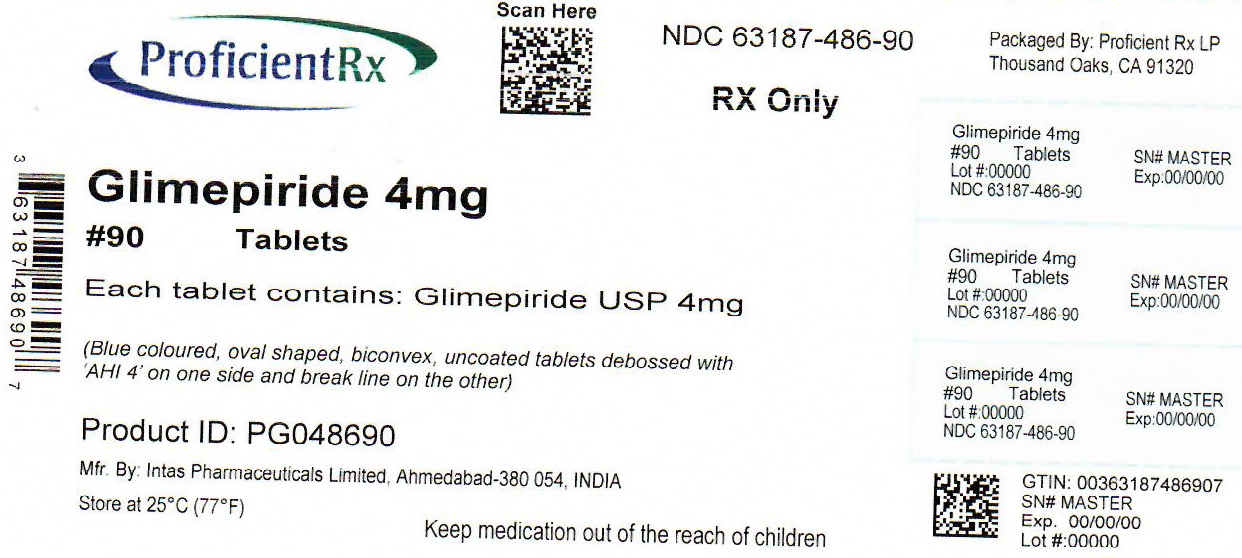
  • Bryant Ranch Prepack
    Glimepiride | Bryant Ranch Prepack
    No Recall

    Glimepiride | Bryant Ranch Prepack

    Glimepiride | Bryant Ranch Prepack

    There is no fixed dosage regimen for the management of diabetes mellitus with glimepiride or any other hypoglycemic agent. The patient’s fasting blood glucose and HbA1c must be measured periodically to determine the minimum effective dose for the patient; to detect primary failure, i.e., inadequate lowering of blood glucose at the maximum recommended dose of medication; and to detect secondary failure, i.e., loss of adequate blood glucose lowering response after an initial period of effectiveness. Glycosylated hemoglobin levels should be performed to monitor the patient’s response to therapy. 

    Short-term administration of glimepiride may be sufficient during periods of transient loss of control in patients usually controlled well on diet and exercise.

    Usual Starting Dose

    The usual starting dose of glimepiride as initial therapy is 1-2 mg once daily, administered with breakfast or the first main meal. Those patients who may be more sensitive to hypoglycemic drugs should be started at 1 mg once daily, and should be titrated carefully. (See PRECAUTIONSSectionforpatientsatincreasedrisk.) 

    No exact dosage relationship exists between glimepiride and the other oral hypoglycemic agents. The maximum starting dose of glimepiride should be no more than 2 mg. 

    Failure to follow an appropriate dosage regimen may precipitate hypoglycemia. Patients who do not adhere to their prescribed dietary and drug regimen are more prone to exhibit unsatisfactory response to therapy.

    Usual Maintenance Dose

    The usual maintenance dose is 1 to 4 mg once daily. The maximum recom­mended dose is 8 mg once daily. After reaching a dose of 2 mg, dosage increases should be made in increments of no more than 2 mg at 1-2 week intervals based upon the patient’s blood glucose response. Long-term efficacy should be monitored by measurement of HbA1c levels, for example, every 3 to 6 months.

     Glimepiride-Metformin Combination Therapy

    If patients do not respond adequately to the maximal dose of glimepiride monotherapy, addition of metformin may be considered. Published clinical information exists for the use of other sulfonylureas including glyburide, glipizide, chlorpropamide, and tolbutamide in combination with metformin. 

    With concomitant glimepiride and metformin therapy, the desired control of blood glucose may be obtained by adjusting the dose of each drug. However, attempts should be made to identify the minimum effective dose of each drug to achieve this goal. With concomitant glimepiride and metformin therapy, the risk of hypoglycemia associated with glimepiride therapy continues and may be increased. Appropriate precautions should be taken.

    Glimepiride-Insulin Combination Therapy

    Combination therapy with glimepiride and insulin may also be used in secondary failure patients. The fasting glucose level for instituting combina­tion therapy is in the range of >150 mg/dL in plasma or serum depending on the patient. The recommended glimepiride dose is 8 mg once daily admin­istered with the first main meal. After starting with low-dose insulin, upward adjustments of insulin can be done approximately weekly as guided by frequent measurements of fasting blood glucose. Once stable, combination-therapy patients should monitor their capillary blood glucose on an ongoing basis, preferably daily. Periodic adjustments of insulin may also be necessary during maintenance as guided by glucose and HbA1c levels.

    Specific Patient Populations

    Gimepiride tablets are not recommended for use in pregnancy or nursing mothers. Data are insufficient to recommend pediatric use of glimepiride tablets. In elderly, debilitated, or malnourished patients, or in patients with renal or hepatic insufficiency, the initial dosing, dose increments, and maintenance dosage should be conservative to avoid hypoglycemic reactions (See CLINICALPHARMACOLOGY, SpecialPopulations and PRECAUTIONS, General).

    Patients Receiving Other Oral Hypoglycemic Agents

    As with other sulfonylurea hypoglycemic agents, no transition period is necessary when transferring patients to glimepiride. Patients should be observed carefully (1-2 weeks) for hypoglycemia when being transferred from longer half-life sulfonylureas (e.g., chlorpropamide) to glimepiride due to potential overlapping of drug effect. 

  • St Marys Medical Park Pharmacy
    Glimepiride | St Marys Medical Park Pharmacy
    No Recall

    Glimepiride | St Marys Medical Park Pharmacy

    Glimepiride | St Marys Medical Park Pharmacy
    2.1 Recommended Dosing

    Glimepiride tablets USP should be administered with breakfast or the first main meal of the day.

    The recommended starting dose of glimepiride tablets USP is 1 mg or 2 mg once daily. Patients at increased risk for hypoglycemia (e.g., the elderly or patients with renal impairment) should be started on 1 mg once daily [seeWarnings and Precautions (5.1) andUse in Specific Populations (8.5, 8.6)].

    After reaching a daily dose of 2 mg, further dose increases can be made in increments of 1 mg or 2 mg based upon the patient’s glycemic response. Uptitration should not occur more frequently than every 1 to 2 weeks. A conservative titration scheme is recommended for patients at increased risk for hypoglycemia [seeWarnings and Precautions (5.1) andUse in Specific Populations (8.5, 8.6)].

    The maximum recommended dose is 8 mg once daily.

    Patients being transferred to glimepiride tablets USP from longer half-life sulfonylureas (e.g., chlorpropamide) may have overlapping drug effect for 1 to 2 weeks and should be appropriately monitored for hypoglycemia.

  • Remedyrepack Inc.
    Glimepiride | Remedyrepack Inc.
    No Recall

    Glimepiride | Remedyrepack Inc.

    Glimepiride | Remedyrepack Inc.

    There is no fixed dosage regimen for the management of diabetes mellitus with glimepiride or any other hypoglycemic agent. The patient’s fasting blood glucose and HbA1c must be measured periodically to determine the minimum effective dose for the patient; to detect primary failure, i.e., inadequate lowering of blood glucose at the maximum recommended dose of medication; and to detect secondary failure, i.e., loss of adequate blood glucose lowering response after an initial period of effectiveness. Glycosylated hemoglobin levels should be performed to monitor the patient’s response to therapy. 

    Short-term administration of glimepiride may be sufficient during periods of transient loss of control in patients usually controlled well on diet and exercise.


    The usual starting dose of glimepiride as initial therapy is 1-2 mg once daily, administered with breakfast or the first main meal. Those patients who may be more sensitive to hypoglycemic drugs should be started at 1 mg once daily, and should be titrated carefully. (See PRECAUTIONSSectionforpatientsatincreasedrisk.) 

    No exact dosage relationship exists between glimepiride and the other oral hypoglycemic agents. The maximum starting dose of glimepiride should be no more than 2 mg. 

    Failure to follow an appropriate dosage regimen may precipitate hypoglycemia. Patients who do not adhere to their prescribed dietary and drug regimen are more prone to exhibit unsatisfactory response to therapy.


    The usual maintenance dose is 1 to 4 mg once daily. The maximum recom­mended dose is 8 mg once daily. After reaching a dose of 2 mg, dosage increases should be made in increments of no more than 2 mg at 1-2 week intervals based upon the patient’s blood glucose response. Long-term efficacy should be monitored by measurement of HbA1c levels, for example, every 3 to 6 months.


    If patients do not respond adequately to the maximal dose of glimepiride monotherapy, addition of metformin may be considered. Published clinical information exists for the use of other sulfonylureas including glyburide, glipizide, chlorpropamide, and tolbutamide in combination with metformin. 

    With concomitant glimepiride and metformin therapy, the desired control of blood glucose may be obtained by adjusting the dose of each drug. However, attempts should be made to identify the minimum effective dose of each drug to achieve this goal. With concomitant glimepiride and metformin therapy, the risk of hypoglycemia associated with glimepiride therapy continues and may be increased. Appropriate precautions should be taken.


    Combination therapy with glimepiride and insulin may also be used in secondary failure patients. The fasting glucose level for instituting combina­tion therapy is in the range of >150 mg/dL in plasma or serum depending on the patient. The recommended glimepiride dose is 8 mg once daily admin­istered with the first main meal. After starting with low-dose insulin, upward adjustments of insulin can be done approximately weekly as guided by frequent measurements of fasting blood glucose. Once stable, combination-therapy patients should monitor their capillary blood glucose on an ongoing basis, preferably daily. Periodic adjustments of insulin may also be necessary during maintenance as guided by glucose and HbA1c levels.


    Gimepiride tablets are not recommended for use in pregnancy or nursing mothers. Data are insufficient to recommend pediatric use of glimepiride tablets. In elderly, debilitated, or malnourished patients, or in patients with renal or hepatic insufficiency, the initial dosing, dose increments, and maintenance dosage should be conservative to avoid hypoglycemic reactions (See CLINICALPHARMACOLOGY, SpecialPopulations and PRECAUTIONS, General).


    As with other sulfonylurea hypoglycemic agents, no transition period is necessary when transferring patients to glimepiride. Patients should be observed carefully (1-2 weeks) for hypoglycemia when being transferred from longer half-life sulfonylureas (e.g., chlorpropamide) to glimepiride due to potential overlapping of drug effect. 


  • Remedyrepack Inc.
    Glimepiride | Remedyrepack Inc.
    No Recall

    Glimepiride | Remedyrepack Inc.

    Glimepiride | Remedyrepack Inc.

    There is no fixed dosage regimen for the management of diabetes mellitus with glimepiride or any other hypoglycemic agent. The patient’s fasting blood glucose and HbA1c must be measured periodically to determine the minimum effective dose for the patient; to detect primary failure, i.e., inadequate lowering of blood glucose at the maximum recommended dose of medication; and to detect secondary failure, i.e., loss of adequate blood glucose lowering response after an initial period of effectiveness. Glycosylated hemoglobin levels should be performed to monitor the patient’s response to therapy. 

    Short-term administration of glimepiride may be sufficient during periods of transient loss of control in patients usually controlled well on diet and exercise.


    The usual starting dose of glimepiride as initial therapy is 1-2 mg once daily, administered with breakfast or the first main meal. Those patients who may be more sensitive to hypoglycemic drugs should be started at 1 mg once daily, and should be titrated carefully. (See PRECAUTIONSSectionforpatientsatincreasedrisk.) 

    No exact dosage relationship exists between glimepiride and the other oral hypoglycemic agents. The maximum starting dose of glimepiride should be no more than 2 mg. 

    Failure to follow an appropriate dosage regimen may precipitate hypoglycemia. Patients who do not adhere to their prescribed dietary and drug regimen are more prone to exhibit unsatisfactory response to therapy.


    The usual maintenance dose is 1 to 4 mg once daily. The maximum recom­mended dose is 8 mg once daily. After reaching a dose of 2 mg, dosage increases should be made in increments of no more than 2 mg at 1-2 week intervals based upon the patient’s blood glucose response. Long-term efficacy should be monitored by measurement of HbA1c levels, for example, every 3 to 6 months.


    If patients do not respond adequately to the maximal dose of glimepiride monotherapy, addition of metformin may be considered. Published clinical information exists for the use of other sulfonylureas including glyburide, glipizide, chlorpropamide, and tolbutamide in combination with metformin. 

    With concomitant glimepiride and metformin therapy, the desired control of blood glucose may be obtained by adjusting the dose of each drug. However, attempts should be made to identify the minimum effective dose of each drug to achieve this goal. With concomitant glimepiride and metformin therapy, the risk of hypoglycemia associated with glimepiride therapy continues and may be increased. Appropriate precautions should be taken.


    Combination therapy with glimepiride and insulin may also be used in secondary failure patients. The fasting glucose level for instituting combina­tion therapy is in the range of >150 mg/dL in plasma or serum depending on the patient. The recommended glimepiride dose is 8 mg once daily admin­istered with the first main meal. After starting with low-dose insulin, upward adjustments of insulin can be done approximately weekly as guided by frequent measurements of fasting blood glucose. Once stable, combination-therapy patients should monitor their capillary blood glucose on an ongoing basis, preferably daily. Periodic adjustments of insulin may also be necessary during maintenance as guided by glucose and HbA1c levels.


    Gimepiride tablets are not recommended for use in pregnancy or nursing mothers. Data are insufficient to recommend pediatric use of glimepiride tablets. In elderly, debilitated, or malnourished patients, or in patients with renal or hepatic insufficiency, the initial dosing, dose increments, and maintenance dosage should be conservative to avoid hypoglycemic reactions (See CLINICALPHARMACOLOGY, SpecialPopulations and PRECAUTIONS, General).


    As with other sulfonylurea hypoglycemic agents, no transition period is necessary when transferring patients to glimepiride. Patients should be observed carefully (1-2 weeks) for hypoglycemia when being transferred from longer half-life sulfonylureas (e.g., chlorpropamide) to glimepiride due to potential overlapping of drug effect. 


  • Glimepiride | Northstar Rx Llc
    No Recall

    Glimepiride | Northstar Rx Llc

    Glimepiride | Northstar Rx Llc
    2.1 Administration Information

    Administer gabapentin tablets orally with or without food.

    Inform patients that, should they break the scored 600 mg or 800 mg gabapentin tablet in order to administer a half-tablet, they should take the unused half-tablet as the next dose. Half-tablets not used within 28 days of breaking the scored tablet should be discarded.

    If the gabapentin tablets dose is reduced, discontinued, or substituted with an alternative medication, this should be done gradually over a minimum of 1 week (a longer period may be needed at the discretion of the prescriber).


    2.2 Dosage for Postherpetic Neuralgia

    In adults with postherpetic neuralgia, gabapentin tablets may be initiated on Day 1 as a single 300 mg dose, on Day 2 as 600 mg/day (300 mg two times a day), and on Day 3 as 900 mg/day (300 mg three times a day). The dose can subsequently be titrated up as needed for pain relief to a dose of 1800 mg/day (600 mg three times a day). In clinical studies, efficacy was demonstrated over a range of doses from 1800 mg/day to 3600 mg/day with comparable effects across the dose range; however, in these clinical studies, the additional benefit of using doses greater than 1800 mg/day was not demonstrated.

    2.3 Dosage for Epilepsy with Partial Onset Seizures

    Patients 12 years of age and above

    The starting dose is 300 mg three times a day. The recommended maintenance dose of gabapentin tablets is 300 mg to 600 mg three times a day. Dosages up to 2400 mg/day have been well tolerated in long-term clinical studies. Doses of 3600 mg/day have also been administered to a small number of patients for a relatively short duration, and have been well tolerated. Administer gabapentin tablets three times a day using 600 mg or 800 mg tablets. The maximum time between doses should not exceed 12 hours.

    Pediatric Patients Age 3 to 11 years

    The starting dose range is 10 mg/kg/day to 15 mg/kg/day, given in three divided doses, and the recommended maintenance dose reached by upward titration over a period of approximately 3 days. The recommended maintenance dose of gabapentin tablets in patients 3 to 4 years of age is 40 mg/kg/day, given in three divided doses. The recommended maintenance dose of gabapentin tablets in patients 5 to 11 years of age is 25 mg/kg/day to 35 mg/kg/day, given in three divided doses. Dosages up to 50 mg/kg/day have been well tolerated in a long-term clinical study. The maximum time interval between doses should not exceed 12 hours.

    2.4 Dosage Adjustment in Patients with Renal Impairment

    Dosage adjustment in patients 12 years of age and older with renal impairment or undergoing hemodialysis is recommended, as follows (see dosing recommendations above for effective doses in each indication):

    TABLE 1. Gabapentin Tablets Dosage Based on Renal Function TID = Three times a day; BID = Two times a day; QD = Single daily dose
    aFor patients with creatinine clearance <15 mL/min, reduce daily dose in proportion to creatinine clearance (e.g., patients with a creatinine clearance of 7.5 mL/min should receive one-half the daily dose that patients with a creatinine clearance of 15 mL/min receive).
    bPatients on hemodialysis should receive maintenance doses based on estimates of creatinine clearance as indicated in the upper portion of the table and a supplemental post-hemodialysis dose administered after each 4 hours of hemodialysis as indicated in the lower portion of the table.
    Renal Function Creatinine Clearance (mL/min)
    Total Daily
    Dose Range
    (mg/day)
    Dose Regimen
    (mg)
    ≥60
    900 to 3600
    300 TID
    400 TID
    600 TID
    800 TID
    1200 TID
    >30 to 59
    400 to 1400
    200 BID
    300 BID
    400 BID
    500 BID
    700 BID
    >15 to 29
    200 to 700
    200 QD
    300 QD
    400 QD
    500 QD
    700 QD
    15a
    100 to 300
    100 QD
    125 QD
    150 QD
    200 QD
    300 QD
    Post-Hemodialysis Supplemental Dose (mg)b
    Hemodialysis
     
    125b
    150b
    200b
    250b
    350b

    Creatinine clearance (CLCr) is difficult to measure in outpatients. In patients with stable renal function, creatinine clearance can be reasonably well estimated using the equation of Cockcroft and Gault:


    The use of gabapentin tablets in patients less than 12 years of age with compromised renal function has not been studied.

    2.5 Dosage in Elderly

    Because elderly patients are more likely to have decreased renal function, care should be taken in dose selection, and dose should be adjusted based on creatinine clearance values in these patients.

  • Lake Erie Medical Dba Quality Care Products Llc
    Glimepiride | Lake Erie Medical Dba Quality Care Products Llc
    No Recall

    Glimepiride | Lake Erie Medical Dba Quality Care Products Llc

    Glimepiride | Lake Erie Medical Dba Quality Care Products Llc

    There is no fixed dosage regimen for the management of diabetes mellitus with glimepiride or any other hypoglycemic agent. The patient’s fasting blood glucose and HbA1c must be measured periodically to determine the minimum effective dose for the patient; to detect primary failure, i.e., inadequate lowering of blood glucose at the maximum recommended dose of medication; and to detect secondary failure, i.e., loss of adequate blood glucose lowering response after an initial period of effectiveness. Glycosylated hemoglobin levels should be performed to monitor the patient’s response to therapy. 

    Short-term administration of glimepiride may be sufficient during periods of transient loss of control in patients usually controlled well on diet and exercise.

    Usual Starting Dose

    The usual starting dose of glimepiride as initial therapy is 1-2 mg once daily, administered with breakfast or the first main meal. Those patients who may be more sensitive to hypoglycemic drugs should be started at 1 mg once daily, and should be titrated carefully. (See PRECAUTIONSSectionforpatientsatincreasedrisk.) 

    No exact dosage relationship exists between glimepiride and the other oral hypoglycemic agents. The maximum starting dose of glimepiride should be no more than 2 mg. 

    Failure to follow an appropriate dosage regimen may precipitate hypoglycemia. Patients who do not adhere to their prescribed dietary and drug regimen are more prone to exhibit unsatisfactory response to therapy.

    Usual Maintenance Dose

    The usual maintenance dose is 1 to 4 mg once daily. The maximum recom­mended dose is 8 mg once daily. After reaching a dose of 2 mg, dosage increases should be made in increments of no more than 2 mg at 1-2 week intervals based upon the patient’s blood glucose response. Long-term efficacy should be monitored by measurement of HbA1c levels, for example, every 3 to 6 months.

     Glimepiride-Metformin Combination Therapy

    If patients do not respond adequately to the maximal dose of glimepiride monotherapy, addition of metformin may be considered. Published clinical information exists for the use of other sulfonylureas including glyburide, glipizide, chlorpropamide, and tolbutamide in combination with metformin. 

    With concomitant glimepiride and metformin therapy, the desired control of blood glucose may be obtained by adjusting the dose of each drug. However, attempts should be made to identify the minimum effective dose of each drug to achieve this goal. With concomitant glimepiride and metformin therapy, the risk of hypoglycemia associated with glimepiride therapy continues and may be increased. Appropriate precautions should be taken.

    Glimepiride-Insulin Combination Therapy

    Combination therapy with glimepiride and insulin may also be used in secondary failure patients. The fasting glucose level for instituting combina­tion therapy is in the range of >150 mg/dL in plasma or serum depending on the patient. The recommended glimepiride dose is 8 mg once daily admin­istered with the first main meal. After starting with low-dose insulin, upward adjustments of insulin can be done approximately weekly as guided by frequent measurements of fasting blood glucose. Once stable, combination-therapy patients should monitor their capillary blood glucose on an ongoing basis, preferably daily. Periodic adjustments of insulin may also be necessary during maintenance as guided by glucose and HbA1c levels.

    Specific Patient Populations

    Gimepiride tablets are not recommended for use in pregnancy or nursing mothers. Data are insufficient to recommend pediatric use of glimepiride tablets. In elderly, debilitated, or malnourished patients, or in patients with renal or hepatic insufficiency, the initial dosing, dose increments, and maintenance dosage should be conservative to avoid hypoglycemic reactions (See CLINICALPHARMACOLOGY, SpecialPopulations and PRECAUTIONS, General).

    Patients Receiving Other Oral Hypoglycemic Agents

    As with other sulfonylurea hypoglycemic agents, no transition period is necessary when transferring patients to glimepiride. Patients should be observed carefully (1-2 weeks) for hypoglycemia when being transferred from longer half-life sulfonylureas (e.g., chlorpropamide) to glimepiride due to potential overlapping of drug effect. 

  • Ncs Healthcare Of Ky, Inc Dba Vangard Labs
    Glimepiride | Ncs Healthcare Of Ky, Inc Dba Vangard Labs
    No Recall

    Glimepiride | Ncs Healthcare Of Ky, Inc Dba Vangard Labs

    Glimepiride | Ncs Healthcare Of Ky, Inc Dba Vangard Labs
    2.1 Recommended Dosing

    Glimepiride tablets should be administered with breakfast or the first main meal of the day.

    The recommended starting dose of glimepiride tablets are 1 mg or 2 mg once daily. Patients at increased risk for hypoglycemia (e.g., the elderly or patients with renal impairment) shoud be started on 1 mg once daily [see Warnings and Precautions (5.1) and Use in Specific Populations (8.5, 8.6)]. 

    After reaching a daily dose of 2 mg, further dose increases can be made in increments of 1 mg or 2 mg based upon the patients's glycemic response. Uptitration should not occur more frequently than evey 1 to 2 weeks. A conservative titration scheme is recommended for patients at increaed risk for hypoglycemia [see Warnings and Precautions (5.1) and Use in Specific Populatins (8.5, 8.6)].

    The maximum recommended dose is 8 mg once daily.

    Patients being transferred to glimepiride tablets from longer half-life sulfonylureas (e.g., chlorpropamide) may have overlapping drug effect for 1 to 2 weeks and should be appropriately monitored for hypoglycemia.

  • Clinical Solutions Wholesale
    Glimepiride | Clinical Solutions Wholesale
    No Recall

    Glimepiride | Clinical Solutions Wholesale

    Glimepiride | Clinical Solutions Wholesale

    There is no fixed dosage regimen for the management of diabetes mellitus with glimepiride or any other hypoglycemic agent. The patient’s fasting blood glucose and HbA1c must be measured periodically to determine the minimum effective dose for the patient; to detect primary failure, i.e., inadequate lowering of blood glucose at the maximum recommended dose of medication; and to detect secondary failure, i.e., loss of adequate blood glucose lowering response after an initial period of effectiveness. Glycosylated hemoglobin levels should be performed to monitor the patient’s response to therapy. 

    Short-term administration of glimepiride may be sufficient during periods of transient loss of control in patients usually controlled well on diet and exercise.

    Usual Starting Dose

    The usual starting dose of glimepiride as initial therapy is 1-2 mg once daily, administered with breakfast or the first main meal. Those patients who may be more sensitive to hypoglycemic drugs should be started at 1 mg once daily, and should be titrated carefully. (See PRECAUTIONSSectionforpatientsatincreasedrisk.) 

    No exact dosage relationship exists between glimepiride and the other oral hypoglycemic agents. The maximum starting dose of glimepiride should be no more than 2 mg. 

    Failure to follow an appropriate dosage regimen may precipitate hypoglycemia. Patients who do not adhere to their prescribed dietary and drug regimen are more prone to exhibit unsatisfactory response to therapy.

    Usual Maintenance Dose

    The usual maintenance dose is 1 to 4 mg once daily. The maximum recom‑mended dose is 8 mg once daily. After reaching a dose of 2 mg, dosage increases should be made in increments of no more than 2 mg at 1-2 week intervals based upon the patient’s blood glucose response. Long-term efficacy should be monitored by measurement of HbA1c levels, for example, every 3 to 6 months.

     Glimepiride-Metformin Combination Therapy

    If patients do not respond adequately to the maximal dose of glimepiride monotherapy, addition of metformin may be considered. Published clinical information exists for the use of other sulfonylureas including glyburide, glipizide, chlorpropamide, and tolbutamide in combination with metformin. 

    With concomitant glimepiride and metformin therapy, the desired control of blood glucose may be obtained by adjusting the dose of each drug. However, attempts should be made to identify the minimum effective dose of each drug to achieve this goal. With concomitant glimepiride and metformin therapy, the risk of hypoglycemia associated with glimepiride therapy continues and may be increased. Appropriate precautions should be taken.

    Glimepiride-Insulin Combination Therapy

    Combination therapy with glimepiride and insulin may also be used in secondary failure patients. The fasting glucose level for instituting combina‑tion therapy is in the range of >150 mg/dL in plasma or serum depending on the patient. The recommended glimepiride dose is 8 mg once daily admin‑istered with the first main meal. After starting with low-dose insulin, upward adjustments of insulin can be done approximately weekly as guided by frequent measurements of fasting blood glucose. Once stable, combination-therapy patients should monitor their capillary blood glucose on an ongoing basis, preferably daily. Periodic adjustments of insulin may also be necessary during maintenance as guided by glucose and HbA1c levels.

    Specific Patient Populations

    Gimepiride tablets are not recommended for use in pregnancy or nursing mothers. Data are insufficient to recommend pediatric use of glimepiride tablets. In elderly, debilitated, or malnourished patients, or in patients with renal or hepatic insufficiency, the initial dosing, dose increments, and maintenance dosage should be conservative to avoid hypoglycemic reactions (See CLINICALPHARMACOLOGY, SpecialPopulations and PRECAUTIONS, General).

    Patients Receiving Other Oral Hypoglycemic Agents

    As with other sulfonylurea hypoglycemic agents, no transition period is necessary when transferring patients to glimepiride. Patients should be observed carefully (1-2 weeks) for hypoglycemia when being transferred from longer half-life sulfonylureas (e.g., chlorpropamide) to glimepiride due to potential overlapping of drug effect. 

  • Remedyrepack Inc.
    Glimepiride | Remedyrepack Inc.
    No Recall

    Glimepiride | Remedyrepack Inc.

    Glimepiride | Remedyrepack Inc.


    Glimepiride tablets should be administered with breakfast or the first main meal of the day.  

    The recommended starting dose of glimepiride tablets are 1 mg or 2 mg once daily. Patients at increased risk for hypoglycemia (e.g., the elderly or patients with renal impairment) should be started on 1 mg once daily [see Warnings and Precautions (5.1) and Use in Specific Populations (8.5, 8.6)].  

    After reaching a daily dose of 2 mg, further dose increases can be made in increments of 1 mg or 2 mg based upon the patient’s glycemic response. Uptitration should not occur more frequently than every 1 to 2 weeks. A conservative titration scheme is recommended for patients at increased risk for hypoglycemia [see Warnings and Precautions (5.1) and Use in Specific Populations (8.5, 8.6)].  

    The maximum recommended dose is 8 mg once daily.  

    Patients being transferred to glimepiride tablets from longer half-life sulfonylureas (e.g., chlorpropamide) may have overlapping drug effect for 1 to 2 weeks and should be appropriately monitored for hypoglycemia.


  • Remedyrepack Inc.
    Glimepiride | Remedyrepack Inc.
    No Recall

    Glimepiride | Remedyrepack Inc.

    Glimepiride | Remedyrepack Inc.


    Glimepiride tablets should be administered with breakfast or the first main meal of the day.  

    The recommended starting dose of glimepiride tablets are 1 mg or 2 mg once daily. Patients at increased risk for hypoglycemia (e.g., the elderly or patients with renal impairment) should be started on 1 mg once daily [see Warnings and Precautions (5.1) and Use in Specific Populations (8.5, 8.6)].  

    After reaching a daily dose of 2 mg, further dose increases can be made in increments of 1 mg or 2 mg based upon the patient’s glycemic response. Uptitration should not occur more frequently than every 1 to 2 weeks. A conservative titration scheme is recommended for patients at increased risk for hypoglycemia [see Warnings and Precautions (5.1) and Use in Specific Populations (8.5, 8.6)].  

    The maximum recommended dose is 8 mg once daily.  

    Patients being transferred to glimepiride tablets from longer half-life sulfonylureas (e.g., chlorpropamide) may have overlapping drug effect for 1 to 2 weeks and should be appropriately monitored for hypoglycemia.


  • Aurobindo Pharma Limited
    Glimepiride | Aurobindo Pharma Limited
    No Recall

    Glimepiride | Aurobindo Pharma Limited

    Glimepiride | Aurobindo Pharma Limited
    2.1 Recommended Dosing

    Glimepiride tablets should be administered with breakfast or the first main meal of the day.

    The recommended starting dose of glimepiride tablets is1 mg or 2 mg once daily. Patients at increased risk for hypoglycemia (e.g., the elderly or patients with renal impairment) should be started on 1 mg once daily [see Warnings and Precautions (5.1) and Use in Specific Populations (8.5, 8.6)].

    After reaching a daily dose of 2 mg, further dose increases can be made in increments of 1 mg or 2 mg based upon the patient’s glycemic response. Uptitration should not occur more frequently than every 1 to 2 weeks. A conservative titration scheme is recommended for patients at increased risk for hypoglycemia [see Warnings and Precautions (5.1) and Use in Specific Populations (8.5, 8.6)].

    The maximum recommended dose is 8 mg once daily.

    Patients being transferred to glimepiride tablets from longer half-life sulfonylureas (e.g., chlorpropamide) may have overlapping drug effect for 1 to 2 weeks and should be appropriately monitored for hypoglycemia.

    When colesevelam is coadministered with glimepiride, maximum plasma concentration and total exposure to glimepiride is reduced. Therefore, glimepiride tablets should be administered at least 4 hours prior to colesevelam.

  • Dr. Reddy’s Laboratories Limited
    Glimepiride | Dr. Reddy's Laboratories Limited
    No Recall

    Glimepiride | Dr. Reddy's Laboratories Limited

    Glimepiride | Dr. Reddy's Laboratories Limited

    2.1 Recommended Dosing

    Glimepiride tablets should be administered with breakfast or the first main meal of the day.  

    The recommended starting dose of glimepiride tablets are 1 mg or 2 mg once daily. Patients at increased risk for hypoglycemia (e.g., the elderly or patients with renal impairment) should be started on 1 mg once daily [see Warnings and Precautions (5.1) and Use in Specific Populations (8.5, 8.6)].  

    After reaching a daily dose of 2 mg, further dose increases can be made in increments of 1 mg or 2 mg based upon the patient’s glycemic response. Uptitration should not occur more frequently than every 1 to 2 weeks. A conservative titration scheme is recommended for patients at increased risk for hypoglycemia [see Warnings and Precautions (5.1) and Use in Specific Populations (8.5, 8.6)].  

    The maximum recommended dose is 8 mg once daily.  

    Patients being transferred to glimepiride tablets from longer half-life sulfonylureas (e.g., chlorpropamide) may have overlapping drug effect for 1 to 2 weeks and should be appropriately monitored for hypoglycemia.

    When colesevelam is coadministered with glimepiride, maximum plasma concentration and total exposure to glimepiride is reduced. Therefore, glimepiride tablets should be administered at least 4 hours prior to colesevelam.

  • Glimepiride | Teva Pharmaceuticals Usa Inc
    No Recall

    Glimepiride | Teva Pharmaceuticals Usa Inc

    Glimepiride | Teva Pharmaceuticals Usa Inc
    2.1 Recommended Dosing

    Glimepiride tablets USP should be administered with breakfast or the first main meal of the day.

    The recommended starting dose of glimepiride tablets USP is 1 mg or 2 mg once daily. Patients at increased risk for hypoglycemia (e.g., the elderly or patients with renal impairment) should be started on 1 mg once daily [seeWarnings and Precautions (5.1) andUse in Specific Populations (8.5, 8.6)].

    After reaching a daily dose of 2 mg, further dose increases can be made in increments of 1 mg or 2 mg based upon the patient’s glycemic response. Uptitration should not occur more frequently than every 1 to 2 weeks. A conservative titration scheme is recommended for patients at increased risk for hypoglycemia [seeWarnings and Precautions (5.1) andUse in Specific Populations (8.5, 8.6)].

    The maximum recommended dose is 8 mg once daily.

    Patients being transferred to glimepiride tablets USP from longer half-life sulfonylureas (e.g., chlorpropamide) may have overlapping drug effect for 1 to 2 weeks and should be appropriately monitored for hypoglycemia.

    When colesevelam is coadministered with glimepiride, maximum plasma concentration and total exposure to glimepiride is reduced. Therefore, glimepiride tablets USP should be administered at least 4 hours prior to colesevelam.

  • Blenheim Pharmacal, Inc.
    Glimepiride | Select Brand Dist.
    No Recall

    Glimepiride | Select Brand Dist.

    Glimepiride | Select Brand Dist.
    do not take more than directed (see overdose warning)  use dosage cup provided. Do not use any other dosing device. tbsp - tablespoon, mL = milliliter  adults and children 12 years and over take 30 mL (2 tbsp) in dosing cup provided every 6 hours while symptoms last do not take more than 90 mL (6 tbsp) in 24 hours, unless directed by a doctor do not take more than 10 days unless directed by a doctor  children under 12 years do not use this adult product in children under 12 years of age; this will provide more than the recommended dose (overdose) and may cause liver damage
  • Aidarex Pharmaceuticals Llc
    Glimepiride | Aidarex Pharmaceuticals Llc
    No Recall

    Glimepiride | Aidarex Pharmaceuticals Llc

    Glimepiride | Aidarex Pharmaceuticals Llc
    2.1 Recommended Dosing

    Glimepiride tablets should be administered with breakfast or the first main meal of the day.  

    The recommended starting dose of glimepiride tablets are 1 mg or 2 mg once daily. Patients at increased risk for hypoglycemia (e.g., the elderly or patients with renal impairment) should be started on 1 mg once daily [see Warnings and Precautions (5.1) and Use in Specific Populations (8.5, 8.6)].  

    After reaching a daily dose of 2 mg, further dose increases can be made in increments of 1 mg or 2 mg based upon the patient’s glycemic response. Uptitration should not occur more frequently than every 1 to 2 weeks. A conservative titration scheme is recommended for patients at increased risk for hypoglycemia [see Warnings and Precautions (5.1) and Use in Specific Populations (8.5, 8.6)].  

    The maximum recommended dose is 8 mg once daily.  

    Patients being transferred to glimepiride tablets from longer half-life sulfonylureas (e.g., chlorpropamide) may have overlapping drug effect for 1 to 2 weeks and should be appropriately monitored for hypoglycemia.

    When colesevelam is coadministered with glimepiride, maximum plasma concentration and total exposure to glimepiride is reduced. Therefore, glimepiride tablets should be administered at least 4 hours prior to colesevelam.

  • Mylan Pharmaceuticals Inc.
    Glimepiride | Mylan Pharmaceuticals Inc.
    No Recall

    Glimepiride | Mylan Pharmaceuticals Inc.

    Glimepiride | Mylan Pharmaceuticals Inc.
    2.1 Recommended Dosing

    Glimepiride tablets should be administered with breakfast or the first main meal of the day.

    The recommended starting dose of glimepiride tablets is 1 mg or 2 mg once daily. Patients at increased risk for hypoglycemia (e.g., the elderly or patients with renal impairment) should be started on 1 mg once daily [see Warnings and Precautions (5.1) and Use in Specific Populations (8.5, 8.6)].

    After reaching a daily dose of 2 mg, further dose increases can be made in increments of 1 mg or 2 mg based upon the patient’s glycemic response. Uptitration should not occur more frequently than every 1 to 2 weeks. A conservative titration scheme is recommended for patients at increased risk for hypoglycemia [see Warnings and Precautions (5.1) and Use in Specific Populations (8.5, 8.6)].

    The maximum recommended dose is 8 mg once daily.

    Patients being transferred to glimepiride tablets from longer half-life sulfonylureas (e.g., chlorpropamide) may have overlapping drug effect for 1 to 2 weeks and should be appropriately monitored for hypoglycemia.

    When colesevelam is coadministered with glimepiride, maximum plasma concentration and total exposure to glimepiride is reduced. Therefore, glimepiride tablets should be administered at least 4 hours prior to colesevelam.

  • Aidarex Pharmaceuticals Llc
    Glimepiride | Aidarex Pharmaceuticals Llc
    No Recall

    Glimepiride | Aidarex Pharmaceuticals Llc

    Glimepiride | Aidarex Pharmaceuticals Llc
    2.1 Recommended Dosing

    Glimepiride Tablets should be administered with breakfast or the first main meal of the day. 

    The recommended starting dose of glimepiride tablets is 1 mg or 2 mg once daily. Patients at increased risk for hypoglycemia (e.g., the elderly or patients with renal impairment) should be started on 1 mg once daily [see Warnings and Precautions (5.1) and Use in Specific Populations (8.5, 8.6)]. 

    After reaching a daily dose of 2 mg, further dose increases can be made in increments of 1 mg or 2 mg based upon the patient’s glycemic response. Uptitration should not occur more frequently than every 1 to 2 weeks. A conservative titration scheme is recommended for patients at increased risk for hypoglycemia [see Warnings and Precautions (5.1) and Use in Specific Populations (8.5, 8.6)]. 


    The maximum recommended dose is 8 mg once daily.

     Patients being transferred to glimepiride from longer half-life sulfonylureas (e.g., chlorpropamide) may have overlapping drug effect for 1 to 2 weeks and should be appropriately monitored for hypoglycemia.

  • Glimepiride | Virtus Pharmaceuticals Llc
    No Recall

    Glimepiride | Virtus Pharmaceuticals Llc

    Glimepiride | Virtus Pharmaceuticals Llc
    2.1 Recommended Dosing

    Glimepiride tablets, USP should be administered with breakfast or the first main meal of the day.

    The recommended starting dose of glimepiride tablet is 1 mg or 2 mg once daily. Patients at increased risk for hypoglycemia (e.g., the elderly or patients with renal impairment) should be started on 1 mg once daily [see Warnings and Precautions (5.1) and Use in Specific Populations (8.5, 8.6)].

    After reaching a daily dose of 2 mg, further dose increases can be made in increments of 1 mg or 2 mg based upon the patient’s glycemic response. Uptitration should not occur more frequently than every 1 to 2 weeks. A conservative titration scheme is recommended for patients at increased risk for hypoglycemia [see Warnings and Precautions (5.1) and Use in Specific Populations (8.5, 8.6)].

    The maximum recommended dose is 8 mg once daily.

    Patients being transferred to glimepiride from longer half-life sulfonylureas (e.g., chlorpropamide) may have overlapping drug effect for 1 to 2 weeks and should be appropriately monitored for hypoglycemia.

  • Qualitest Pharmaceuticals
    Glimepiride | Qualitest Pharmaceuticals
    No Recall

    Glimepiride | Qualitest Pharmaceuticals

    Glimepiride | Qualitest Pharmaceuticals
    2.1 Recommended Dosing

    Glimepiride tablets should be administered with breakfast or the first main meal of the day.

    The recommended starting dose of glimepiride tablets is 1 mg or 2 mg once daily. Patients at increased risk for hypoglycemia (e.g., the elderly or patients with renal impairment) should be started on 1 mg once daily [see Warnings and Precautions (5.1) and Use in Specific Populations (8.5, 8.6)].

    After reaching a daily dose of 2 mg, further dose increases can be made in increments of 1 mg or 2 mg based upon the patient’s glycemic response. Uptitration should not occur more frequently than every 1 to 2 weeks. A conservative titration scheme is recommended for patients at increased risk for hypoglycemia [see Warnings and Precautions (5.1) and Use in Specific Populations (8.5, 8.6)].

    The maximum recommended dose is 8 mg once daily.

    Patients being transferred to glimepiride tablets from longer half-life sulfonylureas (e.g., chlorpropamide) may have overlapping drug effect for 1 to 2 weeks and should be appropriately monitored for hypoglycemia.

    When colesevelam is coadministered with glimepiride, maximum plasma concentration and total exposure to glimepiride is reduced. Therefore, glimepiride should be administered at least 4 hours prior to colesevelam.

  • Glimepiride | International Laboratories, Inc.
    No Recall

    Glimepiride | International Laboratories, Inc.

    Glimepiride | International Laboratories, Inc.
    2.1 Recommended Dosing

    Glimepiride tablets should be administered with breakfast or the first main meal of the day.

    The recommended starting dose of glimepiride tablets are 1 mg or 2 mg once daily. Patients at increased risk for hypoglycemia (e.g., the elderly or patients with renal impairment) should be started on 1 mg once daily [see Warnings and Precautions (5.1) and Use in Specific Populations (8.5, 8.6)].

    After reaching a daily dose of 2 mg, further dose increases can be made in increments of 1 mg or 2 mg based upon the patient’s glycemic response. Uptitration should not occur more frequently than every 1 to 2 weeks. A conservative titration scheme is recommended for patients at increased risk for hypoglycemia [see Warnings and Precautions (5.1) and Use in Specific Populations (8.5, 8.6)].

    The maximum recommended dose is 8 mg once daily.

    Patients being transferred to glimepiride tablets from longer half-life sulfonylureas (e.g., chlorpropamide) may have overlapping drug effect for 1 to 2 weeks and should be appropriately monitored for hypoglycemia.

    When colesevelam is coadministered with glimepiride, maximum plasma concentration and total exposure to glimepiride is reduced. Therefore, glimepiride tablets should be administered at least 4 hours prior to colesevelam.

  • Accord Healthcare Inc
    Glimepiride | Accord Healthcare Inc
    No Recall

    Glimepiride | Accord Healthcare Inc

    Glimepiride | Accord Healthcare Inc
    2.1 Recommended Dosing

    Glimepiride tablets should be administered with breakfast or the first main meal of the day.

    The recommended starting dose of glimepiride tablet is 1 mg or 2 mg once daily. Patients at increased risk for hypoglycemia (e.g., the elderly or patients with renal impairment) should be started on 1 mg once daily [see Warnings and Precautions ( 5.1) and Use in Specific Populations ( 8.5, 8.6)].

    After reaching a daily dose of 2 mg, further dose increases can be made in increments of 1 mg or 2 mg based upon the patient’s glycemic response. Uptitration should not occur more frequently than every 1 to 2 weeks. A conservative titration scheme is recommended for patients at increased risk for hypoglycemia [see Warnings and Precautions ( 5.1) and Use in Specific Populations ( 8.5, 8.6)].

    The maximum recommended dose is 8 mg once daily.

    Patients being transferred to glimepiride from longer half-life sulfonylureas (e.g., chlorpropamide) may have overlapping drug effect for 1 to 2 weeks and should be appropriately monitored for hypoglycemia.

    When colesevelam is coadministered with glimepiride, maximum plasma concentration and total exposure to glimepiride is reduced. Therefore, glimepiride should be administered at least 4 hours prior to colesevelam.

  • Micro Labs Limited
    Glimepiride | Micro Labs Limited
    No Recall

    Glimepiride | Micro Labs Limited

    Glimepiride | Micro Labs Limited
    2.1 Recommended Dosing

    Glimepiride Tablets should be administered with breakfast or the first main meal of the day. 

    The recommended starting dose of glimepiride tablets is 1 mg or 2 mg once daily. Patients at increased risk for hypoglycemia (e.g., the elderly or patients with renal impairment) should be started on 1 mg once daily [see Warnings and Precautions (5.1) and Use in Specific Populations (8.5, 8.6)]. 

    After reaching a daily dose of 2 mg, further dose increases can be made in increments of 1 mg or 2 mg based upon the patient’s glycemic response. Uptitration should not occur more frequently than every 1 to 2 weeks. A conservative titration scheme is recommended for patients at increased risk for hypoglycemia [see Warnings and Precautions (5.1) and Use in Specific Populations (8.5, 8.6)]. 


    The maximum recommended dose is 8 mg once daily.

     Patients being transferred to glimepiride from longer half-life sulfonylureas (e.g., chlorpropamide) may have overlapping drug effect for 1 to 2 weeks and should be appropriately monitored for hypoglycemia.

    When colesevelam is coadministered with glimepiride, maximum plasma concentration and total exposure to glimepiride is reduced. Therefore, Glimepiride should be administered at least 4 hours prior to colesevelam.

  • St Marys Medical Park Pharmacy
    Glimepiride | St Marys Medical Park Pharmacy
    No Recall

    Glimepiride | St Marys Medical Park Pharmacy

    Glimepiride | St Marys Medical Park Pharmacy

    2.1 Recommended Dosing

    Glimepiride tablets should be administered with breakfast or the first main meal of the day.  

    The recommended starting dose of glimepiride tablets are 1 mg or 2 mg once daily. Patients at increased risk for hypoglycemia (e.g., the elderly or patients with renal impairment) should be started on 1 mg once daily [see Warnings and Precautions (5.1) and Use in Specific Populations (8.5, 8.6)].  

    After reaching a daily dose of 2 mg, further dose increases can be made in increments of 1 mg or 2 mg based upon the patient’s glycemic response. Uptitration should not occur more frequently than every 1 to 2 weeks. A conservative titration scheme is recommended for patients at increased risk for hypoglycemia [see Warnings and Precautions (5.1) and Use in Specific Populations (8.5, 8.6)].  

    The maximum recommended dose is 8 mg once daily.  

    Patients being transferred to glimepiride tablets from longer half-life sulfonylureas (e.g., chlorpropamide) may have overlapping drug effect for 1 to 2 weeks and should be appropriately monitored for hypoglycemia.

    When colesevelam is coadministered with glimepiride, maximum plasma concentration and total exposure to glimepiride is reduced. Therefore, glimepiride tablets should be administered at least 4 hours prior to colesevelam.

  • Glimepiride | American Health Packaging
    No Recall

    Glimepiride | American Health Packaging

    Glimepiride | American Health Packaging
    2.1 Recommended Dosing

    Glimepiride tablets should be administered with breakfast or the first main meal of the day.  

    The recommended starting dose of glimepiride tablets are 1 mg or 2 mg once daily. Patients at increased risk for hypoglycemia (e.g., the elderly or patients with renal impairment) should be started on 1 mg once daily [see Warnings and Precautions (5.1) and Use in Specific Populations (8.5, 8.6)].  

    After reaching a daily dose of 2 mg, further dose increases can be made in increments of 1 mg or 2 mg based upon the patient’s glycemic response. Uptitration should not occur more frequently than every 1 to 2 weeks. A conservative titration scheme is recommended for patients at increased risk for hypoglycemia [see Warnings and Precautions (5.1) and Use in Specific Populations (8.5, 8.6)].  

    The maximum recommended dose is 8 mg once daily.  

    Patients being transferred to glimepiride tablets from longer half-life sulfonylureas (e.g., chlorpropamide) may have overlapping drug effect for 1 to 2 weeks and should be appropriately monitored for hypoglycemia.

    When colesevelam is coadministered with glimepiride, maximum plasma concentration and total exposure to glimepiride is reduced. Therefore, glimepiride tablets should be administered at least 4 hours prior to colesevelam.

  • Glimepiride | Cardinal Health
    No Recall

    Glimepiride | Cardinal Health

    Glimepiride | Cardinal Health

    Open packet and use as a wash cloth.

  • Glimepiride | Cardinal Health
    No Recall

    Glimepiride | Cardinal Health

    Glimepiride | Cardinal Health
    2.1 Recommended Dosing

    Glimepiride tablets should be administered with breakfast or the first main meal of the day.

    The recommended starting dose of glimepiride tablet is 1 mg or 2 mg once daily. Patients at increased risk for hypoglycemia (e.g., the elderly or patients with renal impairment) should be started on 1 mg once daily [see Warnings and Precautions (5.1) and Use in Specific Populations (8.5, 8.6)].

    After reaching a daily dose of 2 mg, further dose increases can be made in increments of 1 mg or 2 mg based upon the patient’s glycemic response. Uptitration should not occur more frequently than every 1 to 2 weeks. A conservative titration scheme is recommended for patients at increased risk for hypoglycemia [see Warnings and Precautions (5.1) and Use in Specific Populations (8.5, 8.6)].

    The maximum recommended dose is 8 mg once daily.

    Patients being transferred to glimepiride from longer half-life sulfonylureas (e.g., chlorpropamide) may have overlapping drug effect for 1 to 2 weeks and should be appropriately monitored for hypoglycemia.

    When colesevelam is coadministered with glimepiride, maximum plasma concentration and total exposure to glimepiride is reduced. Therefore, glimepiride should be administered at least 4 hours prior to colesevelam.

  • Glimepiride | Bionpharma Inc.
    No Recall

    Glimepiride | Bionpharma Inc.

    Glimepiride | Bionpharma Inc.
    2.1 Recommended Dosing

    Glimepiride Tablets should be administered with breakfast or the first main meal of the day.


    The recommended starting dose of glimepiride tablets is 1 mg or 2 mg once daily. Patients at increased risk for hypoglycemia (e.g., the elderly or patients with renal impairment) should be started on 1 mg once daily [see Warnings and Precautions (5.1) and Use in Specific Populations (8.5, 8.6)].

    After reaching a daily dose of 2 mg, further dose increases can be made in increments of 1 mg or 2 mg based upon the patient’s glycemic response. Uptitration should not occur more frequently than every 1 to 2 weeks. A conservative titration scheme is recommended for patients at increased risk for hypoglycemia [see Warnings and Precautions (5.1) and Use in Specific Populations (8.5, 8.6)].


    The maximum recommended dose is 8 mg once daily.


    Patients being transferred to glimepiride from longer half-life sulfonylureas (e.g., chlorpropamide) may have overlapping drug effect for 1 to 2 weeks and should be appropriately monitored for hypoglycemia.


    When colesevelam is coadministered with glimepiride, maximum plasma concentration and total exposure to glimepiride is reduced. Therefore, glimepiride should be administered at least 4 hours prior to colesevelam.

  • Glimepiride | Directrx
    No Recall

    Glimepiride | Directrx

    Glimepiride | Directrx
    2.1 Recommended Dosing

    Glimepiride tablets should be administered with breakfast or the first main meal of the day.

    The recommended starting dose of glimepiride tablets is 1 mg or 2 mg once daily. Patients at increased risk for hypoglycemia (e.g., the elderly or patients with renal impairment) should be started on 1 mg once daily [see Warnings and Precautions (5.1) and Use in Specific Populations (8.5,8.6)].

    After reaching a daily dose of 2 mg, further dose increases can be made in increments of 1 mg or 2 mg based upon the patient’s glycemic response. Uptitration should not occur more frequently than every 1 to 2 weeks. A conservative titration scheme is recommended for patients at increased risk for hypoglycemia [see Warnings and Precautions (5.1) and Use in Specific Populations (8.5, 8.6)].

    The maximum recommended dose is 8 mg once daily.

    Patients being transferred to glimepiride tablets from longer half-life sulfonylureas (e.g., chlorpropamide) may have overlapping drug effect for 1 to 2 weeks and should be appropriately monitored for hypoglycemia.

    When colesevelam is coadministered with glimepiride, maximum plasma concentration and total exposure to glimepiride is reduced. Therefore, glimepiride should be administered at least 4 hours prior to colesevelam.