Avpak

Manufacturer Details

There are currently no manufacturer details available.

Share This Page

Avpak Drugs

  • Metronidazole
    Metronidazole (Metronidazole) Tablet [Avpak]

    Metronidazole

    Metronidazole (Metronidazole) Tablet [Avpak]

    TrichomoniasisIn the FemaleOne-day treatment − two grams of metronidazole tablets, given either as a single dose or in two divided doses of one gram each, given in the same day.

    Seven-day course of treatment − 250 mg three times daily for seven consecutive days. There is some indication from controlled comparative studies that cure rates as determined by vaginal smears and signs and symptoms, may be higher after a seven-day course of treatment than after a one-day treatment regimen.

    The dosage regimen should be individualized. Single-dose treatment can assure compliance, especially if administered under supervision, in those patients who cannot be relied on to continue the seven-day regimen. A seven-day course of treatment may minimize reinfection by protecting the patient long enough for the sexual contacts to obtain appropriate treatment. Further, some patients may tolerate one treatment regimen better than the other.

    Pregnant patients should not be treated during the first trimester (see CONTRAINDICATIONS). In pregnant patients for whom alternative treatment has been inadequate, the one-day course of therapy should not be used, as it results in higher serum levels which can reach the fetal circulation (see PRECAUTIONS, Pregnancy).

    When repeat courses of the drug are required, it is recommended that an interval of four to six weeks elapse between courses and that the presence of the trichomonad be reconfirmed by appropriate laboratory measures. Total and differential leukocyte counts should be made before and after re-treatment.

    In the Male

    Treatment should be individualized as it is for the female.

    Amebiasis

    Adults

    For acute intestinal amebiasis (acute amebic dysentery): 750 mg orally three times daily for 5 to 10 days.

    For amebic liver abscess: 500 mg or 750 mg orally three times daily for 5 to 10 days.

    Pediatric patients

    35 to 50 mg/kg/24 hours, divided into three doses, orally for 10 days.

    Anaerobic Bacterial Infections

    In the treatment of most serious anaerobic infections, intravenous metronidazole is usually administered initially.

    The usual adult oral dosage is 7.5 mg/kg every six hours (approx. 500 mg for a 70 kg adult). A maximum of 4 g should not be exceeded during a 24-hour period.

    The usual duration of therapy is 7 to 10 days; however, infections of the bone and joint, lower respiratory tract, and endocardium may require longer treatment.

    Dosage Adjustments

    Patients with Severe Hepatic Impairment

    For patients with severe hepatic

    impairment (Child-Pugh C), the dose of metronidazole should be reduced by 50% (see CLINICAL PHARMACOLOGY and PRECAUTIONS).

    Patients Undergoing Hemodialysis:

    Hemodialysis removes significant amounts of metronidazole and its metabolites from systemic circulation. The clearance of metronidazole will depend on the type of dialysis membrane used, the duration of the dialysis session, and other factors. If the administration of metronidazole cannot be separated from the hemodialysis session, supplementation of metronidazole dosage following the hemodialysis session should be considered, depending on the patient’s clinical situation (see CLINICAL PHARMACOLOGY).

  • Irbesartan Tablet [Avpak]

    Irbesartan

    Irbesartan Tablet [Avpak]

    Irbesartan tablet USP may be administered with other antihypertensive agents and with or without food. Hypertension  The recommended initial dose of irbesartan tablet USP is 150 mg once daily. Patients requiring further reduction in blood pressure should be titrated to 300 mg once daily.A low dose of a diuretic may be added, if blood pressure is not controlled by irbesartan alone. Hydrochlorothiazide has been shown to have an additive effect (see CLINICAL PHARMACOLOGY: Clinical Studies). Patients not adequately treated by the maximum dose of 300 mg once daily are unlikely to derive additional benefit from a higher dose or twice-daily dosing. No dosage adjustment is necessary in elderly patients, or in patients with hepatic impairment or mild to severe renal impairment. Nephropathy in Type 2 Diabetic Patients  The recommended target maintenance dose is 300 mg once daily. There are no data on the clinical effects of lower doses of irbesartan on diabetic nephropathy (see CLINICAL PHARMACOLOGY: Clinical Studies).Volume- and Salt-Depleted Patients  A lower initial dose of Irbesartan tablet USP (75 mg) is recommended in patients with depletion of intravascular volume or salt (eg, patients treated vigorously with diuretics or on hemodialysis) (see WARNINGS: Hypotension in Volume- or Salt-Depleted Patients).

  • Cover-expert Sunscreen Broad Spectrum Spf 15 No.12 Warm Copper (Titanium Dioxide, Zinc Oxide) Cream [Luxe Art Beaute Sas]

    Cover-expert Sunscreen Broad Spectrum Spf 15 No.12 Warm Copper

    Cover-expert Sunscreen Broad Spectrum Spf 15 No.12 Warm Copper (Titanium Dioxide, Zinc Oxide) Cream [Luxe Art Beaute Sas]

    Dosage should be adjusted according to the severity of the pain and the response of the patient. However, it should be kept in mind that tolerance to hydrocodone can develop with continued use and that the incidence of untoward effects is dose related.

    The usual adult dosage is one or two tablets every four to six hours as needed for pain.  The total daily dosage of Hydrocodone Bitartrate and Acetaminopphen 5 mg/ 325 mg should not exceed 8 tablets. The usual adult dosage is one tablet every four to six hours as needed for pain.  The total daily dosage of Hydrocodone Bitartrate and Acetaminopphen 10 mg/ 325 mg should not exceed 6 tablets.

  • Fenofibrate (Fenofibrate) Tablet [Avpak]

    Fenofibrate

    Fenofibrate (Fenofibrate) Tablet [Avpak]

    Patients should be placed on an appropriate lipid-lowering diet before receiving fenofibrate tablets, and should continue this diet during treatment with fenofibrate tablets. Fenofibrate tablets should be given with meals, thereby optimizing the bioavailability of the medication.

    For the treatment of adult patients with primary hypercholesterolemia or mixed hyperlipidemia, the initial dose of fenofibrate tablets is 160 mg per day.

    For adult patients with hypertriglyceridemia, the initial dose is 54 to 160 mg per day. Dosage should be individualized according to patient response, and should be adjusted if necessary following repeat lipid determinations at 4 to 8 week intervals. The maximum dose is 160 mg per day.

    Treatment with fenofibrate tablets should be initiated at a dose of 54 mg/day in patients having impaired renal function, and increased only after evaluation of the effects on renal function and lipid levels at this dose. In the elderly, the initial dose should likewise be limited to 54 mg/day.

    Lipid levels should be monitored periodically and consideration should be given to reducing the dosage of fenofibrate tablets if lipid levels fall significantly below the targeted range.

  • Lamivudine Tablet, Film Coated [Avpak]

    Lamivudine

    Lamivudine Tablet, Film Coated [Avpak]

    2.1 Adults and Adolescents >16 years of age

    The recommended oral dose of lamivudine in HIV-1-infected adults and adolescents >16 years of age is 300 mg daily, administered as either 150 mg twice daily or 300 mg once daily, in combination with other antiretroviral agents. If lamivudine is administered to a patient infected with HIV-1 and HBV, the dosage indicated for HIV-l therapy should be used as part of an appropriate combination regimen [see Warnings and Precautions (5.2)].


    2.2 Pediatric Patients

    Lamivudine is also available as a scored tablet for HIV-l-infected pediatric patients who weigh ≥14 kg for whom a solid dosage form is appropriate. Before prescribing lamivudine tablets, children should be assessed for the ability to swallow tablets. If a child is unable to reliably swallow lamivudine tablets, the oral solution formulation should be prescribed. The recommended oral dosage of lamivudine tablets for HIV-1-infected pediatric patients is presented in Table 1.

    Table 1. Dosing Recommendations for Lamivudine Tablets in Pediatric Patients

    Weight (kg) Dosage Regimen Using Scored 150 mg Tablet TotalDaily Dose AM Dose 14 to 21 ½ tablet (75 mg) ½ tablet (75 mg) 150 mg >21 to <30 ½ tablet (75 mg) 1 tablet (150 mg) 225 mg ≥30 1 tablet (150 mg) 1 tablet (150 mg) 300 mg

    2.3 Patients With Renal Impairment

    Dosing  of  lamivudine  is  adjusted  in  accordance  with  renal  function.  Dosage adjustments are listed in Table 2 [see Clinical Pharmacology (12.3)]. Table 2. Adjustment of Dosage of Lamivudine in Adults and Adolescents (≥30 kg) in Accordance With Creatinine Clearance

    Creatinine Clearance (mL/min) Recommended Dosage of Lamivudine ≥50 150 mg twice daily or 300 mg once daily 30-49 150 mg once daily 15-29 150 mg first dose, then 100 mg once daily 5-14 150 mg first dose, then 50 mg once daily <5 50 mg first dose, then 25 mg once daily

    No additional dosing of lamivudine is required after routine (4-hour) hemodialysis or peritoneal dialysis.Although there are insufficient data to recommend a specific dose adjustment of lamivudine in pediatric patients with renal impairment, a reduction in the dose and/or an increase in the dosing interval should be considered.

  • Potassium Chloride (Potassium Chloride) Powder, For Solution [Avpak]

    Potassium Chloride

    Potassium Chloride (Potassium Chloride) Powder, For Solution [Avpak]

    Dosage must be adjusted to the individual needs of each patient but is typically in the range of 20 mEq per day for the prevention of hypokalemia to 40-100 mEq per day or more for the treatment of potassium depletion.

    The usual adult dose is 20-100 mEq of potassium per day (one Potassium Chloride 20 mEq packet 1 to 5 times daily after meals.

    The contents of each Potassium Chloride packet should be dissolved in at least 4 ounces of cold water or other beverage. These preparations, like other potassium supplements, must be properly diluted to avoid the possibility of gastrointestinal irritation.

  • Lamotrigine (Lamotrigine) Tablet [Avpak]

    Lamotrigine

    Lamotrigine (Lamotrigine) Tablet [Avpak]

    2.1 General Dosing Considerations 

         Rash: There are suggestions, yet to be proven, that the risk of severe, potentially life-threatening rash may be increased by (1) coadministration of lamotrigine with valproate, (2) exceeding the recommended initial dose of lamotrigine, or (3) exceeding the recommended dose escalation for Lamotrigine. However, cases have occurred in the absence of these factors [see Boxed Warning]. Therefore, it is important that the dosing recommendations be followed closely.

         The risk of nonserious rash may be increased when the recommended initial dose and/or the rate of dose escalation for lamotrigine is exceeded and in patients with a history of allergy or rash to other AEDs.

         It is recommended that lamotrigine not be restarted in patients who discontinued due to rash associated with prior treatment with lamotrigine, unless the potential benefits clearly outweigh the risks. If the decision is made to restart a patient who has discontinued Lamotrigine, the need to restart with the initial dosing recommendations should be assessed. The greater the interval of time since the previous dose, the greater consideration should be given to restarting with the initial dosing recommendations. If a patient has discontinued lamotrigine for a period of more than 5 half-lives, it is recommended that initial dosing recommendations and guidelines be followed. The half-life of Lamotrigine is affected by other concomitant medications [see Clinical Pharmacology (12.3)].

         Lamotrigine Added to Drugs Known to Induce or Inhibit Glucuronidation: Because lamotrigine is metabolized predominantly by glucuronic acid conjugation, drugs that are known to induce or inhibit glucuronidation may affect the apparent clearance of lamotrigine. Drugs that induce glucuronidation include carbamazepine, phenytoin, phenobarbital, primidone, rifampin, estrogen-containing oral contraceptives, and the protease inhibitors lopinavir/ritonavir and atazanavir/ritonavir. Valproate inhibits glucuronidation. For dosing considerations for Lamotrigine in patients on estrogen-containing contraceptives and atazanavir/ritonavir, see below and Table 13. For dosing considerations for Lamotrigine in patients on other drugs known to induce or inhibit glucuronidation, see Table 1, Table 2, Table 5, Table 6, and Table 13.

         Target Plasma Levels for Patients With Epilepsy or Bipolar Disorder: A therapeutic plasma concentration range has not been established for lamotrigine. Dosing of Lamotrigine should be based on therapeutic response [see Clinical Pharmacology (12.3)].

         Women Taking Estrogen-Containing Oral Contraceptives: Starting Lamotrigine in Women Taking Estrogen-Containing Oral Contraceptives: Although estrogen-containing oral contraceptives have been shown to increase the clearance of lamotrigine [see Clinical Pharmacology (12.3)], no adjustments to the recommended dose-escalation guidelines for Lamotrigine should be necessary solely based on the use of estrogen-containing oral contraceptives. Therefore, dose escalation should follow the recommended guidelines for initiating adjunctive therapy with Lamotrigine based on the concomitant AED or other concomitant medications (see Table 1 or Table 5). See below for adjustments to maintenance doses of Lamotrigine in women taking estrogen-containing oral contraceptives.

         Adjustments to the Maintenance Dose of Lamotrigine In Women Taking Estrogen-Containing Oral Contraceptives:

         (1) Taking Estrogen-Containing Oral Contraceptives: In women not taking carbamazepine, phenytoin, phenobarbital, primidone, or other drugs such as rifampin and the protease inhibitors lopinavir/ritonavir and atazanavir/ritonavir that induce lamotrigine glucuronidation [see Drug Interactions (7), Clinical Pharmacology (12.3)], the maintenance dose of lamotrigine will in most cases need to be increased by as much as 2-fold over the recommended target maintenance dose to maintain a consistent lamotrigine plasma level.

         (2) Starting Estrogen-Containing Oral Contraceptives: In women taking a stable dose of Lamotrigine and not taking carbamazepine, phenytoin, phenobarbital, primidone, or other drugs such as rifampin and the protease inhibitors lopinavir/ritonavir and atazanavir/ritonavir that induce lamotrigine glucuronidation [see Drug Interactions (7), Clinical Pharmacology (12.3)], the maintenance dose will in most cases need to be increased by as much as 2-fold to maintain a consistent lamotrigine plasma level. The dose increases should begin at the same time that the oral contraceptive is introduced and continue, based on clinical response, no more rapidly than 50 to 100 mg/day every week. Dose increases should not exceed the recommended rate (see Table 1 or Table 5) unless lamotrigine plasma levels or clinical response support larger increases. Gradual transient increases in lamotrigine plasma levels may occur during the week of inactive hormonal preparation (pill-free week), and these increases will be greater if dose increases are made in the days before or during the week of inactive hormonal preparation. Increased lamotrigine plasma levels could result in additional adverse reactions, such as dizziness, ataxia, and diplopia. If adverse reactions attributable to Lamotrigine consistently occur during the pill-free week, dose adjustments to the overall maintenance dose may be necessary. Dose adjustments limited to the pill-free week are not recommended. For women taking Lamotrigine in addition to carbamazepine, phenytoin, phenobarbital, primidone, or other drugs such as rifampin and the protease inhibitors lopinavir/ritonavir and atazanavir/ritonavir that induce lamotrigine glucuronidation [see Drug Interactions (7), Clinical Pharmacology (12.3)], no adjustment to the dose of Lamotrigine should be necessary.

         (3) Stopping Estrogen-Containing Oral Contraceptives: In women not taking carbamazepine, phenytoin, phenobarbital, primidone, or other drugs such as rifampin and the protease inhibitors lopinavir/ritonavir and atazanavir/ritonavir that induce lamotrigine glucuronidation [see Drug Interactions (7), Clinical Pharmacology (12.3)], the maintenance dose of lamotrigine will in most cases need to be decreased by as much as 50% in order to maintain a consistent lamotrigine plasma level. The decrease in dose of Lamotrigine should not exceed 25% of the total daily dose per week over a 2-week period, unless clinical response or lamotrigine plasma levels indicate otherwise [see Clinical Pharmacology (12.3)]. In women taking Lamotrigine in addition to carbamazepine, phenytoin, phenobarbital, primidone, or other drugs such as rifampin and the protease inhibitors lopinavir/ritonavir and atazanavir/ritonavir that induce lamotrigine glucuronidation [see Drug Interactions (7), Clinical Pharmacology (12.3)], no adjustment to the dose of Lamotrigine should be necessary.

         Women and Other Hormonal Contraceptive Preparations or Hormone Replacement Therapy: The effect of other hormonal contraceptive preparations or hormone replacement therapy on the pharmacokinetics of lamotrigine has not been systematically evaluated. It has been reported that ethinylestradiol, not progestogens, increased the clearance of lamotrigine up to 2-fold, and the progestin-only pills had no effect on lamotrigine plasma levels. Therefore, adjustments to the dosage of Lamotrigine in the presence of progestogens alone will likely not be needed.

         Patients Taking Atazanavir/Ritonavir: While atazanavir/ritonavir does reduce the lamotrigine plasma concentration, no adjustments to the recommended dose-escalation guidelines for Lamotrigine should be necessary solely based on the use of atazanavir/ritonavir. Dose escalation should follow the recommended guidelines for initiating adjunctive therapy with Lamotrigine based on concomitant AED or other concomitant medications (see Tables 1, 2, and 5). In patients already taking maintenance doses of Lamotrigine and not taking glucuronidation inducers, the dose of Lamotrigine may need to be increased if atazanavir/ritonavir is added, or decreased if atazanavir/ritonavir is discontinued [see Clinical Pharmacology (12.3)].

         Patients With Hepatic Impairment: Experience in patients with hepatic impairment is limited. Based on a clinical pharmacology study in 24 subjects with mild, moderate, and severe liver impairment [see Use in Specific Populations (8.6), Clinical Pharmacology (12.3)], the following general recommendations can be made. No dosage adjustment is needed in patients with mild liver impairment. Initial, escalation, and maintenance doses should generally be reduced by approximately 25% in patients with moderate and severe liver impairment without ascites and 50% in patients with severe liver impairment with ascites. Escalation and maintenance doses may be adjusted according to clinical response.

         Patients With Renal Impairment: Initial doses of Lamotrigine should be based on patients' concomitant medications (see Tables 1-3 or Table 5); reduced maintenance doses may be effective for patients with significant renal impairment [see Use in Specific Populations (8.7), Clinical Pharmacology (12.3)]. Few patients with severe renal impairment have been evaluated during chronic treatment with lamotrigine. Because there is inadequate experience in this population, lamotrigine should be used with caution in these patients.

         Discontinuation Strategy: Epilepsy: For patients receiving lamotrigine in combination with other AEDs, a re-evaluation of all AEDs in the regimen should be considered if a change in seizure control or an appearance or worsening of adverse reactions is observed.

         If a decision is made to discontinue therapy with lamotrigine, a step-wise reduction of dose over at least 2 weeks (approximately 50% per week) is recommended unless safety concerns require a more rapid withdrawal [see Warnings and Precautions (5.9)].

         Discontinuing carbamazepine, phenytoin, phenobarbital, primidone, or other drugs such as rifampin and the protease inhibitors lopinavir/ritonavir and atazanavir/ritonavir that induce lamotrigine glucuronidation should prolong the half-life of lamotrigine; discontinuing valproate should shorten the half-life of lamotrigine.

         Bipolar Disorder: In the controlled clinical trials, there was no increase in the incidence, type, or severity of adverse reactions following abrupt termination of lamotrigine. In clinical trials in patients with bipolar disorder, 2 patients experienced seizures shortly after abrupt withdrawal of lamotrigine. However, there were confounding factors that may have contributed to the occurrence of seizures in these patients with bipolar disorder. Discontinuation of lamotrigine should involve a step-wise reduction of dose over at least 2 weeks (approximately 50% per week) unless safety concerns require a more rapid withdrawal [see Warnings and Precautions (5.9)].

    2.2 Epilepsy – Adjunctive Therapy

         This section provides specific dosing recommendations for patients older than 12 years and patients aged 2 to 12 years. Within each of these age-groups, specific dosing recommendations are provided depending upon concomitant AEDs or other concomitant medications (see Table 1 for patients older than 12 years and Table 2 for patients aged 2 to 12 years). A weight-based dosing guide for patients aged 2 to 12 years on concomitant valproate is provided in Table 3.

         Patients Older Than 12 Years: Recommended dosing guidelines are summarized in Table 1.

    Table 1 Escalation Regimen for Lamotrigine in Patients Older Than 12 Years With Epilepsy * Valproate has been shown to inhibit glucuronidation and decrease the apparent clearance of lamotrigine [see Drug Interactions ( 7 ), Clinical Pharmacology  ( 12.3 )]. † Drugs that induce lamotrigine glucuronidation and increase clearance, other than the specified antiepileptic drugs, include estrogen-containing oral contraceptives, rifampin, and the protease inhibitors lopinavir/ritonavir and atazanavir/ritonavir. Dosing recommendations for oral contraceptives and the protease inhibitor atazanavir/ritonavir can be found in General Dosing Considerations [see Dosage and Administration (2.1)]. Patients on rifampin and the protease inhibitor lopinavir/ritonavir should follow the same dosing titration/maintenance regimen used with antiepileptic drugs that induce glucuronidation and increase clearance [see Dosage and Administration (2.1), Drug Interactions (7), and Clinical Pharmacology (12.3)].   In Patients TAKING Valproate* In Patients NOT TAKING Carbamazepine, Phenytoin, Phenobarbital, Primidone†,or Valproate* In Patients TAKING Carbamazepine, Phenytoin, Phenobarbital, or Primidone† and NOT TAKING Valproate* Weeks 1 and 2 25 mg every other day 25 mg every day 50 mg/day Weeks 3 and 4 25 mg every day 50 mg/day 100 mg/day (in 2 divided doses) Week 5 onward to maintenance Increase by 25 to 50 mg/day every 1 to 2 weeks. Increase by 50 mg/day every 1 to 2 weeks. Increase by 100 mg/day every 1 to 2 weeks. Usual maintenance dose 100 to 200 mg/day with valproate alone100 to 400 mg/day with valproate and other drugs that induce glucuronidation (in 1 or 2 divided doses) 225 to 375 mg/day (in 2 divided doses) 300 to 500 mg/day  (in 2 divided doses)

          Patients Aged 2 to 12 Years: Recommended dosing guidelines are summarized in Table 2.

          Smaller starting doses and slower dose escalations than those used in clinical trials are recommended because of the suggestion that the risk of rash may be decreased by smaller starting doses and slower dose escalations. Therefore, maintenance doses will take longer to reach in clinical practice than in clinical trials. It may take several weeks to months to achieve an individualized maintenance dose. Maintenance doses in patients weighing less than 30 kg, regardless of age or concomitant AED, may need to be increased as much as 50%, based on clinical response.

    Table 2. Escalation Regimen for Lamotrigine in Patients Aged 2 to 12 Years With Epilepsy * Valproate has been shown to inhibit glucuronidation and decrease the apparent clearance of lamotrigine [see Drug Interactions (7), Clinical Pharmacology  (12.3)]. † Drugs that induce lamotrigine glucuronidation and increase clearance, other than the specified antiepileptic drugs, include estrogen-containing oral contraceptives, rifampin, and the protease inhibitors lopinavir/ritonavir and atazanavir/ritonavir. Dosing recommendations for oral contraceptives and the protease inhibitor atazanavir/ritonavir can be found in General Dosing Considerations [see Dosage and Administration (2.1)]. Patients on rifampin and the protease inhibitor lopinavir/ritonavir should follow the same dosing titration/maintenance regimen used with antiepileptic drugs that induce glucuronidation and increase clearance [see Dosage and Administration (2.1), Drug Interactions (7), and Clinical Pharmacology (12.3)].   In Patients TAKING Valproate* In Patients NOT TAKING Carbamazepine, Phenytoin, Phenobarbital,  Primidone† or Valproate* In Patients TAKING Carbamazepine, Phenytoin, Phenobarbital, or Primidone† and NOT TAKING Valproate* Weeks 1 and 2 0.15 mg/kg/day  in 1 or 2 divided doses, rounded down to the nearest whole tablet (see Table 3 for weight-based dosing guide) 0.3 mg/kg/day in 1 or 2 divided doses, rounded down to the nearest whole tablet 0.6 mg/kg/day in 2 divided doses, rounded down to the nearest whole tablet Weeks 3 and 4 0.3 mg/kg/day in 1 or 2 divided doses, rounded down to the nearest whole tablet (see Table 3 for weight-based dosing guide) 0.6 mg/kg/day in 2 divided doses, rounded down to the nearest whole tablet 1.2 mg/kg/day  in 2 divided doses, rounded down to the nearest whole tablet Week 5 onward to maintenance The dose should be increased every 1 to 2 weeks as follows: calculate 0.3 mg/kg/day, round this amount down to the nearest whole tablet, and add this amount to the previously administered daily dose. The dose should be increased every 1 to 2 weeks as follows: calculate 0.6 mg/kg/day, round this amount down to the nearest whole tablet, and add this amount to the previously administered daily dose. The dose should be increased every 1 to 2 weeks as follows: calculate 1.2 mg/kg/day, round this amount down to the nearest whole tablet, and add this amount to the previously administered daily dose. Usual maintenance dose 1 to 5 mg/kg/day(maximum 200 mg/day in 1 or 2 divided doses)  1 to 3 mg/kg/day with valproate alone 4.5 to 7.5 mg/kg/day(maximum 300 mg/day in 2 divided doses) 5 to 15 mg/kg/day(maximum 400 mg/day in 2 divided doses) Maintenance dose in patients less than 30 kg May need to be increased by as much as 50%, based on clinical response. May need to be increased by as much as 50%, based on clinical response. May need to be increased by as much as 50%, based on clinical response. Note: Only whole tablets should be used for dosing. Table 3. The Initial Weight-Based Dosing Guide for Patients Aged 2 to 12 Years Taking Valproate (Weeks 1 to 4) With Epilepsy If the patient’s weight is Give this daily dose, using the most appropriate combination of Lamotrigine 2-mg and 5-mg tablets Greater than And less than Weeks 1 and 2 Weeks 3 and 4 6.7 kg 14 kg 2 mg every other day 2 mg every day 14.1 kg 27 kg 2 mg every day 4 mg every day 27.1 kg 34 kg 4 mg every day 8 mg every day 34.1 kg 40 kg 5 mg every day 10 mg every day

          Usual Adjunctive Maintenance Dose for Epilepsy: The usual maintenance doses identified in Tables 1 and 2 are derived from dosing regimens employed in the placebo-controlled adjunctive trials in which the efficacy of lamotrigine was established. In patients receiving multidrug regimens employing carbamazepine, phenytoin, phenobarbital, or primidone without valproate, maintenance doses of adjunctive lamotrigine as high as 700 mg/day have been used. In patients receiving valproate alone, maintenance doses of adjunctive lamotrigine as high as 200 mg/day have been used. The advantage of using doses above those recommended in Tables 1- 4 has not been established in controlled trials.

    2.3 Epilepsy – Conversion From Adjunctive Therapy to Monotherapy

          The goal of the transition regimen is to attempt to maintain seizure control while mitigating the risk of serious rash associated with the rapid titration of lamotrigine.

          The recommended maintenance dose of lamotrigine as monotherapy is 500 mg/day given in 2 divided doses.

          To avoid an increased risk of rash, the recommended initial dose and subsequent dose escalations for lamotrigine should not be exceeded [see Boxed Warning].

          Conversion From Adjunctive Therapy With Carbamazepine, Phenytoin, Phenobarbital, or Primidone to Monotherapy With Lamotrigine: After achieving a dose of 500 mg/day of lamotrigine using the guidelines in Table 1, the concomitant enzyme-inducing AED should be withdrawn by 20% decrements each week over a 4-week period. The regimen for the withdrawal of the concomitant AED is based on experience gained in the controlled monotherapy clinical trial.

          Conversion From Adjunctive Therapy With Valproate to Monotherapy With Lamotrigine: The conversion regimen involves the 4 steps outlined in Table 4.

    Table 4. Conversion From Adjunctive Therapy With Valproate to Monotherapy With Lamotrigine in Patients Aged 16 Years and Older With Epilepsy  

    Lamotrigine

    Valproate

    Step 1

    Achieve a dose of 200 mg/day according to guidelines in Table 1.

    Maintain established stable dose.

    Step 2

    Maintain at 200 mg/day.

    Decrease dose by decrements no greater than 500 mg/day/week to 500 mg/day and then maintain for 1 week.

    Step 3

    Increase to 300 mg/day and maintain for 1 week.

    Simultaneously decrease to 250 mg/day and maintain for 1 week.

    Step 4

    Increase by 100 mg/day every week to achieve maintenance dose of 500 mg/day.

    Discontinue.

          Conversion From Adjunctive Therapy With Antiepileptic Drugs Other Than Carbamazepine, Phenytoin, Phenobarbital, Primidone, or Valproate to Monotherapy With Lamotrigine: No specific dosing guidelines can be provided for conversion to monotherapy with lamotrigine with AEDs other than carbamazepine, phenytoin, phenobarbital, primidone, or valproate.

    2.4 Bipolar Disorder

          The goal of maintenance treatment with lamotrigine is to delay the time to occurrence of mood episodes (depression, mania, hypomania, mixed episodes) in patients treated for acute mood episodes with standard therapy. The target dose of lamotrigine is 200 mg/day (100 mg/day in patients taking valproate, which decreases the apparent clearance of lamotrigine, and 400 mg/day in patients not taking valproate and taking either carbamazepine, phenytoin, phenobarbital, primidone, or other drugs such as rifampin and the protease inhibitor lopinavir/ritonavir that  increase the apparent clearance of lamotrigine). In the clinical trials, doses up to 400 mg/day as monotherapy were evaluated; however, no additional benefit was seen at 400 mg/day compared with 200 mg/day [see Clinical Studies (14.2)]. Accordingly, doses above 200 mg/day are not recommended. Treatment with lamotrigine is introduced, based on concurrent medications, according to the regimen outlined in Table 5. If other psychotropic medications are withdrawn following stabilization, the dose of lamotrigine should be adjusted. For patients discontinuing valproate, the dose of lamotrigine should be doubled over a 2-week period in equal weekly increments (see Table 6). For patients discontinuing carbamazepine, phenytoin, phenobarbital, primidone, or other drugs such as rifampin and the protease inhibitors lopinavir/ritonavir and atazanavir/ritonavir that induce lamotrigine glucuronidation, the dose of lamotrigine should remain constant for the first week and then should be decreased by half over a 2-week period in equal weekly decrements (see Table 6). The dose of lamotrigine may then be further adjusted to the target dose (200 mg) as clinically indicated.

          If other drugs are subsequently introduced, the dose of lamotrigine may need to be adjusted. In particular, the introduction of valproate requires reduction in the dose of lamotrigine [see Drug Interactions (7), Clinical Pharmacology (12.3)].

          To avoid an increased risk of rash, the recommended initial dose and subsequent dose escalations of Lamotrigine should not be exceeded [see Boxed Warning].


    Table 5. Escalation Regimen for Lamotrigine in Patients With Bipolar Disorder * Valproate has been shown to inhibit glucuronidation and decrease the apparent clearance of lamotrigine [see Drug Interactions (7), Clinical Pharmacology (12.3)]. † Drugs that induce lamotrigine glucuronidation and increase clearance, other than the specified antiepileptic drugs, include estrogen-containing oral contraceptives, rifampin, and the protease inhibitors lopinavir/ritonavir and atazanavir/ritonavir. Dosing recommendations for oral contraceptives and the protease inhibitor atazanavir/ritonavir can be found in General Dosing Considerations [see Dosage and Administration (2.1)]. Patients on rifampin and the protease inhibitor lopinavir/ritonavir should follow the same dosing titration/maintenance regimen used with antiepileptic drugs that induce glucuronidation and increase clearance [see Dosage and Administration (2.1), Drug Interactions (7), and Clinical Pharmacology (12.3)].   In Patients TAKING Valproate* In Patients NOT TAKING Carbamazepine, Phenytoin, Phenobarbital, Primidone†, or Valproate* In Patients TAKING Carbamazepine, Phenytoin, Phenobarbital, or Primidone† and NOT TAKING Valproate* Weeks 1 and 2 25 mg every other day 25 mg daily 50 mg daily Weeks 3 and 4 25 mg daily 50 mg daily 100 mg daily, in divided doses Week 5 50 mg daily 100 mg daily 200 mg daily, in divided doses Week 6 100 mg daily 200 mg daily 300 mg daily, in divided doses Week 7 100 mg daily 200 mg daily up to 400 mg daily, in divided doses Table 6. Dosage Adjustments to Lamotrigine in Patients With Bipolar Disorder Following Discontinuation of Psychotropic Medications * Valproate has been shown to inhibit glucuronidation and decrease the apparent clearance of     lamotrigine [see Drug Interactions (7), Clinical Pharmacology (12.3)]. † Drugs that induce lamotrigine glucuronidation and increase clearance, other than the specified antiepileptic drugs, include estrogen-containing oral contraceptives, rifampin, and the protease inhibitors lopinavir/ritonavir and atazanavir/ritonavir. Dosing recommendations for oral contraceptives and the protease inhibitor atazanavir/ritonavir can be found in General Dosing Considerations [see Dosage and Administration (2.1)]. Patients on rifampin and the protease inhibitor lopinavir/ritonavir should follow the same dosing titration/maintenance regimen used with antiepileptic drugs that induce glucuronidation and increase clearance [see Dosage and Administration (2.1), Drug Interactions (7), and Clinical Pharmacology (12.3)].    

    Discontinuation of Psychotropic Drugs (excluding Valproate*Carbamazepine, Phenytoin, Phenobarbital, Primidone†) After Discontinuation of Valproate* After Discontinuation of Carbamazepine, Phenytoin, Phenobarbital, or Primidone† Current dose of lamotrigine (mg/day) 100

    Current dose of lamotrigine (mg/day) 400

    Week 1 Maintain current dose of Lamotrigine 150 400 Week 2 Maintain current dose of Lamotrigine 200 300 Week 3 onward Maintain current dose of Lamotrigine 200 200

          The benefit of continuing treatment in patients who had been stabilized in an 8- to 16-week open-label phase with Lamotrigine was established in 2 randomized, placebo-controlled clinical maintenance trials [see Clinical Studies (14.2)]. However, the optimal duration of treatment with Lamotrigine has not been established. Thus, patients should be periodically reassessed to determine the need for maintenance treatment.


  • Sildenafil (Sildenafil) Tablet [Avpak]

    Sildenafil

    Sildenafil (Sildenafil) Tablet [Avpak]

    2.1 Sildenafil Tablets

    The recommended dose of sildenafil tablets is 20 mg three times a day (TID). Administer sildenafil tablet doses 4 to 6 hours apart.

    In the clinical trial no greater efficacy was achieved with the use of higher doses. Treatment with doses higher than 20 mg TID is not recommended.

  • Indomethacin Capsule [Avpak]

    Indomethacin

    Indomethacin Capsule [Avpak]

    Carefully consider the potential benefits and risks of indomethacin and other treatment options before deciding to use indomethacin. Use the lowest effective dose for the shortest duration consistent with individual patient treatment goals (see WARNINGS).

    After observing the response to initial therapy with indomethacin, the dose and frequency should be adjusted to suit an individual patient's needs.

    Indomethacin is available as 25 mg and 50 mg capsules.

    Adverse reactions appear to correlate with the size of the dose of indomethacin in most patients but not all. Therefore, every effort should be made to determine the smallest effective dosage for the individual patient.

    Pediatric Use

    Indomethacin ordinarily should not be prescribed for pediatric patients 14 years of age and under (see WARNINGS).

    Adult Use

    Dosage Recommendations for Active Stages of the Following:

    Moderate to severe rheumatoid arthritis including acute flares of chronic disease; moderate to severe ankylosing spondylitis; and moderate to severe osteoarthritis.Suggested Dosage: Indomethacin capsules 25 mg b.i.d. or t.i.d. If this is well tolerated, increase the daily dosage by 25 mg or by 50 mg, if required by continuing symptoms, at weekly intervals until a satisfactory response is obtained or until a total daily dose of 150 mg to 200 mg is reached. DOSES ABOVE THIS AMOUNT GENERALLY DO NOT INCREASE THE EFFECTIVENESS OF THE DRUG.

    In patients who have persistent night pain and/or morning stiffness, the giving of a large portion, up to a maximum of 100 mg, of the total daily dose at bedtime may be helpful in affording relief. The total daily dose should not exceed 200 mg. In acute flares of chronic rheumatoid arthritis, it may be necessary to increase the dosage by 25 mg or, if required, by 50 mg daily.

    If minor adverse effects develop as the dosage is increased, reduce the dosage rapidly to a tolerated dose and OBSERVE THE PATIENT CLOSELY.

    If severe adverse reactions occur, STOP THE DRUG. After the acute phase of the disease is under control, an attempt to reduce the daily dose should be made repeatedly until the patient is receiving the smallest effective dose or the drug is discontinued.

    Careful instructions to, and observations of, the individual patient are essential to the prevention of serious, irreversible, including fatal, adverse reactions.

    As advancing years appear to increase the possibility of adverse reactions, indomethacin should be used with greater care in the elderly (see PRECAUTIONS:Geriatric Use).

    Acute painful shoulder (bursitis and/or tendinitis).Initial Dose: 75 mg to 150 mg daily in 3 or 4 divided doses. The drug should be discontinued after the signs and symptoms of inflammation have been controlled for several days. The usual course of therapy is 7 to 14 days Acute gouty arthritis.Suggested Dosage: Indomethacin capsules 50 mg t.i.d. until pain is tolerable. The dose should then be rapidly reduced to complete cessation of the drug. Definite relief of pain has been reported within 2 to 4 hours. Tenderness and heat usually subside in 24 to 36 hours, and swelling gradually disappears in 3 to 5 days.
  • Benztropine Mesylate (Benztropine Mesylate) Tablet [Avpak]

    Benztropine Mesylate

    Benztropine Mesylate (Benztropine Mesylate) Tablet [Avpak]

    Benztropine mesylate tablets should be used when patients are able to take oral medication.

    Because of cumulative action, therapy should be initiated with a low dose which is increased gradually at five or six-day intervals to the smallest amount necessary for optimal relief. Increases should be made in increments of 0.5 mg. to a maximum of 6 mg. or until optimal results are obtained without excessive adverse reactions.

    Postencephalitic and Idiopathic Parkinsonism

    The usual daily dose is 1 to 2 mg, with a range of 0.5 to 6 mg orally.

    As with any agent used in parkinsonism, dosage must be individualized accordingto age and weight. and the type of parkinsonism being treated. Generally, older patients, and thin patients cannot tolerate large doses. Most patients with postencephalitic parkinsonism need fairly large doses and tolerate them well. Patients with a poor mental outlook are usually poor candidates for therapy.

    In idiopathic parkinsonism, therapy may be initiated with a single daily dose of 0.5 to 1 mg at bedtime. In some patients, this will be adequate; in others 4 to 6 mg a day may be required.

    In postencephalitic parkinsonism, therapy may be initiated in most patients with 2 mg a day in one or more doses. In highly sensitive patients, therapy may be initiated with 0.5 mg at bedtime, and increased as necessary.

    Some patients experience greatest relief by taking the entire dose at bedtime; others react more favorably to divided doses, two to four times a day. Frequently, one dose a day is sufficient, and divided doses may be unnecessary or undesirable.

    The long duration of action of this drug makes it particularly suitable for bedtime medication when its effects may last throughout the night, enabling patients to turn in bed during the night more easily, and to rise in the morning.

    When benztropine mesylate is started, do not terminate therapy with other antiparkinsonian agents abruptly. If the other agents are to be reduced or discontinued, it must be done gradually. Many patients obtain greatest relief with combination therapy.

    Benztropine mesylate may be used concomitantly with Carbidopa-Levodopa, or with levodopa, in which case periodic dosage adjustment may be required in order to maintain optimum response.

    Drug-Induced Extrapyramidal Disorders

    In treating extrapyramidal disorders due to neuroleptic drugs (e.g., phenothiazines), the recommended dosage is 1 to 4 mg once or twice a day orally. Dosage must be individualized according to the need of the patient. Some patients require more than recommended; others do not need as much.

    In acute dystonic reactions, 1 to 2 mL of the injection usually relieves the condition quickly. After that, the tablets 1 to 2 mg twice a day, usually prevents recurrence.

    When extrapyramidal disorders develop soon after initiation of treatment with neuroleptic drugs (e.g., phenothiazines), they are likely to be transient. One to 2 mgof benztropine mesylate tablets two or three times a day usually provides relief within one or two days. After one or two weeks the drug should be withdrawn to determine the continued need for it. If such disorders recur, benztropine mesylate can be reinstituted.

    Certain drug-induced extrapyramidal disorders that develop slowly may not respond to benztropine mesylate.

    Postencephalitic and Idiopathic Parkinsonism

    The usual daily dose is 1 to 2 mg, with a range of 0.5 to 6 mg orally.

    As with any agent used in parkinsonism, dosage must be individualized accordingto age and weight. and the type of parkinsonism being treated. Generally, older patients, and thin patients cannot tolerate large doses. Most patients with postencephalitic parkinsonism need fairly large doses and tolerate them well. Patients with a poor mental outlook are usually poor candidates for therapy.

    In idiopathic parkinsonism, therapy may be initiated with a single daily dose of 0.5 to 1 mg at bedtime. In some patients, this will be adequate; in others 4 to 6 mg a day may be required.

    In postencephalitic parkinsonism, therapy may be initiated in most patients with 2 mg a day in one or more doses. In highly sensitive patients, therapy may be initiated with 0.5 mg at bedtime, and increased as necessary.

    Some patients experience greatest relief by taking the entire dose at bedtime; others react more favorably to divided doses, two to four times a day. Frequently, one dose a day is sufficient, and divided doses may be unnecessary or undesirable.

    The long duration of action of this drug makes it particularly suitable for bedtime medication when its effects may last throughout the night, enabling patients to turn in bed during the night more easily, and to rise in the morning.

    When benztropine mesylate is started, do not terminate therapy with other antiparkinsonian agents abruptly. If the other agents are to be reduced or discontinued, it must be done gradually. Many patients obtain greatest relief with combination therapy.

    Benztropine mesylate may be used concomitantly with Carbidopa-Levodopa, or with levodopa, in which case periodic dosage adjustment may be required in order to maintain optimum response.

    Drug-Induced Extrapyramidal Disorders

    In treating extrapyramidal disorders due to neuroleptic drugs (e.g., phenothiazines), the recommended dosage is 1 to 4 mg once or twice a day orally. Dosage must be individualized according to the need of the patient. Some patients require more than recommended; others do not need as much.

    In acute dystonic reactions, 1 to 2 mL of the injection usually relieves the condition quickly. After that, the tablets 1 to 2 mg twice a day, usually prevents recurrence.

    When extrapyramidal disorders develop soon after initiation of treatment with neuroleptic drugs (e.g., phenothiazines), they are likely to be transient. One to 2 mgof benztropine mesylate tablets two or three times a day usually provides relief within one or two days. After one or two weeks the drug should be withdrawn to determine the continued need for it. If such disorders recur, benztropine mesylate can be reinstituted.

    Certain drug-induced extrapyramidal disorders that develop slowly may not respond to benztropine mesylate.

  • Metaxalone (Metaxalone) Tablet [Avpak]

    Metaxalone

    Metaxalone (Metaxalone) Tablet [Avpak]

    The recommended dose for adults and children over 12 years of age is one 800 mg tablet three to four times a day.

  • Mucosa (Guaifenesin) Tablet [Avpak]

    Mucosa

    Mucosa (Guaifenesin) Tablet [Avpak]

    INACTIVE INGREDIENTSColloidal Silicon Dioxide, Magnesium Stearate, Maltodextrin, Microcrystalline Cellulose, Povidone, SiliconDioxide, Sodium Starch Glycolate, Stearic Acid

    Manufactured for: AvKARE, Inc., Pulaski, TN 38478

    Mfg. Rev. 272R 0909         AV 03/15 (P)

  • Salsalate Tablet [Avpak]

    Salsalate

    Salsalate Tablet [Avpak]

    Carefully consider the potential benefits and risks of Salsalate tablet, USP and other treatment options before deciding to use Salsalate tablet, USP. Use the lowest effective dose for the shortest duration consistent with individual patient treatment goals (see WARNINGS).

    After observing the response to initial therapy with Salsalate tablet, USP, the dose and frequency should be adjusted to suit an individual patient's needs. Salsalate is indicated for relief of the signs and symptoms of rheumatoid arthritis, osteoarthritis and related rheumatic disorder.

    Adults: The usual dosage is 3000 mg daily, given in divided doses as follows:

    1) two doses of two 750 mg tablets; 2) two doses of three 500 mg tablets; or 3) three doses of two 500 mg tablets. Some patients, e.g., the elderly, may require a lower dosage to achieve therapeutic blood concentrations and to avoid the more common side effects such as auditory.

    Alleviation of symptoms is gradual, and full benefit may not be evident for 3 to 4 days, when plasma salicylate levels have achieved steady state. There is no evidence for development of tissue tolerance (tachyphylaxis), but salicylate therapy may induce increased activity of metabolizing liver enzymes, causing a greater rate of salicyluric acid production and excretion, with a resultant increase in dosage requirement for maintenance of therapeutic serum salicylate levels.

    Children: Dosage recommendations and indications for salsalate use in children have not been established.

  • Gabapentin Tablet, Film Coated [Avpak]

    Gabapentin

    Gabapentin Tablet, Film Coated [Avpak]

    Gabapentin tablets USP are given orally with or without food. Patients should be informed that, should they break the scored 600 or 800 mg tablet in order to administer a half-tablet, they should take the unused half-tablet as the next dose. Half-tablets not used within several days of breaking the scored tablet should be discarded.

    If gabapentin tablets USP dose is reduced, discontinued or substituted with an alternative medication, this should be done gradually over a minimum of 1 week (a longer time period may be needed at the discretion of the prescriber).

    Postherpetic Neuralgia

    In adults with postherpetic neuralgia, gabapentin therapy may be initiated as a single 300 mg dose on Day 1, 600 mg/day on Day 2 (divided BID), and 900 mg/day on Day 3 (divided TID). The dose can subsequently be titrated up as needed for pain relief to a daily dose of 1800 mg (divided TID). In clinical studies, efficacy was demonstrated over a range of doses from 1800 mg/day to 3600 mg/day with comparable effects across the dose range. Additional benefit of using doses greater than 1800 mg/day was not demonstrated.

    Epilepsy

    Gabapentin tablets USP, are recommended for add-on therapy in patients 3 years of age and older. Effectiveness in pediatric patients below the age of 3 years has not been established.

    Patients >12 years of age: The effective dose of gabapentin is 900 to 1800 mg/day and given in divided doses (three times a day) using 300 or 400 mg capsules, 600 or 800 mg tablets. The starting dose is 300 mg three times a day. If necessary, the dose may be increased using 300 or 400 mg capsules, 600 or 800 mg tablets three times a day up to 1800 mg/day. Dosages up to 2400 mg/day have been well tolerated in long-term clinical studies. Doses of 3600 mg/day have also been administered to a small number of patients for a relatively short duration, and have been well tolerated. The maximum time between doses in the TID schedule should not exceed 12 hours.

    Pediatric Patients Age 3 to 12 years:  The starting dose should range from 10 to 15 mg/kg/day in 3 divided doses, and the effective dose reached by upward titration over a period of approximately 3 days. The effective dose of gabapentin in patients 5 years of age and older is 25 to 35 mg/kg/day and given in divided doses (three times a day). The effective dose in pediatric patients ages 3 and 4 years is 40 mg/kg/day and given in divided doses (three times a day) (see CLINICAL PHARMACOLOGY, Pediatrics). Gabapentin may be administered as the oral solution, capsule, or tablet, or using combinations of these formulations. Dosages up to 50 mg/kg/day have been well tolerated in a long-term clinical study. The maximum time interval between doses should not exceed 12 hours.

    It is not necessary to monitor gabapentin plasma concentrations to optimize gabapentin therapy. Further, because there are no significant pharmacokinetic interactions among gabapentin and other commonly used antiepileptic drugs, the addition of gabapentin does not alter the plasma levels of these drugs appreciably.

    If gabapentin tablets are discontinued and/or an alternate anticonvulsant medication is added to the therapy, this should be done gradually over a minimum of 1 week.

    Dosage in Renal Impairment

    Creatinine clearance is difficult to measure in outpatients. In patients with stable renal function, creatinine clearance (CCr) can be reasonably well estimated using the equation of Cockcroft and Gault:

    for females CCr =(0.85)(140-age)(weight)/[(72)(SCr)]for males CCr =(140-age)(weight)/[(72)(SCr)]

    where age is in years, weight is in kilograms and SCr is serum creatinine in mg/dL.

    Dosage adjustment in patients ≥12 years of age with compromised renal function or undergoing hemodialysis is recommended as follows (see dosing recommendations above for effective doses in each indication).

    TABLE 6. Gabapentin Dosage Based on Renal Function Renal Function Creatinine Clearance (mL/min) Total Daily Dose Range (mg/day) Dose Regimen(mg) * For patients with creatinine clearance <15 mL/min, reduce daily dose in proportion to creatinine clearance (e.g., patients with a creatinine clearance of 7.5 mL/min should receive one-half the daily dose that patients with a creatinine clearance of 15 mL/min receive). † Patients on hemodialysis should receive maintenance doses based on estimates of creatinine clearance as indicated in the upper portion of the table and a supplemental post-hemodialysis dose administered after each 4 hours of hemodialysis as indicated in the lower portion of the table. ≥60 900 to 3600 300 TID 400 TID 600 TID 800 TID 1200 TID >30 to 59 400 to 1400 200 BID 300 BID 400 BID 500 BID 700 BID >15 to 29 200 to 700 200 QD 300 QD 400 QD 500 QD 700 QD 15* 100 to 300 100 QD 125 QD 150 QD 200 QD 300 QD Post-Hemodialysis Supplemental Dose (mg)† Hemodialysis 125† 150† 200† 250† 350†

    The use of gabapentin tablets USP in patients <12 years of age with compromised renal function has not been studied.

    Dosage in Elderly

    Because elderly patients are more likely to have decreased renal function, care should be taken in dose selection, and dose should be adjusted based on creatinine clearance values in these patients.

  • Up And Up Nighttime Cold And Flu (Acetaminophen, Dextromethorphan Hbr, Doxylamine Succinate) Capsule, Gelatin Coated [Target Corporation]

    Up And Up Nighttime Cold And Flu

    Up And Up Nighttime Cold And Flu (Acetaminophen, Dextromethorphan Hbr, Doxylamine Succinate) Capsule, Gelatin Coated [Target Corporation]

    For patients with sustained VT, no matter what their cardiac status, flecainide, like other antiarrhythmics, should be initiated in hospital with rhythm monitoring.

    Flecainide has a long half-life (12 to 27 hours in patients). Steady-state plasma levels, in patients with normal renal and hepatic function, may not be achieved until the patient has received 3 to 5 days of therapy at a given dose. Therefore, increases in dosage should be made no more frequently than once every four days, since during the first 2 to 3 days of therapy the optimal effect of a given dose may not be achieved.

    For patients with PSVT and patients with PAF the recommended starting dose is 50 mg every 12 hours. Flecainide acetate doses may be increased in increments of 50 mg bid every four days until efficacy is achieved. For PAF patients, a substantial increase in efficacy without a substantial increase in discontinuations for adverse experiences may be achieved by increasing the flecainide acetate dose from 50 to 100 mg bid. The maximum recommended dose for patients with paroxysmal supraventricular arrhythmias is 300 mg/day.

    For sustained VT the recommended starting dose is 100 mg every 12 hours. This dose may be increased in increments of 50 mg bid every four days until efficacy is achieved. Most patients with sustained VT do not require more than 150 mg every 12 hours (300 mg/day), and the maximum dose recommended is 400 mg/day.

    In patients with sustained VT, use of higher initial doses and more rapid dosage adjustments have resulted in an increased incidence of proarrhythmic events and CHF, particularly during the first few days of dosing (see WARNINGS). Therefore, a loading dose is not recommended.

    Intravenous lidocaine has been used occasionally with flecainide while awaiting the therapeutic effect of flecainide. No adverse drug interactions were apparent. However, no formal studies have been performed to demonstrate the usefulness of this regimen.

    An occasional patient not adequately controlled by (or intolerant to) a dose given at 12-hour intervals may be dosed at eight-hour intervals.

    Once adequate control of the arrhythmia has been achieved, it may be possible in some patients to reduce the dose as necessary to minimize side effects or effects on conduction. In such patients, efficacy at the lower dose should be evaluated.

    Flecainide should be used cautiously in patients with a history of CHF or myocardial dysfunction (see WARNINGS).

    Any use of flecainide in children should be directly supervised by a cardiologist skilled in the treatment of arrhythmias in children. Because of the evolving nature of information in this area, specialized literature should be consulted. Under six months of age, the initial starting dose of flecainide acetate in children is approximately 50 mg/M2 body surface area daily, divided into two or three equally spaced doses. Over six months of age, the initial starting dose may be increased to 100 mg/M2 per day. The maximum recommended dose is 200 mg/M2 per day. This dose should not be exceeded. In some children on higher doses, despite previously low plasma levels, the level has increased rapidly to far above therapeutic values while taking the same dose. Small changes in dose may also lead to disproportionate increases in plasma levels. Plasma trough (less than one hour pre-dose) flecainide levels and electrocardiograms should be obtained at presumed steady state (after at least five doses) either after initiation or change in flecainide dose, whether the dose was increased for lack of effectiveness, or increased growth of the patient. For the first year on therapy, whenever the patient is seen for reasons of clinical follow-up, it is suggested that a 12-lead electrocardiogram and plasma trough flecainide level are obtained. The usual therapeutic level of flecainide in children is 200-500 ng/mL. In some cases, levels as high as 800 ng/mL may be required for control.

    In patients with severe renal impairment (creatinine clearance of 35 mL/min/1.73 square meters or less), the initial dosage should be 100 mg once daily (or 50 mg bid); when used in such patients, frequent plasma level monitoring is required to guide dosage adjustments (see Plasma Level Monitoring). In patients with less severe renal disease, the initial dosage should be 100 mg every 12 hours; plasma level monitoring may also be useful in these patients during dosage adjustment. In both groups of patients, dosage increases should be made very cautiously when plasma levels have plateaued (after more than four days), observing the patient closely for signs of adverse cardiac effects or other toxicity. It should be borne in mind that in these patients it may take longer than four days before a new steady-state plasma level is reached following a dosage change.

    Based on theoretical considerations, rather than experimental data, the following suggestion is made: when transferring patients from another antiarrhythmic drug to flecainide allow at least two to four plasma half-lives to elapse for the drug being discontinued before starting flecainide at the usual dosage. In patients where withdrawal of a previous antiarrhythmic agent is likely to produce life-threatening arrhythmias, the physician should consider hospitalizing the patient.

    When flecainide is given in the presence of amiodarone, reduce the usual flecainide dose by 50% and monitor the patient closely for adverse effects. Plasma level monitoring is strongly recommended to guide dosage with such combination therapy (see below).

    Plasma Level Monitoring

    The large majority of patients successfully treated with flecainide were found to have trough plasma levels between 0.2 and 1.0 mcg/mL. The probability of adverse experiences, especially cardiac, may increase with higher trough plasma levels, especially when these exceed 1.0 mcg/mL. Periodic monitoring of trough plasma levels may be useful in patient management. Plasma level monitoring is required in patients with severe renal failure or severe hepatic disease, since elimination of flecainide from plasma may be markedly slower. Monitoring of plasma levels is strongly recommended in patients on concurrent amiodarone therapy and may also be helpful in patients with CHF and in patients with moderate renal disease.

  • Naproxen Tablet [Avpak]

    Naproxen

    Naproxen Tablet [Avpak]

    Carefully consider the potential benefits and risks of naproxen tablets, USP and other treatment options before deciding to use naproxen tablets, USP. Use the lowest effective dose for the shortest duration consistent with individual patient treatment goals (see WARNINGS).

    After observing the response to initial therapy with naproxen tablets, USP, the dose and frequency should be adjusted to suit an individual patient’s needs.

    Different dose strengths and formulations (i.e., tablets, suspension) of the drug are not necessarily bioequivalent. This difference should be taken into consideration when changing formulation.

    Although naproxen tablets, naproxen suspension, naproxen delayed-release tablets, and naproxen sodium tablets all circulate in the plasma as naproxen, they have pharmacokinetic differences that may affect onset of action. Onset of pain relief can begin within 1 hour in patients taking naproxen.

    The recommended strategy for initiating therapy is to choose a formulation and a starting dose likely to be effective for the patient and then adjust the dosage based on observation of benefit and/or adverse events. A lower dose should be considered in patients with renal or hepatic impairment or in elderly patients (see WARNINGS and PRECAUTIONS).

    Geriatric Patients

    Studies indicate that although total plasma concentration of naproxen is unchanged, the unbound plasma fraction of naproxen is increased in the elderly. Caution is advised when high doses are required and some adjustment of dosage may be required in elderly patients. As with other drugs used in the elderly, it is prudent to use the lowest effective dose.

    Patients With Moderate to Severe Renal Impairment

    Naproxen-containing products are not recommended for use in patients with moderate to severe and severe renal impairment (creatinine clearance <30 mL/min) (see WARNINGS: RENAL EFFECTS).

    Rheumatoid Arthritis, Osteoarthritis and Ankylosing Spondylitis

    Naproxen Tablets, USP 250 mg twice daily or 375 mg twice daily or 500 mg twice daily

    During long-term administration, the dose of naproxen may be adjusted up or down depending on the clinical response of the patient. A lower daily dose may suffice for long-term administration. The morning and evening doses do not have to be equal in size and the administration of the drug more frequently than twice daily is not necessary.

    In patients who tolerate lower doses well, the dose may be increased to naproxen 1500 mg/day for limited periods of up to 6 months when a higher level of anti-inflammatory/analgesic activity is required. When treating such patients with naproxen 1500 mg/day, the physician should observe sufficient increased clinical benefits to offset the potential increased risk. The morning and evening doses do not have to be equal in size and administration of the drug more frequently than twice daily does not generally make a difference in response (see CLINICAL PHARMACOLOGY).

    Acute Gout

    The recommended starting dose is 750 mg of naproxen tablets, USP followed by 250 mg every 8 hours until the attack has subsided.

  • Tramadol Hydrochloride And Acetaminophen Tablet [Avpak]

    Tramadol Hydrochloride And Acetaminophen

    Tramadol Hydrochloride And Acetaminophen Tablet [Avpak]

    For the short-term (five days or less) management of acute pain, the recommended dose of tramadol hydrochloride and acetaminophen tablets, USP is 2 tablets every 4 to 6 hours as needed for pain relief up to a maximum of 8 tablets per day.

    Individualization of Dose

    In patients with creatinine clearances of less than 30 mL/min, it is recommended that the dosing interval of tramadol hydrochloride and acetaminophen tablets, USP be increased not to exceed 2 tablets every 12 hours. Dose selection for an elderly patient should be cautious, in view of the potential for greater sensitivity to adverse events.

  • Nighttime Sleep Aid (Doxylamine Succinate) Tablet [Hyvee Inc]

    Nighttime Sleep Aid

    Nighttime Sleep Aid (Doxylamine Succinate) Tablet [Hyvee Inc]

    THE USUAL DOSAGE AND FREQUENCY OF ADMINISTRATION OF MINOCYCLINE DIFFERS FROM THAT OF THE OTHER TETRACYCLINES. EXCEEDING THE RECOMMENDED DOSAGE MAY RESULT IN AN INCREASED INCIDENCE OF SIDE EFFECTS.

    Minocycline hydrochloride capsules may be taken with or without food. (See CLINICAL PHARMACOLOGY.)

    Ingestion of adequate amounts of fluids along with capsule and tablet forms of drugs in the tetracycline-class is recommended to reduce the risk of esophageal irritation and ulceration. The capsules should be swallowed whole.

    For Pediatric Patients Above 8 Years of Age

    Usual pediatric dose: 4 mg/kg initially followed by 2 mg/kg every 12 hours, not to exceed the usual adult dose.

    Adults

    The usual dosage of minocycline hydrochloride is 200 mg initially followed by 100 mg every 12 hours. Alternatively, if more frequent doses are preferred, two or four 50 mg capsules may be given initially followed by one 50 mg capsule 4 times daily.

    Uncomplicated gonococcal infections other than urethritis and anorectal infections in men: 200 mg initially, followed by 100 mg every 12 hours for a minimum of 4 days, with post-therapy cultures within 2 to 3 days.

    In the treatment of uncomplicated gonococcal urethritis in men, 100 mg every 12 hours for 5 days is recommended.

    For the treatment of syphilis, the usual dosage of minocycline hydrochloride should be administered over a period of 10 to 15 days. Close follow-up, including laboratory tests, is recommended.

    In the treatment of meningococcal carrier state, the recommended dosage is 100 mg every 12 hours for 5 days.

    Mycobacterium marinum infections: Although optimal doses have not been established, 100 mg every 12 hours for 6 to 8 weeks have been used successfully in a limited number of cases.

    Uncomplicated urethral, endocervical, or rectal infection in adults caused by Chlamydia trachomatis or Ureaplasma urealyticum: 100 mg orally, every 12 hours for at least 7 days.

    Ingestion of adequate amounts of fluids along with capsule and tablet forms of drugs in the tetracycline-class is recommended to reduce the risk of esophageal irritation and ulceration.

    The pharmacokinetics of minocycline in patients with renal impairment (CLCR <80 mL/min) have not been fully characterized. Current data are insufficient to determine if a dosage adjustment is warranted. The total daily dosage should not exceed 200 mg in 24 hours. However, due to the anti-anabolic effect of tetracyclines, BUN and creatinine should be monitored. (See WARNINGS.)

  • Simvastatin Tablet, Film Coated [Avpak]

    Simvastatin

    Simvastatin Tablet, Film Coated [Avpak]

    2.1 Recommended Dosing

    The usual dosage range is 5 to 40 mg/day. In patients with CHD or at high risk of CHD, simvastatin tablets can be started simultaneously with diet. The recommended usual starting dose is 10 or 20 mg once a day in the evening. For patients at high risk for a CHD event due to existing CHD, diabetes, peripheral vessel disease, history of stroke or other cerebrovascular disease, the recommended starting dose is 40 mg/day. Lipid determinations should be performed after 4 weeks of therapy and periodically thereafter.

    2.2 Restricted Dosing for 80 mg

    Due to the increased risk of myopathy, including rhabdomyolysis, particularly during the first year of treatment, use of the 80 mg dose of simvastatin tablets should be restricted to patients who have been taking simvastatin 80 mg chronically (e.g., for 12 months or more) without evidence of muscle toxicity [see Warnings and Precautions (5.1)].Patients who are currently tolerating the 80 mg dose of simvastatin tablets who need to be initiated on an interacting drug that is contraindicated or is associated with a dose cap for simvastatin should be switched to an alternative statin with less potential for the drug-drug interaction.Due to the increased risk of myopathy, including rhabdomyolysis, associated with the 80 mg dose of simvastatin tablets, patients unable to achieve their LDL-C goal utilizing the 40 mg dose of simvastatin tablets should not be titrated to the 80 mg dose, but should be placed on alternative LDL-C-lowering treatment(s) that provides greater LDL-C lowering.

    2.3 Coadministration with Other Drugs

    Patients taking Verapamil, Diltiazem, or Dronedarone

    The dose of simvastatin tablets should not exceed 10 mg/day [see Warnings and Precautions (5.1), Drug Interactions (7.3), and Clinical Pharmacology (12.3)].

    Patients taking Amiodarone, Amlodipine or Ranolazine

    The dose of simvastatin tablets should not exceed 20 mg/day [see Warnings and Precautions (5.1), Drug Interactions (7.3), and Clinical Pharmacology (12.3)].

    2.4 Patients with Homozygous Familial Hypercholesterolemia

    The recommended dosage is 40 mg/day in the evening [see Dosage and Administration, Restricted Dosing for 80 mg (2.2)]. Simvastatin tablets should be used as an adjunct to other lipid-lowering treatments (e.g., LDL apheresis) in these patients or if such treatments are unavailable.

    Simvastatin exposure is approximately doubled with concomitant use of lomitapide; therefore, the dose of simvastatin tablets should be reduced by 50% if initiating lomitapide. Simvastatin tablets dosage should not exceed 20 mg/day (or 40 mg/day for patients who have previously taken simvastatin tablets 80 mg/day chronically, e.g., for 12 months or more, without evidence of muscle toxicity) while taking lomitapide.

    2.5 Adolescents (10 to 17 years of age) with Heterozygous Familial Hypercholesterolemia

    The recommended usual starting dose is 10 mg once a day in the evening. The recommended dosing range is 10 to 40 mg/day; the maximum recommended dose is 40 mg/day. Doses should be individualized according to the recommended goal of therapy [see NCEP Pediatric Panel Guidelines2 and Clinical Studies (14.2)]. Adjustments should be made at intervals of 4 weeks or more.————————————2 National Cholesterol Education Program (NCEP): Highlights of the Report of the Expert Panel on Blood Cholesterol Levels in Children and Adolescents. Pediatrics. 89(3):495-501. 1992.

    2.6 Patients with Renal Impairment

    Because simvastatin tablets do not undergo significant renal excretion, modification of dosage should not be necessary in patients with mild to moderate renal impairment. However, caution should be exercised when simvastatin tablets are administered to patients with severe renal impairment; such patients should be started at 5 mg/day and be closely monitored [see Warnings and Precautions (5.1) and Clinical Pharmacology (12.3)].

    2.7 Chinese Patients Taking Lipid-Modifying Doses (≥1 g/day Niacin) of Niacin-Containing Products

    Because of an increased risk for myopathy in Chinese patients taking simvastatin 40 mg coadministered with lipid-modifying doses (≥1 g/day niacin) of niacin-containing products, caution should be used when treating Chinese patients with simvastatin doses exceeding 20 mg/day coadministered with lipid-modifying doses of niacin-containing products. Because the risk for myopathy is dose-related, Chinese patients should not receive simvastatin 80 mg coadministered with lipid-modifying doses of niacin-containing products. The cause of the increased risk of myopathy is not known. It is also unknown if the risk for myopathy with coadministration of simvastatin with lipid-modifying doses of niacin-containing products observed in Chinese patients applies to other Asian patients. [See Warnings and Precautions (5.1).]

  • Salsalate Tablet [Avpak]

    Salsalate

    Salsalate Tablet [Avpak]

    Carefully consider the potential benefits and risks of Salsalate tablet, USP and other treatment options before deciding to use Salsalate tablet, USP. Use the lowest effective dose for the shortest duration consistent with individual patient treatment goals (see WARNINGS).

    After observing the response to initial therapy with Salsalate tablet, USP, the dose and frequency should be adjusted to suit an individual patient's needs. Salsalate is indicated for relief of the signs and symptoms of rheumatoid arthritis, osteoarthritis and related rheumatic disorder.

    Adults: The usual dosage is 3000 mg daily, given in divided doses as follows:

    1) two doses of two 750 mg tablets; 2) two doses of three 500 mg tablets; or 3) three doses of two 500 mg tablets. Some patients, e.g., the elderly, may require a lower dosage to achieve therapeutic blood concentrations and to avoid the more common side effects such as auditory.

    Alleviation of symptoms is gradual, and full benefit may not be evident for 3 to 4 days, when plasma salicylate levels have achieved steady state. There is no evidence for development of tissue tolerance (tachyphylaxis), but salicylate therapy may induce increased activity of metabolizing liver enzymes, causing a greater rate of salicyluric acid production and excretion, with a resultant increase in dosage requirement for maintenance of therapeutic serum salicylate levels.

    Children: Dosage recommendations and indications for salsalate use in children have not been established.

  • Norethindrone Acetate (Norethindrone) Tablet [Avpak]

    Norethindrone Acetate

    Norethindrone Acetate (Norethindrone) Tablet [Avpak]

    Therapy with norethindrone acetate tablets, USP must be adapted to the specific indications and therapeutic response of the individual patient.

    Secondary amenorrhea, abnormal uterine bleeding due to hormonal imbalance in the absence of organic pathology: 2.5 to 10 mg norethindrone acetate, USP may be given daily for 5 to 10 days to produce secretory transformation of an endometrium that has been adequately primed with either endogenous or exogenous estrogen.

    Progestin withdrawal bleeding usually occurs within three to seven days after discontinuing norethindrone acetate, USP therapy. Patients with a past history of recurrent episodes of abnormal uterine bleeding may benefit from planned menstrual cycling with norethindrone acetate tablets, USP.

    Endometriosis: Initial daily dosage of 5 mg norethindrone acetate, USP for two weeks. Dosage should be increased by 2.5 mg per day every two weeks until 15 mg per day of norethindrone acetate, USP is reached. Therapy may be held at this level for six to nine months or until annoying breakthrough bleeding demands temporary termination.

  • Methocarbamol (Methocarbamol) Tablet [Avpak]

    Methocarbamol

    Methocarbamol (Methocarbamol) Tablet [Avpak]

    Methocarbamol tablets, USP, 500 mg – Adults:

    Initial dosage: 3 tablets q.i.d.

    Maintenance dosage: 2 tablets q.i.d.

    Methocarbamol tablets, USP: 750 mg – Adults:

    Initial dosage: 2 tablets q.i.d.

    Maintenance dosage: 1 tablet q.4h. or 2 tablets t.i.d.

    Six grams a day are recommended for the first 48 to 72 hours of treatment. (For severe conditions 8 grams a day may be administered). Thereafter, the dosage can usually be reduced to approximately 4 grams a day.

  • Milk Of Magnesia Original (Magnesium Hydroxide) Liquid [Tya Pharmaceuticals]

    Milk Of Magnesia Original

    Milk Of Magnesia Original (Magnesium Hydroxide) Liquid [Tya Pharmaceuticals]

    Sulfamethoxazole and trimethoprim tablets are contraindicated in pediatric patients less than 2 months of age.

    Urinary Tract Infections and Shigellosis in Adults and Pediatric Patients, and Acute Otitis Media in Children

    Adults

    The usual adult dosage in the treatment of urinary tract infections is 1 sulfamethoxazole and trimethoprim DS (double strength) tablet or 2 sulfamethoxazole and trimethoprim tablets every 12 hours for 10 to 14 days. An identical daily dosage is used for 5 days in the treatment of shigellosis.

    Children

    The recommended dose for children with urinary tract infections or acute otitis media is 40 mg/kg sulfamethoxazole and 8 mg/kg trimethoprim per 24 hours, given in two divided doses every 12 hours for 10 days. An identical daily dosage is used for 5 days in the treatment of shigellosis. The following table is a guideline for the attainment of this dosage:Children 2 months of age or older:

    Weight Dose–every 12 hours lb kg Tablets 22446688 10203040 –11½2 or 1 DS tablet

    For Patients with Impaired Renal Function

    When renal function is impaired, a reduced dosage should be employed using the following table:

    Creatinine Clearance (mL/min) Recommended Dosage Regimen Above 3015–30Below 15 Usual standard regimen½ the usual regimenUse not recommended

    Acute Exacerbations of Chronic Bronchitis in Adults

    The usual adult dosage in the treatment of acute exacerbations of chronic bronchitis is 1 sulfamethoxazole and trimethoprim DS (double strength) tablet or 2 sulfamethoxazole and trimethoprim tablets every 12 hours for 14 days. Pneumocystis Jiroveci Pneumonia Treatment Adults and Children The recommended dosage for treatment of patients with documented Pneumocystis jiroveci pneumonia is 75 to 100 mg/kg sulfamethoxazole and 15 to 20 mg/kg trimethoprim per 24 hours given in equally divided doses every 6 hours for 14 to 21 days.11 The following table is a guideline for the upper limit of this dosage:

    Weight Dose–every 6 hours lb kg Tablets 1835537088106141176 816243240486480 –11½2 or 1 DS tablet2½3 or 1½  DS tablets4 or 2 DS tablets5 or 2½ DS tablets

    For the lower limit dose (75 mg/kg sulfamethoxazole and 15 mg/kg trimethoprim per 24 hours) administer 75% of the dose in the above table.Prophylaxis Adults The recommended dosage for prophylaxis in adults is 1 sulfamethoxazole and trimethoprim DS (double strength) tablet daily.12   ChildrenFor children, the recommended dose is 750 mg/m2/day sulfamethoxazole with 150 mg/m2/day trimethoprim given orally in equally divided doses twice a day, on 3 consecutive days per week. The total daily dose should not exceed 1600 mg sulfamethoxazole and 320 mg trimethoprim.13 The following table is a guideline for the attainment of this dosage in children:

    Body Surface Area Dose–every 12 hours (m2) Tablets 0.260.531.06 –½1

    Traveler's Diarrhea in Adults

    For the treatment of traveler’s diarrhea, the usual adult dosage is 1 sulfamethoxazole and trimethoprim DS (double strength) tablet or 2 sulfamethoxazole and trimethoprim tablets every 12 hours for 5 days.

  • Balsalazide Disodium
    Balsalazide Disodium (Balsalazide Disodium) Capsule [Avpak]

    Balsalazide Disodium

    Balsalazide Disodium (Balsalazide Disodium) Capsule [Avpak]

    2.1 Adult Dose

    For treatment of active ulcerative colitis in adult patients, the usual dose is three 750 mg balsalazide disodium capsules to be taken 3 times a day (6.75 g per day) for up to 8 weeks. Some patients in the adult clinical trials required treatment for up to 12 weeks.

    2.2 Administration Alternatives

    Balsalazide disodium capsules may also be administered by carefully opening the capsule and sprinkling the capsule contents on applesauce. The entire drug/applesauce mixture should be swallowed immediately; the contents may be chewed, if necessary, since contents of balsalazide disodium capsules are NOT coated beads/granules. Patients should be instructed not to store any drug/applesauce mixture for future use.

    If the capsules are opened for sprinkling, color variation of the powder inside the capsules ranges from orange to yellow and is expected due to color variation of the active pharmaceutical ingredient.

    Teeth and/or tongue staining may occur in some patients who use balsalazide disodium capsules in sprinkle form with food.

  • Cetirizine Hydrochloride (Cetirizine Hydrochloride) Tablet [Avpak]

    Cetirizine Hydrochloride

    Cetirizine Hydrochloride (Cetirizine Hydrochloride) Tablet [Avpak]

    adults and children 6 years and over: one 10 mg tablet once daily; do not take more than one 10 mg tablet in 24 hours. A 5 mg product may be appropriate for less severe symptoms.

    adults 65 years and over: ask a doctor

    children under 6 years of age: ask a doctor

    consumers with liver or kidney disease: ask a doctor

  • Flu Relief (Cairina Moschata Heart/liver Autolysate) Pellet [Labratoires Boiron]

    Flu Relief

    Flu Relief (Cairina Moschata Heart/liver Autolysate) Pellet [Labratoires Boiron]

    There is no fixed dosage regimen for the management of hyperglycemia in patients with type 2 diabetes with metformin HCl extended-release tablets, USP or any other pharmacologic agent. Dosage of metformin HCl extended-release tablets must be individualized on the basis of both effectiveness and tolerance, while not exceeding the maximum recommended daily doses. The maximum daily dose of metformin HCl extended-release tablets in adults is 2000 mg. Metformin HCl extended-release tablets, USP should generally be given once daily with the evening meal. Metformin HCl extended-release tablets, USP should be started at a low dose, with gradual dose escalation, both to reduce gastrointestinal side effects and to permit identification of the minimum dose required for adequate glycemic control of the patient.

    During treatment initiation and dose titration (see Recommended Dosing Schedule), fasting plasma glucose should be used to determine the therapeutic response to metformin HCl extended-release tablets and identify the minimum effective dose for the patient.

    Thereafter, glycosylated hemoglobin should be measured at intervals of approximately three months. The therapeutic goal should be to decrease both fasting plasma glucose and glycosylated hemoglobin levels to normal or near normal by using the lowest effective dose of metformin HCl extended-release tablets, either when used as monotherapy or in combination with sulfonylurea or insulin. Monitoring of blood glucose and glycosylated hemoglobin will also permit detection of primary failure, i.e., inadequate lowering of blood glucose at the maximum recommended dose of medication, and secondary failure, i.e., loss of an adequate blood glucose lowering response after an initial period of effectiveness.

    Short-term administration of metformin HCl extended-release tablets, USP may be sufficient during periods of transient loss of control in patients usually well-controlled on diet alone.

    Metformin HCl extended-release tablets must be swallowed whole and never crushed or chewed. Occasionally, the inactive ingredients of metformin HCl extended-release tablets will be eliminated in the feces as a soft, hydrated mass. (See Patient Information printed below.)

    Recommended Dosing Schedule

    Adults - In general, clinically significant responses are not seen at doses below 1500 mg per day.

    However, a lower recommended starting dose and gradually increased dosage is advised to minimize gastrointestinal symptoms.

    The usual starting dose of metformin HCl extended-release tablets, USP is 500 mg once daily with the evening meal. Dosage increases should be made in increments of 500 mg weekly, up to a maximum of 2000 mg once daily with the evening meal. If glycemic control is not achieved on metformin HCl extended-release tablets, USP 2000 mg once daily, a trial of metformin HCl extended-release tablets, USP 1000 mg twice daily should be considered. (See CLINICAL PHARMACOLOGY, Clinical Studies.)

    Pediatrics - Safety and effectiveness of metformin HCl extended-release tablets, USP in pediatric patients have not been established.

    Transfer From Other Antidiabetic Therapy

    When transferring patients from standard oral hypoglycemic agents other than chlorpropamide to metformin HCl extended-release tablets, USP, no transition period generally is necessary. When transferring patients from chlorpropamide, care should be exercised during the first two weeks because of the prolonged retention of chlorpropamide in the body, leading to overlapping drug effects and possible hypoglycemia.

    Concomitant Metformin HCl Extended-Release Tablets, USP and

    Oral Sulfonylurea

    Therapy in Adult Patients

    If patients have not responded to four weeks of the maximum dose of metformin HCl extended-release tablets, USP monotherapy, consideration should be given to gradual addition of an oral sulfonylurea while continuing metformin HCl extended-release tablets, USP at the maximum dose, even if prior primary or secondary failure to a sulfonylurea has occurred. Clinical and pharmacokinetic drug-drug interaction data are currently available only for metformin plus glyburide (glibenclamide).

    With concomitant metformin HCI extended-release tablets, USP and sulfonylurea therapy, the desired control of blood glucose may be obtained by adjusting the dose of each drug. With concomitant metformin HCI extended-release tablets, USP tablets and sulfonylurea therapy, the risk of hypoglycemia associated with sulfonylurea therapy continues and may be increased. Appropriate precautions should be taken. (See Package Insert of the respective sulfonylurea.)

    If patients have not satisfactorily responded to one to three months of concomitant therapy with the maximum dose of metformin HCI extended-release tablets, USP tablets and the maximum dose of an oral sulfonylurea, consider therapeutic alternatives including switching to insulin with or without metformin hydrochloride extended release tablets.

    Concomitant Metformin HCI extended-release tablets, USP and

    Insulin Therapy in Adult Patients

    The current insulin dose should be continued upon initiation of metformin HCI extended-release tablets, USP therapy. Metformin HCI extended-release tablets, USP therapy should be initiated at 500 mg once daily in patients on insulin therapy. For patients not responding adequately, the dose of metformin HCI extended-release tablets, USP should be increased by 500 mg after approximately 1 week and by 500 mg every week thereafter until adequate glycemic control is achieved. The maximum recommended daily dose is 2000 mg for metformin HCI extended-release tablets, USP. It is recommended that the insulin dose be decreased by 10% to 25% when fasting plasma glucose concentrations decrease to less than 120 mg/dL in patients receiving concomitant insulin and metformin HCI extended-release tablets, USP. Further adjustment should be individualized based on glucose-lowering response.

    Specific Patient Populations

    Metformin HCI extended-release tablets, USP are not recommended for use in pregnancy. Metformin HCI extended-release tablets, USP is not recommended in pediatric patients (below the age of 17 years).

    The initial and maintenance dosing of metformin HCI extended-release tablets, USP should be conservative in patients with advanced age, due to the potential for decreased renal function in this population. Any dosage adjustment should be based on a careful assessment of renal function. Generally, elderly, debilitated, and malnourished patients should not be titrated to the maximum dose of metformin HCI extended-release tablets, USP.

    Monitoring of renal function is necessary to aid in prevention of lactic acidosis, particularly in the elderly. (See WARNINGS.)

  • Back And Neck Rescue
    Back And Neck Rescue (Hypericum Perforatum, Phytolacca Decandra, Guaiacum, Ledum Palustre, Conium Maculatum,) Gel [Apotheca Company]

    Back And Neck Rescue

    Back And Neck Rescue (Hypericum Perforatum, Phytolacca Decandra, Guaiacum, Ledum Palustre, Conium Maculatum,) Gel [Apotheca Company]

    The dosage of Amantadine Hydrochloride Capsules may need to be reduced in patients with congestive heart failure, peripheral edema, orthostatic hypotension, or impaired renal function (see Dosage for Impaired Renal Function).

    Dosage for Prophylaxis and Treatment of Uncomplicated Influenza A Virus Illness

    Adult: The adult daily dosage of Amantadine Hydrochloride Capsules is 200 mg; two 100 mg capsules as a single daily dose. The daily dosage may be split into one capsule of 100 mg twice a day. If central nervous system effects develop in once-a-day dosage, a split dosage schedule may reduce such complaints. In persons 65 years of age or older, the daily dosage of Amantadine Hydrochloride Capsules is 100 mg.

    A 100 mg daily dose has also been shown in experimental challenge studies to be effective as prophylaxis in healthy adults who are not at high risk for influenza-related complications. However, it has not been demonstrated that a 100 mg daily dose is as effective as a 200 mg daily dose for prophylaxis, nor has the 100 mg daily dose been studied in the treatment of acute influenza illness. In recent clinical trials, the incidence of central nervous system (CNS) side effects associated with the 100 mg daily dose was at or near the level of placebo. The 100 mg dose is recommended for persons who have demonstrated intolerance to 200 mg of Amantadine Hydrochloride Capsules daily because of CNS or other toxicities.

    Pediatric Patients: 1 yr. to 9 yrs. of age: The total daily dose should be calculated on the basis of 2 to 4 mg/lb/day (4.4 to 8.8 mg/kg/day), but not to exceed 150 mg per day.

    9 yrs.to12 yrs. of age: The total daily dose is 200 mg given as one capsule of 100 mg twice a day. The 100 mg daily dose has not been studied in this pediatric population. Therefore, there are no data which demonstrate that this dose is as effective as or is safer than the 200 mg daily dose in this patient population.

    Prophylactic dosing should be started in anticipation of an influenza A outbreak and before or after contact with individuals with influenza A virus respiratory tract illness.

    Amantadine Hydrochloride Capsules should be continued daily for at least 10 days following a known exposure. If Amantadine Hydrochloride Capsules are used chemoprophylactically in conjunction with inactivated influenza A virus vaccine until protective antibody responses develop, then it should be administered for 2 to 4 weeks after the vaccine has been given. When inactivated influenza A virus vaccine is unavailable or contraindicated, Amantadine Hydrochloride Capsules should be administered for the duration of known influenza A in the community because of repeated and unknown exposure.

    Treatment of influenza A virus illness should be started as soon as possible, preferably within 24 to 48 hours after onset of signs and symptoms, and should be continued for 24 to 48 hours after the disappearance of signs and symptoms.

    Dosage for Parkinsonism

    Adult: The usual dose of Amantadine Hydrochloride Capsules is 100 mg twice a day when used alone. Amantadine Hydrochloride Capsules have an onset of action usually within 48 hours.

    The initial dose of Amantadine Hydrochloride Capsules is 100 mg daily for patients with serious associated medical illnesses or who are receiving high doses of other antiparkinson drugs. After one to several weeks at 100 mg once daily, the dose may be increased to 100 mg twice daily, if necessary.

    Occasionally, patients whose responses are not optimal with Amantadine Hydrochloride Capsules at 200 mg daily may benefit from an increase up to 400 mg daily in divided doses. However, such patients should be supervised closely by their physicians.

    Patients initially deriving benefit from Amantadine Hydrochloride Capsules not uncommonly experience a fall-off of effectiveness after a few months. Benefit may be regained by increasing the dose to 300 mg daily. Alternatively, temporary discontinuation of Amantadine Hydrochloride Capsules for several weeks, followed by reinitiation of the drug, may result in regaining benefit in some patients. A decision to use other antiparkinson drugs may be necessary.

    Dosage for Concomitant Therapy

    Some patients who do not respond to anticholinergic antiparkinson drugs may respond to Amantadine Hydrochloride Capsules. When Amantadine Hydrochloride Capsules or anticholinergic antiparkinson drugs are each used with marginal benefit, concomitant use may produce additional benefit.

    When Amantadine Hydrochloride Capsules and levodopa are initiated concurrently, the patient can exhibit rapid therapeutic benefits. Amantadine Hydrochloride Capsules, should be held constant at 100 mg daily or twice daily while the daily dose of levodopa is gradually increased to optimal benefit.

    When Amantadine Hydrochloride Capsules are added to optimal well-tolerated doses of levodopa, additional benefit may result, including smoothing out the fluctuations in improvement which sometimes occur in patients on levodopa alone. Patients who require a reduction in their usual dose of levodopa because of development of side effects may possibly regain lost benefit with the addition of Amantadine Hydrochloride Capsules.

    Dosage for Drug-Induced Extrapyramidal Reactions

    Adult: The usual dose of Amantadine Hydrochloride Capsules is 100 mg twice a day. Occasionally, patients whose responses are not optimal with Amantadine Hydrochloride Capsules at 200 mg daily may benefit from an increase up to 300 mg daily in divided doses.

    Dosage for Impaired Renal Function

    Depending upon creatinine clearance, the following dosage adjustments are recommended:

    CREATININE CLEARANCE (mL/min/1.73 m2) Amantadine Hydrochloride Capsules DOSAGE 30 to 50 200 mg 1st day and 100 mg each day thereafter 15 to 29 200 mg 1st day followed by 100 mg on alternate days <15 200 mg every 7 days

    The recommended dosage for patients on hemodialysis is 200 mg every 7 days.

  • Azithromycin (Azithromycin) Tablet, Film Coated [Avpak]

    Azithromycin

    Azithromycin (Azithromycin) Tablet, Film Coated [Avpak]

    (See INDICATIONS AND USAGE and CLINICAL PHARMACOLOGY.)

    Adults

    * DUE TO THE INDICATED ORGANISMS (see INDICATIONS AND USAGE). Infection* Recommended Dose/Duration of Therapy Community-acquired pneumonia (mild severity) Pharyngitis/tonsillitis (second line therapy) Skin/skin structure (uncomplicated) 500 mg as a single dose on Day 1, followed by 250 mg once daily on Days 2 through 5. Acute bacterial exacerbations of chronic obstructive pulmonary disease (mild to moderate) 500 mg QD x 3 days OR 500 mg as a single dose on Day 1, followed by 250 mg once daily on Days 2 through 5. Acute bacterial sinusitis 500 mg QD x 3 days Genital ulcer disease (chancroid) One single 1 gram dose Non-gonococcal urethritis and cervicitis One single 1 gram dose Gonococcal urethritis and cervicitis One single 2 gram dose

    Azithromycin tablets can be taken with or without food.

    Renal Insufficiency

    No dosage adjustment is recommended for subjects with renal impairment (GFR ≤ 80 mL/min).  The mean AUC0-120 was similar in subjects with GFR 10 to 80 mL/min compared to subjects with normal renal function, whereas it increased 35% in subjects with GFR < 10 mL/min compared to subjects with normal renal function. Caution should be exercised when azithromycin is administered to subjects with severe renal impairment (see CLINICAL PHARMACOLOGY, Special Populations, Renal insufficiency).

    Hepatic Insufficiency

    The pharmacokinetics of azithromycin in subjects with hepatic impairment have not been established. No dose adjustment recommendations can be made in patients with impaired hepatic function (see CLINICAL PHARMACOLOGY, Special Populations, Hepatic insufficiency).

    No dosage adjustment is recommended based on age or gender (see CLINICAL PHARMACOLOGY, Special Populations).

    Pediatric Patients

    Azithromycin for oral suspension can be taken with or without food.

    Acute Otitis Media

    The recommended dose of azithromycin for oral suspension for the treatment of pediatric patients with acute otitis media is 30 mg/kg given as a single dose or 10 mg/kg once daily for 3 days or 10 mg/kg as a single dose on the first day followed by 5 mg/kg/day on Days 2 through 5 (see chart below).

    Acute Bacterial Sinusitis

    The recommended dose of azithromycin for oral suspension for the treatment of pediatric patients with acute bacterial sinusitis is 10 mg/kg once daily for 3 days (see chart below).

    Community-Acquired Pneumonia

    The recommended dose of azithromycin for oral suspension for the treatment of pediatric patients with community-acquired pneumonia is 10 mg/kg as a single dose on the first day followed by 5 mg/kg on Days 2 through 5 (see chart below).

    PEDIATRIC DOSAGE GUIDELINES FOR OTITIS MEDIA, ACUTE BACTERIAL SINUSITIS AND COMMUNITY-ACQUIRED PNEUMONIA (Age 6 Months and Above, see PRECAUTIONS, Pediatric Use.) Based on Body Weight * Effectiveness of the 3 day or 1 day regimen in pediatric patients with community-acquired pneumonia has not been established. OTITIS MEDIA AND COMMUNITY-ACQUIRED PNEUMONIA: (5 Day Regimen)* Dosing Calculated on 10 mg/kg/day Day 1and 5 mg/kg/day Days 2 to 5.  Weight 100 mg/5 mL 200 mg/5 mL  Total mL perTreatmentCourse Total mg perTreatmentCourse Kg Lbs. Day 1 Days 2 to 5 Day 1 Days 2 to 5  5   11   2.5 mL (½ tsp)   1.25 mL (¼ tsp)       7.5 mL   150 mg   10   22 5 mL (1 tsp) 2.5 mL (½ tsp)     15 mL   300 mg   20 44     5 mL (1 tsp)   2.5 mL (½ tsp)   15 mL   600 mg   30   66         7.5 mL (1½ tsp)   3.75 mL (¾ tsp)   22.5 mL   900 mg   40   88       10 mL (2 tsp)   5 mL (1 tsp) 30 mL   1200 mg   50 and above   110 and above         12.5 mL (2½ tsp)     6.25 mL (1¼ tsp)   37.5 mL   1500 mg   * Effectiveness of the 5 day or 1 day regimen in pediatric patients with acute bacterial sinusitis has not been established. OTITIS MEDIA AND ACUTE BACTERIAL SINUSITIS: (3 Day Regimen)*   Dosing Calculated on 10 mg/kg/day   Weight   100 mg/5 mL   200 mg/5 mL   Total mL perTreatmentCourse     Total mg perTreatmentCourse   Kg   Lbs.   Day 1 to 3   Day 1 to 3   5   11   2.5 mL (½ tsp)     7.5 mL   150 mg   10   22   5 mL (1 tsp)     15 mL   300 mg   20   44     5 mL (1 tsp)   15 mL   600 mg   30   66     7.5 mL (1 ½ tsp)   22.5 mL   900 mg   40   88     10 mL (2 tsp)   30 mL   1200 mg   50 and above   110 and above     12.5 mL (2 ½ tsp)   37.5 mL   1500 mg   OTITIS MEDIA: (1 Day Regimen)   Dosing Calculated on 30 mg/kg as a single dose   Weight 200 mg/5 mL   Total mL perTreatment Course Total mg perTreatment Course Kg Lbs. Day 1 5   11 3.75 mL (3/4 tsp) 3.75 mL   150 mg   10   22   7.5 mL (1 ½ tsp) 7.5 mL   300 mg   20   44   15 mL (3 tsp) 15 mL   600 mg   30   66   22.5 mL (4 ½ tsp) 22.5 mL   900 mg   40   88   30 mL (6 tsp)   30 mL     1200 mg   50 and above   110 and above   37.5 mL (7 ½ tsp) 37.5 mL   1500 mg

    The safety of re-dosing azithromycin in pediatric patients who vomit after receiving 30 mg/kg as a single dose has not been established. In clinical studies involving 487 patients with acute otitis media given a single 30 mg/kg dose of azithromycin, eight patients who vomited within 30 minutes of dosing were re-dosed at the same total dose.

    Pharyngitis/Tonsillitis

    The recommended dose of azithromycin for children with pharyngitis/tonsillitis is 12 mg/kg once daily for 5 days (see chart below).

    PEDIATRIC DOSAGE GUIDELINES FOR PHARYNGITIS/TONSILLITIS (Age 2 Years and Above, see PRECAUTIONS, Pediatric Use.) Based on Body Weight PHARYNGITIS/TONSILLITIS: (5 Day Regimen)   Dosing Calculated on 12 mg/kg/day for 5 days.   Weight   200 mg/5 mL Total mL per TreatmentCourse   Total mg per TreatmentCourse   Kg Lbs. Day 1 to 5   8 18 2.5 mL (½ tsp) 12.5 mL 500 mg 17 37 5 mL (1 tsp) 25 mL 1000 mg 25 55 7.5 mL (1½ tsp) 37.5 mL 1500 mg 33 73 10 mL (2 tsp) 50 mL 2000 mg 40 88 12.5 mL (2½ tsp) 62.5 mL 2500 mg
  • Ursodiol (Ursodiol) Capsule [Avpak]

    Ursodiol

    Ursodiol (Ursodiol) Capsule [Avpak]

    Gallstone Dissolution

    The recommended dose for Ursodiol treatment of radiolucent gallbladder stones is 8-10 mg/kg/day given in 2 or 3 divided doses.

    Ultrasound images of the gallbladder should be obtained at 6-month intervals for the first year of Ursodiol therapy to monitor gallstone response. If gallstones appear to have dissolved, Ursodiol therapy should be continued and dissolution confirmed on a repeat ultrasound examination within 1 to 3 months. Most patients who eventually achieve complete stone dissolution will show partial or complete dissolution at the first on-treatment re-evaluation. If partial stone dissolution is not seen by 12 months of Ursodiol therapy, the likelihood of success is greatly reduced.

    Gallstone Prevention

    The recommended dosage of Ursodiol for gallstone prevention in patients undergoing rapid weight loss is 600 mg/day (300 mg b.i.d.).

  • Ursodiol (Ursodiol) Capsule [Avpak]

    Ursodiol

    Ursodiol (Ursodiol) Capsule [Avpak]

    Gallstone Dissolution

    The recommended dose for ursodiol treatment of radiolucent gallbladder stones is 8 - 10 mg/kg/day given in 2 or 3 divided doses. Ultrasound images of the gallbladder should be obtained at 6-month intervals for the first year of ursodiol therapy to monitor gallstone response. If gallstones appear to have dissolved, ursodiol therapy should be continued and dissolution confirmed on a repeat ultrasound examination within 1 to 3 months. Most patients who eventually achieve complete stone dissolution will show partial or complete dissolution at the first on-treatment reevaluation. If partial stone dissolution is not seen by 12 months of ursodiol therapy, the likelihood of success is greatly reduced.

    Gallstone Prevention

    The recommended dosage of ursodiol for gallstone prevention in patients undergoing rapid weight loss is 600 mg/day (300 mg b.i.d.).

  • Amlodipine Besylate Tablet [Avpak]

    Amlodipine Besylate

    Amlodipine Besylate Tablet [Avpak]

    2.1 Adults

    The usual initial antihypertensive oral dose of amlodipine besylate tablets, USP is 5 mg once daily with a maximum dose of 10 mg once daily.

    Small, fragile, or elderly patients, or patients with hepatic insufficiency may be started on 2.5 mg once daily and this dose may be used when adding amlodipine besylate tablets, USP to other antihypertensive therapy.

    Adjust dosage according to each patient's need. In general, titration should proceed over 7 to 14 days so that the physician can fully assess the patient's response to each dose level. Titration may proceed more rapidly, however, if clinically warranted, provided the patient is assessed frequently.

    The recommended dose for chronic stable or vasospastic angina is 5 to 10 mg, with the lower dose suggested in the elderly and in patients with hepatic insufficiency. Most patients will require 10 mg for adequate effect [see Adverse Reactions (6)].

    The recommended dose range for patients with coronary artery disease is 5 to 10 mg once daily. In clinical studies, the majority of patients required 10 mg [see Clinical Studies (14.4)].

    2.2 Children

    The effective antihypertensive oral dose in pediatric patients ages 6 to 17 years is 2.5 mg to 5 mg once daily. Doses in excess of 5 mg daily have not been studied in pediatric patients [see Clinical Pharmacology (12.4), Clinical Studies (14.1)].

  • Meloxicam (Meloxicam) Tablet [Avpak]

    Meloxicam

    Meloxicam (Meloxicam) Tablet [Avpak]

    2.1 General Instructions

    Carefully consider the potential benefits and risks of meloxicam and other treatment options before deciding to use meloxicam. Use the lowest effective dose for the shortest duration consistent with individual patient treatment goals [see Warnings and Precautions (5.4)].

    After observing the response to initial therapy with meloxicam, adjust the dose to suit an individual patient's needs.

    In adults, the maximum recommended daily oral dose of meloxicam is 15 mg regardless of formulation. In patients with hemodialysis, a maximum daily dosage of 7.5 mg is recommended [see Warnings and Precautions (5.6), Use in Specific Populations (8.7), and Clinical Pharmacology (12.3)].

    Meloxicam may be taken without regard to timing of meals.

    2.2 Osteoarthritis

    For the relief of the signs and symptoms of osteoarthritis the recommended starting and maintenance oral dose of meloxicam is 7.5 mg once daily. Some patients may receive additional benefit by increasing the dose to 15 mg once daily.

    2.3 Rheumatoid Arthritis

    For the relief of the signs and symptoms of rheumatoid arthritis, the recommended starting and maintenance oral dose of meloxicam is 7.5 mg once daily. Some patients may receive additional benefit by increasing the dose to 15 mg once daily.

  • Naproxen Sodium Tablet [Avpak]

    Naproxen Sodium

    Naproxen Sodium Tablet [Avpak]

    Carefully consider the potential benefits and risks of naproxen sodium tablets and other treatment options before deciding to use naproxen sodium tablets. Use the lowest effective dose for the shortest duration consistent with individual patient treatment goals (see WARNINGS).

    After observing the response to initial therapy with naproxen sodium tablets, the dose and frequency should be adjusted to suit an individual patient's needs.

    Different dose strengths and formulations (i.e., tablets, suspension) of the drug are not necessarily bioequivalent. The difference should be taken into consideration when changing formulation.

    Although naproxen tablets, naproxen suspension, naproxen delayed-release tablets, and naproxen sodium tablets all circulate in the plasma as naproxen, they have pharmacokinetic differences that may affect onset of action. Onset of pain relief can begin within 30 minutes in patients taking naproxen sodium and within 1 hour in patients taking naproxen. Because naproxen delayed-release tablets dissolve in the small intestine rather than in the stomach, the absorption of the drug is delayed compared to the other naproxen formulations (see CLINICAL PHARMACOLOGY).

    The recommended strategy for initiating therapy is to choose a formulation and a starting dose likely to be effective for the patient and then adjust the dosage based on observation of benefit and/or adverse events. A lower dose should be considered in patients with renal or hepatic impairment or in elderly patients (see WARNINGS and PRECAUTIONS).

    Geriatric Patients

    Studies indicate that although total plasma concentration of naproxen is unchanged, the unbound plasma fraction of naproxen is increased in the elderly. Caution is advised when high doses are required and some adjustment of dosage may be required in elderly patients. As with other drugs used in the elderly, it is prudent to use the lowest effective dose.

    Patients With Moderate to Severe Renal Impairment

    Naproxen-containing products are not recommended for use in patients with moderate to severe and severe renal impairment (creatinine clearance <30 mL/min) (see WARNINGS: Renal Effects).

    Rheumatoid Arthritis, Osteoarthritis and Ankylosing Spondylitis

    During long-term administration, the dose of naproxen may be adjusted up or down depending on the clinical response of the patient. A lower daily dose may suffice for long-term administration. The morning and evening doses do not have to be equal in size and the administration of the drug more frequently than twice daily is not necessary.

    In patients who tolerate lower doses well, the dose may be increased to naproxen sodium 1650 mg/day for limited periods of up to 6 months when a higher level of antiinflammatory/analgesic activity is required. When treating such patients with naproxen sodium 1650 mg/day, the physician should observe sufficient increased clinical benefits to offset the potential increased risk. The morning and evening doses do not have to be equal in size and administration of the drug more frequently than twice daily does not generally make a difference in response (see CLINICAL PHARMACOLOGY).

    Juvenile Arthritis

    For the relief of juvenile arthritis, the recommended dose is approximately 10 mg/kg given orally in 2 divided doses (i.e., 5 mg/kg given twice a day). Naproxen sodium tablets are not well suited to this dosage so use of naproxen oral suspension is recommended for this indication.

    Management of Pain, Primary Dysmenorrhea, and Acute Tendonitis and Bursitis:

    The recommended starting dose is 550 mg of naproxen sodium followed by 550 mg every 12 hours or 275 mg every 6 to 8 hours as required. The initial total daily dose should not exceed 1375 mg of naproxen sodium. Thereafter, the total daily dose should not exceed 1100 mg of naproxen sodium. Because the sodium salt of naproxen is more rapidly absorbed, naproxen sodium tablets are recommended for the management of acute painful conditions when prompt onset of pain relief is desired.

    Acute Gout: The recommended starting dose is 825 mg of naproxen sodium tablets followed by 275 mg every 8 hours until the attack has subsided.

  • Vax (Baptisia Tinctoria, Echinacea, Hydrastis Canadensis, Tabebuia Impetiginosa, Trifolium Pratense, Arnica Montana) Liquid [Bioactive Nutritional, Inc.]

    Vax

    Vax (Baptisia Tinctoria, Echinacea, Hydrastis Canadensis, Tabebuia Impetiginosa, Trifolium Pratense, Arnica Montana) Liquid [Bioactive Nutritional, Inc.]

    10 drops orally, 3 times a day. Consult a physician for use in children under 12 years of age.

  • Copegus
    Copegus (Ribavirin) Tablet, Film Coated [Genentech, Inc.]

    Copegus

    Copegus (Ribavirin) Tablet, Film Coated [Genentech, Inc.]

    Omeprazole Delayed-Release Capsules should be taken before eating. In the clinical trials, antacids were used concomitantly with Omeprazole Delayed-Release Capsules.

    Patients should be informed that the Omeprazole Delayed-Release Capsules should be swallowed whole.

    For patients unable to swallow an intact capsule, alternative administration options are available [See Dosage and Administration (2.8)].

    2.1 Short-Term Treatment of Active Duodenal Ulcer

    The recommended adult oral dose of Omeprazole Delayed-Release Capsules is 20 mg once daily. Most patients heal within four weeks. Some patients may require an additional four weeks of therapy.

    2.2 H. pylori Eradication for the Reduction of the Risk of Duodenal Ulcer Recurrence

    Triple Therapy (Omeprazole Delayed-Release Capsules/clarithromycin/amoxicillin) — The recommended adult oral regimen is Omeprazole Delayed-Release Capsules 20 mg plus clarithromycin 500 mg plus amoxicillin 1000 mg each given twice daily for 10 days. In patients with an ulcer present at the time of initiation of therapy, an additional 18 days of Omeprazole Delayed-Release Capsules 20 mg once daily is recommended for ulcer healing and symptom relief.

    Dual Therapy (Omeprazole Delayed-Release Capsules /clarithromycin) — The recommended adult oral regimen is Omeprazole Delayed-Release Capsules 40 mg once daily plus clarithromycin 500 mg three times daily for 14 days. In patients with an ulcer present at the time of initiation of therapy, an additional 14 days of Omeprazole Delayed-Release Capsules 20 mg once daily is recommended for ulcer healing and symptom relief.

    2.3 Gastric Ulcer

    The recommended adult oral dose is 40 mg once daily for 4-8 weeks.

    2.4 Gastroesophageal Reflux Disease (GERD)

    The recommended adult oral dose for the treatment of patients with symptomatic GERD and no esophageal lesions is 20 mg daily for up to 4 weeks. The recommended adult oral dose for the treatment of patients with erosive esophagitis and accompanying symptoms due to GERD is 20 mg daily for 4 to 8 weeks.

    2.5 Maintenance of Healing of Erosive Esophagitis

    The recommended adult oral dose is 20 mg daily Controlled studies do not extend beyond 12 months[See Clinical Studies ( 14.4 )].

    2.6 Pathological Hypersecretory Conditions

    The dosage of Omeprazole Delayed-Release Capsules in patients with pathological hypersecretory conditions varies with the individual patient. The recommended adult oral starting dose is 60 mg once daily. Doses should be adjusted to individual patient needs and should continue for as long as clinically indicated. Doses up to 120 mg three times daily have been administered. Daily dosages of greater than 80 mg should be administered in divided doses. Some patients with Zollinger-Ellison syndrome have been treated continuously with Omeprazole Delayed-Release Capsules for more than 5 years.

    2.7 Pediatric Patients

    For the treatment of GERD and maintenance of healing of erosive esophagitis, the recommended daily dose for pediatric patients 2 to 16 years of age is as follows:

    Patient Weight Omeprazole Daily Dose 10 < 20 kg 10 mg ≥ 20 kg 20 mg

    On a per kg basis, the doses of omeprazole required to heal erosive esophagitis in pediatric patients are greater than those for adults.

    Alternative administrative options can be used for pediatric patients unable to swallow an intact capsule [See Dosage and Administration (2.8)].

    2.8 Alternative Administration Options

    Omeprazole Delayed-Release Capsule is available as a delayed-release capsule.

    For patients who have difficulty swallowing capsules, the contents of an Omeprazole Delayed-Release Capsule can be added to applesauce. One tablespoon of applesauce should be added to an empty bowl and the capsule should be opened. All of the microtablets inside the capsule should be carefully emptied on the applesauce. The microtablets should be mixed with the applesauce and then swallowed immediately with a glass of cool water to ensure complete swallowing of the microtablets. The applesauce used should not be hot and should be soft enough to be swallowed without chewing. The microtablets should not be chewed or crushed. The microtablets/applesauce mixture should not be stored for future use.

  • Trimethoprim
    Trimethoprim (Trimethoprim) Tablet [Avpak]

    Trimethoprim

    Trimethoprim (Trimethoprim) Tablet [Avpak]

    The usual oral adult dosage is 100 mg of trimethoprim every 12 hours or 200 mg trimethoprim (two 100 mg tablets) every 24 hours, each for 10 days. The use of trimethoprim in patients with a creatinine clearance of less than 15 mL/min is not recommended.

    For patients with a creatinine clearance of 15 to 30 mL/min, the dose should be 50 mg every 12 hours.

  • Meclizine Hydrochloride (Meclizine) Tablet Meclizine Hydrochloride Tablet [Avpak]

    Meclizine Hydrochloride

    Meclizine Hydrochloride (Meclizine) Tablet Meclizine Hydrochloride Tablet [Avpak]

    Motion Sickness

    The initial dose of 25 to 50 mg of Meclizine Hydrochloride Tablets should be taken one hour prior to travel for protection against motion sickness. Thereafter, the dose may be repeated every 24 hours for the duration of the journey.

  • Zonisamide (Zonisamide) Capsule [Avpak]

    Zonisamide

    Zonisamide (Zonisamide) Capsule [Avpak]

    Zonisamide Capsules are recommended as adjunctive therapy for the treatment of partial seizures in adults. Safety and efficacy in pediatric patients below the age of 16 have not been established. Zonisamide Capsules should be administered once or twice daily, except for the daily dose of 100 mg at the initiation of therapy. Zonisamide Capsules is given orally and can be taken with or without food. Capsules should be swallowed whole.

    Adults Over Age 16

    The prescriber should be aware that, because of the long half-life of zonisamide, up to 2 weeks may be required to achieve steady-state levels upon reaching a stable dose or following dosage adjustment. Although the regimen described below is one that has been shown to be tolerated, the prescriber may wish to prolong the duration of treatment at the lower doses in order to fully assess the effects of zonisamide at steady-state, noting that many of the side effects of zonisamide are more frequent at doses of 300 mg per day and above. Although there is some evidence of greater response at doses above 100 to 200 mg/day, the increase appears small and formal dose-response studies have not been conducted.

    The initial dose of zonisamide capsules should be 100 mg daily. After 2 weeks, the dose may be increased to 200 mg/day for at least 2 weeks. It can be increased to 300 mg/day and 400 mg/day, with the dose stable for at least 2 weeks to achieve steady-state at each level. Evidence from controlled trials suggests that zonisamide capsule doses of 100 to 600 mg/day are effective, but there is no suggestion of increasing response above 400 mg/day (see CLINICAL PHARMACOLOGY: Clinical Studies). There is little experience with doses greater than 600 mg/day.

    Patients with Renal or Hepatic Disease

    Because zonisamide is metabolized in the liver and excreted by the kidneys, patients with renal or hepatic disease should be treated with caution, and might require slower titration and more frequent monitoring (see CLINICAL PHARMACOLOGY and PRECAUTIONS).

  • Modafinil
    Modafinil Tablet [Par Pharmaceutical Inc.]

    Modafinil

    Modafinil Tablet [Par Pharmaceutical Inc.]

    Oxybutynin chloride extended-release tablets must be swallowed whole with the aid of liquids, and must not be chewed, divided, or crushed. 

    Oxybutynin chloride extended-release tablets may be administered with or without food.

    Adults: The recommended starting dose of Oxybutynin chloride extended-release tablets is 5 or 10 mg once daily at approximately the same time each day.  Dosage may be adjusted in 5-mg increments to achieve a balance of efficacy and tolerability (up to a maximum of 30 mg/day).  In general, dosage adjustment may proceed at approximately weekly intervals.

    Pediatric patients aged 6 years of age and older: The recommended starting dose of Oxybutynin chloride extended-release tablets is 5 mg once daily at approximately the same time each day.  Dosage may be adjusted in 5-mg increments to achieve a balance of efficacy and tolerability (up to a maximum of 20 mg/day).

  • Spironolactone (Spironolactone) Tablet [Avpak]

    Spironolactone

    Spironolactone (Spironolactone) Tablet [Avpak]

    Primary Hyperaldosteronism: Spironolactone may be employed as an initial diagnostic measure to provide presumptive evidence of primary hyperaldosteronism while patients are on normal diets.

    Long Test:Spironolactone is administered at a daily dosage of 400 mg for three to four weeks. Correction of hypokalemia and of hypertension provides presumptive evidence for the diagnosis of primary hyperaldosteronism.

    Short Test:Spironolactone is administered at a daily dosage of 400 mg for four days. If serum potassium increases during spironolactone administration but drops when spironolactone is discontinued, a presumptive diagnosis of primary hyperaldosteronism should be considered.

    After the diagnosis of hyperaldosteronism has been established by more definitive testing procedures, spironolactone may be administered in doses of 100 to 400 mg daily in preparation for surgery. For patients who are considered unsuitable for surgery, spironolactone may be employed for long-term maintenance therapy at the lowest effective dosage determined for the individual patient.

    Edema In Adults (Congestive Heart Failure, Hepatic Cirrhosis, Or Nephrotic Syndrome).An initial daily dosage of 100 mg of spironolactone administered in either single or divided doses is recommended, but may range from 25 to 200 mg daily. When given as the sole agent for diuresis, spironolactone should be continued for at least five days at the initial dosage level, after which it may be adjusted to the optimal therapeutic or maintenance level administered in either single or divided daily doses. If, after five days, an adequate diuretic response to spironolactone has not occurred, a second diuretic which acts more proximally in the renal tubule may be added to the regimen. Because of the additive effect of spironolactone when administered concurrently with such diuretics, an enhanced diuresis usually begins on the first day of combined treatment; combined therapy is indicated when more rapid diuresis is desired. The dosage of spironolactone should remain unchanged when other diuretic therapy is added.

    Essential Hypertension: For adults, an initial daily dosage of 50 to 100 mg of spironolactone administered in either single or divided doses is recommended. Spironolactone may also be given with diuretics which act more proximally in the renal tubule or with other antihypertensive agents. Treatment with spironolactone should be continued for at least two weeks, since the maximum response may not occur before this time. Subsequently, dosage should be adjusted according to the response of the patient.

    Hypokalemia: Spironolactone in a dosage ranging from 25 mg to 100 mg daily is useful in treating a diuretic-induced hypokalemia, when oral potassium supplements or other potassium-sparing regimens are considered inappropriate.

    Severe Heart Failure In Conjunction With Standard Therapy (NYHA class III – IV): Treatment should be initiated with spironolactone 25 mg once daily if the patient’s serum potassium is ≤5.0 mEq/L and the patient’s serum creatinine is ≤ 2.5 mg/dL. Patients who tolerate 25 mg once daily may have their dosage increased to 50 mg once daily as clinically indicated. Patients who do not tolerate 25 mg once-daily dose may have their dosage reduced to 25 mg every other day. See WARNINGS: Hyperkalemia in patients with severe heart failure for advice on monitoring serum potassium and serum creatinine.

  • Nifedipine Er (Nifedipine) Tablet, Film Coated, Extended Release [Avpak]

    Nifedipine Er

    Nifedipine Er (Nifedipine) Tablet, Film Coated, Extended Release [Avpak]

    Dosage must be adjusted according to each patient's needs. Therapy for either hypertension or angina should be initiated with 30 or 60 mg once daily. Nifedipine Extended-release Tablets should be swallowed whole and should not be bitten or divided. In general, titration should proceed over a 7–14 day period so that the physician can fully assess the response to each dose level and monitor blood pressure before proceeding to higher doses. Since steady-state plasma levels are achieved on the second day of dosing, titration may proceed more rapidly, if symptoms so warrant, provided the patient is assessed frequently. Titration to doses above 120 mg are not recommended.

    Angina patients controlled on nifedipine capsules alone or in combination with other antianginal medications may be safely switched to Nifedipine Extended-release Tablets at the nearest equivalent total daily dose (e.g., 30 mg t.i.d. of nifedipine capsules may be changed to 90 mg once daily of Nifedipine Extended-release Tablets). Subsequent titration to higher or lower doses may be necessary and should be initiated as clinically warranted. Experience with doses greater than 90 mg in patients with angina is limited. Therefore, doses greater than 90 mg should be used with caution and only when clinically warranted.Avoid co-administration of nifedipine with grapefruit juice (see CLINICAL PHARMACOLOGY and PRECAUTIONS: Other Interactions).

    No "rebound effect" has been observed upon discontinuation of Nifedipine Extended-release Tablets. However, if discontinuation of nifedipine is necessary, sound clinical practice suggests that the dosage should be decreased gradually with close physician supervision.

    Care should be taken when dispensing Nifedipine Extended-release Tablets to assure that the extended release dosage form has been prescribed.

    Co-Administration with Other Antianginal Drugs

    Sublingual nitroglycerin may be taken as required for the control of acute manifestations of angina, particularly during nifedipine titration. See PRECAUTIONS: Drug Interactions, for information on co-administration of nifedipine with beta blockers or long-acting nitrates.

  • Olanzapine (Olanzapine) Tablet, Orally Disintegrating [Avpak]

    Olanzapine

    Olanzapine (Olanzapine) Tablet, Orally Disintegrating [Avpak]

    2.1 Schizophrenia

    Adults

               Dose Selection — Oral olanzapine should be administered on a once-a-day schedule without regard to meals, generally beginning with 5 to 10 mg initially, with a target dose of 10 mg/day within several days. Further dosage adjustments, if indicated, should generally occur at intervals of not less than 1 week, since steady state for olanzapine would not be achieved for approximately 1 week in the typical patient. When dosage adjustments are necessary, dose increments/decrements of 5 mg QD are recommended.

               Efficacy in schizophrenia was demonstrated in a dose range of 10 to 15 mg/day in clinical trials. However, doses above 10 mg/day were not demonstrated to be more efficacious than the 10 mg/day dose. An increase to a dose greater than the target dose of 10 mg/day (i.e., to a dose of 15 mg/day or greater) is recommended only after clinical assessment. Olanzapine is not indicated for use in doses above 20 mg/day.

               Dosing in Special Populations — The recommended starting dose is 5 mg in patients who are debilitated, who have a predisposition to hypotensive reactions, who otherwise exhibit a combination of factors that may result in slower metabolism of olanzapine (e.g., nonsmoking female patients ≥65 years of age), or who may be more pharmacodynamically sensitive to olanzapine [see Warnings and Precautions (5.14), Drug Interactions (7), and Clinical Pharmacology (12.3)]. When indicated, dose escalation should be performed with caution in these patients.

               Maintenance Treatment — The effectiveness of oral olanzapine, 10 mg/day to 20 mg/day, in maintaining treatment response in schizophrenic patients who had been stable on olanzapine for approximately 8 weeks and were then followed for relapse has been demonstrated in a placebo-controlled trial [see Clinical Studies (14.1)]. The physician who elects to use olanzapine for extended periods should periodically reevaluate the long-term usefulness of the drug for the individual patient.

    Adolescents

    Dose Selection — Oral olanzapine should be administered on a once-a-day schedule without regard to meals with a recommended starting dose of 2.5 or 5 mg, with a target dose of 10 mg/day. Efficacy in adolescents with schizophrenia was demonstrated based on a flexible dose range of 2.5 to 20 mg/day in clinical trials, with a mean modal dose of 12.5 mg/day (mean dose of 11.1 mg/day). When dosage adjustments are necessary, dose increments/decrements of 2.5 or 5 mg are recommended.             The safety and effectiveness of doses above 20 mg/day have not been evaluated in clinical trials [see Clinical Studies (14.1)].Maintenance Treatment — The efficacy of olanzapine for the maintenance treatment of schizophrenia in the adolescent population has not been systematically evaluated; however, maintenance efficacy can be extrapolated from adult data along with comparisons of olanzapine pharmacokinetic parameters in adult and adolescent patients. Thus, it is generally recommended that responding patients be continued beyond the acute response, but at the lowest dose needed to maintain remission. Patients should be periodically reassessed to determine the need for maintenance treatment..

    2.2 Bipolar I Disorder (Manic or Mixed Episodes)

    Adults

               Dose Selection for Monotherapy — Oral olanzapine should be administered on a once-a-day schedule without regard to meals, generally beginning with 10 or 15 mg. Dosage adjustments, if indicated, should generally occur at intervals of not less than 24 hours, reflecting the procedures in the placebo-controlled trials. When dosage adjustments are necessary, dose increments/decrements of 5 mg QD are recommended.

               Short-term (3-4 weeks) antimanic efficacy was demonstrated in a dose range of 5 mg to 20 mg/day in clinical trials. The safety of doses above 20 mg/day has not been evaluated in clinical trials [see Clinical Studies (14.2)].

               Maintenance Monotherapy — The benefit of maintaining bipolar I patients on monotherapy with oral olanzapine at a dose of 5 to 20 mg/day, after achieving a responder status for an average duration of 2 weeks, was demonstrated in a controlled trial [see Clinical Studies (14.2)]. The physician who elects to use olanzapine for extended periods should periodically reevaluate the long-term usefulness of the drug for the individual patient.

               Dose Selection for Adjunctive Treatment — When administered as adjunctive treatment to lithium or valproate, oral olanzapine dosing should generally begin with 10 mg once-a-day without regard to meals.

               Antimanic efficacy was demonstrated in a dose range of 5 mg to 20 mg/day in clinical trials [see Clinical Studies (14.2)]. The safety of doses above 20 mg/day has not been evaluated in clinical trials.

    Adolescents

    Dose Selection — Oral olanzapine should be administered on a once-a-day schedule without regard to meals with a recommended starting dose of 2.5 or 5 mg, with a target dose of 10 mg/day. Efficacy in adolescents with bipolar I disorder (manic or mixed episodes) was demonstrated based on a flexible dose range of 2.5 to 20 mg/day in clinical trials, with a mean modal dose of 10.7 mg/day (mean dose of 8.9 mg/day). When dosage adjustments are necessary, dose increments/decrements of 2.5 or 5 mg are recommended.The safety and effectiveness of doses above 20 mg/day have not been evaluated in clinical trials [see Clinical Studies (14.2)].            Maintenance Treatment — The efficacy of olanzapine for the maintenance treatment of bipolar I disorder in the adolescent population has not been evaluated; however, maintenance efficacy can be extrapolated from adult data along with comparisons of olanzapine pharmacokinetic parameters in adult and adolescent patients. Thus, it is generally recommended that responding patients be continued beyond the acute response, but at the lowest dose needed to maintain remission. Patients should be periodically reassessed to determine the need for maintenance treatment.

    2.3 Administration of olanzapine orally disintegrating tablets

               Immediately upon opening the blister, using dry hands, remove tablet and place entire olanzapine orally disintegrating tablet in the mouth. Tablet disintegration occurs rapidly in saliva so it can be easily swallowed with or without liquid.

    2.5 Olanzapine and Fluoxetine in Combination: Depressive Episodes Associated with Bipolar I Disorder

               When using olanzapine and fluoxetine in combination, also refer to the Clinical Studies section of the package insert for olanzapine and fluoxetine hydrochloride capsules.Adults

               Oral olanzapine should be administered in combination with fluoxetine once daily in the evening, without regard to meals, generally beginning with 5 mg of oral olanzapine and 20 mg of fluoxetine. Dosage adjustments, if indicated, can be made according to efficacy and tolerability within dose ranges of oral olanzapine 5 to 12.5 mg and fluoxetine 20 to 50 mg. Antidepressant efficacy was demonstrated with olanzapine and fluoxetine in combination in adult patients with a dose range of olanzapine 6 to 12 mg and fluoxetine 25 to 50 mg. Safety of co-administration of doses above 18 mg olanzapine with 75 mg fluoxetine has not been evaluated in clinical studies.Children and Adolescents (10-17 years of age) Dosage and Administration information for pediatric patients (10-17 years) is approved for Eli Lilly and Company's olanzapine tablets and olanzapine orally disintegrating tablets. However, due to Eli Lilly and Company's marketing exclusivity rights, this drug product is not labeled with that pediatric information.

               Safety and efficacy of olanzapine and fluoxetine in combination was determined in clinical trials supporting approval of olanzapine and fluoxetine hydrochloride capsules (fixed dose combination of olanzapine and fluoxetine). Olanzapine and fluoxetine hydrochloride capsules are dosed between 3 mg/25 mg (olanzapine/fluoxetine) per day and 12 mg/50 mg (olanzapine/fluoxetine) per day. The following table demonstrates the appropriate individual component doses of olanzapine and fluoxetine versus olanzapine and fluoxetine hydrochloride capsules. Dosage adjustments, if indicated, should be made with the individual components according to efficacy and tolerability.

    Table 1: Approximate Dose Correspondence Between Olanzapine and Fluoxetine Hydrochloride Capsules * and the Combination of Olanzapine and Fluoxetine * Olanzapine and fluoxetine hydrochloride capsules (olanzapine/fluoxetine HCl) is a fixed-dose combination of olanzapine and fluoxetine. For Use in Combination Olanzapine and Fluoxetine Hydrochloride Capsules  (mg/day) Olanzapine  (mg/day) Fluoxetine (mg/day) 3 mg olanzapine/25 mg fluoxetine 2.5 20 6 mg olanzapine/25 mg fluoxetine 5 20 12 mg olanzapine/25 mg fluoxetine 10+2.5 20 6 mg olanzapine/50 mg fluoxetine 5 40+10 12 mg olanzapine/50 mg fluoxetine 10+2.5 40+10

               While there is no body of evidence to answer the question of how long a patient treated with olanzapine and fluoxetine in combination should remain on it, it is generally accepted that bipolar I disorder, including the depressive episodes associated with bipolar I disorder, is a chronic illness requiring chronic treatment. The physician should periodically reexamine the need for continued pharmacotherapy.

               Safety of co-administration of doses above 18 mg olanzapine with 75 mg fluoxetine has not been evaluated in clinical studies.

               Olanzapine monotherapy is not indicated for the treatment of depressive episodes associated with bipolar I disorder.

    2.7 Olanzapine and Fluoxetine in Combination: Dosing in Special Populations

    The starting dose of oral olanzapine 2.5-5 mg with fluoxetine 20 mg should be used for patients with a predisposition to hypotensive reactions, patients with hepatic impairment, or patients who exhibit a combination of factors that may slow the metabolism of olanzapine or fluoxetine in combination (female gender, geriatric age, nonsmoking status), or those patients who may be pharmacodynamically sensitive to olanzapine. Dosing modification may be necessary in patients who exhibit a combination of factors that may slow metabolism. When indicated, dose escalation should be performed with caution in these patients. Olanzapine and fluoxetine in combination have not been systematically studied in patients over 65 years of age or in patients <18 years of age [see Warnings and Precautions (5.14), Drug Interactions (7), and Clinical Pharmacology (12.3)].

  • Zonisamide Capsule [Avpak]

    Zonisamide

    Zonisamide Capsule [Avpak]

    Zonisamide is recommended as adjunctive therapy for the treatment of partial seizures in adults. Safety and efficacy in pediatric patients below the age of 16 have not been established. Zonisamide should be administered once or twice daily, using 25 mg or 100 mg capsules. Zonisamide is given orally and can be taken with or without food. Capsules should be swallowed whole.

    Adults over Age 16: The prescriber should be aware that, because of the long half-life of zonisamide, up to two weeks may be required to achieve steady state levels upon reaching a stable dose or following dosage adjustment. Although the regimen described below is one that has been shown to be tolerated, the prescriber may wish to prolong the duration of treatment at the lower doses in order to fully assess the effects of zonisamide at steady state, noting that many of the side effects of zonisamide are more frequent at doses of 300 mg per day and above. Although there is some evidence of greater response at doses above 100 to 200 mg/day, the increase appears small and formal dose-response studies have not been conducted.

    The initial dose of zonisamide should be 100 mg daily. After two weeks, the dose may be increased to 200 mg/day for at least two weeks. It can be increased to 300 mg/day and 400 mg/day, with the dose stable for at least two weeks to achieve steady state at each level. Evidence from controlled trials suggests that zonisamide doses of 100 to 600 mg/day are effective, but there is no suggestion of increasing response above 400 mg/day (see CLINICAL PHARMACOLOGY, Clinical Studies subsection). There is little experience with doses greater than 600 mg/day.

    Patients with Renal or Hepatic Disease: Because zonisamide is metabolized in the liver and excreted by the kidneys, patients with renal or hepatic disease should be treated with caution, and might require slower titration and more frequent monitoring (see CLINICAL PHARMACOLOGY and PRECAUTIONS).

  • Midodrine Hydrochloride (Midodrine Hydrochloride) Tablet [Avpak]

    Midodrine Hydrochloride

    Midodrine Hydrochloride (Midodrine Hydrochloride) Tablet [Avpak]

    The recommended dose of midodrine hydrochloride tablets is 10 mg, 3 times daily. Dosing should take place during the daytime hours when the patient needs to be upright, pursuing the activities of daily living. A suggested dosing schedule of approximately 4-hour intervals is as follows: shortly before or upon arising in the morning, midday, and late afternoon (not later than 6 PM). Doses may be given in 3-hour intervals, if required, to control symptoms, but not more frequently. Single doses as high as 20 mg have been given to patients, but severe and persistent systolic supine hypertension occurs at a high rate (about 45%) at this dose. In order to reduce the potential for supine hypertension during sleep, midodrine HCl tablets should not be given after the evening meal or less than 4 hours before bedtime. Total daily doses greater than 30 mg have been tolerated by some patients, but their safety and usefulness have not been studied systematically or established. Because of the risk of supine hypertension, midodrine HCl tablets should be continued only in patients who appear to attain symptomatic improvement during initial treatment.

    The supine and standing blood pressure should be monitored regularly, and the administration of midodrine HCl tablets should be stopped if supine blood pressure increases excessively.

    Because desglymidodrine is excreted renally, dosing in patients with abnormal renal function should be cautious; although this has not been systematically studied, it is recommended that treatment of these patients be initiated using 2.5 mg doses.

    Dosing in children has not been adequately studied.

    Blood levels of midodrine and desglymidodrine were similar when comparing levels in patients 65 or older vs. younger than 65 and when comparing males vs. females, suggesting dose modifications for these groups are not necessary.

  • Quinapril Tablet [Avpak]

    Quinapril

    Quinapril Tablet [Avpak]

    Hypertension

    Monotherapy: The recommended initial dosage of quinapril hydrochloride in patients not on diuretics is 10 or 20 mg once daily. Dosage should be adjusted according to blood pressure response measured at peak (2 to 6 hours after dosing) and trough (predosing). Generally, dosage adjustments should be made at intervals of at least 2 weeks. Most patients have required dosages of 20, 40, or 80 mg/day, given as a single dose or in two equally divided doses. In some patients treated once daily, the antihypertensive effect may diminish toward the end of the dosing interval. In such patients an increase in dosage or twice daily administration may be warranted. In general, doses of 40 to 80 mg and divided doses give a somewhat greater effect at the end of the dosing interval.

    Concomitant Diuretics: If blood pressure is not adequately controlled with quinapril hydrochloride monotherapy, adiuretic may be added. In patients who are currently being treated with adiuretic, symptomatic hypotension occasionally can occur following the initial dose of quinapril hydrochloride. To reduce the likelihood of hypotension, the diuretic should, if possible, be discontinued 2 to 3 days prior to beginning therapy with quinapril hydrochloride (see WARNINGS). Then, if blood pressure is not controlled with quinapril hydrochloride alone, diuretic therapy should be resumed.

    If the diuretic cannot be discontinued, an initial dose of 5 mg quinapril hydrochloride should be used with careful medical supervision for several hours and until blood pressure has stabilized.

    The dosage should subsequently be titrated (as described above) to the optimal response (see WARNINGS, PRECAUTIONS, and Drug Interactions).

    Renal Impairment: Kinetic data indicate that the apparent elimination half-life of quinaprilat increases as creatinine clearance decreases. Recommended starting doses, based on clinical and pharmacokinetic data from patients with renal impairment, are as follows:

    Creatinine Clearance Maximum Recommended Initial Dose > 60 mL/min 10 mg 30-60 mL/min 5 mg 10-30 mL/min 2.5 mg < 10 mL/min Insufficient data for dosage recommendation

    Patients should subsequently have their dosage titrated (as described above) to the optimal response.

    Elderly (≥ 65 years): The recommended initial dosage of quinapril hydrochloride in elderly patients is 10 mg given once daily followed by titration (as described above) to the optimal response.

    Following the initial dose of quinapril hydrochloride, the patient should be observed under medical supervision for at least two hours for the presence of hypotension or orthostatis and, if present, until blood pressure stabilizes. The appearance of hypotension, orthostatis, or azotemia early in dose titration should not preclude further careful dose titration. Consideration should be given to reducing the dose of concomitant diuretics.

    DOSE ADJUSTMENTS IN PATIENTS WITH HEART FAILURE AND RENAL IMPAIRMENT OR HYPONATREMIA

    Pharmacokinetic data indicate that quinapril elimination is dependent on level of renal function. In patients with heart failure and renal impairment, the recommended initial dose of quinapril hydrochloride is 5 mg in patients with a creatinine clearance above 30 mL/min and 2.5 mg in patients with a creatinine clearance of 10 to 30 mL/min. There is insufficient data for dosage recommendation in patients with a creatinine clearance less than 10 mL/min (see DOSAGE AND ADMINISTRATION, Heart Failure, WARNINGS, and PRECAUTIONS, Drug Interactions).

    If the initial dose is well tolerated, quinapril hydrochloride may be administered the following day as a twice daily regimen. In the absence of excessive hypotension or significant deterioration of renal function, the dose may be increased at weekly intervals based on clinical and hemodynamic response.

  • Hydrocodone Bitartrate And Acetaminophen Tablet [Avpak]

    Hydrocodone Bitartrate And Acetaminophen

    Hydrocodone Bitartrate And Acetaminophen Tablet [Avpak]

    Dosage should be adjusted according to the severity of the pain and the response of the patient. However, it should be kept in mind that tolerance to hydrocodone can develop with continued use and that the incidence of untoward effects is dose related.

    The usual adult dosage is one or two tablets every four to six hours as needed for pain.  The total daily dosage of Hydrocodone Bitartrate and Acetaminopphen 5 mg/ 325 mg should not exceed 8 tablets. The usual adult dosage is one tablet every four to six hours as needed for pain.  The total daily dosage of Hydrocodone Bitartrate and Acetaminopphen 10 mg/ 325 mg should not exceed 6 tablets.

  • Risperidone (Risperidone) Tablet, Film Coated [Avpak]

    Risperidone

    Risperidone (Risperidone) Tablet, Film Coated [Avpak]

    Table 1Recommended Daily Dosage by Indication Initial Dose  Titration  (Increments)  Target Dose  Effective Dose  Range  Schizophrenia: adults (2.1)  2 mg 1 to 2 mg 4 to 8 mg 4 to 16 mg Schizophrenia:  adolescents  (2.2)  0.5 mg 0.5 to 1 mg 3 mg 1 to 6 mg Bipolar mania: adults (2.2)  2 to 3 mg 1mg 1 to 6mg 1 to 6 mg Bipolar mania:  children and  adolescents  (2.2)  0.5 mg 0.5 to 1mg 1 to 2.5 mg 1 to 6 mg Irritability in autistic  disorder (2.3)  0.25 mgCan increase to0.5 mg by Day 4:(body weight lessthan 20 kg)0.5 mgCan increase to1 mg by Day 4:(body weightgreater than orequal to 20 kg) After Day 4, atintervals of > 2weeks:0.25 mg(body weight lessthan 20 kg)0.5 mg(body weightgreater than orequal to 20 kg) 0.5 mg:(body weight lessthan 20 kg)1 mg:(body weightgreater than orequal to 20 kg) 0.5 to 3 mg

    Severe Renal and Hepatic Impairment in Adults: use a lower starting dose of 0.5 mg twice daily.

    May increase to dosages above 1.5 mg twice daily at intervals of at one week or longer

    2.1 Schizophrenia

    Adults

    Usual Initial Dose

    RISPERIDONE can be administered once or twice daily. Initial dosing is 2 mg per day. May increase the dose at intervals of 24 hours or greater, in increments of 1 to 2 mg per day, as tolerated, to a recommended dose of 4 to 8 mg per day. In some patients, slower titration may be appropriate. Efficacy has been demonstrated in a range of 4 mg to 16 mg per. However, doses above 6 mg per day for twice daily dosing were not demonstrated to be more efficacious than lower doses, were associated with more extrapyramidal symptoms and other adverse effects, and are generally not recommended. In a single study supporting once-daily dosing, the efficacy results were generally stronger for 8 mg than for 4 mg. The safety of doses above 16 mg per day has not been evaluated in clinical trials [see Clinical Studies (14.1)].

    Adolescents

    The initial dose is 0.5 mg once daily, administered as a single-daily dose in the morning or evening. The dose may be adjusted at intervals of 24 hours or greater, in increments of 0.5 mg or 1 mg per day, as tolerated, to a recommended dose of 3 mg per day. Although efficacy has been demonstrated in studies of adolescent patients with schizophrenia at doses between 1 mg to 6 mg per day, no additional benefit was observed above 3 mg per day, and higher doses were associated with more adverse events. Doses higher than 6 mg per day have not been studied.

    Patients experiencing persistent somnolence may benefit from administering half the daily dose twice daily.

    Maintenance Therapy

    While it is unknown how long a patient with schizophrenia should remain on RISPERIDONE, the effectiveness of RISPERIDONE 2 mg per day to 8 mg per day at delaying relapse was demonstrated in a controlled trial in adult patients who had been clinically stable for at least 4 weeks and were then followed for a period of 1 to 2 years [see Clinical Studies (14.1)]. Both adult and adolescent patients who respond acutely should generally be maintained on their effective dose beyond the acute episode. Patients should be periodically reassessed to determine the need for maintenance treatment.
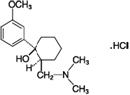
    Reinitiation of Treatment in Patients Previously Discontinued

    Although there are no data to specifically address reinitiation of treatment, it is recommended that after an interval off RISPERIDONE, the initial titration schedule should be followed.

    Switching From Other Antipsychotics

    There are no systematically collected data to specifically address switching schizophrenic patients from other antipsychotics to RISPERIDONE, or treating patients with concomitant antipsychotics.

    2.2 Bipolar Mania

    Usual Dose

    Adults

    The initial dose range is 2 mg to 3 mg per day. The dose may be adjusted at intervals of 24 hours or greater, in increments of 1 mg per day. The effective dose range is 1 mg to 6 mg per day, as studied in the short-term, placebo-controlled trials. In these trials, short-term (3 week) anti-manic efficacy was demonstrated in a flexible dosage range of 1 mg to 6 mg per day [see Clinical Studies (14.2, 14.3)]. RISPERIDONE doses higher than 6 mg per day were not studied.

    Pediatrics

    The initial dose is 0.5 mg once daily, administered as a single-daily dose in the morning or evening. The dose may be adjusted at intervals of 24 hours or greater, in increments of 0.5 mg or 1 mg per day, as tolerated, to the recommended target dose of 1mg to 2.5 mg per day. Although efficacy has been demonstrated in studies of pediatric patients with bipolar mania at doses between 0.5 mg and 6 mg per day, no additional benefit was observed above 2.5 mg per day, and higher doses were associated with more adverse events. Doses higher than 6 mg per day have not been studied.

    Patients experiencing persistent somnolence may benefit from administering half the daily dose twice daily.

    Maintenance Therapy

    There is no body of evidence available from controlled trials to guide a clinician in the longer-term management of a patient who improves during treatment of an acute manic episode with RISPERIDONE. While it is generally agreed that pharmacological treatment beyond an acute response in mania is desirable, both for maintenance of the initial response and for prevention of new manic episodes, there are no systematically obtained data to support the use of RISPERIDONE in such longer-term treatment (i.e., beyond 3 weeks). The physician who elects to use RISPERIDONE for extended periods should periodically re-evaluate the long-term risks and benefits of the drug for the individual patient.

    2.3 Irritability Associated with Autistic Disorder – Pediatrics (Children and Adolescents)

    The dosage of RISPERIDONE should be individualized according to the response and tolerability of the patient. The total daily dose of RISPERIDONE can be administered once daily, or half the total daily dose can be administered twice daily.

    For patients with body weight less than 20 kg, initiate dosing at 0.25 mg per day. For patients with body weight greater than or equal to 20 kg, initiate dosing at 0.5 mg per day. After a minimum of four days, the dose may be increased to the recommended dose of 0.5 mg per day for patients less than 20 kg and 1 mg per day for patients greater than or equal to 20 kg. Maintain this dose for a minimum of 14 days. In patients not achieving sufficient clinical response, the dose may be increased at intervals of 2 weeks or greater, in increments of 0.25 mg per day for patients less than 20 kg, or increments of 0.5 mg per day for patients greater than or equal to 20 kg. The effective dose range is 0.5 mg to 3 mg per day. No dosing data are available for children who weigh less than 15 kg.

    Once sufficient clinical response has been achieved and maintained, consider gradually lowering the dose to achieve the optimal balance of efficacy and safety. The physician who elects to use RISPERIDONE for extended periods should periodically re-evaluate the long-term risks and benefits of the drug for the individual patient.

    Patients experiencing persistent somnolence may benefit from a once-daily dose administered at bedtime or administering half the daily dose twice daily, or a reduction of the dose.

    2.4 Dosing in Patients with Severe Renal or Hepatic Impairment

    For patients with severe renal impairment (CLcr < 30 mL/min) or hepatic impairment (10 to 15 points on Child Pugh System), the initial starting dose is 0.5 mg twice daily. The dose may be increased in increments of 0.5 mg or less, administered twice daily. For doses above 1.5 mg twice daily, increase in intervals of one week or greater [see Use in Specific Populations (8.6 and 8.7)].

    2.5 Dose Adjustments for Specific Drug Interactions

    When RISPERIDONE is coadministered with enzyme inducers (e.g., carbamazepine), the dose of RISPERIDONE should be increased up to double the patient's usual dose. It may be necessary to decrease the RISPERIDONE dose when enzyme inducers such as carbamazepine are discontinued [see Drug Interactions (7.1)]. Similar effect may be expected with coadministration of RISPERIDONE with other enzyme inducers (e.g., phenytoin, rifampin, and phenobarbital).

    When fluoxetine or paroxetine is coadministered with RISPERIDONE, the dose of RISPERIDONE should be reduced. The RISPERIDONE dose should not exceed 8 mg per day in adults when coadministered with these drugs. When initiating therapy, RISPERIDONE should be titrated slowly. It may be necessary to increase the RISPERIDONE dose when enzyme inhibitors such as fluoxetine

    or paroxetine are discontinued [see Drug Interactions (7.1)].

  • Acebutolol Hydrochloride Capsule [Avpak]

    Acebutolol Hydrochloride

    Acebutolol Hydrochloride Capsule [Avpak]

    HYPERTENSION: The initial dosage of acebutolol in uncomplicated mild-to-moderate hypertension is 400 mg. This can be given as a single daily dose, but in occasional patients twice daily dosing may be required for adequate 24-hour blood-pressure control. An optimal response is usually achieved with dosages of 400 to 800 mg per day, although some patients have been maintained on as little as 200 mg per day. Patients with more severe hypertension or who have demonstrated inadequate control may respond to a total of 1200 mg daily (administered b.i.d.), or to the addition of a second antihypertensive agent. Beta-1 selectivity diminishes as dosage is increased.

    VENTRICULAR ARRHYTHMIA: The usual initial dose of acebutolol is 400 mg daily given as 200 mg b.i.d. Dosage should be increased gradually until an optimal clinical response is obtained, generally at 600 to 1200 mg per day. If treatment is to be discontinued, the dosage should be reduced gradually over a period of about two weeks.

    USE IN OLDER PATIENTS: Older patients have an approximately 2-fold increase in bioavailability and may require lower maintenance doses. Doses above 800 mg/day should be avoided in the elderly.