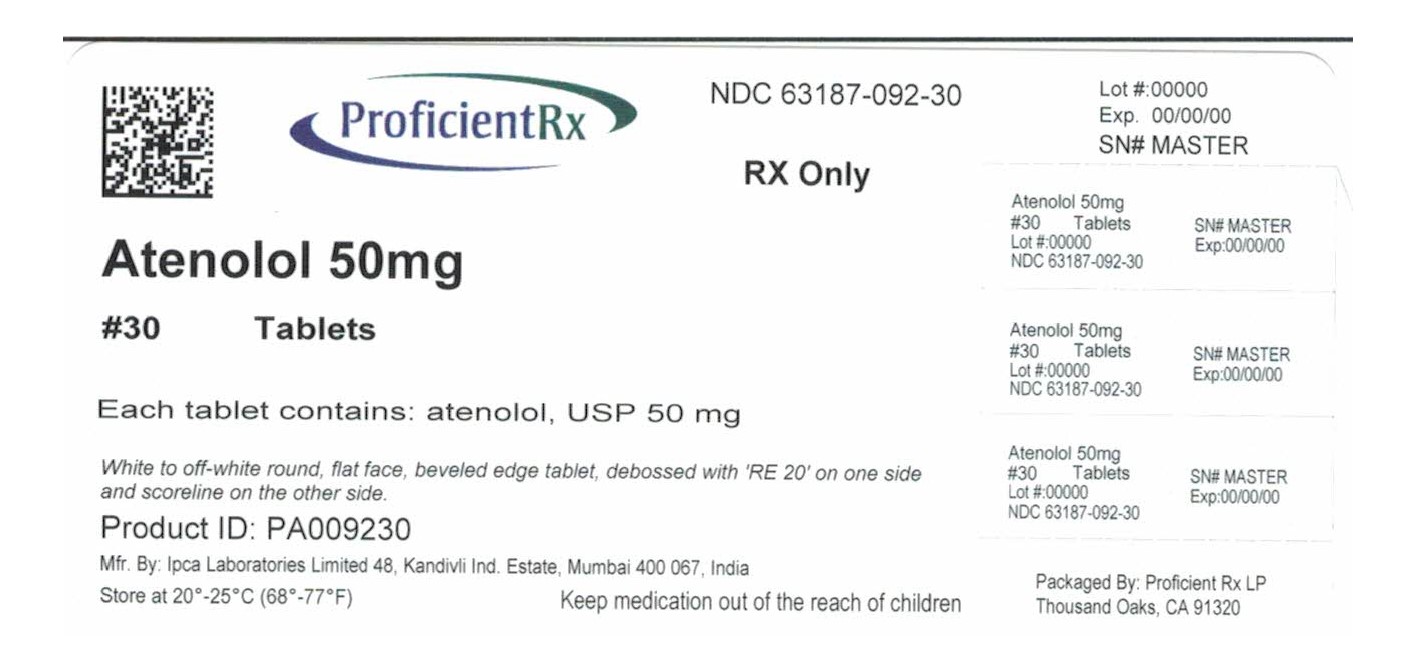
Milk Of Magnesia label

Milk Of Magnesia

Milk Of Magnesia Recall

Get an alert when a recall is issued.

Side Effects & Adverse Reactions

Cardiac Failure

Sympathetic stimulation is necessary in supporting circulatory function in congestive heart failure, and beta-blockade carries the potential hazard of further depressing myocardial contractility and precipitating more severe failure.

In patients with acute myocardial infarction, cardiac failure which is not promptly and effectively controlled by 80 mg of intravenous furosemide or equivalent therapy is a contraindication to beta-blocker treatment.

In Patients Without a History of Cardiac Failure

Continued depression of the myocardium with beta-blocking agents over a period of time can, in some cases, lead to cardiac failure. At the first sign or symptom of impending cardiac failure, patients should be treated appropriately according to currently recommended guidelines, and the response observed closely. If cardiac failure continues despite adequate treatment, atenolol should be withdrawn (see DOSAGE AND ADMNISTRATION).

Cessation of Therapy with Atenolol

Patients with coronary artery disease, who are being treated with atenolol, should be advised against abrupt discontinuation of therapy. Severe exacerbation of angina and the occurrence of myocardial infarction and ventricular arrhythmias have been reported in angina patients following the abrupt discontinuation of therapy with beta-blockers. The last two complications may occur with or without preceding exacerbation of the angina pectoris. As with other beta-blockers, when discontinuation of atenolol is planned, the patients should be carefully observed and advised to limit physical activity to a minimum. If the angina worsens or acute coronary insufficiency develops, it is recommended that atenolol be promptly reinstituted, at least temporarily. Because coronary artery disease is common and may be unrecognized, it may be prudent not to discontinue atenolol therapy abruptly even in patients treated only for hypertension (see DOSAGE AND ADMINISTRATION).

Concomitant Use of Calcium Channel Blockers

Bradycardia and heart block can occur and the left ventricular end diastolic pressure can rise when beta-blockers are administered with verapamil or diltiazem. Patients with pre-existing conduction abnormalities or left ventricular dysfunction are particularly susceptible (see PRECAUTIONS).

Bronchospastic Diseases

PATIENTS WITH BRONCHOSPASTIC DISEASE SHOULD, IN GENERAL, NOT RECEIVE BETA-BLOCKERS. Because of its relative beta1 selectivity, however, atenolol may be used with caution in patients with bronchospastic disease who do not respond to, or cannot tolerate, other antihypertensive treatment. Since beta1 selectivity is not absolute, the lowest possible dose of atenolol should be used with therapy initiated at 50 mg and a beta2-stimulating agent (bronchodilator) should be made available. If dosage must be increased, dividing the dose should be considered in order to achieve lower peak blood levels.

Major Surgery

Chronically administered beta-blocking therapy should not be routinely withdrawn prior to major surgery; however, the impaired ability of the heart to respond to reflex adrenergic stimuli may augment the risks of general anesthesia and surgical procedures.

Diabetes and Hypoglycemia

Atenolol should be used with caution in diabetic patients if a beta-blocking agent is required. Beta-blockers may mask tachycardia occurring with hypoglycemia, but other manifestations such as dizziness and sweating may not be significantly affected. At recommended doses atenolol does not potentiate insulin-induced hypoglycemia and, unlike nonselective beta-blockers, does not delay recovery of blood glucose to normal levels.

Thyrotoxicosis

Beta-adrenergic blockade may mask certain clinical signs (e.g., tachycardia) of hyperthyroidism. Abrupt withdrawal of beta-blockade might precipitate a thyroid storm; therefore, patients suspected of developing thyrotoxicosis from whom atenolol therapy is to be withdrawn should be monitored closely (see DOSAGE AND ADMINISTRATION).

Untreated Pheochromocytoma

Atenolol should not be given to patients with untreated pheochromocytoma.

Pregnancy and Fetal Injury

Atenolol can cause fetal harm when administered to a pregnant woman. Atenolol crosses the placental barrier and appears in cord blood. Administration of atenolol, starting in the second trimester of pregnancy, has been associated with the birth of infants that are small for gestational age. No studies have been performed on the use of atenolol in the first trimester and the possibility of fetal injury cannot be excluded. If this drug is used during pregnancy, or if the patient becomes pregnant while taking this drug, the patient should be apprised of the potential hazard to the fetus.

Neonates born to mothers who are receiving atenolol at parturition or breastfeeding may be at risk for hypoglycemia and bradycardia. Caution should be exercised when atenolol is administered during pregnancy or to a woman who is breastfeeding (see PRECAUTIONS, Nursing Mothers).

Atenolol has been shown to produce a dose-related increase in embryo/fetal resorptions in rats at doses equal to or greater than 50 mg/kg/day or 25 or more times the maximum recommended human antihypertensive dose1. Although similar effects were not seen in rabbits, the compound was not evaluated in rabbits at doses above 25 mg/kg/day or 12.5 times the maximum recommended human antihypertensive dose1

FDA Safety Alerts

There are currently no FDA safety alerts available for this drug.

Manufacturer Warnings

There is currently no manufacturer warning information available for this drug.

FDA Labeling Changes

There are currently no FDA labeling changes available for this drug.

Uses

Hypertension

Atenolol tablets are indicated for the treatment of hypertension, to lower blood pressure. Lowering blood pressure lowers the risk of fatal and non-fatal cardiovascular events, primarily strokes and myocardial infarctions. These benefits have been seen in controlled trials of antihypertensive drugs from a wide variety of pharmacologic classes including atenolol.

Control of high blood pressure should be part of comprehensive cardiovascular risk management, including, as appropriate, lipid control, diabetes management, antithrombotic therapy, smoking cessation, exercise, and limited sodium intake. Many patients will require more than 1 drug to achieve blood pressure goals. For specific advice on goals and management, see published guidelines, such as those of the National High Blood Pressure Education Program’s Joint National Committee on Prevention, Detection, Evaluation, and Treatment of High Blood Pressure (JNC).

Numerous antihypertensive drugs, from a variety of pharmacologic classes and with different mechanisms of action, have been shown in randomized controlled trials to reduce cardiovascular morbidity and mortality, and it can be concluded that it is blood pressure reduction, and not some other pharmacologic property of the drugs, that is largely responsible for those benefits. The largest and most consistent cardiovascular outcome benefit has been a reduction in the risk of stroke, but reductions in myocardial infarction and cardiovascular mortality also have been seen regularly.

Elevated systolic or diastolic pressure causes increased cardiovascular risk, and the absolute risk increase per mmHg is greater at higher blood pressures, so that even modest reductions of severe hypertension can provide substantial benefit. Relative risk reduction from blood pressure reduction is similar across populations with varying absolute risk, so the absolute benefit is greater in patients who are at higher risk independent of their hypertension (for example, patients with diabetes or hyperlipidemia), and such patients would be expected to benefit from more aggressive treatment to a lower blood pressure goal.

Some antihypertensive drugs have smaller blood pressure effects (as monotherapy) in black patients, and many antihypertensive drugs have additional approved indications and effects (eg, on angina, heart failure, or diabetic kidney disease). These considerations may guide selection of therapy.

Atenolol tablets may be administered with other antihypertensive agents.

Angina Pectoris Due to Coronary Atherosclerosis

Atenolol tablets are indicated for the long-term management of patients with angina pectoris.

Acute Myocardial Infarction

Atenolol tablets are indicated in the management of hemodynamically stable patients with definite or suspected acute myocardial infarction to reduce cardiovascular mortality. Treatment can be initiated as soon as the patient’s clinical condition allows (see DOSAGE AND ADMINISTRATION, CONTRAINDICATIONS, and WARNINGS). In general, there is no basis for treating patients like those who were excluded from the ISIS-1 trial (blood pressure less than 100 mm Hg systolic, heart rate less than 50 bpm) or have other reasons to avoid beta-blockade. As noted above, some subgroups (e.g., elderly patients with systolic blood pressure below 120 mm Hg) seemed less likely to benefit.

History

There is currently no drug history available for this drug.

Other Information

Atenolol, a synthetic, beta1-selective (cardioselective) adrenoreceptor blocking agent, may be chemically described as benzeneacetamide, 4 -[2’-hydroxy-3’-[(1- methylethyl) amino] propoxy]-. The molecular formula is C14H22N2O3 and its structural formula is:

atenololtabs-figure-01

Atenolol (free base) has a molecular weight of 266. It is a relatively polar hydrophilic compound with a water solubility of 26.5 mg/mL at 37° C and a log partition coefficient (octanol/water) of 0.23. It is freely soluble in 1N HCl (300 mg/mL at 25° C) and less soluble in chloroform (3 mg/mL at 25° C).

Atenolol tablets, USP are available as 25, 50 and 100 mg tablets for oral administration.

Inactive Ingredients: Colloidal silicon dioxide, corn starch, magnesium carbonate, magnesium stearate, sodium lauryl sulfate, sodium starch glycolate.

Milk Of Magnesia Manufacturers

  • Western Family Foods Inc
    Milk Of Magnesia | Proficient Rx Lp
    No Recall

    Milk Of Magnesia | Proficient Rx Lp

    Milk Of Magnesia | Proficient Rx Lp
    Hypertension

    The initial dose of atenolol is 50 mg given as one tablet a day either alone or added to diuretic therapy.  The full effect of this dose will usually be seen within one to two weeks. If an optimal response is not achieved, the dosage should be increased to atenolol 100 mg given as one tablet a day. Increasing the dosage beyond 100 mg a day is unlikely to produce any further benefit.

    Atenolol may be used alone or concomitantly with other antihypertensive agents including thiazide-type diuretics, hydralazine, prazosin, and alpha-methyldopa.

    Angina Pectoris

    The initial dose of atenolol is 50 mg given as one tablet a day.  If an optimal response is not achieved within one week, the dosage should be increased to atenolol 100 mg given as one tablet a day.  Some patients may require a dosage of 200 mg once a day for optimal effect.

    Twenty-four hour control with once daily dosing is achieved by giving doses larger than necessary to achieve an immediate maximum effect.  The maximum early effect on exercise tolerance occurs with doses of 50 to 100 mg, but at these doses the effect at 24 hours is attenuated, averaging about 50% to 75% of that observed with once a day oral doses of 200 mg.

    Acute Myocardial Infarction

    In patients with definite or suspected acute myocardial infarction, treatment with atenolol I.V. injection should be initiated as soon as possible after the patient’s arrival in the hospital and after eligibility is established.  Such treatment should be initiated in a coronary care or similar unit immediately after the patient’s hemodynamic condition has stabilized. Treatment should begin with the intravenous administration of 5 mg atenolol over 5 minutes followed by another 5 mg intravenous injection 10 minutes later. Atenolol I.V. injection should be administered under carefully controlled conditions including monitoring of blood pressure, heart rate, and electrocardiogram. Dilutions of atenolol I.V. injection in Dextrose Injection USP, Sodium Chloride Injection USP, or Sodium Chloride and Dextrose Injection may be used. These admixtures are stable for 48 hours if they are not used immediately.

    In patients who tolerate the full intravenous dose (10 mg), atenolol tablets 50 mg should be initiated 10 minutes after the last intravenous dose followed by another 50 mg oral dose 12 hours later. Thereafter, atenolol can be given orally either 100 mg once daily or 50 mg twice a day for a further 6 to 9 days or until discharge from the hospital. If bradycardia or hypotension requiring treatment or any other untoward effects occur, atenolol should be discontinued. (See full prescribing information prior to initiating therapy with atenolol tablets.)

    Data from other beta-blocker trials suggest that if there is any question concerning the use of IV beta-blocker or clinical estimate that there is a contraindication, the IV beta-blocker may be eliminated and patients fulfilling the safety criteria may be given atenolol tablets 50 mg twice daily or 100 mg once a day for at least seven days (if the IV dosing is excluded).

    Although the demonstration of efficacy of atenolol is based entirely on data from the first seven postinfarction days, data from other beta-blocker trials suggest that treatment with beta-blockers that are effective in the postinfarction setting may be continued for one to three years if there are no contraindications.

    Atenolol is an additional treatment to standard coronary care unit therapy.

    Elderly Patients or Patients with Renal Impairment

    Atenolol is excreted by the kidneys; consequently dosage should be adjusted in cases of severe impairment of renal function.  In general, dose selection for an elderly patient should be cautious, usually starting at the low end of the dosing range, reflecting greater frequency of decreased hepatic, renal, or cardiac function, and of concomitant disease or other drug therapy. Evaluation of patients with hypertension or myocardial infarction should always include assessment of renal function. Atenolol excretion would be expected to decrease with advancing age.

    No significant accumulation of atenolol occurs until creatinine clearance falls below 35 mL/min/1.73 m2.Accumulation of atenolol and prolongation of its half-life were studied in subjects with creatinine clearance between 5 and 105 mL/min. Peak plasma levels were significantly increased in subjects with creatinine clearances below 30 mL/min.

    The following maximum oral dosages are recommended for elderly, renally-impaired patients and for patients with renal impairment due to other causes:

    Creatinine Clearance
    (mL/min/1.73 m2)

    Atenolol
    Elimination Half-Life
    (h)

    Maximum Dosage

    15 to 35

    16 to 27

    50 mg daily

    < 15

    > 27

    25 mg daily

    Some renally-impaired or elderly patients being treated for hypertension may require a lower starting dose of atenolol: 25 mg given as one tablet a day. If this 25 mg dose is used, assessment of efficacy must be made carefully. This should include measurement of blood pressure just prior to the next dose ("trough" blood pressure) to ensure that the treatment effect is present for a full 24 hours.

    Although a similar dosage reduction may be considered for elderly and/or renally-impaired patients being treated for indications other than hypertension, data are not available for these patient populations.

    Patients on hemodialysis should be given 25 mg or 50 mg after each dialysis; this should be done under hospital supervision as marked falls in blood pressure can occur.

    Cessation of Therapy in Patients with Angina Pectoris

    If withdrawal of atenolol therapy is planned, it should be achieved gradually and patients should be carefully observed and advised to limit physical activity to a minimum.

  • Western Family Foods Inc
    Milk Of Magnesia | Novel Laboratories, Inc.
    No Recall

    Milk Of Magnesia | Novel Laboratories, Inc.

    Milk Of Magnesia | Novel Laboratories, Inc.

    Dosage should be individualized according to the needs and responses of the patient.

    Directions – Take this product (child or adult dose) with at least 8 ounces (a full glass) of water or other fluid. Taking this product without enough liquid may cause choking. See choking warning.

    Adults

    Administer in divided doses 2 or 3 times daily, preferably 30 to 45 minutes before meals. Average dosage is 20 to 30 mg daily. Some patients may require 40 to 60 mg daily. In others, 10 to 15 mg daily will be adequate. Patients who are unable to sleep if medication is taken late in the day should take the last dose before 6 p.m.

    Children (6 years and over)

    Methylphenidate Hydrochloride Chewable Tablets should be initiated in small doses, with gradual weekly increments. Daily dosage above 60 mg is not recommended.

    If improvement is not observed after appropriate dosage adjustment over a one-month period, the drug should be discontinued.

    Chewable Tablets: Start with 5 mg twice daily (before breakfast and lunch) with gradual increments of 5 to 10 mg weekly.

    If paradoxical aggravation of symptoms or other adverse effects occur, reduce dosage, or, if necessary, discontinue the drug.

    Methylphenidate Hydrochloride Chewable Tablets should be periodically discontinued to assess the child's condition. Improvement may be sustained when the drug is either temporarily or permanently discontinued.

    Drug treatment should not and need not be indefinite and usually may be discontinued after puberty.

  • Cvs Pharmacy
    Milk Of Magnesia | Winco Foods, Llc
    No Recall

    Milk Of Magnesia | Winco Foods, Llc

    Milk Of Magnesia | Winco Foods, Llc
    adults and children 12 years of age and over: 1 softgel (50 mg) at bedtime if needed, or as directed by a doctor
  • Medicine Shoppe International Inc
    Milk Of Magnesia | Medicine Shoppe International Inc
    No Recall

    Milk Of Magnesia | Medicine Shoppe International Inc

    Milk Of Magnesia | Medicine Shoppe International Inc
    shake well before use do not exceed the maximum recommended daily dose in a 24 hour period dose may be taken once a day preferably at bedtime, in divided doses, or as directed by a doctor drink a full glass (8 oz) of liquid with each dose adults and children 12 years and older 2 to 4 Tbsp. children 6 to 11 years 1 to 2 Tbsp. children under 6 years ask a doctor
  • Milk Of Magnesia | L.n.k. International, Inc.
    No Recall

    Milk Of Magnesia | L.n.k. International, Inc.

    Milk Of Magnesia | L.n.k. International, Inc.
    do not exceed recommended dose adults and children 12 years and over: 1 tablet every 6 hours. Do not take more than 4 tablets in 24 hours. children under 12 years: do not use
  • Physicians Total Care, Inc.
    Milk Of Magnesia | Physicians Total Care, Inc.
    No Recall

    Milk Of Magnesia | Physicians Total Care, Inc.

    Milk Of Magnesia | Physicians Total Care, Inc.
    shake well before use do not exceed the maximum recommended daily dose in a 24 hour period dose may be taken once a day, in divided doses, or as directed by a doctor
    drink a full glass (8oz) of liquid with each dose
    adults and children 12 years and older
    2 to 4 tabletspoonfuls (TBSP)
    children 6 to 11 years
    1 to 2 tablespoonfuls (TBSP)
    children under 6 years
    ask a doctor


  • Medicine Shoppe International Inc
    Milk Of Magnesia | Medicine Shoppe International Inc
    No Recall

    Milk Of Magnesia | Medicine Shoppe International Inc

    Milk Of Magnesia | Medicine Shoppe International Inc
    shake well before use do not exceed the maximum recommended daily dose in a 24 hour period dose may be taken once a day preferably at bedtime, in divided doses, or as directed by a doctor drink a full glass (8 oz) of liquid with each dose adults and children 12 years and older 2 to 4 Tbsp. children 6 to 11 years 1 to 2 Tbsp. children under 6 years ask a doctor
  • Milk Of Magnesia | Army And Air Force Exchange Service
    No Recall

    Milk Of Magnesia | Army And Air Force Exchange Service

    Milk Of Magnesia | Army And Air Force Exchange Service
    drink a full glass of water with each dose adults and children 12 years and over: take 1 to 2 tablets every 4 hours while symptoms last do not take more than 12 tablets in 24 hours unless directed by a doctor children under 12 years: ask a doctor
  • Milk Of Magnesia | Publix Super Markets Inc
    No Recall

    Milk Of Magnesia | Publix Super Markets Inc

    Milk Of Magnesia | Publix Super Markets Inc
    • do not exceed the maximum recommended daily dose in a 24 hour period • shake well before use • dose may be taken once a day preferably at bedtime, in divided doses, or as directed by a doctor • drink a full glass (8 oz) of liquid with each dose • for accurate dosing, use dose cup provided • mL = milliliter; TBSP = Tablespoon

    adults and children 12

    years and older

    30 mL (2 TBSP) to 60 mL (4 TBSP)

    children 6 to 11 years

    15 mL (1 TBSP) to 30 mL (2 TBSP)

    children under 6 years

    ask a doctor

  • Cvs Pharmacy
    Milk Of Magnesia | La Prairie Group Ag
    No Recall

    Milk Of Magnesia | La Prairie Group Ag

    Milk Of Magnesia | La Prairie Group Ag

    Directions

    apply daily after cleansing and toning smooth over face and throat apply evenly before sun exposure reapply as needed or after towel drying, swimming or perspiring

    Inactive Ingredients

    Water (Aqua), Glycerin, Octyldodecyl Neopentanoate, Butyrospermum Parkii (Shea Butter), PEG-40 Stearate, Butylene Glycol, Glyceryl Stearate, Cyclopentasiloxane, Cetyl Alcohol, C12-15 Alkyl Benzoate, Hydrogenated Polyisobutene, Ammonium Acryloyldimethyltaurate/VP Copolymer, Glycoproteins*, Panax Ginseng Root Extract, Equisetum Arvense (Horsetail) Extract, Chondrus Crispus (Carrageenan) Extract, Sodium Hyaluronate, Disodium EDTA, Saccharomyces/Carrageenan Extract/Sarcodiotheca Gaudichaudii Extract Ferment, Acetyl Hexapeptide-20, Panthenol, Dimethicone, Palmaria Palmata Extract, Sodium Carbomer, Caprylic/Capric Triglyceride, Limonium Gerberi Extract, Silica, Acrylates Copolymer, Tripleurospermum Maritimum Extract, HDI/Trimethylol Hexyllactone Crosspolymer, Crambe Maritima Extract, Dipropylene Glycol Dibenzoate, Inula Crithmoide Extract, Caprylyl Glycol, Propyl Gallate, Aster Marittima/Tripolium Extract, PPG-15 Stearyl Ether Benzoate, Thalassiosira Pseudonana Extract, Carbomer, Dextran, Fragrance (Parfum), Phenoxyethanol, Sorbic Acid, Potassium Sorbate, Yellow 5 (CI 19140), Blue 1 (CI 42090)

  • Meijer Distribution Inc
    Milk Of Magnesia | Cardinal Health
    No Recall

    Milk Of Magnesia | Cardinal Health

    Milk Of Magnesia | Cardinal Health

    Taking theophylline extended-release tablets immediately after a high-fat content meal may result in a somewhat higher Cmax and delayed Tmax, and somewhat greater extent of absorption. However, the differences are usually not great and this product may normally be administered without regard to meals (see CLINICAL PHARMACOLOGY, Drug Interactions, Drug-Food Interactions).

    Theophylline extended-release tablets are recommended for chronic or long-term management and prevention of symptoms, and not for use in treating acute symptoms of asthma and reversible bronchospasm.

    General Considerations

    The steady-state peak serum theophylline concentration is a function of the dose, the dosing interval, and the rate of theophylline absorption and clearance in the individual patient. Because of marked individual differences in the rate of theophylline clearance, the dose required to achieve a peak serum theophylline concentration in the 10 to 20 mcg/mL range varies fourfold among otherwise similar patients in the absence of factors known to alter theophylline clearance (e.g., 400 to 1600 mg/day in adults <60 years old and 10 to 36 mg/kg/day in children 1 to 9 years old). For a given population there is no single theophylline dose that will provide both safe and effective serum concentrations for all patients. Administration of the median theophylline dose required to achieve a therapeutic serum theophylline concentration in a given population may result in either subtherapeutic or potentially toxic serum theophylline concentrations in individual patients. For example, at a dose of 900 mg/d in adults <60 years or 22 mg/kg/d in children 1 to 9 years, the steady-state peak serum theophylline concentration will be <10 mcg/mL in about 30% of patients, 10 to 20 mcg/mL in about 50% and 20 to 30 mcg/mL in about 20% of patients. The dose of theophylline must be individualized on the basis of peak serum theophylline concentration measurements in order to achieve a dose that will provide maximum potential benefit with minimal risk of adverse effects.

    Transient caffeine-like adverse effects and excessive serum concentrations in slow metabolizers can be avoided in most patients by starting with a sufficiently low dose and slowly increasing the dose, if judged to be clinically indicated, in small increments (see Table V). Dose increases should only be made if the previous dosage is well tolerated and at intervals of no less than 3 days to allow serum theophylline concentrations to reach the new steady state. Dosage adjustment should be guided by serum theophylline concentration measurement (see PRECAUTIONS, Laboratory Tests and DOSAGE AND ADMINISTRATION, Table VI). Health care providers should instruct patients and care givers to discontinue any dosage that causes adverse effects, to withhold the medication until these symptoms are gone and to then resume therapy at a lower, previously tolerated dosage (see WARNINGS).

    If the patient’s symptoms are well controlled, there are no apparent adverse effects, and no intervening factors that might alter dosage requirements (see WARNINGS and PRECAUTIONS), serum theophylline concentrations should be monitored at 6 month intervals for rapidly growing children and at yearly intervals for all others. In acutely ill patients, serum theophylline concentrations should be monitored at frequent intervals, e.g. every 24 hours.

    Theophylline distributes poorly into body fat, therefore, mg/kg dose should be calculated on the basis of ideal body weight.

    Table V contains theophylline dosing titration schema recommended for patients in various age groups and clinical circumstances. Table VI contains recommendations for theophylline dosage adjustment based upon serum theophylline concentrations. Application of these general dosing recommendations to individual patients must take into account the unique clinical characteristics of each patient. In general, these recommendations should serve as the upper limit for dosage adjustments in order to decrease the risk of potentially serious adverse events associated with unexpected large increases in serum theophylline concentration.

    Table V. Dosing initiation and titration (as anhydrous theophylline).* * Patients with more rapid metabolism, clinically identified by higher than average dose requirements, should receive a smaller dose more frequently (every 8 hours) to prevent breakthrough symptoms resulting from low trough concentrations before the next dose.

     A.

     Children (6 to 15 years) and adults (16 to 60 years) without risk factors for impaired clearance.


    Titration Step

     Children <45 kg

     Children >45 kg and adults

     1.


    Starting Dosage


    12 to 14 mg/kg/day up

    to a maximum of

    300 mg/day divided

    Q12 hrs*  

     300 mg/day divided Q12 hrs*  

     2.


    After 3 days,

    if tolerated,

    increase dose to:


    16 mg/kg/day up

    to a maximum of

    400 mg/day divided

    Q12 hrs*   


    400 mg/day divided

    Q12 hrs*  

     3.


    After 3 more days,

    if tolerated,

    increase dose to:


    20 mg/kg/day up to

    a maximum of

    600 mg/day

    divided Q12 hrs*   


    600 mg/day divided

    Q12 hrs*   

     B.


    Patients With Risk Factors For Impaired Clearance, The Elderly (>60 Years), And Those In Whom It Is Not Feasible To Monitor Serum Theophylline Concentrations:

    In children 6 to 15 years of age, the final theophylline dose should not exceed 16 mg/kg/day up to a maximum of 400 mg/day in the presence of risk factors for reduced theophylline clearance (see WARNINGS) or if it is not feasible to monitor serum theophylline concentrations.

    In adolescents ≥16 years and adults, including the elderly, the final theophylline dose should not exceed 400 mg/day in the presence of risk factors for reduced theophylline clearance (see WARNINGS) or if it is not feasible to monitor serum theophylline concentrations.

    Table VI. Dosage adjustment guided by serum theophylline concentration. * Dose reduction and/or serum theophylline concentration measurement is indicated whenever adverse effects are present, physiologic abnormalities that can reduce theophylline clearance occur (e.g., sustained fever), or a drug that interacts with theophylline is added or discontinued (see WARNINGS).


    Peak Serum

    Concentration


    Dosage Adjustment

     <9.9 mcg/mL

     If symptoms are not controlled and current dosage is tolerated, increase dose about 25%. Recheck serum concentration after three days for further dosage adjustment.

     10 to 14.9 mcg/mL


    If symptoms are controlled and current dosage is tolerated, maintain dose and recheck serum concentration at 6 to 12 month intervals.*

    If symptoms are not controlled and current dosage is tolerated consider adding additional medication(s) to treatment regimen.

     15 to 19.9 mcg/mL

     Consider 10% decrease in dose to provide greater margin of safety even if current dosage is tolerated.*

     20 to 24.9 mcg/mL

     Decrease dose by 25% even if no adverse effects are present. Recheck serum concentration after 3 days to guide further dosage adjustment.

     25 to 30 mcg/mL

     Skip next dose and decrease subsequent doses at least 25% even if no adverse effects are present. Recheck serum concentration after 3 days to guide further dosage adjustment. If symptomatic, consider whether overdose treatment is indicated (see recommendations for chronic overdosage).

     >30 mcg/mL

     Treat overdose as indicated (see recommendations for chronic overdosage). If theophylline is subsequently resumed, decrease dose by at least 50% and recheck serum concentration after 3 days to guide further dosage adjustment.

    Once-Daily Dosing

    The slow absorption rate of this preparation may allow once-daily administration in adult non-smokers with appropriate total body clearance and other patients with low dosage requirements. Once-daily dosing should be considered only after the patient has been gradually and satisfactorily titrated to therapeutic levels with q12h dosing. Once-daily dosing should be based on twice the q12h dose and should be initiated at the end of the last q12h dosing interval. The trough concentration (Cmin) obtained following conversion to once-daily dosing may be lower (especially in high clearance patients) and the peak concentration (Cmax) may be higher (especially in low clearance patients) than that obtained with q12h dosing. If symptoms recur, or signs of toxicity appear during the once-daily dosing interval, dosing on the q12h basis should be reinstituted.

    It is essential that serum theophylline concentrations be monitored before and after transfer to once-daily dosing.

    Food and posture, along with changes associated with circadian rhythm, may influence the rate of absorption and/or clearance rates of theophylline from extended-release dosage forms administered at night. The exact relationship of these and other factors to nighttime serum concentrations and the clinical significance of such findings require additional study. Therefore, it is not recommended that theophylline extended-release once-daily dosing be administered at night. 

  • Milk Of Magnesia | Mylan Institutional Inc.
    No Recall

    Milk Of Magnesia | Mylan Institutional Inc.

    Milk Of Magnesia | Mylan Institutional Inc.

    There is no fixed dosage regimen for the management of diabetes mellitus with glipizide tablets or any other hypoglycemic agent. In addition to the usual monitoring of urinary glucose, the patient’s blood glucose must also be monitored periodically to determine the minimum effective dose for the patient; to detect primary failure, i.e., inadequate lowering of blood glucose at the maximum recommended dose of medication; and to detect secondary failure, i.e., loss of an adequate blood-glucose-lowering response after an initial period of effectiveness. Glycosylated hemoglobin levels may also be of value in monitoring the patient’s response to therapy.

    Short-term administration of glipizide tablets may be sufficient during periods of transient loss of control in patients usually controlled well on diet.

    In general, glipizide tablets should be given approximately 30 minutes before a meal to achieve the greatest reduction in postprandial hyperglycemia.

    Initial Dose

    The recommended starting dose is 5 mg, given before breakfast. Geriatric patients or those with liver disease may be started on 2.5 mg.

    Titration

    Dosage adjustments should ordinarily be in increments of 2.5 mg to 5 mg, as determined by blood glucose response. At least several days should elapse between titration steps. If response to a single dose is not satisfactory, dividing that dose may prove effective. The maximum recommended once daily dose is 15 mg. Doses above 15 mg should ordinarily be divided and given before meals of adequate caloric content. The maximum recommended total daily dose is 40 mg.

    Maintenance

    Some patients may be effectively controlled on a once a day regimen, while others show better response with divided dosing. Total daily doses above 15 mg should ordinarily be divided. Total daily doses above 30 mg have been safely given on a b.i.d. basis to long-term patients.

    In elderly patients, debilitated or malnourished patients, and patients with impaired renal or hepatic function, the initial and maintenance dosing should be conservative to avoid hypoglycemic reactions (see PRECAUTIONS section).

    Patients Receiving Insulin

    As with other sulfonylurea-class hypoglycemics, many stable non-insulin-dependent diabetic patients receiving insulin may be safely placed on glipizide tablets. When transferring patients from insulin to glipizide tablets, the following general guidelines should be considered:

      For patients whose daily insulin requirement is 20 units or less, insulin may be discontinued and glipizide tablet therapy may begin at usual dosages. Several days should elapse between glipizide titration steps.   For patients whose daily insulin requirement is greater than 20 units, the insulin dose should be reduced by 50% and glipizide tablet therapy may begin at usual dosages. Subsequent reductions in insulin dosage should depend on individual patient response. Several days should elapse between glipizide titration steps.

    During the insulin withdrawal period, the patient should test urine samples for sugar and ketone bodies at least 3 times daily. Patients should be instructed to contact the prescriber immediately if these tests are abnormal. In some cases, especially when patient has been receiving greater than 40 units of insulin daily, it may be advisable to consider hospitalization during the transition period.

    Patients Receiving Other Oral Hypoglycemic Agents

    As with other sulfonylurea-class hypoglycemics, no transition period is necessary when transferring patients to glipizide tablets. Patients should be observed carefully (1 to 2 weeks) for hypoglycemia when being transferred from longer half-life sulfonylureas (e.g., chlorpropamide) to glipizide tablets due to potential overlapping of drug effect.

  • Milk Of Magnesia | H E B
    No Recall

    Milk Of Magnesia | H E B

    Milk Of Magnesia | H E B
    • do not exceed the maximum recommended daily dose in a 24 hour period • shake well before use • dose may be taken once a day preferably at bedtime, in divided doses, or as directed by a doctor • drink a full glass (8 oz) of liquid with each dose • for accurate dosing, use dose cup provided • mL = milliliter; TBSP = Tablespoon

    adults and children 12 years and older

    30 mL (2 TBSP) to 60 mL (4 TBSP)

    children 6 to 11 years

    15 mL (1 TBSP) to 30 mL (2 TBSP)

    children under 6 years

    ask a doctor

  • Safeway
    Milk Of Magnesia | Safeway
    No Recall

    Milk Of Magnesia | Safeway

    Milk Of Magnesia | Safeway
    • shake well before use • do not exceed the maximum recommended daily dose in a 24 hour period • dose may be taken once a day preferably at bedtime, in divided doses, or as directed by a doctor • drink a full glass (8 oz) of liquid with each dose • for accurate dosing, use dose cup provided • TBSP = tablespoonful

    adults and children 12 years and older

    2 to 4 TBSP.

    children 6 to 11 years

    1 to 2 TBSP.

    children under 6 years

    ask a doctor

  • Rij Pharmaceutical Corporation
    Milk Of Magnesia | Rij Pharmaceutical Corporation
    No Recall

    Milk Of Magnesia | Rij Pharmaceutical Corporation

    Milk Of Magnesia | Rij Pharmaceutical Corporation
    • do not exceed the maximum recommended daily dose in a 24 hour period • shake well before use • dose may be taken once a day preferably at bedtime, in divided doses, or as directed by a doctor. Drink a full glass (8 oz) of liquid with each dose • mL = milliliter, TBSP = Tablespoonful

    adults and children 12 years and older

    30 mL (2 TBSP) to 60 mL (4 TBSP)

    children 6 to 11 years

    15 mL (1 TBSP) to 30 mL (2 TBSP)

    children under 6 years

    ask a doctor

  • Rij Pharmaceutical Corporation
    Milk Of Magnesia | Rij Pharmaceutical Corporation
    No Recall

    Milk Of Magnesia | Rij Pharmaceutical Corporation

    Milk Of Magnesia | Rij Pharmaceutical Corporation
    • shake well before use Laxative use: Antacid use

    Do not use dosage cup for ages under 12 years.

    Follow each dose with a full glass (8 oz) of liquid.

    Do not use dosage cup.

    Follow each dose with a little water.

    adults and children 12 years and older 2-4 TBSP (30-60 mL) once a day 1-3 tsp (5-15 mL) up to 4 times a day 6 to 11 years 1-2 TBSP (15-30 mL) once a day ask a doctor 2 to 5 years 1-3 tsp (5-15 mL) once a day ask a doctor under 2 years ask a doctor ask a doctor
  • Shopko Stores Operating Co., Llc
    Milk Of Magnesia | Shopko Stores Operating Co., Llc
    No Recall

    Milk Of Magnesia | Shopko Stores Operating Co., Llc

    Milk Of Magnesia | Shopko Stores Operating Co., Llc
    • do not exceed the maximum recommended daily dose in a 24 hour period • shake well before use • dose may be taken once a day preferably at bedtime, in divided doses, or as directed by a doctor • drink a full glass (8 oz) of liquid with each dose • for accurate dosing, use dose cup provided • mL = milliliter; TBSP = Tablespoon

    adults and children 12 years and older

    30 mL (2 TBSP) to 60 mL (4 TBSP)

    children 6 to 11 years

    15 mL (1 TBSP) to 30 mL (2 TBSP)

    children under 6 years

    ask a doctor

  • Llc Federal Solutions
    Milk Of Magnesia | Llc Federal Solutions
    No Recall

    Milk Of Magnesia | Llc Federal Solutions

    Milk Of Magnesia | Llc Federal Solutions

    Directions

    shake well before use do not exceed the maximum recommended daily dose in a 24 hour period dose may be taken once a day preferably at bedtime, in divided doses, or as directed by a doctor drink a full glass (8 oz) of liquid with each dose


    adults and children 12 years and older: 2 to 4 tablespoonfuls (TBSP)
    children 6 to 11 years: 1 to 2 tablespoonfuls (TBSP)
    children under 6 years: ask a doctor

  • Shopko Stores Operating Co., Llc
    Milk Of Magnesia | Flutrends International Corporation
    No Recall

    Milk Of Magnesia | Flutrends International Corporation

    Milk Of Magnesia | Flutrends International Corporation

    Directions:

    For adults and children 4 years and older: Spray 2 times to throat and spray once into each nostril. Use 1-3 times daily. Use additionally as needed. Maximum benefit may take 1-2 weeks of use. Store at room temperature in a cool, dry place. Once opened, use within six months.

    Throat and Nasal Spray

    Remove safety cap and clip. Hold with thumb at the bottom of bottle and nozzle between your fingers. Prime pump until liquid dispenses. Open mouth and spray two times to back of throat. Looking at your toes, place nozzle tip past the nasal opening. Spray once in each nostril, tilt head back, let product settle. Wipe the nozzle clean and replace cap after each use.
  • Shopko Stores Operating Co., Llc
    Milk Of Magnesia | Children's Hospital Of Michigan
    No Recall

    Milk Of Magnesia | Children's Hospital Of Michigan

    Milk Of Magnesia | Children's Hospital Of Michigan

    Fludeoxyglucose F 18 Injection emits radiation. Use procedures to minimize radiation exposure. Calculate the final dose from the end of synthesis (EOS) time using proper radioactive decay factors. Assay the final dose in a properly calibrated dose calibrator before administration to the patient [see Description(11.2)].

    2.1 Recommended Dose for Adults

    Within the oncology, cardiology and neurology settings, the recommended dose for adults is 5 – 10 mCi (185 – 370 MBq) as an intravenous injection.

    2.2 Recommended Dose for Pediatric Patients

    Within the neurology setting, the recommended dose for pediatric patients is 2.6 mCi, as an intravenous injection. The optimal dose adjustment on the basis of body size or weight has not been determined [see Use in Special Populations (8.4)].

    2.3 Patient Preparation To minimize the radiation absorbed dose to the bladder, encourage adequate hydration. Encourage the patient to drink water or other fluids (as tolerated) in the 4 hours before their PET study. Encourage the patient to void as soon as the imaging study is completed and as often as possible thereafter for at least one hour. Screen patients for clinically significant blood glucose abnormalities by obtaining a history and/or laboratory tests [see Warnings and Precautions(5.2)]. Prior to Fludeoxyglucose F 18 PET imaging in the oncology and neurology settings, instruct patient to fast for 4 – 6 hours prior to the drug's injection. In the cardiology setting, administration of glucose-containing food or liquids (e.g., 50 – 75 grams) prior to Fludeoxyglucose F 18 Injection facilitates localization of cardiac ischemia. 2.4 Radiation Dosimetry

    The estimated human absorbed radiation doses (rem/mCi) to a newborn (3.4 kg), 1-year old (9.8 kg), 5-year old (19 kg), 10-year old (32 kg), 15-year old (57 kg), and adult (70 kg) from intravenous administration of Fludeoxyglucose F 18 Injection are shown in Table 1. These estimates were calculated based on human2 data and using the data published by the International Commission on Radiological Protection4 for Fludeoxyglucose 18F. The dosimetry data show that there are slight variations in absorbed radiation dose for various organs in each of the age groups. These dissimilarities in absorbed radiation dose are due to developmental age variations (e.g., organ size, location, and overall metabolic rate for each age group). The identified critical organs (in descending order) across all age groups evaluated are the urinary bladder, heart, pancreas, spleen, and lungs.

    Table 1. Estimated Absorbed Radiation Doses (rem/mCi) After Intravenous Administration of Fludeoxyglucose F 18 Injection * Organ Newborn
    (3.4 kg) 1-year old
    (9.8 kg) 5-year old
    (19 kg) 10-year old
    (32 kg) 15-year old
    (57 kg) Adult
    (70 kg) * MIRDOSE 2 software was used to calculate the radiation absorbed dose. Assumptions on the biodistribution based on data from Gallagher et al.1 and Jones et al.2 † The dynamic bladder model with a uniform voiding frequency of 1.5 hours was used. ‡ LLI = lower large intestine; § ULI = upper large intestine Bladder wall† 4.3 1.7 0.93 0.60 0.40 0.32 Heart wall 2.4 1.2 0.70 0.44 0.29 0.22 Pancreas 2.2 0.68 0.33 0.25 0.13 0.096 Spleen 2.2 0.84 0.46 0.29 0.19 0.14 Lungs 0.96 0.38 0.20 0.13 0.092 0.064 Kidneys 0.81 0.34 0.19 0.13 0.089 0.074 Ovaries 0.80 0.8 0.19 0.11 0.058 0.053 Uterus 0.79 0.35 0.19 0.12 0.076 0.062 LLI wall‡ 0.69 0.28 0.15 0.097 0.060 0.051 Liver 0.69 0.31 0.17 0.11 0.076 0.058 Gallbladder wall 0.69 0.26 0.14 0.093 0.059 0.049 Small intestine 0.68 0.29 0.15 0.096 0.060 0.047 ULI wall§ 0.67 0.27 0.15 0.090 0.057 0.046 Stomach wall 0.65 0.27 0.14 0.089 0.057 0.047 Adrenals 0.65 0.28 0.15 0.095 0.061 0.048 Testes 0.64 0.27 0.14 0.085 0.052 0.041 Red marrow 0.62 0.26 0.14 0.089 0.057 0.047 Thymus 0.61 0.26 0.14 0.086 0.056 0.044 Thyroid 0.61 0.26 0.13 0.080 0.049 0.039 Muscle 0.58 0.25 0.13 0.078 0.049 0.039 Bone surface 0.57 0.24 0.12 0.079 0.052 0.041 Breast 0.54 0.22 0.11 0.068 0.043 0.034 Skin 0.49 0.20 0.10 0.060 0.037 0.030 Brain 0.29 0.13 0.09 0.078 0.072 0.070 Other tissues 0.59 0.25 0.13 0.083 0.052 0.042 2.5 Radiation Safety – Drug Handling Use waterproof gloves, effective radiation shielding, and appropriate safety measures when handling Fludeoxyglucose F 18 Injection to avoid unnecessary radiation exposure to the patient, occupational workers, clinical personnel and other persons. Radiopharmaceuticals should be used by or under the control of physicians who are qualified by specific training and experience in the safe use and handling of radionuclides, and whose experience and training have been approved by the appropriate governmental agency authorized to license the use of radionuclides. Calculate the final dose from the end of synthesis (EOS) time using proper radioactive decay factors. Assay the final dose in a properly calibrated dose calibrator before administration to the patient [see Description (11.2)]. The dose of Fludeoxyglucose F 18 used in a given patient should be minimized consistent with the objectives of the procedure, and the nature of the radiation detection devices employed. 2.6 Drug Preparation and Administration Calculate the necessary volume to administer based on calibration time and dose. Aseptically withdraw Fludeoxyglucose F 18 Injection from its container. Inspect Fludeoxyglucose F 18 Injection visually for particulate matter and discoloration before administration, whenever solution and container permit. Do not administer the drug if it contains particulate matter or discoloration; dispose of these unacceptable or unused preparations in a safe manner, in compliance with applicable regulations. Use Fludeoxyglucose F 18 Injection within 12 hours from the EOS. 2.7 Imaging Guidelines Initiate imaging within 40 minutes following Fludeoxyglucose F 18 Injection administration. Acquire static emission images 30 – 100 minutes from the time of injection.
  • Walgreen Company
    Milk Of Magnesia |
    No Recall

    Milk Of Magnesia |

    Milk Of Magnesia |

    There is currently no dosage information available for this product. We apologize for any inconvenience.

  • Publix Super Markets Inc
    Milk Of Magnesia | Henry Schein
    No Recall

    Milk Of Magnesia | Henry Schein

    Milk Of Magnesia | Henry Schein
    2.1 General Dosing Information

    Table 1 (below) summarizes the recommended volumes and concentrations of Articaine HCl and Epinephrine for various types of anesthetic procedures. The dosages suggested in this table are for normal healthy adults, administered by submucosal infiltration or nerve block.

    Table 1: Recommended Dosages for Both Strengths Articaine HCl and Epinephrine Injection Procedure                       Volume (mL)                     Total dose of articaine HCl (mg)  Infiltration  0.5 - 2.5  20 - 100  Nerve block  0.5 - 3.4  20 - 136  Oral surgery  1.0 - 5.1  40 - 204

    The recommended doses serve only as a guide to the amount of anesthetic required for most routine procedures. The actual volumes to be used depend on a number of factors such as type and extent of surgical procedure, depth of anesthesia, degree of muscular relaxation, and condition of the patient. In all cases, the smallest dose that will produce the desired result should be given.

    The onset of anesthesia and the duration of anesthesia are proportional to the volume and concentration (i.e., total dose) of local anesthetic used. Caution should be exercised when employing large volumes because the incidence of side effects may be dose-related.

    For most routine dental procedures, Articaine HCl and Epinephrine containing epinephrine 1:200,000 is preferred. However, when more pronounced hemostasis or improved visualization of the surgical field are required, Articaine HCl and Epinephrine containing epinephrine 1:100,000 may be used.

    2.2 Maximum Recommended Dosages Adults: For normal healthy adults, the maximum dose of articaine HCl administered by submucosal infiltration or nerve block should not exceed 7 mg/kg (0.175 mL/kg). Pediatric Patients Ages 4 to 16 Years: The quantity of articaine HCl in children ages 4 to 16 years of age to be injected should be determined by the age and weight of the child and the magnitude of the operation. The maximum dose of articaine HCl 4% should not exceed 7 mg/kg (0.175 mL/kg) [see Use in Specific Populations (8.4)]. Safety and effectiveness of Articaine HCl and Epinephrine in pediatric patients below the age of 4 years have not been established. 2.3 Dosing in Special Populations

    Dose reduction may be required in debilitated patients, acutely ill patients, elderly patients, and pediatric patients commensurate with their age and physical condition. No studies have been performed in patients with renal or liver dysfunction. Caution should be used in patients with severe liver disease. [see Warnings and Precautions (5.2), Use in Specific Populations (8.4, 8.5, and 8.6)]

  • Western Family Foods Inc
    Milk Of Magnesia | Haun Welding Supply, Inc.
    No Recall

    Milk Of Magnesia | Haun Welding Supply, Inc.

    Milk Of Magnesia | Haun Welding Supply, Inc.

    There is currently no dosage information available for this product. We apologize for any inconvenience.

  • Cvs Pharmacy
    Milk Of Magnesia | Avkare, Inc.
    No Recall

    Milk Of Magnesia | Avkare, Inc.

    Milk Of Magnesia | Avkare, Inc.

    The recommended initial dose of guanfacine tablets, USP when given alone or in combination with another antihypertensive drug is 1 mg daily given at bedtime to minimize somnolence. If after 3 to 4 weeks of therapy 1 mg does not give a satisfactory result, a dose of 2 mg may be given, although most of the effect of guanfacine is seen at 1 mg (see CLINICAL PHARMACOLOGY). Higher daily doses have been used, but adverse reactions increase significantly with doses above 3 mg/day.

    The frequency of rebound hypertension is low, but it can occur. When rebound occurs, it does so after 2 to 4 days, which is delayed compared with clonidine hydrochloride. This is consistent with the longer half-life of guanfacine. In most cases, after abrupt withdrawal of guanfacine, blood pressure returns to pretreatment levels slowly (within 2 to 4 days) without ill effects.

  • Meijer Distribution Inc
    Milk Of Magnesia | Walgreen
    No Recall

    Milk Of Magnesia | Walgreen

    Milk Of Magnesia | Walgreen

    apply as needed

  • Milk Of Magnesia | Preferred Pharmaceuticals, Inc.
    No Recall

    Milk Of Magnesia | Preferred Pharmaceuticals, Inc.

    Milk Of Magnesia | Preferred Pharmaceuticals, Inc.
    2.1 General Instructions

    Carefully consider the potential benefits and risks of meloxicam tablets USP and other treatment options before deciding to use meloxicam tablets USP. Use the lowest effective dose for the shortest duration consistent with individual patient treatment goals [see Warnings and Precautions (5.4)].

    After observing the response to initial therapy with meloxicam tablets USP, adjust the dose to suit an individual patient's needs.

    In adults, the maximum recommended daily oral dose of meloxicam tablets USP is 15 mg regardless of formulation. In patients with hemodialysis, a maximum daily dosage of 7.5 mg is recommended [see Warnings and Precautions (5.6), Use in Specific Populations (8.7) and Clinical Pharmacology (12.3)].

    Meloxicam tablets USP may be taken without regard to timing of meals.

    2.2 Osteoarthritis

    For the relief of the signs and symptoms of osteoarthritis the recommended starting and maintenance oral dose of meloxicam tablets USP is 7.5 mg once daily. Some patients may receive additional benefit by increasing the dose to 15 mg once daily.

    2.3 Rheumatoid Arthritis

    For the relief of the signs and symptoms of rheumatoid arthritis, the recommended starting and maintenance oral dose of meloxicam tablets USP is 7.5 mg once daily. Some patients may receive additional benefit by increasing the dose to 15 mg once daily.

  • Milk Of Magnesia | Mylan Pharmaceuticals Inc.
    No Recall

    Milk Of Magnesia | Mylan Pharmaceuticals Inc.

    Milk Of Magnesia | Mylan Pharmaceuticals Inc.

    The dosage must be determined by individual titration. (See INDICATIONS AND USAGE.)

    Chlorthalidone is usually initiated at a dose of 25 mg once daily and may be increased to 50 mg if the response is insufficient after a suitable trial.

    Clonidine hydrochloride is usually initiated at a dose of 0.1 mg twice daily. Elderly patients may benefit from a lower initial dose. Further increments of 0.1 mg/day may be made if necessary until the desired response is achieved. The therapeutic doses most commonly employed have ranged from 0.2 to 0.6 mg per day in divided doses.

    One CLORPRES® (clonidine hydrochloride/chlorthalidone) Tablet administered once or twice daily can be used to administer a minimum of 0.1 mg clonidine hydrochloride and 15 mg chlorthalidone to a maximum of 0.6 mg clonidine hydrochloride and 30 mg chlorthalidone.

  • Milk Of Magnesia | Kroger Company
    No Recall

    Milk Of Magnesia | Kroger Company

    Milk Of Magnesia | Kroger Company
    • do not exceed the maximum recommended daily dose in a 24 hour period • shake well before use • dose may be taken once a day preferably at bedtime, in divided doses, or as directed by a doctor • drink a full glass (8 oz) of liquid with each dose • for accurate dosing, use dose cup provided • mL = milliliter; TBSP = Tablespoon

    adults and children 12 years and older

    30 mL (2 TBSP) to 60 mL (4 TBSP)

    children 6 to 11 years

    15 mL (1 TBSP) to 30 mL (2 TBSP)

    children under 6 years

    ask a doctor

  • Paddock Laboratories, Llc
    Milk Of Magnesia | Meijer Distribution
    No Recall

    Milk Of Magnesia | Meijer Distribution

    Milk Of Magnesia | Meijer Distribution
    wet hands apply palmful to hands scrub thoroughly rinse thoroughly
  • Walgreen Company
    Milk Of Magnesia | Akorn, Inc.
    No Recall

    Milk Of Magnesia | Akorn, Inc.

    Milk Of Magnesia | Akorn, Inc.

    The dose is 1 or 2 drops in each eye 4 to 6 times a day at regular intervals. One drop contains approximately 1.6 mg cromolyn sodium.

    Patients should be advised that the effect of Cromolyn Sodium Ophthalmic Solution therapy is dependent upon its administration at regular intervals, as directed.

    Symptomatic response to therapy (decreased itching, tearing, redness, and discharge) is usually evident within a few days, but longer treatment for up to six weeks is sometimes required. Once symptomatic improvement has been established, therapy should be continued for as long as needed to sustain improvement.

    If required, corticosteroids may be used concomitantly with Sodium Chloride Ophthalmic Solution.

  • Pharmaceutical Associates, Inc.
    Milk Of Magnesia | Pharmaceutical Associates, Inc.
    No Recall

    Milk Of Magnesia | Pharmaceutical Associates, Inc.

    Milk Of Magnesia | Pharmaceutical Associates, Inc.
    DIRECTIONS

    Adults and children 12 years of age and over - Oral dosage is 5 mL (1 teaspoonful) with a little water up to four times daily or as directed by a physician. Children under 12 years of age - Consult a physician. SHAKE WELL BEFORE USING.

    DIRECTIONS

    Drink a full glass (8 oz) of liquid following each dose. Adults and children 12 years of age and over - Oral dosage is 10 to 20 mL (2 to 4 teaspoonfuls); Children 6 to under 12 years of age - Oral dosage is 5 to 10 mL (1 to 2 teaspoonfuls); Children 2 to under 6 years of age - Oral dosage is 5 mL (1 teaspoonful) or as directed by a physician. The dose may be taken as a single daily dose or in divided doses. Children under 2 years of age - Consult a physician. SHAKE WELL BEFORE USING.

  • Pharmaceutical Associates, Inc.
    Milk Of Magnesia | Pharmaceutical Associates, Inc.
    No Recall

    Milk Of Magnesia | Pharmaceutical Associates, Inc.

    Milk Of Magnesia | Pharmaceutical Associates, Inc.
    DIRECTIONS

    Adults and children 12 years of age and over - Oral dosage is 5 to 15 mL (1 to 3 teaspoonfuls) with a little water up to four times daily or as directed by a physician. Children under 12 years of age - Consult a physician. SHAKE WELL BEFORE USING.

    DIRECTIONS

    Drink a full glass (8 oz) of liquid following each dose. Adults and children 12 years of age and over - Oral dosage is 30 to 60 mL (2 to 4 tablespoonfuls); Children 6 to under 12 years of age - Oral dosage is 15 to 30 mL (1 to 2 tablespoonfuls); Children 2 to under 6 years of age - Oral dosage is 5 to 15 mL (1 to 3 teaspoonfuls) or as directed by a physician. The dose may be taken as a single daily dose or in divided doses. Children under 2 years of age - Consult a physician. SHAKE WELL BEFORE USING.

  • Milk Of Magnesia | Kinray Llc
    No Recall

    Milk Of Magnesia | Kinray Llc

    Milk Of Magnesia | Kinray Llc
    • shake well before use • do not exceed the maximum recommended daily dose in a 24 hour period • dose may be taken once a day preferably at bedtime, in divided doses, or as directed by a doctor. Drink a full glass (8 oz) of liquid with each dose • mL = milliliter, TBSP = Tablespoonful

    adults and children 12 years and older

    2 to 4 Tbsp.

    children 6 to 11 years

    1 to 2 Tbsp.

    children under 6 years

    ask a doctor

  • Walgreen Company
    Milk Of Magnesia | Walgreen Company
    No Recall

    Milk Of Magnesia | Walgreen Company

    Milk Of Magnesia | Walgreen Company
    • do not exceed the maximum recommended daily dose in a 24 hour period • shake well before use • dose may be taken once a day preferably at bedtime, in divided doses, or as directed by a doctor • drink a full glass (8 oz) of liquid with each dose • for accurate dosing, use dose cup provided • mL = milliliter; TBSP = Tablespoon

    adults and children 12 years and older

    30 mL (2 TBSP) to 60 mL (4 TBSP)

    children 6 to 11 years

    15 mL (1 TBSP) to 30 mL (2 TBSP)

    children under 6 years

    ask a doctor