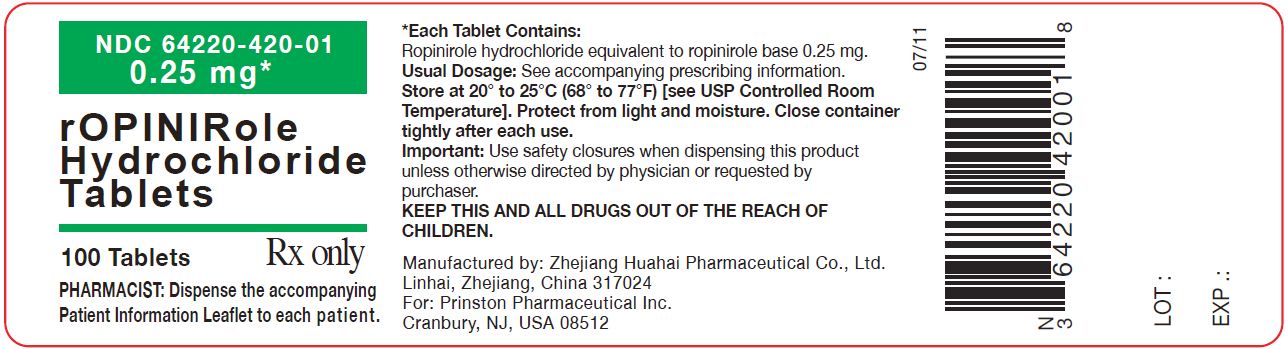
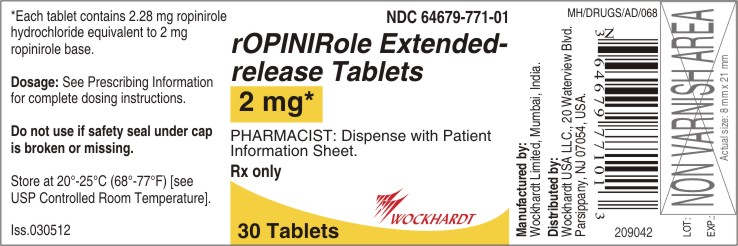
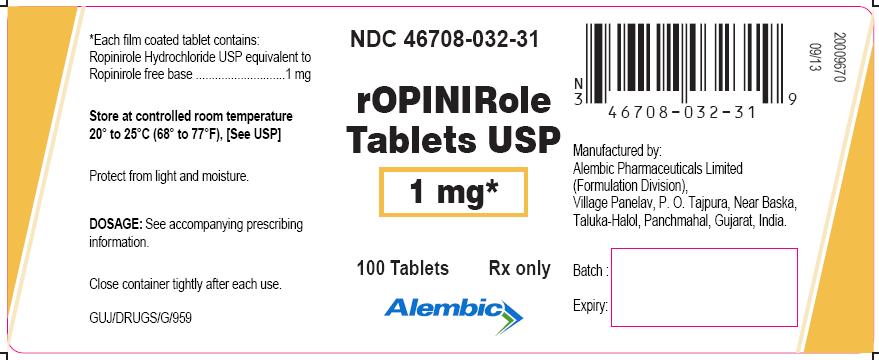
Ropinirole Hydrochloride label

Ropinirole Hydrochloride

Ropinirole Hydrochloride Recall

Get an alert when a recall is issued.

Side Effects & Adverse Reactions

There is currently no warning information available for this product. We apologize for any inconvenience.

FDA Safety Alerts

There are currently no FDA safety alerts available for this drug.

Manufacturer Warnings

There is currently no manufacturer warning information available for this drug.

FDA Labeling Changes

There are currently no FDA labeling changes available for this drug.

Uses

There is currently no usage information available for this product. We apologize for any inconvenience.

History

There is currently no drug history available for this drug.

Other Information

There are no additional details available for this product.

Ropinirole Hydrochloride Manufacturers

  • Ropinirole Hydrochloride |
    No Recall

    Ropinirole Hydrochloride |

    Ropinirole Hydrochloride |

    There is currently no dosage information available for this product. We apologize for any inconvenience.

  • Aidarex Pharmaceuticals Llc
    Ropinirole Hydrochloride | Aidarex Pharmaceuticals Llc
    No Recall

    Ropinirole Hydrochloride | Aidarex Pharmaceuticals Llc

    Ropinirole Hydrochloride | Aidarex Pharmaceuticals Llc

    General Dosing Considerations for Parkinson's Disease and RLS
    Ropinirole Hydrochloride Tablets can be taken with or without food. Patients may be advised that taking Ropinirole Hydrochloride Tablets with food may reduce the occurrence of nausea. However, this has not been established in controlled clinical trials.

    If a significant interruption in therapy with Ropinirole Hydrochloride Tablets has occurred, retitration of therapy may be warranted.

    Geriatric Use
    Pharmacokinetic studies demonstrated a reduced clearance of ropinirole in the elderly (see CLINICAL PHARMACOLOGY). Dose adjustment is not necessary since the dose is individually titrated to clinical response.

    Renal Impairment
    The pharmacokinetics of ropinirole were not altered in patients with moderate renal impairment (see CLINICAL PHARMACOLOGY). Therefore, no dosage adjustment is necessary in patients with moderate renal impairment. The use of Ropinirole Hydrochloride Tablets in patients with severe renal impairment has not been studied.

    Hepatic Impairment
    The pharmacokinetics of ropinirole have not been studied in patients with hepatic impairment. Since patients with hepatic impairment may have higher plasma levels and lower clearance, Ropinirole Hydrochloride Tablets should be titrated with caution in these patients.

    Dosing for Parkinson’s Disease
    In all clinical studies, dosage was initiated at a subtherapeutic level and gradually titrated to therapeutic response. The dosage should be increased to achieve a maximum therapeutic effect, balanced against the principal side effects of nausea, dizziness, somnolence, and dyskinesia.
    The recommended starting dose for Parkinson’s disease is 0.25 mg 3 times daily. Based on individual patient response, dosage should then be titrated with weekly increments as described in Table 5. After week 4, if necessary, daily dosage may be increased by 1.5 mg/day on a weekly basis up to a dose of 9 mg/day, and then by up to 3 mg/day weekly to a total dose of 24 mg/day. Doses greater than 24 mg/day have not been tested in clinical trials.
     
    Table 5. Ascending-Dose Schedule of Ropinirole Hydrochloride Tablets for Parkinson’s Disease

    Week

    Dosage

    Total Daily Dose

    1

    0.25mg 3 times daily

    0.75mg

    2

    0.5mg 3 times daily

    1.5mg

    3

    0.75mg 3 times daily

    2.25mg

    4

    1mg 3 times daily

    3mg

     
    When Ropinirole Hydrochloride Tablets are administered as adjunct therapy to L-dopa, the concurrent dose of L-dopa may be decreased gradually as tolerated. L-dopa dosage reduction was allowed during the advanced Parkinson’s disease (with L-dopa) study if dyskinesias or other dopaminergic effects occurred. Overall, reduction of L-dopa dose was sustained in 87% of patients treated with Ropinirole Hydrochloride Tablets and in 57% of patients on placebo. On average the L-dopa dose was reduced by 31% in patients treated with Ropinirole Hydrochloride Tablets.
     
    Ropinirole Hydrochloride Tablets for Parkinson’s disease patients should be discontinued gradually over a 7-day period. The frequency of administration should be reduced from 3 times daily to twice daily for 4 days. For the remaining 3 days, the frequency should be reduced to once daily prior to complete withdrawal of Ropinirole Hydrochloride Tablets.

    Dosing for Restless Legs Syndrome
    In all clinical trials, the dose for Ropinirole Hydrochloride Tablets was initiated at 0.25 mg once daily, 1 to 3 hours before bedtime. Patients were titrated based on clinical response and tolerability.
    The recommended adult starting dosage for RLS is 0.25 mg once daily, 1 to 3 hours before bedtime. After 2 days, the dosage can be increased to 0.5 mg once daily and to 1 mg once daily at the end of the first week of dosing, then as shown in Table 6 as needed to achieve efficacy. For RLS, the safety and effectiveness of doses greater than 4 mg once daily have not been established.

    Table 6.  Dose Titration Schedule for RLS
     

    Day/Week

    Dosage to be taken once daily, 1 to 3 hours before bedtime

    Days 1 and 2

    0.25 mg

    Days 3-7

    0.5 mg

    Week 2

    1 mg

    Week 3

    1.5 mg

    Week 4

    2 mg

    Week 5

    2.5mg

    Week 6

    3mg

    Week 7

    4mg


    In clinical trials of patients being treated for RLS with doses up to 4 mg once daily, Ropinirole Hydrochloride Tablets were discontinued without a taper.

  • Major Pharmaceuticals
    Ropinirole Hydrochloride | Major Pharmaceuticals
    No Recall

    Ropinirole Hydrochloride | Major Pharmaceuticals

    Ropinirole Hydrochloride | Major Pharmaceuticals
    General Dosing Considerations for Parkinson’s Disease and RLS

    Ropinirole hydrochloride tablets can be taken with or without food. Patients may be advised that taking ropinirole hydrochloride tablets with food may reduce the occurrence of nausea. However, this has not been established in controlled clinical trials.

    If a significant interruption in therapy with ropinirole hydrochloride has occurred, retitration of therapy may be warranted.

    Geriatric Use

    Pharmacokinetic studies demonstrated a reduced clearance of ropinirole in the elderly (see CLINICAL PHARMACOLOGY). Dose adjustment is not necessary since the dose is individually titrated to clinical response.

    Renal Impairment

    The pharmacokinetics of ropinirole were not altered in patients with moderate renal impairment (see CLINICAL PHARMACOLOGY). Therefore, no dosage adjustment is necessary in patients with moderate renal impairment. The use of ropinirole hydrochloride in patients with severe renal impairment has not been studied.

    Hepatic Impairment

    The pharmacokinetics of ropinirole have not been studied in patients with hepatic impairment. Since patients with hepatic impairment may have higher plasma levels and lower clearance, ropinirole hydrochloride should be titrated with caution in these patients.

    Dosing for Parkinson’s Disease

    In all clinical studies, dosage was initiated at a subtherapeutic level and gradually titrated to therapeutic response. The dosage should be increased to achieve a maximum therapeutic effect, balanced against the principal side effects of nausea, dizziness, somnolence, and dyskinesia.

    The recommended starting dose for Parkinson’s disease is 0.25 mg 3 times daily. Based on individual patient response, dosage should then be titrated with weekly increments as described in Table 5. After week 4, if necessary, daily dosage may be increased by 1.5 mg/day on a weekly basis up to a dose of 9 mg/day, and then by up to 3 mg/day weekly to a total dose of 24 mg/day. Doses greater than 24 mg/day have not been tested in clinical trials.

    Table 5. Ascending-Dose Schedule of Ropinirole Hydrochloride Tablets for Parkinson’s Disease  Week  Dosage  Total Daily Dose  1  0.25 mg 3 times daily  0.75 mg  2  0.5 mg 3 times daily  1.5 mg  3  0.75 mg 3 times daily  2.25 mg  4  1 mg 3 times daily  3 mg

    When ropinirole hydrochloride tablets are administered as adjunct therapy to L-dopa, the concurrent dose of L-dopa may be decreased gradually as tolerated. L-dopa dosage reduction was allowed during the advanced Parkinson’s disease (with L-dopa) study if dyskinesias or other dopaminergic effects occurred. Overall, reduction of L-dopa dose was sustained in 87% of patients treated with ropinirole hydrochloride and in 57% of patients on placebo. On average the L-dopa dose was reduced by 31% in patients treated with ropinirole hydrochloride.

    Ropinirole hydrochloride tablets for Parkinson’s disease patients should be discontinued gradually over a 7 day period. The frequency of administration should be reduced from 3 times daily to twice daily for 4 days. For the remaining 3 days, the frequency should be reduced to once daily prior to complete withdrawal of ropinirole hydrochloride tablets.

    Dosing for Restless Legs Syndrome

    In all clinical trials, the dose for ropinirole was initiated at 0.25 mg once daily, 1 to 3 hours before bedtime. Patients were titrated based on clinical response and tolerability.

    The recommended adult starting dosage for RLS is 0.25 mg once daily, 1 to 3 hours before bedtime. After 2 days, the dosage can be increased to 0.5 mg once daily and to 1 mg once daily at the end of the first week of dosing, then as shown in Table 6 as needed to achieve efficacy. For RLS, the safety and effectiveness of doses greater than 4 mg once daily have not been established.

    Table 6. Dose Titration Schedule for RLS  Day/Week  Dosage to be taken once daily, 1 to 3 hours before bedtime  Days 1 and 2  0.25 mg  Days 3 to 7  0.5 mg  Week 2  1 mg  Week 3  1.5 mg  Week 4  2 mg  Week 5  2.5 mg  Week 6  3 mg  Week 7  4 mg

    In clinical trials of patients being treated for RLS with doses up to 4 mg once daily, ropinirole was discontinued without a taper.

  • Heritage Pharmaceuticals Inc.
    Ropinirole Hydrochloride | Heritage Pharmaceuticals Inc.
    No Recall

    Ropinirole Hydrochloride | Heritage Pharmaceuticals Inc.

    Ropinirole Hydrochloride | Heritage Pharmaceuticals Inc.

    General Dosing Considerations for Parkinson's Disease and RLS
    Ropinirole Hydrochloride Tablets can be taken with or without food. Patients may be advised that taking Ropinirole Hydrochloride Tablets with food may reduce the occurrence of nausea. However, this has not been established in controlled clinical trials.

    If a significant interruption in therapy with Ropinirole Hydrochloride Tablets has occurred, retitration of therapy may be warranted.

    Geriatric Use
    Pharmacokinetic studies demonstrated a reduced clearance of ropinirole in the elderly (see CLINICAL PHARMACOLOGY). Dose adjustment is not necessary since the dose is individually titrated to clinical response.

    Renal Impairment
    The pharmacokinetics of ropinirole were not altered in patients with moderate renal impairment (see CLINICAL PHARMACOLOGY). Therefore, no dosage adjustment is necessary in patients with moderate renal impairment. The use of Ropinirole Hydrochloride Tablets in patients with severe renal impairment has not been studied.

    Hepatic Impairment
    The pharmacokinetics of ropinirole have not been studied in patients with hepatic impairment. Since patients with hepatic impairment may have higher plasma levels and lower clearance, Ropinirole Hydrochloride Tablets should be titrated with caution in these patients.

    Dosing for Parkinson’s Disease
    In all clinical studies, dosage was initiated at a subtherapeutic level and gradually titrated to therapeutic response. The dosage should be increased to achieve a maximum therapeutic effect, balanced against the principal side effects of nausea, dizziness, somnolence, and dyskinesia.
    The recommended starting dose for Parkinson’s disease is 0.25 mg 3 times daily. Based on individual patient response, dosage should then be titrated with weekly increments as described in Table 5. After week 4, if necessary, daily dosage may be increased by 1.5 mg/day on a weekly basis up to a dose of 9 mg/day, and then by up to 3 mg/day weekly to a total dose of 24 mg/day. Doses greater than 24 mg/day have not been tested in clinical trials.
     
    Table 5. Ascending-Dose Schedule of Ropinirole Hydrochloride Tablets for Parkinson’s Disease

     Week
     Dosage
     Total Daily Dose
    1
    0.25 mg 3 times daily 0.75 mg 2
    0.5 mg 3 times daily 1.5 mg 3
    0.75 mg 3 times daily 2.25 mg 4
    1 mg 3 times daily 3 mg
     
    When Ropinirole Hydrochloride Tablets are administered as adjunct therapy to L-dopa, the concurrent dose of L-dopa may be decreased gradually as tolerated. L-dopa dosage reduction was allowed during the advanced Parkinson’s disease (with L-dopa) study if dyskinesias or other dopaminergic effects occurred. Overall, reduction of L-dopa dose was sustained in 87% of patients treated with Ropinirole Hydrochloride Tablets and in 57% of patients on placebo. On average the L-dopa dose was reduced by 31% in patients treated with Ropinirole Hydrochloride Tablets.
     
    Ropinirole Hydrochloride Tablets for Parkinson’s disease patients should be discontinued gradually over a 7-day period. The frequency of administration should be reduced from 3 times daily to twice daily for 4 days. For the remaining 3 days, the frequency should be reduced to once daily prior to complete withdrawal of Ropinirole Hydrochloride Tablets.

    Dosing for Restless Legs Syndrome
    In all clinical trials, the dose for Ropinirole Hydrochloride Tablets was initiated at 0.25 mg once daily, 1 to 3 hours before bedtime. Patients were titrated based on clinical response and tolerability.
    The recommended adult starting dosage for RLS is 0.25 mg once daily, 1 to 3 hours before bedtime. After 2 days, the dosage can be increased to 0.5 mg once daily and to 1 mg once daily at the end of the first week of dosing, then as shown in Table 6 as needed to achieve efficacy. For RLS, the safety and effectiveness of doses greater than 4 mg once daily have not been established.

    Table 6.  Dose Titration Schedule for RLS
     
     Day/Week
    Dosage to be taken once daily, 1 to 3 hours before bedtime
    Days 1 and 2
     0.25 mg
    Days 3-7
     0.5 mg
    Week 2
    1 mg
    Week 3
    1.5 mg
    Week 4
    2 mg
    Week 5
    2.5 mg
    Week 6
    3 mg
    Week 7
    4 mg


    In clinical trials of patients being treated for RLS with doses up to 4 mg once daily, Ropinirole Hydrochloride Tablets were discontinued without a taper.
  • Ropinirole Hydrochloride | Rebel Distributors Corp
    No Recall

    Ropinirole Hydrochloride | Rebel Distributors Corp

    Ropinirole Hydrochloride | Rebel Distributors Corp

    General Dosing Considerations for Parkinson's Disease and RLS: Ropinirole hydrochloride tablets can be taken with or without food. Patients may be advised that taking ropinirole hydrochloride tablets with food may reduce the occurrence of nausea. However, this has not been established in controlled clinical trials.

    If a significant interruption in therapy with ropinirole hydrochloride tablets has occurred, retitration of therapy may be warranted.

    Geriatric Use: Pharmacokinetic studies demonstrated a reduced clearance of ropinirole in the elderly (seeCLINICAL PHARMACOLOGY). Dose adjustment is not necessary since the dose is individually titrated to clinical response.

    Renal Impairment: The pharmacokinetics of ropinirole were not altered in patients with moderate renal impairment (seeCLINICAL PHARMACOLOGY). Therefore, no dosage adjustment is necessary in patients with moderate renal impairment. The use of ropinirole hydrochloride tablets in patients with severe renal impairment has not been studied.

    Hepatic Impairment: The pharmacokinetics of ropinirole have not been studied in patients with hepatic impairment. Since patients with hepatic impairment may have higher plasma levels and lower clearance, ropinirole hydrochloride tablets should be titrated with caution in these patient.

    Dosing for Parkinson's Disease: In all clinical studies, dosage was initiated at a subtherapeutic level and gradually titrated to therapeutic response. The dosage should be increased to achieve a maximum therapeutic effect, balanced against the principal side effects of nausea, dizziness, somnolence, and dyskinesia.

    The recommended starting dose for Parkinson's disease is 0.25 mg 3 times daily. Based on individual patient response, dosage should then be titrated with weekly increments as described in Table 5. After week 4, if necessary, daily dosage may be increased by 1.5 mg/day on a weekly basis up to a dose of 9 mg/day, and then by up to 3 mg/day weekly to a total dose of 24 mg/day. Doses greater than 24 mg/day have not been tested in clinical trials.

    Table 5. Ascending-Dose Schedule of Ropinirole Hydrochloride Tablets for Parkinson's Disease Week Dosage Total Daily Dose 1 0.25 mg 3 times daily 0.75 mg 2 0.5 mg 3 times daily 1.5 mg 3 0.75 mg 3 times daily 2.25 mg 4 1 mg 3 times daily 3 mg

    When ropinirole hydrochloride is administered as adjunct therapy to L-dopa, the concurrent dose of L-dopa may be decreased gradually as tolerated. L-dopa dosage reduction was allowed during the advanced Parkinson's disease (with L-dopa) study if dyskinesias or other dopaminergic effects occurred. Overall, reduction of L-dopa dose was sustained in 87% of patients treated with ropinirole hydrochloride tablets and in 57% of patients on placebo. On average the L-dopa dose was reduced by 31% in patients treated with ropinirole hydrochloride tablets.

    Ropinirole hydrochloride tablets for Parkinson's disease patients should be discontinued gradually over a 7-day period. The frequency of administration should be reduced from 3 times daily to twice daily for 4 days. For the remaining 3 days, the frequency should be reduced to once daily prior to complete withdrawal of ropinirole hydrochloride tablets.

    Dosing for Restless Legs Syndrome: In all clinical trials, the dose for ropinirole hydrochloride tablets was initiated at 0.25 mg once daily, 1 to 3 hours before bedtime. Patients were titrated based on clinical response and tolerability.

    The recommended adult starting dose for RLS is 0.25 mg once daily, 1 to 3 hours before bedtime. After 2 days, the dosage can be increased to 0.5 mg once daily and to 1 mg once daily at the end of the first week of dosing, then as shown in Table 6 as needed to achieve efficacy. For RLS, the safety and effectiveness of doses greater than 4 mg once daily have not been established.

    Table 6. Dose Titration Schedule for RLS Day/Week Dosage to be taken once daily,
    1 to 3 hours before bedtime Days 1 and 2 0.25 mg Days 3-7 0.5 mg Week 2 1 mg Week 3 1.5 mg Week 4 2 mg Week 5 2.5 mg Week 6 3 mg Week 7 4 mg

    In clinical trials of patients being treated for RLS with doses up to 4 mg once daily, ropinirole hydrochloride tablets were discontinued without a taper.

  • Ropinirole Hydrochloride | Cadila Healthcare Limited
    No Recall

    Ropinirole Hydrochloride | Cadila Healthcare Limited

    Ropinirole Hydrochloride | Cadila Healthcare Limited
    General Dosing Considerations for Parkinson’s Disease and RLS:

    Ropinirole hydrochloride tablets can be taken with or without food. Patients may be advised that taking ropinirole hydrochloride tablets with food may reduce the occurrence of nausea. However, this has not been established in controlled clinical trials.

    If a significant interruption in therapy with ropinirole hydrochloride tablets has occurred, retitration of therapy may be warranted.

    Geriatric Use:

    Pharmacokinetic studies demonstrated a reduced clearance of ropinirole in the elderly (see CLINICAL PHARMACOLOGY). Dose adjustment is not necessary since the dose is individually titrated to clinical response.

    Renal Impairment:

    The pharmacokinetics of ropinirole were not altered in patients with moderate renal impairment (see CLINICAL PHARMACOLOGY). Therefore, no dosage adjustment is necessary in patients with moderate renal impairment. The use of ropinirole hydrochloride in patients with severe renal impairment has not been studied.

    Hepatic Impairment:

    The pharmacokinetics of ropinirole have not been studied in patients with hepatic impairment. Since patients with hepatic impairment may have higher plasma levels and lower clearance, ropinirole hydrochloride should be titrated with caution in these patients.

    Dosing for Parkinson’s Disease:

    In all clinical studies, dosage was initiated at a subtherapeutic level and gradually titrated to therapeutic response. The dosage should be increased to achieve a maximum therapeutic effect, balanced against the principal side effects of nausea, dizziness, somnolence, and dyskinesia.

    The recommended starting dose for Parkinson’s disease is 0.25 mg 3 times daily. Based on individual patient response, dosage should then be titrated with weekly increments as described in Table 5. After week 4, if necessary, daily dosage may be increased by 1.5 mg/day on a weekly basis up to a dose of 9 mg/day, and then by up to 3 mg/day weekly to a total dose of 24 mg/day. Doses greater than 24 mg/day have not been tested in clinical trials.

    Table 5Ascending-Dose Schedule of Ropinirole Hydrochloride Tablets for Parkinson’s Disease Week
    Dosage
    Total Daily Dose
    1
    0.25 mg 3 times daily
    0.75 mg
    2
    0.5 mg 3 times daily
    1.5 mg
    3
    0.75 mg 3 times daily
    2.25 mg
    4
    1 mg 3 times daily
    3 mg

    When ropinirole hydrochloride tablet is administered as adjunct therapy to L-dopa, the concurrent dose of L-dopa may be decreased gradually as tolerated. L-dopa dosage reduction was allowed during the advanced Parkinson’s disease (with L-dopa) study if dyskinesias or other dopaminergic effects occurred. Overall, reduction of L-dopa dose was sustained in 87% of patients treated with ropinirole hydrochloride tablets and in 57% of patients on placebo. On average the L-dopa dose was reduced by 31% in patients treated with ropinirole hydrochloride tablets.

    Ropinirole hydrochloride for Parkinson’s disease patients should be discontinued gradually over a 7-day period. The frequency of administration should be reduced from 3 times daily to twice daily for 4 days. For the remaining 3 days, the frequency should be reduced to once daily prior to complete withdrawal of ropinirole hydrochloride tablets.

    Dosing for Restless Legs Syndrome:

    In all clinical trials, the dose for ropinirole hydrochloride was initiated at 0.25 mg once daily, 1 to 3 hours before bedtime. Patients were titrated based on clinical response and tolerability.

    The recommended adult starting dosage for RLS is 0.25 mg once daily, 1 to 3 hours before bedtime. After 2 days, the dosage can be increased to 0.5 mg once daily and to 1 mg once daily at the end of the first week of dosing, then as shown in Table 6 as needed to achieve efficacy.

    For RLS, the safety and effectiveness of doses greater than 4 mg once daily have not been established.

    Table 6Dose Titration Schedule for RLS Day/Week
    Dosage to be taken once daily,
    1 to 3 hours before bedtime
    Days 1 and 2
    0.25 mg
    Days 3-7
    0.5 mg
    Week 2
    1 mg
    Week 3
    1.5 mg
    Week 4
    2 mg
    Week 5
    2.5 mg
    Week 6
    3 mg
    Week 7
    4 mg

    In clinical trials of patients being treated for RLS with doses up to 4 mg once daily, ropinirole hydrochloride tablets were discontinued without a taper.

  • Stat Rx Usa Llc
    Ropinirole Hydrochloride | Stat Rx Usa Llc
    No Recall

    Ropinirole Hydrochloride | Stat Rx Usa Llc

    Ropinirole Hydrochloride | Stat Rx Usa Llc
    General Dosing Considerations for Parkinson's Disease and RLS

    Ropinirole hydrochloride tablets can be taken with or without food. Patients may be advised that taking ropinirole hydrochloride tablets with food may reduce the occurrence of nausea. However, this has not been established in controlled clinical trials. If a significant interruption in therapy with ropinirole hydrochloride tablets has occurred, retitration of therapy may be warranted.


    Geriatric Use

    Pharmacokinetic studies demonstrated a reduced clearance of ropinirole in the elderly (see CLINICAL PHARMACOLOGY). Dose adjustment is not necessary since the dose is individually titrated to clinical response.


    Renal Impairment

    The pharmacokinetics of ropinirole were not altered in patients with moderate renal impairment (see CLINICAL PHARMACOLOGY). Therefore, no dosage adjustment is necessary in patients with moderate renal impairment. The use of ropinirole hydrochloride tablets in patients with severe renal impairment has not been studied.


    Hepatic Impairment

    The pharmacokinetics of ropinirole have not been studied in patients with hepatic impairment. Since patients with hepatic impairment may have higher plasma levels and lower clearance, ropinirole hydrochloride tablets should be titrated with caution in these patients.


    Dosing for Parkinson's Disease

    In all clinical studies, dosage was initiated at a subtherapeutic level and gradually titrated to therapeutic response. The dosage should be increased to achieve a maximum therapeutic effect, balanced against the principal side effects of nausea, dizziness, somnolence, and dyskinesia.

    The recommended starting dose for Parkinson's disease is 0.25 mg 3 times daily. Based on individual patient response, dosage should then be titrated with weekly increments as described in Table 5. After week 4, if necessary, daily dosage may be increased by 1.5 mg/day on a weekly basis up to a dose of 9 mg/day, and then by up to 3 mg/day weekly to a total dose of 24 mg/day. Doses greater than 24 mg/day have not been tested in clinical trials.

    Table 5. Ascending-Dose Schedule of Ropinirole Hydrochloride Tablets for Parkinson's Disease Week Dosage Total Daily Dose 1 0.25 mg 3 times daily 0.75 mg 2 0.5 mg 3 times daily 1.5 mg 3 0.75 mg 3 times daily 2.25 mg 4 1 mg 3 times daily 3 mg

    When ropinirole hydrochloride tablets are administered as adjunct therapy to L-dopa, the concurrent dose of L-dopa may be decreased gradually as tolerated. L-dopa dosage reduction was allowed during the advanced Parkinson's disease (with L-dopa) study if dyskinesias or other dopaminergic effects occurred. Overall, reduction of L-dopa dose was sustained in 87% of patients treated with ropinirole hydrochloride tablets and in 57% of patients on placebo. On average the L-dopa dose was reduced by 31% in patients treated with ropinirole hydrochloride tablets.

    Ropinirole hydrochloride tablets for Parkinson's disease patients should be discontinued gradually over a 7 day period. The frequency of administration should be reduced from 3 times daily to twice daily for 4 days. For the remaining 3 days, the frequency should be reduced to once daily prior to complete withdrawal of ropinirole hydrochloride tablets.


    Dosing for Restless Legs Syndrome

    In all clinical trials, the dose for ropinirole hydrochloride tablets was initiated at 0.25 mg once daily, 1 to 3 hours before bedtime. Patients were titrated based on clinical response and tolerability.

    The recommended adult starting dosage for RLS is 0.25 mg once daily, 1 to 3 hours before bedtime. After 2 days, the dosage can be increased to 0.5 mg once daily and to 1 mg once daily at the end of the first week of dosing, then as shown in Table 6 as needed to achieve efficacy. For RLS, the safety and effectiveness of doses greater than 4 mg once daily have not been established.

    Table 6. Dose Titration Schedule for RLS Day/Week Dosage to be taken once daily, 1 to 3 hours before bedtime. Days 1 and 2 0.25 mg Days 3 to 7 0.5 mg Week 2 1 mg Week 3 1.5 mg Week 4 2 mg Week 5 2.5 mg Week 6 3 mg Week 7 4 mg In clinical trials of patients being treated for RLS with doses up to 4 mg once daily, ropinirole hydrochloride tablets was discontinued without a taper.

  • Ropinirole Hydrochloride | Rebel Distributors Corp
    No Recall

    Ropinirole Hydrochloride | Rebel Distributors Corp

    Ropinirole Hydrochloride | Rebel Distributors Corp
    General Dosing Considerations for Parkinson’s Disease and RLS:

    Ropinirole hydrochloride tablets can be taken with or without food. Patients may be advised that taking ropinirole hydrochloride tablets with food may reduce the occurrence of nausea. However, this has not been established in controlled clinical trials.

    If a significant interruption in therapy with ropinirole hydrochloride tablets has occurred, retitration of therapy may be warranted.

    Geriatric Use:

    Pharmacokinetic studies demonstrated a reduced clearance of ropinirole in the elderly (see CLINICAL PHARMACOLOGY). Dose adjustment is not necessary since the dose is individually titrated to clinical response.

    Renal Impairment:

    The pharmacokinetics of ropinirole were not altered in patients with moderate renal impairment (see CLINICAL PHARMACOLOGY). Therefore, no dosage adjustment is necessary in patients with moderate renal impairment. The use of ropinirole hydrochloride in patients with severe renal impairment has not been studied.

    Hepatic Impairment:

    The pharmacokinetics of ropinirole have not been studied in patients with hepatic impairment. Since patients with hepatic impairment may have higher plasma levels and lower clearance, ropinirole hydrochloride should be titrated with caution in these patients.

    Dosing for Parkinson’s Disease:

    In all clinical studies, dosage was initiated at a subtherapeutic level and gradually titrated to therapeutic response. The dosage should be increased to achieve a maximum therapeutic effect, balanced against the principal side effects of nausea, dizziness, somnolence, and dyskinesia.

    The recommended starting dose for Parkinson’s disease is 0.25 mg 3 times daily. Based on individual patient response, dosage should then be titrated with weekly increments as described in Table 5. After week 4, if necessary, daily dosage may be increased by 1.5 mg/day on a weekly basis up to a dose of 9 mg/day, and then by up to 3 mg/day weekly to a total dose of 24 mg/day. Doses greater than 24 mg/day have not been tested in clinical trials.

    Table 5Ascending-Dose Schedule of Ropinirole Hydrochloride Tablets for Parkinson’s Disease Week
    Dosage
    Total Daily Dose
    1
    0.25 mg 3 times daily
    0.75 mg
    2
    0.5 mg 3 times daily
    1.5 mg
    3
    0.75 mg 3 times daily
    2.25 mg
    4
    1 mg 3 times daily
    3 mg

    When ropinirole hydrochloride tablet is administered as adjunct therapy to L-dopa, the concurrent dose of L-dopa may be decreased gradually as tolerated. L-dopa dosage reduction was allowed during the advanced Parkinson’s disease (with L-dopa) study if dyskinesias or other dopaminergic effects occurred. Overall, reduction of L-dopa dose was sustained in 87% of patients treated with ropinirole hydrochloride tablets and in 57% of patients on placebo. On average the L-dopa dose was reduced by 31% in patients treated with ropinirole hydrochloride tablets.

    Ropinirole hydrochloride for Parkinson’s disease patients should be discontinued gradually over a 7-day period. The frequency of administration should be reduced from 3 times daily to twice daily for 4 days. For the remaining 3 days, the frequency should be reduced to once daily prior to complete withdrawal of ropinirole hydrochloride tablets.

    Dosing for Restless Legs Syndrome:

    In all clinical trials, the dose for ropinirole hydrochloride was initiated at 0.25 mg once daily, 1 to 3 hours before bedtime. Patients were titrated based on clinical response and tolerability.

    The recommended adult starting dosage for RLS is 0.25 mg once daily, 1 to 3 hours before bedtime. After 2 days, the dosage can be increased to 0.5 mg once daily and to 1 mg once daily at the end of the first week of dosing, then as shown in Table 6 as needed to achieve efficacy.

    For RLS, the safety and effectiveness of doses greater than 4 mg once daily have not been established.

    Table 6Dose Titration Schedule for RLS Day/Week
    Dosage to be taken once daily,
    1 to 3 hours before bedtime
    Days 1 and 2
    0.25 mg
    Days 3-7
    0.5 mg
    Week 2
    1 mg
    Week 3
    1.5 mg
    Week 4
    2 mg
    Week 5
    2.5 mg
    Week 6
    3 mg
    Week 7
    4 mg

    In clinical trials of patients being treated for RLS with doses up to 4 mg once daily, ropinirole hydrochloride tablets were discontinued without a taper.

  • Bryant Ranch Prepack
    Ropinirole Hydrochloride | Bryant Ranch Prepack
    No Recall

    Ropinirole Hydrochloride | Bryant Ranch Prepack

    Ropinirole Hydrochloride | Bryant Ranch Prepack

    General Dosing Considerations for Parkinson's Disease and RLS
    Ropinirole Hydrochloride Tablets can be taken with or without food. Patients may be advised that taking Ropinirole Hydrochloride Tablets with food may reduce the occurrence of nausea. However, this has not been established in controlled clinical trials.

    If a significant interruption in therapy with Ropinirole Hydrochloride Tablets has occurred, retitration of therapy may be warranted.

    Geriatric Use
    Pharmacokinetic studies demonstrated a reduced clearance of ropinirole in the elderly (see CLINICAL PHARMACOLOGY). Dose adjustment is not necessary since the dose is individually titrated to clinical response.

    Renal Impairment
    The pharmacokinetics of ropinirole were not altered in patients with moderate renal impairment (see CLINICAL PHARMACOLOGY). Therefore, no dosage adjustment is necessary in patients with moderate renal impairment. The use of Ropinirole Hydrochloride Tablets in patients with severe renal impairment has not been studied.

    Hepatic Impairment
    The pharmacokinetics of ropinirole have not been studied in patients with hepatic impairment. Since patients with hepatic impairment may have higher plasma levels and lower clearance, Ropinirole Hydrochloride Tablets should be titrated with caution in these patients.

    Dosing for Parkinson’s Disease
    In all clinical studies, dosage was initiated at a subtherapeutic level and gradually titrated to therapeutic response. The dosage should be increased to achieve a maximum therapeutic effect, balanced against the principal side effects of nausea, dizziness, somnolence, and dyskinesia.
    The recommended starting dose for Parkinson’s disease is 0.25 mg 3 times daily. Based on individual patient response, dosage should then be titrated with weekly increments as described in Table 5. After week 4, if necessary, daily dosage may be increased by 1.5 mg/day on a weekly basis up to a dose of 9 mg/day, and then by up to 3 mg/day weekly to a total dose of 24 mg/day. Doses greater than 24 mg/day have not been tested in clinical trials.
     
    Table 5. Ascending-Dose Schedule of Ropinirole Hydrochloride Tablets for Parkinson’s Disease

     Week
     Dosage
     Total Daily Dose
    1
    0.25 mg 3 times daily 0.75 mg 2
    0.5 mg 3 times daily 1.5 mg 3
    0.75 mg 3 times daily 2.25 mg 4
    1 mg 3 times daily 3 mg
     
    When Ropinirole Hydrochloride Tablets are administered as adjunct therapy to L-dopa, the concurrent dose of L-dopa may be decreased gradually as tolerated. L-dopa dosage reduction was allowed during the advanced Parkinson’s disease (with L-dopa) study if dyskinesias or other dopaminergic effects occurred. Overall, reduction of L-dopa dose was sustained in 87% of patients treated with Ropinirole Hydrochloride Tablets and in 57% of patients on placebo. On average the L-dopa dose was reduced by 31% in patients treated with Ropinirole Hydrochloride Tablets.
     
    Ropinirole Hydrochloride Tablets for Parkinson’s disease patients should be discontinued gradually over a 7-day period. The frequency of administration should be reduced from 3 times daily to twice daily for 4 days. For the remaining 3 days, the frequency should be reduced to once daily prior to complete withdrawal of Ropinirole Hydrochloride Tablets.

    Dosing for Restless Legs Syndrome
    In all clinical trials, the dose for Ropinirole Hydrochloride Tablets was initiated at 0.25 mg once daily, 1 to 3 hours before bedtime. Patients were titrated based on clinical response and tolerability.
    The recommended adult starting dosage for RLS is 0.25 mg once daily, 1 to 3 hours before bedtime. After 2 days, the dosage can be increased to 0.5 mg once daily and to 1 mg once daily at the end of the first week of dosing, then as shown in Table 6 as needed to achieve efficacy. For RLS, the safety and effectiveness of doses greater than 4 mg once daily have not been established.

    Table 6.  Dose Titration Schedule for RLS
     
     Day/Week
    Dosage to be taken once daily, 1 to 3 hours before bedtime
    Days 1 and 2
     0.25 mg
    Days 3-7
     0.5 mg
    Week 2
    1 mg
    Week 3
    1.5 mg
    Week 4
    2 mg
    Week 5
    2.5 mg
    Week 6
    3 mg
    Week 7
    4 mg


    In clinical trials of patients being treated for RLS with doses up to 4 mg once daily, Ropinirole Hydrochloride Tablets were discontinued without a taper.
  • Ropinirole Hydrochloride | Zhejiang Huahai Pharmaceutical Co., Ltd.
    No Recall

    Ropinirole Hydrochloride | Zhejiang Huahai Pharmaceutical Co., Ltd.

    Ropinirole Hydrochloride | Zhejiang Huahai Pharmaceutical Co., Ltd.
    General Dosing Considerations for Parkinson's Disease and RLS:

    Ropinirole hydrochloride can be taken with or without food. Patients may be advised that taking ropinirole hydrochloride with food may reduce the occurrence of nausea. However, this has not been established in controlled clinical trials.

    If a significant interruption in therapy with ropinirole hydrochloride has occurred, retitration of therapy may be warranted.

    Geriatric Use:

    Pharmacokinetic studies demonstrated a reduced clearance of ropinirole in the elderly (see CLINICAL PHARMACOLOGY). Dose adjustment is not necessary since the dose is individually titrated to clinical response.

    Renal Impairment:

    The pharmacokinetics of ropinirole were not altered in patients with moderate renal impairment (see CLINICAL PHARMACOLOGY). Therefore, no dosage adjustment is necessary in patients with moderate renal impairment. The use of ropinirole hydrochloride in patients with severe renal impairment has not been studied.

    Hepatic Impairment:

    The pharmacokinetics of ropinirole have not been studied in patients with hepatic impairment. Since patients with hepatic impairment may have higher plasma levels and lower clearance, ropinirole hydrochloride should be titrated with caution in these patients.

    Dosing for Parkinson’s Disease:

    In all clinical studies, dosage was initiated at a subtherapeutic level and gradually titrated to therapeutic response. The dosage should be increased to achieve a maximum therapeutic effect, balanced against the principal side effects of nausea, dizziness, somnolence, and dyskinesia.

    The recommended starting dose for Parkinson’s Disease is 0.25 mg 3 times daily. Based on individual patient response, dosage should then be titrated with weekly increments as described in Table 5. After week 4, if necessary, daily dosage may be increased by 1.5 mg/day on a weekly basis up to a dose of 9 mg/day, and then by up to 3 mg/day weekly to a total dose of 24 mg/day. Doses greater than 24 mg/day have not been tested in clinical trials.

    Table 5. Ascending-Dose Schedule of Ropinirole Hydrochloride for Parkinson’s Disease Week Dosage Total Daily Dose

    1

    2

    3

    4

    0.25 mg 3 times daily

    0.5 mg 3 times daily

    0.75 mg 3 times daily

    1 mg 3 times daily

    0.75 mg

    1.5 mg

    2.25 mg

    3 mg

    When ropinirole hydrochloride is administered as adjunct therapy to L-dopa, the concurrent dose of L-dopa may be decreased gradually as tolerated. L-dopa dosage reduction was allowed during the advanced Parkinson’s disease (with L-dopa) study if dyskinesias or other dopaminergic effects occurred. Overall, reduction of L-dopa dose was sustained in 87% of patients treated with ropinirole hydrochloride and in 57% of patients on placebo. On average the L-dopa dose was reduced by 31% in patients treated with ropinirole hydrochloride.

    Ropinirole hydrochloride for Parkinson’s disease patients should be discontinued gradually over a 7-day period. The frequency of administration should be reduced from 3 times daily to twice daily for 4 days. For the remaining 3 days, the frequency should be reduced to once daily prior to complete withdrawal of ropinirole hydrochloride.

    Dosing for Restless Legs Syndrome:

    In all clinical trials, the dose for ropinirole hydrochloride was initiated at 0.25 mg once daily, 1 to 3 hours before bedtime. Patients were titrated based on clinical response and tolerability.

    The recommended adult starting dosage for RLS is 0.25 mg once daily, 1 to 3 hours before bedtime. After 2 days, the dosage can be increased to 0.5 mg once daily and to 1 mg once daily at the end of the first week of dosing, then as shown in Table 6 as needed to achieve efficacy. For RLS, the safety and effectiveness of doses greater than 4 mg once daily have not been established.

    Table 6. Dose Titration Schedule for RLS Day/Week Dosage to be taken once daily,1 to 3 hours before bedtime Days 1 and 2 0.25 mg Days 3-7 0.5 mg Week 2 1 mg Week 3 1.5 mg Week 4 2 mg Week 5 2.5 mg Week 6 3 mg Week 7 4 mg

    In clinical trials of patients being treated for RLS with doses up to 4 mg once daily, ropinirole hydrochloride was discontinued without a taper.

  • Watson Laboratories, Inc.
    Ropinirole Hydrochloride | Watson Laboratories, Inc.
    No Recall

    Ropinirole Hydrochloride | Watson Laboratories, Inc.

    Ropinirole Hydrochloride | Watson Laboratories, Inc.
    2.1 General Dosing Considerations Ropinirole extended-release tablets are taken once daily, with or without food. Taking ropinirole extended-release tablets with food may reduce the occurrence of nausea; this has not been established in controlled clinical trials [see Clinical Pharmacology (12.3)].
    Tablets must be swallowed whole and must not be chewed, crushed, or divided.
    If a significant interruption in therapy with ropinirole extended-release tablets has occurred, retitration of therapy may be warranted. 2.2 Dosing for Parkinson’s Disease

    The starting dose is 2 mg taken once daily for 1 to 2 weeks, followed by increases of 2 mg/day at 1-week or longer intervals as appropriate, depending on therapeutic response and tolerability, up to a maximally recommended dose of 24 mg/day.

    In clinical trials, dosage was initiated at 2 mg/day and gradually titrated based on individual therapeutic response and tolerability. Doses greater than 24 mg/day have not been studied in clinical trials. Patients should be assessed for therapeutic response and tolerability at a minimal interval of 1 week or longer after each dose increment. Caution should be exercised during dose titration because too rapid a rate of titration may lead to dose selection that may not provide additional benefit, but that may increase the risk of adverse reactions [see Clinical Studies (14.2)]. Due to the flexible dosing design used in clinical studies, specific dose response information could not be determined.

    When ropinirole extended-release tablets are administered as adjunct therapy to L-dopa, the concurrent dose of L-dopa may be decreased gradually as tolerated. In the placebo-controlled advanced Parkinson's disease study, the L-dopa dose was reduced once patients reached a dose of ropinirole extended-release tablets of 8 mg/day. Overall, L-dopa dose reduction was sustained in 93% of patients treated with ropinirole extended-release tablets and in 72% of patients on placebo. On average the L-dopa dose was reduced by 34% in patients treated with ropinirole extended-release tablets [see Clinical Studies (14)]. Ropinirole extended-release tablets should be discontinued gradually over a 7–day period.

    2.3 Switching From Immediate-Release Ropinirole Tablets to Ropinirole Extended-Release Tablets

    Patients may be switched directly from immediate-release ropinirole to ropinirole extended-release tablets. The initial dose of ropinirole extended-release tablets should most closely match the total daily dose of the immediate-release formulation of ropinirole tablets, as shown in Table 1.

    Table 1. Conversion from Immediate-Release Ropinirole Tablets to Ropinirole Extended-Release Tablets  Immediate-Release
    Ropinirole Tablets
    Total Daily Dose (mg)  Ropinirole Extended-
    Release Tablets
    Total Daily Dose (mg)  0.75 to 2.25  2  3 to 4.5  4  6  6  7.5 to 9  8  12  12  15 to 18  16  21  20  24  24

    Following conversion to ropinirole extended-release tablets, the dose may be adjusted depending on therapeutic response and tolerability [see Dosage and Administration (2.2)].

  • Avkare, Inc.
    Ropinirole Hydrochloride | Avkare, Inc.
    No Recall

    Ropinirole Hydrochloride | Avkare, Inc.

    Ropinirole Hydrochloride | Avkare, Inc.
    2.1 General Dosing Considerations Ropinirole extended-release tablets are taken once daily, with or without food. Taking ropinirole extended-release tablets with food may reduce the occurrence of nausea; this has not been established in controlled clinical trials [see Clinical Pharmacology (12.3)].
    Tablets must be swallowed whole and must not be chewed, crushed, or divided.
    If a significant interruption in therapy with ropinirole extended-release tablets has occurred, retitration of therapy may be warranted. 2.2 Dosing for Parkinson’s Disease

    The starting dose is 2 mg taken once daily for 1 to 2 weeks, followed by increases of 2 mg/day at 1-week or longer intervals as appropriate, depending on therapeutic response and tolerability, up to a maximally recommended dose of 24 mg/day.

    In clinical trials, dosage was initiated at 2 mg/day and gradually titrated based on individual therapeutic response and tolerability. Doses greater than 24 mg/day have not been studied in clinical trials. Patients should be assessed for therapeutic response and tolerability at a minimal interval of 1 week or longer after each dose increment. Caution should be exercised during dose titration because too rapid a rate of titration may lead to dose selection that may not provide additional benefit, but that may increase the risk of adverse reactions [see Clinical Studies (14.2)]. Due to the flexible dosing design used in clinical studies, specific dose response information could not be determined.

    When ropinirole extended-release tablets are administered as adjunct therapy to L-dopa, the concurrent dose of L-dopa may be decreased gradually as tolerated. In the placebo-controlled advanced Parkinson's disease study, the L-dopa dose was reduced once patients reached a dose of ropinirole extended-release tablets of 8 mg/day. Overall, L-dopa dose reduction was sustained in 93% of patients treated with ropinirole extended-release tablets and in 72% of patients on placebo. On average the L-dopa dose was reduced by 34% in patients treated with ropinirole extended-release tablets [see Clinical Studies (14)]. Ropinirole extended-release tablets should be discontinued gradually over a 7–day period.

    2.3 Switching From Immediate-Release Ropinirole Tablets to Ropinirole Extended-Release Tablets

    Patients may be switched directly from immediate-release ropinirole to ropinirole extended-release tablets. The initial dose of ropinirole extended-release tablets should most closely match the total daily dose of the immediate-release formulation of ropinirole tablets, as shown in Table 1.

    Table 1. Conversion from Immediate-Release Ropinirole Tablets to Ropinirole Extended-Release Tablets  Immediate-Release
    Ropinirole Tablets
    Total Daily Dose (mg)  Ropinirole Extended-
    Release Tablets
    Total Daily Dose (mg)  0.75 to 2.25  2  3 to 4.5  4  6  6  7.5 to 9  8  12  12  15 to 18  16  21  20  24  24

    Following conversion to ropinirole extended-release tablets, the dose may be adjusted depending on therapeutic response and tolerability [see Dosage and Administration (2.2)].

  • Wockhardt Usa Llc.
    Ropinirole Hydrochloride | Wockhardt Usa Llc.
    No Recall

    Ropinirole Hydrochloride | Wockhardt Usa Llc.

    Ropinirole Hydrochloride | Wockhardt Usa Llc.
    2.1 General Dosing Considerations Ropinirole Extended-release Tablets are taken once daily, with or without food. Taking Ropinirole Extended-release Tablets with food may reduce the occurrence of nausea; this has not been established in controlled clinical trials [see Clinical Pharmacology (12.3)].   Tablets must be swallowed whole and must not be chewed, crushed, or divided. If a significant interruption in therapy with Ropinirole Extended-release Tablets has occurred, retitration of therapy may be warranted. 2.2 Dosing for Parkinson’s Disease

    The starting dose is 2 mg taken once daily for 1 to 2 weeks, followed by increases of 2 mg/day at 1-week or longer intervals as appropriate, depending on therapeutic response and tolerability, up to a maximally recommended dose of 24 mg/day.

    In clinical trials, dosage was initiated at 2 mg/day and gradually titrated based on individual therapeutic response and tolerability. Doses greater than 24 mg/day have not been studied in clinical trials. Patients should be assessed for therapeutic response and tolerability at a minimal interval of 1 week or longer after each dose increment. Caution should be exercised during dose titration because too rapid a rate of titration may lead to dose selection that may not provide additional benefit, but that may increase the risk of adverse reactions [see Clinical Studies (14.2)]. Due to the flexible dosing design used in clinical studies, specific dose response information could not be determined.   

    When Ropinirole Extended-release Tablets are administered as adjunct therapy to L-dopa, the concurrent dose of L-dopa may be decreased gradually as tolerated. In the placebo-controlled advanced Parkinson’s disease study, the L-dopa dose was reduced once patients reached a dose of Ropinirole Extended-release Tablets of 8 mg/day. Overall, L-dopa dose reduction was sustained in 93% of patients treated with Ropinirole Extended-release Tablets and in 72% of patients on placebo. On average the L-dopa dose was reduced by 34% in patients treated with Ropinirole Extended-release Tablets [see Clinical Studies (14)].

    Ropinirole Extended-release Tablets should be discontinued gradually over a 7-day period.   

    2.3 Switching From Immediate-Release Ropinirole Tablets to Ropinirole Extended-release Tablets

    Patients may be switched directly from immediate-release ropinirole to Ropinirole Extended-release Tablets. The initial dose of Ropinirole Extended-release Tablets should most closely match the total daily dose of the immediate-release formulation of ropinirole tablets as shown in Table 1.  

    Table 1. Conversion from Immediate-Release Ropinirole Tablets to Ropinirole Extended-Release Tablets Immediate-Release Ropinirole Tablets 
    Total Daily Dose  (mg)
    Ropinirole Extended-Release Tablets
    Total Daily Dose  (mg)
    0.75 to 2.25
    2
    3 to 4.5
    4
    6
    6
    7.5 to 9
    8
    12
    12
    15 to 18
    16
    21
    20
    24
    24

    Following conversion to Ropinirole Extended-release Tablets the dose may be adjusted depending on therapeutic response and tolerability [see Dosage and Administration (2.2)].

  • Wockhardt Limited
    Ropinirole Hydrochloride | Wockhardt Limited
    No Recall

    Ropinirole Hydrochloride | Wockhardt Limited

    Ropinirole Hydrochloride | Wockhardt Limited
    2.1 General Dosing Considerations Ropinirole Extended-release Tablets are taken once daily, with or without food. Taking Ropinirole Extended-release Tablets with food may reduce the occurrence of nausea; this has not been established in controlled clinical trials [see Clinical Pharmacology (12.3)].   Tablets must be swallowed whole and must not be chewed, crushed, or divided. If a significant interruption in therapy with Ropinirole Extended-release Tablets has occurred, retitration of therapy may be warranted. 2.2 Dosing for Parkinson’s Disease

    The starting dose is 2 mg taken once daily for 1 to 2 weeks, followed by increases of 2 mg/day at 1-week or longer intervals as appropriate, depending on therapeutic response and tolerability, up to a maximally recommended dose of 24 mg/day.

    In clinical trials, dosage was initiated at 2 mg/day and gradually titrated based on individual therapeutic response and tolerability. Doses greater than 24 mg/day have not been studied in clinical trials. Patients should be assessed for therapeutic response and tolerability at a minimal interval of 1 week or longer after each dose increment. Caution should be exercised during dose titration because too rapid a rate of titration may lead to dose selection that may not provide additional benefit, but that may increase the risk of adverse reactions [see Clinical Studies (14.2)]. Due to the flexible dosing design used in clinical studies, specific dose response information could not be determined.   

    When Ropinirole Extended-release Tablets are administered as adjunct therapy to L-dopa, the concurrent dose of L-dopa may be decreased gradually as tolerated. In the placebo-controlled advanced Parkinson’s disease study, the L-dopa dose was reduced once patients reached a dose of Ropinirole Extended-release Tablets of 8 mg/day. Overall, L-dopa dose reduction was sustained in 93% of patients treated with Ropinirole Extended-release Tablets and in 72% of patients on placebo. On average the L-dopa dose was reduced by 34% in patients treated with Ropinirole Extended-release Tablets [see Clinical Studies (14)].

    Ropinirole Extended-release Tablets should be discontinued gradually over a 7-day period.   

    2.3 Switching From Immediate-Release Ropinirole Tablets to Ropinirole Extended-release Tablets

    Patients may be switched directly from immediate-release ropinirole to Ropinirole Extended-release Tablets. The initial dose of Ropinirole Extended-release Tablets should most closely match the total daily dose of the immediate-release formulation of ropinirole tablets as shown in Table 1.  

    Table 1. Conversion from Immediate-Release Ropinirole Tablets to Ropinirole Extended-Release Tablets Immediate-Release Ropinirole Tablets 
    Total Daily Dose  (mg)
    Ropinirole Extended-Release Tablets
    Total Daily Dose  (mg)
    0.75 to 2.25
    2
    3 to 4.5
    4
    6
    6
    7.5 to 9
    8
    12
    12
    15 to 18
    16
    21
    20
    24
    24

    Following conversion to Ropinirole Extended-release Tablets the dose may be adjusted depending on therapeutic response and tolerability [see Dosage and Administration (2.2)].

  • Mylan Pharmaceuticals Inc.
    Ropinirole Hydrochloride | Unit Dose Services
    No Recall

    Ropinirole Hydrochloride | Unit Dose Services

    Ropinirole Hydrochloride | Unit Dose Services
    2.1 Dosage in Adults

    Use the lowest effective dose for the patient. The recommended initial dose is 6.25 mg for women and either 6.25 or 12.5 mg for men, taken only once per night immediately before bedtime with at least 7 to 8 hours remaining before the planned time of awakening. If the 6.25 mg dose is not effective, the dose can be increased to 12.5 mg. In some patients, the higher morning blood levels following use of the 12.5 mg dose increase the risk of next day impairment of driving and other activities that require full alertness [seeWARNINGS AND PRECAUTIONS (5.1)]. The total dose of zolpidem tartrate extended-release tablet, USP should not exceed 12.5 mg once daily immediately before bedtime.

    The recommended initial doses for women and men are different because zolpidem clearance is lower in women.

    2.2 Special Populations

    Elderly or debilitated patients may be especially sensitive to the effects of zolpidem tartrate. Patients with hepatic insufficiency do not clear the drug as rapidly as normal subjects. The recommended dose of zolpidem tartrate extended-release tablets in both of these patient populations is 6.25 mg once daily immediately before bedtime [seeWARNINGS AND PRECAUTIONS (5.1);USE IN SPECIFIC POPULATIONS (8.5)].

    2.3 Use with CNS Depressants

    Dosage adjustment may be necessary when zolpidem tartrate extended-release tablets are combined with other CNS depressant drugs because of the potentially additive effects [seeWARNINGS AND PRECAUTIONS (5.1)].

    2.4 Administration

    Zolpidem tartrate extended-release tablets should be swallowed whole, and not be divided, crushed, or chewed. The effect of zolpidem tartrate extended-release tablets may be slowed by ingestion with or immediately after a meal.

  • Ncs Healthcare Of Ky, Inc Dba Vangard Labs
    Ropinirole Hydrochloride | Ncs Healthcare Of Ky, Inc Dba Vangard Labs
    No Recall

    Ropinirole Hydrochloride | Ncs Healthcare Of Ky, Inc Dba Vangard Labs

    Ropinirole Hydrochloride | Ncs Healthcare Of Ky, Inc Dba Vangard Labs
    General Dosing Considerations for Parkinson's Disease and RLS

    Ropinirole tablets can be taken with or without food. Patients may be advised that taking ropinirole hydrochloride tablets with food may reduce the occurrence of nausea. However, this has not been established in controlled clinical trials. If a significant interruption in therapy with ropinirole hydrochloride tablets has occurred, retitration of therapy may be warranted.

    Geriatric Use

    Pharmacokinetic studies demonstrated a reduced clearance of ropinirole in the elderly (see CLINICAL PHARMACOLOGY). Dose adjustment is not necessary since the dose is individually titrated to clinical response.

    Renal Impairment

    The pharmacokinetics of ropinirole were not altered in patients with moderate renal impairment (see CLINICAL PHARMACOLOGY). Therefore, no dosage adjustment is necessary in patients with moderate renal impairment. The use of ropinirole hydrochloride tablets in patients with severe renal impairment has not been studied.

    Hepatic Impairment

    The pharmacokinetics of ropinirole have not been studied in patients with hepatic impairment. Since patients with hepatic impairment may have higher plasma levels and lower clearance, ropinirole hydrochloride tablets should be titrated with caution in these patients.

    Dosing for Parkinson's Disease

    In all clinical studies, dosage was initiated at a subtherapeutic level and gradually titrated to therapeutic response. The dosage should be increased to achieve a maximum therapeutic effect, balanced against the principal side effects of nausea, dizziness, somnolence, and dyskinesia.

    The recommended starting dose for Parkinson's disease is 0.25 mg 3 times daily. Based on individual patient response, dosage should then be titrated with weekly increments as described in Table 5. After week 4, if necessary, daily dosage may be increased by 1.5 mg/day on a weekly basis up to a dose of 9 mg/day, and then by up to 3 mg/day weekly to a total dose of 24 mg/day. Doses greater than 24 mg/day have not been tested in clinical trials.

    Table 5. Ascending-Dose Schedule of Ropinirole Hydrochloride Tablets for Parkinson's Disease  Week  Dosage  Total Daily Dose  1  0.25 mg 3 times daily  0.75 mg  2  0.5 mg 3 times daily  1.5 mg  3  0.75 mg 3 times daily  2.25 mg  4  1 mg 3 times daily  3 mg

    When ropinirole tablets are administered as adjunct therapy to L-dopa, the concurrent dose of L-dopa may be decreased gradually as tolerated. L-dopa dosage reduction was allowed during the advanced Parkinson's disease (with L-dopa) study if dyskinesias or other dopaminergic effects occurred. Overall, reduction of L-dopa dose was sustained in 87% of patients treated with ropinirole hydrochloride tablets and in 57% of patients on placebo. On average the L-dopa dose was reduced by 31% in patients treated with ropinirole tablets.

    Ropinirole tablets for Parkinson's disease patients should be discontinued gradually over a 7 day period. The frequency of administration should be reduced from 3 times daily to twice daily for 4 days. For the remaining 3 days, the frequency should be reduced to once daily prior to complete withdrawal of ropinirole tablets.

    Dosing for Restless Legs Syndrome

    In all clinical trials, the dose for ropinirole hydrochloride tablets was initiated at 0.25 mg once daily, 1 to 3 hours before bedtime. Patients were titrated based on clinical response and tolerability.

    The recommended adult starting dosage for RLS is 0.25 mg once daily, 1 to 3 hours before bedtime. After 2 days, the dosage can be increased to 0.5 mg once daily and to 1 mg once daily at the end of the first week of dosing, then as shown in Table 6 as needed to achieve efficacy. For RLS, the safety and effectiveness of doses greater than 4 mg once daily have not been established.

    Table 6. Dose Titration Schedule for RLS  Day/Week  Dosage to be taken once daily, 1 to 3 hours before bedtime.  Days 1 and 2  0.25 mg  Days 3 to 7  0.5 mg  Week 2  1 mg  Week 3  1.5 mg  Week 4  2 mg  Week 5  2.5 mg  Week 6  3 mg  Week 7  4 mg

    In clinical trials of patients being treated for RLS with doses up to 4 mg once daily, ropinirole hydrochloride tablets was discontinued without a taper.

  • Bryant Ranch Prepack
    Ropinirole Hydrochloride | Bryant Ranch Prepack
    No Recall

    Ropinirole Hydrochloride | Bryant Ranch Prepack

    Ropinirole Hydrochloride | Bryant Ranch Prepack
    General Dosing Considerations for Parkinson's Disease and RLS:

    Ropinirole hydrochloride can be taken with or without food. Patients may be advised that taking ropinirole hydrochloride tablets with food may reduce the occurrence of nausea. However, this has not been established in controlled clinical trials.

    If a significant interruption in therapy with ropinirole hydrochloride has occurred, retitration of therapy may be warranted.

    Geriatric Use:

    Pharmacokinetic studies demonstrated a reduced clearance of ropinirole in the elderly (see CLINICAL PHARMACOLOGY). Dose adjustment is not necessary since the dose is individually titrated to clinical response.

    Renal Impairment:

    The pharmacokinetics of ropinirole were not altered in patients with moderate renal impairment (see CLINICAL PHARMACOLOGY). Therefore, no dosage adjustment is necessary in patients with moderate renal impairment. The use of ropinirole hydrochloride in patients with severe renal impairment has not been studied.

    Hepatic Impairment:

    The pharmacokinetics of ropinirole have not been studied in patients with hepatic impairment. Since patients with hepatic impairment may have higher plasma levels and lower clearance, ropinirole hydrochloride should be titrated with caution in these patients.

    Dosing for Parkinson's Disease:

    In all clinical studies, dosage was initiated at a subtherapeutic level and gradually titrated to therapeutic response. The dosage should be increased to achieve a maximum therapeutic effect, balanced against the principal side effects of nausea, dizziness, somnolence, and dyskinesia.

    The recommended starting dose for Parkinson's disease is 0.25 mg 3 times daily. Based on individual patient response, dosage should then be titrated with weekly increments as described in Table 5. After week 4, if necessary, daily dosage may be increased by 1.5 mg/day on a weekly basis up to a dose of 9 mg/day, and then by up to 3 mg/day weekly to a total dose of 24 mg/day. Doses greater than 24 mg/day have not been tested in clinical trials.

    Table 5. Ascending-Dose Schedule of Ropinirole Hydrochloride for Parkinson's Disease Week Dosage Total Daily Dose 1 0.25 mg 3 times daily 0.75 mg 2 0.5 mg 3 times daily 1.5 mg 3 0.75 mg 3 times daily 2.25 mg 4 1 mg 3 times daily 3 mg

    When ropinirole hydrochloride is administered as adjunct therapy to L-dopa, the concurrent dose of L-dopa may be decreased gradually as tolerated. L-dopa dosage reduction was allowed during the advanced Parkinson's disease (with L-dopa) study if dyskinesias or other dopaminergic effects occurred. Overall, reduction of L-dopa dose was sustained in 87% of patients treated with ropinirole hydrochloride and in 57% of patients on placebo. On average the L-dopa dose was reduced by 31% in patients treated with ropinirole hydrochloride.

    Ropinirole hydrochloride for Parkinson's disease patients should be discontinued gradually over a 7-day period. The frequency of administration should be reduced from 3 times daily to twice daily for 4 days. For the remaining 3 days, the frequency should be reduced to once daily prior to complete withdrawal of ropinirole hydrochloride.

    Dosing for Restless Legs Syndrome:

    In all clinical trials, the dose for ropinirole hydrochloride was initiated at 0.25 mg once daily, 1 to 3 hours before bedtime. Patients were titrated based on clinical response and tolerability.

    The recommended adult starting dosage for RLS is 0.25 mg once daily, 1 to 3 hours before bedtime. After 2 days, the dosage can be increased to 0.5 mg once daily and to 1 mg once daily at the end of the first week of dosing, then as shown in Table 6 as needed to achieve efficacy. For RLS, the safety and effectiveness of doses greater than 4 mg once daily have not been established.

    Table 6. Dose Titration Schedule for RLS Day/Week Dosage to be taken once daily, 1 to 3 hours before bedtime Days 1 and 2 0.25 mg Days 3-7 0.5 mg Week 2 1 mg Week 3 1.5 mg Week 4 2 mg Week 5 2.5 mg Week 6 3 mg Week 7 4 mg

    In clinical trials of patients being treated for RLS with doses up to 4 mg once daily, ropinirole hydrochloride was discontinued without a taper.

  • Wockhardt Limited
    Ropinirole Hydrochloride | Wockhardt Limited
    No Recall

    Ropinirole Hydrochloride | Wockhardt Limited

    Ropinirole Hydrochloride | Wockhardt Limited
    General Dosing Considerations for Parkinson's Disease and RLS

    Ropinirole tablets can be taken with or without food. Patients may be advised that taking ropinirole tablets with food may reduce the occurrence of nausea. However, this has not been established in controlled clinical trials.

    If a significant interruption in therapy with ropinirole tablets has occurred, retitration of therapy may be warranted.

    Geriatric Use

    Pharmacokinetic studies demonstrated a reduced clearance of ropinirole in the elderly (see CLINICAL PHARMACOLOGY). Dose adjustment is not necessary since the dose is individually titrated to clinical response.

    Renal Impairment

    The pharmacokinetics of ropinirole were not altered in patients with moderate renal impairment (see CLINICAL PHARMACOLOGY). Therefore, no dosage adjustment is necessary in patients with moderate renal impairment. The use of ropinirole tablets in patients with severe renal impairment has not been studied.

    Hepatic Impairment

    The pharmacokinetics of ropinirole have not been studied in patients with hepatic impairment. Since patients with hepatic impairment may have higher plasma levels and lower clearance, ropinirole hydrochloride should be titrated with caution in these patients.

    Dosing for Parkinson's Disease

    In all clinical studies, dosage was initiated at a subtherapeutic level and gradually titrated to therapeutic response. The dosage should be increased to achieve a maximum therapeutic effect, balanced against the principal side effects of nausea, dizziness, somnolence, and dyskinesia.

    The recommended starting dose for Parkinson's Disease is 0.25 mg 3 times daily. Based on individual patient response, dosage should then be titrated with weekly increments as described in Table 5. After week 4, if necessary, daily dosage may be increased by 1.5 mg/day on a weekly basis up to a dose of 9 mg/day, and then by up to 3 mg/day weekly to a total dose of 24 mg/day. Doses greater than 24 mg/day have not been tested in clinical trials.

    Table 5. Ascending-Dose Schedule of Ropinirole Tablets for Parkinson's Disease Week
    Dosage
    Total Daily Dose
    1
    2
    3
    4
    0.25 mg  3  times daily
    0.5 mg  3  times daily
    0.75 mg  3 times daily
    1 mg 3  times daily
    0.75 mg
    1.5 mg
    2.25 mg
    3 mg

    When ropinirole tablets are administered as adjunct therapy to L-dopa, the concurrent dose of L-dopa may be decreased gradually as tolerated. L-dopa dosage reduction was allowed during the advanced Parkinson's disease (with L-dopa) study if dyskinesias or other dopaminergic effects occurred. Overall, reduction of L-dopa dose was sustained in 87% of patients treated with ropinirole tablets and in 57% of patients on placebo. On average the L-dopa dose was reduced by 31% in patients treated with ropinirole tablets.

    Ropinirole tablets for Parkinson's disease patients should be discontinued gradually over a 7-day period. The frequency of administration should be reduced from 3 times daily to twice daily for 4 days. For the remaining 3 days, the frequency should be reduced to once daily prior to complete withdrawal of ropinirole tablets.

    Dosing for Restless Legs Syndrome

    In all clinical trials, the dose for ropinirole tablets was initiated at 0.25 mg once daily, 1 to 3 hours before bedtime. Patients were titrated based on clinical response and tolerability.

    The recommended adult starting dosage for RLS is 0.25 mg once daily, 1 to 3 hours before bedtime. After 2 days, the dosage can be increased to 0.5 mg once daily and to 1 mg once daily at the end of the first week of dosing, then as shown in Table 6 as needed to achieve efficacy. For RLS, the safety and effectiveness of doses greater than 4 mg once daily have not been established.

    Table 6. Dose Titration Schedule for RLS
    Day/Week
    Dosage to be taken once daily,  1 to 3 hours before bedtime
    Days 1 and 2
    Days 3-7
    Week 2
    Week 3
    Week 4
    Week 5
    Week 6
    Week 7
    0.25 mg
    0.5 mg
    1 mg
    1.5 mg
    2 mg
    2.5 mg
    3 mg
    4 mg

    In clinical trials of patients being treated for RLS with doses up to 4 mg once daily, ropinirole tablets was discontinued without a taper.

  • Wockhardt Usa Llc.
    Ropinirole Hydrochloride | Wockhardt Usa Llc.
    No Recall

    Ropinirole Hydrochloride | Wockhardt Usa Llc.

    Ropinirole Hydrochloride | Wockhardt Usa Llc.
    General Dosing Considerations for Parkinson's Disease and RLS

    Ropinirole tablets can be taken with or without food. Patients may be advised that taking ropinirole tablets with food may reduce the occurrence of nausea. However, this has not been established in controlled clinical trials.

    If a significant interruption in therapy with ropinirole tablets has occurred, retitration of therapy may be warranted.

    Geriatric Use

    Pharmacokinetic studies demonstrated a reduced clearance of ropinirole in the elderly (see CLINICAL PHARMACOLOGY). Dose adjustment is not necessary since the dose is individually titrated to clinical response.

    Renal Impairment

    The pharmacokinetics of ropinirole were not altered in patients with moderate renal impairment (see CLINICAL PHARMACOLOGY). Therefore, no dosage adjustment is necessary in patients with moderate renal impairment. The use of ropinirole tablets in patients with severe renal impairment has not been studied.

    Hepatic Impairment

    The pharmacokinetics of ropinirole have not been studied in patients with hepatic impairment. Since patients with hepatic impairment may have higher plasma levels and lower clearance, ropinirole hydrochloride should be titrated with caution in these patients.

    Dosing for Parkinson's Disease

    In all clinical studies, dosage was initiated at a subtherapeutic level and gradually titrated to therapeutic response. The dosage should be increased to achieve a maximum therapeutic effect, balanced against the principal side effects of nausea, dizziness, somnolence, and dyskinesia.

    The recommended starting dose for Parkinson's Disease is 0.25 mg 3 times daily. Based on individual patient response, dosage should then be titrated with weekly increments as described in Table 5. After week 4, if necessary, daily dosage may be increased by 1.5 mg/day on a weekly basis up to a dose of 9 mg/day, and then by up to 3 mg/day weekly to a total dose of 24 mg/day. Doses greater than 24 mg/day have not been tested in clinical trials.

    Table 5. Ascending-Dose Schedule of Ropinirole Tablets for Parkinson's Disease Week
    Dosage
    Total Daily Dose
    1
    2
    3
    4
    0.25 mg  3  times daily
    0.5 mg  3  times daily
    0.75 mg  3 times daily
    1 mg 3  times daily
    0.75 mg
    1.5 mg
    2.25 mg
    3 mg

    When ropinirole tablets are administered as adjunct therapy to L-dopa, the concurrent dose of L-dopa may be decreased gradually as tolerated. L-dopa dosage reduction was allowed during the advanced Parkinson's disease (with L-dopa) study if dyskinesias or other dopaminergic effects occurred. Overall, reduction of L-dopa dose was sustained in 87% of patients treated with ropinirole tablets and in 57% of patients on placebo. On average the L-dopa dose was reduced by 31% in patients treated with ropinirole tablets.

    Ropinirole tablets for Parkinson's disease patients should be discontinued gradually over a 7-day period. The frequency of administration should be reduced from 3 times daily to twice daily for 4 days. For the remaining 3 days, the frequency should be reduced to once daily prior to complete withdrawal of ropinirole tablets.

    Dosing for Restless Legs Syndrome

    In all clinical trials, the dose for ropinirole tablets was initiated at 0.25 mg once daily, 1 to 3 hours before bedtime. Patients were titrated based on clinical response and tolerability.

    The recommended adult starting dosage for RLS is 0.25 mg once daily, 1 to 3 hours before bedtime. After 2 days, the dosage can be increased to 0.5 mg once daily and to 1 mg once daily at the end of the first week of dosing, then as shown in Table 6 as needed to achieve efficacy. For RLS, the safety and effectiveness of doses greater than 4 mg once daily have not been established.

    Table 6. Dose Titration Schedule for RLS
    Day/Week
    Dosage to be taken once daily,  1 to 3 hours before bedtime
    Days 1 and 2
    Days 3-7
    Week 2
    Week 3
    Week 4
    Week 5
    Week 6
    Week 7
    0.25 mg
    0.5 mg
    1 mg
    1.5 mg
    2 mg
    2.5 mg
    3 mg
    4 mg

    In clinical trials of patients being treated for RLS with doses up to 4 mg once daily, ropinirole tablets was discontinued without a taper.

  • Ropinirole Hydrochloride | American Health Packaging
    No Recall

    Ropinirole Hydrochloride | American Health Packaging

    Ropinirole Hydrochloride | American Health Packaging
    General Dosing Considerations for Parkinson's Disease and RLS

    Ropinirole tablets can be taken with or without food. Patients may be advised that taking ropinirole tablets with food may reduce the occurrence of nausea. However, this has not been established in controlled clinical trials.

    If a significant interruption in therapy with ropinirole tablets has occurred, retitration of therapy may be warranted.

    Geriatric Use

    Pharmacokinetic studies demonstrated a reduced clearance of ropinirole in the elderly (see CLINICAL PHARMACOLOGY). Dose adjustment is not necessary since the dose is individually titrated to clinical response.

    Renal Impairment

    The pharmacokinetics of ropinirole were not altered in patients with moderate renal impairment (see CLINICAL PHARMACOLOGY). Therefore, no dosage adjustment is necessary in patients with moderate renal impairment. The use of ropinirole tablets in patients with severe renal impairment has not been studied.

    Hepatic Impairment

    The pharmacokinetics of ropinirole have not been studied in patients with hepatic impairment. Since patients with hepatic impairment may have higher plasma levels and lower clearance, ropinirole hydrochloride should be titrated with caution in these patients.

    Dosing for Parkinson's Disease

    In all clinical studies, dosage was initiated at a subtherapeutic level and gradually titrated to therapeutic response. The dosage should be increased to achieve a maximum therapeutic effect, balanced against the principal side effects of nausea, dizziness, somnolence, and dyskinesia.

    The recommended starting dose for Parkinson's Disease is 0.25 mg 3 times daily. Based on individual patient response, dosage should then be titrated with weekly increments as described in Table 5. After week 4, if necessary, daily dosage may be increased by 1.5 mg/day on a weekly basis up to a dose of 9 mg/day, and then by up to 3 mg/day weekly to a total dose of 24 mg/day. Doses greater than 24 mg/day have not been tested in clinical trials.

    Table 5. Ascending-Dose Schedule of Ropinirole Tablets for Parkinson's Disease

    Week

    Dosage

    Total Daily Dose

    1
    2
    3
    4

    0.25 mg  3  times daily
    0.5 mg  3  times daily
    0.75 mg  3 times daily
    1 mg 3  times daily

    0.75 mg
    1.5 mg
    2.25 mg
    3 mg

    When ropinirole tablets are administered as adjunct therapy to L-dopa, the concurrent dose of L-dopa may be decreased gradually as tolerated. L-dopa dosage reduction was allowed during the advanced Parkinson's disease (with L-dopa) study if dyskinesias or other dopaminergic effects occurred. Overall, reduction of L-dopa dose was sustained in 87% of patients treated with ropinirole tablets and in 57% of patients on placebo. On average the L-dopa dose was reduced by 31% in patients treated with ropinirole tablets.

    Ropinirole tablets for Parkinson's disease patients should be discontinued gradually over a 7-day period. The frequency of administration should be reduced from 3 times daily to twice daily for 4 days. For the remaining 3 days, the frequency should be reduced to once daily prior to complete withdrawal of ropinirole tablets.

    Dosing for Restless Legs Syndrome

    In all clinical trials, the dose for ropinirole tablets was initiated at 0.25 mg once daily, 1 to 3 hours before bedtime. Patients were titrated based on clinical response and tolerability.

    The recommended adult starting dosage for RLS is 0.25 mg once daily, 1 to 3 hours before bedtime. After 2 days, the dosage can be increased to 0.5 mg once daily and to 1 mg once daily at the end of the first week of dosing, then as shown in Table 6 as needed to achieve efficacy. For RLS, the safety and effectiveness of doses greater than 4 mg once daily have not been established.

    Table 6. Dose Titration Schedule for RLS


    Day/Week

    Dosage to be taken once daily,  1 to 3 hours before bedtime

    Days 1 and 2
    Days 3-7
    Week 2
    Week 3
    Week 4
    Week 5
    Week 6
    Week 7

    0.25 mg
    0.5 mg
    1 mg
    1.5 mg
    2 mg
    2.5 mg
    3 mg
    4 mg

    In clinical trials of patients being treated for RLS with doses up to 4 mg once daily, ropinirole tablets was discontinued without a taper.

  • Dispensing Solutions, Inc.
    Ropinirole Hydrochloride | Dispensing Solutions, Inc.
    No Recall

    Ropinirole Hydrochloride | Dispensing Solutions, Inc.

    Ropinirole Hydrochloride | Dispensing Solutions, Inc.


    General Dosing Considerations for Parkinson's Disease and RLS
    Ropinirole Hydrochloride Tablets can be taken with or without food. Patients may be advised that taking Ropinirole Hydrochloride Tablets with food may reduce the occurrence of nausea. However, this has not been established in controlled clinical trials.

    If a significant interruption in therapy with Ropinirole Hydrochloride Tablets has occurred, retitration of therapy may be warranted.

    Geriatric Use
    Pharmacokinetic studies demonstrated a reduced clearance of ropinirole in the elderly (see CLINICAL PHARMACOLOGY). Dose adjustment is not necessary since the dose is individually titrated to clinical response.

    Renal Impairment
    The pharmacokinetics of ropinirole were not altered in patients with moderate renal impairment (see CLINICAL PHARMACOLOGY). Therefore, no dosage adjustment is necessary in patients with moderate renal impairment. The use of Ropinirole Hydrochloride Tablets in patients with severe renal impairment has not been studied.

    Hepatic Impairment
    The pharmacokinetics of ropinirole have not been studied in patients with hepatic impairment. Since patients with hepatic impairment may have higher plasma levels and lower clearance, Ropinirole Hydrochloride Tablets should be titrated with caution in these patients.

    Dosing for Parkinson’s Disease
    In all clinical studies, dosage was initiated at a subtherapeutic level and gradually titrated to therapeutic response. The dosage should be increased to achieve a maximum therapeutic effect, balanced against the principal side effects of nausea, dizziness, somnolence, and dyskinesia.
    The recommended starting dose for Parkinson’s disease is 0.25 mg 3 times daily. Based on individual patient response, dosage should then be titrated with weekly increments as described in Table 5. After week 4, if necessary, daily dosage may be increased by 1.5 mg/day on a weekly basis up to a dose of 9 mg/day, and then by up to 3 mg/day weekly to a total dose of 24 mg/day. Doses greater than 24 mg/day have not been tested in clinical trials.

    Table 5. Ascending-Dose Schedule of Ropinirole Hydrochloride Tablets for Parkinson’s Disease

     Week  Dosage  Total Daily Dose 1 0.25 mg 3 times daily 0.75 mg 2 0.5 mg 3 times daily 1.5 mg 3 0.75 mg 3 times daily 2.25 mg 4 1 mg 3 times daily 3 mg


    When Ropinirole Hydrochloride Tablets are administered as adjunct therapy to L-dopa, the concurrent dose of L-dopa may be decreased gradually as tolerated. L-dopa dosage reduction was allowed during the advanced Parkinson’s disease (with L-dopa) study if dyskinesias or other dopaminergic effects occurred. Overall, reduction of L-dopa dose was sustained in 87% of patients treated with Ropinirole Hydrochloride Tablets and in 57% of patients on placebo. On average the L-dopa dose was reduced by 31% in patients treated with Ropinirole Hydrochloride Tablets.

    Ropinirole Hydrochloride Tablets for Parkinson’s disease patients should be discontinued gradually over a 7-day period. The frequency of administration should be reduced from 3 times daily to twice daily for 4 days. For the remaining 3 days, the frequency should be reduced to once daily prior to complete withdrawal of Ropinirole Hydrochloride Tablets.

    Dosing for Restless Legs Syndrome
    In all clinical trials, the dose for Ropinirole Hydrochloride Tablets was initiated at 0.25 mg once daily, 1 to 3 hours before bedtime. Patients were titrated based on clinical response and tolerability.
    The recommended adult starting dosage for RLS is 0.25 mg once daily, 1 to 3 hours before bedtime. After 2 days, the dosage can be increased to 0.5 mg once daily and to 1 mg once daily at the end of the first week of dosing, then as shown in Table 6 as needed to achieve efficacy. For RLS, the safety and effectiveness of doses greater than 4 mg once daily have not been established.

    Table 6.  Dose Titration Schedule for RLS

     Day/Week Dosage to be taken once daily, 1 to 3 hours before bedtime Days 1 and 2  0.25 mg Days 3-7  0.5 mg Week 2 1 mg Week 3 1.5 mg Week 4 2 mg Week 5 2.5 mg Week 6 3 mg Week 7 4 mg


    In clinical trials of patients being treated for RLS with doses up to 4 mg once daily, Ropinirole Hydrochloride Tablets were discontinued without a taper.

  • Ropinirole Hydrochloride | Alembic Pharmaceuticals Limited
    No Recall

    Ropinirole Hydrochloride | Alembic Pharmaceuticals Limited

    Ropinirole Hydrochloride | Alembic Pharmaceuticals Limited

    General Dosing Considerations for Parkinson's Disease and RLS
    Ropinirole Tablets can be taken with or without food. Patients may be advised that taking Ropinirole Tablets with food may reduce the occurrence of nausea. However, this has not been established in controlled clinical trials.

    If a significant interruption in therapy with Ropinirole Tablets has occurred, retitration of therapy may be warranted.

    Geriatric Use
    Pharmacokinetic studies demonstrated a reduced clearance of ropinirole in the elderly (see CLINICAL PHARMACOLOGY). Dose adjustment is not necessary since the dose is individually titrated to clinical response.

    Renal Impairment
    The pharmacokinetics of ropinirole were not altered in patients with moderate renal impairment (see CLINICAL PHARMACOLOGY). Therefore, no dosage adjustment is necessary in patients with moderate renal impairment. The use of Ropinirole Tablets in patients with severe renal impairment has not been studied.

    Hepatic Impairment
    The pharmacokinetics of ropinirole have not been studied in patients with hepatic impairment. Since patients with hepatic impairment may have higher plasma levels and lower clearance, Ropinirole Tablets should be titrated with caution in these patients.

    Dosing for Parkinson’s Disease
    In all clinical studies, dosage was initiated at a subtherapeutic level and gradually titrated to therapeutic response. The dosage should be increased to achieve a maximum therapeutic effect, balanced against the principal side effects of nausea, dizziness, somnolence, and dyskinesia.
    The recommended starting dose for Parkinson’s disease is 0.25 mg 3 times daily. Based on individual patient response, dosage should then be titrated with weekly increments as described in Table 5. After week 4, if necessary, daily dosage may be increased by 1.5 mg/day on a weekly basis up to a dose of 9 mg/day, and then by up to 3 mg/day weekly to a total dose of 24 mg/day. Doses greater than 24 mg/day have not been tested in clinical trials.

    Table 5. Ascending-Dose Schedule of Ropinirole Tablets for Parkinson’s Disease


     Week
     Dosage
     Total Daily Dose
    1
    0.25 mg 3 times daily 0.75 mg 2
    0.5 mg 3 times daily 1.5 mg 3
    0.75 mg 3 times daily 2.25 mg 4
    1 mg 3 times daily 3 mg

    When Ropinirole Tablets are administered as adjunct therapy to L-dopa, the concurrent dose of L-dopa may be decreased gradually as tolerated. L-dopa dosage reduction was allowed during the advanced Parkinson’s disease (with L-dopa) study if dyskinesias or other dopaminergic effects occurred. Overall, reduction of L-dopa dose was sustained in 87% of patients treated with Ropinirole Tablets and in 57% of patients on placebo. On average the L-dopa dose was reduced by 31% in patients treated with Ropinirole Tablets.

    Ropinirole Tablets for Parkinson’s disease patients should be discontinued gradually over a 7-day period. The frequency of administration should be reduced from 3 times daily to twice daily for 4 days. For the remaining 3 days, the frequency should be reduced to once daily prior to complete withdrawal of Ropinirole Tablets.

    Dosing for Restless Legs Syndrome
    In all clinical trials, the dose for Ropinirole Tablets was initiated at 0.25 mg once daily, 1 to 3 hours before bedtime. Patients were titrated based on clinical response and tolerability.
    The recommended adult starting dosage for RLS is 0.25 mg once daily, 1 to 3 hours before bedtime. After 2 days, the dosage can be increased to 0.5 mg once daily and to 1 mg once daily at the end of the first week of dosing, then as shown in Table 6 as needed to achieve efficacy. For RLS, the safety and effectiveness of doses greater than 4 mg once daily have not been established.

    Table 6.  Dose Titration Schedule for RLS


     Day/Week
    Dosage to be taken once daily, 1 to 3 hours before bedtime
    Days 1 and 2
     0.25 mg
    Days 3-7
     0.5 mg
    Week 2
    1 mg
    Week 3
    1.5 mg
    Week 4
    2 mg
    Week 5
    2.5 mg
    Week 6
    3 mg
    Week 7
    4 mg


    In clinical trials of patients being treated for RLS with doses up to 4 mg once daily, Ropinirole Tablets were discontinued without a taper.

  • Avkare, Inc.
    Ropinirole Hydrochloride | Avkare, Inc.
    No Recall

    Ropinirole Hydrochloride | Avkare, Inc.

    Ropinirole Hydrochloride | Avkare, Inc.
    2.1 General Dosing Considerations Ropinirole extended-release tablets are taken once daily, with or without food. Taking ropinirole extended-release tablets with food may reduce the occurrence of nausea; this has not been established in controlled clinical trials [see Clinical Pharmacology (12.3)].
    Tablets must be swallowed whole and must not be chewed, crushed, or divided.
    If a significant interruption in therapy with ropinirole extended-release tablets has occurred, retitration of therapy may be warranted. 2.2 Dosing for Parkinson’s Disease

    The starting dose is 2 mg taken once daily for 1 to 2 weeks, followed by increases of 2 mg/day at 1-week or longer intervals as appropriate, depending on therapeutic response and tolerability, up to a maximally recommended dose of 24 mg/day.

    In clinical trials, dosage was initiated at 2 mg/day and gradually titrated based on individual therapeutic response and tolerability. Doses greater than 24 mg/day have not been studied in clinical trials. Patients should be assessed for therapeutic response and tolerability at a minimal interval of 1 week or longer after each dose increment. Caution should be exercised during dose titration because too rapid a rate of titration may lead to dose selection that may not provide additional benefit, but that may increase the risk of adverse reactions [see Clinical Studies (14.2)]. Due to the flexible dosing design used in clinical studies, specific dose response information could not be determined.

    When ropinirole extended-release tablets are administered as adjunct therapy to L-dopa, the concurrent dose of L-dopa may be decreased gradually as tolerated. In the placebo-controlled advanced Parkinson's disease study, the L-dopa dose was reduced once patients reached a dose of ropinirole extended-release tablets of 8 mg/day. Overall, L-dopa dose reduction was sustained in 93% of patients treated with ropinirole extended-release tablets and in 72% of patients on placebo. On average the L-dopa dose was reduced by 34% in patients treated with ropinirole extended-release tablets [see Clinical Studies (14)]. Ropinirole extended-release tablets should be discontinued gradually over a 7–day period.

    2.3 Switching From Immediate-Release Ropinirole Tablets to Ropinirole Extended-Release Tablets

    Patients may be switched directly from immediate-release ropinirole to ropinirole extended-release tablets. The initial dose of ropinirole extended-release tablets should most closely match the total daily dose of the immediate-release formulation of ropinirole tablets, as shown in Table 1.

    Table 1. Conversion from Immediate-Release Ropinirole Tablets to Ropinirole Extended-Release Tablets  Immediate-Release
    Ropinirole Tablets
    Total Daily Dose (mg)  Ropinirole Extended-
    Release Tablets
    Total Daily Dose (mg)  0.75 to 2.25  2  3 to 4.5  4  6  6  7.5 to 9  8  12  12  15 to 18  16  21  20  24  24

    Following conversion to ropinirole extended-release tablets, the dose may be adjusted depending on therapeutic response and tolerability [see Dosage and Administration (2.2)].

  • Solco Healthcare U.s., Llc
    Ropinirole Hydrochloride | Eon Labs, Inc.
    No Recall

    Ropinirole Hydrochloride | Eon Labs, Inc.

    Ropinirole Hydrochloride | Eon Labs, Inc.

    Carefully consider the potential benefits and risks of indomethacin extended-release capsules and other treatment options before deciding to use indomethacin extended-release capsules. Use the lowest effective dose for the shortest duration consistent with individual patient treatment goals (see WARNINGS).

    Indomethacin extended-release capsules 75 mg are available for oral use. Indomethacin extended-release capsules can be administered once a day and can be substituted for indomethacin 25 mg capsules t.i.d. However, there will be significant differences between the two dosage regimens in indomethacin blood levels, especially after 12 hours (see CLINICAL PHARMACOLOGY). In addition, indomethacin extended-release capsules 75 mg b.i.d. can be substituted for indomethacin 50 mg capsules t.i.d. Indomethacin extended-release capsules may be substituted for all the indications of indomethacin capsules except acute gouty arthritis.

    Adverse reactions appear to correlate with the size of the dose of indomethacin in most patients, but not all. Therefore, every effort should be made to determine the smallest effective dosage for the individual patient.

    Always give indomethacin extended-release capsules 75 mg with food, immediately after meals or with antacids to reduce gastric irritation.

    Pediatric Use

    Indomethacin ordinarily should not be prescribed for children 14 years of age and under (see WARNINGS).

    Adult Use

    Dosage Recommendations for Active Stages of the Following:

    1. Moderate to severe rheumatoid arthritis, including acute flares of chronic disease; moderate to severe ankylosing spondylitis; and moderate to severe osteoarthritis.

    The following information is provided as background only and refers to immediate-release indomethacin capsules (25 mg or 50 mg):

    Suggested Dosage:

    The following recommendations on dosing pertain to immediate-release indomethacin capsules USP and provide important information regarding the dosage and administration of indomethacin. The prescriber should be aware of this information when considering and prescribing extended-release indomethacin.

    Indomethacin capsules 25 mg b.i.d. or t.i.d. If this is well tolerated, increase the daily dosage by 25 mg or 50 mg, if required by continuing symptoms, at weekly intervals until a satisfactory response is obtained or until a total daily dose of 150-200 mg is reached. DOSES ABOVE THIS AMOUNT GENERALLY DO NOT INCREASE THE EFFECTIVENESS OF THE DRUG.

    In patients who have persistent night pain and/or morning stiffness, the giving of a large portion, up to a maximum of 100 mg, of the total daily dose at bedtime, either orally or by rectal suppositories, may be helpful in affording relief. The total daily dose should not exceed 200 mg. In acute flares of chronic rheumatoid arthritis, it may be necessary to increase the dosage by 25 mg or, if required, by 50 mg daily.

    The following information refers to extended-release Indomethacin Capsules (75 mg):

    If indomethacin extended-release capsules are used for initiating indomethacin treatment, one capsule daily should be the usual starting dose in order to observe patient tolerance since 75 mg per day is the maximum recommended starting dose for indomethacin (see above). If indomethacin extended-release capsules are used to increase the daily dose, patients should be observed for possible signs and symptoms of intolerance since the daily increment will exceed the daily increment recommended for other dosage forms. For patients who require 150 mg of indomethacin per day and have demonstrated acceptable tolerance, indomethacin extended-release capsules 75 mg may be prescribed as one capsule twice daily.

    If minor adverse effects develop as the dosage is increased, reduce the dosage rapidly to a tolerated dose and OBSERVE THE PATIENT CLOSELY.

    If severe adverse reactions occur, STOP THE DRUG. After the acute phase of the disease is under control, an attempt to reduce the daily dose should be made repeatedly until the patient is receiving the smallest effective dose or the drug is discontinued.

    Careful instructions to and observations of, the individual patient are essential to the prevention of serious, irreversible, including fatal, adverse reactions.

    As advancing years appear to increase the possibility of adverse reactions, indomethacin extended-release capsules should be used with greater care in the aged.

    2. Acute painful shoulder (bursitis and/or tendinitis). Initial Dose: 75 mg to 150 mg daily. When 150 mg is prescribed, give as one capsule twice daily.

    The drug should be discontinued after the signs and symptoms of inflammation have been controlled for several days. The usual course of therapy is 7 to 14 days.


  • Physicians Total Care, Inc.
    Ropinirole Hydrochloride | Physicians Total Care, Inc.
    No Recall

    Ropinirole Hydrochloride | Physicians Total Care, Inc.

    Ropinirole Hydrochloride | Physicians Total Care, Inc.
    General Dosing Considerations for Parkinson's Disease and RLS:

    Ropinirole hydrochloride tablets can be taken with or without food. Patients may be advised that taking ropinirole hydrochloride tablets with food may reduce the occurrence of nausea. However, this has not been established in controlled clinical trials.

    If a significant interruption in therapy with ropinirole hydrochloride tablets has occurred, retitration of therapy may be warranted.

    Geriatric Use:

    Pharmacokinetic studies demonstrated a reduced clearance of ropinirole in the elderly (see CLINICAL PHARMACOLOGY). Dose adjustment is not necessary since the dose is individually titrated to clinical response.

    Renal Impairment:

    The pharmacokinetics of ropinirole were not altered in patients with moderate renal impairment (see CLINICAL PHARMACOLOGY). Therefore, no dosage adjustment is necessary in patients with moderate renal impairment. The use of ropinirole hydrochloride tablets in patients with severe renal impairment has not been studied.

    Hepatic Impairment:

    The pharmacokinetics of ropinirole have not been studied in patients with hepatic impairment. Since patients with hepatic impairment may have higher plasma levels and lower clearance, ropinirole hydrochloride tablets should be titrated with caution in these patients.

    Dosing for Parkinson's Disease:

    In all clinical studies, dosage was initiated at a subtherapeutic level and gradually titrated to therapeutic response. The dosage should be increased to achieve a maximum therapeutic effect, balanced against the principal side effects of nausea, dizziness, somnolence, and dyskinesia.

    The recommended starting dose for Parkinson's disease is 0.25 mg 3 times daily. Based on individual patient response, dosage should then be titrated with weekly increments as described in Table 5. After week 4, if necessary, daily dosage may be increased by 1.5 mg/day on a weekly basis up to a dose of 9 mg/day, and then by up to 3 mg/day weekly to a total dose of 24 mg/day. Doses greater than 24 mg/day have not been tested in clinical trials.

    Table 5. Ascending-Dose Schedule of Ropinirole Hydrochloride Tablets for Parkinson's Disease  Week  Dosage  Total Daily Dose  1  0.25 mg 3 times daily  0.75 mg  2  0.5 mg 3 times daily  1.5 mg  3  0.75 mg 3 times daily  2.25 mg  4  1 mg 3 times daily  3 mg

    When ropinirole hydrochloride is administered as adjunct therapy to L-dopa, the concurrent dose of L-dopa may be decreased gradually as tolerated. L-dopa dosage reduction was allowed during the advanced Parkinson's disease (with L-dopa) study if dyskinesias or other dopaminergic effects occurred. Overall, reduction of L-dopa dose was sustained in 87% of patients treated with ropinirole hydrochloride tablets and in 57% of patients on placebo. On average the L-dopa dose was reduced by 31% in patients treated with ropinirole hydrochloride tablets.

    Ropinirole hydrochloride tablets for Parkinson's disease patients should be discontinued gradually over a 7-day period. The frequency of administration should be reduced from 3 times daily to twice daily for 4 days. For the remaining 3 days, the frequency should be reduced to once daily prior to complete withdrawal of ropinirole hydrochloride tablets.

    Dosing for Restless Legs Syndrome:

    In all clinical trials, the dose for ropinirole hydrochloride tablets was initiated at 0.25 mg once daily, 1 to 3 hours before bedtime. Patients were titrated based on clinical response and tolerability.

    The recommended adult starting dose for RLS is 0.25 mg once daily, 1 to 3 hours before bedtime. After 2 days, the dosage can be increased to 0.5 mg once daily and to 1 mg once daily at the end of the first week of dosing, then as shown in Table 6 as needed to achieve efficacy. For RLS, the safety and effectiveness of doses greater than 4 mg once daily have not been established.

    Table 6. Dose Titration Schedule for RLS  Day/Week  Dosage to be taken once daily,
    1 to 3 hours before bedtime  Days 1 and 2  0.25 mg  Days 3-7  0.5 mg  Week 2  1 mg  Week 3  1.5 mg  Week 4  2 mg  Week 5  2.5 mg  Week 6  3 mg  Week 7  4 mg

    In clinical trials of patients being treated for RLS with doses up to 4 mg once daily, ropinirole hydrochloride tablets were discontinued without a taper.

  • Ropinirole Hydrochloride | Vi-jon
    No Recall

    Ropinirole Hydrochloride | Vi-jon

    Ropinirole Hydrochloride | Vi-jon
    do not exceed recommended daily dosage drink a full glass (8 ounces) of liquie with each dose may be taken as a single daily dose or in divided doses dissolve the dose in 8 ounces of water. Lemon juice may be added to improve the taste

    adults and children 12 years and over - 2 to 6 level teaspoons (10 to 30 grams) daily

    children 6 to under 12 years - 1 to 2 level teaspoons (5 to 10 grams) daily

    children under 6 years - consult a doctor

    Directions for Soaking

    Directions: Dissolve 2 cupfuls of this product per gallon of water. Apply with bandages or towelling for 30 minutes up to three times a day, or use as a soak or in bath. Use warm water for best results.

    Directions for Plant Food Supplement

    For use as a fertilizer apply at the following rates:

    LAWNS - Apply at a rate of 1/2 pound per one thousand square feet of lawn.

    For use as a plant food supplement apply at the following rates:

    TOMATOES, ROSES - One teaspoon per foot plat height every two weeks.

    EVERGREENS, AZALEAS, RHODODENDRONS - apply one tablespoon per nine sq. t. (3' x 3') over root zone once every two to four weeks.

    GARDEN PLANTS AND SHRUBBERY - Sprinkle 2 tablespoons around the base of each plant.

    TREES - Apply two tablespoons per nine sq. ft. (3'x 3') over root zone once every four months.

    GARDEN STARTUP - Sprinkle approximately one cup per 100 sq. ft. (10' x 10') and mix into soil prior to planting.

    HOUSEPLANTS - Mix one teaspoon per gallon of water and feed to plants ever one to four weeks.

    For quicker results water plants after applying this product.

  • Bryant Ranch Prepack
    Ropinirole Hydrochloride | Bryant Ranch Prepack
    No Recall

    Ropinirole Hydrochloride | Bryant Ranch Prepack

    Ropinirole Hydrochloride | Bryant Ranch Prepack
    General Dosing Considerations for Parkinson's Disease and RLS:

    Ropinirole hydrochloride can be taken with or without food. Patients may be advised that taking ropinirole hydrochloride tablets with food may reduce the occurrence of nausea. However, this has not been established in controlled clinical trials.

    If a significant interruption in therapy with ropinirole hydrochloride has occurred, retitration of therapy may be warranted.

    Geriatric Use:

    Pharmacokinetic studies demonstrated a reduced clearance of ropinirole in the elderly (see CLINICAL PHARMACOLOGY). Dose adjustment is not necessary since the dose is individually titrated to clinical response.

    Renal Impairment:

    The pharmacokinetics of ropinirole were not altered in patients with moderate renal impairment (see CLINICAL PHARMACOLOGY). Therefore, no dosage adjustment is necessary in patients with moderate renal impairment. The use of ropinirole hydrochloride in patients with severe renal impairment has not been studied.

    Hepatic Impairment:

    The pharmacokinetics of ropinirole have not been studied in patients with hepatic impairment. Since patients with hepatic impairment may have higher plasma levels and lower clearance, ropinirole hydrochloride should be titrated with caution in these patients.

    Dosing for Parkinson's Disease:

    In all clinical studies, dosage was initiated at a subtherapeutic level and gradually titrated to therapeutic response. The dosage should be increased to achieve a maximum therapeutic effect, balanced against the principal side effects of nausea, dizziness, somnolence, and dyskinesia.

    The recommended starting dose for Parkinson's disease is 0.25 mg 3 times daily. Based on individual patient response, dosage should then be titrated with weekly increments as described in Table 5. After week 4, if necessary, daily dosage may be increased by 1.5 mg/day on a weekly basis up to a dose of 9 mg/day, and then by up to 3 mg/day weekly to a total dose of 24 mg/day. Doses greater than 24 mg/day have not been tested in clinical trials.

    Table 5. Ascending-Dose Schedule of Ropinirole Hydrochloride for Parkinson's Disease Week Dosage Total Daily Dose 1 0.25 mg 3 times daily 0.75 mg 2 0.5 mg 3 times daily 1.5 mg 3 0.75 mg 3 times daily 2.25 mg 4 1 mg 3 times daily 3 mg

    When ropinirole hydrochloride is administered as adjunct therapy to L-dopa, the concurrent dose of L-dopa may be decreased gradually as tolerated. L-dopa dosage reduction was allowed during the advanced Parkinson's disease (with L-dopa) study if dyskinesias or other dopaminergic effects occurred. Overall, reduction of L-dopa dose was sustained in 87% of patients treated with ropinirole hydrochloride and in 57% of patients on placebo. On average the L-dopa dose was reduced by 31% in patients treated with ropinirole hydrochloride.

    Ropinirole hydrochloride for Parkinson's disease patients should be discontinued gradually over a 7-day period. The frequency of administration should be reduced from 3 times daily to twice daily for 4 days. For the remaining 3 days, the frequency should be reduced to once daily prior to complete withdrawal of ropinirole hydrochloride.

    Dosing for Restless Legs Syndrome:

    In all clinical trials, the dose for ropinirole hydrochloride was initiated at 0.25 mg once daily, 1 to 3 hours before bedtime. Patients were titrated based on clinical response and tolerability.

    The recommended adult starting dosage for RLS is 0.25 mg once daily, 1 to 3 hours before bedtime. After 2 days, the dosage can be increased to 0.5 mg once daily and to 1 mg once daily at the end of the first week of dosing, then as shown in Table 6 as needed to achieve efficacy. For RLS, the safety and effectiveness of doses greater than 4 mg once daily have not been established.

    Table 6. Dose Titration Schedule for RLS Day/Week Dosage to be taken once daily, 1 to 3 hours before bedtime Days 1 and 2 0.25 mg Days 3-7 0.5 mg Week 2 1 mg Week 3 1.5 mg Week 4 2 mg Week 5 2.5 mg Week 6 3 mg Week 7 4 mg

    In clinical trials of patients being treated for RLS with doses up to 4 mg once daily, ropinirole hydrochloride was discontinued without a taper.

  • Bryant Ranch Prepack
    Ropinirole Hydrochloride | Bryant Ranch Prepack
    No Recall

    Ropinirole Hydrochloride | Bryant Ranch Prepack

    Ropinirole Hydrochloride | Bryant Ranch Prepack

    General Dosing Considerations for Parkinson's Disease and RLS

    Ropinirole Hydrochloride Tablets can be taken with or without food. Patients may be advised that taking Ropinirole Hydrochloride Tablets with food may reduce the occurrence of nausea. However, this has not been established in controlled clinical trials.

    If a significant interruption in therapy with Ropinirole Hydrochloride Tablets has occurred, retitration of therapy may be warranted.


    Geriatric Use

    Pharmacokinetic studies demonstrated a reduced clearance of ropinirole in the elderly (see CLINICAL PHARMACOLOGY). Dose adjustment is not necessary since the dose is individually titrated to clinical response.

    Renal Impairment

    The pharmacokinetics of ropinirole were not altered in patients with moderate renal impairment (see CLINICAL PHARMACOLOGY). Therefore, no dosage adjustment is necessary in patients with moderate renal impairment. The use of Ropinirole Hydrochloride Tablets in patients with severe renal impairment has not been studied.

    Hepatic Impairment

    The pharmacokinetics of ropinirole have not been studied in patients with hepatic impairment. Since patients with hepatic impairment may have higher plasma levels and lower clearance, Ropinirole Hydrochloride Tablets should be titrated with caution in these patients.

    Dosing for Parkinson’s Disease

    In all clinical studies, dosage was initiated at a subtherapeutic level and gradually titrated to therapeutic response. The dosage should be increased to achieve a maximum therapeutic effect, balanced against the principal side effects of nausea, dizziness, somnolence, and dyskinesia.

    The recommended starting dose for Parkinson’s disease is 0.25 mg 3 times daily. Based on individual patient response, dosage should then be titrated with weekly increments as described in Table 5. After week 4, if necessary, daily dosage may be increased by 1.5 mg/day on a weekly basis up to a dose of 9 mg/day, and then by up to 3 mg/day weekly to a total dose of 24 mg/day. Doses greater than 24 mg/day have not been tested in clinical trials.

    Table 5. Ascending-Dose Schedule of Ropinirole Hydrochloride Tablets for Parkinson’s Disease


     Week
     Dosage
     Total Daily Dose
    1
    0.25 mg 3 times daily 0.75 mg 2
    0.5 mg 3 times daily 1.5 mg 3
    0.75 mg 3 times daily 2.25 mg 4
    1 mg 3 times daily 3 mg

    When Ropinirole Hydrochloride Tablets are administered as adjunct therapy to L-dopa, the concurrent dose of L-dopa may be decreased gradually as tolerated. L-dopa dosage reduction was allowed during the advanced Parkinson’s disease (with L-dopa) study if dyskinesias or other dopaminergic effects occurred. Overall, reduction of L-dopa dose was sustained in 87% of patients treated with Ropinirole Hydrochloride Tablets and in 57% of patients on placebo. On average the L-dopa dose was reduced by 31% in patients treated with Ropinirole Hydrochloride Tablets.

    Ropinirole Hydrochloride Tablets for Parkinson’s disease patients should be discontinued gradually over a 7-day period. The frequency of administration should be reduced from 3 times daily to twice daily for 4 days. For the remaining 3 days, the frequency should be reduced to once daily prior to complete withdrawal of Ropinirole Hydrochloride Tablets.

    Dosing for Restless Legs Syndrome

    In all clinical trials, the dose for Ropinirole Hydrochloride Tablets was initiated at 0.25 mg once daily, 1 to 3 hours before bedtime. Patients were titrated based on clinical response and tolerability.

    The recommended adult starting dosage for RLS is 0.25 mg once daily, 1 to 3 hours before bedtime. After 2 days, the dosage can be increased to 0.5 mg once daily and to 1 mg once daily at the end of the first week of dosing, then as shown in Table 6 as needed to achieve efficacy. For RLS, the safety and effectiveness of doses greater than 4 mg once daily have not been established.


    Table 6.  Dose Titration Schedule for RLS


     Day/Week
    Dosage to be taken once daily, 1 to 3 hours before bedtime
    Days 1 and 2
     0.25 mg
    Days 3-7
     0.5 mg
    Week 2
    1 mg
    Week 3
    1.5 mg
    Week 4
    2 mg
    Week 5
    2.5 mg
    Week 6
    3 mg
    Week 7
    4 mg


    In clinical trials of patients being treated for RLS with doses up to 4 mg once daily, Ropinirole Hydrochloride Tablets were discontinued without a taper.

  • Bryant Ranch Prepack
    Ropinirole Hydrochloride | Bryant Ranch Prepack
    No Recall

    Ropinirole Hydrochloride | Bryant Ranch Prepack

    Ropinirole Hydrochloride | Bryant Ranch Prepack

    General Dosing Considerations for Parkinson's Disease and RLS

    Ropinirole Hydrochloride Tablets can be taken with or without food. Patients may be advised that taking Ropinirole Hydrochloride Tablets with food may reduce the occurrence of nausea. However, this has not been established in controlled clinical trials.

    If a significant interruption in therapy with Ropinirole Hydrochloride Tablets has occurred, retitration of therapy may be warranted.


    Geriatric Use

    Pharmacokinetic studies demonstrated a reduced clearance of ropinirole in the elderly (see CLINICAL PHARMACOLOGY). Dose adjustment is not necessary since the dose is individually titrated to clinical response.

    Renal Impairment

    The pharmacokinetics of ropinirole were not altered in patients with moderate renal impairment (see CLINICAL PHARMACOLOGY). Therefore, no dosage adjustment is necessary in patients with moderate renal impairment. The use of Ropinirole Hydrochloride Tablets in patients with severe renal impairment has not been studied.

    Hepatic Impairment

    The pharmacokinetics of ropinirole have not been studied in patients with hepatic impairment. Since patients with hepatic impairment may have higher plasma levels and lower clearance, Ropinirole Hydrochloride Tablets should be titrated with caution in these patients.

    Dosing for Parkinson’s Disease

    In all clinical studies, dosage was initiated at a subtherapeutic level and gradually titrated to therapeutic response. The dosage should be increased to achieve a maximum therapeutic effect, balanced against the principal side effects of nausea, dizziness, somnolence, and dyskinesia.

    The recommended starting dose for Parkinson’s disease is 0.25 mg 3 times daily. Based on individual patient response, dosage should then be titrated with weekly increments as described in Table 5. After week 4, if necessary, daily dosage may be increased by 1.5 mg/day on a weekly basis up to a dose of 9 mg/day, and then by up to 3 mg/day weekly to a total dose of 24 mg/day. Doses greater than 24 mg/day have not been tested in clinical trials.

    Table 5. Ascending-Dose Schedule of Ropinirole Hydrochloride Tablets for Parkinson’s Disease


     Week
     Dosage
     Total Daily Dose
    1
    0.25 mg 3 times daily 0.75 mg 2
    0.5 mg 3 times daily 1.5 mg 3
    0.75 mg 3 times daily 2.25 mg 4
    1 mg 3 times daily 3 mg

    When Ropinirole Hydrochloride Tablets are administered as adjunct therapy to L-dopa, the concurrent dose of L-dopa may be decreased gradually as tolerated. L-dopa dosage reduction was allowed during the advanced Parkinson’s disease (with L-dopa) study if dyskinesias or other dopaminergic effects occurred. Overall, reduction of L-dopa dose was sustained in 87% of patients treated with Ropinirole Hydrochloride Tablets and in 57% of patients on placebo. On average the L-dopa dose was reduced by 31% in patients treated with Ropinirole Hydrochloride Tablets.

    Ropinirole Hydrochloride Tablets for Parkinson’s disease patients should be discontinued gradually over a 7-day period. The frequency of administration should be reduced from 3 times daily to twice daily for 4 days. For the remaining 3 days, the frequency should be reduced to once daily prior to complete withdrawal of Ropinirole Hydrochloride Tablets.

    Dosing for Restless Legs Syndrome

    In all clinical trials, the dose for Ropinirole Hydrochloride Tablets was initiated at 0.25 mg once daily, 1 to 3 hours before bedtime. Patients were titrated based on clinical response and tolerability.

    The recommended adult starting dosage for RLS is 0.25 mg once daily, 1 to 3 hours before bedtime. After 2 days, the dosage can be increased to 0.5 mg once daily and to 1 mg once daily at the end of the first week of dosing, then as shown in Table 6 as needed to achieve efficacy. For RLS, the safety and effectiveness of doses greater than 4 mg once daily have not been established.


    Table 6.  Dose Titration Schedule for RLS


     Day/Week
    Dosage to be taken once daily, 1 to 3 hours before bedtime
    Days 1 and 2
     0.25 mg
    Days 3-7
     0.5 mg
    Week 2
    1 mg
    Week 3
    1.5 mg
    Week 4
    2 mg
    Week 5
    2.5 mg
    Week 6
    3 mg
    Week 7
    4 mg


    In clinical trials of patients being treated for RLS with doses up to 4 mg once daily, Ropinirole Hydrochloride Tablets were discontinued without a taper.

  • Mylan Pharmaceuticals Inc.
    Ropinirole Hydrochloride | Seroyal Usa
    No Recall

    Ropinirole Hydrochloride | Seroyal Usa

    Ropinirole Hydrochloride | Seroyal Usa

    Adults and Children (12 years and older): Take 10 to 30 drops one to three times daily, or as recommended by your healthcare practitioner. Children (6-11 years): Take 5 to 15 drops one to three times daily, or as recommended by your healthcare practitioner.

    Children (1-5 years): Take 5 to 10 drops one to three times daily, or as recommended by your healthcare practitioner.

    Infants (0-11 months): Take 1 to 5 drops one to three times daily, or as recommended by your healthcare practitioner.

    Acute Dosing: Follow the above age recommended drop amounts and take every 15 to 60 minutes (up to 12 times per day) or until symptoms improve, then resume general dosing.

  • Ropinirole Hydrochloride | Zydus Pharmaceuticals (usa) Inc.
    No Recall

    Ropinirole Hydrochloride | Zydus Pharmaceuticals (usa) Inc.

    Ropinirole Hydrochloride | Zydus Pharmaceuticals (usa) Inc.
    2.1 General Dosing Recommendations

    Ropinirole can be taken with or without food [see Clinical Pharmacology (12.3)].

    If a significant interruption in therapy with ropinirole has occurred, retitration of therapy may be warranted.

    2.2 Dosing for Parkinson’s Disease

    The recommended starting dose for Parkinson's disease is 0.25 mg three times daily. Based on individual patient therapeutic response and tolerability, if necessary, the dose should then be titrated with weekly increments as described in Table 1. After Week 4, if necessary, the daily dose may be increased by 1.5 mg/day on a weekly basis up to a dose of 9 mg/day, and then by up to 3 mg/day weekly up to a maximum recommended total daily dose of 24 mg/day (8 mg three times daily). Doses greater than 24 mg/day have not been tested in clinical trials.

    Table 1 Ascending-dose Schedule of Ropinirole for Parkinson’s Disease Week
    Dosage
    Total Daily Dose
    1
    0.25 mg 3 times daily 
    0.75 mg 
    2 
    0.5 mg 3 times daily 
    1.5 mg 
    3 
    0.75 mg 3 times daily 
    2.25 mg 
    4
    1 mg 3 times daily
    3 mg

    Ropinirole hydrochloride tablets should be discontinued gradually over a 7-day period in patients with Parkinson's disease. The frequency of administration should be reduced from three times daily to twice daily for 4 days. For the remaining 3 days, the frequency should be reduced to once daily prior to complete withdrawal of ropinirole hydrochloride tablets.

    Renal Impairment

    No dose adjustment is necessary in patients with moderate renal impairment (creatinine clearance of 30 to 50 mL/min). The recommended initial dose of ropinirole for patients with end-stage renal disease on hemodialysis is 0.25 mg three times a day. Further dose escalations should be based on tolerability and need for efficacy. The recommended maximum total daily dose is 18 mg/day in patients receiving regular dialysis. Supplemental doses after dialysis are not required. The use of ropinirole in patients with severe renal impairment without regular dialysis has not been studied. 

    2.3 Dosing for Restless Legs Syndrome

    The recommended adult starting dose for RLS is 0.25 mg once daily 1 to 3 hours before bedtime. After 2 days, if necessary, the dose can be increased to 0.5 mg once daily, and to 1 mg once daily at the end of the first week of dosing, then as shown in Table 2 as needed to achieve efficacy. Titration should be based on individual patient therapeutic response and tolerability, up to a maximum recommended dose of 4 mg daily. For RLS, the safety and effectiveness of doses greater than 4 mg once daily have not been established.

    Table 2 Dose Titration Schedule of Ropinirole for Restless Legs Syndrome Day/Week
    Dose to be taken once daily, 
    1 to 3 hours before bedtime
    Days 1 and 2
    0.25 mg
    Days 3 to 7
    0.5 mg
    Week 2
    1 mg
    Week 3
    1.5 mg
    Week 4
    2 mg
    Week 5
    2.5 mg
    Week 6
    3 mg
    Week 7
    4 mg

    In clinical trials of patients treated for RLS with doses up to 4 mg once daily, ropinirole was discontinued without a taper.

    Renal Impairment

    No dose adjustment is necessary in patients with moderate renal impairment (creatinine clearance of 30 to 50 mL/min). The recommended initial dose of ropinirole for patients with end-stage renal disease on hemodialysis is 0.25 mg once daily. Further dose escalations should be based on tolerability and need for efficacy. The recommended maximum total daily dose is 3 mg/day in patients receiving regular dialysis. Supplemental doses after dialysis are not required. The use of ropinirole in patients with severe renal impairment without regular dialysis has not been studied. 

  • Major Pharmaceuticals
    Ropinirole Hydrochloride | Major Pharmaceuticals
    No Recall

    Ropinirole Hydrochloride | Major Pharmaceuticals

    Ropinirole Hydrochloride | Major Pharmaceuticals

    General Dosing Considerations for Parkinson's Disease and RLS
    Ropinirole Tablets can be taken with or without food. Patients may be advised that taking Ropinirole Tablets with food may reduce the occurrence of nausea. However, this has not been established in controlled clinical trials.

    If a significant interruption in therapy with Ropinirole Tablets has occurred, retitration of therapy may be warranted.

    Geriatric Use
    Pharmacokinetic studies demonstrated a reduced clearance of ropinirole in the elderly (see CLINICAL PHARMACOLOGY). Dose adjustment is not necessary since the dose is individually titrated to clinical response.

    Renal Impairment
    The pharmacokinetics of ropinirole were not altered in patients with moderate renal impairment (see CLINICAL PHARMACOLOGY). Therefore, no dosage adjustment is necessary in patients with moderate renal impairment. The use of Ropinirole Tablets in patients with severe renal impairment has not been studied.

    Hepatic Impairment
    The pharmacokinetics of ropinirole have not been studied in patients with hepatic impairment. Since patients with hepatic impairment may have higher plasma levels and lower clearance, Ropinirole Tablets should be titrated with caution in these patients.

    Dosing for Parkinson’s Disease
    In all clinical studies, dosage was initiated at a subtherapeutic level and gradually titrated to therapeutic response. The dosage should be increased to achieve a maximum therapeutic effect, balanced against the principal side effects of nausea, dizziness, somnolence, and dyskinesia.
    The recommended starting dose for Parkinson’s disease is 0.25 mg 3 times daily. Based on individual patient response, dosage should then be titrated with weekly increments as described in Table 5. After week 4, if necessary, daily dosage may be increased by 1.5 mg/day on a weekly basis up to a dose of 9 mg/day, and then by up to 3 mg/day weekly to a total dose of 24 mg/day. Doses greater than 24 mg/day have not been tested in clinical trials.

    Table 5. Ascending-Dose Schedule of Ropinirole Tablets for Parkinson’s Disease


      Week
      Dosage
      Total Daily Dose
     1
     0.25 mg 3 times daily  0.75 mg  2
     0.5 mg 3 times daily  1.5 mg  3
     0.75 mg 3 times daily  2.25 mg  4
     1 mg 3 times daily  3 mg

    When Ropinirole Tablets are administered as adjunct therapy to L-dopa, the concurrent dose of L-dopa may be decreased gradually as tolerated. L-dopa dosage reduction was allowed during the advanced Parkinson’s disease (with L-dopa) study if dyskinesias or other dopaminergic effects occurred. Overall, reduction of L-dopa dose was sustained in 87% of patients treated with Ropinirole Tablets and in 57% of patients on placebo. On average the L-dopa dose was reduced by 31% in patients treated with Ropinirole Tablets.

    Ropinirole Tablets for Parkinson’s disease patients should be discontinued gradually over a 7-day period. The frequency of administration should be reduced from 3 times daily to twice daily for 4 days. For the remaining 3 days, the frequency should be reduced to once daily prior to complete withdrawal of Ropinirole Tablets.

    Dosing for Restless Legs Syndrome
    In all clinical trials, the dose for Ropinirole Tablets was initiated at 0.25 mg once daily, 1 to 3 hours before bedtime. Patients were titrated based on clinical response and tolerability.
    The recommended adult starting dosage for RLS is 0.25 mg once daily, 1 to 3 hours before bedtime. After 2 days, the dosage can be increased to 0.5 mg once daily and to 1 mg once daily at the end of the first week of dosing, then as shown in Table 6 as needed to achieve efficacy. For RLS, the safety and effectiveness of doses greater than 4 mg once daily have not been established.

    Table 6.  Dose Titration Schedule for RLS


      Day/Week
     Dosage to be taken once daily, 1 to 3 hours before bedtime
     Days 1 and 2
      0.25 mg
     Days 3-7
      0.5 mg
     Week 2
     1 mg
     Week 3
     1.5 mg
     Week 4
     2 mg
     Week 5
     2.5 mg
     Week 6
     3 mg
     Week 7
     4 mg


    In clinical trials of patients being treated for RLS with doses up to 4 mg once daily, Ropinirole Tablets were discontinued without a taper.