American Regent, Inc.

Manufacturer Details

There are currently no manufacturer details available.

Share This Page

American Regent, Inc. Drugs

  • Aminocaproic Acid Injection, Solution [American Regent, Inc.]

    Aminocaproic Acid

    Aminocaproic Acid Injection, Solution [American Regent, Inc.]

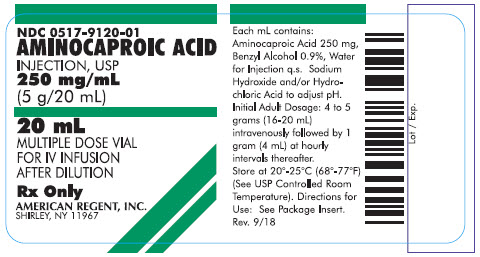
    Aminocaproic Acid Injection, USP is administered by infusion, utilizing the usual compatible intravenous vehicles (e.g., Sterile Water for Injection, Sodium Chloride Injection 0.9%, Dextrose Injection 5% or Ringer’s Injection).  Although Sterile Water for Injection is compatible for intravenous injection, the resultant solution is hypo-osmolar.  RAPID INJECTION OF AMINOCAPROIC ACID INJECTION, USP UNDILUTED INTO A VEIN IS NOT RECOMMENDED.

    For the treatment of acute bleeding syndromes due to elevated fibrinolytic activity, it is suggested that 16 to 20 mL (4 to 5 g) of Aminocaproic Acid Injection, USP in 250 mL of diluent be administered by infusion during the first hour of treatment, followed by a continuing infusion at the rate of 4 mL (1 g) per hour in 50 mL of diluent.  This method of treatment would ordinarily be continued for about 8 hours or until the bleeding situation has been controlled.

    Parenteral drug products should be inspected visually for particulate matter and discoloration prior to administration, whenever solution and container permit.

    Oral Therapy:

    If the patient is able to take medication by mouth, an identical dosage regimen may be followed by administering aminocaproic acid tablets or aminocaproic acid syrup, 25% as follows: For the treatment of acute bleeding syndromes due to elevated fibrinolytic activity, it is suggested that 5 grams of aminocaproic acid tablets or syrup be administered during the first hour of treatment, followed by a continuing rate of 1 gram of aminocaproic acid tablets or 1.25 grams of aminocaproic acid syrup per hour. This method of treatment would ordinarily be continued for about 8 hours or until the bleeding situation has been controlled.

  • Dexferrum
    Dexferrum (Iron Dextran) Injection, Solution [American Regent, Inc.]

    Dexferrum

    Dexferrum (Iron Dextran) Injection, Solution [American Regent, Inc.]

    Oral iron should be discontinued prior to administration of Dexferrum.

    Dosage:

    I. Iron Deficiency Anemia: Periodic hematologic determination (hemoglobin and hematocrit) is a simple and accurate technique for monitoring hematological response, and should be used as a guide in therapy. It should be recognized that iron storage may lag behind the appearance of normal blood morphology. Serum iron, total iron binding capacity (TIBC) and percent saturation of transferrin are other important tests for detecting and monitoring the iron deficient state.

    After administration of iron dextran complex, evidence of a therapeutic response can be seen in a few days as an increase in the reticulocyte count.

    Although serum ferritin is usually a good guide to body iron stores, the correlation of body iron stores and serum ferritin may not be valid in patients on chronic renal dialysis who are also receiving iron dextran complex.

    Although there are significant variations in body build and weight distribution among males and females, the accompanying table and formula represent a convenient means for estimating the total iron required. This total iron requirement reflects the amount of iron needed to restore hemoglobin concentration to normal or near normal levels plus an additional allowance to provide adequate replenishment of iron stores in most individuals with moderately or severely reduced levels of hemoglobin. It should be remembered that iron deficiency anemia will not appear until essentially all iron stores have been depleted. Therapy, thus, should aim at not only replenishment of hemoglobin iron but iron stores as well.

    Factors contributing to the formula are shown below.

     mg blood iron  =  mL blood  x  g hemoglobin  x  mg iron  lb body weight    lb body weight    mL blood    g hemoglobin   Blood volume...............65 mL/kg of body weight Normal hemoglobin (males and females)over 15 kg (33 lbs)...............14.8 g/dl15 kg (33 lbs) or less...........12 g/dl Iron content of hemoglobin...............0.34% Hemoglobin deficit Weight

    Based on the above factors, individuals with normal hemoglobin levels will have approximately 33 mg of blood iron per kilogram of body weight (15 mg/lb).

    Note: The table and accompanying formula are applicable for dosage determinations only in patients with iron deficiency anemia; they are not to be used for dosage determinations in patients requiring iron replacement for blood loss.

    TOTAL DEXFERRUM® REQUIREMENT FOR HEMOGLOBIN RESTORATION AND IRON STORES REPLACEMENT*    Milliliter Requirement of Dexferrum Based On ObservedHemoglobin of  PATIENTLEAN BODYWEIGHT  3 (g/dl)  4 (g/dl)  5 (g/dl)  6 (g/dl)  7 (g/dl)  8(g/dl)  9(g/dl)  10(g/dl)  kg  lb  

    *Table values were calculated based on a normal adult hemoglobin of 14.8 g/dl for weights greater than 15 kg (33 lbs) and a hemoglobin of 12.0 g/dl for weights less than or equal to 15 kg (33 lbs).

     5  11  3  3  3  3  2  2  2  2  10  22  7  6  6  5  5  4  4  3  15  33  10  9  9  8  7  7  6  5  20  44  16  15  14  13  12  11  10  9  25  55  20  18  17  16  15  14  13  12  30  66  23  22  21  19  18  17  15  14  35  77  27  26  24  23  21  20  18  17  40  88  31  29  28  26  24  22  21  19  45  99  35  33  31  29  27  25  23  21  50  110  39  37  35  32  30  28  26  24  55  121  43  41  38  36  33  31  28  26  60  132  47  44  42  39  36  34  31  28  65  143  51  48  45  42  39  36  34  31  70  154  55  52  49  45  42  39  36  33  75  165  59  55  52  49  45  42  39  35  80  176  63  59  55  52  48  45  41  38  85  187  66  63  59  55  51  48  44  40  90  198  70  66  62  58  54  50  46  42  95  209  74  70  66  62  57  53  49  45  100  220  78  74  69  65  60  56  52  47  105  231  82  77  73  68  63  59  54  50  110  242  86  81  76  71  67  62  57  52  115  253  90  85  80  75  70  64  59  54  120  264  94  88  83  78  73  67  62  57

    The total amount of Dexferrum in mL required to treat the anemia and replenish iron stores may be approximated as follows:

    Adults and Children over 15 kg (33 lbs): See Dosage Table. Alternatively the total dose may be calculated:

    Dose (mL) = 0.0442 (Desired Hb - Observed Hb) x LBW + (0.26 x LBW)

    Based on: Desired Hb = the target Hb in g/dl.

    Observed Hb = the patient's current hemoglobin in g/dl.

    LBW = Lean body weight in kg. A patient's lean body weight (or actual body weight if less than lean body weight) should be utilized when determining dosage.

    For males: LBW = 50 kg + 2.3 kg for each inch of patient's height over 5 feet

    For females: LBW = 45.5 kg + 2.3 kg for each inch of patient's height over 5 feet

    To calculate a patient's weight in kg when lbs are known:

     patient's weight in pounds  =  weight in kilograms  2.2    

    Children 5 -15 kg (11 -33 lbs): See Dosage Table.

    Dexferrum should not normally be given in the first four months of life. (See PRECAUTIONS: Pediatric Use)

    Alternatively the total dose may be calculated:

    Dose (mL) = 0.0442 (Desired Hb - Observed Hb) x W + (0.26 x W)

    Based on: Desired Hb = the target Hb in g/dl. (Normal Hb for Children 15 kg or less is 12 g/dl)

    W = Weight in kg.

    To calculate a patient's weight in kg when lbs are known:

     patient's weight in pounds       =  weight in kilograms  2.2    

    II. Iron Replacement for Blood Loss: Some individuals sustain blood losses on an intermittent or repetitive basis. Such blood losses may occur periodically in patients with hemorrhagic diatheses (familial telangiectasia; hemophilia; gastrointestinal bleeding) and on a repetitive basis from procedures such as renal hemodialysis.

    Iron therapy in these patients should be directed toward replacement of the equivalent amount of iron represented in the blood loss. The table and formula described under I. Iron Deficiency Anemia are not applicable for simple iron replacement values.

    Quantitative estimates of the individual's periodic blood loss and hematocrit during the bleeding episode provide a convenient method for the calculation of the required iron dose.

    The formula shown below is based on the approximation that 1 mL of normocytic, normochromic red cells contains 1 mg of elemental iron:

    Replacement iron (in mg) = Blood loss (in mL) x hematocrit

     Example:  Blood loss of 500 mL with 20% hematocrit    Replacement Iron = 500 x 0.20 = 100 mg    Dexferrum dose =  100 mg  =  2 mL     50    

    Administration: The total amount of Dexferrum required for the treatment of iron deficiency anemia or iron replacement for blood loss is determined from the table or appropriate formula (See Dosage).

    Dexferrum is administered by intravenous injection. PRIOR TO THE FIRST DEXFERRUM THERAPEUTIC DOSE, ADMINISTER A TEST DOSE OF 0.5 ML INTRAVENOUSLY (See BOXED WARNING and PRECAUTIONS). ADMINISTER THE TEST DOSE AT A GRADUAL RATE OVER AT LEAST FIVE MINUTES. Although anaphylactic reactions known to occur following Dexferrum administration are usually evident within a few minutes, or sooner, it is recommended that a period of an hour or longer elapse before the remainder of the initial therapeutic dose is given.

    Individual doses of 2 mL or less may be given on a daily basis until the calculated total amount required has been reached. Dexferrum is given undiluted at a slow gradual rate not to exceed 50 mg (1 mL) per minute.

    If no adverse reactions are observed, Dexferrum can be given according to the following schedule until the calculated total amount required has been reached. Each day's dose should ordinarily not exceed 0.5 mL (25 mg of iron) for infants under 5 kg (11 lbs); 1 mL (50 mg of iron) for children under 10 kg (22 lbs); and 2 mL (100 mg of iron) for other patients.

    NOTE: Do not mix Dexferrum with other medications or add to parenteral nutrition solutions for intravenous infusion.

    Parenteral drug products should be inspected visually for particulate matter and discoloration prior to administration, whenever the solution and container permit.

  • Badger Diaper (Zinc Oxide) Cream [W.s. Badger Company, Inc.]

    Badger Diaper

    Badger Diaper (Zinc Oxide) Cream [W.s. Badger Company, Inc.]

    Chlorothiazide sodium for injection, USP should be reserved for patients unable to take oral medication or for emergency situations.

    Therapy should be individualized according to patient response. Use the smallest dosage necessary to achieve the required response.

    Intravenous use in infants and children has been limited and is not generally recommended.

    When medication can be taken orally, therapy with chlorothiazide tablets or oral suspension may be substituted for intravenous therapy, using the same dosage schedule as for the parenteral route.

    Chlorothiazide sodium for injection, USP may be given slowly by direct intravenous injection or by intravenous infusion.

    Extravasation must be rigidly avoided. Do not give subcutaneously or intramuscularly.

    The usual adult dosage is 500 mg to 1 g once or twice a day. Many patients with edema respond to intermittent therapy, i.e., administration on alternate days or on three to five days each week. With an intermittent schedule, excessive response and the resulting undesirable electrolyte imbalance are less likely to occur.

    Directions for Reconstitution

    Use aseptic technique. Because chlorothiazide sodium for injection, USP contains no preservative, a fresh solution should be prepared immediately prior to each administration, and the unused portion should be discarded.

    Add 18 mL of Sterile Water for Injection to the vial to form an isotonic solution for intravenous injection. Never add less than 18 mL. When reconstituted with 18 mL of Sterile Water, the final concentration of chlorothiazide sodium for injection, USP is 28 mg/mL. The reconstituted solution is clear and essentially free from visible particles. Parenteral drug products should be inspected visually for particulate matter and discoloration prior to use whenever solution and container permit. The solution is compatible with dextrose or sodium chloride solutions for intravenous infusion. Avoid simultaneous administration of solutions of chlorothiazide with whole blood or its derivatives.

  • Sprix (Ketorolac Tromethamine) Spray, Metered [American Regent, Inc.]

    Sprix

    Sprix (Ketorolac Tromethamine) Spray, Metered [American Regent, Inc.]

    2.1 Limitations of Use

    The total duration of use of SPRIX alone or sequentially with other formulations of ketorolac (IM/IV or oral) must not exceed 5 days because of the potential for increasing the frequency and severity of adverse reactions associated with the recommended doses [see Warnings and Precautions (5.1)]. Treat patients for the shortest duration possible, and do not exceed 5 days of therapy with SPRIX.

    Do not use SPRIX concomitantly with other formulations of ketorolac or other NSAIDs [see Warnings and Precautions (5.1)].

    SPRIX has not been shown to be safe and effective in pediatric patients 17 years of age and younger.

    2.2 Administration

    SPRIX is not an inhaled product.  Do not inhale when administering this product.

    Instruct patients to administer as follows:

    1. First hold the finger flange with fingers, and remove the clear plastic cover with opposite hand; then remove the blue plastic safety clip.  Keep the clear plastic cover; and throw away the blue plastic safety clip.

    2. Before using the bottle for the FIRST time, activate the pump.  To activate the pump, hold the bottle at arm’s length away from the body with index finger and middle finger resting on the top of the finger flange and thumb supporting the base.

    Press down evenly and release the pump 5 times.  Patient may not see a spray the first few times he/she presses down. 

    The bottle is now ready to use.  There is no need to activate the pump again if more doses are used from the bottle.

    3. It’s important to get the medication to the correct place in the nose so it will be most effective. 

        - Blow nose gently to clear nostrils.    - Sit up straight or stand.  Tilt head slightly forward.    - Insert the tip of the container into your right nostril.      - Point the container away from the center of your nose     - Hold your breath and spray once into your right nostril, pressing down evenly on both sides    - Immediately after administration, resume breathing through mouth to reduce expelling the product.  Also pinch the nose to help retain the spray if it starts to drip.

    If only one spray per dose is prescribed, administration is complete; skip to Step 5 below.

    4. If a dose of 2 sprays is prescribed, repeat the process in Step 3 for the left nostril.  Again, be sure to point the spray away from the center of nose. Spray once into the left nostril. 

    5. Replace the clear plastic cover and place the bottle in a cool, dry location out of direct sunlight, such as inside a medication cabinet.  Keep out of reach of children.

    2.3 Adult Patients < 65 Years of Age

    The recommended dose is 31.5 mg SPRIX (one 15.75 mg spray in each nostril) every 6 to 8 hours. The maximum daily dose is 126 mg (four doses).

    2.4 Reduced Doses for Special Populations

    For patients ≥ 65 years of age, renally impaired patients, and adult patients less than 50 kg (110 lbs), the recommended dose is 15.75 mg SPRIX (one 15.75 mg spray in only one nostril) every 6 to 8 hours. The maximum daily dose is 63 mg (four doses) [see Warnings and Precautions (5.2, 5.4)].

    2.5 Discard Used SPRIX Bottle after 24 Hours

    Do not use any single SPRIX bottle for more than one day as it will not deliver the intended dose after 24 hours. Therefore, the bottle must be discarded no more than 24 hours after taking the first dose, even if the bottle still contains some liquid.

  • Torsemide Injection, Solution [American Regent, Inc.]

    Torsemide

    Torsemide Injection, Solution [American Regent, Inc.]

    General

    Special dosage adjustment in the elderly is not necessary.

    Because of the high bioavailability of torsemide, oral and intravenous doses are therapeutically equivalent, so patients may be switched to and from the intravenous form with no change in dose.  Torsemide injection should be administered either slowly as a bolus over a period of 2 minutes or administered as a continuous infusion.

    If torsemide is administered through an IV line, it is recommended that, as with other IV injections, the IV line be flushed with Normal Saline (Sodium Chloride Injection) before and after administration.  Torsemide injection is formulated above pH 8.3. Flushing the line is recommended to avoid the potential for incompatibilities caused by differences in pH which could be indicated by color change, haziness or the formation of a precipitate in the solution.

    If torsemide injection is administered as a continuous infusion, stability has been demonstrated through 24 hours at room temperature in plastic containers for the following fluids and concentrations:

    200 mg torsemide (10 mg/mL) added to:    250 mL Dextrose 5% in Water    250 mL 0.9% Sodium Chloride    500 mL 0.45% Sodium Chloride

    50 mg torsemide (10 mg/mL) added to:    500 mL Dextrose 5% in Water     500 mL 0.9% Sodium Chloride    500 mL 0.45% Sodium Chloride

    Before administration, the solution of torsemide injection should be visually inspected for discoloration and particulate matter.  If either is found, the vial should not be used.

    Congestive Heart Failure

    The usual initial dose is 10 mg or 20 mg of once daily intravenous torsemide.  If the diuretic response is inadequate, the dose should be titrated upward by approximately doubling until the desired diuretic response is obtained.  Single doses higher than 200 mg have not been adequately studied.

    Chronic Renal Failure

    The usual initial dose of torsemide is 20 mg of once daily intravenous torsemide.  If the diuretic response is inadequate, the dose should be titrated upward by approximately doubling until the desired diuretic response is obtained.  Single doses higher than 200 mg have not been adequately studied.

    Hepatic Cirrhosis

    The usual initial dose is 5 mg or 10 mg of once daily intravenous torsemide, administered together with an aldosterone antagonist or a potassium-sparing diuretic.  If the diuretic response is inadequate, the dose should be titrated upward by approximately doubling until the desired diuretic response is obtained.  Single doses higher than 40 mg have not been adequately studied.

    Chronic use of any diuretic in hepatic disease has not been studied in adequate and well-controlled trials.

    Hypertension

    The usual initial dose is 5 mg once daily.  If the 5 mg dose does not provide adequate reduction in blood pressure within 4 to 6 weeks, the dose may be increased to 10 mg daily.  If the response to 10 mg is insufficient, an additional anti-hypertensive agent should be added to the treatment regimen.

  • Cyanocobalamin Injection, Solution [American Regent, Inc.]

    Cyanocobalamin

    Cyanocobalamin Injection, Solution [American Regent, Inc.]

    Avoid using the intravenous route. Use of this product intravenously will result in almost all of the vitamin being lost in the urine.

    Pernicious Anemia: Parenteral vitamin B12 is the recommended treatment and will be required for the remainder of the patient's life. The oral form is not dependable. A dose of 100 mcg daily for 6 or 7 days should be administered by intramuscular or deep subcutaneous injection. If there is clinical improvement and if a reticulocyte response is observed, the same amount may be given on alternate days for seven doses, then every 3 to 4 days for another 2 to 3 weeks. By this time hematologic values should have become normal. This regimen should be followed by 100 mcg monthly for life. Folic acid should be administered concomitantly if needed.

    Patients with Normal Intestinal Absorption: Where the oral route is not deemed adequate, initial treatment similar to that for patients with pernicious anemia may be indicated depending on the severity of the deficiency. Chronic treatment should be with an oral B12 preparation. If other vitamin deficiencies are present, they should be treated.

    Schilling Test: The flushing dose is 1000 mcg.

    Parenteral drug products should be inspected visually for particulate matter and discoloration prior to administration, whenever solution and container permit.

  • Acetylcysteine Inhalant...
    Acetylcysteine Inhalant [American Regent, Inc.]

    Acetylcysteine Inhalant

    Acetylcysteine Inhalant [American Regent, Inc.]

    General

    Acetylcysteine is available in rubber stoppered glass vials containing 4, 10, or 30 mL. The 20% solution may be diluted to a lesser concentration with either Sodium Chloride Injection, Sodium Chloride Inhalation Solution, Sterile Water for Injection, or Sterile Water for Inhalation. The 10% solution may be used undiluted.

    Acetylcysteine does not contain an antimicrobial agent, and care must be taken to minimize contamination of the sterile solution. If only a portion of the solution in a vial is used for inhalation, store the remainder in a refrigerator and use within 96 hours.

    Nebulization-face mask, mouth piece, tracheostomy

    When nebulized into a face mask, mouth piece, or tracheostomy, 1 to 10 mL of the 20% solution or 2 to 20 mL of the 10% solution may be given every 2 to 6 hours; the recommended dose for most patients is 3 to 5 mL of the 20% solution or 6 to 10 mL of the 10% solution 3 to 4 times a day.

    Nebulization tent, Croupette

    In special circumstances it may be necessary to nebulize into a tent or Croupette, and this method of use must be individualized to take into account the available equipment and the patient's particular needs. This form of administration requires very large volumes of the solution, occasionally as much as 300 mL during a single treatment period.

    If a tent or Croupette must be used, the recommended dose is the volume of acetylcysteine (using 10% or 20%) that will maintain a very heavy mist in the tent or Croupette for the desired period. Administration for intermittent or continuous prolonged periods, including overnight, may be desirable.

    Direct Instillation

    When used by direct instillation, 1 to 2 mL of a 10% to 20% solution may be given as often as every hour.

    When used for the routine nursing care of patients with tracheostomy, 1 to 2 mL of a 10% to 20% solution may be given every 1 to 4 hours by instillation into the tracheostomy.

    Acetylcysteine may be introduced directly into a particular segment of the bronchopulmonary tree by inserting (under local anesthesia and direct vision) a small plastic catheter into the trachea. Two to 5 mL of the 20% solution may then be instilled by means of a syringe connected to the catheter.

    Acetylcysteine may also be given through a percutaneous intratracheal catheter. One to 2 mL of the 20% or 2 to 4 mL of the 10% solution every 1 to 4 hours may then be given by a syringe attached to the catheter.

    Diagnostic Bronchograms

    For diagnostic bronchial studies, two or three administrations of 1 to 2 mL of the 20% solution or 2 to 4 mL of the 10% solution should be given by nebulization or by instillation intratracheally, prior to the procedure.

    Administration of Aerosol

    Materials

    Acetylcysteine may be administered using conventional nebulizers made of plastic or glass. Certain materials used in nebulization equipment react with acetylcysteine. The most reactive of these are certain metals (notably iron and copper) and rubber. Where materials may come into contact with acetylcysteine solution, parts made of the following acceptable materials should be used: glass, plastic, aluminum, anodized aluminum, chromed metal, tantalum, sterling silver, or stainless steel. Silver may become tarnished after exposure, but this is not harmful to the drug action or to the patient.

    Nebulizing Gases

    Compressed tank gas (air) or an air compressor should be used to provide pressure for nebulizing the solution. Oxygen may also be used but should be used with the usual precautions in patients with severe respiratory disease and CO2 retention.

    Apparatus

    Acetylcysteine is usually administered as fine nebulae and the nebulizer used should be capable of providing optimal quantities of a suitable range of particle sizes.

    Commercially available nebulizers will produce nebulae of acetylcysteine satisfactory for retention in the respiratory tract. Most of the nebulizers tested will supply a high proportion of the drug solution as particles of less than 10 microns in diameter. Mitchell2 has shown that particles less than 10 microns should be retained in the respiratory tract satisfactorily.

    Various intermittent positive pressure breathing devices nebulized acetylcysteine with a satisfactory efficiency including: No. 40 De Vilbiss (The De Vilbiss Co., Somerset, Pennsylvania), and the Bennett Twin-Jet Nebulizer (Puritan Bennett Corp., Oak at 13th., Kansas City, Missouri).

    The nebulized solution may be inhaled directly from the nebulizer. Nebulizers may also be attached to the plastic face masks or plastic mouthpieces. Suitable nebulizers may also be fitted for use with the various intermittent positive pressure breathing (IPPB) machines. The nebulizing equipment should be cleaned immediately after use because the residues may clog the smaller orifices or corrode metal parts.

    Hand bulbs are not recommended for routine use in nebulizing acetylcysteine because their output is generally too small. Also, some hand-operated nebulizers deliver particles that are larger than optimum for inhalation therapy.

    Acetylcysteine should not be placed directly into the chamber of a heated (hot pot) nebulizer. A heated nebulizer may be part of the nebulization assembly to provide a warm saturated atmosphere if the acetylcysteine aerosol is introduced by means of a separate unheated nebulizer. Usual precautions for administration of warm saturated nebulae should be observed.

    The nebulized solution may be breathed directly from the nebulizer. Nebulizers may also be attached to plastic face masks, plastic face tents, plastic mouth pieces, conventional plastic oxygen tents, or head tents. Suitable nebulizers may also be fitted for use with the various intermittent positive pressure breathing (IPPB) machines.

    The nebulizing equipment should be cleaned immediately after use, otherwise the residues may occlude the fine orifices or corrode metal parts.

    Prolonged Nebulization

    When three fourths of the initial volume of acetylcysteine solution has been nebulized, a quantity of Sterile Water for Injection, USP (approximately equal to the volume of solution remaining) should be added to the nebulizer. This obviates any concentration of the agent in the residual solvent remaining after prolonged nebulization.

    Compatibility

    The physical and chemical compatibility of acetylcysteine solutions with certain other drugs that might be concomitantly administered by nebulization, direct instillation, or topical application has been studied.

    Acetylcysteine should not be mixed with certain antibiotics. For example, the antibiotics, tetracycline hydrochloride, oxytetracycline hydrochloride, and erythromycin lactobionate, were found to be incompatible when mixed in the same solution. These agents may be administered from separate solutions if administration of these agents is desirable.

    The supplying of these data should not be interpreted as a recommendation for combining acetylcysteine with other drugs. The table is not presented as positive assurance that no incompatibility will be present, since these data are based only on short-term compatibility studies done in the Mead Johnson Research Center. Manufacturers may change their formulations, and this could alter compatibilities. These data are intended to serve only as a guide for predicting compounding problems.

    If it is deemed advisable to prepare an admixture, it should be administered as soon as possible after preparation. Do not store unused mixtures.

    IN VITRO COMPATIBILITY1 TESTS OF ACETYLCYSTEINE 1. The rating, Incompatible, is based on the formation of a precipitate, a change in clarity, immiscibility, or a rapid loss of potency of acetylcysteine or the active ingredient of the PRODUCT AND/OR AGENT in the admixture.  The rating, Compatible, means that there was no significant physical change in the admixture when compared with a control solution of the PRODUCT AND/OR AGENT, and that there was no predicted chemical incompatibility. All of the admixtures have been tested for short-term chemical compatibility by assaying for the concentration of acetylcysteine after mixing. 2. The active ingredient in the PRODUCT AND/OR AGENT was also assayed after mixing. Some of the admixtures developed minor physical changes which were considered to be insufficient to rate the admixture Incompatible. These are listed in footnotes 3, 4, and 5.

    3. A strong odor developed after storage for 24 hours at room temperature.

    4. The admixture was a slightly darker shade of yellow than a control solution of the PRODUCT AND/OR AGENT.

    5. A light tan color developed after storage for 24 hours at room temperature.

    6. Entries are final concentrations. Values in parentheses relate volumes of acetylcysteine solutions to volume of test solutions.      RATIO TESTED6  PRODUCT AND/OR AGENT  COMPATIBILITY  ACETYLCYSTEINE  PRODUCT    RATING    OR AGENT  ANESTHETIC, GAS        Halothane  Compatible  20%  Infinite  Nitrous Oxide  Compatible  20%  Infinite  ANESTHETIC, LOCAL        Cocaine HCl  Compatible  10%  5%  Lidocaine HCl  Compatible  10%  2%  Tetracaine HCl  Compatible  10%  1%  ANTIBACTERIALS (A parenteral form of each antibiotic was used)        Bacitracin2,3 (mix and use at once)  Compatible  10%  5,000 U/mL  Chloramphenicol Sodium Succinate  Compatible  20%  20 mg/mL  Carbenicillin Disodium2 (mix and use at once)  Compatible  10%  125 mg/mL  Gentamicin Sulfate2  Compatible  10%  20 mg/mL  Kanamycin Sulfate2 (mix and use at once)  Compatible  10%  167 mg/mL    Compatible  17%  85 mg/mL  Lincomycin HCl2  Compatible  10%  150 mg/mL  Neomycin Sulfate2  Compatible  10%  100 mg/mL  Novobiocin Sodium2  Compatible  10%  25 mg/mL  Penicillin G Potassium2 (mix and use at once)  Compatible  10%  25,000 U/mL    Compatible  10%  100,000 U/mL  Polymyxin B Sulfate2  Compatible  10%  50,000 U/mL  Cephalothin Sodium  Compatible  10%  110 mg/mL  Colistimethate Sodium2 (mix and use at once)  Compatible  10%  37.5 mg/mL  Vancomycin HCl2  Compatible  10%  25 mg/mL  Amphotericin B  Incompatible  4% - 15%  1 - 4 mg/mL  Chlortetracycline HCl2  Incompatible  10%  12.5 mg/mL  Erythromycin Lactobionate  Incompatible  10%  15 mg/mL  Oxytetracycline HCl  Incompatible  10%  12.5 mg/mL  Ampicillin Sodium  Incompatible  10%  50 mg/mL  Tetracycline HCl  Incompatible  10%  12.5 mg/mL  BRONCHODILATORS        Isoproterenol HCl2  Compatible  3%  0.5%  Isoproterenol HCl2  Compatible  10%  0.05%  Isoproterenol HCl2  Compatible  20%  0.05%  Isoproterenol HCl  Compatible  13.3% (2 parts)  0.33% (1 part)  Isoetharine HCl  Compatible  13.3% (2 parts)  (1 part)  Epinephrine HCl  Compatible  13.3% (2 parts)  0.33% (1 part)  CONTRAST MEDIA        Iodized Oil  Incompatible  20%/20 mL  40%/10 mL  DECONGESTANTS        Phenylephrine HCl2  Compatible  3%  0.25%  Phenylephrine HCl  Compatible  13.3% (2 parts)  0.17% (1 part)  ENZYMES        Chymotrypsin  Incompatible  5%  400 γ/mL  Trypsin  Incompatible  5%  400 γ/mL  SOLVENTS        Alcohol  Compatible  12%  10% - 20%  Propylene Glycol  Compatible  3%  10%  STEROIDS        Dexamethasone Sodium Phosphate  Compatible  16%  0.8 mg/mL  Prednisolone Sodium Phosphate5  Compatible  16.7%  3.3 mg/mL  OTHER AGENTS        Hydrogen Peroxide  Incompatible  (All ratios)    Sodium Bicarbonate  Compatible  20% (1 part)  4.2% (1 part)

    General

    Regardless of the quantity of acetaminophen reported to have been ingested, administer acetylcysteine immediately if 24 hours or less have elapsed from the reported time of ingestion of an overdose of acetaminophen. Do not await results of assays for acetaminophen level before initiating treatment with acetylcysteine. The following procedures are recommended:

    The stomach should be emptied promptly by lavage or by inducing emesis with syrup of ipecac. Syrup of ipecac should be given in a dose of 15 mL for children up to age 12 and 30 mL for adolescents and adults followed immediately by drinking copious amounts of water. The dose should be repeated if emesis does not occur in 20 minutes. In the case of a mixed drug overdose activated charcoal may be indicated. However, if activated charcoal has been administered, lavage before administering acetylcysteine treatment. Activated charcoal adsorbs acetylcysteine in vitro and may do so in patients and thereby may reduce its effectiveness. Draw blood for predetoxification acetaminophen plasma assay and baseline SGOT, SGPT, bilirubin, prothrombin time, creatinine, BUN, blood sugar and electrolytes. Administer the loading dose of acetylcysteine, 140 mg per kg of body weight. (Prepare acetylcysteine for oral administration as described in the Dosage Guide and Preparation table). Determine subsequent action based on predetoxification plasma acetaminophen information. Choose ONE of the following four courses of therapy. Predetoxification plasma acetaminophen level is clearly in the toxic range (See Acetaminophen Assays - Interpretation and Methodology below):Administer a first maintenance dose (70 mg/kg acetylcysteine) 4 hours after the loading dose. The maintenance dose is then repeated at 4-hour intervals for a total of 17 doses. Monitor hepatic and renal function and electrolytes throughout the detoxification process. Predetoxification acetaminophen level could not be obtainedProceed as in A. Predetoxification acetaminophen level is clearly in the non-toxic range (beneath the dashed line on the nomogram) and you know that acetaminophen overdose occurred at least 4 hours before the predetoxification acetaminophen plasma assaysDiscontinue administration of acetylcysteine. Predetoxification acetaminophen level was in the non-toxic range, but time of ingestion was unknown or less than 4 hoursBecause the level of acetaminophen at the time of predetoxification assay may not be a peak value (peak may not be achieved before 4 hours post-ingestion), obtain a second plasma level in order to decide whether or not the full 17-dose detoxification treatment is necessary. If the patient vomits an oral dose within 1 hour of administration, repeat that dose. In the occasional instances where the patient is persistently unable to retain the orally administered acetylcysteine, the antidote may be administered by duodenal intubation. Repeat SGOT, SGPT, bilirubin, prothrombin time, creatinine, BUN, blood sugar and electrolytes daily if the acetaminophen plasma level is in the potentially toxic range as discussed below.

    Preparation of Acetylcysteine for Oral Administration

    Oral administration requires dilution of the 20% solution with diet cola or other diet soft drinks, to a final concentration of 5% (see Dosage Guide and Preparation table). If administered via gastric tube or Miller-Abbott tube, water may be used as the diluent. The dilutions should be freshly prepared and utilized within one hour. Remaining undiluted solutions in opened vials can be stored in the refrigerator up to 96 hours. ACETYLCYSTEINE IS NOT APPROVED FOR PARENTERAL INJECTION.

  • Furosemide Injection [American Regent, Inc.]

    Furosemide

    Furosemide Injection [American Regent, Inc.]

    Adults

    Parenteral therapy with Furosemide Injection should be used only in patients unable to take oral medication or in emergency situations and should be replaced with oral therapy as soon as practical.

    Edema

    The usual initial dose of furosemide is 20 to 40 mg given as a single dose, injected intramuscularly or intravenously. The intravenous dose should be given slowly (1 to 2 minutes). Ordinarily a prompt diuresis ensues. If needed, another dose may be administered in the same manner 2 hours later or the dose may be increased. The dose may be raised by 20 mg and given not sooner than 2 hours after the previous dose until the desired diuretic effect has been obtained. This individually determined single dose should then be given once or twice daily.

    Therapy should be individualized according to patient response to gain maximal therapeutic response and to determine the minimal dose needed to maintain that response. Close medical supervision is necessary.

    When furosemide is given for prolonged periods, careful clinical observation and laboratory monitoring are particularly advisable. (See PRECAUTIONS: Laboratory Tests.)

    If the physician elects to use high dose parenteral therapy, add the furosemide to either Sodium Chloride Injection USP, Lactated Ringer's Injection USP, or Dextrose (5%) Injection USP after pH has been adjusted to above 5.5, and administer as a controlled intravenous infusion at a rate not greater than 4 mg/min. Furosemide Injection is a buffered alkaline solution with a pH of about 9 and drug may precipitate at pH values below 7. Care must be taken to ensure that the pH of the prepared infusion solution is in the weakly alkaline to neutral range. Acid solutions, including other parenteral medications (e.g., labetalol, ciprofloxacin, amrinone, milrinone) must not be administered concurrently in the same infusion because they may cause precipitation of the furosemide. In addition, furosemide injection should not be added to a running intravenous line containing any of these acidic products.

    Acute Pulmonary Edema

    The usual initial dose of furosemide is 40 mg injected slowly intravenously (over 1 to 2 minutes). If a satisfactory response does not occur within 1 hour, the dose may be increased to 80 mg injected slowly intravenously (over 1 to 2 minutes).

    If necessary, additional therapy (e.g., digitalis, oxygen) may be administered concomitantly.

    Geriatric Patients

    In general, dose selection for the elderly patient should be cautious, usually starting at the low end of the dosing range. (See PRECAUTIONS: Geriatric Use.)

    Pediatric Patients

    Parenteral therapy should be used only in patients unable to take oral medication or in emergency situations and should be replaced with oral therapy as soon as practical.

    The usual initial dose of Furosemide Injection (intravenously or intramuscularly) in pediatric patients is 1 mg/kg body weight and should be given slowly under close medical supervision. If the diuretic response to the initial dose is not satisfactory, dosage may be increased by 1 mg/kg not sooner than 2 hours after the previous dose, until the desired diuretic effect has been obtained. Doses greater than 6 mg/kg body weight are not recommended.

    Literature reports suggest that the maximum dose for premature infants should not exceed 1 mg/kg/day. (See WARNINGS, Pediatric Use.)

    Furosemide Injection should be inspected visually for particulate matter and discoloration before administration.

  • Hydroxyzine Hydrochloride Injection, Solution [American Regent, Inc.]

    Hydroxyzine Hydrochloride

    Hydroxyzine Hydrochloride Injection, Solution [American Regent, Inc.]

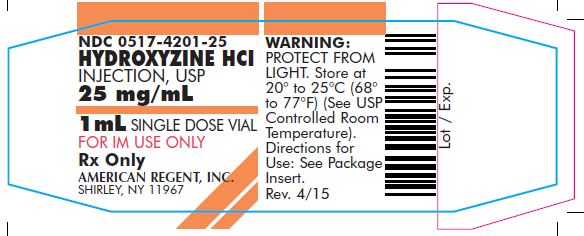
    The recommended dosages for hydroxyzine hydrochloride intramuscular solution are:

     For adult psychiatric and emotional emergencies, including acute alcoholism.  IM: 50-100 mg stat., and q. 4-6h., p.r.n.  Nausea and vomiting excluding nausea and vomiting of pregnancy.  Adults: 25-100 mg IM Children: 0.5 mg/lb body weight IM  Pre- and postoperative adjunctive medication.  Adults: 25-100 mg IM Children: 0.5 mg/lb body weight IM  Pre- and postpartum adjunctive therapy.  25-100 mg IM

    As with all potent medications, the dosage should be adjusted according to the patient's response to therapy.

    FOR ADDITIONAL INFORMATION OF THE ADMINISTRATION AND SITE OF SELECTION SEE PRECAUTIONS SECTION. NOTE: Hydroxyzine hydrochloride intramuscular solution may be administered without further dilution.

    Patients may be started on intramuscular therapy when indicated. They should be maintained on oral therapy whenever this route is practicable.

    Parenteral drug products should be inspected visually for particulate matter and discoloration prior to administration, whenever solution and container permit.

  • Venofer
    Venofer (Iron Sucrose) Injection, Solution [American Regent, Inc.]

    Venofer

    Venofer (Iron Sucrose) Injection, Solution [American Regent, Inc.]

    Venofer must only be administered intravenously either by slow injection or by infusion. The dosage of Venofer is expressed in mg of elemental iron. Each mL contains 20 mg of elemental iron.

    2.1 Adult Patients with Hemodialysis Dependent-Chronic Kidney Disease (HDD-CKD)

    Administer Venofer 100 mg undiluted as a slow intravenous injection over 2 to 5 minutes, or as an infusion of 100 mg diluted in a maximum of 100 mL of 0.9% NaCl over a period of at least 15 minutes, per consecutive hemodialysis session. Venofer should be administered early during the dialysis session. The usual total treatment course of Venofer is 1000 mg. Venofer treatment may be repeated if iron deficiency reoccurs.

    2.2 Adult Patients with Non-Dialysis Dependent-Chronic Kidney Disease (NDD-CKD)

    Administer Venofer 200 mg undiluted as a slow intravenous injection over 2 to 5 minutes or as an infusion of 200 mg in a maximum of 100 mL of 0.9% NaCl over a period of 15 minutes. Administer on 5 different occasions over a 14 day period. There is limited experience with administration of an infusion of 500 mg of Venofer, diluted in a maximum of 250 mL of 0.9% NaCl, over a period of 3.5 to 4 hours on Day 1 and Day 14. Venofer treatment may be repeated if iron deficiency reoccurs.

    2.3 Adult Patients with Peritoneal Dialysis Dependent-Chronic Kidney Disease (PDD-CKD)

    Administer Venofer in 3 divided doses, given by slow intravenous infusion, within a 28 day period: 2 infusions each of 300 mg over 1.5 hours 14 days apart followed by one 400 mg infusion over 2.5 hours 14 days later. Dilute Venofer in a maximum of 250 mL of 0.9% NaCl. Venofer treatment may be repeated if iron deficiency reoccurs.

    2.4 Pediatric Patients (2 years of age and older) with HDD-CKD for iron maintenance treatment

    The dosing for iron replacement treatment in pediatric patients with HDD-CKD has not been established.

    For iron maintenance treatment: Administer Venofer at a dose of 0.5 mg/kg, not to exceed 100 mg per dose, every two weeks for 12 weeks given undiluted by slow intravenous injection over 5 minutes or diluted in 25 mL of 0.9% NaCl and administered over 5 to 60 minutes. Venofer treatment may be repeated if necessary.

    2.5 Pediatric Patients (2 years of age and older) with NDD-CKD or PDD-CKD who are on erythropoietin therapy for iron maintenance treatment

    The dosing for iron replacement treatment in pediatric patients with NDD-CKD or PDD-CKD has not been established.

    For iron maintenance treatment: Administer Venofer at a dose of 0.5 mg/kg, not to exceed 100 mg per dose, every four weeks for 12 weeks given undiluted by slow intravenous injection over 5 minutes or diluted in 25 mL of 0.9% NaCl and administered over 5 to 60 minutes. Venofer treatment may be repeated if necessary.

  • Levocarnitine Injection, Solution [American Regent, Inc.]

    Levocarnitine

    Levocarnitine Injection, Solution [American Regent, Inc.]

    Levocarnitine Injection, USP is administered intravenously.

    Metabolic Disorders: The recommended dose is 50 mg/kg given as a slow 2-3 minute bolus injection or by infusion. Often a loading dose is given in patients with severe metabolic crisis, followed by an equivalent dose over the following 24 hours. It should be administered q3h or q4h, and never less than q6h either by infusion or by intravenous injection. All subsequent daily doses are recommended to be in the range of 50 mg/kg or as therapy may require. The highest dose administered has been 300 mg/kg.

    It is recommended that a plasma carnitine concentration be obtained prior to beginning this parenteral therapy. Weekly and monthly monitoring is recommended as well. This monitoring should include blood chemistries, vital signs, plasma carnitine concentrations (the plasma free carnitine concentration should be between 35 and 60 μmol/L) and overall clinical condition.

    Parenteral drug products should be inspected visually for particulate matter and discoloration prior to administration, whenever solution and container permit.

  • Dexamethasone Sodium Phosphate Injection, Solution [American Regent, Inc.]

    Dexamethasone Sodium Phosphate

    Dexamethasone Sodium Phosphate Injection, Solution [American Regent, Inc.]

    Dexamethasone Sodium Phosphate Injection, USP, 4 mg/mL -- For intravenous, intramuscular, intra-articular, intralesional, and soft tissue injection.

    Dexamethasone Sodium Phosphate Injection, USP can be given directly from the vial, or it can be added to Sodium Chloride Injection or Dextrose Injection and administered by intravenous drip.

    Solutions used for intravenous administration or further dilution of this product should be preservative-free when used in the neonate, especially the premature infant.

    When it is mixed with an infusion solution, sterile precautions should be observed. Since infusion solutions generally do not contain preservatives, mixtures should be used within 24 hours.

    DOSAGE REQUIREMENTS ARE VARIABLE AND MUST BE INDIVIDUALIZED ON THE BASIS OF THE DISEASE AND THE RESPONSE OF THE PATIENT.

    Intravenous and Intramuscular Injection

    The initial dosage of Dexamethasone sodium phosphate injection varies from 0.5 to 9 mg a day depending on the disease being treated. In less severe diseases doses lower than 0.5 mg may suffice, while in severe diseases doses higher than 9 mg may be required.

    The initial dosage should be maintained or adjusted until the patient's response is satisfactory. If a satisfactory clinical response does not occur after a reasonable period of time, discontinue Dexamethasone Sodium Phosphate Injection, USP and transfer the patient to other therapy.

    After a favorable initial response, the proper maintenance dosage should be determined by decreasing the initial dosage in small amounts to the lowest dosage that maintains an adequate clinical response.

    Patients should be observed closely for signs that might require dosage adjustment, including changes in clinical status resulting from remissions or exacerbations of the disease, individual drug responsiveness, and the effect of stress (e.g., surgery, infection, trauma). During stress it may be necessary to increase dosage temporarily.

    If the drug is to be stopped after more than a few days of treatment, it usually should be withdrawn gradually.

    When the intravenous route of administration is used, dosage usually should be the same as the oral dosage. In certain overwhelming, acute, life-threatening situations, however, administration in dosages exceeding the usual dosages may be justified and may be in multiples of the oral dosages. The slower rate of absorption by intramuscular administration should be recognized.

    Shock

    There is a tendency in current medical practice to use high (pharmacologic) doses of corticosteroids for the treatment of unresponsive shock. The following dosages of Dexamethasone sodium phosphate injection have been suggested by various authors:

     *1. Cavanagh, D.; Singh, K.B.: Endotoxin shock in pregnancy and abortion, in: ``Corticosteroids in the Treatment of Shock′′, Schumer, W.; Nyhus, L.M., Editors, Urbana, University of Illinois Press, 1970, pp.86-96.  2. Dietzman, R.H.; Ersek, R.A.; Bloch, J.M.; Lillehei, R. C.: High-output, low-resistance gram-negative septic shock in man, Angiology 20: 691-700. Dec. 1969.  3. Frank, E.: Clinical observations in shock and management (In: Shields, T.F., ed.: Symposium on current concepts and management of shock), J. Maine Med. Ass. 59: 195-200. Oct. 1968.  4. Oaks, W. W.; Cohen, H.E.: Endotoxin shock in the geriatric patient, Geriat. 22: 120-130. Mar. 1967.  5. Schumer, W.; Nyhus, L.M.: Corticosteroid effect on biochemical parameters of human oligemic shock, Arch. Surg. 100: 405-408. Apr. 1970.  Author* Dosage  Cavanagh1 3 mg/kg of body weight per 24 hours by constant intravenous infusion after an initial intravenous injection of 20 mg  Dietzman2 2 to 6 mg/kg of body weight as a single intravenous injection  Frank3 40 mg initially followed by repeat intravenous injection every 4 to 6 hours while shock persists  Oaks4 40 mg initially followed by repeat intravenous injection every 2 to 6 hours while shock persists  Schumer5 1 mg/kg of body weight as a single intravenous injection

    Although adverse reactions associated with high dose, short term corticosteroid therapy are uncommon, peptic ulceration may occur.

    Administration of high dose corticosteroid therapy should be continued only until the patient's condition has stabilized and usually not longer than 48 to 72 hours.

    Cerebral Edema

    Dexamethasone Sodium Phosphate Injection, USP is generally administered initially in a dosage of 10 mg intravenously followed by four mg every six hours intramuscularly until the symptoms of cerebral edema subside. Response is usually noted within 12 to 24 hours and dosage may be reduced after two to four days and gradually discontinued over a period of five to seven days. For palliative management of patients with recurrent or inoperable brain tumors, maintenance therapy with two mg two or three times a day may be effective.

    Acute Allergic Disorders

    In acute, self-limited allergic disorders or acute exacerbations of chronic allergic disorders, the following dosage schedule combining parenteral and oral therapy is suggested:

    Dexamethasone Sodium Phosphate Injection, USP, 4 mg/mL: first day, 1 or 2 mL (4 or 8 mg), intramuscularly.

    This schedule is designed to ensure adequate therapy during acute episodes, while minimizing the risk of overdosage in chronic cases.

    Dexamethasone tablets, 0.75 mg: second and third days, 4 tablets in two divided doses each day; Fourth day, 2 tablets in two divided doses; fifth and sixth days, 1 tablet each day; seventh day, no treatment; eighth day, follow-up visit.

    Intra-articular, Intralesional, and Soft Tissue Injection

    Intra-articular, intralesional, and soft tissue injections are generally employed when the affected joints or areas are limited to one or two sites. Dosage and frequency of injection varies depending on the condition and the site of injection. The usual dose is from 0.2 to 6 mg. The frequency usually ranges from once every three to five days to once every two to three weeks. Frequent intra-articular injection may result in damage to joint tissues.

    Some of the usual single doses are:

     Site of Injection  Amount ofDexamethasone sodiumphosphate(mg)  Large Joints(e.g., Knee)  2 to 4  Small Joints(e.g., Interphalangeal,Temporomandibular)  0.8 to 1  Bursae  2 to 3  Tendon Sheaths  0.4 to 1  Soft Tissue Infiltration  2 to 6  Ganglia  1 to 2

    Dexamethasone Sodium Phosphate Injection, USP is particularly recommended for use in conjunction with one of the less soluble, longer-acting steroids for intra-articular and soft tissue injection.

    Parenteral drug products should be inspected visually for particulate matter and discoloration prior to administration, whenever the solution and container permit.

  • Tranexamic Acid Injection, Solution [American Regent, Inc.]

    Tranexamic Acid

    Tranexamic Acid Injection, Solution [American Regent, Inc.]

    Immediately before tooth extraction in patients with hemophilia, administer 10 mg per kg body weight of tranexamic acid injection intravenously together with replacement therapy (see PRECAUTIONS). Following tooth extraction, intravenous therapy, at a dose of 10 mg per kg body weight three to four times daily, may be used for 2 to 8 days.

    Note: For patients with moderate to severe impaired renal function, the following dosages are recommended:

     Serum Creatinine (μmol/L)  Tranexamic Acid I.V. Dosage  120 to 250 (1.36 to 2.83 mg/dL)  10 mg/kg BID  250 to 500 (2.83 to 5.66 mg/dL)  10 mg/kg daily  >500 (>5.66 mg/dL)  10 mg/kg every 48 hoursor5 mg/kg every 24 hours

    For intravenous infusion, tranexamic acid injection may be mixed with most solutions for infusion such as electrolyte solutions, carbohydrate solutions, amino acid solutions, and Dextran solutions. The mixture should be prepared the same day the solution is to be used. Heparin may be added to tranexamic acid injection. Tranexamic acid injection should NOT be mixed with blood. The drug is a synthetic amino acid, and should NOT be mixed with solutions containing penicillin.

  • Selenium
    Selenium Injection, Solution [American Regent, Inc.]

    Selenium

    Selenium Injection, Solution [American Regent, Inc.]

    Selenium Injection provides 40 mcg selenium/mL. For metabolically stable adults receiving TPN, the suggested additive dosage level is 20 to 40 mcg selenium/day. For pediatric patients, the suggested additive dosage level is 3 mcg/kg/day.

    In adults, selenium deficiency states resulting from long-term TPN support, selenium as selenomethionine or selenious acid, administered intravenously at 100 mcg/day for a period of 24 and 31 days, respectively, has been reported to reverse deficiency symptoms without toxicity.

    Aseptic addition of Selenium Injection to the TPN solution under laminar flow hood is recommended. Selenium is physically compatible with the electrolytes and other trace elements usually present in amino-acid/dextrose solution used for TPN. Frequent monitoring of plasma selenium levels is suggested as a guideline for subsequent administration. The normal whole blood range for selenium is approximately 10 to 37 mcg/100 mL.

    Parenteral drug products should be inspected visually for particulate matter and discoloration, whenever solution and container permit.

  • Multitrace -4
    Multitrace -4 (Trace Elements 4) Injection, Solution, Concentrate [American Regent, Inc.]

    Multitrace -4

    Multitrace -4 (Trace Elements 4) Injection, Solution, Concentrate [American Regent, Inc.]

    Each mL of the solution provides Zinc 5 mg, Copper 1 mg, Manganese 0.5 mg, and Chromium 10 mcg. The suggested dosage ranges for the four trace elements are:

    ZINC

    For the metabolically stable adult receiving TPN, the suggested intravenous dosage level is 2.5 to 4 mg zinc/day. An additional 2 mg zinc/day is suggested for acute catabolic states. For the stable adult with fluid loss from the small bowel, an additional 12.2 mg zinc/liter of small bowel fluid lost, or an additional 17.1 mg zinc/kg of stool or ileostomy output is recommended. Frequent monitoring of zinc blood levels is suggested for patients receiving more than the usual maintenance dosage level of zinc. Normal plasma levels for zinc vary from approximately 88 to 112 mcg/100 mL.

    For full term infants and children up to 5 years of age, 100 mcg zinc/kg/day is recommended. For premature infants (birth weight less than 1500 g) up to 3 kg in body weight, 300 mcg zinc/kg/day is suggested.

    COPPER

    For the metabolically stable adult receiving TPN, the suggested additive dosage level is 0.5 to 1.5 mg copper/day. For pediatric patients, the suggested additive dosage level is 20 mcg copper/kg/day. The normal plasma range for copper is approximately 80 to 160 mcg/100 mL.

    MANGANESE

    For the metabolically stable adult receiving TPN, the suggested additive dosage level for manganese is 0.15 to 0.8 mg/day. For pediatric patients, a dosage level of 2 to 10 mcg manganese/kg/day is recommended.

    CHROMIUM

    For the metabolically stable adult receiving TPN, the suggested additive dosage level is 10 to 15 mcg chromium/day. The metabolically stable adult with intestinal fluid loss may require 20 mcg chromium/day with frequent monitoring of blood levels as a guideline for subsequent administration. For pediatric patients, the suggested additive dosage level is 0.14 to 0.20 mcg/kg/day.

    Periodic monitoring of plasma levels of Zinc, Copper, Manganese, and Chromium is suggested as a guideline for administration.

    Aseptic addition of the solution to the TPN solution under a laminar flow hood is recommended. The trace elements present in the solution are physically compatible with the electrolytes and vitamins usually present in the amino acid/dextrose solution used for TPN.

    Parenteral drug products should be inspected visually for particulate matter and discoloration, whenever solution and container permit.

    Store at 20° to 25°C (68° to 77°F); excursions permitted to 15° to 30°C (59° to 86°F) (See USP Controlled Room Temperature).

  • Zinc Sulfate Injection, Solution [American Regent, Inc.]

    Zinc Sulfate

    Zinc Sulfate Injection, Solution [American Regent, Inc.]

    Zinc Sulfate Injection, USP provides 1 mg zinc/mL. For metabolically stable adults receiving TPN, the suggested intravenous dosage is 2.5 to 4 mg zinc/day. An additional  2 mg zinc/day is suggested for acute catabolic states. For the stable adult with fluid loss from the small bowel, an additional 12.2 mg zinc/liter of small bowel fluid lost, or an additional 17.1 mg zinc/kg of stool or ileostomy output is recommended. Frequent monitoring of zinc blood levels is suggested for patients receiving more than the usual maintenance dosage level of zinc.

    For full term infants and children up to 5 years of age, 100 mcg zinc/kg/day is recommended. For premature infants (birth weight less than 1500 g) up to 3 kg in body weight, 300 mcg zinc/kg/day is suggested.

    Aseptic addition of Zinc Sulfate Injection, USP to the TPN solution under a laminar flow hood is recommended. Zinc is physically compatible with the electrolytes and vitamins usually present in the amino acid/dextrose solution used for TPN.

    Parenteral drug products should be inspected visually for particulate matter and discoloration, whenever solution and container permit.

  • Glycopyrrolate Injection, Solution [American Regent, Inc.]

    Glycopyrrolate

    Glycopyrrolate Injection, Solution [American Regent, Inc.]

    NOTE: CONTAINS BENZYL ALCOHOL (See PRECAUTIONS )

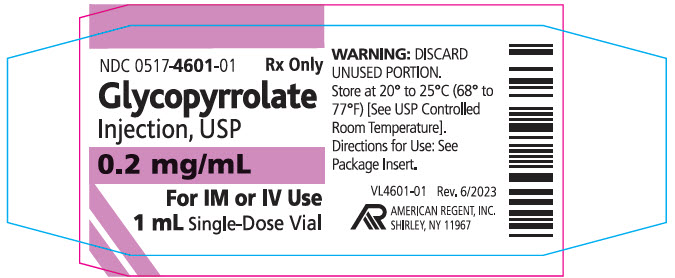
    Glycopyrrolate injection may be administered intramuscularly, or intravenously, without dilution, in the following indications:

    Adults:

    Preanesthetic Medication: The recommended dose of glycopyrrolate injection is 0.004 mg/kg by intramuscular injection, given 30 to 60 minutes prior to the anticipated time of induction of anesthesia or at the time the preanesthetic narcotic and/or sedative are administered.

    Intraoperative Medication:

    Glycopyrrolate injection may be used during surgery to counteract drug-induced or vagal reflexes and their associated arrhythmias (e.g., bradycardia). It should be administered intravenously as single doses of 0.1 mg and repeated, as needed, at intervals of 2 to 3 minutes. The usual attempts should be made to determine the etiology of the arrhythmia, and the surgical or anesthetic manipulations necessary to correct parasympathetic imbalance should be performed.

    Reversal of Neuromuscular Blockade:

    The recommended dose of glycopyrrolate injection is 0.2 mg for each 1.0 mg of neostigmine or 5.0 mg of pyridostigmine. In order to minimize the appearance of cardiac side effects, the drugs may be administered simultaneously by intravenous injection and may be mixed in the same syringe.

    Peptic Ulcer:

    The usual recommended dose of glycopyrrolate injection is 0.1 mg administered at 4-hour intervals, 3 or 4 times daily intravenously or intramuscularly. Where more profound effect is required, 0.2 mg may be given. Some patients may need only a single dose, and frequency of administration should be dictated by patient response up to a maximum of four times daily.

    Glycopyrrolate injection is not recommended for the treatment of peptic ulcers in pediatric patients (see PRECAUTIONS-Pediatric Use).

    Pediatric Patients

    (see PRECAUTIONS-Pediatric Use )

    Preanesthetic Medication: The recommended dose of glycopyrrolate injection in pediatric patients is 0.004 mg/kg intramuscularly, given 30 to 60 minutes prior to the anticipated time of induction of anesthesia or at the time the preanesthetic narcotic and/or sedative are administered.

    Infants:

    (1 month to 2 years of age) may require up to 0.009 mg/kg.

    lntraoperative Medication:

    Because of the long duration of action of glycopyrrolate injection if used as preanesthetic medication, additional glycopyrrolate injection for anticholinergic effect intraoperatively is rarely needed; in the event it is required the recommended pediatric dose is 0.004 mg/kg intravenously, not to exceed 0.1 mg in a single dose which may be repeated, as needed, at intervals of 2 to 3 minutes. The usual attempts should be made to determine the etiology of the arrhythmia, and the surgical or anesthetic manipulations necessary to correct parasympathetic imbalance should be performed.

    Reversal of Neuromuscular Blockade:

    The recommended pediatric dose of glycopyrrolate injection is 0.2 mg for each 1.0 mg of neostigmine or 5.0 mg of pyridostigmine. In order to minimize the appearance of cardiac side effects, the drugs may be administered simultaneously by intravenous injection and may be mixed in the same syringe.

    Peptic Ulcer:

    Glycopyrrolate injection is not recommended for the treatment of peptic ulcer in pediatric patients (see PRECAUTIONS-Pediatric Use).

    NOTE: Parenteral drug products should be inspected visually for particulate matter and discoloration prior to administration whenever solution and container permit.

    DILUENT COMPATIBILITIES

    Dextrose 5% and 10% in water, or saline, dextrose 5% in sodium chloride 0.45%, sodium chloride 0.9%, and Ringer's Injection.

    DILUENT INCOMPATIBILITIES

    Lactated Ringer's solution

    ADMIXTURE COMPATIBILITIES

    Physical Compatibility: This list does not constitute an endorsement of the clinical utility or safety of coadministration of glycopyrrolate with these drugs. Glycopyrrolate injection is compatible for mixing and injection with the following injectable dosage forms: atropine sulfate, USP; Antilirium® (physostigmine salicylate); Benadryl® (diphenhydramine HCl); codeine phosphate, USP; Emete-Con® (benz-quinamide HCl); hydromorphone HCl, USP; Inapsine® (droperidol); Levo-Dromoran® (levorphanol tartrate); lidocaine, USP; meperidine HCl, USP; Mestinon®/Regonol® (pyridostigmine bromide); morphine sulfate, USP; Nubain® (nalbuphine HCl); Numorphan® (oxymorphone HCl); procaine HCl, USP; promethazine HCl, USP; Prostigmin® (neostigmine methylsulfate, USP); scopolamine HBr, USP; Stadol® (butorphanol tartrate); Sublimaze® (fentanyl citrate); Tigan® (trimethobenzamide HCl); and Vistaril® (hydroxyzine HCl). Glycopyrrolate injection may be administered via the tubing of a running infusion of normal saline.

    ADMIXTURE INCOMPATIBILITIES

    Physical Incompatibility: Since the stability of glycopyrrolate is questionable above a pH of 6.0 do not combine glycopyrrolate injection in the same syringe with Brevital® (methohexital Na); Chloromycetin® (chloramphenicol Na succinate); Dramamine® (dimenhydrinate); Nembutal® (pentobarbital Na); Pentothal® (thiopental Na); Seconal® (secobarbital Na); sodium bicarbonate (Abbott); Valium® (diazepam); Decadron® (dexamethasone Na phosphate); or Talwin® (pentazocine lactate). These mixtures will result in a pH higher than 6.0 and may result in gas production or precipitation.

  • Multitrace-5 (Trace Elements 5) Injection, Solution [American Regent, Inc.]

    Multitrace-5

    Multitrace-5 (Trace Elements 5) Injection, Solution [American Regent, Inc.]

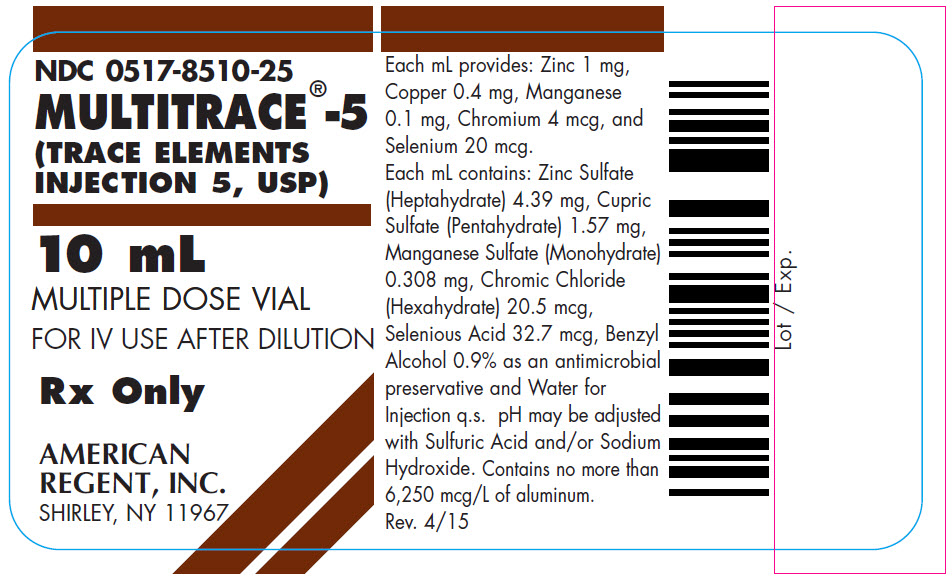
    Each mL of the solution provides Zinc 1 mg, Copper 0.4 mg, Manganese 0.1 mg, Chromium 4 mcg, and Selenium 20 mcg. The suggested dosage ranges for the five trace elements are:

    ZINC: For the metabolically stable adult receiving TPN, the suggested intravenous dosage level is 2.5 to 4 mg zinc/day. An additional 2 mg zinc/day is suggested for acute catabolic states. For the stable adult with fluid loss from the small bowel, an additional 12.2 mg zinc/liter of small bowel fluid lost, or an additional 17.1 mg zinc/kg of stool or ileostomy output is recommended. Frequent monitoring of zinc blood levels is suggested for patients receiving more than the usual maintenance dosage level of zinc. Normal plasma levels for zinc vary from approximately 88 to 112 mcg/100 mL.

    For full term infants and children up to 5 years of age, 100 mcg zinc/kg/day is recommended. For premature infants (birth weight less than 1500 g) up to 3 kg in body weight, 300 mcg zinc/kg/day is suggested.

    COPPER: For the metabolically stable adult receiving TPN, the suggested additive dosage level is 0.5 to 1.5 mg copper/day. For pediatric patients, the suggested additive dosage level is 20 mcg copper/kg/day. The normal plasma range for copper is approximately 80 to 160 mcg/100 mL.

    MANGANESE: For the metabolically stable adult receiving TPN, the suggested additive dosage level for manganese is 0.15 mg to 0.8 mg/day. For pediatric patients, a dosage level of 2 to 10 mcg manganese/kg/day is recommended.

    CHROMIUM: For the metabolically stable adult receiving TPN, the suggested additive dosage level is 10 to 15 mcg chromium/day. The metabolically stable adult with intestinal fluid loss may require 20 mcg chromium/day, with frequent monitoring of blood levels as a guideline for subsequent administration. For pediatric patients, the suggested additive dosage level is 0.14 to 0.20 mcg/kg/day.

    SELENIUM: For metabolically stable adults receiving TPN, the suggested additive dosage level is 20 to 40 mcg selenium/day. For pediatric patients, the suggested additive dosage level is 3 mcg/kg/day.

    In adults, selenium deficiency states resulting from long term TPN support, selenium as selenomethionine or selenious acid, administered intravenously at 100 mcg/day for a period of 24 and 31 days, respectively, has been reported to reverse deficiency symptoms without toxicity. The normal whole blood range for selenium is approximately 10 to 37 mcg/100 mL.

    Periodic monitoring of plasma levels of Zinc, Copper, Manganese, Chromium and Selenium is suggested as a guideline for administration.

    Aseptic addition of the solution to the TPN solution under laminar flow hood is recommended. The trace elements present in the solution are physically compatible with the electrolytes and vitamins usually present in the amino acid/dextrose solution used for TPN.

    Parenteral drug products should be inspected visually for particulate matter and discoloration, whenever solution and container permit.

    Store at 20° to 25°C (68° to 77°F); excursions permitted to 15° to 30°C (59° to 86°F) (See USP Controlled Room Temperature).

  • Multitrace-4 Neonatal
    Multitrace-4 Neonatal (Trace Elements 4) Injection, Solution [American Regent, Inc.]

    Multitrace-4 Neonatal

    Multitrace-4 Neonatal (Trace Elements 4) Injection, Solution [American Regent, Inc.]

    The suggested dosage ranges for the four trace elements in neonates and pediatric patients are:

    ZINC: For full term infants and children up to 5 years of age, 100 mcg zinc/kg/day is recommended. For premature infants up to 3 kg in body weight, 300 mcg zinc/kg/day is suggested.

    COPPER: For pediatric patients, the suggested additive dosage level is 20 mcg copper/kg/day.

    MANGANESE: For pediatric patients, a dosage of 2 to 10 mcg manganese/kg/day is suggested.

    CHROMIUM: For pediatric patients, the suggested additive dosage 0.14 to 0.20 mcg chromium/kg/day.

    Periodic monitoring of plasma levels of Zinc, Copper, Manganese and Chromium is suggested as a guideline preparation.

    Aseptic addition of MULTITRACE® - 4 NEONATAL to the TPN solution under a laminar flow hood is recommended. The trace elements present in the Neonatal Formula are physically compatible with the electrolytes and vitamins usually present in the amino acid/dextrose solution used for TPN.

    Parenteral drug products should be visually inspected for particulate matter and discoloration prior to administration, whenever solution and container permit.

  • Trace Elements 4
    Trace Elements 4 Injection, Solution [American Regent, Inc.]

    Trace Elements 4

    Trace Elements 4 Injection, Solution [American Regent, Inc.]

    Do not use syringes, needles, or intravenous sets containing aluminum parts that may come in contact with TRACE ELEMENTS INJECTION 4, USP PEDIATRIC, for preparation or administration. Aluminum reacts and dissolves in acid media.

    Each mL of the solution provides Zinc 0.5 mg, Copper 0.1 mg, Manganese 30 mcg, and Chromium 1 mcg, and is administered intravenously only after dilution to a minimum of 1:200. The suggested dosage ranges for the four trace elements are:

    ZINC: For the metabolically stable adult receiving TPN, the suggested intravenous dosage level is 2.5 to 4 mg zinc/day. An additional 2 mg zinc/day is suggested for acute catabolic states. For the stable adult with fluid loss from the small bowel, an additional 12.2 mg zinc/liter of small bowel fluid lost, or an additional 17.1 mg zinc/kg of stool or ileostomy output is recommended. Frequent monitoring of zinc blood levels is suggested for patients receiving more than the usual maintenance dosage level of zinc. Normal plasma levels for zinc vary from approximately 88 to 112 mcg/100 mL.

    For full term infants and children, 100 mcg zinc/kg/day is recommended. For premature infants (birth weight less than 1500 g) up to 3 kg in body weight, 300 mcg zinc/kg/day is suggested.

    COPPER: For the metabolically stable adult receiving TPN, the suggested additive dosage level is 0.5 to 1.5 mg copper/day. For pediatric patients, the suggested additive dosage level is 20 mcg copper/kg/day. The normal plasma range for copper is approximately 80 to 160 mcg/100 mL.

    MANGANESE: For the metabolically stable adult receiving TPN, the suggested additive dosage level for manganese is 0.15 to 0.8 mg/day. For pediatric patients, a dosage level of 2 to 10 mcg manganese/kg/day is recommended.

    CHROMIUM: For the metabolically stable adult receiving TPN, the suggested additive dosage level is 10 to 15 mcg chromium/day. The metabolically stable adult with intestinal fluid loss may require 20 mcg chromium/day with frequent monitoring of blood levels as a guideline for subsequent administration. For pediatric patients, the suggested additive dosage level is 0.14 to 0.20 mcg/kg/day.

    Periodic monitoring of plasma levels of Zinc, Copper, Manganese, and Chromium is suggested as a guideline for administration.

    Aseptic addition of the solution to the TPN solution under a laminar flow hood is recommended. The trace elements present in the solution are physically compatible with the electrolytes and vitamins usually present in the amino acid/dextrose solution used for TPN. Parenteral drug products should be inspected visually for particulate matter and discoloration, whenever solution and container permit.

    Store at 20° to 25°C (68° to 77°F); excursions permitted to 15° to 30°C (59° to 86°F) (See USP Controlled Room Temperature).

  • Multitrace-4
    Multitrace-4 (Trace Elements 4) Injection, Solution [American Regent, Inc.]

    Multitrace-4

    Multitrace-4 (Trace Elements 4) Injection, Solution [American Regent, Inc.]

    Each mL of the solution provides Zinc 1 mg, Copper 0.4 mg, Manganese 0.1 mg, and Chromium 4 mcg. The suggested dosage ranges for the four trace elements are:

    ZINC: For the metabolically stable adult receiving TPN, the suggested intravenous dosage level is 2.5 to 4 mg zinc/day. An additional 2 mg zinc/day is suggested for acute catabolic states. For the stable adult with fluid loss from the small bowel, an additional 12.2 mg zinc/liter of small bowel fluid lost, or an additional 17.1 mg zinc/kg of stool or ileostomy output is recommended. Frequent monitoring of Zinc blood levels is suggested for patients receiving more than the usual maintenance dosage level of zinc. Normal plasma levels for zinc vary from approximately 88 to 112 mcg/100 mL.

    For full term infants and children up to 5 years of age, 100 mcg zinc/kg/day is recommended. For premature infants (birth weight less than 1500 g) up to 3 kg in body weight, 300 mcg zinc/kg/day is suggested.

    COPPER: For the metabolically stable adult receiving TPN, the suggested additive dosage level is 0.5 to 1.5 mg copper/day. For pediatric patients, the suggested additive dosage level is 20 mcg copper/kg/day. The normal plasma range for copper is approximately 80 to 160 mcg/100 mL.

    MANGANESE: For the metabolically stable adult receiving TPN, the suggested additive dosage level for manganese is 0.15 to 0.8 mg/day. For pediatric patients, a dosage level of 2 to 10 mcg manganese/kg/day is recommended.

    CHROMIUM: For the metabolically stable adult receiving TPN, the suggested additive dosage level is 10 to 15 mcg chromium/day. The metabolically stable adult with intestinal fluid loss may require 20 mcg chromium/day with frequent monitoring of blood levels as a guideline for subsequent administration. For pediatric patients, the suggested additive dosage level is 0.14 to 0.20 mcg/kg/day.

    Periodic monitoring of plasma levels of Zinc, Copper, Manganese, and Chromium is suggested as a guideline for administration.

    Aseptic addition of the solution to the TPN solution under a laminar flow hood is recommended. The trace elements present in the solution are physically compatible with the electrolytes and vitamins usually present in the amino acid/dextrose solution used for TPN.

    Parenteral drug products should be inspected visually for particulate matter and discoloration, whenever solution and container permit.

    Store at 20°-25°C (68°-77°F); excursions permitted to 15°-30°C (59°-86°F) (See USP Controlled Room Temperature).

  • Multitrace -4 Pediatric...
    Multitrace -4 Pediatric (Trace Elements 4) Injection, Solution, Concentrate [American Regent, Inc.]

    Multitrace -4 Pediatric

    Multitrace -4 Pediatric (Trace Elements 4) Injection, Solution, Concentrate [American Regent, Inc.]

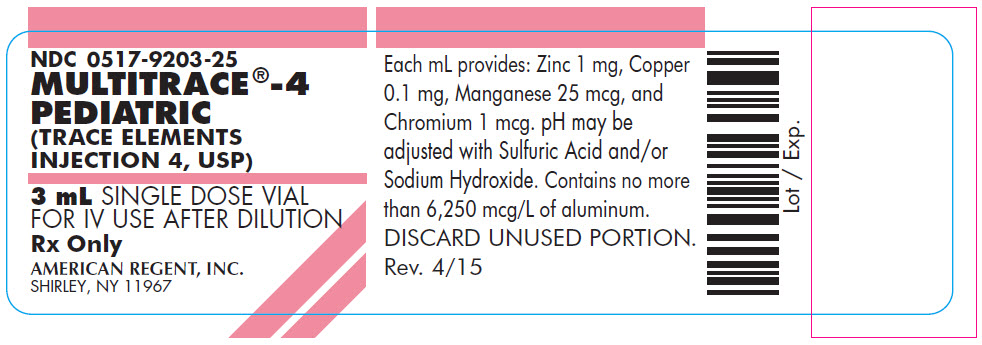
    Each mL of the solution provides Zinc 1 mg, Copper 0.1 mg, Manganese 25 mcg, and Chromium 1 mcg, and is administered intravenously only after dilution to a minimum of 1:200. The suggested dosage ranges for the four trace elements are:

    ZINC: For full term infants and children, 100 mcg zinc/kg/day is recommended. For premature infants (birth weight less than 1500 g) up to 3 kg in body weight, 300 mcg zinc/kg/day is suggested.

    COPPER: For pediatric patients, the suggested additive dosage level is 20 mcg copper/kg/day. The normal plasma range for copper is approximately 80 to 160 mcg/100 mL.

    MANGANESE: For pediatric patients, a dosage level of 2 to 10 mcg manganese/kg/day is recommended.

    CHROMIUM: For pediatric patients, the suggested additive dosage level is 0.14 to 0.20 mcg/kg/day.

    Periodic monitoring of plasma levels of Zinc, Copper, Manganese, and Chromium is suggested as a guideline for administration.

    Aseptic addition of the solution to the TPN solution under a laminar flow hood is recommended. The trace elements present in the solution are physically compatible with the electrolytes and vitamins usually present in the amino acid/dextrose solution used for TPN.

    Parenteral drug products should be inspected visually for particulate matter and discoloration, whenever solution and container permit.

    Store at 20°-25°C (68°-77°F); excursions permitted to 15°-30°C (59°-86°F) (See USP Controlled Room Temperature).

  • Multitrace-5 (Trace Elements 5) Injection, Solution, Concentrate [American Regent, Inc.]

    Multitrace-5

    Multitrace-5 (Trace Elements 5) Injection, Solution, Concentrate [American Regent, Inc.]

    Each mL of the solution provides Zinc 5 mg, Copper 1 mg, Manganese 0.5 mg, Chromium 10 mcg, and Selenium 60 mcg. The suggested dosage ranges for the five trace elements are:

    ZINC: For the metabolically stable adult receiving TPN, the suggested intravenous dosage level is 2.5 to 4 mg zinc/day. An additional 2 mg zinc/day is suggested for acute catabolic states. For the stable adult with fluid loss from the small bowel, an additional 12.2 mg zinc/liter of small bowel fluid lost, or an additional 17.1 mg zinc/kg of stool or ileostomy output is recommended. Frequent monitoring of zinc blood levels is suggested for patients receiving more than the usual maintenance dosage level of zinc. Normal plasma levels for zinc vary from approximately 88 to 112 mcg/100 mL.

    For full term infants and children up to 5 years of age, 100 mcg zinc/kg/day is recommended. For premature infants (birth weight less than 1500 g) up to 3 kg in body weight, 300 mcg zinc/kg/day is suggested.

    COPPER: For the metabolically stable adult receiving TPN, the suggested additive dosage level is 0.5 to 1.5 mg copper/day. For pediatric patients, the suggested additive dosage level is 20 mcg copper/kg/day. The normal plasma range for copper is approximately 80 to 160 mcg/100 mL.

    MANGANESE: For the metabolically stable adult receiving TPN, the suggested additive dosage level for manganese is 0.15 mg to 0.8 mg/day. For pediatric patients, a dosage level of 2 to 10 mcg manganese/kg/day is recommended.

    CHROMIUM: For the metabolically stable adult receiving TPN, the suggested additive dosage level is 10 to 15 mcg chromium/day. The metabolically stable adult with intestinal fluid loss may require 20 mcg chromium/day, with frequent monitoring of blood levels as a guideline for subsequent administration. For pediatric patients, the suggested additive dosage level is 0.14 to 0.20 mcg/kg/day.

    SELENIUM: For metabolically stable adults receiving TPN, the suggested additive dosage level is 20 to 40 mcg selenium/day. For pediatric patients, the suggested additive dosage level is 3 mcg/kg/day.

    In adults, selenium deficiency states resulting from long term TPN support, selenium as selenomethionine or selenious acid, administered intravenously at 100 mcg/day for a period of 24 and 31 days, respectively, has been reported to reverse deficiency symptoms without toxicity. The normal whole blood range for selenium is approximately 10 to 37 mcg/100 mL.

    Periodic monitoring of plasma levels of Zinc, Copper, Manganese, Chromium and Selenium is suggested as a guideline for administration.

    Aseptic addition of the solution to the TPN solution under laminar flow hood is recommended. The trace elements present in the solution are physically compatible with the electrolytes and vitamins usually present in the amino acid/dextrose solution used for TPN.

    Parenteral drug products should be inspected visually for particulate matter and discoloration, whenever solution and container permit.

    Store at 20°-25°C (68°-77°F); excursions permitted to 15°-30°C (59°-86°F) (See USP Controlled Room Temperature).

  • Nutrilyte (Multi-electrolyte) Injection, Solution, Concentrate [American Regent, Inc.]

    Nutrilyte

    Nutrilyte (Multi-electrolyte) Injection, Solution, Concentrate [American Regent, Inc.]

    For adults, one 20 mL dose of Nutrilyte should be added to each liter of amino acid/dextrose solution (TPN) or other suitable intravenous solution.

    Route: Nutrilyte Concentrate is for prescription compounding of intravenous admixtures only. The solution is strongly hypertonic. Not for direct patient injection. Dilute to appropriate strength with suitable intravenous fluid prior to administration.

    DIRECTIONS FOR DISPENSING FROM 100 mL PHARMACY BULK PACKAGE—NOT FOR DIRECT INFUSION

    The 100 mL Pharmacy Bulk Package is for use in a Pharmacy Admixture Service only. The 100 mL Pharmacy Bulk Package should be suspended (inverted) by its IV hang label in a laminar flow hood or biological safety cabinet. Prior to entering a Pharmacy Bulk Package, remove the flip-off seal and cleanse the rubber closure with a suitable antiseptic agent. Entry into the Pharmacy Bulk Package must be made with a sterile transfer set or other sterile dispensing device and the contents dispensed in aliquots using aseptic technique. Use of a syringe needle is not recommended as it may cause leakage. ANY UNUSED PORTION MUST BE DISCARDED WITHIN 4 HOURS AFTER INITIAL ENTRY. The date and the time initially opened should be recorded in the space provided on the Pharmacy Bulk Package label.

    Parenteral drug products should be inspected visually for particulate matter and discoloration prior to administration, whenever solution and container permit.

  • Nutrilyte Ii
    Nutrilyte Ii (Multi-electrolyte) Injection, Solution, Concentrate [American Regent, Inc.]

    Nutrilyte Ii

    Nutrilyte Ii (Multi-electrolyte) Injection, Solution, Concentrate [American Regent, Inc.]

    For adults, one 20 mL dose of Nutrilyte II should be added to each liter of amino acid/dextrose solution (TPN) or other suitable intravenous solution.

    Route: Nutrilyte II Concentrate is for prescription compounding of intravenous admixtures only. The solution is strongly hypertonic. Not for direct patient injection. Dilute to appropriate strength with suitable intravenous fluid prior to administration.

    DIRECTIONS FOR DISPENSING FROM 100 mL PHARMACY BULK PACKAGE—NOT FOR DIRECT INFUSION

    The 100 mL Pharmacy Bulk Package is for use in a Pharmacy Admixture Service only. The 100 mL Pharmacy Bulk Package should be suspended (inverted) by its IV hang label in a laminar flow hood or biological safety cabinet. Prior to entering a Pharmacy Bulk Package remove the flip-off seal and cleanse the rubber closure with a suitable antiseptic agent. Entry into the Pharmacy Bulk Package must be made with a sterile transfer set or other sterile dispensing device and the contents dispensed in aliquots using aseptic technique. Use of a syringe needle is not recommended as it may cause leakage. ANY UNUSED PORTION MUST BE DISCARDED WITHIN 4 HOURS AFTER INITIAL ENTRY. The date and the time initially opened should be recorded in the space provided on the Pharmacy Bulk Package label.

    Parenteral drug products should be inspected visually for particulate matter and discoloration prior to administration, whenever solution and container permit.

  • Sodum Acetate
    Sodum Acetate (Sodium Acetate) Injection, Solution, Concentrate [American Regent, Inc.]

    Sodum Acetate

    Sodum Acetate (Sodium Acetate) Injection, Solution, Concentrate [American Regent, Inc.]

    Sodium Acetate for Injection, USP CONCENTRATE (4 mEq/mL), is administered intravenously only after dilution.

    The dose and rate of administration are dependent upon the individual needs of the patient. Serum sodium should be monitored as a guide to dosage. Withdraw the calculated volume aseptically and transfer to appropriate intravenous fluids to provide the desired number of milliequivalents (mEq) of sodium (Na+) with an equal number of milliequivalents of acetate (CH3COO-).

    Parenteral drug products should be inspected visually for particulate matter and discoloration, whenever solution and container permit.

  • Sodum Chloride
    Sodum Chloride (Sodium Chloride) Injection, Solution, Concentrate [American Regent, Inc.]

    Sodum Chloride

    Sodum Chloride (Sodium Chloride) Injection, Solution, Concentrate [American Regent, Inc.]

    Concentrated Sodium Chloride Injection, USP is Strongly Hypertonic And Must Be Diluted Prior To Administration (See WARNINGS). The dosage of Concentrated Sodium Chloride Injection, USP as an additive in parenteral fluid therapy is predicated on the specific requirement of the patient after necessary clinical and laboratory information is considered and correlated. The appropriate volume is then withdrawn for proper dilution. Having determined the milliequivalents of Sodium Chloride to be added, divide by four to calculate the number of milliliters (mL) of concentrated solution to be used. Withdraw this volume aseptically and transfer this additive solution into appropriate intravenous solutions such as 5% dextrose injection. The properly diluted solutions may be given intravenously or subcutaneously.

    DIRECTIONS FOR DISPENSING FROM 100 mL PHARMACY BULK PACKAGE – NOT FOR DIRECT INFUSION

    The 100 mL Pharmacy Bulk Package is for use in a Pharmacy Admixture Service only. The 100 mL Pharmacy Bulk Package should be suspended (inverted) by its IV hang label in a laminar flow hood or biological safety cabinet. Prior to entering a Pharmacy Bulk Package remove the flip-off seal and cleanse the rubber closure with a suitable antiseptic agent. Entry into the Pharmacy Bulk Package must be made with a sterile transfer set or other sterile dispensing device and the contents dispensed in aliquots using aseptic technique. Use of a syringe needle is not recommended as it may cause leakage. ANY UNUSED PORTION MUST BE DISCARDED WITHIN 4 HOURS AFTER INITIAL ENTRY. The date and the time initially opened should be recorded in the space provided on the Pharmacy Bulk Package label.

    Parenteral drug products should be inspected visually for particulate matter and discoloration prior to administration, whenever solution and container permit.

    Use only if solution is clear and seal intact.

  • Ascorbic Acid Injection, Solution [American Regent, Inc.]

    Ascorbic Acid

    Ascorbic Acid Injection, Solution [American Regent, Inc.]

    Ascorbic acid is usually administered orally. When oral administration is not feasible or when malabsorption is suspected, the drug may be administered intramuscularly, intravenously or subcutaneously. When given parenterally, utilization of the vitamin reportedly is best after IM administration which is the preferred parenteral route.

    For intravenous injection, dilution into a large volume parenteral such as Normal Saline or Glucose is recommended to minimize the adverse reactions associated with intravenous injection.

    The average protective dose of ascorbic acid for adults is 70 to 150 mg daily. In the presence of scurvy, doses of 300 mg to 1 gram daily are recommended. However, as much as 6 grams have been administered parenterally to normal adults without evidence of toxicity.

    To enhance wound healing, doses of 300 to 500 mg daily for a week to ten days, both preoperatively and postoperatively, are generally considered adequate, although considerably larger amounts have been recommended. In the treatment of burns, doses are governed by the extent of tissue injury. For severe burns, daily doses of 1 to 2 grams are recommended. In other conditions in which the need for ascorbic acid is increased, three to five times the daily optimum allowances appear to be adequate.

    WARNING:

    ​​​​PRESSURE MAY DEVELOP WITHIN THE VIAL UPON STORAGE. Exercise care when withdrawing and/or relieve pressure by first inserting sterile empty syringe into vial thus allowing pressure to equilibrate.

    When using dispensing vials use aseptic technique. Dispense entire contents in aliquots under a laminar flow hood without delay or within 4 hours after entry or discard remaining contents after first withdrawal. Prepare stoppers with a suitable antiseptic solution. Do not use unless solution is clear and seal is intact.

    Parenteral drug products should be inspected visually for particulate matter and discoloration prior to administration, whenever the solution and container permit.

  • Alprazolam Tablet [Preferred Pharmaceuticals, Inc.]

    Alprazolam

    Alprazolam Tablet [Preferred Pharmaceuticals, Inc.]

    Benzyl alcohol as a preservative has been associated with a fatal “Gasping Syndrome” in premature infants and infants of low birth weight.  Solutions used for further dilution of this product should be preservative-free when used in the neonate, especially the premature infant.  The initial dosage of parenterally administered Betamethasone Sodium Phosphate and Betamethasone Acetate Injectable Suspension may vary from 0.25 to 9 mg per day depending on the specific disease entity being treated.  However, in certain overwhelming, acute, life-threatening situations, administrations in dosages exceeding the usual dosages may be justified and may be in multiples of the oral dosages.

    It Should Be Emphasized That Dosage Requirements Are Variable and Must Be Individualized on the Basis of the Disease Under Treatment and the Response of the Patient. After a favorable response is noted, the proper maintenance dosage should be determined by decreasing the initial drug dosage in small decrements at appropriate time intervals until the lowest dosage which will maintain an adequate clinical response is reached.  Situations which may make dosage adjustments necessary are changes in clinical status secondary to remissions or exacerbations in the disease process, the patient’s individual drug responsiveness, and the effect of patient exposure to stressful situations not directly related to the disease entity under treatment.  In this latter situation it may be necessary to increase the dosage of the corticosteroid for a period of time consistent with the patient’s condition.  If after long-term therapy the drug is to be stopped, it is recommended that it be withdrawn gradually rather than abruptly.

    In the treatment of acute exacerbations of multiple sclerosis, daily doses of 30 mg of betamethasone for a week followed by 12 mg every other day for 1 month are recommended (see PRECAUTIONS, Neuro-psychiatric section).

    In pediatric patients, the initial dose of betamethasone may vary depending on the specific disease entity being treated.  The range of initial doses is 0.02 to 0.3 mg/kg/day in three or four divided doses (0.6 to 9 mg/m2bsa/day).

    For the purpose of comparison, the following is the equivalent milligram dosage of the various glucocorticoids:  Cortisone, 25  Triamcinolone, 4  Hydrocortisone, 20  Paramethasone, 2  Prednisolone, 5  Betamethasone, 0.75  Prednisone, 5  Dexamethasone, 0.75  Methylprednisolone, 4  

    These dose relationships apply only to oral or intravenous administration of these compounds.  When these substances or their derivatives are injected intramuscularly or into joint spaces, their relative properties may be greatly altered.

    If coadministration of a local anesthetic is desired, Betamethasone Sodium Phosphate and Betamethasone Acetate Injectable Suspension may be mixed with 1% or 2% lidocaine hydrochloride, using the formulations which do not contain parabens.  Similar local anesthetics may also be used.  Diluents containing methylparaben, propylparaben, phenol, etc., should be avoided, since these compounds may cause flocculation of the steroid.  The required dose of Betamethasone Sodium Phosphate and Betamethasone Acetate Injectable Suspension is first withdrawn from the vial into the syringe.  The local anesthetic is then drawn in, and the syringe shaken briefly.  Do not inject local anesthetics into the vial of Betamethasone Sodium Phosphate and Betamethasone Acetate Injectable Suspension.

    Bursitis, Tenosynovitis, Peritendinitis

    In acute subdeltoid, subacromial, olecranon, and prepatellar bursitis, one intrabursal injection of 1 mL Betamethasone Sodium Phosphate and Betamethasone Acetate Injectable Suspension can relieve pain and restore full range of movement.  Several intrabursal injections of corticosteroids are usually required in recurrent acute bursitis and in acute exacerbations of chronic bursitis.  Partial relief of pain and some increase in mobility can be expected in both conditions after one or two injections.  Chronic bursitis may be treated with reduced dosage once the acute condition is controlled.  In tenosynovitis and tendinitis, three or four local injections at intervals of 1 to 2 weeks between injections are given in most cases.  Injections should be made into the affected tendon sheaths rather than into the tendons themselves.  In ganglions of joint capsules and tendon sheaths, injection of 0.5 mL directly into the ganglion cysts has produced marked reduction in the size of the lesions.

    Rheumatoid Arthritis and Osteoarthritis

    Following intra-articular administration of 0.5 to 2 mL of Betamethasone Sodium Phosphate and Betamethasone Acetate Injectable Suspension, relief of pain, soreness, and stiffness may be experienced.  Duration of relief varies widely in both diseases.  Intra-articular Injection of Betamethasone Sodium Phosphate and Betamethasone Acetate Injectable Suspension is well tolerated in joints and periarticular tissues.  There is virtually no pain on injection, and the “secondary flare” that sometimes occurs a few hours after intra-articular injection of corticosteroids has not been reported with Betamethasone Sodium Phosphate and Betamethasone Acetate Injectable Suspension.  Using sterile technique, a 20- to 24-gauge needle on an empty syringe is inserted into the synovial cavity and a few drops of synovial fluid are withdrawn to confirm that the needle is in the joint.  The aspirating syringe is replaced by a syringe containing Betamethasone Sodium Phosphate and Betamethasone Acetate Injectable Suspension and injection is then made into the joint.

    Recommended Doses for Intra-articular Injection  Size of Joint  Location  Dose (mL)  Very Large  Hip  1 - 2  Large  Knee, ankle, shoulder  1  Medium  Elbow, wrist  0.5 - 1  Small  (metacarpophalangeal,   interphalangeal,   sternoclavicular)  Hand, chest  0.25 to 0.5

    A portion of the administered dose of Betamethasone Sodium Phosphate and Betamethasone Acetate Injectable Suspension is absorbed systemically following intra-articular injection.  In patients being treated concomitantly with oral or parenteral corticosteroids, especially those receiving large doses, the systemic absorption of the drug should be considered in determining intra-articular dosage.

    Dermatologic Conditions

    In intralesional treatment, 0.2 mL/cm2 of Betamethasone Sodium Phosphate and Betamethasone Acetate Injectable Suspension is injected intradermally (not subcutaneously) using a tuberculin syringe with a 25-gauge, 1/2-inch needle.  Care should be taken to deposit a uniform depot of medication intradermally.  A total of no more than 1 mL at weekly intervals is recommended.

    Disorders of the Foot

    A tuberculin syringe with a 25-gauge, 3/4-inch needle is suitable for most injections into the foot.  The following doses are recommended at intervals of 3 days to a week.

     Diagnosis  Betamethasone Sodium Phosphate and Betamethasone Acetate Injectable Suspension Dose (mL)

     Bursitis    under heloma durum or     heloma molle

     0.25 to 0.5     under calcaneal spur  0.5     over hallux rigidus or digiti quinti    varus  0.5  Tenosynovitis, periostitis of cuboid  0.5  Acute gouty arthritis  0.5 to 1