Amneal Pharmaceuticals Of New York, Llc

Manufacturer Details

There are currently no manufacturer details available.

Share This Page

Amneal Pharmaceuticals Of New York, Llc Drugs

  • Delsym (Dextromethorphan) Suspension, Extended Release [Reckitt Benckiser Llc]

    Delsym

    Delsym (Dextromethorphan) Suspension, Extended Release [Reckitt Benckiser Llc]

    use only with enclosed dosing cup find right dose on chart below mL = milliliter  adults and children 6 years and over  1 teaspoonful (5 mL) or 2 teaspoonfuls (10 mL) once daily depending upon severity of symptoms; do not take more than 2 teaspoonfuls (10 mL) in 24 hours.  adults 56 years and over  1 teaspoonful (5 mL) once daily; do not take more than 1 teaspoonful (5 mL) in 24 hours.  children under 6 years of age  ask a doctor  consumers with liver or kidney disease  ask a doctor

    Other information

    store between 20° to 25°C (68° to 77°F) TAMPER EVIDENT: DO NOT USE IF NECKBAND IMPRINTED “SEALED FOR YOUR PROTECTION” IS BROKEN OR MISSSING.
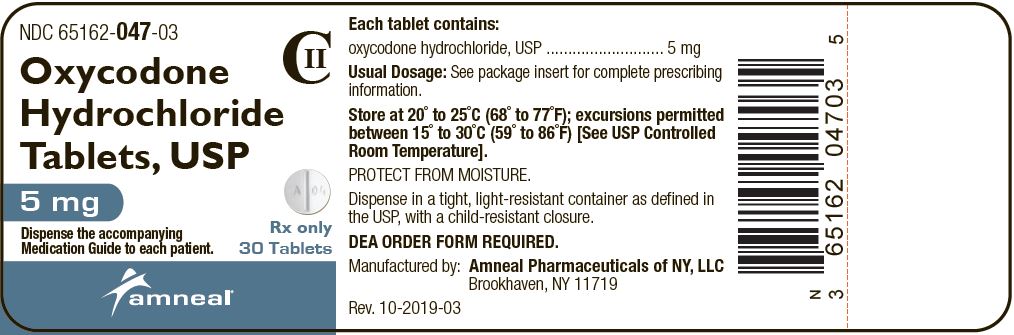
  • Oxycodone Hydrochloride (Oxycodone) Tablet [Amneal Pharmaceuticals Of New York, Llc]

    Oxycodone Hydrochloride

    Oxycodone Hydrochloride (Oxycodone) Tablet [Amneal Pharmaceuticals Of New York, Llc]

    Oxycodone hydrochloride tablets, USP are intended for the management of moderate to severe pain in patients who require treatment with an oral opioid analgesic. The dose should be individually adjusted according to severity of pain, patient response and patient size. If the pain increases in severity, if analgesia is not adequate, or if tolerance occurs, a gradual increase in dosage may be required.

    Patients who have not been receiving opioid analgesics should be started on oxycodone hydrochloride tablets, USP in a dosing range of 5 to 15 mg every 4 to 6 hours as needed for pain. The dose should be titrated based upon the individual patient's response to their initial dose of oxycodone hydrochloride tablets, USP. Patients with chronic pain should have their dosage given on an around-the-clock basis to prevent the reoccurrence of pain rather than treating the pain after it has occurred. This dose can then be adjusted to an acceptable level of analgesia taking into account side effects experienced by the patient.

    For control of severe chronic pain, oxycodone hydrochloride tablets, USP should be administered on a regularly scheduled basis, every 4 to 6 hours, at the lowest dosage level that will achieve adequate analgesia.

    As with any potent opioid, it is critical to adjust the dosing regimen for each patient individually, taking into account the patient's prior analgesic treatment experience. Although it is not possible to list every condition that is important to the selection of the initial dose of oxycodone hydrochloride tablets, USP, attention should be given to: 1) the daily dose, potency, and characteristics of a pure agonist or mixed agonist/antagonist the patient has been taking previously, 2) the reliability of the relative potency estimate to calculate the dose of oxycodone needed, 3) the degree of opioid tolerance, 4) the general condition and medical status of the patient, and 5) the balance between pain control and adverse experiences.

    Conversion from Fixed-Ratio Opioid/Acetaminophen, Opioid/Aspirin, or Opioid/Nonsteroidal Combination Drugs:

    When converting patients from fixed ratio opioid/non-opioid drug regimens a decision should be made whether or not to continue the non-opioid analgesic. If a decision is made to discontinue the use of non-opioid analgesic, it may be necessary to titrate the dose of oxycodone hydrochloride in response to the level of analgesia and adverse effects afforded by the dosing regimen. If the non-opioid regimen is continued as a separate single entity agent, the starting dose of oxycodone hydrochloride should be based upon the most recent dose of opioid as a baseline for further titration of oxycodone. Incremental increases should be gauged according to side effects to an acceptable level of analgesia.

    Patients Currently on Opioid Therapy:

    If a patient has been receiving opioid-containing medications prior to taking oxycodone hydrochloride, the potency of the prior opioid relative to oxycodone should be factored into the selection of the total daily dose (TDD) of oxycodone.

    In converting patients from other opioids to oxycodone hydrochloride, close observation and adjustment of dosage based upon the patient's response to oxycodone hydrochloride is imperative. Administration of supplemental analgesia for breakthrough or incident pain and titration of the total daily dose of oxycodone hydrochloride may be necessary, especially in patients who have disease states that are changing rapidly.

    Maintenance of Therapy:

    Continual re-evaluation of the patient receiving oxycodone hydrochloride is important, with special attention to the maintenance of pain control and the relative incidence of side effects associated with therapy. If the level of pain increases, effort should be made to identify the source of increased pain, while adjusting the dose as described above to decrease the level of pain.

    During chronic therapy, especially for non-cancer-related pain (or pain associated with other terminal illnesses), the continued need for the use of opioid analgesics should be re-assessed as appropriate.

    Cessation of Therapy:

    When a patient no longer requires therapy with oxycodone hydrochloride or other opioid analgesics for the treatment of their pain, it is important that therapy be gradually discontinued over time to prevent the development of an opioid abstinence syndrome (narcotic withdrawal). In general, therapy can be decreased by 25% to 50% per day with careful monitoring for signs and symptoms of withdrawal (see Drug Abuse and Dependence section for description of the signs and symptoms of withdrawal). If the patient develops these signs or symptoms, the dose should be raised to the previous level and titrated down more slowly, either by increasing the interval between decreases, decreasing the amount of change in dose, or both. It is not known at what dose of oxycodone hydrochloride that treatment may be discontinued without risk of the opioid abstinence syndrome.

  • Levetiracetam Solution [Amneal Pharmaceuticals Of New York, Llc]

    Levetiracetam Solution

    Levetiracetam Solution [Amneal Pharmaceuticals Of New York, Llc]

    2.1 Important Administration Instructions

    Levetiracetam oral solution, USP is given orally with or without food. The levetiracetam oral solution, USP dosing regimen depends on the indication, age group, dosage form (tablets or oral solution), and renal function.

    Prescribe the oral solution for pediatric patients with body weight ≤ 20 kg. Prescribe the oral solution or tablets for pediatric patients with body weight above 20 kg.

    When using the oral solution in pediatric patients, dosing is weight-based (mg per kg) using a calibrated measuring device (not a household teaspoon or tablespoon).

    2.2 Dosing for Partial Onset Seizures

    Adults 16 Years and Older

    Initiate treatment with a daily dose of 1000 mg/day, given as twice-daily dosing (500 mg twice daily). Additional dosing increments may be given (1000 mg/day additional every 2 weeks) to a maximum recommended daily dose of 3000 mg. There is no evidence that doses greater than 3000 mg/day confer additional benefit.

    Pediatric Patients

    Dosing information in pediatric patients less than 4 years of age as adjunctive therapy in the treatment of partial onset seizures is approved for UCB, Inc.’s levetiracetam oral solution. However, due to UCB Inc.’s marketing exclusivity rights, this drug product is not labeled with that pediatric information.

    4 Years to < 16 Years

    Initiate treatment with a daily dose of 20 mg/kg in 2 divided doses (10 mg/kg twice daily). Increase the daily dose every 2 weeks by increments of 20 mg/kg to the recommended daily dose of 60 mg/kg (30 mg/kg twice daily). If a patient cannot tolerate a daily dose of 60 mg/kg, the daily dose may be reduced. In the clinical trial, the mean daily dose was 44 mg/kg. The maximum daily dose was 3000 mg/day.

    Levetiracetam Oral Solution, USP Weight-Based Dosing Calculation For Pediatric Patients

    The following calculation should be used to determine the appropriate daily dose of oral solution for pediatric patients:

                                   Daily dose (mg/kg/day) x patient weight (kg)Total daily dose (mL/day) = ---------------------------------------                                                          100 mg/mL

    2.3 Dosing for Myoclonic Seizures in Patients 12 Years of Age and Older with Juvenile Myoclonic Epilepsy

    Initiate treatment with a dose of 1000 mg/day, given as twice-daily dosing (500 mg twice daily). Increase dosage by 1000 mg/day every 2 weeks to the recommended daily dose of 3000 mg. The effectiveness of doses lower than 3000 mg/day has not been studied.

    2.4 Dosing for Primary Generalized Tonic-Clonic Seizures

    Adults 16 Years and Older

    Initiate treatment with a dose of 1000 mg/day, given as twice-daily dosing (500 mg twice daily). Increase dosage by 1000 mg/day every 2 weeks to the recommended daily dose of 3000 mg. The effectiveness of doses lower than 3000 mg/day has not been adequately studied.

    Pediatric Patients Ages 6 to <16 Years

    Initiate treatment with a daily dose of 20 mg/kg in 2 divided doses (10 mg/kg twice daily). Increase the daily dose every 2 weeks by increments of 20 mg/kg to the recommended daily dose of 60 mg/kg (30 mg/kg twice daily). The effectiveness of doses lower than 60 mg/kg/day has not been adequately studied. Patients with body weight ≤20 kg should be dosed with oral solution. Patients with body weight above 20 kg can be dosed with either tablets or oral solution [see Dosage and Administration (2.1)]. Only whole tablets should be administered.

    2.5 Dosage Adjustments in Adult Patients with Renal Impairment

    Levetiracetam oral solution, USP dosing must be individualized according to the patient’s renal function status. Recommended dosage adjustments for adults are shown in Table 1. In order to calculate the dose recommended for patients with renal impairment, creatinine clearance adjusted for body surface area must be calculated. To do this an estimate of the patient’s creatinine clearance (CLcr) in mL/min must first be calculated using the following formula:

               [140-age (years)] x weight (kg)        (x 0.85CLcr= -----------------------------------------      for female            72 x serum creatinine (mg/dL)        patients)

    Then CLcr is adjusted for body surface area (BSA) as follows:

                                                CLcr (mL/min)CLcr (mL/min/1.73m2)=  ---------------------------- x 1.73                                           BSA subject (m2)

    Table 1: Dosing Adjustment Regimen for Adult Patients with Renal Impairment   Group   Creatinine Clearance(mL/min/1.73m2)   Dosage (mg)   Frequency  1 Following dialysis, a 250 to 500 mg supplemental dose is recommended.  Normal  > 80  500 to 1,500  Every 12 hours  Mild  50 to 80  500 to 1,000  Every 12 hours  Moderate  30 to 50  250 to 750  Every 12 hours  Severe  < 30  250 to 500  Every 12 hours  ESRD patientsusing dialysis  ----  500 to 1,0001  Every 24 hours1
  • Naproxen Sodium Tablet [Amneal Pharmaceuticals Of New York, Llc]

    Naproxen Sodium

    Naproxen Sodium Tablet [Amneal Pharmaceuticals Of New York, Llc]

    Carefully consider the potential benefits and risks of naproxen sodium tablets, USP and other treatment options before deciding to use naproxen sodium tablets, USP. Use the lowest effective dose for the shortest duration consistent with individual patient treatment goals (see WARNINGS).

    After observing the response to initial therapy with naproxen sodium tablets, USP, the dose and frequency should be adjusted to suit an individual patient"s needs.

    Different dose strengths and formulations (i.e., tablets, suspension) of the drug are not necessarily bioequivalent. The difference should be taken into consideration when changing formulation.

    Although naproxen tablets, USP, naproxen suspension, naproxen delayed-release tablets, USP and naproxen sodium tablets, USP all circulate in the plasma as naproxen, USP, they have pharmacokinetic differences that may affect onset of action. Onset of pain relief can begin within 30 minutes in patients taking naproxen sodium, USP and within 1 hour in patients taking naproxen, USP (see CLINICAL PHARMACOLOGY).

    The recommended strategy for initiating therapy is to choose a formulation and a starting dose likely to be effective for the patient and then adjust the dosage based on observation of benefit and/or adverse events. A lower dose should be considered in patients with renal or hepatic impairment or in elderly patients (see WARNINGS and PRECAUTIONS).

    Geriatric Patients

    Studies indicate that although total plasma concentration of naproxen, USP is unchanged, the unbound plasma fraction of naproxen is increased in the elderly. Caution is advised when high doses are required and some adjustment of dosage may be required in elderly patients. As with other drugs used in the elderly, it is prudent to use the lowest effective dose.

    Patients With Moderate to Severe Renal Impairment

    Naproxen-containing products are not recommended for use in patients with moderate to severe and severe renal impairment (creatinine clearance <30 mL/min) (see WARNINGS: Renal Effects).

    Rheumatoid Arthritis, Osteoarthritis and Ankylosing Spondylitis

     Naproxen sodium tablets, USP  275 mg (naproxen, USP 250 mg with 25 mg sodium)  twice daily  550 mg (naproxen, USP 500 mg with 50 mg sodium)  twice daily

    During long-term administration, the dose of naproxen, USP may be adjusted up or down depending on the clinical response of the patient. A lower daily dose may suffice for long-term administration. The morning and evening doses do not have to be equal in size and the administration of the drug more frequently than twice daily is not necessary.

    In patients who tolerate lower doses well, the dose may be increased to naproxen sodium, USP 1500 mg/day for limited periods of up to 6 months when a higher level of anti-inflammatory/analgesic activity is required. When treating such patients with naproxen sodium 1500 mg/day, the physician should observe sufficient increased clinical benefits to offset the potential increased risk. The morning and evening doses do not have to be equal in size and administration of the drug more frequently than twice daily does not generally make a difference in response (see CLINICAL PHARMACOLOGY).

    Juvenile Arthritis

    For the relief of juvenile arthritis, the recommended dose is approximately 10 mg/kg given orally in 2 divided doses (i.e., 5 mg/kg given twice a day). Naproxen sodium tablets, USP are not well suited to this dosage so use of naproxen oral suspension, USP is recommended for this indication.

    Management of Pain, Primary Dysmenorrhea and Acute Tendonitis and Bursitis:

    The recommended starting dose is 550 mg of naproxen sodium, USP followed by 550 mg every 12 hours or 275 mg every 6 to 8 hours as required. The initial total daily dose should not exceed 1375 mg of naproxen sodium, USP. Thereafter, the total daily dose should not exceed 1100 mg of naproxen sodium. Because the sodium salt of naproxen, USP is more rapidly absorbed, naproxen sodium tablets, USP are recommended for the management of acute painful conditions when prompt onset of pain relief is desired.

    Acute Gout: The recommended starting dose is 825 mg of naproxen sodium tablets, USP followed by 275 mg every 8 hours until the attack has subsided.

  • Ibuprofen Pain Releiver/ Fever Reducer (Ibuprofen) Tablet [Amneal Pharmaceuticals Of New York, Llc]

    Ibuprofen Pain Releiver Fever Reducer

    Ibuprofen Pain Releiver/ Fever Reducer (Ibuprofen) Tablet [Amneal Pharmaceuticals Of New York, Llc]

    do not take more than directed the smallest effective dose should be used      Adults and children12 years and older   take 1 tablet every 4 to 6 hours while symptoms persist if pain or fever does not respond to 1 tablet, 2 tablets may be used do not exceed 6 tablets in 24 hours, unless directed by a doctor  Children under 12 years   ask a doctor

  • Tramadol Hydrochloride Tablet, Coated [Amneal Pharmaceuticals Of New York, Llc]

    Tramadol Hydrochloride

    Tramadol Hydrochloride Tablet, Coated [Amneal Pharmaceuticals Of New York, Llc]

    Adults (17 years of age and over)

    For patients with moderate to moderately severe chronic pain not requiring rapid onset of analgesic effect, the tolerability of tramadol hydrochloride tablets, USP can be improved by initiating therapy with a titration regimen:  The total daily dose may be increased by 50 mg as tolerated every 3 days to reach 200 mg/day (50 mg q.i.d.). After titration, tramadol hydrochloride tablets, USP 50 to 100 mg can be administered as needed for pain relief every 4 to 6 hours not to exceed 400 mg/day.

    For the subset of patients for whom rapid onset of analgesic effect is required and for whom the benefits outweigh the risk of discontinuation due to adverse events associated with higher initial doses, tramadol hydrochloride tablets, USP 50 mg to 100 mg can be administered as needed for pain relief every four to six hours, not to exceed 400 mg per day.

    Individualization of Dose

    Good pain management practice dictates that the dose be individualized according to patient need using the lowest beneficial dose. Studies with tramadol in adults have shown that starting at the lowest possible dose and titrating upward will result in fewer discontinuations and increased tolerability.

    In all patients with creatinine clearance less than 30 mL/min, it is recommended that the dosing interval of tramadol hydrochloride tablets be increased to 12 hours, with a maximum daily dose of 200 mg. Since only 7% of an administered dose is removed by hemodialysis, dialysis patients can receive their regular dose on the day of dialysis. The recommended dose for adult patients with cirrhosis is 50 mg every 12 hours. In general, dose selection for an elderly patient over 65 years old should be cautious, usually starting at the low end of the dosing range, reflecting the greater frequency of decreased hepatic, renal or cardiac function and of concomitant disease or other drug therapy. For elderly patients over 75 years old, total dose should not exceed 300 mg/day.
  • Ribasphere (Ribavirin) Capsule [Kadmon Pharmaceuticals, Llc]

    Ribasphere

    Ribasphere (Ribavirin) Capsule [Kadmon Pharmaceuticals, Llc]

    The recommended dosage for both adults and pediatric patients 6 years of age and older is 1 single-use ampule (300 mg) administered BID for 28 days. Dosage is not adjusted by weight. All patients should be administered 300 mg BID. The doses should be taken as close to 12 hours apart as possible; they should not be taken less than 6 hours apart.

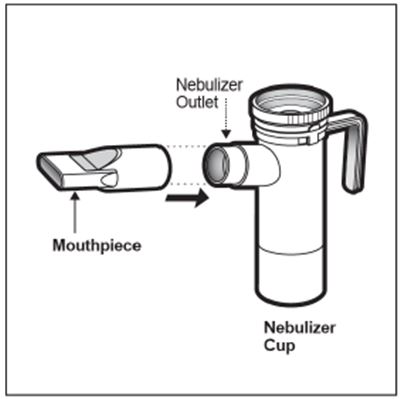
    Tobramycin inhalation solution, USP is inhaled while the patient is sitting or standing upright and breathing normally through the mouthpiece of the nebulizer. Nose clips may help the patient breathe through the mouth.

    Tobramycin inhalation solution, USP is administered BID in alternating periods of 28 days. After 28 days of therapy, patients should stop tobramycin inhalation solution, USP therapy for the next 28 days, and then resume therapy for the next 28 day on/28 day off cycle.

    Tobramycin inhalation solution, USP is supplied as a single-use ampule and is administered by inhalation, using a hand-held PARI LC PLUS™ Reusable Nebulizer with a DeVilbiss® Pulmo-Aide® compressor. Tobramycin inhalation solution, USP is not for subcutaneous, intravenous or intrathecal administration.

    Usage

    Tobramycin inhalation solution, USP is administered by inhalation over an approximately 15-minute period, using a hand-held PARI LC PLUS™ Reusable Nebulizer with a DeVilbiss® Pulmo-Aide® compressor. Tobramycin inhalation solution, USP should not be diluted or mixed with dornase alfa (PULMOZYME®, Genentech) or other medications in the nebulizer.

    During clinical studies, patients on multiple therapies were instructed to take them first, followed by tobramycin inhalation solution, USP. 

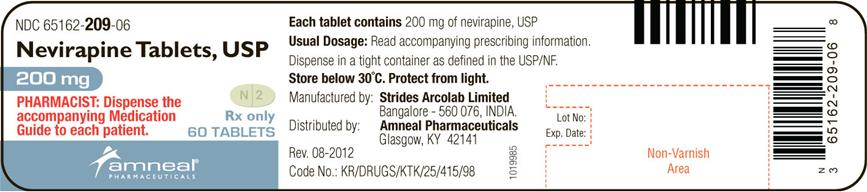
  • Nevirapine Tablet [Amneal Pharmaceuticals Of New York, Llc]

    Nevirapine

    Nevirapine Tablet [Amneal Pharmaceuticals Of New York, Llc]

    2.1 Adults

    The recommended dose for Nevirapine tablets, USP is one 200 mg tablet daily for the first 14 days, followed by one 200 mg tablet twice daily, in combination with other antiretroviral agents. The lead-in period has been observed to decrease the incidence of rash. For concomitantly administered antiretroviral therapy, the manufacturer’s recommended dosage and monitoring should be followed.

    2.2 Pediatric Patients

    The recommended oral dose for pediatric patients 15 days and older is 150 mg/m2 once daily for 14 days followed by 150 mg/m2 twice daily thereafter. The total daily dose should not exceed 400 mg for any patient.

    2.3 Monitoring of Patients

    Intensive clinical and laboratory monitoring, including liver enzyme tests, is essential at baseline and during the first 18 weeks of treatment with Nevirapine tablets, USP. The optimal frequency of monitoring during this period has not been established. Some experts recommend clinical and laboratory monitoring more often than once per month, and in particular, would include monitoring of liver enzyme tests at baseline, prior to dose escalation, and at two weeks post-dose escalation. After the initial 18-week period, frequent clinical and laboratory monitoring should continue throughout Nevirapine tablets, USP treatment [see Warnings and Precautions (5)]. In some cases, hepatic injury has progressed despite discontinuation of treatment.

    2.4 Dosage Adjustment

    Patients with Rash

    Discontinue Nevirapine tablets, USP if a patient experiences severe rash or any rash accompanied by constitutional findings [see Boxed Warning, Warnings and Precautions (5.2), and Patient Counseling Information (17.1)]. Do not increase Nevirapine tablets, USP dose if a patient experiences mild to moderate rash without constitutional symptoms during the 14-day lead-in period of 200 mg/day (150 mg/m2/day in pediatric patients) until the rash has resolved [see Warnings and Precautions (5.2) and Patient Counseling Information (17.1)]. The total duration of the once daily lead-in dosing period should not exceed 28 days at which point an alternative regimen should be sought.

    Patients with Hepatic Events

    If a clinical (symptomatic) hepatic event occurs, permanently discontinue Nevirapine tablets, USP. Do not restart Nevirapine tablets, USP after recovery [see Warnings and Precautions (5.1)].

    Patients with Dose Interruption

    For patients who interrupt Nevirapine tablets, USP dosing for more than 7 days, restart the recommended dosing, using one 200 mg tablet daily (150 mg/m2/day in pediatric patients) for the first 14 days (lead-in) followed by one 200 mg tablet twice daily (150 mg/m2 twice daily for pediatric patients).

    Patients with Renal Impairment

    Patients with CrCL greater than or equal to 20 mL/min do not require an adjustment in Nevirapine tablets, USP dosing. An additional 200 mg dose of Nevirapine tablets, USP following each dialysis treatment is indicated in patients requiring dialysis. Nevirapine tablets, USP metabolites may accumulate in patients receiving dialysis; however, the clinical significance of this accumulation is not known [see Clinical Pharmacology (12.3)].

  • Retrovir
    Retrovir (Zidovudine) Capsule Retrovir (Zidovudine) Tablet, Film Coated Retrovir (Zidovudine) Syrup [Viiv Healthcare Company]

    Retrovir

    Retrovir (Zidovudine) Capsule Retrovir (Zidovudine) Tablet, Film Coated Retrovir (Zidovudine) Syrup [Viiv Healthcare Company]

    Table 1. Recommended Daily Dosage by Indication    Initial Dose  Titration (Increments)  Target Dose  Effective DoseRange  Schizophrenia: adults(2.1)  2 mg  1 to 2 mg  4 to 8 mg  4 to 16 mg  Schizophrenia:adolescents(2.2)  0.5 mg  0.5 to 1 mg  3 mg  1 to 6 mg  Bipolar mania: adults(2.2)  2 to 3 mg  1mg  1 to 6mg  1 to 6 mg  Bipolar mania:children andadolescents(2.2)  0.5 mg  0.5 to 1mg  1 to 2.5 mg  1 to 6 mg  Irritability in autisticdisorder (2.3)  0.25 mgCan increase to0.5 mg by Day 4:(body weight lessthan 20 kg)0.5 mgCan increase to1 mg by Day 4:(body weightgreater than orequal to 20 kg)  After Day 4, atintervals of > 2weeks:0.25 mg(body weight lessthan 20 kg)0.5 mg:(body weightgreater than orequal to 20 kg)  0.5 mg:(body weight lessthan 20 kg)1 mg:(body weightgreater than or equal to 20 kg)  0.5 to 3 mg

    Severe Renal and Hepatic Impairment in Adults: use a lower starting dose of 0.5 mg twice daily.

    May increase to dosages above 1.5 mg twice daily at intervals of one week or longer.

    2.1 Schizophrenia

    Adults

    Usual Initial Dose

    Risperidone oral solution, USP can be administered once or twice daily. Initial dosing is 2 mg/day. May increase the dose at intervals of 24 hours or greater, in increments of 1 to 2 mg per day, as tolerated, to a recommended dose of 4 to 8 mg perday. In some patients, slower titration may be appropriate. Efficacy has been demonstrated in a range of 4 to 16 mg perday. However, doses above 6 mg per day for twice daily dosing were not demonstrated to be more efficacious than lower doses, were associated with more extrapyramidal symptoms and other adverse effects, and are generally not recommended. In a single study supporting once-daily dosing, the efficacy results were generally stronger for 8 mg than for 4 mg. The safety of doses above 16 mg perday has not been evaluated in clinical trials [see Clinical Studies (14.1)].

    Adolescents

    The initial dose is 0.5 mg once daily, administered as a single-daily dose in the morning or evening. The dose may be adjusted at intervals of 24 hours or greater, in increments of 0.5 mg or 1 mg perday, as tolerated, to a recommended dose of 3 mg per day. Although efficacy has been demonstrated in studies of adolescent patients with schizophrenia at doses between 1 mg and 6 mg per day, no additional benefit was observed above 3 mg per day, and higher doses were associated with more adverse events. Doses higher than 6 mg per day have not been studied.

    Patients experiencing persistent somnolence may benefit from administering half the daily dose twice daily.

    Maintenance Therapy

    While it is unknown how long a patient with schizophrenia should remain on risperidone oral solution, USP, the effectiveness of risperidone oral solution, USP 2 mg per day to 8 mg per day at delaying relapse was demonstrated in a controlled trial in adult patients who had been clinically stable for at least 4 weeks and were then followed for a period of 1 to 2 years [see Clinical Studies (14.1)]. Both adult and adolescent patients who respond acutely should generally be maintained on their effective dose beyond the acute episode. Patients should be periodically reassessed to determine the need for maintenance treatment.

    Reinitiation of Treatment in Patients Previously Discontinued

    Although there are no data to specifically address reinitiation of treatment, it is recommended that after an interval off risperidone oral solution, USP, the initial titration schedule should be followed.

    Switching From Other Antipsychotics

    There are no systematically collected data to specifically address switching schizophrenic patients from other antipsychotics to risperidone oral solution, USP, or treating patients with concomitant antipsychotics.

    2.2 Bipolar Mania

    Usual Dose

    Adults

    The initial dose range is 2 mg to 3 mg per day. The dose may be adjusted at intervals of 24 hours or greater, in increments of 1 mg per day. The effective dose range is 1 mg to 6 mg per day, as studied in the short-term, placebo-controlled trials. In these trials, short-term (3-week) anti-manic efficacy was demonstrated in a flexible dosage range of 1 mg to 6 mg per day [see Clinical Studies (14.2,14.3)]. Risperidone oral solution, USP doses higher than 6 mg per day were not studied.

    Pediatrics

    The initial dose is 0.5 mg once daily, administered as a single-daily dose in the morning or evening. The dose may be adjusted at intervals of 24 hours or greater, in increments of 0.5 mg or 1 mg per day, as tolerated, to the recommended target dose of 1 mg to 2.5 mg per day. Although efficacy has been demonstrated in studies of pediatric patients with bipolar mania at doses between 0.5 and 6 mg per day, no additional benefit was observed above 2.5 mg per day, and higher doses were associated with more adverse events. Doses higher than 6 mg per day have not been studied.

    Patients experiencing persistent somnolence may benefit from administering half the daily dose twice daily.

    Maintenance Therapy

    There is no body of evidence available from controlled trials to guide a clinician in the longer-term management of a patient who improves during treatment of an acute manic episode with risperidone oral solution, USP. While it is generally agreed that pharmacological treatment beyond an acute response in mania is desirable, both for maintenance of the initial response and for prevention of new manic episodes, there are no systematically obtained data to support the use of risperidone oral solution, USP in such longer-term treatment (i.e., beyond 3 weeks). The physician who elects to use risperidone oral solution, USP for extended periods should periodically re-evaluate the long-term risks and benefits of the drug for the individual patient.

    2.3 Irritability Associated with Autistic Disorder – Pediatrics (Children and Adolescents)

    The safety and effectiveness of risperidone oral solution, USP in pediatric patients with autistic disorder less than 5 years of age have not been established.

    The dosage of risperidone oral solution, USP should be individualized according to the response and tolerability of the patient. The total daily dose of risperidone oral solution, USP can be administered once daily, or half the total daily dose can be administered twice daily.

    For patients with body weight less than 20 kg, initiate dosing at 0.25 mg per day. For patients with body weight greater than or equal to 20 kg, initiate dosing at 0.5 mg per day. After a minimum of four days, the dose may be increased to the recommended dose of 0.5 mg per day for patients less than 20 kg and 1 mg per day for patients greater than or equal to 20 kg. Maintain this dose for a minimum of 14 days. In patients not achieving sufficient clinical response, the dose may be increased at intervals of 2 weeks or greater, in increments of 0.25 mg per day for patients less than 20 kg, or increments of 0.5 mg per day for patients greater than or equal to 20 kg. The effective dose range is 0.5 mg to 3 mg per day. No dosing data are available for children who weigh less than 15 kg.

    Once sufficient clinical response has been achieved and maintained, consider gradually lowering the dose to achieve the optimal balance of efficacy and safety. The physician who elects to use risperidone oral solution, USP for extended periods should periodically re-evaluate the long-term risks and benefits of the drug for the individual patient.

    Patients experiencing persistent somnolence may benefit from a once-daily dose administered at bedtime or administering half the daily dose twice daily, or a reduction of the dose.

    2.4 Dosage in Patients with Severe Renal or Hepatic Impairment

    For patients with severe renal impairment (CLcr < 30 mL/min) or hepatic impairment (10 to 15 points on Child Pugh System), the initial starting dose is 0.5 mg twice daily. The dose may be increased in increments of 0.5 mg or less, administered twice daily. For doses above 1.5 mg twice daily, increase in intervals of one week or greater [see Use in Specific Populations (8.6 and 8.7)].

    2.5 Dose Adjustments for Specific Drug Interactions

    When risperidone oral solution, USP is co-administered with enzyme inducers (e.g., carbamazepine), the dose of risperidone oral solution, USP should be increased up to double the patient’s usual dose. It may be necessary to decrease the risperidone oral solution, USP dose when enzyme inducers such as carbamazepine are discontinued [see Drug Interactions (7.1)]. Similar effect may be expected with co-administration of risperidone oral solution, USP with other enzyme inducers (e.g., phenytoin, rifampin, phenobarbital).

    When fluoxetine or paroxetine is co-administered with risperidone oral solution, USP, the dose of risperidone oral solution, USP should be reduced. The risperidone oral solution, USP dose should not exceed 8 mg per day in adults when co-administered with these drugs. When initiating therapy, risperidone oral solution, USP should be titrated slowly. It may be necessary to increase the risperidone oral solution, USP dose when enzyme inhibitors such as fluoxetine or paroxetine are discontinued [see Drug Interactions (7.1)].

    2.6 Administration of Risperidone Oral Solution

    Risperidone oral solution, USP can be administered directly from the calibrated pipette, or can be mixed with a beverage prior to administration. Risperidone oral solution, USP is compatible in the following beverages: water, coffee, orange juice, and low-fat milk; it is NOT compatible with either cola or tea.

  • Citalopram Tablet [Amneal Pharmaceuticals Of New York, Llc]

    Citalopram

    Citalopram Tablet [Amneal Pharmaceuticals Of New York, Llc]

    Citalopram tablets, USP should be administered once daily, in the morning or evening, with or without food.

    Initial Treatment

    Citalopram tablets, USP should be administered at an initial dose of 20 mg once daily, with an increase to a maximum dose of 40 mg/day at an interval of no less than one week. Doses above 40 mg/day are not recommended due to the risk of QT prolongation. Additionally, the only study pertinent to dose response for effectiveness did not demonstrate an advantage for the 60 mg/day dose over the 40 mg/day dose.

    Special Populations

    20 mg/day is the maximum recommended dose for patients who are greater than 60 years of age, patients with hepatic impairment, and for CYP2C19 poor metabolizers or those patients taking cimetidine or another CYP2C19 inhibitor (see WARNINGS).

    No dosage adjustment is necessary for patients with mild or moderate renal impairment. Citalopram tablets, USP should be used with caution in patients with severe renal impairment.

    Treatment of Pregnant Women During the Third Trimester

    Neonates exposed to citalopram hydrobromide, USP and other SSRIs or SNRIs, late in the third trimester, have developed complications requiring prolonged hospitalization, respiratory support, and tube feeding (see PRECAUTIONS). When treating pregnant women with citalopram tablets, USP during the third trimester, the physician should carefully consider the potential risks and benefits of treatment.

    Maintenance Treatment

    It is generally agreed that acute episodes of depression require several months or longer of sustained pharmacologic therapy. Systematic evaluation of citalopram tablets, USP in two studies has shown that its antidepressant efficacy is maintained for periods of up to 24 weeks following 6 or 8 weeks of initial treatment (32 weeks total). In one study, patients were assigned randomly to placebo or to the same dose of citalopram tablets, USP (20 to 60 mg/day) during maintenance treatment as they had received during the acute stabilization phase, while in the other study, patients were assigned randomly to continuation of citalopram tablets, USP 20 or 40 mg/day, or placebo, for maintenance treatment. In the latter study, the rates of relapse to depression were similar for the two dose groups (see Clinical Trials under CLINICAL PHARMACOLOGY). Based on these limited data, it is not known whether the dose of citalopram needed to maintain euthymia is identical to the dose needed to induce remission. If adverse reactions are bothersome, a decrease in dose to 20 mg/day can be considered.

    Discontinuation of Treatment with Citalopram Tablets, USP

    Symptoms associated with discontinuation of citalopram tablets, USP and other SSRIs and SNRIs have been reported (see PRECAUTIONS). Patients should be monitored for these symptoms when discontinuing treatment. A gradual reduction in the dose rather than abrupt cessation is recommended whenever possible. If intolerable symptoms occur following a decrease in the dose or upon discontinuation of treatment, then resuming the previously prescribed dose may be considered. Subsequently, the physician may continue decreasing the dose but at a more gradual rate.

    Switching a Patient To or From a Monoamine Oxidase Inhibitor (MAOI) Intended to Treat Psychiatric Disorders

    At least 14 days should elapse between discontinuation of an MAOI intended to treat psychiatric disorders and initiation of therapy with citalopram tablets, USP. Conversely, at least 14 days should be allowed after stopping citalopram tablets, USP before starting an MAOI intended to treat psychiatric disorders (see CONTRAINDICATIONS).

    Use of Citalopram Tablets, USP with Other MAOIs, Such as Linezolid or Methylene Blue

    Do not start citalopram tablets, USP in a patient who is being treated with linezolid or intravenous methylene blue because there is an increased risk of serotonin syndrome. In a patient who requires more urgent treatment of a psychiatric condition, other interventions, including hospitalization, should be considered (see CONTRAINDICATIONS).

    In some cases, a patient already receiving citalopram tablets, USP therapy may require urgent treatment with linezolid or intravenous methylene blue. If acceptable alternatives to linezolid or intravenous methylene blue treatment are not available and the potential benefits of linezolid or intravenous methylene blue treatment are judged to outweigh the risks of serotonin syndrome in a particular patient, citalopram tablets, USP should be stopped promptly, and linezolid or intravenous methylene blue can be administered. The patient should be monitored for symptoms of serotonin syndrome for 2 weeks or until 24 hours after the last dose of linezolid or intravenous methylene blue, whichever comes first. Therapy with citalopram tablets, USP may be resumed 24 hours after the last dose of linezolid or intravenous methylene blue (see WARNINGS).

    The risk of administering methylene blue by non-intravenous routes (such as oral tablets or by local injection) or in intravenous doses much lower than 1 mg/kg with citalopram tablets, USP is unclear. The clinician should, nevertheless, be aware of the possibility of emergent symptoms of serotonin syndrome with such use (see WARNINGS).

  • Citalopram Tablet [Amneal Pharmaceuticals Of New York, Llc]

    Citalopram

    Citalopram Tablet [Amneal Pharmaceuticals Of New York, Llc]

    Citalopram tablets, USP should be administered once daily, in the morning or evening, with or without food.

    Initial Treatment

    Citalopram tablets, USP should be administered at an initial dose of 20 mg once daily, with an increase to a maximum dose of 40 mg/day at an interval of no less than one week. Doses above 40 mg/day are not recommended due to the risk of QT prolongation. Additionally, the only study pertinent to dose response for effectiveness did not demonstrate an advantage for the 60 mg/day dose over the 40 mg/day dose.

    Special Populations

    20 mg/day is the maximum recommended dose for patients who are greater than 60 years of age, patients with hepatic impairment and for CYP2C19 poor metabolizers or those patients taking cimetidine or another CYP2C19 inhibitor (see WARNINGS).

    No dosage adjustment is necessary for patients with mild or moderate renal impairment. Citalopram tablets, USP should be used with caution in patients with severe renal impairment.

    Treatment of Pregnant Women During the Third Trimester

    Neonates exposed to citalopram hydrobromide, USP and other SSRIs or SNRIs, late in the third trimester, have developed complications requiring prolonged hospitalization, respiratory support and tube feeding (see PRECAUTIONS). When treating pregnant women with citalopram tablets, USP during the third trimester, the physician should carefully consider the potential risks and benefits of treatment.

    Maintenance Treatment

    It is generally agreed that acute episodes of depression require several months or longer of sustained pharmacologic therapy. Systematic evaluation of citalopram tablets, USP in two studies has shown that its antidepressant efficacy is maintained for periods of up to 24 weeks following 6 or 8 weeks of initial treatment (32 weeks total). In one study, patients were assigned randomly to placebo or to the same dose of citalopram tablets, USP (20 to 60 mg/day) during maintenance treatment as they had received during the acute stabilization phase, while in the other study, patients were assigned randomly to continuation of citalopram tablets, USP 20 or 40 mg/day, or placebo, for maintenance treatment. In the latter study, the rates of relapse to depression were similar for the two dose groups (see Clinical Trials under CLINICAL PHARMACOLOGY). Based on these limited data, it is not known whether the dose of citalopram needed to maintain euthymia is identical to the dose needed to induce remission. If adverse reactions are bothersome, a decrease in dose to 20 mg/day can be considered.

    Discontinuation of Treatment with Citalopram Tablets, USP

    Symptoms associated with discontinuation of citalopram tablets, USP and other SSRIs and SNRIs have been reported (see PRECAUTIONS). Patients should be monitored for these symptoms when discontinuing treatment. A gradual reduction in the dose rather than abrupt cessation is recommended whenever possible. If intolerable symptoms occur following a decrease in the dose or upon discontinuation of treatment, then resuming the previously prescribed dose may be considered. Subsequently, the physician may continue decreasing the dose but at a more gradual rate.

    Switching a Patient To or From a Monoamine Oxidase Inhibitor (MAOI) Intended to Treat Psychiatric Disorders

    At least 14 days should elapse between discontinuation of an MAOI intended to treat psychiatric disorders and initiation of therapy with citalopram tablets, USP. Conversely, at least 14 days should be allowed after stopping citalopram tablets, USP before starting an MAOI intended to treat psychiatric disorders (see CONTRAINDICATIONS).

    Use of Citalopram Tablets, USP with Other MAOIs, Such as Linezolid or Methylene Blue

    Do not start citalopram tablets, USP in a patient who is being treated with linezolid or intravenous methylene blue because there is an increased risk of serotonin syndrome. In a patient who requires more urgent treatment of a psychiatric condition, other interventions, including hospitalization, should be considered (see CONTRAINDICATIONS).

    In some cases, a patient already receiving citalopram tablets, USP therapy may require urgent treatment with linezolid or intravenous methylene blue. If acceptable alternatives to linezolid or intravenous methylene blue treatment are not available and the potential benefits of linezolid or intravenous methylene blue treatment are judged to outweigh the risks of serotonin syndrome in a particular patient, citalopram tablets, USP should be stopped promptly and linezolid or intravenous methylene blue can be administered. The patient should be monitored for symptoms of serotonin syndrome for 2 weeks or until 24 hours after the last dose of linezolid or intravenous methylene blue, whichever comes first. Therapy with citalopram tablets, USP may be resumed 24 hours after the last dose of linezolid or intravenous methylene blue (see WARNINGS).

    The risk of administering methylene blue by non-intravenous routes (such as oral tablets or by local injection) or in intravenous doses much lower than 1 mg/kg with citalopram tablets, USP is unclear. The clinician should, nevertheless, be aware of the possibility of emergent symptoms of serotonin syndrome with such use (see WARNINGS).

  • Venlafaxine Hydrochloride (Venlafaxine) Tablet [Amneal Pharmaceuticals Of New York, Llc]

    Venlafaxine Hydrochloride

    Venlafaxine Hydrochloride (Venlafaxine) Tablet [Amneal Pharmaceuticals Of New York, Llc]

    Initial Treatment

    The recommended starting dose for venlafaxine tablets, USP is 75 mg/day, administered in two or three divided doses, taken with food. Depending on tolerability and the need for further clinical effect, the dose may be increased to 150 mg/day. If needed, the dose should be further increased up to 225 mg/day. When increasing the dose, increments of up to 75 mg/day should be made at intervals of no less than 4 days. In outpatient settings there was no evidence of usefulness of doses greater than 225 mg/day for moderately depressed patients, but more severely depressed inpatients responded to a mean dose of 350 mg/day. Certain patients, including more severely depressed patients, may therefore respond more to higher doses, up to a maximum of 375 mg/day, generally in three divided doses (see PRECAUTIONS, General, Use in Patients with Concomitant Illness).

    Special Populations

    Treatment of Pregnant Women During the Third Trimester

    Neonates exposed to venlafaxine tablets, USP, other SNRIs, or SSRIs, late in the third trimester have developed complications requiring prolonged hospitalization, respiratory support and tube feeding (see PRECAUTIONS). When treating pregnant women with venlafaxine tablets, USP during the third trimester, the physician should carefully consider the potential risks and benefits of treatment.

    Dosage for Patients with Hepatic Impairment

    Given the decrease in clearance and increase in elimination half-life for both venlafaxine and ODV that is observed in patients with hepatic cirrhosis and mild and moderate hepatic impairment compared to normal subjects (see CLINICAL PHARMACOLOGY), it is recommended that the total daily dose be reduced by 50% in patients with mild to moderate hepatic impairment. Since there was much individual variability in clearance between subjects with cirrhosis, it may be necessary to reduce the dose even more than 50%, and individualization of dosing may be desirable in some patients.

    Dosage for Patients with Renal Impairment

    Given the decrease in clearance for venlafaxine and the increase in elimination half-life for both venlafaxine and ODV that is observed in patients with renal impairment (GFR = 10 to 70 mL/min) compared to normals (see CLINICAL PHARMACOLOGY), it is recommended that the total daily dose be reduced by 25% in patients with mild to moderate renal impairment. It is recommended that the total daily dose be reduced by 50% in patients undergoing hemodialysis. Since there was much individual variability in clearance between patients with renal impairment, individualization of dosing may be desirable in some patients.

    Dosage for Elderly Patients

    No dose adjustment is recommended for elderly patients on the basis of age. As with any antidepressant, however, caution should be exercised in treating the elderly. When individualizing the dosage, extra care should be taken when increasing the dose.

    Maintenance Treatment

    It is generally agreed that acute episodes of major depressive disorder require several months or longer of sustained pharmacological therapy beyond response to the acute episode. In one study, in which patients responding during 8 weeks of acute treatment with venlafaxine HCl extended-release capsules were assigned randomly to placebo or to the same dose of venlafaxine HCl extended-release capsules (75, 150, or 225 mg/day, qAM) during 26 weeks of maintenance treatment as they had received during the acute stabilization phase, longer-term efficacy was demonstrated. A second longer-term study has demonstrated the efficacy of venlafaxine tablets, USP immediate-release in maintaining an antidepressant response in patients with recurrent depression who had responded and continued to be improved during an initial 26 weeks of treatment and were then randomly assigned to placebo or venlafaxine tablets, USP immediate-release for periods of up to 52 weeks on the same dose (100 to 200 mg/day, on a b.i.d. schedule) (see CLINICAL TRIALS). Based on these limited data, it is not known whether or not the dose of venlafaxine tablets, USP immediate-release/ venlafaxine HCl extended-release capsules needed for maintenance treatment is identical to the dose needed to achieve an initial response. Patients should be periodically reassessed to determine the need for maintenance treatment and the appropriate dose for such treatment.

    Discontinuing Venlafaxine Tablets, USP

    Symptoms associated with discontinuation of venlafaxine tablets, USP, other SNRIs and SSRIs, have been reported (see PRECAUTIONS). Patients should be monitored for these symptoms when discontinuing treatment. A gradual reduction in the dose rather than abrupt cessation is recommended whenever possible. If intolerable symptoms occur following a decrease in the dose or upon discontinuation of treatment, then resuming the previously prescribed dose may be considered. Subsequently, the physician may continue decreasing the dose but at a more gradual rate.

    Switching a Patient To or From a Monoamine Oxidase Inhibitor (MAOI) Intended to Treat Psychiatric Disorders: At least 14 days should elapse between discontinuation of an MAOI intended to treat psychiatric disorders and initiation of therapy with venlafaxine tablets, USP. Conversely, at least 7 days should be allowed after stopping venlafaxine tablets, USP before starting an MAOI intended to treat psychiatric disorders (see CONTRAINDICATIONS).

    Use of Venlafaxine Tablets, USP With Other MAOIs, Such as Linezolid or Methylene Blue: Do not start venlafaxine tablets, USP in a patient who is being treated with linezolid or intravenous methylene blue because there is increased risk of serotonin syndrome. In a patient who requires more urgent treatment of a psychiatric condition, other interventions, including hospitalization, should be considered (see CONTRAINDICATIONS).

    In some cases, a patient already receiving therapy with venlafaxine tablets, USP may require urgent treatment with linezolid or intravenous methylene blue. If acceptable alternatives to linezolid or intravenous methylene blue treatment are not available and the potential benefits of linezolid or intravenous methylene blue treatment are judged to outweigh the risks of serotonin syndrome in a particular patient, venlafaxine tablets, USP should be stopped promptly, and linezolid or intravenous methylene blue can be administered. The patient should be monitored for symptoms of serotonin syndrome for 7 days or until 24 hours after the last dose of linezolid or intravenous methylene blue, whichever comes first. Therapy with venlafaxine tablets, USP may be resumed 24 hours after the last dose of linezolid or intravenous methylene blue (see WARNINGS).

    The risk of administering methylene blue by non-intravenous routes (such as oral tablets or by local injection) or in intravenous doses much lower than 1 mg/kg with venlafaxine tablets, USP is unclear. The clinician should, nevertheless, be aware of the possibility of emergent symptoms of serotonin syndrome with such use (see WARNINGS).

  • Ibuprofen Tablet [Amneal Pharmaceuticals Of New York, Llc]

    Ibuprofen

    Ibuprofen Tablet [Amneal Pharmaceuticals Of New York, Llc]

    Carefully consider the potential benefits and risks of ibuprofen tablets and other treatment options before deciding to use ibuprofen tablets. Use the lowest effective dose for the shortest duration consistent with individual patient treatment goals (see WARNINGS).

    After observing the response to initial therapy with ibuprofen tablets the dose and frequency should be adjusted to suit an individual patient's needs.

    Do not exceed 3200 mg total daily dose. If gastrointestinal complaints occur, administer Ibuprofen Tablets, USP with meals or milk.

    Rheumatoid arthritis and osteoarthritis, including flare-ups of chronic disease:

    Suggested Dosage: 1200 mg-3200 mg daily (300 mg qid; 400 mg, 600 mg or 800 mg tid or qid).

    Individual patients may show a better response to 3200 mg daily, as compared with 2400 mg, although in well-controlled clinical trials patients on 3200 mg did not show a better mean response in terms of efficacy. Therefore, when treating patients with 3200 mg/day, the physician should observe sufficient increased clinical benefits to offset potential increased risk.

    The dose should be tailored to each patient, and may be lowered or raised depending on the severity of symptoms either at time of initiating drug therapy or as the patient responds or fails to respond.

    In general, patients with rheumatoid arthritis seem to require higher doses of ibuprofen tablets than do patients with osteoarthritis.

    The smallest dose of ibuprofen tablets that yields acceptable control should be employed. A linear blood level dose-response relationship exists with single doses up to 800 mg (See CLINICAL PHARMACOLOGY for effects of food on rate of absorption). The availability of four tablet strengths facilitates dosage adjustment.

    In chronic conditions, a therapeutic response to therapy with ibuprofen tablets is sometimes seen in a few days to a week but most often is observed by two weeks. After a satisfactory response has been achieved, the patient's dose should be reviewed and adjusted as required.

    Mild to moderate pain: 400 mg every 4 to 6 hours as necessary for relief of pain.

    In controlled analgesic clinical trials, doses of ibuprofen tablets greater than 400 mg were no more effective than the 400 mg dose.

    Dysmenorrhea: For the treatment of dysmenorrhea, beginning with the earliest onset of such pain, ibuprofen tablets should be given in a dose of 400 mg every 4 hours as necessary for the relief of pain.

  • Hydrocodone Bitartrate And Acetaminophen Tablet [Amneal Pharmaceuticals Of New York, Llc]

    Hydrocodone Bitartrate And Acetaminophen

    Hydrocodone Bitartrate And Acetaminophen Tablet [Amneal Pharmaceuticals Of New York, Llc]

    Dosage should be adjusted according to the severity of the pain and the response of the patient. However, it should be kept in mind that tolerance to hydrocodone can develop with continued use and that the incidence of untoward effects is dose related.

    The usual adult dosage is one tablet every four to six hours as needed for pain. The total daily dose should not exceed 6 tablets.

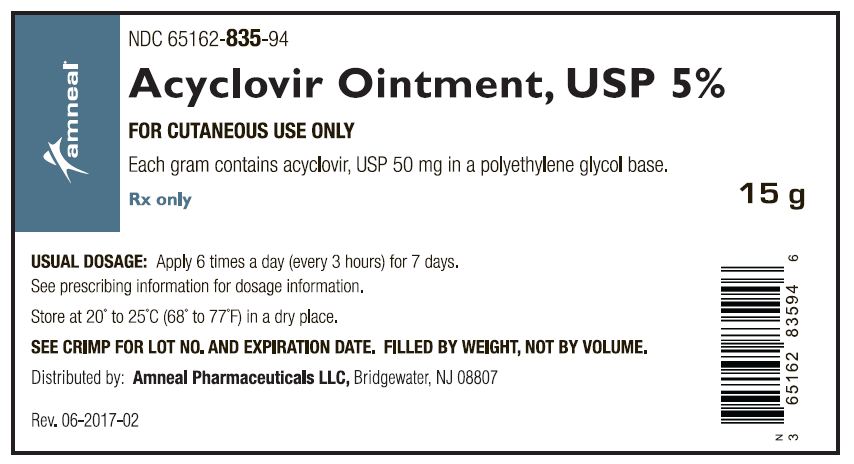
  • Acyclovir Ointment [Amneal Pharmaceuticals Of New York, Llc]

    Acyclovir Ointment

    Acyclovir Ointment [Amneal Pharmaceuticals Of New York, Llc]

    Apply sufficient quantity to adequately cover all lesions every 3 hours, 6 times per day for 7 days. The dose size per application will vary depending upon the total lesion area but should approximate a one-half inch ribbon of ointment per 4 square inches of surface area. A finger cot or rubber glove should be used when applying acyclovir ointment, USP 5% to prevent autoinoculation of other body sites and transmission of infection to other persons. Therapy should be initiated as early as possible following onset of signs and symptoms.

  • Oxcarbazepine Suspensio...
    Oxcarbazepine Suspension [Amneal Pharmaceuticals Of New York, Llc]

    Oxcarbazepine Suspension

    Oxcarbazepine Suspension [Amneal Pharmaceuticals Of New York, Llc]

    All dosing should be given in a twice-a-day regimen.

    Oxcarbazepine oral suspension, USP should be kept out of the reach and sight of children.

    Before using oxcarbazepine oral suspension, USP shake the bottle well and prepare the dose immediately afterwards. The prescribed amount of oral suspension should be withdrawn from the bottle using the oral dosing syringe supplied. Oxcarbazepine oral suspension, USP can be mixed in a small glass of water just prior to administration or, alternatively, may be swallowed directly from the syringe. After each use, close the bottle and rinse the syringe with warm water and allow it to dry thoroughly.

    Oxcarbazepine oral suspension, USP can be taken with or without food [see Clinical Pharmacology (12.3)].

    2.1 Adjunctive Therapy for Adults

    Treatment with oxcarbazepine oral suspension, USP should be initiated with a dose of 600 mg/day, given in a twice-a-day regimen. If clinically indicated, the dose may be increased by a maximum of 600 mg/day at approximately weekly intervals; the recommended daily dose is 1200 mg/day. Daily doses above 1200 mg/day show somewhat greater effectiveness in controlled trials, but most patients were not able to tolerate the 2400 mg/day dose, primarily because of CNS effects. It is recommended that the patient be observed closely and plasma levels of the concomitant AEDs be monitored during the period of oxcarbazepine oral suspension, USP titration, as these plasma levels may be altered, especially at oxcarbazepine oral suspension, USP doses greater than 1200 mg/day [see Drug Interactions (7.1)].

    2.2 Conversion to Monotherapy for Adults

    Patients receiving concomitant AEDs may be converted to monotherapy by initiating treatment with oxcarbazepine oral suspension, USP at 600 mg/day (given in a twice-a-day regimen) while simultaneously initiating the reduction of the dose of the concomitant AEDs. The concomitant AEDs should be completely withdrawn over 3 to 6 weeks, while the maximum dose of oxcarbazepine oral suspension, USP should be reached in about 2 to 4 weeks. Oxcarbazepine oral suspension, USP may be increased as clinically indicated by a maximum increment of 600 mg/day at approximately weekly intervals to achieve the recommended daily dose of 2400 mg/day. A daily dose of 1200 mg/day has been shown in one study to be effective in patients in whom monotherapy has been initiated with oxcarbazepine oral suspension, USP. Patients should be observed closely during this transition phase.

    2.3 Initiation of Monotherapy for Adults

    Patients not currently being treated with AEDs may have monotherapy initiated with oxcarbazepine oral suspension, USP. In these patients, oxcarbazepine oral suspension, USP should be initiated at a dose of 600 mg/day (given in a twice-a-day regimen); the dose should be increased by 300 mg/day every third day to a dose of 1200 mg/day. Controlled trials in these patients examined the effectiveness of a 1200 mg/day dose; a dose of 2400 mg/day has been shown to be effective in patients converted from other AEDs to oxcarbazepine oral suspension, USP monotherapy (see above).

    2.4 Adjunctive Therapy for Pediatric Patients (Aged 2 to 16 Years)

    In pediatric patients aged 4 to 16 years, treatment should be initiated at a daily dose of 8 to 10 mg/kg generally not to exceed 600 mg/day, given in a twice-a-day regimen. The target maintenance dose of oxcarbazepine oral suspension, USP should be achieved over two weeks, and is dependent upon patient weight, according to the following chart:

    20 to 29 kg - 900 mg/day29.1 to 39 kg - 1200 mg/day>39 kg - 1800 mg/day

    In the clinical trial, in which the intention was to reach these target doses, the median daily dose was 31 mg/kg with a range of 6 to 51 mg/kg.

    In pediatric patients aged 2 to <4 years, treatment should also be initiated at a daily dose of 8 to 10 mg/kg generally not to exceed 600 mg/day, given in a twice-a-day regimen. For patients under 20 kg, a starting dose of 16 to 20 mg/kg may be considered [see Clinical Pharmacology (12.3)]. The maximum maintenance dose of oxcarbazepine oral suspension, USP should be achieved over 2 to 4 weeks and should not exceed 60 mg/kg/day in a twice-a-day regimen.

    In the clinical trial in pediatric patients (2 to 4 years of age) in which the intention was to reach the target dose of 60 mg/kg/day, 50% of patients reached a final dose of at least 55 mg/kg/day.

    Under adjunctive therapy (with and without enzyme-inducing AEDs), when normalized by body weight, apparent clearance (L/hr/kg) decreased when age increased such that children 2 to <4 years of age may require up to twice the oxcarbazepine, USP dose per body weight compared to adults; and children 4 to ≤12 years of age may require a 50% higher oxcarbazepine, USP dose per body weight compared to adults.

    2.5 Conversion to Monotherapy for Pediatric Patients (Aged 4 to 16 Years)

    Patients receiving concomitant antiepileptic drugs may be converted to monotherapy by initiating treatment with oxcarbazepine oral suspension, USP at approximately 8 to 10 mg/kg/day given in a twice-a-day regimen, while simultaneously initiating the reduction of the dose of the concomitant antiepileptic drugs. The concomitant antiepileptic drugs can be completely withdrawn over 3 to 6 weeks while oxcarbazepine oral suspension, USP may be increased as clinically indicated by a maximum increment of 10 mg/kg/day at approximately weekly intervals to achieve the recommended daily dose. Patients should be observed closely during this transition phase.

    The recommended total daily dose of oxcarbazepine oral suspension, USP is shown in the table below.

    2.6 Initiation of Monotherapy for Pediatric Patients (Aged 4 to 16 Years)

    Patients not currently being treated with antiepileptic drugs may have monotherapy initiated with oxcarbazepine oral suspension, USP. In these patients, oxcarbazepine oral suspension, USP should be initiated at a dose of 8 to 10 mg/kg/day given in a twice-a-day regimen. The dose should be increased by 5 mg/kg/day every third day to the recommended daily dose shown in the table below.

     Table 1 Range of Maintenance Doses of Oxcarbazepine Oral Suspension, USP for Children by Weight During Monotherapy    From  To  Weight in kg  Dose (mg/day)  Dose (mg/day)  20  600  900  25  900  1200  30  900  1200  35  900  1500  40  900  1500  45  1200  1500  50  1200  1800  55  1200  1800  60  1200  2100  65  1200  2100  70  1500  2100

    2.7 Patients with Hepatic Impairment

    In general, dose adjustments are not required in patients with mild-to-moderate hepatic impairment [see Clinical Pharmacology (12.3).]

    2.8 Patients with Renal Impairment

    In patients with impaired renal function (creatinine clearance <30 mL/min) oxcarbazepine oral suspension, USP therapy should be initiated at one-half the usual starting dose (300 mg/day) and increased slowly to achieve the desired clinical response [see Clinical Pharmacology (12.3)]

  • Amlodipine Besylate Tablet [Amneal Pharmaceuticals Of New York, Llc]

    Amlodipine Besylate

    Amlodipine Besylate Tablet [Amneal Pharmaceuticals Of New York, Llc]

    2.1 Adults

    The usual initial antihypertensive oral dose of amlodipine besylate tablets, USP is 5 mg once daily, and the maximum dose is 10 mg once daily.

    Small, fragile, or elderly patients, or patients with hepatic insufficiency may be started on 2.5 mg once daily and this dose may be used when adding amlodipine besylate tablets, USP to other antihypertensive therapy.

    Adjust dosage according to blood pressure goals. In general, wait 7 to 14 days between titration steps. Titrate more rapidly, however, if clinically warranted, provided the patient is assessed frequently.

    Angina: The recommended dose for chronic stable or vasospastic angina is 5 to 10 mg, with the lower dose suggested in the elderly and in patients with hepatic insufficiency. Most patients will require 10 mg for adequate effect.

    Coronary artery disease: The recommended dose range for patients with coronary artery disease is 5 to 10 mg once daily. In clinical studies, the majority of patients required 10 mg [see Clinical Studies (14.4)].

    2.2 Children

    The effective antihypertensive oral dose in pediatric patients ages 6 to 17 years is 2.5 mg to 5 mg once daily. Doses in excess of 5 mg daily have not been studied in pediatric patients [see Clinical Pharmacology (12.4), Clinical Studies (14.1)].

  • Gabapentin Capsule [Amneal Pharmaceuticals Of New York, Llc]

    Gabapentin

    Gabapentin Capsule [Amneal Pharmaceuticals Of New York, Llc]

    2.1 Administration Information

    Administer gabapentin capsules, USP orally with or without food.

    Gabapentin capsules, USP should be swallowed whole with water.

    If the gabapentin capsules, USP dose is reduced, discontinued, or substituted with an alternative medication, this should be done gradually over a minimum of 1 week (a longer period may be needed at the discretion of the prescriber).

    2.2 Dosage for Postherpetic Neuralgia

    In adults with postherpetic neuralgia, gabapentin capsules, USP may be initiated on Day 1 as a single 300 mg dose, on Day 2 as 600 mg/day (300 mg two times a day), and on Day 3 as 900 mg/day (300 mg three times a day). The dose can subsequently be titrated up as needed for pain relief to a dose of 1800 mg/day (600 mg three times a day). In clinical studies, efficacy was demonstrated over a range of doses from 1800 mg/day to 3600 mg/day with comparable effects across the dose range; however, in these clinical studies, the additional benefit of using doses greater than 1800 mg/day was not demonstrated.

    2.3 Dosage for Epilepsy with Partial Onset Seizures

    Patients 12 years of age and above

    The starting dose is 300 mg three times a day. The recommended maintenance dose of gabapentin capsules, USP is 300 mg to 600 mg three times a day. Dosages up to 2400 mg/day have been well tolerated in long-term clinical studies. Doses of 3600 mg/day have also been administered to a small number of patients for a relatively short duration, and have been well tolerated. Administer gabapentin capsules, USP three times a day using 300 mg or 400 mg capsules. The maximum time between doses should not exceed 12 hours.

    Pediatric Patients Age 3 to 11 years

    The starting dose range is 10 mg/kg/day to 15 mg/kg/day, given in three divided doses, and the recommended maintenance dose reached by upward titration over a period of approximately 3 days. The recommended maintenance dose of gabapentin capsules, USP in patients 3 to 4 years of age is 40 mg/kg/day, given in three divided doses. The recommended maintenance dose of gabapentin capsules, USP in patients 5 to 11 years of age is 25 mg/kg/day to 35 mg/kg/day, given in three divided doses. Gabapentin capsules, USP may be administered as the oral solution, capsule, or tablet, or using combinations of these formulations. Dosages up to 50 mg/kg/day have been well tolerated in a long-term clinical study. The maximum time interval between doses should not exceed 12 hours.

    2.4 Dosage Adjustment in Patients with Renal Impairment

    Dosage adjustment in patients 12 years of age and older with renal impairment or undergoing hemodialysis is recommended, as follows (see dosing recommendations above for effective doses in each indication):

    TABLE 1. Gabapentin Capsules, USP Dosage Based on Renal Function

    Renal Function

    Creatinine Clearance (mL/min)

    Total Daily

    Dose Range

    (mg/day)

    Dose Regimen

    (mg)

    ≥ 60

    900 to 3600

    300 TID

    400 TID

    600 TID

    800 TID

    1200 TID

    >30 to 59

    400 to 1400

    200 BID

    300 BID

    400 BID

    500 BID

    700 BID

    >15 to 29

    200 to 700

    200 QD

    300 QD

    400 QD

    500 QD

    700 QD

    15a

    100 to 300

    100 QD

    125 QD

    150 QD

    200 QD

    300 QD

    Post-Hemodialysis Supplemental Dose (mg)b

    Hemodialysis

    125b

    150 b

    200 b

    250 b

    350 b

     TID = Three times a day; BID = Two times a day; QD = Single daily dose

    a  For patients with creatinine clearance <15 mL/min, reduce daily dose in proportion to creatinine clearance (e.g., patients with a creatinine clearance of 7.5 mL/min should receive one-half the daily dose that patients with a creatinine clearance of 15 mL/min receive).

    b  Patients on hemodialysis should receive maintenance doses based on estimates of creatinine clearance as indicated in the upper portion of the table and a supplemental post-hemodialysis dose administered after each 4 hours of hemodialysis as indicated in the lower portion of the table.

    Creatinine clearance (CLCr) is difficult to measure in outpatients. In patients with stable renal function, creatinine clearance can be reasonably well estimated using the equation of Cockcroft and Gault:


    The use of gabapentin capsules, USP in patients less than 12 years of age with compromised renal function has not been studied.

    2.5 Dosage in Elderly

    Because elderly patients are more likely to have decreased renal function, care should be taken in dose selection, and dose should be adjusted based on creatinine clearance values in these patients.

  • Gabapentin Solution
    Gabapentin Solution [Amneal Pharmaceuticals Of New York, Llc]

    Gabapentin Solution

    Gabapentin Solution [Amneal Pharmaceuticals Of New York, Llc]

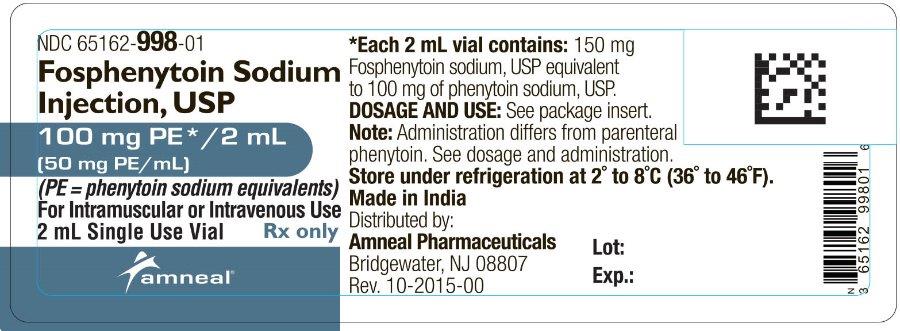
    The dose, concentration, and infusion rate of intravenous fosphenytoin should always be expressed as phenytoin sodium equivalents (PE).  There is no need to perform molecular weight-based adjustments when converting between fosphenytoin and phenytoin sodium doses. Fosphenytoin should always be prescribed and dispensed in phenytoin sodium equivalent units (PE). 1.5 mg of fosphenytoin sodium is equivalent to 1 mg phenytoin sodium, and is referred to as 1 mg PE.  The amount and concentration of fosphenytoin is always expressed in terms of mg of phenytoin sodium equivalents (mg PE). 

    Do not confuse the concentration of fosphenytoin with the total amount of drug in the vial. 

    Caution must be used when administering fosphenytoin due to the risk of dosing errors (see WARNINGS). Medication errors associated with fosphenytoin have resulted in patients receiving the wrong dose of fosphenytoin.  Fosphenytoin is marketed in 2 mL vials containing a total of 100 mg PE and 10 mL vials containing a total of 500 mg PE. Both vials contain a concentration of 50 mg PE/mL.  Errors have occurred when the concentration of the vial (50 mg PE/mL) was misinterpreted to mean that the total content of the vial was 50 mg PE.  These errors have resulted in two- or ten-fold overdoses of fosphenytoin since each of the vials actually contains a total of 100 mg PE or 500 mg PE.  In some cases, ten-fold overdoses were associated with fatal outcomes.  To help minimize confusion, the prescribed dose of fosphenytoin should always be expressed in milligrams of phenytoin equivalents (mg PE).  Additionally, when ordering and storing fosphenytoin, consider displaying the total drug content (i.e., 100 mg PE/ 2 mL or 500 mg PE/ 10 mL) instead of concentration in computer systems, pre-printed orders, and automated dispensing cabinet databases to help ensure that total drug content can be clearly identified.  Care should be taken to ensure the appropriate volume of fosphenytoin is withdrawn from the vial when preparing the dose for administration.  Attention to these details may prevent some fosphenytoin medication errors from occurring.

    Prior to intravenous infusion, dilute fosphenytoin injection in 5% dextrose or 0.9% saline solution for injection to a concentration ranging from 1.5 to 25 mg PE/mL.  The maximum concentration of fosphenytoin in any solution should be 25 mg PE/mL.  When fosphenytoin is given as an intravenous infusion, fosphenytoin needs to be diluted and should only be administered at a rate not exceeding 150 mg PE/min. 

    Parenteral drug products should be inspected visually for particulate matter or discoloration prior to administration, whenever solution and container permit.

    Status Epilepticus

    The loading dose of fosphenytoin is 15 to 20 mg PE/kg administered at 100 to 150 mg PE/min. Because of the risk of hypotension, fosphenytoin should be administered no faster than 150 mg PE/min. Continuous monitoring of the electrocardiogram, blood pressure, and respiratory function is essential and the patient should be observed throughout the period where maximal serum phenytoin concentrations occur, approximately 10 to 20 minutes after the end of fosphenytoin infusions. Because the full antiepileptic effect of phenytoin, whether given as fosphenytoin or parenteral phenytoin, is not immediate, other measures, including concomitant administration of an intravenous benzodiazepine, will usually be necessary for the control of status epilepticus. The loading dose should be followed by maintenance doses of either fosphenytoin or phenytoin.

    If administration of fosphenytoin does not terminate seizures, the use of other anticonvulsants and other appropriate measures should be considered.

    Even though loading doses of fosphenytoin have been given by the intramuscular route for other indications when intravenous access is impossible, intramuscular fosphenytoin should ordinarily not be used in the treatment of status epilepticus because therapeutic phenytoin concentrations may not be reached as quickly as with intravenous administration.

    Nonemergent Loading and Maintenance Dosing

    Because of the risks of cardiac and local toxicity associated with intravenous fosphenytoin, oral phenytoin should be used whenever possible.

    The loading dose of fosphenytoin is 10 to 20 mg PE/kg given intravenous or intramuscular. The rate of administration for intravenous fosphenytoin should be no greater than 150 mg PE/min. Continuous monitoring of the electrocardiogram, blood pressure, and respiratory function is essential and the patient should be observed throughout the period where maximal serum phenytoin concentrations occur (approximately 20 minutes after the end of fosphenytoin infusion).

    The initial daily maintenance dose of fosphenytoin is 4 to 6 mg PE/kg/day in divided doses.

    Intramuscular or Intravenous Substitution for Oral Phenytoin Therapy

    When treatment with oral phenytoin is not possible, fosphenytoin can be substituted for oral phenytoin at the same total daily dose.

    Phenytoin sodium capsules are approximately 90% bioavailable by the oral route. Phenytoin, supplied as fosphenytoin, is 100% bioavailable by both the intramuscular and intravenous routes. For this reason, plasma phenytoin concentrations may increase modestly when intramuscular or intravenous fosphenytoin is substituted for oral phenytoin sodium therapy.

    The rate of administration for intravenous fosphenytoin should be no greater than 150 mg PE/min.

    In controlled trials, intramuscular fosphenytoin was administered as a single daily dose utilizing either 1 or 2 injection sites. Some patients may require more frequent dosing.

    Dosing in Special Populations

    Patients with Renal or Hepatic Disease: Due to an increased fraction of unbound phenytoin in patients with renal or hepatic disease, or in those with hypoalbuminemia, the interpretation of total phenytoin plasma concentrations should be made with caution (see CLINICAL PHARMACOLOGY, Special Populations). Unbound phenytoin concentrations may be more useful in these patient populations. After intravenous fosphenytoin administration to patients with renal and/or hepatic disease, or in those with hypoalbuminemia, fosphenytoin clearance to phenytoin may be increased without a similar increase in phenytoin clearance. This has the potential to increase the frequency and severity of adverse events (see PRECAUTIONS).

    Elderly Patients: Age does not have a significant impact on the pharmacokinetics of fosphenytoin following fosphenytoin administration. Phenytoin clearance is decreased slightly in elderly patients and lower or less frequent dosing may be required.

    Pediatric: The safety and efficacy of fosphenytoin in pediatric patients have not been established.

  • Lopreeza (Estradiol/norethindrone Acetate) Tablet, Film Coated [Amneal Pharmaceuticals Of New York, Llc]

    Lopreeza

    Lopreeza (Estradiol/norethindrone Acetate) Tablet, Film Coated [Amneal Pharmaceuticals Of New York, Llc]

    Use of estrogen-alone, or in combination with a progestin, should be with the lowest effective dose and for the shortest duration consistent with treatment goals and risks for the individual woman.  Postmenopausal women should be re-evaluated periodically as clinically appropriate to determine if treatment is still necessary.

    2.1  Treatment of Moderate to Severe Vasomotor Symptoms due to Menopause

    Lopreeza therapy consists of a single tablet to be taken once daily for the treatment of moderate to severe vasomotor symptoms due to menopause. 

    Lopreeza 1 mg/0.5 mg Lopreeza 0.5 mg/0.1 mg

    2.2 Treatment of Moderate to Severe Symptoms of Vulvar and Vaginal Atrophy due to Menopause


    Lopreeza therapy consists of a single tablet to be taken once daily for the treatment of moderate to severe symptoms of vulvar and vaginal atrophy due to menopause.   

    Lopreeza 1 mg/0.5 mg

    2.3 Prevention of Postmenopausal Osteoporosis

    Lopreeza therapy consists of a single tablet to be taken once daily for the prevention of postmenopausal osteoporosis.    

    Lopreeza 1 mg/0.5 mg Lopreeza 0.5 mg/0.1 mg
  • Gabapentin Capsule [Amneal Pharmaceuticals Of New York, Llc]

    Gabapentin

    Gabapentin Capsule [Amneal Pharmaceuticals Of New York, Llc]

    Gabapentin capsules, USP are given orally with or without food. Gabapentin capsules, USP should be swallowed whole with plenty of water.

    If gabapentin capsules, USP dose is reduced, discontinued, or substituted with an alternative medication, this should be done gradually over a minimum of 1 week (a longer period may be needed at the discretion of the prescriber).

    2.1 Postherpetic Neuralgia


    In adults with postherpetic neuralgia, gabapentin capsules, USP therapy may be initiated on Day 1 as a single 300 mg dose, on Day 2 as 600 mg/day (300 mg two times a day), and on Day 3 as 900 mg/day (300 mg three times a day). The dose can subsequently be titrated up as needed for pain relief to a dose of 1800 mg/day (600 mg three times a day). In clinical studies, efficacy was demonstrated over a range of doses from 1800 mg/day to 3600 mg/day with comparable effects across the dose range; however, in these clinical studies, the additional benefit of using doses greater than 1800 mg/day was not demonstrated.

    2.2 Epilepsy with Partial Onset Seizures


    Gabapentin capsules, USP are recommended for add-on therapy in patients 3 years of age and older. Effectiveness in pediatric patients below the age of 3 years has not been established.

    Patients 12 years of age and above: The starting dose is 300 mg three times a day. The effective dose of gabapentin capsules, USP is 300 mg to 600 mg three times a day. Dosages up to 2400 mg/day have been well tolerated in long-term clinical studies. Doses of 3600 mg/day have also been administered to a small number of patients for a relatively short duration, and have been well tolerated. Gabapentin capsules, USP should be administered three times a day using 300 mg or 400 mg capsules. The maximum time between doses should not exceed 12 hours.

    Pediatric Patients Age 3 to 11 years: The starting dose range is 10 mg/kg/day to 15 mg/kg/day, given in three divided doses, and the effective dose reached by upward titration over a period of approximately 3 days. The effective dose of gabapentin capsules, USP in patients 3 to 4 years of age is 40 mg/kg/day, given in three divided doses. The effective dose of gabapentin capsules, USP in patients 5 to 11 years of age is 25 mg/kg/day to 35 mg/kg/day, given in three divided doses. Gabapentin capsules, USP may be administered as the oral solution, capsule, or tablet, or using combinations of these formulations. Dosages up to 50 mg/kg/day have been well tolerated in a long-term clinical study. The maximum time interval between doses should not exceed 12 hours.

    It is not necessary to monitor gabapentin plasma concentrations to optimize gabapentin capsules, USP therapy. Further, because there are no significant pharmacokinetic interactions among gabapentin capsules, USP and other commonly used antiepileptic drugs, the addition of gabapentin capsules, USP does not alter the plasma levels of these drugs appreciably.

    If gabapentin capsules, USP are discontinued and/or an alternate anticonvulsant medication is added to the therapy, this should be done gradually over a minimum of 1 week.

    2.3 Patients with Renal Impairment


    Dosage adjustment in patients 12 years of age and older with compromised renal function or undergoing hemodialysis is recommended, as follows (see dosing recommendations above for effective doses in each indication):

    TABLE 1. Gabapentin Capsules Dosage Based on Renal Function

    Renal Function

    Creatinine Clearance (mL/min)

    Total Daily

    Dose Range

    (mg/day)

    Dose Regimen

    (mg)

    ≥ 60

    900 to 3600

    300 TID

    400 TID

    600 TID

    800 TID

    1200 TID

    >30 to 59

    400 to 1400

    200 BID

    300 BID

    400 BID

    500 BID

    700 BID

    >15 to 29

    200 to 700

    200 QD

    300 QD

    400 QD

    500 QD

    700 QD

    15a

    100 to 300

    100 QD

    125 QD

    150 QD

    200 QD

    300 QD

    Post-Hemodialysis Supplemental Dose (mg)b

    Hemodialysis

    125b

    150 b

    200 b

    250 b

    350 b

     TID = Three times a day; BID = Two times a day; QD = Single daily dose

    a  For patients with creatinine clearance <15 mL/min, reduce daily dose in proportion to creatinine clearance (e.g., patients with a creatinine clearance of 7.5 mL/min should receive one-half the daily dose that patients with a creatinine clearance of 15 mL/min receive).

    b  Patients on hemodialysis should receive maintenance doses based on estimates of creatinine clearance as indicated in the upper portion of the table and a supplemental post-hemodialysis dose administered after each 4 hours of hemodialysis as indicated in the lower portion of the table.

    Creatinine clearance (CLCr) is difficult to measure in outpatients. In patients with stable renal function, creatinine clearance can be reasonably well estimated using the equation of Cockcroft and Gault:

    The use of gabapentin capsules, USP in patients less than 12 years of age with compromised renal function has not been studied.

    2.4 Dosage in Elderly


    Because elderly patients are more likely to have decreased renal function, care should be taken in dose selection, and dose should be adjusted based on creatinine clearance values in these patients.

  • Tramadol Hydrochloride And Acetaminophen Tablet [Amneal Pharmaceuticals Of New York, Llc]

    Tramadol Hydrochloride And Acetaminophen

    Tramadol Hydrochloride And Acetaminophen Tablet [Amneal Pharmaceuticals Of New York, Llc]

    For the short-term (five days or less) management of acute pain, the recommended dose of tramadol hydrochloride and acetaminophen tablets, USP is 2 tablets every 4 to 6 hours as needed for pain relief, up to a maximum of 8 tablets per day.

    Individualization of Dose

    In patients with creatinine clearances of less than 30 mL/min, it is recommended that the dosing interval of tramadol hydrochloride and acetaminophen tablets, USP be increased not to exceed 2 tablets every 12 hours. Dose selection for an elderly patient should be cautious, in view of the potential for greater sensitivity to adverse events.

  • Lisinopril Tablet [Apotex Corp.]

    Lisinopril

    Lisinopril Tablet [Apotex Corp.]

    Active Duodenal Ulcer: The current recommended adult oral dosage of Ranitidine Tablets, USP for duodenal ulcer is 150 mg twice daily. An alternative dosage of 300 mg once daily after the evening meal or at bedtime can be used for patients in whom dosing convenience is important. The advantages of one treatment regimen compared to the other in a particular patient population have yet to be demonstrated (see Clinical Trials: Active Duodenal Ulcer). Smaller doses have been shown to be equally effective in inhibiting gastric acid secretion in US studies, and several foreign trials have shown that 100 mg twice daily is as effective as the 150-mg dose. Antacid should be given as needed for relief of pain (see CLINICAL PHARMACOLOGY: Pharmacokinetics).

    Maintenance of Healing of Duodenal Ulcers: The current recommended adult oral dosage is 150 mg at bedtime.

    Pathological Hypersecretory Conditions (such as Zollinger-Ellison syndrome):

    The current recommended adult oral dosage is 150 mg twice daily. In some patients it may be necessary to administer Ranitidine Tablets, USP 150-mg doses more frequently. Dosages should be adjusted to individual patient needs, and should continue as long as clinically indicated. Dosages up to 6 g/day have been employed in patients with severe disease.

    Benign Gastric Ulcer: The current recommended adult oral dosage is 150 mg twice daily.

    Maintenance of Healing of Gastric Ulcers: The current recommended adult oral dosage is 150 mg at bedtime.

    GERD: The current recommended adult oral dosage is 150 mg twice daily.

    Erosive Esophagitis: The current recommended adult oral dosage is 150 mg four times daily.

    Maintenance of Healing of Erosive Esophagitis: The current recommended adult oral dosage is 150 mg twice daily.

    Pediatric Use: The safety and effectiveness of Ranitidine Tablets, USP have been established in the age-group of 1 month to 16 years. There is insufficient information about the pharmacokinetics of Ranitidine Tablets, USP in neonatal patients (less than 1 month of age) to make dosing recommendations.

    The following 3 subsections provide dosing information for each of the pediatric indications.

    Treatment of Duodenal and Gastric Ulcers: The recommended oral dose for the treatment of active duodenal and gastric ulcers is 2 to 4 mg/kg twice daily to a maximum of 300 mg/day. This recommendation is derived from adult clinical studies and pharmacokinetic data in pediatric patients.

    Maintenance of Healing of Duodenal and Gastric Ulcers: The recommended oral dose for the maintenance of healing of duodenal and gastric ulcers is 2 to 4 mg/kg once daily to a maximum of 150 mg/day. This recommendation is derived from adult clinical studies and pharmacokinetic data in pediatric patients.

    Treatment of GERD and Erosive Esophagitis: Although limited data exist for these conditions in pediatric patients, published literature supports a dosage of 5 to 10 mg/kg/day, usually given as two divided doses.

    Dosage Adjustment for Patients With Impaired Renal Function: On the basis of experience with a group of subjects with severely impaired renal function treated with Ranitidine Tablets, USP, the recommended dosage in patients with a creatinine clearance  <50 mL/min is 150 mg every 24 hours. Should the patient's condition require, the frequency of dosing may be increased to every 12 hours or even further with caution. Hemodialysis reduces the level of circulating ranitidine. Ideally, the dosing schedule should be adjusted so that the timing of a scheduled dose coincides with the end of hemodialysis.

    Elderly patients are more likely to have decreased renal function, therefore caution should be exercised in dose selection, and it may be useful to monitor renal function (see CLINICAL PHARMACOLOGY: Pharmacokinetics: Geriatrics and PRECAUTIONS: Geriatric Use).

  • Calcium Acetate Capsule [Amneal Pharmaceuticals Of New York, Llc]

    Calcium Acetate

    Calcium Acetate Capsule [Amneal Pharmaceuticals Of New York, Llc]

    The recommended initial dose of calcium acetate, USP for the adult dialysis patient is 2 capsules with each meal. Increase the dose gradually to lower serum phosphorus levels to the target range, as long as hypercalcemia does not develop. Most patients require 3 to 4 capsules with each meal.

  • Tramadol Hydrochloride And Acetaminophen Tablet [Amneal Pharmaceuticals Of New York, Llc]

    Tramadol Hydrochloride And Acetaminophen

    Tramadol Hydrochloride And Acetaminophen Tablet [Amneal Pharmaceuticals Of New York, Llc]

    For the short-term (five days or less) management of acute pain, the recommended dose of tramadol hydrochloride and acetaminophen tablets, USP is 2 tablets every 4 to 6 hours as needed for pain relief, up to a maximum of 8 tablets per day.

    Individualization of Dose

    In patients with creatinine clearances of less than 30 mL/min, it is recommended that the dosing interval of tramadol hydrochloride and acetaminophen tablets, USP be increased not to exceed 2 tablets every 12 hours. Dose selection for an elderly patient should be cautious, in view of the potential for greater sensitivity to adverse events.

  • Ondansetron Solution [Amneal Pharmaceuticals Of New York, Llc]

    Ondansetron Solution

    Ondansetron Solution [Amneal Pharmaceuticals Of New York, Llc]

    Prevention of Nausea and Vomiting Associated With Highly Emetogenic Cancer Chemotherapy: The recommended adult oral dosage of ondansetron is 24 mg given as three 8 mg tablets administered 30 minutes before the start of single-day highly emetogenic chemotherapy, including cisplatin ≥50 mg/m2. Multiday, single-dose administration of a 24 mg dosage has not been studied.

    Pediatric Use: There is no experience with the use of a 24 mg dosage in pediatric patients.

    Geriatric Use: The dosage recommendation is the same as for the general population.

    Prevention of Nausea and Vomiting Associated With Moderately Emetogenic Cancer Chemotherapy: The recommended adult oral dosage is 10 mL (2 teaspoonfuls equivalent to 8 mg of ondansetron) of ondansetron oral solution, USP given twice a day. The first dose should be administered 30 minutes before the start of emetogenic chemotherapy, with a subsequent dose 8 hours after the first dose. 10 mL (2 teaspoonfuls equivalent to 8 mg of ondansetron) of ondansetron oral solution, USP should be administered twice a day (every 12 hours) for 1 to 2 days after completion of chemotherapy.

    Pediatric Use: For pediatric patients 12 years of age and older, the dosage is the same as for adults. For pediatric patients 4 through 11 years of age, the dosage is 5 mL (1 teaspoonful equivalent to 4 mg of ondansetron) of ondansetron oral solution, USP given 3 times a day. The first dose should be administered 30 minutes before the start of emetogenic chemotherapy, with subsequent doses 4 and 8 hours after the first dose. 5 mL (1 teaspoonful equivalent to 4 mg of ondansetron) of ondansetron oral solution, USP should be administered 3 times a day (every 8 hours) for 1 to 2 days after completion of chemotherapy.

    Geriatric Use: The dosage is the same as for the general population.

    Prevention of Nausea and Vomiting Associated With Radiotherapy, Either Total Body Irradiation, or Single High-Dose Fraction or Daily Fractions to the Abdomen: The recommended oral dosage is 10 mL (2 teaspoonfuls equivalent to 8 mg of ondansetron) of ondansetron oral solution, USP given 3 times a day.

    For total body irradiation, 10 mL (2 teaspoonfuls equivalent to 8 mg of ondansetron) of ondansetron oral solution, USP should be administered 1 to 2 hours before each fraction of radiotherapy administered each day.

    For single high-dose fraction radiotherapy to the abdomen, 10 mL (2 teaspoonfuls equivalent to 8 mg of ondansetron) of ondansetron oral solution, USP should be administered 1 to 2 hours before radiotherapy, with subsequent doses every 8 hours after the first dose for 1 to 2 days after completion of radiotherapy.

    For daily fractionated radiotherapy to the abdomen, 10 mL (2 teaspoonfuls equivalent to 8 mg of ondansetron) of ondansetron oral solution, USP should be administered 1 to 2 hours before radiotherapy, with subsequent doses every 8 hours after the first dose for each day radiotherapy is given.

    Pediatric Use: There is no experience with the use of ondansetron oral solution, USP in the prevention of radiation-induced nausea and vomiting in pediatric patients.

    Geriatric Use: The dosage recommendation is the same as for the general population.

    PostoperativeNausea and Vomiting: The recommended dosage is 20 mL (4 teaspoonfuls equivalent to 16 mg of ondansetron) of ondansetron oral solution, USP 1 hour before induction of anesthesia.

    Pediatric Use: There is no experience with the use of ondansetron oral solution, USP in the prevention of postoperative nausea and vomiting in pediatric patients.

    Geriatric Use: The dosage is the same as for the general population.

    Dosage Adjustment for Patients With Impaired Renal Function: The dosage recommendation is the same as for the general population. There is no experience beyond first-day administration of ondansetron.

    Dosage Adjustment for Patients With Impaired Hepatic Function: In patients with severe hepatic impairment (Child-Pugh2 score of 10 or greater), clearance is reduced and apparent volume of distribution is increased with a resultant increase in plasma half-life. In such patients, a total daily dose of 8 mg should not be exceeded.