Cardinal Health

Manufacturer Details

There are currently no manufacturer details available.

Share This Page

Cardinal Health Drugs

  • Leader Kids Spf 50 Sunscreen (Homosalate, Octisalate, Oxybenzone, Octocrylene, Avobenzone) Aerosol, Spray [Cardinal Health]

    Leader Kids Spf 50 Sunscreen

    Leader Kids Spf 50 Sunscreen (Homosalate, Octisalate, Oxybenzone, Octocrylene, Avobenzone) Aerosol, Spray [Cardinal Health]

    Apply liberally 15 minutes before sun exposure

    Hold can 4-6 inches away form body, spray evenly to ensure complete coverage

    Do not spray into face. Spray into hand and apply to face.

    Use in well ventilated, but not windy areas

    Reapply:

    After 80 minutes of swimming or sweating

    Immdiately after towel drying

    At least every 2 hours

  • Leader Gp Spf 15 Cs (Homosalate, Octisalate, Oxybenzone, Avobenzone) Aerosol, Spray [Cardinal Health]

    Leader Gp Spf 15 Cs

    Leader Gp Spf 15 Cs (Homosalate, Octisalate, Oxybenzone, Avobenzone) Aerosol, Spray [Cardinal Health]

    Apply liberally 15 minutes before sun exposure

    Hold can 4-6 inches away form body, spray evenly to ensure complete coverage

    Do not spray into face. Spray into hand and apply to face.

    Use in well ventilated, but not windy areas

    Reapply:

    After 80 minutes of swimming or sweating

    Immdiately after towel drying

    At least every 2 hours

  • Carbinoxamine Maleate Tablet Carbinoxamine Maleate Syrup [Breckenridge Pharmaceutical, Inc.]

    Carbinoxamine Maleate

    Carbinoxamine Maleate Tablet Carbinoxamine Maleate Syrup [Breckenridge Pharmaceutical, Inc.]

    • take only as directed – see Overdose warning • use dose cup • do not exceed 4 doses per 24 hrs

    adults & children 12 yrs & over

    30 mL (2 TBSP) every 4 hrs

    children 4 to under 12 yrs

    ask a doctor

    children under 4 yrs

    do not use

    Other information

    • each 30 mL dose cup contains: sodium 12 mg • store at 20°-25°C (68°-77°F)
  • Leader General Protection Spf 30 (Homosalate, Octisalate, Oxybenzone, Octocrylene, Avobenzone) Aerosol, Spray [Cardinal Health]

    Leader General Protection Spf 30

    Leader General Protection Spf 30 (Homosalate, Octisalate, Oxybenzone, Octocrylene, Avobenzone) Aerosol, Spray [Cardinal Health]

    Apply liberally 15 minutes before sun exposure

    Hold can 4-6 inches away form body, spray evenly to ensure complete coverage

    Do not spray into face. Spray into hand and apply to face.

    Use in well ventilated, but not windy areas

    Reapply:

    After 80 minutes of swimming or sweating

    Immdiately after towel drying

    At least every 2 hours

  • Leader Loratadine (Loratadine) Tablet [Cardinal Health]

    Leader Loratadine

    Leader Loratadine (Loratadine) Tablet [Cardinal Health]

    adults and children 6 years and over: 1 tablet daily; not more than 1 tablet in 24 hours

    children under 6 years of age: ask a doctor

    consumers with liver or kidney disease: ask a doctor

  • Leader Sport Spf 30 (Homosalate, Octisalate, Oxybenzone, Octocrylene, Avobenzone) Aerosol, Spray [Cardinal Health]

    Leader Sport Spf 30

    Leader Sport Spf 30 (Homosalate, Octisalate, Oxybenzone, Octocrylene, Avobenzone) Aerosol, Spray [Cardinal Health]

    Apply liberally 15 minutes before sun exposure

    Hold can 4-6 inches away from body, spray evenly to ensure complete coverage

    Do not spray into face. Spray into hand and apply to face.

    Use in well ventilated, but not windy areas

    Reapply:

    After 80 minutes of swimming or sweating

    Immediately after towel drying

    At least every 2 hours

  • Leader General Protection Spf 70 (Homosalate, Octisalate, Oxybenzone, Octocrylene, Avobenzone) Aerosol, Spray [Cardinal Health]

    Leader General Protection Spf 70

    Leader General Protection Spf 70 (Homosalate, Octisalate, Oxybenzone, Octocrylene, Avobenzone) Aerosol, Spray [Cardinal Health]

    Apply liberally 15 minutes before sun exposure

    Hold can 4-6 inches away from body, spray evenly to ensure complete coverage

    Do not spray into face. Spray into hand and apply to face.

    Use in well ventilated, but not windy areas

    Reapply:

    After 80 minutes of swimming or sweating

    Immediately after towel drying

    At least every 2 hours

  • Leader Sport Spf 50 (Homosalate, Octisalate, Oxybenzone, Octocrylene, Avobenzone) Aerosol, Spray [Cardinal Health]

    Leader Sport Spf 50

    Leader Sport Spf 50 (Homosalate, Octisalate, Oxybenzone, Octocrylene, Avobenzone) Aerosol, Spray [Cardinal Health]

    Apply liberally 15 minutes before sun exposure

    Hold can 4-6 inches away from body, spray evenly to ensure complete coverage

    Do not spray into face. Spray into hand and apply to face.

    Use in well ventilated, but not windy areas

    Reapply:

    After 80 minutes of swimming or sweating

    Immediately after towel drying

    At least every 2 hours

  • Leader Dark Tanning Spf 4 (Octinoxate, Oxybenzone) Aerosol, Spray [Cardinal Health]

    Leader Dark Tanning Spf 4

    Leader Dark Tanning Spf 4 (Octinoxate, Oxybenzone) Aerosol, Spray [Cardinal Health]

    Apply liberally 15 minutes before sun exposure

    Hold can 4-6 inches away from body, spray evenly to ensure complete coverage

    Do not spray into face. Spray into hand and apply to face.

    Use in well ventilated, but not windy areas

    Reapply:

    After 80 minutes of swimming or sweating

    Immediately after towel drying

    At least every 2 hours

  • Pedi-boro Soak Paks (Aluminum Sulfate Tetradecahydrate, Calcium Acetate Monohydrate) Powder, For Solution [Pedinol Pharmacal, Inc.]

    Pedi-boro Soak Paks

    Pedi-boro Soak Paks (Aluminum Sulfate Tetradecahydrate, Calcium Acetate Monohydrate) Powder, For Solution [Pedinol Pharmacal, Inc.]

    Active Duodenal Ulcer

    The current recommended adult oral dosage of ranitidine for duodenal ulcer is 150 mg twice daily. An alternative dosage of 300 mg once daily after the evening meal or at bedtime can be used for patients in whom dosing convenience is important. The advantages of one treatment regimen compared to the other in a particular patient population have yet to be demonstrated (see CLINICAL PHARMACOLOGY: Clinical Trials: Active Duodenal Ulcer). Smaller doses have been shown to be equally effective in inhibiting gastric acid secretion in US studies, and several foreign trials have shown that 100 mg twice daily is as effective as the 150 mg dose.

    Antacid should be given as needed for relief of pain (see CLINICAL PHARMACOLOGY: Pharmacokinetics).

    Maintenance of Healing of Duodenal Ulcers

    The current recommended adult oral dosage is 150 mg at bedtime.

    Pathological Hypersecretory Conditions (such as Zollinger-Ellison syndrome)

    The current recommended adult oral dosage is 150 mg twice a day. In some patients it may be necessary to administer ranitidine 150 mg doses more frequently. Dosages should be adjusted to individual patient needs, and should continue as long as clinically indicated. Dosages up to 6 g/day have been employed in patients with severe disease.

    Benign Gastric Ulcer

    The current recommended adult oral dosage is 150 mg twice a day.

    Maintenance of Healing of Gastric Ulcers

    The current recommended adult oral dosage is 150 mg at bedtime.

    GERD

    The current recommended adult oral dosage is 150 mg twice a day.

    Erosive Esophagitis

    The current recommended adult oral dosage is 150 mg four times a day.

    Maintenance of Healing of Erosive Esophagitis

    The current recommended adult oral dosage is 150 mg twice a day.

    Pediatric Use

    The safety and effectiveness of ranitidine has been established in the age-group of 1 month to 16 years. There is insufficient information about the pharmacokinetics of ranitidine in neonatal patients (less than 1 month of age) to make dosing recommendations.

    The following 3 subsections provide dosing information for each of the pediatric indications.

    Treatment of Duodenal and Gastric Ulcers

    The recommended oral dose for the treatment of active duodenal and gastric ulcers is 2 to 4 mg/kg twice daily to a maximum of 300 mg/day. This recommendation is derived from adult clinical studies and pharmacokinetic data in pediatric patients.

    Maintenance of Healing of Duodenal and Gastric Ulcers

    The recommended oral dose for the maintenance of healing of duodenal and gastric ulcers is 2 to 4 mg/kg once daily to a maximum of 150 mg/day. This recommendation is derived from adult clinical studies and pharmacokinetic data in pediatric patients.

    Treatment of GERD and Erosive Esophagitis

    Although limited data exist for these conditions in pediatric patients, published literature supports a dosage of 5 to 10 mg/kg per day, usually given as two divided doses.

    Dosage Adjustment for Patients with Impaired Renal Function

    On the basis of experience with a group of subjects with severely impaired renal function treated with ranitidine, the recommended dosage in patients with a creatinine clearance <50 mL/min is 150 mg every 24 hours. Should the patient’s condition require, the frequency of dosing may be increased to every 12 hours or even further with caution. Hemodialysis reduces the level of circulating ranitidine. Ideally, the dosing schedule should be adjusted so that the timing of a scheduled dose coincides with the end of hemodialysis.

    Elderly patients are more likely to have decreased renal function, therefore caution should be exercised in dose selection, and it may be useful to monitor renal function (see CLINICAL PHARMACOLOGY: Pharmacokinetics: Geriatrics and PRECAUTIONS: Geriatric Use).

  • Leader Milk Of Magnesia (Magnesium Hydroxide) Liquid [Cardinal Health]

    Leader Milk Of Magnesia

    Leader Milk Of Magnesia (Magnesium Hydroxide) Liquid [Cardinal Health]

    • shake well before use • do not exceed the maximum recommended daily dose in a 24 hour period • dose may be taken once a day preferably at bedtime, in divided doses, or as directed by a doctor • drink a full glass (8 oz) of liquid with each dose • for accurate dosing, use dose cup provided • TBSP = tablespoonful

    adults and children 12 years and older

    2 to 4 TBSP.

    children 6 to 11 years

    1 to 2 TBSP.

    children under 6 years

    ask a doctor

  • Leader Hair Regrowth Treatment (Minoxidil) Aerosol, Foam [Cardinal Health]

    Leader Hair Regrowth Treatment

    Leader Hair Regrowth Treatment (Minoxidil) Aerosol, Foam [Cardinal Health]

    • apply half a capful 2 times a day to the scalp in the hair loss area • massage into scalp with fingers, then wash hands well • see enclosed leaflet for complete directions on how to use • using more or more often will not improve results • continued use is necessary to increase and keep your hair regrowth or hair loss will begin again

  • Arthritis Pain Relief (Acetaminophen) Tablet, Film Coated, Extended Release [Hyvee Inc]

    Arthritis Pain Relief

    Arthritis Pain Relief (Acetaminophen) Tablet, Film Coated, Extended Release [Hyvee Inc]

    The dose of any local anesthetic administered varies with the anesthetic procedure, the area to be anesthetized, the vascularity of the tissues, the number of neuronal segments to be blocked, the depth of anesthesia and degree of muscle relaxation required, the duration of anesthesia desired, individual tolerance, and the physical condition of the patient.  The smallest dose and concentration required to produce the desired result should be administered.  Dosages of Sensorcaine should be reduced for elderly and/or debilitated patients and patients with cardiac and/or liver disease.  The rapid injection of a large volume of local anesthetic solution should be avoided and fractional (incremental) doses should be used when feasible.

    For specific techniques and procedures, refer to standard textbooks.

    There have been adverse event reports of chondrolysis in patients receiving intra-articular infusions of local anesthetics following arthroscopic and other surgical procedures. Sensorcaine is not approved for this use (see WARNINGS and DOSAGE AND ADMINISTRATION).

    In recommended doses, Sensorcaine (bupivacaine HCl) produces complete sensory block, but the effect on motor function differs among the three concentrations.

    0.25%—when used for caudal, epidural, or peripheral nerve block, produces incomplete motor block.  Should be used for operations in which muscle relaxation is not important, or when another means of providing muscle relaxation is used concurrently. Onset of action may be slower than with the 0.5% or 0.75% solutions.

    0.5%—provides motor blockade for caudal, epidural, or nerve block, but muscle relaxation may be inadequate for operations in which complete muscle relaxation is essential.

    0.75%—produces complete motor block.  Most useful for epidural block in abdominal operations requiring complete muscle relaxation, and for retrobulbar anesthesia.  Not for obstetrical anesthesia.

    The duration of anesthesia with Sensorcaine is such that for most indications, a single dose is sufficient.

    Maximum dosage limit must be individualized in each case after evaluating the size and physical status of the patient, as well as the usual rate of systemic absorption from a particular injection site.  Most experience to date is with single doses of Sensorcaine up to 225 mg with epinephrine 1:200,000 and 175 mg without epinephrine; more or less drug may be used depending on individualization of each case.

    These doses may be repeated up to once every three hours.  In clinical studies to date, total daily doses have been up to 400 mg.  Until further experience is gained, this dose should not be exceeded in 24 hours.  The duration of anesthetic effect may be prolonged by the addition of epinephrine.

    The dosages in Table 1 have generally proved satisfactory and are recommended as a guide for use in the average adult.  These dosages should be reduced for elderly or debilitated patients. Until further experience is gained, Sensorcaine is not recommended for pediatric patients younger than 12 years.  Sensorcaine is contraindicated for obstetrical paracervical blocks, and is not recommended for intravenous regional anesthesia (Bier Block).

    Use in Epidural Anesthesia

    During epidural administration of Sensorcaine, 0.5% and 0.75% solutions should be administered in incremental doses of 3 mL to 5 mL with sufficient time between doses to detect toxic manifestations of unintentional intravascular or intrathecal injection.  In obstetrics, only the 0.5% and 0.25% concentrations should be used; incremental doses of 3 mL to 5 mL of the 0.5% solution not exceeding 50 mg to 100 mg at any dosing interval are recommended.  Repeat doses should be preceded by a test dose containing epinephrine if not contraindicated.  Use only the single dose ampules and single dose vials for caudal or epidural anesthesia; the multiple dose vials contain a preservative and therefore should not be used for these procedures.

    Use in Dentistry

    The 0.5% concentration with epinephrine is recommended for infiltration and block injection in the maxillary and mandibular area when a longer duration of local anesthetic action is desired, such as for oral surgical procedures generally associated with significant postoperative pain. The average dose of 1.8 mL (9 mg) per injection site will usually suffice; an occasional second dose of 1.8 mL (9 mg) may be used if necessary to produce adequate anesthesia after making allowance for 2 to 10 minutes onset time (see CLINICAL PHARMACOLOGY). The lowest effective dose should be employed and time should be allowed between injections; it is recommended that the total dose for all injection sites, spread out over a single dental sitting, should not ordinarily exceed 90 mg for a healthy adult patient (ten 1.8 mL injections of 0.5% sensorcaine with epinephrine). Injections should be made slowly and with frequent aspirations. Until further experience is gained, sensorcaine in dentistry is not recommended for pediatric patients younger than 12 years.

    Unused portions of solution not containing preservatives, i.e., those supplied in single dose ampules and single dose vials, should be discarded following initial use.

    This product should be inspected visually for particulate matter and discoloration prior to administration whenever solution and container permit. Solutions which are discolored or which contain particulate matter should not be administered.

    TABLE 1.  Recommended Concentrations and Doses of Sensorcaine (bupivacaine HCl) Injections

     Each Dose 

     Type of Block 

       Conc. 

     (mL) 

     (mg) 

    Motor Block1

     Local Infiltration 

     0.25%4  

     up to max. 

     up to max. 

                —

     Epidural 

     0.75%2,4  

     10 to 20 

     75 to 150 

    complete

     0.5%4  

     10 to 20 

     50 to 100 

    moderate to complete

     0.25%4  

     10 to 20 

     25 to 50 

    partial to moderate

     Caudal 

     0.5%4  

     15 to 30 

     75 to 150 

    moderate to complete

     0.25%4  

     15 to 30 

     37.5 to 75 

    moderate

     Peripheral Nerves 

     0.5%4  

     5 to max. 

     25 to max. 

    moderate to complete

      0.25%4  

     5 to max. 

     12.5 to max. 

    moderate to complete

     Retrobulbar3  

     0.75%4  

     2 to 4 

     15 to 30 

    complete

     Sympathetic 

     0.25% 

     20 to 50 

     50 to 125 

                —

      Dental3

    0.5% w/epi

    1.8 to 3.6 per site

    9 to 18 per site

                —

       Epidural3  

     0.5% 

     2 to 3 

    10 to 15

                —

    1 With continuous (intermittent) techniques, repeat doses increase the degree of motor block.  The first repeat dose of 0.5% may produce complete motor block.  Intercostal nerve block with 0.25% may also produce complete motor block for intra-abdominal surgery.

    2 For single dose use, not for intermittent epidural technique.  Not for obstetrical anesthesia.

    3 See PRECAUTIONS.

    4 Solutions with or without epinephrine.

  • Leader General Protection Sunscreen Spf 30 (Avobenzone, Homosalate, Octisalate, Octocrylene, Oxybenzone) Lotion [Cardinal Health]

    Leader General Protection Sunscreen Spf 30

    Leader General Protection Sunscreen Spf 30 (Avobenzone, Homosalate, Octisalate, Octocrylene, Oxybenzone) Lotion [Cardinal Health]

    Apply liberally 15 minutes before sun exposure reapply:

    - after 80 minutes of swimming or sweating

    - immediately after towel drying

    - at least every 2 hours

    Sun Protection Measures. Spending time in the sun increases your risk of skin cancer and early skin aging. To decrease this risk, regularly use a sunscreen with a broad spectrum SPF of 15 or higher and other sun protection measures including:

    - limit time in the sun, especially from 10 a.m. - 2 p.m.

    - wear long sleeve shirts, pants, hats, and sunglasses

    Children under 6 months: ask a doctor

  • Leader Kids Spf 90
    Leader Kids Spf 90 (Avobenzone, Homosalate, Octisalate, Octocrylene, Oxybenzone) Aerosol, Spray [Cardinal Health]

    Leader Kids Spf 90

    Leader Kids Spf 90 (Avobenzone, Homosalate, Octisalate, Octocrylene, Oxybenzone) Aerosol, Spray [Cardinal Health]

    apply liberally 15 minutes before sun exposure hold can 4-6 inches away from body, spray evenly to ensure complete coverage do not spray into face. Spray into hand and apply to face. use in well ventilated, but not windy areas reapply:

    - after 80 minutes of swimming or sweating

    - immediately after towel drying

    - at least every 2 hours

  • Leader Baby Sunscreen S...
    Leader Baby Sunscreen Spf 50 (Avobenzone, Homosalate, Octisalate, Octocrylene, Oxybenzone) Lotion [Cardinal Health]

    Leader Baby Sunscreen Spf 50

    Leader Baby Sunscreen Spf 50 (Avobenzone, Homosalate, Octisalate, Octocrylene, Oxybenzone) Lotion [Cardinal Health]

    Apply liberally 15 minutes before sun exposure reapply:

    - after 80 minutes of swimming or sweating

    - immediately after towel drying

    - at least every 2 hours

    Sun Protection Measures. Spending time in the sun increases your risk of skin cancer and early skin aging. To decrease this risk, regularly use a sunscreen with a broad spectrum SPF of 15 or higher and other sun protection measures including:

    - limit time in the sun, especially from 10 a.m. - 2 p.m.

    - wear long sleeve shirts, pants, hats, and sunglasses

    Children under 6 months: ask a doctor

  • Leader General Protecti...
    Leader General Protection Sunscreen Spf 50 (Avobenzone, Homosalate, Octisalate, Octocrylene, Oxybenzone) Lotion [Cardinal Health]

    Leader General Protection Sunscreen Spf 50

    Leader General Protection Sunscreen Spf 50 (Avobenzone, Homosalate, Octisalate, Octocrylene, Oxybenzone) Lotion [Cardinal Health]

    Apply liberally 15 minutes before sun exposure reapply:

    - after 80 minutes of swimming or sweating

    - immediately after towel drying

    - at least every 2 hours

    Sun Protection Measures. Spending time in the sun increases your risk of skin cancer and early skin aging. To decrease this risk, regularly use a sunscreen with a broad spectrum SPF of 15 or higher and other sun protection measures including:

    - limit time in the sun, especially from 10 a.m. - 2 p.m.

    - wear long sleeve shirts, pants, hats, and sunglasses

    Children under 6 months: ask a doctor

  • Trimipramine Maleate
    Trimipramine Maleate Capsule [Actavis Inc.]

    Trimipramine Maleate

    Trimipramine Maleate Capsule [Actavis Inc.]

    (SEE TABLE BELOW)

    Carbamazepine suspension in combination with liquid chlorpromazine or thioridazine results in precipitate formation, and, in the case of chlorpromazine, there has been a report of a patient passing an orange rubbery precipitate in the stool following coadministration of the two drugs (see PRECAUTIONS, Drug Interactions). Because the extent to which this occurs with other liquid medications is not known, carbamazepine suspension should not be administered simultaneously with other liquid medications or diluents.

    Monitoring of blood levels has increased the efficacy and safety of anticonvulsants (see PRECAUTIONS, Laboratory Tests). Dosage should be adjusted to the needs of the individual patient. A low initial daily dosage with a gradual increase is advised. As soon as adequate control is achieved, the dosage may be reduced very gradually to the minimum effective level. Medication should be taken with meals.

    Since a given dose of carbamazepine suspension will produce higher peak levels than the same dose given as the tablet, it is recommended to start with low doses (children 6 to 12 years: ½ teaspoon q.i.d.) and to increase slowly to avoid unwanted side effects.

    Conversion of patients from oral carbamazepine tablets to carbamazepine suspension: Patients should be converted by administering the same number of mg per day in smaller, more frequent doses (i.e., b.i.d. tablets to t.i.d. suspension).

    Carbamazepine extended-release tablets is an extended-release formulation for twice-a-day administration. When converting patients from carbamazepine conventional tablets to carbamazepine extended-release tablets, the same total daily mg dose of carbamazepine extended-release tablets should be administered. Carbamazepine extended-release tablets must be swallowed whole and never crushed or chewed. Carbamazepine extended-release tablets should be inspected for chips or cracks. Damaged tablets should not be consumed.

    Epilepsy

    (SEE INDICATIONS AND USAGE)

    Adults and children over 12 years of age-Initial: Either 200 mg b.i.d. for tablets and extended-release tablets, or 1 teaspoon q.i.d. for suspension (400 mg/day). Increase at weekly intervals by adding up to 200 mg/day using a b.i.d. regimen of carbamazepine extended-release tablets or a t.i.d. or q.i.d. regimen of the other formulations until the optimal response is obtained. Dosage generally should not exceed 1000 mg daily in children 12 to 15 years of age, and 1200 mg daily in patients above 15 years of age. Doses up to 1600 mg daily have been used in adults in rare instances.

    Maintenance: Adjust dosage to the minimum effective level, usually 800 to 1200 mg daily.

    Children 6 to 12 years of age-Initial: Either 100 mg b.i.d. for tablets or extended-release tablets, or ½ teaspoon q.i.d. for suspension (200 mg/day). Increase at weekly intervals by adding up to 100 mg/day using a b.i.d. regimen of carbamazepine extended-release tablets or a t.i.d. or q.i.d. regimen of the other formulations until the optimal response is obtained. Dosage generally should not exceed 1000 mg daily. Maintenance: Adjust dosage to the minimum effective level, usually 400 to 800 mg daily.

    Children under 6 years of age-Initial: 10 to 20 mg/kg/day b.i.d. or t.i.d. as tablets, or q.i.d. as suspension. Increase weekly to achieve optimal clinical response administered t.i.d. or q.i.d. Maintenance: Ordinarily, optimal clinical response is achieved at daily doses below 35 mg/kg. If satisfactory clinical response has not been achieved, plasma levels should be measured to determine whether or not they are in the therapeutic range. No recommendation regarding the safety of carbamazepine for use at doses above 35 mg/kg/24 hours can be made.

    Combination Therapy: Carbamazepine may be used alone or with other anticonvulsants. When added to existing anticonvulsant therapy, the drug should be added gradually while the other anticonvulsants are maintained or gradually decreased, except phenytoin, which may have to be increased (see PRECAUTIONS, Drug Interactions, and Pregnancy Category D).

    Trigeminal Neuralgia

    (SEE INDICATIONS AND USAGE)

    Initial: On the first day, either 100 mg b.i.d. for tablets or extended-release tablets, or ½ teaspoon q.i.d. for suspension, for a total daily dose of 200 mg. This daily dose may be increased by up to 200 mg/day using increments of 100 mg every 12 hours for tablets or extended-release tablets, or 50 mg (½ teaspoon) q.i.d. for suspension, only as needed to achieve freedom from pain. Do not exceed 1200 mg daily. Maintenance: Control of pain can be maintained in most patients with 400 to 800 mg daily. However, some patients may be maintained on as little as 200 mg daily, while others may require as much as 1200 mg daily. At least once every 3 months throughout the treatment period, attempts should be made to reduce the dose to the minimum effective level or even to discontinue the drug.

    Dosage Information Initial Dose Subsequent Dose Maximum Daily Dose Indication Tablet* XR† Suspension Tablet* XR† Suspension Tablet* XR† Suspension * Tablet = Chewable or conventional tablets † XR = Carbamazepine extended-release tablets

    Epilepsy Under 6 yr

    10 to 20 mg/kg/day b.i.d. or t.i.d.

    10 to 20 mg/kg/day q.i.d.

    Increase weekly to achieve optimal clinical response, t.i.d. or q.i.d.

    Increase weekly to achieve optimal clinical response, t.i.d. or q.i.d.

    35 mg/kg/24 hr (see Dosage and Administration section above)

    35 mg/kg/24 hr (see Dosage and Administration section above)

    6 to 12 yr

    100 mg b.i.d. (200 mg/day)

    100 mg b.i.d. (200 mg/day)

    ½ tsp q.i.d. (200 mg/day)

    Add up to 100 mg/day at weekly intervals, t.i.d. or q.i.d.

    Add 100 mg/day at weekly intervals, b.i.d.

    Add up to 1 tsp (100 mg)/day at weekly intervals, t.i.d. or q.i.d.

    1000 mg/24 hr

    Over 12 yr

    200 mg b.i.d. (400 mg/day)

    200 mg b.i.d. (400 mg/day)

    1 tsp q.i.d. (400 mg/day)

    Add up to 200 mg/day at weekly intervals, t.i.d. or q.i.d.

    Add up to 200 mg/day at weekly intervals, b.i.d.

    Add up to 2 tsp (200 mg)/day at weekly intervals, t.i.d. or q.i.d.

    1000 mg/24 hr (12 to 15 yr)1200 mg/24 hr (> 15 yr)1600 mg/24 hr (adults, in rare instances)

    Trigeminal Neuralgia

    100 mg b.i.d. (200 mg/day)

    100 mg b.i.d. (200 mg/day)

    ½ tsp q.i.d. (200 mg/day)

    Add up to 200 mg/day in increments of 100 mg every 12 hr

    Add up to 200 mg/day in increments of 100 mg every 12 hr

    Add up to 2 tsp (200 mg)/day in increments of 50 mg (½ tsp) q.i.d.

    1200 mg/24 hr

  • Acetaminophen Tablet, Extended Release [Cardinal Health]

    Acetaminophen

    Acetaminophen Tablet, Extended Release [Cardinal Health]

    do not take more than directed (see overdose warning) adults ▪ take 2 geltabs every 8 hours. Swallow only one geltab at a time. ▪ take a sip of water before swallowing each geltab and wash each geltab down with water (up to a full 8 oz. glass). ▪ swallow whole - do not crush, chew, split or dissolve ▪ do not take more than 6 geltabs in 24 hours ▪ do not use for more than 10 days unless directed by a doctor under 18 years of age ▪ ask a doctor

  • Leader Pain Reliever Ex...
    Leader Pain Reliever Extra Strength (Acetaminophen) Capsule, Coated [Cardinal Health]

    Leader Pain Reliever Extra Strength

    Leader Pain Reliever Extra Strength (Acetaminophen) Capsule, Coated [Cardinal Health]

    • do not take more than directed (see Liver warning)

    adults and children

    12 years and over

    • take 2 caplets every 6 hours while symptoms last • do not take more than 6 caplets in 24 hours, unless directed by a doctor • do not use for more than 10 days unless directed by a doctor

    children under 12 years

    ask a doctor

  • Leader Sport Sunscreen ...
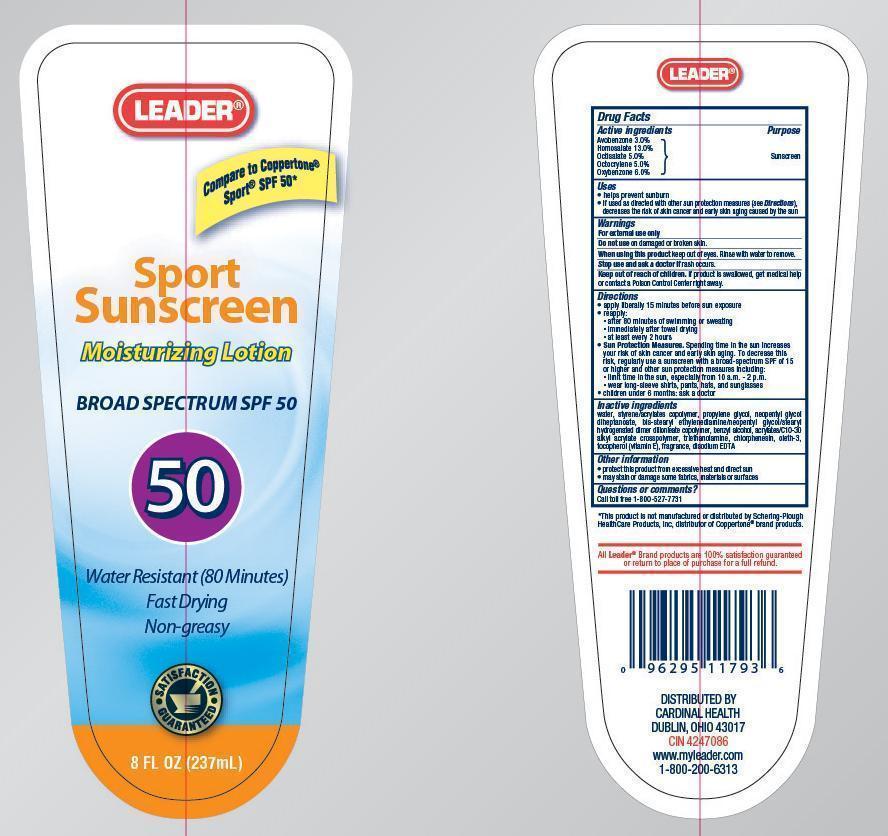
    Leader Sport Sunscreen Spf 50 (Avobenzone, Homosalate, Octisalate, Octocrylene, Oxybenzone) Lotion [Cardinal Health]

    Leader Sport Sunscreen Spf 50

    Leader Sport Sunscreen Spf 50 (Avobenzone, Homosalate, Octisalate, Octocrylene, Oxybenzone) Lotion [Cardinal Health]

    Apply liberally 15 minutes before sun exposure reapply:

    - after 80 minutes of swimming or sweating

    - immediately after towel drying

    - at least every 2 hours

    Sun Protection Measures. Spending time in the sun increases your risk of skin cancer and early skin aging. To decrease this risk, regularly use a sunscreen with a broad spectrum SPF of 15 or higher and other sun protection measures including:

    - limit time in the sun, especially from 10 a.m. - 2 p.m.

    - wear long sleeve shirts, pants, hats, and sunglasses

    Children under 6 months: ask a doctor

  • Healthy Accents Omepraz...
    Healthy Accents Omeprazole (Omeprazole) Tablet, Delayed Release [Dza Brands Llc]

    Healthy Accents Omeprazole

    Healthy Accents Omeprazole (Omeprazole) Tablet, Delayed Release [Dza Brands Llc]

    Shake well before using. Adults and children 12 years and older: 10 mL to 20 mL (2 to 4 teaspoonfuls) four times a day or as directed by a physician. Children under 12 years: consult a physician.

    White colored, peppermint flavored liquid supplied in the following oral dosage form: NDC 0121-1760-30 (unit dose cups of 30 mL, 10 × 10's).

    STORAGE

    Keep tightly closed. Store at controlled room temperature, 20° to 25°C (68° to 77°F) [See USP]. Protect from freezing.

  • Decolorized Iodine (Ethyl Alcohol) Liquid [Cardinal Health]

    Decolorized Iodine

    Decolorized Iodine (Ethyl Alcohol) Liquid [Cardinal Health]

    Clean the affected area. apply a small amount on the area 1 to 3 times daily. may be covered with sterile bandage. if bandaged, let dry first.

  • Adrenoplex (Chelidonium Majus, Echinacea, Glandula Suprarenalis Bovinum, Spleen, Carduus Marianus, Lycopodium Clavatum) Liquid [Bioactive Nutritional, Inc.]

    Adrenoplex

    Adrenoplex (Chelidonium Majus, Echinacea, Glandula Suprarenalis Bovinum, Spleen, Carduus Marianus, Lycopodium Clavatum) Liquid [Bioactive Nutritional, Inc.]

    Exertional Angina Pectoris Due to Atherosclerotic Coronary Artery Disease or Angina Pectoris at Rest Due to Coronary Artery Spasm

    Dosage must be adjusted to each patient's needs. Starting with 30 mg four times daily, before meals and at bedtime, dosage should be increased gradually (given in divided doses three or four times daily) at 1 to 2 day intervals until optimum response is obtained. Although individual patients may respond to any dosage level, the average optimum dosage range appears to be 180 to 360 mg/day. There are no available data concerning dosage requirements in patients with impaired renal or hepatic function. If the drug must be used in such patients, titration should be carried out with particular caution.

    Concomitant Use With Other Cardiovascular Agents

    • Sublingual NTG may be taken as required to abort acute anginal attacks during diltiazem hydrochloride tablet therapy. • Prophylactic Nitrate Therapy: Diltiazem hydrochloride tablets may be safely coadministered with short- and long-acting nitrates, but there have been no controlled studies to evaluate the antianginal effectiveness of this combination. • Beta-blockers. (See WARNINGS and PRECAUTIONS.)   Swallow diltiazem tablets whole; do not split, crush, or chew the tablets.
  • Clarins Broad Spectrum ...
    Clarins Broad Spectrum Spf 20 Super Restorative Tinted Tint 04 (Titanium Dioxide) Cream [Laboratoires Clarins S.a.]

    Clarins Broad Spectrum Spf 20 Super Restorative Tinted Tint 04

    Clarins Broad Spectrum Spf 20 Super Restorative Tinted Tint 04 (Titanium Dioxide) Cream [Laboratoires Clarins S.a.]

    Do not use more than directed

    remove foil wrapper

    insert suppository well up into rectum

    adults and children

    12 years and over

    2 suppositories every 4 to 6 hours while symptoms persist; do not exceed 12 suppositories in any 24 hour period

    children 6-12 years

    1 suppository every 4 to 6 hours while symptoms persist; do not exceed 6 suppositories in any 24 hour period

    children under 6 years

    do not use

  • Healthy Accents Arthrit...
    Healthy Accents Arthritis Pain Relief (Acetaminophen) Tablet, Film Coated, Extended Release [Dza Brands Llc]

    Healthy Accents Arthritis Pain Relief

    Healthy Accents Arthritis Pain Relief (Acetaminophen) Tablet, Film Coated, Extended Release [Dza Brands Llc]

    adults and children 6 years and over

    1 tablet daily; not more than 1 tablet in 24 hours

    children under 6 years of age

    ask a doctor

    consumers with liver or kidney disease

    ask a doctor

  • Leader Naproxen Sodium
    Leader Naproxen Sodium (Naproxen Sodium) Capsule, Liquid Filled [Cardinal Health]

    Leader Naproxen Sodium

    Leader Naproxen Sodium (Naproxen Sodium) Capsule, Liquid Filled [Cardinal Health]

    • do not take more than directed • the smallest effective dose should be used • drink a full glass of water with each dose • if taken with food, this product may take longer to work

    adults and children 12 years and older:

    • take 1 capsule every 8 to 12 hours while symptoms last • for the first dose you may take 2 capsules within the first hour • do not exceed 2 capsules in any 8- to 12-hour period • do not exceed 3 capsules in a 24-hour period

    children under 12 years:

    • ask a doctor
  • Doxycycline (Doxycycline Hyclate) Tablet, Coated [Cardinal Health]

    Doxycycline

    Doxycycline (Doxycycline Hyclate) Tablet, Coated [Cardinal Health]

    Other dosage forms of doxycycline may be more appropriate to meet some of the dosing recommendations listed below.

    THE USUAL DOSAGE AND FREQUENCY OF ADMINISTRATION OF DOXYCYCLINE DIFFERS FROM THAT OF THE OTHER TETRACYCLINES. EXCEEDING THE RECOMMENDED DOSAGE MAY RESULT IN AN INCREASED INCIDENCE OF SIDE EFFECTS.

    Adults:

    The usual dose of oral doxycycline is 200 mg on the first day of treatment (administered 100 mg every 12 hours) followed by a maintenance dose of 100 mg/day.

    In the management of more severe infections (particularly chronic infections of the urinary tract), 100 mg every 12 hours is recommended.

    For children above eight years of age:

    The recommended dosage schedule for children weighing 100 pounds or less is 2 mg/lb of body weight divided into two doses on the first day of treatment, followed by 1 mg/lb of body weight given as a single daily dose or divided into two doses, on subsequent days. For more severe infections up to 2 mg/lb of body weight may be used. For children over 100 lb the usual adult dose should be used.

    The therapeutic antibacterial serum activity will usually persist for 24 hours following recommended dosage.

    When used in streptococcal infections, therapy should be continued for 10 days.

    Administration of adequate amounts of fluid along with capsule and tablet forms of drugs in the tetracycline class is recommended to wash down the drugs and reduce the risk of esophageal irritation and ulceration. (See ADVERSE REACTIONS).

    If gastric irritation occurs, it is recommended that doxycycline be given with food or milk. The absorption of doxycycline is not markedly influenced by simultaneous ingestion of food or milk.

    Studies to date have indicated that administration of doxycycline at the usual recommended doses does not lead to excessive accumulation of the antibiotic in patients with renal impairment.

    Uncomplicated gonococcal infections in adults (except anorectal infections in men):

    100 mg, by mouth, twice a day for 7 days. As an alternate single visit dose, administer 300 mg stat followed in one hour by a second 300 mg dose. The dose may be administered with food, including milk or carbonated beverage, as required.

    Uncomplicated urethral, endocervical, or rectal infection in adults caused by Chlamydia trachomatis:

    100 mg, by mouth, twice a day for 7 days.

    Nongonococcal urethritis (NGU) caused by C. trachomatis and U. urealyticum:

    100 mg, by mouth, twice a day for 7 days.

    Syphilis - early:

    Patients who are allergic to penicillin should be treated with doxycycline 100 mg by mouth twice a day for 2 weeks.

    Syphilis of more than one year's duration:

    Patients who are allergic to penicillin should be treated with doxycycline 100 mg, by mouth, twice a day for 4 weeks.

    Acute epididymo-orchitis caused by N. gonorrhoeae:

    100 mg, by mouth, twice a day for at least 10 days.

    Acute epididymo-orchitis caused by C. trachomatis:

    100 mg, by mouth, twice a day for at least 10 days.

    For the prophylaxis of malaria:

    For adults, the recommended dose is 100 mg daily. For children over 8 years of age, the recommended dose is 2 mg/kg given once daily up to the adult dose. Prophylaxis should begin 1 to 2 days before travel to the malarious area. Prophylaxis should be continued daily during travel in the malarious area and for 4 weeks after the traveler leaves the malarious area.

    Inhalational anthrax (post-exposure):

    ADULTS: 100 mg of doxycycline, by mouth, twice a day for 60 days.

    CHILDREN: weighing less than 100 lb (45 kg); 1 mg/lb (2.2 mg/kg) of body weight, by mouth, twice a day for 60 days. Children weighing 100 lb or more should receive the adult dose.

  • Comtan
    Comtan (Entacapone) Tablet, Film Coated [Cardinal Health]

    Comtan

    Comtan (Entacapone) Tablet, Film Coated [Cardinal Health]

    The recommended dose of Comtan (entacapone) is one 200 mg tablet administered concomitantly with each levodopa/carbidopa dose to a maximum of 8 times daily (200 mg × 8 = 1600 mg per day). Clinical experience with daily doses above 1600 mg is limited.

    Comtan should always be administered in association with levodopa/carbidopa. Entacapone has no antiparkinsonian effect of its own.

    In clinical trials, the majority of patients required a decrease in daily levodopa dose if their daily dose of levodopa had been ≥ 800 mg or if patients had moderate or severe dyskinesias before beginning treatment.

    To optimize an individual patient's response, reductions in daily levodopa dose or extending the interval between doses may be necessary. In clinical trials, the average reduction in daily levodopa dose was about 25% in those patients requiring a levodopa dose reduction. (More than 58% of patients with levodopa doses above 800 mg daily required such a reduction.)

    Comtan can be combined with both the immediate and sustained-release formulations of levodopa/carbidopa.

    Comtan may be taken with or without food (see CLINICAL PHARMACOLOGY).

    Patients With Impaired Hepatic Function

    Patients with hepatic impairment should be treated with caution. The AUC and Cmax of entacapone approximately doubled in patients with documented liver disease, compared to controls. However, these studies were conducted with single-dose entacapone without levodopa/dopa decarboxylase inhibitor coadministration, and therefore the effects of liver disease on the kinetics of chronically administered entacapone have not been evaluated (see CLINICAL PHARMACOLOGY, Pharmacokinetics of Entacapone).

    Withdrawing Patients from Comtan

    Rapid withdrawal or abrupt reduction in the Comtan dose could lead to emergence of signs and symptoms of Parkinson's Disease (see CLINICAL PHARMACOLOGY, Clinical Studies), and may lead to Hyperpyrexia and Confusion, a symptom complex resembling the neuroleptic malignant syndrome (see PRECAUTIONS, Other Events Reported With Dopaminergic Therapy). This syndrome should be considered in the differential diagnosis for any patient who develops a high fever or severe rigidity. If a decision is made to discontinue treatment with Comtan, patients should be monitored closely and other dopaminergic treatments should be adjusted as needed. Although tapering Comtan has not been systematically evaluated, it seems prudent to withdraw patients slowly if the decision to discontinue treatment is made.

  • Feverall
    Feverall (Acetaminophen) Suppository [Cardinal Health]

    Feverall

    Feverall (Acetaminophen) Suppository [Cardinal Health]

    Do not use more than directed, remove wrapper, carefully insert suppository well up into the rectum.

    adults and children 12 years and older: 1 suppository every 4 to 6 hours while symptoms last. Do not exceed 6 suppositories in any 24-hour period. Children under 12 years: ask a doctor.

  • Dok (Docusate Sodium) Capsule [Cardinal Health]

    Dok

    Dok (Docusate Sodium) Capsule [Cardinal Health]

    Adults and children over 12 years of age, take 2 softgels, preferably at bedtime

    children 6 to 12 years of age take 1 softgel at bedtime

  • Clozaril
    Clozaril (Clozapine) Tablet [Cardinal Health]

    Clozaril

    Clozaril (Clozapine) Tablet [Cardinal Health]

    Treatment-Resistant Schizophrenia

    Upon initiation of CLOZARIL® (clozapine) therapy, up to a 1-week supply of additional CLOZARIL tablets may be provided to the patient to be held for emergencies (e.g., weather, holidays).

    Initial Treatment:

    It is recommended that treatment with CLOZARIL begin with one-half of a 25-mg tablet (12.5 mg) once or twice daily and then be continued with daily dosage increments of 25-50 mg/day, if well tolerated, to achieve a target dose of 300-450 mg/day by the end of 2 weeks. Subsequent dosage increments should be made no more than once or twice weekly, in increments not to exceed 100 mg. Cautious titration and a divided dosage schedule are necessary to minimize the risks of hypotension, seizure, and sedation.

    In the multicenter study that provides primary support for the effectiveness of CLOZARIL in patients resistant to standard drug treatment for schizophrenia, patients were titrated during the first 2 weeks up to a maximum dose of 500 mg/day, on a t.i.d. basis, and were then dosed in a total daily dose range of 100-900 mg/day, on a t.i.d. basis thereafter, with clinical response and adverse effects as guides to correct dosing.

    Therapeutic Dose Adjustment:

    Daily dosing should continue on a divided basis as an effective and tolerable dose level is sought. While many patients may respond adequately at doses between 300-600 mg/day, it may be necessary to raise the dose to the 600-900 mg/day range to obtain an acceptable response. (Note: In the multicenter study providing the primary support for the superiority of CLOZARIL in treatment-resistant patients, the mean and median CLOZARIL doses were both approximately 600 mg/day.)

    Because of the possibility of increased adverse reactions at higher doses, particularly seizures, patients should ordinarily be given adequate time to respond to a given dose level before escalation to a higher dose is contemplated. CLOZARIL can cause EEG changes, including the occurrence of spike and wave complexes. It lowers the seizure threshold in a dose-dependent manner and may induce myoclonic jerks or generalized seizures. These symptoms may be likely to occur with rapid dose increase and in patients with preexisting epilepsy. In this case, the dose should be reduced and, if necessary, anticonvulsant treatment initiated.

    Dosing should not exceed 900 mg/day.

    Because of the significant risk of agranulocytosis and seizure, events which both present a continuing risk over time, the extended treatment of patients failing to show an acceptable level of clinical response should ordinarily be avoided.

    Maintenance Treatment:

    While the maintenance effectiveness of CLOZARIL in schizophrenia is still under study, the effectiveness of maintenance treatment is well established for many other drugs used to treat schizophrenia. It is recommended that responding patients be continued on CLOZARIL, but at the lowest level needed to maintain remission. Because of the significant risk associated with the use of CLOZARIL, patients should be periodically reassessed to determine the need for maintenance treatment.

    Discontinuation of Treatment:

    In the event of planned termination of CLOZARIL therapy, gradual reduction in dose is recommended over a 1-2-week period. However, should a patient’s medical condition require abrupt discontinuation (e.g., leukopenia), the patient should be carefully observed for the recurrence of psychotic symptoms and symptoms related to cholinergic rebound such as headache, nausea, vomiting, and diarrhea.

    Reinitiation of Treatment in Patients Previously Discontinued:

    When restarting patients who have had even a brief interval off CLOZARIL, i.e., 2 days or more since the last dose, it is recommended that treatment be reinitiated with one-half of a 25-mg tablet (12.5 mg) once or twice daily (see WARNINGS). If that dose is well tolerated, it may be feasible to titrate patients back to a therapeutic dose more quickly than is recommended for initial treatment. However, any patient who has previously experienced respiratory or cardiac arrest with initial dosing, but was then able to be successfully titrated to a therapeutic dose, should be retitrated with extreme caution after even 24 hours of discontinuation.

    Certain additional precautions seem prudent when reinitiating treatment. The mechanisms underlying CLOZARIL-induced adverse reactions are unknown. It is conceivable, however, that reexposure of a patient might enhance the risk of an untoward event’s occurrence and increase its severity. Such phenomena, for example, occur when immune-mediated mechanisms are responsible. Consequently, during the reinitiation of treatment, additional caution is advised. Patients discontinued for WBC counts below 2000/mm3 or an ANC below 1000/mm3 must not be restarted on CLOZARIL. (See WARNINGS.)

    Reducing the Risk of Recurrent Suicidal Behavior in Patients with Schizophrenia or Schizoaffective Disorder

    The dosage and administration recommendations outlined above regarding the use of CLOZARIL in patients with treatment-resistant schizophrenia should also be followed when treating patients with schizophrenia or schizoaffective disorder at risk for recurrent suicidal behavior.

    The InterSePT study demonstrated the efficacy of CLOZARIL in treatment of patients with schizophrenia or schizoaffective disorder at risk for recurrent suicidal behavior where the mean daily dose was about 300 mg (range 12.5 to 900 mg).

    Patients previously treated with other antipsychotics were cross-titrated to CLOZARIL over a one-month interval; the dose of the previous antipsychotic was gradually decreased simultaneous with a gradual increase in CLOZARIL dose over the first month of the study. Patients on depot antipsychotic medication began CLOZARIL after one full dosing interval since the last injection.

    Recommendations to Reduce the Risk of Recurrent Suicidal Behavior in Patients Who Otherwise Previously Responded to Treatment of Schizophrenia or Schizoaffective Disorder with Another Antipsychotic Medication:

    The results of the InterSePT study demonstrated that, for a 2-year treatment period, the probability of a suicide attempt or a hospitalization due to imminent suicide risk is stable at approximately 24% after one year of treatment with CLOZARIL (Figure 1, Clinical Trial Data Section). A course of treatment with CLOZARIL of at least 2 years is therefore recommended in order to maintain the reduction of risk for suicidal behavior. After 2 years, it is recommended that the patient’s risk of suicidal behavior be assessed. If the physician’s assessment indicates that a significant risk for suicidal behavior is still present, treatment with CLOZARIL should be continued. Thereafter, the decision to continue treatment with CLOZARIL should be revisited at regular intervals, based on thorough assessments of the patient’s risk for suicidal behavior during treatment. If the physician determines that the patient is no longer at risk for suicidal behavior, treatment with CLOZARIL may be discontinued (see recommendations above regarding discontinuation of treatment) and treatment of the underlying disorder with an antipsychotic medication to which the patient has previously responded may be resumed.

  • Diphenhydramine Hcl Capsule [Cardinal Health]

    Diphenhydramine Hcl

    Diphenhydramine Hcl Capsule [Cardinal Health]

    adults and children 12 years and over

    take 25 to 50 mg (1 to 2 capsule) every 4 to 6 hours; not more than 12 capsules in 24 hours.

    children 6 years to under 12 years of age

    take 12.5 mg** to 25 mg (1 capsule) every 4 to 6 hours; not more than 6 capsules in 24 hours.

    children under 6 years of age

    ask a doctor

    **12.5 mg dosage strength is not available in this package. Do not attempt to break capsule.

  • Asacol (Mesalamine) Tablet, Delayed Release [Cardinal Health]

    Asacol

    Asacol (Mesalamine) Tablet, Delayed Release [Cardinal Health]

    For the treatment of mildly to moderately active ulcerative colitis: The usual dosage in adults is two 400 mg tablets to be taken three times a day for a total daily dose of 2.4 grams for a duration of 6 weeks.

    For the maintenance of remission of ulcerative colitis: The recommended dosage in adults is 1.6 grams daily, in divided doses. Treatment duration in the prospective, well-controlled trial was 6 months.

    Two Asacol 400 mg tablets have not been shown to be bioequivalent to one Asacol® HD (mesalamine) delayed-release 800 mg tablet.

  • Acyclovir Capsule Acyclovir Tablet [Cardinal Health]

    Acyclovir Capsule Acyclovir

    Acyclovir Capsule Acyclovir Tablet [Cardinal Health]

    Acute Treatment of Herpes Zoster

    800 mg every 4 hours orally, 5 times daily for 7 to 10 days.

    Genital Herpes

    Treatment of Initial Genital Herpes

    200 mg every 4 hours, 5 times daily for 10 days.

    Chronic Suppressive Therapy for Recurrent Disease

    400 mg 2 times daily for up to 12 months, followed by re-evaluation. Alternative regimens have included doses ranging from 200 mg 3 times daily to 200 mg 5 times daily.

    The frequency and severity of episodes of untreated genital herpes may change over time. After 1 year of therapy, the frequency and severity of the patient’s genital herpes infection should be re-evaluated to assess the need for continuation of therapy with acyclovir.

    Intermittent Therapy

    200 mg every 4 hours, 5 times daily for 5 days. Therapy should be initiated at the earliest sign or symptom (prodrome) of recurrence.

    Treatment of Chickenpox

    Children (2 Years of age and Older)

    20 mg/kg per dose orally 4 times daily (80 mg/kg/day) for 5 days. Children over 40 kg should receive the adult dose for chickenpox.

    Adults and Children Over 40 kg

    800 mg 4 times daily for 5 days.

    Intravenous acyclovir is indicated for the treatment of varicella-zoster infections in immunocompromised patients.

    When therapy is indicated, it should be initiated at the earliest sign or symptom of chickenpox. There is no information about the efficacy of therapy initiated more than 24 hours after onset of signs and symptoms.

    Patients With Acute or Chronic Renal Impairment

    In patients with renal impairment, the dose of acyclovir capsules and tablets should be modified as shown in Table 3:

    Table 3: Dosage Modification for Renal Impairment Normal Dosage Regimen Creatinine Clearance (mL/min/1.73 m2) Adjusted Dosage Regimen Dose (mg) Dosing Interval 200 mg every 4 hours > 10 200 every 4 hours, 5x daily 0 to 10 200 every 12 hours 400 mg every 12 hours > 10 400 every 12 hours 0 to 10 200 every 12 hours 800 mg every 4 hours > 25 800 every 4 hours, 5x daily 10 to 25 800 every 8 hours 0 to 10 800 every 12 hours

    Hemodialysis

    For patients who require hemodialysis, the mean plasma half-life of acyclovir during hemodialysis is approximately 5 hours. This results in a 60% decrease in plasma concentrations following a 6 hour dialysis period. Therefore, the patient’s dosing schedule should be adjusted so that an additional dose is administered after each dialysis.

    Peritoneal Dialysis

    No supplemental dose appears to be necessary after adjustment of the dosing interval.

    Bioequivalence of Dosage Forms

    Acyclovir suspension was shown to be bioequivalent to acyclovir capsules (n = 20) and 1 acyclovir 800 mg tablet was shown to be bioequivalent to 4 acyclovir 200 mg capsules (n = 24).

  • Bupropion Hydrochloride Tablet, Extended Release [Cardinal Health]

    Bupropion Hydrochloride

    Bupropion Hydrochloride Tablet, Extended Release [Cardinal Health]

    General Dosing Considerations: It is particularly important to administer bupropion hydrochloride extended-release tablets (XL) in a manner most likely to minimize the risk of seizure (see WARNINGS). Gradual escalation in dosage is also important if agitation, motor restlessness, and insomnia, often seen during the initial days of treatment, are to be minimized. If necessary, these effects may be managed by temporary reduction of dose or the short-term administration of an intermediate to long-acting sedative hypnotic. A sedative hypnotic usually is not required beyond the first week of treatment. Insomnia may also be minimized by avoiding bedtime doses. If distressing, untoward effects supervene, dose escalation should be stopped. Bupropion hydrochloride extended-release tablets (XL) should be swallowed whole and not crushed, divided, or chewed. Bupropion hydrochloride extended-release tablets (XL) may be taken without regard to meals.

    Major Depressive Disorder:Initial Treatment: The usual adult target dose for bupropion hydrochloride extended-release tablets (XL) is 300 mg/day, given once daily in the morning. Dosing with bupropion hydrochloride extended-release tablets (XL) should begin at 150 mg/day given as a single daily dose in the morning. If the 150-mg initial dose is adequately tolerated, an increase to the 300-mg/day target dose, given as once daily, may be made as early as day 4 of dosing, as this may lead to an increased risk of adverse effects including seizures. There should be an interval of at least 24 hours between successive doses.

    Increasing the Dosage Above 300 mg/day: As with other antidepressants, the full antidepressant effect of bupropion hydrochloride extended-release tablets (XL) may not be evident until 4 weeks of treatment or longer. An increase in dosage to the maximum of 450 mg/day, given as a single dose, may be considered for patients in whom no clinical improvement is noted after several weeks of treatment at 300 mg/day.

    Maintenance Treatment: It is generally agreed that acute episodes of depression require several months or longer of sustained pharmacological therapy beyond response to the acute episode. It is unknown whether or not the dose of bupropion hydrochloride extended-release tablets (XL) needed for maintenance treatment is identical to the dose needed to achieve an initial response. Patients should be periodically reassessed to determine the need for maintenance treatment and the appropriate dose for such treatment.

    Seasonal Affective Disorder: For the prevention of seasonal major depressive episodes associated with seasonal affective disorder, bupropion hydrochloride extended-release tablets (XL) should generally be initiated in the autumn prior to the onset of depressive symptoms. Treatment should continue through the winter season and should be tapered and discontinued in early spring. The timing of initiation and duration of treatment should be individualized based on the patient's historical pattern of seasonal major depressive episodes. Patients whose seasonal depressive episodes are infrequent or not associated with significant impairment should not generally be treated prophylactically.

    Dosing with bupropion hydrochloride extended-release tablets (XL) should begin at 150 mg/day given as a single daily dose in the morning. If the 150-mg initial dose is adequately tolerated, the dose of bupropion hydrochloride extended-release tablets (XL) should be increased to the 300-mg/day dose after 1 week. If the 300-mg dose is not adequately tolerated, the dose can be reduced to 150 mg/day. The usual adult target dose for bupropion hydrochloride extended-release tablets (XL) is 300 mg/day, given once daily in the morning.

    For patients taking 300 mg/day during the autumn-winter season, the dose should be tapered to 150 mg/day for 2 weeks prior to discontinuation.

    Doses of bupropion hydrochloride extended-release tablets (XL) above 300 mg/day have not been studied for the prevention of seasonal major depressive episodes.

    Switching Patients from WELLBUTRIN® Tablets or from WELLBUTRIN SR® Sustained-Release Tablets: When switching patients from WELLBUTRIN® Tablets to bupropion hydrochloride extended-release tablets (XL) or from WELLBUTRIN SR® Sustained-Release Tablets to bupropion hydrochloride extended-release tablets (XL), give the same total daily dose when possible. Patients who are currently being treated with WELLBUTRIN® Tablets at 300 mg/day (for example, 100 mg 3 times a day) may be switched to bupropion hydrochloride extended-release tablets (XL) 300 mg once daily. Patients who are currently being treated with WELLBUTRIN SR® Sustained-Release Tablets at 300 mg/day (for example, 150 mg twice daily) may be switched to bupropion hydrochloride extended-release tablets (XL) 300 mg once daily.

    Dosage Adjustment for Patients with Impaired Hepatic Function: Bupropion hydrochloride extended-release tablets (XL) should be used with extreme caution in patients with severe hepatic cirrhosis. The dose should not exceed 150 mg every other day in these patients. bupropion hydrochloride extended-release tablets (XL)  should be used with caution in patients with hepatic impairment (including mild-to-moderate hepatic cirrhosis) and a reduced frequency and/or dose should be considered in patients with mild-to-moderate hepatic cirrhosis (see CLINICAL PHARMACOLOGY, WARNINGS, and PRECAUTIONS).

    Dosage Adjustment for Patients with Impaired Renal Function: Bupropion hydrochloride extended-release tablets (XL) should be used with caution in patients with renal impairment and a reduced frequency and/or dose should be considered (see CLINICAL PHARMACOLOGY and PRECAUTIONS).

  • Atropine Sulfate Injection, Solution [Cardinal Health]

    Atropine Sulfate

    Atropine Sulfate Injection, Solution [Cardinal Health]

    Atropine Sulfate Injection, USP may be administered subcutaneously, intramuscularly or intravenously. The average adult dose is 0.5 mg (5 mL of a 0.1 mg/mL solution), range 0.4 to 0.6 mg (4 to 6 mL). As an antisialogogue it is usually injected intramuscularly prior to induction of anesthesia. This produces only minimal blocking of vagal activity. In children, the dosage ranges from 0.1 mg in the newborn to 0.6 mg (6 mL of a 0.1 mg/mL solution) in a child age 12 years, injected subcutaneously 30 minutes before surgery. During surgery, the drug is given intravenously when reduction in pulse rate and cessation of cardiac action are due to increased vagal activity; however, if the anesthetic is cyclopropane, doses less than 0.4 mg should be used and should be given slowly to avoid the possible production of ventricular arrhythmia. Usual doses are used to reduce severe bradycardia and syncope associated with hyperactive carotid sinus reflex. For bradyarrhythmias the usual intravenous adult dosage ranges from 0.4 to 1 mg (4 to 10 mL of a 0.1 mg/mL solution) every one to two hours as needed; larger doses up to a maximum of 2 mg may be required. In children, intravenous dosage ranges from 0.01 to 0.03 mg per kg of body weight. Atropine is also a specific antidote for cardiovascular collapse resulting from injudicious administration of choline ester. When cardiac arrest has occurred, external cardiac massage or other method of resuscitation is required to distribute the drug after intravenous injection.

    In anticholinesterase poisoning from exposure to insecticides, large doses of at least 2 to 3 mg (20 to 30 mL of a 0.1 mg/mL solution) should be administered parenterally and repeated until signs of atropine intoxication appear. In the “rapid” type of mushroom poisoning, atropine should be given in doses sufficient to control parasympathomimetic signs before coma and cardiovascular collapse supervene.

    Parenteral drug products should be inspected visually for particulate matter and discoloration prior to administration, whenever solution and container permit. (See PRECAUTIONS.)

  • Tramadol Hydrochloride Tablet, Coated [Cardinal Health]

    Tramadol Hydrochloride

    Tramadol Hydrochloride Tablet, Coated [Cardinal Health]

    Adults (17 years of age and over)

    For patients with moderate to moderately severe chronic pain not requiring rapid onset of analgesic effect, the tolerability of tramadol hydrochloride tablets, USP can be improved by initiating therapy with a titration regimen:  The total daily dose may be increased by 50 mg as tolerated every 3 days to reach 200 mg/day (50 mg q.i.d.). After titration, tramadol hydrochloride tablets, USP 50 to 100 mg can be administered as needed for pain relief every 4 to 6 hours not to exceed 400 mg/day.

    For the subset of patients for whom rapid onset of analgesic effect is required and for whom the benefits outweigh the risk of discontinuation due to adverse events associated with higher initial doses, tramadol hydrochloride tablets, USP 50 mg to 100 mg can be administered as needed for pain relief every four to six hours, not to exceed 400 mg per day.

    Individualization of Dose

    Good pain management practice dictates that the dose be individualized according to patient need using the lowest beneficial dose. Studies with tramadol in adults have shown that starting at the lowest possible dose and titrating upward will result in fewer discontinuations and increased tolerability.

    In all patients with creatinine clearance less than 30 mL/min, it is recommended that the dosing interval of tramadol hydrochloride tablets be increased to 12 hours, with a maximum daily dose of 200 mg. Since only 7% of an administered dose is removed by hemodialysis, dialysis patients can receive their regular dose on the day of dialysis. The recommended dose for adult patients with cirrhosis is 50 mg every 12 hours. In general, dose selection for an elderly patient over 65 years old should be cautious, usually starting at the low end of the dosing range, reflecting the greater frequency of decreased hepatic, renal or cardiac function and of concomitant disease or other drug therapy. For elderly patients over 75 years old, total dose should not exceed 300 mg/day.
  • Divalproex Sodium Tablet, Film Coated, Extended Release [Cardinal Health]

    Divalproex Sodium

    Divalproex Sodium Tablet, Film Coated, Extended Release [Cardinal Health]

    Divalproex sodium extended-release tablets are an extended-release product intended for once-a-day oral administration. Divalproex sodium extended-release tablets should be swallowed whole and should not be crushed or chewed.

    2.2 Epilepsy

    Divalproex sodium extended-release tablets are administered orally, and must be swallowed whole. As divalproex sodium extended-release tablets dosage is titrated upward, concentrations of clonazepam, diazepam, ethosuximide, lamotrigine, tolbutamide, phenobarbital, carbamazepine, and/or phenytoin may be affected [see Drug Interactions (7.2)].

    Complex Partial Seizures

    For adults and children 10 years of age or older.

    Monotherapy (Initial Therapy)

    Divalproex sodium extended-release tablets have not been systematically studied as initial therapy. Patients should initiate therapy at 10 to 15 mg/kg/day. The dosage should be increased by 5 to 10 mg/kg/week to achieve optimal clinical response. Ordinarily, optimal clinical response is achieved at daily doses below 60 mg/kg/day. If satisfactory clinical response has not been achieved, plasma levels should be measured to determine whether or not they are in the usually accepted therapeutic range (50 to 100 mcg/mL). No recommendation regarding the safety of valproate for use at doses above 60 mg/kg/day can be made.

    The probability of thrombocytopenia increases significantly at total trough valproate plasma concentrations above 110 mcg/mL in females and 135 mcg/mL in males. The benefit of improved seizure control with higher doses should be weighed against the possibility of a greater incidence of adverse reactions.

    Conversion to Monotherapy

    Patients should initiate therapy at 10 to 15 mg/kg/day. The dosage should be increased by 5 to 10 mg/kg/week to achieve optimal clinical response. Ordinarily, optimal clinical response is achieved at daily doses below 60 mg/kg/day. If satisfactory clinical response has not been achieved, plasma levels should be measured to determine whether or not they are in the usually accepted therapeutic range (50 to 100 mcg/mL). No recommendation regarding the safety of valproate for use at doses above 60 mg/kg/day can be made. Concomitant antiepilepsy drug (AED) dosage can ordinarily be reduced by approximately 25% every 2 weeks. This reduction may be started at initiation of divalproex sodium extended-release tablets therapy, or delayed by 1 to 2 weeks if there is a concern that seizures are likely to occur with a reduction. The speed and duration of withdrawal of the concomitant AED can be highly variable, and patients should be monitored closely during this period for increased seizure frequency.

    Adjunctive Therapy

    Divalproex sodium extended-release tablets may be added to the patient's regimen at a dosage of 10 to 15 mg/kg/day. The dosage may be increased by 5 to 10 mg/kg/week to achieve optimal clinical response. Ordinarily, optimal clinical response is achieved at daily doses below 60 mg/kg/day. If satisfactory clinical response has not been achieved, plasma levels should be measured to determine whether or not they are in the usually accepted therapeutic range (50 to 100 mcg/mL). No recommendation regarding the safety of valproate for use at doses above 60 mg/kg/day can be made.

    In a study of adjunctive therapy for complex partial seizures in which patients were receiving either carbamazepine or phenytoin in addition to valproate, no adjustment of carbamazepine or phenytoin dosage was needed [see Clinical Studies (14.3)]. However, since valproate may interact with these or other concurrently administered AEDs as well as other drugs, periodic plasma concentration determinations of concomitant AEDs are recommended during the early course of therapy [see Drug Interactions (7)].

    Simple and Complex Absence Seizures

    The recommended initial dose is 15 mg/kg/day, increasing at one week intervals by 5 to 10 mg/kg/day until seizures are controlled or side effects preclude further increases. The maximum recommended dosage is 60 mg/kg/day.

    A good correlation has not been established between daily dose, serum concentrations, and therapeutic effect. However, therapeutic valproate serum concentration for most patients with absence seizures is considered to range from 50 to 100 mcg/mL. Some patients may be controlled with lower or higher serum concentrations [see Clinical Pharmacology (12.3)].

    As divalproex sodium extended-release tablets dosage is titrated upward, blood concentrations of phenobarbital and/or phenytoin may be affected [see Drug Interactions (7.2)].

    Antiepilepsy drugs should not be abruptly discontinued in patients in whom the drug is administered to prevent major seizures because of the strong possibility of precipitating status epilepticus with attendant hypoxia and threat to life.

    2.3 Migraine

    Divalproex sodium extended-release tablets are indicated for prophylaxis of migraine headaches in adults.

    The recommended starting dose is 500 mg once daily for one week, thereafter increasing to 1000 mg once daily. Although doses other than 1000 mg once daily of divalproex sodium extended-release tablets have not been evaluated in patients with migraine, the effective dose range of divalproex sodium delayed-release tablets in these patients is 500 to 1000 mg/day. As with other valproate products, doses of divalproex sodium extended-release tablets should be individualized and dose adjustment may be necessary. If a patient requires smaller dose adjustments than that available with divalproex sodium extended-release tablets, divalproex sodium delayed-release tablets should be used instead.

    2.4 Conversion from Divalproex Sodium Delayed-Release Tablets to Divalproex Sodium Extended-Release Tablets

    In adult patients and pediatric patients 10 years of age or older with epilepsy previously receiving divalproex sodium delayed-release tablets, divalproex sodium extended-release tablets should be administered once daily using a dose 8% to 20% higher than the total daily dose of divalproex sodium delayed-release tablets (Table 1). For patients whose divalproex sodium delayed-release tablets total daily dose cannot be directly converted to divalproex sodium extended-release tablets, consideration may be given at the clinician’s discretion to increase the patient’s divalproex sodium delayed-release tablets total daily dose to the next higher dosage before converting to the appropriate total daily dose of divalproex sodium extended-release tablets.

    Table 1 Dose Conversion * These total daily doses of divalproex sodium delayed-release tablets cannot be directly converted to an 8% to 20% higher total daily dose of divalproex sodium extended-release tablets because the required dosing strengths of divalproex sodium extended-release tablets are not available. Consideration may be given at the clinician’s discretion to increase the patient’s divalproex sodium delayed-release tablets total daily dose to the next higher dosage before converting to the appropriate total daily dose of divalproex sodium extended-release tablets.   Divalproex Sodium Delayed-ReleaseTablets Total Daily Dose (mg)   Divalproex Sodium Extended-ReleaseTablets (mg)   500* to 625   750   750* to 875   1000   1000* to 1125   1250   1250 to 1375   1500   1500 to 1625   1750   1750   2000   1875 to 2000   2250   2125 to 2250   2500   2375   2750   2500 to 2750   3000   2875   3250   3000 to 3125   3500

    There is insufficient data to allow a conversion factor recommendation for patients with divalproex sodium delayed-release tablets doses above 3125 mg/day. Plasma valproate Cmin concentrations for divalproex sodium extended-release tablets on average are equivalent to divalproex sodium delayed-release tablets, but may vary across patients after conversion. If satisfactory clinical response has not been achieved, plasma levels should be measured to determine whether or not they are in the usually accepted therapeutic range (50 to 100 mcg/mL) [see Clinical Pharmacology (12.2)].

    2.5 General Dosing Advice

    Dosing in Elderly Patients

    Due to a decrease in unbound clearance of valproate and possibly a greater sensitivity to somnolence in the elderly, the starting dose should be reduced in these patients. Starting doses in the elderly lower than 250 mg can only be achieved by the use of divalproex sodium delayed-release tablets. Dosage should be increased more slowly and with regular monitoring for fluid and nutritional intake, dehydration, somnolence, and other adverse reactions. Dose reductions or discontinuation of valproate should be considered in patients with decreased food or fluid intake and in patients with excessive somnolence. The ultimate therapeutic dose should be achieved on the basis of both tolerability and clinical response [see Warnings and Precautions (5.11)].

    Dose Related Adverse Reactions

    The frequency of adverse effects (particularly elevated liver enzymes and thrombocytopenia) may be dose related. The probability of thrombocytopenia appears to increase significantly at total valproate concentrations of ≥ 110 mcg/mL (females) or ≥ 135 mcg/mL (males) [see Warnings and Precautions (5.5)]. The benefit of improved therapeutic effect with higher doses should be weighed against the possibility of a greater incidence of adverse reactions.

    G.I. Irritation

    Patients who experience G.I. irritation may benefit from administration of the drug with food or by slowly building up the dose from an initial low level.

    Compliance

    Patients should be informed to take divalproex sodium extended-release tablets every day as prescribed. If a dose is missed it should be taken as soon as possible, unless it is almost time for the next dose. If a dose is skipped, the patient should not double the next dose.

  • Clopidogrel Bisulfate (Clopidogrel) Tablet, Film Coated [Cardinal Health]

    Clopidogrel Bisulfate

    Clopidogrel Bisulfate (Clopidogrel) Tablet, Film Coated [Cardinal Health]

    2.1 Acute Coronary Syndrome

    Clopidogrel tablets can be administered with or without food [see Clinical Pharmacology (12.3)].

    For patients with non-ST-elevation ACS (UA/NSTEMI), initiate clopidogrel tablets with a single 300 mg oral loading dose and then continue at 75 mg once daily. Initiate aspirin (75 mg to 325 mg once daily) and continue in combination with clopidogrel tablets [see Clinical Studies (14.1)].

    For patients with STEMI, the recommended dose of clopidogrel tablets is 75 mg once daily orally, administered in combination with aspirin (75 mg to 325 mg once daily), with or without thrombolytics. Clopidogrel tablets may be initiated with or without a loading dose [see Clinical Studies (14.1)].

    2.2 Recent MI, Recent Stroke, or Established Peripheral Arterial Disease

    The recommended daily dose of clopidogrel tablets is 75 mg once daily orally, with or without food [see Clinical Pharmacology (12.3)].

    2.3 CYP2C19 Poor Metabolizers

    CYP2C19 poor metabolizer status is associated with diminished antiplatelet response to clopidogrel. Although a higher dose regimen in poor metabolizers increases antiplatelet response [see Clinical Pharmacology (12.5)], an appropriate dose regimen for this patient population has not been established.

    2.4 Use with Proton Pump Inhibitors (PPI)

    Avoid using omeprazole or esomeprazole with clopidogrel. Omeprazole and esomeprazole significantly reduce the antiplatelet activity of clopidogrel. When concomitant administration of a PPI is required, consider using another acid-reducing agent with minimal or no CYP2C19 inhibitory effect on the formation of clopidogrel active metabolite [see Warnings and Precautions (5.1), Drug Interactions (7.1) and Clinical Pharmacology (12.3)].

  • Cefazolin Injection, Powder, For Solution [Cardinal Health]

    Cefazolin

    Cefazolin Injection, Powder, For Solution [Cardinal Health]

    Usual Adult Dosage Type of Infection    Dose   Frequency * ln rare instances, doses of up to 12 grams of cefazolin for injection per day have been used Moderate to severe infections   500 mg to 1 gram   every 6 to 8 hrs. Mild infections caused by susceptible gram–positive cocci   250 mg to 500 mg   every 8 hours Acute, uncomplicated urinary tract infections   1 gram   every 12 hours Pneumococcal pneumonia   500 mg   every 12 hours Severe, life-threatening infections (e.g., endocarditis, septicemia)*   1 gram to 1.5 grams   every 6 hours

    Perioperative Prophylactic Use

    To prevent postoperative infection in contaminated or potentially contaminated surgery, recommended doses are:

    a. 1 gram IV or IM administered 1/2 hour to 1 hour prior to the start of surgery.

    b. For lengthy operative procedures (e.g., 2 hours or more), 500 mg to 1 gram IV or IM during surgery (administration modified depending on the duration of the operative procedure).

    c. 500 mg to 1 gram IV or IM every 6 to 8 hours for 24 hours  postoperatively.

    It is important that (1) the preoperative dose be given just (1/2 to 1 hour) prior to the start of surgery so that adequate antibiotic levels are present in the serum and tissues at the time of initial surgical incision; and (2) Cefazolin be administered, if necessary, at appropriate intervals during surgery to provide sufficient levels of the antibiotic at the anticipated moments of greatest exposure to infective organisms.

    In surgery where the occurrence of infection may be particularly devastating (e.g., open-heart surgery and prosthetic arthroplasty), the prophylactic administration of cefazolin for injection may be continued for 3 to 5 days following the completion of surgery.

    Dosage Adjustment for Patients with Reduced Renal Function

    Cefazolin may be used in patients with reduced renal function with the following dosage adjustments: Patients with a creatinine clearance of 55 mL/min. or greater or a serum creatinine of 1.5 mg % or less can be given full doses.  Patients with creatinine clearance rates of 35 to 54 mL/min. or serum creatinine of 1.6 to 3 mg % can also be given full doses but dosage should be restricted to at least 8 hour intervals. Patients with creatinine clearance rates of 11 to 34 mL/min. or serum creatinine of 3.1 to 4.5 mg % should be given 1/2 the usual dose every 12 hours. Patients with creatinine clearance rates of 10 mL/min. or less or serum creatinine of 4.6 mg % or greater should be given 1/2 the usual dose every 18 to 24 hours. All reduced dosage recommendations apply after an initial loading dose appropriate to the severity of the infection. Patients undergoing peritoneal dialysis: See CLINICAL PHARMACOLOGY.

    Pediatric Dosage

    In pediatric patients, a total daily dosage of 25 to 50 mg per kg (approximately 10 to 20 mg per pound) of body weight, divided into 3 or 4 equal doses, is effective for most mild to moderately severe infections. Total daily dosage may be increased to 100 mg per kg (45 mg per pound) of body weight for severe infections. Since safety for use in premature infants and in neonates has not been established, the use of Cefazolin for injection in these patients is not recommended.

    Pediatric Dosage Guide Weight 25 mg/kg/day Divided into 3 Doses 25 mg/kg/day Divided into 4 Doses Lbs Kg Approximate Single Dosemg/q8h Vol. (mL)needed withdilution of125 mg/mL ApproximateSingle Dosemg/q6h Vol. (mL)needed withdilution of125 mg/mL 10 4.5 40 mg 0.35 mL 30 mg 0.25 mL 20 9 75 mg 0.6 mL 55 mg 0.45 mL 30 13.6 115 mg 0.9 mL 85 mg 0.7 mL 40 18.1 150 mg 1.2 mL 115 mg 0.9 mL 50 22.7 190 mg 1.5 mL 140 mg 1.1 mL Weight 50 mg/kg/day Divided into 3 Doses 50 mg/kg/day Divided into 4 Doses Lbs Kg Approximate Single Dosemg/q8h Vol. (mL)needed withdilution of225 mg/mL ApproximateSingle Dosemg/q6h Vol. (mL)needed withdilution of225 mg/mL 10 4.5 75 mg 0.35 mL 55 mg 0.25 mL 20 9 150 mg 0.7 mL 110 mg 0.5 mL 30 13.6 225 mg 1 mL 170 mg 0.75 mL 40 18.1 300 mg 1.35 mL 225 mg 1 mL 50 22.7 375 mg 1.7 mL 285 mg 1.25 mL

    In pediatric patients with mild to moderate renal impairment (creatinine clearance of  70 to 40 mL/min.), 60 percent of the normal daily dose given in equally divided doses every 12 hours should be sufficient.  In patients with moderate impairment (creatinine clearance of 40 to 20 mL/min.), 25 percent of the normal daily dose given in equally divided doses every 12 hours should be adequate.  Pediatric patients with severe renal impairment (creatinine clearance of 20 to 5 mL/min.) may be given 10 percent of the normal daily dose every 24 hours. All dosage recommendations apply after an initial loading dose.

    RECONSTITUTION

    Preparation of Parenteral Solution

    Parenteral drug products should be SHAKEN WELL when reconstituted, and inspected visually for particulate matter prior to administration.  If particulate matter is evident in reconstituted fluids, the drug solutions should be discarded.

    When reconstituted or diluted according to the instructions below, cefazolin for injection is stable for 24 hours at room temperature or for 10 days if stored under refrigeration (5°C or 41°F).  Reconstituted solutions may range in color from pale yellow to yellow without a change in potency.

    Single-Dose Vials

    For IM injection, IV direct (bolus) injection or IV infusion, reconstitute with Sterile Water for Injection according to the following table. SHAKE WELL.

    Vial size Amount of Diluent Approximate Concentration Approximate Available Volume 500 mg 2 mL 225 mg/mL 2.2 mL 1 g 2.5 mL 330 mg/mL 3 mL

    ADMINISTRATION

    Intramuscular Administration:

    Reconstitute vials with Sterile Water for Injection according to the dilution table above. Shake well until dissolved. Cefazolin should be injected into a large muscle mass. Pain on injection is infrequent with cefazolin.

    Intravenous Administration:

    Direct (bolus) injection: Following reconstitution according to the above table, further dilute vials with approximately 5 mL Sterile Water for Injection. Inject the solution slowly over 3 to 5 minutes, directly or through tubing for patients receiving parenteral fluids (see list below).

    Intermittent or continuous infusion: Dilute reconstituted cefazolin in 50 to 100 mL of 1 of the following solutions:

    Sodium Chloride Injection, USP

    5% or 10% Dextrose Injection, USP

    5% Dextrose in Lactated Ringer's Injection, USP

    5% Dextrose and 0.9% Sodium Chloride Injection, USP

    5% Dextrose and 0.45% Sodium Chloride Injection, USP

    5% Dextrose and 0.2% Sodium Chloride Injection, USP

    Lactated Ringer's Injection, USP

    Invert Sugar 5% or 10% in Sterile Water for Injection

    Ringer's Injection, USP

    5% Sodium Bicarbonate Injection, USP

  • Divalproex Sodium Extended-release Tablet, Extended Release [Cardinal Health]

    Divalproex Sodium Extended-release

    Divalproex Sodium Extended-release Tablet, Extended Release [Cardinal Health]

    Divalproex sodium extended-release tablets are an extended-release product intended for once-a-day oral administration. Divalproex sodium extended-release tablets should be swallowed whole and should not be crushed or chewed.

    2.1 Mania

    Divalproex sodium extended-release tablets are administered orally. The recommended initial dose is 25 mg/kg/day given once daily. The dose should be increased as rapidly as possible to achieve the lowest therapeutic dose which produces the desired clinical effect or the desired range of plasma concentrations. In a placebo-controlled clinical trial of acute mania or mixed type, patients were dosed to a clinical response with a trough plasma concentration between 85 and 125 mcg/mL. The maximum recommended dosage is 60 mg/kg/ day.

    There is no body of evidence available from controlled trials to guide a clinician in the longer term management of a patient who improves during divalproex sodium extended-release tablet treatment of an acute manic episode. While it is generally agreed that pharmacological treatment beyond an acute response in mania is desirable, both for maintenance of the initial response and for prevention of new manic episodes, there are no systematically obtained data to support the benefits of divalproex sodium extended- release tablets in such longer-term treatment (i.e., beyond 3 weeks).

    2.2 Epilepsy

    Divalproex sodium extended-release tablets are administered orally, and must be swallowed whole. As divalproex sodium extended-release tablet dosage is titrated upward, concentrations of clonazepam, diazepam, ethosuximide, lamotrigine, tolbutamide, phenobarbital, carbamazepine, and/or phenytoin may be affected [see Drug Interactions (7.2)].

    Complex Partial Seizures

    For adults and children 10 years of age or older.

    Monotherapy (Initial Therapy)

    Divalproex sodium extended-release tablets have not been systematically studied as initial therapy. Patients should initiate therapy at 10 to 15 mg/kg/day. The dosage should be increased by 5 to 10 mg/kg/week to achieve optimal clinical response. Ordinarily, optimal clinical response is achieved at daily doses below 60 mg/kg/day. If satisfactory clinical response has not been achieved, plasma levels should be measured to determine whether or not they are in the usually accepted therapeutic range (50 to 100 mcg/mL). No recommendation regarding the safety of valproate for use at doses above 60 mg/kg/day can be made.

    The probability of thrombocytopenia increases significantly at total trough valproate plasma concentrations above 110 mcg/mL in females and 135 mcg/mL in males. The benefit of improved seizure control with higher doses should be weighed against the possibility of a greater incidence of adverse reactions.

    Conversion to Monotherapy

    Patients should initiate therapy at 10 to 15 mg/kg/day. The dosage should be increased by 5 to 10 mg/kg/week to achieve optimal clinical response. Ordinarily, optimal clinical response is achieved at daily doses below 60 mg/kg/day. If satisfactory clinical response has not been achieved, plasma levels should be measured to determine whether or not they are in the usually accepted therapeutic range (50 to 100 mcg/mL). No recommendation regarding the safety of valproate for use at doses above 60 mg/kg/day can be made. Concomitant antiepilepsy drug (AED) dosage can ordinarily be reduced by approximately 25% every 2 weeks. This reduction may be started at initiation of divalproex sodium extended-release tablet therapy, or delayed by 1 to 2 weeks if there is a concern that seizures are likely to occur with a reduction. The speed and duration of withdrawal of the concomitant AED can be highly variable, and patients should be monitored closely during this period for increased seizure frequency.

    Adjunctive Therapy

    Divalproex sodium extended-release tablets may be added to the patient’s regimen at a dosage of 10 to 15 mg/kg/day. The dosage may be increased by 5 to 10 mg/kg/week to achieve optimal clinical response. Ordinarily, optimal clinical response is achieved at daily doses below 60 mg/kg/day.

    If satisfactory clinical response has not been achieved, plasma levels should be measured to determine whether or not they are in the usually accepted therapeutic range (50 to 100 mcg/mL). No recommendation regarding the safety of valproate for use at doses above 60 mg/kg/day can be made.

    In a study of adjunctive therapy for complex partial seizures in which patients were receiving either carbamazepine or phenytoin in addition to valproate, no adjustment of carbamazepine or phenytoin dosage was needed [see Clinical Studies (14.3)]. However, since valproate may interact with these or other concurrently administered AEDs as well as other drugs, periodic plasma concentration determinations of concomitant AEDs are recommended during the early course of therapy [see Drug Interactions (7)].

    Simple and Complex Absence Seizures

    The recommended initial dose is 15 mg/kg/day, increasing at one week intervals by 5 to 10 mg/kg/day until seizures are controlled or side effects preclude further increases. The maximum recommended dosage is 60 mg/kg/day.

    A good correlation has not been established between daily dose, serum concentrations, and therapeutic effect. However, therapeutic valproate serum concentration for most patients with absence seizures is considered to range from 50 to 100 mcg/mL. Some patients may be controlled with lower or higher serum concentrations [see Clinical Pharmacology (12.3)].

    As divalproex sodium extended-release tablet dosage is titrated upward, blood concentrations of phenobarbital and/or phenytoin may be affected [see Drug Interactions (7.2)].

    Antiepilepsy drugs should not be abruptly discontinued in patients in whom the drug is administered to prevent major seizures because of the strong possibility of precipitating status epilepticus with attendant hypoxia and threat to life.

    2.3 Migraine

    Divalproex sodium extended-release tablets are indicated for prophylaxis of migraine headaches in adults.

    The recommended starting dose is 500 mg once daily for 1 week, thereafter increasing to 1000 mg once daily. Although doses other than 1000 mg once daily of divalproex sodium extended-release tablets have not been evaluated in patients with migraine, the effective dose range of divalproex sodium delayed-release tablets in these patients is 500 to 1000 mg/day. As with other valproate products, doses of divalproex sodium extended-release tablets should be individualized and dose adjustment may be necessary. If a patient requires smaller dose adjustments than that available with divalproex sodium extended-release tablets, divalproex sodium delayed-release tablets should be used instead.

    2.4 Conversion from Divalproex Sodium Delayed-Release Tablets to Divalproex Sodium Extended-Release Tablets

    In adult patients and pediatric patients 10 years of age or older with epilepsy previously receiving divalproex sodium delayed- release tablets, divalproex sodium extended-release tablets should be administered once-daily using a dose 8 to 20% higher than the total daily dose of divalproex sodium delayed-release tablets (Table 1). For patients whose divalproex sodium delayed-release tablet total daily dose cannot be directly converted to divalproex sodium extended-release tablets, consideration may be given at the clinician’s discretion to increase the patient’s divalproex sodium delayed-release tablet total daily dose to the next higher dosage before converting to the appropriate total daily dose of divalproex sodium extended-release tablets.

    Table 1. Dose Conversion * These total daily doses of divalproex sodium delayed-release tablets cannot be directly converted to an 8 to 20% higher total daily dose of divalproex sodium extended-release tablets because the required dosing strengths of divalproex sodium extended-release tablets are not available. Consideration may be given at the clinician’s discretion to increase the patient’s divalproex sodium delayed- release tablet total daily dose to the next higher dosage before converting to the appropriate total daily dose of divalproex sodium extended-release tablets.

    Divalproex Sodium Delayed-Release Tablets

    Total Daily Dose (mg)

    Divalproex Sodium Extended-Release Tablets (mg) 500* to 625 750 750* to 875 1000 1000* to 1125 1250 1250 to 1375 1500 1500 to 1625 1750 1750 2000 1875 to 2000 2250 2125 to 2250 2500 2375 2750 2500 to 2750 3000 2875 3250 3000 to 3125 3500

    There is insufficient data to allow a conversion factor recommendation for patients with divalproex sodium delayed-release tablet doses above 3125 mg/day. Plasma valproate Cmin concentrations for divalproex sodium extended-release tablets on average are equivalent to divalproex sodium delayed-release tablets, but may vary across patients after conversion. If satisfactory clinical response has not been achieved, plasma levels should be measured to determine whether or not they are in the usually accepted therapeutic range (50 to 100 mcg/mL) [see Clinical Pharmacology (12.2)].

    2.5 General Dosing Advice

    Dosing in Elderly Patients

    Due to a decrease in unbound clearance of valproate and possibly a greater sensitivity to somnolence in the elderly, the starting dose should be reduced in these patients. Starting doses in the elderly lower than 250 mg can only be achieved by the use of divalproex sodium delayed-release tablets. Dosage should be increased more slowly and with regular monitoring for fluid and nutritional intake, dehydration, somnolence, and other adverse reactions. Dose reductions or discontinuation of valproate should be considered in patients with decreased food or fluid intake and in patients with excessive somnolence. The ultimate therapeutic dose should be achieved on the basis of both tolerability and clinical response [see Warnings and Precautions (5.12)].

    Dose-Related Adverse Reactions

    The frequency of adverse effects (particularly elevated liver enzymes and thrombocytopenia) may be dose-related. The probability of thrombocytopenia appears to increase significantly at total valproate concentrations of ≥ 110 mcg/mL (females) or ≥ 135 mcg/mL (males) [see Warnings and Precautions (5.6)]. The benefit of improved therapeutic effect with higher doses should be weighed against the possibility of a greater incidence of adverse reactions.

    G.I. Irritation

    Patients who experience G.I. irritation may benefit from administration of the drug with food or by slowly building up the dose from an initial low level.

    Compliance

    Patients should be informed to take divalproex sodium extended-release tablets every day as prescribed. If a dose is missed it should be taken as soon as possible, unless it is almost time for the next dose. If a dose is skipped, the patient should not double the next dose.

  • Digoxin Tablet [Cardinal Health]

    Digoxin

    Digoxin Tablet [Cardinal Health]

    General

    Recommended dosages of digoxin may require considerable modification because of individual sensitivity of the patient to the drug, the presence of associated conditions, or the use of concurrent medications. In selecting a dose of digoxin, the following factors must be considered:

    The body weight of the patient. Doses should be calculated based upon lean (i.e., ideal) body weight. The patient's renal function, preferably evaluated on the basis of estimated creatinine clearance. The patient's age. Infants and children require different doses of digoxin than adults. Also, advanced age may be indicative of diminished renal function even in patients with normal serum creatinine concentration (i.e., below 1.5 mg/dL). Concomitant disease states, concurrent medications, or other factors likely to alter the pharmacokinetic or pharmacodynamic profile of digoxin (see PRECAUTIONS).

    Serum Digoxin Concentrations

    In general, the dose of digoxin used should be determined on clinical grounds. However, measurement of serum digoxin concentrations can be helpful to the clinician in determining the adequacy of digoxin therapy and in assigning certain probabilities to the likelihood of digoxin intoxication. About two-thirds of adults considered adequately digitalized (without evidence of toxicity) have serum digoxin concentrations ranging from 0.8 to 2 ng/mL (lower serum trough concentrations of 0.5 to 1 ng/mL may be appropriate in some adult patients, see Maintenance Dosing.) However, digoxin may produce clinical benefits even at serum concentrations below this range. About two-thirds of adult patients with clinical toxicity have serum digoxin concentrations greater than 2 ng/mL. However, since one-third of patients with clinical toxicity have concentrations less than 2 ng/mL, values below 2 ng/mL do not rule out the possibility that a certain sign or symptom is related to digoxin therapy. Rarely, there are patients who are unable to tolerate digoxin at serum concentrations below 0.8 ng/mL. Consequently, the serum concentration of digoxin should always be interpreted in the overall clinical context, and an isolated measurement should not be used alone as the basis for increasing or decreasing the dose of the drug.

    To allow adequate time for equilibration of digoxin between serum and tissue, sampling of serum concentrations should be done just before the next scheduled dose of the drug. If this is not possible, sampling should be done at least 6 to 8 hours after the last dose, regardless of the route of administration or the formulation used. On a once-daily dosing schedule, the concentration of digoxin will be 10% to 25% lower when sampled at 24 versus 8 hours, depending upon the patient's renal function. On a twice-daily dosing schedule, there will be only minor differences in serum digoxin concentrations whether sampling is done at 8 or 12 hours after a dose.

    If a discrepancy exists between the reported serum concentration and the observed clinical response, the clinician should consider the following possibilities:

    Analytical problems in the assay procedure. Inappropriate serum sampling time. Administration of a digitalis glycoside other than digoxin. Conditions (described in WARNINGS and PRECAUTIONS) causing an alteration in the sensitivity of the patient to digoxin. Serum digoxin concentration may decrease acutely during periods of exercise without any associated change in clinical efficacy due to increased binding of digoxin to skeletal muscle.

    Heart Failure: Adults

    Digitalization may be accomplished by either of two general approaches that vary in dosage and frequency of administration, but reach the same endpoint in terms of total amount of digoxin accumulated in the body.

    If rapid digitalization is considered medically appropriate, it may be achieved by administering a loading dose based upon projected peak digoxin body stores. Maintenance dose can be calculated as a percentage of the loading dose More gradual digitalization may be obtained by beginning an appropriate maintenance dose, thus allowing digoxin body stores to accumulate slowly. Steady-state serum digoxin concentrations will be achieved in approximately five half-lives of the drug for the individual patient. Depending upon the patient's renal function, this will take between 1 and 3 weeks.

    Rapid Digitalization with a Loading Dose

    Peak digoxin body stores of 8 to 12 mcg/kg should provide therapeutic effect with minimum risk of toxicity in most patients with heart failure and normal sinus rhythm. Because of altered digoxin distribution and elimination, projected peak body stores for patients with renal insufficiency should be conservative (i.e., 6 to 10 mcg/kg) [see PRECAUTIONS].

    The loading dose should be administered in several portions, with roughly half the total given as the first dose. Additional fractions of this planned total dose may be given at 6- to-8-hour intervals, with careful assessment of clinical response before each additional dose.

    If the patient's clinical response necessitates a change from the calculated loading dose of digoxin, then calculation of the maintenance dose should be based upon the amount actually given.

    A single initial dose of 500 to 750 mcg (0.5 to 0.75 mg) of Digoxin Tablets usually produces a detectable effect in 0.5 to 2 hours that becomes maximal in 2 to 6 hours. Additional doses of 125 to 375 mcg (0.125 to 0.375 mg) may be given cautiously at 6- to 8-hour intervals until clinical evidence of an adequate effect is noted. The usual amount of Digoxin Tablets that a 70 kg patient requires to achieve 8 to 12 mcg/kg peak body stores is 750 to 1250 mcg (0.75 to 1.25 mg).

    Digoxin Injection is frequently used to achieve rapid digitalization with conversion to Digoxin Tablets for maintenance therapy. If patients are switched from intravenous to oral digoxin formulations, allowances must be made for differences in bioavailability when calculating maintenance dosages (see Table 1, CLINICAL PHARMACOLOGY).

    Maintenance Dosing

    The doses of digoxin used in controlled trials in patients with heart failure have ranged from 125 to 500 mcg (0.125 to 0.5 mg) once daily. In these studies, the digoxin dose has been generally titrated according to the patient's age, lean body weight, and renal function. Therapy is generally initiated at a dose of 250 mcg (0.25 mg) once daily in patients under age 70 with good renal function, at a dose of 125 mcg (0.125 mg) once daily in patients over age 70 or with impaired renal function, and at a dose of 62.5 mcg (0.0625 mg) in patients with marked renal impairment. Doses may be increased every 2 weeks according to clinical response.

    In a subset of approximately 1800 patients enrolled in the DIG trial (wherein dosing was based on an algorithm similar to that in Table 5) the mean (± SD) serum digoxin concentrations at 1 month and 12 months were 1.01 ± 0.47 ng/mL and 0.97 ± 0.43 ng/mL, respectively. There are no rigid guidelines as to the range of serum concentrations that are most efficacious. Several post hoc analyses of heart failure patients in the DIG trial suggest that the optimal trough digoxin serum level may be 0.5 ng/mL to 1 ng/mL.

    The maintenance dose should be based upon the percentage of the peak body stores lost each day through elimination. The following formula has had wide clinical use:

    Maintenance Dose = Peak Body Stores (i.e., Loading Dose) x  % Daily Loss    100  Where: % Daily Loss = 14 + Ccr/5  (Ccr is creatinine clearance, corrected to 70 kg body weight or 1.73 m2 body surface area.)

    Table 5 provides average daily maintenance dose requirements of Digoxin Tablets for patients with heart failure based upon lean body weight and renal function:

    Table 5: Usual Daily Maintenance Dose Requirements (mcg) of Digoxin Tablets for Estimated Peak Body Stores of 10 mcg/kg

    * Ccr is creatinine clearance, corrected to 70 kg body weight or 1.73 m2 body surface area. For adults, if only serum creatinine concentrations (Scr) are available, a Ccr (corrected to 70 kg body weight) may be estimated in men as (140 - Age)/Scr. For women, this result should be multiplied by 0.85. Note: This equation cannot be used for estimating creatinine clearance in infants or children.

    † lf no loading dose administered.

    ‡ 62.5 mcg = 0.0625 mg

     Corrected Ccr      Lean Body Weight      Number of  (mL/min  kg  50  60  70  80  90  100  Days Before  per 70 kg)*  lb  110  132  154  176  198  220  Steady State Achieved†  0    62.5‡  125  125  125  187.5  187.5  22  10    125  125  125  187.5  187.5  187.5  19  20    125  125  187.5  187.5  187.5  250  16  30    125  187.5  187.5  187.5  250  250  14  40    125  187.5  187.5  250  250  250  13  50    187.5  187.5  250  250  250  250  12  60    187.5  187.5  250  250  250  375  11  70    187.5  250  250  250  250  375  10  80    187.5  250  250  250  375  375  9  90    187.5  250  250  250  375  500  8  100    250  250  250  375  375  500  7

    Example

    Based on Table 5, a patient in heart failure with an estimated lean body weight of 70 kg and a Ccr of 60 mL/min should be given a dose of 250 mcg (0.25 mg) daily of Digoxin Tablets, usually taken after the morning meal. If no loading dose is administered, steady-state serum concentrations in this patient should be anticipated at approximately 11 days.

    Infants and Children

    In general, divided daily dosing is recommended for infants and young children (under age 10). In the newborn period, renal clearance of digoxin is diminished and suitable dosage adjustments must be observed. This is especially pronounced in the premature infant. Beyond the immediate newborn period, children generally require proportionally larger doses than adults on the basis of body weight or body surface area. Children over 10 years of age require adult dosages in proportion to their body weight. Some researchers have suggested that infants and young children tolerate slightly higher serum concentrations than do adults.

    Daily maintenance doses for each age group are given in Table 6 and should provide therapeutic effects with minimum risk of toxicity in most patients with heart failure and normal sinus rhythm. These recommendations assume the presence of normal renal function:

    Table 6: Daily Maintenance Doses in Children with Normal Renal Function  Age  Daily Maintenance Dose    (mcg/kg)  2 to 5 Years  10 to 15  5 to 10 Years  7 to 10  Over 10 Years  3 to 5

    In children with renal disease, digoxin must be carefully titrated, based upon clinical response.

    It cannot be overemphasized that both the adult and pediatric dosage guidelines provided are based upon average patient response and substantial individual variation can be expected. Accordingly, ultimate dosage selection must be based upon clinical assessment of the patient.

    Atrial Fibrillation

    Peak digoxin body stores larger than the 8 to 12 mcg/kg required for most patients with heart failure and normal sinus rhythm have been used for control of ventricular rate in patients with atrial fibrillation. Doses of digoxin used for the treatment of chronic atrial fibrillation should be titrated to the minimum dose that achieves the desired ventricular rate control without causing undesirable side effects. Data are not available to establish the appropriate resting or exercise target rates that should be achieved.

    Dosage Adjustment When Changing Preparations

    The difference in bioavailability between Digoxin Injection or Digoxin Tablets must be considered when changing patients from one dosage form to another.

  • Captopril Tablet [Cardinal Health]

    Captopril

    Captopril Tablet [Cardinal Health]

    Captopril should be taken one hour before meals. Dosage must be individualized.

    Hypertension

    Initiation of therapy requires consideration of recent antihypertensive drug treatment, the extent of blood pressure elevation, salt restriction, and other clinical circumstances. If possible, discontinue the patient’s previous antihypertensive drug regimen for one week before starting captopril.

    The initial dose of captopril is 25 mg b.i.d. or t.i.d. If satisfactory reduction of blood pressure has not been achieved after one or two weeks, the dose may be increased to 50 mg b.i.d. or t.i.d. Concomitant sodium restriction may be beneficial when captopril is used alone.

    The dose of captopril in hypertension usually does not exceed 50 mg t.i.d. Therefore, if the blood pressure has not been satisfactorily controlled after one to two weeks at this dose, (and the patient is not already receiving a diuretic), a modest dose of thiazide-type diuretic (e.g., hydrochlorothiazide, 25 mg daily), should be added. The diuretic dose may be increased at one- to two-week intervals until its highest usual antihypertensive dose is reached.

    If captopril is being started in a patient already receiving a diuretic, captopril therapy should be initiated under close medical supervision (see WARNINGS and PRECAUTIONS: Drug Interactions regarding hypotension), with dosage and titration of captopril as noted above.

    If further blood pressure reduction is required, the dose of captopril may be increased to 100 mg b.i.d. or t.i.d. and then, if necessary, to 150 mg b.i.d. or t.i.d. (while continuing the diuretic). The usual dose range is 25 to 150 mg b.i.d. or t.i.d. A maximum daily dose of 450 mg captopril should not be exceeded.

    For patients with severe hypertension (e.g., accelerated or malignant hypertension), when temporary discontinuation of current antihypertensive therapy is not practical or desirable, or when prompt titration to more normotensive blood pressure levels is indicated, diuretic should be continued but other current antihypertensive medication stopped and captopril dosage promptly initiated at 25 mg b.i.d. or t.i.d., under close medical supervision.

    When necessitated by the patient’s clinical condition, the daily dose of captopril may be increased every 24 hours or less under continuous medical supervision until a satisfactory blood pressure response is obtained or the maximum dose of captopril is reached. In this regimen, addition of a more potent diuretic, e.g., furosemide, may also be indicated.

    Beta-blockers may also be used in conjunction with captopril therapy (see PRECAUTIONS: Drug Interactions), but the effects of the two drugs are less than additive.

    Heart Failure

    Initiation of therapy requires consideration of recent diuretic therapy and the possibility of severe salt/volume depletion. In patients with either normal or low blood pressure, who have been vigorously treated with diuretics and who may be hyponatremic and/or hypovolemic, a starting dose of 6.25 or 12.5 mg tid may minimize the magnitude or duration of the hypotensive effect (see WARNINGS: Hypotension); for these patients, titration of the usual daily dosage can then occur within the next several days.

    For most patients the usual initial daily dosage is 25 mg tid. After a dose of 50 mg tid is reached, further increases in dosage should be delayed, where possible, for at least two weeks to determine if a satisfactory response occurs. Most patients studied have had a satisfactory clinical improvement at 50 or 100 mg tid. A maximum daily dose of 450 mg of captopril should not be exceeded.

    Captopril should generally be used in conjunction with a diuretic and digitalis. Captopril therapy must be initiated under very close medical supervision.

    Left Ventricular Dysfunction After Myocardial Infarction

    The recommended dose for long-term use in patients following a myocardial infarction is a target maintenance dose of 50 mg t.i.d.

    Therapy may be initiated as early as three days following a myocardial infarction. After a single dose of 6.25 mg, captopril therapy should be initiated at 12.5 mg t.i.d. Captopril should then be increased to 25 mg t.i.d. during the next several days and to a target dose of 50 mg t.i.d. over the next several weeks as tolerated (see CLINICAL PHARMACOLOGY).

    Captopril may be used in patients treated with other post-myocardial infarction therapies, e.g., thrombolytics, aspirin, beta blockers.

    Diabetic Nephropathy

    The recommended dose of captopril for long term use to treat diabetic nephropathy is 25 mg t.i.d.

    Other antihypertensives such as diuretics, beta blockers, centrally acting agents or vasodilators may be used in conjunction with captopril if additional therapy is required to further lower blood pressure.

    Dosage Adjustment in Renal Impairment

    Because captopril is excreted primarily by the kidneys, excretion rates are reduced in patients with impaired renal function. These patients will take longer to reach steady-state captopril levels and will reach higher steady-state levels for a given daily dose than patients with normal renal function. Therefore, these patients may respond to smaller or less frequent doses.

    Accordingly, for patients with significant renal impairment, initial daily dosage of captopril should be reduced, and smaller increments utilized for titration, which should be quite slow (one- to two-week intervals). After the desired therapeutic effect has been achieved, the dose should be slowly back-titrated to determine the minimal effective dose. When concomitant diuretic therapy is required, a loop diuretic (e.g., furosemide), rather than a thiazide diuretic, is preferred in patients with severe renal impairment. (See also WARNINGS: Anaphylactoid reactions during membrane exposure and PRECAUTIONS: Hemodialysis)

  • Gabapentin Capsule [Cardinal Health]

    Gabapentin

    Gabapentin Capsule [Cardinal Health]

    Gabapentin Capsules is given orally with or without food.

    If Gabapentin Capsules dose is reduced, discontinued or substituted with an alternative medication, this should be done gradually over a minimum of 1 week (a longer period may be needed at the discretion of the prescriber).

    Postherpetic Neuralgia

    In adults with postherpetic neuralgia, Gabapentin Capsules therapy may be initiated as a single 300-mg dose on Day 1, 600 mg/day on Day 2 (divided BID), and 900 mg/day on Day 3 (divided TID). The dose can subsequently be titrated up as needed for pain relief to a daily dose of 1800 mg (divided TID). In clinical studies, efficacy was demonstrated over a range of doses from 1800 mg/day to 3600 mg/day with comparable effects across the dose range. Additional benefit of using doses greater than 1800 mg/day was not demonstrated.

    Epilepsy

    Gabapentin Capsules is recommended for add-on therapy in patients 3 years of age and older. Effectiveness in pediatric patients below the age of 3 years has not been established.

    Patients >12 years of age: The effective dose of Gabapentin Capsules is 900 to 1800 mg/day and given in divided doses (three times a day) using 300 or 400 mg capsules. The starting dose is 300 mg three times a day. If necessary, the dose may be increased using 300 or 400 mg capsules three times a day up to 1800 mg/day. Dosages up to 2400 mg/day have been well tolerated in long-term clinical studies. Doses of 3600 mg/day have also been administered to a small number of patients for a relatively short duration, and have been well tolerated. The maximum time between doses in the TID schedule should not exceed 12 hours.

    Pediatric Patients Age 3–12 years: The starting dose should range from 10-15 mg/kg/day in 3 divided doses, and the effective dose reached by upward titration over a period of approximately 3 days. The effective dose of Gabapentin Capsules in patients 5 years of age and older is 25–35 mg/kg/day and given in divided doses (three times a day). The effective dose in pediatric patients ages 3 and 4 years is 40 mg/kg/day and given in divided doses (three times a day) (see CLINICAL PHARMACOLOGY, Pediatrics.) Dosages up to 50 mg/kg/day have been well-tolerated in a long-term clinical study. The maximum time interval between doses should not exceed 12 hours.

    It is not necessary to monitor gabapentin plasma concentrations to optimize Gabapentin Capsules therapy. Further, because there are no significant pharmacokinetic interactions among Gabapentin Capsules and other commonly used antiepileptic drugs, the addition of Gabapentin Capsules does not alter the plasma levels of these drugs appreciably.

    If Gabapentin Capsules is discontinued and/or an alternate anticonvulsant medication is added to the therapy, this should be done gradually over a minimum of 1 week.

    Dosage in Renal Impairment

    Creatinine clearance is difficult to measure in outpatients. In patients with stable renal function, creatinine clearance (CCr) can be reasonably well estimated using the equation of Cockcroft and Gault:

      for females C Cr=(0.85)(140 age)(weight)/[(72)(S Cr)] for males C Cr=(140 age)(weight)/[(72)(S Cr)]

    where age is in years, weight is in kilograms and SCr is serum creatinine in mg/dL.

    Dosage adjustment in patients ≥ 12 years of age with compromised renal function or undergoing hemodialysis is recommended as follows (see dosing recommendations above for effective doses in each indication).

    Table 6. Gabapetin Capsules Dosage Based on Renal Function.   Renal Function Creatinine Clearance (mL/min)   Total Daily Dose Range (mg/day)   Dose Regimen (mg)   a For patients with creatinine clearance <15 mL/min, reduce daily dose in proportion to creatinine clearance (e.g., patients with a creatinine clearance of 7.5 mL/min should receive one-half the daily dose that patients with a creatinine clearance of 15 mL/min receive).   b Patients on hemodialysis should receive maintenance doses based on estimates of creatinine clearance as indicated in the upper portion of the table and a supplemental post-hemodialysis dose administered after each 4 hours of hemodialysis as indicated in the lower portion of the table.   ≥60   900-3600   300 TID   400 TID   600 TID   800 TID   1200 TID   >30-59   400-1400   200 BID   300 BID   400 BID   500 BID   700 BID   >15-29   200-700   200 QD   300 QD   400 QD   500 QD   700 QD   15a   100-300   100 QD   125 QD   150 QD   200 QD   300 QD   Post-Hemodialysis Supplemental Dose (mg)b   Hemodialysis   125b   150b   200b   250b   350b

    The use of Gabapentin Capsules in patients <12 years of age with compromised renal function has not been studied.

    Dosage in Elderly

    Because elderly patients are more likely to have decreased renal function, care should be taken in dose selection, and dose should be adjusted based on creatinine clearance values in these patients.

  • Fluconazole Tablet [Cardinal Health]

    Fluconazole

    Fluconazole Tablet [Cardinal Health]

    Dosage and Administration in Adults

    Single Dose

    Vaginal Candidiasis

    The recommended dosage of fluconazole for vaginal candidiasis is 150 mg as a single oral dose.

    Multiple Dose

    SINCE ORAL ABSORPTION IS RAPID AND ALMOST COMPLETE, THE DAILY DOSE OF FLUCONAZOLE IS THE SAME FOR ORAL (TABLETS AND SUSPENSION) AND INTRAVENOUS ADMINISTRATION. In general, a loading dose of twice the daily dose is recommended on the first day of therapy to result in plasma concentrations close to steady-state by the second day of therapy.

    The daily dose of fluconazole for the treatment of infections other than vaginal candidiasis should be based on the infecting organism and the patient’s response to therapy. Treatment should be continued until clinical parameters or laboratory tests indicate that active fungal infection has subsided. An inadequate period of treatment may lead to recurrence of active infection. Patients with AIDS and cryptococcal meningitis or recurrent oropharyngeal candidiasis usually require maintenance therapy to prevent relapse.

    Oropharyngeal Candidiasis

    The recommended dosage of fluconazole for oropharyngeal candidiasis is 200 mg on the first day, followed by 100 mg once daily. Clinical evidence of oropharyngeal candidiasis generally resolves within several days, but treatment should be continued for at least 2 weeks to decrease the likelihood of relapse.

    Esophageal Candidiasis

    The recommended dosage of fluconazole for esophageal candidiasis is 200 mg on the first day, followed by 100 mg once daily. Doses up to 400 mg/day may be used, based on medical judgment of the patient’s response to therapy. Patients with esophageal candidiasis should be treated for a minimum of three weeks and for at least two weeks following resolution of symptoms.

    Systemic Candida Infections

    For systemic Candida infections including candidemia, disseminated candidiasis, and pneumonia, optimal therapeutic dosage and duration of therapy have not been established. In open, noncomparative studies of small numbers of patients, doses of up to 400 mg daily have been used.

    Urinary Tract Infections and Peritonitis

    For the treatment of Candida urinary tract infections and peritonitis, daily doses of 50 to 200 mg have been used in open, noncomparative studies of small numbers of patients.

    Cryptococcal Meningitis

    The recommended dosage for treatment of acute cryptococcal meningitis is 400 mg on the first day, followed by 200 mg once daily. A dosage of 400 mg once daily may be used, based on medical judgment of the patient’s response to therapy. The recommended duration of treatment for initial therapy of cryptococcal meningitis is 10 to 12 weeks after the cerebrospinal fluid becomes culture negative. The recommended dosage of fluconazole for suppression of relapse of cryptococcal meningitis in patients with AIDS is 200 mg once daily.

    Prophylaxis in Patients Undergoing Bone Marrow Transplantation

    The recommended fluconazole daily dosage for the prevention of candidiasis in patients undergoing bone marrow transplantation is 400 mg, once daily. Patients who are anticipated to have severe granulocytopenia (less than 500 neutrophils per cu mm) should start fluconazole prophylaxis several days before the anticipated onset of neutropenia, and continue for 7 days after the neutrophil count rises above 1000 cells per cu mm.

    Dosage and Administration in Children

    The following dose equivalency scheme should generally provide equivalent exposure in pediatric and adult patients:

    Pediatric Patients Adults * Some older children may have clearances similar to that of adults. Absolute doses exceeding 600 mg/day are not recommended. 3 mg/kg 100 mg 6 mg/kg 200 mg 12* mg/kg 400 mg

    * Some older children may have clearances similar to that of adults. Absolute doses exceeding 600 mg/day are not recommended.

    Experience with fluconazole in neonates is limited to pharmacokinetic studies in premature newborns (see CLINICAL PHARMACOLOGY). Based on the prolonged half-life seen in premature newborns (gestational age 26 to 29 weeks), these children, in the first two weeks of life, should receive the same dosage (mg/kg) as in older children, but administered every 72 hours. After the first two weeks, these children should be dosed once daily. No information regarding fluconazole pharmacokinetics in full-term newborns is available.

    Oropharyngeal Candidiasis

    The recommended dosage of fluconazole for oropharyngeal candidiasis in children is 6 mg/kg on the first day, followed by 3 mg/kg once daily. Treatment should be administered for at least 2 weeks to decrease the likelihood of relapse.

    Esophageal Candidiasis

    For the treatment of esophageal candidiasis, the recommended dosage of fluconazole in children is 6 mg/kg on the first day, followed by 3 mg/kg once daily. Doses up to 12 mg/kg/day may be used based on medical judgment of the patient’s response to therapy. Patients with esophageal candidiasis should be treated for a minimum of three weeks and for at least 2 weeks following the resolution of symptoms.

    Systemic Candida Infections

    For the treatment of candidemia and disseminated Candida infections, daily doses of 6 to 12 mg/kg/day have been used in an open, noncomparative study of a small number of children.

    Cryptococcal Meningitis

    For the treatment of acute cryptococcal meningitis, the recommended dosage is 12 mg/kg on the first day, followed by 6 mg/kg once daily. A dosage of 12 mg/kg once daily may be used, based on medical judgment of the patient’s response to therapy. The recommended duration of treatment for initial therapy of cryptococcal meningitis is 10 to 12 weeks after the cerebrospinal fluid becomes culture negative. For suppression of relapse of cryptococcal meningitis in children with AIDS, the recommended dose of fluconazole is 6 mg/kg once daily.

    Dosage in Patients With Impaired Renal Function

    Fluconazole is cleared primarily by renal excretion as unchanged drug. There is no need to adjust single dose therapy for vaginal candidiasis because of impaired renal function. In patients with impaired renal function who will receive multiple doses of fluconazole, an initial loading dose of 50 to 400 mg should be given. After the loading dose, the daily dose (according to indication) should be based on the following table:

    Creatinine Clearance (mL/min) Percent of Recommended Dose > 50 100% ≤ 50 (no dialysis) 50% Regular dialysis 100% after each dialysis

    These are suggested dose adjustments based on pharmacokinetics following administration of multiple doses. Further adjustment may be needed depending upon clinical condition.

    When serum creatinine is the only measure of renal function available, the following formula (based on sex, weight, and age of the patient) should be used to estimate the creatinine clearance in adults:

    Males: Weight (kg) × (140 - age)

    72 × serum creatinine (mg/100 mL)

    Females: 0.85 × above value

    Although the pharmacokinetics of fluconazole has not been studied in children with renal insufficiency, dosage reduction in children with renal insufficiency should parallel that recommended for adults. The following formula may be used to estimate creatinine clearance in children:

    K × linear length or height (cm)

    serum creatinine (mg/100 mL)

    (Where K = 0.55 for children older than 1 year and 0.45 for infants.)

    Administration

    Fluconazole tablets can be taken with or without food.

  • Donepezil Hydrochloride Tablet, Film Coated [Cardinal Health]

    Donepezil Hydrochloride

    Donepezil Hydrochloride Tablet, Film Coated [Cardinal Health]

    Donepezil hydrochloride tablets should be taken in the evening, just prior to retiring.

    Donepezil hydrochloride tablets can be taken with or without food.

    2.1 Mild to Moderate Alzheimer's Disease

    The dosages of donepezil hydrochloride shown to be effective in controlled clinical trials are 5 mg and 10 mg administered once per day.

    The higher dose of 10 mg did not provide a statistically significantly greater clinical benefit than 5 mg. There is a suggestion, however, based upon order of group mean scores and dose trend analyses of data from these clinical trials, that a daily dose of 10 mg of donepezil hydrochloride might provide additional benefit for some patients. Accordingly, whether or not to employ a dose of 10 mg is a matter of prescriber and patient preference.

    2.2 Severe Alzheimer's Disease

    Donepezil hydrochloride has been shown to be effective in controlled clinical trials at a dose of 10 mg administered once daily.

    2.3 Titration

    The recommended starting dose of donepezil hydrochloride is 5 mg once daily. Evidence from the controlled trials in mild to moderate Alzheimer's disease indicates that the 10 mg dose, with a one week titration, is likely to be associated with a higher incidence of cholinergic adverse events compared to the 5 mg dose. In open-label trials using a 6 week titration, the type and frequency of these same adverse events were similar between the 5 mg and 10 mg dose groups. Therefore, because donepezil hydrochloride steady state is achieved about 15 days after it is started and because the incidence of untoward effects may be influenced by the rate of dose escalation, a dose of 10 mg should not be administered until patients have been on a daily dose of 5 mg for 4 to 6 weeks.

  • Isuprel (Isoproterenol Hydrochloride) Injection, Solution [Cardinal Health]

    Isuprel

    Isuprel (Isoproterenol Hydrochloride) Injection, Solution [Cardinal Health]

    ISUPREL injection 1:5000 should generally be started at the lowest recommended dose and the rate of administration gradually increased if necessary while carefully monitoring the patient. The usual route of administration is by intravenous infusion or bolus intravenous injection. In dire emergencies, the drug may be administered by intracardiac injection. If time is not of the utmost importance, initial therapy by intramuscular or subcutaneous injection is preferred.

    Recommended dosage for adults with heart block, Adams-Stokes attacks, and cardiac arrest:

    Route of Administration

    Preparation of Dilution

    Initial Dose

    Subsequent Dose Range*

    Bolus     intravenous     injection

    Dilute 1 mL (0.2 mg) to 10 mL with Sodium Chloride Injection, USP, or 5% Dextrose Injection, USP

    0.02 mg to 0.06 mg (1 mL to 3 mL of diluted solution)

    0.01 mg to 0.2 mg (0.5 mL to 10 mL of diluted solution)

    Intravenous     infusion

    Dilute 10 mL (2 mg) in 500 mL of 5% Dextrose Injection, USP

    5 mcg/min. (1.25 mL of diluted solution per minute)

    Intramuscular

    Use Solution 1:5000 undiluted

    0.2 mg (1 mL)

    0.02 mg to 1 mg (0.1 mL to 5 mL)

    Subcutaneous

    Use Solution 1:5000 undiluted

    0.2 mg (1 mL)

    0.15 mg to 0.2 mg (0.75 mL to 1 mL)

    Intracardiac

    Use Solution 1:5000 undiluted

    0.02 mg (0.1 mL)

    *Subsequent dosage and method of administration depend on the ventricular rate and the rapidity with which the cardiac pacemaker can take over when the drug is gradually withdrawn.

    There are no well-controlled studies in children to establish appropriate dosing; however, the American Heart Association recommends an initial infusion rate of 0.1 mcg/kg/min, with the usual range being 0.1 mcg/kg/min to 1 mcg/kg/min.

    Recommended dosage for adults with shock and hypoperfusion states:

    Route of Administration

    Preparation of Dilution†

    Infusion Rate††

    Intravenous infusion

    Dilute 5 mL (1 mg) in 500 mL of 5% Dextrose Injection, USP

    0.5 mcg to 5 mcg per minute (0.25 mL to 2.5 mL of diluted solution)

    †Concentrations up to 10 times greater have been used when limitation of volume is essential. ††Rates over 30 mcg per minute have been used in advanced stages of shock. The rate of infusion should be adjusted on the basis of heart rate, central venous pressure, systemic blood pressure, and urine flow. If the heart rate exceeds 110 beats per minute, it may be advisable to decrease or temporarily discontinue the infusion.

      Recommended dosage for adults with bronchospasm occurring during anesthesia:

    Route of Administration

    Preparation of Dilution

    Initial Dose

    Subsequent Dose

    Bolus     intravenous     injection

    Dilute 1 mL (0.2 mg) to 10 mL with Sodium Chloride Injection, USP, or 5% Dextrose Injection, USP

    0.01 mg to 0.02 mg (0.5 mL to 1 mL of diluted solution)

    The initial dose may be repeated when necessary

    Parenteral drug products should be inspected visually for particulate matter and discoloration prior to administration, whenever solution and container permit. Such solution should not be used.