Cardinal Health

Manufacturer Details

There are currently no manufacturer details available.

Share This Page

Cardinal Health Drugs

  • Leader Natural Fiber
    Leader Natural Fiber (Psyllium Husk) Powder [Cardinal Health]

    Leader Natural Fiber

    Leader Natural Fiber (Psyllium Husk) Powder [Cardinal Health]

    Put one dose into an empty glass. Mix this product (child or adult dose) with at least 8 ounces (a full glass) of water or other fluid. Taking this product without enough liquid may cause choking. See choking warning. Stir briskly and drink promptly. If mixture thickens, add more liquid and stir.

    Adults 12 yrs. & older: 1 rounded TEASPOON in 8 oz of liquid at the first sign of irregularity. Can be taken up to 3 times daily. Generally produces effect in 12 – 72 hours. 6 – 11 yrs: ½ adult dose in 8 oz of liquid, up to 3 times daily Under 6 yrs: Consult a doctor

    Laxatives, including bulk fibers, may affect how well other medicines work. If you are taking a prescription medicine by mouth, take this product at least 2 hours before or 2 hours after the prescribed medicine. As your body adjusts to increased fiber intake, you may experience changes in bowel habits or minor bloating.

    New Users

    Start with 1 dose per day; gradually increase to 3 doses per day as necessary.

  • Leader Natural Fiber
    Leader Natural Fiber (Psyllium Husk) Powder [Cardinal Health]

    Leader Natural Fiber

    Leader Natural Fiber (Psyllium Husk) Powder [Cardinal Health]

    Put one dose into an empty glass. Mix this product (child or adult dose) with at least 8 ounces (a full glass) of water or other fluid. Taking this product without enough liquid may cause choking. See choking warning. Stir briskly and drink promptly. If mixture thickens, add more liquid and stir.

    Adults 12 yrs. & older: 1 rounded TABLESPOON in 8 oz of liquid at the first sign of irregularity. Can be taken up to 3 times daily. Generally produces effect in 12 – 72 hours. 6 – 11 yrs: ½ adult dose in 8 oz of liquid, up to 3 times daily Under 6 yrs: Consult a doctor

    Laxatives, including bulk fibers, may affect how well other medicines work. If you are taking a prescription medicine by mouth, take this product at least 2 hours before or 2 hours after the prescribed medicine. As your body adjusts to increased fiber intake, you may experience changes in bowel habits or minor bloating.

    New Users

    Start with 1 dose per day; gradually increase to 3 doses per day as necessary.

  • White Petrolatum Ointment [Cardinal Health]

    White Petrolatum Ointment

    White Petrolatum Ointment [Cardinal Health]

    Change wet and soiled diapers promptly, cleanse the diaper area and allow to dry, apply ointment liberally as often as necessary, with each diaper change, especially at bedtime or anytime when exposure to wet diapers may be prolonged.

  • Ibuprofen Tablet [Cardinal Health]

    Ibuprofen

    Ibuprofen Tablet [Cardinal Health]

    do not take more than directed the smallest effective dose should be used do not take longer than 10 days, unless directed by a doctor (see Warnings) adults and children 12 years and over: take 1 tablet every 4 to 6 hours while symptoms persist if pain or fever does not respond to 1 tablet, 2 tablets may be used do not exceed 6 tablets in 24 hours, unless directed by a doctor children under 12 years: ask a doctor 

  • Leader Ibuprofen (Ibuprofen) Suspension [Cardinal Health]

    Leader Ibuprofen

    Leader Ibuprofen (Ibuprofen) Suspension [Cardinal Health]

    • this product does not contain directions or complete warnings for adult use • do not give more than directed • shake well before using • find right dose on chart. If possible, use weight to dose; otherwise use age. • use only enclosed measuring cup • if needed, repeat dose every 6-8 hours • do not use more than 4 times a day • replace original bottle cap to maintain child resistance • wash dosage cup after each use  

    Dosing Chart

    Weight (lbs)

    Age(yrs)

    Dose (teaspoonful or mL)

    under 2 years

    ask a doctor

    24-35 lbs

    2-3 years

    1 tsp or 5 mL

    36-47 lbs

    4-5 years

    1 ½ tsp or 7.5 mL

    48-59 lbs

    6-8 years

    2 tsp or 10 mL

    60-71 lbs

    9-10 years

    2 ½ tsp or 12.5 mL

    72-95 lbs

    11 years

    3 tsp or 15 mL

  • Acetaminophen Pm (Acetaminophen, Diphenhydramine Hcl) Tablet, Film Coated [Western Family Foods Inc]

    Acetaminophen Pm

    Acetaminophen Pm (Acetaminophen, Diphenhydramine Hcl) Tablet, Film Coated [Western Family Foods Inc]

    2.1 General Dosing Information

    The recommended dose of ZETIA is 10 mg once daily.

    ZETIA can be administered with or without food.

    2.2 Concomitant Lipid-Lowering Therapy

    ZETIA may be administered with a statin (in patients with primary hyperlipidemia) or with fenofibrate (in patients with mixed hyperlipidemia) for incremental effect. For convenience, the daily dose of ZETIA may be taken at the same time as the statin or fenofibrate, according to the dosing recommendations for the respective medications.

    2.3 Co-Administration with Bile Acid Sequestrants

    Dosing of ZETIA should occur either ≥2 hours before or ≥4 hours after administration of a bile acid sequestrant [see Drug Interactions (7.4)].

    2.4 Patients with Hepatic Impairment

    No dosage adjustment is necessary in patients with mild hepatic impairment [see Warnings and Precautions (5.4)].

    2.5 Patients with Renal Impairment

    No dosage adjustment is necessary in patients with renal impairment [see Clinical Pharmacology (12.3)].

    2.6 Geriatric Patients

    No dosage adjustment is necessary in geriatric patients [see Clinical Pharmacology (12.3)].

  • Up And Up Allergy Relief (Diphenhydramine Hydrochloride) Tablet [Target Corporation]

    Up And Up Allergy Relief

    Up And Up Allergy Relief (Diphenhydramine Hydrochloride) Tablet [Target Corporation]

    Gabapentin Capsules is given orally with or without food.

    If Gabapentin Capsules dose is reduced, discontinued or substituted with an alternative medication, this should be done gradually over a minimum of 1 week (a longer period may be needed at the discretion of the prescriber).

    Postherpetic Neuralgia

    In adults with postherpetic neuralgia, Gabapentin Capsules therapy may be initiated as a single 300-mg dose on Day 1, 600 mg/day on Day 2 (divided BID), and 900 mg/day on Day 3 (divided TID). The dose can subsequently be titrated up as needed for pain relief to a daily dose of 1800 mg (divided TID). In clinical studies, efficacy was demonstrated over a range of doses from 1800 mg/day to 3600 mg/day with comparable effects across the dose range. Additional benefit of using doses greater than 1800 mg/day was not demonstrated.

    Epilepsy

    Gabapentin Capsules is recommended for add-on therapy in patients 3 years of age and older. Effectiveness in pediatric patients below the age of 3 years has not been established.

    Patients >12 years of age: The effective dose of Gabapentin Capsules is 900 to 1800 mg/day and given in divided doses (three times a day) using 300 or 400 mg capsules. The starting dose is 300 mg three times a day. If necessary, the dose may be increased using 300 or 400 mg capsules three times a day up to 1800 mg/day. Dosages up to 2400 mg/day have been well tolerated in long-term clinical studies. Doses of 3600 mg/day have also been administered to a small number of patients for a relatively short duration, and have been well tolerated. The maximum time between doses in the TID schedule should not exceed 12 hours.

    Pediatric Patients Age 3 to 12 years: The starting dose should range from 10 to 15 mg/kg/day in 3 divided doses, and the effective dose reached by upward titration over a period of approximately 3 days. The effective dose of Gabapentin Capsules in patients 5 years of age and older is 25 to 35 mg/kg/day and given in divided doses (three times a day). The effective dose in pediatric patients ages 3 and 4 years is 40 mg/kg/day and given in divided doses (three times a day) (see CLINICAL PHARMACOLOGY, Pediatrics.) Dosages up to 50 mg/kg/day have been well tolerated in a long-term clinical study. The maximum time interval between doses should not exceed 12 hours.

    It is not necessary to monitor gabapentin plasma concentrations to optimize Gabapentin Capsules therapy. Further, because there are no significant pharmacokinetic interactions among Gabapentin Capsules and other commonly used antiepileptic drugs, the addition of Gabapentin Capsules does not alter the plasma levels of these drugs appreciably.

    If Gabapentin Capsules is discontinued and/or an alternate anticonvulsant medication is added to the therapy, this should be done gradually over a minimum of 1 week.

    Dosage in Renal Impairment

    Creatinine clearance is difficult to measure in outpatients. In patients with stable renal function, creatinine clearance (CCr) can be reasonably well estimated using the equation of Cockcroft and Gault:

                   for females CCr=(0.85)(140-age)(weight)/[(72)(SCr)]               for males CCr=(140-age)(weight)/[(72)(SCr)]

    in which age is in years, weight is in kilograms and SCr is serum creatinine in mg/dL.

    Dosage adjustment in patients ≥ 12 years of age with compromised renal function or undergoing hemodialysis is recommended as follows (see dosing recommendations above for effective doses in each indication).

     Table 6. Gabapentin Capsules Dosage Based on Renal Function.    Renal Function Creatinine Clearance (mL/min)   Total Daily Dose Range (mg/day)   Dose Regimen (mg)

      ≥60

      900 to 3600

      300 TID

      400 TID

      600 TID

      800 TID

      1200 TID

      >30 to 59

      400 to 1400

      200 BID

      300 BID

      400 BID

      500 BID

      700 BID

      >15 to 29

      200 to 700

      200 QD

      300 QD

      400 QD

      500 QD

      700 QD

      15a

      100 to 300

      100 QD

      125 QD

      150 QD

      200 QD

      300 QD

      Post-Hemodialysis Supplemental Dose (mg)b

      Hemodialysis

      125b

      150b

      200b

      250b

      350b

      a For patients with creatinine clearance <15 mL/min, reduce daily dose in proportion to creatinine clearance (e.g., patients with a creatinine clearance of 7.5 mL/min should receive one-half the daily dose that patients with a creatinine clearance of 15 mL/min receive).

      b Patients on hemodialysis should receive maintenance doses based on estimates of creatinine clearance as indicated in the upper portion of the table and a supplemental post-hemodialysis dose administered after each 4 hours of hemodialysis as indicated in the lower portion of the table.

    The use of Gabapentin Capsules in patients <12 years of age with compromised renal function has not been studied.

    Dosage in Elderly

    Because elderly patients are more likely to have decreased renal function, care should be taken in dose selection, and dose should be adjusted based on creatinine clearance values in these patients.

  • Leader Povidone – Iodine (Povidone-iodine) Solution [Cardinal Health]

    Leader Povidone – Iodine

    Leader Povidone – Iodine (Povidone-iodine) Solution [Cardinal Health]

    For preparation of the skin prior to surgery:

    apply to the operative site prior to surgery.

    As a first aid antiseptic:

    clean the affected area apply a small amount of this product to the area 1-3 times daily may be covered with a sterile bandage if bandaged, let dry first.
  • Terazosin Hydrochloride Capsule [Cardinal Health]

    Terazosin Hydrochloride

    Terazosin Hydrochloride Capsule [Cardinal Health]

    If terazosin capsules administration is discontinued for several days, therapy should be reinstituted using the initial dosing regimen.

    Benign Prostatic Hyperplasia

    Initial Dose

    1 mg at bedtime is the starting dose for all patients, and this dose should not be exceeded as an initial dose. Patients should be closely followed during initial administration in order to minimize the risk of severe hypotensive response.

    Subsequent Doses

    The dose should be increased in a stepwise fashion to 2 mg, 5 mg, or 10 mg once daily to achieve the desired improvement of symptoms and/or flow rates. Doses of 10 mg once daily are generally required for the clinical response. Therefore, treatment with 10 mg for a minimum of 4 to 6 weeks may be required to assess whether a beneficial response has been achieved. Some patients may not achieve a clinical response despite appropriate titration. Although some additional patients responded at a 20 mg daily dose, there was an insufficient number of patients studied to draw definitive conclusions about this dose. There are insufficient data to support the use of higher doses for those patients who show inadequate or no response to 20 mg daily. If terazosin administration is discontinued for several days or longer, therapy should be reinstituted using the initial dosing regimen.

    Use With Other Drugs

    Caution should be observed when terazosin capsules is administered concomitantly with other antihypertensive agents, especially the calcium channel blocker verapamil, to avoid the possibility of developing significant hypotension. When using terazosin capsules and other antihypertensive agents concomitantly, dosage reduction and retitration of either agent may be necessary (see PRECAUTIONS). Hypotension has been reported when terazosin capsules have been used with phosphodiesterase-5 (PDE-5) inhibitors.

    Hypertension

    The dose of terazosin capsules and the dose interval (12 or 24 hours) should be adjusted according to the patient’s individual blood pressure response. The following is a guide to its administration:

    Initial Dose

    1 mg at bedtime is the starting dose for all patients, and this dose should not be exceeded. This initial dosing regimen should be strictly observed to minimize the potential for severe hypotensive effects.

    Subsequent Doses

    The dose may be slowly increased to achieve the desired blood pressure response. The usual recommended dose range is 1 mg to 5 mg administered once a day; however, some patients may benefit from doses as high as 20 mg per day. Doses over 20 mg do not appear to provide further blood pressure effect and doses over 40 mg have not been studied. Blood pressure should be monitored at the end of the dosing interval to be sure control is maintained throughout the interval. It may also be helpful to measure blood pressure 2 to 3 hours after dosing to see if the maximum and minimum responses are similar, and to evaluate symptoms such as dizziness or palpitations which can result from excessive hypotensive response. If response is substantially diminished at 24 hours an increased dose or use of a twice daily regimen can be considered. If terazosin administration is discontinued for several days or longer, therapy should be reinstituted using the initial dosing regimen. In clinical trials, except for the initial dose, the dose was given in the morning.

    Use With Other Drugs

    (See above.)

  • Nabumetone Tablet, Film Coated [Lupin Pharmaceuticals, Inc.]

    Nabumetone

    Nabumetone Tablet, Film Coated [Lupin Pharmaceuticals, Inc.]

    2.1 Recommended Dosing

    The recommended dose of JANUVIA is 100 mg once daily. JANUVIA can be taken with or without food. JANUVIA should be swallowed whole. The tablets must not be split, crushed, or chewed before swallowing.

    2.2 Patients with Renal Insufficiency

    For patients with mild renal insufficiency (creatinine clearance [CrCl] ≥50 mL/min, approximately corresponding to serum creatinine levels of ≤1.7 mg/dL in men and ≤1.5 mg/dL in women), no dosage adjustment for JANUVIA is required.

    For patients with moderate renal insufficiency (CrCl ≥30 to <50 mL/min, approximately corresponding to serum creatinine levels of >1.7 to ≤3.0 mg/dL in men and >1.5 to ≤2.5 mg/dL in women), the dose of JANUVIA is 50 mg once daily.

    For patients with severe renal insufficiency (CrCl <30 mL/min, approximately corresponding to serum creatinine levels of >3.0 mg/dL in men and >2.5 mg/dL in women) or with end-stage renal disease (ESRD) requiring hemodialysis or peritoneal dialysis, the dose of JANUVIA is 25 mg once daily. JANUVIA may be administered without regard to the timing of hemodialysis.

    Because there is a need for dosage adjustment based upon renal function, assessment of renal function is recommended prior to initiation of JANUVIA and periodically thereafter. Creatinine clearance can be estimated from serum creatinine using the Cockcroft-Gault formula. [See Clinical Pharmacology (12.3).] There have been postmarketing reports of worsening renal function in patients with renal insufficiency, some of whom were prescribed inappropriate doses of sitagliptin.

    2.3 Concomitant Use with an Insulin Secretagogue (e.g., Sulfonylurea) or with Insulin

    When JANUVIA is used in combination with an insulin secretagogue (e.g., sulfonylurea) or with insulin, a lower dose of the insulin secretagogue or insulin may be required to reduce the risk of hypoglycemia. [See Warnings and Precautions (5.3).]

  • Leader Tabtussin Dm Tdm...
    Leader Tabtussin Dm Tdm (Dextromethorphan Hydrobromide / Guaifenesin) Tablet [Cardinal Health]

    Leader Tabtussin Dm Tdm

    Leader Tabtussin Dm Tdm (Dextromethorphan Hydrobromide / Guaifenesin) Tablet [Cardinal Health]

    Directions        ■ Adults and children 12 years of age and over:take 1 tablet every 4 hours as needed.■ Children 6 to 10 under 12 years of age: take 1/2 tablet every 4 hours as needed.■ Children under 6 years of age: consult a doctor.    Do not exceed 6 doses in a 24 hour period or as directed by a doctor

  • Butalbital, Acetaminophen And Caffeine Tablet [Cardinal Health]

    Butalbital

    Butalbital, Acetaminophen And Caffeine Tablet [Cardinal Health]

    One or 2 tablets every 4 hours as needed. Total daily dosage should not exceed 6 tablets.

    Extended and repeated use of this product is not recommended because of the potential for physical dependence.

  • Leader Ibuprofen (Ibuprofen) Liquid [Cardinal Health]

    Leader Ibuprofen

    Leader Ibuprofen (Ibuprofen) Liquid [Cardinal Health]

    • this product does not contain directions or complete warnings for adult use • do not give more than directed • shake well before using • find right dose on chart. If possible, use weight to dose; otherwise use age. • use only enclosed measuring cup • if needed, repeat dose every 6-8 hours • do not use more than 4 times a day • replace original bottle cap to maintain child resistance • wash dosage cup after each use

    Dosing Chart

    Weight (lbs)

    Age(yrs)

    Dose (teaspoonful or mL)

    under 2 years

    ask a doctor

    24-35 lbs

    2-3 years

    1 tsp or 5 mL

    36-47 lbs

    4-5 years

    1 ½ tsp or 7.5 mL

    48-59 lbs

    6-8 years

    2 tsp or 10 mL

    60-71 lbs

    9-10 years

    2 ½ tsp or 12.5 mL

    72-95 lbs

    11 years

    3 tsp or 15 mL

  • Antiseptic Skin Cleanser (Chlorhexidine Gluconate) Liquid [Cardinal Health]

    Antiseptic Skin Cleanser

    Antiseptic Skin Cleanser (Chlorhexidine Gluconate) Liquid [Cardinal Health]

    Healthcare personnel handwash:

    wet hands with water dispense about 5 ml of product into cupped hands and wash in a vigorous manner for about 15 seconds rinse and dry thoroughly

    Patient preoperative skin preparation:

    apply product liberally to surgical site and swab for at lease 2 minutes dry with a sterile towel repeat the procedure for an additional 2 minutes and dry with a sterile towel

    Skin wound and general skin cleansing:

    throughly rinse the area to be cleaned with water apply the minimum amount of the product necessary to cover the skin and wound area and wash gently rinse again and thoroughly
  • Leader Tabtussin 400 (Guaifenesin) Tablet [Cardinal Health]

    Leader Tabtussin 400

    Leader Tabtussin 400 (Guaifenesin) Tablet [Cardinal Health]

    Adults and children 12 years of age and over: take 1 tablet every 4 hours as needed Children 6 to 10 under 12 years of age: take 1/2 tablet every 4 hours as needed Children under 6 years of age: consult a doctor     Do not exceed 6 doses in a 24 hour period or as directed by a doctor

  • Leader Maximum Strength Laxative (Calcium Sennosides) Tablet [Cardinal Health]

    Leader Maximum Strength Laxative

    Leader Maximum Strength Laxative (Calcium Sennosides) Tablet [Cardinal Health]

    Swallow pill(s) with a glass of water Swallow pill(s) whole, do not crush, break or chew. adults and children 12 years and over take 2 tablets once or twice daily with a glass of water children 6 to under 12 years take 1 tablet once or twice daily with a glass of water children under 6 years ask a doctor 

  • Leader Original Nasal
    Leader Original Nasal (Oxymetazoline Hydrocholoride) Spray [Cardinal Health]

    Leader Original Nasal

    Leader Original Nasal (Oxymetazoline Hydrocholoride) Spray [Cardinal Health]

    DISTRIBUTED BY CARDINAL HEALTH

    DUBLIN, OHIO 43017

    CIN 4584645

    www.myleader.com

    1-800-200-6313

    Made in Korea

  • Leader Infants Gas Relief (Simethicone) Emulsion [Cardinal Health]

    Leader Infants Gas Relief

    Leader Infants Gas Relief (Simethicone) Emulsion [Cardinal Health]

    shake well before using all dosages may be repeated as needed, after meals and at bedtime or as directed by a physician. Do not exceed 12 doses per day. fill enclosed dropper to recommended dosage level and dispense liquid slowly into baby’s mouth, toward the inner cheek dosage can also be mixed with 1 oz. cool water, infant formula or other suitable liquids clean dropper after each use - replace bottle with original cap age (yr) weight (lb) dose infants under 2 under 24 0.3 mL children over 2 over 24 0.6 mL

  • Leader Medicated Wipe (Witch Hazel) Solution [Cardinal Health]

    Leader Medicated Wipe

    Leader Medicated Wipe (Witch Hazel) Solution [Cardinal Health]

    DISTRIBUTED BY CARDINAL HEALTH

    DUBLIN, OHIO 43017

    CIN 4246294

    www.myleader.com

    1-800-200-6313

    Made in China

  • Extra Strength Pain Rel...
    Extra Strength Pain Relief (Acetaminophen, Aspirin And Caffeine) Tablet, Film Coated [Stephen L. Lafrance Pharmacy, Inc.]

    Extra Strength Pain Relief

    Extra Strength Pain Relief (Acetaminophen, Aspirin And Caffeine) Tablet, Film Coated [Stephen L. Lafrance Pharmacy, Inc.]

    Dexamethasone sodium phosphate injection, 10 mg/mL– For intravenous and intramuscular injection only.

    Dexamethasone sodium phosphate injection can be given directly from the vial, or it can be added to Sodium Chloride Injection or Dextrose Injection and administered by intravenous drip.

    Solutions used for intravenous administration or further dilution of this product should be preservative free when used in the neonate, especially the premature infant.

    When it is mixed with an infusion solution, sterile precautions should be observed.  Since infusion solutions generally do not contain preservatives, mixtures should be used within 24 hours.

    DOSAGE REQUIREMENTS ARE VARIABLE AND MUST BE INDIVIDUALIZED ON THE BASIS OF THE DISEASE AND THE RESPONSE OF THE PATIENT.

    Intravenous and Intramuscular Injection

    The initial dosage of dexamethasone sodium phosphate injection varies from 0.5 to 9 mg a day depending on the disease being treated.  In less severe diseases doses lower than 0.5 mg may suffice, while in severe diseases doses higher than 9 mg may be required.

    The initial dosage should be maintained or adjusted until the patient’s response is satisfactory.  If a satisfactory clinical response does not occur after a reasonable period of time, discontinue dexamethasone sodium phosphate injection and transfer the patient to other therapy.

    After a favorable initial response, the proper maintenance dosage should be determined by decreasing the initial dosage in small amounts to the lowest dosage that maintains an adequate clinical response.

    Patients should be observed closely for signs that might require dosage adjustment, including changes in clinical status resulting from remissions or exacerbations of the disease, individual drug responsiveness, and the effect of stress (e.g., surgery, infection, trauma).  During stress it may be necessary to increase dosage temporarily. 

    If the drug is to be stopped after more than a few days of treatment, it usually should be withdrawn gradually.

    When the intravenous route of administration is used, dosage usually should be the same as the oral dosage.  In certain overwhelming, acute, life-threatening situations, however, administration in dosages exceeding the usual dosages may be justified and may be in multiples of the oral dosages.  The slower rate of absorption by intramuscular administration should be recognized.

    Shock

    There is a tendency in current medical practice to use high (pharmacologic) doses of corticosteroids for the treatment of unresponsive shock.  The following dosages of dexamethasone sodium phosphate injection have been suggested by various authors:

    Author

    Dosage

    Cavanagh1

    3 mg/kg of body weight per 24 hours by constant intravenous infusion after an initial intravenous injection of 20 mg

    Dietzman2

    2 to 6 mg/kg of body weight as a single intravenous injection

    Frank3

    40 mg initially followed by repeat intravenous injection every 4 to 6 hours while shock persists

    Oaks4

    40 mg initially followed by repeat intravenous injection every 2 to 6 hours while shock persists

    Schumer5

    1 mg/kg of body weight as a single intravenous injection

    Administration of high dose corticosteroid therapy should be continued only until the patient’s condition has stabilized and usually not longer than 48 to 72 hours.

    Although adverse reactions associated with high dose, short-term corticosteroid therapy are uncommon, peptic ulceration may occur.

    Cerebral Edema

    Dexamethasone sodium phosphate injection is generally administered initially in a dosage of 10 mg intravenously followed by four mg every six hours intramuscularly until the symptoms of cerebral edema subside.  Response is usually noted within 12 to 24 hours and dosage may be reduced after two to four days and gradually discontinued over a period of five to seven days. For palliative management of patients with recurrent or inoperable brain tumors, maintenance therapy with 2 mg two or three times a day may be effective.

    Acute Allergic Disorders

    In acute, self-limited allergic disorders or acute exacerbations of chronic allergic disorders, the following dosage schedule combining parenteral and oral therapy is suggested:

    Dexamethasone sodium phosphate injection, first day, 4 or 8 mg intramuscularly.

    Dexamethasone tablets, 0.75 mg: second and third days, 4 tablets in two divided doses each day; fourth day, 2 tablets in two divided doses; fifth and sixth days, 1 tablet each day; seventh day, no treatment; eighth day, follow-up visit.

    This schedule is designed to ensure adequate therapy during acute episodes, while minimizing the risk of overdosage in chronic cases.

    Parenteral drug products should be inspected visually for particulate matter and discoloration prior to administration, whenever the solution and container permit.

    Intravenous and Intramuscular Injection

    The initial dosage of dexamethasone sodium phosphate injection varies from 0.5 to 9 mg a day depending on the disease being treated.  In less severe diseases doses lower than 0.5 mg may suffice, while in severe diseases doses higher than 9 mg may be required.

    The initial dosage should be maintained or adjusted until the patient’s response is satisfactory.  If a satisfactory clinical response does not occur after a reasonable period of time, discontinue dexamethasone sodium phosphate injection and transfer the patient to other therapy.

    After a favorable initial response, the proper maintenance dosage should be determined by decreasing the initial dosage in small amounts to the lowest dosage that maintains an adequate clinical response.

    Patients should be observed closely for signs that might require dosage adjustment, including changes in clinical status resulting from remissions or exacerbations of the disease, individual drug responsiveness, and the effect of stress (e.g., surgery, infection, trauma).  During stress it may be necessary to increase dosage temporarily. 

    If the drug is to be stopped after more than a few days of treatment, it usually should be withdrawn gradually.

    When the intravenous route of administration is used, dosage usually should be the same as the oral dosage.  In certain overwhelming, acute, life-threatening situations, however, administration in dosages exceeding the usual dosages may be justified and may be in multiples of the oral dosages.  The slower rate of absorption by intramuscular administration should be recognized.

    Shock

    There is a tendency in current medical practice to use high (pharmacologic) doses of corticosteroids for the treatment of unresponsive shock.  The following dosages of dexamethasone sodium phosphate injection have been suggested by various authors:

    Author

    Dosage

    Cavanagh1

    3 mg/kg of body weight per 24 hours by constant intravenous infusion after an initial intravenous injection of 20 mg

    Dietzman2

    2 to 6 mg/kg of body weight as a single intravenous injection

    Frank3

    40 mg initially followed by repeat intravenous injection every 4 to 6 hours while shock persists

    Oaks4

    40 mg initially followed by repeat intravenous injection every 2 to 6 hours while shock persists

    Schumer5

    1 mg/kg of body weight as a single intravenous injection

    Administration of high dose corticosteroid therapy should be continued only until the patient’s condition has stabilized and usually not longer than 48 to 72 hours.

    Although adverse reactions associated with high dose, short-term corticosteroid therapy are uncommon, peptic ulceration may occur.

    Cerebral Edema

    Dexamethasone sodium phosphate injection is generally administered initially in a dosage of 10 mg intravenously followed by four mg every six hours intramuscularly until the symptoms of cerebral edema subside.  Response is usually noted within 12 to 24 hours and dosage may be reduced after two to four days and gradually discontinued over a period of five to seven days. For palliative management of patients with recurrent or inoperable brain tumors, maintenance therapy with 2 mg two or three times a day may be effective.

    Acute Allergic Disorders

    In acute, self-limited allergic disorders or acute exacerbations of chronic allergic disorders, the following dosage schedule combining parenteral and oral therapy is suggested:

    Dexamethasone sodium phosphate injection, first day, 4 or 8 mg intramuscularly.

    Dexamethasone tablets, 0.75 mg: second and third days, 4 tablets in two divided doses each day; fourth day, 2 tablets in two divided doses; fifth and sixth days, 1 tablet each day; seventh day, no treatment; eighth day, follow-up visit.

    This schedule is designed to ensure adequate therapy during acute episodes, while minimizing the risk of overdosage in chronic cases.

    Parenteral drug products should be inspected visually for particulate matter and discoloration prior to administration, whenever the solution and container permit.

  • Daytime Cold And Flu Relief (Acetaminophen, Dextromethorphan Hbr, Phenylephrine Hcl) Liquid [Rite Aid Corporation]

    Daytime Cold And Flu Relief

    Daytime Cold And Flu Relief (Acetaminophen, Dextromethorphan Hbr, Phenylephrine Hcl) Liquid [Rite Aid Corporation]

    Initiate Effient treatment as a single 60-mg oral loading dose and then continue at 10-mg orally once daily. Patients taking Effient should also take aspirin (75-mg to 325-mg) daily [see Drug Interactions (7.3) and Clinical Pharmacology (12.3)]. Effient may be administered with or without food [see Clinical Pharmacology (12.3) and Clinical Studies (14)].

    Dosing in Low Weight Patients

    Compared to patients weighing ≥60 kg, patients weighing <60 kg have an increased exposure to the active metabolite of prasugrel and an increased risk of bleeding on a 10-mg once daily maintenance dose. Consider lowering the maintenance dose to 5-mg in patients <60 kg. The effectiveness and safety of the 5-mg dose have not been prospectively studied [see Warnings and Precautions (5.1), Adverse Reactions (6.1), and Clinical Pharmacology (12.3)].

  • Ampicillin (Ampicillin Sodium) Injection, Powder, For Solution [Cardinal Health]

    Ampicillin

    Ampicillin (Ampicillin Sodium) Injection, Powder, For Solution [Cardinal Health]

    Infections of the respiratory tract and soft tissues.

    Patients weighing 40 kg (88 lbs) or more: 250 to 500 mg every 6 hours.

    Patients weighing less than 40 kg (88 lbs): 25 to 50 mg/kg/day in equally divided doses at 6- to 8- hour intervals.

    Infections of the gastrointestinal and genitourinary tracts (including those caused by Neisseria gonorrhoeae in females).

    Patients weighing 40 kg (88 lbs) or more: 500 mg every 6 hours.

    Patients weighing less than 40 kg (88 lbs): 50 mg/kg/day in equally divided doses at 6- to 8- hour intervals.

    In the treatment of chronic urinary tract and intestinal infections, frequent bacteriological and clinical appraisal is necessary. Smaller doses than those recommended above should not be used. Higher doses should be used for stubborn or severe infections. In stubborn infections, therapy may be required for several weeks. It may be necessary to continue clinical and/or bacteriological follow-up for several months after cessation of therapy.

    Urethritis in males due to N. gonorrhoeae.

    Adults – Two doses of 500 mg each at an interval of 8 to 12 hours. Treatment may be repeated if necessary or extended if required.

    In the treatment of complications of gonorrheal urethritis, such as prostatitis and epididymitis, prolonged and intensive therapy is recommended. Cases of gonorrhea with a suspected primary lesion of syphilis should have darkfield examinations before receiving treatment. In all other cases where concomitant syphilis is suspected, monthly serological tests should be made for a minimum of four months. The doses for the preceding infections may be given by either the intramuscular or intravenous route. A change to oral ampicillin may be made when appropriate.

    Bacterial Meningitis

    Adults and children – 150 to 200 mg/kg/day in equally divided doses every 3 to 4 hours. (Treatment may be initiated with intravenous drip therapy and continued with intramuscular injections.) The doses for other infections may be given by either the intravenous or intramuscular route.

    Septicemia

    Adults and children – 150 to 200 mg/kg/day. Start with intravenous administration for at least three days and continue with the intramuscular route every 3 to 4 hours.

    Treatment of all infections should be continued for a minimum of 48 to 72 hours beyond the time that the patient becomes asymptomatic or evidence of bacterial eradication has been obtained. A minimum of 10-days treatment is recommended for any infection caused by Group A beta-hemolytic streptococci to help prevent the occurrence of acute rheumatic fever or acute glomerulonephritis.

  • Laxative (Sennosides) Tablet [Wal-mart Stores Inc]

    Laxative

    Laxative (Sennosides) Tablet [Wal-mart Stores Inc]

    XOPENEX Inhalation Solution Concentrate is for oral inhalation only. Dilute with sterile normal saline before administration. Administer by nebulization using with a standard jet nebulizer (with a face mask or mouthpiece) connected to an air compressor. Do not exceed recommended dose. For dosages less than 1.25 mg, the non-concentrate (i.e., XOPENEX Inhalation Solution, 3 mL) formulation must be used.

    Children 6-11 years old: The recommended dosage of XOPENEX Inhalation Solution for patients 6-11 years old is 0.31 mg administered three times a day, by nebulization. Routine dosing should not exceed 0.63 mg three times a day.

    Adults and Adolescents ≥12 years old: The recommended starting dosage of XOPENEX Inhalation Solution for patients 12 years of age and older is 0.63 mg administered three times a day, every 6 to 8 hours, by nebulization.

    Patients 12 years of age and older with more severe asthma or patients who do not respond adequately to a dose of 0.63 mg of XOPENEX Inhalation Solution may benefit from a dosage of 1.25 mg three times a day.

    Patients receiving the highest dose of XOPENEX Inhalation Solution should be monitored closely for adverse systemic effects, and the risks of such effects should be balanced against the potential for improved efficacy.

    The use of XOPENEX Inhalation Solution can be continued as medically indicated to help control recurring bouts of bronchospasm. During this time, most patients gain optimal benefit from regular use of the inhalation solution.

    If a previously effective dosage regimen fails to provide the usual response this may be a marker of destabilization of asthma and requires reevaluation of the patient and the treatment regimen, giving special consideration to the possible need for anti-inflammatory treatment, e.g., corticosteroids.

    The drug compatibility (physical and chemical), efficacy, and safety of XOPENEX Inhalation Solution when mixed with other drugs in a nebulizer have not been established.

    The safety and efficacy of XOPENEX Inhalation Solution have been established in clinical trials when administered using the PARI LC Jet™ and PARI LC Plus™ nebulizers, and the PARI Master® Dura-Neb® 2000 and Dura-Neb® 3000 compressors. The safety and efficacy of XOPENEX Inhalation Solution when administered using other nebulizer systems have not been established.

  • Leader Ibuprofen (Ibuprofen) Suspension [Cardinal Health]

    Leader Ibuprofen

    Leader Ibuprofen (Ibuprofen) Suspension [Cardinal Health]

    • this product does not contain directions or complete warnings for adult use • do not give more than directed • shake well before using • find right dose on chart. If possible, use weight to dose; otherwise use age. • use only enclosed measuring cup • if needed, repeat dose every 6-8 hours • do not use more than 4 times a day • replace original bottle cap to maintain child resistance • wash dosage cup after each use

    Dosing Chart

    Weight (lbs)

    Age (yrs)

    Dose (teaspoonful or mL)

    under 2 years

    ask a doctor

    24-35 lbs

    2-3 years

    1 tsp or 5 mL

    36-47 lbs

    4-5 years

    1 ½ tsp or 7.5 mL

    48-59 lbs

    6-8 years

    2 tsp or 10 mL

    60-71 lbs

    9-10 years

    2 ½ tsp or 12.5 mL

    72-95 lbs

    11 years

    3 tsp or 15 mL

  • Chest Congestion Childr...
    Chest Congestion Childrens Plus Cough (Dextromethorphan Hydrobromide, Guaifenesin) Liquid [Cvs Pharmacy]

    Chest Congestion Childrens Plus Cough

    Chest Congestion Childrens Plus Cough (Dextromethorphan Hydrobromide, Guaifenesin) Liquid [Cvs Pharmacy]

    • take only as directed – see overdose warning • do not exceed 4 doses per 24 hrs

    adults & children 12 yrs & over

    2 softgels with water every 4 hrs

    children 4 to under 12 yrs

    ask a doctor

    children under 4 yrs

    do not use

  • Epinephrine (Adrenalinum,) Liquid [Deseret Biologicals, Inc.]

    Epinephrine

    Epinephrine (Adrenalinum,) Liquid [Deseret Biologicals, Inc.]

    2.1 Asthma

    Montelukast sodium should be taken once daily in the evening. The following doses are recommended:

    For adults and adolescents 15 years of age and older: one 10 mg tablet.

    For pediatric patients 6 to 14 years of age: one 5 mg chewable tablet.

    For pediatric patients 2 to 5 years of age: one 4 mg chewable tablet.

    Safety and effectiveness in pediatric patients less than 12 months of age with asthma have not been established.

    There have been no clinical trials in patients with asthma to evaluate the relative efficacy of morning vs. evening dosing. The pharmacokinetics of montelukast are similar whether dosed in the morning or evening. Efficacy has been demonstrated for asthma when montelukast was administered in the evening without regard to time of food ingestion.

    2.2 Exercise-Induced Bronchoconstriction (EIB) in Patients 15 Years of Age and Older

    For prevention of EIB, a single dose of montelukast should be taken at least 2 hours before exercise. The following doses are recommended:

    For adults and adolescents 15 years of age and older: one 10 mg tablet.

    An additional dose of montelukast should not be taken within 24 hours of a previous dose. Patients already taking montelukast sodium daily for another indication (including chronic asthma) should not take an additional dose to prevent EIB. All patients should have available for rescue a short-acting β-agonist. Safety and efficacy in patients younger than 15 years of age have not been established. Daily administration of montelukast sodium for the chronic treatment of asthma has not been established to prevent acute episodes of EIB.

    Pediatric use information for patients ages 6 to 14 years of age for acute prevention of exercise-induced bronchoconstriction (EIB) is approved for Merck Sharp & Dohme Corp’s montelukast tablet products. However, due to Merck Sharp & Dohme Corp’s marketing exclusivity rights, this drug product is not labeled with that pediatric information.

    2.3 Allergic Rhinitis

    For allergic rhinitis, montelukast sodium should be taken once daily. Efficacy was demonstrated for seasonal allergic rhinitis when montelukast was administered in the morning or the evening without regard to time of food ingestion. The time of administration may be individualized to suit patient needs.

    The following doses for the treatment of symptoms of seasonal allergic rhinitis are recommended:

    For adults and adolescents 15 years of age and older: one 10 mg tablet.

    For pediatric patients 6 to 14 years of age: one 5 mg chewable tablet.

    For pediatric patients 2 to 5 years of age: one 4 mg chewable tablet.

    Safety and effectiveness in pediatric patients younger than 2 years of age with seasonal allergic rhinitis have not been established.

    The following doses for the treatment of symptoms of perennial allergic rhinitis are recommended:

    For adults and adolescents 15 years of age and older: one 10 mg tablet.

    For pediatric patients 6 to 14 years of age: one 5 mg chewable tablet.

    For pediatric patients 2 to 5 years of age: one 4 mg chewable tablet.

    Safety and effectiveness in pediatric patients younger than 6 months of age with perennial allergic rhinitis have not been established.

    2.4 Asthma and Allergic Rhinitis

    Patients with both asthma and allergic rhinitis should take only one montelukast sodium dose daily in the evening.

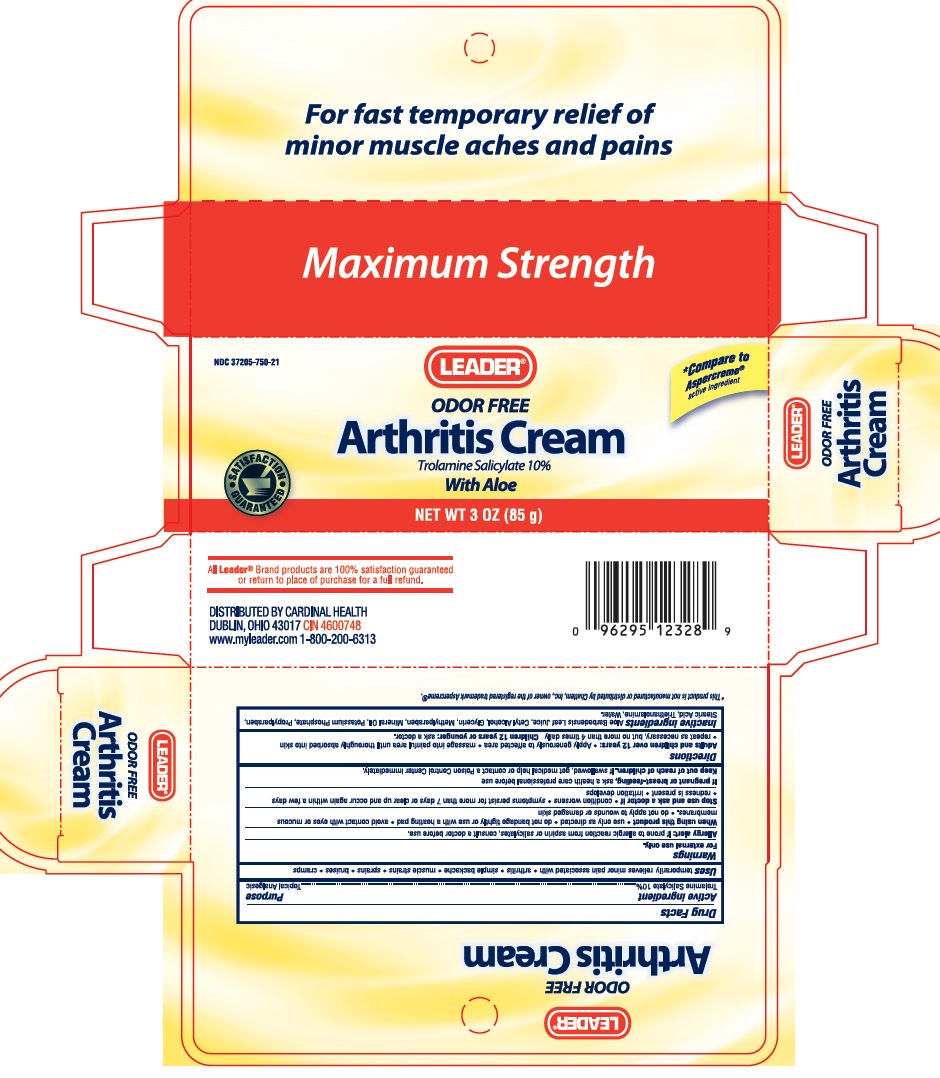
  • Arthritis Leader
    Arthritis Leader (Trolamine Salicylate) Cream [Cardinal Health]

    Arthritis Leader

    Arthritis Leader (Trolamine Salicylate) Cream [Cardinal Health]

    Directions

    Adults and children over 12 years of age:  apply generously to affected area, massage into painful area until thoroughly absorbed into skin, repeat as necessary, but not more than 4 times daily.  Children 12 years or younger:  ask a doctor.

  • Carbamazepine Tablet, Extended Release [Cardinal Health]

    Carbamazepine

    Carbamazepine Tablet, Extended Release [Cardinal Health]

    (SEE TABLE BELOW)

    Carbamazepine suspension in combination with liquid chlorpromazine or thioridazine results in precipitate formation, and, in the case of chlorpromazine, there has been a report of a patient passing an orange rubbery precipitate in the stool following coadministration of the two drugs. (see PRECAUTIONS, Drug Interactions). Because the extent to which this occurs with other liquid medications is not known, carbamazepine suspension should not be administered simultaneously with other liquid medications or diluents.

    Monitoring of blood levels has increased the efficacy and safety of anticonvulsants (see PRECAUTIONS, Laboratory Tests). Dosage should be adjusted to the needs of the individual patient. A low initial daily dosage with a gradual increase is advised. As soon as adequate control is achieved, the dosage may be reduced very gradually to the minimum effective level. Medication should be taken with meals.

    Since a given dose of carbamazepine suspension will produce higher peak levels than the same dose given as the tablet, it is recommended to start with low doses (children 6 to 12 years: 1/2 teaspoon q.i.d.) and to increase slowly to avoid unwanted side effects.

    Conversion of patients from oral carbamazepine tablets to carbamazepine suspension: Patients should be converted by administering the same number of mg per day in smaller, more frequent doses (i.e., b.i.d. tablets to t.i.d. suspension).

    Carbamazepine extended-release tablets is an extended-release formulation for twice-a-day administration. When converting patients from carbamazepine conventional tablets to carbamazepine extended-release tablets, the same total daily mg dose of carbamazepine extended-release tablets should be administered. Carbamazepine extended-release tablets must be swallowed whole and never crushed or chewed. Carbamazepine extended-release tablets should be inspected for chips or cracks. Damaged tablets should not be consumed.

    Epilepsy

    (SEE INDICATIONS AND USAGE)

    Adults and children over 12 years of age-Initial: Either 200 mg b.i.d. for tablets and extended-release tablets, or 1 teaspoon q.i.d. for suspension (400 mg/day). Increase at weekly intervals by adding up to 200 mg/day using a b.i.d. regimen of carbamazepine extended-release tablets or a t.i.d. or q.i.d. regimen of the other formulations until the optimal response is obtained. Dosage generally should not exceed 1000 mg daily in children 12 to 15 years of age, and 1200 mg daily in patients above 15 years of age. Doses up to 1600 mg daily have been used in adults in rare instances.

    Maintenance: Adjust dosage to the minimum effective level, usually 800 to 1200 mg daily.

    Children 6 to 12 years of age-Initial: Either 100 mg b.i.d. for tablets or extended-release tablets, or 1/2 teaspoon q.i.d. for suspension (200 mg/day). Increase at weekly intervals by adding up to 100 mg/day using a b.i.d. regimen of carbamazepine extended-release tablets or a t.i.d. or q.i.d. regimen of the other formulations until the optimal response is obtained. Dosage generally should not exceed 1000 mg daily. Maintenance: Adjust dosage to the minimum effective level, usually 400 to 800 mg daily.

    Children under 6 years of age-Initial: 10 to 20 mg/kg/day b.i.d. or t.i.d. as tablets, or q.i.d. as suspension. Increase weekly to achieve optimal clinical response administered t.i.d. or q.i.d. Maintenance: Ordinarily, optimal clinical response is achieved at daily doses below 35 mg/kg. If satisfactory clinical response has not been achieved, plasma levels should be measured to determine whether or not they are in the therapeutic range. No recommendation regarding the safety of carbamazepine for use at doses above 35 mg/kg/24 hours can be made.

    Combination Therapy: Carbamazepine may be used alone or with other anticonvulsants. When added to existing anticonvulsant therapy, the drug should be added gradually while the other anticonvulsants are maintained or gradually decreased, except phenytoin, which may have to be increased (see PRECAUTIONS, Drug Interactions, and Pregnancy Category D).

    Trigeminal Neuralgia

    (SEE INDICATIONS AND USAGE)

    Initial: On the first day, either 100 mg b.i.d. for tablets or extended-release tablets, or 1/2 teaspoon q.i.d. for suspension, for a total daily dose of 200 mg. This daily dose may be increased by up to 200 mg/day using increments of 100 mg every 12 hours for tablets or extended-release tablets, or 50 mg (1/2 teaspoon) q.i.d. for suspension, only as needed to achieve freedom from pain. Do not exceed 1200 mg daily. Maintenance: Control of pain can be maintained in most patients with 400 to 800 mg daily. However, some patients may be maintained on as little as 200 mg daily, while others may require as much as 1200 mg daily. At least once every 3 months throughout the treatment period, attempts should be made to reduce the dose to the minimum effective level or even discontinue the drug.

    Dosage Information Initial Dose Subsequent Dose Maximum Daily Dose Indication Tablet* XR† Suspension Tablet* XR† Suspension Tablet* XR† Suspension * Tablet = Chewable or conventional tablets. † XR = Carbamazepine extended-release tablets Epilepsy Under 6 yr 10 to 20 mg/kg/day b.i.d. or t.i.d. 10 to 20 mg/kg/day q.i.d. Increase weekly to achieve optimal clinical response, t.i.d. or q.i.d. Increase weekly to achieve optimal clinical response, t.i.d. or q.i.d. 35 mg/kg/24 hr (see Dosage and Administration section above) 35 mg/kg/24 hr (see Dosage and Administration section above) 6 to 12 yr 100 mg b.i.d. (200 mg/day) 100 mg b.i.d. (200 mg/day) ½ tsp q.i.d. (200 mg/day) Add up to 100 mg/day at weekly intervals, t.i.d. or q.i.d. Add 100 mg/day at weekly intervals, b.i.d. Add up to 1 tsp (100 mg)/day at weekly intervals, t.i.d. or q.i.d. 1000 mg/24 hr Over 12 yr 200 mg b.i.d. (400 mg/day) 200 mg b.i.d. (400 mg/day) 1 tsp q.i.d. (400 mg/day) Add up to 200 mg/day at weekly intervals, t.i.d. or q.i.d. Add up to 200 mg/day at weekly intervals, b.i.d. Add up to 2 tsp (200 mg)/day at weekly intervals, t.i.d. or q.i.d. 1000 mg/24 hr (12 to 15 yr) 1200 mg/24 hr (> 15 yr) 1600 mg/24 hr (adults, in rare instances) Trigeminal Neuralgia 100 mg b.i.d. (200 mg/day) 100 mg b.i.d. (200 mg/day) ½ tsp q.i.d. (200 mg/day) Add up to 200 mg/day in increments of 100 mg every 12 hr Add up to 200 mg/day in increments of 100 mg every 12 hr Add up to 2 tsp (200 mg)/day in increments of 50 mg (½ tsp) q.i.d. 1200 mg/24 hr
  • Leader Antifungal Tolna...
    Leader Antifungal Tolnaftate (Tolnaftate) Cream [Cardinal Health]

    Leader Antifungal Tolnaftate

    Leader Antifungal Tolnaftate (Tolnaftate) Cream [Cardinal Health]

    DISTRIBUTED BY CARDINAL HEALTH

    DUBLIN, OHIO 43017

    CIN 2534121

    www.myleader.com

    1-800-200-6313

    Made in Korea

  • Multi-symptom Cold Relief (Acetaminophen, Chlorpehniramine Hcl, Dextromethorphan Hbr, Phenylephrine Hcl) Kit [Wal-mart Stores Inc]

    Multi-symptom Cold Relief

    Multi-symptom Cold Relief (Acetaminophen, Chlorpehniramine Hcl, Dextromethorphan Hbr, Phenylephrine Hcl) Kit [Wal-mart Stores Inc]

    Adults: The usual dose is one 5-mg tablet two to three times a day. The maximum recommended dose is one 5-mg tablet four times a day. A lower starting dose of 2.5 mg two or three times a day is recommended for the frail elderly.

    Pediatric patients over 5 years of age: The usual dose is one 5-mg tablet two times a day. The maximum recommended dose is one 5-mg tablet three times a day.

  • Chlorpheniramine Maleate Tablet [Cardinal Health]

    Chlorpheniramine Maleate

    Chlorpheniramine Maleate Tablet [Cardinal Health]

    (4 Hour) adults and children 12 years of age and over 1 tablet every 4 to 6 hours. Do not take more than 6 tablets in 24 hours. children 6 to under 12 years of age

    1/2 tablet (break tablet in half) every 4 to 6 hours. Do not exceed 3 whole tablets in 24 hours.

    children under 6 years of age do not use this product in children under 6 years of age
  • Leader Ibuprofen Pm
    Leader Ibuprofen Pm (Diphenhydramine Citrate, Ibuprofen) Tablet, Coated [Cardinal Health]

    Leader Ibuprofen Pm

    Leader Ibuprofen Pm (Diphenhydramine Citrate, Ibuprofen) Tablet, Coated [Cardinal Health]

    • do not take more than directed • adults and children 12 years and over: take 2 caplets at bedtime • do not take more than 2 caplets in 24 hours

  • Leader Acid Reducer Com...
    Leader Acid Reducer Complete (Famotidine, Calcium Carbonate, Magnesium Hydroxide) Tablet, Chewable [Cardinal Health]

    Leader Acid Reducer Complete

    Leader Acid Reducer Complete (Famotidine, Calcium Carbonate, Magnesium Hydroxide) Tablet, Chewable [Cardinal Health]

    • adults and children 12 years and over: • do not swallow tablet whole: chew completely • to relieve symptoms, chew 1 tablet before swallowing • do not use more than 2 chewable tablets in 24 hours • children under 12 years: ask a doctor

  • Leader Acid Reducer Com...
    Leader Acid Reducer Complete (Famotidine, Calcium Carbonate And Magnesium Hydroxide) Tablet, Chewable [Cardinal Health]

    Leader Acid Reducer Complete

    Leader Acid Reducer Complete (Famotidine, Calcium Carbonate And Magnesium Hydroxide) Tablet, Chewable [Cardinal Health]

    • adults and children 12 years and over: • do not swallow tablet whole: chew completely • to relieve symptoms, chew 1 tablet before swallowing • do not use more than 2 chewable tablets in 24 hours • children under 12 years: ask a doctor

  • Leader Nite Time
    Leader Nite Time (Acetaminophen, Dextromethorphan Hydrobromide, Doxylamine Succinate) Capsule, Liquid Filled [Cardinal Health]

    Leader Nite Time

    Leader Nite Time (Acetaminophen, Dextromethorphan Hydrobromide, Doxylamine Succinate) Capsule, Liquid Filled [Cardinal Health]

    • take only as directed – see Liver warning • do not exceed 8 softgels per 24 hours

    adults & children 12 yrs & over

    2 softgels with water every 6 hrs

    children 4 to under 12 yrs

    ask a doctor

    children under 4 yrs

    do not use

    • when using other Daytime or Nighttime products, carefully read each label to insure correct dosing
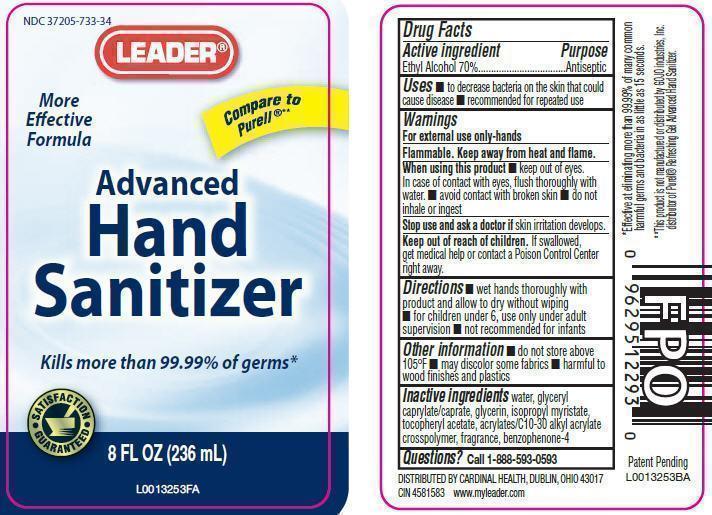
  • Hand Sanitizer (Alcohol) Gel [Cardinal Health]

    Hand Sanitizer

    Hand Sanitizer (Alcohol) Gel [Cardinal Health]

    Directions

    wet hands thoroughly with product and allow to dry witout wiping for children under 6, use only under adult supervision not recommended for infants
  • Leader Cold Head Conges...
    Leader Cold Head Congestion (Acetaminophen, Dextromethorphan Hbr, Guaifenesin, Phenylephrine Hcl) Tablet, Coated [Cardinal Health]

    Leader Cold Head Congestion

    Leader Cold Head Congestion (Acetaminophen, Dextromethorphan Hbr, Guaifenesin, Phenylephrine Hcl) Tablet, Coated [Cardinal Health]

    Directions

    • do not take more than directed (see Liver warning)

    adults and children 12 years and over

    • take 2 caplets every 4 hours • swallow whole – do not crush, chew or dissolve • do not take more than 10 caplets in 24 hours

    children under 12 years

    ask a doctor

  • Leader Cough Dm (Dextromethorphan Polistirex) Suspension [Cardinal Health]

    Leader Cough Dm

    Leader Cough Dm (Dextromethorphan Polistirex) Suspension [Cardinal Health]

    • shake bottle well before use • measure only with dosing cup provided. Do not use dosing cup with other products. • dose as follows or as directed by doctor • mL = milliliter

    adults and children 12 years of age and over

    10 mL every 12 hours, not to exceed 20 mL in 24 hours

    children 6 to under 12 years of age

    5 mL every 12 hours, not to exceed 10 mL in 24 hours

    children 4 to under 6 years of age

    2.5 mL every 12 hours, not to exceed 5 mL in 24 hours

    children under 4 years of age

    do not use

  • Clarins Skin Illusion Spf 10 Natural Radiance Foundation Tint 112 (Titanium Dioxide) Liquid [Laboratoires Clarins S.a.]

    Clarins Skin Illusion Spf 10 Natural Radiance Foundation Tint 112

    Clarins Skin Illusion Spf 10 Natural Radiance Foundation Tint 112 (Titanium Dioxide) Liquid [Laboratoires Clarins S.a.]

    Clean the affected area, apply a small amount of this product (an amount equal to the surface area of the tip of a finger) on the area 1 to 3 times daily, may be coved with a sterile bandage

  • Leader Stomach Relief
    Leader Stomach Relief (Bismuth Subsalicylate) Liquid [Cardinal Health]

    Leader Stomach Relief

    Leader Stomach Relief (Bismuth Subsalicylate) Liquid [Cardinal Health]

    • shake well before use • for accurate dosing, use dose cup • adults and children 12 years and over: 1 dose (2 Tbsp or 30 mL) every 1/2 to 1 hour as needed • do not exceed 8 doses (16 Tbsp or 240 mL) in 24 hours • use until diarrhea stops but not more than 2 days • children under 12 years: ask a doctor • drink plenty of clear fluids to help prevent dehydration caused by diarrhea

  • Saline Laxative (Sodium Phosphate) Enema [Cardinal Health]

    Saline Laxative

    Saline Laxative (Sodium Phosphate) Enema [Cardinal Health]

    Do not use more unless directed by a doctor. See Warnings.

    adults & children

    12 years and over

    one bottle once daily

    children 2 to under

    12 years

    1/2 bottle once daily

    children under

    2 years

    do not use

    CAUTION:

    Remove green protective shield before inserting. Hold bottle upright, grasping bottle cap with fingers. Grasp protective shield with other hand and pull gently to remove.

    Positioning:

    Left-side position: lie on left side with knee bent and arms at rest.

    Knee-chest position: kneel, then lower head and chest forward until left side of face is resting on surface. Position arms comfortably.

    Administering enema:

    with steady pressure, gently insert enema with tip pointing toward navel. squeeze bottle until recommended dose is expelled (it is not necessary to empty unit completely. Bottle contains more liquid than needed for effective use. A small amount of liquid will remain in bottle after squeezing). remove tip from rectum stop using if tip is hard to insert. Forcing the tip into the rectum can cause injury (especially if you have hemorrhoids). If enema tip causes rectal bleeding or pain, get immediate medical care. maintain position until urge to evacuate is strong (usually 1 to 5 minutes) if no urge is felt after 5 minutes of using, try to empty bowel. Call a doctor promptly if no liquid comes out of the rectum after 30 minutes because dehydration could occur.
  • Leader Antacid Maximum ...
    Leader Antacid Maximum Strength (Aluminum Hydroxide, Magnesium Hydroxide, Simethicone) Liquid [Cardinal Health]

    Leader Antacid Maximum Strength

    Leader Antacid Maximum Strength (Aluminum Hydroxide, Magnesium Hydroxide, Simethicone) Liquid [Cardinal Health]

    • shake well before using • adults and children 12 years and older: take 2 to 4 teaspoonsful two times a day or as directed by a physician • do not take more than 8 teaspoonsful in 24 hours or use the maximum dosage for more than 2 weeks • children under 12 years: consult a physician

  • Anti-itch (Men-phor) Lotion [Cardinal Health]

    Anti-itch

    Anti-itch (Men-phor) Lotion [Cardinal Health]

    Apply two or three times daily

  • Leader Sore Throat (Phenol) Spray [Cardinal Health]

    Leader Sore Throat

    Leader Sore Throat (Phenol) Spray [Cardinal Health]

    Adults and children 3 years of age and older:

    • apply to the affected area (one spray) • allow to remain in place for at least 15 seconds, then spit out • use every 2 hours or as directed by a doctor or dentist. Children under 12 years of age should be supervised in the use of this product.

    Children under 3 years of age: consult a doctor or dentist

  • Non-drowsy Cold Multi-symptom Severe (Acetaminophen, Phenylephrine Hcl, Dextromethorphan Hbr And Guiafenesin) Tablet, Coated [Fred’s, Inc.]

    Non-drowsy Cold Multi-symptom Severe

    Non-drowsy Cold Multi-symptom Severe (Acetaminophen, Phenylephrine Hcl, Dextromethorphan Hbr And Guiafenesin) Tablet, Coated [Fred’s, Inc.]

    2.1General Instructions for Use

    To minimize the risk of seizure, increase the dose gradually [see Warnings and Precautions (5.3)]. Increases in dose should not exceed 100 mg/day in a 3-day period. Bupropion hydrochloride tablets should be swallowed whole and not crushed, divided, or chewed. Bupropion hydrochloride tablets may be taken with or without food.

    The recommended starting dose is 200 mg/day, given as 100 mg twice daily. After 3 days of dosing, the dose may be increased to 300 mg/day, given as 100 mg 3 times daily, with at least 6 hours between successive doses. Dosing above 300 mg/day may be accomplished using the 75 mg or 100 mg tablets.

    A maximum of 450 mg/day, given in divided doses of not more than 150 mg each, may be considered for patients who show no clinical improvement after several weeks of treatment at 300 mg/day. Administer the 100 mg tablet 4 times daily to not exceed the limit of 150 mg in a single dose.

    It is generally agreed that acute episodes of depression require several months or longer of antidepressant drug treatment beyond the response in the acute episode. It is unknown whether the dose of bupropion hydrochloride tablets needed for maintenance treatment is identical to the dose that provided an initial response. Periodically reassess the need for maintenance treatment and the appropriate dose for such treatment.

    2.2Dose Adjustment in Patients with Hepatic Impairment

    In patients with moderate to severe hepatic impairment (Child-Pugh score: 7 to 15), the maximum dose of bupropion hydrochloride tablets is 75 mg/day. In patients with mild hepatic impairment (Child-Pugh score: 5 to 6), consider reducing the dose and/or frequency of dosing [see Use in Specific Populations (8.7) and Clinical Pharmacology (12.3)].

    2.3Dose Adjustment in Patients with Renal Impairment

    Consider reducing the dose and/or frequency of bupropion hydrochloride tablets in patients with renal impairment (Glomerular Filtration Rate < 90 mL/min) [see Use in Specific Populations (8.6) and Clinical Pharmacology (12.3)].

    2.4Switching a Patient to or from a Monoamine Oxidase Inhibitor (MAOI) Antidepressant

    At least 14 days should elapse between discontinuation of an MAOI intended to treat depression and initiation of therapy with bupropion hydrochloride tablets. Conversely, at least 14 days should be allowed after stopping bupropion hydrochloride tablets before starting an MAOI antidepressant [see Contraindications (4) and Drug Interactions (7.6)].

    2.5Use of Bupropion Hydrochloride Tablets with Reversible MAOIs such as Linezolid or Methylene Blue

    Do not start bupropion hydrochloride tablets in a patient who is being treated with a reversible MAOI such as linezolid or intravenous methylene blue. Drug interactions can increase the risk of hypertensive reactions. In a patient who requires more urgent treatment of a psychiatric condition, non-pharmacological interventions, including hospitalization, should be considered [see Contraindications (4) and Drug Interactions (7.6)].

    In some cases, a patient already receiving therapy with bupropion hydrochloride tablets may require urgent treatment with linezolid or intravenous methylene blue. If acceptable alternatives to linezolid or intravenous methylene blue treatment are not available and the potential benefits of linezolid or intravenous methylene blue treatment are judged to outweigh the risks of hypertensive reactions in a particular patient, bupropion hydrochloride tablets should be stopped promptly, and linezolid or intravenous methylene blue can be administered. The patient should be monitored for 2 weeks or until 24 hours after the last dose of linezolid or intravenous methylene blue, whichever comes first. Therapy with bupropion hydrochloride tablets may be resumed 24 hours after the last dose of linezolid or intravenous methylene blue.

    The risk of administering methylene blue by non-intravenous routes (such as oral tablets or by local injection) or in intravenous doses much lower than 1 mg/kg with bupropion hydrochloride tablets is unclear. The clinician should, nevertheless, be aware of the possibility of a drug interaction with such use [see Contraindications (4) and Drug Interactions (7.6)].

  • Hand Sanitizer (Alcohol) Gel [Cardinal Health]

    Hand Sanitizer

    Hand Sanitizer (Alcohol) Gel [Cardinal Health]

    Directions

    wet hands thoroghly with product and allow to dry without wiping for children under 6, use only under adult supervision not recommended for infants
  • Milk Of Magnesia (Magnesium Hydroxide) Liquid [Meijer Distribution Inc]

    Milk Of Magnesia

    Milk Of Magnesia (Magnesium Hydroxide) Liquid [Meijer Distribution Inc]

    Taking theophylline extended-release tablets immediately after a high-fat content meal may result in a somewhat higher Cmax and delayed Tmax, and somewhat greater extent of absorption. However, the differences are usually not great and this product may normally be administered without regard to meals (see CLINICAL PHARMACOLOGY, Drug Interactions, Drug-Food Interactions).

    Theophylline extended-release tablets are recommended for chronic or long-term management and prevention of symptoms, and not for use in treating acute symptoms of asthma and reversible bronchospasm.

    General Considerations

    The steady-state peak serum theophylline concentration is a function of the dose, the dosing interval, and the rate of theophylline absorption and clearance in the individual patient. Because of marked individual differences in the rate of theophylline clearance, the dose required to achieve a peak serum theophylline concentration in the 10 to 20 mcg/mL range varies fourfold among otherwise similar patients in the absence of factors known to alter theophylline clearance (e.g., 400 to 1600 mg/day in adults <60 years old and 10 to 36 mg/kg/day in children 1 to 9 years old). For a given population there is no single theophylline dose that will provide both safe and effective serum concentrations for all patients. Administration of the median theophylline dose required to achieve a therapeutic serum theophylline concentration in a given population may result in either subtherapeutic or potentially toxic serum theophylline concentrations in individual patients. For example, at a dose of 900 mg/d in adults <60 years or 22 mg/kg/d in children 1 to 9 years, the steady-state peak serum theophylline concentration will be <10 mcg/mL in about 30% of patients, 10 to 20 mcg/mL in about 50% and 20 to 30 mcg/mL in about 20% of patients. The dose of theophylline must be individualized on the basis of peak serum theophylline concentration measurements in order to achieve a dose that will provide maximum potential benefit with minimal risk of adverse effects.

    Transient caffeine-like adverse effects and excessive serum concentrations in slow metabolizers can be avoided in most patients by starting with a sufficiently low dose and slowly increasing the dose, if judged to be clinically indicated, in small increments (see Table V). Dose increases should only be made if the previous dosage is well tolerated and at intervals of no less than 3 days to allow serum theophylline concentrations to reach the new steady state. Dosage adjustment should be guided by serum theophylline concentration measurement (see PRECAUTIONS, Laboratory Tests and DOSAGE AND ADMINISTRATION, Table VI). Health care providers should instruct patients and care givers to discontinue any dosage that causes adverse effects, to withhold the medication until these symptoms are gone and to then resume therapy at a lower, previously tolerated dosage (see WARNINGS).

    If the patient’s symptoms are well controlled, there are no apparent adverse effects, and no intervening factors that might alter dosage requirements (see WARNINGS and PRECAUTIONS), serum theophylline concentrations should be monitored at 6 month intervals for rapidly growing children and at yearly intervals for all others. In acutely ill patients, serum theophylline concentrations should be monitored at frequent intervals, e.g. every 24 hours.

    Theophylline distributes poorly into body fat, therefore, mg/kg dose should be calculated on the basis of ideal body weight.

    Table V contains theophylline dosing titration schema recommended for patients in various age groups and clinical circumstances. Table VI contains recommendations for theophylline dosage adjustment based upon serum theophylline concentrations. Application of these general dosing recommendations to individual patients must take into account the unique clinical characteristics of each patient. In general, these recommendations should serve as the upper limit for dosage adjustments in order to decrease the risk of potentially serious adverse events associated with unexpected large increases in serum theophylline concentration.

    Table V. Dosing initiation and titration (as anhydrous theophylline).* * Patients with more rapid metabolism, clinically identified by higher than average dose requirements, should receive a smaller dose more frequently (every 8 hours) to prevent breakthrough symptoms resulting from low trough concentrations before the next dose.

     A.

     Children (6 to 15 years) and adults (16 to 60 years) without risk factors for impaired clearance.


    Titration Step

     Children <45 kg

     Children >45 kg and adults

     1.


    Starting Dosage


    12 to 14 mg/kg/day up

    to a maximum of

    300 mg/day divided

    Q12 hrs*  

     300 mg/day divided Q12 hrs*  

     2.


    After 3 days,

    if tolerated,

    increase dose to:


    16 mg/kg/day up

    to a maximum of

    400 mg/day divided

    Q12 hrs*   


    400 mg/day divided

    Q12 hrs*  

     3.


    After 3 more days,

    if tolerated,

    increase dose to:


    20 mg/kg/day up to

    a maximum of

    600 mg/day

    divided Q12 hrs*   


    600 mg/day divided

    Q12 hrs*   

     B.


    Patients With Risk Factors For Impaired Clearance, The Elderly (>60 Years), And Those In Whom It Is Not Feasible To Monitor Serum Theophylline Concentrations:

    In children 6 to 15 years of age, the final theophylline dose should not exceed 16 mg/kg/day up to a maximum of 400 mg/day in the presence of risk factors for reduced theophylline clearance (see WARNINGS) or if it is not feasible to monitor serum theophylline concentrations.

    In adolescents ≥16 years and adults, including the elderly, the final theophylline dose should not exceed 400 mg/day in the presence of risk factors for reduced theophylline clearance (see WARNINGS) or if it is not feasible to monitor serum theophylline concentrations.

    Table VI. Dosage adjustment guided by serum theophylline concentration. * Dose reduction and/or serum theophylline concentration measurement is indicated whenever adverse effects are present, physiologic abnormalities that can reduce theophylline clearance occur (e.g., sustained fever), or a drug that interacts with theophylline is added or discontinued (see WARNINGS).


    Peak Serum

    Concentration


    Dosage Adjustment

     <9.9 mcg/mL

     If symptoms are not controlled and current dosage is tolerated, increase dose about 25%. Recheck serum concentration after three days for further dosage adjustment.

     10 to 14.9 mcg/mL


    If symptoms are controlled and current dosage is tolerated, maintain dose and recheck serum concentration at 6 to 12 month intervals.*

    If symptoms are not controlled and current dosage is tolerated consider adding additional medication(s) to treatment regimen.

     15 to 19.9 mcg/mL

     Consider 10% decrease in dose to provide greater margin of safety even if current dosage is tolerated.*

     20 to 24.9 mcg/mL

     Decrease dose by 25% even if no adverse effects are present. Recheck serum concentration after 3 days to guide further dosage adjustment.

     25 to 30 mcg/mL

     Skip next dose and decrease subsequent doses at least 25% even if no adverse effects are present. Recheck serum concentration after 3 days to guide further dosage adjustment. If symptomatic, consider whether overdose treatment is indicated (see recommendations for chronic overdosage).

     >30 mcg/mL

     Treat overdose as indicated (see recommendations for chronic overdosage). If theophylline is subsequently resumed, decrease dose by at least 50% and recheck serum concentration after 3 days to guide further dosage adjustment.

    Once-Daily Dosing

    The slow absorption rate of this preparation may allow once-daily administration in adult non-smokers with appropriate total body clearance and other patients with low dosage requirements. Once-daily dosing should be considered only after the patient has been gradually and satisfactorily titrated to therapeutic levels with q12h dosing. Once-daily dosing should be based on twice the q12h dose and should be initiated at the end of the last q12h dosing interval. The trough concentration (Cmin) obtained following conversion to once-daily dosing may be lower (especially in high clearance patients) and the peak concentration (Cmax) may be higher (especially in low clearance patients) than that obtained with q12h dosing. If symptoms recur, or signs of toxicity appear during the once-daily dosing interval, dosing on the q12h basis should be reinstituted.

    It is essential that serum theophylline concentrations be monitored before and after transfer to once-daily dosing.

    Food and posture, along with changes associated with circadian rhythm, may influence the rate of absorption and/or clearance rates of theophylline from extended-release dosage forms administered at night. The exact relationship of these and other factors to nighttime serum concentrations and the clinical significance of such findings require additional study. Therefore, it is not recommended that theophylline extended-release once-daily dosing be administered at night.