Cardinal Health

Manufacturer Details

There are currently no manufacturer details available.

Share This Page

Cardinal Health Drugs

  • Tricor (Fenofibrate) Tablet [Cardinal Health]

    Tricor

    Tricor (Fenofibrate) Tablet [Cardinal Health]

    2.1 General Considerations

    Patients should be placed on an appropriate lipid-lowering diet before receiving TRICOR, and should continue this diet during treatment with TRICOR. TRICOR tablets can be given without regard to meals.

    The initial treatment for dyslipidemia is dietary therapy specific for the type of lipoprotein abnormality. Excess body weight and excess alcoholic intake may be important factors in hypertriglyceridemia and should be addressed prior to any drug therapy. Physical exercise can be an important ancillary measure. Diseases contributory to hyperlipidemia, such as hypothyroidism or diabetes mellitus should be looked for and adequately treated. Estrogen therapy, thiazide diuretics and beta-blockers, are sometimes associated with massive rises in plasma triglycerides, especially in subjects with familial hypertriglyceridemia. In such cases, discontinuation of the specific etiologic agent may obviate the need for specific drug therapy of hypertriglyceridemia.

    Lipid levels should be monitored periodically and consideration should be given to reducing the dosage of TRICOR if lipid levels fall significantly below the targeted range.

    Therapy should be withdrawn in patients who do not have an adequate response after two months of treatment with the maximum recommended dose of 145 mg once daily.

    2.2 Primary Hypercholesterolemia or Mixed Dyslipidemia

    The initial dose of TRICOR is 145 mg once daily.

    2.3 Severe Hypertriglyceridemia

    The initial dose is 48 to 145 mg per day. Dosage should be individualized according to patient response, and should be adjusted if necessary following repeat lipid determinations at 4 to 8 week intervals. The maximum dose is 145 mg once daily.

    2.4 Impaired Renal Function

    Treatment with TRICOR should be initiated at a dose of 48 mg/day in patients having mild to moderately impaired renal function, and increased only after evaluation of the effects on renal function and lipid levels at this dose. The use of TRICOR should be avoided in patients with severe renal impairment [see Use in Specific Populations (8.6) and Clinical Pharmacology (12.3)].

    2.5 Geriatric Patients

    Dose selection for the elderly should be made on the basis of renal function [see Use in Specific Populations (8.5)].

  • Propylthiouracil Tablet [Cardinal Health]

    Propylthiouracil

    Propylthiouracil Tablet [Cardinal Health]

    Propylthiouracil is administered orally. The total daily dosage is usually given in 3 equal doses at approximately 8-hour intervals.

    Adults

    The initial dose is 300 mg daily. In patients with severe hyperthyroidism, very large goiters, or both, the initial dose may be increased to 400 mg daily; an occasional patient will require 600 to 900 mg daily initially. The usual maintenance dose is 100 to 150 mg daily. In general, dose selection for an elderly patient should be cautious, reflecting the greater frequency of decreased hepatic, renal, or cardiac function, and of concomitant disease or other drug therapy.

    Pediatric Patients

    Propylthiouracil is generally not recommended for use in the pediatric patient population except in rare instances in which other alternative therapies are not appropriate options. Studies evaluating appropriate dosing regimen have not been conducted in the pediatric population although general practice would suggest initiation of therapy in patients 6 years or older at a dosage of 50 mg daily with careful upward titration based on clinical response and evaluation of TSH and free T4 levels. Although cases of severe liver injury have been reported with doses as low as 50 mg/day, most cases were associated with doses of 300 mg/day and higher.

    Geriatric Use

    Clinical studies of propylthiouracil did not include sufficient numbers of subjects aged 65 and over to determine whether they respond differently from younger subjects. Other reported clinical experience has not identified differences in responses between the elderly and younger patients. In general, dose selection for an elderly patient should be cautious, reflecting the greater frequency of decreased hepatic, renal, or cardiac function, and of concomitant disease or other drug therapy.

  • Phenylephrine Hydrochloride Injection, Solution [Cardinal Health]

    Phenylephrine Hydrochloride

    Phenylephrine Hydrochloride Injection, Solution [Cardinal Health]

    Phenylephrine hydrochloride is generally injected subcutaneously, intramuscularly, slowly intravenously, or in dilute solution as a continuous intravenous infusion. In patients with paroxysmal supraventricular tachycardia and, if indicated, in case of emergency, phenylephrine hydrochloride is administered directly intravenously. The dose should be adjusted according to the pressor response.

    Dosage Calculations

    Dose Required 10 mg5 mg1 mg Use Phenylephrine HCl Injection 1% 1 mL0.5 mL0.1 mL

    For convenience in intermittent intravenous administration, dilute 1 mL phenylephrine hydrochloride 1% with 9 mL Sterile Water for Injection, USP, to yield 0.1% phenylephrine hydrochloride.

    Dose Required 0.1 mg0.2 mg0.5 mg Use Diluted Phenylephrine HCI Injection 0.1% 0.1 mL0.2 mL0.5 mL

    Mild or Moderate Hypotension Subcutaneously or lntramuscularly: Usual dose, from 2 mg to 5 mg. Range, from 1 mg to 10 mg. Initial dose should not exceed 5 mg.

    Intravenously: Usual dose, 0.2 mg. Range, from 0.1 mg to 0.5 mg. Initial dose should not exceed 0.5 mg.

    Injections should not be repeated more often than every 10 to 15 minutes. A 5 mg intramuscular dose should raise blood pressure for one to two hours. A 0.5 mg intravenous dose should elevate the pressure for about 15 minutes.

    Severe Hypotension and Shock – Including Drug-Related Hypotension Blood volume depletion should always be corrected as fully as possible before any vasopressor is administered. When, as an emergency measure, intra-aortic pressures must be maintained to prevent cerebral or coronary artery ischemia, phenylephrine hydrochloride can be administered before and concurrently with blood volume replacement.

    Hypotension and occasionally severe shock may result from overdosage or idiosyncrasy following the administration of certain drugs, especially adrenergic and ganglionic blocking agents, rauwolfia and veratrum alkaloids, and phenothiazine tranquilizers. Patients who receive a phenothiazine derivative as preoperative medication are especially susceptible to these reactions. As an adjunct in the management of such episodes, phenylephrine hydrochloride is a suitable agent for restoring blood pressure.

    Higher initial and maintenance doses of phenylephrine hydrochloride are required in patients with persistent or untreated severe hypotension or shock. Hypotension produced by powerful peripheral adrenergic blocking agents, chlorpromazine, or pheochromocytomectomy may also require more intensive therapy.

    Continuous Infusion – Add 10 mg of the drug (1 mL of 1 percent solution) to 500 mL of Dextrose Injection, USP, or Sodium Chloride Injection, USP (providing a 1:50,000 solution). To raise the blood pressure rapidly, start the infusion at about 100 µg to 180 µg per minute (based on 20 drops per mL this would be 100 to 180 drops per minute). When the blood pressure is stabilized (at a low normal level for the individual) a maintenance rate of 40 µg to 60 µg per minute usually suffices (based on 20 drops per mL this would be 40 to 60 drops per minute). If the drop size of the infusion system varies from the 20 drops per mL, the dose must be adjusted accordingly.

    If a prompt initial pressor response is not obtained, additional increments of phenylephrine hydrochloride (10 mg or more) are added to the infusion bottle. The rate of flow is then adjusted until the desired blood pressure level is obtained. (In some cases, a more potent vasopressor, such as norepinephrine bitartrate, may be required.) Hypertension should be avoided. The blood pressure should be checked frequently. Headache and/or bradycardia may indicate hypertension. Arrhythmias are rare.

    Spinal Anesthesia – Hypotension Routine parenteral use of phenylephrine hydrochloride has been recommended for the prophylaxis and treatment of hypotension during spinal anesthesia. It is best administered subcutaneously or intramuscularly three or four minutes before injection of the spinal anesthetic. The total requirement for high anesthetic levels is usually 3 mg, and for lower levels, 2 mg. For hypotensive emergencies during spinal anesthesia, phenylephrine hydrochloride may be injected intravenously, using an initial dose of 0.2 mg. Any subsequent dose should not exceed the previous dose by more than 0.1 mg to 0.2 mg and no more than 0.5 mg should be administered in a single dose.  To combat hypotension during spinal anesthesia in children, a dose of 0.5 mg to 1 mg per 25 pounds body weight, administered subcutaneously or intramuscularly, is recommended.

    Prolongation of Spinal Anesthesia The addition of 2 mg to 5 mg of phenylephrine hydrochloride to the anesthetic solution increases the duration of motor block by as much as approximately 50 percent without any increase in the incidence of complications such as nausea, vomiting, or blood pressure disturbances.

    Vasoconstrictor for Regional Analgesia Concentrations about ten times those employed when epinephrine is used as a vasoconstrictor are recommended. The optimum strength is 1:20,000 (made by adding 1 mg of phenylephrine hydrochloride to every 20 mL of local anesthetic solution). Some pressor responses can be expected when 2 mg or more are injected.

    Paroxysmal Supraventricular Tachycardia Rapid intravenous injection (within 20 to 30 seconds) is recommended;  the initial dose should not exceed 0.5 mg, and subsequent doses, which are determined by the initial blood pressure response, should not exceed the preceding dose by more than 0.1 mg to 0.2 mg, and should never exceed 1 mg.

  • Geodon (Ziprasidone Hydrochloride) Capsule Geodon (Ziprasidone Mesylate) Injection, Powder, Lyophilized, For Solution [Cardinal Health]

    Geodon

    Geodon (Ziprasidone Hydrochloride) Capsule Geodon (Ziprasidone Mesylate) Injection, Powder, Lyophilized, For Solution [Cardinal Health]

    2.1 Schizophrenia

    Dose Selection

    GEODON Capsules should be administered at an initial daily dose of 20 mg twice daily with food. In some patients, daily dosage may subsequently be adjusted on the basis of individual clinical status up to 80 mg twice daily. Dosage adjustments, if indicated, should generally occur at intervals of not less than 2 days, as steady-state is achieved within 1 to 3 days. In order to ensure use of the lowest effective dose, patients should ordinarily be observed for improvement for several weeks before upward dosage adjustment.

    Efficacy in schizophrenia was demonstrated in a dose range of 20 mg to 100 mg twice daily in short-term, placebo-controlled clinical trials. There were trends toward dose response within the range of 20 mg to 80 mg twice daily, but results were not consistent. An increase to a dose greater than 80 mg twice daily is not generally recommended. The safety of doses above 100 mg twice daily has not been systematically evaluated in clinical trials [see Clinical Studies (14.1)].

    Maintenance Treatment

    While there is no body of evidence available to answer the question of how long a patient treated with ziprasidone should remain on it, a maintenance study in patients who had been symptomatically stable and then randomized to continue ziprasidone or switch to placebo demonstrated a delay in time to relapse for patients receiving Geodon. [see Clinical Studies (14.1)]. No additional benefit was demonstrated for doses above 20 mg twice daily. Patients should be periodically reassessed to determine the need for maintenance treatment.

    2.2 Bipolar I Disorder

    Acute Treatment of Manic or Mixed Episodes

    Dose Selection--Oral ziprasidone should be administered at an initial daily dose of 40 mg twice daily with food. The dose may then be increased to 60 mg or 80 mg twice daily on the second day of treatment and subsequently adjusted on the basis of tolerance and efficacy within the range 40 mg–80 mg twice daily. In the flexible-dose clinical trials, the mean daily dose administered was approximately 120 mg [see Clinical Studies (14.2)].

    Maintenance Treatment (as an adjunct to lithium or valproate)

    Continue treatment at the same dose on which the patient was initially stabilized, within the range of 40 mg–80 mg twice daily with food. Patients should be periodically reassessed to determine the need for maintenance treatment. [see Clinical Studies (14.2)]

    2.3 Acute Treatment of Agitation in Schizophrenia

    Intramuscular Dosing

    The recommended dose is 10 mg to 20 mg administered as required up to a maximum dose of 40 mg per day. Doses of 10 mg may be administered every two hours; doses of 20 mg may be administered every four hours up to a maximum of 40 mg/day. Intramuscular administration of ziprasidone for more than three consecutive days has not been studied.

    If long-term therapy is indicated, oral ziprasidone hydrochloride capsules should replace the intramuscular administration as soon as possible.

    Since there is no experience regarding the safety of administering ziprasidone intramuscular to schizophrenic patients already taking oral ziprasidone, the practice of co-administration is not recommended.

    Ziprasidone intramuscular is intended for intramuscular use only and should not be administered intravenously.

    Intramuscular Preparation for Administration

    GEODON for Injection (ziprasidone mesylate) should only be administered by intramuscular injection and should not be administered intravenously. Single-dose vials require reconstitution prior to administration.

    Add 1.2 mL of Sterile Water for Injection to the vial and shake vigorously until all the drug is dissolved. Each mL of reconstituted solution contains 20 mg ziprasidone. To administer a 10 mg dose, draw up 0.5 mL of the reconstituted solution. To administer a 20 mg dose, draw up 1.0 mL of the reconstituted solution. Any unused portion should be discarded. Since no preservative or bacteriostatic agent is present in this product, aseptic technique must be used in preparation of the final solution. This medicinal product must not be mixed with other medicinal products or solvents other than Sterile Water for Injection. Parenteral drug products should be inspected visually for particulate matter and discoloration prior to administration, whenever solution and container permit.

    2.4 Dosing in Special Populations

    Oral: Dosage adjustments are generally not required on the basis of age, gender, race, or renal or hepatic impairment. Geodon is not approved for use in children or adolescents.

    Intramuscular: Ziprasidone intramuscular has not been systematically evaluated in elderly patients or in patients with hepatic or renal impairment. As the cyclodextrin excipient is cleared by renal filtration, ziprasidone intramuscular should be administered with caution to patients with impaired renal function. Dosing adjustments are not required on the basis of gender or race [see Use in Specific Populations (8)].

  • Zolpidem Tartrate Tablet, Film Coated [Cardinal Health]

    Zolpidem Tartrate

    Zolpidem Tartrate Tablet, Film Coated [Cardinal Health]


     The dose of zolpidem tartrate tablets should be individualized.


    2.1 Dosage in adults 

    The recommended dose for adults is 10 mg once daily immediately before bedtime. The total zolpidem tartrate tablets dose should not exceed 10 mg per day.

    2.2 Special populations

    Elderly or debilitated patients may be especially sensitive to the effects of zolpidem tartrate. Patients with hepatic insufficiency do not clear the drug as rapidly as normal subjects. The recommended dose of zolpidem tartrate tablets in both of these patient populations is 5 mg once daily immediately before bedtime. [see Warnings and Precautions (5.6)].

    2.3 Use with CNS depressants

    Dosage adjustment may be necessary when zolpidem tartrate tablets are combined with other CNS depressant drugs because of the potentially additive effects [see Warnings and Precautions (5.5)].

    2.4 Administration

    The effect of zolpidem tartrate tablets may be slowed by ingestion with or immediately after a meal.

  • Ranitidine Tablet [Cardinal Health]

    Ranitidine

    Ranitidine Tablet [Cardinal Health]

    Active Duodenal Ulcer: The current recommended adult dosage of Ranitidine Tablets, USP for duodenal ulcer is 150 mg twice daily. An alternative dosage of 300 mg once daily after the evening meal or at bedtime can be used for patients in whom dosing convenience is important. The advantages of one treatment regimen compared to the other in a particular patient population have yet to be demonstrated (see Clinical Trials: Active Duodenal Ulcer). Smaller doses have been shown to be equally effective in inhibiting gastric acid secretion in US studies, and several foreign trials have shown that 100 mg twice daily is as effective as the 150-mg dose.

    Antacid should be given as needed for relief of pain (see CLINICAL PHARMACOLOGY: Pharmacokinetics).

    Maintenance of Healing of Duodenal Ulcers: The current recommended adult oral dosage is 150 mg at bedtime.

    Pathological Hypersecretory Conditions (such as Zollinger-Ellison syndrome):

    The current recommended adult oral dosage is 150 mg twice a day. In some patients it may be necessary to administer Ranitidine Tablets, USP 150-mg doses more frequently. Dosages should be adjusted to individual patient needs, and should continue as long as clinically indicated. Dosages up to 6 g/day have been employed in patients with severe disease.

    Benign Gastric Ulcer: The current recommended adult oral dosage is 150 mg twice a day.

    Maintenance of Healing of Gastric Ulcers: The current recommended adult oral dosage is 150 mg at bedtime.

    GERD: The current recommended adult oral dosage is 150 mg twice a day.

    Erosive Esophagitis: The current recommended adult oral dosage is 150 mg four times a day.

    Maintenance of Healing of Erosive Esophagitis: The current recommended adult oral dosage is 150 mg twice a day.

    Pediatric Use: The safety and effectiveness of Ranitidine Tablets, USP have been established in the age-group of 1 month to 16 years. There is insufficient information about the pharmacokinetics of Ranitidine Tablets, USP in neonatal patients (less than 1 month of age) to make dosing recommendations.

    The following 3 subsections provide dosing information for each of the pediatric indications.

    Treatment of Duodenal and Gastric Ulcers: The recommended oral dose for the treatment of active duodenal and gastric ulcers is 2 to 4 mg/kg twice daily to a maximum of 300 mg/day. This recommendation is derived from adult clinical studies and pharmacokinetic data in pediatric patients.

    Maintenance of Healing of Duodenal and Gastric Ulcers: The recommended oral dose for the maintenance of healing of duodenal and gastric ulcers is 2 to 4 mg/kg once daily to a maximum of 150 mg/day. This recommendation is derived from adult clinical studies and pharmacokinetic data in pediatric patients.

    Treatment of GERD and Erosive Esophagitis: Although limited data exist for these conditions in pediatric patients, published literature supports a dosage of 5 to 10 mg/kg per day, usually given as two divided doses.

    Dosage Adjustment for Patients With Impaired Renal Function: On the basis of experience with a group of subjects with severely impaired renal function treated with Ranitidine Tablets, USP, the recommended dosage in patients with a creatinine clearance  <50 mL/min is 150 mg every 24 hours. Should the patient's condition require, the frequency of dosing may be increased to every 12 hours or even further with caution. Hemodialysis reduces the level of circulating ranitidine. Ideally, the dosing schedule should be adjusted so that the timing of a scheduled dose coincides with the end of hemodialysis.

    Elderly patients are more likely to have decreased renal function, therefore caution should be exercised in dose selection, and it may be useful to monitor renal function (see CLINICAL PHARMACOLOGY: Pharmacokinetics: Geriatrics and PRECAUTIONS: Geriatric Use).

  • Propylthiouracil Tablet [Cardinal Health]

    Propylthiouracil

    Propylthiouracil Tablet [Cardinal Health]

    Propylthiouracil is administered orally. The total daily dosage is usually given in 3 equal doses at approximately 8-hour intervals.

    Adults: The initial dose is 300 mg daily. In patients with severe hyperthyroidism, very large goiters, or both, the initial dose may be increased to 400 mg daily; an occasional patient will require 600 to 900 mg daily initially. The usual maintenance dosage is 100 to 150 mg daily.

    Pediatric Patients: Propylthiouracil is generally not recommended for use in the pediatric patient population except in rare instances in which other alternative therapies are not appropriate options. Studies evaluating appropriate dosing regimen have not been conducted in the pediatric population although general practice would suggest initiation of therapy in patients 6 years or older at a dosage of 50 mg daily with careful upward titration based on clinical response and evaluation of TSH and free T4 levels. Although cases of severe liver injury have been reported with doses as low as 50 mg/day, most cases were associated with doses of 300 mg/day and higher.

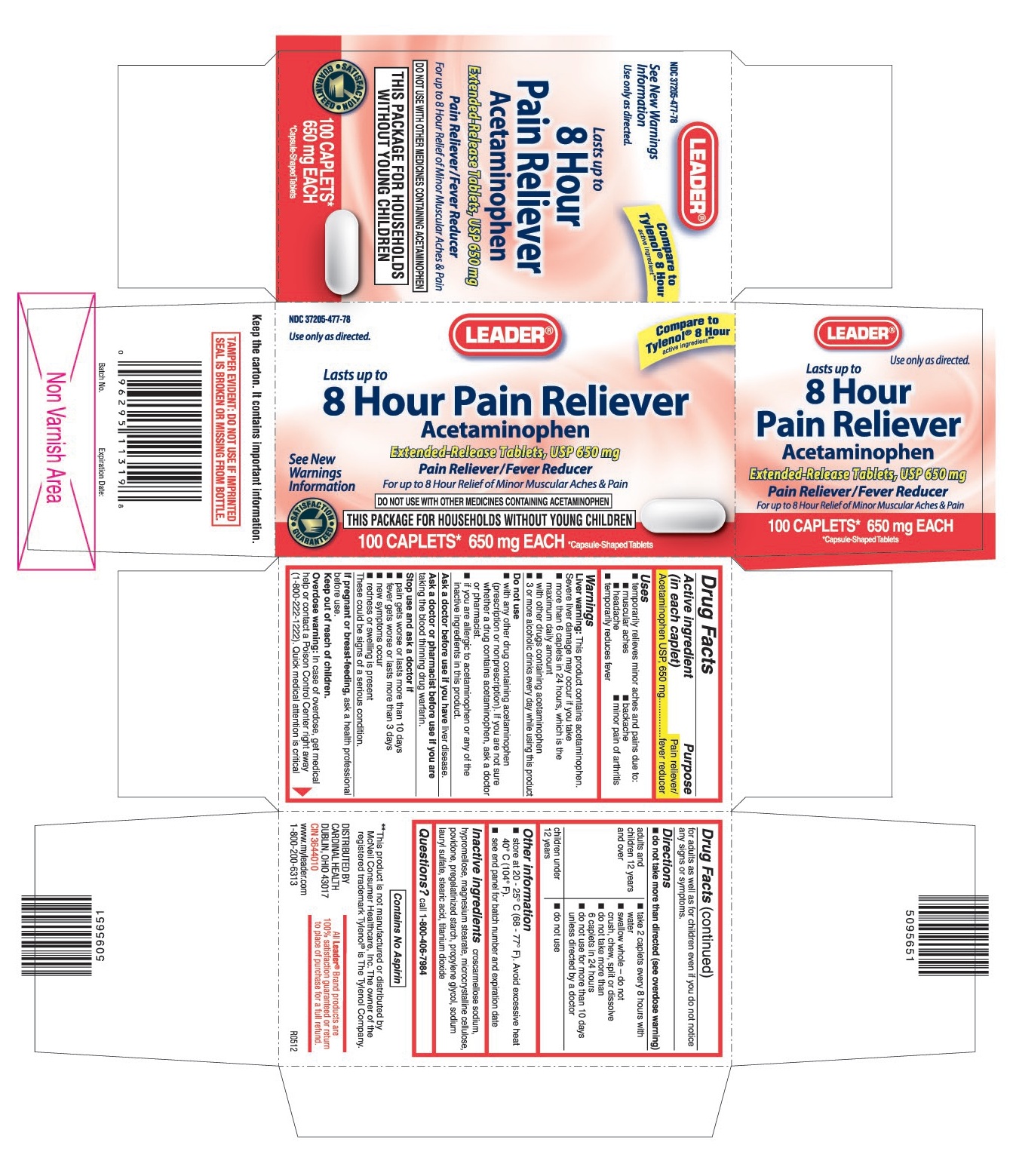
  • Leader 8 Hour Pain Reliever (Acetaminophen) Tablet, Film Coated, Extended Release [Cardinal Health]

    Leader 8 Hour Pain Reliever

    Leader 8 Hour Pain Reliever (Acetaminophen) Tablet, Film Coated, Extended Release [Cardinal Health]

    do not take more than directed (see overdose warning)

    adults and children 12 years and over:

    take 2 caplets every 8 hours with water swallow whole - do not crush, chew, split or dissolve do not take more than 6 caplets in 24 hours do not use for more than 10 days unless directed by a doctor

    children under 12 years:

    do not use
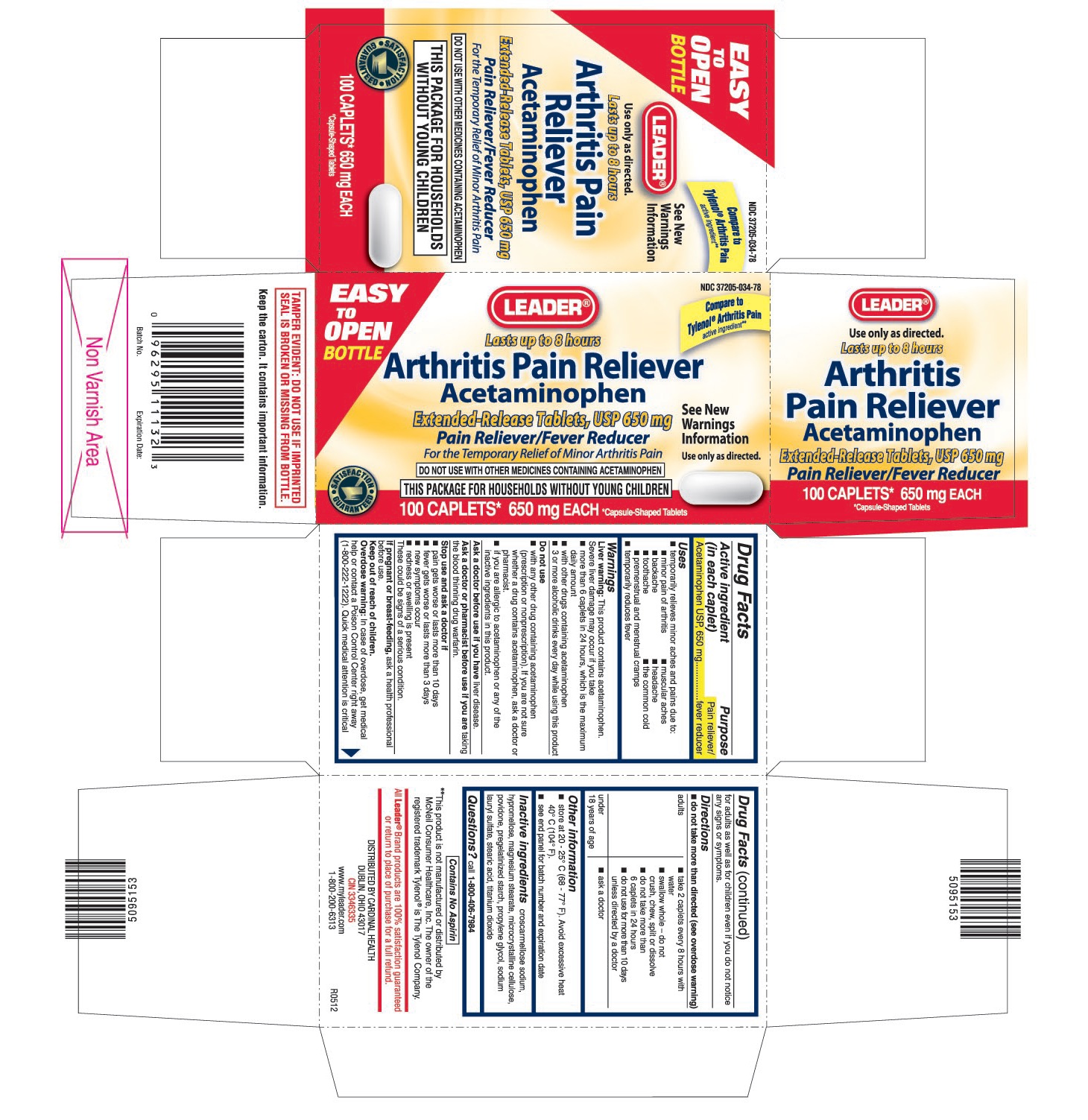
  • Leader Arthritis Pain Reliever (Acetaminophen) Tablet, Film Coated, Extended Release [Cardinal Health]

    Leader Arthritis Pain Reliever

    Leader Arthritis Pain Reliever (Acetaminophen) Tablet, Film Coated, Extended Release [Cardinal Health]

    do not take more than directed (see overdose warning)

    adults:

    take 2 caplets every 8 hours with water swallow whole - do not crush, chew, split or dissolve do not take more than 6 caplets in 24 hours do not use for more than 10 days unless directed by a doctor

    under 18 years of age:

    ask a doctor
  • Leader Ibuprofen (Ibuprofen) Tablet, Coated [Cardinal Health]

    Leader Ibuprofen

    Leader Ibuprofen (Ibuprofen) Tablet, Coated [Cardinal Health]

    do not take more than directed the smallest effective dose should be used

    adults and children 12 years and

    older take 1 caplet every 4 to 6 hours while symptoms persist if pain or fever does not respond to 1 caplet, 2 caplets may be used do not exceed 6 caplets in 24 hours, unless directed by a doctor children under 12 years ask a doctor
  • Leader Anti Nausea
    Leader Anti Nausea (Dextrose (Glucose), Levulose (Fructose), Phosphoric Acid) Liquid [Cardinal Health]

    Leader Anti Nausea

    Leader Anti Nausea (Dextrose (Glucose), Levulose (Fructose), Phosphoric Acid) Liquid [Cardinal Health]

    for maximum effectiveness never dilute or drink fluids of any kind immediately before or after taking this product adults and children 12 years of age and over: one or two tablespoons children 2 to under 12: one or two teaspoons repeat dose every 15 minutes or until distress subsides do not take more than 5 doses in 1 hour without consulting a doctor.

  • Promethazine Vc (Promethazinehydrochloride And Phenylephrine Hydrochloride) Syrup [Preferred Pharmaceuticals, Inc.]

    Promethazine Vc

    Promethazine Vc (Promethazinehydrochloride And Phenylephrine Hydrochloride) Syrup [Preferred Pharmaceuticals, Inc.]

    Therapy with metoclopramide tablets, USP should not exceed 12 weeks in duration.

    For the Relief of Symptomatic Gastroesophageal Reflux

    Administer from 10 mg to 15 mg metoclopramide tablets, USP orally up to q.i.d. 30 minutes before each meal and at bedtime, depending upon symptoms being treated and clinical response (see CLINICAL PHARMACOLOGY and INDICATIONS AND USAGE). If symptoms occur only intermittently or at specific times of the day, use of metoclopramide in single doses up to 20 mg prior to the provoking situation may be preferred rather than continuous treatment.Occasionally, patients (such as elderly patients) who are more sensitive to the therapeutic or adverse effects of metoclopramide will require only 5 mg per dose.

    Experience with esophageal erosions and ulcerations is limited, but healing has thus far been documented in one controlled trial using q.i.d. therapy at 15 mg/dose, and this regimen should be used when lesions are present, so long as it is tolerated (see ADVERSE REACTIONS). Because of the poor correlation between symptoms and endoscopic appearance of the esophagus, therapy directed at esophageal lesions is best guided by endoscopic evaluation.

    Therapy longer than 12 weeks has not been evaluated and cannot be recommended.

    For the Relief of Symptoms Associated with Diabetic Gastroparesis (Diabetic Gastric Stasis)

    Administer 10 mg of metoclopramide 30 minutes before each meal and at bedtime for two to eight weeks, depending upon response and the likelihood of continued well-being upon drug discontinuation.

    The initial route of administration should be determined by the severity of the presenting symptoms. If only the earliest manifestations of diabetic gastric stasis are present, oral administration of metoclopramide tablets, USP may be initiated. However, if severe symptoms are present, therapy should begin with metoclopramide injection (consult labeling of the injection prior to initiating parenteral administration).

    Administration of metoclopramide injection up to 10 days may be required before symptoms subside, at which time oral administration may be instituted. Since diabetic gastric stasis is frequently recurrent, metoclopramide tablets therapy should be reinstituted at the earliest manifestation.

    Use in Patients with Renal or Hepatic Impairment

    Since metoclopramide is excreted principally through the kidneys, in those patients whose creatinine clearance is below 40 mL/min, therapy should be initiated at approximately one-half the recommended dosage. Depending upon clinical efficacy and safety considerations, the dosage may be increased or decreased as appropriate.

    See OVERDOSAGE section for information regarding dialysis.

    Metoclopramide undergoes minimal hepatic metabolism, except for simple conjugation. Its safe use has been described in patients with advanced liver disease whose renal function was normal.

  • Nimodipine Capsule [Cardinal Health]

    Nimodipine

    Nimodipine Capsule [Cardinal Health]

    DO NOT ADMINISTER NIMODIPINE CAPSULES INTRAVENOUSLY OR BY OTHER PARENTERAL ROUTES (see WARNINGS). If nimodipine is inadvertently administered intravenously, clinically significant hypotension may require cardiovascular support with pressor agents. Specific treatments for calcium channel blocker overdose should also be given promptly.

    Nimodipine capsules are given orally in the form of light yellow opaque, soft gelatin 30 mg capsules for subarachnoid hemorrhage.

    The recommended oral dose is 60 mg (two 30 mg capsules) every 4 hours for 21 consecutive days. In general, the capsules should be swallowed whole with a little liquid, preferably not less than one hour before or two hours after meals. Grapefruit juice is to be avoided (see PRECAUTIONS, Drug Interactions).  Oral nimodipine capsules therapy should commence as soon as possible within 96 hours of the onset of subarachnoid hemorrhage.

    If the capsule cannot be swallowed, e.g., at the time of surgery, or if the patient is unconscious, a hole should be made in both ends of the capsule with an 18 gauge needle, and the contents of the capsule extracted into a syringe. A parenteral syringe can be used to extract the liquid inside the capsule, but the liquid should always be transferred to a syringe that cannot accept a needle and that is designed for administration orally or via a naso-gastric tube or PEG. To help minimize administration errors, it is recommended that the syringe used for administration  be labeled “Not for IV Use”. The contents should then be emptied into the patient's

    in situ

    naso-gastric tube and washed down the tube with 30 mL of normal saline (0.9%).

    Severely disturbed liver function, particularly liver cirrhosis, may result in an increased bioavailability of nimodipine due to a decreased first pass capacity and a reduced metabolic clearance. The reduction in blood pressure and other adverse effects may be more pronounced in these patients. Dosage should be reduced to one 30 mg capsule every 4 hours with close monitoring of blood pressure and heart rate; if necessary, discontinuation of the treatment should be considered.

    Strong inhibitors of CYP3A4 should not be administered concomitantly with nimodipine (see CONTRAINDICATIONS). Strong inducers of CYP3A4 should generally not be administered with Nimodipine (see WARNINGS). Patients on moderate and weak inducers of CYP3A4 should be closely monitored for lack of effectiveness, and a nimodipine dose increase may be required. Patients on moderate and weak CYP3A4 inhibitors may require a nimodipine dose reduction in case of hypotension (see PRECAUTIONS, Drug Interactions).


  • Allergy Relief (Loratadine) Tablet, Orally Disintegrating [Cardinal Health]

    Allergy Relief

    Allergy Relief (Loratadine) Tablet, Orally Disintegrating [Cardinal Health]

    place 1 tablet on tongue; tablet disintegrates, with or without water adults and children 6 years and over 1 tablet daily; not more than 1 tablet in 24 hours children under 6 years of age ask a doctor consumers with liver or kidney disease ask a doctor

  • Tums (Calcium Carbonate) Tablet [Cardinal Health]

    Tums

    Tums (Calcium Carbonate) Tablet [Cardinal Health]

    Chew 2-4 tablets as symptoms occur, or as directed by a doctor.

    As a Calcium Supplement: Chew 2 tablets twice daily with a meal.

  • Solu-medrol (Methylprednisolone Sodium Succinate) Injection, Powder, For Solution [Cardinal Health]

    Solu-medrol

    Solu-medrol (Methylprednisolone Sodium Succinate) Injection, Powder, For Solution [Cardinal Health]

    NOTE: Some of the SOLU-MEDROL formulations contain benzyl alcohol (see DESCRIPTION, WARNINGS and PRECAUTIONS, Pediatric Use)

    Because of possible physical incompatibilities, SOLU-MEDROL should not be diluted or mixed with other solutions.

    Use only the accompanying diluent or Bacteriostatic Water For Injection with Benzyl Alcohol when reconstituting SOLU-MEDROL (see DESCRIPTION). Use within 48 hours after mixing.

    Parenteral drug products should be inspected visually for particulate matter and discoloration prior to administration, whenever solution and container permit.

    This preparation may be administered by intravenous injection, by intravenous infusion, or by intramuscular injection, the preferred method for initial emergency use being intravenous injection. Following the initial emergency period, consideration should be given to employing a longer acting injectable preparation or an oral preparation.

    There are reports of cardiac arrhythmias and/or cardiac arrest following the rapid administration of large IV doses of SOLU-MEDROL (greater than 0.5 gram administered over a period of less than 10 minutes). Bradycardia has been reported during or after the administration of large doses of methylprednisolone sodium succinate, and may be unrelated to the speed or duration of infusion. When high dose therapy is desired, the recommended dose of SOLU-MEDROL Sterile Powder is 30 mg/kg administered intravenously over at least 30 minutes. This dose may be repeated every 4 to 6 hours for 48 hours.

    In general, high dose corticosteroid therapy should be continued only until the patient's condition has stabilized; usually not beyond 48 to 72 hours.

    In other indications, initial dosage will vary from 10 to 40 mg of methylprednisolone depending on the specific disease entity being treated. However, in certain overwhelming, acute, life-threatening situations, administrations in dosages exceeding the usual dosages may be justified and may be in multiples of the oral dosages.

    It Should Be Emphasized that Dosage Requirements are Variable and Must Be Individualized on the Basis of the Disease Under Treatment and the Response of the Patient. After a favorable response is noted, the proper maintenance dosage should be determined by decreasing the initial drug dosage in small decrements at appropriate time intervals until the lowest dosage which will maintain an adequate clinical response is reached. Situations which may make dosage adjustments necessary are changes in clinical status secondary to remissions or exacerbations in the disease process, the patient's individual drug responsiveness, and the effect of patient exposure to stressful situations not directly related to the disease entity under treatment. In this latter situation, it may be necessary to increase the dosage of the corticosteroid for a period of time consistent with the patient's condition. If after long-term therapy the drug is to be stopped, it is recommended that it be withdrawn gradually rather than abruptly.

    SOLU-MEDROL may be administered by intravenous or intramuscular injection or by intravenous infusion, the preferred method for initial emergency use being intravenous injection. To administer by intravenous (or intramuscular) injection, prepare solution as directed. The desired dose may be administered intravenously over a period of several minutes. If desired, the medication may be administered in diluted solutions by adding Water for Injection or other suitable diluent (see below) to the Act-O-Vial and withdrawing the indicated dose.

    To prepare solutions for intravenous infusion, first prepare the solution for injection as directed. This solution may then be added to indicated amounts of 5% dextrose in water, isotonic saline solution, or 5% dextrose in isotonic saline solution.

    In pediatric patients, the initial dose of methylprednisolone may vary depending on the specific disease entity being treated. The range of initial doses is 0.11 to 1.6 mg/kg/day in three or four divided doses (3.2 to 48 mg/m2bsa/day).

    The National Heart, Lung, and Blood Institute (NHLBI) recommended dosing for systemic prednisone, prednisolone, or methylprednisolone in pediatric patients whose asthma is uncontrolled by inhaled corticosteroids and long-acting bronchodilators is 1–2 mg/kg/day in single or divided doses. It is further recommended that short course, or "burst" therapy, be continued until the patient achieves a peak expiratory flow rate of 80% of his or her personal best or until symptoms resolve. This usually requires 3 to 10 days of treatment, although it can take longer. There is no evidence that tapering the dose after improvement will prevent a relapse.

    Dosage may be reduced for infants and children but should be governed more by the severity of the condition and response of the patient than by age or size. It should not be less than 0.5 mg per kg every 24 hours.

    Dosage must be decreased or discontinued gradually when the drug has been administered for more than a few days. If a period of spontaneous remission occurs in a chronic condition, treatment should be discontinued. Routine laboratory studies, such as urinalysis, two-hour postprandial blood sugar, determination of blood pressure and body weight, and a chest X-ray should be made at regular intervals during prolonged therapy. Upper GI X-rays are desirable in patients with an ulcer history or significant dyspepsia.

    In treatment of acute exacerbations of multiple sclerosis, daily doses of 160 mg of methylprednisolone for a week followed by 64 mg every other day for 1 month have been shown to be effective (see PRECAUTIONS, Neurologic-psychiatric).

    For the purpose of comparison, the following is the equivalent milligram dosage of the various glucocorticoids:

    Cortisone, 25 Triamcinolone, 4 Hydrocortisone, 20 Paramethasone, 2 Prednisolone, 5 Betamethasone, 0.75 Prednisone, 5 Dexamethasone, 0.75 Methylprednisolone, 4

    These dose relationships apply only to oral or intravenous administration of these compounds. When these substances or their derivatives are injected intramuscularly or into joint spaces, their relative properties may be greatly altered.

    DIRECTIONS FOR USING THE ACT-O-VIAL SYSTEM

    Press down on plastic activator to force diluent into the lower compartment. Gently agitate to effect solution. Remove plastic tab covering center of stopper. Sterilize top of stopper with a suitable germicide. Insert needle squarely through center of stopper until tip is just visible. Invert vial and withdraw dose.
  • Leader Ibuprofen Pm
    Leader Ibuprofen Pm (Diphenhydramine Citrate, Ibuprofen) Tablet, Coated [Cardinal Health]

    Leader Ibuprofen Pm

    Leader Ibuprofen Pm (Diphenhydramine Citrate, Ibuprofen) Tablet, Coated [Cardinal Health]

    do not take more than directed adults and children 12 years and over: take 2 caplets at bedtime do not take more than 2 caplets in 24 hours

  • Xylocaine (Lidocaine Hydrochloride) Jelly [Cardinal Health]

    Xylocaine

    Xylocaine (Lidocaine Hydrochloride) Jelly [Cardinal Health]

    When Xylocaine 2% Jelly is used concomitantly with other products containing lidocaine, the total dose contributed by all formulations must be kept in mind.

    The dosage varies and depends upon the area to be anesthetized, vascularity of the tissues, individual tolerance, and the technique of anesthesia. The lowest dosage needed to provide effective anesthesia should be administered. Dosages should be reduced for children and for elderly and debilitated patients. Although the incidence of adverse effects with Xylocaine 2% Jelly is quite low, caution should be exercised, particularly when employing large amounts, since the incidence of adverse effects is directly proportional to the total dose of local anesthetic agent administered.

    For Surface Anesthesia of the Male Adult Urethra:

    When using Xylocaine 2% Jelly 30 mL tubes, sterilize the plastic cone for 5 minutes in boiling water, cool, and attach to the tube. The cone may be gas sterilized or cold sterilized, as preferred. Slowly instill approximately 15 mL (300 mg of lidocaine HCl) into the urethra or until the patient has a feeling of tension. A penile clamp is then applied for several minutes at the corona. An additional dose of not more than 15 mL (300 mg) can be instilled for adequate anesthesia.

    Prior to sounding or cystoscopy, a penile clamp should be applied for 5 to 10 minutes to obtain adequate anesthesia. A total dose of 30 mL (600 mg) is usually required to fill and dilate the male urethra.

    Prior to catheterization, smaller volumes of 5-10 mL (100-200 mg) are usually adequate for lubrication.

    For Surface Anesthesia of the Female Adult Urethra:

    When using Xylocaine 2% Jelly 30 mL tubes, sterilize the plastic cone for 5 minutes in boiling water, cool, and attach to the tube. The cone may be gas sterilized or cold sterilized, as preferred. Slowly instill 3−5 mL (60−100 mg of lidocaine HCl) of the jelly into the urethra. If desired, some jelly may be deposited on a cotton swab and introduced into the urethra. In order to obtain adequate anesthesia, several minutes should be allowed prior to performing urological procedures.

    Lubrication for Endotracheal Intubation:

    Apply a moderate amount of jelly to the external surface of the endotracheal tube shortly before use. Care should be taken to avoid introducing the product into the lumen of the tube. Do not use the jelly to lubricate endotracheal stylettes. See WARNINGS and ADVERSE REACTIONS concerning rare reports of inner lumen occlusion. It is also recommended that use of endotracheal tubes with dried jelly on the external surface be avoided for lack of lubricating effect.

  • Verapamil Hydrochloride Tablet, Film Coated [Cardinal Health]

    Verapamil Hydrochloride

    Verapamil Hydrochloride Tablet, Film Coated [Cardinal Health]

    The dose of verapamil hydrochloride must be individualized by titration. The usefulness and safety of dosages exceeding 480 mg/day have not been established; therefore, this daily dosage should not be exceeded. Since the half-life of verapamil increases during chronic dosing, maximum response may be delayed.

    Angina

    Clinical trials show that the usual dose is 80 mg to 120 mg three times a day. However, 40 mg three times a day may be warranted in patients who may have an increased response to verapamil (e.g., decreased hepatic function, elderly, etc.). Upward titration should be based on therapeutic efficacy and safety evaluated approximately eight hours after dosing. Dosage may be increased at daily (e.g., patients with unstable angina) or weekly intervals until optimum clinical response is obtained.

    Arrhythmias

    The dosage in digitalized patients with chronic atrial fibrillation (see PRECAUTIONS) ranges from 240 to 320 mg/day in divided (t.i.d. or q.i.d.) doses. The dosage for prophylaxis of PSVT (non-digitalized patients) ranges from 240 to 480 mg/day in divided (t.i.d. or q.i.d.) doses. In general, maximum effects for any given dosage will be apparent during the first 48 hours of therapy.

    Essential Hypertension

    Dose should be individualized by titration. The usual initial monotherapy dose in clinical trials was 80 mg three times a day (240 mg/day). Daily dosages of 360 and 480 mg have been used but there is no evidence that dosages beyond 360 mg provided added effect. Consideration should be given to beginning titration at 40 mg three times per day in patients who might respond to lower doses, such as the elderly or people of small stature. The antihypertensive effects of verapamil are evident within the first week of therapy. Upward titration should be based on therapeutic efficacy, assessed at the end of the dosing interval.

  • Leader Aspirin (Aspirin) Tablet, Chewable [Cardinal Health]

    Leader Aspirin

    Leader Aspirin (Aspirin) Tablet, Chewable [Cardinal Health]

    drink a full glass of water with each dose adults and children 12 years and over: take 4 to 8 tablets every 4 hours not to exceed 48 tablets in 24 hours unless directed by a doctor children under 12 years: consult a doctor

  • Lidocaine Hydrochloride Jelly [Cardinal Health]

    Lidocaine Hydrochloride Jelly

    Lidocaine Hydrochloride Jelly [Cardinal Health]

    When Lidocaine Hydrochloride Jelly USP, 2% is used concomitantly with other products containing lidocaine, the total dose contributed by all formulations must be kept in mind.

    The dosage varies and depends upon the area to be anesthetized, vascularity of the tissues, individual tolerance, and the technique of anesthesia. The lowest dosage needed to provide effective anesthesia should be administered. Dosages should be reduced for children and for elderly and debilitated patients. Although the incidence of adverse effects with Lidocaine Hydrochloride Jelly USP, 2% is quite low, caution should be exercised, particularly when employing large amounts, since the incidence of adverse effects is directly proportional to the total dose of local anesthetic agent administered.

    For surface anesthesia of the male adult urethra

    The outer orifice is washed and disinfected. The plastic tip is introduced into the orifice, where it is firmly held in position. The jelly is instilled by an easy syringe-like action, until the patient has a feeling of tension or until about 15 mL (i.e., 300 mg of lidocaine hydrochloride) is instilled. A penile clamp is then applied for several minutes at the corona and then additional jelly (about 15 mL) is instilled. To save time, the injection is performed against the resistance of the sphincter, possibly assisted by asking the patient to strain as for defecation or to press as in voiding. The jelly will then pass into the posterior urethra. Prior to sounding or cystoscopy, a penile clamp should be applied for 5 to 10 minutes to obtain adequate anesthesia. If the instrument is introduced immediately, a lubricant is unnecessary. Otherwise some jelly can be expressed from the vial and applied to the instrument tip. About 30 mL (i.e., 600 mg) may be required to fill and dilate the male urethra. When it is desired to anesthetize only the anterior male urethra, as prior to catheterization, considerably smaller volumes, such as the contents from a 5 mL (i.e., 100 mg) or 10 mL (i.e., 200 mg) size vial, are usually adequate for lubrication.

    For surface anesthesia of the female adult urethra

    3 to 5 mL of the jelly is instilled slowly into the urethra by gently expressing the contents of the vial. If desired, some jelly may be deposited on a cotton swab and introduced into the urethra. In order to obtain adequate anesthesia, several minutes should be allowed prior to performing urological procedures.

    Lubrication for endotracheal intubation

    Apply a moderate amount of jelly to the external surface of the endotracheal tube shortly before use. Care should be taken to avoid introducing the product into the lumen of the tube. Do not use the jelly to lubricate endotracheal stylettes. See WARNINGS and ADVERSE REACTIONS concerning rare reports of inner lumen occlusion. It is also recommended that use of endotracheal tubes with dried jelly on the external surface be avoided for lack of lubricating effect.

    MAXIMUM DOSAGE

    No more than 600 mg of lidocaine hydrochloride should be given in any 12 hour period.

    Children

    It is difficult to recommend a maximum dose of any drug for children since this varies as a function of age and weight. For children less than ten years who have a normal lean body mass and a normal lean body development, the maximum dose may be determined by the application of one of the standard pediatric drug formulas (e.g., Clark's rule). For example, in a child of five years weighing 50 lbs., the dose of lidocaine hydrochloride should not exceed 75–100 mg when calculated according to Clark's rule. In any case, the maximum amount of lidocaine administered should not exceed 4.5 mg / kg (2 mg / lb) of body weight.

  • Revatio
    Revatio (Sildenafil Citrate) Tablet, Film Coated [Cardinal Health]

    Revatio

    Revatio (Sildenafil Citrate) Tablet, Film Coated [Cardinal Health]

    2.1 Pulmonary Arterial Hypertension (PAH)

    REVATIO Tablets

    The recommended dose of REVATIO is 20 mg three times a day (TID). REVATIO tablets should be taken approximately 4–6 hours apart, with or without food.

    In the clinical trial no greater efficacy was achieved with the use of higher doses. Treatment with doses higher than 20 mg TID is not recommended. Dosages lower than 20 mg TID were not tested. Whether dosages lower than 20 mg TID are effective is not known.

    REVATIO Injection

    REVATIO injection is for the continued treatment of patients with pulmonary arterial hypertension (PAH) who are currently prescribed oral REVATIO and who are temporarily unable to take oral medication.

    The recommended dose is 10 mg (corresponding to 12.5 mL) administered as an intravenous bolus injection three times a day. The dose of REVATIO injection does not need to be adjusted for body weight.

    A 10 mg dose of REVATIO injection is predicted to provide pharmacological effect of sildenafil and its N-desmethyl metabolite equivalent to that of a 20 mg oral dose.

  • Enalaprilat Injection [Cardinal Health]

    Enalaprilat

    Enalaprilat Injection [Cardinal Health]

    FOR INTRAVENOUS ADMINISTRATION ONLY

    The dose in hypertension is 1.25 mg every six hours administered intravenously over a five minute period. A clinical response is usually seen within 15 minutes. Peak effects after the first dose may not occur for up to four hours after dosing. The peak effects of the second and subsequent doses may exceed those of the first.

    No dosage regimen for enalaprilat injection has been clearly demonstrated to be more effective in treating hypertension than 1.25 mg every six hours. However, in controlled clinical studies in hypertension, doses as high as 5 mg every six hours were well tolerated for up to 36 hours. There has been inadequate experience with doses greater than 20 mg per day.

    In studies of patients with hypertension, enalaprilat injection has not been administered for periods longer than 48 hours. In other studies, patients have received enalaprilat injection for as long as seven days.

    The dose for patients being converted to enalaprilat injection from oral therapy for hypertension with enalapril maleate is 1.25 mg every six hours. For conversion from intravenous to oral therapy, the recommended initial dose of oral enalapril maleate is 5 mg once a day with subsequent dosage adjustments as necessary.

    Patients on Diuretic Therapy

    For patients on diuretic therapy the recommended starting dose for hypertension is 0.625 mg administered intravenously over a five minute period; also see below, Patients at Risk of Excessive Hypotension. A clinical response is usually seen within 15 minutes. Peak effects after the first dose may not occur for up to four hours after dosing, although most of the effect is usually apparent within the first hour. If after one hour there is an inadequate clinical response, the 0.625 mg dose may be repeated. Additional doses of 1.25 mg may be administered at six hour intervals.

    For conversion from intravenous to oral therapy, the recommended initial dose of oral enalapril maleate for patients who have responded to 0.625 mg of enalaprilat injection every six hours is 2.5 mg once a day with subsequent dosage adjustment as necessary.

    Dosage Adjustment in Renal Impairment

    The usual dose of 1.25 mg of enalaprilat injection every six hours is recommended for patients with a creatinine clearance >30 mL/min (serum creatinine of up to approximately 3 mg/dL). For patients with creatinine clearance ≤ 30 mL/min (serum creatinine ≥3 mg/dL), the initial dose is 0.625 mg. (See WARNINGS.)

    If after one hour there is an inadequate clinical response, the 0.625 mg dose may be repeated. Additional doses of 1.25 mg may be administered at six hour intervals.

    For dialysis patients, see below, Patients at Risk of Excessive Hypotension.

    For conversion from intravenous to oral therapy, the recommended initial dose of oral enalapril maleate is 5 mg once a day for patients with creatinine clearance >30 mL/ min and 2.5 mg once daily for patients with creatinine clearance ≤30 mL/min. Dosage should then be adjusted according to blood pressure response.

    Patients at Risk of Excessive Hypotension

    Hypertensive patients at risk of excessive hypotension include those with the following concurrent conditions or characteristics: heart failure, hyponatremia, high dose diuretic therapy, recent intensive diuresis or increase in diuretic dose, renal dialysis, or severe volume and/or salt depletion of any etiology (see WARNINGS). Single doses of enalaprilat injection as low as 0.2 mg have produced excessive hypotension in normotensive patients with these diagnoses. Because of the potential for an extreme hypotensive response in these patients, therapy should be started under very close medical supervision. The starting dose should be no greater than 0.625 mg administered intravenously over a period of no less than five minutes and preferably longer (up to one hour).

    Patients should be followed closely whenever the dose of enalaprilat injection is adjusted and/or diuretic is increased.

    Administration

    Enalaprilat injection should be administered as a slow intravenous infusion, as indicated above. It may be administered as provided or diluted with up to 50 mL of a compatible diluent.

    Compatibility and Stability

    Enalaprilat injection as supplied and mixed with the following intravenous diluents has been found to maintain full activity for 24 hours at room temperature:

    5 percent Dextrose Injection

    0.9 percent Sodium Chloride Injection

    0.9 percent Sodium Chloride Injection in 5 percent Dextrose

    5 percent Dextrose in Lactated Ringer’s Injection

    Parenteral drug products should be inspected visually for particulate matter and discoloration prior to use whenever solution and container permit.

  • Zantac (Ranitidine Hydrochloride) Injection, Solution [Cardinal Health]

    Zantac

    Zantac (Ranitidine Hydrochloride) Injection, Solution [Cardinal Health]

    Parenteral Administration

    In some hospitalized patients with pathological hypersecretory conditions or intractable duodenal ulcers, or in patients who are unable to take oral medication, ZANTAC may be administered parenterally according to the following recommendations:

    Intramuscular Injection

    50 mg (2 mL) every 6 to 8 hours. (No dilution necessary.)

    Intermittent Intravenous Injection

    a. Intermittent Bolus

    50 mg (2 mL) every 6 to 8 hours. Dilute ZANTAC Injection, 50 mg, in 0.9% sodium chloride injection or other compatible IV solution (see Stability) to a concentration no greater than 2.5 mg/mL (20 mL). Inject at a rate no greater than 4 mL/min (5 minutes).

    b. Intermittent Infusion

    50 mg (2 mL) every 6 to 8 hours. Dilute ZANTAC Injection, 50 mg, in 5% dextrose injection or other compatible IV solution (see Stability) to a concentration no greater than 0.5 mg/mL (100 mL). Infuse at a rate no greater than 5 to 7 mL/min (15 to 20 minutes).

    ZANTAC Injection Premixed solution, 50 mg, in 0.45% sodium chloride, 50 mL, requires no dilution and should be infused over 15 to 20 minutes.

    In some patients it may be necessary to increase dosage. When this is necessary, the increases should be made by more frequent administration of the dose, but generally should not exceed 400 mg/day.

    Continuous Intravenous Infusion

    Add ZANTAC Injection to 5% dextrose injection or other compatible IV solution (see Stability). Deliver at a rate of 6.25 mg/hour (e.g., 150 mg [6 mL] of ZANTAC Injection in 250 mL of 5% dextrose injection at 10.7 mL/hour).

    For Zollinger-Ellison patients, dilute ZANTAC Injection in 5% dextrose injection or other compatible IV solution (see Stability) to a concentration no greater than 2.5 mg/mL. Start the infusion at a rate of 1.0 mg/kg/hour. If after 4 hours either a measured gastric acid output is >10 mEq/hour or the patient becomes symptomatic, the dose should be adjusted upward in 0.5-mg/kg/hour increments, and the acid output should be remeasured. Dosages up to 2.5 mg/kg/hour and infusion rates as high as 220 mg/hour have been used.

    Pediatric Use

    While limited data exist on the administration of IV ranitidine to children, the recommended dose in pediatric patients is for a total daily dose of 2 to 4 mg/kg, to be divided and administered every 6 to 8 hours, up to a maximum of 50 mg given every 6 to 8 hours. This recommendation is derived from adult clinical studies and pharmacokinetic data in pediatric patients. Limited data in neonatal patients (less than 1 month of age) receiving ECMO have shown that a dose of 2 mg/kg is usually sufficient to increase gastric pH to >4 for at least 15 hours. Therefore, doses of 2 mg/kg given every 12 to 24 hours or as a continuous infusion should be considered.

    ZANTAC Injection Premixed in Flexible Plastic Containers

    Instructions for Use

    To Open

    Tear outer wrap at notch and remove solution container. Check for minute leaks by squeezing container firmly. If leaks are found, discard unit as sterility may be impaired.

    Preparation for Administration

    Use aseptic technique.

    Close flow control clamp of administration set. Remove cover from outlet port at bottom of container. Insert piercing pin of administration set into port with a twisting motion until the pin is firmly seated. NOTE: See full directions on administration set carton. Suspend container from hanger. Squeeze and release drip chamber to establish proper fluid level in chamber during infusion of ZANTAC Injection Premixed. Open flow control clamp to expel air from set. Close clamp. Attach set to venipuncture device. If device is not indwelling, prime and make venipuncture. Perform venipuncture. Regulate rate of administration with flow control clamp.

    Caution

    ZANTAC Injection Premixed in flexible plastic containers is to be administered by slow IV drip infusion only. Additives should not be introduced into this solution. If used with a primary IV fluid system, the primary solution should be discontinued during infusion of ZANTAC Injection Premixed.

    Do not administer unless solution is clear and container is undamaged.

    Warning

    Do not use flexible plastic container in series connections.

    Dosage Adjustment for Patients With Impaired Renal Function

    The administration of ranitidine as a continuous infusion has not been evaluated in patients with impaired renal function. On the basis of experience with a group of subjects with severely impaired renal function treated with ZANTAC, the recommended dosage in patients with a creatinine clearance <50 mL/min is 50 mg every 18 to 24 hours. Should the patient's condition require, the frequency of dosing may be increased to every 12 hours or even further with caution. Hemodialysis reduces the level of circulating ranitidine. Ideally, the dosing schedule should be adjusted so that the timing of a scheduled dose coincides with the end of hemodialysis.

    Elderly patients are more likely to have decreased renal function, therefore caution should be exercised in dose selection, and it may be useful to monitor renal function (see CLINICAL PHARMACOLOGY: Pharmacokinetics: Geriatric Use and PRECAUTIONS: Geriatric Use).

    Stability

    Undiluted, ZANTAC Injection tends to exhibit a yellow color that may intensify over time without adversely affecting potency. ZANTAC Injection is stable for 48 hours at room temperature when added to or diluted with most commonly used IV solutions, e.g., 0.9% sodium chloride injection, 5% dextrose injection, 10% dextrose injection, lactated ringer's injection, or 5% sodium bicarbonate injection.

    ZANTAC Injection Premixed in flexible plastic containers is sterile through the expiration date on the label when stored under recommended conditions.

    Note: Parenteral drug products should be inspected visually for particulate matter and discoloration before administration whenever solution and container permit.

  • Depakote (Divalproex Sodium) Tablet, Extended Release [Cardinal Health]

    Depakote

    Depakote (Divalproex Sodium) Tablet, Extended Release [Cardinal Health]

    Depakote ER is an extended-release product intended for once-a-day oral administration. Depakote ER tablets should be swallowed whole and should not be crushed or chewed.

    2.1 Mania

    Depakote ER tablets are administered orally. The recommended initial dose is 25 mg/kg/day given once daily. The dose should be increased as rapidly as possible to achieve the lowest therapeutic dose which produces the desired clinical effect or the desired range of plasma concentrations. In a placebo-controlled clinical trial of acute mania or mixed type, patients were dosed to a clinical response with a trough plasma concentration between 85 and 125 mcg/mL. The maximum recommended dosage is 60 mg/kg/day.

    There is no body of evidence available from controlled trials to guide a clinician in the longer term management of a patient who improves during Depakote ER treatment of an acute manic episode. While it is generally agreed that pharmacological treatment beyond an acute response in mania is desirable, both for maintenance of the initial response and for prevention of new manic episodes, there are no data to support the benefits of Depakote ER in such longer-term treatment (i.e., beyond 3 weeks).

    2.2 Epilepsy

    Depakote ER (divalproex sodium) extended release tablets are administered orally, and must be swallowed whole. As Depakote ER dosage is titrated upward, concentrations of clonazepam, diazepam, ethosuximide, lamotrigine, tolbutamide, phenobarbital, carbamazepine, and/or phenytoin may be affected [see Drug Interactions (7.2)].

    Complex Partial Seizures

    For adults and children 10 years of age or older.

    Monotherapy (Initial Therapy)

    Depakote ER has not been systematically studied as initial therapy. Patients should initiate therapy at 10 to 15 mg/kg/day. The dosage should be increased by 5 to 10 mg/kg/week to achieve optimal clinical response. Ordinarily, optimal clinical response is achieved at daily doses below 60 mg/kg/day. If satisfactory clinical response has not been achieved, plasma levels should be measured to determine whether or not they are in the usually accepted therapeutic range (50 to 100 mcg/mL). No recommendation regarding the safety of valproate for use at doses above 60 mg/kg/day can be made.

    The probability of thrombocytopenia increases significantly at total trough valproate plasma concentrations above 110 mcg/mL in females and 135 mcg/mL in males. The benefit of improved seizure control with higher doses should be weighed against the possibility of a greater incidence of adverse reactions.

    Conversion to Monotherapy

    Patients should initiate therapy at 10 to 15 mg/kg/day. The dosage should be increased by 5 to 10 mg/kg/week to achieve optimal clinical response. Ordinarily, optimal clinical response is achieved at daily doses below 60 mg/kg/day. If satisfactory clinical response has not been achieved, plasma levels should be measured to determine whether or not they are in the usually accepted therapeutic range (50 - 100 mcg/mL). No recommendation regarding the safety of valproate for use at doses above 60 mg/kg/day can be made.

    Concomitant antiepilepsy drug (AED) dosage can ordinarily be reduced by approximately 25% every 2 weeks. This reduction may be started at initiation of Depakote ER therapy, or delayed by 1 to 2 weeks if there is a concern that seizures are likely to occur with a reduction. The speed and duration of withdrawal of the concomitant AED can be highly variable, and patients should be monitored closely during this period for increased seizure frequency.

    Adjunctive Therapy

    Depakote ER may be added to the patient's regimen at a dosage of 10 to 15 mg/kg/day. The dosage may be increased by 5 to 10 mg/kg/week to achieve optimal clinical response. Ordinarily, optimal clinical response is achieved at daily doses below 60 mg/kg/day. If satisfactory clinical response has not been achieved, plasma levels should be measured to determine whether or not they are in the usually accepted therapeutic range (50 to 100 mcg/mL). No recommendation regarding the safety of valproate for use at doses above 60 mg/kg/day can be made.

    In a study of adjunctive therapy for complex partial seizures in which patients were receiving either carbamazepine or phenytoin in addition to valproate, no adjustment of carbamazepine or phenytoin dosage was needed [see Clinical Studies(14.3)]. However, since valproate may interact with these or other concurrently administered AEDs as well as other drugs, periodic plasma concentration determinations of concomitant AEDs are recommended during the early course of therapy [see Drug Interactions(7)].

    Simple and Complex Absence Seizures

    The recommended initial dose is 15 mg/kg/day, increasing at one week intervals by 5 to 10 mg/kg/day until seizures are controlled or side effects preclude further increases. The maximum recommended dosage is 60 mg/kg/day.

    A good correlation has not been established between daily dose, serum concentrations, and therapeutic effect. However, therapeutic valproate serum concentration for most patients with absence seizures is considered to range from 50 to 100 mcg/mL. Some patients may be controlled with lower or higher serum concentrations [see Clinical Pharmacology(12.3)].

    As Depakote ER dosage is titrated upward, blood concentrations of phenobarbital and/or phenytoin may be affected [see Drug Interactions(7.2)].

    Antiepilepsy drugs should not be abruptly discontinued in patients in whom the drug is administered to prevent major seizures because of the strong possibility of precipitating status epilepticus with attendant hypoxia and threat to life.

    2.3 Migraine

    Depakote ER is indicated for prophylaxis of migraine headaches in adults.

    The recommended starting dose is 500 mg once daily for 1 week, thereafter increasing to 1000 mg once daily. Although doses other than 1000 mg once daily of Depakote ER have not been evaluated in patients with migraine, the effective dose range of Depakote (divalproex sodium delayed-release tablets) in these patients is 500-1000 mg/day. As with other valproate products, doses of Depakote ER should be individualized and dose adjustment may be necessary. If a patient requires smaller dose adjustments than that available with Depakote ER, Depakote should be used instead.

    2.4 Conversion from Depakote to Depakote ER

    In adult patients and pediatric patients 10 years of age or older with epilepsy previously receiving Depakote, Depakote ER should be administered once-daily using a dose 8 to 20% higher than the total daily dose of Depakote (Table 1). For patients whose Depakote total daily dose cannot be directly converted to Depakote ER, consideration may be given at the clinician’s discretion to increase the patient’s Depakote total daily dose to the next higher dosage before converting to the appropriate total daily dose of Depakote ER.

    Table 1. Dose Conversion Depakote Depakote ER Total Daily Dose (mg) (mg)

    *   These total daily doses of Depakote cannot be directly converted to an 8 to 20% higher total daily dose of Depakote ER because the required dosing strengths of Depakote ER are not available. Consideration may be given at the clinician's discretion to increase the patient's Depakote total daily dose to the next higher dosage before converting to the appropriate total daily dose of Depakote ER.

    500* - 625 750 750* - 875 1000 1000*-1125 1250 1250-1375 1500 1500-1625 1750 1750 2000 1875-2000 2250 2125-2250 2500 2375 2750 2500-2750 3000 2875 3250 3000-3125 3500

    There is insufficient data to allow a conversion factor recommendation for patients with DEPAKOTE doses above 3125 mg/day. Plasma valproate Cmin concentrations for DEPAKOTE ER on average are equivalent to DEPAKOTE, but may vary across patients after conversion. If satisfactory clinical response has not been achieved, plasma levels should be measured to determine whether or not they are in the usually accepted therapeutic range (50 to 100 mcg/mL) [see Clinical Pharmacology(12.2)].

    2.5 General Dosing Advice

    Dosing in Elderly Patients

    Due to a decrease in unbound clearance of valproate and possibly a greater sensitivity to somnolence in the elderly, the starting dose should be reduced in these patients. Starting doses in the elderly lower than 250mg can only be achieved by the use of Depakote. Dosage should be increased more slowly and with regular monitoring for fluid and nutritional intake, dehydration, somnolence, and other adverse reactions. Dose reductions or discontinuation of valproate should be considered in patients with decreased food or fluid intake and in patients with excessive somnolence. The ultimate therapeutic dose should be achieved on the basis of both tolerability and clinical response [see Warnings and Precautions (5.12)].

    Dose-Related Adverse Reactions

    The frequency of adverse effects (particularly elevated liver enzymes and thrombocytopenia) may be dose-related. The probability of thrombocytopenia appears to increase significantly at total valproate concentrations of ≥ 110 mcg/mL (females) or ≥ 135 mcg/mL (males) [see Warnings and Precautions (5.6)]. The benefit of improved therapeutic effect with higher doses should be weighed against the possibility of a greater incidence of adverse reactions.

    G.I. Irritation

    Patients who experience G.I. irritation may benefit from administration of the drug with food or by slowly building up the dose from an initial low level.

    Compliance

    Patients should be informed to take Depakote ER every day as prescribed. If a dose is missed it should be taken as soon as possible, unless it is almost time for the next dose. If a dose is skipped, the patient should not double the next dose.

  • Haloperidol (Haloperidol Lactate) Injection [Cardinal Health]

    Haloperidol

    Haloperidol (Haloperidol Lactate) Injection [Cardinal Health]

    There is considerable variation from patient to patient in the amount of medication required for treatment. As with all drugs used to treat schizophrenia, dosage should be individualized according to the needs and response of each patient. Dosage adjustments, either upward or downward, should be carried out as rapidly as practicable to achieve optimum therapeutic control.

    To determine the initial dosage, consideration should be given to the patient's age, severity of illness, previous response to other antipsychotic drugs, and any concomitant medication or disease state. Debilitated or geriatric patients, as well as those with a history of adverse reactions to antipsychotic drugs, may require less haloperidol. The optimal response in such patients is usually obtained with more gradual dosage adjustments and at lower dosage levels.

    Parenteral medication, administered intramuscularIy in doses of 2 to 5 mg, is utilized for prompt control of the acutely agitated schizophrenic patient with moderately severe to very severe symptoms. Depending on the response of the patient, subsequent doses may be given, administered as often as every hour, although 4 to 8 hour intervals may be satisfactory.

    Controlled trials to establish the safety and effectiveness of intramuscular administration in children have not been conducted.

    Parenteral drug products should be inspected visually for particulate matter and discoloration prior to administration, whenever solution and container permit.

    Switchover Procedure

    An oral form should supplant the injectable as soon as practicable. In the absence of bioavailability studies establishing bioequivalence between these two dosage forms the following guidelines for dosage are suggested. For an initial approximation of the total daily dose required, the parenteral dose administered in the preceding 24 hours may be used. Since this dose is only an initial estimate, it is recommended that careful monitoring of clinical signs and symptoms, including clinical efficacy, sedation, and adverse effects, be carried out periodically for the first several days following the initiation of switchover. In this way, dosage adjustments, either upward or downward, can be quickly accomplished. Depending on the patient's clinical status, the first oral dose should be given within 12 to 24 hours following the last parenteral dose.

  • Metoclopramide (Metoclopramide Hydrochloride) Injection, Solution [Cardinal Health]

    Metoclopramide

    Metoclopramide (Metoclopramide Hydrochloride) Injection, Solution [Cardinal Health]

    For the Relief of Symptoms Associated with Diabetic Gastroparesis (Diabetic Gastric Stasis)

    If only the earliest manifestations of diabetic gastric stasis are present, oral administration of metoclopramide may be initiated. However, if severe symptoms are present, therapy should begin with metoclopramide injection (IM or IV). Doses of 10 mg may be administered slowly by the intravenous route over a 1- to 2-minute period.

    Administration of metoclopramide injection up to 10 days may be required before symptoms subside, at which time oral administration of metoclopramide may be instituted. The physician should make a thorough assessment of the risks and benefits prior to prescribing further metoclopramide treatment.

    For the Prevention of Nausea and Vomiting Associated with Emetogenic Cancer Chemotherapy

    Intravenous infusions should be made slowly over a period of not less than 15 minutes, 30 minutes before beginning cancer chemotherapy and repeated every 2 hours for two doses, then every 3 hours for three doses.

    The initial two doses should be 2 mg/kg if highly emetogenic drugs such as cisplatin or dacarbazine are used alone or in combination. For less emetogenic regimens, 1 mg/kg per dose may be adequate.

    For doses in excess of 10 mg, metoclopramide injection should be diluted in 50 mL of a parenteral solution.

    The preferred parenteral solution is Sodium Chloride Injection (normal saline), which when combined with metoclopramide injection, can be stored frozen for up to 4 weeks. Metoclopramide injection is degraded when admixed and frozen with Dextrose-5% in Water. Metoclopramide injection diluted in Sodium Chloride Injection, Dextrose-5% in Water, Dextrose-5% in 0.45% Sodium Chloride, Ringer’s Injection, or Lactated Ringer’s Injection may be stored up to 48 hours (without freezing) after preparation if protected from light. All dilutions may be stored unprotected from light under normal light conditions up to 24 hours after preparation.

    If acute dystonic reactions should occur, inject 50 mg Benadryl® (diphenhydramine hydrochloride) intramuscularly, and the symptoms usually will subside.

    For the Prevention of Postoperative Nausea and Vomiting

    Metoclopramide injection should be given intramuscularly near the end of surgery. The usual adult dose is 10 mg; however, doses of 20 mg may be used.

    To Facilitate Small Bowel Intubation

    If the tube has not passed the pylorus with conventional maneuvers in 10 minutes, a single dose (undiluted) may be administered slowly by the intravenous route over a 1- to 2-minute period.

    The recommended single dose is: Pediatric patients above 14 years of age and adults — 10 mg metoclopramide base. Pediatric patients (6-14 years of age) — 2.5 to 5 mg metoclopramide base; (under 6 years of age) — 0.1 mg/kg metoclopramide base.

    To Aid in Radiological Examinations

    In patients where delayed gastric emptying interferes with radiological examination of the stomach and/or small intestine, a single dose may be administered slowly by the intravenous route over a 1- to 2-minute period.

    For dosage, see intubation above.

    Use in Patients With Renal or Hepatic Impairment

    Since metoclopramide is excreted principally through the kidneys, in those patients whose creatinine clearance is below 40 mL/min, therapy should be initiated at approximately one-half the recommended dosage. Depending upon clinical efficacy and safety considerations, the dosage may be increased or decreased as appropriate.

    See OVERDOSAGE section for information regarding dialysis.

    Metoclopramide undergoes minimal hepatic metabolism, except for simple conjugation. Its safe use has been described in patients with advanced liver disease whose renal function was normal.

    NOTE: Parenteral drug products should be inspected visually for particulate matter and discoloration prior to administration, whenever solution and container permit.

  • Klor-con (Potassium Chloride) Powder, For Solution [Cardinal Health]

    Klor-con

    Klor-con (Potassium Chloride) Powder, For Solution [Cardinal Health]

    Dosage must be adjusted to the individual needs of each patient but is typically in the range of 20 mEq per day for the prevention of hypokalemia to 40-100 mEq per day or more for the treatment of potassium depletion.

    The usual adult dose is 20-100 mEq of potassium per day (one KLOR-CON® 20 mEq packet 1 to 5 times daily after meals or one KLOR-CON® /25 25 mEq packet 1 to 4 times daily after meals).

    The contents of each KLOR-CON® packet should be dissolved in at least 4 ounces of cold water or other beverage. The contents of each KLOR-CON® /25 packet should be dissolved in at least 5 ounces of cold water or other beverage. These preparations, like other potassium supplements, must be properly diluted to avoid the possibility of gastrointestinal irritation.

  • Fluoxetine (Fluoxetine Hydrochloride) Capsule [Cardinal Health]

    Fluoxetine

    Fluoxetine (Fluoxetine Hydrochloride) Capsule [Cardinal Health]

    2.1 Major Depressive Disorder

    Initial Treatment

    Adult

    In controlled trials used to support the efficacy of fluoxetine, patients were administered morning doses ranging from 20 to 80 mg/day. Studies comparing fluoxetine 20, 40, and 60 mg/day to placebo indicate that 20 mg/day is sufficient to obtain a satisfactory response in major depressive disorder in most cases. Consequently, a dose of 20 mg/day, administered in the morning, is recommended as the initial dose.

    A dose increase may be considered after several weeks if insufficient clinical improvement is observed. Doses above 20 mg/day may be administered on a once-a-day (morning) or BID schedule (i.e., morning and noon) and should not exceed a maximum dose of 80 mg/day.

    Pediatric (children and adolescents)

    In the short-term (8 to 9 week) controlled clinical trials of fluoxetine supporting its effectiveness in the treatment of major depressive disorder, patients were administered fluoxetine doses of 10 to 20 mg/day [see Clinical Studies (14.1)]. Treatment should be initiated with a dose of 10 or 20 mg/day. After one week at 10 mg/day, the dose should be increased to 20 mg/day.

    However, due to higher plasma levels in lower weight children, the starting and target dose in this group may be 10 mg/day. A dose increase to 20 mg/day may be considered after several weeks if insufficient clinical improvement is observed.

    All patients

    As with other drugs effective in the treatment of major depressive disorder, the full effect may be delayed until 4 weeks of treatment or longer.

    Maintenance/Continuation/Extended Treatment

    It is generally agreed that acute episodes of major depressive disorder require several months or longer of sustained pharmacologic therapy. Whether the dose needed to induce remission is identical to the dose needed to maintain and/or sustain euthymia is unknown.

    Daily Dosing

    Systematic evaluation of fluoxetine capsules in adult patients has shown that its efficacy in major depressive disorder is maintained for periods of up to 38 weeks following 12 weeks of open-label acute treatment (50 weeks total) at a dose of 20 mg/day [see Clinical Studies (14.1)].

    Switching Patients to a Tricyclic Antidepressant (TCA)

    Dosage of a TCA may need to be reduced and plasma TCA concentrations may need to be monitored temporarily when fluoxetine is coadministered or has been recently discontinued [see Drug Interactions (7.9)].

    Switching Patients to or from a Monoamine Oxidase Inhibitor (MAOI)

    At least 14 days should elapse between discontinuation of an MAOI and initiation of therapy with fluoxetine capsules. In addition, at least 5 weeks, perhaps longer, should be allowed after stopping fluoxetine capsules before starting an MAOI [see  Contraindications (4) and Drug Interactions (7.1)].

    2.2 Obsessive Compulsive Disorder

    Initial Treatment

    Adult

    In the controlled clinical trials of fluoxetine supporting its effectiveness in the treatment of OCD, patients were administered fixed daily doses of 20 mg, 40 mg or 60 mg of fluoxetine or placebo [see Clinical Studies (14.2)]. In one of these studies, no dose-response relationship for effectiveness was demonstrated. Consequently, a dose of 20 mg/day, administered in the morning, is recommended as the initial dose. Since there was a suggestion of a possible dose-response relationship for effectiveness in the second study, a dose increase may be considered after several weeks if insufficient clinical improvement is observed. The full therapeutic effect may be delayed until 5 weeks of treatment or longer.

    Doses above 20 mg/day may be administered on a once daily (i.e., morning) or BID schedule (i.e., morning and noon). A dose range of 20 to 60 mg/day is recommended; however, doses of up to 80 mg/day have been well tolerated in open studies of OCD. The maximum fluoxetine dose should not exceed 80 mg/day.

    Pediatric (children and adolescents)

    In the controlled clinical trial of fluoxetine supporting its effectiveness in the treatment of OCD, patients were administered fluoxetine doses in the range of 10 to 60 mg/day [see Clinical Studies (14.2)].

    In adolescents and higher weight children, treatment should be initiated with a dose of 10 mg/day. After 2 weeks, the dose should be increased to 20 mg/day. Additional dose increases may be considered after several more weeks if insufficient clinical improvement is observed. A dose range of 20 to 60 mg/day is recommended.

    In lower weight children, treatment should be initiated with a dose of 10 mg/day. Additional dose increases may be considered after several more weeks if insufficient clinical improvement is observed. A dose range of 20 to 30 mg/day is recommended. Experience with daily doses greater than 20 mg is very minimal, and there is no experience with doses greater than 60 mg.

    Maintenance/Continuation Treatment

    While there are no systematic studies that answer the question of how long to continue fluoxetine capsules, OCD is a chronic condition and it is reasonable to consider continuation for a responding patient. Although the efficacy of fluoxetine after 13 weeks has not been documented in controlled trials, adult patients have been continued in therapy under double-blind conditions for up to an additional 6 months without loss of benefit. However, dosage adjustments should be made to maintain the patient on the lowest effective dosage and patients should be periodically reassessed to determine the need for treatment.

    2.3 Bulimia Nervosa

    Initial Treatment

    In the controlled clinical trials of fluoxetine supporting its effectiveness in the treatment of bulimia nervosa, patients were administered fixed daily fluoxetine doses of 20 mg or 60 mg, or placebo [see Clinical Studies (14.3)]. Only the 60 mg dose was statistically significantly superior to placebo in reducing the frequency of binge-eating and vomiting. Consequently, the recommended dose is 60 mg/day, administered in the morning. For some patients it may be advisable to titrate up to this target dose over several days. Fluoxetine doses above 60 mg/day have not been systematically studied in patients with bulimia.

    Maintenance/Continuation Treatment

    Systematic evaluation of continuing fluoxetine capsules 60 mg/day for periods of up to 52 weeks in patients with bulimia who have responded while taking fluoxetine capsules 60 mg/day during an 8-week acute treatment phase has demonstrated a benefit of such maintenance treatment [see Clinical Studies (14.3)]. Nevertheless, patients should be periodically reassessed to determine the need for maintenance treatment.

    2.4 Panic Disorder

    Initial Treatment

    In the controlled clinical trials of fluoxetine supporting its effectiveness in the treatment of panic disorder, patients were administered fluoxetine doses in the range of 10 to 60 mg/day [see Clinical Studies (14.4)]. Treatment should be initiated with a dose of 10 mg/day. After one week, the dose should be increased to 20 mg/day. The most frequently administered dose in the two flexible-dose clinical trials was 20 mg/day.

    A dose increase may be considered after several weeks if no clinical improvement is observed. Fluoxetine doses above 60 mg/day have not been systematically evaluated in patients with panic disorder.

    Maintenance/Continuation Treatment

    While there are no systematic studies that answer the question of how long to continue fluoxetine capsules, panic disorder is a chronic condition and it is reasonable to consider continuation for a responding patient. Nevertheless, patients should be periodically reassessed to determine the need for continued treatment.

    2.5 Fluoxetine and Olanzapine in Combination: Depressive Episodes Associated with Bipolar I Disorder

    When using fluoxetine and olanzapine in combination, also refer to the Clinical Studies section of the package insert for Symbyax®.

    Fluoxetine should be administered in combination with oral olanzapine once daily in the evening, without regard to meals, generally beginning with 5 mg of oral olanzapine and 20 mg of fluoxetine. Dosage adjustments, if indicated, can be made according to efficacy and tolerability within dose ranges of fluoxetine 20 mg to 50 mg and oral olanzapine 5 mg to 12.5 mg. Antidepressant efficacy was demonstrated with olanzapine and fluoxetine in combination with a dose range of olanzapine 6 mg to 12 mg and fluoxetine 25 mg to 50 mg.

    Safety and efficacy of fluoxetine in combination with olanzapine was determined in clinical trials supporting approval of Symbyax® (fixed-dose combination of olanzapine and fluoxetine). Symbyax® is dosed between 3 mg/25 mg (olanzapine/fluoxetine) per day and 12 mg/50 mg (olanzapine/fluoxetine) per day. The following table demonstrates the appropriate individual component doses of fluoxetine and olanzapine vs. Symbyax®. Dosage adjustments, if indicated, should be made with the individual components according to efficacy and tolerability.

    TABLE 1: Approximate Dose Correspondence Between Symbyax®* and the Combination of Fluoxetine and Olanzapine * Symbyax ® (olanzapine/fluoxetine hydrochloride) is a fixed-dose combination of fluoxetine and olanzapine. For Symbyax® (mg/day) Use in Combination Olanzapine(mg/day) Fluoxetine(mg/day) 3 mg olanzapine/25 mg fluoxetine 2.5 20 6 mg olanzapine/25 mg fluoxetine 5 20 12 mg olanzapine/25 mg fluoxetine 10 + 2.5 20 6 mg olanzapine/50 mg fluoxetine 5 40 + 10 12 mg olanzapine/50 mg fluoxetine 10 + 2.5 40 + 10

    While there is no body of evidence to answer the question of how long a patient treated with fluoxetine and olanzapine in combination should remain on it, it is generally accepted that bipolar I disorder, including the depressive episodes associated with bipolar I disorder, is a chronic illness requiring chronic treatment. The physician should periodically reexamine the need for continued pharmacotherapy.

    Safety of coadministration of doses above 18 mg olanzapine with 75 mg fluoxetine has not been evaluated in clinical studies.

    Fluoxetine capsule monotherapy is not indicated for the treatment of depressive episodes associated with bipolar I disorder.

    2.7 Dosing in Specific Populations

    Treatment of Pregnant Women during the Third Trimester

    When treating pregnant women with fluoxetine capsules during the third trimester, the physician should carefully consider the potential risks and potential benefits of treatment. Neonates exposed to SNRIs or SSRIs late in the third trimester have developed complications requiring prolonged hospitalization, respiratory support and tube feeding. The physician may consider tapering fluoxetine capsules in the third trimester [see Use in Specific Populations (8.1)].

    Geriatrics

    A lower or less frequent dosage should be considered for the elderly [see Use in Specific Populations (8.5)].

    Hepatic Impairment

    As with many other medications, a lower or less frequent dosage should be used in patients with hepatic impairment [see Clinical Pharmacology (12.4) and Use in Specific Populations (8.6)].

    Concomitant Illness

    Patients with concurrent disease or on multiple concomitant medications may require dosage adjustments [see Clinical Pharmacology (12.4) and Warnings and Precautions (5.10)].

    Fluoxetine and Olanzapine in Combination

    The starting dose of oral olanzapine 2.5 mg to 5 mg with fluoxetine 20 mg should be used for patients with a predisposition to hypotensive reactions, patients with hepatic impairment, or patients who exhibit a combination of factors that may slow the metabolism of olanzapine or fluoxetine in combination (female gender, geriatric age, nonsmoking status), or those patients who may be pharmacodynamically sensitive to olanzapine. Dosing modifications may be necessary in patients who exhibit a combination of factors that may slow metabolism. When indicated, dose escalation should be performed with caution in these patients. Fluoxetine and olanzapine in combination have not been systematically studied in patients over 65 years of age or in patients less than 18 years of age [see Warnings and Precautions (5.14) and Drug Interactions (7.9)].

    2.8 Discontinuation of Treatment

    Symptoms associated with discontinuation of fluoxetine, SNRIs and SSRIs, have been reported [see Warnings and Precautions (5.13)].

  • A3525-18/27 Combined Spinal/epidural 18g Epidural/27g High Flow Whitacre Spinal () C47916 [Smiths Medical Asd, Inc.]

    A3525-1827 Combined Spinalepidural 18g Epidural27g High Flow Whitacre Spinal

    A3525-18/27 Combined Spinal/epidural 18g Epidural/27g High Flow Whitacre Spinal () C47916 [Smiths Medical Asd, Inc.]

    2.1 General Dosing Information

    The dose range for CRESTOR is 5 to 40 mg orally once daily. The usual starting dose is 10‑20 mg.

    CRESTOR can be administered as a single dose at any time of day, with or without food. The tablet should be swallowed whole.

    When initiating CRESTOR therapy or switching from another HMG‑CoA reductase inhibitor therapy, the appropriate CRESTOR starting dose should first be utilized, and only then titrated according to the patient’s response and individualized goal of therapy.

    After initiation or upon titration of CRESTOR, lipid levels should be analyzed within 2 to 4 weeks and the dosage adjusted accordingly.

    The 40 mg dose of CRESTOR should be used only for those patients who have not achieved their LDL‑C goal utilizing the 20 mg dose [seeWarnings and Precautions (5.1)].

    2.2 Heterozygous Familial Hypercholesterolemia in Pediatric Patients (10 to 17 years of age)

    The usual dose range of CRESTOR is 5‑20 mg/day; the maximum recommended dose is 20 mg/day (doses greater than 20 mg have not been studied in this patient population). Doses should be individualized according to the recommended goal of therapy [seeClinical Pharmacology (12) and Indications and Usage (1.2)]. Adjustments should be made at intervals of 4 weeks or more.

    2.3 Homozygous Familial Hypercholesterolemia

    The recommended starting dose of CRESTOR is 20 mg once daily. Response to therapy should be estimated from preapheresis LDL‑C levels.

    2.4 Dosing in Asian Patients

    In Asian patients, consider initiation of CRESTOR therapy with 5 mg once daily due to increased rosuvastatin plasma concentrations. The increased systemic exposure should be taken into consideration when treating Asian patients not adequately controlled at doses up to 20 mg/day. [seeUse in Specific Populations (8.8) andClinical Pharmacology (12.3)].
    2.5 Use with Concomitant Therapy

    Patients taking cyclosporine

    The dose of CRESTOR should not exceed 5 mg once daily [see Warnings and Precautions (5.1), Drug Interactions (7.1), and Clinical Pharmacology (12.3)].

    Patients taking gemfibrozil

    Initiate CRESTOR therapy with 5 mg once daily. The dose of CRESTOR should not exceed 10 mg once daily [seeWarnings and Precautions (5.1) and Drug Interactions (7.2), and Clinical Pharmacology (12.3)].

    Patients taking lopinavir and ritonavir or atazanavir and ritonavir

    Initiate CRESTOR therapy with 5 mg once daily. The dose of CRESTOR should not exceed 10 mg once daily [seeWarnings and Precautions (5.1), Drug Interactions (7.3), and Clinical Pharmacology (12.3)].

    2.6 Dosing in Patients with Severe Renal Impairment

    For patients with severe renal impairment (CLcr <30 mL/min/1.73 m2) not on hemodialysis, dosing of CRESTOR should be started at 5 mg once daily and not exceed 10 mg once daily [seeUse in Specific Populations (8.6) and Clinical Pharmacology (12.3)].

  • Leader Pain Relieving Rub Ultra (Camphor (Synthetic), Menthol, Methyl Salicylate) Cream [Cardinal Health]

    Leader Pain Relieving Rub Ultra

    Leader Pain Relieving Rub Ultra (Camphor (Synthetic), Menthol, Methyl Salicylate) Cream [Cardinal Health]

    DISTRIBUTED BY CARDINAL HEALTH

    DUBLIN, OHIO 43017

    CIN 2987865

    www.myleader.com

    Made in Korea

  • Dexamethasone Sodium Phosphate Injection [Cardinal Health]

    Dexamethasone Sodium Phosphate

    Dexamethasone Sodium Phosphate Injection [Cardinal Health]

    Dexamethasone Sodium Phosphate Injection, 4 mg/mL-For intravenous, intramuscular, intra-articular, intralesional and soft tissue injection.

    Dexamethasone Sodium Phosphate Injection, 10 mg/mL-For intravenous and intramuscular injection only.

    Dexamethasone Sodium Phosphate Injection can be given directly from the vial or it can be added to Sodium Chloride Injection or Dextrose Injection and administered by intravenous drip.

    Solutions used for intravenous administration or further dilution of this product should be preservative-free when used in the neonate, especially the premature infant.

    When it is mixed with an infusion solution, sterile precautions should be observed. Since infusion solutions generally do not contain preservatives, mixtures should be used within 24 hours.

    DOSAGE REQUIREMENTS ARE VARIABLE AND MUST BE INDIVIDUALIZED ON THE BASIS OF THE DISEASE AND THE RESPONSE OF THE PATIENT.

    Intravenous and Intramuscular Injection

    The initial dosage of Dexamethasone Sodium Phosphate Injection varies from 0.5 to 9 mg a day depending on the disease being treated. In less severe diseases doses lower than 0.5 mg may suffice, while in severe diseases doses higher than 9 mg may be required.

    The initial dosage should be maintained or adjusted until the patient's response is satisfactory. If a satisfactory clinical response does not occur after a reasonable period of time, discontinue Dexamethasone Sodium Phosphate Injection and transfer the patient to other therapy.

    After a favorable initial response, the proper maintenance dosage should be determined by decreasing the initial dosage in small amounts to the lowest dosage that maintains an adequate clinical response.

    Patients should be observed closely for signs that might require dosage adjustment, including changes in clinical status resulting from remissions or exacerbations of the disease, individual drug responsiveness and the effect of stress (e.g., surgery, infection, trauma). During stress it may be necessary to increase dosage temporarily.

    If the drug is to be stopped after more than a few days of treatment, it usually should be withdrawn gradually.

    When the intravenous route of administration is used, dosage usually should be the same as the oral dosage. In certain overwhelming, acute, life-threatening situations, however, administration in dosages exceeding the usual dosages may be justified and may be in multiples of the oral dosages. The slower rate of absorption by intramuscular administration should be recognized.

    SHOCK

    There is a tendency in current medical practice to use high (pharmacologic) doses of corticosteroids for the treatment of unresponsive shock. The following dosages of Dexamethasone Sodium Phosphate Injection have been suggested by various authors:

     Author*

      Dosage

     Cavanagh1

      3 mg/kg of body weight per 24 hours by constant intravenous infusion after an initial intravenous injection of 20 mg

     Dietzman2

      2 to 6 mg/kg of body weight as a single intravenous injection

     Frank3

      40 mg initially followed by repeat intravenous injection every 4 to 6 hours while shock persists

     Oaks4

      40 mg initially followed by repeat intravenous injection every 2 to 6 hours while shock persists

     Schumer5

      1 mg/kg of body weight as a single intravenous injection

    Administration of high dose corticosteroid therapy should be continued only until the patient's condition has stabilized and usually not longer than 48 to 72 hours.

    Although adverse reactions associated with high dose, short term corticosteroid therapy are uncommon, peptic ulceration may occur.

    CEREBRAL EDEMA

    Dexamethasone Sodium Phosphate Injection is generally administered initially in a dosage of 10 mg intravenously followed by four mg every six hours intramuscularly until the symptoms of cerebral edema subside. Response is usually noted within 12 to 24 hours and dosage may be reduced after two to four days and gradually discontinued over a period of five to seven days. For palliative management of patients with recurrent or inoperable brain tumors, maintenance therapy with two mg two or three times a day may be effective.

    ACUTE ALLERGIC DISORDERS

    In acute, self-limited allergic disorders or acute exacerbations of chronic allergic disorders the following dosage schedule combining parenteral and oral therapy is suggested:

    Dexamethasone Sodium Phosphate Injection, 4 mg/mL -First day, 1 or 2 mL (4 or 8 mg) intramuscularly.

    Dexamethasone tablets, 0.75 mg - Second and third days, 4 tablets in two divided doses each day; fourth day 2 tablets in two divided doses; fifth and sixth days, 1 tablet each day; seventh day, no treatment; eighth day, follow-up visit.

    This schedule is designed to ensure adequate therapy during acute episodes, while minimizing the risk of overdosage in chronic cases.

    Intra-articular, Intralesional and Soft Tissue Injection

    Intra-articular, intralesional and soft tissue injections are generally employed when the affected joints or areas are limited to one or two sites. Dosage and frequency of injection varies depending on the condition and the site of injection. The usual dose is from 0.2 to 6 mg. The frequency usually ranges from once every three to five days to once every two to three weeks. Frequent intra-articular injection may result in damage to joint tissues. Some of the usual single doses are:

    Site of Injection

    Amount of Dexamethasone Phosphate (mg)

    Large Joints (e.g., knee)

    2 to 4

    Small Joints (e.g., Interphalangeal, Temporomandibular)

    0.8 to 1

    Bursae

    2 to 3

    Tendon Sheaths

    0.4 to 1

    Soft Tissue Infiltration

    2 to 6

    Ganglia

    1 to 2

    Dexamethasone Sodium Phosphate Injection is particularly recommended for use in conjunction with one of the less soluble, longer-acting steroids for intra-articular and soft tissue injection.

    Parenteral drug products should be inspected visually for particulate matter and discoloration prior to administration, whenever the solution and container permit.

  • Actoplus Met (Pioglitazone Hydrochloride And Metformin Hydrochloride) Tablet, Film Coated [Cardinal Health]

    Actoplus Met

    Actoplus Met (Pioglitazone Hydrochloride And Metformin Hydrochloride) Tablet, Film Coated [Cardinal Health]

    General

    The use of antihyperglycemic therapy in the management of type 2 diabetes should be individualized on the basis of effectiveness and tolerability while not exceeding the maximum recommended daily dose of pioglitazone 45 mg and metformin 2550 mg.

    Dosage Recommendations

    Selecting the starting dose of ACTOPLUS MET should be based on the patient's current regimen of pioglitazone and/or metformin. After initiation of ACTOPLUS MET or with dose increase, patients should be carefully monitored for adverse events related to fluid retention (see BOXED WARNING and WARNINGS, Pioglitazone hydrochloride). ACTOPLUS MET should be given in divided daily doses with meals to reduce the gastrointestinal side effects associated with metformin.

    Starting dose for patients inadequately controlled on metformin monotherapy

    Based on the usual starting dose of pioglitazone (15-30 mg daily), ACTOPLUS MET may be initiated at either the 15 mg/500 mg or 15 mg/850 mg tablet strength once or twice daily, and gradually titrated after assessing adequacy of therapeutic response.

    Starting dose for patients who initially responded to pioglitazone monotherapy and require additional glycemic control

    Based on the usual starting doses of metformin (500 mg twice daily or 850 mg daily), ACTOPLUS MET may be initiated at either the 15 mg/500 mg twice daily or 15 mg/850 mg tablet strength once daily, and gradually titrated after assessing adequacy of therapeutic response.

    Starting dose for patients switching from combination therapy of pioglitazone plus metformin as separate tablets

    ACTOPLUS MET may be initiated with either the 15 mg/500 mg or 15 mg/850 mg tablet strengths based on the dose of pioglitazone and metformin already being taken.

    No studies have been performed specifically examining the safety and efficacy of ACTOPLUS MET in patients previously treated with other oral hypoglycemic agents and switched to ACTOPLUS MET. Any change in therapy of type 2 diabetes should be undertaken with care and appropriate monitoring as changes in glycemic control can occur.

    Sufficient time should be given to assess adequacy of therapeutic response. Ideally, the response to therapy should be evaluated using A1C, which is a better indicator of long-term glycemic control than FPG alone. A1C reflects glycemia over the past two to three months. In clinical use, it is recommended that patients be treated with ACTOPLUS MET for a period of time adequate to evaluate change in A1C (8-12 weeks) unless glycemic control as measured by FPG deteriorates.

    Special Patient Populations

    ACTOPLUS MET is not recommended for use in pregnancy or for use in pediatric patients.

    The initial and maintenance dosing of ACTOPLUS MET should be conservative in patients with advanced age, due to the potential for decreased renal function in this population. Any dosage adjustment should be based on a careful assessment of renal function. Generally, elderly, debilitated, and malnourished patients should not be titrated to the maximum dose of ACTOPLUS MET. Monitoring of renal function is necessary to aid in prevention of metformin-associated lactic acidosis, particularly in the elderly (see WARNINGS, Metformin hydrochloride   and PRECAUTIONS, General: Metformin hydrochloride).

    Therapy with ACTOPLUS MET should not be initiated if the patient exhibits clinical evidence of active liver disease or increased serum transaminase levels (ALT greater than 2.5 times the upper limit of normal) at start of therapy (see PRECAUTIONS, General: Pioglitazone hydrochloride   and CLINICAL PHARMACOLOGY, Special Populations, Hepatic Insufficiency). Liver enzyme monitoring is recommended in all patients prior to initiation of therapy with ACTOPLUS MET and periodically thereafter (see PRECAUTIONS, General: Pioglitazone hydrochloride   and PRECAUTIONS, Laboratory Tests).

    Maximum Recommended Dose

    ACTOPLUS MET tablets are available as a 15 mg pioglitazone plus 500 mg metformin or a 15 mg pioglitazone plus 850 mg metformin formulation for oral administration. The maximum recommended dose for pioglitazone is 45 mg daily. The maximum recommended daily dose for metformin is 2550 mg in adults.  

  • Leader All Day Allergy
    Leader All Day Allergy (Cetirizine ) Tablet [Cardinal Health]

    Leader All Day Allergy

    Leader All Day Allergy (Cetirizine ) Tablet [Cardinal Health]

    adults and children 6 years and over: one 10 mg tablet once daily; do not take more than one 10 mg tablet in 24 hours. A 5 mg product may be appropriate for less severe symptoms.

    adults 65 years and over: ask a doctor

    children under 6 years of age: ask a doctor

    consumers with liver or kidney disease: ask a doctor

  • Leader Oral Pain Relief...
    Leader Oral Pain Relief Anesthetic (Benzocaine 20%) Gel [Cardinal Health]

    Leader Oral Pain Relief Anesthetic

    Leader Oral Pain Relief Anesthetic (Benzocaine 20%) Gel [Cardinal Health]

    Cut open tip of tube.

    Adults and children 2 years of age and older, apply to affected area up to 4 times daily or as directed by a dentist or doctor.

    Children under 12 years of age should be supervised in the use of the product.

    Children under 2 years of age, consult a doctor.

  • Suphedrine Pe (Phenylephrine Hcl) Tablet, Film Coated [Stephen L. Lafrance Pharmacy, Inc.]

    Suphedrine Pe

    Suphedrine Pe (Phenylephrine Hcl) Tablet, Film Coated [Stephen L. Lafrance Pharmacy, Inc.]

    • do not take more than directed (see overdose warning) age dose

    adults and children 12 years of age and over

    20.3 mL (650 mg) every 4 to 6 hours not to exceed 6 doses in a 24-hour period

    children 6 to under 12 years of age

    10.15 mL (325 mg) every 4 hours not to exceed 5 doses in a 24-hour period

    children 4 to under 6 years of age

    7.5 mL (240 mg) every 4 hours not to exceed 5 doses in a 24-hour period

    children 2 to under 4 years of age

    5 mL (160 mg) every 4 hours not to exceed 5 doses in a 24-hour period

    children under 2 years of age

    consult a doctor

  • Leader Childrens Allerg...
    Leader Childrens Allergy (Diphenhydramine Hydrochloride) Liquid [Cardinal Health]

    Leader Childrens Allergy

    Leader Childrens Allergy (Diphenhydramine Hydrochloride) Liquid [Cardinal Health]

    • find right dose on chart below • use only enclosed dosing cup designed for use with this product. Do not use any other dosing device. • take every 4 to 6 hours • do not take more than 6 doses in 24 hours

    Age (yr)

    Dose

    children under 2 years

    do not use

    children 2 to 5 years

    do not use unless directed by a doctor

    children 6 to 11 years

    5 to 10 mL (1 to 2 tsp)

    Attention: use only enclosed dosing cup designed for use with this product. Do not use any other dosing device

  • Leader Ibuprofen Childrens (Ibuprofen) Suspension [Cardinal Health]

    Leader Ibuprofen Childrens

    Leader Ibuprofen Childrens (Ibuprofen) Suspension [Cardinal Health]

    • this product does not contain directions or complete warnings for adult use • do not give more than directed • shake well before using • find right dose on chart. If possible, use weight to dose; otherwise use age. • use only enclosed measuring cup • if needed, repeat dose every 6-8 hours • do not use more than 4 times a day • replace original bottle cap to maintain child resistance • wash dosage cup after each use  

    Dosing Chart

    Weight (lbs)

    Age(yrs)

    Dose (teaspoonful or mL)

    under 2 years

    ask a doctor

    24-35 lbs

    2-3 years

    1 tsp or 5 mL

    36-47 lbs

    4-5 years

    1 ½ tsp or 7.5 mL

    48-59 lbs

    6-8 years

    2 tsp or 10 mL

    60-71 lbs

    9-10 years

    2 ½ tsp or 12.5 mL

    72-95 lbs

    11 years

    3 tsp or 15 mL

  • Leader Flu And Severe Cold And Cough (Acetaminophen, Dextromethorphan Hydrobromide, Phenylephrine Hydrochloride) Powder, For Solution [Cardinal Health]

    Leader Flu And Severe Cold And Cough

    Leader Flu And Severe Cold And Cough (Acetaminophen, Dextromethorphan Hydrobromide, Phenylephrine Hydrochloride) Powder, For Solution [Cardinal Health]

      do not use more than directed – see Liver warning   take every 4 hours; do not exceed 6 packets in 24 hours or as directed by a doctor   adults and children 12 years of age and over: dissolve contents of one packet in 8 oz. hot water; sip while hot. Consume entire drink within 10-15 minutes.   children under 12 years of age: consult a doctor   if using a microwave, add contents of one packet to 8 oz. of cool water; stir briskly before and after heating. Do not overheat.  

  • Leader Acid Control Max...
    Leader Acid Control Maximum Strength (Ranitidine) Tablet [Cardinal Health]

    Leader Acid Control Maximum Strength

    Leader Acid Control Maximum Strength (Ranitidine) Tablet [Cardinal Health]

    • adults and children 12 years and over: • to relieve symptoms, swallow 1 tablet with a glass of water • to prevent symptoms, swallow 1 tablet with a glass of water 30 to 60 minutes before eating food or drinking beverages that cause heartburn • can be used up to twice daily (do not take more than 2 tablets in 24 hours) • children under 12 years: ask a doctor

  • Leader Chest Congestion...
    Leader Chest Congestion Relief G450 (Guaifenesin) Tablet [Cardinal Health]

    Leader Chest Congestion Relief G450

    Leader Chest Congestion Relief G450 (Guaifenesin) Tablet [Cardinal Health]

    Adults and children 12 years of age and over: take 1 tablet every 4 hours as needed Children 6 to 10 under 12 years of age: take 1/2 tablet every 4 hours as needed Children under 6 years of age: consult a doctor     Do not exceed 6 doses in a 24 hour period or as directed by a doctor

  • Leader Maximum Strength Invisible Acne (Benzoyl Peroxide 10%) Cream [Cardinal Health]

    Leader Maximum Strength Invisible Acne

    Leader Maximum Strength Invisible Acne (Benzoyl Peroxide 10%) Cream [Cardinal Health]

    cleanse the skin thoroughly before applying cover the entire affected area with a thin layer 1 to 3 times daily because excessive drying of the skin may occur, start with 1 application daily, then gradually increase to 2 to 3 times daily if needed or as directed by a doctor. If bothersome dryness or peeling occurs, reduce application ot once a day or every other day. if going outside, use a sunscreen. Allow benzoyl peroxide to dry, then follow directions in the sunscreen labeling.

  • Leader Stomach Relief
    Leader Stomach Relief (Bismuth Subsalicylate) Liquid [Cardinal Health]

    Leader Stomach Relief

    Leader Stomach Relief (Bismuth Subsalicylate) Liquid [Cardinal Health]

    • shake well before use • for accurate dosing, use dose cup • adults and children 12 years and over: 1 dose (2 Tbsp or 30 mL) every hour as needed • do not exceed 4 doses (8 Tbsp or 120 mL) in 24 hours • use until diarrhea stops but not more than 2 days • children under 12 years: ask a doctor • drink plenty of clear fluids to help prevent dehydration caused by diarrhea

  • Leader Chest Congestion Relief Plus Dmdm Dm (Dextromethorphan Hydrobromide / Guaifenesin) Tablet [Cardinal Health]

    Leader Chest Congestion Relief Plus Dmdm Dm

    Leader Chest Congestion Relief Plus Dmdm Dm (Dextromethorphan Hydrobromide / Guaifenesin) Tablet [Cardinal Health]

    Directions        ■ Adults and children 12 years of age and over:take 1 tablet every 4 hours as needed.■ Children 6 to 10 under 12 years of age: take 1/2 tablet every 4 hours as needed.■ Children under 6 years of age: consult a doctor.    Do not exceed 6 doses in a 24 hour period or as directed by a doctor

  • Leader Cough Tabs (Guaifenesin) Tablet [Cardinal Health]

    Leader Cough Tabs

    Leader Cough Tabs (Guaifenesin) Tablet [Cardinal Health]

    Adults and children 12 years of age and over: take 1 to 2 tablets every 4 hours as needed Children 6 to 10 under 12 years of age: take 1/2 to 1 tablet every 4 hours as needed Children under 6 years of age: consult a doctor     Do not exceed 6 doses in a 24 hour period or as directed by a doctor

  • Acarbose Tablet [Mylan Pharmaceuticals Inc.]

    Acarbose

    Acarbose Tablet [Mylan Pharmaceuticals Inc.]

    Gabapentin is given orally with or without food.

    If gabapentin dose is reduced, discontinued, or substituted with an alternative medication, this should be done gradually over a minimum of 1 week (a longer period may be needed at the discretion of the prescriber).

    Postherpetic Neuralgia

    In adults with postherpetic neuralgia, gabapentin therapy may be initiated as a single 300-mg dose on Day 1, 600 mg/day on Day 2 (divided BID), and 900 mg/day on Day 3 (divided TID). The dose can subsequently be titrated up as needed for pain relief to a daily dose of 1800 mg (divided TID). In clinical studies, efficacy was demonstrated over a range of doses from 1800 mg/day to 3600 mg/day with comparable effects across the dose range. Additional benefit of using doses greater than 1800 mg/day was not demonstrated.

    Epilepsy

    Gabapentin is recommended for add-on therapy in patients 3 years of age and older. Effectiveness in pediatric patients below the age of 3 years has not been established.

    Patients >12 years of age: The effective dose of gabapentin is 900 to 1800 mg/day and given in divided doses (three times a day) using 300 or 400 mg capsules. The starting dose is 300 mg three times a day. If necessary, the dose may be increased using 300 or 400 mg capsules three times a day up to 1800 mg/day. Dosages up to 2400 mg/day have been well tolerated in long-term clinical studies. Doses of 3600 mg/day have also been administered to a small number of patients for a relatively short duration, and have been well tolerated. The maximum time between doses in the TID schedule should not exceed 12 hours.

    Pediatric Patients Age 3 to 12 years: The starting dose should range from 10 to15 mg/kg/day in 3 divided doses, and the effective dose reached by upward titration over a period of approximately 3 days. The effective dose of gabapentin in patients 5 years of age and older is 25 to 35 mg/kg/day and given in divided doses (three times a day). The effective dose in pediatric patients ages 3 and 4 years is 40 mg/kg/day and given in divided doses (three times a day) (see CLINICAL PHARMACOLOGY, Pediatrics). Dosages up to 50 mg/kg/day have been well-tolerated in a long-term clinical study. The maximum time interval between doses should not exceed 12 hours.

    It is not necessary to monitor gabapentin plasma concentrations to optimize gabapentin therapy. Further, because there are no significant pharmacokinetic interactions among gabapentin and other commonly used antiepileptic drugs, the addition of gabapentin does not alter the plasma levels of these drugs appreciably.

    If gabapentin is discontinued and/or an alternate anticonvulsant medication is added to the therapy, this should be done gradually over a minimum of 1 week.

    Dosage in Renal Impairment

    Creatinine clearance is difficult to measure in outpatients. In patients with stable renal function, creatinine clearance (CCr) can be reasonably well estimated using the equation of Cockcroft and Gault:

    for females CCr = (0.85)(140-age)(weight)/[(72)(SCr)]

    for males CCr = (140-age)(weight)/[(72)(SCr)]

    in which age is in years, weight is in kilograms and SCr is serum creatinine in mg/dL.

    Dosage adjustment in patients >12 years of age with compromised renal function or undergoing hemodialysis is recommended as follows (see dosing recommendations above for effective doses in each indication).

    Table 6. Gabapentin Dosage Based on Renal Function  Renal Function       Creatinine  Total Daily  Dose Regimen   Clearance  Dose Range  (mg)   (mL/min)   (mg/day)  

     ≥60

     900 to 3600

     300 TID

     400 TID

     600 TID

     800 TID

     1200 TID

     >30 to 59

     400 to 1400

     200 BID

     300 BID

     400 BID

     500 BID

     700 BID

     >15 to 29

     200 to 700

     200 QD

     300 QD

     400 QD

     500 QD

     700 QD

     15a

     100 to 300

     100 QD

     125 QD

     150 QD

     200 QD

     300 QD


     Post-Hemodialysis Supplemental Dose (mg)b

     Hemodialysis


     125b

     150b

     200b

     250b

     350b

     a  For patients with creatinine clearance <15 mL/min, reduce daily dose in proportion to creatinine clearance (e.g., patients with a creatinine clearance of 7.5 mL/min should receive one-half the daily dose that patients with a creatinine clearance of 15 mL/min receive).

     b  Patients on hemodialysis should receive maintenance doses based on estimates of creatinine clearance as indicated in the upper portion of the table and a supplemental post-hemodialysis dose administered after each 4 hours of hemodialysis as indicated in the lower portion of the table.

    The use of gabapentin in patients <12 years of age with compromised renal function has not been studied.

    Dosage in Elderly

    Because elderly patients are more likely to have decreased renal function, care should be taken in dose selection, and dose should be adjusted based on creatinine clearance values in these patients.

    HOW SUPPLIED

    Gabapentin Capsules, USP are supplied as follows:

    100 mg — Each white and light brown capsule printed with 665 on both cap and body in black ink contains 100 mg of gabapentin, USP.  Capsules are supplied in bottles of 100 with a child-resistant closure (NDC 14550-511-02) and bottles of 500 (NDC 14550-511-04) without a child-resistant closure.

    300 mg — Each yellow and light brown capsule printed with 2666 on both cap and body in black ink contains 300 mg of gabapentin, USP.  Capsules are supplied in bottles of 100 with a child-resistant closure (NDC 14550-512-02) and bottles of 500 (NDC 14550-512-04) without a child-resistant closure.

    400 mg — Each orange and light brown capsule printed with 667 on both cap and body in black ink contains 400 mg of gabapentin, USP.  Capsules are supplied in bottles of 100 with a child-resistant closure (NDC 14550-513-02) and bottles of 500 (NDC 14550-513-04) without a child-resistant closure.

    Dispense in a tight, light-resistant container as defined in the USP.

    Store at 20° - 25°C (68° - 77°F) [see USP Controlled Room Temperature].

    Maalox® is a registered trademark of Novartis Consumer Health, Inc.

    Manufactured by:

    Actavis Pharma Manufacturing Pvt. Ltd.,

    Plot No. 101, 102, 107 & 108,

    SIDCO Pharmaceutical Complex,

    Alathur, Kanchipuram Dist–603 110,

    Tamilnadu, India.

    Distributed by:

    Actavis Elizabeth LLC

    200 Elmora Avenue

    Elizabeth, NJ 07207 USA

    40-9165

    Revised — May 2013

  • Leader Antacid Regular ...
    Leader Antacid Regular Strength (Aluminum Hydroxide, Magnesium Hydroxide, Simethicone) Liquid [Cardinal Health]

    Leader Antacid Regular Strength

    Leader Antacid Regular Strength (Aluminum Hydroxide, Magnesium Hydroxide, Simethicone) Liquid [Cardinal Health]

    • shake well before using • adults and children 12 years and older: take 2 to 4 teaspoonsful (10-20 mL) 4 times a day or as directed by a physician • do not take more than 16 teaspoonsful in 24 hours or use the maximum dosage for more than 2 weeks • children under 12 years: consult a physician

  • Low Dose Aspirin (Aspirin) Tablet [Army And Air Force Exchange Service]

    Low Dose Aspirin

    Low Dose Aspirin (Aspirin) Tablet [Army And Air Force Exchange Service]

    DOSAGE AND ADMINISTRATION–ADULTS

    Adjust dosage to individual and the severity of his condition, recognizing that the milligram for milligram potency relationship among all dosage forms has not been precisely established clinically. It is important to increase dosage until symptoms are controlled. Dosage should be increased more gradually in debilitated or emaciated patients. In continued therapy, gradually reduce dosage to the lowest effective maintenance level, after symptoms have been controlled for a reasonable period.

    The 100 mg and 200 mg tablets are for use in severe neuropsychiatric conditions.

    Elderly Patients – In general, dosages in the lower range are sufficient for most elderly patients. Since they appear to be more susceptible to hypotension and neuromuscular reactions, such patients should be observed closely. Dosage should be tailored to the individual, response carefully monitored, and dosage adjusted accordingly. Dosage should be increased more gradually in elderly patients.

    Psychotic Disorders – Increase dosage gradually until symptoms are controlled. Maximum improvement may not be seen for weeks or even months. Continue optimum dosage for 2 weeks; then gradually reduce dosage to the lowest effective maintenance level. Daily dosage of 200 mg is not unusual. Some patients require higher dosages (e.g., 800 mg daily is not uncommon in discharged mental patients).

    Hospitalized Patients:Acute Schizophrenic or Manic States – It is recommended that initial treatment be with chlorpromazine HCI injection until patient is controlled. Usually patient becomes quiet and co-operative within 24 to 48 hours and oral doses may be substituted and increased until the patient is calm. 500 mg a day is generally sufficient. While gradual increases to 2,000 mg a day or more may be necessary, there is usually little therapeutic gain to be achieved by exceeding 1,000 mg a day for extended periods. In general, dosage levels should be lower in the elderly, the emaciated and the debilitated.

    Less Acutely Disturbed – 25 mg t.i.d. Increase gradually until effective dose is reached – usually 400 mg daily.

    Outpatients – 10 mg t.i.d. or q.i.d., or 25 mg b.i.d. or t.i.d.

    More Severe Cases – 25 mg t.i.d. After 1 or 2 days, daily dosage may be increased by 20 to 50 mg at semi-weekly intervals until patient becomes calm and cooperative.

    Prompt Control of Severe Symptoms – Initial treatment should be with intramuscular chlorpromazine. Subsequent doses should be oral, 25 to 50 mg t.i.d.

    Nausea and Vomiting– 10 to 25 mg q4 to 6h, p.r.n., increased, if necessary.

    Presurgical Apprehension– 25 to 50 mg, 2 to 3 hours before the operation.

    Intractable Hiccups– 25 to 50 mg t.i.d. or q.i.d. If symptoms persist for 2 to 3 days, parenteral therapy is indicated.

    Acute Intermittent Porphyria– 25 to 50 mg t.i.d. or q.i.d. Can usually be discontinued after several weeks, but maintenance therapy may be necessary for some patients.

    DOSAGE AND ADMINISTRATION – PEDIATRIC PATIENTS (6 months to 12 years of age)

    Chlorpromazine should generally not be used in pediatric patients under 6 months of age except where potentially lifesaving. It should not be used in conditions for which specific pediatric dosages have not been established.

    Severe Behavioral Problems

    Outpatients – Select route of administration according to severity of patient's condition and increase dosage gradually as required. Oral: ¼ mg/lb body weight q4 to 6h, p.r.n. (e.g., for 40 lb child – 10 mg q4 to 6h).

    Hospitalized Patients – As with outpatients, start with low doses and increase dosage gradually. In severe behavior disorders higher dosages (50 to 100 mg daily and in older children, 200 mg daily or more) may be necessary. There is little evidence that behavior improvement in severely disturbed mentally retarded patients is further enhanced by doses beyond 500 mg per day.

    Nausea and Vomiting– Dosage and frequency of administration should be adjusted according to the severity of the symptoms and response of the patient. The duration of activity following intramuscular administration may last up to 12 hours. Subsequent doses may be given by the same route if necessary. Oral: ¼ mg/lb body weight (e.g., 40 lb child – 10 mg q4 to 6h).

    Presurgical Apprehension–¼ mg/lb body weight orally 2 to 3 hours before operation.