Cardinal Health

Manufacturer Details

There are currently no manufacturer details available.

Share This Page

Cardinal Health Drugs

  • Metoprolol Succinate Tablet, Film Coated, Extended Release [Cardinal Health]

    Metoprolol Succinate

    Metoprolol Succinate Tablet, Film Coated, Extended Release [Cardinal Health]

    Metoprolol succinate is an extended-release tablet intended for once daily administration. For treatment of hypertension and angina, when switching from immediate-release metoprolol to metoprolol succinate extended-release tablets, use the same total daily dose of metoprolol succinate extended-release tablets. Individualize the dosage of metoprolol succinate extended-release tablets. Titration may be needed in some patients.

    Metoprolol succinate extended-release tablets are scored and can be divided; however, do not crush or chew the whole or half tablet.

    2.1Hypertension

    Adults

    The usual initial dosage is 25 mg to 100 mg daily in a single dose. The dosage may be increased at weekly (or longer) intervals until optimum blood pressure reduction is achieved. In general, the maximum effect of any given dosage level will be apparent after one week of therapy. Dosages above 400 mg per day have not been studied.

    Pediatric Hypertensive Patients ≥ 6 Years of Age

    A pediatric clinical hypertension study in patients 6 to 16 years of age did not meet its primary endpoint (dose-response for reduction in SBP); however some other endpoints demonstrated effectiveness [see Use in Specific Populations (8.4)]. If selected for treatment, the recommended starting dose of metoprolol succinate extended-release tablets is 1 mg/kg once daily, but the maximum initial dose should not exceed 50 mg once daily. Dosage should be adjusted according to blood pressure response. Doses above 2 mg/kg (or in excess of 200 mg) once daily have not been studied in pediatric patients [see Clinical Pharmacology (12.3)].

    Metoprolol succinate extended-release tablets are not recommended in pediatric patients < 6 years of age [see Use in Specific Populations (8.4)].

    2.2Angina Pectoris

    Individualize the dosage of metoprolol succinate extended-release tablets. The usual initial dosage is 100 mg daily, given in a single dose. Gradually increase the dosage at weekly intervals until optimum clinical response has been obtained or there is a pronounced slowing of the heart rate. Dosages above 400 mg per day have not been studied. If treatment is to be discontinued, reduce the dosage gradually over a period of 1 to 2 weeks [see Warnings and Precautions (5)].

    2.3Heart Failure

    Dosage must be individualized and closely monitored during up-titration. Prior to initiation of metoprolol succinate extended-release tablets, stabilize the dose of other heart failure drug therapy. The recommended starting dose of metoprolol succinate extended-release tablets is 25 mg once daily for 2 weeks in patients with NYHA Class II heart failure and 12.5 mg once daily in patients with more severe heart failure. Double the dose every 2 weeks to the highest dosage level tolerated by the patient or up to 200 mg of metoprolol succinate extended-release tablets. Initial difficulty with titration should not preclude later attempts to introduce metoprolol succinate extended-release tablets. If patients experience symptomatic bradycardia, reduce the dose of metoprolol succinate extended-release tablets. If transient worsening of heart failure occurs, consider treating with increased doses of diuretics, lowering the dose of metoprolol succinate extended-release tablets or temporarily discontinuing it. The dose of metoprolol succinate extended-release tablets should not be increased until symptoms of worsening heart failure have been stabilized.

  • Loratadine Tablet [Cardinal Health]

    Loratadine

    Loratadine Tablet [Cardinal Health]

    adults and children 6 years and over

    1 tablet daily; not more than 1 tablet in 24 hours

    children under 6 years of age

    ask a doctor

    consumers with liver or kidney disease

    ask a doctor

  • Folic Acid Tablet [Cardinal Health]

    Folic Acid

    Folic Acid Tablet [Cardinal Health]

    Oral administration is preferred. Although most patients with malabsorption cannot absorb food folates, they are able to absorb folic acid, USP given orally. Parenteral administration is not advocated but may be necessary in some individuals (e.g., patients receiving parenteral or enteral alimentation). Doses greater than 0.1 mg should not be used unless anemia due to vitamin B12 deficiency has been ruled out or is being adequately treated with a cobalamin. Daily doses greater than 1 mg do not enhance the hematologic effect, and most of the excess is excreted unchanged in the urine.

    The usual therapeutic dosage in adults and children (regard less of age) is up to 1 mg daily. Resistant cases may require larger doses.

    When clinical symptoms have subsided and the blood picture has become normal, a daily maintenance level should be used, i.e., 0.1 mg for infants and up to 0.3 mg for children under 4 years of age, 0.4 mg for adults and children 4 or more years of age, and 0.8 mg for pregnant and lactating women, but never less than 0.1 mg/day. Patients should be kept under close supervision and adjustment of the maintenance level made if relapse appears imminent.

    In the presence of alcoholism, hemolytic anemia, anticonvulsant therapy, or chronic infection, the maintenance level may need to be increased.

  • Tramadol Hydrochloride Tablet, Coated [Cardinal Health]

    Tramadol Hydrochloride

    Tramadol Hydrochloride Tablet, Coated [Cardinal Health]

    Adults (17 years of age and over)

    For patients with moderate to moderately severe chronic pain not requiring rapid onset of analgesic effect, the tolerability of tramadol hydrochloride tablets, USP can be improved by initiating therapy with a titration regimen:  The total daily dose may be increased by 50 mg as tolerated every 3 days to reach 200 mg/day (50 mg q.i.d.). After titration, tramadol hydrochloride tablets, USP 50 to 100 mg can be administered as needed for pain relief every 4 to 6 hours not to exceed 400 mg/day.

    For the subset of patients for whom rapid onset of analgesic effect is required and for whom the benefits outweigh the risk of discontinuation due to adverse events associated with higher initial doses, tramadol hydrochloride tablets, USP 50 mg to 100 mg can be administered as needed for pain relief every four to six hours, not to exceed 400 mg per day.

    Individualization of Dose

    Good pain management practice dictates that the dose be individualized according to patient need using the lowest beneficial dose. Studies with tramadol in adults have shown that starting at the lowest possible dose and titrating upward will result in fewer discontinuations and increased tolerability.

    • In all patients with creatinine clearance less than 30 mL/min, it is recommended that the dosing interval of tramadol hydrochloride tablets be increased to 12 hours, with a maximum daily dose of 200 mg. Since only 7% of an administered dose is removed by hemodialysis, dialysis patients can receive their regular dose on the day of dialysis. • The recommended dose for adult patients with cirrhosis is 50 mg every 12 hours. • In general, dose selection for an elderly patient over 65 years old should be cautious, usually starting at the low end of the dosing range, reflecting the greater frequency of decreased hepatic, renal or cardiac function and of concomitant disease or other drug therapy. For elderly patients over 75 years old, total dose should not exceed 300 mg/day.
  • 70% (Isopropyl Alcohol) Liquid [Cardinal Health]

    70%

    70% (Isopropyl Alcohol) Liquid [Cardinal Health]

    clean the affected area apply a small amount of this product on the affected area 1 to 3 times daily may be covered with a sterile bandage if bandaged, let dry first

  • Hydrogen Peroxide Solution [Cardinal Health]

    Hydrogen Peroxide Solution

    Hydrogen Peroxide Solution [Cardinal Health]

    First Aid Antiseptic:

    clean the affected area apply a small amount of the product on the affected area 1 to 3 times a day may be covered with a sterile bandage if bandage, let dry first

    Oral Debriding Agent: 

    adults, children over 2 years of age mix with equal amount of water swish around in the mouth over the affected area for at least 1 minute, then spit out use up to 4 times daily after meals and at bedtime children under 12 years of age should be supervised in the use children under 2 years of age: consult a dentist or doctor
  • Meclizine Hydrochloride (Meclizine) Tablet [Cardinal Health]

    Meclizine Hydrochloride

    Meclizine Hydrochloride (Meclizine) Tablet [Cardinal Health]

    Motion Sickness

    The initial dose of 25 mg to 50 mg of meclizine hydrochloride tablets should be taken one hour prior to travel for protection against motion sickness. Thereafter, the dose may be repeated every 24 hours for the duration of the journey.

  • Topiramate Tablet, Film Coated [Remedyrepack Inc. ]

    Topiramate

    Topiramate Tablet, Film Coated [Remedyrepack Inc. ]

    • do not use more than directed (see overdose warning) • adults and children 12 years of age and over: take 2 tablets at bedtime, if needed, or as directed by a doctor • do not take more than 2 tablets of this product in 24 hours • children under 12 years of age: do not use

  • Divalproex Sodium Tablet, Delayed Release [Cardinal Health]

    Divalproex Sodium

    Divalproex Sodium Tablet, Delayed Release [Cardinal Health]

    Divalproex sodium delayed-release tablets are intended for oral administration. Divalproex sodium delayed-release tablets should be swallowed whole and should not be crushed or chewed.

    Patients should be informed to take divalproex sodium delayed-release tablets every day as prescribed. If a dose is missed it should be taken as soon as possible, unless it is almost time for the next dose. If a dose is skipped, the patient should not double the next dose.

    2.1 Mania

    Divalproex sodium delayed-release tablets are administered orally. The recommended initial dose is 750 mg daily in divided doses. The dose should be increased as rapidly as possible to achieve the lowest therapeutic dose which produces the desired clinical effect or the desired range of plasma concentrations. In placebo-controlled clinical trials of acute mania, patients were dosed to a clinical response with a trough plasma concentration between 50 and 125 mcg/mL. Maximum concentrations were generally achieved within 14 days. The maximum recommended dosage is 60 mg/kg/day.

    There is no body of evidence available from controlled trials to guide a clinician in the longer term management of a patient who improves during divalproex sodium delayed-release tablet treatment of an acute manic episode. While it is generally agreed that pharmacological treatment beyond an acute response in mania is desirable, both for maintenance of the initial response and for prevention of new manic episodes, there are no data to support the benefits of divalproex sodium delayed-release tablets in such longer term treatment. Although there are no efficacy data that specifically address longer term antimanic treatment with divalproex sodium delayed-release tablets, the safety of divalproex sodium delayed-release tablets in long-term use is supported by data from record reviews involving approximately 360 patients treated with divalproex sodium delayed-release tablets for greater than 3 months.

    2.2 Epilepsy

    Divalproex sodium delayed-release tablets are administered orally. Divalproex sodium delayed-release tablets are indicated as monotherapy and adjunctive therapy in complex partial seizures in adults and pediatric patients down to the age of 10 years, and in simple and complex absence seizures. As the divalproex sodium delayed-release tablet dosage is titrated upward, concentrations of clonazepam, diazepam, ethosuximide, lamotrigine, tolbutamide, phenobarbital, carbamazepine, and/or phenytoin may be affected [see Drug Interactions (7.2)].

    Complex Partial Seizures

    For adults and children 10 years of age or older.

    Monotherapy (Initial Therapy)

    Divalproex sodium delayed-release tablets have not been systematically studied as initial therapy. Patients should initiate therapy at 10 to 15 mg/kg/day. The dosage should be increased by 5 to 10 mg/kg/week to achieve optimal clinical response. Ordinarily, optimal clinical response is achieved at daily doses below 60 mg/kg/day. If satisfactory clinical response has not been achieved, plasma levels should be measured to determine whether or not they are in the usually accepted therapeutic range (50 to 100 mcg/mL). No recommendation regarding the safety of valproate for use at doses above 60 mg/kg/day can be made.

    The probability of thrombocytopenia increases significantly at total trough valproate plasma concentrations above 110 mcg/mL in females and 135 mcg/mL in males. The benefit of improved seizure control with higher doses should be weighed against the possibility of a greater incidence of adverse reactions.

    Conversion to Monotherapy

    Patients should initiate therapy at 10 to 15 mg/kg/day. The dosage should be increased by 5 to 10 mg/kg/week to achieve optimal clinical response. Ordinarily, optimal clinical response is achieved at daily doses below 60 mg/kg/day. If satisfactory clinical response has not been achieved, plasma levels should be measured to determine whether or not they are in the usually accepted therapeutic range (50 to 100 mcg/mL). No recommendation regarding the safety of valproate for use at doses above 60 mg/kg/day can be made. Concomitant antiepilepsy drug (AED) dosage can ordinarily be reduced by approximately 25% every 2 weeks. This reduction may be started at initiation of divalproex therapy, or delayed by 1 to 2 weeks if there is a concern that seizures are likely to occur with a reduction. The speed and duration of withdrawal of the concomitant AED can be highly variable, and patients should be monitored closely during this period for increased seizure frequency.

    Adjunctive Therapy

    Divalproex sodium delayed-release tablets may be added to the patient's regimen at a dosage of 10 to 15 mg/kg/day. The dosage may be increased by 5 to 10 mg/kg/week to achieve optimal clinical response. Ordinarily, optimal clinical response is achieved at daily doses below 60 mg/kg/day. If satisfactory clinical response has not been achieved, plasma levels should be measured to determine whether or not they are in the usually accepted therapeutic range (50 to 100 mcg/mL). No recommendation regarding the safety of valproate for use at doses above 60 mg/kg/day can be made. If the total daily dose exceeds 250 mg, it should be given in divided doses.

    In a study of adjunctive therapy for complex partial seizures in which patients were receiving either carbamazepine or phenytoin in addition to valproate, no adjustment of carbamazepine or phenytoin dosage was needed [see Clinical Studies (14.2)]. However, since valproate may interact with these or other concurrently administered AEDs as well as other drugs, periodic plasma concentration determinations of concomitant AEDs are recommended during the early course of therapy [see Drug Interactions (7)].

    Simple and Complex Absence Seizures

    The recommended initial dose is 15 mg/kg/day, increasing at one week intervals by 5 to 10 mg/kg/day until seizures are controlled or side effects preclude further increases. The maximum recommended dosage is 60 mg/kg/day. If the total daily dose exceeds 250 mg, it should be given in divided doses.

    A good correlation has not been established between daily dose, serum concentrations, and therapeutic effect. However, therapeutic valproate serum concentrations for most patients with absence seizures is considered to range from 50 to 100 mcg/mL. Some patients may be controlled with lower or higher serum concentrations [see Clinical Pharmacology (12.3)].

    As the divalproex dosage is titrated upward, blood concentrations of phenobarbital and/or phenytoin may be affected [see Drug Interactions (7.2)].

    Antiepilepsy drugs should not be abruptly discontinued in patients in whom the drug is administered to prevent major seizures because of the strong possibility of precipitating status epilepticus with attendant hypoxia and threat to life.

    In epileptic patients previously receiving divalproex (valproic acid) therapy, divalproex sodium delayed-release tablets should be initiated at the same daily dose and dosing schedule. After the patient is stabilized on divalproex sodium delayed-release tablets, a dosing schedule of 2 or 3 times a day may be elected in selected patients.

    2.3 Migraine

    Divalproex sodium delayed-release tablets are indicated for prophylaxis of migraine headaches in adults.

    Divalproex sodium delayed-release tablets are administered orally. The recommended starting dose is 250 mg twice daily. Some patients may benefit from doses up to 1000 mg/day. In the clinical trials, there was no evidence that higher doses led to greater efficacy.

    2.4 General Dosing Advice

    Dosing in Elderly Patients

    Due to a decrease in unbound clearance of valproate and possibly a greater sensitivity to somnolence in the elderly, the starting dose should be reduced in these patients. Dosage should be increased more slowly and with regular monitoring for fluid and nutritional intake, dehydration, somnolence, and other adverse reactions. Dose reductions or discontinuation of valproate should be considered in patients with decreased food or fluid intake and in patients with excessive somnolence. The ultimate therapeutic dose should be achieved on the basis of both tolerability and clinical response [see Warnings and Precautions (5.14), Use in Specific Populations (8.5) and Clinical Pharmacology (12.3)].

    Dose Related Adverse Reactions

    The frequency of adverse effects (particularly elevated liver enzymes and thrombocytopenia) may be dose related. The probability of thrombocytopenia appears to increase significantly at total valproate concentrations of ≥ 110 mcg/mL (females) or ≥ 135 mcg/mL (males) [see Warnings and Precautions (5.8)]. The benefit of improved therapeutic effect with higher doses should be weighed against the possibility of a greater incidence of adverse reactions.

    G.I. Irritation

    Patients who experience G.I. irritation may benefit from administration of the drug with food or by slowly building up the dose from an initial low level.

  • Fluoxetine (Fluoxetine Hydrochloride) Capsule [Cardinal Health]

    Fluoxetine

    Fluoxetine (Fluoxetine Hydrochloride) Capsule [Cardinal Health]

    2.1 Major Depressive Disorder

    Initial Treatment Adult — In controlled trials used to support the efficacy of fluoxetine, patients were administered morning doses ranging from 20 to 80 mg/day. Studies comparing fluoxetine 20, 40, and 60 mg/day to placebo indicate that 20 mg/day is sufficient to obtain a satisfactory response in Major Depressive Disorder in most cases. Consequently, a dose of 20 mg/day, administered in the morning, is recommended as the initial dose.A dose increase may be considered after several weeks if insufficient clinical improvement is observed. Doses above 20 mg/day may be administered on a once-a-day (morning) or BID schedule (i.e., morning and noon) and should not exceed a maximum dose of 80 mg/day.Pediatric (children and adolescents) — In the short-term (8 to 9 week) controlled clinical trials of fluoxetine supporting its effectiveness in the treatment of Major Depressive Disorder, patients were administered fluoxetine doses of 10 to 20 mg/day [see Clinical Studies (14.1)]. Treatment should be initiated with a dose of 10 or 20 mg/day. After 1 week at 10 mg/day, the dose should be increased to 20 mg/day. However, due to higher plasma levels in lower weight children, the starting and target dose in this group may be 10 mg/day. A dose increase to 20 mg/day may be considered after several weeks if insufficient clinical improvement is observed.All patients — As with other drugs effective in the treatment of Major Depressive Disorder, the full effect may be delayed until 4 weeks of treatment or longer.Maintenance/Continuation/Extended Treatment — It is generally agreed that acute episodes of Major Depressive Disorder require several months or longer of sustained pharmacologic therapy. Whether the dose needed to induce remission is identical to the dose needed to maintain and/or sustain euthymia is unknown.Daily Dosing — Systematic evaluation of fluoxetine capsules in adult patients has shown that its efficacy in Major Depressive Disorder is maintained for periods of up to 38 weeks following 12 weeks of open-label acute treatment (50 weeks total) at a dose of 20 mg/day [see Clinical Studies (14.1)].Switching Patients to a Tricyclic Antidepressant (TCA) — Dosage of a TCA may need to be reduced, and plasma TCA concentrations may need to be monitored temporarily when fluoxetine is coadministered or has been recently discontinued [see Warnings and Precautions (5.2) and Drug Interactions (7.7)].

    2.2 Obsessive Compulsive Disorder

    Initial Treatment Adult — In the controlled clinical trials of fluoxetine supporting its effectiveness in the treatment of OCD, patients were administered fixed daily doses of 20, 40, or 60 mg of fluoxetine or placebo [see Clinical Studies (14.2)]. In one of these studies, no dose-response relationship for effectiveness was demonstrated. Consequently, a dose of 20 mg/day, administered in the morning, is recommended as the initial dose. Since there was a suggestion of a possible dose-response relationship for effectiveness in the second study, a dose increase may be considered after several weeks if insufficient clinical improvement is observed. The full therapeutic effect may be delayed until 5 weeks of treatment or longer.Doses above 20 mg/day may be administered on a once daily (i.e., morning) or BID schedule (i.e., morning and noon). A dose range of 20 to 60 mg/day is recommended; however, doses of up to 80 mg/day have been well tolerated in open studies of OCD. The maximum fluoxetine dose should not exceed 80 mg/day.Pediatric (children and adolescents) — In the controlled clinical trial of fluoxetine supporting its effectiveness in the treatment of OCD, patients were administered fluoxetine doses in the range of 10 to 60 mg/day [see Clinical Studies (14.2)]. In adolescents and higher weight children, treatment should be initiated with a dose of 10 mg/day. After 2 weeks, the dose should be increased to 20 mg/day. Additional dose increases may be considered after several more weeks if insufficient clinical improvement is observed. A dose range of 20 to 60 mg/day is recommended.In lower weight children, treatment should be initiated with a dose of 10 mg/day. Additional dose increases may be considered after several more weeks if insufficient clinical improvement is observed. A dose range of 20 to 30 mg/day is recommended. Experience with daily doses greater than 20 mg is very minimal, and there is no experience with doses greater than 60 mg.Maintenance/Continuation Treatment — While there are no systematic studies that answer the question of how long to continue fluoxetine capsules, OCD is a chronic condition and it is reasonable to consider continuation for a responding patient. Although the efficacy of fluoxetine capsules after 13 weeks has not been documented in controlled trials, adult patients have been continued in therapy under double-blind conditions for up to an additional 6 months without loss of benefit. However, dosage adjustments should be made to maintain the patient on the lowest effective dosage, and patients should be periodically reassessed to determine the need for treatment.

    2.3 Bulimia Nervosa

    Initial Treatment — In the controlled clinical trials of fluoxetine supporting its effectiveness in the treatment of Bulimia Nervosa, patients were administered fixed daily fluoxetine doses of 20 or 60 mg, or placebo [see Clinical Studies (14.3)]. Only the 60 mg dose was statistically significantly superior to placebo in reducing the frequency of binge-eating and vomiting. Consequently, the recommended dose is 60 mg/day, administered in the morning. For some patients it may be advisable to titrate up to this target dose over several days. Fluoxetine doses above 60 mg/day have not been systematically studied in patients with bulimia.Maintenance/Continuation Treatment — Systematic evaluation of continuing fluoxetine capsules 60 mg/day for periods of up to 52 weeks in patients with bulimia who have responded while taking fluoxetine capsules 60 mg/day during an 8-week acute treatment phase has demonstrated a benefit of such maintenance treatment [see Clinical Studies (14.3)]. Nevertheless, patients should be periodically reassessed to determine the need for maintenance treatment.

    2.4 Panic Disorder

    Initial Treatment — In the controlled clinical trials of fluoxetine supporting its effectiveness in the treatment of Panic Disorder, patients were administered fluoxetine doses in the range of 10 to 60 mg/day [see Clinical Studies (14.4)]. Treatment should be initiated with a dose of 10 mg/day. After one week, the dose should be increased to 20 mg/day. The most frequently administered dose in the 2 flexible-dose clinical trials was 20 mg/day.A dose increase may be considered after several weeks if no clinical improvement is observed. Fluoxetine doses above 60 mg/day have not been systematically evaluated in patients with Panic Disorder.Maintenance/Continuation Treatment — While there are no systematic studies that answer the question of how long to continue fluoxetine capsules, panic disorder is a chronic condition and it is reasonable to consider continuation for a responding patient. Nevertheless, patients should be periodically reassessed to determine the need for continued treatment.

    2.5 Fluoxetine Capsules and Olanzapine in Combination: Depressive Episodes Associated with Bipolar I Disorder

    When using fluoxetine capsules and olanzapine in combination, also refer to the Clinical Studies section of the package insert for Symbyax.Adult — Fluoxetine should be administered in combination with oral olanzapine once daily in the evening, without regard to meals, generally beginning with 5 mg of oral olanzapine and 20 mg of fluoxetine. Dosage adjustments, if indicated, can be made according to efficacy and tolerability within dose ranges of fluoxetine 20 to 50 mg and oral olanzapine 5 to 12.5 mg. Antidepressant efficacy was demonstrated with olanzapine and fluoxetine in combination with a dose range of olanzapine 6 to 12 mg and fluoxetine 25 to 50 mg. Safety of co-administration of doses above 18 mg olanzapine with 75 mg fluoxetine has not been evaluated in clinical studies.

    Information for pediatric patients (10 to 17 years) is approved for Eli Lilly and Company’s Fluoxetine Capsules. However due to Eli Lilly and Company’s marketing exclusivity rights, this drug product is not labeled with that pediatric information.

    Safety and efficacy of fluoxetine in combination with olanzapine was determined in clinical trials supporting approval of Symbyax (fixed-dose combination of olanzapine and fluoxetine). Symbyax is dosed between 3 mg/25 mg (olanzapine/fluoxetine) per day and 12 mg/50 mg (olanzapine/fluoxetine) per day. The following table demonstrates the appropriate individual component doses of fluoxetine capsules and olanzapine versus Symbyax. Dosage adjustments, if indicated, should be made with the individual components according to efficacy and tolerability.

    Table 1: Approximate Dose Correspondence Between Symbyax1 and the Combination of Fluoxetine and Olanzapine For Symbyax (mg/day) Use in Combination Olanzapine (mg/day) Fluoxetine (mg/day) 1 Symbyax (olanzapine/fluoxetine hydrochloride) is a fixed-dose combination of fluoxetine and olanzapine.

       3 mg olanzapine/25 mg fluoxetine

    2.5

    20

       6 mg olanzapine/25 mg fluoxetine

    5

    20

       12 mg olanzapine/25 mg fluoxetine

    10+2.5

    20

       6 mg olanzapine/50 mg fluoxetine

    5

    40+10

       12 mg olanzapine/50 mg fluoxetine

    10+2.5

    40+10

    While there is no body of evidence to answer the question of how long a patient treated with fluoxetine capsules and olanzapine in combination should remain on it, it is generally accepted that Bipolar I Disorder, including the depressive episodes associated with Bipolar I Disorder, is a chronic illness requiring chronic treatment. The physician should periodically re-examine the need for continued pharmacotherapy.Fluoxetine capsules monotherapy is not indicated for the treatment of depressive episodes associated with Bipolar I Disorder.

    2.7 Dosing in Specific Populations

    Treatment of Pregnant Women — When treating pregnant women with fluoxetine capsules, the physician should carefully consider the potential risks and potential benefits of treatment. Neonates exposed to SSRIs or SNRIs late in the third trimester have developed complications requiring prolonged hospitalization, respiratory support, and tube feeding [see Use in Specific Populations (8.1)].

    Geriatric — A lower or less frequent dosage should be considered for the elderly [see Use in Specific Populations (8.5)].

    Hepatic Impairment — As with many other medications, a lower or less frequent dosage should be used in patients with hepatic impairment [see Clinical Pharmacology (12.4) and Use in Specific Populations (8.6)].

    Concomitant Illness — Patients with concurrent disease or on multiple concomitant medications may require dosage adjustments [see Clinical Pharmacology (12.4) and Warnings and Precautions (5.12)].

    Fluoxetine Capsules and Olanzapine in Combination — The starting dose of oral olanzapine 2.5 to 5 mg with fluoxetine 20 mg should be used for patients with a predisposition to hypotensive reactions, patients with hepatic impairment, or patients who exhibit a combination of factors that may slow the metabolism of olanzapine or fluoxetine in combination (female gender, geriatric age, non-smoking status), or those patients who may be pharmacodynamically sensitive to olanzapine. Dosing modifications may be necessary in patients who exhibit a combination of factors that may slow metabolism. When indicated, dose escalation should be performed with caution in these patients. Fluoxetine capsules and olanzapine in combination have not been systematically studied in patients over 65 years of age or in patients less than 10 years of age [see Warnings and Precautions (5.16) and Drug Interactions (7.7)].

    2.8 Discontinuation of Treatment

    Symptoms associated with discontinuation of fluoxetine, SNRIs, and SSRIs, have been reported [see Warnings and Precautions (5.15)].

    2.9 Switching a Patient To or From a Monoamine Oxidase Inhibitor (MAOI) Intended to Treat Psychiatric Disorders

    At least 14 days should elapse between discontinuation of an MAOI intended to treat psychiatric disorders and initiation of therapy with fluoxetine capsules. Conversely, at least 5 weeks should be allowed after stopping fluoxetine capsules before starting an MAOI intended to treat psychiatric disorders [see Contraindications (4.1)].

    2.10 Use of Fluoxetine Capsules with Other MAOIs such as Linezolid or Methylene Blue

    Do not start fluoxetine capsules in a patient who is being treated with linezolid or intravenous methylene blue because there is an increased risk of serotonin syndrome. In a patient who requires more urgent treatment of a psychiatric condition, other interventions, including hospitalization, should be considered [see Contraindications (4.1)]. In some cases, a patient already receiving fluoxetine capsules therapy may require urgent treatment with linezolid or intravenous methylene blue. If acceptable alternatives to linezolid or intravenous methylene blue treatment are not available and the potential benefits of linezolid or intravenous methylene blue treatment are judged to outweigh the risks of serotonin syndrome in a particular patient, fluoxetine capsules should be stopped promptly, and linezolid or intravenous methylene blue can be administered. The patient should be monitored for symptoms of serotonin syndrome for five weeks or until 24 hours after the last dose of linezolid or intravenous methylene blue, whichever comes first. Therapy with fluoxetine capsules may be resumed 24 hours after the last dose of linezolid or intravenous methylene blue [see Warnings and Precautions (5.2)]. The risk of administering methylene blue by non-intravenous routes (such as oral tablets or by local injection) or in intravenous doses much lower than 1 mg/kg with fluoxetine capsules is unclear. The clinician should, nevertheless, be aware of the possibility of emergent symptoms of serotonin syndrome with such use [see Warnings and Precautions (5.2)].

  • Smart Sense Childrens Pain Relief (Acetaminophen) Suspension [Kmart Corporation]

    Smart Sense Childrens Pain Relief

    Smart Sense Childrens Pain Relief (Acetaminophen) Suspension [Kmart Corporation]

    2.1 General Dosing Information

    The dose range for CRESTOR is 5 to 40 mg orally once daily. The usual starting dose is 10-20 mg.

    CRESTOR can be administered as a single dose at any time of day, with or without food.

    When initiating CRESTOR therapy or switching from another HMG-CoA reductase inhibitor therapy, the appropriate CRESTOR starting dose should first be utilized, and only then titrated according to the patient’s response and individualized goal of therapy.

    After initiation or upon titration of CRESTOR, lipid levels should be analyzed within 2 to 4 weeks and the dosage adjusted accordingly.

    The 40 mg dose of CRESTOR should be used only for those patients who have not achieved their LDL-C goal utilizing the 20 mg dose [see Warnings and Precautions (5.1)].

    2.2 Heterozygous Familial Hypercholesterolemia in Pediatric Patients (10 to 17 years of age)

    The usual dose range of CRESTOR is 5-20 mg/day; the maximum recommended dose is 20 mg/day (doses greater than 20 mg have not been studied in this patient population). Doses should be individualized according to the recommended goal of therapy [see Clinical Pharmacology (12) and Indications and Usage (1.2)]. Adjustments should be made at intervals of 4 weeks or more.

    2.3 Homozygous Familial Hypercholesterolemia

    The recommended starting dose of CRESTOR is 20 mg once daily. Response to therapy should be estimated from preapheresis LDL-C levels.

    2.4 Dosage in Asian Patients

    Initiation of CRESTOR therapy with 5 mg once daily should be considered for Asian patients [see Use in Specific Populations (8.8) and Clinical Pharmacology (12.3)].

    2.5 Use with Cyclosporine, Lopinavir/Ritonavir or Atazanavir/Ritonavir

    In patients taking cyclosporine, the dose of CRESTOR should be limited to 5 mg once daily [see Warnings and Precautions (5.1) and Drug Interactions (7.1)]. In patients taking a combination of lopinavir and ritonavir or atazanavir and ritonavir, the dose of CRESTOR should be limited to 10 mg once daily [see Warnings and Precautions (5.1) and Drug Interactions (7.3)].

    2.6 Dosage in Patients With Severe Renal Impairment

    For patients with severe renal impairment (CLcr <30 mL/min/1.73 m2) not on hemodialysis, dosing of CRESTOR should be started at 5 mg once daily and not exceed 10 mg once daily [see Use in Specific Populations (8.6) and Clinical Pharmacology (12.3)].

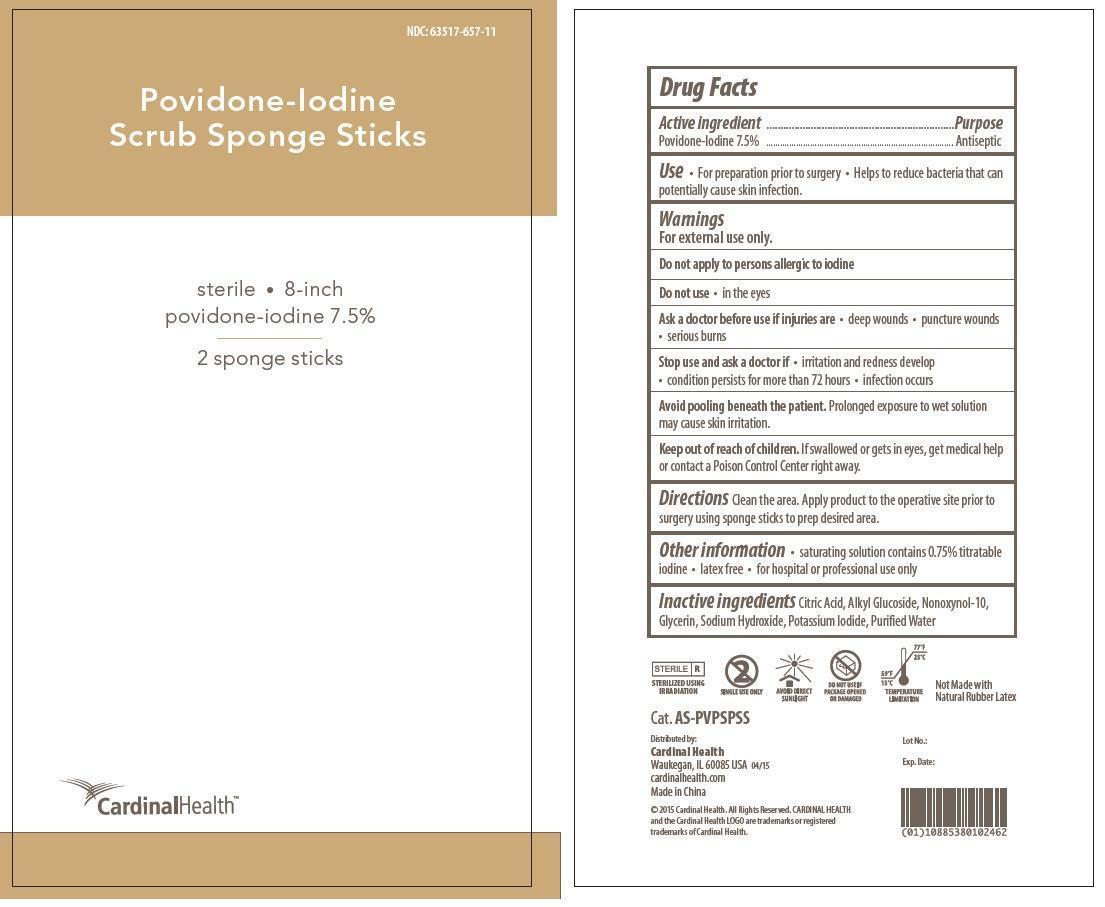
  • Povidone-iodine Scrub Sterile (Povidone-iodine) Swab [Cardinal Health]

    Povidone-iodine Scrub Sterile

    Povidone-iodine Scrub Sterile (Povidone-iodine) Swab [Cardinal Health]

    Clean the area. Apply product to the operative site prior to surgery using sponge sticks to prep desired area.

  • Alcohol Sterile (Isopropyl Alcohol) Swab [Cardinal Health]

    Alcohol Sterile

    Alcohol Sterile (Isopropyl Alcohol) Swab [Cardinal Health]

    Apply product to the injection site.  Wipe injection site vigorously and discard

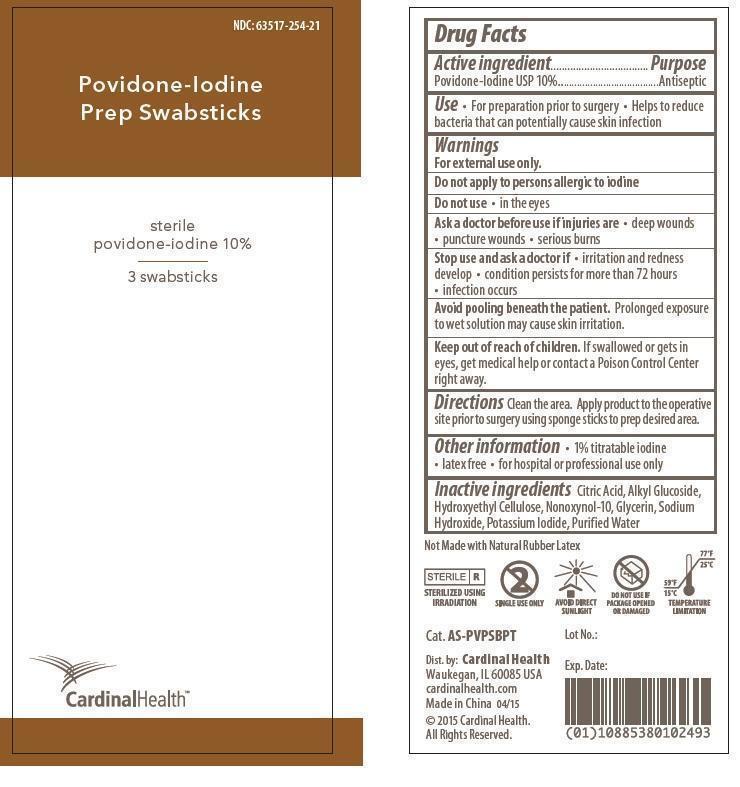
  • Povidone-iodine Prep Sterile (Povidone-iodine) Swab [Cardinal Health]

    Povidone-iodine Prep Sterile

    Povidone-iodine Prep Sterile (Povidone-iodine) Swab [Cardinal Health]

    Clean the area.  Apply product to the operative site prior to surgery using spong sticks to prep desired area.

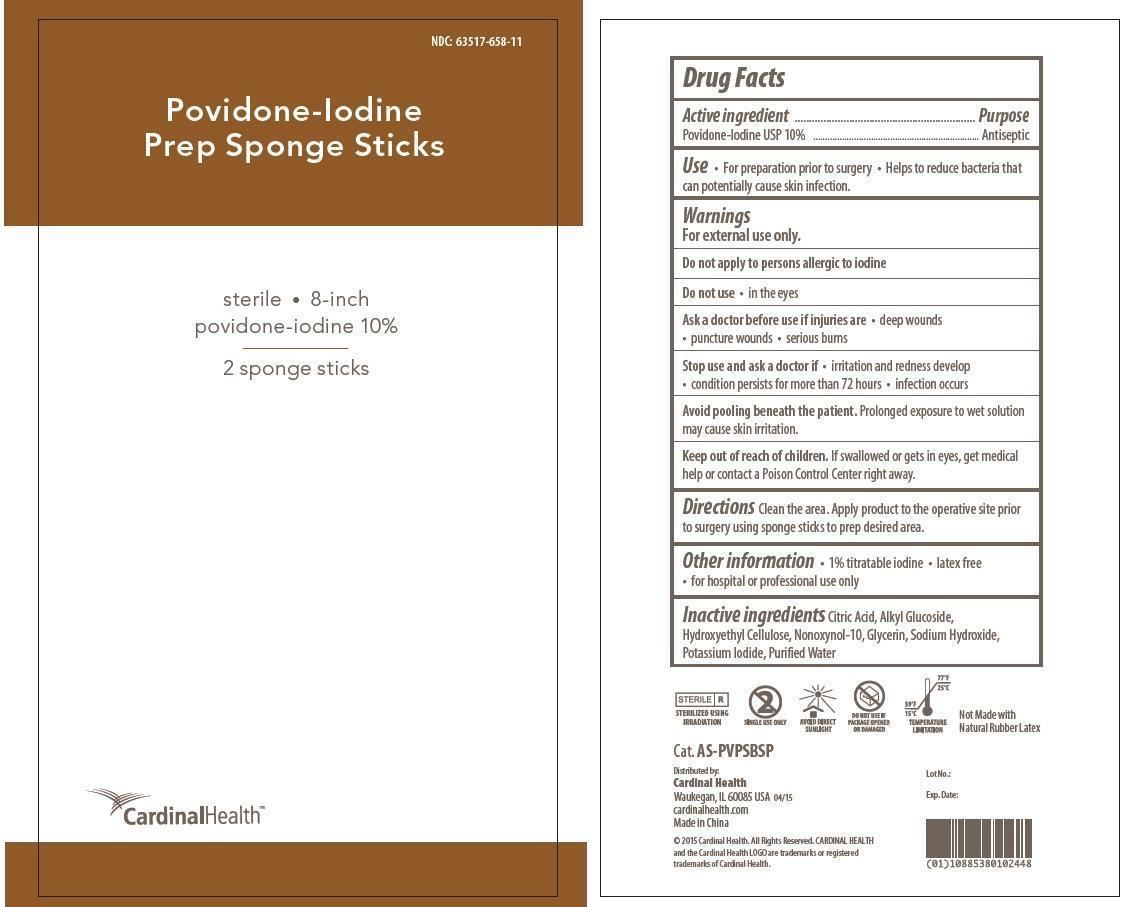
  • Povidone-iodine Prep Sterile (Povidone-iodine) Sponge [Cardinal Health]

    Povidone-iodine Prep Sterile

    Povidone-iodine Prep Sterile (Povidone-iodine) Sponge [Cardinal Health]

    Clean the area. Apply product to the operative site prior to surgery using sponge sticks to prep desired area.

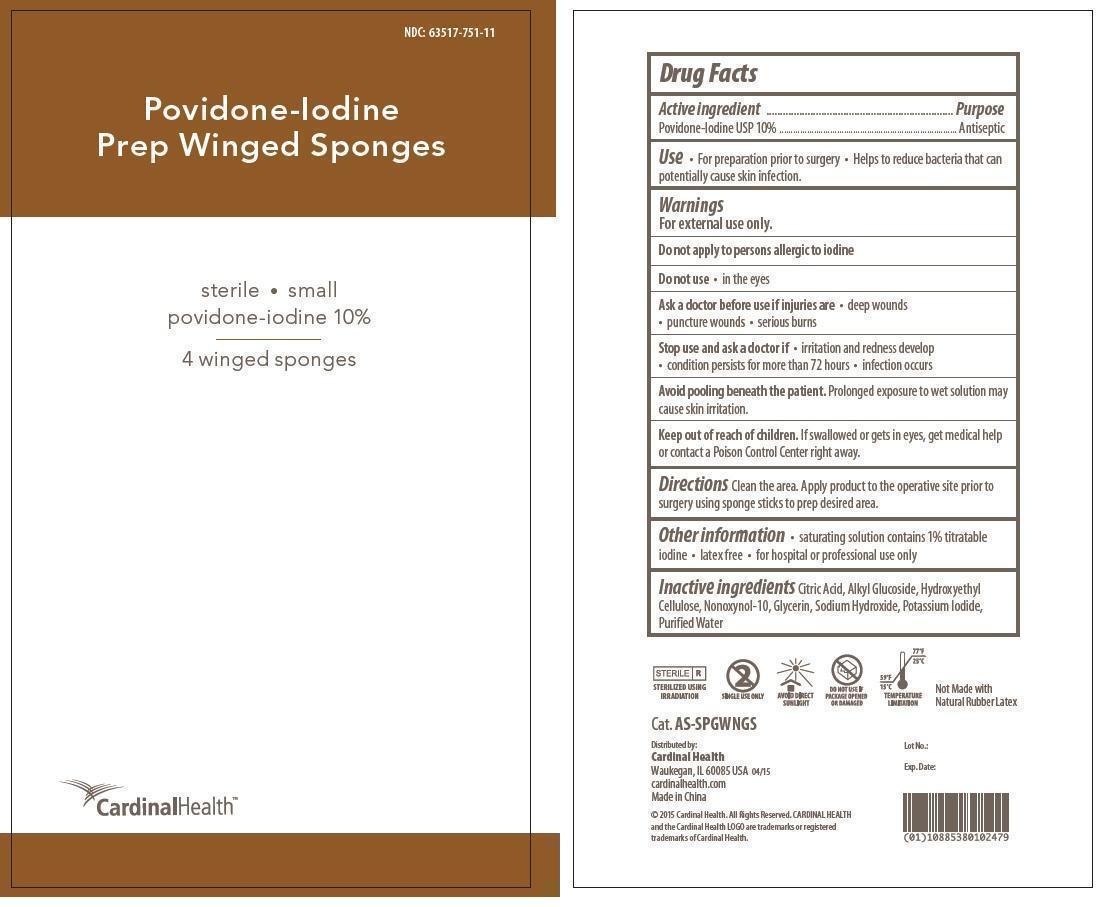
  • Povidone-iodine Prep Winged Sterile Small (Povidone-iodine) Sponge [Cardinal Health]

    Povidone-iodine Prep Winged Sterile Small

    Povidone-iodine Prep Winged Sterile Small (Povidone-iodine) Sponge [Cardinal Health]

    Clean the area. Apply product to the operative site prior to surgery using sponge sticks to prep desired area.

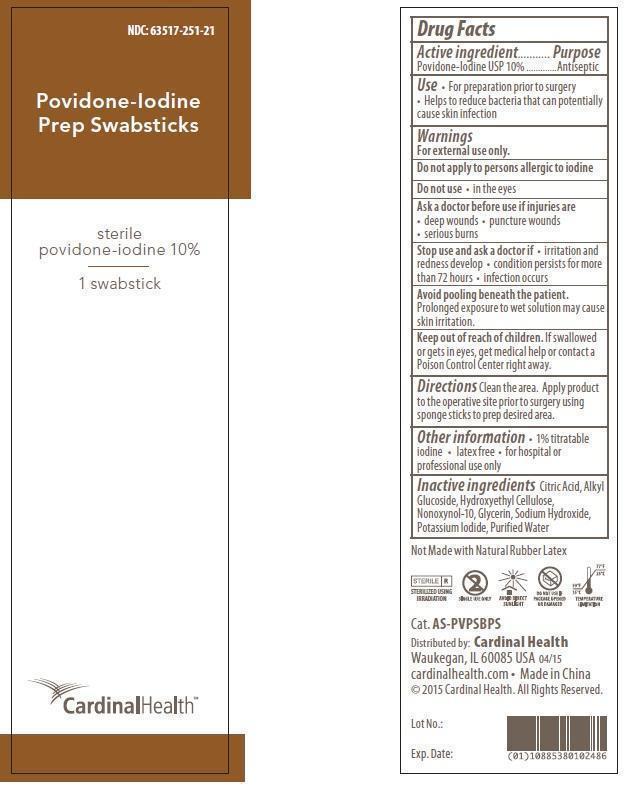
  • Povidone-iodine Prep Sterile (Povidone-iodine) Swab [Cardinal Health]

    Povidone-iodine Prep Sterile

    Povidone-iodine Prep Sterile (Povidone-iodine) Swab [Cardinal Health]

    Clean the area. Apply product to the operative site prior to surgery using sponge sticks to prep desired area.

  • Povidone-iodine Scrub Sterile (Povidone-iodine) Sponge [Cardinal Health]

    Povidone-iodine Scrub Sterile

    Povidone-iodine Scrub Sterile (Povidone-iodine) Sponge [Cardinal Health]

    Clean the area. Apply product to the operative site prior to surgery using sponge sticks to prep desired area.

  • Providone-iodine Prep Pads (Povidone-iodine) Patch [Cardinal Health]

    Providone-iodine Prep Pads

    Providone-iodine Prep Pads (Povidone-iodine) Patch [Cardinal Health]

    clean the affected area • apply a small amount of this product on the area 1-3 times daily • may be covered with a sterile bandage• if bandaged, let dry first

  • Povidone-iodine Prep Winged Sterile Large (Povidone-iodine) Sponge [Cardinal Health]

    Povidone-iodine Prep Winged Sterile Large

    Povidone-iodine Prep Winged Sterile Large (Povidone-iodine) Sponge [Cardinal Health]

    Clean the area. Apply product to the operative site prior to surgery using sponge sticks to prep desired area.

  • Alcohol Sterile (Isopropyl Alcohol) Swab [Cardinal Health]

    Alcohol Sterile

    Alcohol Sterile (Isopropyl Alcohol) Swab [Cardinal Health]

    Apply product to the injection site. Wipe injection site vigorously and discard.

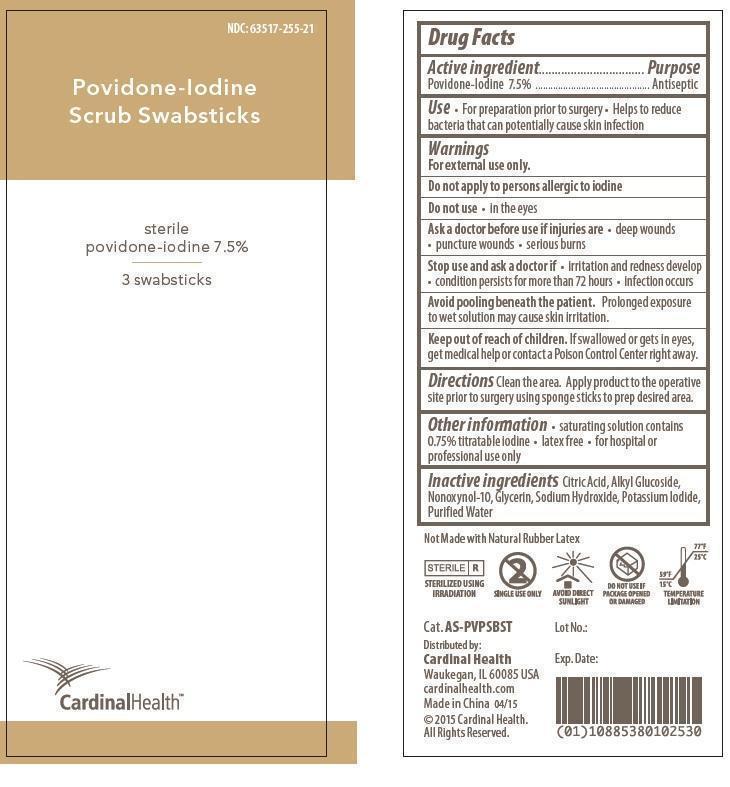
  • Povidone-iodine Scrub Sterile (Povidone-iodine) Swab [Cardinal Health]

    Povidone-iodine Scrub Sterile

    Povidone-iodine Scrub Sterile (Povidone-iodine) Swab [Cardinal Health]

    Clean the area. Apply product to the operative site prior to surgery using sponge sticks to prep desired area.

  • Zermat Skin Broad Spectrum Sunscreen Spf 30 (Octinoxate, Octisalate, Zinc Oxide) Cream [Zermat Internacional S.a. De C.v.]

    Zermat Skin Broad Spectrum Sunscreen Spf 30

    Zermat Skin Broad Spectrum Sunscreen Spf 30 (Octinoxate, Octisalate, Zinc Oxide) Cream [Zermat Internacional S.a. De C.v.]

    10% Calcium Chloride Injection, USP is administered only by slow intravenous injection (not to exceed 1 mL/min) and/or in cardiac resuscitation, by injection into the ventricular cavity. It must not be injected into the myocardium.

    The usual precautions for intravenous therapy should be observed. If time permits, the solution should be warmed to body temperature. The injection should be halted if the patient complains of any discomfort; it may be resumed when symptoms disappear. Following injection, the patient should remain recumbent for a short time.

    The usual adult dosage in hypocalcemic disorders ranges from 500 mg to 1 g (5 to 10 mL) at intervals of 1 to 3 days, depending on the response of the patient and/or results of serum calcium determinations. Repeated injections may be required because of rapid excretion of calcium.

    In magnesium intoxication, an initial adult dose of 500 mg (5 mL) should be administered promptly and the patient observed for signs of recovery before further doses are given.

    In hyperkalemic ECG disturbances of cardiac function, the dosage of calcium chloride injection should be titrated by constant monitoring of ECG changes during administration.

    In cardiac resuscitation, the usual adult dosage ranges from 500 mg to 1 g (5 to 10 mL) intravenously, or from 200 to 800 mg (2 to 8 mL) when injected into the ventricular cavity.

    Parenteral drug products should be inspected visually for particulate matter and discoloration prior to administration, whenever solution and container permit. See PRECAUTIONS.

    To prevent needle-stick injuries, needles should not be recapped, purposely bent or broken by hand.

  • Leader All Day (Naproxen Sodium) Tablet [Cardinal Health]

    Leader All Day

    Leader All Day (Naproxen Sodium) Tablet [Cardinal Health]

    • do not take more than directed • the smallest effective dose should be used • drink a full glass of water with each dose

    Adults and children 12 years and older

    • take 1 tablet every 8 to 12 hours while symptoms last • for the first dose you may take 2 tablets within the first hour • do not exceed 2 tablets in any 8- to 12-hour period • do not exceed 3 tablets in a 24-hour period

    Children under 12 years

    ask a doctor

  • Phenytoin Tablet, Chewable [Cardinal Health]

    Phenytoin

    Phenytoin Tablet, Chewable [Cardinal Health]

    When given in equal doses, phenytoin chewable tablets yield higher plasma levels than Dilantin Kapseals®*. For this reason serum concentrations should be monitored and care should be taken when switching a patient from the sodium salt to the free acid form.

    Dilantin Kapseals®* is formulated with the sodium salt of phenytoin. The free acid form of phenytoin is used in Dilantin-125® Suspensions* and phenytoin chewable tablets. Because there is approximately an 8% increase in drug content with the free acid form over that of the sodium salt, dosage adjustments and serum level monitoring may be necessary when switching from a product formulated with the free acid to a product formulated with the sodium salt and vice versa.

    General

    Not for once-a-day dosing.

    Dosage should be individualized to provide maximum benefit. In some cases, serum blood level determinations may be necessary for optimal dosage adjustments - the clinically effective serum level is usually 10 to 20 mcg/mL. With recommended dosage, a period of 7 to 10 days may be required to achieve steady-state blood levels with phenytoin and changes in dosage (increase or decrease) should not be carried out at intervals shorter than 7 to 10 days.

    Phenytoin chewable tablets can be either chewed thoroughly before being swallowed or swallowed whole.

    Adult Dosage

    Patients who have received no previous treatment may be started on two phenytoin chewable tablets 3 times daily, and the dose is then adjusted to suit individual requirements. For most adults, the satisfactory maintenance dosage will be six to eight phenytoin chewable tablets daily; an increase to twelve phenytoin chewable tablets daily may be made, if necessary.

    Dosing in Special Populations

    Patients with Renal or Hepatic Disease

    Due to an increased fraction of unbound phenytoin in patients with renal or hepatic disease, or in those with hypoalbuminemia, the interpretation of total phenytoin plasma concentrations should be made with caution. Unbound phenytoin concentrations may be more useful in these patient populations.

    Elderly Patients

    Phenytoin clearance is decreased slightly in elderly patients and lower or less frequent dosing may be required.

    Pediatric

    Initially, 5 mg/kg/day in two or three equally divided doses, with subsequent dosage individualized to a maximum 300 mg daily. A recommended daily maintenance dosage is usually 4 to 8 mg/kg. Children over 6 years old and adolescents may require the minimum adult dose (300 mg/day). If the daily dosage cannot be divided equally, the larger dose should be given before retiring.

  • Mac Patch (Capsaicin Menthol) Patch [Solubiomix]

    Mac Patch

    Mac Patch (Capsaicin Menthol) Patch [Solubiomix]

    2.1 Dosing for the Treatment of Supraventricular Tachycardia or Noncompensatory Sinus Tachycardia

    Esmolol hydrochloride is administered by continuous intravenous infusion with or without a loading dose. Additional loading doses and/or titration of the maintenance infusion (step-wise dosing) may be necessary based on desired ventricular response.

    Table 1 Step-Wise Dosing

    Step

    Action

    1

    Optional loading dose (500 mcg per kg over 1 minute), then 50 mcg per kg per min for 4 min

    2

    Optional loading dose if necessary, then 100 mcg per kg per min for 4 min

    3

    Optional loading dose if necessary, then 150 mcg per kg per min for 4 min

    4

    If necessary, increase dose to 200 mcg per kg per min

    In the absence of loading doses, continuous infusion of a single concentration of esmolol reaches pharmacokinetic and pharmacodynamic steady-state in about 30 minutes.

    The effective maintenance dose for continuous and step-wise dosing is 50 to 200 mcg per kg per minute, although doses as low as 25 mcg per kg per minute have been adequate. Dosages greater than 200 mcg per kg per minute provide little added heart rate lowering effect, and the rate of adverse reactions increases.

    Maintenance infusions may be continued for up to 48 hours.

    2.2 Intraoperative and Postoperative Tachycardia and Hypertension

    In this setting it is not always advisable to slowly titrate to a therapeutic effect. Therefore two dosing options are presented: immediate control and gradual control.

    Immediate Control

    • Administer 1 mg per kg as a bolus dose over 30 seconds followed by an infusion of 150 mcg per kg per min if necessary. • Adjust the infusion rate as required to maintain desired heart rate and blood pressure. Refer to Maximum Recommended Doses below.

    Gradual Control

    • Administer 500 mcg per kg as a bolus dose over 1 minute followed by a maintenance infusion of 50 mcg per kg per min for 4 minutes. • Depending on the response obtained, continue dosing as outlined for supraventricular tachycardia. Refer to Maximum Recommended Doses below.

    Maximum Recommended Doses

    • For the treatment of tachycardia, maintenance infusion dosages greater than 200 mcg per kg per min are not recommended; dosages greater than 200 mcg per kg per min provide little additional heart rate-lowering effect, and the rate of adverse reactions increases. • For the treatment of hypertension, higher maintenance infusion dosages (250-300 mcg per kg per min) may be required. The safety of doses above 300 mcg per kg per minute has not been studied.


    2.3 Transition from Esmolol Hydrochloride Injection Therapy to Alternative Drugs

    After patients achieve adequate control of the heart rate and a stable clinical status, transition to alternative antiarrhythmic drugs may be accomplished.

    When transitioning from esmolol hydrochloride to alternative drugs, the physician should carefully consider the labeling instructions of the alternative drug selected and reduce the dosage of esmolol hydrochloride as follows:

    1. Thirty minutes following the first dose of the alternative drug, reduce the esmolol hydrochloride infusion rate by one-half (50%). 2. After administration of the second dose of the alternative drug, monitor the patient’s response and if satisfactory control is maintained for the first hour, discontinue the esmolol hydrochloride infusion.

    2.4 Directions for Use

    This dosage form is prediluted to provide a ready-to-use, iso-osmotic solution of 10 mg/mL esmolol hydrochloride in sodium chloride recommended for esmolol hydrochloride intravenous administration. The ready-to-use vial may be used to administer a loading dosage by hand-held syringe while the maintenance infusion is being prepared.  When using a 10 mg/mL concentration, a loading dose of 0.5 mg/kg infused over 1 minute, for a 70 kg patient is 3.5 mL.

    Esmolol hydrochloride injection is not compatible with Sodium Bicarbonate (5%) solution (limited stability) or furosemide (precipitation).

    Parenteral drug products should be inspected visually for particulate matter and discoloration prior to administration, whenever solution and container permit.

    Compatibility with Commonly Used Intravenous Fluids

    Esmolol hydrochloride was tested for compatibility with ten commonly used intravenous fluids at a final concentration of 10 mg esmolol hydrochloride per mL. Esmolol hydrochloride was found to be compatible with the following solutions and was stable for at least 24 hours at controlled room temperature or under refrigeration:

    • Dextrose (5%) Injection, USP • Dextrose (5%) in Lactated Ringer’s Injection • Dextrose (5%) in Ringer’s Injection • Dextrose (5%) and Sodium Chloride (0.45%) Injection, USP • Dextrose (5%) and Sodium Chloride (0.9%) Injection, USP • Lactated Ringer’s Injection, USP • Potassium Chloride (40 mEq/liter) in Dextrose (5%) Injection, USP • Sodium Chloride (0.45%) Injection, USP • Sodium Chloride (0.9%) Injection, USP
  • Isosorbide Dinitrate Tablet [Cardinal Health]

    Isosorbide Dinitrate

    Isosorbide Dinitrate Tablet [Cardinal Health]

    As noted under "CLINICAL PHARMACOLOGY," multiple-dose studies with isosorbide dinitrate and other nitrates have shown that maintenance of continuous 24-hour plasma levels results in refractory tolerance. Every dosing regimen for isosorbide dinitrate tablets must provide a daily dose-free interval to minimize the development of this tolerance. With immediate-release isosorbide dinitrate, it appears that one daily dose-free interval must be at least 14 hours long.

    As also noted under "CLINICAL PHARMACOLOGY," the effects of the second and later doses have been smaller and shorter-lasting than the effects of the first.

    Large controlled studies with other nitrates suggest that no dosing regimen with isosorbide dinitrate tablets should be expected to provide more than about 12 hours of continuous anti-anginal efficacy per day.

    As with all titratable drugs, it is important to administer the minimum dose which produces the desired clinical effect. The usual starting dose of isosorbide dinitrate is 5 mg to 20 mg, two or three times daily. For maintenance therapy, 10 mg to 40 mg, two or three times daily is recommended. Some patients may require higher doses. A daily dose-free interval of at least 14 hours is advisable to minimize tolerance. The optimal interval will vary with the individual patient, dose and regimen.

  • Januvia (Sitagliptin) Tablet, Film Coated [Cardinal Health]

    Januvia

    Januvia (Sitagliptin) Tablet, Film Coated [Cardinal Health]

    2.1 Recommended Dosing

      The recommended dose of JANUVIA is 100 mg once daily. JANUVIA can be taken with or without food.

    2.2 Patients with Renal Insufficiency

    For patients with mild renal insufficiency (creatinine clearance [CrCl] greater than or equal to 50 mL/min, approximately corresponding to serum creatinine levels of less than or equal to 1.7 mg/dL in men and less than or equal to 1.5 mg/dL in women), no dosage adjustment for JANUVIA is required.

    For patients with moderate renal insufficiency (CrCl greater than or equal to 30 to less than 50 mL/min, approximately corresponding to serum creatinine levels of greater than 1.7 to less than or equal to 3.0 mg/dL in men and greater than 1.5 to less than or equal to 2.5 mg/dL in women), the dose of JANUVIA is 50 mg once daily.

    For patients with severe renal insufficiency (CrCl less than 30 mL/min, approximately corresponding to serum creatinine levels of greater than 3.0 mg/dL in men and greater than 2.5 mg/dL in women) or with end-stage renal disease (ESRD) requiring hemodialysis or peritoneal dialysis, the dose of JANUVIA is 25 mg once daily. JANUVIA may be administered without regard to the timing of dialysis.

      Because there is a need for dosage adjustment based upon renal function, assessment of renal function is recommended prior to initiation of JANUVIA and periodically thereafter. Creatinine clearance can be estimated from serum creatinine using the Cockcroft-Gault formula. [See Clinical Pharmacology (12.3) .] There have been postmarketing reports of worsening renal function in patients with renal insufficiency, some of whom were prescribed inappropriate doses of sitagliptin.

    2.3 Concomitant Use with an Insulin Secretagogue (e.g., Sulfonylurea) or with Insulin

    When JANUVIA is used in combination with an insulin secretagogue (e.g., sulfonylurea) or with insulin, a lower dose of the insulin secretagogue or insulin may be required to reduce the risk of hypoglycemia. [See Warnings and Precautions (5.3).]

  • Olanzapine Tablet, Orally Disintegrating [Cardinal Health]

    Olanzapine

    Olanzapine Tablet, Orally Disintegrating [Cardinal Health]

    2.1 Schizophrenia

    Adults

    Dose Selection — Oral olanzapine should be administered on a once-a-day schedule without regard to meals, generally beginning with 5 to 10 mg initially, with a target dose of 10 mg/day within several days. Further dosage adjustments, if indicated, should generally occur at intervals of not less than 1 week, since steady state for olanzapine would not be achieved for approximately 1 week in the typical patient. When dosage adjustments are necessary, dose increments/decrements of 5 mg QD are recommended.

    Efficacy in schizophrenia was demonstrated in a dose range of 10 to 15 mg/day in clinical trials. However, doses above 10 mg/day were not demonstrated to be more efficacious than the 10 mg/day dose. An increase to a dose greater than the target dose of 10 mg/day (i.e., to a dose of 15 mg/day or greater) is recommended only after clinical assessment. Olanzapine is not indicated for use in doses above 20 mg/day.

    Dosing in Special Populations — The recommended starting dose is 5 mg in patients who are debilitated, who have a predisposition to hypotensive reactions, who otherwise exhibit a combination of factors that may result in slower metabolism of olanzapine (e.g., nonsmoking female patients ≥65 years of age), or who may be more pharmacodynamically sensitive to olanzapine [see Warnings and Precautions (5.14), Drug Interactions (7), and Clinical Pharmacology (12.3)]. When indicated, dose escalation should be performed with caution in these patients.

    Maintenance Treatment — The effectiveness of oral olanzapine, 10 mg/day to 20 mg/day, in maintaining treatment response in schizophrenic patients who had been stable on olanzapine for approximately 8 weeks and were then followed for relapse has been demonstrated in a placebo-controlled trial [see Clinical Studies (14.1)]. The physician who elects to use olanzapine orally disintegrating tablets for extended periods should periodically reevaluate the long-term usefulness of the drug for the individual patient.

    Adolescents

    Pediatric dosing information in pediatric patients with schizophrenia is approved for Eli Lilly and Company’s olanzapine drug product labeling. However, due to Eli Lilly and Company’s marketing exclusivity rights, this drug product is not labeled with that pediatric information.

    2.2 Bipolar I Disorder (Manic or Mixed Episodes)

    Adults

    Dose Selection for Monotherapy — Oral olanzapine should be administered on a once-a-day schedule without regard to meals, generally beginning with 10 or 15 mg. Dosage adjustments, if indicated, should generally occur at intervals of not less than 24 hours, reflecting the procedures in the placebo-controlled trials. When dosage adjustments are necessary, dose increments/decrements of 5 mg QD are recommended.

    Short-term (3-4 weeks) antimanic efficacy was demonstrated in a dose range of 5 mg to 20 mg/day in clinical trials. The safety of doses above 20 mg/day has not been evaluated in clinical trials [see Clinical Studies (14.2)].

    Maintenance Monotherapy — The benefit of maintaining bipolar I patients on monotherapy with oral olanzapine at a dose of 5 to 20 mg/day, after achieving a responder status for an average duration of 2 weeks, was demonstrated in a controlled trial [see Clinical Studies (14.2)]. The physician who elects to use olanzapine orally disintegrating tablets for extended periods should periodically reevaluate the long-term usefulness of the drug for the individual patient.

    Dose Selection for Adjunctive Treatment — When administered as adjunctive treatment to lithium or valproate, oral olanzapine dosing should generally begin with 10 mg once-a-day without regard to meals.

    Antimanic efficacy was demonstrated in a dose range of 5 mg to 20 mg/day in clinical trials [see Clinical Studies ( 14.2 )] . The safety of doses above 20 mg/day has not been evaluated in clinical trials.

    Adolescents

    Dose Selection — Oral olanzapine should be administered on a once-a-day schedule without regard to meals with a recommended starting dose of 2.5 or 5 mg, with a target dose of 10 mg/day. Efficacy in adolescents with bipolar I disorder (manic or mixed episodes) was demonstrated based on a flexible dose range of 2.5 to 20 mg/day in clinical trials, with a mean modal dose of 10.7 mg/day (mean dose of 8.9 mg/day). When dosage adjustments are necessary, dose increments/decrements of 2.5 or 5 mg are recommended.

    The safety and effectiveness of doses above 20 mg/day have not been evaluated in clinical trials [see Clinical Studies ( 14.2 )] .

    Maintenance Treatment — The efficacy of olanzapine orally disintegrating tablets for the maintenance treatment of bipolar I disorder in the adolescent population has not been evaluated; however, maintenance efficacy can be extrapolated from adult data along with comparisons of olanzapine pharmacokinetic parameters in adult and adolescent patients. Thus, it is generally recommended that responding patients be continued beyond the acute response, but at the lowest dose needed to maintain remission. Patients should be periodically reassessed to determine the need for maintenance treatment.

    Pediatric dosing information in pediatric patients with bipolar I disorder is approved for Eli Lilly and Company’s olanzapine drug product labeling. However, due to Eli Lilly and Company’s marketing exclusivity rights, this drug product is not labeled with that pediatric information.

    2.3 Administration of Olanzapine orally disintegrating tablets

    Immediately upon opening the blister or the bottle, using dry hands, remove tablet and place entire olanzapine orally disintegrating tablet in the mouth. Tablet disintegration occurs rapidly in saliva so it can be easily swallowed with or without liquid.

    2.5 Olanzapine orally disintegrating tablets and Fluoxetine in Combination: Depressive Episodes Associated with Bipolar I Disorder

    When using olanzapine orally disintegrating tablets and fluoxetine in combination, also refer to the Clinical Studies section of the package insert for Symbyax®.

    Oral olanzapine should be administered in combination with fluoxetine once daily in the evening, without regard to meals, generally beginning with 5 mg of oral olanzapine and 20 mg of fluoxetine. Dosage adjustments, if indicated, can be made according to efficacy and tolerability within dose ranges of oral olanzapine 5 to 12.5 mg and fluoxetine 20 to 50 mg. Antidepressant efficacy was demonstrated with olanzapine and fluoxetine in combination in adult patients with a dose range of olanzapine 6 to 12 mg and fluoxetine 25 to 50 mg.

    Safety and efficacy of olanzapine and fluoxetine in combination was determined in clinical trials supporting approval of Symbyax® (fixed dose combination of olanzapine and fluoxetine). Symbyax® is dosed between 3 mg/25 mg (olanzapine/fluoxetine) per day and 12 mg/50 mg (olanzapine/fluoxetine) per day. The following table demonstrates the appropriate individual component doses of olanzapine and fluoxetine versus Symbyax®. Dosage adjustments, if indicated, should be made with the individual components according to efficacy and tolerability.

    Table 1: Approximate Dose Correspondence Between Symbyax®a and the Combination of ZYPREXA and Fluoxetine a Symbyax® (olanzapine/fluoxetine HCl) is a fixed-dose combination of ZYPREXA and fluoxetine.

    For

    Use in Combination

    Symbyax®

    Olanzapine

    Fluoxetine

    (mg/day)

    (mg/day)

    (mg/day)

    3 mg olanzapine/25 mg fluoxetine

    2.5

    20

    6 mg olanzapine/25 mg fluoxetine

    5

    20

    12 mg olanzapine/25 mg fluoxetine

    10+2.5

    20

    6 mg olanzapine/50 mg fluoxetine

    5

    40+10

    12 mg olanzapine/50 mg fluoxetine

    10+2.5

    40+10

    While there is no body of evidence to answer the question of how long a patient treated with olanzapine orally disintegrating tablets and fluoxetine in combination should remain on it, it is generally accepted that bipolar I disorder, including the depressive episodes associated with bipolar I disorder, is a chronic illness requiring chronic treatment. The physician should periodically reexamine the need for continued pharmacotherapy.

    Safety of co-administration of doses above 18 mg olanzapine with 75 mg fluoxetine has not been evaluated in clinical studies.

    Olanzapine orally disintegrating tablets monotherapy is not indicated for the treatment of depressive episodes associated with bipolar I disorder.

    2.7 Olanzapine orally disintegrating tablets and Fluoxetine in Combination: Dosing in Special Populations

    The starting dose of oral olanzapine 2.5-5 mg with fluoxetine 20 mg should be used for patients with a predisposition to hypotensive reactions, patients with hepatic impairment, or patients who exhibit a combination of factors that may slow the metabolism of olanzapine or fluoxetine in combination (female gender, geriatric age, nonsmoking status), or those patients who may be pharmacodynamically sensitive to olanzapine. Dosing modification may be necessary in patients who exhibit a combination of factors that may slow metabolism. When indicated, dose escalation should be performed with caution in these patients. Olanzapine and fluoxetine in combination have not been systematically studied in patients over 65 years of age or in patients <18 years of age [see Warnings and Precautions (5.14), Drug Interactions (7), and Clinical Pharmacology (12.3)].

  • Naproxen Tablet [Cardinal Health]

    Naproxen

    Naproxen Tablet [Cardinal Health]

    Carefully consider the potential benefits and risks of naproxen tablets, USP and other treatment options before deciding to use naproxen tablets, USP. Use the lowest effective dose for the shortest duration consistent with individual patient treatment goals (see WARNINGS).

    After observing the response to initial therapy with naproxen tablets, USP, the dose and frequency should be adjusted to suit an individual patient’s needs.

    Different dose strengths and formulations (i.e., tablets, suspension) of the drug are not necessarily bioequivalent. This difference should be taken into consideration when changing formulation.

    Although naproxen tablets, USP, naproxen suspension, naproxen delayed-release tablets, and naproxen sodium tablets all circulate in the plasma as naproxen, they have pharmacokinetic differences that may affect onset of action. Onset of pain relief can begin within 1 hour in patients taking naproxen.

    The recommended strategy for initiating therapy is to choose a formulation and a starting dose likely to be effective for the patient and then adjust the dosage based on observation of benefit and/or adverse events. A lower dose should be considered in patients with renal or hepatic impairment or in elderly patients (see WARNINGS and PRECAUTIONS).

    Geriatric Patients

    Studies indicate that although total plasma concentration of naproxen is unchanged, the unbound plasma fraction of naproxen is increased in the elderly. Caution is advised when high doses are required and some adjustment of dosage may be required in elderly patients. As with other drugs used in the elderly, it is prudent to use the lowest effective dose.

    Patients With Moderate to Severe Renal Impairment

    Naproxen-containing products are not recommended for use in patients with moderate to severe and severe renal impairment (creatinine clearance <30 mL/min) (see WARNINGS: Renal Effects).

    Rheumatoid Arthritis, Osteoarthritis and Ankylosing Spondylitis


    Naproxen Tablets, USP


    250 mg or 375 mg or 500 mg


    twice daily twice daily twice daily

    During long-term administration, the dose of naproxen may be adjusted up or down depending on the clinical response of the patient. A lower daily dose may suffice for long-term administration. The morning and evening doses do not have to be equal in size and the administration of the drug more frequently than twice daily is not necessary.

    In patients who tolerate lower doses well, the dose may be increased to naproxen 1500 mg/day for limited periods of up to 6 months when a higher level of anti-inflammatory/ analgesic activity is required. When treating such patients with naproxen 1500 mg/day, the physician should observe sufficient increased clinical benefits to offset the potential increased risk. The morning and evening doses do not have to be equal in size and administration of the drug more frequently than twice daily does not generally make a difference in response (see CLINICAL PHARMACOLOGY).

    Acute Gout

    The recommended starting dose is 750 mg of naproxen tablets, USP followed by 250 mg every 8 hours until the attack has subsided.

  • Baclofen Tablet [Cardinal Health]

    Baclofen

    Baclofen Tablet [Cardinal Health]

    The determination of optimal dosage requires individual titration. Start therapy at a low dosage and increase gradually until optimum effect is achieved (usually between 40-80 mg daily).

    The following dosage titration schedule is suggested:

    5 mg t.i.d. for 3 days

    10 mg t.i.d. for 3 days

    15 mg t.i.d. for 3 days

    20 mg t.i.d. for 3 days

    Thereafter additional increases may be necessary but the total daily dose should not exceed a maximum of 80 mg daily (20 mg q.i.d.).

    The lowest dose compatible with an optimal response is recommended. If benefits are not evident after a reasonable trial period, patients should be slowly withdrawn from the drug (see WARNINGS, Abrupt Drug Withdrawal).

  • Pain Zero (Naproxen) Tablet [Provision Medical Products]

    Pain Zero

    Pain Zero (Naproxen) Tablet [Provision Medical Products]

    Sulfamethoxazole and trimethoprim tablets, USP are contraindicated in pediatric patients less than 2 months of age.

    Urinary Tract Infections and Shigellosis in Adults and Pediatric Patients, and Acute Otitis Media in Children:

    Adults: The usual adult dosage in the treatment of urinary tract infections is 1 sulfamethoxazole and trimethoprim DS (double strength) tablet, USP or 2 sulfamethoxazole and trimethoprim tablets, USP every 12 hours for 10 to 14 days. An identical daily dosage is used for 5 days in the treatment of shigellosis.

    Children: The recommended dose for children with urinary tract infections or acute otitis media is 40 mg/kg sulfamethoxazole, USP and 8 mg/kg trimethoprim, USP per 24 hours, given in two divided doses every 12 hours for 10 days. An identical daily dosage is used for 5 days in the treatment of shigellosis. The following table is a guideline for the attainment of this dosage:

    Children 2 months of age or older:

    Weight Dose – every 12 hours lb kg Tablets

     22

     10

     -

     44

     20

     1

     66

     30

     1 ½

     88

     40

    2 or 1 DS tablet

    For Patients with Impaired Renal Function: When renal function is impaired, a reduced dosage should be employed using the following table:

    Creatinine Clearance (mL/min) Recommended Dosage Regimen

     Above 30

     Usual standard regimen

     15 to 30

     ½ the usual regimen

     Below 15

     Use not recommended

    Acute Exacerbations of Chronic Bronchitis in Adults:

    The usual adult dosage in the treatment of acute exacerbations of chronic bronchitis is 1 sulfamethoxazole and trimethoprim double strength tablet, USP, or 2 sulfamethoxazole and trimethoprim single strength tablets, USP, every 12 hours for 14 days.

    Pneumocystis Jiroveci Pneumonia

    Treatment: Adults and Children:

    The recommended dosage for treatment of patients with documented Pneumocystis jiroveci pneumonia is 75 to 100 mg/kg sulfamethoxazole, USP and 15 to 20 mg/kg trimethoprim, USP per 24 hours given in equally divided doses every 6 hours for 14 to 21 days.11 The following table is a guideline for the upper limit of this dosage:

    Weight Dose – every 6 hours lb kg Tablets

     18

     8

     -

     35

     16

     1

     53

     24

     1 ½

     70

     32

     2 or 1 DS tablet

     88

     40

     2 ½

     106

     48

     3 or 1 ½ DS tablets

     141

     64

     4 or 2 DS tablets

     176

     80

     5 or 2 ½ DS tablets

    For the lower limit dose (75 mg/kg sulfamethoxazole, USP and 15 mg/kg trimethoprim, USP per 24 hours) administer 75% of the dose in the above table.

    Prophylaxis

    Adults:

    The recommended dosage for prophylaxis in adults is 1 sulfamethoxazole and trimethoprim DS (double strength) tablet, USP daily.12

    Children:

    For children, the recommended dose is 750 mg/m2/day sulfamethoxazole, USP with 150 mg/m2/day trimethoprim, USP given orally in equally divided doses twice a day, on 3 consecutive days per week.

    The total daily dose should not exceed 1600 mg sulfamethoxazole, USP and 320 mg trimethoprim, USP.13 The following table is a guideline for the attainment of this dosage in children:

    Body Surface Area Dose – every 12 hours (m2) Tablets

     0.26

     -

     0.53

     ½

     1.06

     1

    Traveler’s Diarrhea in Adults:

    For the treatment of traveler’s diarrhea, the usual adult dosage is 1 sulfamethoxazole and trimethoprim DS (double strength) tablet, USP or 2 sulfamethoxazole and trimethoprim single strength tablets, USP every 12 hours for 5 days.

  • Sirolimus Tablet, Film Coated [American Health Packaging]

    Sirolimus

    Sirolimus Tablet, Film Coated [American Health Packaging]

    • shake bottle well before use • measure only with dosing cup provided. Do not use dosing cup with other products. • dose as follows or as directed by a doctor • mL = milliliter

    adults and children 12 years of age

    and over

    10 mL every 12 hours, not to exceed 20 mL in 24 hours

    children 6 to under 12 years of age

    5 mL every 12 hours, not to exceed 10 mL in 24 hours

    children 4 to under 6 years of age

    2.5 mL every 12 hours, not to exceed 5 mL in 24 hours

    children under 4 years of age

    do not use

  • Bhi Hemorrhoid (Horse Chestnut, Aloe, Collinsonia Canadensis Root, Veronicastrum Virginicum Root, Hydrochloric Acid, Strychnos Nux-vomica Seed, Paeonia Officinalis Root, And Sulfur) Tablet [Medinatura Inc]

    Bhi Hemorrhoid

    Bhi Hemorrhoid (Horse Chestnut, Aloe, Collinsonia Canadensis Root, Veronicastrum Virginicum Root, Hydrochloric Acid, Strychnos Nux-vomica Seed, Paeonia Officinalis Root, And Sulfur) Tablet [Medinatura Inc]

    • do not take more than directed • the smallest effective dose should be used

    adults and children 12 years and

    older

    • take 1 caplet every 4 to 6 hours while symptoms persist • if pain or fever does not respond to 1 caplet, 2 caplets may be used • do not exceed 6 caplets in 24 hours, unless directed by a doctor

    children under 12 years

    • ask a doctor
  • Isosorbide Dinitrate Tablet [Cardinal Health]

    Isosorbide Dinitrate

    Isosorbide Dinitrate Tablet [Cardinal Health]

    General Dosing Considerations for Parkinson's Disease and RLS Ropinirole Tablets can be taken with or without food. Patients may be advised that taking Ropinirole Tablets with food may reduce the occurrence of nausea. However, this has not been established in controlled clinical trials. If a significant interruption in therapy with Ropinirole Tablets has occurred, retitration of therapy may be warranted.Geriatric Use Pharmacokinetic studies demonstrated a reduced clearance of ropinirole in the elderly (see CLINICAL PHARMACOLOGY). Dose adjustment is not necessary since the dose is individually titrated to clinical response.Renal Impairment The pharmacokinetics of ropinirole were not altered in patients with moderate renal impairment (see CLINICAL PHARMACOLOGY). Therefore, no dosage adjustment is necessary in patients with moderate renal impairment. The use of Ropinirole Tablets in patients with severe renal impairment has not been studied.Hepatic Impairment The pharmacokinetics of ropinirole have not been studied in patients with hepatic impairment. Since patients with hepatic impairment may have higher plasma levels and lower clearance, Ropinirole Tablets should be titrated with caution in these patients.Dosing for Parkinson’s Disease In all clinical studies, dosage was initiated at a subtherapeutic level and gradually titrated to therapeutic response. The dosage should be increased to achieve a maximum therapeutic effect, balanced against the principal side effects of nausea, dizziness, somnolence, and dyskinesia.

    The recommended starting dose for Parkinson’s disease is 0.25 mg 3 times daily. Based on individual patient response, dosage should then be titrated with weekly increments as described in Table 5. After week 4, if necessary, daily dosage may be increased by 1.5 mg/day on a weekly basis up to a dose of 9 mg/day, and then by up to 3 mg/day weekly to a total dose of 24 mg/day. Doses greater than 24 mg/day have not been tested in clinical trials. Table 5. Ascending-Dose Schedule of Ropinirole Tablets for Parkinson’s Disease

     Week

     Dosage

     Total Daily Dose

    1

    0.25 mg 3 times daily

    0.75 mg

    2

    0.5 mg 3 times daily

    1.5 mg

    3

    0.75 mg 3 times daily

    2.25 mg

    4

    1 mg 3 times daily

    3 mg

     When Ropinirole Tablets are administered as adjunct therapy to L-dopa, the concurrent dose of L-dopa may be decreased gradually as tolerated. L-dopa dosage reduction was allowed during the advanced Parkinson’s disease (with L-dopa) study if dyskinesias or other dopaminergic effects occurred. Overall, reduction of L-dopa dose was sustained in 87% of patients treated with Ropinirole Tablets and in 57% of patients on placebo. On average the L-dopa dose was reduced by 31% in patients treated with Ropinirole Tablets. Ropinirole Tablets for Parkinson’s disease patients should be discontinued gradually over a 7-day period. The frequency of administration should be reduced from 3 times daily to twice daily for 4 days. For the remaining 3 days, the frequency should be reduced to once daily prior to complete withdrawal of Ropinirole Tablets.Dosing for Restless Legs Syndrome In all clinical trials, the dose for Ropinirole Tablets was initiated at 0.25 mg once daily, 1 to 3 hours before bedtime. Patients were titrated based on clinical response and tolerability.

    The recommended adult starting dosage for RLS is 0.25 mg once daily, 1 to 3 hours before bedtime. After 2 days, the dosage can be increased to 0.5 mg once daily and to 1 mg once daily at the end of the first week of dosing, then as shown in Table 6 as needed to achieve efficacy. For RLS, the safety and effectiveness of doses greater than 4 mg once daily have not been established. Table 6.  Dose Titration Schedule for RLS  

     Day/Week

    Dosage to be taken once daily, 1 to 3 hours before bedtime

    Days 1 and 2

     0.25 mg

    Days 3-7

     0.5 mg

    Week 2

    1 mg

    Week 3

    1.5 mg

    Week 4

    2 mg

    Week 5

    2.5 mg

    Week 6

    3 mg

    Week 7

    4 mg

    In clinical trials of patients being treated for RLS with doses up to 4 mg once daily, Ropinirole Tablets were discontinued without a taper.

  • Sunzen Broad Spectrum Spf 30 (Avobenzone, Homosalate, Octisalate, Octocrylene, And Oxybenzone) Lotion [Prime Enterprises, Inc.]

    Sunzen Broad Spectrum Spf 30

    Sunzen Broad Spectrum Spf 30 (Avobenzone, Homosalate, Octisalate, Octocrylene, And Oxybenzone) Lotion [Prime Enterprises, Inc.]

    As noted under CLINICAL PHARMACOLOGY, multiple-dose studies with ISDN and other nitrates have shown that maintenance of continuous 24-hour plasma levels results in refractory tolerance. Every dosing regimen for isosorbide dinitrate tablets must provide a daily dose-free interval to minimize the development of this tolerance. With immediate-release ISDN, it appears that one daily dose-free interval must be at least 14 hours long.

    As also noted under CLINICAL PHARMACOLOGY, the effects of the second and later doses have been smaller and shorter-lasting than the effects of the first.

    Large controlled studies with other nitrates suggest that no dosing regimen with isosorbide dinitrate tablets should be expected to provide more than about 12 hours of continuous anti-anginal efficacy per day.

    As with all titratable drugs, it is important to administer the minimum dose which produces the desired clinical effect. The usual starting dose of isosorbide dinitrate is 5 mg to 20 mg, two or three times daily. For maintenance therapy, 10 mg to 40 mg, two or three times daily is recommended. Some patients may require higher doses. A daily dose-free interval of at least 14 hour is advisable to minimize tolerance. The optimal interval will vary with the individual patient, dose and regimen.

  • Atorak Chamomile Atocare Pure (Chamomile) Soap [Dasan E&t Co., Ltd.]

    Atorak Chamomile Atocare Pure

    Atorak Chamomile Atocare Pure (Chamomile) Soap [Dasan E&t Co., Ltd.]

    Omeprazole delayed-release capsules should be taken before eating. In the clinical trials, antacids were used concomitantly with omeprazole. 

    Patients should be informed that the omeprazole delayed-release capsule should be swallowed whole. 

    For patients unable to swallow an intact capsule, alternative administration options are available [See Dosage and Administration (2.8)].

    2.1 Short-Term Treatment of Active Duodenal Ulcer

    The recommended adult oral dose of omeprazole delayed-release capsules is 20 mg once daily. Most patients heal within four weeks. Some patients may require an additional four weeks of therapy.

    2.2 H. pylori Eradication for the Reduction of the Risk of Duodenal Ulcer Recurrence

    Triple Therapy (omeprazole/clarithromycin/amoxicillin)  The recommended adult oral regimen is omeprazole delayed-release capsules 20 mg plus clarithromycin 500 mg plus amoxicillin 1000 mg each given twice daily for 10 days. In patients with an ulcer present at the time of initiation of therapy, an additional 18 days of omeprazole delayed-release capsules 20 mg once daily is recommended for ulcer healing and symptom relief.

    Dual Therapy (omeprazole/clarithromycin)  The recommended adult oral regimen is omeprazole delayed-release capsules 40 mg once daily plus clarithromycin 500 mg three times daily for 14 days. In patients with an ulcer present at the time of initiation of therapy, an additional 14 days of omeprazole delayed-release capsules 20 mg once daily is recommended for ulcer healing and symptom relief.

    2.3 Gastric Ulcer

    The recommended adult oral dose is 40 mg once daily for 4 to 8 weeks.

    2.4 Gastroesophageal Reflux Disease (GERD)

    The recommended adult oral dose for the treatment of patients with symptomatic GERD and no esophageal lesions is 20 mg daily for up to 4 weeks. The recommended adult oral dose for the treatment of patients with erosive esophagitis and accompanying symptoms due to GERD is 20 mg daily for 4 to 8 weeks.

    2.5 Maintenance of Healing of Erosive Esophagitis

    The recommended adult oral dose is 20 mg daily [See Clinical Studies (14.4)].

    2.6 Pathological Hypersecretory Conditions

    The dosage of omeprazole delayed-release capsules in patients with pathological hypersecretory conditions varies with the individual patient. The recommended adult oral starting dose is 60 mg once daily. Doses should be adjusted to individual patient needs and should continue for as long as clinically indicated. Doses up to 120 mg three times daily have been administered. Daily dosages of greater than 80 mg should be administered in divided doses. Some patients with Zollinger-Ellison syndrome have been treated continuously with omeprazole delayed-release capsules for more than 5 years.

    2.7 Pediatric Patients

    For the treatment of GERD and maintenance of healing of erosive esophagitis, the recommended daily dose for pediatric patients 2 to 16 years of age is as follows:

    Patient Weight Omeprazole Daily Dose


    10 < 20 kg


    10 mg


    ≥ 20 kg


    20 mg

    On a per kg basis, the doses of omeprazole required to heal erosive esophagitis in pediatric patients are greater than those for adults.

    Alternative administrative options can be used for pediatric patients unable to swallow an intact capsule [See Dosage and Administration (2.8)].

    2.8 Alternative Administration Options

    Omeprazole is available as a delayed-release capsule. 

    For patients who have difficulty swallowing capsules, the contents of an omeprazole delayed-release capsule can be added to applesauce.

    One tablespoon of applesauce should be added to an empty bowl and the capsule should be opened. All of the pellets inside the capsule should be carefully emptied on the applesauce. The pellets should be mixed with the applesauce and then swallowed immediately with a glass of cool water to ensure complete swallowing of the pellets. The applesauce used should not be hot and should be soft enough to be swallowed without chewing. The pellets should not be chewed or crushed. The pellets/applesauce mixture should not be stored for future use.

  • Leader Urinary Pain Relief (Phenazopyridine Hydrochloride) Tablet [Cardinal Health]

    Leader Urinary Pain Relief

    Leader Urinary Pain Relief (Phenazopyridine Hydrochloride) Tablet [Cardinal Health]

    ■ Adults and children 12 and over: take 2 tablets 3 times daily with a full glass of water, with or after meals as needed■ Children under 12: consult a doctor■ Do not use for more than 2 days (12 tablets) without consulting a doctor

  • Leader Ibuprofen (Ibuprofen) Tablet, Film Coated [Cardinal Health]

    Leader Ibuprofen

    Leader Ibuprofen (Ibuprofen) Tablet, Film Coated [Cardinal Health]

    • do not take more than directed • the smallest effective dose should be used

    adults and children 12 years and older

    • take 1 tablet every 4 to 6 hours while symptoms persist • if pain or fever does not respond to 1 tablet, 2 tablets may be used • do not exceed 6 tablets in 24 hours, unless directed by a doctor

    children under 12 years

    • ask a doctor
  • Klor-con (Potassium Chloride) Tablet, Film Coated, Extended Release [Cardinal Health]

    Klor-con

    Klor-con (Potassium Chloride) Tablet, Film Coated, Extended Release [Cardinal Health]

    The usual dietary potassium intake by the average adult is 50 to 100 mEq per day. Potassium depletion sufficient to cause hypokalemia usually requires the loss of 200 mEq or more of potassium from the total body store.

    Dosage must be adjusted to the individual needs of each patient. The dose for the prevention of hypokalemia is typically in the range of 20 mEq per day. Doses of 40-100 mEq per day or more are used for the treatment of potassium depletion. Dosage should be divided if more than 20 mEq per day is given such that no more than 20 mEq is given in a single dose.

    Each Klor-Con® Extended-release Tablet provides 8 mEq or 10 mEq of potassium chloride.

    Klor-Con® Extended-release Tablets should be taken with meals and with a glass of water or other liquid. This product should not be taken on an empty stomach because of its potential for gastric irritation (see WARNINGS).

    NOTE: Klor-Con® Extended-release Tablets must be swallowed whole and never crushed, chewed, or sucked.

  • Daclatasvir Tablet [Bristol-myers Squibb Company]

    Daclatasvir

    Daclatasvir Tablet [Bristol-myers Squibb Company]

    • take only by mouth.  Doses may be taken as a single daily dose, preferably in the evening, or in divided doses. age dosage

      adults and children 12 years of age and older

      take 2-4 tablets daily

      children 6 to under 12 years

      take 1-2 tablets daily

      children 2 to under 6 years

      take up to 1 tablet daily

      children under 2 years

      ask a doctor

  • Labetalol Hcl Tablet, Film Coated [Cardinal Health]

    Labetalol Hcl

    Labetalol Hcl Tablet, Film Coated [Cardinal Health]

    DOSAGE MUST BE INDIVIDUALIZED. The recommended initial dosage is 100 mg twice daily whether used alone or added to a diuretic regimen. After 2 or 3 days, using standing blood pressure as an indicator, dosage may be titrated in increments of 100 mg b.i.d. every 2 or 3 days. The usual maintenance dosage of labetalol hydrochloride tablets is between 200 mg and 400 mg twice daily.

    Since the full antihypertensive effect of labetalol hydrochloride tablets is usually seen within the first 1 to 3 hours of the initial dose or dose increment, the assurance of a lack of an exaggerated hypotensive response can be clinically established in the office setting. The antihypertensive effects of continued dosing can be measured at subsequent visits, approximately 12 hours after a dose, to determine whether further titration is necessary.

    Patients with severe hypertension may require from 1200 mg to 2400 mg per day, with or without thiazide diuretics. Should side effects (principally nausea or dizziness) occur with these doses administered b.i.d.(twice daily), the same total daily dose administered t.i.d. (three times daily) may improve tolerability and facilitate further titration. Titration increments should not exceed 200 mg b.i.d. (twice daily).

    When a diuretic is added, an additive antihypertensive effect can be expected. In some cases this may necessitate a labetalol hydrochloride tablet dosage adjustment. As with most antihypertensive drugs, optimal dosages of labetalol hydrochloride tablets are usually lower in patients also receiving a diuretic.

    When transferring patients from other antihypertensive drugs, labetalol hydrochloride tablets should be introduced as recommended and the dosage of the existing therapy progressively decreased.

    Elderly Patients

    As in the general patient population, labetalol therapy may be initiated at 100 mg twice daily and titrated upwards in increments of 100 mg b.i.d. as required for control of blood pressure. Since some elderly patients eliminate labetalol more slowly, however, adequate control of blood pressure may be achieved at a lower maintenance dosage compared to the general population. The majority of elderly patients will require between 100 mg and 200 mg b.i.d.

  • Leader All Day Pain Relief (Naproxen Sodium) Tablet, Film Coated [Cardinal Health]

    Leader All Day Pain Relief

    Leader All Day Pain Relief (Naproxen Sodium) Tablet, Film Coated [Cardinal Health]

    • do not take more than directed • the smallest effective dose should be used • drink a full glass of water with each dose

    Adults and children 12 years and older:

    • take 1 caplet every 8 to 12 hours while symptoms last • for the first dose you may take 2 caplets within the first hour • do not exceed 2 caplets in any 8- to 12-hour period • do not exceed 3 caplets in a 24-hour period

    Children under 12 years:

    • ask a doctor
  • Haloperidol Lactate Injection, Solution [Cardinal Health]

    Haloperidol Lactate

    Haloperidol Lactate Injection, Solution [Cardinal Health]

    There is considerable variation from patient to patient in the amount of medication required for treatment. As with all drugs used to treat schizophrenia, dosage should be individualized according to the needs and response of each patient. Dosage adjustments, either upward or downward, should be carried out as rapidly as practicable to achieve optimum therapeutic control.

    To determine the initial dosage, consideration should be given to the patient's age, severity of illness, previous response to other antipsychotic drugs, and any concomitant medication or disease state. Debilitated or geriatric patients, as well as those with a history of adverse reactions to antipsychotic drugs, may require less haloperidol. The optimal response in such patients is usually obtained with more gradual dosage adjustments and at lower dosage levels.

    Parenteral medication, administered intramuscularly in doses of 2 to 5 mg, is utilized for prompt control of the acutely agitated schizophrenic patient with moderately severe to very severe symptoms. Depending on the response of the patient, subsequent doses may be given, administered as often as every hour, although 4 to 8 hour intervals may be satisfactory.

    Controlled trials to establish the safety and effectiveness of intramuscular administration in children have not been conducted.

    Parenteral drug products should be inspected visually for particulate matter and discoloration prior to administration, whenever solution and container permit.

    Switchover Procedure

    An oral form should supplant the injectable as soon as practicable. In the absence of bioavailability studies establishing bioequivalence between these two dosage forms the following guidelines for dosage are suggested. For an initial approximation of the total daily dose required, the parenteral dose administered in the preceding 24 hours may be used. Since this dose is only an initial estimate, it is recommended that careful monitoring of clinical signs and symptoms, including clinical efficacy, sedation, and adverse effects, be carried out periodically for the first several days following the initiation of switchover. In this way, dosage adjustments, either upward or downward, can be quickly accomplished. Depending on the patient's clinical status, the first oral dose should be given within 12 to 24 hours following the last parenteral dose.

  • Promethazine Hydrochloride Injection, Solution [Cardinal Health]

    Promethazine Hydrochloride

    Promethazine Hydrochloride Injection, Solution [Cardinal Health]

    Important Notes on Administration

    Promethazine hydrochloride injection can cause severe chemical irritation and damage to tissues regardless of the route of administration. Irritation and damage can result from perivascular extravasation, unintentional intra-arterial injection, and intraneuronal or perineuronal infiltration (see WARNINGS - Severe Tissue Injury, Including Gangrene).

    • The preferred parenteral route of administration for promethazine hydrochloride injection is by deep intramuscular injection.

    • Under no circumstances should promethazine hydrochloride injection be given by intra-arterial injection due to the likelihood of severe arteriospasm and the possibility of resultant gangrene (see WARNINGS - Severe Tissue Injury, Including Gangrene).

    • Subcutaneous injection is contraindicated as it may result in tissue necrosis.

    • When administered intravenously, promethazine hydrochloride injection should be given in a concentration no greater than 25 mg per mL and at a rate not to exceed 25 mg per minute. It is preferable to inject through the tubing of an intravenous infusion set that is known to be functioning satisfactorily.

    • In the event that a patient complains of pain during the intravenous injection of promethazine hydrochloride injection, the injection should be stopped immediately to evaluate for possible arterial injection or perivascular extravasation.

    Parenteral drug products should be inspected visually for particulate matter and discoloration prior to administration, whenever solution and container permit.

    Do not use promethazine hydrochloride injection if solution has developed color or contains precipitate.

    To avoid the possibility of physical and/or chemical incompatibility, consult specialized literature before diluting with any injectable solution or combining with any other medication. Do not use if there is a precipitate or any sign of incompatibility.

    Allergic Conditions

    The average adult dose is 25 mg. This dose may be repeated within two hours if necessary, but continued therapy, if indicated, should be via the oral route as soon as existing circumstances permit. After initiation of treatment, dosage should be adjusted to the smallest amount adequate to relieve symptoms. The average adult dose for amelioration of allergic reactions to blood or plasma is 25 mg.

    Sedation

    In hospitalized adult patients, nighttime sedation may be achieved by a dose of 25 to 50 mg of promethazine hydrochloride injection.

    Nausea and Vomiting

    For control of nausea and vomiting, the usual adult dose is 12.5 to 25 mg, not to be repeated more frequently than every four hours. When used for control of postoperative nausea and vomiting, the dosage of analgesics and barbiturates should be reduced accordingly (see PRECAUTIONS - Drug Interactions).

    Antiemetics should not be used in vomiting of unknown etiology in children and adolescents (see PRECAUTIONS - Pediatric Use).  

    Preoperative and Postoperative Use

    As an adjunct to preoperative or postoperative medication, 25 to 50 mg of promethazine hydrochloride injection in adults may be combined with appropriately reduced doses of analgesics and atropine-like drugs as desired. Dosage of concomitant analgesic or hypnotic medication should be reduced accordingly (see PRECAUTIONS - Drug Interactions).

    Promethazine hydrochloride is contraindicated for use in pediatric patients less than two years of age.

    Obstetrics

    Promethazine hydrochloride injection in doses of 50 mg will provide sedation and relieve apprehension in the early stages of labor. When labor is definitely established, 25 to 75 mg (average dose, 50 mg) promethazine hydrochloride injection may be given with an appropriately reduced dose of any desired narcotic (see PRECAUTIONS - Drug Interactions). If necessary, promethazine hydrochloride injection with a reduced dose of analgesic may be repeated once or twice at four-hour intervals in the course of a normal labor. A maximum total dose of 100 mg of promethazine hydrochloride injection may be administered during a 24-hour period to patients in labor.

    Pediatric Patients

    Promethazine hydrochloride injection is contraindicated for use in pediatric patients less than 2 years of age (see WARNINGS - Respiratory Depression). Caution should be exercised when administering promethazine hydrochloride injection to pediatric patients 2 years of age or older. It is recommended that the lowest effective dose of promethazine hydrochloride be used in pediatric patients 2 years of age and older and concomitant administration of other drugs with respiratory depressant effects be avoided (see WARNINGS - Respiratory Depression).

    In pediatric patients 2 years of age and older, the dosage should not exceed half that of the suggested adult dose. As an adjunct to premedication, the suggested dose is 1.1 mg per kg of body weight in combination with an appropriately reduced dose of narcotic or barbiturate and the appropriate dose of an atropine-like drug (see PRECAUTIONS - Drug Interactions). Antiemetics should not be used in vomiting of unknown etiology in pediatric patients.

  • Nasal Decongestant Maximum Strength (Pseudoephedrine Hcl 30 Mg) Tablet, Film Coated [Safeway]

    Nasal Decongestant Maximum Strength

    Nasal Decongestant Maximum Strength (Pseudoephedrine Hcl 30 Mg) Tablet, Film Coated [Safeway]

    2.1 Adult Patients

    The recommended dose of Meropenem for Injection I.V. is 500 mg given every 8 hours for skin and skin structure infections and 1 g given every 8 hours for intra-abdominal infections. Meropenem for Injection I.V. should be administered by intravenous infusion over approximately 15 to 30 minutes. Doses of 1 g may also be administered as an intravenous bolus injection (5 to 20 mL) over approximately 3 to 5 minutes.

    2.2 Use in Adult Patients with Renal Impairment

    Dosage should be reduced in patients with creatinine clearance of 50 mL/min or less. (See dosing table below.)

    When only serum creatinine is available, the following formula (Cockcroft and Gault equation)5 may be used to estimate creatinine clearance.

    Males: Creatinine Clearance (mL/min) = 

    Weight (kg) x (140 - age)

    72 x serum creatinine (mg/dL)

    Females: 0.85 x above value 

    Recommended Meropenem for Injection I.V. Dosage Schedule for Adult Patients with Renal Impairment

    Creatinine Clearance (mL/min)

    Dose (dependent on type of infection)

    Dosing Interval

    >50

    Recommended dose (500 mg cSSSI and 1 g Intra-abdominal)

    Every 8 hours

    >25 to 50

    Recommended dose

    Every 12 hours

    10 to 25

    One-half recommended dose

    Every 12 hours

    <10

    One-half recommended dose

    Every 24 hours

    There is inadequate information regarding the use of Meropenem for Injection I.V. in patients on hemodialysis or peritoneal dialysis.

    2.3 Use in Pediatric Patients (≥ 3 Months only)

    For pediatric patients from 3 months of age and older, the Meropenem for Injection I.V. dose is 10, 20 or 40 mg/kg every 8 hours (maximum dose is 2 g every 8 hours), depending on the type of infection (complicated skin and skin structure, intra-abdominal or meningitis). (See dosing table below.) Pediatric patients weighing over 50 kg should be administered Meropenem for Injection I.V. at a dose of 500 mg every 8 hours for complicated skin and skin structure infections, 1 g every 8 hours for intra-abdominal infections and 2 g every 8 hours for meningitis. Meropenem for Injection I.V. should be given as intravenous infusion over approximately 15 to 30 minutes or as an intravenous bolus injection (5 to 20 mL) over approximately 3 to 5 minutes.

    There is limited safety data available to support the administration of a 40 mg/kg (up to a maximum of 2 g) bolus dose.

    Recommended Meropenem for Injection I.V. Dosage Schedule for Pediatric Patients with Normal Renal Function

    Type of Infection

    Dose (mg/kg)

    Up to a Maximum Dose

    Dosing Interval

    Complicated skin and skin structure

    10

    500 mg

    Every 8 hours

    Intra-abdominal

    20

    1 g

    Every 8 hours

    Meningitis

    40

    2 g

    Every 8 hours

    There is no experience in pediatric patients with renal impairment. 

    2.4 Preparation of Solution

    For Intravenous Bolus Administration

    Constitute injection vials (500 mg and 1 g) with sterile Water for Injection. (See table below.) Shake to dissolve and let stand until clear.

    Vial size

    Amount of Diluent Added (mL)

    Approximate Withdrawable Volume (mL)

    Approximate Average Concentration (mg/mL)

    500 mg

    10

    10

    50

    1 g

    20

    20

    50

    For Infusion

    Infusion vials (500 mg and 1 g) may be directly constituted with a compatible infusion fluid. Alternatively, an injection vial may be constituted, then the resulting solution added to an I.V. container and further diluted with an appropriate infusion fluid [see Dosage and Administration (2.5) and (2.6)].

    WARNING: Do not use flexible container in series connections.

    2.5 Compatibility

    Compatibility of Meropenem with other drugs has not been established. Meropenem should not be mixed with or physically added to solutions containing other drugs.

    2.6 Stability and Storage

    Freshly prepared solutions of Meropenem should be used whenever possible. However, constituted solutions of Meropenem maintain satisfactory potency at controlled room temperature 15 to 25ºC (59 to 77ºF) or under refrigeration at 4°C (39°F) as described below. Solutions of intravenous Meropenem should not be frozen.

    Intravenous Bolus Administration

    Meropenem for Injection I.V. vials constituted with sterile Water for Injection for bolus administration (up to 50 mg/mL of Meropenem) may be stored for up to 2 hours at controlled room temperature 15 to 25°C (59 to 77°F) or for up to 12 hours at 4°C (39°F).

    Intravenous Infusion Administration

    Stability in Infusion Vials:

    Meropenem for Injection I.V. infusion vials constituted with Sodium Chloride Injection 0.9% (Meropenem concentrations ranging from 2.5 to 50 mg/mL) are stable for up to 2 hours at controlled room temperature 15 to 25°C (59 to 77°F) or for up to 18 hours at 4°C (39°F). Infusion vials of Meropenem for Injection I.V. constituted with Dextrose Injection 5% (Meropenem concentrations ranging from 2.5 to 50 mg/mL) are stable for up to 1 hour at controlled room temperature 15 to 25°C (59 to 77°F) or for up to 8 hours at 4°C (39°F).

    Stability in Plastic I.V. Bags:

    Solutions prepared for infusion (Meropenem concentrations ranging from 1 to 20 mg/mL) may be stored in plastic intravenous bags with diluents as shown below:

    Number of Hours Stable at Controlled Room Temperature 15 to 25°C (59 to 77°F)

    Number of Hours Stable at 4°C (39°F)

    Sodium Chloride Injection 0.9%

    4

    24

    Dextrose Injection 5%

    1

    4

    Dextrose Injection 10%

    1

    2

    Dextrose and Sodium Chloride Injection 5%/0.9%

    1

    2

    Dextrose and Sodium Chloride Injection 5%/0.2%

    1

    4

    Potassium Chloride in Dextrose Injection 0.15%/5%

    1

    6

    Sodium Bicarbonate in Dextrose Injection 0.02%/5%

    1

    6

    Dextrose Injection 5% in NormosolTM-M

    1

    8

    Dextrose Injection 5% in Ringers Lactate Injection

    1

    4

    Dextrose and Sodium Chloride Injection 2.5%/0.45%

    3

    12

    Mannitol Injection 2.5%

    2

    16

    Ringers Injection

    4

    24

    Ringers Lactate Injection

    4

    12

    Sodium Lactate Injection 1/6 N

    2

    24

    Sodium Bicarbonate Injection 5%

    1

    4

    Stability in Baxter Minibag Plus® (manufactured by Baxter, Inc.):

    Solutions of Meropenem (Meropenem concentrations ranging from 2.5 to 20 mg/mL) in Baxter Minibag Plus bags® (manufactured by Baxter, Inc.) with Sodium Chloride Injection 0.9% may be stored for up to 4 hours at controlled room temperatures 15 to 25°C (59 to 77°F) or for up to 24 hours at 4°C (39°F). Solutions of Meropenem (Meropenem concentrations ranging from 2.5 to 20 mg/mL) in Baxter Minibag Plus bags® (manufactured by Baxter, Inc.) with Dextrose Injection 5% may be stored up to 1 hour at controlled room temperatures 15 to 25°C (59 to 77°F) or for up to 6 hours at 4°C (39°F).

    Stability in Plastic Syringes, Tubing and Intravenous Infusion Sets:

    Solutions of Meropenem (Meropenem concentrations ranging from 1 to 20 mg/mL) in Water for Injection or Sodium Chloride Injection 0.9% (for up to 4 hours) or in Dextrose Injection 5% (for up to 2 hours) at controlled room temperatures 15 to 25°C (59 to 77°F) are stable in plastic tubing and volume control devices of common intravenous infusion sets.

    Solutions of Meropenem (Meropenem concentrations ranging from 1 to 20 mg/mL) in Water for Injection or Sodium Chloride Injection 0.9% (for up to 48 hours) or in Dextrose Injection 5% (for up to 6 hours) are stable at 4ºC (39ºF) in plastic syringes.

    NOTE: Parenteral drug products should be inspected visually for particulate matter and discoloration prior to administration, whenever solution and container permit. 

  • Leader Gentle Laxative (Bisacodyl ) Suppository [Cardinal Health]

    Leader Gentle Laxative

    Leader Gentle Laxative (Bisacodyl ) Suppository [Cardinal Health]

    Adults and children 12 years of age and older                           Children 6 to under 12 years                     Children under 6

    One suppository once daily                                                        1/2 suppository once daily                        Ask doctor.

    -Detach one suppository from the strip and remove from foil - Carefully insert one suppositry well into the rectum

    -Do not use more than once per day

  • Onglyza (Saxagliptin) Tablet, Film Coated [Cardinal Health]

    Onglyza

    Onglyza (Saxagliptin) Tablet, Film Coated [Cardinal Health]

    2.1 Recommended Dosage

    The recommended dosage of ONGLYZA is 2.5 mg or 5 mg once daily taken regardless of meals. ONGLYZA tablets must not be split or cut.

    2.2 Dosage in Patients with Renal Impairment

    No dosage adjustment for ONGLYZA is recommended for patients with mild renal impairment (creatinine clearance [CrCl] >50 mL/min).

    The dosage of ONGLYZA is 2.5 mg once daily (regardless of meals) for patients with moderate or severe renal impairment, or with end-stage renal disease (ESRD) requiring hemodialysis (creatinine clearance [CrCl] ≤50 mL/min) [see Clinical Pharmacology (12.3) and Clinical Studies (14.3)]. ONGLYZA should be administered following hemodialysis. ONGLYZA has not been studied in patients undergoing peritoneal dialysis. Because the dosage of ONGLYZA should be limited to 2.5 mg based upon renal function, assessment of renal function is recommended prior to initiation of ONGLYZA and periodically thereafter. Renal function can be estimated from serum creatinine using the Cockcroft-Gault formula or Modification of Diet in Renal Disease formula. [See Clinical Pharmacology (12.3).]

    2.3 Dosage Adjustment with Concomitant Use of Strong CYP3A4/5 Inhibitors

    The dosage of ONGLYZA is 2.5 mg once daily when coadministered with strong cytochrome P450 3A4/5 (CYP3A4/5) inhibitors (e.g., ketoconazole, atazanavir, clarithromycin, indinavir, itraconazole, nefazodone, nelfinavir, ritonavir, saquinavir, and telithromycin). [See Drug Interactions (7.1) and Clinical Pharmacology (12.3).]

    2.4 Concomitant Use with an Insulin Secretagogue (e.g., Sulfonylurea) or with Insulin

    When ONGLYZA is used in combination with an insulin secretagogue (e.g., sulfonylurea) or with insulin, a lower dose of the insulin secretagogue or insulin may be required to minimize the risk of hypoglycemia. [See Warnings and Precautions (5.2).]