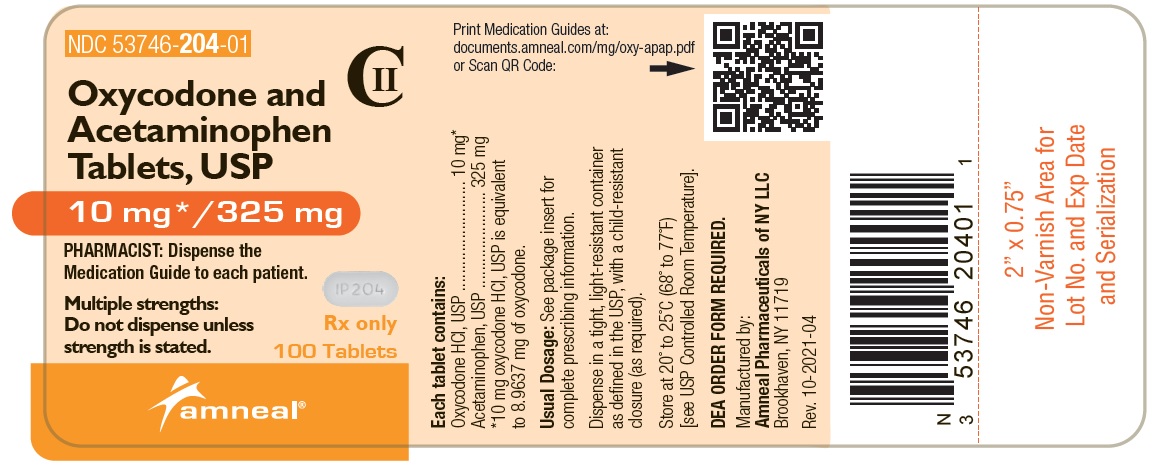
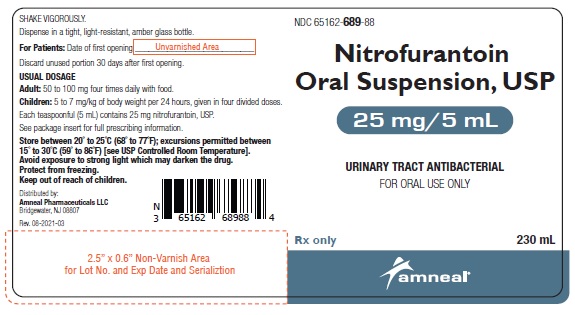
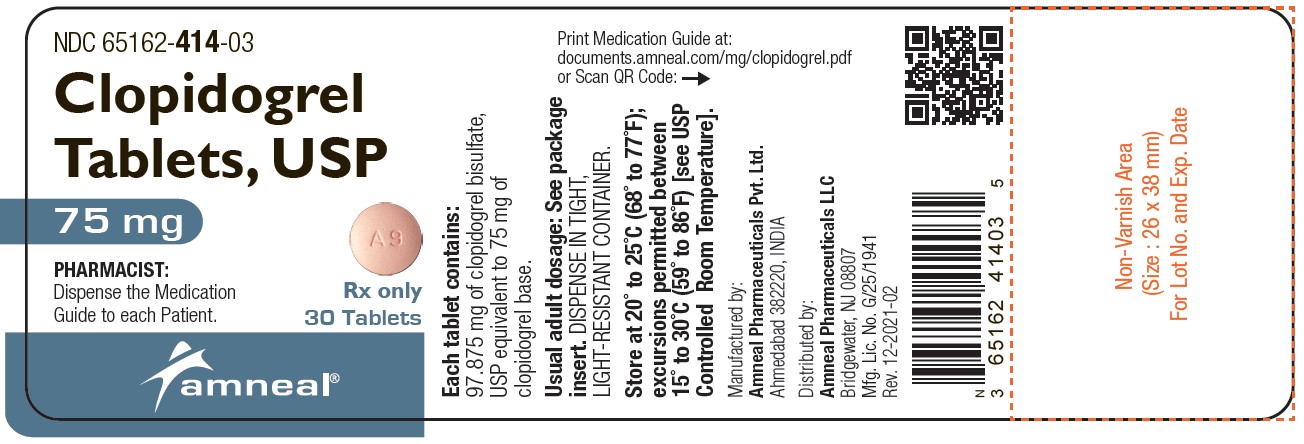
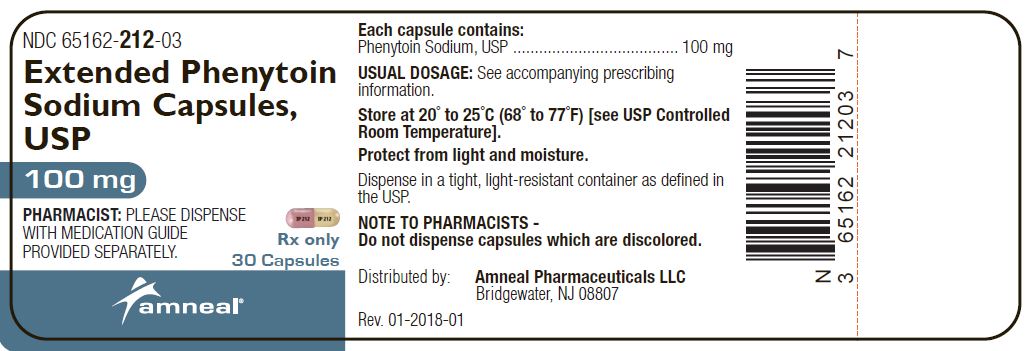
Amneal Pharmaceuticals Of New York, Llc

Manufacturer Details

There are currently no manufacturer details available.

Share This Page

Amneal Pharmaceuticals Of New York, Llc Drugs

  • Instant Hand Sanitizer (Alcohol) Gel [Provision Medical ]

    Instant Hand Sanitizer

    Instant Hand Sanitizer (Alcohol) Gel [Provision Medical ]

    The recommended dose for adults and children over 12 years of age is one 800 mg tablet three to four times a day.

  • Megestrol Acetate Suspension [Twi Pharmaceuticals, Inc.]

    Megestrol Acetate Suspension

    Megestrol Acetate Suspension [Twi Pharmaceuticals, Inc.]

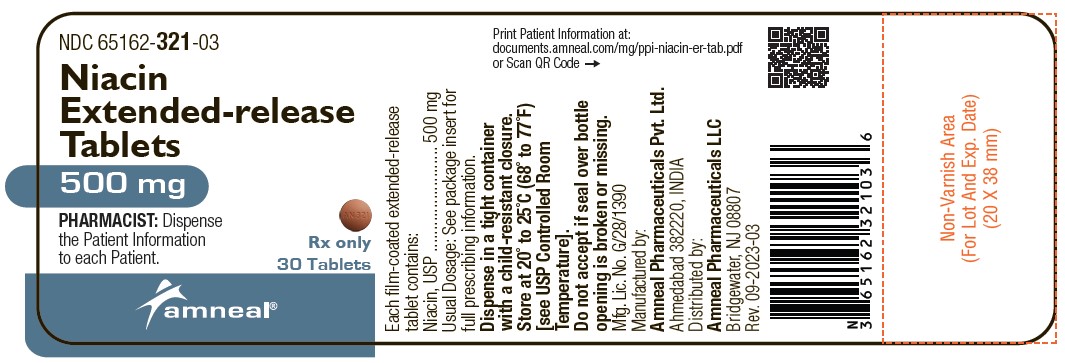
    Niacin extended-release tablets should be taken at bedtime, after a low-fat snack, and doses should be individualized according to patient response. Therapy with niacin extended-release tablets must be initiated at 500 mg at bedtime in order to reduce the incidence and severity of side effects which may occur during early therapy. The recommended dose escalation is shown in Table 1 below.

    Table 1. Recommended Dosing


    Week(s)

    Daily dose

    Niacin Extended-Release Tablets Dosage

    INITIAL

    TITRATION

    1 to 4

    500 mg

    1 Niacin Extended-Release Tablet 500 mg at bedtime

    SCHEDULE

    5 to 8

    1000 mg

    1 Niacin Extended-Release Tablet 1000 mg or

    2 Niacin Extended-Release Tablets 500 mg at bedtime


    *

    1500 mg

    3 Niacin Extended-Release Tablets 500 mg at bedtime


    *

    2000 mg

    2 Niacin Extended-Release Tablets 1000 mg or

    4 Niacin Extended-Release Tablets 500 mg at bedtime

    * After Week 8, titrate to patient response and tolerance. If response to 1000 mg daily is inadequate, increase dose to 1500 mg daily; may subsequently increase dose to 2000 mg daily. Daily dose should not be increased more than 500 mg in a 4-week period, and doses above 2000 mg daily are not recommended. Women may respond at lower doses than men.

    Maintenance Dose

    The daily dosage of niacin extended-release tablets should not be increased by more than 500 mg in any 4–week period. The recommended maintenance dose is 1000 mg (two 500 mg tablets or one 1000 mg tablet) to 2000 mg (two 1000 mg tablets or four 500 mg tablets) once daily at bedtime. Doses greater than 2000 mg daily are not recommended. Women may respond at lower niacin extended-release tablets doses than men [see Clinical Studies (14.2)].

    Single-dose bioavailability studies have demonstrated that two of the 500 mg and one of the 1000 mg tablet strengths are interchangeable but three of the 500 mg and two of the 750 mg tablet strengths are not interchangeable.

    Tolerance to flushing develops rapidly over the course of several weeks. Flushing, pruritus, and gastrointestinal distress are also greatly reduced by slowly increasing the dose of niacin and avoiding administration on an empty stomach. Concomitant alcoholic, hot drinks or spicy foods may increase the side effects of flushing and pruritus and should be avoided around the time of niacin extended-release tablets ingestion.

    Equivalent doses of niacin extended-release tablets should not be substituted for sustained-release (modified-release, timed-release) niacin preparations or immediate-release (crystalline) niacin [see Warnings and Precautions (5)]. Patients previously receiving other niacin products should be started with the recommended niacin extended-release tablets titration schedule (see Table 1), and the dose should subsequently be individualized based on patient response.

    If niacin extended-release tablets therapy is discontinued for an extended period, reinstitution of therapy should include a titration phase (see Table 1).

    Niacin extended-release tablets should be taken whole and should not be broken, crushed or chewed before swallowing.

    Dosage in Patients with Renal or Hepatic Impairment

    Use of niacin extended-release tablets in patients with renal or hepatic impairment has not been studied. Niacin extended-release tablets are contraindicated in patients with significant or unexplained hepatic dysfunction. Niacin extended-release tablets should be used with caution in patients with renal impairment [see Warnings and Precautions (5)].

  • Bethanechol Chloride Tablet [Amneal Pharmaceuticals]

    Bethanechol Chloride

    Bethanechol Chloride Tablet [Amneal Pharmaceuticals]

    Dosage must be individualized, depending on the type and severity of the condition to be treated.

    Preferably give the drug when the stomach is empty. If taken soon after eating, nausea and vomiting may occur.

    The usual adult oral dose ranges from 10 to 50 mg three or four times a day. The minimum effective dose is determined by giving 5 to 10 mg initially and repeating the same amount at hourly intervals until satisfactory response occurs, or until a maximum of 50 mg has been given. The effects of the drug sometimes appear within 30 minutes and are usually maximal within 60 to 90 minutes. The drug effects persist for about one hour.

    If necessary, the effects of the drug can be abolished promptly by atropine (see OVERDOSAGE).

  • Naproxen Sodium Tablet [Amneal Pharmaceuticals]

    Naproxen Sodium

    Naproxen Sodium Tablet [Amneal Pharmaceuticals]

    Carefully consider the potential benefits and risks of naproxen sodium tablets, USP and other treatment options before deciding to use naproxen sodium tablets, USP. Use the lowest effective dose for the shortest duration consistent with individual patient treatment goals (see WARNINGS).

    After observing the response to initial therapy with naproxen sodium tablets, USP, the dose and frequency should be adjusted to suit an individual patient"s needs.

    Different dose strengths and formulations (i.e., tablets, suspension) of the drug are not necessarily bioequivalent. This difference should be taken into consideration when changing formulation.

    Although naproxen tablets, USP, naproxen suspension, naproxen delayed-release tablets, USP and naproxen sodium tablets, USP all circulate in the plasma as naproxen, USP, they have pharmacokinetic differences that may affect onset of action. Onset of pain relief can begin within 30 minutes in patients taking naproxen sodium, USP and within 1 hour in patients taking naproxen, USP (see CLINICAL PHARMACOLOGY).

    The recommended strategy for initiating therapy is to choose a formulation and a starting dose likely to be effective for the patient and then adjust the dosage based on observation of benefit and/or adverse events. A lower dose should be considered in patients with renal or hepatic impairment or in elderly patients (see WARNINGS and PRECAUTIONS).

    Geriatric Patients

    Studies indicate that although total plasma concentration of naproxen, USP is unchanged, the unbound plasma fraction of naproxen is increased in the elderly. Caution is advised when high doses are required and some adjustment of dosage may be required in elderly patients. As with other drugs used in the elderly, it is prudent to use the lowest effective dose.

    Patients With Moderate to Severe Renal Impairment

    Naproxen-containing products are not recommended for use in patients with moderate to severe and severe renal impairment (creatinine clearance <30 mL/min) (see WARNINGS: Renal Effects).

    Rheumatoid Arthritis, Osteoarthritis and Ankylosing Spondylitis

      Naproxen sodium tablets, USP   275 mg (naproxen, USP 250 mg with 25 mg sodium)   twice daily   550 mg (naproxen, USP 500 mg with 50 mg sodium)   twice daily

    During long-term administration, the dose of naproxen, USP may be adjusted up or down depending on the clinical response of the patient. A lower daily dose may suffice for long-term administration. The morning and evening doses do not have to be equal in size and the administration of the drug more frequently than twice daily is not necessary.

    In patients who tolerate lower doses well, the dose may be increased to naproxen sodium, USP 1500 mg/day for limited periods of up to 6 months when a higher level of anti-inflammatory/analgesic activity is required. When treating such patients with naproxen sodium 1500 mg/day, the physician should observe sufficient increased clinical benefits to offset the potential increased risk. The morning and evening doses do not have to be equal in size and administration of the drug more frequently than twice daily does not generally make a difference in response (see CLINICAL PHARMACOLOGY).

    Juvenile Arthritis

    For the relief of juvenile arthritis, the recommended dose is approximately 10 mg/kg given orally in 2 divided doses (i.e., 5 mg/kg given twice a day). Naproxen sodium tablets, USP are not well suited to this dosage so use of naproxen oral suspension, USP is recommended for this indication.

    Management of Pain, Primary Dysmenorrhea, and Acute Tendonitis and Bursitis:

    The recommended starting dose is 550 mg of naproxen sodium, USP followed by 550 mg every 12 hours or 275 mg every 6 to 8 hours as required. The initial total daily dose should not exceed 1375 mg of naproxen sodium, USP. Thereafter, the total daily dose should not exceed 1100 mg of naproxen sodium. Because the sodium salt of naproxen, USP is more rapidly absorbed, naproxen sodium tablets, USP are recommended for the management of acute painful conditions when prompt onset of pain relief is desired.

    Acute Gout

    The recommended starting dose is 825 mg of naproxen sodium tablets, USP followed by 275 mg every 8 hours until the attack has subsided.

  • Acebutolol Hydrochloride Capsule [Amneal Pharmaceuticals, Llc]

    Acebutolol Hydrochloride

    Acebutolol Hydrochloride Capsule [Amneal Pharmaceuticals, Llc]

    Hypertension

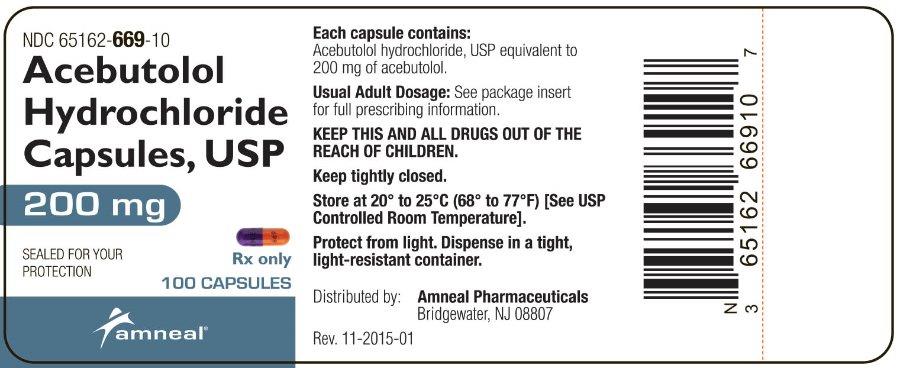
    The initial dosage of acebutolol in uncomplicated mild-to-moderate hypertension is 400 mg. This can be given as a single daily dose, but in occasional patients twice daily dosing may be required for adequate 24-hour blood-pressure control. An optimal response is usually achieved with dosages of 400 to 800 mg per day, although some patients have been maintained on as little as 200 mg per day. Patients with more severe hypertension or who have demonstrated inadequate control may respond to a total of 1200 mg daily (administered b.i.d.), or to the addition of a second antihypertensive agent. Beta-1 selectivity diminishes as dosage is increased.

    Ventricular Arrhythmia

    The usual initial dose of acebutolol is 400 mg daily given as 200 mg b.i.d. Dosage should be increased gradually until an optimal clinical response is obtained, generally at 600 to 1200 mg per day. If treatment is to be discontinued, the dosage should be reduced gradually over a period of about two weeks.

    Use in Older Patients

    Older patients have an approximately 2-fold increase in bioavailability and may require lower maintenance doses. Doses above 800 mg/day should be avoided in the elderly.

  • Ciclopirox Gel
    Ciclopirox Gel [Paddock Laboratories, Inc.]

    Ciclopirox Gel

    Ciclopirox Gel [Paddock Laboratories, Inc.]

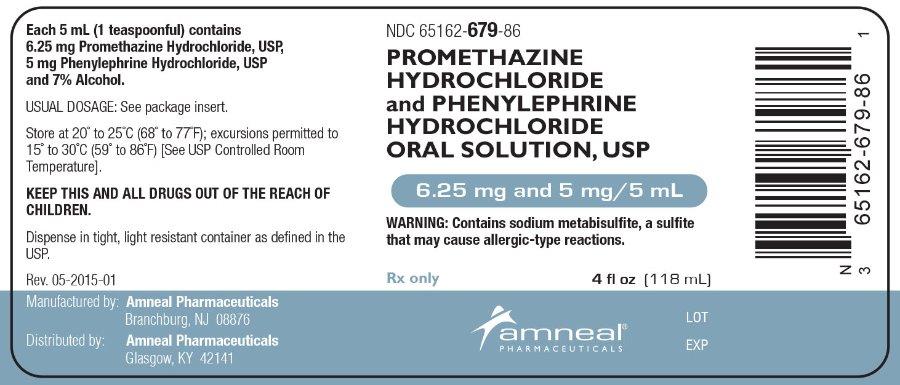
    It is important that promethazine hydrochloride and phenylephrine hydrochloride oral solution, USP is measured with an accurate measuring device (see Precautions-Information for Patients). A household teaspoon is not an accurate measuring device and could lead to overdosage, especially when half a teaspoon is to be measured. It is strongly recommended that an accurate measuring device be used. A pharmacist can provide instructions for measuring the correct dose.

    Promethazine hydrochloride and phenylephrine hydrochloride oral solution, USP is contraindicated for children under 2 years of age (see WARNINGS –Black Box Warning and Use in Pediatric Patients).

    The recommended doses are given in the following table:

    Adults and Children 12 Years and Over 1 teaspoonful (5 mL) every 4 to 6 hours, not to exceed 6 teaspoonfuls (30 mL) in 24 hours.

    Children 6 to Under 12 Years of Age ½ to 1 teaspoonful (2.5 to 5 mL) every 4 to 6 hours, not to exceed 6 teaspoonfuls (30 mL) in 24 hours.

    Children 2 to Under 6 Years of Age ¼ to ½ teaspoonful (1.25 to 2.5 mL) every 4 to 6 hours.

  • Lisinopril Tablet [St Marys Medical Park Pharmacy]

    Lisinopril

    Lisinopril Tablet [St Marys Medical Park Pharmacy]

    Carefully consider the potential benefits and risks of naproxen tablets, USP and other treatment options before deciding to use naproxen tablets, USP. Use the lowest effective dose for the shortest duration consistent with individual patient treatment goals (see WARNINGS).

    After observing the response to initial therapy with naproxen tablets, USP, the dose and frequency should be adjusted to suit an individual patient’s needs.

    Different dose strengths and formulations (i.e., tablets, suspension) of the drug are not necessarily bioequivalent. This difference should be taken into consideration when changing formulation.

    Although naproxen tablets, USP, naproxen suspension, naproxen delayed-release tablets, and naproxen sodium tablets all circulate in the plasma as naproxen, they have pharmacokinetic differences that may affect onset of action. Onset of pain relief can begin within 1 hour in patients taking naproxen.

    The recommended strategy for initiating therapy is to choose a formulation and a starting dose likely to be effective for the patient and then adjust the dosage based on observation of benefit and/or adverse events. A lower dose should be considered in patients with renal or hepatic impairment or in elderly patients (see WARNINGS and PRECAUTIONS).

    Geriatric Patients

    Studies indicate that although total plasma concentration of naproxen is unchanged, the unbound plasma fraction of naproxen is increased in the elderly. Caution is advised when high doses are required and some adjustment of dosage may be required in elderly patients. As with other drugs used in the elderly, it is prudent to use the lowest effective dose.

    Patients With Moderate to Severe Renal Impairment

    Naproxen-containing products are not recommended for use in patients with moderate to severe and severe renal impairment (creatinine clearance <30 mL/min) (see WARNINGS: Renal Effects).

    Rheumatoid Arthritis, Osteoarthritis and Ankylosing Spondylitis

    Naproxen Tablets, USP

    250 mg or 375 mg or 500 mg

    twice daily twice daily twice daily

    During long-term administration, the dose of naproxen may be adjusted up or down depending on the clinical response of the patient. A lower daily dose may suffice for long-term administration. The morning and evening doses do not have to be equal in size and the administration of the drug more frequently than twice daily is not necessary.

    In patients who tolerate lower doses well, the dose may be increased to naproxen 1500 mg/day for limited periods of up to 6 months when a higher level of anti-inflammatory/ analgesic activity is required. When treating such patients with naproxen 1500 mg/day, the physician should observe sufficient increased clinical benefits to offset the potential increased risk. The morning and evening doses do not have to be equal in size and administration of the drug more frequently than twice daily does not generally make a difference in response (see CLINICAL PHARMACOLOGY).

    Acute Gout

    The recommended starting dose is 750 mg of naproxen tablets, USP followed by 250 mg every 8 hours until the attack has subsided.

  • Felbamate
    Felbamate Tablet [Amneal Pharmaceuticals]

    Felbamate

    Felbamate Tablet [Amneal Pharmaceuticals]

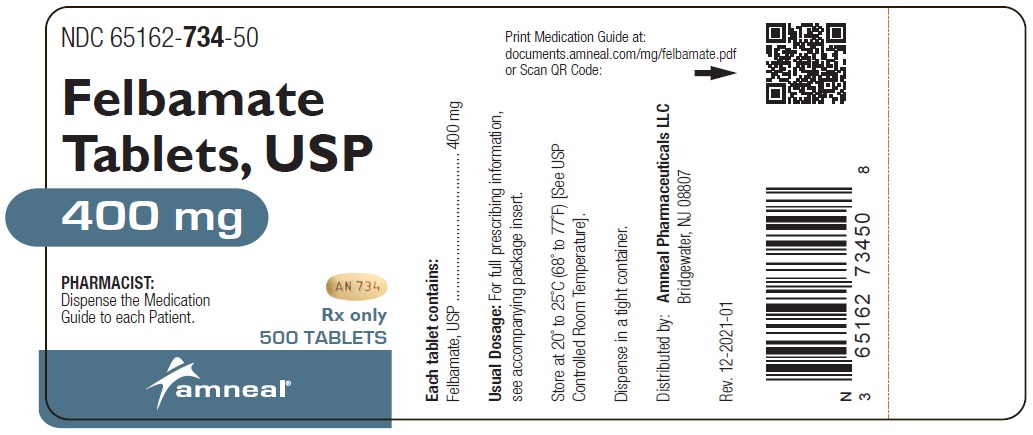
    Felbamate tablets, USP have been studied as monotherapy and adjunctive therapy in adults and as adjunctive therapy in children with seizures associated with Lennox-Gastaut syndrome. As felbamate tablets, USP are added to or substituted for existing AEDs, it is strongly recommended to reduce the dosage of those AEDs in the range of 20% to 33% to minimize side effects (see Drug Interactions subsection).

    Dosage Adjustment in the Renally Impaired: Felbamate, USP should be used with caution in patients with renal dysfunction. In the renally impaired, starting and maintenance doses should be reduced by one-half (See CLINICAL PHARMACOLOGY / Pharmacokinetics and PRECAUTIONS). Adjunctive therapy with medications which affect felbamate, USP plasma concentrations, especially AEDs, may warrant further reductions in felbamate, USP daily doses in patients with renal dysfunction.

    Adults (14 years of age and over)

    The majority of patients received 3600 mg/day in clinical trials evaluating its use as both monotherapy and adjunctive therapy.

    Monotherapy: (Initial therapy) Felbamate tablets, USP have not been systematically evaluated as initial monotherapy. Initiate felbamate tablets, USP at 1200 mg/day in divided doses three or four times daily. The prescriber is advised to titrate previously untreated patients under close clinical supervision, increasing the dosage in 600-mg increments every 2 weeks to 2400 mg/day based on clinical response and thereafter to 3600 mg/day if clinically indicated.

    Conversion to Monotherapy: Initiate felbamate tablets, USP at 1200 mg/day in divided doses three or four times daily. Reduce the dosage of concomitant AEDs by one-third at initiation of felbamate tablets, USP therapy. At week 2, increase the felbamate tablets, USP dosage to 2400 mg/day while reducing the dosage of other AEDs up to an additional one-third of their original dosage. At week 3, increase the felbamate tablets, USP dosage up to 3600 mg/day and continue to reduce the dosage of other AEDs as clinically indicated.

    Adjunctive Therapy: Felbamate tablets, USP should be added at 1200 mg/day in divided doses three or four times daily while reducing present AEDs by 20% in order to control plasma concentrations of concurrent phenytoin, valproic acid, phenobarbital and carbamazepine and its metabolites. Further reductions of the concomitant AEDs dosage may be necessary to minimize side effects due to drug interactions. Increase the dosage of felbamate, USP by 1200 mg/day increments at weekly intervals to 3600 mg/day. Most side effects seen during felbamate tablets, USP adjunctive therapy resolve as the dosage of concomitant AEDs is decreased.

     Table 6 Dosage Table (adults)  Dosage reduction of concomitant AEDs  WEEK 1 REDUCE original dose by 20% to 33%*  WEEK 2 REDUCE original dose by up to an additional 1/3*  WEEK 3 REDUCE as clinically indicated  Felbamate Tablet, USP Dosage  1200 mg/day Initial dose  2400 mg/day Therapeutic dosage range  3600 mg/day Therapeutic dosage range  *See Adjunctive and Conversion to Monotherapy sections. 

    While the above felbamate tablets, USP conversion guidelines may result in a felbamate tablets, USP 3600 mg/day dose within 3 weeks, in some patients titration to a 3600 mg/day felbamate tablets, USP dose has been achieved in as little as 3 days with appropriate adjustment of other AEDs.

    Children with Lennox-Gastaut Syndrome (Ages 2 to 14 years)

    Adjunctive Therapy: Felbamate tablets, USP should be added at 15 mg/kg/day in divided doses three or four times daily while reducing present AEDs by 20% in order to control plasma levels of concurrent phenytoin, valproic acid, phenobarbital, and carbamazepine and its metabolites. Further reductions of the concomitant AEDs dosage may be necessary to minimize side effects due to drug interactions. Increase the dosage of felbamate tablets, USP by 15 mg/kg/day increments at weekly intervals to 45 mg/kg/day. Most side effects seen during felbamate tablets, USP adjunctive therapy resolve as the dosage of concomitant AEDs is decreased.

  • Lightener
    Lightener (Hydroquinone) Cream [Crc (Cosmoceutical Research Center)]

    Lightener

    Lightener (Hydroquinone) Cream [Crc (Cosmoceutical Research Center)]

    TPMT TESTING CANNOT SUBSTITUTE FOR COMPLETE BLOOD COUNT (CBC) MONITORING IN PATIENTS RECEIVING AZATHIOPRINE TABLETS. TPMT genotyping or phenotyping can be used to identify patients with absent or reduced TPMT activity. Patients with low or absent TPMT activity are at an increased risk of developing severe, life-threatening myelotoxicity from azathioprine if conventional doses are given. Physicians may consider alternative therapies for patients who have low or absent TPMT activity (homozygous for non-functional alleles). Azathioprine should be administered with caution to patients having one non-functional allele (heterozygous) who are at risk for reduced TPMT activity that may lead to toxicity if conventional doses are given. Dosage reduction is recommended in patients with reduced TPMT activity. Early drug discontinuation may be considered in patients with abnormal CBC results that do not respond to dose reduction.

    Renal Homotransplantation

    The dose of azathioprine required to prevent rejection and minimize toxicity will vary with individual patients; this necessitates careful management. The initial dose is usually 3 to 5 mg/kg daily, beginning at the time of transplant. Azathioprine is usually given as a single daily dose on the day of, and in a minority of cases 1 to 3 days before, transplantation. Dose reduction to maintenance levels of 1 to 3 mg/kg daily is usually possible. The dose of azathioprine should not be increased to toxic levels because of threatened rejection. Discontinuation may be necessary for severe hematologic or other toxicity, even if rejection of the homograft may be a consequence of drug withdrawal.

    Rheumatoid Arthritis

    Azathioprine is usually given on a daily basis. The initial dose should be approximately 1 mg/kg (50 to 100 mg) given as a single dose or on a twice-daily schedule. The dose may be increased, beginning at 6 to 8 weeks and thereafter by steps at 4-week intervals, if there are no serious toxicities and if initial response is unsatisfactory. Dose increments should be 0.5 mg/kg daily, up to a maximum dose of 2.5 mg/kg per day. Therapeutic response occurs after several weeks of treatment, usually 6 to 8; an adequate trial should be a minimum of 12 weeks. Patients not improved after 12 weeks can be considered refractory. Azathioprine may be continued long-term in patients with clinical response, but patients should be monitored carefully, and gradual dosage reduction should be attempted to reduce risk of toxicities.

    Maintenance therapy should be at the lowest effective dose, and the dose given can be lowered decrementally with changes of 0.5 mg/kg or approximately 25 mg daily every 4 weeks while other therapy is kept constant. The optimum duration of maintenance azathioprine has not been determined. Azathioprine can be discontinued abruptly, but delayed effects are possible.

    Use in Renal Dysfunction

    Relatively oliguric patients, especially those with tubular necrosis in the immediate postcadaveric transplant period, may have delayed clearance of azathioprine or its metabolites, may be particularly sensitive to this drug, and are usually given lower doses.

    Procedures for proper handling and disposal of this immunosuppressive antimetabolite drug should be considered. Several guidelines on this subject have been published.25-31 There is no general agreement that all of the procedures recommended in the guidelines are necessary or appropriate.

  • Felbamate Suspension [Amneal Pharmaceuticals]

    Felbamate Suspension

    Felbamate Suspension [Amneal Pharmaceuticals]

    Felbamate oral suspension has been studied as monotherapy and adjunctive therapy in adults and as adjunctive therapy in children with seizures associated with Lennox-Gastaut syndrome. As felbamate oral suspension is added to or substituted for existing AEDs, it is strongly recommended to reduce the dosage of those AEDs in the range of 20% to 33% to minimize side effects (see Drug Interactions subsection).

    Dosage Adjustment in the Renally Impaired: Felbamate should be used with caution in patients with renal dysfunction. In the renally impaired, starting and maintenance doses should be reduced by one-half (See CLINICAL PHARMACOLOGY / Pharmacokinetics and PRECAUTIONS). Adjunctive therapy with medications which affect felbamate plasma concentrations, especially AEDs, may warrant further reductions in felbamate daily doses in patients with renal dysfunction.

    Adults (14 years of age and over)

    The majority of patients received 3600 mg/day in clinical trials evaluating its use as both monotherapy and adjunctive therapy.

    Monotherapy: (Initial therapy) Felbamate oral suspension has not been systematically evaluated as initial monotherapy. Initiate felbamate oral suspension at 1200 mg/day in divided doses three or four times daily. The prescriber is advised to titrate previously untreated patients under close clinical supervision, increasing the dosage in 600-mg increments every 2 weeks to 2400 mg/day based on clinical response and thereafter to 3600 mg/day if clinically indicated.

    Conversion to Monotherapy: Initiate felbamate oral suspension at 1200 mg/day in divided doses three or four times daily. Reduce the dosage of concomitant AEDs by one-third at initiation of felbamate oral suspension therapy. At week 2, increase the felbamate oral suspension dosage to 2400 mg/day while reducing the dosage of other AEDs up to an additional one-third of their original dosage. At week 3, increase the felbamate oral suspension dosage up to 3600 mg/day and continue to reduce the dosage of other AEDs as clinically indicated.

    Adjunctive Therapy: Felbamate oral suspension should be added at 1200 mg/day in divided doses three or four times daily while reducing present AEDs by 20% in order to control plasma concentrations of concurrent phenytoin, valproic acid, phenobarbital, and carbamazepine and its metabolites. Further reductions of the concomitant AEDs dosage may be necessary to minimize side effects due to drug interactions. Increase the dosage of felbamate oral suspension by 1200 mg/day increments at weekly intervals to 3600 mg/day. Most side effects seen during felbamate oral suspension adjunctive therapy resolve as the dosage of concomitant AEDs is decreased.

     Table 6 Dosage Table (adults)  Dosage reduction of concomitant AEDs  WEEK 1 REDUCE original dose by 20% to 33%*  WEEK 2 REDUCE original dose by up to an additional 1/3*  WEEK 3 REDUCE as clinically indicated  Felbamate Oral SuspensionDosage  1200 mg/day Initial dose  2400 mg/day Therapeutic dosage range  3600 mg/day Therapeutic dosage range  *See Adjunctive and Conversion to Monotherapy sections.

    While the above felbamate oral suspension conversion guidelines may result in a felbamate oral suspension 3600 mg/day dose within 3 weeks, in some patients titration to a 3600 mg/day felbamate oral suspension dose has been achieved in as little as 3 days with appropriate adjustment of other AEDs.

    Children with Lennox-Gastaut Syndrome (Ages 2 to 14 years)

    Adjunctive Therapy: Felbamate oral suspension should be added at 15 mg/kg/day in divided doses three or four times daily while reducing present AEDs by 20% in order to control plasma levels of concurrent phenytoin, valproic acid, phenobarbital, and carbamazepine and its metabolites. Further reductions of the concomitant AEDs dosage may be necessary to minimize side effects due to drug interactions. Increase the dosage of felbamate oral suspension by 15 mg/kg/day increments at weekly intervals to 45 mg/kg/day. Most side effects seen during felbamate oral suspension adjunctive therapy resolve as the dosage of concomitant AEDs is decreased.

  • Ibuprofen Pain Reliever/fever Reducer (Ibuprofen) Capsule, Liquid Filled [Amneal Pharmaceuticals]

    Ibuprofen Pain Relieverfever Reducer

    Ibuprofen Pain Reliever/fever Reducer (Ibuprofen) Capsule, Liquid Filled [Amneal Pharmaceuticals]

    DIRECTIONS

    do not take more than directed the smallest effective dose should be used adults and children 12 years and over: take 1 capsule every 4 to 6 hours while symptoms persist if pain or fever does not respond to 1 capsule, 2 capsules may be used. do not exceed 6 capsules in 24 hours, unless directed by a doctor children under 12 years: ask a doctor
  • Cetirizine Hydrochloride (Cetirizine) Solution [Amneal Pharmaceuticals]

    Cetirizine Hydrochloride

    Cetirizine Hydrochloride (Cetirizine) Solution [Amneal Pharmaceuticals]

    use only with enclosed dosing cup find right dose on chart below mL = milliliter  adults and children 6 years and over  1 teaspoonful (5 mL) or 2 teaspoonfuls (10 mL) once daily depending upon severity of symptoms; do not take more than 2 teaspoonfuls (10 mL) in 24 hours.  adults 65 years and over  1 teaspoonful (5 mL) once daily; do not take more than 1 teaspoonful (5 mL) in 24 hours.  children 2 to under 6 years of age  ½ teaspoonful (2.5 mL) once daily. If needed, dose can be increased to a maximum of 1 teaspoonful (5 mL) once daily or ½ teaspoonful (2.5 mL) every 12 hours. Do not give more than 1 teaspoonful (5 mL) in 24 hours.  children under 2 years of age  ask a doctor  consumers with liver or kidney disease  ask a doctor

    Other information

    store between 20° to 25°C (68° to 77°F) TAMPER EVIDENT: DO NOT USE IF NECKBAND IMPRINTED “SEALED FOR YOUR PROTECTION” IS BROKEN OR MISSSING.
  • Male Energy (Dehydroepiandrosterone, Sabal Serrulata, Setotonin, Orchitinum (Suis), Pituitary (Suis), Thyroidinum (Suis), Conium Maculatum, Testosterone,) Liquid [Alternative Pharmacy]

    Male Energy

    Male Energy (Dehydroepiandrosterone, Sabal Serrulata, Setotonin, Orchitinum (Suis), Pituitary (Suis), Thyroidinum (Suis), Conium Maculatum, Testosterone,) Liquid [Alternative Pharmacy]

    Carefully consider the potential benefits and risks of ibuprofen tablets and other treatment options before deciding to use ibuprofen tablets. Use the lowest effective dose for the shortest duration consistent with individual patient treatment goals (see WARNINGS).

    After observing the response to initial therapy with ibuprofen tablets, the dose and frequency should be adjusted to suit an individual patient's needs. Do not exceed 3200 mg total daily dose. If gastrointestinal complaints occur, administer ibuprofen tablets with meals or milk.

    Rheumatoid arthritis and osteoarthritis, including flare-ups of chronic disease

    Suggested Dosage: 1200 mg to 3200 mg daily (400 mg, 600 mg or 800 mg tid or qid). Individual patients may show a better response to 3200 mg daily, as compared with 2400 mg, although in well-controlled clinical trials patients on 3200 mg did not show a better mean response in terms of efficacy. Therefore, when treating patients with 3200 mg/day, the physician should observe sufficient increased clinical benefits to offset potential increased risk.

    The dose should be tailored to each patient, and may be lowered or raised depending on the severity of symptoms either at time of initiating drug therapy or as the patient responds or fails to respond.

    In general, patients with rheumatoid arthritis seem to require higher doses of ibuprofen tablets than do patients with osteoarthritis.

    The smallest dose of ibuprofen tablets that yields acceptable control should be employed. A linear blood level dose response relationship exists with single doses up to 800 mg (See CLINICAL PHARMACOLOGY for effects of food on rate of absorption).

    The availability of three tablet strengths facilitates dosage adjustment.

    In chronic conditions, a therapeutic response to therapy with ibuprofen tablets is sometimes seen in a few days to a week but most often is observed by two weeks. After a satisfactory response has been achieved, the patient's dose should be reviewed and adjusted as required.

    Mild to moderate pain: 400 mg every 4 to 6 hours as necessary for relief of pain.

    In controlled analgesic clinical trials, doses of ibuprofen tablets greater than 400 mg were no more effective than the 400 mg dose.

    Dysmenorrhea

    For the treatment of dysmenorrhea, beginning with the earliest onset of such pain, ibuprofen tablets should be given in a dose of 400 mg every 4 hours as necessary for the relief of pain.

  • Idarubicin Hydrochlorid...
    Idarubicin Hydrochloride Injection [Teva Parenteral Medicines, Inc]

    Idarubicin Hydrochloride

    Idarubicin Hydrochloride Injection [Teva Parenteral Medicines, Inc]

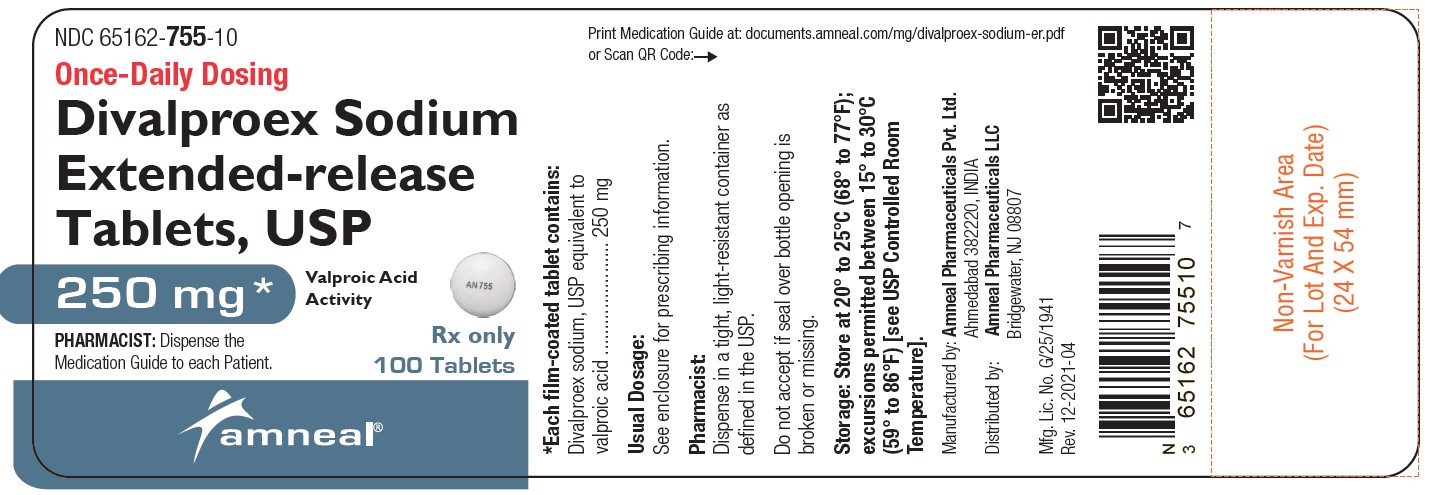
    Divalproex sodium extended-release tablets, USP are an extended-release product intended for once-a-day oral administration. Divalproex sodium extended-release tablets, USP should be swallowed whole and should not be crushed or chewed.

    2.1 Mania

    Divalproex sodium extended-release tablets, USP are administered orally. The recommended initial dose is 25 mg/kg/day given once daily. The dose should be increased as rapidly as possible to achieve the lowest therapeutic dose which produces the desired clinical effect or the desired range of plasma concentrations. In a placebo-controlled clinical trial of acute mania or mixed type, patients were dosed to a clinical response with a trough plasma concentration between 85 and 125 mcg/mL. The maximum recommended dosage is 60 mg/kg/day.

    There is no body of evidence available from controlled trials to guide a clinician in the longer term management of a patient who improves during divalproex sodium extended-release tablets, USP treatment of an acute manic episode. While it is generally agreed that pharmacological treatment beyond an acute response in mania is desirable, both for maintenance of the initial response and for prevention of new manic episodes, there are no data to support the benefits of divalproex sodium extended-release tablets, USP in such longer-term treatment (i.e., beyond 3 weeks).

    2.2 Epilepsy

    Divalproex sodium extended-release tablets, USP are administered orally, and must be swallowed whole. As divalproex sodium extended-release tablets, USP dosage is titrated upward, concentrations of clonazepam, diazepam, ethosuximide, lamotrigine, tolbutamide, phenobarbital, carbamazepine and/or phenytoin may be affected [see Drug Interactions (7.2)].

    Complex Partial Seizures

    For adults and children 10 years of age or older.

    Monotherapy (Initial Therapy)

    Divalproex sodium extended-release tablets, USP have not been systematically studied as initial therapy. Patients should initiate therapy at 10 to 15 mg/kg/day. The dosage should be increased by 5 to 10 mg/kg/week to achieve optimal clinical response. Ordinarily, optimal clinical response is achieved at daily doses below 60 mg/kg/day. If satisfactory clinical response has not been achieved, plasma levels should be measured to determine whether or not they are in the usually accepted therapeutic range (50 to 100 mcg/mL). No recommendation regarding the safety of valproate for use at doses above 60 mg/kg/day can be made.

    The probability of thrombocytopenia increases significantly at total trough valproate plasma concentrations above 110 mcg/mL in females and 135 mcg/mL in males. The benefit of improved seizure control with higher doses should be weighed against the possibility of a greater incidence of adverse reactions.

    Conversion to Monotherapy

    Patients should initiate therapy at 10 to 15 mg/kg/day. The dosage should be increased by 5 to 10 mg/kg/week to achieve optimal clinical response. Ordinarily, optimal clinical response is achieved at daily doses below 60 mg/kg/day. If satisfactory clinical response has not been achieved, plasma levels should be measured to determine whether or not they are in the usually accepted therapeutic range (50 to 100 mcg/mL). No recommendation regarding the safety of valproate for use at doses above 60 mg/kg/day can be made.

    Concomitant antiepilepsy drug (AED) dosage can ordinarily be reduced by approximately 25% every 2 weeks. This reduction may be started at initiation of divalproex sodium extended-release tablets, USP therapy, or delayed by 1 to 2 weeks if there is a concern that seizures are likely to occur with a reduction. The speed and duration of withdrawal of the concomitant AED can be highly variable, and patients should be monitored closely during this period for increased seizure frequency.

    Adjunctive Therapy

    Divalproex sodium extended-release tablets, USP may be added to the patient's regimen at a dosage of 10 to 15 mg/kg/day. The dosage may be increased by 5 to 10 mg/kg/week to achieve optimal clinical response. Ordinarily, optimal clinical response is achieved at daily doses below 60 mg/kg/day. If satisfactory clinical response has not been achieved, plasma levels should be measured to determine whether or not they are in the usually accepted therapeutic range (50 to 100 mcg/mL). No recommendation regarding the safety of valproate for use at doses above 60 mg/kg/day can be made.

    In a study of adjunctive therapy for complex partial seizures in which patients were receiving either carbamazepine or phenytoin in addition to valproate, no adjustment of carbamazepine or phenytoin dosage was needed [see Clinical Studies (14.2)]. However, since valproate may interact with these or other concurrently administered AEDs as well as other drugs, periodic plasma concentration determinations of concomitant AEDs are recommended during the early course of therapy [see Drug Interactions (7)].

    Simple and Complex Absence Seizures

    The recommended initial dose is 15 mg/kg/day, increasing at one week intervals by 5 to 10 mg/kg/day until seizures are controlled or side effects preclude further increases. The maximum recommended dosage is 60 mg/kg/day.

    A good correlation has not been established between daily dose, serum concentrations and therapeutic effect. However, therapeutic valproate serum concentration for most patients with absence seizures is considered to range from 50 to 100 mcg/mL. Some patients may be controlled with lower or higher serum concentrations [see Clinical Pharmacology (12.3)].

    As divalproex sodium extended-release tablets, USP dosage is titrated upward, blood concentrations of phenobarbital and/or phenytoin may be affected [see Drug Interactions (7.2)].

    Antiepilepsy drugs should not be abruptly discontinued in patients in whom the drug is administered to prevent major seizures because of the strong possibility of precipitating status epilepticus with attendant hypoxia and threat to life.

    2.3 Migraine

    Divalproex sodium extended-release tablets, USP are indicated for prophylaxis of migraine headaches in adults.

    The recommended starting dose is 500 mg once daily for 1 week, thereafter increasing to 1000 mg once daily. Although doses other than 1000 mg once daily of divalproex sodium extended-release tablets, USP have not been evaluated in patients with migraine, the effective dose range of divalproex sodium delayed-release tablets, USP in these patients is 500 to 1000 mg/day. As with other valproate products, doses of divalproex sodium extended-release tablets, USP should be individualized and dose adjustment may be necessary. If a patient requires smaller dose adjustments than that available with divalproex sodium extended-release tablets, USP, divalproex sodium delayed-release tablets, USP should be used instead.

    2.4 Conversion from Divalproex Sodium Delayed-Release Tablets, USP to Divalproex Sodium Extended-Release Tablets, USP

    In adult patients and pediatric patients 10 years of age or older with epilepsy previously receiving divalproex sodium delayed-release tablets, USP, divalproex sodium extended-release tablets, USP should be administered once-daily using a dose 8% to 20% higher than the total daily dose of divalproex sodium delayed-release tablets, USP (Table 1). For patients whose divalproex sodium delayed-release tablets, USP total daily dose cannot be directly converted to divalproex sodium extended-release tablets, USP, consideration may be given at the clinician’s discretion to increase the patient’s divalproex sodium delayed-release tablets, USP total daily dose to the next higher dosage before converting to the appropriate total daily dose of divalproex sodium extended-release tablets, USP.

    Table 1. Dose Conversion

    Divalproex Sodium Delayed-Release Tablets, USP

    Divalproex Sodium Extended-Release Tablets, USP

    Total Daily Dose (mg)

    (mg)

    500* to 625

    750

    750* to 875

    1000

    1000* to 1125

    1250

    1250 to 1375

    1500

    1500 to 1625

    1750

    1750

    2000

    1875 to 2000

    2250

    2125 to 2250

    2500

    2375

    2750

    2500 to 2750

    3000

    2875

    3250

    3000 to 3125

    3500

    * These total daily doses of divalproex sodium delayed-release tablets, USP cannot be directly converted to an 8% to 20% higher total daily dose of divalproex sodium extended-release tablets, USP because the required dosing strengths of divalproex sodium extended-release tablets, USP are not available. Consideration may be given at the clinician's discretion to increase the patient's divalproex sodium delayed-release tablets, USP total daily dose to the next higher dosage before converting to the appropriate total daily dose of divalproex sodium extended-release tablets, USP.

    There is insufficient data to allow a conversion factor recommendation for patients with divalproex sodium delayed-release tablets, USP doses above 3125 mg/day. Plasma valproate Cmin concentrations for divalproex sodium extended-release tablets, USP on average are equivalent to divalproex sodium delayed-release tablets, USP, but may vary across patients after conversion. If satisfactory clinical response has not been achieved, plasma levels should be measured to determine whether or not they are in the usually accepted therapeutic range (50 to 100 mcg/mL) [see Clinical Pharmacology (12.2)].

    2.5 General Dosing Advice

    Dosing in Elderly Patients

    Due to a decrease in unbound clearance of valproate and possibly a greater sensitivity to somnolence in the elderly, the starting dose should be reduced in these patients. Starting doses in the elderly lower than 250 mg can only be achieved by the use of divalproex sodium delayed-release tablets, USP. Dosage should be increased more slowly and with regular monitoring for fluid and nutritional intake, dehydration, somnolence and other adverse reactions. Dose reductions or discontinuation of valproate should be considered in patients with decreased food or fluid intake and in patients with excessive somnolence. The ultimate therapeutic dose should be achieved on the basis of both tolerability and clinical response [see Warnings and Precautions (5.14), Use in Specific Populations (8.5) and Clinical Pharmacology (12.3)].

    Dose-Related Adverse Reactions

    The frequency of adverse effects (particularly elevated liver enzymes and thrombocytopenia) may be dose-related. The probability of thrombocytopenia appears to increase significantly at total valproate concentrations of ≥ 110 mcg/mL (females) or ≥ 135 mcg/mL (males) [see Warnings and Precautions (5.8)]. The benefit of improved therapeutic effect with higher doses should be weighed against the possibility of a greater incidence of adverse reactions.

    G.I. Irritation

    Patients who experience G.I. irritation may benefit from administration of the drug with food or by slowly building up the dose from an initial low level.

    Compliance

    Patients should be informed to take divalproex sodium extended-release tablets, USP every day as prescribed. If a dose is missed it should be taken as soon as possible, unless it is almost time for the next dose. If a dose is skipped, the patient should not double the next dose.

  • Norethindrone Acetate (Norethindrone) Tablet [Amneal Pharmaceuticals]

    Norethindrone Acetate

    Norethindrone Acetate (Norethindrone) Tablet [Amneal Pharmaceuticals]

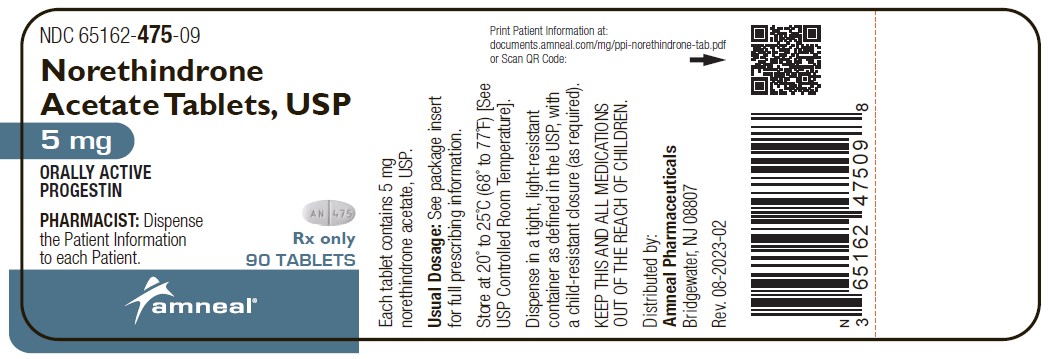
    Therapy with norethindrone acetate tablets, USP must be adapted to the specific indications and therapeutic response of the individual patient.

    Secondary amenorrhea, abnormal uterine bleeding due to hormonal imbalance in the absence of organic pathology: 2.5 to 10 mg norethindrone acetate, USP may be given daily for 5 to 10 days to produce secretory transformation of an endometrium that has been adequately primed with either endogenous or exogenous estrogen.

    Progestin withdrawal bleeding usually occurs within three to seven days after discontinuing norethindrone acetate, USP therapy. Patients with a past history of recurrent episodes of abnormal uterine bleeding may benefit from planned menstrual cycling with norethindrone acetate tablets, USP.

    Endometriosis: Initial daily dosage of 5 mg norethindrone acetate, USP for two weeks. Dosage should be increased by 2.5 mg per day every two weeks until 15 mg per day of norethindrone acetate, USP is reached. Therapy may be held at this level for six to nine months or until annoying breakthrough bleeding demands temporary termination.

  • Benazepril Hydrochloride Tablet [Amneal Pharmaceuticals]

    Benazepril Hydrochloride

    Benazepril Hydrochloride Tablet [Amneal Pharmaceuticals]

    2.1 Recommended Dosage

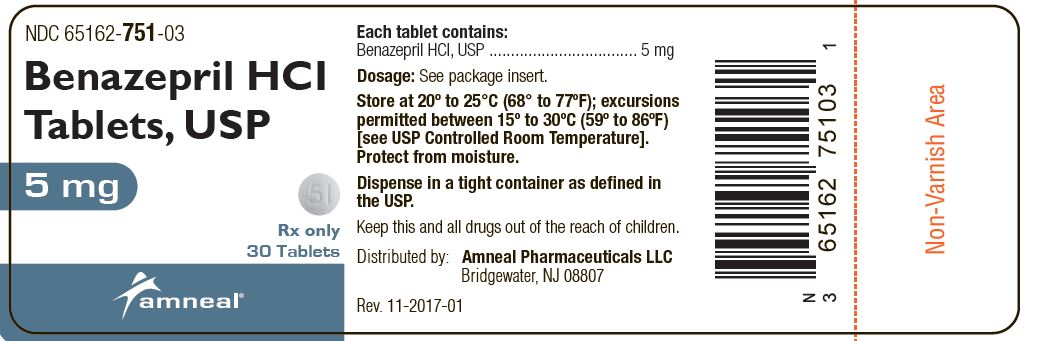
    ADULTSThe recommended initial dose for patients not receiving a diuretic is 10 mg once a day. The usual maintenance dosage range is 20 mg to 40 mg per day administered as a single dose or in two equally divided doses. A dose of 80 mg gives an increased response, but experience with this dose is limited. The divided regimen was more effective in controlling trough (pre-dosing) blood pressure than the same dose given as a once-daily regimen.

    Use with diuretics in adultsThe recommended starting dose of benazepril HCl tablets, USP in a patient on a diuretic is 5 mg once daily. If blood pressure is not controlled with benazepril HCl tablets, USP alone, a low dose of diuretic may be added.

    PEDIATRIC PATIENTS 6 YEARS OF AGE AND OLDERThe recommended starting dose for pediatric patients is 0.2 mg/kg once per day. Titrate as needed to 0.6 mg/kg once per day. Doses above 0.6 mg/kg (or in excess of 40 mg daily) have not been studied in pediatric patients.

    Benazepril HCl tablets, USP is not recommended in pediatric patients less than 6 years of age or in pediatric patients with GFR less than 30 mL/min/1.73 m² [see Use in Specific Populations (8)].

    2.2 Dose Adjustment for Renal Impairment

    For adults with a GFR <30 mL/min/1.73 m2 (serum creatinine >3 mg/dL), the recommended initial dose is 5 mg benazepril HCl tablets, USP once daily. Dosage may be titrated upward until blood pressure is controlled or to a maximum total daily dose of 40 mg. Benazepril HCl tablets, USP can also worsen renal function [see Warnings and Precautions (5.3)].

    2.3 Preparation of Suspension (for 150 mL of a 2 mg/mL Suspension)

    Add 75 mL of Ora-Plus®* oral suspending vehicle to an amber polyethylene terephthalate (PET) bottle containing fifteen benazepril HCl tablets, USP 20 mg tablets, and shake for at least two minutes. Allow the suspension to stand for a minimum of 1 hour. After the standing time, shake the suspension for a minimum of one additional minute. Add 75 mL of Ora-Sweet®* oral syrup vehicle to the bottle and shake the suspension to disperse the ingredients. The suspension should be refrigerated at 2° to 8°C (36° to 46°F) and can be stored for up to 30 days in the PET bottle with a child-resistant screw-cap closure. Shake the suspension before each use.

    *Ora-Plus® and Ora-Sweet® are registered trademarks of Paddock Laboratories, Inc. Ora-Plus® contains carrageenan, citric acid, methylparaben, microcrystalline cellulose, carboxymethylcellulose sodium, potassium sorbate, simethicone, sodium phosphate monobasic, xanthan gum, and water. Ora-Sweet® contains citric acid, berry citrus flavorant, glycerin, methylparaben, potassium sorbate, sodium phosphate monobasic, sorbitol, sucrose, and water.

  • Prostascint Kit For The...
    Prostascint Kit For The Preparation Of Indium In 111 Capromab Pendetide (Capromab Pendetide) Kit [Jazz Pharmaceuticals, Inc.]

    Prostascint Kit For The Preparation Of Indium In 111 Capromab Pendetide

    Prostascint Kit For The Preparation Of Indium In 111 Capromab Pendetide (Capromab Pendetide) Kit [Jazz Pharmaceuticals, Inc.]

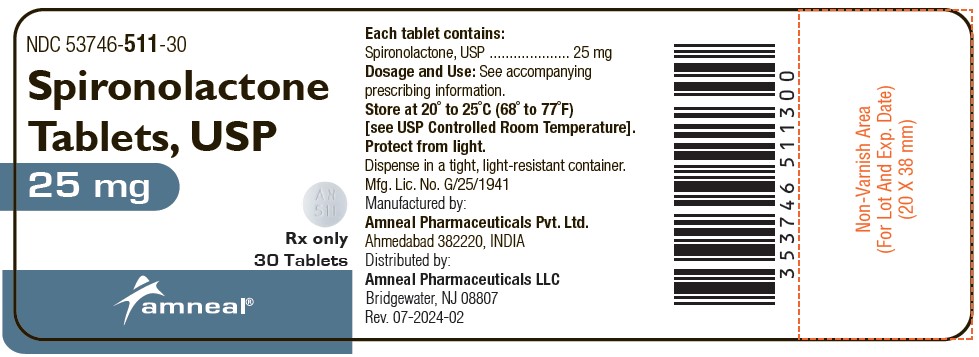
    Primary hyperaldosteronism. Spironolactone tablets, USP may be employed as an initial diagnostic measure to provide presumptive evidence of primary hyperaldosteronism while patients are on normal diets.

    Long test: Spironolactone tablets, USP are administered at a daily dosage of 400 mg for three to four weeks. Correction of hypokalemia and of hypertension provides presumptive evidence for the diagnosis of primary hyperaldosteronism.

    Short test: Spironolactone tablets, USP are administered at a daily dosage of 400 mg for four days. If serum potassium increases during spironolactone tablets, USP administration but drops when spironolactone tablets, USP is discontinued, a presumptive diagnosis of primary hyperaldosteronism should be considered.

    After the diagnosis of hyperaldosteronism has been established by more definitive testing procedures, spironolactone tablets, USP may be administered in doses of 100 to 400 mg daily in preparation for surgery. For patients who are considered unsuitable for surgery, spironolactone tablets, USP may be employed for long-term maintenance therapy at the lowest effective dosage determined for the individual patient.

    Edema in adults (congestive heart failure, hepatic cirrhosis, or nephrotic syndrome). An initial daily dosage of 100 mg of spironolactone tablets, USP administered in either single or divided doses is recommended, but may range from 25 to 200 mg daily. When given as the sole agent for diuresis, spironolactone tablets, USP should be continued for at least five days at the initial dosage level, after which it may be adjusted to the optimal therapeutic or maintenance level administered in either single or divided daily doses. If, after five days, an adequate diuretic response to spironolactone tablets, USP has not occurred, a second diuretic that acts more proximally in the renal tubule may be added to the regimen. Because of the additive effect of spironolactone tablets, USP when administered concurrently with such diuretics, an enhanced diuresis usually begins on the first day of combined treatment; combined therapy is indicated when more rapid diuresis is desired. The dosage of spironolactone tablets, USP should remain unchanged when other diuretic therapy is added.

    Essential hypertension. For adults, an initial daily dosage of 50 to 100 mg of spironolactone tablets, USP administered in either single or divided doses is recommended. Spironolactone tablets, USP may also be given with diuretics that act more proximally in the renal tubule or with other antihypertensive agents. Treatment with spironolactone tablets, USP should be continued for at least two weeks, since the maximum response may not occur before this time. Subsequently, dosage should be adjusted according to the response of the patient.

    Hypokalemia. Spironolactone tablets, USP in a dosage ranging from 25 mg to 100 mg daily is useful in treating a diuretic-induced hypokalemia, when oral potassium supplements or other potassium-sparing regimens are considered inappropriate.

    Severe heart failure in conjunction with standard therapy (NYHA class III – IV). Treatment should be initiated with spironolactone tablets, USP 25 mg once daily if the patient’s serum potassium is ≤5 mEq/L and the patient’s serum creatinine is ≤ 2.5 mg/dL. Patients who tolerate 25 mg once daily may have their dosage increased to 50 mg once daily as clinically indicated. Patients who do not tolerate 25 mg once daily may have their dosage reduced to 25 mg every other day. SEE WARNINGS: Hyperkalemia in patients with severe heart failure for advice on monitoring serum potassium and serum creatinine.

  • Gabapentin Capsule [Camber Pharmaceuticals Inc.]

    Gabapentin

    Gabapentin Capsule [Camber Pharmaceuticals Inc.]

    Active Duodenal Ulcer: The current recommended adult dosage of Ranitidine Oral Solution, USP for duodenal ulcer is 150 mg or 10 mL of oral solution (2 teaspoonfuls of solution equivalent to 150 mg of ranitidine) twice daily. An alternative dosage of 300 mg or 20 mL of oral solution (4 teaspoonfuls of solution equivalent to 300 mg of ranitidine) once daily after the evening meal or at bedtime can be used for patients in whom dosing convenience is important. The advantages of one treatment regimen compared to the other in a particular patient population have yet to be demonstrated (see Clinical Trials: Active Duodenal Ulcer). Smaller doses have been shown to be equally effective in inhibiting gastric acid secretion in US studies, and several foreign trials have shown that 100 mg twice daily is as effective as the 150-mg dose.

    Antacid should be given as needed for relief of pain (see CLINICAL PHARMACOLOGY: Pharmacokinetics).

    Maintenance of Healing of Duodenal Ulcers: The current recommended adult dosage is 150 mg or 10 mL of Ranitidine Oral Solution, USP (2 teaspoonfuls of solution equivalent to 150 mg of ranitidine) at bedtime.

    Pathological Hypersecretory Conditions (such as Zollinger-Ellison syndrome): The current recommended adult dosage is 150 mg or 10 mL of Ranitidine Oral Solution, USP (2 teaspoonfuls of solution equivalent to 150 mg of ranitidine) twice daily. In some patients it may be necessary to administer Ranitidine Oral Solution, USP 150-mg doses more frequently. Dosages should be adjusted to individual patient needs, and should continue as long as clinically indicated. Dosages up to 6 g/day have been employed in patients with severe disease.

    Benign Gastric Ulcer: The current recommended adult oral dosage is 150 mg or 10 mL of Ranitidine Oral Solution, USP (2 teaspoonfuls of solution equivalent to 150 mg of ranitidine) twice daily.

    Maintenance of Healing of Gastric Ulcers: The current recommended adult oral dosage is 150 mg or 10 mL of Ranitidine Oral Solution, USP (2 teaspoonfuls of solution equivalent to 150 mg of ranitidine) at bedtime.

    GERD: The current recommended adult oral dosage is 150 mg or 10 mL of Ranitidine Oral Solution, USP (2 teaspoonfuls of solution equivalent to 150 mg of ranitidine) twice daily.

    Erosive Esophagitis: The current recommended adult oral dosage is 150 mg or 10 mL of Ranitidine Oral Solution, USP (2 teaspoonfuls of solution equivalent to 150 mg of ranitidine) 4 times daily.

    Maintenance of Healing of Erosive Esophagitis: The current recommended adult oral dosage is 150 mg or 10 mL of Ranitidine Oral Solution, USP (2 teaspoonfuls of solution equivalent to 150 mg of ranitidine) twice daily.

    Pediatric Use:

    The safety and effectiveness of Ranitidine Oral Solution, USP have been established in the age-group of 1 month to 16 years. There is insufficient information about the pharmacokinetics of ranitidine hydrochloride, USP in neonatal patients (less than 1 month of age) to make dosing recommendations.

    The following 3 subsections provide dosing information for each of the pediatric indications.

    Treatment of Duodenal and Gastric Ulcers: The recommended oral dose for the treatment of active duodenal and gastric ulcers is 2 to 4 mg/kg twice daily to a maximum of 300 mg/day. This recommendation is derived from adult clinical studies and pharmacokinetic data in pediatric patients.

    Maintenance of Healing of Duodenal and Gastric Ulcers: The recommended oral dose for the maintenance of healing of duodenal and gastric ulcers is 2 to 4 mg/kg once daily to a maximum of 150 mg/day. This recommendation is derived from adult clinical studies and pharmacokinetic data in pediatric patients.

    Treatment of GERD and Erosive Esophagitis: Although limited data exist for these conditions in pediatric patients, published literature supports a dosage of 5 to 10 mg/kg/day, usually given as 2 divided doses.

    Dosage Adjustment for Patients With Impaired Renal Function:

    On the basis of experience with a group of subjects with severely impaired renal function treated with ranitidine hydrochloride USP, the recommended dosage in patients with a creatinine clearance <50 mL/min is 150 mg or 10 mL of Ranitidine Oral Solution, USP (2 teaspoonfuls of solution equivalent to 150 mg of ranitidine) every 24 hours. Should the patient's condition require, the frequency of dosing may be increased to every 12 hours or even further with caution. Hemodialysis reduces the level of circulating ranitidine. Ideally, the dosing schedule should be adjusted so that the timing of a scheduled dose coincides with the end of hemodialysis.

    Elderly patients are more likely to have decreased renal function, therefore caution should be exercised in dose selection, and it may be useful to monitor renal function (see CLINICAL PHARMACOLOGY: Pharmacokinetics: Geriatrics and PRECAUTIONS: Geriatric Use).

  • Perform (Menthol) Spray [Performance Health Inc.]

    Perform

    Perform (Menthol) Spray [Performance Health Inc.]

    Generally, when estrogen is prescribed for a postmenopausal woman with a uterus, a progestin should also be considered to reduce the risk of endometrial cancer.

    A woman without a uterus does not need a progestin. In some cases, however, hysterectomized women with a history of endometriosis may need a progestin [see Warnings and Precautions (5.3,5.15)].

    Use of estrogen-alone, or in combination with a progestin, should be with the lowest effective dose and for the shortest duration consistent with treatment goals and risks for the individual woman. Postmenopausal women should be re-evaluated periodically as clinically appropriate to determine if treatment is still necessary.

    2.1 Treatment of Atrophic Vaginitis due to Menopause

    Estradiol vaginal inserts should be administered intravaginally using the supplied applicator: 1 tablet daily for 2 weeks, followed by 1 tablet twice weekly (for example, Tuesday and Friday). Generally, women should be started at the 10 mcg dosage strength.

  • Extra Strength Pain Rel...
    Extra Strength Pain Relief (Acetaminophen) Tablet [Rite Aid]

    Extra Strength Pain Relief

    Extra Strength Pain Relief (Acetaminophen) Tablet [Rite Aid]

    2.1 Recommended Dosing and Dose Modification Guidelines

    Dosage of temozolomide capsules must be adjusted according to nadir neutrophil and platelet counts in the previous cycle and the neutrophil and platelet counts at the time of initiating the next cycle. For temozolomide capsules dosage calculations based on body surface area (BSA) see Table 5. For suggested capsule combinations on a daily dose see Table 6.

    Patients with Newly Diagnosed High Grade Glioma: Concomitant Phase: Temozolomide capsules are administered at 75 mg/m2 daily for 42 days concomitant with focal radiotherapy (60 Gy administered in 30 fractions) followed by maintenance temozolomide capsules for 6 cycles. Focal RT includes the tumor bed or resection site with a 2- to 3-cm margin. No dose reductions are recommended during the concomitant phase; however, dose interruptions or discontinuation may occur based on toxicity. The temozolomide capsules dose should be continued throughout the 42-day concomitant period up to 49 days if all of the following conditions are met: absolute neutrophil count ≥1.5 x 10⁹ /L, platelet count ≥100 x 109/L, common toxicity criteria (CTC) nonhematological toxicity ≤Grade 1 (except for alopecia, nausea, and vomiting). During treatment a complete blood count should be obtained weekly. Temozolomide dosing should be interrupted or discontinued during concomitant phase according to the hematological and nonhematological toxicity criteria as noted in Table 1. Pneumocystis pneumonia (PCP) prophylaxis is required during the concomitant administration of temozolomide capsules and radiotherapy, and should be continued in patients who develop lymphocytopenia until recovery from lymphocytopenia (CTC Grade ≤1).

    TABLE 1: Temozolomide Dosing Interruption or Discontinuation

    During Concomitant Radiotherapy and Temozolomide

     Toxicity  TMZ Interruption*  TMZ Discontinuation  Absolute Neutrophil Count  ≥0.5 and <1.5 x 10⁹/L  <0.5 x 10⁹/L  Platelet Count  ≥10 and <100 x 109/L  <10 x 109/L  CTC Nonhematological Toxicity (except for alopecia, nausea, vomiting)  CTC Grade 2  CTC Grade 3 or 4

    *Treatment with concomitant TMZ could be continued when all of the following conditions were met: absolute neutrophil count ≥1.5 x 10⁹/L; platelet count ≥100 x 109/L; CTC nonhematological toxicity ≤Grade 1 (except for alopecia, nausea, vomiting). TMZ=temozolomide; CTC=Common Toxicity Criteria.

    Maintenance Phase:

    Cycle 1: Four weeks after completing the  temozolomide capsules+RT phase, temozolomide capsules are administered for an additional 6 cycles of maintenance treatment. Dosage in Cycle 1 (maintenance) is 150 mg/m2 once daily for 5 days followed by 23 days without treatment.

    Cycles 2 to 6: At the start of Cycle 2, the dose can be escalated to 200 mg/m2, if the CTC nonhematologic toxicity for Cycle 1 is Grade ≤2 (except for alopecia, nausea, and vomiting), absolute neutrophil count (ANC) is ≥1.5 x 10⁹/L, and the platelet count is ≥100 x 109/L. The dose remains at 200 mg/m2 per day for the first 5 days of each subsequent cycle except if toxicity occurs. If the dose was not escalated at Cycle 2, escalation should not be done in subsequent cycles.

    Dose Reduction or Discontinuation During Maintenance: Dose reductions during the maintenance phase should be applied according to Tables 2 and 3.

    During treatment, a complete blood count should be obtained on Day 22 (21 days after the first dose of temozolomide capsules) or within 48 hours of that day, and weekly until the ANC is above 1.5 x 10⁹/L (1500/μL) and the platelet count exceeds 100 x 109/L (100,000/μL). The next cycle of temozolomide capsules should not be started until the ANC and platelet count exceed these levels. Dose reductions during the next cycle should be based on the lowest blood counts and worst nonhematologic toxicity during the previous cycle. Dose reductions or discontinuations during the maintenance phase should be applied according to Tables 2 and 3.

    TABLE 2: Temozolomide Dose Levels for Maintenance Treatment

     Dose Level  Dose (mg/m2/day)  Remarks  –1  100  Reduction for prior toxicity  0  150  Dose during Cycle 1  1  200  Dose during Cycles 2 to 6 in absence of toxicity

    TABLE 3: Temozolomide Dose Reduction or Discontinuation During Maintenance Treatment

     Toxicity  Reduce TMZ by 1 Dose Level*  Discontinue TMZ  Absolute Neutrophil Count  <1.0 x 10⁹/L  See footnote †  Platelet Count  <50 x 109/L  See footnote †  CTC Nonhematological Toxicity (except for alopecia, nausea, vomiting)  CTC Grade 3  CTC Grade 4†

    *TMZ dose levels are listed in Table 2.

    †TMZ is to be discontinued if dose reduction to <100 mg/m2 is required or if the same Grade 3 nonhematological toxicity (except for alopecia, nausea, vomiting) recurs after dose reduction. TMZ=temozolomide; CTC=Common Toxicity Criteria.

    Patients with Refractory Anaplastic Astrocytoma: For adults the initial dose is 150 mg/m2 once daily for 5 consecutive days per 28-day treatment cycle. For adult patients, if both the nadir and day of dosing (Day 29, Day 1 of next cycle) ANC are ≥1.5 x 10⁹/L (1500/μL) and both the nadir and Day 29, Day 1 of next cycle platelet counts are ≥100 x 109/L (100,000/μL), the temozolomide capsules dose may be increased to 200 mg/m2/day for 5 consecutive days per 28-day treatment cycle. During treatment, a complete blood count should be obtained on Day 22 (21 days after the first dose) or within 48 hours of that day, and weekly until the ANC is above 1.5 x 10⁹/L (1500/μL) and the platelet count exceeds 100 x 109/L (100,000/μL). The next cycle of temozolomide capsules should not be started until the ANC and platelet count exceed these levels. If the ANC falls to <1.0 x 10⁹/L (1000/μL) or the platelet count is <50 x 109/L (50,000/μL) during any cycle, the next cycle should be reduced by 50 mg/m2, but not below 100 mg/m2, the lowest recommended dose (see Table 4). Temozolomide capsules therapy can be continued until disease progression. In the clinical trial, treatment could be continued for a maximum of 2 years, but the optimum duration of therapy is not known.

    TABLE 4: Dosing Modification Table


    TABLE 5: Daily Dose Calculations by Body Surface Area (BSA)

     Total BSA (m2)  75 mg/m2 (mg daily)  150 mg/m2 (mg daily)  200 mg/m2 (mg daily)  1.0  75  150  200  1.1  82.5  165  220  1.2  90  180  240  1.3  97.5  195  260  1.4  105  210  280  1.5  112.5  225  300  1.6  120  240  320  1.7  127.5  255  340  1.8  135  270  360  1.9  142.5  285  380  2.0  150  300  400  2.1  157.5  315  420  2.2  165  330  440  2.3  172.5  345  460  2.4  180  360  480  2.5  187.5  375  500

    TABLE 6: Suggested Capsule Combinations Based on Daily Dose in Adults

     Number of Daily Capsules by Strength (mg)  Total Daily Dose (mg)  250 mg  180 mg  140 mg  100 mg  20 mg  5 mg  75  0  0  0  0  3  3  82.5  0  0  0  0  4  0  90  0  0  0  0  4  2  97.5  0  0  0  1  0  0  105  0  0  0  1  0  1  112.5  0  0  0  1  0  2  120  0  0  0  1  1  0  127.5  0  0  0  1  1  1  135  0  0  0  1  1  3  142.5  0  0  1  0  0  0  150  0  0  1  0  0  2  157.5  0  0  1  0  1  0  165  0  0  1  0  1  1  172.5  0  0  1  0  1  2  180  0  1  0  0  0  0  187.5  0  1  0  0  0  1  195  0  1  0  0  0  3  200  0  1  0  0  1  0  210  0  0  0  2  0  2  220  0  0  0  2  1  0  225  0  0  0  2  1  1  240  0  0  1  1  0  0  255  1  0  0  0  0  1  260  1  0  0  0  0  2  270  1  0  0  0  1  0  280  0  0  2  0  0  0  285  0  0  2  0  0  1  300  0  0  0  3  0  0  315  0  0  0  3  0  3  320  0  1  1  0  0  0  330  0  1  1  0  0  2  340  0  1  1  0  1  0  345  0  1  1  0  1  1  360  0  2  0  0  0  0  375  0  2  0  0  0  3  380  0  1  0  2  0  0  400  0  0  0  4  0  0  420  0  0  3  0  0  0  440  0  0  3  0  1  0  460  0  2  0  1  0  0  480  0  1  0  3  0  0  500  2  0  0  0  0  0

    2.2 Preparation and Administration

    Temozolomide Capsules: In clinical trials, temozolomide capsules were administered under both fasting and nonfasting conditions; however, absorption is affected by food [see Clinical Pharmacology (12.3)], and consistency of administration with respect to food is recommended. There are no dietary restrictions with temozolomide capsules. To reduce nausea and vomiting, temozolomide capsules should be taken on an empty stomach. Bedtime administration may be advised. Antiemetic therapy may be administered prior to and/or following administration of temozolomide capsules.

    Temozolomide capsules should not be opened or chewed. They should be swallowed whole with a glass of water.

    If capsules are accidentally opened or damaged, precautions should be taken to avoid inhalation or contact with the skin or mucous membranes [see How Supplied/Storage and Handling (16.1)].

  • Buprenorphine Hcl And Naloxone Hcl (Buprenorphine And Naloxone) Tablet [Amneal Pharmaceuticals, Llc]

    Buprenorphine Hcl And Naloxone Hcl

    Buprenorphine Hcl And Naloxone Hcl (Buprenorphine And Naloxone) Tablet [Amneal Pharmaceuticals, Llc]

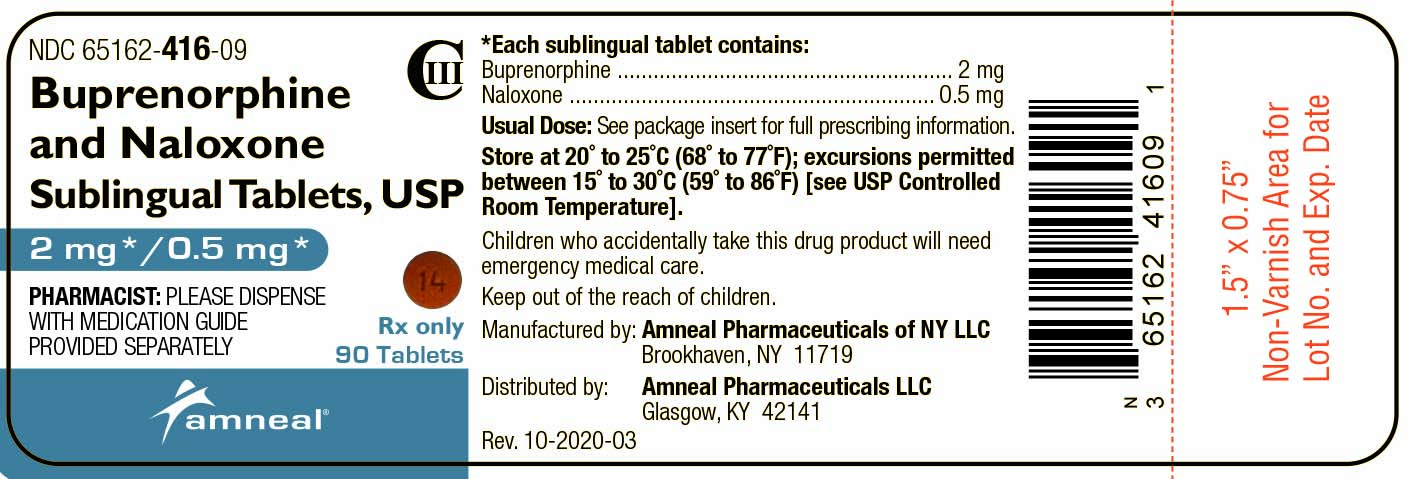
    Buprenorphine and naloxone sublingual tablets are administered sublingually as a single daily dose. Buprenorphine and naloxone sublingual tablets should be used in patients who have been initially inducted using buprenorphine sublingual tablets.

    Medication should be prescribed in consideration of the frequency of visits. Provision of multiple refills is not advised early in treatment or without appropriate patient follow-up visits.

    2.1 Maintenance

    Buprenorphine and naloxone sublingual tablets are indicated for maintenance treatment. The recommended target dosage of buprenorphine and naloxone sublingual tablets are 16 mg/4 mg buprenorphine/naloxone/day as a single daily dose. The dosage of buprenorphine and naloxone sublingual tablets should be progressively adjusted in increments/decrements of 2 mg/0.5 mg or 4 mg/1 mg buprenorphine/naloxone to a level that holds the patient in treatment and suppresses opioid withdrawal signs and symptoms. The maintenance dose of buprenorphine and naloxone sublingual tablets is generally in the range of 4 mg/1 mg buprenorphine/naloxone to 24 mg/6 mg buprenorphine/naloxone per day depending on the individual patient. Dosages higher than this have not been demonstrated to provide any clinical advantage.

    2.2 Method of Administration

    Buprenorphine and naloxone sublingual tablet should be placed under the tongue until it is dissolved. For doses requiring the use of more than two tablets, patients are advised to either place all the tablets at once or alternatively (if they cannot fit in more than two tablets comfortably), place two tablets at a time under the tongue. Either way, the patients should continue to hold the tablets under the tongue until they dissolve; swallowing the tablets reduces the bioavailability of the drug. To ensure consistency in bioavailability, patients should follow the same manner of dosing with continued use of the product.

    Proper administration technique should be demonstrated to the patient.

    2.3 Clinical Supervision

    Treatment should be initiated with supervised administration, progressing to unsupervised administration as the patient’s clinical stability permits. Buprenorphine and naloxone sublingual tablets are subject to diversion and abuse. When determining the prescription quantity for unsupervised administration, consider the patient’s level of stability, the security of his or her home situation, and other factors likely to affect the ability to manage supplies of take-home medication.

    Ideally patients should be seen at reasonable intervals (e.g., at least weekly during the first month of treatment) based upon the individual circumstances of the patient. Medication should be prescribed in consideration of the frequency of visits. Provision of multiple refills is not advised early in treatment or without appropriate patient follow-up visits. Periodic assessment is necessary to determine compliance with the dosing regimen, effectiveness of the treatment plan, and overall patient progress.

    Once a stable dosage has been achieved and patient assessment (e.g., urine drug screening) does not indicate illicit drug use, less frequent follow-up visits may be appropriate. A once-monthly visit schedule may be reasonable for patients on a stable dosage of medication who are making progress toward their treatment objectives. Continuation or modification of pharmacotherapy should be based on the physician’s evaluation of treatment outcomes and objectives such as:

    1.      Absence of medication toxicity

    2.      Absence of medical or behavioral adverse effects

    3.      Responsible handling of medications by the patient

    4.      Patient’s compliance with all elements of the treatment plan (including recovery-oriented activities, psychotherapy, and/or other psychosocial modalities)

    5.      Abstinence from illicit drug use (including problematic alcohol and/or benzodiazepine use)

    If treatment goals are not being achieved, the physician should reevaluate the appropriateness of continuing the current treatment.

    2.4 Unstable Patients

    Physicians will need to decide when they cannot appropriately provide further management for particular patients. For example, some patients may be abusing or dependent on various drugs, or unresponsive to psychosocial intervention such that the physician does not feel that he/she has the expertise to manage the patient. In such cases, the physician may want to assess whether to refer the patient to a specialist or more intensive behavioral treatment environment. Decisions should be based on a treatment plan established and agreed upon with the patient at the beginning of treatment.

    Patients who continue to misuse, abuse, or divert buprenorphine products or other opioids should be provided with, or referred to, more intensive and structured treatment.

    2.5 Patients With Hepatic Impairment

    Because the doses of this fixed combination product cannot be individually titrated, severe hepatic impairment results in a reduced clearance of naloxone to a much greater extent than buprenorphine, and moderate hepatic impairment also results in a reduced clearance of naloxone to a greater extent than buprenorphine, the combination product should generally be avoided in patients with severe hepatic impairment and may not be appropriate for patients with moderate hepatic impairment [seeWarnings and Precautions (5.11)].

    2.6 Stopping Treatment

    The decision to discontinue therapy with buprenorphine and naloxone sublingual tablets after a period of maintenance should be made as part of a comprehensive treatment plan. Both gradual and abrupt discontinuation of buprenorphine has been used, but the data are insufficient to determine the best method of dose taper at the end of treatment.

    2.7 Switching between Buprenorphine and Naloxone Sublingual Film and Buprenorphine and Naloxone Sublingual Tablets

    Patients being switched between buprenorphine and naloxone sublingual tablets and buprenorphine and naloxone sublingual film should be started on the same dosage as the previously administered product. However, dosage adjustments may be necessary when switching between products. Because of the potentially greater relative bioavailability of buprenorphine and naloxone sublingual film compared to buprenorphine and naloxone sublingual tablets, patients switching from buprenorphine and naloxone sublingual tablets to buprenorphine and naloxone sublingual film should be monitored for over-medication. Those switching from buprenorphine and naloxone sublingual film to buprenorphine and naloxone sublingual tablets should be monitored for withdrawal or other indications of underdosing. In clinical studies, pharmacokinetics of buprenorphine and naloxone sublingual film was similar to the respective dosage strengths of buprenorphine and naloxone sublingual tablets, although not all doses and dose combinations met bioequivalence criteria.

  • Epinephrine Injection [Sparhawk Laboratories, Inc.]

    Epinephrine

    Epinephrine Injection [Sparhawk Laboratories, Inc.]

    2.1 Asthma

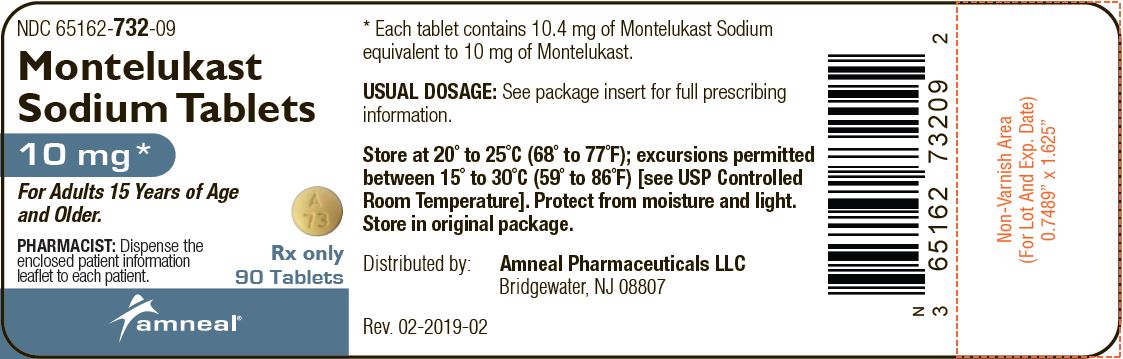
    Montelukast sodium, USP should be taken once daily in the evening. The following doses are recommended:

             For adults and adolescents 15 years of age and older: 10 mg tablet.

    There have been no clinical trials in patients with asthma to evaluate the relative efficacy of morning versus evening dosing. The pharmacokinetics of montelukast are similar whether dosed in the morning or evening. Efficacy has been demonstrated for asthma when montelukast was administered in the evening without regard to time of food ingestion.

    2.2 Exercise-Induced Bronchoconstriction (EIB)

    For prevention of EIB, a single dose of montelukast should be taken at least 2 hours before exercise. The following doses are recommended:

          For adults and adolescents 15 years of age and older: 10 mg tablet.

    An additional dose of montelukast should not be taken within 24 hours of a previous dose. Patients already taking montelukast sodium, USP daily for another indication (including chronic asthma) should not take an additional dose to prevent EIB. All patients should have available for rescue a short-acting β-agonist. Daily administration of montelukast sodium, USP for the chronic treatment of asthma has not been established to prevent acute episodes of EIB.

    2.3 Allergic Rhinitis

    For allergic rhinitis, montelukast sodium, USP should be taken once daily. Efficacy was demonstrated for seasonal allergic rhinitis when montelukast was administered in the morning or the evening without regard to time of food ingestion. The time of administration may be individualized to suit patient needs.

    The following doses for the treatment of symptoms of seasonal allergic rhinitis are recommended:

    For adults and adolescents 15 years of age and older: 10 mg tablet.

    The following doses for the treatment of symptoms of perennial allergic rhinitis are recommended:

    For adults and adolescents 15 years of age and older: 10 mg tablet.

    2.4 Asthma and Allergic Rhinitis

    Patients with both asthma and allergic rhinitis should take only one montelukast sodium, USP dose daily in the evening.

  • Ondansetron Hydrochloride Solution [Sagent Pharmaceuticals]

    Ondansetron Hydrochloride Solution

    Ondansetron Hydrochloride Solution [Sagent Pharmaceuticals]

    When Lidocaine Ointment USP, 5% is used concomitantly with other products containing lidocaine USP, the total dose contributed by all formulations must be kept in mind.

    Adult

    A single application should not exceed 5 g of Lidocaine Ointment USP, 5%, containing 250 mg of lidocaine USP base (equivalent chemically to approximately 300 mg of lidocaine hydrochloride USP). This is roughly equivalent to squeezing a six (6) inch length of ointment from the tube. In a 70 kg adult this dose equals 3.6 mg/kg (1.6 mg/lb) lidocaine USP base. No more than one-half tube, approximately 17 g to 20 g of ointment or 850 mg to 1000 mg lidocaine USP base, should be administered in any one day.

    Although the incidence of adverse effects with Lidocaine Ointment USP, 5% is quite low, caution should be exercised, particularly when employing large amounts, since the incidence of adverse effects is directly proportional to the total dose of local anesthetic agent administered.

    Dosage for children

    It is difficult to recommend a maximum dose of any drug for children since this varies as a function of age and weight. For children less than ten years who have a normal lean body mass and a normal lean body development, the maximum dose may be determined by the application of one of the standard pediatric drug formulas (e.g., Clark's rule). For example a child of five years weighing 50 lbs., the dose of lidocaine USP should not exceed 75 mg to 100 mg when calculated according to Clark's rule. In any case, the maximum amount of lidocaine administered should not exceed 4.5 mg/kg (2 mg/lb) of body weight.

    Administration

    For medical use, apply topically for adequate control of symptoms. The use of a sterile gauze pad is suggested for application to broken skin tissue. Apply to the tube prior to intubation.

    In dentistry, apply to previously dried oral mucosa. Subsequent removal of excess saliva with cotton rolls or saliva ejector minimizes dilution of the ointment, permits maximum penetration, and minimizes the possibility of swallowing the topical ointment.

    For use in connection with the insertion of new dentures, apply to all denture surfaces contacting mucosa.

    IMPORTANT: Patients should consult a dentist at intervals not exceeding 48 hours throughout the fitting period.

  • Zaleplon Capsule [Aurobindo Pharma Limited]

    Zaleplon

    Zaleplon Capsule [Aurobindo Pharma Limited]

    Oral administration is preferred. Although most patients with malabsorption cannot absorb food folates, they are able to absorb folic acid, USP given orally. Parenteral administration is not advocated but may be necessary in some individuals (e.g., patients receiving parenteral or enteral alimentation). Doses greater than 0.1 mg should not be used unless anemia due to vitamin B12 deficiency has been ruled out or is being adequately treated with a cobalamin. Daily doses greater than 1 mg do not enhance the hematologic effect, and most of the excess is excreted unchanged in the urine.

    The usual therapeutic dosage in adults and children (regard less of age) is up to 1 mg daily. Resistant cases may require larger doses.

    When clinical symptoms have subsided and the blood picture has become normal, a daily maintenance level should be used, i.e., 0.1 mg for infants and up to 0.3 mg for children under 4 years of age, 0.4 mg for adults and children 4 or more years of age, and 0.8 mg for pregnant and lactating women, but never less than 0.1 mg/day. Patients should be kept under close supervision and adjustment of the maintenance level made if relapse appears imminent.

    In the presence of alcoholism, hemolytic anemia, anticonvulsant therapy, or chronic infection, the maintenance level may need to be increased.

  • Maximum Strength Stay A...
    Maximum Strength Stay Awake (Caffeine) Tablet [Safeway]

    Maximum Strength Stay Awake

    Maximum Strength Stay Awake (Caffeine) Tablet [Safeway]

    It is important that Promethazine HCl, Phenylephrine HCl and Codeine Phosphate Syrup, USP is measured with an accurate measuring device [see PRECAUTIONS, Information for Patients]. A household teaspoon is not an accurate measuring device and could lead to overdosage, especially when half a teaspoon is to be measured. It is strongly recommended that an accurate measuring device be used. A pharmacist can provide an appropriate device and can provide instructions for measuring the correct dose.

    The combination of promethazine hydrochloride, phenylephrine hydrochloride and codeine phosphate is contraindicated in pediatric patients less than 6 years of age, because the combination may cause fatal respiratory depression in this age population.

    The average effective dose for adults and children 12 years of age and over) is 1 teaspoonful (5 mL) every 4 to 6 hours, not to exceed 30 mL in 24 hours.

    The average effective dose for children 6 years to under 12 years of age is ½ to 1 teaspoonful (2.5 mL to 5 mL) every 4 to 6 hours, not to exceed 30 mL in 24 hours.

  • Ampicillin And Sulbactam Injection, Powder, For Solution [Sagent Pharmaceuticals, Inc.]

    Ampicillin And Sulbactam

    Ampicillin And Sulbactam Injection, Powder, For Solution [Sagent Pharmaceuticals, Inc.]

    Dosage should be adjusted according to the severity of the pain and the response of the patient. It may occasionally be necessary to exceed the usual dosage recommended below in cases of more severe pain or in those patients who have become tolerant to the analgesic effect of opioids. If pain is constant, the opioid analgesic should be given at regular intervals on an around-the-clock schedule. Oxycodone and acetaminophen tablets, USP are given orally.

    Oxycodone and acetaminophentablets, USP 7.5 mg/325 mg

    The usual adult dosage is one tablet every 6 hours as needed for pain. The total daily dose of acetaminophen, USP should not exceed 4 grams.

     Strength  Maximal Daily Dose  Oxycodone and acetaminophen tablets, USP 7.5 mg/325 mg  8 Tablets

    Cessation of Therapy

    In patients treated with oxycodone and acetaminophen tablets, USP for more than a few weeks who no longer require therapy, doses should be tapered gradually to prevent signs and symptoms of withdrawal in the physically dependent patient.

  • Promethazine Hydrochloride (Promethazine) Solution [Amneal Pharmaceuticals, Llc]

    Promethazine Hydrochloride

    Promethazine Hydrochloride (Promethazine) Solution [Amneal Pharmaceuticals, Llc]

    It is important that Promethazine HCL Oral Solution is measured with an accurate measuring device (see PRECAUTIONS – Information for Patients). A household teaspoon is not an accurate measuring device and could lead to overdosage, especially when half a teaspoon is to be measured. It is strongly recommended that an accurate measuring device be used. A pharmacist can provide an appropriate device and can provide instructions for measuring the correct dose.
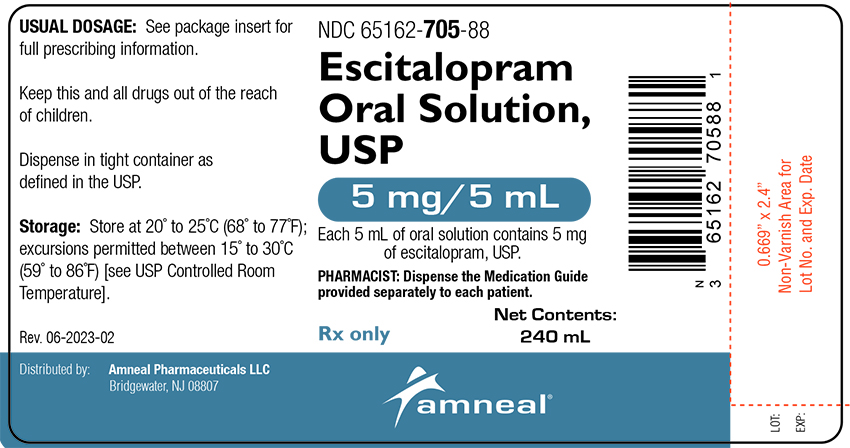
    Promethazine HCl Oral Solution is contraindicated for children under 2 years of age (see WARNINGS – Boxed Warning and Use in Pediatric Patients).

    Allergy

    The average oral dose is 25 mg taken before retiring; however, 12.5 mg may be taken before meals and on retiring, if necessary. Single 25 mg doses at bedtime or 6.25 to 12.5 mg taken three times daily will usually suffice.

    After initiation of treatment in children or adults, dosage should be adjusted to the smallest amount adequate to relieve symptoms.

    The administration of promethazine HCI in 25 mg doses will control minor transfusion reactions of an allergic nature.

    Motion Sickness

    The average adult dose is 25 mg taken twice daily. The initial dose should be taken one-half to one hour before anticipated travel and be repeated 8 to 12 hours later, if necessary. On succeeding days of travel, it is recommended that 25 mg be taken on arising and again before the evening meal. For children, 12.5 to 25 mg, twice daily, may be administered.

    Nausea and Vomiting

    Antiemetics should not be used in vomiting of unknown etiology in children and adolescents (see WARNINGS-Use in Pediatric Patients).

    The average effective dose of Promethazine HCL Oral Solution for the active therapy of nausea and vomiting in children or adults is 25 mg. When oral medication cannot be tolerated, the dose should be given parenterally (cf. Promethazine Hydrochloride Injection) or by rectal suppository. 12.5 to 25 mg doses may be repeated, as necessary, at 4 to 6 hour intervals.

    For nausea and vomiting in children, the usual dose is 0.5 mg per pound of body weight, and the dose should be adjusted to the age and weight of the patient and the severity of the condition being treated.

    For prophylaxis of nausea and vomiting, as during surgery and the postoperative period, the average dose is 25 mg repeated at 4 to 6 hour intervals, as necessary.

    Sedation

    This product relieves apprehension and induces a quiet sleep from which the patient can be easily aroused. Administration of 12.5 to 25 mg Promethazine HCl Oral Solution by the oral route will provide sedation in children. Adults usually require 25 to 50 mg for nighttime, presurgical, or obstetrical sedation.

    Pre- and Postoperative Use

    Promethazine HCl Oral Solution in 12.5  to 25 mg doses for children and 50 mg doses for adults the night before surgery relieves apprehension and produces a quiet sleep.

    For preoperative medication, children require doses of 0.5 mg per pound of body weight in combination with an appropriately reduced dose of narcotic or barbiturate and the appropriate dose of an atropine-like drug.

    Usual adult dosage is 50 mg Promethazine HCl Oral Solution with an appropriately reduced dose of narcotic or barbiturate and the required amount of a belladonna alkaloid. Postoperative sedation and adjunctive use with analgesics may be obtained by the administration of 12.5 to 25 mg in children and 25  to 50 mg doses in adults. Promethazine HCL Oral Solution is contraindicated for children under 2 years of age.

  • Spironolactone Tablet [Amneal Pharmaceuticals, Llc]

    Spironolactone

    Spironolactone Tablet [Amneal Pharmaceuticals, Llc]

    Primary hyperaldosteronism. Spironolactone tablets, USP may be employed as an initial diagnostic measure to provide presumptive evidence of primary hyperaldosteronism while patients are on normal diets.

    Long test: Spironolactone tablets, USP are administered at a daily dosage of 400 mg for three to four weeks. Correction of hypokalemia and of hypertension provides presumptive evidence for the diagnosis of primary hyperaldosteronism.

    Short test: Spironolactone tablets, USP are administered at a daily dosage of 400 mg for four days. If serum potassium increases during spironolactone tablets, USP administration but drops when spironolactone tablets, USP is discontinued, a presumptive diagnosis of primary hyperaldosteronism should be considered.

    After the diagnosis of hyperaldosteronism has been established by more definitive testing procedures, spironolactone tablets, USP may be administered in doses of 100 to 400 mg daily in preparation for surgery. For patients who are considered unsuitable for surgery, spironolactone tablets, USP may be employed for long-term maintenance therapy at the lowest effective dosage determined for the individual patient.

    Edema in adults (congestive heart failure, hepatic cirrhosis, or nephrotic syndrome). An initial daily dosage of 100 mg of spironolactone tablets, USP administered in either single or divided doses is recommended, but may range from 25 to 200 mg daily. When given as the sole agent for diuresis, spironolactone tablets, USP should be continued for at least five days at the initial dosage level, after which it may be adjusted to the optimal therapeutic or maintenance level administered in either single or divided daily doses. If, after five days, an adequate diuretic response to spironolactone tablets, USP has not occurred, a second diuretic that acts more proximally in the renal tubule may be added to the regimen. Because of the additive effect of spironolactone tablets, USP when administered concurrently with such diuretics, an enhanced diuresis usually begins on the first day of combined treatment; combined therapy is indicated when more rapid diuresis is desired. The dosage of spironolactone tablets, USP should remain unchanged when other diuretic therapy is added.

    Essential hypertension. For adults, an initial daily dosage of 50 to 100 mg of spironolactone tablets, USP administered in either single or divided doses is recommended. Spironolactone tablets, USP may also be given with diuretics that act more proximally in the renal tubule or with other antihypertensive agents. Treatment with spironolactone tablets, USP should be continued for at least two weeks, since the maximum response may not occur before this time. Subsequently, dosage should be adjusted according to the response of the patient.

    Hypokalemia. Spironolactone tablets, USP in a dosage ranging from 25 mg to 100 mg daily is useful in treating a diuretic-induced hypokalemia, when oral potassium supplements or other potassium-sparing regimens are considered inappropriate.

    Severe heart failure in conjunction with standard therapy (NYHA class III – IV). Treatment should be initiated with spironolactone tablets, USP 25 mg once daily if the patient’s serum potassium is ≤5 mEq/L and the patient’s serum creatinine is ≤ 2.5 mg/dL. Patients who tolerate 25 mg once daily may have their dosage increased to 50 mg once daily as clinically indicated. Patients who do not tolerate 25 mg once daily may have their dosage reduced to 25 mg every other day. SEE WARNINGS: Hyperkalemia in patients with severe heart failure for advice on monitoring serum potassium and serum creatinine.

  • Anti-diarrheal (Loperamides) Tablet [Walgreen Co.]

    Anti-diarrheal

    Anti-diarrheal (Loperamides) Tablet [Walgreen Co.]

    2.1 Administration Information

    Administer gabapentin oral solution orally with or without food.

    If the gabapentin oral solution dose is reduced, discontinued, or substituted with an alternative medication, this should be done gradually over a minimum of 1 week (a longer period may be needed at the discretion of the prescriber).

    2.2 Dosage for Postherpetic Neuralgia

    In adults with postherpetic neuralgia, gabapentin oral solution may be initiated on Day 1 as a single 300 mg dose, on Day 2 as 600 mg/day (300 mg two times a day), and on Day 3 as 900 mg/day (300 mg three times a day). The dose can subsequently be titrated up as needed for pain relief to a dose of 1800 mg/day (600 mg three times a day). In clinical studies, efficacy was demonstrated over a range of doses from 1800 mg/day to 3600 mg/day with comparable effects across the dose range; however, in these clinical studies, the additional benefit of using doses greater than 1800 mg/day was not demonstrated.

    2.3 Dosage for Epilepsy with Partial Onset Seizures

    Patients 12 years of age and above

    The starting dose is 300 mg three times a day. The recommended maintenance dose of gabapentin oral solution is 300 mg to 600 mg three times a day. Dosages up to 2400 mg/day have been well tolerated in long-term clinical studies. Doses of 3600 mg/day have also been administered to a small number of patients for a relatively short duration, and have been well tolerated. Administer gabapentin oral solution three times a day using 300 mg or 400 mg capsules, or 600 mg or 800 mg tablets. The maximum time between doses should not exceed 12 hours.

    Pediatric Patients Age 3 to 11 years

    The starting dose range is 10 mg/kg/day to 15 mg/kg/day, given in three divided doses, and the recommended maintenance dose reached by upward titration over a period of approximately 3 days. The recommended maintenance dose of gabapentin oral solution in patients 3 to 4 years of age is 40 mg/kg/day, given in three divided doses. The recommended maintenance dose of gabapentin oral solution in patients 5 to 11 years of age is 25 mg/kg/day to 35 mg/kg/day, given in three divided doses. Gabapentin oral solution may be administered as the oral solution, capsule, or tablet, or using combinations of these formulations. Dosages up to 50 mg/kg/day have been well tolerated in a long-term clinical study. The maximum time interval between doses should not exceed 12 hours.

    2.4 Dosage Adjustment in Patients with Renal Impairment

    Dosage adjustment in patients 12 years of age and older with renal impairment or undergoing hemodialysis is recommended, as follows (see dosing recommendations above for effective doses in each indication):

    TABLE 1. Gabapentin Oral SolutionDosage Based on Renal Function

    Renal Function Creatinine Clearance (mL/min)

    Total Daily Dose Range (mg/day)

    Dose Regimen (mg)

    ≥ 60

    900 to 3600

    300 TID

    400 TID

    600 TID

    800 TID

    1200 TID

    >30 to 59

    400 to 1400

    200 BID

    300 BID

    400 BID

    500 BID

    700 BID

    >15 to 29

    200 to 700

    200 QD

    300 QD

    400 QD

    500 QD

    700 QD

    15a

    100 to 300

    100 QD

    125 QD

    150 QD

    200 QD

    300 QD

    Post-Hemodialysis Supplemental Dose (mg)b

    Hemodialysis

    125b

    150b

    200b

    250b

    350b

    TID = Three times a day; BID = Two times a day; QD = Single daily dose

    a For patients with creatinine clearance <15 mL/min, reduce daily dose in proportion to creatinine clearance (e.g., patients with a creatinine clearance of 7.5 mL/min should receive one-half the daily dose that patients with a creatinine clearance of 15 mL/min receive).

    b Patients on hemodialysis should receive maintenance doses based on estimates of creatinine clearance as indicated in the upper portion of the table and a supplemental post-hemodialysis dose administered after each 4 hours of hemodialysis as indicated in the lower portion of the table.

    Creatinine clearance (CLCr) is difficult to measure in outpatients. In patients with stable renal function, creatinine clearance can be reasonably well estimated using the equation of Cockcroft and Gault:

    The use of gabapentin oral solution in patients less than 12 years of age with compromised renal function has not been studied.

    2.5 Dosage in Elderly

    Because elderly patients are more likely to have decreased renal function, care should be taken in dose selection, and dose should be adjusted based on creatinine clearance values in these patients.

  • Acetaminophen And Codeine Tablet [Amneal Pharmaceuticals, Llc]

    Acetaminophen And Codeine

    Acetaminophen And Codeine Tablet [Amneal Pharmaceuticals, Llc]

    Dosage should be adjusted according to severity of pain and response of the patient.The usual adult dosage is: 

                                                         Single Doses                 Maximum                                                          Range                    24-Hour Dose        Codeine Phosphate                     15mg to 60mg                 360 mgAcetaminophen                        300 mg to 1000 mg            4000 mg

    The usual dose of codeine phosphate in children is 0.5 mg/kg.

    Doses may be repeated up to every 4 hours.

    The prescriber must determine the number of tablets per dose, and the maximum number of tablets per 24 hours, based upon the above dosage guidance. This information should be conveyed in the prescription.

    It should be kept in mind, however, that tolerance to codeine can develop with continued use and that the incidence of untoward effects is dose related. Adult doses of codeine higher than 60 mg fail to give commensurate relief of pain but merely prolong analgesia and are associated with an appreciably increased incidence of undesirable side effects. Equivalently high doses in children would have similar effects.

  • Oxycodone And Acetaminophen Tablet [Amneal Pharmaceuticals, Llc]

    Oxycodone And Acetaminophen

    Oxycodone And Acetaminophen Tablet [Amneal Pharmaceuticals, Llc]

    Dosage should be adjusted according to the severity of the pain and the response of the patient. It may occasionally be necessary to exceed the usual dosage recommended below in cases of more severe pain or in those patients who have become tolerant to the analgesic effect of opioids.

    If pain is constant, the opioid analgesic should be given at regular intervals on an around-the-clock schedule. Oxycodone and acetaminophen tablets are given orally.

    The usual adult dosage is one tablet every 6 hours as needed for pain. The total daily dose of acetaminophen should not exceed 4 grams.

    Strength                                                                                             Maximal Daily Dose

    Oxycodone and Acetaminophen Tablets 10 mg / 325 mg                  6 Tablets

    Cessation of Therapy

    In patients treated with oxycodone and acetaminophen tablets for more than a few weeks who no longer require therapy, doses should be tapered gradually to prevent signs and symptoms of withdrawal in the physically dependent patient.

  • Ibandronate Sodium Tablet, Film Coated [Apotex Corp]

    Ibandronate Sodium

    Ibandronate Sodium Tablet, Film Coated [Apotex Corp]

    There is no fixed dosage regimen for the management of hyperglycemia in patients with type 2 diabetes with metformin HCl extended-release tablets, USP or any other pharmacologic agent. Dosage of metformin HCl extended-release tablets, USP must be individualized on the basis of both effectiveness and tolerance, while not exceeding the maximum recommended daily doses. The maximum recommended daily dose of metformin HCl extended-release tablets, USP in adults is 2000 mg.

    Metformin HCl extended-release tablets, USP should generally be given once daily with the evening meal. Metformin HCl extended-release tablets, USP should be started at a low dose, with gradual dose escalation, both to reduce gastrointestinal side effects and to permit identification of the minimum dose required for adequate glycemic control of the patient.

    During treatment initiation and dose titration (see Recommended Dosing Schedule), fasting plasma glucose should be used to determine the therapeutic response to metformin HCl extended-release tablets, USP and identify the minimum effective dose for the patient. Thereafter, glycosylated hemoglobin should be measured at intervals of approximately three months. The therapeutic goal should be to decrease both fasting plasma glucose and glycosylated hemoglobin levels to normal or near normal by using the lowest effective dose of metformin HCl extended-release tablets, USP, either when used as monotherapy or in combination with sulfonylurea or insulin. Monitoring of blood glucose and glycosylated hemoglobin will also permit detection of primary failure, i.e., inadequate lowering of blood glucose at the maximum recommended dose of medication, and secondary failure, i.e., loss of an adequate blood glucose lowering response after an initial period of effectiveness.

    Short-term administration of metformin HCl extended-release tablets, USP may be sufficient during periods of transient loss of control in patients usually well-controlled on diet alone.

    Metformin HCl extended-release tablets, USP must be swallowed whole and never crushed or chewed. Occasionally, the inactive ingredients of metformin HCl extended-release tablets, USP will be eliminated in the feces as a soft, hydrated mass. (See Patient Information printed below.)

    Recommended Dosing Schedule

    Adults - In general, clinically significant responses are not seen at doses below 1500 mg per day. However, a lower recommended starting dose and gradually increased dosage is advised to minimize gastrointestinal symptoms.

    The usual starting dose of metformin HCl extended-release tablets, USP is 500 mg once daily with the evening meal. Dosage increases should be made in increments of 500 mg weekly, up to a maximum of 2000 mg once daily with the evening meal. If glycemic control is not achieved on metformin HCl extended-release tablets, USP 2000 mg once daily, a trial of metformin HCl extended-release tablets, USP 1000 mg twice daily should be considered. (See CLINICAL PHARMACOLOGY, Clinical Studies.)

    Pediatrics - Safety and effectiveness of metformin HCl extended-release tablets, USP in pediatric patients have not been established.

    Transfer From Other Antidiabetic Therapy

    When transferring patients from standard oral hypoglycemic agents other than chlorpropamide to metformin HCl extended-release tablets, USP, no transition period generally is necessary. When transferring patients from chlorpropamide, care should be exercised during the first two weeks because of the prolonged retention of chlorpropamide in the body, leading to overlapping drug effects and possible hypoglycemia.

    Concomitant Metformin HCl Extended-Release Tablets, USP and Oral Sulfonylurea Therapy in Adult Patients

    If patients have not responded to four weeks of the maximum dose of metformin HCl extended-release tablets, USP monotherapy, consideration should be given to gradual addition of an oral sulfonylurea while continuing metformin HCl extended-release tablets, USP at the maximum dose, even if prior primary or secondary failure to a sulfonylurea has occurred. Clinical and pharmacokinetic drug-drug interaction data are currently available only for metformin plus glyburide (glibenclamide).

    With concomitant metformin HCl extended-release tablets, USP and sulfonylurea therapy, the desired control of blood glucose may be obtained by adjusting the dose of each drug. With concomitant metformin HCl extended-release tablets, USP and sulfonylurea therapy, the risk of hypoglycemia associated with sulfonylurea therapy continues and may be increased. Appropriate precautions should be taken. (See Package Insert of the respective sulfonylurea.)

    If patients have not satisfactorily responded to one to three months of concomitant therapy with the maximum dose of metformin HCl extended-release tablets, USP and the maximum dose of an oral sulfonylurea, consider therapeutic alternatives including switching to insulin with or without metformin HCl extended-release tablets, USP.

    Concomitant Metformin HCl Extended-Release Tablets, USP and Insulin Therapy in Adult Patients

    The current insulin dose should be continued upon initiation of metformin HCl extended-release tablets, USP therapy. Metformin HCl extended-release tablets, USP therapy should be initiated at 500 mg once daily in patients on insulin therapy. For patients not responding adequately, the dose of metformin HCl extended-release tablets, USP should be increased by 500 mg after approximately 1 week and by 500 mg every week thereafter until adequate glycemic control is achieved. The maximum recommended daily dose is 2000 mg for metformin HCl extended-release tablets, USP. It is recommended that the insulin dose be decreased by 10% to 25% when fasting plasma glucose concentrations decrease to less than 120 mg/dL in patients receiving concomitant insulin and metformin HCl extended-release tablets, USP. Further adjustment should be individualized based on glucose-lowering response.

    Specific Patient Populations

    Metformin HCl extended-release tablets, USP are not recommended for use in pregnancy. Metformin HCl extended-release tablets, USP are not recommended in pediatric patients (below the age of 17 years).

    The initial and maintenance dosing of metformin HCl extended-release tablets, USP should be conservative in patients with advanced age, due to the potential for decreased renal function in this population. Any dosage adjustment should be based on a careful assessment of renal function. Generally, elderly, debilitated, and malnourished patients should not be titrated to the maximum dose of metformin HCl extended-release tablets, USP.

    Monitoring of renal function is necessary to aid in prevention of lactic acidosis, particularly in the elderly. (See WARNINGS.)

  • Nuedexta
    Nuedexta (Dextromethorphan Hydrobromide And Quinidine Sulfate) Capsule, Gelatin Coated [Avanir Pharmaceuticals, Inc.]

    Nuedexta

    Nuedexta (Dextromethorphan Hydrobromide And Quinidine Sulfate) Capsule, Gelatin Coated [Avanir Pharmaceuticals, Inc.]

    Escitalopram oral solution, USP should be administered once daily, in the morning or evening, with or without food.

    2.1 Major Depressive Disorder

    Initial Treatment

    Adolescents

    The recommended dose of escitalopram oral solution, USP is 10 mg once daily. A flexible-dose trial of escitalopram oral solution, USP (10 to 20 mg/day) demonstrated the effectiveness of escitalopram oral solution, USP [see Clinical Studies (14.1)]. If the dose is increased to 20 mg, this should occur after a minimum of three weeks.

    Adults

    The recommended dose of escitalopram oral solution, USP is 10 mg once daily. A fixed-dose trial of escitalopram oral solution, USP demonstrated the effectiveness of both 10 mg and 20 mg of escitalopram oral solution, USP, but failed to demonstrate a greater benefit of 20 mg over 10 mg [see Clinical Studies (14.1)]. If the dose is increased to 20 mg, this should occur after a minimum of one week.

    Maintenance Treatment

    It is generally agreed that acute episodes of major depressive disorder require several months or longer of sustained pharmacological therapy beyond response to the acute episode. Systematic evaluation of continuing escitalopram oral solution, USP 10 or 20 mg/day in adult patients with major depressive disorder who responded while taking escitalopram oral solution, USP during an 8-week, acute-treatment phase demonstrated a benefit of such maintenance treatment [see Clinical Studies (14.1)]. Nevertheless, the physician who elects to use escitalopram oral solution, USP for extended periods should periodically re-evaluate the long-term usefulness of the drug for the individual patient. Patients should be periodically reassessed to determine the need for maintenance treatment.

    2.2 Generalized Anxiety Disorder

    Initial Treatment

    Adults

    The recommended starting dose of escitalopram oral solution, USP is 10 mg once daily. If the dose is increased to 20 mg, this should occur after a minimum of one week.

    Maintenance Treatment

    Generalized anxiety disorder is recognized as a chronic condition. The efficacy of escitalopram oral solution, USP in the treatment of GAD beyond 8 weeks has not been systematically studied. The physician who elects to use escitalopram oral solution, USP for extended periods should periodically re-evaluate the long-term usefulness of the drug for the individual patient.

    2.3 Special Populations

    10 mg/day is the recommended dose for most elderly patients and patients with hepatic impairment.

    No dosage adjustment is necessary for patients with mild or moderate renal impairment. Escitalopram oral solution, USP should be used with caution in patients with severe renal impairment.

    2.4 Discontinuation of Treatment with Escitalopram Oral Solution, USP

    Symptoms associated with discontinuation of escitalopram oral solution, USP and other SSRIs and SNRIs have been reported [see Warnings and Precautions (5.3)]. Patients should be monitored for these symptoms when discontinuing treatment. A gradual reduction in the dose rather than abrupt cessation is recommended whenever possible. If intolerable symptoms occur following a decrease in the dose or upon discontinuation of treatment, then resuming the previously prescribed dose may be considered. Subsequently, the physician may continue decreasing the dose but at a more gradual rate.

    2.5 Switching a Patient To or From a Monoamine Oxidase Inhibitor (MAOI) Intended to Treat Psychiatric Disorders

    At least 14 days should elapse between discontinuation of an MAOI intended to treat psychiatric disorders and initiation of therapy with escitalopram oral solution, USP. Conversely, at least 14 days should be allowed after stopping escitalopram oral solution, USP before starting an MAOI intended to treat psychiatric disorders [see Contraindications (4.1)].

    2.6 Use of Escitalopram Oral Solution, USP with Other MAOIs such as Linezolid or Methylene Blue

    Do not start escitalopram oral solution, USP in a patient who is being treated with linezolid or intravenous methylene blue because there is an increased risk of serotonin syndrome. In a patient who requires more urgent treatment of a psychiatric condition, other interventions, including hospitalization, should be considered [see Contraindications (4.1)].

    In some cases, a patient already receiving escitalopram oral solution, USP therapy may require urgent treatment with linezolid or intravenous methylene blue. If acceptable alternatives to linezolid or intravenous methylene blue treatment are not available and the potential benefits of linezolid or intravenous methylene blue treatment are judged to outweigh the risks of serotonin syndrome in a particular patient, escitalopram oral solution, USP should be stopped promptly, and linezolid or intravenous methylene blue can be administered. The patient should be monitored for symptoms of serotonin syndrome for 2 weeks or until 24 hours after the last dose of linezolid or intravenous methylene blue, whichever comes first. Therapy with escitalopram oral solution, USP may be resumed 24 hours after the last dose of linezolid or intravenous methylene blue [see Warnings and Precautions (5.2)].

    The risk of administering methylene blue by non-intravenous routes (such as oral tablets or by local injection) or in intravenous doses much lower than 1 mg/kg with escitalopram oral solution, USP is unclear. The clinician should, nevertheless, be aware of the possibility of emergent symptoms of serotonin syndrome with such use [see Warnings and Precautions (5.2)].

  • Lomedia 24 Fe
    Lomedia 24 Fe (Norethindrone Acetate And Ethinyl Estradiol) Kit [Amneal Pharmaceuticals Of New York, Llc]

    Lomedia 24 Fe

    Lomedia 24 Fe (Norethindrone Acetate And Ethinyl Estradiol) Kit [Amneal Pharmaceuticals Of New York, Llc]

    To achieve maximum contraceptive effectiveness, Lomedia 24 Fe tablets should be taken exactly as directed and at intervals not exceeding 24 hours. Lomedia 24 Fe tablets may be administered without regard to meals.

    Lomedia 24 Fe provides a regimen consisting of 24 white active tablets of 1 mg of norethindrone acetate and 20 mcg of ethinyl estradiol and 4 brown non-hormonal (placebo) tablets of ferrous fumarate. The ferrous fumarate tablets do not serve any therapeutic purpose.

    During the first cycle of use:

    The possibility of ovulation and conception prior to initiation of medication should be considered. The patient is instructed to begin taking Lomedia 24 Fe on either Day 1 of menstruation (Day 1 Start) or the first Sunday after the onset of menstruation (Sunday Start). If menstruation begins on a Sunday, the first tablet (white) is taken that day. One white tablet should be taken daily for 24 consecutive days followed by one brown tablet daily for 4 consecutive days. Withdrawal bleeding should usually occur within three days following discontinuation of white tablets and may not have finished before the next pack is started. During the first cycle with a Sunday start, contraceptive reliance should not be placed on Lomedia 24 Fe until a white tablet has been taken daily for 7 consecutive days and a non-hormonal back-up method of birth control (such as condoms or spermicide) should be used during those 7 days.

    The patient begins her next and all subsequent 28-day courses of tablets on the same day of the week on which she began her first course, following the same schedule: 24 days on white tablets—4 days on brown tablets. If in any cycle the patient starts tablets later than the proper day, she should protect herself against pregnancy by using a nonhormonal back-up method of birth control until she has taken a white tablet daily for 7 consecutive days.

    Switching from another hormonal method of contraception:

    When the patient is switching to Lomedia 24 Fe after completing a 21-day regimen of oral contraceptive tablets, transdermal patches, or a vaginal ring, she should wait 7 days after her last tablet, patch, or ring before she starts Lomedia 24 Fe. She will probably experience withdrawal bleeding during that week. She should be sure that no more than 7 days pass after her previous 21-day regimen. When the patient is switching to Lomedia 24 Fe after completing a 28-day regimen of oral contraceptive tablets, she should start her first pack of Lomedia 24 Fe on the day after her last tablet. She should not wait any days between packs. The patient may switch any day from a progestin-only pill and should begin Lomedia 24 Fe the next day. If switching from an implant or injection, the patient should start Lomedia 24 Fe on the day of implant removal or, if using an injection, the day the next injection would be due.

    If spotting or breakthrough bleeding occurs:

    The patient is instructed to continue on the same regimen. This type of bleeding is usually transient and without significance; however, if the bleeding is persistent or prolonged, the patient is advised to consult her healthcare provider. Although pregnancy is unlikely if Lomedia 24 Fe is taken according to directions, if withdrawal bleeding does not occur, the possibility of pregnancy must be considered. If the patient has not adhered to the prescribed schedule (missed one or more tablets or started taking them on a day later than she should have), the probability of pregnancy should be considered at the time of the first missed period and appropriate diagnostic measures taken. If the patient has adhered to the prescribed regimen and misses two consecutive periods, pregnancy should be ruled out. Hormonal contraceptives should be discontinued if pregnancy is confirmed.

    For additional patient instructions regarding missed pills:

    See the “WHAT TO DO IF YOU MISS PILLS” section in the DETAILED PATIENT LABELING. Any time the patient misses two or more white tablets, she should also use another method of non-hormonal back-up contraception until she has taken a white tablet daily for seven consecutive days. If the patient misses one or more brown tablets, she is still protected against pregnancy provided she begins taking the active white tablets again on the proper day. If breakthrough bleeding occurs following missed white tablets, it will usually be transient and of no consequence. The possibility of ovulation increases with each successive day that scheduled white tablets are missed. Therefore, the risk of pregnancy increases with each active (white) tablet missed.

    Use after pregnancy, abortion or miscarriage:

    Lomedia 24 Fe should be initiated no earlier than 28 days postpartum in the nonlactating mother due to the increased risk for thromboembolism. When the tablets are administered in the postpartum period, the increased risk of thromboembolic disease associated with the postpartum period must be considered (see CONTRAINDICATIONS, WARNINGS, and PRECAUTIONS concerning thromboembolic disease). The patient should be advised to use a non-hormonal back-up method for the first 7 days of tablet taking. However, if intercourse has already occurred, the possibility of ovulation and conception prior to initiation of medication should be considered.

    Lomedia 24 Fe may be initiated after a first-trimester abortion or miscarriage; if the patient starts Lomedia 24 Fe immediately, additional contraceptive measures are not needed.

    For additional patient instructions regarding complete dosing instructions, see the “HOW TO TAKE THE PILL” section in the DETAILED PATIENT LABELING.

  • Zenchent Fe (Norethindrone And Ethinyl Estradiol) Kit [Amneal Pharmaceuticals Of New York, Llc]

    Zenchent Fe

    Zenchent Fe (Norethindrone And Ethinyl Estradiol) Kit [Amneal Pharmaceuticals Of New York, Llc]

    To achieve maximum contraceptive effectiveness, norethindrone and ethinyl estradiol tablets, chewable and ferrous fumarate tablets must be taken exactly as directed and at intervals not exceeding 24 hours. The dosage of norethindrone and ethinyl estradiol tablets, chewable and ferrous fumarate tablets is one light yellow tablet daily for 21 consecutive days, followed by one natural brown tablet, daily for 7 consecutive days. It is recommended that tablets be taken at the same time each day. The pill may be swallowed whole or chewed and swallowed. If the pill is chewed, the patient should drink a full glass (8 ounces) of liquid immediately after swallowing. During the first cycle of use, the patient is instructed to begin taking norethindrone and ethinyl estradiol tablets, chewable and ferrous fumarate tablets on either Day 1 or the first Sunday after the onset of menstruation. If menstruation begins on a Sunday, the first tablet (light yellow) is taken that day. One light yellow tablet should be taken daily for 21 consecutive days followed by one natural brown tablet daily for 7 consecutive days. Withdrawal bleeding should usually occur within three days following discontinuation of light yellow tablets and may not have finished before the next pack is started. During the first cycle with a Sunday start, contraceptive reliance should not be placed on norethindrone and ethinyl estradiol tablets, chewable and ferrous fumarate tablets until a light yellow tablet has been taken daily for 7 consecutive days and a non-hormonal back-up method of birth control (such as condoms or spermicide) should be used during those 7 days. The possibility of ovulation and conception prior to initiation of medication should be considered.

    The patient begins her next and all subsequent 28-day courses of tablets on the same day of the week on which she began her first course, following the same schedule: 21 days on light yellow tablets - 7 days on natural brown tablets. If in any cycle the patient starts tablets later than the proper day, she should protect herself against pregnancy by using a non-hormonal back-up method of birth control until she has taken a light yellow tablet daily for 7 consecutive days.

    When the patient is switching from a 21-day regimen of tablets, she should wait 7 days after her last tablet before she starts norethindrone and ethinyl estradiol tablets, chewable and ferrous fumarate tablets. She will probably experience withdrawal bleeding during that week. She should be sure that no more than 7 days pass after her previous 21-day regimen. When the patient is switching from a 28-day regimen of tablets, she should start her first pack of norethindrone and ethinyl estradiol tablets, chewable and ferrous fumarate tablets on the day after her last tablet. She should not wait any days between packs. The patient may switch any day from a progestin-only pill and should begin norethindrone and ethinyl estradiol tablets, chewable and ferrous fumarate tablets the next day. If switching from an implant or injection, the patient should start norethindrone and ethinyl estradiol tablets, chewable and ferrous fumarate tablets on the day of implant removal or, if using an injection, the day the next injection would be due.

    If spotting or breakthrough bleeding occurs, the patient is instructed to continue on the same regimen. This type of bleeding is usually transient and without significance; however, if the bleeding is persistent or prolonged, the patient is advised to consult her healthcare provider. Although pregnancy is unlikely if norethindrone and ethinyl estradiol tablets, chewable and ferrous fumarate tablets are taken according to directions, if withdrawal bleeding does not occur, the possibility of pregnancy must be considered. If the patient has not adhered to the prescribed schedule (missed one or more tablets or started taking them on a day later than she should have), the probability of pregnancy should be considered at the time of the first missed period and appropriate diagnostic measures taken. If the patient has adhered to the prescribed regimen and misses two consecutive periods, pregnancy should be ruled out. Hormonal contraceptives should be discontinued if pregnancy is confirmed.

    For additional patient instructions regarding missed pills, see the “WHAT TO DO IF YOU MISS PILLS” section in the DETAILED PATIENT LABELING. Any time the patient misses two or more light yellow tablets, she should also use another method of non-hormonal back-up contraception until she has taken a light yellow tablet daily for seven consecutive days. If the patient misses one or more natural brown tablets, she is still protected against pregnancy provided she begins taking light yellow tablets again on the proper day. If breakthrough bleeding occurs following missed light yellow tablets, it will usually be transient and of no consequence. The possibility of ovulation increases with each successive day that scheduled light yellow tablets are missed. The risk of pregnancy increases with each active (light yellow) tablet missed.

    Norethindrone and ethinyl estradiol tablets, chewable and ferrous fumarate tablets may be initiated no earlier than day 28 postpartum in the nonlactating mother due to the increased risk for thromboembolism. When the tablets are administered in the postpartum period, the increased risk of thromboembolic disease associated with the postpartum period must be considered (see “CONTRAINDICATIONS,” “WARNINGS,” and “PRECAUTIONS” concerning thromboembolic disease). The patient should be advised to use a non-hormonal back-up method for the first 7 days of tablet-taking. However, if intercourse has already occurred, the possibility of ovulation and conception prior to initiation of medication should be considered. Norethindrone and ethinyl estradiol tablets, chewable and ferrous fumarate tablets may be initiated after a first-trimester abortion; if the patient starts norethindrone and ethinyl estradiol tablets, chewable and ferrous fumarate tablets immediately, additional contraceptive measures are not needed.

    For additional patient instructions regarding complete dosing instructions, see “HOW TO TAKE THE PILL” section in the DETAILED PATIENT LABELING.

  • Esomeprazole Strontium Capsule, Delayed Release [Amneal Pharmaceuticals Of New York, Llc]

    Esomeprazole Strontium

    Esomeprazole Strontium Capsule, Delayed Release [Amneal Pharmaceuticals Of New York, Llc]

    Esomeprazole strontium is supplied as delayed-release capsules for oral administration. The recommended dosages are outlined in Table 1. Esomeprazole strontium should be taken at least one hour before meals.

    The duration of proton pump inhibitor administration should be based on available safety and efficacy data specific to the defined indication and dosing frequency, as described in the prescribing information, and individual patient medical needs. Proton pump inhibitor treatment should only be initiated and continued if the benefits outweigh the risks of treatment.

      Table 1: Recommended Dosage Schedule of Esomeprazole Strontium Delayed-Release Capsules  

     Indication


     Dose


     Frequency


     Gastroesophageal Reflux Disease (GERD) in Adults‡‡


     Healing of Erosive Esophagitis


     24.65 mga or 49.3 mgb


     Once Daily for 4 to 8 Weeks*


     Maintenance of Healing of Erosive Esophagitis


     24.65 mga


     Once Daily**


     Symptomatic Gastroesophageal Reflux Disease


     24.65 mga


     Once Daily for 4 Weeks***


     Risk Reduction of NSAID-Associated Gastric Ulcer in Adults


     24.65 mga or 49.3 mgb


     Once Daily for up to 6 months**


     H. pylori Eradication to Reduce the Risk of Duodenal Ulcer Recurrence in Adults


     Triple Therapy:


     esomeprazole strontium


     49.3 mgb


     Once Daily for 10 Days


     Amoxicillin


     1000 mg


     Twice Daily for 10 Days


     Clarithromycin


     500 mg


     Twice Daily for 10 Days


     Pathological Hypersecretory Conditions Including Zollinger-Ellison Syndrome in Adults


     49.3 mg†b


     ‡Twice Daily

      *[See Clinical Studies (14.1).] The majority of patients are healed within 4 to 8 weeks. For patients who do not heal after 4 to 8 weeks, an additional 4 to 8 weeks of treatment may be considered.  

     **Controlled studies did not extend beyond six months.

      ***If symptoms do not resolve completely after 4 weeks, an additional 4 weeks of treatment may be considered.   †The dosage of esomeprazole strontium in patients with pathological hypersecretory conditions varies with the individual patient. Dosage regimens should be adjusted to individual patient needs.   ‡Doses up to 240 mg daily have been administered [see Drug Interactions (7)].   a 24.65 mg of esomeprazole strontium is equivalent to 20 mg of esomeprazole   b 49.3 mg of esomeprazole strontium is equivalent to 40 mg of esomeprazole  ‡‡Studied for 12 months for Maintenance of Healing of Erosive Esophagitis

    Refer to amoxicillin and clarithromycin full prescribing information for Contraindications, Warnings, and dosing in elderly and in renally-impaired patients.

    Special Populations

    Hepatic Insufficiency

    In patients with mild to moderate liver impairment (Child Pugh Classes A and B), no dosage adjustment is necessary. For patients with severe liver impairment (Child Pugh Class C), a dose of 24.65 mg of esomeprazole strontium (equivalent to 20 mg of esomeprazole) should not be exceeded [see Clinical Pharmacology (12.3)].

    Administrative Options

    Directions for use specific to the route and available methods of administration are presented in Table 2.

      Table 2: Administration Options  

    Administration Options(See text following table for additional instructions.)


    Dosage Form


    Route


    Options


     Delayed-Release Capsules


     Oral


     Capsule can be swallowed whole. Do not chew or crush; or

     Capsule can be opened and granules mixed with applesauce. Do not chew or crush granules.


     Delayed-Release Capsules


     Nasogastric Tube


     Capsule can be opened and the intact granules emptied into a catheter tipped syringe and delivered through the nasogastric tube.

    Esomeprazole strontium delayed-release capsules should be swallowed whole. Do not chew or crush capsule.

    Alternatively, for patients who have difficulty swallowing capsules, one tablespoon of applesauce can be added to an empty bowl and the esomeprazole strontium delayed-release capsule can be opened, and the granules inside the capsule carefully emptied onto the applesauce. The granules should be mixed with the applesauce and then swallowed immediately: do not store for future use. The applesauce used should not be hot and should be soft enough to be swallowed without chewing. The granules should not be chewed or crushed. If the granules/applesauce mixture is not used in its entirety, the remaining mixture should be discarded immediately.

    For patients who have a nasogastric tube in place, esomeprazole strontium delayed-release capsules can be opened and the intact granules emptied into a 60 mL catheter tipped syringe and mixed with 50 mL of water. It is important to only use a catheter tipped syringe when administering esomeprazole strontium delayed-release capsules through a nasogastric tube. Replace the plunger and shake the syringe vigorously for 15 seconds. Hold the syringe with the tip up and check for granules remaining in the tip. Attach the syringe to a nasogastric tube and deliver the contents of the syringe through the nasogastric tube into the stomach. After administering the granules, the nasogastric tube should be flushed with additional water. Do not administer the granules if they have dissolved or disintegrated.

    The mixture must be used immediately after preparation.

  • Extra Strength Pain Reliever (Acetaminophen) Capsule, Gelatin Coated [Walgreen Co.]

    Extra Strength Pain Reliever

    Extra Strength Pain Reliever (Acetaminophen) Capsule, Gelatin Coated [Walgreen Co.]

    2.1 Schizophrenia

    Adults

    The recommended starting and target dose for aripiprazole is 10 mg/day or 15 mg/day administered on a once-a-day schedule without regard to meals. Aripiprazole has been systematically evaluated and shown to be effective in a dose range of 10 mg/day to 30 mg/day, when administered as the tablet formulation; however, doses higher than 10 mg/day or 15 mg/day were not more effective than 10 mg/day or 15 mg/day. Dosage increases should generally not be made before 2 weeks, the time needed to achieve steady-state [see CLINICAL STUDIES (14.1)].

    Maintenance Treatment: Maintenance of efficacy in schizophrenia was demonstrated in a trial involving patients with schizophrenia who had been symptomatically stable on other antipsychotic medications for periods of 3 months or longer. These patients were discontinued from those medications and randomized to either aripiprazole 15 mg/day or placebo, and observed for relapse [see CLINICAL STUDIES (14.1)]. Patients should be periodically reassessed to determine the continued need for maintenance treatment.

    Adolescents

    The recommended target dose of aripiprazole is 10 mg/day. Aripiprazole was studied in adolescent patients 13 to 17 years of age with schizophrenia at daily doses of 10 mg and 30 mg. The starting daily dose of the tablet formulation in these patients was 2 mg, which was titrated to 5 mg after 2 days and to the target dose of 10 mg after 2 additional days. Subsequent dose increases should be administered in 5 mg increments. The 30 mg/day dose was not shown to be more efficacious than the 10 mg/day dose. Aripiprazole can be administered without regard to meals [see CLINICAL STUDIES (14.1)]. Patients should be periodically reassessed to determine the need for maintenance treatment.

    Switching from Other Antipsychotics

    There are no systematically collected data to specifically address switching patients with schizophrenia from other antipsychotics to aripiprazole oral solution or concerning concomitant administration with other antipsychotics. While immediate discontinuation of the previous antipsychotic treatment may be acceptable for some patients with schizophrenia, more gradual discontinuation may be most appropriate for others. In all cases, the period of overlapping antipsychotic administration should be minimized.

    2.2 Bipolar I Disorder

    Acute Treatment of Manic and Mixed Episodes

    Adults: The recommended starting dose in adults is 15 mg given once daily as monotherapy and 10 mg to 15 mg given once daily as adjunctive therapy with lithium or valproate. Aripiprazole can be given without regard to meals. The recommended target dose of aripiprazole is 15 mg/day, as monotherapy or as adjunctive therapy with lithium or valproate. The dose may be increased to 30 mg/day based on clinical response. The safety of doses above 30 mg/day has not been evaluated in clinical trials.

    Pediatrics: The recommended starting dose in pediatric patients (10 to 17 years) as monotherapy is 2 mg/day, with titration to 5 mg/day after 2 days, and a target dose of 10 mg/day after 2 additional days. Recommended dosing as adjunctive therapy to lithium or valproate is the same. Subsequent dose increases, if needed, should be administered in 5 mg/day increments. Aripiprazole can be given without regard to meals [see CLINICAL STUDIES (14.2)].

    2.3 Adjunctive Treatment of Major Depressive Disorder

    Adults

    The recommended starting dose for aripiprazole as adjunctive treatment for patients already taking an antidepressant is 2 mg/day to 5 mg/day. The recommended dosage range is 2 mg/day to 15 mg/day. Dosage adjustments of up to 5 mg/day should occur gradually, at intervals of no less than 1 week [see CLINICAL STUDIES (14.3)]. Patients should be periodically reassessed to determine the continued need for maintenance treatment.

    2.4 Irritability Associated with Autistic Disorder

    Pediatric Patients (6 to 17 years)

    The recommended dosage range for the treatment of pediatric patients with irritability associated with autistic disorder is 5 mg/day to 15 mg/day.

    Dosing should be initiated at 2 mg/day. The dose should be increased to 5 mg/day, with subsequent increases to 10 mg/day or 15 mg/day if needed. Dose adjustments of up to 5 mg/day should occur gradually, at intervals of no less than 1 week [see CLINICAL STUDIES (14.4)]. Patients should be periodically reassessed to determine the continued need for maintenance treatment.

    2.5 Tourette’s Disorder

    Pediatric Patients (6 to 18 years)

    The recommended dosage range for Tourette’s Disorder is 5 mg/day to 20 mg/day.

    For patients weighing less than 50 kg, dosing should be initiated at 2 mg/day with a target dose of 5 mg/day after 2 days. The dose can be increased to 10 mg/day in patients who do not achieve optimal control of tics. Dosage adjustments should occur gradually at intervals of no less than 1 week.

    For patients weighing 50 kg or more, dosing should be initiated at 2 mg/day for 2 days, and then increased to 5 mg/day for 5 days, with a target dose of 10 mg/day on day 8. The dose can be increased up to 20 mg/day for patients who do not achieve optimal control of tics. Dosage adjustments should occur gradually in increments of 5 mg/day at intervals of no less than 1 week [see CLINICAL STUDIES (14.5)].

    Patients should be periodically reassessed to determine the continued need for maintenance treatment.

    2.7 Dosage Adjustments for Cytochrome P450 Considerations

    Dosage adjustments are recommended in patients who are known CYP2D6 poor metabolizers and in patients taking concomitant CYP3A4 inhibitors or CYP2D6 inhibitors or strong CYP3A4 inducers (see Table 2). When the co-administered drug is withdrawn from the combination therapy, aripiprazole oral solution dosage should then be adjusted to its original level. When the co-administered CYP3A4 inducer is withdrawn, aripiprazole oral solution dosage should be reduced to the original level over 1 to 2 weeks. Patients who may be receiving a combination of strong, moderate, and weak inhibitors of CYP3A4 and CYP2D6 (e.g., a strong CYP3A4 inhibitor and a moderate CYP2D6 inhibitor or a moderate CYP3A4 inhibitor with a moderate CYP2D6 inhibitor), the dosing may be reduced to one-quarter (25%) of the usual dose initially and then adjusted to achieve a favorable clinical response.

    Table 2: Dose Adjustments for Aripiprazole Oral Solution in Patients who are known CYP2D6 Poor Metabolizers and Patients Taking Concomitant CYP2D6 Inhibitors, 3A4 Inhibitors, and/or CYP3A4 Inducers

    Factors

    Dosage Adjustments for Aripiprazole Oral Solution 

    Known CYP2D6 Poor Metabolizers

    Administer half of usual dose

    Known CYP2D6 Poor Metabolizers taking concomitant strong CYP3A4 inhibitors (e.g., itraconazole, clarithromycin)

    Administer a quarter of usual dose

    Strong CYP2D6 (e.g., quinidine, fluoxetine, paroxetine) or CYP3A4 inhibitors (e.g., itraconazole, clarithromycin)

    Administer half of usual dose

    Strong CYP2D6 and CYP3A4 inhibitors

    Administer a quarter of usual dose

    Strong CYP3A4 inducers (e.g., carbamazepine, rifampin)

    Double usual dose over 1 to 2 weeks

    When adjunctive aripiprazole oral solution is administered to patients with major depressive disorder, aripiprazole oral solution should be administered without dosage adjustment as specified in DOSAGE AND ADMINISTRATION (2.3).

    2.8 Dosing of Oral Solution

    The oral solution can be substituted for tablets on a mg-per-mg basis up to the 25 mg dose level. Patients receiving 30 mg tablets should receive 25 mg of the solution [see CLINICAL PHARMACOLOGY (12.3)].

  • Flecainide Acetate Tablet [Amneal Pharmaceuticals Of New York, Llc]

    Flecainide Acetate

    Flecainide Acetate Tablet [Amneal Pharmaceuticals Of New York, Llc]

    For patients with sustained VT, no matter what their cardiac status, flecainide, like other antiarrhythmics, should be initiated in hospital with rhythm monitoring.

    Flecainide has a long half-life (12 to 27 hours in patients). Steady-state plasma levels, in patients with normal renal and hepatic function, may not be achieved until the patient has received 3 to 5 days of therapy at a given dose. Therefore, increases in dosage should be made no more frequently than once every four days, since during the first 2 to 3 days of therapy the optimal effect of a given dose may not be achieved.

    For patients with PSVT and patients with PAF the recommended starting dose is 50 mg every 12 hours. Flecainide acetate, USP doses may be increased in increments of 50 mg bid every four days until efficacy is achieved. For PAF patients, a substantial increase in efficacy without a substantial increase in discontinuations for adverse experiences may be achieved by increasing the flecainide acetate, USP dose from 50 to 100 mg bid. The maximum recommended dose for patients with paroxysmal supraventricular arrhythmias is 300 mg/day.

    For sustained VT the recommended starting dose is 100 mg every 12 hours. This dose may be increased in increments of 50 mg bid every four days until efficacy is achieved. Most patients with sustained VT do not require more than 150 mg every 12 hours (300 mg/day), and the maximum dose recommended is 400 mg/day.

    In patients with sustained VT, use of higher initial doses and more rapid dosage adjustments have resulted in an increased incidence of proarrhythmic events and CHF, particularly during the first few days of dosing (see WARNINGS). Therefore, a loading dose is not recommended.

    Intravenous lidocaine has been used occasionally with flecainide while awaiting the therapeutic effect of flecainide. No adverse drug interactions were apparent. However, no formal studies have been performed to demonstrate the usefulness of this regimen.

    An occasional patient not adequately controlled by (or intolerant to) a dose given at 12-hour intervals may be dosed at eight-hour intervals.

    Once adequate control of the arrhythmia has been achieved, it may be possible in some patients to reduce the dose as necessary to minimize side effects or effects on conduction. In such patients, efficacy at the lower dose should be evaluated.

    Flecainide should be used cautiously in patients with a history of CHF or myocardial dysfunction (see WARNINGS).

    Any use of flecainide in children should be directly supervised by a cardiologist skilled in the treatment of arrhythmias in children. Because of the evolving nature of information in this area, specialized literature should be consulted. Under six months of age, the initial starting dose of flecainide acetate, USP in children is approximately 50 mg/M2 body surface area daily, divided into two or three equally spaced doses. Over six months of age, the initial starting dose may be increased to 100 mg/M2 per day. The maximum recommended dose is 200 mg/M2 per day. This dose should not be exceeded. In some children on higher doses, despite previously low plasma levels, the level has increased rapidly to far above therapeutic values while taking the same dose. Small changes in dose may also lead to disproportionate increases in plasma levels. Plasma trough (less than one hour pre-dose) flecainide levels and electrocardiograms should be obtained at presumed steady state (after at least five doses) either after initiation or change in flecainide dose, whether the dose was increased for lack of effectiveness, or increased growth of the patient. For the first year on therapy, whenever the patient is seen for reasons of clinical follow-up, it is suggested that a 12-lead electrocardiogram and plasma trough flecainide level are obtained. The usual therapeutic level of flecainide in children is 200 to 500 ng/mL. In some cases, levels as high as 800 ng/mL may be required for control.
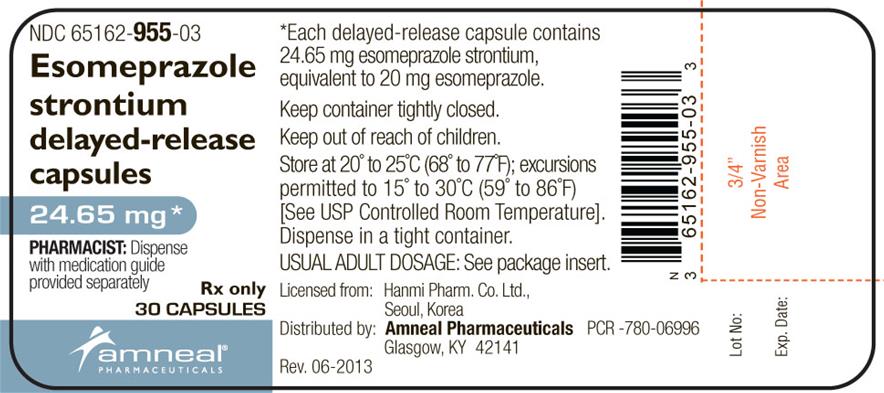
    In patients with severe renal impairment (creatinine clearance of 35 mL/min/1.73 square meters or less), the initial dosage should be 100 mg once daily (or 50 mg bid); when used in such patients, frequent plasma level monitoring is required to guide dosage adjustments (see Plasma Level Monitoring). In patients with less severe renal disease, the initial dosage should be 100 mg every 12 hours; plasma level monitoring may also be useful in these patients during dosage adjustment. In both groups of patients, dosage increases should be made very cautiously when plasma levels have plateaued (after more than four days), observing the patient closely for signs of adverse cardiac effects or other toxicity. It should be borne in mind that in these patients it may take longer than four days before a new steady-state plasma level is reached following a dosage change.

    Based on theoretical considerations, rather than experimental data, the following suggestion is made: when transferring patients from another antiarrhythmic drug to flecainide allow at least two to four plasma half-lives to elapse for the drug being discontinued before starting flecainide at the usual dosage. In patients where withdrawal of a previous antiarrhythmic agent is likely to produce life-threatening arrhythmias, the physician should consider hospitalizing the patient.
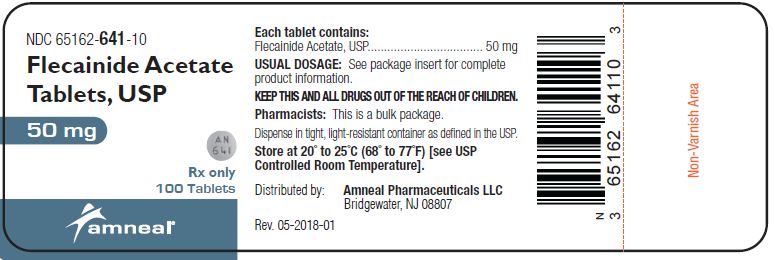
    When flecainide is given in the presence of amiodarone, reduce the usual flecainide dose by 50% and monitor the patient closely for adverse effects. Plasma level monitoring is strongly recommended to guide dosage with such combination therapy (see below).

    Plasma Level Monitoring

    The large majority of patients successfully treated with flecainide were found to have trough plasma levels between 0.2 and 1 mcg/mL. The probability of adverse experiences, especially cardiac, may increase with higher trough plasma levels, especially when these exceed 1 mcg/mL. Periodic monitoring of trough plasma levels may be useful in patient management. Plasma level monitoring is required in patients with severe renal failure or severe hepatic disease, since elimination of flecainide from plasma may be markedly slower. Monitoring of plasma levels is strongly recommended in patients on concurrent amiodarone therapy and may also be helpful in patients with CHF and in patients with moderate renal disease.

  • Zoledronic Acid Injection, Solution [Sagent Pharmaceuticals]

    Zoledronic Acid

    Zoledronic Acid Injection, Solution [Sagent Pharmaceuticals]

    2.1 Sildenafil Tablets

    The recommended dose of sildenafil tablets is 20 mg three times a day. Administer sildenafil tablet doses 4 to 6 hours apart.

    In the clinical trial no greater efficacy was achieved with the use of higher doses. Treatment with doses higher than 20 mg three times a day is not recommended.

  • Montelukast Tablet, Film Coated [International Labs, Inc.]

    Montelukast

    Montelukast Tablet, Film Coated [International Labs, Inc.]

    Nitrofurantoin oral suspension, USP should be given with food to improve drug absorption and, in some patients, tolerance.

    Adults

    50 to 100 mg four times a day - the lower dosage level is recommended for uncomplicated urinary tract infections.

    Pediatric Patients

    5 to 7 mg/kg of body weight per 24 hours, given in four divided doses (contraindicated under one month of age).

    The following table is based on an average weight in each range receiving 5 to 6 mg/kg of body weight per 24 hours, given in four divided doses. It can be used to calculate an average dose of nitrofurantoinoral suspension, USP (25 mg/5 mL) for pediatric patients.

    Table 3: Pediatric Dosing Table

    Weight in Kilograms (kg)

    Pediatric Doses (milliliters) and Frequency


    7 kg to 11 kg

    2.5 mL Four times Daily


    12 kg to 21 kg

    5 mL Four times Daily

     22 kg to 30 kg

    7.5 mL Four times Daily

     31 kg to 41 kg

    10 mL Four times Daily

    42 kg or greater

    See Adult Dose


    Therapy should be continued for one week or for at least 3 days after sterility of the urine is obtained. Continued infection indicates the need for reevaluation.

    For long-term suppressive therapy in adults, a reduction of dosage to 50 to 100 mg at bedtime may be adequate. For long-term suppressive therapy in pediatric patients, doses as low as 1 mg/kg per 24 hours, given in a single dose or in two divided doses, may be adequate. SEE WARNINGS SECTION REGARDING RISKS ASSOCIATED WITH LONG TERM THERAPY.

  • Levetiracetam Tablet, Film Coated [Amneal Pharmaceuticals Of New York, Llc]

    Levetiracetam

    Levetiracetam Tablet, Film Coated [Amneal Pharmaceuticals Of New York, Llc]

    2.1 Important Administration Instructions

    Levetiracetam tablets, USP are given orally with or without food. The levetiracetam tablets, USP dosing regimen depends on the indication, age group, dosage form (tablets or oral solution), and renal function.

    Prescribe the oral solution for pediatric patients with body weight ≤ 20 kg. Prescribe the oral solution or tablets for pediatric patients with body weight above 20 kg.

    When using the oral solution in pediatric patients, dosing is weight-based (mg per kg) using a calibrated measuring device (not a household teaspoon or tablespoon).

    Levetiracetam tablets, USP should be swallowed whole. Levetiracetam tablets, USP should not be chewed or crushed.

    2.2 Dosing for Partial Onset Seizures

    Adults 16 Years and Older

    Initiate treatment with a daily dose of 1000 mg/day, given as twice-daily dosing (500 mg twice daily). Additional dosing increments may be given (1000 mg/day additional every 2 weeks) to a maximum recommended daily dose of 3000 mg. There is no evidence that doses greater than 3000 mg/day confer additional benefit.

    Pediatric Patients

    Dosing information in pediatric patients less than 4 years of age as adjunctive therapy in the treatment of partial onset seizures is approved for UCB, Inc.’s levetiracetam tablets. However, due to UCB Inc.’s marketing exclusivity rights, this drug product is not labeled with that pediatric information.

    4 Years to < 16 Years

    Initiate treatment with a daily dose of 20 mg/kg in 2 divided doses (10 mg/kg twice daily). Increase the daily dose every 2 weeks by increments of 20 mg/kg to the recommended daily dose of 60 mg/kg (30 mg/kg twice daily). If a patient cannot tolerate a daily dose of 60 mg/kg, the daily dose may be reduced. In the clinical trial, the mean daily dose was 44 mg/kg. The maximum daily dose was 3000 mg/day.

    For levetiracetam tablet, USP dosing in pediatric patients weighing 20 to 40 kg, initiate treatment  with a daily dose of 500 mg given as twice daily dosing (250 mg twice daily). Increase the daily dose every 2 weeks by increments of 500 mg to a maximum recommended daily dose of 1500 mg (750 mg twice daily).

    For levetiracetam tablet, USP dosing in pediatric patients weighing more than 40 kg, initiate treatment with a daily dose of 1000 mg/day given as twice daily dosing (500 mg twice daily). Increase the daily dose every 2 weeks by increments of 1000 mg/day to a maximum recommended daily dose of 3000 mg (1500 mg twice daily).

    2.3 Dosing for Myoclonic Seizures in Patients 12 Years of Age and Older with Juvenile Myoclonic Epilepsy

    Initiate treatment with a dose of 1000 mg/day, given as twice-daily dosing (500 mg twice daily). Increase the dosage by 1000 mg/day every 2 weeks to the recommended daily dose of 3000 mg. The effectiveness of doses lower than 3000 mg/day has not been studied.

    2.4 Dosing for Primary Generalized Tonic-Clonic Seizures

    Adults 16 Years and Older

    Initiate treatment with a dose of 1000 mg/day, given as twice-daily dosing (500 mg twice daily). Increase dosage by 1000 mg/day every 2 weeks to the recommended daily dose of 3000 mg. The effectiveness of doses lower than 3000 mg/day has not been adequately studied.

    Pediatric Patients Ages 6 to <16 Years

    Initiate treatment with a daily dose of 20 mg/kg in 2 divided doses (10 mg/kg twice daily). Increase the daily dose every 2 weeks by increments of 20 mg/kg to the recommended daily dose of 60 mg/kg (30 mg/kg twice daily). The effectiveness of doses lower than 60 mg/kg/day has not been adequately studied. Patients with body weight ≤20 kg should be dosed with oral solution. Patients with body weight above 20 kg can be dosed with either tablets or oral solution [see Dosage and Administration (2.1)]. Only whole tablets should be administered.

    2.5 Dosage Adjustments in Adult Patients with Renal Impairment

    Levetiracetam tablet, USP dosing must be individualized according to the patient’s renal function status. Recommended dosage adjustments for adults are shown in Table 1. In order to calculate the dose recommended for patients with renal impairment, creatinine clearance adjusted for body surface area must be calculated. To do this an estimate of the patient’s creatinine clearance (CLcr) in mL/min must first be calculated using the following formula:

    Table 1: Dosing Adjustment Regimen for Adult Patients with Renal Impairment   Group   Creatinine Clearance(mL/min/1.73m2)   Dosage (mg)   Frequency  1 Following dialysis, a 250 to 500 mg supplemental dose is recommended.  Normal  > 80  500 to 1,500  Every 12 hours  Mild  50 to 80  500 to 1,000  Every 12 hours  Moderate  30 to 50  250 to 750  Every 12 hours  Severe  < 30  250 to 500  Every 12 hours  ESRD patientsusing dialysis  ----  500 to 1,0001  Every 24 hours1
  • Clopidogrel Tablet [Amneal Pharmaceuticals Of New York, Llc]

    Clopidogrel

    Clopidogrel Tablet [Amneal Pharmaceuticals Of New York, Llc]

    2.1 Acute Coronary Syndrome

    Clopidogrel tablets, USP can be administered with or without food [see Clinical Pharmacology (12.3)].

    For patients with non-ST-elevation ACS (UA/NSTEMI), initiate clopidogrel tablets, USP with a single 300 mg oral loading dose and then continue at 75 mg once daily. Initiate aspirin (75 to 325 mg once daily) and continue in combination with clopidogrel tablets, USP [see Clinical Studies (14.1)]. For patients with STEMI, the recommended dose of clopidogrel tablets, USP is 75 mg once daily orally, administered in combination with aspirin (75 to 325 mg once daily), with or without thrombolytics. Clopidogrel tablets, USP may be initiated with or without a loading dose [see Clinical Studies (14.1)].

    2.2 Recent MI, Recent Stroke, or Established Peripheral Arterial Disease

    The recommended daily dose of clopidogrel tablets, USP is 75 mg once daily orally, with or without food [see Clinical Pharmacology (12.3)].

    2.3 CYP2C19 Poor Metabolizers

    CYP2C19 poor metabolizer status is associated with diminished antiplatelet response to clopidogrel. Although a higher dose regimen in poor metabolizers increases antiplatelet response [see Clinical Pharmacology (12.5)], an appropriate dose regimen for this patient population has not been established.

    2.4 Use with Proton Pump Inhibitors (PPI)

    Avoid using omeprazole or esomeprazole with clopidogrel tablets, USP. Omeprazole and esomeprazole significantly reduce the antiplatelet activity of clopidogrel tablets, USP. When concomitant administration of a PPI is required, consider using another acid-reducing agent with minimal or no CYP2C19 inhibitory effect on the formation of clopidogrel active metabolite [see Warnings and Precautions (5.1), Drug Interactions (7.1) and Clinical Pharmacology (12.3)].

  • Extended Phenytoin Sodium (Phenytoin Sodium) Capsule [Amneal Pharmaceuticals Of New York, Llc]

    Extended Phenytoin Sodium

    Extended Phenytoin Sodium (Phenytoin Sodium) Capsule [Amneal Pharmaceuticals Of New York, Llc]

    Serum concentrations should be monitored in changing from extended phenytoin sodium capsules, USP to Prompt Phenytoin Sodium Capsules, USP, and from the sodium salt to the free acid form.

    Extended phenytoin sodium capsules, USP are formulated with the sodium salt of phenytoin. Because there is approximately an 8% increase in drug content with the free acid form over that of the sodium salt, dosage adjustments and serum level monitoring may be necessary when switching from a product formulated with the free acid to a product formulated with the sodium salt and vice versa.

    General:

    Dosage should be individualized to provide maximum benefit. In some cases, serum blood level determinations may be necessary for optimal dosage adjustments—the clinically effective serum level is usually 10 to 20 mcg/mL. With recommended dosage, a period of seven to ten days may be required to achieve steady-state blood levels with phenytoin and changes in dosage (increase or decrease) should not be carried out at intervals shorter than seven to ten days.

    Adult Dosage:

    Divided daily dosage:

    Patients who have received no previous treatment may be started on one 100-mg extended phenytoin sodium capsule, USP three times daily and the dosage then adjusted to suit individual requirements. For most adults, the satisfactory maintenance dosage will be one capsule three to four times a day. An increase up to two capsules three times a day may be made, if necessary.

    Once-a-day dosage:

    In adults, if seizure control is established with divided doses of three 100-mg extended phenytoin sodium capsules, USP daily, once-a-day dosage with 300 mg of extended phenytoin sodium capsules, USP may be considered. Studies comparing divided doses of 300 mg with a single daily dose of this quantity indicated absorption, peak plasma levels, biologic half-life, difference between peak and minimum values, and urinary recovery were equivalent. Once-a-day dosage offers a convenience to the individual patient or to nursing personnel for institutionalized patients and is intended to be used only for patients requiring this amount of drug daily. A major problem in motivating noncompliant patients may also be lessened when the patient can take this drug once a day. However, patients should be cautioned not to miss a dose, inadvertently.

    Only extended phenytoin sodium capsules, USP are recommended for once-a-day dosing. Inherent differences in dissolution characteristics and resultant absorption rates of phenytoin due to different manufacturing procedures and/or dosage forms preclude such recommendation for other phenytoin products. When a change in the dosage form or brand is prescribed, careful monitoring of phenytoin serum levels should be carried out.

    Loading dose:

    Some authorities have advocated use of an oral loading dose of phenytoin in adults who require rapid steady-state serum levels and where intravenous administration is not desirable. This dosing regimen should be reserved for patients in a clinic or hospital setting where phenytoin serum levels can be closely monitored. Patients with a history of renal or liver disease should not receive the oral loading regimen.

    Initially, one gram of extended phenytoin sodium capsules, USP is divided into three doses (400 mg, 300 mg, 300 mg) and administered at two-hour intervals. Normal maintenance dosage is then instituted 24 hours after the loading dose, with frequent serum level determinations.

    Dosing in Special Populations

    Patients with Renal or Hepatic Disease:  Due to an increased fraction of unbound phenytoin in patients with renal or hepatic disease, or in those with hypoalbuminemia, the interpretation of total phenytoin plasma concentrations should be made with caution. Unbound phenytoin concentrations may be more useful in these patient populations.

    Elderly Patients:  Phenytoin clearance is decreased slightly in elderly patients and lower or less frequent dosing may be required.

    Pediatric:  Initially, 5 mg/kg/day in two or three equally divided doses, with subsequent dosage individualized to a maximum of 300 mg daily. A recommended daily maintenance dosage is usually 4 to 8 mg/kg. Children over 6 years old and adolescents may require the minimum adult dose (300 mg/day).

  • Metformin Hydrochloride Tablet [Amneal Pharmaceuticals Of New York, Llc]

    Metformin Hydrochloride

    Metformin Hydrochloride Tablet [Amneal Pharmaceuticals Of New York, Llc]

    There is no fixed dosage regimen for the management of hyperglycemia in patients with type 2 diabetes with Metformin HCl, USP or any other pharmacologic agent. Dosage of Metformin HCl, USP must be individualized on the basis of both effectiveness and tolerance, while not exceeding the maximum recommended daily doses. The maximum recommended daily dose of Metformin HCl, USP is 2550 mg in adults and 2000 mg in pediatric patients (10 to 16 years of age).

    Metformin HCl, USP should be given in divided doses with meals. Metformin HCl, USP should be started at a low dose, with gradual dose escalation, both to reduce gastrointestinal side effects and to permit identification of the minimum dose required for adequate glycemic control of the patient.

    During treatment initiation and dose titration (see Recommended Dosing Schedule), fasting plasma glucose should be used to determine the therapeutic response to Metformin HCl, USP and identify the minimum effective dose for the patient. Thereafter, glycosylated hemoglobin should be measured at intervals of approximately three months. The therapeutic goal should be to decrease both fasting plasma glucose and glycosylated hemoglobin levels to normal or near normal by using the lowest effective dose of Metformin HCl, USP, either when used as monotherapy or in combination with sulfonylurea or insulin.

    Monitoring of blood glucose and glycosylated hemoglobin will also permit detection of primary failure, i.e., inadequate lowering of blood glucose at the maximum recommended dose of medication, and secondary failure, i.e., loss of an adequate blood glucose lowering response after an initial period of effectiveness.

    Short-term administration of Metformin HCl, USP may be sufficient during periods of transient loss of control in patients usually well-controlled on diet alone.

    Recommended Dosing Schedule

    Adults - In general, clinically significant responses are not seen at doses below 1500 mg per day. However, a lower recommended starting dose and gradually increased dosage is advised to minimize gastrointestinal symptoms.

    The usual starting dose of Metformin HCl Tablets, USP is 500 mg twice a day or 850 mg once a day, given with meals. Dosage increases should be made in increments of 500 mg weekly or 850 mg every 2 weeks, up to a total of 2000 mg per day, given in divided doses. Patients can also be titrated from 500 mg twice a day to 850 mg twice a day after 2 weeks. For those patients requiring additional glycemic control, Metformin HCl, USP may be given to a maximum daily dose of 2550 mg per day. Doses above 2000 mg may be better tolerated given three times a day with meals.

    If higher doses of metformin are required, Metformin HCl, USP should be used at total daily doses up to 2550 mg administered in divided daily doses, as described above. (See CLINICAL PHARMACOLOGY, Clinical Studies.)

    Pediatrics - The usual starting dose of Metformin HCl, USP is 500 mg twice a day, given with meals. Dosage increases should be made in increments of 500 mg weekly up to a maximum of 2000 mg per day, given in divided doses.

    Transfer From Other Antidiabetic Therapy

    When transferring patients from standard oral hypoglycemic agents other than chlorpropamide to Metformin HCl, USP, no transition period generally is necessary. When transferring patients from chlorpropamide, care should be exercised during the first two weeks because of the prolonged retention of chlorpropamide in the body, leading to overlapping drug effects and possible hypoglycemia.

    Concomitant Metformin HCl, USP and Oral Sulfonylurea Therapy in Adult Patients

    If patients have not responded to four weeks of the maximum dose of Metformin HCl, USP monotherapy, consideration should be given to gradual addition of an oral sulfonylurea while continuing Metformin HCl, USP at the maximum dose, even if prior primary or secondary failure to a sulfonylurea has occurred. Clinical and pharmacokinetic drug-drug interaction data are currently available only for metformin plus glyburide (glibenclamide).

    With concomitant Metformin HCl, USP and sulfonylurea therapy, the desired control of blood glucose may be obtained by adjusting the dose of each drug. In a clinical trial of patients with type 2 diabetes and prior failure on glyburide, patients started on Metformin HCl, USP 500 mg and glyburide 20 mg were titrated to 1000/20 mg, 1500/20 mg, 2000/20 mg or 2500/20 mg of Metformin HCl, USP and glyburide, respectively, to reach the goal of glycemic control as measured by FPG, HbA1c and plasma glucose response (see CLINICAL PHARMACOLOGY: Clinical Studies). However, attempts should be made to identify the minimum effective dose of each drug to achieve this goal. With concomitant Metformin HCl, USP and sulfonylurea therapy, the risk of hypoglycemia associated with sulfonylurea therapy continues and may be increased. Appropriate precautions should be taken. (See Package Insert of the respective sulfonylurea.)

    If patients have not satisfactorily responded to one to three months of concomitant therapy with the maximum dose of Metformin HCl, USP and the maximum dose of an oral sulfonylurea, consider therapeutic alternatives including switching to insulin with or without Metformin HCl, USP.

    Concomitant Metformin HCl, USP and Insulin Therapy in Adult Patients

    The current insulin dose should be continued upon initiation of Metformin HCl, USP therapy. Metformin HCl, USP therapy should be initiated at 500 mg once daily in patients on insulin therapy. For patients not responding adequately, the dose of Metformin HCl, USP should be increased by 500 mg after approximately 1 week and by 500 mg every week thereafter until adequate glycemic control is achieved. The maximum recommended daily dose is 2500 mg for Metformin HCl, USP. It is recommended that the insulin dose be decreased by 10% to 25% when fasting plasma glucose concentrations decrease to less than 120 mg/dL in patients receiving concomitant insulin and Metformin HCl, USP. Further adjustment should be individualized based on glucose-lowering response.

    Specific Patient Populations

    Metformin HCl, USP is not recommended for use in pregnancy. Metformin HCl, USP is not recommended in patients below the age of 10 years.

    The initial and maintenance dosing of Metformin HCl, USP should be conservative in patients with advanced age, due to the potential for decreased renal function in this population. Any dosage adjustment should be based on a careful assessment of renal function. Generally, elderly, debilitated, and malnourished patients should not be titrated to the maximum dose of Metformin HCl, USP.

    Monitoring of renal function is necessary to aid in prevention of lactic acidosis, particularly in the elderly. (See WARNINGS.)

  • Potassium Chloride Capsule, Extended Release [Amneal Pharmaceuticals Of New York, Llc]

    Potassium Chloride

    Potassium Chloride Capsule, Extended Release [Amneal Pharmaceuticals Of New York, Llc]

    The usual dietary intake of potassium by the average adult is 50 to 100 mEq per day. Potassium depletion sufficient to cause hypokalemia usually requires the loss of 200 or more mEq of potassium from the total body store.

    Dosage must be adjusted to the individual needs of each patient. The dose for the prevention of hypokalemia is typically in the range of 20 mEq per day. Doses of 40 to 100 mEq per day or more are used for the treatment of potassium depletion. Dosage should be divided if more than 20 mEq per day is given such that no more than 20 mEq is given in a single dose. Because of the potential for gastric irritation (see WARNINGS), Potassium Chloride Extended-Release Capsules, USP, 10 mEq should be taken with meals and with a full glass of water or other liquid.

    Patients who have difficulty swallowing capsules may sprinkle the contents of the capsule onto a spoonful of soft food. The soft food, such as applesauce or pudding, should be swallowed immediately without chewing and followed with a glass of cool water or juice to ensure complete swallowing of the microcapsules. The food used should not be hot and should be soft enough to be swallowed without chewing. Any microcapsule/food mixture should be used immediately and not stored for future use.

  • Miconazole 1 (Miconazole Nitrate) Kit [Walgreen Company]

    Miconazole 1

    Miconazole 1 (Miconazole Nitrate) Kit [Walgreen Company]

    If significant diarrhea occurs during therapy, this antibiotic should be discontinued (see WARNING box).

    Concomitant administration of food does not adversely affect the absorption of clindamycin palmitate HCl contained in clindamycin palmitate HCl for oral solution, USP (pediatric).

    Serious infections: 8 to 12 mg/kg/day (4 to 6 mg/lb/day) divided into 3 or 4 equal doses.

    Severe infections: 13 to 16 mg/kg/day (6.5 to 8 mg/lb/day) divided into 3 or 4 equal doses.

    More severe infections: 17 to 25 mg/kg/day (8.5 to 12.5 mg/lb/day) divided into 3 or 4 equal doses.

    In pediatric patients weighing 10 kg or less, ½ teaspoon (37.5 mg) three times a day should be considered the minimum recommended dose.

    Serious infections due to anaerobic bacteria are usually treated with clindamycin injection. However, in clinically appropriate circumstances, the physician may elect to initiate treatment or continue treatment with clindamycin palmitate HCl for oral solution, USP (pediatric).

    NOTE: In cases of β-hemolytic streptococcal infections, treatment should be continued for at least 10 days.

    Reconstitution Instructions: When reconstituted with water as follows, each 5 mL (teaspoon) of solution contains clindamycin palmitate HCl equivalent to 75 mg clindamycin.

    Reconstitute bottles of 100 mL with 75 mL of water. Add a large portion of the water and shake vigorously; add the remainder of the water and shake until the solution is uniform.

    Storage Conditions: Store at 20° to 25°C (68° to 77°F) [See USP Controlled Room Temperature].

    Do NOT refrigerate the reconstituted solution; when chilled, the solution may thicken and be difficult to pour. The solution is stable for 2 weeks at room temperature.

  • Metformin Hydrochloride Tablet [Amneal Pharmaceuticals Of New York, Llc]

    Metformin Hydrochloride

    Metformin Hydrochloride Tablet [Amneal Pharmaceuticals Of New York, Llc]

    There is no fixed dosage regimen for the management of hyperglycemia in patients with type 2 diabetes with Metformin HCl, USP or any other pharmacologic agent. Dosage of Metformin HCl, USP must be individualized on the basis of both effectiveness and tolerance, while not exceeding the maximum recommended daily doses. The maximum recommended daily dose of Metformin HCl, USP is 2550 mg in adults and 2000 mg in pediatric patients (10 to 16 years of age).

    Metformin HCl, USP should be given in divided doses with meals. Metformin HCl, USP should be started at a low dose, with gradual dose escalation, both to reduce gastrointestinal side effects and to permit identification of the minimum dose required for adequate glycemic control of the patient.

    During treatment initiation and dose titration (see Recommended Dosing Schedule), fasting plasma glucose should be used to determine the therapeutic response to Metformin HCl, USP and identify the minimum effective dose for the patient. Thereafter, glycosylated hemoglobin should be measured at intervals of approximately three months. The therapeutic goal should be to decrease both fasting plasma glucose and glycosylated hemoglobin levels to normal or near normal by using the lowest effective dose of Metformin HCl, USP, either when used as monotherapy or in combination with sulfonylurea or insulin.

    Monitoring of blood glucose and glycosylated hemoglobin will also permit detection of primary failure, i.e., inadequate lowering of blood glucose at the maximum recommended dose of medication, and secondary failure, i.e., loss of an adequate blood glucose lowering response after an initial period of effectiveness.

    Short-term administration of Metformin HCl, USP may be sufficient during periods of transient loss of control in patients usually well-controlled on diet alone.

    Recommended Dosing Schedule

    Adults - In general, clinically significant responses are not seen at doses below 1500 mg per day. However, a lower recommended starting dose and gradually increased dosage is advised to minimize gastrointestinal symptoms.

    The usual starting dose of Metformin HCl Tablets, USP is 500 mg twice a day or 850 mg once a day, given with meals. Dosage increases should be made in increments of 500 mg weekly or 850 mg every 2 weeks, up to a total of 2000 mg per day, given in divided doses. Patients can also be titrated from 500 mg twice a day to 850 mg twice a day after 2 weeks. For those patients requiring additional glycemic control, Metformin HCl, USP may be given to a maximum daily dose of 2550 mg per day. Doses above 2000 mg may be better tolerated given three times a day with meals.

    If higher doses of metformin are required, Metformin HCl, USP should be used at total daily doses up to 2550 mg administered in divided daily doses, as described above. (See CLINICAL PHARMACOLOGY, Clinical Studies.)

    Pediatrics - The usual starting dose of Metformin HCl, USP is 500 mg twice a day, given with meals. Dosage increases should be made in increments of 500 mg weekly up to a maximum of 2000 mg per day, given in divided doses.

    Transfer From Other Antidiabetic Therapy

    When transferring patients from standard oral hypoglycemic agents other than chlorpropamide to Metformin HCl, USP, no transition period generally is necessary. When transferring patients from chlorpropamide, care should be exercised during the first two weeks because of the prolonged retention of chlorpropamide in the body, leading to overlapping drug effects and possible hypoglycemia.

    Concomitant Metformin HCl, USP and Oral Sulfonylurea Therapy in Adult Patients

    If patients have not responded to four weeks of the maximum dose of Metformin HCl, USP monotherapy, consideration should be given to gradual addition of an oral sulfonylurea while continuing Metformin HCl, USP at the maximum dose, even if prior primary or secondary failure to a sulfonylurea has occurred. Clinical and pharmacokinetic drug-drug interaction data are currently available only for metformin plus glyburide (glibenclamide).

    With concomitant Metformin HCl, USP and sulfonylurea therapy, the desired control of blood glucose may be obtained by adjusting the dose of each drug. In a clinical trial of patients with type 2 diabetes and prior failure on glyburide, patients started on Metformin HCl, USP 500 mg and glyburide 20 mg were titrated to 1000/20 mg, 1500/20 mg, 2000/20 mg or 2500/20 mg of Metformin HCl, USP and glyburide, respectively, to reach the goal of glycemic control as measured by FPG, HbA1c and plasma glucose response (see CLINICAL PHARMACOLOGY: Clinical Studies). However, attempts should be made to identify the minimum effective dose of each drug to achieve this goal. With concomitant Metformin HCl, USP and sulfonylurea therapy, the risk of hypoglycemia associated with sulfonylurea therapy continues and may be increased. Appropriate precautions should be taken. (See Package Insert of the respective sulfonylurea.)

    If patients have not satisfactorily responded to one to three months of concomitant therapy with the maximum dose of Metformin HCl, USP and the maximum dose of an oral sulfonylurea, consider therapeutic alternatives including switching to insulin with or without Metformin HCl, USP.

    Concomitant Metformin HCl, USP and Insulin Therapy in Adult Patients

    The current insulin dose should be continued upon initiation of Metformin HCl, USP therapy. Metformin HCl, USP therapy should be initiated at 500 mg once daily in patients on insulin therapy. For patients not responding adequately, the dose of Metformin HCl, USP should be increased by 500 mg after approximately 1 week and by 500 mg every week thereafter until adequate glycemic control is achieved. The maximum recommended daily dose is 2500 mg for Metformin HCl, USP. It is recommended that the insulin dose be decreased by 10% to 25% when fasting plasma glucose concentrations decrease to less than 120 mg/dL in patients receiving concomitant insulin and Metformin HCl, USP. Further adjustment should be individualized based on glucose-lowering response.

    Specific Patient Populations

    Metformin HCl, USP is not recommended for use in pregnancy. Metformin HCl, USP is not recommended in patients below the age of 10 years.

    The initial and maintenance dosing of Metformin HCl, USP should be conservative in patients with advanced age, due to the potential for decreased renal function in this population. Any dosage adjustment should be based on a careful assessment of renal function. Generally, elderly, debilitated, and malnourished patients should not be titrated to the maximum dose of Metformin HCl, USP.

    Monitoring of renal function is necessary to aid in prevention of lactic acidosis, particularly in the elderly. (See WARNINGS.)

  • Nasal Decongestant Pe (Phenylephrine Hcl) Tablet [Safeway]

    Nasal Decongestant Pe

    Nasal Decongestant Pe (Phenylephrine Hcl) Tablet [Safeway]

    For most patients, the recommended dose of cyclobenzaprine hydrochloride tablets, USP is 5 mg three times a day. Based on individual patient response, the dose may be increased to 10 mg three times a day. Use of cyclobenzaprine hydrochloride tablets, USP for periods longer than two or three weeks is not recommended (see INDICATIONS AND USAGE).

    Less frequent dosing should be considered for hepatically impaired or elderly patients (see PRECAUTIONS, Impaired Hepatic Function, and Use in the Elderly).