Ibuprofen Suspension label

Ibuprofen Suspension

Ibuprofen Suspension Recall

Get an alert when a recall is issued.

Side Effects & Adverse Reactions

Cardiovascular Effects

Cardiovascular Thrombotic Events

Clinical trials of several COX-2 selective and nonselective NSAIDs of up to three years duration have shown an increased risk of serious cardiovascular (CV) thrombotic events, myocardial infarction, and stroke, which can be fatal. All NSAIDs, both COX-2 selective and nonselective, may have a similar risk. Patients with known CV disease or risk factors for CV disease may be at greater risk. To minimize the potential risk for an adverse CV event in patients treated with an NSAID, the lowest effective dose should be used for the shortest duration possible. Physicians and patients should remain alert for the development of such events, even in the absence of previous CV symptoms. Patients should be informed about the signs and/or symptoms of serious CV events and the steps to take if they occur.

There is no consistent evidence that concurrent use of aspirin mitigates the increased risk of serious CV thrombotic events associated with NSAID use. The concurrent use of aspirin and an NSAID does increase the risk of serious GI events (see GI WARNINGS).

Two large, controlled, clinical trials of a COX-2 selective NSAID for the treatment of pain in the first 10-14 days following CABG surgery found an increased incidence of myocardial infarction and stroke (see CONTRAINDICATIONS).

Hypertension

NSAIDs, including ibuprofen, can lead to onset of new hypertension or worsening of pre-existing hypertension, either of which may contribute to the increased incidence of CV events. Patients taking thiazides or loop diuretics may have impaired response to these therapies when taking NSAIDs. NSAIDs, including ibuprofen, should be used with caution in patients with hypertension. Blood pressure (BP) should be monitored closely during the initiation of NSAID treatment and throughout the course of therapy.

Congestive Heart Failure And Edema

Fluid retention and edema have been observed in some patients taking NSAIDs. Ibuprofen should be used with caution in patients with fluid retention or heart failure.

Gastrointestinal Effects

Risk Of Ulceration, Bleeding, And Perforation

NSAIDs, including ibuprofen, can cause serious gastrointestinal (GI) adverse events including inflammation, bleeding, ulceration, and perforation of the stomach, small intestine, or large intestine, which can be fatal. These serious adverse events can occur at any time, with or without warning symptoms, in patients treated with NSAIDs. Only one in five patients, who develop a serious upper GI adverse event on NSAID therapy, is symptomatic. Upper GI ulcers, gross bleeding, or perforation caused by NSAIDs occur in approximately 1% of patients treated for 3-6 months, and in about 2-4% of patients treated for one year. These trends continue with longer duration of use, increasing the likelihood of developing a serious GI event at some time during the course of therapy. However, even short-term therapy is not without risk.

NSAIDs should be prescribed with extreme caution in those with a prior history of ulcer disease or gastrointestinal bleeding. Patients with a prior history of peptic ulcer disease and/or gastrointestinal bleeding who use NSAIDs have a greater than 10-fold risk for developing a GI bleed compared to patients with neither of these risk factors. Other factors that increase the risk for GI bleeding in patients treated with NSAIDs include concomitant use of oral corticosteroids or anticoagulants, longer duration of NSAID therapy, smoking, use of alcohol, older age, and poor general health status. Most spontaneous reports of fatal GI events are in elderly or debilitated patients and therefore, special care should be taken in treating this population.

To minimize the potential risk for an adverse GI event in patients treated with an NSAID, the lowest effective dose should be used for the shortest possible duration. Patients and physicians should remain alert for signs and symptoms of GI ulceration and bleeding during NSAID therapy and promptly initiate additional evaluation and treatment if a serious GI adverse event is suspected. This should include discontinuation of the NSAID until a serious GI adverse event is ruled out. For high risk patients, alternate therapies that do not involve NSAIDs should be considered.

Renal Effects

Long-term administration of NSAIDs has resulted in renal papillary necrosis and other renal injury. Renal toxicity has also been seen in patients in whom renal prostaglandins have a compensatory role in the maintenance of renal perfusion. In these patients, administration of a nonsteroidal anti-inflammatory drug may cause a dose-dependent reduction in prostaglandin formation and, secondarily, in renal blood flow, which may precipitate overt renal decompensation. Patients at greatest risk of this reaction are those with impaired renal function, heart failure, liver dysfunction, those taking diuretics and ACE-inhibitors, and the elderly. Discontinuation of NSAID therapy is usually followed by recovery to the pretreatment state.

Advanced Renal Disease

No information is available from controlled clinical studies regarding the use of ibuprofen in patients with advanced renal disease. Therefore, treatment with ibuprofen is not recommended in these patients with advanced renal disease. If ibuprofen therapy must be initiated, close monitoring of the patient’s renal function is advisable.

Anaphylactoid Reactions

As with other NSAIDs, anaphylactoid reactions may occur in patients without known prior exposure to ibuprofen. Ibuprofen should not be given to patients with the aspirin triad. This symptom complex typically occurs in asthmatic patients who experience rhinitis with or without nasal polyps, or who exhibit severe, potentially fatal bronchospasm after taking aspirin or other NSAIDs (see CONTRAINDICATIONS and PRECAUTIONS – Preexisting Asthma). Emergency help should be sought in cases where an anaphylactoid reaction occurs.

Skin Reactions

NSAIDs, including ibuprofen, can cause serious skin adverse events such as exfoliative dermatitis, Stevens-Johnson syndrome (SJS), and toxic epidermal necrolysis (TEN), which can be fatal. These serious events may occur without warning. Patients should be informed about the signs and symptoms of serious skin manifestations and use of the drug should be discontinued at the first appearance of skin rash or any other sign of hypersensitivity.

Pregnancy

In late pregnancy, as with other NSAIDs, ibuprofen should be avoided because it may cause premature closure of the ductus arteriosus.

FDA Safety Alerts

There are currently no FDA safety alerts available for this drug.

Manufacturer Warnings

There is currently no manufacturer warning information available for this drug.

FDA Labeling Changes

There are currently no FDA labeling changes available for this drug.

Uses

Carefully consider the potential benefits and risks of Ibuprofen Oral Suspension and other treatment options before deciding to use ibuprofen. Use the lowest effective dose for the shortest duration consistent with individual patient treatment goals (see WARNINGS).

In Pediatric Patients, Ibuprofen Oral Suspension is indicated:

•
For reduction of fever in patients aged 6 months up to 2 years of age.
•
For relief of mild to moderate pain in patients aged 6 months up to 2 years of age.
•
For relief of signs and symptoms of juvenile arthritis.

In Adults, Ibuprofen Oral Suspension is indicated:

•
For treatment of primary dysmenorrhea.
•
For relief of the signs and symptoms of rheumatoid arthritis and osteoarthritis.

Since there have been no controlled trials to demonstrate whether there is any beneficial effect or harmful interaction with the use of ibuprofen in conjunction with aspirin, the combination cannot be recommended (see PRECAUTIONS – Drug Interactions).

History

There is currently no drug history available for this drug.

Other Information

The active ingredient in Ibuprofen Oral Suspension USP is ibuprofen, which is a member of the propionic acid group of non steroidal anti-inflammatory drugs (NSAIDs). Ibuprofen is a racemic mixture of [+]S- and [-]R-enantiomers. It is a white to off-white crystalline powder, with a melting point of 74° to 77°C. It is practically insoluble in water (<0.1 mg/mL), but readily soluble in organic solvents such as ethanol and acetone. Ibuprofen has a pKa of 4.43 ± 0.03 and an n-octanol/water partition coefficient of 11.7 at pH 7.4. The chemical name for ibuprofen is (±)-2-(p-isobutylphenyl) propionic acid. The molecular weight of ibuprofen is 206.28. Its molecular formula is C13H18O2 and it has the following structural formula:

Chemical Structure

Ibuprofen Oral Suspension USP is a sucrose-sweetened, orange-colored, berry-flavored suspension containing 100 mg of ibuprofen in 5 mL (20 mg/mL). Inactive ingredients include: anhydrous citric acid, glycerin, hypromellose, polysorbate 80, purified water, sodium benzoate, sucrose, xanthan gum, D&C yellow #10 and FD&C red #40, and artificial flavors (strawberry/vanillin).

Ibuprofen Suspension Manufacturers

  • Ibuprofen Suspension | Cardinal Health
    No Recall

    Ibuprofen Suspension | Cardinal Health

    Ibuprofen Suspension | Cardinal Health

    Carefully consider the potential benefits and risks of ibuprofen oral suspension and other treatment options before deciding to use ibuprofen oral suspension. Use the lowest effective dose for the shortest duration consistent with individual patient treatment goals (see WARNINGS).

    After observing the response to initial therapy with ibuprofen oral suspension, the dose and frequency should be adjusted to suit an individual patient's needs.

    Pediatric Patients Fever Reduction

    For reduction of fever in children, 6 months up to 2 years of age, the dosage should be adjusted on the basis of the initial temperature level (see CLINICAL PHARMACOLOGY). The recommended dose is 5 mg/kg if the baseline temperature is less than 102.5°F, or 10 mg/kg if the baseline temperature is 102.5°F or greater. The duration of fever reduction is generally 6 to 8 hours.The recommended maximum daily dose is 40 mg/kg.

    Analgesia

    For relief of mild to moderate pain in children 6 months up to 2 years of age, the recommended dosage is 10 mg/kg, every 6 to 8 hours. The recommended maximum daily dose is 40 mg/kg. Doses should be given so as not to disturb the child's sleep pattern.

    Juvenile Arthritis

    The recommended dose is 30 to 40 mg/kg/day divided into three to four doses (see Individualization of Dosage). Patients with milder disease may be adequately treated with 20 mg/kg/day.

    In patients with juvenile arthritis, doses above 50 mg/kg/day are not recommended because they have not been studied and doses exceeding the upper recommended dose of 40 mg/kg/day may increase the risk of causing serious adverse events. The therapeutic response may require from a few days to several weeks to be achieved. Once a clinical effect is obtained, the dosage should be lowered to the smallest dose of ibuprofen oral suspension needed to maintain adequate control of symptoms.

    Pediatric patients receiving doses above 30 mg/kg/day or if abnormal liver function tests have occurred with previous NSAID treatments should be carefully followed for signs and symptoms of early liver dysfunction.

    Adults Primary Dysmenorrhea

    For the treatment of primary dysmenorrhea, beginning with the earliest onset of such pain, ibuprofen oral suspension should be given in a dose of 400 mg every 4 hours, as necessary, for the relief of pain.

    Rheumatoid Arthritis And Osteoarthritis

    Suggested dosage: 1200-3200 mg daily (300 mg q.i.d. or 400 mg, 600 mg or 800 mg t.i.d. or q.i.d.). Individual patients may show a better response to 3200 mg daily, as compared with 2400 mg, although in well-controlled clinical trials patients on 3200 mg did not show a better mean response in terms of efficacy. Therefore, when treating patients with 3200 mg/day, the physician should observe sufficient increased clinical benefits to offset potential increased risk.

    Individualization of Dosage

    The dose of ibuprofen oral suspension should be tailored to each patient, and may be lowered or raised from the suggested doses depending on the severity of symptoms either at time of initiating drug therapy or as the patient responds or fails to respond.

    One fever study showed that, after the initial dose of ibuprofen oral suspension, subsequent doses may be lowered and still provide adequate fever control.

    In a situation when low fever would require the ibuprofen oral suspension 5 mg/kg dose in a child with pain, the dose that will effectively treat the predominant symptom should be chosen.

    In chronic conditions, a therapeutic response to ibuprofen therapy is sometimes seen in a few days to a week, but most often is observed by two weeks. After a satisfactory response has been achieved, the patient's dose should be reviewed and adjusted as required.

    Patients with rheumatoid arthritis seem to require higher doses than do patients with osteoarthritis. The smallest dose of ibuprofen oral suspension that yields acceptable control should be employed.

    Ibuprofen Oral Suspension may be used in combination with gold salts and/or corticosteroids.

  • Ibuprofen Suspension | Rebel Distributors Corp
    No Recall

    Ibuprofen Suspension | Rebel Distributors Corp

    Ibuprofen Suspension | Rebel Distributors Corp

    Carefully consider the potential benefits and risks of ibuprofen suspension and other treatment options before deciding to use ibuprofen suspension. Use the lowest effective dose for the shortest duration consistent with individual patient treatment goals (see WARNINGS).

    After observing the response to initial therapy with ibuprofen suspension, the dose and frequency should be adjusted to suit an individual patient's needs.

    PEDIATRIC PATIENTS Fever reduction

    For reduction of fever in children, 6 months up to 2 years of age, the dosage should be adjusted on the basis of the initial temperature level (see CLINICAL PHARMACOLOGY). The recommended dose is 5 mg/kg if the baseline temperature is less than 102.5°F, or 10 mg/kg if the baseline temperature is 102.5°F or greater. The duration of fever reduction is generally 6 to 8 hours. The recommended maximum daily dose is 40 mg/kg.

    Analgesia

    For relief of mild to moderate pain in children 6 months up to 2 years of age, the recommended dosage is 10 mg/kg, every 6 to 8 hours. The recommended maximum daily dose is 40 mg/kg. Doses should be given so as not to disturb the child's sleep pattern.

    Juvenile Arthritis

    The recommended dose is 30 to 40 mg/kg/day divided into three to four doses (see Individualization of Dosage). Patients with milder disease may be adequately treated with 20 mg/kg/day.

    In patients with juvenile arthritis, doses above 50 mg/kg/day are not recommended because they have not been studied and doses exceeding the upper recommended dose of 40 mg/kg/day may increase the risk of causing serious adverse events. The therapeutic response may require from a few days to several weeks to be achieved. Once a clinical effect is obtained, the dosage should be lowered to the smallest dose of ibuprofen needed to maintain adequate control of symptoms.

    Pediatric patients receiving doses above 30 mg/kg/day or if abnormal liver function tests have occurred with previous NSAID treatments should be carefully followed for signs and symptoms of early liver dysfunction.

    ADULTS Primary Dysmenorrhea

    For the treatment of primary dysmenorrhea, beginning with the earliest onset of such pain, ibuprofen suspension should be given in a dose of 400 mg every 4 hours, as necessary, for the relief of pain.

    Rheumatoid arthritis and osteoarthritis

    Suggested dosage: 1200-3200 mg daily (300 mg q.i.d. or 400 mg, 600 mg or 800 mg t.i.d. or q.i.d.). Individual patients may show a better response to 3200 mg daily, as compared with 2400 mg, although in well-controlled clinical trials patients on 3200 mg did not show a better mean response in terms of efficacy. Therefore, when treating patients with 3200 mg/day, the physician should observe sufficient increased clinical benefits to offset potential increased risk.

    Individualization of Dosage

    The dose of ibuprofen suspension should be tailored to each patient, and may be lowered or raised from the suggested doses depending on the severity of symptoms either at time of initiating drug therapy or as the patient responds or fails to respond.

    One fever study showed that, after the initial dose of ibuprofen suspension, subsequent doses may be lowered and still provide adequate fever control.

    In a situation when low fever would require the ibuprofen suspension 5 mg/kg dose in a child with pain, the dose that will effectively treat the predominant symptom should be chosen.

    In chronic conditions, a therapeutic response to ibuprofen suspension therapy is sometimes seen in a few days to a week, but most often is observed by two weeks. After a satisfactory response has been achieved, the patient's dose should be reviewed and adjusted as required.

    Patients with rheumatoid arthritis seem to require higher doses than do patients with osteoarthritis. The smallest dose of ibuprofen suspension that yields acceptable control should be employed.

    Ibuprofen suspension may be used in combination with gold salts and/or corticosteroids.

  • Rite Aid Corporation
    Ibuprofen Suspension | Rite Aid Corporation
    No Recall

    Ibuprofen Suspension | Rite Aid Corporation

    Ibuprofen Suspension | Rite Aid Corporation
    this product does not contain directions or complete warnings for adult use do not give more than directed shake well before using find right dose on chart below. If possible, use weight to dose; otherwise use age. measure with the dosing device provided. Do not use with any other device. dispense liquid slowly into the child’s mouth, toward the inner cheek if needed, repeat dose every 6-8 hours do not use more than 4 times a day Dosing Chart Weight (lbs) Age (mos) Dose (mL) under 6 mos ask a doctor 12-17 lbs 6-11 mos 1.25 mL 18-23 lbs 12-23 mos 1.875 mL
  • Major Pharmaceuticals
    Ibuprofen Suspension | Cardinal Health
    No Recall

    Ibuprofen Suspension | Cardinal Health

    Ibuprofen Suspension | Cardinal Health

    The usual dietary intake of potassium by the average adult is 50 to 100 mEq per day. Potassium depletion sufficient to cause hypokalemia usually requires the loss of 200 or more mEq of potassium from the total body store.

    Dosage must be adjusted to the individual needs of each patient. The dose for the prevention of hypokalemia is typically in the range of 20 mEq per day. Doses of 40-100 mEq per day or more are used for the treatment of potassium depletion. Dosage should be divided if more than 20 mEq per day is given such that no more than 20 mEq is given in a single dose.

    Each Klor-Con® M20 tablet provides 1500 mg of potassium chloride equivalent to 20 mEq of potassium.

    Each Klor-Con® M15 tablet provides 1125 mg of potassium chloride equivalent to 15 mEq of potassium.

    Each Klor-Con® M10 tablet provides 750 mg of potassium chloride equivalent to 10 mEq of potassium.

    Klor-Con® M tablets should be taken with meals and with a glass of water or other liquid. This product should not be taken on an empty stomach because of its potential for gastric irritation (see WARNINGS).

    Patients having difficulty swallowing whole tablets may try one of the following alternate methods of administration:

    a. Break the tablet in half and take each half separately with a glass of water. b. Prepare an aqueous (water) suspension as follows: 1. Place the whole tablet(s) in approximately one-half glass of water (4 fluid ounces). 2. Allow approximately 2 minutes for the tablet(s) to disintegrate. 3. Stir for about half a minute after the tablet(s) has disintegrated. 4. Swirl the suspension and consume the entire contents of the glass immediately by drinking or by the use of a straw. 5. Add another one fluid ounce of water, swirl, and consume immediately. 6. Then, add an additional one fluid ounce of water, swirl, and consume immediately.
    Aqueous suspension of Klor-Con ® M extended-release tablet that is not taken immediately should be discarded. The use of other liquids for suspending Klor-Con ® M tablets is not recommended.
  • Ibuprofen Suspension | Hannaford Brothers Company
    No Recall

    Ibuprofen Suspension | Hannaford Brothers Company

    Ibuprofen Suspension | Hannaford Brothers Company
    this product does not contain directions or complete warnings for adult use do not give more than directed do not give longer than 10 days, unless directed by a doctor (see Warnings) shake well before using find right dose on chart. If possible, use weight to dose; otherwise use age. use only enclosed measuring cup if needed, repeat dose every 6-8 hours do not use more than 4 times a day replace original bottle cap to maintain child resistance wash dosage cup after each use Dosing Chart Weight (lb) Age(yrs) Dose (teaspoonful or mL) under 2 years ask a doctor 24-35 lbs 2-3 years 1 tsp or 5 mL 36-47 lbs 4-5 years 1 ½ tsp or 7.5 mL 48-59 lbs 6-8 years 2 tsp or 10 mL 60-71 lbs 9-10 years 2 ½ tsp or 12.5 mL 72-95 lbs 11 years 3 tsp or 15 mL
  • Ibuprofen Suspension | H.j. Harkins Company, Inc.
    No Recall

    Ibuprofen Suspension | H.j. Harkins Company, Inc.

    Ibuprofen Suspension | H.j. Harkins Company, Inc.
    this product does not contain directions or complete warnings for adult use do not give more than directed shake well before using find right dose on chart. If possible, use weight to dose; otherwise use age. use only enclosed measuring cup if needed, repeat dose every 6-8 hours do not use more than 4 times a day replace original bottle cap to maintain child resistance wash dosage cup after each use Dosing Chart Weight (lb) Age(yrs) Dose (teaspoonful or mL) under 2 years ask a doctor 24-35 lbs 2-3 years 1 tsp or 5 mL 36-47 lbs 4-5 years 1 ½ tsp or 7.5 mL 48-59 lbs 6-8 years 2 tsp or 10 mL 60-71 lbs 9-10 years 2 ½ tsp or 12.5 mL 72-95 lbs 11 years 3 tsp or 15 mL
  • Perrigo New York Inc
    Ibuprofen Suspension | Perrigo New York Inc
    No Recall

    Ibuprofen Suspension | Perrigo New York Inc

    Ibuprofen Suspension | Perrigo New York Inc

    Carefully consider the potential benefits and risks of Ibuprofen Oral Suspension and other treatment options before deciding to use Ibuprofen Oral Suspension. Use the lowest effective dose for the shortest duration consistent with individual patient treatment goals (see WARNINGS).

    After observing the response to initial therapy with Ibuprofen Oral Suspension, the dose and frequency should be adjusted to suit an individual patient's needs.

    PEDIATRIC PATIENTS Fever Reduction:

    For reduction of fever in children, 6 months up to 2 years of age, the dosage should be adjusted on the basis of the initial temperature level (see CLINICAL PHARMACOLOGY). The recommended dose is 5 mg/kg if the baseline temperature is less than 102.5°F, or 10 mg/kg if the baseline temperature is 102.5°F or greater. The duration of fever reduction is generally 6 to 8 hours. The recommended maximum daily dose is 40 mg/kg.

    Analgesia:

    For relief of mild to moderate pain in children 6 months up to 2 years of age, the recommended dosage is 10 mg/kg, every 6 to 8 hours. The recommended maximum daily dose is 40 mg/kg. Doses should be given so as not to disturb the child's sleep pattern.

    Juvenile Arthritis:

    The recommended dose is 30 to 40 mg/kg/day divided into three to four doses (see Individualization of Dosage). Patients with milder disease may be adequately treated with 20 mg/kg/day.

    In patients with juvenile arthritis, doses above 50 mg/kg/day are not recommended because they have not been studied and doses exceeding the upper recommended dose of 40 mg/kg/day may increase the risk of causing serious adverse events. The therapeutic response may require from a few days to several weeks to be achieved. Once a clinical effect is obtained, the dosage should be lowered to the smallest dose of ibuprofen needed to maintain adequate control of symptoms.

    Pediatric patients receiving doses above 30 mg/kg/day or if abnormal liver function tests have occurred with previous NSAID treatments should be carefully followed for signs and symptoms of early liver dysfunction.

    ADULTS Primary Dysmenorrhea

    For the treatment of primary dysmenorrhea, beginning with the earliest onset of such pain, Ibuprofen Oral Suspension should be given in a dose of 400 mg every 4 hours, as necessary, for the relief of pain.

    Rheumatoid Arthritis and Osteoarthritis:

    Suggested dosage: 1200-3200 mg daily (300 mg q.i.d. or 400 mg, 600 mg or 800 mg t.i.d. or q.i.d.). Individual patients may show a better response to 3200 mg daily, as compared with 2400 mg, although in well-controlled clinical trials patients on 3200 mg did not show a better mean response in terms of efficacy. Therefore, when treating patients with 3200 mg/day, the physician should observe sufficient increased clinical benefits to offset potential increased risk.

    Individualization of Dosage:

    The dose of Ibuprofen Oral Suspension should be tailored to each patient, and may be lowered or raised from the suggested doses depending on the severity of symptoms either at time of initiating drug therapy or as the patient responds or fails to respond.

    One fever study showed that, after the initial dose of ibuprofen oral suspension, subsequent doses may be lowered and still provide adequate fever control.

    In a situation when low fever would require the ibuprofen oral suspension 5 mg/kg dose in a child with pain, the dose that will effectively treat the predominant symptom should be chosen.

    In chronic conditions, a therapeutic response to ibuprofen oral suspension therapy is sometimes seen in a few days to a week, but most often is observed by two weeks. After a satisfactory response has been achieved, the patient's dose should be reviewed and adjusted as required.

    Patients with rheumatoid arthritis seem to require higher doses than do patients with osteoarthritis. The smallest dose of Ibuprofen Oral Suspension that yields acceptable control should be employed.

    Ibuprofen Oral Suspension may be used in combination with gold salts and/or corticosteroids.

  • Ibuprofen Suspension | Aplicare, Inc.
    No Recall

    Ibuprofen Suspension | Aplicare, Inc.

    Ibuprofen Suspension | Aplicare, Inc.

    Directions

    apply locally as needed

  • Western Family Foods Inc
    Ibuprofen Suspension | Western Family Foods Inc
    No Recall

    Ibuprofen Suspension | Western Family Foods Inc

    Ibuprofen Suspension | Western Family Foods Inc
    this product does not contain directions or complete warnings for adult use do not give more than directed shake well before using find right dose on chart. If possible, use weight to dose; otherwise use age. use only enclosed measuring cup if needed, repeat dose every 6-8 hours do not use more than 4 times a day replace original bottle cap to maintain child resistance wash dosage cup after each use Dosing Chart Weight (lbs) Age(yrs) Dose (teaspoonful or mL) under 2 years ask a doctor 24-35 lbs 2-3 years 1 tsp or 5 mL 36-47 lbs 4-5 years 1 ½ tsp or 7.5 mL 48-59 lbs 6-8 years 2 tsp or 10 mL 60-71 lbs 9-10 years 2 ½ tsp or 12.5 mL 72-95 lbs 11 years 3 tsp or 15 mL
  • Major Pharmaceuticals
    Ibuprofen Suspension | Major Pharmaceuticals
    No Recall

    Ibuprofen Suspension | Major Pharmaceuticals

    Ibuprofen Suspension | Major Pharmaceuticals
    • this product does not contain directions or complete warnings for adult use • do not give more than directed • shake well before using • find right dose on chart. If possible, use weight to dose; otherwise use age. • use only enclosed measuring cup • if needed, repeat dose every 6-8 hours • do not use more than 4 times a day • replace original bottle cap to maintain child resistance • wash dosage cup after each use

    Dosing Chart

    Weight (lbs)

    Age(yrs)

    Dose (teaspoonful or mL)

    under 2 years

    ask a doctor

    24-35 lbs

    2-3 years

    1 tsp or 5 mL

    36-47 lbs

    4-5 years

    1 ½ tsp or 7.5 mL

    48-59 lbs

    6-8 years

    2 tsp or 10 mL

    60-71 lbs

    9-10 years

    2 ½ tsp or 12.5 mL

    72-95 lbs

    11 years

    3 tsp or 15 mL

  • Vistapharm, Inc.
    Ibuprofen Suspension | Vistapharm, Inc.
    No Recall

    Ibuprofen Suspension | Vistapharm, Inc.

    Ibuprofen Suspension | Vistapharm, Inc.

    Carefully consider the potential benefits and risks of ibuprofen oral suspension and other treatment options before deciding to use ibuprofen oral suspension. Use the lowest effective dose for the shortest duration consistent with individual patient treatment goals (see WARNINGS).

    After observing the response to initial therapy with ibuprofen oral suspension, the dose and frequency should be adjusted to suit an individual patient's needs.

    Pediatric Patients Fever Reduction

    For reduction of fever in children, 6 months up to 2 years of age, the dosage should be adjusted on the basis of the initial temperature level (see CLINICAL PHARMACOLOGY). The recommended dose is 5 mg/kg if the baseline temperature is less than 102.5°F, or 10 mg/kg if the baseline temperature is 102.5°F or greater. The duration of fever reduction is generally 6 to 8 hours.The recommended maximum daily dose is 40 mg/kg.

    Analgesia

    For relief of mild to moderate pain in children 6 months up to 2 years of age, the recommended dosage is 10 mg/kg, every 6 to 8 hours. The recommended maximum daily dose is 40 mg/kg. Doses should be given so as not to disturb the child's sleep pattern.

    Juvenile Arthritis

    The recommended dose is 30 to 40 mg/kg/day divided into three to four doses (see Individualization of Dosage). Patients with milder disease may be adequately treated with 20 mg/kg/day.

    In patients with juvenile arthritis, doses above 50 mg/kg/day are not recommended because they have not been studied and doses exceeding the upper recommended dose of 40 mg/kg/day may increase the risk of causing serious adverse events. The therapeutic response may require from a few days to several weeks to be achieved. Once a clinical effect is obtained, the dosage should be lowered to the smallest dose of ibuprofen oral suspension needed to maintain adequate control of symptoms.

    Pediatric patients receiving doses above 30 mg/kg/day or if abnormal liver function tests have occurred with previous NSAID treatments should be carefully followed for signs and symptoms of early liver dysfunction.

    Adults Primary Dysmenorrhea

    For the treatment of primary dysmenorrhea, beginning with the earliest onset of such pain, ibuprofen oral suspension should be given in a dose of 400 mg every 4 hours, as necessary, for the relief of pain.

    Rheumatoid Arthritis And Osteoarthritis

    Suggested dosage: 1200-3200 mg daily (300 mg q.i.d. or 400 mg, 600 mg or 800 mg t.i.d. or q.i.d.). Individual patients may show a better response to 3200 mg daily, as compared with 2400 mg, although in well-controlled clinical trials patients on 3200 mg did not show a better mean response in terms of efficacy. Therefore, when treating patients with 3200 mg/day, the physician should observe sufficient increased clinical benefits to offset potential increased risk.

    Individualization of Dosage

    The dose of ibuprofen oral suspension should be tailored to each patient, and may be lowered or raised from the suggested doses depending on the severity of symptoms either at time of initiating drug therapy or as the patient responds or fails to respond.

    One fever study showed that, after the initial dose of ibuprofen oral suspension, subsequent doses may be lowered and still provide adequate fever control.

    In a situation when low fever would require the ibuprofen oral suspension 5 mg/kg dose in a child with pain, the dose that will effectively treat the predominant symptom should be chosen.

    In chronic conditions, a therapeutic response to ibuprofen therapy is sometimes seen in a few days to a week, but most often is observed by two weeks. After a satisfactory response has been achieved, the patient's dose should be reviewed and adjusted as required.

    Patients with rheumatoid arthritis seem to require higher doses than do patients with osteoarthritis. The smallest dose of ibuprofen oral suspension that yields acceptable control should be employed.

    Ibuprofen Oral Suspension may be used in combination with gold salts and/or corticosteroids.

  • Stat Rx Usa Llc
    Ibuprofen Suspension | Stat Rx Usa Llc
    No Recall

    Ibuprofen Suspension | Stat Rx Usa Llc

    Ibuprofen Suspension | Stat Rx Usa Llc

    Carefully consider the potential benefits and risks of Ibuprofen Oral Suspension and other treatment options before deciding to use Ibuprofen Oral Suspension. Use the lowest effective dose for the shortest duration consistent with individual patient treatment goals (see WARNINGS).

    After observing the response to initial therapy with Ibuprofen Oral Suspension, the dose and frequency should be adjusted to suit an individual patient's needs.

    PEDIATRIC PATIENTS Fever Reduction:

    For reduction of fever in children, 6 months up to 2 years of age, the dosage should be adjusted on the basis of the initial temperature level (see CLINICAL PHARMACOLOGY). The recommended dose is 5 mg/kg if the baseline temperature is less than 102.5°F, or 10 mg/kg if the baseline temperature is 102.5°F or greater. The duration of fever reduction is generally 6 to 8 hours. The recommended maximum daily dose is 40 mg/kg.

    Analgesia:

    For relief of mild to moderate pain in children 6 months up to 2 years of age, the recommended dosage is 10 mg/kg, every 6 to 8 hours. The recommended maximum daily dose is 40 mg/kg. Doses should be given so as not to disturb the child's sleep pattern.

    Juvenile Arthritis:

    The recommended dose is 30 to 40 mg/kg/day divided into three to four doses (see Individualization of Dosage). Patients with milder disease may be adequately treated with 20 mg/kg/day.

    In patients with juvenile arthritis, doses above 50 mg/kg/day are not recommended because they have not been studied and doses exceeding the upper recommended dose of 40 mg/kg/day may increase the

    risk of causing serious adverse events. The therapeutic response may require from a few days to several weeks to be achieved. Once a clinical effect is obtained, the dosage should be lowered to the smallest dose of ibuprofen needed to maintain adequate control of symptoms.

    Pediatric patients receiving doses above 30 mg/kg/day or if abnormal liver function tests have occurred with previous NSAID treatments should be carefully followed for signs and symptoms of early liver dysfunction.

    ADULTS Primary Dysmenorrhea:

    For the treatment of primary dysmenorrhea, beginning with the earliest onset of such pain, Ibuprofen Oral Suspension should be given in a dose of 400 mg every 4 hours, as necessary, for the relief of pain.

    Rheumatoid Arthritis and Osteoarthritis:

    Suggested dosage: 1200-3200 mg daily (300 mg q.i.d. or 400 mg, 600 mg or 800 mg t.i.d. or q.i.d.). Individual patients may show a better response to 3200 mg daily, as compared with 2400 mg, although in well-controlled clinical trials patients on 3200 mg did not show a better mean response in terms of efficacy. Therefore, when treating patients with 3200 mg/day, the physician should observe sufficient increased clinical benefits to offset potential increased risk.

    Individualization of Dosage:

    The dose of Ibuprofen Oral Suspension should be tailored to each patient, and may be lowered or raised from the suggested doses depending on the severity of symptoms either at time of initiating drug therapy or as the patient responds or fails to respond.

    One fever study showed that, after the initial dose of ibuprofen oral suspension, subsequent doses may be lowered and still provide adequate fever control.

    In a situation when low fever would require the ibuprofen oral suspension 5 mg/kg dose in a child with pain, the dose that will effectively treat the predominant symptom should be chosen.

    In chronic conditions, a therapeutic response to ibuprofen oral suspension therapy is sometimes seen in a few days to a week, but most often is observed by two weeks. After a satisfactory response has been achieved, the patient's dose should be reviewed and adjusted as required.

    Patients with rheumatoid arthritis seem to require higher doses than do patients with osteoarthritis. The smallest dose of Ibuprofen Oral Suspension that yields acceptable control should be employed.

    Ibuprofen Oral Suspension may be used in combination with gold salts and/or corticosteroids.

  • Rite Aid Corporation
    Ibuprofen Suspension | Rite Aid Corporation
    No Recall

    Ibuprofen Suspension | Rite Aid Corporation

    Ibuprofen Suspension | Rite Aid Corporation
    • this product does not contain directions or complete warnings for adult use • do not give more than directed • shake well before using • find right dose on chart. If possible, use weight to dose; otherwise use age. • use only enclosed measuring cup • if needed, repeat dose every 6-8 hours • do not use more than 4 times a day • replace original bottle cap to maintain child resistance • wash dosage cup after each use  

    Dosing Chart

    Weight (lbs)

    Age (yrs)

    Dose (teaspoonful or mL)

    under 2 years

    ask a doctor

    24-35 lbs

    2-3 years

    1 tsp or 5 mL

    36-47 lbs

    4-5 years

    1 ½ tsp or 7.5 mL

    48-59 lbs

    6-8 years

    2 tsp or 10 mL

    60-71 lbs

    9-10 years

    2 ½ tsp or 12.5 mL

    72-95 lbs

    11 years

    3 tsp or 15 mL

  • Cvs Pharmacy
    Ibuprofen Suspension | Ax Pharmaceutical Corp
    No Recall

    Ibuprofen Suspension | Ax Pharmaceutical Corp

    Ibuprofen Suspension | Ax Pharmaceutical Corp

    There is currently no dosage information available for this product. We apologize for any inconvenience.

  • Ibuprofen Suspension | Impax Generics
    No Recall

    Ibuprofen Suspension | Impax Generics

    Ibuprofen Suspension | Impax Generics

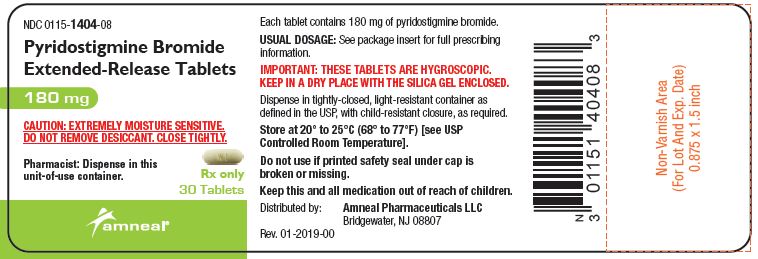
    Pyridostigmine bromide is available in extended-release dosage form:

    Extended-Release Tablets — each containing 180 mg pyridostigmine bromide. This form provides uniformly slow release, hence prolonged duration of drug action; it facilitates control of myasthenic symptoms with fewer individual doses daily. The immediate effect of a 180 mg extended-release tablet is about equal to that of a 60 mg immediate-release tablet; however, its duration of effectiveness, although varying in individual patients, averages 2½ times that of a 60 mg dose.

    Dosage: The size and frequency of the dosage must be adjusted to the needs of the individual patient.

    Extended-Release Tablets — One to three 180 mg tablets, once or twice daily, will usually be sufficient to control symptoms; however, the needs of certain individuals may vary markedly from this average. The interval between doses should be at least 6 hours. For optimum control, it may be necessary to use the more rapidly acting regular tablets or syrup in conjunction with extended-release therapy.

    Note: For information on a diagnostic test for myasthenia gravis, and for the evaluation and stabilization of therapy, please see product literature on edrophonium chloride.

  • Physicians Total Care, Inc.
    Ibuprofen Suspension | Physicians Total Care, Inc.
    No Recall

    Ibuprofen Suspension | Physicians Total Care, Inc.

    Ibuprofen Suspension | Physicians Total Care, Inc.

    Carefully consider the potential benefits and risks of ibuprofen suspension and other treatment options before deciding to use ibuprofen suspension. Use the lowest effective dose for the shortest duration consistent with individual patient treatment goals (see WARNINGS).

    After observing the response to initial therapy with ibuprofen suspension, the dose and frequency should be adjusted to suit an individual patient's needs.

    PEDIATRIC PATIENTS Fever reduction

    For reduction of fever in children, 6 months up to 2 years of age, the dosage should be adjusted on the basis of the initial temperature level (see CLINICAL PHARMACOLOGY). The recommended dose is 5 mg/kg if the baseline temperature is less than 102.5°F, or 10 mg/kg if the baseline temperature is 102.5°F or greater. The duration of fever reduction is generally 6 to 8 hours. The recommended maximum daily dose is 40 mg/kg.

    Analgesia

    For relief of mild to moderate pain in children 6 months up to 2 years of age, the recommended dosage is 10 mg/kg, every 6 to 8 hours. The recommended maximum daily dose is 40 mg/kg. Doses should be given so as not to disturb the child's sleep pattern.

    Juvenile Arthritis

    The recommended dose is 30 to 40 mg/kg/day divided into three to four doses (see Individualization of Dosage). Patients with milder disease may be adequately treated with 20 mg/kg/day.

    In patients with juvenile arthritis, doses above 50 mg/kg/day are not recommended because they have not been studied and doses exceeding the upper recommended dose of 40 mg/kg/day may increase the risk of causing serious adverse events. The therapeutic response may require from a few days to several weeks to be achieved. Once a clinical effect is obtained, the dosage should be lowered to the smallest dose of ibuprofen needed to maintain adequate control of symptoms.

    Pediatric patients receiving doses above 30 mg/kg/day or if abnormal liver function tests have occurred with previous NSAID treatments should be carefully followed for signs and symptoms of early liver dysfunction.

    ADULTS Primary Dysmenorrhea

    For the treatment of primary dysmenorrhea, beginning with the earliest onset of such pain, ibuprofen suspension should be given in a dose of 400 mg every 4 hours, as necessary, for the relief of pain.

    Rheumatoid arthritis and osteoarthritis

    Suggested dosage: 1200-3200 mg daily (300 mg q.i.d. or 400 mg, 600 mg or 800 mg t.i.d. or q.i.d.). Individual patients may show a better response to 3200 mg daily, as compared with 2400 mg, although in well-controlled clinical trials patients on 3200 mg did not show a better mean response in terms of efficacy. Therefore, when treating patients with 3200 mg/day, the physician should observe sufficient increased clinical benefits to offset potential increased risk.

    Individualization of Dosage

    The dose of ibuprofen suspension should be tailored to each patient, and may be lowered or raised from the suggested doses depending on the severity of symptoms either at time of initiating drug therapy or as the patient responds or fails to respond.

    One fever study showed that, after the initial dose of ibuprofen suspension, subsequent doses may be lowered and still provide adequate fever control.

    In a situation when low fever would require the ibuprofen suspension 5 mg/kg dose in a child with pain, the dose that will effectively treat the predominant symptom should be chosen.

    In chronic conditions, a therapeutic response to ibuprofen suspension therapy is sometimes seen in a few days to a week, but most often is observed by two weeks. After a satisfactory response has been achieved, the patient's dose should be reviewed and adjusted as required.

    Patients with rheumatoid arthritis seem to require higher doses than do patients with osteoarthritis. The smallest dose of ibuprofen suspension that yields acceptable control should be employed.

    Ibuprofen suspension may be used in combination with gold salts and/or corticosteroids.

  • Preferred Pharmaceuticals, Inc
    Ibuprofen Suspension | Preferred Pharmaceuticals, Inc
    No Recall

    Ibuprofen Suspension | Preferred Pharmaceuticals, Inc

    Ibuprofen Suspension | Preferred Pharmaceuticals, Inc

    Carefully consider the potential benefits and risks of Ibuprofen Oral Suspension and other treatment options before deciding to use Ibuprofen Oral Suspension. Use the lowest effective dose for the shortest duration consistent with individual patient treatment goals (see WARNINGS).

    After observing the response to initial therapy with Ibuprofen Oral Suspension, the dose and frequency should be adjusted to suit an individual patient's needs.

    PEDIATRIC PATIENTS Fever Reduction:

    For reduction of fever in children, 6 months up to 2 years of age, the dosage should be adjusted on the basis of the initial temperature level (see CLINICAL PHARMACOLOGY). The recommended dose is 5 mg/kg if the baseline temperature is less than 102.5°F, or 10 mg/kg if the baseline temperature is 102.5°F or greater. The duration of fever reduction is generally 6 to 8 hours. The recommended maximum daily dose is 40 mg/kg.

    Analgesia:

    For relief of mild to moderate pain in children 6 months up to 2 years of age, the recommended dosage is 10 mg/kg, every 6 to 8 hours. The recommended maximum daily dose is 40 mg/kg. Doses should be given so as not to disturb the child's sleep pattern.

    Juvenile Arthritis:

    The recommended dose is 30 to 40 mg/kg/day divided into three to four doses (see Individualization of Dosage). Patients with milder disease may be adequately treated with 20 mg/kg/day.

    In patients with juvenile arthritis, doses above 50 mg/kg/day are not recommended because they have not been studied and doses exceeding the upper recommended dose of 40 mg/kg/day may increase the

    risk of causing serious adverse events. The therapeutic response may require from a few days to several weeks to be achieved. Once a clinical effect is obtained, the dosage should be lowered to the smallest dose of ibuprofen needed to maintain adequate control of symptoms.

    Pediatric patients receiving doses above 30 mg/kg/day or if abnormal liver function tests have occurred with previous NSAID treatments should be carefully followed for signs and symptoms of early liver dysfunction.

    ADULTS Primary Dysmenorrhea:

    For the treatment of primary dysmenorrhea, beginning with the earliest onset of such pain, Ibuprofen Oral Suspension should be given in a dose of 400 mg every 4 hours, as necessary, for the relief of pain.

    Rheumatoid Arthritis and Osteoarthritis:

    Suggested dosage: 1200-3200 mg daily (300 mg q.i.d. or 400 mg, 600 mg or 800 mg t.i.d. or q.i.d.). Individual patients may show a better response to 3200 mg daily, as compared with 2400 mg, although in well-controlled clinical trials patients on 3200 mg did not show a better mean response in terms of efficacy. Therefore, when treating patients with 3200 mg/day, the physician should observe sufficient increased clinical benefits to offset potential increased risk.

    Individualization of Dosage:

    The dose of Ibuprofen Oral Suspension should be tailored to each patient, and may be lowered or raised from the suggested doses depending on the severity of symptoms either at time of initiating drug therapy or as the patient responds or fails to respond.

    One fever study showed that, after the initial dose of ibuprofen oral suspension, subsequent doses may be lowered and still provide adequate fever control.

    In a situation when low fever would require the ibuprofen oral suspension 5 mg/kg dose in a child with pain, the dose that will effectively treat the predominant symptom should be chosen.

    In chronic conditions, a therapeutic response to ibuprofen oral suspension therapy is sometimes seen in a few days to a week, but most often is observed by two weeks. After a satisfactory response has been achieved, the patient's dose should be reviewed and adjusted as required.

    Patients with rheumatoid arthritis seem to require higher doses than do patients with osteoarthritis. The smallest dose of Ibuprofen Oral Suspension that yields acceptable control should be employed.

    Ibuprofen Oral Suspension may be used in combination with gold salts and/or corticosteroids.

  • Pharmaceutical Associates, Inc.
    Ibuprofen Suspension | Pharmaceutical Associates, Inc.
    No Recall

    Ibuprofen Suspension | Pharmaceutical Associates, Inc.

    Ibuprofen Suspension | Pharmaceutical Associates, Inc.

    Carefully consider the potential benefits and risks of ibuprofen suspension and other treatment options before deciding to use ibuprofen suspension. Use the lowest effective dose for the shortest duration consistent with individual patient treatment goals (see WARNINGS).

    After observing the response to initial therapy with ibuprofen suspension, the dose and frequency should be adjusted to suit an individual patient's needs.

    PEDIATRIC PATIENTS Fever reduction

    For reduction of fever in children, 6 months up to 2 years of age, the dosage should be adjusted on the basis of the initial temperature level (see CLINICAL PHARMACOLOGY). The recommended dose is 5 mg/kg if the baseline temperature is less than 102.5°F, or 10 mg/kg if the baseline temperature is 102.5°F or greater. The duration of fever reduction is generally 6 to 8 hours. The recommended maximum daily dose is 40 mg/kg.

    Analgesia

    For relief of mild to moderate pain in children 6 months up to 2 years of age, the recommended dosage is 10 mg/kg, every 6 to 8 hours. The recommended maximum daily dose is 40 mg/kg. Doses should be given so as not to disturb the child's sleep pattern.

    Juvenile Arthritis

    The recommended dose is 30 to 40 mg/kg/day divided into three to four doses (see Individualization of Dosage). Patients with milder disease may be adequately treated with 20 mg/kg/day.

    In patients with juvenile arthritis, doses above 50 mg/kg/day are not recommended because they have not been studied and doses exceeding the upper recommended dose of 40 mg/kg/day may increase the risk of causing serious adverse events. The therapeutic response may require from a few days to several weeks to be achieved. Once a clinical effect is obtained, the dosage should be lowered to the smallest dose of ibuprofen needed to maintain adequate control of symptoms.

    Pediatric patients receiving doses above 30 mg/kg/day or if abnormal liver function tests have occurred with previous NSAID treatments should be carefully followed for signs and symptoms of early liver dysfunction.

    ADULTS Primary Dysmenorrhea

    For the treatment of primary dysmenorrhea, beginning with the earliest onset of such pain, ibuprofen suspension should be given in a dose of 400 mg every 4 hours, as necessary, for the relief of pain.

    Rheumatoid Arthritis and Osteoarthritis

    Suggested dosage: 1200-3200 mg daily (300 mg q.i.d. or 400 mg, 600 mg or 800 mg t.i.d. or q.i.d.). Individual patients may show a better response to 3200 mg daily, as compared with 2400 mg, although in well-controlled clinical trials patients on 3200 mg did not show a better mean response in terms of efficacy. Therefore, when treating patients with 3200 mg/day, the physician should observe sufficient increased clinical benefits to offset potential increased risk.

    Individualization of Dosage

    The dose of ibuprofen suspension should be tailored to each patient, and may be lowered or raised from the suggested doses depending on the severity of symptoms either at time of initiating drug therapy or as the patient responds or fails to respond.

    One fever study showed that, after the initial dose of ibuprofen suspension, subsequent doses may be lowered and still provide adequate fever control.

    In a situation when low fever would require the ibuprofen suspension 5 mg/kg dose in a child with pain, the dose that will effectively treat the predominant symptom should be chosen.

    In chronic conditions, a therapeutic response to ibuprofen suspension therapy is sometimes seen in a few days to a week, but most often is observed by two weeks. After a satisfactory response has been achieved, the patient's dose should be reviewed and adjusted as required.

    Patients with rheumatoid arthritis seem to require higher doses than do patients with osteoarthritis. The smallest dose of ibuprofen suspension that yields acceptable control should be employed.

    Ibuprofen suspension may be used in combination with gold salts and/or corticosteroids.

  • Ibuprofen Suspension | Kroger Company
    No Recall

    Ibuprofen Suspension | Kroger Company

    Ibuprofen Suspension | Kroger Company
    • this product does not contain directions or complete warnings for adult use • do not give more than directed • shake well before using • find right dose on chart. If possible, use weight to dose; otherwise use age. • use only enclosed measuring cup • if needed, repeat dose every 6-8 hours • do not use more than 4 times a day • replace original bottle cap to maintain child resistance • wash dosage cup after each use

    Dosing Chart

    Weight (lbs)

    Age (yrs)

    Dose (teaspoonful or mL)

    under 2 years

    ask a doctor

    24-35 lbs

    2-3 years

    1 tsp or 5 mL

    36-47 lbs

    4-5 years

    1 1/2 tsp or 7.5 mL

    48-59 lbs

    6-8 years

    2 tsp or 10 mL

    60-71 lbs

    9-10 years

    2 1/2 tsp or 12.5 mL

    72-95 lbs

    11 years

      3 tsp or 15 mL
  • Perrigo New York Inc
    Ibuprofen Suspension | Perrigo New York Inc
    No Recall

    Ibuprofen Suspension | Perrigo New York Inc

    Ibuprofen Suspension | Perrigo New York Inc
    • this product does not contain directions or complete warnings for adult use • do not give more than directed • shake well before using • find right dose on chart. If possible, use weight to dose; otherwise use age. • use only enclosed measuring cup • if needed, repeat dose every 6-8 hours • do not use more than 4 times a day • replace original bottle cap to maintain child resistance • wash dosage cup after each use

    Dosing Chart

    Weight (lbs)

    Age (yrs)

    Dose (teaspoonful or mL)

    under 2 years

    ask a doctor

    24-35 lbs

    2-3 years

    1 tsp or 5 mL

    36-47 lbs

    4-5 years

    1 ½ tsp or 7.5 mL

    48-59 lbs

    6-8 years

    2 tsp or 10 mL

    60-71 lbs

    9-10 years

    2 ½ tsp or 12.5 mL

    72-95 lbs

    11 years

    3 tsp or 15 mL

  • Perrigo New York Inc
    Ibuprofen Suspension | Legacy Pharmaceutical Packaging
    No Recall

    Ibuprofen Suspension | Legacy Pharmaceutical Packaging

    Ibuprofen Suspension | Legacy Pharmaceutical Packaging
    Hypertension:

    The initial dose of atenolol is 50 mg given as one tablet a day either alone or added to diuretic therapy. The full effect of this dose will usually be seen within one to two weeks. If an optimal response is not achieved, the dosage should be increased to atenolol 100 mg given as one tablet a day. Increasing the dosage beyond 100 mg a day is unlikely to produce any further benefit.

    Atenolol may be used alone or concomitantly with other antihypertensive agents including thiazide-type diuretics, hydralazine, prazosin, and alpha-methyldopa.

    Angina Pectoris

    The initial dose of atenolol is 50 mg given as one tablet a day. If an optimal response is not achieved within one week, the dosage should be increased to atenolol 100 mg given as one tablet a day. Some patients may require a dosage of 200 mg once a day for optimal effect.

    Twenty-four hour control with once daily dosing is achieved by giving doses larger than necessary to achieve an immediate maximum effect. The maximum early effect on exercise tolerance occurs with doses of 50 to 100 mg, but at these doses the effect at 24 hours is attenuated, averaging about 50% to 75% of that observed with once a day oral doses of 200 mg.

    Acute Myocardial Infarction

    In patients with definite or suspected acute myocardial infarction, treatment with atenolol injection should be initiated as soon as possible after the patient's arrival in the hospital and after eligibility is established. Such treatment should be initiated in a coronary care or similar unit immediately after the patient's hemodynamic condition has stabilized. Treatment should begin with the intravenous administration of 5 mg atenolol over 5 minutes followed by another 5 mg intravenous injection 10 minutes later. Atenolol injection should be administered under carefully controlled conditions including monitoring of blood pressure, heart rate, and electrocardiogram. Dilutions of atenolol injection in Dextrose Injection USP, Sodium Chloride Injection USP, or Sodium Chloride and Dextrose Injection may be used. These admixtures are stable for 48 hours if they are not used immediately.

    In patients who tolerate the full intravenous dose (10 mg), atenolol tablets 50 mg should be initiated 10 minutes after the last intravenous dose followed by another 50 mg oral dose 12 hours later. Thereafter, atenolol can be given orally either 100 mg once daily or 50 mg twice a day for a further 6 to 9 days or until discharge from the hospital. If bradycardia or hypotension requiring treatment or any other untoward effects occur, atenolol should be discontinued (see full prescribing information prior to initiating therapy with atenolol tablets).

    Data from other beta blocker trials suggest that if there is any question concerning the use of IV beta blocker or clinical estimate that there is a contraindication, the IV beta blocker may be eliminated and patients fulfilling the safety criteria may be given atenolol tablets 50 mg twice daily or 100 mg once a day for at least seven days (if the IV dosing is excluded).

    Although the demonstration of efficacy of atenolol is based entirely on data from the first seven postinfarction days, data from other beta blocker trials suggest that treatment with beta blockers that are effective in the postinfarction setting may be continued for one to three years if there are no contraindications.

    Atenolol is an additional treatment to standard coronary care unit therapy.

    Elderly Patients or Patients with Renal Impairment

    Atenolol is excreted by the kidneys; consequently dosage should be adjusted in cases of severe impairment of renal function.  In general, dose selection for an elderly patient should be cautious, usually starting at the low end of the dosing range, reflecting greater frequency of decreased hepatic, renal or cardiac function, and of concomitant disease or other drug therapy.  Evaluation of patients with hypertension or myocardial infarction should always include assessment of renal function.   Atenolol excretion would be expected to decrease with advancing age.

    No significant accumulation of atenolol occurs until creatinine clearance falls below 35 mL/min/1.73m2. Accumulation of atenolol and prolongation of its half-life were studied in subjects with creatinine clearance between 5 and 105 mL/min. Peak plasma levels were significantly increased in subjects with creatinine clearances below 30 mL/min.

    The following maximum oral dosages are recommended for elderly, renally-impaired patients and for patients with renal impairment due to other causes:

     Creatinine Clearance 
    (mL/min/1.73m2) 
     Atenolol
    Elimination Half-Life
    (h)
     Maximum Dosage
     15-35 
     16-27
     50 mg daily
     <15 
     >27
     25 mg daily

    Some renally impaired or elderly patients being treated for hypertension may require a lower starting dose of atenolol: 25 mg given as one tablet a day. If this 25 mg dose is used, assessment of efficacy must be made carefully. This should include measurement of blood pressure just prior to the next dose ("trough" blood pressure) to ensure that the treatment effect is present for a full 24 hours.

    Although a similar dosage reduction may be considered for elderly and/or renally impaired patients being treated for indications other than hypertension, data are not available for these patient populations.

    Patients on hemodialysis should be given 25 mg or 50 mg after each dialysis; this should be done under hospital supervision as marked falls in blood pressure can occur.

    Cessation of Therapy in Patients with Angina Pectoris

    If withdrawal of atenolol therapy is planned, it should be achieved gradually and patients should be carefully observed and advised to limit physical activity to a minimum.

  • Ibuprofen Suspension | Kroger Company
    No Recall

    Ibuprofen Suspension | Kroger Company

    Ibuprofen Suspension | Kroger Company
    • this product does not contain directions or complete warnings for adult use • do not give more than directed • shake well before using • find right dose on chart. If possible, use weight to dose; otherwise use age. • use only enclosed measuring cup • if needed, repeat dose every 6-8 hours • do not use more than 4 times a day • replace original bottle cap to maintain child resistance • wash dosage cup after each use

    Dosing Chart

    Weight (lbs)

    Age (yrs)

    Dose (teaspoonful or mL)

    under 2 years

    ask a doctor

    24-35 lbs

    2-3 years

    1 tsp or 5 mL

    36-47 lbs

    4-5 years

    1 1/2 tsp or 7.5 mL

    48-59 lbs

    6-8 years

    2 tsp or 10 mL

    60-71 lbs

    9-10 years

    2 1/2 tsp or 12.5 mL

    72-95 lbs

    11 years

    3 tsp or 15 mL

  • Ibuprofen Suspension | Atlantic Biologicals Corps
    No Recall

    Ibuprofen Suspension | Atlantic Biologicals Corps

    Ibuprofen Suspension | Atlantic Biologicals Corps
    this product does not contain directions or complete warnings for adult use do not give more than directed shake well before using find right dose on chart. If possible, use weight to dose; otherwise use age. use only enclosed measuring cup if needed, repeat dose every 6-8 hours do not use more than 4 times a day replace original bottle cap to maintain child resistance wash dosage cup after each use Dosing Chart Weight (lb) Age(yrs) Dose (teaspoonful or mL) under 2 years ask a doctor 24-35 lbs 2-3 years 1 tsp or 5 mL 36-47 lbs 4-5 years 1 ½ tsp or 7.5 mL 48-59 lbs 6-8 years 2 tsp or 10 mL 60-71 lbs 9-10 years 2 ½ tsp or 12.5 mL 72-95 lbs 11 years 3 tsp or 15 mL