Cardinal Health

Manufacturer Details

There are currently no manufacturer details available.

Share This Page

Cardinal Health Drugs

  • Leader Sinus Relief
    Leader Sinus Relief (Acetaminophen, Guaifenesin, Phenylephrine Hcl) Capsule, Coated [Cardinal Health]

    Leader Sinus Relief

    Leader Sinus Relief (Acetaminophen, Guaifenesin, Phenylephrine Hcl) Capsule, Coated [Cardinal Health]

    • do not take more than directed (see overdose warning) • do not take more than 10 caplets in any 24-hour period • adults and children 12 years and older: take 2 caplets every 4 hours • children under 12 years of age: do not use

  • Lisinopril
    Lisinopril Tablet [Cardinal Health]

    Lisinopril

    Lisinopril Tablet [Cardinal Health]

    2.1 Hypertension

    Initial Therapy in Adults

    The recommended initial dose is 10 mg once a day. Dosage should be adjusted according to blood pressure response. The usual dosage range is 20 mg to 40 mg per day administered in a single daily dose. Doses up to 80 mg have been used but do not appear to give greater effect.

    Use with Diuretics in Adults

    If blood pressure is not controlled with lisinopril tablets alone, a low dose of a diuretic may be added (e.g., hydrochlorothiazide, 12.5 mg). After the addition of a diuretic, it may be possible to reduce the dose of lisinopril tablets.

    The recommended starting dose in adult patients with hypertension taking diuretics is 5 mg once per day.

    Pediatric Patients 6 years of age and older with hypertension

    For pediatric patients with glomerular filtration rate greater than 30 mL/min/1.73m2, the recommended starting dose is 0.07 mg per kg once daily (up to 5 mg total). Dosage should be adjusted according to blood pressure response up to a maximum of 0.61 mg per kg (up to 40 mg) once daily. Doses above 0.61 mg per kg (or in excess of 40 mg) have not been studied in pediatric patients [see CLINICAL PHARMACOLOGY (12.3)].

    Lisinopril tablets are not recommended in pediatric patients less than 6 years or in pediatric patients with glomerular filtration rate less than 30 mL/min/1.73m2 [see USE IN SPECIFIC POPULATIONS (8.4)and CLINICAL STUDIES (14.1)].

    2.2 Heart Failure

    The recommended starting dose for lisinopril tablets, when used with diuretics and (usually) digitalis as adjunctive therapy for systolic heart failure, is 5 mg once daily. The recommended starting dose in these patients with hyponatremia (serum sodium less than 130 mEq/L) is 2.5 mg once daily. Increase as tolerated to a maximum of 40 mg once daily.

    Diuretic dose may need to be adjusted to help minimize hypovolemia, which may contribute to hypotension [see WARNINGS AND PRECAUTIONS (5.4), and DRUG INTERACTIONS (7.1)]. The appearance of hypotension after the initial dose of lisinopril tablets does not preclude subsequent careful dose titration with the drug, following effective management of the hypotension.

    2.3 Reduction of Mortality in Acute Myocardial Infarction

    In hemodynamically stable patients within 24 hours of the onset of symptoms of acute myocardial infarction, give lisinopril tablets 5 mg orally, followed by 5 mg after 24 hours, 10 mg after 48 hours and then 10 mg once daily. Dosing should continue for at least six weeks.

    Initiate therapy with 2.5 mg in patients with a low systolic blood pressure (less than or equal to 120 mmHg and greater than 100 mmHg) during the first 3 days after the infarct [see WARNINGS AND PRECAUTIONS (5.4)]. If hypotension occurs (systolic blood pressure less than or equal to 100 mmHg) a daily maintenance dose of 5 mg may be given with temporary reductions to 2.5 mg if needed. If prolonged hypotension occurs (systolic blood pressure less than 90 mmHg for more than 1 hour) lisinopril tablets should be withdrawn.

    2.4 Dose in Patients with Renal Impairment

    No dose adjustment of lisinopril tablets is required in patients with creatinine clearance greater than 30 mL/min. In patients with creatinine clearance greater than or equal to 10 mL/min and less than or equal to 30 mL/min, reduce the initial dose of lisinopril tablets to half of the usual recommended dose i.e., hypertension, 5 mg; systolic heart failure, 2.5 mg and acute MI, 2.5 mg. Up titrate as tolerated to a maximum of 40 mg daily. For patients on hemodialysis or creatinine clearance less than 10 mL/min, the recommended initial dose is 2.5 mg once daily [see USE IN SPECIFIC POPULATIONS (8.7) and CLINICAL PHARMACOLOGY (12.3)].

  • Fluconazole
    Fluconazole Tablet [Cardinal Health]

    Fluconazole

    Fluconazole Tablet [Cardinal Health]

    Dosage and Administration in Adults

    Single Dose

    Vaginal candidiasis: The recommended dosage of fluconazole for vaginal candidiasis is 150 mg as a single oral dose.

    Multiple Dose

    SINCE ORAL ABSORPTION IS RAPID AND ALMOST COMPLETE, THE DAILY DOSE OF FLUCONAZOLE IS THE SAME FOR ORAL AND INTRAVENOUS ADMINISTRATION. In general, a loading dose of twice the daily dose is recommended on the first day of therapy to result in plasma concentrations close to steady-state by the second day of therapy.

    The daily dose of fluconazole for the treatment of infections other than vaginal candidiasis should be based on the infecting organism and the patient’s response to therapy. Treatment should be continued until clinical parameters or laboratory tests indicate that active fungal infection has subsided. An inadequate period of treatment may lead to recurrence of active infection. Patients with AIDS and cryptococcal meningitis or recurrent oropharyngeal candidiasis usually require maintenance therapy to prevent relapse.

    Oropharyngeal candidiasis: The recommended dosage of fluconazole for oropharyngeal candidiasis is 200 mg on the first day, followed by 100 mg once daily. Clinical evidence of oropharyngeal candidiasis generally resolves within several days, but treatment should be continued for at least 2 weeks to decrease the likelihood of relapse.

    Esophageal candidiasis: The recommended dosage of fluconazole for esophageal candidiasis is 200 mg on the first day, followed by 100 mg once daily. Doses up to 400 mg/day may be used, based on medical judgment of the patient’s response to therapy. Patients with esophageal candidiasis should be treated for a minimum of three weeks and for at least two weeks following resolution of symptoms.

    Systemic Candida infections: For systemic Candida infections including candidemia, disseminated candidiasis, and pneumonia, optimal therapeutic dosage and duration of therapy have not been established. In open, noncomparative studies of small numbers of patients, doses of up to 400 mg daily have been used.

    Urinary tract infections and peritonitis: For the treatment of Candida urinary tract infections and peritonitis, daily doses of 50 to 200 mg have been used in open, noncomparative studies of small numbers of patients.

    Cryptococcal meningitis: The recommended dosage for treatment of acute cryptococcal meningitis is 400 mg on the first day, followed by 200 mg once daily. A dosage of 400 mg once daily may be used, based on medical judgment of the patient’s response to therapy. The recommended duration of treatment for initial therapy of cryptococcal meningitis is 10 to 12 weeks after the cerebrospinal fluid becomes culture negative. The recommended dosage of fluconazole for suppression of relapse of cryptococcal meningitis in patients with AIDS is 200 mg once daily.

    Prophylaxis in patients undergoing bone marrow transplantation: The recommended fluconazole daily dosage for the prevention of candidiasis in patients undergoing bone marrow transplantation is 400 mg, once daily. Patients who are anticipated to have severe granulocytopenia (less than 500 neutrophils per cu mm) should start fluconazole prophylaxis several days before the anticipated onset of neutropenia, and continue for 7 days after the neutrophil count rises above 1000 cells per cu mm.

    Dosage and Administration in Children

    The following dose equivalency scheme should generally provide equivalent exposure in pediatric and adult patients:

    * Some older children may have clearances similar to that of adults. Absolute doses exceeding 600 mg/day are not recommended.

    Pediatric Patients

    Adults

    3 mg/kg

    100 mg

    6 mg/kg

    200 mg

    12* mg/kg

    400 mg

    Experience with fluconazole in neonates is limited to pharmacokinetic studies in premature newborns. (See CLINICAL PHARMACOLOGY.) Based on the prolonged half-life seen in premature newborns (gestational age 26 to 29 weeks), these children, in the first two weeks of life, should receive the same dosage (mg/kg) as in older children, but administered every 72 hours. After the first two weeks, these children should be dosed once daily. No information regarding fluconazole pharmacokinetics in full-term newborns is available.

    Oropharyngeal candidiasis: The recommended dosage of fluconazole for oropharyngeal candidiasis in children is 6 mg/kg on the first day, followed by 3 mg/kg once daily. Treatment should be administered for at least 2 weeks to decrease the likelihood of relapse.

    Esophageal candidiasis: For the treatment of esophageal candidiasis, the recommended dosage of fluconazole in children is 6 mg/kg on the first day, followed by 3 mg/kg once daily. Doses up to 12 mg/kg/day may be used, based on medical judgment of the patient’s response to therapy. Patients with esophageal candidiasis should be treated for a minimum of three weeks and for at least 2 weeks following the resolution of symptoms.

    Systemic Candida infections: For the treatment of candidemia and disseminated Candida infections, daily doses of 6 to 12 mg/kg/day have been used in an open, noncomparative study of a small number of children.

    Cryptococcal meningitis: For the treatment of acute cryptococcal meningitis, the recommended dosage is 12 mg/kg on the first day, followed by 6 mg/kg once daily. A dosage of 12 mg/kg once daily may be used, based on medical judgment of the patient’s response to therapy. The recommended duration of treatment for initial therapy of cryptococcal meningitis is 10 to 12 weeks after the cerebrospinal fluid becomes culture negative. For suppression of relapse of cryptococcal meningitis in children with AIDS, the recommended dose of fluconazole is 6 mg/kg once daily.

    Dosage In Patients With Impaired Renal Function

    Fluconazole is cleared primarily by renal excretion as unchanged drug. There is no need to adjust single dose therapy for vaginal candidiasis because of impaired renal function. In patients with impaired renal function who will receive multiple doses of fluconazole, an initial loading dose of 50 to 400 mg should be given. After the loading dose, the daily dose (according to indication) should be based on the following table: 

    Creatinine Clearance (mL/min) 

    Percent of Recommended Dose 

    >50

    100%

    ≤50 (no dialysis)

    50%

    Regular dialysis

    100% after each dialysis

    Patients on regular dialysis should receive 100% of the recommended dose after each dialysis; on non-dialysis days, patients should receive a reduced dose according to their creatinine clearance.

    These are suggested dose adjustments based on pharmacokinetics following administration of multiple doses. Further adjustment may be needed depending upon clinical condition.

    When serum creatinine is the only measure of renal function available, the following formula (based on sex, weight, and age of the patient) should be used to estimate the creatinine clearance in adults:

                                           Weight (kg) x (140-age)          Males:           —————————————                               72 x serum creatinine (mg/100 mL)        Females:        0.85 × above value

    Although the pharmacokinetics of fluconazole has not been studied in children with renal insufficiency, dosage reduction in children with renal insufficiency should parallel that recommended for adults. The following formula may be used to estimate creatinine clearance in children:                                   linear length or height (cm)                K x         —————————————                                  serum creatinine (mg/100 mL)                (Where K=0.55 for children older than 1 year and 0.45 for infants.)

    Administration

    Fluconazole tablets are administered orally. Fluconazole tablets can be taken with or without food.

  • Ketorolac Tromethamine Injection, Solution [Cardinal Health]

    Ketorolac Tromethamine

    Ketorolac Tromethamine Injection, Solution [Cardinal Health]

    IN ADULTS, THE COMBINED DURATION OF USE OF KETOROLAC TROMETHAMINE INJECTION AND KETOROLAC TROMETHAMINE TABLETS IS NOT TO EXCEED 5 DAYS.  IN ADULTS, THE USE OF KETOROLAC TROMETHAMINE TABLETS IS ONLY INDICATED AS CONTINUATION THERAPY TO KETOROLAC TROMETHAMINE INJECTION.

    Ketorolac Tromethamine Injection

    Adult Patients

    Ketorolac tromethamine injection may be used as a single or multiple dose on a regular or “prn” schedule for the management of moderately severe acute pain that requires analgesia at the opioid level, usually in a postoperative setting.  Hypovolemia should be corrected prior to the administration of ketorolac tromethamine (see WARNINGS: Renal Effects).  Patients should be switched to alternative analgesics as soon as possible, but ketorolac tromethamine therapy is not to exceed 5 days.

    When administering ketorolac tromethamine injection, the IV bolus must be given over no less than 15 seconds.  The IM administration should be given slowly and deeply into the muscle.  The analgesic effect begins in~30 minutes with maximum effect in 1 to 2 hours after dosing IV or IM.  Duration of analgesic effect is usually 4 to 6 hours.

    Single-Dose Treatment: The Following Regimen Should Be Limited To Single Administration Use Only

    Adult Patients

    IM Dosing:

    ·        Patients <65 years of age: One dose of 60 mg.

    ·        Patients ≥65 years of age, renally impaired and/or less than 50 kg (110 lbs) of body weight: One dose of 30 mg.

    IV Dosing:

    ·        Patients <65 years of age: One dose of 30 mg.

    ·        Patients ≥65 years of age, renally impaired and/or less than 50 kg (110 lbs) of body weight: One dose of 15 mg.

    Pediatric Patients (2 to 16 years of age): The pediatric population should receive only a single dose of ketorolac tromethamine injection as follows:

    IM Dosing:

    ·        One dose of 1 mg/kg up to a maximum of 30 mg.

    IV Dosing:

    ·        One dose of 0.5 mg/kg up to a maximum of 15 mg.

    Multiple-Dose Treatment (IV or IM) In Adults:

    ·        Patients <65 years of age: The recommended dose is 30 mg ketorolac tromethamine injection every 6 hours.  The maximum daily dose should not exceed 120 mg.

    ·        For Patients ≥65 years of age, renally impaired patients (see WARNINGS) and patients less than 50 kg (110 lbs):  The recommended dose is 15 mg ketorolac tromethamine injection every 6 hours.  The maximum daily dose for these populations should not exceed 60 mg.

    For breakthrough pain do not increase the dose or the frequency of ketorolac tromethamine.  Consideration should be given to supplementing these regimens with low doses of opioids prn unless otherwise contraindicated.

    Pharmaceutical Information for Ketorolac Tromethamine Injection

    Parenteral drug products should be inspected visually for particulate matter and discoloration prior to administration whenever solution and container permit.

    Ketorolac tromethamine injection should not be mixed in a small volume (eg, in a syringe) with morphine sulfate, meperidine hydrochloride, promethazine hydrochloride or hydroxyzine hydrochloride; this will result in precipitation of ketorolac from solution.

  • Esomeprazole Magnesium Capsule, Delayed Release [Torrent Pharmaceuticals Limited]

    Esomeprazole Magnesium

    Esomeprazole Magnesium Capsule, Delayed Release [Torrent Pharmaceuticals Limited]

    • do not take more than directed (see overdose warning) • do not take more than 10 caplets in any 24-hour period • adults and children 12 years of age and older: take 2 caplets every 4 hours • children under 12 years of age: do not use

  • Petroleum (Petrolatum) Jelly [Cardinal Health]

    Petroleum

    Petroleum (Petrolatum) Jelly [Cardinal Health]

    apply as needed.

  • Healthylax (Polyethylene Glycol 3350) Powder, For Solution [Cardinal Health]

    Healthylax

    Healthylax (Polyethylene Glycol 3350) Powder, For Solution [Cardinal Health]

    • do not take more than directed unless advised by your doctor • stir and dissolve one packet of powder (17 g) into a glass (4 to 8 oz.) of water, juice, soda, coffee, or tea until completely dissolved. • Drink the solution • Daily dose is 17 grams per day or as directed by a healthcare professional. • Treatment for 2 to 4 days may be required to produce a bowel movement. • Use for 2 weeks or less. • Should not be used by children

  • Prochlorperazine Edisylate Injection [Cardinal Health]

    Prochlorperazine Edisylate

    Prochlorperazine Edisylate Injection [Cardinal Health]

    NOTE ON INJECTION: For intramuscular administration, inject deeply into the upper, outer quadrant of the buttock. Subcutaneous administration is not advisable because of local irritation. Stability This solution should be protected from light. Slight yellowish discoloration will not alter potency. If markedly discolored, solution should be discarded. Compatibility It is recommended that Prochlorperazine Edisylate Injection not be mixed with other agents in the syringe. Adults (For children's dosage and administration, see below.) Dosage should be increased more gradually in debilitated or emaciated patients.ELDERLY PATIENTS In general, dosages in the lower range are sufficient for most elderly patients. Since they appear to be more susceptible to hypotension and neuromuscular reactions, such patients should be observed closely. Dosage should be tailored to the individual, response carefully monitored, and dosage adjusted accordingly. Dosage should be increased more gradually in elderly patients.TO CONTROL SEVERE NAUSEA AND VOMITING Adjust dosage to the response of the individual. Begin with lowest recommended dosage.IM Dosage Initially 5 mg to 10 mg (1 to 2 mL) injected deeply into the upper, outer quadrant of the buttock. If necessary, repeat every 3 or 4 hours. Total IM dosage should not exceed 40 mg per day. IV Dosage 2.5 mg to 10 mg (0.5 to 2 mL) by slow IV injection or infusion at a rate not to exceed 5 mg per minute. Prochlorperazine Edisylate Injection may be administered either undiluted or diluted in isotonic solution. A single dose of the drug should not exceed 10 mg; total IV dosage should not exceed 40 mg per day. When administered IV, do not use bolus injection. Hypotension is a possibility if the drug is given by IV injection or infusion.Subcutaneous administration is not advisable because of local irritation. ADULT SURGERY (FOR SEVERE NAUSEA AND VOMITING) Total parenteral dosage should not exceed 40 mg per day. Hypotension is a possibility if the drug is given by IV injection or infusion.IM Dosage 5 mg to 10 mg (1 to 2 mL) 1 to 2 hours before induction of anesthesia (repeat once in 30 minutes, if necessary), or to control acute symptoms during and after surgery (repeat once if necessary). IV Dosage 5 mg to 10 mg (1 to 2 mL) as a slow IV injection or infusion 15 to 30 minutes before induction of anesthesia, or to control acute symptoms during or after surgery. Repeat once if necessary. Prochlorperazine may be administered either undiluted or diluted in isotonic solution, but a single dose of the drug should not exceed 10 mg. The rate of administration should not exceed 5 mg per minute. When administered IV, do not use bolus injection. IN ADULT PSYCHIATRIC DISORDERS Adjust dosage to the response of the individual and according to the severity of the condition. Begin with the lowest recommended dose. Although response ordinarily is seen within a day or two, longer treatment is usually required before maximal improvement is seen.IM Dosage For immediate control of adult schizophrenic patients with severe symptomatology, inject an initial dose of 10 mg to 20 mg (2 to 4 mL) deeply into the upper, outer quadrant of the buttock. Many patients respond shortly after the first injection. If necessary, however, repeat the initial dose every 2 to 4 hours (or, in resistant cases, every hour) to gain control of the patient. More than 3 or 4 doses are seldom necessary. After control is achieved, switch patient to an oral form of the drug at the same dosage level or higher. If, in rare cases, parenteral therapy is needed for a prolonged period, give 10 mg to 20 mg (2 to 4 mL) every 4 to 6 hours. Pain and irritation at the site of injection have seldom occurred. Subcutaneous administration is not advisable because of local irritation. Children DO NOT USE IN PEDIATRIC SURGERY Children seem more prone to develop extrapyramidal reactions, even on moderate doses. Therefore, use lowest effective dosage. Tell parents not to exceed prescribed dosage, since the possibility of adverse reactions increases as dosage rises. Occasionally the patient may react to the drug with signs of restlessness and excitement; if this occurs, do not administer additional doses. Take particular precaution in administering the drug to children with acute illnesses or dehydration (see under PRECAUTIONS and Dystonia ). SEVERE NAUSEA AND VOMITING IN CHILDREN Prochlorperazine should not be used in pediatric patients under 20 pounds in weight or two years of age. It should not be used in conditions for which children’s dosages have not been established. Dosage and frequency of administration should be adjusted according to the severity of the symptoms and the response of the patient. The duration of activity following intramuscular administration may last up to 12 hours. Subsequent doses may be given by the same route if necessary. IM Dosage Calculate each dose on the basis of 0.06 mg of the drug per lb of body weight; give by deep IM injection. Control is usually obtained with one dose.CHILDREN WITH SCHIZOPHRENIAIM Dosage For ages under 12, calculate each dose on the basis of 0.06 mg of prochlorperazine per lb of body weight; give by deep IM injection. Control is usually obtained with one dose. After control is achieved, switch the patient to an oral form of the drug at the same dosage level or higher.Parenteral drug products should be inspected visually for particulate matter and discoloration prior to administration, whenever solution and container permit.

  • Duloxetine Hydrochloride (Duloxetin Hydrochloride) Capsule, Delayed Release [Cardinal Health]

    Duloxetine Hydrochloride

    Duloxetine Hydrochloride (Duloxetin Hydrochloride) Capsule, Delayed Release [Cardinal Health]

    Duloxetine delayed-release capsules should be swallowed whole and should not be chewed or crushed, nor should the capsule be opened and its contents sprinkled on food or mixed with liquids. All of these might affect the enteric coating. Duloxetine delayed-release capsules can be given without regard to meals.

    2.1 Initial Treatment

    Major Depressive Disorder — Duloxetine delayed-release capsules should be administered at a total dose of 40 mg/day (given as 20 mg twice daily) to 60 mg/day (given either once daily or as 30 mg twice daily). For some patients, it may be desirable to start at 30 mg once daily for 1 week, to allow patients to adjust to the medication before increasing to 60 mg once daily. While a 120 mg/day dose was shown to be effective, there is no evidence that doses greater than 60 mg/day confer any additional benefits. The safety of doses above 120 mg/day has not been adequately evaluated [see Clinical Studies (14.1)].

    Generalized Anxiety Disorder — For most patients, the recommended starting dose for duloxetine delayed-release capsules is 60 mg administered once daily. For some patients, it may be desirable to start at 30 mg once daily for 1 week, to allow patients to adjust to the medication before increasing to 60 mg once daily. While a 120 mg once daily dose was shown to be effective, there is no evidence that doses greater than 60 mg/day confer additional benefit. Nevertheless, if a decision is made to increase the dose beyond 60 mg once daily, dose increases should be in increments of 30 mg once daily. The safety of doses above 120 mg once daily has not been adequately evaluated [see Clinical Studies (14.2)].

    Diabetic Peripheral Neuropathic Pain — The recommended dose for duloxetine delayed-release capsules is 60 mg administered once daily. There is no evidence that doses higher than 60 mg confer additional significant benefit and the higher dose is clearly less well tolerated [see Clinical Studies (14.3)]. For patients for whom tolerability is a concern, a lower starting dose may be considered.

    Since diabetes is frequently complicated by renal disease, a lower starting dose and gradual increase in dose should be considered for patients with renal impairment [see Dosage and Administration (2.3), Use in Specific Populations (8.10), and Clinical Pharmacology (12.3)].

    Chronic Musculoskeletal Pain — The recommended dose for duloxetine delayed-release capsules is 60 mg once daily. Dosing may be started at 30 mg for one week, to allow patients to adjust to the medication before increasing to 60 mg once daily. There is no evidence that higher doses confer additional benefit, even in patients who do not respond to a 60 mg dose, and higher doses are associated with a higher rate of adverse reactions [see Clinical Studies (14.5)].

    2.2 Maintenance/Continuation/Extended Treatment

    Major Depressive Disorder — It is generally agreed that acute episodes of major depression require several months or longer of sustained pharmacologic therapy. Maintenance of efficacy in MDD was demonstrated with duloxetine delayed-release capsules as monotherapy. Duloxetine delayed-release capsules should be administered at a total dose of 60 mg once daily. Patients should be periodically reassessed to determine the need for maintenance treatment and the appropriate dose for such treatment [see Clinical Studies (14.1)].

    Generalized Anxiety Disorder — It is generally agreed that episodes of generalized anxiety disorder require several months or longer of sustained pharmacological therapy. Maintenance of efficacy in GAD was demonstrated with duloxetine delayed-release capsules as monotherapy. Duloxetine delayed-release capsules should be administered in a dose range of 60-120 mg once daily. Patients should be periodically reassessed to determine the continued need for maintenance treatment and the appropriate dose for such treatment [see Clinical Studies (14.2)].

    Diabetic Peripheral Neuropathic Pain — As the progression of diabetic peripheral neuropathy is highly variable and management of pain is empirical, the effectiveness of duloxetine delayed-release capsules must be assessed individually. Efficacy beyond 12 weeks has not been systematically studied in placebo-controlled trials.

    Chronic Musculoskeletal Pain —  The efficacy of duloxetine delayed-release capsules has not been established in placebo-controlled studies beyond 13 weeks.

    2.3 Dosing in Special Populations

    Hepatic Insufficiency — It is recommended that duloxetine delayed-release capsules should ordinarily not be administered to patients with any hepatic insufficiency [see Warnings and Precautions (5.14) and Use in Specific Populations (8.9)].

    Severe Renal Impairment — Duloxetine delayed-release capsules are not recommended for patients with end-stage renal disease or severe renal impairment (estimated creatinine clearance <30 mL/min) [see Warnings and Precautions (5.14) and Use in Specific Populations (8.10)].

    Elderly Patients — No dose adjustment is recommended for elderly patients on the basis of age. As with any drug, caution should be exercised in treating the elderly. When individualizing the dosage in elderly patients, extra care should be taken when increasing the dose [see Use in Specific Populations (8.5)].

    Pregnant Women — There are no adequate and well-controlled studies in pregnant women; therefore, duloxetine delayed-release capsules should be used during pregnancy only if the potential benefit justifies the potential risk to the fetus [see Use in Specific Populations (8.1)].

    Nursing Mothers — Because the safety of duloxetine in infants is not known, nursing while on duloxetine delayed-release capsules is not recommended [see Use in Specific Populations (8.3)].

    2.4 Discontinuing Duloxetine Delayed-Release Capsules

    Symptoms associated with discontinuation of duloxetine delayed-release capsules and other SSRIs and SNRIs have been reported. A gradual reduction in the dose rather than abrupt cessation is recommended whenever possible [see Warnings and Precautions (5.7)].

    2.5 Switching a Patient To or From a Monoamine Oxidase Inhibitor (MAOI) Intended to Treat Psychiatric Disorders

    At least 14 days should elapse between discontinuation of an MAOI intended to treat psychiatric disorders and initiation of therapy with duloxetine delayed-release capsules. Conversely, at least 5 days should be allowed after stopping duloxetine delayed-release capsules before starting an MAOI intended to treat psychiatric disorders [see Contraindications (4.1)].

    2.6 Use of Duloxetine Delayed-Release Capsules with Other MAOIs such as Linezolid or Methylene Blue

    Do not start duloxetine delayed-release capsules in a patient who is being treated with linezolid or intravenous methylene blue because there is an increased risk of serotonin syndrome. In a patient who requires more urgent treatment of a psychiatric condition, other interventions, including hospitalization, should be considered [see Contraindications (4.1)].

    In some cases, a patient already receiving duloxetine delayed-release capsule therapy may require urgent treatment with linezolid or intravenous methylene blue. If acceptable alternatives to linezolid or intravenous methylene blue treatment are not available and the potential benefits of linezolid or intravenous methylene blue treatment are judged to outweigh the risks of serotonin syndrome in a particular patient, duloxetine delayed-release capsules should be stopped promptly, and linezolid or intravenous methylene blue can be administered. The patient should be monitored for symptoms of serotonin syndrome for 5 days or until 24 hours after the last dose of linezolid or intravenous methylene blue, whichever comes first. Therapy with duloxetine delayed-release capsules may be resumed 24 hours after the last dose of linezolid or intravenous methylene blue [see Warnings and Precautions (5.4)].

    The risk of administering methylene blue by non-intravenous routes (such as oral tablets or by local injection) or in intravenous doses much lower than 1 mg/kg with duloxetine delayed-release capsules is unclear. The clinician should, nevertheless, be aware of the possibility of emergent symptoms of serotonin syndrome with such use [see Warnings and Precautions (5.4)].

  • Leader Mucus Er
    Leader Mucus Er (Guaifenesin) Tablet, Extended Release [Cardinal Health]

    Leader Mucus Er

    Leader Mucus Er (Guaifenesin) Tablet, Extended Release [Cardinal Health]

    • do not crush, chew, or break tablet • take with a full glass of water • this product can be administered without regard for the timing of meals • adults and children 12 years of age and over: one or two tablets every 12 hours. Do not exceed 4 tablets in 24 hours. • children under 12 years of age: do not use

  • Theraflu Expressmax Nighttime Severe Cold And Cough (Acetaminophen, Diphenhydramine Hcl, Phenylephrine Hcl) Syrup [Novartis Consumer Health, Inc.]

    Theraflu Expressmax Nighttime Severe Cold And Cough

    Theraflu Expressmax Nighttime Severe Cold And Cough (Acetaminophen, Diphenhydramine Hcl, Phenylephrine Hcl) Syrup [Novartis Consumer Health, Inc.]

    Instructions for Use/Handling Ondansetron Orally Disintegrating Tablets USP:

    Do not attempt to push ondansetron orally disintegrating tablets USP through the foil backing. With dry hands, PEEL BACK the foil backing of 1 blister and GENTLY remove the tablet. IMMEDIATELY place the ondansetron orally disintegrating tablet USP on top of the tongue where it will dissolve in seconds, then swallow with saliva. Administration with liquid is not necessary.

    Prevention of Nausea and Vomiting Associated With Highly Emetogenic Cancer Chemotherapy:

    The recommended adult oral dosage of ondansetron is 24 mg given as three 8-mg tablets administered 30 minutes before the start of single-day highly emetogenic chemotherapy, including cisplatin ≥50 mg/m2. Multiday, single-dose administration of a 24 mg dosage has not been studied.

    Pediatric Use:

    There is no experience with the use of a 24 mg dosage in pediatric patients.

    Geriatric Use:

    The dosage recommendation is the same as for the general population.

    Prevention of Nausea and Vomiting Associated With Moderately Emetogenic Cancer Chemotherapy:

    The recommended adult oral dosage is one 8-mg ondansetron tablet USP or one 8-mg ondansetron orally disintegrating tablet USP given twice a day. The first dose should be administered 30 minutes before the start of emetogenic chemotherapy, with a subsequent dose 8 hours after the first dose. One 8-mg ondansetron tablet USP or one 8-mg ondansetron orally disintegrating tablet USP should be administered twice a day (every 12 hours) for 1 to 2 days after completion of chemotherapy.

    Pediatric Use:

    For pediatric patients 12 years of age and older, the dosage is the same as for adults. For pediatric patients 4 through 11 years of age, the dosage is one 4-mg ondansetron tablet USP or one 4-mg ondansetron orally disintegrating tablet USP given 3 times a day. The first dose should be administered 30 minutes before the start of emetogenic chemotherapy, with subsequent doses 4 and 8 hours after the first dose. One 4-mg ondansetron tablet USP or one 4-mg ondansetron orally disintegrating tablet USP should be administered 3 times a day (every 8 hours) for 1 to 2 days after completion of chemotherapy.

    Geriatric Use:

    The dosage is the same as for the general population.

    Prevention of Nausea and Vomiting Associated With Radiotherapy, Either Total Body Irradiation, or Single High-Dose Fraction or Daily Fractions to the Abdomen:

    The recommended oral dosage is one 8-mg ondansetron tablet USP or one 8-mg ondansetron orally disintegrating tablet USP given 3 times a day.

    For total body irradiation, one 8-mg ondansetron tablet USP or one 8-mg ondansetron orally disintegrating tablet USP should be administered 1 to 2 hours before each fraction of radiotherapy administered each day.

    For single high-dose fraction radiotherapy to the abdomen, one 8-mg ondansetron tablet USP or one 8-mg ondansetron orally disintegrating tablet USP should be administered 1 to 2 hours before radiotherapy, with subsequent doses every 8 hours after the first dose for 1 to 2 days after completion of radiotherapy.

    For daily fractionated radiotherapy to the abdomen, one 8-mg ondansetron tablet USP or one 8-mg ondansetron orally disintegrating tablet USP should be administered 1 to 2 hours before radiotherapy, with subsequent doses every 8 hours after the first dose for each day radiotherapy is given.

    Pediatric Use:

    There is no experience with the use of ondansetron tablets USP or ondansetron orally disintegrating tablets USP in the prevention of postoperative nausea and vomiting in pediatric patients.

    Geriatric Use:

    The dosage recommendation is the same as for the general population.

    Postoperative Nausea and Vomiting:

    The recommended dosage is 16 mg given as two 8-mg ondansetron tablets USP or two 8-mg ondansetron orally disintegrating tablets USP 1 hour before induction of anesthesia.

    Pediatric Use:

    There is no experience with the use of ondansetron tablets USP or ondansetron orally disintegrating tablets USP in the prevention of postoperative nausea and vomiting in pediatric patients.

    Geriatric Use:

    The dosage is the same as for the general population.

    Dosage Adjustment for Patients With Impaired Renal Function:

    The dosage recommendation is the same as for the general population. There is no experience beyond first-day administration of ondansetron.

    Dosage Adjustment for Patients With Impaired Hepatic Function:

    In patients with severe hepatic impairment (Child-Pugh2 score of 10 or greater), clearance is reduced and apparent volume of distribution is increased with a resultant increase in plasma half-life. In such patients, a total daily dose of 8 mg should not be exceeded.

  • Rugby All Day Relief (Naproxen Sodium) Tablet [Rugby Laboratories]

    Rugby All Day Relief

    Rugby All Day Relief (Naproxen Sodium) Tablet [Rugby Laboratories]

    use with care in premature infants or infants under 2 months of age. These products may cause irritation or chemical burns.

    Surgical hand scrub:

    wet hands and forearms with water. scrub for 3 minutes with about 5 ml of product and a wet brush paying close attention to the nails, cuticles, and interdigital spaces a separate nail cleaner may be used rinse throughly wash for an additional 3 minutes with 5 ml of product into cupped hands and washin a vigorous manner for 15 seconds seconds rinse and dry thoroughly

    Healthcare personnel handwash:

    wet hands with water dispense about 5 ml of product into cupped hands and wash in a vigorous manner for 15 seconds rinse and dry thoroughly

    Patient preoperative skin preparation:

    apply product liberally to surgical site and swab for at least 2 minutes and dry with a sterile towel repeat procecedure for an additional 2 minutes and dry with a sterile towel

    Skin wound and general skin cleansing:

    thoroughly rinse the area to be cleaned with water apply the minimum amount of product necessary to cover the skin or wound area and wash gently rinse again thoroughly
  • Peg 3350 (Polyethylene Glycol 3350) Powder [Cardinal Health]

    Peg 3350

    Peg 3350 (Polyethylene Glycol 3350) Powder [Cardinal Health]

    Directions

    -do not take more than directed unless advised by your doctor

    -adults and children 17 years of age and older:

           -stir and dissolve one packet (17 g) in any 4 to 8 ounces of beverage (cold, hot or room temperature) and then drink

        -use once a day

        -use no more than 7 days

    -Children 16 years of age or under:  ask a doctor

  • Ts Cc
    Ts Cc Cream Beige (Titanium Dioxide, Octinoxate, Octisalate, Zinc Oxide) Cream [Humex,inc.]

    Ts Cc

    Ts Cc Cream Beige (Titanium Dioxide, Octinoxate, Octisalate, Zinc Oxide) Cream [Humex,inc.]

    Dosage of magnesium sulfate must be carefully adjusted according to individual requirements and response, and administration of the drug should be discontinued as soon as the desired effect is obtained.

    Both IV and IM administration are appropriate.  IM administration of the undiluted 50% solution results in therapeutic plasma levels in 60 minutes, whereas IV doses will provide a therapeutic level almost immediately.  The rate of IV injection should generally not exceed 150 mg/minute, except in severe eclampsia with seizures (see below).  Continuous maternal administration of magnesium sulfate in pregnancy beyond 5 to 7 days can cause fetal abnormalities.

    Solutions for IV infusion must be diluted to a concentration of 20% or less prior to administration.  The diluents commonly used are 5% Dextrose Injection, USP and 0.9% Sodium Chloride Injection, USP.  Deep IM injection of the undiluted (50%) solution is appropriate for adults, but the solution should be diluted to a 20% or less concentration prior to such injection in children.

    In Magnesium Deficiency

    In the treatment of mild magnesium deficiency, the usual adult dose is 1 g, equivalent to 8.12 mEq of magnesium (2 mL of the 50% solution) injected IM every six hours for four doses (equivalent to a total of 32.5 mEq of magnesium per 24 hours).  For severe hypomagnesemia, as much as 250 mg (approximately 2 mEq) per kg of body weight (0.5 mL of the 50% solution) may be given IM within a period of four hours if necessary.  Alternatively, 5 g (approximately 40 mEq) can be added to one liter of 5% Dextrose Injection, USP or 0.9% Sodium Chloride Injection, USP for slow IV infusion over a three-hour period.  In the treatment of deficiency states, caution must be observed to prevent exceeding the renal excretory capacity.

    In Hyperalimentation

    In TPN, maintenance requirements for magnesium are not precisely known.  The maintenance dose used in adults ranges from 8 to 24 mEq (1 to 3 g) daily; for infants, the range is 2 to 10 mEq (0.25 to 1.25 g) daily.

    In Pre-Eclampsia or Eclampsia

    In severe pre-eclampsia or eclampsia, the total initial dose is 10 to 14 g of magnesium sulfate. Intravenously, a dose of 4 to 5 g in 250 mL of 5% Dextrose Injection, USP or 0.9% Sodium Chloride Injection, USP may be infused.  Simultaneously, IM doses of up to 10 g (5 g or 10 mL of the undiluted 50% solution in each buttock) are given.  Alternatively, the initial IV dose of 4 g may be given by diluting the 50% solution to a 10 or 20% concentration; the diluted fluid (40 mL of a 10% solution or 20 mL of a 20% solution) may then be injected IV over a period of three to four minutes.  Subsequently, 4 to 5 g (8 to 10 mL of the 50% solution) are injected IM into alternate buttocks every four hours as needed, depending on the continuing presence of the patellar reflex and adequate respiratory function.  Alternatively, after the initial IV dose, some clinicians administer 1 to 2 g/hour by constant IV infusion.  Therapy should continue until paroxysms cease.  A serum magnesium level of 6 mg/100 mL is considered optimal for control of seizures.  A total daily (24 hr) dose of 30 to 40 g should not be exceeded. In the presence of severe renal insufficiency, the maximum dosage of magnesium sulfate is 20 grams/48 hours and frequent serum magnesium concentrations must be obtained.  Continuous use of magnesium sulfate in pregnancy beyond 5 to 7 days can cause fetal abnormalities.

    Other uses

    In counteracting the muscle-stimulating effects of barium poisoning, the usual dose of magnesium sulfate is 1 to 2 g given IV.

    For controlling seizures associated with epilepsy, glomerulonephritis or hypothyroidism, the usual adult dose is 1 g administered IM or IV.

    In paroxysmal atrial tachycardia, magnesium should be used only if simpler measures have failed and there is no evidence of myocardial damage.  The usual dose is 3 to 4 g (30 to 40 mL of a 10% solution) administered IV over 30 seconds with extreme caution.

    For reduction of cerebral edema, 2.5 g (25 mL of a 10% solution) is given IV.

    Incompatibilities

    Magnesium sulfate in solution may result in a precipitate formation when mixed with solutions containing:

    Alcohol (in high concentrations)

    Heavy metals

    Alkali carbonates and bicarbonates

    Hydrocortisone sodium succinate

    Alkali hydroxides

    Phosphates

    Arsenates

    Polymyxin B sulfate

    Barium

    Procaine hydrochloride

    Calcium

    Salicylates

    Clindamycin phosphate

    Strontium


    Tartrates

    The potential incompatibility will often be influenced by the changes in the concentration of reactants and the pH of the solutions.

    It has been reported that magnesium may reduce the antibiotic activity of streptomycin, tetracycline and tobramycin when given together.

    Parenteral drug products should be inspected visually for particulate matter and discoloration prior to administration, whenever solution and container permit.

  • Cardinal Health First A...
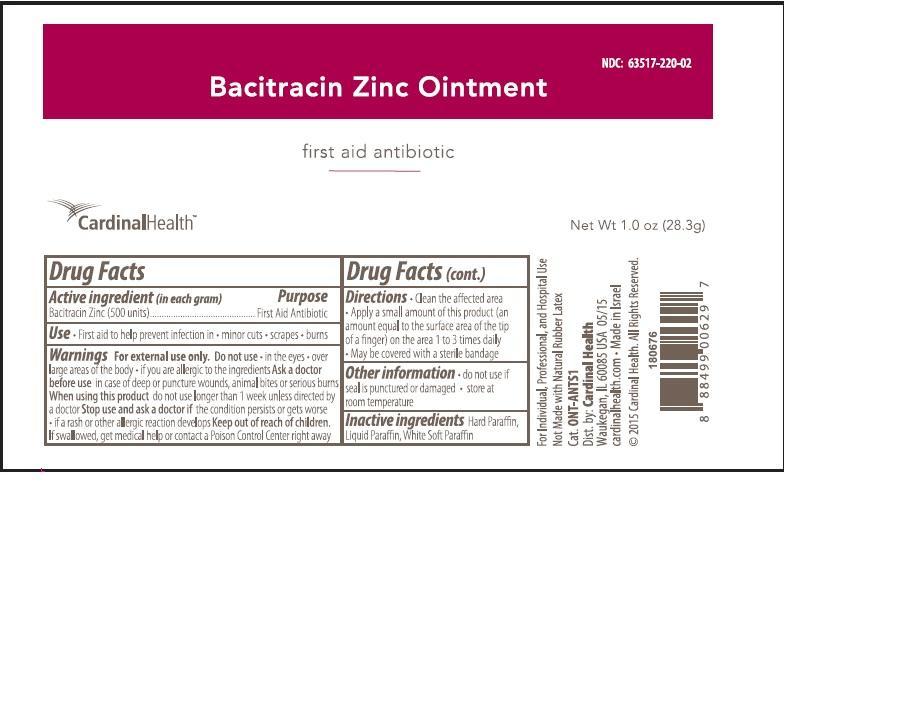
    Cardinal Health First Aid Antibiotic (Neomycin Sulfate,polymyxin B Sulfate,bacitracin Zinc) Ointment [Cardinal Health]

    Cardinal Health First Aid Antibiotic

    Cardinal Health First Aid Antibiotic (Neomycin Sulfate,polymyxin B Sulfate,bacitracin Zinc) Ointment [Cardinal Health]

    Clean the affected area Apply a small amount of this product (an amount equal to the surface area of the tip of the finger) on the area 1 to 3 times daily May be covered with a sterile bandage

  • Cardinal Health First A...
    Cardinal Health First Aid Antibiotic (Bacitracin Zinc) Ointment [Cardinal Health]

    Cardinal Health First Aid Antibiotic

    Cardinal Health First Aid Antibiotic (Bacitracin Zinc) Ointment [Cardinal Health]

    Clean the affected area Apply a small amount of this product (an amount equal to the surface area of the tip of the finger) on the area 1 to 3 times daily May be covered with a sterile bandage

  • Tylenol (Acetaminophen) Tablet [Cardinal Health]

    Tylenol

    Tylenol (Acetaminophen) Tablet [Cardinal Health]

    Directions do not take more than directed (see overdose warning)

    adults and children 12 years and over

    • take 2 caplets every 4 to 6 hours while symptoms last • do not take more than 10 caplets in 24 hours • do not use for more than 10 days unless directed by a doctor

    children 6-11 years

    • take 1 caplet every 4 to 6 hours while symptoms last • do not take more than 5 caplets in 24 hours • do not use for more than 5 days unless directed by a doctor

    children under 6 years

    ask a doctor

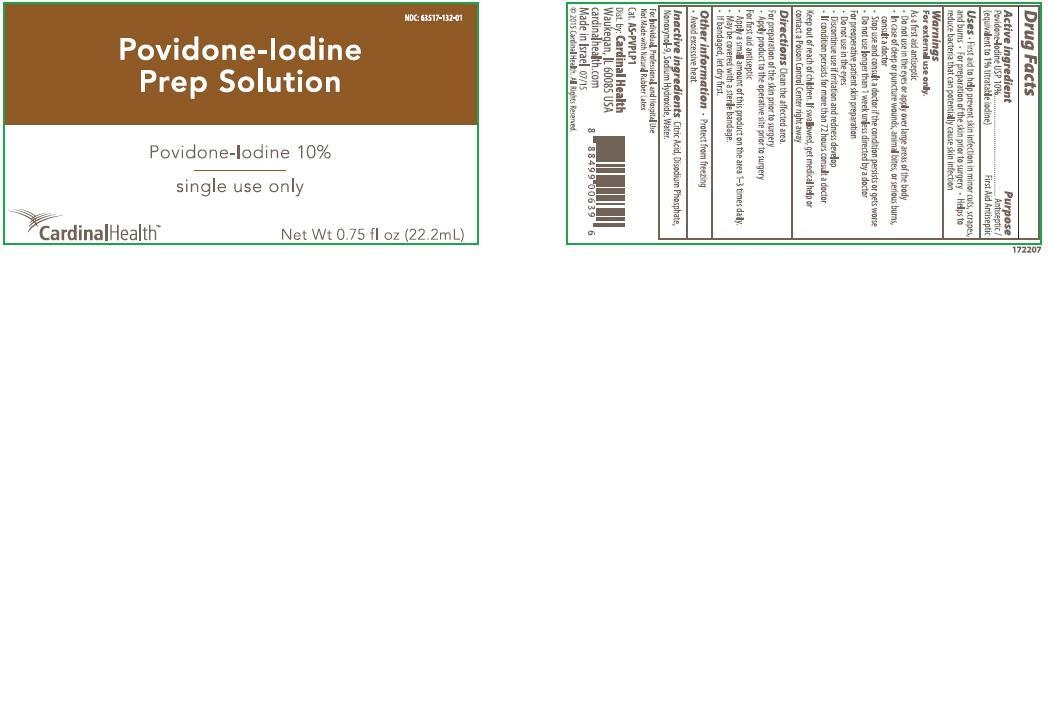
  • Povidone Iodine Prep (Povidone Iodine) Solution [Cardinal Health]

    Povidone Iodine Prep

    Povidone Iodine Prep (Povidone Iodine) Solution [Cardinal Health]

    Clean the affected area.

    For preparation of skin prior to surgery

    Apply product to the operative site prior to surgery

    For first aid antiseptic

    Apply a small amount of this product on the area 1-3 times daily. May be covered with a sterile bandage. If bandaged, let dry first.
  • Metoprolol Succinate Tablet, Extended Release [Cardinal Health]

    Metoprolol Succinate

    Metoprolol Succinate Tablet, Extended Release [Cardinal Health]

    Metoprolol succinate extended-release tablets intended for once daily administration. For treatment of hypertension and angina, when switching from immediate-release metoprolol to extended-release metoprolol use the same total daily dose of metoprolol succinate extended-release tablets. Individualize the dosage of metoprolol succinate extended-release tablets. Titration may be needed in some patients.

    Metoprolol succinate extended-release tablets are scored and can be divided; however, do not crush or chew the whole or half tablet.

    2.1 Hypertension

    Adults: The usual initial dosage is 25 mg to 100 mg daily in a single dose. The dosage may be increased at weekly (or longer) intervals until optimum blood pressure reduction is achieved. In general, the maximum effect of any given dosage level will be apparent after 1 week of therapy. Dosages above 400 mg per day have not been studied.

    Pediatric Hypertensive Patients ≥ 6 Years of age: A pediatric clinical hypertension study in patients 6 to 16 years of age did not meet its primary endpoint (dose response for reduction in SBP); however some other endpoints demonstrated effectiveness [see Use in Specific Populations (8.4)]. If selected for treatment, the recommended starting dose of metoprolol succinate extended-release is 1 mg/kg once daily, but the maximum initial dose should not exceed 50 mg once daily. Dosage should be adjusted according to blood pressure response. Doses above 2 mg/kg (or in excess of 200 mg) once daily have not been studied in pediatric patients [see Clinical Pharmacology (12.3)].

    Metoprolol succinate extended-release is not recommended in pediatric patients < 6 years of age [see Use in Specific Populations (8.4)].

    2.2 Angina Pectoris 

    Individualize the dosage of metoprolol succinate extended-release tablets. The usual initial dosage is 100 mg daily, given in a single dose. Gradually increase the dosage at weekly intervals until optimum clinical response has been obtained or there is a pronounced slowing of the heart rate. Dosages above 400 mg per day have not been studied. If treatment is to be discontinued, reduce the dosage gradually over a period of    1 to 2 weeks [see Warnings and Precautions (5)].

    2.3 Heart Failure

    Dosage must be individualized and closely monitored during up-titration. Prior to initiation of metoprolol succinate extended-release tablets, stabilize the dose of other heart failure drug therapy. The recommended starting dose of metoprolol succinate extended-release tablets is 25 mg once daily for two weeks in patients with NYHA Class II heart failure and 12.5 mg once daily in patients with more severe heart failure. Double the dose every two weeks to the highest dosage level tolerated by the patient or up to 200 mg of metoprolol succinate extended-release. Initial difficulty with titration should not preclude later attempts to introduce metoprolol succinate extended-release. If patients experience symptomatic bradycardia, reduce the dose of metoprolol succinate extended-release. If transient worsening of heart failure occurs, consider treating with increased doses of diuretics, lowering the dose of metoprolol succinate extended-release tablets or temporarily discontinuing it. The dose of metoprolol succinate extended-release tablets should not be increased until symptoms of worsening heart failure have been stabilized.

  • Incontinence Care Wipe
    Incontinence Care Wipe (Dimethicone) Swab [Cardinal Health]

    Incontinence Care Wipe

    Incontinence Care Wipe (Dimethicone) Swab [Cardinal Health]

    Tear open pouch and remove wipes

    Thoroughly cleanse soiled area, using one wipe at a time Use as often as necessary Dispose of cloths in a waste receptacle Do not flush

    ​Heating Instructions:

    Wipes may be used at room temperature but if heating is desired, wipes may be warmed in a wipes warmer.

    Wipes should be warmed:

    in a single warming session at temperatures not exceeding 520​C (125​0​F) and for a maximum of 4 days.

    Discard wipes that have been:

    Exposed to warming temperatures exceeding 520C (1250F); or Stored longer than 4 days within the warmer; or Been warmed, allowed to cool, and then re-warmed.
  • Unit Dose Bisacodyl (Bisacodyl) Tablet, Coated [Cardinal Health]

    Unit Dose Bisacodyl

    Unit Dose Bisacodyl (Bisacodyl) Tablet, Coated [Cardinal Health]

    • take with a glass of water

    adults and children 12 years and over

    take 1 to 3 tablets in a single daily dose

    children 6 to under 12 years of age

    take 1 tablet in a single daily dose

    children under 6 years of age

    ask a doctor

  • Leader Mucus Relief (Acetaminophen, Dextromethorphan Hbr, Guaifenesin, Phenylephrine Hcl) Tablet, Film Coated [Cardinal Health]

    Leader Mucus Relief

    Leader Mucus Relief (Acetaminophen, Dextromethorphan Hbr, Guaifenesin, Phenylephrine Hcl) Tablet, Film Coated [Cardinal Health]

    • do not take more than directed (see overdose warning) • do not take more than 10 caplets in any 24-hour period • adults and children 12 years of age and older: take 2 caplets every 4 hours • children under 12 years of age: do not use

    Other information

    • each caplet contains: sodium 4 mg • do not use if blister unit is broken or torn • store at 20-25 °C (68-77 °F)
  • Montelukast Sodium Tablet, Film Coated [Cardinal Health]

    Montelukast Sodium

    Montelukast Sodium Tablet, Film Coated [Cardinal Health]

    2.1 Asthma

    Montelukast sodium should be taken once daily in the evening. The following doses are recommended:

    For adults and adolescents 15 years of age and older: one 10-mg tablet.

    For pediatric patients 6 to 14 years of age: one 5-mg chewable tablet.

    For pediatric patients 2 to 5 years of age: one 4-mg chewable tablet.

    Safety and effectiveness in pediatric patients less than 12 months of age with asthma have not been established.

    There have been no clinical trials in patients with asthma to evaluate the relative efficacy of morning versus evening dosing. The pharmacokinetics of montelukast are similar whether dosed in the morning or evening. Efficacy has been demonstrated for asthma when montelukast was administered in the evening without regard to time of food ingestion.

    2.2 Exercise-Induced Bronchoconstriction (EIB)

    For prevention of EIB, a single dose of montelukast should be taken at least 2 hours before exercise. The following doses are recommended:For adults and adolescents 15 years of age and older: one 10-mg tablet.For pediatric patients 6 to 14 years of age: one 5-mg chewable tablet.  

    An additional dose of montelukast should not be taken within 24 hours of a previous dose. Patients already taking montelukast sodium daily for another indication (including chronic asthma) should not take an additional dose to prevent EIB. All patients should have available for rescue a short-acting β-agonist. Safety and efficacy in patients younger than 6 years of age have not been established. Daily administration of montelukast sodium for the chronic treatment of asthma has not been established to prevent acute episodes of EIB.

    2.3 Allergic Rhinitis

    For allergic rhinitis, montelukast sodium should be taken once daily. Efficacy was demonstrated for seasonal allergic rhinitis when montelukast was administered in the morning or the evening without regard to time of food ingestion. The time of administration may be individualized to suit patient needs.

    The following doses for the treatment of symptoms of seasonal allergic rhinitis are recommended:

    For adults and adolescents 15 years of age and older: one 10-mg tablet.

    For pediatric patients 6 to 14 years of age: one 5-mg chewable tablet.

    For pediatric patients 2 to 5 years of age: one 4-mg chewable tablet.

    Safety and effectiveness in pediatric patients younger than 2 years of age with seasonal allergic rhinitis have not been established.

    The following doses for the treatment of symptoms of perennial allergic rhinitis are recommended:

    For adults and adolescents 15 years of age and older: one 10-mg tablet.

    For pediatric patients 6 to 14 years of age: one 5-mg chewable tablet.

    For pediatric patients 2 to 5 years of age: one 4-mg chewable tablet.

    Safety and effectiveness in pediatric patients younger than 6 months of age with perennial allergic rhinitis have not been established.

    2.4 Asthma and Allergic Rhinitis

    Patients with both asthma and allergic rhinitis should take only one montelukast sodium dose daily in the evening.

  • Metoprolol Tartrate Tablet [Cardinal Health]

    Metoprolol Tartrate

    Metoprolol Tartrate Tablet [Cardinal Health]

    Hypertension

    Individualize the dosage of metoprolol tablets. Metoprolol tartrate tablets should be taken with or immediately following meals.

    The usual initial dosage of metoprolol tartrate tablets is 100 mg daily in single or divided doses, whether used alone or added to a diuretic. Increase the dosage at weekly (or longer) intervals until optimum blood pressure reduction is achieved. In general, the maximum effect of any given dosage level will be apparent after one week of therapy. The effective dosage range of metoprolol tartrate tablets is 100 to 450 mg per day. Dosages above 450 mg per day have not been studied. While once daily dosing is effective and can maintain a reduction in blood pressure throughout the day, lower doses (especially 100 mg) may not maintain a full effect at the end of the 24-hour period, and larger or more frequent daily doses may be required. This can be evaluated by measuring blood pressure near the end of the dosing interval to determine whether satisfactory control is being maintained throughout the day. Beta1 selectivity diminishes as the dose of metoprolol is increased.

    Angina Pectoris

    The dosage of metoprolol tartrate tablets should be individualized. Metoprolol tartrate tablets should be taken with or immediately following meals.

    The usual initial dosage of metoprolol tartrate tablets is 100 mg daily, given in two divided doses. gradually increased at weekly intervals until optimum clinical response has been obtained or there is pronounced slowing of the heart rate.

    The effective dosage range of metoprolol tartrate tablets is 100 to 400 mg per day. Dosages above 400 mg per day have not been studied. If treatment is to be discontinued, gradually decrease the dosage over a period of 1 to 2 weeks (see WARNINGS).

    Myocardial Infarction

    Early Treatment: During the early phase of definite or suspected acute myocardial infarction, treatment with metoprolol tartrate tablets can be initiated as soon as possible after the patient’s arrival in the hospital. Such treatment should be initiated in a coronary care or similar unit immediately after the patient’s hemodynamic condition has stabilized.

    Begin treatment in this early phase should begin with the intravenous administration of three bolus injections of 5 mg of metoprolol tartrate each; the injections should be given at approximately 2 minute intervals. During the intravenous administration of metoprolol, monitor blood pressure, heart rate, and electrocardiogram.

    In patients who tolerate the full intravenous dose (15 mg), initiate metoprolol tartrate tablets, 50 mg every 6 hours, 15 minutes after the last intravenous dose and continue for 48 hours. Thereafter, the maintenance dosage is 100 mg twice daily (see Late Treatment below).

    Start patients who appear not to tolerate the full intravenous dose on metoprolol tablets either 25 mg or 50 mg every 6 hours (depending on the degree of intolerance) 15 minutes after the last intravenous dose or as soon as their clinical condition allows. In patients with severe intolerance, discontinue metoprolol(see WARNINGS).

    Late Treatment: Start patients with contraindications to treatment during the early phase of suspected or definite myocardial infarction, patients who appear not to tolerate the full early treatment, and patients in whom the physician wishes to delay therapy for any other reason on metoprolol tartrate tablets, 100 mg twice daily, as soon as their clinical condition allows. Continue therapy for at least 3 months. Although the efficacy of metoprolol beyond 3 months has not been conclusively established, data from studies with other beta-blockers suggest that treatment should be continued for 1 to 3 years.

    Special populations

    Pediatric patients: No pediatric studies have been performed. The safety and efficacy of metoprolol in pediatric patients have not been established.

    Renal impairment: No dose adjustment of metoprolol is required in patients with renal impairment.

    Hepatic impairment: Metoprolol blood levels are likely to increase substantially in patients with hepatic impairment. Therefore, metoprolol should be initiated at low doses with cautious gradual dose titration according to clinical response.

    Geriatric patients (>65 years): In general, use a low initial starting dose in elderly patients given their greater frequency of decreased hepatic, renal, or cardiac function, and of concomitant disease or other drug therapy.

    Method of administration:

    For oral treatment, the tablets should be swallowed un-chewed with a glass of water. Metoprolol tartrate tablets should always be taken in standardized relation with meals. If the physician asks the patient to take metoprolol tartrate tablets either before breakfast or with breakfast, then the patient should continue taking metoprolol tartrate tablets with the same schedule during the course of therapy.

  • Metformin Hydrochloride Tablet, Film Coated [Cardinal Health]

    Metformin Hydrochloride

    Metformin Hydrochloride Tablet, Film Coated [Cardinal Health]

    There is no fixed dosage regimen for the management of hyperglycemia in patients with type 2 diabetes with metformin or any other pharmacologic agent. Dosage of metformin must be individualized on the basis of both effectiveness and tolerance, while not exceeding the maximum recommended daily doses. The maximum recommended daily dose of metformin hydrochloride tablets is 2550 mg in adults and 2000 mg in pediatric patients (10 to 16 years of age).

    Metformin hydrochloride tablets should be given in divided doses with meals and should be started at a low dose, with gradual dose escalation, both to reduce gastrointestinal side effects and to permit identification of the minimum dose required for adequate glycemic control of the patient.

    During treatment initiation and dose titration (see Recommended Dosing Schedule), fasting plasma glucose should be used to determine the therapeutic response to metformin and identify the minimum effective dose for the patient. Thereafter, glycosylated hemoglobin should be measured at intervals of approximately three months. The therapeutic goal should be to decrease both fasting plasma glucose and glycosylated hemoglobin levels to normal or near normal by using the lowest effective dose of metformin, either when used as monotherapy or in combination with sulfonylurea or insulin.

    Monitoring of blood glucose and glycosylated hemoglobin will also permit detection of primary failure, i.e., inadequate lowering of blood glucose at the maximum recommended dose of medication, and secondary failure, i.e., loss of an adequate blood glucose lowering response after an initial period of effectiveness.

    Short-term administration of metformin may be sufficient during periods of transient loss of control in patients usually well-controlled on diet alone.Recommended Dosing Schedule

    Adults -In general, clinically significant responses are not seen at doses below 1500 mg per day. However, a lower recommended starting dose and gradually increased dosage is advised to minimize gastrointestinal symptoms.

    The usual starting dose of metformin hydrochloride tablets is 500 mg twice a day or 850 mg once a day, given with meals. Dosage increases should be made in increments of 500 mg weekly or 850 mg every 2 weeks, up to a total of 2000 mg per day, given in divided doses. Patients can also be titrated from 500 mg twice a day to 850 mg twice a day after 2 weeks. For those patients requiring additional glycemic control, metformin hydrochloride tablets may be given to a maximum daily dose of 2550 mg per day. Doses above 2000 mg may be better tolerated given three times a day with meals.

    Pediatrics -The usual starting dose of metformin hydrochloride tablets is 500 mg twice a day, given with meals. Dosage increases should be made in increments of 500 mg weekly up to a maximum of 2000 mg per day, given in divided doses.

    Transfer from Other Antidiabetic Therapy

    When transferring patients from standard oral hypoglycemic agents other than chlorpropamide to metformin, no transition period generally is necessary. When transferring patients from chlorpropamide, care should be exercised during the first two weeks because of the prolonged retention of chlorpropamide in the body, leading to overlapping drug effects and possible hypoglycemia.

    Concomitant Metformin and Oral Sulfonylurea Therapy in Adult Patients

    If patients have not responded to four weeks of the maximum dose of metformin monotherapy, consideration should be given to gradual addition of an oral sulfonylurea while continuing metformin at the maximum dose, even if prior primary or secondary failure to a sulfonylurea has occurred. Clinical and pharmacokinetic drug-drug interaction data are currently available only for metformin plus glyburide (glibenclamide).

    With concomitant metformin and sulfonylurea therapy, the desired control of blood glucose may be obtained by adjusting the dose of each drug. In a clinical trial of patients with type 2 diabetes and prior failure on glyburide, patients started on metformin hydrochloride tablets 500 mg and glyburide 20 mg were titrated to 1000/20 mg, 1500/20 mg, 2000/20 mg or 2500/20 mg of metformin hydrochloride tablets and glyburide, respectively, to reach the goal of glycemic control as measured by FPG, HbA1c and plasma glucose response (see CLINICAL PHARMACOLOGY: Clinical Studies). However, attempts should be made to identify the minimum effective dose of each drug to achieve this goal. With concomitant metformin and sulfonylurea therapy, the risk of hypoglycemia associated with sulfonylurea therapy continues and may be increased. Appropriate precautions should be taken. (See Package Insert of the respective sulfonylurea.)

    If patients have not satisfactorily responded to one to three months of concomitant therapy with the maximum dose of metformin and the maximum dose of an oral sulfonylurea, consider therapeutic alternatives including switching to insulin with or without metformin.

    Concomitant Metformin and Insulin Therapy in Adult Patients

    The current insulin dose should be continued upon initiation of metformin therapy. Metformin tablets therapy should be initiated at 500 mg once daily in patients on insulin therapy. For patients not responding adequately, the dose of metformin should be increased by 500 mg after approximately 1 week and by 500 mg every week thereafter until adequate glycemic control is achieved. The maximum recommended daily dose is 2500 mg for metformin hydrochloride tablets. It is recommended that the insulin dose be decreased by 10% to 25% when fasting plasma glucose concentrations decrease to less than 120 mg/dL in patients receiving concomitant insulin and metformin. Further adjustment should be individualized based on glucose-lowering response.

    Specific Patient Populations

    Metformin is not recommended for use in pregnancy. Metformin hydrochloride tablets are not recommended in patients below the age of 10 years.

    The initial and maintenance dosing of metformin should be conservative in patients with advanced age, due to the potential for decreased renal function in this population. Any dosage adjustment should be based on a careful assessment of renal function. Generally, elderly, debilitated, and malnourished patients should not be titrated to the maximum dose of metformin.

    Monitoring of renal function is necessary to aid in prevention of lactic acidosis, particularly in the elderly. (See WARNINGS.)

  • Oxybutynin Chloride Tablet [Cardinal Health]

    Oxybutynin Chloride

    Oxybutynin Chloride Tablet [Cardinal Health]

    Adults

    The usual dose is one 5-mg tablet two to three times a day. The maximum recommended dose is one 5-mg tablet four times a day. A lower starting dose of 2.5 mg two or three times a day is recommended for the frail elderly.

    Pediatric patients over 5 years of age

    The usual dose is one 5-mg tablet two times a day. The maximum recommended dose is one 5-mg tablet three times a day.

  • Cepacol Extra Strength Sore Throat Tangerine (Benzocaine And Menthol, Unspecified Form) Lozenge [Reckitt Benckiser Llc]

    Cepacol Extra Strength Sore Throat Tangerine

    Cepacol Extra Strength Sore Throat Tangerine (Benzocaine And Menthol, Unspecified Form) Lozenge [Reckitt Benckiser Llc]

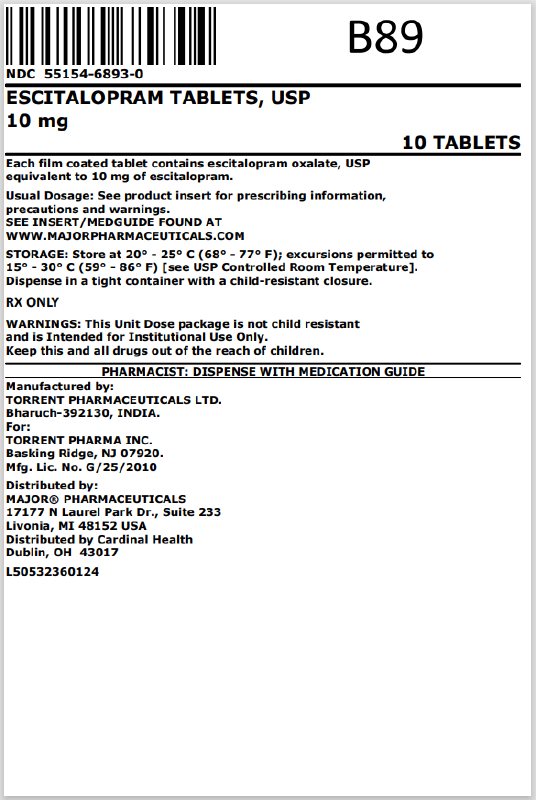
    Escitalopram tablets, USP should be administered once daily, in the morning or evening, with or without food.

    2.1 Major Depressive Disorder

    Initial Treatment

    Adolescents

    The recommended dose of escitalopram tablets, USP is 10 mg once daily. A flexible-dose trial of escitalopram tablets, USP (10 to 20 mg/day) demonstrated the effectiveness of escitalopram tablets, USP [see Clinical Studies (14.1)]. If the dose is increased to 20 mg, this should occur after a minimum of three weeks. 

    Adults

    The recommended dose of escitalopram tablets, USP is 10 mg once daily. A fixed-dose trial of escitalopram oxalate demonstrated the effectiveness of both 10 mg and 20 mg of escitalopram oxalate, but failed to demonstrate a greater benefit of 20 mg over 10 mg [see Clinical Studies (14.1)]. If the dose is increased to 20 mg, this should occur after a minimum of one week.            

    Maintenance Treatment

    It is generally agreed that acute episodes of major depressive disorder require several months or longer of sustained pharmacological therapy beyond response to the acute episode. Systematic evaluation of continuing escitalopram oxalate 10 or 20 mg/day in adults patients with major depressive disorder who responded while taking escitalopram oxalate during an 8-week, acute-treatment phase demonstrated a benefit of such maintenance treatment [see Clinical Studies (14.1)]. Nevertheless, the physician who elects to use escitalopram oxalate for extended periods should periodically re-evaluate the long-term usefulness of the drug for the individual patient.  Patients should be periodically reassessed to determine the need for maintenance treatment.

    2.2 Generalized Anxiety Disorder

    Initial Treatment

    Adults

    The recommended starting dose of escitalopram tablets, USP is 10 mg once daily. If the dose is increased to 20 mg, this should occur after a minimum of one week.

    Maintenance Treatment

    Generalized anxiety disorder is recognized as a chronic condition. The efficacy of escitalopram oxalate in the treatment of GAD beyond 8 weeks has not been systematically studied. The physician who elects to use escitalopram oxalate for extended periods should periodically re-evaluate the long-term usefulness of the drug for the individual patient.

    2.3 Special Populations

    10 mg/day is the recommended dose for most elderly patients and patients with hepatic impairment. 

    No dosage adjustment is necessary for patients with mild or moderate renal impairment. Escitalopram tablets, USP should be used with caution in patients with severe renal impairment.

    2.4 Discontinuation of Treatment with Escitalopram Tablets, USP

    Symptoms associated with discontinuation of escitalopram tablets, USP and other SSRIs and SNRIs have been reported [see Warnings and Precautions (5.3)]. Patients should be monitored for these symptoms when discontinuing treatment. A gradual reduction in the dose rather than abrupt cessation is recommended whenever possible. If intolerable symptoms occur following a decrease in the dose or upon discontinuation of treatment, then resuming the previously prescribed dose may be considered. Subsequently, the physician may continue decreasing the dose but at a more gradual rate.

    2.5 Switching a Patient To or From a Monoamine Oxidase Inhibitor (MAOI) Intended to Treat Psychiatric Disorders

    At least 14 days should elapse between discontinuation of an MAOI intended to treat psychiatric disorders and initiation of therapy with escitalopram tablets, USP. Conversely, at least 14 days should be allowed after stopping escitalopram tablets, USP before starting an MAOI intended to treat psychiatric disorders [see Contraindications (4.1)].

    2.6 Use of Escitalopram Tablet, USP with Other MAOIs such as Linezolid or Methylene Blue

    Do not start escitalopram tablets, USP in a patient who is being treated with linezolid or intravenous methylene blue because there is an increased risk of serotonin syndrome. In a patient who requires more urgent treatment of a psychiatric condition, other interventions, including hospitalization, should be considered [see Contraindications (4.1)].

    In some cases, a patient already receiving escitalopram tablets, USP therapy may require urgent treatment with linezolid or intravenous methylene blue. If acceptable alternatives to linezolid or intravenous methylene blue treatment are not available and the potential benefits of linezolid or intravenous methylene blue treatment are judged to outweigh the risks of serotonin syndrome in a particular patient, escitalopram tablets, USP should be stopped promptly, and linezolid or intravenous methylene blue can be administered. The patient should be monitored for symptoms of serotonin syndrome for 2 weeks or until 24 hours after the last dose of linezolid or intravenous methylene blue, whichever comes first. Therapy with escitalopram tablets, USP may be resumed 24 hours after the last dose of linezolid or intravenous methylene blue [see Warnings and Precautions (5.2)].

    The risk of administering methylene blue by non-intravenous routes (such as oral tablets or by local injection) or in intravenous doses much lower than 1 mg/kg with escitalopram tablets, USP is unclear. The clinician should, nevertheless, be aware of the possibility of emergent symptoms of serotonin syndrome with such use [see Warnings and Precautions (5.2)].

  • Balmers Cooling Zone 31 (Pyrithione Zinc) Shampoo [Tae Eul Bi Co., Ltd.]

    Balmers Cooling Zone 31

    Balmers Cooling Zone 31 (Pyrithione Zinc) Shampoo [Tae Eul Bi Co., Ltd.]

    Myocardial Infarction

    Early Treatment: During the early phase of definite or suspected acute myocardial infarction, initiate treatment with metoprolol tartrate can be initiated as soon as possible after the patient's arrival in the hospital.

    Such treatment should be initiated in a coronary care or similar unit immediately after the patient's hemodynamic condition has stabilized.

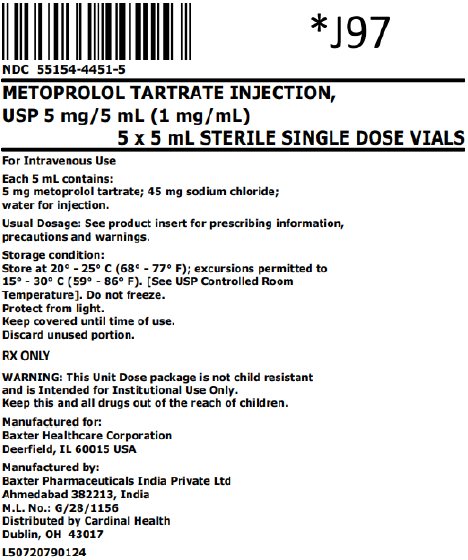
    Begin treatment in this early phase with the intravenous administration of three bolus injections of 5 mg of Metoprolol Tartrate Injection, USP each; give the injections at approximately 2-minute intervals. During the intravenous administration of Metoprolol Tartrate Injection, USP, monitor blood pressure, heart rate, and electrocardiogram.

    In patients who tolerate the full intravenous dose (15 mg), initiate metoprolol tartrate tablets, 50 mg every 6 hours, 15 minutes after the last intravenous dose and continue for 48 hours. Thereafter, the maintenance dosage is 100 mg orally twice daily.

    Start patients who appear not to tolerate the full intravenous dose on metoprolol tartrate tablets either 25 mg or 50 mg every 6 hours (depending on the degree of intolerance) 15 minutes after the last intravenous dose or as soon as their clinical condition allows. In patients with severe intolerance, discontinue metoprolol tartrate (see WARNINGS).

    Special populations

      Pediatric patients: No pediatric studies have been performed. The safety and efficacy of metoprolol tartrate in pediatric patients have not been established.

    Renal impairment: No dose adjustment of metoprolol tartrate is required in patients with renal impairment.

    Hepatic impairment: Metoprolol tartrate blood levels are likely to increase substantially in patients with hepatic impairment. Therefore, metoprolol tartrate should be initiated at low doses with cautious gradual dose titration according to clinical response.

    Geriatric patients (>65 years): In general, use a low initial starting dose in elderly patients given their greater frequency of decreased hepatic, renal, or cardiac function, and of concomitant disease or other drug therapy.

    Method of administration:

    Parenteral administration of metoprolol tartrate should be done in a setting with intensive monitoring.

    Note: Parenteral drug products should be inspected visually for particulate matter and discoloration prior to administration, whenever solution and container permit.

  • Cefazolin Injection, Powder, For Solution [Cardinal Health]

    Cefazolin

    Cefazolin Injection, Powder, For Solution [Cardinal Health]

    Usual Adult Dosage Type of Infection     Dose   Frequency * ln rare instances, doses of up to 12 grams of cefazolin for injection per day have been used

    Moderate to severe infections


    500 mg to 1 gram


    every 6 to 8 hrs.

    Mild infections caused by susceptible gram–positive cocci


    250 mg to 500 mg


    every 8 hours

    Acute, uncomplicated urinary tract infections


    1 gram


    every 12 hours

    Pneumococcal pneumonia


    500 mg


    every 12 hours

    Severe, life-threatening infections (e.g., endocarditis, septicemia)*


    1 gram to 1.5 grams


    every 6 hours

    Perioperative Prophylactic Use

    To prevent postoperative infection in contaminated or potentially contaminated surgery, recommended doses are:

    a. 1 gram IV or IM administered 1/2 hour to 1 hour prior to the start of  surgery.

    b. For lengthy operative procedures (e.g., 2 hours or more), 500 mg to 1 gram IV or IM during surgery (administration modified depending on the duration of the operative procedure).

    c. 500 mg to 1 gram IV or IM every 6 to 8 hours for 24 hours  postoperatively.

    It is important that (1) the preoperative dose be given just (1/2 to 1 hour) prior to the start of surgery so that adequate antibiotic levels are present in the serum and tissues at the time of initial surgical incision; and (2) Cefazolin be administered, if necessary, at appropriate intervals during surgery to provide sufficient levels of the antibiotic at the anticipated moments of greatest exposure to infective organisms.

    In surgery where the occurrence of infection may be particularly devastating (e.g., open-heart surgery and prosthetic arthroplasty), the prophylactic administration of cefazolin for injection may be continued for 3 to 5 days following the completion of surgery.

    Dosage Adjustment for Patients with Reduced Renal Function

    Cefazolin may be used in patients with reduced renal function with the following dosage adjustments:  Patients with a creatinine clearance of 55 mL/min. or greater or a serum creatinine of 1.5 mg % or less can be given full doses.  Patients with creatinine clearance rates of 35 to 54 mL/min. or serum creatinine of 1.6 to 3 mg % can also be given full doses but dosage should be restricted to at least 8 hour intervals.  Patients with creatinine clearance rates of 11 to 34 mL/min. or serum creatinine of 3.1 to 4.5 mg % should be given 1/2 the usual dose every 12 hours. Patients with creatinine clearance rates of 10 mL/min. or less or serum creatinine of 4.6 mg % or greater should be given 1/2 the usual dose every 18 to 24 hours. All reduced dosage recommendations apply after an initial loading dose appropriate to the severity of the infection. Patients undergoing peritoneal dialysis: See CLINICAL PHARMACOLOGY.

    Pediatric Dosage

    In pediatric patients, a total daily dosage of 25 to 50 mg per kg (approximately 10 to 20 mg per pound) of body weight, divided into 3 or 4 equal doses, is effective for most mild to moderately severe infections. Total daily dosage may be increased to 100 mg per kg (45 mg per pound) of body weight for severe infections. Since safety for use in premature infants and in neonates has not been established, the use of Cefazolin for injection in these patients is not recommended.

    Pediatric Dosage Guide Weight    25 mg/kg/Day Divided into 3 Doses  25 mg/kg/Day Divided into 4 Doses

    Lbs  

    Kg 

    ApproximateSingle Dosemg/q8h

    Vol. (mL)needed withdilution of125 mg/mL

    ApproximateSingle Dosemg/q6h  

    Vol. (mL)needed withdilution of125 mg/mL

    10

    4.5

    40 mg

    0.35 mL

    30 mg

    0.25 mL

    20

    9

    75 mg

    0.6 mL

    55 mg

    0.45 mL

    30

    13.6

    115 mg

    0.9 mL

    85 mg

    0.7 mL

    40

    18.1

    150 mg

    1.2 mL

    115 mg

    0.9 mL

    50

    22.7

    190 mg

    1.5 mL

    140 mg

    1.1 mL

    Weight 50 mg/kg/Day Divided into 3 Doses 50 mg/kg/Day Divided into 4 Doses

    Lbs

    Kg

    ApproximateSingle Dosemg/q8h

    Vol. (mL)needed withdilution of225 mg/mL

    ApproximateSingle Dosemg/q6h

    Vol. (mL)needed withdilution of225 mg/mL

    10

    4.5

    75 mg

    0.35 mL

    55 mg

    0.25 mL

    20

    9

    150 mg

    0.7 mL

    110 mg

    0.5 mL

    30

    13.6

    225 mg

    1 mL

    170 mg

    0.75 mL

    40

    18.1

    300 mg

    1.35 mL

    225 mg

    1 mL

    50

    22.7

    375 mg

    1.7 mL

    285 mg

    1.25 mL

    In pediatric patients with mild to moderate renal impairment (creatinine clearance of 70 to 40 mL/min.), 60 percent of the normal daily dose given in equally divided doses every 12 hours should be sufficient.  In patients with moderate impairment (creatinine clearance of 40 to 20 mL/min.), 25 percent of the normal daily dose given in equally divided doses every 12 hours should be adequate.  Pediatric patients with severe renal impairment (creatinine clearance of 20 to 5 mL/min.) may be given 10 percent of the normal daily dose every 24 hours. All dosage recommendations apply after an initial loading dose.

    RECONSTITUTION

    Preparation of Parenteral Solution

    Parenteral drug products should be SHAKEN WELL when reconstituted, and inspected visually for particulate matter prior to administration.  If particulate matter is evident in reconstituted fluids, the drug solutions should be discarded.

    When reconstituted or diluted according to the instructions below, cefazolin for injection is stable for 24 hours at room temperature or for 10 days if stored under refrigeration (5°C or 41 °F).  Reconstituted solutions may range in color from pale yellow to yellow without a change in potency.

    Single-Dose Vials

    For IM injection, IV direct (bolus) injection or IV infusion, reconstitute with Sterile Water for Injection according to the following table. SHAKE WELL.

    Vial size Amount of Diluent Approximate Concentration Approximate Available Volume

    1 gram

    2.5 mL

    330 mg/mL

    3 mL

    ADMINISTRATION

    Intramuscular Administration

    Reconstitute vials with Sterile Water for Injection according to the dilution table above. Shake well until dissolved. Cefazolin should be injected into a large muscle mass. Pain on injection is infrequent with cefazolin.

    Intravenous Administration

    Direct (bolus) injection: Following reconstitution according to the above table, further dilute vials with approximately 5 mL Sterile Water for Injection. Inject the solution slowly over 3 to 5 minutes, directly or through tubing for patients receiving parenteral fluids (see list below).

    Intermittent or continuous infusion: Dilute reconstituted cefazolin in 50 to 100 mL of 1 of the following solutions:

    Sodium Chloride Injection, USP

    5% or 10% Dextrose Injection, USP

    5% Dextrose in Lactated Ringer's Injection, USP

    5% Dextrose and 0.9% Sodium Chloride Injection, USP

    5% Dextrose and 0.45% Sodium Chloride Injection, USP

    5% Dextrose and 0.2% Sodium Chloride Injection, USP

    Lactated Ringer's Injection, USP

    Invert Sugar 5% or 10% in Sterile Water for Injection

    Ringer's Injection, USP

    5% Sodium Bicarbonate Injection, USP

  • Sulfamethoxazole And Trimethoprim Tablet [Cardinal Health]

    Sulfamethoxazole And Trimethoprim

    Sulfamethoxazole And Trimethoprim Tablet [Cardinal Health]

    Sulfamethoxazole and trimethoprim is contraindicated in pediatric patients less than 2 months of age.

    Urinary Tract Infections and Shigellosis in Adults and Pediatric Patients, and Acute Otitis Media in Children:

    Adults: The usual adult dosage in the treatment of urinary tract infections is 1 sulfamethoxazole and trimethoprim DS (double strength) tablet or 2 sulfamethoxazole and trimethoprim tablets every 12 hours for 10 to 14 days. An identical daily dosage is used for 5 days in the treatment of shigellosis.

    Children: The recommended dose for children with urinary tract infections or acute otitis media is 40 mg/kg sulfamethoxazole and 8 mg/kg trimethoprim per 24 hours, given in two divided doses every 12 hours for 10 days. An identical daily dosage is used for 5 days in the treatment of shigellosis. The following table is a guideline for the attainment of this dosage:

    Children 2 months of age or older: Weight Dose–every 12 hours lb kg Tablets

    22

    10

    –

    44

    20

    1

    66

    30

    1½

    88

    40

    2 or 1 DS tablet

    For Patients with Impaired Renal Function: When renal function is impaired, a reduced dosage should be employed using the following table:

    Creatinine Clearance (mL/min) Recommended Dosage Regimen

    Above 30

    Usual standard regimen

    15–30

    ½ the usual regimen

    Below 15

    Use not recommended

    Acute Exacerbations of Chronic Bronchitis in Adults:

    The usual adult dosage in the treatment of acute exacerbations of chronic bronchitis is 1 sulfamethoxazole and trimethoprim DS (double strength) tablet or 2 sulfamethoxazole and trimethoprim tablets every 12 hours for 14 days.

    Pneumocystis Jiroveci Pneumonia:

    Treatment: Adults and Children:

    The recommended dosage for treatment of patients with documented Pneumocystis jiroveci pneumonia is 75 to 100 mg/kg sulfamethoxazole and 15 to 20 mg/kg trimethoprim per 24 hours given in equally divided doses every 6 hours for 14 to 21 days.11 The following table is a guideline for the upper limit of this dosage:

    Weight Dose–every 6 hours lb kg Tablets

    18

    8

    –

    35

    16

    1

    53

    24

    1½

    70

    32

    2 or 1 DS tablet

    88

    40

    2½

    106

    48

    3 or 1½ DS tablets

    141

    64

    4 or 2 DS tablets

    176

    80

    5 or 2½ DS tablets

    For the lower limit dose (75 mg/kg sulfamethoxazole and 15 mg/kg trimethoprim per 24 hours) administer 75% of the dose in the above table.

    Prophylaxis:

    Adults:

    The recommended dosage for prophylaxis in adults is 1 sulfamethoxazole and trimethoprim DS (double strength) tablet daily.12

    Children:

    For children, the recommended dose is 750 mg/m2/day sulfamethoxazole with 150 mg/m2/day trimethoprim given orally in equally divided doses twice a day, on 3 consecutive days per week. The total daily dose should not exceed 1600 mg sulfamethoxazole and 320 mg trimethoprim.13 The following table is a guideline for the attainment of this dosage in children:

    Body Surface Area Dose–every 12 hours (m2) Tablets

    0.26

    –

    0.53

    ½

    1.06

    1

    Traveler's Diarrhea in Adults:

    For the treatment of traveler's diarrhea, the usual adult dosage is 1 sulfamethoxazole and trimethoprim DS (double strength) tablet or 2 sulfamethoxazole and trimethoprim tablets every 12 hours for 5 days.

  • Shinmo Saengbaleum Treatment (Panthenol) Gel [Atec&co Inc.]

    Shinmo Saengbaleum Treatment

    Shinmo Saengbaleum Treatment (Panthenol) Gel [Atec&co Inc.]

    Dosage and Administration in Adults

    Single Dose

    Vaginal Candidiasis

    The recommended dosage of fluconazole for vaginal candidiasis is 150 mg as a single oral dose.

    Multiple Dose

    SINCE ORAL ABSORPTION IS RAPID AND ALMOST COMPLETE, THE DAILY DOSE OF FLUCONAZOLE IS THE SAME FOR ORAL AND INTRAVENOUS ADMINISTRATION. In general, a loading dose of twice the daily dose is recommended on the first day of therapy to result in plasma concentrations close to steady-state by the second day of therapy.

    The daily dose of fluconazole for the treatment of infections other than vaginal candidiasis should be based on the infecting organism and the patient’s response to therapy. Treatment should be continued until clinical parameters or laboratory tests indicate that active fungal infection has subsided. An inadequate period of treatment may lead to recurrence of active infection. Patients with AIDS and cryptococcal meningitis or recurrent oropharyngeal candidiasis usually require maintenance therapy to prevent relapse.

    Oropharyngeal Candidiasis

    The recommended dosage of fluconazole for oropharyngeal candidiasis is 200 mg on the first day, followed by 100 mg once daily. Clinical evidence of oropharyngeal candidiasis generally resolves within several days, but treatment should be continued for at least 2 weeks to decrease the likelihood of relapse.

    Esophageal Candidiasis

    The recommended dosage of fluconazole for esophageal candidiasis is 200 mg on the first day, followed by 100 mg once daily. Doses up to 400 mg/day may be used, based on medical judgment of the patient’s response to therapy. Patients with esophageal candidiasis should be treated for a minimum of three weeks and for at least two weeks following resolution of symptoms.

    Systemic Candida Infections

    For systemic Candida infections including candidemia, disseminated candidiasis, and pneumonia, optimal therapeutic dosage and duration of therapy have not been established. In open, noncomparative studies of small numbers of patients, doses of up to 400 mg daily have been used.

    Urinary Tract Infections and Peritonitis

    For the treatment of Candida urinary tract infections and peritonitis, daily doses of 50 to 200 mg have been used in open, noncomparative studies of small numbers of patients.

    Cryptococcal Meningitis

    The recommended dosage for treatment of acute cryptococcal meningitis is 400 mg on the first day, followed by 200 mg once daily. A dosage of 400 mg once daily may be used, based on medical judgment of the patient’s response to therapy. The recommended duration of treatment for initial therapy of cryptococcal meningitis is 10 to 12 weeks after the cerebrospinal fluid becomes culture negative. The recommended dosage of fluconazole for suppression of relapse of cryptococcal meningitis in patients with AIDS is 200 mg once daily.

    Prophylaxis in Patients Undergoing Bone Marrow Transplantation

    The recommended fluconazole daily dosage for the prevention of candidiasis in patients undergoing bone marrow transplantation is 400 mg, once daily. Patients who are anticipated to have severe granulocytopenia (less than 500 neutrophils per cu mm) should start fluconazole prophylaxis several days before the anticipated onset of neutropenia, and continue for 7 days after the neutrophil count rises above 1000 cells per cu mm.

    Dosage and Administration in Children

    The following dose equivalency scheme should generally provide equivalent exposure in pediatric and adult patients:

    Pediatric Patients Adults * Some older children may have clearances similar to that of adults. Absolute doses exceeding 600 mg/day are not recommended.

    3 mg/kg

    100 mg

    6 mg/kg

    200 mg

    12* mg/kg

    400 mg

    Experience with fluconazole in neonates is limited to pharmacokinetic studies in premature newborns (see CLINICAL PHARMACOLOGY). Based on the prolonged half-life seen in premature newborns (gestational age 26 to 29 weeks), these children, in the first two weeks of life, should receive the same dosage (mg/kg) as in older children, but administered every 72 hours. After the first two weeks, these children should be dosed once daily. No information regarding fluconazole pharmacokinetics in full-term newborns is available.

    Oropharyngeal Candidiasis

    The recommended dosage of fluconazole for oropharyngeal candidiasis in children is 6 mg/kg on the first day, followed by 3 mg/kg once daily. Treatment should be administered for at least 2 weeks to decrease the likelihood of relapse.

    Esophageal Candidiasis

    For the treatment of esophageal candidiasis, the recommended dosage of fluconazole in children is 6 mg/kg on the first day, followed by 3 mg/kg once daily. Doses up to 12 mg/kg/day may be used based on medical judgment of the patient’s response to therapy. Patients with esophageal candidiasis should be treated for a minimum of three weeks and for at least 2 weeks following the resolution of symptoms.

    Systemic Candida Infections

    For the treatment of candidemia and disseminated Candida infections, daily doses of 6 to 12 mg/kg/day have been used in an open, noncomparative study of a small number of children.

    Cryptococcal Meningitis

    For the treatment of acute cryptococcal meningitis, the recommended dosage is 12 mg/kg on the first day, followed by 6 mg/kg once daily. A dosage of 12 mg/kg once daily may be used, based on medical judgment of the patient’s response to therapy. The recommended duration of treatment for initial therapy of cryptococcal meningitis is 10 to 12 weeks after the cerebrospinal fluid becomes culture negative. For suppression of relapse of cryptococcal meningitis in children with AIDS, the recommended dose of fluconazole is 6 mg/kg once daily.

    Dosage in Patients With Impaired Renal Function

    Fluconazole is cleared primarily by renal excretion as unchanged drug. There is no need to adjust single dose therapy for vaginal candidiasis because of impaired renal function. In patients with impaired renal function who will receive multiple doses of fluconazole, an initial loading dose of 50 to 400 mg should be given. After the loading dose, the daily dose (according to indication) should be based on the following table:

    Creatinine Clearance (mL/min)

    Percent of Recommended Dose

    > 50

    100%

    ≤ 50 (no dialysis)

    50%

    Regular dialysis

    100% after each dialysis

    Patients on regular dialysis should receive 100% of the recommended dose after each dialysis; on non-dialysis days, patients should receive a reduced dose according to their creatinine clearance.

    These are suggested dose adjustments based on pharmacokinetics following administration of multiple doses. Further adjustment may be needed depending upon clinical condition.

    When serum creatinine is the only measure of renal function available, the following formula (based on sex, weight, and age of the patient) should be used to estimate the creatinine clearance in adults:

    Males:

    Weight (kg) × (140 - age)

    72 × serum creatinine (mg/100 mL)

    Females: 0.85 × above value

    Although the pharmacokinetics of fluconazole has not been studied in children with renal insufficiency, dosage reduction in children with renal insufficiency should parallel that recommended for adults. The following formula may be used to estimate creatinine clearance in children:

    K ×

    linear length or height (cm)

    serum creatinine (mg/100 mL)

    (Where K = 0.55 for children older than 1 year and 0.45 for infants.)

    Administration

    Fluconazole is administered orally. Fluconazole can be taken with or without food.

  • Atorvastatin Calcium Tablet, Film Coated [Cardinal Health]

    Atorvastatin Calcium

    Atorvastatin Calcium Tablet, Film Coated [Cardinal Health]

    2.1 Hyperlipidemia (Heterozygous Familial and Nonfamilial) and Mixed Dyslipidemia (Fredrickson Types IIa and IIb)

    The recommended starting dose of atorvastatin calcium tablets is 10 mg or 20 mg once daily. Patients who require a large reduction in LDL-C (more than 45%) may be started at 40 mg once daily. The dosage range of atorvastatin calcium tablets is 10 mg to 80 mg once daily. Atorvastatin calcium tablets can be administered as a single dose at any time of the day, with or without food. The starting dose and maintenance doses of atorvastatin calcium tablets should be individualized according to patient characteristics such as goal of therapy and response (see current NCEP Guidelines). After initiation and/or upon titration of atorvastatin calcium tablets, lipid levels should be analyzed within 2 to 4 weeks and dosage adjusted accordingly.

    2.2 Heterozygous Familial Hypercholesterolemia in Pediatric Patients (10 to 17 Years of Age)

    The recommended starting dose of atorvastatin calcium tablets is 10 mg/day; the maximum recommended dose is 20 mg/day (doses greater than 20 mg have not been studied in this patient population). Doses should be individualized according to the recommended goal of therapy [see current NCEP Pediatric Panel Guidelines, Clinical Pharmacology (12), and Indications and Usage (1.2)]. Adjustments should be made at intervals of 4 weeks or more.

    2.3 Homozygous Familial Hypercholesterolemia

    The dosage of atorvastatin calcium tablets in patients with homozygous FH is 10 mg to 80 mg daily. Atorvastatin calcium tablets should be used as an adjunct to other lipid-lowering treatments (e.g., LDL apheresis) in these patients or if such treatments are unavailable.

    2.4 Concomitant Lipid-lowering Therapy

    Atorvastatin calcium tablets may be used with bile acid resins. The combination of HMG-CoA reductase inhibitors (statins) and fibrates should generally be used with caution [see Warnings and Precautions, Skeletal Muscle (5.1), Drug Interactions (7)].

    2.5 Dosage in Patients with Renal Impairment

    Renal disease does not affect the plasma concentrations nor LDL-C reduction of atorvastatin calcium tablets; thus, dosage adjustment in patients with renal dysfunction is not necessary [see Warnings and Precautions, Skeletal Muscle (5.1), Clinical Pharmacology, Pharmacokinetics (12.3)].

    2.6 Dosage in Patients Taking Cyclosporine, Clarithromycin, Itraconazole, or Certain Protease Inhibitors

    In patients taking cyclosporine or the HIV protease inhibitors (tipranavir plus ritonavir) or the hepatitis C protease inhibitor (telaprevir), therapy with atorvastatin calcium tablets should be avoided. In patients with HIV taking lopinavir plus ritonavir, caution should be used when prescribing atorvastatin calcium tablets and the lowest dose necessary employed. In patients taking clarithromycin, itraconazole, or in patients with HIV taking a combination of saquinavir plus ritonavir, darunavir plus ritonavir, fosamprenavir, or fosamprenavir plus ritonavir, therapy with atorvastatin calcium tablets should be limited to 20 mg, and appropriate clinical assessment is recommended to ensure that the lowest dose necessary of atorvastatin calcium tablets is employed. In patients taking the HIV protease inhibitor nelfinavir or the hepatitis C protease inhibitor boceprevir, therapy with atorvastatin calcium tablets should be limited to 40 mg, and appropriate clinical assessment is recommended to ensure that the lowest dose necessary of atorvastatin calcium tablets is employed [see Warnings and Precautions, Skeletal Muscle (5.1), Drug Interactions (7)].

  • Cetirizine Hydrochloride Tablet, Film Coated [Cardinal Health]

    Cetirizine Hydrochloride

    Cetirizine Hydrochloride Tablet, Film Coated [Cardinal Health]

    adults and children 6 years and over

    one 10 mg tablet once daily; do not take more than one 10 mg tablet in 24 hours. A 5 mg product may be appropriate for less severe symptoms

    adults 65 years and over

    ask a doctor

    children under 6 years of age

    ask a doctor

    consumers with liver or kidney disease

    ask a doctor

  • Meclizine Hydrochloride (Meclizine) Tablet Meclizine Hydrochloride Tablet [Cardinal Health]

    Meclizine Hydrochloride

    Meclizine Hydrochloride (Meclizine) Tablet Meclizine Hydrochloride Tablet [Cardinal Health]

    Motion Sickness

    The initial dose of 25 mg to 50 mg of meclizine HCl tablets, USP should be taken one hour prior to travel for protection against motion sickness. Thereafter, the dose may be repeated every 24 hours for the duration of the journey.

  • Allergen Pack Bermuda Grass Kit [Alvix Laboratories, Llc]

    Allergen Pack Bermuda Grass Kit

    Allergen Pack Bermuda Grass Kit [Alvix Laboratories, Llc]

    2.1 Administration Information

    Administer gabapentin orally with or without food.

    Gabapentin capsules should be swallowed whole with water.

    Inform patients that, should they break the scored 600 mg or 800 mg gabapentin tablet in order to administer a half-tablet, they should take the unused half-tablet as the next dose. Half-tablets not used within 28 days of breaking the scored tablet should be discarded.

    If the gabapentin dose is reduced, discontinued, or substituted with an alternative medication, this should be done gradually over a minimum of 1 week (a longer period may be needed at the discretion of the prescriber).

    2.2 Dosage for Postherpetic Neuralgia

    In adults with postherpetic neuralgia, gabapentin may be initiated on Day 1 as a single 300 mg dose, on Day 2 as 600 mg/day (300 mg two times a day), and on Day 3 as 900 mg/day (300 mg three times a day). The dose can subsequently be titrated up as needed for pain relief to a dose of 1800 mg/day (600 mg three times a day). In clinical studies, efficacy was demonstrated over a range of doses from 1800 mg/day to 3600 mg/day with comparable effects across the dose range; however, in these clinical studies, the additional benefit of using doses greater than 1800 mg/day was not demonstrated. 

    2.3 Dosage for Epilepsy with Partial Onset Seizures

    Patients 12 years of age and above

    The starting dose is 300 mg three times a day. The recommended maintenance dose of gabapentin is 300 mg to 600 mg three times a day. Dosages up to 2400 mg/day have been well tolerated in long-term clinical studies. Doses of 3600 mg/day have also been administered to a small number of patients for a relatively short duration, and have been well tolerated. Administer gabapentin three times a day using 300 mg or 400 mg capsules, or 600 mg or 800 mg tablets. The maximum time between doses should not exceed 12 hours.

    Pediatric Patients Age 3 to 11 years

    The starting dose range is 10 mg/kg/day to 15 mg/kg/day, given in three divided doses, and the recommended maintenance dose reached by upward titration over a period of approximately 3 days. The recommended maintenance dose of gabapentin in patients 3 to 4 years of age is 40 mg/kg/day, given in three divided doses. The recommended maintenance dose of gabapentin in patients 5 to 11 years of age is 25 mg/kg/day to 35 mg/kg/day, given in three divided doses. Gabapentin may be administered as the capsule, or tablet, or using combinations of these formulations. Dosages up to 50 mg/kg/day have been well tolerated in a long-term clinical study. The maximum time interval between doses should not exceed 12 hours.

    2.4 Dosage Adjustment in Patients with Renal Impairment

    Dosage adjustment in patients 12 years of age and older with renal impairment or undergoing hemodialysis is recommended, as follows (see dosing recommendations above for effective doses in each indication):

    Table 1. Gabapentin Dosage Based on Renal Function Renal Function Renal Function Creatinine Clearance (mL/min) Total Daily Dose Range (mg/day) Dose Regimen (mg)

    ≥ 60

    900 to 3600

    300 TID

    400 TID

    600 TID

    800 TID

    1200 TID

    >30 to 59

    400 to 1400

    200 BID

    300 BID

    400 BID

    500 BID

    700 BID

    >15 to 29

    200 to 700

    200 QD

    300 QD

    400 QD

    500 QD

    700 QD

    15a

    100 to 300

    100 QD

    125 QD

    150 QD

    200 QD

    300 QD

    Post-Hemodialysis Supplemental Dose (mg)b

    Hemodialysis

    125b

    150b

    200b

    250b

    350b

    TID = Three times a day; BID = Two times a day; QD = Single daily dose

    a For patients with creatinine clearance <15 mL/min, reduce daily dose in proportion to creatinine clearance (e.g., patients with a creatinine clearance of 7.5 mL/min should receive one-half the daily dose that patients with a creatinine clearance of 15 mL/min receive).

    b Patients on hemodialysis should receive maintenance doses based on estimates of creatinine clearance as indicated in the upper portion of the table and a supplemental post-hemodialysis dose administered after each 4 hours of hemodialysis as indicated in the lower portion of the table.

    Creatinine clearance (CLCr) is difficult to measure in outpatients. In patients with stable renal function, creatinine clearance can be reasonably well estimated using the equation of Cockcroft and Gault:

    The use of gabapentin in patients less than 12 years of age with compromised renal function has not been studied.

    2.5 Dosage in Elderly

    Because elderly patients are more likely to have decreased renal function, care should be taken in dose selection, and dose should be adjusted based on creatinine clearance values in these patients.

  • Haloperidol Tablet [Cardinal Health]

    Haloperidol

    Haloperidol Tablet [Cardinal Health]

    There is considerable variation from patient to patient in the amount of medication required for treatment. As with all antipsychotic drugs, dosage should be individualized according to the needs and response of each patient. Dosage adjustments, either upward or downward, should be carried out as rapidly as practicable to achieve optimum therapeutic control.

    To determine the initial dosage, consideration should be given to the patient’s age, severity of illness, previous response to other antipsychotic drugs, and any concomitant medication or disease state. Children, debilitated or geriatric patients, as well as those with a history of adverse reactions to antipsychotic drugs, may require less haloperidol. The optimal response in such patients is usually obtained with more gradual dosage adjustments and at lower dosage levels, as recommended below.

    Clinical experience suggests the following recommendations:

    Oral Administration

    Inital Dosage Range

    Adults

    Moderate Symptomatology - 0.5 mg to 2 mg b.i.d. or t.i.d.

    Severe Symptomatology - 3 mg to 5 mg b.i.d. or t.i.d.

    To achieve prompt control, higher doses may be required in some cases.

    Geriatric or Debilitated Patients - 0.5 mg to 2 mg b.i.d. or t.i.d.

    Chronic or Resistant Patients - 3 mg to 5 mg b.i.d. or t.i.d.

    Patients who remain severely disturbed or inadequately controlled may require dosage adjustment. Daily dosages up to 100 mg may be necessary in some cases to achieve an optimal response. Infrequently haloperidol has been used in doses above 100 mg for severely resistant patients; however the limited clinical usage has not demonstrated the safety of prolonged administration of such doses.

    Children

    The following recommendations apply to children between the ages of 3 and 12 years (weight range 15 kg to 40 kg). Haloperidol is not intended for children under 3 years old. Therapy should begin at the lowest dose possible (0.5 mg per day). If required, the dose should be increased by an increment of 0.5 mg at 5 to 7 day intervals until the desired therapeutic effect is obtained. (See chart below.)

    The total dose may be divided, to be given b.i.d. or t.i.d.

    Psychotic Disorders - 0.05 mg/kg/day to 0.15 mg/kg/day

    Nonpsychotic Behavior Disorders and Tourette's Disorder - 0.05 mg/kg/day to 0.075 mg/kg/day

    Severely disturbed psychotic children may require higher doses. In severely disturbed, non-psychotic children or in hyperactive children with accompanying conduct disorders, who have failed to respond to psychotherapy or medications other than antipsychotics, it should be noted that since these behaviors may be short lived, short term administration of haloperidol may suffice. There is no evidence establishing a maximum effective dosage. There is little evidence that behavior improvement is further enhanced in dosages beyond 6 mg per day.

    Maintenance Dosage

    Upon achieving a satisfactory therapeutic response, dosage should then be gradually reduced to the lowest effective maintenance level.

    Switchover Procedure

    The oral form should supplant the injectable as soon as practicable. In the absence of bioavailability studies establishing bioequivalence between these two dosage forms the following guidelines for dosage are suggested. For an initial approximation of the total daily dose required, the parenteral dose administered in the preceding 24 hours may be used. Since this dose is only an initial estimate, it is recommended that careful monitoring of clinical signs and symptoms, including clinical efficacy, sedation, and adverse effects, be carried out periodically for the first several days following the initiation of switchover. In this way, dosage adjustments, either upward or downward, can be quickly accomplished. Depending on the patient’s clinical status, the first oral dose should be given within 12 to 24 hours following the last parenteral dose.

  • Dexamethasone Sodium Phosphate Injection, Solution [Cardinal Health]

    Dexamethasone Sodium Phosphate

    Dexamethasone Sodium Phosphate Injection, Solution [Cardinal Health]

    Dexamethasone sodium phosphate injection, USP 4 mg/mL is for intravenous, intramuscular, intra-articular, intralesional and soft tissue injection.

    Dexamethasone sodium phosphate injection, USP 10 mg/mL is for intravenous or intramuscular use only.

    Dexamethasone sodium phosphate injection, USP can be given directly from the vial, or it can be added to sodium chloride injection or dextrose injection and administered by intravenous drip.

    Solutions used for intravenous administration or further dilution of this product should be preservative-free when used in the neonate, especially the premature infant.

    When it is mixed with an infusion solution, sterile precautions should be observed. Since infusion solutions generally do not contain preservatives, mixtures should be used within 24 hours.

    DOSAGE REQUIREMENTS ARE VARIABLE AND MUST BE INDIVIDUALIZED ON THE BASIS OF THE DISEASE AND THE RESPONSE OF THE PATIENT.

    A. Intravenous and Intramuscular Injection:

    The initial dosage of dexamethasone sodium phosphate injection varies from 0.5 to 9 mg a day depending on the disease being treated. In less severe diseases doses lower than 0.5 mg may suffice, while in severe diseases doses higher than 9 mg may be required.

    The initial dosage should be maintained or adjusted until the patient's response is satisfactory. If a satisfactory clinical response does not occur after a reasonable period of time, discontinue dexamethasone sodium phosphate injection and transfer the patient to other therapy.

    After a favorable initial response, the proper maintenance dosage should be determined by decreasing the initial dosage in small amounts to the lowest dosage that maintains an adequate clinical response.

    Patients should be observed closely for signs that might require dosage adjustment, including changes in clinical status resulting from remissions or exacerbations of the disease, individual drug responsiveness, and the effect of stress (e.g., surgery, infection, trauma). During stress it may be necessary to increase dosage temporarily.

    If the drug is to be stopped after more than a few days of treatment, it usually should be withdrawn gradually.

    When the intravenous route of administration is used, dosage usually should be the same as the oral dosage. In certain overwhelming, acute, life-threatening situations, however, administration in dosages exceeding the usual dosages may be justified and may be in multiples of the oral dosages. The slower rate of absorption by intramuscular administration should be recognized.

    Shock

    There is a tendency in current medical practice to use high (pharmacologic) doses of corticosteroids for the treatment of unresponsive shock. The following dosages of dexamethasone sodium phosphate injection have been suggested by various authors:

    Author*

    Dosage 

    Cavanagh1

    3 mg/kg of body weight per 24 hours by constant intravenous infusion after an initial intravenous injection of 20 mg

    Dietzman2

    2 to 6 mg/kg of body weight as a single intravenous injection 

    Frank3

    40 mg initially followed by repeat intravenous injection every 4 to 6 hours while shock persists

    Oaks4

    40 mg initially followed by repeat intravenous injection every 2 to 6 hours while shock persists

    Schumer5 

    1 mg/kg of body weight as a single intravenous injection 

    Administration of high dose corticosteroid therapy should be continued only until the patient's condition has stabilized and usually not longer than 48 to 72 hours.

    Although adverse reactions associated with high dose, short term corticosteroid therapy are uncommon, peptic ulceration may occur.

    Cerebral Edema

    Dexamethasone sodium phosphate injection is generally administered initially in a dosage of 10 mg intravenously followed by four mg every six hours intramuscularly until the symptoms of cerebral edema subside. Response is usually noted within 12 to 24 hours and dosage may be reduced after two to four days and gradually discontinued over a period of five to seven days. For palliative management of patients with recurrent or inoperable brain tumors, maintenance therapy with two mg two or three times a day may be effective.

    Acute Allergic Disorders

    In acute, self-limited allergic disorders or acute exacerbations of chronic allergic disorders, the following dosage schedule combining parenteral and oral therapy is suggested:

    Dexamethasone sodium phosphate injection, USP 4 mg/mL; first day, 1 or 2 mL (4 or 8 mg), intramuscularly.

    Dexamethasone sodium phosphate tablets, 0.75 mg; second and third days, 4 tablets in two divided doses each day; fourth day, 2 tablets in two divided doses; fifth and sixth days, 1 tablet each day; seventh day, no treatment; eighth day, follow-up visit.

    This schedule is designed to ensure adequate therapy during acute episodes, while minimizing the risk of overdosage in chronic cases.

    B. Intra-Articular, Intralesional and Soft Tissue Injection:

    Intra-articular, intralesional and soft tissue injections are generally employed when affected joints or areas are limited to one or two sites. Dosage and frequency of injection varies depending on the condition and the site of injection. The usual dose is from 0.2 to 6 mg. The frequency usually ranges from once every three to five days to once every two to three weeks. Frequent intra-articular injection may result in damage to joint tissues.

    Some of the usual single doses are:

    Site of Injection

    Amount of Dexamethasone

    Phosphate (mg)

    Large joints (e.g., Knee)

    2 to 4

    Small joints (e.g., Interphalangeal, Temporomandibular)

    0.8 to 1

    Bursae

    2 to 3

    Tendon sheaths

    0.4 to 1

    Soft tissue infiltration

    2 to 6

    Ganglia

    1 to 2

    Parenteral drug products should be inspected visually for particulate matter and discoloration prior to administration, whenever the solution and container permit.

    Dexamethasone sodium phosphate injection, USP is particularly recommended for use in conjunction with one of the less soluble, longer-acting steroids for intra-articular and soft tissue injection.

  • Omeprazole Capsule, Delayed Release [Cardinal Health]

    Omeprazole

    Omeprazole Capsule, Delayed Release [Cardinal Health]

    Omeprazole delayed-release capsules should be taken before eating. In the clinical trials, antacids were used concomitantly with omeprazole. 

    Patients should be informed that the omeprazole delayed-release capsule should be swallowed whole. 

    For patients unable to swallow an intact capsule, alternative administration options are available [see Dosage and Administration (2.8)].

    2.1 Short-Term Treatment of Active Duodenal Ulcer

    The recommended adult oral dose of omeprazole delayed-release capsules is 20 mg once daily. Most patients heal within four weeks. Some patients may require an additional four weeks of therapy.

    2.2 H. pylori Eradication for the Reduction of the Risk of Duodenal Ulcer Recurrence

    Triple Therapy (omeprazole/clarithromycin/amoxicillin)  The recommended adult oral regimen is omeprazole delayed-release capsules 20 mg plus clarithromycin 500 mg plus amoxicillin 1000 mg each given twice daily for 10 days. In patients with an ulcer present at the time of initiation of therapy, an additional 18 days of omeprazole delayed-release capsules 20 mg once daily is recommended for ulcer healing and symptom relief.

    Dual Therapy (omeprazole/clarithromycin)  The recommended adult oral regimen is omeprazole delayed-release capsules 40 mg once daily plus clarithromycin 500 mg three times daily for 14 days. In patients with an ulcer present at the time of initiation of therapy, an additional 14 days of omeprazole delayed-release capsules 20 mg once daily is recommended for ulcer healing and symptom relief.

    2.3 Gastric Ulcer

    The recommended adult oral dose is 40 mg once daily for 4 to 8 weeks.

    2.4 Gastroesophageal Reflux Disease (GERD)

    The recommended adult oral dose for the treatment of patients with symptomatic GERD and no esophageal lesions is 20 mg daily for up to 4 weeks. The recommended adult oral dose for the treatment of patients with erosive esophagitis and accompanying symptoms due to GERD is 20 mg daily for 4 to 8 weeks.

    2.5 Maintenance of Healing of Erosive Esophagitis

    The recommended adult oral dose is 20 mg daily. Controlled studies do not extend beyond 12 months [see Clinical Studies (14.4)].

    2.6 Pathological Hypersecretory Conditions

    The dosage of omeprazole delayed-release capsules in patients with pathological hypersecretory conditions varies with the individual patient. The recommended adult oral starting dose is 60 mg once daily. Doses should be adjusted to individual patient needs and should continue for as long as clinically indicated. Doses up to 120 mg three times daily have been administered. Daily dosages of greater than 80 mg should be administered in divided doses. Some patients with Zollinger-Ellison syndrome have been treated continuously with omeprazole delayed-release capsules for more than 5 years.

    2.7 Pediatric Patients

    For the treatment of GERD and maintenance of healing of erosive esophagitis, the recommended daily dose for pediatric patients 2 to 16 years of age is as follows:

    Patient Weight Omeprazole Daily Dose

    10 < 20 kg

    10 mg

    ≥ 20 kg

    20 mg

    On a per kg basis, the doses of omeprazole required to heal erosive esophagitis in pediatric patients are greater than those for adults.

    Alternative administrative options can be used for pediatric patients unable to swallow an intact capsule [see Dosage and Administration (2.8)].

    2.8 Alternative Administration Options

    Omeprazole is available as a delayed-release capsule. 

    For patients who have difficulty swallowing capsules, the contents of an omeprazole delayed-release capsule can be added to applesauce.

    One tablespoon of applesauce should be added to an empty bowl and the capsule should be opened. All of the pellets inside the capsule should be carefully emptied on the applesauce. The pellets should be mixed with the applesauce and then swallowed immediately with a glass of cool water to ensure complete swallowing of the pellets. The applesauce used should not be hot and should be soft enough to be swallowed without chewing. The pellets should not be chewed or crushed. The pellets/applesauce mixture should not be stored for future use.

  • Clopidogrel (Clopidogrel Bisulfate) Tablet, Film Coated [Cardinal Health]

    Clopidogrel

    Clopidogrel (Clopidogrel Bisulfate) Tablet, Film Coated [Cardinal Health]

    2.1 Acute Coronary Syndrome

    Clopidogrel tablets can be administered with or without food [see Clinical Pharmacology (12.3)].

    • For patients with non-ST-elevation ACS (UA/NSTEMI), initiate clopidogrel tablets with a single 300 mg oral loading dose and then continue at 75 mg once daily. Initiate aspirin (75 to 325 mg once daily) and continue in combination with clopidogrel tablets [see Clinical Studies (14.1)]. • For patients with STEMI, the recommended dose of clopidogrel is 75 mg once daily orally, administered in combination with aspirin (75 to 325 mg once daily), with or without thrombolytics. Clopidogrel may be initiated with or without a loading dose [see Clinical Studies (14.1)].

    2.2 Recent MI, Recent Stroke, or Established Peripheral Arterial Disease

    The recommended daily dose of clopidogrel is 75 mg once daily orally, with or without food [see Clinical Pharmacology (12.3)].

    2.3 CYP2C19 Poor Metabolizers

    CYP2C19 poor metabolizer status is associated with diminished antiplatelet response to clopidogrel. Although a higher dose regimen in poor metabolizers increases antiplatelet response [see Clinical Pharmacology (12.5)], an appropriate dose regimen for this patient population has not been established.

    2.4 Use with Proton Pump Inhibitors (PPI)

    Avoid using omeprazole or esomeprazole with clopidogrel. Omeprazole and esomeprazole significantly reduce the antiplatelet activity of clopidogrel. When concomitant administration of a PPI is required, consider using another acid-reducing agent with minimal or no CYP2C19 inhibitory effect on the formation of clopidogrel active metabolite [see Warnings and Precautions (5.1), Drug Interactions (7.1) and Clinical Pharmacology (12.3)].

  • Daliresp (Roflumilast) Tablet [Cardinal Health]

    Daliresp

    Daliresp (Roflumilast) Tablet [Cardinal Health]

    Savella is given orally with or without food.

    Taking Savella with food may improve the tolerability of the drug.

    2.1 Recommended Dosing

    The recommended dose of Savella is 100 mg/day (50 mg twice daily).

    Based on efficacy and tolerability dosing may be titrated according to the following schedule:

    Day 1: 12.5 mg once

    Days 2-3: 25 mg/day (12.5 mg twice daily)

    Days 4-7: 50 mg/day (25 mg twice daily)

    After Day 7: 100 mg/day (50 mg twice daily)

    Based on individual patient response, the dose may be increased to 200 mg/day (100 mg twice daily).

    Doses above 200 mg/day have not been studied.

    Savella should be tapered and not abruptly discontinued after extended use [see Dosage and Administration (2.4) and Warnings and Precautions (5.7)].

    2.2 Patients with Renal Insufficiency

    No dosage adjustment is necessary in patients with mild renal impairment.

    Savella should be used with caution in patients with moderate renal impairment.

    For patients with severe renal impairment (indicated by an estimated creatinine clearance of 5-29 mL/min), the maintenance dose should be reduced by 50% to 50 mg/day (25 mg twice daily).

    Based on individual patient response, the dose may be increased to 100 mg/day (50 mg twice daily).

    Savella is not recommended for patients with end-stage renal disease.

    2.3 Patients with Hepatic Insufficiency

    No dosage adjustment is necessary for patients with hepatic impairment.

    As with any drug, caution should be exercised in patients with severe hepatic impairment.

    2.4 Discontinuing Savella

    Withdrawal symptoms have been observed in clinical trials following discontinuation of milnacipran, as with other serotonin and norepinephrine re-uptake inhibitors (SNRIs) and selective serotonin re-uptake inhibitors (SSRIs). Patients should be monitored for these symptoms when discontinuing treatment. Savella should be tapered and not abruptly discontinued after extended use [see Warnings and Precautions (5.7)].

    2.5 Switching a Patient to or from a Monoamine Oxidase Inhibitor (MAOI) Intended to Treat Psychiatric Disorders

    At least 14 days should elapse between discontinuation of a MAOI intended to treat psychiatric disorders and initiation of therapy with Savella. Conversely, at least 5 days should be allowed after stopping Savella before starting a MAOI intended to treat psychiatric disorders [see Contraindications (4.1)].

    2.6 Use of Savella with other MAOIs such as Linezolid or Methylene Blue

    Do not start Savella in a patient being treated with linezolid or intravenous methylene blue because there is increased risk of serotonin syndrome. In a patient who requires more urgent treatment of a psychiatric condition, other interventions, including hospitalization, should be considered [see Contraindications (4.1)].

    In some cases, a patient already receiving Savella therapy may require urgent treatment with linezolid or intravenous methylene blue. If acceptable alternatives to linezolid or intravenous methylene blue treatment are not available and the potential benefits of linezolid or intravenous methylene blue treatment are judged to outweigh the risks of serotonin syndrome in a particular patient, Savella should be stopped promptly, and linezolid or intravenous methylene blue can be administered. The patient should be monitored for symptoms of serotonin syndrome for 5 days or until 24 hours after the last dose of linezolid or intravenous methylene blue, whichever comes first. Therapy with Savella may be resumed 24 hours after the last dose of linezolid or intravenous methylene blue [see Warnings and Precautions (5.2)].

    The risk of administering methylene blue by non-intravenous routes (such as oral tablets or by local injection) or in intravenous doses much lower than 1 mg/kg with Savella is unclear. The clinician should nevertheless be aware of the possibility of emergent symptoms of serotonin syndrome with such use [see Warnings and Precautions (5.2)].

  • Oxy 10 Tinted (Benzoyl Peroxide) Lotion [The Mentholatum Company]

    Oxy 10 Tinted

    Oxy 10 Tinted (Benzoyl Peroxide) Lotion [The Mentholatum Company]

    For peripheral vein administration:

    Injection of the solution should be made slowly.

    The maximum rate at which dextrose can be infused without producing glycosuria is 0.5 g/kg of body weight/hour. About 95% of the dextrose is retained when infused at a rate of 0.8 g/kg/hr.

    In insulin-induced hypoglycemia, intravenous injection of 10 to 25 grams of dextrose (20 to 50 mL of 50% dextrose) is usually adequate. Repeated doses and supportive treatment may be required in severe cases. A specimen for blood glucose determination should be taken before injecting the dextrose. In such emergencies, dextrose should be administered promptly without awaiting pretreatment test results.

    For central venous administration:

    For total parenteral nutrition 50% Dextrose Injection, USP is administered by slow intravenous infusion (a) after admixture with amino acid solutions via an indwelling catheter with the tip positioned in a large central vein, preferably the superior vena cava, or (b) after dilution with sterile water for injection. Dosage should be adjusted to meet individual patient requirements.

    Clinical evaluation and periodic laboratory determinations are necessary to monitor changes in fluid balance, electrolyte concentrations and acid-base balance during prolonged parenteral therapy or whenever the condition of the patient warrants such evaluation.

    The maximum rate of dextrose administration which does not result in glycosuria is the same as cited above.

    Parenteral drug products should be inspected visually for particulate matter and discoloration prior to administration, whenever solution and container permit. See CONTRAINDICATIONS.

  • Leader Poison Ivy Wash (Pramoxine Hydrochloride) Lotion [Cardinal Health]

    Leader Poison Ivy Wash

    Leader Poison Ivy Wash (Pramoxine Hydrochloride) Lotion [Cardinal Health]

    Adult and children 2 years of age and older. Wet affected areas. Apply the product to affected skin and surrounding area. work foam into a lather and rub for up to 3 minutes, if needed. Do not leave on skin for longer than 3 minutes. throughly rinse product from all areas. Apply to affected area not more than 3 to 4 times daily. Children under 2 years of age. Consult a doictor.

  • Mirtazapine Tablet, Film Coated [Cardinal Health]

    Mirtazapine

    Mirtazapine Tablet, Film Coated [Cardinal Health]

    Initial Treatment

    The recommended starting dose for mirtazapine tablets is 15 mg/day, administered in a single dose, preferably in the evening prior to sleep. In the controlled clinical trials establishing the efficacy of mirtazapine in the treatment of major depressive disorder, the effective dose range was generally 15 to 45 mg/day. While the relationship between dose and satisfactory response in the treatment of major depressive disorder for mirtazapine tablets has not been adequately explored, patients not responding to the initial 15 mg dose may benefit from dose increases up to a maximum of 45 mg/day.  Mirtazapine tablets has an elimination half-life of approximately 20 to 40 hours; therefore, dose changes should not be made at intervals of less than one to two weeks in order to allow sufficient time for evaluation of the therapeutic response to a given dose.

    Elderly and Patients with Renal or Hepatic Impairment

    The clearance of mirtazapine is reduced in elderly patients and in patients with moderate to severe renal or hepatic impairment. Consequently, the prescriber should be aware that plasma mirtazapine levels may be increased in these patient groups, compared to levels observed in younger adults without renal or hepatic impairment (see PRECAUTIONS and CLINICAL PHARMACOLOGY).

    Maintenance/Extended Treatment

    It is generally agreed that acute episodes of depression require several months or longer of sustained pharmacological therapy beyond response to the acute episode. Systematic evaluation of mirtazapine tablets has demonstrated that its efficacy in major depressive disorder is maintained for periods of up to 40 weeks following 8 to 12 weeks of initial treatment at a dose of 15 to 45 mg/day (see CLINICAL PHARMACOLOGY). Based on these limited data, it is unknown whether or not the dose of mirtazapine tablets needed for maintenance treatment is identical to the dose needed to achieve an initial response. Patients should be periodically reassessed to determine the need for maintenance treatment and the appropriate dose for such treatment.

    Switching a Patient To or From a Monoamine Oxidase Inhibitor (MAOI) Intended to Treat Psychiatric Disorders

      At least 14 days should elapse between discontinuation of an MAOI intended to treat psychiatric disorders and initiation of therapy with mirtazapine tablets. Conversely,  at least 14 days should be allowed after stopping mirtazapine tablets before starting an MAOI intended to treat psychiatric disorders (see CONTRAINDICATIONS).

    Use of Mirtazapine Tablets With Other MAOIs, Such as Linezolid or Methylene Blue

    Do not start mirtazapine tablets in a patient who is being treated with linezolid or intravenous methylene blue because there is an increased risk of serotonin syndrome. In a patient who requires more urgent treatment of a psychiatric condition, other interventions, including hospitalization, should be considered (see CONTRAINDICATIONS). 

    In some cases, a patient already receiving therapy with mirtazapine may require urgent treatment with linezolid or intravenous methylene blue. If acceptable alternatives to linezolid or intravenous methylene blue treatment are not available and the potential benefits of linezolid or intravenous methylene blue treatment are judged to outweigh the risks of serotonin syndrome in a particular patient, Mirtazapine tablets should be stopped promptly, and linezolid or intravenous methylene blue can be administered. The patient should be monitored for symptoms of serotonin syndrome for 2 weeks or until 24 hours after the last dose of linezolid or intravenous methylene blue, whichever comes first. Therapy with mirtazapine tablets may be resumed 24 hours after the last dose of linezolid or intravenous methylene blue (see WARNINGS). 

    The risk of administering methylene blue by non-intravenous routes (such as oral tablets or by local injection) or in intravenous doses much lower than 1 mg/kg with mirtazapine tablets is unclear. The clinician should, nevertheless, be aware of the possibility of emergent symptoms of serotonin syndrome with such use (see WARNINGS).

    Discontinuation of Mirtazapine Tablets, USP Treatment

    Symptoms associated with the discontinuation or dose reduction of mirtazapine tablets have been reported. Patients should be monitored for these and other symptoms when discontinuing treatment or during dosage reduction. A gradual reduction in the dose over several weeks, rather than abrupt cessation, is recommended whenever possible. If intolerable symptoms occur following a decrease in the dose or upon discontinuation of treatment, dose titration should be managed on the basis of the patient’s clinical response (see PRECAUTIONS and ADVERSE REACTIONS).

    Information for Patients

    Patients should be advised that taking mirtazapine tablets can cause mild pupillary dilation, which in susceptible individuals, can lead to an episode of angle-closure glaucoma. Pre- existing glaucoma is almost always open-angle glaucoma because angle-closure glaucoma, when diagnosed, can be treated definitively with iridectomy. Open-angle glaucoma is not a risk factor for angle-closure glaucoma. Patients may wish to be examined to determine whether they are susceptible to angle-closure, and have a prophylactic procedure (e.g., iridectomy), if they are susceptible.

  • Paroxetine (Paroxetine Hydrochloride) Tablet, Film Coated [Cardinal Health]

    Paroxetine

    Paroxetine (Paroxetine Hydrochloride) Tablet, Film Coated [Cardinal Health]

    Major Depressive Disorder

    Usual Initial Dosage

    Paroxetine should be administered as a single daily dose with or without food, usually in the morning. The recommended initial dose is 20 mg/day. Patients were dosed in a range of 20 to 50 mg/day in the clinical trials demonstrating the effectiveness of paroxetine in the treatment of major depressive disorder. As with all drugs effective in the treatment of major depressive disorder, the full effect may be delayed. Some patients not responding to a 20-mg dose may benefit from dose increases, in 10-mg/day increments, up to a maximum of 50 mg/day. Dose changes should occur at intervals of at least 1 week.

    Maintenance Therapy

    There is no body of evidence available to answer the question of how long the patient treated with paroxetine should remain on it. It is generally agreed that acute episodes of major depressive disorder require several months or longer of sustained pharmacologic therapy. Whether the dose needed to induce remission is identical to the dose needed to maintain and/or sustain euthymia is unknown.

      Systematic evaluation of the efficacy of paroxetine has shown that efficacy is maintained for periods of up to 1 year with doses that averaged about 30 mg.

    Obsessive Compulsive Disorder

    Usual Initial Dosage

    Paroxetine should be administered as a single daily dose with or without food, usually in the morning. The recommended dose of paroxetine in the treatment of OCD is 40 mg daily. Patients should be started on 20 mg/day and the dose can be increased in 10-mg/day increments. Dose changes should occur at intervals of at least 1 week. Patients were dosed in a range of 20 to 60 mg/day in the clinical trials demonstrating the effectiveness of paroxetine in the treatment of OCD. The maximum dosage should not exceed 60 mg/day.

    Maintenance Therapy

    Long-term maintenance of efficacy was demonstrated in a 6-month relapse prevention trial. In this trial, patients with OCD assigned to paroxetine demonstrated a lower relapse rate compared to patients on placebo (see CLINICAL PHARMACOLOGY, Clinical Trials). OCD is a chronic condition, and it is reasonable to consider continuation for a responding patient. Dosage adjustments should be made to maintain the patient on the lowest effective dosage, and patients should be periodically reassessed to determine the need for continued treatment.

    Panic Disorder

    Usual Initial Dosage

    Paroxetine should be administered as a single daily dose with or without food, usually in the morning. The target dose of paroxetine in the treatment of panic disorder is 40 mg/day. Patients should be started on 10 mg/day. Dose changes should occur in 10-mg/day increments and at intervals of at least 1 week. Patients were dosed in a range of 10 to 60 mg/day in the clinical trials demonstrating the effectiveness of paroxetine. The maximum dosage should not exceed 60 mg/day.

    Maintenance Therapy

    Long-term maintenance of efficacy was demonstrated in a 3-month relapse prevention trial. In this trial, patients with panic disorder assigned to paroxetine demonstrated a lower relapse rate compared to patients on placebo (see CLINICAL PHARMACOLOGY, Clinical Trials). Panic disorder is a chronic condition, and it is reasonable to consider continuation for a responding patient. Dosage adjustments should be made to maintain the patient on the lowest effective dosage, and patients should be periodically reassessed to determine the need for continued treatment.

    Social Anxiety Disorder

    Usual Initial Dosage

    Paroxetine should be administered as a single daily dose with or without food, usually in the morning. The recommended and initial dosage is 20 mg/day. In clinical trials the effectiveness of paroxetine was demonstrated in patients dosed in a range of 20 to 60 mg/day. While the safety of paroxetine has been evaluated in patients with social anxiety disorder at doses up to 60 mg/day, available information does not suggest any additional benefit for doses above 20 mg/day (see CLINICAL PHARMACOLOGY, Clinical Trials).

    Maintenance Therapy

    There is no body of evidence available to answer the question of how long the patient treated with paroxetine should remain on it. Although the efficacy of paroxetine beyond 12 weeks of dosing has not been demonstrated in controlled clinical trials, social anxiety disorder is recognized as a chronic condition, and it is reasonable to consider continuation of treatment for a responding patient. Dosage adjustments should be made to maintain the patient on the lowest effective dosage, and patients should be periodically reassessed to determine the need for continued treatment.

    Generalized Anxiety Disorder

    Usual Initial Dosage

    Paroxetine should be administered as a single daily dose with or without food, usually in the morning. In clinical trials the effectiveness of paroxetine was demonstrated in patients dosed in a range of 20 to 50 mg/day. The recommended starting dosage and the established effective dosage is 20 mg/day. There is not sufficient evidence to suggest a greater benefit to doses higher than 20 mg/day. Dose changes should occur in 10 mg/day increments and at intervals of at least 1 week.

    Maintenance Therapy

    Systematic evaluation of continuing paroxetine for periods of up to 24 weeks in patients with Generalized Anxiety Disorder who had responded while taking paroxetine during an 8-week acute treatment phase has demonstrated a benefit of such maintenance (see CLINICAL PHARMACOLOGY, Clinical Trials). Nevertheless, patients should be periodically reassessed to determine the need for maintenance treatment.

    Special Populations

    Treatment of Pregnant Women During the Third Trimester

    Neonates exposed to paroxetine and other SSRIs or SNRIs, late in the third trimester have developed complications requiring prolonged hospitalization, respiratory support, and tube feeding (see WARNINGS, Usage in Pregnancy). When treating pregnant women with paroxetine during the third trimester, the physician should carefully consider the potential risks and benefits of treatment.

    Dosage for Elderly or Debilitated Patients, and Patients With Severe Renal or Hepatic Impairment

    The recommended initial dose is 10 mg/day for elderly patients, debilitated patients, and/or patients with severe renal or hepatic impairment. Increases may be made if indicated. Dosage should not exceed 40 mg/day.

    Switching a Patient to or From a Monoamine Oxidase Inhibitor (MAOI) Intended to Treat Psychiatric Disorders:

    At least 14 days should elapse between discontinuation of an MAOI intended to treat psychiatric disorders and initiation of therapy with paroxetine Conversely, at least 14 days should be allowed after stopping paroxetine before starting an MAOI intended to treat psychiatric disorders (see CONTRAINDICATIONS).

    Use of Paroxetine With Other MAOIs, Such as Linezolid or Methylene Blue

    Do not start paroxetine tablets in a patient who is being treated with linezolid or intravenous methylene blue because there is increased risk of serotonin syndrome. In a patient who requires more urgent treatment of a psychiatric condition, other interventions, including hospitalization, should be considered (see CONTRAINDICATIONS).

     In some cases, a patient already receiving therapy with paroxetine tablets may require urgent treatment with linezolid or intravenous methylene blue. If acceptable alternatives to linezolid or intravenous methylene blue treatment are not available and the potential benefits of linezolid or intravenous methylene blue treatment are judged to outweigh the risks of serotonin syndrome in a particular patient, paroxetine tablets should be stopped promptly, and linezolid or intravenous methylene blue can be administered. The patient should be monitored for symptoms of serotonin syndrome for 2 weeks or until 24 hours after the last dose of linezolid or intravenous methylene blue, whichever comes first. Therapy with paroxetine tablets may be resumed 24 hours after the last dose of linezolid or intravenous methylene blue (see WARNINGS).

    The risk of administering methylene blue by non-intravenous routes (such as oral tablets or by local injection) or in intravenous doses much lower than 1 mg/kg with paroxetine is unclear. The clinician should, nevertheless, be aware of the possibility of emergent symptoms of serotonin syndrome with such use (see WARNINGS).

    Discontinuation of Treatment With Paroxetine

    Symptoms associated with discontinuation of paroxetine have been reported (see PRECAUTIONS: Discontinuation of Treatment With Paroxetine). Patients should be monitored for these symptoms when discontinuing treatment, regardless of the indication for which paroxetine is being prescribed. A gradual reduction in the dose rather than abrupt cessation is recommended whenever possible. If intolerable symptoms occur following a decrease in the dose or upon discontinuation of treatment, then resuming the previously prescribed dose may be considered. Subsequently, the physician may continue decreasing the dose but at a more gradual rate.

  • Gabapentin Capsule [Cardinal Health]

    Gabapentin

    Gabapentin Capsule [Cardinal Health]

    Gabapentinis given orally with or without food.

    If gabapentindose is reduced, discontinued, or substituted with an alternative medication, this should be done gradually over a minimum of 1 week (a longer period may be needed at the discretion of the prescriber).

    Postherpetic Neuralgia

    In adults with postherpetic neuralgia, gabapentin therapy may be initiated as a single 300-mg dose on Day 1, 600 mg/day on Day 2 (divided BID), and 900 mg/day on Day 3 (divided TID). The dose can subsequently be titrated up as needed for pain relief to a daily dose of 1800 mg (divided TID). In clinical studies, efficacy was demonstrated over a range of doses from 1800 mg/day to 3600 mg/day with comparable effects across the dose range. Additional benefit of using doses greater than 1800 mg/day was not demonstrated.

    Epilepsy

    Gabapentin is recommended for add-on therapy in patients 3 years of age and older. Effectiveness in pediatric patients below the age of 3 years has not been established.

    Patients >12 years of age: The effective dose of gabapentin is 900 to 1800 mg/day and given in divided doses (three times a day) using 300 or 400 mg capsules. The starting dose is 300 mg three times a day. If necessary, the dose may be increased using 300 or 400 mg capsules, three times a day up to 1800 mg/day. Dosages up to 2400 mg/day have been well tolerated in long-term clinical studies. Doses of 3600 mg/day have also been administered to a small number of patients for a relatively short duration, and have been well tolerated. The maximum time between doses in the TID schedule should not exceed 12 hours.

    Pediatric Patients Age 3 to 12 years: The starting dose should range from 10 to15 mg/kg/day in 3 divided doses, and the effective dose reached by upward titration over a period of approximately 3 days. The effective dose of gabapentin in patients 5 years of age and older is 25 to 35 mg/kg/day and given in divided doses (three times a day). The effective dose in pediatric patients ages 3 and 4 years is 40 mg/kg/day and given in divided doses (three times a day) (see CLINICAL PHARMACOLOGY, Pediatric). Gabapentin may be administered as the oral solution, capsule, or tablet, or using combinations of these formulations. Dosages up to 50 mg/kg/day have been well tolerated in a long-term clinical study. The maximum time interval between doses should not exceed 12 hours.

    It is not necessary to monitor gabapentin plasma concentrations to optimize gabapentintherapy. Further, because there are no significant pharmacokinetic interactions among gabapentinand other commonly used antiepileptic drugs, the addition of gabapentin does not alter the plasma levels of these drugs appreciably.

    If gabapentin is discontinued and/or an alternate anticonvulsant medication is added to the therapy, this should be done gradually over a minimum of 1 week.

    Dosage in Renal Impairment

    Creatinine clearance is difficult to measure in outpatients. In patients with stable renal function, creatinine clearance (CCr) can be reasonably well estimated using the equation of Cockcroft and Gault:

    for females CCr=(0.85)(140-age)(weight)/[(72)(SCr)]

    for males CCr=(140-age)(weight)/[(72)(SCr)]

    in which age is in years, weight is in kilograms, and SCr is serum creatinine in mg/dL.

    Dosage adjustment in patients ≥12 years of age with compromised renal function or undergoing hemodialysis is recommended as follows (see dosing recommendations above for effective doses in each indication).

    TABLE 6. Gabapentin Dosage Based on Renal Function

    Renal Function Creatinine Clearance (mL/min)

    Total Daily Dose Range(mg/day)

    Dose Regimen(mg)

    ≥60

    900 to 3600

    300 TID

    400 TID

    600 TID

    800 TID

    1200 TID

    >30 to 59

    400 to 1400

    200 BID

    300 BID

    400 BID

    500 BID

    700  BID

    >15 to 29

    200 to 700

    200 QD

    300 QD

    400 QD

    500 QD

    700 QD

    15a

    100 to 300

    100 QD

    125 QD

    150 QD

    200 QD

    300 QD

      Post-Hemodialysis Supplemental Dose (mg)b  

    Hemodialysis

    125b

    150b

    200b

    250b

    350b

    a  For patients with creatinine clearance <15 mL/min, reduce daily dose in proportion to creatinine clearance (e.g., patients with a creatinine clearance of 7.5 mL/min should receive one-half the daily dose that patients with a creatinine clearance of 15 mL/min receive).b  Patients on hemodialysis should receive maintenance doses based on estimates of creatinine clearance as indicated in the upper portion of the table and a supplemental post-hemodialysis dose administered after each 4 hours of hemodialysis as indicated in the lower portion of the table.

    The use of gabapentin in patients <12 years of age with compromised renal function has not been studied.

    Dosage in Elderly

    Because elderly patients are more likely to have decreased renal function, care should be taken in dose selection, and dose should be adjusted based on creatinine clearance values in these patients.

  • Triple Antibiotic (Bacitracin Zinc, Neomycin, Polymyxin B) Ointment [Cardinal Health]

    Triple Antibiotic

    Triple Antibiotic (Bacitracin Zinc, Neomycin, Polymyxin B) Ointment [Cardinal Health]

    • clean the affected area • apply a small amount of this product (an amount equal to the surface area of the tip of a finger) on the area 1 to 3 times daily • may be covered with a sterile bandage

  • Nitroglycerin Injection, Solution [Cardinal Health]

    Nitroglycerin

    Nitroglycerin Injection, Solution [Cardinal Health]

    NOT FOR DIRECT INTRAVENOUS INJECTION

    NITROGLYCERIN INJECTION IS A CONCENTRATED, POTENT DRUG WHICH MUST BE DILUTED IN DEXTROSE (5%) INJECTION OR SODIUM CHLORIDE (0.9%) INJECTION PRIOR TO ITS INFUSION. NITROGLYCERIN INJECTION SHOULD NOT BE MIXED WITH OTHER DRUGS.

    1. Initial Dilution: Aseptically transfer the contents of one nitroglycerin vial (50 mg of nitroglycerin) into a 500 mL glass bottle of either Dextrose (5%) Injection or Sodium Chloride Injection (0.9%). This yields a final concentration of 100 mcg/mL. Diluting 5 mg nitroglycerin into 100 mL will yield a final concentration of 50 mcg/mL. 2. Maintenance Dilution: It is important to consider the fluid requirements of the patient as well as the expected duration of infusion in selecting the appropriate dilution of Nitroglycerin Injection. After the initial dosage titration, the concentration of the solution may be increased, if necessary, to limit fluids given to the patient. The nitroglycerin concentration should not exceed 400 mcg/mL. See chart.

    Note: If the concentration is adjusted, it is imperative to flush or replace the infusion set before a new concentration is utilized. If the set were not flushed or replaced, it could take minutes to hours, depending upon the flow rate and the dead space of the set, for the new concentration to reach the patient.

    Invert the glass parenteral bottle several times to assure uniform dilution of the nitroglycerin.

    Dosage is affected by the type of container and administration set used. See WARNINGS.

    Although the usual starting adult dose range reported in clinical studies was 25 mcg/min or more, these studies used PVC administration sets. THE USE OF NON-ABSORBING TUBING WILL RESULT IN THE NEED FOR REDUCED DOSES.

    If a peristaltic action infusion pump is used, an appropriate administration set should be selected with a drip chamber that delivers approximately 60 microdrops/mL. Table 1 and the Nitroglycerin Injection Dilution Table below may be used to calculate the nitroglycerin dilution and flow rate in microdrops/minute to achieve the desired Nitroglycerin Injection administration rate.

    If a volumetric infusion pump is used, an appropriate volumetric infusion pump connector set should be selected. Table 1 below may still be used; however, flow rate will be determined directly by the infusion pump, independent of the drop size of the appropriate set drip chambers. Thus, the reference to ``microdrops/min′′ is not applicable, and the corresponding flow rate in mL/hr should be used to determine pump settings.

    When using a non-absorbing infusion set, the initial dosage should be 5 mcg/min delivered through an infusion pump capable of exact and constant delivery of the drug. Subsequent titration must be adjusted to the clinical situation, with dose increments becoming more cautious as partial response is seen. Initial titration should be in 5 mcg/min increments, with increases every 3-5 minutes until some response is noted. If no response is seen at 20 mcg/min, increments of 10 and later 20 mcg/min can be used. Once a partial blood pressure response is observed, the dose increase should be reduced and the interval between increases should be lengthened.

    Some patients with normal or low left ventricular filling pressures or pulmonary capillary wedge pressure (e.g., angina patients without other complications) may be hypersensitive to the effects of nitroglycerin and may respond fully to doses as small as 5 mcg/min. These patients require especially careful titration and monitoring.

    There is no fixed optimum dose of nitroglycerin. Due to variations in the responsiveness of individual patients to the drug, each patient must be titrated to the desired level of hemodynamic function. Therefore, continuous monitoring of physiologic parameters (i.e., blood pressure and heart rate in all patients, other measurements such as pulmonary capillary wedge pressure, as appropriate) MUST be performed to achieve the correct dose. Adequate systemic blood pressure and coronary perfusion pressure must be maintained.

    Dilution:

    Nitroglycerin Injection is supplied in 5 mg/mL solution. A dilution and administration scheme for Nitroglycerin Injection is shown in Table 1 below.

    TABLE 1 60 MICRODROPS = 1 mL

    Solution Concentration (mcg/mL)

    100

    200

    400

    Dose (mcg/min)

    FLOW RATE (microdrops/min = mL/hr)

    5

    3

    —

    —

    10

    6

    3

    —

    15

    9

    —

    —

    20

    12

    6

    3

    30

    18

    9

    —

    40

    24

    12

    6

    60

    36

    18

    9

    80

    48

    24

    12

    120

    72

    36

    18

    160

    96

    48

    24

    240

    —

    72

    36

    320

    —

    96

    48

    480

    —

    —

    72

    640

    —

    —

    96

    NITROGLYCERIN INJECTION DILUTION TABLE (Diluent: Dextrose 5% Injection or Sodium Chloride Injection (0.9%))

    Each mL of Nitroglycerin Injection contains 5 mg of nitroglycerin.

    Total Contents:

    Each 10 mL vial contains 50 mg of nitroglycerin.

    mL of Nitroglycerin Injection

    mg

    Final Concentration

    100 mcg/mL

    200 mcg/mL

    400 mcg/mL

    Volume

    q.s. to

    q.s. to

    q.s. to

    5 mL

    25 mg

    250 mL

    125 mL

    - - -

    10 mL

    50 mg

    500 mL

    250 mL

    125 mL

    20 mL

    100 mg

    1000 mL

    500 mL

    250 mL

    40 mL

    200 mg

    - - -

    1000 mL

    500 mL

    NOTE: Parenteral drug products should be inspected visually for particulate matter and discoloration prior to administration whenever solution and container permit.

  • Millefolium 6c (Millefolium) Pellet [Paramesh Banerji Life Sciences Llc]

    Millefolium 6c

    Millefolium 6c (Millefolium) Pellet [Paramesh Banerji Life Sciences Llc]

    2.1 Dosage in Adult Kidney, Liver, or Heart Transplant Patients

    The initial oral dosage recommendations for adult patients with kidney, liver, or heart transplants along with recommendations for whole blood trough concentrations are shown in Table 1. The initial dose of tacrolimus capsules should be administered no sooner than 6 hours after transplantation in the liver and heart transplant patients. In kidney transplant patients, the initial dose of tacrolimus capsules may be administered within 24 hours of transplantation, but should be delayed until renal function has recovered. For blood concentration monitoring details see Dosage and Administration (2.6).

    Table 1. Summary of Initial Oral Dosage Recommendations and Observed Whole Blood Trough Concentrations in Adults * In a second smaller trial, the initial dose of tacrolimus was 0.15 to 0.2 mg/kg/day and observed tacrolimus concentrations were 6 to 16 ng/mL during month 1 to 3 and 5 to 12 ng/mL during month 4 to 12 [see Clinical Studies (14.1)].

    Patient Population

    Recommended Tacrolimus Capsules Initial

    Oral Dosage

    Note: daily doses should be administered as two divided doses, every 12 hours

    Observed Tacrolimus Whole Blood Trough Concentrations

    Adult kidney transplant patients

    In combination with azathioprine

    0.2 mg/kg/day

    month 1 to 3: 7 to 20 ng/mL

    month 4 to 12: 5 to 15 ng/mL

    In combination with MMF/IL-2 receptor antagonist *

    0.1 mg/kg/day

    month 1 to 12: 4 to 11 ng/mL

    Adult liver transplant patients

    0.10 to 0.15 mg/kg/day

    month 1 to 12: 5 to 20 ng/mL

    Adult heart transplant patients

    0.075 mg/kg/day

    month 1 to 3 : 10 to 20 ng/mL

    month ≥4: 5 to 15 ng/mL

    Dosing should be titrated based on clinical assessments of rejection and tolerability. Lower tacrolimus capsules dosages than the recommended initial dosage may be sufficient as maintenance therapy. Adjunct therapy with adrenal corticosteroids is recommended early post-transplant.

    The data in kidney transplant patients indicate that the Black patients required a higher dose to attain comparable trough concentrations compared to Caucasian patients (Table 2).

    Table 2. Comparative Dose and Trough Concentrations Based on Race

    Time After Transplant

    Caucasian

    n=114

    Black

    n=56

    Dose

    (mg/kg)

    Trough Concentrations

    (ng/mL)

    Dose

    (mg/kg)

    Trough Concentrations (ng/mL)

    Day 7

    0.18

    12.0

    0.23

    10.9

    Month 1

    0.17

    12.8

    0.26

    12.9

    Month 6

    0.14

    11.8

    0.24

    11.5

    Month 12

    0.13

    10.1

    0.19

    11.0

    Initial Dose – Injection Tacrolimus injection should be used only as a continuous IV infusion and when the patient cannot tolerate oral administration of tacrolimus capsules. Tacrolimus injection should be discontinued as soon as the patient can tolerate oral administration of tacrolimus capsules, usually within 2 to 3 days. In a patient receiving an IV infusion, the first dose of oral therapy should be given 8 to 12 hours after discontinuing the IV infusion.

    The observed trough concentrations described above pertain to oral administration of tacrolimus only; while monitoring tacrolimus concentrations in patients receiving tacrolimus injection as a continuous IV infusion may have some utility, the observed concentrations will not represent comparable exposures to those estimated by the trough concentrations observed in patients on oral therapy.

    The recommended starting dose of tacrolimus injection is 0.03 to 0.05 mg/kg/day in kidney and liver transplant and 0.01 mg/kg/day in heart transplant given as a continuous IV infusion. Adult patients should receive doses at the lower end of the dosing range. Concomitant adrenal corticosteroid therapy is recommended early post-transplantation.

    Anaphylactic reactions have occurred with injectables containing castor oil derivatives, such as tacrolimus injection [see Warnings and Precautions (5.11)]

    2.2 Dosage in Pediatric Liver Transplant Patients

    The initial oral dosage recommendations for pediatric patients with liver transplants along with recommendations for whole blood trough concentrations are shown in Table 3. For blood concentration monitoring details see Dosage and Administration (2.6). If necessary, pediatric patients may start on an IV dose of 0.03 to 0.05 mg/kg/day.

    Table 3. Summary of Initial Oral Dosage Recommendations and Observed Whole Blood Trough Concentrations in Children

    Patient Population

    Recommended Tacrolimus Capsules Initial Oral Dosage

    Note: daily doses should be administered as two divided doses, every 12 hours

    Observed Tacrolimus Whole Blood Trough Concentrations

    Pediatric liver transplant patients

    0.15 to 0.20 mg/kg/day

    Month 1 to 12: 5 to 20 ng/mL

    Pediatric liver transplantation patients without pre-existing renal or hepatic dysfunction have required and tolerated higher doses than adults to achieve similar blood concentrations.

    Experience in pediatric kidney and heart transplantation patients is limited.

    2.3 Dosage Adjustment in Patients with Renal Impairment

    Due to its potential for nephrotoxicity, consideration should be given to dosing tacrolimus capsules at the lower end of the therapeutic dosing range in patients who have received a liver or heart transplant and have pre-existing renal impairment. Further reductions in dose below the targeted range may be required.

    In kidney transplant patients with post-operative oliguria, the initial dose of tacrolimus capsules should be administered no sooner than 6 hours and within 24 hours of transplantation, but may be delayed until renal function shows evidence of recovery.

    2.4 Dosage Adjustments in Patients with Hepatic Impairment

    Due to the reduced clearance and prolonged half-life, patients with severe hepatic impairment (Child Pugh ≥ 10) may require lower doses of tacrolimus capsules. Close monitoring of blood concentrations is warranted.

    The use of tacrolimus capsules in liver transplant recipients experiencing post-transplant hepatic impairment may be associated with increased risk of developing renal insufficiency related to high whole-blood concentrations of tacrolimus. These patients should be monitored closely and dosage adjustments should be considered. Some evidence suggests that lower doses should be used in these patients [see Dosage and Administration ( 2.1), Use in Specific Populations ( 8.7) and Clinical Pharmacology ( 12.3)].

    2.5 Administration Instructions

    It is recommended that patients initiate oral therapy with tacrolimus capsules if possible.

    Initial dosage and observed tacrolimus whole blood trough concentrations for adults are shown in Table 1 and for pediatrics inTable 3[see Dosage and Administration ( 2.1, 2.2)] ; for blood concentration monitoring details in kidney transplant patients [see Dosage and Administration ( 2.1)].

    It is important to take tacrolimus capsules consistently every day either with or without food because the presence and composition of food decreases the bioavailability of tacrolimus capsules [see Clinical Pharmacology (12.3)].

    Patients should not eat grapefruit or drink grapefruit juice in combination with tacrolimus capsules [see Drug Interactions ( 7.2)].

    Tacrolimus capsules should not be used simultaneously with cyclosporine. Tacrolimus capsules or cyclosporine should be discontinued at least 24 hours before initiating the other. In the presence of elevated tacrolimus capsules or cyclosporine concentrations, dosing with the other drug usually should be further delayed.

    In patients unable to take oral tacrolimus capsules, therapy may be initiated with tacrolimus injection as a continuous IV infusion. If IV therapy is necessary, conversion from IV to oral tacrolimus is recommended as soon as oral therapy can be tolerated. This usually occurs within 2 to 3 days. In patients receiving an IV infusion, the first dose of oral therapy should be given 8 to 12 hours after discontinuing the IV infusion.

    2.6 Therapeutic Drug Monitoring

    Monitoring of tacrolimus blood concentrations in conjunction with other laboratory and clinical parameters is considered an essential aid to patient management for the evaluation of rejection, toxicity, dose adjustments and compliance. Observed whole blood trough concentrations can be found in Table 1. Factors influencing frequency of monitoring include but are not limited to hepatic or renal dysfunction, the addition or discontinuation of potentially interacting drugs and the post-transplant time. Blood concentration monitoring is not a replacement for renal and liver function monitoring and tissue biopsies. Data from clinical trials show that tacrolimus whole blood concentrations were most variable during the first week post-transplantation.

    The relative risks of toxicity and efficacy failure are related to tacrolimus whole blood trough concentrations. Therefore, monitoring of whole blood trough concentrations is recommended to assist in the clinical evaluation of toxicity and efficacy failure.

    Methods commonly used for the assay of tacrolimus include high performance liquid chromatography with tandem mass spectrometric detection (HPLC/MS/MS) and immunoassays. Immunoassays may react with metabolites as well as parent compound. Therefore assay results obtained with immunoassays may have a positive bias relative to results of HPLC/MS. The bias may depend upon the specific assay and laboratory. Comparison of the concentrations in published literature to patient concentrations using the current assays must be made with detailed knowledge of the assay methods and biological matrices employed. Whole blood is the matrix of choice and specimens should be collected into tubes containing ethylene diamine tetraacetic acid (EDTA) anti-coagulant. Heparin anti-coagulation is not recommended because of the tendency to form clots on storage. Samples which are not analyzed immediately should be stored at room temperature or in a refrigerator and assayed within 7 days; see assay instructions for specifics. If samples are to be kept longer they should be deep frozen at -20° C. One study showed drug recovery > 90% for samples stored at -20° C for 6 months, with reduced recovery observed after 6 months.


    2.1 Dosage in Adult Kidney, Liver, or Heart Transplant Patients

    The initial oral dosage recommendations for adult patients with kidney, liver, or heart transplants along with recommendations for whole blood trough concentrations are shown in Table 1. The initial dose of tacrolimus capsules should be administered no sooner than 6 hours after transplantation in the liver and heart transplant patients. In kidney transplant patients, the initial dose of tacrolimus capsules may be administered within 24 hours of transplantation, but should be delayed until renal function has recovered. For blood concentration monitoring details see Dosage and Administration (2.6).

    Table 1. Summary of Initial Oral Dosage Recommendations and Observed Whole Blood Trough Concentrations in Adults * In a second smaller trial, the initial dose of tacrolimus was 0.15 to 0.2 mg/kg/day and observed tacrolimus concentrations were 6 to 16 ng/mL during month 1 to 3 and 5 to 12 ng/mL during month 4 to 12 [see Clinical Studies (14.1)].

    Patient Population

    Recommended Tacrolimus Capsules Initial

    Oral Dosage

    Note: daily doses should be administered as two divided doses, every 12 hours

    Observed Tacrolimus Whole Blood Trough Concentrations

    Adult kidney transplant patients

    In combination with azathioprine

    0.2 mg/kg/day

    month 1 to 3: 7 to 20 ng/mL

    month 4 to 12: 5 to 15 ng/mL

    In combination with MMF/IL-2 receptor antagonist *

    0.1 mg/kg/day

    month 1 to 12: 4 to 11 ng/mL

    Adult liver transplant patients

    0.10 to 0.15 mg/kg/day

    month 1 to 12: 5 to 20 ng/mL

    Adult heart transplant patients

    0.075 mg/kg/day

    month 1 to 3 : 10 to 20 ng/mL

    month ≥4: 5 to 15 ng/mL

    Dosing should be titrated based on clinical assessments of rejection and tolerability. Lower tacrolimus capsules dosages than the recommended initial dosage may be sufficient as maintenance therapy. Adjunct therapy with adrenal corticosteroids is recommended early post-transplant.

    The data in kidney transplant patients indicate that the Black patients required a higher dose to attain comparable trough concentrations compared to Caucasian patients (Table 2).

    Table 2. Comparative Dose and Trough Concentrations Based on Race

    Time After Transplant

    Caucasian

    n=114

    Black

    n=56

    Dose

    (mg/kg)

    Trough Concentrations

    (ng/mL)

    Dose

    (mg/kg)

    Trough Concentrations (ng/mL)

    Day 7

    0.18

    12.0

    0.23

    10.9

    Month 1

    0.17

    12.8

    0.26

    12.9

    Month 6

    0.14

    11.8

    0.24

    11.5

    Month 12

    0.13

    10.1

    0.19

    11.0

    Initial Dose – Injection Tacrolimus injection should be used only as a continuous IV infusion and when the patient cannot tolerate oral administration of tacrolimus capsules. Tacrolimus injection should be discontinued as soon as the patient can tolerate oral administration of tacrolimus capsules, usually within 2 to 3 days. In a patient receiving an IV infusion, the first dose of oral therapy should be given 8 to 12 hours after discontinuing the IV infusion.

    The observed trough concentrations described above pertain to oral administration of tacrolimus only; while monitoring tacrolimus concentrations in patients receiving tacrolimus injection as a continuous IV infusion may have some utility, the observed concentrations will not represent comparable exposures to those estimated by the trough concentrations observed in patients on oral therapy.

    The recommended starting dose of tacrolimus injection is 0.03 to 0.05 mg/kg/day in kidney and liver transplant and 0.01 mg/kg/day in heart transplant given as a continuous IV infusion. Adult patients should receive doses at the lower end of the dosing range. Concomitant adrenal corticosteroid therapy is recommended early post-transplantation.

    Anaphylactic reactions have occurred with injectables containing castor oil derivatives, such as tacrolimus injection [see Warnings and Precautions (5.11)]

    2.2 Dosage in Pediatric Liver Transplant Patients

    The initial oral dosage recommendations for pediatric patients with liver transplants along with recommendations for whole blood trough concentrations are shown in Table 3. For blood concentration monitoring details see Dosage and Administration (2.6). If necessary, pediatric patients may start on an IV dose of 0.03 to 0.05 mg/kg/day.

    Table 3. Summary of Initial Oral Dosage Recommendations and Observed Whole Blood Trough Concentrations in Children

    Patient Population

    Recommended Tacrolimus Capsules Initial Oral Dosage

    Note: daily doses should be administered as two divided doses, every 12 hours

    Observed Tacrolimus Whole Blood Trough Concentrations

    Pediatric liver transplant patients

    0.15 to 0.20 mg/kg/day

    Month 1 to 12: 5 to 20 ng/mL

    Pediatric liver transplantation patients without pre-existing renal or hepatic dysfunction have required and tolerated higher doses than adults to achieve similar blood concentrations.

    Experience in pediatric kidney and heart transplantation patients is limited.

    2.3 Dosage Adjustment in Patients with Renal Impairment

    Due to its potential for nephrotoxicity, consideration should be given to dosing tacrolimus capsules at the lower end of the therapeutic dosing range in patients who have received a liver or heart transplant and have pre-existing renal impairment. Further reductions in dose below the targeted range may be required.

    In kidney transplant patients with post-operative oliguria, the initial dose of tacrolimus capsules should be administered no sooner than 6 hours and within 24 hours of transplantation, but may be delayed until renal function shows evidence of recovery.

    2.4 Dosage Adjustments in Patients with Hepatic Impairment

    Due to the reduced clearance and prolonged half-life, patients with severe hepatic impairment (Child Pugh ≥ 10) may require lower doses of tacrolimus capsules. Close monitoring of blood concentrations is warranted.

    The use of tacrolimus capsules in liver transplant recipients experiencing post-transplant hepatic impairment may be associated with increased risk of developing renal insufficiency related to high whole-blood concentrations of tacrolimus. These patients should be monitored closely and dosage adjustments should be considered. Some evidence suggests that lower doses should be used in these patients [see Dosage and Administration ( 2.1), Use in Specific Populations ( 8.7) and Clinical Pharmacology ( 12.3)].

    2.5 Administration Instructions

    It is recommended that patients initiate oral therapy with tacrolimus capsules if possible.

    Initial dosage and observed tacrolimus whole blood trough concentrations for adults are shown in Table 1 and for pediatrics inTable 3[see Dosage and Administration ( 2.1, 2.2)] ; for blood concentration monitoring details in kidney transplant patients [see Dosage and Administration ( 2.1)].

    It is important to take tacrolimus capsules consistently every day either with or without food because the presence and composition of food decreases the bioavailability of tacrolimus capsules [see Clinical Pharmacology (12.3)].

    Patients should not eat grapefruit or drink grapefruit juice in combination with tacrolimus capsules [see Drug Interactions ( 7.2)].

    Tacrolimus capsules should not be used simultaneously with cyclosporine. Tacrolimus capsules or cyclosporine should be discontinued at least 24 hours before initiating the other. In the presence of elevated tacrolimus capsules or cyclosporine concentrations, dosing with the other drug usually should be further delayed.

    In patients unable to take oral tacrolimus capsules, therapy may be initiated with tacrolimus injection as a continuous IV infusion. If IV therapy is necessary, conversion from IV to oral tacrolimus is recommended as soon as oral therapy can be tolerated. This usually occurs within 2 to 3 days. In patients receiving an IV infusion, the first dose of oral therapy should be given 8 to 12 hours after discontinuing the IV infusion.

    2.6 Therapeutic Drug Monitoring

    Monitoring of tacrolimus blood concentrations in conjunction with other laboratory and clinical parameters is considered an essential aid to patient management for the evaluation of rejection, toxicity, dose adjustments and compliance. Observed whole blood trough concentrations can be found in Table 1. Factors influencing frequency of monitoring include but are not limited to hepatic or renal dysfunction, the addition or discontinuation of potentially interacting drugs and the post-transplant time. Blood concentration monitoring is not a replacement for renal and liver function monitoring and tissue biopsies. Data from clinical trials show that tacrolimus whole blood concentrations were most variable during the first week post-transplantation.

    The relative risks of toxicity and efficacy failure are related to tacrolimus whole blood trough concentrations. Therefore, monitoring of whole blood trough concentrations is recommended to assist in the clinical evaluation of toxicity and efficacy failure.

    Methods commonly used for the assay of tacrolimus include high performance liquid chromatography with tandem mass spectrometric detection (HPLC/MS/MS) and immunoassays. Immunoassays may react with metabolites as well as parent compound. Therefore assay results obtained with immunoassays may have a positive bias relative to results of HPLC/MS. The bias may depend upon the specific assay and laboratory. Comparison of the concentrations in published literature to patient concentrations using the current assays must be made with detailed knowledge of the assay methods and biological matrices employed. Whole blood is the matrix of choice and specimens should be collected into tubes containing ethylene diamine tetraacetic acid (EDTA) anti-coagulant. Heparin anti-coagulation is not recommended because of the tendency to form clots on storage. Samples which are not analyzed immediately should be stored at room temperature or in a refrigerator and assayed within 7 days; see assay instructions for specifics. If samples are to be kept longer they should be deep frozen at -20° C. One study showed drug recovery > 90% for samples stored at -20° C for 6 months, with reduced recovery observed after 6 months.