Cardinal Health

Manufacturer Details

There are currently no manufacturer details available.

Share This Page

Cardinal Health Drugs

  • Oxybutynin Chloride Tablet [Cardinal Health]

    Oxybutynin Chloride

    Oxybutynin Chloride Tablet [Cardinal Health]

    Adults: The usual dose is one 5-mg tablet two to three times a day. The maximum recommended dose is one 5-mg tablet four times a day. A lower starting dose of 2.5 mg two or three times a day is recommended for the frail elderly.

    Pediatric patients over 5 years of age: The usual dose is one 5-mg tablet two times a day. The maximum recommended dose is one 5-mg tablet three times a day.

  • Visine Original Redness Relief (Tetrahydrozoline Hydrochloride) Liquid [Johnson & Johnson Healthcare Products, Division Of Mcneil-ppc, Inc.]

    Visine Original Redness Relief

    Visine Original Redness Relief (Tetrahydrozoline Hydrochloride) Liquid [Johnson & Johnson Healthcare Products, Division Of Mcneil-ppc, Inc.]

    2.1 General Dosing Information

    The patient should be placed on a standard cholesterol-lowering diet before receiving pravastatin sodium tablets and should continue on this diet during treatment with pravastatin sodium tablets [see NCEP Treatment Guidelines for details on dietary therapy].

    2.2 Adult Patients

    The recommended starting dose is 40 mg once daily. If a daily dose of 40 mg does not achieve desired cholesterol levels, 80 mg once daily is recommended. In patients with significant renal impairment, a starting dose of 10 mg daily is recommended. Pravastatin sodium tablets can be administered orally as a single dose at any time of the day, with or without food. Since the maximal effect of a given dose is seen within 4 weeks, periodic lipid determinations should be performed at this time and dosage adjusted according to the patient’s response to therapy and established treatment guidelines.

    2.3 Pediatric Patients

    Children (Ages 8 to 13 Years, Inclusive)

    The recommended dose is 20 mg once daily in children 8 to 13 years of age. Doses greater than 20 mg have not been studied in this patient population.

    Adolescents (Ages 14 to 18 Years)

    The recommended starting dose is 40 mg once daily in adolescents 14 to 18 years of age. Doses greater than 40 mg have not been studied in this patient population.

    Children and adolescents treated with pravastatin should be reevaluated in adulthood and appropriate changes made to their cholesterol-lowering regimen to achieve adult goals for LDL-C [see Indications and Usage (1.2)].

    2.4 Concomitant Lipid-Altering Therapy

    Pravastatin sodium tablets may be used with bile acid resins. When administering a bile-acid-binding resin (e.g., cholestyramine, colestipol) and pravastatin, pravastatin sodium tablets should be given either 1 hour or more before or at least 4 hours following the resin. [See Clinical Pharmacology (12.3).]

    2.5 Dosage in Patients Taking Cyclosporine

    In patients taking immunosuppressive drugs such as cyclosporine concomitantly with pravastatin, therapy should begin with 10 mg of pravastatin sodium once-a-day at bedtime and titration to higher doses should be done with caution. Most patients treated with this combination received a maximum pravastatin sodium dose of 20 mg/day. In patients taking cyclosporine, therapy should be limited to 20 mg of pravastatin sodium once daily [see Warnings and Precautions (5.1) and Drug Interactions (7.1)].

    2.6 Dosage in Patients Taking Clarithromycin

    In patients taking clarithromycin, therapy should be limited to 40 mg of pravastatin sodium once daily [see Drug Interactions (7.2)].

  • Haloperidol Tablet [Cardinal Health]

    Haloperidol

    Haloperidol Tablet [Cardinal Health]

    There is considerable variation from patient to patient in the amount of medication required for treatment. As with all antipsychotic drugs, dosage should be individualized according to the needs and response of each patient. Dosage adjustments, either upward or downward, should be carried out as rapidly as practicable to achieve optimum therapeutic control.

    To determine the initial dosage, consideration should be given to the patient’s age, severity of illness, previous response to other antipsychotic drugs, and any concomitant medication or disease state. Children, debilitated or geriatric patients, as well as those with a history of adverse reactions to antipsychotic drugs, may require less haloperidol. The optimal response in such patients is usually obtained with more gradual dosage adjustments and at lower dosage levels, as recommended below.

    Clinical experience suggests the following recommendations:

    Oral Administration

    Initial Dosage Range

    Adults

    Moderate Symptomatology 0.5 mg to 2 mg b.i.d. or t.i.d. Severe Symptomatology 3 mg to 5 mg b.i.d. or t.i.d.

    To achieve prompt control, higher doses may be required in some cases.

    Geriatric or Debilitated Patients 0.5 mg to 2 mg b.i.d. or t.i.d. Chronic or Resistant Patients 3 mg to 5 mg b.i.d. or t.i.d. Patients who remain severely disturbed or inadequately controlled may require dosage adjustment. Daily dosages up to 100 mg may be necessary in some cases to achieve an optimal response. Infrequently, haloperidol has been used in doses above 100 mg for severely resistant patients; however, the limited clinical usage has not demonstrated the safety of prolonged administration of such doses.

    Children

    The following recommendations apply to children between the ages of 3 and 12 years (weight range 15 to 40 kg). Haloperidol is not intended for children under 3 years old. Therapy should begin at the lowest dose possible (0.5 mg per day). If required, the dose should be increased by an increment of 0.5 mg at 5 to 7 day intervals until the desired therapeutic effect is obtained. (See chart below.)

    The total dose may be divided, to be given b.i.d. or t.i.d.

    Psychotic Disorders 0.05 mg/kg/day to 0.15 mg/kg/day Non-Psychotic Behavior Disorders and Tourette’s Disorder 0.05 mg/kg/day to 0.075 mg/kg/day Severely disturbed psychotic children may require higher doses. In severely disturbed, non-psychotic children or in hyperactive children with accompanying conduct disorders, who have failed to respond to psychotherapy or medications other than antipsychotics, it should be noted that since these behaviors may be short-lived, short-term administration of haloperidol may suffice. There is no evidence establishing a maximum effective dosage. There is little evidence that behavior improvement is further enhanced in dosages beyond 6 mg per day.

    Maintenance Dosage

    Upon achieving a satisfactory therapeutic response, dosage should then be gradually reduced to the lowest effective maintenance level.

    Switchover Procedure

    The oral form should supplant the injectable as soon as practicable. In the absence of bioavailability studies establishing bioequivalence between these two dosage forms, the following guidelines for dosage are suggested. For an initial approximation of the total daily dose required, the parenteral dose administered in the preceding 24 hours may be used. Since this dose is only an initial estimate, it is recommended that careful monitoring of clinical signs and symptoms, including clinical efficacy, sedation, and adverse effects, be carried out periodically for the first several days following the initiation of switchover. In this way, dosage adjustments, either upward or downward, can be quickly accomplished. Depending on the patient’s clinical status, the first oral dose should be given within 12-24 hours following the last parenteral dose.

  • Famotidine Tablet, Film Coated [Cardinal Health]

    Famotidine

    Famotidine Tablet, Film Coated [Cardinal Health]

    Duodenal Ulcer

    Acute Therapy

    The recommended adult oral dosage for active duodenal ulcer is 40 mg once a day at bedtime. Most patients heal within 4 weeks; there is rarely reason to use famotidine at full dosage for longer than 6 to 8 weeks. A regimen of 20 mg b.i.d. is also effective.

    Maintenance Therapy

    The recommended adult oral dose is 20 mg once a day at bedtime.

    Benign Gastric Ulcer

    Acute Therapy

    The recommended adult oral dosage for active benign gastric ulcer is 40 mg once a day at bedtime.

    Gastroesophageal Reflux Disease (GERD)

    The recommended oral dosage for treatment of adult patients with symptoms of GERD is 20 mg b.i.d. for up to 6 weeks. The recommended oral dosage for the treatment of adult patients with esophagitis including erosions and ulcerations and accompanying symptoms due to GERD is 20 or 40 mg b.i.d. for up to 12 weeks (see CLINICAL PHARMACOLOGY IN ADULTS, ClinicalStudies).

    Dosage for Pediatric Patients < 1 year of age Gastroesophageal Reflux Disease (GERD)

    See PRECAUTIONS, Pediatric Patients < 1 year of age.

    The studies described in PRECAUTIONS, Pediatric Patients< 1 year of age suggest the following starting doses in pediatric patients < 1 year of age: Gastroesophageal Reflux Disease (GERD) - 0.5 mg/kg/dose of famotidine oral suspension for the treatment of GERD for up to 8 weeks once daily in patients < 3 months of age and 0.5 mg/kg/dose twice daily in patients 3 months to < 1 year of age. Patients should also be receiving conservative measures (e.g., thickened feedings). The use of intravenous famotidine in pediatric patients < 1 year of age with GERD has not been adequately studied.

    Dosage for Pediatric Patients 1 to 16 years of age

    See PRECAUTIONS, Pediatric Patients1 to 16 years of age.

    The studies described in PRECAUTIONS, Pediatric Patients1 to 16 years of age suggest the following starting doses in pediatric patients 1 to 16 years of age:

    Peptic Ulcer

    0.5 mg/kg/day p.o. at bedtime or divided b.i.d. up to 40 mg/day.

    Gastroesophageal Reflux Disease With Or Without Esophagitis Including Erosions And Ulcerations

    1 mg/kg/day p.o. divided b.i.d. up to 40 mg b.i.d.

    While published uncontrolled studies suggest effectiveness of famotidine in the treatment of gastroesophageal reflux disease and peptic ulcer, data in pediatric patients are insufficient to establish percent response with dose and duration of therapy. Therefore, treatment duration (initially based on adult duration recommendations) and dose should be individualized based on clinical response and/or pH determination (gastric or esophageal) and endoscopy. Published uncontrolled clinical studies in pediatric patients 1 to 16 years of age have employed doses up to 1 mg/kg/day for peptic ulcer and 2 mg/kg/day for GERD with or without esophagitis including erosions and ulcerations.

    Pathological Hypersecretory Conditions (e.g., Zollinger-Ellison Syndrome, Multiple Endocrine Adenomas)

    The dosage of famotidine in patients with pathological hypersecretory conditions varies with the individual patient. The recommended adult oral starting dose for pathological hypersecretory conditions is 20 mg q 6 h. In some patients, a higher starting dose may be required. Doses should be adjusted to individual patient needs and should continue as long as clinically indicated. Doses up to 160 mg q 6 h have been administered to some adult patients with severe Zollinger-Ellison syndrome.

    Concomitant Use of Antacids

    Antacids may be given concomitantly if needed.

    Dosage Adjustment for Patients with Moderate or Severe Renal Insufficiency

    In adult patients with moderate (creatinine clearance < 50 mL/min) or severe (creatinine clearance < 10 mL/min) renal insufficiency, the elimination half-life of famotidine is increased. For patients with severe renal insufficiency, it may exceed 20 hours, reaching approximately 24 hours in anuric patients. Since CNS adverse effects have been reported in patients with moderate and severe renal insufficiency, to avoid excess accumulation of the drug in patients with moderate or severe renal insufficiency, the dose of famotidine may be reduced to half the dose or the dosing interval may be prolonged to 36 to 48 hours as indicated by the patient’s clinical response.

    Based on the comparison of pharmacokinetic parameters for famotidine in adults and pediatric patients, dosage adjustment in pediatric patients with moderate or severe renal insufficiency should be considered.

  • Azactam (Aztreonam) Injection, Powder, For Solution [Cardinal Health]

    Azactam

    Azactam (Aztreonam) Injection, Powder, For Solution [Cardinal Health]

    Dosage in Adult Patients

    AZACTAM may be administered intravenously or by intramuscular injection. Dosage and route of administration should be determined by susceptibility of the causative organisms, severity and site of infection, and the condition of the patient.

    The intravenous route is recommended for patients requiring single doses greater than 1 g or those with bacterial septicemia, localized parenchymal abscess (eg, intra-abdominal abscess), peritonitis, or other severe systemic or life-threatening infections.

    The duration of therapy depends on the severity of infection. Generally, AZACTAM should be continued for at least 48 hours after the patient becomes asymptomatic or evidence of bacterial eradication has been obtained. Persistent infections may require treatment for several weeks. Doses smaller than those indicated should not be used.

    Renal Impairment in Adult Patients

    Prolonged serum levels of aztreonam may occur in patients with transient or persistent renal insufficiency. Therefore, the dosage of AZACTAM should be halved in patients with estimated creatinine clearances between 10 mL/min/1.73 m2 and 30 mL/min/1.73 m2 after an initial loading dose of 1 g or 2 g.

    When only the serum creatinine concentration is available, the following formula (based on sex, weight, and age of the patient) may be used to approximate the creatinine clearance (Clcr). The serum creatinine should represent a steady state of renal function.

                                                 weight (kg) × (140−age)               Males: Clcr = ———————————————                                          72 × serum creatinine (mg/dL)

                   Females: 0.85 × above value

    In patients with severe renal failure (creatinine clearance less than 10 mL/min/1.73 m2), such as those supported by hemodialysis, the usual dose of 500 mg, 1 g, or 2 g should be given initially. The maintenance dose should be one-fourth of the usual initial dose given at the usual fixed interval of 6, 8, or 12 hours. For serious or life-threatening infections, in addition to the maintenance doses, one-eighth of the initial dose should be given after each hemodialysis session.

    Dosage in the Elderly

    Renal status is a major determinant of dosage in the elderly; these patients in particular may have diminished renal function. Serum creatinine may not be an accurate determinant of renal status. Therefore, as with all antibiotics eliminated by the kidneys, estimates of creatinine clearance should be obtained and appropriate dosage modifications made if necessary.

    Dosage in Pediatric Patients

    AZACTAM should be administered intravenously to pediatric patients with normal renal function. There are insufficient data regarding intramuscular administration to pediatric patients or dosing in pediatric patients with renal impairment. (See PRECAUTIONS: Pediatric Use.)

    AZACTAM DOSAGE GUIDELINES Type of Infection Dose Frequency(hours) ADULTS* Urinary tract infections 500 mg or 1 g 8 or 12 Moderately severe systemic infections 1 g or 2 g 8 or 12 Severe systemic or life-threatening infections 2 g 6 or 8    * Maximum recommended dose is 8 g per day. PEDIATRIC PATIENTS** Mild to moderate infections 30 mg/kg 8 Moderate to severe infections 30 mg/kg 6 or 8    ** Maximum recommended dose is 120 mg/kg/day.

    Because of the serious nature of infections due to Pseudomonas aeruginosa, dosage of 2 g every 6 or 8 hours is recommended, at least upon initiation of therapy, in systemic infections caused by this organism in adults.

  • Droperidol Injection, Solution [Cardinal Health]

    Droperidol

    Droperidol Injection, Solution [Cardinal Health]

    Dosage should be individualized.  Some of the factors to be considered in determining the dose are age, body weight, physical status, underlying pathological condition, use of other drugs, type of anesthesia to be used, and the surgical procedure involved.

    Vital signs and ECG should be monitored routinely.

    Adult Dosage: The maximum recommended initial dose of droperidol is 2.5 mg IM  or slow IV. Additional 1.25 mg doses of droperidol may be administered to achieve the desired effect. However, additional doses should be administered with caution, and only if the potential benefit outweighs the potential risk.

    Children’s Dosage: For children two to 12 years of age, the maximum recommended initial dose is 0.1 mg/kg, taking into account the patient's age and other clinical factors. However, additional doses should be administered with caution, and only if the potential benefit outweighs the potential risk.

    See WARNINGS and PRECAUTIONS for use of droperidol with other CNS depressants, and in patients with altered response.

    Parenteral drug products should be inspected visually for particulate matter and discoloration prior to administration, whenever solution and container permit.  If such abnormalities are observed, the drug should not be administered.

  • Avalide (Irbesartan And Hydrochlorothiazide) Tablet, Film Coated [Cardinal Health]

    Avalide

    Avalide (Irbesartan And Hydrochlorothiazide) Tablet, Film Coated [Cardinal Health]

    2.1 General Considerations

    The side effects of irbesartan are generally rare and apparently independent of dose; those of hydrochlorothiazide are a mixture of dose-dependent (primarily hypokalemia) and dose-independent phenomena (e.g., pancreatitis), the former much more common than the latter. [See Adverse Reactions (6).]

    Maximum antihypertensive effects are attained within 2 to 4 weeks after a change in dose.

    AVALIDE may be administered with or without food.

    AVALIDE may be administered with other antihypertensive agents.

    Renal impairment. The usual regimens of therapy with AVALIDE may be followed as long as the patient's creatinine clearance is >30 mL/min. In patients with more severe renal impairment, loop diuretics are preferred to thiazides, so AVALIDE is not recommended.

    Hepatic impairment. No dosage adjustment is necessary in patients with hepatic impairment.

    2.2 Add-On Therapy

    In patients not controlled on monotherapy with irbesartan or hydrochlorothiazide, the recommended doses of AVALIDE, in order of increasing mean effect, are (irbesartan-hydrochlorothiazide) 150/12.5 mg, 300/12.5 mg, and 300/25 mg. The largest incremental effect will likely be in the transition from monotherapy to 150/12.5 mg. [See Clinical Studies (14.2).]

    2.3 Replacement Therapy

    AVALIDE may be substituted for the titrated components.

    2.4 Initial Therapy

    The usual starting dose is AVALIDE 150/12.5 mg once daily. The dosage can be increased after 1 to 2 weeks of therapy to a maximum of one 300/25 mg tablet once daily as needed to control blood pressure [see Clinical Studies (14.2)]. AVALIDE is not recommended as initial therapy in patients with intravascular volume depletion [see Warnings and Precautions (5.2)].

  • Zoloft (Sertraline Hydrochloride) Tablet, Film Coated [Cardinal Health]

    Zoloft

    Zoloft (Sertraline Hydrochloride) Tablet, Film Coated [Cardinal Health]

    Initial Treatment

    Dosage for Adults

    Major Depressive Disorder and Obsessive-Compulsive Disorder

    ZOLOFT treatment should be administered at a dose of 50 mg once daily.

    Panic Disorder, Posttraumatic Stress Disorder and Social Anxiety Disorder

    ZOLOFT treatment should be initiated with a dose of 25 mg once daily. After one week, the dose should be increased to 50 mg once daily.

    While a relationship between dose and effect has not been established for major depressive disorder, OCD, panic disorder, PTSD or social anxiety disorder, patients were dosed in a range of 50–200 mg/day in the clinical trials demonstrating the effectiveness of ZOLOFT for the treatment of these indications. Consequently, a dose of 50 mg, administered once daily, is recommended as the initial therapeutic dose. Patients not responding to a 50 mg dose may benefit from dose increases up to a maximum of 200 mg/day. Given the 24 hour elimination half-life of ZOLOFT, dose changes should not occur at intervals of less than 1 week.

    Premenstrual Dysphoric Disorder

    ZOLOFT treatment should be initiated with a dose of 50 mg/day, either daily throughout the menstrual cycle or limited to the luteal phase of the menstrual cycle, depending on physician assessment.

    While a relationship between dose and effect has not been established for PMDD, patients were dosed in the range of 50–150 mg/day with dose increases at the onset of each new menstrual cycle (see Clinical Trials under CLINICAL PHARMACOLOGY). Patients not responding to a 50 mg/day dose may benefit from dose increases (at 50 mg increments/menstrual cycle) up to 150 mg/day when dosing daily throughout the menstrual cycle, or 100 mg/day when dosing during the luteal phase of the menstrual cycle. If a 100 mg/day dose has been established with luteal phase dosing, a 50 mg/day titration step for three days should be utilized at the beginning of each luteal phase dosing period.

    ZOLOFT should be administered once daily, either in the morning or evening.

    Dosage for Pediatric Population (Children and Adolescents)

    Obsessive-Compulsive Disorder

    ZOLOFT treatment should be initiated with a dose of 25 mg once daily in children (ages 6–12) and at a dose of 50 mg once daily in adolescents (ages 13–17).

    While a relationship between dose and effect has not been established for OCD, patients were dosed in a range of 25–200 mg/day in the clinical trials demonstrating the effectiveness of ZOLOFT for pediatric patients (6–17 years) with OCD. Patients not responding to an initial dose of 25 or 50 mg/day may benefit from dose increases up to a maximum of 200 mg/day. For children with OCD, their generally lower body weights compared to adults should be taken into consideration in advancing the dose, in order to avoid excess dosing. Given the 24 hour elimination half-life of ZOLOFT, dose changes should not occur at intervals of less than 1 week.

    ZOLOFT should be administered once daily, either in the morning or evening.

    Maintenance/Continuation/Extended Treatment

    Major Depressive Disorder

    It is generally agreed that acute episodes of major depressive disorder require several months or longer of sustained pharmacologic therapy beyond response to the acute episode. Systematic evaluation of ZOLOFT has demonstrated that its antidepressant efficacy is maintained for periods of up to 44 weeks following 8 weeks of initial treatment at a dose of 50–200 mg/day (mean dose of 70 mg/day) (see Clinical Trials under CLINICAL PHARMACOLOGY). It is not known whether the dose of ZOLOFT needed for maintenance treatment is identical to the dose needed to achieve an initial response. Patients should be periodically reassessed to determine the need for maintenance treatment.

    Posttraumatic Stress Disorder

    It is generally agreed that PTSD requires several months or longer of sustained pharmacological therapy beyond response to initial treatment. Systematic evaluation of ZOLOFT has demonstrated that its efficacy in PTSD is maintained for periods of up to 28 weeks following 24 weeks of treatment at a dose of 50–200 mg/day (see Clinical Trials under CLINICAL PHARMACOLOGY). It is not known whether the dose of ZOLOFT needed for maintenance treatment is identical to the dose needed to achieve an initial response. Patients should be periodically reassessed to determine the need for maintenance treatment.

    Social Anxiety Disorder

    Social anxiety disorder is a chronic condition that may require several months or longer of sustained pharmacological therapy beyond response to initial treatment. Systematic evaluation of ZOLOFT has demonstrated that its efficacy in social anxiety disorder is maintained for periods of up to 24 weeks following 20 weeks of treatment at a dose of 50–200 mg/day (see Clinical Trials under CLINICAL PHARMACOLOGY). Dosage adjustments should be made to maintain patients on the lowest effective dose and patients should be periodically reassessed to determine the need for long-term treatment.

    Obsessive-Compulsive Disorder and Panic Disorder

    It is generally agreed that OCD and Panic Disorder require several months or longer of sustained pharmacological therapy beyond response to initial treatment. Systematic evaluation of continuing ZOLOFT for periods of up to 28 weeks in patients with OCD and Panic Disorder who have responded while taking ZOLOFT during initial treatment phases of 24 to 52 weeks of treatment at a dose range of 50–200 mg/day has demonstrated a benefit of such maintenance treatment (see Clinical Trials under CLINICAL PHARMACOLOGY). It is not known whether the dose of ZOLOFT needed for maintenance treatment is identical to the dose needed to achieve an initial response. Nevertheless, patients should be periodically reassessed to determine the need for maintenance treatment.

    Premenstrual Dysphoric Disorder

    The effectiveness of ZOLOFT in long-term use, that is, for more than 3 menstrual cycles, has not been systematically evaluated in controlled trials. However, as women commonly report that symptoms worsen with age until relieved by the onset of menopause, it is reasonable to consider continuation of a responding patient. Dosage adjustments, which may include changes between dosage regimens (e.g., daily throughout the menstrual cycle versus during the luteal phase of the menstrual cycle), may be needed to maintain the patient on the lowest effective dosage and patients should be periodically reassessed to determine the need for continued treatment.

    Switching Patients to or from a Monoamine Oxidase Inhibitor

    At least 14 days should elapse between discontinuation of an MAOI and initiation of therapy with ZOLOFT. In addition, at least 14 days should be allowed after stopping ZOLOFT before starting an MAOI (see CONTRAINDICATIONS and WARNINGS).

    Special Populations

    Dosage for Hepatically Impaired Patients

    The use of sertraline in patients with liver disease should be approached with caution. The effects of sertraline in patients with moderate and severe hepatic impairment have not been studied. If sertraline is administered to patients with liver impairment, a lower or less frequent dose should be used (see CLINICAL PHARMACOLOGY and PRECAUTIONS).

    Treatment of Pregnant Women During the Third Trimester

    Neonates exposed to ZOLOFT and other SSRIs or SNRIs, late in the third trimester have developed complications requiring prolonged hospitalization, respiratory support, and tube feeding (see PRECAUTIONS). When treating pregnant women with ZOLOFT during the third trimester, the physician should carefully consider the potential risks and benefits of treatment. The physician may consider tapering ZOLOFT in the third trimester.

    Discontinuation of Treatment with Zoloft

    Symptoms associated with discontinuation of ZOLOFT and other SSRIs and SNRIs, have been reported (see PRECAUTIONS). Patients should be monitored for these symptoms when discontinuing treatment. A gradual reduction in the dose rather than abrupt cessation is recommended whenever possible. If intolerable symptoms occur following a decrease in the dose or upon discontinuation of treatment, then resuming the previously prescribed dose may be considered. Subsequently, the physician may continue decreasing the dose but at a more gradual rate.

    ZOLOFT Oral Concentrate

    ZOLOFT Oral Concentrate contains 20 mg/mL of sertraline (as the hydrochloride) as the active ingredient and 12% alcohol. ZOLOFT Oral Concentrate must be diluted before use. Just before taking, use the dropper provided to remove the required amount of ZOLOFT Oral Concentrate and mix with 4 oz (1/2 cup) of water, ginger ale, lemon/lime soda, lemonade or orange juice ONLY. Do not mix ZOLOFT Oral Concentrate with anything other than the liquids listed. The dose should be taken immediately after mixing. Do not mix in advance. At times, a slight haze may appear after mixing; this is normal. Note that caution should be exercised for patients with latex sensitivity, as the dropper dispenser contains dry natural rubber.

    ZOLOFT Oral Concentrate is contraindicated with ANTABUSE (disulfiram) due to the alcohol content of the concentrate.

  • Acetaminophen And Codeine Phosphate Tablet [Cardinal Health]

    Acetaminophen And Codeine Phosphate

    Acetaminophen And Codeine Phosphate Tablet [Cardinal Health]

    Dosage should be adjusted according to severity of pain and response of the patient.

    The usual adult dosage is:

    Single Doses (range) Maximum 24 Hour Dose Codeine Phosphate 15 mg to 60 mg 360 mg Acetaminophen 300 mg to 1000 mg 4000 mg

    The usual dose of codeine phosphate in children is 0.5 mg/kg.

    Doses may be repeated up to every 4 hours.

    The prescriber must determine the number of tablets per dose, and the maximum number of tablets per 24 hours based upon the above dosage guidance. This information should be conveyed in the prescription.

    It should be kept in mind, however, that tolerance to codeine can develop with continued use and that the incidence of untoward effects is dose related. Adult doses of codeine higher than 60 mg fail to give commensurate relief of pain but merely prolong analgesia and are associated with an appreciably increased incidence of undesirable side effects. Equivalently high doses in children would have similar effects.

  • Ancobon (Flucytosine) Capsule [Cardinal Health]

    Ancobon

    Ancobon (Flucytosine) Capsule [Cardinal Health]

    The usual dosage of Ancobon is 50 to 150 mg/kg/day administered in divided doses at 6-hour intervals. Nausea or vomiting may be reduced or avoided if the capsules are given a few at a time over a 15-minute period. If the BUN or the serum creatinine is elevated, or if there are other signs of renal impairment, the initial dose should be at the lower level (see WARNINGS).

    Ancobon should be used in combination with amphotericin B for the treatment of systemic candidiasis and cryptococcosis because of the emergence of resistance to Ancobon (See MICROBIOLOGY).

  • Benzonatate Capsule [Cardinal Health]

    Benzonatate

    Benzonatate Capsule [Cardinal Health]

    Adults and children over 10 years of age: Usual dose is one 100 mg or 200 mg capsule three times daily, as required. If necessary, up to 600 mg daily may be given.

  • Butalbital, Acetaminophen, And Caffeine Tablet [Cardinal Health]

    Butalbital

    Butalbital, Acetaminophen, And Caffeine Tablet [Cardinal Health]

    One or 2 tablets every 4 hours as needed. Total daily dosage should not exceed 6 tablets. Extended and repeated use of this product is not recommended because of the potential for physical dependence.

  • Ibuprofen Tablet [Cardinal Health]

    Ibuprofen

    Ibuprofen Tablet [Cardinal Health]

    Carefully consider the potential benefits and risks of ibuprofen tablets and other treatment options before deciding to use ibuprofen tablets. Use the lowest effective dose for the shortest duration consistent with individual patient treatment goals (see WARNINGS).

    After observing the response to initial therapy with ibuprofen tablets, the dose and frequency should be adjusted to suit an individual patient’s needs. Do not exceed 3200 mg total daily dose. If gastrointestinal complaints occur, administer ibuprofen tablets with meals or milk.

    Rheumatoid arthritis and osteoarthritis, including flare-ups of chronic disease:

    Suggested Dosage: 1200 mg-3200 mg daily (400 mg, 600 mg or800 mg tid or qid). Individual patients may show a better response to 3200 mg daily, as compared with 2400 mg, although in well-controlled clinical trials patients on 3200 mg did not show a better mean response in terms of efficacy. Therefore, when treating patients with3200 mg/day, the physician should observe sufficient increased clinical benefits to offset potential increased risk. The dose should be tailored to each patient, and may be lowered or raised depending on the severity of symptoms either at time of initiating drug therapy or as the patient responds or fails to respond. In general, patients with rheumatoid arthritis seem to require higher doses of ibuprofen tablets than do patients with osteoarthritis.

    The smallest dose of ibuprofen tablets that yields acceptable control should be employed. A linear blood level dose-response relationship exists with single doses up to 800 mg (See CLINICAL PHARMACOLOGY for effects of food on rate of absorption).

    The availability of three tablet strengths facilitates dosage adjustment. In chronic conditions, a therapeutic response to therapy with ibuprofen tablets is sometimes seen in a few days to a week but most often is observed by two weeks. After a satisfactory response has been achieved, the patient’s dose should be reviewed and adjusted as required.

    Mild to moderate pain:

    400 mg every 4 to 6 hours as necessary for relief of pain. In controlled analgesic clinical trials, doses of Ibuprofen tablets greater than 400 mg were no more effective than the 400 mg dose.

    Dysmenorrhea:

    For the treatment of dysmenorrhea, beginning with the earliest onset of such pain, ibuprofen tablets should be given in a dose of 400 mg every 4 hours as necessary for the relief of pain.

  • Chlorpromazine Hydrochloride Tablet, Sugar Coated [Cardinal Health]

    Chlorpromazine Hydrochloride

    Chlorpromazine Hydrochloride Tablet, Sugar Coated [Cardinal Health]

    DOSAGE AND ADMINISTRATION–ADULTS

    Adjust dosage to individual and the severity of his condition, recognizing that the milligram for milligram potency relationship among all dosage forms has not been precisely established clinically. It is important to increase dosage until symptoms are controlled. Dosage should be increased more gradually in debilitated or emaciated patients. In continued therapy, gradually reduce dosage to the lowest effective maintenance level, after symptoms have been controlled for a reasonable period.

    The 100 mg and 200 mg tablets are for use in severe neuropsychiatric conditions.

    Elderly Patients – In general, dosages in the lower range are sufficient for most elderly patients. Since they appear to be more susceptible to hypotension and neuromuscular reactions, such patients should be observed closely. Dosage should be tailored to the individual, response carefully monitored, and dosage adjusted accordingly. Dosage should be increased more gradually in elderly patients.

    Psychotic Disorders – Increase dosage gradually until symptoms are controlled. Maximum improvement may not be seen for weeks or even months. Continue optimum dosage for 2 weeks; then gradually reduce dosage to the lowest effective maintenance level. Daily dosage of 200 mg is not unusual. Some patients require higher dosages (e.g., 800 mg daily is not uncommon in discharged mental patients).

    Hospitalized Patients:Acute Schizophrenic or Manic States – It is recommended that initial treatment be with chlorpromazine HCI injection until patient is controlled. Usually patient becomes quiet and co-operative within 24 to 48 hours and oral doses may be substituted and increased until the patient is calm. 500 mg a day is generally sufficient. While gradual increases to 2,000 mg a day or more may be necessary, there is usually little therapeutic gain to be achieved by exceeding 1,000 mg a day for extended periods. In general, dosage levels should be lower in the elderly, the emaciated and the debilitated.

    Less Acutely Disturbed – 25 mg t.i.d. Increase gradually until effective dose is reached – usually 400 mg daily.

    Outpatients – 10 mg t.i.d. or q.i.d., or 25 mg b.i.d. or t.i.d.

    More Severe Cases – 25 mg t.i.d. After 1 or 2 days, daily dosage may be increased by 20 to 50 mg at semi-weekly intervals until patient becomes calm and cooperative.

    Prompt Control of Severe Symptoms – Initial treatment should be with intramuscular chlorpromazine. Subsequent doses should be oral, 25 to 50 mg t.i.d.

    Nausea and Vomiting– 10 to 25 mg q4 to 6h, p.r.n., increased, if necessary.

    Presurgical Apprehension– 25 to 50 mg, 2 to 3 hours before the operation.

    Intractable Hiccups– 25 to 50 mg t.i.d. or q.i.d. If symptoms persist for 2 to 3 days, parenteral therapy is indicated.

    Acute Intermittent Porphyria– 25 to 50 mg t.i.d. or q.i.d. Can usually be discontinued after several weeks, but maintenance therapy may be necessary for some patients.

    DOSAGE AND ADMINISTRATION – PEDIATRIC PATIENTS (6 months to 12 years of age)

    Chlorpromazine should generally not be used in pediatric patients under 6 months of age except where potentially lifesaving. It should not be used in conditions for which specific pediatric dosages have not been established.

    Severe Behavioral Problems

    Outpatients – Select route of administration according to severity of patient's condition and increase dosage gradually as required. Oral: ¼ mg/lb body weight q4 to 6h, p.r.n. (e.g., for 40 lb child – 10 mg q4 to 6h).

    Hospitalized Patients – As with outpatients, start with low doses and increase dosage gradually. In severe behavior disorders higher dosages (50 to 100 mg daily and in older children, 200 mg daily or more) may be necessary. There is little evidence that behavior improvement in severely disturbed mentally retarded patients is further enhanced by doses beyond 500 mg per day.

    Nausea and Vomiting– Dosage and frequency of administration should be adjusted according to the severity of the symptoms and response of the patient. The duration of activity following intramuscular administration may last up to 12 hours. Subsequent doses may be given by the same route if necessary. Oral: ¼ mg/lb body weight (e.g., 40 lb child – 10 mg q4 to 6h).

    Presurgical Apprehension–¼ mg/lb body weight orally 2 to 3 hours before operation.

  • Childrens Ibuprofen (Ibuprofen) Suspension [Cardinal Health]

    Childrens Ibuprofen

    Childrens Ibuprofen (Ibuprofen) Suspension [Cardinal Health]

    use as directed per healthcare professional this product does not contain directions or complete warnings for adult use do not give more than directed shake cups well before using if needed, repeat dose every 6 - 8 hours do not use more than 4 times a day

  • Calcium Chloride Injection, Solution [Cardinal Health]

    Calcium Chloride

    Calcium Chloride Injection, Solution [Cardinal Health]

    10% Calcium Chloride Injection, USP is administered only by slow intravenous injection (not to exceed 1 mL/min), preferably in a central or deep vein.

    The usual precautions for intravenous therapy should be observed. If time permits, the solution should be warmed to body temperature. The injection should be halted if the patient complains of any discomfort; it may be resumed when symptoms disappear. Following injection, the patient should remain recumbent for a short time.

    The usual adult dosage in hypocalcemic disorders ranges from 200 mg to 1 g (2 − 10 mL) at intervals of 1 to 3 days depending on the response of the patient and/or results of serum ionized calcium determinations. Repeated injections may be required because of rapid excretion of calcium.

    The pediatric dosage in hypocalcemic disorders ranges from 2.7 to 5.0 mg/kg hydrated calcium chloride (or 0.136 to 0.252 mEq elemental calcium per kg, or 0.027 to 0.05 mL of 10% Calcium Chloride Injection per kg). No data from clinical trials is available about repeated dosages, though textbook references recommend repeat dosages q 4 to 6 hours.

    Caution: 10% Calcium Chloride Injection consists of 1 gram of calcium chloride in a 10 mL syringe, or 100 mg/mL. This concentration represents 27 mg or 1.4 mEq of elemental calcium per mL. Thus, one 10 mL syringe provides 270 mg of elemental calcium. The dosage recommendation in various references is given either as amount of calcium chloride or amount of elemental calcium, and often it is not specified. Ionized calcium concentrations should be measured, to assist in dosage adjustment.

    Parenteral drug products should be inspected visually for particulate matter and discoloration prior to administration, whenever solution and container permit. See PRECAUTIONS.

    To prevent needle-stick injuries, needles should not be recapped, purposely bent or broken by hand.

  • Procardia Xl (Nifedipine) Tablet, Film Coated, Extended Release [Cardinal Health]

    Procardia Xl

    Procardia Xl (Nifedipine) Tablet, Film Coated, Extended Release [Cardinal Health]

    Dosage must be adjusted according to each patient's needs. Therapy for either hypertension or angina should be initiated with 30 or 60 mg once daily. PROCARDIA XL Extended Release Tablets should be swallowed whole and should not be bitten or divided. In general, titration should proceed over a 7–14 day period so that the physician can fully assess the response to each dose level and monitor blood pressure before proceeding to higher doses. Since steady-state plasma levels are achieved on the second day of dosing, titration may proceed more rapidly, if symptoms so warrant, provided the patient is assessed frequently. Titration to doses above 120 mg are not recommended.

    Angina patients controlled on PROCARDIA capsules alone or in combination with other antianginal medications may be safely switched to PROCARDIA XL Extended Release Tablets at the nearest equivalent total daily dose (e.g., 30 mg t.i.d. of PROCARDIA capsules may be changed to 90 mg once daily of PROCARDIA XL Extended Release Tablets). Subsequent titration to higher or lower doses may be necessary and should be initiated as clinically warranted. Experience with doses greater than 90 mg in patients with angina is limited. Therefore, doses greater than 90 mg should be used with caution and only when clinically warranted.

    No "rebound effect" has been observed upon discontinuation of PROCARDIA XL Extended Release Tablets. However, if discontinuation of nifedipine is necessary, sound clinical practice suggests that the dosage should be decreased gradually with close physician supervision.

    Care should be taken when dispensing PROCARDIA XL to assure that the extended release dosage form has been prescribed.

    Co-Administration with Other Antianginal Drugs

    Sublingual nitroglycerin may be taken as required for the control of acute manifestations of angina, particularly during nifedipine titration. See PRECAUTIONS, Drug Interactions, for information on co-administration of nifedipine with beta blockers or long-acting nitrates.

  • Solu-cortef (Hydrocortisone Sodium Succinate) Injection, Powder, For Solution [Cardinal Health]

    Solu-cortef

    Solu-cortef (Hydrocortisone Sodium Succinate) Injection, Powder, For Solution [Cardinal Health]

    NOTE: CONTAINS BENZYL ALCOHOL (see WARNINGS and PRECAUTIONS: Pediatric Use)

    Because of possible physical incompatibilities, SOLU-CORTEF should not be diluted or mixed with other solutions.

    Parenteral drug products should be inspected visually for particulate matter and discoloration prior to administration, whenever solution and container permit.

    This preparation may be administered by intravenous injection, by intravenous infusion, or by intramuscular injection, the preferred method for initial emergency use being intravenous injection. Following the initial emergency period, consideration should be given to employing a longer acting injectable preparation or an oral preparation.

    Therapy is initiated by administering SOLU-CORTEF Sterile Powder intravenously over a period of 30 seconds (e.g., 100 mg) to 10 minutes (e.g., 500 mg or more). In general, high dose corticosteroid therapy should be continued only until the patient's condition has stabilized-usually not beyond 48 to 72 hours. When high dose hydrocortisone therapy must be continued beyond 48–72 hours, hypernatremia may occur. Under such circumstances it may be desirable to replace SOLU-CORTEF with a corticoid such as methylprednisolone sodium succinate which causes little or no sodium retention.

    The initial dose of SOLU-CORTEF Sterile Powder is 100 mg to 500 mg, depending on the specific disease entity being treated. However, in certain overwhelming, acute, life-threatening situations, administration in dosages exceeding the usual dosages may be justified and may be in multiples of the oral dosages.

    This dose may be repeated at intervals of 2, 4 or 6 hours as indicated by the patient's response and clinical condition.

    It Should Be Emphasized that Dosage Requirements are Variable and Must Be Individualized on the Basis of the Disease Under Treatment and the Response of the Patient. After a favorable response is noted, the proper maintenance dosage should be determined by decreasing the initial drug dosage in small decrements at appropriate time intervals until the lowest dosage that maintains an adequate clinical response is reached. Situations which may make dosage adjustments necessary are changes in clinical status secondary to remissions or exacerbations in the disease process, the patient's individual drug responsiveness, and the effect of patient exposure to stressful situations not directly related to the disease entity under treatment. In this latter situation it may be necessary to increase the dosage of the corticosteroid for a period of time consistent with the patient's condition. If after long-term therapy the drug is to be stopped, it is recommended that it be withdrawn gradually rather than abruptly.

    In the treatment of acute exacerbations of multiple sclerosis, daily doses of 800 mg of hydrocortisone for a week followed by 320 mg every other day for one month are recommended (see PRECAUTIONS, Neuro-psychiatric).

    In pediatric patients, the initial dose of hydrocortisone may vary depending on the specific disease entity being treated. The range of initial doses is 0.56 to 8 mg/kg/day in three or four divided doses (20 to 240 mg/m2bsa/day). For the purpose of comparison, the following is the equivalent milligram dosage of the various glucocorticoids:

    Cortisone, 25 Triamcinolone, 4 Hydrocortisone, 20 Paramethasone, 2 Prednisolone, 5 Betamethasone, 0.75 Prednisone, 5 Dexamethasone, 0.75 Methylprednisolone, 4

    These dose relationships apply only to oral or intravenous administration of these compounds. When these substances or their derivatives intramuscularly or into joint spaces, their relative properties may be greatly altered.

    DIRECTIONS FOR USING THE ACT-O-VIAL SYSTEM

    Press down on plastic activator to force diluent into the lower compartment. Gently agitate to effect solution. Remove plastic tab covering center of stopper. Sterilize top of stopper with a suitable germicide. Insert needle squarely through center of stopper until tip is just visible. Invert vial and withdraw dose.

    Further dilution is not necessary for intravenous or intramuscular injection. For intravenous infusion, first prepare solution as just described. The 100 mg solution may then be added to 100 to 1000 mL of 5% dextrose in water (or isotonic saline solution or 5% dextrose in isotonic saline solution if patient is not on sodium restriction). The 250 mg solution may be added to 250 to 1000 mL, the 500 mg solution may be added to 500 to 1000 mL and the 1000 mg solution to 1000 mL of the same diluents. In cases where administration of a small volume of fluid is desirable, 100 mg to 3000 mg of SOLU-CORTEF may be added to 50 mL of the above diluents. The resulting solutions are stable for at least 4 hours and may be administered either directly or by IV piggyback.

    When reconstituted as directed, pH's of the solutions range from 7 to 8 and the tonicities are: 100 mg ACT-O-VIAL, .36 osmolar; 250 mg ACT-O-VIAL, 500 mg ACT-O-VIAL, and the 1000 mg ACT-O-VIAL, .57 osmolar. (Isotonic saline=.28 osmolar.)

  • Witch Hazel Liquid [Cardinal Health]

    Witch Hazel

    Witch Hazel Liquid [Cardinal Health]

    Directions apply as often as needed

  • Isopropyl Alcohol Liquid [Cardinal Health]

    Isopropyl Alcohol

    Isopropyl Alcohol Liquid [Cardinal Health]

    Directions •clean the affected area •apply 1 to 3 times daily

  • Lithium Carbonate Tablet, Extended Release [Cardinal Health]

    Lithium Carbonate

    Lithium Carbonate Tablet, Extended Release [Cardinal Health]

    Doses of extended-release tablets are usually given b.i.d. (approximately 12-hour intervals). When initiating therapy with extended-release lithium, dosage must be individualized according to serum levels and clinical response.

    When switching a patient from immediate-release capsules to the lithium carbonate extended-release tablets, give the same total daily dose when possible. Most patients on maintenance therapy are stabilized on 900 mg daily, e.g., 450 mg lithium carbonate extended-release b.i.d. When the previous dosage of immediate-release lithium is not a multiple of 450 mg, for example, 1500 mg, initiate lithium extended-release tablet at the multiple of 450 mg nearest to, but below, the original daily dosage, i.e., 1350 mg. When the two doses are unequal, give the larger dose in the evening. In the above example, with a total daily dosage of 1350 mg, generally 450 mg lithium carbonate extended-release should be given in the morning and 900 mg lithium carbonate extended-release in the evening. If desired, the total daily dosage of 1350 mg can be given in three equal 450 mg lithium carbonate extended-release doses. These patients should be monitored at 1 to 2 week intervals, and dosage adjusted if necessary, until stable and satisfactory serum levels and clinical state are achieved.

    When patients require closer titration than that available with doses of lithium carbonate extended-release in increments of 450 mg, immediate-release capsules should be used.

    Acute Mania - Optimal patient response to lithium carbonate can usually be established and maintained with 1800 mg per day in divided doses. Such doses will normally produce the desired serum lithium level ranging between 1 and 1.5 mEq/L.

    Dosage must be individualized according to serum levels and clinical response. Regular monitoring of the patient's clinical state and serum lithium levels is necessary. Serum levels should be determined twice per week during the acute phase, and until the serum level and clinical condition of the patient have been stabilized.

    Long-Term Control - The desirable serum lithium levels are 0.6 to 1.2 mEq/L. Dosage will vary from one individual to another, but usually 900 mg to 1200 mg per day in divided doses will maintain this level. Serum lithium levels in uncomplicated cases receiving maintenance therapy during remission should be monitored at least every two months.

    Patients unusually sensitive to lithium may exhibit toxic signs at serum levels below 1 mEq/L.

    N.B. - Blood samples for serum lithium determinations should be drawn immediately prior to the next dose when lithium concentrations are relatively stable (i.e., 8 to 12 hours after the previous dose). Total reliance must not be placed on serum levels alone. Accurate patient evaluation requires both clinical and laboratory analysis.

    Elderly patients often respond to reduced dosage, and may exhibit signs of toxicity at serum levels ordinarily tolerated by younger patients.

  • Klor-con (Potassium Chloride) Tablet, Film Coated, Extended Release [Cardinal Health]

    Klor-con

    Klor-con (Potassium Chloride) Tablet, Film Coated, Extended Release [Cardinal Health]

    The usual dietary potassium intake by the average adult is 50 to 100 mEq per day. Potassium depletion sufficient to cause hypokalemia usually requires the loss of 200 mEq or more of potassium from the total body store.

    Dosage must be adjusted to the individual needs of each patient. The dose for the prevention of hypokalemia is typically in the range of 20 mEq per day. Doses of 40-100 mEq per day or more are used for the treatment of potassium depletion. Dosage should be divided if more than 20 mEq per day is given such that no more than 20 mEq is given in a single dose.

    Each Klor-Con® Extended-release Tablet provides 8 mEq or 10 mEq of potassium chloride.

    Klor-Con® Extended-release Tablets should be taken with meals and with a glass of water or other liquid. This product should not be taken on an empty stomach because of its potential for gastric irritation (see WARNINGS).

    NOTE: Klor-Con® Extended-release Tablets must be swallowed whole and never crushed, chewed, or sucked.

  • Mepron (Atovaquone) Suspension [Cardinal Health]

    Mepron

    Mepron (Atovaquone) Suspension [Cardinal Health]

    Dosage

    Prevention of PCP: Adults and Adolescents (13 to 16 Years)

    The recommended oral dose is 1,500 mg (10 mL) once daily administered with a meal.

    Treatment of Mild-to-Moderate PCP: Adults and Adolescents (13 to 16 Years)

    The recommended oral dose is 750 mg (5 mL) administered with meals twice daily for 21 days (total daily dose 1,500 mg).

    Note: Failure to administer MEPRON Suspension with meals may result in lower plasma atovaquone concentrations and may limit response to therapy (see CLINICAL PHARMACOLOGY and PRECAUTIONS).

    Administration

    Foil Pouch

    Open pouch by removing tab at perforation and tear at notch. Take entire contents by mouth. Can be discharged into a dosing spoon or cup or directly into the mouth.

    Bottle

    SHAKE BOTTLE GENTLY BEFORE USING.

  • Pravastatin Sodium Tablet [Cardinal Health]

    Pravastatin Sodium

    Pravastatin Sodium Tablet [Cardinal Health]

    The patient should be placed on a standard cholesterol-lowering diet before receiving pravastatin sodium and should continue on this diet during treatment with pravastatin sodium (see NCEP Treatment Guidelines for details on dietary therapy).

    Pravastatin sodium can be administered orally as a single dose at any time of the day, with or without food. Since the maximal effect of a given dose is seen within 4 weeks, periodic lipid determinations should be performed at this time and dosage adjusted according to the patient’s response to therapy and established treatment guidelines.

    Adult Patients

    The recommended starting dose is 40 mg once daily. If a daily dose of 40 mg does not achieve desired cholesterol levels, 80 mg once daily is recommended. In patients with a history of significant renal or hepatic dysfunction, a starting dose of 10 mg daily is recommended.

    Pediatric Patients

    Children (Ages 8 to 13 Years, Inclusive)

    The recommended dose is 20 mg once daily in children 8 to 13 years of age. Doses greater than 20 mg have not been studied in this patient population.

    Adolescents (Ages 14 to 18 Years)

    The recommended starting dose is 40 mg once daily in adolescents 14 to 18 years of age. Doses greater than 40 mg have not been studied in this patient population.

    Children and adolescents treated with pravastatin should be reevaluated in adulthood and appropriate changes made to their cholesterol-lowering regimen to achieve adult goals for LDL-C (see INDICATIONS AND USAGE: Hyperlipidemia, NCEP Treatment Guidelines ).

    In patients taking immunosuppressive drugs such as cyclosporine (see WARNINGS: Skeletal Muscle ) concomitantly with pravastatin, therapy should begin with 10 mg of pravastatin once-a-day at bedtime and titration to higher doses should be done with caution. Most patients treated with this combination received a maximum pravastatin dose of 20 mg/day.

    Concomitant Therapy

    The lipid-lowering effects of pravastatin sodium on total and LDL cholesterol are enhanced when combined with a bile-acid-binding resin. When administering a bile-acid-binding resin (e.g., cholestyramine, colestipol) and pravastatin, pravastatin sodium should be given either 1 hour or more before or at least 4 hours following the resin. (See also ADVERSE REACTIONS: Concomitant Therapy .)

  • Isopropyl Alcohol Liquid [Cardinal Health]

    Isopropyl Alcohol

    Isopropyl Alcohol Liquid [Cardinal Health]

    Directions •clean the affected area •apply a small amount of this product on the area 1 to 3 times daily •may be covered with a sterile bandage •if bandaged, let dry first

  • Ethyl Rubbing Alcohol
    Ethyl Rubbing Alcohol (Isopropyl Alcohol) Liquid [Cardinal Health]

    Ethyl Rubbing Alcohol

    Ethyl Rubbing Alcohol (Isopropyl Alcohol) Liquid [Cardinal Health]

    Directions •clean the affected area •apply a small amount of this product on the affected area 1 to 3 times daily •may be covered with a sterile bandage •if bandaged, let dry first

  • Risperdal (Risperidone) Tablet [Cardinal Health]

    Risperdal

    Risperdal (Risperidone) Tablet [Cardinal Health]

    2.1 Schizophrenia

    Adults

    Usual Initial Dose

    RISPERDAL® can be administered once or twice daily. Initial dosing is generally 2 mg/day. Dose increases should then occur at intervals not less than 24 hours, in increments of 1–2 mg/day, as tolerated, to a recommended dose of 4–8 mg/day. In some patients, slower titration may be appropriate. Efficacy has been demonstrated in a range of 4–16 mg/day [see Clinical Studies (14.1)]. However, doses above 6 mg/day for twice daily dosing were not demonstrated to be more efficacious than lower doses, were associated with more extrapyramidal symptoms and other adverse effects, and are generally not recommended. In a single study supporting once-daily dosing, the efficacy results were generally stronger for 8 mg than for 4 mg. The safety of doses above 16 mg/day has not been evaluated in clinical trials.

    Maintenance Therapy

    While it is unknown how long a patient with schizophrenia should remain on RISPERDAL®, the effectiveness of RISPERDAL® 2 mg/day to 8 mg/day at delaying relapse was demonstrated in a controlled trial in patients who had been clinically stable for at least 4 weeks and were then followed for a period of 1 to 2 years [see Clinical Studies (14.1)]. Patients should be periodically reassessed to determine the need for maintenance treatment with an appropriate dose.

    Adolescents

    The dosage of RISPERDAL® should be initiated at 0.5 mg once daily, administered as a single-daily dose in either the morning or evening. Dosage adjustments, if indicated, should occur at intervals not less than 24 hours, in increments of 0.5 or 1 mg/day, as tolerated, to a recommended dose of 3 mg/day. Although efficacy has been demonstrated in studies of adolescent patients with schizophrenia at doses between 1 and 6 mg/day, no additional benefit was seen above 3 mg/day, and higher doses were associated with more adverse events. Doses higher than 6 mg/day have not been studied.

    Patients experiencing persistent somnolence may benefit from administering half the daily dose twice daily.

    There are no controlled data to support the longer term use of RISPERDAL® beyond 8 weeks in adolescents with schizophrenia. The physician who elects to use RISPERDAL® for extended periods in adolescents with schizophrenia should periodically re-evaluate the long-term risks and benefits of the drug for the individual patient.

    Reinitiation of Treatment in Patients Previously Discontinued

    Although there are no data to specifically address reinitiation of treatment, it is recommended that after an interval off RISPERDAL®, the initial titration schedule should be followed.

    Switching From Other Antipsychotics

    There are no systematically collected data to specifically address switching schizophrenic patients from other antipsychotics to RISPERDAL®, or treating patients with concomitant antipsychotics. While immediate discontinuation of the previous antipsychotic treatment may be acceptable for some schizophrenic patients, more gradual discontinuation may be most appropriate for others. The period of overlapping antipsychotic administration should be minimized. When switching schizophrenic patients from depot antipsychotics, initiate RISPERDAL® therapy in place of the next scheduled injection. The need for continuing existing EPS medication should be re-evaluated periodically.

    2.2 Bipolar Mania

    Usual Dose

    Adults

    RISPERDAL® should be administered on a once-daily schedule, starting with 2 mg to 3 mg per day. Dosage adjustments, if indicated, should occur at intervals of not less than 24 hours and in dosage increments/decrements of 1 mg per day, as studied in the short-term, placebo-controlled trials. In these trials, short-term (3 week) anti-manic efficacy was demonstrated in a flexible dosage range of 1–6 mg per day [see Clinical Studies (14.2, 14.3)]. RISPERDAL® doses higher than 6 mg per day were not studied.

    Pediatrics

    The dosage of RISPERDAL® should be initiated at 0.5 mg once daily, administered as a single-daily dose in either the morning or evening. Dosage adjustments, if indicated, should occur at intervals not less than 24 hours, in increments of 0.5 or 1 mg/day, as tolerated, to a recommended dose of 2.5 mg/day. Although efficacy has been demonstrated in studies of pediatric patients with bipolar mania at doses between 0.5 and 6 mg/day, no additional benefit was seen above 2.5 mg/day, and higher doses were associated with more adverse events. Doses higher than 6 mg/day have not been studied.

    Patients experiencing persistent somnolence may benefit from administering half the daily dose twice daily.

    Maintenance Therapy

    There is no body of evidence available from controlled trials to guide a clinician in the longer-term management of a patient who improves during treatment of an acute manic episode with RISPERDAL®. While it is generally agreed that pharmacological treatment beyond an acute response in mania is desirable, both for maintenance of the initial response and for prevention of new manic episodes, there are no systematically obtained data to support the use of RISPERDAL® in such longer-term treatment (i.e., beyond 3 weeks). The physician who elects to use RISPERDAL® for extended periods should periodically re-evaluate the long-term risks and benefits of the drug for the individual patient.

    2.3 Irritability Associated with Autistic Disorder – Pediatrics (Children and Adolescents)

    The safety and effectiveness of RISPERDAL® in pediatric patients with autistic disorder less than 5 years of age have not been established.

    The dosage of RISPERDAL® should be individualized according to the response and tolerability of the patient. The total daily dose of RISPERDAL® can be administered once daily, or half the total daily dose can be administered twice daily.

    Dosing should be initiated at 0.25 mg per day for patients < 20 kg and 0.5 mg per day for patients ≥ 20 kg. After a minimum of four days from treatment initiation, the dose may be increased to the recommended dose of 0.5 mg per day for patients < 20 kg and 1 mg per day for patients ≥ 20 kg. This dose should be maintained for a minimum of 14 days. In patients not achieving sufficient clinical response, dose increases may be considered at ≥ 2-week intervals in increments of 0.25 mg per day for patients < 20 kg or 0.5 mg per day for patients ≥ 20 kg. Caution should be exercised with dosage for smaller children who weigh less than 15 kg.

    In clinical trials, 90% of patients who showed a response (based on at least 25% improvement on ABC-I, [see Clinical Studies (14.4)]) received doses of RISPERDAL® between 0.5 mg and 2.5 mg per day. The maximum daily dose of RISPERDAL® in one of the pivotal trials, when the therapeutic effect reached plateau, was 1 mg in patients < 20 kg, 2.5 mg in patients ≥ 20 kg, or 3 mg in patients > 45 kg. No dosing data is available for children who weighed less than 15 kg.

    Once sufficient clinical response has been achieved and maintained, consideration should be given to gradually lowering the dose to achieve the optimal balance of efficacy and safety. The physician who elects to use RISPERDAL® for extended periods should periodically re-evaluate the long-term risks and benefits of the drug for the individual patient.

    Patients experiencing persistent somnolence may benefit from a once-daily dose administered at bedtime or administering half the daily dose twice daily, or a reduction of the dose.

    2.4 Dosage in Special Populations

    The recommended initial dose is 0.5 mg twice daily in patients who are elderly or debilitated, patients with severe renal or hepatic impairment, and patients either predisposed to hypotension or for whom hypotension would pose a risk. Dosage increases in these patients should be in increments of no more than 0.5 mg twice daily. Increases to dosages above 1.5 mg twice daily should generally occur at intervals of at least 1 week. In some patients, slower titration may be medically appropriate.

    Elderly or debilitated patients, and patients with renal impairment, may have less ability to eliminate RISPERDAL® than normal adults. Patients with impaired hepatic function may have increases in the free fraction of risperidone, possibly resulting in an enhanced effect [see Clinical Pharmacology (12.3)]. Patients with a predisposition to hypotensive reactions or for whom such reactions would pose a particular risk likewise need to be titrated cautiously and carefully monitored [see Warnings and Precautions (5.2, 5.7, 5.17)]. If a once-daily dosing regimen in the elderly or debilitated patient is being considered, it is recommended that the patient be titrated on a twice-daily regimen for 2–3 days at the target dose. Subsequent switches to a once-daily dosing regimen can be done thereafter.

    2.5 Co-Administration of RISPERDAL® with Certain Other Medications

    Co-administration of carbamazepine and other enzyme inducers (e.g., phenytoin, rifampin, phenobarbital) with RISPERDAL® would be expected to cause decreases in the plasma concentrations of the sum of risperidone and 9-hydroxyrisperidone combined, which could lead to decreased efficacy of RISPERDAL® treatment. The dose of RISPERDAL® needs to be titrated accordingly for patients receiving these enzyme inducers, especially during initiation or discontinuation of therapy with these inducers [see Drug Interactions (7.11)].

    Fluoxetine and paroxetine have been shown to increase the plasma concentration of risperidone 2.5–2.8 fold and 3–9 fold, respectively. Fluoxetine did not affect the plasma concentration of 9-hydroxyrisperidone. Paroxetine lowered the concentration of 9-hydroxyrisperidone by about 10%. The dose of RISPERDAL® needs to be titrated accordingly when fluoxetine or paroxetine is co-administered [see Drug Interactions (7.10)].

    2.6 Administration of RISPERDAL® Oral Solution

    RISPERDAL® Oral Solution can be administered directly from the calibrated pipette, or can be mixed with a beverage prior to administration. RISPERDAL® Oral Solution is compatible in the following beverages: water, coffee, orange juice, and low-fat milk; it is NOT compatible with either cola or tea.

    2.7 Directions for Use of RISPERDAL® M-TAB® Orally Disintegrating Tablets

    Tablet Accessing

    RISPERDAL® M-TAB® Orally Disintegrating Tablets 0.5 mg, 1 mg, and 2 mg

    RISPERDAL® M-TAB® Orally Disintegrating Tablets 0.5 mg, 1 mg, and 2 mg are supplied in blister packs of 4 tablets each.

    Do not open the blister until ready to administer. For single tablet removal, separate one of the four blister units by tearing apart at the perforations. Bend the corner where indicated. Peel back foil to expose the tablet. DO NOT push the tablet through the foil because this could damage the tablet.

    RISPERDAL® M-TAB® Orally Disintegrating Tablets 3 mg and 4 mg

    RISPERDAL® M-TAB® Orally Disintegrating Tablets 3 mg and 4 mg are supplied in a child-resistant pouch containing a blister with 1 tablet each.

    The child-resistant pouch should be torn open at the notch to access the blister. Do not open the blister until ready to administer. Peel back foil from the side to expose the tablet. DO NOT push the tablet through the foil, because this could damage the tablet.

    Tablet Administration

    Using dry hands, remove the tablet from the blister unit and immediately place the entire RISPERDAL® M-TAB® Orally Disintegrating Tablet on the tongue. The RISPERDAL® M-TAB® Orally Disintegrating Tablet should be consumed immediately, as the tablet cannot be stored once removed from the blister unit. RISPERDAL® M-TAB® Orally Disintegrating Tablets disintegrate in the mouth within seconds and can be swallowed subsequently with or without liquid. Patients should not attempt to split or to chew the tablet.

  • Hydrogen Peroxide Lotio...
    Hydrogen Peroxide Lotion [Cardinal Health]

    Hydrogen Peroxide Lotion

    Hydrogen Peroxide Lotion [Cardinal Health]

    DirectionsFirst aid antiseptic •clean the affected area •apply a small amount of product on the affected area 1 to 3 times a day •irritation, pain or redness persists or worsens •swelling, rash, or fever develops Oral debriding agent (oral rinse): adults and children 2 years of age and over: •mix with an equal amount of water •swish around in the mouth over the affected area for at least 1 minute and then spit out •use up to 4 times daily after meals and at bedtime or as directed by a dentist •children under 12 years of age should be supervised in the use of this product •children under 2 years of age: consult a dentist or doctor

  • Ear Dry Leader (Isopropyl Alcohol, Glycerin) Liquid [Cardinal Health]

    Ear Dry Leader

    Ear Dry Leader (Isopropyl Alcohol, Glycerin) Liquid [Cardinal Health]

    Directions

    FOR USE IN THE EAR ONLY.  To use:  remove cap, apply 4-5 drops in each ear after exposing ears to water such as swimming, showering or bathing or as directed by a doctor.

  • Mark Got The Goods Multi-benefit Foundation (Octinoxate, Titanium Dioxide, Oxybenzone) Lotion [Avon Products, Inc.]

    Mark Got The Goods Multi-benefit Foundation

    Mark Got The Goods Multi-benefit Foundation (Octinoxate, Titanium Dioxide, Oxybenzone) Lotion [Avon Products, Inc.]

    2.1 Recommended Dosing Schedule

    Pantoprazole sodium is supplied as delayed-release tablets. The recommended dosages are outlined in Table 1.

    Table 1: Recommended Dosing Schedule for Pantoprazole Sodium Delayed-release Tablets * For adult patients who have not healed after 8 weeks of treatment, an additional 8-week course of pantoprazole sodium delayed-release tablets may be considered. † Dosage regimens should be adjusted to individual patient needs and should continue for as long as clinically indicated. Doses up to 240 mg daily have been administered.

    Indication

    Dose

    Frequency

    Short-term Treatment of Erosive Esophagitis Associated with GERD

       Adults

    40 mg

    Once daily for up to 8 weeks*

       Children (5 years and older)

       ≥ 15 kg to < 40 kg

    20 mg

    Once daily for up to 8 weeks

       ≥ 40 kg

    40 mg

    Maintenance of Healing of Erosive Esophagitis

       Adults

    40 mg

    Once daily

    Pathological Hypersecretory Conditions Including Zollinger-Ellison Syndrome

       Adults

    40 mg

    Twice daily†

    2.2 Administration Instructions

    Directions for method of administration for the tablet dosage form are presented in Table 2.

    Table 2: Administration Instructions * Patients should be cautioned that pantoprazole sodium delayed-release tablets should not be split, chewed, or crushed.

    Formulation 

    Route

    Instructions*

    Delayed-release Tablets

    Oral

    Swallowed whole, with or without food

    Pantoprazole Sodium Delayed-release Tablets

    Pantoprazole sodium delayed-release tablets should be swallowed whole, with or without food in the stomach. If patients are unable to swallow a 40 mg tablet, two 20 mg tablets may be taken. Concomitant administration of antacids does not affect the absorption of pantoprazole sodium delayed-release tablets.

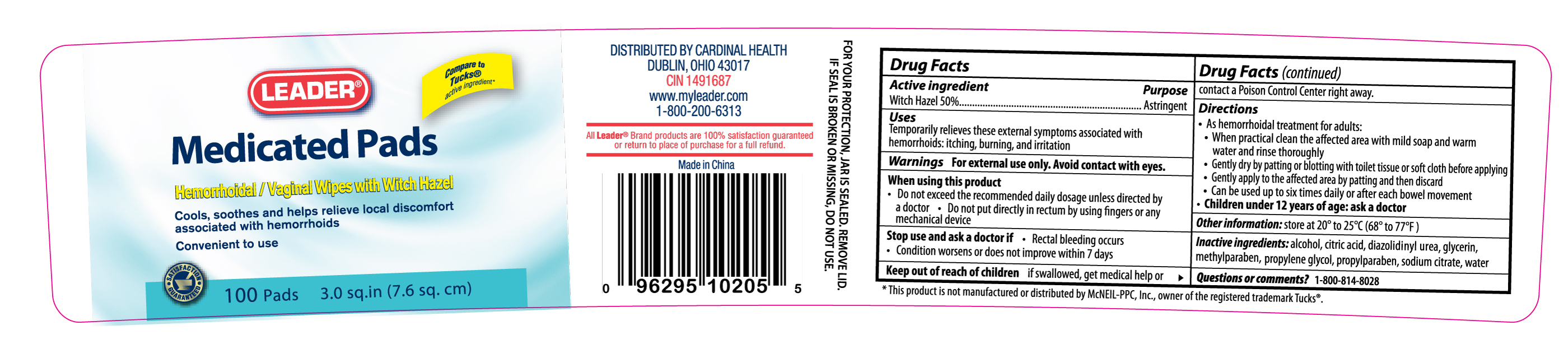
  • Leader Medicated Pads (Witch Hazel) Solution [Cardinal Health]

    Leader Medicated Pads

    Leader Medicated Pads (Witch Hazel) Solution [Cardinal Health]

    DISTRIBUTED BY CARDINAL HEALTH

    DUBLIN, OHIO 43017

    CIN 1491687

    www.myleader.com

    Made in China

  • Epsom Salt (Magnesium Sulfate) Crystal [Cardinal Health]

    Epsom Salt

    Epsom Salt (Magnesium Sulfate) Crystal [Cardinal Health]

    Directions •do not exceed recommended daily dosage •drink a full glass (8 ounces) of liquid with each dose •may be taken as a single dose or in divided doses •dissolve the dose in 8 ounces of water.  Lemon juice may be added to improve the taste. adults and children 12 years and over - 2to 6 level teaspoons (10 to 30 grams) daily children 6 to under 12 years - 1 to 2 level teaspoons (5 to 10 grams) daily children under 6 years -consult a doctor

  • Leader Oral Analgesic (Benzocaine) Gel [Cardinal Health]

    Leader Oral Analgesic

    Leader Oral Analgesic (Benzocaine) Gel [Cardinal Health]

    DISTRIBUTED BY CARDINAL HEALTH

    DUBLIN, OHIO 43017

    CIN 4527156

    www.myleader.com

    1-800-200-6313

    Made in Korea

  • Phenytoin Sodium Injection Phenytoin Sodium (Phenytoin) Injection [Cardinal Health]

    Phenytoin Sodium

    Phenytoin Sodium Injection Phenytoin Sodium (Phenytoin) Injection [Cardinal Health]

    The addition of Phenytoin Sodium Injection, USP to intravenous infusion is not recommended due to lack of solubility and resultant precipitation.

    Not to exceed 50 mg per minute, intravenously in adults, and not exceeding 1 - 3 mg/kg/min in neonates. There is a relatively small margin between full therapeutic effect and minimally toxic doses of this drug.

    The solution is suitable for use as long as it remains free of haziness and precipitate. Upon refrigeration or freezing, a precipitate might form; this will dissolve again after the solution is allowed to stand at room temperature. The product is still suitable for use. Only a clear solution should be used. A faint yellow coloration may develop; however, this has no effect on the potency of the solution.

    In the treatment of status epilepticus, the intravenous route is preferred because of the delay in absorption of phenytoin when administered intramuscularly.

    Serum concentrations should be monitored and care should be taken when switching a patient from the sodium salt to the free acid form.

    Phenytoin Sodium Injection, USP is formulated with the sodium salt of phenytoin. Because there is approximately an 8% increase in drug content with the free acid form over that of the sodium salt, dosage adjustments and serum level monitoring may be necessary when switching from a product formulated with the free acid to a product formulated with the sodium salt and vice versa.

    Status Epilepticus

    In adults, a loading dose of 10 to 15 mg/kg should be administered slowly intravenously, at a rate not exceeding 50 mg per minute (this will require approximately 20 minutes in a 70 kg patient). The loading dose should be followed by maintenance doses of 100 mg orally or intravenously every 6-8 hours.

    Recent work in neonates and pediatric patients has shown that absorption of phenytoin is unreliable after oral administration, but a loading dose of 15 - 20 mg/kg of phenytoin intravenously will usually produce plasma concentrations of phenytoin within the generally accepted therapeutic range (10 - 20 mcg/mL). The drug should be injected slowly intravenously at a rate not exceeding 1 - 3 mg/kg/min.

    Phenytoin Sodium Injection, USP should be injected slowly and directly into a large vein through a large-gauge needle or intravenous catheter. Each injection of intravenous phenytoin should be followed by an injection of sterile saline through the same needle or catheter to avoid local venous irritation due to alkalinity of the solution. Continuous infusion should be avoided; the addition of Phenytoin Sodium Injection, USP to intravenous infusion fluids is not recommended because of the likelihood of precipitation.

    Continuous monitoring of the electrocardiogram and blood pressure is essential. The patient should be observed for signs of respiratory depression. Determination of phenytoin plasma levels is advised when using phenytoin in the management of status epilepticus and in the subsequent establishment of maintenance dosage.

    Other measures, including concomitant administration of an intravenous benzodiazepine such as diazepam, or an intravenous short-acting barbiturate, will usually be necessary for rapid control of seizures because of the required slow rate of administration of phenytoin.

    If administration of Phenytoin Sodium Injection, USP does not terminate seizures, the use of other anticonvulsants, intravenous barbiturates, general anesthesia, and other appropriate measures should be considered.

    Intramuscular administration should not be used in the treatment of status epilepticus because the attainment of peak plasma levels may require up to 24 hours.

    Neurosurgery

    Prophylactic dosage 100 to 200 mg (2 to 4 mL) intramuscularly at approximately 4-hour intervals during surgery and continued during the postoperative period. When intramuscular administration is required for a patient previously stabilized orally, compensating dosage adjustments are necessary to maintain therapeutic plasma levels. An intramuscular dose 50% greater than the oral dose is necessary to maintain these levels. When returned to oral administration, the dose should be reduced by 50% of the original oral dose for one week to prevent excessive plasma levels due to sustained release from intramuscular tissue sites.

    If the patient requires more than a week of IM phenytoin, alternative routes should be explored, such as gastric intubation. For time periods less than one week, the patient shifted back from IM administration should receive one half the original oral dose for the same period of time the patient received IM phenytoin. Monitoring plasma levels would help prevent a fall into the subtherapeutic range. Serum blood level determinations are especially helpful when possible drug interactions are suspected.

    Parenteral drug products should be inspected visually for particulate matter and discoloration prior to administration, whenever solution and container permit.

  • Omeprazole Capsule, Delayed Release [Cardinal Health]

    Omeprazole

    Omeprazole Capsule, Delayed Release [Cardinal Health]

    Omeprazole delayed-release capsules should be taken before eating. In the clinical trials, antacids were used concomitantly with omeprazole.

    Patients should be informed that the omeprazole delayed-release capsule should be swallowed whole.

    For patients unable to swallow an intact capsule, alternative administration options are available. [See Dosage and Administration (2.8)]

    2.1 Short-Term Treatment of Active Duodenal Ulcer

    The recommended adult oral dose of omeprazole delayed-release capsules are 20 mg once daily. Most patients heal within four weeks. Some patients may require an additional four weeks of therapy.

    2.2 H. pylori Eradication for the Reduction of the Risk of Duodenal Ulcer Recurrence

    Triple Therapy (omeprazole/clarithromycin/amoxicillin) — The recommended adult oral regimen is omeprazole delayed-release capsules 20 mg plus clarithromycin 500 mg plus amoxicillin 1000 mg each given twice daily for 10 days. In patients with an ulcer present at the time of initiation of therapy, an additional 18 days of omeprazole delayed-release capsules 20 mg once daily is recommended for ulcer healing and symptom relief.

    Dual Therapy (omeprazole/clarithromycin) — The recommended adult oral regimen is omeprazole delayed-release capsules 40 mg once daily plus clarithromycin 500 mg three times daily for 14 days. In patients with an ulcer present at the time of initiation of therapy, an additional 14 days of omeprazole 20 mg once daily is recommended for ulcer healing and symptom relief.

    2.3 Gastric Ulcer

    The recommended adult oral dose is 40 mg once daily for 4-8 weeks.

    2.4 Gastroesophageal Reflux Disease (GERD)

    The recommended adult oral dose for the treatment of patients with symptomatic GERD and no esophageal lesions is 20 mg daily for up to 4 weeks. The recommended adult oral dose for the treatment of patients with erosive esophagitis and accompanying symptoms due to GERD is 20 mg daily for 4 to 8 weeks.

    2.5 Maintenance of Healing of Erosive Esophagitis

    The recommended adult oral dose is 20 mg daily. [See Clinical Studies (14.4) ]

    2.6 Pathological Hypersecretory Conditions

    The dosage of omeprazole release-release capsules in patients with pathological hypersecretory conditions varies with the individual patient. The recommended adult oral starting dose is 60 mg once daily. Doses should be adjusted to individual patient needs and should continue for as long as clinically indicated. Doses up to 120 mg three times daily have been administered. Daily dosages of greater than 80 mg should be administered in divided doses. Some patients with Zollinger-Ellison syndrome have been treated continuously with omeprazole for more than 5 years.

    2.7 Pediatric Patients

    For the treatment of GERD and maintenance of healing of erosive esophagitis, the recommended daily dose for pediatric patients 2 to 16 years of age is as follows:

     Patient Weight  Omeprazole Daily Dose  

    10 < 20 kg


    10 mg


    ≥ 20 kg


    20 mg

    On a per kg basis, the doses of omeprazole required to heal erosive esophagitis in pediatric patients are greater than those for adults.

    Alternative administrative options can be used for pediatric patients unable to swallow an intact capsule [See Dosage and Administration (2.8) ].

    2.8 Alternative Administration Options

    Omeprazole is available as a delayed-release capsule.

    For patients who have difficulty swallowing capsules, the contents of a omeprazole delayed-release capsule can be added to applesauce. One tablespoon of applesauce should be added to an empty bowl and the capsule should be opened. All of the pellets inside the capsule should be carefully emptied on the applesauce. The pellets should be mixed with the applesauce and then swallowed immediately with a glass of cool water to ensure complete swallowing of the pellets. The applesauce used should not be hot and should be soft enough to be swallowed without chewing. The pellets should not be chewed or crushed. The pellets/applesauce mixture should not be stored for future use.

  • Leader Maximum Strength Sleep Aid (Diphenhydramine Hydrochloride) Capsule, Liquid Filled [Cardinal Health]

    Leader Maximum Strength Sleep Aid

    Leader Maximum Strength Sleep Aid (Diphenhydramine Hydrochloride) Capsule, Liquid Filled [Cardinal Health]

    adults and children 12 years of age and over: take 1 softgel at bedtime if needed or asdirected by a doctor

  • Promethazine (Promethazine Hydrochloride) Injection [Cardinal Health]

    Promethazine

    Promethazine (Promethazine Hydrochloride) Injection [Cardinal Health]

    Important Notes on Administration

    Promethazine hydrochloride injection can cause severe chemical irritation and damage to tissues regardless of the route of administration. Irritation and damage can result from perivascular extravasation, unintentional intra-arterial injection, and intraneuronal or perineuronal infiltration (see WARNINGS-Severe Tissue Injury, Including Gangrene).

    The preferred parenteral route of administration for promethazine hydrochloride injection is by deep intramuscular injection. Under no circumstances should promethazine hydrochloride injection be given by intra-arterial injection due to likelihood of severe arteriorospasm and the possibility of resultant gangrene (see WARNINGS-Severe Tissue Injury, Including Gangrene). Subcutaneous injection is contraindicated as it may result in tissue necrosis. When administered intravenously, promethazine hydrochloride injection should be given in a concentration no greater than 25 mg per mL and at a rate not to exceed 25 mg per minute. It is preferable to inject through the tubing of an intravenous infusion set that is known to be functioning satisfactorily. In the event that a patient complains of pain during intravenous injection of promethazine hydrochloride injection, the injection should be stopped immediately to evaluate for possible arterial injection or perivascular extravasation.

    Parenteral drug products should be inspected visually for particulate matter and discoloration prior to administration, whenever solution and container permit.

    Do not use promethazine hydrochloride injection if solution has developed color or contains precipitate.

    To avoid the possibility of physical and/or chemical incompatibility, consult specialized literature before diluting with any injectable solution or combining with any other medication. Do not use if there is a precipitate or any sign of incompatibility.

    Allergic Conditions

    The average adult dose is 25 mg. This dose may be repeated within two hours if necessary, but continued therapy, if indicated, should be via the oral route as soon as existing circumstances permit. After initiation of treatment, dosage should be adjusted to the smallest amount adequate to relieve symptoms. The average adult dose for amelioration of allergic reactions to blood or plasma is 25 mg.

    Sedation

    In hospitalized adult patients, nighttime sedation may be achieved by a dose of 25 to 50 mg of promethazine hydrochloride injection.

    Nausea and Vomiting

    For control of nausea and vomiting, the usual adult dose is 12.5 to 25 mg, not to be repeated more frequently than every four hours. When used for control of postoperative nausea and vomiting, the medication may be administered either intramuscularly or intravenously and dosage of analgesics and barbiturates should be reduced accordingly. (see PRECAUTIONS-Drug Interactions).

    Antiemetics should not be used in vomiting of unknown etiology in children and adolescents (see PRECAUTIONS-Pediatric Use).

    Preoperative and Postoperative Use

    As an adjunct to preoperative or postoperative medication, 25 to 50 mg of promethazine hydrochloride injection in adults may be combined with appropriately reduced doses of analgesics and atropine-like drugs as desired. Dosage of concomitant analgesic or hypnotic medication should be reduced accordingly.(see PRECAUTIONS-Drug Interactions.)

    Promethazine hydrochloride is contraindicated for use in pediatric patients less than two years of age.

    Obstetrics

    Promethazine hydrochloride injection in doses of 50 mg will provide sedation and relieve apprehension in the early stages of labor. When labor is definitely established, 25 to 75 mg (average dose, 50 mg) promethazine hydrochloride injection may be given intramuscularly or intravenously with an appropriately reduced dose of any desired narcotic. (see PRECAUTIONS-Drug Interactions.) If necessary, promethazine hydrochloride injection with a reduced dose of analgesic may be repeated once or twice at four-hour intervals in the course of a normal labor. A maximum total dose of 100 mg of promethazine hydrochloride injection may be administered during a 24-hour period to patients in labor.

    Pediatric Patients

    Promethazine hydrochloride injection is contraindicated for use in pediatric patients less than 2 years of age (see WARNINGS-Respiratory Depression). Caution should be exercised when administering promethazine hydrochloride injection to pediatric patients 2 years of age or older. It is recommended that the lowest effective dose of promethazine hydrochloride be used in pediatric patients 2 years of age and older and concomitant administration of other drugs with respiratory depressant effects be avoided (see WARNINGS-Respiratory Depression).

    In pediatric patients 2 years of age and older, the dosage should not exceed half that of the suggested adult dose. As an adjunct to premedication, the suggested dose is 1.1 mg per kg of body weight in combination with an appropriately reduced dose of narcotic or barbiturate and the appropriate dose of an atropine-like drug. (see PRECAUTIONS-Drug Interactions.) Antiemetics should not be used in vomiting of unknown etiology in pediatric patients.

  • Leader Childrens Allergy Relief (Loratadine) Solution [Cardinal Health]

    Leader Childrens Allergy Relief

    Leader Childrens Allergy Relief (Loratadine) Solution [Cardinal Health]

    use only with enclosed dosing cup adults and children 6 years and over 2 teaspoonfuls (TSP) daily; do not take more than 2 teaspoonfuls (TSP) in 24 hours children 2 to under 6 years of age 1 teaspoonful (TSP) daily; do not take more than 1 teaspoonful (TSP) in 24 hours children under 2 years of age ask a doctor consumers with liver or kidney disease ask a doctor

  • Leader Allergy Eye
    Leader Allergy Eye (Ketotifen) Solution [Cardinal Health]

    Leader Allergy Eye

    Leader Allergy Eye (Ketotifen) Solution [Cardinal Health]

    Adults and children 3 years of age and older:

    Put 1 drop in the affected eye(s) twice daily, every 8-12 hours, no more than twice per day.

    Children under 3 years of age:

    Consult a doctor.

  • Leader Hemorrhoidal
    Leader Hemorrhoidal (Mineral Oil, Petrolatum, Phenylephrine Hcl, Shark Liver Oil) Ointment [Cardinal Health]

    Leader Hemorrhoidal

    Leader Hemorrhoidal (Mineral Oil, Petrolatum, Phenylephrine Hcl, Shark Liver Oil) Ointment [Cardinal Health]

    DISTRIBUTED BY CARDINAL HEALTH

    DUBLIN, OHIO 43017

    CIN2312940

    www.myleader.com

    1-800-200-6313

    Made in Korea

  • Avapro (Irbesartan) Tablet [Cardinal Health]

    Avapro

    Avapro (Irbesartan) Tablet [Cardinal Health]

    AVAPRO may be administered with other antihypertensive agents and with or without food.

    Hypertension

    The recommended initial dose of AVAPRO (irbesartan) is 150 mg once daily. Patients requiring further reduction in blood pressure should be titrated to 300 mg once daily.

    A low dose of a diuretic may be added, if blood pressure is not controlled by AVAPRO alone. Hydrochlorothiazide has been shown to have an additive effect (see CLINICAL PHARMACOLOGY: Clinical Studies). Patients not adequately treated by the maximum dose of 300 mg once daily are unlikely to derive additional benefit from a higher dose or twice-daily dosing.

    No dosage adjustment is necessary in elderly patients, or in patients with hepatic impairment or mild to severe renal impairment.

    Nephropathy in Type 2 Diabetic Patients

    The recommended target maintenance dose is 300 mg once daily. There are no data on the clinical effects of lower doses of AVAPRO on diabetic nephropathy (see CLINICAL PHARMACOLOGY: Clinical Studies).

    Volume- and Salt-Depleted Patients

    A lower initial dose of AVAPRO (75 mg) is recommended in patients with depletion of intravascular volume or salt (eg, patients treated vigorously with diuretics or on hemodialysis) (see WARNINGS: Hypotension in Volume- or Salt-Depleted Patients).

  • Leader All Day Pain Relief (Naproxen Sodium) Tablet, Film Coated [Cardinal Health]

    Leader All Day Pain Relief

    Leader All Day Pain Relief (Naproxen Sodium) Tablet, Film Coated [Cardinal Health]

    do not take more than directed the smallest effective dose should be used do not take longer than 10 days, unless directed by a doctor (see Warnings) drink a full glass of water with each dose Adults and children 12 years and older take 1 caplet every 8 to 12 hours while symptoms last for the first dose you may take 2 caplets within the first hour do not exceed 2 caplets in any 8- to 12-hour period do not exceed 3 caplets in a 24-hour period Children under 12 years ask a doctor

  • Lidocaine Hydrochloride (Lidocaine Hydrochloride Anhydrous) Injection, Solution [Cardinal Health]

    Lidocaine Hydrochloride

    Lidocaine Hydrochloride (Lidocaine Hydrochloride Anhydrous) Injection, Solution [Cardinal Health]

    When 4% Lidocaine Hydrochloride Injection, USP is used concomitantly with other products containing lidocaine, the total dose contributed by all formulations must be kept in mind.

    The dosage varies and depends upon the area to be anesthetized, vascularity of the tissues, individual tolerance and the technique of anesthesia. The lowest dosage needed to provide effective anesthesia should be administered. Dosages should be reduced for children and for elderly and debilitated patients.

    Although the incidence of adverse effects with 4% Lidocaine Hydrochloride Injection, USP is quite low, caution should be exercised, particularly when employing large volumes and concentrations of lidocaine since the incidence of adverse effects is directly proportional to the total dose of local anesthetic agent administered.

    For specific techniques and procedures refer to standard textbooks.

    There have been adverse event reports of chondrolysis in patients receiving intra-articular infusions of local anesthetics following arthroscopic and other surgical procedures.  4% Lidocaine Hydrochloride Injection, USP is not approved for this use (see WARNINGS and DOSAGE AND ADMINISTRATION).

    The dosages below are for normal, healthy adults.

    RETROBULBAR INJECTION: The suggested dose for a 70 kg person is 3−5 mL (120−200 mg of lidocaine HCl), i.e., 1.7−3 mg/kg or 0.9−1.5 mg/lb body weight. A portion of this is injected retrobulbarly and the rest may be used to block the facial nerve.

    TRANSTRACHEAL INJECTION: For local anesthesia by the transtracheal route 2−3 mL should be injected through a large enough needle so that the injection can be made rapidly. By injecting during inspiration some of the drug will be carried into the bronchi and the resulting cough will distribute the rest of the drug over the vocal cords and the epiglottis.

    Occasionally it may be necessary to spray the pharynx by oropharyngeal spray to achieve complete analgesia. For the combination of the injection and spray, it should rarely be necessary to utilize more than 5 mL (200 mg of lidocaine HCl), i.e., 3 mg/kg or 1.5 mg/lb body weight.

    TOPICAL APPLICATION: For laryngoscopy, bronchoscopy and endotracheal intubation, the pharynx may be sprayed with 1−5 mL (40−200 mg of lidocaine HCl), i.e., 0.6−3 mg/kg or 0.3-1.5 mg/lb body weight.

    Maximum Recommended Dosages

    Normal Healthy Adults: The maximum recommended dose of 4% Lidocaine Hydrochloride Injection, USP should be such that the dose of lidocaine HCl is kept below 300 mg and in any case should not exceed 4.5 mg/kg (2 mg/lb) body weight.

    Children: It is difficult to recommend a maximum dose of any drug for children since this varies as a function of age and weight. For children of less than ten years who have a normal lean body mass and normal body development, the maximum dose may be determined by the application of one of the standard pediatric drug formulas (e.g., Clark’s rule). For example, in a child of five years weighing 50 lbs, the dose of lidocaine hydrochloride should not exceed 75−100 mg when calculated according to Clark’s rule. In any case, the maximum dose of lidocaine hydrochloride and epinephrine injection should not exceed 7 mg/kg (3.2 mg/lb) of body weight. When used without epinephrine, the amount of lidocaine administered should be such that the dose is kept below 300 mg and in any case should not exceed 4.5 mg/kg (2 mg/lb) of body weight.

    NOTE: Parenteral drug products should be inspected visually for particulate matter and discoloration prior to administration whenever the solution and container permit. Solutions that are discolored and/or contain particulate matter should not be used. Do not use unless solution is clear and container undamaged.

  • Leader Allergy (Diphenhydramine Hydrochloride) Capsule [Cardinal Health]

    Leader Allergy

    Leader Allergy (Diphenhydramine Hydrochloride) Capsule [Cardinal Health]

    take every 4 to 6 hours, not more than 6 doses in 24 hours    adults and children 12 years of age and over    take 1 or 2 tablets    children 6 to under 12 years of age    take 1 tablet    children under 6 years of age   consult a doctor children under 4 years of age do not use

  • Leader Allergy (Diphenhydramine Hydrochloride) Tablet [Cardinal Health]

    Leader Allergy

    Leader Allergy (Diphenhydramine Hydrochloride) Tablet [Cardinal Health]

    take every 4 to 6 hours, not more than 6 doses in 24 hours    adults and children 12 years of age and over    take 1 or 2 tablets    children 6 to under 12 years of age    take 1 tablet    children under 6 years of age   consult a doctor children under 4 years of age do not use

  • Anti-itch Wal-dryl (Diphenhydramine Hcl, Zinc Acetate) Spray [Cardinal Health]

    Anti-itch Wal-dryl

    Anti-itch Wal-dryl (Diphenhydramine Hcl, Zinc Acetate) Spray [Cardinal Health]

    Directions •do not use more than directed •adults and children 2 years of age and older: apply to affected area not more than 3 to 4 times daily •children under 2 years of age: ask a doctor

  • Norvasc (Amlodipine Besylate) Tablet [Cardinal Health]

    Norvasc

    Norvasc (Amlodipine Besylate) Tablet [Cardinal Health]

    2.1 Adults

    The usual initial antihypertensive oral dose of NORVASC is 5 mg once daily with a maximum dose of 10 mg once daily.

    Small, fragile, or elderly patients, or patients with hepatic insufficiency may be started on 2.5 mg once daily and this dose may be used when adding NORVASC to other antihypertensive therapy.

    Adjust dosage according to each patient's need. In general, titration should proceed over 7 to 14 days so that the physician can fully assess the patient's response to each dose level. Titration may proceed more rapidly, however, if clinically warranted, provided the patient is assessed frequently.

    The recommended dose for chronic stable or vasospastic angina is 5–10 mg, with the lower dose suggested in the elderly and in patients with hepatic insufficiency. Most patients will require 10 mg for adequate effect [see Adverse Reactions (6)].

    The recommended dose range for patients with coronary artery disease is 5–10 mg once daily. In clinical studies, the majority of patients required 10 mg [see Clinical Studies (14.4)].

    2.2 Children

    The effective antihypertensive oral dose in pediatric patients ages 6–17 years is 2.5 mg to 5 mg once daily. Doses in excess of 5 mg daily have not been studied in pediatric patients [see Clinical Pharmacology (12.4), Clinical Studies (14.1)].

  • Pentasa (Mesalamine) Capsule [Cardinal Health]

    Pentasa

    Pentasa (Mesalamine) Capsule [Cardinal Health]

    The recommended dosage for the induction of remission and the symptomatic treatment of mildly to moderately active ulcerative colitis is 1g (4 PENTASA 250 mg capsules or 2 PENTASA 500 mg capsules) 4 times a day for a total daily dosage of 4g. Treatment duration in controlled trials was up to 8 weeks.