Rebel Distributors Corp

Manufacturer Details

There are currently no manufacturer details available.

Share This Page

Rebel Distributors Corp Drugs

  • Acular (Ketorolac Tromethamine) Solution [Rebel Distributors Corp.]

    Acular

    Acular (Ketorolac Tromethamine) Solution [Rebel Distributors Corp.]

    DOSAGE AND ADMINISTRATION

    The recommended dose of ACULAR® ophthalmic solution is one drop (0.25 mg) four times a day for relief of ocular itching due to seasonal allergic conjunctivitis.

    For the treatment of postoperative inflammation in patients who have undergone cataract extraction, one drop of ACULAR® ophthalmic solution should be applied to the affected eye(s) four times daily beginning 24 hours after cataract surgery and continuing through the first 2 weeks of the postoperative period.

    ACULAR® ophthalmic solution has been safely administered in conjunction with other ophthalmic medications such as antibiotics, beta blockers, carbonic anhydrase inhibitors, cycloplegics, and mydriatics.

  • Aggrenox (Aspirin And Dipyridamole) Capsule [Rebel Distributors Corp.]

    Aggrenox

    Aggrenox (Aspirin And Dipyridamole) Capsule [Rebel Distributors Corp.]

    AGGRENOX is not interchangeable with the individual components of aspirin and dipyridamole tablets.

    The recommended dose of AGGRENOX is one capsule given orally twice daily, one in the morning and one in the evening. Swallow capsules whole without chewing. AGGRENOX can be administered with or without food.

    2.1  Alternative Regimen in Case of Intolerable Headaches

    In the event of intolerable headaches during initial treatment, switch to one capsule at bedtime and low-dose aspirin in the morning. Because there are no outcome data with this regimen and headaches become less of a problem as treatment continues, patients should return to the usual regimen as soon as possible, usually within one week.

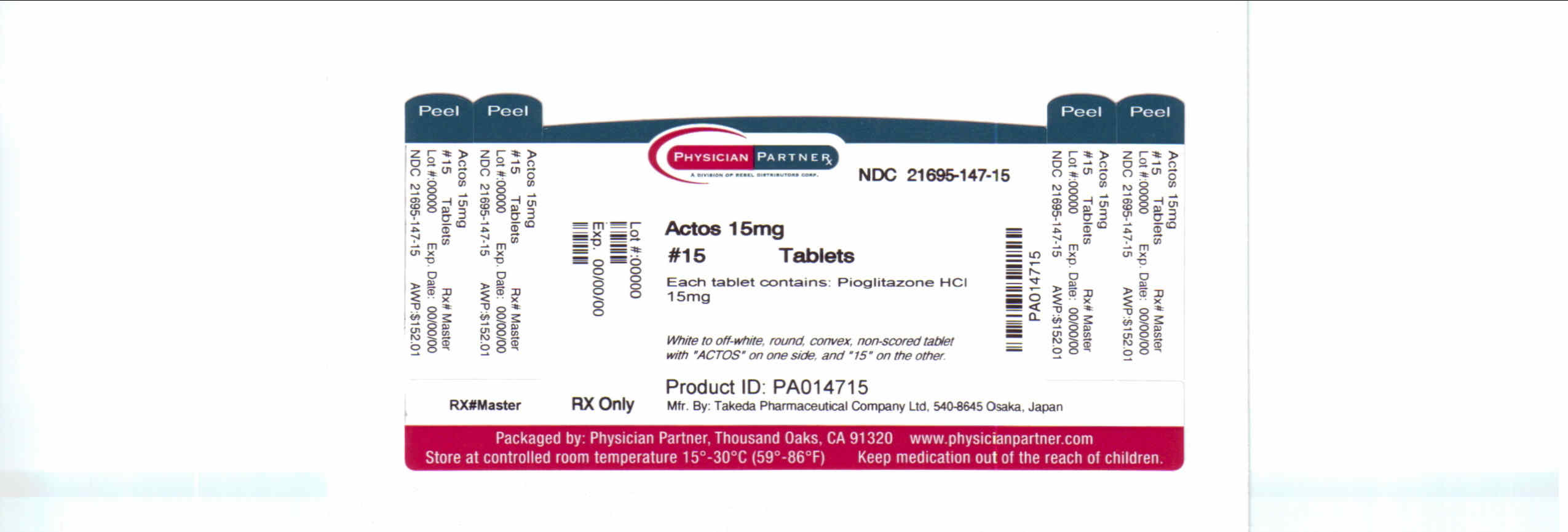
  • Actos (Pioglitazone Hydrochloride) Tablet [Rebel Distributors Corp.]

    Actos

    Actos (Pioglitazone Hydrochloride) Tablet [Rebel Distributors Corp.]

    ACTOS should be taken once daily without regard to meals.

          The management of antidiabetic therapy should be individualized. Ideally, the response to therapy should be evaluated using HbA1c which is a better indicator of long-term glycemic control than FPG alone. HbA1c reflects glycemia over the past two to three months. In clinical use, it is recommended that patients be treated with ACTOS for a period of time adequate to evaluate change in HbA1c (three months) unless glycemic control deteriorates. After initiation of ACTOS or with dose increase, patients should be carefully monitored for adverse events related to fluid retention (see BOXED WARNING and WARNINGS).

    Monotherapy

    ACTOS monotherapy in patients not adequately controlled with diet and exercise may be initiated at 15 mg or 30 mg once daily. For patients who respond inadequately to the initial dose of ACTOS, the dose can be increased in increments up to 45 mg once daily. For patients not responding adequately to monotherapy, combination therapy should be considered.

    Combination Therapy

    Sulfonylureas: ACTOS in combination with a sulfonylurea may be initiated at 15 mg or 30 mg once daily. The current sulfonylurea dose can be continued upon initiation of ACTOS therapy. If patients report hypoglycemia, the dose of the sulfonylurea should be decreased.

    Metformin: ACTOS in combination with metformin may be initiated at 15 mg or 30 mg once daily. The current metformin dose can be continued upon initiation of ACTOS therapy. It is unlikely that the dose of metformin will require adjustment due to hypoglycemia during combination therapy with ACTOS.

    Insulin: ACTOS in combination with insulin may be initiated at 15 mg or 30 mg once daily. The current insulin dose can be continued upon initiation of ACTOS therapy. In patients receiving ACTOS and insulin, the insulin dose can be decreased by 10% to 25% if the patient reports hypoglycemia or if plasma glucose concentrations decrease to less than 100 mg/dL. Further adjustments should be individualized based on glucose-lowering response.

    Maximum Recommended Dose

    The dose of ACTOS should not exceed 45 mg once daily in monotherapy or in combination with sulfonylurea, metformin, or insulin.

          Dose adjustment in patients with renal insufficiency is not recommended (see CLINICAL PHARMACOLOGY, Pharmacokinetics and Drug Metabolism).

          Therapy with ACTOS should not be initiated if the patient exhibits clinical evidence of active liver disease or increased serum transaminase levels (ALT greater than 2.5 times the upper limit of normal) at start of therapy (see PRECAUTIONS, General, Hepatic Effects and CLINICAL PHARMACOLOGY, Special Populations, Hepatic Insufficiency). Liver enzyme monitoring is recommended in all patients prior to initiation of therapy with ACTOS and periodically thereafter (see PRECAUTIONS, General, Hepatic Effects).

          There are no data on the use of ACTOS in patients under 18 years of age; therefore, use of ACTOS in pediatric patients is not recommended.

          No data are available on the use of ACTOS in combination with another thiazolidinedione.

  • Betamethasone Valerate Cream [Rebel Distributors Corp.]

    Betamethasone Valerate

    Betamethasone Valerate Cream [Rebel Distributors Corp.]

    Betamethasone Valerate Cream USP, 0.1% is generally applied to the affected skin areas one to three times daily. Dosage once or twice a day is often effective.

    Occlusive dressings may be used for the management of psoriasis or recalcitrant conditions.

    If an infection develops, the use of occlusive dressing should be discontinued and appropriate antimicrobial therapy instituted.

  • Pilocarpine Hydrochloride Tablet [Rebel Distributors Corp]

    Pilocarpine Hydrochloride

    Pilocarpine Hydrochloride Tablet [Rebel Distributors Corp]

    Regardless of the indication, the starting dose in patients with moderate hepatic impairment should be 5 mg twice daily, followed by adjustment based on therapeutic response and tolerability. Patients with mild hepatic insufficiency do not require dosage reductions. The use of pilocarpine in patients with severe hepatic insufficiency is not recommended. If needed, refer to the Hepatic Insufficiency subsection of the Precautions section of this label for definitions of mild, moderate and severe hepatic impairment.

    Head & Neck Cancer Patients

    The recommended initial dose of Pilocarpine HCl Tablets is 5 mg taken three times a day. Dosage should be titrated according to therapeutic response and tolerability. The usual dosage range is 15-30 mg per day. (Not to exceed 10 mg per dose.) Although early improvement may be realized, at least 12 weeks of uninterrupted therapy with Pilocarpine HCl Tablets may be necessary to assess whether a beneficial response will be achieved. The incidence of the most common adverse events increases with dose. The lowest dose that is tolerated and effective should be used for maintenance.

    Sjogren's Syndrome Patients

    The recommended dose of Pilocarpine HCl Tablets is one tablet (5 mg) taken four times a day. Efficacy was established by 6 weeks of use.

  • Betamethasone Valerate Ointment [Rebel Distributors Corp]

    Betamethasone Valerate Ointment

    Betamethasone Valerate Ointment [Rebel Distributors Corp]

    Apply a thin film of Betamethasone Valerate Cream or Ointment to the affected skin areas one to three times a day. Dosage once or twice a day is often effective.

    Apply a few drops of Betamethasone Valerate Lotion to the affected area and massage lightly until it disappears. Apply twice daily, in the morning and at night. Dosage may be increased in stubborn cases. Following improvement, apply once daily. For the most effective and economical use, apply nozzle very close to affected area and gently squeeze bottle.

  • Ketoconazole Tablet [Rebel Distributors Corp]

    Ketoconazole

    Ketoconazole Tablet [Rebel Distributors Corp]

    Adults

    The recommended starting dose of ketoconazole tablets is a single daily administration of 200 mg (one tablet). In very serious infections or if clinical responsiveness is insufficient within the expected time, the dose of ketoconazole may be increased to 400 mg (two tablets) once daily.

    Children

    In small numbers of children over 2 years of age, a single daily dose of 3.3 to 6.6 mg/kg has been used. Ketoconazole tablets have not been studied in children under 2 years of age.

    There should be laboratory as well as clinical documentation of infection prior to starting ketoconazole therapy. Treatment should be continued until tests indicate that active fungal infection has subsided. Inadequate periods of treatment may yield poor response and lead to early recurrence of clinical symptoms. Minimum treatment for candidiasis is one or two weeks. Patients with chronic mucocutaneous candidiasis usually require maintenance therapy. Minimum treatment for the other indicated systemic mycoses is six months.

    Minimum treatment for recalcitrant dermatophyte infections is four weeks in cases involving glabrous skin. Palmar and plantar infections may respond more slowly. Apparent cures may subsequently recur after discontinuation of therapy in some cases.

  • Hydrochlorothiazide Tablet [Rebel Distributors Corp]

    Hydrochlorothiazide

    Hydrochlorothiazide Tablet [Rebel Distributors Corp]

    Therapy should be individualized according to patient response. Use the smallest dosage necessary to achieve the required response.

    Adults

    For Edema - The usual adult dosage is 25 to 100 mg daily as a single or divided dose. Many patients with edema respond to intermittent therapy, i.e., administration on alternate days or on three to five days each week. With an intermittent schedule, excessive response and the resulting undesirable electrolyte imbalance are less likely to occur.

    For Control Of Hypertension - The usual initial dose in adults is 25 mg daily given as a single dose. The dose may be increased to 50 mg daily, given as a single or two divided doses. Doses above 50 mg are often associated with marked reductions in serum potassium (see also PRECAUTIONS).

    Patients usually do not require doses in excess of 50 mg of hydrochlorothiazide daily when used concomitantly with other antihypertensive agents.

    Infants And Children

    For Diuresis And For Control Of Hypertension- The usual pediatric dosage is 0.5 to 1 mg per pound (1 to 2 mg/kg) per day in single or two divided doses, not to exceed 37.5 mg per day in infants up to 2 years of age or 100 mg per day in children 2 to 12 years of age. In infants less than 6 months of age, doses up to 1.5 mg per pound (3 mg/kg) per day in two divided doses may be required. (See PRECAUTIONS, Pediatric Use).

  • Erythromycin Ointment [Rebel Distributors Corp]

    Erythromycin Ointment

    Erythromycin Ointment [Rebel Distributors Corp]

    In the treatment of superficial ocular infections, erythromycin ophthalmic ointment approximately 1 cm in length should be applied directly to the infected eye(s) up to six times daily, depending on the severity of the infection.

    For prophylaxis of neonatal gonococcal or chlamydial ophthalmia, a ribbon of ointment approximately 1 cm in length should be instilled into each lower conjunctival sac. The ointment should not be flushed from the eye following instillation. A new tube should be used for each infant.

  • Etodolac Tablet, Film Coated [Rebel Distributors Corp]

    Etodolac

    Etodolac Tablet, Film Coated [Rebel Distributors Corp]

    Carefully consider the potential benefits and risks of etodolac capsules and tablets, USP and other treatment options before deciding to use etodolac capsules and tablets, USP. Use the lowest effective dose for the shortest duration consistent with individual patient treatment goals (see WARNINGS).

    After observing the response to initial therapy with etodolac capsules and tablets, USP, the dose and frequency should be adjusted to suit an individual patient's needs.

    Dosage adjustment of etodolac capsules and tablets, USP is generally not required in patients with mild to moderate renal impairment. Etodolac should be used with caution in such patients, because, as with other NSAIDs, it may further decrease renal function in some patients with impaired renal function (see WARNINGS, Renal Effects).

    Analgesia

    The recommended total daily dose of etodolac for acute pain is up to 1000 mg, given as 200-400 mg every 6 to 8 hours. Doses of etodolac greater than 1000 mg/day have not been adequately evaluated in well-controlled trials.

    Osteoarthritis and Rheumatoid Arthritis

    The recommended starting dose of etodolac for the management of the signs and symptoms of osteoarthritis or rheumatoid arthritis is: 300 mg b.i.d., t.i.d., or 400 mg b.i.d., or 500 mg b.i.d. A lower dose of 600 mg/day may suffice for long-term administration. Physicians should be aware that doses above 1000 mg/day have not been adequately evaluated in well-controlled clinical trials.

    In chronic conditions, a therapeutic response to therapy with etodolac is sometimes seen within one week of therapy, but most often is observed by two weeks. After a satisfactory response has been achieved, the patient's dose should be reviewed and adjusted as required.

  • Doxycycline Hyclate Capsule [Rebel Distributors Corp]

    Doxycycline Hyclate

    Doxycycline Hyclate Capsule [Rebel Distributors Corp]

    THE USUAL DOSAGE AND FREQUENCY OF ADMINISTRATION OF DOXYCYCLINE DIFFERS FROM THAT OF THE OTHER TETRACYCLINES. EXCEEDING THE RECOMMENDED DOSAGE MAY RESULT IN AN INCREASED INCIDENCE OF SIDE EFFECTS. Adults: The usual dose of oral doxycycline is 200 mg on the first day of treatment (administered 100 mg every 12 hours) followed by a maintenance dose of 100 mg/day. The maintenance dose may be administered as a single dose or as 50 mg every 12 hours.

    In the management of more severe infections (particularly chronic infections of the urinary tract), 100 mg every 12 hours is recommended.

    For children above eight years of age: The recommended dosage schedule for children weighing 100 pounds or less is 2mg/lb of body weight divided into two doses on the first day of treatment, followed by 1 mg/lb of body weight given as a single daily dose or divided into two doses, on subsequent days. For more severe infections up to 2 mg/lb of body weight may be used. For children over 100 lb the usual adult dose should be used.

    The therapeutic antibacterial serum activity will usually persist for 24 hours following recommended dosage.

    When used in streptococcal infections, therapy should be continued for 10 days.

    Administration of adequate amounts of fluid along with capsule and tablet forms of drugs in the tetracycline class is recommended to wash down the drugs and reduce the risk of esophageal irritation and ulceration. (See ADVERSE REACTIONS.)

    If gastric irritation occurs, it is recommended that doxycycline be given with food or milk. The absorption of doxycycline is not markedly influenced by simultaneous ingestion of food or milk.

    Studies to date have indicated that administration of doxycycline at the usual recommended doses does not lead to excessive accumulation of the antibiotic in patients with renal impairment.

    Uncomplicated gonococcal infections in adults (except anorectal infections in men): 100 mg, by mouth, twice a day for 7 days. As an alternate single visit dose, administer 300 mg stat followed in one hour by a second 300 mg dose. The dose may be administered with food including milk or carbonated beverage, as required.

    Uncomplicated urethral, endocervical, or rectal infection in adults caused by Chlamydia trachomatis: 100 mg by mouth twice a day for 7 days.

    Nongonococcal urethritis (NGU) caused by C. trachomatis and U. urealyticum: 100 mg by mouth twice a day for 7 days.

    Syphilis – early: Patients who are allergic to penicillin should be treated with doxycycline 100 mg by mouth twice a day for 2 weeks.

    Syphilis of more than one year’s duration: Patients who are allergic to penicillin should be treated with doxycycline 100 mg by mouth twice a day for 4 weeks.

    Acute epididymo-orchitis caused by N. gonorrhoeae: 100 mg, by mouth, twice a day for at least 10 days.

    Acute epididymo-orchitis caused by C. trachomatis: 100 mg, by mouth, twice a day for at least 10 days.

    For the prophylaxis of malaria: For adults, the recommended dose is 100 mg daily. For children over 8 years of age, the recommended dose is 2 mg/kg given once daily up to the adult dose. Prophylaxis should begin 1 to 2 days before travel to the malarious area. Prophylaxis should be continued daily during travel in the malarious area and for 4 weeks after the traveler leaves the malarious area.

    Inhalational anthrax (post-exposure):

    ADULTS: 100 mg of doxycycline, by mouth, twice a day for 60 days.

    CHILDREN: weighing less than 100 lb or more should receive the adult dose.

  • Lansoprazole Capsule, Delayed Release [Rebel Distributors Corp]

    Lansoprazole

    Lansoprazole Capsule, Delayed Release [Rebel Distributors Corp]

    Lansoprazole delayed-release capsules are available in 15 mg and 30 mg strengths. Directions for use specific to the route and available methods of administration is presented below. Lansoprazole delayed-release capsules should be taken before eating. Lansoprazole delayed-release capsules SHOULD NOT BE CRUSHED OR CHEWED. In the clinical trials, antacids were used concomitantly with lansoprazole delayed-release capsules.

    2.1 Recommended Dose

    Indication Recommended Dose Frequency * Please refer to amoxicillin and clarithromycin full prescribing information for CONTRAINDICATIONS and WARNINGS, and for information regarding dosing in elderly and renally-impaired patients. † Controlled studies did not extend beyond indicated duration. ‡ For patients who do not heal with lansoprazole for 8 weeks (5 to 10%), it may be helpful to give an additional 8 weeks of treatment. If there is a recurrence of erosive esophagitis, an additional 8 week course of lansoprazole may be considered. § The lansoprazole dose was increased (up to 30 mg twice daily) in some pediatric patients after 2 or more weeks of treatment if they remained symptomatic. For pediatric patients unable to swallow an intact capsule please see Administration Options. ¶ Varies with individual patient. Recommended adult starting dose is 60 mg once daily. Doses should be adjusted to individual patient needs and should continue for as long as clinically indicated. Dosages up to 90 mg twice daily have been administered. Daily dose of greater than 120 mg should be administered in divided doses. Some patients with Zollinger-Ellison Syndrome have been treated continuously with lansoprazole for more than 4 years. Duodenal Ulcers   Short-Term Treatment 15 mg Once daily for 4 weeks   Maintenance of Healed 15 mg Once daily H. pylori Eradication to Reduce the Risk of Duodenal Ulcer Recurrence*   Triple Therapy:     Lansoprazole 30 mg Twice daily (q12h) for 10 or 14 days     Amoxicillin 1 gram Twice daily (q12h) for 10 or 14 days     Clarithromycin 500 mg Twice daily (q12h) for 10 or 14 days   Dual Therapy:     Lansoprazole 30 mg Three times daily (q8h) for 14 days     Amoxicillin 1 gram Three times daily (q8h) for 14 days Benign Gastric Ulcer  Short-Term Treatment 30 mg Once daily for up to 8 weeks NSAID-associated Gastric Ulcer  Healing   Risk Reduction 30 mg 15 mg Once daily for 8 weeks† Once daily for up to 12 weeks† Gastroesophageal Reflux Disease (GERD)   Short-Term Treatment of Symptomatic GERD 15 mg Once daily for up to 8 weeks   Short -Term Treatment of Erosive Esophagitis 30 mg Once daily for up to 8 weeks‡ Pediatric (1 to 11 years of age) Short-Term Treatment of Symptomatic GERD and Short-Term Treatment of Erosive Esophagitis   ≤ 30 kg 15 mg Once daily for up to 12 weeks§   > 30 kg 30 mg Once daily for up to 12 weeks§ (12 to 17 years of age) Short-Term Treatment of Symptomatic GERD   Nonerosive GERD 15 mg Once daily for up to 8 weeks   Erosive Esophagitis 30 mg Once daily for up to 8 weeks Maintenance of Healing of Erosive Esophagitis 15 mg Once daily Pathological Hypersecretory Conditions Including Zollinger-Ellison Syndrome 60 mg Once daily¶

    2.2 Special Populations

    Renal impairment patients and geriatric patients do not require dosage adjustment. However, consider dose adjustment in patients with severe liver impairment. [See Use in Specific Populations (8.5, 8.6 and 8.7)]

    2.3 Important Administration Information

    Administration Options

    Lansoprazole Delayed-Release Capsules - Oral Administration

    Lansoprazole delayed-release capsules should be swallowed whole. Alternatively, for patients who have difficulty swallowing capsules, lansoprazole delayed-release capsules can be opened and administered as follows: Open capsule. Sprinkle intact granules on one tablespoon of either applesauce, ENSURE® pudding, cottage cheese, yogurt or strained pears. Swallow immediately. Lansoprazole delayed-release capsules may also be emptied into a small volume of either apple juice, orange juice or tomato juice and administered as follows: Open capsule. Sprinkle intact granules into a small volume of either apple juice, orange juice or tomato juice (60 mL – approximately 2 ounces). Mix briefly. Swallow immediately. To ensure complete delivery of the dose, the glass should be rinsed with two or more volumes of juice and the contents swallowed immediately.

    USE IN OTHER FOODS AND LIQUIDS HAS NOT BEEN STUDIED CLINICALLY AND IS THEREFORE NOT RECOMMENDED.

    Lansoprazole Delayed-Release Capsules - Nasogastric Tube Administration

    For patients who have a nasogastric tube in place, lansoprazole delayed-release capsules can be administered as follows: Open capsule. Mix intact granules into 40 mL of apple juice. DO NOT USE OTHER LIQUIDS. Inject through the nasogastric tube into the stomach. Flush with additional apple juice to clear the tube.
  • Hydrocodone Bitartrate And Acetaminophen Tablet [Rebel Distributors Corp]

    Hydrocodone Bitartrate And Acetaminophen

    Hydrocodone Bitartrate And Acetaminophen Tablet [Rebel Distributors Corp]

    Dosage should be adjusted according to the severity of the pain and the response of the patient. However, it should be kept in mind that tolerance to hydrocodone can develop with continued use and that the incidence of untoward effects is dose related.

    The usual adult dosage is one or two tablets every four to six hours as needed for pain.

  • Permethrin Cream [Rebel Distributors Corp]

    Permethrin

    Permethrin Cream [Rebel Distributors Corp]

    Adults and children

    Thoroughly massage permethrin cream, 5% into the skin from the head to the soles of the feet. Scabies rarely infests the scalp of adults, although the hairline, neck, temple, and forehead may be infested in infants and geriatric patients. Usually 30 grams is sufficient for an average adult. The cream should be removed by washing (shower or bath) after 8 to 14 hours. Infants should be treated on the scalp, temple, and forehead. ONE APPLICATION IS GENERALLY CURATIVE.

    Patients may experience persistent pruritus after treatment. This is rarely a sign of treatment failure and is not an indication for retreatment. Demonstrable living mites after 14 days indicate that retreatment is necessary.

  • Meclizine Hydrochloride Tablet [Rebel Distributors Corp.]

    Meclizine Hydrochloride

    Meclizine Hydrochloride Tablet [Rebel Distributors Corp.]

    Motion Sickness: The initial dose of 25 to 50 mg meclizine hydrochloride, should be taken one hour prior to travel for protection against motion sickness. Thereafter, the dose may be repeated every 24 hours for the duration of the journey.

  • Fluoxetine (Fluoxetine Hydrochloride) Capsule [Rebel Distributors Corp]

    Fluoxetine

    Fluoxetine (Fluoxetine Hydrochloride) Capsule [Rebel Distributors Corp]

    2.1 Major Depressive Disorder

    Initial TreatmentAdult

    — In controlled trials used to support the efficacy of fluoxetine, patients were administered morning doses ranging from 20 to 80 mg/day. Studies comparing fluoxetine 20, 40, and 60 mg/day to placebo indicate that 20 mg/day is sufficient to obtain a satisfactory response in Major Depressive Disorder in most cases. Consequently, a dose of 20 mg/day, administered in the morning, is recommended as the initial dose.


    A dose increase may be considered after several weeks if insufficient clinical improvement is observed. Doses above 20 mg/day may be administered on a once-a-day (morning) or BID schedule (i.e., morning and noon) and should not exceed a maximum dose of 80 mg/day.

    Pediatric (children and adolescents)

    — In the short-term (8 to 9 week) controlled clinical trials of fluoxetine supporting its effectiveness in the treatment of Major Depressive Disorder, patients were administered fluoxetine doses of 10 to 20 mg/day

    [see Clinical Studies (14.1)]

    . Treatment should be initiated with a dose of 10 or 20 mg/day. After 1 week at 10 mg/day, the dose should be increased to 20 mg/day.


    However, due to higher plasma levels in lower weight children, the starting and target dose in this group may be 10 mg/day. A dose increase to 20 mg/day may be considered after several weeks if insufficient clinical improvement is observed.

    All patients

    — As with other drugs effective in the treatment of Major Depressive Disorder, the full effect may be delayed until 4 weeks of treatment or longer.

    Maintenance/Continuation/Extended Treatment

    — It is generally agreed that acute episodes of Major Depressive Disorder require several months or longer of sustained pharmacologic therapy. Whether the dose needed to induce remission is identical to the dose needed to maintain and/or sustain euthymia is unknown.

    Daily Dosing

    — Systematic evaluation of fluoxetine capsules in adult patients has shown that its efficacy in Major Depressive Disorder is maintained for periods of up to 38 weeks following 12 weeks of open-label acute treatment (50 weeks total) at a dose of 20 mg/day

    [see Clinical Studies (14.1)]

    .

    Switching Patients to a Tricyclic Antidepressant (TCA)

    — Dosage of a TCA may need to be reduced, and plasma TCA concentrations may need to be monitored temporarily when fluoxetine is coadministered or has been recently discontinued

    [see Drug Interactions (7.9)

    ]

    .

    Switching Patients to or from a Monoamine Oxidase Inhibitor (MAOI)

    — At least 14 days should elapse between discontinuation of an MAOI and initiation of therapy with fluoxetine capsules. In addition, at least 5 weeks, perhaps longer, should be allowed after stopping fluoxetine capsules before starting an MAOI

    [see Contraindications (4) and Drug Interactions (7.1)]

    .

    2.2 Obsessive Compulsive Disorder

    Initial TreatmentAdult

    — In the controlled clinical trials of fluoxetine supporting its effectiveness in the treatment of OCD, patients were administered fixed daily doses of 20, 40, or 60 mg of fluoxetine or placebo

    [see Clinical Studies (14.2)]

    . In one of these studies, no dose-response relationship for effectiveness was demonstrated. Consequently, a dose of 20 mg/day, administered in the morning, is recommended as the initial dose. Since there was a suggestion of a possible dose-response relationship for effectiveness in the second study, a dose increase may be considered after several weeks if insufficient clinical improvement is observed. The full therapeutic effect may be delayed until 5 weeks of treatment or longer.


    Doses above 20 mg/day may be administered on a once daily (i.e., morning) or BID schedule (i.e., morning and noon). A dose range of 20 to 60 mg/day is recommended; however, doses of up to 80 mg/day have been well tolerated in open studies of OCD. The maximum fluoxetine dose should not exceed 80 mg/day.

    Pediatric (children and adolescents)

    — In the controlled clinical trial of fluoxetine supporting its effectiveness in the treatment of OCD, patients were administered fluoxetine doses in the range of 10 to 60 mg/day

    [see Clinical Studies (14.2)]

    .


    In adolescents and higher weight children, treatment should be initiated with a dose of 10 mg/day. After 2 weeks, the dose should be increased to 20 mg/day. Additional dose increases may be considered after several more weeks if insufficient clinical improvement is observed. A dose range of 20 to 60 mg/day is recommended.


    In lower weight children, treatment should be initiated with a dose of 10 mg/day. Additional dose increases may be considered after several more weeks if insufficient clinical improvement is observed. A dose range of 20 to 30 mg/day is recommended. Experience with daily doses greater than 20 mg is very minimal, and there is no experience with doses greater than 60 mg.

    Maintenance/Continuation Treatment

    — While there are no systematic studies that answer the question of how long to continue fluoxetine capsules, OCD is a chronic condition and it is reasonable to consider continuation for a responding patient. Although the efficacy of fluoxetine capsules after 13 weeks has not been documented in controlled trials, adult patients have been continued in therapy under double-blind conditions for up to an additional 6 months without loss of benefit. However, dosage adjustments should be made to maintain the patient on the lowest effective dosage, and patients should be periodically reassessed to determine the need for treatment.

    2.3 Bulimia Nervosa

    Initial Treatment

    — In the controlled clinical trials of fluoxetine supporting its effectiveness in the treatment of Bulimia Nervosa, patients were administered fixed daily fluoxetine doses of 20 or 60 mg, or placebo

    [see Clinical Studies (14.3)]

    . Only the 60 mg dose was statistically significantly superior to placebo in reducing the frequency of binge-eating and vomiting. Consequently, the recommended dose is 60 mg/day, administered in the morning. For some patients it may be advisable to titrate up to this target dose over several days. Fluoxetine doses above 60 mg/day have not been systematically studied in patients with bulimia.

    Maintenance/Continuation Treatment

    — Systematic evaluation of continuing fluoxetine capsules 60 mg/day for periods of up to 52 weeks in patients with bulimia who have responded while taking fluoxetine capsules 60 mg/day during an 8-week acute treatment phase has demonstrated a benefit of such maintenance treatment

    [see Clinical Studies (14.3)]

    . Nevertheless, patients should be periodically reassessed to determine the need for maintenance treatment.

    2.4 Panic Disorder

    Initial Treatment

    — In the controlled clinical trials of fluoxetine supporting its effectiveness in the treatment of Panic Disorder, patients were administered fluoxetine doses in the range of 10 to 60 mg/day

    [see Clinical Studies (14.4)]

    . Treatment should be initiated with a dose of 10 mg/day. After one week, the dose should be increased to 20 mg/day. The most frequently administered dose in the 2 flexible-dose clinical trials was 20 mg/day.


    A dose increase may be considered after several weeks if no clinical improvement is observed. Fluoxetine doses above 60 mg/day have not been systematically evaluated in patients with Panic Disorder.

    Maintenance/Continuation Treatment

    — While there are no systematic studies that answer the question of how long to continue fluoxetine capsules, panic disorder is a chronic condition and it is reasonable to consider continuation for a responding patient. Nevertheless, patients should be periodically reassessed to determine the need for continued treatment.

    2.5 Fluoxetine Capsules and Olanzapine in Combination: Depressive Episodes Associated with Bipolar I Disorder

    When using

    fluoxetine capsules and olanzapine in combination, also refer to the Clinical Studies section of the package insert for Symbyax

    .


    Fluoxetine should be administered

    in

    combination with oral olanzapine once daily in the evening, without regard to meals, generally beginning with 5 mg of oral olanzapine and 20 mg of fluoxetine. Dosage adjustments, if indicated, can be made according to efficacy and tolerability within dose ranges of fluoxetine 20 to 50 mg and oral olanzapine 5 to 12.5 mg. Antidepressant efficacy was demonstrated with olanzapine and fluoxetine in combination with a dose range of olanzapine 6 to 12 mg and fluoxetine 25 to 50 mg.


    Safety and efficacy of fluoxetine

    in

    combination with olanzapine was determined in clinical trials supporting approval of Symbyax (fixed-dose combination of olanzapine and fluoxetine). Symbyax is dosed between 3 mg/25 mg (olanzapine/fluoxetine) per day and 12 mg/50 mg (olanzapine/fluoxetine) per day. The following table demonstrates the appropriate individual component doses of fluoxetine capsules and olanzapine versus Symbyax. Dosage adjustments, if indicated, should be made with the individual components according to efficacy and tolerability.

    Table 1: Approximate Dose Correspondence Between Symbyax1 and the Combination of Fluoxetine and Olanzapine    For Symbyax (mg/day) Use in Combination Olanzapine(mg/day) Fluoxetine (mg/day) 1 Symbyax (olanzapine/fluoxetine hydrochloride) is a fixed-dose combination of fluoxetine and olanzapine.    3 mg olanzapine/25 mg fluoxetine 2.5 20    6 mg olanzapine/25 mg fluoxetine 5 20    12 mg olanzapine/25 mg fluoxetine 10+2.5 20    6 mg olanzapine/50 mg fluoxetine 5 40+10    12 mg olanzapine/50 mg fluoxetine 10+2.5 40+10

    While there is no body of evidence to answer the question of how long a patient treated with fluoxetine capsules and olanzapine in combination should remain on it, it is generally accepted that Bipolar I Disorder, including the depressive episodes associated with Bipolar I Disorder, is a chronic illness requiring chronic treatment.

    The

    physician should periodically re-examine the need for continued pharmacotherapy.


    Safety of coadministration of doses above 18 mg olanzapine

    with

    75 mg fluoxetine has not been evaluated in clinical studies.


    Fluoxetine capsules monotherapy is not indicated for

    the

    treatment of depressive episodes associated with Bipolar I Disorder.

    2.7 Dosing in Specific Populations

    Treatment of pregnant Women During the Third Trimester

    — When treating pregnant women with fluoxetine capsules during the third trimester, the physician should carefully consider the potential risks and potential benefits of treatment. Neonates exposed to SNRIs or SSRIs late in the third trimester have developed complications requiring prolonged hospitalization, respiratory support, and tube feeding. The physician may consider tapering fluoxetine capsules in the third trimester

    [see Use in Specific Populations (8.1)].


    Geriatrics

    — A lower or less frequent dosage should be considered for the elderly

    [see Use in Specific Populations (8.5)].

    Hepatic Impairment

    — As with many other medications, a lower or less frequent dosage should be used in patients with hepatic impairment

    [see Clinical Pharmacology (12.4) and Use in Specific Populations (8.6)].


    Concomitant Illness

    — Patients with concurrent disease or on multiple concomitant medications may require dosage adjustments

    [see Clinical Pharmacology (12.4) and Warnings and Precautions (5.10)].


    Fluoxetine Capsules

    and Olanzapine in Combination

    — The starting dose of oral olanzapine 2.5 to 5 mg with fluoxetine 20 mg should be used for patients with a predisposition to hypotensive reactions, patients with hepatic impairment, or patients who exhibit a combination of factors that may slow the metabolism of olanzapine or fluoxetine in combination (female gender, geriatric age, non-smoking status), or those patients who may be pharmacodynamically sensitive to olanzapine. Dosing modifications may be necessary in patients who exhibit a combination of factors that may slow metabolism. When indicated, dose escalation should be performed with caution in these patients. Fluoxetine capsules and olanzapine in combination have not been systematically studied in patients over 65 years of age or in patients less than 18 years of age

    [see Warnings and Precautions (5.14) and Drug Interactions (7.9)]

    .

    2.8 Discontinuation of Treatment

    Symptoms associated with discontinuation of fluoxetine, SNRIs, and SSRIs, have been reported

    [see Warnings and Precautions (5.13)

    ].

  • Prednisone Tablet [Rebel Distributors Corp]

    Prednisone

    Prednisone Tablet [Rebel Distributors Corp]

    Dosage of prednisone tablets should be individualized according to the severity of the disease and the response of the patient. For infants and children, the recommended dosage should be governed by the same considerations rather than strict adherence to the ratio indicated by age or body weight.

    Hormone therapy is an adjunct to, and not a replacement for conventional therapy.

    Dosage should be decreased or discontinued gradually when the drug has been administered for more than a few days.

    The severity, prognosis, expected duration of the disease, and the reaction of the patient to medication are primary factors in determining dosage.

    If a period of spontaneous remission occurs in a chronic condition, treatment should be discontinued.

    Blood pressure, body weight, routine laboratory studies, including two-hour postprandial blood glucose and serum potassium, and a chest X-ray should be obtained at regular intervals during prolonged therapy. Upper Gl X-rays are desirable in patients with known or suspected peptic ulcer disease.

    The initial dosage of prednisone may vary from 5 mg to 60 mg per day, depending on the specific disease entity being treated. In situations of less severity lower doses will generally suffice, while in selected patients higher initial doses may be required. The initial dosage should be maintained or adjusted until a satisfactory response is noted. If after a reasonable period of time there is a lack of satisfactory clinical response, prednisone should be discontinued and the patient transferred to other appropriate therapy. IT SHOULD BE EMPHASIZED THAT DOSAGE REQUIREMENTS ARE VARIABLE AND MUST BE INDIVIDUALIZED ON THE BASIS OF THE DISEASE UNDER TREATMENT AND THE RESPONSE OF THE PATIENT. After a favorable response is noted, the proper maintenance dosage should be determined by decreasing the initial drug dosage in small decrements at appropriate time intervals until the lowest dosage which will maintain an adequate clinical response is reached. It should be kept in mind that constant monitoring is needed in regard to drug dosage. Included in the situations which may make dosage adjustment necessary are changes in clinical status secondary to remissions or exacerbations in the disease process, the patient's individual drug responsiveness, and the effect of patient exposure to stressful situations not directly related to the disease entity under treatment; in this latter situation it may be necessary to increase the dosage of prednisone for a period of time consistent with the patient's condition. If after long-term therapy the drug is to be stopped, it is recommended that it be withdrawn gradually rather than abruptly.

  • Ketorolac Tromethamine Solution [Rebel Distributors Corp]

    Ketorolac Tromethamine Solution

    Ketorolac Tromethamine Solution [Rebel Distributors Corp]

    The recommended dose of Ketorolac Tromethamine Ophthalmic Solution, 0.4% is one drop four times a day in the operated eye as needed for pain and burning/stinging for up to 4 days following corneal refractive surgery.

    Ketorolac tromethamine ophthalmic solution has been safely administered in conjunction with other ophthalmic medications such as antibiotics, beta blockers, carbonic anhydrase inhibitors, cycloplegics, and mydriatics.

  • Hydrocodone Bitartrate And Acetaminophen Solution [Rebel Distributors Corp]

    Hydrocodone Bitartrate And Acetaminophen Solution

    Hydrocodone Bitartrate And Acetaminophen Solution [Rebel Distributors Corp]

    Dosage should be adjusted according to the severity of the pain and the response of the patient. However, it should be kept in mind that tolerance to hydrocodone can develop with continued use and that the incidence of untoward effects is dose related.

    The usual adult dosage is one tablespoonful (15 mL) every four to six hours as needed for pain. The total daily dosage should not exceed 6 tablespoonfuls.

    The usual dosages for children are given by the table below, and are to be given every 4 to 6 hours as needed for pain. These dosages correspond to an average individual dose of 0.27 mL/kg of hydrocodone bitartrate and acetaminophen oral solution (providing 0.135 mg/kg of hydrocodone bitartrate and 9 mg/kg of acetaminophen). Dosing should be based on weight whenever possible.

    BODY WEIGHT APPROXIMATE AGE DOSEevery 4 to 6 hours MAXIMUM TOTAL DAILY DOSE(6 doses per day) 12 to 15 kg 27 to 34 lbs. 2 to 3 years ¾ teaspoonful = 3.75 mL 4½ teaspoonfuls = 22.5 mL 16 to 22 kg 35 to 50 lbs. 4 to 6 years 1 teaspoonful = 5 mL 6 teaspoonfuls = 30 mL 23 to 31 kg 51 to 69 lbs. 7 to 9 years 1½ teaspoonfuls = 7.5 mL 9 teaspoonfuls = 45 mL 32 to 45 kg 70 to 100 lbs. 10 to 13 years 2 teaspoonfuls = 10 mL 12 teaspoonfuls = 60 mL 46 kg and up 101 lbs. and up 14 years to adult 1 Tablespoonful = 15 mL 6 Tablespoonfuls = 90 mL

    The total daily dosage for children should not exceed 6 doses per day. It is of utmost importance that the dose of hydrocodone bitartrate and acetaminophen oral solution be administered accurately. A household teaspoon or tablespoon is not an adequate measuring device, especially when one-half or three-fourths of a teaspoonful is to be measured. Given the inexactitude of the household spoon measure and the possibility of using a tablespoon instead of a teaspoon, which could lead to overdosage, it is strongly recommended that caregivers obtain and use a calibrated measuring device. Health care providers should recommend a dropper that can measure and deliver the prescribed dose accurately, and instruct caregivers to use extreme caution in measuring the dosage.

  • Ofloxacin Solution/ Drops [Rebel Distributors Corp]

    Ofloxacin Solution Drops

    Ofloxacin Solution/ Drops [Rebel Distributors Corp]

    The recommended dosage regimen for the treatment of bacterial conjunctivitis is:

    Days 1 and 2                   Instill one to two drops every two to four hours in the affected eye(s).

    Days 3 through 7            Instill one to two drops four times daily.

    The recommended dosage regimen for the treatment of bacterial corneal ulcer is:

    Days 1 and 2                   Instill one to two drops into the affected eye every 30 minutes, while awake.

                                               Awaken at approximately four and six hours after retiring and instill one to two drops.

    Days 3 through 7 to 9     Instill one to two drops hourly, while awake.

    Days 7 to 9 through        Instill one to two drops, four times daily.treatment completion

    DO NOT USE IF IMPRINTED “Protective Seal” WITH YELLOW (mortar and pestle symbol) IS NOT INTACT.

  • Diphenoxylate Hydrochloride And Atropine Sulfate Tablet [Rebel Distributors Corp]

    Diphenoxylate Hydrochloride And Atropine Sulfate

    Diphenoxylate Hydrochloride And Atropine Sulfate Tablet [Rebel Distributors Corp]

    DO NOT EXCEED RECOMMENDED DOSAGE.

    Adults

    The recommended initial dosage is two tablets four times daily (20 mg per day). Most patients will require this dosage until initial control has been achieved, after which the dosage may be reduced to meet individual requirements. Control may often be maintained with as little as 5 mg (two tablets) daily.

    Clinical improvement of acute diarrhea is usually observed within 48 hours. If clinical improvement of chronic diarrhea after treatment with a maximum daily dose of 20 mg of diphenoxylate hydrochloride is not observed within 10 days, symptoms are unlikely to be controlled by further administration.

    Children

    Diphenoxylate hydrochloride and atropine sulfate is not recommended in children under 2 years of age and should be used with special caution in young children (see WARNINGS and PRECAUTIONS). The nutritional status and degree of dehydration must be considered. In children under 13 years of age, use oral solution. Do not use tablets for this age group.

    KEEP THIS AND ALL MEDICATIONS OUT OF THE REACH OF CHILDREN.

  • Pravastatin Sodium Tablet [Rebel Distributors Corp]

    Pravastatin Sodium

    Pravastatin Sodium Tablet [Rebel Distributors Corp]

    The patient should be placed on a standard cholesterol-lowering diet before receiving pravastatin sodium and should continue on this diet during treatment with pravastatin (see NCEP Treatment Guidelines  for details on dietary therapy).

    Pravastatin can be administered orally as a single dose at any time of the day, with or without food. Since the maximal effect of a given dose is seen within 4 weeks, periodic lipid determinations should be performed at this time and dosage adjusted according to the patient’s response to therapy and established treatment guidelines.

    Adult Patients

    The recommended starting dose is 40 mg once daily. If a daily dose of 40 mg does not achieve desired cholesterol levels, 80 mg once daily is recommended. In patients with a history of significant renal or hepatic dysfunction, a starting dose of 10 mg daily is recommended.

    Pediatric Patients

    Children (Ages 8 to 13 Years, Inclusive)

    The recommended dose is 20 mg once daily in children 8 to 13 years of age. Doses greater than 20 mg have not been studied in this patient population.

    Adolescents (Ages 14 to 18 Years)

    The recommended starting dose is 40 mg once daily in adolescents 14 to 18 years of age. Doses greater than 40 mg have not been studied in this patient population.

    Children and adolescents treated with pravastatin should be re-evaluated in adulthood and appropriate changes made to their cholesterol-lowering regimen to achieve adult goals for LDL-C (see INDICATIONS AND USAGE, Hyperlipidemia, NCEP Treatment Guidelines).

    In patients taking immunosuppressive drugs such as cyclosporine (see WARNINGS:Skeletal Muscle) concomitantly with pravastatin, therapy should begin with 10 mg of pravastatin sodium once-a-day at bedtime and titration to higher doses should be done with caution. Most patients treated with this combination received a maximum pravastatin sodium dose of 20 mg/day.

    Concomitant Therapy

    The lipid-lowering effects of pravastatin on total and LDL cholesterol are enhanced when combined with a bile-acid-binding resin. When administering a bile-acid-binding resin (e.g., cholestyramine, colestipol) and pravastatin, pravastatin should be given either 1 hour or more before or at least 4 hours following the resin. (See also ADVERSE REACTIONS:Concomitant Therapy.)

  • Flurbiprofen Sodium Solution/ Drops [Rebel Distributors Corp]

    Flurbiprofen Sodium Solution Drops

    Flurbiprofen Sodium Solution/ Drops [Rebel Distributors Corp]

    A total of four (4) drops of flurbiprofen sodium ophthalmic solution should be administered by instilling 1 drop approximately every 1/2 hour beginning 2 hours before surgery.

  • Lisinopril And Hydrochlorothiazide Tablet [Rebel Distributors Corp]

    Lisinopril And Hydrochlorothiazide

    Lisinopril And Hydrochlorothiazide Tablet [Rebel Distributors Corp]

    Lisinopril monotherapy is an effective treatment of hypertension in once-daily doses of 10-80 mg, while hydrochlorothiazide monotherapy is effective in doses of 12.5-50 mg per day. In clinical trials of lisinopril/hydrochlorothiazide combination therapy using lisinopril doses of 10-80 mg and hydrochlorothiazide doses of 6.25-50 mg, the antihypertensive response rates generally increased with increasing dose of either component.

    The side effects (see WARNINGS ) of lisinopril are generally rare and apparently independent of dose; those of hydrochlorothiazide are a mixture of dose-dependent phenomena (primarily hypokalemia) and dose-independent phenomena (e.g., pancreatitis), the former much more common than the latter. Therapy with any combination of lisinopril and hydrochlorothiazide may be associated with both sets of dose-independent side effects, but addition of lisinopril in clinical trials blunted the hypokalemia normally seen with diuretics.

    To minimize dose-independent side effects, it is usually appropriate to begin combination therapy only after a patient has failed to achieve the desired effect with monotherapy.

    Dose Titration Guided by Clinical Effect

    A patient whose blood pressure is not adequately controlled with either lisinopril or hydrochlorothiazide monotherapy may be switched to lisinopril/HCTZ 10/12.5 or lisinopril/HCTZ 20/12.5, depending on current monotherapy dose. Further increases of either or both components could depend on clinical response with blood pressure measured at the interdosing interval to ensure that there is an adequate antihypertensive effect at that time. The hydrochlorothiazide dose should generally not be increased until 2-3 weeks have elapsed. After addition of the diuretic it may be possible to reduce the dose of lisinopril. Patients whose blood pressures are adequately controlled with 25 mg of daily hydrochlorothiazide, but who experience significant potassium loss with this regimen, may achieve similar or greater blood-pressure control without electrolyte disturbance if they are switched to lisinopril/HCTZ 10/12.5.

    In patients who are currently being treated with a diuretic, symptomatic hypotension occasionally may occur following the initial dose of lisinopril. The diuretic should, if possible, be discontinued for two to three days before beginning therapy with lisinopril to reduce the likelihood of hypotension. (See WARNINGS .) If the patient’s blood pressure is not controlled with lisinopril alone, diuretic therapy may be resumed.

    If the diuretic cannot be discontinued, an initial dose of 5 mg of lisinopril should be used under medical supervision for at least two hours and until blood pressure has stabilized for at least an additional hour. (See WARNINGS and PRECAUTIONS , Drug Interactions .)

    Concomitant administration of lisinopril and hydrochlorothiazide with potassium supplements, potassium salt substitutes or potassium-sparing diuretics may lead to increases of serum potassium. (See PRECAUTIONS .)

    Replacement Therapy

    The combination may be substituted for the titrated individual components.

    Use in Renal Impairment

    Regimens of therapy with lisinopril/HCTZ need not take account of renal function as long as the patient’s creatinine clearance is >30 mL/min/1.7 m2 (serum creatinine roughly ≤3 mg/dL or 265 µmol/L). In patients with more severe renal impairment, loop diuretics are preferred to thiazides, so lisinopril/HCTZ is not recommended (see WARNINGS , Anaphylactoid Reactions During Membrane Exposure ).

  • Glyburide Tablet [Rebel Distributors Corp]

    Glyburide

    Glyburide Tablet [Rebel Distributors Corp]

    Patients should be retitrated when transferred from nonmicronized glyburide tablets or other oral hypoglycemic agents (see PRECAUTIONS).

    There is no fixed dosage regimen for the management of diabetes mellitus with glyburide tablets or any other hypoglycemic agent. In addition to the usual monitoring of urinary glucose, the patient's blood glucose must also be monitored periodically to determine the minimum effective dose for the patient; to detect primary failure, i.e., inadequate lowering of blood glucose at the maximum recommended dose of medication; and to detect secondary failure, i.e., loss of adequate blood glucose lowering response after an initial period of effectiveness. Glycosylated hemoglobin levels may also be of value in monitoring the patient's response to therapy.

    Short-term administration of glyburide may be sufficient during periods of transient loss of control in patients usually controlled well on diet.

    Usual Starting Dose

    The usual starting dose of glyburide tablets is 2.5 to 5 mg daily, administered with breakfast or the first main meal. Those patients who may be more sensitive to hypoglycemic drugs should be started at 1.25 mg daily. (see PRECAUTIONS section for patients at increased risk.) Failure to follow an appropriate dosage regimen may precipitate hypoglycemia. Patients who do not adhere to their prescribed dietary and drug regimen are more prone to exhibit unsatisfactory response to therapy.

    Transfer From Other Hypoglycemic Therapy; Patients Receiving Other Oral Antidiabetic Therapy: Transfer of patients from other oral antidiabetic regimens to glyburide should be done conservatively and the initial daily dose should be 2.5 to 5 mg. When transferring patients from oral hypoglycemic agents other than chlorpropamide to glyburide, no transition period and no initial or priming dose are necessary. When transferring patients from chlorpropamide, particular care should be exercised during the first two weeks because the prolonged retention of chlorpropamide in the body and subsequent overlapping drug effects may provoke hypoglycemia.

    Patients Receiving Insulin: Some Type II diabetic patients being treated with insulin may respond satisfactorily to glyburide. If the insulin dose is less than 20 units daily, substitution of glyburide tablets 2.5 to 5 mg as a single daily dose may be tried. If the insulin dose is between 20 and 40 units daily, the patient may be placed directly on glyburide tablets 5 mg daily as a single dose. If the insulin dose is more than 40 units daily, a transition period is required for conversion to glyburide. In these patients, insulin dosage is decreased by 50% and glyburide tablets 5 mg daily is started. Please refer to Titration to Maintenance Dose for further explanation.

    Titration to Maintenance Dose The usual maintenance dose is in the range of 1.25 to 20 mg daily, which may be given as a single dose or in divided doses (see Dosage Interval section). Dosage increases should be made in increments of no more than 2.5 mg at weekly intervals based upon the patient's blood glucose response.

    No exact dosage relationship exists between glyburide and the other oral hypoglycemic agents. Although patients may be transferred from the maximum dose of other sulfonylureas, the maximum starting dose of 5 mg glyburide tablets should be observed. A maintenance dose of 5 mg of glyburide tablets provides approximately the same degree of blood glucose control as 250 to 375 mg chlorpropamide, 250 to 375 mg tolazamide, 500 to 750 mg acetohexamide, or 1000 to 1500 mg tolbutamide.

    When transferring patients receiving more than 40 units of insulin daily, they may be started on a daily dose of glyburide tablets 5 mg concomitantly with a 50% reduction in insulin dose. Progressive withdrawal of insulin and increase of glyburide in increments of 1.25 to 2.5 mg every 2 to 10 days is then carried out. During this conversion period when both insulin and glyburide are being used, hypoglycemia may rarely occur. During insulin withdrawal, patients should test their urine for glucose and acetone at least three times daily and report results to their physician. The appearance of persistent acetonuria with glycosuria indicates that the patient is a Type I diabetic who requires insulin therapy.

    Concomitant Glyburide and Metformin Therapy Glyburide tablets should be added gradually to the dosing regimen of patients who have not responded to the maximum dose of metformin monotherapy after four weeks (see Usual Starting Dose and Titration to Maintenance Dose). Refer to metformin package insert.

    With concomitant glyburide and metformin therapy, the desired control of glucose may be obtained by adjusting the dose of each drug. However, attempts should be made to identify the optimal dose of each drug needed to achieve this goal. With concomitant glyburide and metformin therapy, the risk of hypoglycemia associated with sulfonylurea therapy continues and may be increased. Appropriate precautions should be taken (see PRECAUTIONS section).

    Maximum Dose Daily doses of more than 20 mg are not recommended.

    Dosage Interval Once-a-day therapy is usually satisfactory. Some patients, particularly those receiving more than 10 mg daily, may have a more satisfactory response with twice-a-day dosage.

    Specific Patient Populations: Glyburide is not recommended for use in pregnancy or for use in pediatric patients.

    In elderly patients, debilitated or malnourished patients, and patients with impaired renal or hepatic function, the initial and maintenance dosing should be conservative to avoid hypoglycemic reactions. (see PRECAUTIONS Section.)

  • Prednisone Tablet [Rebel Distributors Corp]

    Prednisone

    Prednisone Tablet [Rebel Distributors Corp]

    Gastric irritation may be reduced if taken before, during, or immediately after meals or with food or milk.

    The maximal activity of the adrenal cortex is between 2 am and 8 am, and it is minimal between 4 pm and midnight. Exogenous corticosteroids suppress adrenocorticoid activity the least when given at the time of maximal activity (am) for single dose administration. Therefore, it is recommended that prednisone be administered in the morning prior to 9 am and when large doses are given, administration of antacids between meals to help prevent peptic ulcers. Multiple dose therapy should be evenly distributed in evenly spaced intervals throughout the day.

    Dietary salt restriction may be advisable in patients.

    Do not stop taking this medicine without first talking to your doctor. Avoid abrupt withdraw of therapy.

    The initial dosage of prednisone may vary from 5 mg to 60 mg per day, depending on the specific disease entity being treated. In situations of less severity lower doses will generally suffice, while in selected patients higher initial doses may be required. The initial dosage should be maintained or adjusted until a satisfactory response is noted. If after a reasonable period of time there is a lack of satisfactory clinical response, prednisone should be discontinued and the patient transferred to other appropriate therapy. IT SHOULD BE EMPHASIZED THAT DOSAGE REQUIREMENTS ARE VARIABLE AND MUST BE INDIVIDUALIZED ON THE BASIS OF THE DISEASE UNDER TREATMENT AND THE RESPONSE OF THE PATIENT. After a favorable response is noted, the proper maintenance dosage should be determined by decreasing the initial drug dosage in small increments at appropriate time intervals until the lowest dosage which will maintain an adequate clinical response is reached. It should be kept in mind that constant monitoring is needed in regard to drug dosage. Included in the situations which may make dosage adjustments necessary are changes in clinical status secondary to remissions or exacerbations in the disease process, the patient’s individual drug responsiveness, and the effect of patient exposure to stressful situations not directly related to the disease entity under treatment; in this latter situation, it may be necessary to increase the dosage of prednisone for a period of time consistent with the patient’s condition. If after long-term therapy the drug is to be stopped, it recommended that it be withdrawn gradually rather than abruptly.

    Multiple Sclerosis

    In the treatment of acute exacerbations of multiple sclerosis daily doses of 200 mg of prednisolone for a week followed by 80 mg every other day for 1 month have been shown to be effective. (Dosage range is the same for prednisone and prednisolone.)

    Alternate Day Therapy

    Alternate day therapy is a corticosteroid dosing regimen in which twice the usual daily dose of corticoid is administered every other morning. The purpose of this mode of therapy is to provide the patient requiring long-term pharmacologic dose treatment with the beneficial effects of corticoids while minimizing certain undesirable effects, including pituitary-adrenal suppression, the cushingoid state, corticoid withdrawal symptoms, and growth suppression in children.

    The rationale for this treatment schedule is based on two major premises: (a) the anti-inflammatory or therapeutic effect of corticoids persists longer than their physical presence and metabolic effects and (b) administration of the corticosteroid every other morning allows for re-establishment of more nearly normal hypothalamic-pituitary-adrenal (HPA) activity on the off-steroid day.

    A brief review of the HPA physiology may be helpful in understanding this rationale. Acting primarily through the hypothalamus a fall in free cortisol stimulates the pituitary gland to produce increasing amounts of corticotropin (ACTH) while a rise in free cortisol inhibits ACTH secretion. Normally the HPA system is characterized by diurnal (circadian) rhythm. Serum levels of ACTH rise from a low point about 10 pm to a peak level about 6 am. Increasing levels of ACTH stimulate adrenocortical activity resulting in a rise in plasma cortisol with maximal levels occurring between 2 am and 8 am. This rise in cortisol dampens ACTH production and in turn adrenocortical activity. There is a gradual fall in plasma corticoids during the day with lowest levels occurring about midnight.

    The diurnal rhythm of the HPA axis is lost in Cushing’s disease, a syndrome of adrenocortical hyperfunction characterized by obesity with centripetal fat distribution, thinning of the skin with easy bruisability, muscle wasting with weakness, hypertension, latent diabetes, osteoporosis, electrolyte imbalance, etc. The same clinical findings of hyperadrenocorticism may be noted during long-term pharmacologic dose corticoid therapy administered in conventional daily divided doses. It would appear, then, that a disturbance in the diurnal cycle with maintenance of elevated corticoid values during the night may play a significant role in the development of undesirable corticoid effects. Escape from these constantly elevated plasma levels for even short periods of time may be instrumental in protecting against undesirable pharmacologic effects.

    During conventional pharmacologic dose corticosteroid therapy, ACTH production is inhibited with subsequent suppression of cortisol production by the adrenal cortex. Recovery time for normal HPA activity is variable depending upon the dose and duration of treatment. During this time the patient is vulnerable to any stressful situation. Although it has been shown that there is considerably less adrenal suppression following a single morning dose of prednisolone (10 mg) as opposed to a quarter of that dose administered every 6 hours, there is evidence that some suppressive effect on adrenal activity may be carried over into the following day when pharmacologic doses are used. Further, it has been shown that a single dose of certain corticosteroids will produce adrenocortical suppression for two or more days. Other corticoids, including methylprednisolone, hydrocortisone, prednisone, and prednisolone, are considered to be short acting (producing adrenocortical suppression for 1 1/4 to 1 1/2 days following a single dose) and thus are recommended for alternate day therapy.

    The following should be kept in mind when considering alternate day therapy:

    Basic principles and indications for corticosteroid therapy should apply. The benefits of alternate day therapy should not encourage the indiscriminate use of steroids. Alternate day therapy is a therapeutic technique primarily designed for patients in whom long-term pharmacologic corticoid therapy is anticipated. In less severe disease processes in which corticoid therapy is indicated, it may be possible to initiate treatment with alternate day therapy. More severe disease states usually will require daily divided high dose therapy for initial control of the disease process. The initial suppressive dose level should be continued until satisfactory clinical response is obtained, usually four to ten days in the case of many allergic and collagen diseases. It is important to keep the period of initial suppressive dose as brief as possible particularly when subsequent use of alternate day therapy is intended. Once control has been established, two courses are available: (a) change to alternate day therapy and then gradually reduce the amount of corticoid given every other day or (b) following control of the disease process reduce the daily dose of corticoid to the lowest effective level as rapidly as possible and then change over to an alternate day schedule. Theoretically, course (a) may be preferable. Because of the advantages of alternate day therapy, it may be desirable to try patients on this form of therapy who have been on daily corticoids for long periods of time (e.g., patients with rheumatoid arthritis). Since these patients may already have a suppressed HPA axis, establishing them on alternate day therapy may be difficult and not always successful. However, it is recommended that regular attempts be made to change them over. It may be helpful to triple or even quadruple the daily maintenance dose and administer this every other day rather than just doubling the daily dose if difficulty is encountered. Once the patient is again controlled, an attempt should be made to reduce this dose to a minimum. As indicated above, certain corticosteroids, because of their prolonged suppressive effect on adrenal activity, are not recommended for alternate day therapy (e.g., dexamethasone and betamethasone). The maximal activity of the adrenal cortex is between 2 am and 8 am, and it is minimal between 4 pm and midnight. Exogenous corticosteroids suppress adrenocortical activity the least, when given at the time of maximal activity (am). In using alternate day therapy it is important, as in all therapeutic situations to individualize and tailor the therapy to each patient. Complete control of symptoms will not be possible in all patients. An explanation of the benefits of alternate day therapy will help the patient to understand and tolerate the possible flare-up in symptoms which may occur in the latter part of the off-steroid day. Other symptomatic therapy may be added or increased at this time if needed. In the event of an acute flare-up of the disease process, it may be necessary to return to a full suppressive daily divided corticoid dose for control. Once control is again established alternate day therapy may be re-instituted. Although many of the undesirable features of corticosteroid therapy can be minimized by alternate day therapy, as in any therapeutic situation, the physician must carefully weigh the benefit-risk ratio for each patient in whom corticoid therapy is being considered.
  • Indomethacin Capsule [Rebel Distributors Corp]

    Indomethacin

    Indomethacin Capsule [Rebel Distributors Corp]

    Carefully consider the potential benefits and risks of Indomethacin and other treatment options before deciding to use Indomethacin. Use the lowest effective dose for the shortest duration consistent with individual patient treatment goals (see WARNINGS).

    After observing the response to initial therapy with Indomethacin, the dose and frequency should be adjusted to suit an individual patient’s needs.

    Indomethacin is available as 25 and 50 mg capsules.

    Adverse reactions appear to correlate with the size of the dose of Indomethacin in most patients but not all. Therefore, every effort should be made to determine the smallest effective dosage for the individual patient.

    Pediatric Use

    Indomethacin ordinarily should not be prescribed for pediatric patients 14 years of age and under (see PRECAUTIONS, Pediatric Use).

    Adult Use

    Dosage Recommendations for Active Stages of the Following:

    1. Moderate to severe rheumatoid arthritis including acute flares of chronic disease; moderate to severe ankylosing spondylitis; and moderate to severe osteoarthritis.

    Suggested Dosage: Indomethacin capsules 25 mg b.i.d. or t.i.d. If this is well tolerated, increase the daily dosage by 25 or by 50 mg, if required by continuing symptoms, at weekly intervals until a satisfactory response is obtained or until a total daily dose of 150 to 200 mg is reached. DOSES ABOVE THIS AMOUNT GENERALLY DO NOT INCREASE THE EFFECTIVENESS OF THE DRUG.

    In patients who have persistent night pain and/or morning stiffness, the giving of a large portion, up to a maximum of 100 mg, of the total daily dose at bedtime, may be helpful in affording relief. The total daily dose should not exceed 200 mg. In acute flares of chronic rheumatoid arthritis, it may be necessary to increase the dosage by 25 mg or, if required, by 50 mg daily.

    If minor adverse effects develop as the dosage is increased, reduce the dosage rapidly to a tolerated dose and OBSERVE THE PATIENT CLOSELY.

    If severe adverse reactions occur, STOP THE DRUG. After the acute phase of the disease is under control, an attempt to reduce the daily dose should be made repeatedly until the patient is receiving the smallest effective dose or the drug is discontinued.

    Careful instructions to, and observations of, the individual patient are essential to the prevention of serious, irreversible, including fatal, adverse reactions.

    As advancing years appear to increase the possibility of adverse reactions, Indomethacin should be used with greater care in the elderly (see PRECAUTIONS, Geriatric Use).

    2. Acute painful shoulder (bursitis and/or tendinitis).

    Initial Dose:

    75 to 150 mg daily in 3 or 4 divided doses.

    The drug should be discontinued after the signs and symptoms of inflammation have been controlled for several days. The usual course of therapy is 7 to 14 days.

    3. Acute gouty arthritis.

    Suggested Dosage:

    Indomethacin capsules 50 mg t.i.d. until pain is tolerable. The dose should then be rapidly reduced to complete cessation of the drug. Definite relief of pain has been reported within 2 to 4 hours. Tenderness and heat usually subside in 24 to 36 hours, and swelling gradually disappears in 3 to 5 days.

  • Promethazine Hydrochloride Tablet [Rebel Distributors Corp]

    Promethazine Hydrochloride

    Promethazine Hydrochloride Tablet [Rebel Distributors Corp]

    Promethazine Hydrochloride Tablets USP are contraindicated for children under 2 years of age (seeWARNINGS-Black Box Warning and Use in Pediatric Patients).

    Allergy

    The average oral dose is 25 mg taken before retiring; however, 12.5 mg may be taken before meals and on retiring, if necessary. Single 25-mg doses at bedtime or 6.25 to 12.5 mg taken three times daily will usually suffice. After initiation of treatment in children or adults, dosage should be adjusted to the smallest amount adequate. The administration of promethazine HCl in 25-mg doses will control minor transfusion reactions of an allergic nature.

    Motion Sickness

    The average adult dose is 25 mg taken twice daily. The initial dose should be taken one-half to one hour before anticipated travel and be repeated 8 to 12 hours later, if necessary. On succeeding days of travel, it is recommended that 25 mg be given on arising and again before the evening meal. For children, promethazine hydrochloride tablets, syrup, or rectal suppositories, 12.5 to 25 mg twice daily, may be administered.

    Nausea and Vomiting

    Antiemetics should not be used in vomiting of unknown etiology in children and adolescents (see WARNINGS-Use in Pediatric Patients).

    The average effective dose of promethazine hydrochloride for the active therapy of nausea and vomiting in children or adults is 25 mg. When oral medication cannot be tolerated, the dose should be given parenterally (cf. Promethazine Injection) or by rectal suppository. 12.5- to 25-mg doses may be repeated, as necessary, at 4-to 6-hour intervals.

    For nausea and vomiting in children, the usual dose is 0.5 mg per pound of body weight, and the dose should be adjusted to the age and weight of the patient and the severity of the condition being treated.

    For prophylaxis of nausea and vomiting, as during surgery and the postoperative period, the average dose is 25 mg repeated at 4- to 6-hour intervals, as necessary.

    Sedation

    This product relieves apprehension and induces a quiet sleep from which the patient can be easily aroused. Administration of 12.5 to 25 mg promethazine hydrochloride by the oral route or by rectal suppository at bedtime will provide sedation in children. Adults usually require 25 to 50 mg for nighttime, presurgical, or obstetrical sedation.

    Pre- and Postoperative Use

    Promethazine hydrochloride in 12.5- to 25-mg doses for children and 50-mg doses for adults the night before surgery relieves apprehension and produces a quiet sleep.

    For preoperative medication, children require doses of 0.5 mg per pound of body weight in combination with an appropriately reduced dose of narcotic or barbiturate and the appropriate dose of an atropine-like drug. Usual adult dosage is 50 mg promethazine HCl with an appropriately reduced dose of narcotic or barbiturate and the required amount of a belladonna alkaloid.

    Postoperative sedation and adjunctive use with analgesics may be obtained by the administration of 12.5 to 25 mg in children and 25- to 50-mg doses in adults. Promethazine hydrochloride tablets are contraindicated for children under 2 years of age.

  • Proair Hfa (Albuterol Sulfate) Aerosol, Metered [Rebel Distributors Corp]

    Proair Hfa

    Proair Hfa (Albuterol Sulfate) Aerosol, Metered [Rebel Distributors Corp]

    2.1 Bronchospasm

    For treatment of acute episodes of bronchospasm or prevention of symptoms associated with bronchospasm, the usual dosage for adults and children 4 years and older is two inhalations repeated every 4 to 6 hours. More frequent administration or a larger number of inhalations is not recommended. In some patients, one inhalation every 4 hours may be sufficient.

    2.2 Exercise-Induced Bronchospasm

    The usual dosage for adults and children 4 years of age or older is two inhalations 15 to 30 minutes before exercise.

    2.3 Administration Information

    Administer PROAIR HFA by oral inhalation only. Shake well before each spray. To maintain proper use of this product and to prevent medication build-up and blockage, it is important to follow the cleaning directions carefully.

    Priming: Prime the inhaler before using for the first time and in cases where the inhaler has not been used for more than 2 weeks by releasing three sprays into the air, away from the face.

    Cleaning: As with all HFA-containing albuterol inhalers, to maintain proper use of this product and to prevent medication build-up and blockage, it is important to keep the plastic mouthpiece clean. The inhaler may cease to deliver medication if the plastic actuator mouthpiece is not properly cleaned and dried. To clean: Wash the plastic mouthpiece with warm running water for 30 seconds, shake off excess water, and air dry thoroughly at least once a week. If the mouthpiece becomes blocked, washing the mouthpiece will remove the blockage. If it is necessary to use the inhaler before it is completely dry, shake off excess water, replace canister, spray twice into the air away from face, and take the prescribed dose. After such use, the mouthpiece should be rewashed and allowed to air dry thoroughly [see Patient Counseling Information (17.8)].

  • Amoxicillin And Clavulanate Potassium Powder, For Suspension [Rebel Distributors Corp.]

    Amoxicillin And Clavulanate Potassium

    Amoxicillin And Clavulanate Potassium Powder, For Suspension [Rebel Distributors Corp.]

    All recommended dosages for Amoxicillin and Clavulanate Potassium for Oral Suspension and Chewable Tablets are included in this section for informational purposes only. Some of the dosages may not be obtainable with the 400 mg/57mg per 5 mL and 200 mg/28.5 mg per 5 mL strengths of oral suspension or the 400 mg/57 mg and 200 mg/28.5 mg strengths of chewable tablets.

    Dosage

    Pediatric Patients

    Based on the amoxicillin component, amoxicillin and clavulanate potassium for oral suspension and chewable tablets should be dosed as follows:

    Neonates and Infants Aged < 12 Weeks (3 Months)

    Due to incompletely developed renal function affecting elimination of amoxicillin in this age group, the recommended dose of amoxicillin and clavulanate potassium for oral suspension and chewable tablets is 30 mg/kg/day divided q12h, based on the amoxicillin component. Clavulanate elimination is unaltered in this age group. Experience with the 200 mg/28.5 mg per 5 mL formulation in this age group is limited and, thus, use of the 125 mg/31.25 mg per 5 mL oral suspension is recommended.

    Patients Aged 12 Weeks (3 Months) and Older

    INFECTIONS DOSING REGIMEN q12h* q8h 200 mg/28.5 mg per 5 mL or 400 mg/57 mg per 5 mL oral suspension† 125 mg/31.25 mg per 5 mL or 250 mg/62.5 mg per 5 mL oral suspension† * The q12h regimen is recommended as it is associated with significantly less diarrhea. (See CLINICAL STUDIES.) However, the q12h formulations (200 mg/28.5 mg and 400 mg/57 mg) contain aspartame and should not be used by phenylketonurics. † Each strength of amoxicillin and clavulanate potassium suspension is available as a chewable tablet for use by older children. ‡ Duration of therapy studied and recommended for acute otitis media is 10 days. Otitis media‡, sinusitis, lower respiratory tract infections, and more severe infections 45 mg/kg/day q12h 40 mg/kg/day q8h Less severe infections 25 mg/kg/day q12h 20 mg/kg/day q8h

    Pediatric Patients Weighing 40 kg and More

    Should be dosed according to the following adult recommendations: The usual adult dose is 1 amoxicillin and clavulanate potassium 500 mg/125 mg tablet every 12 hours or 1 amoxicillin and clavulanate potassium 250 mg/125 mg tablet every 8 hours. For more severe infections and infections of the respiratory tract, the dose should be 1 amoxicillin and clavulanate potassium 875 mg/125 mg tablet every 12 hours or 1 amoxicillin and clavulanate potassium 500 mg/125 mg tablet every 8 hours. Among adults treated with 875 mg/125 mg every 12 hours, significantly fewer experienced severe diarrhea or withdrawals with diarrhea vs. adults treated with 500 mg/125 mg every 8 hours. For detailed adult dosage recommendations, please see complete prescribing information for amoxicillin/clavulanate potassium tablets.

    Hepatically impaired patients should be dosed with caution and hepatic function monitored at regular intervals. (See WARNINGS.)

    Adults

    Adults who have difficulty swallowing may be given the 125 mg/31.25 mg per 5 mL or 250 mg/62.5 mg per 5 mL suspension in place of the 500 mg/125 mg tablet. The 200 mg/28.5 mg per 5 mL suspension or the 400 mg/57 mg per 5 mL suspension may be used in place of the 875 mg/125 mg tablet. See dosage recommendations above for children weighing 40 kg or more.

    The amoxicillin and clavulanate potassium, USP 250 mg/125 mg tablet and the 250 mg/62.5 mg chewable tablet do not contain the same amount of clavulanic acid (as the potassium salt). Amoxicillin and clavulanate potassium, USP 250 mg/125 mg tablet contains 125 mg of clavulanic acid, whereas the 250 mg/62.5 mg chewable tablet contains 62.5 mg of clavulanic acid. Therefore, the amoxicillin and clavulanate potassium, USP 250 mg/125 mg tablet and the 250 mg/62.5 mg chewable tablet should not be substituted for each other, as they are not interchangeable.

    Due to the different amoxicillin to clavulanic acid ratios in the amoxicillin and clavulanate potassium, USP 250 mg/125 mg tablet versus the amoxicillin and clavulanate potassium, USP 250 mg/62.5 mg chewable tablet, the amoxicillin and clavulanate 250 mg/125 mg tablet should not be used until the child weighs at least 40 kg and more.

    DIRECTIONS FOR MIXING ORAL SUSPENSION

    Prepare a suspension at time of dispensing as follows: Tap bottle until all the powder flows freely. Add approximately 2/3 of the total amount of water for reconstitution (see table below) and shake vigorously to suspend powder. Add remainder of the water and again shake vigorously.

    AMOXICILLIN AND CLAVULANATE POTASSIUM 200 mg/28.5 mg per 5 mL SUSPENSION Bottle Size Amount of Water Required for Suspension 100 mL 88 mL

    Each teaspoonful (5 mL) will contain 200 mg amoxicillin and 28.5 mg of clavulanic acid as the potassium salt.

    AMOXICILLIN AND CLAVULANATE POTASSIUM 400 mg/57 mg per 5 mL SUSPENSION Bottle Size Amount of Water Required for Reconstitution 100 mL 84 mL

    Each teaspoonful (5 mL) will contain 400 mg amoxicillin and 57 mg of clavulanic acid as the potassium salt.

    NOTE: SHAKE ORAL SUSPENSION WELL BEFORE USING.

    Reconstituted suspension must be stored under refrigeration and discarded after 10 days.

    Administration

    Amoxicillin and clavulanate potassium for oral suspension and chewable tablets may be taken without regard to meals; however, absorption of clavulanate potassium is enhanced when amoxicillin and clavulanate potassium for oral suspension and chewable tablets are administered at the start of a meal. To minimize the potential for gastrointestinal intolerance, amoxicillin and clavulanate potassium for oral suspension and chewable tablets should be taken at the start of a meal.

    Tablets may be chewed before being swallowed or may be swallowed whole.

  • Amoxicillin And Clavula...
    Amoxicillin And Clavulanate Potassium Suspension [Rebel Distributors Corp.]

    Amoxicillin And Clavulanate Potassium Suspension

    Amoxicillin And Clavulanate Potassium Suspension [Rebel Distributors Corp.]

    Amoxicillin and Clavulanate Potassium for Oral Suspension, 600 mg/42.9 mg per 5 mL, does not contain the same amount of clavulanic acid (asthe potassium salt) as any of the other suspensions of Amoxicillin and Clavulanate Potassium. Amoxicillin and Clavulanate Potassium for Oral Suspension, 600 mg/42.9 mg per 5 mL contains 42.9 mg of clavulanic acid per 5 mL, whereas the 200 mg/28.5 mg per 5 mL suspension ofAmoxicillin and Clavulanate Potassium contains 28.5 mg of clavulanic acid per 5 mL and the 400 mg/57 mg per 5 mL suspension contains 57 mg of clavulanic acid per 5 mL. Therefore, the 200 mg/28.5 mg per 5 mL and 400 mg/57 mg per 5 mL suspensions of Amoxicillin and Clavulanate Potassium should not be substituted for Amoxicillin and Clavulanate Potassium for Oral Suspension, 600 mg/42.9 mg per 5 mL as they are not interchangeable.

    Dosage

    Pediatric patients 3 months and older

    Based on the amoxicillin component (600 mg/42.9 mg per 5 mL), the recommended dose of Amoxicillin and Clavulanate Potassium for Oral Suspension 600 mg/42.9 mg per 5 mL is 90 mg/kg/day divided every 12 hours, administered for 10 days (see chart below).

    Body Weight (kg) Volume of Amoxicillin and Clavulanate Potassium for OralSuspension 600 mg/42.9 mg per 5 mLproviding 90 mg/kg/day 8 3 mL twice daily 12 4.5 mL twice daily 16 6 mL twice daily 20 7.5 mL twice daily 24 9 mL twice daily 28 10.5 mL twice daily 32 12 mL twice daily 36 13.5 mL twice daily

    Pediatric patients weighing 40 kg and more 

     Experience with Amoxicillin and Clavulanate Potassium for Oral Suspension (600 mg/42.9 mg per 5 mL formulation) in this group is not available.

    Adults

     Experience with Amoxicillin and Clavulanate Potassium for Oral Suspension (600 mg/5 mL formulation) in adults is not available and adults who have difficulty swallowing should not be given Amoxicillin and Clavulanate Potassium for Oral Suspension (600 mg/42.9 mg per 5 mL) in place of the 500 mg/125 mg or 875 mg/125 mg tablet of Amoxicillin and Clavulanate Potassium.

    Hepatically impaired patients should be dosed with caution and hepatic function monitored at regular intervals. (See WARNINGS.)

    Directions for Mixing Oral Suspension  

     Prepare a suspension at time of dispensing as follows: Tap bottle until all the powder flows freely. Add approximately 2/3 of the total amount of water for reconstitution (see table below) and shake vigorously to suspend powder. Add remainder of the water and again shake vigorously.

    Amoxicillin and Clavulanate Potassium for Oral Suspension (600 mg/42.9 mg per 5 mL Suspension)

    Bottle Size Amount of Water Required for Reconstitution 75 mL 62 mL 125 mL 103 mL 200 mL 165 mL

    Each teaspoonful (5 mL) will contain 600 mg amoxicillin as the trihydrate and 42.9 mg of clavulanic acid as the potassium salt.

    NOTE: SHAKE ORAL SUSPENSION WELL BEFORE USING.

    Information for the Pharmacist

    The resulting suspension is stable for 10 days under refrigeration.

    Administration

    To minimize the potential for gastrointestinal intolerance, Amoxicillin and  Clavulanate Potassium for Oral Suspension USP, 600 mg/42.9 mg per 5 mL should be taken at the start of a meal. Absorption of clavulanate potassium may be enhanced when Amoxicillin and  Clavulanate Potassium for Oral Suspension USP,  600 mg/42.9 mg per 5 mL is administered at the start of a meal.

  • Clindamycin Phosphate Solution [Rebel Distributors Corp]

    Clindamycin Phosphate Solution

    Clindamycin Phosphate Solution [Rebel Distributors Corp]

    Use a Clindamycin Phosphate Topical Solution pledget for the application of clindamycin phosphate twice daily to affected area.

    More than one pledget may be used. Each pledget should be used only once and then be discarded. Remove pledget from foil just before use. Do not use if the seal is broken. Discard after single use.

  • Chantix (Varenicline Tartrate) Tablet, Film Coated [Rebel Distributors Corp]

    Chantix

    Chantix (Varenicline Tartrate) Tablet, Film Coated [Rebel Distributors Corp]

    2.1 Usual Dosage for Adults

    Smoking cessation therapies are more likely to succeed for patients who are motivated to stop smoking and who are provided additional advice and support. Provide patients with appropriate educational materials and counseling to support the quit attempt.

    The patient should set a date to stop smoking. Begin CHANTIX dosing one week before this date.

    CHANTIX should be taken after eating and with a full glass of water.

    The recommended dose of CHANTIX is 1 mg twice daily following a 1-week titration as follows:

    Days 1 – 3: 0.5 mg once daily Days 4 – 7: 0.5 mg twice daily Day 8 – end of treatment: 1 mg twice daily

    Patients should be treated with CHANTIX for 12 weeks. For patients who have successfully stopped smoking at the end of 12 weeks, an additional course of 12 weeks' treatment with CHANTIX is recommended to further increase the likelihood of long-term abstinence.

    Patients who do not succeed in stopping smoking during 12 weeks of initial therapy, or who relapse after treatment, should be encouraged to make another attempt once factors contributing to the failed attempt have been identified and addressed.

    Consider a temporary or permanent dose reduction in patients who cannot tolerate the adverse effects of CHANTIX.

    2.2 Dosage in Special Populations

    Patients with Impaired Renal Function: No dosage adjustment is necessary for patients with mild to moderate renal impairment. For patients with severe renal impairment (estimated creatinine clearance <30 mL/min), the recommended starting dose of CHANTIX is 0.5 mg once daily. The dose may then be titrated as needed to a maximum dose of 0.5 mg twice a day. For patients with end-stage renal disease undergoing hemodialysis, a maximum dose of 0.5 mg once daily may be administered if tolerated [see Use in Specific Populations (8.6) and Clinical Pharmacology (12.3)].

    Elderly and Patients with Impaired Hepatic Function: No dosage adjustment is necessary for patients with hepatic impairment. Because elderly patients are more likely to have decreased renal function, care should be taken in dose selection, and it may be useful to monitor renal function [see Use in Specific Populations (8.5)].

  • Clobetasol Propionate Ointment Clobetasol Propionate Cream [Rebel Distributors Corp]

    Clobetasol Propionate Ointment Clobetasol Propionate

    Clobetasol Propionate Ointment Clobetasol Propionate Cream [Rebel Distributors Corp]

    Apply a thin layer of clobetasol propionate gel, cream or ointment to the affected skin areas twice daily and rub in gently and completely. (See INDICATIONS AND USAGE.)

    Clobetasol propionate gel, cream and ointment are super-high potency topical corticosteroids; therefore, treatment should be limited to 2 consecutive weeks, and amounts greater than 50 g per week should not be used.

    As with other highly active corticosteroids, therapy should be discontinued when control has been achieved. If no improvement is seen within 2 weeks, reassessment of diagnosis may be necessary.

    Clobetasol propionate gel, cream and ointment should not be used with occlusive dressings.

  • Clotrimazole And Betamethasone Dipropionate Cream [Rebel Distributors Corp]

    Clotrimazole And Betamethasone Dipropionate

    Clotrimazole And Betamethasone Dipropionate Cream [Rebel Distributors Corp]

    Gently massage sufficient Clotrimazole and Betamethasone Dipropionate Cream or Lotion into the affected skin areas twice a day, in the morning and evening.

    Clotrimazole and Betamethasone Dipropionate Cream or Lotion should not be used longer than 2 weeks in the treatment of tinea corporis or tinea cruris, and amounts greater than 45 g per week of Clotrimazole and Betamethasone Dipropionate Cream, USP or amounts greater than 45 mL per week of Clotrimazole and Betamethasone Dipropionate Lotion should not be used. If a patient with tinea corporis or tinea cruris shows no clinical improvement after one week of treatment with Clotrimazole and Betamethasone Dipropionate Cream or Lotion, the diagnosis should be reviewed.

    Clotrimazole and Betamethasone Dipropionate Cream or Lotion should not be used longer than 4 weeks in the treatment of tinea pedis, and amounts greater than 45 g per week of Clotrimazole and Betamethasone Dipropionate Cream, USP or amounts greater than 45 mL per week of Clotrimazole and Betamethasone Dipropionate Lotion should not be used. If a patient with tinea pedis shows no clinical improvement after 2 weeks of treatment with Clotrimazole and Betamethasone Dipropionate Cream or Lotion, the diagnosis should be reviewed.

    Clotrimazole and Betamethasone Dipropionate Cream or Lotion should not be used with occlusive dressings.

  • Lidocaine And Prilocaine Cream [Rebel Distributors Corp]

    Lidocaine And Prilocaine

    Lidocaine And Prilocaine Cream [Rebel Distributors Corp]

    Adult Patients-Intact Skin

    A thick layer of lidocaine and prilocaine cream, 2.5%/2.5% is applied to intact skin and covered with an occlusive dressing.

    Minor Dermal Procedures: For minor procedures such as intravenous cannulation and venipuncture, apply 2.5 grams of lidocaine and prilocaine cream, 2.5%/2.5% over 20 to 25 cm2 of skin surface for at least 1 hour. In controlled clinical trials using lidocaine and prilocaine cream, 2.5%/2.5%, two sites were usually prepared in case there was a technical problem with cannulation or venipuncture at the first site.

    Major Dermal Procedures: For more painful dermatological procedures involving a larger skin area such as split thickness skin graft harvesting, apply 2 grams of lidocaine and prilocaine cream, 2.5%/2.5% per 10 cm2 of skin and allow to remain in contact with the skin for at least 2 hours.

    Adult Male Genital Skin: As an adjunct prior to local anesthetic infiltration, apply a thick layer of lidocaine and prilocaine cream, 2.5%/2.5% (1 g/10 cm2) to the skin surface for 15 minutes. Local anesthetic infiltration should be performed immediately after removal of lidocaine and prilocaine cream, 2.5%/2.5%.

    Dermal analgesia can be expected to increase for up to 3 hours under occlusive dressing and persist for 1 to 2 hours after removal of the cream. The amount of lidocaine and prilocaine absorbed during the period of application can be estimated from the information in Table 2, ** footnote, in Individualization of Dose.

    Adult Female Patients-Genital Mucous Membranes

    For minor procedures on the female external genitalia, such as removal of condylomata acuminata, as well as for use as pretreatment for anesthetic infiltration, apply a thick layer (5-10 grams) of lidocaine and prilocaine cream, 2.5%/2.5% for 5 to 10 minutes.

    Occlusion is not necessary for absorption, but may be helpful to keep the cream in place. Patients should be lying down during the lidocaine and prilocaine cream, 2.5%/2.5% application, especially if no occlusion is used. The procedure or the local anesthetic infiltration should be performed immediately after the removal of lidocaine and prilocaine cream, 2.5%/2.5%.

    Pediatric Patients-Intact Skin

    The following are the maximum recommended doses, application areas and application times for lidocaine and prilocaine cream, 2.5%/2.5% based on a child's age and weight:

    Please note: If a patient greater than 3 months old does not meet the minimum weight requirement, the maximum total dose of lidocaine and prilocaine cream, 2.5%/2.5% should be restricted to that which corresponds to the patient's weight.

    Practitioners should carefully instruct caregivers to avoid application of excessive amounts of lidocaine and prilocaine cream, 2.5%/2.5% (see PRECAUTIONS).

    When applying lidocaine and prilocaine cream, 2.5%/2.5% to the skin of young children, care must be taken to maintain careful observation of the child to prevent accidental ingestion of lidocaine and prilocaine cream, 2.5%/2.5% or the occlusive dressing. A secondary protective covering to prevent inadvertent disruption of the application site may be useful.

    Age and Body Weight Requirements Maximum total Dose ofLidocaine andPrilocaine Cream, 2.5%/2.5% MaximumApplication Area MaximumApplication Time 0 up to 3 months or < 5 kg 1g 10 cm2 1 hour 3 up to 12 months and >5 kg 2g 20 cm2 4 hours 1 to 6 years and >10 kg 10g 100 cm2 4 hours 7 to 12 years and >20 kg 20g 200 cm2 4 hours

    Lidocaine and prilocaine cream, 2.5%/2.5% should not be used in neonates with a gestational age less than 37 weeks nor in infants under the age of twelve months who are receiving treatment with methemoglobin-inducing agents (see Methemoglobinemia subsection of WARNINGS).

    When lidocaine and prilocaine cream, 2.5%/2.5% is used concomitantly with other products containing local anesthetic agents, the amount absorbed from all formulations must be considered (see Individualization of Dose). The amount absorbed in the case of lidocaine and prilocaine cream, 2.5%/2.5% is determined by the area over which it is applied and the duration of application under occlusion (see Table 2, ** footnote, in Individualization of Dose).

    Although the incidence of systemic adverse reactions with lidocaine and prilocaine cream, 2.5%/2.5% is very low, caution should be exercised, particularly when applying it over large areas and leaving it on for longer than 2 hours. The incidence of systemic adverse reactions can be expected to be directly proportional to the area and time of exposure (see Individualization of Dose).

  • Mupirocin Ointment [Rebel Distributors Corp.]

    Mupirocin Ointment

    Mupirocin Ointment [Rebel Distributors Corp.]

    A small amount of mupirocin ointment should be applied to the affected area three times daily. The area treated may be covered with a gauze dressing if desired. Patients not showing a clinical response within 3 to 5 days should be re-evaluated.

  • Lidocaine Ointment [Rebel Distributors Corp]

    Lidocaine Ointment

    Lidocaine Ointment [Rebel Distributors Corp]

    When Lidocaine Ointment 5% is used concomitantly with other products containing lidocaine, the total dose contributed by all formulations must be kept in mind.

    Adult

    A single application should not exceed 5 g of Lidocaine Ointment 5%, containing 250 mg of lidocaine base (equivalent chemically to approximately 300 mg of lidocaine hydrochloride). This is roughly equivalent to squeezing a six (6) inch length of ointment from the tube. In a 70 kg adult this dose equals 3.6 mg/kg (1.6 mg/lb) lidocaine base. No more than one-half tube, approximately 17-20 g of ointment or 850-1000 mg lidocaine base, should be administered in any one day.

    Although the incidence of adverse effects with Lidocaine Ointment 5% is quite low, caution should be exercised, particularly when employing large amounts, since the incidence of adverse effects is directly proportional to the total dose of local anesthetic agent administered.

    Dosage for children

    It is difficult to recommend a maximum dose of any drug for children since this varies as a function of age and weight. For children less than ten years who have a normal lean body mass and a normal lean body development, the maximum dose may be determined by the application of one of the standard pediatric drug formulas (e.g., Clark's rule). For example a child of five years weighing 50 lbs., the dose of lidocaine should not exceed 75-100 mg when calculated according to Clark's rule. In any case, the maximum amount of lidocaine administered should not exceed 4.5 mg/kg (2.0 mg/lb) of body weight.

    Administration

    For medical use, apply topically for adequate control of symptoms. The use of a sterile gauze pad is suggested for application to broken skin tissue. Apply to the tube prior to intubation.

    In dentistry, apply to previously dried oral mucosa. Subsequent removal of excess saliva with cotton rolls or saliva ejector minimizes dilution of the ointment, permits maximum penetration, and minimizes the possibility of swallowing the topical ointment.

    For use in connection with the insertion of new dentures, apply to all denture surfaces contacting mucosa.

    IMPORTANT: Patients should consult a dentist at intervals not exceeding 48 hours throughout the fitting period.

  • Fluconazole Tablet [Rebel Distributors Corp]

    Fluconazole

    Fluconazole Tablet [Rebel Distributors Corp]

    Dosage and Administration in Adults:

    Single Dose

    Vaginal candidiasis: The recommended dosage of fluconazole for vaginal candidiasis is  150 mg as a single oral dose.

    Multiple Dose

    SINCE ORAL ABSORPTION IS RAPID AND ALMOST COMPLETE, THE DAILY DOSE OF FLUCONAZOLE IS THE SAME FOR ORAL TABLETS AND INTRAVENOUS ADMINISTRATION. In general, a loading dose of twice the daily dose is recommended on the first day of therapy to result in plasma concentrations close to steady-state by the second day of therapy.

    The daily dose of fluconazole for the treatment of infections other than vaginal candidiasis should be based on the infecting organism and the patient’s response to therapy. Treatment should be continued until clinical parameters or laboratory tests indicate that active fungal infection has subsided. An inadequate period of treatment may lead to recurrence of active infection. Patients with AIDS and cryptococcal meningitis or recurrent oropharyngeal candidiasis usually require maintenance therapy to prevent relapse.

    Oropharyngeal candidiasis: The recommended dosage of fluconazole for oropharyngeal  candidiasis is 200 mg on the first day, followed by 100 mg once daily. Clinical evidence of oropharyngeal candidiasis generally resolves within several days, but treatment should be continued for at least 2 weeks to decrease the likelihood of relapse.

    Esophageal candidiasis: The recommended dosage of fluconazole for esophageal candidiasis is 200 mg on the first day, followed by 100 mg once daily. Doses up to 400 mg/day may be used, based on medical judgment of the patient’s response to therapy. Patients with esophageal candidiasis should be treated for a minimum of three weeks and for at least two weeks following resolution of symptoms.

    Systemic Candida infections: For systemic Candida infections including candidemia, disseminated candidiasis, and pneumonia, optimal therapeutic dosage and duration of therapy have not been established. In open, noncomparative studies of small numbers of patients, doses of up to 400 mg daily have been used.

    Urinary tract infections and peritonitis: For the treatment of Candida urinary tract infections and peritonitis, daily doses of 50-200 mg have been used in open, noncomparative studies of small numbers of patients.

    Cryptococcal meningitis: The recommended dosage for treatment of acute cryptococcal  meningitis is 400 mg on the first day, followed by 200 mg once daily. A dosage of 400 mg once daily may be used, based on medical judgment of the patient’s response to therapy. The recommended duration of treatment for initial therapy of cryptococcal meningitis is 10-12 weeks after the cerebrospinal fluid becomes culture negative. The recommended dosage of fluconazole for suppression of relapse of cryptococcal meningitis in patients with AIDS is 200 mg once daily.

    Prophylaxis in patients undergoing bone marrow transplantation: The recommended fluconazole daily dosage for the prevention of candidiasis of patients undergoing bone marrow transplantation is 400 mg, once daily. Patients who are anticipated to have severe granulocytopenia (less than 500 neutrophils per cu mm) should start fluconazole prophylaxis several days before the anticipated onset of neutropenia, and continue for 7 days after the neutrophil count rises above 1000 cells per cu mm.

    Dosage and Administration in Children:

    The following dose equivalency scheme should generally provide equivalent exposure in pediatric and adult patients:

    * Some older children may have clearances similar to that of adults. Absolute doses exceeding 600 mg/day are not recommended. Pediatric Patients Adults 3 mg/kg 100 mg 6 mg/kg 200 mg 12* mg/kg 400 mg

    Experience with fluconazole in neonates is limited to pharmacokinetic studies in premature newborns. (See CLINICAL PHARMACOLOGY.) Based on the prolonged half-life seen in premature newborns (gestational age 26 to 29 weeks), these children, in the first two weeks of life, should receive the same dosage (mg/kg) as in older children, but administered every 72 hours. After the first two weeks, these children should be dosed once daily. No information regarding fluconazole pharmacokinetics in full-term newborns is available.

    Oropharyngeal candidiasis: The recommended dosage of fluconazole for oropharyngeal candidiasis in children is 6 mg/kg on the first day, followed by 3 mg/kg once daily. Treatment should be administered for at least 2 weeks to decrease the likelihood of relapse.

    Esophageal candidiasis: For the treatment of esophageal candidiasis, the recommended dosage  of fluconazole in children is 6 mg/kg on the first day, followed by 3 mg/kg once daily. Doses up to 12 mg/kg/day may be used based on medical judgment of the patient’s response to therapy. Patients with esophageal candidiasis should be treated for a minimum of three weeks and for at least 2 weeks following the resolution of symptoms.

    Systemic Candida infections: For the treatment of candidemia and disseminated Candida infections, daily doses of 6-12 mg/kg/day have been used in an open, noncomparative study of a small number of children.

    Cryptococcal meningitis: For the treatment of acute cryptococcal meningitis, the recommended dosage is 12 mg/kg on the first day, followed by 6 mg/kg once daily. A dosage of 12 mg/kg once daily may be used, based on medical judgment of the patient’s response to therapy. The recommended duration of treatment for initial therapy of cryptococcal meningitis is 10-12 weeks after the cerebrospinal fluid becomes culture negative. For suppression of relapse of cryptococcal meningitis in children with AIDS, the recommended dose of fluconazole is 6 mg/kg once daily.

    Dosage In Patients With Impaired Renal Function:

    Fluconazole is cleared primarily by renal excretion as unchanged drug. There is no need to adjust single dose therapy for vaginal candidiasis because of impaired renal function. In patients with impaired renal function who will receive multiple doses of fluconazole, an initial loading dose of 50 to 400 mg should be given. After the loading dose, the daily dose (according to indication) should be based on the following table:

    Creatinine Clearance (mL/min) Percent of Recommended Dose > 50 100% ≤ 50 (no dialysis) 50% Regular dialysis 100% after each dialysis

    These are suggested dose adjustments based on pharmacokinetics following administration of multiple doses. Further adjustment may be needed depending upon clinical condition.

    When serum creatinine is the only measure of renal function available, the following formula (based on sex, weight, and age of the patient) should be used to estimate the creatinine clearance in adults:

    Males:

    Weight (kg) x (140-age) 72 x serum creatinine (mg/100 mL)

    Females:

    0.85 x above value

    Although the pharmacokinetics of fluconazole has not been studied in children with renal insufficiency, dosage reduction in children with renal insufficiency should parallel that recommended for adults. The following formula may be used to estimate creatinine clearance in children:

    K x linear length or height (cm) serum creatinine (mg/100 mL)

    (Where K = 0.55 for children older than 1 year and 0.45 for infants.)

    Administration

    Fluconazole may be administered orally.

  • Effexor Xr Extended-release (Venlafaxine Hydrochloride) Capsule, Extended Release [Rebel Distributors Corp]

    Effexor Xr Extended-release

    Effexor Xr Extended-release (Venlafaxine Hydrochloride) Capsule, Extended Release [Rebel Distributors Corp]

    Effexor XR should be administered in a single dose with food either in the morning or in the evening at approximately the same time each day. Each capsule should be swallowed whole with fluid and not divided, crushed, chewed, or placed in water, or it may be administered by carefully opening the capsule and sprinkling the entire contents on a spoonful of applesauce. This drug/food mixture should be swallowed immediately without chewing and followed with a glass of water to ensure complete swallowing of the pellets.

    Initial Treatment

    Major Depressive Disorder

    For most patients, the recommended starting dose for Effexor XR is 75 mg/day, administered in a single dose. In the clinical trials establishing the efficacy of Effexor XR in moderately depressed outpatients, the initial dose of venlafaxine was 75 mg/day. For some patients, it may be desirable to start at 37.5 mg/day for 4 to 7 days, to allow new patients to adjust to the medication before increasing to 75 mg/day. While the relationship between dose and antidepressant response for Effexor XR has not been adequately explored, patients not responding to the initial 75 mg/day dose may benefit from dose increases to a maximum of approximately 225 mg/day. Dose increases should be in increments of up to 75 mg/day, as needed, and should be made at intervals of not less than 4 days, since steady state plasma levels of venlafaxine and its major metabolites are achieved in most patients by day 4. In the clinical trials establishing efficacy, upward titration was permitted at intervals of 2 weeks or more; the average doses were about 140 to 180 mg/day (see Clinical Trials under CLINICAL PHARMACOLOGY).

    It should be noted that, while the maximum recommended dose for moderately depressed outpatients is also 225 mg/day for Effexor (immediate release), more severely depressed inpatients in one study of the development program for that product responded to a mean dose of 350 mg/day (range of 150 to 375 mg/day). Whether or not higher doses of Effexor XR are needed for more severely depressed patients is unknown; however, the experience with Effexor XR doses higher than 225 mg/day is very limited. (See PRECAUTIONS-General-Use in Patients with Concomitant Illness.)

    Generalized Anxiety Disorder

    For most patients, the recommended starting dose for Effexor XR is 75 mg/day, administered in a single dose. In clinical trials establishing the efficacy of Effexor XR in outpatients with Generalized Anxiety Disorder (GAD), the initial dose of venlafaxine was 75 mg/day. For some patients, it may be desirable to start at 37.5 mg/day for 4 to 7 days, to allow new patients to adjust to the medication before increasing to 75 mg/day. Although a dose-response relationship for effectiveness in GAD was not clearly established in fixed-dose studies, certain patients not responding to the initial 75 mg/day dose may benefit from dose increases to a maximum of approximately 225 mg/day. Dose increases should be in increments of up to 75 mg/day, as needed, and should be made at intervals of not less than 4 days. (See the Use in Patients with Concomitant Illness section of PRECAUTIONS.)

    Social Anxiety Disorder (Social Phobia)

    The recommended dose is 75 mg/day, administered in a single dose. There was no evidence that higher doses confer any additional benefit. (See the Use in Patients with Concomitant Illness section of PRECAUTIONS.)

    Panic Disorder

    It is recommended that initial single doses of 37.5 mg/day of Effexor XR be used for 7 days. In clinical trials establishing the efficacy of Effexor XR in outpatients with panic disorder, initial doses of 37.5 mg/day for 7 days were followed by doses of 75 mg/day and subsequent weekly dose increases of 75 mg/day to a maximum dose of 225 mg/day. Although a dose-response relationship for effectiveness in patients with panic disorder was not clearly established in fixed-dose studies, certain patients not responding to 75 mg/day may benefit from dose increases to a maximum of approximately 225 mg/day. Dose increases should be in increments of up to 75 mg/day, as needed, and should be made at intervals of not less than 7 days. (See the Use in Patients with Concomitant Illness section of PRECAUTIONS.)

    Switching Patients from Effexor Tablets

    Depressed patients who are currently being treated at a therapeutic dose with Effexor (immediate release) may be switched to Effexor XR at the nearest equivalent dose (mg/day), eg, 37.5 mg venlafaxine two-times-a-day to 75 mg Effexor XR once daily. However, individual dosage adjustments may be necessary.

    Special Populations

    Treatment of Pregnant Women During the Third Trimester

    Neonates exposed to Effexor XR, other SNRIs, or SSRIs, late in the third trimester have developed complications requiring prolonged hospitalization, respiratory support, and tube feeding (see PRECAUTIONS). When treating pregnant women with Effexor XR during the third trimester, the physician should carefully consider the potential risks and benefits of treatment. The physician may consider tapering Effexor XR in the third trimester.

    Patients with Hepatic Impairment

    Given the decrease in clearance and increase in elimination half-life for both venlafaxine and ODV that is observed in patients with hepatic cirrhosis and mild and moderate hepatic impairment compared with normal subjects (see CLINICAL PHARMACOLOGY), it is recommended that the total daily dose be reduced by 50% in patients with mild to moderate hepatic impairment. Since there was much individual variability in clearance between subjects with cirrhosis, it may be necessary to reduce the dose even more than 50%, and individualization of dosing may be desirable in some patients.

    Patients with Renal Impairment

    Given the decrease in clearance for venlafaxine and the increase in elimination half-life for both venlafaxine and ODV that is observed in patients with renal impairment (GFR = 10 to 70 mL/min) compared with normal subjects (see CLINICAL PHARMACOLOGY), it is recommended that the total daily dose be reduced by 25% to 50%. In patients undergoing hemodialysis, it is recommended that the total daily dose be reduced by 50%. Because there was much individual variability in clearance between patients with renal impairment, individualization of dosage may be desirable in some patients.

    Elderly Patients

    No dose adjustment is recommended for elderly patients solely on the basis of age. As with any drug for the treatment of major depressive disorder, Generalized Anxiety Disorder, Social Anxiety Disorder, or panic disorder, however, caution should be exercised in treating the elderly. When individualizing the dosage, extra care should be taken when increasing the dose.

    Maintenance Treatment

    There is no body of evidence available from controlled trials to indicate how long patients with major depressive disorder, Generalized Anxiety Disorder, Social Anxiety Disorder, or panic disorder, should be treated with Effexor XR.

    It is generally agreed that acute episodes of major depressive disorder require several months or longer of sustained pharmacological therapy beyond response to the acute episode. In one study, in which patients responding during 8 weeks of acute treatment with Effexor XR were assigned randomly to placebo or to the same dose of Effexor XR (75, 150, or 225 mg/day, qAM) during 26 weeks of maintenance treatment as they had received during the acute stabilization phase, longer-term efficacy was demonstrated. A second longer-term study has demonstrated the efficacy of Effexor in maintaining a response in patients with recurrent major depressive disorder who had responded and continued to be improved during an initial 26 weeks of treatment and were then randomly assigned to placebo or Effexor for periods of up to 52 weeks on the same dose (100 to 200 mg/day, on a b.i.d. schedule) (see Clinical Trials under CLINICAL PHARMACOLOGY). Based on these limited data, it is not known whether or not the dose of Effexor/Effexor XR needed for maintenance treatment is identical to the dose needed to achieve an initial response. Patients should be periodically reassessed to determine the need for maintenance treatment and the appropriate dose for such treatment.

    In patients with Generalized Anxiety Disorder, Effexor XR has been shown to be effective in 6-month clinical trials. The need for continuing medication in patients with GAD who improve with Effexor XR treatment should be periodically reassessed.

    In patients with Social Anxiety Disorder, Effexor XR has been shown to be effective in a 6-month clinical trial. The need for continuing medication in patients with Social Anxiety Disorder who improve with Effexor XR treatment should be periodically reassessed.

    In a study of panic disorder in which patients responding during 12 weeks of acute treatment with Effexor XR were assigned randomly to placebo or to the same dose of Effexor XR (75, 150, or 225 mg/day), patients continuing Effexor XR experienced a significantly longer time to relapse than patients randomized to placebo. The need for continuing medication in patients with panic disorder who improve with Effexor XR treatment should be periodically reassessed.

    Discontinuing Effexor XR

    Symptoms associated with discontinuation of Effexor XR, other SNRIs, and SSRIs, have been reported (see PRECAUTIONS). Patients should be monitored for these symptoms when discontinuing treatment. A gradual reduction in the dose rather than abrupt cessation is recommended whenever possible. If intolerable symptoms occur following a decrease in the dose or upon discontinuation of treatment, then resuming the previously prescribed dose may be considered. Subsequently, the physician may continue decreasing the dose but at a more gradual rate. In clinical trials with Effexor XR, tapering was achieved by reducing the daily dose by 75 mg at 1 week intervals. Individualization of tapering may be necessary.

    Switching Patients To or From a Monoamine Oxidase Inhibitor

    At least 14 days should elapse between discontinuation of an MAOI and initiation of therapy with Effexor XR. In addition, at least 7 days should be allowed after stopping Effexor XR before starting an MAOI (see CONTRAINDICATIONS and WARNINGS).

  • Diclofenac Sodium Solution/ Drops [Rebel Distributors Corp]

    Diclofenac Sodium Solution Drops

    Diclofenac Sodium Solution/ Drops [Rebel Distributors Corp]

    Cataract Surgery: One drop of Diclofenac Sodium Ophthalmic should be applied to the affected eye, 4 times daily beginning 24 hours after cataract surgery and continuing throughout the first 2 weeks of the post operative period.

    Corneal Refractive Surgery: One or two drops of Diclofenac Sodium Ophthalmic should be applied to the operative eye within the hour prior to corneal refractive surgery. Within 15 minutes after surgery, one or two drops should be applied to the operative eye and continued 4 times daily for up to 3 days.

  • Neomycin And Polymyxin B Sulfates And Dexamethasone (Neomycin Sulfate, Polymyxin B Sulfate And Dexamethasone) Suspension [Rebel Distributors Corp]

    Neomycin And Polymyxin B Sulfates And Dexamethasone

    Neomycin And Polymyxin B Sulfates And Dexamethasone (Neomycin Sulfate, Polymyxin B Sulfate And Dexamethasone) Suspension [Rebel Distributors Corp]

    One to two drops topically in the conjunctival sac(s). In severe disease, drops may be used hourly, being tapered to discontinuation as the inflammation subsides. In mild disease, drops may be used up to four to six times daily.

    Not more than 20 mL should be prescribed initially and the prescription should not be refilled without further evaluation as outlined in PRECAUTIONS above.

    FOR TOPICAL OPHTHALMIC USE ONLY.

  • Levetiracetam Tablet [Rebel Distributors Corp]

    Levetiracetam

    Levetiracetam Tablet [Rebel Distributors Corp]

    Levetiracetam tablets are indicated as adjunctive treatment of partial onset seizures in adults and children 4 years of age and older with epilepsy.

    Partial Onset Seizures

    Adults 16 Years And Older

    In clinical trials, daily doses of 1000 mg, 2000 mg, and 3000 mg, given as twice-daily dosing, were shown to be effective. Although in some studies there was a tendency toward greater response with higher dose (see CLINICAL STUDIES), a consistent increase in response with increased dose has not been shown.

    Treatment should be initiated with a daily dose of 1000 mg/day, given as twice-daily dosing (500 mg BID). Additional dosing increments may be given (1000 mg/day additional every 2 weeks) to a maximum recommended daily dose of 3000 mg. Doses greater than 3000 mg/day have been used in open-label studies for periods of 6 months and longer. There is no evidence that doses greater than 3000 mg/day confer additional benefit.

    Pediatric Patients Ages 4 to <16 Years

    Treatment should be initiated with a daily dose of 20 mg/kg in 2 divided doses (10 mg/kg BID). The daily dose should be increased every 2 weeks by increments of 20 mg/kg to the recommended daily dose of 60 mg/kg (30 mg/kg BID). If a patient cannot tolerate a daily dose of 60 mg/kg, the daily dose may be reduced. In the clinical trial, the mean daily dose was 52 mg/kg. Patients with body weight ≤ 20 kg should be dosed with oral solution. Patients with body weight above 20 kg can be dosed with either tablets or oral solution. Table 10 below provides a guideline for tablet dosing based on weight during titration to 60 mg/kg/day. Only whole tablets should be administered.

    Levetiracetam Tablets are given orally with or without food.

    Table 10: Levetiracetam Tablet Weight-Based Dosing Guide For Children

    Patient Weight Daily Dose 20 mg/kg/day (BID dosing) 40 mg/kg/day (BID dosing) 60 mg/kg/day (BID dosing) 20.1-40 kg 500 mg/day(1 X 250 mg tablet BID) 1000 mg/day(1 X 500 mg tablet BID) 1500 mg/day(1 X 750 mg tablet BID) >40 kg 1000 mg/day(1 X 250 mg tablet BID) 2000 mg/day(2 X 500 mg tablet BID) 3000 mg/day(2 X 750 mg tablet BID)

    The following calculation should be used to determine the appropriate daily dose of oral solution for pediatric patients based on a daily dose of 20 mg/kg/day, 40 mg/kg/day or 60 mg/kg/day:

                                                 Daily dose (mg/kg/day) x patient weight (kg)

    Total daily dose (mL/day) = ---------------------------------------------------------

                                                                  100 mg/mL

    A household teaspoon or tablespoon is not an adequate measuring device. It is recommended that a calibrated measuring device be obtained and used. Healthcare providers should recommend a device that can measure and deliver the prescribed dose accurately, and provide instructions for measuring the dosage.

    Adult Patients With Impaired Renal Function

    Levetiracetam tablet dosing must be individualized according to the patient’s renal function status. Recommended doses and adjustment for dose for adults are shown in Table 11. To use this dosing table, an estimate of the patient’s creatinine clearance (CLcr) in mL/min is needed. CLcr in mL/min may be estimated from serum creatinine (mg/dL) determination using the following formula:

                  [140-age (years)] x weight (kg)

    CLcr = -------------------------------------------- (x 0.85 for female patients)

                   72 x serum creatinine (mg/dL)

    Table 11: Dosing Adjustment Regimen For Adult Patients With Impaired Renal Function

    Group Creatinine Clearance(mL/min) Dosage(mg) Frequency

    1Following dialysis, a 250 to 500 mg supplemental dose is recommended.

    NormalMildModrateSevereESRD patientsUsing dialysis >8050-8030-50<30---- 500 to 1,500500 to 1,000250 to 750250 to 500500 to 1000 Every 12 hEvery 12 hEvery 12 hEvery 12 h1Every 24 h
  • Neomycin And Polymyxin B Sulfates And Hydrocortisone (Neomycin Sulfate, Polymyxin B Sulfate And Hydrocortisone) Suspension/ Drops [Rebel Distributors Corp]

    Neomycin And Polymyxin B Sulfates And Hydrocortisone

    Neomycin And Polymyxin B Sulfates And Hydrocortisone (Neomycin Sulfate, Polymyxin B Sulfate And Hydrocortisone) Suspension/ Drops [Rebel Distributors Corp]

    Therapy with this product should be limited to 10 consecutive days.

    The external auditory canal should be thoroughly cleansed and dried with a sterile cotton applicator.

    For adults, 4 drops of the suspension should be instilled into the affected ear 3 to 4 times daily. For infants and children, 3 drops are suggested because of the smaller capacity of the ear canal.

    The patient should lie with the affected ear upward and then the drops should be instilled. This position should be maintained for 5 minutes to facilitate penetration of the drops into the ear canal. Repeat, if necessary, for the opposite ear.

    If preferred, a cotton wick may be inserted into the canal and then the cotton may be saturated with the suspension. This wick should be kept moist by adding further suspension every 4 hours. The wick should be replaced at least once every 24 hours.

    SHAKE WELL BEFORE USING.

  • Clomiphene Citrate Tablet [Rebel Distributors Corp]

    Clomiphene Citrate

    Clomiphene Citrate Tablet [Rebel Distributors Corp]

    General Considerations

    The workup and treatment of candidates for clomiphene citrate therapy should be supervised by physicians experienced in management of gynecologic or endocrine disorders. Patients should be chosen for therapy with clomiphene citrate only after careful diagnostic evaluation (see INDICATIONS AND USAGE). The plan of therapy should be outlined in advance. Impediments to achieving the goal of therapy must be excluded or adequately treated before beginning clomiphene citrate. The therapeutic objective should be balanced with potential risks and discussed with the patient and others involved in the achievement of a pregnancy.

    Ovulation most often occurs from 5 to 10 days after a course of clomiphene citrate. Coitus should be timed to coincide with the expected time of ovulation. Appropriate tests to determine ovulation may be useful during this time.

    Recommended Dosage

    Treatment of the selected patient should begin with a low dose, 50 mg daily (1 tablet) for 5 days. The dose should be increased only in those patients who do not ovulate in response to cyclic 50 mg clomiphene citrate. A low dosage or duration of treatment course is particularly recommended if unusual sensitivity to pituitary gonadotropin is suspected, such as in patients with polycystic ovary syndrome (see WARNINGS; Ovarian Hyperstimulation Syndrome).

    The patient should be evaluated carefully to exclude pregnancy, ovarian enlargement, or ovarian cyst formation between each treatment cycle.

    If progestin-induced bleeding is planned, or if spontaneous uterine bleeding occurs prior to therapy, the regimen of 50 mg daily for 5 days should be started on or about the 5th day of the cycle. Therapy may be started at any time in the patient who has had no recent uterine bleeding. When ovulation occurs at this dosage, there is no advantage to increasing the dose in subsequent cycles of treatment.

    If ovulation does not appear to occur after the first course of therapy, a second course of 100 mg daily (two 50 mg tablets given as a single daily dose) for 5 days should be given. This course may be started as early as 30 days after the previous one after precautions are taken to exclude the presence of pregnancy. Increasing the dosage or duration of therapy beyond 100 mg/day for 5 days is not recommended.

    The majority of patients who are going to ovulate will do so after the first course of therapy. If ovulation does not occur after three courses of therapy, further treatment with clomiphene citrate is not recommended and the patient should be reevaluated. If three ovulatory responses occur, but pregnancy has not been achieved, further treatment is not recommended. If menses does not occur after an ovulatory response, the patient should be reevaluated. Long-term cyclic therapy is not recommended beyond a total of about six cycles (see PRECAUTIONS).

  • Amoxicillin Tablet [Rebel Distributors Corp.]

    Amoxicillin

    Amoxicillin Tablet [Rebel Distributors Corp.]

    Amoxicillin capsules, chewable tablets, and oral suspensions may be given without regard to meals.

    Neonates and Infants Aged ≤ 12 Weeks (≤ 3 Months)

    Due to incompletely developed renal function affecting elimination of amoxicillin in this age group, the recommended upper dose of amoxicillin is 30 mg/kg/day divided q12h.

    Adults and Pediatric Patients > 3 Months

    * Dosing for infections caused by less susceptible organisms should follow the recommendations for severe infections. † The children’s dosage is intended for individuals whose weight is less than 40 kg. Children weighing 40 kg or more should be dosed according to the adult recommendations. ‡ Each strength of amoxicillin for oral suspension is available as a chewable tablet for use by older children. Infection Severity* Usual Adult Dose Usual Dose for Children > 3 Months†‡ Ear/Nose/Throat Mild/Moderate 500 mg every 12 hours or 250 mg every 8 hours 25 mg/kg/day in divided doses every 12 hours or 20 mg/kg/day in divided doses every 8 hours Severe 875 mg every 12 hours or 500 mg every 8 hours 45 mg/kg/day in divided doses every 12 hours or 40 mg/kg/day in divided doses every 8 hours Lower Respiratory Tract Mild/Moderate or Severe 875 mg every 12 hours or 500 mg every 8 hours 45 mg/kg/day in divided doses every 12 hours or 40 mg/kg/day in divided doses every 8 hours Skin/Skin Structure Mild/Moderate 500 mg every 12 hours or 250 mg every 8 hours 25 mg/kg/day in divided doses every 12 hours or 20 mg/kg/day in divided doses every 8 hours Severe 875 mg every 12 hours or 500 mg every 8 hours 45 mg/kg/day in divided doses every 12 hours or 40 mg/kg/day in divided doses every 8 hours Genitourinary Tract Mild/Moderate 500 mg every 12 hours or 250 mg every 8 hours 25 mg/kg/day in divided doses every 12 hours or 20 mg/kg/day in divided doses every 8 hours Severe 875 mg every 12 hours or 500 mg every 8 hours 45 mg/kg/day in divided doses every 12 hours or 40 mg/kg/day in divided doses every 8 hours Gonorrhea Acute, uncomplicated ano-genital and urethral infections in males and females 3 grams as single oral dose Prepubertal children: 50 mg/kg amoxicillin, combined with 25 mg/kg probenecid as a single dose. NOTE:SINCE PROBENECID IS CONTRAINDICATED IN CHILDREN UNDER 2 YEARS, DO NOT USE THIS REGIMEN IN THESE CASES.

    After reconstitution, the required amount of suspension should be placed directly on the child’s tongue for swallowing. Alternate means of administration are to add the required amount of suspension to formula, milk, fruit juice, water, ginger ale, or cold drinks. These preparations should then be taken immediately. To be certain the child is receiving full dosage, such preparations should be consumed in entirety.

    All patients with gonorrhea should be evaluated for syphilis (see PRECAUTIONS, Laboratory Tests).

    Larger doses may be required for stubborn or severe infections.

    General

    It should be recognized that in the treatment of chronic urinary tract infections, frequent bacteriological and clinical appraisals are necessary. Smaller doses than those recommended above should not be used. Even higher doses may be needed at times. In stubborn infections, therapy may be required for several weeks. It may be necessary to continue clinical and/or bacteriological follow-up for several months after cessation of therapy. Except for gonorrhea, treatment should be continued for a minimum of 48 to 72 hours beyond the time that the patient becomes asymptomatic or evidence of bacterial eradication has been obtained. It is recommended that there be at least 10 days’ treatment for any infection caused by Streptococcus pyogenes to prevent the occurrence of acute rheumatic fever.

    H. pylori Eradication to Reduce the Risk of Duodenal Ulcer Recurrence

    Triple Therapy

    Amoxicillin/clarithromycin/lansoprazole

    The recommended adult oral dose is 1 gram amoxicillin, 500 mg clarithromycin, and 30 mg lansoprazole, all given twice daily (q12h) for 14 days (see INDICATIONS AND USAGE).

    Dual Therapy

    Amoxicillin/lansoprazole

    The recommended adult oral dose is 1 gram amoxicillin and 30 mg lansoprazole, each given three times daily (q8h) for 14 days (see INDICATIONS AND USAGE).

    Please refer to clarithromycin and lansoprazole full prescribing information for CONTRAINDICATIONS and WARNINGS, and for information regarding dosing in elderly and renally impaired patients.

    Dosing Recommendations for Adults With Impaired Renal Function

    Patients with impaired renal function do not generally require a reduction in dose unless the impairment is severe. Severely impaired patients with a glomerular filtration rate of < 30 mL/ min. should not receive the 875 mg tablet. Patients with a glomerular filtration rate of 10 to 30 mL/min. should receive 500 mg or 250 mg every 12 hours, depending on the severity of the infection. Patients with a less than 10 mL/min. glomerular filtration rate should receive 500 mg or 250 mg every 24 hours, depending on severity of the infection.

    Hemodialysis patients should receive 500 mg or 250 mg every 24 hours, depending on severity of the infection. They should receive an additional dose both during and at the end of dialysis.

    There are currently no dosing recommendations for pediatric patients with impaired renal function.

    Directions for Mixing Oral Suspension

    Prepare suspension at time of dispensing as follows: Tap bottle until all powder flows freely. Add approximately 1/3 of the total amount of water for reconstitution (see table below) and shake vigorously to wet powder. Add remainder of the water and again shake vigorously.

    125 mg/5 mL Bottle Size Amount of Water Required for Reconstitution 80 mL 62 mL 100 mL 77 mL 150 mL 113 mL

    Each teaspoonful (5 mL) will contain 125 mg amoxicillin (as the trihydrate).

    250 mg/5 mL Bottle Size Amount of Water Required for Reconstitution 80 mL 47 mL 100 mL 60 mL 150 mL 90 mL

    Each teaspoonful (5 mL) will contain 250 mg amoxicillin (as the trihydrate).

    NOTE: SHAKE ORAL SUSPENSION WELL BEFORE USING. Keep bottle tightly closed. Any unused portion of the reconstituted suspension must be discarded after 14 days. Refrigeration preferable, but not required.

  • Ciprofloxacin Hydrochloride Solution [Rebel Distributors Corp]

    Ciprofloxacin Hydrochloride Solution

    Ciprofloxacin Hydrochloride Solution [Rebel Distributors Corp]

    Corneal Ulcers

    The recommended dosage regimen for the treatment of corneal ulcers is two drops into the affected eye every 15 minutes for the first six hours and then two drops into the affected eye every 30 minutes for the remainder of the first day. On the second day, instill two drops in the affected eye hourly. On the third through the fourteenth day, place two drops in the affected eye every four hours. Treatment may be continued after 14 days if corneal re-epithelialization has not occurred.

    Bacterial Conjunctivitis

    The recommended dosage regimen for the treatment of bacterial conjunctivitis is one or two drops instilled into the conjunctival sac(s) every two hours while awake for two days and one or two drops every four hours while awake for the next five days.

  • Metaxalone Tablet [Rebel Distributors Corp.]

    Metaxalone

    Metaxalone Tablet [Rebel Distributors Corp.]

    The recommended dose for adults and children over 12 years of age is one 800 mg tablet three to four times a day.