Rebel Distributors Corp

Manufacturer Details

There are currently no manufacturer details available.

Share This Page

Rebel Distributors Corp Drugs

  • Benzonatate Capsule, Liquid Filled [Rebel Distributors Corp]

    Benzonatate

    Benzonatate Capsule, Liquid Filled [Rebel Distributors Corp]

    Adults and children over 10:

    Usual dose is one 100 mg or 200 mg capsules t.i.d. as required. If necessary, up to 600 mg daily may be given.

  • Bacitracin Zinc And Polymyxin B Sulfate Ointment [Rebel Distributors Corp]

    Bacitracin Zinc And Polymyxin B Sulfate Ointment

    Bacitracin Zinc And Polymyxin B Sulfate Ointment [Rebel Distributors Corp]

    Apply the ointment every 3 or 4 hours for 7 to 10 days, depending on the severity of the infection.

    FOR OPHTHALMIC USE ONLY.

  • Baclofen Tablet [Rebel Distributors Corp]

    Baclofen

    Baclofen Tablet [Rebel Distributors Corp]

    The determination of optimal dosage requires individual titration. Start therapy at a low dosage and increase gradually until optimum effect is achieved (usually between 40-80 mg daily).

    The following dosage titration schedule is suggested:

    5 mg t.i.d. for 3 days

    10 mg t.i.d. for 3 days

    15 mg t.i.d. for 3 days

    20 mg t.i.d. for 3 days

    Thereafter additional increases may be necessary but the total daily dose should not exceed a maximum of 80 mg daily (20 mg q.i.d.).

    The lowest dose compatible with an optimal response is recommended. If benefits are not evident after a reasonable trial period, patients should be slowly withdrawn from the drug (see WARNINGS, Abrupt Drug Withdrawal).

  • Buspirone Hydrochloride Tablet [Rebel Distributors Corp]

    Buspirone Hydrochloride

    Buspirone Hydrochloride Tablet [Rebel Distributors Corp]

    The recommended initial dose is 15 mg daily (7.5 mg b.i.d.). To achieve an optimal therapeutic response, at intervals of 2 to 3 days the dosage may be increased 5 mg per day, as needed. The maximum daily dosage should not exceed 60 mg per day. In clinical trials allowing dose titration, divided doses of 20 to 30 mg per day were commonly employed.

    The bioavailability of buspirone is increased when given with food as compared to the fasted state (see CLINICAL PHARMACOLOGY). Consequently, patients should take buspirone in a consistent manner with regard to the timing of dosing; either always with or always without food.

    When buspirone is to be given with a potent inhibitor of CYP3A4, the dosage recommendations described in the PRECAUTIONS, Drug Interactions section should be followed.

  • Mefloquine Hydrochloride Tablet [Rebel Distributors Corp]

    Mefloquine Hydrochloride

    Mefloquine Hydrochloride Tablet [Rebel Distributors Corp]

    (see INDICATIONS AND USAGE)

    Adult Patients

    Treatment of mild to moderate malaria in adults caused by P. vivax or mefloquine-susceptible strains of P. falciparum

    Five tablets (1250 mg) mefloquine hydrochloride to be given as a single oral dose. The drug should not be taken on an empty stomach and should be administered with at least 8 oz (240 mL) of water.

    If a full-treatment course with Mefloquine Hydrochloride Tablets does not lead to improvement within 48 to 72 hours, Mefloquine Hydrochloride Tablets should not be used for retreatment. An alternative therapy should be used. Similarly, if previous prophylaxis with mefloquine has failed, Mefloquine Hydrochloride Tablets should not be used for curative treatment.

     Note: Patients with acute P. vivax malaria, treated with Mefloquine Hydrochloride Tablets, are at high risk of relapse because Mefloquine Hydrochloride Tablets do not eliminate exoerythrocytic (hepatic phase) parasites. To avoid relapse after initial treatment of the acute infection with Mefloquine Hydrochloride Tablets, patients should subsequently be treated with an 8-aminoquinoline derivative (e.g., primaquine).

    Malaria Prophylaxis

    One 250 mg Mefloquine Hydrochloride Tablet once weekly.

    Prophylactic drug administration should begin 1 week before arrival in an endemic area. Subsequent weekly doses should be taken regularly, always on the same day of each week, preferably after the main meal. To reduce the risk of malaria after leaving an endemic area, prophylaxis must be continued for 4 additional weeks to ensure suppressive blood levels of the drug when merozoites emerge from the liver. Tablets should not be taken on an empty stomach and should be administered with at least 8 oz (240 mL) of water.

    In certain cases, e.g., when a traveler is taking other medication, it may be desirable to start prophylaxis 2 to 3 weeks prior to departure, in order to ensure that the combination of drugs is well tolerated (see PRECAUTIONS: Drug Interactions).

    When prophylaxis with Mefloquine Hydrochloride Tablets fails, physicians should carefully evaluate which antimalarial to use for therapy.

    Pediatric Patients

    Treatment of mild to moderate malaria in pediatric patients caused by mefloquine-susceptible strains of P. falciparum

    Twenty (20) to 25 mg/kg body weight. Splitting the total therapeutic dose into 2 doses taken 6 to 8 hours apart may reduce the occurrence or severity of adverse effects.  Experience with Mefloquine Hydrochloride Tablets in pediatric patients weighing less than 20 kg is limited. The drug should not be taken on an empty stomach and should be administered with ample water. The tablets may be crushed and suspended in a small amount of water, milk or other beverage for administration to small children and other persons unable to swallow them whole.

    If a full-treatment course with Mefloquine Hydrochloride Tablets does not lead to improvement within 48 to 72 hours, Mefloquine Hydrochloride Tablets should not be used for retreatment. An alternative therapy should be used. Similarly, if previous prophylaxis with mefloquine has failed, Mefloquine Hydrochloride Tablets should not be used for curative treatment.

    In pediatric patients, the administration of Mefloquine Hydrochloride Tablets for the treatment of malaria has been associated with early vomiting. In some cases, early vomiting has been cited as a possible cause of treatment failure (see PRECAUTIONS). If a significant loss of drug product is observed or suspected because of vomiting, a second full dose of Mefloquine Hydrochloride Tablets should be administered to patients who vomit less than 30 minutes after receiving the drug. If vomiting occurs 30 to 60 minutes after a dose, an additional half-dose should be given. If vomiting recurs, the patient should be monitored closely and alternative malaria treatment considered if improvement is not observed within a reasonable period of time.

    The safety and effectiveness of Mefloquine Hydrochloride Tablets to treat malaria in pediatric patients below the age of 6 months have not been established.

    Malaria Prophylaxis

    The recommended prophylactic dose of Mefloquine Hydrochloride Tablets is approximately 5 mg/kg body weight once weekly. One 250 mg Mefloquine Hydrochloride Tablet should be taken once weekly in pediatric patients weighing over 45 kg. In pediatric patients weighing less than 45 kg, the weekly dose decreases in proportion to body weight:

    30 to 45 kg: 3/4 tablet20 to 30 kg: 1/2 tablet

    Experience with Mefloquine Hydrochloride Tablets in pediatric patients weighing less than 20 kg is limited.

  • Clobetasol Propionate Cream Clobetasol Propionate Ointment [Rebel Distributors Corp]

    Clobetasol Propionate

    Clobetasol Propionate Cream Clobetasol Propionate Ointment [Rebel Distributors Corp]

    Apply a thin layer of clobetasol propionate cream or ointment to the affected skin areas twice daily and rub in gently and completely (see INDICATIONS AND USAGE).

    Clobetasol propionate cream and ointment are super-high potency topical corticosteroids; therefore, treatment should be limited to 2 consecutive weeks and amounts greater than 50 g/week should not be used.

    As with other highly active corticosteroids, therapy should be discontinued when control has been achieved. If no improvement is seen within 2 weeks, reassessment of diagnosis may be necessary.

    Clobetasol propionate cream and ointment should not be used with occlusive dressings.

    Geriatric Use

    In studies where geriatric patients (65 years of age or older, see PRECAUTIONS) have been treated with clobetasol propionate cream or ointment, safety did not differ from that in younger patients; therefore, no dosage adjustment is recommended.

  • Cefdinir Powder, For Suspension [Rebel Distributors Corp]

    Cefdinir

    Cefdinir Powder, For Suspension [Rebel Distributors Corp]

    (see INDICATIONS AND USAGE for Indicated Pathogens)

    The recommended dosage and duration of treatment for infections in pediatric patients are described in the following chart; the total daily dose for all infections is 14 mg/kg, up to a maximum dose of 600 mg per day. Once-daily dosing for 10 days is as effective as BID dosing. Once-daily dosing has not been studied in skin infections; therefore, cefdinir for oral suspension should be administered twice daily in this infection. Cefdinir for oral suspension may be administered without regard to meals.

    Pediatric Patients (Age 6 Months Through 12 Years) Type of Infection Dosage Duration Acute Bacterial Otitis Media 7 mg/kg q12h or 5 to 10 days 14 mg/kg q24h 10 days Acute Maxillary Sinusitis 7 mg/kg q12h or 10 days 14 mg/kg q24h 10 days Pharyngitis/Tonsilitis 7 mg/kg q12h or 5 to 10 days 14 mg/kg q24h 10 days Uncomplicated Skin and Skin Structure Infections 7 mg/kg q12h 10 days CEFDINIR FOR ORAL SUSPENSION PEDIATRIC DOSAGE CHART Weight   125 mg/5 mL  250 mg/5 mL 

    a Pediatric patients who weight ≥43 kg should receive the maximum daily dose of 600 mg.

    9 kg/20 lbs  2.5 mL q12h or 5 mL q24h  Use 125 mg/5 mL product  18 kg/40 lbs  5 mL q12h or 10 mL q24h  2.5 mL q12h or 5 mL q24h  27 kg/60 lbs  7.5 mL q12h or 15 mL q24h  3.75 mL q12h or 7.5 mL q24h  36 kg/80 lbs  10 mL q12h or 20 mL q24h  5 mL q12h or 10 mL q24h  ≥43 kg a/95 lbs  12 mL q12h or 24 mL q24h  6 mL q12h or 12 mL q24h 

    Patients With Renal Insufficiency:

    For adult patients with creatinine clearance <30 mL/min, the dose of cefdinir should be 300 mg given once daily.

    Creatinine clearance is difficult to measure in outpatients. However, the following formula may be used to estimate creatinine clearance (CLcr) in adult patients. For estimates to be valid, serum creatinine levels should reflect steady-state levels of renal function.

                                                                                        (weight) (140 – age)

                                                        Males:  CLcr =   ————————————

                                                                                        (72) (serum creatinine)

                                                       Females:   CLcr = 0.85 x above value

    where creatinine clearance is in mL/min, age is in years, weight is in kilograms, and serum creatinine is in mg/dL.(3)

    The following formula may be used to estimate creatinine clearance in pediatric patients:

                                                                               body length or height

                                                         CLcr = K x ———————————

                                                                                serum creatinine

    where K = 0.55 for pediatric patients older than 1 year(4) and 0.45 for infants (up to 1 year)(5).

    In the above equation, creatinine clearance is in mL/min/1.73 m2, body length or height is in centimeters, and serum creatinine is in mg/dL.

    For pediatric patients with a creatinine clearance of <30 mL/min/1.73 m2, the dose of cefdinir should be 7 mg/kg (up to 300 mg) given once daily.

    Patients on Hemodialysis:

    Hemodialysis removes cefdinir from the body. In patients maintained on chronic hemodialysis, the recommended initial dosage regimen is a 300 mg or 7 mg/kg dose every other day. At the conclusion of each hemodialysis session, 300 mg (or 7 mg/kg) should be given. Subsequent doses (300 mg or 7 mg/kg) are then administered every other day.

    Directions for Mixing Final Concentration  Final Volume(mL)  Amount of Water  Directions  125 mg/5 mL   60  35 mL  Tap bottle to loosen the powder, then add water in 2   100  58 mL  portions. Shake well after each aliquot.  250 mg/5 mL   60  35 mL  Tap bottle to loosen the powder, then add water in 2  100  58 mL  portions. Shake well after each aliquot. 

    After mixing, the suspension can be stored at 20°-25°C (68°-77°F). The container should be kept tightly closed, and the suspension should be shaken well before each administration. The suspension may be used for 10 days, after which any unused portion must be discarded.

  • Enteric Coated Aspirin (Aspirin) Tablet, Delayed Release [Rebel Distributors Corp]

    Enteric Coated Aspirin

    Enteric Coated Aspirin (Aspirin) Tablet, Delayed Release [Rebel Distributors Corp]

    Directions

    DRINK A FULL GLASS OF WATER WITH EACH DOSE

    adults and children 12 years and over: 1 - 2 tablets every 4 hours while symptoms last, not more than 12 tablets in 24 hours children under 12 years: ask a doctor
  • Doxycycline Hyclate Capsule [Rebel Distributors Corp]

    Doxycycline Hyclate

    Doxycycline Hyclate Capsule [Rebel Distributors Corp]

    THE USUAL DOSAGE AND FREQUENCY OF ADMINISTRATION OF DOXYCYCLINE DIFFERS FROM THAT OF THE OTHER TETRACYCLINES. EXCEEDING THE RECOMMENDED DOSAGE MAY RESULT IN AN INCREASED INCIDENCE OF SIDE EFFECTS. Adults: The usual dose of oral doxycycline is 200 mg on the first day of treatment (administered 100 mg every 12 hours) followed by a maintenance dose of 100 mg/day.

    In the management of more severe infections (particularly chronic infections of the urinary tract), 100 mg every 12 hours is recommended.

    For children above eight years of age: The recommended dosage schedule for children weighing 100 pounds or less is 2mg/lb of body weight divided into two doses on the first day of treatment, followed by 1 mg/lb of body weight given as a single daily dose or divided into two doses, on subsequent days. For more severe infections up to 2 mg/lb of body weight may be used. For children over 100 lb the usual adult dose should be used.

    The therapeutic antibacterial serum activity will usually persist for 24 hours following recommended dosage.

    When used in streptococcal infections, therapy should be continued for 10 days.

    Administration of adequate amounts of fluid along with capsule and tablet forms of drugs in the tetracycline class is recommended to wash down the drugs and reduce the risk of esophageal irritation and ulceration. (See ADVERSE REACTIONS .)

    If gastric irritation occurs, it is recommended that doxycycline be given with food or milk. The absorption of doxycycline is not markedly influenced by simultaneous ingestion of food or milk.

    Studies to date have indicated that administration of doxycycline at the usual recommended doses does not lead to excessive accumulation of the antibiotic in patients with renal impairment.

    Uncomplicated gonococcal infections in adults (except anorectal infections in men): 100 mg, by mouth, twice a day for 7 days. As an alternate single visit dose, administer 300 mg stat followed in one hour by a second 300 mg dose. The dose may be administered with food including milk or carbonated beverage, as required.

    Uncomplicated urethral, endocervical, or rectal infection in adults caused by Chlamydia trachomatis: 100 mg by mouth twice a day for 7 days.

    Nongonococcal urethritis (NGU) caused by C. trachomatis and U. urealyticum: 100 mg by mouth twice a day for 7 days.

    Syphilis – early: Patients who are allergic to penicillin should be treated with doxycycline 100 mg by mouth twice a day for 2 weeks.

    Syphilis of more than one year’s duration: Patients who are allergic to penicillin should be treated with doxycycline 100 mg by mouth twice a day for 4 weeks.

    Acute epididymo-orchitis caused by N. gonorrhoeae: 100 mg, by mouth, twice a day for at least 10 days.

    Acute epididymo-orchitis caused by C. trachomatis: 100 mg, by mouth, twice a day for at least 10 days.

    For the prophylaxis of malaria: For adults, the recommended dose is 100 mg daily. For children over 8 years of age, the recommended dose is 2 mg/kg given once daily up to the adult dose. Prophylaxis should begin 1 to 2 days before travel to the malarious area. Prophylaxis should be continued daily during travel in the malarious area and for 4 weeks after the traveler leaves the malarious area.

    Inhalational anthrax (post-exposure):

    ADULTS: 100 mg of doxycycline, by mouth, twice a day for 60 days.

    CHILDREN: weighing less than 100 lb (45 kg); 1 mg/lb (2.2 mg/kg) of body weight, by mouth, twice a day for 60 days. Children weighing 100 lb or more should receive the adult dose.

  • Atenolol Tablet [Rebel Distributors Corp]

    Atenolol

    Atenolol Tablet [Rebel Distributors Corp]

    Hypertension

    The initial dose of atenolol is 50 mg given as one tablet a day either alone or added to diuretic therapy.  The full effect of this dose will usually be seen within one to two weeks. If an optimal response is not achieved, the dosage should be increased to atenolol 100 mg given as one tablet a day. Increasing the dosage beyond 100 mg a day is unlikely to produce any further benefit.

    Atenolol may be used alone or concomitantly with other antihypertensive agents including thiazide-type diuretics, hydralazine, prazosin, and alpha-methyldopa.

    Angina Pectoris

    The initial dose of atenolol is 50 mg given as one tablet a day.  If an optimal response is not achieved within one week, the dosage should be increased to atenolol 100 mg given as one tablet a day.  Some patients may require a dosage of 200 mg once a day for optimal effect.

    Twenty-four hour control with once daily dosing is achieved by giving doses larger than necessary to achieve an immediate maximum effect.  The maximum early effect on exercise tolerance occurs with doses of 50 to 100 mg, but at these doses the effect at 24 hours is attenuated, averaging about 50% to 75% of that observed with once a day oral doses of 200 mg.

    Acute Myocardial Infarction

    In patients with definite or suspected acute myocardial infarction, treatment with atenolol I.V. injection should be initiated as soon as possible after the patient’s arrival in the hospital and after eligibility is established.  Such treatment should be initiated in a coronary care or similar unit immediately after the patient’s hemodynamic condition has stabilized. Treatment should begin with the intravenous administration of 5 mg atenolol over 5 minutes followed by another 5 mg intravenous injection 10 minutes later. Atenolol I.V. injection should be administered under carefully controlled conditions including monitoring of blood pressure, heart rate, and electrocardiogram. Dilutions of atenolol I.V. injection in Dextrose Injection USP, Sodium Chloride Injection USP, or Sodium Chloride and Dextrose Injection may be used. These admixtures are stable for 48 hours if they are not used immediately.

    In patients who tolerate the full intravenous dose (10 mg), atenolol tablets 50 mg should be initiated 10 minutes after the last intravenous dose followed by another 50 mg oral dose 12 hours later. Thereafter, atenolol can be given orally either 100 mg once daily or 50 mg twice a day for a further 6 to 9 days or until discharge from the hospital. If bradycardia or hypotension requiring treatment or any other untoward effects occur, atenolol should be discontinued. (See full prescribing information prior to initiating therapy with atenolol tablets.)

    Data from other beta-blocker trials suggest that if there is any question concerning the use of IV beta-blocker or clinical estimate that there is a contraindication, the IV beta-blocker may be eliminated and patients fulfilling the safety criteria may be given atenolol tablets 50 mg twice daily or 100 mg once a day for at least seven days (if the IV dosing is excluded).

    Although the demonstration of efficacy of atenolol is based entirely on data from the first seven postinfarction days, data from other beta-blocker trials suggest that treatment with beta-blockers that are effective in the postinfarction setting may be continued for one to three years if there are no contraindications.

    Atenolol is an additional treatment to standard coronary care unit therapy.

    Elderly Patients or Patients with Renal Impairment

    Atenolol is excreted by the kidneys; consequently dosage should be adjusted in cases of severe impairment of renal function.  In general, dose selection for an elderly patient should be cautious, usually starting at the low end of the dosing range, reflecting greater frequency of decreased hepatic, renal, or cardiac function, and of concomitant disease or other drug therapy. Evaluation of patients with hypertension or myocardial infarction should always include assessment of renal function. Atenolol excretion would be expected to decrease with advancing age.

    No significant accumulation of atenolol occurs until creatinine clearance falls below 35 mL/min/1.73 m2.Accumulation of atenolol and prolongation of its half-life were studied in subjects with creatinine clearance between 5 and 105 mL/min. Peak plasma levels were significantly increased in subjects with creatinine clearances below 30 mL/min.

    The following maximum oral dosages are recommended for elderly, renally-impaired patients and for patients with renal impairment due to other causes:

    Creatinine Clearance(mL/min/1.73 m2) AtenololElimination Half-Life(h) Maximum Dosage 15 to 35 16 to 27 50 mg daily < 15 > 27 25 mg daily

    Some renally-impaired or elderly patients being treated for hypertension may require a lower starting dose of atenolol: 25 mg given as one tablet a day. If this 25 mg dose is used, assessment of efficacy must be made carefully. This should include measurement of blood pressure just prior to the next dose ("trough" blood pressure) to ensure that the treatment effect is present for a full 24 hours.

    Although a similar dosage reduction may be considered for elderly and/or renally-impaired patients being treated for indications other than hypertension, data are not available for these patient populations.

    Patients on hemodialysis should be given 25 mg or 50 mg after each dialysis; this should be done under hospital supervision as marked falls in blood pressure can occur.

    Cessation of Therapy in Patients with Angina Pectoris

    If withdrawal of atenolol therapy is planned, it should be achieved gradually and patients should be carefully observed and advised to limit physical activity to a minimum.

  • Mometasone Furoate Ointment [Rebel Distributors Corp]

    Mometasone Furoate Ointment

    Mometasone Furoate Ointment [Rebel Distributors Corp]

    Apply a thin film of Mometasone Furoate, USP Ointment 0.1% to the affected skin areas once daily. Mometasone Furoate, USP Ointment 0.1% may be used in pediatric patients 2 years of age or older. Since safety and efficacy of Mometasone Furoate, USP Ointment 0.1% have not been adequately established in pediatric patients below 2 years of age, its use in this age group is not recommended (see PRECAUTIONS – Pediatric Use).

    As with other corticosteroids, therapy should be discontinued when control is achieved. If no improvement is seen within 2 weeks, reassessment of diagnosis may be necessary. Safety and efficacy of Mometasone Furoate, USP Ointment 0.1% in pediatric patients for more than 3 weeks of use have not been established.

    Mometasone Furoate, USP Ointment 0.1% should not be used with occlusive dressings unless directed by a physician. Mometasone Furoate, USP Ointment 0.1% should not be applied in the diaper area if the child still requires diapers or plastic pants as these garments may constitute occlusive dressing.

  • Ziprasidone Hydrochloride Capsule [Rebel Distributors Corp]

    Ziprasidone Hydrochloride

    Ziprasidone Hydrochloride Capsule [Rebel Distributors Corp]

    2.1 Schizophrenia

    Dose Selection

    Ziprasidone hydrochloride capsules should be administered at an initial daily dose of 20 mg twice daily with food. In some patients, daily dosage may subsequently be adjusted on the basis of individual clinical status up to 80 mg twice daily. Dosage adjustments, if indicated, should generally occur at intervals of not less than 2 days, as steady-state is achieved within 1 to 3 days. In order to ensure use of the lowest effective dose, patients should ordinarily be observed for improvement for several weeks before upward dosage adjustment.

    Efficacy in schizophrenia was demonstrated in a dose range of 20 mg to 100 mg twice daily in short-term, placebo-controlled clinical trials. There were trends toward dose response within the range of 20 mg to 80 mg twice daily, but results were not consistent. An increase to a dose greater than 80 mg twice daily is not generally recommended. The safety of doses above 100 mg twice daily has not been systematically evaluated in clinical trials [see CLINICAL STUDIES (14.1)].

    Maintenance Treatment

    While there is no body of evidence available to answer the question of how long a patient treated with ziprasidone should remain on it, a maintenance study in patients who had been symptomatically stable and then randomized to continue ziprasidone or switch to placebo demonstrated a delay in time to relapse for patients receiving ziprasidone hydrochloride. [see CLINICAL STUDIES (14.1)]. No additional benefit was demonstrated for doses above 20 mg twice daily. Patients should be periodically reassessed to determine the need for maintenance treatment.

    2.2 Dosing in Special Populations

    Oral

    Dosage adjustments are generally not required on the basis of age, gender, race, or renal or hepatic impairment. Ziprasidone hydrochloride capsules are not approved for use in children or adolescents.

  • Sudogest (Pseudoephedrine Hydrochloride) Tablet [Rebel Distributors Corp]

    Sudogest

    Sudogest (Pseudoephedrine Hydrochloride) Tablet [Rebel Distributors Corp]

    There is currently no dosage information available for this product. We apologize for any inconvenience.

  • Escitalopram Tablet, Film Coated [Rebel Distributors Corp]

    Escitalopram

    Escitalopram Tablet, Film Coated [Rebel Distributors Corp]

    Escitalopram tablets USP should be administered once daily, in the morning or evening, with or without food.

    2.1 Major Depressive Disorder

    Initial Treatment

    Information related to dosage of escitalopram in adolescents is approved for Forest Laboratories, Inc.'s Escitalopram Oxalate Tablets and Oral Solution. However, due to Forest Laboratories, Inc.'s marketing exclusivity rights, this drug product is not labeled with that adolescent dosage information.

    Adults

    The recommended dose of escitalopram tablets USP is 10 mg once daily. A fixed-dose trial of escitalopram tablets USP demonstrated the effectiveness of both 10 mg and 20 mg of escitalopram tablets USP, but failed to demonstrate a greater benefit of 20 mg over 10 mg [see Clinical Studies (14.1)]. If the dose is increased to 20 mg, this should occur after a minimum of one week.

    Maintenance Treatment

    It is generally agreed that acute episodes of major depressive disorder require several months or longer of sustained pharmacological therapy beyond response to the acute episode. Systematic evaluation of continuing escitalopram tablets USP 10 or 20 mg/day in adult patients with major depressive disorder who responded while taking escitalopram tablets USP during an 8 week, acute-treatment phase demonstrated a benefit of such maintenance treatment [see Clinical Studies (14.1)]. Nevertheless, the physician who elects to use escitalopram tablets USP for extended periods should periodically re-evaluate the long-term usefulness of the drug for the individual patient. Patients should be periodically reassessed to determine the need for maintenance treatment.

    2.2 Generalized Anxiety Disorder

    Initial Treatment

    Adults

    The recommended starting dose of escitalopram tablets USP is 10 mg once daily. If the dose is increased to 20 mg, this should occur after a minimum of one week.

    Maintenance Treatment

    Generalized anxiety disorder is recognized as a chronic condition. The efficacy of escitalopram tablets USP in the treatment of GAD beyond 8 weeks has not been systematically studied. The physician who elects to use escitalopram tablets USP for extended periods should periodically re-evaluate the long-term usefulness of the drug for the individual patient.

    2.3 Special Populations

    10 mg/day is the recommended dose for most elderly patients and patients with hepatic impairment.

    No dosage adjustment is necessary for patients with mild or moderate renal impairment. Escitalopram tablets USP should be used with caution in patients with severe renal impairment.

    2.4 Discontinuation of Treatment with Escitalopram Tablets USP

    Symptoms associated with discontinuation of escitalopram tablets USP and other SSRIs and SNRIs have been reported [see Warnings and Precautions (5.3)]. Patients should be monitored for these symptoms when discontinuing treatment. A gradual reduction in the dose rather than abrupt cessation is recommended whenever possible. If intolerable symptoms occur following a decrease in the dose or upon discontinuation of treatment, then resuming the previously prescribed dose may be considered. Subsequently, the physician may continue decreasing the dose but at a more gradual rate.

    2.5 Switching Patients To or From a Monoamine Oxidase Inhibitor

    At least 14 days should elapse between discontinuation of an MAOI and initiation of escitalopram tablets USP therapy. Similarly, at least 14 days should be allowed after stopping escitalopram tablets USP before starting an MAOI [see Contraindications (4.1) and Warnings and Precautions (5.10)].

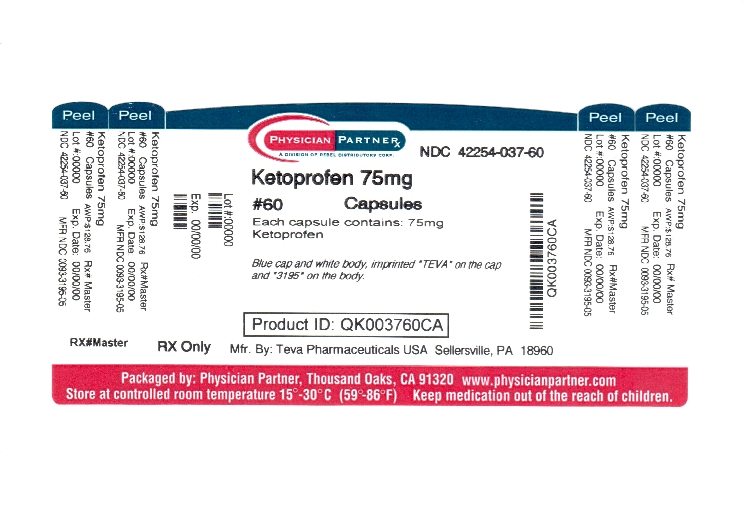
  • Ketoprofen Capsule [Rebel Distributors Corp]

    Ketoprofen

    Ketoprofen Capsule [Rebel Distributors Corp]

    Carefully consider the potential benefits and risks of ketoprofen capsules and other treatment options before deciding to use ketoprofen capsules. Use the lowest effective dose for the shortest duration consistent with individual patient treatment goals (see WARNINGS).

    After observing the response to initial therapy with ketoprofen capsules, the dose and frequency should be adjusted to suit an individual patient's needs.

    Concomitant use of ketoprofen capsules and ketoprofen extended-release capsules is not recommended.

    If minor side effects appear, they may disappear at a lower dose which may still have an adequate therapeutic effect. If well tolerated but not optimally effective, the dosage may be increased. Individual patients may show a better response to 300 mg of ketoprofen capsules daily as compared to 200 mg, although in well-controlled clinical trials patients on 300 mg did not show greater mean effectiveness. They did, however, show an increased frequency of upper- and lower-GI distress and headaches. It is of interest that women also had an increased frequency of these adverse effects compared to men. When treating patients with 300 mg/day, the physician should observe sufficient increased clinical benefit to offset potential increased risk.

    In patients with mildly impaired renal function, the maximum recommended total daily dose of ketoprofen capsules is 150 mg. In patients with a more severe renal impairment (GFR less than 25 mL/min/1.73 m2 or end-stage renal impairment), the maximum total daily dose of ketoprofen capsules should not exceed 100 mg.

    In elderly patients, renal function may be reduced with apparently normal serum creatinine and/or BUN levels. Therefore, it is recommended that the initial dosage of ketoprofen capsules should be reduced for patients over 75 years of age (see Geriatric Use).

    It is recommended that for patients with impaired liver function and serum albumin concentration less than 3.5 g/dL, the maximum initial total daily dose of ketoprofen capsules should be 100 mg. All patients with metabolic impairment, particularly those with both hypoalbuminemia and reduced renal function, may have increased levels of free (biologically active) ketoprofen and should be closely monitored. The dosage may be increased to the range recommended for the general population, if necessary, only after good individual tolerance has been ascertained.

    Because hypoalbuminemia and reduced renal function both increase the fraction of free drug (biologically active form), patients who have both conditions may be at greater risk of adverse effects. Therefore, it is recommended that such patients also be started on lower doses of ketoprofen capsules and closely monitored.

    Rheumatoid Arthritis and Osteoarthritis

    The recommended starting dose of ketoprofen capsules in otherwise healthy patients is 75 mg three times or 50 mg four times a day. Smaller doses of ketoprofen capsules should be utilized initially in small individuals or in debilitated or elderly patients. The recommended maximum daily dose of ketoprofen capsules is 300 mg/day.

    Dosages higher than 300 mg/day of ketoprofen capsules are not recommended because they have not been studied. Concomitant use of ketoprofen capsules and ketoprofen extended-release capsules is not recommended. Relatively smaller people may need smaller doses.

    As with other non-steroidal anti-inflammatory drugs, the predominant adverse effects of ketoprofen are gastrointestinal. To attempt to minimize these effects, physicians may wish to prescribe that ketoprofen capsules be taken with antacids, food, or milk. Although food delays the absorption of ketoprofen capsules (see CLINICAL PHARMACOLOGY), in most of the clinical trials ketoprofen was taken with food or milk.

    Physicians may want to make specific recommendations to patients about when they should take ketoprofen capsules in relation to food and/or what patients should do if they experience minor GI symptoms associated with ketoprofen capsules.

    Management of Pain and Dysmenorrhea

    The usual dose of ketoprofen capsules recommended for mild-to-moderate pain and dysmenorrhea is 25 to 50 mg every 6 to 8 hours as necessary. A smaller dose should be utilized initially in small individuals, in debilitated or elderly patients, or in patients with renal or liver disease (see PRECAUTIONS). A larger dose may be tried if the patient’s response to a previous dose was less than satisfactory, but doses above 75 mg have not been shown to give added analgesia. Daily doses above 300 mg are not recommended because they have not been adequately studied. Because of its typical non-steroidal anti-inflammatory drug-side-effect profile, including as its principal adverse effect GI side effects (see WARNINGS and ADVERSE REACTIONS), higher doses of ketoprofen capsules should be used with caution and patients receiving them observed carefully.

  • Fexofenadine Hydrochloride (Fexofenadine Hcl) Tablet, Film Coated [Rebel Distributors Corp]

    Fexofenadine Hydrochloride

    Fexofenadine Hydrochloride (Fexofenadine Hcl) Tablet, Film Coated [Rebel Distributors Corp]

    adults and children 12 years of age and over take one 60 mg tablet with water every 12 hours; do not take more than 2 tablets in 24 hours children under 12 years of age do not use adults 65 years of age and older ask a doctor

  • Nizatidine Capsule [Rebel Distributors Corp]

    Nizatidine

    Nizatidine Capsule [Rebel Distributors Corp]

    Active Duodenal Ulcer – The recommended oral dosage for adults is 300 mg once daily at bedtime. An alternative dosage regimen is 150 mg twice daily.

    Maintenance of Healed Duodenal Ulcer – The recommended oral dosage for adults is 150 mg once daily at bedtime.

    Gastroesophageal Reflux Disease – The recommended oral dosage in adults for the treatment of erosions, ulcerations, and associated heartburn is 150 mg twice daily.

    Active Benign Gastric Ulcer – The recommended oral dosage is 300 mg given either as 150 mg twice daily or 300 mg once daily at bedtime. Prior to treatment, care should be taken to exclude the possibility of malignant gastric ulceration.

    Dosage Adjustment for Patients With Moderate to Severe Renal Insufficiency – The dose for patients with renal dysfunction should be reduced as follows:

    Active Duodenal Ulcer, GERD and Benign Gastric Ulcer    Ccr    Dose      20-50 mL/min    150 mg daily      <20 mL/min    150 mg every other day   Maintenance Therapy    Ccr    Dose      20-50 mL/min    150 mg every other day      <20 mL/min    150 mg every 3 days  

    Some elderly patients may have creatinine clearances of less than 50 mL/min, and based on pharmacokinetic data in patients with renal impairment, the dose for such patients should be reduced accordingly. The clinical effects of this dosage reduction in patients with renal failure have not been evaluated.

  • Cefadroxil Capsule [Rebel Distributors Corp]

    Cefadroxil

    Cefadroxil Capsule [Rebel Distributors Corp]

    Cefadroxil capsules are acid-stable and may be administered orally without regard to meals. Administration with food may be helpful in diminishing potential gastrointestinal complaints occasionally associated with oral cephalosporin therapy.

    Adults

    Urinary Tract Infections: For uncomplicated lower urinary tract infections (i.e., cystitis) the usual dosage is 1 or 2 g per day in a single (q.d.) or divided doses (b.i.d.).

    For all other urinary tract infections the usual dosage is 2 g per day in divided doses (b.i.d.).

    Skin and Skin Structure Infections: For skin and skin structure infections the usual dosage is 1 g per day in single (q.d.) or divided doses (b.i.d.).

    Pharyngitis and Tonsillitis: Treatment of group A beta-hemolytic streptococcal pharyngitis and tonsillitis— 1 g per day in single (q.d.) or divided doses (b.i.d.) for 10 days.

    Children

    For urinary tract infections, the recommended daily dosage for children is 30 mg/kg/day in divided doses every 12 hours. For pharyngitis, tonsillitis, and impetigo, the recommended daily dosage for children is 30 mg/kg/day in a single dose or in equally divided doses every 12 hours. For other skin and skin structure infections, the recommended daily dosage is 30 mg/kg/day in equally divided doses every 12 hours. In the treatment of beta-hemolytic streptococcal infections, a therapeutic dosage of cefadroxil monohydrate should be administered for at least 10 days.

    Renal Impairment

    In patients with renal impairment, the dosage of cefadroxil monohydrate should be adjusted according to creatinine clearance rates to prevent drug accumulation. The following schedule is suggested. In adults, the initial dose is 1000 mg of cefadroxil monohydrate and the maintenance dose (based on the creatinine clearance rate [mL/min/1.73 M²]) is 500 mg at the time intervals listed below.

    Creatinine Clearance Dosage Interval 0-10 mL/min 36 hours 10-25 mL/min 24 hours 25-50 mL/min 12 hours

    Patients with creatinine clearance rates over 50 mL/min may be treated as if they were patients having normal renal function.

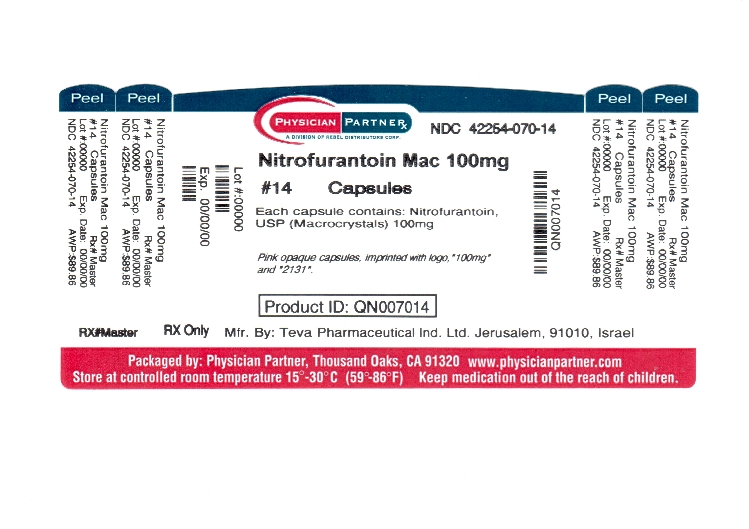
  • Nitrofurantoin Macrocrystals Capsule [Rebel Distributors Corp]

    Nitrofurantoin Macrocrystals

    Nitrofurantoin Macrocrystals Capsule [Rebel Distributors Corp]

    Nitrofurantoin macrocrystals should be given with food to improve drug absorption and, in some patients, tolerance.

    Adults

    50 to 100 mg four times a day - the lower dosage level is recommended for uncomplicated urinary tract infections.

    Pediatric Patients

    5 to 7 mg/kg of body weight per 24 hours, given in four divided doses (contraindicated under one month of age).

    Therapy should be continued for one week or for at least 3 days after sterility of the urine is obtained. Continued infection indicates the need for reevaluation.

    For long-term suppressive therapy in adults, a reduction of dosage to 50 to 100 mg at bedtime may be adequate. For long-term suppressive therapy in pediatric patients, doses as low as 1 mg/kg per 24 hours, given in a single dose or in two divided doses, may be adequate. SEEWARNINGS SECTION REGARDING RISKS ASSOCIATED WITH LONG-TERM THERAPY.

  • Citalopram Hydrobromide Tablet [Rebel Distributors Corp]

    Citalopram Hydrobromide

    Citalopram Hydrobromide Tablet [Rebel Distributors Corp]

    Citalopram tablets should be administered once daily, in the morning or evening, with or without food.

    Initial Treatment

    Citalopram tablets (citalopram HBr) should be administered at an initial dose of 20 mg once daily, with an increase to a maximum dose of 40 mg/day. Dose increase should usually occur in increments of 20 mg at intervals of no less than one week. Doses above 40 mg/day are not recommended due to the risk of QT prolongation. Additionally, the only study pertinent to dose response for effectiveness did not demonstrate an advantage for the 60 mg/day dose over the 40 mg/day dose.

    Special Populations

    20 mg/day is the recommended dose for most elderly patients and patients with hepatic impairment, with titration to 40 mg/day only for nonresponding patients. 20 mg/day is the maximum recommended dose for CYP2C19 poor metabolizers or those patients taking cimetidine or another CYP2C19 inhibitor.

    No dosage adjustment is necessary for patients with mild or moderate renal impairment. Citalopram should be used with caution in patients with severe renal impairment.

    Treatment of Pregnant Women During the Third Trimester

    Neonates exposed to citalopram and other SSRIs or SNRIs, late in the third trimester, have developed complications requiring prolonged hospitalization, respiratory support, and tube feeding (see PRECAUTIONS). When treating pregnant women with citalopram during the third trimester, the physician should carefully consider the potential risks and benefits of treatment. The physician may consider tapering citalopram in the third trimester.

    Maintenance Treatment

    It is generally agreed that acute episodes of depression require several months or longer of sustained pharmacologic therapy. Systematic evaluation of citalopram in two studies has shown that its antidepressant efficacy is maintained for periods of up to 24 weeks following 6 or 8 weeks of initial treatment (32 weeks total). In one study, patients were assigned randomly to placebo or to the same dose of citalopram (20-60 mg/day) during maintenance treatment as they had received during the acute stabilization phase, while in the other study, patients were assigned randomly to continuation of citalopram 20 or 40 mg/day, or placebo, for maintenance treatment. In the latter study, the rates of relapse to depression were similar for the two dose groups (see Clinical Trials under CLINICAL PHARMACOLOGY). Based on these limited data, it is not known whether the dose of citalopram needed to maintain euthymia is identical to the dose needed to induce remission. If adverse reactions are bothersome, a decrease in dose to 20 mg/day can be considered.

    Discontinuation of Treatment with Citalopram

    Symptoms associated with discontinuation of citalopram and other SSRIs and SNRIs have been reported (see PRECAUTIONS). Patients should be monitored for these symptoms when discontinuing treatment. A gradual reduction in the dose rather than abrupt cessation is recommended whenever possible. If intolerable symptoms occur following a decrease in the dose or upon discontinuation of treatment, then resuming the previously prescribed dose may be considered. Subsequently, the physician may continue decreasing the dose but at a more gradual rate.

    Switching Patients To or From a Monoamine Oxidase Inhibitor

    At least 14 days should elapse between discontinuation of an MAOI and initiation of citalopram therapy. Similarly, at least 14 days should be allowed after stopping citalopram before starting an MAOI (see CONTRAINDICATIONS and WARNINGS).

  • Hydrocortisone Cream [Rebel Distributors Corp]

    Hydrocortisone

    Hydrocortisone Cream [Rebel Distributors Corp]

    Topical corticosteroids are generally applied to the affected area as a thin film from two to four times daily depending on the severity of the condition. Occlusive dressings may be used for the management of psoriasis or recalcitrant conditions. If an infection develops, the use of occlusive dressings should be discontinued and appropriate antimicrobial therapy instituted.

  • Good Neighbor Pharmacy Allergy (Diphenhydramine Hydrochloride) Capsule [Rebel Distributors Corp]

    Good Neighbor Pharmacy Allergy

    Good Neighbor Pharmacy Allergy (Diphenhydramine Hydrochloride) Capsule [Rebel Distributors Corp]

    take every 4 to 6 hours, not more than 6 doses in 24 hours adults and children 12 years of age and over 1 or 2 capsules children 6 to under 12 years of age 1 capsule children 4 to under 6 years of age do not use unless directed by a doctor children under 4 years of age do not use

  • Simvastatin Tablet, Film Coated [Rebel Distributors Corp]

    Simvastatin

    Simvastatin Tablet, Film Coated [Rebel Distributors Corp]

    2.1 Recommended Dosing

    The dosage range is 5 to 80 mg/day. In patients with CHD or at high risk of CHD, simvastatin tablets can be started simultaneously with diet. The recommended usual starting dose is 20 to 40 mg once a day in the evening. For patients at high risk for a CHD event due to existing CHD, diabetes, peripheral vessel disease, history of stroke or other cerebrovascular disease, the recommended starting dose is 40 mg/day. Lipid determinations should be performed after 4 weeks of therapy and periodically thereafter.

    2.2 Patients with Homozygous Familial Hypercholesterolemia

    The recommended dosage is 40 mg/day in the evening or 80 mg/day in 3 divided doses of 20 mg, 20 mg, and an evening dose of 40 mg. Simvastatin tablets should be used as an adjunct to other lipid-lowering treatments (e.g., LDL apheresis) in these patients or if such treatments are unavailable.

    2.3. Adolescents (10 to 17 years of age) with Heterozygous Familial Hypercholesterolemia

    The recommended usual starting dose is 10 mg once a day in the evening. The recommended dosing range is 10 to 40 mg/day; the maximum recommended dose is 40 mg/day. Doses should be individualized according to the recommended goal of therapy [see NCEP Pediatric Panel Guidelines1 and Clinical Studies (14.2)]. Adjustments should be made at intervals of 4 weeks or more.

    1

    National Cholesterol Education Program (NCEP): Highlights of the Report of the Expert Panel on Blood Cholesterol Levels in Children and Adolescents. Pediatrics. 89(3):495-501. 1992.

    2.4 Patients with Renal Impairment

    Because simvastatin tablet does not undergo significant renal excretion, modification of dosage should not be necessary in patients with mild to moderate renal impairment. However, caution should be exercised when simvastatin tablet is administered to patients with severe renal impairment; such patients should be started at 5 mg/day and be closely monitored [see Warnings and Precautions (5.1) and Clinical Pharmacology (12.3)].

    2.5 Chinese Patients Taking Lipid-Modifying Doses ( ≥ 1 g/day Niacin) of Niacin-Containing Products

    Because of an increased risk for myopathy, caution should be used when treating Chinese patients with simvastatin coadministered with lipid-modifying doses ( ≥ 1 g/day niacin) of niacin-containing products. Because the risk for myopathy is dose-related, Chinese patients should not receive simvastatin 80 mg coadministered with lipid-modifying doses of niacin-containing products. The cause of the increased risk of myopathy is not known. It is also unknown if the risk for myopathy with coadministration of simvastatin with lipid-modifying doses of niacin-containing products observed in Chinese patients applies to other Asian patients. [see Warnings and Precautions (5.1)]

    2.6 Coadministration with Other Drugs

    Concomitant Lipid-Lowering Therapy

    Simvastatin tablets may be used concomitantly with bile acid sequestrants. Combination therapy with gemfibrozil increases simvastatin exposure. Therefore, if simvastatin tablet is used in combination with gemfibrozil, the dose of simvastatin tablets should not exceed 10 mg/day [see Warnings and Precautions (5.1), Drug Interactions (7.2), and Clinical Pharmacology (12.3)].

    Patients taking Cyclosporine or Danazol

    Simvastatin tablets therapy should begin with 5 mg/day and should not exceed 10 mg/day [see Warnings and Precautions (5.1) and Drug Interactions (7.3)].

    Patients taking Amiodarone or Verapamil

    The dose of simvastatin tablets should not exceed 20 mg/day [see Warnings and Precautions (5.1), Drug Interactions (7.4), and Clinical Pharmacology (12.3)].

    Patients taking Diltiazem

    The dose of simvastatin tablets should not exceed 40 mg/day [see Warnings and Precautions (5.1), Drug Interactions (7.4), and Clinical Pharmacology (12.3)].
  • Mupirocin Ointment [Rebel Distributors Corp]

    Mupirocin Ointment

    Mupirocin Ointment [Rebel Distributors Corp]

    A small amount of mupirocin ointment should be applied to the affected area three times daily. The area treated may be covered with a gauze dressing if desired. Patients not showing a clinical response within 3 to 5 days should be reevaluated.

  • Triamcinolone Acetonide Ointment [Rebel Distributors Corp]

    Triamcinolone Acetonide Ointment

    Triamcinolone Acetonide Ointment [Rebel Distributors Corp]

    Apply to the affected area as a thin film as follows: Triamcinolone Acetonide Ointment USP, 0.025% two to four times daily; Triamcinolone Acetonide Ointment USP, 0.1% two or three times daily depending on the severity of the condition. Occlusive dressings may be used for the management of psoriasis or recalcitrant conditions. If an infection develops, the use of occlusive dressings should be discontinued and appropriate antimicrobial therapy instituted.

  • Fexofenadine Hydrochloride Tablet, Film Coated [Rebel Distributors Corp]

    Fexofenadine Hydrochloride

    Fexofenadine Hydrochloride Tablet, Film Coated [Rebel Distributors Corp]

    adults and children 12 years of age and over take one 180 mg tablet with water once a day; do not take more than 1 tablet in 24 hours children under 12 years of age do not use adults 65 years of age and older ask a doctor consumers with kidney disease ask a doctor

  • Cetirizine Hydrochloride Tablet [Rebel Distributors Corp]

    Cetirizine Hydrochloride

    Cetirizine Hydrochloride Tablet [Rebel Distributors Corp]

    adults and children 6 years and over: one 10 mg tablet once daily; do not take more than one 10 mg tablet in 24 hours. A 5 mg product may be appropriate for less severe symptoms.

    adults 65 years and over: ask a doctor

    children under 6 years of age: ask a doctor

    consumers with liver or kidney disease: ask a doctor

  • Desonide Cream [Rebel Distributors Corp]

    Desonide

    Desonide Cream [Rebel Distributors Corp]

    Desonide Cream, 0.05% should be applied to the affected area as a thin film two to four times daily depending on the severity of the condition.

    As with other corticosteroids, therapy should be discontinued when control is achieved. If no improvement is seen within two weeks, reassessment of diagnosis may be necessary.

    Desonide Cream, 0.05% should not be used with occlusive dressings.

  • Renova (Tretinoin) Cream [Rebel Distributors Corp]

    Renova

    Renova (Tretinoin) Cream [Rebel Distributors Corp]

    Do NOT use RENOVA® (tretinoin cream) 0.02% if the patient is pregnant or is attempting to become pregnant or is at high risk of pregnancy, Do NOT use RENOVA® (tretinoin cream) 0.02% if the patient is sunburned or if the patient has eczema or other chronic skin conditions of the face, Do NOT use RENOVA® (tretinoin cream) 0.02% if the patient is inherently sensitive to sunlight, Do NOT use RENOVA® (tretinoin cream) 0.02% if the patient is also taking drug(s) known to be photosensitizers (e.g., thiazides, tetracyclines, fluoroquinolones, phenothiazines, sulfonamides) because of the possibility of augmented phototoxicity.

    Patients require detailed instruction to obtain maximal benefits and to understand all the precautions necessary to use this product with greatest safety. The physician should review the Patient Package Insert.

    RENOVA® (tretinoin cream) 0.02% should be applied to the face once a day in the evening, using only enough to cover the entire affected area lightly. Patients should gently wash their faces with a mild soap, pat the skin dry, and wait 20 to 30 minutes before applying RENOVA® (tretinoin cream) 0.02%. The patient should apply a small pearl-sized (about ¼ inch or 5 millimeter diameter) amount of cream to cover the entire affected area lightly. Caution should be taken when applying the cream to avoid the eyes, ears, nostrils, and mouth.

    Application of RENOVA® (tretinoin cream) 0.02% may cause a transitory feeling of warmth or slight stinging.

    Mitigation (palliation) of fine facial wrinkling may occur gradually over the course of therapy. Up to six months of therapy may be required before the effects are seen.

    With discontinuation of RENOVA® (tretinoin cream) 0.02% therapy, some patients may lose the mitigating effects of RENOVA® (tretinoin cream) 0.02% on fine facial wrinkles. The safety and effectiveness of using RENOVA® (tretinoin cream) 0.02% daily for greater than 52 weeks have not been established.

    Application of larger amounts of medication than recommended may not lead to more rapid or better results, and marked redness, peeling, or discomfort may occur.

    Patients treated with RENOVA® (tretinoin cream) 0.02% may use cosmetics but the areas to be treated should be cleansed before the medication is applied. (See PRECAUTIONS section.)

  • Hydrocortisone Cream [Rebel Distributors Corp]

    Hydrocortisone

    Hydrocortisone Cream [Rebel Distributors Corp]

    adults and children 2 years of age and older:

    apply to affected area not more than 3 to 4 times daily

    children under 2 years of age:

    do not use. Ask a doctor.

    for external anal itching:

    adults: when practical, cleanse the affected area with mild soap and warm water and rinse thoroughly. Gently dry by patting or blotting with toilet tissue or a soft cloth before application of this product. children under 12 years of age with external anal itching: ask a doctor
  • Naproxen Tablet [Rebel Distributors Corp]

    Naproxen

    Naproxen Tablet [Rebel Distributors Corp]

    Carefully consider the potential benefits and risks of naproxen, naproxen sodium and other treatment options before deciding to use naproxen and naproxen sodium tablets. Use the lowest effective dose for the shortest duration consistent with individual patient treatment goals (see WARNINGS).

    After observing the response to initial therapy with naproxen or naproxen sodium the dose and frequency should be adjusted to suit an individual patient's needs.

    Different dose strengths and formulations (ie, tablets, suspension) of the drug are not necessarily bioequivalent. This difference should be taken into consideration when changing formulation.

    Although naproxen and naproxen sodium circulate in the plasma as naproxen, they have pharmacokinetic differences that may affect onset of action. Onset of pain relief can begin within 30 minutes in patients taking naproxen sodium and within 1 hour in patients taking naproxen.

    The recommended strategy for initiating therapy is to choose a formulation and a starting dose likely to be effective for the patient and then adjust the dosage based on observation of benefit and/or adverse events. A lower dose should be considered in patients with renal or hepatic impairment or in elderly patients (see WARNINGS and PRECAUTIONS).

    Geriatric Patients

    Studies indicate that although total plasma concentration of naproxen is unchanged, the unbound plasma fraction of naproxen is increased in the elderly. Caution is advised when high doses are required and some adjustment of dosage may be required in elderly patients. As with other drugs used in the elderly, it is prudent to use the lowest effective dose.

    Patients With Moderate to Severe Renal Impairment

    Naproxen-containing products are not recommended for use in patients with moderate to severe and severe renal impairment (creatinine clearance <30 mL/min) (see WARNINGS: Renal Effects).

    Rheumatoid Arthritis, Osteoarthritis and Ankylosing Spondylitis Naproxen

    250 mg

    or 375 mg

    or 500 mg

    twice daily

    twice daily

    twice daily Naproxen sodium

    275 mg (naproxen 250 mg with 25 mg sodium)

    550 mg (naproxen 500 mg with 50 mg sodium)

    twice daily

    twice daily

    During long-term administration, the dose of naproxen may be adjusted up or down depending on the clinical response of the patient. A lower daily dose may suffice for long-term administration. The morning and evening doses do not have to be equal in size and the administration of the drug more frequently than twice daily is not necessary.

    In patients who tolerate lower doses well, the dose may be increased to naproxen 1500 mg/day for limited periods of up to 6 months when a higher level of anti-inflammatory/ analgesic activity is required. When treating such patients with naproxen 1500 mg/day, the physician should observe sufficient increased clinical benefits to offset the potential increased risk. The morning and evening doses do not have to be equal in size and administration of the drug more frequently than twice daily does not generally make a difference in response (see CLINICAL PHARMACOLOGY).

    Juvenile Arthritis

    The recommended total daily dose of naproxen is approximately 10 mg/kg given in 2 divided doses (ie, 5 mg/kg given twice a day).

    Management of Pain, Primary Dysmenorrhea, and Acute Tendonitis and Bursitis

    The recommended starting dose is 550 mg of naproxen sodium as naproxen sodium tablet followed by 550 mg every 12 hours or 275 mg every 6 to 8 hours as required. The initial total daily dose should not exceed 1375 mg of naproxen sodium. Thereafter, the total daily dose should not exceed 1100 mg of naproxen sodium. Because the sodium salt of naproxen is more rapidly absorbed, naproxen sodium tablets are recommended for the management of acute painful conditions when prompt onset of pain relief is desired. Naproxen may also be used for initial treatment of acute pain (see CLINICAL PHARMACOLOGY, INDICATIONS AND USAGE).

    Acute Gout

    The recommended starting dose is 750 mg of naproxen followed by 250 mg every 8 hours until the attack has subsided. Naproxen sodium may also be used at a starting dose of 825 mg followed by 275 mg every 8 hours.

  • Gabapentin Capsule [Rebel Distributors Corp]

    Gabapentin

    Gabapentin Capsule [Rebel Distributors Corp]

    Gabapentin Capsules, USP are given orally with or without food.

    If gabapentin dose is reduced, discontinued or substituted with an alternative medication, this should be done gradually over a minimum of 1 week (a longer period may be needed at the discretion of the prescriber).

    Postherpetic Neuralgia

    In adults with postherpetic neuralgia, gabapentin therapy may be initiated as a single 300-mg dose on Day 1, 600 mg/day on Day 2 (divided BID), and 900 mg/day on Day 3 (divided TID). The dose can subsequently be titrated up as needed for pain relief to a daily dose of 1800 mg (divided TID). In clinical studies, efficacy was demonstrated over a range of doses from 1800 mg/day to 3600 mg/day with comparable effects across the dose range. Additional benefit of using doses greater than 1800 mg/day was not demonstrated.

    Epilepsy

    Gabapentin is recommended for add-on therapy in patients 3 years of age and older. Effectiveness in pediatric patients below the age of 3 years has not been established.

    Patients >12 years of age: The effective dose of gabapentin is 900 to 1800 mg/day and given in divided doses (three times a day) using 300 or 400 mg capsules, or 600 or 800 mg tablets. The starting dose is 300 mg three times a day. If necessary, the dose may be increased using 300 or 400 mg capsules, or 600 or 800 mg tablets three times a day up to 1800 mg/day. Dosages up to 2400 mg/day have been well tolerated in long-term clinical studies. Doses of 3600 mg/day have also been administered to a small number of patients for a relatively short duration, and have been well tolerated. The maximum time between doses in the TID schedule should not exceed 12 hours.

    Pediatric Patients Age 3–12 years: The starting dose should range from 10-15 mg/kg/day in 3 divided doses, and the effective dose reached by upward titration over a period of approximately 3 days. The effective dose of gabapentin in patients 5 years of age and older is 25–35 mg/kg/day and given in divided doses (three times a day). The effective dose in pediatric patients ages 3 and 4 years is 40 mg/kg/day and given in divided doses (three times a day) (see CLINICAL PHARMACOLOGY, Pediatrics.) Gabapentin may be administered as the oral solution, capsule, or tablet, or using combinations of these formulations. Dosages up to 50 mg/kg/day have been well-tolerated in a long-term clinical study. The maximum time interval between doses should not exceed 12 hours.

    It is not necessary to monitor gabapentin plasma concentrations to optimize gabapentin therapy. Further, because there are no significant pharmacokinetic interactions among gabapentin and other commonly used antiepileptic drugs, the addition of gabapentin does not alter the plasma levels of these drugs appreciably.

    If gabapentin is discontinued and/or an alternate anticonvulsant medication is added to the therapy, this should be done gradually over a minimum of 1 week.

    Dosage in Renal Impairment

    Creatinine clearance is difficult to measure in outpatients. In patients with stable renal function, creatinine clearance (CCr) can be reasonably well estimated using the equation of Cockcroft and Gault:      for females CCr=(0. 85)( 140-age)(weight)/[(72)(SCr)]      for males CCr=(140-age)(weight)/[(72)(SCr)]

    where age is in years, weight is in kilograms and SCr is serum creatinine in mg/dL.

    Dosage adjustment in patients ≥ 12 years of age with compromised renal function or undergoing hemodialysis is recommended as follows (see dosing recommendations above for effective doses in each indication).

    TABLE 6. Gabapentin Dosage Based on Renal Function Renal FunctionCreatinine Clearance(mL/min) Total DailyDose Range(mg/day) Dose Regimen(mg) a  For patients with creatinine clearance <15 mL/min, reduce daily dose in proportion to creatinine clearance (e.g., patients with a creatinine clearance of 7.5 mL/min should receive one-half the daily dose that patients with a creatinine clearance of 15 mL/min receive). b  Patients on hemodialysis should receive maintenance doses based on estimates of creatinine clearance as indicated in the upper portion of the table and a supplemental post-hemodialysis dose administered after each 4 hours of hemodialysis as indicated in the lower portion of the table. ≥60 900-3600 300 TID 400 TID 600 TID 800 TID 1200 TID >30-59 400-1400 200 BID 300 BID 400 BID 500 BID 700 BID >15-29 200-700 200 QD 300 QD 400 QD 500 QD 700 QD 15a 100-300 100 QD 125 QD 150 QD 200 QD 300 QD Post-Hemodialysis Supplemental Dose (mg)b Hemodialysis 125b 150b 200b 250b 350b

    The use of gabapentin in patients <12 years of age with compromised renal function has not been studied.

    Dosage in Elderly

    Because elderly patients are more likely to have decreased renal function, care should be taken in dose selection, and dose should be adjusted based on creatinine clearance values in these patients.

  • Ceftriaxone Injection, Powder, For Solution [Rebel Distributors Corp]

    Ceftriaxone

    Ceftriaxone Injection, Powder, For Solution [Rebel Distributors Corp]

    Ceftriaxone for injection may be administered intravenously or intramuscularly.

    Do not use diluents containing calcium, such as Ringer's solution or Hartmann's solution, to reconstitute ceftriaxone for injection vials or to further dilute a reconstituted vial for IV administration because a precipitate can form. Precipitation of ceftriaxone-calcium can also occur when ceftriaxone for injection is mixed with calcium-containing solutions in the same IV administration line. Ceftriaxone for injection must not be administered simultaneously with calcium-containing IV solutions, including continuous calcium-containing infusions such as parenteral nutrition via a Y-site. However, in patients other than neonates, ceftriaxone for injection and calcium-containing solutions may be administered sequentially of one another if the infusion lines are thoroughly flushed between infusions with a compatible fluid (see WARNINGS).

    There have been no reports of an interaction between ceftriaxone and oral calcium-containing products or interaction between intramuscular ceftriaxone and calcium-containing products (IV or oral).

    NEONATES: Hyperbilirubinemic neonates, especially prematures, should not be treated with ceftriaxone for injection (see CONTRAINDICATIONS).

    Ceftriaxone for injection is contraindicated in neonates if they require (or are expected to require) treatment with calcium-containing IV solutions, including continuous calcium-containing infusions such as parenteral nutrition because of the risk of precipitation of ceftriaxone-calcium (see CONTRAINDICATIONS).

    PEDIATRIC PATIENTS: For the treatment of skin and skin structure infections, the recommended total daily dose is 50 to 75 mg/kg given once a day (or in equally divided doses twice a day). The total daily dose should not exceed 2 grams.

    For the treatment of acute bacterial otitis media, a single intramuscular dose of 50 mg/kg (not to exceed 1 gram) is recommended (see INDICATIONS AND USAGE).

    For the treatment of serious miscellaneous infections other than meningitis, the recommended total daily dose is 50 to 75 mg/kg, given in divided doses every 12 hours. The total daily dose should not exceed 2 grams.

    In the treatment of meningitis, it is recommended that the initial therapeutic dose be 100 mg/kg (not to exceed 4 grams). Thereafter, a total daily dose of 100 mg/kg/day (not to exceed 4 grams daily) is recommended. The daily dose may be administered once a day (or in equally divided doses every 12 hours). The usual duration of therapy is 7 to 14 days.

    ADULTS: The usual adult daily dose is 1 to 2 grams given once a day (or in equally divided doses twice a day) depending on the type and severity of infection. The total daily dose should not exceed 4 grams.

    If Chlamydia trachomatis is a suspected pathogen, appropriate antichlamydial coverage should be added, because ceftriaxone sodium has no activity against this organism.

    For the treatment of uncomplicated gonococcal infections, a single intramuscular dose of 250 mg is recommended.

    For preoperative use (surgical prophylaxis), a single dose of 1 gram administered intravenously 1/2 to 2 hours before surgery is recommended.

    Generally, ceftriaxone for injection therapy should be continued for at least 2 days after the signs and symptoms of infection have disappeared. The usual duration of therapy is 4 to 14 days; in complicated infections, longer therapy may be required.

    When treating infections caused by Streptococcus pyogenes, therapy should be continued for at least 10 days.

    No dosage adjustment is necessary for patients with impairment of renal or hepatic function.

    DIRECTIONS FOR USE: Intramuscular Administration: Reconstitute ceftriaxone for injection powder with the appropriate diluent (see COMPATIBILITY AND STABILITY).

    Inject diluent into vial, shake vial thoroughly to form solution. Withdraw entire contents of vial into syringe to equal total labeled dose.

    After reconstitution, each 1 mL of solution contains approximately 250 mg or 350 mg equivalent of ceftriaxone according to the amount of diluent indicated below. If required, more dilute solutions could be utilized. A 350 mg/mL concentration is not recommended for the 250 mg vial since it may not be possible to withdraw the entire contents.

    As with all intramuscular preparations, ceftriaxone for injection should be injected well within the body of a relatively large muscle; aspiration helps to avoid unintentional injection into a blood vessel.

    Vial Dosage Size Amount of Diluent to be Added 250 mg/mL 350 mg/mL 250 mg 0.9 mL - 500 mg 1.8 mL 1.0 mL 1 g 3.6 mL 2.1 mL 2 g 7.2 mL 4.2 mL

    Intravenous Administration: Ceftriaxone for injection should be administered intravenously by infusion over a period of 30 minutes. Concentrations between 10 mg/mL and 40 mg/mL are recommended; however, lower concentrations may be used if desired. Reconstitute vials with an appropriate IV diluent (see COMPATIBILITY AND STABILITY).

    Vial Dosage Size Amount of Diluent to be Added 250 mg 2.4 mL 500 mg 4.8 mL 1 g 9.6 mL 2 g 19.2 mL

    After reconstitution, each 1 mL of solution contains approximately 100 mg equivalent of ceftriaxone. Withdraw entire contents and dilute to the desired concentration with the appropriate IV diluent.

    COMPATIBILITY AND STABILITY:  Ceftriaxone has been shown to be compatible with Flagyl®* IV (metronidazole hydrochloride). The concentration should not exceed 5 to 7.5 mg/mL metronidazole hydrochloride with ceftriaxone 10 mg/mL as an admixture. The admixture is stable for 24 hours at room temperature only in 0.9% sodium chloride injection or 5% dextrose in water (D5W). No compatibility studies have been conducted with the Flagyl® IV RTU® (metronidazole) formulation or using other diluents. Metronidazole at concentrations greater than 8 mg/mL will precipitate. Do not refrigerate the admixture as precipitation will occur.

    Vancomycin, amsacrine, aminolglycosides, and fluconazole are physically incompatible with ceftriaxone in admixtures. When any either of these drugs are to be administered concomitantly with ceftriaxone by intermittent intravenous infusion, it is recommended that they be given sequentially, with thorough flushing of the intravenous lines (with one of the compatible fluids) between the administrations.

    Do not use diluents containing calcium, such as Ringer's solution or Hartmann's solution, to reconstitute ceftriaxone for injection vials or to further dilute a reconstituted vial for IV administration.  Particulate formation can result.

    Ceftriaxone for injection solutions should not be physically mixed with or into solutions containing other antimicrobial drugs or into diluent solutions other than those listed above, due to possible incompatibility (see WARNINGS)

    Ceftriaxone for injection sterile powder should be stored at 20°-25°C (68°-77°F) [See USP Controlled Room Temperature] and protected from light. After reconstitution, protection from normal light is not necessary. The color of solutions ranges from light yellow to amber, depending on the length of storage, concentration and diluent used.

    Ceftriaxone for injection intramuscular solutions remain stable (loss of potency less than 10%) for the following time periods:

    Diluent  Concentration  Storage mg/mL Room Temp. (25°C) Refrigerated (4°C) Sterile Water     for Injection 100250, 350 2 days24 hours 10 days  3 days 0.9% Sodium     Chloride Solution 100250, 350 2 days24 hours 10 days  3 days 5% Dextrose    Solution 100250, 350 2 days24 hours 10 days  3 days Bacteriostatic Water   + 0.9% Benzyl Alcohol 100250, 350 24 hours24 hours 10 days  3 days 1% Lidocaine Solution (without epinephrine) 100250, 350 24 hours24 hours 10 days  3 days

    Ceftriaxone for injection intravenous solutions, at concentrations of 10, 20 and 40 mg/mL, remain stable (loss of potency less than 10%) for the following time periods stored in glass or PVC containers:

    *Registered trademark of G.D. Searle & Co.

    *Data available for 10 to 40 mg/mL concentrations in this diluent in PVC containers only.

    Diluent  Storage Room Temp. (25°C) Refrigerated (4°C) Sterile Water 2 days 10 days 0.9% Sodium Chloride Solution 2 days 10 days 5% Dextrose Solution 2 days 10 days 10% Dextrose Solution 2 days 10 days 5% Dextrose + 0.9% Sodium Chloride Solution* 2 days Incompatible 5% Dextrose + 0.45% Sodium Chloride Solution 2 days Incompatible

    The following intravenous ceftriaxone for injection solutions are stable at room temperature (25°C) for 24 hours, at concentrations between 10 mg/mL and 40 mg/mL: Sodium Lactate (PVC container), 10% Invert Sugar (glass container), 5% Sodium Bicarbonate (glass container), Freamine III (glass container), Normosol-M in 5% Dextrose (glass and PVC containers), Ionosol-B in 5% Dextrose (glass container), 5% Mannitol (glass container), 10% Mannitol (glass container).

    After the indicated stability time periods, unused portions of solutions should be discarded.

    NOTE: Parenteral drug products should be inspected visually for particulate matter before administration.

    Ceftriaxone for injection reconstituted with 5% Dextrose or 0.9% Sodium Chloride solution at concentrations between 10 mg/mL and 40 mg/mL, and then stored in frozen state (-20°C) in PVC or polyolefin containers, remains stable for 26 weeks.

    Frozen solutions should be thawed at room temperature before use. After thawing, unused portions should be discarded. DO NOT REFREEZE.

  • Diclofenac Sodium Delay...
    Diclofenac Sodium Delayed Release (Diclofenac Sodium) Tablet, Delayed Release [Rebel Distributors Corp]

    Diclofenac Sodium Delayed Release

    Diclofenac Sodium Delayed Release (Diclofenac Sodium) Tablet, Delayed Release [Rebel Distributors Corp]

    Carefully consider the potential benefits and risks of Diclofenac sodium delayed-release tablets and other treatment options before deciding to use diclofenac. Use the lowest effective dose for the shortest duration consistent with individual patient treatment goals (see WARNINGS).

    After observing the response to initial therapy with diclofenac, the dose and frequency should be adjusted to suit an individual patient's needs.

    For the relief of osteoarthritis, the recommended dosage is 100-150 mg/day in divided doses (50 mg b.i.d. or t.i.d., or 75 mg b.i.d.).

    For the relief of rheumatoid arthritis, the recommended dosage is 150-200 mg/day in divided doses (50 mg t.i.d. or q.i.d., or 75 mg b.i.d.).

    For the relief of ankylosing spondylitis, the recommended dosage is 100-125 mg/day, administered as 25 mg q.i.d., with an extra 25-mg dose at bedtime if necessary.

    Different formulations of diclofenac (diclofenac sodium delayed release tablets; diclofenac sodium extended-release tablets; diclofenac potassium immediate-release tablets) are not necessarily bioequivalent even if the milligram strength is the same.

  • Prednisolone Sodium Phosphate Solution [Rebel Distributors Corp]

    Prednisolone Sodium Phosphate Solution

    Prednisolone Sodium Phosphate Solution [Rebel Distributors Corp]

    The initial dose of Prednisolone Sodium Phosphate Oral Solution may vary from 1.67 mL to 20 mL (5 to 60 mg prednisolone base) per day depending on the specific disease entity being treated. In situations of less severity, lower doses will generally suffice while in selected patients higher initial doses may be required. The initial dosage should be maintained or adjusted until a satisfactory response is noted. If after a reasonable period of time, there is a lack of satisfactory clinical response, Prednisolone Sodium Phosphate Oral Solution should be discontinued and the patient placed on other appropriate therapy. IT SHOULD BE EMPHASIZED THAT DOSAGE REQUIREMENTS ARE

    VARIABLE AND MUST BE INDIVIDUALIZED ON THE BASIS OF THE DISEASE UNDER TREATMENT AND THE RESPONSE OF THE PATIENT. After a favorable response is noted, the proper maintenance dosage should be determined by decreasing the initial drug dosage in small decrements at appropriate time intervals until the lowest dosage which will maintain an adequate clinical response is reached. It should be kept in mind that constant monitoring is needed in regard to drug dosage. Included in the situations which may make dosage adjustments necessary are changes in clinical status secondary to remissions or exacerbations in the disease process, the

    patient’s individual drug responsiveness, and the effect of patient exposure to stressful situations not directly related to the disease entity under treatment; in this latter situation it may be necessary to increase the dosage of Prednisolone Sodium Phosphate Oral Solution for a period of time consistent with the patient’s condition. If after long term therapy the drug is to be stopped, it is recommended that it be withdrawn gradually rather than abruptly.

    In the treatment of acute exacerbations of multiple sclerosis daily doses of 200 mg of prednisolone for a week followed by 80 mg every other day or 4 to 8 mg dexamethasone every other day for one month have been shown to be effective.

    In pediatric patients, the initial dose of Prednisolone Sodium Phosphate Oral Solution may vary depending on the specific disease entity being treated. The range of initial doses is 0.14 to 2 mg/kg/day in three or four divided doses (4 to 60 mg/m2bsa/day).

    The standard regimen used to treat nephrotic syndrome in pediatric patients is 60 mg/ m2/day given in three divided doses for 4 weeks, followed by 4 weeks of single dose alternate-day therapy at 40 mg/m2/day.

    The National Heart, Lung, and Blood Institute (NHLBI) recommended dosing for systemic prednisone, prednisolone or methylprednisolone in children whose asthma is uncontrolled by inhaled corticosteroids and long-acting bronchodilators is 1-2 mg/kg/day in single or divided doses. It is further recommended that short course, or “burst” therapy, be continued until a child achieves a peak expiratory flow rate of 80% of his or her personal best or symptoms resolve. This usually requires 3 to 10 days of treatment, although it can take longer. There is no evidence that tapering the dose after improvement will prevent relapse.

    For the purpose of comparison, 5 mL of Prednisolone Sodium Phosphate Oral Solution (20.2 mg prednisolone sodium phosphate) is equivalent to the following milligram dosage of the various glucocorticoids:

    These dose relationships apply only to oral or intravenous administration of these compounds. When these substances or their derivatives are injected intramuscularly or into joint spaces, their relative properties may be greatly altered.

  • Dexamethasone Sodium Phosphate Solution/ Drops [Rebel Distributors Corp]

    Dexamethasone Sodium Phosphate Solution Drops

    Dexamethasone Sodium Phosphate Solution/ Drops [Rebel Distributors Corp]

    The duration of treatment will vary with the type of lesion and may extend from a few days to several weeks, according to therapeutic response. Relapses, more common in chronic active lesions than in self-limited conditions, usually respond to retreatment.

    Eye: Instill one or two drops of solution into the conjunctival sac every hour during the day and every two hours during the night as initial therapy. When a favorable response is observed, reduce dosage to one drop every four hours. Later, further reduction in dosage to one drop three or four times daily may suffice to control symptoms.

    Ear: Clean the aural canal thoroughly and sponge dry. Instill the solution directly into the aural canal. A suggested initial dosage is three or four drops two or three times a day. When a favorable response is obtained, reduce dosage gradually and eventually discontinue.

    If preferred, the aural canal may be packed with a gauze wick saturated with solution. Keep the wick moist with the preparation and remove from the ear after 12 to 24 hours. Treatment may be repeated as often as necessary at the discretion of the physician.

  • Acetaminophen And Codeine Phosphate Tablet [Rebel Distributors Corp]

    Acetaminophen And Codeine Phosphate

    Acetaminophen And Codeine Phosphate Tablet [Rebel Distributors Corp]

    Dosage should be adjusted according to severity of pain and response of the patient.

    The usual adult dosage is:

    Single Doses (range) Maximum 24 Hour Dose Codeine Phosphate 15 mg to 60 mg 360 mg Acetaminophen 300 mg to 1000 mg 4000 mg

    The usual dose of codeine phosphate in children is 0.5 mg/kg.

    Doses may be repeated up to every 4 hours.

    The prescriber must determine the number of tablets per dose, and the maximum number of tablets per 24 hours based upon the above dosage guidance. This information should be conveyed in the prescription.

    It should be kept in mind, however, that tolerance to codeine can develop with continued use and that the incidence of untoward effects is dose related. Adult doses of codeine higher than 60 mg fail to give commensurate relief of pain but merely prolong analgesia and are associated with an appreciably increased incidence of undesirable side effects. Equivalently high doses in children would have similar effects.

  • Amoxicillin Powder, For Suspension [Rebel Distributors Corp]

    Amoxicillin

    Amoxicillin Powder, For Suspension [Rebel Distributors Corp]

    Amoxicillin oral suspensions may be given without regard to meals. The 400 mg suspension has been studied only when administered at the start of a light meal. However, food effect studies have not been performed with the 200 mg formulation.

    Neonates and Infants Aged ≤ 12 Weeks (≤ 3 Months)

    Due to incompletely developed renal function affecting elimination of amoxicillin in this age group, the recommended upper dose of amoxicillin is 30 mg/kg/day divided q12h.

    Adults and Pediatric Patients > 3 Months:  Infection  Severitya  Usual Adult Dose  Usual Dose for Children > 3 Monthsb  Ear/Nose/Throat  Mild/Moderate  500 mg every 12 hours or 250 mg every 8 hours  

    25 mg/kg/day in divided doses every 12 hours

    or

    20 mg/kg/day in divided doses every 8 hours    Severe  875 mg every 12 hours or 500 mg every 8 hours  

    45 mg/kg/day in divided doses every 12 hours

    or

    40 mg/kg/day in divided doses every 8 hours  Lower Respiratory Tract  Mild/Moderate or Severe  875 mg every 12 hours or 500 mg every 8 hours  

    45 mg/kg/day in divided doses every 12 hours

    or

    40 mg/kg/day in divided doses every 8 hours  Skin/Skin Structure  Mild/Moderate  500 mg every 12 hours or 250 mg every 8 hours  

    25 mg/kg/day in divided doses every 12 hours

    or

    20 mg/kg/day in divided doses every 8 hours  Severe  875 mg every 12 hours or 500 mg every 8 hours  

    45 mg/kg/day in divided doses every 12 hours

    or

    40 mg/kg/day in divided doses every 8 hours  Genitourinary Tract  Mild/Moderate  500 mg every 12 hours or 250 mg every 8 hours  

    25 mg/kg/day in divided doses every 12 hours

    or

    20 mg/kg/day in divided doses every 8 hours  Severe  875 mg every 12 hours or 500 mg every 8 hours  

    45 mg/kg/day in divided doses every 12 hours

    or

    40 mg/kg/day in divided doses every 8 hours  

    Gonorrhea

    Acute, uncomplicated ano-genital and urethral infections in males and females    3 grams as single oral dose  

    Prepubertal children:

    50 mg/kg Amoxicillin, combined with 25 mg/kg probenecid as a single dose.

    NOTE: SINCE PROBENECID IS CONTRAINDICATED IN CHILDREN UNDER 2 YEARS, DO NOT USE THIS REGIMEN IN THESE CASES.

    a  Dosing for infections caused by less susceptible organisms should follow the recommendations for severe infections.

    b  The children’s dosage is intended for individuals whose weight is less than 40 kg. Children weighing 40 kg or more should be dosed according to the adult recommendations.

    After reconstitution, the required amount of suspension should be placed directly on the child’s tongue for swallowing. Alternate means of administration are to add the required amount of suspension to formula, milk, fruit juice, water, ginger ale, or cold drinks. These preparations should then be taken immediately. To be certain the child is receiving full dosage, such preparations should be consumed in entirety.

    All patients with gonorrhea should be evaluated for syphilis. (See PRECAUTIONS: Laboratory Tests.)

    Larger doses may be required for stubborn or severe infections.

    General

    It should be recognized that in the treatment of chronic urinary tract infections, frequent bacteriological and clinical appraisals are necessary. Smaller doses than those recommended above should not be used. Even higher doses may be needed at times. In stubborn infections, therapy may be required for several weeks. It may be necessary to continue clinical and/or bacteriological follow-up for several months after cessation of therapy. Except for gonorrhea, treatment should be continued for a minimum of 48 to 72 hours beyond the time that the patient becomes asymptomatic or evidence of bacterial eradication has been obtained. It is recommended that there be at least 10 days’ treatment for any infection caused by Streptococcus pyogenes to prevent the occurrence of acute rheumatic fever.

    H. pylori Eradication to reduce the risk of Duodenal Ulcer Recurrence

    Triple Therapy

    Amoxicillin/clarithromycin/lansoprazole

    The recommended adult oral dose is 1 gram amoxicillin, 500 mg clarithromycin, and 30 mg lansoprazole, all given twice daily (q12h) for 14 days. (See INDICATIONS AND USAGE.)

    Dual Therapy

    Amoxicillin/lansoprazole

    The recommended adult oral dose is 1 gram amoxicillin and 30 mg lansoprazole, each given three times daily (q8h) for 14 days. (See INDICATIONS AND USAGE.)

    Please refer to clarithromycin and lansoprazole full prescribing information for CONTRAINDICATIONS and WARNINGS, and for information regarding dosing in elderly and renally impaired patients.

    Dosing Recommendations for Adults with Impaired Renal Function

    Patients with impaired renal function do not generally require a reduction in dose unless the impairment is severe. Severely impaired patients with a glomerular filtration rate of < 30 mL/min. should not receive the 875 mg tablet. Patients with a glomerular filtration rate of 10 to 30 mL/min. should receive 500 mg or 250 mg every 12 hours, depending on the severity of the infection. Patients with a less than 10 mL/min. glomerular filtration rate should receive 500 mg or 250 mg every 24 hours, depending on severity of the infection.

    Hemodialysis patients should receive 500 mg or 250 mg every 24 hours, depending on severity of the infection. They should receive an additional dose both during and at the end of dialysis.

    There are currently no dosing recommendations for pediatric patients with impaired renal function.

    Directions for Mixing Oral Suspension

    Prepare suspension at time of dispensing as follows: Tap bottle until all powder flows freely. Add approximately 1/3 of the total amount of water for reconstitution (see table below) and shake vigorously to wet powder. Add remainder of the water and again shake vigorously.


    125 mg/5 mL


    Bottle Size

     Amount of Water

    Required for Reconstitution

     80 mL

    100 mL

     66 mL 

    83 mL


    150 mL


    125 mL

    Each teaspoonful (5 mL) will contain 125 mg amoxicillin.


    200 mg/5 mL


    Bottle Size


    Amount of Water

    Required for Reconstitution

      50 mL

      75 mL

    39 mL 

    59 mL


    100 mL


    78 mL

    Each teaspoonful (5 mL) will contain 200 mg amoxicillin.


    250 mg/5 mL


    Bottle Size


    Amount of Water

    Required for Reconstitution

      80 mL

    100 mL

     59 mL 

    73 mL


    150 mL


    110 mL

    Each teaspoonful (5 mL) will contain 250 mg amoxicillin.


    400 mg/5 mL


    Bottle Size


    Amount of Water

    Required for Reconstitution

      50 mL

      75 mL

    100 mL

    34 mL

    51 mL 

    65 mL

    Each teaspoonful (5 mL) will contain 400 mg amoxicillin.

    NOTE: SHAKE ORAL SUSPENSION WELL BEFORE USING. Keep bottle tightly closed. Any unused portion of the reconstituted suspension must be discarded after 14 days. Refrigeration preferable, but not required.

  • Loratadine And Pseudoephedrine Tablet, Extended Release [Rebel Distributors Corp]

    Loratadine And Pseudoephedrine

    Loratadine And Pseudoephedrine Tablet, Extended Release [Rebel Distributors Corp]

    do not divide, crush, chew or dissolve the tablet adults and children 12 years and over: 1 tablet daily with a full glass of water; not more than 1 tablet in 24 hours children under 12 years of age: ask a doctor consumers with liver or kidney disease: ask a doctor

  • Mapap Infants Concentrated (Acetaminophen) Suspension/ Drops [Rebel Distributors Corp]

    Mapap Infants Concentrated

    Mapap Infants Concentrated (Acetaminophen) Suspension/ Drops [Rebel Distributors Corp]

    do not give more than directed (see Liver warning) shake well before using find right dose on chart. If possible, use weight to dose; otherwise use age. use only enclosed dropper designed for use with this product. Do not use any other dosing device. fill to dose level dispense liquid slowly into child’s mouth, toward inner cheek if needed, repeat dose every 4 hours while symptoms last do not give more than 5 times in 24 hours do not give for more than 5 days unless directed by a doctor replace dropper tightly to maintain child resistance this product does not contain directions or complete warnings for adult use Dosing Chart Weight(lb) Age(yr) Dose (mL) under 24 under 2 years ask a doctor 24-35 2–3 years 1.6 mL (0.8 + 0.8 mL)

    Attention: use only enclosed dropper specifically designed for use with this product. Do not use any other dosing device.

  • Citalopram Tablet [Rebel Distributors Corp]

    Citalopram

    Citalopram Tablet [Rebel Distributors Corp]

    Initial Treatment

    Citalopram should be administered at an initial dose of 20 mg once daily, generally with an increase to a dose of 40 mg/day. Dose increases should usually occur in increments of 20 mg at intervals of no less than one week. Although certain patients may require a dose of 60 mg/day, the only study pertinent to dose response for effectiveness did not demonstrate an advan¬tage for the 60 mg/day dose over the 40 mg/day dose; doses above 40 mg are therefore not ordinarily recommended.

    Citalopram should be administered once daily, in the morning or evening, with or without food.

    Special Populations

    20 mg/day is the recommended dose for most elderly patients and patients with hepatic impairment, with titration to 40 mg/day only for non responding patients.

    No dosage adjustment is necessary for patients with mild or mod¬erate renal impairment. Citalopram hydrobromide should be used with caution in patients with severe renal impairment.

    Treatment of Pregnant Women During the Third Trimester

    Neonates exposed to Citalopram hydrobromide and other SSRIs or SNRIs, late in the third trimester, have developed complications requiring pro¬longed hospitalization, respiratory support, and tube feeding (see PRECAUTIONS). When treating pregnant women with Citalopram hydrobromide during the third trimester, the physician should carefully consider the potential risks and benefits of treatment. The physician may consider tapering Citalopram hydrobromide in the third trimester.

    Maintenance Treatment

    It is generally agreed that acute episodes of depression require several months or longer of sustained pharmacologic therapy. Systematic evaluation of Citalopram hydrobromide in two studies has shown that its antidepressant efficacy is maintained for periods of up to 24 weeks following 6 or 8 weeks of initial treatment (32 weeks total). In one study, patients were assigned randomly to placebo or to the same dose of Citalopram (20-60 mg/day) during maintenance treat¬ment as they had received during the acute stabilization phase, while in the other study, patients were assigned randomly to con¬tinuation of Citalopram 20 or 40 mg/day, or placebo, for maintenance treatment. In the latter study, the rates of relapse to depression were similar for the two dose groups (see Clinical Trials under CLINICAL PHARMACOLOGY). Based on these limited data, it is not known whether the dose of citalopram needed to maintain euthymia is identical to the dose needed to induce remission. If adverse reactions are bothersome, a decrease in dose to 20 mg/day can be considered.

    Discontinuation of Treatment with Citalopram hydrobromide

    Symptoms associated with discontinuation of Citalopram hydrobromide and other SSRIs and SNRIs have been reported (see PRECAUTIONS). Patients should be monitored for these symptoms when discon¬tinuing treatment. A gradual reduction in the dose rather than abrupt cessation is recommended whenever possible. If intolera¬ble symptoms occur following a decrease in the dose or upon dis¬continuation of treatment, then resuming the previously prescribed dose may be considered. Subsequently, the physician may continue decreasing the dose but at a more gradual rate.

    Switching Patients To or From a Monoamine Oxidase Inhibitor

    At least 14 days should elapse between discontinuation of an MAOI and initiation of Citalopram hydrobromide therapy. Similarly, at least 14 days should be allowed after stopping Citalopram hydrobromide before starting an MAOI (see CONTRAINDICATIONS and WARNINGS).

  • Amlodipine Besylate And Benazepril Hydrochloride Capsule [Rebel Distributors Corp]

    Amlodipine Besylate And Benazepril Hydrochloride

    Amlodipine Besylate And Benazepril Hydrochloride Capsule [Rebel Distributors Corp]

    Amlodipine is an effective treatment of hypertension in once-daily doses of 2.5 mg to 10 mg while benazepril is effective in doses of 10 mg to 80 mg. In clinical trials of amlodipine/benazepril combination therapy using amlodipine doses of 2.5 mg to 10 mg and benazepril doses of 10 mg to 40 mg, the antihypertensive effects increased with increasing dose of amlodipine in all patient groups, and the effects increased with increasing dose of benazepril in nonblack groups. 

    The antihypertensive effect of amlodipine besylate and benazepril hydrochloride capsules is largely attained within 2 weeks. 

    It is usually appropriate to begin therapy with amlodipine besylate and benazepril hydrochloride  capsules only after a patient has either (a) failed to achieve the desired antihypertensive effect with one or the other monotherapy, or (b) demonstrated inability to achieve adequate antihypertensive effect with amlodipine therapy without developing edema. 

    Renal Impairment: Regimens of therapy with amlodipine besylate and benazepril hydrochloride capsules need not take account of renal function as long as the patient’s creatinine clearance is >30 mL/min/1.73 m2 (serum creatinine roughly ≤3 mg/dL or 265 μmol/L). Amlodipine besylate and benazepril hydrochloride capsules are not recommended in patients with more severe renal impairment. 

    Hepatic Impairment and Elderly Patients: The recommended initial dose of amlodipine, as monotherapy or as a component of combination therapy, is 2.5 mg.

    2.2 Add-on Therapy

    A patient whose blood pressure is not adequately controlled with amlodipine (or another dihydropyridine) alone or with benazepril (or another ACE inhibitor) alone may be switched to combination therapy with amlodipine besylate and benazepril hydrochloride capsules .

    In patients whose blood pressure is adequately controlled with amlodipine but who experience unacceptable edema, combination therapy may achieve similar (or better) blood pressure control with less edema.

    2.3 Replacement Therapy

    Amlodipine besylate and benazepril hydrochloride capsules may be substituted for the titrated components.

  • Metronidazole Tablet [Rebel Distributors Corp]

    Metronidazole

    Metronidazole Tablet [Rebel Distributors Corp]

    There is currently no dosage information available for this product. We apologize for any inconvenience.

  • Levofloxacin Tablet, Film Coated [Rebel Distributors Corp]

    Levofloxacin

    Levofloxacin Tablet, Film Coated [Rebel Distributors Corp]

    2.1 Dosage in Adult Patients With Normal Renal Function

    The usual dose of levofloxacin tablets is 250 mg, 500 mg, or 750 mg administered orally every 24 hours, as indicated by infection and described in Table 1.

    These recommendations apply to patients with creatinine clearance ≥ 50 mL/min. For patients with creatinine clearance < 50 mL/min, adjustments to the dosing regimen are required [see Dosage and Administration (2.3)].

    Table 1: Dosage in Adult Patients With Normal Renal Function (Creatinine Clearance ≥ 50 mL/min) * Due to the designated pathogens [ see Indications and Usage (1)]. † Sequential therapy (intravenous to oral) may be instituted at the discretion of the physician. ‡ Due to methicillin-susceptible Staphylococcus aureus, Streptococcus pneumoniae (including multi-drug-resistant strains [MDRSP]), Haemophilus influenzae, Haemophilus parainfluenzae, Klebsiella pneumoniae, Moraxella catarrhalis, Chlamydophila pneumoniae, Legionella pneumophila, or Mycoplasma pneumoniae [ see Indications and Usage (1.2)]. § Due to Streptococcus pneumoniae (excluding multi-drug-resistant strains [MDRSP]), Haemophilus influenzae, Haemophilus parainfluenzae, Mycoplasma pneumoniae, or Chlamydophila pneumoniae [ see Indications and Usage (1.3)]. ¶ This regimen is indicated for cUTI due to Escherichia coli, Klebsiella pneumoniae, Proteus mirabilis and AP due to E. coli, including cases with concurrent bacteremia. # This regimen is indicated for cUTI due to Enterococcus faecalis, Enterococcus cloacae, Escherichia coli, Klebsiella pneumoniae, Proteus mirabilis, Pseudomonas aeruginosa; and for AP due to E. coli. Þ Drug administration should begin as soon as possible after suspected or confirmed exposure to aerosolized B. anthracis. This indication is based on a surrogate endpoint. Levofloxacin plasma concentrations achieved in humans are reasonably likely to predict clinical benefit [ see Clinical Studies (14.9)]. ß The safety of levofloxacin tablets in adults for durations of therapy beyond 28 days or in pediatric patients for durations beyond 14 days has not been studied. An increased incidence of musculoskeletal adverse events compared to controls has been observed in pediatric patients [ see Warnings and Precautions (5.10), Use in Specific Populations (8.4), and Clinical Studies (14.9)]. Prolonged levofloxacin tablet therapy should only be used when the benefit outweighs the risk. Type of Infection* Dosed Every 24 Hours Duration (Days)† Nosocomial Pneumonia 750 mg 7 to 14 Community Acquired Pneumonia‡ 500 mg 7 to 14 Community Acquired Pneumonia§ 750 mg 5 Acute Bacterial Sinusitis 750 mg 5 500 mg 10 to 14 Acute Bacterial Exacerbation of Chronic Bronchitis 500 mg 7 Complicated Skin and Skin Structure Infections (SSSI) 750 mg 7 to 14 Uncomplicated SSSI 500 mg 7 to 10 Chronic Bacterial Prostatitis 500 mg 28 Complicated Urinary Tract Infection (cUTI) or Acute Pyelonephritis (AP)¶ 750 mg 5 Complicated Urinary Tract Infection (cUTI) or Acute Pyelonephritis (AP)# 250 mg 10 Uncomplicated Urinary Tract Infection 250 mg 3 Inhalational Anthrax (Post-Exposure), adult and pediatric patients > 50 kg and ≥ 6 months of ageÞ,ß 500 mg 60ß Pediatric patients < 50 kg and ≥ 6 months of ageÞ,ß See Table 2 below (2.2) 60ß

    2.2 Dosage in Pediatric Patients

    The dosage in pediatric patients ≥ 6 months of age is described below in Table 2.

    Table 2: Dosage in Pediatric Patients ≥ 6 Months of Age * Due to Bacillus anthracis [ see Indications and Usage (1.13)]. † Sequential therapy (intravenous to oral) may be instituted at the discretion of the physician. ‡ Drug administration should begin as soon as possible after suspected or confirmed exposure to aerosolized B. anthracis. This indication is based on a surrogate endpoint. Levofloxacin plasma concentrations achieved in humans are reasonably likely to predict clinical benefit [ see Clinical Studies (14.9)]. § The safety of levofloxacin tablets in pediatric patients for durations of therapy beyond 14 days has not been studied. An increased incidence of musculoskeletal adverse events compared to controls has been observed in pediatric patients [ see Warnings and Precautions (5.10), Use in Specific Populations (8.4), and Clinical Studies (14.9)]. Prolonged levofloxacin tablet therapy should only be used when the benefit outweighs the risk. Type of Infection* Dose Freq. Once Every Duration† Inhalational Anthrax (post-exposure)‡,§ Pediatric patients > 50 kg and ≥ 6 months of age 500 mg 24 hr 60 days§ Pediatric patients < 50 kg and ≥ 6 months of age 8 mg/kg (not to exceed 250 mg per dose) 12 hr 60 days§

    2.3 Dosage Adjustment in Adults With Renal Impairment

    Administer levofloxacin tablets with caution in the presence of renal insufficiency. Careful clinical observation and appropriate laboratory studies should be performed prior to and during therapy since elimination of levofloxacin may be reduced.

    No adjustment is necessary for patients with a creatinine clearance ≥ 50 mL/min.

    In patients with impaired renal function (creatinine clearance < 50 mL/min), adjustment of the dosage regimen is necessary to avoid the accumulation of levofloxacin due to decreased clearance [see Use in Specific Populations (8.6)].

    Table 3 shows how to adjust dose based on creatinine clearance.

    Table 3: Dosage Adjustment in Adult Patients With Renal Impairment (Creatinine Clearance < 50 mL/min) Dosage in Normal Renal Function Every 24 Hours Creatinine Clearance 20 to 49 mL/min Creatinine Clearance 10 to 19 mL/min Hemodialysis or Chronic Ambulatory Peritoneal Dialysis (CAPD) 750 mg 750 mg every 48 hours 750 mg initial dose, then 500 mg every 48 hours 750 mg initial dose, then 500 mg every 48 hours 500 mg 500 mg initial dose, then 250 mg every 24 hours 500 mg initial dose, then 250 mg every 48 hours 500 mg initial dose, then 250 mg every 48 hours 250 mg No dosage adjustment required 250 mg every 48 hours. If treating uncomplicated UTI, then no dosage adjustment is required No information on dosing adjustment is available

    2.4 Drug Interaction With Chelation Agents: Antacids, Sucralfate, Metal Cations, Multivitamins

    Levofloxacin Tablets

    Levofloxacin tablets should be administered at least two hours before or two hours after antacids containing magnesium, aluminum, as well as sucralfate, metal cations such as iron, and multivitamin preparations with zinc or didanosine chewable/buffered tablets or the pediatric powder for oral solution [see Drug Interactions (7.1) and Patient Counseling Information (17.2)].

    2.5 Administration Instructions

    Food and Levofloxacin Tablets

    Levofloxacin tablets can be administered without regard to food.

    Hydration for Patients Receiving Levofloxacin Tablets

    Adequate hydration of patients receiving oral levofloxacin should be maintained to prevent the formation of highly concentrated urine. Crystalluria and cylindruria have been reported with quinolones [see Adverse Reactions (6.1) and Patient Counseling Information (17.2)].

  • Dexamethasone Tablet [Rebel Distributors Corp]

    Dexamethasone

    Dexamethasone Tablet [Rebel Distributors Corp]

    There is currently no dosage information available for this product. We apologize for any inconvenience.

  • Cefdinir Capsule [Rebel Distributors Corp]

    Cefdinir

    Cefdinir Capsule [Rebel Distributors Corp]

    (See INDICATIONS AND USAGE for Indicated Pathogens.)

    Capsules

    The recommended dosage and duration of treatment for infections in adults and adolescents are described in the following chart; the total daily dose for all infections is 600 mg. Once-daily dosing for 10 days is as effective as BID dosing. Once-daily dosing has not been studied in pneumonia or skin infections; therefore, cefdinir capsules should be administered twice daily in these infections. Cefdinir capsules may be taken without regard to meals.

    Adults and Adolescents (Age 13 Years and Older) Type of Infection Dosage Duration Community-Acquired Pneumonia 300 mg q12h 10 days Acute Exacerbations of Chronic Bronchitis 300 mg q12h 5 to 10 days or 600 mg q24h 10 days Acute Maxillary Sinusitis 300 mg q12h 10 days or 600 mg q24h 10 days Pharyngitis/Tonsillitis 300 mg q12h 5 to 10 days or 600 mg q24h 10 days Uncomplicated Skin and Skin Structure Infections 300 mg q12h 10 days

    Pediatric Patients

    Alternate dosage forms of cefdinir (e.g., cefdinir for oral suspension) may be best suited for pediatric dosing. The recommended dosage and duration of treatment for infections in pediatric patients are described in the following chart; the total daily dose for all infections is 14 mg/kg, up to a maximum dose of 600 mg per day. Once-daily dosing for 10 days is as effective as BID dosing. Once-daily dosing has not been studied in skin infections; therefore, cefdinir for oral suspension should be administered twice daily in this infection. Cefdinir for oral suspension may be administered without regard to meals.

    Pediatric Patients (Age 6 Months Through 12 Years) Type of Infection Dosage Duration Acute Bacterial Otitis Media 7 mg/kg q12h 5 to 10 days or 14 mg/kg q24h 10 days Acute Maxillary Sinusitis 7 mg/kg q12h 10 days or 14 mg/kg q24h 10 days Pharyngitis/Tonsillitis 7 mg/kg q12h 5 to 10 days or 14 mg/kg q24h 10 days Uncomplicated Skin and Skin Structure Infections 7 mg/kg q12h 10 days Pediatric patients who weigh ≥ 43 kg should receive the maximum daily dose of 600 mg.

    Patients With Renal Insufficiency

    For adult patients with creatinine clearance < 30 mL/min, the dose of cefdinir should be 300 mg given once daily.

    Creatinine clearance is difficult to measure in outpatients. However, the following formula may be used to estimate creatinine clearance (CLcr) in adult patients. For estimates to be valid, serum creatinine levels should reflect steady-state levels of renal function.

    Males: CLcr =   (weight) (140 – age)   (72) (serum creatinine) Females:     CLcr = 0.85 x above value

    where creatinine clearance is in mL/min, age is in years, weight is in kilograms, and serum creatinine is in mg/dL.3

    The following formula may be used to estimate creatinine clearance in pediatric patients:

    CLcr = K × body length or height serum creatinine

    where K = 0.55 for pediatric patients older than 1 year4 and 0.45 for infants (up to 1 year).5

    In the above equation, creatinine clearance is in mL/min/1.73 m2, body length or height is in centimeters, and serum creatinine is in mg/dL.

    For pediatric patients with a creatinine clearance of < 30 mL/min/1.73 m2, the dose of cefdinir should be 7 mg/kg (up to 300 mg) given once daily.

    Patients on Hemodialysis

    Hemodialysis removes cefdinir from the body. In patients maintained on chronic hemodialysis, the recommended initial dosage regimen is a 300 mg or 7 mg/kg dose every other day. At the conclusion of each hemodialysis session, 300 mg (or 7 mg/kg) should be given. Subsequent doses (300 mg or 7 mg/kg) are then administered every other day.

  • Tretinoin Cream Tretinoin Gel [Rebel Distributors Corp]

    Tretinoin

    Tretinoin Cream Tretinoin Gel [Rebel Distributors Corp]

    Tretinoin gel or cream should be applied once a day, before retiring, to the skin where acne lesions appear, using enough to cover the entire affected area lightly. Gel: Excessive application results in "pilling" of the gel, which minimizes the likelihood of over application by the patient.

    Application may cause a transitory feeling of warmth or slight stinging. In cases where it has been necessary to temporarily discontinue therapy or to reduce the frequency of application, therapy may be resumed or frequency of application increased when the patients become able to tolerate the treatment.

    Alterations of vehicle, drug concentration, or dose frequency should be closely monitored by careful observation of the clinical therapeutic response and skin tolerance.

    During the early weeks of therapy, an apparent exacerbation of inflammatory lesions may occur. This is due to the action of the medication on deep, previously unseen lesions and should not be considered a reason to discontinue therapy.

    Therapeutic results should be noticed after two to three weeks but more than six weeks of therapy may be required before definite beneficial effects are seen.

    Once the acne lesions have responded satisfactorily, it may be possible to maintain the improvement with less frequent applications, or other dosage forms.

    Patients treated with tretinoin preparations may use cosmetics, but the areas to be treated should be cleansed thoroughly before the medication is applied (see Precautions).

  • Zaleplon Capsule [Rebel Distributors Corp]

    Zaleplon

    Zaleplon Capsule [Rebel Distributors Corp]

    The dose of Zaleplon should be individualized. The recommended dose of Zaleplon for most nonelderly adults is 10 mg. For certain low weight individuals, 5 mg may be a sufficient dose. Although the risk of certain adverse events associated with the use of Zaleplon appears to be dose dependent, the 20 mg dose has been shown to be adequately tolerated and may be considered for the occasional patient who does not benefit from a trial of a lower dose. Doses above 20 mg have not been adequately evaluated and are not recommended.

    Zaleplon should be taken immediately before bedtime or after the patient has gone to bed and has experienced difficulty falling asleep (see PRECAUTIONS). Taking Zaleplon with or immediately after a heavy, high-fat meal results in slower absorption and would be expected to reduce the effect of Zaleplon on sleep latency (see Pharmacokinetics  under CLINICAL PHARMACOLOGY).

    Special Populations

    Elderly patients and debilitated patients appear to be more sensitive to the effects of hypnotics, and respond to 5 mg of Zaleplon. The recommended dose for these patients is therefore 5 mg. Doses over 10 mg are not recommended.

    Hepatic insufficiency: Patients with mild to moderate hepatic impairment should be treated with Zaleplon 5 mg because clearance is reduced in this population. Zaleplon is not recommended for use in patients with severe hepatic impairment.

    Renal insufficiency: No dose adjustment is necessary in patients with mild to moderate renal impairment. Zaleplon has not been adequately studied in patients with severe renal impairment.

    An initial dose of 5 mg should be given to patients concomitantly taking cimetidine because zaleplon clearance is reduced in this population (see Drug Interactions  under PRECAUTIONS).