Rebel Distributors Corp

Manufacturer Details

There are currently no manufacturer details available.

Share This Page

Rebel Distributors Corp Drugs

  • Diphenhist (Diphenhydramine Hydrochloride) Liquid [Rebel Distributors Corp]

    Diphenhist

    Diphenhist (Diphenhydramine Hydrochloride) Liquid [Rebel Distributors Corp]

    take every 4 – 6 hours do not take more than 6 doses in 24 hours adults and children 12 years and over 2 - 4 teaspoonfuls children 6 to under 12 years 1 - 2 teaspoonfuls children under 6 do not use

  • Bupropion Hydrochloride Tablet, Film Coated, Extended Release [Rebel Distributors Corp]

    Bupropion Hydrochloride

    Bupropion Hydrochloride Tablet, Film Coated, Extended Release [Rebel Distributors Corp]

    General Dosing Considerations: It is particularly important to administer bupropion hydrochloride extended-release tablets (SR) in a manner most likely to minimize the risk of seizure (see WARNINGS). Gradual escalation in dosage is also important if agitation, motor restlessness, and insomnia, often seen during the initial days of treatment, are to be minimized. If necessary, these effects may be managed by temporary reduction of dose or the short-term administration of an intermediate to long-acting sedative hypnotic. A sedative hypnotic usually is not required beyond the first week of treatment. Insomnia may also be minimized by avoiding bedtime doses. If distressing, untoward effects supervene, dose escalation should be stopped. Bupropion hydrochloride extended-release tablets (SR) should be swallowed whole and not crushed, divided, or chewed, as this may lead to increased risk of adverse effects including seizures.

    Initial Treatment: The usual adult target dose for bupropion hydrochloride extended-release tablets (SR) is 300 mg/day, given as 150 mg twice daily. Dosing with bupropion hydrochloride extended-release tablets (SR) should begin at 150 mg/day given as a single daily dose in the morning. If the 150 mg initial dose is adequately tolerated, an increase to the 300 mg/day target dose, given as 150 mg twice daily, may be made as early as day 4 of dosing. There should be an interval of at least 8 hours between successive doses.

    Increasing the Dosage Above 300 mg/day: As with other antidepressants, the full antidepressant effect of bupropion hydrochloride extended-release tablets (SR) may not be evident until 4 weeks of treatment or longer. An increase in dosage to the maximum of 400 mg/day, given as 200 mg twice daily, may be considered for patients in whom no clinical improvement is noted after several weeks of treatment at 300 mg/day.

    Maintenance Treatment: It is generally agreed that acute episodes of depression require several months or longer of sustained pharmacological therapy beyond response to the acute episode. In a study in which patients with major depressive disorder, recurrent type, who had responded during 8 weeks of acute treatment with bupropion hydrochloride extended-release tablets (SR) were assigned randomly to placebo or to the same dose of bupropion hydrochloride extended-release tablets (SR) (150 mg twice daily) during 44 weeks of maintenance treatment as they had received during the acute stabilization phase, longer-term efficacy was demonstrated (see CLINICAL TRIALS under CLINICAL PHARMACOLOGY). Based on these limited data, it is unknown whether or not the dose of bupropion hydrochloride extended-release tablets (SR) needed for maintenance treatment is identical to the dose needed to achieve an initial response. Patients should be periodically reassessed to determine the need for maintenance treatment and the appropriate dose for such treatment.

    Dosage Adjustment for Patients with Impaired Hepatic Function: Bupropion hydrochloride extended-release tablets (SR) should be used with extreme caution in patients with severe hepatic cirrhosis. The dose should not exceed 100 mg every day or 150 mg every other day in these patients. Bupropion hydrochloride extended-release tablets (SR) should be used with caution in patients with hepatic impairment (including mild-to-moderate hepatic cirrhosis) and a reduced frequency and/or dose should be considered in patients with mild-to-moderate hepatic cirrhosis (see CLINICAL PHARMACOLOGY, WARNINGS, and PRECAUTIONS).

    Dosage Adjustment for Patients with Impaired Renal Function: Bupropion hydrochloride extended-release tablets (SR) should be used with caution in patients with renal impairment and a reduced frequency and/or dose should be considered (see CLINICAL PHARMACOLOGY and PRECAUTIONS).

  • Lamivudine And Zidovudine Tablet, Film Coated [Rebel Distributors Corp]

    Lamivudine And Zidovudine

    Lamivudine And Zidovudine Tablet, Film Coated [Rebel Distributors Corp]

    2.1 Adults and Adolescents Weighing ≥ 30 kg

    The recommended oral dose of lamivudine and zidovudine tablets USP in HIV-1-infected adults and adolescents weighing greater than or equal to 30 kg is 1 tablet (containing 150 mg of lamivudine and 300 mg of zidovudine) twice daily.

    2.2 Pediatric Patients

    The recommended oral dosage of scored lamivudine and zidovudine tablets USP for pediatric patients who weigh greater than or equal to 30 kg and for whom a solid oral dosage form is appropriate is 1 tablet administered twice daily.

    Before prescribing lamivudine and zidovudine tablets USP, children should be assessed for the ability to swallow tablets. If a child is unable to reliably swallow a lamivudine and zidovudine tablet USP, the liquid oral formulations should be prescribed: EPIVIR® (lamivudine) Oral Solution and RETROVIR® (zidovudine) Syrup.

    2.3 Patients Requiring Dosage Adjustment

    Because lamivudine and zidovudine tablets USP are a fixed-dose combination tablet, they should not be prescribed for pediatric patients weighing less than 30 kg or patients requiring dosage adjustment, such as those with reduced renal function (creatinine clearance less than 50 mL/min), patients with hepatic impairment, or patients experiencing dose-limiting adverse reactions. Liquid and solid oral formulations of the individual components of lamivudine and zidovudine tablets USP are available for these populations.

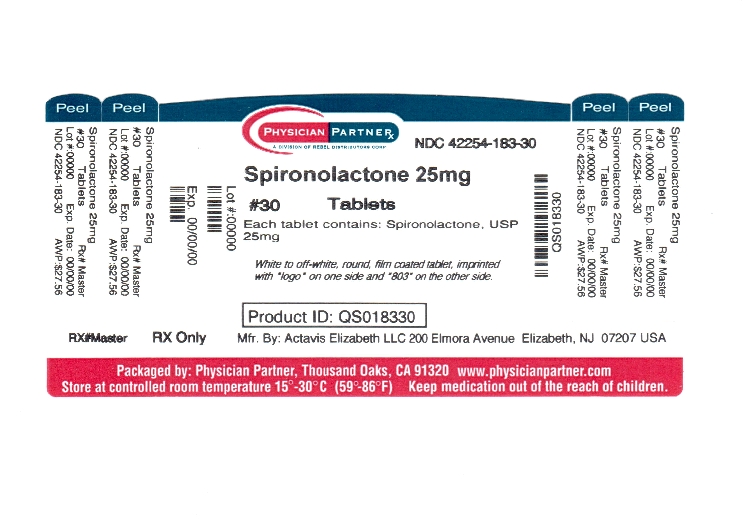
  • Spironolactone Tablet, Film Coated [Rebel Distributors Corp]

    Spironolactone

    Spironolactone Tablet, Film Coated [Rebel Distributors Corp]

    Primary Hyperaldosteronism: Spironolactone may be employed as an initial diagnostic measure to provide presumptive evidence of primary hyperaldosteronism while patients are on normal diets.

    Long Test: Spironolactone is administered at a daily dosage of 400 mg for three to four weeks. Correction of hypokalemia and of hypertension provides presumptive evidence for the diagnosis of primary hyperaldosteronism.

    Short Test: Spironolactone is administered at a daily dosage of 400 mg for four days. If serum potassium increases during spironolactone administration but drops when spironolactone is discontinued, a presumptive diagnosis of primary hyperaldosteronism should be considered.

    After the diagnosis of hyperaldosteronism has been established by more definitive testing procedures, spironolactone may be administered in doses of 100 to 400 mg daily in preparation for surgery. For patients who are considered unsuitable for surgery, spironolactone may be employed for long-term maintenance therapy at the lowest effective dosage determined for the individual patient.

    Edema in Adults (Congestive Heart Failure, Hepatic Cirrhosis, or Nephrotic Syndrome). An initial daily dosage of 100 mg of spironolactone administered in either single or divided doses is recommended, but may range from 25 to 200 mg daily. When given as the sole agent for diuresis, spironolactone should be continued for at least five days at the initial dosage level, after which it may be adjusted to the optimal therapeutic or maintenance level administered in either single or divided daily doses. If, after five days, an adequate diuretic response to spironolactone has not occurred, a second diuretic that acts more proximally in the renal tubule may be added to the regimen. Because of the additive effect of spironolactone when administered concurrently with such diuretics, an enhanced diuresis usually begins on the first day of combined treatment; combined therapy is indicated when more rapid diuresis is desired. The dosage of spironolactone should remain unchanged when other diuretic therapy is added.

    Essential Hypertension: For adults, an initial daily dosage of 50 to 100 mg of spironolactone administered in either single or divided doses is recommended. Spironolactone may also be given with diuretics that act more proximally in the renal tubule or with other antihypertensive agents. Treatment with spironolactone should be continued for at least two weeks, since the maximum response may not occur before this time. Subsequently, dosage should be adjusted according to the response of the patient.

    Hypokalemia: Spironolactone in a dosage ranging from 25 mg to 100 mg daily is useful in treating a diuretic-induced hypokalemia, when oral potassium supplements or other potassium-sparing regimens are considered inappropriate.

    Severe Heart Failure (NYHA class III – IV):

    Treatment should be initiated with spironolactone 25 mg once daily if the patient’s serum potassium is ≤5.0 mEq/L and the patient’s serum creatinine is ≤ 2.5 mg/dL. Patients who tolerate 25 mg once daily may have their dosage increased to 50 mg once daily as clinically indicated. Patients who do not tolerate 25 mg once-daily may have their dosage reduced to 25 mg every other day. See WARNINGS: Hyperkalemia in Patients with Severe Heart Failure for advice on monitoring serum potassium and serum creatinine.

  • Lactulose Solution [Rebel Distributors Corp]

    Lactulose Solution

    Lactulose Solution [Rebel Distributors Corp]

    The usual dose is 1 to 2 tablespoonfuls (15 to 30 mL, containing 10 g to 20 g of lactulose) daily. The dose may be increased to 60 mL daily if necessary. Twenty-four to 48 hours may be required to produce a normal bowel movement.

    Note: Some patients have found that lactulose solution may be more acceptable when mixed with fruit juice, water or milk.

  • Metoclopramide Hydrochloride Tablet [Rebel Distributors Corp]

    Metoclopramide Hydrochloride

    Metoclopramide Hydrochloride Tablet [Rebel Distributors Corp]

    Therapy with metoclopramide tablets should not exceed 12 weeks in duration.

    For the Relief of Symptomatic Gastroesophageal Reflux:  

    Administer from 10 mg to 15 mg metoclopramide hydrochloride, USP orally up to q.i.d. 30 minutes before each meal and at bedtime, depending upon symptoms being treated and clinical response (see CLINICAL PHARMACOLOGY and INDICATIONS AND USAGE). If symptoms occur only intermittently or at specific times of the day, use of metoclopramide in single doses up to 20 mg prior to the provoking situation may be preferred rather than continuous treatment. Occasionally, patients (such as elderly patients) who are more sensitive to the therapeutic or adverse effects of metoclopramide will require only 5 mg per dose.

    Experience with esophageal erosions and ulcerations is limited, but healing has thus far been documented in one controlled trial using q.i.d. therapy at 15 mg per dose, and this regimen should be used when lesions are present, so long as it is tolerated (see ADVERSE REACTIONS). Because of the poor correlation between symptoms and endoscopic appearance of the esophagus, therapy directed at esophageal lesions is best guided by endoscopic evaluation.

    Therapy longer than 12 weeks has not been evaluated and cannot be recommended.

    For the Relief of Symptoms Associated with Diabetic Gastroparesis (Diabetic Gastric Stasis)

    Administer 10 mg of metoclopramide 30 minutes before each meal and at bedtime for two to eight weeks, depending upon response and the likelihood of continued well-being upon drug discontinuation.

    The initial route of administration should be determined by the severity of the presenting symptoms. If only the earliest manifestations of diabetic gastric stasis are present, oral administration of metoclopramide may be initiated. However, if severe symptoms are present, therapy should begin with metoclopramide injection (consult labeling of the injection prior to initiating parenteral administration).

    Administration of the metoclopramide injection up to 10 days may be required before symptoms subside, at which time oral administration may be instituted. Since diabetic gastric stasis is frequently recurrent, metoclopramide therapy should be reinstituted at the earliest manifestation.

    Use in Patients with Renal or Hepatic Impairment:

    Since metoclopramide is excreted principally through the kidneys, in those patients whose creatinine clearance is below 40 mL/min, therapy should be initiated at approximately one-half the recommended dosage. Depending upon clinical efficacy and safety considerations, the dosage may be increased or decreased as appropriate.

    See OVERDOSAGE section for information regarding dialysis.

    Metoclopramide undergoes minimal hepatic metabolism, except for simple conjugation. Its safe use has been described in patients with advanced liver disease whose renal function was normal.

  • Ibuprofen Tablet [Rebel Distributors Corp]

    Ibuprofen

    Ibuprofen Tablet [Rebel Distributors Corp]

    do not take more than directed the smallest effective dose should be used Adults and children 12 years and older take 1 tablet every4 to 6 hours while symptoms persist if pain or fever does not respond to 1 tablet, 2 tablets may be used do not exceed 6 tablets in 24 hours, unless directed by a doctor children under 12 years ask a doctor

  • Diphenhydramine Hydrochloride Injection [Rebel Distributors Corp]

    Diphenhydramine Hydrochloride

    Diphenhydramine Hydrochloride Injection [Rebel Distributors Corp]

    THIS PRODUCT IS FOR INTRAVENOUS OR INTRAMUSCULAR ADMINISTRATION ONLY.

    Diphenhydramine Hydrochloride Injection is indicated when the oral form is impractical.

    DOSAGE SHOULD BE INDIVIDUALIZED ACCORDING TO THE NEEDS AND THE RESPONSE OF THE PATIENT.

    Pediatric Patients, Other Than Premature Infants and Neonates

    5 mg/kg/24 hours or 150 mg/m2/24 hours. Maximum daily dosage is 300 mg. Divide into four doses, administered intravenously at a rate generally not exceeding 25 mg/min, or deep intramuscularly.

    Adults

    10 to 50 mg intravenously at a rate generally not exceeding 25 mg/min, or deep intramuscularly; 100 mg if required; maximum daily dosage is 400 mg.

    Parenteral drug products should be inspected visually for particulate matter and discoloration prior to administration, whenever solution and container permit.

  • Xodol
    Xodol (Hydrocodone Bitartrate And Acetaminophen) Tablet [Rebel Distributors Corp]

    Xodol

    Xodol (Hydrocodone Bitartrate And Acetaminophen) Tablet [Rebel Distributors Corp]

    Dosage should be adjusted according to the severity of the pain and the response of the patient. However, it should be kept in mind that tolerance to hydrocodone can develop with continued use and that the incidence of untoward effects is dose related.

    Xodol® 5/300 (Hydrocodone Bitartrate and Acetaminophen Tablets, USP 5 mg/300 mg): The usual adult dosage is one or two tablets every four to six hours as needed for pain. The total daily dosage should not exceed 8 tablets.

    Xodol® 7.5/300 (Hydrocodone Bitartrate and Acetaminophen Tablets, USP 7.5 mg/300 mg): The usual adult dosage is one tablet every four to six hours as needed for pain. The total daily dosage should not exceed 6 tablets.

    Xodol® 10/300 (Hydrocodone Bitartrate and Acetaminophen Tablets, USP 10 mg/300 mg): The usual adult dosage is one tablet every four to six hours as needed for pain. The total daily dosage should not exceed 6 tablets.

  • Ceftriaxone Injection, Powder, For Solution [Rebel Distributors Corp]

    Ceftriaxone

    Ceftriaxone Injection, Powder, For Solution [Rebel Distributors Corp]

    Ceftriaxone for injection may be administered intravenously or intramuscularly.

    Do not use diluents containing calcium, such as Ringer's solution or Hartmann's solution, to reconstitute ceftriaxone for injection vials or to further dilute a reconstituted vial for IV administration because a precipitate can form. Precipitation of ceftriaxone-calcium can also occur when ceftriaxone for injection is mixed with calcium-containing solutions in the same IV administration line. Ceftriaxone for injection must not be administered simultaneously with calcium-containing IV solutions, including continuous calcium-containing infusions such as parenteral nutrition via a Y-site. However, in patients other than neonates, ceftriaxone for injection and calcium-containing solutions may be administered sequentially of one another if the infusion lines are thoroughly flushed between infusions with a compatible fluid (see WARNINGS).

    There have been no reports of an interaction between ceftriaxone and oral calcium-containing products or interaction between intramuscular ceftriaxone and calcium-containing products (IV or oral).

    NEONATES: Hyperbilirubinemic neonates, especially prematures, should not be treated with ceftriaxone for injection (see CONTRAINDICATIONS).

    Ceftriaxone for injection is contraindicated in neonates if they require (or are expected to require) treatment with calcium-containing IV solutions, including continuous calcium-containing infusions such as parenteral nutrition because of the risk of precipitation of ceftriaxone-calcium (see CONTRAINDICATIONS).

    PEDIATRIC PATIENTS: For the treatment of skin and skin structure infections, the recommended total daily dose is 50 to 75 mg/kg given once a day (or in equally divided doses twice a day). The total daily dose should not exceed 2 grams.

    For the treatment of acute bacterial otitis media, a single intramuscular dose of 50 mg/kg (not to exceed 1 gram) is recommended (see INDICATIONS AND USAGE).

    For the treatment of serious miscellaneous infections other than meningitis, the recommended total daily dose is 50 to 75 mg/kg, given in divided doses every 12 hours. The total daily dose should not exceed 2 grams.

    In the treatment of meningitis, it is recommended that the initial therapeutic dose be 100 mg/kg (not to exceed 4 grams). Thereafter, a total daily dose of 100 mg/kg/day (not to exceed 4 grams daily) is recommended. The daily dose may be administered once a day (or in equally divided doses every 12 hours). The usual duration of therapy is 7 to 14 days.

    ADULTS: The usual adult daily dose is 1 to 2 grams given once a day (or in equally divided doses twice a day) depending on the type and severity of infection. The total daily dose should not exceed 4 grams.

    If Chlamydia trachomatis is a suspected pathogen, appropriate antichlamydial coverage should be added, because ceftriaxone sodium has no activity against this organism.

    For the treatment of uncomplicated gonococcal infections, a single intramuscular dose of 250 mg is recommended.

    For preoperative use (surgical prophylaxis), a single dose of 1 gram administered intravenously 1/2 to 2 hours before surgery is recommended.

    Generally, ceftriaxone for injection therapy should be continued for at least 2 days after the signs and symptoms of infection have disappeared. The usual duration of therapy is 4 to 14 days; in complicated infections, longer therapy may be required.

    When treating infections caused by Streptococcus pyogenes, therapy should be continued for at least 10 days.

    No dosage adjustment is necessary for patients with impairment of renal or hepatic function.

    DIRECTIONS FOR USE: Intramuscular Administration: Reconstitute ceftriaxone for injection powder with the appropriate diluent (see COMPATIBILITY AND STABILITY).

    Inject diluent into vial, shake vial thoroughly to form solution. Withdraw entire contents of vial into syringe to equal total labeled dose.

    After reconstitution, each 1 mL of solution contains approximately 250 mg or 350 mg equivalent of ceftriaxone according to the amount of diluent indicated below. If required, more dilute solutions could be utilized. A 350 mg/mL concentration is not recommended for the 250 mg vial since it may not be possible to withdraw the entire contents.

    As with all intramuscular preparations, ceftriaxone for injection should be injected well within the body of a relatively large muscle; aspiration helps to avoid unintentional injection into a blood vessel.

    Vial Dosage Size Amount of Diluent to be Added 250 mg/mL 350 mg/mL 250 mg 0.9 mL - 500 mg 1.8 mL 1.0 mL 1 g 3.6 mL 2.1 mL 2 g 7.2 mL 4.2 mL

    Intravenous Administration: Ceftriaxone for injection should be administered intravenously by infusion over a period of 30 minutes. Concentrations between 10 mg/mL and 40 mg/mL are recommended; however, lower concentrations may be used if desired. Reconstitute vials with an appropriate IV diluent (see COMPATIBILITY AND STABILITY).

    Vial Dosage Size Amount of Diluent to be Added 250 mg 2.4 mL 500 mg 4.8 mL 1 g 9.6 mL 2 g 19.2 mL

    After reconstitution, each 1 mL of solution contains approximately 100 mg equivalent of ceftriaxone. Withdraw entire contents and dilute to the desired concentration with the appropriate IV diluent.

    COMPATIBILITY AND STABILITY:  Ceftriaxone has been shown to be compatible with Flagyl®* IV (metronidazole hydrochloride). The concentration should not exceed 5 to 7.5 mg/mL metronidazole hydrochloride with ceftriaxone 10 mg/mL as an admixture. The admixture is stable for 24 hours at room temperature only in 0.9% sodium chloride injection or 5% dextrose in water (D5W). No compatibility studies have been conducted with the Flagyl® IV RTU® (metronidazole) formulation or using other diluents. Metronidazole at concentrations greater than 8 mg/mL will precipitate. Do not refrigerate the admixture as precipitation will occur.

    Vancomycin, amsacrine, aminolglycosides, and fluconazole are physically incompatible with ceftriaxone in admixtures. When any either of these drugs are to be administered concomitantly with ceftriaxone by intermittent intravenous infusion, it is recommended that they be given sequentially, with thorough flushing of the intravenous lines (with one of the compatible fluids) between the administrations.

    Do not use diluents containing calcium, such as Ringer's solution or Hartmann's solution, to reconstitute ceftriaxone for injection vials or to further dilute a reconstituted vial for IV administration.  Particulate formation can result.

    Ceftriaxone for injection solutions should not be physically mixed with or into solutions containing other antimicrobial drugs or into diluent solutions other than those listed above, due to possible incompatibility (see WARNINGS)

    Ceftriaxone for injection sterile powder should be stored at 20°-25°C (68°-77°F) [See USP Controlled Room Temperature] and protected from light. After reconstitution, protection from normal light is not necessary. The color of solutions ranges from light yellow to amber, depending on the length of storage, concentration and diluent used.

    Ceftriaxone for injection intramuscular solutions remain stable (loss of potency less than 10%) for the following time periods:

    Diluent  Concentration  Storage mg/mL Room Temp. (25°C) Refrigerated (4°C) Sterile Water     for Injection 100250, 350 2 days24 hours 10 days  3 days 0.9% Sodium     Chloride Solution 100250, 350 2 days24 hours 10 days  3 days 5% Dextrose    Solution 100250, 350 2 days24 hours 10 days  3 days Bacteriostatic Water   + 0.9% Benzyl Alcohol 100250, 350 24 hours24 hours 10 days  3 days 1% Lidocaine Solution (without epinephrine) 100250, 350 24 hours24 hours 10 days  3 days

    Ceftriaxone for injection intravenous solutions, at concentrations of 10, 20 and 40 mg/mL, remain stable (loss of potency less than 10%) for the following time periods stored in glass or PVC containers:

    *Registered trademark of G.D. Searle & Co.

    *Data available for 10 to 40 mg/mL concentrations in this diluent in PVC containers only.

    Diluent  Storage Room Temp. (25°C) Refrigerated (4°C) Sterile Water 2 days 10 days 0.9% Sodium Chloride Solution 2 days 10 days 5% Dextrose Solution 2 days 10 days 10% Dextrose Solution 2 days 10 days 5% Dextrose + 0.9% Sodium Chloride Solution* 2 days Incompatible 5% Dextrose + 0.45% Sodium Chloride Solution 2 days Incompatible

    The following intravenous ceftriaxone for injection solutions are stable at room temperature (25°C) for 24 hours, at concentrations between 10 mg/mL and 40 mg/mL: Sodium Lactate (PVC container), 10% Invert Sugar (glass container), 5% Sodium Bicarbonate (glass container), Freamine III (glass container), Normosol-M in 5% Dextrose (glass and PVC containers), Ionosol-B in 5% Dextrose (glass container), 5% Mannitol (glass container), 10% Mannitol (glass container).

    After the indicated stability time periods, unused portions of solutions should be discarded.

    NOTE: Parenteral drug products should be inspected visually for particulate matter before administration.

    Ceftriaxone for injection reconstituted with 5% Dextrose or 0.9% Sodium Chloride solution at concentrations between 10 mg/mL and 40 mg/mL, and then stored in frozen state (-20°C) in PVC or polyolefin containers, remains stable for 26 weeks.

    Frozen solutions should be thawed at room temperature before use. After thawing, unused portions should be discarded. DO NOT REFREEZE.

  • Fluorouracil Cream [Rebel Distributors Corp]

    Fluorouracil

    Fluorouracil Cream [Rebel Distributors Corp]

    When Fluorouracil Cream is applied to a lesion, a response occurs with the following sequence: erythema, usually followed by vesiculation, desquamation, erosion and reepithelialization.

    Fluorouracil Cream should be applied preferably with a nonmetal applicator or suitable glove. If Fluorouracil Cream is applied with the fingers, the hands should be washed immediately afterward.

    Actinic or Solar Keratosis: Apply cream twice daily in an amount sufficient to cover the lesions. Medication should be continued until the inflammatory response reaches the erosion stage, at which time use of the drug should be terminated. The usual duration of therapy is from 2 to 4 weeks. Complete healing of the lesions may not be evident for 1 to 2 months following cessation of Fluorouracil Cream therapy.

    Superficial Basal Cell Carcinomas: Only the 5% strength is recommended. Apply cream twice daily in an amount sufficient to cover the lesions. Treatment should be continued for at least 3 to 6 weeks. Therapy may be required for as long as 10 to 12 weeks before the lesions are obliterated. As in any neoplastic condition, the patient should be followed for a reasonable period of time to determine if a cure has been obtained.

  • Tobramycin Solution [Rebel Distributors Corp]

    Tobramycin Solution

    Tobramycin Solution [Rebel Distributors Corp]

    In mild to moderate disease, instill one or two drops into the affected eye(s) every four hours. In severe infections, instill two drops into the eye(s) hourly until improvement, following which treatment should be reduced prior to discontinuation.

    DO NOT USE IF IMPRINTED NECKBAND IS NOT INTACT.

    FOR OPHTHALMIC USE ONLY

  • Clarithromycin Tablet, Film Coated [Rebel Distributors Corp]

    Clarithromycin

    Clarithromycin Tablet, Film Coated [Rebel Distributors Corp]

    Clarithromycin tablet may be given with or without food.

    Clarithromycin may be administered without dosage adjustment in the presence of hepatic impairment if there is normal renal function. In patients with severe renal impairment (CLCR < 30 mL/min), the dose of clarithromycin should be reduced by 50%. However, when patients with moderate or severe renal impairment are taking clarithromycin concomitantly with atazanavir or ritonavir, the dose of clarithromycin should be reduced by 50% or 75% for patients with CLCR of 30 to 60 mL/min or < 30 mL/min, respectively.

    ADULT DOSAGE GUIDELINES Clarithromycin tablet Infection Dosage (q12h) Duration  (days) Pharyngitis/Tonsillitis due to      S. pyogenes  250 mg 10 Acute maxillary sinusitis due to 500 mg 14      H. influenzae      M. catarrhalis      S. pneumoniae Acute exacerbation of chronic bronchitis due to      H. influenzae 500 mg 7-14      H. parainfluenzae 500 mg 7      M. catarrhalis 250 mg 7-14      S. pneumoniae 250 mg 7-14 Community-Acquired Pneumonia due to      H. influenzae 250 mg 7      H. parainfluenzae - -      M. catarrhalis - -      S. pneumoniae 250 mg 7-14      C. pneumoniae 250 mg 7-14      M. pneumoniae 250 mg 7-14 Uncomplicated skin and skin structure 250 mg 7-14      S. aureus      S. pyogenes

    H. pylori Eradication to Reduce the Risk of Duodenal Ulcer Recurrence

    Triple therapy: clarithromycin/lansoprazole/amoxicillin

    The recommended adult dose is 500 mg clarithromycin, 30 mg lansoprazole, and 1 gram amoxicillin, all given twice daily (q12h) for 10 or 14 days. (See INDICATIONS AND USAGEand CLINICAL STUDIESsections.)

    Triple therapy: clarithromycin/omeprazole/amoxicillin

    The recommended adult dose is 500 mg clarithromycin, 20 mg omeprazole, and 1 gram amoxicillin, all given twice daily (q12h) for 10 days. (See INDICATIONS AND USAGEand CLINICAL STUDIESsections.) In patients with an ulcer present at the time of initiation of therapy, an additional 18 days of omeprazole 20 mg once daily is recommended for ulcer healing and symptom relief.

    Dual therapy: clarithromycin/omeprazole

    The recommended adult dose is 500 mg clarithromycin given three times daily (q8h) and 40 mg omeprazole given once daily (qAM) for 14 days. (See INDICATIONS AND USAGEand CLINICAL STUDIESsections.) An additional 14 days of omeprazole 20 mg once daily is recommended for ulcer healing and symptom relief.

    Dual therapy: clarithromycin/ranitidine bismuth citrate

    The recommended adult dose is 500 mg clarithromycin given twice daily (q12h) or three times daily (q8h) and 400 mg ranitidine bismuth citrate given twice daily (q12h) for 14 days. An additional 14 days of 400 mg twice daily is recommended for ulcer healing and symptom relief. Clarithromycin and ranitidine bismuth citrate combination therapy is not recommended in patients with creatinine clearance less than 25 mL/min. (See INDICATIONS AND USAGEand CLINICAL STUDIESsections.)

    Children

    The usual recommended daily dosage is 15 mg/kg/day divided q12h for 10 days.

    PEDIATRIC DOSAGE GUIDELINES Based on Body Weight Dosing Calculated on 7.5 mg/kg q12h Weight Dose Kg lbs (q12h) 125 mg/5 mL 250 mg/5 mL 9 20 62.5 mg 2.5 mL q12h 1.25 mL q12h 17 37 125 mg 5 mL q12h 2.5 mL q12h 25 55 187.5 mg 7.5 mL q12h 3.75 mL q12h 33 73 250 mg 10 mL q12h 5 mL q12h

    Mycobacterial infections

    Prophylaxis

    The recommended dose of clarithromycin tablet for the prevention of disseminated Mycobacterium avium disease is 500 mg b.i.d. In children, the recommended dose is 7.5 mg/kg b.i.d. up to 500 mg b.i.d. No studies of clarithromycin for MAC prophylaxis have been performed in pediatric populations and the doses recommended for prophylaxis are derived from MAC treatment studies in children. Dosing recommendations for children are in the table above.

    Treatment

    Clarithromycin is recommended as the primary agent for the treatment of disseminated infection due to Mycobacterium avium complex. Clarithromycin should be used in combination with other antimycobacterial drugs that have shown in vitro activity against MAC or clinical benefit in MAC treatment. (See CLINICAL STUDIES.) The recommended dose for mycobacterial infections in adults is 500 mg b.i.d. In children, the recommended dose is 7.5 mg/kg b.i.d. up to 500 mg b.i.d. Dosing recommendations for children are in the table above.

    Clarithromycin therapy should continue for life if clinical and mycobacterial improvements are observed.

  • Mometasone Furoate Cream [Rebel Distributors Corp]

    Mometasone Furoate

    Mometasone Furoate Cream [Rebel Distributors Corp]

    Apply a thin film of Mometasone Furoate Cream 0.1% to the affected skin areas once daily. Mometasone Furoate Cream 0.1% may be used in pediatric patients 2 years of age or older. Since safety and efficacy of Mometasone Furoate Cream 0.1% have not been adequately established in pediatric patients below 2 years of age, its use in this age group is not recommended (see PRECAUTIONS – Pediatric Use section).

    As with other corticosteroids, therapy should be discontinued when control is achieved. If no improvement is seen within 2 weeks, reassessment of diagnosis may be necessary. Safety and efficacy of Mometasone Furoate Cream 0.1% in pediatric patients for more than 3 weeks of use have not been established. Mometasone Furoate Cream 0.1% should not be used with occlusive dressings unless directed by a physician. Mometasone Furoate Cream 0.1% should not be applied in the diaper area if the child still requires diapers or plastic pants as these garments may constitute occlusive dressing.

  • Omeprazole Capsule, Delayed Release [Rebel Distributors Corp]

    Omeprazole

    Omeprazole Capsule, Delayed Release [Rebel Distributors Corp]

    Omeprazole delayed-release capsules should be taken before eating. In the clinical trials, antacids were used concomitantly with omeprazole.

    Patients should be informed that the omeprazole delayed-release capsule should be swallowed whole.

    For patients unable to swallow an intact capsule, alternative administration options are available. [See Dosage and Administration (2.8)]

    2.1 Short-Term Treatment of Active Duodenal Ulcer

    The recommended adult oral dose of Omeprazole delayed-release capsules is 20 mg once daily. Most patients heal within four weeks. Some patients may require an additional four weeks of therapy.

    2.2 H. pylori Eradication for the Reduction of the Risk of Duodenal Ulcer Recurrence

    Triple Therapy (omeprazole/clarithromycin/amoxicillin) — The recommended adult oral regimen is omeprazole delayed-release capsules 20 mg plus clarithromycin 500 mg plus amoxicillin 1000 mg each given twice daily for 10 days. In patients with an ulcer present at the time of initiation of therapy, an additional 18 days of omeprazole delayed-release capsules 20 mg once daily is recommended for ulcer healing and symptom relief.

    Dual Therapy (omeprazole/clarithromycin) — The recommended adult oral regimen is omeprazole delayed-release capsuels 40 mg once daily plus clarithromycin 500 mg three times daily for 14 days. In patients with an ulcer present at the time of initiation of therapy, an additional 14 days ofomeprazole delayed-release capsules 20 mg once daily is recommended for ulcer healing and symptom relief.

    2.3 Gastric Ulcer

    The recommended adult oral dose is 40 mg once daily for 4-8 weeks.

    2.4 Gastroesophageal Reflux Disease (GERD)

    The recommended adult oral dose for the treatment of patients with symptomatic GERD and no esophageal lesions is 20 mg daily for up to 4 weeks. The recommended adult oral dose for the treatment of patients with erosive esophagitis and accompanying symptoms due to GERD is 20 mg daily for 4 to 8 weeks.

    2.5 Maintenance of Healing of Erosive Esophagitis

    The recommended adult oral dose is 20 mg daily. [See Clinical Studies (14.4) ]

    2.6 Pathological Hypersecretory Conditions

    The dosage of omeprazole delayed-release capsules in patients with pathological hypersecretory conditions varies with the individual patient. The recommended adult oral starting dose is 60 mg once daily. Doses should be adjusted to individual patient needs and should continue for as long as clinically indicated. Doses up to 120 mg three times daily have been administered. Daily dosages of greater than 80 mg should be administered in divided doses. Some patients with Zollinger-Ellison syndrome have been treated continuously with omeprazole delayed-release capsules for more than 5 years.

    2.7 Pediatric Patients

    For the treatment of GERD and maintenance of healing of erosive esophagitis, the recommended daily dose for pediatric patients 2 to 16 years of age is as follows:

    Patient Weight Omeprazole Daily Dose

    10 < 20 kg

    10 mg

    ≥ 20 kg

    20 mg

    On a per kg basis, the doses of omeprazole required to heal erosive esophagitis in pediatric patients are greater than those for adults.

    Alternative administrative options can be used for pediatric patients unable to swallow an intact capsule [See Dosage and Administration (2.8) ].

    2.8 Alternative Administration Options

    Omeprazole is available as a delayed-release capsule.

    For patients who have difficulty swallowing capsules, the contents of an omeprazole delayed-release capsules can be added to applesauce. One tablespoon of applesauce should be added to an empty bowl and the capsule should be opened. All of the pellets inside the capsule should be carefully emptied on the applesauce. The pellets should be mixed with the applesauce and then swallowed immediately with a glass of cool water to ensure complete swallowing of the pellets. The applesauce used should not be hot and should be soft enough to be swallowed without chewing. The pellets should not be chewed or crushed. The pellets/applesauce mixture should not be stored for future use.

  • Olanzapine Tablet, Film Coated [Rebel Distributors Corp]

    Olanzapine

    Olanzapine Tablet, Film Coated [Rebel Distributors Corp]

    2.1 Schizophrenia

    Adults

       Dose Selection— Oral olanzapine should be administered on a once-a-day schedule without regard to meals, generally beginning with 5 to 10 mg initially, with a target dose of 10 mg/day within several days. Further dosage adjustments, if indicated, should 4 generally occur at intervals of not less than 1 week, since steady state for olanzapine would not be achieved for approximately 1 week in the typical patient. When dosage adjustments are necessary, dose increments/decrements of 5 mg QD are recommended. 

    Efficacy in schizophrenia was demonstrated in a dose range of 10 to 15 mg/day in clinical trials. However, doses above 10 mg/day were not demonstrated to be more efficacious than the 10 mg/day dose. An increase to a dose greater than the target dose of 10 mg/day (i.e., to a dose of 15 mg/day or greater) is recommended only after clinical assessment. Olanzapine is not indicated for use in doses above 20 mg/day. 

    Dosing in Special Populations — The recommended starting dose is 5 mg in patients who are debilitated, who have a predisposition to hypotensive reactions, who otherwise exhibit a combination of factors that may result in slower metabolism of olanzapine (e.g., nonsmoking female patients ≥65 years of age), or who may be more pharmacodynamically sensitive to olanzapine [see Warnings and Precautions (5.14), Drug Interactions (7), and Clinical Pharmacology (12.3)]. When indicated, dose escalation should be performed with caution in these patients. 

    Maintenance Treatment —The effectiveness of oral olanzapine, 10 mg/day to 20 mg/day, in maintaining treatment response in schizophrenic patients who had been stable on olanzapine for approximately 8 weeks and were then followed for relapse has been demonstrated in a placebo-controlled trial [see Clinical Studies (14.1)]. The physician who elects to use olanzapine for extended periods should periodically reevaluate the long-term usefulness of the drug for the individual patient. 

    Adolescents

    Pediatric dosing information in pediatric patients with schizophrenia is approved for Eli Lilly and Company’s olanzapine drug product labeling. However, due to Eli Lilly and Company’s marketing exclusivity rights, this drug product is not labeled with that pediatric information.

    2.2 Bipolar I Disorder (Manic or Mixed Episodes)

    Adults

     Dose Selection for Monotherapy — Oral olanzapine should be administered on a once-a-day schedule without regard to meals, generally beginning with 10 or 15 mg. Dosage adjustments, if indicated, should generally occur at intervals of not less than 24 hours, reflecting the procedures in the placebo-controlled trials. When dosage adjustments are necessary, dose increments/decrements of 5 mg QD are recommended. 

    Short-term (3-4 weeks) antimanic efficacy was demonstrated in a dose range of 5 mg to 20 mg/day in clinical trials. The safety of doses above 20 mg/day has not been evaluated in clinical trials [see Clinical Studies (14.2)]. 

    Maintenance Monotherapy — The benefit of maintaining bipolar I patients on monotherapy with oral olanzapine at a dose of 5 to 20 mg/day, after achieving a responder status for an average duration of 2 weeks, was demonstrated in a controlled trial [see Clinical Studies (14.2)]. The physician who elects to use olanzapine for extended periods should periodically reevaluate the long-term usefulness of the drug for the individual patient. 

    Dose Selection for Adjunctive Treatment — When administered as adjunctive treatment to lithium or valproate, oral olanzapine dosing should generally begin with 10 mg once-a-day without regard to meals. 

    Antimanic efficacy was demonstrated in a dose range of 5 mg to 20 mg/day in clinical trials [see Clinical Studies (14.2)]. The safety of doses above 20 mg/day has not been evaluated in clinical trials. 

    Adolescents

    Pediatric dosing information in pediatric patients with bipolar I disorder is approved for Eli Lilly and Company’s olanzapine drug product labeling. However, due to Eli Lilly and Company’s marketing exclusivity rights, this drug product is not labeled with that pediatric information.  

    2.5 Olanzapine and Fluoxetine in Combination: Depressive Episodes Associated with Bipolar I Disorder

    When using olanzapine and fluoxetine in combination, also refer to the Clinical Studies section of the package insert for Symbyax. 

    Oral olanzapine should be administered in combination with fluoxetine once daily in the evening, without regard to meals, generally beginning with 5 mg of oral olanzapine and 20 mg of fluoxetine. Dosage adjustments, if indicated, can be made according to efficacy and tolerability within dose ranges of oral olanzapine 5 to 12.5 mg and fluoxetine 20 to 50 mg. Antidepressant efficacy was demonstrated with olanzapine and fluoxetine in combination in adult patients with a dose range of olanzapine 6 to 12 mg and fluoxetine 25 to 50 mg. 

    Safety and efficacy of olanzapine and fluoxetine in combination was determined in clinical trials supporting approval of Symbyax (fixed dose combination of olanzapine and fluoxetine). Symbyax is dosed between 3 mg/25 mg (olanzapine/fluoxetine) per day and 12 mg/50 mg (olanzapine/fluoxetine) per day. The following table demonstrates the appropriate individual component doses of olanzapine and fluoxetine versus Symbyax. Dosage adjustments, if indicated, should be made with the individual components according to efficacy and tolerability.  

    Table 1: Approximate Dose Correspondence Between Symbyaxa and the Combination of Olanzapine and Fluoxetine    

      Use in Combination For Symbyax(mg/day) Olanzapine (mg/day) Fluoxetine(mg/day) 3 mg olanzapine/25 mg fluoxetine 2.5 20 6 mg olanzapine/25 mg fluoxetine 5 20 12 mg olanzapine/25 mg fluoxetine 10+2.5 20 6 mg olanzapine/50 mg fluoxetine 5 40+10 12 mg olanzapine/50 mg fluoxetine 10+2.5 40+10

    a Symbyax (olanzapine/fluoxetine HCl) is a fixed-dose combination of olanzapine and fluoxetine. 

     While there is no body of evidence to answer the question of how long a patient treated with olanzapine and fluoxetine in combination should remain on it, it is generally accepted that bipolar I disorder, including the depressive episodes associated with bipolar I disorder, is a chronic illness requiring chronic treatment. The physician should periodically reexamine the need for continued pharmacotherapy. 

    Safety of co-administration of doses above 18 mg olanzapine with 75 mg fluoxetine has not been evaluated in clinical studies.  

    Olanzapine monotherapy is not indicated for the treatment of depressive episodes associated with bipolar I disorder. 


    2.7  Olanzapine and Fluoxetine in Combination: Dosing in Special Populations

    The starting dose of oral olanzapine 2.5-5 mg with fluoxetine 20 mg should be used for patients with a predisposition to hypotensive reactions, patients with hepatic impairment, or patients who exhibit a combination of factors that may slow the metabolism of olanzapine or fluoxetine in combination (female gender, geriatric age, nonsmoking status), or those patients who may be pharmacodynamically sensitive to olanzapine. Dosing modification may be necessary in patients who exhibit a combination of factors that may slow metabolism. When indicated, dose escalation should be performed with caution in these patients. Olanzapine and fluoxetine in combination have not been systematically studied in patients over 65 years of age or in patients <18 years of age [see Warnings and Precautions (5.14), Drug Interactions (7), and Clinical Pharmacology (12.3)].  

  • Olanzapine Tablet, Film Coated [Rebel Distributors Corp]

    Olanzapine

    Olanzapine Tablet, Film Coated [Rebel Distributors Corp]

    2.1 Schizophrenia

    Adults

    Dose Selection

    Oral olanzapine should be administered on a once-a-day schedule without regard to meals, generally beginning with 5 to 10 mg initially, with a target dose of 10 mg/day within several days. Further dosage adjustments, if indicated, should generally occur at intervals of not less than 1 week, since steady state for olanzapine would not be achieved for approximately 1 week in the typical patient. When dosage adjustments are necessary, dose increments/decrements of 5 mg QD are recommended.

    Efficacy in schizophrenia was demonstrated in a dose range of 10 to 15 mg/day in clinical trials. However, doses above 10 mg/day were not demonstrated to be more efficacious than the 10 mg/day dose. An increase to a dose greater than the target dose of 10 mg/day (i.e., to a dose of 15 mg/day or greater) is recommended only after clinical assessment. Olanzapine is not indicated for use in doses above 20 mg/day.

    Dosing in Special Populations

    The recommended starting dose is 5 mg in patients who are debilitated, who have a predisposition to hypotensive reactions, who otherwise exhibit a combination of factors that may result in slower metabolism of olanzapine (e.g., nonsmoking female patients ≥65 years of age), or who may be more pharmacodynamically sensitive to olanzapine [see Warnings and Precautions (5.14), Drug Interactions (7), and Clinical Pharmacology (12.3)]. When indicated, dose escalation should be performed with caution in these patients.

    Maintenance Treatment

    The effectiveness of oral olanzapine, 10 mg/day to 20 mg/day, in maintaining treatment response in schizophrenic patients who had been stable on olanzapine for approximately 8 weeks and were then followed for relapse has been demonstrated in a placebo-controlled trial [see Clinical Studies (14.1)]. The physician who elects to use olanzapine for extended periods should periodically reevaluate the long-term usefulness of the drug for the individual patient.

    Adolescents

    Pediatric dosing information in pediatric patients with schizophrenia is approved for Eli Lilly and Company’s olanzapine drug product labeling. However, due to Eli Lilly and Company’s marketing exclusivity rights, this drug product is not labeled with that pediatric information.

    2.2 Bipolar I Disorder (Manic or Mixed Episodes)

    Adults

    Dose Selection for Monotherapy

    Oral olanzapine should be administered on a once-a-day schedule without regard to meals, generally beginning with 10 or 15 mg. Dosage adjustments, if indicated, should generally occur at intervals of not less than 24 hours, reflecting the procedures in the placebo-controlled trials. When dosage adjustments are necessary, dose increments/decrements of 5 mg QD are recommended.

    Short-term (3 to 4 weeks) antimanic efficacy was demonstrated in a dose range of 5 mg to 20 mg/day in clinical trials. The safety of doses above 20 mg/day has not been evaluated in clinical trials [see Clinical Studies (14.2)].

    Maintenance Monotherapy

    The benefit of maintaining bipolar I patients on monotherapy with oral olanzapine at a dose of 5 to 20 mg/day, after achieving a responder status for an average duration of 2 weeks, was demonstrated in a controlled trial [see Clinical Studies (14.2)]. The physician who elects to use olanzapine for extended periods should periodically reevaluate the long-term usefulness of the drug for the individual patient.

    Dose Selection for Adjunctive Treatment

    When administered as adjunctive treatment to lithium or valproate, oral olanzapine dosing should generally begin with 10 mg once-a-day without regard to meals.

    Antimanic efficacy was demonstrated in a dose range of 5 mg to 20 mg/day in clinical trials [see Clinical Studies (14.2)]. The safety of doses above 20 mg/day has not been evaluated in clinical trials.

    Adolescents

    Pediatric dosing information in pediatric patients with bipolar I disorder is approved for Eli Lilly and Company’s olanzapine drug product labeling. However, due to Eli Lilly and Company’s marketing exclusivity rights, this drug product is not labeled with that pediatric information.

    2.5 Olanzapine and Fluoxetine in Combination: Depressive Episodes Associated with Bipolar I Disorder

    When using olanzapine and fluoxetine in combination, also refer to the Clinical Studies section of the package insert for olanzapine and fluoxetine in combination.

    Oral olanzapine should be administered in combination with fluoxetine once daily in the evening, without regard to meals, generally beginning with 5 mg of oral olanzapine and 20 mg of fluoxetine. Dosage adjustments, if indicated, can be made according to efficacy and tolerability within dose ranges of oral olanzapine 5 to 12.5 mg and fluoxetine 20 to 50 mg. Antidepressant efficacy was demonstrated with olanzapine and fluoxetine in combination in adult patients with a dose range of olanzapine 6 to 12 mg and fluoxetine 25 to 50 mg.

    Safety and efficacy of olanzapine and fluoxetine in combination was determined in clinical trials supporting approval of olanzapine and fluoxetine in combination. Olanzapine and fluoxetine in combination is dosed between 3 mg/25 mg (olanzapine/fluoxetine) per day and 12 mg/50 mg (olanzapine/fluoxetine) per day. The following table demonstrates the appropriate individual component doses of olanzapine and fluoxetine versus olanzapine and fluoxetine in combination. Dosage adjustments, if indicated, should be made with the individual components according to efficacy and tolerability.

    Table 1: Approximate Dose Correspondence Between Olanzapine and Fluoxetine in Combination and the Combination of Olanzapine and Fluoxetine

    For Use in Combination

    olanzapine and fluoxetine in combination

    (mg/day)

    Olanzapine

    (mg/day)

    Fluoxetine

    (mg/day)

    3 mg olanzapine/25 mg fluoxetine

    6 mg olanzapine/25 mg fluoxetine

    12 mg olanzapine/25 mg fluoxetine

    6 mg olanzapine/50 mg fluoxetine

    12 mg olanzapine/50 mg fluoxetine

    2.5

    5

    10+2.5

    5

    10+2.5

    20

    20

    20

    40+10

    40+10

     While there is no body of evidence to answer the question of how long a patient treated with olanzapine and fluoxetine in combination should remain on it, it is generally accepted that bipolar I disorder, including the depressive episodes associated with bipolar I disorder, is a chronic illness requiring chronic treatment. The physician should periodically reexamine the need for continued pharmacotherapy.

    Safety of coadministration of doses above 18 mg olanzapine with 75 mg fluoxetine has not been evaluated in clinical studies.

    Olanzapine monotherapy is not indicated for the treatment of depressive episodes associated with bipolar I disorder.

    2.7 Olanzapine and Fluoxetine in Combination: Dosing in Special Populations

    The starting dose of oral olanzapine 2.5 to 5 mg with fluoxetine 20 mg should be used for patients with a predisposition to hypotensive reactions, patients with hepatic impairment, or patients who exhibit a combination of factors that may slow the metabolism of olanzapine or fluoxetine in combination (female gender, geriatric age, nonsmoking status), or those patients who may be pharmacodynamically sensitive to olanzapine. Dosing modification may be necessary in patients who exhibit a combination of factors that may slow metabolism. When indicated, dose escalation should be performed with caution in these patients. Olanzapine and fluoxetine in combination have not been systematically studied in patients over 65 years of age or in patients < 18 years of age [see Warnings and Precautions (5.14), Drug Interactions (7), and Clinical Pharmacology (12.3)].

  • Ondansetron Tablet, Orally Disintegrating [Rebel Distributors Corp]

    Ondansetron

    Ondansetron Tablet, Orally Disintegrating [Rebel Distributors Corp]

    Instructions for Use/Handling Ondansetron Orally Disintegrating Tablets USP:

    Do not attempt to push ondansetron orally disintegrating tablets USP through the foil backing. With dry hands, PEEL BACK the foil backing of 1 blister and GENTLY remove the tablet. IMMEDIATELY place the ondansetron orally disintegrating tablet USP on top of the tongue where it will dissolve in seconds, then swallow with saliva. Administration with liquid is not necessary.

    Prevention of Nausea and Vomiting Associated With Highly Emetogenic Cancer Chemotherapy:

    The recommended adult oral dosage of ondansetron is 24 mg given as three 8-mg tablets administered 30 minutes before the start of single-day highly emetogenic chemotherapy, including cisplatin ≥50 mg/m2. Multiday, single-dose administration of a 24 mg dosage has not been studied.

    Pediatric Use:

    There is no experience with the use of a 24 mg dosage in pediatric patients.

    Geriatric Use:

    The dosage recommendation is the same as for the general population.

    Prevention of Nausea and Vomiting Associated With Moderately Emetogenic Cancer Chemotherapy:

    The recommended adult oral dosage is one 8-mg ondansetron tablet USP or one 8-mg ondansetron orally disintegrating tablet USP given twice a day. The first dose should be administered 30 minutes before the start of emetogenic chemotherapy, with a subsequent dose 8 hours after the first dose. One 8-mg ondansetron tablet USP or one 8-mg ondansetron orally disintegrating tablet USP should be administered twice a day (every 12 hours) for 1 to 2 days after completion of chemotherapy.

    Pediatric Use:

    For pediatric patients 12 years of age and older, the dosage is the same as for adults. For pediatric patients 4 through 11 years of age, the dosage is one 4-mg ondansetron tablet USP or one 4-mg ondansetron orally disintegrating tablet USP given 3 times a day. The first dose should be administered 30 minutes before the start of emetogenic chemotherapy, with subsequent doses 4 and 8 hours after the first dose. One 4-mg ondansetron tablet USP or one 4-mg ondansetron orally disintegrating tablet USP should be administered 3 times a day (every 8 hours) for 1 to 2 days after completion of chemotherapy.

    Geriatric Use:

    The dosage is the same as for the general population.

    Prevention of Nausea and Vomiting Associated With Radiotherapy, Either Total Body Irradiation, or Single High-Dose Fraction or Daily Fractions to the Abdomen:

    The recommended oral dosage is one 8-mg ondansetron tablet USP or one 8-mg ondansetron orally disintegrating tablet USP given 3 times a day.

    For total body irradiation, one 8-mg ondansetron tablet USP or one 8-mg ondansetron orally disintegrating tablet USP should be administered 1 to 2 hours before each fraction of radiotherapy administered each day.

    For single high-dose fraction radiotherapy to the abdomen, one 8-mg ondansetron tablet USP or one 8-mg ondansetron orally disintegrating tablet USP should be administered 1 to 2 hours before radiotherapy, with subsequent doses every 8 hours after the first dose for 1 to 2 days after completion of radiotherapy.

    For daily fractionated radiotherapy to the abdomen, one 8-mg ondansetron tablet USP or one 8-mg ondansetron orally disintegrating tablet USP should be administered 1 to 2 hours before radiotherapy, with subsequent doses every 8 hours after the first dose for each day radiotherapy is given.

    Pediatric Use:

    There is no experience with the use of ondansetron tablets USP or ondansetron orally disintegrating tablets USP in the prevention of radiation-induced nausea and vomiting in pediatric patients.

    Geriatric Use:

    The dosage recommendation is the same as for the general population.

    Postoperative Nausea and Vomiting:

    The recommended dosage is 16 mg given as two 8-mg ondansetron tablets USP or two 8-mg ondansetron orally disintegrating tablets USP 1 hour before induction of anesthesia.

    Pediatric Use:

    There is no experience with the use of ondansetron tablets USP or ondansetron orally disintegrating tablets USP in the prevention of postoperative nausea and vomiting in pediatric patients.

    Geriatric Use:

    The dosage is the same as for the general population.

    Dosage Adjustment for Patients With Impaired Renal Function:

    The dosage recommendation is the same as for the general population. There is no experience beyond first-day administration of ondansetron.

    Dosage Adjustment for Patients With Impaired Hepatic Function:

    In patients with severe hepatic impairment (Child-Pugh2 score of 10 or greater), clearance is reduced and apparent volume of distribution is increased with a resultant increase in plasma half-life. In such patients, a total daily dose of 8 mg should not be exceeded.

  • Alprazolam Tablet [Rebel Distributors Corp]

    Alprazolam

    Alprazolam Tablet [Rebel Distributors Corp]

    Dosage should be individualized for maximum beneficial effect. While the usual daily dosages given below will meet the needs of most patients, there will be some who require doses greater than 4 mg/day. In such cases, dosage should be increased cautiously to avoid adverse effects.


    Anxiety disorders and transient symptoms of anxiety:


    Treatment for patients with anxiety should be initiated with a dose of 0.25 to 0.5 mg given three times daily. The dose may be increased to achieve a maximum therapeutic effect, at intervals of 3 to 4 days, to a maximum daily dose of 4 mg, given in divided doses. The lowest possible effective dose should be employed and the need for continued treatment reassessed frequently. The risk of dependence may increase with dose and duration of treatment.


    In all patients, dosage should be reduced gradually when discontinuing therapy or when decreasing the daily dosage. Although there are no systematically collected data to support a specific discontinuation schedule, it is suggested that the daily dosage be decreased by no more than 0.5 mg every 3 days. Some patients may require an even slower dosage reduction.


    Panic Disorder:


    The successful treatment of many panic disorder patients has required the use of alprazolam tablets at doses greater than 4 mg daily. In controlled trials conducted to establish the efficacy of alprazolam tablets in panic disorder, doses in the range of 1 to 10 mg daily were used. The mean dosage employed was approximately 5 to 6 mg daily. Among the approximately 1700 patients participating in the panic disorder development program, about 300 received alprazolam tablets in dosages of greater than 7 mg/day, including approximately 100 patients who received maximum dosages of greater than 9 mg/day. Occasional patients required as much as 10 mg a day to achieve a successful response.


    Dose Titration:


    Treatment may be initiated with a dose of 0.5 mg three times daily. Depending on the response, the dose may be increased at intervals of 3 to 4 days in increments of no more than 1 mg per day. Slower titration to the dose levels greater than 4 mg/day may be advisable to allow full expression of the pharmacodynamic effect of alprazolam tablets. To lessen the possibility of interdose symptoms, the times of administration should be distributed as evenly as possible throughout the waking hours, that is, on a three or four times per day schedule.


    Generally, therapy should be initiated at a low dose to minimize the risk of adverse responses in patients especially sensitive to the drug. Dose should be advanced until an acceptable therapeutic response (ie, a substantial reduction in or total elimination of panic attacks) is achieved, intolerance occurs, or the maximum recommended dose is attained.

    Dose Maintenance:


    For patients receiving doses greater than 4 mg/day, periodic reassessment and consideration of dosage reduction is advised. In a controlled postmarketing dose-response study, patients treated with doses of alprazolam tablets greater than 4 mg/day for 3 months were able to taper to 50% of their total maintenance dose without apparent loss of clinical benefit. Because of the danger of withdrawal, abrupt discontinuation of treatment should be avoided. (See WARNINGS, PRECAUTIONS, DRUG ABUSE AND DEPENDENCE.)


    The necessary duration of treatment for panic disorder patients responding to alprazolam tablets is unknown. After a period of extended freedom from attacks, a carefully supervised tapered discontinuation may be attempted, but there is evidence that this may often be difficult to accomplish without recurrence of symptoms and/or the manifestation of withdrawal phenomena.

    Dose Reduction:


    Because of the danger of withdrawal, abrupt discontinuation of treatment should be avoided (see WARNINGS, PRECAUTIONS, DRUG ABUSE AND DEPENDENCE).


    In all patients, dosage should be reduced gradually when discontinuing therapy or when decreasing the daily dosage. Although there are no systematically collected data to support a specific discontinuation schedule, it is suggested that the daily dosage be decreased by no more than 0.5 mg every three days. Some patients may require an even slower dosage reduction.


    In any case, reduction of dose must be undertaken under close supervision and must be gradual. If significant withdrawal symptoms develop, the previous dosing schedule should be reinstituted and, only after stabilization, should a less rapid schedule of discontinuation be attempted. In a controlled postmarketing discontinuation study of panic disorder patients which compared this recommended taper schedule with a slower taper schedule, no difference was observed between the groups in the proportion of patients who tapered to zero dose; however, the slower schedule was associated with a reduction in symptoms associated with a withdrawal syndrome. It is suggested that the dose be reduced by no more than 0.5 mg every 3 days, with the understanding that some patients may benefit from an even more gradual discontinuation. Some patients may prove resistant to all discontinuation regimens.


    Dosing in Special Populations:


    In elderly patients, in patients with advanced liver disease or in patients with debilitating disease, the usual starting dose is 0.25 mg, given two or three times daily. This may be gradually increased if needed and tolerated. The elderly may be especially sensitive to the effects of benzodiazepines. If side effects occur at the recommended starting dose, the dose may be lowered.

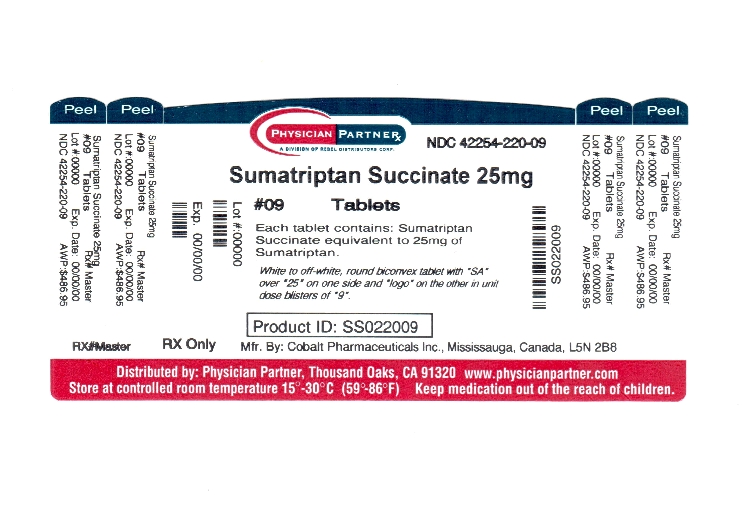
  • Sumatriptan Succinate Tablet, Coated [Rebel Distributors Corp]

    Sumatriptan Succinate

    Sumatriptan Succinate Tablet, Coated [Rebel Distributors Corp]

    In controlled clinical trials, single doses of 25, 50, or 100 mg of sumatriptan tablets were effective for the acute treatment of migraine in adults. There is evidence that doses of 50 and 100 mg may provide a greater effect than 25 mg (see CLINICAL TRIALS). There is also evidence that doses of 100 mg do not provide a greater effect than 50 mg. Individuals may vary in response to doses of sumatriptan tablets. The choice of dose should therefore be made on an individual basis, weighing the possible benefit of a higher dose with the potential for a greater risk of adverse events.

    If the headache returns or the patient has a partial response to the initial dose, the dose may be repeated after 2 hours, not to exceed a total daily dose of 200 mg. If a headache returns following an initial treatment with sumatriptan injection, additional single sumatriptan tablets (up to 100 mg/day) may be given with an interval of at least 2 hours between tablet doses. The safety of treating an average of more than 4 headaches in a 30-day period has not been established.

    Because of the potential of MAO-A inhibitors to cause unpredictable elevations in the bioavailability of oral sumatriptan, their combined use is contraindicated (see CONTRAINDICATIONS).

    Hepatic disease/functional impairment may also cause unpredictable elevations in the bioavailability of orally administered sumatriptan. Consequently, if treatment is deemed advisable in the presence of liver disease, the maximum single dose should in general not exceed 50 mg (see CLINICAL PHARMACOLOGY for the basis of this recommendation).

  • Nadolol Tablet [Rebel Distributors Corp]

    Nadolol

    Nadolol Tablet [Rebel Distributors Corp]

    DOSAGE MUST BE INDIVIDUALIZED. NADOLOL MAY BE ADMINISTERED WITHOUT REGARD TO MEALS.

    Angina Pectoris

    The usual initial dose is 40 mg nadolol once daily. Dosage may be gradually increased in 40 to 80 mg increments at 3 to 7 day intervals until optimum clinical response is obtained or there is pronounced slowing of the heart rate. The usual maintenance dose is 40 or 80 mg administered once daily. Doses up to 160 or 240 mg administered once daily may be needed.

    The usefulness and safety in angina pectoris of dosage exceeding 240 mg per day have not been established. If treatment is to be discontinued, reduce the dosage gradually over a period of one to two weeks (see WARNINGS).

    Hypertension

    The usual initial dose is 40 mg nadolol once daily, whether it is used alone or in addition to diuretic therapy. Dosage may be gradually increased in 40 to 80 mg increments until optimum blood pressure reduction is achieved. The usual maintenance dose is 40 or 80 mg administered once daily. Doses up to 240 or 320 mg administered once daily may be needed.

    Dosage Adjustment in Renal Failure

    Absorbed nadolol is excreted principally by the kidneys and, although nonrenal elimination does occur, dosage adjustments are necessary in patients with renal impairment. The following dose intervals are recommended:

    Creatinine Clearance (mL/min/1.73m2) Dosage Interval (hours) > 50 24 31 to 50 24 to 36 10 to 30 24 to 48 < 10 40 to 60
  • Ondansetron Tablet, Orally Disintegrating [Rebel Distributors Corp]

    Ondansetron

    Ondansetron Tablet, Orally Disintegrating [Rebel Distributors Corp]

    Instructions for Use/Handling Ondansetron Orally Disintegrating Tablets USP:

    Do not attempt to push ondansetron orally disintegrating tablets USP through the foil backing. With dry hands, PEEL BACK the foil backing of 1 blister and GENTLY remove the tablet. IMMEDIATELY place the ondansetron orally disintegrating tablet USP on top of the tongue where it will dissolve in seconds, then swallow with saliva. Administration with liquid is not necessary.

    Prevention of Nausea and Vomiting Associated With Highly Emetogenic Cancer Chemotherapy:

    The recommended adult oral dosage of ondansetron is 24 mg given as three 8-mg tablets administered 30 minutes before the start of single-day highly emetogenic chemotherapy, including cisplatin ≥50 mg/m2. Multiday, single-dose administration of a 24 mg dosage has not been studied.

    Pediatric Use:

    There is no experience with the use of a 24 mg dosage in pediatric patients.

    Geriatric Use:

    The dosage recommendation is the same as for the general population.

    Prevention of Nausea and Vomiting Associated With Moderately Emetogenic Cancer Chemotherapy:

    The recommended adult oral dosage is one 8-mg ondansetron tablet USP or one 8-mg ondansetron orally disintegrating tablet USP given twice a day. The first dose should be administered 30 minutes before the start of emetogenic chemotherapy, with a subsequent dose 8 hours after the first dose. One 8-mg ondansetron tablet USP or one 8-mg ondansetron orally disintegrating tablet USP should be administered twice a day (every 12 hours) for 1 to 2 days after completion of chemotherapy.

    Pediatric Use:

    For pediatric patients 12 years of age and older, the dosage is the same as for adults. For pediatric patients 4 through 11 years of age, the dosage is one 4-mg ondansetron tablet USP or one 4-mg ondansetron orally disintegrating tablet USP given 3 times a day. The first dose should be administered 30 minutes before the start of emetogenic chemotherapy, with subsequent doses 4 and 8 hours after the first dose. One 4-mg ondansetron tablet USP or one 4-mg ondansetron orally disintegrating tablet USP should be administered 3 times a day (every 8 hours) for 1 to 2 days after completion of chemotherapy.

    Geriatric Use:

    The dosage is the same as for the general population.

    Prevention of Nausea and Vomiting Associated With Radiotherapy, Either Total Body Irradiation, or Single High-Dose Fraction or Daily Fractions to the Abdomen:

    The recommended oral dosage is one 8-mg ondansetron tablet USP or one 8-mg ondansetron orally disintegrating tablet USP given 3 times a day.

    For total body irradiation, one 8-mg ondansetron tablet USP or one 8-mg ondansetron orally disintegrating tablet USP should be administered 1 to 2 hours before each fraction of radiotherapy administered each day.

    For single high-dose fraction radiotherapy to the abdomen, one 8-mg ondansetron tablet USP or one 8-mg ondansetron orally disintegrating tablet USP should be administered 1 to 2 hours before radiotherapy, with subsequent doses every 8 hours after the first dose for 1 to 2 days after completion of radiotherapy.

    For daily fractionated radiotherapy to the abdomen, one 8-mg ondansetron tablet USP or one 8-mg ondansetron orally disintegrating tablet USP should be administered 1 to 2 hours before radiotherapy, with subsequent doses every 8 hours after the first dose for each day radiotherapy is given.

    Pediatric Use:

    There is no experience with the use of ondansetron tablets USP or ondansetron orally disintegrating tablets USP in the prevention of radiation-induced nausea and vomiting in pediatric patients.

    Geriatric Use:

    The dosage recommendation is the same as for the general population.

    Postoperative Nausea and Vomiting:

    The recommended dosage is 16 mg given as two 8-mg ondansetron tablets USP or two 8-mg ondansetron orally disintegrating tablets USP 1 hour before induction of anesthesia.

    Pediatric Use:

    There is no experience with the use of ondansetron tablets USP or ondansetron orally disintegrating tablets USP in the prevention of postoperative nausea and vomiting in pediatric patients.

    Geriatric Use:

    The dosage is the same as for the general population.

    Dosage Adjustment for Patients With Impaired Renal Function:

    The dosage recommendation is the same as for the general population. There is no experience beyond first-day administration of ondansetron.

    Dosage Adjustment for Patients With Impaired Hepatic Function:

    In patients with severe hepatic impairment (Child-Pugh2 score of 10 or greater), clearance is reduced and apparent volume of distribution is increased with a resultant increase in plasma half-life. In such patients, a total daily dose of 8 mg should not be exceeded.

  • Lidocaine And Prilocaine Cream [Rebel Distributors Corp]

    Lidocaine And Prilocaine

    Lidocaine And Prilocaine Cream [Rebel Distributors Corp]

    Adult Patients − Intact Skin

      A thick layer of lidocaine 2.5% and prilocaine 2.5% cream is applied to intact skin and covered with an occlusive dressing (see INSTRUCTIONS FOR APPLICATION: ).   Minor Dermal Procedures: For minor procedures such as intravenous cannulation and venipuncture, apply 2.5 grams of lidocaine 2.5% and prilocaine 2.5% cream (1/2 the 5 g tube) over 20 to 25 cm 2 of skin surface for at least 1 hour. In controlled clinical trials using lidocaine 2.5% and prilocaine 2.5% cream, two sites were usually prepared in case there was a technical problem with cannulation or venipuncture at the first site.   Major Dermal Procedures: For more painful dermatological procedures involving a larger skin area such as split thickness skin graft harvesting, apply 2 grams of lidocaine 2.5% and prilocaine 2.5% cream per 10 cm 2 of skin and allow to remain in contact with the skin for at least 2 hours.   Adult Male Genital Skin: As an adjunct prior to local anesthetic infiltration, apply a thick layer of lidocaine 2.5% and prilocaine 2.5% cream (1 g/10 cm 2) to the skin surface for 15 minutes. Local anesthetic infiltration should be performed immediately after removal of lidocaine 2.5% and prilocaine 2.5% cream.

    Dermal analgesia can be expected to increase for up to 3 hours under occlusive dressing and persist for 1 to 2 hours after removal of the cream. The amount of lidocaine and prilocaine absorbed during the period of application can be estimated from the information in Table 2, ** footnote, in Individualization of Dose.

    Adult Female Patients − Genital Mucous Membranes

    For minor procedures on the female external genitalia, such as removal of condylomata acuminata, as well as for use as pretreatment for anesthetic infiltration, apply a thick layer (5-10 grams) of lidocaine 2.5% and prilocaine 2.5% cream for 5 to 10 minutes.

    Occlusion is not necessary for absorption, but may be helpful to keep the cream in place. Patients should be lying down during the lidocaine 2.5% and prilocaine 2.5% cream application, especially if no occlusion is used. The procedure or the local anesthetic infiltration should be performed immediately after the removal of lidocaine 2.5% and prilocaine 2.5% cream.

    Pediatric Patients − Intact Skin

    The following are the maximum recommended doses, application areas and application times for lidocaine 2.5% and prilocaine 2.5% cream based on a child’s age and weight:

    Age and Body Weight Requirements

    Maximum Total Dose of lidocaine 2.5% and prilocaine 2.5% cream

    Maximum Application Area

    Maximum Application Time

    0 up to 3 months or < 5 kg

    1 g

    10 cm2

    1 hour

    3 up to 12 months and > 5 kg

    2 g

    20 cm2

    4 hours

    1 to 6 years and > 10 kg

    10 g

    100 cm2

    4 hours

    7 to 12 years and > 20 kg

    20 g

    200 cm2

    4 hours

    Please note: If a patient greater than 3 months old does not meet the minimum weight requirement, the maximum total dose of lidocaine 2.5% and prilocaine 2.5% cream should be restricted to that which corresponds to the patient’s weight. (see INSTRUCTIONS FOR APPLICATION).

    Practitioners should carefully instruct caregivers to avoid application of excessive amounts of lidocaine 2.5% and prilocaine 2.5% cream (see PRECAUTIONS).

    When applying lidocaine 2.5% and prilocaine 2.5% cream to the skin of young children, care must be taken to maintain careful observation of the child to prevent accidental ingestion of lidocaine 2.5% and prilocaine 2.5% cream or the occlusive dressing. A secondary protective covering to prevent inadvertent disruption of the application site may be useful.

    Lidocaine 2.5% and prilocaine 2.5% cream should not be used in neonates with a gestational age less than 37 weeks nor in infants under the age of 12 months who are receiving treatment with methemoglobin-inducing agents (see Methemoglobinemia subsection of WARNINGS).

    When lidocaine 2.5% and prilocaine 2.5% cream (lidocaine 2.5% and prilocaine 2.5%) is used concomitantly with other products containing local anesthetic agents, the amount absorbed from all formulations must be considered (see Individualization of Dose). The amount absorbed in the case of lidocaine 2.5% and prilocaine 2.5% cream is determined by the area over which it is applied and the duration of application under occlusion (see Table 2, ** footnote, in Individualization of Dose).

    Although the incidence of systemic adverse reactions with lidocaine 2.5% and prilocaine 2.5% cream is very low, caution should be exercised, particularly when applying it over large areas and leaving it on for longer than 2 hours. The incidence of systemic adverse reactions can be expected to be directly proportional to the area and time of exposure (see Individualization of Dose).

  • Cephalexin Capsule [Rebel Distributors Corp]

    Cephalexin

    Cephalexin Capsule [Rebel Distributors Corp]

    Cephalexin capsules, USP are administered orally.

    Adults

    — The adult dosage ranges from 1 to 4 g daily in divided doses. The usual adult dose is 250 mg every 6 hours. For the following infections, a dosage of 500 mg may be administered every 12 hours: streptococcal pharyngitis, skin and skin structure infections, and uncomplicated cystitis in patients over 15 years of age. Cystitis therapy should be continued for 7 to 14 days.  For  more severe infections or those caused by less susceptible organisms, larger doses may  be  needed.  If daily doses of cephalexin capsule, USP greater than 4 g are required, parenteral cephalosporins, in appropriate doses, should be considered.

    Pediatric Patients

    — The usual recommended daily dosage for pediatric patients is 25 to 50 mg/kg in divided doses. For streptococcal pharyngitis in patients over 1 year of age and for skin and skin structure infections, the total daily dose may be divided and administered every 12 hours.

    In severe infections, the dosage may be doubled.

    In the therapy of otitis media, clinical studies have shown that a dosage of 75 to 100 mg/kg/day in 4 divided doses is required.

    In the treatment of β‑hemolytic streptococcal infections, a therapeutic dosage of cephalexin capsules should be administered for at least 10 days.

  • Pravastatin Sodium Tablet [Rebel Distributors Corp]

    Pravastatin Sodium

    Pravastatin Sodium Tablet [Rebel Distributors Corp]

    The patient should be placed on a standard cholesterol-lowering diet before receiving pravastatin sodium and should continue on this diet during treatment with pravastatin sodium (see NCEP Treatment Guidelines for details on dietary therapy).

    Pravastatin sodium can be administered orally as a single dose at any time of the day, with or without food. Since the maximal effect of a given dose is seen within 4 weeks, periodic lipid determinations should be performed at this time and dosage adjusted according to the patient’s response to therapy and established treatment guidelines.

    Adult Patients

    The recommended starting dose is 40 mg once daily. If a daily dose of 40 mg does not achieve desired cholesterol levels, 80 mg once daily is recommended. In patients with a history of significant renal or hepatic dysfunction, a starting dose of 10 mg daily is recommended.

    Pediatric Patients

    Children (Ages 8 to 13 Years, Inclusive)

    The recommended dose is 20 mg once daily in children 8 to 13 years of age. Doses greater than 20 mg have not been studied in this patient population.

    Adolescents (Ages 14 to 18 Years)

    The recommended starting dose is 40 mg once daily in adolescents 14 to 18 years of age. Doses greater than 40 mg have not been studied in this patient population.

    Children and adolescents treated with pravastatin should be reevaluated in adulthood and appropriate changes made to their cholesterol-lowering regimen to achieve adult goals for LDL-C (see INDICATIONS AND USAGE: Hyperlipidemia, NCEP Treatment Guidelines ).

    In patients taking immunosuppressive drugs such as cyclosporine (see WARNINGS: Skeletal Muscle ) concomitantly with pravastatin, therapy should begin with 10 mg of pravastatin once-a-day at bedtime and titration to higher doses should be done with caution. Most patients treated with this combination received a maximum pravastatin dose of 20 mg/day.

    Concomitant Therapy

    The lipid-lowering effects of pravastatin sodium on total and LDL cholesterol are enhanced when combined with a bile-acid-binding resin. When administering a bile-acid-binding resin (e.g., cholestyramine, colestipol) and pravastatin, pravastatin sodium should be given either 1 hour or more before or at least 4 hours following the resin. (See also ADVERSE REACTIONS: Concomitant Therapy .)

  • Naproxen Tablet [Rebel Distributors Corp]

    Naproxen

    Naproxen Tablet [Rebel Distributors Corp]

    Carefully consider the potential benefits and risks of naproxen, naproxen sodium and other treatment options before deciding to use naproxen and naproxen sodium tablets. Use the lowest effective dose for the shortest duration consistent with individual patient treatment goals (see WARNINGS).

    After observing the response to initial therapy with naproxen or naproxen sodium the dose and frequency should be adjusted to suit an individual patient's needs.

    Different dose strengths and formulations (ie, tablets, suspension) of the drug are not necessarily bioequivalent. This difference should be taken into consideration when changing formulation.

    Although naproxen and naproxen sodium circulate in the plasma as naproxen, they have pharmacokinetic differences that may affect onset of action. Onset of pain relief can begin within 30 minutes in patients taking naproxen sodium and within 1 hour in patients taking naproxen.

    The recommended strategy for initiating therapy is to choose a formulation and a starting dose likely to be effective for the patient and then adjust the dosage based on observation of benefit and/or adverse events. A lower dose should be considered in patients with renal or hepatic impairment or in elderly patients (see WARNINGS and PRECAUTIONS).

    Geriatric Patients

    Studies indicate that although total plasma concentration of naproxen is unchanged, the unbound plasma fraction of naproxen is increased in the elderly. Caution is advised when high doses are required and some adjustment of dosage may be required in elderly patients. As with other drugs used in the elderly, it is prudent to use the lowest effective dose.

    Patients With Moderate to Severe Renal Impairment

    Naproxen-containing products are not recommended for use in patients with moderate to severe and severe renal impairment (creatinine clearance <30 mL/min) (see WARNINGS: Renal Effects).

    Rheumatoid Arthritis, Osteoarthritis and Ankylosing Spondylitis Naproxen

    250 mg

    or 375 mg

    or 500 mg

    twice daily

    twice daily

    twice daily Naproxen sodium

    275 mg (naproxen 250 mg with 25 mg sodium)

    550 mg (naproxen 500 mg with 50 mg sodium)

    twice daily

    twice daily

    During long-term administration, the dose of naproxen may be adjusted up or down depending on the clinical response of the patient. A lower daily dose may suffice for long-term administration. The morning and evening doses do not have to be equal in size and the administration of the drug more frequently than twice daily is not necessary.

    In patients who tolerate lower doses well, the dose may be increased to naproxen 1500 mg/day for limited periods of up to 6 months when a higher level of anti-inflammatory/ analgesic activity is required. When treating such patients with naproxen 1500 mg/day, the physician should observe sufficient increased clinical benefits to offset the potential increased risk. The morning and evening doses do not have to be equal in size and administration of the drug more frequently than twice daily does not generally make a difference in response (see CLINICAL PHARMACOLOGY).

    Juvenile Arthritis

    The recommended total daily dose of naproxen is approximately 10 mg/kg given in 2 divided doses (ie, 5 mg/kg given twice a day).

    Management of Pain, Primary Dysmenorrhea, and Acute Tendonitis and Bursitis

    The recommended starting dose is 550 mg of naproxen sodium as naproxen sodium tablet followed by 550 mg every 12 hours or 275 mg every 6 to 8 hours as required. The initial total daily dose should not exceed 1375 mg of naproxen sodium. Thereafter, the total daily dose should not exceed 1100 mg of naproxen sodium. Because the sodium salt of naproxen is more rapidly absorbed, naproxen sodium tablets are recommended for the management of acute painful conditions when prompt onset of pain relief is desired. Naproxen may also be used for initial treatment of acute pain (see CLINICAL PHARMACOLOGY, INDICATIONS AND USAGE).

    Acute Gout

    The recommended starting dose is 750 mg of naproxen followed by 250 mg every 8 hours until the attack has subsided. Naproxen sodium may also be used at a starting dose of 825 mg followed by 275 mg every 8 hours.

  • Hydrocodone Bitartate And Acetaminophen (Hydrocodone Bitartrate, Acetaminophen) Tablet [Rebel Distributors Corp]

    Hydrocodone Bitartate And Acetaminophen

    Hydrocodone Bitartate And Acetaminophen (Hydrocodone Bitartrate, Acetaminophen) Tablet [Rebel Distributors Corp]

    Dosage should be adjusted according to the severity of the pain and the response of the patient. However, it should be kept in mind that tolerance to hydrocodone can develop with continued use and that the incidence of untoward effects is dose related.

    The usual adult dosage is one or two tablets every four to six hours as needed for pain. The total daily dosage should not exceed 12 tablets.

  • Hydrocodone Bitartrate And Acetaminophen Tablet [Rebel Distributors Corp]

    Hydrocodone Bitartrate And Acetaminophen

    Hydrocodone Bitartrate And Acetaminophen Tablet [Rebel Distributors Corp]

    Dosage should be adjusted according to the severity of the pain and response of the patient. However, it should be kept in mind that tolerance to hydrocodone can develop with continued use and that the incidence of untoward effects is dose-related.

    The usual adult dosage for Hydrocodone Bitartrate and Acetaminophen Tablets USP is:

    Product Strength Usual Adult Dosage AS NEEDED FOR PAIN The total daily dosage should not exceed 10 mg/325 mg  One tablet every four to six hours  6 tablets 


  • Hydrocodone Bitartrate And Acetaminophen Tablet [Rebel Distributors Corp]

    Hydrocodone Bitartrate And Acetaminophen

    Hydrocodone Bitartrate And Acetaminophen Tablet [Rebel Distributors Corp]

    Dosage should be adjusted according to the severity of the pain and the response of the patient. However, it should be kept in mind that tolerance to hydrocodone can develop with continued use and that the incidence of untoward effects is dose related.

    The usual adult dosage for Hydrocodone Bitartrate and Acetaminophen Tablets USP is:

    Product Strength Usual Adult Dosage as needed for pain The total 24-hour dosage should not exceed  5 mg/325 mg  One to two tablets every four to six hours  12 tablets  5 mg/500 mg  One to two tablets every four to six hours  8 tablets  7.5 mg/325 mg  One tablet every four to six hours  8 tablets  7.5 mg/500 mg  One tablet every four to six hours  6 tablets  7.5 mg/650 mg  One tablet every four to six hours  6 tablets  7.5 mg/750 mg  One tablet every four to six hours  5 tablets  10 mg/325 mg  One tablet every four to six hours  6 tablets  10 mg/500 mg  One tablet every four to six hours  6 tablets  10 mg/650 mg  One tablet every four to six hours  6 tablets  10 mg/660 mg  One tablet every four to six hours  6 tablets  10 mg/750 mg  One tablet every four to six hours  5 tablets
  • Non-habit Forming Stool Softener (Docusate Sodium) Capsule, Liquid Filled [Rebel Distributors Corp]

    Non-habit Forming Stool Softener

    Non-habit Forming Stool Softener (Docusate Sodium) Capsule, Liquid Filled [Rebel Distributors Corp]

    adults and children over 12 years and over:1 capsule once daily or in divided doses children 6 to under 12 years: 1 capsule once daily children under 6 years: ask a doctor

  • Atorvastatin Calcium Tablet, Film Coated [Rebel Distributors Corp]

    Atorvastatin Calcium

    Atorvastatin Calcium Tablet, Film Coated [Rebel Distributors Corp]

    2.1 Hyperlipidemia (Heterozygous Familial and Nonfamilial) and Mixed Dyslipidemia (Fredrickson Types IIa and IIb)

    The recommended starting dose of atorvastatin calcium tablets is 10 or 20 mg once daily. Patients who require a large reduction in LDL-C (more than 45%) may be started at 40 mg once daily. The dosage range of atorvastatin calcium tablets is 10 to 80 mg once daily. Atorvastatin calcium tablets can be administered as a single dose at any time of the day, with or without food. The starting dose and maintenance doses of atorvastatin calcium tablets should be individualized according to patient characteristics such as goal of therapy and response (see current NCEP Guidelines). After initiation and/or upon titration of atorvastatin calcium tablets, lipid levels should be analyzed within 2 to 4 weeks and dosage adjusted accordingly.

    2.2 Heterozygous Familial Hypercholesterolemia in Pediatric Patients (10–17 years of age)

    The recommended starting dose of atorvastatin calcium tablets is 10 mg/day; the maximum recommended dose is 20 mg/day (doses greater than 20 mg have not been studied in this patient population). Doses should be individualized according to the recommended goal of therapy [see current NCEP Pediatric Panel Guidelines, Clinical Pharmacology (12), and Indications and Usage (1.2)]. Adjustments should be made at intervals of 4 weeks or more.

    2.3 Homozygous Familial Hypercholesterolemia

    The dosage of atorvastatin calcium tablets in patients with homozygous FH is 10 to 80 mg daily. Atorvastatin calcium tablets should be used as an adjunct to other lipid-lowering treatments (e.g., LDL apheresis) in these patients or if such treatments are unavailable.

    2.4 Concomitant Lipid-Lowering Therapy

    Atorvastatin calcium tablets may be used with bile acid resins. The combination of HMG-CoA reductase inhibitors (statins) and fibrates should generally be used with caution [see Warnings and Precautions, Skeletal Muscle (5.1), Drug Interactions (7)].

    2.5 Dosage in Patients With Renal Impairment

    Renal disease does not affect the plasma concentrations nor LDL-C reduction of atorvastatin calcium tablets; thus, dosage adjustment in patients with renal dysfunction is not necessary [see Warnings and Precautions, Skeletal Muscle (5.1), Clinical Pharmacology, Pharmacokinetics (12.3)].

    2.6 Dosage in Patients Taking Cyclosporine, Clarithromycin, Itraconazole, or a Combination of Ritonavir plus Saquinavir or Lopinavir plus Ritonavir

    In patients taking cyclosporine, therapy should be limited to atorvastatin calcium tablets 10 mg once daily. In patients taking clarithromycin, itraconazole, or in patients with HIV taking a combination of ritonavir plus saquinavir or lopinavir plus ritonavir, for doses of atorvastatin calcium tablets exceeding 20 mg, appropriate clinical assessment is recommended to ensure that the lowest dose necessary of atorvastatin calcium tablets is employed [see Warnings and Precautions, Skeletal Muscle (5.1), Drug Interactions (7)].

  • Amoxicillin And Clavulanate Potassium Powder, For Suspension [Rebel Distributors Corp]

    Amoxicillin And Clavulanate Potassium

    Amoxicillin And Clavulanate Potassium Powder, For Suspension [Rebel Distributors Corp]

    Dosage:

    Pediatric Patients:

    Based on the amoxicillin component, Amoxicillin and Clavulanate Potassium should be dosed as follows:

    Neonates and infants aged < 12 weeks (3 months):

    Due to incompletely developed renal function affecting elimination of amoxicillin in this age group, the recommended dose of Amoxicillin and Clavulanate Potassium is 30 mg/kg/day divided every 12 hours, based on the amoxicillin component. Clavulanate elimination is unaltered in this age group. Experience with the 200 mg/28.5 mg per 5 mL formulation in this age group is limited and, thus, use of the 125 mg/31.25 mg per 5 mL oral suspension is recommended.

    Patients aged 12 weeks (3 months) and older

    INFECTIONS DOSING REGIMEN q12ha q8h 200 mg/28.5 mg per 5 mL or400 mg/57 mg per 5 mL oral suspensionb 125 mg/31.25 mg per 5 mL or250 mg/62.5 mg per 5 mL oral suspension Otitis mediac, sinusitis, lower respiratory tract infections, and more severe infections 45 mg/kg/day q12h 40 mg/kg/day q8h Less severe infections 25 mg/kg/day q12h 20 mg/kg/day q8h

    a  The q12h regimen is recommended as it is associated with significantly less diarrhea. (See CLINICAL STUDIES.) However, the q12h formulations (200 mg and 400 mg) contain aspartame and should not be used by phenylketonurics.

    b  Each strength of suspension of Amoxicillin and Clavulanate Potassium is available as a chewable tablet for use by older children.

    c  Duration of therapy studied and recommended for acute otitis media is 10 days.

    Pediatric Patients Weighing 40 kg and More:

    Should be dosed according to the following adult recommendations: The usual adult dose is one 500 mg/125 mg tablet of Amoxicillin and Clavulanate Potassium every 12 hours or one 250 mg/125 mg tablet of Amoxicillin and Clavulanate Potassium every 8 hours. For more severe infections and infections of the respiratory tract, the dose should be one 875 mg/125 mg tablet of Amoxicillin and Clavulanate Potassium every 12 hours or one 500 mg/125 mg tablet of Amoxicillin and Clavulanate Potassium every 8 hours. Among adults treated with 875 mg/125 mg every 12 hours, significantly fewer experienced severe diarrhea or withdrawals with diarrhea versus adults treated with 500 mg/125 mg every 8 hours. For detailed adult dosage recommendations, please see complete prescribing information for tablets of Amoxicillin and Clavulanate Potassium.

    Hepatically impaired patients should be dosed with caution and hepatic function monitored at regular intervals. (See WARNINGS.)

    Adults:

    Adults who have difficulty swallowing may be given the 125 mg/31.25 mg per 5 mL or 250 mg/62.5 mg per 5 mL suspension in place of the 500 mg/125 mg tablet. The 200 mg/28.5 mg per 5 mL suspension or the 400 mg/57 mg per 5 mL suspension may be used in place of the 875 mg/125 mg tablet. See dosage recommendations above for children weighing 40 kg or more.

    The 250 mg/125 mg tablet of Amoxicillin and Clavulanate Potassium and the 250 mg/62.5 mg chewable tablet do not contain the same amount of clavulanic acid (as the potassium salt). The 250 mg/125 mg tablet of Amoxicillin and Clavulanate Potassium contains 125 mg of clavulanic acid, whereas the 250 mg/62.5 mg chewable tablet contains 62.5 mg of clavulanic acid. Therefore, the 250 mg/125 mg tablet of Amoxicillin and Clavulanate Potassium and the 250 mg/62.5 mg chewable tablet should not be substituted for each other, as they are not interchangeable.

    Due to the different amoxicillin to clavulanic acid ratios in the 250 mg/125 mg tablet of Amoxicillin and Clavulanate Potassium (250/125) versus the 250 mg/62.5 mg chewable tablet of Amoxicillin and Clavulanate Potassium (250/62.5), the 250 mg/125 mg tablet of Amoxicillin and Clavulanate Potassium should not be used until the child weighs at least 40 kg and more.

    Directions for Mixing Oral Suspension:

    Prepare a suspension at time of dispensing as follows: Tap bottle until all the powder flows freely. Add approximately 2/3 of the total amount of water for reconstitution (see table below) and shake vigorously to suspend powder. Add remainder of the water and again shake vigorously.

    Amoxicillin and Clavulanate Potassium 125 mg/31.25 mg per 5 mL Suspension Bottle Size

    Amount of Water

    Required for Reconstitution 75 mL 67 mL 100 mL 90 mL 150 mL 134 mL

    Each teaspoonful (5 mL) will contain 125 mg amoxicillin and 31.25 mg of clavulanic acid as the potassium salt.

    Amoxicillin and Clavulanate Potassium 200 mg/28.5 mg per 5 mL Suspension Bottle Size

    Amount of Water

    Required for Reconstitution 50 mL 50 mL 75 mL 75 mL 100 mL 95 mL

    Each teaspoonful (5 mL) will contain 200 mg amoxicillin and 28.5 mg of clavulanic acid as the potassium salt.

    Amoxicillin and Clavulanate Potassium 250 mg/62.5 mg per 5 mL Suspension Bottle Size

    Amount of Water

    Required for Reconstitution 75 mL 65 mL 100 mL 87 mL 150 mL 130 mL

    Each teaspoonful (5 mL) will contain 250 mg amoxicillin and 62.5 mg of clavulanic acid as the potassium salt.

    Amoxicillin and Clavulanate Potassium 400 mg/57 mg per 5 mL Suspension Bottle Size

    Amount of Water

    Required for Reconstitution 50 mL 50 mL 75 mL 70 mL 100 mL 90 mL

    Each teaspoonful (5 mL) will contain 400 mg amoxicillin and 57.0 mg of clavulanic acid as the potassium salt.

    Note: SHAKE ORAL SUSPENSION WELL BEFORE USING.

    Reconstituted suspension must be stored under refrigeration and discarded after 10 days.

    Administration:

    Amoxicillin and Clavulanate Potassium may be taken without regard to meals; however, absorption of clavulanate potassium is enhanced when Amoxicillin and Clavulanate Potassium is administered at the start of a meal. To minimize the potential for gastrointestinal intolerance, Amoxicillin and Clavulanate Potassium should be taken at the start of a meal.

  • Atorvastatin Calcium Tablet, Film Coated [Rebel Distributors Corp]

    Atorvastatin Calcium

    Atorvastatin Calcium Tablet, Film Coated [Rebel Distributors Corp]

    2.1 Hyperlipidemia (Heterozygous Familial and Nonfamilial) and Mixed Dyslipidemia (Fredrickson Types IIa and IIb)

    The recommended starting dose of atorvastatin calcium tablets is 10 or 20 mg once daily. Patients who require a large reduction in LDL-C (more than 45%) may be started at 40 mg once daily. The dosage range of atorvastatin calcium tablets is 10 to 80 mg once daily. Atorvastatin calcium tablets can be administered as a single dose at any time of the day, with or without food. The starting dose and maintenance doses of atorvastatin calcium tablets should be individualized according to patient characteristics such as goal of therapy and response (see current NCEP Guidelines). After initiation and/or upon titration of atorvastatin calcium tablets, lipid levels should be analyzed within 2 to 4 weeks and dosage adjusted accordingly.

    2.2 Heterozygous Familial Hypercholesterolemia in Pediatric Patients (10–17 years of age)

    The recommended starting dose of atorvastatin calcium tablets is 10 mg/day; the maximum recommended dose is 20 mg/day (doses greater than 20 mg have not been studied in this patient population). Doses should be individualized according to the recommended goal of therapy [see current NCEP Pediatric Panel Guidelines, Clinical Pharmacology (12), and Indications and Usage (1.2)]. Adjustments should be made at intervals of 4 weeks or more.

    2.3 Homozygous Familial Hypercholesterolemia

    The dosage of atorvastatin calcium tablets in patients with homozygous FH is 10 to 80 mg daily. Atorvastatin calcium tablets should be used as an adjunct to other lipid-lowering treatments (e.g., LDL apheresis) in these patients or if such treatments are unavailable.

    2.4 Concomitant Lipid-Lowering Therapy

    Atorvastatin calcium tablets may be used with bile acid resins. The combination of HMG-CoA reductase inhibitors (statins) and fibrates should generally be used with caution [see Warnings and Precautions, Skeletal Muscle (5.1), Drug Interactions (7)].

    2.5 Dosage in Patients With Renal Impairment

    Renal disease does not affect the plasma concentrations nor LDL-C reduction of atorvastatin calcium tablets; thus, dosage adjustment in patients with renal dysfunction is not necessary [see Warnings and Precautions, Skeletal Muscle (5.1), Clinical Pharmacology, Pharmacokinetics (12.3)].

    2.6 Dosage in Patients Taking Cyclosporine, Clarithromycin, Itraconazole, or Certain Protease Inhibitors

    In patients taking cyclosporine or the HIV protease inhibitors (tipranavir plus ritonavir) or the hepatitis C protease inhibitor (telaprevir), therapy with atorvastatin calcium tablets should be avoided. In patients with HIV taking lopinavir plus ritonavir, caution should be used when prescribing atorvastatin calcium tablets and the lowest dose necessary employed. In patients taking clarithromycin, itraconazole, or in patients with HIV taking a combination of saquinavir plus ritonavir, darunavir plus ritonavir, fosamprenavir, or fosamprenavir plus ritonavir, therapy with atorvastatin calcium tablets should be limited to 20 mg, and appropriate clinical assessment is recommended to ensure that the lowest dose necessary of atorvastatin calcium tablets is employed. In patients with HIV taking nelfinavir, therapy with atorvastatin calcium tablets should be limited to 40 mg, and appropriate clinical assessment is recommended to ensure that the lowest dose necessary of atorvastatin calcium tablets is employed [see Warnings and Precautions, Skeletal Muscle (5.1), Drug Interactions (7)].

  • Cyclobenzaprine Hyrochl...
    Cyclobenzaprine Hyrochloride (Cyclobenzaprine Hydrochloride) Tablet [Rebel Distributors Corp]

    Cyclobenzaprine Hyrochloride

    Cyclobenzaprine Hyrochloride (Cyclobenzaprine Hydrochloride) Tablet [Rebel Distributors Corp]

    For most patients, the recommended dose of cyclobenzaprine hydrochloride tablets is 5 mg three times a day. Based on individual patient response, the dose may be increased to either 7.5 or 10 mg three times a day. Use of cyclobenzaprine hydrochloride tablets for periods longer than two or three weeks is not recommended. (see INDICATIONS AND USAGE).

    Less frequent dosing should be considered for hepatically impaired or elderly patients (see PRECAUTIONS, Impaired Hepatic Function, and Use in the Elderly).

  • Acetaminophen Tablet, Chewable [Rebel Distributors Corp]

    Acetaminophen

    Acetaminophen Tablet, Chewable [Rebel Distributors Corp]

    this product does not contain directions or complete warnings for adult use

    find correct does on chart below

    if possible, use weight to dose, otherwise use age

    chew tablets before swallowing

    give dose every 4 hours while symptoms last

    do not give more than 5 doses in 24 hours

    Weight(pounds) Age(years) Dose(tablets) 72 - 95 11 - 12 4 - 6 60 - 71 9 - 10 4 - 5 48 - 59 6 - 8 4 36 - 47 4 - 5 3 24 - 35 2 - 3 2 under 24 under 2 ask a doctor
  • Butalbital, Acetaminophen And Caffeine (Butalbital, Acetaminophen, And Caffeine) Tablet [Rebel Distributors Corp]

    Butalbital

    Butalbital, Acetaminophen And Caffeine (Butalbital, Acetaminophen, And Caffeine) Tablet [Rebel Distributors Corp]

    One tablet every 4 hours. Total daily dosage should not exceed 6 tablets.

    Extended and repeated use of this product is not recommended because of the potential for physical dependence.

  • Atorvastatin Calcium Tablet, Film Coated [Rebel Distributors Corp]

    Atorvastatin Calcium

    Atorvastatin Calcium Tablet, Film Coated [Rebel Distributors Corp]

    2.1 Hyperlipidemia (Heterozygous Familial and Nonfamilial) and Mixed Dyslipidemia (Fredrickson Types IIa and IIb)

    The recommended starting dose of atorvastatin calcium tablets is 10 or 20 mg once daily. Patients who require a large reduction in LDL-C (more than 45%) may be started at 40 mg once daily. The dosage range of atorvastatin calcium tablets is 10 to 80 mg once daily. Atorvastatin calcium tablets can be administered as a single dose at any time of the day, with or without food. The starting dose and maintenance doses of atorvastatin calcium tablets should be individualized according to patient characteristics such as goal of therapy and response (see current NCEP Guidelines). After initiation and/or upon titration of atorvastatin calcium tablets, lipid levels should be analyzed within 2 to 4 weeks and dosage adjusted accordingly.

    2.2 Heterozygous Familial Hypercholesterolemia in Pediatric Patients (10–17 years of age)

    The recommended starting dose of atorvastatin calcium tablets is 10 mg/day; the maximum recommended dose is 20 mg/day (doses greater than 20 mg have not been studied in this patient population). Doses should be individualized according to the recommended goal of therapy [see current NCEP Pediatric Panel Guidelines, Clinical Pharmacology (12), and Indications and Usage (1.2)]. Adjustments should be made at intervals of 4 weeks or more.

    2.3 Homozygous Familial Hypercholesterolemia

    The dosage of atorvastatin calcium tablets in patients with homozygous FH is 10 to 80 mg daily. Atorvastatin calcium tablets should be used as an adjunct to other lipid-lowering treatments (e.g., LDL apheresis) in these patients or if such treatments are unavailable.

    2.4 Concomitant Lipid-Lowering Therapy

    Atorvastatin calcium tablets may be used with bile acid resins. The combination of HMG-CoA reductase inhibitors (statins) and fibrates should generally be used with caution [see Warnings and Precautions, Skeletal Muscle (5.1), Drug Interactions (7)].

    2.5 Dosage in Patients With Renal Impairment

    Renal disease does not affect the plasma concentrations nor LDL-C reduction of atorvastatin calcium tablets; thus, dosage adjustment in patients with renal dysfunction is not necessary [see Warnings and Precautions, Skeletal Muscle (5.1), Clinical Pharmacology, Pharmacokinetics (12.3)].

    2.6 Dosage in Patients Taking Cyclosporine, Clarithromycin, Itraconazole, or Certain Protease Inhibitors

    In patients taking cyclosporine or the HIV protease inhibitors (tipranavir plus ritonavir) or the hepatitis C protease inhibitor (telaprevir), therapy with atorvastatin calcium tablets should be avoided. In patients with HIV taking lopinavir plus ritonavir, caution should be used when prescribing atorvastatin calcium tablets and the lowest dose necessary employed. In patients taking clarithromycin, itraconazole, or in patients with HIV taking a combination of saquinavir plus ritonavir, darunavir plus ritonavir, fosamprenavir, or fosamprenavir plus ritonavir, therapy with atorvastatin calcium tablets should be limited to 20 mg, and appropriate clinical assessment is recommended to ensure that the lowest dose necessary of atorvastatin calcium tablets is employed. In patients with HIV taking nelfinavir, therapy with atorvastatin calcium tablets should be limited to 40 mg, and appropriate clinical assessment is recommended to ensure that the lowest dose necessary of atorvastatin calcium tablets is employed [see Warnings and Precautions, Skeletal Muscle (5.1), Drug Interactions (7)].

  • Donnatal (Phenobarbital, Hyoscyamine Sulfate, Atropine Sulfate, Scopolamine Hydrobromide) Tablet [Rebel Distributors Corp]

    Donnatal

    Donnatal (Phenobarbital, Hyoscyamine Sulfate, Atropine Sulfate, Scopolamine Hydrobromide) Tablet [Rebel Distributors Corp]

    The dosage of Donnatal® should be adjusted to the needs of the dividual patient to assure symptomatic control with a minimum of adverse effects. Donnatal® Tablets. Adults: One or two Donnatal® tablets three or four times a day according to condition and severity of symptoms.

  • Gabapentin Capsule [Rebel Distributors Corp]

    Gabapentin

    Gabapentin Capsule [Rebel Distributors Corp]

    Gabapentin Capsules is given orally with or without food.

    If Gabapentin Capsules dose is reduced, discontinued or substituted with an alternative medication, this should be done gradually over a minimum of 1 week (a longer period may be needed at the discretion of the prescriber).

    Postherpetic Neuralgia

    In adults with postherpetic neuralgia, Gabapentin Capsules therapy may be initiated as a single 300-mg dose on Day 1, 600 mg/day on Day 2 (divided BID), and 900 mg/day on Day 3 (divided TID). The dose can subsequently be titrated up as needed for pain relief to a daily dose of 1800 mg (divided TID). In clinical studies, efficacy was demonstrated over a range of doses from 1800 mg/day to 3600 mg/day with comparable effects across the dose range. Additional benefit of using doses greater than 1800 mg/day was not demonstrated.

    Epilepsy

    Gabapentin Capsules is recommended for add-on therapy in patients 3 years of age and older. Effectiveness in pediatric patients below the age of 3 years has not been established.

    Patients >12 years of age: The effective dose of Gabapentin Capsules is 900 to 1800 mg/day and given in divided doses (three times a day) using 300 or 400 mg capsules. The starting dose is 300 mg three times a day. If necessary, the dose may be increased using 300 or 400 mg capsules three times a day up to 1800 mg/day. Dosages up to 2400 mg/day have been well tolerated in long-term clinical studies. Doses of 3600 mg/day have also been administered to a small number of patients for a relatively short duration, and have been well tolerated. The maximum time between doses in the TID schedule should not exceed 12 hours.

    Pediatric Patients Age 3–12 years: The starting dose should range from 10-15 mg/kg/day in 3 divided doses, and the effective dose reached by upward titration over a period of approximately 3 days. The effective dose of Gabapentin Capsules in patients 5 years of age and older is 25–35 mg/kg/day and given in divided doses (three times a day). The effective dose in pediatric patients ages 3 and 4 years is 40 mg/kg/day and given in divided doses (three times a day) (see CLINICAL PHARMACOLOGY, Pediatrics.) Dosages up to 50 mg/kg/day have been well-tolerated in a long-term clinical study. The maximum time interval between doses should not exceed 12 hours.

    It is not necessary to monitor gabapentin plasma concentrations to optimize Gabapentin Capsules therapy. Further, because there are no significant pharmacokinetic interactions among Gabapentin Capsules and other commonly used antiepileptic drugs, the addition of Gabapentin Capsules does not alter the plasma levels of these drugs appreciably.

    If Gabapentin Capsules is discontinued and/or an alternate anticonvulsant medication is added to the therapy, this should be done gradually over a minimum of 1 week.

    Dosage in Renal Impairment

    Creatinine clearance is difficult to measure in outpatients. In patients with stable renal function, creatinine clearance (CCr) can be reasonably well estimated using the equation of Cockcroft and Gault:

    where age is in years, weight is in kilograms and SCr is serum creatinine in mg/dL.

    Dosage adjustment in patients ≥ 12 years of age with compromised renal function or undergoing hemodialysis is recommended as follows (see dosing recommendations above for effective doses in each indication).

    Table 6. Gabapetin Capsules Dosage Based on Renal Function. Renal Function Creatinine Clearance (mL/min) Total Daily Dose Range (mg/day) Dose Regimen (mg) a For patients with creatinine clearance <15 mL/min, reduce daily dose in proportion to creatinine clearance (e.g., patients with a creatinine clearance of 7.5 mL/min should receive one-half the daily dose that patients with a creatinine clearance of 15 mL/min receive). b Patients on hemodialysis should receive maintenance doses based on estimates of creatinine clearance as indicated in the upper portion of the table and a supplemental post-hemodialysis dose administered after each 4 hours of hemodialysis as indicated in the lower portion of the table. ≥60 900-3600 300 TID 400 TID 600 TID 800 TID 1200 TID >30-59 400-1400 200 BID 300 BID 400 BID 500 BID 700 BID >15-29 200-700 200 QD 300 QD 400 QD 500 QD 700 QD 15a 100-300 100 QD 125 QD 150 QD 200 QD 300 QD Post-Hemodialysis Supplemental Dose (mg)b Hemodialysis 125b 150b 200b 250b 350b

    The use of Gabapentin Capsules in patients <12 years of age with compromised renal function has not been studied.

    Dosage in Elderly

    Because elderly patients are more likely to have decreased renal function, care should be taken in dose selection, and dose should be adjusted based on creatinine clearance values in these patients.

  • Hydrocodone Bitartrate And Acetaminophen Tablet [Rebel Distributors Corp]

    Hydrocodone Bitartrate And Acetaminophen

    Hydrocodone Bitartrate And Acetaminophen Tablet [Rebel Distributors Corp]

    Dosage should be adjusted according to the severity of the pain and the response of the patient. However, it should be kept in mind that tolerance to hydrocodone can develop with continued use and that the incidence of untoward effects is dose related.

    Hydrocodone Bitartrate and Acetaminophen Tablets, USP 5 mg/500 mg

    The usual adult dosage is one or two tablets every four to six hours as needed for pain. The total daily dosage should not exceed 8 tablets.

    Hydrocodone Bitartrate and Acetaminophen Tablets, USP 10 mg/500 mg

    The usual adult dosage is one tablet every four to six hours as needed for pain. The total daily dosage should not exceed 6 tablets.

    Hydrocodone Bitartrate and Acetaminophen Tablets, USP 5 mg/500 mg

    The usual adult dosage is one or two tablets every four to six hours as needed for pain. The total daily dosage should not exceed 8 tablets.

    Hydrocodone Bitartrate and Acetaminophen Tablets, USP 10 mg/500 mg

    The usual adult dosage is one tablet every four to six hours as needed for pain. The total daily dosage should not exceed 6 tablets.

  • Hydrocodone Bitartrate And Acetaminophen Tablet [Rebel Distributors Corp]

    Hydrocodone Bitartrate And Acetaminophen

    Hydrocodone Bitartrate And Acetaminophen Tablet [Rebel Distributors Corp]

    Dosage should be adjusted according to the severity of the pain and the response of the patient. However, it should be kept in mind that tolerance to hydrocodone can develop with continued use and that the incidence of untoward effects is dose related.

    The usual adult dosage is one or two tablets every four to six hours as needed for pain. The total daily dose should not exceed 5 tablets

  • Captopril (Captorpil) Tablet [Rebel Distributors Corp]

    Captopril

    Captopril (Captorpil) Tablet [Rebel Distributors Corp]

    Captopril tablets should be taken one hour before meals. Dosage must be individualized.

    Hypertension : Initiation of therapy requires consideration of recent antihypertensive drug treatment, the extent of blood pressure elevation, salt restriction, and other clinical circumstances. If possible, discontinue the patient's previous antihypertensive drug regimen for one week before starting captopril.

    The initial dose of captopril tablets, USP is 25 mg b.i.d. or t.i.d. If satisfactory reduction of blood pressure has not been achieved after one or two weeks, the dose may be increased to 50 mg b.i.d. or t.i.d. Concomitant sodium restriction may be beneficial when captopril is used alone.

    The dose of captopril in hypertension usually does not exceed 50 mg t.i.d. Therefore, if the blood pressure has not been satisfactorily controlled after one to two weeks at this dose, (and the patient is not already receiving a diuretic), a modest dose of thiazide-type diuretic (e.g., hydrochlorothiazide, 25 mg daily), should be added. The diuretic dose may be increased at one- to two-week intervals until its highest usual antihypertensive dose is reached.

    If captopril is being started in a patient already receiving a diuretic, captopril therapy should be initiated under close medical supervision (see WARNINGS and PRECAUTIONS: Drug Interactions regarding hypotension), with dosage and titration of captopril as noted above.

    If further blood pressure reduction is required, the dose of captopril may be increased to 100 mg b.i.d. or t.i.d. and then, if necessary, to 150 mg b.i.d. or t.i.d . (while continuing the diuretic). The usual dose range is 25 to 150 mg b.i.d. or t.i.d. A maximum daily dose of 450 mg captopril should not be exceeded.

    For patients with severe hypertension (e.g., accelerated or malignant hypertension), when temporary discontinuation of current antihypertensive therapy is not practical or desirable, or when prompt titration to more normotensive blood pressure levels is indicated, diuretic should be continued but other current antihypertensive medication stopped and captopril dosage promptly initiated at 25 mg b.i.d. or t.i.d., under close medical supervision.

    When necessitated by the patient's clinical condition, the daily dose of captopril may be increased every 24 hours or less under continuous medical supervision until a satisfactory blood pressure response is obtained or the maximum dose of captopril is reached. In this regimen, addition of a more potent diuretic, e.g., furosemide, may also be indicated.

    Beta-blockers may also be used in conjunction with captopril therapy (see PRECAUTIONS: Drug Interactions), but the effects of the two drugs are less than additive.

    Heart Failure : Initiation of therapy requires consideration of recent diuretic therapy and the possibility of severe salt/volume depletion. In patients with either normal or low blood pressure, who have been vigorously treated with diuretics and who may be hyponatremic and/or hypovolemic, a starting dose of 6.25 or 12.5 mg t.i.d. may minimize the magnitude or duration of the hypotensive effect (see WARNINGS: Hypotension); for these patients, titration to the usual daily dosage can then occur within the next several days.

    For most patients the usual initial daily dosage is 25 mg t.i.d. After a dose of 50 mg t.i.d. is reached, further increases in dosage should be delayed, where possible, for at least two weeks to determine if a satisfactory response occurs. Most patients studied have had a satisfactory clinical improvement at 50 or 100 mg t.i.d. A maximum daily dose of 450 mg of captopril should not be exceeded.

    Captopril should generally be used in conjunction with a diuretic and digitalis.

    Captopril therapy must be initiated under very close medical supervision.

    Left Ventricular Dysfunction After Myocardial Infarction : The recommended dose for long-term use in patients following a myocardial infarction is a target maintenance dose of 50 mg t.i.d.

    Therapy may be initiated as early as three days following a myocardial infarction. After a single dose of 6.25 mg, captopril tablets therapy should be initiated at 12.5 mg t.i.d. Captopril tablets should then be increased to 25 mg t.i.d. during the next several days and to a target dose of 50 mg t.i.d. over the next several weeks as tolerated (see CLINICAL PHARMACOLOGY).

    Captopril tablets may be used in patients treated with other post-myocardial infarction therapies, e.g. thrombolytics, aspirin, beta blockers.

    Diabetic Nephropathy: The recommended dose of captopril tablets for long term use to treat diabetic nephropathy is 25 mg t.i.d.

    Other antihypertensives such as diuretics, beta blockers, centrally acting agents or vasodilators may be used in conjuction with captopril tablets if additional therapy is required to further lower blood pressure.

    Dosage Adjustment in Renal Impairment : Because captopril is excreted primarily by the kidneys, excretion rates are reduced in patients with impaired renal function. These patients will take longer to reach steady-state captopril levels and will reach higher steady-state levels for a given daily dose than patients with normal renal function. Therefore, these patients may respond to smaller or less frequent doses.

    Accordingly, for patients with significant renal impairment, initial daily dosage of captopril should be reduced, and smaller increments utilized for titration, which should be quite slow (one- to two-week intervals). After the desired therapeutic effect has been achieved, the dose should be slowly back titrated to determine the minimal effective dose. When concomitant diuretic therapy is required, a loop diuretic (e.g., furosemide), rather than a thiazide diuretic, is preferred in patients with severe renal impairment. (See WARNINGS: Anaphylactoid reactions during membrane exposure and PRECAUTIONS: Hemodialysis.)

  • Gabapentin Tablet [Rebel Distributors Corp]

    Gabapentin

    Gabapentin Tablet [Rebel Distributors Corp]

    Gabapentin tablets USP are given orally with or without food. Patients should be informed that, should they break the scored 600 or 800 mg tablet in order to administer a half-tablet, they should take the unused half-tablet as the next dose. Half-tablets not used within several days of breaking the scored tablet should be discarded.

    If gabapentin tablets USP dose is reduced, discontinued or substituted with an alternative medication, this should be done gradually over a minimum of 1 week (a longer period may be needed at the discretion of the prescriber).

    Postherpetic Neuralgia

    In adults with postherpetic neuralgia, gabapentin tablets USP therapy may be initiated as a single 300-mg dose on Day 1, 600 mg/day on Day 2 (divided BID), and 900 mg/day on Day 3 (divided TID). The dose can subsequently be titrated up as needed for pain relief to a daily dose of 1800 mg (divided TID). In clinical studies, efficacy was demonstrated over a range of doses from 1800 mg/day to 3600 mg/day with comparable effects across the dose range. Additional benefit of using doses greater than 1800 mg/day was not demonstrated.

    Epilepsy

    Gabapentin tablets USP are recommended for add-on therapy in patients 3 years of age and older. Effectiveness in pediatric patients below the age of 3 years has not been established.

    Patients >12 years of age:

    The effective dose of gabapentin tablets USP is 900 to 1800 mg/day and given in divided doses (three times a day) using 600 or 800 mg tablets. The starting dose is 300 mg three times a day. If necessary, the dose may be increased using 600 or 800 mg tablets three times a day up to 1800 mg/day. Dosages up to 2400 mg/day have been well tolerated in long-term clinical studies. Doses of 3600 mg/day have also been administered to a small number of patients for a relatively short duration, and have been well tolerated. The maximum time between doses in the TID schedule should not exceed 12 hours.

    Pediatric Patients Age 3–12 years:

    The starting dose should range from 10-15 mg/kg/day in 3 divided doses, and the effective dose reached by upward titration over a period of approximately 3 days. The effective dose of gabapentin tablets USP in patients 5 years of age and older is 25–35 mg/kg/day and given in divided doses (three times a day). The effective dose in pediatric patients ages 3 and 4 years is 40 mg/kg/day and given in divided doses (three times a day) (see CLINICAL PHARMACOLOGY, Pediatrics). Dosages up to 50 mg/kg/day have been well-tolerated in a long-term clinical study. The maximum time interval between doses should not exceed 12 hours.

    It is not necessary to monitor gabapentin plasma concentrations to optimize gabapentin tablets USP therapy. Further, because there are no significant pharmacokinetic interactions among gabapentin tablets USP and other commonly used antiepileptic drugs, the addition of gabapentin tablets USP does not alter the plasma levels of these drugs appreciably.

    If gabapentin tablets USP is discontinued and/or an alternate anticonvulsant medication is added to the therapy, this should be done gradually over a minimum of 1 week.

    Dosage in Renal Impairment

    Creatinine clearance is difficult to measure in outpatients. In patients with stable renal function, creatinine clearance (CCr) can be reasonably well estimated using the equation of Cockcroft and Gault:

    for females CCr=(0.85)(140-age)(weight)/[(72)(SCr)]

    for males CCr=(140-age)(weight)/[(72)(SCr)]

    where age is in years, weight is in kilograms and SCr is serum creatinine in mg/dL.

    Dosage adjustment in patients ≥12 years of age with compromised renal function or undergoing hemodialysis is recommended as follows (see dosing recommendations above for effective doses in each indication).

    TABLE 6. Gabapentin tablets USP Dosage Based on Renal Function Renal Function Total Daily

    The use of gabapentin tablets USP in patients <12 years of age with compromised renal function has not been studied.

    Dosage in Elderly

    Because elderly patients are more likely to have decreased renal function, care should be taken in dose selection, and dose should be adjusted based on creatinine clearance values in these patients.

  • Indomethacin Capsule [Rebel Distributors Corp]

    Indomethacin

    Indomethacin Capsule [Rebel Distributors Corp]

    Carefully consider the potential benefits and risks of indomethacin and other treatment options before deciding to use indomethacin. Use the lowest effective dose for the shortest duration consistent with individual patient treatment goals (see WARNINGS).

    After observing the response to initial therapy with indomethacin, the dose and frequency should be adjusted to suit an individual patient's needs.

    Indomethacin is available as 25 mg and 50 mg capsules.

    Adverse reactions appear to correlate with the size of the dose of indomethacin in most patients but not all. Therefore, every effort should be made to determine the smallest effective dosage for the individual patient.

    Pediatric Use

    Indomethacin ordinarily should not be prescribed for pediatric patients 14 years of age and under (see WARNINGS).

    Adult Use

    Dosage Recommendations for Active Stages of the Following:

    Moderate to severe rheumatoid arthritis including acute flares of chronic disease; moderate to severe ankylosing spondylitis; and moderate to severe osteoarthritis.Suggested Dosage: Indomethacin capsules 25 mg b.i.d. or t.i.d. If this is well tolerated, increase the daily dosage by 25 mg or by 50 mg, if required by continuing symptoms, at weekly intervals until a satisfactory response is obtained or until a total daily dose of 150 mg to 200 mg is reached. DOSES ABOVE THIS AMOUNT GENERALLY DO NOT INCREASE THE EFFECTIVENESS OF THE DRUG.In patients who have persistent night pain and/or morning stiffness, the giving of a large portion, up to a maximum of 100 mg, of the total daily dose at bedtime may be helpful in affording relief. The total daily dose should not exceed 200 mg. In acute flares of chronic rheumatoid arthritis, it may be necessary to increase the dosage by 25 mg or, if required, by 50 mg daily.If minor adverse effects develop as the dosage is increased, reduce the dosage rapidly to a tolerated dose and OBSERVE THE PATIENT CLOSELY.If severe adverse reactions occur, STOP THE DRUG. After the acute phase of the disease is under control, an attempt to reduce the daily dose should be made repeatedly until the patient is receiving the smallest effective dose or the drug is discontinued.Careful instructions to, and observations of, the individual patient are essential to the prevention of serious, irreversible, including fatal, adverse reactions.As advancing years appear to increase the possibility of adverse reactions, indomethacin should be used with greater care in the elderly (see PRECAUTIONS: Geriatric Use). Acute painful shoulder (bursitis and/or tendinitis).Initial Dose: 75 mg to 150 mg daily in 3 or 4 divided doses. The drug should be discontinued after the signs and symptoms of inflammation have been controlled for several days. The usual course of therapy is 7 to 14 days. Acute gouty arthritis.Suggested Dosage: Indomethacin capsules 50 mg t.i.d. until pain is tolerable. The dose should then be rapidly reduced to complete cessation of the drug. Definite relief of pain has been reported within 2 to 4 hours. Tenderness and heat usually subside in 24 to 36 hours, and swelling gradually disappears in 3 to 5 days.
  • Chlorzoxazone Tablet [Rebel Distributors Corp]

    Chlorzoxazone

    Chlorzoxazone Tablet [Rebel Distributors Corp]

    Usual Adult Dosage

    One tablet three or four times daily. If adequate response is not obtained with this dose, it may be increased to one and one-half tablets (750 mg) three or four times daily. As improvement occurs dosage can usually be reduced.      

  • Griseofulviin
    Griseofulviin (Microsize) (Griseofulvin (Microsize)) Suspension [Rebel Distributors Corp]

    Griseofulviin

    Griseofulviin (Microsize) (Griseofulvin (Microsize)) Suspension [Rebel Distributors Corp]

    Accurate diagnosis of the infecting organism is essential. Identification should be made either by direct microscopic examination of a mounting of infected tissue in a solution of potassium hydroxide or by culture on an appropriate medium.

    Medication must be continued until the infecting organism is completely eradicated as indicated by appropriate clinical or laboratory examination. Representative treatment periods are tinea capitis, 4 to 6 weeks; tinea corporis, 2 to 4 weeks; tinea pedis, 4 to 8 weeks; tinea unguium--depending on rate of growth--fingernails, at least 4 months; toenails, at least 6 months.

    General measures in regard to hygiene should be observed to control sources of infection or reinfection. Concomitant use of appropriate topical agents is usually required, particularly in treatment of tinea pedis since in some forms of athlete's foot, yeasts and bacteria may be involved. Griseofulvin will not eradicate the bacterial or monilial infection.

    Adults: A daily dose of 500 mg will give a satisfactory response in most patients with tinea corporis, tinea cruris, and tinea capitis.

    For those fungus infections more difficult to eradicate such as tinea pedis and tinea unguium, a daily dose of 1 gram is recommended.

    Children: Approximately 5 mg per pound of body weight per day is an effective dose for most children. On this basis the following dosage schedule for children is suggested:

  • Ibuprofen Tablet, Film Coated [Rebel Distributors Corp]

    Ibuprofen

    Ibuprofen Tablet, Film Coated [Rebel Distributors Corp]

    do not use more than directed the smallest effective dose should be used do not take longer than 10 days, unless directed by a doctor (see Warnings) adults and children 12 years and over: take 1 tabletevery 4 to 6 hours while symptoms persist if pain or fever does not respond to 1 tablet, 2 tabletsmay be used do not take more than 6 tablets in 24 hours unless directed by a doctor children under 12 years: ask a doctor

  • Glyburide Tablet [Rebel Distributors Corp]

    Glyburide

    Glyburide Tablet [Rebel Distributors Corp]

    Patients should be retitrated when transferred from nonmicronized glyburide tablets or other oral hypoglycemic agents.

    There is no fixed dosage regimen for the management of diabetes mellitus with glyburide tablets (micronized), USP or any other hypoglycemic agent. In addition to the usual monitoring of urinary glucose, the patient’s blood glucose must also be monitored periodically to determine the minimum effective dose for the patient; to detect primary failure, i.e., inadequate lowering of blood glucose at the maximum recommended dose of medication; and to detect secondary failure, i.e., loss of adequate blood glucose lowering response after an initial period of effectiveness. Glycosylated hemoglobin levels may also be of value in monitoring the patient’s response to therapy.

    Short-term administration of glyburide tablets (micronized), USP may be sufficient during periods of transient loss of control in patients usually controlled well on diet.

    Usual Starting Dose

    The suggested starting dose of glyburide tablets (micronized), USP is 1.5 to 3 mg daily, administered with breakfast or the first main meal. Those patients who may be more sensitive to hypoglycemic drugs should be started at 0.75 mg daily (see PRECAUTIONS for patients at increased risk). Failure to follow an appropriate dosage regimen may precipitate hypoglycemia. Patients who do not adhere to their prescribed dietary and drug regimen are more prone to exhibit unsatisfactory response to therapy.

    Transfer From Other Hypoglycemic Therapy; Patients Receiving Other Oral Antidiabetic Therapy

    Patients should be retitrated when transferred from nonmicronized glyburide tablets or other oral hypoglycemic agents. The initial daily dose should be 1.5 to 3 mg. When transferring patients from oral hypoglycemic agents other than chlorpropamide to glyburide tablets (micronized), USP, no transition period and no initial or priming dose are necessary. When transferring patients from chlorpropamide, particular care should be exercised during the first two weeks because the prolonged retention of chlorpropamide in the body and subsequent overlapping drug effects may provoke hypoglycemia.

    Patients Receiving Insulin

    Some Type II diabetic patients being treated with insulin may respond satisfactorily to glyburide tablets (micronized), USP. If the insulin dose is less than 20 units daily, substitution of glyburide tablets (micronized), USP 1.5 to 3 mg as a single daily dose may be tried. If the insulin dose is between 20 and 40 units daily, the patient may be placed directly on glyburide tablets (micronized), USP 3 mg daily as a single dose. If the insulin dose is more than 40 units daily, a transition period is required for conversion to glyburide tablets (micronized), USP. In these patients, insulin dosage is decreased by 50% and glyburide tablets (micronized), USP 3 mg daily is started. Please refer to Titration to Maintenance Dose for further explanation.

    Titration to Maintenance Dose

    The usual maintenance dose is in the range of 0.75 to 12 mg daily, which may be given as a single dose or in divided doses (see Dosage Interval). Dosage increases should be made in increments of no more than 1.5 mg at weekly intervals based upon the patient’s blood glucose response.

    No exact dosage relationship exists between glyburide tablets (micronized), USP and the other oral hypoglycemic agents, including nonmicronized glyburide tablets. Although patients may be transferred from the maximum dose of other sulfonylureas, the maximum starting dose of 3 mg of glyburide tablets (micronized), USP should be observed. A maintenance dose of 3 mg of glyburide tablets (micronized), USP provides approximately the same degree of blood glucose control as 250 to 375 mg chlorpropamide, 250 to 375 mg tolazamide, 5 mg of glyburide (nonmicronized tablets), 500 to 750 mg acetohexamide, or 1000 to 1500 mg tolbutamide.

    When transferring patients receiving more than 40 units of insulin daily, they may be started on a daily dose of glyburide tablets (micronized), USP 3 mg concomitantly with a 50% reduction in insulin dose. Progressive withdrawal of insulin and increase of glyburide tablets (micronized), USP in increments of 0.75 to 1.5 mg every 2 to 10 days is then carried out. During this conversion period when both insulin and glyburide tablets (micronized), USP are being used, hypoglycemia may rarely occur. During insulin withdrawal, patients should test their urine for glucose and acetone at least three times daily and report results to their physician. The appearance of persistent acetonuria with glycosuria indicates that the patient is a Type I diabetic who requires insulin therapy.

    Concomitant Glyburide and Metformin Therapy

    Glyburide tablets (micronized), USP should be added gradually to the dosing regimen of patients who have not responded to the maximum dose of metformin monotherapy after four weeks (see Usual Starting Dose and Titration to Maintenance Dose). Refer to metformin package insert.

    With concomitant glyburide and metformin therapy, the desired control of blood glucose may be obtained by adjusting the dose of each drug. However, attempts should be made to identify the optimal dose of each drug needed to achieve this goal. With concomitant glyburide and metformin therapy, the risk of hypoglycemia associated with sulfonylurea therapy continues and may be increased. Appropriate precautions should be taken (see PRECAUTIONS).

    Maximum Dose

    Daily doses of more than 12 mg are not recommended.

    Dosage Interval

    Once-a-day therapy is usually satisfactory. Some patients, particularly those receiving more than 6 mg daily, may have a more satisfactory response with twice-a-day dosage.

    Specific Patient Populations

    Glyburide tablets (micronized), USP are not recommended for use in pregnancy or for use in pediatric patients.

    In elderly patients, debilitated or malnourished patients, and patients with impaired renal or hepatic function, the initial and maintenance dosing should be conservative to avoid hypoglycemic reactions (see PRECAUTIONS).