Rebel Distributors Corp

Manufacturer Details

There are currently no manufacturer details available.

Share This Page

Rebel Distributors Corp Drugs

  • Ibuprofen Tablet [Rebel Distributors Corp]

    Ibuprofen

    Ibuprofen Tablet [Rebel Distributors Corp]

    Carefully consider the potential benefits and risks of ibuprofen tablets and other treatment options before deciding to use ibuprofen tablets. Use the lowest effective dose for the shortest duration consistent with individual patient treatment goals (see WARNINGS).

    After observing the response to initial therapy with ibuprofen tablets the dose and frequency should be adjusted to suit an individual patient's needs.

    Do not exceed 3200 mg total daily dose. If gastrointestinal complaints occur, administer Ibuprofen Tablets, USP with meals or milk.

    Rheumatoid arthritis and osteoarthritis, including flare-ups of chronic disease:

    Suggested Dosage: 1200 mg-3200 mg daily (300 mg qid; 400 mg, 600 mg or 800 mg tid or qid).

    Individual patients may show a better response to 3200 mg daily, as compared with 2400 mg, although in well-controlled clinical trials patients on 3200 mg did not show a better mean response in terms of efficacy. Therefore, when treating patients with 3200 mg/day, the physician should observe sufficient increased clinical benefits to offset potential increased risk.

    The dose should be tailored to each patient, and may be lowered or raised depending on the severity of symptoms either at time of initiating drug therapy or as the patient responds or fails to respond.

    In general, patients with rheumatoid arthritis seem to require higher doses of ibuprofen tablets than do patients with osteoarthritis.

    The smallest dose of ibuprofen tablets that yields acceptable control should be employed. A linear blood level dose-response relationship exists with single doses up to 800 mg (See CLINICAL PHARMACOLOGY for effects of food on rate of absorption). The availability of four tablet strengths facilitates dosage adjustment.

    In chronic conditions, a therapeutic response to therapy with ibuprofen tablets is sometimes seen in a few days to a week but most often is observed by two weeks. After a satisfactory response has been achieved, the patient's dose should be reviewed and adjusted as required.

    Mild to moderate pain: 400 mg every 4 to 6 hours as necessary for relief of pain.

    In controlled analgesic clinical trials, doses of ibuprofen tablets greater than 400 mg were no more effective than the 400 mg dose.

    Dysmenorrhea: For the treatment of dysmenorrhea, beginning with the earliest onset of such pain, ibuprofen tablets should be given in a dose of 400 mg every 4 hours as necessary for the relief of pain.

  • Glyburide And Metformin Tablet, Film Coated [Rebel Distributors Corp]

    Glyburide And Metformin

    Glyburide And Metformin Tablet, Film Coated [Rebel Distributors Corp]

    General Considerations

    Dosage of glyburide and metformin hydrochloride tablets USP must be individualized on the basis of both effectiveness and tolerance while not exceeding the maximum recommended daily dose of 20 mg glyburide/2000 mg metformin. Glyburide and metformin hydrochloride tablets should be given with meals and should be initiated at a low dose, with gradual dose escalation as described below, in order to avoid hypoglycemia (largely due to glyburide), to reduce GI side effects (largely due to metformin), and to permit determination of the minimum effective dose for adequate control of blood glucose for the individual patient.

    With initial treatment and during dose titration, appropriate blood glucose monitoring should be used to determine the therapeutic response to glyburide and metformin hydrochloride tablets USP and to identify the minimum effective dose for the patient. Thereafter, HbA1c should be measured at intervals of approximately 3 months to assess the effectiveness of therapy. The therapeutic goal in all patients with type 2 diabetes is to decrease FPG, PPG, and HbA1c to normal or as near normal as possible. Ideally, the response to therapy should be evaluated using HbA1c (glycosylated hemoglobin), which is a better indicator of long-term glycemic control than FPG alone.

    No studies have been performed specifically examining the safety and efficacy of switching to glyburide and metformin hydrochloride tablets USP therapy in patients taking concomitant glyburide (or other sulfonylurea) plus metformin. Changes in glycemic control may occur in such patients, with either hyperglycemia or hypoglycemia possible. Any change in therapy of type 2 diabetes should be undertaken with care and appropriate monitoring.

    Glyburide and Metformin Hydrochloride Tablets USP Use in Patients with Inadequate Glycemic Control on Diet and Exercise

    Recommended starting dose: 1.25 mg/250 mg once or twice daily with meals

    For patients with type 2 diabetes whose hyperglycemia cannot be satisfactorily managed with diet and exercise alone, the recommended starting dose of glyburide and metformin hydrochloride tablets USP is 1.25 mg/250 mg once a day with a meal. As initial therapy in patients with baseline HbA1c > 9% or an FPG > 200 mg/dL, a starting dose of glyburide and metformin hydrochloride tablets USP 1.25 mg/250 mg twice daily with the morning and evening meals may be used. Dosage increases should be made in increments of 1.25 mg/250 mg per day every two weeks up to the minimum effective dose necessary to achieve adequate control of blood glucose. In clinical trials of glyburide and metformin hydrochloride tablets USP as initial therapy, there was no experience with total daily doses greater than 10 mg/2000 mg per day. Glyburide and metformin hydrochloride tablets USP 5 mg/500 mg should not be used as initial therapy due to an increased risk of hypoglycemia.

    Glyburide and Metformin Hydrochloride Tablets USP Use in Patients with Inadequate Glycemic Control on a Sulfonylurea and/or Metformin

    Recommended starting dose: 2.5 mg/500 mg or 5 mg/500 mg twice daily with meals

    For patients not adequately controlled on either glyburide (or another sulfonylurea) or metformin alone, the recommended starting dose of glyburide and metformin hydrochloride tablets USP is 2.5 mg/500 mg or 5 mg/500 mg twice daily with the morning and evening meals. In order to avoid hypoglycemia, the starting dose of glyburide and metformin hydrochloride tablets USP should not exceed the daily doses of glyburide or metformin already being taken. The daily dose should be titrated in increments of no more than 5 mg/500 mg up to the minimum effective dose to achieve adequate control of blood glucose or to a maximum dose of 20 mg/2000 mg per day.

    For patients previously treated with combination therapy of glyburide (or another sulfonylurea) plus metformin, if switched to glyburide and metformin hydrochloride tablets USP, the starting dose should not exceed the daily dose of glyburide (or equivalent dose of another sulfonylurea) and metformin already being taken. Patients should be monitored closely for signs and symptoms of hypoglycemia following such a switch and the dose of glyburide and metformin hydrochloride tablets USP should be titrated as described above to achieve adequate control of blood glucose.

    Addition of Thiazolidinediones to Glyburide and Metformin Hydrochloride Tablets USP Therapy

    For patients not adequately controlled on glyburide and metformin hydrochloride tablets USP, a thiazolidinedione can be added to glyburide and metformin hydrochloride tablets USP therapy. When a thiazolidinedione is added to glyburide and metformin hydrochloride tablets USP therapy, the current dose of glyburide and metformin hydrochloride tablets USP can be continued and the thiazolidinedione initiated at its recommended starting dose. For patients needing additional glycemic control, the dose of the thiazolidinedione can be increased based on its recommended titration schedule. The increased glycemic control attainable with glyburide and metformin hydrochloride tablets USP plus a thiazolidinedione may increase the potential for hypoglycemia at any time of day. In patients who develop hypoglycemia when receiving glyburide and metformin hydrochloride tablets USP and a thiazolidinedione, consideration should be given to reducing the dose of the glyburide component of glyburide and metformin hydrochloride tablets USP. As clinically warranted, adjustment of the dosages of the other components of the antidiabetic regimen should also be considered.

    Specific Patient Populations

    Glyburide and metformin hydrochloride tablets USP are not recommended for use during pregnancy. The initial and maintenance dosing of glyburide and metformin hydrochloride tablets USP should be conservative in patients with advanced age, due to the potential for decreased renal function in this population. Any dosage adjustment requires a careful assessment of renal function. Generally, elderly, debilitated, and malnourished patients should not be titrated to the maximum dose of glyburide and metformin hydrochloride tablets USP to avoid the risk of hypoglycemia. Monitoring of renal function is necessary to aid in prevention of metformin-associated lactic acidosis, particularly in the elderly (see WARNINGS).

  • Etodolac Tablet, Film Coated [Rebel Distributors Corp]

    Etodolac

    Etodolac Tablet, Film Coated [Rebel Distributors Corp]

    Carefully consider the potential benefits and risks of etodolac tablets and other treatment options before deciding to use etodolac tablets. Use the lowest effective dose for the shortest duration consistent with individual patient treatment goals (see WARNINGS).

    After observing the response to initial therapy with etodolac tablets, the dose and frequency should be adjusted to suit an individual patient's needs.

    Dosage adjustment of etodolac tablets is generally not required in patients with mild to moderate renal impairment. Etodolac tablets should be used with caution in such patients, because, as with other NSAIDs, they may further decrease renal function in some patients with impaired renal function (see WARNINGS, Renal Effects).

    Analgesia

    The recommended total daily dose of etodolac tablets for acute pain is up to 1,000 mg, given as 200 to 400 mg every 6 to 8 hours. Doses of etodolac greater than 1,000 mg/day have not been adequately evaluated in well-controlled clinical trials.

    Osteoarthritis and Rheumatoid Arthritis

    The recommended starting dose of etodolac tablets for the management of the signs and symptoms of osteoarthritis or rheumatoid arthritis is: 300 mg b.i.d., t.i.d., or 400 mg b.i.d., or 500 mg b.i.d. A lower dose of 600 mg/day may suffice for long-term administration. Physicians should be aware that doses above 1,000 mg/day have not been adequately evaluated in well-controlled clinical trials.

    In chronic conditions, a therapeutic response to therapy with etodolac tablets is sometimes seen within one week of therapy, but most often is observed by two weeks. After a satisfactory response has been achieved, the patient’s dose should be reviewed and adjusted as required.

  • Clotrimazole Cream [Rebel Distributors Corp]

    Clotrimazole

    Clotrimazole Cream [Rebel Distributors Corp]

    wash the affected area and dry thoroughly apply a thin layer over affected area twice daily (morning and night) supervise children in the use of this product for athlete’s foot pay special attention to the spaces between the toes, wear well-fitting ventilated shoes and change shoes and socks at least once daily for athlete’s foot and ringworm, use daily for 4 weeks; for jock itch, use daily for 2 weeks if condition persists longer, consult a doctor this product is not effective on the scalp or nails

  • Ciprofloxacin Solution/ Drops [Rebel Distributors Corp]

    Ciprofloxacin Solution Drops

    Ciprofloxacin Solution/ Drops [Rebel Distributors Corp]

    Corneal Ulcers

    The recommended dosage regimen for the treatment of corneal ulcers is two drops into the affected eye every 15 minutes for the first six hours and then two drops into the affected eye every 30 minutes for the remainder of the first day. On the second day, instill two drops in the affected eye hourly. On the third through the fourteenth day, place two drops in the affected eye every four hours. Treatment may be continued after 14 days if corneal re-epithelialization has not occurred.

    Bacterial Conjunctivitis

    The recommended dosage regimen for the treatment of bacterial conjunctivitis is one or two drops instilled into the conjunctival sac(s) every two hours while awake for two days and one or two drops every four hours while awake for the next five days.

  • Glyburide Tablet [Rebel Distributors Corp]

    Glyburide

    Glyburide Tablet [Rebel Distributors Corp]

    There is no fixed dosage regimen for the management of diabetes mellitus with Glyburide Tablets or any other hypoglycemic agent. In addition to the usual monitoring of urinary glucose, the patient's blood glucose must also be monitored periodically to determine the minimum effective dose for the patient; to detect primary failure, ie, inadequate lowering of blood glucose at the maximum recommended dose of medication; and to detect secondary failure, ie, loss of adequate blood glucose lowering response after an initial period of effectiveness. Glycosylated hemoglobin levels may also be of value in monitoring the patient's response to therapy.

    Short-term administration of Glyburide Tablets may be sufficient during periods of transient loss of control in patients usually controlled well on diet.

    Usual Starting Dose

    The usual starting dose of Glyburide Tablets is 2.5 to 5 mg daily, administered with breakfast or the first main meal. Those patients who may be more sensitive to hypoglycemic drugs should be started at 1.25 mg daily. (See PRECAUTIONS section for patients at increased risk.) Failure to follow an appropriate dosage regimen may precipitate hypoglycemia. Patients who do not adhere to their prescribed dietary and drug regimen are more prone to exhibit unsatisfactory response to therapy.

    Transfer From Other Hypoglycemic Therapy Patients Receiving Other Oral Antidiabetic Therapy: Transfer of patients from other oral antidiabetic regimens to Glyburide Tablets should be done conservatively and the initial daily dose should be 2.5 to 5 mg. When transferring patients from oral hypoglycemic agents other than chlorpropamide to Glyburide Tablets, no transition period and no initial or priming dose are necessary. When transferring patients from chlorpropamide, particular care should be exercised during the first two weeks because the prolonged retention of chlorpropamide in the body and subsequent overlapping drug effects may provoke hypoglycemia.

    Patients Receiving Insulin: Some Type II diabetic patients being treated with insulin may respond satisfactorily to Glyburide Tablets. If the insulin dose is less than 20 units daily, substitution of Glyburide Tablets 2.5 to 5 mg as a single daily dose may be tried. If the insulin dose is between 20 and 40 units daily, the patient may be placed directly on Glyburide Tablets 5 mg daily as a single dose. If the insulin dose is more than 40 units daily, a transition period is required for conversion to Glyburide Tablets. In these patients, insulin dosage is decreased by 50% and Glyburide Tablets 5 mg daily is started. Please refer to Titration to Maintenance Dose for further explanation.

    Titration to Maintenance Dose

    The usual maintenance dose is in the range of 1.25 to 20 mg daily, which may be given as a single dose or in divided doses (See Dosage Interval section). Dosage increases should be made in increments of no more than 2.5 mg at weekly intervals based upon the patient's blood glucose response.

    No exact dosage relationship exists between Glyburide Tablets and the other oral hypoglycemic agents. Although patients may be transferred from the maximum dose of other sulfonylureas, the maximum starting dose of 5 mg of Glyburide Tablets should be observed. A maintenance dose of 5 mg of Glyburide Tablets provides approximately the same degree of blood glucose control as 250 to 375 mg chlorpropamide, 250 to 375 mg tolazamide, 500 to 750 mg acetohexamide, or 1000 to 1500 mg tolbutamide.

    When transferring patients receiving more than 40 units of insulin daily, they may be started on a daily dose of Glyburide Tablets 5 mg concomitantly with a 50% reduction in insulin dose. Progressive withdrawal of insulin and increase of Glyburide Tablets in increments of 1.25 to 2.5 mg every 2 to 10 days is then carried out. During this conversion period when both insulin and Glyburide Tablets are being used, hypoglycemia may rarely occur. During insulin withdrawal, patients should test their urine for glucose and acetone at least three times daily and report results to their physician. The appearance of persistent acetonuria with glycosuria indicates that the patient is a Type I diabetic who requires insulin therapy.

    Concomitant Glyburide and Metformin Therapy

    Glyburide Tablets should be added gradually to the dosing regimen of patients who have not responded to the maximum dose of metformin monotherapy after four weeks (see Usual Starting Dose and Titration to Maintenance Dose). Refer to metformin package insert.

    With concomitant glyburide and metformin therapy, the desired control of blood glucose may be obtained by adjusting the dose of each drug. However, attempts should be made to identify the optimal dose of each drug needed to achieve this goal. With concomitant glyburide and metformin therapy, the risk of hypoglycemia associated with sulfonylurea therapy continues and may be increased. Appropriate precautions should be taken (see PRECAUTIONS section).

    Maximum Dose

    Daily doses of more than 20 mg are not recommended.

    Dosage Interval

    Once-a-day therapy is usually satisfactory. Some patients, particularly those receiving more than 10 mg daily, may have a more satisfactory response with twice-a-day dosage.

    Specific Patient Populations

    Glyburide Tablets are not recommended for use in pregnancy or for use in pediatric patients.

    In elderly patients, debilitated or malnourished patients, and patients with impaired renal or hepatic function, the initial and maintenance dosing should be conservative to avoid hypoglycemic reactions. (See PRECAUTIONS section.)

  • Doxazosin (Doxazosin Mesylate) Tablet [Rebel Distributors Corp]

    Doxazosin

    Doxazosin (Doxazosin Mesylate) Tablet [Rebel Distributors Corp]

    DOSAGE MUST BE INDIVIDUALIZED. The initial dosage of doxazosin tablets USP in patients with hypertension and/or BPH is 1 mg given once daily in the a.m. or p.m. This starting dose is intended to minimize the frequency of postural hypotension and first-dose syncope associated with doxazosin tablets USP. Postural effects are most likely to occur between 2 and 6 hours after a dose. Therefore, blood pressure measurements should be taken during this time period after the first dose and with each increase in dose. If doxazosin tablet USP administration is discontinued for several days, therapy should be restarted using the initial dosing regimen.

    Concomitant administration of doxazosin tablets USP with a PDE-5 inhibitor can result in additive blood pressure lowering effects and symptomatic hypotension; therefore, PDE-5 inhibitor therapy should be initiated at the lowest dose in patients taking doxazosin tablets USP.

    Benign Prostatic Hyperplasia 1 to 8 mg once daily

    The initial dosage of doxazosin mesylate is 1 mg, given once daily in the a.m. or p.m. Depending on the individual patient’s urodynamics and BPH symptomatology, dosage may then be increased to 2 mg and thereafter to 4 mg and 8 mg once daily, the maximum recommended dose for BPH. The recommended titration interval is 1 to 2 weeks. Blood pressure should be evaluated routinely in these patients.

    Hypertension 1 to 16 mg once daily

    The initial dosage of doxazosin mesylate is 1 mg given once daily. Depending on the individual patient’s standing blood pressure response (based on measurements taken at 2 to 6 hours post-dose and 24 hours post-dose), dosage may then be increased to 2 mg and thereafter if necessary to 4 mg, 8 mg and 16 mg to achieve the desired reduction in blood pressure. Increases in dose beyond 4 mg increase the likelihood of excessive postural effects, including syncope, postural dizziness/vertigo and postural hypotension. At a titrated dose of 16 mg once daily, the frequency of postural effects is about 12% compared to 3% for placebo.

  • Diclofenac Sodium Tablet, Delayed Release [Rebel Distributors Corp]

    Diclofenac Sodium

    Diclofenac Sodium Tablet, Delayed Release [Rebel Distributors Corp]

    Carefully consider the potential benefits and risks of diclofenac sodium delayed-release tablets and other treatment options before deciding to use diclofenac sodium delayed-release tablets. Use the lowest effective dose for the shortest duration consistent with individual patient treatment goals (see WARNINGS).

    After observing the response to initial therapy with diclofenac sodium delayed-release tablets, the dose and frequency should be adjusted to suit an individual patient’s needs.

    For the relief of osteoarthritis, the recommended dosage is 100-150 mg/day in divided doses (50 mg b.i.d. or t.i.d., or 75 mg b.i.d.).

    For the relief of rheumatoid arthritis, the recommended dosage is 150-200 mg/day in divided doses (50 mg t.i.d. or q.i.d., or 75 mg b.i.d.).

    For the relief of ankylosing spondylitis, the recommended dosage is 100-125 mg/day, administered as 25 mg q.i.d., with an extra 25-mg dose at bedtime if necessary.

    Different formulations of diclofenac (diclofenac sodium enteric-coated tablets; diclofenac sodium extended-release tablets, diclofenac potassium immediate-release tablets) are not necessarily bioequivalent even if the milligram strength is the same.

  • Flurbiprofen Sodium Solution/ Drops [Rebel Distributors Corp]

    Flurbiprofen Sodium Solution Drops

    Flurbiprofen Sodium Solution/ Drops [Rebel Distributors Corp]

    A total of four (4) drops of flurbiprofen sodium ophthalmic solution 0.03% should be administered by instilling one (1) drop approximately every 1/2 hour beginning 2 hours before surgery.

  • Dexamethasone Tablet [Rebel Distributors Corp]

    Dexamethasone

    Dexamethasone Tablet [Rebel Distributors Corp]

    There is currently no dosage information available for this product. We apologize for any inconvenience.

  • Nitrofurantoin Monohydrate/ Macrocrystalline (Nitrofurantoin Monohydrate/macrocrystalline) Capsule [Rebel Distributors Corp]

    Nitrofurantoin Monohydrate Macrocrystalline

    Nitrofurantoin Monohydrate/ Macrocrystalline (Nitrofurantoin Monohydrate/macrocrystalline) Capsule [Rebel Distributors Corp]

    Nitrofurantoin Monohydrate/Macrocrystals Capsules should be taken with food.

    Adults and Pediatric Patients Over 12 Years: One 100 mg capsule every 12 hours for seven days.

  • Rifampin Capsule [Rebel Distributors Corp]

    Rifampin

    Rifampin Capsule [Rebel Distributors Corp]

    Rifampin can be administered by the oral route (see INDICATIONS AND USAGE).

    See CLINICAL PHARMACOLOGY for dosing information in patients with renal failure.

    Tuberculosis

    Adults: 10 mg/kg, in a single daily administration, not to exceed 600 mg/day, oral

    Pediatric Patients: 10-20 mg/kg, not to exceed 600 mg/day, oral

    It is recommended that oral rifampin be administered once daily, either 1 hour before or 2 hours after a meal with a full glass of water.

    Rifampin is indicated in the treatment of all forms of tuberculosis. A three-drug regimen consisting of rifampin, isoniazid, and pyrazinamide (e.g., RIFATER®3) is recommended in the initial phase of short-course therapy which is usually continued for 2 months. The Advisory Council for the Elimination of Tuberculosis, the American Thoracic Society, and the Centers for Disease Control and Prevention recommend that either streptomycin or ethambutol be added as a fourth drug in a regimen containing isoniazid (INH), rifampin and pyrazinamide for initial treatment of tuberculosis unless the likelihood of INH resistance is very low. The need for a fourth drug should be reassessed when the results of susceptibility testing are known. If community rates of INH resistance are currently less than 4%, an initial treatment regimen with less than four drugs may be considered.

    Following the initial phase, treatment should be continued with rifampin and isoniazid (e.g., RIFAMATE®4) for at least 4 months. Treatment should be continued for longer if the patient is still sputum or culture positive, if resistant organisms are present, or if the patient is HIV positive.

    3

    RIFATER® (rifampin, isoniazid, and pyrazinamide) is a registered trademark of Sanofi-Aventis U.S.

    4

    RIFAMATE® (rifampin and isoniazid) is a registered trademark of Sanofi-Aventis U.S.

    Meningococcal Carriers

    Adults: For adults, it is recommended that 600 mg rifampin be administered twice daily for two days.

    Pediatric Patients: Pediatric patients 1 month of age or older: 10 mg/kg (not to exceed 600 mg per dose) every 12 hours for two days.

    Pediatric patients under 1 month of age: 5 mg/kg every 12 hours for two days.

  • Lovastatin Tablet [Rebel Distributors Corp]

    Lovastatin

    Lovastatin Tablet [Rebel Distributors Corp]

    The patient should be placed on a standard cholesterol-lowering diet before receiving lovastatin and should continue on this diet during treatment with lovastatin (see NCEP Treatment Guidelines for details on dietary therapy). Lovastatin should be given with meals.

    Adult Patients

    The usual recommended starting dose is 20 mg once a day given with the evening meal. The recommended dosing range is 10-80 mg/day in single or two divided doses; the maximum recommended dose is 80 mg/day. Doses should be individualized according to the recommended goal of therapy (see NCEP Guidelines and CLINICAL PHARMACOLOGY ). Patients requiring reductions in LDL-C of 20% or more to achieve their goal (see INDICATIONS AND USAGE) should be started on 20 mg/day of lovastatin. A starting dose of 10 mg may be considered for patients requiring smaller reductions. Adjustments should be made at intervals of 4 weeks or more.

    Cholesterol levels should be monitored periodically and consideration should be given to reducing the dosage of lovastatin if cholesterol levels fall significantly below the targeted range.

    Dosage in Patients taking Cyclosporine or Danazol

    In patients taking cyclosporine or danazol concomitantly with lovastatin (see WARNINGS, Myopathy/Rhabdomyolysis ), therapy should begin with 10 mg of lovastatin and should not exceed 20 mg/day.

    Dosage in Patients taking Amiodarone or Verapamil

    In patients taking amiodarone or verapamil concomitantly with lovastatin, the dose should not exceed 40 mg/day (see WARNINGS , Myopathy/Rhabdomyolysis and PRECAUTIONS , Drug Interactions , Other drug interactions ).

    Adolescent Patients (10-17 years of age) with Heterozygous Familial Hypercholesterolemia

    The recommended dosing range is 10-40 mg/day; the maximum recommended dose is 40 mg/day. Doses should be individualized according to the recommended goal of therapy (see NCEP Pediatric Panel Guidelines ††, CLINICAL PHARMACOLOGY , and INDICATIONS AND USAGE ). Patients requiring reductions in LDL-C of 20% or more to achieve their goal should be started on 20 mg/day of lovastatin. A starting dose of 10 mg may be considered for patients requiring smaller reductions. Adjustments should be made at intervals of 4 weeks or more.

    †† National Cholesterol Education Program (NCEP): Highlights of the Report of the Expert Panel on Blood Cholesterol Levels in Children and Adolescents. Pediatrics . 89(3):495-501, 1992.

    Concomitant Lipid-Lowering Therapy

    Lovastatin is effective alone or when used concomitantly with bile-acid sequestrants. If lovastatin is used in combination with gemfibrozil, other fibrates or lipid-lowering doses (≥1g/day) of niacin, the dose of lovastatin should not exceed 20 mg/day (see WARNINGS, Myopathy/Rhabdomyolysis and PRECAUTIONS , Drug Interactions ).

    Dosage in Patients with Renal Insufficiency

    In patients with severe renal insufficiency (creatinine clearance <30 mL/min), dosage increases above 20 mg/day should be carefully considered and, if deemed necessary, implemented cautiously (see CLINICAL PHARMACOLOGY and WARNINGS, Myopathy/Rhabdomyolysis ).

  • Nystatin Suspension [Rebel Distributors Corp]

    Nystatin Suspension

    Nystatin Suspension [Rebel Distributors Corp]

    INFANTS: 2 mL (200,000 units) four times daily (in infants and young children, use dropper to place one-half of dose in each side of mouth and avoid feeding for 5 to 10 minutes).NOTE: Limited clinical studies in premature and low birth weight infants indicate that 1 mL four times daily is effective.

    CHILDREN AND ADULTS: 4–6 mL (400,000 to 600,000 units) four times daily (one-half of dose in each side of mouth). The preparation should be retained in the mouth as long as possible before swallowing.

    Continue treatment for at least 48 hours after perioral symptoms have disappeared and cultures demonstrate eradication of Candida albicans.

  • Zaleplon Capsule [Rebel Distributors Corp]

    Zaleplon

    Zaleplon Capsule [Rebel Distributors Corp]

    The dose of Zaleplon should be individualized. The recommended dose of Zaleplon for most nonelderly adults is 10 mg. For certain low weight individuals, 5 mg may be a sufficient dose. Although the risk of certain adverse events associated with the use of Zaleplon appears to be dose dependent, the 20 mg dose has been shown to be adequately tolerated and may be considered for the occasional patient who does not benefit from a trial of a lower dose. Doses above 20 mg have not been adequately evaluated and are not recommended.

    Zaleplon should be taken immediately before bedtime or after the patient has gone to bed and has experienced difficulty falling asleep (see PRECAUTIONS). Taking Zaleplon with or immediately after a heavy, high-fat meal results in slower absorption and would be expected to reduce the effect of Zaleplon on sleep latency (see Pharmacokinetics  under CLINICAL PHARMACOLOGY).

    Special Populations

    Elderly patients and debilitated patients appear to be more sensitive to the effects of hypnotics, and respond to 5 mg of Zaleplon. The recommended dose for these patients is therefore 5 mg. Doses over 10 mg are not recommended.

    Hepatic insufficiency: Patients with mild to moderate hepatic impairment should be treated with Zaleplon 5 mg because clearance is reduced in this population. Zaleplon is not recommended for use in patients with severe hepatic impairment.

    Renal insufficiency: No dose adjustment is necessary in patients with mild to moderate renal impairment. Zaleplon has not been adequately studied in patients with severe renal impairment.

    An initial dose of 5 mg should be given to patients concomitantly taking cimetidine because zaleplon clearance is reduced in this population (see Drug Interactions  under PRECAUTIONS).

  • Metaxalone Tablet [Rebel Distributors Corp]

    Metaxalone

    Metaxalone Tablet [Rebel Distributors Corp]

    The recommended dose for adults and children over 12 years of age is one 800 mg tablet three to four times a day.

  • Silver Sulfadiazene (Silver Sulfadiazine) Cream [Rebel Distributors Corp]

    Silver Sulfadiazene

    Silver Sulfadiazene (Silver Sulfadiazine) Cream [Rebel Distributors Corp]

    FOR TOPICAL USE ONLY - NOT FOR OPHTHALMIC USE: Prompt institution of appropriate regimens for care of the burned patient is of prime importance and includes the control of shock and pain.  The burn wounds are then cleansed and debrided and Silver Sulfadiazine Cream is applied under sterile conditions.  The burn areas should be covered with Silver Sulfadiazine Cream at all times.  The cream should be applied once to twice daily to a thickness of approximately 1/16 inch.  Whenever necessary, the cream should be reapplied to any areas from which it has been removed due to patient activity.  Administration may be accomplished in minimal time because dressings are not required.  However, if individual patient requirements make dressings necessary, they may be used. 

    Reapply immediately after hydrotherapy. 

    Treatment with Silver Sulfadiazine Cream should be continued until satisfactory healing has occurred or until the burn site is ready for grafting.  The drug should not be withdrawn from the therapeutic regimen while there remains the possibility of infection except if a significant adverse reaction occurs.

  • Metronidazole Gel [Rebel Distributors Corp]

    Metronidazole Gel

    Metronidazole Gel [Rebel Distributors Corp]

    Apply and rub in a thin film of metronidazole topical gel USP, 0.75%, twice daily, morning and evening, to entire affected areas after washing.

    Areas to be treated should be cleansed before application of metronidazole topical gel USP, 0.75%. Patients may use cosmetics after application of metronidazole topical gel USP, 0.75%.

  • Lyrica (Pregabalin) Capsule [Rebel Distributors Corp]

    Lyrica

    Lyrica (Pregabalin) Capsule [Rebel Distributors Corp]

    LYRICA is given orally with or without food.

    When discontinuing LYRICA, taper gradually over a minimum of 1 week.

    2.1 Neuropathic pain associated with diabetic peripheral neuropathy

    The maximum recommended dose of LYRICA is 100 mg three times a day (300 mg/day) in patients with creatinine clearance of at least 60 mL/min. Begin dosing at 50 mg three times a day (150 mg/day). The dose may be increased to 300 mg/day within 1 week based on efficacy and tolerability. Because LYRICA is eliminated primarily by renal excretion, adjust the dose in patients with reduced renal function [see Dosage and Administration (2.5)].

    Although LYRICA was also studied at 600 mg/day, there is no evidence that this dose confers additional significant benefit and this dose was less well tolerated. In view of the dose-dependent adverse reactions, treatment with doses above 300 mg/day is not recommended [see Adverse Reactions (6.1)].

    2.2 Postherpetic neuralgia

    The recommended dose of LYRICA is 75 to 150 mg two times a day, or 50 to 100 mg three times a day (150 to 300 mg/day) in patients with creatinine clearance of at least 60 mL/min. Begin dosing at 75 mg two times a day, or 50 mg three times a day (150 mg/day). The dose may be increased to 300 mg/day within 1 week based on efficacy and tolerability. Because LYRICA is eliminated primarily by renal excretion, adjust the dose in patients with reduced renal function [see Dosage and Administration (2.5)].

    Patients who do not experience sufficient pain relief following 2 to 4 weeks of treatment with 300 mg/day, and who are able to tolerate LYRICA, may be treated with up to 300 mg two times a day, or 200 mg three times a day (600 mg/day). In view of the dose-dependent adverse reactions and the higher rate of treatment discontinuation due to adverse reactions, reserve dosing above 300 mg/day for those patients who have on-going pain and are tolerating 300 mg daily [see Adverse Reactions (6.1)].

    2.3 Adjunctive therapy for adult patients with partial onset seizures

    LYRICA at doses of 150 to 600 mg/day has been shown to be effective as adjunctive therapy in the treatment of partial onset seizures in adults. Both the efficacy and adverse event profiles of LYRICA have been shown to be dose-related. Administer the total daily dose in two or three divided doses. In general, it is recommended that patients be started on a total daily dose no greater than 150 mg/day (75 mg two times a day, or 50 mg three times a day). Based on individual patient response and tolerability, the dose may be increased to a maximum dose of 600 mg/day.

    Because LYRICA is eliminated primarily by renal excretion, adjust the dose in patients with reduced renal function [see Dosage and Administration (2.5)].

    The effect of dose escalation rate on the tolerability of LYRICA has not been formally studied.

    The efficacy of add-on LYRICA in patients taking gabapentin has not been evaluated in controlled trials. Consequently, dosing recommendations for the use of LYRICA with gabapentin cannot be offered.

    2.4 Management of Fibromyalgia

    The recommended dose of LYRICA for fibromyalgia is 300 to 450 mg/day. Begin dosing at 75 mg two times a day (150 mg/day). The dose may be increased to 150 mg two times a day (300 mg/day) within 1 week based on efficacy and tolerability. Patients who do not experience sufficient benefit with 300 mg/day may be further increased to 225 mg two times a day (450 mg/day). Although LYRICA was also studied at 600 mg/day, there is no evidence that this dose confers additional benefit and this dose was less well tolerated. In view of the dose-dependent adverse reactions, treatment with doses above 450 mg/day is not recommended [see Adverse Reactions (6.1)]. Because LYRICA is eliminated primarily by renal excretion, adjust the dose in patients with reduced renal function [see Dosage and Administration (2.5)].

    2.5 Patients with Renal Impairment

    In view of dose-dependent adverse reactions and since LYRICA is eliminated primarily by renal excretion, adjust the dose in patients with reduced renal function. Base the dose adjustment in patients with renal impairment on creatinine clearance (CLcr), as indicated in Table 1. To use this dosing table, an estimate of the patient's CLcr in mL/min is needed. CLcr in mL/min may be estimated from serum creatinine (mg/dL) determination using the Cockcroft and Gault equation:

    Next, refer to the Dosage and Administration section to determine the recommended total daily dose based on indication, for a patient with normal renal function (CLcr ≥60 mL/min). Then refer to Table 1 to determine the corresponding renal adjusted dose.

    (For example: A patient initiating LYRICA therapy for postherpetic neuralgia with normal renal function (CLcr ≥60 mL/min), receives a total daily dose of 150 mg/day pregabalin. Therefore, a renal impaired patient with a CLcr of 50 mL/min would receive a total daily dose of 75 mg/day pregabalin administered in two or three divided doses.)

    For patients undergoing hemodialysis, adjust the pregabalin daily dose based on renal function. In addition to the daily dose adjustment, administer a supplemental dose immediately following every 4-hour hemodialysis treatment (see Table 1).

    Table 1. Pregabalin Dosage Adjustment Based on Renal Function Creatinine Clearance (CLcr)(mL/min) Total Pregabalin Daily Dose (mg/day)* Dose Regimen TID= Three divided doses; BID = Two divided doses; QD = Single daily dose. * Total daily dose (mg/day) should be divided as indicated by dose regimen to provide mg/dose. † Supplementary dose is a single additional dose. ≥60 150 300 450 600 BID or TID 30–60 75 150 225 300 BID or TID 15–30 25–50 75 100–150 150 QD or BID <15 25 25–50 50–75 75 QD Supplementary dosage following hemodialysis (mg)† Patients on the 25 mg QD regimen: take one supplemental dose of 25 mg or 50 mg Patients on the 25–50 mg QD regimen: take one supplemental dose of 50 mg or 75 mg Patients on the 50–75 mg QD regimen: take one supplemental dose of 75 mg or 100 mg Patients on the 75 mg QD regimen: take one supplemental dose of 100 mg or 150 mg

    2.6 Oral Solution Concentration and Dispensing

    The oral solution is 20 mg pregabalin per milliliter (mL) and prescriptions should be written in milligrams (mg). The pharmacist will calculate the applicable dose in mL for dispensing (e.g., 150 mg equals 7.5 mL oral solution).

  • Prometh With Codeine
    Prometh With Codeine (Promethazine Hydrochloride And Codeine Phosphate) Syrup [Rebel Distributors Corp]

    Prometh With Codeine

    Prometh With Codeine (Promethazine Hydrochloride And Codeine Phosphate) Syrup [Rebel Distributors Corp]

    The combination of promethazine hydrochloride and codeine phosphate is contraindicated in pediatric patients less than 6 years of age, because the combination may cause fatal respiratory depression in this age population.

    It is important that promethazine hydrochloride and codeine phosphate syrup is measured with an accurate measuring device (see PRECAUTIONS-Information for Patients). A household teaspoon is not an accurate measuring device and could lead to overdosage, especially when half a teaspoon is to be measured. It is strongly recommended that an accurate measuring device be used. A pharmacist can provide an appropriate device and can provide instructions for measuring the correct dose.

    The average effective dose for adults and children (12 years and over) is: 1 teaspoonful (5mL) every 4 to 6 hours, not to exceed 30 mL in 24 hours.

    The average effective dose for children 6 years to under 12 years of age is ½ to 1 teaspoonful (2.5 mL to 5 mL) every 4 to 6 hours, not to exceed 30 mL in 24 hours.

  • Venlafaxine Hydrochloride Tablet [Rebel Distributors Corp]

    Venlafaxine Hydrochloride

    Venlafaxine Hydrochloride Tablet [Rebel Distributors Corp]

    Initial Treatment

    The recommended starting dose for venlafaxine hydrochloride tablets is 75 mg/day, administered in two or three divided doses, taken with food. Depending on tolerability and the need for further clinical effect, the dose may be increased to 150 mg/day. If needed, the dose should be further increased up to 225 mg/day. When increasing the dose, increments of up to 75 mg/day should be made at intervals of no less than 4 days. In outpatient settings there was no evidence of usefulness of doses greater than 225 mg/day for moderately depressed patients, but more severely depressed inpatients responded to a mean dose of 350 mg/day. Certain patients, including more severely depressed patients, may therefore respond more to higher doses, up to a maximum of 375 mg/day, generally in three divided doses (see PRECAUTIONS, General, Use in Patients with Concomitant Illness).

    Special Populations

    Treatment of Pregnant Women During the Third Trimester

    Neonates exposed to venlafaxine hydrochloride tablets, other SNRIs, or SSRIs, late in the third trimester have developed complications requiring prolonged hospitalization, respiratory support, and tube feeding (see PRECAUTIONS). When treating pregnant women with venlafaxine hydrochloride tablets during the third trimester, the physician should carefully consider the potential risks and benefits of treatment. The physician may consider tapering venlafaxine hydrochloride tablets in the third trimester.

    Dosage for Patients with Hepatic Impairment

    Given the decrease in clearance and increase in elimination half-life for both venlafaxine and ODV that is observed in patients with hepatic cirrhosis and mild and moderate hepatic impairment compared to normal subjects (see CLINICAL PHARMACOLOGY), it is recommended that the total daily dose be reduced by 50% in patients with mild to moderate hepatic impairment. Since there was much individual variability in clearance between subjects with cirrhosis, it may be necessary to reduce the dose even more than 50%, and individualization of dosing may be desirable in some patients.

    Dosage for Patients with Renal Impairment

    Given the decrease in clearance for venlafaxine and the increase in elimination half-life for both venlafaxine and ODV that is observed in patients with renal impairment (GFR = 10 to 70 mL/min) compared to normals (see CLINICAL PHARMACOLOGY), it is recommended that the total daily dose be reduced by 25% in patients with mild to moderate renal impairment. It is recommended that the total daily dose be reduced by 50% in patients undergoing hemodialysis. Since there was much individual variability in clearance between patients with renal impairment, individualization of dosing may be desirable in some patients.

    Dosage for Elderly Patients

    No dose adjustment is recommended for elderly patients on the basis of age. As with any antidepressant, however, caution should be exercised in treating the elderly. When individualizing the dosage, extra care should be taken when increasing the dose.

    Maintenance Treatment

    It is generally agreed that acute episodes of major depressive disorder require several months or longer of sustained pharmacological therapy beyond response to the acute episode. In one study, in which patients responding during 8 weeks of acute treatment with venlafaxine hydrochloride extended-release capsules were assigned randomly to placebo or to the same dose of venlafaxine hydrochloride extended-release capsules (75, 150, or 225 mg/day, qAM) during 26 weeks of maintenance treatment as they had received during the acute stabilization phase, longer-term efficacy was demonstrated. A second longer-term study has demonstrated the efficacy of venlafaxine hydrochloride tablets in maintaining an antidepressant response in patients with recurrent depression who had responded and continued to be improved during an initial 26 weeks of treatment and were then randomly assigned to placebo or venlafaxine hydrochloride tablets for periods of up to 52 weeks on the same dose (100 to 200 mg/day, on a b.i.d. schedule) (see CLINICAL TRIALS). Based on these limited data, it is not known whether or not the dose of venlafaxine hydrochloride tablets/venlafaxine hydrochloride extended-release capsules needed for maintenance treatment is identical to the dose needed to achieve an initial response. Patients should be periodically reassessed to determine the need for maintenance treatment and the appropriate dose for such treatment.

    Discontinuing Venlafaxine Hydrochloride Tablets

    Symptoms associated with discontinuation of venlafaxine hydrochloride tablets, other SNRIs, and SSRIs, have been reported (see PRECAUTIONS). Patients should be monitored for these symptoms when discontinuing treatment. A gradual reduction in the dose rather than abrupt cessation is recommended whenever possible. If intolerable symptoms occur following a decrease in the dose or upon discontinuation of treatment, then resuming the previously prescribed dose may be considered. Subsequently, the physician may continue decreasing the dose but at a more gradual rate.

    SWITCHING PATIENTS TO OR FROM A MONOAMINE OXIDASE INHIBITOR

    At least 14 days should elapse between discontinuation of an MAOI and initiation of therapy with venlafaxine hydrochloride tablets. In addition, at least 7 days should be allowed after stopping venlafaxine hydrochloride tablets before starting an MAOI (see CONTRAINDICATIONS ).

  • Promethazine Hydrochloride Tablet [Rebel Distributors Corp]

    Promethazine Hydrochloride

    Promethazine Hydrochloride Tablet [Rebel Distributors Corp]

    Promethazine Hydrochloride Tablets, USP are contraindicated for children under 2 years of age (see WARNINGS: Black Box Warning and Use in Pediatric Patients).

    Allergy: The average oral dose is 25 mg taken before retiring; however, 12.5 mg may be taken before meals and on retiring, if necessary. Single 25 mg doses at bedtime or 6.25 to 12.5 mg taken three times daily will usually suffice. After initiation of treatment, in children or adults, dosage should be adjusted to the smallest amount adequate to relieve symptoms. The administration of promethazine HCl in 25 mg doses will control minor transfusion reactions of an allergic nature.

    Motion Sickness: The average adult dose is 25 mg taken twice daily. The initial dose should be taken one-half to one hour before anticipated travel and be repeated eight to twelve hours later if necessary. On succeeding days of travel, it is recommended that 25 mg be given on arising and again before the evening meal. For children, promethazine hydrochloride tablets, syrup, or rectal suppositories, 12.5 to 25 mg, twice daily, may be administered.

    Nausea and Vomiting: Antiemetics should not be used in vomiting of unknown etiology in children and adolescents (see WARNINGS: Use in Pediatric Patients).

    The average effective dose of promethazine HCl for the active therapy of nausea and vomiting in children or adults is 25 mg. When oral medication cannot be tolerated, the dose should be given parenterally or by rectal suppository. 12.5 to 25 mg doses may be repeated, as necessary, at four- to six-hour intervals.

    For nausea and vomiting in children, the usual dose is 0.5 mg per pound of body weight, and the dose should be adjusted to the age and weight of the patient and the severity of the condition being treated.

    For prophylaxis of nausea and vomiting, as during surgery and the postoperative period, the average dose is 25 mg repeated at four- to six-hour intervals, as necessary.

    Sedation: This product relieves apprehension and induces a quiet sleep from which the patient can be easily aroused. Administration of 12.5 to 25 mg Promethazine HCl by the oral route or by rectal suppository at bedtime will provide sedation in children. Adults usually require 25 to 50 mg for nighttime, presurgical, or obstetrical sedation.

    Pre- and Postoperative Use: Promethazine HCl in 12.5 to 25 mg doses for children and 50 mg doses for adults the night before surgery relieves apprehension and produces a quiet sleep.

    For preoperative medication, children require doses of 0.5 mg per pound of body weight in combination with an appropriately reduced dose of narcotic or barbiturate and the appropriate dose of an atropine-like drug. Usual adult dosage is 50 mg Promethazine HCl with an appropriately reduced dose of narcotic or barbiturate and the required amount of a belladonna alkaloid.

    Postoperative sedation and adjunctive use with analgesics may be obtained by the administration of 12.5 to 25 mg in children and 25 to 50 mg doses in adults. Promethazine hydrochloride tablets are contraindicated for children under 2 years of age.

  • Lice Treatment (Permethrin) Lotion [Rebel Distributors Corp]

    Lice Treatment

    Lice Treatment (Permethrin) Lotion [Rebel Distributors Corp]

    Inspect

    all household members should be checked by another person for lice and/or nits (eggs) use a magnifying glass in bright light to help you see the lice and nits (eggs) use a tool, such as a comb or two unsharpened pencils to lift and part the hair look for tiny nits near the scalp, beginning at the back of the neck and behind the ears small sections of hair (1-2 inches wide) should be examined at a time unlike dandruff, nits stick to the hair. Dandruff should move when lightly touched. if either lice or nits (eggs) are found, treat with Permethrin Lotion 1%

    Treat

    wash hair with a shampoo without conditioner. Do not use a shampoo that contains a conditioner or a conditioner alone since this may decrease the activity of Permethrin Lotion 1%. Rinse with water. towel dry hair so it is damp but not wet shake the bottle of Permethrin Lotion 1% well completely saturate the hair and scalp with Permethrin Lotion 1%. Begin to apply Permethrin Lotion 1% behind the ears and at the back of the neck. keep Permethrin Lotion 1% out of the eyes. Protect the eyes with a washcloth or towel. leave Permethrin Lotion 1% on the hair for 10 minutes, but no longer rinse with warm water towel dry hair and comb out tangles if live lice are seen seven days or more after the first treatment, a second treatment should be given

    Remove Lice/Nits

    remove nits by combing the hair with the special small tooth comb provided. Remaining nits may be removed by hand (using a throw-away glove), or cutting the nits out. use the nit comb provided and make sure the hair remains slightly damp while removing nits if the hair dries during combing, dampen it slightly with water part the hair into 4 sections. Work on one section at a time. Longer hair may take more time (1-2 hours). start at the top of the head on the section you have picked with one hand, lift a 1-2 inch wide strand of hair. Get the teeth of the comb as close to the scalp as possible and comb with a firm, even motion away from the scalp to the end of the hair. use clips to pin back each strand of hair after you have combed out the nits clean the comb completely as you go. Wipe the nits from the comb with a tissue and throw away the tissue in a sealed plastic bag to prevent the lice from coming back. after combing, recheck the entire head for nits and repeat combing if necessary check the affected head daily to remove any nits that you might have missed

    Other information

    read all the directions in the Consumer Information Insert and warnings before use. Keep the carton. It contains important information. store at 20° to 25°C (68° to 77°F)
  • Tramadol Hydrochloride And Acetaminophen Tablet [Rebel Distributors Corp]

    Tramadol Hydrochloride And Acetaminophen

    Tramadol Hydrochloride And Acetaminophen Tablet [Rebel Distributors Corp]

    For the short-term (five days or less) management of acute pain, the recommended dose of tramadol hydrochloride and acetaminophen tablets is 2 tablets every 4 to 6 hours as needed for pain relief up to a maximum of 8 tablets per day.

    Individualization of Dose

    In patients with creatinine clearances of less than 30 mL/min, it is recommended that the dosing interval of tramadol hydrochloride and acetaminophen tablets be increased not to exceed 2 tablets every 12 hours. Dose selection for an elderly patient should be cautious, in view of the potential for greater sensitivity to adverse events.

  • Ondansetron Tablet, Orally Disintegrating [Rebel Distributors Corp]

    Ondansetron

    Ondansetron Tablet, Orally Disintegrating [Rebel Distributors Corp]

    Instructions for Use/Handling Ondansetron Orally Disintegrating Tablets:

      Do not attempt to push ondansetron disintegrating tablets through the foil backing. With dry hands, PEEL BACK the foil backing of 1 blister and GENTLY remove the tablet. IMMEDIATELY place the ondansetron orally disintegrating tablet on top of the tongue where it will dissolve in seconds, then swallow with saliva. Administration with liquid is not necessary.

    Prevention of Nausea and Vomiting Associated With Highly Emetogenic Cancer Chemotherapy:

      The recommended adult oral dosage of ondansetron is 24 mg given as three 8 mg tablets administered 30 minutes before the start of single-day highly emetogenic chemotherapy, including cisplatin ≥50 mg/m2. Multiday, single-dose administration of a 24 mg dosage has not been studied.

    Pediatric Use: There is no experience with the use of a 24 mg dosage in pediatric patients.

    Geriatric Use: The dosage recommendation is the same as for the general population.

    Prevention of Nausea and Vomiting Associated With Moderately Emetogenic Cancer Chemotherapy:

      The recommended adult oral dosage is one 8 mg ondansetron orally disintegrating tablet given twice a day. The first dose should be administered 30 minutes before the start of emetogenic chemotherapy, with a subsequent dose 8 hours after the first dose. One 8 mg ondansetron orally disintegrating tablet should be administered twice a day (every 12 hours) for 1 to 2 days after completion of chemotherapy.

    Pediatric Use: For pediatric patients 12 years of age and older, the dosage is the same as for adults. For pediatric patients 4 through 11 years of age, the dosage is one 4 mg ondansetron orally disintegrating tablet given 3 times a day. The first dose should be administered 30 minutes before the start of emetogenic chemotherapy, with subsequent doses 4 and 8 hours after the first dose. One 4 mg ondansetron orally disintegrating tablet should be administered 3 times a day (every 8 hours) for 1 to 2 days after completion of chemotherapy.

    Geriatric Use: The dosage is the same as for the general population.

    Prevention of Nausea and Vomiting Associated With Radiotherapy, Either Total Body Irradiation, or Single High-Dose Fraction or Daily Fractions to the Abdomen:

      The recommended oral dosage is one 8 mg ondansetron orally disintegrating tablets given 3 times a day.

    For total body irradiation, one 8 mg ondansetron orally disintegrating tablet should be administered 1 to 2 hours before each fraction of radiotherapy administered each day.

    For single high-dose fraction radiotherapy to the abdomen, one 8 mg ondansetron orally disintegrating tablet should be administered 1 to 2 hours before radiotherapy, with subsequent doses every 8 hours after the first dose for 1 to 2 days after completion of radiotherapy.

    For daily fractionated radiotherapy to the abdomen, one 8 mg ondansetron orally disintegrating tablet should be administered 1 to 2 hours before radiotherapy, with subsequent doses every 8 hours after the first dose for each day radiotherapy is given.

    Pediatric Use: There is no experience with the use of ondansetron orally disintegrating tablets, in the prevention of radiation-induced nausea and vomiting in pediatric patients.

    Geriatric Use: The dosage recommendation is the same as for the general population.

    Postoperative Nausea and Vomiting:

     The recommended dosage is 16 mg given as two 8 mg ondansetron orally disintegrating tablets 1 hour before induction of anesthesia.

    Pediatric Use: There is no experience with the use of ondansetron orally disintegrating tablets in the prevention of postoperative nausea and vomiting in pediatric patients.

    Geriatric Use: The dosage is the same as for the general population.

    Dosage Adjustment for Patients with Impaired Renal Function:

      The dosage recommendation is the same as for the general population. There is no experience beyond first-day administration of ondansetron.

    Dosage Adjustment for Patients With Impaired Hepatic Function:

      In patients with severe hepatic impairment (Child-Pugh2 score of 10 or greater), clearance is reduced and apparent volume of distribution is increased with a resultant increase in plasma half-life. In such patients, a total daily dose of 8 mg should not be exceeded.

  • Zaleplon Capsule [Rebel Distributors Corp]

    Zaleplon

    Zaleplon Capsule [Rebel Distributors Corp]

    The dose of Zaleplon should be individualized. The recommended dose of Zaleplon for most nonelderly adults is 10 mg. For certain low weight individuals, 5 mg may be a sufficient dose. Although the risk of certain adverse events associated with the use of Zaleplon appears to be dose dependent, the 20 mg dose has been shown to be adequately tolerated and may be considered for the occasional patient who does not benefit from a trial of a lower dose. Doses above 20 mg have not been adequately evaluated and are not recommended.

    Zaleplon should be taken immediately before bedtime or after the patient has gone to bed and has experienced difficulty falling asleep (see PRECAUTIONS). Taking Zaleplon with or immediately after a heavy, high-fat meal results in slower absorption and would be expected to reduce the effect of Zaleplon on sleep latency (see Pharmacokinetics  under CLINICAL PHARMACOLOGY).

    Special Populations

    Elderly patients and debilitated patients appear to be more sensitive to the effects of hypnotics, and respond to 5 mg of Zaleplon. The recommended dose for these patients is therefore 5 mg. Doses over 10 mg are not recommended.

    Hepatic insufficiency: Patients with mild to moderate hepatic impairment should be treated with Zaleplon 5 mg because clearance is reduced in this population. Zaleplon is not recommended for use in patients with severe hepatic impairment.

    Renal insufficiency: No dose adjustment is necessary in patients with mild to moderate renal impairment. Zaleplon has not been adequately studied in patients with severe renal impairment.

    An initial dose of 5 mg should be given to patients concomitantly taking cimetidine because zaleplon clearance is reduced in this population (see Drug Interactions  under PRECAUTIONS).

  • Nizatidine Capsule [Rebel Distributors Corp]

    Nizatidine

    Nizatidine Capsule [Rebel Distributors Corp]

    Active Duodenal Ulcer – The recommended oral dosage for adults is 300 mg once daily at bedtime. An alternative dosage regimen is 150 mg twice daily.

    Maintenance of Healed Duodenal Ulcer – The recommended oral dosage for adults is 150 mg once daily at bedtime.

    Gastroesophageal Reflux Disease – The recommended oral dosage in adults for the treatment of erosions, ulcerations, and associated heartburn is 150 mg twice daily.

    Active Benign Gastric Ulcer – The recommended oral dosage is 300 mg given either as 150 mg twice daily or 300 mg once daily at bedtime. Prior to treatment, care should be taken to exclude the possibility of malignant gastric ulceration.

    Dosage Adjustment for Patients With Moderate to Severe Renal Insufficiency – The dose for patients with renal dysfunction should be reduced as follows:

    Active Duodenal Ulcer, GERD and Benign Gastric Ulcer    Ccr    Dose      20-50 mL/min    150 mg daily      <20 mL/min    150 mg every other day   Maintenance Therapy    Ccr    Dose      20-50 mL/min    150 mg every other day      <20 mL/min    150 mg every 3 days  

    Some elderly patients may have creatinine clearances of less than 50 mL/min, and based on pharmacokinetic data in patients with renal impairment, the dose for such patients should be reduced accordingly. The clinical effects of this dosage reduction in patients with renal failure have not been evaluated.

  • Piroxicam Capsule [Rebel Distributors Corp]

    Piroxicam

    Piroxicam Capsule [Rebel Distributors Corp]

    Carefully consider the potential benefits and risks of Piroxicam Capsules USP and other treatment options before deciding to use Piroxicam Capsules USP. Use the lowest effective dose for the shortest duration consistent with individual patient treatment goals (see WARNINGS).

    After observing the response to initial therapy with Piroxicam Capsules USP, the dose and frequency should be adjusted to suit an individual patient's needs.

    For the relief of rheumatoid arthritis and osteoarthritis, the recommended dose is 20 mg given orally once per day. If desired, the daily dose may be divided. Because of the long half-life of Piroxicam Capsules USP, steady-state blood levels are not reached for 7–12 days. Therefore, although the therapeutic effects of piroxicam are evident early in treatment, there is a progressive increase in response over several weeks and the effect of therapy should not be assessed for two weeks.

  • Nifedipine Tablet, Film Coated, Extended Release [Rebel Distributors Corp]

    Nifedipine

    Nifedipine Tablet, Film Coated, Extended Release [Rebel Distributors Corp]

    Dosage must be adjusted according to each patient's needs. Therapy for either hypertension or angina should be initiated with 30 or 60 mg once daily. Nifedipine Extended-release Tablets should be swallowed whole and should not be bitten or divided. In general, titration should proceed over a 7-14 day period so that the physician can fully assess the response to each dose level and monitor blood pressure before proceeding to higher doses. Since steady-state plasma levels are achieved on the second day of dosing, titration may proceed more rapidly, if symptoms so warrant, provided the patient is assessed frequently. Titration to doses above 120 mg are not recommended.

    Angina patients controlled on nifedipine capsules alone or in combination with other antianginal medications may be safely switched to Nifedipine Extended-release Tablets at the nearest equivalent total daily dose (e.g., 30 mg t.i.d. of nifedipine capsules may be changed to 90 mg once daily of Nifedipine Extended-release Tablets). Subsequent titration to higher or lower doses may be necessary and should be initiated as clinically warranted. Experience with doses greater than 90 mg in patients with angina is limited. Therefore, doses greater than 90 mg should be used with caution and only when clinically warranted.

    No "rebound effect" has been observed upon discontinuation of Nifedipine Extended-release Tablets. However, if discontinuation of nifedipine is necessary, sound clinical practice suggests that the dosage should be decreased gradually with close physician supervision.

    Care should be taken when dispensing Nifedipine Extended-release Tablets to assure that the extended release dosage form has been prescribed.

    Coadministration with Other Antianginal Drugs

    Sublingual nitroglycerin may be taken as required for the control of acute manifestations of angina, particularly during nifedipine titration. See PRECAUTIONS, Drug Interactions, for information on coadministration of nifedipine with beta-blockers or long-acting nitrates.

  • Pravastatin Sodium Tablet [Rebel Distributors Corp]

    Pravastatin Sodium

    Pravastatin Sodium Tablet [Rebel Distributors Corp]

    The patient should be placed on a standard cholesterol-lowering diet before receiving pravastatin sodium and should continue on this diet during treatment with pravastatin sodium (see NCEP Treatment Guidelines for details on dietary therapy).

    Pravastatin sodium can be administered orally as a single dose at any time of the day, with or without food. Since the maximal effect of a given dose is seen within 4 weeks, periodic lipid determinations should be performed at this time and dosage adjusted according to the patient’s response to therapy and established treatment guidelines.

    Adult Patients

    The recommended starting dose is 40 mg once daily. If a daily dose of 40 mg does not achieve desired cholesterol levels, 80 mg once daily is recommended. In patients with a history of significant renal or hepatic dysfunction, a starting dose of 10 mg daily is recommended.

    Pediatric Patients

    Children (Ages 8 to 13 Years, Inclusive)

    The recommended dose is 20 mg once daily in children 8 to 13 years of age. Doses greater than 20 mg have not been studied in this patient population.

    Adolescents (Ages 14 to 18 Years)

    The recommended starting dose is 40 mg once daily in adolescents 14 to 18 years of age. Doses greater than 40 mg have not been studied in this patient population.

    Children and adolescents treated with pravastatin should be reevaluated in adulthood and appropriate changes made to their cholesterol-lowering regimen to achieve adult goals for LDL-C (see INDICATIONS AND USAGE: Hyperlipidemia, NCEP Treatment Guidelines ).

    In patients taking immunosuppressive drugs such as cyclosporine (see WARNINGS: Skeletal Muscle ) concomitantly with pravastatin, therapy should begin with 10 mg of pravastatin once-a-day at bedtime and titration to higher doses should be done with caution. Most patients treated with this combination received a maximum pravastatin dose of 20 mg/day.

    Concomitant Therapy

    The lipid-lowering effects of pravastatin sodium on total and LDL cholesterol are enhanced when combined with a bile-acid-binding resin. When administering a bile-acid-binding resin (e.g., cholestyramine, colestipol) and pravastatin, pravastatin sodium should be given either 1 hour or more before or at least 4 hours following the resin. (See also ADVERSE REACTIONS: Concomitant Therapy .)

  • Tretinoin Cream [Rebel Distributors Corp]

    Tretinoin

    Tretinoin Cream [Rebel Distributors Corp]

    Tretinoin Cream or Tretinoin Gel should be applied once a day, before retiring, to the skin where acne lesions appear, using enough to cover the entire affected area lightly. Gel: Excessive application results in “pilling” of the gel, which minimizes the likelihood of over application by the patient.

    Application may cause a transitory feeling of warmth or slight stinging. In cases where it has been necessary to temporarily discontinue therapy or to reduce the frequency of application, therapy may be resumed or frequency of application increased when the patients become able to tolerate the treatment.

    Alterations of vehicle, drug concentration, or dose frequency should be closely monitored by careful observation of the clinical therapeutic response and skin tolerance.

    During the early weeks of therapy, an apparent exacerbation of inflammatory lesions may occur. This is due to the action of the medication on deep, previously unseen lesions and should not be considered a reason to discontinue therapy.

    Therapeutic results should be noticed after two to three weeks but more than six weeks of therapy may be required before definite beneficial effects are seen.

    Once the acne lesions have responded satisfactorily, it may be possible to maintain the improvement with less frequent applications, or other dosage forms.

    Patients treated with tretinoin acne treatment may use cosmetics, but the area to be treated should be cleansed thoroughly before the medication is applied. (see Precautions:.)

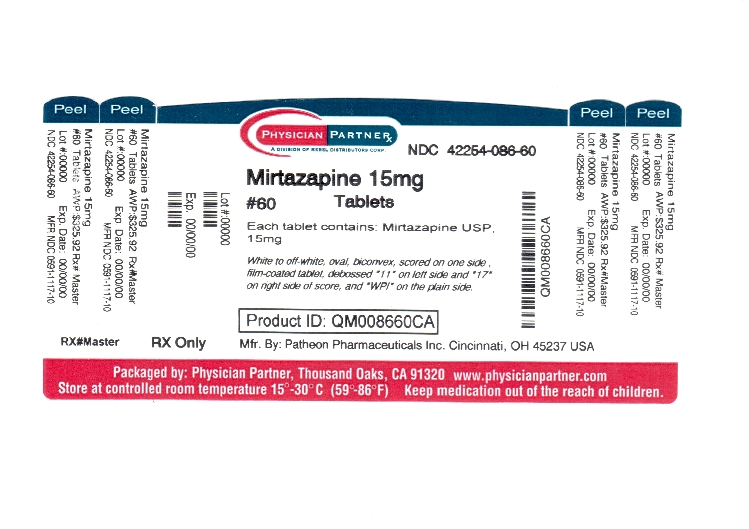
  • Mirtazapine Tablet, Film Coated [Rebel Distributors Corp]

    Mirtazapine

    Mirtazapine Tablet, Film Coated [Rebel Distributors Corp]

    Initial Treatment

    The recommended starting dose for mirtazapine tablets is 15 mg/day, administered in a single dose, preferably in the evening prior to sleep. In the controlled clinical trials establishing the efficacy of mirtazapine in the treatment of major depressive disorder, the effective dose range was generally 15 to 45 mg/day. While the relationship between dose and satisfactory response in the treatment of major depressive disorder for mirtazapine has not been adequately explored, patients not responding to the initial 15 mg dose may benefit from dose increases up to a maximum of 45 mg/day.

    Mirtazapine has an elimination half-life of approximately 20-40 hours; therefore, dose changes should not be made at intervals of less than one to two weeks in order to allow sufficient time for evaluation of the therapeutic response to a given dose.

    Elderly and Patients with Renal or Hepatic Impairment

    The clearance of mirtazapine is reduced in elderly patients and in patients with moderate to severe renal or hepatic impairment. Consequently, the prescriber should be aware that plasma mirtazapine levels may be increased in these patient groups, compared to levels observed in younger adults without renal or hepatic impairment (see PRECAUTIONS and CLINICAL PHARMACOLOGY).

    Maintenance/Extended Treatment

    It is generally agreed that acute episodes of depression require several months or longer of sustained pharmacological therapy beyond response to the acute episode. Systematic evaluation of mirtazapine tablets has demonstrated that its efficacy in major depressive disorder is maintained for periods of up to 40 weeks following 8-12 weeks of initial treatment at a dose of 15-45 mg/day (see CLINICAL PHARMACOLOGY). Based on these limited data, it is unknown whether or not the dose of mirtazapine needed for maintenance treatment is identical to the dose needed to achieve an initial response. Patients should be periodically reassessed to determine the need for maintenance treatment and the appropriate dose for such treatment.

    Switching Patients To or From a Monoamine Oxidase Inhibitor

    At least 14 days should elapse between discontinuation of an MAOI and initiation of therapy with mirtazapine. In addition, at least 14 days should be allowed after stopping mirtazapine before starting an MAOI.

  • Pantoprazole Sodium Tablet, Delayed Release [Rebel Distributors Corp]

    Pantoprazole Sodium

    Pantoprazole Sodium Tablet, Delayed Release [Rebel Distributors Corp]

    2.1 Recommended Dosing Schedule

    Pantoprazole sodium is supplied as delayed-release tablets. The recommended dosages are outlined in Table 1.

    Table 1: Recommended Dosing Schedule for Pantoprazole Sodium Delayed-Release Tablets Indication Dose Frequency * For adult patients who have not healed after 8 weeks of treatment, an additional 8-week course of pantoprazole sodium delayed-release tablets may be considered. † Dosage regimens should be adjusted to individual patient needs and should continue for as long as clinically indicated. Doses up to 240 mg daily have been administered. Short-Term Treatment of Erosive Esophagitis Associated With GERD Adults 40 mg Once daily for up to 8 weeks* Maintenance of Healing of Erosive Esophagitis Adults 40 mg Once daily Pathological Hypersecretory Conditions Including Zollinger-Ellison Syndrome Adults 40 mg Twice daily†

    Pediatric dosing information in pediatric patients ages five years and older with erosive esophagitis associated with GERD is approved for Wyeth Pharmaceuticals Inc.’s pantoprazole sodium delayed-release tablets. However, due to Wyeth Pharmaceuticals Inc.’s marketing exclusivity rights, this drug product is not labeled with that pediatric information.

    2.2 Administration Instructions

    Directions for method of administration for each dosage form are presented in Table 2.

    Table 2: Administration Instructions Formulation Route Instructions* * Patients should be cautioned that pantoprazole sodium delayed-release tablets should not be split, chewed, or crushed. Delayed-Release Tablets Oral Swallowed whole, with or without food

    Pantoprazole sodium delayed-release tablets should be swallowed whole, with or without food in the stomach. If patients are unable to swallow a 40 mg tablet, two 20 mg tablets may be taken. Concomitant administration of antacids does not affect the absorption of pantoprazole sodium delayed-release tablets.

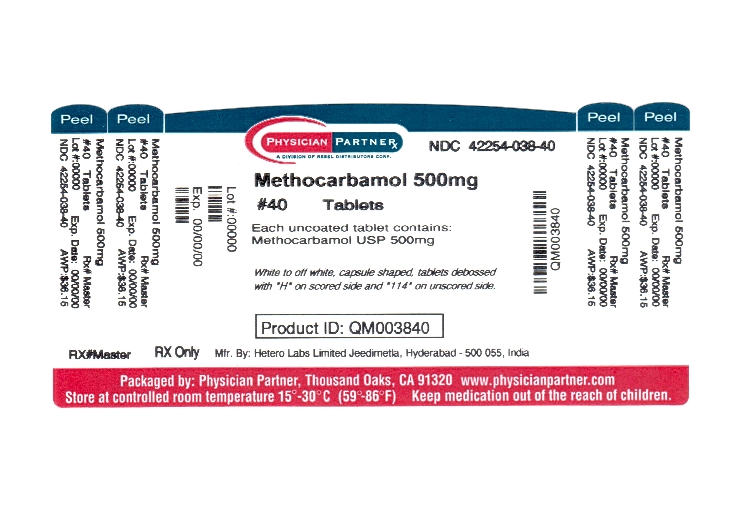
  • Methocarbamol Tablet [Rebel Distributors Corp]

    Methocarbamol

    Methocarbamol Tablet [Rebel Distributors Corp]

    Methocarbamol Tablets USP 500 mg – Adults:

    Initial dosage: 3 tablets q.i.d.

    Maintenance dosage: 2 tablets q.i.d.

    Methocarbamol Tablets USP 750 mg – Adults:

    Initial dosage: 2 tablets q.i.d.

    Maintenance dosage: 1 tablet q.4h. or 2 tablets t.i.d.

    Six grams a day are recommended for the first 48 to 72 hours of treatment. (For severe conditions 8 grams a day may be administered). Thereafter, the dosage can usually be reduced to approximately 4 grams a day.

  • Zovirax (Acyclovir) Cream [Rebel Distributors Corp]

    Zovirax

    Zovirax (Acyclovir) Cream [Rebel Distributors Corp]

    ZOVIRAX Cream should be applied 5 times per day for 4 days. Therapy should be initiated as early as possible following onset of signs and symptoms (i.e., during the prodrome or when lesions appear). For adolescents 12 years of age and older, the dosage is the same as in adults.

  • Nadolol Tablet [Rebel Distributors Corp]

    Nadolol

    Nadolol Tablet [Rebel Distributors Corp]

    DOSAGE MUST BE INDIVIDUALIZED. NADOLOL MAY BE ADMINISTERED WITHOUT REGARD TO MEALS.

    Angina Pectoris

    The usual initial dose is 40 mg nadolol once daily. Dosage may be gradually increased in 40 to 80 mg increments at 3 to 7 day intervals until optimum clinical response is obtained or there is pronounced slowing of the heart rate. The usual maintenance dose is 40 or 80 mg administered once daily. Doses up to 160 or 240 mg administered once daily may be needed.

    The usefulness and safety in angina pectoris of dosage exceeding 240 mg per day have not been established. If treatment is to be discontinued, reduce the dosage gradually over a period of one to two weeks (see WARNINGS).

    Hypertension

    The usual initial dose is 40 mg nadolol once daily, whether it is used alone or in addition to diuretic therapy. Dosage may be gradually increased in 40 to 80 mg increments until optimum blood pressure reduction is achieved. The usual maintenance dose is 40 or 80 mg administered once daily. Doses up to 240 or 320 mg administered once daily may be needed.

    Dosage Adjustment in Renal Failure

    Absorbed nadolol is excreted principally by the kidneys and, although nonrenal elimination does occur, dosage adjustments are necessary in patients with renal impairment. The following dose intervals are recommended:

    Creatinine Clearance (mL/min/1.73m2) Dosage Interval (hours) > 50 24 31 to 50 24 to 36 10 to 30 24 to 48 < 10 40 to 60
  • Methotrexate Tablet [Rebel Distributors Corp]

    Methotrexate

    Methotrexate Tablet [Rebel Distributors Corp]

    Neoplastic Diseases

    Oral administration in tablet form is often preferred when low doses are being administered since absorption is rapid and effective serum levels are obtained.

    Choriocarcinoma and similar trophoblastic diseases: Methotrexate is administered orally or intramuscularly in doses of 15 to 30 mg daily for a five-day course. Such courses are usually repeated for 3 to 5 times as required, with rest periods of one or more weeks interposed between courses, until any manifesting toxic symptoms subside. The effectiveness of therapy is ordinarily evaluated by 24 hour quantitative analysis of urinary chorionic gonadotropin (hCG), which should return to normal or less than 50 IU/24 hr usually after the third or fourth course and usually be followed by a complete resolution of measurable lesions in 4 to 6 weeks. One to two courses of methotrexate after normalization of hCG is usually recommended. Before each course of the drug careful clinical assessment is essential. Cyclic combination therapy of methotrexate with other antitumor drugs has been reported as being useful.

    Since hydatidiform mole may precede choriocarcinoma, prophylactic chemotherapy with methotrexate has been recommended.

    Chorioadenoma destruens is considered to be an invasive form of hydatidiform mole. Methotrexate is administered in these disease states in doses similar to those recommended for choriocarcinoma. Leukemia: Acute lymphoblastic leukemia in pediatric patients and young adolescents is the most responsive to present day chemotherapy. In young adults and older patients, clinical remission is more difficult to obtain and early relapse is more common.

    Methotrexate alone or in combination with steroids was used initially for induction of remission in acute lymphoblastic leukemias. More recently corticosteroid therapy, in combination with other antileukemic drugs or in cyclic combinations with methotrexate included, has appeared to produce rapid and effective remissions. When used for induction, methotrexate in doses of 3.3 mg/m2 in combination with 60 mg/m2 of prednisone, given daily, produced remissions in 50% of patients treated, usually within a period of 4 to 6 weeks. Methotrexate in combination with other agents appears to be the drug of choice for securing maintenance of drug-induced remissions. When remission is achieved and supportive care has produced general clinical improvement, maintenance therapy is initiated, as follows: Methotrexate is administered 2 times weekly either by mouth or intramuscularly in total weekly doses of 30 mg/m2. It has also been given in doses of 2.5 mg/kg intravenously every 14 days. If and when relapse does occur, reinduction of remission can again usually be obtained by repeating the initial induction regimen.

    A variety of combination chemotherapy regimens have been used for both induction and maintenance therapy in acute lymphoblastic leukemia. The physician should be familiar with the new advances in antileukemic therapy.

    Lymphomas: In Burkitt’s tumor, Stages I-II, methotrexate has produced prolonged remissions in some cases. Recommended dosage is 10 to 25 mg/day orally for 4 to 8 days. In Stage III, methotrexate is commonly given concomitantly with other anti-tumor agents. Treatment in all stages usually consists of several courses of the drug interposed with 7 to 10 day rest periods. Lymphosarcomas in Stage III may respond to combined drug therapy with methotrexate given in doses of 0.625 to 2.5 mg/kg daily.

    Mycosis Fungoides (cutaneous T cell lymphoma): Therapy with methotrexate as a single agent appears to produce clinical responses in up to 50% of patients treated. Dosage in early stages is usuallly 5 to 50 mg once weekly. Dose reduction or cessation is guided by patient response and hematologic monitoring. Methotrexate has also been administered twice weekly in doses ranging from 15 to 37.5 mg in patients who have responded poorly to weekly therapy.

    Psoriasis, Rheumatoid Arthritis, and Juvenile Rheumatoid Arthritis

    Adult Rheumatoid Arthritis: Recommended Starting Dosage Schedules

    Single oral doses of 7.5 mg once weekly. Divided oral dosages of 2.5 mg at 12 hour intervals for 3 doses given as a course once weekly

    Polyarticular-Course Juvenile Rheumatoid Arthritis: The recommended starting dose is 10 mg/m2 given once weekly.

    For either adult RA or polyarticular-course JRA dosages may be adjusted gradually to achieve an optimal response. Limited experience shows a significant increase in the incidence and severity of serious toxic reactions, especially bone marrow suppression, at doses greater than 20 mg/wk in adults. Although there is experience with doses up to 30 mg/m2/wk in children, there are too few published data to assess how doses over 20 mg/m2/wk might affect the risk of serious toxicity in children. Experience does suggest, however, that children receiving 20 to 30 mg/m2/wk (0.65 to 1.0 mg/kg/wk) may have better absorption and fewer gastrointestinal side effects if methotrexate is administered either intramuscularly or subcutaneously.

    Therapeutic response usually begins within 3 to 6 weeks and the patient may continue to improve for another 12 weeks or more.

    The optimal duration of therapy is unknown. Limited data available from long-term studies in adults indicate that the initial clinical improvement is maintained for at least two years with continued therapy. When methotrexate is discontinued, the arthritis usually worsens within 3 to 6 weeks.

    The patient should be fully informed of the risks involved and should be under constant supervision of the physician. (See Information for Patients under PRECAUTIONS.) Assessment of hematologic, hepatic, renal, and pulmonary function should be made by history, physical examination, and laboratory tests before beginning, periodically during, and before reinstituting methotrexate therapy. (See PRECAUTIONS.) Appropriate steps should be taken to avoid conception during methotrexate therapy. (See PRECAUTIONS and CONTRAINDICATIONS.)

    All schedules should be continually tailored to the individual patient. An initial test dose may be given prior to the regular dosing schedule to detect any extreme sensitivity to adverse effects. (See ADVERSE REACTIONS.) Maximal myelosuppression usually occurs in seven to ten days.

    Psoriasis: Recommended Starting Dose Schedules

    Weekly single oral, IM or IV dose schedule: 10 to 25 mg per week until adequate response is achieved. Divided oral dose schedule: 2.5 mg at 12-hour intervals for three doses.

    Dosages in each schedule may be gradually adjusted to achieve optimal clinical response; 30 mg/week should not ordinarily be exceeded.

    Once optimal clinical response has been achieved, each dosage schedule should be reduced to the lowest possible amount of drug and to the longest possible rest period. The use of methotrexate may permit the return to conventional topical therapy, which should be encouraged.

  • Tamiflu (Oseltamivir Phosphate) Powder, For Suspension [Rebel Distributors Corp]

    Tamiflu

    Tamiflu (Oseltamivir Phosphate) Powder, For Suspension [Rebel Distributors Corp]

    2.1 Dosing for Treatment and Prophylaxis of Influenza

    TAMIFLU may be taken with or without food [see Clinical Pharmacology (12.3)]. However, when taken with food, tolerability may be enhanced in some patients.

    The recommended oral treatment and prophylaxis dose of TAMIFLU for patients 1 year of age and older is shown in Table 1.

    Table 1 Treatment and Prophylaxis Dosing of Oral TAMIFLU for Influenza For Patients 1 Year of Age and Older Based on Body Weight Weight (kg) Weight (lbs) Treatment Dosingfor 5 days Prophylaxis Dosing for 10 days Volume of Oral Suspension(6 mg/mL) for each Dose* Number of Bottles of Oral Suspension to Dispense Number of Capsules and Strength to Dispense * A 10 mL oral dosing dispenser is provided with the oral suspension. In the event that the dispenser provided is lost or damaged, another dosing dispenser may be used to deliver the volumes. † Delivery of this TAMIFLU for Oral Suspension dose requires administering 10 mL followed by another 2.5 mL. 15 kg or less 33 lbs or less 30 mg twice daily 30 mg once daily 5 mL 1 bottle 10 Capsules30 mg 16 kg thru 23 kg 34 lbs thru 51 lbs 45 mg twice daily 45 mg once daily 7.5 mL 2 bottles 10 Capsules45 mg 24 kg thru 40 kg 52 lbs thru 88 lbs 60 mg twice daily 60 mg once daily 10 mL 2 bottles 20 Capsules30 mg 41 kg or more 89 lbs or more 75 mg twice daily 75 mg once daily 12.5 mL† 3 bottles 10 Capsules75 mg

    2.2 Standard Dosage – Treatment of Influenza

    Adults and Adolescents

    The recommended oral dose of TAMIFLU for treatment of influenza in adults and adolescents 13 years and older is 75 mg twice daily for 5 days. Treatment should begin within 2 days of onset of symptoms of influenza. TAMIFLU for oral suspension may be used by patients who cannot swallow a capsule (see Table 1).

    Pediatric Patients

    TAMIFLU is not indicated for treatment of influenza in pediatric patients younger than 1 year.

    The recommended oral dose of TAMIFLU for pediatric patients 1 year and older is shown in Table 1. For pediatric patients who cannot swallow capsules, TAMIFLU for oral suspension is the preferred formulation. If the oral suspension product is not available, TAMIFLU capsules may be opened and mixed with sweetened liquids such as regular or sugar-free chocolate syrup, corn syrup, caramel topping, or light brown sugar (dissolved in water). If the appropriate strengths of TAMIFLU capsules are not available to mix with sweetened liquids and the oral suspension product is not available, then a pharmacist may compound an emergency supply of oral suspension from TAMIFLU 75 mg capsules [see Dosage and Administration (2.8)].

    2.3 Standard Dosage – Prophylaxis of Influenza

    Adults and Adolescents

    The recommended oral dose of TAMIFLU for prophylaxis of influenza in adults and adolescents 13 years and older following close contact with an infected individual is 75 mg once daily for at least 10 days. Therapy should begin within 2 days of exposure. The recommended dose for prophylaxis during a community outbreak of influenza is 75 mg once daily. Safety and efficacy have been demonstrated for up to 6 weeks in immunocompetent patients. The duration of protection lasts for as long as dosing is continued. Safety has been demonstrated for up to 12 weeks in immunocompromised patients. TAMIFLU for oral suspension may also be used by patients who cannot swallow a capsule (see Table 1).

    Pediatric Patients

    The safety and efficacy of TAMIFLU for prophylaxis of influenza in pediatric patients younger than 1 year of age have not been established.

    The recommended oral dose of TAMIFLU for pediatric patients 1 year and older following close contact with an infected individual is shown in Table 1. For pediatric patients who cannot swallow capsules, TAMIFLU for oral suspension is the preferred formulation. If the oral suspension product is not available, TAMIFLU capsules may be opened and mixed with sweetened liquids such as regular or sugar-free chocolate syrup, corn syrup, caramel topping, or light brown sugar (dissolved in water). If the appropriate strengths of TAMIFLU capsules are not available to mix with sweetened liquids and the oral suspension product is not available, then a pharmacist may compound an emergency supply of oral suspension from TAMIFLU 75 mg capsules [see Dosage and Administration (2.8)].

    Prophylaxis in pediatric patients following close contact with an infected individual is recommended for 10 days. Therapy should begin within 2 days of exposure. For prophylaxis in pediatric patients during a community outbreak of influenza, dosing may be continued for up to 6 weeks.

    2.4 Renal Impairment

    Data are available on plasma concentrations of oseltamivir carboxylate following various dosing schedules in patients with renal impairment [see Clinical Pharmacology (12.3)].

    Treatment of Influenza

    Dose adjustment is recommended for adult patients with creatinine clearance between 10 and 30 mL/min receiving TAMIFLU for the treatment of influenza. In these patients it is recommended that the dose be reduced to 75 mg of TAMIFLU once daily for 5 days. No recommended dosing regimens are available for patients with end-stage renal disease undergoing routine hemodialysis or continuous peritoneal dialysis treatment.

    Prophylaxis of Influenza

    For the prophylaxis of influenza, dose adjustment is recommended for adult patients with creatinine clearance between 10 and 30 mL/min receiving TAMIFLU. In these patients it is recommended that the dose be reduced to 75 mg of TAMIFLU every other day or 30 mg TAMIFLU every day. No recommended dosing regimens are available for patients undergoing routine hemodialysis and continuous peritoneal dialysis treatment with end-stage renal disease.

    2.5 Hepatic Impairment

    No dose adjustment is recommended for patients with mild or moderate hepatic impairment (Child-Pugh score ≤9) [see Clinical Pharmacology (12.3)].

    2.6 Geriatric Patients

    No dose adjustment is required for geriatric patients [see Use in Specific Populations (8.5) and Clinical Pharmacology (12.3)].

    2.7 Preparation of TAMIFLU for Oral Suspension

    It is recommended that TAMIFLU for oral suspension be constituted by the pharmacist prior to dispensing to the patient:

    a)Tap the closed bottle several times to loosen the powder. b) Measure 55 mL of water in a graduated cylinder. c)Add the total amount of water for constitution to the bottle and shake the closed bottle well for 15 seconds. d)Remove the child-resistant cap and push bottle adapter into the neck of the bottle. e)Close bottle with child-resistant cap tightly. This will assure the proper seating of the bottle adapter in the bottle and child-resistant status of the cap.

    Label the bottle with instructions to Shake Well before each use.

    The constituted TAMIFLU for oral suspension (6 mg/mL) should be used within 17 days of preparation when stored under refrigeration or within 10 days if stored at controlled room temperature; the pharmacist should write the date of expiration of the constituted suspension on a pharmacy label. The patient package insert and oral dispenser should be dispensed to the patient.

    2.8 Emergency Compounding of an Oral Suspension from 75 mg TAMIFLU Capsules (Final Concentration 6 mg/mL)

    The following directions are provided for use only during emergency situations. These directions are not intended to be used if the FDA-approved, commercially manufactured TAMIFLU for oral suspension is readily available from wholesalers or the manufacturer.

    Compounding an oral suspension with this procedure will provide one patient with enough medication for a 5-day course of treatment or a 10-day course of prophylaxis.

    Commercially manufactured TAMIFLU for oral suspension (6 mg/mL) is the preferred product for pediatric and adult patients who have difficulty swallowing capsules or where lower doses are needed. In the event that TAMIFLU for oral suspension is not available, the pharmacist may compound a suspension (6 mg/mL) from TAMIFLU capsules 75 mg using one of these vehicles: Cherry Syrup (Humco®), Ora-Sweet® SF (sugar-free) (Paddock Laboratories), or simple syrup. Other vehicles have not been studied. This compounded suspension should not be used for convenience or when the FDA-approved TAMIFLU for oral suspension is commercially available.

    First, calculate the total volume of an oral suspension needed to be compounded and dispensed for each patient. The total volume required is determined by the weight of the patient (see Table 2).

    Table 2 Volume of an Oral Suspension (6 mg/mL) Needed to be Compounded Based Upon the Patient's Body Weight Weight (kg) Weight (lbs) Total Volume to Compoundper Patient (mL) 15 kg or less 33 lbs or less 75 mL 16 thru 23 kg 34 thru 51 lbs 100 mL 24 thru 40 kg 52 thru 88 lbs 125 mL 41 kg or more 89 lbs or more 150 mL

    Second, determine the number of capsules and the amount of water and vehicle (Cherry Syrup, Ora-Sweet® SF, or simple syrup) that are needed to prepare the total volume (determined from Table 2: 75 mL, 100 mL, 125 mL, or 150 mL) of compounded oral suspension (6 mg/mL) (see Table 3).

    Table 3 Number of TAMIFLU 75 mg Capsules and Amount of Vehicle (Cherry Syrup, Ora-Sweet® SF, or Simple Syrup) Needed to Prepare the Total Volume of a Compounded Oral Suspension (6 mg/mL) Total Volume of Compounded Oral Suspension to be Prepared 75 mL 100 mL 125 mL 150 mL * Includes overage to ensure all doses can be delivered Number of TAMIFLU 75 mg Capsules* 6 capsules (450 mg oseltamivir) 8 capsules (600 mg oseltamivir) 10 capsules (750 mg oseltamivir) 12 capsules (900 mg oseltamivir) Amount of Water 5 mL 7 mL 8 mL 10 mL Volume of Vehicle Cherry Syrup (Humco®) OROra-Sweet® SF (Paddock Laboratories) OR simple syrup 69 mL 91 mL 115 mL 137 mL

    Third, follow the procedure below for compounding the oral suspension (6 mg/mL) from TAMIFLU capsules 75 mg:

    Place the specified amount of water into a polyethyleneterephthalate (PET) or glass bottle (see Table 3). Carefully separate the capsule body and cap and pour the contents of the required number of TAMIFLU 75 mg capsules into the PET or glass bottle. Gently swirl the suspension to ensure adequate wetting of the TAMIFLU powder for at least 2 minutes. Slowly add the specified amount of vehicle to the bottle. Close the bottle using a child-resistant cap and shake well for 30 seconds to completely dissolve the active drug and to ensure homogeneous distribution of the dissolved drug in the resulting suspension. (Note: The active drug, oseltamivir phosphate, readily dissolves in the specified vehicles. The suspension is caused by inert ingredients of TAMIFLU capsules which are insoluble in these vehicles.) Put an ancillary label on the bottle indicating "Shake Well Before Use." Instruct the parent or caregiver that any unused suspension remaining in the bottle following completion of therapy must be discarded by either affixing an ancillary label to the bottle or adding a statement to the pharmacy label instructions. Place an appropriate expiration date on the label according to storage conditions below.

    Storage of the Emergency Compounded Suspension

    Refrigeration: Stable for 5 weeks (35 days) when stored in a refrigerator at 2° to 8°C (36° to 46°F). Room Temperature: Stable for five days (5 days) when stored at room temperature, 25°C (77°F).

    Note: The storage conditions are based on stability studies of compounded oral suspensions, using the above mentioned vehicles, which were placed in glass and polyethyleneterephthalate (PET) bottles. Stability studies have not been conducted with other vehicles or bottle types.

    Place a pharmacy label on the bottle that includes the patient's name, dosing instructions, and drug name and any other required information to be in compliance with all State and Federal Pharmacy Regulations.

    Dosing of the Compounded Suspension (6 mg/mL)

    Refer to Table 1 for the proper dosing instructions for the pharmacy label.

  • Cetirizine Hydrochloride Tablet [Rebel Distributors Corp]

    Cetirizine Hydrochloride

    Cetirizine Hydrochloride Tablet [Rebel Distributors Corp]

    adults and children 6 years and over One 10 mg tablet once daily; do not take more than one 10 mg tablet in 24 hours. A 5 mg product may be appropriate for less severe symptoms. adults 65 years and over ask a doctor children under 6 years of age ask a doctor consumers with liver or kidney disease ask a doctor

    Other information

    Store between 20 to 25 C (68 to 77 F)

  • Alprazolam Tablet [Rebel Distributors Corp]

    Alprazolam

    Alprazolam Tablet [Rebel Distributors Corp]

    Dosage should be individualized for maximum beneficial effect. While the usual daily dosages given below will meet the needs of most patients, there will be some who require doses greater than 4 mg/day. In such cases, dosage should be increased cautiously to avoid adverse effects.


    Anxiety disorders and transient symptoms of anxiety:


    Treatment for patients with anxiety should be initiated with a dose of 0.25 to 0.5 mg given three times daily. The dose may be increased to achieve a maximum therapeutic effect, at intervals of 3 to 4 days, to a maximum daily dose of 4 mg, given in divided doses. The lowest possible effective dose should be employed and the need for continued treatment reassessed frequently. The risk of dependence may increase with dose and duration of treatment.


    In all patients, dosage should be reduced gradually when discontinuing therapy or when decreasing the daily dosage. Although there are no systematically collected data to support a specific discontinuation schedule, it is suggested that the daily dosage be decreased by no more than 0.5 mg every 3 days. Some patients may require an even slower dosage reduction.


    Panic Disorder:


    The successful treatment of many panic disorder patients has required the use of alprazolam tablets at doses greater than 4 mg daily. In controlled trials conducted to establish the efficacy of alprazolam tablets in panic disorder, doses in the range of 1 to 10 mg daily were used. The mean dosage employed was approximately 5 to 6 mg daily. Among the approximately 1700 patients participating in the panic disorder development program, about 300 received alprazolam tablets in dosages of greater than 7 mg/day, including approximately 100 patients who received maximum dosages of greater than 9 mg/day. Occasional patients required as much as 10 mg a day to achieve a successful response.


    Dose Titration:


    Treatment may be initiated with a dose of 0.5 mg three times daily. Depending on the response, the dose may be increased at intervals of 3 to 4 days in increments of no more than 1 mg per day. Slower titration to the dose levels greater than 4 mg/day may be advisable to allow full expression of the pharmacodynamic effect of alprazolam tablets. To lessen the possibility of interdose symptoms, the times of administration should be distributed as evenly as possible throughout the waking hours, that is, on a three or four times per day schedule.


    Generally, therapy should be initiated at a low dose to minimize the risk of adverse responses in patients especially sensitive to the drug. Dose should be advanced until an acceptable therapeutic response (ie, a substantial reduction in or total elimination of panic attacks) is achieved, intolerance occurs, or the maximum recommended dose is attained.


    Dose Maintenance:


    For patients receiving doses greater than 4 mg/day, periodic reassessment and consideration of dosage reduction is advised. In a controlled postmarketing dose-response study, patients treated with doses of alprazolam tablets greater than 4 mg/day for 3 months were able to taper to 50% of their total maintenance dose without apparent loss of clinical benefit. Because of the danger of withdrawal, abrupt discontinuation of treatment should be avoided. (See WARNINGS, PRECAUTIONS, DRUG ABUSE AND DEPENDENCE.)


    The necessary duration of treatment for panic disorder patients responding to alprazolam tablets is unknown. After a period of extended freedom from attacks, a carefully supervised tapered discontinuation may be attempted, but there is evidence that this may often be difficult to accomplish without recurrence of symptoms and/or the manifestation of withdrawal phenomena.

    Dose Reduction:


    Because of the danger of withdrawal, abrupt discontinuation of treatment should be avoided (see WARNINGS, PRECAUTIONS, DRUG ABUSE AND DEPENDENCE).


    In all patients, dosage should be reduced gradually when discontinuing therapy or when decreasing the daily dosage. Although there are no systematically collected data to support a specific discontinuation schedule, it is suggested that the daily dosage be decreased by no more than 0.5 mg every three days. Some patients may require an even slower dosage reduction.


    In any case, reduction of dose must be undertaken under close supervision and must be gradual. If significant withdrawal symptoms develop, the previous dosing schedule should be reinstituted and, only after stabilization, should a less rapid schedule of discontinuation be attempted. In a controlled postmarketing discontinuation study of panic disorder patients which compared this recommended taper schedule with a slower taper schedule, no difference was observed between the groups in the proportion of patients who tapered to zero dose; however, the slower schedule was associated with a reduction in symptoms associated with a withdrawal syndrome. It is suggested that the dose be reduced by no more than 0.5 mg every 3 days, with the understanding that some patients may benefit from an even more gradual discontinuation. Some patients may prove resistant to all discontinuation regimens.


    Dosing in Special Populations:


    In elderly patients, in patients with advanced liver disease or in patients with debilitating disease, the usual starting dose is 0.25 mg, given two or three times daily. This may be gradually increased if needed and tolerated. The elderly may be especially sensitive to the effects of benzodiazepines. If side effects occur at the recommended starting dose, the dose may be lowered.

  • Hydrochlorothiazide Tablet [Rebel Distributors Corp]

    Hydrochlorothiazide

    Hydrochlorothiazide Tablet [Rebel Distributors Corp]

    Therapy should be individualized according to patient response. Use the smallest dosage necessary to achieve the required response.

    Adults

    For Edema

    The usual adult dosage is 25 to 100 mg daily as a single or divided dose. Many patients with edema respond to intermittent therapy, i.e., administration on alternate days or on three to five days each week. With an intermittent schedule, excessive response and the resulting undesirable electrolyte imbalance are less likely to occur.

    For Control of Hypertension

    The usual initial dose in adults is 25 mg daily given as a single dose. The dose may be increased to 50 mg daily, given as a single or two divided doses. Doses above 50 mg are often associated with marked reductions in serum potassium (see also PRECAUTIONS). Patients usually do not require doses in excess of 50 mg of hydrochlorothiazide daily when used concomitantly with other antihypertensive agents.

    Infants and Children

    For Diuresis and For Control of Hypertension

    The usual pediatric dosage is 0.5 to 1 mg per pound (1 to 2 mg/kg) per day in single or two divided doses, not to exceed 37.5 mg per day in infants up to 2 years of age or 100 mg per day in children 2 to 12 years of age. In infants less than 6 months of age, doses up to 1.5 mg per pound (3 mg/kg) per day in two divided doses may be required. (See PRECAUTIONS, Pediatric Use)

  • Emend
    Emend (Aprepitant) Capsule [Rebel Distributors Corp]

    Emend

    Emend (Aprepitant) Capsule [Rebel Distributors Corp]

    2.1 Prevention of Chemotherapy Induced Nausea and Vomiting (CINV)

    Capsules of EMEND (aprepitant) are given for 3 days as part of a regimen that includes a corticosteroid and a 5-HT3 antagonist. The recommended dose of EMEND is 125 mg orally 1 hour prior to chemotherapy treatment (Day 1) and 80 mg orally once daily in the morning on Days 2 and 3.

    EMEND may be taken with or without food.

    EMEND (fosaprepitant dimeglumine) for Injection (115 mg) is a prodrug of aprepitant and may be substituted for oral EMEND (125 mg), 30 minutes prior to chemotherapy, on Day 1 only of the CINV regimen as an intravenous infusion administered over 15 minutes.

    In clinical studies with EMEND, the following regimen was used for the prevention of nausea and vomiting associated with highly emetogenic cancer chemotherapy:

    Day 1 Day 2 Day 3 Day 4 * EMEND was administered orally 1 hour prior to chemotherapy treatment on Day 1 and in the morning on Days 2 and 3. † Dexamethasone was administered 30 minutes prior to chemotherapy treatment on Day 1 and in the morning on Days 2 through 4. The dose of dexamethasone was chosen to account for drug interactions. ‡ Ondansetron was administered 30 minutes prior to chemotherapy treatment on Day 1. EMEND* 125 mg orally 80 mg orally 80 mg orally none Dexamethasone† 12 mg orally 8 mg orally 8 mg orally 8 mg orally Ondansetron‡ 32 mg I.V. none none none

    In a clinical study with EMEND, the following regimen was used for the prevention of nausea and vomiting associated with moderately emetogenic cancer chemotherapy:

    Day 1 Day 2 Day 3 * EMEND was administered orally 1 hour prior to chemotherapy treatment on Day 1 and in the morning on Days 2 and 3. † Dexamethasone was administered 30 minutes prior to chemotherapy treatment on Day 1. The dose of dexamethasone was chosen to account for drug interactions. ‡ Ondansetron 8-mg capsule was administered 30 to 60 minutes prior to chemotherapy treatment and one 8-mg capsule was administered 8 hours after the first dose on Day 1. EMEND* 125 mg orally 80 mg orally 80 mg orally Dexamethasone† 12 mg orally none none Ondansetron‡ 2 x 8 mg orally none none

    2.2 Prevention of Postoperative Nausea and Vomiting (PONV)

    The recommended oral dosage of EMEND is 40 mg within 3 hours prior to induction of anesthesia.

    EMEND may be taken with or without food.

    2.3 Geriatric Patients

    No dosage adjustment is necessary for the elderly.

    2.4 Patients with Renal Impairment

    No dosage adjustment is necessary for patients with renal impairment or for patients with end stage renal disease (ESRD) undergoing hemodialysis.

    2.5 Patients with Hepatic Impairment

    No dosage adjustment is necessary for patients with mild to moderate hepatic impairment (Child-Pugh score 5 to 9). There are no clinical data in patients with severe hepatic impairment (Child-Pugh score >9).

    2.6 Coadministration with Other Drugs

    For additional information on dose adjustment for corticosteroids when coadministered with EMEND, see Drug Interactions (7.1).

    Refer to the full prescribing information for coadministered antiemetic agents.

  • Carvedilol Tablet, Film Coated [Rebel Distributors Corp]

    Carvedilol

    Carvedilol Tablet, Film Coated [Rebel Distributors Corp]

    Carvedilol tablets should be taken with food to slow the rate of absorption and reduce the incidence of orthostatic effects.

    2.2 Left Ventricular Dysfunction Following Myocardial Infarction

    DOSAGE MUST BE INDIVIDUALIZED AND MONITORED DURING UP-TITRATION. Treatment with carvedilol tablets may be started as an inpatient or outpatient and should be started after the patient is hemodynamically stable and fluid retention has been minimized. It is recommended that carvedilol tablets be started at 6.25 mg twice daily and increased after 3 to 10 days, based on tolerability, to 12.5 mg twice daily, then again to the target dose of 25 mg twice daily. A lower starting dose may be used (3.125 mg twice daily) and/or the rate of up-titration may be slowed if clinically indicated (e.g., due to low blood pressure or heart rate, or fluid retention). Patients should be maintained on lower doses if higher doses are not tolerated. The recommended dosing regimen need not be altered in patients who received treatment with an IV or oral β-blocker during the acute phase of the myocardial infarction.

    2.3 Hypertension

    DOSAGE MUST BE INDIVIDUALIZED. The recommended starting dose of carvedilol tablets is 6.25 mg twice daily. If this dose is tolerated, using standing systolic pressure measured about 1 hour after dosing as a guide, the dose should be maintained for 7 to 14 days, and then increased to 12.5 mg twice daily if needed, based on trough blood pressure, again using standing systolic pressure one hour after dosing as a guide for tolerance. This dose should also be maintained for 7 to 14 days and can then be adjusted upward to 25 mg twice daily if tolerated and needed. The full antihypertensive effect of carvedilol tablets is seen within 7 to 14 days. Total daily dose should not exceed 50 mg.

    Concomitant administration with a diuretic can be expected to produce additive effects and exaggerate the orthostatic component of carvedilol action.

    2.4 Hepatic Impairment

    Carvedilol tablets should not be given to patients with severe hepatic impairment [see Contraindications (4)].

  • Lubrifresh P.m. (White Petrolatum Mineral Oil) Ointment [Rebel Distributors Corp]

    Lubrifresh P.m.

    Lubrifresh P.m. (White Petrolatum Mineral Oil) Ointment [Rebel Distributors Corp]

      pull down the lower lid of the affected eye (s)   apply a small amount (1/4 inch) of ointment to the inside of eyelid   apply one or more times daily or as directed by a doctor

  • Nitrostat (Nitroglycerin) Tablet [Rebel Distributors Corp]

    Nitrostat

    Nitrostat (Nitroglycerin) Tablet [Rebel Distributors Corp]

    One tablet should be dissolved under the tongue or in the buccal pouch at the first sign of an acute anginal attack. The dose may be repeated approximately every 5 minutes until relief is obtained. If the pain persists after a total of 3 tablets in a 15-minute period, or if the pain is different than is typically experienced, prompt medical attention is recommended. NITROSTAT may be used prophylactically 5 to 10 minutes prior to engaging in activities that might precipitate an acute attack.

    During administration the patient should rest, preferably in the sitting position.

    No dosage adjustment is required in patients with renal failure.

  • Anastrozole Tablet [Rebel Distributors Corp]

    Anastrozole

    Anastrozole Tablet [Rebel Distributors Corp]

    2.1 Recommended Dose

    The dose of anastrozole tablets is one 1 mg tablet taken once a day. For patients with advanced breast cancer, anastrozole tablets should be continued until tumor progression. Anastrozole tablets can be taken with or without food.

    For adjuvant treatment of early breast cancer in postmenopausal women, the optimal duration of therapy is unknown. In the ATAC trial anastrozole was administered for five years. [see Clinical Studies (14.1)]

    No dosage adjustment is necessary for patients with renal impairment or for elderly patients. [see Use in Specific Populations (8.6)]

    2.2 Patients with Hepatic Impairment

    No changes in dose are recommended for patients with mild-to-moderate hepatic impairment. Anastrozole has not been studied in patients with severe hepatic impairment. [see Use in Specific Populations (8.7)]

  • Oxycontin (Oxycodone Hydrochloride) Tablet, Film Coated, Extended Release [Rebel Distributors Corp]

    Oxycontin

    Oxycontin (Oxycodone Hydrochloride) Tablet, Film Coated, Extended Release [Rebel Distributors Corp]

    2.1  Safe Administration Instructions

    OxyContin tablets must be swallowed whole and must not be cut, broken, chewed, crushed or dissolved. Taking cut, broken, chewed, crushed or dissolved OxyContin tablets leads to rapid release and absorption of a potentially fatal dose of oxycodone.

    OxyContin tablets should be taken one tablet at a time. Take each tablet with enough water to ensure complete swallowing immediately after placing in the mouth [see Patient Counseling Information (17.1)].

    Selection of patients for treatment with OxyContin should be governed by the same principles that apply to the use of similar opioid analgesics. Physicians should individualize treatment using a progressive plan of pain management such as outlined by the World Health Organization, Federation of State Medical Boards Model Policy, and the American Pain Society.  Healthcare professionals should follow appropriate pain management principles of careful assessment and ongoing monitoring.

    2.2  Initiating Therapy with OxyContin

    It is critical to initiate the dosing regimen for each patient individually.  Attention should be given to:

    risk factors for abuse or addiction; including whether the patient has a previous or current substance abuse problem, a family history of substance abuse, or a history of mental illness or depression; the age, general condition and medical status of the patient; the patient's opioid exposure and opioid tolerance (if any); the daily dose, potency, and kind of the analgesic(s) the patient has been taking; the reliability of the conversion estimate used to calculate the dose of oxycodone; the special instructions for OxyContin  60 mg and 80 mg tablets, a single dose greater than 40 mg, or total daily doses greater than 80 mg [see Dosage and Administration (2.7)]; and the balance between pain control and adverse reactions.

    Use low initial doses of OxyContin in patients who are not already opioid-tolerant [see Dosage and Administration (2.7)], especially those who are receiving concurrent treatment with muscle relaxants, sedatives, or other CNS active medications [see Warnings and Precautions (5.1, 5.3) and Drug Interactions (7.1, 7.3)].

    Experience indicates a reasonable starting dose of OxyContin for patients who are taking non-opioid analgesics and require continuous around-the-clock therapy for an extended period of time is 10 mg every 12 hours.  Individually titrate OxyContin to a dose that provides adequate analgesia and minimizes adverse reactions while maintaining an every-twelve-hour dosing regimen.

    For initiation of OxyContin therapy for patients previously taking opioids, the conversion ratios found in Table 1 are a reasonable starting point, although not verified in well-controlled, multiple-dose trials. No fixed conversion ratio is likely to be satisfactory in all patients, especially patients receiving large opioid doses.  A reasonable approach for converting from existing opioid therapy to OxyContin is as follows:

    Discontinue all other around-the-clock opioid drugs when OxyContin therapy is initiated. Using standard conversion ratio estimates (see Table 1), multiply the mg/day of each of the current opioids to be converted by their appropriate multiplication factor to obtain the equivalent total daily dose of oral oxycodone. Divide the calculated 24-hour oxycodone dose in half to approximate the every 12-hour dose of OxyContin. Round down, if necessary, to the appropriate OxyContin tablet strengths available. Close observation and frequent titration are indicated until patients are stable on the new therapy. TABLE 1 Multiplication Factors for Converting the Daily Dose of Current Opioids to the Daily Dose of Oral Oxycodone1* * To be used only for conversion to oral oxycodone. For patients receiving high-dose parenteral opioids, a more conservative conversion is warranted. For example, for high-dose parenteral morphine, use 1.5 instead of 3 as a multiplication factor.   (mg/Day Opioid x Factor = mg/Day Oral Oxycodone)   Oral Opioid Parenteral Opioid Oxycodone 1 -- Codeine 0.15 -- Hydrocodone 0.9 -- Hydromorphone 4 20 Levorphanol 7.5 15 Meperidine 0.1 0.4 Methadone 1.5 3 Morphine 0.5 3

    2.3  Conversion from Transdermal Fentanyl to OxyContin

    Eighteen hours following the removal of the transdermal fentanyl patch, OxyContin treatment can be initiated.  Although there has been no systematic assessment of such conversion, a conservative oxycodone dose, approximately 10 mg every 12 hours of OxyContin, should be initially substituted for each 25 mcg/hr fentanyl transdermal patch.  Follow the patient closely during conversion from transdermal fentanyl to OxyContin, as there is limited documented experience with this conversion.

    2.4  Hepatic Impairment

    For patients with hepatic impairment, start dosing patients at 1/3 to 1/2 the usual starting dose followed by careful dose titration [see Clinical Pharmacology (12.3)].

    2.5  Managing Expected Opioid Adverse Reactions

    Most patients receiving OxyContin, especially those who are opioid-naive, will experience adverse reactions. Patients do not usually become tolerant to the constipating effects of opioids, therefore, anticipate constipation  and treat aggressively and prophylactically with a stimulant laxative with or without a stool softener. If nausea persists and is unacceptable to the patient, consider treatment with antiemetics or other modalities to relieve these symptoms.

    2.6  Individualization of Dosage

    Once therapy is initiated, assess pain relief and other opioid effects frequently.  Titrate patients to adequate effect (generally mild or no pain with the regular use of no more than two doses of supplemental analgesia per 24 hours).  Patients who experience breakthrough pain may require dosage adjustment or rescue medication.  Because steady-state plasma concentrations are approximated within 24 to 36 hours, dosage adjustment may be carried out every 1 to 2 days. 

    There are no well-controlled clinical studies evaluating the safety and efficacy with dosing more frequently than every 12 hours.  Increase the OxyContin dose by increasing the total daily dose, not by changing the 12-hour dosing interval. As a guideline, the total daily oxycodone dose usually can be increased by 25% to 50% of the current dose, each time an increase is clinically indicated.

    If signs of excessive opioid-related adverse reactions are observed, the next dose may be reduced.  If this adjustment leads to inadequate analgesia, a supplemental dose of immediate-release oxycodone may be given.  Alternatively, non-opioid analgesic adjuvants may be employed.  Adjust the dose to obtain an appropriate balance between pain relief and opioid-related adverse reactions.

    During periods of changing analgesic requirements, including initial titration, maintain frequent contact between physician, other members of the healthcare team, the patient and, with proper consent, the caregiver/family.

    2.7  Special Instructions for Patients who are not Opioid Tolerant

    Do not begin treatment with OxyContin 60 mg and 80 mg Tablets, a single dose greater than 40 mg, or a total daily dose greater than 80 mg in patients who are not already tolerant to the respiratory-depressant and sedating effects of opioids.  Use of these doses in patients who are not opioid tolerant may cause fatal respiratory depression.  These doses are only for use in opioid-tolerant patients. 

    Patients considered opioid tolerant are those who are taking at least 60 mg oral morphine/day, 25 mcg transdermal fentanyl/hour, 30 mg oral oxycodone/day, 8 mg oral hydromorphone/day, 25 mg oral oxymorphone/day, or an equianalgesic dose of another opioid for one week or longer.

    Instruct patients not to share or permit use by individuals other than the patient for whom OxyContin was prescribed, as such inappropriate use may have severe medical consequences, including death.

    2.8  Continuation of Therapy

    During chronic therapy, especially for non-cancer pain syndromes, reassess the continued need for around-the-clock opioid therapy regularly (e.g., every 6 to 12 months) as appropriate.

    2.9  Cessation of Therapy

    When the patient no longer requires therapy with OxyContin, taper the dose gradually to prevent signs and symptoms of withdrawal in the physically-dependent patient.

    2.10  Conversion from OxyContin to Parenteral Opioids

    To avoid overdose, follow conservative dose conversion ratios. When converting from OxyContin to parenteral opioids, it is advisable to calculate an equivalent parenteral dose and then initiate treatment at half of this calculated value.

  • Good Sense Ibuprofen Ch...
    Good Sense Ibuprofen Childrens (Ibuprofen) Suspension [Rebel Distributors Corp]

    Good Sense Ibuprofen Childrens

    Good Sense Ibuprofen Childrens (Ibuprofen) Suspension [Rebel Distributors Corp]

    this product does not contain directions or complete warnings for adult use do not give more than directed shake well before using find right dose on chart. If possible, use weight to dose; otherwise use age. use only enclosed measuring cup if needed, repeat dose every 6-8 hours do not use more than 4 times a day replace original bottle cap to maintain child resistance wash dosage cup after each use Dosing Chart Weight (lbs) Age(yrs) Dose (teaspoonful or mL) under 2 years ask a doctor 24-35 lbs 2-3 years 1 tsp or 5 mL 36-47 lbs 4-5 years 1 ½ tsp or 7.5 mL 48-59 lbs 6-8 years 2 tsp or 10 mL 60-71 lbs 9-10 years 2 ½ tsp or 12.5 mL 72-95 lbs 11 years 3 tsp or 15 mL