Rebel Distributors Corp

Manufacturer Details

There are currently no manufacturer details available.

Share This Page

Rebel Distributors Corp Drugs

  • Valacyclovir Hydrochloride Tablet, Film Coated [Rebel Distributors Corp]

    Valacyclovir Hydrochloride

    Valacyclovir Hydrochloride Tablet, Film Coated [Rebel Distributors Corp]

    Valacyclovir hydrochloride tablets may be given without regard to meals.

          Labeling describing use of valacyclovir HCL in pediatric patients for whom a solid dosage form is not appropriate is approved for GlaxoSmithKline’s Valtrex®* Caplets. However, due to GlaxoSmithKline’s marketing exclusivity rights, a description of that information is not approved for this valacyclovir HCL tablet product.

    2.1       Adult Dosing Recommendations

          Cold Sores (Herpes Labialis): The recommended dosage of valacyclovir hydrochloride tablets for treatment of cold sores is 2 grams twice daily for 1 day taken 12 hours apart. Therapy should be initiated at the earliest symptom of a cold sore (e.g., tingling, itching, or burning).

          Genital Herpes: Initial Episode: The recommended dosage of valacyclovir hydrochloride tablets for treatment of initial genital herpes is 1 gram twice daily for 10 days. Therapy was most effective when administered within 48 hours of the onset of signs and symptoms.

          Recurrent Episodes: The recommended dosage of valacyclovir hydrochloride tablets for treatment of recurrent genital herpes is 500 mg twice daily for 3 days. Initiate treatment at the first sign or symptom of an episode.

          Suppressive Therapy: The recommended dosage of valacyclovir hydrochloride tablets for chronic suppressive therapy of recurrent genital herpes is 1 gram once daily in patients with normal immune function. In patients with a history of 9 or fewer recurrences per year, an alternative dose is 500 mg once daily.

          In HIV-infected patients with a CD4+ cell count ≥100 cells/mm3, the recommended dosage of valacyclovir hydrochloride tablets for chronic suppressive therapy of recurrent genital herpes is 500 mg twice daily.

          Reduction of Transmission: The recommended dosage of valacyclovir hydrochloride tablets for reduction of transmission of genital herpes in patients with a history of 9 or fewer recurrences per year is 500 mg once daily for the source partner.

          Herpes Zoster: The recommended dosage of valacyclovir hydrochloride tablets for treatment of herpes zoster is 1 gram 3 times daily for 7 days. Therapy should be initiated at the earliest sign or symptom of herpes zoster and is most effective when started within 48 hours of the onset of rash.

    2.2       Pediatric Dosing Recommendations

          Cold Sores (Herpes Labialis): The recommended dosage of valacyclovir hydrochloride tablets for the treatment of cold sores in pediatric patients ≥12 years of age is 2 grams twice daily for 1 day taken 12 hours apart. Therapy should be initiated at the earliest symptom of a cold sore (e.g., tingling, itching, or burning).

          Labeling describing additional dosing of valacyclovir HCL for pediatric patients with chickenpox is approved for GlaxoSmithKline’s Valtrex®* Caplets. However, due to GlaxoSmithKline’s marketing exclusivity rights, a description of that additional dosing information is not approved for this valacyclovir HCL tablet product.

    2.4       Patients With Renal Impairment

                Dosage recommendations for adult patients with reduced renal function are provided in Table 1 [see Use in Specific Populations ( 8.5 , 8.6 ), Clinical Pharmacology (12.3) ]. Data are not available for the use of valacyclovir hydrochloride tablets in pediatric patients with a creatinine clearance <50 mL/min/1.73 m2.

    Table 1. Valacyclovir Hydrochloride Tablets Dosage Recommendations for Adults With Renal Impairment     Normal Dosage Regimen  Creatinine Clearance (mL/min)   Indications  (Creatinine Clearance ≥ 50 mL/min)  30 to 49  10 to 29  <10  Cold sores (Herpes labialis) Do not exceed 1 day of treatment.  Two 2 gramdoses taken12 hours apart  Two 1 gramdoses taken12 hours apart  Two 500 mg doses taken 12 hours apart  500 mg singledose  Genital herpes: Initial Episode  1 gram every12 hours  no reduction  1 gram every24 hours  500 mg every24 hours  Genital herpes: Recurrent episode  500 mg every12 hours  no reduction  500 mg every24 hours  500 mg every24 hours  Genital herpes: Suppressive therapy                 Immunocompetent  1 gram every  no reduction  500 mg every  500 mg every         patients  24 hours    24 hours  24 hours                         Alternate dose for  500 mg every  no reduction  500 mg every  500 mg every         immunocompetent  24 hours    48 hours  48 hours         patients with ≤ 9                 recurrences/year                           HIV-Infected patients  500 mg every  no reduction  500 mg every  500 mg every    12 hours    24 hours  24 hours  Herpes zoster  1 gram every8 hours  1 gram every12 hours  1 gram every24 hours  500 mg every24 hours

          Hemodialysis: Patients requiring hemodialysis should receive the recommended dose of valacyclovir hydrochloride tablets after hemodialysis. During hemodialysis, the half-life of acyclovir after administration of valacyclovir hydrochloride tablets is approximately 4 hours. About one third of acyclovir in the body is removed by dialysis during a 4-hour hemodialysis session.

          Peritoneal Dialysis: There is no information specific to administration of valacyclovir hydrochloride tablets in patients receiving peritoneal dialysis. The effect of chronic ambulatory peritoneal dialysis (CAPD) and continuous arteriovenous hemofiltration/dialysis (CAVHD) on acyclovir pharmacokinetics has been studied. The removal of acyclovir after CAPD and CAVHD is less pronounced than with hemodialysis, and the pharmacokinetic parameters closely resemble those observed in patients with end-stage renal disease (ESRD) not receiving hemodialysis. Therefore, supplemental doses of valacyclovir hydrochloride tablets should not be required following CAPD or CAVHD.

  • Latanoprost Solution/ Drops [Rebel Distributors Corp]

    Latanoprost Solution Drops

    Latanoprost Solution/ Drops [Rebel Distributors Corp]

    The recommended dosage is one drop (1.5 μg) in the affected eye(s) once daily in the evening. If one dose is missed, treatment should continue with the next dose as normal.

    The dosage of latanoprost ophthalmic solution should not exceed once daily; the combined use of two or more prostaglandins, or prostaglandin analogs including latanoprost ophthalmic solution is not recommended. It has been shown that administration of these prostaglandin drug products more than once daily may decrease the intraocular pressure lowering effect or cause paradoxical elevations in IOP.

    Reduction of the intraocular pressure starts approximately 3 to 4 hours after administration and the maximum effect is reached after 8 to 12 hours.

    latanoprost ophthalmic solution may be used concomitantly with other topical ophthalmic drug products to lower intraocular pressure. If more than one topical ophthalmic drug is being used, the drugs should be administered at least five (5) minutes apart.

  • Lisinopril Tablet [Rebel Distributors Corp]

    Lisinopril

    Lisinopril Tablet [Rebel Distributors Corp]

    Hypertension:Initial Therapy: In patients with uncomplicated essential hypertension not on diuretic therapy, the recommended initial dose is 10 mg once a day. Dosage should be adjusted according to blood pressure response. The usual dosage range is 20 to 40 mg per day administered in a single daily dose. The antihypertensive effect may diminish toward the end of the dosing interval regardless of the administered dose, but most commonly with a dose of 10 mg daily. This can be evaluated by measuring blood pressure just prior to dosing to determine whether satisfactory control is being maintained for 24 hours. If it is not, an increase in dose should be considered. Doses up to 80 mg have been used but do not appear to give greater effect. If blood pressure is not controlled with lisinopril tablet alone, a low dose of a diuretic may be added. Hydrochlorothiazide, 12.5 mg has been shown to provide an additive effect. After the addition of a diuretic, it may be possible to reduce the dose of lisinopril tablet.Diuretic Treated Patients: In hypertensive patients who are currently being treated with a diuretic, symptomatic hypotension may occur occasionally following the initial dose of lisinopril tablet. The diuretic should be discontinued, if possible, for two to three days before beginning therapy with lisinopril tablet to reduce the likelihood of hypotension. (See WARNINGS.) The dosage of lisinopril tablet should be adjusted according to blood pressure response. If the patient's blood pressure is not controlled with lisinopril tablet alone, diuretic therapy may be resumed as described above. If the diuretic cannot be discontinued, an initial dose of 5 mg should be used under medical supervision for at least two hours and until blood pressure has stabilized for at least an additional hour. (See WARNINGS and PRECAUTIONS, Drug Interactions.) Concomitant administration of lisinopril with potassium supplements, potassium salt substitutes, or potassium-sparing diuretics may lead to increases of serum potassium. (See PRECAUTIONS.)Dosage Adjustment in Renal Impairment: The usual dose of lisinopril tablet (10 mg) is recommended for patients with creatinine clearance greater than 30 mL/min (serum creatinine of up to approximately 3 mg/dL). For patients with creatinine clearance greater than or equal to 10 mL/min less than or equal to 30 mL/min (serum creatinine greater than or equal to 3 mg/dL), the first dose is 5 mg once daily. For patients with creatinine clearance less than 10 mL/min (usually on hemodialysis) the recommended initial dose is 2.5 mg. The dosage may be titrated upward until blood pressure is controlled or to a maximum of 40 mg daily.

    Heart Failure: Lisinopril tablets are indicated as adjunctive therapy with diuretics and (usually) digitalis. The recommended starting dose is 5 mg once a day. When initiating treatment with lisinopril in patients with heart failure, the initial dose should be administered under medical observation, especially in those patients with low blood pressure (systolic blood pressure below 100 mmHg). The mean peak blood pressure lowering occurs six to eight hours after dosing. Observation should continue until blood pressure is stable. The concomitant diuretic dose should be reduced, if possible, to help minimize hypovolemia which may contribute to hypotension. (See WARNINGS and PRECAUTIONS, Drug Interactions.) The appearance of hypotension after the initial dose of lisinopril tablet does not preclude subsequent careful dose titration with the drug, following effective management of the hypotension. The usual effective dosage range is 5 to 40 mg per day administered as a single daily dose. The dose of lisinopril tablets can be increased by increments of no greater than 10 mg, at intervals of no less than 2 weeks to the highest tolerateddose, up to a maximum of 40 mg daily. Dose adjustment should be based on the clinical response of individual patients.Dosage Adjustment in Patients with Heart Failure and Renal Impairment or Hyponatremia: In patients with heart failure who have hyponatremia (serum sodium less than 130 mEq/L) or moderate to severe renal impairment (creatinine clearance - 30 mL/min or serum creatinine greater than 3 mg/dL), therapy with lisinopril tablet should be initiated at a dose of 2.5mg once a day under close medical supervision. (See WARNINGS and PRECAUTIONS, Drug Interactions.)

    Acute Myocardial Infarction: In hemodynamically stable patients within 24 hours of the onset of symptoms of acute myocardial infarction, the first dose of lisinopril tablet is 5 mg given orally, followed by 5 mg after 24 hours, 10 mg after 48 hours and then 10 mg of lisinopril once daily. Dosing should continue for six weeks. Patients should receive, as appropriate, the standard recommended treatments such as thrombolytics, aspirin, and beta-blockers. Patients with a low systolic blood pressure (- 120 mmHg) when treatment is started or during the first 3 days after theinfarct should be given a lower 2.5 mg oral dose of lisinopril tablet (see WARNINGS). If hypotension occurs (systolic blood pressure - 100 mmHg) a daily maintenance dose of 5 mg may be given with temporary reductions to 2.5 mg if needed. If prolonged hypotension occurs (systolic blood pressure less than 90 mmHg for more than 1 hour) lisinopril tablet should bewithdrawn. For patients who develop symptoms of heart failure, see DOSAGE AND ADMINISTRATION, Heart Failure.

    Dosage Adjustment in Patients With Myocardial Infarction with Renal Impairment: In acute myocardial infarction, treatment with lisinopril tablet should be initiated with caution in patients with evidence of renal dysfunction, defined as serum creatinine concentration exceeding 2 mg/dL. No evaluation of dosing adjustments in myocardial infarction patients with severe renal impairment has been performed.Use in Elderly: In general, the clinical response was similar in younger and older patients given similar doses of lisinopril. Pharmacokinetic studies, however, indicate that maximum blood levels and area under the plasma concentration time curve (AUC) are doubled in older patients, so that dosage adjustments should be made with particular caution.Pediatric Hypertensive Patients greater than 6 years of age: The usual recommended starting dose is 0.07 mg/kg once daily (up to 5 mg total). Dosage should be adjusted according to blood pressure response. Doses above 0.61 mg/kg (or in excess of 40 mg) have not been studied in pediatric patients. (See CLINICAL PHARMACOLOGY, Pharmacokinetics and Metabolism and Pharmacodynamics and Clinical Effects.) Lisinopril is not recommend in pediatric patients less than 6 years or in pediatric patients with glomerular filtration rate less than 30 mL/min/1.73 min2 (see CLINICAL PHARMACOLOGY, Pharmacokinetics and Metabolism and Pharmacodynamics and Clinical Effects and PRECAUTIONS).

  • Lisinopril Tablet [Rebel Distributors Corp]

    Lisinopril

    Lisinopril Tablet [Rebel Distributors Corp]

    Hypertension

    Initial Therapy: In patients with uncomplicated essential hypertension not on diuretic therapy, the recommended initial dose is 10 mg once a day. Dosage should be adjusted according to blood pressure response. The usual dosage range is 20 to 40 mg per day administered in a single daily dose. The antihypertensive effect may diminish toward the end of the dosing interval regardless of the administered dose, but most commonly with a dose of 10 mg daily. This can be evaluated by measuring blood pressure just prior to dosing to determine whether satisfactory control is being maintained for 24 hours. If it is not, an increase in dose should be considered. Doses up to 80 mg have been used but do not appear to give greater effect. If blood pressure is not controlled with lisinopril alone, a low dose of a diuretic may be added. Hydrochlorothiazide, 12.5 mg has been shown to provide an additive effect. After the addition of a diuretic, it may be possible to reduce the dose of lisinopril.

    Diuretic Treated Patients: In hypertensive patients who are currently being treated with a diuretic, symptomatic hypotension may occur occasionally following the initial dose of lisinopril. The diuretic should be discontinued, if possible, for two to three days before beginning therapy with lisinopril tablet to reduce the likelihood of hypotension. (See WARNINGS.) The dosage of lisinopril should be adjusted according to blood pressure response. If the patient's blood pressure is not controlled with lisinopril alone, diuretic therapy may be resumed as described above.

    If the diuretic cannot be discontinued, an initial dose of 5 mg should be used under medical supervision for at least two hours and until blood pressure has stabilized for at least an additional hour. (See WARNINGS and PRECAUTIONS, Drug Interactions.)

    Concomitant administration of lisinopril with potassium supplements, potassium salt substitutes, or potassium-sparing diuretics may lead to increases of serum potassium. (See PRECAUTIONS.)

    Dosage Adjustment in Renal Impairment: The usual dose of lisinopril (10 mg) is recommended for patients with creatinine clearance > 30 mL/min (serum creatinine of up to approximately 3 mg/dL). For patients with creatinine clearance ≥ 10 mL/min ≤ 30 mL/min (serum creatinine ≥ 3 mg/dL), the first dose is 5 mg once daily. For patients with creatinine clearance < 10 mL/min (usually on hemodialysis) the recommended initial dose is 2.5 mg. The dosage may be titrated upward until blood pressure is controlled or to a maximum of 40 mg daily.

    Renal Status Creatinine ClearancemL/min Initial Dosemg/day *See WARNINGS, Anaphylactoid Reactions During Membrane Exposure. * * Dosage or dosing interval should be adjusted depending on the blood pressure response. Normal Renal Function to Mild Impairment >30 10 Moderate to Severe Impairment ≥10 ≤30 5 Dialysis Patients* < 10 2.5* *

    Heart Failure

    Lisinopril tablets are indicated as adjunctive therapy with diuretics and (usually) digitalis. The recommended starting dose is 5 mg once a day. When initiating treatment with lisinopril tablets in patients with heart failure, the initial dose should be administered under medical observation, especially in those patients with low blood pressure (systolic blood pressure below 100 mmHg). The mean peak blood pressure lowering occurs six to eight hours after dosing. Observation should continue until blood pressure is stable. The concomitant diuretic dose should be reduced, if possible, to help minimize hypovolemia which may contribute to hypotension. (See WARNINGS and PRECAUTIONS, Drug Interactions.) The appearance of hypotension after the initial dose of lisinopril does not preclude subsequent careful dose titration with the drug, following effective management of the hypotension.

    The usual effective dosage range is 5 to 40 mg per day administered as a single daily dose. The dose of lisinopril can be increased by increments of no greater than 10 mg, at intervals of no less than 2 weeks to the highest tolerated dose, up to a maximum of 40 mg daily. Dose adjustment should be based on the clinical response of individual patients.

    Dosage Adjustment in Patients with Heart Failure and Renal Impairment or Hyponatremia: In patients with heart failure who have hyponatremia (serum sodium < 130 mEq/L) or moderate to severe renal impairment (creatinine clearance ≤ 30 mL/min or serum creatinine > 3 mg/dL), therapy with lisinopril should be initiated at a dose of 2.5 mg once a day under close medical supervision. (See WARNINGS and PRECAUTIONS, Drug Interactions.)

    Acute Myocardial Infarction

    In hemodynamically stable patients within 24 hours of the onset of symptoms of acute myocardial infarction, the first dose of lisinopril is 5 mg given orally, followed by 5 mg after 24 hours, 10 mg after 48 hours and then 10 mg of lisinopril once daily. Dosing should continue for six weeks. Patients should receive, as appropriate, the standard recommended treatments such as thrombolytics, aspirin, and beta-blockers.

    Patients with a low systolic blood pressure (≤ 120 mmHg) when treatment is started or during the first 3 days after the infarct should be given a lower 2.5 mg oral dose of lisinopril tablet (see WARNINGS). If hypotension occurs (systolic blood pressure ≤ 100 mmHg) a daily maintenance dose of 5 mg may be given with temporary reductions to 2.5 mg if needed. If prolonged hypotension occurs (systolic blood pressure < 90 mmHg for more than 1 hour) lisinopril tablet should be withdrawn. For patients who develop symptoms of heart failure, see DOSAGE AND ADMINISTRATION, Heart Failure.

    Dosage Adjustment in Patients With Myocardial Infarction with Renal Impairment: In acute myocardial infarction, treatment with lisinopril tablets should be initiated with caution in patients with evidence of renal dysfunction, defined as serum creatinine concentration exceeding 2 mg/dL. No evaluation of dosing adjustments in myocardial infarction patients with severe renal impairment has been performed.

    Use in Elderly

    In general, the clinical response was similar in younger and older patients given similar doses of lisinopril. Pharmacokinetic studies, however, indicate that maximum blood levels and area under the plasma concentration time curve (AUC) are doubled in older patients, so that dosage adjustments should be made with particular caution.

    Pediatric Hypertensive Patients ≥ 6 years of age

    The usual recommended starting dose is 0.07 mg/kg once daily (up to 5 mg total). Dosage should be adjusted according to blood pressure response. Doses above 0.61 mg/kg (or in excess of 40 mg) have not been studied in pediatric patients. (See CLINICAL PHARMACOLOGY, Pharmacokinetics and Metabolism and Pharmacodynamics and Clinical Effects.)

    Lisinopril is not recommend in pediatric patients < 6 years or in pediatric patients with glomerular filtration rate < 30 mL/min/1.73 min2 (see CLINICAL PHARMACOLOGY, Pharmacokinetics and Metabolism and Pharmacodynamics and Clinical Effects and PRECAUTIONS).

  • Ciprofloxacin (Ciprofloxacin Hydrochloride) Tablet [Rebel Distributors Corp]

    Ciprofloxacin

    Ciprofloxacin (Ciprofloxacin Hydrochloride) Tablet [Rebel Distributors Corp]

    Ciprofloxacin tablets should be administered orally to adults as described in the Dosage Guidelines table.

    The determination of dosage for any particular patient must take into consideration the severity and nature of the infection, the susceptibility of the causative organism, the integrity of the patient's host-defense mechanisms, and the status of renal function and hepatic function.

    The duration of treatment depends upon the severity of infection. The usual duration is 7 to 14 days; however, for severe and complicated infections more prolonged therapy may be required. Ciprofloxacin should be administered at least 2 hours before or 6 hours after magnesium/aluminum antacids, or sucralfate, Videx® (didanosine) chewable/buffered tablets or pediatric powder for oral solution, other highly buffered drugs, or other products containing calcium, iron or zinc.

    ADULT DOSAGE GUIDELINES Infection Severity Dose Frequency Usual Durations† Urinary Tract Acute UncomplicatedMild/ModerateSevere/Complicated 100 mg or 250 mg250 mg500 mg q 12 hq 12 hq 12 h 3 days7 to 14 days7 to 14 days Chronic BacterialProstatitis Mild/Moderate 500 mg q 12 h 28 days Lower RespiratoryTract Mild/ModerateSevere/Complicated 500 mg750 mg q 12 hq 12 h 7 to 14 days7 to 14 days Acute Sinusitis Mild/Moderate 500 mg 10 days Skin andSkin Structure Mild/ModerateSevere/Complicated 500 mg750 mg q 12 hq 12 h 7 to 14 days7 to 14 days Bone and Joint Mild/ModerateSevere/Complicated 500 mg750 mg q 12 hq 12 h Intra-Abdominal* Complicated 500 mg q 12 h 7 to 14 days Infectious Diarrhea Mild/Moderate/Severe 500 mg q 12 h 5 to 7 days Typhoid Fever Mild/Moderate 500 mg q 12 h 10 days Urethral and CervicalGonococcal Infections Uncomplicated 250 mg single dose single dose Inhalational anthrax(post-exposure)** 500 mg q 12 h 60 days

    *  used in conjunction with metronidazole

    † 

    Generally ciprofloxacin should be continued for at least 2 days after the signs and symptoms of infection have disappeared, except for inhalational anthrax (post-exposure).

    **  Drug administration should begin as soon as possible after suspected or confirmed exposure.

    This indication is based on a surrogate endpoint, ciprofloxacin serum concentrations achieved in humans, reasonably likely to predict clinical benefit.4 For a discussion of ciprofloxacin serum concentrations in various human populations, see INHALATIONAL ANTHRAX – ADDITIONAL INFORMATION).

    Conversion of I.V. to Oral Dosing in Adults:

    Patients whose therapy is started with ciprofloxacin hydrochloride I.V. may be switched to ciprofloxacin tablets when clinically indicated at the discretion of the physician (See CLINICAL PHARMACOLOGY and table below for the equivalent dosing regimens).

    Equivalent AUC Dosing Regimens Ciprofloxacin Oral Dosage Equivalent Ciprofloxacin I.V. Dosage 250 mg Tablet q 12 h   200 mg I.V. q 12 h 500 mg Tablet q 12 h   400 mg I.V. q 12 h 750 mg Tablet q 12 h 400 mg I.V. q 8 h

    Adults with Impaired Renal Function:

    Ciprofloxacin is eliminated primarily by renal excretion; however, the drug is also metabolized and partially cleared through the biliary system of the liver and through the intestine. These alternative pathways of drug elimination appear to compensate for the reduced renal excretion in patients with renal impairment. Nonetheless, some modification of dosage is recommended, particularly for patients with severe renal dysfunction. The following table provides dosage guidelines for use in patients with renal impairment:

    RECOMMENDED STARTING AND MAINTENANCE DOSES FOR PATIENTS WITH IMPAIRED RENAL FUNCTION Creatinine Clearance (mL/min)       Dose > 50 See Usual Dosage. 30 – 50 250 – 500 mg q 12 h 5 – 29 250 – 500 mg q 18 h Patients on hemodialysisor Peritoneal dialysis 250 – 500 mg q 24 h (after dialysis)

    When only the serum creatinine concentration is known, the following formula may be used to estimate creatinine clearance.

       Men: Creatinine clearance (mL/min) =    Weight (kg) x (140 - age)

    72 x serum creatinine (mg/dL)

       Women: 0.85 x the value calculated for men.  

    The serum creatinine should represent a steady state of renal function.

    In patients with severe infections and severe renal impairment, a unit dose of 750 mg may be administered at the intervals noted above. Patients should be carefully monitored.


    Ciprofloxacin tablets should be administered orally as described in the Dosage Guidelines table. An increased incidence of adverse events compared to controls, including events related to joints and/or surrounding tissues, has been observed. (See ADVERSE REACTIONS and CLINICAL STUDIES .)

    Dosing and initial route of therapy (i.e., I.V. or oral) for complicated urinary tract infection or pyelonephritis should be determined by the severity of the infection. In the clinical trial, pediatric patients with moderate to severe infection were initiated on 6 to 10 mg/kg I.V. every 8 hours and allowed to switch to oral therapy (10 to 20 mg/kg every 12 hours), at the discretion of the physician.

    PEDIATRIC DOSAGE GUIDELINES

    * The total duration of therapy for complicated urinary tract infection and pyelonephritis in the clinical trial was determined by the physician. The mean duration of treatment was 11 days (range 10 to 21 days).

    ** Drug administration should begin as soon as possible after suspected or confirmed exposure to Bacillus anthracis spores. This indication is based on a surrogate endpoint, ciprofloxacin serum concentrations achieved in humans, reasonably likely to predict clinical benefit.5 For a discussion of ciprofloxacin serum concentrations in various human populations, see INHALATIONAL ANTHRAX – ADDITIONAL INFORMATION).

    Infection Route of Administration Dose(mg/kg) Frequency Total Duration Complicated Urinary Tract or Pyelonephritis(patients from 1 to 17 years of age) 10-21 days* Oral 10 mg/kg to 20 mg/kg(maximum 750 mg per dose; not to be exceeded even in patients weighing > 51 kg) Every 12 hours Inhalational Anthrax(Post-Exposure)** 60 days Oral 15 mg/kg(maximum 500 mg per dose) Every 12 hours

    Pediatric patients with moderate to severe renal insufficiency were excluded from the clinical trial of complicated urinary tract infection and pyelonephritis. No information is available on dosing adjustments necessary for pediatric patients with moderate to severe renal insufficiency (i.e., creatinine clearance of < 50 mL/min/1.73m2).

  • Proparacaine Hydrochloride Solution [Rebel Distributors Corp]

    Proparacaine Hydrochloride Solution

    Proparacaine Hydrochloride Solution [Rebel Distributors Corp]

    Deep anesthesia as in cataract extraction:

    Instill 1 drop to the eye every 5 to 10 minutes for 5 to 7 doses.

    Removal of sutures:

    Instill 1 or 2 drops to the eye 2 or 3 minutes before removal of stitches.

    Removal of foreign bodies:

    Instill 1 or 2 drops to the eye prior to operating.

    Tonometry:

    Instill 1 or 2 drops to the eye immediately before measurement.
  • Betadine (Povidone-iodine) Solution [Rebel Distributors Corp]

    Betadine

    Betadine (Povidone-iodine) Solution [Rebel Distributors Corp]

    While the inner surface and contents of the immediate container (i.e. bottle) are sterile, the outer surface of the bottle is not sterile. The use of the bottle in a sterile field should be avoided.

    BETADINE® 5% Sterile Ophthalmic Prep Solution is used as

    follows:

    1. Make sure container is intact before use. To open, COMPLETELY TWIST OFF TAB, do not pull off. Gently squeeze entire contents of bottle into a sterile prep cup.

    2. Saturate sterile cotton-tipped applicator to prep lashes and lid margins using one or more applicators per lid; repeat once.

    3. Saturate sterile prep sponge or other suitable material to prep lids, brow and cheek in a circular ever-expanding fashion until the entire field is covered; repeat prep three (3) times.

    4. While separating the lids, irrigate the cornea, conjunctiva and palpebral fornices with BETADINE® 5% Sterile Ophthalmic Prep Solution using a sterile bulb syringe.

    5. After the BETADINE® 5% Sterile Ophthalmic Prep Solution has been left in contact for two minutes, sterile saline solution in a bulb syringe should be used to flush the residual prep solution from the cornea, conjunctiva, and the palpebral fornices.

  • Cyclopentolate Hydrochloride Solution/ Drops [Rebel Distributors Corp]

    Cyclopentolate Hydrochloride Solution Drops

    Cyclopentolate Hydrochloride Solution/ Drops [Rebel Distributors Corp]

    Adults: One or two drops of 0.5%, 1% or 2% solution in the eye, which may be repeated in five to ten minutes if necessary. Complete recovery usually occurs in 24 hours.

    Pediatric Patients: One or two drops of 0.5%, 1% or 2% solution in the eye, which may be repeated five to ten minutes later by a second application of 0.5% or 1% solution if necessary.

    Small Infants: A single instillation of one drop of 0.5% solution in the eye. To minimize absorption, apply pressure over the nasolacrimal sac for two to three minutes. Observe infant closely for at least 30 minutes following instillation.

    Individuals with heavily pigmented irises may require higher strengths.

  • Hydrocodone Bitartrate And Acetaminophen Tablet [Rebel Distributors Corp]

    Hydrocodone Bitartrate And Acetaminophen

    Hydrocodone Bitartrate And Acetaminophen Tablet [Rebel Distributors Corp]

    Dosage should be adjusted according to the severity of the pain and the response of the patient. However, it should be kept in mind that tolerance to hydrocodone can develop with continued use and that the incidence of untoward effects is dose related.

    The usual adult dosage is one tablet every four to six hours as needed for pain. The total daily dosage should not exceed 6 tablets.

  • Metformin Hydrochloride Tablet, Extended Release [Rebel Distributors Corp]

    Metformin Hydrochloride

    Metformin Hydrochloride Tablet, Extended Release [Rebel Distributors Corp]

    There is no fixed dosage regimen for the management of hyperglycemia in patients with type 2 diabetes with metformin hydrochloride extended - release tablets or any other pharmacologic agent. Dosage of metformin hydrochloride extended - release tablets must be individualized on the basis of both effectiveness and tolerance, while not exceeding the maximum recommended daily doses. The maximum recommended daily dose of metformin hydrochloride extended - release tablets in adults is 2000 mg.

    Metformin hydrochloride extended - release tablets should generally be given once daily with the evening meal. Metformin hydrochloride extended - release tablets should be started at a low dose, with gradual dose escalation, both to reduce gastrointestinal side effects and to permit identification of the minimum dose required for adequate glycemic control of the patient.

    During treatment initiation and dose titration (see Recommended Dosing Schedule), fasting plasma glucose should be used to determine the therapeutic response to metformin hydrochloride extended - release tablets and identify the minimum effective dose for the patient. Thereafter, glycosylated hemoglobin should be measured at intervals of approximately three months. The therapeutic goal should be to decrease both fasting plasma glucose and glycosylated hemoglobin levels to normal or near normal by using the lowest effective dose of metformin hydrochloride extended - release tablets, either when used as monotherapy or in combination with sulfonylurea or insulin.

    Monitoring of blood glucose and glycosylated hemoglobin will also permit detection of primary failure, i.e., inadequate lowering of blood glucose at the maximum recommended dose of medication, and secondary failure, i.e., loss of an adequate blood glucose lowering response after an initial period of effectiveness.

    Short-term administration of metformin hydrochloride extended - release tablets may be sufficient during periods of transient loss of control in patients usually well-controlled on diet alone.

    Metformin hydrochloride extended - release tablets must be swallowed whole and never crushed or chewed. Occasionally, the inactive ingredients of metformin hydrochloride extended - release tablets will be eliminated in the feces as a soft, hydrated mass. (See Patient Information printed below.)

    Recommended Dosing Schedule

    Adults - In general, clinically significant responses are not seen at doses below 1500 mg per day. However, a lower recommended starting dose and gradually increased dosage is advised to minimize gastrointestinal symptoms.

    The usual starting dose of metformin hydrochloride extended - release tablets is 500 mg once daily with the evening meal. Dosage increases should be made in increments of 500 mg weekly, up to a maximum of 2000 mg once daily with the evening meal. If glycemic control is not achieved on metformin hydrochloride extended - release tablets 2000 mg once daily, a trial of metformin hydrochloride extended - release tablets 1000 mg twice daily should be considered. (See CLINICAL PHARMACOLOGY: Clinical Studies.)

    In a randomized trial, patients currently treated with metformin hydrochloride tablets were switched to metformin hydrochloride extended - release tablets. Results of this trial suggest that patients receiving metformin hydrochloride tablet treatment may be safely switched to metformin hydrochloride extended - release tablets once daily at the same total daily dose, up to 2000 mg once daily. Following a switch from metformin hydrochloride tablets to metformin hydrochloride extended - release tablets, glycemic control should be closely monitored and dosage adjustments made accordingly (see CLINICAL PHARMACOLOGY: Clinical Studies).

    Pediatrics - Safety and effectiveness of metformin hydrochloride extended - release tablets in pediatric patients have not been established.

    Transfer From Other Antidiabetic Therapy

    When transferring patients from standard oral hypoglycemic agents other than chlorpropamide to metformin hydrochloride extended- release tablets, no transition period generally is necessary. When transferring patients from chlorpropamide, care should be exercised during the first two weeks because of the prolonged retention of chlorpropamide in the body, leading to overlapping drug effects and possible hypoglycemia.

    Concomitant Metformin Hydrochloride Extended - Release Tablets and Oral Sulfonylurea Therapy in Adult Patients

    If patients have not responded to four weeks of the maximum dose of metformin hydrochloride extended- release tablets monotherapy, consideration should be given to gradual addition of an oral sulfonylurea while continuing metformin hydrochloride extended- release tablets at the maximum dose, even if prior primary or secondary failure to a sulfonylurea has occurred. Clinical and pharmacokinetic drug-drug interaction data are currently available only for metformin plus glyburide (glibenclamide).

    With concomitant metformin hydrochloride extended- release tablets and sulfonylurea therapy, the desired control of blood glucose may be obtained by adjusting the dose of each drug. However, attempts should be made to identify the minimum effective dose of each drug to achieve this goal. With concomitant metformin hydrochloride extended- release tablets and sulfonylurea therapy, the risk of hypoglycemia associated with sulfonylurea therapy continues and may be increased. Appropriate precautions should be taken. (See Package Insert of the respective sulfonylurea.)

    If patients have not satisfactorily responded to one to three months of concomitant therapy with the maximum dose of metformin hydrochloride extended- release tablets and the maximum dose of an oral sulfonylurea, consider therapeutic alternatives including switching to insulin with or without metformin hydrochloride extended- release tablets.

    Concomitant Metformin Hydrochloride Extended - Release Tablets and Insulin Therapy in Adult Patients

    The current insulin dose should be continued upon initiation of metformin hydrochloride extended - release tablets therapy. Metformin hydrochloride extended - release tablets therapy should be initiated at 500 mg once daily in patients on insulin therapy. For patients not responding adequately, the dose of metformin hydrochloride extended - release tablets should be increased by 500 mg after approximately 1 week and by 500 mg every week thereafter until adequate glycemic control is achieved. The maximum recommended daily dose is 2000 mg for metformin hydrochloride extended - release tablets. It is recommended that the insulin dose be decreased by 10% to 25% when fasting plasma glucose concentrations decrease to less than 120 mg/dL in patients receiving concomitant insulin and metformin hydrochloride extended - release tablets. Further adjustment should be individualized based on glucose-lowering response.

    Specific Patient Populations

    Metformin hydrochloride extended - release tablets are not recommended for use in pregnancy. Metformin hydrochloride extended - release tablets are not recommended in pediatric patients (below the age of 17 years).

    The initial and maintenance dosing of metformin hydrochloride extended - release tablets should be conservative in patients with advanced age, due to the potential for decreased renal function in this population. Any dosage adjustment should be based on a careful assessment of renal function. Generally, elderly, debilitated, and malnourished patients should not be titrated to the maximum dose of metformin hydrochloride extended - release tablets.

    Monitoring of renal function is necessary to aid in prevention of lactic acidosis, particularly in the elderly. (See WARNINGS.)

  • Nexium (Esomeprazole Magnesium) Capsule, Delayed Release [Rebel Distributors Corp]

    Nexium

    Nexium (Esomeprazole Magnesium) Capsule, Delayed Release [Rebel Distributors Corp]

    NEXIUM is supplied as delayed-release capsules for oral administration or in packets for preparation of delayed-release oral suspensions. The recommended dosages are outlined in the table below. NEXIUM should be taken at least one hour before meals.

    The duration of proton pump inhibitor administration should be based on available safety and efficacy data specific to the defined indication and dosing frequency, as described in the Prescribing Information, and individual patient medical needs. Proton pump inhibitor treatment should only be initiated and continued if the benefits outweigh the risks of treatment.

    Table 1

    Recommended Dosage Schedule of NEXIUM * [ See Clinical Studies (14.1) ]The majority of patients are healed within 4 to 8 weeks. For patients who do not heal after 4 to 8 weeks, an additional 4 to 8 weeks of treatment may be considered. † Controlled studies did not extend beyond six months. ‡ If symptoms do not resolve completely after 4 weeks, an additional 4 weeks of treatment may be considered. § Doses over 1 mg/kg/day have not been studied. ¶ The dosage of NEXIUM in patients with pathological hypersecretory conditions varies with the individual patient. Dosage regimens should be adjusted to individual patient needs. # Doses up to 240 mg daily have been administered [ see Drug Interactions (7)].

    Indication

    Dose

    Frequency

    Gastroesophageal Reflux Disease (GERD)

    Healing of Erosive Esophagitis

    20 mg or 40 mg

    Once Daily for 4 to 8 Weeks*

    Maintenance of Healing of Erosive Esophagitis

    20 mg

    Once Daily†

    Symptomatic Gastroesophageal Reflux Disease

    20 mg

    Once Daily for 4 Weeks‡

    Pediatric GERD

    12 to 17 Year Olds

    Short-term Treatment of GERD

    20 mg or 40 mg

    Once Daily for up to 8 Weeks

    1 to 11 Year Olds§

    Short-term Treatment of Symptomatic GERD

    10 mg

    Once Daily for up to 8 Weeks

    Healing of Erosive Esophagitis

    weight < 20 kg

    10 mg

    Once Daily for 8 Weeks

    weight ≥ 20 kg

    10 mg or 20 mg

    Once Daily for 8 Weeks

    Risk Reduction of NSAID-Associated Gastric Ulcer

    20 mg or 40 mg

    Once Daily for up to 6 months†

    H. pylori Eradication to Reduce the Risk of Duodenal Ulcer Recurrence

    Triple Therapy:

    NEXIUM

    40 mg

    Once Daily for 10 Days

    Amoxicillin

    1000 mg

    Twice Daily for 10 Days

    Clarithromycin

    500 mg

    Twice Daily for 10 Days

    Pathological Hypersecretory Conditions Including Zollinger-Ellison Syndrome

    40 mg¶

    # Twice Daily

    Please refer to amoxicillin and clarithromycin full prescribing information for Contraindications, Warnings, and dosing in elderly and renally-impaired patients.

    Special Populations

    Geriatric

    No dosage adjustment is necessary [see Clinical Pharmacology   (12.3)].

    Renal Insufficiency

    No dosage adjustment is necessary [see Clinical Pharmacology (12.3)].

    Hepatic Insufficiency

    In patients with mild to moderate liver impairment (Child Pugh Classes A and B), no dosage adjustment is necessary. For patients with severe liver impairment (Child Pugh Class C), a dose of 20 mg of NEXIUM should not be exceeded [see Clinical Pharmacology (12.3)].

    Gender

    No dosage adjustment is necessary [see Clinical Pharmacology (12.3)].

    Administration Options

    Directions for use specific to the route and available methods of administration for each of these dosage forms are presented below.

    Table 2

    Administration Options

    (See text following table for additional instructions.)

    Type Route Options

    Delayed-Release Capsule

    Oral

    Capsule can be swallowed whole.

    -or-

    Capsule can be opened and mixed with applesauce.

    Delayed-Release Capsule

    Nasogastric Tube

    Capsule can be opened and the intact granules emptied into a syringe and delivered through the nasogastric tube.

    For Delayed-Release Oral Suspension

    Oral

    Mix contents of packet with 1 tablespoon (15 mL) of water, leave 2 to 3 minutes to thicken, stir and drink within 30 minutes.

    For Delayed-Release Oral Suspension

    Nasogastric or Gastric Tube

    Add 15 mL of water to a syringe and then add contents of packet. Shake the syringe; leave 2 to 3 minutes to thicken. Shake the syringe and inject through the nasogastric or gastric tube within 30 minutes.

    NEXIUM Delayed-Release Capsules

    NEXIUM Delayed-Release Capsules should be swallowed whole.

    Alternatively, for patients who have difficulty swallowing capsules, one tablespoon of applesauce can be added to an empty bowl and the NEXIUM Delayed-Release Capsule can be opened, and the granules inside the capsule carefully emptied onto the applesauce. The granules should be mixed with the applesauce and then swallowed immediately. The applesauce used should not be hot and should be soft enough to be swallowed without chewing. The granules should not be chewed or crushed. The granules/applesauce mixture should not be stored for future use.

    For patients who have a nasogastric tube in place, NEXIUM Delayed-Release Capsules can be opened and the intact granules emptied into a 60 mL catheter tipped syringe and mixed with 50 mL of water. It is important to only use a catheter tipped syringe when administering NEXIUM through a nasogastric tube. Replace the plunger and shake the syringe vigorously for 15 seconds. Hold the syringe with the tip up and check for granules remaining in the tip. Attach the syringe to a nasogastric tube and deliver the contents of the syringe through the nasogastric tube into the stomach. After administering the granules, the nasogastric tube should be flushed with additional water. Do not administer the granules if they have dissolved or disintegrated.

    The suspension must be used immediately after preparation.

    NEXIUM For Delayed-Release Oral Suspension

    NEXIUM For Delayed-Release Oral Suspension should be administered as follows:

      Empty the contents of a 10 mg, 20 mg, or 40 mg packet into a container containing 1 tablespoon (15 mL) of water.   Stir.   Leave 2 to 3 minutes to thicken.   Stir and drink within 30 minutes.   If any material remains after drinking, add more water, stir, and drink immediately.

    For patients who have a nasogastric or gastric tube in place, NEXIUM For Delayed-Release Oral Suspension can be administered as follows:

      Add 15 mL of water to a catheter tipped syringe and then add the contents of a 10 mg, 20 mg, or 40 mg NEXIUM packet. It is important to only use a catheter tipped syringe when administering NEXIUM through a nasogastric tube or gastric tube.   Immediately shake the syringe and leave 2 to 3 minutes to thicken.   Shake the syringe and inject through the nasogastric or gastric tube, French size 6 or larger, into the stomach within 30 minutes.   Refill the syringe with 15 mL of water.   Shake and flush any remaining contents from the nasogastric or gastric tube into the stomach.
  • Nuvigil (Armodafinil) Tablet [Rebel Distributors Corp]

    Nuvigil

    Nuvigil (Armodafinil) Tablet [Rebel Distributors Corp]

    Obstructive Sleep Apnea (OSA) and Narcolepsy

    The recommended dose of NUVIGIL for patients with OSA or narcolepsy is 150 mg or 250 mg given as a single dose in the morning. In patients with OSA, doses up to 250 mg/day, given as a single dose, have been well tolerated, but there is no consistent evidence that this dose confers additional benefit beyond that of the 150 mg/day dose (See CLINICAL PHARMACOLOGY andCLINICAL TRIALS).

    Shift Work Sleep Disorder (SWD)

    The recommended dose of NUVIGIL for patients with SWD is 150 mg given daily approximately 1 hour prior to the start of their work shift.

    Dosage adjustment should be considered for concomitant medications that are substrates for CYP3A4/5, such as steroidal contraceptives, triazolam, and cyclosporine (See PRECAUTIONS, Drug Interactions).

    Drugs that are largely eliminated via CYP2C19 metabolism, such as diazepam, propranolol, and phenytoin may have prolonged elimination upon coadministration with NUVIGIL and may require dosage reduction and monitoring for toxicity (See PRECAUTIONS, Drug Interactions).

    In patients with severe hepatic impairment, NUVIGIL should be administered at a reduced dose (See CLINICAL PHARMACOLOGYandPRECAUTIONS).

    There is inadequate information to determine safety and efficacy of dosing in patients with severe renal impairment (SeeCLINICAL PHARMACOLOGYandPRECAUTIONS).

    In elderly patients, elimination of armodafinil and its metabolites may be reduced as a consequence of aging. Therefore, consideration should be given to the use of lower doses in this population (See CLINICAL PHARMACOLOGY andPRECAUTIONS).

  • Amrix (Cyclobenzaprine Hydrochloride) Capsule, Extended Release [Rebel Distributors Corp]

    Amrix

    Amrix (Cyclobenzaprine Hydrochloride) Capsule, Extended Release [Rebel Distributors Corp]

    The recommended adult dose for most patients is one (1) AMRIX 15 mg capsule taken once daily. Some patients may require up to 30 mg/day, given as one (1) AMRIX 30 mg capsule taken once daily or as two (2) AMRIX 15 mg capsules taken once daily.

    It is recommended that doses be taken at approximately the same time each day.

    Use of AMRIX for periods longer than two or three weeks is not recommended (see INDICATIONS AND USAGE).

    Dosage Considerations for Special Patient Populations: AMRIX should not be used in the elderly or in patients with impaired hepatic function. (see WARNINGS)

  • Labetalol Hydrochloride Tablet, Film Coated [Rebel Distributors Corp]

    Labetalol Hydrochloride

    Labetalol Hydrochloride Tablet, Film Coated [Rebel Distributors Corp]

    DOSAGE MUST BE INDIVIDUALIZED. The recommended initial dose is 100 mg twice daily whether used alone or added to a diuretic regimen. After 2 or 3 days, using standing blood pressure as an indicator, dosage may be titrated in increments of 100 mg b.i.d. every 2 or 3 days. The usual maintenance dosage of labetalol HCl is between 200 and 400 mg twice daily.

    Since the full antihypertensive effect of labetalol HCl is usually seen within the first 1 to 3 hours of the initial dose or dose increment, the assurance of a lack of an exaggerated hypotensive response can be clinically established in the office setting. The antihypertensive effects of continued dosing can be measured at subsequent visits, approximately 12 hours after a dose, to determine whether further titration is necessary.

    Patients with severe hypertension may require from 1200 to 2400 mg per day, with or without thiazide diuretics. Should side effects (principally nausea or dizziness) occur with these doses administered twice daily, the same total daily dose administered three times daily may improve tolerability and facilitate further titration. Titration increments should not exceed 200 mg twice daily.

    When a diuretic is added, an additive antihypertensive effect can be expected. In some cases this may necessitate a labetalol HCl dosage adjustment. As with most antihypertensive drugs, optimal dosages of labetalol HCl tablets are usually lower in patients also receiving a diuretic.

    When transferring patients from other antihypertensive drugs, labetalol HCl tablets should be introduced as recommended and the dosage of the existing therapy progressively decreased.

    Elderly Patients: As in the general patient population, labetalol therapy may be initiated at 100 mg twice daily and titrated upwards in increments of 100 mg b.i.d. as required for control of blood pressure. Since some elderly patients eliminate labetalol more slowly, however, adequate control of blood pressure may be achieved at a lower maintenance dosage compared to the general population. The majority of elderly patients will require between 100 and 200 mg b.i.d.

  • Prednisone Tablet [Rebel Distributors Corp]

    Prednisone

    Prednisone Tablet [Rebel Distributors Corp]

    The initial dosage of PredniSONE Tablets may vary from 5 mg to 60 mg of prednisone per day depending on the specific disease entity being treated. In situations of less severity lower doses will generally suffice while in selected patients higher initial doses may be required. The initial dosage should be maintained or adjusted until a satisfactory response is noted. If after a reasonable period of time there is a lack of satisfactory clinical response, PredniSONE should be discontinued and the patient transferred to other appropriate therapy. IT SHOULD BE EMPHASIZED THAT DOSAGE REQUIREMENTS ARE VARIABLE AND MUST BE INDIVIDUALIZED ON THE BASIS OF THE DISEASE UNDER TREATMENT AND THE RESPONSE OF THE PATIENT. After a favorable response is noted, the proper maintenance dosage should be determined by decreasing the initial drug dosage in small decrements at appropriate time intervals until the lowest dosage which will maintain an adequate clinical response is reached. It should be kept in mind that constant monitoring is needed in regard to drug dosage. Included in the situations which may make dosage adjustments necessary are changes in clinical status secondary to remissions or exacerbations in the disease process, the patient's individual drug responsiveness, and the effect of patient exposure to stressful situations not directly related to the disease entity under treatment; in this latter situation it may be necessary to increase the dosage of PredniSONE for a period of time consistent with the patient's condition. If after long-term therapy the drug is to be stopped, it is recommended that it be withdrawn gradually rather than abruptly.

    Multiple Sclerosis

    In the treatment of acute exacerbations of multiple sclerosis daily doses of 200 mg of prednisolone for a week followed by 80 mg every other day for 1 month have been shown to be effective. (Dosage range is the same for prednisone and prednisolone.)

    ADT® (Alternate Day Therapy)

    ADT is a corticosteroid dosing regimen in which twice the usual daily dose of corticoid is administered every other morning. The purpose of this mode of therapy is to provide the patient requiring long-term pharmacologic dose treatment with the beneficial effects of corticoids while minimizing certain undesirable effects, including pituitary-adrenal suppression, the Cushingoid state, corticoid withdrawal symptoms, and growth suppression in children.

    The rationale for this treatment schedule is based on two major premises: (a) the anti-inflammatory or therapeutic effect of corticoids persists longer than their physical presence and metabolic effects and (b) administration of the corticosteroid every other morning allows for re-establishment of more nearly normal hypothalamic-pituitary-adrenal (HPA) activity on the off-steroid day.

    A brief review of the HPA physiology may be helpful in understanding this rationale. Acting primarily through the hypothalamus a fall in free cortisol stimulates the pituitary gland to produce increasing amounts of corticotropin (ACTH) while a rise in free cortisol inhibits ACTH secretion. Normally the HPA system is characterized by diurnal (circadian) rhythm. Serum levels of ACTH rise from a low point about 10 pm to a peak level about 6 am. Increasing levels of ACTH stimulate adrenocortical activity resulting in a rise in plasma cortisol with maximal levels occurring between 2 am and 8 am. This rise in cortisol dampens ACTH production and in turn adrenocortical activity. There is a gradual fall in plasma corticoids during the day with lowest levels occurring about midnight.

    The diurnal rhythm of the HPA axis is lost in Cushing's disease, a syndrome of adrenocortical hyperfunction characterized by obesity with centripetal fat distribution, thinning of the skin with easy bruisability, muscle wasting with weakness, hypertension, latent diabetes, osteoporosis, electrolyte imbalance, etc. The same clinical findings of hyperadrenocorticism may be noted during long-term pharmacologic dose corticoid therapy administered in conventional daily divided doses. It would appear, then, that a disturbance in the diurnal cycle with maintenance of elevated corticoid values during the night may play a significant role in the development of undesirable corticoid effects. Escape from these constantly elevated plasma levels for even short periods of time may be instrumental in protecting against undesirable pharmacologic effects.

    During conventional pharmacologic dose corticosteroid therapy, ACTH production is inhibited with subsequent suppression of cortisol production by the adrenal cortex. Recovery time for normal HPA activity is variable depending upon the dose and duration of treatment. During this time the patient is vulnerable to any stressful situation. Although it has been shown that there is considerably less adrenal suppression following a single morning dose of prednisolone (10 mg) as opposed to a quarter of that dose administered every 6 hours, there is evidence that some suppressive effect on adrenal activity may be carried over into the following day when pharmacologic doses are used. Further, it has been shown that a single dose of certain corticosteroids will produce adrenocortical suppression for two or more days. Other corticoids, including methylprednisolone, hydrocortisone, prednisone, and prednisolone, are considered to be short acting (producing adrenocortical suppression for 1¼ to 1½ days following a single dose) and thus are recommended for alternate day therapy.

    The following should be kept in mind when considering alternate day therapy:

      Basic principles and indications for corticosteroid therapy should apply. The benefits of ADT should not encourage the indiscriminate use of steroids.   ADT is a therapeutic technique primarily designed for patients in whom long-term pharmacologic corticoid therapy is anticipated.   In less severe disease processes in which corticoid therapy is indicated, it may be possible to initiate treatment with ADT. More severe disease states usually will require daily divided high dose therapy for initial control of the disease process. The initial suppressive dose level should be continued until satisfactory clinical response is obtained, usually four to ten days in the case of many allergic and collagen diseases. It is important to keep the period of initial suppressive dose as brief as possible particularly when subsequent use of alternate day therapy is intended.   Once control has been established, two courses are available: (a) change to ADT and then gradually reduce the amount of corticoid given every other day or (b) following control of the disease process reduce the daily dose of corticoid to the lowest effective level as rapidly as possible and then change over to an alternate day schedule. Theoretically, course (a) may be preferable.   Because of the advantages of ADT, it may be desirable to try patients on this form of therapy who have been on daily corticoids for long periods of time (e.g., patients with rheumatoid arthritis). Since these patients may already have a suppressed HPA axis, establishing them on ADT may be difficult and not always successful. However, it is recommended that regular attempts be made to change them over. It may be helpful to triple or even quadruple the daily maintenance dose and administer this every other day rather than just doubling the daily dose if difficulty is encountered. Once the patient is again controlled, an attempt should be made to reduce this dose to a minimum.   As indicated above, certain corticosteroids, because of their prolonged suppressive effect on adrenal activity, are not recommended for alternate day therapy (e.g., dexamethasone and betamethasone).   The maximal activity of the adrenal cortex is between 2 am and 8 am, and it is minimal between 4 pm and midnight. Exogenous corticosteroids suppress adrenocortical activity the least, when given at the time of maximal activity (am).   In using ADT it is important, as in all therapeutic situations to individualize and tailor the therapy to each patient. Complete control of symptoms will not be possible in all patients. An explanation of the benefits of ADT will help the patient to understand and tolerate the possible flare-up in symptoms which may occur in the latter part of the off-steroid day. Other symptomatic therapy may be added or increased at this time if needed.   In the event of an acute flare-up of the disease process, it may be necessary to return to a full suppressive daily divided corticoid dose for control. Once control is again established alternate day therapy may be re-instituted.   Although many of the undesirable features of corticosteroid therapy can be minimized by ADT, as in any therapeutic situation, the physician must carefully weigh the benefit-risk ratio for each patient in whom corticoid therapy is being considered.
  • Ketorolac Tromethamine Solution [Rebel Distributors Corp]

    Ketorolac Tromethamine Solution

    Ketorolac Tromethamine Solution [Rebel Distributors Corp]

    The recommended dose of ketorolac tromethamine ophthalmic solution is one drop four times a day in the operated eye as needed for pain and burning/stinging, for up to 4 days following corneal refractive surgery.

    Ketorolac tromethamine ophthalmic solution has been safely administered in conjunction with other ophthalmic medications such as antibiotics, beta blockers, carbonic anhydrase inhibitors, cycloplegics, and mydriatics.

  • Butalbital, Acetaminophen And Caffeine Tablet [Rebel Distributors Corp]

    Butalbital

    Butalbital, Acetaminophen And Caffeine Tablet [Rebel Distributors Corp]

    Oral: one tablet every four hours. Total daily dosage should not exceed 5 tablets.

    Extended and repeated use of this product is not recommended because of the potential for physical dependence.

  • Desoximetasone Cream [Rebel Distributors Corp]

    Desoximetasone

    Desoximetasone Cream [Rebel Distributors Corp]

    Apply a thin film of Desoximetasone Cream USP, 0.05% or Desoximetasone Cream USP, 0.25% or Desoximetasone Gel USP, 0.05% to the affected skin areas twice daily. Rub in gently.

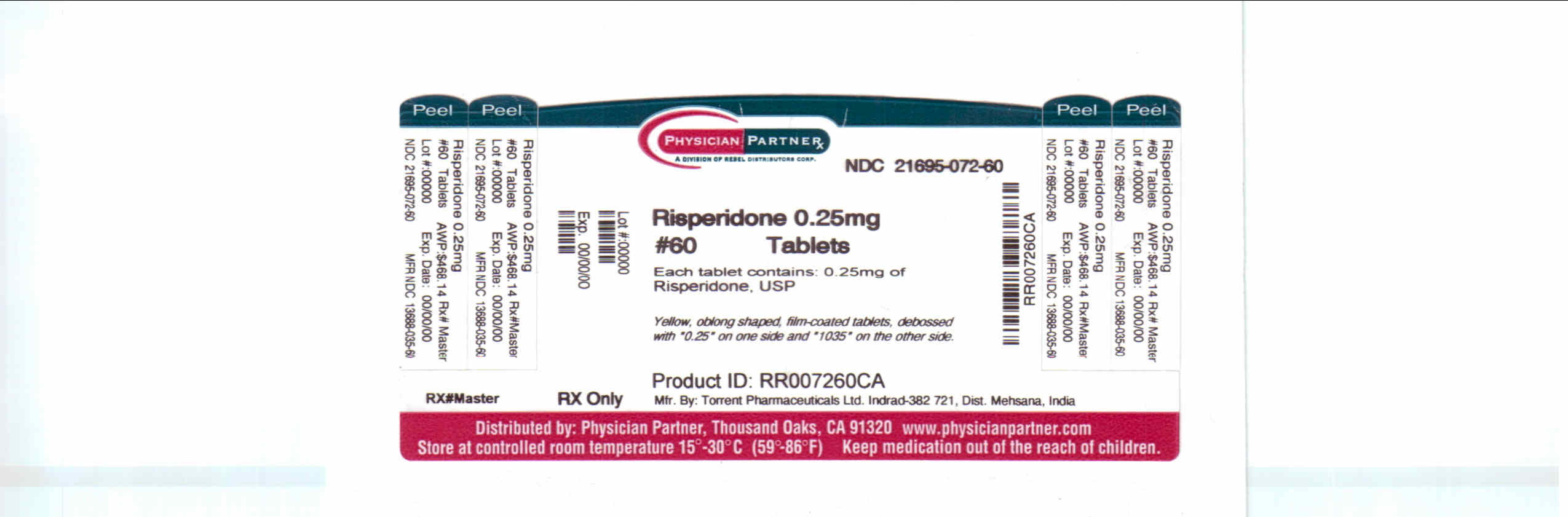
  • Risperidone Tablet [Rebel Distributors Corp]

    Risperidone

    Risperidone Tablet [Rebel Distributors Corp]

    2.1 Schizophrenia

    Adults

    Usual Initial Dose

    Risperidone tablets can be administered once or twice daily. Initial dosing is generally 2 mg/day. Dose increases should then occur at intervals not less than 24 hours, in increments of 1-2 mg/day, as tolerated, to a recommended dose of 4-8 mg/day. In some patients, slower titration may be appropriate. Efficacy has been demonstrated in a range of 4-16 mg/day [see Clinical Studies (14.1)]. However, doses above 6 mg/day for twice daily dosing were not demonstrated to be more efficacious than lower doses, were associated with more extrapyramidal symptoms and other adverse effects, and are generally not recommended. In a single study supporting once-daily dosing, the efficacy results were generally stronger for 8 mg than for 4 mg. The safety of doses above 16 mg/day has not been evaluated in clinical trials.

    Maintenance Therapy

    While it is unknown how long a patient with schizophrenia should remain on risperidone tablets, the effectiveness of risperidone tablets 2 mg/day to 8 mg/day at delaying relapse was demonstrated in a controlled trial in patients who had been clinically stable for at least 4 weeks and were then followed for a period of 1 to 2 years [see Clinical Studies (14.1)]. Patients should be periodically reassessed to determine the need for maintenance treatment with an appropriate dose.

    Adolescents

    Due to Janssen Pharmaceuticals Corporation’s marketing exclusivity rights, this drug product is not labeled for use in pediatric patients with schizophrenia. Dosage and administration information for pediatric patients with schizophrenia, 13 to 17 years of age, is approved for Janssen Pharmaceuticals Corporation’s risperidone drug product.

    Reinitiation of Treatment in Patients Previously Discontinued

    Although there are no data to specifically address reinitiation of treatment, it is recommended that after an interval off risperidone tablets, the initial titration schedule should be followed.

    Switching From Other Antipsychotic

    There are no systematically collected data to specifically address switching schizophrenic patients from other antipsychotics to risperidone tablets, or treating patients with concomitant antipsychotics. While immediate discontinuation of the previous antipsychotic treatment may be acceptable for some schizophrenic patients, more gradual discontinuation may be most appropriate for others. The period of overlapping antipsychotic administration should be minimized. When switching schizophrenic patients from depot antipsychotics, initiate risperidone tablets therapy in place of the next scheduled injection. The need for continuing existing EPS medication should be re-evaluated periodically.

    2.2 Bipolar Mania

    Usual Dose

    Adults

    Risperidone tablets should be administered on a once-daily schedule, starting with 2 mg to 3 mg per day. Dosage adjustments, if indicated, should occur at intervals of not less than 24 hours and in dosage increments/decrements of 1 mg per day, as studied in the short-term, placebo-controlled trials. In these trials, short-term (3 week) anti-manic efficacy was demonstrated in a flexible dosage range of 1-6 mg per day [see Clinical Studies (14.2, 14.3)]. Risperidone tablet doses higher than 6 mg per day were not studied.

    Pediatrics

    Due to Janssen Pharmaceuticals Corporation’s marketing exclusivity rights, this drug product is not labeled for use in pediatric patients with bipolar mania. Dosage and administration information for the treatment of pediatric patients with bipolar disorder is approved for Janssen Pharmaceuticals Corporation’s risperidone drug products.

    Maintenance Therapy

    There is no body of evidence available from controlled trials to guide a clinician in the longer-term management of a patient who improves during treatment of an acute manic episode with risperidone tablets. While it is generally agreed that pharmacological treatment beyond an acute response in mania is desirable, both for maintenance of the initial response and for prevention of new manic episodes, there are no systematically obtained data to support the use of risperidone tablets in such longer-term treatment (i.e., beyond 3 weeks). The physician who elects to use risperidone tablets for extended periods should periodically re-evaluate the long-term risks and benefits of the drug for the individual patient.

    2.3 Irritability Associated with Autistic Disorder – Pediatrics (Children and Adolescents)

    Due to Janssen Pharmaceuticals Corporation’s marketing exclusivity rights, this drug product is not labeled for use in pediatric patients with irritability associated with autistic disorder. Dosage and administration information for the treatment of pediatric patients with irritability associated with autistic disorder, 5 to 16 years of age, is approved for Janssen Pharmaceuticals Corporation’s risperidone drug products.

    2.4 Dosage in Special Populations

    The recommended initial dose is 0.5 mg twice daily in patients who are elderly or debilitated, patients with severe renal or hepatic impairment, and patients either predisposed to hypotension or for whom hypotension would pose a risk. Dosage increases in these patients should be in increments of no more than 0.5 mg twice daily. Increases to dosages above 1.5 mg twice daily should generally occur at intervals of at least 1 week. In some patients, slower titration may be medically appropriate.

    Elderly or debilitated patients, and patients with renal impairment, may have less ability to eliminate risperidone than normal adults. Patients with impaired hepatic function may have increases in the free fraction of risperidone, possibly resulting in an enhanced effect [see Clinical Pharmacology (12.3)]. Patients with a predisposition to hypotensive reactions or for whom such reactions would pose a particular risk likewise need to be titrated cautiously and carefully monitored [see Warnings and Precautions (5.2, 5.7, 5.16)]. If a once-daily dosing regimen in the elderly or debilitated patient is being considered, it is recommended that the patient be titrated on a twice-daily regimen for 2-3 days at the target dose. Subsequent switches to a once-daily dosing regimen can be done thereafter.

    2.5 Co-Administration of Risperidone Tablets with Certain Other Medications

    Co-administration of carbamazepine and other enzyme inducers (e.g., phenytoin, rifampin, phenobarbital) with risperidone tablets would be expected to cause decreases in the plasma concentrations of the sum of risperidone and 9-hydroxyrisperidone combined, which could lead to decreased efficacy of risperidone tablets treatment. The dose of risperidone tablets needs to be titrated accordingly for patients receiving these enzyme inducers, especially during initiation or discontinuation of therapy with these inducers [see Drug Interactions (7.11)].

    Fluoxetine and paroxetine have been shown to increase the plasma concentration of risperidone 2.5-2.8 fold and 3-9 fold, respectively. Fluoxetine did not affect the plasma concentration of 9-hydroxyrisperidone. Paroxetine lowered the concentration of 9-hydroxyrisperidone by about 10%. The dose of risperidone tablets needs to be titrated accordingly when fluoxetine or paroxetine is co-administered [see Drug Interactions (7.10)].

  • Hydrocodone Bitartrate And Acetaminophen Tablet [Rebel Distributors Corp.]

    Hydrocodone Bitartrate And Acetaminophen

    Hydrocodone Bitartrate And Acetaminophen Tablet [Rebel Distributors Corp.]

    Dosage should be adjusted according to the severity of the pain and the response of the patient. However, it should be kept in mind that tolerance to hydrocodone can develop with continued use and that the incidence of untoward effects is dose related.

    The usual adult dosage is one or two tablets every four to six hours as needed for pain. The total 24 hour dose should not exceed 8 tablets.

  • Loratadine Tablet [Rebel Distributors Corp]

    Loratadine

    Loratadine Tablet [Rebel Distributors Corp]

    adults and children 6 years and over 1 tablet daily; not more than 1 tablet in 24 hours children under 6 years of age ask a doctor consumers with liver or kidney disease ask a doctor

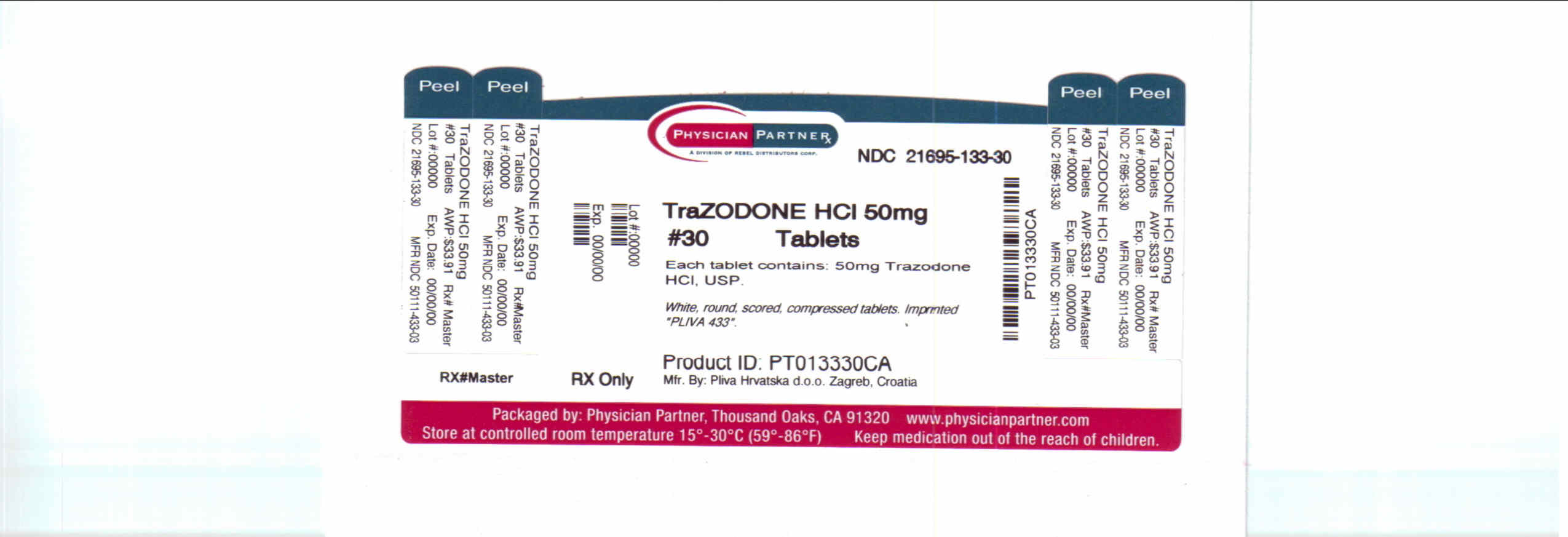
  • Trazodone Hydrochloride (Trazodone) Tablet [Rebel Distributors Corp.]

    Trazodone Hydrochloride

    Trazodone Hydrochloride (Trazodone) Tablet [Rebel Distributors Corp.]

    The dosage should be initiated at a low level and increased gradually, noting the clinical response and any evidence of intolerance. Occurrence of drowsiness may require the administration of a major portion of the daily dose at bedtime or a reduction of dosage. Trazodone HCl should be taken shortly after a meal or light snack. Symptomatic relief may be seen during the first week with optimal antidepressant effects typically evident within two weeks. Twenty-five percent of those who respond to trazodone HCl require more than two weeks (up to four weeks) of drug administration.

    Usual Adult Dosage: An initial dose of 150 mg/day in divided doses is suggested. The dose may be increased by 50 mg/day every three to four days. The maximum dose for outpatients usually should not exceed 400 mg/day in divided doses. Inpatients (i.e., more severely depressed patients) may be given up to but not in excess of 600 mg/day in divided doses.

    Maintenance: Dosage during prolonged maintenance therapy should be kept at the lowest effective level. Once an adequate response has been achieved, dosage may be gradually reduced, with subsequent adjustment depending on therapeutic response.

    Although there has been no systematic evaluation of the efficacy of trazodone beyond 6 weeks, it is generally recommended that a course of antidepressant drug treatment should be continued for several months.

  • Methotrexate (Methotrexate Sodium) Tablet [Rebel Distributors Corp]

    Methotrexate

    Methotrexate (Methotrexate Sodium) Tablet [Rebel Distributors Corp]

    Neoplastic Diseases:

    Oral administration in tablet form is often preferred when low doses are being administered since absorption is rapid and effective serum levels are obtained.

    Choriocarcinoma and similar trophoblastic diseases:

    Methotrexate is administered orally or intramuscularly in doses of 15 to 30 mg daily for a five-day course. Such courses are usually repeated for 3 to 5 times as required, with rest periods of one or more weeks interposed between courses, until any manifesting toxic symptoms subside. The effectiveness of therapy is ordinarily evaluated by 24-hour quantitative analysis of urinary chorionic gonadatropin (hCG), which should return to normal or less than 50 lU/24 hr usually after the third or fourth course and usually be followed by a complete resolution of measurable lesions in 4 to 6 weeks. One to two courses of methotrexate after normalization of hCG is usually recommended. Before each course of the drug careful clinical assessment is essential. Cyclic combination therapy of methotrexate with other antitumor drugs has been reported as being useful.

    Since hydatidiform mole may precede choriocarcinoma, prophylactic chemotherapy with methotrexate has been recommended.

    Chorioadenoma destruens is considered to be an invasive form of hydatidiform mole. Methotrexate is administered in these disease states in doses similar to those recommended for choriocarcinoma.

    Leukemia:

    Acute lymphoblastic leukemia in pediatric patients and young adolescents is the most responsive to present day chemotherapy. In young adults and older patients, clinical remission is more difficult to obtain and early relapse is more common.

    Methotrexate alone or in combination with steroids was used initially for induction of remission in acute lymphoblastic leukemias. More recently corticosteroid therapy, in combination with other antileukemic drugs or in cyclic combinations with methotrexate included, has appeared to produce rapid and effective remissions. When used for induction, methotrexate in doses of 3.3 mg/m2 in combination with 60 mg/m2 of prednisone, given daily, produced remissions in 50% of patients treated, usually within a period of 4 to 6 weeks. Methotrexate in combination with other agents appears to be the drug of choice for securing maintenance of drug-induced remissions. When remission is achieved and supportive care has produced general clinical improvement, maintenance therapy is initiated, as follows: Methotrexate is administered 2 times weekly either by mouth or intramuscularly in total weekly doses of 30 mg/m2. It has also been given in doses of 2.5 mg/kg intravenously every 14 days. If and when relapse does occur, reinduction of remission can again usually be obtained by repeating the initial induction regimen.

    A variety of combination chemotherapy regimens have been used for both induction and maintenance therapy in acute lymphoblastic leukemia. The physician should be familiar with the new advances in antileukemic therapy.

    Lymphomas:

    In Burkitt’s tumor, Stages I-II, methotrexate has produced prolonged remissions in some cases. Recommended dosage is 10 to 25 mg/day orally for 4 to 8 days. In Stage III, methotrexate is commonly given concomitantly with other antitumor agents. Treatment in all stages usually consists of several courses of the drug interposed with 7 to 10 day rest periods. Lymphosarcomas in Stage III may respond to combined drug therapy with methotrexate given in doses of 0.625 to 2.5 mg/kg daily.

    Mycosis fungoides (cutaneous T cell lymphoma):

    Therapy with methotrexate as a single agent appears to produce clinical responses in up to 50% of patients treated. Dosage in early stages is usually 5 to 50 mg once weekly. Dose reduction or cessation is guided by patient response and hematologic monitoring. Methotrexate has also been administered twice weekly in doses ranging from 15 to 37.5 mg in patients who have responded poorly to weekly therapy. Combination chemotherapy regimens that include intravenous methotrexate administered at higher doses with leucovorin rescue have been utilized in advanced stages of the disease.

    Psoriasis, Rheumatoid Arthritis and Juvenile Rheumatoid Arthritis:

    Adult Rheumatoid Arthritis:

    Recommended Starting Dosage Schedules

    Single oral doses of 7.5 mg once weekly. Divided oral dosages of 2.5 mg at 12 hour intervals for 3 doses given as a course once weekly.

    Polyarticular-Course Juvenile Rheumatoid Arthritis:

    The recommended starting dose is 10 mg/m2 given once weekly.

    For either adult RA or polyarticular-course JRA dosages may be adjusted gradually to achieve an optimal response. Limited experience shows a significant increase in the incidence and severity of serious toxic reactions, especially bone marrow suppression, at doses greater than 20 mg/wk in adults. Although there is experience with doses up to 30 mg/m2/wk (0.65 to 1.0 mg/kg/wk) may have better absorption and fewer gastrointestinal side effects if methotrexate is administered either intramuscularly or subcutaneously.

    Therapeutic response usually begins within 3 to 6 weeks and the patient may continue to improve for another 12 weeks or more.

    The optimal duration of therapy is unknown. Limited data available from long-term studies in adults indicate that the initial clinical improvement is maintained for at least two years with continued therapy. When methotrexate is discontinued, the arthritis usually worsens within 3 to 6 weeks.

    The patient should be fully informed of the risks involved and should be under constant supervision of the physician. (see Information for Patients under PRECAUTIONS). Assessment of hematologic, hepatic, renal, and pulmonary function should be made by history, physical examination, and laboratory tests before beginning, periodically during, and before reinstituting methotrexate therapy. (see PRECAUTIONS). Appropriate steps should be taken to avoid conception during methotrexate therapy. (see PRECAUTIONS and CONTRAINDICATIONS).

    Weekly therapy may be instituted with the Methotrexate Dose Pack which are designed to provide doses over a range of 5 mg to 15 mg administered as a single weekly dose. The dose packs are not recommended for administration of methotrexate in weekly doses greater than 15 mg. All schedules should be continually tailored to the individual patient. An initial test dose may be given prior to the regular dosing schedule to detect any extreme sensitivity to adverse effects (see ADVERSE REACTIONS). Maximal myelosuppression usually occurs in seven to ten days.

    Psoriasis:

    Recommended Starting Dose Schedules

    Weekly single oral, IM or IV dose schedule: 10 to 25 mg per week until adequate response is achieved. Divided oral dose schedule: 2.5 mg at 12-hour intervals for three doses.

    Dosages in each schedule may be gradually adjusted to achieve optimal clinical response; 30 mg/week should not ordinarily be exceeded.

    Once optimal clinical response has been achieved, each dosage schedule should be reduced to the lowest possible amount of drug and to the longest possible rest period. The use of methotrexate may permit the return to conventional topical therapy, which should be encouraged.

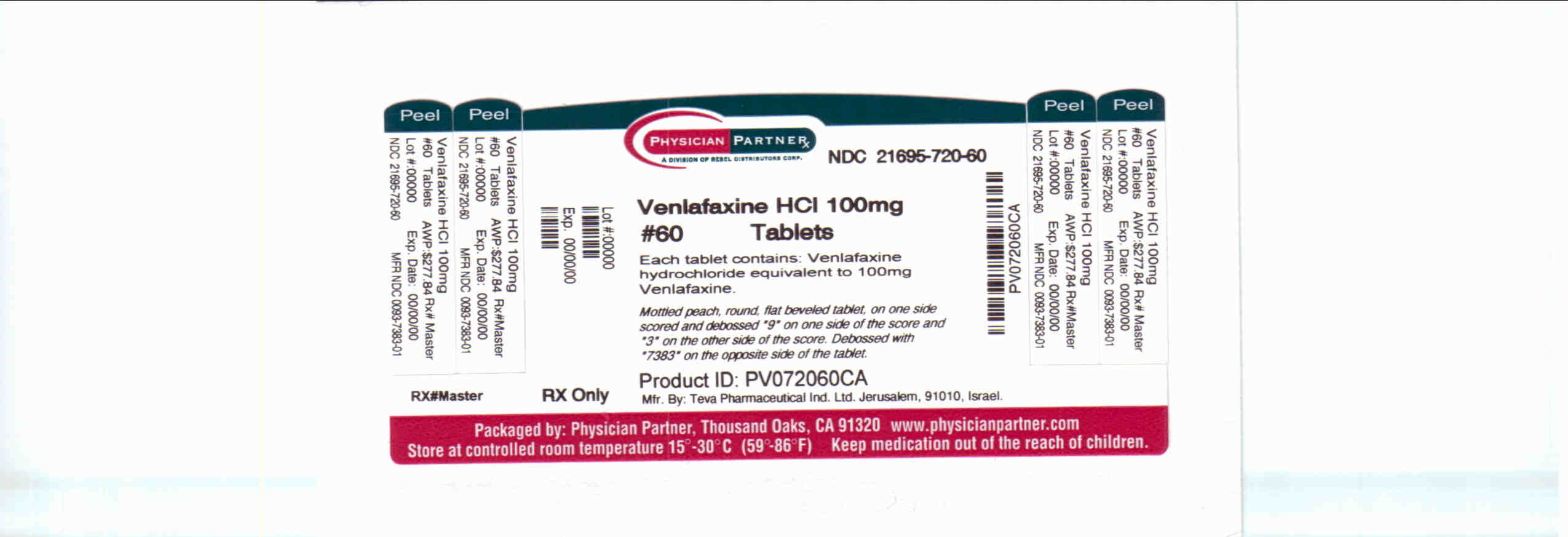
  • Venlafaxine Hydrochloride Tablet [Rebel Distributors Corp.]

    Venlafaxine Hydrochloride

    Venlafaxine Hydrochloride Tablet [Rebel Distributors Corp.]

    Initial Treatment

    The recommended starting dose for venlafaxine hydrochloride tablets is 75 mg/day, administered in two or three divided doses, taken with food. Depending on tolerability and the need for further clinical effect, the dose may be increased to 150 mg/day. If needed, the dose should be further increased up to 225 mg/day. When increasing the dose, increments of up to 75 mg/day should be made at intervals of no less than 4 days. In outpatient settings there was no evidence of usefulness of doses greater than 225 mg/day for moderately depressed patients, but more severely depressed inpatients responded to a mean dose of 350 mg/day. Certain patients, including more severely depressed patients, may therefore respond more to higher doses, up to a maximum of 375 mg/day, generally in three divided doses (see PRECAUTIONS, General, Use in Patients With Concomitant Illness).

    Special Populations

    Treatment of Pregnant Women During the Third Trimester

    Neonates exposed to venlafaxine, other SNRIs, or SSRIs, late in the third trimester have developed complications requiring prolonged hospitalization, respiratory support, and tube feeding (see PRECAUTIONS). When treating pregnant women with venlafaxine during the third trimester, the physician should carefully consider the potential risks and benefits of treatment. The physician may consider tapering venlafaxine in the third trimester.

    Dosage for Patients With Hepatic Impairment

    Given the decrease in clearance and increase in elimination half-life for both venlafaxine and ODV that is observed in patients with hepatic cirrhosis and mild and moderate hepatic impairment compared to normal subjects (see CLINICAL PHARMACOLOGY), it is recommended that the total daily dose be reduced by 50% in patients with mild to moderate hepatic impairment. Since there was much individual variability in clearance between subjects with cirrhosis, it may be necessary to reduce the dose even more than 50%, and individualization of dosing may be desirable in some patients.

    Dosage for Patients With Renal Impairment

    Given the decrease in clearance for venlafaxine and the increase in elimination half-life for both venlafaxine and ODV that is observed in patients with renal impairment (GFR = 10 to 70 mL/min) compared to normals (see CLINICAL PHARMACOLOGY), it is recommended that the total daily dose be reduced by 25% in patients with mild to moderate renal impairment. It is recommended that the total daily dose be reduced by 50% in patients undergoing hemodialysis. Since there was much individual variability in clearance between patients with renal impairment, individualization of dosing may be desirable in some patients.

    Dosage for Elderly Patients

    No dose adjustment is recommended for elderly patients on the basis of age. As with any antidepressant, however, caution should be exercised in treating the elderly. When individualizing the dosage, extra care should be taken when increasing the dose.

    Maintenance Treatment

    It is generally agreed that acute episodes of major depressive disorder require several months or longer of sustained pharmacological therapy beyond response to the acute episode. In one study, in which patients responding during 8 weeks of acute treatment with venlafaxine hydrochloride extended-release capsules were assigned randomly to placebo or to the same dose of venlafaxine hydrochloride extended-release capsules (75, 150, or 225 mg/day, qAM) during 26 weeks of maintenance treatment as they had received during the acute stabilization phase, longer-term efficacy was demonstrated. A second longer-term study has demonstrated the efficacy of venlafaxine hydrochloride tablets in maintaining an antidepressant response in patients with recurrent depression who had responded and continued to be improved during an initial 26 weeks of treatment and were then randomly assigned to placebo or venlafaxine hydrochloride tablets for periods of up to 52 weeks on the same dose (100 to 200 mg/day, on a b.i.d. schedule) (see CLINICAL TRIALS). Based on these limited data, it is not known whether or not the dose of venlafaxine hydrochloride tablets/venlafaxine hydrochloride extended-release capsules needed for maintenance treatment is identical to the dose needed to achieve an initial response. Patients should be periodically reassessed to determine the need for maintenance treatment and the appropriate dose for such treatment.

    Discontinuation of Treatment With Venlafaxine Hydrochloride Tablets

    Symptoms associated with discontinuation of venlafaxine hydrochloride, other SNRIs, and SSRIs, have been reported (see PRECAUTIONS). Patients should be monitored for these symptoms when discontinuing treatment. A gradual reduction in the dose rather than abrupt cessation is recommended whenever possible. If intolerable symptoms occur following a decrease in the dose or upon discontinuation of treatment, then resuming the previously prescribed dose may be considered. Subsequently, the physician may continue decreasing the dose but at a more gradual rate.

  • Oxycodone And Acetaminophen (Oxycodone Hydrochloride And Acetaminophen) Tablet [Rebel Distributors Corp]

    Oxycodone And Acetaminophen

    Oxycodone And Acetaminophen (Oxycodone Hydrochloride And Acetaminophen) Tablet [Rebel Distributors Corp]

    Dosage should be adjusted according to the severity of the pain and the response of the patient. It may occasionally be necessary to exceed the usual dosage recommended below in cases of more severe pain or in those patients who have become tolerant to the analgesic effect of opioids. If pain is constant, the opioid analgesic should be given at regular intervals on an around-the-clock schedule. Oxycodone and acetaminophen tablets are given orally.

    The total daily dose of acetaminophen should not exceed 4 grams.

    Strength UsualAdult Dosage MaximalDaily Dose Oxycodone and acetaminophen tablets 7.5 mg/325 mg 1 tablet every 6 hours as needed for pain 8 Tablets
  • Docusate Calcium Capsule [Rebel Distributors Corp]

    Docusate Calcium

    Docusate Calcium Capsule [Rebel Distributors Corp]

    -adults and children over 12 years of age: take 1 softgel daily for several days, or until bowel movements are normal, or as directed by a doctor

    -children under 12 years of age: take as directed by a doctor

  • Senna Plus Tablet [Rebel Distributors Corp]

    Senna Plus

    Senna Plus Tablet [Rebel Distributors Corp]

    ° Take preferably at bedtime or as directed by a doctor ° if you do not have a comfortable bowel movement by the second day, increase dose by one table (do not exceed the maximum dosage) or decrease dose until you are comfortable.

    Adults & children over 12 years: 2 tablets once a day (maximum dosage, 4 tablets twice a day)

    Children 6 to under 12 years: 1 tablet once a day (maximum dosage, 2 tablets twice a day)

    Children 2 to under 6 years: 1.2 tablet once a day (maximum dosage, 1 tablet twice a day)

    Children under 2 years: do not use

  • Anti Diarrheal (Loperamide Hcl) Solution [Rebel Distributors Corp]

    Anti Diarrheal

    Anti Diarrheal (Loperamide Hcl) Solution [Rebel Distributors Corp]

    drink plenty of clear fluids to help prevent dehydration caused by diarrhea find right dose on chart. If possible, use weight to dose; otherwise use age. only use attached measuring cup to dose product adults and children 12 years and over 4 teaspoonfuls (1 dosage cup) after the first loose stool; 2 teaspoonfuls (1/2 dosage cup) after each subsequent loose stool; but no more than 8 teaspoonfuls in 24 hours children 9-11 years (60-95 lbs) 2 teaspoonfuls (1/2 dosage cup) after the first loose stool; 1 teaspoonful (1/4 dosage cup) after each subsequent loose stool; but no more than 6 teaspoonfuls in 24 hours children 6-8 years (48-59 lbs) 2 teaspoonfuls (1/2 dosage cup) after the first loose stool; 1 teaspoonful (1/4 dosage cup) after each subsequent loose stool; but no more than 4 teaspoonfuls in 24 hours children under 6 years (up to 47 lbs) ask a doctor

  • Methyldopa Tablet, Film Coated [Rebel Distributors Corp]

    Methyldopa

    Methyldopa Tablet, Film Coated [Rebel Distributors Corp]

    ADULTS

    Initiation of Therapy

    The usual starting dosage of methyldopa is 250 mg two or three times a day in the first 48 hours. The daily dosage then may be increased or decreased, preferably at intervals of not less than two days, until an adequate response is achieved. To minimize the sedation, start dosage increases in the evening. By adjustment of dosage, morning hypotension may be prevented without sacrificing control of afternoon blood pressure.

    When methyldopa is given to patients on other antihypertensives, the dose of these agents may need to be adjusted to effect a smooth transition. When methyldopa is given with antihypertensives other than thiazides, the initial dosage of methyldopa should be limited to 500 mg daily in divided doses; when methyldopa is added to a thiazide, the dosage of thiazide need not be changed.

    Maintenance Therapy

    The usual daily dosage of methyldopa is 500 mg to 2 g in two to four doses. Although occasional patients have responded to higher doses, the maximum recommended daily dosage is 3 g. Once an effective dosage range is attained, a smooth blood pressure response occurs in most patients in 12 to 24 hours. Since methyldopa has a relatively short duration of action, withdrawal is followed by return of hypertension usually within 48 hours. This is not complicated by an overshoot of blood pressure.

    Occasionally tolerance may occur, usually between the second and third month of therapy. Adding a diuretic or increasing the dosage of methyldopa frequently will restore effective control of blood pressure. A thiazide may be added at any time during methyldopa therapy and is recommended if therapy has not been started with a thiazide or if effective control of blood pressure cannot be maintained on 2 g of methyldopa daily.

    Methyldopa is largely excreted by the kidney and patients with impaired renal function may respond to smaller doses. Syncope in older patients may be related to an increased sensitivity and advanced arteriosclerotic vascular disease. This may be avoided by lower doses. (See PRECAUTIONS, Geriatric Use).

    PEDIATRIC PATIENTS

    Initial dosage is based on 10 mg/kg of body weight daily in two to four doses. The daily dosage then is increased or decreased until an adequate response is achieved. The maximum dosage is 65 mg/kg or 3 g daily, whichever is less. (See PRECAUTIONS, Pediatric Use.)

  • Atorvastatin Calcium Tablet, Film Coated [Rebel Distributors Corp]

    Atorvastatin Calcium

    Atorvastatin Calcium Tablet, Film Coated [Rebel Distributors Corp]

    2.1 Hyperlipidemia (Heterozygous Familial and Nonfamilial) and Mixed Dyslipidemia (Fredrickson Types IIa and IIb)

    The recommended starting dose of atorvastatin calcium tablets is 10 or 20 mg once daily. Patients who require a large reduction in LDL-C (more than 45%) may be started at 40 mg once daily. The dosage range of atorvastatin calcium tablets is 10 to 80 mg once daily. Atorvastatin calcium tablets can be administered as a single dose at any time of the day, with or without food. The starting dose and maintenance doses of atorvastatin calcium tablets should be individualized according to patient characteristics such as goal of therapy and response (see current NCEP Guidelines). After initiation and/or upon titration of atorvastatin calcium tablets, lipid levels should be analyzed within 2 to 4 weeks and dosage adjusted accordingly.

    2.2 Heterozygous Familial Hypercholesterolemia in Pediatric Patients (10–17 years of age)

    The recommended starting dose of atorvastatin calcium tablets is 10 mg/day; the maximum recommended dose is 20 mg/day (doses greater than 20 mg have not been studied in this patient population). Doses should be individualized according to the recommended goal of therapy [see current NCEP Pediatric Panel Guidelines, Clinical Pharmacology (12), and Indications and Usage (1.2)]. Adjustments should be made at intervals of 4 weeks or more.

    2.3 Homozygous Familial Hypercholesterolemia

    The dosage of atorvastatin calcium tablets in patients with homozygous FH is 10 to 80 mg daily. Atorvastatin calcium tablets should be used as an adjunct to other lipid-lowering treatments (e.g., LDL apheresis) in these patients or if such treatments are unavailable.

    2.4 Concomitant Lipid-Lowering Therapy

    Atorvastatin calcium tablets may be used with bile acid resins. The combination of HMG-CoA reductase inhibitors (statins) and fibrates should generally be used with caution [see Warnings and Precautions, Skeletal Muscle (5.1), Drug Interactions (7)].

    2.5 Dosage in Patients With Renal Impairment

    Renal disease does not affect the plasma concentrations nor LDL-C reduction of atorvastatin calcium tablets; thus, dosage adjustment in patients with renal dysfunction is not necessary [see Warnings and Precautions, Skeletal Muscle (5.1), Clinical Pharmacology, Pharmacokinetics (12.3)].

    2.6 Dosage in Patients Taking Cyclosporine, Clarithromycin, Itraconazole, or a Combination of Ritonavir plus Saquinavir or Lopinavir plus Ritonavir

    In patients taking cyclosporine, therapy should be limited to atorvastatin calcium tablets 10 mg once daily. In patients taking clarithromycin, itraconazole, or in patients with HIV taking a combination of ritonavir plus saquinavir or lopinavir plus ritonavir, for doses of atorvastatin calcium tablets exceeding 20 mg, appropriate clinical assessment is recommended to ensure that the lowest dose necessary of atorvastatin calcium tablets is employed [see Warnings and Precautions, Skeletal Muscle (5.1), Drug Interactions (7)].

  • Tamsulosin Hydrochloride Capsule [Rebel Distributors Corp]

    Tamsulosin Hydrochloride

    Tamsulosin Hydrochloride Capsule [Rebel Distributors Corp]

    Tamsulosin hydrochloride capsules 0.4 mg once daily is recommended as the dose for the treatment of the signs and symptoms of BPH. It should be administered approximately one-half hour following the same meal each day.

    For those patients who fail to respond to the 0.4 mg dose after 2 to 4 weeks of dosing, the dose of tamsulosin hydrochloride capsules can be increased to 0.8 mg once daily. Tamsulosin hydrochloride capsules 0.4 mg should not be used in combination with strong inhibitors of CYP3A4 (e.g., ketoconazole) [see Warnings and Precautions (5.2)].

    If tamsulosin hydrochloride capsules administration is discontinued or interrupted for several days at either the 0.4 mg or 0.8 mg dose, therapy should be started again with the 0.4 mg once-daily dose.

  • Peptic Relief Tablet [Rebel Distributors Corp]

    Peptic Relief

    Peptic Relief Tablet [Rebel Distributors Corp]

    * drink plenty of clear fluids to help prevent dehydration caused by diarrhea

    * repeat dosage every 1/2 to 1 hour as needed

    * do not take more than 8 doses in 24 hours

    * use until diarrhea stops but not more than 2 days

    * adults and children 12 years and over:

    2 tablets

    * children under 12 years: ask a doctor

  • Lamotrigine Tablet [Rebel Distributors Corp]

    Lamotrigine

    Lamotrigine Tablet [Rebel Distributors Corp]

    2.1 General Dosing Considerations

    Rash: There are suggestions, yet to be proven, that the risk of severe, potentially life-threatening rash may be increased by (1) coadministration of LAMOTRIGINE with valproate, (2) exceeding the recommended initial dose of LAMOTRIGINE, or (3) exceeding the recommended dose escalation for LAMOTRIGINE. However, cases have occurred in the absence of these factors [see Boxed Warning]. Therefore, it is important that the dosing recommendations be followed closely.

    The risk of nonserious rash may be increased when the recommended initial dose and/or the rate of dose escalation of LAMOTRIGINE is exceeded and in patients with a history of allergy or rash to other AEDs.

    LAMOTRIGINE Starter Kits provide LAMOTRIGINE at doses consistent with the recommended titration schedule for the first 5 weeks of treatment, based upon concomitant medications for patients with epilepsy (>12 years of age) and Bipolar I Disorder (≥18 years of age) and are intended to help reduce the potential for rash. The use of LAMOTRIGINE Starter Kits is recommended for appropriate patients who are starting or restarting LAMOTRIGINE [see How Supplied/Storage and Handling (16)].

    It is recommended that LAMOTRIGINE not be restarted in patients who discontinued due to rash associated with prior treatment with lamotrigine, unless the potential benefits clearly outweigh the risks. If the decision is made to restart a patient who has discontinued lamotrigine, the need to restart with the initial dosing recommendations should be assessed. The greater the interval of time since the previous dose, the greater consideration should be given to restarting with the initial dosing recommendations. If a patient has discontinued lamotrigine for a period of more than 5 half-lives, it is recommended that initial dosing recommendations and guidelines be followed. The half-life of lamotrigine is affected by other concomitant medications [see Clinical Pharmacology (12.3)].

    LAMOTRIGINE Added to Drugs Known to Induce or Inhibit Glucuronidation: Drugs other than those listed in the Clinical Pharmacology section [see Clinical Pharmacology (12.3)] have not been systematically evaluated in combination with lamotrigine. Because lamotrigine is metabolized predominantly by glucuronic acid conjugation, drugs that are known to induce or inhibit glucuronidation may affect the apparent clearance of lamotrigine and doses of LAMOTRIGINE may require adjustment based on clinical response.

    Target Plasma Levels for Patients With Epilepsy or Bipolar Disorder: A therapeutic plasma concentration range has not been established for lamotrigine. Dosing of LAMOTRIGINE should be based on therapeutic response [see Clinical Pharmacology (12.3)].

    Women Taking Estrogen-Containing Oral Contraceptives: Starting LAMOTRIGINE in Women Taking Estrogen-Containing Oral Contraceptives: Although estrogen-containing oral contraceptives have been shown to increase the clearance of lamotrigine [see Clinical Pharmacology (12.3)], no adjustments to the recommended dose-escalation guidelines for LAMOTRIGINE should be necessary solely based on the use of estrogen-containing oral contraceptives. Therefore, dose escalation should follow the recommended guidelines for initiating adjunctive therapy with LAMOTRIGINE based on the concomitant AED or other concomitant medications (see Table 1 or Table 5). See below for adjustments to maintenance doses of LAMOTRIGINE in women taking estrogen-containing oral contraceptives.

    Adjustments to the Maintenance Dose of LAMOTRIGINE In Women Taking Estrogen-Containing Oral Contraceptives:

    (1) Taking Estrogen-Containing Oral Contraceptives: For women not taking carbamazepine, phenytoin, phenobarbital, primidone, or rifampin, the maintenance dose of LAMOTRIGINE will in most cases need to be increased, by as much as 2-fold over the recommended target maintenance dose, in order to maintain a consistent lamotrigine plasma level [see Clinical Pharmacology (12.3)].

    (2) Starting Estrogen-Containing Oral Contraceptives: In women taking a stable dose of LAMOTRIGINE and not taking carbamazepine, phenytoin, phenobarbital, primidone, or rifampin, the maintenance dose will in most cases need to be increased by as much as 2-fold in order to maintain a consistent lamotrigine plasma level. The dose increases should begin at the same time that the oral contraceptive is introduced and continue, based on clinical response, no more rapidly than 50 to 100 mg/day every week. Dose increases should not exceed the recommended rate (see Table 1 or Table 5) unless lamotrigine plasma levels or clinical response support larger increases. Gradual transient increases in lamotrigine plasma levels may occur during the week of inactive hormonal preparation ("pill-free" week), and these increases will be greater if dose increases are made in the days before or during the week of inactive hormonal preparation. Increased lamotrigine plasma levels could result in additional adverse reactions, such as dizziness, ataxia, and diplopia. If adverse reactions attributable to LAMOTRIGINE consistently occur during the "pill-free" week, dose adjustments to the overall maintenance dose may be necessary. Dose adjustments limited to the "pill-free" week are not recommended. For women taking LAMOTRIGINE in addition to carbamazepine, phenytoin, phenobarbital, primidone, or rifampin, no adjustment should be necessary to the dose of LAMOTRIGINE.

    (3) Stopping Estrogen-Containing Oral Contraceptives: For women not taking carbamazepine, phenytoin, phenobarbital, primidone, or rifampin, the maintenance dose of LAMOTRIGINE will in most cases need to be decreased by as much as 50% in order to maintain a consistent lamotrigine plasma level. The decrease in dose of LAMOTRIGINE should not exceed 25% of the total daily dose per week over a 2-week period, unless clinical response or lamotrigine plasma levels indicate otherwise [see Clinical Pharmacology (12.3)]. For women taking LAMOTRIGINE in addition to carbamazepine, phenytoin, phenobarbital, primidone, or rifampin, no adjustment to the dose of LAMOTRIGINE should be necessary.

    Women and Other Hormonal Contraceptive Preparations or Hormone Replacement Therapy: The effect of other hormonal contraceptive preparations or hormone replacement therapy on the pharmacokinetics of lamotrigine has not been systematically evaluated. It has been reported that ethinylestradiol, not progestogens, increased the clearance of lamotrigine up to 2-fold, and the progestin-only pills had no effect on lamotrigine plasma levels. Therefore, adjustments to the dosage of LAMOTRIGINE in the presence of progestogens alone will likely not be needed.

    Patients With Hepatic Impairment: Experience in patients with hepatic impairment is limited. Based on a clinical pharmacology study in 24 patients with mild, moderate, and severe liver impairment [see Use in Specific Populations (8.6), Clinical Pharmacology (12.3)], the following general recommendations can be made. No dosage adjustment is needed in patients with mild liver impairment. Initial, escalation, and maintenance doses should generally be reduced by approximately 25% in patients with moderate and severe liver impairment without ascites and 50% in patients with severe liver impairment with ascites. Escalation and maintenance doses may be adjusted according to clinical response.

    Patients With Renal Impairment: Initial doses of LAMOTRIGINE should be based on patients' concomitant medications (see Tables 1-3 or Table 5); reduced maintenance doses may be effective for patients with significant renal impairment [see Use in Specific Populations (8.7), Clinical Pharmacology (12.3)]. Few patients with severe renal impairment have been evaluated during chronic treatment with LAMOTRIGINE. Because there is inadequate experience in this population, LAMOTRIGINE should be used with caution in these patients.

    Discontinuation Strategy: Epilepsy: For patients receiving LAMOTRIGINE in combination with other AEDs, a re-evaluation of all AEDs in the regimen should be considered if a change in seizure control or an appearance or worsening of adverse reactions is observed.

    If a decision is made to discontinue therapy with LAMOTRIGINE, a step-wise reduction of dose over at least 2 weeks (approximately 50% per week) is recommended unless safety concerns require a more rapid withdrawal [see Warnings and Precautions (5.9)].

    Discontinuing carbamazepine, phenytoin, phenobarbital, or primidone should prolong the half-life of lamotrigine; discontinuing valproate should shorten the half-life of lamotrigine.

    Bipolar Disorder: In the controlled clinical trials, there was no increase in the incidence, type, or severity of adverse reactions following abrupt termination of LAMOTRIGINE. In clinical trials in patients with Bipolar Disorder, 2 patients experienced seizures shortly after abrupt withdrawal of LAMOTRIGINE. However, there were confounding factors that may have contributed to the occurrence of seizures in these bipolar patients. Discontinuation of LAMOTRIGINE should involve a step-wise reduction of dose over at least 2 weeks (approximately 50% per week) unless safety concerns require a more rapid withdrawal [see Warnings and Precautions (5.9)].

    2.2 Epilepsy – Adjunctive Therapy

    This section provides specific dosing recommendations for patients greater than 12 years of age and patients 2 to 12 years of age. Within each of these age-groups, specific dosing recommendations are provided depending upon concomitant AED or other concomitant medications (Table 1 for patients greater than 12 years of age and Table 2 for patients 2 to 12 years of age). A weight-based dosing guide for patients 2 to 12 years of age on concomitant valproate is provided in Table 3.

    Patients Over 12 Years of Age: Recommended dosing guidelines are summarized in Table 1.

    Table 1. Escalation Regimen for LAMOTRIGINE in Patients Over 12 Years of Age With Epilepsy For Patients Taking Valproate * For Patients Taking AEDs Other Than Carbamazepine, Phenytoin, Phenobarbital, or Primidone†, and Not Taking Valproate For Patients Taking Carbamazepine, Phenytoin, Phenobarbital, or Primidone† and Not Taking Valproate * Valproate has been shown to inhibit glucuronidation and decrease the apparent clearance of lamotrigine [see Drug Interactions (7), Pharmacokinetics (12.3)]. † These drugs induce glucuronidation and increase clearance [see Drug Interactions (7), Pharmacokinetics (12.3)]. Other drugs which have similar effects include estrogen-containing oral contraceptives and rifampin [see Drug Interactions (7), Pharmacokinetics (12.3)]. Weeks 1 and 2 25 mg every other day 25 mg every day 50 mg/day Weeks 3 and 4 25 mg every day 50 mg/day 100 mg/day (in 2 divided doses) Weeks 5 onwards to maintenance Increase by 25 to 50 mg/day every 1 to 2 weeks Increase by 50 mg/day every 1 to 2 weeks Increase by 100 mg/day every 1 to 2 weeks. Usual Maintenance Dose 100 to 200 mg/day with valproate alone 100 to 400 mg/day with valproate and other drugs that induce glucuronication (in 1 or 2 divided doses) 225 to 375 mg/day (in 2 divided doses) 300 to 500 mg/day (in 2 divided doses)

    Dosing recommendations for oral contraceptives can be found in General Dosing Considerations [see Dosage and Administration (2.1)]. Patients on rifampin should follow the same dosing titration/maintenance regimen used with drugs that induce glucuronidation and increase clearance.

    Patients 2 to 12 Years of Age: Recommended dosing guidelines are summarized in Table 2.

    Smaller starting doses and slower dose escalations than those used in clinical trials are recommended because of the suggestion that the risk of rash may be decreased by smaller starting doses and slower dose escalations. Therefore, maintenance doses will take longer to reach in clinical practice than in clinical trials. It may take several weeks to months to achieve an individualized maintenance dose. Maintenance doses in patients weighing less than 30 kg, regardless of age or concomitant AED, may need to be increased as much as 50%, based on clinical response.

    Table 2. Escalation Regimen for LAMOTRIGINE in Patients 2 to 12 Years of Age With Epilepsy For Patients Taking Valproate * For Patients Taking AEDs Other Than Carbamazepine, Phenytoin, Phenobarbital, or Primidone†, and Not Taking Valproate For Patients Taking Carbamazepine, Phenytoin, Phenobarbital, or Primidone† and Not Taking Valproate Note: Only whole tablets should be used for dosing. * Valproate has been shown to inhibit glucuronidation and decrease the apparent clearance of lamotrigine [see Drug Interactions (7), Pharmacokinetics (12.3)]. † These drugs induce glucuronidation and increase clearance [see Drug Interactions (7), Pharmacokinetics (12.3)]. Other drugs which have similar effects include estrogen-containing oral contraceptives and rifampin [see Drug Interactions (7), Pharmacokinetics (12.3)]. Weeks 1 and 2 0.15 mg/kg/day in 1 or 2 divided doses, rounded down to the nearest whole tablet (see Table 3 for weight based dosing guide) 0.3 mg/kg/day in 1 or 2 divided doses, rounded down to the nearest whole tablet 0.6 mg/kg/day in 2 divided doses, rounded down to the nearest whole tablet Weeks 3 and 4 0.3 mg/kg/day in 1 or 2 divided doses, rounded down to the nearest whole tablet (see Table 3 for weight based dosing guide) 0.6 mg/kg/day in 2 divided doses, rounded down to the nearest whole tablet 1.2 mg/kg/day in 2 divided doses, rounded down to the nearest whole tablet Weeks 5 onwards to maintenance The dose should be increased every 1 to 2 weeks as follows: calculate 0.3 mg/kg/day, round this amount down to the nearest whole tablet, and add this amount to the previously administered daily dose The dose should be increased every 1 to 2 weeks as follows: calculate 0.6 mg/kg/day, round this amount down to the nearest whole tablet, and add this amount to the previously administered daily dose The dose should be increased every 1 to 2 weeks as follows: calculate 1.2 mg/kg/day, round this amount down to the nearest whole tablet, and add this amount to the previously administered daily dose Usual Maintenance Dose 1 to 5 mg/kg/day (maximum 200 mg/day in 1 or 2 divided doses). 1 to 3 mg/kg/day with valproate alone 4.5 to 7.5 mg/kg/day (maximum 300 mg/day in 2 divided doses) 5 to 15 mg/kg/day (maximum 400 mg/day in 2 divided doses) Maintenance dose in patients less than 30 kg May need to be increased by as much as 50%, based on clinical response May need to be increased by as much as 50%, based on clinical response May need to be increased by as much as 50%, based on clinical response

    Dosing recommendations for oral contraceptives can be found in General Dosing Considerations [see Dosage and Administration (2.1)]. Patients on rifampin should follow the same dosing titration/maintenance regimen used with drugs that induce glucuronidation and increase clearance.

    Table 3. The Initial Weight-Based Dosing Guide for Patients 2 to 12 Years Taking Valproate (Weeks 1 to 4) With Epilepsy If the patient's weight is Give this daily dose, using the most appropriate combination of LAMOTRIGINE 2-mg and 5-mg tablets Greater than And less than Weeks 1 and 2 Weeks 3 and 4 6.7 kg 14 kg 2 mg every other day 2 mg every day 14.1 kg 27 kg 2 mg every day 4 mg every day 27.1 kg 34 kg 4 mg every day 8 mg every day 34.1 kg 40 kg 5 mg every day 10 mg every day

    Usual Adjunctive Maintenance Dose for Epilepsy: The usual maintenance doses identified in Tables 1 and 2 are derived from dosing regimens employed in the placebo-controlled adjunctive studies in which the efficacy of LAMOTRIGINE was established. In patients receiving multidrug regimens employing carbamazepine, phenytoin, phenobarbital, or primidone without valproate, maintenance doses of adjunctive LAMOTRIGINE as high as 700 mg/day have been used. In patients receiving valproate alone, maintenance doses of adjunctive LAMOTRIGINE as high as 200 mg/day have been used. The advantage of using doses above those recommended in Tables 1 through 4 has not been established in controlled trials.

    2.3 Epilepsy – Conversion From Adjunctive Therapy to Monotherapy

    The goal of the transition regimen is to effect the conversion to monotherapy with LAMOTRIGINE under conditions that ensure adequate seizure control while mitigating the risk of serious rash associated with the rapid titration of LAMOTRIGINE.

    The recommended maintenance dose of LAMOTRIGINE as monotherapy is 500 mg/day given in 2 divided doses.

    To avoid an increased risk of rash, the recommended initial dose and subsequent dose escalations of LAMOTRIGINE should not be exceeded [see Boxed Warning].

    Conversion From Adjunctive Therapy With Carbamazepine, Phenytoin, Phenobarbital, or Primidone to Monotherapy With LAMOTRIGINE: After achieving a dose of 500 mg/day of LAMOTRIGINE according to the guidelines in Table 1, the concomitant AED should be withdrawn by 20% decrements each week over a 4-week period. The regimen for the withdrawal of the concomitant AED is based on experience gained in the controlled monotherapy clinical trial.

    Conversion from Adjunctive Therapy With Valproate to Monotherapy With LAMOTRIGINE: The conversion regimen involves 4 steps outlined in Table 4.

    Table 4. Conversion From Adjunctive Therapy With Valproate to Monotherapy With LAMOTRIGINE in Patients ≥16 Years of Age with Epilepsy LAMOTRIGINE Valproate Step 1 Achieve a dose of 200 mg/day according to guidelines in Table 1 (if not already on200 mg/day). Maintain previous stable dose. Step 2 Maintain at 200 mg/day. Decrease to 500 mg/day by decrements no greater than 500 mg/day/week and then maintain the dose of 500 mg/day for 1 week. Step 3 Increase to 300 mg/day and maintain for 1 week. Simultaneously decrease to 250 mg/day and maintain for 1 week. Step 4 Increase by 100 mg/day every week to achieve maintenance dose of 500 mg/day. Discontinue.

    Conversion from Adjunctive Therapy With AEDs Other Than Carbamazepine, Phenytoin, Phenobarbital, Primidone, or Valproate to Monotherapy With LAMOTRIGINE: No specific dosing guidelines can be provided for conversion to monotherapy with LAMOTRIGINE with AEDs other than carbamazepine, phenobarbital, phenytoin, primidone, or valproate.

    2.4 Bipolar Disorder

    The goal of maintenance treatment with LAMOTRIGINE is to delay the time to occurrence of mood episodes (depression, mania, hypomania, mixed episodes) in patients treated for acute mood episodes with standard therapy. The target dose of LAMOTRIGINE is 200 mg/day (100 mg/day in patients taking valproate, which decreases the apparent clearance of lamotrigine, and 400 mg/day in patients not taking valproate and taking either carbamazepine, phenytoin, phenobarbital, primidone, or rifampin, which increase the apparent clearance of lamotrigine). In the clinical trials, doses up to 400 mg/day as monotherapy were evaluated; however, no additional benefit was seen at 400 mg/day compared with 200 mg/day [see Clinical Studies (14.2)]. Accordingly, doses above 200 mg/day are not recommended. Treatment with LAMOTRIGINE is introduced, based on concurrent medications, according to the regimen outlined in Table 5. If other psychotropic medications are withdrawn following stabilization, the dose of LAMOTRIGINE should be adjusted. For patients discontinuing valproate, the dose of LAMOTRIGINE should be doubled over a 2-week period in equal weekly increments (see Table 6). For patients discontinuing carbamazepine, phenytoin, phenobarbital, primidone, or rifampin, the dose of LAMOTRIGINE should remain constant for the first week and then should be decreased by half over a 2-week period in equal weekly decrements (see Table 6). The dose of LAMOTRIGINE may then be further adjusted to the target dose (200 mg) as clinically indicated.

    If other drugs are subsequently introduced, the dose of LAMOTRIGINE may need to be adjusted. In particular, the introduction of valproate requires reduction in the dose of LAMOTRIGINE [see Drug Interactions (7), Clinical Pharmacology (12.3)].

    To avoid an increased risk of rash, the recommended initial dose and subsequent dose escalations of LAMOTRIGINE should not be exceeded [see Boxed Warning].

    Table 5. Escalation Regimen for LAMOTRIGINE for Patients With Bipolar Disorder* For Patients Taking Valproate† For Patients Not Taking Carbamazepine, Phenytoin, Phenobarbital, Primidone, or Rifampin‡ and Not Taking Valproate† For Patients Taking Carbamazepine, Phenytoin, Phenobarbital, Primidone, or Rifampin‡ and Not Taking Valproate† * See Drug Interactions (7) and Clinical Pharmacology (12.3) for a description of known drug interactions. † Valproate has been shown to decrease the apparent clearance of lamotrigine. ‡ Carbamazepine, phenytoin, phenobarbital, primidone, and rifampin have been shown to increase the apparent clearance of lamotrigine. Weeks 1 and 2 25 mg every other day 25 mg daily 50 mg daily Weeks 3 and 4 25 mg daily 50 mg daily 100 mg daily, in divided doses Week 5 50 mg daily 100 mg daily 200 mg daily, in divided doses Week 6 100 mg daily 200 mg daily 300 mg daily, in divided doses Week 7 100 mg daily 200 mg daily up to 400 mg daily, in divided doses Table 6. Dosage Adjustments to LAMOTRIGINE for Patients With Bipolar Disorder Following Discontinuation of Psychotropic Medications* Discontinuation of Psychotropic Drugs (excluding Carbamazepine, Phenytoin, Phenobarbital, Primidone, Rifampin†, or Valproate‡) After Discontinuation of Valproate‡ After Discontinuation of Carbamazepine, Phenytoin, Phenobarbital, Primidone, or Rifampin† Current dose of LAMOTRIGINE (mg/day) 100 Current dose of LAMOTRIGINE (mg/day) 400 * See Drug Interactions (7) and Clinical Pharmacology (12.3) for a description of known drug interactions. † Carbamazepine, phenytoin, phenobarbital, primidone, and rifampin have been shown to increase the apparent clearance of lamotrigine. ‡ Valproate has been shown to decrease the apparent clearance of lamotrigine. Week 1 Maintain current dose of LAMOTRIGINE 150 400 Week 2 Maintain current dose of LAMOTRIGINE 200 300 Week 3 onward Maintain current dose of LAMOTRIGINE 200 200

    The benefit of continuing treatment in patients who had been stabilized in an 8- to 16-week open-label phase with LAMOTRIGINE was established in 2 randomized, placebo-controlled clinical maintenance trials [see Clinical Studies (14.2)]. However, the optimal duration of treatment with LAMOTRIGINE has not been established. Thus, patients should be periodically reassessed to determine the need for maintenance treatment.

  • Acetic Acid Solution [Rebel Distributors Corp]

    Acetic Acid Solution

    Acetic Acid Solution [Rebel Distributors Corp]

    Carefully remove all cerumen and debris to allow Acetic Acid to contact infected surfaces directly. To promote continuous contact, insert a wick of cotton saturated with Acetic Acid into the ear canal; the wick may also be saturated after insertion. Instruct the patient to keep the wick in for at least 24 hours and to keep it moist by adding 3 to 5 drops of Acetic Acid every 4 to 6 hours. The wick may be removed after 24 hours but the patient should continue to instill 5 drops of Acetic Acid 3 or 4 times daily thereafter, for as long as indicated. In pediatric patients, 3 to 4 drops may be sufficient due to the smaller capacity of the ear canal.

  • Armour Thyroid (Thyroid) Tablet [Rebel Distributors Corp]

    Armour Thyroid

    Armour Thyroid (Thyroid) Tablet [Rebel Distributors Corp]

    The dosage of thyroid hormones is determined by the indication and must in every case be individualized according to patient response and laboratory findings.

    Thyroid hormones are given orally. In acute, emergency conditions, injectable levothyroxine sodium (T4) may be given intravenously when oral administration is not feasible or desirable, as in the treatment of myxedema coma, or during total parenteral nutrition. Intramuscular administration is not advisable because of reported poor absorption.

    Hypothyroidism—Therapy is usually instituted using low doses, with increments which depend on the cardiovascular status of the patient. The usual starting dose is 30 mg Armour Thyroid, with increments of 15 mg every 2 to 3 weeks. A lower starting dosage, 15 mg/day, is recommended in patients with long-standing myxedema, particularly if cardiovascular impairment is suspected, in which case extreme caution is recommended. The appearance of angina is an indication for a reduction in dosage. Most patients require 60 to 120 mg/day. Failure to respond to doses of 180 mg suggests lack of compliance or malabsorption. Maintenance dosages 60 to 120 mg/day usually result in normal serum T4 and T3 levels. Adequate therapy usually results in normal TSH and T4 levels after 2 to 3 weeks of therapy.

    Readjustment of thyroid hormone dosage should be made within the first four weeks of therapy, after proper clinical and laboratory evaluations, including serum levels of T4, bound and free, and TSH.

    Liothyronine (T3) may be used in preference to levothyroxine (T4) during radio-isotope scanning procedures, since induction of hypothyroidism in those cases is more abrupt and can be of shorter duration. It may also be preferred when impairment of peripheral conversion of levothyroxine (T4) and liothyronine (T3) is suspected.

    Myxedema Coma—Myxedema coma is usually precipitated in the hypothyroid patient of long-standing by intercurrent illness or drugs such as sedatives and anesthetics and should be considered a medical emergency. Therapy should be directed at the correction of electrolyte disturbances and possible infection besides the administration of thyroid hormones. Corticosteroids should be administered routinely. Levothyroxine (T4) and liothyronine (T3) may be administered via a nasogastric tube but the preferred route of administration of both hormones is intravenous. Levothyroxine sodium (T4) is given at a starting dose of 400 mcg (100 mcg/mL) given rapidly, and is usually well tolerated, even in the elderly. This initial dose is followed by daily supplements of 100 to 200 mcg given IV. Normal T4 levels are achieved in 24 hours followed in 3 days by threefold elevation of T3. Oral therapy with thyroid hormone would be resumed as soon as the clinical situation has been stabilized and the patient is able to take oral medication.

    Thyroid Cancer—Exogenous thyroid hormone may produce regression of metastases from follicular and papillary carcinoma of the thyroid and is used as ancillary therapy of these conditions with radioactive iodine. TSH should be suppressed to low or undetectable levels. Therefore, larger amounts of thyroid hormone than those used for replacement therapy are required. Medullary carcinoma of the thyroid is usually unresponsive to this therapy.

    Thyroid Suppression Therapy—Administration of thyroid hormone in doses higher than those produced physiologically by the gland results in suppression of the production of endogenous hormone. This is the basis for the thyroid suppression test and is used as an aid in the diagnosis of patients with signs of mild hyperthyroidism in whom base line laboratory tests appear normal, or to demonstrate thyroid gland autonomy in patients with Grave's ophthalmopathy. 131I uptake is determined before and after the administration of the exogenous hormone. A 50 percent or greater suppression of uptake indicates a normal thyroid-pituitary axis and thus rules out thyroid gland autonomy.

    For adults, the usual suppressive dose of levothyroxine (T4) is 1.56 mcg/kg of body weight per day given for 7 to 10 days. These doses usually yield normal serum T4 and T3 levels and lack of response to TSH.

    Thyroid hormones should be administered cautiously to patients in whom there is strong suspicion of thyroid gland autonomy, in view of the fact that the exogenous hormone effects will be additive to the endogenous source.

    Pediatric Dosage—Pediatric dosage should follow the recommendations summarized in Table 1. In infants with congenital hypothyroidism, therapy with full doses should be instituted as soon as the diagnosis has been made.

    Recommended Pediatric Dosage for Congenital Hypothyroidism

    Table 1

    Age Armour Thyroid Tablets Dose per day Daily dose per kg of body weight 0-6 mos 15-30 mg 4.8-6 mg 6-12 mos 30-45 mg 3.6-4.8 mg 1-5 yrs 45-60 mg 3-3.6 mg 6-12 yrs 60-90 mg 2.4-3 mg Over 12 yrs Over 90 mg 1.2-1.8 mg
  • Atenolol Tablet [Rebel Distributors Corp]

    Atenolol

    Atenolol Tablet [Rebel Distributors Corp]

    Hypertension

    The initial dose of atenolol is 50 mg given as one tablet a day either alone or added to diuretic therapy.  The full effect of this dose will usually be seen within one to two weeks. If an optimal response is not achieved, the dosage should be increased to atenolol 100 mg given as one tablet a day. Increasing the dosage beyond 100 mg a day is unlikely to produce any further benefit.

    Atenolol may be used alone or concomitantly with other antihypertensive agents including thiazide-type diuretics, hydralazine, prazosin, and alpha-methyldopa.

    Angina Pectoris

    The initial dose of atenolol is 50 mg given as one tablet a day.  If an optimal response is not achieved within one week, the dosage should be increased to atenolol 100 mg given as one tablet a day.  Some patients may require a dosage of 200 mg once a day for optimal effect.

    Twenty-four hour control with once daily dosing is achieved by giving doses larger than necessary to achieve an immediate maximum effect.  The maximum early effect on exercise tolerance occurs with doses of 50 to 100 mg, but at these doses the effect at 24 hours is attenuated, averaging about 50% to 75% of that observed with once a day oral doses of 200 mg.

    Acute Myocardial Infarction

    In patients with definite or suspected acute myocardial infarction, treatment with atenolol I.V. injection should be initiated as soon as possible after the patient’s arrival in the hospital and after eligibility is established.  Such treatment should be initiated in a coronary care or similar unit immediately after the patient’s hemodynamic condition has stabilized. Treatment should begin with the intravenous administration of 5 mg atenolol over 5 minutes followed by another 5 mg intravenous injection 10 minutes later. Atenolol I.V. injection should be administered under carefully controlled conditions including monitoring of blood pressure, heart rate, and electrocardiogram. Dilutions of atenolol I.V. injection in Dextrose Injection USP, Sodium Chloride Injection USP, or Sodium Chloride and Dextrose Injection may be used. These admixtures are stable for 48 hours if they are not used immediately.

    In patients who tolerate the full intravenous dose (10 mg), atenolol tablets 50 mg should be initiated 10 minutes after the last intravenous dose followed by another 50 mg oral dose 12 hours later. Thereafter, atenolol can be given orally either 100 mg once daily or 50 mg twice a day for a further 6 to 9 days or until discharge from the hospital. If bradycardia or hypotension requiring treatment or any other untoward effects occur, atenolol should be discontinued. (See full prescribing information prior to initiating therapy with atenolol tablets.)

    Data from other beta-blocker trials suggest that if there is any question concerning the use of IV beta-blocker or clinical estimate that there is a contraindication, the IV beta-blocker may be eliminated and patients fulfilling the safety criteria may be given atenolol tablets 50 mg twice daily or 100 mg once a day for at least seven days (if the IV dosing is excluded).

    Although the demonstration of efficacy of atenolol is based entirely on data from the first seven postinfarction days, data from other beta-blocker trials suggest that treatment with beta-blockers that are effective in the postinfarction setting may be continued for one to three years if there are no contraindications.

    Atenolol is an additional treatment to standard coronary care unit therapy.

    Elderly Patients or Patients with Renal Impairment

    Atenolol is excreted by the kidneys; consequently dosage should be adjusted in cases of severe impairment of renal function.  In general, dose selection for an elderly patient should be cautious, usually starting at the low end of the dosing range, reflecting greater frequency of decreased hepatic, renal, or cardiac function, and of concomitant disease or other drug therapy. Evaluation of patients with hypertension or myocardial infarction should always include assessment of renal function. Atenolol excretion would be expected to decrease with advancing age.

    No significant accumulation of atenolol occurs until creatinine clearance falls below 35 mL/min/1.73 m2.Accumulation of atenolol and prolongation of its half-life were studied in subjects with creatinine clearance between 5 and 105 mL/min. Peak plasma levels were significantly increased in subjects with creatinine clearances below 30 mL/min.

    The following maximum oral dosages are recommended for elderly, renally-impaired patients and for patients with renal impairment due to other causes:

    Creatinine Clearance(mL/min/1.73 m2) AtenololElimination Half-Life(h) Maximum Dosage 15 to 35 16 to 27 50 mg daily < 15 > 27 25 mg daily

    Some renally-impaired or elderly patients being treated for hypertension may require a lower starting dose of atenolol: 25 mg given as one tablet a day. If this 25 mg dose is used, assessment of efficacy must be made carefully. This should include measurement of blood pressure just prior to the next dose ("trough" blood pressure) to ensure that the treatment effect is present for a full 24 hours.

    Although a similar dosage reduction may be considered for elderly and/or renally-impaired patients being treated for indications other than hypertension, data are not available for these patient populations.

    Patients on hemodialysis should be given 25 mg or 50 mg after each dialysis; this should be done under hospital supervision as marked falls in blood pressure can occur.

    Cessation of Therapy in Patients with Angina Pectoris

    If withdrawal of atenolol therapy is planned, it should be achieved gradually and patients should be carefully observed and advised to limit physical activity to a minimum.

  • Acetaminophen And Codeine Phosphate Tablet [Rebel Distributors Corp]

    Acetaminophen And Codeine Phosphate

    Acetaminophen And Codeine Phosphate Tablet [Rebel Distributors Corp]

    Dosage should be adjusted according to severity of pain and response of the patient.

    The usual adult dosage is:

    Single Doses (range) Maximum 24 Hour Dose Codeine Phosphate 15 mg to 60 mg 360 mg Acetaminophen 300 mg to 1000 mg 4000 mg

    The usual dose of codeine phosphate in children is 0.5 mg/kg.

    Doses may be repeated up to every 4 hours.

    The prescriber must determine the number of tablets per dose, and the maximum number of tablets per 24 hours based upon the above dosage guidance. This information should be conveyed in the prescription.

    It should be kept in mind, however, that tolerance to codeine can develop with continued use and that the incidence of untoward effects is dose related. Adult doses of codeine higher than 60 mg fail to give commensurate relief of pain but merely prolong analgesia and are associated with an appreciably increased incidence of undesirable side effects. Equivalently high doses in children would have similar effects.

  • Oxycodone And Acetaminophen (Oxycodone Hydrochloride And Acetaminophen) Tablet [Rebel Distributors Corp]

    Oxycodone And Acetaminophen

    Oxycodone And Acetaminophen (Oxycodone Hydrochloride And Acetaminophen) Tablet [Rebel Distributors Corp]

    Dosage should be adjusted according to the severity of the pain and the response of the patient. It may occasionally be necessary to exceed the usual dosage recommended below in cases of more severe pain or in those patients who have become tolerant to the analgesic effect of opioids. If pain is constant, the opioid analgesic should be given at regular intervals on an around-the-clock schedule. Oxycodone and acetaminophen tablets are given orally. The usual adult dosage is one tablet every 6 hours as needed for pain. The total daily dose of acetaminophen should not exceed 4 grams. The maximal daily dose of oxycodone and acetaminophen 5 mg/325 mg is 12 tablets.

    Cessation of Therapy

    In patients treated with oxycodone and acetaminophen tablets for more than a few weeks who no longer require therapy, doses should be tapered gradually to prevent signs and symptoms of withdrawal in the physically dependent patient.

    Cessation of Therapy

    In patients treated with oxycodone and acetaminophen tablets for more than a few weeks who no longer require therapy, doses should be tapered gradually to prevent signs and symptoms of withdrawal in the physically dependent patient.

  • Mucinex (Guaifenesin) Tablet, Extended Release [Rebel Distributors Corp]

    Mucinex

    Mucinex (Guaifenesin) Tablet, Extended Release [Rebel Distributors Corp]

    do not crush, chew, or break tablet take with a full glass of water this product can be administered without regard for the timing of meals adults and children 12 years of age and over: 1 or 2 tablets every 12 hours. Do not exceed 4 tablets in 24 hours. children under 12 years of age: do not use

  • Chlorzoxazone Tablet [Rebel Distributors Corp]

    Chlorzoxazone

    Chlorzoxazone Tablet [Rebel Distributors Corp]

    Usual Adult Dosage

    One tablet three or four times daily. If adequate response is not obtained with this dose, it may be increased to one and one half tablets (750 mg) three or four times daily. As improvement occurs dosage can usually be reduced.

  • Valacyclovir Hydrochloride Tablet, Film Coated [Rebel Distributors Corp]

    Valacyclovir Hydrochloride

    Valacyclovir Hydrochloride Tablet, Film Coated [Rebel Distributors Corp]

    Valacyclovir hydrochloride tablets may be given without regard to meals.

          Labeling describing use of valacyclovir HCL in pediatric patients for whom a solid dosage form is not appropriate is approved for GlaxoSmithKline’s Valtrex®* Caplets. However, due to GlaxoSmithKline’s marketing exclusivity rights, a description of that information is not approved for this valacyclovir HCL tablet product.

    2.1       Adult Dosing Recommendations

          Cold Sores (Herpes Labialis): The recommended dosage of valacyclovir hydrochloride tablets for treatment of cold sores is 2 grams twice daily for 1 day taken 12 hours apart. Therapy should be initiated at the earliest symptom of a cold sore (e.g., tingling, itching, or burning).

          Genital Herpes: Initial Episode: The recommended dosage of valacyclovir hydrochloride tablets for treatment of initial genital herpes is 1 gram twice daily for 10 days. Therapy was most effective when administered within 48 hours of the onset of signs and symptoms.

          Recurrent Episodes: The recommended dosage of valacyclovir hydrochloride tablets for treatment of recurrent genital herpes is 500 mg twice daily for 3 days. Initiate treatment at the first sign or symptom of an episode.

          Suppressive Therapy: The recommended dosage of valacyclovir hydrochloride tablets for chronic suppressive therapy of recurrent genital herpes is 1 gram once daily in patients with normal immune function. In patients with a history of 9 or fewer recurrences per year, an alternative dose is 500 mg once daily.

          In HIV-infected patients with a CD4+ cell count ≥100 cells/mm3, the recommended dosage of valacyclovir hydrochloride tablets for chronic suppressive therapy of recurrent genital herpes is 500 mg twice daily.

          Reduction of Transmission: The recommended dosage of valacyclovir hydrochloride tablets for reduction of transmission of genital herpes in patients with a history of 9 or fewer recurrences per year is 500 mg once daily for the source partner.

          Herpes Zoster: The recommended dosage of valacyclovir hydrochloride tablets for treatment of herpes zoster is 1 gram 3 times daily for 7 days. Therapy should be initiated at the earliest sign or symptom of herpes zoster and is most effective when started within 48 hours of the onset of rash.

    2.2       Pediatric Dosing Recommendations

          Cold Sores (Herpes Labialis): The recommended dosage of valacyclovir hydrochloride tablets for the treatment of cold sores in pediatric patients ≥12 years of age is 2 grams twice daily for 1 day taken 12 hours apart. Therapy should be initiated at the earliest symptom of a cold sore (e.g., tingling, itching, or burning).

          Labeling describing additional dosing of valacyclovir HCL for pediatric patients with chickenpox is approved for GlaxoSmithKline’s Valtrex®* Caplets. However, due to GlaxoSmithKline’s marketing exclusivity rights, a description of that additional dosing information is not approved for this valacyclovir HCL tablet product.

    2.4       Patients With Renal Impairment

                Dosage recommendations for adult patients with reduced renal function are provided in Table 1 [see Use in Specific Populations ( 8.5 , 8.6 ), Clinical Pharmacology (12.3) ]. Data are not available for the use of valacyclovir hydrochloride tablets in pediatric patients with a creatinine clearance <50 mL/min/1.73 m2.

    Table 1. Valacyclovir Hydrochloride Tablets Dosage Recommendations for Adults With Renal Impairment     Normal Dosage Regimen  Creatinine Clearance (mL/min)   Indications  (Creatinine Clearance ≥ 50 mL/min)  30 to 49  10 to 29  <10  Cold sores (Herpes labialis) Do not exceed 1 day of treatment.  Two 2 gramdoses taken12 hours apart  Two 1 gramdoses taken12 hours apart  Two 500 mg doses taken 12 hours apart  500 mg singledose  Genital herpes: Initial Episode  1 gram every12 hours  no reduction  1 gram every24 hours  500 mg every24 hours  Genital herpes: Recurrent episode  500 mg every12 hours  no reduction  500 mg every24 hours  500 mg every24 hours  Genital herpes: Suppressive therapy                 Immunocompetent  1 gram every  no reduction  500 mg every  500 mg every         patients  24 hours    24 hours  24 hours                         Alternate dose for  500 mg every  no reduction  500 mg every  500 mg every         immunocompetent  24 hours    48 hours  48 hours         patients with ≤ 9                 recurrences/year                           HIV-Infected patients  500 mg every  no reduction  500 mg every  500 mg every    12 hours    24 hours  24 hours  Herpes zoster  1 gram every8 hours  1 gram every12 hours  1 gram every24 hours  500 mg every24 hours

          Hemodialysis: Patients requiring hemodialysis should receive the recommended dose of valacyclovir hydrochloride tablets after hemodialysis. During hemodialysis, the half-life of acyclovir after administration of valacyclovir hydrochloride tablets is approximately 4 hours. About one third of acyclovir in the body is removed by dialysis during a 4-hour hemodialysis session.

          Peritoneal Dialysis: There is no information specific to administration of valacyclovir hydrochloride tablets in patients receiving peritoneal dialysis. The effect of chronic ambulatory peritoneal dialysis (CAPD) and continuous arteriovenous hemofiltration/dialysis (CAVHD) on acyclovir pharmacokinetics has been studied. The removal of acyclovir after CAPD and CAVHD is less pronounced than with hemodialysis, and the pharmacokinetic parameters closely resemble those observed in patients with end-stage renal disease (ESRD) not receiving hemodialysis. Therefore, supplemental doses of valacyclovir hydrochloride tablets should not be required following CAPD or CAVHD.

  • Venlafaxine Hydrochloride Capsule, Extended Release [Rebel Distributors Corp]

    Venlafaxine Hydrochloride

    Venlafaxine Hydrochloride Capsule, Extended Release [Rebel Distributors Corp]

    Venlafaxine hydrochloride extended-release capsules should be administered in a single dose with food either in the morning or in the evening at approximately the same time each day. Each capsule should be swallowed whole with fluid and not divided, crushed, chewed, or placed in water, or it may be administered by carefully opening the capsule and sprinkling the entire contents on a spoonful of applesauce. This drug/food mixture should be swallowed immediately without chewing and followed with a glass of water to ensure complete swallowing of the pellets.

    Initial Treatment

    Major Depressive Disorder

    For most patients, the recommended starting dose for venlafaxine hydrochloride extended-release capsules is 75 mg/day, administered in a single dose. In the clinical trials establishing the efficacy of venlafaxine hydrochloride extended-release capsules in moderately depressed outpatients, the initial dose of venlafaxine was 75 mg/day. For some patients, it may be desirable to start at 37.5 mg/day for 4 to 7 days, to allow new patients to adjust to the medication before increasing to 75 mg/day. While the relationship between dose and antidepressant response for venlafaxine hydrochloride extended-release capsules has not been adequately explored, patients not responding to the initial 75 mg/day dose may benefit from dose increases to a maximum of approximately 225 mg/day. Dose increases should be in increments of up to 75 mg/day, as needed, and should be made at intervals of not less than 4 days, since steady state plasma levels of venlafaxine and its major metabolites are achieved in most patients by day 4. In the clinical trials establishing efficacy, upward titration was permitted at intervals of 2 weeks or more; the average doses were about 140 to 180 mg/day (see Clinical Trials under CLINICAL PHARMACOLOGY).

    It should be noted that, while the maximum recommended dose for moderately depressed outpatients is also 225 mg/day for venlafaxine hydrochloride tablets (immediate release), more severely depressed inpatients in one study of the development program for that product responded to a mean dose of 350 mg/day (range of 150 to 375 mg/day). Whether or not higher doses of venlafaxine hydrochloride extended-release capsules are needed for more severely depressed patients is unknown; however, the experience with venlafaxine hydrochloride extended-release capsule doses higher than 225 mg/day is very limited. (See PRECAUTIONS-General-Use in Patients with Concomitant Illness.)

    Generalized Anxiety Disorder

    For most patients, the recommended starting dose for venlafaxine hydrochloride extended-release capsules are 75 mg/day, administered in a single dose. In clinical trials establishing the efficacy of venlafaxine hydrochloride extended-release capsules in outpatients with Generalized Anxiety Disorder (GAD), the initial dose of venlafaxine was 75 mg/day. For some patients, it may be desirable to start at 37.5 mg/day for 4 to 7 days, to allow new patients to adjust to the medication before increasing to 75 mg/day. Although a dose-response relationship for effectiveness in GAD was not clearly established in fixed-dose studies, certain patients not responding to the initial 75 mg/day dose may benefit from dose increases to a maximum of approximately 225 mg/day. Dose increases should be in increments of up to 75 mg/day, as needed, and should be made at intervals of not less than 4 days. (See the Use in Patients with Concomitant Illness section of PRECAUTIONS.)

    Social Anxiety Disorder (Social Phobia)

    The recommended dose is 75 mg/day, administered in a single dose. There was no evidence that higher doses confer any additional benefit. (See the Use in Patients with Concomitant Illness section of PRECAUTIONS.)

    Panic Disorder

    It is recommended that initial single doses of 37.5 mg/day of venlafaxine hydrochloride extended-release capsules be used for 7 days. In clinical trials establishing the efficacy of venlafaxine hydrochloride extended-release capsules in outpatients with panic disorder, initial doses of 37.5 mg/day for 7 days were followed by doses of 75 mg/day and subsequent weekly dose increases of 75 mg/day to a maximum dose of 225 mg/day. Although a dose-response relationship for effectiveness in patients with panic disorder was not clearly established in fixed-dose studies, certain patients not responding to 75 mg/day may benefit from dose increases to a maximum of approximately 225 mg/day. Dose increases should be in increments of up to 75 mg/day, as needed, and should be made at intervals of not less than 7 days. (See the Use in Patients with Concomitant Illness section of PRECAUTIONS.)

    Switching Patients from Venlafaxine Hydrochloride Tablets

    Depressed patients who are currently being treated at a therapeutic dose with venlafaxine hydrochloride tablets (immediate release) may be switched to venlafaxine hydrochloride extended-release capsules at the nearest equivalent dose (mg/day), eg, 37.5 mg venlafaxine two-times-a-day to 75 mg venlafaxine hydrochloride extended-release capsules once daily. However, individual dosage adjustments may be necessary.

    Special Populations

    Treatment of Pregnant Women During the Third Trimester

    Neonates exposed to venlafaxine hydrochloride extended-release capsules, other SNRIs, or SSRIs, late in the third trimester have developed complications requiring prolonged hospitalization, respiratory support, and tube feeding (see PRECAUTIONS). When treating pregnant women with venlafaxine hydrochloride extended-release capsules during the third trimester, the physician should carefully consider the potential risks and benefits of treatment. The physician may consider tapering venlafaxine hydrochloride extended-release capsules in the third trimester.

    Patients with Hepatic Impairment

    Given the decrease in clearance and increase in elimination half-life for both venlafaxine and ODV that is observed in patients with hepatic cirrhosis and mild and moderate hepatic impairment compared with normal subjects (see CLINICAL PHARMACOLOGY), it is recommended that the total daily dose be reduced by 50% in patients with mild to moderate hepatic impairment. Since there was much individual variability in clearance between subjects with cirrhosis, it may be necessary to reduce the dose even more than 50%, and individualization of dosing may be desirable in some patients.

    Patients with Renal Impairment

    Given the decrease in clearance for venlafaxine and the increase in elimination half-life for both venlafaxine and ODV that is observed in patients with renal impairment (GFR = 10 to 70 mL/min) compared with normal subjects (see CLINICAL PHARMACOLOGY), it is recommended that the total daily dose be reduced by 25% to 50%. In patients undergoing hemodialysis, it is recommended that the total daily dose be reduced by 50%. Because there was much individual variability in clearance between patients with renal impairment, individualization of dosage may be desirable in some patients.

    Elderly Patients

    No dose adjustment is recommended for elderly patients solely on the basis of age. As with any drug for the treatment of major depressive disorder, Generalized Anxiety Disorder, Social Anxiety Disorder, or panic disorder, however, caution should be exercised in treating the elderly. When individualizing the dosage, extra care should be taken when increasing the dose.

    Maintenance Treatment

    There is no body of evidence available from controlled trials to indicate how long patients with major depressive disorder, Generalized Anxiety Disorder, Social Anxiety Disorder, or panic disorder, should be treated with venlafaxine hydrochloride extended-release capsules.

    It is generally agreed that acute episodes of major depressive disorder require several months or longer of sustained pharmacological therapy beyond response to the acute episode. In one study, in which patients responding during 8 weeks of acute treatment with venlafaxine hydrochloride extended-release capsules were assigned randomly to placebo or to the same dose of venlafaxine hydrochloride extended-release capsules (75, 150, or 225 mg/day, qAM) during 26 weeks of maintenance treatment as they had received during the acute stabilization phase, longer-term efficacy was demonstrated. A second longer-term study has demonstrated the efficacy of venlafaxine hydrochloride tablets in maintaining a response in patients with recurrent major depressive disorder who had responded and continued to be improved during an initial 26 weeks of treatment and were then randomly assigned to placebo or venlafaxine hydrochloride tablets for periods of up to 52 weeks on the same dose (100 to 200 mg/day, on a b.i.d. schedule) (see Clinical Trials under CLINICAL PHARMACOLOGY). Based on these limited data, it is not known whether or not the dose of venlafaxine hydrochloride extended-release capsules needed for maintenance treatment is identical to the dose needed to achieve an initial response. Patients should be periodically reassessed to determine the need for maintenance treatment and the appropriate dose for such treatment.

    In patients with Generalized Anxiety Disorder, venlafaxine hydrochloride extended-release capsules have been shown to be effective in 6-month clinical trials. The need for continuing medication in patients with GAD who improve with venlafaxine hydrochloride extended-release capsule treatment should be periodically reassessed.

    In patients with Social Anxiety Disorder, venlafaxine hydrochloride extended-release capsules have been shown to be effective in a 6-month clinical trial. The need for continuing medication in patients with Social Anxiety Disorder who improve with venlafaxine hydrochloride extended-release capsule treatment should be periodically reassessed.

    In a study of panic disorder in which patients responding during 12 weeks of acute treatment with venlafaxine hydrochloride extended-release capsules were assigned randomly to placebo or to the same dose of venlafaxine hydrochloride extended-release capsules (75, 150, or 225 mg/day), patients continuing venlafaxine hydrochloride extended-release capsules experienced a significantly longer time to relapse than patients randomized to placebo. The need for continuing medication in patients with panic disorder who improve with venlafaxine hydrochloride extended-release capsules treatment should be periodically reassessed.

    Discontinuing Venlafaxine Hydrochloride Extended-Release Capsules

    Symptoms associated with discontinuation of venlafaxine hydrochloride extended-release capsules, other SNRIs, and SSRIs, have been reported (see PRECAUTIONS). Patients should be monitored for these symptoms when discontinuing treatment. A gradual reduction in the dose rather than abrupt cessation is recommended whenever possible. If intolerable symptoms occur following a decrease in the dose or upon discontinuation of treatment, then resuming the previously prescribed dose may be considered. Subsequently, the physician may continue decreasing the dose but at a more gradual rate. In clinical trials with venlafaxine hydrochloride extended-release capsules, tapering was achieved by reducing the daily dose by 75 mg at 1 week intervals. Individualization of tapering may be necessary.

    Switching Patients To or From a Monoamine Oxidase Inhibitor

    At least 14 days should elapse between discontinuation of an MAOI and initiation of therapy with venlafaxine hydrochloride extended-release capsules. In addition, at least 7 days should be allowed after stopping venlafaxine hydrochloride extended-release capsules before starting an MAOI (see CONTRAINDICATIONS and WARNINGS).

  • Orphenadrine Citrate Tablet, Extended Release [Rebel Distributors Corp]

    Orphenadrine Citrate

    Orphenadrine Citrate Tablet, Extended Release [Rebel Distributors Corp]

    Adults

    Two tablets per day; one in the morning and one in the evening.

  • Atovaquone And Proguanil Hydrochloride Tablet [Rebel Distributors Corp]

    Atovaquone And Proguanil Hydrochloride

    Atovaquone And Proguanil Hydrochloride Tablet [Rebel Distributors Corp]

    The daily dose should be taken at the same time each day with food or a milky drink. In the event of vomiting within 1 hour after dosing, a repeat dose should be taken.

    Prevention of Malaria:

    Prophylactic treatment with atovaquone and proguanil hydrochloride should be started 1 or 2 days before entering a malaria-endemic area and continued daily during the stay and for 7 days after return.

    Adults:

    One atovaquone and proguanil hydrochloride tablet (adult strength = 250 mg atovaquone/100 mg proguanil hydrochloride) per day.

    Treatment of Acute Malaria:

    Adults:

    Four Atovaquone and proguanil hydrochloride tablets (adult strength; total daily dose 1 g atovaquone/400 mg proguanil hydrochloride) as a single dose daily for 3 consecutive days.

    Patients with Renal Impairment:

    Atovaquone and proguanil hydrochloride tablet should not be used for malaria prophylaxis in patients with severe renal impairment (creatinine clearance <30 mL/min). Atovaquone and proguanil hydrochloride tablet may be used with caution for the treatment of malaria in patients with severe renal impairment (creatinine clearance <30 mL/min), only if the benefits of the 3-day treatment regimen outweigh the potential risks associated with increased drug exposure (see CLINICAL PHARMACOLOGY: Special Populations: Renal Impairment). No dosage adjustments are needed in patients with mild (creatinine clearance 50 to 80 mL/min) and moderate (creatinine clearance 30 to 50 mL/min) renal impairment (see CLINICAL PHARMACOLOGY: Special Populations).

    Patients with Hepatic Impairment:

    No dosage adjustments are needed in patients with mild to moderate hepatic impairment. No studies have been conducted in patients with severe hepatic impairment (see CLINICAL PHARMACOLOGY: Special Populations: Hepatic Impairment).

  • Bacitracin Ointment [Rebel Distributors Corp]

    Bacitracin Ointment

    Bacitracin Ointment [Rebel Distributors Corp]

    clean the affected area apply a small amount of this product (an amount equal to the surface area of the tip of a finger) on the area 1 to 3 times daily may be covered with a sterile bandage

  • Levetiracetam Tablet, Film Coated [Rebel Distributors Corp]

    Levetiracetam

    Levetiracetam Tablet, Film Coated [Rebel Distributors Corp]

    Levetiracetam is indicated as adjunctive treatment of partial onset seizures in adults and children 4 years of age and older with epilepsy.

    Levetiracetam is indicated as adjunctive therapy in the treatment of myoclonic seizures in adults and adolescents 12 years of age and older with juvenile myoclonic epilepsy.

    Levetiracetam is indicated as adjunctive therapy in the treatment of primary generalized tonic-clonic seizures in adults and children 6 years of age and older with idiopathic generalized epilepsy.

    Partial Onset Seizures

    Adults 16 Years And Older

    In clinical trials, daily doses of  1000 mg, 2000 mg, and 3000 mg, given as twice-daily dosing, were shown to be effective. Although in some studies there was a tendency toward greater response with higher dose (see CLINICAL STUDIES), a consistent increase in response with increased dose has not been shown.

    Treatment should be initiated with a daily dose of 1000 mg/day, given as twice-daily dosing (500 mg BID). Additional dosing increments may be given (1000 mg/day additional every 2 weeks) to a maximum recommended daily dose of 3000 mg. Doses greater than 3000 mg/day have been used in open-label studies for periods of 6 months and longer. There is no evidence that doses greater than 3000 mg/day confer additional benefit.

    Pediatric Patients Ages 4 To <16 Years

    Treatment should be initiated with a daily dose of 20 mg/kg in 2 divided doses (10 mg/kg BID). The daily dose should be increased every 2 weeks by increments of 20 mg/kg to the recommended daily dose of 60 mg/kg (30 mg/kg BID). If a patient cannot tolerate a daily dose of 60 mg/kg, the daily dose may be reduced. In the clinical trial, the mean daily dose was 52 mg/kg.  Patients with body weight < 20 kg should be dosed with oral solution. Patients with body weight above 20 kg can be dosed with either tablets or oral solution. Table 15 below provides a guideline for tablet dosing based on weight during titration to 60 mg/kg/day. Only whole tablets should be administered.

    Levetiracetam is given orally with or without food.

    Table 15: Levetiracetam Tablet Weight-Based Dosing Guide For Children   Daily Dose Patient Weight  20 mg/kg/day(BID dosing) 40 mg/kg/day(BID dosing) 60 mg/kg/day(BID dosing) 20.1 to 40 kg 500 mg/day(1x 250 mgtablet BID) 1000 mg/day(1x 500 mgtablet BID) 1500 mg/day(1 x 750 mgtablet BID)  >40 kg  1000 mg/day(1x 500 mgtablet BID) 2000 mg/day(2 x 500 mgtablets BID) 3000 mg/day(2 x 750 mgtablets BID)

    The following calculation should be used to determine the appropriate daily dose of oral solution for pediatric patients based on a daily dose of 20 mg/kg/day, 40 mg/kg/day or 60 mg/kg/day:

                                            Daily dose (mg/kg/day) x patient weight (kg)

    Total daily dose (mL/day) = -----------------------------------------------------------------

                                                                 100 mg/mL

    A household teaspoon or tablespoon is not an adequate measuring device. It is recommended that a calibrated measuring device be obtained and used. Healthcare providers should recommend a device that can measure and deliver the prescribed dose accurately, and provide instructions for measuring the dosage.

    Myoclonic Seizures In Patients 12 Years Of Age And Older With Juvenile Myoclonic Epilepsy

    Treatment should be initiated with a dose of 1000 mg/day, given as twice-daily dosing (500 mg BID). Dosage should be increased by 1000 mg/day every 2 weeks to the recommended daily dose of 3000 mg.  The effectiveness of doses lower than 3000 mg/day has not been studied.

    Primary Generalized Tonic-Clonic Seizures

    Adults 16 Years And Older

    Treatment should be initiated with a dose of 1000 mg/day, given as twice-daily dosing (500 mg BID). Dosage should be increased by 1000 mg/day every 2 weeks to the recommended daily dose of 3000 mg. The effectiveness of doses lower than 3000 mg/day has not been adequately studied.

    Pediatric Patients Ages 6 To <16 Years

    Treatment should be initiated with a daily dose of 20 mg/kg in 2 divided doses (10 mg/kg BID). The daily dose should be increased every 2 weeks by increments of 20 mg/kg to the recommended daily dose of 60 mg/kg (30 mg/kg BID). The effectiveness of doses lower than 60 mg/kg/day has not been adequately studied. Patients with body weight ≤ 20 kg should be dosed with oral solution. Patients with body weight above 20 kg can be dosed with either tablets or oral solution. See Table 15 for tablet dosing based on weight during titration to 60 mg/kg/day. Only whole tablets should be administered.

    Adult Patients With Impaired Renal Function

    Levetiracetam dosing must be individualized according to the patient's renal function status. Recommended doses and adjustment for dose for adults are shown in Table 16. To use this dosing table, an estimate of the patient's creatinine clearance (CLcr) in mL/min is needed. CLcr in mL/min may be estimated from serum creatinine (mg/dL) determination using the following formula:

                        [140-age (years)] x weight (kg)

            CLcr =  --------------------------------------------- (x 0.85 for female patients)

                        72 x serum creatinine (mg/dL)

    Table 16: Dosing Adjustment Regimen For Adult Patients With Impaired Renal Function Group  Creatinine Clearance(mL/min) Dosage(mg) Frequency  * Following dialysis, a 250 to 500 mg supplemental dose is recommended. Normal > 80 500 to 1,500 Every 12 h Mild 50 to 80 500 to 1,000 Every 12 h Moderate 30 to 50 250 to 750 Every 12 h Severe < 30 250 to 500 Every 12 h ESRD patients using dialysis ---- 500 to 1,000 Every 24 h*
  • Etodolac Capsule [Rebel Distributors Corp]

    Etodolac

    Etodolac Capsule [Rebel Distributors Corp]

    Carefully consider the potential benefits and risks of etodolac capsules and tablets, USP and other treatment options before deciding to use etodolac capsules and tablets, USP. Use the lowest effective dose for the shortest duration consistent with individual patient treatment goals (see WARNINGS ).

    After observing the response to initial therapy with etodolac capsules and tablets, USP, the dose and frequency should be adjusted to suit an individual patient's needs.

    Dosage adjustment of etodolac capsules and tablets, USP is generally not required in patients with mild to moderate renal impairment. Etodolac should be used with caution in such patients, because, as with other NSAIDs, it may further decrease renal function in some patients with impaired renal function (see WARNINGS, Renal Effects ).

    Analgesia

    The recommended total daily dose of etodolac for acute pain is up to 1000 mg, given as 200-400 mg every 6 to 8 hours. Doses of etodolac greater than 1000 mg/day have not been adequately evaluated in well-controlled trials.

    Osteoarthritis and Rheumatoid Arthritis

    The recommended starting dose of etodolac for the management of the signs and symptoms of osteoarthritis or rheumatoid arthritis is: 300 mg b.i.d., t.i.d., or 400 mg b.i.d., or 500 mg b.i.d. A lower dose of 600 mg/day may suffice for long-term administration. Physicians should be aware that doses above 1000 mg/day have not been adequately evaluated in well-controlled clinical trials.

    In chronic conditions, a therapeutic response to therapy with etodolac is sometimes seen within one week of therapy, but most often is observed by two weeks. After a satisfactory response has been achieved, the patient's dose should be reviewed and adjusted as required.

  • Ipratropium Bromide Solution [Rebel Distributors Corp]

    Ipratropium Bromide Solution

    Ipratropium Bromide Solution [Rebel Distributors Corp]

    The usual dosage of ipratropium bromide inhalation solution is 500 mcg (1 Unit-Dose Vial) administered three to four times a day by oral nebulization, with doses 6 to 8 hours apart. Ipratropium bromide inhalation solution unit-dose vials contain 500 mcg ipratropium bromide, USP anhydrous in 2.5 mL normal saline. Ipratropium bromide inhalation solution can be mixed in the nebulizer with albuterol or metaproterenol if used within one hour. Drug stability and safety of Ipratropium Bromide Inhalation Solution when mixed with other drugs in a nebulizer have not been established.