Rebel Distributors Corp

Manufacturer Details

There are currently no manufacturer details available.

Share This Page

Rebel Distributors Corp Drugs

  • Tigan (Trimethobenzamide Hydrochloride) Injection [Rebel Distributors Corp]

    Tigan

    Tigan (Trimethobenzamide Hydrochloride) Injection [Rebel Distributors Corp]

    (See WARNINGS and PRECAUTIONS.)

    Dosage should be adjusted according to the indication for therapy, severity of symptoms and the response of the patient.

    Geriatric Patients

    Dose adjustment such as reducing the total dose administered at each dosing or increasing the dosing interval should be considered in elderly patients with renal impairment (creatinine clearance ≤ 70 mL/min/1.73m2). Final dose adjustment should be based upon integration of clinical efficacy and safety considerations. (See CLINICAL PHARMACOLOGY and PRECAUTIONS).

    Patients with Renal Impairment

    In subjects with renal impairment (creatinine clearance ≤ 70 mL/min/1.73m2), dose adjustment such as reducing the total dose administered at each dosing or increasing the dosing interval should be considered. (See CLINICAL PHARMACOLOGY and DOSAGE AND ADMINISTRATION).

    INJECTABLE, 100 mg/mL (Not for use in pediatric patients)            Usual Adult Dosage             2 mL (200 mg) t.i.d. or q.i.d. intramuscularly.

    NOTE: The injectable form is intended for intramuscular administration only; it is not recommended for intravenous use.

    Intramuscular administration may cause pain, stinging, burning, redness and swelling at the site of injection. Such effects may be minimized by deep injection into the upper outer quadrant of the gluteal region, and by avoiding the escape of solution along the route.

  • Indapamide Tablet, Film Coated [Rebel Distributors Corp]

    Indapamide

    Indapamide Tablet, Film Coated [Rebel Distributors Corp]

    Hypertension

    The adult starting indapamide dose for hypertension is 1.25 mg as a single daily dose taken in the morning. If the response to 1.25 mg is not satisfactory after 4 weeks, the daily dose may be increased to 2.5 mg taken once daily. If the response to 2.5 mg is not satisfactory after 4 weeks, the daily dose may be increased to 5 mg taken once daily, but adding another antihypertensive should be considered.

    Edema of Congestive Heart Failure

    The adult starting indapamide dose for edema of congestive heart failure is 2.5 mg as a single daily dose taken in the morning. If the response to 2.5 mg is not satisfactory after one week, the daily dose may be increased to 5 mg taken once daily.

    If the antihypertensive response to indapamide is insufficient, indapamide may be combined with other antihypertensive drugs, with careful monitoring of blood pressure. It is recommended that the usual dose of other agents be reduced by 50% during initial combination therapy. As the blood pressure response becomes evident, further dosage adjustments may be necessary.

    In general, doses of 5 mg and larger have not appeared to provide additional effects on blood pressure or heart failure, but are associated with a greater degree of hypokalemia. There is minimal clinical trial experience in patients with doses greater than 5 mg once a day.

  • Invega (Paliperidone) Tablet, Extended Release [Rebel Distributors Corp]

    Invega

    Invega (Paliperidone) Tablet, Extended Release [Rebel Distributors Corp]

    2.1 Schizophrenia

    The recommended dose of INVEGA® (paliperidone) Extended-Release Tablets for the treatment of schizophrenia is 6 mg once daily, administered in the morning. Initial dose titration is not required. Although it has not been systematically established that doses above 6 mg have additional benefit, there was a general trend for greater effects with higher doses. This must be weighed against the dose-related increase in adverse reactions. Thus, some patients may benefit from higher doses, up to 12 mg/day, and for some patients, a lower dose of 3 mg/day may be sufficient. Dose increases above 6 mg/day should be made only after clinical reassessment and generally should occur at intervals of more than 5 days. When dose increases are indicated, increments of 3 mg/day are recommended. The maximum recommended dose is 12 mg/day.

    In a longer-term study, INVEGA® has been shown to be effective in delaying time to relapse in patients with schizophrenia who were stabilized on INVEGA® for 6 weeks [see Clinical Studies (14)]. INVEGA® should be prescribed at the lowest effective dose for maintaining clinical stability and the physician should periodically reevaluate the long-term usefulness of the drug in individual patients.

    2.2 Schizoaffective Disorder

    The recommended dose of INVEGA® (paliperidone) Extended-Release Tablets for the treatment of schizoaffective disorder is 6 mg once daily, administered in the morning. Initial dose titration is not required. Some patients may benefit from lower or higher doses within the recommended dose range of 3 to 12 mg once daily. A general trend for greater effects was seen with higher doses. This trend must be weighed against dose-related increase in adverse reactions. Dosage adjustment, if indicated, should occur only after clinical reassessment. Dose increases, if indicated, generally should occur at intervals of more than 4 days. When dose increases are indicated, increments of 3 mg/day are recommended. The maximum recommended dose is 12 mg/day.

    2.3 Administration Instructions

    INVEGA® can be taken with or without food. Clinical trials establishing the safety and efficacy of INVEGA® were carried out in patients without regard to food intake.

    INVEGA® must be swallowed whole with the aid of liquids. Tablets should not be chewed, divided, or crushed. The medication is contained within a nonabsorbable shell designed to release the drug at a controlled rate. The tablet shell, along with insoluble core components, is eliminated from the body; patients should not be concerned if they occasionally notice in their stool something that looks like a tablet.

    2.4 Use with Risperidone

    Concomitant use of INVEGA® with risperidone has not been studied. Since paliperidone is the major active metabolite of risperidone, consideration should be given to the additive paliperidone exposure if risperidone is coadministered with INVEGA®.

    2.5 Dosage in Special Populations

    Renal Impairment

    Dosing must be individualized according to the patient's renal function status. For patients with mild renal impairment (creatinine clearance ≥ 50 mL/min to < 80 mL/min), the recommended initial dose of INVEGA® is 3 mg once daily. The dose may then be increased to a maximum of 6 mg once daily based on clinical response and tolerability. For patients with moderate to severe renal impairment (creatinine clearance ≥ 10 mL/min to < 50 mL/min), the recommended initial dose of INVEGA® is 1.5 mg once daily, which may be increased to a maximum of 3 mg once daily after clinical reassessment. As INVEGA® has not been studied in patients with creatinine clearance below 10 mL/min, use is not recommended in such patients. [See Clinical Pharmacology (12.3)]

    Hepatic Impairment

    For patients with mild to moderate hepatic impairment, (Child-Pugh Classification A and B), no dose adjustment is recommended [see Clinical Pharmacology (12.3)]. INVEGA® has not been studied in patients with severe hepatic impairment.

    Elderly

    Because elderly patients may have diminished renal function, dose adjustments may be required according to their renal function status. In general, recommended dosing for elderly patients with normal renal function is the same as for younger adult patients with normal renal function. For patients with moderate to severe renal impairment (creatinine clearance 10 mL/min to < 50 mL/min), the maximum recommended dose of INVEGA® is 3 mg once daily [see Renal Impairment above].

  • Provigil (Modafinil) Tablet [Rebel Distributors Corp]

    Provigil

    Provigil (Modafinil) Tablet [Rebel Distributors Corp]

    The recommended dose of PROVIGIL is 200 mg given once a day.

    For patients with narcolepsy and OSAHS, PROVIGIL should be taken as a single dose in the morning.

    For patients with SWSD, PROVIGIL should be taken approximately 1 hour prior to the start of their work shift.

    Doses up to 400 mg/day, given as a single dose, have been well tolerated, but there is no consistent evidence that this dose confers additional benefit beyond that of the 200 mg dose (See CLINICAL PHARMACOLOGY and CLINICAL TRIALS).

    General Considerations

    Dosage adjustment should be considered for concomitant medications that are substrates for CYP3A4, such as triazolam and cyclosporine (See PRECAUTIONS, Drug Interactions).

    Drugs that are largely eliminated via CYP2C19 metabolism, such as diazepam, propranolol, phenytoin (also via CYP2C9) or S-mephenytoin may have prolonged elimination upon coadministration with PROVIGIL and may require dosage reduction and monitoring for toxicity.

    In patients with severe hepatic impairment, the dose of PROVIGIL should be reduced to one-half of that recommended for patients with normal hepatic function (See CLINICAL PHARMACOLOGY and PRECAUTIONS).

    There is inadequate information to determine safety and efficacy of dosing in patients with severe renal impairment (See CLINICAL PHARMACOLOGY and PRECAUTIONS).

    In elderly patients, elimination of PROVIGIL and its metabolites may be reduced as a consequence of aging. Therefore, consideration should be given to the use of lower doses in this population (SeeCLINICAL PHARMACOLOGY and PRECAUTIONS).

  • Haloperidol Tablet [Rebel Distributors Corp]

    Haloperidol

    Haloperidol Tablet [Rebel Distributors Corp]

    There is considerable variation from patient to patient in the amount of medication required for treatment. As with all antipsychotic drugs, dosage should be individualized according to the needs and response of each patient. Dosage adjustments, either upward or downward, should be carried out as rapidly as practicable to achieve optimum therapeutic control.

    To determine the initial dosage, consideration should be given to the patient’s age, severity of illness, previous response to other antipsychotic drugs, and any concomitant medication or disease state. Children, debilitated or geriatric patients, as well as those with a history of adverse reactions to antipsychotic drugs, may require less haloperidol. The optimal response in such patients is usually obtained with more gradual dosage adjustments and at lower dosage levels, as recommended below.

    Clinical experience suggests the following recommendations:

    Oral Administration

    Initial Dosage Range

    Adults

    Moderate Symptomatology 0.5 mg to 2 mg b.i.d. or t.i.d. Severe Symptomatology 3 mg to 5 mg b.i.d. or t.i.d.

    To achieve prompt control, higher doses may be required in some cases.

    Geriatric or Debilitated Patients 0.5 mg to 2 mg b.i.d. or t.i.d. Chronic or Resistant Patients 3 mg to 5 mg b.i.d. or t.i.d. Patients who remain severely disturbed or inadequately controlled may require dosage adjustment. Daily dosages up to 100 mg may be necessary in some cases to achieve an optimal response. Infrequently, haloperidol has been used in doses above 100 mg for severely resistant patients; however, the limited clinical usage has not demonstrated the safety of prolonged administration of such doses.

    Children

    The following recommendations apply to children between the ages of 3 and 12 years (weight range 15 to 40 kg). Haloperidol is not intended for children under 3 years old. Therapy should begin at the lowest dose possible (0.5 mg per day). If required, the dose should be increased by an increment of 0.5 mg at 5 to 7 day intervals until the desired therapeutic effect is obtained. (See chart below.)

    The total dose may be divided, to be given b.i.d. or t.i.d.

    Psychotic Disorders 0.05 mg/kg/day to 0.15 mg/kg/day Non-Psychotic Behavior Disorders and Tourette’s Disorder 0.05 mg/kg/day to 0.075 mg/kg/day Severely disturbed psychotic children may require higher doses. In severely disturbed, non-psychotic children or in hyperactive children with accompanying conduct disorders, who have failed to respond to psychotherapy or medications other than antipsychotics, it should be noted that since these behaviors may be short-lived, short-term administration of haloperidol may suffice. There is no evidence establishing a maximum effective dosage. There is little evidence that behavior improvement is further enhanced in dosages beyond 6 mg per day.

    Maintenance Dosage

    Upon achieving a satisfactory therapeutic response, dosage should then be gradually reduced to the lowest effective maintenance level.

    Switchover Procedure

    The oral form should supplant the injectable as soon as practicable. In the absence of bioavailability studies establishing bioequivalence between these two dosage forms, the following guidelines for dosage are suggested. For an initial approximation of the total daily dose required, the parenteral dose administered in the preceding 24 hours may be used. Since this dose is only an initial estimate, it is recommended that careful monitoring of clinical signs and symptoms, including clinical efficacy, sedation, and adverse effects, be carried out periodically for the first several days following the initiation of switchover. In this way, dosage adjustments, either upward or downward, can be quickly accomplished. Depending on the patient’s clinical status, the first oral dose should be given within 12-24 hours following the last parenteral dose.

  • Namenda (Memantine Hydrochloride) Tablet [Rebel Distributors Corp]

    Namenda

    Namenda (Memantine Hydrochloride) Tablet [Rebel Distributors Corp]

    The dosage of Namenda (memantine hydrochloride) shown to be effective in controlled clinical trials is 20 mg/day.

    The recommended starting dose of Namenda is 5 mg once daily. The recommended target dose is 20 mg/day. The dose should be increased in 5 mg increments to 10 mg/day (5 mg twice a day), 15 mg/day (5 mg and 10 mg as separate doses), and 20 mg/day (10 mg twice a day). The minimum recommended interval between dose increases is one week.

    Namenda can be taken with or without food.

    Patients/caregivers should be instructed on how to use the Namenda Oral Solution dosing device. They should be made aware of the patient instruction sheet that is enclosed with the product. Patients/caregivers should be instructed to address any questions on the usage of the solution to their physician or pharmacist.

    Doses in Special Populations

    A target dose of 5 mg BID is recommended in patients with severe renal impairment (creatinine clearance of 5 – 29 mL/min based on the Cockroft-Gault equation):

    For males: CLcr = [140-age (years)]· Weight (kg)/[72 · serum creatinine (mg/dL)]

    For females: CLcr = 0.85 · [140-age (years)]· Weight (kg)/[72 · serum creatinine (mg/dL)]

  • Glyburide And Metformin Tablet, Film Coated [Rebel Distributors Corp]

    Glyburide And Metformin

    Glyburide And Metformin Tablet, Film Coated [Rebel Distributors Corp]

    General Considerations

    Dosage of glyburide and metformin hydrochloride tablets must be individualized on the basis of both effectiveness and tolerance while not exceeding the maximum recommended daily dose of 20 mg glyburide/2000 mg metformin. Glyburide and metformin hydrochloride tablets should be given with meals and should be initiated at a low dose, with gradual dose escalation as described below, in order to avoid hypoglycemia (largely due to glyburide), to reduce GI side effects (largely due to metformin), and to permit determination of the minimum effective dose for adequate control of blood glucose for the individual patient.

    With initial treatment and during dose titration, appropriate blood glucose monitoring should be used to determine the therapeutic response to glyburide and metformin and to identify the minimum effective dose for the patient. Thereafter, HbA 1c should be measured at intervals of approximately 3 months to assess the effectiveness of therapy. The therapeutic goal in all patients with type 2 diabetes is to decrease FPG, PPG, and HbA1c to normal or as near normal as possible. Ideally, the response to therapy should be evaluated using HbA1c (glycosylated hemoglobin), which is a better indicator of long-term glycemic control than FPG alone.

    No studies have been performed specifically examining the safety and efficacy of switching to glyburide and metformin therapy in patients taking concomitant glyburide (or other sulfonylurea) plus metformin. Changes in glycemic control may occur in such patients, with either hyperglycemia or hypoglycemia possible. Any change in therapy of type 2 diabetes should be undertaken with care and appropriate monitoring.

    Glyburide and Metformin Hydrochloride Tablets use in Patients with Inadequate Glycemic Control on Diet and Exercise

    Recommended starting dose: 1.25 mg/250 mg once or twice daily with meals

    For patients with type 2 diabetes whose hyperglycemia cannot be satisfactorily managed with diet and exercise alone, the recommended starting dose of glyburide and metformin is 1.25 mg/250 mg once a day with a meal. As initial therapy in patients with baseline HbA 1c > 9% or an FPG > 200 mg/dL, a starting dose of glyburide and metformin 1.25 mg/250 mg twice daily with the morning and evening meals may be used. Dosage increases should be made in increments of 1.25 mg/250 mg per day every two weeks up to the minimum effective dose necessary to achieve adequate control of blood glucose. In clinical trials of glyburide and metformin as initial therapy, there was no experience with total daily doses greater than 10 mg/2000 mg per day. Glyburide and metformin 5 mg/500 mg should not be used as initial therapy due to an increased risk of hypoglycemia.

    Glyburide and Metformin Hydrochloride Tablets Use in Patients with Inadequate Glycemic Control on a Sulfonylurea and/or Metformin

    Recommended starting dose: 2.5 mg/500 mg or 5 mg/500 mg twice daily with meals

    For patients not adequately controlled on either glyburide (or another sulfonylurea) or metformin alone, the recommended starting dose of glyburide and metformin is 2.5 mg/500 mg or 5 mg/500 mg twice daily with the morning and evening meals. In order to avoid hypoglycemia, the starting dose of glyburide and metformin should not exceed the daily doses of glyburide or metformin already being taken. The daily dose should be titrated in increments of no more than 5 mg/500 mg up to the minimum effective dose to achieve adequate control of blood glucose or to a maximum dose of 20 mg/2000 mg per day.

    For patients previously treated with combination therapy of glyburide (or another sulfonylurea) plus metformin, if switched to glyburide and metformin, the starting dose should not exceed the daily dose of glyburide (or equivalent dose of another sulfonylurea) and metformin already being taken. Patients should be monitored closely for signs and symptoms of hypoglycemia following such a switch and the dose of glyburide and metformin should be titrated as described above to achieve adequate control of blood glucose.

    Addition of Thiazolidinediones to Glyburide and Metformin Hydrochloride Therapy

    For patients not adequately controlled on glyburide and metformin hydrochloride, a thiazolidinedione can be added to glyburide and metformin hydrochloride therapy. When a thiazolidinedione is added to glyburide and metformin hydrochloride therapy, the current dose of glyburide and metformin hydrochloride can be continued and the thiazolidinedione initiated at its recommended starting dose. For patients needing additional glycemic control, the dose of the thiazolidinedione can be increased based on its recommended titration schedule. The increased glycemic control attainable with glyburide and metformin hydrochloride plus a thiazolidinedione may increase the potential for hypoglycemia at any time of day. In patients who develop hypoglycemia when receiving glyburide and metformin hydrochloride and a thiazolidinedione, consideration should be given to reducing the dose of the glyburide component of glyburide and metformin hydrochloride. As clinically warranted, adjustment of the dosages of the other components of the antidiabetic regimen should also be considered.

    Specific Patient Populations

    Glyburide and metformin hydrochloride tablets are not recommended for use during pregnancy. The initial and maintenance dosing of glyburide and metformin should be conservative in patients with advanced age, due to the potential for decreased renal function in this population. Any dosage adjustment requires a careful assessment of renal function. Generally, elderly, debilitated, and malnourished patients should not be titrated to the maximum dose of glyburide and metformin to avoid the risk of hypoglycemia. Monitoring of renal function is necessary to aid in prevention of metformin-associated lactic acidosis, particularly in the elderly (see WARNINGS).

  • Relpax (Eletriptan Hydrobromide) Tablet, Film Coated [Rebel Distributors Corp]

    Relpax

    Relpax (Eletriptan Hydrobromide) Tablet, Film Coated [Rebel Distributors Corp]

    In controlled clinical trials, single doses of 20 mg and 40 mg were effective for the acute treatment of migraine in adults. A greater proportion of patients had a response following a 40 mg dose than following a 20 mg dose (see CLINICAL STUDIES). Individuals may vary in response to doses of RELPAX Tablets. The choice of dose should therefore be made on an individual basis. An 80 mg dose, although also effective, was associated with an increased incidence of adverse events. Therefore, the maximum recommended single dose is 40 mg.

    If after the initial dose, headache improves but then returns, a repeat dose may be beneficial. If a second dose is required, it should be taken at least 2 hours after the initial dose. If the initial dose is ineffective, controlled clinical trials have not shown a benefit of a second dose to treat the same attack. The maximum daily dose should not exceed 80 mg.

    The safety of treating an average of more than 3 headaches in a 30-day period has not been established.

    CYP3A4 Inhibitors

    Eletriptan is metabolized by the CYP3A4 enzyme. Eletriptan should not be used within at least 72 hours of treatment with the following potent CYP3A4 inhibitors: ketoconazole, itraconazole, nefazodone, troleandomycin, clarithromycin, ritonavir and nelfinavir. Eletriptan should not be used within 72 hours with drugs that have demonstrated potent CYP3A4 inhibition and have this potent effect described in the CONTRAINDICATIONS, WARNINGS or PRECAUTIONS sections of their labeling (see WARNINGS and CLINICAL PHARMACOLOGY: Drug Interactions).

    Hepatic Impairment

    The drug should not be given to patients with severe hepatic impairment since the effect of severe hepatic impairment on eletriptan metabolism was not evaluated. No dose adjustment is necessary in mild to moderate impairment (see CLINICAL PHARMACOLOGY, CONTRAINDICATIONS and PRECAUTIONS).

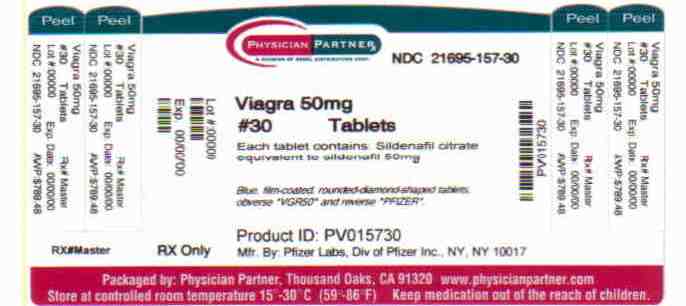
  • Viagra (Sildenafil Citrate) Tablet, Film Coated [Rebel Distributors Corp]

    Viagra

    Viagra (Sildenafil Citrate) Tablet, Film Coated [Rebel Distributors Corp]

    For most patients, the recommended dose is 50 mg taken, as needed, approximately 1 hour before sexual activity. However, VIAGRA may be taken anywhere from 4 hours to 0.5 hour before sexual activity. Based on effectiveness and toleration, the dose may be increased to a maximum recommended dose of 100 mg or decreased to 25 mg. The maximum recommended dosing frequency is once per day.

    The following factors are associated with increased plasma levels of sildenafil: age greater than 65 (40% increase in AUC), hepatic impairment (e.g., cirrhosis, 80%), severe renal impairment (creatinine clearance less than 30 mL/min, 100%), and concomitant use of potent cytochrome P450 3A4 inhibitors [ketoconazole, itraconazole, erythromycin (182%), saquinavir (210%)]. Since higher plasma levels may increase both the efficacy and incidence of adverse events, a starting dose of 25 mg should be considered in these patients.

    Ritonavir greatly increased the systemic level of sildenafil in a study of healthy, non-HIV infected volunteers (11-fold increase in AUC, see Drug Interactions .) Based on these pharmacokinetic data, it is recommended not to exceed a maximum single dose of 25 mg of VIAGRA in a 48 hour period.

    VIAGRA was shown to potentiate the hypotensive effects of nitrates and its administration in patients who use nitric oxide donors or nitrates in any form is therefore contraindicated.

    When VIAGRA is co-administered with an alpha-blocker, patients should be stable on alpha-blocker therapy prior to initiating VIAGRA treatment and VIAGRA should be initiated at the lowest dose (see Drug Interactions ).

  • Midodrine Hcl (Midodrine Hydrochloride) Tablet [Rebel Distributors Corp]

    Midodrine Hcl

    Midodrine Hcl (Midodrine Hydrochloride) Tablet [Rebel Distributors Corp]

    The recommended dose of midodrine hydrochloride tablets is 10 mg, 3 times daily. Dosing should take place during the daytime hours when the patient needs to be upright, pursuing the activities of daily living. A suggested dosing schedule of approximately 4-hour intervals is as follows: shortly before or upon arising in the morning, midday and late afternoon (not later than 6 P.M.). Doses may be given in 3-hour intervals, if required, to control symptoms, but not more frequently.

    Single doses as high as 20 mg have been given to patients, but severe and persistent systolic supine hypertension occurs at a high rate (about 45%) at this dose. In order to reduce the potential for supine hypertension during sleep, midodrine hydrochloride tablets should not be given after the evening meal or less than 4 hours before bedtime. Total daily doses greater than 30 mg have been tolerated by some patients, but their safety and usefulness have not been studied systematically or established. Because of the risk of supine hypertension, midodrine hydrochloride tablets should be continued only in patients who appear to attain symptomatic improvement during initial treatment.

    The supine and standing blood pressure should be monitored regularly and the administration of midodrine hydrochloride tablets should be stopped if supine blood pressure increases excessively.

    Because desglymidodrine is excreted renally, dosing in patients with abnormal renal function should be cautious; although this has not been systematically studied, it is recommended that treatment of these patients be initiated using 2.5 mg doses.

    Dosing in children has not been adequately studied.

    Blood levels of midodrine and desglymidodrine were similar when comparing levels in patients 65 or older vs. younger than 65 and when comparing males vs. females, suggesting dose modifications for these groups are not necessary.

  • Mephyton (Phytonadione) Tablet [Rebel Distributors Corp]

    Mephyton

    Mephyton (Phytonadione) Tablet [Rebel Distributors Corp]

    MEPHYTONSummary of Dosage Guidelines(See circular text for details) Adults Initial Dosage Anticoagulant-Induced Prothrombin Deficiency (caused by coumarin or indanedione derivatives) 2.5 mg-10 mg or up to 25 mg (rarely 50 mg) Hypoprothrombinemia due to other causes (Antibiotics; Salicylates or other drugs;Factors limiting absorption or synthesis) 2.5 mg-25 mg or more (rarely up to 50 mg)

    Anticoagulant-Induced Prothrombin Deficiency in Adults

    To correct excessively prolonged prothrombin times caused by oral anticoagulant therapy— 2.5 to 10 mg or up to 25 mg initially is recommended. In rare instances 50 mg may be required. Frequency and amount of subsequent doses should be determined by prothrombin time response or clinical condition. (See WARNINGS.) If, in 12 to 48 hours after oral administration, the prothrombin time has not been shortened satisfactorily, the dose should be repeated.

    Hypoprothrombinemia Due to Other Causes in Adults

    If possible, discontinuation or reduction of the dosage of drugs interfering with coagulation mechanisms (such as salicylates, antibiotics) is suggested as an alternative to administering concurrent MEPHYTON. The severity of the coagulation disorder should determine whether the immediate administration of MEPHYTON is required in addition to discontinuation or reduction of interfering drugs.

    A dosage of 2.5 to 25 mg or more (rarely up to 50 mg) is recommended, the amount and route of administration depending upon the severity of the condition and response obtained.

    The oral route should be avoided when the clinical disorder would prevent proper absorption. Bile salts must be given with the tablets when the endogenous supply of bile to the gastrointestinal tract is deficient.

  • Valproic Acid Capsule, Liquid Filled [Rebel Distributors Corp]

    Valproic Acid

    Valproic Acid Capsule, Liquid Filled [Rebel Distributors Corp]

    THE CAPSULES SHOULD BE SWALLOWED WITHOUT CHEWING TO AVOID LOCAL IRRITATION OF THE MOUTH AND THROAT.

    Valproic acid is administered orally. Valproic acid is indicated as monotherapy and adjunctive therapy in complex partial seizures in adults and pediatric patients down to the age of 10 years, and in simple and complex absence seizures. As the valproic acid dosage is titrated upward, concentrations of phenobarbital, carbamazepine, and/or phenytoin may be affected (see PRECAUTIONS - Drug Interactions).

    Complex Partial Seizures

    For adults and children 10 years of age or older.

    Monotherapy (Initial Therapy)

    Valproic acid has not been systematically studied as initial therapy. Patients should initiate therapy at 10 to 15 mg/kg/day. The dosage should be increased by 5 to 10 mg/kg/week to achieve optimal clinical response. Ordinarily, optimal clinical response is achieved at daily doses below 60 mg/kg/day. If satisfactory clinical response has not been achieved, plasma levels should be measured to determine whether or not they are in the usually accepted therapeutic range (50 to 100 mcg/mL). No recommendation regarding the safety of valproate for use at doses above 60 mg/kg/day can be made.

    The probability of thrombocytopenia increases significantly at total trough valproate plasma concentrations above 110 mcg/mL in females and 135 mcg/mL in males. The benefit of improved seizure control with higher doses should be weighed against the possibility of a greater incidence of adverse reactions.

    Conversion to Monotherapy

    Patients should initiate therapy at 10 to 15 mg/kg/day. The dosage should be increased by 5 to 10 mg/kg/week to achieve optimal clinical response. Ordinarily, optimal clinical response is achieved at daily doses below 60 mg/kg/day. If satisfactory clinical response has not been achieved, plasma levels should be measured to determine whether or not they are in the usually accepted therapeutic range (50-100 mcg/mL). No recommendation regarding the safety of valproate for use at doses above 60 mg/kg/day can be made. Concomitant antiepilepsy drug (AED) dosage can ordinarily be reduced by approximately 25% every 2 weeks. This reduction may be started at initiation of valproic acid therapy, or delayed by 1 to 2 weeks if there is a concern that seizures are likely to occur with a reduction. The speed and duration of withdrawal of the concomitant AED can be highly variable, and patients should be monitored closely during this period for increased seizure frequency.

    Adjunctive Therapy

    Valproic acid may be added to the patient's regimen at a dosage of 10 to 15 mg/kg/day. The dosage may be increased by 5 to 10 mg/kg/week to achieve optimal clinical response. Ordinarily, optimal clinical response is achieved at daily doses below 60 mg/kg/day. If satisfactory clinical response has not been achieved, plasma levels should be measured to determine whether or not they are in the usually accepted therapeutic range (50 to 100 mcg/mL). No recommendation regarding the safety of valproate for use at doses above 60 mg/kg/day can be made. If the total daily dose exceeds 250 mg, it should be given in divided doses.

    Since valproate may interact with these or other concurrently administered AEDs as well as other drugs (see Drug Interactions), periodic plasma concentration determinations of concomitant AEDs are recommended during the early course of therapy (see PRECAUTIONS - Drug Interactions).

    Simple and Complex Absence Seizures

    The recommended initial dose is 15 mg/kg/day, increasing at one week intervals by 5 to 10 mg/kg/day until seizures are controlled or side effects preclude further increases. The maximum recommended dosage is 60 mg/kg/day. If the total daily dose exceeds 250 mg, it should be given in divided doses.

    A good correlation has not been established between daily dose, serum concentrations, and therapeutic effect. However, therapeutic valproate serum concentrations for most patients with absence seizures is considered to range from 50 to 100 mcg/mL. Some patients may be controlled with lower or higher serum concentrations (see CLINICAL PHARMACOLOGY).

    As the valproic acid dosage is titrated upward, blood concentrations of phenobarbital and/or phenytoin may be affected (see PRECAUTIONS).

    Antiepilepsy drugs should not be abruptly discontinued in patients in whom the drug is administered to prevent major seizures because of the strong possibility of precipitating status epilepticus with attendant hypoxia and threat to life.

    The following Table is a guide for the initial daily dose of Valproic acid (15 mg/kg/day): Weight Total Daily Dose Number of Capsules (Kg) (Lb) (mg) Dose 1 Dose 2 Dose 3 10-24.9 22-54.9 250 0 0 1 25-39.9 55-87.9 500 1 0 1 40-59.9 88-131.9 750 1 1 1 60-74.9 132-164.9 1,000 1 1 2 75-89.9 165-197.9 1,250 2 1 2

    General Dosing Advice

    Dosing in Elderly Patients

    Due to a decrease in unbound clearance of valproate and possibly a greater sensitivity to somnolence in the elderly, the starting dose should be reduced in these patients. Dosage should be increased more slowly and with regular monitoring for fluid and nutritional intake, dehydration, somnolence, and other adverse events. Dose reductions or discontinuation of valproate should be considered in patients with decreased food or fluid intake and in patients with excessive somnolence. The ultimate therapeutic dose should be achieved on the basis of both tolerability and clinical response (see WARNINGS).

    Dose-Related Adverse Events

    The frequency of adverse effects (particularly elevated liver enzymes and thrombocytopenia) may be dose-related. The probability of thrombocytopenia appears to increase significantly at total valproate concentrations of ≥ 110 mcg/mL (females) or ≥ 135 mcg/mL (males) (see PRECAUTIONS). The benefit of improved therapeutic effect with higher doses should be weighed against the possibility of a greater incidence of adverse reactions.

    G.I. Irritation

    Patients who experience G.I. irritation may benefit from administration of the drug with food or by slowly building up the dose from an initial low level.

  • Tobradex (Tobramycin And Dexamethasone) Suspension [Rebel Distributors Corp]

    Tobradex

    Tobradex (Tobramycin And Dexamethasone) Suspension [Rebel Distributors Corp]

    One or two drops instilled into the conjunctival sac(s) every four to six hours. During the initial 24 to 48 hours, the dosage may be increased to one or two drops every two (2) hours. Frequency should be decreased gradually as warranted by improvement in clinical signs. Care should be taken not to discontinue therapy prematurely.

    Not more than 20 mL should be prescribed initially and the prescription should not be refilled without further evaluation as outlined in PRECAUTIONS above.

  • Perphenazine Tablet, Film Coated [Rebel Distributors Corp]

    Perphenazine

    Perphenazine Tablet, Film Coated [Rebel Distributors Corp]

    Dosage must be individualized and adjusted according to the severity of the condition and the response obtained. As with all potent drugs, the best dose is the lowest dose that will produce the desired clinical effect. Since extrapyramidal symptoms increase in frequency and severity with increased dosage, it is important to employ the lowest effective dose. These symptoms have disappeared upon reduction of dosage, withdrawal of the drug, or administration of an antiparkinsonian agent.

    Prolonged administration of doses exceeding 24 mg daily should be reserved for hospitalized patients or patients under continued observation for early detection and management of adverse reactions. An antiparkinsonian agent, such as trihexyphenidyl hydrochloride or benztropine mesylate, is valuable in controlling drug-induced extrapyramidal symptoms.

    Suggested dosages for various conditions follow:

    Moderately disturbed nonhospitalized patients with schizophrenia

    4 to 8 mg t.i.d. initially; reduce as soon as possible to minimum effective dosage.

    Hospitalized patients with schizophrenia

    8 to 16 mg b.i.d. to q.i.d.; avoid dosages in excess of 64 mg daily.

    Severe nausea and vomiting in adults

    8 to 16 mg daily in divided doses; 24 mg occasionally may be necessary; early dosage reduction is desirable.

    Elderly Patients

    With increasing age, plasma concentrations of perphenazine per daily ingested dose increase. Geriatric dosages of perphenazine preparations have not been established, but initiation of lower dosages is recommended. Optimal clinical effect or benefit may require lower doses for a longer duration. Dosing of perphenazine may occur before bedtime, if required.

  • Kaletra (Lopinavir And Ritonavir) Tablet, Film Coated [Rebel Distributors Corp]

    Kaletra

    Kaletra (Lopinavir And Ritonavir) Tablet, Film Coated [Rebel Distributors Corp]

    KALETRA tablets may be taken with or without food. The tablets should be swallowed whole and not chewed, broken, or crushed.

    KALETRA oral solution must be taken with food.

    2.1 Adult Patients

    KALETRA tablets 400/100 mg (given as two 200/50 mg tablets) twice daily. KALETRA oral solution 400/100 mg (5 mL) twice daily. KALETRA tablets 800/200 mg (given as four 200/50 mg tablets) once daily in patients with less than three lopinavir resistance-associated substitutions. KALETRA oral solution 800/200 mg (10 mL) once daily in patients with less than three lopinavir resistance-associated substitutions.

    Once daily administration of KALETRA is not recommended for adult patients with three or more of the following lopinavir resistance-associated substitutions: L10F/I/R/V, K20M/N/R, L24I, L33F, M36I, I47V, G48V, I54L/T/V, V82A/C/F/S/T, and I84V [see Clinical Pharmacology ( 12.4)].

    KALETRA should not be administered once daily in combination with carbamazepine, phenobarbital, or phenytoin [see Drug Interactions (7.0)].

    Concomitant Therapy: Efavirenz, Nevirapine, Amprenavir or Nelfinavir

    [see Clinical Pharmacology (12.3) and [Drug Interactions (7.3)]

    KALETRA tablets and oral solution should not be administered as a once daily regimen in combination with efavirenz, nevirapine, amprenavir, or nelfinavir.

    A dose increase is recommended for all patients who use KALETRA tablets. The recommended dose of KALETRA tablets is 500/125 mg (such as two 200/50 tablets and one 100/25 mg tablet) twice daily in combination with efavirenz, nevirapine, amprenavir or nelfinavir. A dose increase is recommended for all patients who use KALETRA oral solution. The recommended dose of KALETRA oral solution is 533/133 mg (6.5 mL) twice daily when used in combination with efavirenz, nevirapine, amprenavir or nelfinavir.

    2.2 Pediatric Patients

    KALETRA tablets and oral solution should not be administered once daily in pediatric patients < 18 years of age.

    Healthcare professionals should pay special attention to accurate calculation of the dose of KALETRA, transcription of the medication order, dispensing information and dosing instructions to minimize the risk for medication errors, overdose, [see Overdosage (10)] and underdose.

    Prescribers should calculate the appropriate dose of KALETRA for each individual child based on body weight (kg) or body surface area (BSA) and should not exceed the recommended adult dose.

    Body surface area (BSA) can be calculated as follows:

    The KALETRA dose can be calculated based on weight or BSA:

    Based on Weight:

    Patient Weight (kg) × Prescribed lopinavir dose (mg/kg) = Administered lopinavir dose (mg)

    Based on BSA:

    Patient BSA (m2) × Prescribed lopinavir dose (mg/m2) = Administered lopinavir dose (mg)

    If KALETRA oral solution is used, the volume (mL) of KALETRA solution can be determined as follows:

    Volume of KALETRA solution (mL) = Administered lopinavir dose (mg) ÷ 80 (mg/mL)

    The dose of the oral solution should be administered using a calibrated dosing syringe.

    Before prescribing KALETRA 100/25 mg tablets, children should be assessed for the ability to swallow intact tablets. If a child is unable to reliably swallow a KALETRA tablet, the KALETRA oral solution formulation should be prescribed.

    14 Days to 6 Months:

    In pediatric patients 14 days to 6 months of age, the recommended dosage of lopinavir/ritonavir using KALETRA oral solution is 16/4 mg/kg or 300/75 mg/m2 twice daily. Prescribers should calculate the appropriate dose based on body weight or body surface area.

    Because no data exists for dosage when administered with efavirenz, nevirapine, amprenavir, or nelfinavir, it is recommended that KALETRA not be administered in combination with these drugs in patients < 6 months of age.

    6 Months to 18 Years:

    Without Concomitant Efavirenz, Nevirapine, Amprenavir or Nelfinavir

    Dosing recommendations using oral solution

    In children 6 months to 18 years of age, the recommended dosage of lopinavir/ritonavir using KALETRA oral solution without concomitant efavirenz, nevirapine, amprenavir, or nelfinavir is 230/57.5 mg/m2 given twice daily, not to exceed the recommended adult dose (400/100 mg [5 mL] twice daily). If weight-based dosing is preferred, the recommended dosage of lopinavir/ritonavir for patients < 15 kg is 12/3 mg/kg given twice daily and the dosage for patients ≥ 15 kg to 40 kg is 10/2.5 mg/kg given twice daily.

    Dosing recommendations using tablets

    Table 1 provides the dosing recommendations for pediatric patients 6 months to 18 years of age based on body weight or body surface area for KALETRA tablets.

    Table 1. Pediatric Dosing Recommendations for Patients 6 Months to 18 Years of Age Based on Body Weight or Body Surface Area for KALETRA Tablets Without Concomitant Efavirenz, Nevirapine, Amprenavir, or Nelfinavir Body Weight (kg) Body Surface Area (m2)* Recommended number of 100/25 mg Tablets Twice Daily

    * KALETRA oral solution is available for children with a BSA less than 0.6 m2 or those who are unable to reliably swallow a tablet.

    15 to 25 ≥0.6 to < 0.9 2 >25 to 35 ≥0.9 to < 1.4 3 >35 ≥1.4 4 (or two 200/50 mg tablets)

    Concomitant Therapy: Efavirenz, Nevirapine, Amprenavir, or Nelfinavir

    Dosing recommendations using oral solution

    A dose increase of KALETRA to 300/75 mg/m2 using KALETRA oral solution is needed when co-administered with efavirenz, nevirapine, amprenavir, or nelfinavir in children (both treatment-naïve and treatment-experienced) 6 months to 18 years of age, not to exceed the recommended adult dose (533/133 mg [6.5 mL] twice daily). If weight-based dosing is preferred, the recommended dosage for patients <15 kg is 13/3.25 mg/kg given twice daily and the dosage for patients >15 kg to 45 kg is 11/2.75 mg/kg given twice daily.

    Dosing recommendations using tablets

    Table 2 provides the dosing recommendations for pediatric patients 6 months to 18 years of age based on body weight or body surface area for KALETRA tablets when given in combination with efavirenz, nevirapine, amprenavir, or nelfinavir.

    Table 2. Pediatric Dosing Recommendations for Patients 6 Months to 18 Years of Age Based on Body Weight or Body Surface Area for KALETRA Tablets With Concomitant Efavirenz†, Nevirapine, Amprenavir† or Nelfinavir† Body Weight (kg) Body Surface Area (m2)* Recommended number of 100/25 mg Tablets Twice Daily

    * KALETRA oral solution is available for children with a BSA less than 0.6 m2 or those who are unable to reliably swallow a tablet.

    † Please refer to the individual product labels for appropriate dosing in children.

    15 to 20 ≥0.6 to < 0.8 2 >20 to 30 ≥0.8 to < 1.2 3 >30 to 45 ≥1.2 to <1.7 4 (or two 200/50 mg tablets) >45 ≥1.7 5 [see Dosage and Administration, Adult Patients (2.1)]
  • Topamax (Topiramate) Tablet, Coated [Rebel Distributors Corp]

    Topamax

    Topamax (Topiramate) Tablet, Coated [Rebel Distributors Corp]

    2.1 Epilepsy

    In the controlled adjunctive (i.e., add-on) trials, no correlation has been demonstrated between trough plasma concentrations of topiramate and clinical efficacy. No evidence of tolerance has been demonstrated in humans. Doses above 400 mg/day (600, 800 or 1,000 mg/day) have not been shown to improve responses in dose-response studies in adults with partial onset seizures.

    It is not necessary to monitor topiramate plasma concentrations to optimize TOPAMAX® therapy. On occasion, the addition of TOPAMAX® to phenytoin may require an adjustment of the dose of phenytoin to achieve optimal clinical outcome. Addition or withdrawal of phenytoin and/or carbamazepine during adjunctive therapy with TOPAMAX® may require adjustment of the dose of TOPAMAX®. Because of the bitter taste, tablets should not be broken.

    TOPAMAX® can be taken without regard to meals.

    Monotherapy Use

    The recommended dose for topiramate monotherapy in adults and pediatric patients 10 years of age and older is 400 mg/day in two divided doses. Approximately 58% of patients randomized to 400 mg/day achieved this maximal dose in the monotherapy controlled trial; the mean dose achieved in the trial was 275 mg/day. The dose should be achieved by titration according to the following schedule:

    Morning Dose Evening Dose Week 1 25 mg 25 mg Week 2 50 mg 50 mg Week 3 75 mg 75 mg Week 4 100 mg 100 mg Week 5 150 mg 150 mg Week 6 200 mg 200 mg

    Adjunctive Therapy Use

    Adults (17 Years of Age and Over) - Partial Onset Seizures, Primary Generalized Tonic-Clonic Seizures, or Lennox-Gastaut Syndrome

    The recommended total daily dose of TOPAMAX® as adjunctive therapy in adults with partial onset seizures is 200 to 400 mg/day in two divided doses, and 400 mg/day in two divided doses as adjunctive treatment in adults with primary generalized tonic-clonic seizures. It is recommended that therapy be initiated at 25 to 50 mg/day followed by titration to an effective dose in increments of 25 to 50 mg/day every week. Titrating in increments of 25 mg/day every week may delay the time to reach an effective dose. Daily doses above 1,600 mg have not been studied.

    In the study of primary generalized tonic-clonic seizures the initial titration rate was slower than in previous studies; the assigned dose was reached at the end of 8 weeks [see Clinical Studies (14.1)].

    Pediatric Patients (Ages 2 – 16 Years) – Partial Onset Seizures, Primary Generalized Tonic-Clonic Seizures, or Lennox-Gastaut Syndrome

    The recommended total daily dose of TOPAMAX® (topiramate) as adjunctive therapy for pediatric patients with partial onset seizures, primary generalized tonic-clonic seizures, or seizures associated with Lennox-Gastaut syndrome is approximately 5 to 9 mg/kg/day in two divided doses. Titration should begin at 25 mg/day (or less, based on a range of 1 to 3 mg/kg/day) nightly for the first week. The dosage should then be increased at 1- or 2 week intervals by increments of 1 to 3 mg/kg/day (administered in two divided doses), to achieve optimal clinical response. Dose titration should be guided by clinical outcome.

    In the study of primary generalized tonic-clonic seizures the initial titration rate was slower than in previous studies; the assigned dose of 6 mg/kg/day was reached at the end of 8 weeks [see Clinical Studies (14.1)].

    2.2 Migraine

    The recommended total daily dose of TOPAMAX® as treatment for adults for prophylaxis of migraine headache is 100 mg/day administered in two divided doses. The recommended titration rate for topiramate for migraine prophylaxis to 100 mg/day is:

    Morning Dose Evening Dose Week 1 None 25 mg Week 2 25 mg 25 mg Week 3 25 mg 50 mg Week 4 50 mg 50 mg

    Dose and titration rate should be guided by clinical outcome. If required, longer intervals between dose adjustments can be used.

    TOPAMAX® can be taken without regard to meals.

    2.3 Administration of TOPAMAX® Sprinkle Capsules

    TOPAMAX® (topiramate capsules) Sprinkle Capsules may be swallowed whole or may be administered by carefully opening the capsule and sprinkling the entire contents on a small amount (teaspoon) of soft food. This drug/food mixture should be swallowed immediately and not chewed. It should not be stored for future use.

    2.4 Patients with Renal Impairment

    In renally impaired subjects (creatinine clearance less than 70 mL/min/1.73 m2), one-half of the usual adult dose is recommended. Such patients will require a longer time to reach steady-state at each dose.

    2.5 Geriatric Patients (Ages 65 Years and Over)

    Dosage adjustment may be indicated in the elderly patient when impaired renal function (creatinine clearance rate <70 mL/min/1.73 m2) is evident [see Clinical Pharmacology (12.3)].

    2.6 Patients Undergoing Hemodialysis

    Topiramate is cleared by hemodialysis at a rate that is 4 to 6 times greater than a normal individual. Accordingly, a prolonged period of dialysis may cause topiramate concentration to fall below that required to maintain an anti-seizure effect. To avoid rapid drops in topiramate plasma concentration during hemodialysis, a supplemental dose of topiramate may be required. The actual adjustment should take into account 1) the duration of dialysis period, 2) the clearance rate of the dialysis system being used, and 3) the effective renal clearance of topiramate in the patient being dialyzed.

    2.7 Patients with Hepatic Disease

    In hepatically impaired patients, topiramate plasma concentrations may be increased. The mechanism is not well understood.

  • Naprelan (Naproxen Sodium) Tablet, Film Coated, Extended Release [Rebel Distributors Corp]

    Naprelan

    Naprelan (Naproxen Sodium) Tablet, Film Coated, Extended Release [Rebel Distributors Corp]

    Carefully consider the potential benefits and risks of NAPRELAN® and other treatment options before deciding to use NAPRELAN®. Use the lowest effective dose for the shortest duration consistent with individual patient treatment goals (see WARNINGS).

    After observing the response to initial therapy with NAPRELAN®, the dose and frequency should be adjusted to suit an individual patient's needs.

    For the relief of:

    Rheumatoid Arthritis, Osteoarthritis, and Ankylosing Spondylitis

    The recommended starting dose of NAPRELAN® Tablets in adults is two NAPRELAN® 375 mg tablets (750 mg) once daily, one NAPRELAN® 750 mg (750 mg) once daily, or two NAPRELAN® 500 mg tablets (1000 mg) once a daily. Patients already taking naproxen 250 mg, 375 mg, or 500mg twice daily (morning and evening) may have their total daily dose replaced with NAPRELAN® Tablets as a single daily dose.

    During long-term administration, the dose of NAPRELAN® Tablets may be adjusted up or down depending on the clinical response of the patient. In patients who tolerate lower doses of NAPRELAN® Tablets well, the dose may be increased to two NAPRELAN® 750 mg tablets (1500 mg), or three NAPRELAN® 500 mg tablets (1500 mg) once daily for limited periods when a higher level of anti-inflammatory/analgesic activity is required. When treating patients, especially at the higher dose levels, the physician should observe sufficient increased clinical benefit to offset the potential increased risk (see CLINICAL PHARMACOLOGY). The lowest effective dose should be sought and used in every patient. Symptomatic improvement in arthritis usually begins within one week; however, treatment for two weeks may be required to achieve a therapeutic benefit.

    A lower dose should be considered in patients with renal or hepatic impairment or in elderly patients (see PRECAUTIONS). Studies indicate that although total plasma contcentration of naproxen is unchanged, the unbound plasma fraction of naproxen is increased in the elderly. Caution is advised when high doses are required and some adjustment of dosage may be required in elderly patients. As with other drugs used in the elderly it is prudent to use the lowest effective dose.

    Management of Pain, Primary Dysmenorrhea, and Acute Tendinitis and Bursitis

    The recommended starting dose is two NAPRELAN® 500 mg tablets (1000 mg) once daily. For patients requiring greater analgesic benefit, two NAPRELAN® 750 mg tablets (1500 mg) or three NAPRELAN® 500 mg tablets (1500 mg) may be used for a limited period. Thereafter, the total daily dose should not exceed two NAPRELAN® 500 mg tablets (1000 mg). The NAPRELAN® DOSE CARD provides a 10 day tapered dose regimen contained in a single blister dose pack that provides 1500 mg given once daily (two NAPRELAN® 750 mg tablets) for 3 days, with a taper to 1000 mg given once daily (two NAPRELAN® 500 mg tablets) for the remaining 7 days.

    Acute Gout

    The recommended dose on the first day is two to three NAPRELAN® 500 mg tablets (1000 - 1500 mg) once daily, followed by two NAPRELAN® 500 mg tablets (1000 mg) once daily, until the attack has subsided.

  • Thiothixene Capsule [Rebel Distributors Corp]

    Thiothixene

    Thiothixene Capsule [Rebel Distributors Corp]

    DOSAGE AND ADMINISTRATION

    Dosage of thiothixene capsules should be individually adjusted depending on the chronicity and severity of the symptoms of schizophrenia. In general, small doses should be used initially and gradually increased to the optimal effective level, based on patient response.

    Some patients have been successfully maintained on once-a-day thiothixene therapy.

    The use of thiothixene capsules in children under 12 years of age is not recommended because safe conditions for its use have not been established.

    In milder conditions, an initial dose of 2 mg three times daily is recommended. If indicated, a subsequent increase to 15 mg/day total daily dose is often effective.

    In more severe conditions, an initial dose of 5 mg twice daily is recommended.

    The usual optimal dose is 20 to 30 mg daily. If indicated, an increase to 60 mg/day total daily dose is often effective. Exceeding a total daily dose of 60 mg rarely increases the beneficial response.

  • Lamictal (Lamotrigine) Tablet [Rebel Distributors Corp]

    Lamictal

    Lamictal (Lamotrigine) Tablet [Rebel Distributors Corp]

    2.1 General Dosing Considerations

    Rash: There are suggestions, yet to be proven, that the risk of severe, potentially life-threatening rash may be increased by (1) coadministration of LAMICTAL with valproate, (2) exceeding the recommended initial dose of LAMICTAL, or (3) exceeding the recommended dose escalation for LAMICTAL. However, cases have occurred in the absence of these factors [see Boxed Warning]. Therefore, it is important that the dosing recommendations be followed closely.

    The risk of nonserious rash may be increased when the recommended initial dose and/or the rate of dose escalation of LAMICTAL is exceeded and in patients with a history of allergy or rash to other AEDs.

    LAMICTAL Starter Kits and LAMICTAL® ODT™ Patient Titration Kits provide LAMICTAL at doses consistent with the recommended titration schedule for the first 5 weeks of treatment, based upon concomitant medications, for patients with epilepsy (>12 years of age) and Bipolar I Disorder (≥18 years of age) and are intended to help reduce the potential for rash. The use of LAMICTAL Starter Kits and LAMICTAL ODT Patient Titration Kits is recommended for appropriate patients who are starting or restarting LAMICTAL [see How Supplied/Storage and Handling (16)].

    It is recommended that LAMICTAL not be restarted in patients who discontinued due to rash associated with prior treatment with lamotrigine, unless the potential benefits clearly outweigh the risks. If the decision is made to restart a patient who has discontinued lamotrigine, the need to restart with the initial dosing recommendations should be assessed. The greater the interval of time since the previous dose, the greater consideration should be given to restarting with the initial dosing recommendations. If a patient has discontinued lamotrigine for a period of more than 5 half-lives, it is recommended that initial dosing recommendations and guidelines be followed. The half-life of lamotrigine is affected by other concomitant medications [see Clinical Pharmacology (12.3)].

    LAMICTAL Added to Drugs Known to Induce or Inhibit Glucuronidation: Drugs other than those listed in the Clinical Pharmacology section [see Clinical Pharmacology (12.3)] have not been systematically evaluated in combination with lamotrigine. Because lamotrigine is metabolized predominantly by glucuronic acid conjugation, drugs that are known to induce or inhibit glucuronidation may affect the apparent clearance of lamotrigine and doses of LAMICTAL may require adjustment based on clinical response. 

    Target Plasma Levels for Patients With Epilepsy or Bipolar Disorder: A therapeutic plasma concentration range has not been established for lamotrigine. Dosing of LAMICTAL should be based on therapeutic response [see Clinical Pharmacology (12.3)].

    Women Taking Estrogen-Containing Oral Contraceptives:Starting LAMICTAL in Women Taking Estrogen-Containing Oral Contraceptives: Although estrogen-containing oral contraceptives have been shown to increase the clearance of lamotrigine [see Clinical Pharmacology (12.3)], no adjustments to the recommended dose-escalation guidelines for LAMICTAL should be necessary solely based on the use of estrogen-containing oral contraceptives. Therefore, dose escalation should follow the recommended guidelines for initiating adjunctive therapy with LAMICTAL based on the concomitant AED or other concomitant medications (see Table 1 or Table 5). See below for adjustments to maintenance doses of LAMICTAL in women taking estrogen-containing oral contraceptives.

    Adjustments to the Maintenance Dose of LAMICTAL In Women Taking Estrogen-Containing Oral Contraceptives:

    (1) Taking Estrogen-Containing Oral Contraceptives: For women not taking carbamazepine, phenytoin, phenobarbital, primidone, or other drugs such as rifampin that induce lamotrigine glucuronidation [see Drug Interactions (7), Clinical Pharmacology (12.3)], the maintenance dose of LAMICTAL will in most cases need to be increased, by as much as 2-fold over the recommended target maintenance dose, in order to maintain a consistent lamotrigine plasma level [see Clinical Pharmacology (12.3)].

    (2) Starting Estrogen-Containing Oral Contraceptives: In women taking a stable dose of LAMICTAL and not taking carbamazepine, phenytoin, phenobarbital, primidone, or other drugs such as rifampin that induce lamotrigine glucuronidation [see Drug Interactions (7), Clinical Pharmacology (12.3)], the maintenance dose will in most cases need to be increased by as much as 2-fold in order to maintain a consistent lamotrigine plasma level. The dose increases should begin at the same time that the oral contraceptive is introduced and continue, based on clinical response, no more rapidly than 50 to 100 mg/day every week. Dose increases should not exceed the recommended rate (see Table 1 or Table 5) unless lamotrigine plasma levels or clinical response support larger increases. Gradual transient increases in lamotrigine plasma levels may occur during the week of inactive hormonal preparation (“pill-free” week), and these increases will be greater if dose increases are made in the days before or during the week of inactive hormonal preparation. Increased lamotrigine plasma levels could result in additional adverse reactions, such as dizziness, ataxia, and diplopia. If adverse reactions attributable to LAMICTAL consistently occur during the “pill-free” week, dose adjustments to the overall maintenance dose may be necessary. Dose adjustments limited to the “pill-free” week are not recommended. For women taking LAMICTAL in addition to carbamazepine, phenytoin, phenobarbital, primidone, or other drugs such as rifampin that induce lamotrigine glucuronidation [see Drug Interactions (7), Clinical Pharmacology (12.3)], no adjustment to the dose of LAMICTAL should be necessary.

    (3) Stopping Estrogen-Containing Oral Contraceptives: For women not taking carbamazepine, phenytoin, phenobarbital, primidone, or other drugs such as rifampin that induce lamotrigine glucuronidation [see Drug Interactions (7), Clinical Pharmacology (12.3)], the maintenance dose of LAMICTAL will in most cases need to be decreased by as much as 50% in order to maintain a consistent lamotrigine plasma level. The decrease in dose of LAMICTAL should not exceed 25% of the total daily dose per week over a 2-week period, unless clinical response or lamotrigine plasma levels indicate otherwise [see Clinical Pharmacology (12.3)]. For women taking LAMICTAL in addition to carbamazepine, phenytoin, phenobarbital, primidone, or other drugs such as rifampin that induce lamotrigine glucuronidation [see Drug Interactions (7), Clinical Pharmacology (12.3)], no adjustment to the dose of LAMICTAL should be necessary.

    Women and Other Hormonal Contraceptive Preparations or Hormone Replacement Therapy: The effect of other hormonal contraceptive preparations or hormone replacement therapy on the pharmacokinetics of lamotrigine has not been systematically evaluated. It has been reported that ethinylestradiol, not progestogens, increased the clearance of lamotrigine up to 2-fold, and the progestin-only pills had no effect on lamotrigine plasma levels. Therefore, adjustments to the dosage of LAMICTAL in the presence of progestogens alone will likely not be needed.

      Patients With Hepatic Impairment: Experience in patients with hepatic impairment is limited. Based on a clinical pharmacology study in 24 patients with mild, moderate, and severe liver impairment [see Use in Specific Populations (8.6), Clinical Pharmacology (12.3)], the following general recommendations can be made. No dosage adjustment is needed in patients with mild liver impairment. Initial, escalation, and maintenance doses should generally be reduced by approximately 25% in patients with moderate and severe liver impairment without ascites and 50% in patients with severe liver impairment with ascites. Escalation and maintenance doses may be adjusted according to clinical response.

      Patients With Renal Impairment: Initial doses of LAMICTAL should be based on patients' concomitant medications (see Tables 1-3 or Table 5); reduced maintenance doses may be effective for patients with significant renal impairment [see Use in Specific Populations (8.7), Clinical Pharmacology (12.3)]. Few patients with severe renal impairment have been evaluated during chronic treatment with LAMICTAL. Because there is inadequate experience in this population, LAMICTAL should be used with caution in these patients.

    Discontinuation Strategy:Epilepsy: For patients receiving LAMICTAL in combination with other AEDs, a reevaluation of all AEDs in the regimen should be considered if a change in seizure control or an appearance or worsening of adverse experiences is observed.

    If a decision is made to discontinue therapy with LAMICTAL, a step-wise reduction of dose over at least 2 weeks (approximately 50% per week) is recommended unless safety concerns require a more rapid withdrawal [see Warnings and Precautions (5.9)].

      Discontinuing carbamazepine, phenytoin, phenobarbital, primidone, or other drugs such as rifampin that induce lamotrigine glucuronidation, should prolong the half-life of lamotrigine; discontinuing valproate should shorten the half-life of lamotrigine.

    Bipolar Disorder: In the controlled clinical trials, there was no increase in the incidence, type, or severity of adverse reactions following abrupt termination of LAMICTAL. In clinical trials in patients with Bipolar Disorder, 2 patients experienced seizures shortly after abrupt withdrawal of LAMICTAL. However, there were confounding factors that may have contributed to the occurrence of seizures in these bipolar patients. Discontinuation of LAMICTAL should involve a step-wise reduction of dose over at least 2 weeks (approximately 50% per week) unless safety concerns require a more rapid withdrawal [see Warnings and Precautions (5.9)].

    2.2 Epilepsy – Adjunctive Therapy

    This section provides specific dosing recommendations for patients greater than 12 years of age and patients 2 to 12 years of age. Within each of these age-groups, specific dosing recommendations are provided depending upon concomitant AED or other concomitant medications (Table 1 for patients greater than 12 years of age and Table 2 for patients 2 to 12 years of age). A weight-based dosing guide for patients 2 to 12 years of age on concomitant valproate is provided in Table 3.

    Patients Over 12 Years of Age: Recommended dosing guidelines are summarized in Table 1.

    Table 1. Escalation Regimen for LAMICTAL in Patients Over 12 Years of Age With Epilepsy

    For Patients TAKING Valproatea

    For Patients NOT TAKING Carbamazepine, Phenytoin, Phenobarbital, Primidone,b or Valproatea

    For Patients TAKING Carbamazepine, Phenytoin, Phenobarbital, or Primidoneb and NOT TAKING Valproatea Weeks 1 and 2 25 mg every other day 25 mg every day 50 mg/day Weeks 3 and 4 25 mg every day 50 mg/day

    100 mg/day

    (in 2 divided doses) Week 5 onwards to maintenance Increase by 25 to 50 mg/day every 1 to 2 weeks Increase by 50 mg/day every 1 to 2 weeks Increase by 100 mg/day every 1 to 2 weeks. Usual Maintenance Dose

    100 to 200 mg/day with valproate alone

    100 to 400 mg/day with valproate and other drugs that induce glucuronidation

    (in 1 or 2 divided doses)

    225 to 375 mg/day

    (in 2 divided doses)

    300 to 500 mg/day

    (in 2 divided doses)

    a Valproate has been shown to inhibit glucuronidation and decrease the apparent clearance of lamotrigine [see Drug Interactions (7), Clinical Pharmacology (12.3)].

    b These drugs induce lamotrigine glucuronidation and increase clearance [see Drug Interactions (7), Clinical Pharmacology(12.3)] . Other drugs which have similar effects include estrogen-containing oral contraceptives [see Drug Interactions (7), Clinical Pharmacology (12.3)]. Dosing recommendations for oral contraceptives can be found in General Dosing Considerations [see Dosage and Administration (2.1)]. Patients on rifampin, or other drugs that induce lamotrigine glucuronidation and increase clearance, should follow the same dosing titration/maintenance regimen as that used with anticonvulsants that have this effect.

    Patients 2 to 12 Years of Age: Recommended dosing guidelines are summarized in Table 2.

    Smaller starting doses and slower dose escalations than those used in clinical trials are recommended because of the suggestion that the risk of rash may be decreased by smaller starting doses and slower dose escalations. Therefore, maintenance doses will take longer to reach in clinical practice than in clinical trials. It may take several weeks to months to achieve an individualized maintenance dose. Maintenance doses in patients weighing less than 30 kg, regardless of age or concomitant AED, may need to be increased as much as 50%, based on clinical response.

    The smallest available strength of LAMICTAL Chewable Dispersible Tablets is 2 mg, and only whole tablets should be administered. If the calculated dose cannot be achieved using whole tablets, the dose should be rounded down to the nearest whole tablet [see How Supplied/Storage and Handling (16) and Medication Guide].

    Table 2. Escalation Regimen for LAMICTAL in Patients 2 to 12 Years of Age With Epilepsy

    For Patients TAKING Valproatea

    For Patients NOT TAKING Carbamazepine, Phenytoin, Phenobarbital, Primidoneb, or Valproatea

    For Patients TAKING Carbamazepine, Phenytoin, Phenobarbital, or Primidoneb and NOT TAKING Valproatea

    Weeks 1 and 2

    0.15 mg/kg/day

    in 1 or 2 divided doses, rounded down to the nearest whole tablet (see Table 3 for weight based dosing guide)

    0.3 mg/kg/day

    in 1 or 2 divided doses, rounded down to the nearest whole tablet

    0.6 mg/kg/day

    in 2 divided doses, rounded down to the nearest whole tablet

    Weeks 3 and 4

    0.3 mg/kg/day

    in 1 or 2 divided doses, rounded down to the nearest whole tablet (see Table 3 for weight based dosing guide)

    0.6 mg/kg/day

    in 2 divided doses, rounded down to the nearest whole tablet

    1.2 mg/kg/day

    in 2 divided doses, rounded down to the nearest whole tablet

    Week 5 onwards to maintenance The dose should be increased every 1 to 2 weeks as follows: calculate 0.3 mg/kg/day, round this amount down to the nearest whole tablet, and add this amount to the previously administered daily dose The dose should be increased every 1 to 2 weeks as follows: calculate 0.6 mg/kg/day, round this amount down to the nearest whole tablet, and add this amount to the previously administered daily dose The dose should be increased every 1 to 2 weeks as follows: calculate 1.2 mg/kg/day, round this amount down to the nearest whole tablet, and add this amount to the previously administered daily dose Usual Maintenance Dose

    1 to 5 mg/kg/day (maximum 200 mg/day in 1 or 2 divided doses).

    1 to 3 mg/kg/day with valproate alone

    4.5 to 7.5 mg/kg/day

    (maximum 300 mg/day in 2 divided doses) 5 to 15 mg/kg/day (maximum 400 mg/day in 2 divided doses) Maintenance dose in patients less than 30 kg May need to be increased by as much as 50%, based on clinical response May need to be increased by as much as 50%, based on clinical response May need to be increased by as much as 50%, based on clinical response

    Note: Only whole tablets should be used for dosing.

    a Valproate has been shown to inhibit glucuronidation and decrease the apparent clearance of lamotrigine [see Drug Interactions (7), Clinical Pharmacology (12.3)].

    b These drugs induce lamotrigine glucuronidation and increase clearance [see Drug Interactions (7), Clinical Pharmacology (12.3)]. Other drugs which have similar effects include estrogen-containing oral contraceptives [see Drug Interactions (7), Clinical Pharmacology (12.3)]. Dosing recommendations for oral contraceptives can be found in General Dosing Considerations [see Dosage and Administration (2.1)]. Patients on rifampin, or other drugs that induce lamotrigine glucuronidation and increase clearance, should follow the same dosing titration/maintenance regimen as that used with anticonvulsants that have this effect.

    Table 3. The Initial Weight-Based Dosing Guide for Patients 2 to 12 Years Taking Valproate (Weeks 1 to 4) With Epilepsy If the patient’s weight is Give this daily dose, using the most appropriate combination of LAMICTAL 2-mg and 5-mg tablets Greater than And less than Weeks 1 and 2 Weeks 3 and 4 6.7 kg 14 kg 2 mg every other day 2 mg every day 14.1 kg 27 kg 2 mg every day 4 mg every day 27.1 kg 34 kg 4 mg every day 8 mg every day 34.1 kg 40 kg 5 mg every day 10 mg every day

      Usual Adjunctive Maintenance Dose for Epilepsy: The usual maintenance doses identified in Tables 1 and 2 are derived from dosing regimens employed in the placebo-controlled adjunctive studies in which the efficacy of LAMICTAL was established. In patients receiving multidrug regimens employing carbamazepine, phenytoin, phenobarbital, or primidone without valproate, maintenance doses of adjunctive LAMICTAL as high as 700 mg/day have been used. In patients receiving valproate alone, maintenance doses of adjunctive LAMICTAL as high as 200 mg/day have been used. The advantage of using doses above those recommended in Tables 1 through 4 has not been established in controlled trials.

    2.3 Epilepsy – Conversion From Adjunctive Therapy to Monotherapy

    The goal of the transition regimen is to effect the conversion to monotherapy with LAMICTAL under conditions that ensure adequate seizure control while mitigating the risk of serious rash associated with the rapid titration of LAMICTAL.

    The recommended maintenance dose of LAMICTAL as monotherapy is 500 mg/day given in 2 divided doses.

    To avoid an increased risk of rash, the recommended initial dose and subsequent dose escalations of LAMICTAL should not be exceeded [see Boxed Warning].

      Conversion From Adjunctive Therapy With Carbamazepine, Phenytoin, Phenobarbital, or Primidone to Monotherapy With LAMICTAL: After achieving a dose of 500 mg/day of LAMICTAL according to the guidelines in Table 1, the concomitant AED should be withdrawn by 20% decrements each week over a 4-week period. The regimen for the withdrawal of the concomitant AED is based on experience gained in the controlled monotherapy clinical trial.

      Conversion From Adjunctive Therapy With Valproate to Monotherapy With LAMICTAL: The conversion regimen involves 4 steps outlined in Table 4.

    Table 4. Conversion From Adjunctive Therapy With Valproate to Monotherapy With LAMICTAL in Patients ≥16 Years of Age With Epilepsy LAMICTAL Valproate Step 1 Achieve a dose of 200 mg/day according to guidelines in Table 1 (if not already on 200 mg/day).

    Maintain previous stable dose.

    Step 2 Maintain at 200 mg/day. Decrease to 500 mg/day by decrements no greater than 500 mg/day/week and then maintain the dose of 500 mg/day for 1 week. Step 3 Increase to 300 mg/day and maintain for 1 week. Simultaneously decrease to 250 mg/day and maintain for 1 week. Step 4 Increase by 100 mg/day every week to achieve maintenance dose of 500 mg/day. Discontinue.

    Conversion From Adjunctive Therapy With AEDs Other Than Carbamazepine, Phenytoin, Phenobarbital, Primidone, or Valproate to Monotherapy With LAMICTAL: No specific dosing guidelines can be provided for conversion to monotherapy with LAMICTAL with AEDs other than carbamazepine, phenobarbital, phenytoin, primidone, or valproate.

    2.4 Bipolar Disorder

    The goal of maintenance treatment with LAMICTAL is to delay the time to occurrence of mood episodes (depression, mania, hypomania, mixed episodes) in patients treated for acute mood episodes with standard therapy. The target dose of LAMICTAL is 200 mg/day (100 mg/day in patients taking valproate, which decreases the apparent clearance of lamotrigine, and 400 mg/day in patients not taking valproate and taking either carbamazepine, phenytoin, phenobarbital, primidone, or other drugs such as rifampin that increase the apparent clearance of lamotrigine). In the clinical trials, doses up to 400 mg/day as monotherapy were evaluated; however, no additional benefit was seen at 400 mg/day compared with 200 mg/day [see Clinical Studies (14.2)]. Accordingly, doses above 200 mg/day are not recommended. Treatment with LAMICTAL is introduced, based on concurrent medications, according to the regimen outlined in Table 5. If other psychotropic medications are withdrawn following stabilization, the dose of LAMICTAL should be adjusted. For patients discontinuing valproate, the dose of LAMICTAL should be doubled over a 2-week period in equal weekly increments (see Table 6). For patients discontinuing carbamazepine, phenytoin, phenobarbital, primidone, or other drugs such as rifampin that induce lamotrigine glucuronidation, the dose of LAMICTAL should remain constant for the first week and then should be decreased by half over a 2-week period in equal weekly decrements (see Table 6). The dose of LAMICTAL may then be further adjusted to the target dose (200 mg) as clinically indicated.

    If other drugs are subsequently introduced, the dose of LAMICTAL may need to be adjusted. In particular, the introduction of valproate requires reduction in the dose of LAMICTAL [see Drug Interactions (7), Clinical Pharmacology (12.3)].

      To avoid an increased risk of rash, the recommended initial dose and subsequent dose escalations of LAMICTAL should not be exceeded [see Boxed Warning].

    Table 5. Escalation Regimen for LAMICTAL for Patients With Bipolar Disorder For Patients TAKING Valproatea For Patients NOT TAKING Carbamazepine, Phenytoin, Phenobarbital, Primidone,b or Valproatea For Patients TAKING Carbamazepine, Phenytoin, Phenobarbital, or Primidoneb and NOT TAKING Valproatea Weeks 1 and 2 25 mg every other day 25 mg daily 50 mg daily Weeks 3 and 4 25 mg daily 50 mg daily 100 mg daily, in divided doses Week 5 50 mg daily 100 mg daily 200 mg daily, in divided doses Week 6 100 mg daily 200 mg daily 300 mg daily, in divided doses Week 7 100 mg daily 200 mg daily up to 400 mg daily, in divided doses

    a Valproate has been shown to inhibit glucuronidation and decrease the apparent clearance of lamotrigine [see Drug Interactions (7), Clinical Pharmacology (12.3)].

    b These drugs induce lamotrigine glucuronidation and increase clearance [see Drug Interactions (7), Clinical Pharmacology (12.3)]. Other drugs which have similar effects include estrogen-containing oral contraceptives [see Drug Interactions (7), Clinical Pharmacology (12.3)]. Dosing recommendations for oral contraceptives can be found in General Dosing Considerations [see Dosage and Administration (2.1)]. Patients on rifampin, or other drugs that induce lamotrigine glucuronidation and increase clearance, should follow the same dosing titration/maintenance regimen as that used with anticonvulsants that have this effect.

    Table 6. Dosage Adjustments to LAMICTAL for Patients With Bipolar Disorder Following Discontinuation of Psychotropic Medications

    Discontinuation of Psychotropic Drugs (excluding Carbamazepine, Phenytoin, Phenobarbital, Primidone,b or Valproatea)

    After Discontinuation of Valproatea

    After Discontinuation of Carbamazepine, Phenytoin, Phenobarbital, or Primidoneb

    Current dose of LAMICTAL (mg/day)

    100

    Current dose of LAMICTAL

    (mg/day)

    400 Week 1 Maintain current dose of LAMICTAL 150 400 Week 2 Maintain current dose of LAMICTAL 200 300 Week 3 onward Maintain current dose of LAMICTAL 200 200

    a Valproate has been shown to inhibit glucuronidation and decrease the apparent clearance of lamotrigine [see Drug Interactions (7), Clinical Pharmacology (12.3)].

    b These drugs induce lamotrigine glucuronidation and increase clearance [see Drug Interactions (7), Clinical Pharmacology (12.3)]. Other drugs which have similar effects include estrogen-containing oral contraceptives [see Drug Interactions (7), Clinical Pharmacology (12.3)]. Dosing recommendations for oral contraceptives can be found in General Dosing Considerations [see Dosage and Administration (2.1)]. Patients on rifampin, or other drugs that induce lamotrigine glucuronidation and increase clearance, should follow the same dosing titration/maintenance regimen as that used with anticonvulsants that have this effect.

    The benefit of continuing treatment in patients who had been stabilized in an 8- to 16-week open-label phase with LAMICTAL was established in 2 randomized, placebo-controlled clinical maintenance trials [see Clinical Studies (14.2)]. However, the optimal duration of treatment with LAMICTAL has not been established. Thus, patients should be periodically reassessed to determine the need for maintenance treatment.

    2.5 Administration of LAMICTAL Chewable Dispersible Tablets

    LAMICTAL Chewable Dispersible Tablets may be swallowed whole, chewed, or dispersed in water or diluted fruit juice. If the tablets are chewed, consume a small amount of water or diluted fruit juice to aid in swallowing.

    To disperse LAMICTAL Chewable Dispersible Tablets, add the tablets to a small amount of liquid (1 teaspoon, or enough to cover the medication). Approximately 1 minute later, when the tablets are completely dispersed, swirl the solution and consume the entire quantity immediately. No attempt should be made to administer partial quantities of the dispersed tablets.

    2.6 Administration of LAMICTAL ODT Orally Disintegrating Tablets

    LAMICTAL ODT Orally Disintegrating Tablets should be placed onto the tongue and moved around in the mouth. The tablet will disintegrate rapidly, can be swallowed with or without water, and can be taken with or without food.

  • Plavix (Clopidogrel Bisulfate) Tablet, Film Coated [Rebel Distributors Corp]

    Plavix

    Plavix (Clopidogrel Bisulfate) Tablet, Film Coated [Rebel Distributors Corp]

    2.1 Acute Coronary Syndrome

    Plavix can be administered with or without food [see Clinical Pharmacology (12.3)]

    For patients with non-ST-elevation ACS (UA/NSTEMI), initiate Plavix with a single 300 mg oral loading dose and then continue at 75 mg once daily. Initiate aspirin (75–325 mg once daily) and continue in combination with Plavix [see Clinical Studies (14.1)]. For patients with STEMI, the recommended dose of Plavix is 75 mg once daily orally, administered in combination with aspirin (75–325 mg once daily), with or without thrombolytics. Plavix may be initiated with or without a loading dose [see Clinical Studies (14.1)].

    2.2 Recent MI, Recent Stroke, or Established Peripheral Arterial Disease

    The recommended daily dose of Plavix is 75 mg once daily orally, with or without food [see Clinical Pharmacology (12.3)].

    2.3 CYP2C19 Poor Metabolizers

    CYP2C19 poor metabolizer status is associated with diminished antiplatelet response to clopidogrel. Although a higher dose regimen (600 mg loading dose followed by 150 mg once daily) in poor metabolizers increases antiplatelet response [see Clinical Pharmacology (12.5)], an appropriate dose regimen for this patient population has not been established in clinical outcome trials.

  • Perrigo Benzoyl Peroxid...
    Perrigo Benzoyl Peroxide Hydroalcoholic Base (Benzoyl Peroxide) Gel [Rebel Distributors Corp]

    Perrigo Benzoyl Peroxide Hydroalcoholic Base

    Perrigo Benzoyl Peroxide Hydroalcoholic Base (Benzoyl Peroxide) Gel [Rebel Distributors Corp]

    It is recommended that therapy be initiated with Benzoyl Peroxide Gel 5%, applying the medication to the affected areas once a day during the first week, and twice a day thereafter as tolerated. Frequency of use should be adjusted to obtain the desired clinical response. Therapy with Benzoyl Peroxide Gel 10% may be initiated in patients who demonstrate accommodation to Benzoyl Peroxide Gel 5%.

    Gentle cleansing of the affected areas prior to application of Benzoyl Peroxide Gel 5% or 10% may be beneficial.

    Clinically visible improvements will normally occur by the third week of therapy. Maximum lesion reduction may be expected after approximately eight to twelve weeks of drug use. Continuing use of the drug is normally required to maintain a satisfactory clinical response.

  • Clearlax
    Clearlax (Polyethylene Glycol) Powder, For Solution [Rebel Distributors Corp]

    Clearlax

    Clearlax (Polyethylene Glycol) Powder, For Solution [Rebel Distributors Corp]

    Directions

    • do not take more than directed unless advised by your doctor

    • adults and children 17 years of age and older:

    • stir and dissolve one packet of powder (17 g) in any 4 to 8 ounces of beverage (cold, hot or room temperature) then drink

    • use once a day

    • use no more than 7 days

    • children 16 years of age or under: ask a doctor

    • do not take more than directed unless advised by your doctor

    • the bottle top is a measuring cap marked to contain 17 grams of powder when filled to the indicated line (white section in cap)

    • adults and children 17 years of age and older:

    • fill to top of white section in cap which is marked to indicate the correct dose (17 g)

    • stir and dissolve in any 4 to 8 ounces of beverage (cold, hot or room temperature) then drink

    • use once a day

    • use no more than 7 days

    • children 16 years of age or under: ask a doctor

    Other information

    • store at 20°-25°C (68°-77°F)

    • tamper-evident: do not use if printed foil pouch is open or broken (Pouch Carton Only)

    • tamper-evident: do not use if printed foil seal under cap is missing, open or broken (Label Only)

  • Prevacid Solutab (Lansoprazole) Tablet, Orally Disintegrating, Delayed Release [Rebel Distributors Corp]

    Prevacid Solutab

    Prevacid Solutab (Lansoprazole) Tablet, Orally Disintegrating, Delayed Release [Rebel Distributors Corp]

    PREVACID is available as a capsule and an orally disintegrating tablet, and is available in 15 mg and 30 mg strengths. Directions for use specific to the route and available methods of administration for each of these dosage forms is presented below. PREVACID should be taken before eating. PREVACID products SHOULD NOT BE CRUSHED OR CHEWED. In the clinical trials, antacids were used concomitantly with PREVACID.

    2.1 Recommended Dose

    Indication Recommended Dose Frequency * Please refer to amoxicillin and clarithromycin full prescribing information for CONTRAINDICATIONS and WARNINGS, and for information regarding dosing in elderly and renally-impaired patients. † Controlled studies did not extend beyond indicated duration. ‡ For patients who do not heal with PREVACID for 8 weeks (5 to 10%), it may be helpful to give an additional 8 weeks of treatment. If there is a recurrence of erosive esophagitis, an additional 8 week course of PREVACID may be considered. § The PREVACID dose was increased (up to 30 mg twice daily) in some pediatric patients after 2 or more weeks of treatment if they remained symptomatic. For pediatric patients unable to swallow an intact capsule please see Administration Options. ¶ Varies with individual patient. Recommended adult starting dose is 60 mg once daily. Doses should be adjusted to individual patient needs and should continue for as long as clinically indicated. Dosages up to 90 mg twice daily have been administered. Daily dose of greater than 120 mg should be administered in divided doses. Some patients with Zollinger-Ellison Syndrome have been treated continuously with PREVACID for more than 4 years. Duodenal Ulcers   Short-Term Treatment 15 mg Once daily for 4 weeks   Maintenance of Healed 15 mg Once daily H. pylori Eradication to Reduce the Risk of Duodenal Ulcer Recurrence*   Triple Therapy:     PREVACID 30 mg Twice daily (q12h) for 10 or 14 days     Amoxicillin 1 gram Twice daily (q12h) for 10 or 14 days     Clarithromycin 500 mg Twice daily (q12h) for 10 or 14 days   Dual Therapy:     PREVACID 30 mg Three times daily (q8h) for 14 days     Amoxicillin 1 gram Three times daily (q8h) for 14 days Benign Gastric Ulcer   Short-Term Treatment 30 mg Once daily for up to 8 weeks NSAID-associated Gastric Ulcer   Healing 30 mg Once daily for 8 weeks†   Risk Reduction 15 mg Once daily for up to 12 weeks† Gastroesophageal Reflux Disease (GERD)   Short-Term Treatment of Symptomatic GERD 15 mg Once daily for up to 8 weeks   Short-Term Treatment of Erosive Esophagitis 30 mg Once daily for up to 8 weeks‡ Pediatric (1 to 11 years of age)Short-Term Treatment of Symptomatic GERD and Short-Term Treatment of Erosive Esophagitis   ≤ 30 kg 15 mg Once daily for up to 12 weeks§   > 30 kg 30 mg Once daily for up to 12 weeks§ (12 to 17 years of age)Short-Term Treatment of Symptomatic GERD   Nonerosive GERD 15 mg Once daily for up to 8 weeks   Erosive Esophagitis 30 mg Once daily for up to 8 weeks Maintenance of Healing of Erosive Esophagitis 15 mg Once daily Pathological Hypersecretory Conditions Including Zollinger-Ellison Syndrome 60 mg Once daily¶

    2.2 Special Populations

    Renal impairment patients and geriatric patients do not require dosage adjustment. However, consider dose adjustment in patients with severe liver impairment [see Use in Specific Populations (8.5, 8.6 and 8.7)].

    2.3 Important Administration Information

    Administration Options

    PREVACID Delayed-Release Capsules – Oral Administration

    PREVACID Delayed-Release Capsules should be swallowed whole. Alternatively, for patients who have difficulty swallowing capsules, PREVACID Delayed-Release Capsules can be opened and administered as follows: Open capsule. Sprinkle intact granules on one tablespoon of either applesauce, ENSURE pudding, cottage cheese, yogurt or strained pears. Swallow immediately. PREVACID Delayed-Release Capsules may also be emptied into a small volume of either apple juice, orange juice or tomato juice and administered as follows: Open capsule. Sprinkle intact granules into a small volume of either apple juice, orange juice or tomato juice (60 mL – approximately 2 ounces). Mix briefly. Swallow immediately. To ensure complete delivery of the dose, the glass should be rinsed with two or more volumes of juice and the contents swallowed immediately.

    PREVACID Delayed-Release Capsules – Nasogastric Tube (≥16 French) Administration

    For patients who have a nasogastric tube in place, PREVACID Delayed-Release Capsules can be administered as follows: Open capsule. Mix intact granules into 40 mL of apple juice. DO NOT USE OTHER LIQUIDS. Inject through the nasogastric tube into the stomach. Flush with additional apple juice to clear the tube.

    USE IN OTHER FOODS AND LIQUIDS HAS NOT BEEN STUDIED CLINICALLY AND IS THEREFORE NOT RECOMMENDED.

    PREVACID SoluTab Delayed-Release Orally Disintegrating Tablets

    PREVACID SoluTab should not be broken or cut. PREVACID SoluTab should not be chewed. Place the tablet on the tongue and allow it to disintegrate, with or without water, until the particles can be swallowed. The tablet typically disintegrates in less than 1 minute. Alternatively, for children or other patients who have difficulty swallowing tablets, PREVACID SoluTab can be delivered in two different ways. PREVACID SoluTab – Oral Syringe For administration via oral syringe, PREVACID SoluTab can be administered as follows: PREVACID SoluTab – Nasogastric Tube (≥ 8 French) Administration For administration via a nasogastric tube, PREVACID SoluTab can be administered as follows: Place a 15 mg tablet in oral syringe and draw up 4 mL of water, or place a 30 mg tablet in oral syringe and draw up 10 mL of water. Shake gently to allow for a quick dispersal. After the tablet has dispersed, administer the contents within 15 minutes. Refill the syringe with approximately 2 mL (5 mL for the 30 mg tablet) of water, shake gently, and administer any remaining contents.
  • Polymyxin B Sulfate And Trimethoprim Solution [Rebel Distributors Corp]

    Polymyxin B Sulfate And Trimethoprim Solution

    Polymyxin B Sulfate And Trimethoprim Solution [Rebel Distributors Corp]

    In mild to moderate infections, instill one drop in the affected eye(s) every three hours (maximum of 6 doses per day) for a period of 7 to 10 days.

  • Skelaxin (Metaxalone) Tablet [Rebel Distributors Corp]

    Skelaxin

    Skelaxin (Metaxalone) Tablet [Rebel Distributors Corp]

    The recommended dose for adults and children over 12 years of age is one 800 mg tablet three to four times a day.

  • Digoxin Tablet [Rebel Distributors Corp]

    Digoxin

    Digoxin Tablet [Rebel Distributors Corp]

    General: Recommended dosages of digoxin may require considerable modification because of individual sensitivity of the patient to the drug, the presence of associated conditions, or the use of concurrent medications. In selecting a dose of digoxin, the following factors must be considered:

    The body weight of the patient. Doses should be calculated based upon lean (i.e., ideal) body weight. The patient's renal function, preferably evaluated on the basis of estimated creatinine clearance. The patient's age. Infants and children require different doses of digoxin than adults. Also, advanced age may be indicative of diminished renal function even in patients with normal serum creatinine concentration (i.e., below 1.5 mg/dL). Concomitant disease states, concurrent medications, or other factors likely to alter the pharmacokinetic or pharma-codynamic profile of digoxin (see PRECAUTIONS ).

    Serum Digoxin Concentrations: In general, the dose of digoxin used should be determined on clinical grounds. However, measurement of serum digoxin concentrations can be helpful to the clinician in determining the adequacy of digoxin therapy and in assigning certain probabilities to the likelihood of digoxin intoxication. About two-thirds of adults considered adequately digitalized (without evidence of toxicity) have serum digoxin concentrations ranging from 0.8 to 2 ng/mL. However, digoxin may produce clinical benefits even at serum concentrations below this range. About two-thirds of adult patients with clinical toxicity have serum digoxin concentrations greater than 2 ng/mL. However, since one-third of patients with clinical toxicity have concentrations less than 2 ng/mL, values below 2 ng/mL do not rule out the possibility that a certain sign or symptom is related to digoxin therapy. Rarely, there are patients who are unable to tolerate digoxin at serum concentrations below 0.8 ng/mL. Consequently, the serum concentration of digoxin should always be interpreted in the overall clinical context, and an isolated measurement should not be used alone as the basis for increasing or decreasing the dose of the drug.

    To allow adequate time for equilibration of digoxin between serum and tissue, sampling of serum concentrations should be done just before the next scheduled dose of the drug. If this is not possible, sampling should be done at least 6 to 8 hours after the last dose, regardless of the route of administration or the formulation used. On a once-daily dosing schedule, the concentration of digoxin will be 10% to 25% lower when sampled at 24 versus 8 hours, depending upon the patient's renal function. On a twice-daily dosing schedule, there will be only minor differences in serum digoxin concentrations whether sampling is done at 8 or 12 hours after a dose.

    If a discrepancy exists between the reported serum concentration and the observed clinical response, the clinician should consider the following possibilities:

    Analytical problems in the assay procedure. Inappropriate serum sampling time. Administration of a digitalis glycoside other than digoxin. Conditions (described in WARNINGS and PRECAUTIONS ) causing an alteration in the sensitivity of the patient to digoxin. Serum digoxin concentration may decrease acutely during periods of exercise without any associated change in clinical efficacy due to increased binding of digoxin to skeletal muscle.

    Heart Failure: Adults: Digitalization may be accomplished by either of two general approaches that vary in dosage and frequency of administration, but reach the same endpoint in terms of total amount of digoxin accumulated in the body.

    If rapid digitalization is considered medically appropriate, it may be achieved by administering a loading dose based upon projected peak digoxin body stores. Maintenance dose can be calculated as a percentage of the loading dose More gradual digitalization may be obtained by beginning an appropriate maintenance dose, thus allowing digoxin body stores to accumulate slowly. Steady-state serum digoxin concentrations will be achieved in approximately five half-lives of the drug for the individual patient. Depending upon the patient's renal function, this will take between 1 and 3 weeks.

    Rapid Digitalization with a Loading Dose: Peak digoxin body stores of 8 to 12 mcg/kg should provide therapeutic effect with minimum risk of toxicity in most patients with heart failure and normal sinus rhythm. Because of altered digoxin distribution and elimination, projected peak body stores for patients with renal insufficiency should be conservative (i.e., 6 to 10 mcg/kg) [see PRECAUTIONS ].

    The loading dose should be administered in several portions, with roughly half the total given as the first dose. Additional fractions of this planned total dose may be given at 6- to-8-hour intervals, with careful assessment of clinical response before each additional dose. If the patient's clinical response necessitates a change from the calculated loading dose of digoxin, then calculation of the maintenance dose should be based upon the amount actually given.

    A single initial dose of 500 to 750 mcg (0.5 to 0.75 mg) of digoxin tablets usually produces a detectable effect in 0.5 to 2 hours that becomes maximal in 2 to 6 hours. Additional doses of 125 to 375 mcg (0.125 to 0.375 mg) may be given cautiously at 6-to 8-hour intervals until clinical evidence of an adequate effect is noted. The usual amount of digoxin tablets that a 70 kg patient requires to achieve 8 to 12 mcg/kg peak body stores is 750 to 1250 mcg (0.75 to 1.25 mg).

    Digoxin Injection is frequently used to achieve rapid digitalization with conversion to digoxin tablets or digoxin solution in capsules for maintenance therapy. If patients are switched from intravenous to oral digoxin formulations, allowances must be made for differences in bioavailability when calculating maintenance dosages (see Table 1, CLINICAL PHARMACOLOGY ).

    Maintenance Dosing: The doses of digoxin used in controlled trials in patients with heart failure have ranged from 125 to 500 mcg (0.125 to 0.5 mg) once daily. In these studies, the digoxin dose has been generally titrated according to the patient's age, lean body weight, and renal function. Therapy is generally initiated at a dose of 250 mcg (0.25 mg) once daily in patients under age 70 with good renal function, at a dose of 125 mcg (0.125 mg) once daily in patients over age 70 or with impaired renal function, and at a dose of 62.5 mcg (0.0625 mg) in patients with marked renal impairment. Doses may be increased every 2 weeks according to clinical response.

    In a subset of approximately 1800 patients enrolled in the DIG trial (wherein dosing was based on an algorithm similar to that in Table 5) the mean (± SD) serum digoxin concentrations at 1 month and 12 months were 1.01 ± 0.47 ng/mL and 0.97 ± 0:43 ng/mL, respectively.

    The maintenance dose should be based upon the percentage of the peak body stores lost each day through elimination. The following formula has had wide clinical use:

    Table 5 provides average daily maintenance dose requirements of digoxin tablets for patients with heart failure based upon lean body weight and renal function:

    Example: Based on Table 5, a patient in heart failure with an estimated lean body weight of 70 kg and a Ccr of 60 mL/min should be given a dose of 250 mcg (0.25 mg) daily of digoxin tablets, usually taken after the morning meal. If no loading dose is administered, steady-state serum concentrations in this patient should be anticipated at approximately 11 days.

    Infants and Children: In general, divided daily dosing is recommended for infants and young children (under age 10). In the newborn period, renal clearance of digoxin is diminished and suitable dosage adjustments must be observed. This is especially pronounced in the premature infant. Beyond the immediate newborn period, children generally require proportionally larger doses than adults on the basis of body weight or body surface area. Children over 10 years of age require adult dosages in proportion to their body weight. Some researchers have suggested that infants and young children tolerate slightly higher serum concentrations than do adults.

    Daily maintenance doses for each age group are given in Table 6 and should provide therapeutic effects with minimum risk of toxicity in most patients with heart failure and normal sinus rhythm. These recommendations assume the presence of normal renal function:

    In children with renal disease, digoxin must be carefully; titrated; based upon clinical response.

    It cannot be overemphasized that both the adult and pediatric dosage guidelines provided are based upon average patient response and substantial individual variation can be expected. Accordingly, ultimate dosage selection must be based upon clinical assessment of the patient.

    Atrial Fibrillation: Peak digoxin body stores larger than the 8 to 12 mcg/kg required for most patients with heart failure and normal sinus rhythm have been used for control of ventricular rate in patients with atrial fibrillation. Doses of digox-in used for the treatment of chronic atrial fibrillation should be titrated to the minimum dose that achieves the desired ventricular rate control without causing undesirable side effects. Data are not available to establish the appropriate resting or exercise target rates that should be achieved.

    Dosage Adjustment When Changing Preparations: The difference in bioavailability between digoxin injection or digoxin solution in capsules and digoxin pediatric elixir or digoxin tablets must be considered when changing patients from one dosage form to another.

    Doses of 100 mcg (0.1. mg) and 200 mcg (0.2 mg) of digoxin solution in capsules are approximately equivalent to 125 mcg (0.125 mg) and 250 mcg (0.25 mg) doses of digoxin tablets and digoxin pediatric elixir, respectively (see Table 1 in CLINICAL PHARMACOLOGY: Pharmacokinetics ).

  • Neomycin And Polymyxin B Sulfates And Bacitracin Zinc With Hydrocortisone Acetate (Neomycin Sulfate And Polymyxin B Sulfate, Bacitracin Zinc And Hydrocortisone Acetate) Ointment [Rebel Distributors Corp]

    Neomycin And Polymyxin B Sulfates And Bacitracin Zinc With Hydrocortisone Acetate

    Neomycin And Polymyxin B Sulfates And Bacitracin Zinc With Hydrocortisone Acetate (Neomycin Sulfate And Polymyxin B Sulfate, Bacitracin Zinc And Hydrocortisone Acetate) Ointment [Rebel Distributors Corp]

    Apply the ointment in the affected eye every 3 or 4 hours, depending on the severity of the condition. Not more than 8 grams should be prescribed initially and the prescription should not be refilled without further evaluation as outlined in PRECAUTIONS above.

  • Nitroglycerin Slocaps (Nitroglycerin Sustained-release Capsules) Capsule [Rebel Distributors Corp]

    Nitroglycerin Slocaps

    Nitroglycerin Slocaps (Nitroglycerin Sustained-release Capsules) Capsule [Rebel Distributors Corp]

    As noted above (CLINICAL PHARMACOLOGY), careful studies with other formulations of nitroglycerin have shown that maintenance of continuous 24- hour plasma levels of nitroglycerin results in tolerance (i.e., loss of clinical response). Every dosing regimen for Nitroglycerin Slocaps® should provide a daily nitrate-free interval to avoid the development of this tolerance. The minimum necessary length of such an interval has not been defined, but studies with other nitroglycerin formulations have shown that 10-12 hours is sufficient. Large controlled studies with other formulations of nitroglycerin show that no dosing regimen with Nitroglycerin Slocaps® should be expected to provide more than about 12 hours of continuous antianginal efficacy per day.

    The pharmacokinetics of nitroglycerin capsules, and the clinical effects of multiple-dose regimens, have not been well studied. In clinical trials, the initial regimen of nitroglycerin capsules has been 2.5 to 6.5 mg three to four times a day, with subsequent upward dose adjustment guided by symptoms and side effects. In one trial, 5 of the 18 subjects were titrated up to a dose of 26 mg four times a day.

  • Phenytoin Sodium Capsule, Extended Release [Rebel Distributors Corp]

    Phenytoin Sodium

    Phenytoin Sodium Capsule, Extended Release [Rebel Distributors Corp]

    Serum concentrations should be monitored in changing from Extended Phenytoin Sodium Capsules, USP to Prompt Phenytoin Sodium Capsules, USP, and from the sodium salt to the free acid form.

    Extended Phenytoin Sodium Capsules USP, 100 mg are formulated with the sodium salt of phenytoin. Because there is approximately an 8% increase in drug content with the free acid form over that of the sodium salt, dosage adjustments and serum level monitoring may be necessary when switching from a product formulated with the free acid to a product formulated with the sodium salt and vice versa.

    General

    Dosage should be individualized to provide maximum benefit. In some cases, serum blood level determinations may be necessary for optimal dosage adjustments – the clinically effective serum level is usually 10-20 mcg/mL. With recommended dosage, a period of seven to ten days may be required to achieve steady-state blood levels with phenytoin and changes in dosage (increase or decrease) should not be carried out at intervals shorter than seven to ten days.

    Adult Dosage

    Divided daily dosage

    Patients who have received no previous treatment may be started on one 100-mg Extended Phenytoin Sodium Capsule three times daily and the dosage then adjusted to suit individual requirements. For most adults, the satisfactory maintenance dosage will be one capsule three to four times a day. An increase up to two capsules three times a day may be made, if necessary.

    Once-a-day dosage

    In adults, if seizure control is established with divided doses of three 100-mg extended phenytoin sodium capsules daily, once-a-day dosage with 300 mg of extended phenytoin sodium capsules may be considered. Studies comparing divided doses of 300 mg with a single daily dose of this quantity indicated absorption, peak plasma levels, biologic half-life, difference between peak and minimum values, and urinary recovery were equivalent. Once-a-day dosage offers a convenience to the individual patient or to nursing personnel for institutionalized patients and is intended to be used only for patients requiring this amount of drug daily. A major problem in motivating non-compliant patients may also be lessened when the patient can take this drug once a day. However, patients should be cautioned not to miss a dose, inadvertently.

    Only extended phenytoin sodium capsules are recommended for once-a-day dosing. Inherent differences in dissolution characteristics and resultant absorption rates of phenytoin due to different manufacturing procedures and/or dosage forms preclude such recommendation for other phenytoin products. When a change in the dosage form or brand is prescribed, careful monitoring of phenytoin serum levels should be carried out.

    Loading dose

    Some authorities have advocated use of an oral loading dose of phenytoin in adults who require rapid steady-state serum levels and where intravenous administration is not desirable. This dosing regimen should be reserved for patients in a clinic or hospital setting where phenytoin serum levels can be closely monitored. Patients with a history of renal or liver disease should not receive the oral loading regimen.

    Initially, one gram of phenytoin capsules is divided into three doses (400 mg, 300 mg, 300 mg) and administered at two-hour intervals. Normal maintenance dosage is then instituted 24 hours after the loading dose, with frequent serum level determinations.

    Pediatric Dosage

    Initially, 5 mg/kg/day in two or three equally divided doses, with subsequent dosage individualized to a maximum of 300 mg daily. A recommended daily maintenance dosage is usually 4 to 8 mg/kg. Children over 6 years old and adolescents may require the minimum adult dose (300 mg/day).

  • Pantoprazole Sodium Tablet, Delayed Release [Rebel Distributors Corp]

    Pantoprazole Sodium

    Pantoprazole Sodium Tablet, Delayed Release [Rebel Distributors Corp]

    2.1 Recommended Dosing Schedule

    Pantoprazole sodium is supplied as delayed-release tablets. The recommended dosages are outlined in Table 1.

    Table 1: Recommended Dosing Schedule for Pantoprazole Sodium Delayed-Release Tablets USP * For adult patients who have not healed after 8 weeks of treatment, an additional 8 week course of pantoprazole sodium delayed-release tablets USP may be considered. † Dosage regimens should be adjusted to individual patient needs and should continue for as long as clinically indicated. Doses up to 240 mg daily have been administered. Indication Dose Frequency Short-Term Treatment of Erosive Esophagitis Associated With GERD Adults 40 mg Once daily for up to 8 weeks* Maintenance of Healing of Erosive Esophagitis Adults 40 mg Once daily Pathological Hypersecretory Conditions Including Zollinger-Ellison Syndrome Adults 40 mg Twice daily†

    Pediatric dosing information in pediatric patients ages five years and older with erosive esophagitis associated with GERD is approved for Wyeth Pharmaceuticals Inc.’s pantoprazole sodium delayed-release tablets. However, due to Wyeth Pharmaceuticals Inc.’s marketing exclusivity rights, this drug product is not labeled with that pediatric information.

    2.2 Administration Instructions

    Directions for method of administration are presented in Table 2.

    Table 2: Administration Instructions * Patients should be cautioned that pantoprazole sodium delayed-release tablets USP should not be split, chewed, or crushed. Formulation Route Instructions* Delayed-Release Tablets Oral Swallowed whole, with or without food

    Pantoprazole Sodium Delayed-Release Tablets USP

    Pantoprazole sodium delayed-release tablets USP should be swallowed whole, with or without food in the stomach. If patients are unable to swallow a 40 mg tablet, two 20 mg tablets may be taken. Concomitant administration of antacids does not affect the absorption of pantoprazole sodium delayed-release tablets USP.

  • Lipitor (Atorvastatin Calcium) Tablet, Film Coated [Rebel Distributors Corp]

    Lipitor

    Lipitor (Atorvastatin Calcium) Tablet, Film Coated [Rebel Distributors Corp]

    2.1 Hyperlipidemia (Heterozygous Familial and Nonfamilial) and Mixed Dyslipidemia (Fredrickson Types IIa and IIb)

    The recommended starting dose of LIPITOR is 10 or 20 mg once daily. Patients who require a large reduction in LDL-C (more than 45%) may be started at 40 mg once daily. The dosage range of LIPITOR is 10 to 80 mg once daily. LIPITOR can be administered as a single dose at any time of the day, with or without food. The starting dose and maintenance doses of LIPITOR should be individualized according to patient characteristics such as goal of therapy and response (see current NCEP Guidelines). After initiation and/or upon titration of LIPITOR, lipid levels should be analyzed within 2 to 4 weeks and dosage adjusted accordingly.

    2.2 Heterozygous Familial Hypercholesterolemia in Pediatric Patients (10–17 years of age)

    The recommended starting dose of LIPITOR is 10 mg/day; the maximum recommended dose is 20 mg/day (doses greater than 20 mg have not been studied in this patient population). Doses should be individualized according to the recommended goal of therapy [see current NCEP Pediatric Panel Guidelines, Clinical Pharmacology (12), and Indications and Usage (1.2)]. Adjustments should be made at intervals of 4 weeks or more.

    2.3 Homozygous Familial Hypercholesterolemia

    The dosage of LIPITOR in patients with homozygous FH is 10 to 80 mg daily. LIPITOR should be used as an adjunct to other lipid-lowering treatments (e.g., LDL apheresis) in these patients or if such treatments are unavailable.

    2.4 Concomitant Lipid-Lowering Therapy

    LIPITOR may be used with bile acid resins. The combination of HMG-CoA reductase inhibitors (statins) and fibrates should generally be used with caution [see Warnings and Precautions, Skeletal Muscle (5.1), Drug Interactions (7)].

    2.5 Dosage in Patients With Renal Impairment

    Renal disease does not affect the plasma concentrations nor LDL-C reduction of LIPITOR; thus, dosage adjustment in patients with renal dysfunction is not necessary [see Warnings and Precautions, Skeletal Muscle (5.1), Clinical Pharmacology, Pharmacokinetics (12.3)].

    2.6 Dosage in Patients Taking Cyclosporine, Clarithromycin, Itraconazole, or a Combination of Ritonavir plus Saquinavir or Lopinavir plus Ritonavir

    In patients taking cyclosporine, therapy should be limited to LIPITOR 10 mg once daily. In patients taking clarithromycin, itraconazole, or in patients with HIV taking a combination of ritonavir plus saquinavir or lopinavir plus ritonavir, for doses of LIPITOR exceeding 20 mg, appropriate clinical assessment is recommended to ensure that the lowest dose necessary of LIPITOR is employed [see Warnings and Precautions, Skeletal Muscle (5.1), Drug Interactions (7)].

  • Verapamil Hydrochloride Tablet, Film Coated, Extended Release [Rebel Distributors Corp]

    Verapamil Hydrochloride

    Verapamil Hydrochloride Tablet, Film Coated, Extended Release [Rebel Distributors Corp]

    Essential hypertension

    The dose of verapamil HCl extended-release should be individualized by titration and the drug should be administered with food. Initiate therapy with 180 mg of extended-release verapamil HCl given in the morning. Lower initial doses of 120 mg a day may be warranted in patients who may have an increased response to verapamil (e.g., the elderly or small people etc.). Upward titration should be based on therapeutic efficacy and safety evaluated weekly and approximately 24 hours after the previous dose. The antihypertensive effects of verapamil HCl extended-release are evident within the first week of therapy.

    If adequate response is not obtained with 180 mg of verapamil HCl extended-release, the dose may be titrated upward in the following manner:

    240 mg each morning, 180 mg each morning plus 180 mg each evening; or 240 mg each morning plus 120 mg each evening, 240 mg every twelve hours.

    When switching from immediate release verapamil to extended-release verapamil, the total daily dose in milligrams may remain the same.

  • Promethazine Hydrochloride Syrup [Rebel Distributors Corp]

    Promethazine Hydrochloride Syrup

    Promethazine Hydrochloride Syrup [Rebel Distributors Corp]

    Promethazine products are contraindicated for children under 2 years of age (see WARNINGS-Black Box Warning and Use in Pediatric Patients).

    ALLERGY

    The average oral dose is 25 mg taken before retiring; however, 12.5 mg may be taken before meals and on retiring, if necessary. Children tolerate this product well. Single 25 mg doses at bedtime or 6.25 to 12.5 mg taken three times daily will usually suffice. After initiation of treatment in children or adults, dosage should be adjusted to the smallest amount adequate to relieve symptoms.

    Promethazine hydrochloride rectal suppositories may be used if the oral route is not feasible, but oral therapy should be resumed as soon as possible if continued therapy is indicated.

    The administration of promethazine hydrochloride in 25 mg doses will control minor transfusion reactions of an allergic nature.

    MOTION SICKNESS

    The average adult dose is 25 mg taken twice daily. The initial dose should be taken one-half to one hour before anticipated travel and be repeated 8 to 12 hours later, if necessary. On succeeding days of travel, it is recommended that 25 mg be given on arising and again before the evening meal. For children, promethazine tablets, syrup or rectal suppositories, 12.5 to 25 mg, twice daily, may be administered.

    NAUSEA AND VOMITING

    The average effective dose of promethazine for the active therapy of nausea and vomiting in children or adults is 25 mg. When oral medication cannot be tolerated, the dose should be given parenterally (cf. promethazine hydrochloride injection) or by rectal suppository. 12.5 to 25 mg doses may be repeated as necessary at 4- to 6-hour intervals.

    For nausea and vomiting in children, the usual dose is 0.5 mg per pound of body weight, and the dose should be adjusted to the age and weight of the patient and the severity of the condition being treated.

    For prophylaxis of nausea and vomiting, as during surgery and the postoperative period, the average dose is 25 mg repeated at 4- to 6-hour intervals, as necessary.

    SEDATION

    This product relieves apprehension and induces a quiet sleep from which the patient can be easily aroused. Administration of 12.5 to 25 mg promethazine by the oral route or by rectal suppository at bedtime will provide sedation in children. Adults usually require 25 to 50 mg for nighttime, presurgical, or obstetrical sedation.

    PRE- AND POSTOPERATIVE USE

    Promethazine in 12.5 to 25 mg doses for children and 50 mg doses for adults the night before surgery relieves apprehension and produces a quiet sleep.

    For preoperative medication, children require doses of 0.5 mg per pound of body weight in combination with an equal dose of meperidine and the appropriate dose of an atropine-like drug.

    Usual adult dosage is 50 mg promethazine with an equal amount of meperidine and the required amount of a belladonna alkaloid.

    Postoperative sedation and adjunctive use with analgesics may be obtained by the administration of 12.5 to 25 mg in children and 25 to 50 mg doses in adults.

    Promethazine Syrup Plain is contraindicated for children under 2 years of age.

  • Lovaza (Omega-3-acid Ethyl Esters) Capsule, Liquid Filled [Rebel Distributors Corp]

    Lovaza

    Lovaza (Omega-3-acid Ethyl Esters) Capsule, Liquid Filled [Rebel Distributors Corp]

    Assess triglyceride levels carefully before initiating therapy. Identify other causes (e.g., diabetes mellitus, hypothyroidism, or medications) of high triglyceride levels and manage as appropriate. [see Indications and Usage (1)]. Patients should be placed on an appropriate lipid-lowering diet before receiving LOVAZA, and should continue this diet during treatment with LOVAZA. In clinical studies, LOVAZA was administered with meals.

    The daily dose of LOVAZA is 4 grams per day. The daily dose may be taken as a single 4-gram dose (4 capsules) or as two 2-gram doses (2 capsules given twice daily).

    Patients should be advised to swallow LOVAZA capsules whole. Do not break open, crush, dissolve or chew LOVAZA.

  • Salsalate Tablet [Rebel Distributors Corp]

    Salsalate

    Salsalate Tablet [Rebel Distributors Corp]

    Carefully consider the potential benefits and risks of Salsalate tablet, USP and other treatment options before deciding to use Salsalate tablet, USP. Use the lowest effective dose for the shortest duration consistent with individual patient treatment goals (see WARNINGS).

    After observing the response to initial therapy with Salsalate tablet, USP, the dose and frequency should be adjusted to suit an individual patient's needs. Salsalate is indicated for relief of the signs and symptoms of rheumatoid arthritis, osteoarthritis and related rheumatic disorder.

    Adults: The usual dosage is 3000 mg daily, given in divided doses as follows: 1) two doses of two 750 mg tablets; 2) two doses of three 500 mg tablets; or 3) three doses of two 500 mg tablets. Some patients, e.g., the elderly, may require a lower dosage to achieve therapeutic blood concentrations and to avoid the more common side effects such as auditory.

    Alleviation of symptoms is gradual, and full benefit may not be evident for 3 to 4 days, when plasma salicylate levels have achieved steady state. There is no evidence for development of tissue tolerance (tachyphylaxis), but salicylate therapy may induce increased activity of metabolizing liver enzymes, causing a greater rate of salicyluric acid production and excretion, with a resultant increase in dosage requirement for maintenance of therapeutic serum salicylate levels.

    Children: Dosage recommendations and indications for salsalate use in children have not been established.

  • Nifedipine Tablet, Extended Release [Rebel Distributors Corp]

    Nifedipine

    Nifedipine Tablet, Extended Release [Rebel Distributors Corp]

    Dosage should be adjusted according to each patient's needs. It is recommended that nifedipine extended-release tablets be administered orally once daily on an empty stomach. Nifedipine extended-release tablets are an extended release dosage form and tablets should be swallowed whole, not bitten or divided. In general, titration should proceed over a 7-14 day period starting with 30 mg once daily. Upward titration should be based on therapeutic efficacy and safety. The usual maintenance dose is 30 mg to 60 mg once daily. Titration to doses above 90 mg daily is not recommended.

    If discontinuation of nifedipine extended-release tablets is necessary, sound clinical practice suggests that the dosage should be decreased gradually with close physician supervision.

    Co-administration of nifedipine with grapefruit juice is to be avoided (See CLINICAL PHARMACOLOGY and PRECAUTIONS).

    Care should be taken when dispensing nifedipine extended-release tablets to assure that the extended release dosage form has been prescribed.

  • Neomycin And Polymyxin B Sulfates And Gramicidin (Neomycin Sulfate, Polymyxin B Sulfate And Gramicidin) Solution/ Drops [Rebel Distributors Corp]

    Neomycin And Polymyxin B Sulfates And Gramicidin

    Neomycin And Polymyxin B Sulfates And Gramicidin (Neomycin Sulfate, Polymyxin B Sulfate And Gramicidin) Solution/ Drops [Rebel Distributors Corp]

    Instill one or two drops into the affected eye every 4 hours for 7 to 10 days. In severe infections, dosage may be increased to as much as two drops every hour.

    DO NOT USE IF IMPRINTED "Protective Seal" WITH YELLOW IS NOT INTACT.

  • Neomycin And Polymyxin B Sulfates And Bacitracin Zinc (Neomycin Sulfate, Polymyxin B Sulfate And Bacitracin Zinc) Ointment [Rebel Distributors Corp]

    Neomycin And Polymyxin B Sulfates And Bacitracin Zinc

    Neomycin And Polymyxin B Sulfates And Bacitracin Zinc (Neomycin Sulfate, Polymyxin B Sulfate And Bacitracin Zinc) Ointment [Rebel Distributors Corp]

    Apply the ointment every 3 or 4 hours for 7 to 10 days, depending on the severity of the infection.

  • Promethazine Hydrochloride Tablet [Rebel Distributors Corp]

    Promethazine Hydrochloride

    Promethazine Hydrochloride Tablet [Rebel Distributors Corp]

    Promethazine hydrochloride tablets, USP are contraindicated for children under 2 years of age (see WARNINGS-Black Box Warning and Use in Pediatric Patients).

    Allergy

    The average oral dose is 25 mg taken before retiring; however, 12.5 mg may be taken before meals and on retiring, if necessary. Single 25-mg doses at bedtime or 6.25 to 12.5 mg taken three times daily will usually suffice. After initiation of treatment in children or adults, dosage should be adjusted to the smallest amount adequate to relieve symptoms. The administration of promethazine hydrochloride in 25-mg doses will control minor transfusion reactions of an allergic nature.

    Motion Sickness

    The average adult dose is 25 mg taken twice daily. The initial dose should be taken one-half to one hour before anticipated travel and be repeated 8 to 12 hours later, if necessary. On succeeding days of travel, it is recommended that 25 mg be given on arising and again before the evening meal. For children, promethazine hydrochloride tablets, USP, 12.5 to 25 mg, twice daily, may be administered.

    Nausea and Vomiting

    Antiemetics should not be used in vomiting of unknown etiology in children and adolescents (see WARNINGS-Use in Pediatric Patients).

    The average effective dose of promethazine hydrochloride for the active therapy of nausea and vomiting in children or adults is 25 mg. When oral medication cannot be tolerated, the dose should be given parenterally (cf. Promethazine hydrochloride Injection). 12.5- to 25-mg doses may be repeated, as necessary, at 4- to 6-hour intervals.

    For nausea and vomiting in children, the usual dose is 0.5 mg per pound of body weight, and the dose should be adjusted to the age and weight of the patient and the severity of the condition being treated.

    For prophylaxis of nausea and vomiting, as during surgery and the postoperative period, the average dose is 25 mg repeated at 4- to 6-hour intervals, as necessary.

    Sedation

    This product relieves apprehension and induces a quiet sleep from which the patient can be easily aroused. Administration of 12.5 to 25 mg promethazine hydrochloride by the oral route or by rectal suppository at bedtime will provide sedation in children. Adults usually require 25 to 50 mg for nighttime, presurgical, or obstetrical sedation.

    Pre- and Postoperative Use

    Promethazine hydrochloride in 12.5- to 25-mg doses for children and 50-mg doses for adults the night before surgery relieves apprehension and produces a quiet sleep.

    For preoperative medication, children require doses of 0.5 mg per pound of body weight in combination with an appropriately reduced dose of narcotic or barbiturate and the appropriate dose of an atropine-like drug. Usual adult dosage is 50 mg promethazine hydrochloride with an appropriately reduced dose of narcotic or barbiturate and the required amount of a belladonna alkaloid.

    Postoperative sedation and adjunctive use with analgesics may be obtained by the administration of 12.5 to 25 mg in children and 25- to 50-mg doses in adults.

    Promethazine hydrochloride tablets, USP are contraindicated for children under 2 years of age.

  • Anastrozole Tablet [Rebel Distributors Corp]

    Anastrozole

    Anastrozole Tablet [Rebel Distributors Corp]

    2.1. Recommended Dose

    The dose of anastrozole tablets are one 1 mg tablet taken once a day. For patients with advanced breast cancer, anastrozole tablets should be continued until tumor progression. Anastrozole tablets can be taken with or without food.    For adjuvant treatment of early breast cancer in postmenopausal women, the optimal duration of therapy is unknown. In the ATAC trial anastrozole tablets were administered for five years. [see Clinical Studies (14.1)]     No dosage adjustment is necessary for patients with renal impairment or for elderly patients. [see Use in Specific Populations (8.6)]
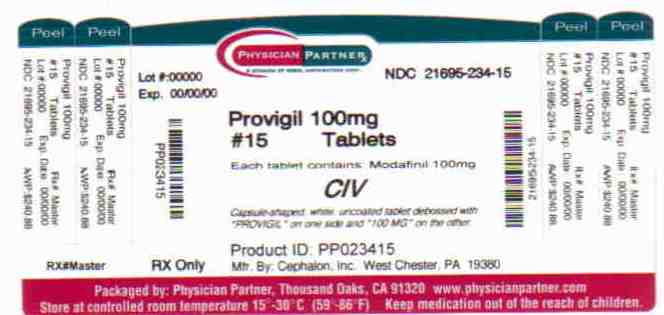
    2.2. Patients with Hepatic Impairment

    No changes in dose are recommended for patients with mild-to-moderate hepatic impairment. Anastrozole tablets have not been studied in patients with severe hepatic impairment. [see Use in Specific Populations (8.7)]

  • Promethazine Hydrochloride And Dextromethorphan Hydrobromide Syrup [Rebel Distributors Corp]

    Promethazine Hydrochloride And Dextromethorphan Hydrobromide Syrup

    Promethazine Hydrochloride And Dextromethorphan Hydrobromide Syrup [Rebel Distributors Corp]

    Promethazine hydrochloride and dextromethorphan hydrobromide syrup is contraindicated for children under 2 years of age (see WARNINGS – Black Box Warning and Use in Pediatric Patients).

    The average effective dose is given in the following table:

    Adults 1 teaspoonful (5 mL) every 4 to 6 hours, not to exceed 30 mL in 24 hours. Children 6 years to under 12 years ½ to 1 teaspoonful (2.5 to 5 mL) every 4 to 6 hours, not to exceed 20 mL in 24 hours. Children 2 years to under 6 years ¼ to ½ teaspoonful (1.25 to 2.5 mL) every 4 to 6 hours, not to exceed 10 mL in 24 hours.
  • Delsym (Dextromethorphan Polistirex) Syrup [Rebel Distributors Corp]

    Delsym

    Delsym (Dextromethorphan Polistirex) Syrup [Rebel Distributors Corp]

    Directions

    • shake bottle well before use

    • measure only with dosing cup provided. Do not use dosing cup with other products.

    • dose as follows or as directed by a doctor

    adults and children 12 years of age and over

    10 mL every 12 hours,

    not to exceed 20 mL in 24 hours

    children 6 to under 12 years of age

    5 mL every 12 hours,

    not to exceed 10 mL in 24 hours

    children 4 to under 6 years of age

    2.5 mL every 12 hours,

    not to exceed 5 mL in 24 hours

    children under 4 years of age do not use

    Other information

    • each 5 mL contains: sodium 7 mg

    • store at 20°-25°C (68°-77°F)

    • dosing cup provided

    Drug Facts

    Distributed by: Reckitt Benckiser Inc., Parsippany, NJ 07054-0224 ©RBI 2009

  • Lovastatin Tablet [Rebel Distributors Corp]

    Lovastatin

    Lovastatin Tablet [Rebel Distributors Corp]

    The patient should be placed on a standard cholesterol-lowering diet before receiving lovastatin tablets and should continue on this diet during treatment with lovastatin tablets (see NCEP Treatment Guidelines for details on dietary therapy). Lovastatin tablets should be given with meals.

    Adult Patients

    The usual recommended starting dose is 20 mg once a day given with the evening meal. The recommended dosing range is 10-80 mg/day in single or two divided doses; the maximum recommended dose is 80 mg/day. Doses should be individualized according to the recommended goal of therapy (see NCEP Guidelines and CLINICAL PHARMACOLOGY). Patients requiring reductions in LDL-C of 20% or more to achieve their goal (see INDICATIONS AND USAGE) should be started on 20 mg/day of lovastatin tablets. A starting dose of 10 mg may be considered for patients requiring smaller reductions. Adjustments should be made at intervals of 4 weeks or more.

    Cholesterol levels should be monitored periodically and consideration should be given to reducing the dosage of lovastatin tablets if cholesterol levels fall significantly below the targeted range.

    Dosage in Patients taking Cyclosporine or Danazol

    In patients taking cyclosporine or danazol concomitantly with lovastatin (see WARNINGS, Myopathy/Rhabdomyolysis), therapy should begin with 10 mg of lovastatin tablets and should not exceed 20 mg/day.

    Dosage in Patients taking Amiodarone or Verapamil

    In patients taking amiodarone or verapamil concomitantly with lovastatin tablets, the dose should not exceed 40 mg/day (see WARNINGS, Myopathy/Rhabdomyolysis and PRECAUTIONS, Drug Interactions, Other drug interactions).

    Adolescent Patients (10-17 years of age) with Heterozygous Familial Hypercholesterolemia

    The recommended dosing range is 10-40 mg/day; the maximum recommended dose is 40 mg/day. Doses should be individualized according to the recommended goal of therapy (see NCEP Pediatric Panel Guidelines††, CLINICAL PHARMACOLOGY and INDICATIONS AND USAGE). Patients requiring reductions in LDL-C of 20% or more to achieve their goal should be started on 20 mg/day of lovastatin tablets. A starting dose of 10 mg may be considered for patients requiring smaller reductions. Adjustments should be made at intervals of 4 weeks or more.

    Concomitant Lipid-Lowering Therapy

    Lovastatin tablets are effective alone or when used concomitantly with bile-acid sequestrants. If lovastatin tablets are used in combination with gemfibrozil, other fibrates or lipid-lowering doses (≥1g/day) of niacin, the dose of lovastatin tablets should not exceed 20 mg/day (see WARNINGS, Myopathy/Rhabdomyolysis and PRECAUTIONS, Drug Interactions).

    Dosage in Patients with Renal Insufficiency

    In patients with severe renal insufficiency (creatinine clearance <30 mL/min), dosage increases above 20 mg/day should be carefully considered and, if deemed necessary, implemented cautiously (see CLINICAL PHARMACOLOGY and WARNINGS, Myopathy/Rhabdomyolysis).

  • Losortan Potassium (Losartan Potassium) Tablet, Film Coated [Rebel Distributors Corp]

    Losortan Potassium

    Losortan Potassium (Losartan Potassium) Tablet, Film Coated [Rebel Distributors Corp]

    Adult Hypertensive Patients:

    Losartan potassium tablets may be administered with other antihypertensive agents, and with or without food.

    Dosing must be individualized. The usual starting dose of losartan potassium tablets is 50 mg once daily, with 25 mg used in patients with possible depletion of intravascular volume (e.g., patients treated with diuretics) (see WARNINGS, Hypotension — Volume-Depleted Patients) and patients with a history of hepatic impairment (see PRECAUTIONS, General). Losartan potassium tablets can be administered once or twice daily with total daily doses ranging from 25 mg to 100 mg.

    If the antihypertensive effect measured at trough using once-a-day dosing is inadequate, a twice-a-day regimen at the same total daily dose or an increase in dose may give a more satisfactory response. The effect of losartan is substantially present within one week but in some studies the maximal effect occurred in 3-6 weeks (see CLINICAL PHARMACOLOGY, Pharmacodynamics and Clinical Effects, Hypertension).

    If blood pressure is not controlled by losartan potassium tablets alone, a low dose of a diuretic may be added. Hydrochlorothiazide has been shown to have an additive effect (see CLINICAL PHARMACOLOGY, Pharmacodynamics and Clinical Effects, Hypertension).

    No initial dosage adjustment is necessary for elderly patients or for patients with renal impairment, including patients on dialysis.

    Pediatric Hypertensive patient ≥ 6 years of age:

    The usual recommended starting dose is 0.7 mg/kg once daily (up to 50 mg total) administered as a tablet or a suspension (see Preparation of Suspension). Dosage should be adjusted according to blood pressure response. Doses above 1.4 mg/kg (or in excess of 100 mg) daily have not been studied in pediatric patients (see CLINICAL PHARMACOLOGY, Pharmacokinetics,Special Populationsand Pharmacodynamics and Clinical Effectsand WARNINGS, Hypotension — Volume-Depleted Patients,).

    Losartan potassium tablets are not recommended in pediatric patients <6 years of age or in pediatric patients with glomerular filtration rate <30 mL/min/1.73 m2 (see CLINICAL PHARMACOLOGY, Pharmacokinetics,Special Populations, Pharmacodynamics and Clinical Effects, and PRECAUTIONS).

    Preparation of Suspension (for 200 mL of a 2.5 mg/mL suspension):

    Add 10 mL of Purified Water USP to an 8 ounce (240 mL) amber polyethylene terephthalate (PET) bottle containing ten 50 mg losartan potassium tablets.   Immediately shake for at least 2 minutes. Let the concentrate stand for 1 hour and then shake for 1 minute to disperse the tablet contents. Separately prepare a 50/50 volumetric mixture of Ora-Plus™*** and Ora-Sweet SF™***. Add 190 mL of the 50/50 Ora-Plus™ /Ora-Sweet SF™ mixture to the tablet and water slurry in the PET bottle and shake for 1 minute to disperse the ingredients. The suspension should be refrigerated at    2-8°C (36-46°F) and can be stored for up to 4 weeks. Shake the suspension prior to each use and return promptly to the refrigerator.

    Hypertensive Patients with Left Ventricular Hypertrophy:

    The usual starting dose is 50 mg of losartan potassium tablets once daily. Hydrochlorothiazide 12.5 mg daily should be added and/or the dose of losartan potassium tablets should be increased to 100 mg once daily followed by an increase in hydrochlorothiazide to 25 mg once daily based on blood pressure response (see CLINICAL PHARMACOLOGY, Pharmacodynamics and Clinical Effects,Reduction in the Risk of Stroke).

  • Nystatin Suspension [Rebel Distributors Corp]

    Nystatin Suspension

    Nystatin Suspension [Rebel Distributors Corp]

    INFANTS: 2 mL (200,000 units) four times daily (in infants and young children, use dropper to place one-half of dose in each side of mouth and avoid feeding for 5 to 10 minutes). NOTE: Limited clinical studies in premature and low birth weight infants indicate that 1 mL four times daily is effective.

    CHILDREN AND ADULTS: 4–6 mL (400,000 to 600,000 units) four times daily (one-half of dose in each side of mouth). The preparation should be retained in the mouth as long as possible before swallowing.

    Continue treatment for at least 48 hours after perioral symptoms have disappeared and cultures demonstrate eradication of Candida albicans.

  • Amlobenz Capsule [Rebel Distributors Corp]

    Amlobenz

    Amlobenz Capsule [Rebel Distributors Corp]

    Amlodipine is an effective treatment of hypertension in once-daily doses of 2.5 mg to 10 mg while benazepril is effective in doses of 10 mg to 80 mg. In clinical trials of amlodipine/benazepril combination therapy using amlodipine doses of 2.5 mg to 10 mg and benazepril doses of 10 mg to 40 mg, the antihypertensive effects increased with increasing dose of amlodipine in all patient groups, and the effects increased with increasing dose of benazepril in nonblack groups. 

    The antihypertensive effect of amlodipine besylate and benazepril hydrochloride capsules is largely attained within 2 weeks. 

    It is usually appropriate to begin therapy with amlodipine besylate and benazepril hydrochloride  capsules only after a patient has either (a) failed to achieve the desired antihypertensive effect with one or the other monotherapy, or (b) demonstrated inability to achieve adequate antihypertensive effect with amlodipine therapy without developing edema. 

    Renal Impairment: Regimens of therapy with amlodipine besylate and benazepril hydrochloride capsules need not take account of renal function as long as the patient’s creatinine clearance is >30 mL/min/1.73 m2 (serum creatinine roughly ≤3 mg/dL or 265 μmol/L). Amlodipine besylate and benazepril hydrochloride capsules are not recommended in patients with more severe renal impairment. 

    Hepatic Impairment and Elderly Patients: The recommended initial dose of amlodipine, as monotherapy or as a component of combination therapy, is 2.5 mg.

    2.2 Add-on Therapy

    A patient whose blood pressure is not adequately controlled with amlodipine (or another dihydropyridine) alone or with benazepril (or another ACE inhibitor) alone may be switched to combination therapy with amlodipine besylate and benazepril hydrochloride capsules .

    In patients whose blood pressure is adequately controlled with amlodipine but who experience unacceptable edema, combination therapy may achieve similar (or better) blood pressure control with less edema.

    2.3 Replacement Therapy

    Amlodipine besylate and benazepril hydrochloride capsules may be substituted for the titrated components.

  • Nifedipine Tablet, Film Coated, Extended Release [Rebel Distributors Corp]

    Nifedipine

    Nifedipine Tablet, Film Coated, Extended Release [Rebel Distributors Corp]

    Dosage must be adjusted according to each patient's needs. Therapy for either hypertension or angina should be initiated with 30 or 60 mg once daily. Nifedipine Extended-release Tablets should be swallowed whole and should not be bitten or divided. In general, titration should proceed over a 7–14 day period so that the physician can fully assess the response to each dose level and monitor blood pressure before proceeding to higher doses. Since steady-state plasma levels are achieved on the second day of dosing, if symptoms so warrant, titration may proceed more rapidly provided the patient is assessed frequently. Titration to doses above 120 mg are not recommended.

    Angina patients controlled on nifedipine capsules alone or in combination with other antianginal medications may be safely switched to Nifedipine Extended-release Tablets at the nearest equivalent total daily dose (e.g., 30 mg t.i.d. of nifedipine immediate-release capsules may be changed to 90 mg once daily of Nifedipine Extended-release Tablets). Subsequent titration to higher or lower doses may be necessary and should be initiated as clinically warranted. Experience with doses greater than 90 mg in patients with angina is limited. Therefore, doses greater than 90 mg should be used with caution and only when clinically warranted.

    No "rebound effect" has been observed upon discontinuation of Nifedipine Extended-release Tablets. However, if discontinuation of nifedipine is necessary, sound clinical practice suggests that the dosage should be decreased gradually with close physician supervision.

    Care should be taken when dispensing Nifedipine Extended-release Tablets to assure that the extended release dosage form has been prescribed.

    Co-Administration with Other Antianginal Drugs

    Sublingual nitroglycerin may be taken as required for the control of acute manifestations of angina, particularly during nifedipine titration. See PRECAUTIONS: Drug Interactions, for information on co-administration of nifedipine with beta blockers or long-acting nitrates.

  • Hyzaar (Losartan Potassium And Hydrochlorothiazide) Tablet, Film Coated [Rebel Distributors Corp]

    Hyzaar

    Hyzaar (Losartan Potassium And Hydrochlorothiazide) Tablet, Film Coated [Rebel Distributors Corp]

    Hypertension

    Dosing must be individualized. The usual starting dose of losartan is 50 mg once daily, with 25 mg recommended for patients with intravascular volume depletion (e.g., patients treated with diuretics) (see WARNINGS, Hypotension — Volume-Depleted Patients) and patients with a history of hepatic impairment (see WARNINGS, Impaired Hepatic Function). Losartan can be administered once or twice daily at total daily doses of 25 to 100 mg. If the antihypertensive effect measured at trough using once-a-day dosing is inadequate, a twice-a-day regimen at the same total daily dose or an increase in dose may give a more satisfactory response.

    Hydrochlorothiazide is effective in doses of 12.5 to 50 mg once daily and can be given at doses of 12.5 to 25 mg as HYZAAR.

    To minimize dose-independent side effects, it is usually appropriate to begin combination therapy only after a patient has failed to achieve the desired effect with monotherapy.

    The side effects (see WARNINGS) of losartan are generally rare and apparently independent of dose; those of hydrochlorothiazide are a mixture of dose-dependent (primarily hypokalemia) and dose-independent phenomena (e.g., pancreatitis), the former much more common than the latter. Therapy with any combination of losartan and hydrochlorothiazide will be associated with both sets of dose-independent side effects.

    Replacement Therapy: The combination may be substituted for the titrated components.

    Dose Titration by Clinical Effect: A patient whose blood pressure is not adequately controlled with losartan monotherapy (see above) or hydrochlorothiazide alone may be switched to HYZAAR 50-12.5 (losartan 50 mg/hydrochlorothiazide 12.5 mg) once daily. If blood pressure remains uncontrolled after about 3 weeks of therapy, the dose may be increased to two tablets of HYZAAR 50-12.5 once daily or one tablet of HYZAAR 100-25 (losartan 100 mg/hydrochlorothiazide 25 mg) once daily. A patient whose blood pressure is not adequately controlled with losartan 100 mg monotherapy (see above) may be switched to HYZAAR 100-12.5 once daily. If blood pressure remains uncontrolled after about 3 weeks of therapy, the dose may be increased to two tablets of HYZAAR 50-12.5 once daily or one tablet of HYZAAR 100-25 (losartan 100 mg/hydrochlorothiazide 25 mg) once daily.

    A patient whose blood pressure is inadequately controlled by 25 mg once daily of hydrochlorothiazide, or is controlled but who experiences hypokalemia with this regimen, may be switched to HYZAAR 50-12.5 (losartan 50 mg/hydrochlorothiazide 12.5 mg) once daily, reducing the dose of hydrochlorothiazide without reducing the overall expected antihypertensive response. The clinical response to HYZAAR 50-12.5 should be subsequently evaluated, and if blood pressure remains uncontrolled after about 3 weeks of therapy, the dose may be increased to two tablets of HYZAAR 50-12.5 once daily or one tablet of HYZAAR 100-25 (losartan 100 mg/hydrochlorothiazide 25 mg) once daily.

    The usual dose of HYZAAR is one tablet of HYZAAR 50-12.5 once daily. More than two tablets of HYZAAR 50-12.5 once daily or more than one tablet of HYZAAR 100-25 once daily is not recommended. The maximal antihypertensive effect is attained about 3 weeks after initiation of therapy.

    Use in Patients with Renal Impairment: The usual regimens of therapy with HYZAAR may be followed as long as the patient's creatinine clearance is >30 mL/min. In patients with more severe renal impairment, loop diuretics are preferred to thiazides, so HYZAAR is not recommended.

    Patients with Hepatic Impairment: HYZAAR is not recommended for titration in patients with hepatic impairment (see WARNINGS, Impaired Hepatic Function) because the appropriate 25 mg starting dose of losartan cannot be given.

    Severe Hypertension

    The starting dose of HYZAAR for initial treatment of severe hypertension is one tablet of HYZAAR 50-12.5 once daily (see CLINICAL PHARMACOLOGY, Pharmacodynamics and Clinical Effects). For patients who do not respond adequately to HYZAAR 50-12.5 after 2 to 4 weeks of therapy, the dosage may be increased to one tablet of HYZAAR 100-25 once daily. The maximum dose is one tablet of HYZAAR 100-25 once daily. HYZAAR is not recommended as initial therapy in patients with hepatic impairment (see WARNINGS, Impaired Hepatic Function) because the appropriate 25 mg starting dose of losartan cannot be given. It is also not recommended for use as initial therapy in patients with intravascular volume depletion (e.g., patients treated with diuretics, see WARNINGS, Hypotension — Volume-Depleted Patients).

    Hypertensive Patients with Left Ventricular Hypertrophy

    Treatment should be initiated with COZAAR 50 mg once daily. Hydrochlorothiazide 12.5 mg should be added or HYZAAR 50-12.5 substituted if the blood pressure reduction is inadequate. If additional blood pressure reduction is needed, COZAAR 100 mg and hydrochlorothiazide 12.5 mg or HYZAAR 100-12.5 may be substituted, followed by COZAAR 100 mg and hydrochlorothiazide 25 mg or HYZAAR 100-25. For further blood pressure reduction other antihypertensives should be added (see CLINICAL PHARMACOLOGY, Pharmacodynamics and Clinical Effects, Losartan Potassium, Reduction in the Risk of Stroke).

    HYZAAR may be administered with other antihypertensive agents.

    HYZAAR may be administered with or without food.