Rebel Distributors Corp

Manufacturer Details

There are currently no manufacturer details available.

Share This Page

Rebel Distributors Corp Drugs

  • Fluticasone Propionate Spray, Metered [Rebel Distributors Corp]

    Fluticasone Propionate Spray

    Fluticasone Propionate Spray, Metered [Rebel Distributors Corp]

    Patients should use Fluticasone Propionate Nasal Spray, USP, at regular intervals for optimal effect.

    Adults

    The recommended starting dosage in adults is 2 sprays (50 mcg of fluticasone propionate each) in each nostril once daily (total daily dose, 200 mcg). The same dosage divided into 100 mcg given twice daily (e.g., 8 a.m. and 8 p.m.) is also effective. After the first few days, patients may be able to reduce their dosage to 100 mcg (1 spray in each nostril) once daily for maintenance therapy. Some patients (12 years of age and older) with seasonal allergic rhinitis may find as-needed use of 200 mcg once daily effective for symptom control (see Clinical Trials). Greater symptom control may be achieved with scheduled regular use.

    Adolescents and Children (4 Years of Age and Older)

    Patients should be started with 100 mcg (1 spray in each nostril once daily). Patients not adequately responding to 100 mcg may use 200 mcg (2 sprays in each nostril). Once adequate control is achieved, the dosage should be decreased to 100 mcg (1 spray in each nostril) daily.

    The maximum total daily dosage should not exceed 2 sprays in each nostril (200 mcg/day). (See Individualization of Dosage and Clinical Trials sections.)

    Fluticasone Propionate Nasal Spray, USP, is not recommended for children under 4 years of age.

    Directions for Use

    Illustrated patient’s instructions for proper use accompany each package of Fluticasone Propionate Nasal Spray, USP.

  • Paroxetine (Paroxetine Hydrochloride) Tablet, Film Coated [Rebel Distributors Corp]

    Paroxetine

    Paroxetine (Paroxetine Hydrochloride) Tablet, Film Coated [Rebel Distributors Corp]

    Major Depressive Disorder:

    Usual Initial Dosage:

    Paroxetine tablets should be administered as a single daily dose with or without food, usually in the morning. The recommended initial dose is 20 mg/day. Patients were dosed in a range of 20 to 50 mg/day in the clinical trials demonstrating the effectiveness of paroxetine tablets in the treatment of major depressive disorder. As with all drugs effective in the treatment of major depressive disorder, the full effect may be delayed. Some patients not responding to a 20-mg dose may benefit from dose increases, in 10-mg/day increments, up to a maximum of 50 mg/day. Dose changes should occur at intervals of at least 1 week.

    Maintenance Therapy:

    There is no body of evidence available to answer the question of how long the patient treated with paroxetine tablets should remain on it. It is generally agreed that acute episodes of major depressive disorder require several months or longer of sustained pharmacologic therapy. Whether the dose needed to induce remission is identical to the dose needed to maintain and/or sustain euthymia is unknown.

    Systematic evaluation of the efficacy of paroxetine tablets has shown that efficacy is maintained for periods of up to 1 year with doses that averaged about 30 mg.

    Obsessive Compulsive Disorder:

    Usual Initial Dosage:

    Paroxetine tablets should be administered as a single daily dose with or without food, usually in the morning. The recommended dose of paroxetine tablets in the treatment of OCD is 40 mg daily. Patients should be started on 20 mg/day and the dose can be increased in 10-mg/day increments. Dose changes should occur at intervals of at least 1 week. Patients were dosed in a range of 20 to 60 mg/day in the clinical trials demonstrating the effectiveness of paroxetine tablets in the treatment of OCD. The maximum dosage should not exceed 60 mg/day.

    Maintenance Therapy:

    Long-term maintenance of efficacy was demonstrated in a 6-month relapse prevention trial. In this trial, patients with OCD assigned to paroxetine demonstrated a lower relapse rate compared to patients on placebo (see CLINICAL PHARMACOLOGY — Clinical Trials). OCD is a chronic condition, and it is reasonable to consider continuation for a responding patient. Dosage adjustments should be made to maintain the patient on the lowest effective dosage, and patients should be periodically reassessed to determine the need for continued treatment.

    Panic Disorder:

    Usual Initial Dosage:

    Paroxetine tablets should be administered as a single daily dose with or without food, usually in the morning. The target dose of paroxetine tablets in the treatment of panic disorder is 40 mg/day. Patients should be started on 10 mg/day. Dose changes should occur in 10-mg/day increments and at intervals of at least 1 week. Patients were dosed in a range of 10 to 60 mg/day in the clinical trials demonstrating the effectiveness of paroxetine tablets. The maximum dosage should not exceed 60 mg/day.

    Maintenance Therapy:

    Long-term maintenance of efficacy was demonstrated in a 3-month relapse prevention trial. In this trial, patients with panic disorder assigned to paroxetine demonstrated a lower relapse rate compared to patients on placebo (see CLINICAL PHARMACOLOGY — Clinical Trials). Panic disorder is a chronic condition, and it is reasonable to consider continuation for a responding patient. Dosage adjustments should be made to maintain the patient on the lowest effective dosage, and patients should be periodically reassessed to determine the need for continued treatment.

    Social Anxiety Disorder:

    Usual Initial Dosage:

    Paroxetine tablets should be administered as a single daily dose with or without food, usually in the morning. The recommended and initial dosage is 20 mg/day. In clinical trials the effectiveness of paroxetine tablets was demonstrated in patients dosed in a range of 20 to 60 mg/day. While the safety of paroxetine tablets has been evaluated in patients with social anxiety disorder at doses up to 60 mg/day, available information does not suggest any additional benefit for doses above 20 mg/day (see CLINICAL PHARMACOLOGY — Clinical Trials).

    Maintenance Therapy:

    There is no body of evidence available to answer the question of how long the patient treated with paroxetine tablets should remain on it. Although the efficacy of paroxetine tablets beyond 12 weeks of dosing has not been demonstrated in controlled clinical trials, social anxiety disorder is recognized as a chronic condition, and it is reasonable to consider continuation of treatment for a responding patient. Dosage adjustments should be made to maintain the patient on the lowest effective dosage, and patients should be periodically reassessed to determine the need for continued treatment.

    Generalized Anxiety Disorder:

    Usual Initial Dosage:

    Paroxetine tablets should be administered as a single daily dose with or without food, usually in the morning. In clinical trials the effectiveness of paroxetine tablets was demonstrated in patients dosed in a range of 20 to 50 mg/day. The recommended starting dosage and the established effective dosage is 20 mg/day. There is not sufficient evidence to suggest a greater benefit to doses higher than 20 mg/day. Dose changes should occur in 10 mg/day increments and at intervals of at least 1 week.

    Maintenance Therapy:

    Systematic evaluation of continuing paroxetine tablets for periods of up to 24 weeks in patients with Generalized Anxiety Disorder who had responded while taking paroxetine tablets during an 8-week acute treatment phase has demonstrated a benefit of such maintenance (see CLINICAL PHARMACOLOGY — Clinical Trials). Nevertheless, patients should be periodically reassessed to determine the need for maintenance treatment.

    Special Populations:

    Treatment of Pregnant Women During the Third Trimester:

    Neonates exposed to paroxetine tablets and other SSRIs or SNRIs, late in the third trimester have developed complications requiring prolonged hospitalization, respiratory support, and tube feeding (see WARNINGS). When treating pregnant women with paroxetine during the third trimester, the physician should carefully consider the potential risks and benefits of treatment. The physician may consider tapering paroxetine in the third trimester.

    Dosage for Elderly or Debilitated Patients, and Patients with Severe Renal or Hepatic Impairment:

    The recommended initial dose is 10 mg/day for elderly patients, debilitated patients, and/or patients with severe renal or hepatic impairment. Increases may be made if indicated. Dosage should not exceed 40 mg/day.

    Switching Patients to or from a Monoamine Oxidase Inhibitor:

    At least 14 days should elapse between discontinuation of an MAOI and initiation of therapy with paroxetine tablets. Similarly, at least 14 days should be allowed after stopping paroxetine tablets before starting an MAOI.

    Discontinuation of Treatment with Paroxetine Tablets:

    Symptoms associated with discontinuation of paroxetine tablets have been reported (see PRECAUTIONS). Patients should be monitored for these symptoms when discontinuing treatment, regardless of the indication for which paroxetine tablets are being prescribed. A gradual reduction in the dose rather than abrupt cessation is recommended whenever possible. If intolerable symptoms occur following a decrease in the dose or upon discontinuation of treatment, then resuming the previously prescribed dose may be considered. Subsequently, the physician may continue decreasing the dose but at a more gradual rate.

  • Oxycodone And Acetaminophen Tablet [Rebel Distributors Corp]

    Oxycodone And Acetaminophen

    Oxycodone And Acetaminophen Tablet [Rebel Distributors Corp]

    Dosage should be adjusted according to the severity of the pain and the response of the patient. It may occasionally be necessary to exceed the usual dosage recommended below in cases of more severe pain or in those patients who have become tolerant to the analgesic effect of opioids.

    If pain is constant, the opioid analgesic should be given at regular intervals on an around-the-clock schedule. Oxycodone and acetaminophen tablets are given orally.

    The usual adult dosage is one tablet every 6 hours as needed for pain. The total daily dose of acetaminophen should not exceed 4 grams.

    Strength                                                                Maximal Daily Dose

    Oxycodone and Acetaminophen Tablets 10 mg / 325 mg                               6 Tablets

    Cessation of Therapy

    In patients treated with oxycodone and acetaminophen tablets for more than a few weeks who no longer require therapy, doses should be tapered gradually to prevent signs and symptoms of withdrawal in the physically dependent patient.

  • Quinapril Tablet [Rebel Distributors Corp]

    Quinapril

    Quinapril Tablet [Rebel Distributors Corp]

    Hypertension:

    Monotherapy:

    The recommended initial dosage of quinapril tablets in patients not on diuretics is 10 or 20 mg once daily. Dosage should be adjusted according to blood pressure response measured at peak (2-6 hours after dosing) and trough (predosing). Generally, dosage adjustments should be made at intervals of at least 2 weeks. Most patients have required dosages of 20, 40, or 80 mg/day, given as a single dose or in two equally divided doses. In some patients treated once daily, the antihypertensive effect may diminish toward the end of the dosing interval. In such patients an increase in dosage or twice daily administration may be warranted. In general, doses of 40-80 mg and divided doses give a somewhat greater effect at the end of the dosing interval.

    Concomitant Diuretics:

    If blood pressure is not adequately controlled with quinapril tablets monotherapy, a diuretic may be added. In patients who are currently being treated with a diuretic, symptomatic hypotension occasionally can occur following the initial dose of quinapril tablets. To reduce the likelihood of hypotension, the diuretic should, if possible, be discontinued 2 to 3 days prior to beginning therapy with quinapril tablets (see WARNINGS). Then, if blood pressure is not controlled with quinapril tablets alone, diuretic therapy should be resumed.

    If the diuretic cannot be discontinued, an initial dose of 5 mg quinapril tablets should be used with careful medical supervision for several hours and until blood pressure has stabilized.

    The dosage should subsequently be titrated (as described above) to the optimal response (see WARNINGS, PRECAUTIONS, and Drug Interactions).

    Renal Impairment:

    Kinetic data indicate that the apparent elimination half-life of quinaprilat increases as creatinine clearance decreases. Recommended starting doses, based on clinical and pharmacokinetic data from patients with renal impairment, are as follows:

    Creatinine

    Clearance

    Maximum Recommended

    Initial Dose >60 mL/min 10 mg 30-60 mL/min 5 mg 10-30 mL/min 2.5 mg <10 mL/min

    Insufficient data for

    dosage recommendation

    Patients should subsequently have their dosage titrated (as described above) to the optimal response.

    Elderly (≥65 years):

    The recommended initial dosage of quinapril tablets in elderly patients is 10 mg given once daily followed by titration (as described above) to the optimal response.

    Following the initial dose of quinapril tablets, the patient should be observed under medical supervision for at least two hours for the presence of hypotension or orthostasis and, if present, until blood pressure stabilizes. The appearance of hypotension, orthostasis, or azotemia early in dose titration should not preclude further careful dose titration. Consideration should be given to reducing the dose of concomitant diuretics.

    DOSE ADJUSTMENTS IN PATIENTS WITH HEART FAILURE AND RENAL IMPAIRMENT OR HYPONATREMIA

    Pharmacokinetic data indicate that quinapril elimination is dependent on level of renal function. In patients with heart failure and renal impairment, the recommended initial dose of quinapril is 5 mg in patients with a creatinine clearance above 30 mL/min and 2.5 mg in patients with a creatinine clearance of 10 to 30 mL/min. There is insufficient data for dosage recommendation in patients, with a creatinine clearance less than 10 mL/min. (See WARNINGS, and PRECAUTIONS, Drug Interactions).

    If the initial dose is well tolerated, quinapril may be administered the following day as a twice daily regimen. In the absence of excessive hypotension or significant deterioration of renal function, the dose may be increased at weekly intervals based on clinical and hemodynamic response.

  • Albuterol Sulfate Syrup [Rebel Distributors Corp]

    Albuterol Sulfate Syrup

    Albuterol Sulfate Syrup [Rebel Distributors Corp]

    The following dosages of Albuterol Sulfate Syrup are expressed in terms of albuterol base.

    Usual Dosage

    Adults and Children Over 14 Years of Age: The usual starting dosage for adults and children over 14 years of age is 2 mg (1 teaspoonful) or 4 mg (2 teaspoonfuls) three or four times a day.

    Children Over 6 Years to 14 Years of Age: The usual starting dosage for children over 6 years to 14 years of age is 2 mg (1 teaspoonful) three or four times a day.

    Children 2 to 5 Years of Age: Dosing in children from 2 to 5 years of age should be initiated at 0.1 mg/kg of body weight three times a day. This starting dosage should not exceed 2 mg (1 teaspoonful) three times a day.

    Dosage Adjustment

    Adults and Children Over 14 Years of Age: For adults and children over 14 years of age, a dosage above 4 mg four times a day should be used only when the patient fails to respond. If a favorable response does not occur with the 4-mg initial dosage, it should be cautiously increased stepwise up to a maximum of 8 mg four times a day as tolerated.

    Children Over 6 Years to 14 Years of Age Who Fail to Respond to the Initial Starting Dosage of 2 mg Four Times a Day: For children from 6 to 14 years of age who fail to respond to the initial starting dosage of 2 mg four times a day, the dosage may be cautiously increased stepwise, but not to exceed 24 mg/day (given in divided doses).

    Children 2 to 5 Years of Age Who Do Not Respond Satisfactorily to the Initial Dosage: For children 2 to 5 years of age who do not respond satisfactorily to the initial starting dosage, the dosage may be increased stepwise to 0.2 mg/kg of body weight three times a day, but not to exceed a maximum of 4 mg (2 teaspoonfuls) given three times a day.

    Elderly Patients and Those Sensitive to Beta-adrenergic Stimulators: The initial dosage should be restricted to 2 mg three or four times a day and individually adjusted thereafter.

  • Methylprednisolone Acetate Injection, Suspension [Rebel Distributors Corp]

    Methylprednisolone Acetate

    Methylprednisolone Acetate Injection, Suspension [Rebel Distributors Corp]

    Because of possible physical incompatibilities, methylprednisolone acetate injectable suspension should not be diluted or mixed with other solutions.

    The initial dosage of parenterally administered methylprednisolone acetate will vary from 4 to 120 mg depending on the specific disease entity being treated. However, in certain overwhelming, acute, life-threatening situations, administrations in dosages exceeding the usual dosages may be justified and may be in multiples of the oral doses.

    It Should Be Emphasized that Dosage Requirements are Variable and Must Be Individualized on the Basis of the Disease Under Treatment and the Response of the Patient. After a favorable response is noted, the proper maintenance dose should be determined by decreasing the initial drug dosage in small increments at appropriate time intervals until the lowest dosage which will maintain an adequate clinical response is reached. Situations which may make dosage adjustments necessary are changes in clinical status secondary to remissions or exacerbations in the disease process, the patient’s individual drug responsiveness, and the effect of patient exposure to stressful situations not directly related to the disease entity under treatment. In this latter situation it may be necessary to increase the dosage of the corticosteroid for a period of time consistent with the patient’s condition. If after long term therapy the drug is to be stopped, it is recommended that it be withdrawn gradually rather than abruptly.

    A. Administration for Local Effect

    Therapy with methylprednisolone acetate does not obviate the need for the conventional measures usually employed. Although this method of treatment will ameliorate symptoms, it is in no sense a cure and the hormone has no effect on the cause of the inflammation.

    1. Rheumatoid and Osteoarthritis

    The dose for intra-articular administration depends upon the size of the joint and varies with the severity of the condition in the individual patient. In chronic cases, injections may be repeated at intervals ranging from one to five or more weeks depending upon the degree of relief obtained from the initial injection. The doses in the following table are given as a general guide:

    Size of Joint Examples Range of Dosage

    Large

    Knees

    Ankles

    Shoulders

    20 to 80 mg

    Medium

    Elbows

    Wrists

    10 to 40 mg

    Small

    Metacarpophalangeal

    Interphalangeal

    Sternoclavicular

    Acromioclavicular

    4 to 10 mg

    Procedure: It is recommended that the anatomy of the joint involved be reviewed before attempting intra-articular injection. In order to obtain the full anti-inflammatory effect it is important that the injection be made into the synovial space. Employing the same sterile technique as for a lumbar puncture, a sterile 20 to 24 gauge needle (on a dry syringe) is quickly inserted into the synovial cavity. Procaine infiltration is elective. The aspiration of only a few drops of joint fluid proves the joint space has been entered by the needle. The injection site for each joint is determined by that location where the synovial cavity is most superficial and most free of large vessels and nerves. With the needle in place, the aspirating syringe is removed and replaced by a second syringe containing the desired amount of methylprednisolone acetate. The plunger is then pulled outward slightly to aspirate synovial fluid and to make sure the needle is still in the synovial space. After injection, the joint is moved gently a few times to aid mixing of the synovial fluid and the suspension. The site is covered with a small sterile dressing.

    Suitable sites for intra-articular injection are the knee, ankle, wrist, elbow, shoulder, phalangeal, and hip joints. Since difficulty is not infrequently encountered in entering the hip joint, precautions should be taken to avoid any large blood vessels in the area. Joints not suitable for injection are those that are anatomically inaccessible such as the spinal joints and those like the sacroiliac joints that are devoid of synovial space. Treatment failures are most frequently the result of failure to enter the joint space. Little or no benefit follows injection into surrounding tissue. If failures occur when injections into the synovial spaces are certain, as determined by aspiration of fluid, repeated injections are usually futile.

    If a local anesthetic is used prior to injection of methylprednisolone acetate, the anesthetic package insert should be read carefully and all the precautions observed.

    2. Bursitis

    The area around the injection site is prepared in a sterile way and a wheal at the site made with 1 percent procaine hydrochloride solution. A 20 to 24 gauge needle attached to a dry syringe is inserted into the bursa and the fluid aspirated. The needle is left in place and the aspirating syringe changed for a small syringe containing the desired dose. After injection, the needle is withdrawn and a small dressing applied.

    3. Miscellaneous: Ganglion, Tendinitis, Epicondylitis

    In the treatment of conditions such as tendinitis or tenosynovitis, care should be taken, following application of a suitable antiseptic to the overlying skin, to inject the suspension into the tendon sheath rather than into the substance of the tendon. The tendon may be readily palpated when placed on a stretch. When treating conditions such as epicondylitis, the area of greatest tenderness should be outlined carefully and the suspension infiltrated into the area. For ganglia of the tendon sheaths, the suspension is injected directly into the cyst. In many cases, a single injection causes a marked decrease in the size of the cystic tumor and may effect disappearance. The usual sterile precautions should be observed, of course, with each injection.

    The dose in the treatment of the various conditions of the tendinous or bursal structures listed above varies with the condition being treated and ranges from 4 to 30 mg. In recurrent or chronic conditions, repeated injections may be necessary.

    4. Injections for Local Effect in Dermatologic Conditions

    Following cleansing with an appropriate antiseptic such as 70% alcohol, 20 to 60 mg of the suspension is injected into the lesion. It may be necessary to distribute doses ranging from 20 to 40 mg by repeated local injections in the case of large lesions. Care should be taken to avoid injection of sufficient material to cause blanching since this may be followed by a small slough. One to four injections are usually employed, the intervals between injections varying with the type of lesion being treated and the duration of improvement produced by the initial injection.

    B. Administration for Systemic Effect

    The intramuscular dosage will vary with the condition being treated. When employed as a temporary substitute for oral therapy, a single injection during each 24-hour period of a dose of the suspension equal to the total daily oral dose of methylprednisolone tablets is usually sufficient. When a prolonged effect is desired, the weekly dose may be calculated by multiplying the daily oral dose by 7 and given as a single intramuscular injection.

    In pediatric patients, the initial dose of methylprednisolone may vary depending on the specific disease entity being treated. The range of initial doses is 0.11 to 1.6 mg/kg/day. Dosage must be individualized according to the severity of the disease and response of the patient. The recommended dosage may be reduced for pediatric patients, but dosage should be governed by the severity of the condition rather than by strict adherence to the ratio indicated by age or body weight.

    In patients with the adrenogenital syndrome, a single intramuscular injection of 40 mg every two weeks may be adequate. For maintenance of patients with rheumatoid arthritis, the weekly intramuscular dose will vary from 40 to 120 mg. The usual dosage for patients with dermatologic lesions benefited by systemic corticoid therapy is 40 to 120 mg of methylprednisolone acetate administered intramuscularly at weekly intervals for one to four weeks. In acute severe dermatitis due to poison ivy, relief may result within 8 to 12 hours following intramuscular administration of a single dose of 80 to 120 mg. In chronic contact dermatitis repeated injections at 5 to 10 day intervals may be necessary. In seborrheic dermatitis, a weekly dose of 80 mg may be adequate to control the condition.

    Following intramuscular administration of 80 to 120 mg to asthmatic patients, relief may result within 6 to 48 hours and persist for several days to two weeks. Similarly in patients with allergic rhinitis (hay fever) an intramuscular dose of 80 to 120 mg may be followed by relief of coryzal symptoms within six hours persisting for several days to three weeks.

    If signs of stress are associated with the condition being treated, the dosage of the suspension should be increased. If a rapid hormonal effect of maximum intensity is required, the intravenous administration of highly soluble methylprednisolone sodium succinate is indicated.

    In treatment of acute exacerbations of multiple sclerosis daily doses of 160 mg of methylprednisolone for a week followed by 64 mg every other day for 1 month have been shown to be effective.

    For the purpose of comparison, the following is the equivalent milligram dose of the various glucocorticoids:

    Cortisone, 25 Triamcinolone, 4 Hydrocortisone, 20 Paramethasone, 2 Prednisolone, 5 Netamethasone, 0.75 Prednisone, 5 Dexamethasone, 0.75 Methylprednisolone, 4

    Those dose relationships apply only to oral or intravenous administration of these compounds. When these substances or their derivatives are injected intramuscularly or into joint spaces, their relative properties may be greatly altered.

  • Desipramine Hydrochloride Tablet, Film Coated [Rebel Distributors Corp]

    Desipramine Hydrochloride

    Desipramine Hydrochloride Tablet, Film Coated [Rebel Distributors Corp]

    Not recommended for use in children (see WARNINGS).

    Lower dosages are recommended for elderly patients and adolescents. Lower dosages are also recommended for outpatients compared to hospitalized patients, who are closely supervised. Dosage should be initiated at a low level and increased according to clinical response and any evidence of intolerance. Following remission, maintenance medication may be required for a period of time and should be at the lowest dose that will maintain remission.

    Usual Adult Dose

    The usual adult dose is 100 to 200 mg per day. In more severely ill patients, dosage may be further increased gradually to 300 mg/day if necessary. Dosages above 300 mg/day are not recommended.

    Dosage should be initiated at a lower level and increased according to tolerance and clinical response.

    Treatment of patients requiring as much as 300 mg should generally be initiated in hospitals, where regular visits by the physician, skilled nursing care, and frequent electrocardiograms (ECG’s) are available.

    The best available evidence of impending toxicity from very high doses of desipramine is prolongation of the QRS or QT intervals on the ECG. Prolongation of the PR interval is also significant, but less closely correlated with plasma levels. Clinical symptoms of intolerance, especially drowsiness, dizziness, and postural hypotension, should also alert the physician to the need for reduction in dosage.

    Initial therapy may be administered in divided doses or a single daily dose.

    Maintenance therapy may be given on a once-daily schedule for patient convenience and compliance.

    Adolescent and Geriatric Dose

    The usual adolescent and geriatric dose is 25 to 100 mg daily.

    Dosage should be initiated at a lower level and increased according to tolerance and clinical response to a usual maximum of 100 mg daily. In more severely ill patients, dosage may be further increased to 150 mg/day. Doses above 150 mg/day are not recommended in these age groups.

    Initial therapy may be administered in divided doses or a single daily dose.

    Maintenance therapy may be given on a once-daily schedule for patient convenience and compliance.

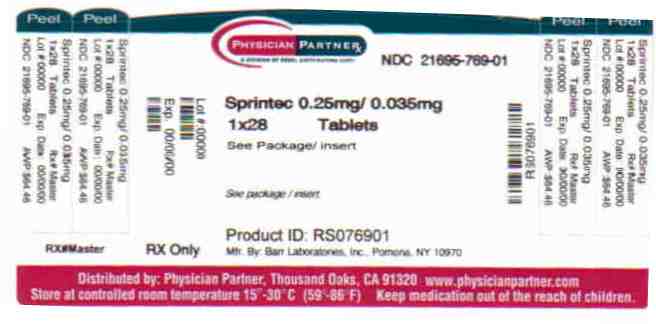
  • Sprintec (Norgestimate And Ethinyl Estradiol) Kit [Rebel Distributors Corp]

    Sprintec

    Sprintec (Norgestimate And Ethinyl Estradiol) Kit [Rebel Distributors Corp]

    Oral Contraception

    To achieve maximum contraceptive effectiveness, Sprintec Tablets must be taken exactly as directed and at intervals not exceeding 24 hours. Sprintec Tablets are available in the Blister Pack Tablet Dispenser which is preset for a Sunday Start. Day 1 Start is also provided.

    28-Day Regimen (Sunday Start)

    When taking Sprintec 28 Tablets, the first tablet should be taken on the first Sunday after menstruation begins. If period begins on Sunday, the first tablet should be taken that day. Take one active tablet daily for 21 days followed by one white tablet daily for 7 days. After 28 tablets have been taken, a new course is started the next day (Sunday). For the first cycle of a Sunday Start regimen, another method of contraception should be used until after the first seven consecutive days of administration.

    If the patient misses one (1) active tablet in Weeks 1, 2, or 3, the tablet should be taken as soon as she remembers. If the patient misses two (2) active tablets in Week 1 or Week 2, the patient should take two (2) tablets the day she remembers and two (2) tablets the next day; and then continue taking one (1) tablet a day until she finishes the pack. The patient should be instructed to use a back-up method of birth control if she has sex in the seven (7) days after missing pills. If the patient misses two (2) active tablets in the third week or misses three (3) or more active tablets in a row, the patient should continue taking one tablet every day until Sunday. On Sunday the patient should throw out the rest of the pack and start a new pack that same day. The patient should be instructed to use a back-up method of birth control if she has sex in the seven (7) days after missing pills.

    Complete instructions to facilitate patient counseling on proper pill usage may be found in the Detailed Patient Labeling (“How to Take the Pill” section).

    28-Day Regimen (Day 1 Start)

    The dosage of Sprintec 28 Tablets, for the initial cycle of therapy is one active tablet administered daily from the 1st day through the 21st day of the menstrual cycle, counting the first day of menstrual flow as “Day 1” followed by one white tablet daily for 7 days. Tablets are taken without interruption for 28 days. After 28 tablets have been taken, a new course is started the next day.

    If the patient misses one (1) active tablet in Weeks 1, 2, or 3, the tablet should be taken as soon as she remembers. If the patient misses two (2) active tablets in Week 1 or Week 2, the patient should take two (2) tablets the day she remembers and two (2) tablets the next day; and then continue taking one (1) tablet a day until she finishes the pack. The patient should be instructed to use a back-up method of birth control if she has sex in the seven (7) days after missing pills. If the patient misses two (2) active tablets in the third week or misses three (3) or more active tablets in a row, the patient should throw out the rest of the pack and start a new pack that same day. The patient should be instructed to use a back-up method of birth control if she has sex in the seven (7) days after missing pills.

    Complete instructions to facilitate patient counseling on proper pill usage may be found in the Detailed Patient Labeling (“How to Take the Pill” section).

    The use of Sprintec for contraception may be initiated 4 weeks postpartum in women who elect not to breast-feed. When the tablets are administered during the postpartum period, the increased risk of thromboembolic disease associated with the postpartum period must be considered. (See CONTRAINDICATIONS and WARNINGS concerning thromboembolic disease. See also PRECAUTIONS for “Nursing Mothers”) The possibility of ovulation and conception prior to initiation of medication should be considered.

    (See Discussion of Dose-Related Risk of Vascular Disease from Oral Contraceptives.)

  • Naproxen Tablet, Delayed Release [Rebel Distributors Corp]

    Naproxen

    Naproxen Tablet, Delayed Release [Rebel Distributors Corp]

    Carefully consider the potential benefits and risks of naproxen delayed-release tablets and other treatment options before deciding to use naproxen delayed-release tablets. Use the lowest effective dose for the shortest duration consistent with individual patient treatment goals (see WARNINGS).

    After observing the response to initial therapy with naproxen delayed-release tablets, the dose and frequency should be adjusted to suit an individual patient's needs.

    Different dose strengths and formulations (i.e., tablets, suspension) of the drug are not necessarily bioequivalent. This difference should be taken into consideration when changing formulation.

    Although naproxen tablets, naproxen suspension, naproxen delayed-release tablets, and naproxen sodium tablets all circulate in the plasma as naproxen, they have pharmacokinetic differences that may affect onset of action. Onset of pain relief can begin within 30 minutes in patients taking naproxen sodium and within 1 hour in patients taking naproxen. Because naproxen delayed-release tablets dissolve in the small intestine rather than in the stomach, the absorption of the drug is delayed compared to the other naproxen formulations (see CLINICAL PHARMACOLOGY).

    The recommended strategy for initiating therapy is to choose a formulation and a starting dose likely to be effective for the patient and then adjust the dosage based on observation of benefit and/or adverse events. A lower dose should be considered in patients with renal or hepatic impairment or in elderly patients (see WARNINGS and PRECAUTIONS).

    Geriatric Patients

    Studies indicate that although total plasma concentration of naproxen is unchanged, the unbound plasma fraction of naproxen is increased in the elderly. Caution is advised when high doses are required and some adjustment of dosage may be required in elderly patients. As with other drugs used in the elderly, it is prudent to use the lowest effective dose.

    Patients with Moderate to Severe Renal Impairment

    Naproxen-containing products are not recommended for use in patients with moderate to severe and severe renal impairment (creatinine clearance < 30 mL/min) (see WARNINGS, Renal Effects).

    Rheumatoid Arthritis, Osteoarthritis and Ankylosing Spondylitis

    Naproxen Delayed-Release Tablets 375 mg twice daily or 500 mg twice daily

    To maintain the integrity of the enteric coating, the naproxen delayed-release tablets should not be broken, crushed, or chewed during ingestion.

    During long-term administration, the dose of naproxen may be adjusted up or down depending on the clinical response of the patient. A lower daily dose may suffice for long-term administration. The morning and evening doses do not have to be equal in size and the administration of the drug more frequently than twice daily is not necessary.

    In patients who tolerate lower doses well, the dose may be increased to naproxen 1500 mg/day for limited periods of up to 6 months when a higher level of anti-inflammatory/analgesic activity is required. When treating such patients with naproxen 1500 mg/day, the physician should observe sufficient increased clinical benefits to offset the potential increased risk. The morning and evening doses do not have to be equal in size and administration of the drug more frequently than twice daily does not generally make a difference in response (see CLINICAL PHARMACOLOGY).

    Juvenile Arthritis

    The recommended total daily dose of naproxen is approximately 10 mg/kg given in 2 divided doses (i.e., 5 mg/kg given twice a day). Naproxen delayed-release tablets are not well suited to this dosage so use of naproxen oral suspension is recommended for this indication.

  • Potassium Chloride Tablet, Extended Release [Rebel Distributors Corp]

    Potassium Chloride

    Potassium Chloride Tablet, Extended Release [Rebel Distributors Corp]

    The usual dietary intake of potassium by the average adult is 50 to 100 mEq per day. Potassium depletion sufficient to cause hypokalemia usually requires the loss of 200 or more mEq of potassium from the total body store.

    Dosage must be adjusted to the individual needs of each patient. The dose for the prevention of hypokalemia is typically in the range of 20 mEq per day. Doses of 40-100 mEq per day or more are used for the treatment of potassium depletion. Dosage should be divided if more than 20 mEq per day is given such that no more than 20 mEq is given in a single dose.

    Each Potassium Chloride Extended-release Tablet, USP 20 mEq provides 20 mEq of potassium chloride.

    Each Potassium Chloride Extended-release Tablet, USP 10 mEq provides 10 mEq of potassium chloride.

    Potassium Chloride Tablets should be taken with meals and with a glass of water or other liquid. This product should not be taken on an empty stomach because of its potential for gastric irritation (see WARNINGS).

    Patients having difficulty swallowing whole tablets may try one of the following alternate methods of administration:

    Break the tablet in half, and take each half separately with a glass of water. Prepare an aqueous (water) suspension as follows: Place the whole tablet(s) in approximately 1/2 glass of water (4 fluid ounces). Allow approximately 2 minutes for the tablet(s) to disintegrate. Stir for about half a minute after the tablet(s) has disintegrated. Swirl the suspension and consume the entire contents of the glass immediately by drinking or by the use of a straw. Add another 1 fluid ounce of water, swirl, and consume immediately. Then, add an additional 1 fluid ounce of water, swirl, and consume immediately.

    Aqueous suspension of Potassium Chloride that is not taken immediately should be discarded. The use of other liquids for suspending Potassium Chloride Tablets is not recommended.

  • Prochlorperazine Maleate Tablet Prochlorperazine Maleate Tablet [Rebel Distributors Corp]

    Prochlorperazine Maleate

    Prochlorperazine Maleate Tablet Prochlorperazine Maleate Tablet [Rebel Distributors Corp]

    (For children’s dosage and administration, see below.) Dosage should be increased more gradually in debilitated or emaciated patients. Elderly Patients: In general, dosages in the lower range are sufficient for most elderly patients. Since they appear to be more susceptible to hypotension and neuromuscular reactions, such patients should be observed closely. Dosage should be tailored to the individual, response carefully monitored and dosage adjusted accordingly. Dosage should be increased more gradually in elderly patients.  1.To Control Severe Nausea and Vomiting:Adjust dosage to the response of the individual. Begin with the lowest recommended dosage. Oral Dosage: Usually one 5mg or 10mg tablet 3 or 4 times daily. Daily dosages above 40 mgs should be used only in resistant cases. 2.In Adult Psychiatric Disorders: Adjust dosage to the response of the individual and according to the severity of the condition. Begin with the lowest recommended dose. Although response ordinarily is seen within a day or 2, longer treatment is usually required before maximal improvement is seen. Oral Dosage: Non-Psychotic Anxiety - Usual dosage is 5 mg 3 or 4 times daily. Do not administer in doses of more than 20 mg per day or for longer than 12 weeks.  Psychotic Disorders including Schizophrenia -

    In relatively mild conditions , as seen in private psychiatric practice or in out patient clinics, dosage is 5 or 10 mg 3 or 4 times daily. In moderate to severe conditions, for hospitalized or adequately supervised patients, usual starting dosage is 10 mg 3 or 4 times daily. Increase dosage gradually until symptoms are controlled or side effects become bothersome. When dosage is increased by small increments every 2 or 3 days, side effects either do not occur or are easily controlled. Some patients respond satisfactorily on 50 to 75 mg daily. In more severe disturbances, optimum dosage is usually 100 to 150 mg daily.

    Do not use in pediatric surgery. Children seem more prone to develop extrapyramidal reactions, even on moderate doses. Therefore, use lowest effective dosage. Tell parents not to exceed prescribed dosage, since the possibility for adverse reactions increases as dosage rises. Occasionally the patient may react to the drug with signs of restlessness and excitement; if this occurs, do not administer additional doses. Take particular precaution in administering the drug to children with acute illnesses or dehydration (see under Dystonias). 1. Severe Nausea and Vomiting in Children: Prochlorperazine should not be used in pediatric patients under 20 pounds in weight or 2 years of age. It should not be used in conditions for which children’s dosages have not been established. Dosage and frequency of administration should be adjusted according to the severity of the symptoms and the response of the patient. The duration of activity following intramuscular administration may last up to 12 hours. Subsequent doses may be given by the same route if necessary. Oral Dosage: More than 1 day’s therapy is seldom necessary.

    Weight Usual Dosage Not to Exceed Under 20 lbs not recommended 20 to 29 lbs 2.5 mg 1 or 2 times a day 7.5 mg per day 30 to 39 lbs 2.5 mg 2 or 3 times a day 10 mg per day 40 to 85 lbs 2.5 mg 3 times a day or 5 mg 2 times a day 15 mg per day

    2. Children with schizophrenia: Oral Dosage: For children 2 to 12 years, starting dosage is 2.5 mg 2 or 3 times daily. Do not give more than 10 mg the first day. Then increase dosage according to patient’s response.FOR AGES 2 to 5, total daily dosage usually does not exceed 20 mg.FOR AGES 6 to 12, total daily dosage usually does not exceed 25 mg.

  • Acyclovir Capsule Acyclovir Tablet [Rebel Distributors Corp]

    Acyclovir Capsule Acyclovir

    Acyclovir Capsule Acyclovir Tablet [Rebel Distributors Corp]

    Acute Treatment of Herpes Zoster: 800 mg every 4 hours orally, 5 times daily for 7 to 10 days.

    Genital Herpes: Treatment of Initial Genital Herpes: 200 mg every 4 hours, 5 times daily for 10 days.

    Chronic Suppressive Therapy for Recurrent Disease: 400 mg 2 times daily for up to 12 months, followed by re-evaluation. Alternative regimens have included doses ranging from 200 mg 3 times daily to 200 mg 5 times daily.

    The frequency and severity of episodes of untreated genital herpes may change over time. After 1 year of therapy, the frequency and severity of the patient’s genital herpes infection should be re-evaluated to assess the need for continuation of therapy with acyclovir.

    Intermittent Therapy: 200 mg every 4 hours, 5 times daily for 5 days. Therapy should be initiated at the earliest sign or symptom (prodrome) of recurrence.

    Treatment of Chickenpox: Children (2 years of age and older): 20 mg/kg per dose orally 4 times daily (80 mg/kg/day) for 5 days. Children over 40 kg should receive the adult dose for chickenpox.

    Adults and children over 40 kg: 800 mg 4 times daily for 5 days.

    Intravenous acyclovir is indicated for the treatment of varicella-zoster infections in immunocompromised patients.

    When therapy is indicated, it should be initiated at the earliest sign or symptom of chickenpox. There is no information about the efficacy of therapy initiated more than 24 hours after onset of signs and symptoms.

    Patients with Acute or Chronic Renal Impairment: In patients with renal impairment, the dose of Acyclovir capsules and tablets should be modified as shown in Table 3:

    Table 3: Dosage Modification for Renal Impairment Normal Dosage Creatinine Clearance Adjusted Dosage Regimen Regimen (mL/min/1.73 m2) Dose(mg) Dosing Interval 200 mg every > 10 200 every 4 hours, 5 times daily 4 hours 0 to 10 200 every 12 hours 400 mg every > 10 400 every 12 hours 12 hours 0 to 10 200 every 12 hours 800 mg every > 25 800 every 4 hours, 5 times daily 4 hours 10 to 25 800 every 8 hours   0 to 10 800 every 12 hours

    Hemodialysis: For patients who require hemodialysis, the mean plasma half-life of acyclovir during hemodialysis is approximately 5 hours. This results in a 60% decrease in plasma concentrations following a 6-hour dialysis period. Therefore, the patient’s dosing schedule should be adjusted so that an additional dose is administered after each dialysis.

    Peritoneal Dialysis: No supplemental dose appears to be necessary after adjustment of the dosing interval.

    Bioequivalence of Dosage Forms: Acyclovir suspension was shown to be bioequivalent to acyclovir capsules (n = 20) and one acyclovir 800 mg tablet was shown to be bioequivalent to four acyclovir 200 mg capsules (n = 24).

  • Terazosin Hydrochloride Capsule [Rebel Distributors Corp]

    Terazosin Hydrochloride

    Terazosin Hydrochloride Capsule [Rebel Distributors Corp]

    If terazosin hydrochloride administration is discontinued for several days, therapy should be reinstituted using the initial dosing regimen.

    Benign Prostatic Hyperplasia

    Initial Dose

    1 mg at bedtime is the starting dose for all patients, and this dose should not be exceeded as an initial dose. Patients should be closely followed during initial administration in order to minimize the risk of severe hypotensive response.

    Subsequent Doses

    The dose should be increased in a stepwise fashion to 2 mg, 5 mg, or 10 mg once daily to achieve the desired improvement of symptoms and/or flow rates. Doses of 10 mg once daily are generally required for the clinical response. Therefore, treatment with 10 mg for a minimum of 4 to 6 weeks may be required to assess whether a beneficial response has been achieved. Some patients may not achieve a clinical response despite appropriate titration. Although some additional patients responded at a 20 mg daily dose, there was an insufficient number of patients studied to draw definitive conclusions about this dose. There are insufficient data to support the use of higher doses for those patients who show inadequate or no response to 20 mg daily. If terazosin hydrochloride administration is discontinued for several days or longer, therapy should be reinstituted using the initial dosing regimen.

    Use With Other Drugs

    Caution should be observed when terazosin hydrochloride is administered concomitantly with other antihypertensive agents, especially the calcium channel blocker verapamil, to avoid the possibility of developing significant hypotension. When using terazosin hydrochloride and other antihypertensive agents concomitantly, dosage reduction and retitration of either agent may be necessary (see PRECAUTIONS). Hypotension has been reported when terazosin has been used with phosphodiesterase-5 (PDE-5) inhibitors.

    Hypertension

    The dose of terazosin hydrochloride and the dose interval (12 or 24 hours) should be adjusted according to the patient's individual blood pressure response. The following is a guide to its administration:

    Initial Dose

    1 mg at bedtime is the starting dose for all patients, and this dose should not be exceeded. This initial dosing regimen should be strictly observed to minimize the potential for severe hypotensive effects.

    Subsequent Doses

    The dose may be slowly increased to achieve the desired blood pressure response. The usual recommended dose range is 1 mg to 5 mg administered once a day; however, some patients may benefit from doses as high as 20 mg per day. Doses over 20 mg do not appear to provide further blood pressure effect and doses over 40 mg have not been studied. Blood pressure should be monitored at the end of the dosing interval to be sure control is maintained throughout the interval. It may also be helpful to measure blood pressure 2 to 3 hours after dosing to see if the maximum and minimum responses are similar, and to evaluate symptoms such as dizziness or palpitations which can result from excessive hypotensive response. If response is substantially diminished at 24 hours an increased dose or use of a twice daily regimen can be considered. If terazosin hydrochloride administration is discontinued for several days or longer, therapy should be reinstituted using the initial dosing regimen. In clinical trials, except for the initial dose, the dose was given in the morning.

    Use With Other Drugs

    (see above)

  • Ketoconazole Cream [Rebel Distributors Corp]

    Ketoconazole

    Ketoconazole Cream [Rebel Distributors Corp]

    Cutaneous candidiasis, tinea corporis, tinea cruris, tinea pedis, and tinea (pityriasis) versicolor

    It is recommended that ketoconazole cream, 2% be applied once daily to cover the affected and immediate surrounding area. Clinical improvement may be seen fairly soon after treatment is begun; however, candidal infections and tinea cruris and corporis should be treated for two weeks in order to reduce the possibility of recurrence.

    Patients with tinea versicolor usually require two weeks of treatment. Patients with tinea pedis require six weeks of treatment.

    Seborrheic dermatitis

    Ketoconazole cream, 2% should be applied to the affected area twice daily for four weeks or until clinical clearing.

    If a patient shows no clinical improvement after the treatment period, the diagnosis should be redetermined.

  • Erythromycin Ethylsucci...
    Erythromycin Ethylsuccinate And Sulfisoxazole Acetyl Granule, For Suspension [Rebel Distributors Corp]

    Erythromycin Ethylsuccinate And Sulfisoxazole Acetyl Granule

    Erythromycin Ethylsuccinate And Sulfisoxazole Acetyl Granule, For Suspension [Rebel Distributors Corp]

    ERYTHROMYCIN ETHYLSUCCINATE AND SULFISOXAZOLE ACETYL FOR ORAL SUSPENSION SHOULD NOT BE ADMINISTERED TO INFANTS UNDER 2 MONTHS OF AGE BECAUSE OF CONTRAINDICATIONS OF SYSTEMIC SULFONAMIDES IN THIS AGE GROUP.

    For Acute Otitis Media in Children:

    The dose of erythromycin ethylsuccinate and sulfisoxazole acetyl for oral suspension can be calculated based on the erythromycin component (50 mg/kg/day) or the sulfisoxazole component (150 mg/kg/day to a maximum of 6 g/day). The total daily dose of erythromycin ethylsuccinate and sulfisoxazole acetyl for oral suspension should be administered in equally divided doses three or four times a day for 10 days. Erythromycin ethylsuccinate and sulfisoxazole acetyl for oral suspension may be administered without regard to meals.

    The following approximate dosage schedules are recommended for using erythromycin ethylsuccinate and sulfisoxazole acetyl for oral suspension:

    Children:

    Two months of age or older

    FOUR-TIMES-A-DAY SCHEDULE Weight Dose - every 6 hours Less than 8 kg (<18 lbs) Adjust dosage by body weight 8 kg (18 lbs) 1/2 teaspoonful (2.5 mL) 16 kg (35 lbs) 1 teaspoonful (5 mL) 24 kg (53 lbs) 1-1/2 teaspoonfuls (7.5 mL) Over 32 kg (over 70 lbs) 2 teaspoonfuls (10 mL) THREE-TIMES-A-DAY SCHEDULE Weight Dose - every 8 hours Less than 6 kg (>13 lbs) Adjust dosage by body weight 6 kg (13 lbs) 1/2 teaspoonful (2.5 mL) 12 kg (26 lbs) 1 teaspoonful (5 mL) 18 kg (40 lbs) 1-1/2 teaspoonfuls (7.5 mL) 24 kg (53 lbs) 2 teaspoonfuls (10 mL) Over 30 kg (over 66 lbs) 2-1/2 teaspoonfuls (12.5 mL)
  • Cephalexin Powder, For Suspension [Rebel Distributors Corp]

    Cephalexin

    Cephalexin Powder, For Suspension [Rebel Distributors Corp]

    Cephalexin is administered orally.

    Adults

    The adult dosage ranges from 1 to 4 g daily in divided doses. The 333 mg and 750 mg strengths should be administered such that the daily dose is within 1 to 4 grams per day. The usual adult dose is 250 mg every 6 hours. For the following infections, a dosage of 500 mg may be administered every 12 hours: streptococcal pharyngitis, skin and skin structure infections, and uncomplicated cystitis in patients over 15 years of age. Cystitis therapy should be continued for 7 to 14 days. For more severe infections or those caused by less susceptible organisms, larger doses may be needed. If daily doses of cephalexin greater than 4 g are required, parenteral cephalosporins, in appropriate doses, should be considered.

    Pediatric Patients

    The usual recommended daily dosage for pediatric patients is 25 to 50 mg/kg in divided doses. For streptococcal pharyngitis in patients over 1 year of age and for skin and skin structure infections, the total daily dose may be divided and administered every 12 hours.

    Cephalexin Suspension Weight 125 mg/5 mL 250 mg/5 mL 10 kg (22 lb) 1/2 to 1 tsp q.i.d. 1/4 to 1/2 tsp q.i.d. 20 kg (44 lb) 1 to 2 tsp q.i.d. 1/2 to 1 tsp q.i.d. 40 kg (88 lb) 2 to 4 tsp q.i.d. 1 to 2 tsp q.i.d. or Weight 125 mg/5 mL 250 mg/5 mL 10 kg (22 lb) 1 to 2 tsp b.i.d. 1/2 to 1 tsp b.i.d 20 kg (44 lb) 2 to 4 tsp b.i.d. 1 to 2 tsp b.i.d. 40 kg (88 lb) 4 to 8 tsp b.i.d. 2 to 4 tsp b.i.d.

    In severe infections, the dosage may be doubled.

    In the therapy of otitis media, clinical studies have shown that a dosage of 75 to 100 mg/kg/day in 4 divided doses is required.

    In the treatment of β-hemolytic streptococcal infections, a therapeutic dosage of cephalexin should be administered for at least 10 days.

    Directions for Mixing

    125 mg per 5 mL (100 mL when mixed): Prepare suspension at time of dispensing. Add to the bottle a total of 71 mL of water. For ease in preparation, tap bottle to loosen powder, add the water in 2 portions, shaking well after each addition. The resulting suspension will contain cephalexin monohydrate equivalent to 125 mg cephalexin in each 5 mL (teaspoonful).

    125 mg per 5 mL (200 mL when mixed): Prepare suspension at time of dispensing. Add to the bottle a total of 140 mL of water. For ease in preparation, tap bottle to loosen powder, add the water in 2 portions, shaking well after each addition. The resulting suspension will contain cephalexin monohydrate equivalent to 125 mg cephalexin in each 5 mL (teaspoonful).

    250 mg per 5 mL (100 mL when mixed): Prepare suspension at time of dispensing. Add to the bottle a total of 71 mL of water. For ease in preparation, tap bottle to loosen powder, add the water in 2 portions, shaking well after each addition. The resulting suspension will contain cephalexin monohydrate equivalent to 250 mg cephalexin in each 5 mL (teaspoonful).

    250 mg per 5 mL (200 mL when mixed): Prepare suspension at time of dispensing. Add to the bottle a total of 140 mL of water. For ease in preparation, tap bottle to loosen powder, add the water in 2 portions, shaking well after each addition. The resulting suspension will contain cephalexin monohydrate equivalent to 250 mg cephalexin in each 5 mL (teaspoonful).

    * After mixing, store in refrigerator. May be kept for 14 days without significant loss of potency.

  • Phentermine Hydrochloride Capsule [Rebel Distributors Corp]

    Phentermine Hydrochloride

    Phentermine Hydrochloride Capsule [Rebel Distributors Corp]

    Dosage should be individualized to obtain an adequate response with the lowest effective dose.

    Exogenous Obesity

    The usual adult dose is 15 to 30 mg at approximately 2 hours after breakfast for appetite control. Late evening medication should be avoided because of the possibility of resulting insomnia.

    Administration of one capsule (30 mg) daily has been found to be adequate in depression of the appetite for 12 to 14 hours.

    Phentermine is not recommended for use in patients sixteen (16) years of age and under.

  • Ketorolac Tromethamine Injection, Solution [Rebel Distributors Corp]

    Ketorolac Tromethamine

    Ketorolac Tromethamine Injection, Solution [Rebel Distributors Corp]

    IN ADULTS, THE COMBINED DURATION OF USE OF KETOROLAC TROMETHAMINE INJECTION AND KETOROLAC TROMETHAMINE TABLET IS NOT TO EXCEED 5 DAYS. IN ADULTS, THE USE OF KETOROLAC TROMETHAMINE TABLETS IS ONLY INDICATED AS CONTINUATION THERAPY TO KETOROLAC TROMETHAMINE INJECTION.

    KETOROLAC TROMETHAMINE INJECTION

    Adult Patients: Ketorolac tromethamine injection may be used as a single or multiple dose, on a regular or prn schedule for the management of moderately severe, acute pain that requires analgesia at the opioid level, usually in a postoperative setting. Hypovolemia should be corrected prior to the administration of ketorolac tromethamine (see WARNINGS − Renal Effects). Patients should be switched to alternative analgesics as soon as possible, but ketorolac tromethamine therapy is not to exceed 5 days.

    When administering ketorolac tromethamine, the IV bolus must be given over no less than 15 seconds. The IM administration should be given slowly and deeply into the muscle. The analgesic effect begins in ~30 minutes with maximum effect in 1 to 2 hours after dosing IV or IM. Duration of analgesic effect is usually 4 to 6 hours.

    Single-Dose Treatment: The following regimen should be limited to single administration use only.

    Adult Patients:

    IM Dosing:

      Patients <65 years of age: One dose of 60 mg.   Patients ≥65 years of age, renally impaired and/or less than 50 kg (110 lbs) of body weight: One dose of 30 mg.

    IV Dosing:

      Patients <65 years of age: One dose of 30 mg.   Patients ≥65 years of age, renally impaired and/or less than 50 kg (110 lbs) of body weight: One dose of 15 mg.

    Pediatric Patients (2 to 16 years of age): The pediatric population should receive only a single dose of ketorolac tromethamine injection as follows:

    IM Dosing:

    One dose of 1 mg/kg up to a maximum of 30 mg.

    IV Dosing:

    One dose of 0.5 mg/kg up to a maximum of 15 mg.

    Multiple-Dose Treatment (IV or IM):

      Patients <65 years of age: The recommended dose is 30 mg ketorolac tromethamine injection every 6 hours. The maximum daily dose should not exceed 120 mg.   For patients ≥65 years of age, renally impaired patients (see WARNINGS), and patients less than 50 kg (110 lbs): The recommended dose is 15 mg ketorolac tromethamine injection every 6 hours. The maximum daily dose for these populations should not exceed 60 mg.

    For breakthrough pain, do not increase the dose or the frequency of ketorolac tromethamine. Consideration should be given to supplementing these regimens with low doses of opioids “prn” unless otherwise contraindicated.

    Pharmaceutical Information for Ketorolac Tromethamine Injection:

    Ketorolac tromethamine should not be mixed in a small volume (e.g., in a syringe) with morphine sulfate, meperidine hydrochloride, promethazine hydrochloride or hydroxyzine hydrochloride; this will result in precipitation of ketorolac from solution.

    Parenteral drug products should be inspected visually for particulate matter and discoloration prior to administration, whenever solution and container permit.

  • Nitrofurantoin (Monohydrate/macrocrystals) Capsule [Rebel Distributors Corp]

    Nitrofurantoin

    Nitrofurantoin (Monohydrate/macrocrystals) Capsule [Rebel Distributors Corp]

    Nitrofurantoin monohydrate/macrocrystals capsules  should be taken with food.

    Adults and Pediatric Patients Over 12 Years

    One 100 mg capsule every 12 hours for seven days.

  • Hydrocodone Bitartrate And Acetaminophen Tablet [Rebel Distributors Corp]

    Hydrocodone Bitartrate And Acetaminophen

    Hydrocodone Bitartrate And Acetaminophen Tablet [Rebel Distributors Corp]

    Dosage should be adjusted according to the severity of the pain and the response of the patient. However, it should be kept in mind that tolerance to hydrocodone can develop with continued use and that the incidence of untoward effects is dose related.

    Hydrocodone Bitartrate and Acetaminophen Tablets, USP 2.5 mg/500 mg

    The usual adult dosage is one or two tablets every four to six hours as needed for pain. The total daily dosage should not exceed 8 tablets.

    Hydrocodone Bitartrate and Acetaminophen Tablets, USP 2.5 mg/500 mg

    The usual adult dosage is one or two tablets every four to six hours as needed for pain. The total daily dosage should not exceed 8 tablets.

  • Nizatidine Capsule [Rebel Distributors Corp]

    Nizatidine

    Nizatidine Capsule [Rebel Distributors Corp]

    Active Duodenal Ulcer

    The recommended oral dosage for adults is 300 mg once daily at bedtime. An alternative dosage regimen is 150 mg twice daily.

    Maintenance of Healed Duodenal Ulcer

    The recommended oral dosage for adults is 150 mg once daily at bedtime.

    Gastroesophageal Reflux Disease

    The recommended oral dosage in adults for the treatment of erosions, ulcerations, and associated heartburn is 150 mg twice daily.

    Active Benign Gastric Ulcer

    The recommended oral dosage is 300 mg given either as 150 mg twice daily or 300 mg once daily at bedtime. Prior to treatment, care should be taken to exclude the possibility of malignant gastric ulceration.

    Dosage Adjustment for Patients With Moderate to Severe Renal Insufficiency

    The dose for patients with renal dysfunction should be reduced as follows:

    Active Duodenal Ulcer, GERD and Benign Gastric Ulcer Ccr Dose 20-50 mL/min 150 mg daily <20 mL/min 150 mg every other day Maintenance Therapy Ccr Dose 20-50 mL/min 150 mg every other day <20 mL/min 150 mg every 3 days

     Some elderly patients may have creatinine clearances of less than 50 mL/min, and, based on pharmacokinetic data in patients with renal impairment, the dose for such patients should be reduced accordingly. The clinical effects of this dosage reduction in patients with renal failure have not been evaluated.

  • Welchol
    Welchol (Colesevelam Hydrochloride) Tablet, Film Coated Welchol (Colesevelam Hydrochloride) For Suspension [Rebel Distributors Corp]

    Welchol

    Welchol (Colesevelam Hydrochloride) Tablet, Film Coated Welchol (Colesevelam Hydrochloride) For Suspension [Rebel Distributors Corp]

    2.1 Primary Hyperlipidemia

    The recommended dose of WELCHOL Tablets in adults, whether used as monotherapy or in combination with a statin, is 6 tablets once daily or 3 tablets twice daily. WELCHOL Tablets should be taken with a meal and liquid.

    The recommended dose of WELCHOL for Oral Suspension, in adults and children 10 to 17 years of age, is one 3.75 gram packet once daily or one 1.875 gram packet twice daily. To prepare, empty the entire contents of one packet into a glass or cup. Add ½ to 1 cup (4 to 8 ounces) of water. Stir well and drink. WELCHOL for Oral Suspension should be taken with meals. To avoid esophageal distress, WELCHOL for Oral Suspension should not be taken in its dry form. Due to tablet size, it is recommended that any patient who has difficulty swallowing tablets use WELCHOL for Oral Suspension.

    WELCHOL can be dosed at the same time as a statin or the two drugs can be dosed apart [See Clinical Studies (14.1)].

    After initiation of WELCHOL, lipid levels should be analyzed within 4 to 6 weeks.

    2.2 Type 2 Diabetes Mellitus

    The recommended dose of WELCHOL Tablets is 6 tablets once daily or 3 tablets twice daily. WELCHOL should be taken with a meal and liquid.

    The recommended dose of WELCHOL for Oral Suspension is one 3.75 gram packet once daily or one 1.875 gram packet twice daily. To prepare, empty the entire contents of one packet into a glass or cup. Add ½ to 1 cup (4 to 8 ounces) of water. Stir well and drink. WELCHOL for Oral Suspension should be taken with meals. To avoid esophageal distress, WELCHOL for Oral Suspension should not be taken in its dry form.

  • Zmax (Azithromycin) Powder, For Suspension [Rebel Distributors Corp]

    Zmax

    Zmax (Azithromycin) Powder, For Suspension [Rebel Distributors Corp]

    2.1 Adults

    Zmax should be taken as a single 2 g dose. Zmax provides a full course of antibacterial therapy in a single oral dose. It is recommended that Zmax be taken on an empty stomach (at least 1 hour before or 2 hours following a meal).

    2.2 Pediatric patients

    For pediatric patients 6 months and older, Zmax should be taken as a single dose of 60 mg/kg (equivalent to 27 mg/lb) body weight. The Zmax dose in mL is equivalent to the child's weight in lb (1 mL/lb dose, see Table 1 below), for a body weight of less than 75 lb (34 kg). It is recommended that Zmax be taken on an empty stomach (at least 1 hour before or 2 hours following a meal).

    Pediatric patients weighing 75 lb (34 kg) or more should receive the adult dose (2 g).

    Table 1. Zmax Pediatric Dosage Guidelines: 1-dose regimen Dosing Calculated on 1 mL/lb, Dose 1 mL of Suspension for every 1 lb of Body Weight for Children <75 lb (34 kg)* Weight 1 mL/lb Dose Lb Kg Dose Volume (mg) (mL) * To ensure accurate dosing, a dosing spoon, medicine syringe, or cup is recommended. 10 5 270 10 15 7 405 15 20 9 540 20 25 11 675 25 30 14 810 30 35 16 945 35 40 18 1080 40 45 20 1215 45 50 23 1350 50 55 25 1485 55 60 27 1620 60 65 30 1755 65 70 32 1890 70 ≥75 34 2000 Consume entire contents of bottle

    2.3 Additional treatment after vomiting with Zmax

    In the event that a patient vomits within 5 minutes of administration, the health care provider should consider additional antibiotic treatment since there would be minimal absorption of azithromycin. Since insufficient data exist on absorption of azithromycin if a patient vomits between 5 and 60 minutes following administration, alternative therapy should be considered. Neither a second dose of Zmax nor alternative treatment is warranted if vomiting occurs ≥60 minutes following administration, in patients with normal gastric emptying. In patients with delayed gastric emptying, alternative therapy should be considered.

    2.4 Instructions for the pharmacist

    Constitute with 60 mL of water and replace cap. Shake bottle well before dispensing. Do not refrigerate. Constituted suspension should be consumed within 12 hours.

    For pediatric dosing in patients weighing less than 75 lb (34 kg), use of a dosing device is recommended. The pharmacist should inform the patient's caregiver that any suspension remaining after dosing MUST be discarded.

  • Nitrolingual (Nitroglycerin) Spray [Rebel Distributors Corp]

    Nitrolingual

    Nitrolingual (Nitroglycerin) Spray [Rebel Distributors Corp]

    At the onset of an attack, one or two metered sprays should be administered onto or under the tongue. No more than three metered sprays are recommended within a 15-minute period. If the chest pain persists, prompt medical attention is recommended. Nitrolingual® Pumpspray may be used prophylactically five to ten minutes prior to engaging in activities which might precipitate an acute attack. Each metered spray of Nitrolingual® Pumpspray delivers 48 mg of solution containing 400 mcg of nitroglycerin after an initial priming of 5 sprays. It will remain adequately primed for 6 weeks.If the product is not used within 6 weeks it can be adequately reprimed with 1 spray. Longer storage periods without use may require up to 5 repriming sprays. There are 60 or 200 metered sprays per bottle. The total number of available doses is dependent, however, on the number of sprays per use (1 or 2 sprays), and the frequency of repriming. The transparent container can be used for continuous monitoring of the consumption. The end of the pump should be covered by the fluid level. Once fluid falls below the level of the center tube, sprays will not be adequate and the container should be replaced. As with all other sprays, there is a residual volume of fluid at the bottom of the bottle which cannot be used.  During application the patient should rest, ideally in the sitting position. The container should be held vertically with the valve head uppermost and the spray orifice as close to the mouth as possible. The dose should preferably be sprayed onto the tongue by pressing the button firmly and the mouth should be closed immediately after each dose. THE SPRAY SHOULD NOT BE INHALED. The medication should not be expectorated or the mouth rinsed for 5 to 10 minutes following administration. Patients should be instructed to familiarize themselves with the position of the spray orifice, which can be identified by the finger rest on top of the valve, in order to facilitate orientation for administration at night.

  • Zyvox (Linezolid) Tablet, Film Coated [Rebel Distributors Corp]

    Zyvox

    Zyvox (Linezolid) Tablet, Film Coated [Rebel Distributors Corp]

    The recommended dosage for ZYVOX formulations for the treatment of infections is described in Table 14.

    Table 14. Dosage Guidelines for ZYVOX Infection* Dosage and Route of Administration Recommended Duration of Treatment (consecutive days) Pediatric Patients† (Birth through 11 Years of Age) Adults and Adolescents (12 Years and Older) * Due to the designated pathogens (see INDICATIONS AND USAGE) † Neonates <7 days: Most pre-term neonates < 7 days of age (gestational age < 34 weeks) have lower systemic linezolid clearance values and larger AUC values than many full-term neonates and older infants. These neonates should be initiated with a dosing regimen of 10 mg/kg q12h. Consideration may be given to the use of 10 mg/kg q8h regimen in neonates with a sub-optimal clinical response. All neonatal patients should receive 10 mg/kg q8h by 7 days of life (see CLINICAL PHARMACOLOGY, Special Populations, Pediatric). ‡ Oral dosing using either ZYVOX Tablets or ZYVOX for Oral Suspension Complicated skin and skin structure infections 10 mg/kg IV or oral‡ q8h 600 mg IV or oral‡ q12h 10 to 14 Community-acquired pneumonia, including concurrent bacteremia Nosocomial pneumonia Vancomycin-resistant Enterococcus faecium infections, including concurrent bacteremia 10 mg/kg IV or oral‡ q8h 600 mg IV or oral‡ q12h 14 to 28 Uncomplicated skin and skin structure infections <5 yrs: 10 mg/kg oral‡ q8h5–11 yrs: 10 mg/kg oral‡ q12h Adults: 400 mg oral‡ q12hAdolescents: 600 mg oral‡ q12h 10 to 14

    Adult patients with infection due to MRSA should be treated with ZYVOX 600 mg q12h.

    In limited clinical experience, 5 out of 6 (83%) pediatric patients with infections due to Gram-positive pathogens with MICs of 4 µg/mL treated with ZYVOX had clinical cures. However, pediatric patients exhibit wider variability in linezolid clearance and systemic exposure (AUC) compared with adults. In pediatric patients with a sub-optimal clinical response, particularly those with pathogens with MIC of 4 µg/mL, lower systemic exposure, site and severity of infection, and the underlying medical condition should be considered when assessing clinical response (see CLINICAL PHARMACOLOGY, Special Populations, Pediatric and PRECAUTIONS, Pediatric Use).

    In controlled clinical trials, the protocol-defined duration of treatment for all infections ranged from 7 to 28 days. Total treatment duration was determined by the treating physician based on site and severity of the infection, and on the patient's clinical response.

    No dose adjustment is necessary when switching from intravenous to oral administration. Patients whose therapy is started with ZYVOX I.V. Injection may be switched to either ZYVOX Tablets or Oral Suspension at the discretion of the physician, when clinically indicated.

    Intravenous Administration

    ZYVOX I.V. Injection is supplied in single-use, ready-to-use infusion bags (see HOW SUPPLIED for container sizes). Parenteral drug products should be inspected visually for particulate matter prior to administration. Check for minute leaks by firmly squeezing the bag. If leaks are detected, discard the solution, as sterility may be impaired.

    ZYVOX I.V. Injection should be administered by intravenous infusion over a period of 30 to 120 minutes. Do not use this intravenous infusion bag in series connections. Additives should not be introduced into this solution. If ZYVOX I.V. Injection is to be given concomitantly with another drug, each drug should be given separately in accordance with the recommended dosage and route of administration for each product. In particular, physical incompatibilities resulted when ZYVOX I.V. Injection was combined with the following drugs during simulated Y-site administration: amphotericin B, chlorpromazine HCl, diazepam, pentamidine isothionate, erythromycin lactobionate, phenytoin sodium, and trimethoprim-sulfamethoxazole. Additionally, chemical incompatibility resulted when ZYVOX I.V. Injection was combined with ceftriaxone sodium.

    If the same intravenous line is used for sequential infusion of several drugs, the line should be flushed before and after infusion of ZYVOX I.V. Injection with an infusion solution compatible with ZYVOX I.V. Injection and with any other drug(s) administered via this common line (see Compatible Intravenous Solutions).

    Compatible Intravenous Solutions

    5% Dextrose Injection, USP 0.9% Sodium Chloride Injection, USP Lactated Ringer's Injection, USP

    Keep the infusion bags in the overwrap until ready to use. Store at room temperature. Protect from freezing. ZYVOX I.V. Injection may exhibit a yellow color that can intensify over time without adversely affecting potency.

    Constitution of Oral Suspension

    ZYVOX for Oral Suspension is supplied as a powder/granule for constitution. Gently tap bottle to loosen powder. Add a total of 123 mL distilled water in two portions. After adding the first half, shake vigorously to wet all of the powder. Then add the second half of the water and shake vigorously to obtain a uniform suspension. After constitution, each 5 mL of the suspension contains 100 mg of linezolid. Before using, gently mix by inverting the bottle 3 to 5 times. DO NOT SHAKE. Store constituted suspension at room temperature. Use within 21 days after constitution.

  • Fexofenadine Hydrochloride Tablet [Rebel Distributors Corp]

    Fexofenadine Hydrochloride

    Fexofenadine Hydrochloride Tablet [Rebel Distributors Corp]

    2.1 Fexofenadine Hydrochloride Tablets

    Seasonal Allergic Rhinitis and Chronic Idiopathic Urticaria

    Adults and Children 12 Years and Older: The recommended dose of fexofenadine hydrochloride tablets is 60 mg twice daily or 180 mg once daily with water. A dose of 60 mg once daily is recommended as the starting dose in patients with decreased renal function [see Clinical Pharmacology (12.3)].

    Children 6 to 11 Years: The recommended dose of fexofenadine hydrochloride tablets is 30 mg twice daily with water. A dose of 30 mg once daily is recommended as the starting dose in pediatric patients with decreased renal function [see Clinical Pharmacology (12.3)].

  • Alendronate Sodium Tablet [Rebel Distributors Corp]

    Alendronate Sodium

    Alendronate Sodium Tablet [Rebel Distributors Corp]

    Alendronate sodium tablets, USP must be taken at least one-half hour before the first food, beverage, or medication of the day with plain water only (see PRECAUTIONS, Information for Patients). Other beverages (including mineral water), food, and some medications are likely to reduce the absorption of alendronate sodium tablets (see PRECAUTIONS, Drug Interactions). Waiting less than 30 minutes, or taking alendronate sodium tablets with food, beverages (other than plain water) or other medications will lessen the effect of alendronate sodium tablets by decreasing its absorption into the body.

    Alendronate sodium tablets should only be taken upon arising for the day. To facilitate delivery to the stomach and thus reduce the potential for esophageal irritation, an alendronate sodium tablet should be swallowed with a full glass of water (6 - 8 oz). Patients should not lie down for at least 30 minutes and until after their first food of the day. Alendronate sodium tablets should not be taken at bedtime or before arising for the day. Failure to follow these instructions may increase the risk of esophageal adverse experiences (see WARNINGS, PRECAUTIONS, Information for Patients).

    Patients should receive supplemental calcium and vitamin D, if dietary intake is inadequate (see PRECAUTIONS, General).

    No dosage adjustment is necessary for the elderly or for patients with mild-to-moderate renal insufficiency (creatinine clearance 35 to 60 mL/min). Alendronate sodium tablets are not recommended for patients with more severe renal insufficiency (creatinine clearance <35 mL/min) due to lack of experience.

    Treatment of osteoporosis in postmenopausal women

    (see INDICATIONS AND USAGE)

    The recommended dosage is:

    one 70 mg tablet once weekly          or one 10 mg tablet once daily

    Treatment to increase bone mass in men with osteoporosis

    The recommended dosage is:

    one 70 mg tablet once weekly               or one 10 mg tablet once daily

    Prevention of osteoporosis in postmenopausal women

    (see INDICATIONS AND USAGE)

    The recommended dosage is:

    one 35 mg tablet once weekly          or one 5 mg tablet once daily

    The safety of treatment and prevention of osteoporosis with alendronate sodium tablets has been studied for up to 7 years.

    Treatment of glucocorticoid-induced osteoporosis in men and women

    The recommended dosage is one 5 mg tablet once daily, except for postmenopausal women not receiving estrogen, for whom the recommended dosage is one 10 mg tablet once daily.

    Paget's disease of bone in men and women

    The recommended treatment regimen is 40 mg once a day for six months.

    Retreatment of Paget's disease

    In clinical studies in which patients were followed every six months, relapses during the 12 months following therapy occurred in 9% (3 out of 32) of patients who responded to treatment with alendronate sodium tablets. Specific retreatment data are not available, although responses to alendronate sodium tablets were similar in patients who had received prior bisphosphonate therapy and those who had not. Retreatment with alendronate sodium tablets may be considered, following a six-month post-treatment evaluation period in patients who have relapsed, based on increases in serum alkaline phosphatase, which should be measured periodically. Retreatment may also be considered in those who failed to normalize their serum alkaline phosphatase.

  • Sulfacetamide Sodium And Prednisolone Sodium Phosphate Solution [Rebel Distributors Corp]

    Sulfacetamide Sodium And Prednisolone Sodium Phosphate Solution

    Sulfacetamide Sodium And Prednisolone Sodium Phosphate Solution [Rebel Distributors Corp]

    Sulfacetamide sodium and prednisolone sodium phosphate ophthalmic solution: Instill two drops topically in the eye(s) every four hours.

    Not more than 20 mL should be prescribed initially.

    The dosing of sulfacetamide sodium and prednisolone sodium phosphate ophthalmic solution may be reduced, but care should be taken not to discontinue therapy prematurely. In chronic conditions, withdrawal of treatment should be carried out by gradually decreasing the frequency of application.

    If signs and symptoms fail to improve after two days, the patient should be re-evaluated (See PRECAUTIONS).

  • Cefadroxil Capsule [Rebel Distributors Corp]

    Cefadroxil

    Cefadroxil Capsule [Rebel Distributors Corp]

    Cefadroxil is acid-stable and may be administered orally without regard to meals. Administration with food may be helpful in diminishing potential gastrointestinal complaints occasionally associated with oral cephalosporin therapy.

    Adults

    Urinary Tract Infections:

    For uncomplicated lower urinary tract infections (i.e., cystitis) the usual dosage is 1 or 2 g per day in a single (q.d.) or divided doses (b.i.d.).

    For all other urinary tract infections the usual dosage is 2 g per day in divided doses (b.i.d.).

    Skin and Skin Structure Infections:

    For skin and skin structure infections the usual dosage is 1 g per day in single (q.d.) or divided doses (b.i.d.).

    Pharyngitis and Tonsillitis:

    Treatment of group A β-hemolytic streptococcal pharyngitis and tonsillitis--1 g per day in single (q.d.) or divided doses (b.i.d.) for 10 days.

    Children

    For urinary tract infections, the recommended daily dosage for children is 30 mg/kg/day in divided doses every 12 hours. For pharyngitis, tonsillitis, and impetigo, the recommended daily dosage for children is 30 mg/kg/day in a single dose or in equally divided doses every 12 hours. For other skin and skin structure infections, the recommended daily dosage is 30 mg/kg/day in equally divided doses every 12 hours. In the treatment of beta-hemolytic streptococcal infections, a therapeutic dosage of cefadroxil should be administered for at least 10 days.

    Renal Impairment:

    In patients with renal impairment, the dosage of cefadroxil monohydrate should be adjusted according to creatinine clearance rates to prevent drug accumulation. The following schedule is suggested. In adults, the initial dose is 1000 mg of cefadroxil and the maintenance dose (based on the creatinine clearance rate [mL/min/1.73 m2]) is 500 mg at the time intervals listed below.

     Creatinine Clearances  Dosage Interval  0-10 mL/min  36 hours  10-25 mL/min  24 hours  25-50 mL/min  12 hours

    Patients with creatinine clearance rates over 50 mL/min may be treated as if they were patients having normal renal function.

  • Cefdinir Powder, For Suspension [Rebel Distributors Corp]

    Cefdinir

    Cefdinir Powder, For Suspension [Rebel Distributors Corp]

    (see

    INDICATIONS AND USAGE

    for Indicated Pathogens)

    The recommended dosage and duration of treatment for infections in pediatric patients are described in the following chart; the total daily dose for all infections is 14 mg/kg, up to a maximum dose of 600 mg per day. Once-daily dosing for 10 days is as effective as BID dosing. Once-daily dosing has not been studied in skin infections; therefore, cefdinir for oral suspension should be administered twice daily in this infection. Cefdinir for oral suspension may be administered without regard to meals.

    Pediatric Patients (Age 6 Months Through 12 Years) Type of Infection Dosage Duration    Acute Bacterial Otitis Media 7 mg/kg q12hor   14 mg/kg q24h       5 to 10 days   10 days    Acute Maxillary Sinusitis 7 mg/kg q12hor   14 mg/kg q24h    10 days10 days    Pharyngitis/Tonsillitis 7 mg/kg q12hor   14 mg/kg q24h       5 to 10 days   10 days          Uncomplicated Skin and Skin Structure Infections       7 mg/kg q12h    10 days CEFDINIR FOR ORAL SUSPENSION PEDIATRIC DOSAGE CHART a Pediatric patients who weight ≥ 43 kg should receive the maximum daily dose of 600 mg.       Weight 125 mg/5 mL 250 mg/5 mL 9 kg/20 lbs 2.5 mL q12h or 5 mL q24h Use 125 mg/5 mL product 18 kg/40 lbs 5 mL q12h or 10 mL q24h 2.5 mL q12h or 5 mL q24h 27 kg/60 lbs 7.5 mL q12h or 15 mL q24h 3.75 mL q12h or 7.5 mL q24h 36 kg/80 lbs 10 mL q12h or 20 mL q24h 5 mL q12h or 10 mL q24h  ≥ 43 kga/95 lbs 12 mL q12h or 24 mL q24h 6 mL q12h or 12 mL q24h

    Patients With Renal Insufficiency

    For adult patients with creatinine clearance <30 mL/min, the dose of cefdinir should be 300 mg given once daily.

    Creatinine clearance is difficult to measure in outpatients. However, the following formula may be used to estimate creatinine clearance (CL

    cr

    ) in adult patients. For estimates to be valid, serum creatinine levels should reflect steady-state levels of renal function.

    Males:              CL

    cr

    =  


    (weight) (140 – age)    


                                           (72) (serum creatinine)

    Females:           CL

    cr

    = 0.85 x above value

    where creatinine clearance is in mL/min, age is in years, weight is in kilograms, and serum creatinine is in mg/dL

    (3)

    .


    The following formula may be used to estimate creatinine clearance in pediatric patients:

    CL

    cr

    =      K  x 

     body length or height 

                                serum creatinine

    Where K=0.55 for pediatric patients older than 1 year

    (4)

    and 0.45 for infants (up to 1 year)

    (5)

    .

    In the above equation, creatinine clearance is in mL/min/1.73 m

    2

    , body length or height is in centimeters, and serum creatinine is in mg/dL.


    For pediatric patients with a creatinine clearance of <30 mL/min/1.73 m

    2

    , the dose of cefdinir should be 7 mg/kg (up to 300 mg) given once daily.

    Patients on Hemodialysis

    Hemodialysis removes cefdinir from the body. In patients maintained on chronic hemodialysis, the recommended initial dosage regimen is a 300 mg or 7 mg/kg dose every other day. At the conclusion of each hemodialysis session, 300 mg (or 7 mg/kg) should be given. Subsequent doses (300 mg or 7 mg/kg) are then administered every other day.

    Directions for Mixing Cefdinir for Oral Suspension Final   Concentration       Final Volume   (mL)    Amount of   Water Directions    125 mg/5 mL    60100 38 mL63 mL    Tap bottle to loosen powder, then    add water in 2 portions. Shake well      after each aliquot.    250 mg/5 mL 60100 38 mL63 mL    Tap bottle to loosen powder, then    add water in 2 portions. Shake well      after each aliquot.

    After mixing, the suspension can be stored at room temperature (25°C/77°F). The container should be kept tightly closed, and the suspension should be shaken well before each administration. The suspension may be used for 10 days, after which any unused portion must be discarded.

  • Tobramycin And Dexamethasone Suspension/ Drops [Rebel Distributors Corp]

    Tobramycin And Dexamethasone Suspension Drops

    Tobramycin And Dexamethasone Suspension/ Drops [Rebel Distributors Corp]

    One or two drops instilled into the conjunctival sac(s) every four to six hours. During the initial 24 to 48 hours, the dosage may be increased to one or two drops every two (2) hours. Frequency should be decreased gradually as warranted by improvement in clinical signs. Care should be taken not to discontinue therapy prematurely.

    Not more than 20 mL should be prescribed initially and the prescription should not be refilled without further evaluation as outlined in PRECAUTIONS above.

  • Re-pb Hyos Elixir (Belladonna Alkaloids W/ Phenobarbital) Elixir [Rebel Distributors Corp]

    Re-pb Hyos Elixir

    Re-pb Hyos Elixir (Belladonna Alkaloids W/ Phenobarbital) Elixir [Rebel Distributors Corp]

    The dosage of RE-PB Hyos Elixir should be adjusted to the needs of the individual patient to assuresymptomatic control with a minimum of adverse effects.

    Adults: One or two teaspoonfuls of elixir three or four times a day according to conditions and severity of symptoms.

    Pediatric patients: may be dosed every 4 to 6 hours.

    Starting Dosage Body Weight q4h q6h 10 lb. (4.5 kg) 0.5 mL 0.75 mL 20 lb. (9.1 kg) 1.0 mL 1.5 mL 30 lb. (13.6 kg) 1.5 mL 2.0 mL 50 lb. (22.7 kg) 1/2 tsp 3/4 tsp 75 lb. (34 kg) 3/4 tsp 1 tsp 100 lb. (45.4kg) 1 tsp 1 1/2 tsp
  • Zidovudine Tablet, Film Coated [Rebel Distributors Corp]

    Zidovudine

    Zidovudine Tablet, Film Coated [Rebel Distributors Corp]

    2.1 Treatment of HIV-1 Infection

    Adults:

      The recommended oral dose of zidovudine tablets is 600 mg/day in divided doses in combination with other antiretroviral agents.


    Pediatric Patients (6 weeks to <18 years of age):  Healthcare professionals should pay special attention to accurate calculation of the dose of zidovudine tablets, transcription of the medication order, dispensing information, and dosing instructions to minimize risk for medication dosing errors. 


    Prescribers should calculate the appropriate dose of zidovudine tablets for each child based on body weight (kg) and should not exceed the recommended adult dose.

    Before prescribing zidovudine tablets, children should be assessed for the ability to swallow tablets. If a child is unable to reliably swallow a zidovudine tablet, the zidovudine syrup formulation should be prescribed.


    The recommended dosage in pediatric patients 6 weeks of age and older and weighing ≥4 kg is provided in Table 1. Zidovudine syrup should be used to provide accurate dosage when whole tablets are not appropriate.


    Table 1: Recommended Pediatric Dosage of Zidovudine Tablets    Body Weight          (kg)       Total Daily           Dose      Dosage Regimen and Dose       b.i.d.       t.i.d.    4 to <9 24 mg/kg/day    12 mg/kg       8 mg/kg    ≥9 to <30 18 mg/kg/day    9 mg/kg       6 mg/kg    ≥30 600 mg/day    300 mg       200 mg   

    Alternatively, dosing for zidovudine tablets can be based on body surface area (BSA) for each child. The recommended oral dose of zidovudine tablets is 480 mg/m2/day in divided doses (240 mg/m2 twice daily or 160 mg/m2 three times daily). In some cases the dose calculated by mg/kg will not be the same as that calculated by BSA.

    2.2 Prevention of Maternal-Fetal HIV-1 Transmission

    The recommended dosage regimen for administration to pregnant women (>14 weeks of pregnancy) and their neonates is:

    Maternal Dosing:

      100 mg orally 5 times per day until the start of labor

    [see Clinical Studies (14.3)]

    . During labor and delivery, intravenous zidovudine should be administered at 2 mg/kg (total body weight) over 1 hour followed by a continuous intravenous infusion of 1 mg/kg/hour (total body weight) until clamping of the umbilical cord.

    Neonatal Dosing:

      2 mg/kg orally every 6 hours starting within 12 hours after birth and continuing through 6 weeks of age. Neonates unable to receive oral dosing may be administered zidovudine intravenously at 1.5 mg/kg, infused over 30 minutes, every 6 hours.

    2.3 Patients With Severe Anemia and/or Neutropenia

    Significant anemia (hemoglobin <7.5 g/dL or reduction >25% of baseline) and/or significant neutropenia (granulocyte count <750 cells/mm

    3

    or reduction >50% from baseline) may require a dose interruption until evidence of marrow recovery is observed

    [see Warnings and Precautions (5.1)]

    . In patients who develop significant anemia, dose interruption does not necessarily eliminate the need for transfusion. If marrow recovery occurs following dose interruption, resumption in dose may be appropriate using adjunctive measures such as epoetin alfa at recommended doses, depending on hematologic indices such as serum erythropoetin level and patient tolerance.

    2.4 Patients With Renal Impairment

    End-Stage Renal Disease:

      In patients maintained on hemodialysis or peritoneal dialysis, the recommended dosage is 100 mg every 6 to 8 hours

    [see Clinical Pharmacology (12.3)

    ]

    .

    2.5 Patients With Hepatic Impairment

    There are insufficient data to recommend dose adjustment of zidovudine tablets in patients with mild to moderate impaired hepatic function or liver cirrhosis.

  • Aspirin Ec (Aspirin) Tablet, Coated [Rebel Distributors Corp]

    Aspirin Ec

    Aspirin Ec (Aspirin) Tablet, Coated [Rebel Distributors Corp]

    drink a full glass of water with each dose adults and children 12 years and over: take 4 to 8 tablets every 4 hours not to exceed 48 tablets in 24 hours unless directed by a doctor children under 12 years: consult a doctor

  • Terbinafine Hydrochloride Tablet [Rebel Distributors Corp]

    Terbinafine Hydrochloride

    Terbinafine Hydrochloride Tablet [Rebel Distributors Corp]

    Terbinafine hydrochloride tablets, one 250 mg tablet, should be taken once daily for 6 weeks by patients with fingernail onychomycosis. Terbinafine hydrochloride tablets, one 250 mg tablet, should be taken once daily for 12 weeks by patients with toenail onychomycosis. The optimal clinical effect is seen some months after mycological cure and cessation of treatment. This is related to the period required for outgrowth of healthy nail.

  • Cheratussin Ac (Codeine Phosphate And Guaifenesin) Liquid [Rebel Distributors Corp]

    Cheratussin Ac

    Cheratussin Ac (Codeine Phosphate And Guaifenesin) Liquid [Rebel Distributors Corp]

    take every 4 hours do not take more than 6 doses in any 24-hour period

    adults and children 12 years and over

    take 10 mL (2 tsp)

    children 6 years to under 12 years

    take 5 mL (1 tsp)

    children 2 years to under 6 years

    consult a doctor

    children under 2 years

    do not use

    Attention: A special measuring device should be used to give an accurate dose of this product to children under 6 years of age. Giving a higher dose than recommended by a doctor could result in serious side effects for your child.

  • Q Tussin Dm (Dextromethorphan Hbr And Guaifenesin) Syrup [Rebel Distributors Corp]

    Q Tussin Dm

    Q Tussin Dm (Dextromethorphan Hbr And Guaifenesin) Syrup [Rebel Distributors Corp]

    do not take more than 6 doses in any 24-hour period this adult product is not intended for use in children under 12 years of age

    age (yr) 

    dose (tsp) 

    adults and children12 years and over 

    2 teaspoonsevery 4 hours 

    children under12 years 

    do not use

  • Clotrimazole Cream [Rebel Distributors Corp]

    Clotrimazole

    Clotrimazole Cream [Rebel Distributors Corp]

    This product is not effective on the scalp or nails.

    For athlete's foot and ringworm: use daily for 4 weeks. For jock itch: use daily for 2 weeks.

    clean the affected area and dry thoroughly apply a thin layer of the product over affected area twice daily (morning and night) or as directed by a doctor supervise children in the use of this product

    For athlete's foot: pay special attention to spaces between the toes; wear well-fitting, ventilated shoes; change shoes and socks at least once daily

  • Flexall Pain Relieving (Menthol) Gel [Rebel Distributors Corp]

    Flexall Pain Relieving

    Flexall Pain Relieving (Menthol) Gel [Rebel Distributors Corp]

    adults and children over 12 years:

    apply generously to affected area massage into painful area until thoroughly absorbed into skin repeat as necessary, but no more than 3 to 4 times daily

    children 12 years or younger: ask a doctor

  • Triple Antibiotic (Neomycin And Polymyxin B Sulfates And Bacitracin Zinc) Ointment [Rebel Distributors Corp]

    Triple Antibiotic

    Triple Antibiotic (Neomycin And Polymyxin B Sulfates And Bacitracin Zinc) Ointment [Rebel Distributors Corp]

    Directions

    clean the affected area apply a small amount of this product (an amount equal to the surface area of the tip of a finger) on the area 1 to 3 times daily may be covered with a sterile bandage
  • Neomycin And Polymyxin B Sulfates And Hydrocortisone (Neomycin Sulfate, Polymyxin B Sulfate, Hydrocortisone) Solution/ Drops [Rebel Distributors Corp]

    Neomycin And Polymyxin B Sulfates And Hydrocortisone

    Neomycin And Polymyxin B Sulfates And Hydrocortisone (Neomycin Sulfate, Polymyxin B Sulfate, Hydrocortisone) Solution/ Drops [Rebel Distributors Corp]

    Therapy with this product should be limited to 10 consecutive days. The external auditory canal should be thoroughly cleansed and dried with a sterile cotton applicator.

    For adults, four drops of the solution should be instilled into the affected ear 3 or 4 times daily. For infants and children, three drops are suggested because of the smaller capacity of the ear canal.

    The patient should lie with the affected ear upward and then the drops should be instilled. This position should be maintained for 5 minutes to facilitate penetration of the drops into the ear canal. Repeat, if necessary, for the opposite ear.

    If preferred, a cotton wick may be inserted into the canal and then the cotton may be saturated with the solution. This wick should be kept moist by adding further solution every 4 hours. The wick should be replaced at least once every 24 hours.

  • Double Antibiotic (Bacitracin Zinc And Polymyxin B Sulfate) Ointment [Rebel Distributors Corp]

    Double Antibiotic

    Double Antibiotic (Bacitracin Zinc And Polymyxin B Sulfate) Ointment [Rebel Distributors Corp]

    Directions

    clean the affected area apply a small amount of this product (an amount equal to the surface area of the tip of a finger) on the area 1 to 3 times daily may be covered with a sterile bandage
  • Cough (Guaifenesin) Liquid [Rebel Distributors Corp]

    Cough

    Cough (Guaifenesin) Liquid [Rebel Distributors Corp]

    take every four hours do not take more than 6 doses in 24 hours adults and children 12 years and over 2–4 teaspoonfuls children 6 to under 12 years 1–2 teaspoonfuls children under 6 years do not use

  • Childrens Silapap (Acetaminophen) Liquid [Rebel Distributors Corp]

    Childrens Silapap

    Childrens Silapap (Acetaminophen) Liquid [Rebel Distributors Corp]

    do not take more than directed (see overdose warning). if needed, repeat dose every 4 hours or as directed by a doctor do not give more than 5 doses in 24 hours children under 2 yrs (under 24 lbs) ask a doctor children 2-3 years (24-35 lbs) 1 teaspoonful (5 mL) children 4-5 years (36-47 lbs) 1 1/2 teaspoonfuls (7.5 mL) children 6-8 years (48-59 lbs) 2 teaspoonfuls (10 mL) children 9-10 years (60-71 lbs) 2 1/2 teaspoonfuls (12.5 mL) children 11 years (72-95 lbs) 3 teaspoonfuls (15 mL) adults & children 12 years & older 4 teaspoonfuls (20 mL)

    Other information

    Store at room temperature 20°-25°C (68°-77°F)

  • Penicillin V Potassium Tablet [Rebel Distributors Corp]

    Penicillin V Potassium

    Penicillin V Potassium Tablet [Rebel Distributors Corp]

    The dosage of penicillin V should be determined according to the sensitivity of the causative microorganisms and the severity of infection, and adjusted to the clinical response of the patient.

    The usual dosage recommendations for adults and children 12 years and over are as follows:

    Streptococcal infections - mild to moderately severe - of the upper respiratory tract and including scarlet fever and erysipelas: 125 to 250 mg (200,000 to 400,000 units) every 6 to 8 hours for 10 days.

    Pneumococcal infections - mild to moderately severe - of the respiratory tract, including otitis media: 250 to 500 mg (400,000 to 800,000 units) every 6 hours until the patient has been afebrile for at least 2 days.

    Staphylococcal infections - mild infections of skin and soft tissue (culture and sensitive tests should be performed): 250 to 500 mg (400,000 to 800,000 units) every 6 to 8 hours.

    Fusospirochetosis (Vincents infection) of the oropharynx. Mild to moderately severe infections: 250 to 500 mg (400,000 to 800,000 units) every 6 to 8 hours.

    For the prevention of recurrence following rheumatic fever and/or chorea: 125 to 250 mg (200,000 to 400,000 units) twice daily on a continuing basis.

    For prophylaxis against bacterial endocarditis1 in patients with congenital heart disease or rheumatic or other acquired valvular heart disease when undergoing dental procedures or surgical procedures of the upper respiratory tract: 2 gram of penicillin V (1.0 gram for children under 60 lbs.) 1 hour before the procedure, and then, 1 gram (500 mg for children under 60 lbs.) 6 hours later.

  • Ear Wax Treatment (Carbamide Peroxide) Solution/ Drops [Rebel Distributors Corp]

    Ear Wax Treatment

    Ear Wax Treatment (Carbamide Peroxide) Solution/ Drops [Rebel Distributors Corp]

    FOR USE IN THE EAR ONLY

    adults and children over 12 years:

    tilt head sideways and place 5 to 10 drops into ear tip of applicator should not enter ear canal keep drops in ear for several minutes by tilting head or placing cotton in ear use twice daily for up to 4 days remove any wax remaining after treatment by gently flushing ear with warm water using a soft rubber bulb ear syringe

    children under 12 years: ask a doctor

  • Infants Silapap
    Infants Silapap (Acetaminophen) Solution/ Drops [Rebel Distributors Corp]

    Infants Silapap

    Infants Silapap (Acetaminophen) Solution/ Drops [Rebel Distributors Corp]

    ■ this product does not contain directions or complete warnings for adult use ■ do not give more than directed (see overdose warning) ■ find right dose on chart, if possible use weight to dose; otherwise, use age■ use only enclosed dropper designed for use with this product, do not use any other dosing device■ fill to dose level■ dispense liquid slowly into child's mouth, toward inner cheek■ may be given alone or mixed with formula, milk, juice etc.■ If needed, repeat dose every 4 hours■ do not give more than 5 times in 24 hours■ Replace dropper tightly to maintain child resistance

    Weight (lb) Age (yr) Dose (mL) under 24 under 2 years ask a doctor 24-35 2-3 years  1.6 mL (0.8 + 0.8 mL)

    For accurate dosing follow dosing instructions using the enclosed dropper. Fill dropper to 0.8 mL or prescribed level, and dispense with a single firm squeeze of the dropper bulb.

    Other information

    Store between 20° - 25°C (68° - 77°F)

  • Diphenhydramine Capsule [Rebel Distributors Corp]

    Diphenhydramine

    Diphenhydramine Capsule [Rebel Distributors Corp]

    ° take every 4-6 hours

    ° do not take more than 6 doses in 24 hours.

    Adults & children 12 years & over: 1-2 capsules

    Children 6 to under 12 years: 1 capsule

    Children under 6: ask a doctor