Rebel Distributors Corp

Manufacturer Details

There are currently no manufacturer details available.

Share This Page

Rebel Distributors Corp Drugs

  • Phenylephrine Tablet [Rebel Distributors Corp]

    Phenylephrine

    Phenylephrine Tablet [Rebel Distributors Corp]

    ° take every 4 hours

    ° do not take more than 6 doses in 24 hours

    ° adults and children 12 years of age and over: 1 tablet

    ° children under 12 years of age: ask a doctor

  • Docusate Sodium Capsule [Rebel Distributors Corp]

    Docusate Sodium

    Docusate Sodium Capsule [Rebel Distributors Corp]

    Adults and children 12 years and older: take 1-2 softgels daily until first bowel movement; 1 softgel daily thereafter, or as directed by a doctor.

    Children under 12: consult a doctor.

    Do not exceed recommended dose.

  • Miconazole Nitrate Cream [Rebel Distributors Corp]

    Miconazole Nitrate

    Miconazole Nitrate Cream [Rebel Distributors Corp]

    . before using this product read the enclosed consumerinformation leaflet for complete instructions. adults and children 12 years of age and over: . applicator: insert one applicatorful into the vagina at bedtime for 7 nights in a row. external cream: squeeze a small amount of cream onto your fingertip.Gently apply the cream onto the itchy, irritated skin outside thevagina. Use daily for up to 7 days as needed. children under 12 years of age: ask a doctor

  • Cetirizine
    Cetirizine Liquid [Rebel Distributors Corp]

    Cetirizine

    Cetirizine Liquid [Rebel Distributors Corp]

    Use only with enclosed dosing cup:

    Adults and children 6 years and over: 1 teaspoonful (5ml) or 2 teaspoonfuls (10ml) once daily depending upon severity of symptoms; do not take more than 2 teaspoonfuls (10ml) in 24 hours.

    Adults 65 years and over: 1 teaspoonful (5mo) once daily; do not take more than 1 teaspoonful (5ml) in 24 hours.

    Children 2 to under 6 years of age:

    1/2 teaspoonful (2.5ml) once daily. If needed, dose can be increased to a maximum of 1 teaspoonful (5mo) once daily or 1/2 teaspoonful (2.5ml) every 12 hours. Do not give more than 1 teaspoonful (5ml) in 24 hours.

    Children under 2 years of age: ask a doctor

    Consumers with liver or kidney disease: ask a doctor

  • Acetaminophen Tablet [Rebel Distributors Corp]

    Acetaminophen

    Acetaminophen Tablet [Rebel Distributors Corp]

    Do not take more than directed

    ° adults and children 12 years and older, take 2 tablets every 4 to 6 hours as needed. Do not take more than 12 tablets in 24 hours. ° children under 12, consult a doctor before use.

  • Aspirin Tablet [Rebel Distributors Corp]

    Aspirin

    Aspirin Tablet [Rebel Distributors Corp]

    Drink a full glass of water with each dose. Swallow whole; do not chew or crush. Do not exceed recommend dose.

    Adults and children 12 years and older: take 1-2 tablets every 4 hours, as needed, not more than 12 tablets in 24 hours, or as directed by a doctor.

    Children under 12: ask a doctor.

  • Razadyne (Galantamine Hydrobromide) Tablet, Film Coated [Rebel Distributors Corp]

    Razadyne

    Razadyne (Galantamine Hydrobromide) Tablet, Film Coated [Rebel Distributors Corp]

    RAZADYNE® ER Extended-Release Capsules

    The dosage of RAZADYNE® ER (galantamine hydrobromide) Extended-Release Capsules was shown to be effective in a controlled clinical trial is 16-24mg/day.

    The recommended starting dose of RAZADYNE® ER is 8 mg/day. The dose should be increased to the initial maintenance dose of 16 mg/day after a minimum of 4 weeks. A further increase to 24 mg/day should be attempted after a minimum of 4 weeks at 16 mg/day. Dose increases should be based upon assessment of clinical benefit and tolerability of the previous dose.

    RAZADYNE® ER should be administered once daily in the morning, preferably with food.

    Patients currently being treated with RAZADYNE® tablets can convert to RAZADYNE® ER by taking their last dose of RAZADYNE® tablets in the evening and starting RAZADYNE® ER once daily treatment the next morning. Converting from RAZADYNE® to RAZADYNE® ER should occur at the same total daily dose.

    RAZADYNE® Immediate-Release Tablets

    The dosage of RAZADYNE® Tablets was shown to be effective in controlled clinical trials is 16-32 mg/day given as twice daily dosing. As the dose of 32 mg/day is less well tolerated than lower doses and does not provide increased effectiveness, the recommended dose range is 16-24 mg/day given in a BID regimen. The dose of 24 mg/day did not provide a statistically significant greater clinical benefit than 16 mg/day. It is possible, however, that a daily dose of 24 mg of RAZADYNE® might provide additional benefit for some patients.

    The recommended starting dose of RAZADYNE® Tablets and Oral Solution is 4 mg twice a day (8 mg/day). The dose should be increased to the initial maintenance dose of 8 mg twice a day (16 mg/day) after a minimum of 4 weeks. A further increase to 12 mg twice a day (24 mg/day) should be attempted after a minimum of 4 weeks at 8 mg twice a day (16 mg/day). Dose increases should be based upon assessment of clinical benefit and tolerability of the previous dose.

    RAZADYNE® Tablets and Oral Solution should be administered twice a day, preferably with morning and evening meals.

    Patients and caregivers should be advised to ensure adequate fluid intake during treatment. If therapy has been interrupted for several days or longer, the patient should be restarted at the lowest dose and the dose escalated to the current dose.

    Caregivers should be instructed in the correct procedure for administering RAZADYNE® Oral Solution. In addition, they should be informed of the existence of an Instruction Sheet (included with the product) describing how the solution is to be administered. They should be urged to read this sheet prior to administering RAZADYNE® Oral Solution. Caregivers should direct questions about the administration of the solution to either their physician or pharmacist.

    The abrupt withdrawal of RAZADYNE® ER/RAZADYNE® in those patients who had been receiving doses in the effective range was not associated with an increased frequency of adverse events in comparison with those continuing to receive the same doses of that drug. The beneficial effects of RAZADYNE® ER/RAZADYNE® are lost, however, when the drug is discontinued.

    Doses in Special Populations

    Galantamine plasma concentrations may be increased in patients with moderate to severe hepatic impairment. In patients with moderately impaired hepatic function (Child-Pugh score of 7-9), the total daily dose should generally not exceed 16 mg/day. The use of RAZADYNE® ER/RAZADYNE® in patients with severe hepatic impairment (Child-Pugh score of 10-15) is not recommended.

    For patients with moderate renal impairment the dose should generally not exceed 16 mg/day. In patients with severe renal impairment (creatinine clearance < 9 mL/min), the use of RAZADYNE® ER/RAZADYNE® is not recommended.

  • Flector (Diclofenac Epolamine) Patch [Rebel Distributors Corp]

    Flector

    Flector (Diclofenac Epolamine) Patch [Rebel Distributors Corp]

    Carefully consider the potential benefits and risks of Flector® Patch and other treatment options before deciding to use Flector® Patch.  Use the lowest effective dose for the shortest duration consistent with individual patient treatment goals (seeWARNINGS).

    The recommended dose of Flector® Patch is one (1) patch to the most painful area twice a day.

    Flector® patch should not be applied to damaged or non-intact skin.

    Flector® patch should not be worn when bathing or showering.

    HANDLING AND DISPOSAL

    Patients and caregivers should wash their hands after applying, handling or removing the patch.  Eye contact should be avoided.

  • Diethylpropion Hcl Controlled-release (Diethylpropion Hydrochloride) Tablet [Rebel Distributors Corp]

    Diethylpropion Hcl Controlled-release

    Diethylpropion Hcl Controlled-release (Diethylpropion Hydrochloride) Tablet [Rebel Distributors Corp]

    Diethylpropion hydrochloride immediate-release:

    One immediate-release 25 mg tablet three times daily, one hour before meals, and in midevening if desired to overcome night hunger.

    Diethylpropion hydrochloride controlled-release:

    One controlled-release 75 mg tablet daily, swallowed whole, in midmorning.

    Geriatric Use:

    This drug is known to be substantially excreted by the kidney, and the risk of toxic reactions to this drug may be greater in patients with impaired renal function. Because elderly patients are more likely to have decreased renal function, care should be taken in dose selection, and it may be useful to monitor renal function. (See PRECAUTIONS, Geriatric Use.)

  • Saline Mist Spray [Rebel Distributors Corp]

    Saline Mist Spray

    Saline Mist Spray [Rebel Distributors Corp]

    For dry nasal membranes squeeze twice in each nostril as needed.

  • Loratadine Solution [Rebel Distributors Corp]

    Loratadine Solution

    Loratadine Solution [Rebel Distributors Corp]

    adults and children 6 years and over 2 teaspoonfuls daily; do not take more than 2 teaspoonfuls in 24 hours children 2 to under 6 years of age 1 teaspoonful daily; do not take more than 1 teaspoonful in 24 hours consumers with liver or kidney disease ask a doctor

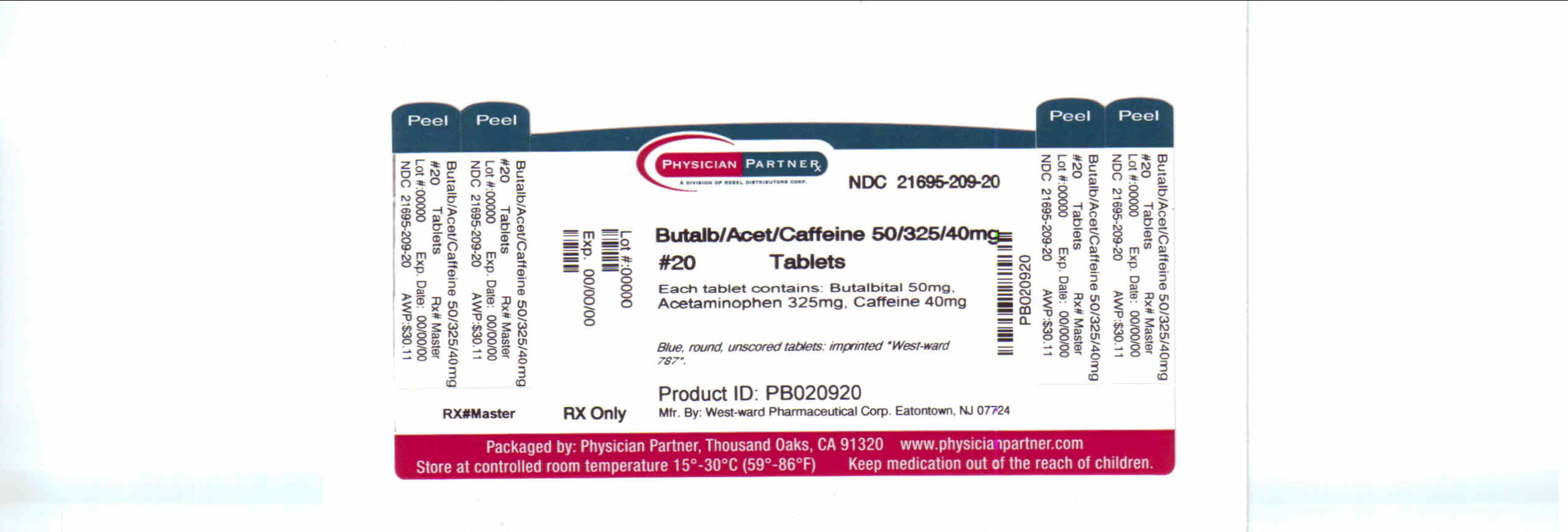
  • Butalbital, Acetaminophen, And Caffeine Tablet [Rebel Distributors Corp]

    Butalbital

    Butalbital, Acetaminophen, And Caffeine Tablet [Rebel Distributors Corp]

    Oral: One or two tablets every four hours. Total daily dosage should not exceed 6 tablets.

    Extended and repeated use of this product is not recommended because of the potential for physical dependence.

  • Amoxicillin Tablet, Film Coated [Rebel Distributors Corp.]

    Amoxicillin

    Amoxicillin Tablet, Film Coated [Rebel Distributors Corp.]

    Capsules, tablets and oral suspensions of amoxicillin may be given without regard to meals. The 400 mg suspension and the 875 mg tablet have been studied only when administered at the start of a light meal. However, food effect studies have not been performed with the 200 mg and 500 mg formulations.

    Neonates and Infants Aged ≤12 Weeks (≤3 Months)

    Due to incompletely developed renal function affecting elimination of amoxicillin in this age group, the recommended upper dose of amoxicillin is 30 mg/kg/day divided q12h.

    Adults and Pediatric Patients >3 Months

    Infection Severity* Usual Adult Dose Usual Dose for Children > 3 months† * Dosing for infections caused by less susceptible organisms should follow the recommendations for severe infections. † The children's dosage is intended for individuals whose weight is less than 40 kg. Children weighing 40 kg or more should be dosed according to the adult recommendations. Ear/Nose/Throat Mild/Moderate 500 mg every 12 hours or 250 mg every 8 hours 25 mg/kg/day in divided doses every 12 hoursor 20 mg/kg/day in divided doses every 8 hours Severe 875 mg every 12 hours or 500 mg every 8 hours 45 mg/kg/day in divided doses every 12 hoursor 40 mg/kg/day in divided doses every 8 hours Lower Respiratory Tract Mild/Moderate or Severe 875 mg every 12 hours or 500 mg every 8 hours 45 mg/kg/day in divided doses every 12 hoursor 40 mg/kg/day in divided doses every 8 hours Skin/Skin Structure Mild/Moderate 500 mg every 12 hours or 250 mg every 8 hours 25 mg/kg/day in divided doses every 12 hoursor 20 mg/kg/day in divided doses every 8 hours Severe 875 mg every 12 hours or 500 mg every 8 hours 45 mg/kg/day in divided doses every 12 hoursor 40 mg/kg/day in divided doses every 8 hours Genitourinary Tract Mild/Moderate 500 mg every 12 hours or 250 mg every 8 hours 25 mg/kg/day in divided doses every 12 hoursor 20 mg/kg/day in divided doses every 8 hours Severe 875 mg every 12 hours or 500 mg every 8 hours 45 mg/kg/day in divided doses every 12 hoursor 40 mg/kg/day in divided doses every 8 hours Gonorrhea Acute, uncomplicated ano-genital and urethral infections in males and females 3 grams as single oral dose Prepubertal children: 50 mg/kg amoxicillin, combined with 25 mg/kg probenecid as a single dose.NOTE: SINCE PROBENECID IS CONTRAINDICATED IN CHILDREN UNDER 2 YEARS, DO NOT USE THIS REGIMEN IN THESE CASES.

    After reconstitution, the required amount of suspension should be placed directly on the child's tongue for swallowing. Alternate means of administration are to add the required amount of suspension to formula, milk, fruit juice, water, ginger ale, or cold drinks. These preparations should then be taken immediately. To be certain the child is receiving full dosage, such preparations should be consumed in entirety.

    All patients with gonorrhea should be evaluated for syphilis. (See PRECAUTIONS – Laboratory Tests.)

    Larger doses may be required for stubborn or severe infections.

    General

    It should be recognized that in the treatment of chronic urinary tract infections, frequent bacteriological and clinical appraisals are necessary. Smaller doses than those recommended above should not be used. Even higher doses may be needed at times. In stubborn infections, therapy may be required for several weeks. It may be necessary to continue clinical and/or bacteriological followup for several months after cessation of therapy. Except for gonorrhea, treatment should be continued for a minimum of 48 to 72 hours beyond the time that the patient becomes asymptomatic or evidence of bacterial eradication has been obtained. It is recommended that there be at least 10 days' treatment for any infection caused by Streptococcus pyogenes to prevent the occurrence of acute rheumatic fever.

    H. pylori Eradication to Reduce the Risk of Duodenal Ulcer Recurrence

    Triple Therapy

    Amoxicillin/clarithromycin/lansoprazole

    The recommended adult oral dose is 1 gram amoxicillin, 500 mg clarithromycin, and 30 mg lansoprazole, all given twice daily (q12h) for 14 days. (See INDICATIONS AND USAGE.)

    Dual Therapy

    Amoxicillin/lansoprazole

    The recommended adult oral dose is 1 gram amoxicillin and 30 mg lansoprazole, each given three times daily (q8h) for 14 days. (See INDICATIONS AND USAGE.)

    Please refer to clarithromycin and lansoprazole full prescribing information for CONTRAINDICATIONS and WARNINGS, and for information regarding dosing in elderly and renally impaired patients.

    Dosing Recommendations for Adults with Impaired Renal Function

    Patients with impaired renal function do not generally require a reduction in dose unless the impairment is severe. Severely impaired patients with a glomerular filtration rate of <30 mL/minute should not receive the 875 mg tablet. Patients with a glomerular filtration rate of 10 to 30 mL/minute should receive 500 mg or 250 mg every 12 hours, depending on the severity of the infection. Patients with a less than 10 mL/minute glomerular filtration rate should receive 500 mg or 250 mg every 24 hours, depending on severity of the infection.

    Hemodialysis patients should receive 500 mg or 250 mg every 24 hours, depending on severity of the infection. They should receive an additional dose both during and at the end of dialysis.

    There are currently no dosing recommendations for pediatric patients with impaired renal function.

    Directions for Mixing Oral Suspension

    Prepare suspension at time of dispensing as follows: Tap bottle until all powder flows freely. Add approximately 1/3 of the total amount of water for reconstitution (see table below) and shake vigorously to wet powder. Add remainder of the water and again shake vigorously.

    125 mg/5 mL Bottle Size Amount of Water Required for Reconstitution 80 mL 55 mL 100 mL 68 mL 150 mL 102 mL   Each teaspoonful (5 mL) will contain 125 mg amoxicillin. 200 mg/5 mL Bottle Size Amount of Water Required for Reconstitution 50 mL 34 mL 75 mL 51 mL 100 mL 68 mL   Each teaspoonful (5 mL) will contain 200 mg amoxicillin. 250 mg/5 mL Bottle Size Amount of Water Required for Reconstitution 80 mL 55 mL 100 mL 68 mL 150 mL 102 mL   Each teaspoonful (5 mL) will contain 250 mg amoxicillin. 400 mg/5 mL Bottle Size Amount of Water Required for Reconstitution 50 mL 34 mL 75 mL 51 mL 100 mL 68 mL   Each teaspoonful (5 mL) will contain 400 mg amoxicillin.

    NOTE: SHAKE ORAL SUSPENSION WELL BEFORE USING. Keep bottle tightly closed. Any unused portion of the reconstituted suspension must be discarded after 14 days. Refrigeration preferable, but not required.

  • Gemfibrozil Tablet, Film Coated [Rebel Distributors Corp]

    Gemfibrozil

    Gemfibrozil Tablet, Film Coated [Rebel Distributors Corp]

    The recommended dose for adults is 1200 mg administered in two divided doses 30 minutes before the morning and evening meal (see CLINICAL PHARMACOLOGY).

  • Hydrocodone Bitartrate And Homatropine Methylbromide Syrup [Rebel Distributors Corp]

    Hydrocodone Bitartrate And Homatropine Methylbromide Syrup

    Hydrocodone Bitartrate And Homatropine Methylbromide Syrup [Rebel Distributors Corp]

    Adults

    One (1) teaspoonful (5 mL) of the syrup every 4 to 6 hours as needed; do not exceed six (6) teaspoonfuls in 24 hours.

    Children 6 to 12 Years of Age

    One-half (1/2) teaspoonful (2.5 mL) of the syrup every 4 to 6 hours as needed; do not exceed three (3) teaspoonfuls in 24 hours.

  • Androgel (Testosterone) Gel [Rebel Distributors Corp.]

    Androgel

    Androgel (Testosterone) Gel [Rebel Distributors Corp.]

    2.1 General Dosing

    The recommended starting dose of AndroGel is 5 g once daily (preferably in the morning) to clean, dry, intact skin of the shoulders and upper arms and/or abdomen. AndroGel must not be applied to the genitals. AndroGel is supplied as either a pump or in individual packets. After applying the gel, the application site should be allowed to dry for a few minutes prior to dressing. Avoid fire, flames or smoking until the gel has dried since alcohol based products, including AndroGel, are flammable. Hands should be washed with soap and water after AndroGel has been applied. [see Warnings and Precautions (5.2, 5.10)].

    2.2 Administration

    Multi-Dose Pump

    Patients should be instructed to prime the pump before using it for the first time by fully depressing the pump mechanism (actuation) 3 times and discard this portion of the product to assure precise dose delivery. After the priming procedure, patients should completely depress the pump one time (actuation) for every 1.25 g (AndroGel Pump) of product required to achieve the daily prescribed dosage. The product may be delivered directly into the palm of the hand and then applied to the desired application sites, either one pump actuation at a time or upon completion of all pump actuations required for the daily dose. Alternatively, the product can be applied directly to the application sites. Application directly to the sites may prevent loss of product that may occur during transfer from the palm of the hand onto the application sites. Table 1 has specific dosing guidelines for adult males when the 75 g AndroGel Pump is used.

    Table 1: Specific Dosing Guidelines for Using the Adult Multi-Dose Pump Prescribed Daily Dose Number of Pump Actuations in 75 g Pump 5 g 4 (once daily) 7.5 g 6 (once daily) 10 g 8 (once daily)

    Packets

    The entire contents should be squeezed into the palm of the hand and immediately applied to the application sites. Alternately, patients may squeeze a portion of the gel from the packet into the palm of the hand and apply to application sites. Repeat until entire contents have been applied.

    2.3 Dose Adjustment and Patient Assessments

    To ensure proper dosing, serum testosterone levels should be measured at intervals and replaced to serum testosterone levels in the normal range. If the serum testosterone concentration is below the normal range, the daily AndroGel dose may be increased from 5 g to 7.5 g and from 7.5 g to 10 g for adult males as instructed by the physician. If the serum testosterone concentration exceeds the normal range, the daily AndroGel dose may be decreased. If the serum testosterone concentration consistently exceeds the normal range at a daily dose of 5 g, AndroGel therapy should be discontinued.

    The following is general advice for treating and monitoring adult patients on AndroGel. No specific recommendations can be made.

    Prescribers should be aware that testosterone is contraindicated in men with known or suspected prostate cancer. Therefore, evaluation for prostate cancer prior to initiation of AndroGel therapy is appropriate [see Contraindications (4)]. Based on results from controlled studies, serum PSA may rise when taking AndroGel. Therefore, periodic assessment of serum PSA is recommended in patients taking AndroGel [see Adverse Reactions (6.1)]. Based on results from controlled studies, worsening of BPH may occur in patients taking AndroGel [see Adverse Reactions (6.1)]. Therefore, periodic assessments for signs and symptoms of BPH are recommended in patients taking AndroGel. Hematocrit, serum lipid profile, and liver function test should be monitored in patients taking AndroGel [see Warnings and Precautions (5.9)].
  • Bupropion Hydrochloride Tablet, Film Coated [Rebel Distributors Corp.]

    Bupropion Hydrochloride

    Bupropion Hydrochloride Tablet, Film Coated [Rebel Distributors Corp.]

    General Dosing Considerations

    It is particularly important to administer bupropion hydrochloride tablets in a manner most likely to minimize the risk of seizure (see WARNINGS). Increases in dose should not exceed 100 mg/day in a 3-day period. Gradual escalation in dosage is also important if agitation, motor restlessness, and insomnia, often seen during the initial days of treatment, are to be minimized. If necessary, these effects may be managed by temporary reduction of dose or the short-term administration of an intermediate to long-acting sedative hypnotic. A sedative hypnotic usually is not required beyond the first week of treatment. Insomnia may also be minimized by avoiding bedtime doses. If distressing, untoward effects supervene, dose escalation should be stopped.

    No single dose of bupropion hydrochloride tablets should exceed 150 mg. Bupropion hydrochloride tablets should be administered 3 times daily, preferably with at least 6 hours between successive doses.

    Usual Dosage for Adults

    The usual adult dose is 300 mg/day, given 3 times daily. Dosing should begin at 200 mg/day, given as 100 mg twice daily. Based on clinical response, this dose may be increased to 300 mg/day, given as 100 mg 3 times daily, no sooner than 3 days after beginning therapy (see Table 3).

    Table 3. Dosing Regimen

    Treatment

    Day

    Total

    Daily Dose

    Tablet

    Strength Number of Tablets Morning Midday Evening 1 200 mg 100 mg 1 0 1 4 300 mg 100 mg 1 1 1

    Increasing the Dosage Above 300 mg/Day

    As with other antidepressants, the full antidepressant effect of bupropion hydrochloride tablets may not be evident until 4 weeks of treatment or longer. An increase in dosage, up to a maximum of 450 mg/day, given in divided doses of not more than 150 mg each, may be considered for patients in whom no clinical improvement is noted after several weeks of treatment at 300 mg/day. Dosing above 300 mg/day may be accomplished using the 75 or 100 mg tablets. The 100 mg tablet must be administered 4 times daily with at least 4 hours between successive doses, in order not to exceed the limit of 150 mg in a single dose. Bupropion hydrochloride tablets should be discontinued in patients who do not demonstrate an adequate response after an appropriate period of treatment at 450 mg/day.

    Maintenance Treatment

    The lowest dose that maintains remission is recommended. Although it is not known how long the patient should remain on bupropion hydrochloride tablets, it is generally recognized that acute episodes of depression require several months or longer of antidepressant drug treatment.

    Dosage Adjustment for Patients with Impaired Hepatic Function

    Bupropion hydrochloride tablets should be used with extreme caution in patients with severe hepatic cirrhosis. The dose should not exceed 75 mg once a day in these patients. Bupropion hydrochloride tablets should be used with caution in patients with hepatic impairment (including mild-to-moderate hepatic cirrhosis) and a reduced frequency and/or dose should be considered in patients with mild-to-moderate hepatic cirrhosis (see CLINICAL PHARMACOLOGY, WARNINGS and PRECAUTIONS).

    Dosage Adjustment for Patients with Impaired Renal Function

    Bupropion hydrochloride tablets should be used with caution in patients with renal impairment and a reduced frequency and/or dose should be considered (see CLINICAL PHARMACOLOGY and PRECAUTIONS).

  • Butalbital, Acetaminophen And Caffeine Tablet [Rebel Distributors Corp.]

    Butalbital

    Butalbital, Acetaminophen And Caffeine Tablet [Rebel Distributors Corp.]

    Oral: one tablet every four hours. Total daily dosage should not exceed 6 tablets.

    Extended and repeated use of this product is not recommended because of the potential for physical dependence.

  • Simvastatin Tablet [Rebel Distributors Corp]

    Simvastatin

    Simvastatin Tablet [Rebel Distributors Corp]

    2.1 Recommended Dosing

    The dosage range is 5-80 mg/day. In patients with CHD or at high risk of CHD, simvastatin tablets can be started simultaneously with diet. The recommended usual starting dose is 20 to 40 mg once a day in the evening. For patients at high risk for a CHD event due to existing CHD, diabetes, peripheral vessel disease, history of stroke or other cerebrovascular disease, the recommended starting dose is 40 mg/day. Lipid determinations should be performed after 4 weeks of therapy and periodically thereafter.

    2.2 Patients with Homozygous Familial Hypercholesterolemia

    The recommended dosage is 40 mg/day in the evening or 80 mg/day in 3 divided doses of 20 mg, 20 mg, and an evening dose of 40 mg. Simvastatin tablets should be used as an adjunct to other lipid-lowering treatments (e.g., LDL apheresis) in these patients or if such treatments are unavailable.

    2.3. Adolescents (10-17 years of age) with Heterozygous Familial Hypercholesterolemia

    The recommended usual starting dose is 10 mg once a day in the evening. The recommended dosing range is 10-40 mg/day; the maximum recommended dose is 40 mg/day. Doses should be individualized according to the recommended goal of therapy [see NCEP Pediatric Panel Guidelines1 and Clinical Studies (14.2)]. Adjustments should be made at intervals of 4 weeks or more.

    1

    National Cholesterol Education Program (NCEP): Highlights of the Report of the Expert Panel on Blood Cholesterol Levels in Children and Adolescents. Pediatrics. 89(3):495-501. 1992.

    2.4 Patients with Renal Impairment

    Because simvastatin tablets do not undergo significant renal excretion, modification of dosage should not be necessary in patients with mild to moderate renal impairment. However, caution should be exercised when simvastatin tablets are administered to patients with severe renal impairment; such patients should be started at 5 mg/day and be closely monitored [see Warnings and Precautions (5.1) and Clinical Pharmacology (12.3)].

    2.5 Coadministration with Other Drugs

    Concomitant Lipid-Lowering Therapy

    Simvastatin tablets may be used concomitantly with bile acid sequestrants. Combination therapy with gemfibrozil increases simvastatin exposure. Therefore, if simvastatin tablets are used in combination with gemfibrozil, the dose of simvastatin tablets should not exceed 10 mg/day [see Warnings and Precautions (5.1), Drug Interactions (7.2), and Clinical Pharmacology (12.3)].

    Patients taking Cyclosporine or Danazol

    Simvastatin tablets therapy should begin with 5 mg/day and should not exceed 10 mg/day [see Warnings and Precautions (5.1) and Drug Interactions (7.3)].

    Patients taking Amiodarone or Verapamil

    The dose of simvastatin tablets should not exceed 20 mg/day [see Warnings and Precautions (5.1), Drug Interactions (7.4), and Clinical Pharmacology (12.3)].

  • Almacone Liquid [Rebel Distributors Corp]

    Almacone

    Almacone Liquid [Rebel Distributors Corp]

    Shake well before use. Do not take more than 24 teaspoonful in 24 hours or use the maximum dosage for more than 2 weeks. Adults and children 12 years and older: take 2 to 4 teaspoonsfuls between meals, at bedtime, or as directed by a doctor.

    Children under 12 years: ask a doctor.

  • Naproxen Sodium Tablet [Rebel Distributors Corp]

    Naproxen Sodium

    Naproxen Sodium Tablet [Rebel Distributors Corp]

    Carefully consider the potential benefits and risks of naproxen sodium tablets and other treatment options before deciding to use naproxen sodium tablets. Use the lowest effective dose for the shortest duration consistent with individual patient treatment goals (see WARNINGS).

    After observing the response to initial therapy with naproxen sodium tablets, the dose and frequency should be adjusted to suit an individual patient's needs.

    Different dose strengths and formulations (i.e., tablets, suspension) of the drug are not necessarily bioequivalent. The difference should be taken into consideration when changing formulation.

    Although naproxen tablets, naproxen suspension, naproxen delayed-release tablets, and naproxen sodium tablets all circulate in the plasma as naproxen, they have pharmacokinetic differences that may affect onset of action. Onset of pain relief can begin within 30 minutes in patients taking naproxen sodium and within 1 hour in patients taking naproxen. Because naproxen delayed-release tablets dissolve in the small intestine rather than in the stomach, the absorption of the drug is delayed compared to the other naproxen formulations (see CLINICAL PHARMACOLOGY).

    The recommended strategy for initiating therapy is to choose a formulation and a starting dose likely to be effective for the patient and then adjust the dosage based on observation of benefit and/or adverse events. A lower dose should be considered in patients with renal or hepatic impairment or in elderly patients (see WARNINGS and PRECAUTIONS).

    Geriatric Patients

    Studies indicate that although total plasma concentration of naproxen is unchanged, the unbound plasma fraction of naproxen is increased in the elderly. Caution is advised when high doses are required and some adjustment of dosage may be required in elderly patients. As with other drugs used in the elderly, it is prudent to use the lowest effective dose.

    Patients With Moderate to Severe Renal Impairment

    Naproxen-containing products are not recommended for use in patients with moderate to severe and severe renal impairment (creatinine clearance <30 mL/min) (see WARNINGS: Renal Effects).

    Rheumatoid Arthritis, Osteoarthritis and Ankylosing Spondylitis

    During long-term administration, the dose of naproxen may be adjusted up or down depending on the clinical response of the patient. A lower daily dose may suffice for long-term administration. The morning and evening doses do not have to be equal in size and the administration of the drug more frequently than twice daily is not necessary.

    In patients who tolerate lower doses well, the dose may be increased to naproxen sodium 1650 mg/day for limited periods of up to 6 months when a higher level of antiinflammatory/analgesic activity is required. When treating such patients with naproxen sodium 1650 mg/day, the physician should observe sufficient increased clinical benefits to offset the potential increased risk. The morning and evening doses do not have to be equal in size and administration of the drug more frequently than twice daily does not generally make a difference in response (see CLINICAL PHARMACOLOGY).

    Juvenile Arthritis

    For the relief of juvenile arthritis, the recommended dose is approximately 10 mg/kg given orally in 2 divided doses (i.e., 5 mg/kg given twice a day). Naproxen sodium tablets are not well suited to this dosage so use of naproxen oral suspension is recommended for this indication.

    Management of Pain, Primary Dysmenorrhea, and Acute Tendonitis and Bursitis:

    The recommended starting dose is 550 mg of naproxen sodium followed by 550 mg every 12 hours or 275 mg every 6 to 8 hours as required. The initial total daily dose should not exceed 1375 mg of naproxen sodium. Thereafter, the total daily dose should not exceed 1100 mg of naproxen sodium. Because the sodium salt of naproxen is more rapidly absorbed, naproxen sodium tablets are recommended for the management of acute painful conditions when prompt onset of pain relief is desired.

    Acute Gout: The recommended starting dose is 825 mg of naproxen sodium tablets followed by 275 mg every 8 hours until the attack has subsided.

  • Pilocarpine Hydrochlori...
    Pilocarpine Hydrochloride Solution/ Drops [Rebel Distributors Corp]

    Pilocarpine Hydrochloride Solution Drops

    Pilocarpine Hydrochloride Solution/ Drops [Rebel Distributors Corp]

    The initial dose is one or two drops in the affected eye(s). This may be repeated up to three or four times daily or as directed by a physician. The frequency of instillation and concentration of pilocarpine hydrochloride ophthalmic solution are determined by the severity of the glaucoma and miotic response of the patient. Individuals with heavily pigmented irides may require higher strengths.

    During acute phases, the miotic must be instilled into the unaffected eye to prevent an attack of angle-closure glaucoma.

    DO NOT USE IF IMPRINTED NECKBAND IS NOT INTACT.

  • Vivotif-b
    Vivotif-b Capsule [Rebel Distributors Corp]

    Vivotif-b

    Vivotif-b Capsule [Rebel Distributors Corp]

    One capsule is to be swallowed approximately 1 hour before a meal with a cold or luke-warm [temperature not to exceed body temperature, e.g., 37 °C (98.6 °F)] drink on alternate days, e.g., days 1, 3, 5 and 7. Immunization (ingestion of all 4 doses of Vivotif (Typhoid Vaccine Live Oral Ty21a) should be completed at least 1 week prior to potential exposure to S. typhi.

    The blister containing the vaccine capsules should be inspected to ensure that the foil seal and capsules are intact.

    The vaccine capsule should not be chewed and should be swallowed as soon after placing in the mouth as possible. A complete immunization schedule is the ingestion of 4 vaccine capsules as described above.

    Re-immunization

    The optimum booster schedule for Vivotif® has not been determined. Efficacy has been shown to persist for at least 5 years. Further, there is no experience with Vivotif as a booster in persons previously immunized with parenteral typhoid vaccine. It is recommended that a re-immunization dose consisting of four vaccine capsules taken on alternate days be given every 5 years under conditions of repeated or continued exposure to typhoid fever (7).

  • Necon (Norethindrone And Ethinyl Estradiol) Kit [Rebel Distributors Corp]

    Necon

    Necon (Norethindrone And Ethinyl Estradiol) Kit [Rebel Distributors Corp]

    To achieve maximum contraceptive effectiveness, Necon® Tablets must be taken exactly as directed and at intervals not exceeding 24 hours.

    28-Day Regimen (Sunday Start)

    When taking Necon® 1/35, Necon® 0.5/35, Necon® 10/11 and Necon® 1/50, the first tablet should be taken on the first Sunday after menstruation begins. If period begins on Sunday, the first tablet should be taken that day. Take one active tablet daily for 21 days followed by one white placebo tablet daily for 7 days. After 28 tablets have been taken, a new course is started the next day (Sunday). For the first cycle of a Sunday Start regimen, another method of contraception should be used until after the first 7 consecutive days of administration.

    If the patient misses one (1) active tablet in Weeks 1, 2, or 3, the tablet should be taken as soon as she remembers. If the patient misses two (2) active tablets in Week 1 or Week 2, the patient should take two (2) tablets the day she remembers and two (2) tablets the next day; and then continue taking one (1) tablet a day until she finishes the dispenser. The patient should be instructed to use a back-up method of birth control if she has sex in the seven (7) days after missing pills. If the patient misses two (2) active tablets in the third week or misses three (3) or more active tablets in a row, the patient should continue taking one tablet every day until Sunday. On Sunday, the patient should throw out the rest of the dispenser and start a new dispenser that same day. The patient should be instructed to use a back-up method of birth control if she has sex in the seven (7) days after missing pills.

    Complete instructions to facilitate patient counseling on proper pill usage may be found in the Detailed Patient Labeling (“How to Take the Pill” section).

    28-Day Regimen (Day 1 Start)

    The dosage of Necon®1/35, Necon®0.5/35, Necon®10/11 and Necon® 1/50, for the initial cycle of therapy is one active tablet administered daily from the 1st through the 21st day of the menstrual cycle, counting the first day of menstrual flow as “Day 1” followed by one white tablet daily for 7 days. Tablets are taken without interruption for 28 days. After 28 tablets have been taken, a new course is started the next day.

    If the patient misses one (1) active tablet in Weeks 1, 2, or 3, the tablet should be taken as soon as she remembers. If the patient misses two (2) active tablets in Week 1 or Week 2, the patient should take two (2) tablets the day she remembers and two (2) tablets the next day; and then continue taking one (1) tablet a day until she finishes the dispenser. The patient should be instructed to use a back-up method of birth control if she has sex in the seven (7) days after missing pills. If the patient misses two (2) active tablets in the third week or misses three (3) or more active tablets in a row, the patient should throw out the rest of the dispenser and start a new dispenser that same day. The patient should be instructed to use a back-up method of birth control if she has sex in the seven (7) days after missing pills.

    Complete instructions to facilitate patient counseling on proper pill usage may be found in the Detailed Patient Labeling (“How to Take the Pill” section).

    The use of Necon® 1/35, Necon® 0.5/35, Necon® 10/11 and Necon® 1/50 for contraception may be initiated 4 weeks postpartum in women who elect not to breast feed. When the tablets are administered during the postpartum period, the increased risk of thromboembolic disease associated with the postpartum period must be considered. (See CONTRAINDICATIONS and WARNINGS concerning thromboembolic disease. See also PRECAUTIONS for “Nursing Mothers”.) The possibility of ovulation and conception prior to initiation of medication should be considered.

    (See Discussion of Dose-Related Risk of Vascular Disease from Oral Contraceptives.)

    ADDITIONAL INSTRUCTIONS FOR ALL DOSING REGIMENS

    Breakthrough bleeding, spotting, and amenorrhea are frequent reasons for patients discontinuing oral contraceptives. In breakthrough bleeding, as in all cases of irregular bleeding from the vagina, nonfunctional causes should be borne in mind. In undiagnosed persistent or recurrent abnormal bleeding from the vagina, adequate diagnostic measures are indicated to rule out pregnancy or malignancy. If pathology has been excluded, time or a change to another formulation may solve the problem. Changing to an oral contraceptive with a higher estrogen content, while potentially useful in minimizing menstrual irregularity, should be done only if necessary since this may increase the risk of thromboembolic disease.

    Use of oral contraceptives in the event of a missed menstrual period:

      If the patient has not adhered to the prescribed schedule, the possibility of pregnancy should be considered at the time of the first missed period and oral contraceptive use should be discontinued until pregnancy is ruled out.   If the patient has adhered to the prescribed regimen and misses two consecutive periods, pregnancy should be ruled out before continuing oral contraceptive use.
  • Naproxen Pain Relief
    Naproxen Pain Relief (Naproxen Sodium) Tablet [Rebel Distributors Corp]

    Naproxen Pain Relief

    Naproxen Pain Relief (Naproxen Sodium) Tablet [Rebel Distributors Corp]

    do not take more than directed the smallest effective dose should be used do not take longer than 10 days, unless directed by a doctor (see Warnings) drink a full glass of water with each dose

    Adults and

    children

    12 years

    and older take 1 tablet every 8 to 12 hours while symptoms last for the first dose you may take 2 tablets within the first hour do not exceed 2 tablets in any 8- to 12-hour period do not exceed 3 tablets in a 24-hour period

    Children

    under 12

    years ask a doctor
  • Benztropine Mesylate Tablet [Rebel Distributors Corp]

    Benztropine Mesylate

    Benztropine Mesylate Tablet [Rebel Distributors Corp]

    DOSAGE AND ADMINISTRATION: Benztropine mesylate tablets should be used when patients are able to take oral medication.

    The injection is especially useful for psychotic patients with acute dystonic reactions or other reactions that make oral medication difficult or impossible. It is recommended also when a more rapid response is desired than can be obtained with tablets.

    Because of cumulative action, therapy should be initiated with a low dose which is increased gradually at five or six-day intervals to the smallest amount necessary for optimal relief. Increases should be made in increments of 0.5 mg to a maximum of 6 mg or until optimal results are obtained without excessive adverse reactions.

    Postencephalitic and Idiopathic Parkinsonism — The usual daily dose is 1 to 2 mg with a range of 0.5 to 6 mg orally or parenterally.

    As with any agent used in parkinsonism, dosage must be individualized according to age and weight, and the type of parkinsonism being treated. Generally, older patients, and thin patients cannot tolerate large doses. Most patients with postencephalitic parkinsonism need fairly large doses and tolerate them well. Patients with a poor mental outlook are usually poor candidates for therapy.

    In idiopathic parkinsonism, therapy may be initiated with a single daily dose of 0.5 to 1 mg at bedtime. In some patients, this will be adequate; in others 4 to 6 mg a day may be required. In postencephalitic parkinsonism, therapy may be initiated in most patients with 2 mg a day in one or more doses. In highly sensitive patients, therapy may be initiated with 0.5 mg at bedtime, and increased as necessary.

    Some patients experience greatest relief by taking the entire dose at bedtime, others react more favorably to divided doses, two to four times a day. Frequently, one dose a day is sufficient and divided doses may be unnecessary or undesirable.

    The long duration of action of this drug makes it particularly suitable for bedtime medication when its effects may last throughout the night, enabling patients to turn in bed during the night more easily, and to rise in the morning.

    When benztropine is started, do not terminate therapy with other antiparkinsonian agents abruptly. If the other agents are to be reduced or discontinued, it must be done gradually. Many patients obtain greatest relief with combination therapy.

    Benztropine mesylate may be used concomitantly with carbidopa-levodopa, or with levodopa, in which case periodic dosage adjustment may be required in order to maintain optimum response.

    Drug-Induced Extrapyramidal Disorders— In treating extrapyramidal disorders due to neuroleptic drugs (e.g., phenothiazines), the recommended dosage is 1 to 4 mg once or twice a day orally or parenterally. Dosage must be individualized according to the need of the patient. Some patients require more than recommended; others do not need as much.

    When extrapyramidal disorders develop soon after initiation of treatment with neuroleptic drugs (e.g., phenothiazines), they are likely to be transient. One to 2 mg of benztropine mesylate tablets two or three times a day usually provides relief within one or two days. After one or two weeks, the drug should be withdrawn to determine the continued need for it. If such disorders recur, benztropine mesylate can be reinstituted.

    Certain drug-induced extrapyramidal disorders that develop slowly may not respond to benztropine.

  • Diclofenac Potassium Tablet, Film Coated [Rebel Distributors Corp]

    Diclofenac Potassium

    Diclofenac Potassium Tablet, Film Coated [Rebel Distributors Corp]

    Carefully consider the potential benefits and risks of diclofenac potassium tablets and other treatment options before deciding to use diclofenac potassium tablets. Use the lowest effective dose for the shortest duration consistent with individual patient treatment goals (see WARNINGS).

    After observing the response to initial therapy with diclofenac potassium tablets, the dose and frequency should be adjusted to suit an individual patient's needs.

    For treatment of pain or primary dysmenorrhea the recommended dosage is 50 mg t.i.d. With experience, physicians may find that in some patients an initial dose of 100 mg of diclofenac potassium tablets, followed by 50 mg doses, will provide better relief.

    For the relief of osteoarthritis the recommended dosage is 100 to 150 mg/day in divided doses, 50 mg b.i.d. or t.i.d.

    For the relief of rheumatoid arthritis the recommended dosage is 150 to 200 mg/day in divided doses, 50 mg t.i.d. or q.i.d.

    Different formulations of diclofenac [diclofenac sodium enteric-coated tablets; diclofenac sodium extended-release tablets; diclofenac potassium tablets] are not necessarily bioequivalent even if the milligram strength is the same.

  • Hydrocodone Bitartrate And Acetaminophen Tablet [Rebel Distributors Corp]

    Hydrocodone Bitartrate And Acetaminophen

    Hydrocodone Bitartrate And Acetaminophen Tablet [Rebel Distributors Corp]

    Dosage should be adjusted according to the severity of the pain and response of the patient. However, it should be kept in mind that tolerance to hydrocodone can develop with continued use and that the incidence of untoward effects is dose-related.

    The usual adult dosage for Hydrocodone Bitartrate and Acetaminophen Tablets USP is:

    Product Strength Usual Adult Dosage AS NEEDED FOR PAIN The total daily dosage should not exceed 5 mg/325 mg One or two tablets every four to six hours  12 tablets  5 mg/500 mg  One or two tablets every four to six hours  8 tablets  7.5 mg/325 mg  One tablet every four to six hours  6 tablets  7.5 mg/500 mg  One tablet every four to six hours  6 tablets  7.5 mg/650 mg  One tablet every four to six hours  6 tablets  7.5 mg/750 mg  One tablet every four to six hours  5 tablets  10 mg/325 mg  One tablet every four to six hours  6 tablets  10 mg/500 mg  One tablet every four to six hours  6 tablets  10 mg/650 mg  One tablet every four to six hours  6 tablets  10 mg/660 mg  One tablet every four to six hours  6 tablets 


  • Furosemide Injection [Rebel Distributors Corp]

    Furosemide

    Furosemide Injection [Rebel Distributors Corp]

    Adults: Parenteral therapy with Furosemide Injection should be used only in patients unable to take oral medication or in emergency situations and should be replaced with oral therapy as soon as practical.

    Edema

    The usual initial dose of furosemide is 20 to 40 mg given as a single dose, injected intramuscularly or intravenously. The intravenous dose should be given slowly (1 to 2 minutes). Ordinarily a prompt diuresis ensues. If needed, another dose may be administered in the same manner 2 hours later or the dose may be increased. The dose may be raised by 20 mg and given not sooner than 2 hours after the previous dose until the desired diuretic effect has been obtained. This individually determined single dose should then be given once or twice daily.

    Therapy should be individualized according to patient response to gain maximal therapeutic response and to determine the minimal dose needed to maintain that response. Close medical supervision is necessary.

    If the physician elects to use high dose parenteral therapy, add the furosemide to either Sodium Chloride Injection USP, Lactated Ringer's Injection USP, or Dextrose (5%) Injection USP after pH has been adjusted to above 5.5, and administer as a controlled intravenous infusion at a rate not greater than 4 mg/min. Furosemide Injection is a buffered alkaline solution with a pH of about 9 and drug may precipitate at pH values below 7. Care must be taken to ensure that the pH of the prepared infusion solution is in the weakly alkaline to neutral range. Acid solutions, including other parenteral medications (e.g., labetalol, ciprofloxacin, amrinone, milrinone) must not be administered concurrently in the same infusion because they may cause precipitation of the furosemide. In addition, furosemide injection should not be added to a running intravenous line containing any of these acidic products.

    Acute Pulmonary Edema

    The usual initial dose of furosemide is 40 mg injected slowly intravenously (over 1 to 2 minutes). If a satisfactory response does not occur within 1 hour, the dose may be increased to 80 mg injected slowly intravenously (over 1 to 2 minutes).

    If necessary, additional therapy (e.g., digitalis, oxygen) may be administered concomitantly.

    Pediatric Patients: Parenteral therapy should be used only in patients unable to take oral medication or in emergency situations and should be replaced with oral therapy as soon as practical.

    The usual initial dose of Furosemide Injection (intravenously or intramuscularly) in pediatric patients is 1 mg/kg body weight and should be given slowly under close medical supervision. If the diuretic response to the initial dose is not satisfactory, dosage may be increased by 1 mg/kg not sooner than 2 hours after the previous dose, until the desired diuretic effect has been obtained. Doses greater than 6 mg/kg body weight are not recommended.

    Literature reports suggest that the maximum dose for premature infants should not exceed 1 mg/kg/day (see WARNINGS, Pediatric Use).

    Furosemide Injection should be inspected visually for particulate matter and discoloration before administration.

  • Ak-con
    Ak-con (Naphazoline Hydrochloride) Solution [Rebel Distributors Corp.]

    Ak-con

    Ak-con (Naphazoline Hydrochloride) Solution [Rebel Distributors Corp.]

    Instill one or two drops in the conjunctival sac(s) every three to four hours as needed.

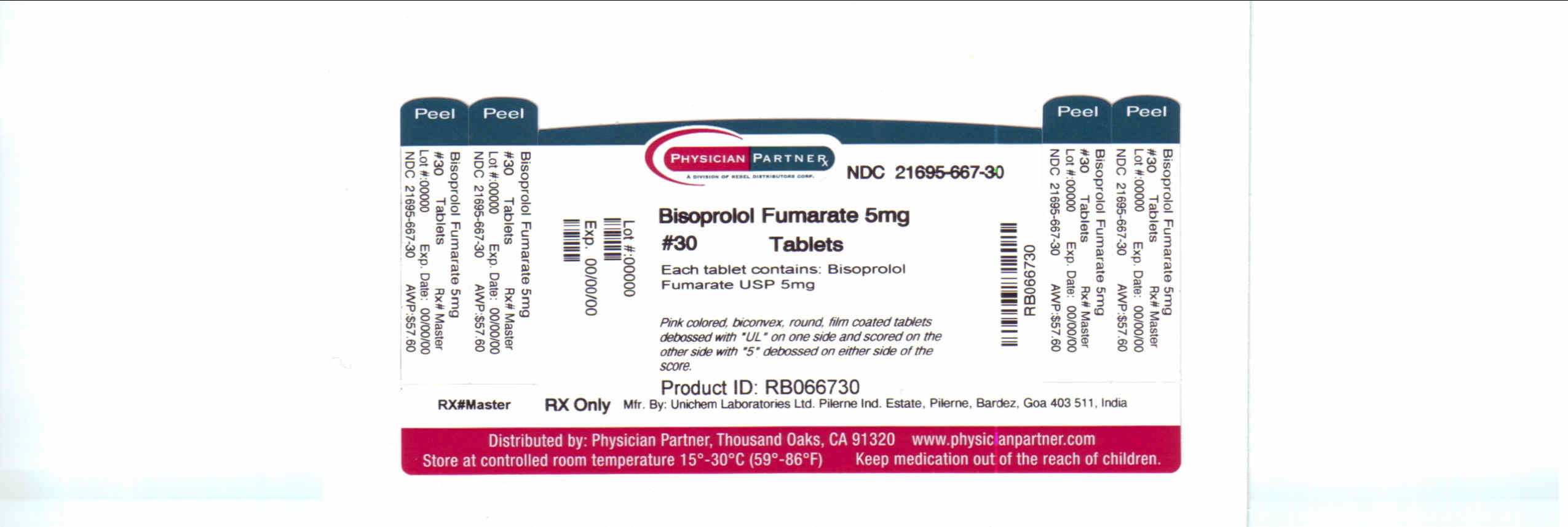
  • Bisoprolol Fumarate
    Bisoprolol Fumarate Tablet [Rebel Distributors Corp]

    Bisoprolol Fumarate

    Bisoprolol Fumarate Tablet [Rebel Distributors Corp]

    The dose of BISOPROLOL FUMARATE must be individualized to the needs of the patient. The usual starting dose is 5 mg once daily. In some patients, 2.5 mg may be an appropriate starting dose (see Bronchospastic Disease in WARNINGS). If the antihypertensive effect of 5 mg is inadequate, the dose may be increased to 10 mg and then, if necessary, to 20 mg once daily.

    Patients with Renal or Hepatic Impairment

    In patients with hepatic impairment (hepatitis or cirrhosis) or renal dysfunction (creatinine clearance less than 40 mL/min), the initial daily dose should be 2.5 mg and caution should be used in dose-titration. Since limited data suggest that bisoprolol fumarate is not dialyzable, drug replacement is not necessary in patients undergoing dialysis.

    Geriatric Patients

    It is not necessary to adjust the dose in the elderly, unless there is also significant renal or hepatic dysfunction (see above and Geriatric Use in PRECAUTIONS).

    Pediatric Patients

    There is no pediatric experience with BISOPROLOL FUMARATE.

  • Mineral Oil (Lacri-lube) Ointment [Rebel Distributors Corp]

    Mineral Oil

    Mineral Oil (Lacri-lube) Ointment [Rebel Distributors Corp]

    Pull down the lower lid of the affected eye and apply a small amount (one-fourth inch) of ointment to the inside of the eyelid.

  • Propafenone
    Propafenone (Propafenone Hydrochloride) Capsule, Extended Release [Rebel Distributors Corp]

    Propafenone

    Propafenone (Propafenone Hydrochloride) Capsule, Extended Release [Rebel Distributors Corp]

    The dose of propafenone ER capsules must be individually titrated on the basis of response and tolerance. Therapy should be initiated with propafenone ER capsules 225 mg given every twelve hours. Dosage may be increased at a minimum of five day interval to 325 mg given every twelve hours. If additional therapeutic effect is needed, the dose of propafenone ER capsules may be increased to 425 mg given every twelve hours.

    In patients with hepatic impairment or having significant widening of the QRS complex or second or third degree AV block, dose reduction should be considered.

    Propafenone ER capsules can be taken with or without food. Do not crush or further divide the contents of the capsule.

  • Fexofenadine Hydrochloride And Pseudoephedrine Hydrochloride Tablet, Film Coated, Extended Release [Rebel Distributors Corp]

    Fexofenadine Hydrochloride And Pseudoephedrine Hydrochloride

    Fexofenadine Hydrochloride And Pseudoephedrine Hydrochloride Tablet, Film Coated, Extended Release [Rebel Distributors Corp]

    The recommended dose of Fexofenadine Hydrochloride and Pseudoephedrine Hydrochloride Extended-Release Tablets is one tablet twice daily administered on an empty stomach with water for adults and children 12 years of age and older. It is recommended that the administration of Fexofenadine Hydrochloride and Pseudoephedrine Hydrochloride Extended-Release Tablets with food should be avoided. A dose of one tablet once daily is recommended as the starting dose in patients with decreased renal function. (See CLINICAL PHARMACOLOGY and PRECAUTIONS.)

    Fexofenadine Hydrochloride and Pseudoephedrine Hydrochloride Extended-Release Tablets must be swallowed whole and never crushed or chewed. Occasionally, the inactive ingredients of Fexofenadine Hydrochloride and Pseudoephedrine Hydrochloride Extended-Release Tablets may be eliminated in the feces in a form that may resemble the original tablet. (See PRECAUTIONS, Information for Patients.)

  • Amiodarone Hydrochloride Tablet [Rebel Distributors Corp]

    Amiodarone Hydrochloride

    Amiodarone Hydrochloride Tablet [Rebel Distributors Corp]

    BECAUSE OF THE UNIQUE PHARMACOKINETIC PROPERTIES, DIFFICULT DOSING SCHEDULE, AND SEVERITY OF THE SIDE EFFECTS IF PATIENTS ARE IMPROPERLY MONITORED, AMIODARONE SHOULD BE ADMINISTERED ONLY BY PHYSICIANS WHO ARE EXPERIENCED IN THE TREATMENT OF LIFE-THREATENING ARRHYTHMIAS WHO ARE THOROUGHLY FAMILIAR WITH THE RISKS AND BENEFITS OF AMIODARONE THERAPY, AND WHO HAVE ACCESS TO LABORATORY FACILITIES CAPABLE OF ADEQUATELY MONITORING THE EFFECTIVENESS AND SIDE EFFECTS OF TREATMENT.

    In order to insure that an antiarrhythmic effect will be observed without waiting several months, loading doses are required. A uniform, optimal dosage schedule for administration of amiodarone has not been determined. Because of the food effect on absorption, amiodarone should be administered consistently with regard to meals (see CLINICAL PHARMACOLOGY). Individual patient titration is suggested according to the following guidelines:

    For life-threatening ventricular arrhythmias, such as ventricular fibrillation or hemodynamically unstable ventricular tachycardia:

    Close monitoring of the patients is indicated during the loading phase, particularly until risk of recurrent ventricular tachycardia or fibrillation has abated. Because of the serious nature of the arrhythmia and the lack of predictable time course of effect, loading should be performed in a hospital setting. Loading doses of 800 to 1,600 mg/day are required for 1 to 3 weeks (occasionally longer) until initial therapeutic response occurs. (Administration of amiodarone in divided doses with meals is suggested for total daily doses of 1,000 mg or higher, or when gastrointestinal intolerance occurs.) If side effects become excessive, the dose should be reduced. Elimination of recurrence of ventricular fibrillation and tachycardia usually occurs within 1 to 3 weeks, along with reduction in complex and total ventricular ectopic beats.

    Since grapefruit juice is known to inhibit CYP3A4-mediated metabolism of oral amiodarone in the intestinal mucosa, resulting in increased plasma levels of amiodarone, grapefruit juice should not be taken during treatment with oral amiodarone (see PRECAUTIONS, Drug Interactions).

    Upon starting amiodarone therapy, an attempt should be made to gradually discontinue prior antiarrhythmic drugs (see section on Drug Interactions). When adequate arrhythmia control is achieved, or if side effects become prominent, amiodarone dose should be reduced to 600 to 800 mg/day for one month and then to the maintenance dose, usually 400 mg/day (see CLINICAL PHARMACOLOGY Monitoring Effectiveness). Some patients may require larger maintenance doses, up to 600 mg/day, and some can be controlled on lower doses. Amiodarone may be administered as a single daily dose, or in patients with severe gastrointestinal intolerance, as a b.i.d. dose. In each patient, the chronic maintenance dose should be determined according to antiarrhythmic effect as assessed by symptoms, Holter recordings, and/or programmed electrical stimulation and by patient tolerance. Plasma concentrations may be helpful in evaluating nonresponsiveness or unexpectedly severe toxicity (see CLINICAL PHARMACOLOGY).

    The lowest effective dose should be used to prevent the occurrence of side effects. In all instances, the physician must be guided by the severity of the individual patient’s arrhythmia and response to therapy.

    When dosage adjustments are necessary, the patient should be closely monitored for an extended period of time because of the long and variable half-life of amiodarone and the difficulty in predicting the time required to attain a new steady-state level of drug. Dosage suggestions are summarized below:

    Loading Dose (Daily) Adjustment and Maintenance Dose (Daily) Ventricular Arrhythmias  1 to 3 weeks  ~1 month  usual maintenance 800 to 1,600 mg  600 to 800 mg  400 mg
  • Omeprazole Capsule [Rebel Distributors Corp]

    Omeprazole

    Omeprazole Capsule [Rebel Distributors Corp]

    2 DOSAGE AND ADMINISTRATION

    Omeprazole delayed-release capsules should be taken before eating. In the clinical trials, antacids were used concomitantly with omeprazole.

    Patients should be informed that the omeprazole delayed-release capsule should be swallowed whole.

    For patients unable to swallow an intact capsule, alternative administration options are available. [See Dosage and Administration (2.8)]

    2.1 Short-Term Treatment of Active Duodenal Ulcer

    The recommended adult oral dose of Omeprazole delayed-release capsules is 20 mg once daily. Most patients heal within four weeks. Some patients may require an additional four weeks of therapy.

    2.2

    H. pylori

    Eradication for the Reduction of the Risk of Duodenal Ulcer Recurrence

    Triple Therapy (omeprazole/clarithromycin/amoxicillin) — The recommended adult oral regimen is omeprazole delayed-release capsules 20 mg plus clarithromycin 500 mg plus amoxicillin 1000 mg each given twice daily for 10 days. In patients with an ulcer present at the time of initiation of therapy, an additional 18 days of omeprazole delayed-release capsules 20 mg once daily is recommended for ulcer healing and symptom relief.

    Dual Therapy (omeprazole/clarithromycin) — The recommended adult oral regimen is omeprazole delayed-release capsuels 40 mg once daily plus clarithromycin 500 mg three times daily for 14 days. In patients with an ulcer present at the time of initiation of therapy, an additional 14 days ofomeprazole delayed-release capsules 20 mg once daily is recommended for ulcer healing and symptom relief.

    2.3 Gastric Ulcer

    The recommended adult oral dose is 40 mg once daily for 4-8 weeks.

    2.4 Gastroesophageal Reflux Disease (GERD)

    The recommended adult oral dose for the treatment of patients with symptomatic GERD and no esophageal lesions is 20 mg daily for up to 4 weeks. The recommended adult oral dose for the treatment of patients with erosive esophagitis and accompanying symptoms due to GERD is 20 mg daily for 4 to 8 weeks.

    2.5 Maintenance of Healing of Erosive Esophagitis

    The recommended adult oral dose is 20 mg daily. [See Clinical Studies (14.4) ]

    2.6 Pathological Hypersecretory Conditions

    The dosage of omeprazole delayed-release capsules in patients with pathological hypersecretory conditions varies with the individual patient. The recommended adult oral starting dose is 60 mg once daily. Doses should be adjusted to individual patient needs and should continue for as long as clinically indicated. Doses up to 120 mg three times daily have been administered. Daily dosages of greater than 80 mg should be administered in divided doses. Some patients with Zollinger-Ellison syndrome have been treated continuously with omeprazole delayed-release capsules for more than 5 years.

    2.7 Pediatric Patients

    For the treatment of GERD and maintenance of healing of erosive esophagitis, the recommended daily dose for pediatric patients 2 to 16 years of age is as follows:

    On a per kg basis, the doses of omeprazole required to heal erosive esophagitis in pediatric patients are greater than those for adults.

    Alternative administrative options can be used for pediatric patients unable to swallow an intact capsule [See Dosage and Administration (2.8) ].

    2.8 Alternative Administration Options

    Omeprazole is available as a delayed-release capsule.

    For patients who have difficulty swallowing capsules, the contents of an omeprazole delayed-release capsules can be added to applesauce. One tablespoon of applesauce should be added to an empty bowl and the capsule should be opened. All of the pellets inside the capsule should be carefully emptied on the applesauce. The pellets should be mixed with the applesauce and then swallowed immediately with a glass of cool water to ensure complete swallowing of the pellets. The applesauce used should not be hot and should be soft enough to be swallowed without chewing. The pellets should not be chewed or crushed. The pellets/applesauce mixture should not be stored for future use.

    16 HOW SUPPLIED/STORAGE AND HANDLING

    Omeprazole delayed-release capsules, USP 40 mg are off-white to pale yellow, elliptical to spherical pellets filled in size ‘0el’ hard gelatin capsules with opaque yellow coloured cap and opaque lavender coloured body, imprinted on cap ‘OMEPRAZOLE’ 40 mg and on body ‘R159’ with black ink.

    Bottles of 30                                                                  NDC 21695-617-30        

    Bottles of 90                                                                NDC 21695-617-90        

    17 PATIENT COUNSELING INFORMATION

    Omeprazole delayed-release capsules should be taken before eating. Patients should be informed that the omeprazole delayed-release capsules should be swallowed whole.

    For patients who have difficulty swallowing capsules, the contents of an omeprazole delayed-release capsule can be added to applesauce. One tablespoon of applesauce should be added to an empty bowl and the capsule should be opened. All of the pellets inside the capsule should be carefully emptied on the applesauce. The pellets should be mixed with the applesauce and then swallowed immediately with a glass of cool water to ensure complete swallowing of the pellets. The applesauce used should not be hot and should be soft enough to be swallowed without chewing. The pellets should not be chewed or crushed. The pellets/applesauce mixture should not be stored for future use.

  • Sudogest (Pseudoephedrine Hydrochloride) Tablet, Film Coated [Rebel Distributors Corp]

    Sudogest

    Sudogest (Pseudoephedrine Hydrochloride) Tablet, Film Coated [Rebel Distributors Corp]

    adults and children 12 years and older: take 1 tablet every 4 to 6 hours. Do not take more than 4 tablets in 24 hours. children under 12 years of age: do not use

  • Zanaflex
    Zanaflex (Tizanidine Hydrochloride) Capsule, Gelatin Coated [Rebel Distributors Corp]

    Zanaflex

    Zanaflex (Tizanidine Hydrochloride) Capsule, Gelatin Coated [Rebel Distributors Corp]

    A single dose of 8 mg of tizanidine reduces muscle tone in patients with spasticity for a period of several hours. The effect peaks at approximately 1 to 2 hours and dissipates between 3 to 6 hours. Effects are dose-related.

    Although single doses of less than 8 mg have not been demonstrated to be effective in controlled clinical studies, the dose-related nature of tizanidine's common adverse events make it prudent to begin treatment with single oral doses of 4 mg. Increase the dose gradually (2 to 4 mg steps) to optimum effect (satisfactory reduction of muscle tone at a tolerated dose).

    The dose can be repeated at 6 to 8 hour intervals, as needed, to a maximum of three doses in 24 hours. The total daily dose should not exceed 36 mg.

    Experience with single doses exceeding 8 mg and daily doses exceeding 24 mg is limited. There is essentially no experience with repeated, single, daytime doses greater than 12 mg or total daily doses greater than 36 mg (see WARNINGS).

    Food has complex effects on tizanidine pharmacokinetics, which differ with the different formulations. These pharmacokinetic differences may result in clinically significant differences when [1] switching administration of the tablet between the fed or fasted state, [2] switching administration of the capsule between the fed or fasted state, [3] switching between the tablet and capsule in the fed state, or [4] switching between the intact capsule and sprinkling the contents of the capsule on applesauce. These changes may result in increased adverse events or delayed/more rapid onset of activity, depending upon the nature of the switch. For this reason, the prescriber should be thoroughly familiar with the changes in kinetics associated with these different conditions (see CLINICAL PHARMACOLOGY: Pharmacokinetics).

  • Norvasc (Amlodipine Besylate) Tablet [Rebel Distributors Corp]

    Norvasc

    Norvasc (Amlodipine Besylate) Tablet [Rebel Distributors Corp]

    2.1 Adults

    The usual initial antihypertensive oral dose of NORVASC is 5 mg once daily with a maximum dose of 10 mg once daily.

    Small, fragile, or elderly patients, or patients with hepatic insufficiency may be started on 2.5 mg once daily and this dose may be used when adding NORVASC to other antihypertensive therapy.

    Adjust dosage according to each patient's need. In general, titration should proceed over 7 to 14 days so that the physician can fully assess the patient's response to each dose level. Titration may proceed more rapidly, however, if clinically warranted, provided the patient is assessed frequently.

    The recommended dose for chronic stable or vasospastic angina is 5–10 mg, with the lower dose suggested in the elderly and in patients with hepatic insufficiency. Most patients will require 10 mg for adequate effect [see Adverse Reactions (6)].

    The recommended dose range for patients with coronary artery disease is 5–10 mg once daily. In clinical studies, the majority of patients required 10 mg [see Clinical Studies (14.4)].

    2.2 Children

    The effective antihypertensive oral dose in pediatric patients ages 6–17 years is 2.5 mg to 5 mg once daily. Doses in excess of 5 mg daily have not been studied in pediatric patients [see Clinical Pharmacology (12.4), Clinical Studies (14.1)].

  • Tretinoin Cream [Rebel Distributors Corp]

    Tretinoin

    Tretinoin Cream [Rebel Distributors Corp]

    Tretinoin gel or cream should be applied once a day, before retiring, to the skin where acne lesions appear, using enough to cover the entire affected area lightly. Gel: Excessive application results in "pilling" of the gel, which minimizes the likelihood of over application by the patient.

    Application may cause a transitory feeling of warmth or slight stinging. In cases where it has been necessary to temporarily discontinue therapy or to reduce the frequency of application, therapy may be resumed or frequency of application increased when the patients become able to tolerate the treatment.

    Alterations of vehicle, drug concentration, or dose frequency should be closely monitored by careful observation of the clinical therapeutic response and skin tolerance.

    During the early weeks of therapy, an apparent exacerbation of inflammatory lesions may occur. This is due to the action of the medication on deep, previously unseen lesions and should not be considered a reason to discontinue therapy.

    Therapeutic results should be noticed after two to three weeks but more than six weeks of therapy may be required before definite beneficial effects are seen.

    Once the acne lesions have responded satisfactorily, it may be possible to maintain the improvement with less frequent applications, or other dosage forms.

    Patients treated with tretinoin preparations may use cosmetics, but the areas to be treated should be cleansed thoroughly before the medication is applied (see Precautions).

  • Benadryl Allergy (Diphenhydramine Hydrochloride) Tablet, Coated [Rebel Distributors Corp]

    Benadryl Allergy

    Benadryl Allergy (Diphenhydramine Hydrochloride) Tablet, Coated [Rebel Distributors Corp]

    if needed, repeat dose every 4 to 6 hours do not take more than 6 times in 24 hours adults and children 12 years of age and over 1 to 2 gelcaps children 6 to under 12 years of age 1 gelcap children under 6 years of age do not use this product in children under 6 years of age

  • Fexmid (Cyclobenzaprine Hydrochloride) Tablet, Film Coated [Rebel Distributors Corp]

    Fexmid

    Fexmid (Cyclobenzaprine Hydrochloride) Tablet, Film Coated [Rebel Distributors Corp]

    For most patients, the recommended dose of cyclobenzaprine HCl is 5 mg three times a day. Based on individual patient response, the dose may be increased to either 7.5 mg or 10 mg three times a day. Use of Fexmid for periods longer than two or three weeks is not recommended. (See INDICATIONS AND USAGE.)

    Less frequent dosing should be considered for hepatically impaired or elderly patients (see PRECAUTIONS, Impaired Hepatic Function, and Use in the Elderly).

  • Sterile Vancomycin Hydrochloride (Vancomycin Hydrochloride) Injection, Powder, Lyophilized, For Solution [Rebel Distributors Corp]

    Sterile Vancomycin Hydrochloride

    Sterile Vancomycin Hydrochloride (Vancomycin Hydrochloride) Injection, Powder, Lyophilized, For Solution [Rebel Distributors Corp]

    Infusion-related events are related to both the concentration and the rate of administration of vancomycin. Concentrations of no more than 5 mg/mL and rates of no more than 10 mg/min are recommended in adults (see also age-specific recommendations). In selected patients in need of fluid restriction, a concentration up to 10 mg/mL may be used; use of such higher concentrations may increase the risk of infusion-related events. An infusion rate of 10 mg/min or less is associated with fewer infusion-related events (see ADVERSE REACTIONS). Infusion-related events may occur, however, at any rate or concentration.

    Patients with normal renal function

    Adults

    The usual daily intravenous dose is 2 g divided either as 500 mg every 6 hours or 1 g every 12 hours. Each dose should be administered at no more than 10 mg/min or over a period of at least 60 minutes, whichever is longer. Other patient factors, such as age or obesity, may call for modification of the usual intravenous daily dose.

    Pediatric patients

    The usual intravenous dosage of vancomycin is 10 mg/kg per dose given every 6 hours. Each dose should be administered over a period of at least 60 minutes. Close monitoring of serum concentrations of vancomycin may be warranted in these patients.

    Neonates

    In pediatric patients up to the age of 1 month, the total daily intravenous dosage may be lower. In neonates, an initial dose of 15 mg/kg is suggested, followed by 10 mg/kg every 12 hours for neonates in the 1st week of life and every 8 hours thereafter up to the age of 1 month. Each dose should be administered over 60 minutes. In premature infants, vancomycin clearance decreases as postconceptional age decreases. Therefore, longer dosing intervals may be necessary in premature infants. Close monitoring of serum concentrations of vancomycin is recommended in these patients.

    Patients with Impaired Renal Function and Elderly Patients

    Dosage adjustment must be made in patients with impaired renal function. In the elderly, greater dosage reductions than expected may be necessary because of decreased renal function. Measurement of vancomycin serum concentrations can be helpful in optimizing therapy, especially in seriously ill patients with changing renal function. Vancomycin serum concentrations can be determined by use of microbiologic assay, radioimmunoassay, fluorescence polarization immunoassay, fluorescence immunoassay, or high-pressure liquid chromatography. If creatinine clearance can be measured or estimated accurately, the dosage for most patients with renal impairment can be calculated using the following table. The dosage of vancomycin per day in mg is about 15 times the glomerular filtration rate in mL/min:

    DOSAGE TABLE FOR VANCOMYCIN IN PATIENTS WITH IMPAIRED RENAL FUNCTION (Adapted from Meollering et al) 4 Creatinine Clearance mL/min Vancomycin Dose mg/24 hr 100 1,545 90 1,390 80 1,235 70 1,080 60 925 50 770 40 620 30 465 20 310 10 155

    The initial dose should be no less than 15 mg/kg, even in patients with mild to moderate renal insufficiency. The table is not valid for functionally anephric patients. For such patients, an initial dose of 15 mg/kg of body weight should be given to achieve prompt therapeutic serum concentrations. The dose required to maintain stable concentrations is 1.9 mg/kg/24 h. In patients with marked renal impairment, it may be more convenient to give maintenance doses of 250 to 1,000 mg once every several days rather than administering the drug on a daily basis. In anuria, a dose of 1,000 mg every 7 to 10 days has been recommended.

    When only the serum creatinine concentration is known, the following formula (based on sex, weight, and age of the patient) may be used to calculate creatinine clearance. Calculated creatinine clearances (mL/min) are only estimates. The creatinine clearance should be measured promptly.

    Men: [Weight (kg) x (140-age in years)] / [72 x serum creatinine concentration (mg/dL)]

    Women: 0.85 x above value

    The serum creatinine must represent a steady state of renal function. Otherwise, the estimated value for creatinine clearance is not valid. Such a calculated clearance is an overestimate of actual clearance in patients with conditions: (1) characterized by decreasing renal function, such as shock, severe heart failure, or oliguria; (2) in which a normal relationship between muscle mass and total body weight is not present, such as obese patients or those with liver disease, edema, or ascites; and (3) accompanied by debilitation, malnutrition, or inactivity. The safety and efficacy of vancomycin administration by the intrathecal (intralumbar or intraventricular) route have not been established.

    Intermittent infusion is the recommended method of administration.

    Preparation and stability

    At the time of use, reconstitute by adding either 10 mL of Sterile Water for Injection to the 500-mg vial or 20 mL of Sterile Water for Injection to the 1-g vial of dry, sterile vancomycin powder. FURTHER DILUTION IS REQUIRED.

    After reconstitution with Sterile Water for Injection, 5% Dextrose Injection, or 0.9% Sodium Chloride Injection, the vials may be stored in a refrigerator for 14 days without significant loss of potency.

    Reconstituted solutions containing 500 mg/10 mL must be further diluted with at least 100 mL of suitable infusion solution. Reconstituted solutions containing 1 g/20 mL must be further diluted with at least 200 mL of suitable infusion solution. The desired dose, diluted in this manner, should be administered by intermittent intravenous infusion over a period of at least 60 minutes.

    Compatibility with Other Drugs and Intravenous Fluids

    Solutions that are diluted with 5% Dextrose Injection or 0.9% Sodium Chloride Injection may be stored in a refrigerator for 14 days without significant loss of potency. Solutions that are diluted with the following infusion fluids may be stored in a refrigerator for 96 hours:

    5% Dextrose Injection, USP

    5% Dextrose and 0.9% Sodium Chloride Injection, USP

    Lactated Ringer’s Injection, USP

    Lactated Ringer’s and 5% Dextrose Injection, USP

    Normosol®-M and 5% Dextrose

    ISOLYTE® E

    Vancomycin solution has a low pH and may cause chemical or physical instability when it is mixed with other compounds.

    Mixtures of solutions of vancomycin and beta-lactam antibiotics have been shown to be physically incompatible. The likelihood of precipitation increases with higher concentrations of vancomycin. It is recommended to adequately flush the intravenous lines between the administration of these antibiotics. It is also recommended to dilute solutions of vancomycin to 5 mg/mL or less.

    Although intravitreal injection is not an approved route of administration for vancomycin, precipitation has been reported after intravitreal injection of vancomycin and ceftazidime for endophthalmitis using different syringes and needles. The precipitates dissolved gradually, with complete clearing of the vitreous cavity over two months and with improvement of visual acuity.

    Prior to administration, parenteral drug products should be inspected visually for particulate matter and discoloration prior to administration, whenever solution or container permits.

    For Oral Administration

    Oral vancomycin is used in treating antibiotic-associated pseudomembranous colitis caused by C. difficile and for staphylococcal enterocolitis. Vancomycin is not effective by the oral route for other types of infections. The usual adult total daily dosage is 500 mg to 2 g given in 3 or 4 divided doses for 7 to 10 days. The total daily dose in children is 40 mg/kg of body weight in 3 or 4 divided doses for 7 to 10 days. The total daily dosage should not exceed 2 g. The appropriate dose may be diluted in 1 oz of water and given to the patient to drink. Common flavoring syrups may be added to the solution to improve the taste for oral administration. The diluted solution may be administered via a nasogastric tube.

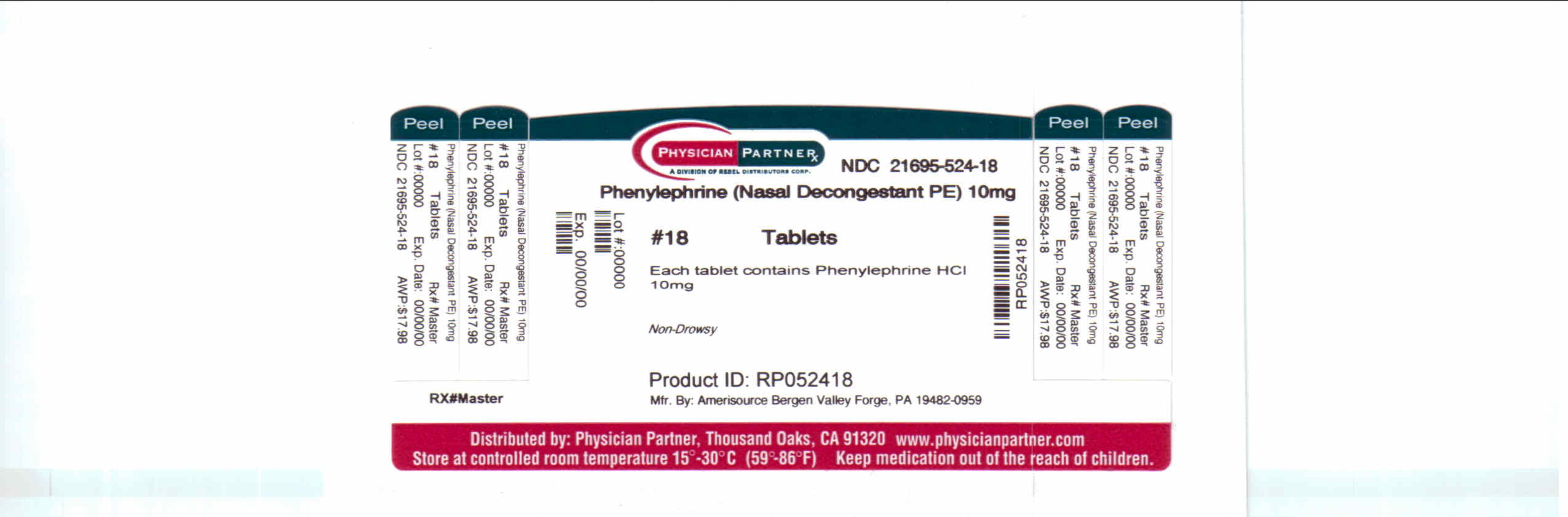
  • Pradaxa (Dabigatran Etexilate Mesylate) Capsule [Rebel Distributors Corp]

    Pradaxa

    Pradaxa (Dabigatran Etexilate Mesylate) Capsule [Rebel Distributors Corp]

    2.1  Recommended Dose

    For patients with creatinine clearance (CrCl) >30 mL/min, the recommended dose of PRADAXA is 150 mg taken orally, twice daily, with or without food. For patients with CrCl 15-30 mL/min, the recommended dose is 75 mg twice daily [see Use in Specific Populations (8.6) and Clinical Pharmacology (12.3)]. Dosing recommendations for patients with a CrCL <15 mL/min or on dialysis cannot be provided.

    Instruct patients to swallow the capsules whole. Breaking, chewing, or emptying the contents of the capsule can result in increased exposure [see Clinical Pharmacology (12.3)].

    If a dose of PRADAXA is not taken at the scheduled time, the dose should be taken as soon as possible on the same day; the missed dose should be skipped if it cannot be taken at least 6 hours before the next scheduled dose. The dose of PRADAXA should not be doubled to make up for a missed dose.

    2.2  Converting from or to Warfarin

    When converting patients from warfarin therapy to PRADAXA, discontinue warfarin and start PRADAXA when the international normalized ratio (INR) is below 2.0.

    When converting from PRADAXA to warfarin, adjust the starting time of warfarin based on creatinine clearance as follows:

    For CrCl >50 mL/min, start warfarin 3 days before discontinuing PRADAXA. For CrCl 31-50 mL/min, start warfarin 2 days before discontinuing PRADAXA. For CrCl 15-30 mL/min, start warfarin 1 day before discontinuing PRADAXA. For CrCl <15 mL/min, no recommendations can be made.

    Because PRADAXA can contribute to an elevated INR, the INR will better reflect warfarin’s effect after PRADAXA has been stopped for at least 2 days.

    2.3  Converting from or to Parenteral Anticoagulants

    For patients currently receiving a parenteral anticoagulant, start PRADAXA 0 to 2 hours before the time that the next dose of the parenteral drug was to have been administered or at the time of discontinuation of a continuously administered parenteral drug (e.g., intravenous unfractionated heparin).

    For patients currently taking PRADAXA, wait 12 hours (CrCl ≥30 mL/min) or 24 hours (CrCl <30 mL/min) after the last dose of PRADAXA before initiating treatment with a parenteral anticoagulant [see Clinical Pharmacology (12.3)].

    2.4  Surgery and Interventions

    If possible, discontinue PRADAXA 1 to 2 days (CrCl ≥50 mL/min) or 3 to 5 days (CrCl <50 mL/min) before invasive or surgical procedures because of the increased risk of bleeding. Consider longer times for patients undergoing major surgery, spinal puncture, or placement of a spinal or epidural catheter or port, in whom complete hemostasis may be required [see Use in Specific Populations (8.6) and Clinical Pharmacology (12.3)].

    If surgery cannot be delayed, there is an increased risk of bleeding [see Warnings and Precautions (5.1)]. This risk of bleeding should be weighed against the urgency of intervention [see Warnings and Precautions (5.2)]. Bleeding risk can be assessed by the ecarin clotting time (ECT). This test is a better marker of the anticoagulant activity of dabigatran than activated partial thromboplastin time (aPTT), prothrombin time (PT)/INR, or thrombin time (TT). If ECT is not available, the aPTT test provides an approximation of PRADAXA’s anticoagulant activity [see Clinical Pharmacology (12.2)].

  • Xylocaine (Lidocaine Hydrochloride) Injection [Rebel Distributors Corp]

    Xylocaine

    Xylocaine (Lidocaine Hydrochloride) Injection [Rebel Distributors Corp]

    Table 1 (Recommended Dosages) summarizes the recommended volumes and concentrations of Xylocaine Injection for various types of anesthetic procedures. The dosages suggested in this table are for normal healthy adults and refer to the use of epinephrine-free solutions. When larger volumes are required, only solutions containing epinephrine should be used except in those cases where vasopressor drugs may be contraindicated.

    These recommended doses serve only as a guide to the amount of anesthetic required for most routine procedures. The actual volumes and concentrations to be used depend on a number of factors such as type and extent of surgical procedure, depth of anesthesia and degree of muscular relaxation required, duration of anesthesia required, and the physical condition of the patient. In all cases the lowest concentration and smallest dose that will produce the desired result should be given. Dosages should be reduced for children and for the elderly and debilitated patients and patients with cardiac and/or liver disease.

    The onset of anesthesia, the duration of anesthesia and the degree of muscular relaxation are proportional to the volume and concentration (ie, total dose) of local anesthetic used. Thus, an increase in volume and concentration of Xylocaine Injection will decrease the onset of anesthesia, prolong the duration of anesthesia, provide a greater degree of muscular relaxation and increase the segmental spread of anesthesia. However, increasing the volume and concentration of Xylocaine Injection may result in a more profound fall in blood pressure when used in epidural anesthesia. Although the incidence of side effects with lidocaine HCl is quite low, caution should be exercised when employing large volumes and concentrations, since the incidence of side effects is directly proportional to the total dose of local anesthetic agent injected.

    For intravenous regional anesthesia, only the 50 mL single dose vial containing Xylocaine (lidocaine HCl) 0.5% Injection should be used.

    Epidural Anesthesia

    For epidural anesthesia, only the following dosage forms of Xylocaine Injection are recommended:

    1% without epinephrine

    10 mL Polyamp DuoFit™

    1% without epinephrine

    30 mL single dose solutions

    1% with epinephrine 1:200,000

    30 mL single dose solutions

    1.5% without epinephrine

    10 mL Polyamp DuoFit™

    1.5% without epinephrine

    20 mL Polyamp DuoFit™

    1.5% with epinephrine

    1:200,000

    30 ml ampules, 30 mL single dose solutions

    2% without epinephrine

    10 mL Polyamp DuoFit™

    2% with epinephrine

    1:200,000

    20 mL ampules, 20 mL single dose solutions

    Although these solutions are intended specifically for epidural anesthesia, they may also be used for infiltration and peripheral nerve block, provided they are employed as single dose units. These solutions contain no bacteriostatic agent.

    In epidural anesthesia, the dosage varies with the number of dermatomes to be anesthetized (generally 2-3 mL of the indicated concentration per dermatome).

    Caudal and Lumbar Epidural Block: As a precaution against the adverse experience sometimes observed following unintentional penetration of the subarachnoid space, a test dose such as 2-3 mL of 1.5% lidocaine HCl should be administered at least 5 minutes prior to injecting the total volume required for a lumbar or caudal epidural block. The test dose should be repeated if the patient is moved in a manner that may have displaced the catheter. Epinephrine, if contained in the test dose, (10-15 µg have been suggested), may serve as a warning of unintentional intravascular injection. If injected into a blood vessel, this amount of epinephrine is likely to produce a transient “epinephrine response” within 45 seconds, consisting of an increase in heart rate and systolic blood pressure, circumoral pallor, palpitations and nervousness in the unsedated patient. The sedated patient may exhibit only a pulse rate increase of 20 or more beats per minute for 15 or more seconds. Patients on beta blockers may not manifest changes in heart rate, but blood pressure monitoring can detect an evanescent rise in systolic blood pressure. Adequate time should be allowed for onset of anesthesia after administration of each test dose. The rapid injection of a large volume of Xylocaine Injection through the catheter should be avoided, and, when feasible, fractional doses should be administered.

    In the event of the known injection of a large volume of local anesthetic solution into the subarachnoid space, after suitable resuscitation and if the catheter is in place, consider attempting the recovery of drug by draining a moderate amount of cerebrospinal fluid (such as 10 mL) through the epidural catheter.

  • Sildec Pe Dm Syrup [Rebel Distributors Corp]

    Sildec Pe Dm Syrup

    Sildec Pe Dm Syrup [Rebel Distributors Corp]

    CHLORPHENIRAMINE / PHENYLEPHRINE/ DEXTROMETHORPHAN Syrup (CPM/PE/DM Syrup) Adults and Children 12 years of age and older: 1 teaspoonful (5 mL) every 4 to 6 hours, not to exceed 6 teaspoonfuls in 24 hours. Children 6 to under 12 years of age: 1/2 teaspoonful (2.5 mL) every 4 to 6 hours, not to exceed 3 teaspoonfuls in 24 hours. Children 2 to under 6 years of age: 1/4 teaspoonful (1.25 mL) every 4 to 6 hours, not to exceed 1.5 teaspoonfuls in 24 hours. Not recommended for use in children under 2 years of age.

    In mild cases or in particularly sensitive patients, less frequent or reduced doses may be appropriate and adequate.

  • Glipizide And Metformin Hydrochloride Tablet, Film Coated [Rebel Distributors Corp]

    Glipizide And Metformin Hydrochloride

    Glipizide And Metformin Hydrochloride Tablet, Film Coated [Rebel Distributors Corp]

    General Considerations

    Dosage of glipizide and metformin hydrochloride tablets must be individualized on the basis of both effectiveness and tolerance while not exceeding the maximum recommended daily dose of 20 mg glipizide/2000 mg metformin. Glipizide and metformin hydrochloride tablets should be given with meals and should be initiated at a low dose, with gradual dose escalation as described below, in order to avoid hypoglycemia (largely due to glipizide), reduce GI side effects (largely due to metformin), and permit determination of the minimum effective dose for adequate control of blood glucose for the individual patient.

    With initial treatment and during dose titration, appropriate blood glucose monitoring should be used to determine the therapeutic response to glipizide and metformin hydrochloride tablets and to identify the minimum effective dose for the patient. Thereafter, HbA1c should be measured at intervals of approximately 3 months to assess the effectiveness of therapy. The therapeutic goal in all patients with type 2 diabetes is to decrease FPG, PPG, and HbA1c to normal or as near normal as possible. Ideally, the response to therapy should be evaluated using HbA1c, which is a better indicator of long-term glycemic control than FPG alone.

    No studies have been performed specifically examining the safety and efficacy of switching to glipizide and metformin hydrochloride tablet therapy in patients taking concomitant glipizide (or other sulfonylurea) plus metformin. Changes in glycemic control may occur in such patients, with either hyperglycemia or hypoglycemia possible. Any change in therapy of type 2 diabetes should be undertaken with care and appropriate monitoring.

    Glipizide and Metformin Hydrochloride Tablets in Patients With Inadequate Glycemic Control on Diet and Exercise Alone

    For patients with type 2 diabetes whose hyperglycemia cannot be satisfactorily managed with diet and exercise alone, the recommended starting dose of glipizide and metformin hydrochloride tablets is 2.5 mg/250 mg once a day with a meal. For patients whose FPG is 280 mg/dL to 320 mg/dL a starting dose of glipizide and metformin hydrochloride tablets, 2.5 mg/500 mg twice daily should be considered. The efficacy of glipizide and metformin hydrochloride tablets in patients whose FPG exceeds 320 mg/dL has not been established. Dosage increases to achieve adequate glycemic control should be made in increments of 1 tablet per day every 2 weeks up to maximum of 10 mg/1000 mg or 10 mg/2000 mg glipizide and metformin hydrochloride tablets per day given in divided doses. In clinical trials of glipizide and metformin hydrochloride tablets as initial therapy, there was no experience with total daily doses > 10 mg/2000 mg per day.

    Glipizide and Metformin Hydrochloride Tablets in Patients With Inadequate Glycemic Control on a Sulfonylurea and/or Metformin

    For patients not adequately controlled on either glipizide (or another sulfonylurea) or metformin alone, the recommended starting dose of glipizide and metformin hydrochloride tablets is 2.5 mg/500 mg or 5 mg/500 mg twice daily with the morning and evening meals. In order to avoid hypoglycemia, the starting dose of glipizide and metformin hydrochloride tablets should not exceed the daily doses of glipizide or metformin already being taken. The daily dose should be titrated in increments of no more than 5 mg/500 mg up to the minimum effective dose to achieve adequate control of blood glucose or to a maximum dose of 20 mg/2000 mg per day.

    Patients previously treated with combination therapy of glipizide (or another sulfonylurea) plus metformin may be switched to glipizide and metformin hydrochloride tablets, 2.5 mg/500 mg or 5 mg/500 mg; the starting dose should not exceed the daily dose of glipizide (or equivalent dose of another sulfonylurea) and metformin already being taken. The decision to switch to the nearest equivalent dose or to titrate should be based on clinical judgment. Patients should be monitored closely for signs and symptoms of hypoglycemia following such a switch and the dose of glipizide and metformin hydrochloride tablets should be titrated as described above to achieve adequate control of blood glucose.

    Specific Patient Populations

    Glipizide and metformin hydrochloride tablets are not recommended for use during pregnancy or for use in pediatric patients. The initial and maintenance dosing of glipizide and metformin hydrochloride tablets should be conservative in patients with advanced age, due to the potential for decreased renal function in this population. Any dosage adjustment requires a careful assessment of renal function. Generally, elderly, debilitated, and malnourished patients should not be titrated to the maximum dose of glipizide and metformin hydrochloride tablets to avoid the risk of hypoglycemia. Monitoring of renal function is necessary to aid in prevention of metformin-associated lactic acidosis, particularly in the elderly (see WARNINGS).

  • Losartan Potassium And Hydrochlorothiazide Tablet, Film Coated [Rebel Distributors Corp]

    Losartan Potassium And Hydrochlorothiazide

    Losartan Potassium And Hydrochlorothiazide Tablet, Film Coated [Rebel Distributors Corp]

    Hypertension:

    Dosing must be individualized. The usual starting dose of losartan is 50 mg once daily, with 25 mg recommended for patients with intravascular volume depletion (e.g., patients treated with diuretics) (see WARNINGS, Hypotension — Volume-Depleted Patients) and patients with a history of hepatic impairment (see WARNINGS, Impaired Hepatic Function). Losartan can be administered once or twice daily at total daily doses of 25 to 100 mg. If the antihypertensive effect measured at trough using once-a-day dosing is inadequate, a twice-a-day regimen at the same total daily dose or an increase in dose may give a more satisfactory response.

    Hydrochlorothiazide is effective in doses of 12.5 to 50 mg once daily and can be given at doses of 12.5 to 25 mg as losartan potassium and hydrochlorothiazide tablets.

    To minimize dose-independent side effects, it is usually appropriate to begin combination therapy only after a patient has failed to achieve the desired effect with monotherapy.

    The side effects (see WARNINGS) of losartan are generally rare and apparently independent of dose; those of hydrochlorothiazide are a mixture of dose-dependent (primarily hypokalemia) and dose-independent phenomena (e.g., pancreatitis), the former much more common than the latter. Therapy with any combination of losartan and hydrochlorothiazide will be associated with both sets of dose-independent side effects.

    Replacement Therapy:

    The combination may be substituted for the titrated components.

    Dose Titration by Clinical Effect:

    A patient whose blood pressure is not adequately controlled with losartan monotherapy (see above) or hydrochlorothiazide alone, may be switched to losartan potassium and hydrochlorothiazide tablets (50 mg/ 12.5 mg) once daily. If blood pressure remains uncontrolled after about 3 weeks of therapy, the dose may be increased to two tablets of losartan potassium and hydrochlorothiazide tablets (50 mg/ 12.5 mg) once daily or one tablet of losartan potassium and hydrochlorothiazide tablets (100 mg/ 25 mg) once daily. A patient whose blood pressure is not adequately controlled with losartan 100 mg monotherapy (see above) may be switched to losartan potassium and hydrochlorothiazide tablets (100 mg/ 12.5 mg) once daily. If blood pressure remains uncontrolled after about 3 weeks of therapy, the dose may be increased to two tablets of losartan potassium and hydrochlorothiazide tablets (50 mg/ 12.5 mg) once daily or one tablet of losartan potassium and hydrochlorothiazide tablets (100 mg/ 25 mg) once daily.

    A patient whose blood pressure is inadequately controlled by 25 mg once daily of hydrochlorothiazide, or is controlled but who experiences hypokalemia with this regimen, may be switched to losartan potassium and hydrochlorothiazide tablets (50 mg/ 12.5 mg) once daily, reducing the dose of hydrochlorothiazide without reducing the overall expected antihypertensive response. The clinical response to losartan potassium and hydrochlorothiazide tablets (50 mg/ 12.5 mg) should be subsequently evaluated, and if blood pressure remains uncontrolled after about 3 weeks of therapy, the dose may be increased to two tablets of losartan potassium and hydrochlorothiazide tablets (50 mg/ 12.5 mg) once daily or one tablet of losartan potassium and hydrochlorothiazide tablets (100 mg/ 25 mg) once daily.

    The usual dose of losartan potassium and hydrochlorothiazide tablets is one tablet of losartan potassium and hydrochlorothiazide tablets (50 mg/ 12.5 mg) once daily. More than two tablets of losartan potassium and hydrochlorothiazide tablets (50 mg/ 12.5 mg) once daily or more than one tablet of losartan potassium and hydrochlorothiazide tablets (100 mg/ 25 mg) once daily is not recommended. The maximal antihypertensive effect is attained about 3 weeks after initiation of therapy.

    Use in Patients with Renal Impairment:

    The usual regimens of therapy with  losartan potassium and hydrochlorothiazide tablets may be followed as long as the patient’s creatinine clearance is >30 mL/min. In patients with more severe renal impairment, loop diuretics are preferred to thiazides, so losartan potassium and hydrochlorothiazide tablets are not recommended.

    Patients with Hepatic Impairment:

    Losartan potassium and hydrochlorothiazide tablets are not recommended for titration in patients with   hepatic impairment   (see WARNINGS,   Impaired Hepatic Function) because the appropriate 25 mg starting dose of losartan cannot be given.

    Severe Hypertension:

    The starting dose of losartan potassium and hydrochlorothiazide tablets for initial treatment of severe hypertension is one tablet of losartan potassium and hydrochlorothiazide tablets (50 mg/ 12.5 mg) once daily (see CLINICAL PHARMACOLOGY, Pharmacodynamics and Clinical Effects). For patients who do not respond adequately to losartan potassium and hydrochlorothiazide tablets (50 mg/ 12.5 mg) after 2 to 4 weeks of therapy, the dosage may be increased to one tablet of losartan potassium and hydrochlorothiazide tablets (100 mg/ 25 mg) once daily. The maximum dose is one tablet of losartan potassium and hydrochlorothiazide tablets (100 mg/ 25 mg) once daily. Losartan potassium and hydrochlorothiazide tablets are not recommended as initial therapy in patients with hepatic impairment (see WARNINGS, Impaired Hepatic Function) because the appropriate 25 mg starting dose of losartan cannot be given. It is also not recommended for use as initial therapy in patients with intravascular volume depletion (e.g., patients treated with diuretics, see WARNINGS, Hypotension — Volume-Depleted Patients).

    Hypertensive Patients with Left Ventricular Hypertrophy:

    Treatment should be initiated with losartan potassium tablets 50 mg once daily. Hydrochlorothiazide 12.5 mg should be added or losartan potassium and hydrochlorothiazide tablets (50 mg/ 12.5 mg) substituted if the blood pressure reduction is inadequate. If additional blood pressure reduction is needed, losartan potassium tablets 100 mg and hydrochlorothiazide 12.5 mg or losartan potassium and hydrochlorothiazide tablets (100 mg/ 12.5 mg) may be substituted, followed by losartan potassium tablets 100 mg and hydrochlorothiazide 25 mg or losartan potassium and hydrochlorothiazide tablets (100 mg/ 25 mg). For further blood pressure reduction other antihypertensives should be added (see CLINICAL PHARMACOLOGY, Pharmacodynamics and Clinical Effects, Losartan Potassium, Reduction in the Risk of Stroke).

    Losartan potassium and hydrochlorothiazide tablets may be administered with other antihypertensive agents.

    Losartan potassium and hydrochlorothiazide tablets may be administered with or without food.