Ranbaxy Pharmaceuticals Inc.

Manufacturer Details

There are currently no manufacturer details available.

Share This Page

Ranbaxy Pharmaceuticals Inc. Drugs

  • Amlodipine Besylate Tablet [Ranbaxy Pharmaceuticals Inc]

    Amlodipine Besylate

    Amlodipine Besylate Tablet [Ranbaxy Pharmaceuticals Inc]

    2.1 Adults

    The usual initial antihypertensive oral dose of amlodipine besylate tablets is 5 mg once daily, and the maximum dose is 10 mg once daily.

    Small, fragile, or elderly patients, or patients with hepatic insufficiency may be started on 2.5 mg once daily and this dose may be used when adding amlodipine besylate tablets to other antihypertensive therapy.

    Adjust dosage according to blood pressure goals. In general, wait 7 to 14 days between titration steps. Titrate more rapidly, however, if clinically warranted, provided the patient is assessed frequently.

    Angina: The recommended dose for chronic stable or vasospastic angina is 5 to 10 mg, with the lower dose suggested in the elderly and in patients with hepatic insufficiency. Most patients will require 10 mg for adequate effect.

    Coronary artery disease: The recommended dose range for patients with coronary artery disease is 5 to 10 mg once daily. In clinical studies, the majority of patients required 10 mg [see Clinical Studies (14.4)].

    2.2 Children

    The effective antihypertensive oral dose in pediatric patients ages 6 to 17 years is 2.5 mg to 5 mg once daily. Doses in excess of 5 mg daily have not been studied in pediatric patients [see Clinical Pharmacology (12.4), Clinical Studies (14.1)].

  • Oxycodone Hcl (Oxycodone Hydrochloride) Tablet, Film Coated, Extended Release [Ranbaxy Pharmaceuticals Inc.]

    Oxycodone Hcl

    Oxycodone Hcl (Oxycodone Hydrochloride) Tablet, Film Coated, Extended Release [Ranbaxy Pharmaceuticals Inc.]

    2.1 Initial Dosing

    OXYCODONE HCL EXTENDED-RELEASE TABLETS should be prescribed only by healthcare professionals who are knowledgeable in the use of potent opioids for the management of chronic pain.

    OXYCODONE HCL EXTENDED-RELEASE TABLETS 80 mg tablets, a single dose greater than 40 mg, or a total daily dose greater than 80 mg are only for use in patients in whom tolerance to an opioid of comparable potency has been established.  Patients considered opioid tolerant are those receiving, for one week or longer, at least 60 mg oral morphine/day, 25 mcg transdermal fentanyl/hour, 30 mg oral oxycodone/day, 8 mg oral hydromorphone/day, 25 mg oral oxymorphone/day, or an equianalgesic dose of another opioid.

    Initiate the dosing regimen for each patient individually, taking into account the patient's prior analgesic treatment experience, and risk factors for addiction, abuse, and misuse [see Warnings and Precautions (5.1)]. Monitor patients closely for respiratory depression, especially within the first 24-72 hours of initiating therapy with OXYCODONE HCL EXTENDED-RELEASE TABLETS [see Warnings and Precautions (5.2)].

    OXYCODONE HCL EXTENDED-RELEASE TABLETS must be taken whole, one tablet at a time, with enough water to ensure complete swallowing immediately after placing in the mouth [see Patient Counseling Information (17)]. Crushing, chewing, or dissolving OXYCODONE HCL EXTENDED-RELEASE TABLETS tablets will result in uncontrolled delivery of oxycodone and can lead to overdose or death [see Warnings and Precautions (5.1)].

    Use of OXYCODONE HCL EXTENDED-RELEASE TABLETS as the First Opioid Analgesic Initiate treatment with OXYCODONE HCL EXTENDED-RELEASE TABLETS with one 10 mg tablet orally every 12 hours. Use of OXYCODONE HCL EXTENDED-RELEASE TABLETS in Patients who are not Opioid Tolerant The starting dose for patients who are not opioid tolerant is OXYCODONE HCL EXTENDED-RELEASE TABLETS 10 mg orally every 12 hours. Patients who are opioid tolerant are those receiving, for one week or longer, at least 60 mg oral morphine per day, 25 mcg transdermal fentanyl per hour, 30 mg oral oxycodone per day, 8 mg oral hydromorphone per day, 25 mg oral oxymorphone per day, or an equianalgesic dose of another opioid. Use of higher starting doses in patients who are not opioid tolerant may cause fatal respiratory depression.

    Conversion from other Oral Oxycodone Formulations to OXYCODONE HCL EXTENDED-RELEASE TABLETS

    Patients receiving other oral oxycodone formulations may be converted to OXYCODONE HCL EXTENDED-RELEASE TABLETS by administering one-half of the patient's total daily oral oxycodone dose as OXYCODONE HCL EXTENDED-RELEASE TABLETS every 12 hours.

    Conversion from other Opioids to OXYCODONE HCL EXTENDED-RELEASE TABLETS Discontinue all other around-the-clock opioid drugs when OXYCODONE HCL EXTENDED-RELEASE TABLETS therapy is initiated. There are no established conversion ratios for conversion from other opioids to OXYCODONE HCL EXTENDED-RELEASE TABLETS defined by clinical trials. Discontinue all other around-the-clock opioid drugs when OXYCODONE HCL EXTENDED-RELEASE TABLETS therapy is initiated and initiate dosing using OXYCODONE HCL EXTENDED-RELEASE TABLETS 10 mg orally every 12 hours. It is safer to underestimate a patient’s 24-hour oral oxycodone requirements and provide rescue medication (e.g., immediate-release opioid) than to overestimate the 24-hour oral oxycodone requirements which could result in adverse reactions. While useful tables of opioid equivalents are readily available, there is substantial inter-patient variability in the relative potency of different opioid drugs and products. Conversion from Methadone to OXYCODONE HCL EXTENDED-RELEASE TABLETS Close monitoring is of particular importance when converting from methadone to other opioid agonists. The ratio between methadone and other opioid agonists may vary widely as a function of previous dose exposure. Methadone has a long half-life and can accumulate in the plasma.

    Conversion from Transdermal Fentanyl to OXYCODONE HCL EXTENDED-RELEASE TABLETS

    Eighteen hours following the removal of the transdermal fentanyl patch, OXYCODONE HCL EXTENDED-RELEASE TABLETS treatment can be initiated. Although there has been no systematic assessment of such conversion, a conservative oxycodone dose, approximately 10 mg every 12 hours of OXYCODONE HCL EXTENDED-RELEASE TABLETS, should be initially substituted for each 25 mcg/hr fentanyl transdermal patch. Follow the patient closely during conversion from transdermal fentanyl to OXYCODONE HCL EXTENDED-RELEASE TABLETS, as there is limited documented experience with this conversion.

    2.2 Titration and Maintenance of Therapy

    Individually titrate OXYCODONE HCL EXTENDED-RELEASE TABLETS to a dose that provides adequate analgesia and minimizes adverse reactions. Continually reevaluate patients receiving OXYCODONE HCL EXTENDED-RELEASE TABLETS to assess the maintenance of pain control and the relative incidence of adverse reactions, as well as monitoring for the development of addiction, abuse and misuse. Frequent communication is important among the prescriber, other members of the healthcare team, the patient, and the caregiver/family during periods of changing analgesic requirements, including initial titration. During chronic therapy, periodically reassess the continued need for the use of opioid analgesics. Patients who experience breakthrough pain may require a dose increase of OXYCODONE HCL EXTENDED-RELEASE TABLETS or may need rescue medication with an appropriate dose of an immediate-release analgesic. If the level of pain increases after dose stabilization, attempt to identify the source of increased pain before increasing the OXYCODONE HCL EXTENDED-RELEASE TABLETS dose. Because steady-state plasma concentrations are approximated in 1 day, OXYCODONE HCL EXTENDED-RELEASE TABLETS dosage may be adjusted every 1 to 2 days. If unacceptable opioid-related adverse reactions are observed, the subsequent dose may be reduced. Adjust the dose to obtain an appropriate balance between management of pain and opioid-related adverse reactions.

    There are no well-controlled clinical studies evaluating the safety and efficacy with dosing more frequently than every 12 hours. As a guideline, the total daily oxycodone dose usually can be increased by 25% to 50% of the current dose, each time an increase is clinically indicated.

    2.3 Patients with Hepatic Impairment

    For patients with hepatic impairment, start dosing patients at 1/3 to 1/2 the usual starting dose followed by careful dose titration [see Clinical Pharmacology (12.3)].

    2.4 Discontinuation of OXYCODONE HCL EXTENDED-RELEASE TABLETS

    When the patient no longer requires therapy with OXYCODONE HCL EXTENDED-RELEASE TABLETS tablets, use a gradual downward titration of the dose to prevent signs and symptoms of withdrawal in the physically dependent patient. Do not abruptly discontinue OXYCODONE HCL EXTENDED-RELEASE TABLETS.

    2.5 Administration of OXYCODONE HCL EXTENDED-RELEASE TABLETS

    Instruct patients to swallow OXYCODONE HCL EXTENDED-RELEASE TABLETS tablets intact. The tablets are not to be crushed, dissolved, or chewed due to the risk of rapid release and absorption of a potentially fatal dose of oxycodone [see Warnings and Precautions (5.1)].

    Instruct patients to take OXYCODONE HCL EXTENDED-RELEASE TABLETS one tablet at a time and with enough water to ensure complete swallowing immediately after placing in the mouth [see Warnings and Precautions (5.9) and Patient Counseling Information (17)].

  • Meloxicam (Meloxicam) Tablet [Ranbaxy Pharmaceuticals Inc.]

    Meloxicam

    Meloxicam (Meloxicam) Tablet [Ranbaxy Pharmaceuticals Inc.]

    Osteoarthritis

    Carefully consider the potential benefits and risks of meloxicam and other treatment options before deciding to use meloxicam. Use the lowest effective dose for the shortest duration consistent with individual patient treatment goals (see WARNINGS).

    After observing the response to initial therapy with meloxicam, the dose should be adjusted to suit an individual patient's needs.

    For the relief of the signs and symptoms of osteoarthritis the recommended starting and maintenance oral dose of meloxicam is 7.5 mg once daily. Some patients may receive additional benefit by increasing the dose to 15 mg once daily.

    The maximum recommended daily oral dose of Meloxicam is 15 mg.

    Meloxicam may be taken without regard to timing of meals.

  • Seconal Sodium (Secobarbital Sodium) Capsule [Ranbaxy Pharmaceuticals Inc.]

    Seconal Sodium

    Seconal Sodium (Secobarbital Sodium) Capsule [Ranbaxy Pharmaceuticals Inc.]

    Dosages of barbiturates must be individualized with full knowledge of their particular characteristics. Factors of consideration are the patient’s age, weight, and condition.

    Adults—As a hypnotic, 100 mg at bedtime. Preoperatively, 200 to 300 mg 1 to 2 hours before surgery.

    Pediatric Patients—Preoperatively, 2 to 6 mg/kg, with a maximum dosage of 100 mg.

    Special patient population—Dosage should be reduced in the elderly or debilitated because these patients may be more sensitive to barbiturates. Dosage should be reduced for patients with impaired renal function or hepatic disease.

  • Carvedilol (Carvedilol) Tablet, Coated For Oral Use [Ranbaxy Pharmaceuticals Inc.]

    Carvedilol

    Carvedilol (Carvedilol) Tablet, Coated For Oral Use [Ranbaxy Pharmaceuticals Inc.]

    Carvedilol should be taken with food to slow the rate of absorption and reduce the incidence of orthostatic effects.

    2.1 Left Ventricular Dysfunction Following Myocardial Infarction

    DOSAGE MUST BE INDIVIDUALIZED AND MONITORED DURING UP- TITRATION. Treatment with carvedilol may be started as an inpatient or outpatient and should be started after the patient is hemodynamically stable and fluid retention has been minimized. It is recommended that carvedilol be started at 6.25 mg twice daily and increased after 3 to 10 days, based on tolerability, to 12.5 mg twice daily, then again to the target dose of 25 mg twice daily. A lower starting dose may be used (3.125 mg twice daily) and/or the rate of up-titration may be slowed if clinically indicated (e.g., due to low blood pressure or heart rate, or fluid retention). Patients should be maintained on lower doses if higher doses are not tolerated. The recommended dosing regimen need not be altered in patients who received treatment with an IV or oral β-blocker during the acute phase of the myocardial infarction.

    2.2 Hypertension

    DOSAGE MUST BE INDIVIDUALIZED. The recommended starting dose of carvedilol is 6.25 mg twice daily. If this dose is tolerated, using standing systolic pressure measured about 1 hour after dosing as a guide, the dose should be maintained for 7 to 14 days, and then increased to 12.5 mg twice daily if needed, based on trough blood pressure, again using standing systolic pressure one hour after dosing as a guide for tolerance. This dose should also be maintained for 7 to 14 days and can then be adjusted upward to 25 mg twice daily if tolerated and needed. The full antihypertensive effect of carvedilol is seen within 7 to 14 days. Total daily dose should not exceed 50 mg.

    Concomitant administration with a diuretic can be expected to produce additive effects and exaggerate the orthostatic component of carvedilol action.

    2.3 Hepatic Impairment

    Carvedilol should not be given to patients with severe hepatic impairment [see Contraindications (4)].

  • Amoxicillin And Clavulanate Potassium (Amoxicillin And Clavulanate Potassium) Powder, For Suspension Amoxicillin And Clavulanate Potassium (Amoxicillin And Clavulanate Potassium) Tablet, Chewable [Ranbaxy Pharmaceuticals Inc.]

    Amoxicillin And Clavulanate Potassium

    Amoxicillin And Clavulanate Potassium (Amoxicillin And Clavulanate Potassium) Powder, For Suspension Amoxicillin And Clavulanate Potassium (Amoxicillin And Clavulanate Potassium) Tablet, Chewable [Ranbaxy Pharmaceuticals Inc.]

    Dosage:

    Pediatric Patients:Based on the amoxicillin component, amoxicillin and clavulanate potassium for oral suspension, and amoxicillin and clavulanate potassium tablets (chewable) should be dosed as follows:

    Neonates and infants aged < 12 weeks (3 months):Due to incompletely developed renal function affecting elimination of amoxicillin in this age group, the recommended dose of amoxicillin and clavulanate potassium is 30 mg/kg/day divided q12h, based on the amoxicillin component. Clavulanate elimination is unaltered in this age group. Experience with the 200 mg/5 mL formulation in this age group is limited and, thus, use of the 125 mg/5 mL oral suspension is recommended.

    Patients aged 12 weeks (3 months) and older INFECTIONS DOSING REGIMEN q12h* q8h   200 mg/5 mL or 400 mg/5 mL oral suspension† 125 mg/5 mL or 250 mg/5 mL oral suspension Otitis media‡, sinusitis, lower respiratory tract infections, and more severe infections   45 mg/kg/day q12h   40 mg/kg/day q8h Less severe infections 25 mg/kg/day q12h 20 mg/kg/day q8h

    *The q12h regimen is recommended as it is associated with significantly less diarrhea. (See CLINICAL STUDIES.) However, the q12h formulations (200 mg and 400 mg) contain aspartame and should not be used by phenylketonurics.

    †Each strength of suspension of amoxicillin and clavulanate potassium is available as a chewable tablet for use by older children.

    ‡Duration of therapy studied and recommended for acute otitis media is 10 days.

    Pediatric Patients Weighing 40 kg and More:Should be dosed according to the following adult recommendations: The usual adult dose is one amoxicillin 500 mg and clavulanate potassium tablet every 12 hours or one amoxicillin 250 mg and clavulanate potassium tablet every 8 hours. For more severe infections and infections of the respiratory tract, the dose should be one amoxicillin 875 mg and clavulanate potassium tablet every 12 hours or one amoxicillin 500 mg and clavulanate potassium tablet every 8 hours. Among adults treated with 875 mg every 12 hours, significantly fewer experienced severe diarrhea or withdrawals with diarrhea versus adults treated with 500 mg every 8 hours. For detailed adult dosage recommendations, please see complete prescribing information for amoxicillin and clavulanate potassium tablets.

    Hepatically impaired patients should be dosed with caution and hepatic function monitored at regular intervals. (See WARNINGS.)

    Adults:Adults who have difficulty swallowing may be given the 125 mg/5 mL or 250 mg/5 mL suspension in place of the 500 mg tablet. The 200 mg/5 mL suspension or the 400 mg/5 mL suspension may be used in place of the 875 mg tablet. See dosage recommendations above for children weighing 40 kg or more.

    The amoxicillin/clavulanate potassium 250 mg tablet and the 250 mg chewable tablet do not contain the same amount of clavulanic acid (as the potassium salt). Amoxicillin/clavulanate potassium 250 mg tablet contains 125 mg of clavulanic acid, whereas the 250 mg chewable tablet contains 62.5 mg of clavulanic acid. Therefore, amoxicillin/clavulanate potassium 250 mg tablet and the 250 mg chewable tablet should not be substituted for each other, as they are not interchangeable.

    Due to the different amoxicillin to clavulanic acid ratios in amoxicillin/clavulanate potassium 250 mg tablet (250/125) versus amoxicillin/clavulanate potassium 250 mg chewable tablet (250/62.5), amoxicillin/clavulanate potassium 250 mg tablet should not be used until the child weighs at least 40 kg and more.

    Directions for Mixing Oral Suspension: Prepare a suspension at time of dispensing as follows: Tap bottle until all the powder flows freely. Add approximately 2/3 of the total amount of water for reconstitution (see table below) and shake vigorously to suspend powder. Add remainder of the water and again shake vigorously.

    Amoxicillin/Clavulanate Potassium for Oral Suspension, 200 mg/5 mL   Bottle Size Amount of Water Required for Reconstitution 50 mL 47 mL 75 mL 70 mL 100 mL 94 mL

    Each teaspoonful (5 mL) will contain 200 mg amoxicillin and 28.5 mg clavulanic acid as the potassium salt.

    Amoxicillin/Clavulanate Potassium for Oral Suspension, 400 mg/5 mL   Bottle Size Amount of Water Required for Reconstitution 50 mL 46 mL 75 mL 68 mL 100 mL 90 mL

    Each teaspoonful (5 mL) will contain 400 mg amoxicillin and 57 mg clavulanic acid as the potassium salt.

    Note:SHAKE ORAL SUSPENSION WELL BEFORE USING.

    Reconstituted suspension must be stored under refrigeration and discarded after 10 days.

    Administration:Amoxicillin and clavulanate potassium may be taken without regard to meals; however, absorption of clavulanate potassium is enhanced when amoxicillin and clavulanate potassium is administered at the start of a meal. To minimize the potential for gastrointestinal intolerance, amoxicillin and clavulanate potassium should be taken at the start of a meal.

  • Clarithromycin Extended Release (Clarithromycin) Tablet, Film Coated, Extended Release [Ranbaxy Pharmaceuticals Inc.]

    Clarithromycin Extended Release

    Clarithromycin Extended Release (Clarithromycin) Tablet, Film Coated, Extended Release [Ranbaxy Pharmaceuticals Inc.]

    Clarithromycin extended-release tablets should be taken with food.

    Clarithromycin extended-release tablets should be swallowed whole and not chewed, broken or crushed.

    ADULT DOSAGE GUIDELINES Clarithromycin Extended-Release Tablets Infection Dosage (q24h) Duration (days) Acute maxillary sinusitis due to 1 gram 14 H. influenzae M. catarrhalis S. pneumoniae Acute exacerbation of chronic bronchitis due to H. influenzae 1 gram 7 H. parainfluenzae 1 gram 7 M. catarrhalis 1 gram 7 S. pneumoniae 1 gram 7 Community-Acquired Pneumonia due to H. influenzae 1 gram 7 H. parainfluenzae 1 gram 7 M. catarrhalis 1 gram 7 S. pneumoniae 1 gram 7 C. pneumoniae 1 gram 7 M. pneumoniae 1 gram 7
  • Cephalexin (Cephalexin) Capsule Cephalexin (Cephalexin) Suspension [Ranbaxy Pharmaceuticals Inc.]

    Cephalexin

    Cephalexin (Cephalexin) Capsule Cephalexin (Cephalexin) Suspension [Ranbaxy Pharmaceuticals Inc.]

    Cephalexin is administered orally.

    Adults— The adult dosage ranges from 1 to 4 g daily in divided doses. The usual adult dose is 250 mg every 6 hours. For the following infections, a dosage of 500 mg may be administered every 12 hours: streptococcal pharyngitis, skin and skin structure infections, and uncomplicated cystitis in patients over 15 years of age. Cystitis therapy should be continued for 7 to 14 days. For more severe infections or those caused by less susceptible organisms, larger doses may be needed. If daily doses of cephalexin greater than 4 g are required, parenteral cephalosporins, in appropriate doses, should be considered.

    Pediatric Patients — The usual recommended daily dosage for pediatric patients is 25 to 50 mg/kg in divided doses. For streptococcal pharyngitis in patients over 1 year of age and for skin and skin structure infections, the total daily dose may be divided and administered every 12 hours.

    Cephalexin Suspension Weight 125 mg/5 mL 10 kg (22 lb) 1/2 to 1 tsp q.i.d. 20 kg (44 lb) 1 to 2 tsp q.i.d. 40 kg (88 lb) 2 to 4 tsp q.i.d. Weight 250 mg/5 mL 10 kg (22 lb) 1/4 to 1/2 tsp q.i.d. 20 kg (44 lb) 1/2 to 1 tsp q.i.d. 40 kg (88 lb) 1 to 2 tsp q.i.d. or Weight 125 mg/5 mL 10 kg (22 lb) 1 to 2 tsp q.i.d. 20 kg (44 lb) 2 to 4 tsp q.i.d. 40 kg (88 lb) 4 to 8 tsp q.i.d. Weight 250 mg/5 mL 10 kg (22 lb) 1/2 to 1 tsp b.i.d. 20 kg (44 lb) 1 to 2 tsp b.i.d. 40 kg (88 lb) 2 to 4 tsp b.i.d.

    In severe infections, the dosage may be doubled.

    In the therapy of otitis media, clinical studies have shown that a dosage of 75 to 100 mg/kg/day in 4 divided doses is required.

    In the treatment of β-hemolytic streptococcal infections, a therapeutic dosage of cephalexin should be administered for at least 10 days.

  • Cefuroxime Axetil Tablet [Ranbaxy Pharmaceuticals Inc.]

    Cefuroxime Axetil

    Cefuroxime Axetil Tablet [Ranbaxy Pharmaceuticals Inc.]

    NOTE: CEFUROXIME AXETIL TABLETS AND CEFUROXIME AXETIL FOR ORAL SUSPENSION ARE NOT BIOEQUIVALENT AND ARE NOT SUBSTITUTABLE ON A MILLIGRAM-PER-MILLIGRAM BASIS (SEE CLINICAL PHARMACOLOGY).

    Table 4: Cefuroxime Axetil Tablets(May be administered without regard to meals.) Population/Infection Dosage Duration (days) Adolescents and Adults (13 years and older)   Pharyngitis/tonsillitis 250 mg b.i.d. 10 Acute bacterial maxillary sinusitis 250 mg b.i.d. 10 Acute bacterial exacerbations of chronic bronchitis 250 or 500 mg b.i.d. 10* Secondary bacterial infections of acute bronchitis 250 or 500 mg b.i.d. 5 to 10 Uncomplicated skin and skin-structure infections 250 or 500 mg b.i.d. 10 Uncomplicated urinary tract infections 250 mg b.i.d. 7 to 10 Uncomplicated gonorrhea 1,000 mg once single dose Early Lyme disease 500 mg b.i.d. 20 Pediatric Patients (who can swallow tablets whole)   Acute otitis media 250 mg b.i.d. 10 Acute bacterial maxillary sinusitis 250 mg b.i.d. 10

    *The safety and effectiveness of cefuroxime axetil administered for less than 10 days in patients with acute exacerbations of chronic bronchitis have not been established.

    Patients With Renal Failure: The safety and efficacy of cefuroxime axetil in patients with renal failure have not been established. Since cefuroxime is renally eliminated, its half-life will be prolonged in patients with renal failure.

  • Nefazodone Hydrochloride Tablet [Ranbaxy Pharmaceuticals Inc.]

    Nefazodone Hydrochloride

    Nefazodone Hydrochloride Tablet [Ranbaxy Pharmaceuticals Inc.]

    When deciding among alternative treatments available for depression, the prescriber should consider the risk of hepatic failure associated with nefazodone hydrochloride tablets, USP treatment (see WARNINGS).

    Initial Treatment

    The recommended starting dose for nefazodone hydrochloride tablet, USP is 200 mg/day, administered in two divided doses (BID). In the controlled clinical trials establishing the antidepressant efficacy of nefazodone, the effective dose range was generally 300 to 600 mg/day. Consequently, most patients, depending on tolerability and the need for further clinical effect, should have their dose increased. Dose increases should occur in increments of 100 mg/day to 200 mg/day, again on a BID schedule, at intervals of no less than 1 week. As with all antidepressants, several weeks on treatment may be required to obtain a full antidepressant response.

    Dosage for Elderly or Debilitated Patients

    The recommended initial dose for elderly or debilitated patients is 100 mg/day, administered in two divided doses (BID). These patients often have reduced nefazodone clearance and/or increased sensitivity to the side effects of CNS-active drugs. It may also be appropriate to modify the rate of subsequent dose titration. As steady-state plasma levels do not change with age, the final target dose based on a careful assessment of the patient’s clinical response may be similar in healthy younger and older patients.

    Maintenance/Continuation/Extended Treatment

    There is no body of evidence available from controlled trials to indicate how long the depressed patient should be treated with nefazodone. It is generally agreed, however, that pharmacological treatment for acute episodes of depression should continue for up to 6 months or longer. Whether the dose of antidepressant needed to induce remission is identical to the dose needed to maintain euthymia is unknown. Systematic evaluation of the efficacy of nefazodone has shown that efficacy is maintained for periods of up to 36 weeks following 16 weeks of open-label acute treatment (treated for 52 weeks total) at dosages that averaged 438 mg/day. For most patients, their maintenance dose was that associated with response during acute treatment. (See CLINICAL PHARMACOLOGY.) The safety of nefazodone in long-term use is supported by data from both double-blind and open-label trials involving more than 250 patients treated for at least one year.

    Switching Patients to or from a Monoamine Oxidase Inhibitor

    At least 14 days should elapse between discontinuation of an MAOI and initiation of therapy with nefazodone. In addition, at least 7 days should be allowed after stopping nefazodone before starting an MAOI.

  • Felodipineextended-release Tablets (Felodipine) Tablet, Extended Release [Ranbaxy Pharmaceuticals Inc]

    Felodipineextended-release

    Felodipineextended-release Tablets (Felodipine) Tablet, Extended Release [Ranbaxy Pharmaceuticals Inc]

    The recommended starting dose is 5 mg once a day. Depending on the patient's response, the dosage can be decreased to 2.5 mg or increased to 10 mg once a day. These adjustments should occur generally at intervals of not less than 2 weeks. The recommended dosage range is 2.5 - 10 mg once daily. In clinical trials, doses above 10 mg daily showed an increased blood pressure response but a large increase in the rate of peripheral edema and other vasodilatory adverse events (see ADVERSE REACTIONS). Modification of the recommended dosage is usually not required in patients with renal impairment.

    Felodipine extended-release tablets should regularly be taken either without food or with a light meal (see CLINICAL PHARMACOLOGY, Pharmacokinetics and Metabolism). Felodipine extended-release tablets should be swallowed whole and not crushed or chewed.

    Geriatric Use

    Patients over 65 years of age are likely to develop higher plasma concentrations of felodipine (see CLINICAL PHARMACOLOGY). In general, dose selection for an elderly patient should be cautious, usually starting at the low end of the dosing range (2.5 mg daily). Elderly patients should have their blood pressure closely monitored during any dosage adjustment.

    Patients with Impaired Liver Function

    Patients with impaired liver function may have elevated plasma concentrations of felodipine and may respond to lower doses of felodipine extended-release tablets; therefore, patients should have their blood pressure monitored closely during dosage adjustment of felodipine extended-release tablets (see CLINICAL PHARMACOLOGY).

  • Oxycodone Hcl Controlled-release Tablet Oxycodone Hcl Controlled-release Tablet [Ranbaxy Pharmaceuticals Inc]

    Oxycodone Hcl Controlled-release

    Oxycodone Hcl Controlled-release Tablet Oxycodone Hcl Controlled-release Tablet [Ranbaxy Pharmaceuticals Inc]

    General Principles

    OXYCODONE HCl CONTROLLED-RELEASE TABLETS ARE AN OPIOID AGONIST AND A SCHEDULE II CONTROLLED SUBSTANCE WITH AN ABUSE LIABILITY SIMILAR TO MORPHINE. OXYCODONE, LIKE MORPHINE AND OTHER OPIOIDS USED IN ANALGESIA, CAN BE ABUSED AND IS SUBJECT TO CRIMINAL DIVERSION.

    OXYCODONE HCl CONTROLLED-RELEASE TABLETS ARE TO BE SWALLOWED WHOLE AND ARE NOT TO BE BROKEN, CHEWED, OR CRUSHED. TAKING BROKEN, CHEWED, OR CRUSHED OXYCODONE HCl CONTROLLED-RELEASE TABLETS LEADS TO RAPID RELEASE AND ABSORPTION OF A POTENTIALLY FATAL DOSE OF OXYCODONE.

    One Oxycodone HCl controlled-release 160 mg tablet is comparable to two 80 mg tablets when taken on an empty stomach. With a high-fat meal, however, there is a 25% greater peak plasma concentration following one 160 mg tablet. Dietary caution should be taken when patients are initially titrated to 160 mg tablets (see DOSAGE AND ADMINISTRATION).

    Patients should be started on the lowest appropriate dose (see DOSAGE AND ADMINISTRATION; Initiation of Therapy).

    In treating pain it is vital to assess the patient regularly and systematically. Therapy should also be regularly reviewed and adjusted based upon the patient's own reports of pain and side effects and the health professional's clinical judgment.

    Oxycodone HCl Controlled-Release Tablets are a controlled-release oral formulation of oxycodone hydrochloride indicated for the management of moderate to severe pain when a continuous, around-the-clock analgesic is needed for an extended period of time. The controlled-release nature of the formulation allows Oxycodone HCl Controlled-Release Tablets to be effectively administered every 12 hours (see CLINICAL PHARMACOLOGY; PHARMACOKINETICS AND METABOLISM). While symmetric (same dose AM and PM), around-the-clock, q12h dosing is appropriate for the majority of patients, some patients may benefit from asymmetric (different dose given in AM than in PM) dosing, tailored to their pain pattern. It is usually appropriate to treat a patient with only one opioid for around-the-clock therapy.

    Physicians should individualize treatment using a progressive plan of pain management such as outlined by the World Health Organization, the American Pain Society and the Federation of State Medical Boards Model Guidelines. Healthcare professionals should follow appropriate pain management principles of careful assessment and ongoing monitoring (see BOXED WARNING).

    Initiation of Therapy

    It is critical to initiate the dosing regimen for each patient individually, taking into account the patient's prior opioid and non-opioid analgesic treatment. Attention should be given to:

    the general condition and medical status of the patient; the daily dose, potency, and kind of the analgesic(s) the patient has been taking; the reliability of the conversion estimate used to calculate the dose of oxycodone; the patient's opioid exposure and opioid tolerance (if any); the Special Instructions for Oxycodone HCl Controlled-Release 80 mg, and 160 mg Tablets, or a Single Dose Greater Than 40 mg; and the balance between pain control and adverse experiences.

    Care should be taken to use low initial doses of Oxycodone HCl Controlled-Release Tablets in patients who are not already opioid-tolerant, especially those who are receiving concurrent treatment with muscle relaxants, sedatives, or other CNS active medications (see PRECAUTIONS: Drug-Drug Interactions).

    For initiation of Oxycodone HCl Controlled-Release Tablets therapy for patients previously taking opioids, the conversion ratios from Foley, KM. [NEJM, 1985; 313:84-95], found below, are a reasonable starting point, although not verified in well-controlled, multiple-dose trials.

    Experience indicates a reasonable starting dose of Oxycodone HCl Controlled-Release Tablets for patients who are taking non-opioid analgesics and require continuous around-the-clock therapy for an extended period of time is 10 mg q12h. If a non-opioid analgesic is being provided, it may be continued. Oxycodone HCl Controlled-Release Tablets should be individually titrated to a dose that provides adequate analgesia and minimizes side effects.

    Using standard conversion ratio estimates (see Table 4 below), multiply the mg/day of the previous opioids by the appropriate multiplication factors to obtain the equivalent total daily dose of oral oxycodone. When converting from oxycodone, divide the 24-hour oxycodone dose in half to obtain the twice a day (q12h) dose of Oxycodone HCl Controlled-Release Tablets. Round down to a dose which is appropriate for the tablet strengths available (10 mg,20 mg, 40 mg, and 80 mg tablets). Discontinue all other around-the-clock opioid drugs when Oxycodone HCl Controlled-Release Tablet therapy is initiated. No fixed conversion ratio is likely to be satisfactory in all patients, especially patients receiving large opioid doses. The recommended doses shown in Table 4 are only a starting point, and close observation and frequent titration are indicated until patients are stable on the new therapy. TABLE 4.

    * To be used only for conversion to oral oxycodone. For patients receiveing high-dose parenteral opiods, a more conservative conversion is warranted. For example, for high-dose parenteral morphone, use 1.5 instead of 3 as a multiplication factor.

    Multiplication Factors for Converting the Daily Dose of Prior Opiods to the Daily Dose of Oral Oxycodone* (Mg/Day Prior Opiod x Factor = Mg/Day Oral Oxycodone) Oral Prior Opiod Parenteral Prior Opiod Oxycodone 1 -- Codeine 0.15 -- Hydrocodone 0.9 -- Hydromorphone 4 20 Levorphanol 7.5 15 Meperidine 0.1 0.4 Methadone 1.5 3 Morphine 0.5 3

    In all cases, supplemental analgesia should be made available in the form of a suitable short-acting analgesic.

    Oxycodone HCl Controlled-Release Tablets can be safely used concomitantly with usual doses of non-opioid analgesics and analgesic adjuvants, provided care is taken to select a proper initial dose (see PRECAUTIONS).

    Conversion from Transdermal Fentanyl to Oxycodone HCl Controlled-Release Tablets

    Eighteen hours following the removal of the transdermal fentanyl patch, Oxycodone HCl Controlled-Release Tablet treatment can be initiated. Although there has been no systematic assessment of such conversion, a conservative oxycodone dose, approximately 10 mg q12h of Oxycodone HCl Controlled-Release Tablets, should be initially substituted for each 25-µg/hr fentanyl transdermal patch. The patient should be followed closely for early titration, as there is very limited clinical experience with this conversion.

    Managing Expected Opioid Adverse Experiences

    Most patients receiving opioids, especially those who are opioid-naive, will experience side effects. Frequently the side effects from Oxycodone HCl Controlled-Release Tablets are transient, but may require evaluation and management. Adverse events such as constipation should be anticipated and treated aggressively and prophylactically with a stimulant laxative and/or stool softener. Patients do not usually become tolerant to the constipating effects of opioids.

    Other opioid-related side effects such as sedation and nausea are usually self-limited and often do not persist beyond the first few days. If nausea persists and is unacceptable to the patient, treatment with antiemetics or other modalities may relieve these symptoms and should be considered.

    Patients receiving Oxycodone HCl Controlled-Release Tablets may pass an intact matrix “ghost” in the stool or via colostomy. These ghosts contain little or no residual oxycodone and are of no clinical consequence.

    Individualization of Dosage

    Once therapy is initiated, pain relief and other opioid effects should be frequently assessed. Patients should be titrated to adequate effect (generally mild or no pain with the regular use of no more than two doses of supplemental analgesia per 24 hours). Patients who experience breakthrough pain may require dosage adjustment or rescue medication. Because steady-state plasma concentrations are approximated within 24 to 36 hours, dosage adjustment may be carried out every 1 to 2 days. It is most appropriate to increase the q12h dose, not the dosing frequency. There is no clinical information on dosing intervals shorter than q12h. As a guideline, the total daily oxycodone dose usually can be increased by 25% to 50% of the current dose at each increase.

    If signs of excessive opioid-related adverse experiences are observed, the next dose may be reduced. If this adjustment leads to inadequate analgesia, a supplemental dose of immediate-release oxycodone may be given. Alternatively, non-opioid analgesic adjuvants may be employed. Dose adjustments should be made to obtain an appropriate balance between pain relief and opioid-related adverse experiences.

    If significant adverse events occur before the therapeutic goal of mild or no pain is achieved, the events should be treated aggressively. Once adverse events are under control, upward titration should continue to an acceptable level of pain control.

    During periods of changing analgesic requirements, including initial titration, frequent contact is recommended between physician, other members of the healthcare team, the patient and the caregiver/family.

    Special Instructions for Oxycodone HCl Controlled-Release 80 mg Tablets, or a single dose greater than 40 mg (for use in opioid-tolerant patients only.)

    Oxycodone HCl Controlled-Release 80 mg Tablets, or a single dose greater than 40 mg, are for use in opioid-tolerant patients only. A single daily dose greater than 40 mg, or total daily doses greater than 80 mg, may cause fatal respiratory depression when administered to patients who are not tolerant to the respiratory depressant effects of opioids. Patients should be instructed against use by individuals other than the patient for whom it was prescribed, as such inappropriate use may have severe medical consequences, including death.

    One Oxycodone HCl Controlled-Release 160 mg tablet is comparable to two 80 mg tablets when taken on an empty stomach. With a high-fat meal, however, there is a 25% greater peak plasma concentration following one 160 mg tablet. Dietary caution should be taken when patients are initially titrated to 160 mg tablets.

    Supplemental Analgesia

    Most patients given around-the-clock therapy with controlled-release opioids may need to have immediate-release medication available for exacerbations of pain or to prevent pain that occurs predictably during certain patient activities (incident pain).

    Maintenance of Therapy

    The intent of the titration period is to establish a patient-specific q12h dose that will maintain adequate analgesia with acceptable side effects for as long as pain relief is necessary. Should pain recur then the dose can be incrementally increased to re-establish pain control. The method of therapy adjustment outlined above should be employed to re-establish pain control.

    During chronic therapy, especially for non-cancer pain syndromes, the continued need for around-the-clock opioid therapy should be reassessed periodically (e.g., every 6 to 12 months) as appropriate.

    Cessation of Therapy

    When the patient no longer requires therapy with Oxycodone HCl Controlled-Release Tablets, doses should be tapered gradually to prevent signs and symptoms of withdrawal in the physically dependent patient.

    Conversion from Oxycodone HCl Controlled-Release Tablets to Parenteral Opioids

    To avoid overdose, conservative dose conversion ratios should be followed.

  • Benazepril Hydrochloride Tablet, Film Coated Benazepril Hydrochloride Tablet, Film Coated [Ranbaxy Pharmaceuticals Inc.]

    Benazepril Hydrochloride

    Benazepril Hydrochloride Tablet, Film Coated Benazepril Hydrochloride Tablet, Film Coated [Ranbaxy Pharmaceuticals Inc.]

    Hypertension

    Adults

    The recommended initial dose for patients not receiving a diuretic is 10 mg once a day. The usual maintenance dosage range is 20-40 mg per day administered as a single dose or in two equally divided doses. A dose of 80 mg gives an increased response, but experience with this dose is limited. The divided regimen was more effective in controlling trough (pre-dosing) blood pressure than the same dose given as a once-daily regimen. Dosage adjustment should be based on measurement of peak (2-6 hours after dosing) and trough responses. If a once-daily regimen does not give adequate trough response, an increase in dosage or divided administration should be considered. If blood pressure is not controlled with benazepril hydrochloride tablets alone, a diuretic can be added.

    Total daily doses above 80 mg have not been evaluated.

    Concomitant administration of benazepril hydrochloride tablets with potassium supplements, potassium salt substitutes, or potassium-sparing diuretics can lead to increases of serum potassium (see PRECAUTIONS).

    In patients who are currently being treated with a diuretic, symptomatic hypotension occasionally can occur following the initial dose of benazepril hydrochloride tablets. To reduce the likelihood of hypotension, the diuretic should, if possible, be discontinued two to three days prior to beginning therapy with benazepril hydrochloride tablets (see WARNINGS). Then, if blood pressure is not controlled with benazepril hydrochloride tablets alone, diuretic therapy should be resumed.

    If the diuretic cannot be discontinued, an initial dose of 5 mg benazepril hydrochloride tablets should be used to avoid excessive hypotension.

    Pediatrics

    In children, doses of benazepril hydrochloride between 0.1 and 0.6 mg/kg once daily have been studied, and doses greater than 0.1 mg/kg were shown to reduce blood pressure (see Pharmacodynamics). Based on this, the recommended starting dose of benazepril hydrochloride is 0.2 mg/kg once per day as monotherapy. Doses above 0.6 mg/kg (or in excess of 40 mg daily) have not been studied in pediatric patients.

    For pediatric patients who cannot swallow tablets, or for whom the calculated dosage (mg/kg) does not correspond to the available tablet strengths for benazepril hydrochloride tablets, follow the suspension preparation instructions below to administer benazepril hydrochloride tablets as a suspension.

    Treatment with benazepril hydrochloride tablets is not advised for children below the age of 6 years (see PRECAUTIONS, Pediatric Use) and in pediatric patients with glomerular filtration rate <30 mL, as there are insufficient data available to support a dosing recommendation in these groups.

    For Hypertensive Patients with Renal Impairment

    For patients with a creatinine clearance <30 mL/min/1.73 m2 (serum creatinine >3 mg/dL), the recommended initial dose is 5 mg benazepril hydrochloride tablet once daily. Dosage may be titrated upward until blood pressure is controlled or to a maximum total daily dose of 40 mg (see WARNINGS).

    Preparation of Suspension (for 150 mL of a 2 mg/mL suspension)

    Add 75 mL of Ora-Plus®* oral suspending vehicle to an amber polyethylene terephthalate (PET) bottle containing fifteen benazepril hydrochloride 20 mg tablets, and shake for at least 2 minutes. Allow the suspension to stand for a minimum of 1 hour. After the standing time, shake the suspension for a minimum of 1 additional minute. Add 75 mL of Ora-Sweet®* oral syrup vehicle to the bottle and shake the suspension to disperse the ingredients. The suspension should be refrigerated at 2°-8°C (36°-46°F) and can be stored for up to 30 days in the PET bottle with a child-resistant screw-cap closure. Shake the suspension before each use.

    *Ora-Plus® and Ora-Sweet® are registered trademarks of Paddock Laboratories, Inc. Ora-Plus® contains carrageenan, citric acid, methylparaben, microcrystalline cellulose, carboxymethylcellulose sodium, potassium sorbate, simethicone, sodium phosphate monobasic, xanthan gum, and water. Ora-Sweet® contains berry citrus flavorant, glycerin, methylparaben, potassium sorbate, sodium phosphate monobasic, sorbitol, sucrose, and water.

  • Ibuprofen Tablet [Blenheim Pharmacal, Inc.]

    Ibuprofen

    Ibuprofen Tablet [Blenheim Pharmacal, Inc.]

    2.1 General Considerations

    Patients should be placed on an appropriate lipid-lowering diet before receiving fenofibrate capsules, and should continue this diet during treatment with fenofibrate capsules. Fenofibrate capsules can be given without regard to meals.

    Patients should be advised to swallow fenofibrate capsules whole. Do not open, crush, dissolve or chew capsules.

    The initial treatment for dyslipidemia is dietary therapy specific for the type of lipoprotein abnormality. Excess body weight and excess alcoholic intake may be important factors in hypertriglyceridemia and should be addressed prior to any drug therapy. Physical exercise can be an important ancillary measure. Diseases contributory to hyperlipidemia, such as hypothyroidism or diabetes mellitus should be looked for and adequately treated. Estrogen therapy, thiazide diuretics and beta-blockers are sometimes associated with massive rises in plasma triglycerides, especially in subjects with familial hypertriglyceridemia. In such cases, discontinuation of the specific etiologic agent may obviate the need for specific drug therapy of hypertriglyceridemia.

    Lipid levels should be monitored periodically and consideration should be given to reducing the dosage of fenofibrate capsules if lipid levels fall significantly below the targeted range.

    Therapy should be withdrawn in patients who do not have an adequate response after two months of treatment with the maximum recommended dose of 130 mg once daily.

    2.2 Primary Hypercholesterolemia and Mixed Dyslipidemia

    The initial dose of fenofibrate capsules is 130 mg per day.

    2.3 Severe Hypertriglyceridemia

    The initial dose is 43 to 130 mg per day. Dosage should be individualized according to patient response, and should be adjusted if necessary following repeat lipid determinations at 4 to 8 week intervals. The maximum dose is 130 mg per day.

    2.4 Impaired Renal Function

    Treatment with fenofibrate capsules should be initiated at a dose of 43 mg per day in patients having mild to moderately impaired renal function, and increased only after evaluation of the effects on renal function and lipid levels at this dose. The use of fenofibrate capsules should be avoided in patients with severe renal impairment [ see Use in Specific Populations (8.6) and Clinical Pharmacology (12.3)].

    2.5 Geriatric Patients

    Dose selection for the elderly should be made on the basis of renal function [see Use in Specific Populations (8.6) and Clinical Pharmacology (12.3)].

  • Ondansetron Tablet, Film Coated Ondansetron Tablet, Film Coated [Ranbaxy Pharmaceuticals Inc.]

    Ondansetron

    Ondansetron Tablet, Film Coated Ondansetron Tablet, Film Coated [Ranbaxy Pharmaceuticals Inc.]

    Prevention of Nausea and Vomiting Associated With Highly Emetogenic Cancer Chemotherapy

    The recommended adult oral dosage of ondansetron tablets, USP is 24 mg given as three 8-mg tablets administered 30 minutes before the start of single-day highly emetogenic chemotherapy, including cisplatin ≥ 50 mg/m

    . Multiday, single-dose administration of a 24 mg dosage has not been studied.


    There is no experience with the use of a 24 mg dosage in pediatric patients.

    The dosage recommendation is the same as for the general population.

    Prevention of Nausea and Vomiting Associated With Moderately Emetogenic Cancer Chemotherapy

    The recommended adult oral dosage is one 8-mg ondansetron tablet, USP given twice a day. The first dose should be administered 30 minutes before the start of emetogenic chemotherapy, with a subsequent dose 8 hours after the first dose. One 8-mg ondansetron tablet, USP should be administered twice a day (every 12 hours) for 1 to 2 days after completion of chemotherapy.


    For pediatric patients 12 years of age and older, the dosage is the same as for adults. For pediatric patients 4 through 11 years of age, the dosage is one 4-mg ondansetron tablet, USP or one 4-mg given 3 times a day. The first dose should be administered 30 minutes before the start of emetogenic chemotherapy, with subsequent doses 4 and 8 hours after the first dose. One 4-mg ondansetron tablet, USP should be administered 3 times a day (every 8 hours) for 1 to 2 days after completion of chemotherapy.

    The dosage is the same as for the general population.

    Prevention of Nausea and Vomiting Associated With Radiotherapy, Either Total Body Irradiation, or Single High-Dose Fraction or Daily Fractions to the Abdomen

    The recommended oral dosage is one 8-mg ondansetron tablet, USP given 3 times a day.

    For total body irradiation, one 8-mg ondansetron tablet, USP should be administered 1 to 2 hours before each fraction of radiotherapy administered each day.

    For single high-dose fraction radiotherapy to the abdomen, one 8-mg ondansetron tablet, USP should be administered 1 to 2 hours before radiotherapy, with subsequent doses every 8 hours after the first dose for 1 to 2 days after completion of radiotherapy.

    , one 8-mg ondansetron tablet, USP should be administered 1 to 2 hours before radiotherapy, with subsequent doses every 8 hours after the first dose for each day radiotherapy is given.


    There is no experience with the use of ondansetron tablet, USP in the prevention of radiation-induced nausea and vomiting in pediatric patients.

    The dosage recommendation is the same as for the general population.

    Postoperative Nausea and Vomiting

    The recommended dosage is 16 mg given as two 8-mg ondansetron tablets, USP 1 hour before induction of anesthesia.


    There is no experience with the use of ondansetron tablets, USP in the prevention of postoperative nausea and vomiting in pediatric patients.

    The dosage is the same as for the general population.

    Dosage Adjustment for Patients With Impaired Renal Function

    The dosage recommendation is the same as for the general population. There is no experience beyond first-day administration of ondansetron.

    Dosage Adjustment for Patients With Impaired Hepatic Function

    In patients with severe hepatic impairment (Child-Pugh

    score of 10 or greater), clearance is reduced and apparent volume of distribution is increased with a resultant increase in plasma half-life. In such patients, a total daily dose of 8 mg should not be exceeded.

  • Calcitriol Capsule Calcitriol Solution [Ranbaxy Pharmaceuticals Inc.]

    Calcitriol

    Calcitriol Capsule Calcitriol Solution [Ranbaxy Pharmaceuticals Inc.]

    The optimal daily dose of calcitriol must be carefully determined for each patient. Calcitriol can be administered orally either as a capsule (0.25 mcg or 0.50 mcg) or as an oral solution (1 mcg/mL). Calcitriol therapy should always be started at the lowest possible dose and should not be increased without careful monitoring of serum calcium.

    The effectiveness of calcitriol therapy is predicated on the assumption that each patient is receiving an adequate but not excessive daily intake of calcium. Patients are advised to have a dietary intake of calcium at a minimum of 600 mg daily. The U.S. RDA for calcium in adults is 800 mg to 1200 mg. To ensure that each patient receives an adequate daily intake of calcium, the physician should either prescribe a calcium supplement or instruct the patient in proper dietary measures.

    Because of improved calcium absorption from the gastrointestinal tract, some patients on calcitriol may be maintained on a lower calcium intake. Patients who tend to develop hypercalcemia may require only low doses of calcium or no supplementation at all.

    During the titration period of treatment with calcitriol, serum calcium levels should be checked at least twice weekly. When the optimal dosage of calcitriol has been determined, serum calcium levels should be checked every month (or as given below for individual indications). Samples for serum calcium estimation should be taken without a tourniquet.

    Dialysis Patients

    The recommended initial dose of calcitriol is 0.25 mcg/day. If a satisfactory response in the biochemical parameters and clinical manifestations of the disease state is not observed, dosage may be increased by 0.25 mcg/day at 4- to 8-week intervals. During this titration period, serum calcium levels should be obtained at least twice weekly, and if hypercalcemia is noted, the drug should be immediately discontinued until normocalcemia ensues (see PRECAUTIONS: General). Phosphorus, magnesium, and alkaline phosphatase should be determined periodically.

    Patients with normal or only slightly reduced serum calcium levels may respond to calcitriol doses of 0.25 mcg every other day. Most patients undergoing hemodialysis respond to doses between 0.5 and 1 mcg/day.

    Oral calcitriol may normalize plasma-ionized calcium in some uremic patients, yet fail to suppress parathyroid hyperfunction. In these individuals with autonomous parathyroid hyperfunction, oral calcitriol may be useful to maintain normocalcemia, but has not been shown to be adequate treatment for hyperparathyroidism.

    Hypoparathyroidism

    The recommended initial dosage of calcitriol is 0.25 mcg/day given in the morning. If a satisfactory response in the biochemical parameters and clinical manifestations of the disease is not observed, the dose may be increased at 2- to 4-week intervals. During the dosage titration period, serum calcium levels should be obtained at least twice weekly and, if hypercalcemia is noted, calcitriol should be immediately discontinued until normocalcemia ensues (see PRECAUTIONS: General). Careful consideration should also be given to lowering the dietary calcium intake. Serum calcium, phosphorus, and 24-hour urinary calcium should be determined periodically.

    Most adult patients and pediatric patients age 6 years and older have responded to dosages in the range of 0.5 mcg to 2 mcg daily. Pediatric patients in the 1- to 5-year age group with hypoparathyroidism have usually been given 0.25 mcg to 0.75 mcg daily. The number of treated patients with pseudohypoparathyroidism less than 6 years of age is too small to make dosage recommendations.

    Malabsorption is occasionally noted in patients with hypoparathyroidism; hence, larger doses of calcitriol may be needed.

    Predialysis Patients

    The recommended initial dosage of calcitriol is 0.25 mcg/day in adults and pediatric patients 3 years of age and older. This dosage may be increased if necessary to 0.5 mcg/day.

    For pediatric patients less than 3 years of age, the recommended initial dosage of calcitriol is 10 to 15 ng/kg/day.

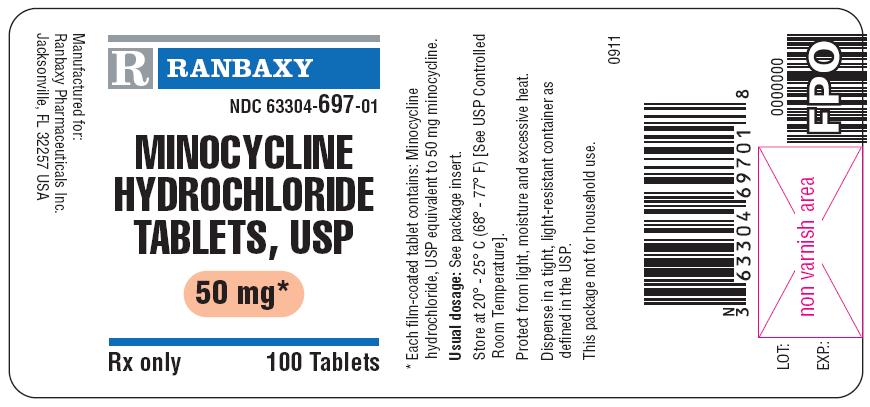
  • Minocycline Hydrochloride (Minocycline Hydrochloride) Tablet, Film Coated [Ranbaxy Pharmaceuticals Inc.]

    Minocycline Hydrochloride

    Minocycline Hydrochloride (Minocycline Hydrochloride) Tablet, Film Coated [Ranbaxy Pharmaceuticals Inc.]

    THE USUAL DOSAGE AND FREQUENCY OF ADMINISTRATION OF MINOCYCLINE DIFFERS FROM THAT OF THE OTHER TETRACYCLINES. EXCEEDING THE RECOMMENDED DOSAGE MAY RESULT IN AN INCREASED INCIDENCE OF SIDE EFFECTS.

    Minocycline hydrochloride tablets may be taken with or without food (see CLINICALPHARMACOLOGY).

    Ingestion of adequate amounts of fluids along with capsule and tablet forms of drugs in the tetracycline-class is recommended to reduce the risk of esophageal irritation and ulceration.

    For Pediatric Patients Above 8 Years Of Age

    Usual pediatric dose: 4 mg/kg initially followed by 2 mg/kg every 12 hours, not to exceed the usual adult dose.

    Adults

    The usual dosage of minocycline hydrochloride tablets is 200 mg initially followed by 100 mg every 12 hours. Alternatively, if more frequent doses are preferred, two or four 50 mg tablets may be given initially followed by one 50 mg tablet 4 times daily.

    Uncomplicated gonococcal infections other than urethritis and anorectal infections in men: 200 mg initially, followed by 100 mg every 12 hours for a minimum of 4 days, with post-therapy cultures within 2 to 3 days.

    In the treatment of uncomplicated gonococcal urethritis in men, 100 mg every 12 hours for 5 days is recommended.

    For the treatment of syphilis, the usual dosage of minocycline hydrochloride should be administered over a period of 10 to 15 days. Close follow-up, including laboratory tests, is recommended.

    In the treatment of meningococcal carrier state, the recommended dosage is 100 mg every 12 hours for 5 days.

    Mycobacterium marinum infections: Although optimal doses have not been established, 100 mg every 12 hours for 6 to 8 weeks have been used successfully in a limited number of cases.

    Uncomplicated urethral, endocervical, or rectal infection in adults caused by Chlamydia trachomatis or Ureaplasma urealyticum: 100 mg orally, every 12 hours for at least 7 days.

    Ingestion of adequate amounts of fluids along with capsule and tablet forms of drugs in the tetracycline-class is recommended to reduce the risk of esophageal irritation and ulceration.

    The pharmacokinetics of minocycline in patients with renal impairment (CL CR < 80 mL/min) have not been fully characterized. Current data are insufficient to determine if a dosage adjustment is warranted. The total daily dosage should not exceed 200 mg in 24 hours. However, due to the anti-anabolic effect of tetracyclines, BUN and creatinine should be monitored (see WARNINGS).

  • Doxycycline Tablet, Film Coated [Ranbaxy Pharmaceuticals Inc.]

    Doxycycline

    Doxycycline Tablet, Film Coated [Ranbaxy Pharmaceuticals Inc.]

    THE USUAL DOSAGE AND FREQUENCY OF ADMINISTRATION OF DOXYCYCLINE TABLETS DIFFERS FROM THAT OF THE OTHER TETRACYCLINES. EXCEEDING THE RECOMMENDED DOSAGE MAY RESULT IN AN INCREASED INCIDENCE OF SIDE EFFECTS.

    Adults: The usual dose of oral doxycycline tablets is 200 mg on the first day of treatment (administered 100 mg every 12 hours or 50 mg every 6 hours) followed by a maintenance dose of 100 mg/day. The maintenance dose may be administered as a single dose or as 50 mg every 12 hours. In the management of more severe infections (particularly chronic infections of the urinary tract), 100 mg every 12 hours is recommended.

    For pediatric patients above eight years of age: The recommended dosage schedule for pediatric patients weighing 100 pounds or less is 2 mg/lb of body weight divided into two doses on the first day of treatment, followed by 1 mg/lb of body weight given as a single daily dose or divided into two doses, on subsequent days. For more severe infections up to 2 mg/lb of body weight may be used. For pediatric patients over 100 pounds the usual adult dose should be used.

    Uncomplicated gonococcal infections in adults (except anorectal infections in men): 100 mg, by mouth, twice a day for 7 days. As an alternate single visit dose, administer 300 mg stat followed in one hour by a second 300 mg dose.

    Acute epididymo-orchitis caused by N. gonorrhoeae: 100 mg, by mouth, twice a day for at least 10 days.

    Primary and secondary syphilis: 300 mg a day in divided doses for at least 10 days.

    Uncomplicated urethral, endocervical, or rectal infection in adults caused by Chlamydia trachomatis: 100 mg, by mouth, twice a day for at least 7 days.

    Nongonococcal urethritis caused by C. trachomatis and U. urealyticum: 100 mg, by mouth, twice a day for at least 7 days.

    Acute epididymo-orchitis caused by C. trachomatis: 100 mg, by mouth, twice a day for at least 10 days.

    Inhalational anthrax (post-exposure):

    ADULTS: 100 mg of doxycycline tablets, by mouth, twice a day for 60 days. CHILDREN: weighing less than 100 pounds (45 kg); 1 mg/lb (2.2 mg/kg) of body weight, by mouth, twice a day for 60 days. Children weighing 100 pounds or more should receive the adult dose.

    When used in streptococcal infections, therapy should be continued for 10 days.

    Administration of adequate amounts of fluid along with capsule and tablet forms of drugs in the tetracycline class is recommended to wash down the drugs and reduce the risk of esophageal irritation and ulceration. (See ADVERSE REACTIONS.) If gastric irritation occurs, doxycycline tablets may be given with food. Ingestion of a high fat meal has been shown to delay the time to peak plasma concentrations by an average of one hour and 20 minutes. However, in the same study, food enhanced the average peak concentration by 7.5% and the area under the curve by 5.7%.

  • Flecainide Acetate (Flecainide ) Tablet [Ranbaxy Pharmaceuticals Inc.]

    Flecainide Acetate

    Flecainide Acetate (Flecainide ) Tablet [Ranbaxy Pharmaceuticals Inc.]

    For patients with sustained VT, no matter what their cardiac status, flecainide, like other antiarrhythmics, should be initiated in-hospital with rhythm monitoring.

    Flecainide has a long half-life (12 to 27 hours in patients). Steady-state plasma levels, in patients with normal renal and hepatic function, may not be achieved until the patient has received 3 to 5 days of therapy at a given dose. Therefore, increases in dosage should be made no more frequently than once every four days, since during the first 2 to 3 days of therapy the optimal effect of a given dose may not be achieved.

    For patients with PSVT and patients with PAF the recommended starting dose is 50 mg every 12 hours. Flecainide acetate doses may be increased in increments of 50 mg bid every four days until efficacy is achieved. For PAF patients, a substantial increase in efficacy without a substantial increase in discontinuations for adverse experiences may be achieved by increasing the flecainide dose from 50 mg to 100 mg bid. The maximum recommended dose for patients with paroxysmal supraventricular arrhythmias is 300 mg/day.

    For sustained VT the recommended starting dose is 100 mg every 12 hours. This dose may be increased in increments of 50 mg bid every four days until efficacy is achieved. Most patients with sustained VT do not require more than 150 mg every 12 hours (300 mg/day), and the maximum dose recommended is 400 mg/day.

    In patients with sustained VT, use of higher initial doses and more rapid dosage adjustments have resulted in an increased incidence of proarrhythmic events and CHF, particularly during the first few days of dosing (see WARNINGS). Therefore, a loading dose is not recommended.

    Intravenous lidocaine has been used occasionally with flecainide while awaiting the therapeutic effect of flecainide. No adverse drug interactions were apparent. However, no formal studies have been performed to demonstrate the usefulness of this regimen.

    An occasional patient not adequately controlled by (or intolerant to) a dose given at 12-hour intervals may be dosed at eight-hour intervals.

    Once adequate control of the arrhythmia has been achieved, it may be possible in some patients to reduce the dose as necessary to minimize side effects or effects on conduction. In such patients, efficacy at the lower dose should be evaluated.

    Flecainide should be used cautiously in patients with a history of CHF or myocardial dysfunction (see WARNINGS).

    Any use of flecainide in children should be directly supervised by a cardiologist skilled in the treatment of arrhythmias in children. Because of the evolving nature of information in this area, specialized literature should be consulted. Under six months of age, the initial starting dose of flecainide in children is approximately 50 mg/M2 body surface area daily, divided into two or three equally spaced doses. Over six months of age, the initial starting dose maybe increased to 100 mg/M2 per day. The maximum recommended dose is 200 mg/M2 per day. This dose should not be exceeded. In some children on higher doses, despite previously low plasma levels, the level has increased rapidly to far above therapeutic values while taking the same dose. Small changes in dose may also lead to disproportionate increases in plasma levels. Plasma trough (less than one hour pre-dose) flecainide levels and electrocardiograms should be obtained at presumed steady state (after at least five doses) either after initiation or change in flecainide dose, whether the dose was increased for lack of effectiveness, or increased growth of the patient. For the first year on therapy, whenever the patient is seen for reasons of clinical follow-up, it is suggested that a 12-lead electrocardiogram and plasma trough flecainide level are obtained. The usual therapeutic level of flecainide in children is 200 to 500 ng/mL. In some cases, levels as high as 800 ng/mL may be required for control.

    In patients with severe renal impairment (creatinine clearance of 35 mL/min/1.73 square meters or less), the initial dosage should be 100 mg once daily (or 50 mg bid); when used in such patients, frequent plasma level monitoring is required to guide dosage adjustments (see Plasma Level Monitoring). In patients with less severe renal disease, the initial dosage should be 100 mg every 12 hours; plasma level monitoring may also be useful in these patients during dosage adjustment. In both groups of patients, dosage increases should be made very cautiously when plasma levels have plateaued (after more than four days), observing the patient closely for signs of adverse cardiac effects or other toxicity. It should be borne in mind that in these patients it may take longer than four days before a new steady-state plasma level is reached following a dosage change.

    Based on theoretical considerations, rather than experimental data, the following suggestion is made: when transferring patients from another antiarrhythmic drug to flecainide allow at least two to four plasma half-lives to elapse for the drug being discontinued before starting flecainide at the usual dosage. In patients where withdrawal of a previous antiarrhythmic agent is likely to produce life-threatening arrhythmias, the physician should consider hospitalizing the patient.

    When flecainide is given in the presence of amiodarone, reduce the usual flecainide dose by 50% and monitor the patient closely for adverse effects.

    Plasma level monitoring is strongly recommended to guide dosage with such combination therapy (see below).

    Plasma Level Monitoring

    The large majority of patients successfully treated with flecainide were found to have trough plasma levels between 0.2 and 1 mcg/mL. The probability of adverse experiences, especially cardiac, may increase with higher trough plasma levels, especially when these exceed 1 mcg/mL. Periodic monitoring of trough plasma levels may be useful in patient management. Plasma level monitoring is required in patients with severe renal failure or severe hepatic disease, since elimination of flecainide from plasma may be markedly slower. Monitoring of plasma levels is strongly recommended in patients on concurrent amiodarone therapy and may also be helpful in patients with CHF and in patients with moderate renal disease.

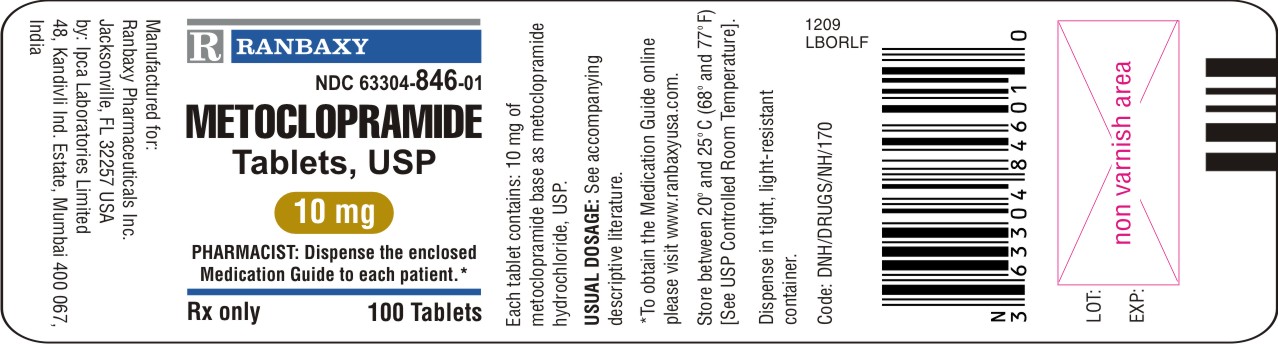
  • Metoclopramide Tablet [Ranbaxy Pharmaceuticals Inc.]

    Metoclopramide

    Metoclopramide Tablet [Ranbaxy Pharmaceuticals Inc.]

    Therapy with metoclopramide tablets should not exceed 12 weeks in duration.

    For the Relief of Symptomatic Gastroesophageal Reflux

    Administer from 10 mg to 15 mg metoclopramide tablets, USP orally up to q.i.d. 30 minutes before each meal and at bedtime, depending upon symptoms being treated and clinical response (see CLINICAL PHARMACOLOGY and INDICATIONS AND USAGE). If symptoms occur only intermittently or at specific times of the day, use of metoclopramide in single doses up to 20 mg prior to the provoking situation may be preferred rather than continuous treatment. Occasionally, patients (such as elderly patients) who are more sensitive to the therapeutic or adverse effects of metoclopramide will require only 5 mg per dose.

    Experience with esophageal erosions and ulcerations is limited, but healing has thus far been documented in one controlled trial using q.i.d. therapy at 15 mg/dose, and this regimen should be used when lesions are present, so long as it is tolerated (see ADVERSE REACTIONS). Because of the poor correlation between symptoms and endoscopic appearance of the esophagus, therapy directed at esophageal lesions is best guided by endoscopic evaluation.

    Therapy longer than 12 weeks has not been evaluated and cannot be recommended.

    For the Relief of Symptoms Associated with Diabetic Gastroparesis (Diabetic Gastric Stasis)

    Administer 10 mg of metoclopramide 30 minutes before each meal and at bedtime for two to eight weeks, depending upon response and the likelihood of continued well-being upon drug discontinuation.

    The initial route of administration should be determined by the severity of the presenting symptoms. If only the earliest manifestations of diabetic gastric stasis are present, oral administration of metoclopramide tablets may be initiated. However, if severe symptoms are present, therapy should begin with metoclopramide injection (consult labeling of the injection prior to initiating parenteral administration).

    Administration of metoclopramide injection up to 10 days may be required before symptoms subside, at which time oral administration may be instituted. Since diabetic gastric stasis is frequently recurrent, metoclopramide tablets therapy should be reinstituted at the earliest manifestation.

    Use in Patients with Renal or Hepatic Impairment

    Since metoclopramide is excreted principally through the kidneys, in those patients whose creatinine clearance is below 40 mL/min, therapy should be initiated at approximately one-half the recommended dosage. Depending upon clinical efficacy and safety considerations, the dosage may be increased or decreased as appropriate.

    See OVERDOSAGEsection for information regarding dialysis.

    Metoclopramide undergoes minimal hepatic metabolism, except for simple conjugation. Its safe use has been described in patients with advanced liver disease whose renal function was normal.

  • Clorazepate Dipotassium...
    Clorazepate Dipotassium Tablet [Ranbaxy Pharmaceuticals Inc.]

    Clorazepate Dipotassium

    Clorazepate Dipotassium Tablet [Ranbaxy Pharmaceuticals Inc.]

    For the symptomatic relief of anxiety: Clorazepate dipotassium tablets are administered orally in divided doses. The usual daily dose is 30 mg. The dose should be adjusted gradually within the range of 15 to 60 mg daily in accordance with the response of the patient. In elderly or debilitated patients it is advisable to initiate treatment at a daily dose of 7.5 to 15 mg.

    Clorazepate dipotassium tablets may also be administered in a single dose daily at bedtime; the recommended initial dose is 15 mg. After the initial dose, the response of the patient may require adjustment of subsequent dosage. Lower doses may be indicated in the elderly patient. Drowsiness may occur at the initiation of treatment and with dosage increment.

    For the symptomatic relief of acute alcohol withdrawal:

    The following dosage schedule is recommended:

    1st 24 hours (Day 1) 30 mg initially; followed by 30 to 60 mg in divided doses 2nd 24 hours (Day 2) 45 to 90 mg in divided doses 3rd 24 hours (Day 3) 22.5 to 45 mg in divided doses Day 4 15 to 30 mg in divided doses

    Thereafter, gradually reduce the daily dose to 7.5 to 15 mg. Discontinue drug therapy as soon as patient's condition is stable.

    The maximum recommended total daily dose is 90 mg. Avoid excessive reductions in the total amount of drug administered on successive days.

    As an Adjunct to Antiepileptic Drugs: In order to minimize drowsiness, the recommended initial dosages and dosage increments should not be exceeded.

    Adults: The maximum recommended initial dose in patients over 12 years old is 7.5 mg three times a day. Dosage should be increased by no more than 7.5 mg every week and should not exceed 90 mg/day.

    Children (9 to 12 years): The maximum recommended initial dose is 7.5 mg two times a day. Dosage should be increased by no more than 7.5 mg every week and should not exceed 60 mg/day.

  • Cevimeline Capsule [Ranbaxy Pharmaceuticals Inc.]

    Cevimeline

    Cevimeline Capsule [Ranbaxy Pharmaceuticals Inc.]

    The recommended dose of cevimeline hydrochloride capsules is 30 mg taken three times a day. There is insufficient safety information to support doses greater than 30 mg tid. There is also insufficient evidence for additional efficacy of cevimeline hydrochloride at doses greater than 30 mg tid.

  • Nars Pro-prime Light Optimizing Primer (Octinoxate, Avobenzone, And Octocrylene) Cream [Nars Cosmetics]

    Nars Pro-prime Light Optimizing Primer

    Nars Pro-prime Light Optimizing Primer (Octinoxate, Avobenzone, And Octocrylene) Cream [Nars Cosmetics]

    Hypertension

    Adults

    The recommended initial dose for patients not receiving a diuretic is 10 mg once a day. The usual maintenance dosage range is 20 to 40 mg per day administered as a single dose or in two equally divided doses. A dose of 80 mg gives an increased response, but experience with this dose is limited. The divided regimen was more effective in controlling trough (pre-dosing) blood pressure than the same dose given as a once-daily regimen. Dosage adjustment should be based on measurement of peak (2 to 6 hours after dosing) and trough responses. If a once-daily regimen does not give adequate trough response, an increase in dosage or divided administration should be considered. If blood pressure is not controlled with benazepril hydrochloride tablet alone, a diuretic can be added.

    Total daily doses above 80 mg have not been evaluated.

    Concomitant administration of benazepril hydrochloride tablet with potassium supplements, potassium salt substitutes, or potassium-sparing diuretics can lead to increases of serum potassium (see PRECAUTIONS).

    In patients who are currently being treated with a diuretic, symptomatic hypotension occasionally can occur following the initial dose of benazepril hydrochloride tablet. To reduce the likelihood of hypotension, the diuretic should, if possible, be discontinued two to three days prior to beginning therapy with benazepril hydrochloride tablet (see WARNINGS). Then, if blood pressure is not controlled with benazepril hydrochloride tablets alone, diuretic therapy should be resumed.

    If the diuretic cannot be discontinued, an initial dose of 5 mg benazepril hydrochloride tablet should be used to avoid excessive hypotension.

    Pediatrics

    In children, doses of benazepril hydrochloride tablet between 0.1 and 0.6 mg/kg once daily have been studied, and doses greater than 0.1 mg/kg were shown to reduce blood pressure (see Pharmacodynamics). Based on this, the recommended starting dose of benazepril hydrochloride tablet is 0.2 mg/kg once per day as monotherapy. Doses above 0.6 mg/kg (or in excess of 40 mg daily) have not been studied in pediatric patients.

    Treatment with benazepril hydrochloride tablet is not advised for children below the age of 6 years (see PRECAUTIONS, Pediatric Use) and in pediatric patients with glomerular filtration rate < 30 mL, as there are insufficient data available to support a dosing recommendation in these groups.

    For Hypertensive Patients with Renal Impairment

    For patients with a creatinine clearance < 30 mL/min/1.73 m2 (serum creatinine > 3 mg/dL), the recommended initial dose is 5 mg benazepril hydrochloride tablet once daily. Dosage may be titrated upward until blood pressure is controlled or to a maximum total daily dose of 40 mg (see WARNINGS).

  • Atorvastatin Calcium Tablet, Film Coated [Ranbaxy Pharmaceuticals Inc.]

    Atorvastatin Calcium

    Atorvastatin Calcium Tablet, Film Coated [Ranbaxy Pharmaceuticals Inc.]

    2.1 Hyperlipidemia (Heterozygous Familial and Nonfamilial) and Mixed Dyslipidemia (Fredrickson Types IIa and IIb)

    The recommended starting dose of atorvastatin calcium tablets is 10 or 20 mg once daily. Patients who require a large reduction in LDL-C (more than 45%) may be started at 40 mg once daily. The dosage range of atorvastatin calcium tablets is 10 to 80 mg once daily. Atorvastatin calcium tablets can be administered as a single dose at any time of the day, with or without food. The starting dose and maintenance doses of atorvastatin calcium tablets should be individualized according to patient characteristics such as goal of therapy and response (see current NCEP Guidelines). After initiation and/or upon titration of atorvastatin calcium tablets, lipid levels should be analyzed within 2 to 4 weeks and dosage adjusted accordingly.

    2.2 Heterozygous Familial Hypercholesterolemia in Pediatric Patients (10 to 17 years of age)

    The recommended starting dose of atorvastatin calcium tablets is 10 mg/day; the maximum recommended dose is 20 mg/day (doses greater than 20 mg have not been studied in this patient population). Doses should be individualized according to the recommended goal of therapy [see current NCEP Pediatric Panel Guidelines, Clinical Pharmacology(12), and Indications and Usage (1.2)]. Adjustments should be made at intervals of 4 weeks or more.

    2.3 Homozygous Familial Hypercholesterolemia

    The dosage of atorvastatin calcium tablets in patients with homozygous FH is 10 to 80 mg daily. Atorvastatin calcium tablets should be used as an adjunct to other lipid-lowering treatments (e.g., LDL apheresis) in these patients or if such treatments are unavailable.

    2.4 Concomitant Lipid-Lowering Therapy

    Atorvastatin calcium tablets may be used with bile acid resins. The combination of HMG-CoA reductase inhibitors (statins) and fibrates should generally be used with caution [see Warnings and Precautions, Skeletal Muscle (5.1), Drug Interactions (7)].

    2.5 Dosage in Patients With Renal Impairment

    Renal disease does not affect the plasma concentrations nor LDL-C reduction of atorvastatin calcium tablets; thus, dosage adjustment in patients with renal dysfunction is not necessary [see Warnings and Precautions, Skeletal Muscle (5.1), Clinical Pharmacology, Pharmacokinetics (12.3)].

    2.6 Dosage in Patients Taking Cyclosporine, Clarithromycin, Itraconazole, or Certain Protease Inhibitors

    In patients taking cyclosporine or the HIV protease inhibitors (tipranavir plus ritonavir) or the hepatitis C protease inhibitor (telaprevir), therapy with atorvastatin calcium tablets should be avoided. In patients with HIV taking lopinavir plus ritonavir, caution should be used when prescribing atorvastatin calcium tablets and the lowest dose necessary employed. In patients taking clarithromycin, itraconazole, or in patients with HIV taking a combination of saquinavir plus ritonavir, darunavir plus ritonavir, fosamprenavir, or fosamprenavir plus ritonavir, therapy with atorvastatin calcium tablets should be limited to 20 mg, and appropriate clinical assessment is recommended to ensure that the lowest dose necessary of atorvastatin calcium tablets is employed. In patients taking the HIV protease inhibitor nelfinavir or the hepatitis C protease inhibitor boceprevir, therapy with atorvastatin calcium tablets should be limited to 40 mg, and appropriate clinical assessment is recommended to ensure that the lowest dose necessary of atorvastatin calcium tablets is employed [see Warnings and Precautions, Skeletal Muscle (5.1), Drug Interactions (7)].

  • Pioglitazone Tablet [Ranbaxy Pharmaceuticals Inc.]

    Pioglitazone

    Pioglitazone Tablet [Ranbaxy Pharmaceuticals Inc.]

    2.1 Recommendations for All Patients

    Pioglitazone tablets should be taken once daily and can be taken without regard to meals.

    The recommended starting dose for patients without congestive heart failure is 15 mg or 30 mg once daily.

    The recommended starting dose for patients with congestive heart failure (NYHA Class I or II) is 15 mg once daily.

    The dose can be titrated in increments of 15 mg up to a maximum of 45 mg once daily based on glycemic response as determined by HbA1c.

    After initiation of pioglitazone tablets or with dose increase, monitor patients carefully for adverse reactions related to fluid retention such as weight gain, edema, and signs and symptoms of congestive heart failure [see Boxed Warning and Warnings and Precautions (5.2)].

    Liver tests (serum alanine and aspartate aminotransferases, alkaline phosphatase, and total bilirubin) should be obtained prior to initiating pioglitazone tablets. Routine periodic monitoring of liver tests during treatment with pioglitazone tablets is not recommended in patients without liver disease. Patients who have liver test abnormalities prior to initiation of pioglitazone tablets or who are found to have abnormal liver tests while taking pioglitazone tablets should be managed as described under Warnings and Precautions [see Warnings and Precautions (5.3) and Clinical Pharmacology (12.3)].

    2.2 Concomitant Use with an Insulin Secretagogue or Insulin

    If hypoglycemia occurs in a patient coadministered pioglitazone tablets and an insulin secretagogue (e.g., sulfonylurea), the dose of the insulin secretagogue should be reduced.

    If hypoglycemia occurs in a patient coadministered pioglitazone tablets and insulin, the dose of insulin should be decreased by 10% to 25%. Further adjustments to the insulin dose should be individualized based on glycemic response.

    2.3 Coadministration with Strong CYP2C8 Inhibitors

    Coadministration of pioglitazone tablets and gemfibrozil, a strong CYP2C8 inhibitor, increases pioglitazone exposure approximately 3-fold. Therefore, the maximum recommended dose of pioglitazone tablets is 15 mg daily when used in combination with gemfibrozil or other strong CYP2C8 inhibitors [see Drug Interactions (7.1) and Clinical Pharmacology (12.3)].

  • Kirkland Signature Minoxidil (Minoxidil) Aerosol, Foam [Costco Wholesale Company]

    Kirkland Signature Minoxidil

    Kirkland Signature Minoxidil (Minoxidil) Aerosol, Foam [Costco Wholesale Company]

    Dose once daily. The dosage may then be increased after 2 to 3 weeks as needed to help achieve blood pressure goals. The maximum recommended dose is 20 mg/25 mg.

    Switch Therapy: A patient whose blood pressure is not adequately controlled with benazepril alone or with hydrochlorothiazide alone may be switched to combination therapy with benazepril hydrochloride and hydrochlorothiazide tablets. The usual recommended starting dose is 10/12.5 mg once daily to control blood pressure.

    Replacement Therapy: The combination may be substituted for the titrated individual components.

  • Glycopyrrolate Tablet [Ranbaxy Pharmaceuticals Inc.]

    Glycopyrrolate

    Glycopyrrolate Tablet [Ranbaxy Pharmaceuticals Inc.]

    The dosage of glycopyrrolate tablets, USP should be adjusted to the needs of the individual patient to assure symptomatic control with a minimum of adverse reactions. The presently recommended maximum daily dosage of glycopyrrolate is 8 mg.

    Glycopyrrolate 1 mg tablets. The recommended initial dosage of glycopyrrolate tablets, USP for adults is one tablet three times daily (in the morning, early afternoon, and at bedtime). Some patients may require two tablets at bedtime to assure overnight control of symptoms. For maintenance, a dosage of one tablet twice a day is frequently adequate.

    Glycopyrrolate 2 mg tablets. The recommended dosage of glycopyrrolate tablets, USP for adults is one tablet two or three times daily at equally spaced intervals.

    Glycopyrrolate tablets, USP are not recommended for use in pediatric patients under the age of 12 years.

  • Sertraline Hydrochloride Tablet, Coated [Ranbaxy Pharmaceuticals Inc.]

    Sertraline Hydrochloride

    Sertraline Hydrochloride Tablet, Coated [Ranbaxy Pharmaceuticals Inc.]

    Initial Treatment

    Dosage for Adults

    Major Depressive Disorder and Obsessive-Compulsive Disorder–Sertraline hydrochloride treatment should be administered at a dose of 50 mg once daily.

    Panic Disorder, Posttraumatic Stress Disorder and Social Anxiety Disorder–Sertraline hydrochloride treatment should be initiated with a dose of 25 mg once daily. After one week, the dose should be increased to 50 mg once daily.

    While a relationship between dose and effect has not been established for major depressive disorder, OCD, panic disorder, PTSD or social anxiety disorder, patients were dosed in a range of 50 to 200 mg/day in the clinical trials demonstrating the effectiveness of sertraline for the treatment of these indications. Consequently, a dose of 50 mg, administered once daily, is recommended as the initial therapeutic dose. Patients not responding to a 50 mg dose may benefit from dose increases up to a maximum of 200 mg/day. Given the 24 hour elimination half-life of sertraline, dose changes should not occur at intervals of less than 1 week.

    Premenstrual Dysphoric Disorder–Sertraline hydrochloride treatment should be initiated with a dose of 50 mg/day, either daily throughout the menstrual cycle or limited to the luteal phase of the menstrual cycle, depending on physician assessment.

    While a relationship between dose and effect has not been established for PMDD, patients were dosed in the range of 50 to 150 mg/day with dose increases at the onset of each new menstrual cycle (see Clinical Trials under CLINICAL PHARMACOLOGY). Patients not responding to a 50 mg/day dose may benefit from dose increases (at 50 mg increments/menstrual cycle) up to 150 mg/day when dosing daily throughout the menstrual cycle, or 100 mg/day when dosing during the luteal phase of the menstrual cycle. If a 100 mg/day dose has been established with luteal phase dosing, a 50 mg/day titration step for three days should be utilized at the beginning of each luteal phase dosing period.

    Sertraline hydrochloride tablets should be administered once daily, either in the morning or evening.

    Dosage for Pediatric Population (Children and Adolescents)

    Obsessive-Compulsive Disorder–Sertraline hydrochloride treatment should be initiated with a dose of 25 mg once daily in children (ages 6 to 12) and at a dose of 50 mg once daily in adolescents (ages 13 to 17).

    While a relationship between dose and effect has not been established for OCD, patients were dosed in a range of 25 to 200 mg/day in the clinical trials demonstrating the effectiveness of sertraline hydrochloride for pediatric patients (6 to 17 years) with OCD. Patients not responding to an initial dose of 25 or 50 mg/day may benefit from dose increases up to a maximum of 200 mg/day. For children with OCD, their generally lower body weights compared to adults should be taken into consideration in advancing the dose, in order to avoid excess dosing. Given the 24 hour elimination half-life of sertraline hydrochloride, dose changes should not occur at intervals of less than 1 week.

    Sertraline hydrochloride should be administered once daily, either in the morning or evening.

    Maintenance/Continuation/Extended Treatment

    Major Depressive Disorder–It is generally agreed that acute episodes of major depressive disorder require several months or longer of sustained pharmacologic therapy beyond response to the acute episode. Systematic evaluation of sertraline hydrochloride has demonstrated that its antidepressant efficacy is maintained for periods of up to 44 weeks following 8 weeks of initial treatment at a dose of 50 to 200 mg/day (mean dose of 70 mg/day) (see Clinical Trials under CLINICAL PHARMACOLOGY). It is not known whether the dose of sertraline hydrochloride needed for maintenance treatment is identical to the dose needed to achieve an initial response. Patients should be periodically reassessed to determine the need for maintenance treatment.

    Posttraumatic Stress Disorder–It is generally agreed that PTSD requires several months or longer of sustained pharmacological therapy beyond response to initial treatment. Systematic evaluation of sertraline hydrochloride has demonstrated that its efficacy in PTSD is maintained for periods of up to 28 weeks following 24 weeks of treatment at a dose of 50 to 200 mg/day (see Clinical Trials under CLINICAL PHARMACOLOGY). It is not known whether the dose of sertraline hydrochloride needed for maintenance treatment is identical to the dose needed to achieve an initial response. Patients should be periodically reassessed to determine the need for maintenance treatment.

    Social Anxiety Disorder–Social anxiety disorder is a chronic condition that may require several months or longer of sustained pharmacological therapy beyond response to initial treatment. Systematic evaluation of sertraline hydrochloride has demonstrated that its efficacy in social anxiety disorder is maintained for periods of up to 24 weeks following 20 weeks of treatment at a dose of 50 to 200 mg/day (see Clinical Trials under CLINICAL PHARMACOLOGY). Dosage adjustments should be made to maintain patients on the lowest effective dose and patients should be periodically reassessed to determine the need for long-term treatment.

    Obsessive-Compulsive Disorder and Panic Disorder–It is generally agreed that OCD and Panic Disorder require several months or longer of sustained pharmacological therapy beyond response to initial treatment. Systematic evaluation of continuing sertraline hydrochloride for periods of up to 28 weeks in patients with OCD and Panic Disorder who have responded while taking sertraline hydrochloride during initial treatment phases of 24 to 52 weeks of treatment at a dose range of 50 to 200 mg/day has demonstrated a benefit of such maintenance treatment (see Clinical Trials under CLINICAL PHARMACOLOGY). It is not known whether the dose of sertraline needed for maintenance treatment is identical to the dose needed to achieve an initial response. Nevertheless, patients should be periodically reassessed to determine the need for maintenance treatment.

    Premenstrual Dysphoric Disorder-The effectiveness of sertraline hydrochloride in long-term use, that is, for more than 3 menstrual cycles, has not been systematically evaluated in controlled trials. However, as women commonly report that symptoms worsen with age until relieved by the onset of menopause, it is reasonable to consider continuation of a responding patient. Dosage adjustments, which may include changes between dosage regimens (e.g., daily throughout the menstrual cycle versus during the luteal phase of the menstrual cycle), may be needed to maintain the patient on the lowest effective dosage and patients should be periodically reassessed to determine the need for continued treatment.

    Switching a Patient To or From a Monoamine Oxidase Inhibitor (MAOI) Intended to Treat Psychiatric Disorders: At least 14 days should elapse between discontinuation of an MAOI intended to treat psychiatric disorders and initiation of therapy with sertraline hydrochloride. Conversely, at least 14 days should be allowed after stopping sertraline hydrochloride before starting an MAOI intended to treat psychiatric disorders (see CONTRAINDICATIONS).

    Use of Sertraline With Other MAOIs Such as Linezolid or Methylene Blue: Do not start sertraline in a patient who is being treated with linezolid or intravenous methylene blue because there is increased risk of serotonin syndrome. In a patient who requires more urgent treatment of a psychiatric condition, other interventions, including hospitalization, should be considered (see CONTRAINDICATIONS).

    In some cases, a patient already receiving sertraline therapy may require urgent treatment with linezolid or intravenous methylene blue. If acceptable alternatives to linezolid or intravenous methylene blue treatment are not available and the potential benefits of linezolid or intravenous methylene blue treatment are judged to outweigh the risks of serotonin syndrome in a particular patient, sertraline should be stopped promptly, and linezolid or intravenous methylene blue can be administered. The patient should be monitored for symptoms of serotonin syndrome for 2 weeks or until 24 hours after the last dose of linezolid or intravenous methylene blue, whichever comes first. Therapy with sertraline may be resumed 24 hours after the last dose of linezolid or intravenous methylene blue (see WARNINGS).

    The risk of administering methylene blue by non-intravenous routes (such as oral tablets or by local injection) or in intravenous doses much lower than 1 mg/kg with sertraline is unclear. The clinician should, nevertheless, be aware of the possibility of emergent symptoms of serotonin syndrome with such use (see WARNINGS).

    Special Populations

    Dosage for Hepatically Impaired Patients–The use of sertraline in patients with liver disease should be approached with caution. The effects of sertraline in patients with moderate and severe hepatic impairment have not been studied. If sertraline is administered to patients with liver impairment, a lower or less frequent dose should be used (see CLINICAL PHARMACOLOGY and PRECAUTIONS).

    Treatment of Pregnant Women During the Third Trimester–Neonates exposed to sertraline hydrochloride and other SSRIs or SNRIs, late in the third trimester have developed complications requiring prolonged hospitalization, respiratory support, and tube feeding (see PRECAUTIONS). When treating pregnant women with sertraline hydrochloride during the third trimester, the physician should carefully consider the potential risks and benefits of treatment.

    Discontinuation of Treatment with Sertraline Hydrochloride

    Symptoms associated with discontinuation of sertraline hydrochloride and other SSRIs and SNRIs, have been reported (see PRECAUTIONS). Patients should be monitored for these symptoms when discontinuing treatment. A gradual reduction in the dose rather than abrupt cessation is recommended whenever possible. If intolerable symptoms occur following a decrease in the dose or upon discontinuation of treatment, then resuming the previously prescribed dose may be considered. Subsequently, the physician may continue decreasing the dose but at a more gradual rate.

  • Oxcarbazepine Suspensio...
    Oxcarbazepine Suspension [Ranbaxy Pharmaceuticals Inc. ]

    Oxcarbazepine Suspension

    Oxcarbazepine Suspension [Ranbaxy Pharmaceuticals Inc. ]

    All dosing should be given in a twice-a-day regimen. Oxcarbazepine oral suspension and oxcarbazepine film-coated tablets may be interchanged at equal doses.

    Oxcarbazepine oral suspension should be kept out of the reach and sight of children.

    Before using oxcarbazepine oral suspension, shake the bottle well and prepare the dose immediately afterwards. The prescribed amount of oral suspension should be withdrawn from the bottle using the oral dosing syringe supplied. Oxcarbazepine oral suspension can be mixed in a small glass of water just prior to administration or, alternatively, may be swallowed directly from the syringe. After each use, close the bottle and rinse the syringe with warm water and allow it to dry thoroughly.

    Oxcarbazepine oral suspension can be taken with or without food [ see Clinical Pharmacology (12.3)].

    2.1 Adjunctive Therapy for Adults

    Treatment with oxcarbazepine should be initiated with a dose of 600 mg/day, given in a twice-a-day regimen. If clinically indicated, the dose may be increased by a maximum of 600 mg/day at approximately weekly intervals; the recommended daily dose is 1200 mg/day. Daily doses above 1200 mg/day show somewhat greater effectiveness in controlled trials, but most patients were not able to tolerate the 2400 mg/day dose, primarily because of CNS effects. It is recommended that the patient be observed closely and plasma levels of the concomitant AEDs be monitored during the period of oxcarbazepine titration, as these plasma levels may be altered, especially at oxcarbazepine doses greater than 1200 mg/day [ see Drug Interactions (7.1)].

    2.2 Conversion to Monotherapy for Adults

    Patients receiving concomitant AEDs may be converted to monotherapy by initiating treatment with oxcarbazepine at 600 mg/day (given in a twice-a-day regimen) while simultaneously initiating the reduction of the dose of the concomitant AEDs. The concomitant AEDs should be completely withdrawn over 3 to 6 weeks, while the maximum dose of oxcarbazepine should be reached in about 2 to 4 weeks. Oxcarbazepine may be increased as clinically indicated by a maximum increment of 600 mg/day at approximately weekly intervals to achieve the recommended daily dose of 2400 mg/day. A daily dose of 1200 mg/day has been shown in one study to be effective in patients in whom monotherapy has been initiated with oxcarbazepine. Patients should be observed closely during this transition phase.

    2.3 Initiation of Monotherapy for Adults

    Patients not currently being treated with AEDs may have monotherapy initiated with oxcarbazepine. In these patients, oxcarbazepine should be initiated at a dose of 600 mg/day (given in a twice-a-day regimen); the dose should be increased by 300 mg/day every third day to a dose of 1200 mg/day. Controlled trials in these patients examined the effectiveness of a 1200 mg/day dose; a dose of 2400 mg/day has been shown to be effective in patients converted from other AEDs to oxcarbazepine monotherapy (see above).

    2.4 Adjunctive Therapy for Pediatric Patients (Aged 2 to 16 Years)

    In pediatric patients aged 4 to 16 years, treatment should be initiated at a daily dose of 8 to 10 mg/kg generally not to exceed 600 mg/day, given in a twice-a-day regimen. The target maintenance dose of oxcarbazepine should be achieved over two weeks, and is dependent upon patient weight, according to the following chart:

    20 to 29 kg - 900 mg/day

    29.1 to 39 kg - 1200 mg/day

    > 39 kg - 1800 mg/day

    In the clinical trial, in which the intention was to reach these target doses, the median daily dose was 31 mg/kg with a range of 6 to 51 mg/kg.

    In pediatric patients aged 2 to < 4 years, treatment should also be initiated at a daily dose of 8 to 10 mg/kg generally not to exceed 600 mg/day, given in a twice-a-day regimen. For patients under 20 kg, a starting dose of 16 to 20 mg/kg may be considered [ see Clinical Pharmacology (12.3)]. The maximum maintenance dose of oxcarbazepine should be achieved over 2 to 4 weeks and should not exceed 60 mg/kg/day in a twice-a-day regimen.

    In the clinical trial in pediatric patients (2 to 4 years of age) in which the intention was to reach the target dose of 60 mg/kg/day, 50% of patients reached a final dose of at least 55 mg/kg/day.

    Under adjunctive therapy (with and without enzyme-inducing AEDs), when normalized by body weight, apparent clearance (L/hr/kg) decreased when age increased such that children 2 to < 4 years of age may require up to twice the oxcarbazepine dose per body weight compared to adults; and children 4 to ≤ 12 years of age may require a 50% higher oxcarbazepine dose per body weight compared to adults.

    2.5 Conversion to Monotherapy for Pediatric Patients (Aged 4 to 16 Years)

    Patients receiving concomitant antiepileptic drugs may be converted to monotherapy by initiating treatment with oxcarbazepine at approximately 8 to 10 mg/kg/day given in a twice-a-day regimen, while simultaneously initiating the reduction of the dose of the concomitant antiepileptic drugs. The concomitant antiepileptic drugs can be completely withdrawn over 3 to 6 weeks while oxcarbazepine may be increased as clinically indicated by a maximum increment of 10 mg/kg/day at approximately weekly intervals to achieve the recommended daily dose. Patients should be observed closely during this transition phase.

    The recommended total daily dose of oxcarbazepine is shown in the table below.

    2.6 Initiation of Monotherapy for Pediatric Patients (Aged 4 to 16 Years)

    Patients not currently being treated with antiepileptic drugs may have monotherapy initiated with oxcarbazepine. In these patients, oxcarbazepine should be initiated at a dose of 8 to 10 mg/kg/day given in a twice-a-day regimen. The dose should be increased by 5 mg/kg/day every third day to the recommended daily dose shown in the table below.

    Table 1 Range of Maintenance Doses of Oxcarbazepine for Children by Weight During Monotherapy From To Weight in kg Dose (mg/day) Dose (mg/day)

    20

    600

    900

    25

    900

    1200

    30

    900

    1200

    35

    900

    1500

    40

    900

    1500

    45

    1200

    1500

    50

    1200

    1800

    55

    1200

    1800

    60

    1200

    2100

    65

    1200

    2100

    70

    1500

    2100

    2.7 Patients with Hepatic Impairment

    In general, dose adjustments are not required in patients with mild-to-moderate hepatic impairment [ see Clinical Pharmacology (12.3).]

    2.8 Patients with Renal Impairment

    In patients with impaired renal function (creatinine clearance < 30 mL/min) oxcarbazepine therapy should be initiated at one-half the usual starting dose (300 mg/day) and increased slowly to achieve the desired clinical response [ see Clinical Pharmacology (12.3)]

  • Lorazepam Tablet [Ranbaxy Pharmaceuticals Inc.]

    Lorazepam

    Lorazepam Tablet [Ranbaxy Pharmaceuticals Inc.]

    Lorazepam tablets, USP are administered orally. For optimal results, dose, frequency of administration, and duration of therapy should be individualized according to patient response. To facilitate this, 0.5 mg, 1 mg, and 2 mg tablets are available.

    The usual range is 2 to 6 mg/day given in divided doses, the largest dose being taken before bedtime, but the daily dosage may vary from 1 to 10 mg/day.

    For anxiety, most patients require an initial dose of 2 to 3 mg/day given b.i.d. or t.i.d.

    For insomnia due to anxiety or transient situational stress, a single daily dose of 2 to 4 mg may be given, usually at bedtime.

    For elderly or debilitated patients, an initial dosage of 1 to 2 mg/day in divided doses is recommended, to be adjusted as needed and tolerated.

    The dosage of lorazepam should be increased gradually when needed to help avoid adverse effects. When higher dosage is indicated, the evening dose should be increased before the daytime doses.

  • Fenofibrate Tablet, Film Coated [Ranbaxy Pharmaceuticals Inc.]

    Fenofibrate

    Fenofibrate Tablet, Film Coated [Ranbaxy Pharmaceuticals Inc.]

    Patients should be placed on an appropriate lipid-lowering diet before receiving fenofibrate tablets, and should continue this diet during treatment with fenofibrate tablets. Fenofibrate tablets should be given with meals, thereby optimizing the bioavailability of the medication.

    For the treatment of adult patients with primary hypercholesterolemia or mixed hyperlipidemia, the initial dose of fenofibrate tablets is 160 mg per day.

    For adult patients with hypertriglyceridemia, the initial dose is 54 to 160 mg per day. Dosage should be individualized according to patient response, and should be adjusted if necessary following repeat lipid determinations at 4 to 8 week intervals. The maximum dose is 160 mg per day.

    Treatment with fenofibrate tablets should be initiated at a dose of 54 mg/day in patients having impaired renal function, and increased only after evaluation of the effects on renal function and lipid levels at this dose. In the elderly, the initial dose should likewise be limited to 54 mg/day.

    Lipid levels should be monitored periodically and consideration should be given to reducing the dosage of fenofibrate tablets if lipid levels fall significantly below the targeted range.

  • Extra Strength Pain Reliever (Acetaminophen) Tablet [Woonsocket Prescription Center,incorporated]

    Extra Strength Pain Reliever

    Extra Strength Pain Reliever (Acetaminophen) Tablet [Woonsocket Prescription Center,incorporated]

    Hypertension

    Monotherapy: The recommended initial dosage of quinapril tablets in patients not on diuretics is 10 or 20 mg once daily. Dosage should be adjusted according to blood pressure response measured at peak (2 to 6 hours after dosing) and trough (predosing). Generally, dosage adjustments should be made at intervals of at least 2 weeks. Most patients have required dosages of 20, 40, or 80 mg/day, given as a single dose or in two equally divided doses. In some patients treated once daily, the antihypertensive effect may diminish toward the end of the dosing interval. In such patients an increase in dosage or twice daily administration may be warranted. In general, doses of 40 to 80 mg and divided doses give a somewhat greater effect at the end of the dosing interval.

    Concomitant Diuretics: If blood pressure is not adequately controlled with quinapril tablets monotherapy, a diuretic may be added. In patients who are currently being treated with a diuretic, symptomatic hypotension occasionally can occur following the initial dose of quinapril tablets. To reduce the likelihood of hypotension, the diuretic should, if possible, be discontinued 2 to 3 days prior to beginning therapy with quinapril tablets (see WARNINGS). Then, if blood pressure is not controlled with quinapril tablets alone, diuretic therapy should be resumed.

    If the diuretic cannot be discontinued, an initial dose of 5 mg quinapril tablets should be used with careful medical supervision for several hours and until blood pressure has stabilized.

    The dosage should subsequently be titrated (as described above) to the optimal response (see WARNINGS, PRECAUTIONS, and Drug Interactions).

    Renal Impairment: Kinetic data indicate that the apparent elimination half-life of quinaprilat increases as creatinine clearance decreases. Recommended starting doses, based on clinical and pharmacokinetic data from patients with renal impairment, are as follows:

    Creatinine Clearance Maximum Recommended Initial Dose

    > 60 mL/min

    10 mg

    30 to 60 mL/min

    5 mg

    10 to 30 mL/min

    2.5 mg

    < 10 mL/min

    Insufficient data for dosage recommendation

    Patients should subsequently have their dosage titrated (as described above) to the optimal response.

    Following the initial dose of quinapril tablets, the patient should be observed under medical supervision for at least two hours for the presence of hypotension or orthostasis and, if present, until blood pressure stabilizes. The appearance of hypotension, orthostasis, or azotemia early in dose titration should not preclude further careful dose titration. Consideration should be given to reducing the dose of concomitant diuretics.

    Elderly (≥ 65 years): The recommended initial dosage of quinapril tablets in elderly patients is 10 mg given once daily followed by titration (as described above) to the optimal response.

    DOSE ADJUSTMENTS IN PATIENTS WITH HEART FAILURE AND RENAL IMPAIRMENT OR HYPONATREMIA

    Pharmacokinetic data indicate that quinapril elimination is dependent on level of renal function. In patients with heart failure and renal impairment, the recommended initial dose of quinapril tablets is 5 mg in patients with a creatinine clearance above 30 mL/min and 2.5 mg in patients with a creatinine clearance of 10 to 30 mL/min. There is insufficient data for dosage recommendation in patients with a creatinine clearance less than 10 mL/min (see WARNINGS, and PRECAUTIONS, Drug Interactions).

    If the initial dose is well tolerated, quinapril tablets may be administered the following day as a twice daily regimen. In the absence of excessive hypotension or significant deterioration of renal function, the dose may be increased at weekly intervals based on clinical and hemodynamic response.

  • Pioglitazone Tablet [Ranbaxy Pharmaceuticals Inc]

    Pioglitazone

    Pioglitazone Tablet [Ranbaxy Pharmaceuticals Inc]

    2.1 Recommendations for all patients

     Pioglitazone tablets should be taken once daily and can be taken without regard to meals. The recommended starting dose for patients without congestive heart failure is 15 mg or 30 mg once daily. The recommended starting dose for patients with congestive heart failure (NYHA Class I or II) is 15 mg once daily. The dose can be titrated in increments of 15 mg up to a maximum of 45 mg once daily based on glycemic response as determined by HbA1c. After initiation of pioglitazone hydrochloride or with dose increase, monitor patients carefully for adverse reactions related to fluid retention such as weight gain, edema, and signs and symptoms of congestive heart failure [see Boxed Warning and Warnings and Precautions (5.2)]. Liver tests (serum alanine and aspartate aminotransferases, alkaline phosphatase, and total bilirubin) should be obtained prior to initiating pioglitazone tablets. Routine periodic monitoring of liver tests during treatment with pioglitazone tablets is not recommended in patients without liver disease. Patients who have liver test abnormalities prior to initiation of pioglitazone hydrochloride or who are found to have abnormal liver tests while taking pioglitazone tablets should be managed as described under Warnings and Precautions [see Warnings andPrecautions (5.3) and Clinical Pharmacology (12.3)].

    2.2 Concomitant use with an insulin secretagogue or insulin

    If hypoglycemia occurs in a patient co-administered pioglitazone hydrochloride and an insulin secretagogue (e.g., sulfonylurea), the dose of the insulin secretagogue should be reduced.If hypoglycemia occurs in a patient co-administered pioglitazone hydrochloride and insulin, the dose of insulin should be decreased by 10% to 25%. Further adjustments to the insulin dose should be individualized based on glycemic response

    2.3 Coadministration with strong CYP2C8 inhibitors

     Coadministration of pioglitazone hydrochloride and gemfibrozil, a strong CYP2C8 inhibitor, increases pioglitazone exposure approximately 3-fold. Therefore, the maximum recommended dose of pioglitazone tablet is 15 mg daily when used in combination with gemfibrozil or other strong CYP2C8 inhibitors [see Drug Interactions (7.1) and Clinical Pharmacology (12.3)]. 

  • Clindamycin Hydrochloride Capsule [Ranbaxy Pharmaceuticals Inc.]

    Clindamycin Hydrochloride

    Clindamycin Hydrochloride Capsule [Ranbaxy Pharmaceuticals Inc.]

    If significant diarrhea occurs during therapy, this antibiotic should be discontinued (see WARNING box).

    Adults: Serious infections—150 to 300 mg every 6 hours. More severe infections - 300 to 450 mg every 6 hours. Pediatric Patients: Serious infections - 8 to 16 mg/kg/day (4 to 8 mg/lb/day) divided into three or four equal doses. More severe infections - 16 to 20 mg/kg/day (8 to 10 mg/lb/day) divided into three or four equal doses.

    To avoid the possibility of esophageal irritation, clindamycin hydrochloride capsules should be taken with a full glass of water.

    Serious infections due to anaerobic bacteria are usually treated with clindamycin injection. However, in clinically appropriate circumstances, the physician may elect to initiate treatment or continue treatment with clindamycin hydrochloride capsules.

    In cases of β-hemolytic streptococcal infections, treatment should continue for at least 10 days.

  • Cyclobenzaprine Hydrochloride Tablet, Film Coated [Ranbaxy Pharmaceuticals Inc]

    Cyclobenzaprine Hydrochloride

    Cyclobenzaprine Hydrochloride Tablet, Film Coated [Ranbaxy Pharmaceuticals Inc]

    For most patients, the recommended dose of cyclobenzaprine hydrochloride tablets is 5 mg three times a day. Based on individual patient response, the dose may be increased to either 7.5 or 10 mg three times a day. Use of cyclobenzaprine hydrochloride tablets for periods longer than two or three weeks is not recommended. (see INDICATIONS AND USAGE).

    Less frequent dosing should be considered for hepatically impaired or elderly patients (see PRECAUTIONS, Impaired Hepatic Function, and Use in the Elderly).

  • Allopurinol Tablet [Ranbaxy Pharmaceuticals Inc.]

    Allopurinol

    Allopurinol Tablet [Ranbaxy Pharmaceuticals Inc.]

    The dosage of allopurinol tablets to accomplish full control of gout and to lower serum uric acid to normal or near-normal levels varies with the severity of the disease. The average is 200 to 300 mg/day for patients with mild gout and  400 to 600 mg/day for those with moderately severe tophaceous gout. The appropriate dosage may be administered in divided doses or as a single equivalent dose with the 300 mg tablet. Dosage requirements in excess of 300 mg should be administered in divided doses. The minimal effective dosage is 100 to 200 mg daily and the maximal recommended dosage is 800 mg daily. To reduce the possibility of flare-up of acute gouty attacks, it is recommended that the patient start with a low dose of allopurinol tablets (100 mg daily) and increase at weekly intervals by 100 mg until a serum uric acid level of 6 mg/dL or less is attained but without exceeding the maximal recommended dosage.

    Normal serum urate levels are usually achieved in 1 to 3 weeks. The upper limit of normal is about 7 mg/dL for men and postmenopausal women and 6 mg/dL for premenopausal women. Too much reliance should not be placed on a single serum uric acid determination since, for technical reasons, estimation of uric acid may be difficult. By selecting the appropriate dosage and, in certain patients, using uricosuric agents concurrently, it is possible to reduce serum uric acid to normal or, if desired, to as low as 2 to 3 mg/dL and keep it there indefinitely.           

    While adjusting the dosage of allopurinol tablets in patients who are being treated with colchicine and/or anti-inflammatory agents, it is wise to continue the latter therapy until serum uric acid has been normalized and there has been freedom from acute gouty attacks for several months.

    In transferring a patient from a uricosuric agent to allopurinol tablets, the dose of the uricosuric agent should be gradually reduced over a period of several weeks and the dose of allopurinol tablets gradually increased to the required dose needed to maintain a normal serum uric acid level.

    It should also be noted that allopurinol tablets are generally better tolerated if taken following meals. A fluid intake sufficient to yield a daily urinary output of at least 2 liters and the maintenance of a neutral or, preferably, slightly alkaline urine are desirable.

    Since allopurinol tablets and its metabolites are primarily eliminated only by the kidney, accumulation of the drug can occur in renal failure, and the dose of allopurinol tablets should consequently be reduced. With a creatinine clearance of 10 to 20 mL/min, a daily dosage of 200 mg of allopurinol tablets is suitable. When the creatinine clearance is less than 10 mL/min, the daily dosage should not exceed 100 mg. With extreme renal impairment (creatinine clearance less than 3 mL/min) the interval between doses may also need to be lengthened.

    The correct size and frequency of dosage for maintaining the serum uric acid just within the normal range is best determined by using the serum uric acid level as an index.

    For the prevention of uric acid nephropathy during the vigorous therapy of neoplastic disease, treatment with 600 to 800 mg daily for 2 or 3 days is advisable together with a high fluid intake. Otherwise similar considerations to the above recommendations for treating patients with gout govern the regulation of dosage for maintenance purposes in secondary hyperuricemia.

    The dose of allopurinol tablets recommended for management of recurrent calcium oxalate stones in hyperuricosuric patients is 200 to 300 mg/day in divided doses or as the single equivalent. This dose may be adjusted up or down depending upon the resultant control of the hyperuricosuria based upon subsequent 24 hour urinary urate determinations. Clinical experience suggests that patients with recurrent calcium oxalate stones may also benefit from dietary changes such as the reduction of animal protein, sodium, refined sugars, oxalate-rich foods, and excessive calcium intake, as well as an increase in oral fluids and dietary fiber.

    Children, 6 to 10 years of age, with secondary hyperuricemia associated with malignancies may be given 300 mg allopurinol tablets daily while those under 6 years are generally given 150 mg daily. The response is evaluated after approximately 48 hours of therapy and a dosage adjustment is made if necessary.

  • Cefadroxil (Cefadroxil Monohydrate) Powder, For Suspension [Ranbaxy Pharmaceuticals Inc.]

    Cefadroxil

    Cefadroxil (Cefadroxil Monohydrate) Powder, For Suspension [Ranbaxy Pharmaceuticals Inc.]

    Cefadroxil monohydrate is acid-stable and may be administered orally without regard to meals. Administration with food may be helpful in diminishing potential gastrointestinal complaints occasionally associated with oral cephalosporin therapy.

    Adults

    Urinary Tract Infections: For uncomplicated lower urinary tract infections (i.e., cystitis) the usual dosage is 1 or 2 g per day in a single (q.d.) or divided doses (b.i.d.).

    For all other urinary tract infections the usual dosage is 2 g per day in divided doses (b.i.d.).

    Skin and Skin Structure Infections: For skin and skin structure infections the usual dosage is 1 g per day in single (q.d.) or divided doses (b.i.d.).

    Pharyngitis and Tonsillitis: Treatment of group A beta-hemolytic streptococcal pharyngitis and tonsillitis — 1 g per day in single (q.d.) or divided doses (b.i.d.) for 10 days.

    Children

    For urinary tract infections, the recommended daily dosage for children is 30 mg/kg/day in divided doses every 12 hours. For pharyngitis, tonsillitis, and impetigo, the recommended daily dosage for children is 30 mg/kg/day in a single dose or in equally divided doses every 12 hours. For other skin and skin structure infections, the recommended daily dosage is 30 mg/kg/day in equally divided doses every 12 hours. In the treatment of beta-hemolytic streptococcal infections, a therapeutic dosage of cefadroxil monohydrate should be administered for at least 10 days.

    See chart for total daily dosage for children. DAILY DOSAGE OF CEFADROXIL FOR ORAL SUSPENSION Child’s Weight lbs kg 125 mg/5mL 250 mg/5mL 500mg/5mL 10 4.5 1 tsp ½ tsp 20 9.1 2 tsp 1 tsp 30 13.6 3 tsp 1 ½ tsp 40 18.2 4 tsp 2 tsp 1 tsp 50 22.7 5 tsp 2 ½ tsp 1 ¼ tsp 60 27.3 6 tsp 3 tsp 1 ½ tsp 70 & above 31.8+ — — 2 tsp

    Renal Impairment:

    In patients with renal impairment, the dosage of cefadroxil monohydrate should be adjusted according to creatinine clearance rates to prevent drug accumulation. The following schedule is suggested. In adults, the initial dose is 1000 mg of cefadroxil monohydrate and the maintenance dose (based on the creatinine clearance rate [mL/min/1.73 M2]) is 500 mg at the time intervals listed below.

    Creatinine Clearances Dosage Interval 0 to 10 mL/min 36 hours 10 to 25 mL/min 24 hours 25 to 50 mL/min 12 hours

    Patients with creatinine clearance rates over 50 mL/min may be treated as if they were patients having normal renal function.

    Reconstitution Directions for Oral Suspension

    Bottle Size Reconstitution Directions 100 mL Suspend in a total of 70mL of water. Method: Tap bottle lightly to loosen powder. Add 70 mL of water in two portions. Shake well after each addition. 75 mL Suspend in a total of 53 mL of water. Method: Tap bottle lightly to loosen powder. Add 53 mL of water in two portions. Shake well after each addition. 50 mL Suspend in a total of 35 mL of water. Method: Tap bottle lightly to loosen powder. Add 35 mL of water in two portions. Shake well after each addition. After reconstitution, store in refrigerator. Shake well before using. Keep container tightly closed. Discard unused portion after 14 days.

    Adults

    Urinary Tract Infections: For uncomplicated lower urinary tract infections (i.e., cystitis) the usual dosage is 1 or 2 g per day in a single (q.d.) or divided doses (b.i.d.).

    For all other urinary tract infections the usual dosage is 2 g per day in divided doses (b.i.d.).

    Skin and Skin Structure Infections: For skin and skin structure infections the usual dosage is 1 g per day in single (q.d.) or divided doses (b.i.d.).

    Pharyngitis and Tonsillitis: Treatment of group A beta-hemolytic streptococcal pharyngitis and tonsillitis — 1 g per day in single (q.d.) or divided doses (b.i.d.) for 10 days.

    Children

    For urinary tract infections, the recommended daily dosage for children is 30 mg/kg/day in divided doses every 12 hours. For pharyngitis, tonsillitis, and impetigo, the recommended daily dosage for children is 30 mg/kg/day in a single dose or in equally divided doses every 12 hours. For other skin and skin structure infections, the recommended daily dosage is 30 mg/kg/day in equally divided doses every 12 hours. In the treatment of beta-hemolytic streptococcal infections, a therapeutic dosage of cefadroxil monohydrate should be administered for at least 10 days.

    See chart for total daily dosage for children. DAILY DOSAGE OF CEFADROXIL FOR ORAL SUSPENSION Child’s Weight lbs kg 125 mg/5mL 250 mg/5mL 500mg/5mL 10 4.5 1 tsp ½ tsp 20 9.1 2 tsp 1 tsp 30 13.6 3 tsp 1 ½ tsp 40 18.2 4 tsp 2 tsp 1 tsp 50 22.7 5 tsp 2 ½ tsp 1 ¼ tsp 60 27.3 6 tsp 3 tsp 1 ½ tsp 70 & above 31.8+ — — 2 tsp

    Renal Impairment:

    In patients with renal impairment, the dosage of cefadroxil monohydrate should be adjusted according to creatinine clearance rates to prevent drug accumulation. The following schedule is suggested. In adults, the initial dose is 1000 mg of cefadroxil monohydrate and the maintenance dose (based on the creatinine clearance rate [mL/min/1.73 M2]) is 500 mg at the time intervals listed below.

    Creatinine Clearances Dosage Interval 0 to 10 mL/min 36 hours 10 to 25 mL/min 24 hours 25 to 50 mL/min 12 hours

    Patients with creatinine clearance rates over 50 mL/min may be treated as if they were patients having normal renal function.

    Reconstitution Directions for Oral Suspension

    Bottle Size Reconstitution Directions 100 mL Suspend in a total of 70mL of water. Method: Tap bottle lightly to loosen powder. Add 70 mL of water in two portions. Shake well after each addition. 75 mL Suspend in a total of 53 mL of water. Method: Tap bottle lightly to loosen powder. Add 53 mL of water in two portions. Shake well after each addition. 50 mL Suspend in a total of 35 mL of water. Method: Tap bottle lightly to loosen powder. Add 35 mL of water in two portions. Shake well after each addition. After reconstitution, store in refrigerator. Shake well before using. Keep container tightly closed. Discard unused portion after 14 days.
  • Cefuroxime Axetil For Oral Suspension (Cefuroxime Axetil) Suspension [Ranbaxy Pharmaceuticals Inc]

    Cefuroxime Axetil For Oral Suspension

    Cefuroxime Axetil For Oral Suspension (Cefuroxime Axetil) Suspension [Ranbaxy Pharmaceuticals Inc]

    NOTE: CEFUROXIME AXETIL TABLETS AND CEFUROXIME AXETIL FOR ORAL SUSPENSION ARE NOT BIOEQUIVALENT AND ARE NOT SUBSTITUTABLE ON A MILLIGRAM-PER-MILLIGRAM BASIS (SEE CLINICAL PHARMACOLOGY).

    Cefuroxime axetil for oral suspension may be administered to pediatric patients ranging in age from 3 months to 12 years, according to dosages in Table 4:

    Table 4: Cefuroxime Axetil For Oral Suspension(Must be administered with food. Shake well each time before using.) Population/Infection Dosage Daily Maximum Dose Duration (days) Pediatric Patients (3 months to 12 years) Pharyngitis/tonsillitis 20 mg/kg/day divided b.i.d. 500 mg 10 Acute otitis media 30 mg/kg/day divided b.i.d. 1,000 mg 10 Acute bacterial maxillary sinusitis 30 mg/kg/day divided b.i.d. 1,000 mg 10 Impetigo 30 mg/kg/day divided b.i.d. 1,000 mg 10

    Patients With Renal Failure: The safety and efficacy of cefuroxime axetil in patients with renal failure have not been established. Since cefuroxime is renally eliminated, its half-life will be prolonged in patients with renal failure.

    Directions for Mixing Cefuroxime Axetil For Oral Suspension: Prepare a suspension at the time of dispensing as follows:

    1. Shake the bottle to loosen the powder.

    2. Remove the cap.

    3. Add the total amount of water for reconstitution (see Table 5) and replace the cap.

    4. Vigorously shake in a diagonal direction to form suspension.

    Table 5: Amount of Water Required for Reconstitution of Labeled Volumes of Cefuroxime Axetil For Oral Suspension Cefuroxime Axetil for Oral Suspension Labeled Volume After Reconstitution Amount of Water Required for Reconstitution 125 mg/5 mL 50 mL 23 mL 100 mL 44 mL 250 mg/5 mL 50 mL 22 mL 100 mL 43 mL

    NOTE: SHAKE THE ORAL SUSPENSION WELL BEFORE EACH USE. Replace cap securely after each opening. Store the reconstituted suspension between 2 and 8°C (36 and 46°F) (in the refrigerator). DISCARD AFTER 10 DAYS.

  • Daliresp (Roflumilast) Tablet [Forest Laboratories, Inc.]

    Daliresp

    Daliresp (Roflumilast) Tablet [Forest Laboratories, Inc.]

    2.1 Recommended Dosing Schedule

    Pantoprazole sodium is supplied as delayed-release tablets. The recommended dosages are outlined in Table 1.

    Table 1: Recommended Dosing Schedule for Pantoprazole Sodium Delayed-Release Tablets

    Indication

    Dose

    Frequency

    Short-Term Treatment of Erosive Esophagitis Associated With GERD

    Adults

    40 mg

    Once daily for up to 8 weeks*

    Children (5 years and older)

    ≥ 15 kg to < 40 kg

    20 mg

    Once daily for up to 8 weeks

    ≥ 40 kg

    40 mg

    Maintenance of Healing of Erosive Esophagitis

    Adults

    40 mg

    Once daily***

    Pathological Hypersecretory Conditions Including Zollinger-Ellison Syndrome

    Adults

    40 mg

    Twice daily**

    * For adult patients who have not healed after 8 weeks of treatment, an additional 8-week course of pantoprazole sodium delayed-release tablets may be considered.

    ** Dosage regimens should be adjusted to individual patient needs and should continue for as long as clinically indicated. Doses up to 240 mg daily have been administered.

    ***Controlled studies did not extend beyond 12 months

    2.2 Administration Instructions

    Directions for method of administration for each dosage form are presented in Table 2.

    Table 2: Administration Instructions

    Formulation

    Route

    Instructions*

    Delayed-Release Tablets

    Oral

    Swallowed whole, with or without food

    * Patients should be cautioned that pantoprazole sodium delayed-release tablets should not be split, chewed, or crushed.

    Pantoprazole sodium delayed-release tablets should be swallowed whole, with or without food in the stomach. If patients are unable to swallow a 40 mg tablet, two 20 mg tablets may be taken. Concomitant administration of antacids does not affect the absorption of pantoprazole sodium delayed-release tablets.

  • Amoxicillin And Clavulanate Potassium (Amoxicillin And Clavulanate Potassium) Suspension [Ranbaxy Pharmaceuticals Inc.]

    Amoxicillin And Clavulanate Potassium

    Amoxicillin And Clavulanate Potassium (Amoxicillin And Clavulanate Potassium) Suspension [Ranbaxy Pharmaceuticals Inc.]

    Amoxicillin and clavulanate potassium for oral suspension, 600 mg/42.9 mg per 5 mL, does not contain the same amount of clavulanic acid (as the potassium salt) as any of the other suspensions of amoxicillin and clavulanate potassium.

    Amoxicillin and clavulanate potassium for oral suspension, 600 mg/42.9 mg per 5 mL contains 42.9 mg of clavulanic acid per 5 mL, whereas the 200 mg/5 mL suspension of amoxicillin and clavulanate potassium contains 28.5 mg of clavulanic acid per 5 mL and the 400 mg/5 mL suspension contains 57 mg of clavulanic acid per 5 mL. Therefore, the 200 mg/5 mL and 400 mg/5 mL suspensions of amoxicillin and clavulanate potassium should not be substituted for amoxicillin and clavulanate potassium for oral suspension, 600 mg/42.9 mg per 5 mL, as they are not interchangeable.

    Dosage: Pediatric patients 3 months and older: Based on the amoxicillin component (600 mg/5 mL), the recommended dose of amoxicillin and clavulanate potassium for oral suspension, 600 mg/42.9 mg per 5 mL is 90 mg/kg/day divided every 12 hours, administered for 10 days (see chart below).

       Body Weight (kg) Volume of Amoxicillin and Clavulanate Potassium for Oral Suspension,600 mg/42.9 mg per 5 mLproviding 90 mg/kg/day 8 3 mL twice daily 12 4.5 mL twice daily 16 6 mL twice daily 20 7.5 mL twice daily 24 9 mL twice daily 28 10.5 mL twice daily 32 12 mL twice daily 36 13.5 mL twice daily

    Pediatric patients weighing 40 kg and more: Experience with amoxicillin and clavulanate potassium for oral suspension (600 mg/42.9 mg per 5 mL formulation) in this group is not available.

    Adults: Experience with amoxicillin and clavulanate potassium for oral suspension (600 mg/42.9 mg per 5 mL formulation) in adults is not available and adults who have difficulty swallowing should not be given amoxicillin and clavulanate potassium for oral suspension (600 mg/42.9 mg per 5 mL) in place of the 500 mg or 875 mg tablet of amoxicillin and clavulanate potassium .

    Hepatically impaired patients should be dosed with caution and hepatic function monitored at regular intervals (See WARNINGS).

    Directions for Mixing Oral Suspension: Prepare a suspension at time of dispensing as follows: Tap bottle until all the powder flows freely. Add approximately 2/3 of the total amount of water for reconstitution (see table below) and shake vigorously to suspend powder. Add remainder of the water and again shake vigorously.

    Amoxicillin and Clavulanate Potassium for Oral Suspension (600 mg/42.9 mg per 5 mL) Bottle Size Amount of Water Required for Suspension 50 mL 44 mL 75 mL 65 mL 100 mL 87 mL 125 mL 112 mL 150 mL 129 mL 200 mL 174 mL

    Each teaspoonful (5 mL) will contain 600 mg amoxicillin as the trihydrate and 42.9 mg of clavulanic acid as the potassium salt.

    NOTE: SHAKE ORAL SUSPENSION WELL BEFORE USING.

    Administration: To minimize the potential for gastrointestinal intolerance, amoxicillin and clavulanate potassium for oral suspension, 600 mg/42.9 mg per 5 mL should be taken at the start of a meal. Absorption of clavulanate potassium may be enhanced when amoxicillin and clavulanate potassium for oral suspension, 600 mg/42.9 mg per 5 mLis administered at the start of a meal.

  • Ciprofloxacin Tablet, Film Coated [Ranbaxy Pharmaceuticals Inc.]

    Ciprofloxacin

    Ciprofloxacin Tablet, Film Coated [Ranbaxy Pharmaceuticals Inc.]

    Adults

    Ciprofloxacin tablets should be administered orally to adults as described in the Dosage Guidelines table.

    The determination of dosage for any particular patient must take into consideration the severity and nature of the infection, the susceptibility of the causative organism, the integrity of the patient’s host-defense mechanisms, and the status of renal function and hepatic function.

    The duration of treatment depends upon the severity of infection. The usual duration is 7 to 14 days; however, for severe and complicated infections more prolonged therapy may be required. Ciprofloxacin should be administered at least 2 hours before or 6 hours after  magnesium/aluminum antacids, polymeric phosphate binders (for example, sevelamer, lanthanum carbonate) or sucralfate, Videx® (didanosine) chewable/buffered tablets or pediatric powder for oral solution, other highly buffered drugs, or other products containing calcium, iron or zinc.

    ADULT DOSAGE GUIDELINES

    * Used in conjunction with metronidazole

    † Generally ciprofloxacin should be continued for at least 2 days after the signs and symptoms of infection have disappeared, except for inhalational anthrax (post-exposure).

    ** Drug administration should begin as soon as possible after suspected or confirmed exposure.

    Infection Severity Dose Frequency Usual Durations† Urinary Tract Acute Uncomplicated 250 mg q 12 h 3 days Mild/Moderate 250 mg q 12 h 7 to 14 days Severe/Complicated 500 mg q 12 h 7 to 14 days Chronic Bacterial Prostatitis Mild/Moderate 500 mg q 12 h 28 days Lower Respiratory Tract Mild/Moderate 500 mg q 12 h 7 to 14 days Severe/Complicated 750 mg q 12 h 7 to 14 days Acute Sinusitis Mild/Moderate 500 mg q 12 h 10 days Skin and Skin Structure Mild/Moderate 500 mg q 12 h 7 to 14 days Severe/Complicated 750 mg q 12 h 7 to 14 days Bone and Joint Mild/Moderate 500 mg q 12 h ≥ 4 to 6 weeks Severe/Complicated 750 mg q 12 h ≥ 4 to 6 weeks Intra-Abdominal* Complicated 500 mg q 12 h 7 to 14 days Infectious Diarrhea Mild/Moderate/Severe 500 mg q 12 h 5 to 7 days Typhoid Fever Mild/Moderate 500 mg q 12 h 10 days Urethral and Cervical Gonococcal Infections Uncomplicated 250 mg single dose single dose Inhalational anthrax (post-exposure)** 500 mg q h 12 60 days

    This indication is based on a surrogate endpoint, ciprofloxacin serum concentrations achieved in humans, reasonably likely to predict clinical benefit.6 For a discussion of ciprofloxacin serum concentrations in various human populations, see Inhalational Anthrax, Additional Information.

    Conversion of IV to Oral Dosing in Adults:

    Patients whose therapy is started with ciprofloxacin IV may be switched to ciprofloxacin tablets when clinically indicated at the discretion of the physician (See CLINICAL PHARMACOLOGY and table below for the equivalent dosing regimens).

    Equivalent AUC Dosing Regimens Ciprofloxacin Oral Dosage Equivalent Ciprofloxacin IV Dosage 250 mg Tablet q 12 h 200 mg IV q 12 h 500 mg Tablet q 12 h 400 mg IV q 12 h 750 mg Tablet q 12 h 400 mg IV q   8 h

    Adults with Impaired Renal Function: Ciprofloxacin is eliminated primarily by renal excretion; however, the drug is also metabolized and partially cleared through the biliary system of the liver and through the intestine. These alternative pathways of drug elimination appear to compensate for the reduced renal excretion in patients with renal impairment. Nonetheless, some modification of dosage is recommended, particularly for patients with severe renal dysfunction. The following table provides dosage guidelines for use in patients with renal impairment:

    RECOMMENDED STARTING AND MAINTENANCE DOSES

    FOR PATIENTS WITH IMPAIRED RENAL FUNCTION

    Creatinine Clearance (mL/min) Dose &gt; 50 See Usual Dosage. 30 to 50 250 to 500 mg q 12 h 5 to 29 250 to 500 mg q 18 h Patients on hemodialysis or Peritoneal dialysis 250 to 500 mg q 24 h (after dialysis)

    When only the serum creatinine concentration is known, the following formula may be used to estimate creatinine clearance.

    Men: Creatinine clearance (mL/min) =   Weight (kg) x (140 - age) 

                                                                 72 x serum creatinine (mg/dL)

    Women: 0.85 x the value calculated for men.

    The serum creatinine should represent a steady state of renal function.

    In patients with severe infections and severe renal impairment, a unit dose of 750 mg may be administered at the intervals noted above. Patients should be carefully monitored.

    Pediatrics

    Ciprofloxacin tablets should be administered orally as described in the Dosage Guidelines table. An increased incidence of adverse events compared to controls, including events related to joints and/or surrounding tissues, has been observed (See ADVERSE REACTIONS and CLINICAL STUDIES).

    Dosing and initial route of therapy (that is, IV or oral) for complicated urinary tract infection or pyelonephritis should be determined by the severity of the infection. In the clinical trial, pediatric patients with moderate to severe infection were initiated on 6 to 10 mg/kg IV every 8 hours and allowed to switch to oral therapy (10 to 20 mg/kg every 12 hours), at the discretion of the physician.

    PEDIATRIC DOSAGE GUIDELINES Infection Route of Administration Dose (mg/kg) Frequency Total Duration

    * The total duration of therapy for complicated urinary tract infection and pyelonephritis in the clinical trial was determined by the physician. The mean duration of treatment was 11 days (range 10 to 21 days).

    ** Drug administration should begin as soon as possible after suspected or confirmed exposure to Bacillus anthracis spores. This indication is based on a surrogate endpoint, ciprofloxacin serum concentrations achieved in humans, reasonably likely to predict clinical benefit.6 For a discussion of ciprofloxacin serum concentrations in various human populations, see Inhalational Anthrax In Adults and Pediatrics, Additional Information.

    Complicated Urinary Tract or Pyelonephritis (patients from 1 to 17 years of age) Intravenous 6 to 10 mg/kg (maximum 400 mg per dose; not to be exceeded even in patients weighing > 51 kg) Every 8 hours 10 to 21 days* Oral 10 mg/kg to 20 mg/kg (maximum 750 mg per dose; not to be exceeded even in patients weighing > 51 kg) Every 12 hours Inhalational Anthrax (Post-Exposure)** Intravenous 10 mg/kg (maximum 400 mg per dose) Every 12 hours 60 days Oral 15 mg/kg (maximum 500 mg per dose) Every 12 hours
  • Clarithromycin Tablet, Film Coated Clarithromycin Granule, For Suspension [Ranbaxy Pharmaceuticals Inc.]

    Clarithromycin

    Clarithromycin Tablet, Film Coated Clarithromycin Granule, For Suspension [Ranbaxy Pharmaceuticals Inc.]

    Clarithromycin immediate-release tablets and clarithromycin for oral suspension may be given with or without food.

    Clarithromycin may be administered without dosage adjustment in the presence of hepatic impairment if there is normal renal function. In patients with severe renal impairment (CLCR < 30 mL/min), the dose of clarithromycin should be reduced by 50%. However, when patients with moderate or severe renal impairment are taking clarithromycin concomitantly with atazanavir or ritonavir, the dose of clarithromycin should be reduced by 50% or 75% for patients with CLCR of 30 to 60 mL/min or < 30 mL/min, respectively.

    ADULT DOSAGE GUIDELINES Clarithromycin Immediate-Release Tablets Infection Dosage (q12h) Duration (days) Pharyngitis/Tonsillitis due to S. pyogenes 250 mg 10 Acute maxillary sinusitis due to H. influenzae 500 mg 14 M. catarrhalis S. pneumoniae Acute exacerbation of chronic bronchitis due to H. influenzae 500 mg 7 to 14 H. parainfluenzae 500 mg 7 M. catarrhalis 250 mg 7 to 14 S. pneumoniae 250 mg 7 to 14 Community-Acquired Pneumonia due to H. influenzae 250 mg 7 H. parainfluenzae - - M. catarrhalis - - S. pneumoniae 250 mg 7 to 14 C. pneumoniae 250 mg 7 to 14 M. pneumoniae 250 mg 7 to 14 Uncomplicated skin and skin structure 250 mg 7 to14 S. aureus S. pyogenes

    H. pylori Eradication to Reduce the Risk of Duodenal Ulcer Recurrence

    Triple therapy: clarithromycin/lansoprazole/amoxicillin

    The recommended adult dose is 500 mg clarithromycin, 30 mg lansoprazole, and 1 gram amoxicillin, all given twice daily (q12h) for 10 or 14 days (see INDICATIONS AND USAGE and CLINICAL STUDIES sections).

    Triple therapy: clarithromycin/omeprazole/amoxicillin

    The recommended adult dose is 500 mg clarithromycin, 20 mg omeprazole, and 1 gram amoxicillin, all given twice daily (q12h) for 10 days (see INDICATIONS AND USAGE and CLINICAL STUDIES sections). In patients with an ulcer present at the time of initiation of therapy, an additional 18 days of omeprazole 20 mg once daily is recommended for ulcer healing and symptom relief.

    Dual therapy: clarithromycin/omeprazole

    The recommended adult dose is 500 mg clarithromycin given three times daily (q8h) and 40 mg omeprazole given once daily (qAM) for 14 days (see INDICATIONS AND USAGE and CLINICAL STUDIES sections). An additional 14 days of omeprazole 20 mg once daily is recommended for ulcer healing and symptom relief.

    Dual therapy: clarithromycin/ranitidine bismuth citrate

    The recommended adult dose is 500 mg clarithromycin given twice daily (q12h) or three times daily (q8h) and 400 mg ranitidine bismuth citrate given twice daily (q12h) for 14 days. An additional 14 days of 400 mg twice daily is recommended for ulcer healing and symptom relief. Clarithromycin and ranitidine bismuth citrate combination therapy is not recommended in patients with creatinine clearance less than 25 mL/min (see INDICATIONS AND USAGE and CLINICAL STUDIES sections).

    Children

    The usual recommended daily dosage is 15 mg/kg/day divided q12h for 10 days.

    PEDIATRIC DOSAGE GUIDELINES Based on Body Weight Dosing Calculated on 7.5 mg/kg q12h Weight Dose kg lbs (q12h) 125 mg/5 mL 250 mg/5 mL 9 20 62.5 mg 2.5 mL q12h 1.25 mL q12h 17 37 125 mg 5 mL q12h 2.5 mL q12h 25 55 187.5 mg 7.5 mL q12h 3.75 mL q12h 33 73 250 mg 10 mL q12h 5 mL q12h

    Mycobacterial Infections

    Prophylaxis

    The recommended dose of clarithromycin for the prevention of disseminated Mycobacterium avium disease is 500 mg b.i.d. In children, the recommended dose is 7.5 mg/kg b.i.d. up to 500 mg b.i.d. No studies of clarithromycin for MAC prophylaxis have been performed in pediatric populations and the doses recommended for prophylaxis are derived from MAC treatment studies in children. Dosing recommendations for children are in the table above.

    Treatment

    Clarithromycin is recommended as the primary agent for the treatment of disseminated infection due to Mycobacterium avium complex. Clarithromycin should be used in combination with other antimycobacterial drugs that have shown in vitro activity against MAC or clinical benefit in MAC treatment (see CLINICAL STUDIES). The recommended dose for mycobacterial infections in adults is 500 mg b.i.d. In children, the recommended dose is 7.5 mg/kg b.i.d. up to 500 mg b.i.d. Dosing recommendations for children are in the table above.

    Clarithromycin therapy should continue if clinical response is observed. Clarithromycin can be discontinued when the patient is considered at low risk of disseminated infection.

    Constituting Instructions

    The table below indicates the volume of water to be added when constituting:

    Total volume After Constitution Clarithromycin Concentration After Constitution Amount of water to be Added* 50 mL 125 mg/5 mL 32 mL 100 mL 125 mg/5 mL 64 mL 50 mL 250 mg/5 mL 32 mL 100 mL 250 mg/5 mL 64 mL *see instructions below.

    Add half the volume of water to the bottle and shake vigorously. Add the remainder of water to the bottle and shake.

    Shake well before each use. Oversize bottle provides shake space. Keep tightly closed. Do not refrigerate. After mixing, store at 20 - 25° C (68 - 77° F) (see USP Controlled Room Temperature) and use within 14 days.

  • Donepezil Hydrochloride Tablet, Film Coated [Ranbaxy Pharmaceuticals Inc.]

    Donepezil Hydrochloride

    Donepezil Hydrochloride Tablet, Film Coated [Ranbaxy Pharmaceuticals Inc.]

    Donepezil hydrochloride tablets should be taken in the evening, just prior to retiring.

    Donepezil hydrochloride tablets can be taken with or without food.

    2.1 Mild to Moderate Alzheimer’s Disease

    The dosages of donepezil hydrochloride tablets shown to be effective in controlled clinical trials are 5 mg and 10 mg administered once per day.

    The higher dose of 10 mg did not provide a statistically significantly greater clinical benefit than 5 mg. There is a suggestion, however, based upon order of group mean scores and dose trend analyses of data from these clinical trials, that a daily dose of 10 mg of donepezil hydrochloride tablets might provide additional benefit for some patients. Accordingly, whether or not to employ a dose of 10 mg is a matter of prescriber and patient preference.

    2.2 Severe Alzheimer’s Disease

    Donepezil hydrochloride tablets have been shown to be effective in controlled clinical trials at a dose of 10 mg administered once daily.

    2.3 Titration

    The recommended starting dose of donepezil hydrochloride tablets is 5 mg once daily. Evidence from the controlled trials in mild to moderate Alzheimer’s disease indicates that the 10 mg dose, with a one week titration, is likely to be associated with a higher incidence of cholinergic adverse events compared to the 5 mg dose. In open-label trials using a 6 week titration, the type and frequency of these same adverse events were similar between the 5 mg and 10 mg dose groups. Therefore, because donepezil hydrochloride tablets steady state is achieved about 15 days after it is started and because the incidence of untoward effects may be influenced by the rate of dose escalation, a dose of 10 mg should not be administered until patients have been on a daily dose of 5 mg for 4 to 6 weeks.

  • Lisinopril And Hydrochlorothiazide Tablet [Ranbaxy Pharmaceuticals Inc.]

    Lisinopril And Hydrochlorothiazide

    Lisinopril And Hydrochlorothiazide Tablet [Ranbaxy Pharmaceuticals Inc.]

    Lisinopril monotherapy is an effective treatment of hypertension in once-daily doses of 10 to 80 mg, while hydrochlorothiazide monotherapy is effective in doses of 12.5 to 50 mg per day. In clinical trials of lisinopril/hydrochlorothiazide combination therapy using lisinopril doses of 10 to 80 mg and hydrochlorothiazide doses of 6.25 to 50 mg, the antihypertensive response rates generally increased with increasing dose of either component.

    The side effects (see WARNINGS) of lisinopril are generally rare and apparently independent of dose; those of hydrochlorothiazide are a mixture of dose-dependent phenomena (primarily hypokalemia) and dose-independent phenomena (eg, pancreatitis), the former much more common than the latter. Therapy with any combination of lisinopril and hydrochlorothiazide may be associated with either or both dose-independent or dose-dependent side effects, but addition of lisinopril in clinical trials blunted the hypokalemia normally seen with diuretics.

    To minimize dose-dependent side effects, it is usually appropriate to begin combination therapy only after a patient has failed to achieve the desired effect with monotherapy.

    Dose Titration Guided by Clinical Effect: A patient whose blood pressure is not adequately controlled with either lisinopril or hydrochlorothiazide monotherapy may be switched to lisinopril/HCTZ 10/12.5 or lisinopril/HCTZ 20/12.5, depending on current monotherapy dose. Further increases of either or both components should depend on clinical response with blood pressure measured at the interdosing interval to ensure that there is an adequate antihypertensive effect at that time. The hydrochlorothiazide dose should generally not be increased until 2 to 3 weeks have elapsed. After addition of the diuretic it may be possible to reduce the dose of lisinopril. Patients whose blood pressures are adequately controlled with 25 mg of daily hydrochlorothiazide, but who experience significant potassium loss with this regimen may achieve similar or greater blood-pressure control without electrolyte disturbance if they are switched to lisinopril/HCTZ 10/12.5.

    In patients who are currently being treated with a diuretic, symptomatic hypotension occasionally may occur following the initial dose of lisinopril. The diuretic should, if possible, be discontinued for two to three days before beginning therapy with lisinopril to reduce the likelihood of hypotension (See WARNINGS). If the patient's blood pressure is not controlled with lisinopril alone, diuretic therapy may be resumed.

    If the diuretic cannot be discontinued, an initial dose of 5 mg of lisinopril should be used under medical supervision for at least two hours and until blood pressure has stabilized for at least an additional hour (See WARNINGS and PRECAUTIONS, Drug Interactions).

    Concomitant administration of lisinopril and hydrochlorothiazide tablets with potassium supplements, potassium salt substitutes or potassium-sparing diuretics may lead to increases of serum potassium (See PRECAUTIONS).

    Replacement Therapy: The combination may be substituted for the titrated individual components.

    Use in Renal Impairment: Regimens of therapy with lisinopril/HCTZ need not take account of renal function as long as the patient’s creatinine clearance is > 30 mL/min/1.7 m2 (serum creatinine roughly ≤ 3 mg/dL or 265 µmol/L). In patients with more severe renal impairment, loop diuretics are preferred to thiazides, so lisinopril/HCTZ is not recommended (see WARNINGS, Anaphylactoid Reactions During Membrane Exposure).

  • Doxycycline Capsule [Ranbaxy Pharmaceuticals Inc.]

    Doxycycline

    Doxycycline Capsule [Ranbaxy Pharmaceuticals Inc.]

    THE USUAL DOSAGE AND FREQUENCY OF ADMINISTRATION OF DOXYCYCLINE DIFFERS FROM THAT OF THE OTHER TETRACYCLINES. EXCEEDING THE RECOMMENDED DOSAGE MAY RESULT IN AN INCREASED INCIDENCE OF SIDE EFFECTS.

    Adults: The usual dose of oral doxycycline is 200 mg on the first day of treatment (administered 100 mg every 12 hours or 50 mg every 6 hours) followed by a maintenance dose of 100 mg/day. The maintenance dose may be administered as a single dose or as 50 mg every 12 hours. In the management of more severe infections (particularly chronic infections of the urinary tract), 100 mg every 12 hours is recommended.

    For pediatric patients above eight years of age: The recommended dosage schedule for pediatric patients weighing 100 pounds or less is 2 mg/lb of body weight divided into two doses on the first day of treatment, followed by 1 mg/lb of body weight given as a single daily dose or divided into two doses, on subsequent days. For more severe infections up to 2 mg/lb of body weight may be used. For pediatric patients over 100 pounds the usual adult dose should be used.

    Uncomplicated gonococcal infections in adults (except anorectal infections in men): 100 mg, by mouth, twice a day for 7 days. As an alternate single visit dose, administer 300 mg stat followed in one hour by a second 300 mg dose.

    Acute epididymo-orchitis caused by N. gonorrhoeae: 100 mg, by mouth, twice a day for at least 10 days.

    Primary and secondary syphilis: 300 mg a day in divided doses for at least 10 days.

    Uncomplicated urethral, endocervical, or rectal infection in adults caused by Chlamydia trachomatis: 100 mg, by mouth, twice a day for at least 7 days.

    Nongonococcal urethritis caused by C. trachomatis and U. urealyticum: 100 mg, by mouth, twice a day for at least 7 days.

    Acute epididymo-orchitis caused by C. trachomatis: 100 mg, by mouth, twice a day for at least 10 days.

    Inhalational anthrax (post-exposure): ADULTS: 100 mg of doxycycline, by mouth, twice a day for 60 days. CHILDREN: weighing less than 100 pounds (45 kg); 1 mg/lb (2.2 mg/kg) of body weight, by mouth, twice a day for 60 days. Children weighing 100 pounds or more should receive the adult dose.

    When used in streptococcal infections, therapy should be continued for 10 days.

    Administration of adequate amounts of fluid along with capsule and tablet forms of drugs in the tetracycline class is recommended to wash down the drugs and reduce the risk of esophageal irritation and ulceration. (See ADVERSE REACTIONS.) If gastric irritation occurs, doxycycline may be given with food. Ingestion of a high fat meal has been shown to delay the time to peak plasma concentrations by an average of one hour and 20 minutes. However, in the same study, food enhanced the average peak concentration by 7.5% and the area under the curve by 5.7%.

  • Healthy Accents Infants...
    Healthy Accents Infants Pain And Fever (Acetaminophen) Suspension [Dza Brands Llc]

    Healthy Accents Infants Pain And Fever

    Healthy Accents Infants Pain And Fever (Acetaminophen) Suspension [Dza Brands Llc]

    2.1 Dosage in Adults

    Use the lowest effective dose for the patient. The recommended initial dose is 5 mg for women and either 5 or 10 mg for men, taken only once per night immediately before bedtime with at least 7 to 8 hours remaining before the planned time of awakening. If the 5 mg dose is not effective, the dose can be increased to 10 mg. In some patients, the higher morning blood levels following use of the 10 mg dose increase the risk of next day impairment of driving and other activities that require full alertness [see Warnings and Precautions (5.1)]. The total dose of zolpidem tartrate tablets should not exceed 10 mg once daily immediately before bedtime.

    The recommended initial doses for women and men are different because zolpidem clearance is lower in women.

    2.2 Special Populations

    Elderly or debilitated patients may be especially sensitive to the effects of zolpidem tartrate. Patients with hepatic insufficiency do not clear the drug as rapidly as normal subjects. The recommended dose of zolpidem tartrate tablets in both of these patient populations is 5 mg once daily immediately before bedtime [see Warnings and Precautions (5.1); Use in Specific Populations (8.5)].

    2.3 Use with CNS Depressants

    Dosage adjustment may be necessary when zolpidem tartrate tablets is combined with other CNS depressant drugs because of the potentially additive effects [see Warnings and Precautions (5.1)].

    2.4 Administration

    The effect of zolpidem tartrate tablets may be slowed by ingestion with or immediately after a meal.

  • Lisinopril Tablet [Ranbaxy Pharmaceuticals Inc.]

    Lisinopril

    Lisinopril Tablet [Ranbaxy Pharmaceuticals Inc.]

    Hypertension

    Initial Therapy: In patients with uncomplicated essential hypertension not on diuretic therapy, the recommended initial dose is 10 mg once a day. Dosage should be adjusted according to blood pressure response. The usual dosage range is 20 to 40 mg per day administered in a single daily dose. The antihypertensive effect may diminish toward the end of the dosing interval regardless of the administered dose, but most commonly with a dose of 10 mg daily. This can be evaluated by measuring blood pressure just prior to dosing to determine whether satisfactory control is being maintained for 24 hours. If it is not, an increase in dose should be considered. Doses up to 80 mg have been used but do not appear to give greater effect. If blood pressure is not controlled with lisinopril tablets alone, a low dose of a diuretic may be added. Hydrochlorothiazide, 12.5 mg has been shown to provide an additive effect. After the addition of a diuretic, it may be possible to reduce the dose of lisinopril tablets.

    Diuretic Treated Patients: In hypertensive patients who are currently being treated with a diuretic, symptomatic hypotension may occur occasionally following the initial dose of lisinopril tablets. The diuretic should be discontinued, if possible, for two to three days before beginning therapy with lisinopril tablets to reduce the likelihood of hypotension (See WARNINGS). The dosage of lisinopril tablets should be adjusted according to blood pressure response. If the patient's blood pressure is not controlled with lisinopril tablets alone, diuretic therapy may be resumed as described above.

    If the diuretic cannot be discontinued, an initial dose of 5 mg should be used under medical supervision for at least two hours and until blood pressure has stabilized for at least an additional hour (See WARNINGS and PRECAUTIONS, Drug Interactions).

    Concomitant administration of lisinopril tablets with potassium supplements, potassium salt substitutes, or potassium-sparing diuretics may lead to increases of serum potassium (See PRECAUTIONS).

    Dosage Adjustment in Renal Impairment: The usual dose of lisinopril tablets (10 mg) is recommended for patients with creatinine clearance > 30 mL/min (serum creatinine of up to approximately 3 mg/dL). For patients with creatinine clearance ≥ 10 mL/min ≤ 30 mL/min (serum creatinine ≥ 3 mg/dL), the first dose is 5 mg once daily. For patients with creatinine clearance < 10 mL/min (usually on hemodialysis) the recommended initial dose is 2.5 mg. The dosage may be titrated upward until blood pressure is controlled or to a maximum of 40 mg daily.

    Renal Status CreatinineClearancemL/min InitialDosemg/day Normal Renal Function to Mild Impairment > 30 10 Moderate to Severe Impairment ≥ 10 ≤ 30 5 Dialysis Patients1 < 10 2.52

    1. See WARNINGS, Anaphylactoid Reactions During Membrane Exposure

    2. Dosage or dosing interval should be adjusted depending on the blood pressure response.

    Heart Failure

    Lisinopril tablets are indicated as adjunctive therapy with diuretics and (usually) digitalis. The recommended starting dose is 5 mg once a day. When initiating treatment with lisinopril in patients with heart failure, the initial dose should be administered under medical observation, especially in those patients with low blood pressure (systolic blood pressure below 100 mmHg). The mean peak blood pressure lowering occurs six to eight hours after dosing. Observation should continue until blood pressure is stable. The concomitant diuretic dose should be reduced, if possible, to help minimize hypovolemia which may contribute to hypotension (See WARNINGS and PRECAUTIONS, Drug Interactions). The appearance of hypotension after the initial dose of lisinopril tablets does not preclude subsequent careful dose titration with the drug, following effective management of the hypotension.

    The usual effective dosage range is 5 to 40 mg per day administered as a single daily dose. The dose of lisinopril tablets can be increased by increments of no greater than 10 mg, at intervals of no less than 2 weeks to the highest tolerated dose, up to a maximum of 40 mg daily. Dose adjustment should be based on the clinical response of individual patients.

    Dosage Adjustment in Patients with Heart Failure and Renal Impairment or Hyponatremia: In patients with heart failure who have hyponatremia (serum sodium < 130 mEq/L) or moderate to severe renal impairment (creatinine clearance ≤ 30 mL/min or serum creatinine > 3 mg/dL), therapy with lisinopril tablets should be initiated at a dose of 2.5 mg once a day under close medical supervision (See WARNINGS and PRECAUTIONS, Drug Interactions).

    Acute Myocardial Infarction

    In hemodynamically stable patients within 24 hours of the onset of symptoms of acute myocardial infarction, the first dose of lisinopril tablets are 5 mg given orally, followed by 5 mg after 24 hours, 10 mg after 48 hours and then 10 mg of lisinopril tablets once daily. Dosing should continue for six weeks. Patients should receive, as appropriate, the standard recommended treatments such as thrombolytics, aspirin, and beta-blockers.

    Patients with a low systolic blood pressure (≤ 120 mmHg) when treatment is started or during the first 3 days after the infarct should be given a lower 2.5 mg oral dose of lisinopril tablets (See WARNINGS). If hypotension occurs (systolic blood pressure ≤ 100 mmHg) a daily maintenance dose of 5 mg may be given with temporary reductions to 2.5 mg if needed. If prolonged hypotension occurs (systolic blood pressure < 90 mmHg for more than 1 hour) lisinopril tablets should be withdrawn. For patients who develop symptoms of heart failure, see DOSAGE AND ADMINISTRATION, Heart Failure.

    Dosage Adjustment in Patients With Myocardial Infarction with Renal Impairment: In acute myocardial infarction, treatment with lisinopril tablets should be initiated with caution in patients with evidence of renal dysfunction, defined as serum creatinine concentration exceeding 2 mg/dL. No evaluation of dosing adjustments in myocardial infarction patients with severe renal impairment has been performed.

    Use in Elderly

    In general, the clinical response was similar in younger and older patients given similar doses of lisinopril tablets. Pharmacokinetic studies, however indicate that maximum blood levels and area under the plasma concentration time curve (AUC) are doubled in older patients, so that dosage adjustments should be made with particular caution.

    Pediatric Hypertensive Patients ≥6 years of age

    The usual recommended starting dose is 0.07 mg/kg once daily (up to 5 mg total). Dosage should be adjusted according to blood pressure response. Doses above 0.61 mg/kg (or in excess of 40 mg) have not been studied in pediatric patients (See CLINICAL PHARMACOLOGY, Pharmacokinetics and Metabolism and Pharmacodynamics and Clinical Effects).

    Lisinopril tablets are not recommended in pediatric patients < 6 years or in pediatric patients with glomerular filtration rate < 30 mL/min/1.73 m2 (See CLINICAL PHARMACOLOGY, Pharmacokinetics and Metabolism and Pharmacodynamics and Clinical Effects and PRECAUTIONS).

    Preparation of Suspension (for 200 mL of a 1 mg/mL suspension): Add 10 mL of Purified Water USP to a polyethylene terephthalate (PET) bottle containing ten 20 mg tablets of lisinopril and shake for at least one minute. Add 30 mL of Bicitra®3 diluent and 160 mL of Ora-Sweet SF™4 to the concentrate in the PET bottle and gently shake for several seconds to disperse the ingredients. The suspension should be stored at or below 25º C (77º F) and can be stored for up to four weeks. Shake the suspension before each use.

    3Registered trademark of Alza Corporation

    4Trademark of Paddock Laboratories, Inc.

  • Sumatriptan Tablet [Ranbaxy Pharmaceuticals Inc. ]

    Sumatriptan

    Sumatriptan Tablet [Ranbaxy Pharmaceuticals Inc. ]

    2.1 Dosing Information

    The recommended dose of sumatriptan tablets is 25 mg, 50 mg, or 100 mg. Doses of 50 mg and 100 mg may provide a greater effect than the 25 mg dose, but doses of 100 mg may not provide a greater effect than the 50 mg dose. Higher doses may have a greater risk of adverse reactions [see Clinical Studies (14)].

    If the migraine has not resolved by 2 hours after taking sumatriptan tablets, or returns after a transient improvement, a second dose may be administered at least 2 hours after the first dose. The maximum daily dose is 200 mg in a 24-hour period.

    Use after sumatriptan injection: If the migraine returns following an initial treatment with sumatriptan succinate injection, additional single sumatriptan tablets (up to 100 mg/day) may be given with an interval of at least 2 hours between tablet doses.

    The safety of treating an average of more than 4 headaches in a 30-day period has not been established.

    2.2 Dosing in Patients With Hepatic Impairment

    If treatment is deemed advisable in the presence of mild to moderate hepatic impairment, the maximum single dose should not exceed 50 mg [see Use in Specific Populations (8.6) and Clinical Pharmacology (12.3)].