Rebel Distributors Corp

Manufacturer Details

There are currently no manufacturer details available.

Share This Page

Rebel Distributors Corp Drugs

  • Nefazodone Hydrochloride Tablet [Rebel Distributors Corp]

    Nefazodone Hydrochloride

    Nefazodone Hydrochloride Tablet [Rebel Distributors Corp]

    When deciding among the alternative treatments available for depression, the prescriber should consider the risk of hepatic failure associated with nefazodone hydrochloride treatment (see WARNINGS).

    Initial Treatment

    The recommended starting dose for nefazodone hydrochloride tablets is 200 mg/day, administered in two divided doses (BID). In the controlled clinical trials establishing the antidepressant efficacy of nefazodone, the effective dose range was generally 300 to 600 mg/day. Consequently, most patients, depending on tolerability and the need for further clinical effect, should have their dose increased. Dose increases should occur in increments of 100 mg/day to 200 mg/day, again on a BID schedule, at intervals of no less than 1 week. As with all antidepressants, several weeks on treatment may be required to obtain a full antidepressant response.

    Dosage for Elderly or Debilitated Patients

    The recommended initial dose for elderly or debilitated patients is 100 mg/day, administered in two divided doses (BID). These patients often have reduced nefazodone clearance and/or increased sensitivity to the side effects of CNS-active drugs. It may also be appropriate to modify the rate of subsequent dose titration. As steady-state plasma levels do not change with age, the final target dose based on a careful assessment of the patient’s clinical response may be similar in healthy younger and older patients.

    Maintenance/Continuation/Extended Treatment

    There is no body of evidence available from controlled trials to indicate how long the depressed patient should be treated with nefazodone. It is generally agreed, however, that pharmacological treatment for acute episodes of depression should continue for up to 6 months or longer. Whether the dose of antidepressant needed to induce remission is identical to the dose needed to maintain euthymia is unknown. Systematic evaluation of the efficacy of nefazodone has shown that efficacy is maintained for periods of up to 36 weeks following 16 weeks of open-label acute treatment (treated for 52 weeks total) at dosages that averaged 438 mg/day. For most patients, their maintenance dose was that associated with response during acute treatment. (See CLINICAL PHARMACOLOGY.) The safety of nefazodone in long-term use is supported by data from both double-blind and open-label trials involving more than 250 patients treated for at least one year.

    Switching Patients to or from a Monoamine Oxidase Inhibitor

    At least 14 days should elapse between discontinuation of an MAOI and initiation of therapy with nefazodone. In addition, at least 7 days should be allowed after stopping nefazodone before starting an MAOI.

  • Seroquel (Quetiapine Fumarate) Tablet, Film Coated [Rebel Distributors Corp]

    Seroquel

    Seroquel (Quetiapine Fumarate) Tablet, Film Coated [Rebel Distributors Corp]

    SEROQUEL can be taken with or without food.

    2.1 Schizophrenia

    Adults

    Dose Selection— SEROQUEL should generally be administered with an initial dose of 25 mg twice daily, with increases in total daily dose of 25 mg - 50 mg divided in two or three doses on the second and third day, as tolerated, to a total dose range of 300 mg to 400 mg daily by the fourth day. Further dosage adjustments, if indicated, should generally occur at intervals of not less than 2 days, as steady-state for SEROQUEL would not be achieved for approximately 1-2 days in the typical patient. When dosage adjustments are necessary, dose increments/decrements of 25 mg - 50 mg divided twice daily are recommended. Most efficacy data with SEROQUEL were obtained using three times daily dosing regimens, but in one controlled trial 225 mg given twice per day was also effective.

    Efficacy in schizophrenia was demonstrated in a dose range of 150 mg/day to 750 mg/day in the clinical trials supporting the effectiveness of SEROQUEL. In a dose response study, doses above 300 mg/day were not demonstrated to be more efficacious than the 300 mg/day dose. In other studies, however, doses in the range of 400 mg/day - 500 mg/day appeared to be needed. The safety of doses above 800 mg/day has not been evaluated in clinical trials.

    Maintenance Treatment—The effectiveness of SEROQUEL for longer than 6 weeks has not been evaluated in controlled clinical trials. While there is no body of evidence available to answer the question of how long the patient treated with SEROQUEL should be maintained, it is generally recommended that responding patients be continued beyond the acute response, but at the lowest dose needed to maintain remission. Patients should be periodically reassessed to determine the need for maintenance treatment.

    Adolescents (13-17 years)

    Dose Selection—SEROQUEL should be administered twice daily. However, based on response and tolerability SEROQUEL may be administered three times daily where needed.

    The total daily dose for the initial five days of therapy is 50 mg (Day 1), 100 mg (Day 2), 200 mg (Day 3), 300 mg (Day 4) and 400 mg (Day 5). After Day 5, the dose should be adjusted within the recommended dose range of 400 mg/day to 800 mg/day based on response and tolerability. Dosage adjustments should be in increments of no greater than 100 mg/day. Efficacy was demonstrated with SEROQUEL at both 400 mg and 800 mg; however, no additional benefit was seen in the 800 mg group.

    Maintenance Treatment—The effectiveness of SEROQUEL for longer than 6 weeks has not been evaluated in controlled clinical trials. While there is no body of evidence available to answer the question of how long the patient treated with SEROQUEL should be maintained, it is generally recommended that responding patients be continued beyond the acute response, but at the lowest dose needed to maintain remission. Patients should be periodically reassessed to determine the need for maintenance treatment.

    2.2 Bipolar Disorder

    Adults

    Acute Treatment of Manic Episodes in Bipolar I Disorder

    Dose Selection—When used as monotherapy or adjunct therapy (with lithium or divalproex), SEROQUEL should be initiated in twice daily doses totaling 100 mg/day on Day 1, increased to 400 mg/day on Day 4 in increments of up to 100 mg/day in twice daily divided doses. Further dosage adjustments up to 800 mg/day by Day 6 should be in increments of no greater than 200 mg/day. Data indicate that the majority of patients responded between 400 mg/day to 800 mg/day. The safety of doses above 800 mg/day has not been evaluated in clinical trials.

    Acute Treatment of Depressive Episodes in Bipolar Disorder

    Dose Selection—SEROQUEL should be administered once daily at bedtime to reach 300 mg/day by Day 4.

    Recommended Dosing Schedule Day Day 1 Day 2 Day 3 Day 4

    SEROQUEL

    50 mg

    100 mg

    200 mg

    300 mg

    In these clinical trials supporting effectiveness, the dosing schedule was 50 mg, 100 mg, 200 mg and 300 mg/day for Days 1-4 respectively. Patients receiving 600 mg increased to 400 mg on Day 5 and 600 mg on Day 8 (Week 1). Antidepressant efficacy was demonstrated with SEROQUEL at both 300 mg and 600 mg; however, no additional benefit was seen in the 600 mg group.

    Maintenance Treatment of Bipolar I Disorder

    Maintenance of efficacy in bipolar I disorder was demonstrated with SEROQUEL (administered twice daily totaling 400 to 800 mg per day) as adjunct therapy to lithium or divalproex. Generally, in the maintenance phase, patients continued on the same dose on which they were stabilized during the stabilization phase [see Clinical Studies (14.2)].

    Children and Adolescents (10 to 17 years)

    Acute Treatment of Manic Episodes in Bipolar I Disorder

    Dose Selection—SEROQUEL should be administered twice daily. However, based on response and tolerability SEROQUEL may be administered three times daily where needed.

    The total daily dose for the initial five days of therapy is 50 mg (Day 1), 100 mg (Day 2), 200 mg (Day 3), 300 mg (Day 4) and 400 mg (Day 5). After Day 5, the dose should be adjusted within the recommended dose range of 400 to 600 mg/day based on response and tolerability. Dosage adjustments should be in increments of no greater than 100 mg/day. Efficacy was demonstrated with SEROQUEL at both 400 mg and 600 mg; however, no additional benefit was seen in the 600 mg group.

    Maintenance Treatment of Bipolar I Disorder

    The effectiveness of SEROQUEL for longer than 3 weeks has not been evaluated in controlled clinical trials of children and adolescents. While there is no body of evidence available to answer the question of how long the patient treated with SEROQUEL should be maintained, it is generally recommended that responding patients be continued beyond the acute response, but at the lowest dose needed to maintain remission. Patients should be periodically reassessed to determine the need for maintenance treatment.

    2.3 Dosing in Special Populations

    Consideration should be given to a slower rate of dose titration and a lower target dose in the elderly and in patients who are debilitated or who have a predisposition to hypotensive reactions [see Clinical Pharmacology (12)]. When indicated, dose escalation should be performed with caution in these patients.

    Patients with hepatic impairment should be started on 25 mg/day. The dose should be increased daily in increments of 25 mg/day – 50 mg/day to an effective dose, depending on the clinical response and tolerability of the patient.

    2.4 Reinitiation of Treatment in Patients Previously Discontinued

    Although there are no data to specifically address reinitiation of treatment, it is recommended that when restarting patients who have had an interval of less than one week off SEROQUEL, titration of SEROQUEL is not required and the maintenance dose may be reinitiated. When restarting therapy of patients who have been off SEROQUEL for more than one week, the initial titration schedule should be followed.

    2.5 Switching from Antipsychotics

    There are no systematically collected data to specifically address switching patients with schizophrenia from antipsychotics to SEROQUEL, or concerning concomitant administration with antipsychotics. While immediate discontinuation of the previous antipsychotic treatment may be acceptable for some patients with schizophrenia, more gradual discontinuation may be most appropriate for others. In all cases, the period of overlapping antipsychotic administration should be minimized. When switching patients with schizophrenia from depot antipsychotics, if medically appropriate, initiate SEROQUEL therapy in place of the next scheduled injection. The need for continuing existing EPS medication should be re-evaluated periodically.

  • Crestor (Rosuvastatin Calcium) Tablet, Film Coated [Rebel Distributors Corp]

    Crestor

    Crestor (Rosuvastatin Calcium) Tablet, Film Coated [Rebel Distributors Corp]

    2.1 General Dosing Information

    The dose range for CRESTOR is 5 to 40 mg orally once daily.

    CRESTOR can be administered as a single dose at any time of day, with or without food.

    When initiating CRESTOR therapy or switching from another HMG-CoA reductase inhibitor therapy, the appropriate CRESTOR starting dose should first be utilized, and only then titrated according to the patient’s response and individualized goal of therapy.

    The 40 mg dose of CRESTOR should be used only for those patients who have not achieved their LDL-C goal utilizing the 20 mg dose [see Warnings and Precautions (5.1)].

    2.2 Hyperlipidemia, Mixed Dyslipidemia, Hypertriglyceridemia, Primary Dysbetalipoproteinemia (Type III Hyperlipoproteinemia), and Slowing of the Progression of Atherosclerosis

    The recommended starting dose of CRESTOR is 10 mg once daily. For patients with marked hyperlipidemia (LDL-C greater than 190 mg/dL) and aggressive lipid targets, a 20 mg starting dose may be considered.

    After initiation or upon titration of CRESTOR, lipid levels should be analyzed within 2 to 4 weeks and the dosage adjusted accordingly.

    2.3 Homozygous Familial Hypercholesterolemia

    The recommended starting dose of CRESTOR is 20 mg once daily. Response to therapy should be estimated from pre-apheresis LDL-C levels.

    2.4 Dosage in Asian Patients

    Initiation of CRESTOR therapy with 5 mg once daily should be considered for Asian patients. [see Use in Specific Populations (8.8) and Clinical Pharmacology (12.3)].

    2.5 Use with Cyclosporine, or Lopinavir/Ritonavir

    In patients taking cyclosporine, the dose of CRESTOR should be limited to 5 mg once daily [see Warnings and Precautions (5.1) and Drug Interactions (7.1)]. In patients taking a combination of lopinavir and ritonavir the dose of CRESTOR should be limited to 10 mg once daily [see Warnings and Precautions (5.1) and Drug Interactions (7.3)].

    2.6 Concomitant Lipid-Lowering Therapy

    The risk of skeletal muscle effects may be enhanced when CRESTOR is used in combination with niacin or fenofibrate; a reduction in CRESTOR dosage should be considered in this setting. [see Warnings and Precuations (5.1) and see Drug Interactions (7.5, 7.6)]

    Combination therapy with gemfibrozil should be avoided because of an increase in CRESTOR exposure with concomitant use; if CRESTOR is used in combination with gemfibrozil, the dose of CRESTOR should be limited to 10 mg once daily [see Warnings and Precautions (5.1) and Drug Interactions (7.2)].

    2.7 Dosage in Patients With Severe Renal Impairment

    For patients with severe renal impairment (CLcr less than 30 mL/min/1.73 m2) not on hemodialysis, dosing of CRESTOR should be started at 5 mg once daily and not exceed 10 mg once daily [see Use in Specific Populations (8.6) and Clinical Pharmacology (12.3)].

  • Estazolam Tablet [Rebel Distributors Corp]

    Estazolam

    Estazolam Tablet [Rebel Distributors Corp]

    The recommended initial dose for adults is 1 mg at bedtime; however, some patients may need a 2 mg dose. In healthy elderly patients, 1 mg is also the appropriate starting dose, but increases should be initiated with particular care. In small or debilitated older patients, a starting dose of 0.5 mg, while only marginally effective in the overall elderly population, should be considered.

  • Voltaren (Diclofenac Sodium) Gel [Rebel Distributors Corp]

    Voltaren

    Voltaren (Diclofenac Sodium) Gel [Rebel Distributors Corp]

    2.1 Dosing Card [See the Medication Guide – Patient Instructions for Use]

    The proper amount of Voltaren® Gel should be measured using the dosing card supplied in the drug product carton. The dosing card is made of polypropylene, like the tube cap containing Voltaren® Gel, but without the white colorant. The dosing card should be used for each application of drug product. The gel should be applied within the oblong area of the dosing card up to the 2 gram or 4 gram line (2 g for each elbow, wrist, or hand, and 4 g for each knee, ankle, or foot). The dosing card containing Voltaren® Gel can be used to apply the gel. The hands should then be used to gently rub the gel into the skin. After using the dosing card, hold with fingertips, rinse, and dry. It treatment site is the hands, patients should wait at least one (1) hour to wash their hands

    2.2 Lower extremities, including the knees, ankles, and feet

    Apply the gel (4 g) to the affected foot or knee or ankle, 4 times daily. Voltaren® Gel should be gently massaged into the skin ensuring application to the entire affected foot or knee or ankle. The entire foot includes the sole, top of the foot and the toes. Do not apply more than 16 g daily to any single joint of the lower extremities.

    2.3 Upper extremities including the elbows, wrists and hands

    Apply the gel (2 g) to the affected hand or elbow or wrist, 4 times daily. Voltaren® Gel should be gently massaged into the skin ensuring application to the entire affected hand or elbow or wrist. The entire hand includes the palm, back of the hands, and the fingers. Do not apply more than 8 g daily to any single joint of the upper extremities.

    Total dose should not exceed 32 g per day, over all affected joints. 

    2.4 Special Precautions

    Showering/bathing should be avoided for at least 1 hour after the application. Patient should wash his/her hands after use, unless the hands are the treated joint. If Voltaren® Gel is applied to the hand(s) for treatment; patient should not wash the treated hand(s) for at least 1 hour after the application. Voltaren® Gel should not be applied to open wounds. Contact of Voltaren® Gel with eyes and mucous membranes should be avoided. External heat and/or occlusive dressings should not be applied to treated joints. Exposure of the treated joint(s) to sunlight should be avoided. Voltaren® Gel should not be used concomitantly with sunscreens, cosmetics, lotions, moisturizers, insect repellants, or other topical medications on the same skin sites has not been evaluated. Concomitant use of Voltaren® Gel with oral non-steroidal anti-inflammatory drugs (NSAIDs) has not been evaluated, and may increase adverse NSAIDs effects.  Wearing of clothing or gloves should be avoided for at least 10 minutes after applying Voltaren® Gel.
  • Isosorbide Mononitrate Tablet, Extended Release [Rebel Distributors Corp]

    Isosorbide Mononitrate

    Isosorbide Mononitrate Tablet, Extended Release [Rebel Distributors Corp]

    The recommended starting dose of Isosorbide Mononitrate Extended-Release Tablets is 30 mg (given as a single 30 mg tablet or as 1/2 of a 60 mg tablet) or 60 mg (given as a single tablet) once daily. After several days, the dosage may be increased to 120 mg (given as a single 120 mg tablet or as two 60 mg tablets) once daily. Rarely, 240 mg may be required. The daily dose of Isosorbide Mononitrate Extended-Release Tablets should be taken in the morning on arising. Isosorbide Mononitrate Extended-Release Tablets should not be chewed or crushed and should be swallowed together with a half-glassful of fluid. Do not break the 30 mg tablet.

  • Oxaprozin Tablet, Film Coated [Rebel Distributors Corp]

    Oxaprozin

    Oxaprozin Tablet, Film Coated [Rebel Distributors Corp]

    Carefully consider the potential benefits and risks of oxaprozin tablets and other treatment options before deciding to use oxaprozin tablets. Use the lowest effective dose for the shortest duration consistent with individual patient treatment goals (see WARNINGS).

    After observing the response to initial therapy with oxaprozin tablets, the dose and frequency should be adjusted to suit an individual patient's needs.

    Rheumatoid Arthritis

    For relief of the signs and symptoms of rheumatoid arthritis, the usual recommended dose is 1200 mg (two 600 mg tablets) given orally once a day (see Individualization of Dosage).

    Osteoarthritis

    For relief of the signs and symptoms of osteoarthritis, the usual recommended dose is 1200 mg (two 600 mg tablets) given orally once a day (see Individualization of Dosage).

    Juvenile Rheumatoid Arthritis

    For the relief of the signs and symptoms of JRA in patients 6 to 16 years of age, the recommended dose given orally once per day should be based on body weight of the patient as given in Table 3 (see also Individualization of Dosage).

    Table 3 Body Weight Range (kg) Dose (mg) 22 to 31 600 32 to 54 900 ≥ 55 1200

    (see CLINICAL PHARMACOLOGY, Special Populations, Pediatric Patients)

    Individualization of Dosage

    As with other NSAIDs, the lowest dose should be sought for each patient. Therefore, after observing the response to initial therapy with oxaprozin, the dose and frequency should be adjusted to suit an individual patient's needs. In osteoarthritis and rheumatoid arthritis and juvenile rheumatoid arthritis, the dosage should be individualized to the lowest effective dose of oxaprozin to minimize adverse effects. The maximum recommended total daily dose of oxaprozin in adults is 1800 mg (26 mg/kg, whichever is lower) in divided doses. In children, doses greater than 1200 mg have not been studied.

    Patients of low body weight should initiate therapy with 600 mg once daily. Patients with severe renal impairment or on dialysis should also initiate therapy with 600 mg once daily. If there is insufficient relief of symptoms in such patients, the dose may be cautiously increased to 1200 mg, but only with close monitoring (see CLINICAL PHARMACOLOGY, Special Populations).

    In adults, in cases where a quick onset of action is important, the pharmacokinetics of oxaprozin allow therapy to be started with a one-time loading dose of 1200 to 1800 mg (not to exceed 26 mg/kg). Doses larger than 1200 mg/day on a chronic basis should be reserved for patients who weigh more than 50 kg, have normal renal and hepatic function, are at low risk of peptic ulcer, and whose severity of disease justifies maximal therapy. Physicians should ensure that patients are tolerating doses in the 600 to 1200 mg/day range without gastroenterologic, renal, hepatic, or dermatologic adverse effects before advancing to the larger doses. Most patients will tolerate once-a-day dosing with oxaprozin, although divided doses may be tried in patients unable to tolerate single doses.

  • Glipizide Tablet [Rebel Distributors Corp]

    Glipizide

    Glipizide Tablet [Rebel Distributors Corp]

    There is no fixed dosage regimen for the management of diabetes mellitus with glipizide or any other hypoglycemic agent. In addition to the usual monitoring of urinary glucose, the patient’s blood glucose must also be monitored periodically to determine the minimum effective dose for the patient; to detect primary failure, i.e., inadequate lowering of blood glucose at the maximum recommended dose of medication; and to detect secondary failure, i.e., loss of any adequate blood-glucose-lowering response after an initial period of effectiveness. Glycosylated hemoglobin levels may also be of value in monitoring the patient’s response to therapy.

    Short-term administration of glipizide may be sufficient during periods of transient loss of control in patients usually controlled well on diet.

    In general, glipizide should be given approximately 30 minutes before a meal to achieve the greatest reduction in postprandial hyperglycemia.

    Initial Dose: The recommended starting dose is 5 mg, given before breakfast. Geriatric patients or those with liver disease may be started on 2.5 mg.

    Titration: Dosage adjustments should ordinarily be in increments of 2.5 to 5 mg, as determined by blood glucose response. At least several days should elapse between titration steps. If response to a single dose is not satisfactory, dividing the dose may prove effective. The maximum recommended once daily dose is 15 mg. Doses above 15 mg should ordinarily be divided and given before meals of adequate caloric content. The maximum recommended total daily dose is 40 mg.

    Maintenance: Some patients may be effectively controlled on a once-a-day regimen, while others show better response with divided dosing. Total daily doses above 15 mg should ordinarily be divided. Total daily doses above 30 mg have been safely given on a b.i.d. basis to long-term patients.

    In elderly patients, debilitated or malnourished patients, and patients with impaired renal or hepatic function, the initial and maintenance dosing should be conservative to avoid hypoglycemic reactions (see PRECAUTIONS section).

    Patients Receiving Insulin: As with other sulfonylurea-class hypoglycemics, many stable noninsulin- dependent diabetic patients receiving insulin may be safely placed on glipizide. When transferring patients from insulin to glipizide, the following general guidelines should be considered:

         For patients whose daily insulin requirement is 20 units or less, insulin may be discontinued and glipizide therapy may begin at usual dosages. Several days should elapse between glipizide titration steps.

         For patients whose daily insulin requirement is greater than 20 units, the insulin dose should be reduced by 50% and glipizide therapy may begin at usual dosages. Subsequent reductions in insulin dosage should depend on individual patient response. Several days should elapse between glipizide titration steps.

    During the insulin withdrawal period, the patient should test urine samples for sugar and ketone bodies at least three times daily. Patients should be instructed to contact the prescriber immediately if these tests are abnormal. In some cases, especially when patient has been receiving greater than 40 units of insulin daily, it may be advisable to consider hospitalization during the transition period.

    Patients Receiving Other Oral Hypoglycemic Agents: As with other sulfonylurea-class hypoglycemics, no transition period is necessary when transferring patients to glipizide. Patients should be observed carefully (1 to 2 weeks) for hypoglycemia when being transferred from longer half-life sulfonylureas (e.g., chlorpropamide) to glipizide due to potential overlapping of drug effect.

  • Ciprofloxacin Injection, Solution, Concentrate [Rebel Distributors Corp]

    Ciprofloxacin

    Ciprofloxacin Injection, Solution, Concentrate [Rebel Distributors Corp]

    Ciprofloxacin Injection, USP should be administered to adults by intravenous infusion over a period of 60 minutes at dosages described in the Dosage Guidelines table. Slow infusion of a dilute solution into a larger vein will minimize patient discomfort and reduce the risk of venous irritation. (See Preparation of Ciprofloxacin Injection, USP for Administration.)

    The determination of dosage for any particular patient must take into consideration the severity and nature of the infection, the susceptibility of the causative microorganism, the integrity of the patient’s host-defense mechanisms, and the status of renal and hepatic function.

    ADULT DOSAGE GUIDELINES Infection† Severity Dose Frequency Usual Duration

    Urinary Tract

    Mild/Moderate

    Severe/Complicated

    200 mg

    400 mg

    q12h

    q12h

    7 to 14 Days

    7 to 14 Days

    Lower

    Respiratory Tract

    Mild/Moderate

    Severe/Complicated

    400 mg

    400 mg

    q12h

      q8h

    7 to 14 Days

    7 to 14 Days

    Nosocomial Pneumonia

    Mild/Moderate/Severe

    400 mg

     q8h

    10 to 14 Days

    Skin and

    Skin Structure

    Mild/Moderate

    Severe/Complicated

    400 mg

    400 mg

    q12h

      q8h

    7 to 14 Days

    7 to 14 Days

    Bone and Joint

    Mild/Moderate

    Severe/Complicated

    400 mg

    400 mg

    q12h

      q8h

    ≥ 4 to 6 Weeks

    ≥ 4 to 6 Weeks

    Intra-Abdominal*

    Complicated

    400 mg

    q12h

    7 to 14 Days

    Acute Sinusitis

    Mild/Moderate

    400 mg

    q12h

    10 Days

    Chronic Bacterial Prostatitis

    Mild/Moderate

    400 mg

    q12h

    28 Days

    Empirical Therapy

    in

    Febrile Neutropenic

    Patients

    Severe

    Ciprofloxacin

            +

    Piperacillin

    400 mg q8h

    7 to 14 Days

    50 mg/kg

    Not to exceed

    24 g/day  q4h

    Inhalational anthrax

    (post-exposure) **

    400 mg

    q12h

    60 Days

    * used in conjunction with metronidazole. (See product labeling for prescribing information.)

    † DUE TO THE DESIGNATED PATHOGENS. (See INDICATIONS AND USAGE.)

    ** Drug administration should begin as soon as possible after suspected or confirmed exposure. This indication is based on a surrogate endpoint, ciprofloxacin serum concentrations achieved in humans, reasonably likely to predict clinical benefit.4 For a discussion of ciprofloxacin serum concentrations in various human populations, see INHALATIONAL ANTHRAX – ADDITIONAL INFORMATION. Total duration of ciprofloxacin administration (I.V. or oral) for inhalational anthrax (post-exposure) is 60 days.

    Ciproxoflaxin Injection, USP should be administered by intravenous infusion over a period of 60 minutes.

    Conversion of I.V. to Oral Dosing in Adults: Parenteral therapy may be switched to oral ciprofloxacin when the condition warrants, at the discretion of the physician. (See CLINICAL PHARMACOLOGY and table below for the equivalent dosing regimens.)

    Equivalent AUC Dosing Regimens

    Ciprofloxacin Oral

    Dosage

    Equivalent

    Ciprofloxacin Injection, USP

    Dosage

    250 mg Tablet q 12 h

    200 mg I.V. q 12 h

    500 mg Tablet q 12 h

    400 mg I.V. q 12 h

    750 mg Tablet q 12 h

    400 mg I.V. q 8 h

    Parenteral drug products should be inspected visually for particulate matter and discoloration prior to administration.

    Adults with Impaired Renal Function: Ciprofloxacin is eliminated primarily by renal excretion; however, the drug is also metabolized and partially cleared through the biliary system of the liver and through the intestine. These alternative pathways of drug elimination appear to compensate for the reduced renal excretion in patients with renal impairment. Nonetheless, some modification of dosage is recommended for patients with severe renal dysfunction. The following table provides dosage guidelines for use in patients with renal impairment:

    RECOMMENDED STARTING AND MAINTENANCE DOSES FOR PATIENTS WITH IMPAIRED RENAL FUNCTION

    Creatinine Clearance (mL/min)

    Dosage

    >30

    See usual dosage.

    5 to 29

    200 to 400 mg q 18 to 24 hr

    When only the serum creatinine concentration is known, the following formula may be used to estimate creatinine clearance:

    Men:

    Creatinine clearance

    (mL/min)

     =

    Weight (kg) x (140 - age)

    72 x serum creatinine (mg/dL)

    Women: 

    0.85 x the value calculated for men.

    The serum creatinine should represent a steady-state of renal function.

    For patients with changing renal function or for patients with renal impairment and hepatic insufficiency, careful monitoring is suggested.

  • Oxycontin (Oxycodone Hydrochloride) Tablet, Film Coated, Extended Release [Rebel Distributors Corp]

    Oxycontin

    Oxycontin (Oxycodone Hydrochloride) Tablet, Film Coated, Extended Release [Rebel Distributors Corp]

    2.1  Safe Administration Instructions

    OxyContin tablets must be swallowed whole and must not be cut, broken, chewed, crushed or dissolved. Taking cut, broken, chewed, crushed or dissolved OxyContin tablets leads to rapid release and absorption of a potentially fatal dose of oxycodone.

    OxyContin tablets should be taken one tablet at a time. Take each tablet with enough water to ensure complete swallowing immediately after placing in the mouth [see Patient Counseling Information (17.1)].

    Selection of patients for treatment with OxyContin should be governed by the same principles that apply to the use of similar opioid analgesics. Physicians should individualize treatment using a progressive plan of pain management such as outlined by the World Health Organization, Federation of State Medical Boards Model Policy, and the American Pain Society.  Healthcare professionals should follow appropriate pain management principles of careful assessment and ongoing monitoring.

    2.2  Initiating Therapy with OxyContin

    It is critical to initiate the dosing regimen for each patient individually.  Attention should be given to:

    risk factors for abuse or addiction; including whether the patient has a previous or current substance abuse problem, a family history of substance abuse, or a history of mental illness or depression; the age, general condition and medical status of the patient; the patient's opioid exposure and opioid tolerance (if any); the daily dose, potency, and kind of the analgesic(s) the patient has been taking; the reliability of the conversion estimate used to calculate the dose of oxycodone; the special instructions for OxyContin  60 mg and 80 mg tablets, a single dose greater than 40 mg, or total daily doses greater than 80 mg [see Dosage and Administration (2.7)]; and the balance between pain control and adverse reactions.

    Use low initial doses of OxyContin in patients who are not already opioid-tolerant [see Dosage and Administration (2.7)], especially those who are receiving concurrent treatment with muscle relaxants, sedatives, or other CNS active medications [see Warnings and Precautions (5.1, 5.3) and   Drug Interactions (7.1, 7.3)].

    Experience indicates a reasonable starting dose of OxyContin for patients who are taking non-opioid analgesics and require continuous around-the-clock therapy for an extended period of time is 10 mg every 12 hours.  Individually titrate OxyContin to a dose that provides adequate analgesia and minimizes adverse reactions while maintaining an every-twelve-hour dosing regimen.

    For initiation of OxyContin therapy for patients previously taking opioids, the conversion ratios found in Table 1 are a reasonable starting point, although not verified in well-controlled, multiple-dose trials. No fixed conversion ratio is likely to be satisfactory in all patients, especially patients receiving large opioid doses.  A reasonable approach for converting from existing opioid therapy to OxyContin is as follows:

    Discontinue all other around-the-clock opioid drugs when OxyContin therapy is initiated. Using standard conversion ratio estimates (see Table 1), multiply the mg/day of each of the current opioids to be converted by their appropriate multiplication factor to obtain the equivalent total daily dose of oral oxycodone. Divide the calculated 24-hour oxycodone dose in half to approximate the every 12-hour dose of OxyContin. Round down, if necessary, to the appropriate OxyContin tablet strengths available. Close observation and frequent titration are indicated until patients are stable on the new therapy. TABLE 1 Multiplication Factors for Converting the Daily Dose of Current Opioids to the Daily Dose of Oral Oxycodone1* * To be used only for conversion to oral oxycodone. For patients receiving high-dose parenteral opioids, a more conservative conversion is warranted. For example, for high-dose parenteral morphine, use 1.5 instead of 3 as a multiplication factor.   (mg/Day Opioid x Factor = mg/Day Oral Oxycodone)   Oral Opioid Parenteral Opioid Oxycodone 1 -- Codeine 0.15 -- Hydrocodone 0.9 -- Hydromorphone 4 20 Levorphanol 7.5 15 Meperidine 0.1 0.4 Methadone 1.5 3 Morphine 0.5 3

    2.3  Conversion from Transdermal Fentanyl to OxyContin

    Eighteen hours following the removal of the transdermal fentanyl patch, OxyContin treatment can be initiated.  Although there has been no systematic assessment of such conversion, a conservative oxycodone dose, approximately 10 mg every 12 hours of OxyContin, should be initially substituted for each 25 mcg/hr fentanyl transdermal patch.  Follow the patient closely during conversion from transdermal fentanyl to OxyContin, as there is limited documented experience with this conversion.

    2.4  Hepatic Impairment

    For patients with hepatic impairment, start dosing patients at 1/3 to 1/2 the usual starting dose followed by careful dose titration [see Clinical Pharmacology (12.3)].

    2.5  Managing Expected Opioid Adverse Reactions

    Most patients receiving OxyContin, especially those who are opioid-naive, will experience adverse reactions. Patients do not usually become tolerant to the constipating effects of opioids, therefore, anticipate constipation  and treat aggressively and prophylactically with a stimulant laxative with or without a stool softener.

    If nausea persists and is unacceptable to the patient, consider treatment with antiemetics or other modalities to relieve these symptoms.

    2.6  Individualization of Dosage

    Once therapy is initiated, assess pain relief and other opioid effects frequently.  Titrate patients to adequate effect (generally mild or no pain with the regular use of no more than two doses of supplemental analgesia per 24 hours).  Patients who experience breakthrough pain may require dosage adjustment or rescue medication.  Because steady-state plasma concentrations are approximated within 24 to 36 hours, dosage adjustment may be carried out every 1 to 2 days. 

    There are no well-controlled clinical studies evaluating the safety and efficacy with dosing more frequently than every 12 hours.  Increase the OxyContin dose by increasing the total daily dose, not by changing the 12-hour dosing interval. As a guideline, the total daily oxycodone dose usually can be increased by 25% to 50% of the current dose, each time an increase is clinically indicated.

    If signs of excessive opioid-related adverse reactions are observed, the next dose may be reduced.  If this adjustment leads to inadequate analgesia, a supplemental dose of immediate-release oxycodone may be given.  Alternatively, non-opioid analgesic adjuvants may be employed.  Adjust the dose to obtain an appropriate balance between pain relief and opioid-related adverse reactions.

    During periods of changing analgesic requirements, including initial titration, maintain frequent contact between physician, other members of the healthcare team, the patient and, with proper consent, the caregiver/family.

    2.7  Special Instructions for Patients who are not Opioid Tolerant

    Do not begin treatment with OxyContin 60 mg and 80 mg Tablets, a single dose greater than 40 mg, or a total daily dose greater than 80 mg in patients who are not already tolerant to the respiratory-depressant and sedating effects of opioids.  Use of these doses in patients who are not opioid tolerant may cause fatal respiratory depression.  These doses are only for use in opioid-tolerant patients. 

    Patients considered opioid tolerant are those who are taking at least 60 mg oral morphine/day, 25 mcg transdermal fentanyl/hour, 30 mg oral oxycodone/day, 8 mg oral hydromorphone/day, 25 mg oral oxymorphone/day, or an equianalgesic dose of another opioid for one week or longer.

    Instruct patients not to share or permit use by individuals other than the patient for whom OxyContin was prescribed, as such inappropriate use may have severe medical consequences, including death.

    2.8  Continuation of Therapy

    During chronic therapy, especially for non-cancer pain syndromes, reassess the continued need for around-the-clock opioid therapy regularly (e.g., every 6 to 12 months) as appropriate.

    2.9  Cessation of Therapy

    When the patient no longer requires therapy with OxyContin, taper the dose gradually to prevent signs and symptoms of withdrawal in the physically-dependent patient.

    2.10  Conversion from OxyContin to Parenteral Opioids

    To avoid overdose, follow conservative dose conversion ratios. When converting from OxyContin to parenteral opioids, it is advisable to calculate an equivalent parenteral dose and then initiate treatment at half of this calculated value.

  • Depo-medrol (Methylprednisolone Acetate) Injection, Suspension [Rebel Distributors Corp]

    Depo-medrol

    Depo-medrol (Methylprednisolone Acetate) Injection, Suspension [Rebel Distributors Corp]

    NOTE: CONTAINS BENZYL ALCOHOL (see WARNINGS and PRECAUTIONS, Pediatric Use).

    Because of possible physical incompatibilities, DEPO-MEDROL Sterile Aqueous Suspension should not be diluted or mixed with other solutions.

    The initial dosage of parenterally administered DEPO-MEDROL will vary from 4 to 120 mg depending on the specific disease entity being treated. However, in certain overwhelming, acute, life-threatening situations, administrations in dosages exceeding the usual dosages may be justified and may be in multiples of the oral doses.

    It Should Be Emphasized that Dosage Requirements are Variable and Must Be Individualized on the Basis of the Disease Under Treatment and the Response of the Patient. After a favorable response is noted, the proper maintenance dose should be determined by decreasing the initial drug dosage in small increments at appropriate time intervals until the lowest dosage which will maintain an adequate clinical response is reached. Situations which may make dosage adjustments necessary are changes in clinical status secondary to remissions or exacerbations in the disease process, the patient's individual drug responsiveness, and the effect of patient exposure to stressful situations not directly related to the disease entity under treatment. In this latter situation it may be necessary to increase the dosage of the corticosteroid for a period of time consistent with the patient's condition. If after long term therapy the drug is to be stopped, it is recommended that it be withdrawn gradually rather than abruptly.

    A. Administration for Local Effect

    Therapy with DEPO-MEDROL does not obviate the need for the conventional measures usually employed. Although this method of treatment will ameliorate symptoms, it is in no sense a cure and the hormone has no effect on the cause of the inflammation.

    1. Rheumatoid and Osteoarthritis

    The dose for intra-articular administration depends upon the size of the joint and varies with the severity of the condition in the individual patient. In chronic cases, injections may be repeated at intervals ranging from one to five or more weeks depending upon the degree of relief obtained from the initial injection. The doses in the following table are given as a general guide:

    Size of Joint Examples Range of Dosage Large KneesAnkles Shoulders 20 to 80 mg Medium ElbowsWrists 10 to 40 mg Small MetacarpophalangealInterphalangealSternoclavicularAcromioclavicular 4 to 10 mg

    Procedure

    It is recommended that the anatomy of the joint involved be reviewed before attempting intra-articular injection. In order to obtain the full anti-inflammatory effect, it is important that the injection be made into the synovial space. Employing the same sterile technique as for a lumbar puncture, a sterile 20 to 24 gauge needle (on a dry syringe) is quickly inserted into the synovial cavity. Procaine infiltration is elective. The aspiration of only a few drops of joint fluid proves the joint space has been entered by the needle. The injection site for each joint is determined by that location where the synovial cavity is most superficial and most free of large vessels and nerves. With the needle in place, the aspirating syringe is removed and replaced by a second syringe containing the desired amount of DEPO-MEDROL. The plunger is then pulled outward slightly to aspirate synovial fluid and to make sure the needle is still in the synovial space. After injection, the joint is moved gently a few times to aid mixing of the synovial fluid and the suspension. The site is covered with a small sterile dressing.

    Suitable sites for intra-articular injection are the knee, ankle, wrist, elbow, shoulder, phalangeal, and hip joints. Since difficulty is not infrequently encountered in entering the hip joint, precautions should be taken to avoid any large blood vessels in the area. Joints not suitable for injection are those that are anatomically inaccessible such as the spinal joints and those like the sacroiliac joints that are devoid of synovial space. Treatment failures are most frequently the result of failure to enter the joint space. Little or no benefit follows injection into surrounding tissue. If failures occur when injections into the synovial spaces are certain, as determined by aspiration of fluid, repeated injections are usually futile.

    If a local anesthetic is used prior to injection of DEPO-MEDROL, the anesthetic package insert should be read carefully and all the precautions observed.

    2. Bursitis

    The area around the injection site is prepared in a sterile way and a wheal at the site made with 1 percent procaine hydrochloride solution. A 20 to 24 gauge needle attached to a dry syringe is inserted into the bursa and the fluid aspirated. The needle is left in place and the aspirating syringe changed for a small syringe containing the desired dose. After injection, the needle is withdrawn and a small dressing applied.

    3. Miscellaneous: Ganglion, Tendinitis, Epicondylitis

    In the treatment of conditions such as tendinitis or tenosynovitis, care should be taken, following application of a suitable antiseptic to the overlying skin, to inject the suspension into the tendon sheath rather than into the substance of the tendon. The tendon may be readily palpated when placed on a stretch. When treating conditions such as epicondylitis, the area of greatest tenderness should be outlined carefully and the suspension infiltrated into the area. For ganglia of the tendon sheaths, the suspension is injected directly into the cyst. In many cases, a single injection causes a marked decrease in the size of the cystic tumor and may effect disappearance. The usual sterile precautions should be observed, of course, with each injection.

    The dose in the treatment of the various conditions of the tendinous or bursal structures listed above varies with the condition being treated and ranges from 4 to 30 mg. In recurrent or chronic conditions, repeated injections may be necessary.

    4. Injections for Local Effect in Dermatologic Conditions

    Following cleansing with an appropriate antiseptic such as 70% alcohol, 20 to 60 mg of the suspension is injected into the lesion. It may be necessary to distribute doses ranging from 20 to 40 mg by repeated local injections in the case of large lesions. Care should be taken to avoid injection of sufficient material to cause blanching since this may be followed by a small slough. One to four injections are usually employed, the intervals between injections varying with the type of lesion being treated and the duration of improvement produced by the initial injection.

    When multidose vials are used, special care to prevent contamination of the contents is essential. (See WARNINGS.)

    B. Administration for Systemic Effect

    The intramuscular dosage will vary with the condition being treated. When employed as a temporary substitute for oral therapy, a single injection during each 24-hour period of a dose of the suspension equal to the total daily oral dose of MEDROL® Tablets (methylprednisolone tablets, USP) is usually sufficient. When a prolonged effect is desired, the weekly dose may be calculated by multiplying the daily oral dose by 7 and given as a single intramuscular injection.

    In pediatric patients, the initial dose of methylprednisolone may vary depending upon the specific disease entity being treated. The range of initial doses is 0.11 to 1.6 mg/kg/day. Dosage must be individualized according to the severity of the disease and response of the patient.

    In patients with the adrenogenital syndrome, a single intramuscular injection of 40 mg every two weeks may be adequate. For maintenance of patients with rheumatoid arthritis, the weekly intramuscular dose will vary from 40 to 120 mg. The usual dosage for patients with dermatologic lesions benefited by systemic corticoid therapy is 40 to 120 mg of methylprednisolone acetate administered intramuscularly at weekly intervals for one to four weeks. In acute severe dermatitis due to poison ivy, relief may result within 8 to 12 hours following intramuscular administration of a single dose of 80 to 120 mg. In chronic contact dermatitis, repeated injections at 5 to 10 day intervals may be necessary. In seborrheic dermatitis, a weekly dose of 80 mg may be adequate to control the condition.

    Following intramuscular administration of 80 to 120 mg to asthmatic patients, relief may result within 6 to 48 hours and persist for several days to two weeks. Similarly in patients with allergic rhinitis (hay fever), an intramuscular dose of 80 to 120 mg may be followed by relief of coryzal symptoms within six hours persisting for several days to three weeks.

    If signs of stress are associated with the condition being treated, the dosage of the suspension should be increased. If a rapid hormonal effect of maximum intensity is required, the intravenous administration of highly soluble methylprednisolone sodium succinate is indicated.

    In treatment of acute exacerbations of multiple sclerosis, daily doses of 160 mg of methylprednisolone for a week followed by 64 mg every other day for 1 month have been shown to be effective.

    For the purpose of comparison, the following is the equivalent milligram dose of the various glucocorticoids:

    Cortisone, 25 Triamcinolone, 4 Hydrocortisone, 20 Paramethasone, 2 Prednisolone, 5 Netamethasone, 0.75 Prednisone, 5 Dexamethasone, 0.75 Methylprednisolone, 4

    These dose relationships apply only to oral or intravenous administration of these compounds. When these substances or their derivatives are injected intramuscularly or into joint spaces, their relative properties may be greatly altered.

  • Isosorbide Mononitrate Tablet, Extended Release [Rebel Distributors Corp]

    Isosorbide Mononitrate

    Isosorbide Mononitrate Tablet, Extended Release [Rebel Distributors Corp]

    The recommended starting dose of Isosorbide Mononitrate Extended-Release Tablets is 30 mg (given as a single 30 mg tablet or as 1/2 of a 60 mg tablet) or 60 mg (given as a single tablet) once daily. After several days, the dosage may be increased to 120 mg (given as a single 120 mg tablet or as two 60 mg tablets) once daily. Rarely, 240 mg may be required. The daily dose of Isosorbide Mononitrate Extended-Release Tablets should be taken in the morning on arising. Isosorbide Mononitrate Extended-Release Tablets should not be chewed or crushed and should be swallowed together with a half-glassful of fluid. Do not break the 30 mg tablet.

  • Ropinirole Hydrochloride Tablet, Film Coated [Rebel Distributors Corp]

    Ropinirole Hydrochloride

    Ropinirole Hydrochloride Tablet, Film Coated [Rebel Distributors Corp]

    General Dosing Considerations for Parkinson’s Disease and RLS:

    Ropinirole hydrochloride tablets can be taken with or without food. Patients may be advised that taking ropinirole hydrochloride tablets with food may reduce the occurrence of nausea. However, this has not been established in controlled clinical trials.

    If a significant interruption in therapy with ropinirole hydrochloride tablets has occurred, retitration of therapy may be warranted.

    Geriatric Use:

    Pharmacokinetic studies demonstrated a reduced clearance of ropinirole in the elderly (see CLINICAL PHARMACOLOGY). Dose adjustment is not necessary since the dose is individually titrated to clinical response.

    Renal Impairment:

    The pharmacokinetics of ropinirole were not altered in patients with moderate renal impairment (see CLINICAL PHARMACOLOGY). Therefore, no dosage adjustment is necessary in patients with moderate renal impairment. The use of ropinirole hydrochloride in patients with severe renal impairment has not been studied.

    Hepatic Impairment:

    The pharmacokinetics of ropinirole have not been studied in patients with hepatic impairment. Since patients with hepatic impairment may have higher plasma levels and lower clearance, ropinirole hydrochloride should be titrated with caution in these patients.

    Dosing for Parkinson’s Disease:

    In all clinical studies, dosage was initiated at a subtherapeutic level and gradually titrated to therapeutic response. The dosage should be increased to achieve a maximum therapeutic effect, balanced against the principal side effects of nausea, dizziness, somnolence, and dyskinesia.

    The recommended starting dose for Parkinson’s disease is 0.25 mg 3 times daily. Based on individual patient response, dosage should then be titrated with weekly increments as described in Table 5. After week 4, if necessary, daily dosage may be increased by 1.5 mg/day on a weekly basis up to a dose of 9 mg/day, and then by up to 3 mg/day weekly to a total dose of 24 mg/day. Doses greater than 24 mg/day have not been tested in clinical trials.

    Table 5Ascending-Dose Schedule of Ropinirole Hydrochloride Tablets for Parkinson’s Disease Week Dosage Total Daily Dose 1 0.25 mg 3 times daily 0.75 mg 2 0.5 mg 3 times daily 1.5 mg 3 0.75 mg 3 times daily 2.25 mg 4 1 mg 3 times daily 3 mg

    When ropinirole hydrochloride tablet is administered as adjunct therapy to L-dopa, the concurrent dose of L-dopa may be decreased gradually as tolerated. L-dopa dosage reduction was allowed during the advanced Parkinson’s disease (with L-dopa) study if dyskinesias or other dopaminergic effects occurred. Overall, reduction of L-dopa dose was sustained in 87% of patients treated with ropinirole hydrochloride tablets and in 57% of patients on placebo. On average the L-dopa dose was reduced by 31% in patients treated with ropinirole hydrochloride tablets.

    Ropinirole hydrochloride for Parkinson’s disease patients should be discontinued gradually over a 7-day period. The frequency of administration should be reduced from 3 times daily to twice daily for 4 days. For the remaining 3 days, the frequency should be reduced to once daily prior to complete withdrawal of ropinirole hydrochloride tablets.

    Dosing for Restless Legs Syndrome:

    In all clinical trials, the dose for ropinirole hydrochloride was initiated at 0.25 mg once daily, 1 to 3 hours before bedtime. Patients were titrated based on clinical response and tolerability.

    The recommended adult starting dosage for RLS is 0.25 mg once daily, 1 to 3 hours before bedtime. After 2 days, the dosage can be increased to 0.5 mg once daily and to 1 mg once daily at the end of the first week of dosing, then as shown in Table 6 as needed to achieve efficacy.

    For RLS, the safety and effectiveness of doses greater than 4 mg once daily have not been established.

    Table 6Dose Titration Schedule for RLS Day/Week Dosage to be taken once daily,1 to 3 hours before bedtime Days 1 and 2 0.25 mg Days 3-7 0.5 mg Week 2 1 mg Week 3 1.5 mg Week 4 2 mg Week 5 2.5 mg Week 6 3 mg Week 7 4 mg

    In clinical trials of patients being treated for RLS with doses up to 4 mg once daily, ropinirole hydrochloride tablets were discontinued without a taper.

  • Atenolol Tablet [Rebel Distributors Corp.]

    Atenolol

    Atenolol Tablet [Rebel Distributors Corp.]

    DOSAGE AND ADMINISTRATION

    Blood pressure decreases associated with any dose of ALTACE depend, in part, on the presence or absence of volume depletion (e.g., past and current diuretic use) or the presence or absence of renal artery stenosis. If such circumstances are suspected to be present, the initial starting dose should be 1.25 mg once daily.

    Reduction in Risk of Myocardial Infarction, Stroke, and Death from Cardiovascular Causes

    ALTACE should be given at an initial dose of 2.5 mg, once a day for 1 week, 5 mg, once a day for the next 3 weeks, and then increased as tolerated, to a maintenance dose of 10 mg, once a day. If the patient is hypertensive or recently post myocardial infarction, it can also be given as a divided dose.

    Hypertension

    The recommended initial dose for patients to be treated for hypertension, not receiving a diuretic is 2.5 mg once a day. Dosage should be adjusted according to the blood pressure response. The usual maintenance dosage range is 2.5 to 20 mg per day administered as a single dose or in two equally divided doses. In some patients treated once daily, the antihypertensive effect may diminish toward the end of the dosing interval. In such patients, an increase in dosage or twice daily administration should be considered. If blood pressure is not controlled with ALTACE alone, a diuretic can be added

  • Levothyroxine Sodium Tablet [Rebel Distributors Corp]

    Levothyroxine Sodium

    Levothyroxine Sodium Tablet [Rebel Distributors Corp]

    General Principles:

    The goal of replacement therapy is to achieve and maintain a clinical and biochemical euthyroid state. The goal of suppressive therapy is to inhibit growth and/or function of abnormal thyroid tissue. The dose of Levothyroxine Sodium Tablets, USP that is adequate to achieve these goals depends on a variety of factors including the patient's age, body weight, cardiovascular status, concomitant medical conditions, including pregnancy, concomitant medications, and the specific nature of the condition being treated (see WARNINGS and PRECAUTIONS). Hence, the following recommendations serve only as dosing guidelines. Dosing must be individualized and adjustments made based on periodic assessment of the patient's clinical response and laboratory parameters (see PRECAUTIONS, Laboratory Tests).

    Levothyroxine Sodium Tablets, USP should be taken in the morning on an empty stomach, at least one-half hour to one hour before any food is eaten. Levothyroxine Sodium Tablets, USP should be taken at least 4 hours apart from drugs that are known to interfere with its absorption (see PRECAUTIONS, Drug Interactions).

    Due to the long half-life of levothyroxine, the peak therapeutic effect at a given dose of levothyroxine sodium may not be attained for 4-6 weeks.

    Caution should be exercised when administering Levothyroxine Sodium Tablets, USP to patients with underlying cardiovascular disease, to the elderly, and to those with concomitant adrenal insufficiency (see PRECAUTIONS).

    Specific Patient Populations:

    Hypothyroidism in Adults and in Children in Whom Growth and Puberty are Complete (see WARNINGS and PRECAUTIONS, Laboratory Tests).

    Therapy may begin at full replacement doses in otherwise healthy individuals less than 50 years old and in those older than 50 years who have been recently treated for hyperthyroidism or who have been hypothyroid for only a short time (such as a few months). The average full replacement dose of levothyroxine sodium is approximately 1.7 mcg/kg/day (e.g., 100-125 mcg/day for a 70 kg adult). Older patients may require less than 1 mcg/kg/day. Levothyroxine sodium doses greater than 200 mcg/day are seldom required. An inadequate response to daily doses ≥ 300 mcg/day is rare and may indicate poor compliance, malabsorption, and/or drug interactions.

    For most patients older than 50 years or for patients under 50 years of age with underlying cardiac disease, an initial starting dose of 25-50 mcg/day of levothyroxine sodium is recommended, with gradual increments in dose at 6-8 week intervals, as needed. The recommended starting dose of levothyroxine sodium in elderly patients with cardiac disease is 12.5-25 mcg/day, with gradual dose increments at 4-6 week intervals. The levothyroxine sodium dose is generally adjusted in 12.5-25 mcg increments until the patient with primary hypothyroidism is clinically euthyroid and the serum TSH has normalized.

    In patients with severe hypothyroidism, the recommended initial levothyroxine sodium dose is 12.5-25 mcg/day with increases of 25 mcg/day every 2-4 weeks, accompanied by clinical and laboratory assessment, until the TSH level is normalized.

    In patients with secondary (pituitary) or tertiary (hypothalamic) hypothyroidism, the levothyroxine sodium dose should be titrated until the patient is clinically euthyroid and the serum free-T4 level is restored to the upper half of the normal range.

    Pediatric Dosage - Congenital or Acquired Hypothyroidism (see PRECAUTIONS, Laboratory Tests)

    General Principles

    In general, levothyroxine therapy should be instituted at full replacement doses as soon as possible. Delays in diagnosis and institution of therapy may have deleterious effects on the child's intellectual and physical growth and development.

    Undertreatment and overtreatment should be avoided (see PRECAUTIONS, Pediatric Use).

    Levothyroxine Sodium Tablets, USP may be administered to infants and children who cannot swallow intact tablets by crushing the tablet and suspending the freshly crushed tablet in a small amount (5-10 mL or 1-2 teaspoons) of water. This suspension can be administered by spoon or dropper. DO NOT STORE THE SUSPENSION. Foods that decrease absorption of levothyroxine, such as soybean infant formula, should not be used for administering levothyroxine sodium tablets. (see PRECAUTIONS, Drug-Food Interactions).

    Newborns

    The recommended starting dose of levothyroxine sodium in newborn infants is 10-15 mcg/kg/day. A lower starting dose (e.g., 25 mcg/day) should be considered in infants at risk for cardiac failure, and the dose should be increased in 4-6 weeks as needed based on clinical and laboratory response to treatment. In infants with very low (< 5 mcg/dL) or undetectable serum T4 concentrations, the recommended initial starting dose is 50 mcg/day of levothyroxine sodium.

    Infants and Children

    Levothyroxine therapy is usually initiated at full replacement doses, with the recommended dose per body weight decreasing with age (see Table 3). However, in children with chronic or severe hypothyroidism, an initial dose of 25 mcg/day of levothyroxine sodium is recommended with increments of 25 mcg every 2-4 weeks until the desired effect is achieved.

    Hyperactivity in an older child can be minimized if the starting dose is one-fourth of the recommended full replacement dose, and the dose is then increased on a weekly basis by an amount equal to one-fourth the full-recommended replacement dose until the full recommended replacement dose is reached.

    Table 3: Levothyroxine Sodium Dosing Guidelines For Pediatric Hypothyroidism

    a. The dose should be adjusted based on clinical response and laboratory parameters (see PRECAUTlONS, Laboratory Tests and Pediatric Use).

    AGE Daily Dose Per Kg Body Weighta 0-3 months 10-15 mcg/kg/day 3-6 months 8-10 mcg/kg/day 6-12 months 6-8 mcg/kg/day 1-5 years 5-6 mcg/kg/day 6-12 years 4-5 mcg/kg/day >12 years but growth and puberty incomplete 2-3 mcg/kg/day Growth and puberty complete 1.7 mcg/kg/day

    Pregnancy- Pregnancy may increase levothyroxine requirements (see PREGNANCY).

    Subclinical Hypothyroidism- If this condition is treated, a lower levothyroxine sodium dose (e.g., 1 mcg/kg/day) than that used for full replacement may be adequate to normalize the serum TSH level. Patients who are not treated should be monitored yearly for changes in clinical status and thyroid laboratory parameters.

    TSH Suppression in Well-differentiated Thyroid Cancer and Thyroid Nodules- The target level for TSH suppression in these conditions has not been established with controlled studies. In addition, the efficacy of TSH suppression for benign nodular disease is controversial. Therefore, the dose of Levothyroxine Sodium Tablets, USP used for TSH suppression should be individualized based on the specific disease and the patient being treated.

    In the treatment of well differentiated (papillary and follicular) thyroid cancer, levothyroxine is used as an adjunct to surgery and radioiodine therapy. Generally, TSH is suppressed to <0.1 mU/L, and this usually requires a levothyroxine sodium dose of greater than 2 mcg/kg/day. However, in patients with high-risk tumors, the target level for TSH suppression may be <0.01 mU/L.

    In the treatment of benign nodules and nontoxic multinodular goiter, TSH is generally suppressed to a higher target (e.g., 0.1-0.5 mU/L for nodules and 0.5-1.0 mU/L for multinodular goiter) than that used for the treatment of thyroid cancer. Levothyroxine sodium is contraindicated if the serum TSH is already suppressed due to the risk of precipitating overt thyrotoxicosis (see CONTRAINDICATIONS, WARNINGS and PRECAUTIONS).

    Myxedema Coma - Myxedema coma is a life-threatening emergency characterized by poor circulation and hypometabolism, and may result in unpredictable absorption of levothyroxine sodium from the gastrointestinal tract. Therefore, oral thyroid hormone drug products are not recommended to treat this condition. Thyroid hormone products formulated for intravenous administration should be administered.

  • Hyoscyamine Sulfate Tablet [Rebel Distributors Corp]

    Hyoscyamine Sulfate

    Hyoscyamine Sulfate Tablet [Rebel Distributors Corp]

    Dosage may be adjusted according to the conditions and severity of symptoms. The tablets may be taken sublingually, orally or chewed.

    Adults and pediatric patients 12 years of age and older: 1 to 2 tablets every four hours or as needed. Do not exceed 12 tablets in 24 hours.

    Pediatric patients 2 to under 12 years of age: 1/2 to 1 tablet every four hours or as needed. Do not exceed 6 tablets in 24 hours.

  • Rifampin Capsule [Rebel Distributors Corp]

    Rifampin

    Rifampin Capsule [Rebel Distributors Corp]

    Rifampin can be administered by the oral route (see INDICATIONS AND USAGE). See CLINICAL PHARMACOLOGY for dosing information in patients with renal failure.

    Tuberculosis

    Adults: 10 mg/kg, in a single daily administration, not to exceed 600 mg/day, orally.

    Pediatric Patients: 10 to 20 mg/kg, not to exceed 600 mg/day, orally.

    It is recommended that oral rifampin capsule be administered once daily, either 1 hour before or 2 hours after a meal with a full glass of water.

    Rifampin is indicated in the treatment of all forms of tuberculosis. A three-drug regimen consisting of rifampin, isoniazid, and pyrazinamide is recommended in the initial phase of short-course therapy which is usually continued for 2 months. The Advisory Council for the Elimination of Tuberculosis, the American Thoracic Society, and the Centers for Disease Control and Prevention recommend that either streptomycin or ethambutol be added as a fourth drug in a regimen containing isoniazid (INH), rifampin and pyrazinamide for initial treatment of tuberculosis unless the likelihood of INH resistance is very low. The need for a fourth drug should be reassessed when the results of susceptibility testing are known. If community rates of INH resistance are currently less than 4%, an initial treatment regimen with less than four drugs may be considered.

    Following the initial phase, treatment should be continued with rifampin and isoniazid for at least 4 months. Treatment should be continued for longer if the patient is still sputum or culture positive, if resistant organisms are present, or if the patient is HIV positive.

    Incompatibilities:

    Physical incompatibility (precipitate) was observed with undiluted (5 mg/mL) and diluted (1 mg/mL in normal saline) diltiazem hydrochloride and rifampin (6 mg/mL in normal saline) during simulated Y-site administration.

    Meningococcal Carriers

    Adults: For adults, it is recommended that 600 mg rifampin be administered twice daily for two days.

    Pediatric Patients: Pediatric patients 1 month of age or older: 10 mg/kg (not to exceed 600 mg per dose) every 12 hours for two days.

    Pediatric patients under 1 month of age: 5 mg/kg every 12 hours for two days.

    Preparation of Extemporaneous Oral Suspension

    For pediatric and adult patients in whom capsule swallowing is difficult or where lower doses are needed, a liquid suspension may be prepared as follows:

    Rifampin 1% w/v suspension (10 mg/mL) can be compounded using one of four syrups-Simple Syrup (Syrup NF), Simple Syrup (Humco Laboratories) Syrpalta Syrup (Emerson Laboratories) or Raspberry Syrup (Humco Laboratories).

    1. Empty the contents of four Rifampin 300 mg capsules or eight Rifampin 150 mg capsules onto a piece of weighing paper.

    2. If necessary, gently crush the capsule contents with a spatula to produce a fine powder.

    3. Transfer the rifampin powder blend to a 4-ounce amber glass or plastic (high density polyethylene [HDPE], polypropylene, or polycarbonate) prescription bottle.

    4. Rinse the paper and spatula with 20 mL of syrup, and add the rinse to the bottle. Shake vigorously.

    5. Add 100 mL of syrup to the bottle and shake vigorously.

    This compounding procedure results in a 1% w/v suspension containing 10 mg rifampin/mL. Stability studies indicate that the suspension is stable when stored at room temperature (25 ± 3° C) or in a refrigerator (2-8° C) for four weeks. This extemporaneously prepared suspension must be shaken well prior to administration.

  • Methocarbamol Tablet [Rebel Distributors Corp.]

    Methocarbamol

    Methocarbamol Tablet [Rebel Distributors Corp.]

    500 mg – Adults: Initial dosage, 3 tablets q.i.d.; maintenance dosage, 2 tablets q.i.d.750 mg – Adults: Initial dosage, 2 tablets q.i.d.; maintenance dosage, 1 tablet q.4h. or 2 tablets t.i.d.

    Six grams a day are recommended for the first 48 to 72 hours of treatment. (For severe conditions 8 grams a day may be administered.) Thereafter, the dosage can usually be reduced to approximately 4 grams a day.

  • Chantix (Varenicline Tartrate) Kit Chantix (Varenicline Tartrate) Tablet, Film Coated [Rebel Distributors Corp]

    Chantix

    Chantix (Varenicline Tartrate) Kit Chantix (Varenicline Tartrate) Tablet, Film Coated [Rebel Distributors Corp]

    2.1 Usual Dosage for Adults

    Smoking cessation therapies are more likely to succeed for patients who are motivated to stop smoking and who are provided additional advice and support. Provide patients with appropriate educational materials and counseling to support the quit attempt.

    The patient should set a date to stop smoking. Begin CHANTIX dosing one week before this date.

    CHANTIX should be taken after eating and with a full glass of water.

    The recommended dose of CHANTIX is 1 mg twice daily following a 1-week titration as follows:

    Days 1 – 3: 0.5 mg once daily Days 4 – 7: 0.5 mg twice daily Day 8 – end of treatment: 1 mg twice daily

    Patients should be treated with CHANTIX for 12 weeks. For patients who have successfully stopped smoking at the end of 12 weeks, an additional course of 12 weeks' treatment with CHANTIX is recommended to further increase the likelihood of long-term abstinence.

    Patients who do not succeed in stopping smoking during 12 weeks of initial therapy, or who relapse after treatment, should be encouraged to make another attempt once factors contributing to the failed attempt have been identified and addressed.

    Consider a temporary or permanent dose reduction in patients who cannot tolerate the adverse effects of CHANTIX.

    2.2 Dosage in Special Populations

    Patients with Impaired Renal Function: No dosage adjustment is necessary for patients with mild to moderate renal impairment. For patients with severe renal impairment (estimated creatinine clearance <30 mL/min), the recommended starting dose of CHANTIX is 0.5 mg once daily. The dose may then be titrated as needed to a maximum dose of 0.5 mg twice a day. For patients with end-stage renal disease undergoing hemodialysis, a maximum dose of 0.5 mg once daily may be administered if tolerated [see Use in Specific Populations (8.6) and Clinical Pharmacology (12.3)].

    Elderly and Patients with Impaired Hepatic Function: No dosage adjustment is necessary for patients with hepatic impairment. Because elderly patients are more likely to have decreased renal function, care should be taken in dose selection, and it may be useful to monitor renal function [see Use in Specific Populations (8.5)].

  • Allegra D 12 Hour Allergy And Congestion (Fexofenadine Hydrochloride And Pseudoephedrine Hydrochloride) Tablet, Film Coated, Extended Release [Rebel Distributors Corp]

    Allegra D 12 Hour Allergy And Congestion

    Allegra D 12 Hour Allergy And Congestion (Fexofenadine Hydrochloride And Pseudoephedrine Hydrochloride) Tablet, Film Coated, Extended Release [Rebel Distributors Corp]

    do not divide, crush, chew or dissolve the tablet; swallow tablet whole adults and children 12 years of age and over take 1 tablet with a glass of water every 12 hours on an empty stomach; do not take more than 2 tablets in 24 hours children under 12 years of age do not use adults 65 years of age and older ask a doctor consumers with kidney disease ask a doctor

  • Amlobenz Capsule [Rebel Distributors Corp]

    Amlobenz

    Amlobenz Capsule [Rebel Distributors Corp]

    Amlodipine is an effective treatment of hypertension in once-daily doses of 2.5 mg to 10 mg while benazepril is effective in doses of 10 mg to 80 mg. In clinical trials of amlodipine/benazepril combination therapy using amlodipine doses of 2.5 mg to 10 mg and benazepril doses of 10 mg to 40 mg, the antihypertensive effects increased with increasing dose of amlodipine in all patient groups, and the effects increased with increasing dose of benazepril in nonblack groups. 

    The antihypertensive effect of amlodipine besylate and benazepril hydrochloride capsules is largely attained within 2 weeks. 

    It is usually appropriate to begin therapy with amlodipine besylate and benazepril hydrochloride  capsules only after a patient has either (a) failed to achieve the desired antihypertensive effect with one or the other monotherapy, or (b) demonstrated inability to achieve adequate antihypertensive effect with amlodipine therapy without developing edema. 

    Renal Impairment: Regimens of therapy with amlodipine besylate and benazepril hydrochloride capsules need not take account of renal function as long as the patient’s creatinine clearance is >30 mL/min/1.73 m2 (serum creatinine roughly ≤3 mg/dL or 265 μmol/L). Amlodipine besylate and benazepril hydrochloride capsules are not recommended in patients with more severe renal impairment. 

    Hepatic Impairment and Elderly Patients: The recommended initial dose of amlodipine, as monotherapy or as a component of combination therapy, is 2.5 mg.

    2.2 Add-on Therapy

    A patient whose blood pressure is not adequately controlled with amlodipine (or another dihydropyridine) alone or with benazepril (or another ACE inhibitor) alone may be switched to combination therapy with amlodipine besylate and benazepril hydrochloride capsules .

    In patients whose blood pressure is adequately controlled with amlodipine but who experience unacceptable edema, combination therapy may achieve similar (or better) blood pressure control with less edema.

    2.3 Replacement Therapy

    Amlodipine besylate and benazepril hydrochloride capsules may be substituted for the titrated components.

  • Albuterol Aerosol, Metered [Rebel Distributors Corp]

    Albuterol Aerosol

    Albuterol Aerosol, Metered [Rebel Distributors Corp]

    For treatment of acute episodes of bronchospasm or prevention of asthmatic symptoms, the usual dosage for adults and pediatric patients 4 years and older is two inhalations repeated every four to six hours; in some patients, one inhalation every four hours may be sufficient. More frequent administration or a larger number of inhalations are not recommended. It is recommended to "test spray" Albuterol Inhalation Aerosol into the air before using for the first time and in cases where the aerosol has not been used for a prolonged period of time.

    The use of Albuterol Inhalation Aerosol can be continued as medically indicated to control recurring bouts of bronchospasm. During this time most patients gain optimal benefit from regular use of the inhaler. Safe usage for periods extending over several years has been documented.

    If a previously effective dosage regimen fails to provide the usual response, this may be a marker of destabilization of asthma and requires reevaluation of the patient and the treatment regimen, giving special consideration to the possible need for anti-inflammatory treatment, e.g., corticosteroids.

    Exercise-Induced Bronchospasm Prevention

    The usual dosage for adults and pediatric patients 4 years and older is two inhalations 15 minutes before exercise.

    For treatment, see above.

  • Ak-pentolate (Cyclopentolate Hydrochloride) Solution/ Drops [Rebel Distributors Corp.]

    Ak-pentolate

    Ak-pentolate (Cyclopentolate Hydrochloride) Solution/ Drops [Rebel Distributors Corp.]

    Adults: Instill one or two drops of 1% or 2% solution in the eye which may be repeated in five to ten minutes if necessary. Complete recovery usually occurs in 24 hours. Complete recovery from mydriasis in some individuals may require several days. Children: Instill one or two drops of 1% or 2% solution in the eye which may be repeated five to ten minutes later by a second application of 1% solution if necessary.

  • Advair Diskus (Fluticasone Propionate And Salmeterol) Powder [Rebel Distributors Corp]

    Advair Diskus

    Advair Diskus (Fluticasone Propionate And Salmeterol) Powder [Rebel Distributors Corp]

    ADVAIR DISKUS should be administered twice daily every day by the orally inhaled route only. After inhalation, the patient should rinse the mouth with water without swallowing [see Patient Counseling Information (17.4)].

    More frequent administration or a higher number of inhalations (more than 1 inhalation twice daily) of the prescribed strength of ADVAIR DISKUS is not recommended as some patients are more likely to experience adverse effects with higher doses of salmeterol. Patients using ADVAIR DISKUS should not use additional LABAs for any reason. [See Warnings and Precautions (5.3, 5.12).]

    2.1 Asthma

    If asthma symptoms arise in the period between doses, an inhaled, short-acting beta2-agonist should be taken for immediate relief.

    Adult and Adolescent Patients Aged 12 Years and Older: For patients aged 12 years and older, the dosage is 1 inhalation twice daily (morning and evening, approximately 12 hours apart).

    The recommended starting dosages for ADVAIR DISKUS for patients aged 12 years and older are based upon patients’ asthma severity.

    The maximum recommended dosage is ADVAIR DISKUS 500/50 twice daily.

    Improvement in asthma control following inhaled administration of ADVAIR DISKUS can occur within 30 minutes of beginning treatment, although maximum benefit may not be achieved for 1 week or longer after starting treatment. Individual patients will experience a variable time to onset and degree of symptom relief.

    For patients who do not respond adequately to the starting dosage after 2 weeks of therapy, replacing the current strength of ADVAIR DISKUS with a higher strength may provide additional improvement in asthma control.

    If a previously effective dosage regimen of ADVAIR DISKUS fails to provide adequate improvement in asthma control, the therapeutic regimen should be reevaluated and additional therapeutic options (e.g., replacing the current strength of ADVAIR DISKUS with a higher strength, adding additional inhaled corticosteroid, initiating oral corticosteroids) should be considered.

    Pediatric Patients Aged 4 to 11 Years: For patients with asthma aged 4 to 11 years who are not controlled on an inhaled corticosteroid, the dosage is 1 inhalation of ADVAIR DISKUS 100/50 twice daily (morning and evening, approximately 12 hours apart).

    2.2 Chronic Obstructive Pulmonary Disease

    The recommended dosage for patients with COPD is 1 inhalation of ADVAIR DISKUS 250/50 twice daily (morning and evening, approximately 12 hours apart).

    If shortness of breath occurs in the period between doses, an inhaled, short-acting beta2-agonist should be taken for immediate relief.

  • Diovan (Valsartan) Tablet [Rebel Distributors Corp]

    Diovan

    Diovan (Valsartan) Tablet [Rebel Distributors Corp]

    2.1 Adult Hypertension

    The recommended starting dose of Diovan (valsartan) is 80 mg or 160 mg once daily when used as monotherapy in patients who are not volume-depleted. Patients requiring greater reductions may be started at the higher dose. Diovan may be used over a dose range of 80 mg to 320 mg daily, administered once a day.

    The antihypertensive effect is substantially present within 2 weeks and maximal reduction is generally attained after 4 weeks. If additional antihypertensive effect is required over the starting dose range, the dose may be increased to a maximum of 320 mg or a diuretic may be added. Addition of a diuretic has a greater effect than dose increases beyond 80 mg.

    No initial dosage adjustment is required for elderly patients, for patients with mild or moderate renal impairment, or for patients with mild or moderate liver insufficiency. Care should be exercised with dosing of Diovan in patients with hepatic or severe renal impairment.

    Diovan may be administered with other antihypertensive agents.

    Diovan may be administered with or without food.

    2.2 Pediatric Hypertension 6-16 years of age

    For children who can swallow tablets, the usual recommended starting dose is 1.3 mg/kg once daily (up to 40 mg total). The dosage should be adjusted according to blood pressure response. Doses higher than 2.7 mg/kg (up to 160 mg) once daily have not been studied in pediatric patients 6 to 16 years old.

    For children who cannot swallow tablets, or children for whom the calculated dosage (mg/kg) does not correspond to the available tablet strengths of Diovan, the use of a suspension is recommended. Follow the suspension preparation instructions below (see Preparation of Suspension) to administer valsartan as a suspension. When the suspension is replaced by a tablet, the dose of valsartan may have to be increased. The exposure to valsartan with the suspension is 1.6 times greater than with the tablet.

    Diovan is not recommended for treatment of children below the age of 6 years or children of any age with a glomerular filtration rate <30 mL/min/1.73 m2, as no data are available.

    Preparation of Suspension (for 160 mL of a 4 mg/mL suspension)

    Add 80 mL of Ora-Plus®* oral suspending vehicle to an amber glass bottle containing 8 Diovan 80 mg tablets, and shake for a minimum of 2 minutes. Allow the suspension to stand for a minimum of 1 hour. After the standing time, shake the suspension for a minimum of 1 additional minute. Add 80 mL of Ora-Sweet SF®* oral sweetening vehicle to the bottle and shake the suspension for at least 10 seconds to disperse the ingredients. The suspension is homogenous and can be stored for either up to 30 days at room temperature (below 30ºC/86ºF) or up to 75 days at refrigerated conditions (2-8ºC/35-46ºF) in the glass bottle with a child-resistant screw-cap closure. Shake the bottle well (at least 10 seconds) prior to dispensing the suspension.

    *Ora-Sweet SF® and Ora-Plus® are registered trademarks of Paddock Laboratories, Inc.

    2.3 Heart Failure

    The recommended starting dose of Diovan is 40 mg twice daily. Uptitration to 80 mg and 160 mg twice daily should be done to the highest dose, as tolerated by the patient. Consideration should be given to reducing the dose of concomitant diuretics. The maximum daily dose administered in clinical trials is 320 mg in divided doses.

    2.4 Post-Myocardial Infarction

    Diovan may be initiated as early as 12 hours after a myocardial infarction. The recommended starting dose of Diovan is 20 mg twice daily. Patients may be uptitrated within 7 days to 40 mg twice daily, with subsequent titrations to a target maintenance dose of 160 mg twice daily, as tolerated by the patient. If symptomatic hypotension or renal dysfunction occurs, consideration should be given to a dosage reduction. Diovan may be given with other standard post-myocardial infarction treatment, including thrombolytics, aspirin, beta-blockers, and statins.

  • Clonidine Hydrochloride Tablet [Rebel Distributors Corp]

    Clonidine Hydrochloride

    Clonidine Hydrochloride Tablet [Rebel Distributors Corp]

    Adults

    The dose of clonidine hydrochloride USP tablets must be adjusted according to the patient's individual blood pressure response. The following is a general guide to its administration.

    Initial Dose

    0.1 mg tablet twice daily (morning and bedtime). Elderly patients may benefit from a lower initial dose.

    Maintenance Dose

    Further increments of 0.1 mg per day may be made at weekly intervals if necessary until the desired response is achieved. Taking the larger portion of the oral daily dose at bedtime may minimize transient adjustment effects of dry mouth and drowsiness. The therapeutic doses most commonly employed have ranged from 0.2 mg to 0.6 mg per day given in divided doses.

    Studies have indicated that 2.4 mg is the maximum effective daily dose, but doses as high as this have rarely been employed.

    Renal Impairment

    Dosage must be adjusted according to the degree of impairment, and patients should be carefully monitored. Since only a minimal amount of clonidine is removed during routine hemodialysis, there is no need to give supplemental clonidine following dialysis.

  • Epinephrine Injection [Rebel Distributors Corp]

    Epinephrine

    Epinephrine Injection [Rebel Distributors Corp]

    The physician who prescribes epinephrine auto-injector should review this Prescribing Information insert in detail with the patient. This review should include the proper use of epinephrine auto-injector to ensure that subcutaneous or intramuscular injections are given into the anterolateral aspect of the thigh, through clothing if necessary. The accompanying Patient Information Leaflet and Wrap Label should also be reviewed with the patient.

    Epinephrine auto-injector is capable of delivering one dose of either 0.15 mg or 0.3 mg (0.15 mL or 0.3 mL of epinephrine). This dose is available for auto-injection by the patient.

    Selection of the appropriate epinephrine auto-injector dosage strength is determined according to patient body weight.

       Epinephrine auto-injector 0.15 mg  For use by patients who weigh 15 - 30 kilograms (approximately 33 - 66 pounds)    Epinephrine auto-injector 0.3 mg  For use by patients who weigh 30 kilograms (approximately 66 pounds) or greater

    The usual dose of epinephrine for allergic emergencies in patients who weigh 30 kilograms or greater is 0.3 mg (0.3 mL of epinephrine).

    Since the doses of epinephrine delivered from epinephrine auto-injector are fixed, the physician should consider other forms of injectable epinephrine if doses lower than those available from epinephrine auto-injector are felt to be necessary. The prescribing physician should carefully assess each patient to determine the most appropriate dose of epinephrine, recognizing the life-threatening nature of the reactions for which this drug is being prescribed.

    Patients should be instructed to periodically visually inspect the epinephrine solution for particulate matter and discoloration. If the solution contains particulate matter or develops a pinkish color or becomes darker than slightly yellow, the patient should immediately contact their physician for a replacement, since these changes indicate that the effectiveness of the drug product may be decreased.

  • Cefaclor Suspension [Rebel Distributors Corp]

    Cefaclor Suspension

    Cefaclor Suspension [Rebel Distributors Corp]

    Cefaclor is administered orally.

    Adults –The usual adult dosage is 250 mg every 8 hours. For more severe infections (such as pneumonia) or those caused by less susceptible organisms, doses may be doubled.

    Pediatric patients–The usual recommended daily dosage for children is 20 mg/kg/day in divided doses every 8 hours. In more serious infections, otitis media, and infections caused by less susceptible organisms, 40 mg/kg/day are recommended, with a maximum dosage of 1 g/day.

    Cefaclor Suspension 20 mg/kg/day Weight 125 mg/5 mL 250 mg/5 mL 9 kg 1/2 tsp t.i.d. 18 kg 1 tsp t.i.d. 1/2 tsp t.i.d. 40 mg/kg/day 9 kg 1 tsp t.i.d. ½ tsp t.i.d 18 kg 1 tsp t.i.d.

    B.I.D. Treatment Option–For the treatment of otitis media and pharyngitis, the total daily dosage may be divided and administered every 12 hours.

    Cefaclor Suspension 20 mg/kg/day (Pharyngitis) Weight 187 mg/5 mL 375 mg/5 mL 9 kg 1/2 tsp b.i.d. 18 kg 1 tsp b.i.d. 2 tsp b.i.d. 40 mg/kg/day (Otitis Media) 9 kg 1 tsp b.i.d. 1/2 tsp b.i.d. 18 kg 1 tsp b.i.d.

    Cefaclor may be administered in the presence of impaired renal function. Under such a condition, the dosage usually is unchanged (see PRECAUTIONS).

    In the treatment of β-hemolytic streptococcal infections, a therapeutic dosage of cefaclor should be administered for at least 10 days.

  • Cymbalta (Duloxetine Hydrochloride) Capsule, Delayed Release [Rebel Distributors Corp]

    Cymbalta

    Cymbalta (Duloxetine Hydrochloride) Capsule, Delayed Release [Rebel Distributors Corp]

    Cymbalta should be swallowed whole and should not be chewed or crushed, nor should the capsule be opened and its contents sprinkled on food or mixed with liquids. All of these might affect the enteric coating. Cymbalta can be given without regard to meals.

    2.1 Initial Treatment

    Major Depressive Disorder — Cymbalta should be administered at a total dose of 40 mg/day (given as 20 mg twice daily) to 60 mg/day (given either once daily or as 30 mg twice daily). For some patients, it may be desirable to start at 30 mg once daily for 1 week, to allow patients to adjust to the medication before increasing to 60 mg once daily. While a 120 mg/day dose was shown to be effective, there is no evidence that doses greater than 60 mg/day confer any additional benefits. The safety of doses above 120 mg/day has not been adequately evaluated [see Clinical Studies (14.1)].

    Generalized Anxiety Disorder — For most patients, the recommended starting dose for Cymbalta is 60 mg administered once daily. For some patients, it may be desirable to start at 30 mg once daily for 1 week, to allow patients to adjust to the medication before increasing to 60 mg once daily. While a 120 mg once daily dose was shown to be effective, there is no evidence that doses greater than 60 mg/day confer additional benefit. Nevertheless, if a decision is made to increase the dose beyond 60 mg once daily, dose increases should be in increments of 30 mg once daily. The safety of doses above 120 mg once daily has not been adequately evaluated [see Clinical Studies (14.2)].

    Diabetic Peripheral Neuropathic Pain — The recommended dose for Cymbalta is 60 mg administered once daily. There is no evidence that doses higher than 60 mg confer additional significant benefit and the higher dose is clearly less well tolerated [see Clinical Studies (14.3)]. For patients for whom tolerability is a concern, a lower starting dose may be considered.

    Since diabetes is frequently complicated by renal disease, a lower starting dose and gradual increase in dose should be considered for patients with renal impairment [see Clinical Pharmacology (12.3) and Dosage and Administration (2.3)].

    Fibromyalgia — The recommended dose for Cymbalta is 60 mg administered once daily. Treatment should begin at 30 mg once daily for 1 week, to allow patients to adjust to the medication before increasing to 60 mg once daily. Some patients may respond to the starting dose. There is no evidence that doses greater than 60 mg/day confer additional benefit, even in patients who do not respond to a 60 mg dose, and higher doses are associated with a higher rate of adverse reactions [see Clinical Studies (14.4)].

    Chronic Musculoskeletal Pain — The recommended dose for Cymbalta is 60 mg once daily. Dosing may be started at 30 mg for one week, to allow patients to adjust to the medication before increasing to 60 mg once daily. There is no evidence that higher doses confer additional benefit, even in patients who do not respond to a 60 mg dose, and higher doses are associated with a higher rate of adverse reactions [see Clinical Studies (14.5)].

    2.2 Maintenance/Continuation/Extended Treatment

    Major Depressive Disorder — It is generally agreed that acute episodes of major depression require several months or longer of sustained pharmacologic therapy. Maintenance of efficacy in MDD was demonstrated with Cymbalta as monotherapy. Cymbalta should be administered at a total dose of 60 mg once daily. Patients should be periodically reassessed to determine the need for maintenance treatment and the appropriate dose for such treatment [see Clinical Studies (14.1)].

    Generalized Anxiety Disorder — It is generally agreed that episodes of generalized anxiety disorder require several months or longer of sustained pharmacological therapy. Maintenance of efficacy in GAD was demonstrated with Cymbalta as monotherapy. Cymbalta should be administered in a dose range of 60-120 mg once daily. Patients should be periodically reassessed to determine the continued need for maintenance treatment and the appropriate dose for such treatment [see Clinical Studies (14.2)].

    Diabetic Peripheral Neuropathic Pain — As the progression of diabetic peripheral neuropathy is highly variable and management of pain is empirical, the effectiveness of Cymbalta must be assessed individually. Efficacy beyond 12 weeks has not been systematically studied in placebo-controlled trials.

    Fibromyalgia — Fibromyalgia is recognized as a chronic condition. The efficacy of Cymbalta in the management of fibromyalgia has been demonstrated in placebo-controlled studies up to 3 months. The efficacy of Cymbalta was not demonstrated in longer studies; however, continued treatment should be based on individual patient response.

    Chronic Musculoskeletal Pain — The efficacy of Cymbalta has not been established in placebo-controlled studies beyond 13 weeks.

    2.3 Dosing in Special Populations

    Hepatic Insufficiency — It is recommended that Cymbalta should ordinarily not be administered to patients with any hepatic insufficiency [see Warnings and Precautions (5.12) and Use in Specific Populations (8.9)].

    Severe Renal Impairment — Cymbalta is not recommended for patients with end-stage renal disease or severe renal impairment (estimated creatinine clearance <30 mL/min) [see Warnings and Precautions (5.12) and Use in Specific Populations (8.10)].

    Elderly Patients — No dose adjustment is recommended for elderly patients on the basis of age. As with any drug, caution should be exercised in treating the elderly. When individualizing the dosage in elderly patients, extra care should be taken when increasing the dose [see Use in Specific Populations (8.5)].

    Pregnant Women — There are no adequate and well-controlled studies in pregnant women; therefore, Cymbalta should be used during pregnancy only if the potential benefit justifies the potential risk to the fetus [see Use in Specific Populations (8.1)].

    Lilly maintains a pregnancy registry to monitor the pregnancy outcomes of women exposed to Cymbalta while pregnant. Healthcare providers are encouraged to register any patient who is exposed to Cymbalta during pregnancy by calling the Cymbalta Pregnancy Registry at 1-866-814-6975 or by visiting www.cymbaltapregnancyregistry.com

    Nursing Mothers — Because the safety of duloxetine in infants is not known, nursing while on Cymbalta is not recommended [see Use in Specific Populations (8.3)].

    2.4 Discontinuing Cymbalta

    Symptoms associated with discontinuation of Cymbalta and other SSRIs and SNRIs have been reported. A gradual reduction in the dose rather than abrupt cessation is recommended whenever possible [see Warnings and Precautions (5.6)].

    2.5 Switching Patients to or from a Monoamine Oxidase Inhibitor

    At least 14 days should elapse between discontinuation of an MAOI and initiation of therapy with Cymbalta. In addition, at least 5 days should be allowed after stopping Cymbalta before starting an MAOI [see Contraindications (4.1) and Warnings and Precautions (5.4)].

  • Diclofenac Sodium Tablet, Delayed Release [Rebel Distributors Corp]

    Diclofenac Sodium

    Diclofenac Sodium Tablet, Delayed Release [Rebel Distributors Corp]

    Carefully consider the potential benefits and risks of diclofenac sodium delayed-release tablets and other treatment options before deciding to use diclofenac sodium delayed-release. Use the lowest effective dose for the shortest duration consistent with individual patient treatment goals (see WARNINGS).

    After observing the response to initial therapy with diclofenac sodium delayed-release tablets, the dose and frequency should be adjusted to suit an individual patient’s needs.

    For the relief of osteoarthritis, the recommended dosage is 100-150 mg/day in divided doses (50 mg b.i.d. or t.i.d., or 75 mg b.i.d.).

    For the relief of rheumatoid arthritis, the recommended dosage is 150-200 mg/day in divided doses (50 mg t.i.d. or q.i.d., or 75 mg b.i.d.).

    For the relief of ankylosing spondylitis, the recommended dosage is 100-125 mg/day, administered as 25 mg q.i.d., with an extra 25-mg dose at bedtime if necessary.

    Different formulations of diclofenac (diclofenac sodium delayed-release tablets; diclofenac sodium extended-release tablets; diclofenac potassium immediate-release tablets) are not necessarily bioequivalent even if the milligram strength is the same.

  • Amoxicillin And Clavulanate Potassium Powder, For Suspension [Rebel Distributors Corp]

    Amoxicillin And Clavulanate Potassium

    Amoxicillin And Clavulanate Potassium Powder, For Suspension [Rebel Distributors Corp]

    All recommended dosages for Amoxicillin and Clavulanate Potassium for Oral Suspension and Chewable Tablets are included in this section for informational purposes only. Some of the dosages may not be obtainable with the 400 mg/57mg per 5 mL and 200 mg/28.5 mg per 5 mL strengths of oral suspension or the 400 mg/57 mg and 200 mg/28.5 mg strengths of chewable tablets.

    Dosage

    Pediatric Patients

    Based on the amoxicillin component, amoxicillin and clavulanate potassium for oral suspension and chewable tablets should be dosed as follows:

    Neonates and Infants Aged < 12 Weeks (3 Months)

    Due to incompletely developed renal function affecting elimination of amoxicillin in this age group, the recommended dose of amoxicillin and clavulanate potassium for oral suspension and chewable tablets is 30 mg/kg/day divided q12h, based on the amoxicillin component. Clavulanate elimination is unaltered in this age group. Experience with the 200 mg/28.5 mg per 5 mL formulation in this age group is limited and, thus, use of the 125 mg/31.25 mg per 5 mL oral suspension is recommended.

    Patients Aged 12 Weeks (3 Months) and Older

    * The q12h regimen is recommended as it is associated with significantly less diarrhea. (See CLINICAL STUDIES.) However, the q12h formulations (200 mg/28.5 mg and 400 mg/57 mg) contain aspartame and should not be used by phenylketonurics. † Each strength of amoxicillin and clavulanate potassium suspension is available as a chewable tablet for use by older children. ‡ Duration of therapy studied and recommended for acute otitis media is 10 days.

    INFECTIONS

    DOSING REGIMEN q12h* q8h 200 mg/28.5 mg per 5 mL or 400 mg/57 mg per 5 mL oral suspension† 125 mg/31.25 mg per 5 mL or 250 mg/62.5 mg per 5 mL oral suspension† Otitis media‡, sinusitis, lower respiratory tract infections, and more severe infections

    45 mg/kg/day

    q12h

    40 mg/kg/day

    q8h

    Less severe infections

    25 mg/kg/day

    q12h

    20 mg/kg/day

    q8h

    Pediatric Patients Weighing 40 kg and More

    Should be dosed according to the following adult recommendations: The usual adult dose is one amoxicillin and clavulanate potassium 500 mg/125 mg tablet every 12 hours or one amoxicillin and clavulanate potassium 250 mg/125 mg tablet every 8 hours. For more severe infections and infections of the respiratory tract, the dose should be one amoxicillin and clavulanate potassium 875 mg/125 mg tablet every 12 hours or one amoxicillin and clavulanate potassium 500 mg/125 mg tablet every 8 hours. Among adults treated with 875 mg/125 mg every 12 hours, significantly fewer experienced severe diarrhea or withdrawals with diarrhea versus adults treated with 500 mg/125 mg every 8 hours. For detailed adult dosage recommendations, please see complete prescribing information for amoxicillin/clavulanate potassium tablets.

    Hepatically impaired patients should be dosed with caution and hepatic function monitored at regular intervals. (See WARNINGS.)

    Adults

    Adults who have difficulty swallowing may be given the 125 mg/31.25 mg per 5 mL or 250 mg/62.5 mg per 5 mL suspension in place of the 500 mg/125 mg tablet. The 200 mg/28.5 mg per 5 mL suspension or the 400 mg/57 mg per 5 mL suspension may be used in place of the 875 mg/125 mg tablet. See dosage recommendations above for children weighing 40 kg or more.

    The amoxicillin and clavulanate potassium, USP 250 mg/125 mg tablet and the 250 mg/62.5 mg chewable tablet do not contain the same amount of clavulanic acid (as the potassium salt). Amoxicillin and clavulanate potassium, USP 250 mg/125 mg tablet contains 125 mg of clavulanic acid, whereas the 250 mg/62.5 mg chewable tablet contains 62.5 mg of clavulanic acid. Therefore, the amoxicillin and clavulanate potassium, USP 250 mg/125 mg tablet and the 250 mg/62.5 mg chewable tablet should not be substituted for each other, as they are not interchangeable.

    Due to the different amoxicillin to clavulanic acid ratios in the amoxicillin and clavulanate potassium, USP 250 mg/125 mg tablet versus the amoxicillin and clavulanate potassium, USP 250 mg/62.5 mg chewable tablet, the amoxicillin and clavulanate 250 mg/125 mg tablet should not be used until the child weighs at least 40 kg and more.

    DIRECTIONS FOR MIXING ORAL SUSPENSION

    Prepare a suspension at time of dispensing as follows: Tap bottle until all the powder flows freely. Add approximately 2/3 of the total amount of water for reconstitution (see table below) and shake vigorously to suspend powder. Add remainder of the water and again shake vigorously.

    AMOXICILLIN AND CLAVULANATE POTASSIUM 200 mg/28.5 mg per 5 mL SUSPENSION

    Bottle Size

    Amount of Water

    Required for Suspension 100 mL 88 mL

    Each teaspoonful (5 mL) will contain 200 mg amoxicillin and 28.5 mg of clavulanic acid as the potassium salt.

    AMOXICILLIN AND CLAVULANATE POTASSIUM 400 mg/57 mg per 5 mL SUSPENSION

    Bottle Size Amount of Water Required for Reconstitution 100 mL 84 mL

    Each teaspoonful (5 mL) will contain 400 mg amoxicillin and 57 mg of clavulanic acid as the potassium salt.

    NOTE: SHAKE ORAL SUSPENSION WELL BEFORE USING.

    Reconstituted suspension must be stored under refrigeration and discarded after 10 days.

    Administration

    Amoxicillin and clavulanate potassium for oral suspension and chewable tablets may be taken without regard to meals; however, absorption of clavulanate potassium is enhanced when amoxicillin and clavulanate potassium for oral suspension and chewable tablets are administered at the start of a meal. To minimize the potential for gastrointestinal intolerance, amoxicillin and clavulanate potassium for oral suspension and chewable tablets should be taken at the start of a meal.

    Tablets may be chewed before being swallowed or may be swallowed whole.

  • Nortriptyline Hydrochloride Capsule [Rebel Distributors Corp]

    Nortriptyline Hydrochloride

    Nortriptyline Hydrochloride Capsule [Rebel Distributors Corp]

    Nortriptyline hydrochloride is not recommended for children.

    Nortriptyline hydrochloride is administered orally. Lower than usual dosages are recommended for elderly patients and adolescents. Lower dosages are also recommended for outpatients than for hospitalized patients who will be under close supervision. The physician should initiate dosage at a low level and increase it gradually, noting carefully the clinical response and any evidence of intolerance. Following remission, maintenance medication may be required for a longer period of time at the lowest dose that will maintain remission.

    If a patient develops minor side effects, the dosage should be reduced. The drug should be discontinued promptly if adverse effects of a serious nature or allergic manifestations occur.

    Usual Adult Dose - 25 mg three or four times daily; dosage should begin at a low level and be increased as required. As an alternative regimen, the total daily dosage may be given once a day. When doses above 100 mg daily are administered, plasma levels of nortriptyline should be monitored and maintained in the optimum range of 50 to 150 ng/mL. Doses above 150 mg/day are not recommended.

    Elderly and Adolescent Patients - 30 to 50 mg/day, in divided doses, or the total daily dosage may be given once a day.

  • Nucynta (Tapentadol Hydrochloride) Tablet, Film Coated [Rebel Distributors Corp]

    Nucynta

    Nucynta (Tapentadol Hydrochloride) Tablet, Film Coated [Rebel Distributors Corp]

    As with many centrally-acting analgesic medications, the dosing regimen should be individualized according to the severity of pain being treated, the previous experience with similar drugs and the ability to monitor the patient.

    The dose is 50 mg, 75 mg, or 100 mg every 4 to 6 hours depending upon pain intensity.

    On the first day of dosing, the second dose may be administered as soon as one hour after the first dose, if adequate pain relief is not attained with the first dose. Subsequent dosing is 50 mg, 75 mg, or 100 mg every 4 to 6 hours and should be adjusted to maintain adequate analgesia with acceptable tolerability.

    Daily doses greater than 700 mg on the first day of therapy and 600 mg on subsequent days have not been studied and are not recommended.

    NUCYNTA® may be given with or without food [see Clinical Pharmacology (12.3)].

    2.1 Renal Impairment

    No dosage adjustment is recommended in patients with mild or moderate renal impairment [see Clinical Pharmacology (12.3)].

    NUCYNTA® has not been studied in patients with severe renal impairment. The use in this population is not recommended.

    2.2 Hepatic Impairment

    No dosage adjustment is recommended in patients with mild hepatic impairment [see Clinical Pharmacology (12.3)].

    NUCYNTA® should be used with caution in patients with moderate hepatic impairment. Treatment in these patients should be initiated at 50 mg with the interval between doses no less than every 8 hours (maximum of three doses in 24 hours). Further treatment should reflect maintenance of analgesia with acceptable tolerability, to be achieved by either shortening or lengthening the dosing interval [see Clinical Pharmacology (12.3)].

    NUCYNTA® has not been studied in patients with severe hepatic impairment and use in this population is not recommended [see Warnings and Precautions (5.10)].

    2.3 Elderly Patients

    In general, recommended dosing for elderly patients with normal renal and hepatic function is the same as for younger adult patients with normal renal and hepatic function. Because elderly patients are more likely to have decreased renal and hepatic function, consideration should be given to starting elderly patients with the lower range of recommended doses.

  • Oxycodone Hydrochloride Tablet [Rebel Distributors Corp]

    Oxycodone Hydrochloride

    Oxycodone Hydrochloride Tablet [Rebel Distributors Corp]

    Oxycodone hydrochloride tablets are intended for the management of moderate to severe pain in patients who require treatment with an oral opioid analgesic. The dose should be individually adjusted according to severity of pain, patient response and patient size. If the pain increases in severity, if analgesia is not adequate, or if tolerance occurs, a gradual increase in dosage may be required.

    Patients who have not been receiving opioid analgesics should be started on oxycodone hydrochloride tablets in a dosing range of 5 to 15 mg every 4 to 6 hours as needed for pain. The dose should be titrated based upon the individual patient's response to their initial dose of oxycodone hydrochloride tablets. Patients with chronic pain should have their dosage given on an around-the-clock basis to prevent the reoccurrence of pain rather than treating the pain after it has occurred. This dose can then be adjusted to an acceptable level of analgesia taking into account side effects experienced by the patient.

    For control of severe chronic pain, oxycodone hydrochloride tablets should be administered on a regularly scheduled basis, every 4-6 hours, at the lowest dosage level that will achieve adequate analgesia.

    As with any potent opioid, it is critical to adjust the dosing regimen for each patient individually, taking into account the patient's prior analgesic treatment experience. Although it is not possible to list every condition that is important to the selection of the initial dose of oxycodone hydrochloride tablets, attention should be given to: 1) the daily dose, potency, and characteristics of a pure agonist or mixed agonist/antagonist the patient has been taking previously, 2) the reliability of the relative potency estimate to calculate the dose of oxycodone needed, 3) the degree of opioid tolerance, 4) the general condition and medical status of the patient, and 5) the balance between pain control and adverse experiences.

    Conversion from Fixed-Ratio Opioid/Acetaminophen, Opioid/Aspirin, or Opioid/Nonsteroidal Combination Drugs:

    When converting patients from fixed ratio opioid/non-opioid drug regimens a decision should be made whether or not to continue the non-opioid analgesic. If a decision is made to discontinue the use of non-opioid analgesic, it may be necessary to titrate the dose of oxycodone hydrochloride tablets in response to the level of analgesia and adverse effects afforded by the dosing regimen. If the non-opioid regimen is continued as a separate single entity agent, the starting dose of oxycodone hydrochloride tablets should be based upon the most recent dose of opioid as a baseline for further titration of oxycodone. Incremental increases should be gauged according to side effects to an acceptable level of analgesia.

    Patients Currently on Opioid Therapy:

    If a patient has been receiving opioid-containing medications prior to taking oxycodone hydrochloride tablets, the potency of the prior opioid relative to oxycodone should be factored into the selection of the total daily dose (TDD) of oxycodone.

    In converting patients from other opioids to oxycodone hydrochloride tablets close observation and adjustment of dosage based upon the patient's response to oxycodone hydrochloride tablets is imperative. Administration of supplemental analgesia for breakthrough or incident pain and titration of the total daily dose of oxycodone hydrochloride tablets may be necessary, especially in patients who have disease states that are changing rapidly.

    Maintenance of Therapy:

    Continual re-evaluation of the patient receiving oxycodone hydrochloride tablets is important, with special attention to the maintenance of pain control and the relative incidence of side effects associated with therapy. If the level of pain increases, effort should be made to identify the source of increased pain, while adjusting the dose as described above to decrease the level of pain.

    During chronic therapy, especially for non-cancer-related pain (or pain associated with other terminal illnesses), the continued need for the use of opioid analgesics should be re-assessed as appropriate.

    Cessation of Therapy:

    When a patient no longer requires therapy with oxycodone hydrochloride tablets or other opioid analgesics for the treatment of their pain, it is important that therapy be gradually discontinued over time to prevent the development of an opioid abstinence syndrome (narcotic withdrawal). In general, therapy can be decreased by 25% to 50% per day with careful monitoring for signs and symptoms of withdrawal (see DRUG ABUSE AND DEPENDENCE section for description of the signs and symptoms of withdrawal). If the patient develops these signs or symptoms, the dose should be raised to the previous level and titrated down more slowly, either by increasing the interval between decreases, decreasing the amount of change in dose, or both. It is not known at what dose of oxycodone hydrochloride tablets that treatment may be discontinued without risk of the opioid abstinence syndrome.

    Conversion from Fixed-Ratio Opioid/Acetaminophen, Opioid/Aspirin, or Opioid/Nonsteroidal Combination Drugs:

    When converting patients from fixed ratio opioid/non-opioid drug regimens a decision should be made whether or not to continue the non-opioid analgesic. If a decision is made to discontinue the use of non-opioid analgesic, it may be necessary to titrate the dose of oxycodone hydrochloride tablets in response to the level of analgesia and adverse effects afforded by the dosing regimen. If the non-opioid regimen is continued as a separate single entity agent, the starting dose of oxycodone hydrochloride tablets should be based upon the most recent dose of opioid as a baseline for further titration of oxycodone. Incremental increases should be gauged according to side effects to an acceptable level of analgesia.

    Patients Currently on Opioid Therapy:

    If a patient has been receiving opioid-containing medications prior to taking oxycodone hydrochloride tablets, the potency of the prior opioid relative to oxycodone should be factored into the selection of the total daily dose (TDD) of oxycodone.

    In converting patients from other opioids to oxycodone hydrochloride tablets close observation and adjustment of dosage based upon the patient's response to oxycodone hydrochloride tablets is imperative. Administration of supplemental analgesia for breakthrough or incident pain and titration of the total daily dose of oxycodone hydrochloride tablets may be necessary, especially in patients who have disease states that are changing rapidly.

    Maintenance of Therapy:

    Continual re-evaluation of the patient receiving oxycodone hydrochloride tablets is important, with special attention to the maintenance of pain control and the relative incidence of side effects associated with therapy. If the level of pain increases, effort should be made to identify the source of increased pain, while adjusting the dose as described above to decrease the level of pain.

    During chronic therapy, especially for non-cancer-related pain (or pain associated with other terminal illnesses), the continued need for the use of opioid analgesics should be re-assessed as appropriate.

    Cessation of Therapy:

    When a patient no longer requires therapy with oxycodone hydrochloride tablets or other opioid analgesics for the treatment of their pain, it is important that therapy be gradually discontinued over time to prevent the development of an opioid abstinence syndrome (narcotic withdrawal). In general, therapy can be decreased by 25% to 50% per day with careful monitoring for signs and symptoms of withdrawal (see DRUG ABUSE AND DEPENDENCE section for description of the signs and symptoms of withdrawal). If the patient develops these signs or symptoms, the dose should be raised to the previous level and titrated down more slowly, either by increasing the interval between decreases, decreasing the amount of change in dose, or both. It is not known at what dose of oxycodone hydrochloride tablets that treatment may be discontinued without risk of the opioid abstinence syndrome.

  • Tilia Fe (Norethindrone Acetate And Ethinyl Estradiol) Kit [Rebel Distributors Corp]

    Tilia Fe

    Tilia Fe (Norethindrone Acetate And Ethinyl Estradiol) Kit [Rebel Distributors Corp]

    The tablet dispenser has been designed to make oral contraceptive dosing as easy and as convenient as possible. The tablets are arranged in four rows of seven tablets each, with the days of the week appearing on the tablet dispenser above the first row of tablets.

    Note: Each tablet dispenser has been preprinted with the days of the week, starting with Sunday, to facilitate a Sunday-Start regimen. Six different day label strips have been provided with the Detailed Patient & Brief Summary Patient Package Insert in order to accommodate a Day-1 Start regimen. If the patient is using the Day-1 Start regimen, she should place the self-adhesive day label strip that corresponds to her starting day over the preprinted days.

    Important: The patient should be instructed to use an additional method of protection until after the first week of administration in the initial cycle when utilizing the Sunday-Start regimen. The possibility of ovulation and conception prior to initiation of use should be considered.

    Dosage and Administration for 28-Day Dosage Regimen

    To achieve maximum contraceptive effectiveness, Tilia™ Fe should be taken exactly as directed and at intervals not exceeding 24 hours.

    Tilia™ Fe provides a continuous administration regimen consisting of 21 active tablets of norethindrone acetate and ethinyl estradiol  and 7 brown, non-hormone containing tablets of ferrous fumarate. The ferrous fumarate tablets are present to facilitate ease of drug administration via a 28-day regimen and do not serve any therapeutic purpose. There is no need for the patient to count days between cycles because there are no “off-tablet days.”

    A. Sunday-Start Regimen: The patient begins taking the first white tablet from the top row of the dispenser (labeled Sunday) on the first Sunday after menstrual flow begins. When menstrual flow begins on Sunday, the first white tablet is taken on the same day. The patient takes one active tablet daily for 21 days. The last active (green) tablet in the dispenser will be taken on a Saturday. Upon completion of all 21 active tablets, and without interruption, the patient takes one brown tablet daily for 7 days. Upon completion of this first course of tablets, the patient begins a second course of 28-day tablets, without interruption, the next day (Sunday), starting with the Sunday white tablet in the top row. Adhering to this regimen of one active tablet daily for 21 days, followed without interruption by one brown tablet daily for 7 days, the patient will start all subsequent cycles on a Sunday.

    B. Day-1 Start Regimen: The first day of menstrual flow is Day 1. The patient places the self-adhesive day label strip that corresponds to her starting day over the preprinted days on the tablet dispenser. She starts taking one active tablet daily, beginning with the first white tablet in the top row. After the last active, green tablet (at the end of the third row) has been taken, the patient will then take the brown tablets for a week (7 days). For all subsequent cycles, the patient begins a new 28 tablet regimen on the eighth day after taking her last active tablet, again starting with the first tablet in the top row after placing the appropriate day label strip over the preprinted days on the tablet dispenser. Following this regimen of 21 active tablets and 7 inactive, brown tablets, the patient will start all subsequent cycles on the same day of the week as the first course.

    Tablets should be taken regularly at the same time each day and can be taken without regard to meals. It should be stressed that efficacy of medication depends on strict adherence to the dosage schedule.

    Special Notes on Administration

    Menstruation usually begins two or three days, but may begin as late as the fourth or fifth day, after the brown tablets have been started. In any event, the next course of tablets should be started without interruption. If spotting occurs while the patient is taking white tablets, continue medication without interruption.

    If the patient forgets to take one or more active tablets, the following is suggested:

    One tablet is missed

      take tablet as soon as remembered   take next tablet at the regular time

    Two consecutive tablets are missed (Week 1 or Week 2)

      take two tablets as soon as remembered   take two tablets the next day   use another birth control method for seven days following the missed tablets

    Two consecutive tablets are missed (Week 3)

    Sunday-Start Regimen:

      take one tablet daily until Sunday   discard remaining tablets   start new pack of tablets immediately (Sunday)   use another birth control method for seven days following the missed tablets

    Day-1 Start Regimen:

      discard remaining tablets   start new pack of tablets that same day   use another birth control method for seven days following the missed tablets

    Three (or more) consecutive tablets are missed

    Sunday-Start Regimen:

      take one tablet daily until Sunday   discard remaining tablets   start new pack of tablets immediately (Sunday)   use another birth control method for seven days following the missed tablets

    Day-1 Start Regimen:

      discard remaining tablets   start new pack of tablets that same day   use another birth control method for seven days following the missed tablets

    The possibility of ovulation occurring increases with each successive day that scheduled active tablets are missed. While there is little likelihood of ovulation occurring if only one active tablet is missed, the possibility of spotting or bleeding is increased. This is particularly likely to occur if two or more consecutive active tablets are missed.

    If the patient forgets to take any of the seven brown tablets in week four, those brown tablets that were missed are discarded and one brown tablet is taken each day until the pack is empty. A back-up birth control method is not required during this time. A new pack of tablets should be started no later than the eighth day after the last active tablet was taken.

    In the rare case of bleeding which resembles menstruation, the patient should be advised to discontinue medication and then begin taking tablets from a new tablet dispenser on the next Sunday or the first day (Day-1) depending on her regimen. Persistent bleeding which is not controlled by this method indicates the need for re-examination of the patient, at which time nonfunctional causes should be considered.

    Use of Oral Contraceptives in the Event of a Missed Menstrual Period

      If the patient has not adhered to the prescribed dosage regimen, the possibility of pregnancy should be considered after the first missed period and oral contraceptives should be withheld until pregnancy has been ruled out.   If the patient has adhered to the prescribed regimen and misses two consecutive periods, pregnancy should be ruled out before continuing the contraceptive regimen.

    After several months on treatment, bleeding may be reduced to a point of virtual absence. This reduced flow may occur as a result of medication, in which event it is not indicative of pregnancy.

    Acne

    The timing of initiation of dosing with Tilia™ Fe for acne should follow the guidelines for use of Tilia™ Fe as an oral contraceptive. Consult the DOSAGE AND ADMINISTRATION section for oral contraceptives.

  • Terbutaline Sulfate Tablet [Rebel Distributors Corp]

    Terbutaline Sulfate

    Terbutaline Sulfate Tablet [Rebel Distributors Corp]

    Adults

    The usual oral dose of terbutaline sulfate for adults is 5 mg administered at approximately six-hour intervals, three times daily, during the hours the patient is usually awake. If side effects are particularly disturbing, the dose may be reduced to 2.5 mg three times daily, and still provide a clinically significant improvement in pulmonary function. The total dose within 24 hours should not exceed 15 mg.

    Children

    Terbutaline sulfate is not recommended for use in children below the age of 12 years. A dosage of 2.5 mg three times daily is recommended for children 12-15 years of age. The total dose within 24 hours should not exceed 7.5 mg.

    If a previously effective dosage regimen fails to provide the usual relief, medical advice should be sought immediately as this is often a sign of seriously worsening asthma that would require reassessment of therapy.

  • Risperdal (Risperidone) Tablet [Rebel Distributors Corp]

    Risperdal

    Risperdal (Risperidone) Tablet [Rebel Distributors Corp]

    2.1 Schizophrenia

    Adults

    Usual Initial Dose

    RISPERDAL® can be administered once or twice daily. Initial dosing is generally 2 mg/day. Dose increases should then occur at intervals not less than 24 hours, in increments of 1–2 mg/day, as tolerated, to a recommended dose of 4–8 mg/day. In some patients, slower titration may be appropriate. Efficacy has been demonstrated in a range of 4–16 mg/day [see Clinical Studies (14.1)]. However, doses above 6 mg/day for twice daily dosing were not demonstrated to be more efficacious than lower doses, were associated with more extrapyramidal symptoms and other adverse effects, and are generally not recommended. In a single study supporting once-daily dosing, the efficacy results were generally stronger for 8 mg than for 4 mg. The safety of doses above 16 mg/day has not been evaluated in clinical trials.

    Maintenance Therapy

    While it is unknown how long a patient with schizophrenia should remain on RISPERDAL®, the effectiveness of RISPERDAL® 2 mg/day to 8 mg/day at delaying relapse was demonstrated in a controlled trial in patients who had been clinically stable for at least 4 weeks and were then followed for a period of 1 to 2 years [see Clinical Studies (14.1)]. Patients should be periodically reassessed to determine the need for maintenance treatment with an appropriate dose.

    Adolescents

    The dosage of RISPERDAL® should be initiated at 0.5 mg once daily, administered as a single-daily dose in either the morning or evening. Dosage adjustments, if indicated, should occur at intervals not less than 24 hours, in increments of 0.5 or 1 mg/day, as tolerated, to a recommended dose of 3 mg/day. Although efficacy has been demonstrated in studies of adolescent patients with schizophrenia at doses between 1 and 6 mg/day, no additional benefit was seen above 3 mg/day, and higher doses were associated with more adverse events. Doses higher than 6 mg/day have not been studied.

    Patients experiencing persistent somnolence may benefit from administering half the daily dose twice daily.

    There are no controlled data to support the longer term use of RISPERDAL® beyond 8 weeks in adolescents with schizophrenia. The physician who elects to use RISPERDAL® for extended periods in adolescents with schizophrenia should periodically re-evaluate the long-term usefulness of the drug for the individual patient.

    Reinitiation of Treatment in Patients Previously Discontinued

    Although there are no data to specifically address reinitiation of treatment, it is recommended that after an interval off RISPERDAL®, the initial titration schedule should be followed.

    Switching From Other Antipsychotics

    There are no systematically collected data to specifically address switching schizophrenic patients from other antipsychotics to RISPERDAL®, or treating patients with concomitant antipsychotics. While immediate discontinuation of the previous antipsychotic treatment may be acceptable for some schizophrenic patients, more gradual discontinuation may be most appropriate for others. The period of overlapping antipsychotic administration should be minimized. When switching schizophrenic patients from depot antipsychotics, initiate RISPERDAL® therapy in place of the next scheduled injection. The need for continuing existing EPS medication should be re-evaluated periodically.

    2.2 Bipolar Mania

    Usual Dose

    Adults

    RISPERDAL® should be administered on a once-daily schedule, starting with 2 mg to 3 mg per day. Dosage adjustments, if indicated, should occur at intervals of not less than 24 hours and in dosage increments/decrements of 1 mg per day, as studied in the short-term, placebo-controlled trials. In these trials, short-term (3 week) anti-manic efficacy was demonstrated in a flexible dosage range of 1–6 mg per day [see Clinical Studies (14.2, 14.3)]. RISPERDAL® doses higher than 6 mg per day were not studied.

    Pediatrics

    The dosage of RISPERDAL® should be initiated at 0.5 mg once daily, administered as a single-daily dose in either the morning or evening. Dosage adjustments, if indicated, should occur at intervals not less than 24 hours, in increments of 0.5 or 1 mg/day, as tolerated, to a recommended dose of 2.5 mg/day. Although efficacy has been demonstrated in studies of pediatric patients with bipolar mania at doses between 0.5 and 6 mg/day, no additional benefit was seen above 2.5 mg/day, and higher doses were associated with more adverse events. Doses higher than 6 mg/day have not been studied.

    Patients experiencing persistent somnolence may benefit from administering half the daily dose twice daily.

    Maintenance Therapy

    There is no body of evidence available from controlled trials to guide a clinician in the longer-term management of a patient who improves during treatment of an acute manic episode with RISPERDAL®. While it is generally agreed that pharmacological treatment beyond an acute response in mania is desirable, both for maintenance of the initial response and for prevention of new manic episodes, there are no systematically obtained data to support the use of RISPERDAL® in such longer-term treatment (i.e., beyond 3 weeks). The physician who elects to use RISPERDAL® for extended periods should periodically re-evaluate the long-term risks and benefits of the drug for the individual patient.

    2.3 Irritability Associated with Autistic Disorder – Pediatrics (Children and Adolescents)

    The safety and effectiveness of RISPERDAL® in pediatric patients with autistic disorder less than 5 years of age have not been established.

    The dosage of RISPERDAL® should be individualized according to the response and tolerability of the patient. The total daily dose of RISPERDAL® can be administered once daily, or half the total daily dose can be administered twice daily.

    Dosing should be initiated at 0.25 mg per day for patients < 20 kg and 0.5 mg per day for patients ≥ 20 kg. After a minimum of four days from treatment initiation, the dose may be increased to the recommended dose of 0.5 mg per day for patients < 20 kg and 1 mg per day for patients ≥ 20 kg. This dose should be maintained for a minimum of 14 days. In patients not achieving sufficient clinical response, dose increases may be considered at ≥ 2-week intervals in increments of 0.25 mg per day for patients < 20 kg or 0.5 mg per day for patients ≥ 20 kg. Caution should be exercised with dosage for smaller children who weigh less than 15 kg.

    In clinical trials, 90% of patients who showed a response (based on at least 25% improvement on ABC-I, [see Clinical Studies (14.4)]) received doses of RISPERDAL® between 0.5 mg and 2.5 mg per day. The maximum daily dose of RISPERDAL® in one of the pivotal trials, when the therapeutic effect reached plateau, was 1 mg in patients < 20 kg, 2.5 mg in patients ≥ 20 kg, or 3 mg in patients > 45 kg. No dosing data is available for children who weighed less than 15 kg.

    Once sufficient clinical response has been achieved and maintained, consideration should be given to gradually lowering the dose to achieve the optimal balance of efficacy and safety. The physician who elects to use RISPERDAL® for extended periods should periodically re-evaluate the long-term risks and benefits of the drug for the individual patient.

    Patients experiencing persistent somnolence may benefit from a once-daily dose administered at bedtime or administering half the daily dose twice daily, or a reduction of the dose.

    2.4 Dosage in Special Populations

    The recommended initial dose is 0.5 mg twice daily in patients who are elderly or debilitated, patients with severe renal or hepatic impairment, and patients either predisposed to hypotension or for whom hypotension would pose a risk. Dosage increases in these patients should be in increments of no more than 0.5 mg twice daily. Increases to dosages above 1.5 mg twice daily should generally occur at intervals of at least 1 week. In some patients, slower titration may be medically appropriate.

    Elderly or debilitated patients, and patients with renal impairment, may have less ability to eliminate RISPERDAL® than normal adults. Patients with impaired hepatic function may have increases in the free fraction of risperidone, possibly resulting in an enhanced effect [see Clinical Pharmacology (12.3)]. Patients with a predisposition to hypotensive reactions or for whom such reactions would pose a particular risk likewise need to be titrated cautiously and carefully monitored [see Warnings and Precautions (5.2, 5.7, 5.17)]. If a once-daily dosing regimen in the elderly or debilitated patient is being considered, it is recommended that the patient be titrated on a twice-daily regimen for 2–3 days at the target dose. Subsequent switches to a once-daily dosing regimen can be done thereafter.

    2.5 Co-Administration of RISPERDAL® with Certain Other Medications

    Co-administration of carbamazepine and other enzyme inducers (e.g., phenytoin, rifampin, phenobarbital) with RISPERDAL® would be expected to cause decreases in the plasma concentrations of the sum of risperidone and 9-hydroxyrisperidone combined, which could lead to decreased efficacy of RISPERDAL® treatment. The dose of RISPERDAL® needs to be titrated accordingly for patients receiving these enzyme inducers, especially during initiation or discontinuation of therapy with these inducers [see Drug Interactions (7.11)].

    Fluoxetine and paroxetine have been shown to increase the plasma concentration of risperidone 2.5–2.8 fold and 3–9 fold, respectively. Fluoxetine did not affect the plasma concentration of 9-hydroxyrisperidone. Paroxetine lowered the concentration of 9-hydroxyrisperidone by about 10%. The dose of RISPERDAL® needs to be titrated accordingly when fluoxetine or paroxetine is co-administered [see Drug Interactions (7.10)].

    2.6 Administration of RISPERDAL® Oral Solution

    RISPERDAL® Oral Solution can be administered directly from the calibrated pipette, or can be mixed with a beverage prior to administration. RISPERDAL® Oral Solution is compatible in the following beverages: water, coffee, orange juice, and low-fat milk; it is NOT compatible with either cola or tea.

    2.7 Directions for Use of RISPERDAL® M-TAB® Orally Disintegrating Tablets

    Tablet Accessing

    RISPERDAL® M-TAB® Orally Disintegrating Tablets 0.5 mg, 1 mg, and 2 mg

    RISPERDAL® M-TAB® Orally Disintegrating Tablets 0.5 mg, 1 mg, and 2 mg are supplied in blister packs of 4 tablets each.

    Do not open the blister until ready to administer. For single tablet removal, separate one of the four blister units by tearing apart at the perforations. Bend the corner where indicated. Peel back foil to expose the tablet. DO NOT push the tablet through the foil because this could damage the tablet.

    RISPERDAL® M-TAB® Orally Disintegrating Tablets 3 mg and 4 mg

    RISPERDAL® M-TAB® Orally Disintegrating Tablets 3 mg and 4 mg are supplied in a child-resistant pouch containing a blister with 1 tablet each.

    The child-resistant pouch should be torn open at the notch to access the blister. Do not open the blister until ready to administer. Peel back foil from the side to expose the tablet. DO NOT push the tablet through the foil, because this could damage the tablet.

    Tablet Administration

    Using dry hands, remove the tablet from the blister unit and immediately place the entire RISPERDAL® M-TAB® Orally Disintegrating Tablet on the tongue. The RISPERDAL® M-TAB® Orally Disintegrating Tablet should be consumed immediately, as the tablet cannot be stored once removed from the blister unit. RISPERDAL® M-TAB® Orally Disintegrating Tablets disintegrate in the mouth within seconds and can be swallowed subsequently with or without liquid. Patients should not attempt to split or to chew the tablet.

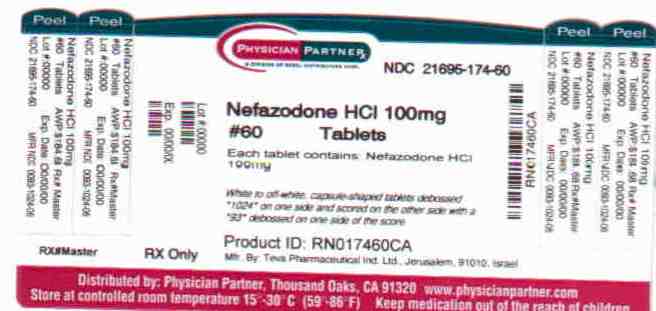
  • Medroxyprogesterone Acetate Tablet [Rebel Distributors Corp.]

    Medroxyprogesterone Acetate

    Medroxyprogesterone Acetate Tablet [Rebel Distributors Corp.]

    Secondary Amenorrhea

    Medroxyprogesterone acetate tablets may be given in dosages of 5 or 10 mg daily for 5 to 10 days. A dose for inducing an optimum secretory transformation of an endometrium that has been adequately primed with either endogenous or exogenous estrogen is 10 mg of medroxyprogesterone acetate daily for 10 days. In cases of secondary amenorrhea, therapy may be started at any time. Progestin withdrawal bleeding usually occurs within three to seven days after discontinuing medroxyprogesterone acetate therapy.

    Abnormal Uterine Bleeding Due to Hormonal Imbalance in the Absence of Organic Pathology

    Beginning on the calculated 16th or 21st day of the menstrual cycle, 5 or 10 mg of medroxyprogesterone acetate may be given daily for 5 to 10 days. To produce an optimum secretory transformation of an endometrium that has been adequately primed with either endogenous or exogenous estrogen, 10 mg of medroxyprogesterone acetate daily for 10 days beginning on the 16th day of the cycle is suggested. Progestin withdrawal bleeding usually occurs within three to seven days after discontinuing therapy with medroxyprogesterone acetate. Patients with a past history of recurrent episodes of abnormal uterine bleeding may benefit from planned menstrual cycling with medroxyprogesterone acetate.

    Reduction of Endometrial Hyperplasia in Postmenopausal Women Receiving Daily 0.625 mg Conjugated Estrogens

    When estrogen is prescribed for a postmenopausal woman with a uterus, a progestin should also be initiated to reduce the risk of endometrial cancer. A woman without a uterus does not need progestin. Use of estrogen, alone or in combination with a progestin, should be with the lowest effective dose and for the shortest duration consistent with treatment goals and risks for the individual woman. Patients should be re-evaluated periodically as clinically appropriate (for example, 3-month to 6-month intervals) to determine if treatment is still necessary (see WARNINGS). For women who have a uterus, adequate diagnostic measures, such as endometrial sampling, when indicated, should be undertaken to rule out malignancy in cases of undiagnosed persistent or recurring abnormal vaginal bleeding.

    Medroxyprogesterone acetate tablets may be given in dosages of 5 or 10 mg daily for 12 to 14 consecutive days per month, in postmenopausal women receiving daily 0.625 mg conjugated estrogens, either beginning on the 1st day of the cycle or the 16th day of the cycle.

    Patients should be started at the lowest dose.

    The lowest effective dose of medroxyprogesterone acetate has not been determined.

  • Nabumetone Tablet, Film Coated [Rebel Distributors Corp.]

    Nabumetone

    Nabumetone Tablet, Film Coated [Rebel Distributors Corp.]

    Carefully consider the potential benefits and risks of nabumetone tablets and other treatment options before deciding to use nabumetone. Use the lowest effective dose for the shortest duration consistent with individual patient treatment goals (see WARNINGS).

    After observing the response to initial therapy with nabumetone tablets, the dose and frequency should be adjusted to suit an individual patient's needs.

    Osteoarthritis and Rheumatoid Arthritis:

    The recommended starting dose is 1,000 mg taken as a single dose with or without food. Some patients may obtain more symptomatic relief from 1,500 mg to 2,000 mg per day. Nabumetone tablets can be given in either asingl or twice-daily dose. Dosages greater than 2,000 mg per day have not been studied. The lowest effective dose should be used for chronic treatment (see WARNINGS: Renal Effects: ). Patients weighing under 50 kg may be less likely to require dosages beyond 1,000 mg; therefore, after observing the response to initial therapy, the dose should be adjusted to meet individual patients' requirements.

  • Pulmicort Flexhaler (Budesonide) Aerosol, Powder [Rebel Distributors Corp]

    Pulmicort Flexhaler

    Pulmicort Flexhaler (Budesonide) Aerosol, Powder [Rebel Distributors Corp]

    PULMICORT FLEXHALER should be administered twice daily by the orally inhaled route only. After inhalation, the patient should rinse the mouth with water without swallowing [seePatient Counseling Information (17.1)].

    Patients should be instructed to prime PULMICORT FLEXHALER prior to its initial use, and instructed to inhale deeply and forcefully each time the device is used.

    The safety and efficacy of PULMICORT FLEXHALER when administered in excess of recommended doses have not been established.

    After asthma stability has been achieved, it is desirable to titrate to the lowest effective dosage to reduce the possibility of side effects. For patients who do not respond adequately to the starting dose after 1-2 weeks of therapy with PULMICORT FLEXHALER, increasing the dose may provide additional asthma control.

    2.1 Asthma

    If asthma symptoms arise in the period between doses, an inhaled, short-acting beta2-agonist should be taken for immediate relief.

    Patients 18 Years of Age and Older: For patients 18 years of age and older, the recommended starting dosage is 360 mcg twice daily. In some adult patients, a starting dose of 180 mcg twice daily may be adequate. The maximum dosage should not exceed 720 mcg twice daily.

    Patients 6 to 17 Years of Age: The recommended starting dosage is 180 mcg twice daily. In some pediatric patients, a starting dose of 360 mcg twice daily may be appropriate. The maximum dosage should not exceed 360 mcg twice daily.

    For all patients, it is desirable to titrate to the lowest effective dose after adequate asthma stability is achieved.

    Improvement in asthma control following inhaled administration of budesonide can occur within 24 hours of initiation of treatment, although maximum benefit may not be achieved for 1 to 2 weeks, or longer. Individual patients will experience a variable onset and degree of symptom relief.

    If a previously effective dosage regimen of PULMICORT FLEXHALER fails to provide adequate control of asthma, the therapeutic regimen should be re-evaluated and additional therapeutic options (e.g. replacing the lower strength of PULMICORT FLEXHALER with the higher strength or initiating oral corticosteroids) should be considered.

  • Albuterol Sulfate Solution [Rebel Distributors Corp.]

    Albuterol Sulfate Solution

    Albuterol Sulfate Solution [Rebel Distributors Corp.]

    Adults and Children 2 to 12 Years of Age: The usual dosage for adults and for children weighing at least 15 kg is 2.5 mg of albuterol (one vial) administered three to four times daily by nebulization. Children weighing < 15 kg who require < 2.5 mg/dose (i.e., less than a full vial) should use albuterol inhalation solution, 0.5% instead of albuterol inhalation solution, 0.083%. More frequent administration or higher doses are not recommended. To administer 2.5 mg of albuterol, administer the entire contents of one sterile unit-dose vial (3 mL of 0.083% inhalation solution) by nebulization. The flow rate is regulated to suit the particular nebulizer so that albuterol inhalation solution will be delivered over approximately 5 to 15 minutes.

    The use of albuterol sulfate inhalation solution can be continued as medically indicated to control recurring bouts of bronchospasm. During this time most patients gain optimum benefit from regular use of the inhalation solution.

    If a previously effective dosage regimen fails to provide the usual relief, medical advice should be sought immediately, as this is often a sign of seriously worsening asthma that would require reassessment of therapy.

  • Zomig (Zolmitriptan) Spray, Metered [Rebel Distributors Corp]

    Zomig

    Zomig (Zolmitriptan) Spray, Metered [Rebel Distributors Corp]

    2.1 Acute Treatment of Migraine Attacks

    Administer one dose of ZOMIG Nasal Spray 5 mg for the treatment of acute migraine. If the headache returns, the dose may be repeated after 2 hours. The effectiveness of a second dose has not been established in placebo-controlled trials. The maximum daily dose should not exceed 10 mg in any 24-hour period.

    In controlled clinical trials, single doses of 5 mg of zolmitriptan nasal spray were administered into one nostril and were effective for the treatment of acute migraines in adults.

    Individuals may vary in response to ZOMIG Nasal Spray. The pharmacokinetics of a 5 mg nasal spray dose is similar to the 5 mg oral formulations. Doses lower than 5 mg can only be achieved through the use of an oral formulation. The choice of dose, and route of administration should therefore be made on an individual basis.

    The safety of treating an average of more than four headaches in a 30-day period has not been established.

    2.2 Hepatic Impairment

    Patients with moderate to severe hepatic impairment have decreased clearance of zolmitriptan and significant elevation in blood pressure was observed in some patients. Use of doses less than 2.5mg of an alternate formulation with blood pressure monitoring is recommended [see Clinical Pharmacology (12.3) and Warnings and Precautions (5.6)].

  • Spironolactone Tablet, Film Coated [Rebel Distributors Corp]

    Spironolactone

    Spironolactone Tablet, Film Coated [Rebel Distributors Corp]

    Primary Hyperaldosteronism.

    Spironolactone may be employed as an initial diagnostic measure to provide presumptive evidence of primary hyperaldosteronism while patients are on normal diets.

    Long Test: Spironolactone is administered at a daily dosage of 400 mg for three to four weeks. Correction of hypokalemia and of hypertension provides presumptive evidence for the diagnosis of primary hyperaldosteronism.

    Short Test: Spironolactone is administered at a daily dosage of 400 mg for four days. If serum potassium increases during spironolactone administration but drops when spironolactone is discontinued, a presumptive diagnosis of primary hyperaldosteronism should be considered.

    After the diagnosis of hyperaldosteronism has been established by more definitive testing procedures, spironolactone may be administered in doses of 100 to 400 mg daily in preparation for surgery. For patients who are considered unsuitable for surgery, spironolactone may be employed for long-term maintenance therapy at the lowest effective dosage determined for the individual patient.

    Edema in Adults (Congestive Heart Failure, Hepatic Cirrhosis, or Nephrotic Syndrome).

    An initial daily dosage of 100 mg of spironolactone administered in either single or divided doses is recommended, but may range from 25 to 200 mg daily. When given as the sole agent for diuresis, spironolactone should be continued for at least five days at the initial dosage level, after which it may be adjusted to the optimal therapeutic or maintenance level administered in either single or divided daily doses. If, after five days, an adequate diuretic response to spironolactone has not occurred, a second diuretic which acts more proximally in the renal tubule may be added to the regimen. Because of the additive effect of spironolactone when administered concurrently with such diuretics, an enhanced diuresis usually begins on the first day of combined treatment; combined therapy is indicated when more rapid diuresis is desired. The dosage of spironolactone should remain unchanged when other diuretic therapy is added.

    Essential Hypertension.

    For adults, an initial daily dosage of 50 to 100 mg of spironolactone administered in either single or divided doses is recommended. Spironolactone may also be given with diuretics which act more proximally in the renal tubule or with other antihypertensive agents. Treatment with spironolactone should be continued for at least two weeks, since the maximum response may not occur before this time. Subsequently, dosage should be adjusted according to the response of the patient.

    Hypokalemia.

    Spironolactone in a dosage ranging from 25 mg to 100 mg daily is useful in treating a diuretic-induced hypokalemia, when oral potassium supplements or other potassium-sparing regimens are considered inappropriate.

    Severe Heart Failure (NYHA class III – IV).

    Treatment should be initiated with spironolactone 25 mg once daily if the patient’s serum potassium is ≤5.0 mEq/L and the patient’s serum creatinine is ≤ 2.5 mg/dL. Patients who tolerate 25 mg once daily may have their dosage increased to 50 mg once daily as clinically indicated. Patients who do not tolerate 25 mg once-daily dose may have their dosage reduced to 25 mg every other day. SEE WARNINGS: Hyperkalemia in Patients with Severe Heart Failure for advice on monitoring serum potassium and serum creatinine.

    Primary Hyperaldosteronism.

    Spironolactone may be employed as an initial diagnostic measure to provide presumptive evidence of primary hyperaldosteronism while patients are on normal diets.

    Long Test: Spironolactone is administered at a daily dosage of 400 mg for three to four weeks. Correction of hypokalemia and of hypertension provides presumptive evidence for the diagnosis of primary hyperaldosteronism.

    Short Test: Spironolactone is administered at a daily dosage of 400 mg for four days. If serum potassium increases during spironolactone administration but drops when spironolactone is discontinued, a presumptive diagnosis of primary hyperaldosteronism should be considered.

    After the diagnosis of hyperaldosteronism has been established by more definitive testing procedures, spironolactone may be administered in doses of 100 to 400 mg daily in preparation for surgery. For patients who are considered unsuitable for surgery, spironolactone may be employed for long-term maintenance therapy at the lowest effective dosage determined for the individual patient.

    Edema in Adults (Congestive Heart Failure, Hepatic Cirrhosis, or Nephrotic Syndrome).

    An initial daily dosage of 100 mg of spironolactone administered in either single or divided doses is recommended, but may range from 25 to 200 mg daily. When given as the sole agent for diuresis, spironolactone should be continued for at least five days at the initial dosage level, after which it may be adjusted to the optimal therapeutic or maintenance level administered in either single or divided daily doses. If, after five days, an adequate diuretic response to spironolactone has not occurred, a second diuretic which acts more proximally in the renal tubule may be added to the regimen. Because of the additive effect of spironolactone when administered concurrently with such diuretics, an enhanced diuresis usually begins on the first day of combined treatment; combined therapy is indicated when more rapid diuresis is desired. The dosage of spironolactone should remain unchanged when other diuretic therapy is added.

    Essential Hypertension.

    For adults, an initial daily dosage of 50 to 100 mg of spironolactone administered in either single or divided doses is recommended. Spironolactone may also be given with diuretics which act more proximally in the renal tubule or with other antihypertensive agents. Treatment with spironolactone should be continued for at least two weeks, since the maximum response may not occur before this time. Subsequently, dosage should be adjusted according to the response of the patient.

    Hypokalemia.

    Spironolactone in a dosage ranging from 25 mg to 100 mg daily is useful in treating a diuretic-induced hypokalemia, when oral potassium supplements or other potassium-sparing regimens are considered inappropriate.

    Severe Heart Failure (NYHA class III – IV).

    Treatment should be initiated with spironolactone 25 mg once daily if the patient’s serum potassium is ≤5.0 mEq/L and the patient’s serum creatinine is ≤ 2.5 mg/dL. Patients who tolerate 25 mg once daily may have their dosage increased to 50 mg once daily as clinically indicated. Patients who do not tolerate 25 mg once-daily dose may have their dosage reduced to 25 mg every other day. SEE WARNINGS: Hyperkalemia in Patients with Severe Heart Failure for advice on monitoring serum potassium and serum creatinine.

  • Treximet (Sumatriptan Succinate And Naproxen Sodium) Tablet, Film Coated [Rebel Distributors Corp]

    Treximet

    Treximet (Sumatriptan Succinate And Naproxen Sodium) Tablet, Film Coated [Rebel Distributors Corp]

    TREXIMET is a fixed combination containing doses of sumatriptan (85 mg) and naproxen sodium (500 mg) within the approved dosage ranges of the individual components (25 to 100 mg of sumatriptan and 220 to 825 mg of naproxen sodium). TREXIMET contains a dose of sumatriptan higher than the lowest effective dose. Individuals may vary in response to doses of sumatriptan. The choice of the dose of sumatriptan, and of the use of a fixed combination such as in TREXIMET should therefore be made on an individual basis, weighing the possible benefit of a higher dose of sumatriptan with the potential for a greater risk of adverse events. Carefully consider the potential benefits and risks of TREXIMET and other treatment options when deciding to use TREXIMET.

    The recommended dose is 1 tablet. In controlled clinical trials, single doses of TREXIMET were effective for the acute treatment of migraine in adults (see CLINICAL TRIALS).

    The efficacy of taking a second dose has not been established. Do not take more than 2 TREXIMET tablets in 24 hours. Dosing of tablets should be at least 2 hours apart. The safety of treating an average of more than 5 migraine headaches in a 30-day period has not been established.

    TREXIMET may be administered with or without food. Tablets should not be split, crushed, or chewed.

    The combined use of TREXIMET with MAO-A inhibitors or use of TREXIMET within 2 weeks of discontinuation of MAO-A inhibitor therapy is contraindicated (see CONTRAINDICATIONS, CLINICAL PHARMACOLOGY: Drug Interactions, PRECAUTIONS: Drug Interactions).

    TREXIMET and any ergotamine-containing or ergot-type medication (like dihydroergotamine or methysergide) should not be used within 24 hours of each other. TREXIMET and other 5-HT1 agonists should not be administered within 24 hours of each other (see CONTRAINDICATIONS and PRECAUTIONS: Drug Interactions).

    TREXIMET is contraindicated in patients with hepatic impairment (see CONTRAINDICATIONS and CLINICAL PHARMACOLOGY: Special Populations).

    TREXIMET is not recommended for use in patients with creatinine clearance less than 30 mL/min (see CLINICAL PHARMACOLOGY: Special Populations and PRECAUTIONS: Renal Effects).

  • Promethegan (Promethazine Hydrochloride) Suppository [Rebel Distributors Corp]

    Promethegan

    Promethegan (Promethazine Hydrochloride) Suppository [Rebel Distributors Corp]

    Promethazine HCl Rectal Suppositories, USP are contraindicated for children under 2 years of age (see WARNINGS– Black Box Warning and Use in Pediatric Patients).

    Promethazine HCl Suppositories are for rectal administration only.

    Allergy

    The average dose is 25 mg taken before retiring; however, 12.5 mg may be taken before meals and on retiring, if necessary. Single 25-mg doses at bedtime or 6.25 to 12.5 mg taken three times daily will usually suffice. After initiation of treatment in children or adults, dosage should be adjusted to the smallest amount adequate to relieve symptoms. The administration of promethazine hydrochloride in 25-mg doses will control minor transfusion reactions of an allergic nature.

    Motion Sickness

    The average adult dose is 25 mg taken twice daily. The initial dose should be taken one-half to one hour before anticipated travel and be repeated 8 to 12 hours later, if necessary. On succeeding days of travel, it is recommended that 25 mg be given on arising and again before the evening meal. For children, Promethazine HCl Rectal Suppositories, 12.5 to 25 mg, twice daily, may be administered.

    Nausea and Vomiting

    Antiemetics should not be used in vomiting of unknown etiology in children and adolescents (see WARNINGS– Use in Pediatric Patients).

    The average effective dose of promethazine HCl for the active therapy of nausea and vomiting in children or adults is 25 mg. 12.5- to 25-mg doses may be repeated, as necessary, at 4- to 6-hour intervals.

    For nausea and vomiting in children, the usual dose is 0.5 mg per pound of body weight, and the dose should be adjusted to the age and weight of the patient and the severity of the condition being treated.

    For prophylaxis of nausea and vomiting, as during surgery and the postoperative period, the average dose is 25 mg repeated at 4- to 6-hour intervals, as necessary.

    Sedation

    This product relieves apprehension and induces a quiet sleep from which the patient can be easily aroused. Administration of 12.5 to 25 mg promethazine HCl by rectal suppository at bedtime will provide sedation in children. Adults usually require 25 to 50 mg for nighttime, presurgical, or obstetrical sedation.

    Pre- and Postoperative Use

    Promethazine HCl in 12.5- to 25-mg doses for children and 50-mg doses for adults the night before surgery relieves apprehension and produces a quiet sleep.

    For preoperative medication, children require doses of 0.5 mg per pound of body weight in combination with an appropriately reduced dose of narcotic or barbiturate and the appropriate dose of an atropine-like drug. Usual adult dosage is 50 mg promethazine HCl with an appropriately reduced dose of narcotic or barbiturate and the required amount of a belladonna alkaloid.

    Postoperative sedation and adjunctive use with analgesics may be obtained by the administration of 12.5 to 25 mg in children and 25- to 50-mg doses in adults.

    Promethazine HCl Rectal Suppositories are not recommended for children under 2 years of age.

  • Tri-sprintec (Norgestimate And Ethinyl Estradiol) Kit [Rebel Distributors Corp]

    Tri-sprintec

    Tri-sprintec (Norgestimate And Ethinyl Estradiol) Kit [Rebel Distributors Corp]

    Oral Contraception

    To achieve maximum contraceptive effectiveness, Tri-Sprintec Tablets must be taken exactly as directed and at intervals not exceeding 24 hours. Tri-Sprintec Tablets are available in the Blister Pack Tablet Dispenser which is preset for a Sunday Start. Day 1 Start is also provided.

    28-Day Regimen (Sunday Start)

    When taking Tri-Sprintec 28 Tablets, the first tablet should be taken on the first Sunday after menstruation begins. If period begins on Sunday, the first tablet should be taken that day. Take one active tablet daily for 21 days followed by one white tablet daily for 7 days. After 28 tablets have been taken, a new course is started the next day (Sunday). For the first cycle of a Sunday Start regimen, another method of contraception should be used until after the first seven consecutive days of administration.

    If the patient misses one (1) active tablet in Weeks 1, 2, or 3, the tablet should be taken as soon as she remembers. If the patient misses two (2) active tablets in Week 1 or Week 2, the patient should take two (2) tablets the day she remembers and two (2) tablets the next day; and then continue taking one (1) tablet a day until she finishes the pack. The patient should be instructed to use a back-up method of birth control if she has sex in the seven (7) days after missing pills. If the patient misses two (2) active tablets in the third week or misses three (3) or more active tablets in a row, the patient should continue taking one tablet every day until Sunday. On Sunday the patient should throw out the rest of the pack and start a new pack that same day. The patient should be instructed to use a back-up method of birth control if she has sex in the seven (7) days after missing pills.

    Complete instructions to facilitate patient counseling on proper pill usage may be found in the Detailed Patient Labeling (“How to Take the Pill” section).

    28-Day Regimen (Day 1 Start)

    The dosage of Tri-Sprintec 28 Tablets, for the initial cycle of therapy is one active tablet administered daily from the 1st day through the 21st day of the menstrual cycle, counting the first day of menstrual flow as “Day 1” followed by one white tablet daily for 7 days. Tablets are taken without interruption for 28 days. After 28 tablets have been taken, a new course is started the next day.

    If the patient misses one (1) active tablet in Weeks 1, 2, or 3, the tablet should be taken as soon as she remembers. If the patientmisses two (2) active tablets inWeek 1 orWeek 2, the patient should take two (2) tablets the day she remembers and two (2) tablets the next day; and then continue taking one (1) tablet a day until she finishes the pack. The patient should be instructed to use a back-up method of birth control if she has sex in the seven (7) days after missing pills. If the patient misses two (2) active tablets in the third week or misses three (3) or more active tablets in a row, the patient should throw out the rest of the pack and start a new pack that same day. The patient should be instructed to use a backup method of birth control if she has sex in the seven (7) days after missing pills.

    Complete instructions to facilitate patient counseling on proper pill usage may be found in the Detailed Patient Labeling (“How to Take the Pill” section).

    The use of Tri-Sprintec for contraception may be initiated 4 weeks postpartum in women who elect not to breastfeed. When the tablets are administered during the postpartum period, the increased risk of thromboembolic disease associated with the postpartum period must be considered. (See CONTRAINDICATIONS and WARNINGS concerning thromboembolic disease. See also PRECAUTIONS for “Nursing Mothers.”) The possibility of ovulation and conception prior to initiation of medication should be considered.

    (See Discussion of Dose-Related Risk of Vascular Disease from Oral Contraceptives.)

  • Vigamox (Moxifloxacin Hydrochloride) Solution [Rebel Distributors Corp]

    Vigamox

    Vigamox (Moxifloxacin Hydrochloride) Solution [Rebel Distributors Corp]

    Instill one drop in the affected eye 3 times a day for 7 days.

  • Maxalt (Rizatriptan Benzoate) Tablet [Rebel Distributors Corp]

    Maxalt

    Maxalt (Rizatriptan Benzoate) Tablet [Rebel Distributors Corp]

    In controlled clinical trials, single doses of 5 and 10 mg of MAXALT Tablets or MAXALT-MLT were effective for the acute treatment of migraines in adults. There is evidence that the 10-mg dose may provide a greater effect than the 5-mg dose (see CLINICAL PHARMACOLOGY, Clinical Studies). Individuals may vary in response to doses of MAXALT Tablets. The choice of dose should therefore be made on an individual basis, weighing the possible benefit of the 10-mg dose with the potential risk for increased adverse events.

    Redosing: Doses should be separated by at least 2 hours; no more than 30 mg should be taken in any 24-hour period.

    The safety of treating, on average, more than four headaches in a 30-day period has not been established.

    Patients receiving propranolol: In patients receiving propranolol, the 5-mg dose of MAXALT should be used, up to a maximum of 3 doses in any 24-hour period. (See CLINICAL PHARMACOLOGY, Drug Interactions.)

    For MAXALT-MLT Orally Disintegrating Tablets, administration with liquid is not necessary. The orally disintegrating tablet is packaged in a blister within an outer aluminum pouch. Patients should be instructed not to remove the blister from the outer pouch until just prior to dosing. The blister pack should then be peeled open with dry hands and the orally disintegrating tablet placed on the tongue, where it will dissolve and be swallowed with the saliva.